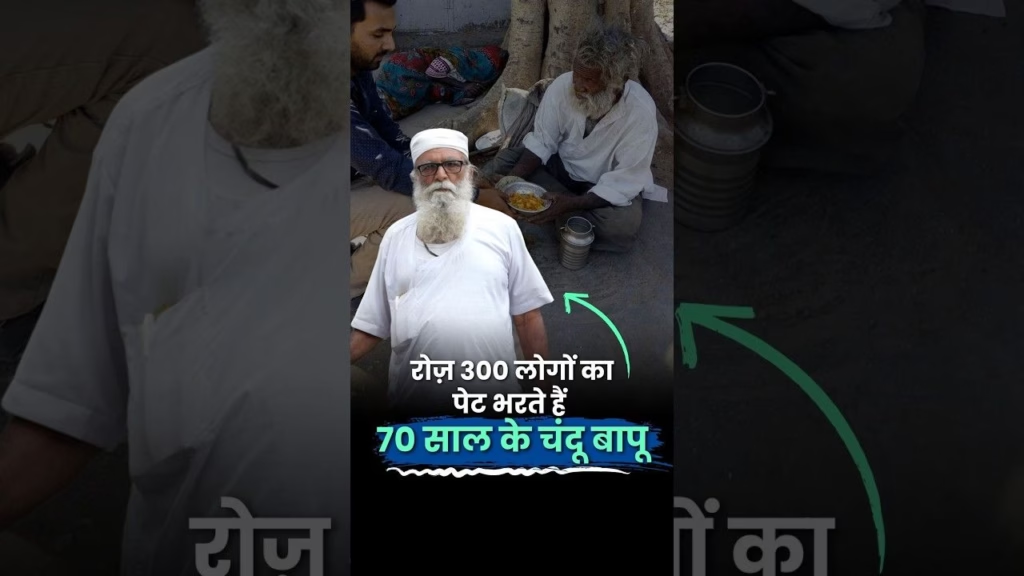
गुजरात के गोंडल में मुफ़्त टिफिन सेवा चलाने वाले 70 साल के चंदू बापू ने 20 साल पहले अपने बेटे को खोने के बाद एक संकल्प लिया था: “मैं किसी को भूखे पेट नहीं सोने दूँगा!”
आज बापू उन लोगों का पेट भरते हैं, जो देख नहीं सकते, बोल नहीं सकते, दिव्यांग हैं, शारीरिक रूप से असमर्थ हैं या बेसहारा हैं। उन्होंने सिर्फ़ 10 लोगों से इस सेवा की शुरुआत की थी, लेकिन आज 300 लोग बापू की गाड़ी का इंतज़ार करते हैं! जैसे ही बापू की गाड़ी पहुँचती है, उनके चेहरों पर मुस्कान आ जाती है।
बापू को आपके साथ की ज़रूरत है। यह कोई संस्था नहीं, बल्कि एक पिता का अपने बेटे के प्रति प्यार है और निःस्वार्थ सेवा है।
आपकी छोटी-सी मदद किसी की भूख मिटा सकती है।
संपर्क करें- 80000 83700
और इस वीडियो को ज़रूर शेयर करें, ताकि आपके एक शेयर से किसी को खाना मिल सके। :heart:
@free_tifin_seva
[Chandu Bapu free food service Gondal Gujarat, 70-year-old man feeding 300 needy people daily, Free tiffin service for disabled people in Gujarat]
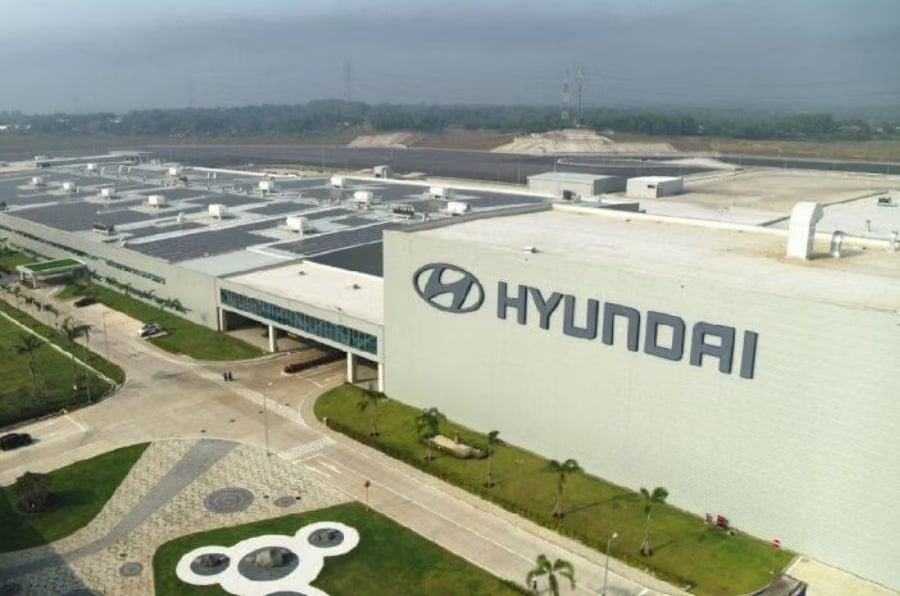
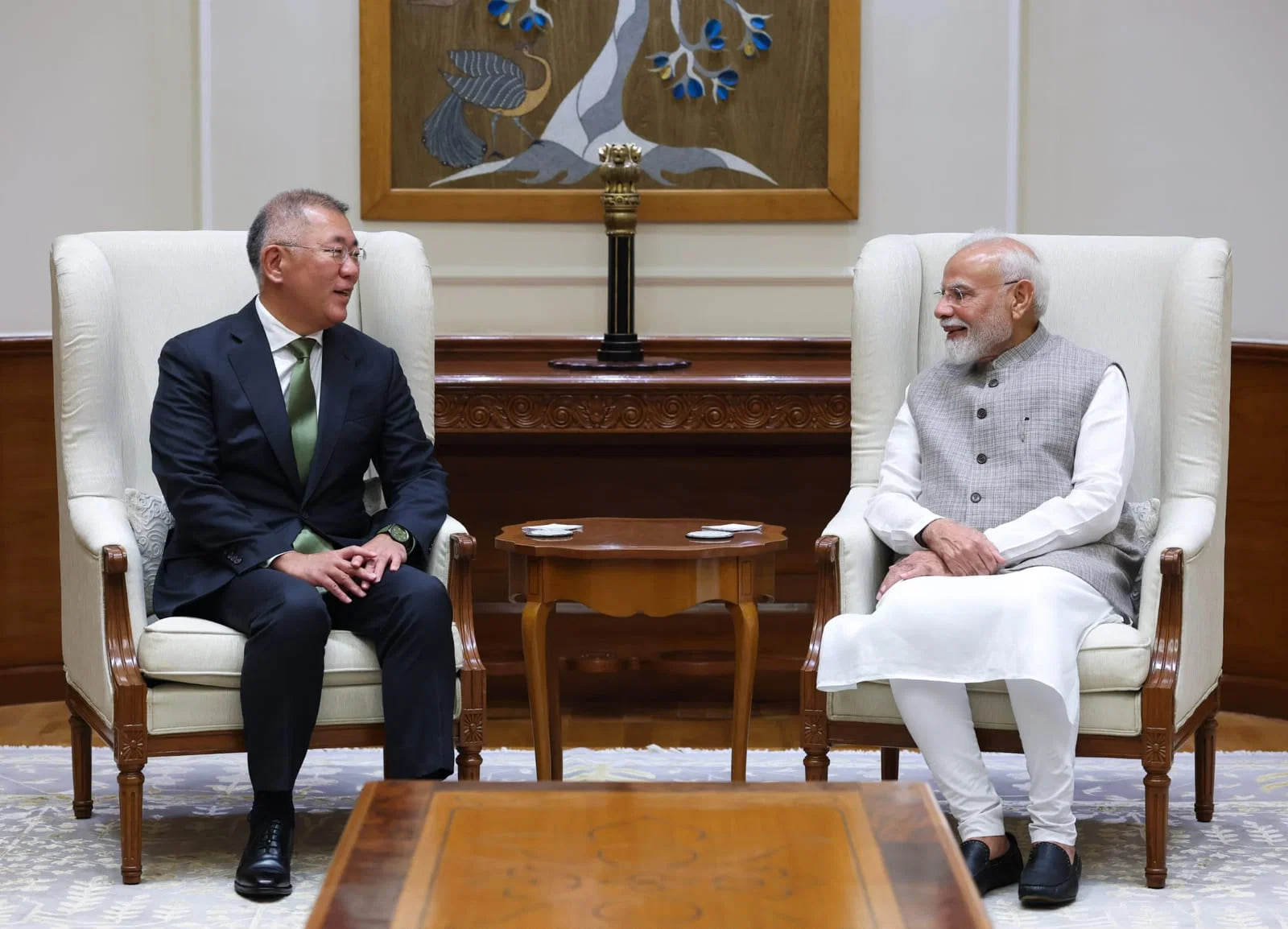
Hyundai has announced plans to invest USD 15.5 billion in India between 2026 and 2032. The investment will cover research and development, manufacturing capacity, local supplier development and businesses such as electric vehicle charging and automotive financing. The announcement follows a meeting between prime minister Narendra Modi and Hyundai Motor Group executive chair Euisun Chung in New Delhi on October 13.
“India remains one of Hyundai Motor Group’s most important and strategic markets globally. The past 30 years have been defined by our commitment to India. This investment reaffirms our commitment to India for the next 30 years and beyond,” Chung said.
Hyundai investment: R&D and manufacturing plans
The company plans to invest around USD 700 million in its Indian R&D centre, including a vehicle testing track. The investment is intended to expand engineering facilities and support the development of automotive technologies and local talent.
The group also plans to increase manufacturing capacity across Hyundai and Kia. Their combined annual production capacity in India currently exceeds 1.4 million vehicles, across Hyundai’s facilities in Chennai and Pune, and Kia’s plant in Anantapur.
Capacity at Hyundai’s Pune facility is scheduled to increase in phases. The group is also assessing a third manufacturing location to meet its longer-term requirements.
Our sister publication, Autocar Professional reported on September 29 that Chhatrapati Sambhaji Nagar in Maharashtra and Sanand in Gujarat were among the locations under consideration. According to people familiar with the plans, the proposed facility could eventually add around 500,000 units of annual capacity, with investment potentially exceeding USD 2 billion over time. The plant could come up around 2030, with capacity added in phases over five to seven years. The October 13 announcement did not confirm the location, investment schedule or additional capacity.
The company will also invest in local suppliers and regional partners to increase parts localisation and strengthen its supply chain. It plans to establish a dedicated investment entity in India to oversee the programme and identify suppliers, technology partners and investment opportunities.
Hyundai to explore new mobility businesses
Beyond vehicle manufacturing, Hyundai Motor Group plans to explore automotive financing, EV charging infrastructure and end-of-life vehicle recycling. It also intends to support promising start-ups and expand into mobility services linked to its vehicle business.
Hyundai is developing electric three-wheelers with TVS Motor Company under a joint development agreement. The partnership is aimed at commercialising electric three-wheelers for India and other markets.
The group said the investment programme is expected to create employment in manufacturing, R&D, engineering and supply chains, including through suppliers and new mobility businesses. It currently employs more than 24,000 people across India.
Hyundai Motor Group has not disclosed how the USD 15.5 billion investment will be divided between Hyundai and Kia, or how much will be allocated to individual projects.
नवरात्रि में गरबा और डांडिया की रौनक तो आपने खूब देखी होगी, लेकिन गुजरात में उत्सव का एक ऐसा नजारा भी देखने को मिला, जिसने लोगों का ध्यान खींच लिया। यहां महिलाएं हाथों में तलवार लेकर मैदान में उतरीं और अपनी पारंपरिक कला का प्रदर्शन किया। राजकोट और जामनगर में राजपूत समाज की महिलाओं ने तलवार रास के जरिए वीरता और संस्कृति की अनूठी झलक पेश की। पारंपरिक पोशाक, हाथों में चमचमाती तलवारें और आत्मविश्वास से भरी महिलाओं का अंदाज इस आयोजन को खास बनाता है।
यह प्रदर्शन केवल मनोरंजन तक सीमित नहीं है, बल्कि पीढ़ियों से चली आ रही परंपरा को सहेजने की कोशिश भी है। खास बात यह है कि इस कला को सीखने के लिए महिलाओं को बाकायदा प्रशिक्षण दिया जाता है और नवरात्रि से पहले लंबे समय तक अभ्यास कराया जाता है।
गरबा के साथ दिखा वीरता और परंपरा का संगम
गुजरात में नवरात्रि का नाम आते ही गरबा और डांडिया की तस्वीर सामने आती है। हालांकि, राजकोट में होने वाला तलवार रास इस उत्सव को एक अलग पहचान देता है। यहां महिलाएं तलवारों के साथ पारंपरिक दांव-पेच और करतब दिखाती हैं। राजकोट पैलेस के ऐतिहासिक मैदान में क्षत्रिय समाज की महिलाएं इस प्रस्तुति के जरिए अपनी परंपरा को आगे बढ़ा रही हैं। आयोजकों से जुड़ी जानकारी के अनुसार, यह कार्यक्रम पिछले करीब 18 वर्षों से आयोजित किया जा रहा है। इसका उद्देश्य प्राचीन गरबा और रास संस्कृति को सहेजकर अगली पीढ़ी तक पहुंचाना है।
तलवार चलाना नहीं जानने वाली महिलाओं को भी मिलती है ट्रेनिंग
इस आयोजन की खास बात यह है कि इसमें भाग लेने के लिए पहले से तलवार चलाना आना जरूरी नहीं है। कार्यक्रम से जुड़ी एक महिला ने समाचार एजेंसी आईएएनएस को बताया कि संस्था में महिलाओं को बारीकी से प्रशिक्षण दिया जाता है। उन्होंने कहा कि जब दूर-दूर से लोग इस अनोखी प्रस्तुति को देखने पहुंचते हैं, तो उन्हें गर्व महसूस होता है। इस परंपरा को आगे बढ़ाने के लिए महिलाओं ने काफी मेहनत की है। प्रशिक्षण के दौरान उन महिलाओं को भी सिखाया जाता है, जिन्हें पहले तलवार चलाने का अनुभव नहीं होता।
डेढ़ महीने पहले से शुरू हो जाती है तैयारी
इस कार्यक्रम से करीब 15 वर्षों से जुड़ी एक वरिष्ठ सदस्य ने बताया कि तलवार रास में क्षत्रिय समाज की महिलाएं विशेष रूप से हिस्सा लेती हैं। उनके मुताबिक, नवरात्रि शुरू होने से लगभग डेढ़ महीने पहले ही अभ्यास शुरू हो जाता है। पैलेस ग्राउंड में होने वाली इस प्रस्तुति में तलवार के अलग-अलग दांव और स्टंट दिखाए जाते हैं। लगातार अभ्यास के जरिए महिलाएं अपने प्रदर्शन को तैयार करती हैं।
#WATCH | Rajkot, Gujarat: Kshatriya Rajput women performed the traditional Sword Raas at Rajvi Palace during Navratri, displaying sword-fighting skills while riding bikes and jeeps. (12.10) https://t.co/DhkKCO9R5o
राजकोट और जामनगर में महिलाओं का यह प्रदर्शन नवरात्रि के पारंपरिक उत्सव में एक अलग रंग जोड़ता है। जहां गरबा और डांडिया भक्ति और सामूहिक उल्लास का प्रतीक हैं, वहीं तलवार रास के जरिए महिलाएं अपनी सांस्कृतिक विरासत और पारंपरिक युद्ध-कला से जुड़ी परंपराओं को जीवित रखने का प्रयास कर रही हैं।
Gujarat civic polls: गुजरात के शहरी स्थानीय निकाय चुनावों में राज्य में सत्ताधारी भारतीय जनता पार्टी (BJP) ने तीनों निकायों में जबरदस्त जीत हासिल कर अपना कब्जा बरकरार रखा है। राज्य निर्वाचन आयोग की ओर से मंगलवार (13 अक्टूबर) को घोषित नतीजों के मुताबिक, BJP को गांधीनगर नगर निगम (GMC) चुनाव में 44 में से 38 सीटों पर कब्जा कर बड़ी जीत हासिल की। इसके अलावा भगवा पार्टी ने थारा और ओखा नगरपालिकाओं में भी अपनी सत्ता बरकरार रखी है। गुजरात निकाय चुनाव में कांग्रेस का प्रदर्शन काफी खराब रहा है।
गांधीनगर नगर निगम चुनाव में कांग्रेस पांच सीट के साथ दूसरे नंबर पर रही। जबकि एक सीट निर्दलीय उम्मीदवार ने जीती। आम आदमी पार्टी (AAP) इस बार अपना खाता भी नहीं खोल पाई। उसने पिछले जीएसमी चुनाव में एक सीट जीती थी। पिछला जीएमसी चुनाव अक्टूबर 2021 में हुआ था जिसमें BJP ने 44 में से 41 सीट जीती थीं। जबकि कांग्रेस को दो और आप को एक सीट मिली थी।
थारा नगरपालिका में बीजेपी ने 19 सीटें जीतीं
बनासकांठा जिले की थारा नगरपालिका में भाजपा ने 24 में से 19 सीटें जीतीं। जबकि कांग्रेस को बाकी पांच सीटों पर जीत मिलीं। थारा नगरपालिका चुनाव का परिणाम भी आज ही घोषित हुआ। देवभूमि द्वारका जिले की ओखा नगरपालिका में 32 सीट के लिए मतदान हुआ था। इनमें से भारतीय जनता पार्टी ने 29 जीतीं। जबकि कांग्रेस को तीन सीट मिलीं।
ओखा में बीजेपी को 29 सीटें, 4 पर निर्विरोध जीत
ओखा में चार सीट पर उम्मीदवार निर्विरोध चुने गए क्योंकि इन सीट पर चुनाव मैदान में सिर्फ BJP के उम्मीदवार ही बचे थे। इन चार सीटों को मिलाकर भगवा पार्टी ने नगरपालिका की कुल 36 में से 33 सीट हासिल कीं। इन चुनाव नतीजों के साथ, बीजेपी ने रविवार को हुए चुनावों में तीनों शहरी स्थानीय निकायों पर अपना कब्जा बनाए रखा है। तीनों शहरी निकायों के लिए वोटों की गिनती मंगलवार सुबह 9 बजे शुरू हुई थी।
तीनों निकायों में बीजेपी ने बरकरार रखा कंट्रोल
गुजरात के इन तीनों शहरी निकायों के नतीजों से स्पष्ट है कि बीजेपी गांधीनगर नगर निगम, थारा नगरपालिका और ओखा नगरपालिका में अपना नियंत्रण बनाए रखने में सफल रही। वहीं, कांग्रेस ने गांधीनगर में पिछली बार की तुलना में अपनी सीटों की संख्या बढ़ाई और थारा तथा ओखा में भी सीटें हासिल कीं। गांधीनगर में बीजेपी की सीटें 41 से घटकर 38 रह गईं, जबकि कांग्रेस की सीटें दो से बढ़कर पांच हो गईं। दूसरी ओर, आम आदमी पार्टी को इस बार गांधीनगर में कोई सीट नहीं मिली।
EVM से कराए गए चुनाव, गांधीनगर में 59.25% मतदान
गुजरात निर्वाचन आयोग के अनुसार, तीनों निकायों में चुनाव इलेक्ट्रॉनिक वोटिंग मशीन (EVM) के जरिए कराए गए थे। गांधीनगर में 59.25 प्रतिशत, थारा में 81.18% और ओखा में 63.27 फीसदी मतदान दर्ज किया गया। रविवार को वोटिंग के बाद मंगलवार सुबह मतगणना शुरू हुई। नतीजों के साथ ही तीनों शहरी निकायों में नई स्थानीय राजनीतिक स्थिति स्पष्ट हो गई है। बीजेपी ने तीनों जगह अपना कंट्रोल बरकरार रखा। जबकि गांधीनगर में कांग्रेस की सीटों में बढ़ोतरी दर्ज की गई है।
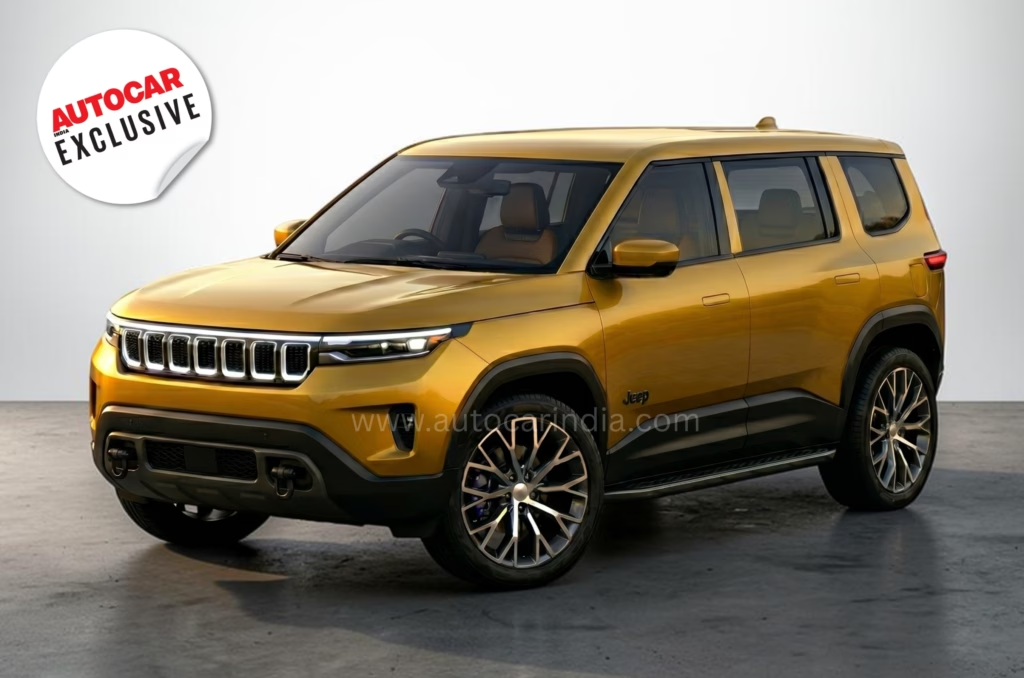
Tata Motors Passenger Vehicles (TMPV) and Stellantis have signed a formal agreement to expand their partnership into product technology, platforms and vehicle architecture, formalising plans for a new Jeep SUV based on the Tata Sierra’s ARGOS platform, according to people in the know. Internally codenamed J1J, the Jeep SUV will get both internal combustion engine and electric versions and it is likely to use the same powertrains as the Sierra, say people in the know.
Sierra-based Jeep SUV: platform and production plans
ARGOS stands for All-Terrain Ready, Omni-Energy and Geometry Scalable. It is TMPV’s modular, multi-energy vehicle architecture, designed to accommodate different vehicle dimensions and powertrain applications, which can open up more opportunities for Stellantis in the future.
While Tata Motors is producing the Sierra at its Sanand factory in Gujarat, production of the Jeep model is likely to take place at the Fiat India Automobiles Ltd (FIAL) joint venture facility in Ranjangaon, Maharashtra. The manufacturing operations are expected to be adapted for the programme over the next 18 months, added a person in the know.
The programme forms part of Stellantis’ wider ambition to sell 100,000 locally produced vehicles globally in 2028 across its Tata and Dongfeng partnership programmes combined, as outlined at its May 2026 Investor Day. The target covers several products. The company is likely to launch the first vehicle in the first half of 2028, say sources.
A dedicated team for the project is currently based out of Pune and will look at adapting the vehicle architecture, including a left-hand-drive version for overseas markets. A range-extender electric vehicle application is also being explored on the platform, although no production decision for the REEV has been finalised, according to people familiar with the engineering work.
An email sent to Tata Motors and Stellantis seeking comment remained unanswered at the time of publication.
The formal agreement builds on a relationship spanning more than two decades. Having collaborated on manufacturing, powertrains and the supply chain, the partners are now extending their cooperation into vehicle development.
Sierra-based Jeep SUV: Different body and cabin
Stellantis is benchmarking its own Jeep Renegade and Compass products for the J1J model development, according to company sources. Its eventual name and final production design are being firmed up.
This clearly indicates that the Jeep will have a different upper body, or top hat, exterior styling and cabin. Changes will extend to the seating package, interior features and equipment. These will distinguish it from the Sierra, while allowing the companies to share the underlying architecture and components.
Much of the platform is expected to be retained, with structural modifications and reinforcements, where required, to accommodate the Jeep body and meet crash and overseas regulatory requirements. Details of Jeep-specific suspension tuning and off-road hardware could not immediately be established. A 4×4 variant is also likely as Jeep’s brand guidelines insist on giving its customers a 4×4 option for all its models. Whilst the electric version of the Sierra already comes with 4×4, the ARGOS platform has been packaged and developed to accommodate a 4×4 ICE drive train as well. In fact, the Jeep partnership could accelerate the launch of a Sierra 4×4 to coincide with launch of the next-gen Jeep SUV.
Tata Motors sister company Tata Technologies is understood to be involved in engineering execution at Stellantis. The work includes the Jeep-specific body and interior package, left-hand-drive adaptation and changes needed to meet overseas regulations.
According to people familiar with the programme, TMPV will retain ownership of the architecture and license it to Stellantis. Existing Sierra suppliers are expected to support Jeep where components can be shared, with separate sourcing and tooling for model-specific parts.
India development, global markets
Stellantis had disclosed its intention to develop a Tata-based Jeep at its May 21, 2026 Investor Day. Grégoire Olivier, its Asia Pacific chief operating officer, said Tata Motors would provide a competitive platform for a new Jeep vehicle to be developed and assembled in India through the existing joint venture for global markets.
Olivier had also outlined exports to more than 50 countries across the wider portfolio, including the Dongfeng programmes, the Tata-based Jeep and the existing Citroën Smart Car programme in India. The markets allocated specifically to J1J have not been established.
For Stellantis, Tata’s architecture and supplier base offer a way to reduce development expenditure while adding a new Jeep product. For TMPV, the arrangement could generate licensing revenue and spread platform costs across additional vehicles. Common components could also bring suppliers higher volumes.
The alliance is a much-needed segue for the Jeep brand which has been in India for close to a decade but has been relegated to the fringes of the Indian market with a lack of product action. A licensed modular architecture with the potential for multiple powertrains, 4×4 capability and different wheelbases will open opportunities for more products in a quicker time interval.
The programme would extend the Ranjangaon venture from manufacturing cooperation to producing a Jeep on Tata’s vehicle architecture. The left-hand-drive version would widen its overseas reach, giving the plant access to demand beyond India and other right-hand-drive markets.
IPO Fair in October: जियो प्लेटफॉर्म्स (Jio Platforms), जेटवर्क मैन्युफैक्चरिंग बिजनेस (Zetwerk Manufacturing Business), और एवांडा इलेक्ट्रो (Avaada Electro) समेत करीब एक दर्जन कंपनियों का इस महीने अक्टूबर में आईपीओ आने वाला है। मर्चेंट बैंकर्स के मुताबिक इनके अलावा और भी कई कंपनियां कतार में हैं। ये आईपीओ अलग-अलग सेक्टर्स से होंगे, जैसे कि टेक्नोलॉजी, हेल्थकेयर, रिन्यूएबल एनर्जी, डिफेंस और प्रिसिजन मैन्युफैक्चरिंग। इनमें से कुछ कंपनियां आईपीओ के जरिए सिर्फ नए शेयर जारी करेंगी तो कुछ में सिर्फ मौजूदा शेयरहोल्डर्स ऑफर फॉर सेल विंडो के तहत शेयर बेचेंगे तो कुछ में दोनों का कॉम्बिनेशनल होगा।
इस महीने आने वाले आईपीओ
Jio Platforms IPO: रिलायंस इंडस्ट्रीज की टेलीकॉम और डिजिटल सर्विसेज यूनिट जियो प्लेटफॉर्म्स का आईपीओ 21-23 अक्टूबर तक खुला रहेगा। न्यूज एजेंसी पीटीआई की रिपोर्ट के मुताबिक यह देश में अब तक का सबसे बड़ा आईपीओ हो सकता है।
HD Fire Protect IPO: फायर प्रोटेक्शन उपकरण और सिस्टम बनाने वाली एचडी फायर प्रोटेक्ट के ₹712 करोड़ के आईपीओ का प्राइस बैंड फिक्स हो चुका है। निवेशक इसमें प्रति शेयर ₹258-₹271 के भाव पर बोली लगा सकेंगे। यह इश्यू पूरी तरह से ऑफर फॉर का सेल का होगा और यह 12-15 अक्टूबर तक खुला रहेगा।
Fusion CX: एआई से लैस कस्टमर एक्सपीरिएंस सॉल्यूशंस प्रोवाइडर फ्यूजन सीएक्स ने ₹702 करोड़ के आईपीओ का प्राइस बैंड प्रति शेयर ₹275-₹289 पर फिक्स किया है। यह इश्यू 14-16 अक्टूबर के बीच खुला रहेगा।
Zetwerk IPO: टेक्नोलॉजी आधारित मैन्युफैक्चरिंग प्लेटफॉर्म जेटवर्कका ₹5000 करोड़ का आईपीओ 15-19 अक्टूबर तक खुला रहेगा। इस इश्यू के तहत ₹2600 करोड़ के नए शेयर जारी होंगे।
Tonbo Imaging IPO: थर्मल इमेजिंग और डिफेंस सेक्टर से जुड़ी टेक्नोलॉजी सिस्टम बनाने वाली टोंबो इमेजिंग ने ऑफर फॉर सेल विंडो के तहत अधिकतम 1.22 करोड़ इक्विटी शेयर बेचने का प्रस्ताव पेश किया है। ययह आईपीओ 15-19 अक्टूबर के बीच खुला रहेगा।
Bonfiglioli Transmissions IPO: इटली के बोनफिगलिओली ग्रुप की भारतीय सब्सिडियरी बोनफिगलिओली ट्रांसमिशन का आईपीओ पूरी तरह से ऑफर फॉर सेल का होगा, जिसके तहत अधिकतम 4.32 करोड़ इक्विटी शेयरों की बिक्री होगी। यह इश्यू 15-19 अक्टूबर तक खुलेगा।
Sahajanand Medical Technologies IPO: पूरी तरह से ऑफर फॉर सेल इश्यू ला रही मेडिकल डिवाइस बनाने वाली सहजानंद मेडिकल का आईपीओ 15-19 अक्टूबर को खुलेगा। इसके तहत 1.39 करोड़ शेयरों की बिक्री होगी।
और भी कंपनियां कतार में
एवांडा इलेक्ट्रो (Avaada Electro) की योजना ₹7600 करोड़, पारस हेल्थकेयर (Paras Healthcare) की ₹1800 करोड़ और एनडीआर इनविट ट्रस्ट (NDR InvIT Trust) की ₹750 करोड़ का आईपीओ लाने की है। इसके अलावा गुजरात विक्ट्री फॉर्जिंग्स (Gujarat Victory Forgings) ने अधिकतम 1.97 करोड़ शेयरों का आईपीओ लाने का प्रस्ताव रखा है। इन चारों आईपीओ के तहत नए शेयर जारी होंगे और ऑफर फॉर सेल विंडे के तहत भी शेयरों की बिक्री होगी। इसके अलावा एसएफसी एंवयार्नमेंटल टेक (SFC Environmental Tech) की भी योजना आईपीओ लाने की है, जिसके तहत ₹150 करोड़ के नए शेयर जारी हो सकते हैं और ऑफर फॉर सेल विंडो के तहत 1.23 करोड़ इक्विटी शेयरों की बिक्री हो सकती है।
इस साल कैसा रहा आईपीओ मार्केट में हाल
जियो-पॉलिटिकल टेंशन के बीच मार्केट में इस साल तेज उठा-पटक रही और हाहाकार का माहौल बना हुआ है। इन सबके बीच इस साल 2026 के नौ महीनों में कंपनियों ने 96 कंपनियों के जरिए ₹1.1 लाख करोड़ से अधिक जुटाए। इसमें से 35 आईपीओ तो अकेले पिछले महीने सितंबर में आए थे।
जेएम फाइनेंशियल लिमिटेड में इक्विटी कैपिटल मार्केट्स की हेड और एमडी नेहा अग्रवाल का कहना है कि मार्केट की तेज उठा-पटक के बावजूद अच्छी क्वालिटी वाले शेयरों की मांग बनी हुई है। नेहा के मुताबिक सेकंडरी मार्केट में विदेशी निवेशकों का निवेश घटता-बढ़ता रहा लेकिन प्राइमरी मार्केट में देशी-विदेशी संस्थागत निवेशकों का सपोर्ट मिलता रहा।
नेहा का कहना है कि जिन कंपनियों की कमाई साफ तौर पर दिख रही है, जिनका कॉर्पोरेट गवर्नेंस अच्छा है और जो कैपिटल का सही इस्तेमाल कर रही हैं, उनमें निवेशकों की दिलचस्पी अधिक हो सकती है। वहीं साथ ही आगे उन्होंने यह भी कहा कि जिन कंपनियां का वैल्यूएशन सही रहेगी, उन्हें निवेशकों का शानदार रिस्पांस दिख सकता है और लिस्टिंग के बाद भी वे अच्छा परफॉर्म कर सकती हैं।
डिस्क्लेमर: मनीकंट्रोल, नेटवर्क18 ग्रुप का हिस्सा है। नेटवर्क18 का नियंत्रण इंडिपेंडेट मीडिया ट्रस्ट करता है, जिसकी एकमात्र लाभार्थी रिलायंस इंडस्ट्रीज है।
डिस्क्लेमर: यहां मुहैया जानकारी सिर्फ सूचना के लिए दी जा रही है। यहां बताना जरूरी है कि मार्केट में निवेश बाजार जोखिमों के अधीन है। निवेशक के तौर पर पैसा लगाने से पहले हमेशा एक्सपर्ट से सलाह लें। मनीकंट्रोल की तरफ से किसी को भी पैसा लगाने की यहां कभी भी सलाह नहीं दी जाती है।
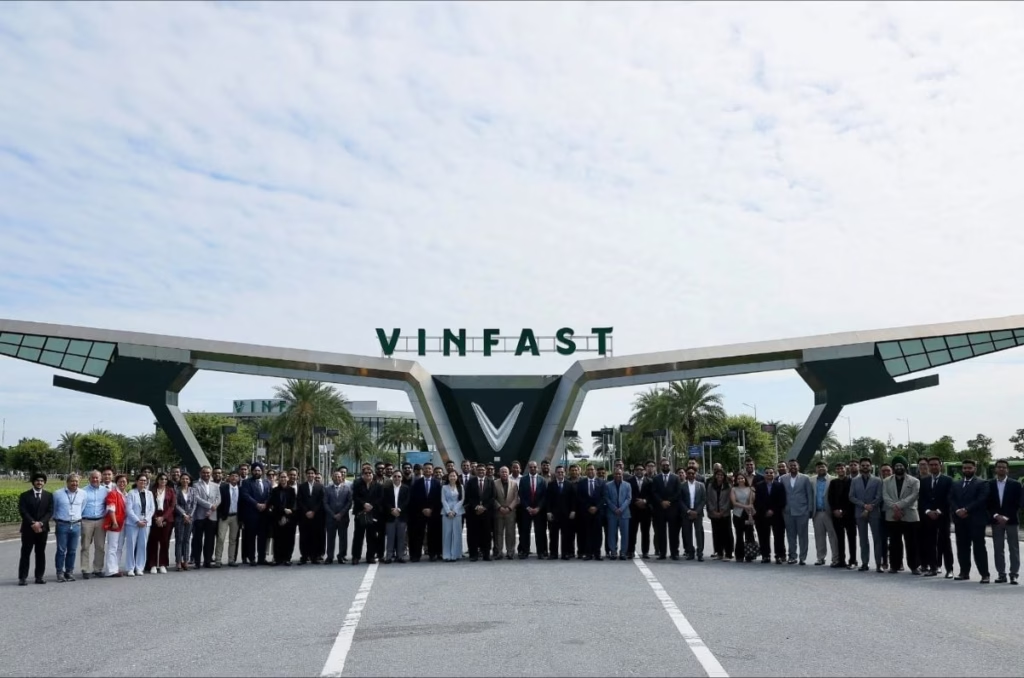
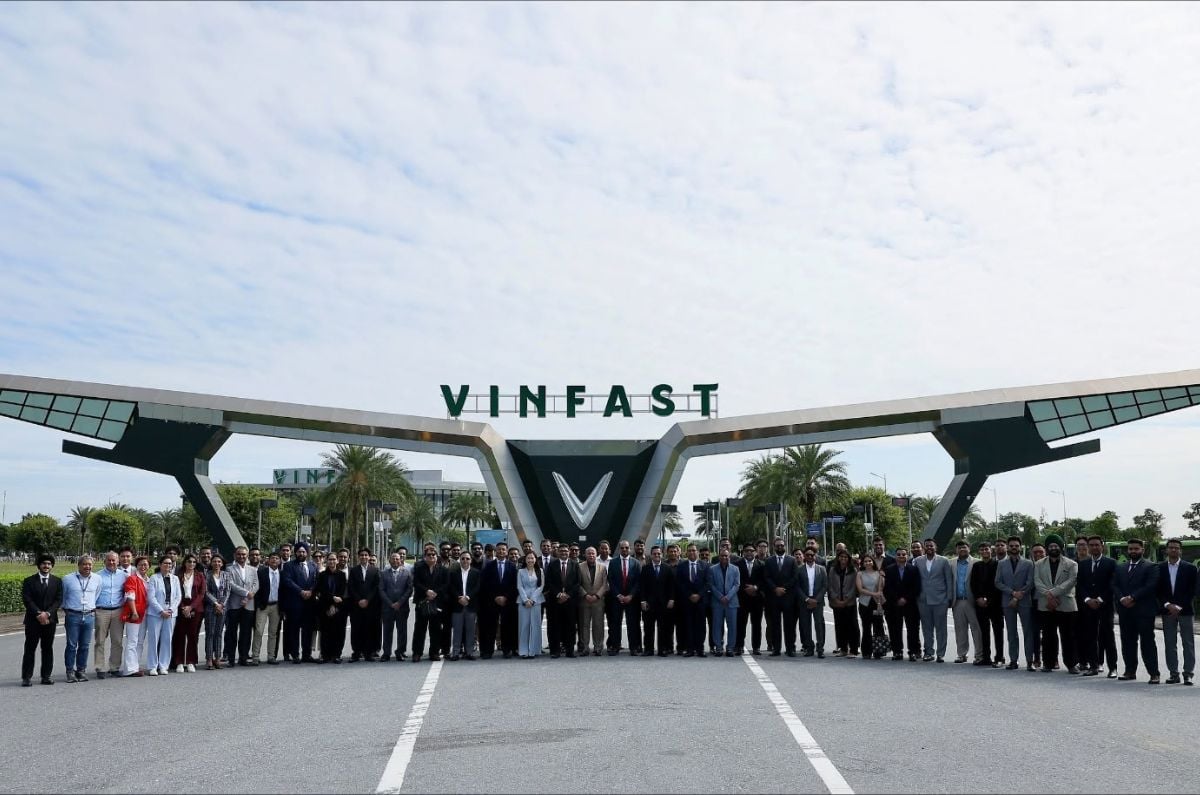
VinFast entered the Indian market in 2025, with activities spanning from the distribution, manufacturing and assembly of electric cars. Following this, the brand also showed some e-scooters at Auto Expo and then subsequently patented designs of some of them in our market, all hinting at plans to enter the huge Indian two-wheeler market. The signing of these letters of intent (LOIs) and partnering with numerous electric two-wheeler dealers now marks a new phase in the brand’s expansion in the Indian market.
Partnered with 50+ electric two-wheeler dealers across 15 states
Plans to establish showrooms across 34 cities
Line-up likely to feature the recently patented Viper and Rasad e-scooters
Retail network expansion details
Over 50 showrooms panned 15 states
Vinfast and its dealer partners will work together to establish 50+ electric two-wheeler showrooms across 34 cities in 15 states and territories. The locations that the company is targeting to establish a presence in first include Delhi, Rajasthan, Punjab, Madhya Pradesh, Chhattisgarh, Uttar Pradesh, Maharashtra, Gujarat, Karnataka, Telangana, Tamil Nadu, Kerala, Andhra Pradesh, West Bengal and Odisha. Through these partnerships VinFast plans to bring its electric scooter line-up to the country, though it hasn’t shared any timelines so far. Initial line-up expected to feature the Viper and Rasad electric scooters, following design patents filed in India earlier this year.
These selected cities and regions have large two-wheeler markets, providing significant room for the brand’s expansion. VinFast says in fiscal year 2025-2026 there were 21.41 million two-wheelers registered, of which electric vehicles accounted for only 6.54 percent. When VinFast does officially launch some of its models in our country, it will have to ward off stiff competition from both established legacy players as well as mould-breaking start-ups like Bajaj, TVS, Hero, Suzuki, Yamaha, Ather and River.
Stocks to Watch: बुधवार 8 अक्टूबर को शेयर बाजार में 16 कंपनियों के शेयरों पर खास नजर रहेगी। इनसे राइट्स इश्यू, QIP, फंड जुटाने और कारोबार से जुड़े अहम अपडेट आए हैं। ऐसे में ओला इलेक्ट्रिक, टाटा पावर, सन फार्मा जैसे स्टॉक्स में बड़ी हलचल देखने को मिल सकती है।
Ola Electric
इलेक्ट्रिक टू-व्हीलर कंपनी Ola Electric के बोर्ड ने राइट्स इश्यू के जरिए 1,000 करोड़ रुपये जुटाने को मंजूरी दी है। इश्यू में शेयर का भाव 27 रुपये तय किया गया है। कंपनी 37.03 करोड़ राइट्स इक्विटी शेयर जारी करेगी।
Tata Power
टाटा ग्रुप की कंपनी Tata Power ने नॉर्वे की Ocean Sun के साथ साझेदारी की है। दोनों कंपनियां भारत में मेम्ब्रेन-बेस्ड फ्लोटिंग सोलर टेक्नोलॉजी का टेस्ट करेंगी। महाराष्ट्र के मुलशी जलाशय में करीब 300 kWp का पायलट प्रोजेक्ट लगाया जाएगा।
Sun Pharma
फार्मा कंपनी Sun Pharma के बोर्ड की 12 अक्टूबर को बैठक होगी। इसमें 15,000 करोड़ रुपये तक के NCDs जारी करने के प्रस्ताव पर फैसला होगा। ये NCDs एक या कई चरणों में प्राइवेट प्लेसमेंट के जरिए जारी किए जाएंगे।
Jubilant FoodWorks
क्विक सर्विस रेस्टोरेंट कंपनी Jubilant FoodWorks का कंसोलिडेटेड रेवेन्यू Q2 में सालाना आधार पर 11.9% बढ़कर 2,609 करोड़ रुपये रहा। स्टैंडअलोन रेवेन्यू 11.6% बढ़कर 1,886 करोड़ रुपये रहा। Domino’s India की लाइक-फॉर-लाइक ग्रोथ 4.1% रही और भारत में 88 नए स्टोर खुले।
HCLTech
आईटी सर्विसेज कंपनी HCLTech ने दक्षिण अफ्रीका में नया हेडक्वार्टर शुरू किया है। यह जोहान्सबर्ग के सैंडटन बिजनेस डिस्ट्रिक्ट में है। नए हेडक्वार्टर में AI सेंटर ऑफ एक्सीलेंस भी शुरू किया गया है।
Fino Payments Bank
डिजिटल बैंकिंग कंपनी Fino Payments Bank की रिन्यूअल इनकम Q2 में सालाना आधार पर 20% बढ़कर 28 करोड़ रुपये रही। बैंक के लोन डिस्बर्सल में भी तेज बढ़ोतरी हुई। सितंबर में लोन डिस्बर्सल 223% बढ़कर 278 करोड़ रुपये रहा।
Senco Gold
ज्वेलरी कंपनी Senco Gold का Q2 FY27 में कुल रेवेन्यू 31% बढ़ा। रिटेल रेवेन्यू 29% और SSSG 19% रहा। कंपनी ने कहा कि फेस्टिव डिमांड, ज्वेलरी की मजबूत खपत और हल्की ज्वेलरी की बढ़ती पसंद से ग्रोथ को सपोर्ट मिला।
PC Jeweller
ज्वेलरी कंपनी PC Jeweller का Q2 में कंसोलिडेटेड रेवेन्यू करीब 28% बढ़ा और कंपनी पूरी तरह कर्ज मुक्त हो गई। कंपनी ने तिमाही में बकाया एक्सपोर्ट देनदारों से करीब 142 करोड़ रुपये भी हासिल किए।
Gujarat Pipavav Port
पोर्ट ऑपरेटर Gujarat Pipavav Port के Q2 में लिक्विड कार्गो वॉल्यूम 0.38 MMT से घटकर 0.32 MMT रहा। ड्राई बल्क कार्गो भी 1.05 MMT से घटकर 0.94 MMT हो गया। हालांकि, कंटेनर कार्गो वॉल्यूम 1.64 लाख TEUs से बढ़कर 1.92 लाख TEUs रहा।
Godrej Properties
रियल एस्टेट कंपनी Godrej Properties ने बांद्रा बे में ‘बेसाइड प्रोमेनेड’ के पहले फेज के डेवलपमेंट के लिए BMC और RC ग्रुप के साथ डील की है। यह प्रोजेक्ट मुंबई के बांद्रा बे इलाके से जुड़ा है। कंपनी इस प्रोजेक्ट के डेवलपमेंट में शामिल होगी।
Anant Raj
रियल एस्टेट और डेटा सेंटर कंपनी Anant Raj की सब्सिडियरी ने Orange Business Singapore के साथ हरियाणा सरकार के साथ समझौता किया है। यह डील ग्लोबल क्लाउड और डेटा सेंटर सर्विस के विस्तार से जुड़ी है। इसके तहत हरियाणा में डेटा सेंटर और क्लाउड से जुड़े कारोबार को बढ़ाने पर काम होगा।
HAL
सरकारी एयरोस्पेस और डिफेंस कंपनी HAL के बोर्ड ने Anindya Biswas को नॉन-एग्जीक्यूटिव डायरेक्टर नियुक्त किया है। उनकी नियुक्ति सरकारी नॉमिनी के तौर पर की गई है। बोर्ड ने इस नियुक्ति को मंजूरी दे दी है।
MRF
टायर बनाने वाली कंपनी MRF से जुड़े टैक्स मामले में केरल टैक्स अथॉरिटी ने डिमांड घटा दी है। FY15 से जुड़े मामले में टैक्स डिमांड 91.53 करोड़ रुपये से घटाकर 36.19 करोड़ रुपये कर दी गई है।
Allcargo Terminals
मल्टीमॉडल लॉजिस्टिक्स कंपनी Allcargo Terminals का सितंबर में कुल वॉल्यूम 61,800 TEUs रहा। अगस्त के मुकाबले इसमें 6% की गिरावट आई। सालाना आधार पर भी कंपनी का कुल वॉल्यूम 7% घटा है।
ASK Automotive
ऑटो कंपोनेंट कंपनी ASK Automotive की राजस्थान स्थित भिवाड़ी यूनिट की GST अधिकारियों ने जांच की है। कंपनी के मुताबिक, इस जांच का उसके फाइनेंशियल या बिजनेस ऑपरेशंस पर कोई असर नहीं है।
TD Power Systems
पावर इक्विपमेंट कंपनी TD Power Systems ने QIP के जरिए फंड जुटाने की प्रक्रिया शुरू की है। कंपनी ने इश्यू के लिए 775.35 रुपये प्रति शेयर का फ्लोर प्राइस तय किया है। निवेशकों को इस कीमत पर 5% तक डिस्काउंट मिल सकता है।
Disclaimer: यहां मुहैया जानकारी सिर्फ सूचना के लिए दी जा रही है। यहां बताना जरूरी है कि मार्केट में निवेश बाजार जोखिमों के अधीन है। निवेशक के तौर पर पैसा लगाने से पहले हमेशा एक्सपर्ट से सलाह लें। मनीकंट्रोल की तरफ से किसी को भी पैसा लगाने की यहां कभी भी सलाह नहीं दी जाती है।
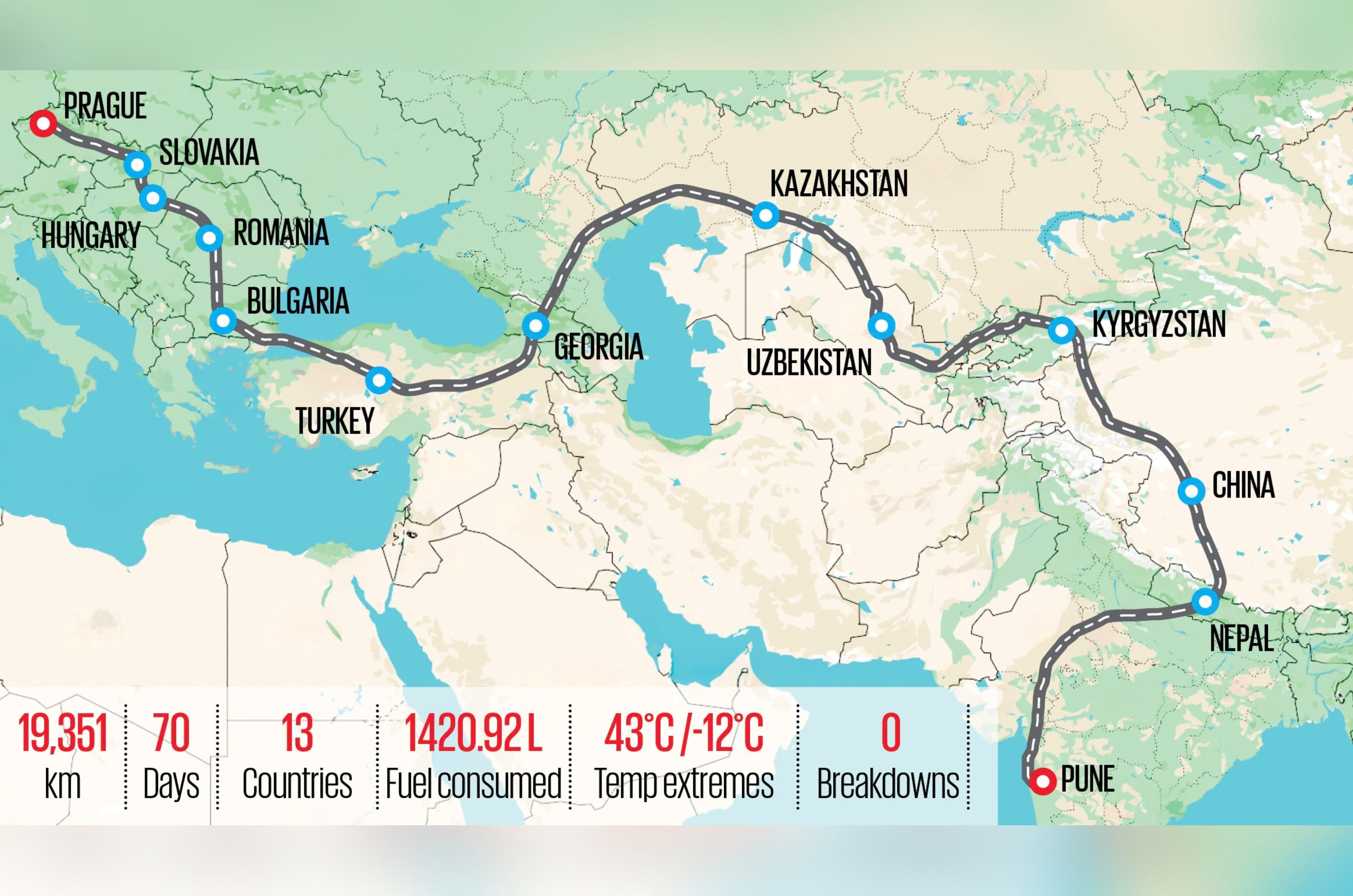
There are road trips, there are overland expeditions, and then there are journeys that become conversations with continents. This one starts in the industrial heart of Maharashtra, inside Skoda India’s sprawling Chakan facility. The end point lies nearly 20,000 kilometres away at Skoda Auto’s headquarters near Prague in Mladá Boleslav, Czech Republic, where bicycles evolved into automobiles and a 130-year-old story continues to be written.
Between these two factories lie thirteen countries, four major mountain ranges, countless cuisines, dozens of languages and enough history to fill libraries.
Our companion? Not a flagship SUV or a luxury grand tourer, but Skoda’s smallest SUV – the Kylaq, which recently celebrated its one-year anniversary. Driving it from Pune to Prague is a tall order, but surviving one year in India and being accepted with flying colours is enough cred one needs to take on the world.
India – Home Turf
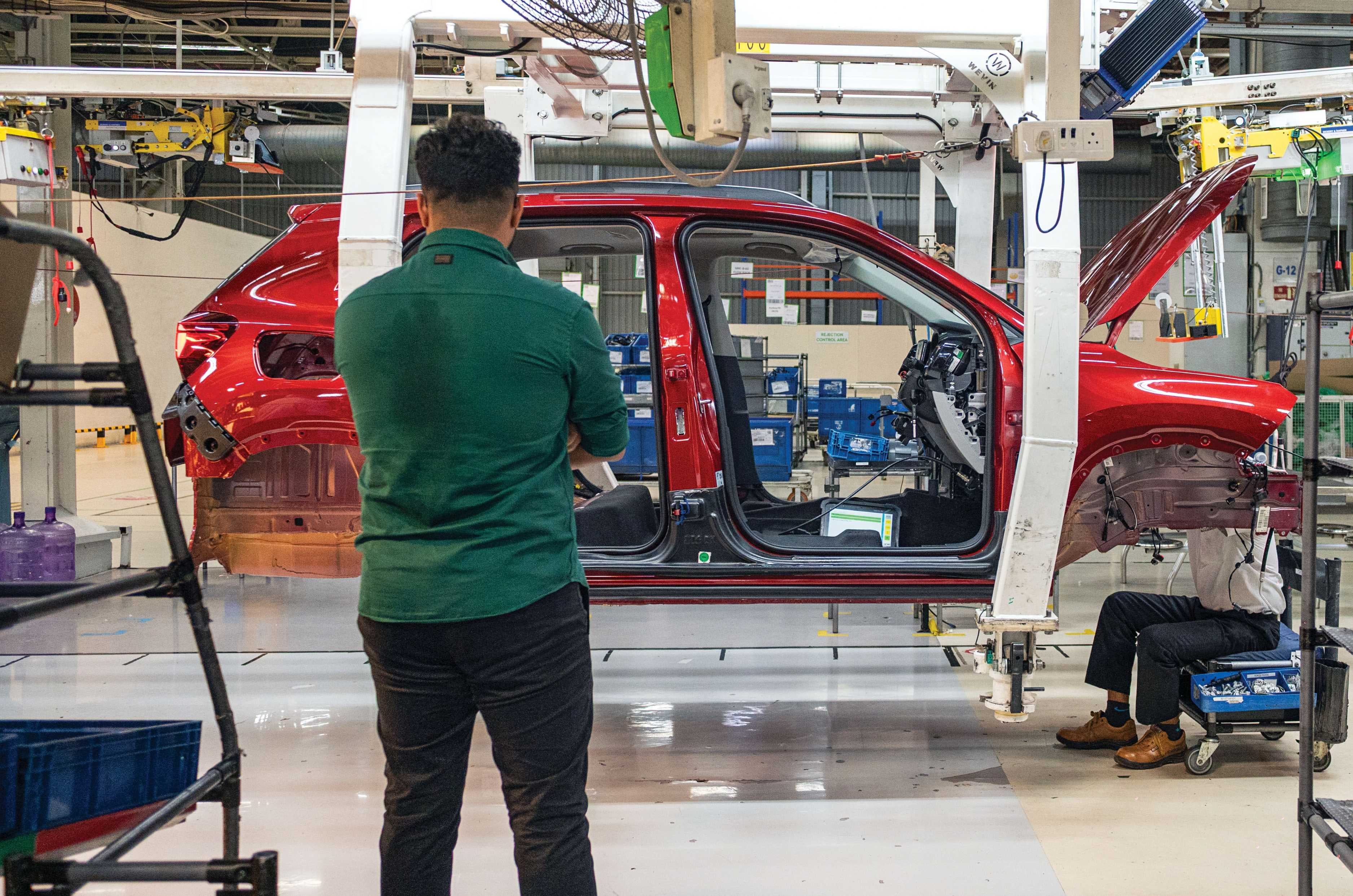
Witnessing the Kylaq’s birth added more responsibility.
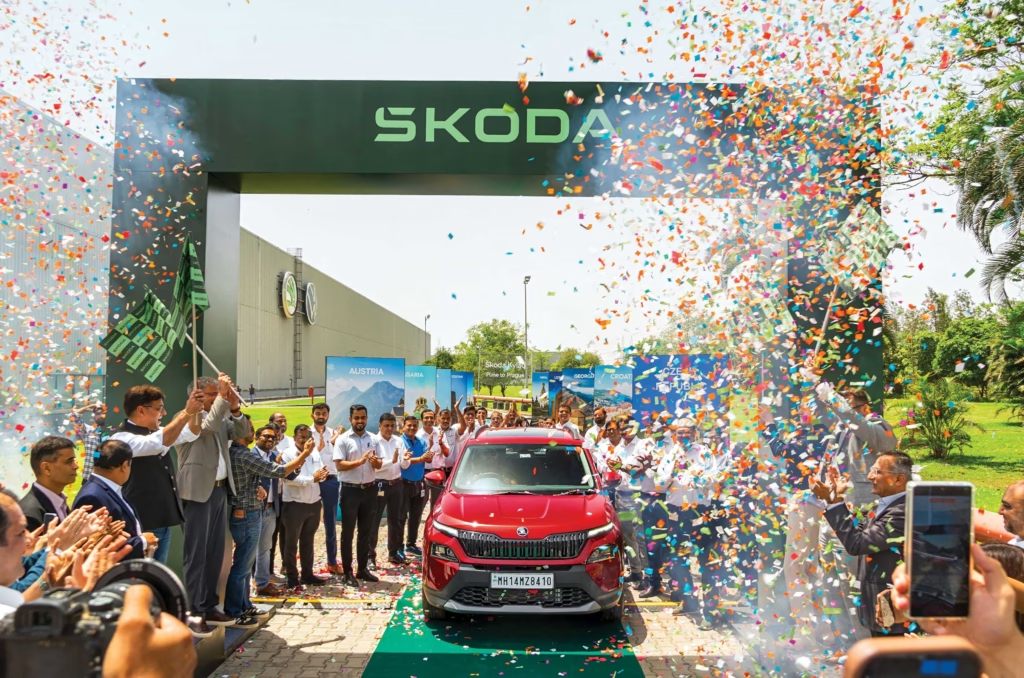
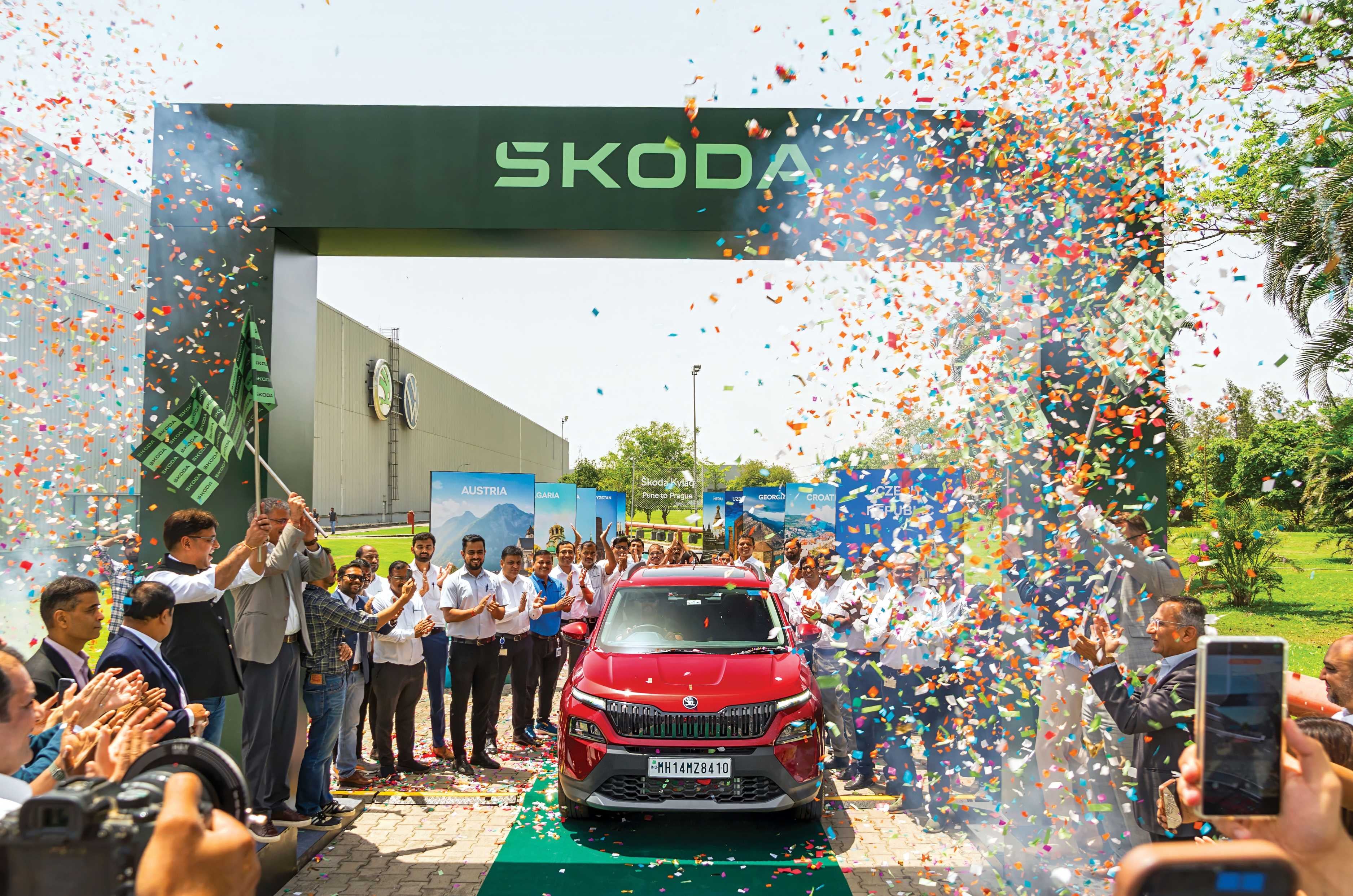
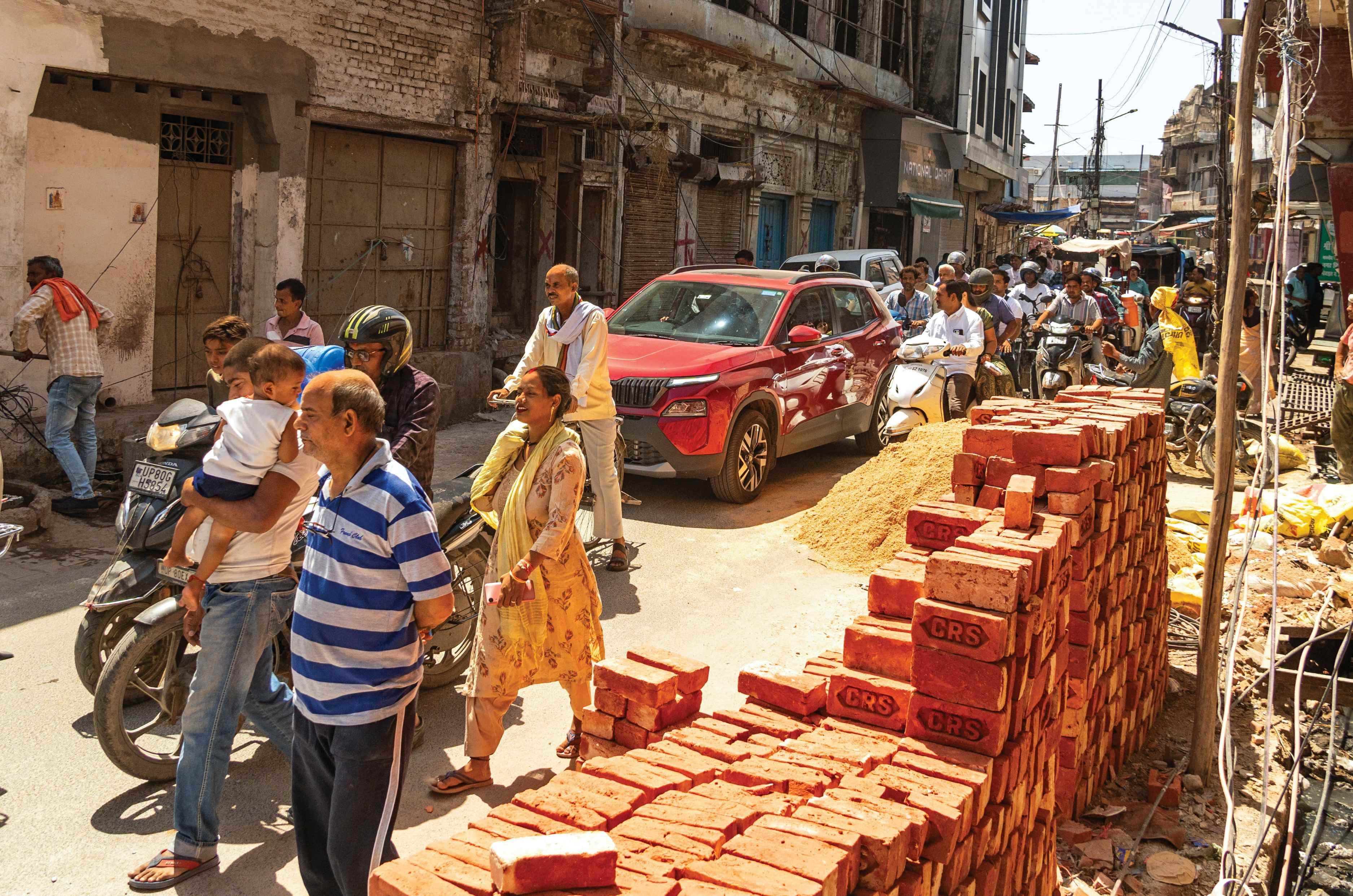
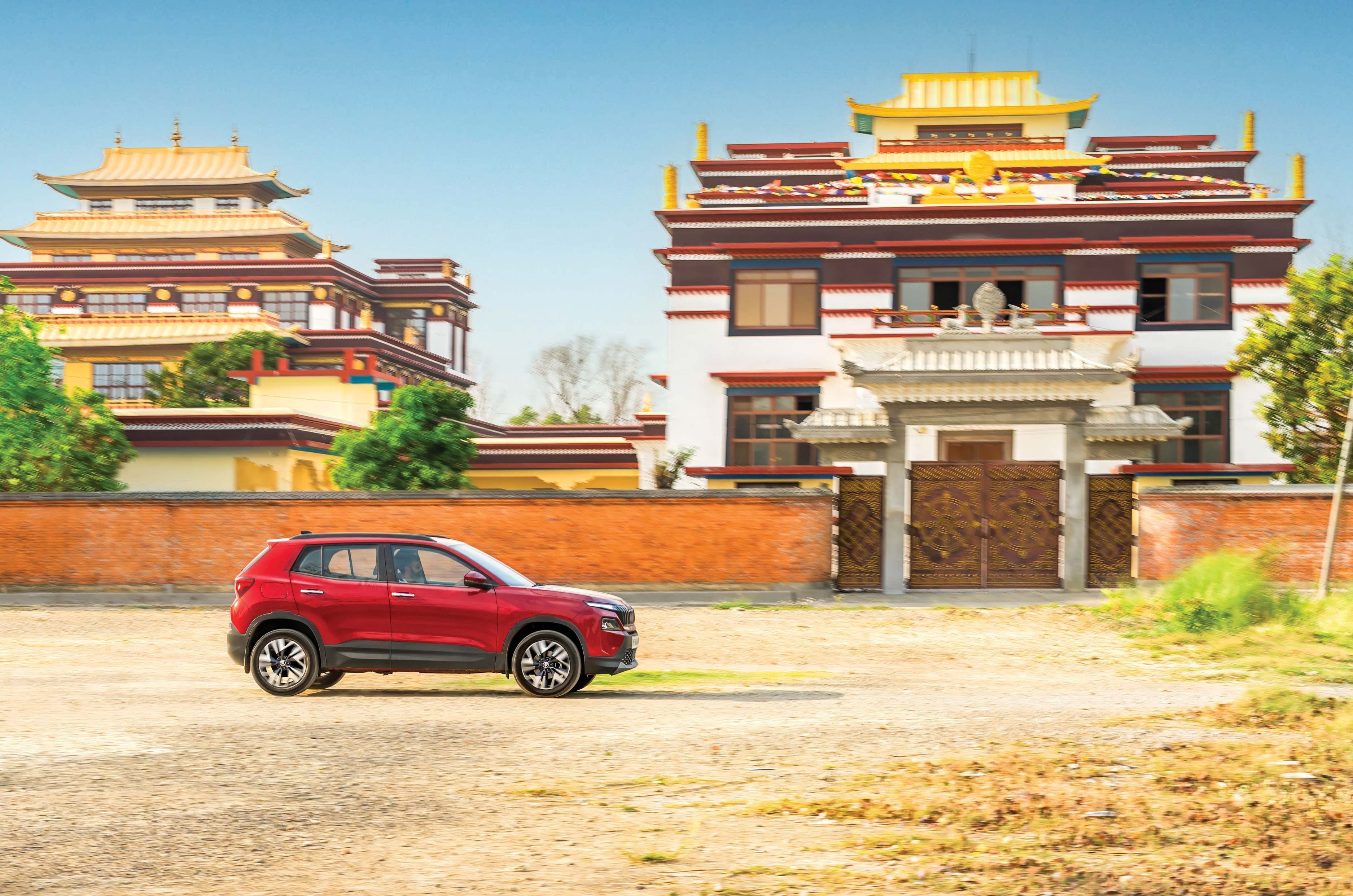
On a cross-country road trip, you’d imagine the home country would be the easiest leg. With India, it was the opposite. To some, it’s organised chaos, but honestly, it’s anything but organised. Erratic traffic, erratic egos, and road conditions fit only for a Mars rover – India was the biggest challenge on the drive from Pune to Prague. As the odometer ticked over its first kilometre, right outside the gate of Skoda’s Chakan plant, a blood-red PMPML bus was ready to trade paint with the cherry-red Kylaq. A dinged-up Kylaq parked on the streets of Prague wouldn’t be a good look, so it was imperative that I babysit this compact SUV like a million-dollar supercar. Having watched the car being assembled on the factory floor, from bare bones to the finished package, only added to the emotion – driving it in traffic felt like walking a toddler across a football field. Eyes wide open, ready to block any attack.
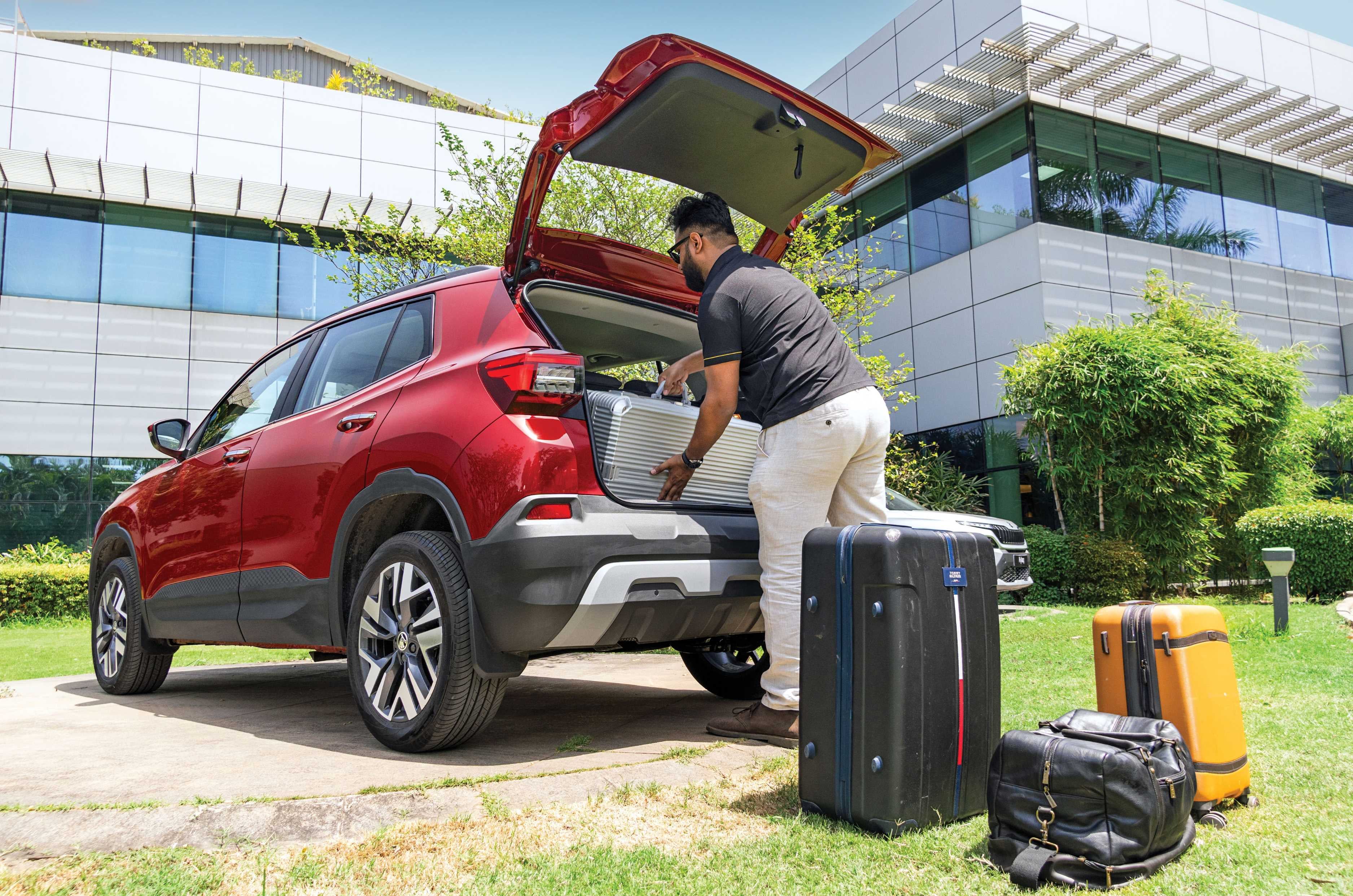
446-litre boot packed to the brim for 70 days on the road.
We got onto the Pune expressway and then crossed the Atal Setu in Mumbai, the longest sea bridge on the entire journey. Mumbai was home, both to me and to the Autocar India office, so after a few greetings from co-workers and the obligatory photos, we headed towards our first state crossing. The infamous Western Express Highway that leads out of Mumbai lived up to its reputation, but with a little anxiety, panic and a few expletives, we made it onto the national highway.
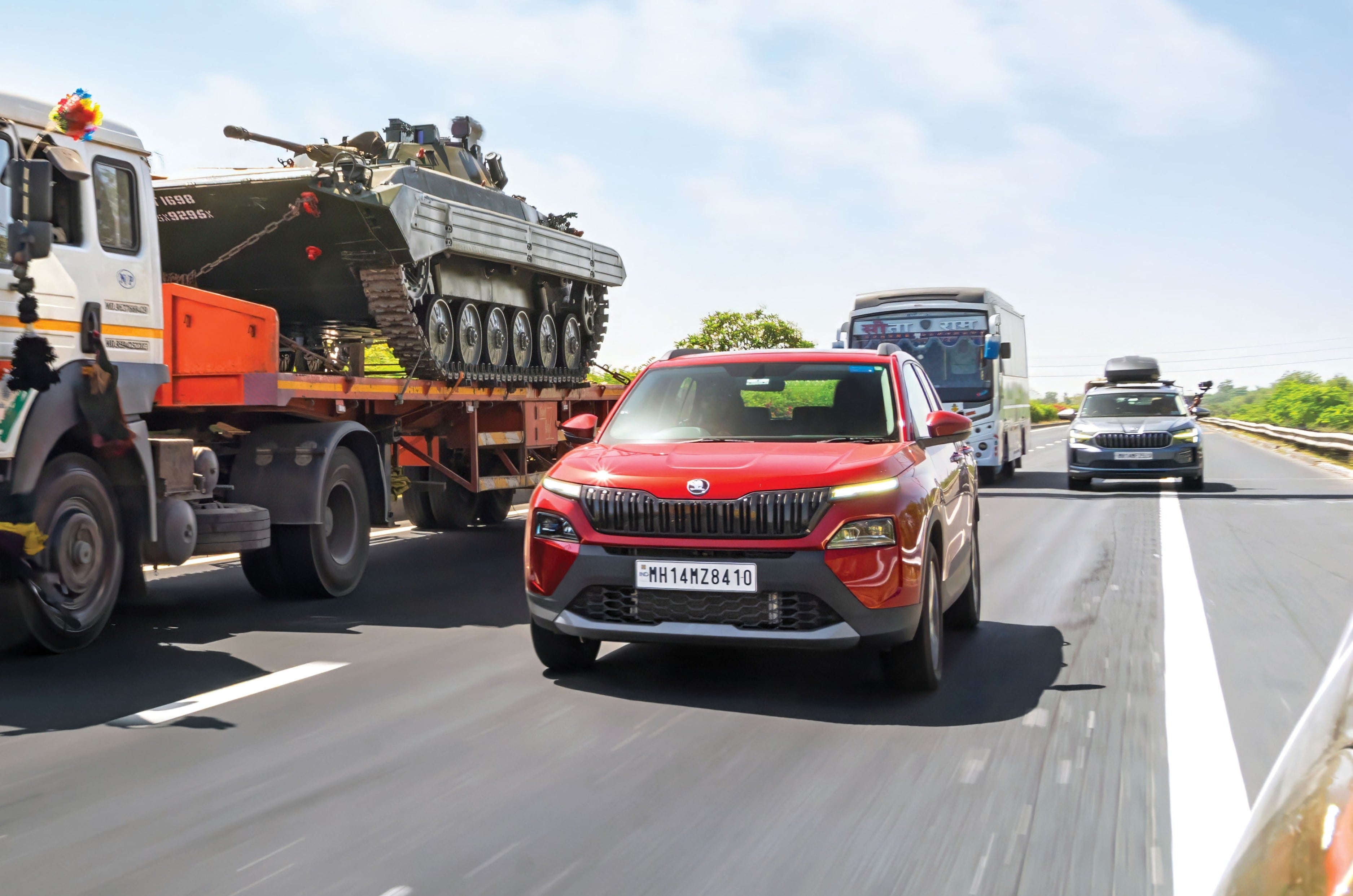
No telling what you’d spot on Indian highways.
The first of countless food stops was Hotel Ahura, renowned for its akuri and kheema. Needless to say, we carb-loaded to the max and made a beeline for Vadodara.
Pune-Birgunj in numbers
Distance covered
2,487km
Fuel consumed
234.46 litres
Average fuel economy
10.62kpl
Approximate fuel cost
Rs 23,629
Average per-litre fuel cost
Rs 100.87
Total time driven
55hrs 20min
Average speed
44.95kph
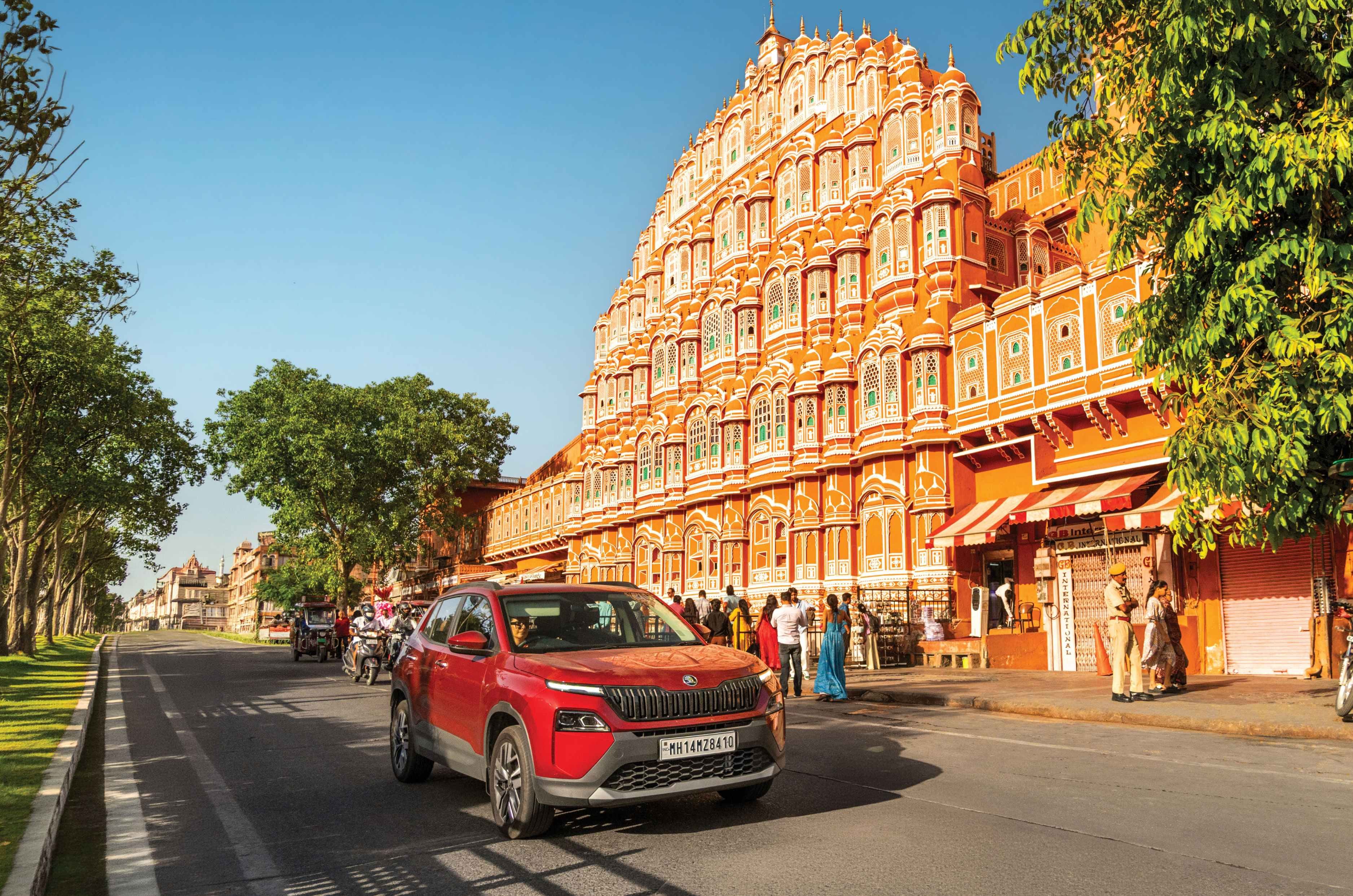
Crossing into Gujarat, the Kylaq could finally stretch its legs and spool up that turbo on the state’s spotless highways. The stability and effortless cruising were a welcome relief, since the bulk of the kilometres on this drive would be covered on long, open highways. Gujarat was a short stint – we made only an overnight halt in Vadodara before slipping out ahead of the morning traffic. The drive into Rajasthan was seamless, and Udaipur greeted us with a mix of heat and traffic. The City of Lakes is worth taking the time to explore, but a late arrival and early morning departure left us with just enough time to grab a traditional meal. All that driving had built up an appetite, so we put it to a vote between a massive vegetarian thali and laal maas – the latter won by a landslide. From the City of Lakes, we headed to Jaipur, the Pink City: just as picturesque as Udaipur, and just as colourful and chaotic. The sun setting over the beautiful Amer Fort made for a cracking backdrop, and a few glimpses of the Jal Mahal on the way back were a treat too. The iconic Hawa Mahal, with its 953 windows, never fails to amuse, but getting a photo of the five-storey icon without a chorus of honks is next to impossible. The next morning, after threading through Jaipur’s narrow lanes, we made it back onto the highway, heading for Agra.
Iconic Hawa Mahal ought to be seen first-hand.
Agra is synonymous with the Taj Mahal, but the Agra Fort – from which you can see the Taj in the distance – is just as mesmerising. The detailing and architecture are second to none, and you could spend hours walking through its courtyards and passages, taking endless pictures. We, of course, also made it to the Taj itself, amid the hordes of tourists, if only to avoid the guilt of visiting Agra without a shot of the world-famous white dome. Tourism done, it was time for some petha – though the lanes near the petha shops seemed to be the exact width of the Kylaq, and that’s where peak anxiety set in. We got out of the mess, walked around the car to check for scratches and scribbles, and sighed in relief. India was adding to the tension, and we were barely halfway through it.
Agra’s narrow lanes were a nightmare to drive through.
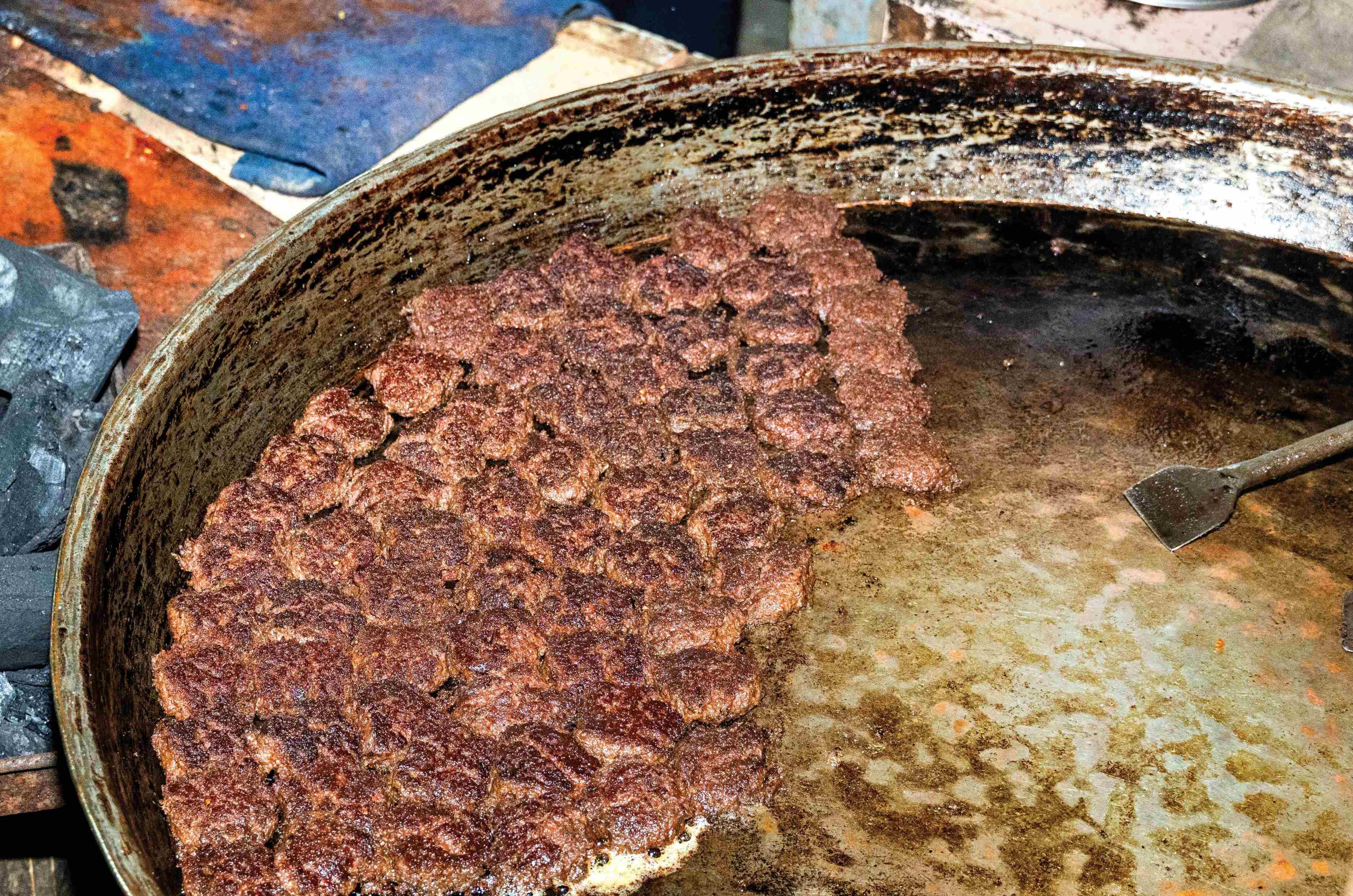
Our next stop from Agra was foodie heaven – Lucknow. The biryanis, kebabs, and tandoors were exactly what we expected, and exactly what Lucknow delivered. Finding your way here is easy – you could do it blindfolded, following the smoke and sizzle to wherever you need to be. Tunday Kababi is a must, and after a heap of biryani laced with kebabs, a long walk through the countless chikankari shops helps burn off some of the calories.
Lucknow’s Tunday Kababi still has us drooling over Galouti kebabs.
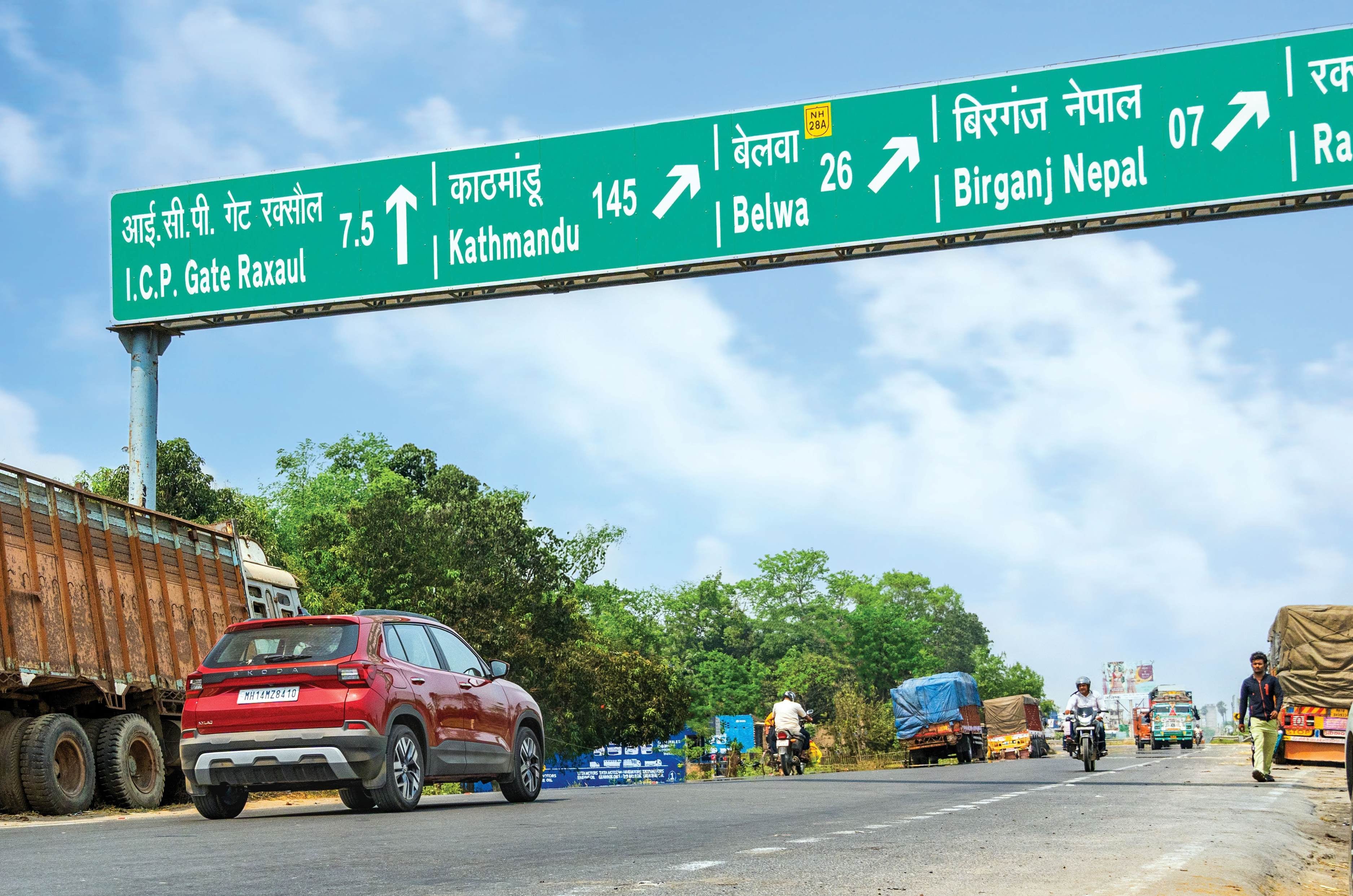
We were closing in on the end of the India leg, with one last stop in Gorakhpur before the Nepal border. To celebrate, a group of Skoda owners, officially known as the ‘Fans of Skoda’ joined us for a celebratory convoy as we drove out – everything from Octavia RS models to Kodiaqs and Kushaqs turned up as a send-off before we went international. The loud, chaotic border towns past Gorakhpur delivered one final challenge as we exited through Raxaul.
Final stretch before the Kylaq left India for the first time.
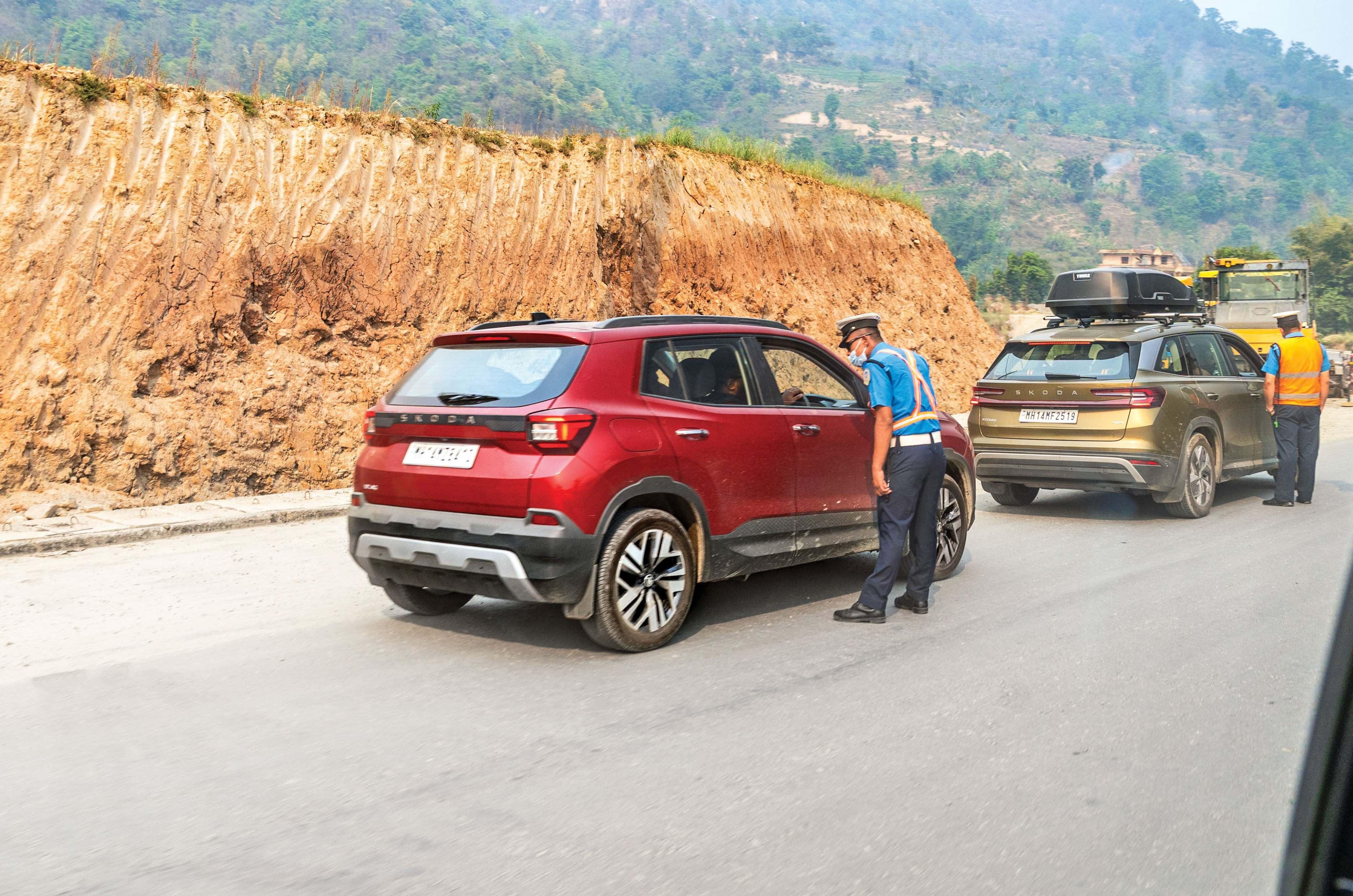
The India-Nepal border is still raw and basic, with none of the high-tech systems you might expect. A drive of this scale comes with a mountain of paperwork – visas, carnets, insurance, and more – and sifting through all of it manually takes a while. After a gruelling five hours, the Kylaq crossed out of India for the very first time.
Nepal – Old World Charm
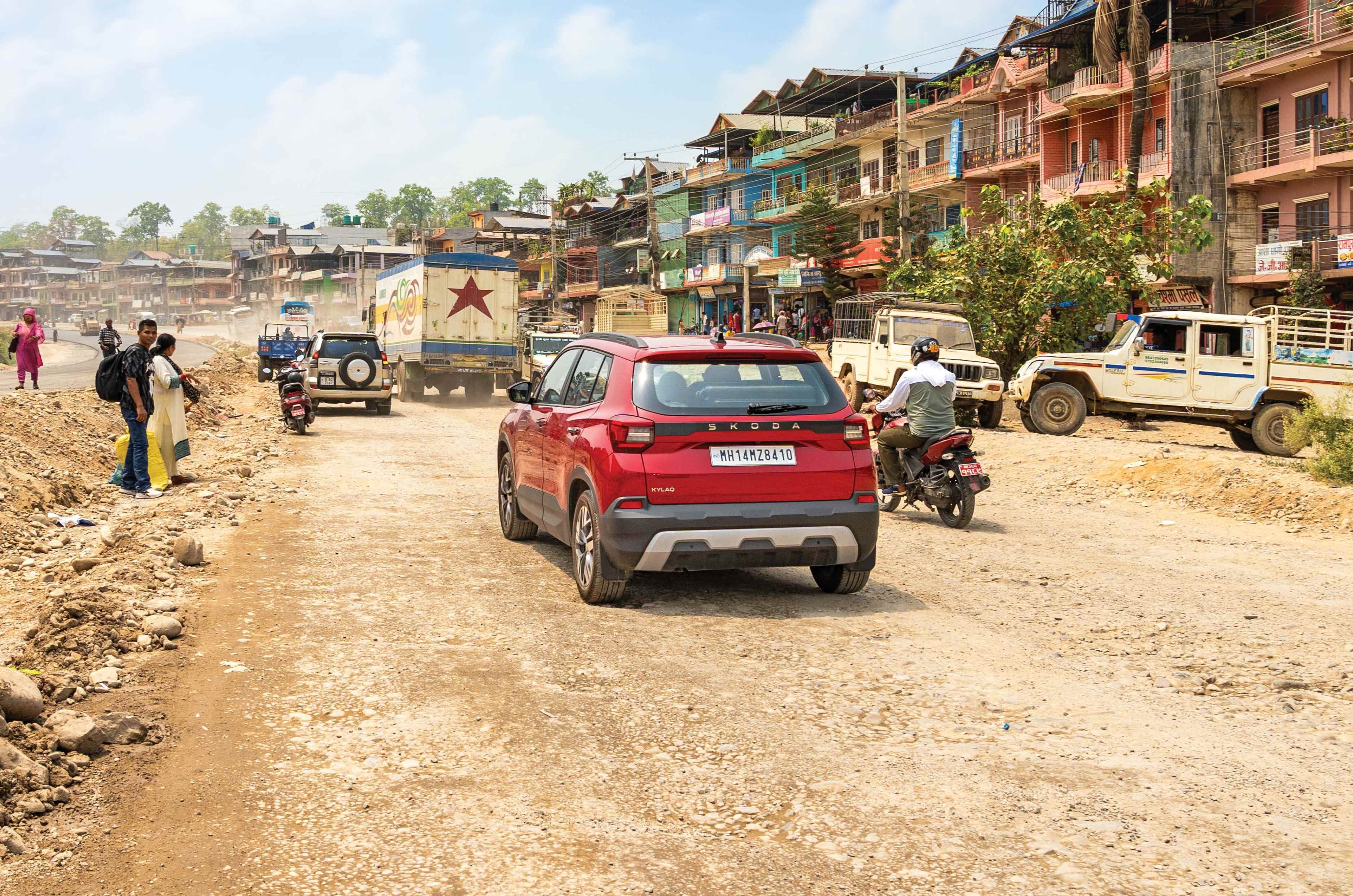
Nepal’s state highways give Indian roads a run for their money.
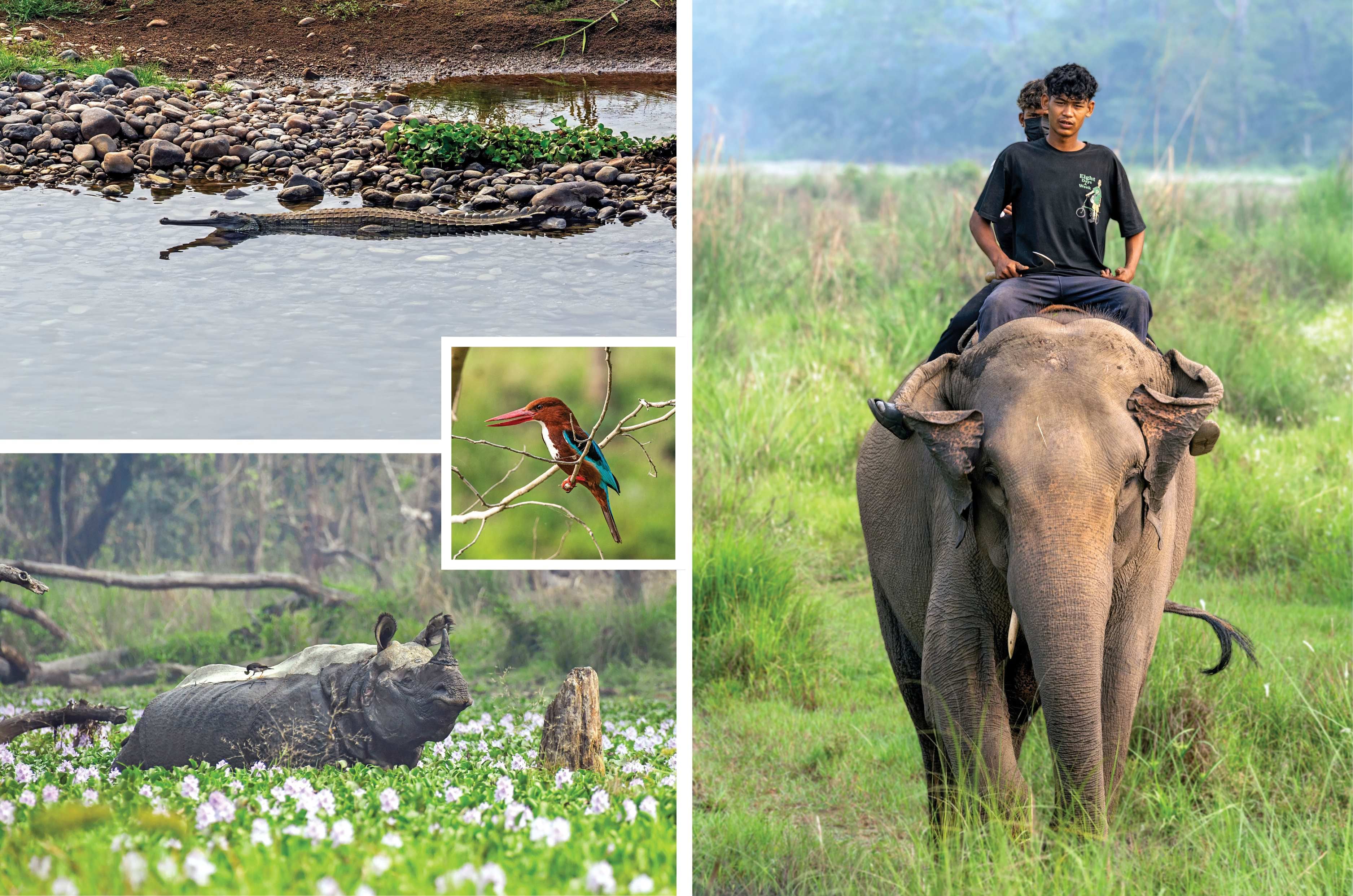
If the Indian side of the border was old-school, Nepal’s immigration post is almost antique. Drive past it, and you’d likely miss it altogether – the only tell-tale sign is a simple gate with ‘Immigration Office’ hand-painted on it. This humble-looking house is, in fact, the immigration office, where, just like on the Indian side, every check is done manually. Fine print, identity proofs, and everything in between were checked meticulously before we were welcomed into Birgunj. Our main draw in Nepal was the bustling capital, Kathmandu, but there were magnificent stops along the way, starting with Chitwan National Park. Home to nearly 700 one-horned rhinos, the park also shelters elephants, Bengal tigers, cobras, the elusive gharial, and abundant flora. The Kylaq would have been fun to explore it in, but we opted for the park’s safari vehicle to relax and take in the surroundings. Paddling a beaten-up wooden kayak past crocodiles and snakes adds a rush, but it’s nothing compared to a rhino staring you down in all its magnificence. The park gave us a welcome break from long hours behind the wheel.
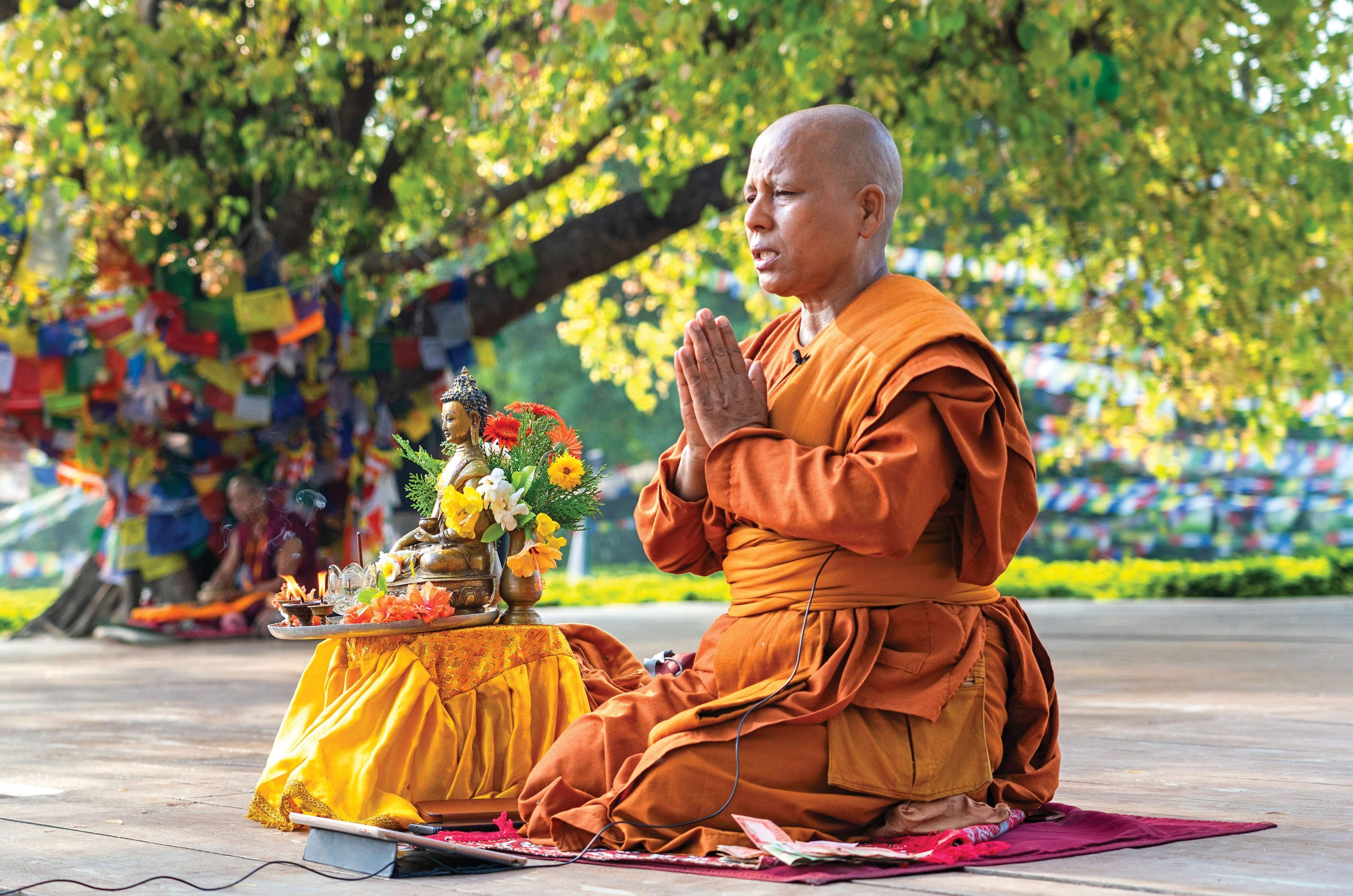
Lumbini is home to 32 unique styles of monasteries.
Next was Lumbini, a spiritual haven and, more importantly, the birthplace of Siddhartha Gautama (Lord Buddha) around 563 BC. Its fascinating monastic zone showcases monasteries built by Buddhist nations from around the world, each reflecting its own culture through design and architecture – a remarkable collection of temples spanning diverse traditions. The feeling of peace there was unlike anything I’d experienced, but it was soon disrupted by the road to Pokhara.
Lumbini provided a moment of calm through the chaos.
Mountain passes are notorious for destroying Google’s ETAs – landslides, breakdowns, and deteriorating roads mean a stretch that should take an hour could take five, depending on your luck. We braced for traffic and drove straight into a landslide clearing. A two-hour wait meant the sun was setting as we rolled into the quaint town of Pokhara. Bustling with cafés and pop culture, it felt like a mini Kathmandu, but with the stunning Phewa Lake turning orange at sunset. The calm that began in Chitwan came full circle on the shores of Phewa Lake.
Chitwan is home to the gharial and over 700 one-horned rhinos.
Kathmandu, though, was a different animal entirely – every bit a capital city, and a world away from the slow pace of Chitwan or Lumbini. The music is loud, the traffic is hectic, and the city is anything but quiet. Ironically, the only quiet things on the road are the cars – China’s dominance in Nepal is stark, with three in five cars on the road being Chinese EVs. Geely, BYD, and GWM rule the market, with only a handful of Hyundais and Kias as competition.
Authorities were always curious thanks to Indian number plates.
The party scene rules Kathmandu too. At night, the city comes alive as a hub for tourists from around the world. Hiking gear and North Face apparel go for a fraction of the price – and, often, a fraction of the quality – alongside quirky masks and fridge magnets at every tourist stop. Spend a little more time, though, and you’ll find excellent coffee shops and the famous Thakali thali: thick buckwheat porridge with salads, meat, and plenty of flavour. Good thing too, since walking through Durbar Square works up quite an appetite. Partly destroyed by the devastating 2015 earthquakes, the temples have since been restored to their former glory, though you can still spot the scars in a few bent pillars and roofs. It’s a culture and tradition worth preserving, and Nepal deserves credit for doing exactly that.
Birgunj-Sino-Nepal Border in numbers
Distance covered
922km
Fuel consumed
115.96 litres
Average fuel economy
7.13kpl
Approximate fuel cost
Rs 15,846
Average per-litre fuel cost
Rs 136.65
Total time driven
34hrs 25min
Average speed
27kph
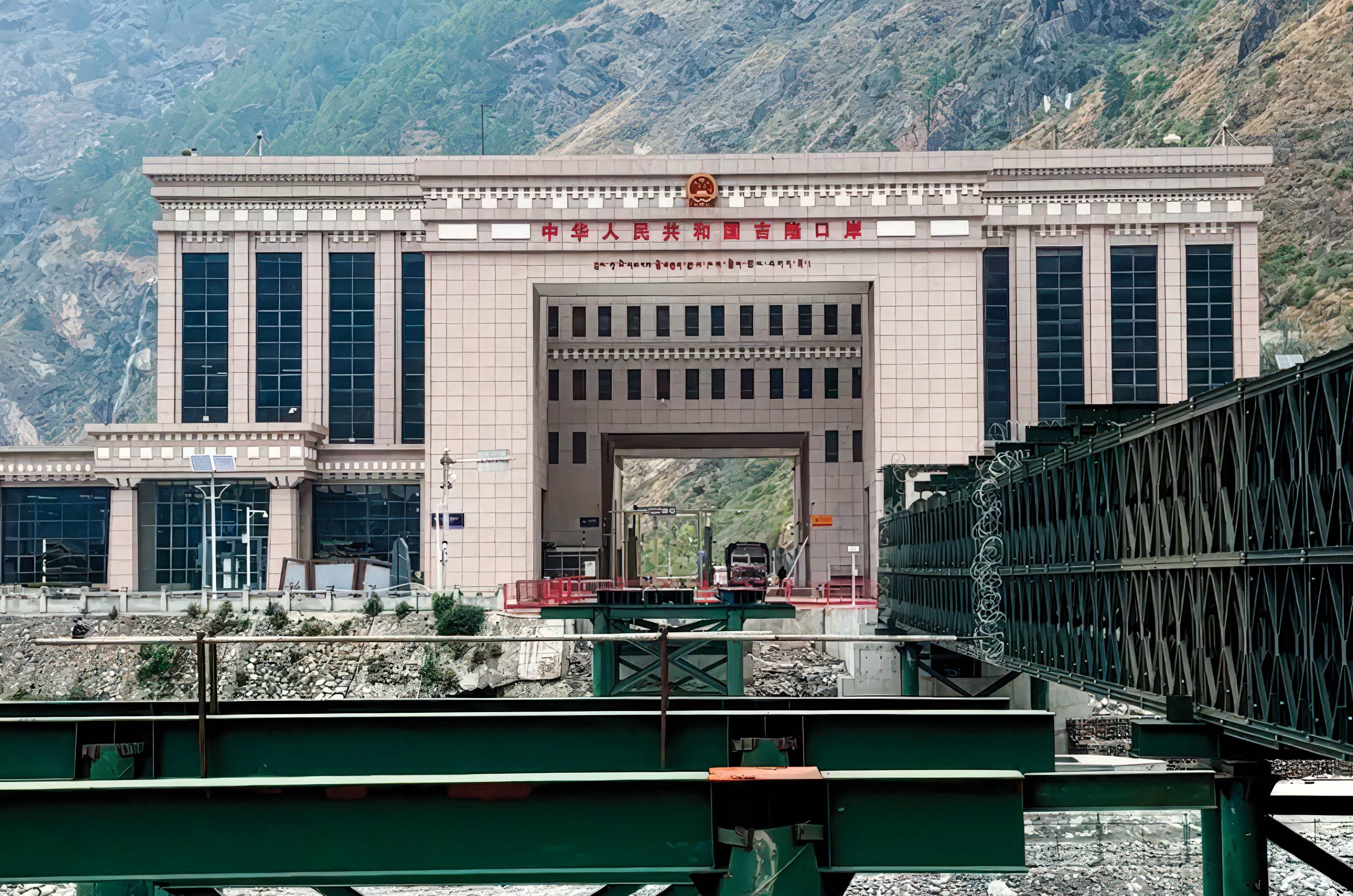
With Kathmandu explored, we headed towards our second border crossing – and this one was far more intense. Once we left Kathmandu, we left the tarmac behind too. Muddy back roads, still wet from the previous night’s rain, meant slush and a constant need for 4WD. Even so, though packed to the brim with luggage, the Kylaq stayed light enough and had enough clearance to pick its way around the mud on the approach to the Rasuwa Bridge. From there, you can see the Chinese immigration building towering over everything around it. With the Kylaq thrumming with excitement, we crossed into Tibet – the roof of the world.
Tibet/China – Roof of the World
China’s border crossing is as imposing as it gets.
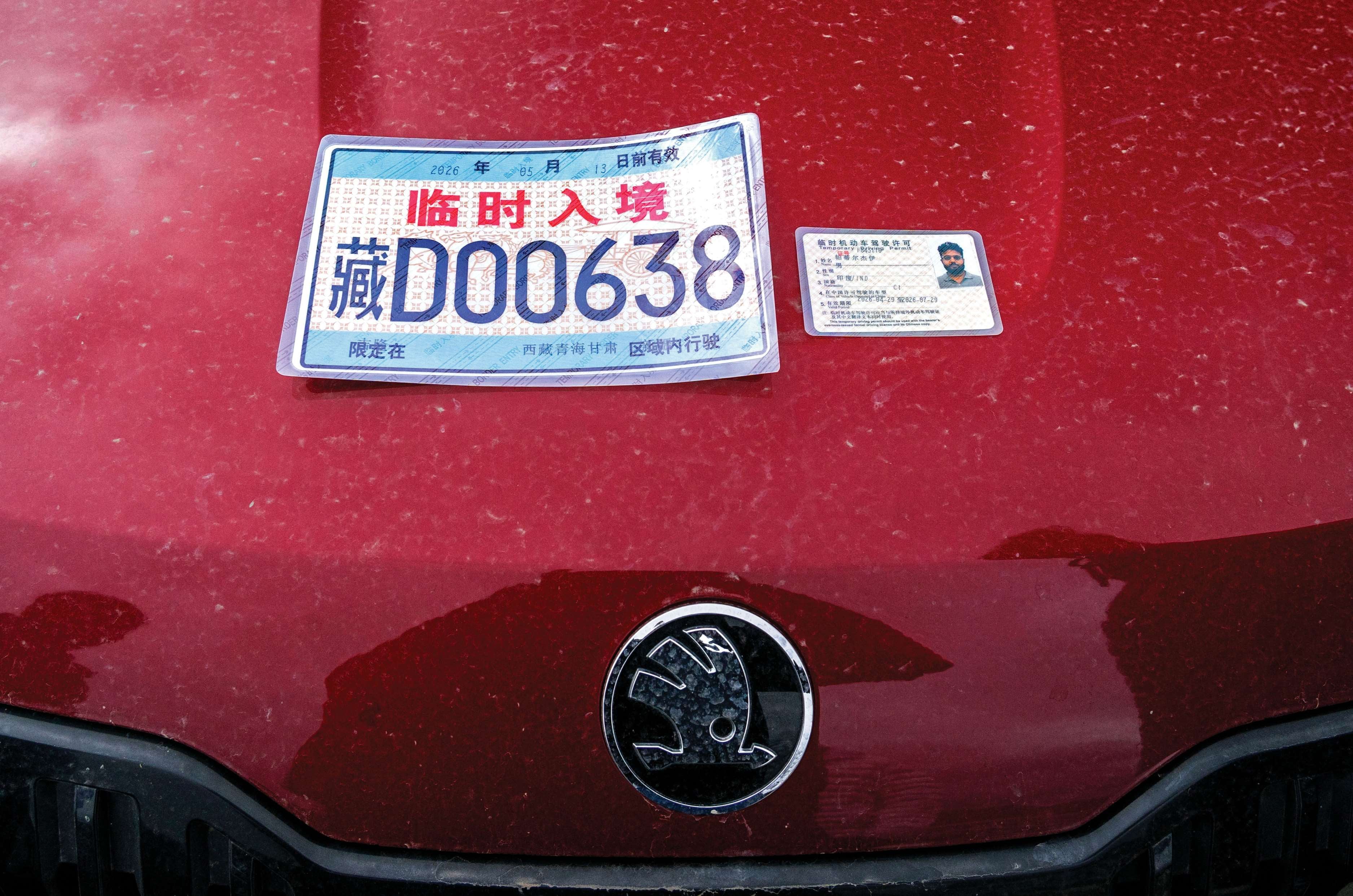
Crossing into Tibet felt like crossing into the future. For a region tucked deep into the mountains, it’s exceptionally developed – the roads are smooth and well-signed from the moment you cross the bridge, barely a hundred metres before the immigration office. In China, we weren’t taking any chances, knowing any misstep here could jeopardise the rest of the journey. After answering the customs officers honestly – and impressing them with the scale of the Kylaq’s challenge – we entered the lovely town of Gyirong. Old Chinese architecture, plenty of red, and signboards we couldn’t quite read were early signs that we really were in a different world now. Nepal had shared plenty with India – the cars, the food, the roads – but China felt entirely its own. We thought we’d seen our share of speed cameras, but China put us to shame – they appear every 50 metres or so, complete with flashes. There’s simply no room for error, and you’re monitored everywhere you go – aneerie feeling that takes some getting used to. Another non-negotiable is to obtain a special driving licence for every person that will be driving and a China-specific number plate, which you have to place on your dashboard so the cameras can pick up any infringements. A regular India-style RTO office with long queues and a lack of urgency got us homesick for a bit.
Local license and registration are non-negotiables in China.
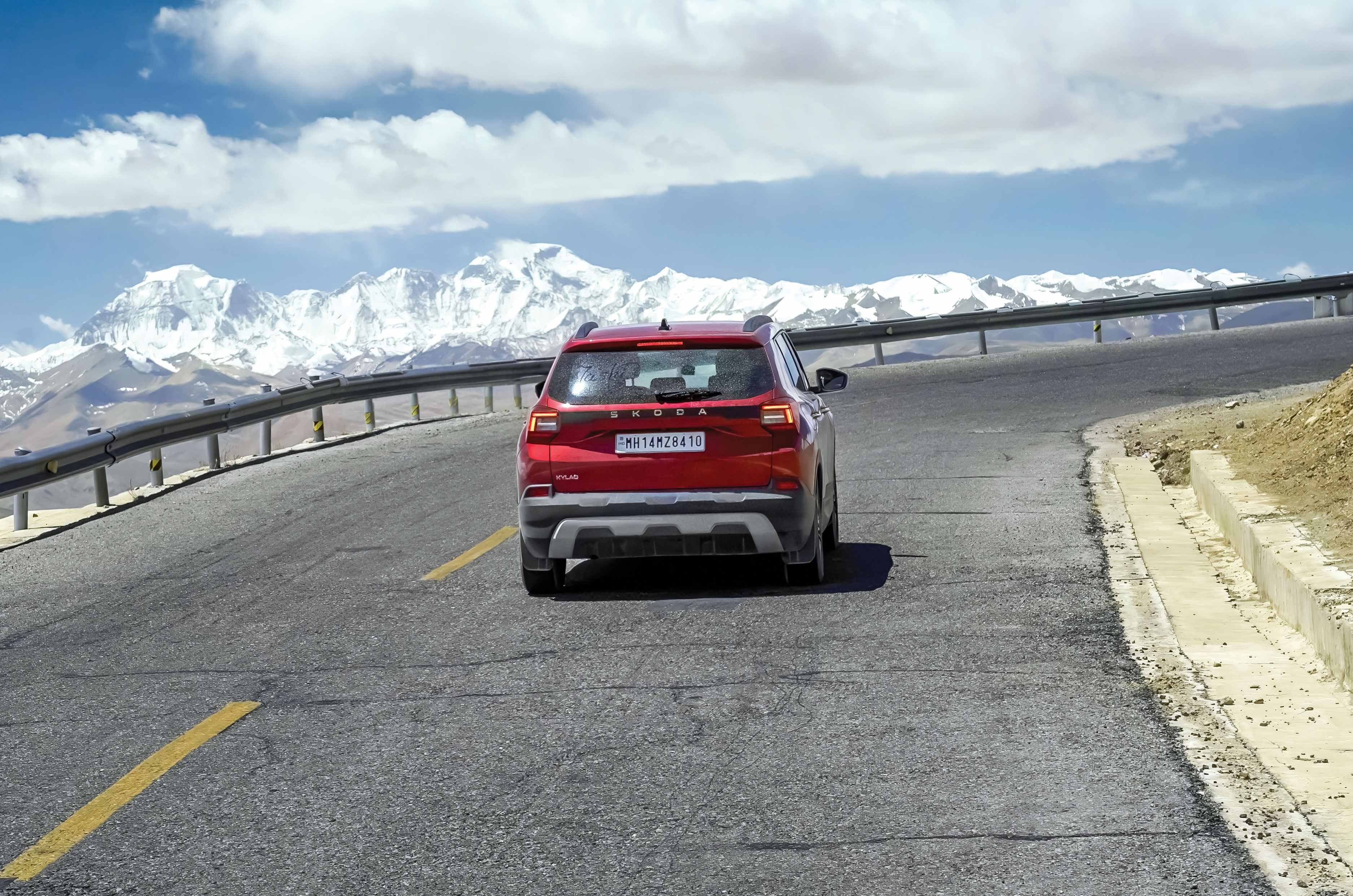
A few mugs of hot ginger-lemon tea eased us into the chill, and we set off for Mount Everest Base Camp. High altitudes are usually punishing for small-capacity engines, but thanks to its turbocharged engine, the Kylaq barely broke a sweat, buzzing through the passes. Its 6-speed automatic had been a great convenience through the chaos of India and Nepal, but the winding mountain roads and immaculate tarmac meant I could switch to manual and take control via the paddle shifters. Paddle-shift response is often sluggish, but not here – the shifts were quick, and the taut suspension held its ground even through tight hairpins.
Everest hove into view long before we made it to base camp.
It made for a great drive and great footage, right up until we spotted the peak in the distance. Even from afar, Everest is breathtaking, and mercifully the clouds stayed clear as we got closer. You can’t take a car near base camp itself – a one-hour bus ride covers that final stretch. It’s strange how you lose your breath as you approach Everest – partly the thin air and altitude, but you’d lose it all the same just from the view. Words don’t do it justice, and don’t be surprised if you shed a tear or two – it’s overwhelming.
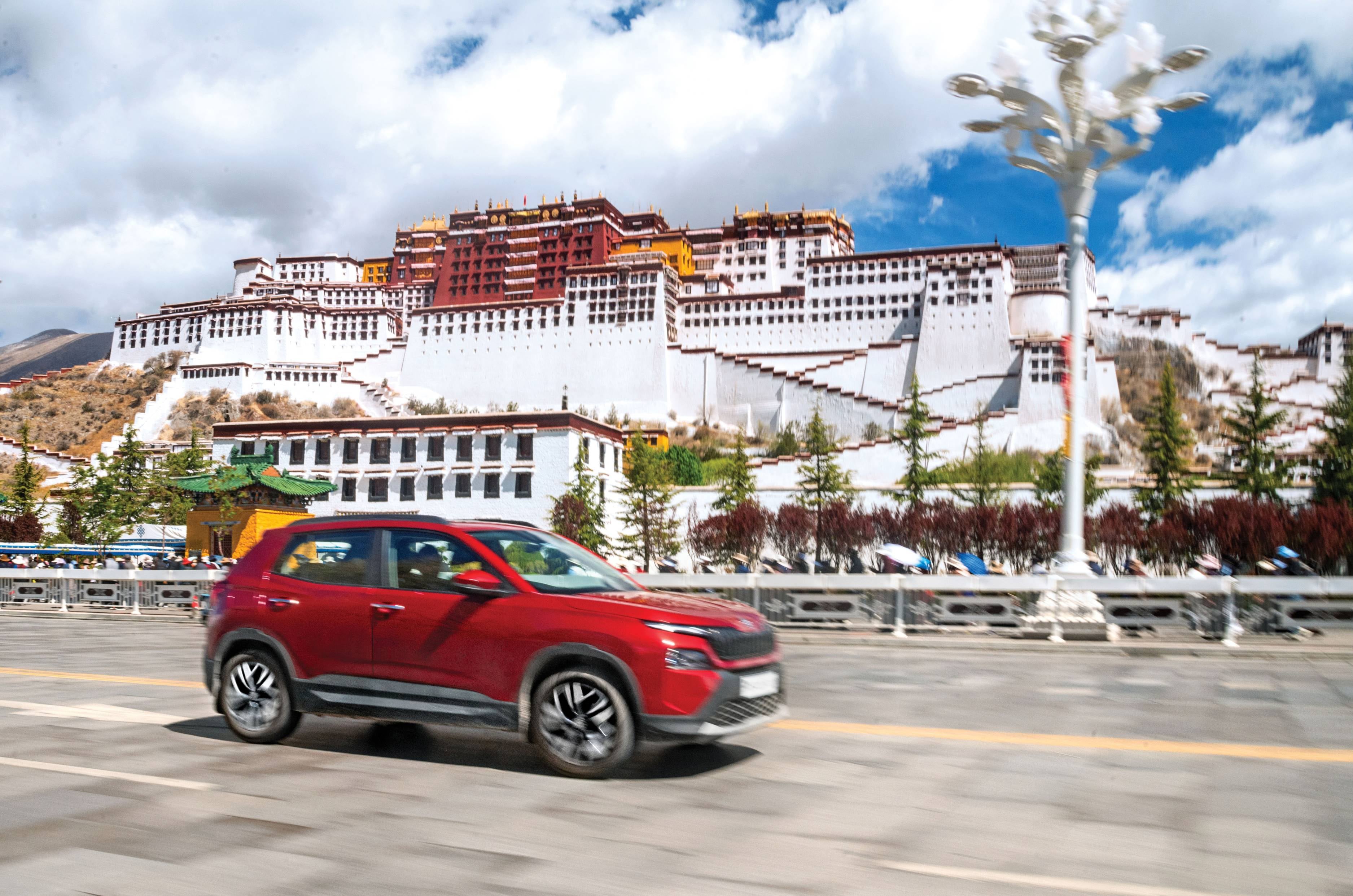
Stunning Potala Palace; once home to the Dalai Lamas.
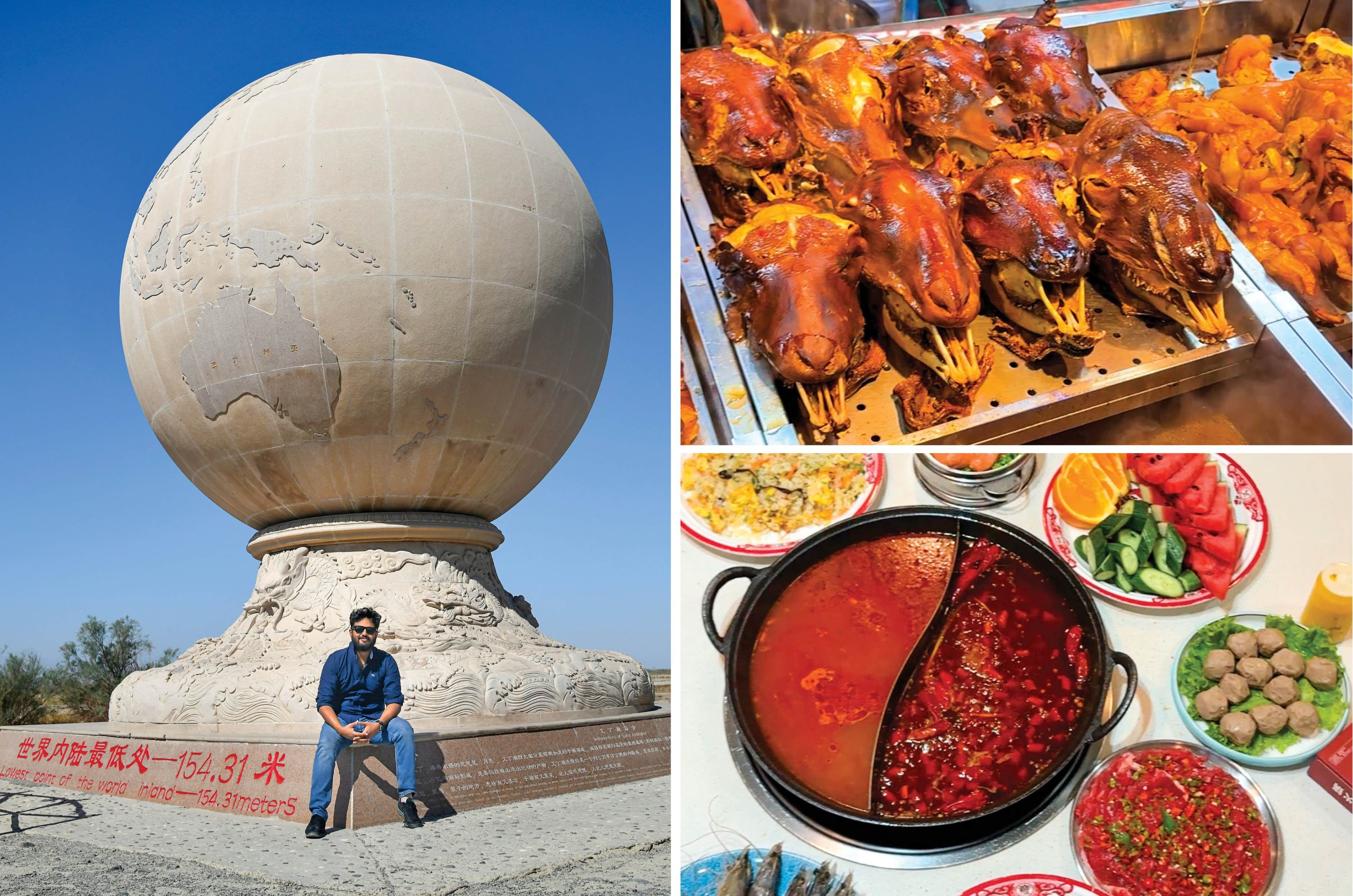
With Everest ticked off, it was time to take on China’s vastness. We headed to Lhasa, the spiritual capital of Tibet, home to the grand Potala Palace. Once home to monks and lamas, this stunning palace holds incredible history and artefacts – spiritual or not, its significance to the country’s history is unmistakable. The drive kept revealing itself through unique food, dialects, faces, and even geography. One day we were freezing thousands of feet above sea level; days later, in Turpan, we were below sea level in blistering heat. From boiling hotpots to grocery-store instant noodles, China pushed us well outside our comfort zone, and the Kylaq wasn’t spared either.
L: From EBC’s high to Turpan Depression’s low – Jay was at 154m below sea level here. R: Street food in China not for the faint-hearted.
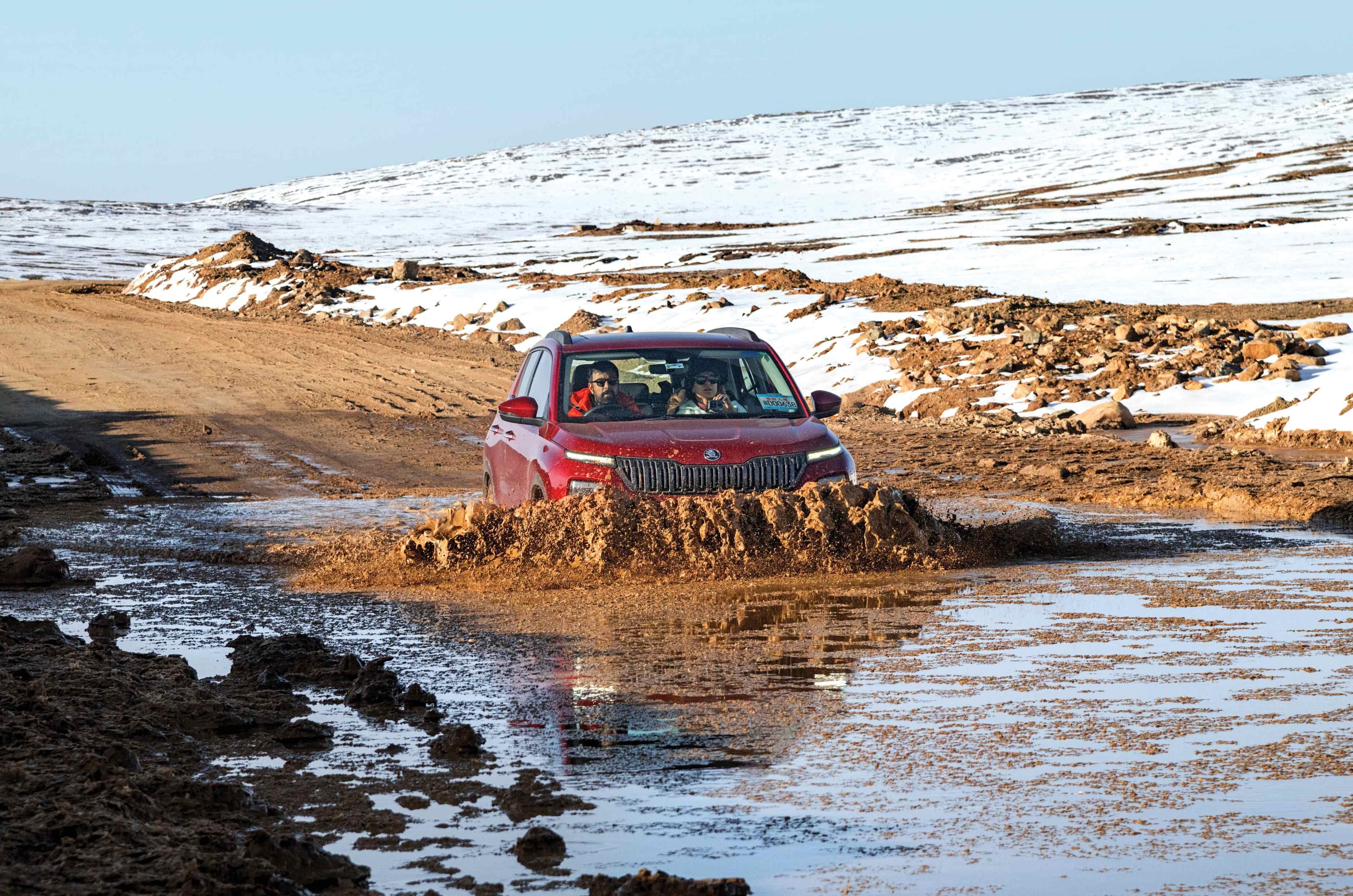
Two full days on the way to Golmud were entirely off-road, taking over 13 hours of driving, with our average speed dropping to 18kph as the Kylaq waded through water up to its bonnet and emerged without complaint.
In China, you get perfect roads or, simply, no roads.
A stretch that would have broken most cars left the Kylaq unscathed. China hit hard, but the Kylaq hit back harder. From day one, it had faced challenge after challenge, and from day one, it had come out on top. Three countries in, it still carried the same zeal it started with – and while we were rattled, it stood strong each night, ready for the next day.
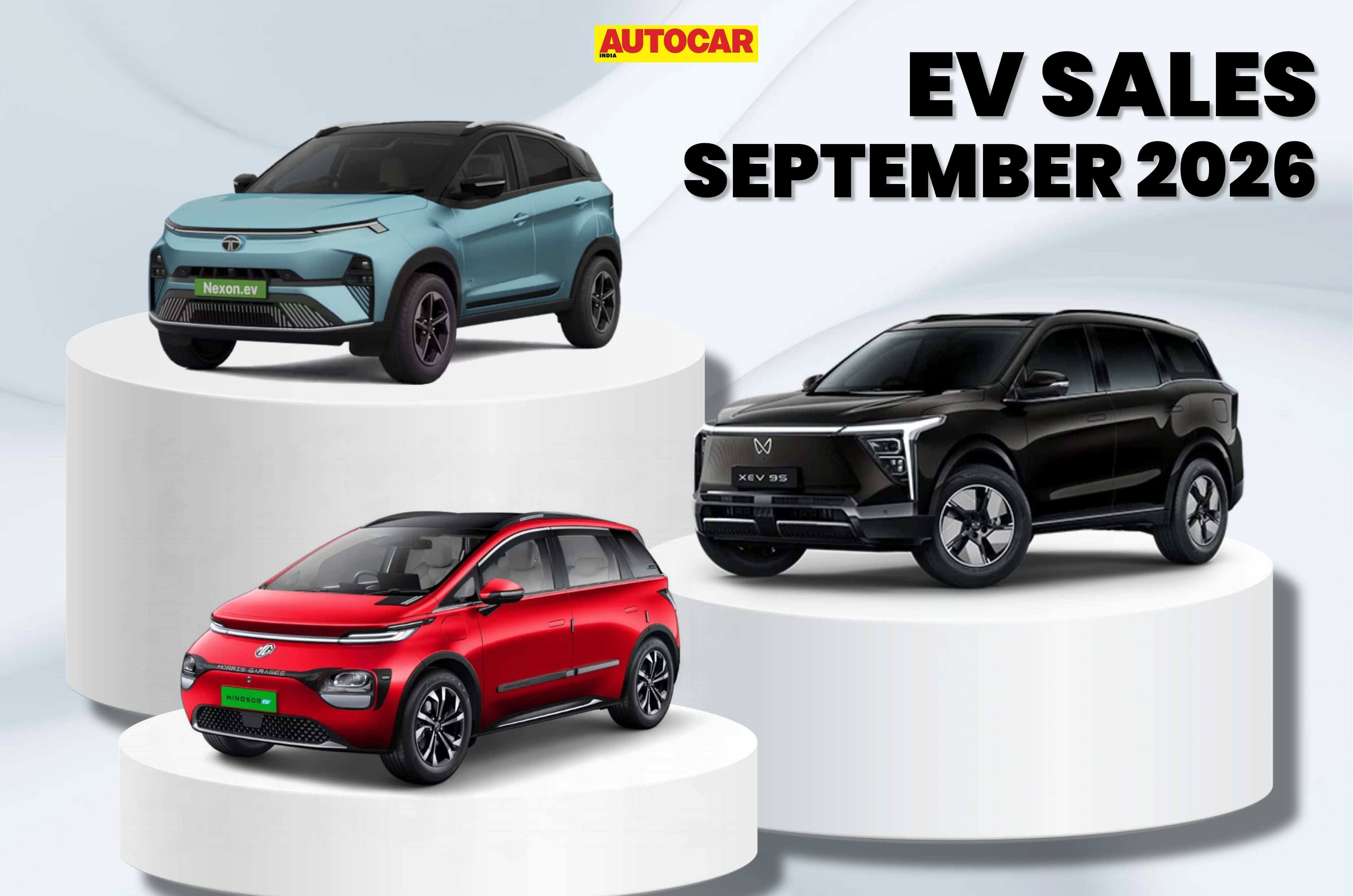
Retail sales of electric passenger vehicles reached a new monthly high of 35,995 units in September 2026, up 94 percent from the same month last year and marking the fourth consecutive month with sales above 30,000 units. Tata Motors retained the top spot with 14,769 units and a 41 percent market share, while Kia moved ahead of Maruti Suzuki to take fifth place. H1 FY2027 EV sales now stand at 1,90,946 units, up 88 percent year on year, putting the industry within 29,971 units of the full-year FY2026 tally.
September 2026 EV sales
Rank
OEM
Sep 2026
Sep 2025
YoY change
Market share
1
Tata Motors
14,769
7,353
101%
41.03%
2
Mahindra & Mahindra
7,779
3,972
96%
21.61%
3
JSW MG Motor India
5,242
4,800
9%
14.56%
4
Vinfast India
2,963
6
49,283%
8.23%
5
Kia India
1,263
598
111%
3.50%
6
Maruti Suzuki India
1,103
–
–
3.06%
7
BYD India
836
732
14%
2.32%
8
Hyundai Motor India
792
404
96%
2.20%
9
BMW India
502
369
36%
1.39%
10
Tesla
291
69
322%
0.80%
11
Toyota Kirloskar Motor
218
–
–
0.60%
12
Mercedes-Benz India
125
137
-9%
0.34%
13
Stellantis India
55
47
17%
0.15%
14
Volvo India
45
24
88%
0.12%
15
Porsche India
11
8
38%
0.03%
16
JLR India
1
0
–
0.00%
17
Audi India
0
0
–
0.00%
18
Lotus
0
0
–
0.00%
19
Rolls-Royce
0
1
-100%
0.00%
Total
35,995
18,520
94%
100%
Tata Motors
14,769 units, up 101 percent YoY
Tata Motors sold 14,769 electric passenger vehicles in September, up 101 percent from 7,353 units in the same month last year. This was the company’s highest monthly EV sales yet, surpassing the previous record of 14,388 units in July. September was also its fourth consecutive month with sales above 12,000 units.
Tata’s EV market share stood at 41.03 percent, up from 39.70 percent in September 2025. The Nexon EV remains its biggest volume driver, while the updated Tiago EV and Punch EV have also contributed to sales. During the month, Tata also extended its Battery-as-a-Service (BaaS) offering to the Nexon EV, Curvv EV, Sierra EV and Harrier EV.
Mahindra
7,779 units, up 96 percent YoY
Mahindra sold 7,779 EVs in September, up 96 percent from 3,972 units a year ago. The company retained second place in the electric PV market, although its sales remained below the monthly record of 8,131 units set in July. Mahindra’s EV market share increased to 21.61 percent from 21.44 percent in September 2025. The BE 6 and XEV 9e continue to make up its main EV offering, while the XEV 9S adds a three-row model to the line-up. Mahindra also recently extended its Battery-as-a-Service (BaaS) ownership programme to the XEV 9S and the XEV 9e.
JSW MG Motor
5,242 units, up 9 percent YoY
JSW MG Motor recorded 5,242 EV sales in September, up 9 percent from 4,800 units a year earlier and 6 percent from August. The company retained third place, although its market share fell to 14.56 percent from 25.91 percent in September 2025.
June remains MG’s best month so far, with 6,220 units. The Windsor EV continues to be its highest-selling model, while the recently launched Hector Tomahawk EV adds another model to its electric line-up. MG also has introduced a battery-as-a-service (BaaS) scheme for the Cyberster and M9 EVs.
Vinfast
2,963 units, up 49,283 percent YoY
Vinfast retained fourth place with 2,963 EVs sold in September, its highest monthly sales since entering India’s electric passenger vehicle market. Sales were up 32 percent from August, giving the company an 8.23 percent market share.
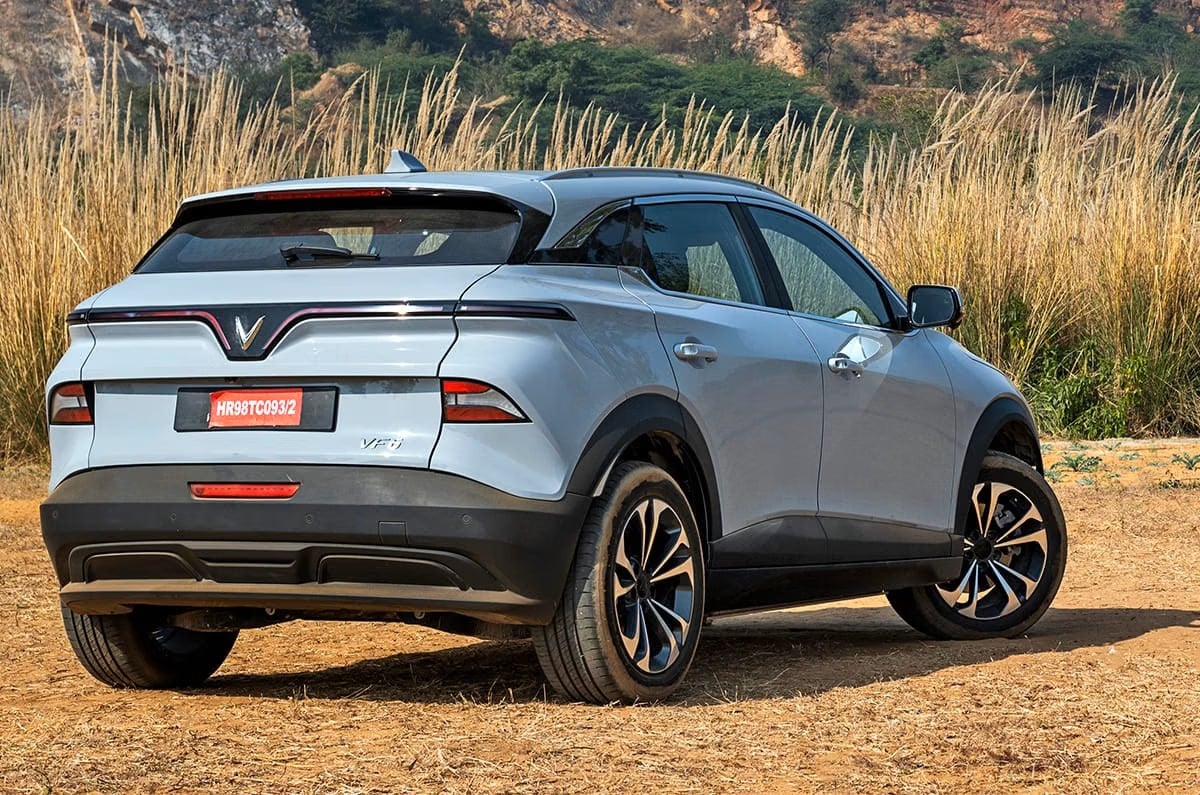
Vinfast currently has three models in its passenger vehicle portfolio: the VF6 and VF7 SUVs, and the VF MPV 7. Its cumulative H1 FY2027 sales stand at 10,826 units.
Kia
1,263 units, up 111 percent YoY
Kia moved ahead of Maruti Suzuki to take fifth place in September after recording 1,263 EV sales, up 111 percent from 598 units in September 2025. Sales also increased 48 percent from August’s 851 units. Kia’s EV market share increased to 3.50 percent, compared with 3.22 percent a year earlier. The increase follows the launch of the Syros EV in August. Kia also sells the Carens Clavis EV in India, while the EV6 and EV9 are sold as fully imported models.
Maruti Suzuki
1,103 units
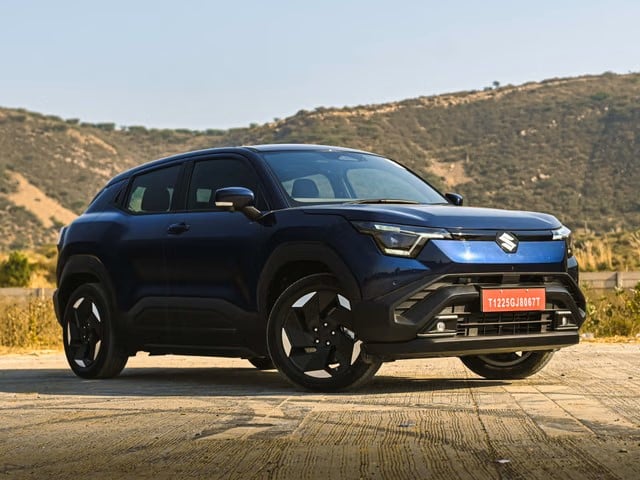
Maruti Suzuki slipped to sixth place, with 1,103 e Vitara units sold in September. Sales declined 25 percent from August’s 1,472 units, although September marked the company’s sixth consecutive month with four-digit EV sales. The e Vitara has so far seen limited domestic availability as a larger share of production was allocated for exports. Maruti is expected to increase domestic production with the start of operations at its new manufacturing line at the Hansalpur plant in Gujarat.
BYD
836 units, up 14 percent YoY
BYD sold 836 EVs in September, up 14 percent from 732 units in the same month last year. Its market share stood at 2.32 percent, down from 3.95 percent a year earlier. June remains BYD India’s highest-selling month so far, with 938 units. Its current line-up includes the Atto 3, eMax 7, Seal and Sealion 7, while the company has confirmed plans to launch the Seal U later this year.
Hyundai
792 units, up 96 percent YoY
Hyundai sold 792 EVs in September, up 96 percent from 404 units a year ago. This was its second-highest monthly sales tally in FY2027, after 840 units in August. The company sold a total of 3,650 EVs in H1 FY2027, down 8 percent from the 3,951 units sold in H1 FY2026. Hyundai currently has the Creta Electric and Ioniq 5 in its EV line-up.
Toyota
218 units
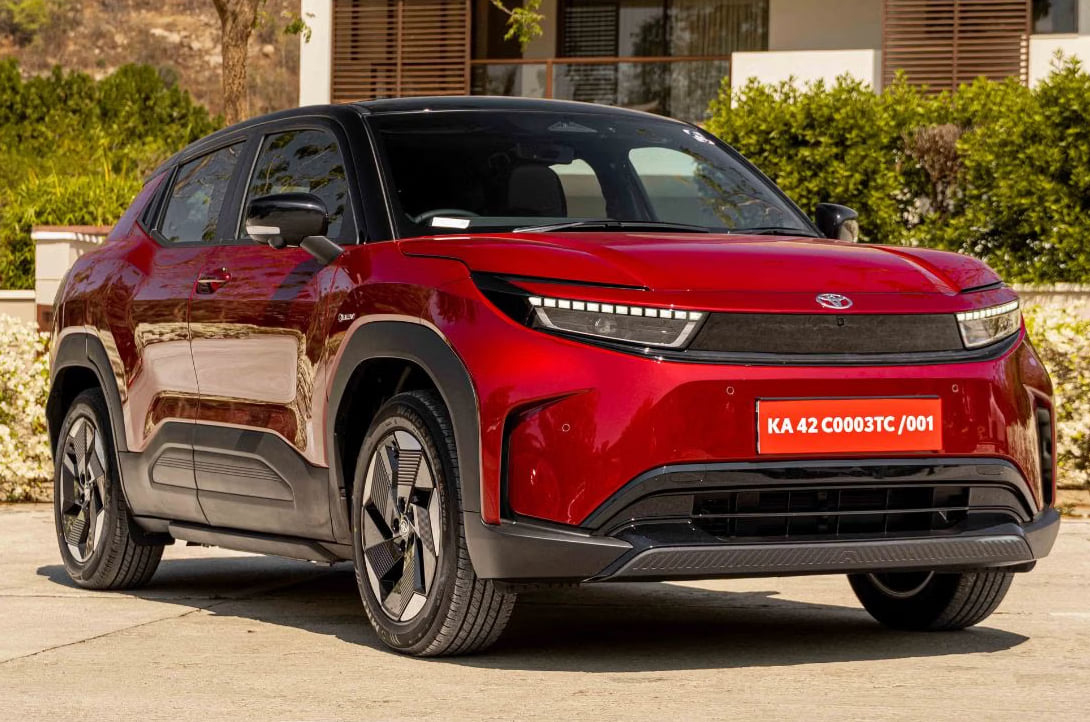
Toyota recorded 218 units of the Urban Cruiser Ebella in September, its highest monthly sales of the electric SUV since launch. Sales were up 30 percent from the 168 units sold in August. The Ebella is Toyota’s version of the Maruti e Vitara and is positioned against models including the Mahindra BE 6, Vinfast VF6, MG ZS EV, Hyundai Creta Electric and Tata Nexon EV.
Luxury EV sales hit new high
Luxury electric passenger vehicle sales also reached a new monthly high of 975 units in September, up 60 percent from 608 units a year earlier. This surpassed the previous record of 853 units set in June. Luxury EVs accounted for 2.70 percent of total electric passenger vehicle sales in September.
BMW
502 units, up 36 percent YoY
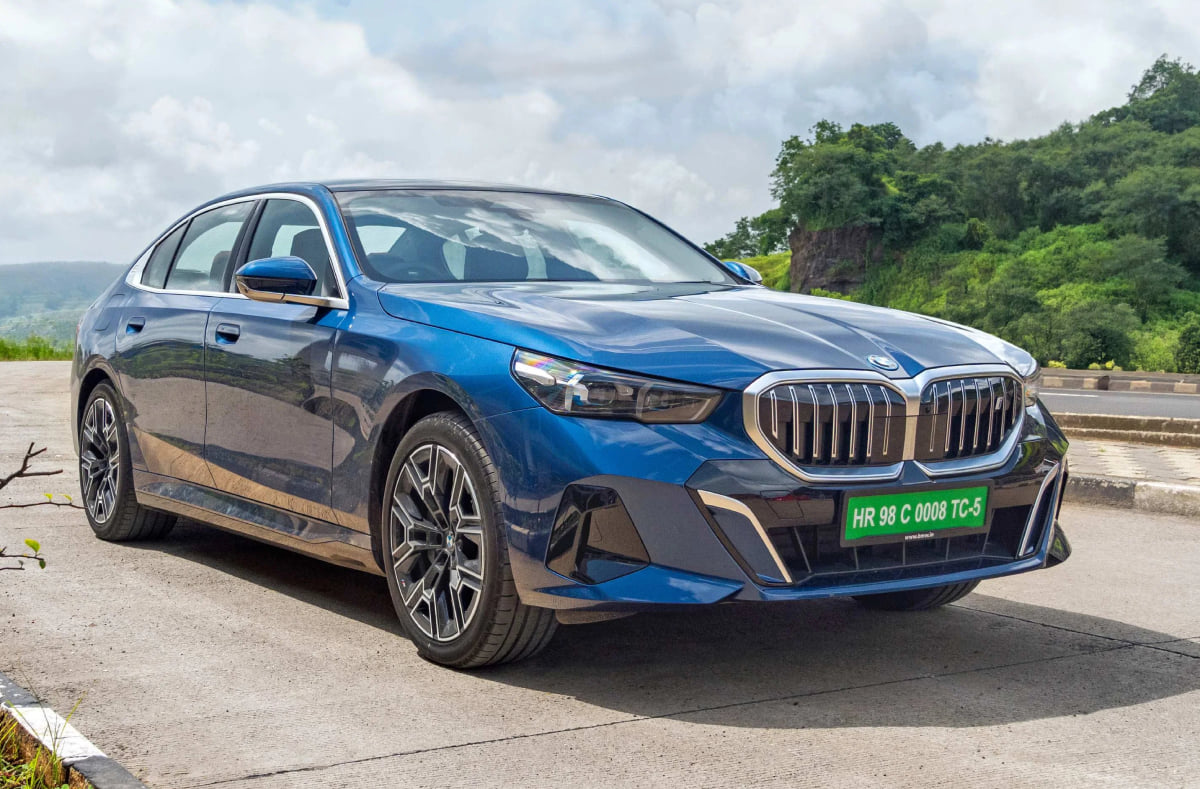
BMW remained the largest luxury EV seller in September with 502 units, up 36 percent from 369 units a year earlier. Its market share stood at 51.48 percent, down from 60.69 percent in September 2025. BMW recently expanded its electric line-up with the i5 Long Wheelbase, which was launched in India in September at Rs 79.6 lakh. It is the company’s first locally produced electric sedan in India. BMW has also recently updated the i7 range, with 50 xDrive M Sport trim and the top-spec M70 xDrive.
Tesla
291 units, up 322 percent YoY
Tesla recorded 291 units in September, its highest monthly sales in India, up 322 percent from 69 units a year earlier. The increase moved Tesla ahead of Mercedes-Benz and into second place in the luxury EV segment for the first time. Its segment share rose to 29.84 percent from 11.34 percent in September 2025.
Mercedes-Benz
125 units, down 9 percent YoY
Mercedes-Benz sold 125 EVs in September, down 9 percent from 137 units in the same month last year. Its share of the luxury EV segment fell to 12.82 percent, from 22.53 percent a year earlier. The company’s highest monthly EV sales this year came in June, when it recorded 245 units.
Volvo
45 units, up 88 percent YoY
Volvo recorded 45 EV sales in September, up 88 percent from 24 units a year earlier. Its market share increased to 4.61 percent, from 3.94 percent in September 2025.
Porsche
11 units, up 38 percent YoY
Porsche sold 11 EVs in September, up 38 percent from eight units in September 2025. It accounted for 1.12 percent of luxury EV sales during the month.