Kinetic Watts & Volts eyes seven overseas markets

Kinetic Watts & Volts eyes seven overseas markets

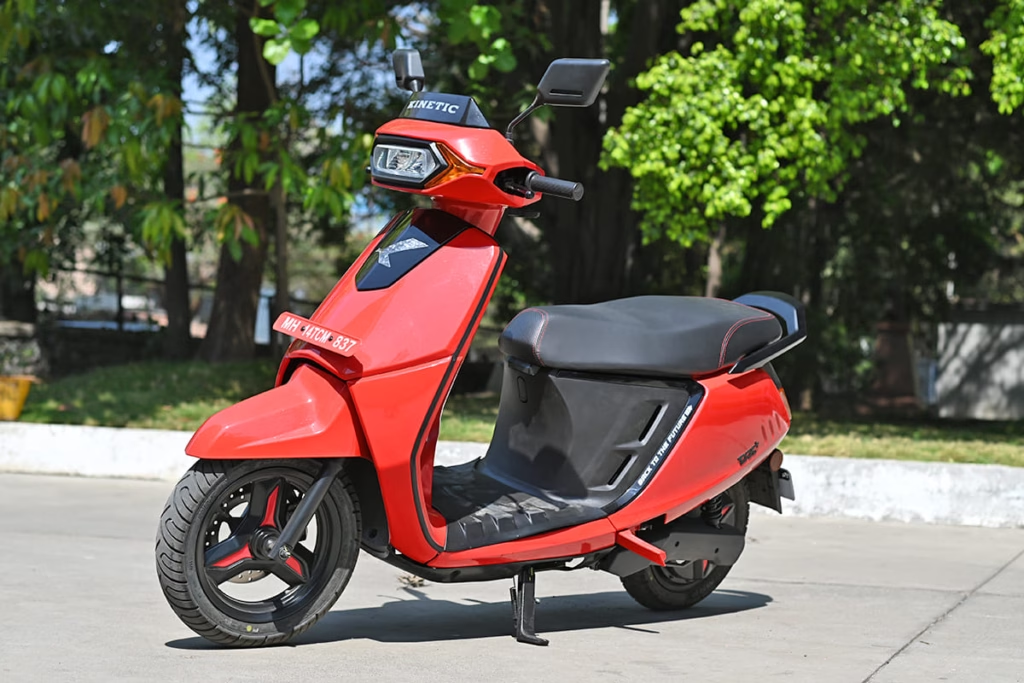
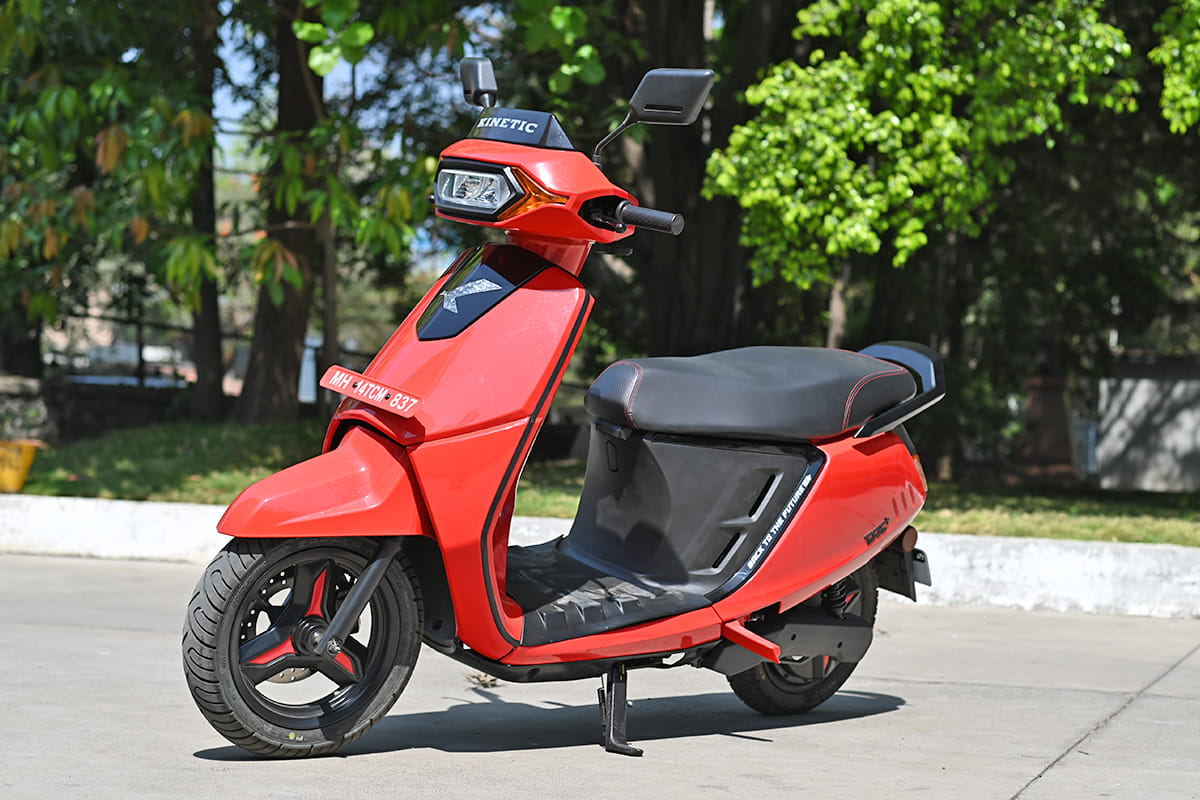
Kinetic Watts & Volts (KWV) is evaluating seven international markets as the Pune-based electric two-wheeler maker looks to expand beyond India. Turkey, Nepal, Sri Lanka, Bangladesh, Kenya, Nigeria and Egypt are currently being assessed, with KWV studying local regulations, customer requirements, electric two-wheeler demand and potential distribution partners.

  1. International expansion to cover markets across Europe, South Asia and Africa
  2. Makarand Joshi appointed to lead KWV’s international business development
  3. Company plans to add 40 more exclusive showrooms in India

Kinetic EV international expansion plans

It has also issued 150 LOIs to prospective dealership partners.

KWV currently sells the Kinetic DX and DX+ electric scooters in India, with the range positioned around accessible urban mobility. The company is now looking to identify markets and distribution partners that can support its next phase of growth overseas.

KWV has appointed Makarand Joshi as head of international business development to lead its overseas plans. Joshi has more than two decades of experience in developing overseas markets for Indian automotive products, with experience across Asia, the Middle East, Europe and Africa. His background includes two-wheelers, commercial vehicles and tractors, as well as international distribution and market-entry strategies.

Ajinkya Firodia, Vice Chairman and Managing Director, Kinetic Watts & Volts, said the company’s products had been designed with a broad range of markets in mind. He added that the momentum of its domestic business had allowed KWV to begin laying the groundwork for international expansion. The company is yet to confirm which of the seven markets it will enter or provide a timeline for its overseas launch.

KWV’s international plans come as it continues to build its presence in the Indian market. The company currently has 45 exclusive showrooms and expects another 40 outlets to become operational within the next two months. It has also issued 150 Letters of Intent (LOI) to prospective dealership partners.

With inputs from ANGITHA SURESH

Bajaj becomes second Indian EV maker to cross 3 lakh sales this year

Bajaj becomes second Indian EV maker to cross 3 lakh sales this year
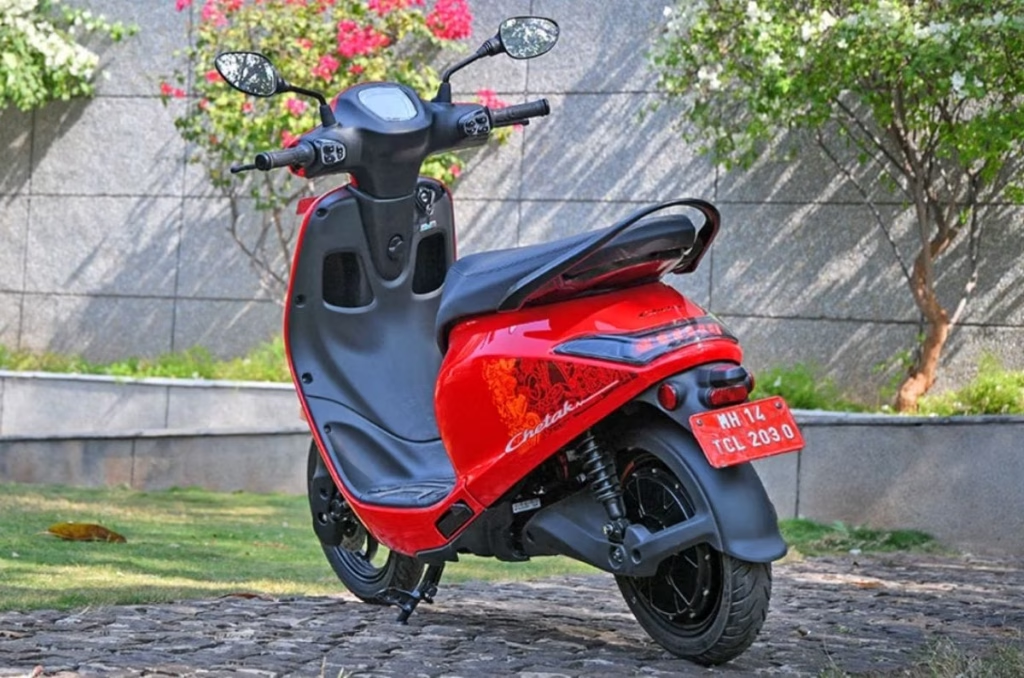
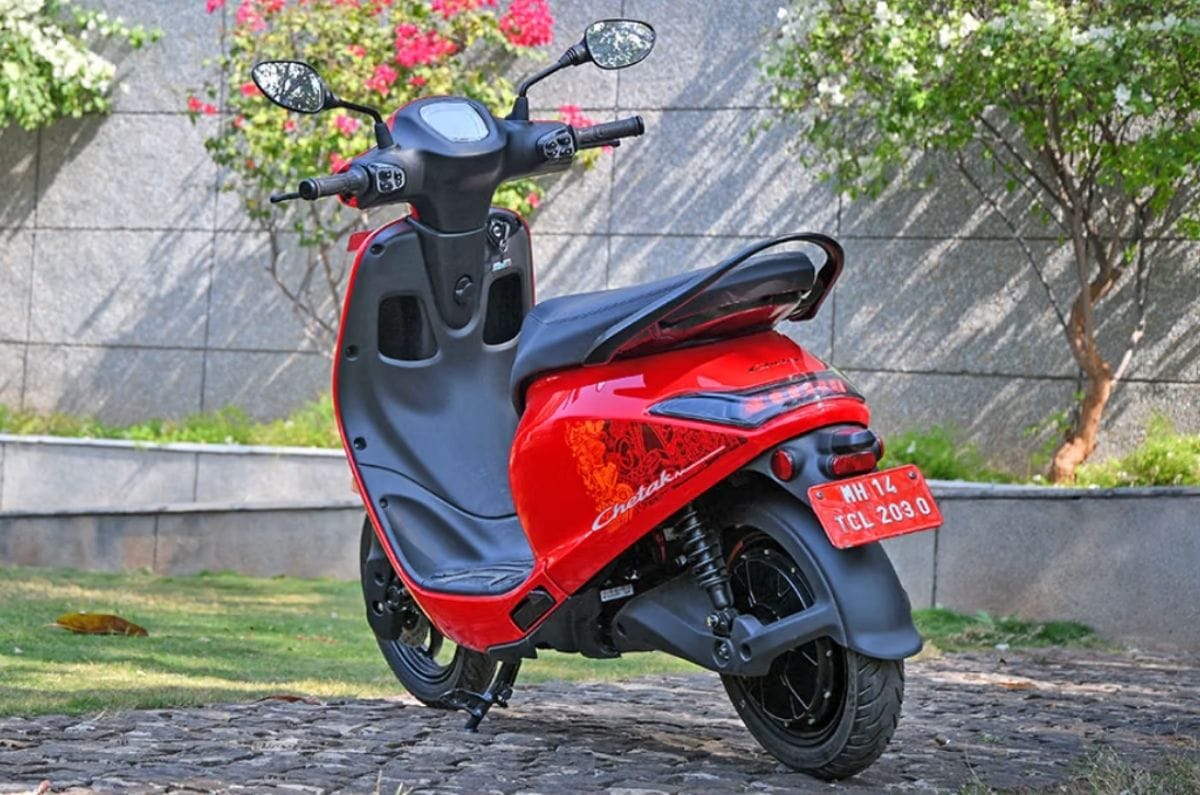
Outside shot showing the rear three quarter of the Chetak C2501

Bajaj has become the second electric vehicle manufacturer in India to cross the 3 lakh sales mark. As per Vahan data, the Pune-based manufacturer of the Chetak e-scooter and Yulu e-bikes has delivered a total of 3.02 lakh units between January and August 2026. This is a first for the brand, and marks a 68 percent growth compared to last year. It also makes Bajaj the second e-2W OEM to do so, after market leader TVS, which crossed the same milestone last month.

  1. Bajaj currently sells five EV scooter models via the Chetak brand
  2. August sales have increased by 210 percent compared to last year

TVS stays ahead of Bajaj by about 50,000 units

Ather is about 75,000 units behind, with the Konarc expected to help

Bajaj Auto retail sales data, Vahan (as of August 30, 2026)

Year

January

February

March

April

May

June

July

August (1-30)

2026

26,575

26,344

47,753

34,600

39,542

43,529

45,860

37,976

2025

22,137

22,242

36,582

19,818

22,641

23,986

20,557

12,246

Percentage increase

20

18

31

75

75

81

123

210

At present, TVS is 51,063 units ahead of Bajaj, having sold 3.53 lakh units till August end. Ather, third in sales at 2.27 lakh units, and has just launched the mass-market Konarc, is also expected to surpass 3 lakh sales close to November this year. The number of units sold so far gives Bajaj a 22 percent share of the market, putting it ahead of Ather Energy (17 percent) and behind TVS (26 percent).

Bajaj currently has a five-variant Chetak portfolio comprising the Chetak C2501 as the entry-level offering and the C3501 as the brand’s current flagship EV. As the monthly retail sales data table above indicates, Bajaj’s highest single-month sales were in March 2026 which was the first time that sales crossed the 40,000 sales mark. Since then, it has crossed that figure two more times, in June and in July.

Upcoming festival season expected to help increase sales

Bajaj is expected to sell up to 4.5 lakh units by year end

With the festive season to kick off soon, expect Bajaj to add another 1.25-1.50 lakh units in the next four months. This will take the company’s total e-2W retail sales to a record 4.25-4.50 lakh sales for the year. The topper, TVS is on track to be the first Indian EV manufacturer to sell 5 lakh units this year. Bajaj will also be well ahead of Ather, which is expected to register record retail sales of an estimated 3.50 lakh units.

Nevertheless, both Bajaj and TVS, will be keenly watching the market response to the Ather Konarc. The Konarc’s base variant has been priced at Rs 99,999, about Rs 4,000-5,000 more than both Bajaj and TVS’ entry level offerings. Vida, fourth in sales, also thus has the incentive to watch the customer response to the Ather Konarc.

With inputs from Stephen Raj Antony.
 

How Maruti Suzuki Became India’s Number One CNG Carmaker

How Maruti Suzuki Became India's Number One CNG Carmaker
Number One CNG carmaker Maruti

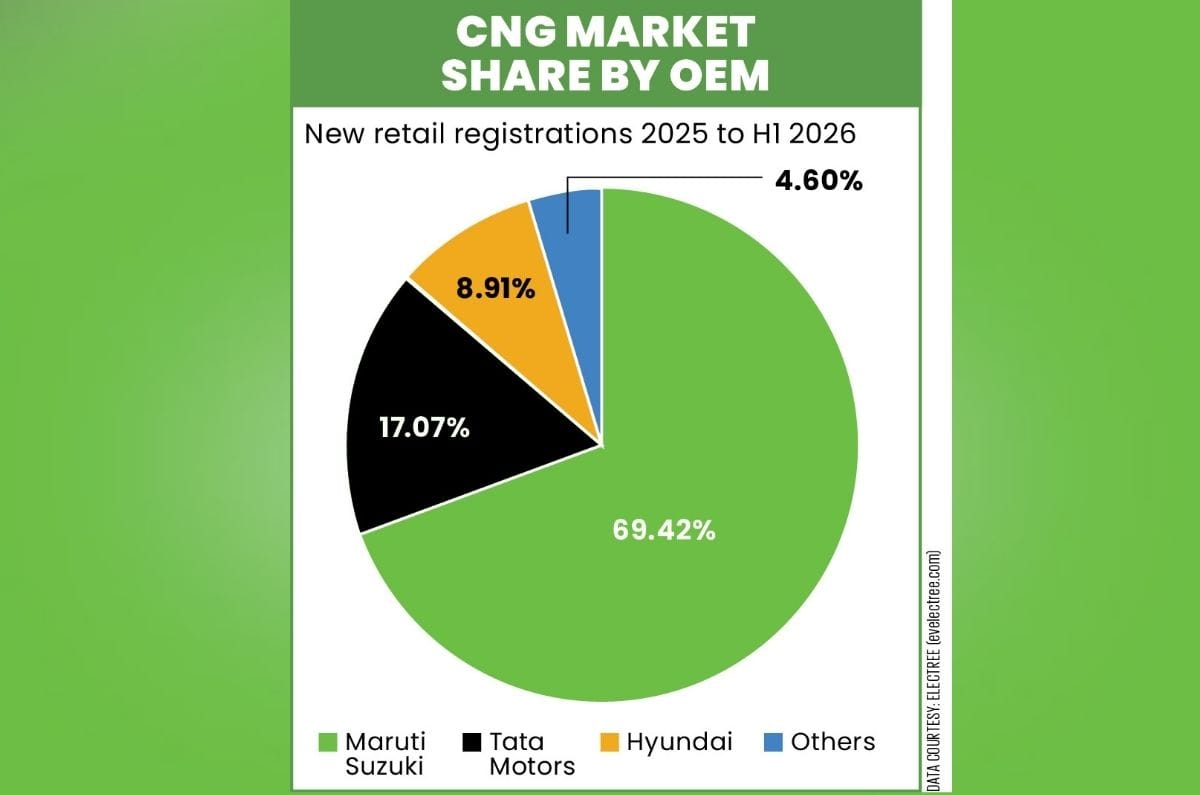
When Maruti Suzuki introduced its first factory-fitted CNG models in 2010, the fuel had little acceptance among private buyers. Availability was largely restricted to Delhi-NCR, Mumbai-Pune and Gujarat, while the filling network was small and uneven. CNG penetration remained at just 1-2 percent until 2016-17, but Maruti continued to improve the technology and expand its range. It began with affordable cars such as the Alto and Eeco before taking CNG to the WagonR, Swift, Baleno, Dzire and Ertiga. Today, its portfolio includes SUVs such as the Brezza, Fronx, Grand Vitara and Victoris.

Fixing what buyers disliked

In the late 1990s, buyers who wanted a CNG car usually had to convert a petrol model using an aftermarket kit. Most kits were imported, often from Italy or Argentina, and a conversion cost around Rs 30,000-32,000.

As demand grew, some dealers began tying up with local retrofitters. But when these cars developed problems, owners often returned to Maruti workshops even though the company had not supplied or installed the kit. Poorly fitted systems raised concerns about gas leaks and vehicle fires. An aftermarket conversion could also invalidate the manufacturer’s warranty, while the engine and fuel system were not always designed to cope with CNG.

Performance was another weakness. Early conversions resulted in a noticeable drop in power. Some owners would switch to petrol before overtaking or climbing steep roads and returned to CNG once the additional performance was no longer needed.

Factory-fitted systems addressed many of these problems. Engines, valve seats, fuel lines and mounting points were designed to work with CNG. Better calibration reduced the performance loss, while the car retained its manufacturer warranty and could be serviced through Maruti’s dealer network.

The financial case was already strong. Around 2010, CNG cost roughly Rs 20-21 per kg, compared with about Rs 48 per litre for petrol and Rs 38 for diesel. A factory-fitted system added around Rs 45,000-54,000 to the price of the car, but offered better engineering, safety and warranty protection than an aftermarket conversion.

Even so, CNG did not take off immediately. Diesel was widely available, delivered better performance and offered low running costs. In 2013, diesel accounted for around 38 percent of India’s passenger vehicle market, making it the easier choice for many high-mileage users.

The network caught up

India had around 1,200 CNG stations in 2016-17. By March 2026, the network had expanded to about 8,900 stations across roughly 350 cities. This made CNG practical beyond its traditional strongholds. Petrol prices also rose sharply after 2020, crossing Rs 100 per litre in several cities and strengthening the case for switching to a cheaper fuel.

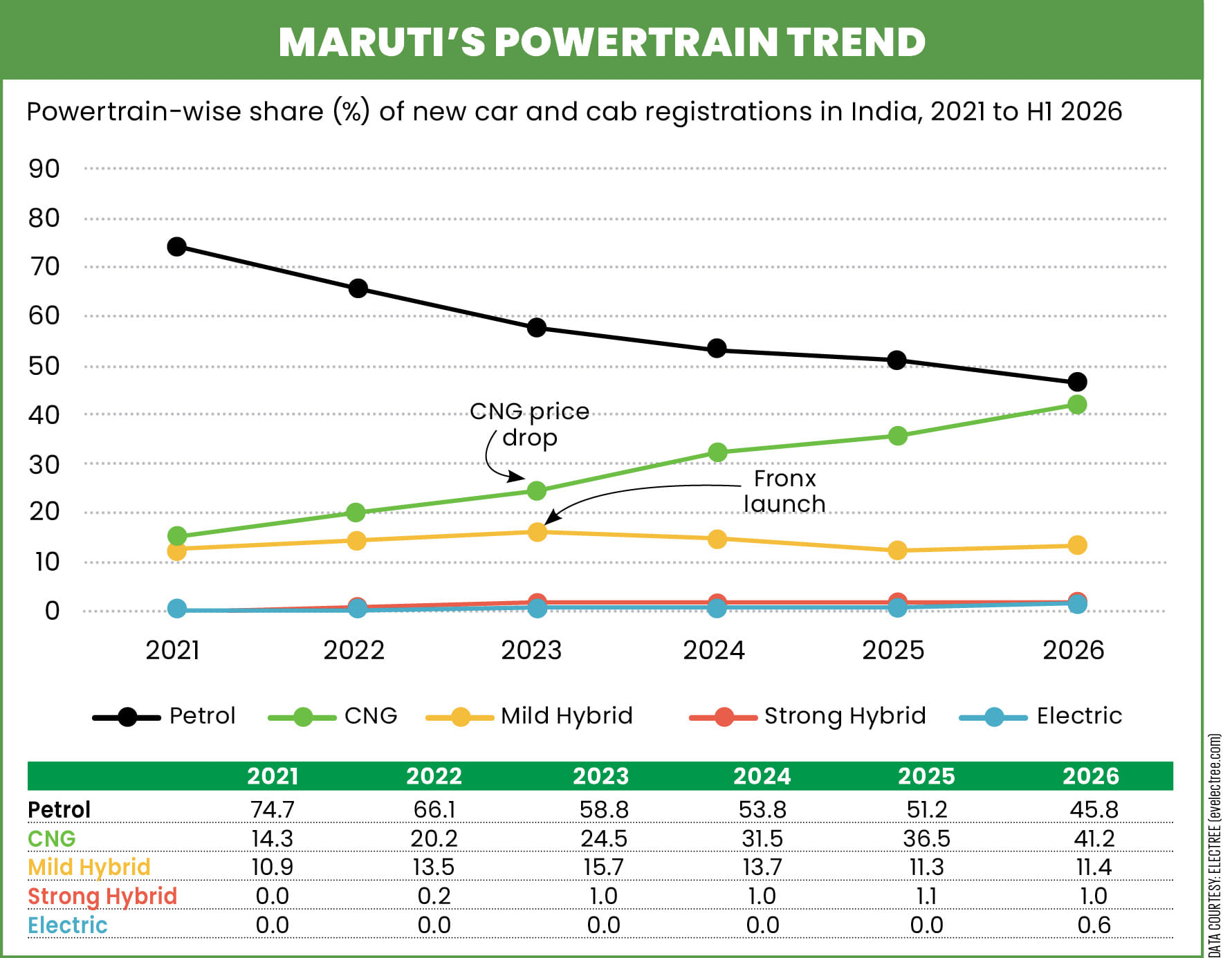
By then, Maruti had already addressed many of the product-related concerns and could respond with a broad factory-fitted portfolio. CNG’s share of Maruti’s new registrations, including private cars and cabs, increased from 14.3 percent in 2021 to 41.2 percent in the first half of 2026. Petrol’s share fell from 76.5 percent to 45.9 percent over the same period. The sharpest jump came between 2023 and 2024, when CNG’s share rose from 24.6 percent to 32 percent.

Commercial vehicles remain important. Cabs account for around 10 percent of Maruti’s cumulative registrations, but contribute more than a quarter of its CNG volumes. However, private buyers now account for the larger part of demand.

“Earlier, if a customer was opting for CNG, the perception was that he was just a very value-conscious customer,” says Maruti Suzuki’s senior executive officer, sales and marketing, Partho Banerjee. “Now, especially with underbody CNG, the profile of customers has changed. They are not only looking for mileage, they also want an aspirational product that feels no different to drive from gasoline.”

CNG moves beyond small cars

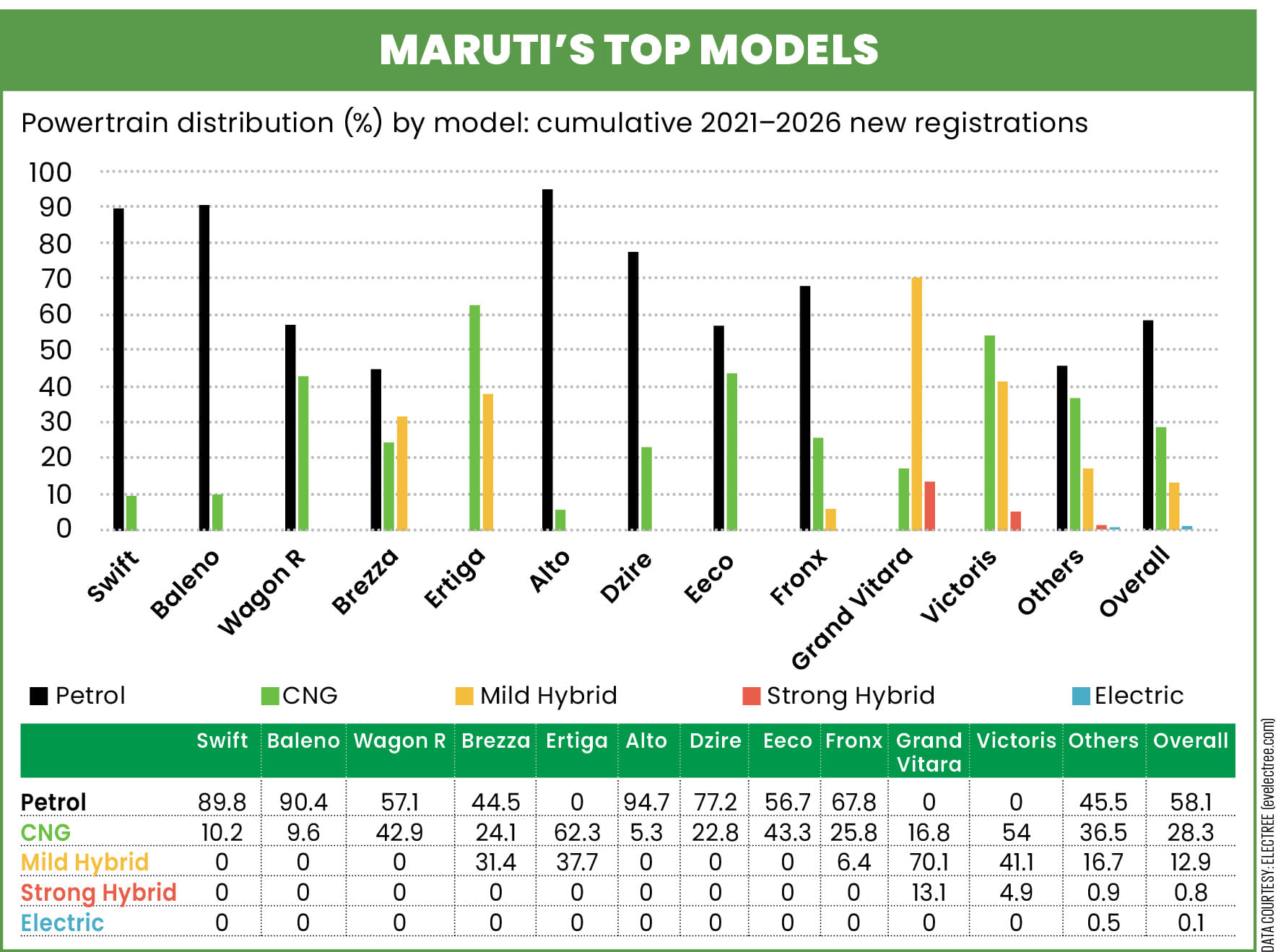
The WagonR remains the quintessential CNG hatchback. Its CNG share has risen from 42.5 percent in 2021 to 49.1 percent in the first half of 2026. Nearly every second WagonR buyer now chooses it. CNG is also gaining ground in models that were once overwhelmingly petrol-powered. Its share in the Swift has increased from 1.9 percent to 18 percent, while the Baleno has moved from 2.1 percent to 14.5 percent.

The Dzire has seen an even sharper change. CNG accounted for just 1.7 percent of its registrations in 2021. Its share reached 33.6 percent in H1 2026. 

Adoption is strongest in vehicles that cover longer distances or carry more passengers. CNG’s share of the Ertiga has risen from 39.3 percent to 73.6 percent, while the Eeco has moved from 31 percent to 55.2 percent. Big shifts are now also taking place in the SUV segment, where buyers care as much about design, features and luggage space as they do about mileage.

CNG accounts for 43.4 percent of Brezza registrations, compared with 23.7 percent for its Smart Hybrid powertrain in H1 2026. The Fronx has seen its CNG share rise from 10.9 percent at launch in 2023 to 35.4 percent in the first half of 2026. In the case of the Grand Vitara, it has increased from zero to 23.9 percent.

The Victoris has moved even faster. CNG accounted for 55.2 percent of its registrations in the first half of 2026. Its strong response shows that midsize SUV buyers will accept the fuel when it does not compromise the overall ownership experience. 

Better packaging removes a key compromise

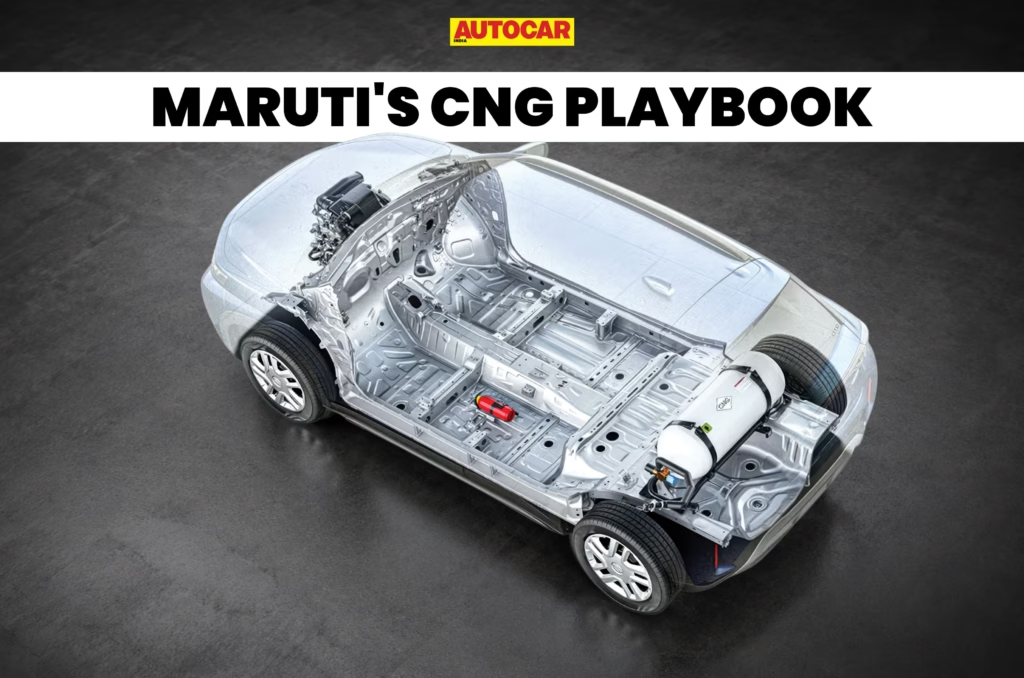
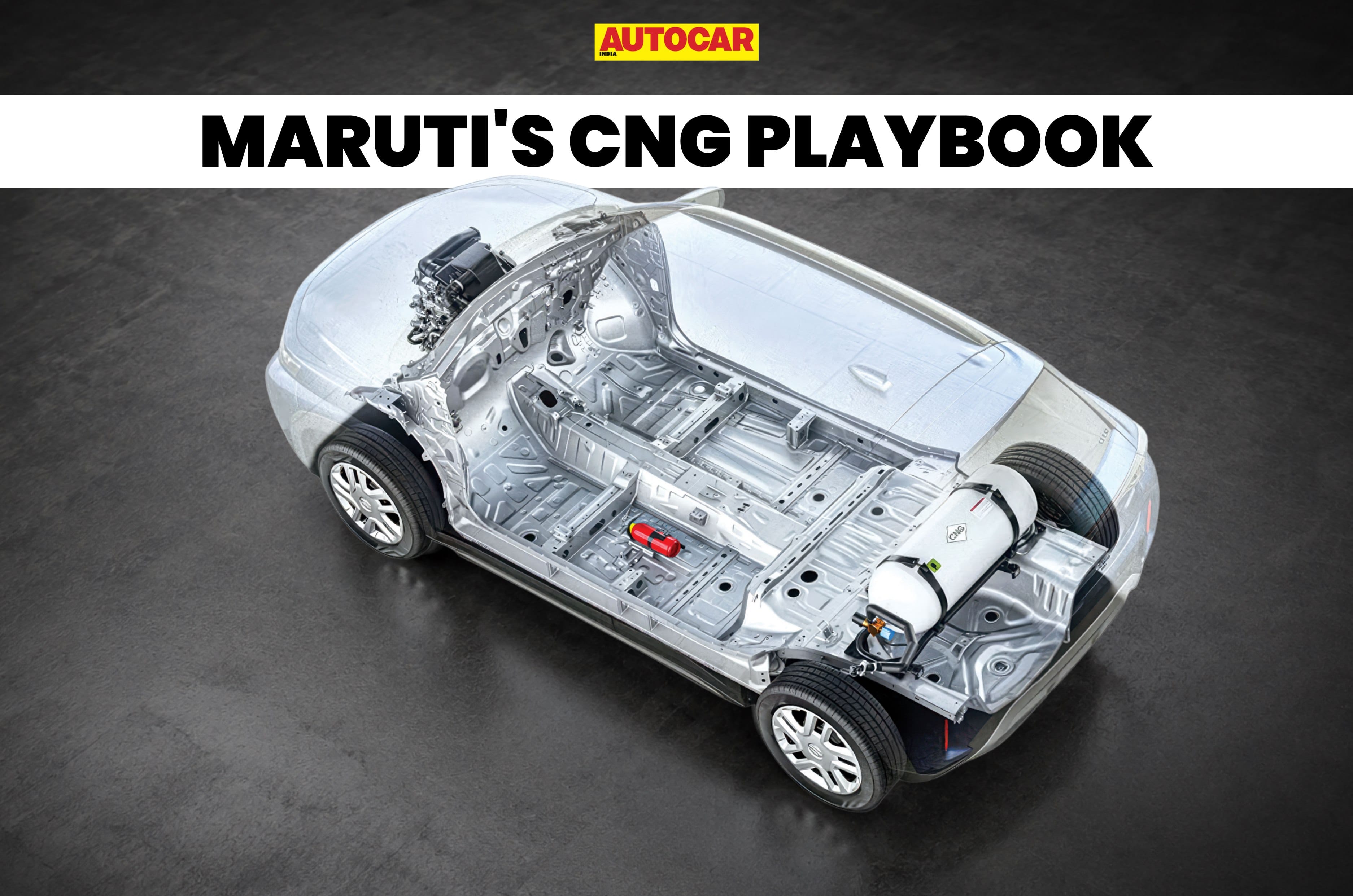
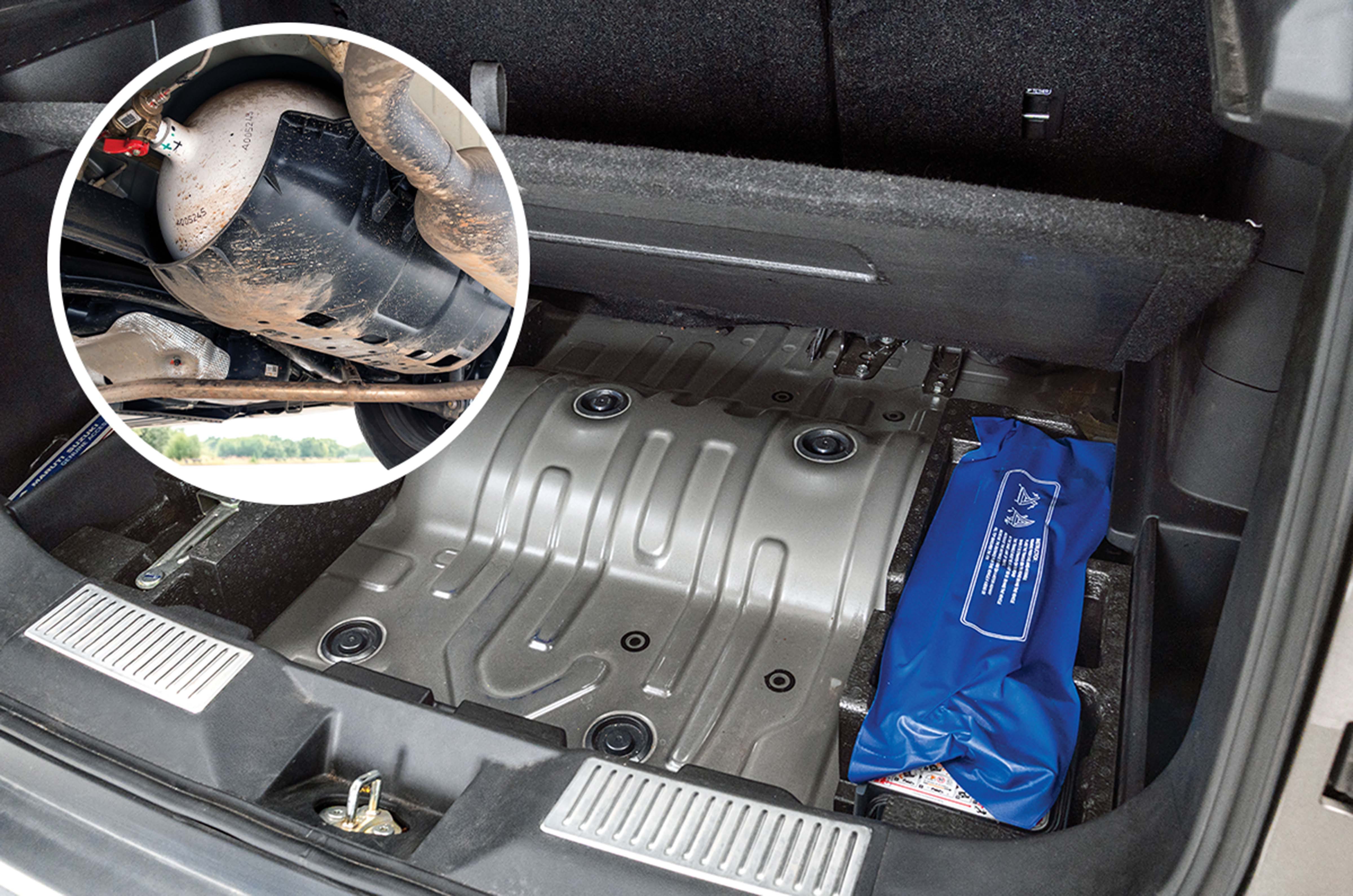
A large cylinder placed across the luggage compartment has long been one of CNG’s biggest drawbacks. Dual-cylinder systems that divide the gas storage between two smaller cylinders positioned lower in the boot, or placing an underbody tank, create a flatter and more usable luggage area.

Maruti’s latest CNG development is the underbody tank on the Victoris and Brezza.

Central to Maruti’s next CNG push is the underbody CNG setup. The newly launched CNG Brezza opts for this setup – just like in the Victoris – where the tank is placed beneath the floor. It does negate the ability to have the spare tyre, but luggage space remains useable with a boot that is pretty much free of intrusions.

“If I don’t compromise on my driving experience, and I don’t lose boot space, and on top of that I reduce my total cost of ownership, then it is ticking all the boxes. Why would I not go for it?” says Banerjee.

Filling the gap left by diesel

Maruti’s exit from diesel in 2020 left a gap for buyers seeking low running costs without moving to an EV. CNG has become the answer. It cannot match a diesel engine’s torque or effortless highway performance, but it can cost substantially less to run than petrol, particularly for buyers covering high monthly distances. The vehicle can also switch to petrol when CNG is unavailable.

CNG will not replace diesel in every situation. Drivers who regularly travel on highways, carry heavy loads or value strong mid-range performance may still prefer diesel where it remains available. But for largely urban use, CNG now delivers much of the economic advantage that once made diesel attractive. The market has moved beyond mileage.

CNG has reached around 20 percent penetration without requiring buyers to completely change the way they use a car. There is no home charger to install, and the vehicle can run on petrol when the gas runs out. But the next stage will require more than savings. Buyers moving onto larger and more expensive vehicles will expect performance, equipment, luggage space and convenience alongside lower running costs.

“Quality, reliability and mileage are now hygiene,” says Banerjee. “You need to give all of that anyway and then still meet their lifestyle expectations.”

With the Victoris establishing CNG in the midsize SUV market and the Brezza addressing the compact SUV space, Maruti is now taking the fuel deeper into India’s largest vehicle segment, and it says there’s more to come.

पुणे की इस महिला ने 29 साल की उम्र में लिया रिटायरमेंट, वीडियो शेयर कर बताया 4-स्टेप मैजिकल फॉर्मूला

कॉर्पोरेट की भागदौड़ भरी जिंदगी से थककर, एक महिला ने 29 साल की उम्र में रिटायरमेंट ले लिया और अपने पिता के साथ मिलकर एक ‘फ़ार्म स्टे’ शुरू किया। पर्माकल्चर और फलों की खेती अपनाकर और काम के तनाव (बर्नआउट) के बजाय अपनी सेहत और खुशी पर ध्यान देकर, उन्होंने एक आत्मनिर्भर जीवनशैली बनाई। इंस्टाग्राम पर अपनी कहानी शेयर करते हुए उन्होंने बताया कि कैसे ज़मीन खरीदकर और एक अच्छा इकोसिस्टम बनाकर उन्होंने अपनी मर्ज़ी की ज़िंदगी जी। उनका वायरल वीडियो अब तक हज़ारों लोगों को प्रेरित कर चुका है।

वायरल हो रहे इस वीडियो में स्नेहा राजगुरु कहती हैं, “मैं 29 साल की उम्र में रिटायर हो गई। मैं आपको बताती हूं कैसे,” और फिर वे उन 4 स्टेप्स के बारे में बताती हैं जिनकी मदद से उन्होंने कॉर्पोरेट ज़िंदगी छोड़ दी।

स्टेप 1- ज़मीन का एक छोटा सा टुकड़ा खरीदें। उसका कोई ऐसा नाम रखें जो आपके दिल के करीब हो, जैसे मैंने ‘बाब बेटी फ़ार्म’ रखा।

स्टेप 2- फलों के पेड़ लगाएं। वे आपके साथ-साथ बढ़ते हैं, उनमें सबसे कम मेहनत लगती है और वे सालों तक आपको फल देते रहेंगे।

स्टेप 3- अपना खाना खुद उगाना शुरू करें। ताकि अगर लॉकडाउन या युद्ध जैसी कोई स्थिति आए, तो आप किसी पर निर्भर न रहें। मेरा यकीन मानिए, सरकार पर भी नहीं।

स्टेप 4- अपनी ज़मीन को फूलों से भर दें। यकीन मानिए, जब आपका मन रोज़ सुंदरता देखता है, तो उसे अस्पतालों की ज़रूरत नहीं पड़ती। और सबसे ज़रूरी बात, ऐसी जगह बनाएँ जो सिर्फ़ आपके पेट को ही नहीं, बल्कि आपकी आत्मा को भी सुकून दे। क्योंकि रिटायरमेंट का मतलब उम्र से नहीं, बल्कि दबाव के बजाय शांति को चुनने से है।

उन्होंने इंस्टाग्राम वीडियो के कैप्शन में लिखा- “क्या आप भी ऐसी ज़िंदगी का सपना देखते हैं? साथ जुड़िए, आपकी यात्रा यहीं से शुरू हो सकती है,”। यह वीडियो सोशल मीडिया पर तेज़ी से लोकप्रिय हो रहा है। इसे 4 लाख से ज़्यादा बार देखा जा चुका है और कमेंट सेक्शन में लोगों की ढेरों प्रतिक्रियाएं मिल रही हैं।

एक यूज़र ने लिखा, “मुझे फ़ार्म का नाम बहुत पसंद आया। यह मेरा भी सपना है।” एक और यूज़र ने कमेंट किया, “मैं भी दबाव के बजाय शांति चुनना चाहता हूं।”तीसरे यूज़र ने लिखा, “वाह, यह सचमुच बहुत सुंदर है। उम्मीद है कि मैं भी कभी अपनी ऐसी जगह बना पाऊंगा। आप जो कर रही हैं, वह मुझे बहुत पसंद है।” एक और कमेंट करने वाले ने पूछा, “आप किस इलाके में रहती हैं? वहां ज़मीन की कीमत क्या है?”

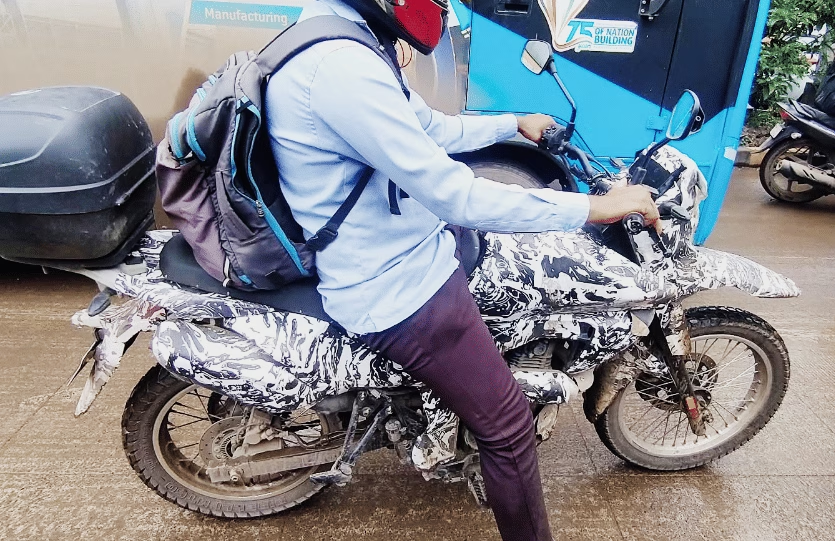
Upcoming Bajaj dual-sport motorcycle spotted testing again

Upcoming Bajaj dual-sport motorcycle spotted testing again
Upcoming Bajaj dual-sport motorcycle right outside shot, showing the engine, wheels, and tyres.

Bajaj has been working on their own dual-sport motorcycle, adding to a long list of new launches expected from the Pune-based manufacturer. The motorcycle has now been spotted testing again, revealing some key details.

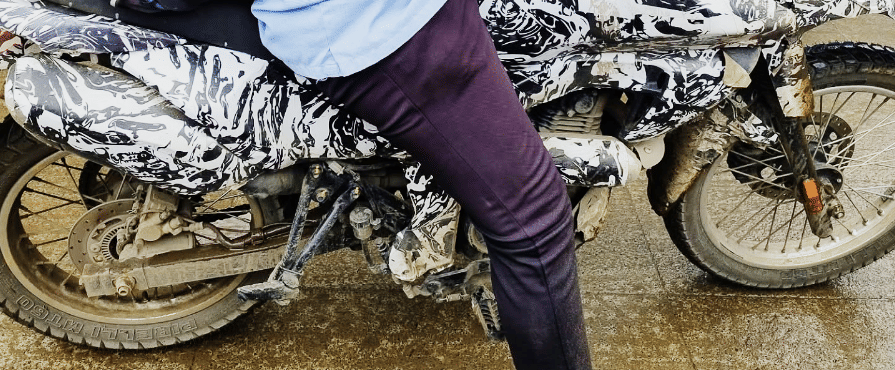
  1. Appears to have a 19 front-17 rear tubed spoke wheels
  2. Spotted testing with Pirelli MT60 tyres
  3. Most likely to launch in LatAm markets first

Proper dual-sport design

With an up-swept exhaust and a tall stance

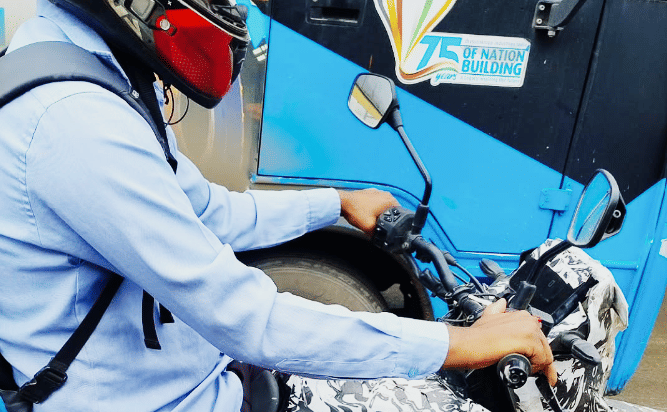
This image gives us a detailed look at a few important things on the motorcycle. We can see a TFT instrument cluster that appears similar to the unit that debuted on the Pulsar N160 S and SS, supporting Google Maps mirroring on the latter. The next detail we can see is the multi-functional switch cube on the left side of the handlebar, presumably to access and navigate through the features the motorcycle will offer. For perspective, some of the brand’s more recent launches like the N160 SS come with modern day features like ride-by-wire which enables rider aids like three ride modes, traction control, and a new crawl function to make riding in traffic easier, and we could see those features on this upcoming dual sport as well.

Upcoming Bajaj dual-sport motorcycle right showing instrument cluster and left switch cube

Being an adventure motorcycle, it understandably has long travel suspension, although exact details are unknown at the moment. The other noteworthy thing is that the motorcycle appears to sport Pirelli MT 60 tyres, but it’ll likely wear different tyres in India to keep the prices affordable. Engine details are still unknown, but as we’d reported earlier it’ll likely be sub-300cc.

The Indian off-road motorcycle market has popular choices like the Hero Xpulse 210 and the Kawasaki KLX230, as well as the KTM 390 Enduro R in the 400cc class. We also have the upcoming Honda XR300 L and XR300 Rally. In an interview with Brazilian media, Bajaj’s Executive Director for the country, Waldyr Ferreira hinted at a launch in the local market towards the end of the year. The timeline for an Indian launch hasn’t been confirmed so far.

Upcoming Bajaj dual-sport right side showing the exhaust and wheels

Image credit: xpulse_trails_1729 on Instagram

Spinny partners with Nissan, MG and Tesla for exclusive benefits

Spinny partners with Nissan, MG and Tesla for exclusive benefits
Spinny

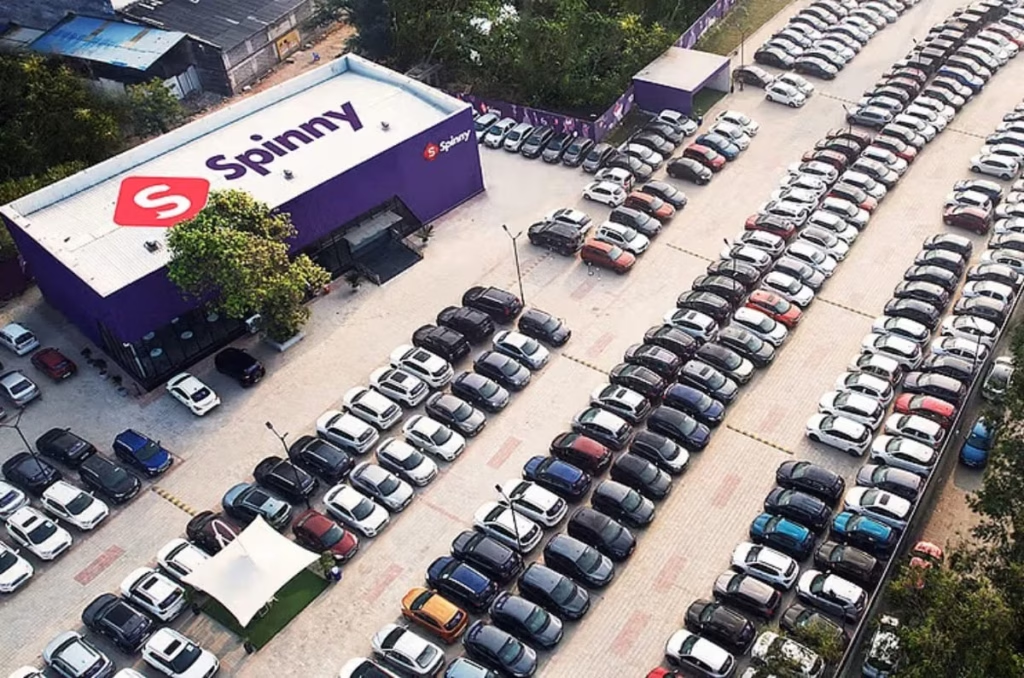
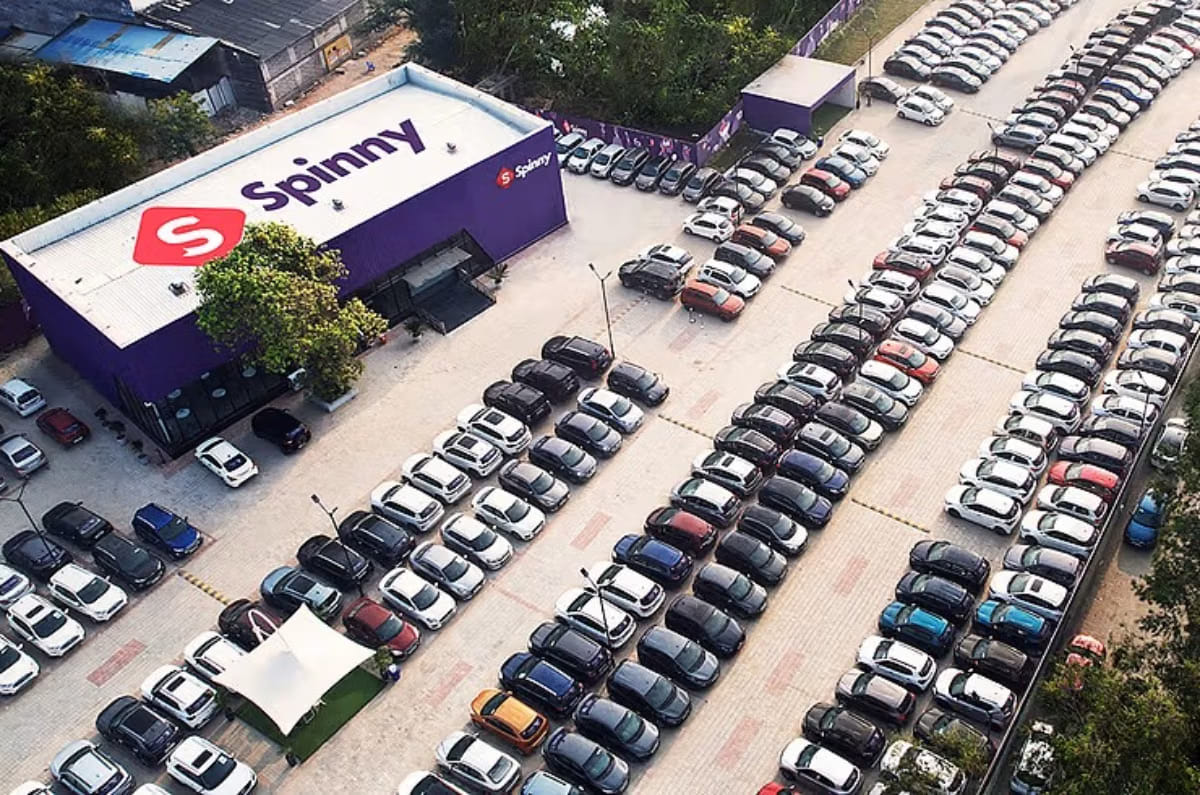
Spinny has expanded its partnerships with Nissan, JSW MG Motor and Tesla, covering new-car exchanges, pre-owned EVs and other vehicle ownership services. The tie-ups span different stages of the ownership cycle, including buying, selling, exchanging and upgrading vehicles.

  1. Nissan customers can get exchange benefits of up to Rs 75,000
  2. Tesla has appointed Spinny as a preferred exchange partner
  3. JSW MG Motor India partnership focuses on certified pre-owned EVs

Spinny operates across more than 80 cities with 57+ Car Hubs, 17 Spinny Parks and 15+ Integrated Restoration Centres, according to the company.

Nissan, Tesla exchange programmes

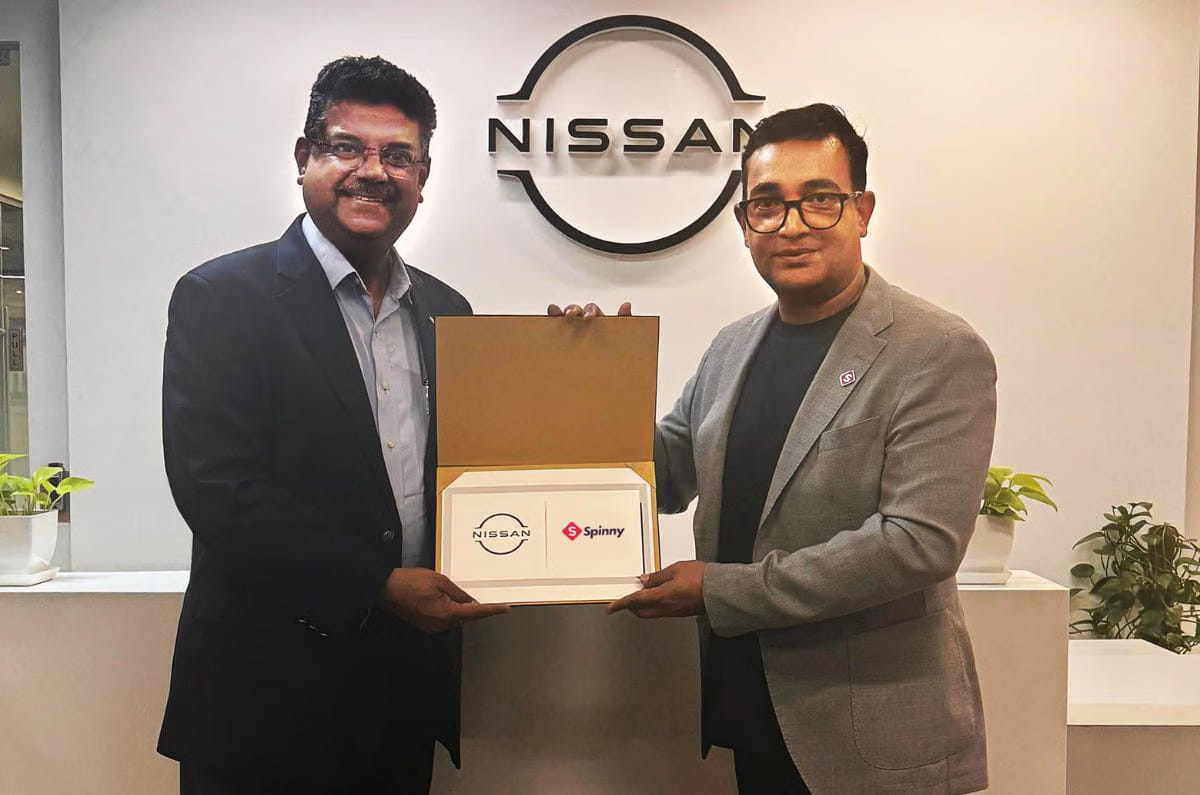
Under the Nissan partnership, customers buying a new Nissan can have their existing vehicle evaluated and exchanged through Spinny. The programme includes a 55-minute vehicle exchange process and benefits of up to Rs 75,000. A Spinny-issued Buying Letter is accepted as proof of exchange.

Tesla has appointed Spinny as a preferred exchange partner under its Switch and Save programme. The arrangement allows customers to sell an existing internal-combustion vehicle when buying a new Tesla.

Spinny expands pre-owned EV operations

The partnership with JSW MG Motor India focuses on the pre-owned EV market. It combines JSW MG Motor India’s electric-mobility expertise with Spinny’s vehicle evaluation, certification, refurbishment and retail capabilities.

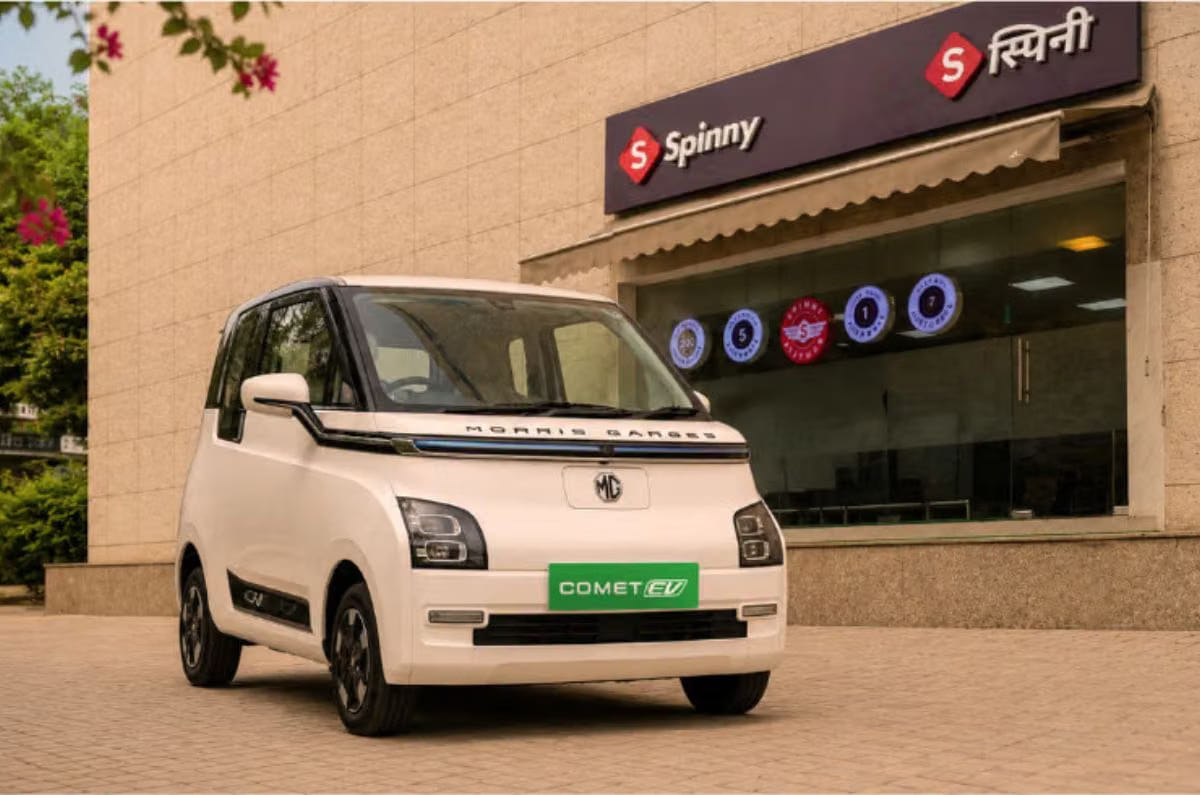
The programme covers the MG Comet EV, MG Windsor EV and MG ZS EV. Customers buying certified pre-owned MG EVs through Spinny will receive a battery health assessment and certification, continuity of the OEM warranty and fixed pricing, along with Spinny’s inspection and refurbishment processes.

Spinny said its EV evaluation process also includes battery health assessment and certification for customers selling their electric vehicles. The service is currently available in Bengaluru, Chennai, Delhi NCR, Hyderabad, Kochi, Mumbai, Pune, Jaipur, Ahmedabad, Kolkata, Lucknow, Chandigarh and Coimbatore.

Rahul Gandhi: ‘आप किसी की नहीं, खुद की हैं’, महिलाओं की पहचान और आजादी पर बोले राहुल गांधी

Rahul Gandhi: कांग्रेस नेता और लोकसभा में विपक्ष के नेता राहुल गांधी ने शनिवार को पुणे में आयोजित ‘छात्रों की गूंज’ कार्यक्रम को संबोधित किया। इस दौरान उन्होंने कहा कि महिलाएं भारत की सबसे बड़ी ताकत और संपत्ति हैं। उन्होंने तर्क दिया कि महिलाओं को केवल पुरुषों के साथ उनके रिश्तों के आधार पर परिभाषित नहीं किया जाना चाहिए या उन्हें पारंपरिक पारिवारिक भूमिकाओं तक ही सीमित नहीं रखा जाना चाहिए।

गांधी ने कहा कि महिलाएं पुरुषों की तुलना में “अधिक संवेदनशील, अधिक सौम्य, अधिक दयालु और अधिक दूरदर्शी” होती हैं और उन्होंने महिलाओं की व्यक्तिगत आकांक्षाओं, अनुभवों और महत्वाकांक्षाओं को देश की एक बड़ी ताकत बताया।

गांधी ने कहा, “भारत की सबसे बड़ी ताकत क्या है? मैं इस बारे में बिल्कुल स्पष्ट हूं। भारत की सबसे बड़ी ताकत देश की 70 करोड़ महिलाओं की अनूठी यात्राएं, अनूठी कल्पनाएं और अनूठे सपने हैं जिन्हें वे जी रही हैं।”

उन्होंने कहा कि महिलाओं को पुरुषों के साथ अपने रिश्तों से मिली पहचान से परे अपनी पहचान बनाने में सक्षम होना चाहिए, साथ ही उन्होंने यह भी माना कि बेटी, पत्नी या मां होना अपने आप में कोई समस्या नहीं है।

गांधी ने कहा, “जब भी मैं पुरुषों से बात करता हूं, तो पाता हूं कि महिलाओं को अक्सर सिर्फ तीन श्रेणियों में रखा जाता है: बेटी, पत्नी या मां।”

उन्होंने आगे कहा, “इनमें से किसी भी पहचान में कोई बुराई नहीं है। लेकिन ये आपकी एकमात्र पहचान नहीं हो सकतीं।”

रिश्तों से आगे महिलाओं की अपनी पहचान जरूरी: राहुल गांधी

गांधी ने कहा कि महिलाएं प्रोफेशनल, खिलाड़ी, लीडर, क्रिएटर और उद्यमी भी होती हैं, लेकिन अक्सर उनकी पहचान को पुरुषों के साथ उनके रिश्तों तक ही सीमित कर दिया जाता है।

उन्होंने आगे तर्क दिया कि परिवार से जुड़ी ये तीन आम पहचानें ही महिलाओं को किसी पुरुष के साथ उनके रिश्ते के जरिए परिभाषित करती हैं। यानी एक महिला को उसकी अपनी पहचान रखने वाले एक व्यक्ति के बजाय बेटी, पत्नी या मां के रूप में देखा जाता है।

कांग्रेस ने सोशल मीडिया पर शेयर की राहुल गांधी की बातें

कांग्रेस ने भी ‘CONTROL’ (नियंत्रण) थीम के तहत X पर गांधी की ये बातें साझा कीं और महिलाओं से पूछा कि क्या उन्हें लगता है कि समाज उन पर नियंत्रण करने की कोशिश करता है।

राहुल गांधी ने कहा, “किसी को नियंत्रित करने के चार तरीके होते हैं- 1. हिंसा, 2. अपमान, 3. समय और 4. कंट्रोल।”

उन्होंने कहा कि महिलाओं को नियंत्रित करने की इस कोशिश को अक्सर उनकी सुरक्षा और भलाई की चिंता के नाम पर सही ठहराया जाता है।

राहुल गांधी ने कहा, “इस दबाव को चिंता का नाम दे दिया जाता है। कहा जाता है- ‘हमें आपकी बहुत चिंता है, इसलिए हमें आपको नियंत्रित करने की जरूरत है।’”

कांग्रेस ने अपनी पोस्ट में महिलाओं की आवाजाही, फैसले लेने की आजादी, आर्थिक स्थिति और अवसरों तक पहुंच से जुड़े कुछ आंकड़े भी शेयर किए।

पोस्ट के मुताबिक, 60% महिलाएं अकेले घर से बाहर नहीं जा सकतीं, जबकि 45% महिलाएं शादी या घर की जिम्मेदारियों के कारण अपनी पढ़ाई छोड़ देती हैं। पोस्ट में यह भी कहा गया कि सिर्फ 8% महिलाओं के पास जमीन का मालिकाना हक है।

राहुल गांधी ने गिनाए महिलाओं के खिलाफ हिंसा के तीन रूप

गांधी ने हिंसा के उन तीन रूपों के बारे में भी बात की जो महिलाओं को आगे बढ़ने से रोकते हैं – शारीरिक हिंसा, “मौके से जुड़ी हिंसा” (opportunity violence) और “आर्थिक हिंसा”।

शारीरिक हिंसा के तहत, कांग्रेस ने हर साल 4.5 लाख बेटियों के भ्रूण हत्या का शिकार होने, 80% महिलाओं के उत्पीड़न, 29% महिलाओं के खिलाफ शारीरिक हिंसा और 6% महिलाओं के साथ बलात्कार का जिक्र किया।

“मौके से जुड़ी हिंसा” के बारे में पोस्ट में कहा गया है कि सुरक्षा के नाम पर 50% महिलाओं को शिक्षा या नौकरी से वंचित कर दिया जाता है।

“आर्थिक हिंसा” के तहत, कांग्रेस ने महिलाओं के लिए सुरक्षित यात्रा के नाम पर हर साल 17,500 रुपये के अतिरिक्त खर्च का जिक्र किया।

राहुल गांधी ने मनुस्मृति का जिक्र किया

इसके बाद गांधी ने महिलाओं की आजादी पर अपनी बात रखते हुए मनुस्मृति का जिक्र किया। उन्होंने कहा, “मनुस्मृति में लिखा है कि महिला को कभी भी आजाद नहीं होना चाहिए।”

अपनी मूल बातों में, गांधी ने मनुस्मृति के एक अंश का भी हवाला दिया: “बचपन में, महिला अपने पिता के अधीन होती है। जवानी में, वह अपने पति के अधीन होती है। पति की मृत्यु के बाद, वह अपने बेटों के अधीन होती है। महिला को कभी भी आजाद नहीं होना चाहिए।”

गांधी ने कहा, “यह मनुस्मृति का सीधा उद्धरण है, और ये शब्द शर्मनाक हैं, क्योंकि ये शब्द कभी भी नहीं कहे जाने चाहिए थे।”

इसके विपरीत, उन्होंने अपनी सोच रखते हुए कहा कि महिलाओं को स्वतंत्र होना चाहिए, अपने हक के लिए आवाज उठानी चाहिए और अपनी क्षमता पर भरोसा रखना चाहिए।

राहुल गांधी ने कहा, “मेरा मानना है कि इस देश की सबसे बड़ी ताकत यही है कि हमारी महिलाएं स्वतंत्र हों, अपने लिए खड़ी हों और खुद पर भरोसा रखें।”

राहुल गांधी ने साफ किया कि महिलाओं की आजादी का मतलब यह नहीं है कि उनके परिवार से रिश्ते नहीं हो सकते। उनका कहना था कि ये रिश्ते किसी महिला की पहचान तय नहीं करने चाहिए और न ही इसका मतलब यह होना चाहिए कि वह किसी दूसरे व्यक्ति की संपत्ति है।

उन्होंने कहा, “आपके पिता, भाई, पति या बेटे के साथ रिश्ते हो सकते हैं, लेकिन आप उनकी नहीं हैं। आप खुद की हैं।”

राहुल गांधी ने कहा कि महिलाएं अपने पिता, भाई, पति और बेटों के साथ रिश्ते निभाते हुए भी अपनी अलग पहचान बनाए रख सकती हैं और अपनी जिंदगी से जुड़े फैसले खुद ले सकती हैं।

महिलाओं को अपने फैसलों की आजादी

अपने संबोधन में राहुल गांधी ने महिला सशक्तिकरण को सिर्फ राजनीतिक प्रतिनिधित्व या पारिवारिक पहचान तक सीमित नहीं रखा। उन्होंने महिलाओं की आने-जाने की आजादी, शिक्षा, रोजगार, आर्थिक अधिकार, सुरक्षा और अपनी पसंद से फैसले लेने की स्वतंत्रता को भी उतना ही जरूरी बताया।

उनकी बातों में सामाजिक नियंत्रण और सुरक्षा की भाषा के बीच संबंध भी दिखाया गया। कांग्रेस की पोस्ट में कहा गया कि महिलाओं को हिंसा, अनादर, समय की पाबंदी और नियंत्रण के जरिए सीमित किया जाता है, जबकि ऐसी पाबंदियों को उनकी सुरक्षा की चिंता के तौर पर पेश किया जा सकता है।

गांधी ने महिलाओं को पुरुषों की तुलना में “अधिक संवेदनशील, अधिक सौम्य, अधिक दयालु और अधिक दूरदर्शी” बताया और साथ ही यह भी कहा कि महिलाएं भारत की ताकत के सबसे महत्वपूर्ण स्रोतों में से एक हैं।

उन्होंने कहा कि उनकी 70 करोड़ महिलाओं की “अनोखी यात्राएं”, “अनोखी कल्पनाएं” और “अनोखे सपने” देश की सबसे बड़ी संपत्ति हैं। साथ ही, उन्होंने महिलाओं से आग्रह किया कि वे पारिवारिक रिश्तों या सामाजिक अपेक्षाओं को अपनी पहचान का एकमात्र आधार न बनने दें।

पुणे में राहुल गांधी के भाषण का मुख्य संदेश यह था कि महिलाएं बेटी, पत्नी और मां बने रहने के साथ-साथ प्रोफेशनल, खिलाड़ी, लीडर, क्रिएटर और उद्यमी भी हो सकती हैं – और राहुल गांधी के शब्दों में, आखिरकार “खुद की अपनी” हो सकती हैं।

यह भी पढ़ें: Shashi Tharoor: ‘जाति-वर्ग से ऊपर उठे कांग्रेस’, शशि थरूर ने CJP के आंदोलन से पार्टी को सीख लेने को कहा