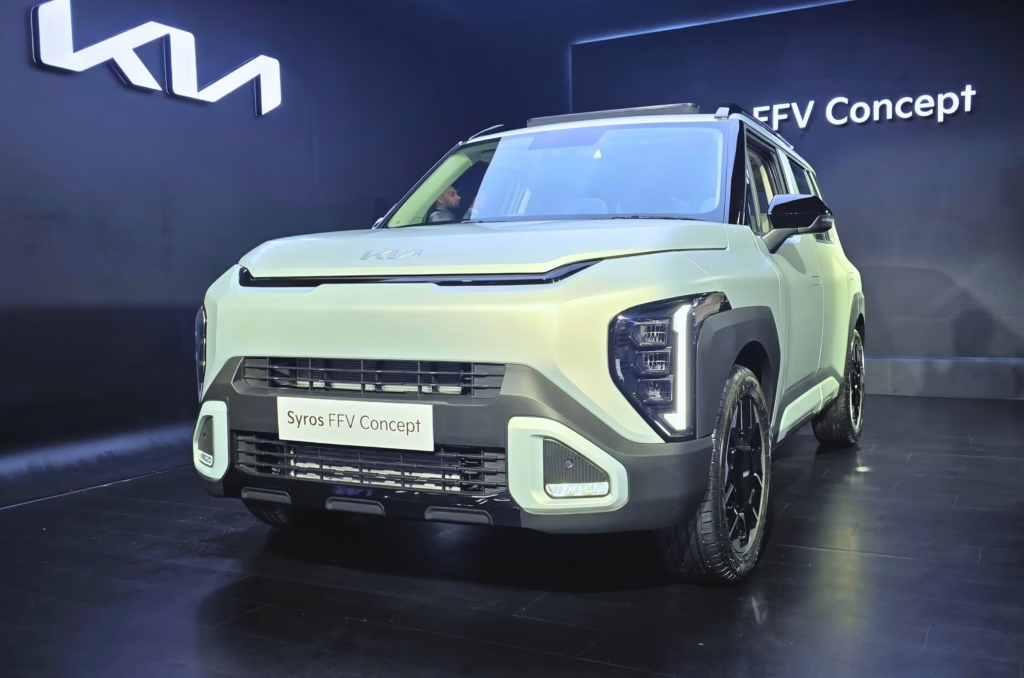
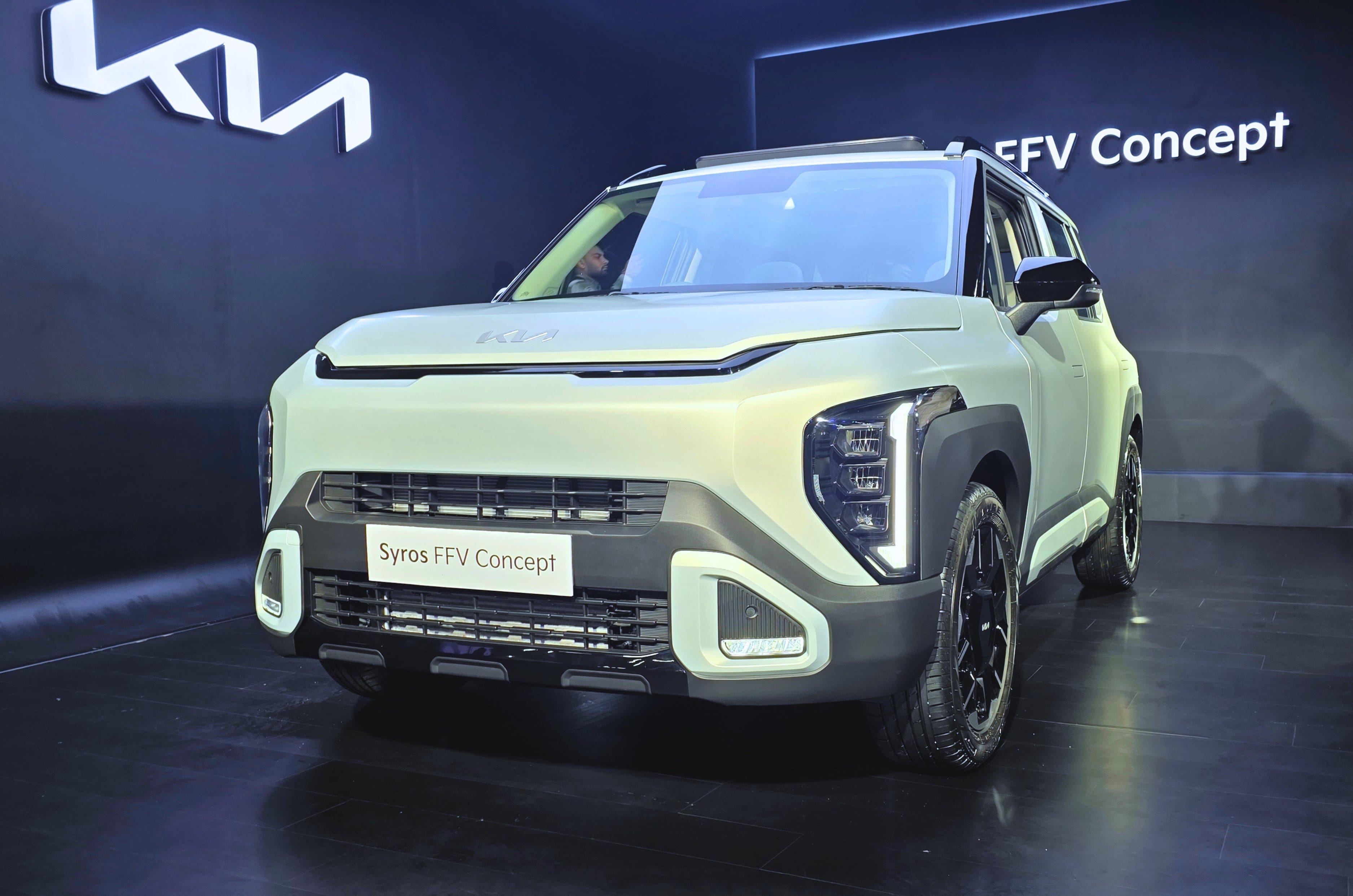
In a bid to join the flex–fuel race in India, Kia has unveiled the Syros FFV concept, its first flex-fuel car in India. The carmaker says that the Syros flex-fuel can run on pure petrol, pure ethanol, and varying ethanol-petrol blends. Kia is yet to confirm when a production-spec version will come to our market.
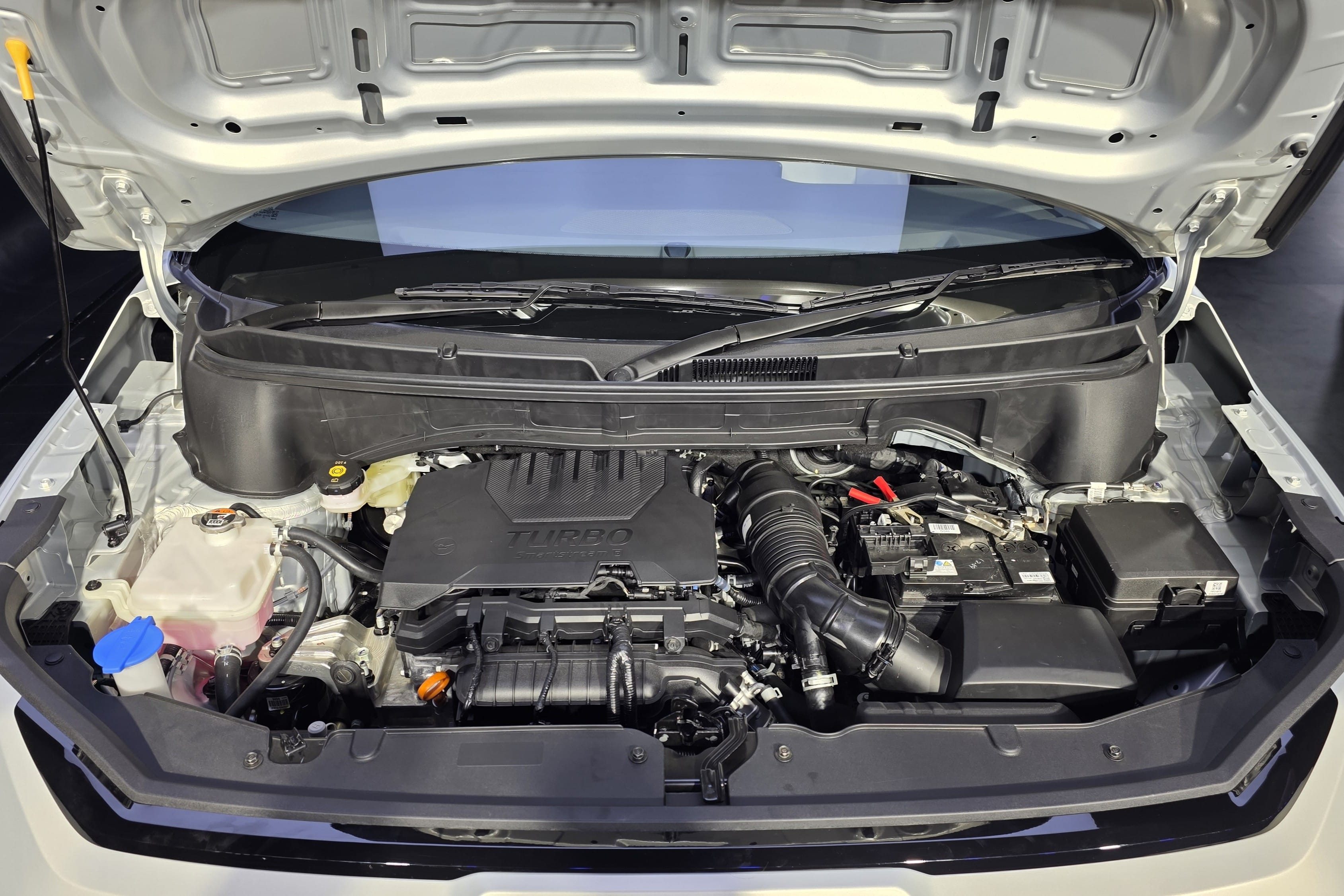
Utilises a 1.0-litre direct-injection turbo-petrol engine.
The engine comes with an upgraded ECU, TCU, and fuel system.
Transmission duties handled by a 6-speed automatic gearbox.
Kia Syros flex-fuel concept: Powertrain details
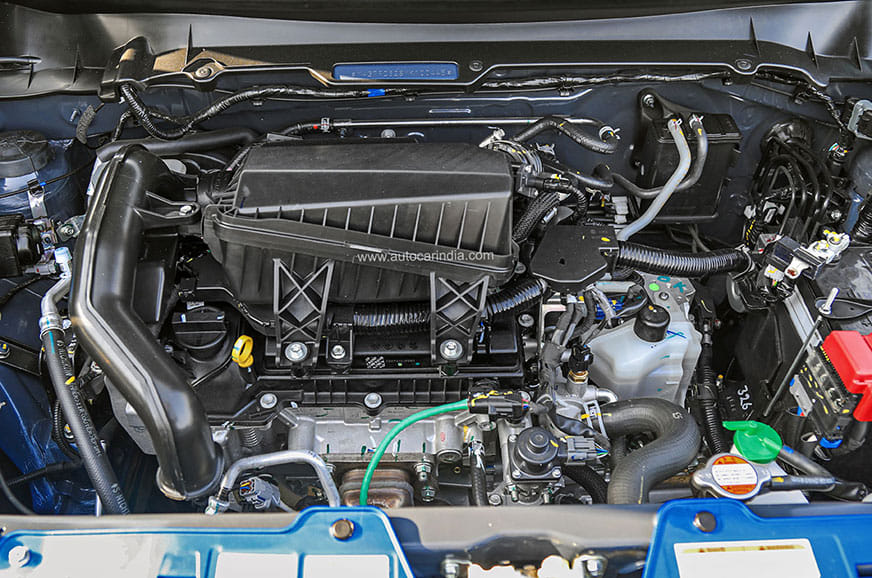
Powering the Syros flex-fuel is a 1.0-litre, three-cylinder, direct-injection turbo-petrol engine. However, the carmaker has not confirmed the power outputs of this engine. For compatibility with varying ethanol blends, Kia has tweaked components like its ECU, TCU, and fuel system. Unlike the standard Syros turbo-petrol that’s paired to a 7-speed DCT, the Syros flex fuel is mated with a 6-speed torque converter automatic.
Kia Syros flex-fuel concept: Exterior and interior
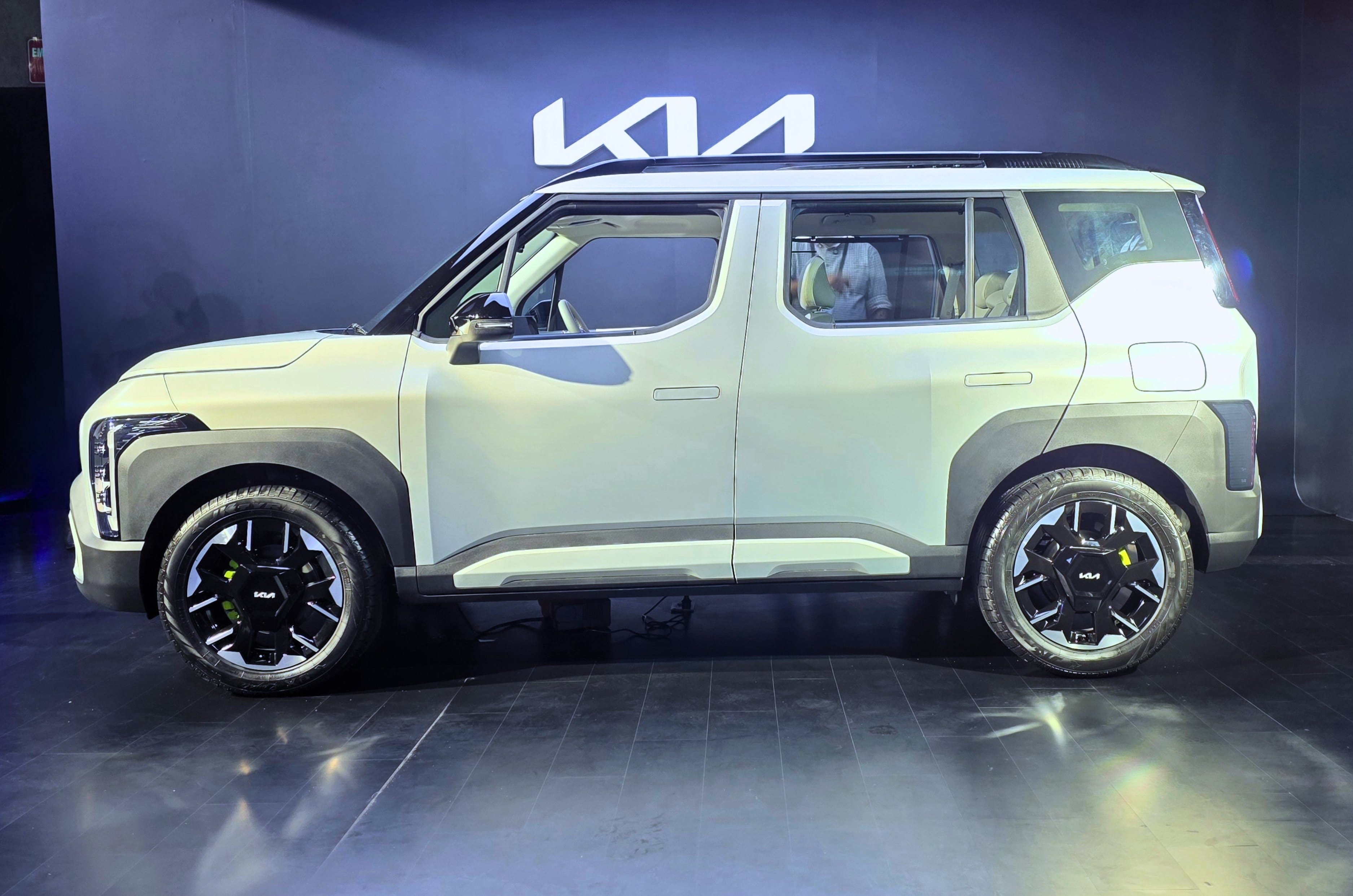
Apart from E85 compatibility, the Syros flex-fuel’s exterior remains unchanged from the standard model. You continue to get the familiar boxy, ‘tall-boy’ silhouette, ice-cube LED headlamps with DRLs, 17-inch dual-tone alloy wheels, roof rails, dual-tone bumpers, and high-mounted L-shaped LED signatures at the back.
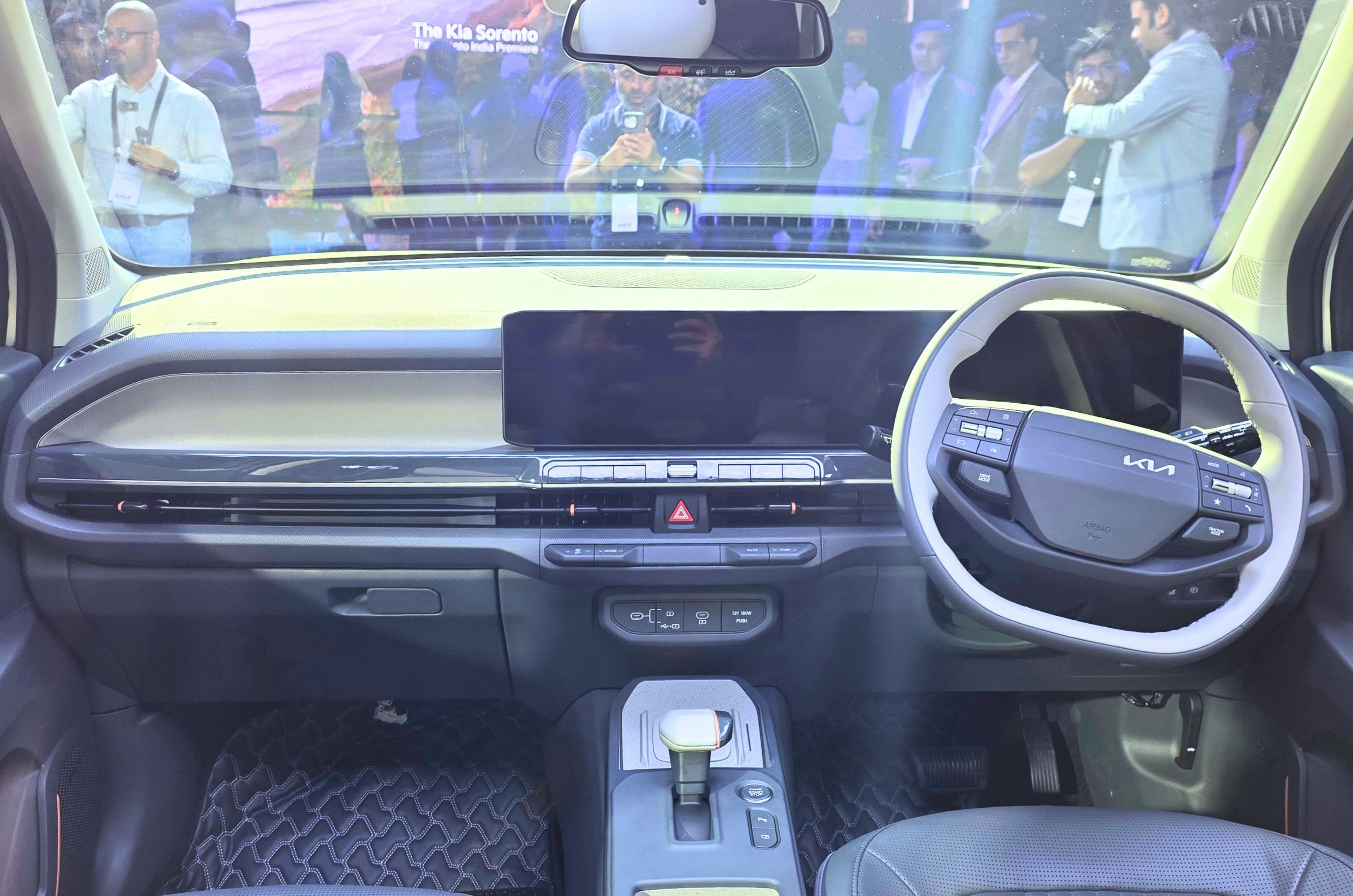
Like the exterior, the interior of the Syros flex-fuel is quite similar to the standard model. The dashboard is dominated by a triple-screen display for the digital instrument cluster, infotainment system, and HVAC controls, while you get an array of physical buttons at the centre. Lower down is a wireless phone charger, the same gear lever, and storage spaces as seen on the standard Syros.
With the debut, Kia is India’s second manufacturer to debut a flex-fuel car. Earlier this year, Maruti Suzuki was the first to unveil the Wagon R flex fuel, which currently retails at Rs 7.24 lakh. Kia joins the list of carmakers who are working on bringing flex fuel cars to India, as the government pushes for higher ethanol-blended petrol in an effort to reduce crude oil imports.
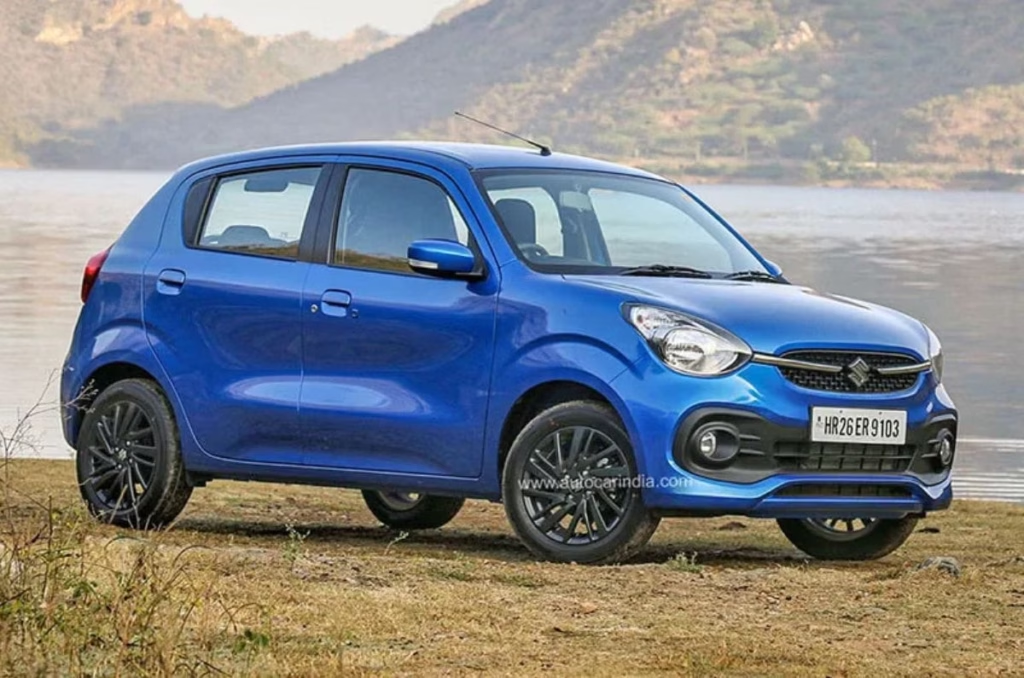
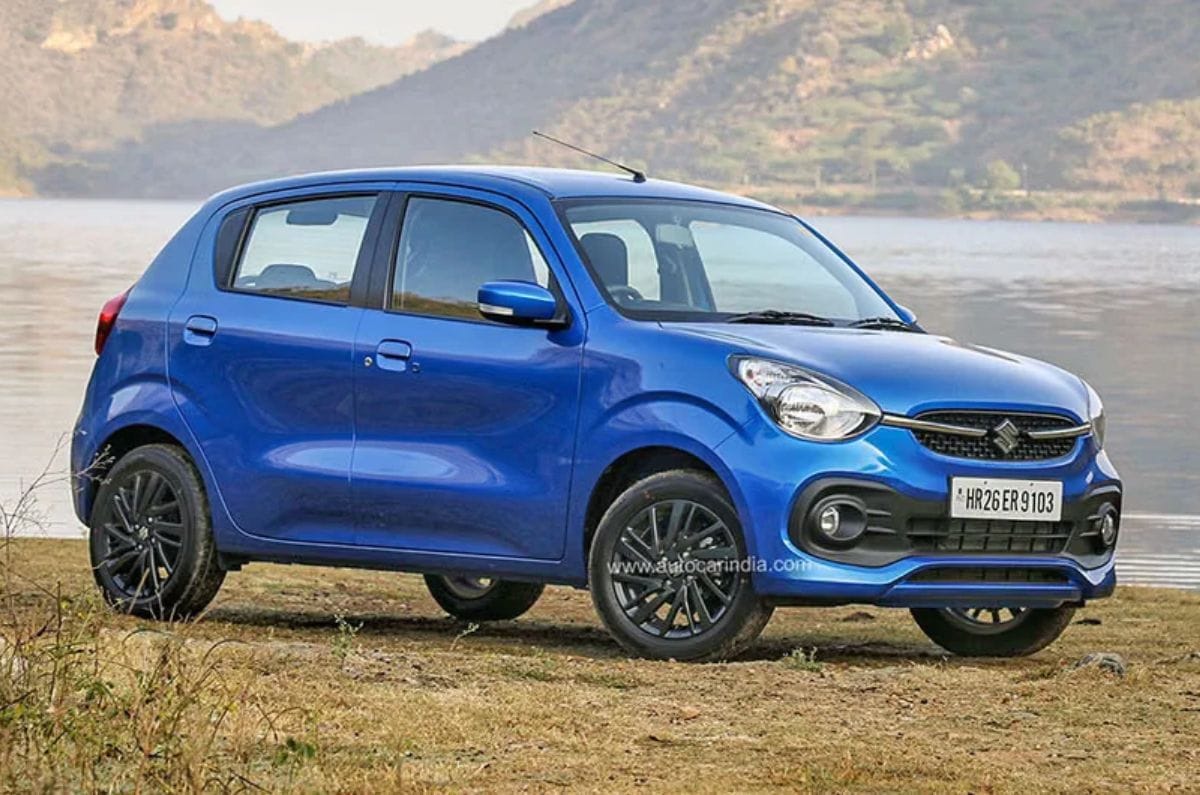
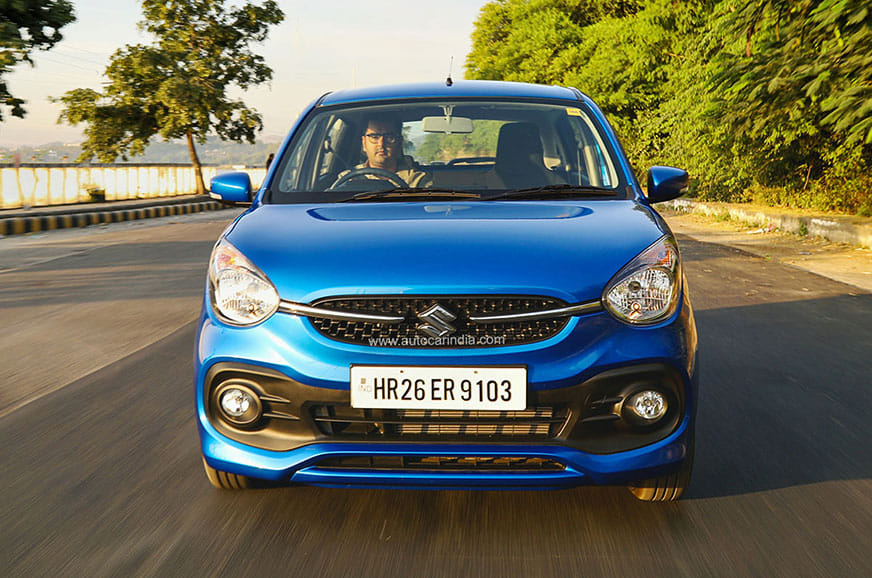
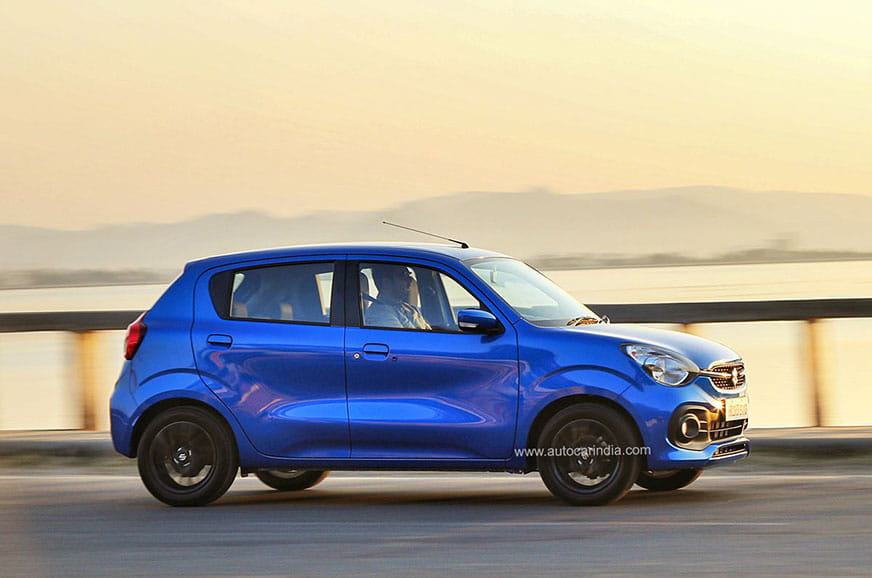
The Celerio is positioned between the cheaper Alto K10 and the even more popular Wagon R in Maruti Suzuki’s line-up. Priced between Rs 4.70 lakh and Rs 6.75 lakh (ex-showroom), the Celerio is available in petrol and CNG versions with manual and AMT gearbox options, just like its rivals. While the second-gen model arrived on the entry-level hatchback scene in 2021, it hasn’t received a single facelift in the following five years, placing it at a disadvantage over some of its competitors. This Heartect platform-based hatchback goes up against the likes of the new-gen Tata Tiago and its own stablemate, the Wagon R.
Reasons to buy the Maruti Celerio
City slicker
The Celerio’s urban-friendly demeanour is great for regular commutes
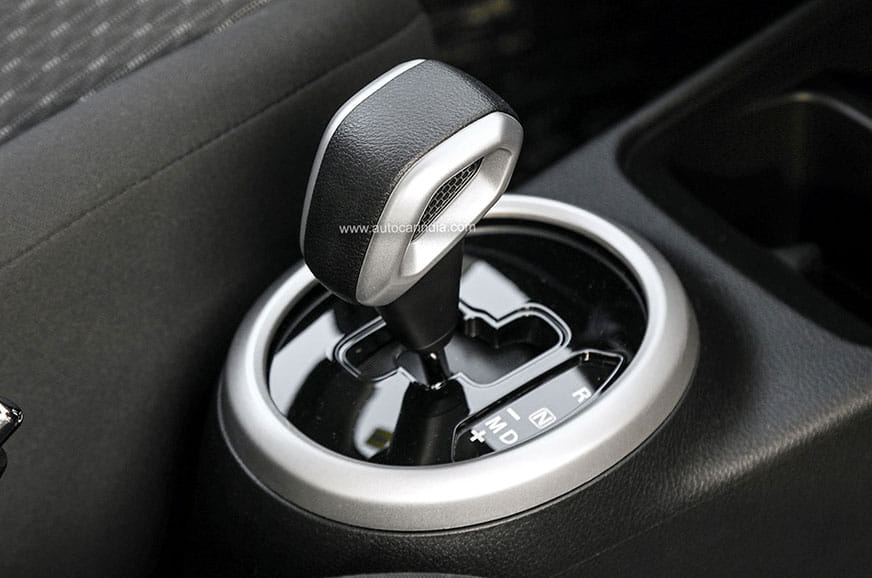
One of the factors making the Maruti Celerio a great urban runabout is its 1.0-litre three-cylinder engine. It builds power smoothly right from lower RPMs which, along with a slick 5-speed manual gearbox and a light clutch, make pottering around town an easy affair. Those seeking an even easier time commuting can pick the AMT (automated manual transmission), whose shifts are relatively smooth as far as AMTs go.
Helping matters further in the city is the plaint suspension, which soaks up bumps at lower speeds without much fuss. The light steering, tight turning radius and good front visibility also go a long way in helping you navigate compact parking spots and bustling city traffic. And despite its cost-friendly design, the height-adjustment feature for the driver’s seat means finding a suitable position isn’t too much of an issue.
Efficiency champ
This is Maruti Suzuki’s most frugal offering in the country
Not only is it easy to drive, but the Maruti Celerio will not have you complaining about fuel economy either. The petrol version with the 5-speed manual transmission has a claimed mileage of up to 25.24kpl, while the AMT option is rated at 26kpl – making the Celerio AMT the most fuel-efficient petrol car in the market. All variants of the Celerio come with an automatic engine stop-start function, further reducing fuel consumption. While this feature isn’t enabled when running on CNG (in VXi MT only), the claimed mileage of 34.43km/kg is better than that of the Maruti Wagon R CNG and the Renault Kwid CNG.
Roomy boot
The Celerio’s boot affords more space than some rivals
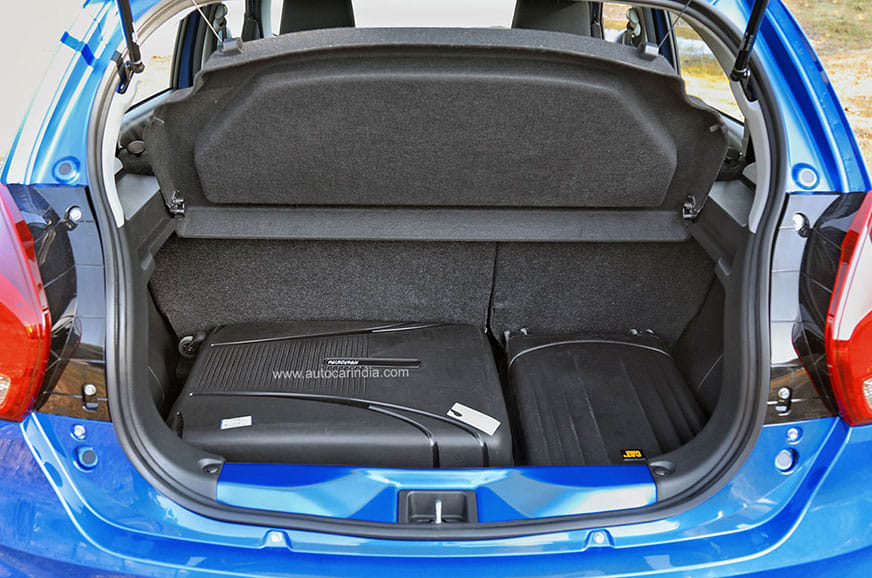
At 292 litres, the boot of the Maruti Celerio is bigger than those rivals such as the Tata Tiago and Renault Kwid. This is enough to accommodate two large suitcases and a couple of carry-on-sized bags, with still some room to spare. If you need even more space, the 60:40 split-folding rear seats will come in handy. On the other hand, the loading lip is high and relatively narrow, making loading or unloading heavier items cumbersome.
Reasons to avoid the Maruti Celerio
Ergonomic niggles
This interior has a few sore points that’ll take getting used to
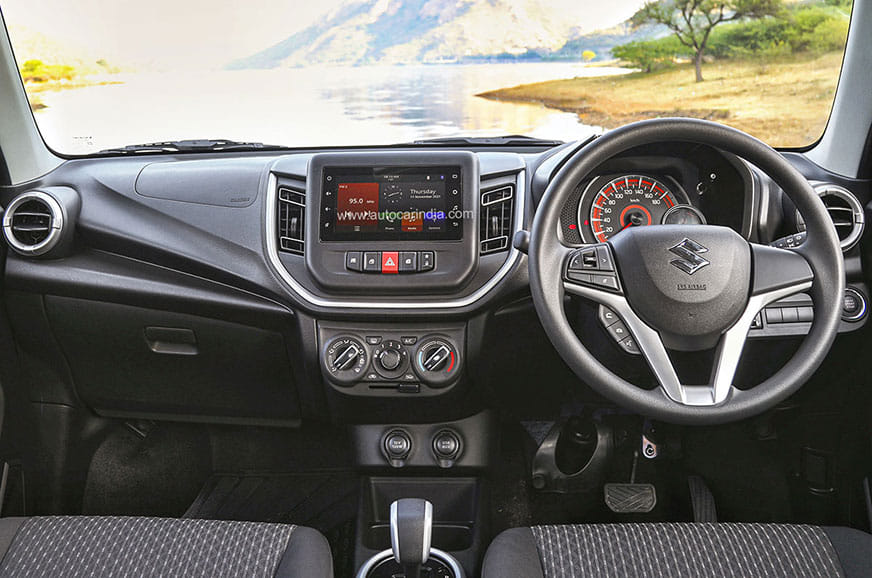
Compared to most of its adversaries, the power window switches of the Maruti Celerio aren’t placed on the doors. The front ones are positioned on the dashboard, whilst the rear switches are found on the rear centre pedestal between the front seats. Buttons to operate the door and power-window locks are also on the dashboard. Then there are the thick A-pillars, which can obstruct your view at junctions and roundabouts.
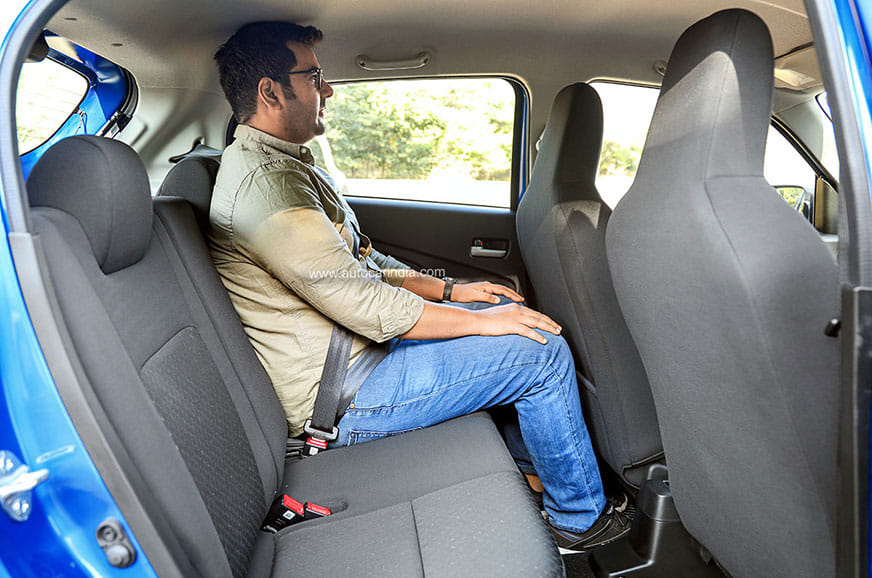
The well-cushioned rear seats of the Celerio offer plenty of kneeroom for even taller occupants. However, headroom isn’t all that good, and the fixed headrests are positioned way too low to be effective. The angled design of these headrests also means that they poke into your back, which can be uncomfortable.
Unimpressive material quality and feature set
The Celerio’s cabin isn’t the most up-to-date in this segment
When compared to the new-gen Tata Tiago, the interior of the Maruti Celerio looks and feels a touch dated. There’s plenty of hard plastics which, even though are accompanied by shiny trim and a sculpted dashboard, feel pretty basic. The relatively simple design is backed by an equipment list that isn’t particularly competitive either.
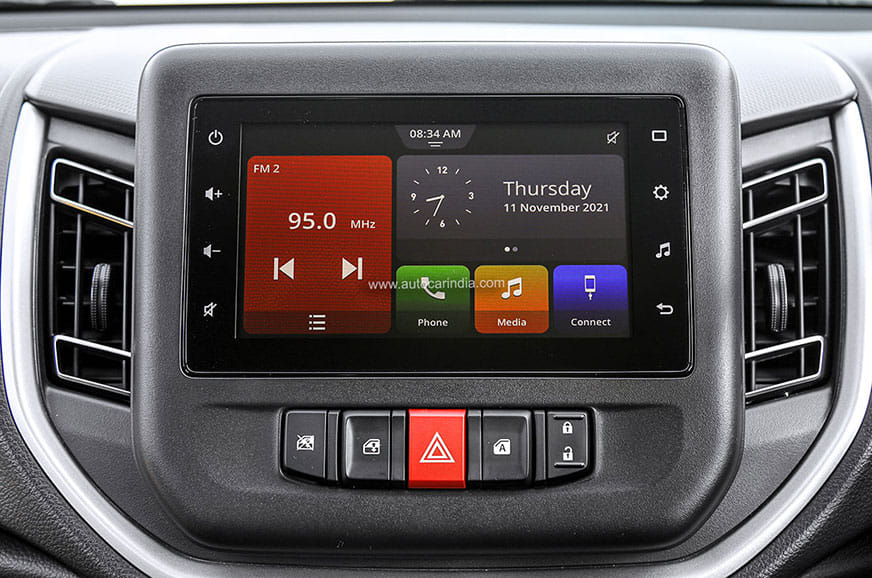
For instance, even the top trim level of the Celerio doesn’t come with a rearview camera. There’s also no automatic climate control system, while Apple CarPlay and Android Auto both require a wired connection. The touch-infotainment screen is a 7-inch unit, whereas a similarly priced Tata Tiago offers an 8-inch setup. On the outside, the Maruti Celerio gets the old-school ‘flip-up’ door handles.
Imperfect on a highway
This hatchback isn’t particularly meant to be driven hard or fast
While it’s perfectly at home in the city, the Maruti Suzuki Celerio isn’t as good out on the open road. The lifeless steering aside, the body moves around enough – both of which robs you of confidence required to push the car any harder.
Hyundai India is offering an attractive range of benefits on select models in its portfolio. Depending on the model chosen, customers can avail up to Rs 1 lakh in benefits, valid until September 30, 2026.
Disclaimer: Offers/benefits may vary by city and are subject to stock availability. Buyers are advised to check with their local dealer for exact figures.
Hyundai Creta offers in September 2026
Benefits of up to Rs 1 lakh
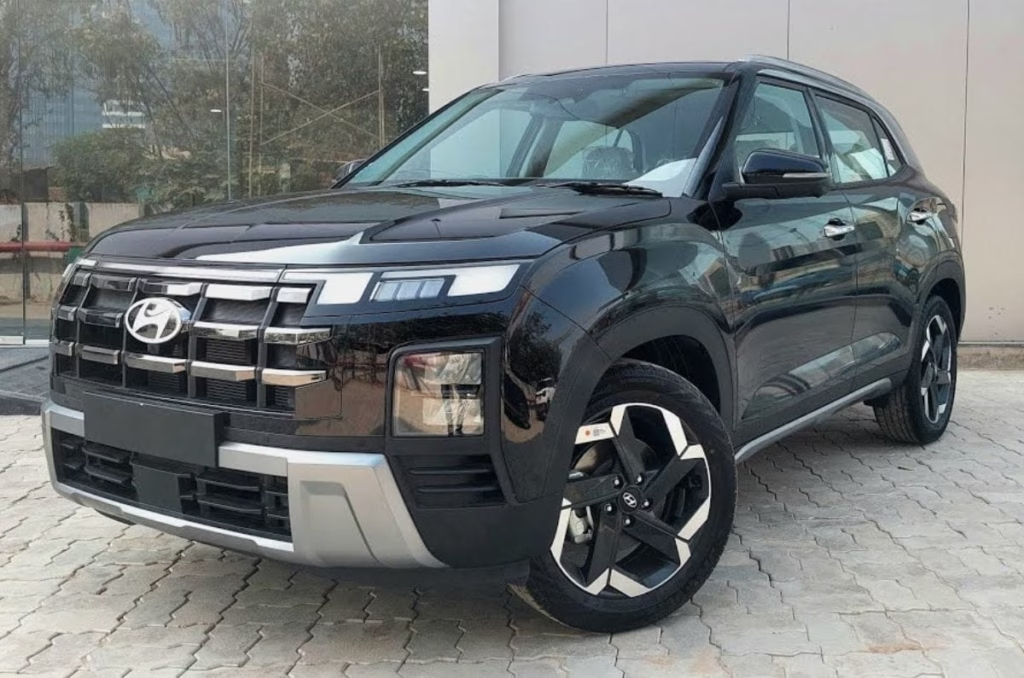
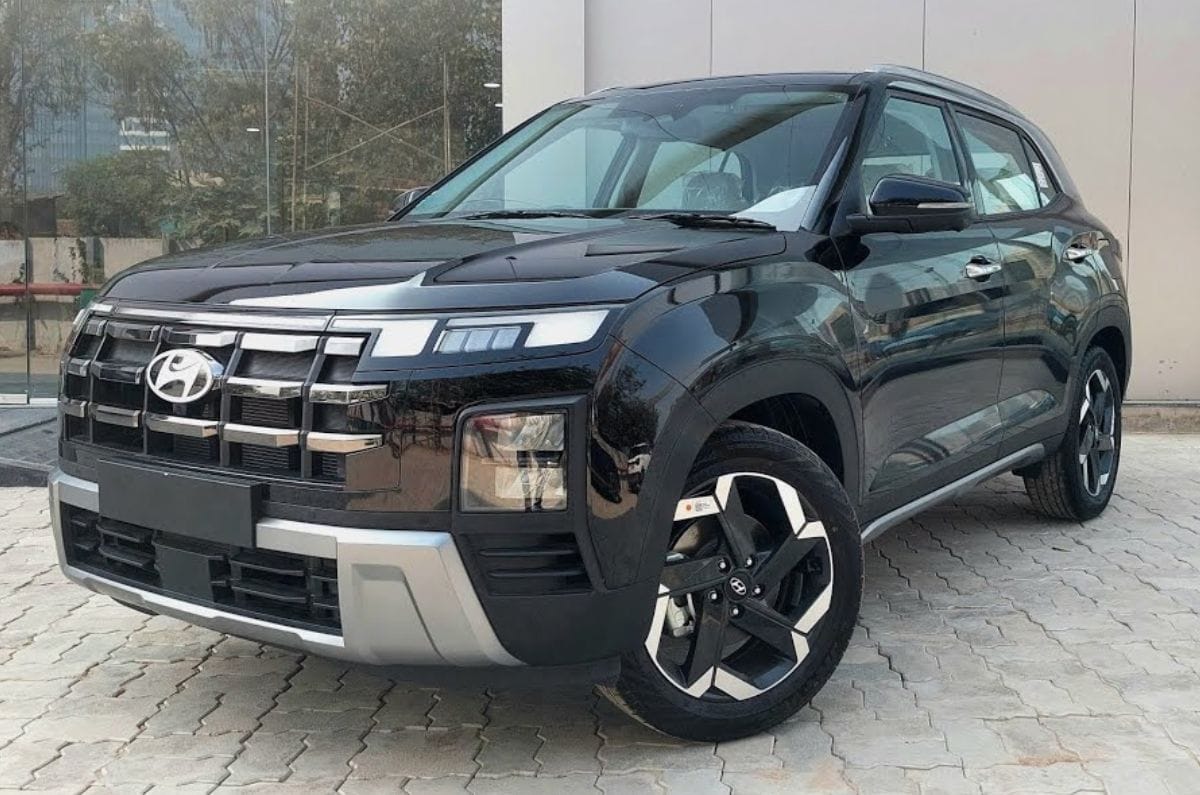
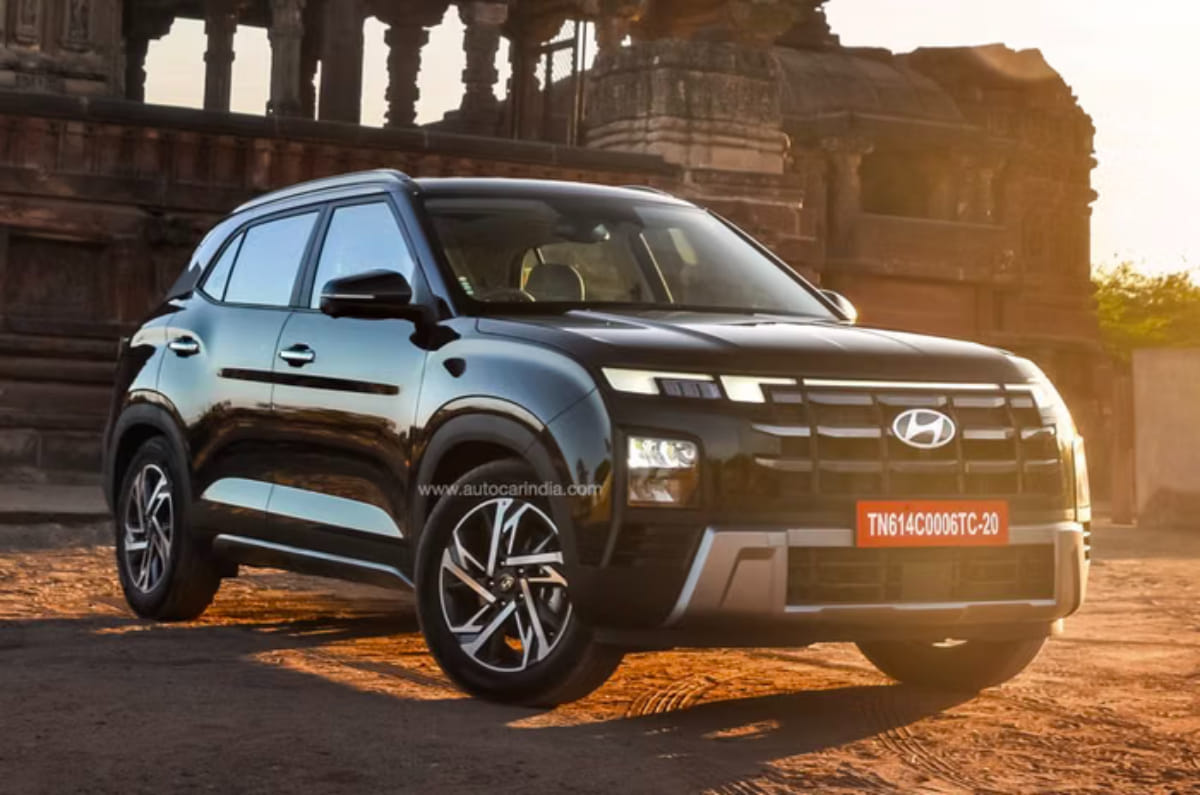
The Creta mid-size SUV is available with benefits of up to Rs 1 lakh. The Korean carmaker’s best-selling model in India is offered with a trio of 1.5-litre engines, namely, a naturally aspirated petrol, a turbo-petrol, and a diesel engine. All engines are offered with manual and automatic gearboxes. Prices range between Rs 10.90 lakh and Rs 19.91 lakh, with the Creta taking on rivals like the Tata Sierra, Kia Seltos, Renault Duster, Skoda Kushaq, and Maruti Victoris.
Hyundai Grand i10 Nios offers in September 2026
Benefits of up to Rs 70,000
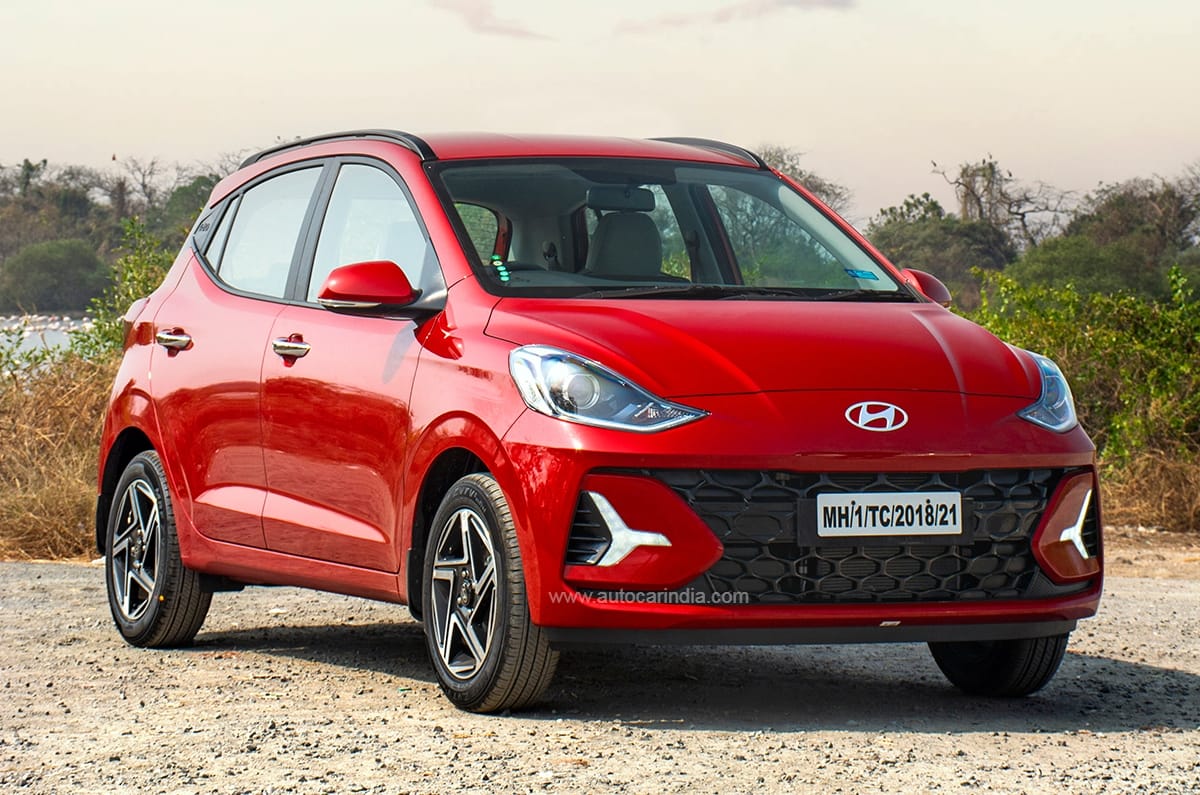
Hyundai’s Grand i10 Nios is being offered with up to Rs 70,000 in benefits. Its most affordable model in India is offered solely with a 1.2-litre petrol engine paired to either a manual or AMT gearbox. A factory-fit dual-cylinder CNG kit can be fitted to this engine and is paired exclusively with a manual gearbox. The Grand i10 is priced between Rs 5.59 lakh to Rs 8.04 lakh and is Hyundai’s answer to the Maruti Swift and the Tata Tiago.
Hyundai i20 offers in September 2026
Benefits of up to Rs 60,000
The Grand i10’s elder sibling, the i20, is being offered with benefits of up to Rs 60,000. Standard versions of the i20 come powered by a 1.2-litre petrol engine mated with either a manual or CVT automatic gearbox. The i20 is priced from Rs 5.99 lakh to Rs 11.59 lakh, and it competes with the Maruti Baleno, Tata Altroz, and the Toyota Glanza.
Hyundai Exter offers in September 2026
Benefits of up to Rs 50,000
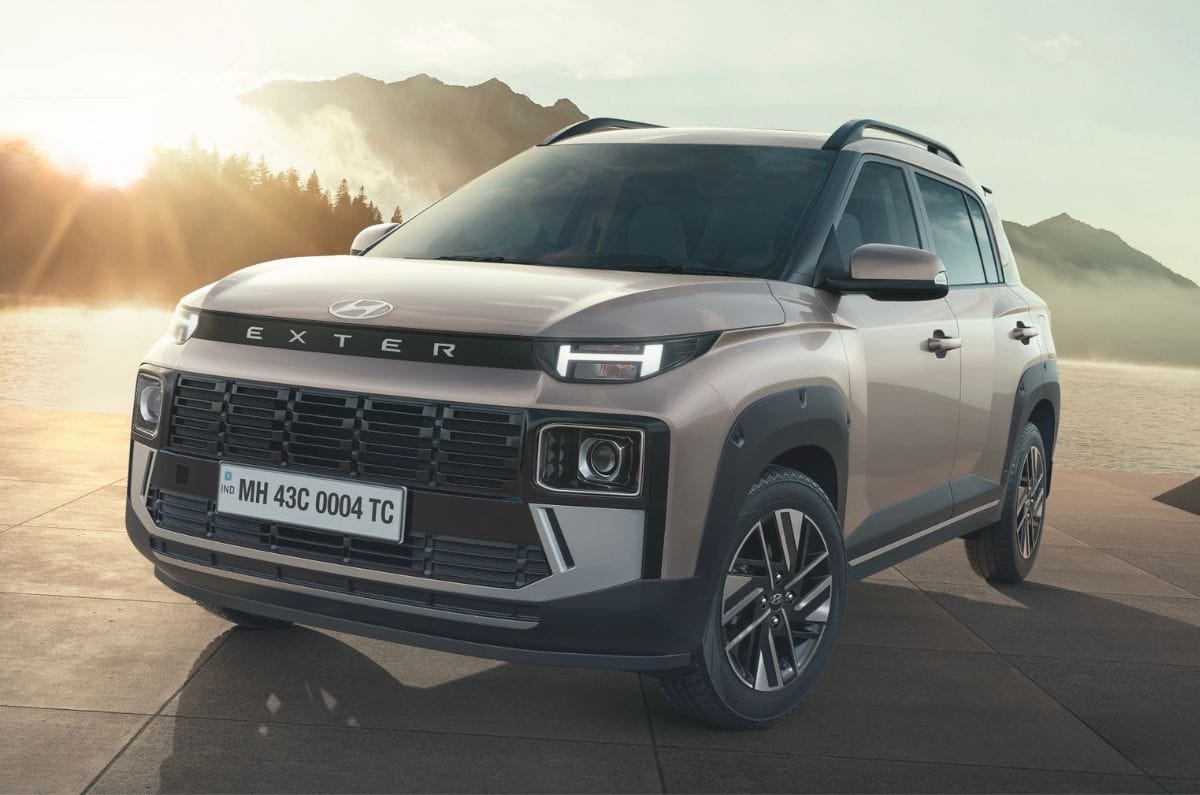
Hyundai is offering benefits of up to Rs 50,000 on the Exter. The subcompact SUV was updated earlier this year with refreshed looks and feature additions. It is powered by a 1.2-litre petrol engine and is mated with either a manual or AMT gearbox. Like the Grand i10, it also gets a CNG kit fitted to this engine. The Exter’s price begins at Rs 5.8 lakh and goes all the way up to Rs 9.46 lakh. It takes on the likes of the Tata Punch.
Hyundai Aura offers in September 2026
Benefits of up to Rs 30,000
The Aura compact sedan is available with benefits of up to Rs 30,000. The Aura shares the same petrol engine as the Grand i10 Nios and the Exter, along with a CNG version on offer. It is priced between Rs 5.99 lakh and Rs 8.59 lakh and competes with the Tata Tigor, Maruti Dzire, and the Honda Amaze.
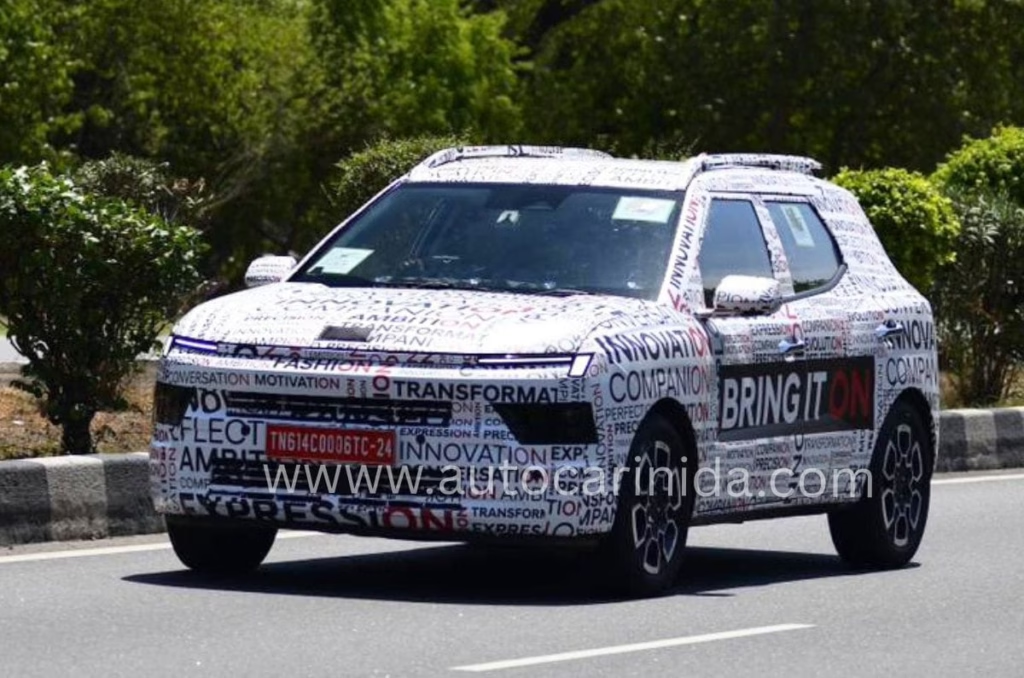
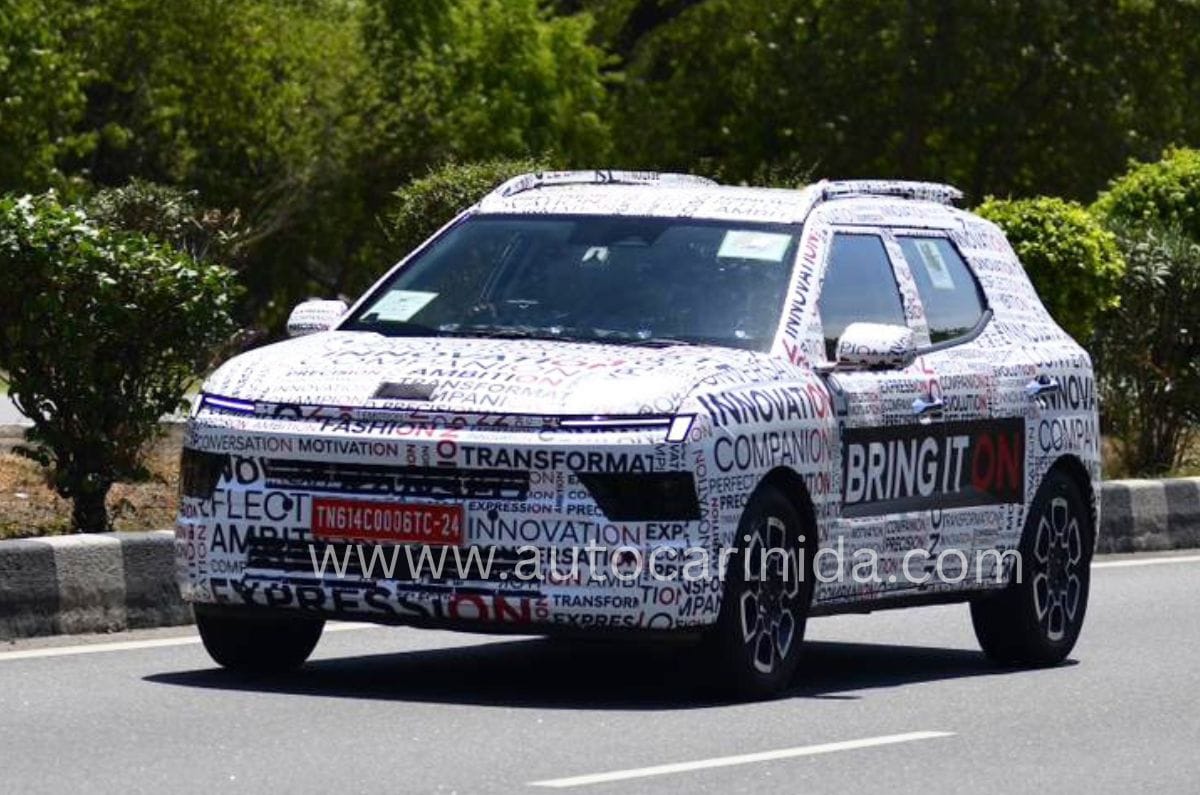
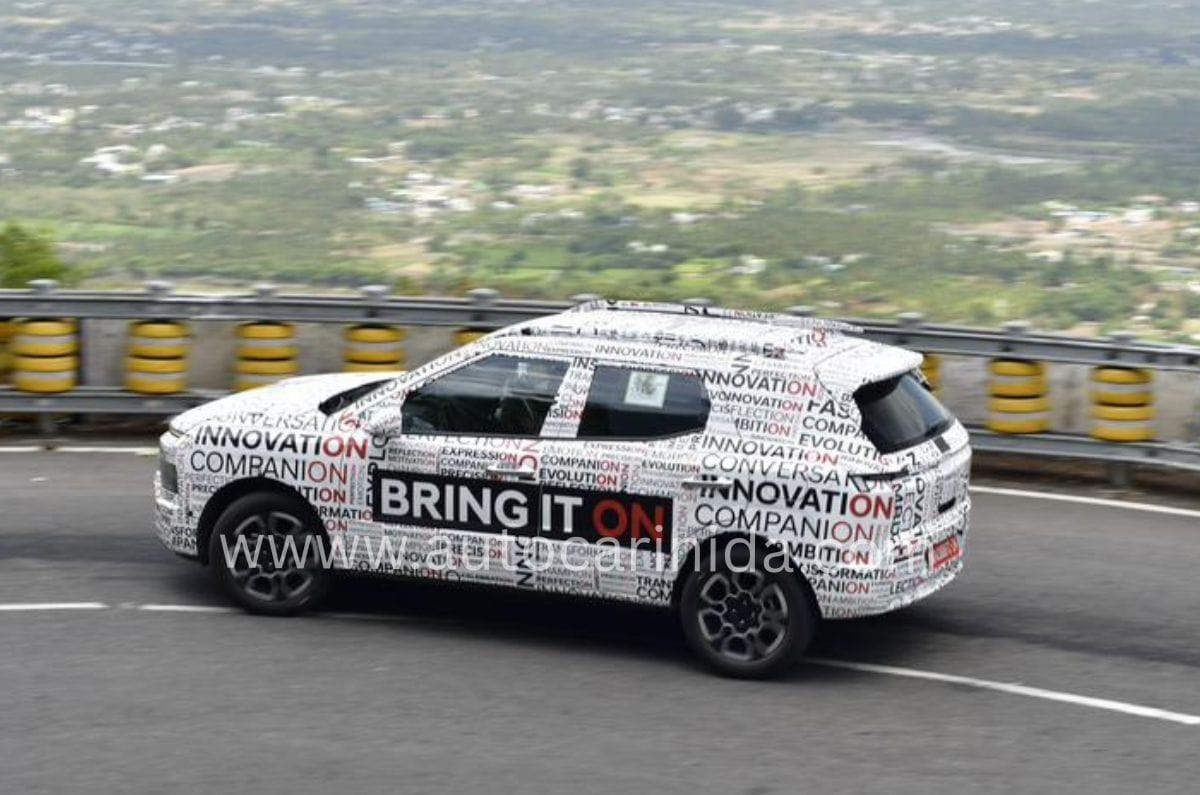
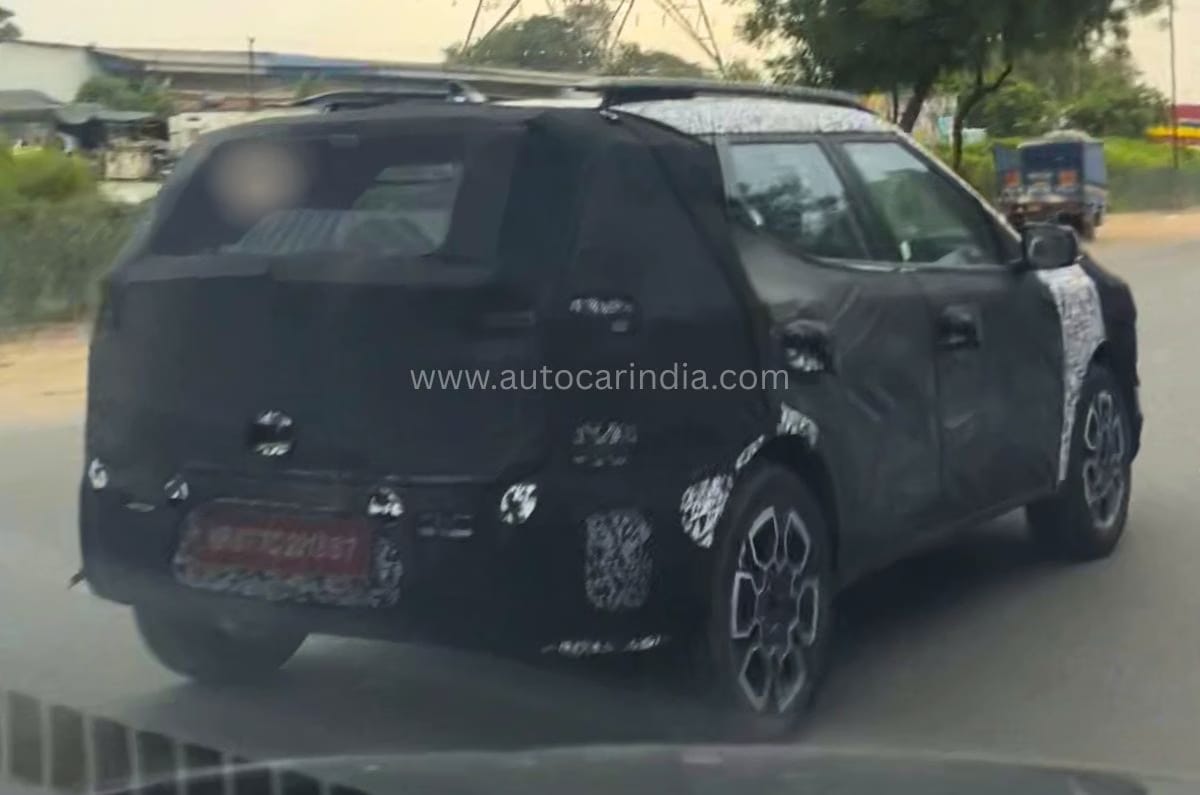
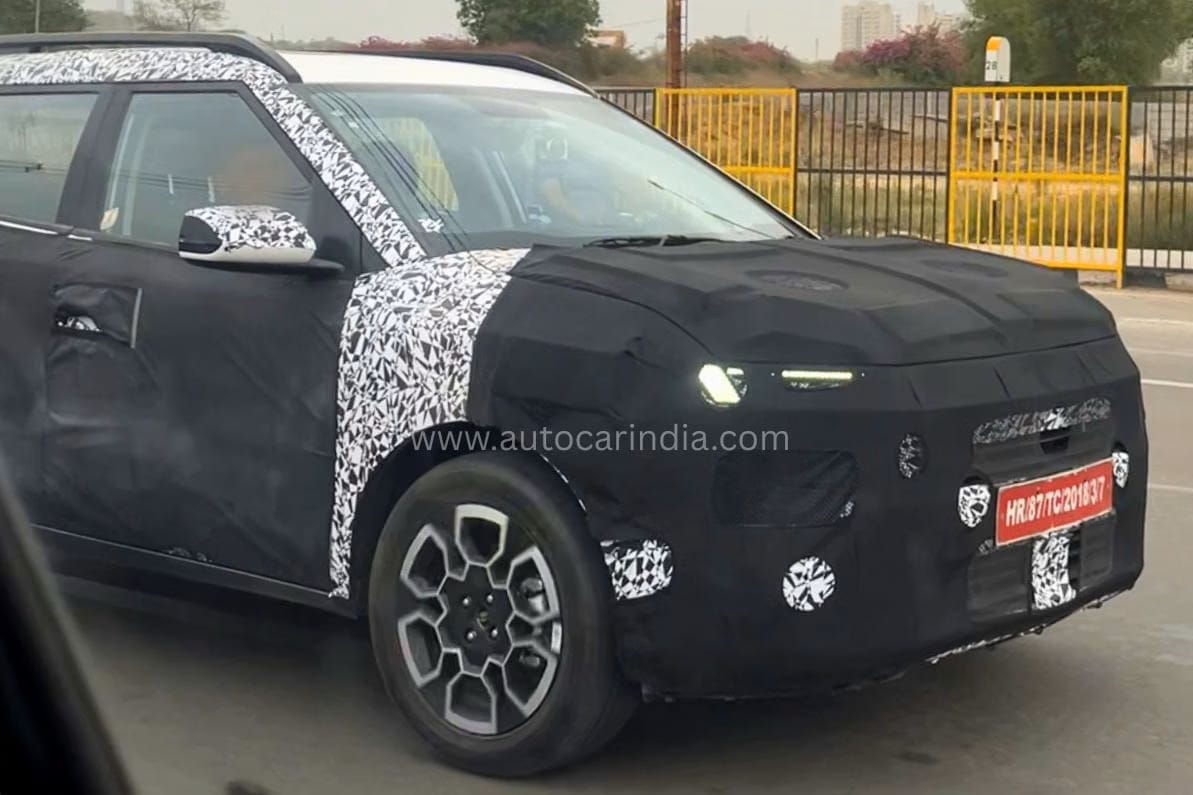
The upcoming Hyundai Bayon-based midsize SUV has been spied testing on our roads once again ahead of its launch this festive season. This latest sighting gives us the clearest look yet at the upcoming model which will sit below the Creta in Hyundai’s lineup, but still measure over 4-meters in length.
Although it’s based on the international-spec Bayon, the India-spec model gets a complete different top hat with crossover-ish stance and sharp LED styling elements. It is expected to come with a 1.5-litre naturally aspirated petrol engine with manual and CVT gearbox options. This engine will also be offered in CNG form with an underbody tank, making the Bayon-based SUV the first Hyundai car over four metres long to be powered by CNG.
Much like Maruti, this will give Hyundai a two-pronged plan to tackle the burgeoning midsize SUV market.
India’s passenger vehicle market remained on a strong growth path in August 2026, with most carmakers reporting higher domestic wholesales compared with the same month last year. Maruti Suzuki retained the top spot, while Tata Motors remained ahead of Mahindra for second place. Hyundai held fourth position, while Kia overtakes Toyota for the fifth spot.
July 2026 carmaker-wise sales in India
Carmaker
Aug 2026 sales
Jul 2026 sales
MoM change
Aug 2025 sales
YoY change
Maruti Suzuki
1,76,971
1,96,203
-9.80%
1,31,278
34.8%
Tata Motors
67,753
62,611
4.22%
43,315
56%
Mahindra
59,257
60,048
-1.32%
39,399
50%
Hyundai
54,396
54,210
0.3%
43,966
23.6%
Kia
29,042
28,200
3%
19,608
48.1%
Toyota
28,410
30,516
-7%
29,302
-3%
MG
7,508
8,158
-8%
6,687
12.3%
Nissan
3,426
3,006
14%
1,384
147%
Renault
2,842
3,293
-14%
3,015
-5.7%
Maruti Suzuki
Sales: 1,76,971 units. Change: 34.8 percent YoY
Maruti Suzuki retained its position as India’s largest carmaker in August, with domestic passenger vehicle sales rising 34.8 percent year on year. Utility vehicless, including the Brezza, Ertiga, e Vitara, Fronx, Grand Vitara, Invicto, Jimny, Victoris and XL6, accounted for 79,045 units, while compact and mid-size segment, led by the Baleno, Swift, Dzire and WagonR, contributed 77,166 units. The mini segment, comprising the Alto and S-Presso, added 8,799 units, while the Eeco contributed 11,961 units.
The carmaker also crossed one million total sales in the first five months of FY2026-27. Its total August sales, including exports and sales to other OEMs, stood at 2,19,220 units.
Tata Motors
Sales: 67,753 units. Change: 56 percent YoY
Tata Motors retained second place with 67,753 domestic passenger vehicle sales in August, up 56 percent from the same month last year. Electric vehicle sales, including domestic and international volumes, stood at 16,549 units, almost doubling from 8,540 units in August 2025. Tata also announced a price hike across its passenger vehicle range from September 1.
Mahindra
Sales: 59,257 units. Change: 50 percent YoY
Mahindra remained in third place, recording domestic SUV sales of 59,257 units in August, a 50 percent increase over the 39,399 units sold in August 2025. Its overall vehicle sales, including exports, stood at 1,07,648 units, up 42 percent year on year.
During the month, Mahindra launched the updated Scorpio-N and BE 6 SporteQ, and also introduced its Battery-as-a-Service option for the XEV 9e and XEV 9S.
Hyundai
Sales: 54,396 units. Change: 23.6 percent YoY
Hyundai recorded 54,396 domestic sales in August, up 23.6 percent year on year. The company said this was its highest-ever domestic sales figure for an August. Hyundai has introduced an assured buyback programme for the Creta Electric, while the carmaker is also set to increase prices from this September 2026.
Kia
Sales: 29,042 units, Change: 48.1 percent YoY
Kia recorded 29,042 units in August, up 48.1 percent from 19,608 units in the same month last year. This was the carmaker’s highest-ever August wholesale volume since entering India. The Seltos and Sonet continued to account for a large share of Kia’s volumes, while the newly launched Syros EV also contributed to the brand’s performance.
Toyota
Sales: 28,410 units, Change: -3 percent YoY
Toyota recorded domestic sales of 28,410 units in August 2026, down 3 percent from 29,302 units in the same month last year. The company remains optimistic about demand during the upcoming festive season, with the Innova Hycross, Urban Cruiser Hyryder and Glanza continuing to drive sales.
JSW MG Motor India
Sales: 7,508 units. Change: 12.3 percent YoY
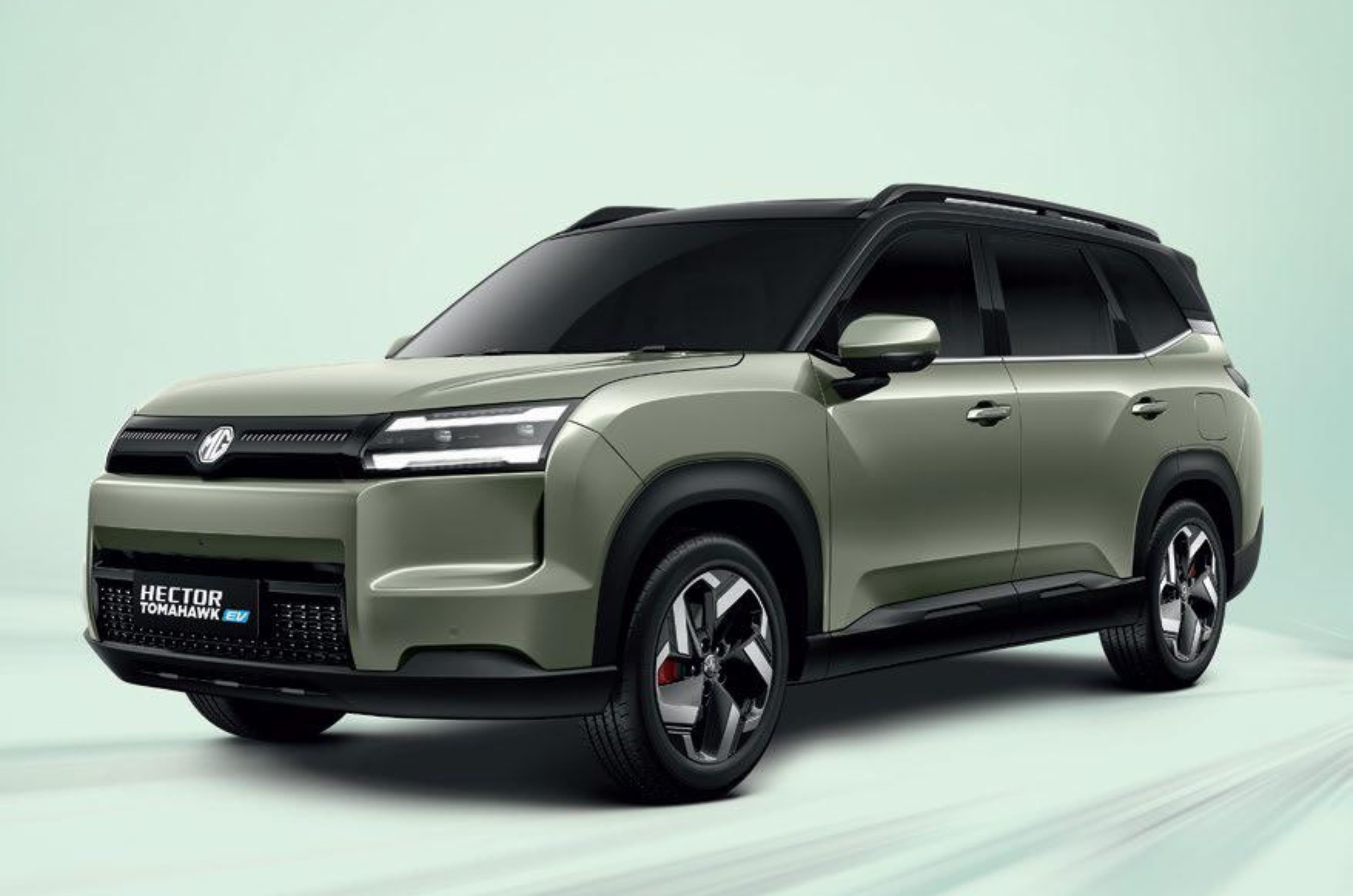
JSW MG Motor recorded sales of 7,508 units in August, up 14 percent year on year. The company launched the Hector Tomahawk in both EV and PHEV forms during the month. Bookings for both versions are open, while deliveries of the Tomahawk EV are scheduled to begin in September. PHEV test drives and deliveries are scheduled to start in November.
Nissan
Sales: 3,426 units. Change: 147 percent YoY
Nissan recorded domestic wholesale sales of 3,426 units in August, up 147 percent year on year. The company attributed the performance to demand for the Magnite and Gravite, along with the response to the recently launched Tekton. Nissan also began exporting the Tekton to South Africa, Bhutan and Nepal during the month, with the first batch comprising more than 1,300 units.
Renault
Sales: 2,842 units, Change: -5.7 percent YoY
Renault recorded sales of 2,842 units in August 2026, down 5.7 percent from 3,015 units in August 2025. The carmaker’s cumulative domestic wholesales for January-August 2026 stood at 31,979 units, up 47.9 percent from 21,621 units in the same period last year. The company will add another powertrain option to the Triber range with the Triber Turbo, which is scheduled to arrive in late September 2026.
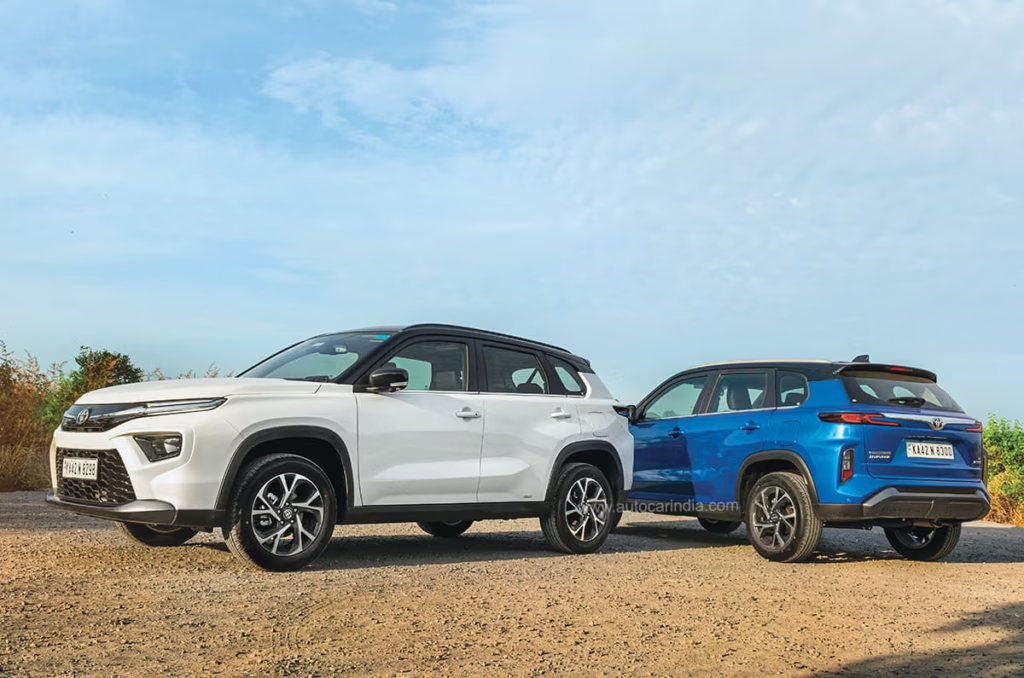
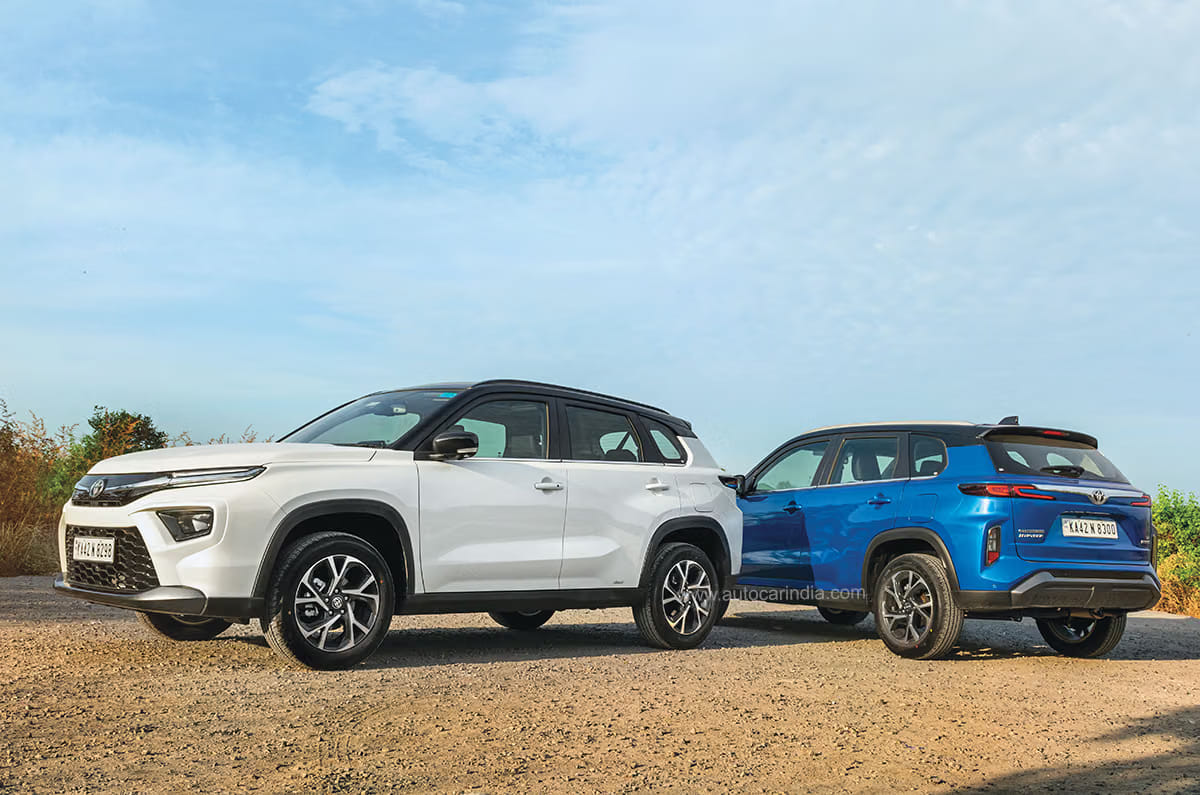
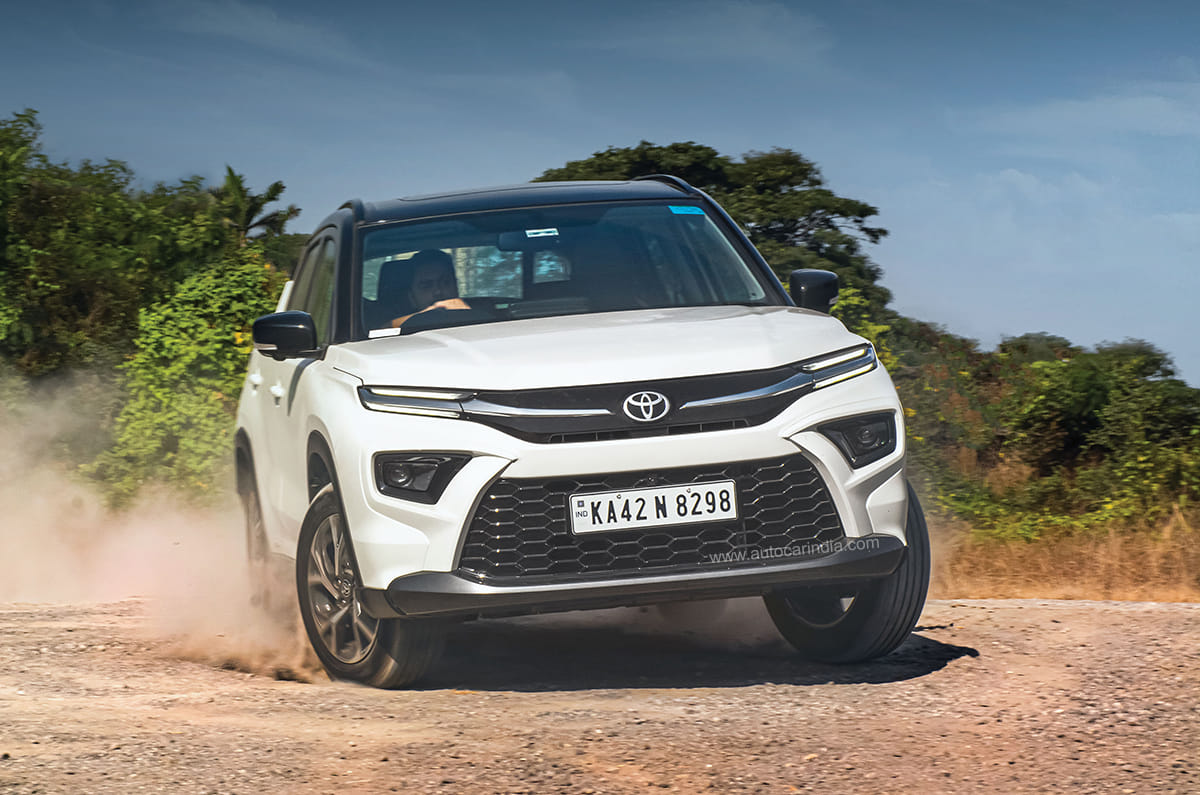
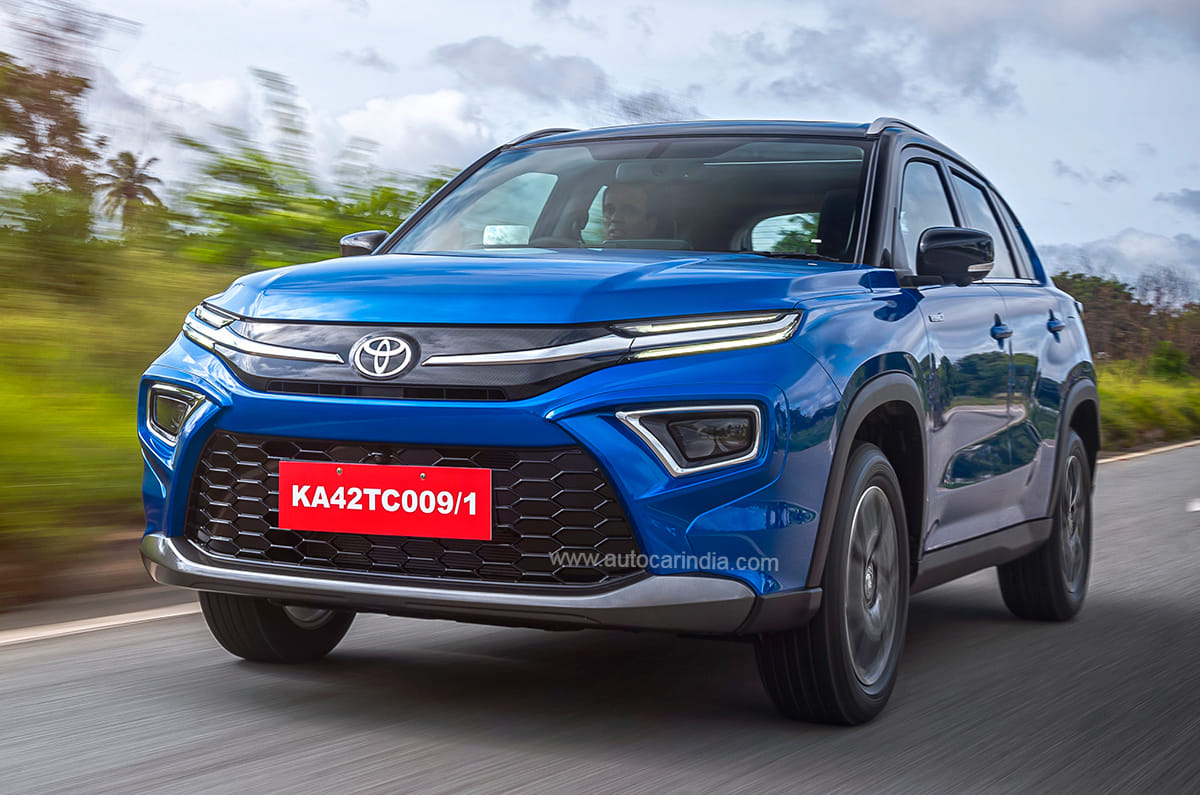
Introduced in 2022, the Urban Cruiser Hyryder and Maruti Grand Vitara were the first products co-developed through the partnership between Toyota and Maruti Suzuki. Currently, the Hyryder is Toyota’s bestselling SUV in India, averaging 7,000-9,000 units a month. If you are considering the Hyryder, we will help you decide whether this midsize SUV is suitable for you or whether you should look elsewhere.
Reasons to buy the Toyota Hyryder
Efficient strong hybrid engine
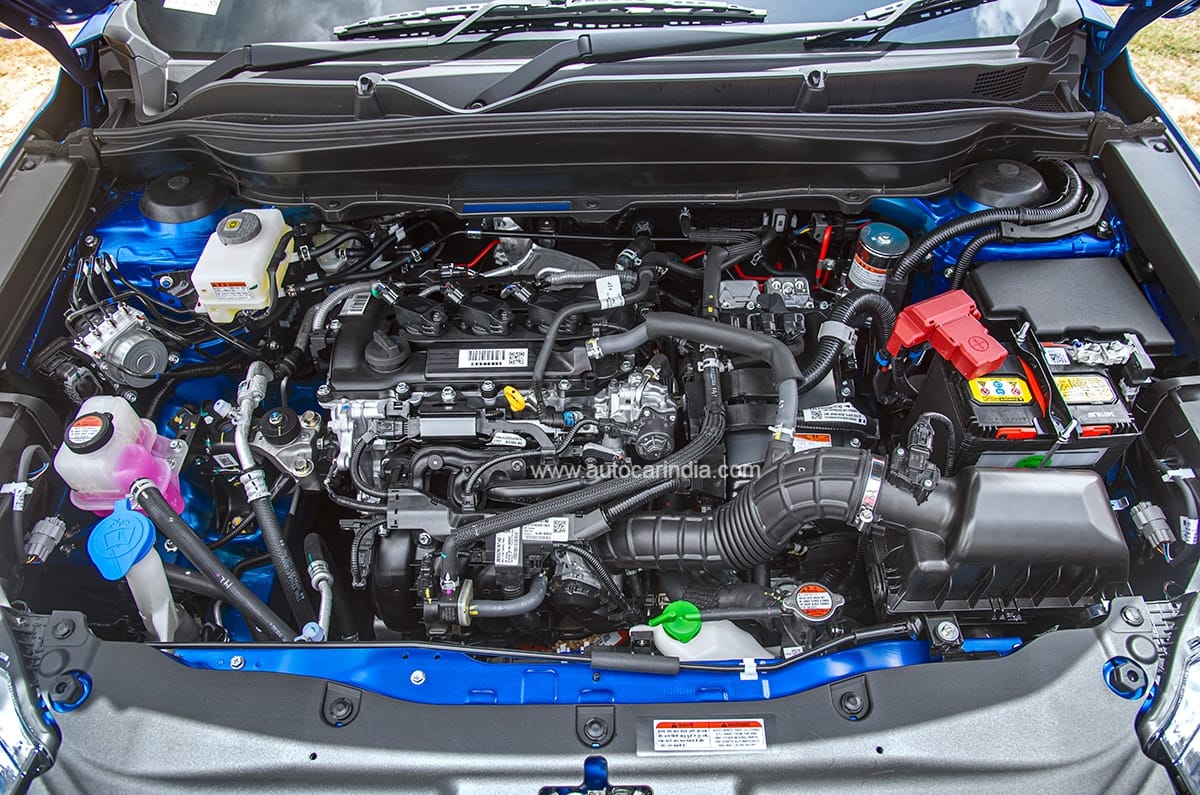
The petrol engine in the strong hybrid version runs on the Atkinson cycle that prioritises efficiency. Coupled with the battery and motor, the Hyryder can run temporarily on pure electric power, which helps curb fuel consumption. In our real-world fuel efficiency tests, the Hyryder strong hybrid delivered much higher efficiencies than the mild hybrid petrol automatic version: 20.28kpl in the city and 22.85kpl on the highway compared to 10.83kpl and 15.67kpl, respectively. Do note that this test was done before the rollout of E20 fuel.
Well-judged ride and handling
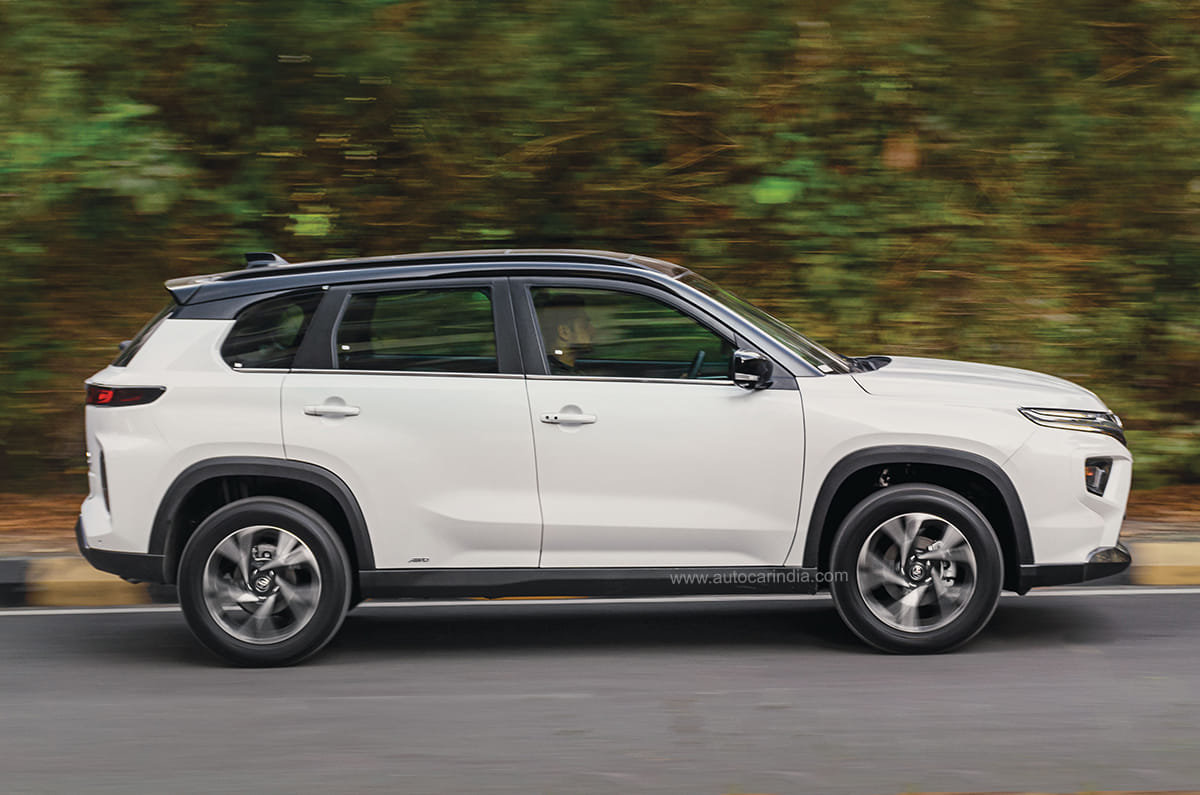
A combination of tough underpinnings and well-judged suspension helps the Hyryder have a balanced ride and handling setup. It handles tough roads with ease, and even the sharp surfaces are absorbed quite well. At higher speeds, the Hyryder remains glued to the road and composed, while direction changes and cornering abilities are predictable. Even when cornering, body roll is kept to a minimum despite its high 210mm ground clearance, which is remarkable.
AWD availability
The Hyryder is among the few models in the very crowded midsize SUV space to offer AWD. Available solely with an automatic gearbox, it comes with Suzuki’s AllGrip Select all-wheel-drive system, bringing decent off-road capability for the Hyryder, especially for those who regularly drive in snowy or slushy conditions. With the help of terrain modes and the ability to send 50 percent of its power to the rear wheels, it can tackle challenging roads.
Reasons not to buy the Toyota Hyryder
Engines lack outright performance
Strong-hybrid versions of the Hyryder are optimised for fuel efficiency over outright performance. Thus, drivers looking for a turbo-petrol-like exhilaration won’t be satisfied, as it lacks midrange punch. Apart from the strong hybrid, there’s also a mild hybrid version that utilises a 103hp, 139Nm 1.5-litre naturally aspirated petrol engine. Though it has enough pep in the city, as with the strong hybrid, you’ll find yourself longing for more power on the highway. Overtakes will require careful planning and working your way through the gears. At 14.01 seconds, the mild-hybrid’s 0-100kph time is slow by segment standards.
Limited boot space
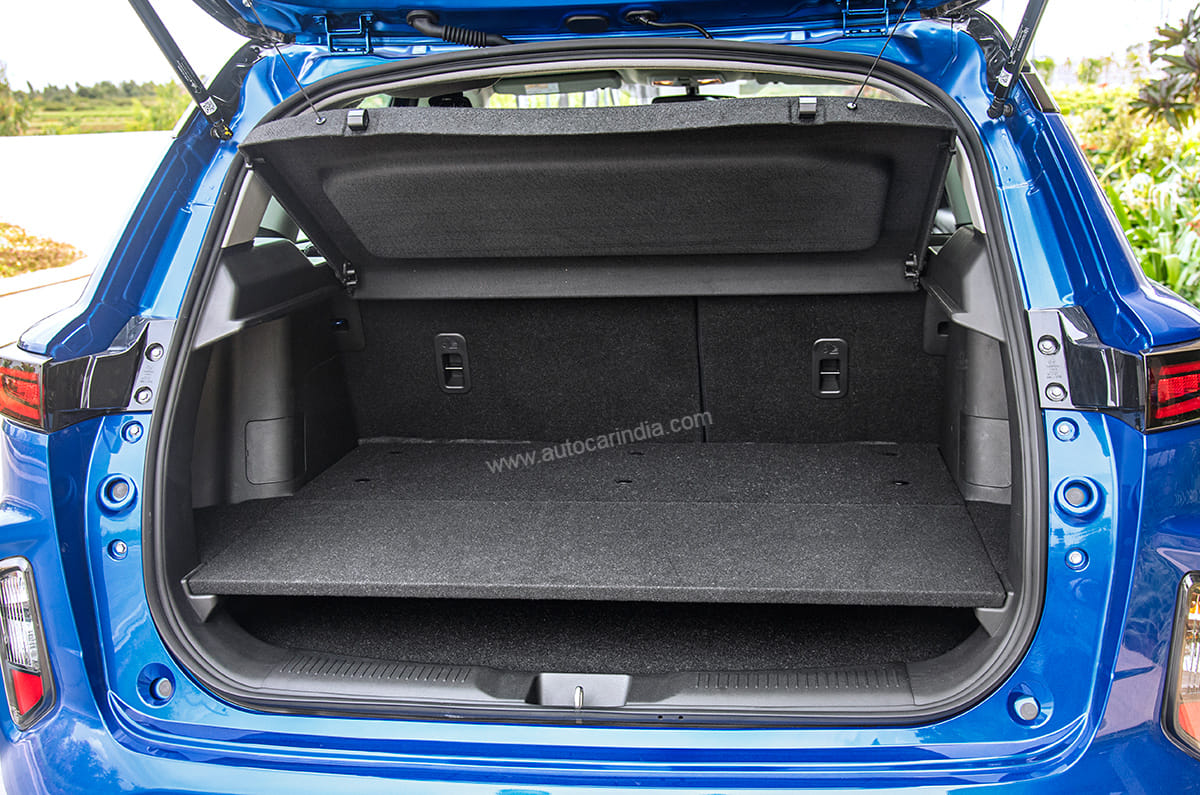
With a capacity of 355 litres, the mild hybrid-powered Toyota Hyryder has one of the smallest trunks in the segment. Additionally, the Hyryder strong hybrid’s high fuel efficiency comes at the cost of boot space, which is reduced further to 255 litres because of the lithium-ion battery pack placed beneath it. This could be a dealbreaker for those who carry large suitcases on road trips.
पश्चिम बंगाल की पूर्व मुख्यमंत्री ममता बनर्जी की 28 वर्षीय भतीजी बृष्टि मुखर्जी (Bristy Mukherjee) की मंगलवार को बीरभूम जिले के रामपुरहाट में मौत हो गई। बृष्टि का शव उनके गांव स्थित आवास में फंदे से लटका मिला। पुलिस के एक वरिष्ठ अधिकारी के अनुसार, बृष्टि मुखर्जी का शव रामपुरहाट इलाके के कुसुम्बा स्थित उनके घर की दूसरी मंजिल के एक कमरे से बरामद किया गया। शव को पोस्टमॉर्टम के लिए भेज दिया गया है और मामले की जांच जारी है।
रिपोर्टों के मुताबिक, बृष्टि मुखर्जी उन करीब 26,000 शिक्षण और गैर-शिक्षण कर्मचारियों में शामिल थीं, जिनकी नियुक्तियों को लेकर पश्चिम बंगाल शिक्षक भर्ती मामले में जांच हुई थी। बृष्टि बोलपुर के एक अपर प्राइमरी स्कूल में गैर-शिक्षण कर्मचारी के तौर पर कार्यरत थीं। हाईकोर्ट के आदेश के बाद नौकरी गंवाने वाले उम्मीदवारों की सूची में उनका नाम कथित तौर पर 608वें स्थान पर था। हाईकोर्ट के फैसले को बाद में सुप्रीम कोर्ट ने भी बरकरार रखा था।
रिपोर्टों के अनुसार, शिक्षक भर्ती मामले में अदालत के फैसले के बाद बृष्टि मानसिक तनाव में थीं। परिवार की ओर से बताया गया कि उनका इलाज भी चल रहा था। हालांकि, उनकी मौत के वास्तविक कारण और परिस्थितियों को लेकर पुलिस जांच कर रही है। अधिकारी के मुताबिक, पोस्टमॉर्टम और अन्य कानूनी प्रक्रियाओं के बाद मौत से जुड़ी परिस्थितियां स्पष्ट हो सकेंगी।
क्या है West Bengal SSC भर्ती मामला?
यह मामला 2016 West Bengal State Level Selection Test (SLST) के जरिए स्कूलों में हुई शिक्षक और गैर-शिक्षक कर्मचारियों की भर्ती से जुड़ा है। आरोप था कि बड़ी संख्या में उम्मीदवारों को कथित तौर पर अनियमित तरीके से नौकरी दी गई। मामले की जांच के दौरान भर्ती प्रक्रिया में कथित भ्रष्टाचार और पैसों के लेनदेन के आरोप सामने आए थे।
इसी मामले के चलते करीब 26,000 शिक्षण और गैर-शिक्षण कर्मचारियों की नियुक्तियां रद्द करने का मामला अदालत तक पहुंचा। यह प्रकरण पश्चिम बंगाल में तत्कालीन ममता बनर्जी सरकार के कार्यकाल के दौरान सामने आए प्रमुख भर्ती विवादों में शामिल रहा है। पुलिस फिलहाल बृष्टि मुखर्जी की मौत की परिस्थितियों की जांच कर रही है। पोस्टमॉर्टम रिपोर्ट और जांच के बाद ही मौत के कारणों को लेकर स्थिति स्पष्ट होगी।
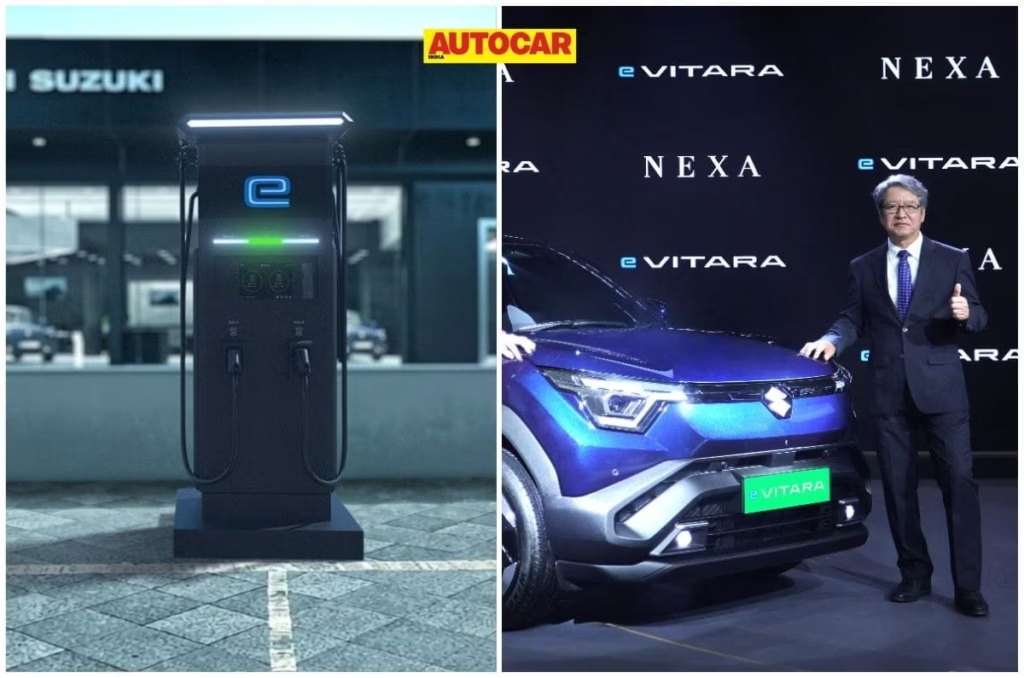
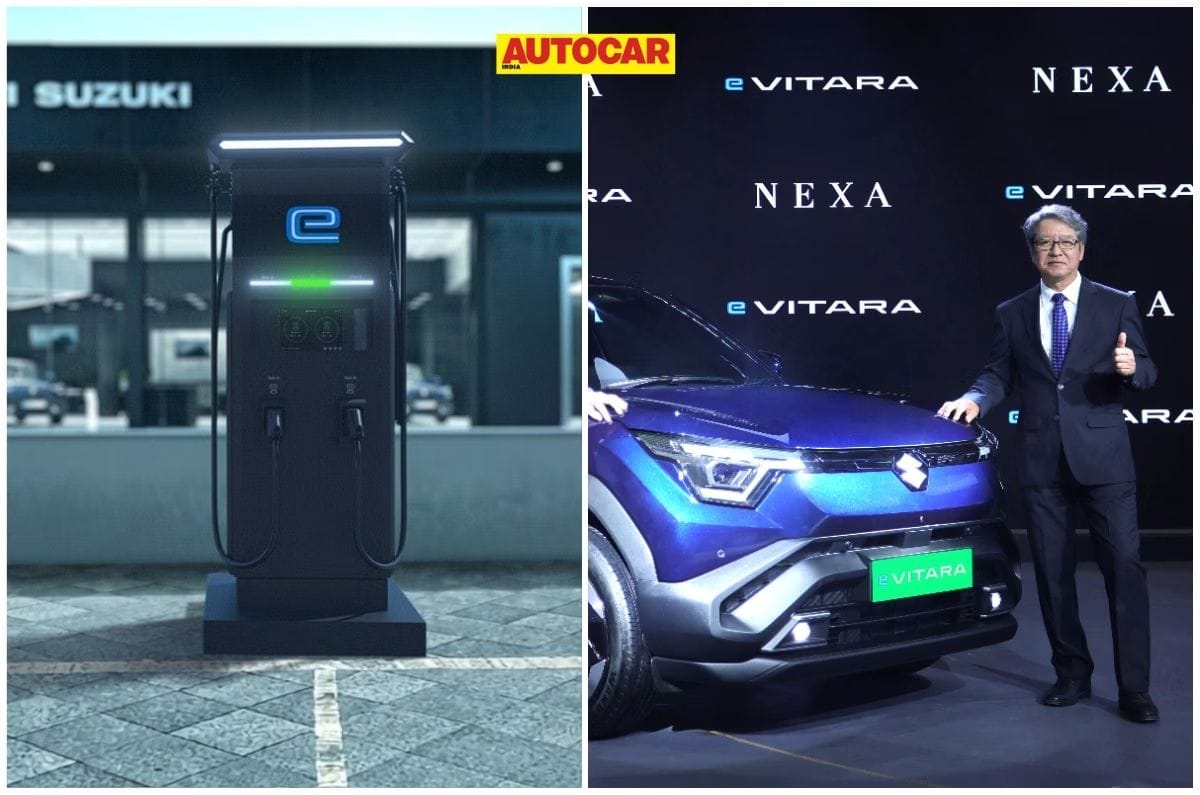
Maruti Suzuki plans to add smaller EVs to its India line-up once it has developed the charging infrastructure needed to support them. At the company’s annual general meeting, Managing director and CEO Hisashi Takeuchi said, “As soon as our EV charging will be ready in India, we will add smaller EVs in our portfolio.”
More than 2,000 exclusive chargers installed across 1,100-plus cities
Claims around 90 percent share of India’s EV exports
Plans to build EVs, hybrids, CNG and ICE cars on the same line
Maruti Suzuki’s charging network plans
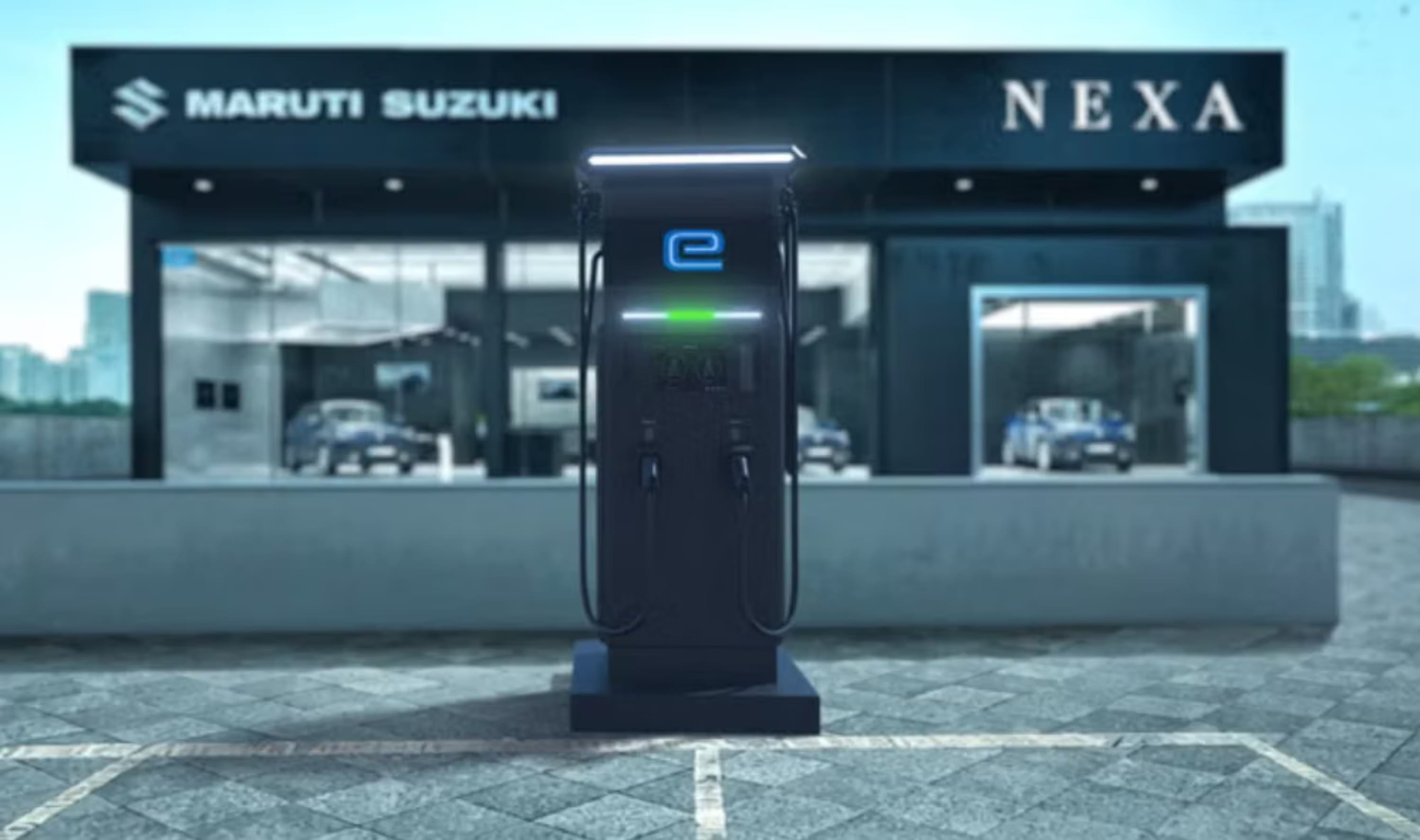
Maruti Suzuki has partnered with 13 charge-point operators and has already installed more than 2,000 exclusive charging points across over 1,100 cities. The company is also working to improve charging coverage on highways and expressways, while its plan for the top 100 cities calls for chargers at key locations around 5-10km apart.
The carmaker has set a larger target of more than 1,00,000 charging points across India by the end of this decade. The company has linked the introduction of smaller EVs to the expansion of this charging network.
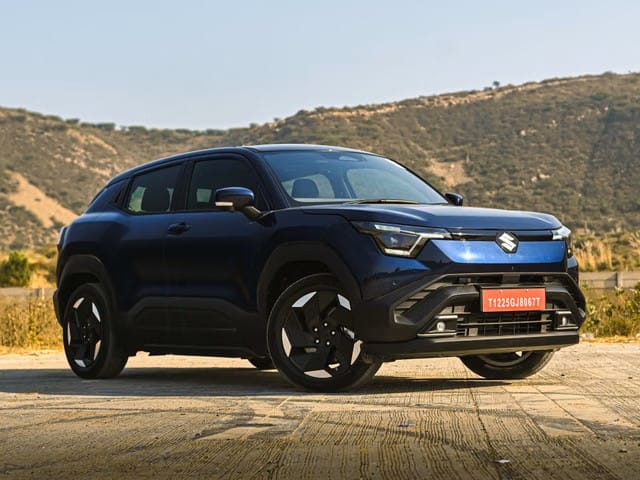
Maruti currently sells the e Vitara as its only EV in India, while competitors Tata Motors and JSW MG Motor India already have smaller electric models on sale.
Maruti Suzuki expands EV exports
Maruti Suzuki is also expanding its electric vehicle exports. “We have started our EV exports to Europe first. Now, we are the largest exporter of EVs from India, with about 90 percent share in total EV exports from India,” he said. Takeuchi said the company exports vehicles to nearly 120 countries and shipped more than 4.4 lakh vehicles last year, a 34 percent increase overall.
Japan has become Maruti’s second-largest market, according to Takeuchi, while the company expects trade agreements to create further export opportunities in markets including the UK, Germany and France.
ICE, hybrid and CNG investments to continue
Maruti Suzuki will continue investing in internal-combustion engine, hybrid and CNG vehicles alongside EVs. Takeuchi said ICE vehicles would remain an important part of the company’s business, with compressed biogas also expected to support their continued demand.
“Investment in ICE facilities will continue to be an integral part of our manufacturing process,” he said. The company is designing its new manufacturing facilities to build different types of vehicles on the same production line, allowing production to be adjusted as demand changes. “In our new plants, we can make EVs, hybrid vehicles, CNG and ICE vehicles on the same line,” Takeuchi said.
Sensex-Nifty closes red: उम्मीद से बेहतर जीडीपी ग्रोथ और निचले स्तर पर वैल्यू बाइंग से मार्केट में तेज रिकवरी आई लेकिन फिर कच्चे तेल के उबाल और बैंकिंग शेयरों की बिकवाली का दबाव अधिक भारी पड़ गया। इस दबाव में डे-हाई से सेंसेक्स 576 प्वाइंट्स टूट गया तो निफ्टी भी फिसलकर 24000 के नीचे आ गया। ब्रोडर लेवल पर मिडकैप स्पेस में अधिक दबाव दिखा। निफ्टी स्मॉलकैप 100 आज 0.25% कमजोर हुआ तो निफ्टी मिडकैप 100 भी 1.39% की गिरावट के साथ बंद हुआ।
सेक्टरवाइज एफएमसीजी और आईटी सेक्टर ने मार्केट को संभालने की काफी कोशिश की जिनके निफ्टी इंडेक्स करीब 1% मजबूत हुए। हालांकि ऑटो, बैंकिंग और फार्मा स्टॉक्स का दबाव अधिक भारी पड़ गया। निफ्टी फार्मा आज करीब डेढ़ फीसदी तो निफ्टी ऑटो और निफ्टी पीएसयू बैंक 1% से अधिक और निफ्टी प्राइवेट बैंक करीब 1% कमजोर हुआ। बिकवाली की इस आंधी में आज BSE पर लिस्टेड कंपनियों का मार्केट कैप ₹3 लाख करोड़ से अधिक गिर गया।
अब इक्विटी बेंचमार्क इंडेक्सेज की बात करें तो महीने के पहले कारोबारी दिन आज 1 सितंबर निफ्टी की वीकली एक्सपायरी को सेंसेक्स (Sensex) 12.99 प्वाइंट्स यानी 0.02% की मामूली फिसलन के साथ 76,944.28 और निफ्टी 50 (Nifty 50) भी 24.60 प्वाइंट्स यानी 0.10% की कमजोरी के साथ 24,055.80 पर बंद हुआ है।
इंट्रा-डे में आज सेंसेक्स और निफ्टी में काफी उठा-पटक दिखी। पहले तो सेंसेक्स 193.01 प्वाइंट्स गिरकर 76,764.26 तक आया था, जिससे फिर यह 467.61 प्वाइंट्स रिकवर होकर 77,231.87 के हाई तक पहुंचा लेकिन फिर इस हाई से यह 575.75 प्वाइंट्स टूटकर 76,656.12 तक आ गया। वहीं निफ्टी भी 70.90 प्वाइंट्स टूटकर 24,009.50 तक आया था, जिससे यह फिर 133.65 प्वाइंट्स ऊपर चढ़कर 24,143.15 तक पहुंचा था लेकिन फिर इस हाई लेवल से यह 190.60 प्वाइंट्स टूटकर 23,952.55 तक आ गया।
डूबे निवेशकों के ₹3.46 लाख करोड़
एक कारोबारी दिन पहले यानी 31 अगस्त 2026 को बीएसई पर लिस्टेड सभी शेयरों का कुल मार्केट कैप ₹4,91,58,204.57 करोड़ था। आज यानी 1 सितंबर 2026 को यह घटकर ₹4,88,11,607.93 करोड़ पर आ गया। इसका मतलब हुआ कि निवेशकों की पूंजी में आज ₹3,46,596.64 करोड़ की गिरावट आई है।
Sensex के 13 स्टॉक्स ग्रीन
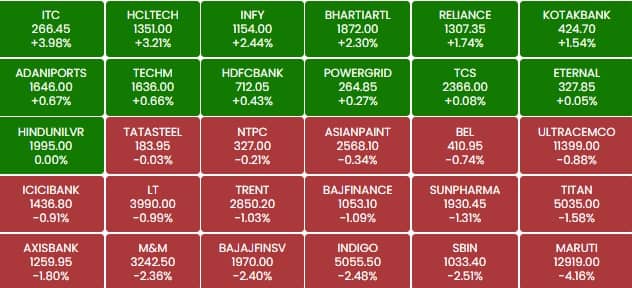
सेंसेक्स पर 30 शेयर लिस्टेड हैं जिसमें 13 आज ग्रीन रहे। दिन के आखिरी में आज आईटीसी, एचसीएलटेक और इंफोसिस सबसे अधिक बढ़त के साथ बंद हुए तो दूसरी तरफ मारुति, एसबीआई और इंडिगो में सबसे अधिक गिरावट रही। नीचे सेंसेक्स पर लिस्टेड सभी शेयरों के लेटेस्ट भाव और आज उतार-चढ़ाव की डिटेल्स देख सकते हैं-
डिस्क्लेमर: यहां मुहैया जानकारी सिर्फ सूचना के लिए दी जा रही है। यहां बताना जरूरी है कि मार्केट में निवेश बाजार जोखिमों के अधीन है। निवेशक के तौर पर पैसा लगाने से पहले हमेशा एक्सपर्ट से सलाह लें। मनीकंट्रोल की तरफ से किसी को भी पैसा लगाने की यहां कभी भी सलाह नहीं दी जाती है।
Some newly released spy shots of Hyundai’s upcoming Bayon-based midsize SUV offer the first glimpse of its interior. This SUV is expected to launch in the festive season as an alternative to Hyundai’s other midsize SUV, the highly popular Creta. However, the spy shots here indicate that the Bayon-based SUV will offer a more modern interior layout.
Hyundai Bayon-based SUV interior: What do the spy shots reveal?
Credit: Ankan Baruah via YouTube
Among the most notable elements visible in the spy shots is a new curved set of displays, similar to the dual 12.3-inch screens found in top-spec variants of the smaller Venue. By contrast, the Creta comes with dual 10.25-inch displays at most, and its infotainment system doesn’t natively support wireless Apple CarPlay and Android Auto – a separate USB adapter is required for that. We expect the Bayon-based SUV to rectify this shortcoming with updated infotainment software.
A dual-tone steering wheel resembling that of the Venue can be observed too. Like many of Hyundai’s newer cars, the steering wheel is expected to bear the four-dot motif that signifies ‘H’ in Morse code. Its black-and-white finish likely informs the overall colour scheme of the cabin as well.
Credit: Ankan Baruah via YouTube
In the second spy shot, we can clearly see a black-and-white finish for the door liners. The Bayon-based SUV also looks to have circular interior door handles.
Hyundai Bayon-based SUV: What else do we know?
On the outside, the Bayon-based SUV is anticipated to adopt Hyundai’s latest ‘Art of Steel’ design language, which is seen in newer global models like the eighth-gen Elantra and fifth-gen Tucson. Expect the Bayon-based SUV to sport T-shaped light bars at the front and rear, squared-off wheel-arch cladding, new alloy wheels, edgy proportions, and lots of cuts and creases on the bodywork.
The Bayon-based SUV will differ majorly from the Creta in powertrain offerings. We exclusively reported in July that the upcoming Hyundai SUV is expected to get the Creta’s 115hp 1.5-litre 4-cylinder naturally aspirated petrol engine with its respective 6-speed manual and CVT options. However, this engine will also be offered in CNG form, which will make the Bayon-based SUV the first Hyundai car over four metres long to be powered by CNG.
An underbody CNG tank is expected for the Bayon-based SUV as well, allowing it to directly rival the Maruti Suzuki Victoris, which is the only CNG-powered midsize SUV with an underbody tank at the moment.