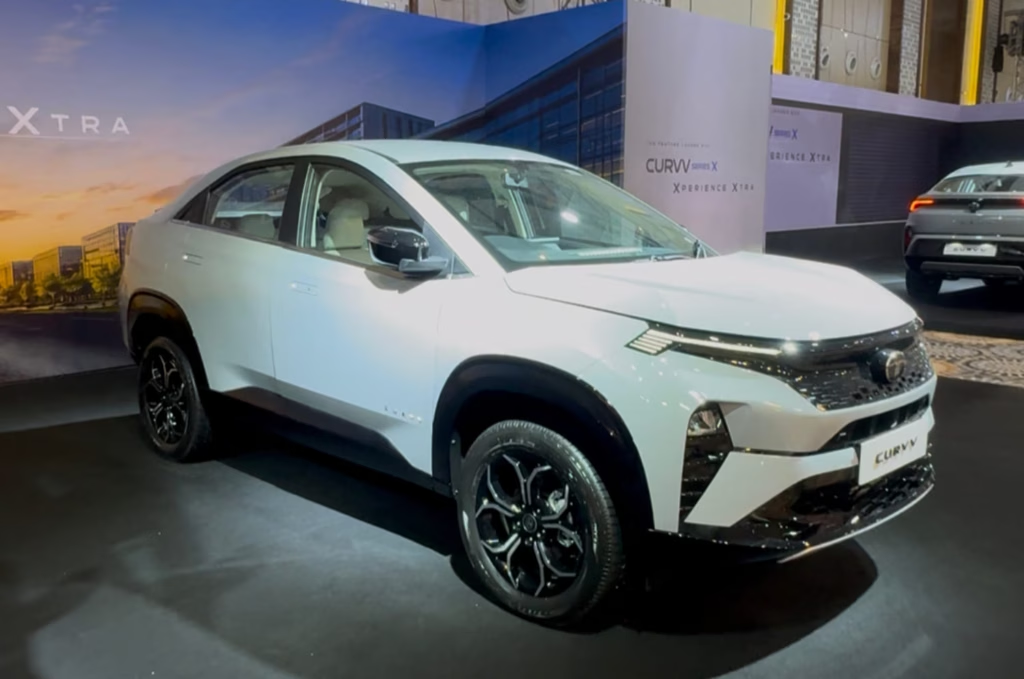
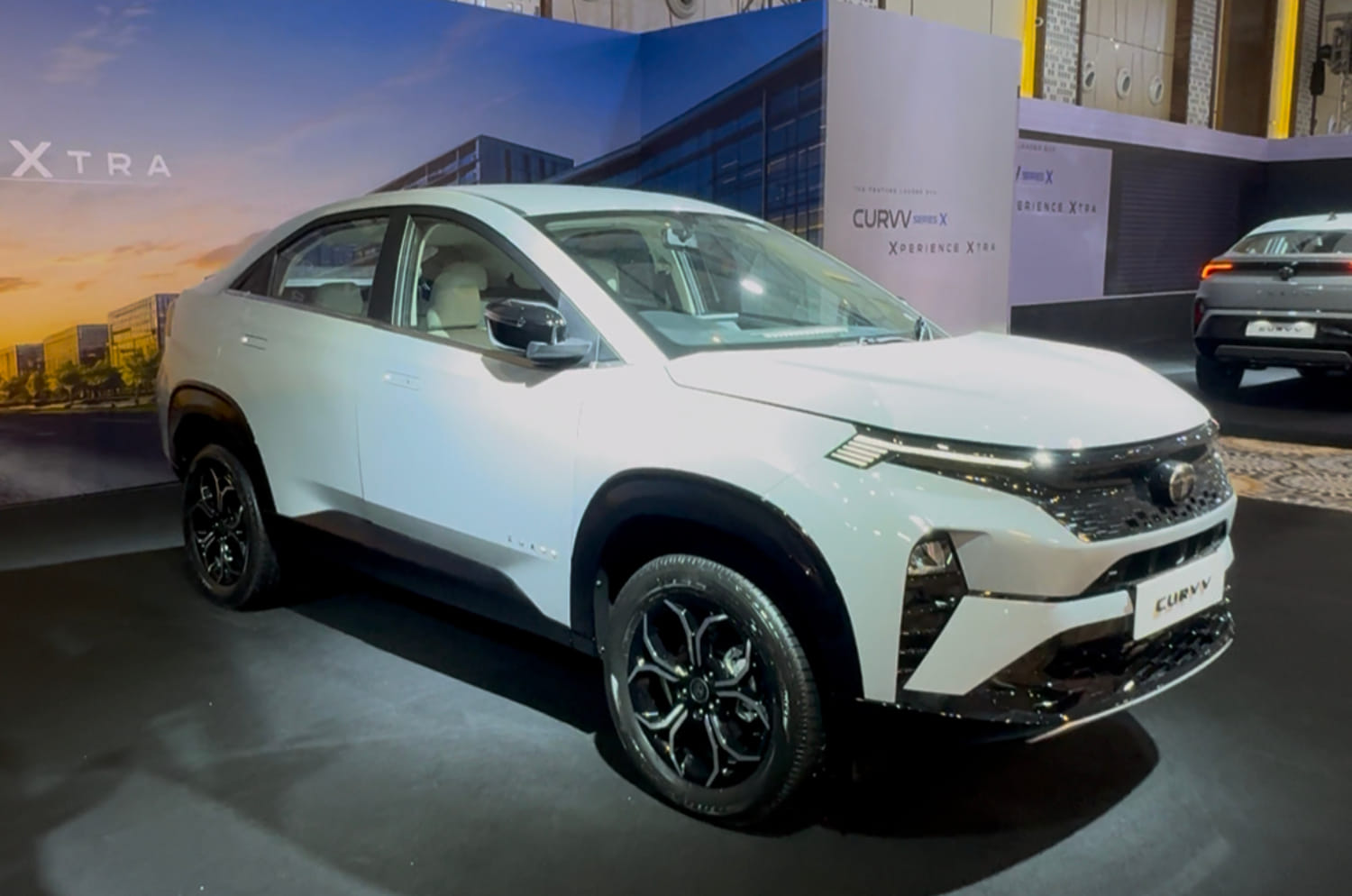
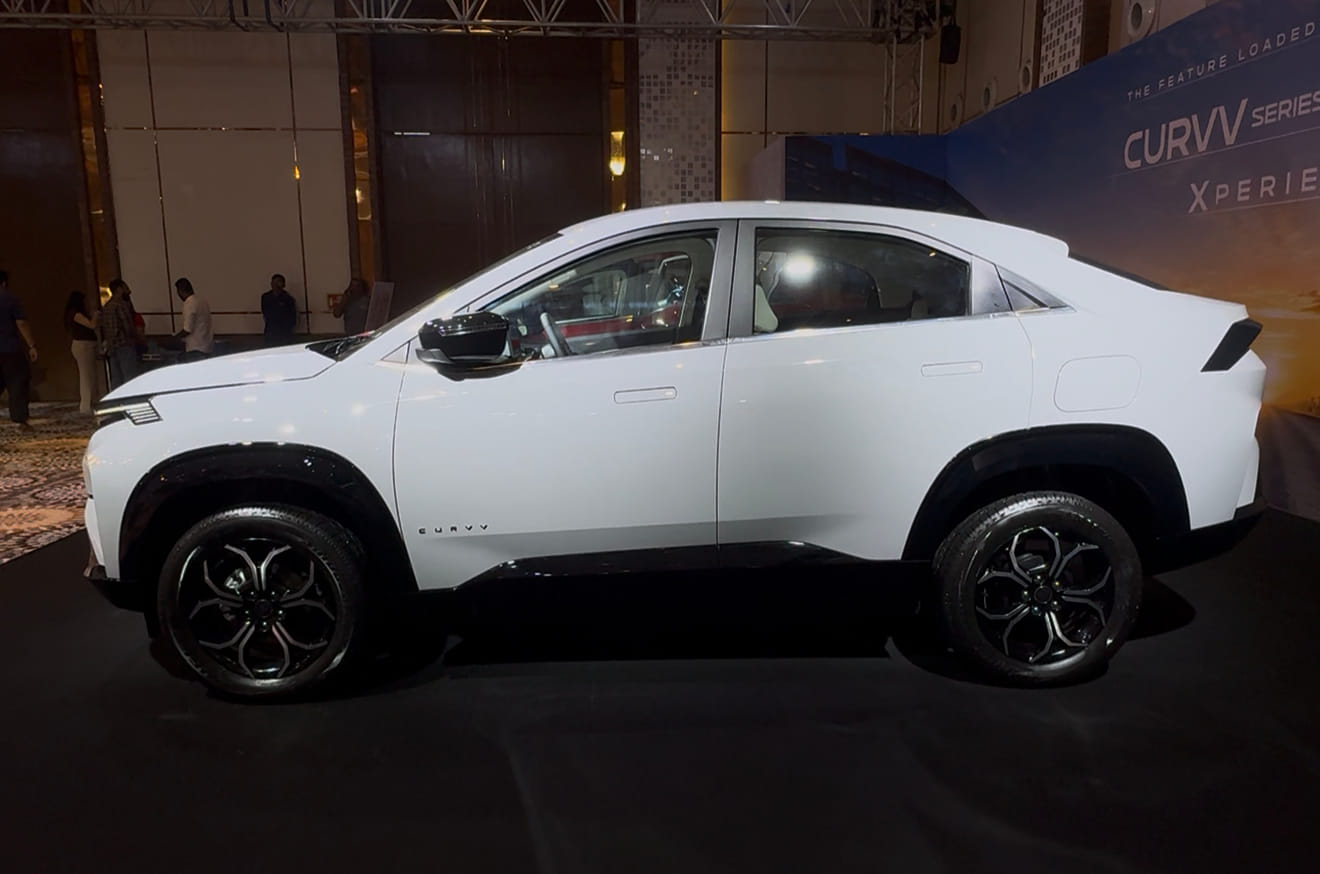
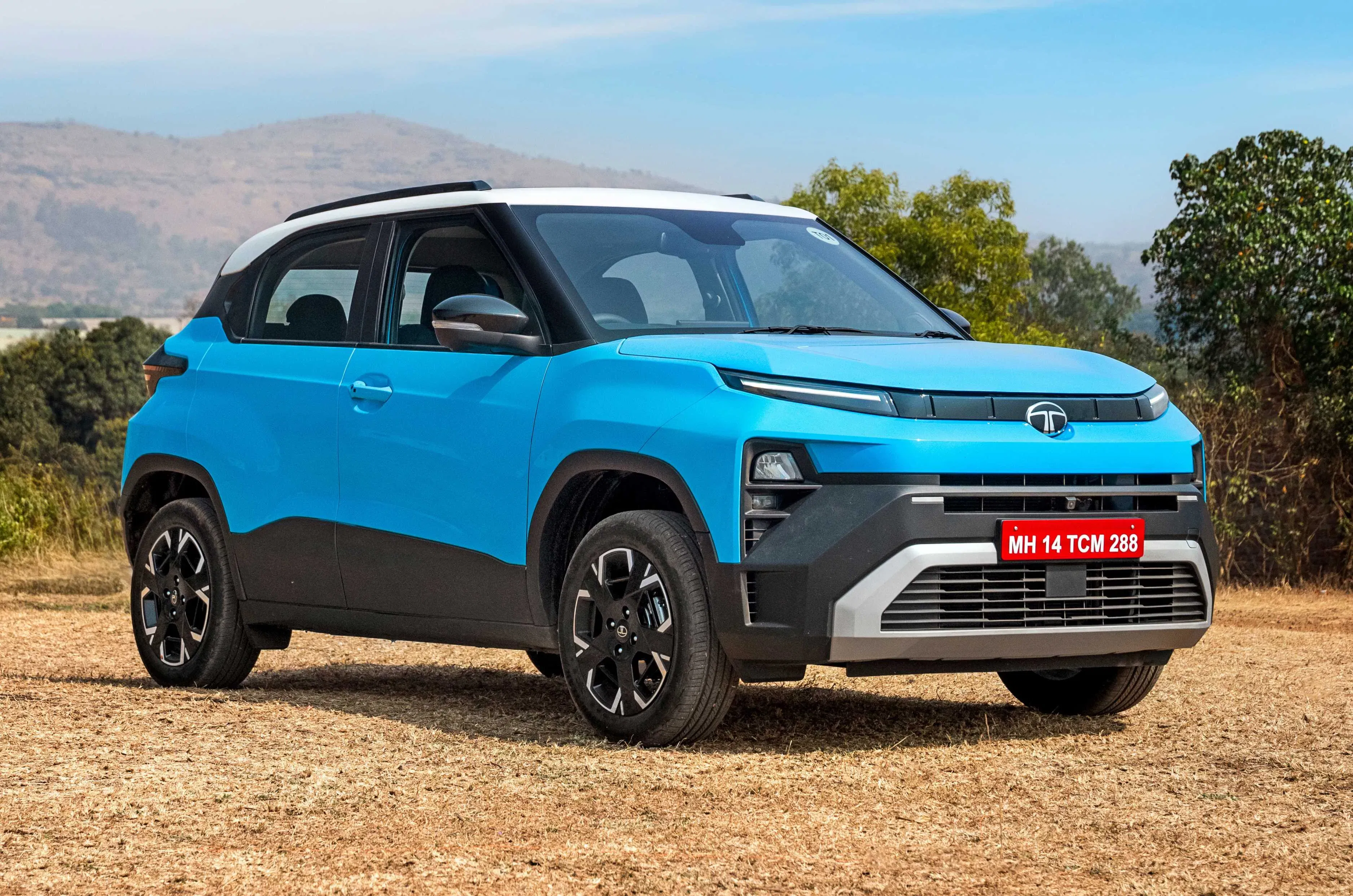
Tata Motors has introduced the Curvv Series X, with prices ranging from Rs 9.9 lakh to Rs 18.5 lakh (ex-showroom). The new range gets a reshuffled variant lineup, with features from higher variants moved to lower and mid-spec versions. Tata has also expanded the availability of the #DARK edition across the range, while the powertrain remains unchanged.
Tata Curvv Series X price
Tata Curvv Series X ex-showroom prices
Variant
Price
Smart X
Rs 9.9 lakh
Pure X
Rs 10.99 lakh
Pure X+
Rs 11.79 lakh
Creative X
Rs 12.91 lakh
Accomplished X
Rs 13.99 lakh
Accomplished X+
Rs 18.5 lakh
The Smart X is the most affordable variant in the lineup, priced Rs 14,000 higher than the previous base trim. The petrol-diesel price gap has been reduced to Rs 1.3 lakh from Rs 1.5 lakh previously, while the premium for the automatic gearbox has also come down to Rs 1.3 lakh from Rs 1.5 lakh.
Tata Curvv Series X interior and features
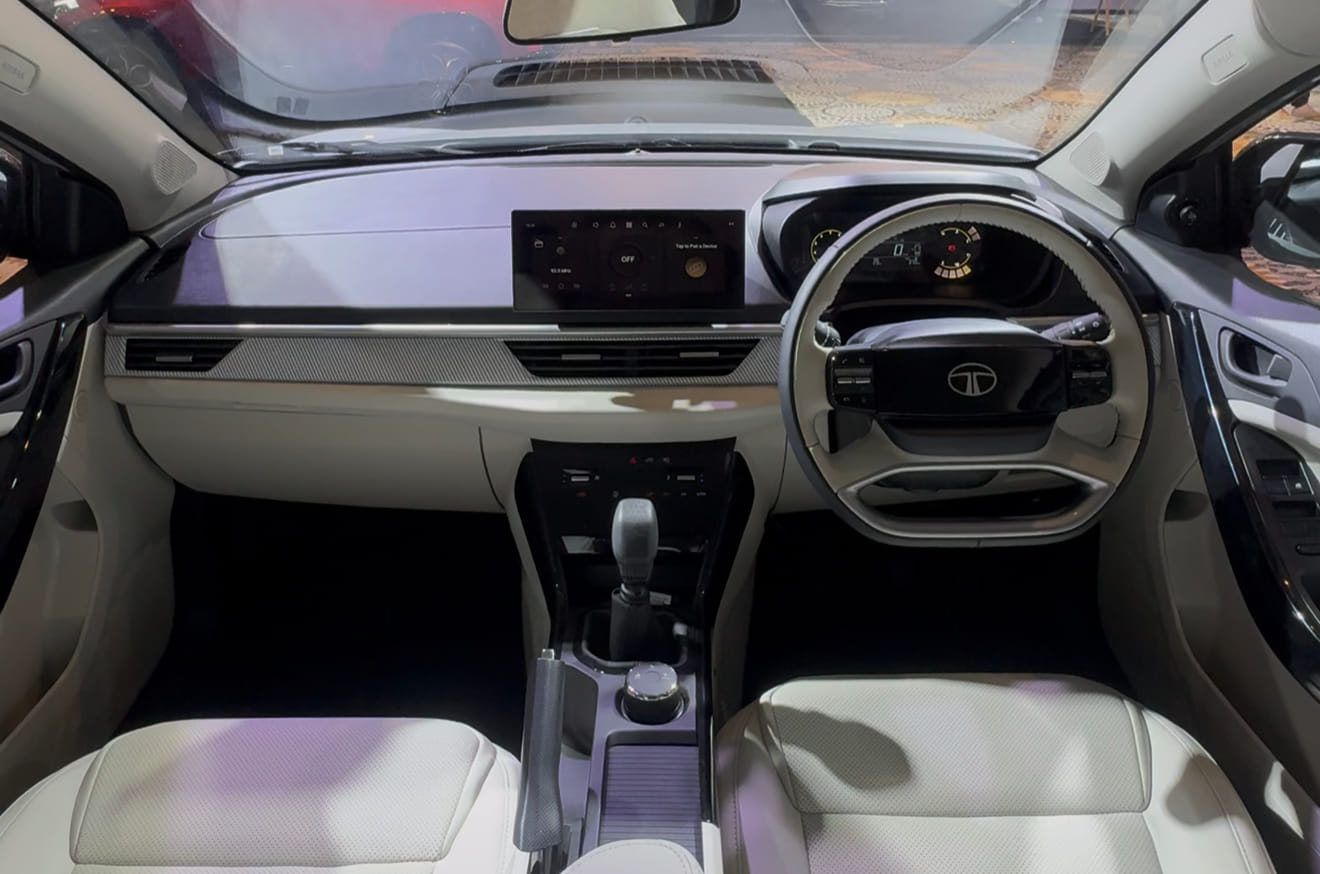
The Curvv Series X gets a 10.25-inch infotainment screen with wireless Android Auto and Apple CarPlay, automatic climate control, cruise control and a rear-view camera. It also gets a 10.25-inch digital cockpit, smart key with push-button start, front and rear USB ports, Wi-Fi connectivity and multiple drive modes.
The cabin gets a lighter interior theme with leatherette upholstery and leatherette finishes on the steering wheel, gear-shift knob and centre-console armrest. Rear passengers get dedicated AC vents, a rear armrest and reclining rear seats. The front seat-back is 10mm slimmer, while the rear seat has been moved 20mm rearwards and 10mm lower.
Other features include a panoramic sunroof, 360-degree 3D surround-view camera with a blind-view monitor, front parking assist, rain-sensing wipers and automatic headlamps. Safety equipment includes six airbags, ESP, hill-hold control, ABS with EBD and rear parking sensors.
Tata Curvv Series X exterior
The Curvv Series X retains the SUV-coupe design of the existing model, with flush door handles, an illuminated four-spoke steering wheel, LED headlamps, DRLs and tail-lamps, and a rear spoiler. The Series X gets a black grille treatment in place of the earlier chrome finish. The #DARK edition is now available from lower down the range, with a blacked-out exterior and Obsidian-themed interior. It gets 17-inch diamond-cut alloy wheels, while higher versions offer 18-inchers.
Tata Curvv Series X powertrain
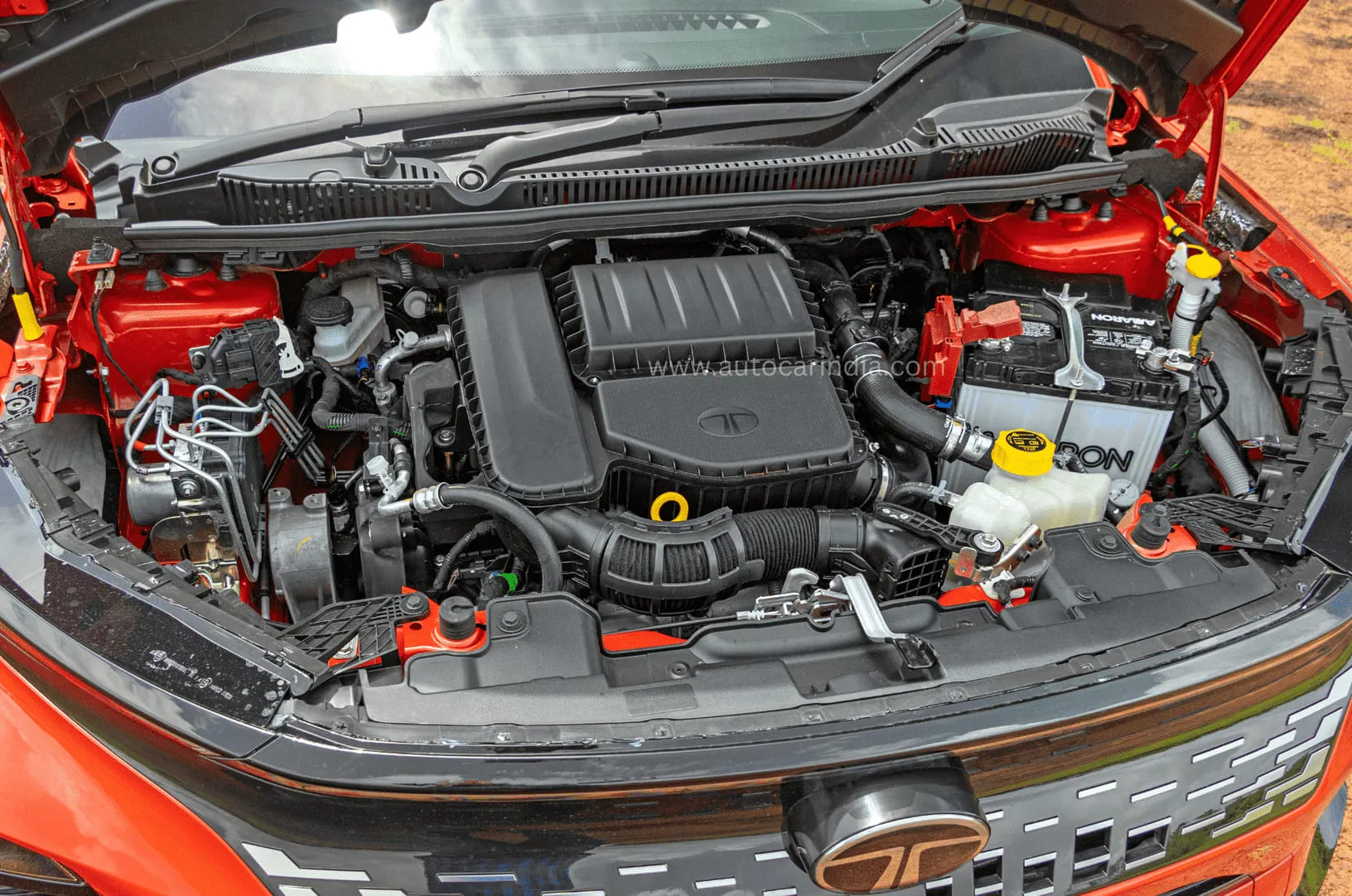
The Curvv Series X continues with three engine options: a 1.2-litre turbo-petrol producing 120hp and 170Nm, a 1.2-litre direct-injection turbo-petrol producing 125hp and 225Nm, and a 1.5-litre diesel producing 118hp and 260Nm.
The 1.2-litre turbo-petrol and 1.5-litre diesel are available with a 6-speed manual and 7-speed dual-clutch automatic, while the 1.2-litre direct-injection turbo-petrol is exclusive to the top-spec Accomplished X+ and is paired with the 7-speed DCA.
Hyundai India is offering an attractive range of benefits on select models in its portfolio. Depending on the model chosen, customers can avail up to Rs 1 lakh in benefits, valid until September 30, 2026.
Disclaimer: Offers/benefits may vary by city and are subject to stock availability. Buyers are advised to check with their local dealer for exact figures.
Hyundai Creta offers in September 2026
Benefits of up to Rs 1 lakh
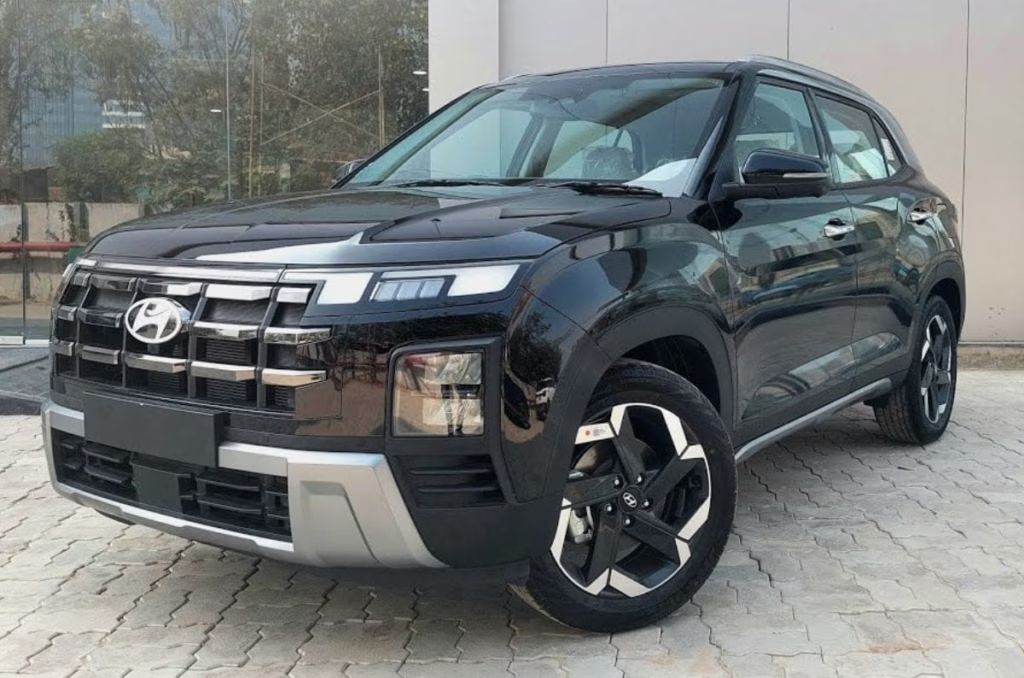
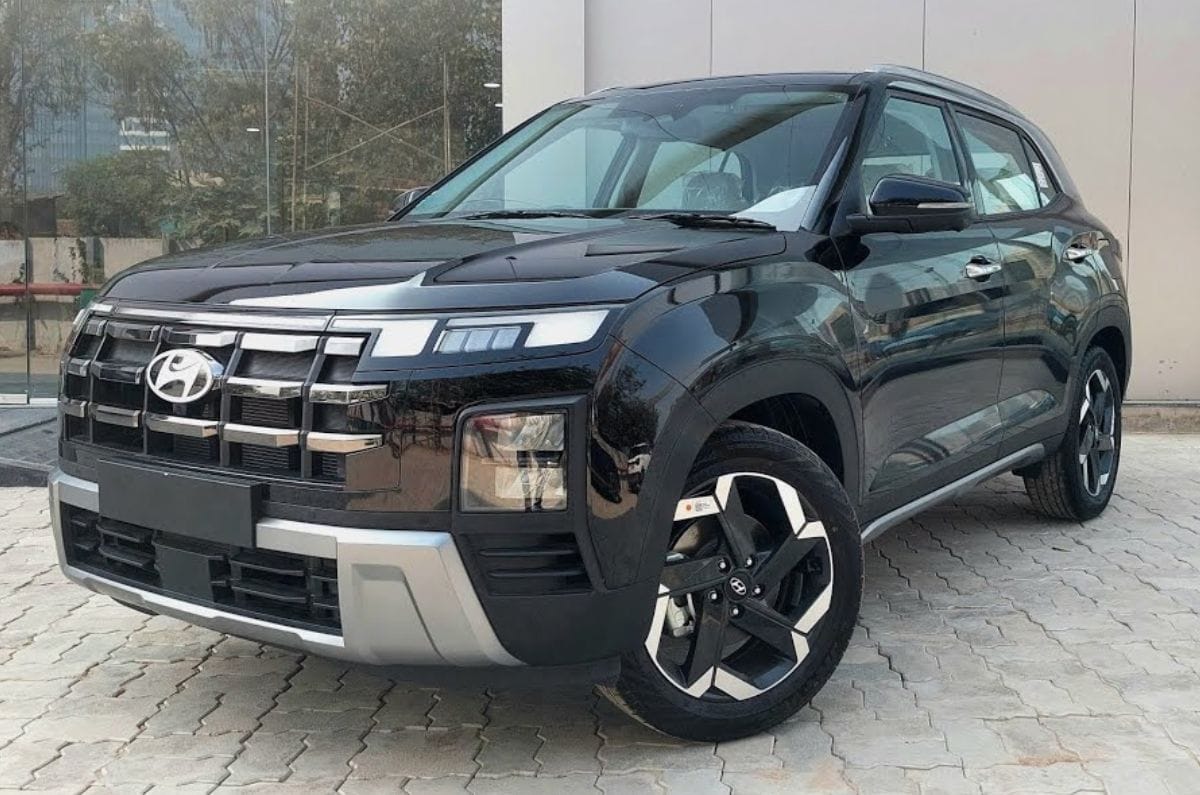
The Creta mid-size SUV is available with benefits of up to Rs 1 lakh. The Korean carmaker’s best-selling model in India is offered with a trio of 1.5-litre engines, namely, a naturally aspirated petrol, a turbo-petrol, and a diesel engine. All engines are offered with manual and automatic gearboxes. Prices range between Rs 10.90 lakh and Rs 19.91 lakh, with the Creta taking on rivals like the Tata Sierra, Kia Seltos, Renault Duster, Skoda Kushaq, and Maruti Victoris.
Hyundai Grand i10 Nios offers in September 2026
Benefits of up to Rs 70,000
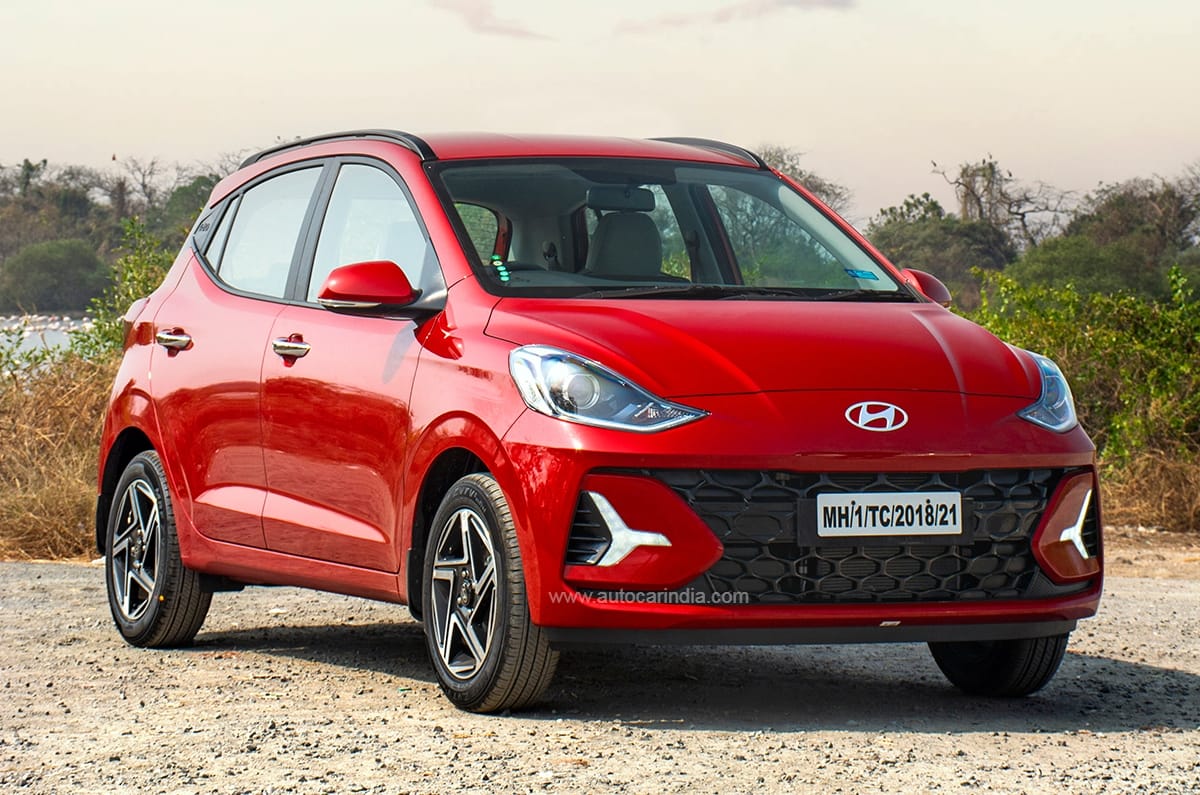
Hyundai’s Grand i10 Nios is being offered with up to Rs 70,000 in benefits. Its most affordable model in India is offered solely with a 1.2-litre petrol engine paired to either a manual or AMT gearbox. A factory-fit dual-cylinder CNG kit can be fitted to this engine and is paired exclusively with a manual gearbox. The Grand i10 is priced between Rs 5.59 lakh to Rs 8.04 lakh and is Hyundai’s answer to the Maruti Swift and the Tata Tiago.
Hyundai i20 offers in September 2026
Benefits of up to Rs 60,000
The Grand i10’s elder sibling, the i20, is being offered with benefits of up to Rs 60,000. Standard versions of the i20 come powered by a 1.2-litre petrol engine mated with either a manual or CVT automatic gearbox. The i20 is priced from Rs 5.99 lakh to Rs 11.59 lakh, and it competes with the Maruti Baleno, Tata Altroz, and the Toyota Glanza.
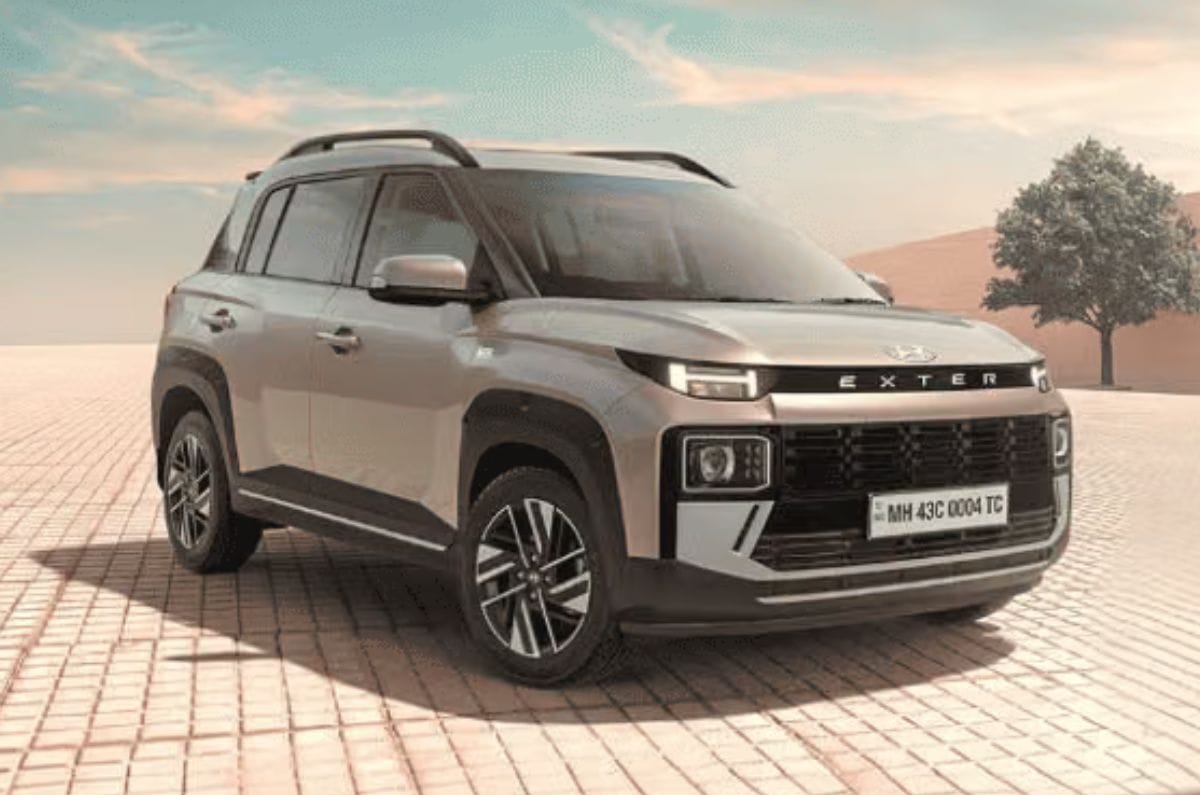
Hyundai Exter offers in September 2026
Benefits of up to Rs 50,000
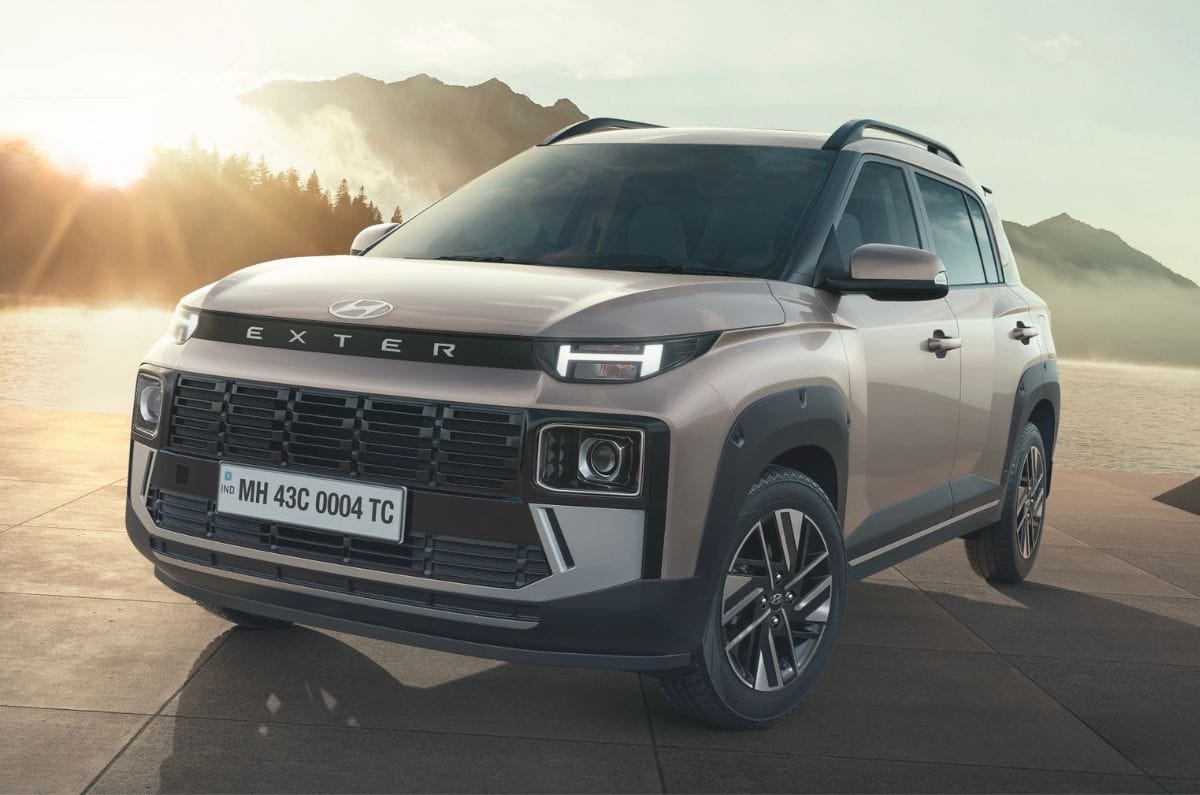
Hyundai is offering benefits of up to Rs 50,000 on the Exter. The subcompact SUV was updated earlier this year with refreshed looks and feature additions. It is powered by a 1.2-litre petrol engine and is mated with either a manual or AMT gearbox. Like the Grand i10, it also gets a CNG kit fitted to this engine. The Exter’s price begins at Rs 5.8 lakh and goes all the way up to Rs 9.46 lakh. It takes on the likes of the Tata Punch.
Hyundai Aura offers in September 2026
Benefits of up to Rs 30,000
The Aura compact sedan is available with benefits of up to Rs 30,000. The Aura shares the same petrol engine as the Grand i10 Nios and the Exter, along with a CNG version on offer. It is priced between Rs 5.99 lakh and Rs 8.59 lakh and competes with the Tata Tigor, Maruti Dzire, and the Honda Amaze.
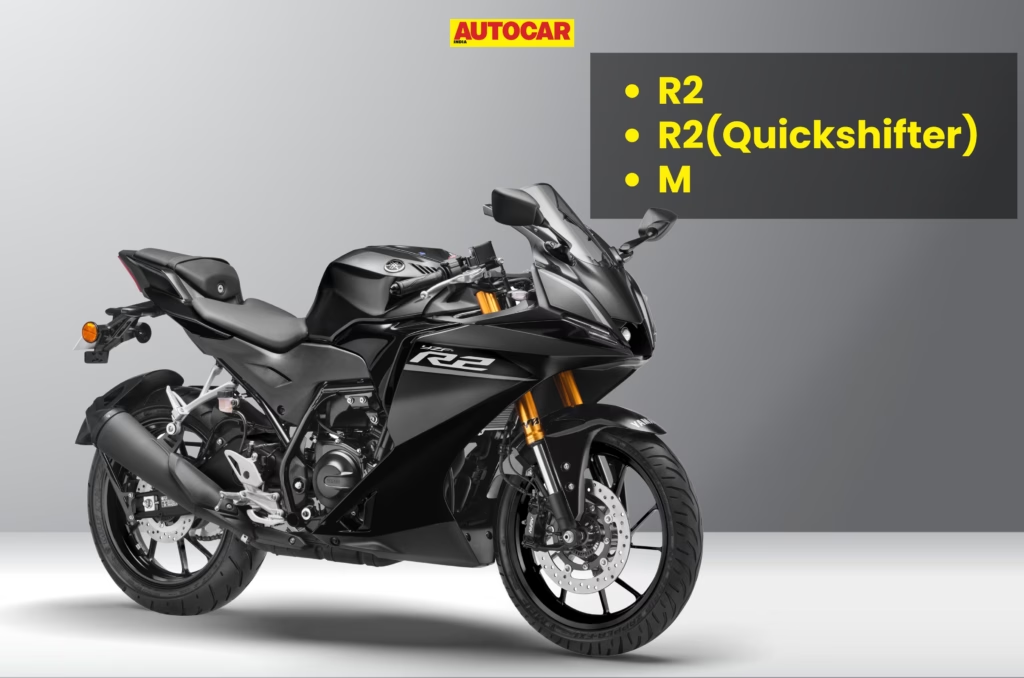
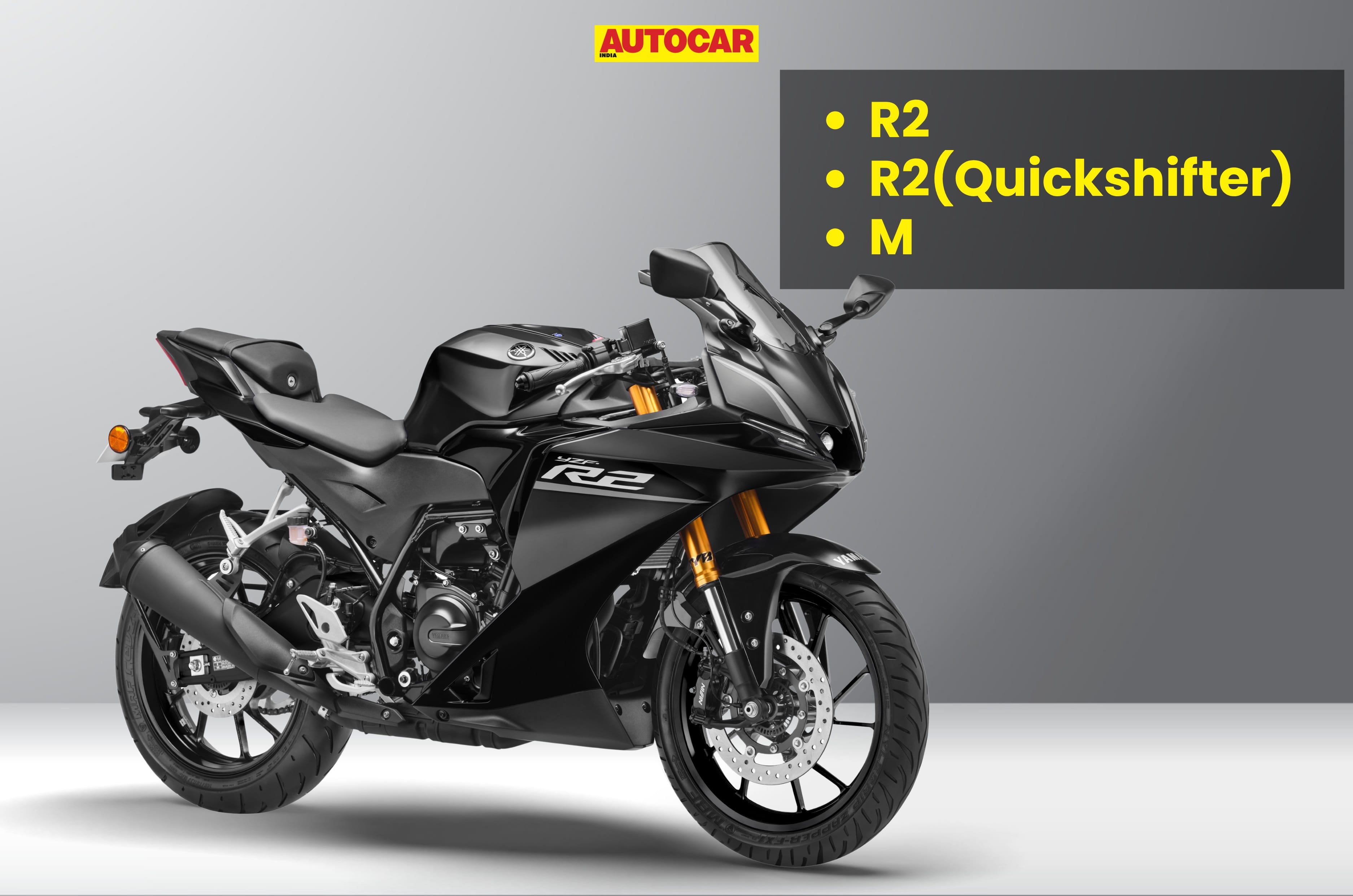
After months of anticipation on the buyers’ part and teasing on Yamaha’s part, the R2 was finally launched on August 27. The brand-new supersport, meant as a step up to the famed R15, does not mean to replace it. Yamaha has packed quite a lot into their first 200cc category entry with the R2 getting three variants with varying levels of features. Here’s a breakdown of what each variant has to offer, so you can decide on which one makes the most sense for you.
All prices mentioned are ex-showroom, Delhi.
Yamaha R2 variant breakdown
Base
Just to set context, all three variants get the new 204cc liquid-cooled engine with 26.5hp at 10,000rpm and 19.1Nm of torque at 8,000rpm. They also share most of the features, including the 5-inch TFT instrument cluster, traction control, an assist and slipper clutch, three riding modes, 37 mm USD front fork and a rear linkage monoshock, and dual-channel ABS.
Each variant gets its own colour choices with no overlap. The base variant gets two colours, Metallic Black and Dark Bluish Gray, and all black wheels with a matt-finish seat for Rs 2.30 lakh. If you intend to take the R2 to the racetrack though, consider the next variant.
Base (with quickshifter)
As the name suggests, the next variant gives you a bi-directional quickshifter as standard. Although the R15 technically gets a quickshifter, it is for up-shifts only whereas the one on the R2 can handle both up and down shifts (hence the name!). It’s certainly useful at a racetrack’s time sensitive environment and fun elsewhere.
Cosmetically, this variant gets body coloured alloy wheels and model specific graphics (read slightly different decals). This variant is currently offered in Matte White Pearl and Racing Blue colours and is priced at Rs 2.39 lakh, Rs 9,500 over the base variant.
M
The absolute minnacle, sorry, pinnacle of the R2 is the M. The main mechanical difference over the previous variant is that the M has adjustable preload for its front fork and the rear linkage monoshock, meaning you can adjust the springs to simulate a certain amount of default weight, named aptly.
Besides the adjustability, the R2 M also gets additional aesthetic touches like a premium 3D embossed emblem, a faux suede-finished seat, a silver-finished swingarm, and a shot-blasted muffler end cap. A few convenient features that’s only afforded to the M variant are adjustable brake and clutch levers and a keyless system. The R2 M is available in a single Metallic Grey colour for Rs 2.53 lakh, Rs 14,000 extra over the middle variant.
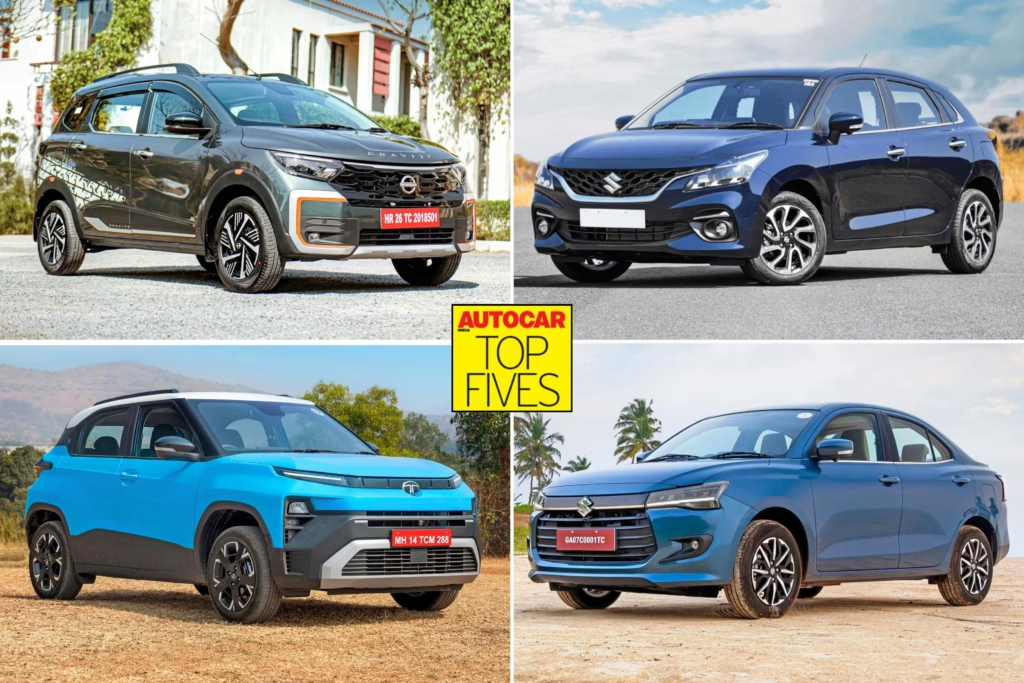
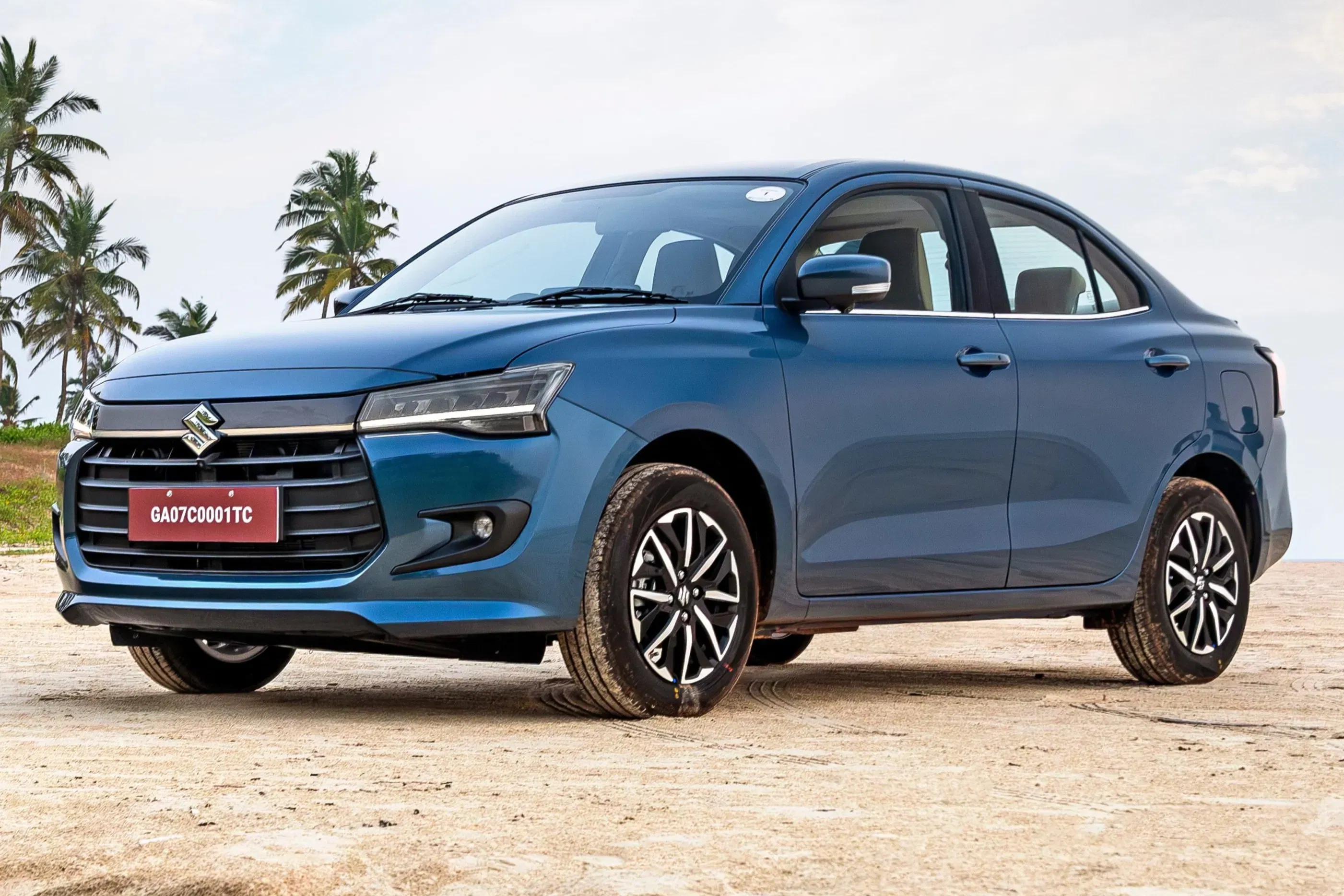
CNG cars are no longer considered budget options like before. Today, they are offered across multiple body styles and price points and even with automatic gearboxes. Moreover, with manufacturers now offering good features across the line-up, along with dual-tank or underbody CNG tank setups that free up boot space, these cars now don’t feel like a compromise made for lower running costs. Here, we have listed the best CNG cars under Rs 10 lakh that you can buy.
1. Maruti Suzuki Dzire CNG
Price: Rs 8.11 lakh-Rs 9.11 lakh
The Maruti Dzire is powered by a 1.2-litre 3-cylinder engine that produces 70hp and 102Nm of torque in the CNG spec. While performance is adequate for everyday driving, the Dzire really impresses with its great ride quality and tidy handling manners. The cabin is spacious, and with CNG available on the mid-spec VXi and ZXi trims, most features are covered, too. The Dzire gets a single large CNG tank in the boot but still offers some usable space.
2. Maruti Suzuki Baleno CNG
Price: Rs 7.77 lakh-Rs 8.67 lakh
The Maruti Baleno uses a 1.2-litre 4-cylinder engine that develops 78hp and 98Nm of torque in the CNG spec. It’s a smooth, refined and efficient CNG powertrain. Like on the Dzire, CNG is available on the mid-spec Delta and Zeta trims that come reasonably well equipped. This car, too, has a very spacious cabin, although its boot space is compromised by a single large CNG tank. One can also consider its Toyota twin, the Glanza, which, too, is available with CNG on the equivalent mid-spec S and G trims.
3. Hyundai Exter CNG
Price: Rs 6.99 lakh-Rs 9.42 lakh
The Hyundai Exter has a 1.2-litre 4-cylinder engine that produces 69hp and 95Nm of peak torque. It has a wide spread of CNG variants, with top trims being particularly well equipped. The Exter also gets twin CNG tanks that don’t take up too much boot space, and its smooth engine and compact dimensions make it very user-friendly. However, interior space isn’t as good as some other cars here.
4. Tata Punch CNG
Price: Rs 6.80 lakh-Rs 10.67 lakh
The Tata Punch uses a 1.2-litre 3-cylinder engine that produces 73hp and 103Nm of torque in CNG mode. The Punch CNG is the only one on this list to offer an AMT gearbox. It’s also the best-equipped CNG model here, with a wide spread of variants, but the top ones are quite expensive. Performance is just about adequate, but ride and handling are good, and twin CNG tanks leave usable boot space.
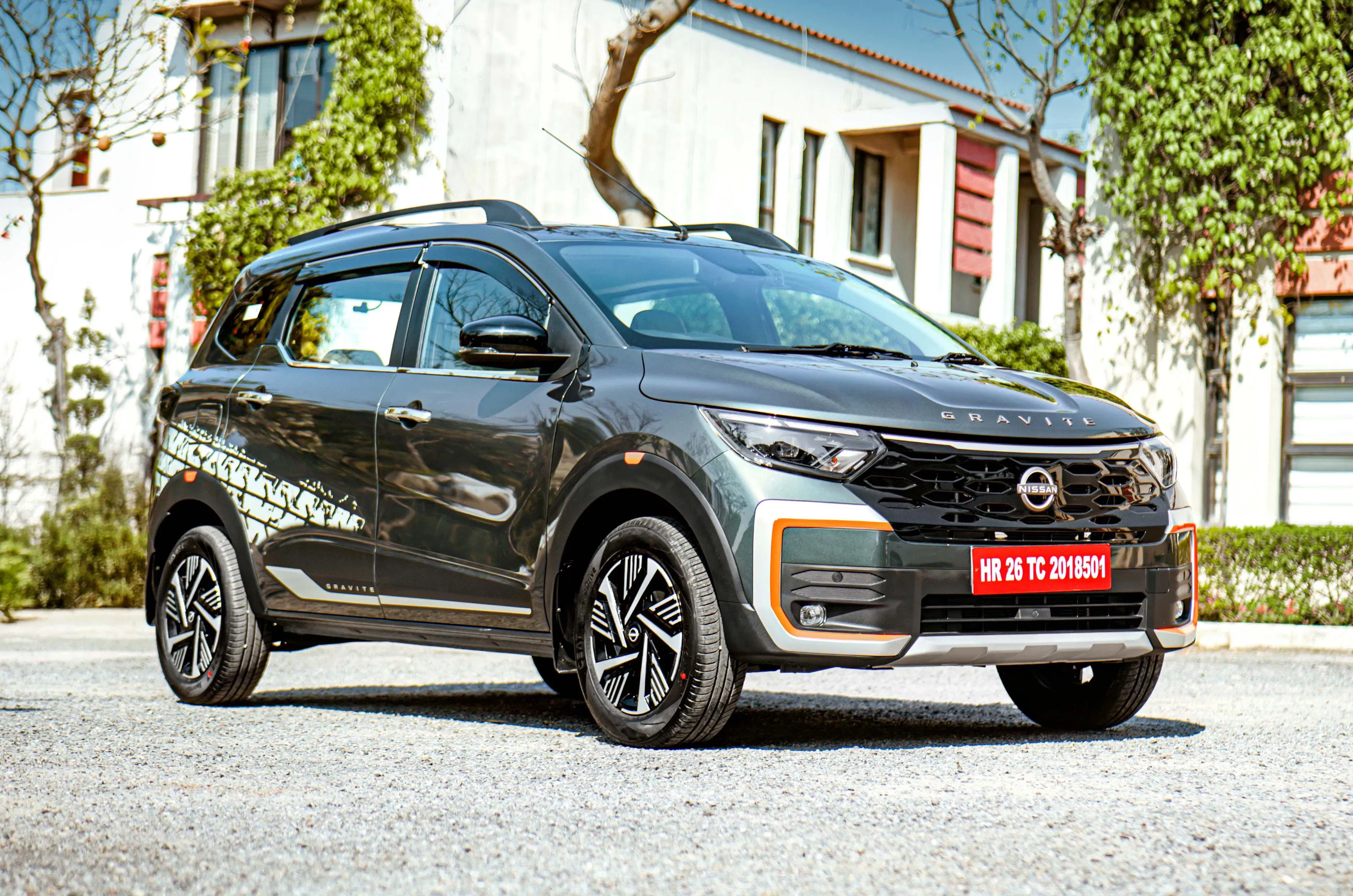
5. Nissan Gravite CNG
Price: Rs 6.59 lakh-Rs 8.94 lakh
The Nissan Gravite is powered by a 1.0-litre 3-cylinder engine. However, since the CNG kit on the Gravite is a dealer-level fitment and has not been homologated, specific power and torque figures aren’t available. The Gravite’s real USP is its excellent packaging and flexible 7-seat configuration. As the CNG kit comes as a dealer fitment, it can be had on all trims. The Gravite is, however, not as well equipped as some other models here; the performance is quite dull, and the twin CNG tanks in the boot leave no usable space.
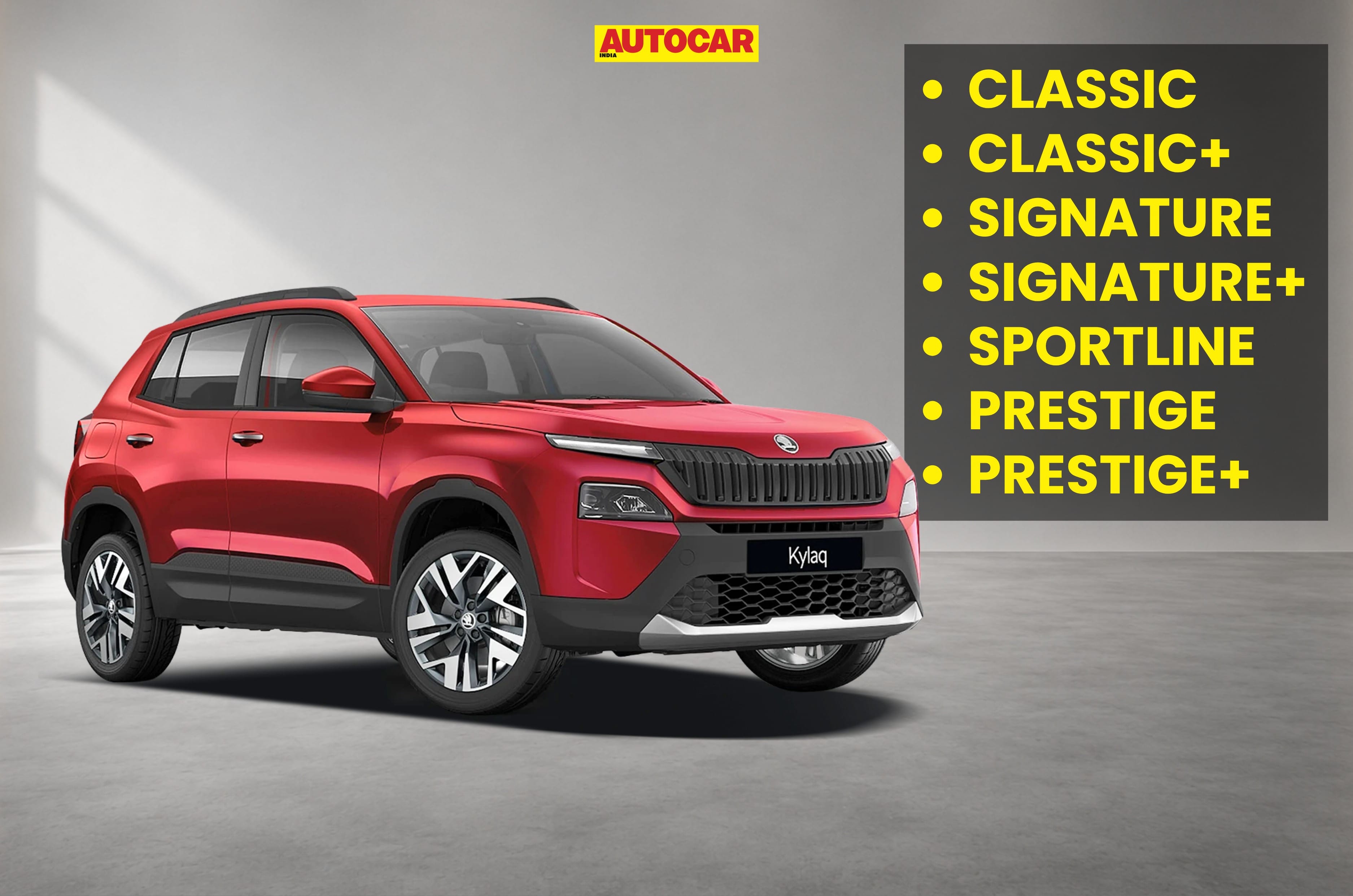
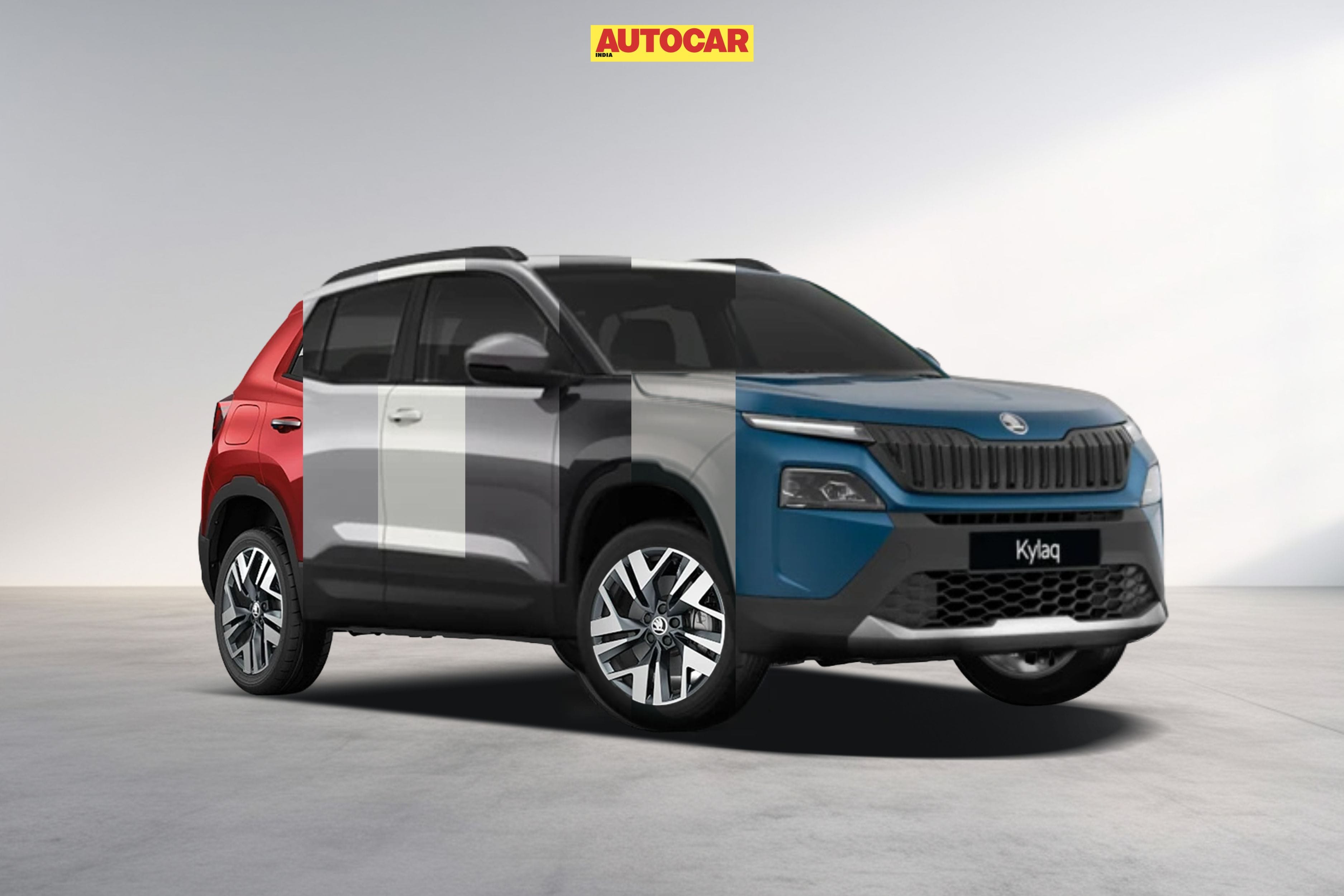
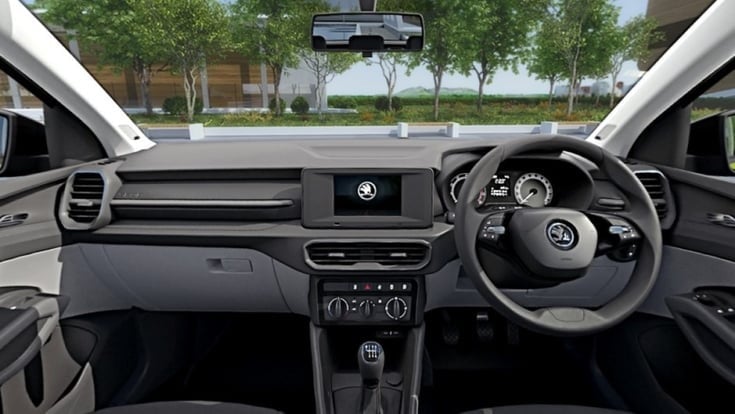
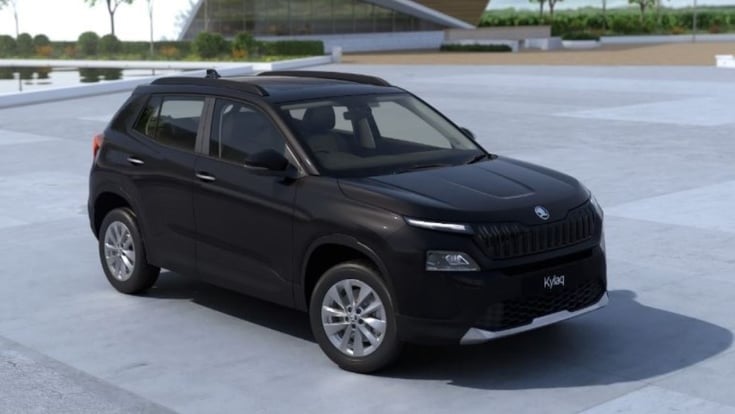
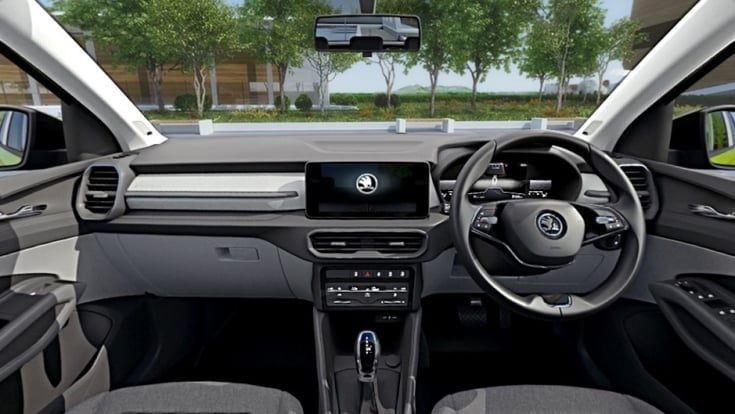
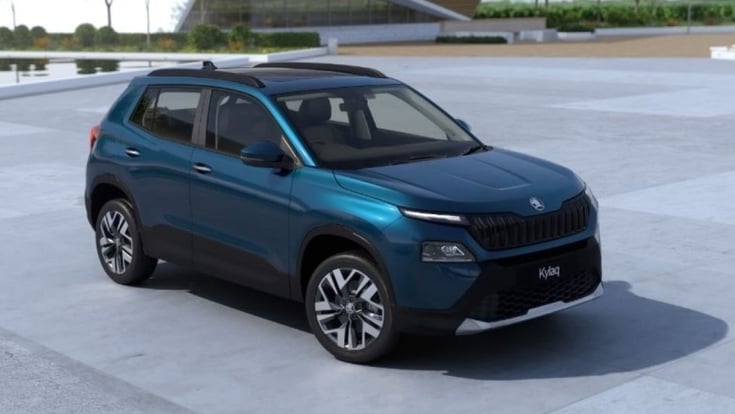
The Kylaq, Skoda’s most affordable offering in India, was introduced in 2024 and marked the brand’s return to the sub-4m space after years. Currently, the Kylaq is Skoda’s best-selling model in our market and has sold over 50,000 units since its launch as of February 2026. Here’s a breakdown of the powertrain options, comfort and convenience features, safety kit and exterior colours available on each trim of the Skoda SUV.
Skoda Kylaq variant-wise price and powertrain options
The base Classic trim misses out on an automatic transmission option
Skoda Kylaq ex-showroom price as of August 21, 2026 (Rs lakh)
Trim
MT
AT
Classic
7.59
–
Classic+
8.25
9.25
Signature
9.43
10.43
Signature+
10.77
11.77
Sportline
11.32
12.32
Prestige
11.75
12.75
Prestige+
11.99
12.99
The Skoda Kylaq has an ex-showroom price ranging from Rs 7.59 lakh to Rs 12.99 lakh. Except for the base Classic trim, the remaining trim levels offer both manual and automatic gearboxes. Powering the Kylaq is a 115hp, 178Nm, 1.0-litre direct-injection turbo-petrol engine that also does duty in the Kushaq and the Slavia. Transmission duties are handled by either a -speed manual or a 6-speed automatic gearbox. Notably, in Classic+ guise, the Kylaq is the most accessible car with a torque converter gearbox.
Skoda claims a top speed of 188kph and that the manual version is capable of a 0-100kph sprint in 10.5 seconds. In our Kylaq real-world performance tests, the automatic version achieved a 0-100kph time of 11.69 seconds. Skoda also claims an ARAI-rated fuel economy of 19.68kpl for the manual and 19.05kpl for the automatic; our Kylaq real-world mileage tests saw the manual average 12.86kpl, while the automatic went 11.03km on a litre of petrol.
Skoda Kylaq variant-wise colour options
Offered in seven colours on the outside, two on the inside
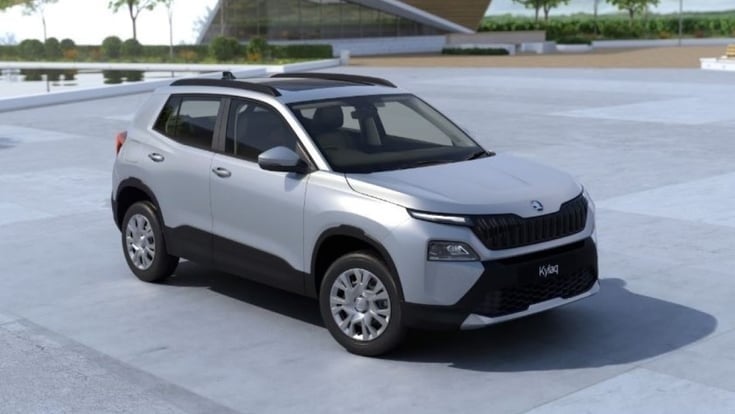
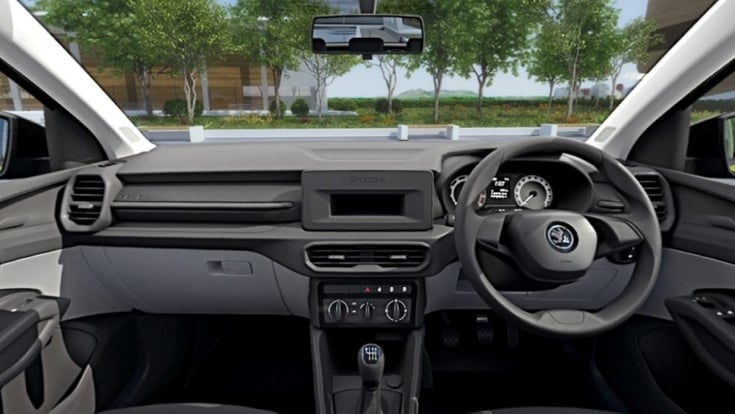
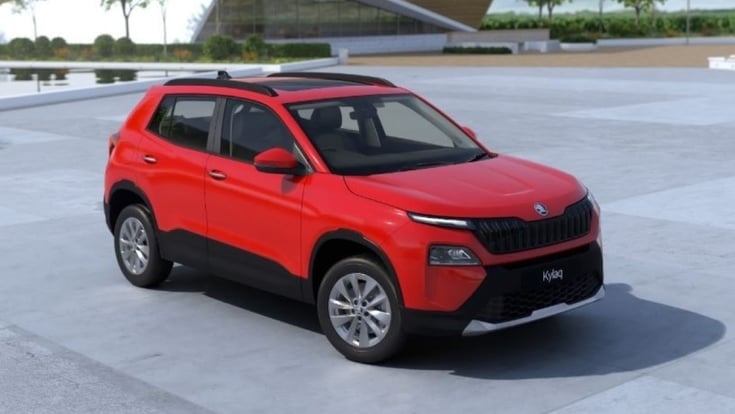
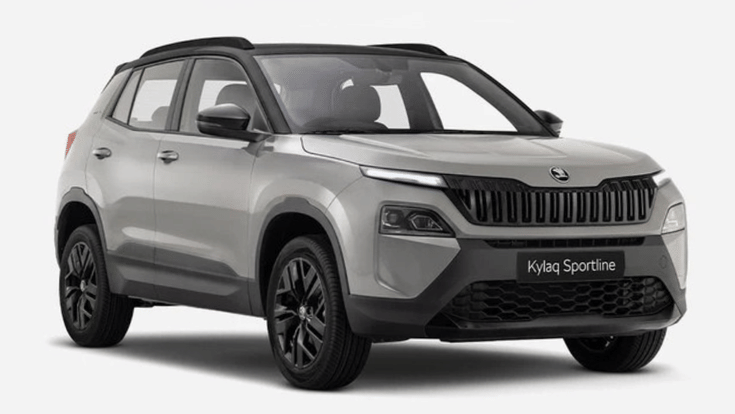
The compact SUV is offered in seven colours, namely, Candy White, Brilliant Silver, Cherry Red, Carbon Steel, Deep Black, Lava Blue, and Steel Grey. While all trims come in a monotone finish, select paint jobs on the Sportline come with a black roof. Additionally, the Sportline trim exclusively gets the Steel Grey colour option. The interior of the Skoda Kylaq gets a black and grey colour scheme as standard, but the Sportline has an all-black theme. Here’s a table comprising the available exterior colours on the Skoda Kylaq depending on the trim level chosen:
Colour
Classic
Classic+
Signature
Signature+
Sportline
Prestige
Prestige+
Candy White
Yes
Yes
Yes
Yes
Dual-tone
Yes
Yes
Brilliant Silver
Yes
Yes
Yes
Yes
Dual-tone
Yes
Yes
Cherry Red
Yes
Yes
Yes
Yes
Dual-tone
Yes
Yes
Carbon Steel
Yes
Yes
Yes
Yes
–
Yes
Yes
Deep Black
–
Yes
Yes
Yes
Yes
Yes
Yes
Lava Blue
–
Yes
Yes
Yes
Yes
Yes
Yes
Steel Grey
–
–
–
–
Dual-tone
–
–
Skoda Kylaq standard safety kit
Gets six airbags, ABS, EBD, traction control and more.
As standard, the Skoda Kylaq comes equipped with six airbags, ABS, EBD, ESC, traction control, brake disc wiping, roll-over protection, central locking, rear parking sensor, and ISOFIX mounts.
Skoda Kylaqvariant-wise features
Skoda Kylaq Classic: Rs 7.59 lakh
Gearbox option – 6MT
Skoda Kylaq Classic trim
LED headlights with LED daytime running lamps (DRLs)
Leatherette seat upholstery with Sportline inscription
LED projector headlamps
LED fog lamps with cornering function
Wireless phone charger
Skoda Kylaq Prestige – Rs 11.75 lakh-12.75 lakh
Gearbox options – 6MT, 6AT
Skoda Kylaq Prestige trim
Features over Signature+
Dual-tone 17-inch alloys
LED projector headlights
LED rear turn indicator and reverse lamp
Front LED fog lamps with static bending function
White ambient lighting
Leatherette upholstery on seats, front armrest and doors
Chrome parking brake tip
Ventilated front seats
Wireless phone charger
Anti-theft alarm
Skoda Kylaq Prestige+ – Rs 11.99 lakh-12.99 lakh
Gearbox options – 6MT, 6AT
Feature over Prestige
6-way powered front seats
Which Skoda Kylaq variant should you consider?
The mid-spec Signature+ trim offers good value for money
Starting at Rs 10.77 lakh, the mid-spec Signature+ trim offers dual digital screens, a single-pane sunroof, a rear parking camera with sensors, auto AC with rear vents, all-LED lighting and 16-inch silver alloy wheels, making it a value-for-money offering. While you do miss out on features such as a wireless phone charger and powered and ventilated front seats, the premium you have to pay for these is not justifiable. Moreover, this trim is available with both manual and automatic gearbox options.
However, if you are on a budget, you can consider the lower Signature trim, which offers a smaller touchscreen with wired Android Auto and Apple CarPlay, rear wiper and washer, rear AC vents and a sunroof. This trim also comes in both manual and automatic variants, and priced at Rs 9.43 lakh and Rs 10.43 lakh, respectively, they still offer a lot of value.
Although the Classic+ trim is also well-equipped for its price, the lack of an infotainment system makes recommending it a bit more challenging. However, the 7-inch OEM infotainment system with wired smartphone connectivity, offered with the higher Signature trim, is available in the online classifieds marketplace under Rs 10,000. If you are open to retrofitting it at your authorised dealership, the Classic+ trim becomes the most value-for-money option on a strict budget.
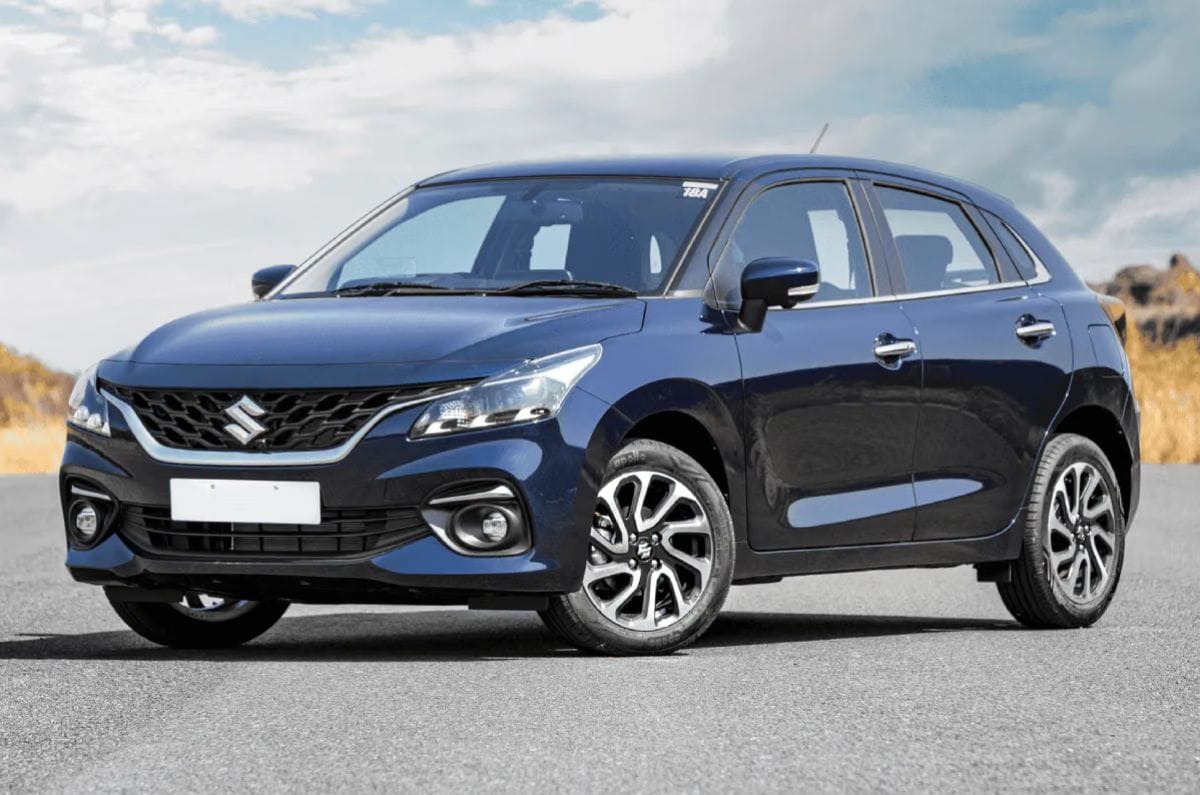
Maruti Suzuki is slated to launch the Baleno facelift on September 5, 2026. This will be the first update to the second-gen Baleno, which was introduced in 2022. Ahead of its arrival, here’s everything you can expect from the facelift of Maruti’s premium hatchback.
1. What exterior updates are expected on the Maruti Baleno facelift?
Credit: Harsh Vlogs via YouTube
Heavily camouflaged prototypes of the upcoming Baleno facelift have been spied previously on our roads. Test mules hint at what the Baleno facelift could get in terms of design. While the overall silhouette will remain the same, the facelift is likely to have revisions to the grille, bumpers, and alloy wheels.
2. What interior updates are expected on the Maruti Baleno facelift?
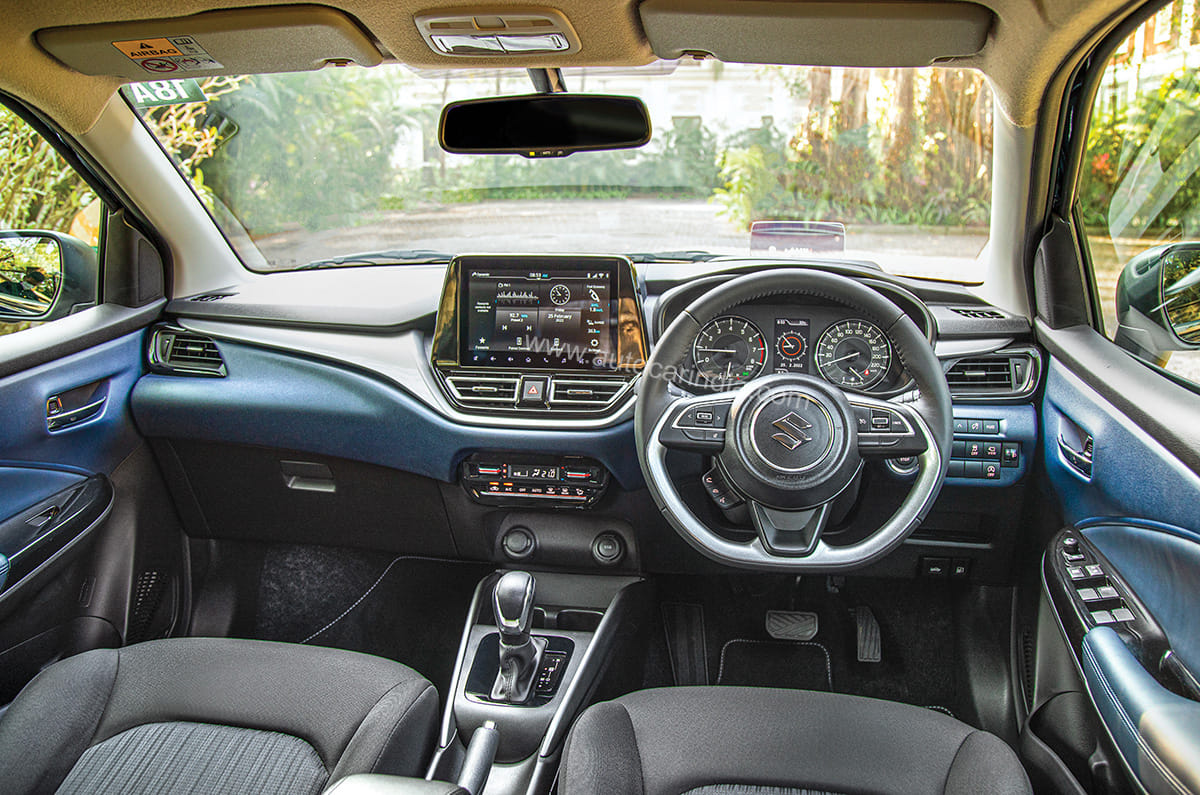
Current Maruti Baleno interior used for representation.
On the inside, the Baleno facelift is expected to retain the cabin layout of the current model. This includes a layered dashboard look with a freestanding infotainment system sitting atop the dash, trapezoidal AC vents, physical knobs for HVAC controls and a flat-bottom steering wheel. However, Maruti could introduce updated trim materials, seat upholstery and a new colour scheme.
3. What features will the Maruti Baleno facelift get?
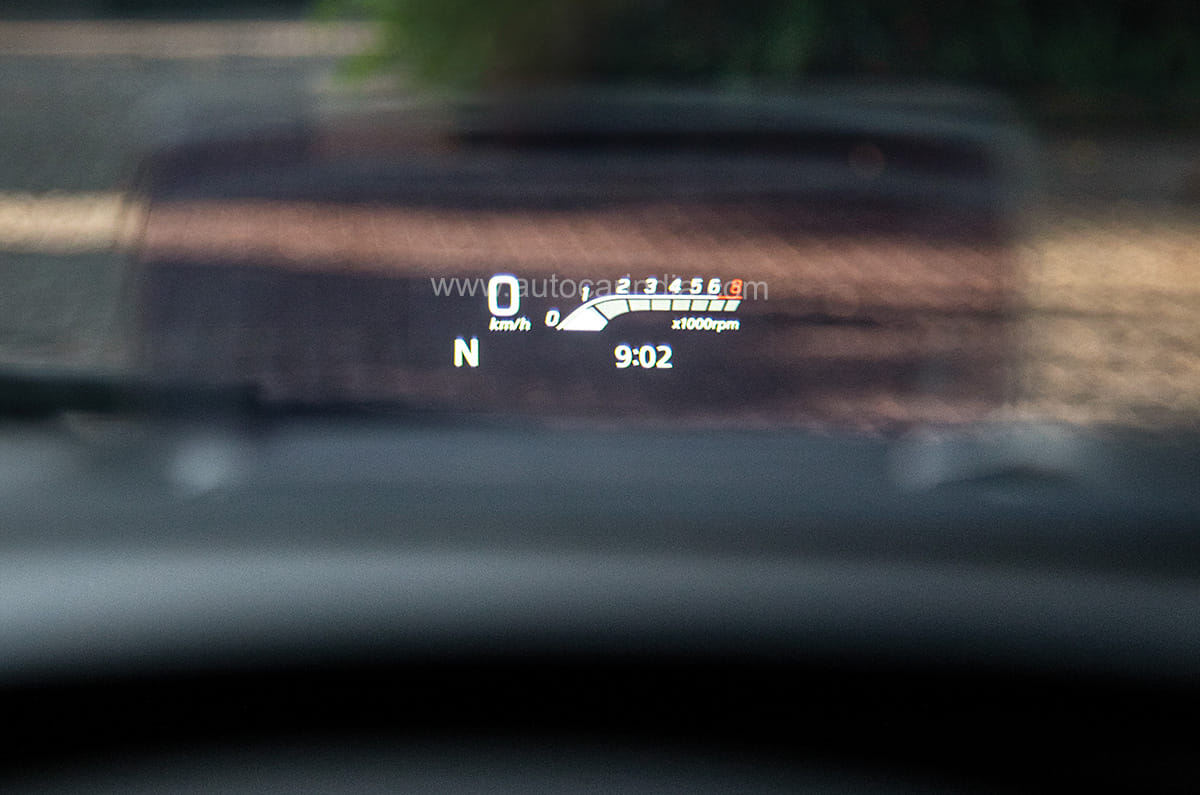
Current Baleno’s head-up display used for representation.
With the facelift, Maruti is expected to equip the Baleno with a single-pane sunroof and ambient lighting, features that rivals already offer. On the other hand, it will retain features from the current version, which include a 9-inch infotainment system with Apple CarPlay and Android Auto, a head-up display (HUD), 6-speaker Arkamys audio system, voice assistant, OTA updates, auto-dimming IRVM, keyless entry, automatic climate control, connected car tech and a 360-degree camera.
4. What powertrain options is the Maruti Baleno facelift expected to have?
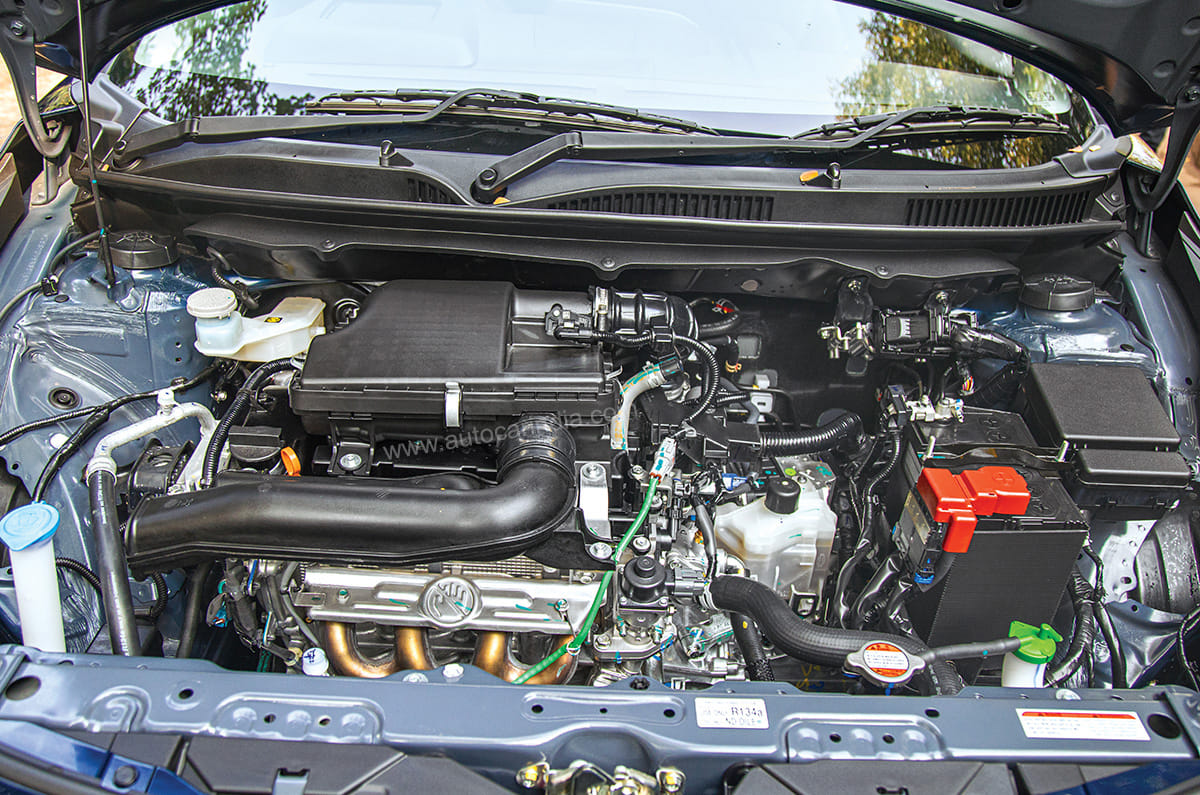
Current Maruti Baleno 1.2-litre engine used for representation
The Maruti Baleno facelift is expected to retain the current version’s powertrain option. This includes a 1.2-litre naturally aspirated petrol engine developing 90hp and 113Nm paired to either a 5-speed manual or AMT gearbox. A factory-fitted CNG kit can be paired to this engine, which develops 78hp and 99Nm in CNG mode, and is paired solely with a 5-speed manual.
5. What is the expected price of the Maruti Baleno facelift?
Updates to the Baleno facelift are expected to make it slightly pricier than the current version. For reference, the Baleno currently has a price tag of Rs 5.99 lakh to Rs 9.48 lakh (ex-showroom). It will take on the likes of the Hyundai i20, Tata Altroz and the Toyota Glanza.
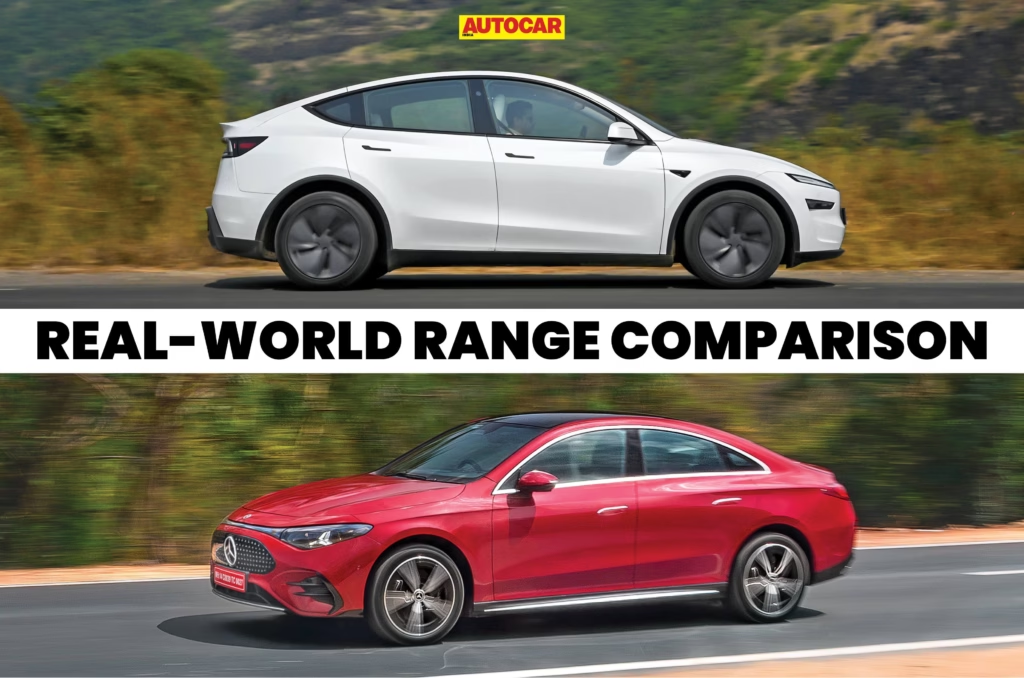
The Tesla Model Y and Mercedes-Benz CLA EV are two zero-emission offerings priced below Rs 65 lakh, but they take very different approaches. The Model Y is a crossover and Tesla’s only model on sale in India, while the CLA sedan is the entry point to Mercedes-Benz’s EV range. They also use different battery sizes and claim different ranges. We recently put both to our comprehensive range tests to see how they compare in the real world.
Tesla Model Y vs Mercedes CLA EV: Specifications, price
Model Y Premium
CLA EV 250+ AMG Line
Battery size (kWh)
60
85
Power (hp)
299
272
Torque (Nm)
420
335
Drive layout
RWD
RWD
Claimed range (km)
500
792
Kerb weight (kg)
1,928
2,055
Price (in Rs lakh)
50.89
60.50
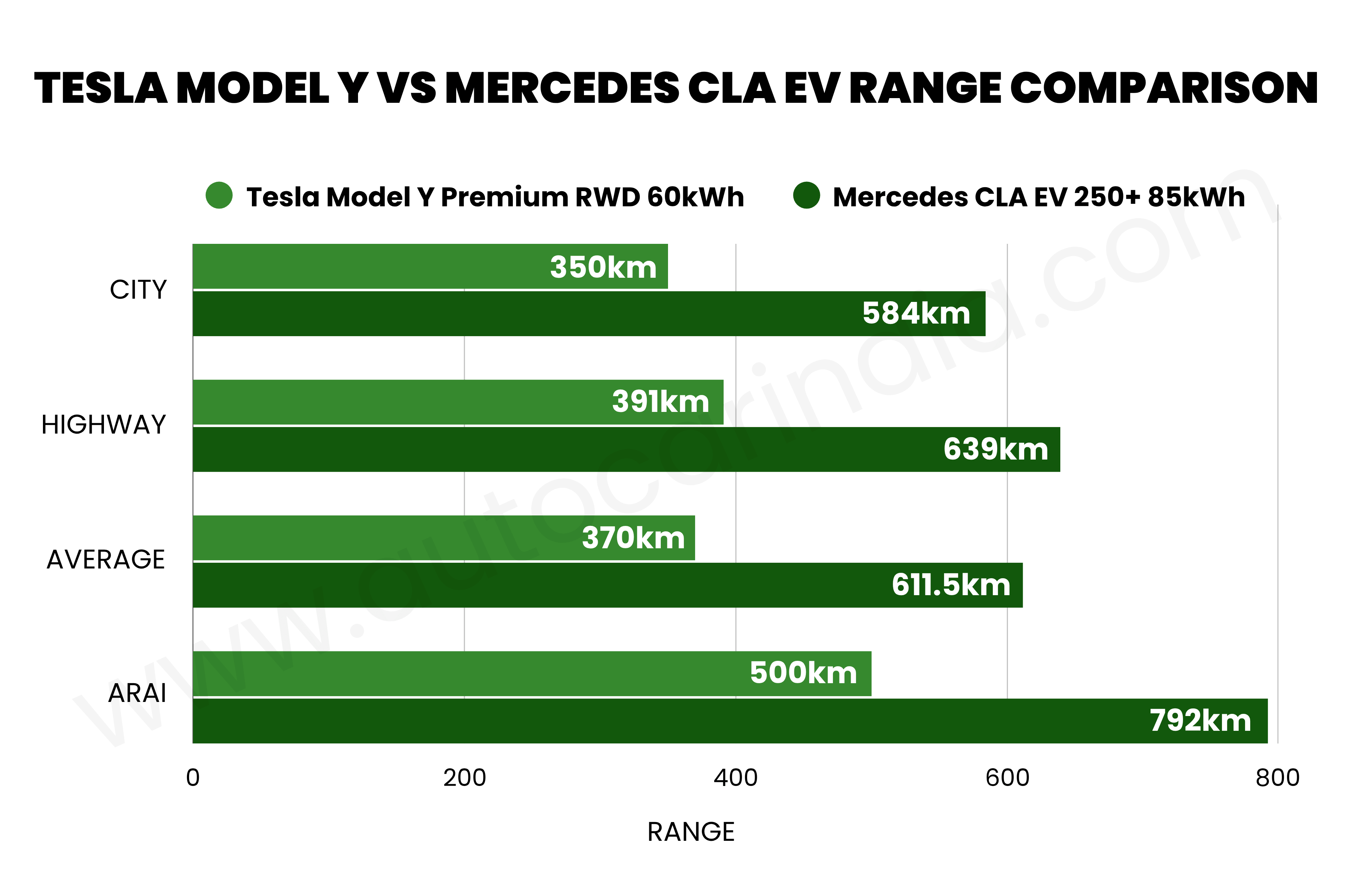
Both are rear-wheel-drive electric vehicles, but the CLA 250+ AMG Line has a much larger 85kWh battery compared to the Model Y Premium RWD’s 60kWh unit. This gives the CLA a claimed range of 792km, significantly higher than the Model Y’s 500km.
The Tesla, however, makes more power and torque at 299hp and 420Nm, compared with 272hp and 335Nm for the CLA. The Model Y is also lighter at 1,928kg versus 2,055kg for the CLA.
There is also a noticeable price difference. The Model Y Premium RWD costs Rs 50.89 lakh – Rs 9.61 lakh less than the CLA 250+ AMG Line, which is priced at Rs 60.50 lakh.
Tesla Model Y vs Mercedes CLA EV: Real-world range
Model Y Premium
CLA EV 250+ AMG Line
City (km)
350
584
Highway (km)
391
639
Average (km)
370
611.5
Clearly, the CLA 250+, with its larger battery pack, has the upper hand in real-world range despite weighing more. In our tests, it managed 584km in the city and 639km on the highway, compared with 350km and 391km, respectively, for the Model Y. The two-speed gearbox, with its taller 5:1 second gear that enables greater efficiency at higher speeds, also contributed to the EV’s highway efficiency. This gives the CLA an average real-world range of 611.5km, which is 241.5km more than the Model Y’s 370km.
Its slightly lower drag coefficient of 0.21 versus 0.22 for the Model Y is also a contributor to its higher range. That said, a 0.22Cd figure is still excellent for a crossover.
The Mercedes sedan also has stronger regenerative braking. In the strongest regen mode, the CLA EV slowed from 80kph to 20kph in 6.98 seconds, covering 96.36 metres. The Tesla Model Y took 8.28 seconds and needed 116.71 metres to cover the same speed reduction. One-pedal driving is available on both EVs.
Autocar India’s range testing
For our real-world range comparisons, we begin with each car’s battery fully charged and tyre pressures set as per the manufacturer’s recommendations. We drive the cars on a fixed loop covering both city and highway stretches while maintaining set average speeds. We then calculate the range based on the percentage of charge consumed. The AC is set to 22deg C in auto mode, and we use features such as the music system, lights and ventilated seats as needed, just as a regular user would. This approach ensures consistency and gives a clear idea of what to expect in actual conditions.
Ex-showroom prices mentioned above are as of August 20, 2026.
करीब तीन साल पहले ऑटो रिक्शा लगाने वाले एक शख्स के खाते में गलती से ₹9,000 करोड़ जमा हुए थे। इसके बाद प्राइवेट सेक्टर का दिग्गज बैंक तमिलनाड मर्केंटाइल बैंक (Tamilnad Mercantile Bank) जांच के घेरे में आ गया था। पैसा तो आधे घंटे के भीतर ही रिवर्स हो गया था लेकिन इस घटना ने बैंक के रिस्क मैनेजमेंट और विश्वसनीयता को लेकर सवाल खड़े कर दिए। हालांकि तूतीकोरिन में स्थित इस बैंक ने धीरे-धीरे अपनी तकनीकी क्षमताओं को मजबूत किया है और अब वह रियल-टाइम ट्रांजैक्शन मॉनिटरिंग और एआई-एनेबल्ड सिस्टम की तरफ बढ़ रहा है।
जब ₹9000 करोड़ की यह गलती हुई थी तो यह बैंक की ₹53 हजार करोड़ की बैलेंस शीट का एक बड़ा हिस्सा था। अब इस वित्त वर्ष 2027 की पहली तिमाही में बैंक की बैलेंस शीट बढ़कर करीब ₹75,300 करोड़ हो चुकी है।
कैसे हुई थी गलती और अब क्या बदला
करीब तीन साल पहले NACH (नेशनल ऑटोमेटेड क्लियरिंग हाउस) में फाइल अपलोड करते समय गलती से अकाउंट नंबर के आगे एक अतिरिक्त अंक जुड़ गया था। इसके बाद यह फाइल बैंक के कोर बैंकिंग सिस्टम (CBS) में अपलोड की गई। उस समय यह प्रोसेस मैनुअली होती थी। बैंक के एग्जीक्यूटिव वाइस प्रेसिडेंट और आईटी हेड डेविस जोस थेट्टायिल (Davis Jose Thettayil) ने मनीकंट्रोल से बातचीत में कहा कि बैंक के मुताबिक यह फाइल को प्रोसेस करते समय हुई एक मैनुअल गलती के कारण हुआ था। उससे सबक लेते हुए अब बैंक ने अपने सिस्टम में कई बदलाव किए है। डेविस पिछले साल से बैंक से जुड़े हैं और उन्होंने बताया कि बैंक ने अपने ट्रांजैक्शन-प्रोसेसिंग इंफ्रास्ट्रक्चर को अपग्रेड किया है और फ्रॉड-मॉनिटरिंग सिस्टम भी लागू किया है।
सीबीएस और क्लियरिंग हाउसेज के बीच अब कोई नहीं
पहले RBI या क्लियरिंग हाउस से आने वाली फाइलें एक सिस्टम में आती थीं और फिर उन्हें मैन्युअली प्रोसेस करके कोर बैंकिंग सिस्टम में अपलोड किया जाता था जैसे कि NACH या CTS (Cheque Truncation System) से आने वाली फाइलों को मैनुअली अपलोड करना पड़ता था। अब बैंक ने इस बीच की मैनुअल प्रोसेस को हटा दिया है। डेविस के मुताबिक अब फाइलें सीधे क्लियरिंग हाउस से बैंक के कोर बैंकिंग सिस्टम तक पहुंचती हैं ताकि साल 2023 जैसी घटना दोबारा न हो। बैंक का कोर बैंकिंग सिस्टम अब इंफोसिस के फिनेकल (Finacle) पर है।
इस साल बैंक ने अपने इंटरनेट बैंकिंग प्लेटफॉर्म को भी इंफोसिस डिजिटल एंगेजमेंट हब (DEH) में अपग्रेड किया है। तमिलनाड मर्केंटाइल बैंक इस फीचर को लागू करने वाले शुरुआती बैंकों में से एक है। DEH एक ऐसा यूनिफाइड प्लेटफॉर्म है जो अलग-अलग डिवाइसेज पर ग्राहकों को बैंक के बैकएंड सिस्टम, जैसे कि कोर बैंकिंग, पेमेंट्स और ट्रेड फाइनेंस के साथ जोड़ता है।
फर्जीवाड़े पर रियल-टाइम में कंट्रोल
डेविस ने मनीकंट्रोल से बातचीत में कहा कि भारी-भरकम पैसों के लेन-देन पर नजर रखने के लिए एक लेवल सिक्योरिटी और जोड़ी गई है। अगर कोई ग्राहक अपनी सामान्य रकम से काफी ज्यादा का ट्रांजैक्शन करता है, तो फ्रॉड रिस्क मैनेजमेंट (FRM) टीम को फ्रॉड मॉनिटरिंग सिस्टम एक अलर्ट भेज देगी जिसके बाद बैंक ग्राहक को कॉल करके ट्रांजैक्शन के बारे में पक्का करेगा और फिर पैसा जारी होगा। डेविस का कहना है कि कम से कम 99% अलर्ट झूठे हो सकते हैं तो इससे बचने के लिए एआई के जरिए पॉजिटिव अलर्ट की पहचान की जाएगी ताकि बैंक की टीम सिर्फ असली एलर्ट पर ध्यान दे सकें। इसके अलावा बैंक ने हाल ही में एंटी-मनी लॉन्ड्रिंग मैकेनिज्म को हाल ही में एआई से लैस किया था।
क्या है आगे की योजना
बैंक कस्टमर से जुड़ी जानकारी जैसे कि बातचीत, कॉल-सेंटर डेटा, ईमेल और दूसरी स्ट्रक्चर्ड और अनस्ट्रक्चर्ड जानकारी को एक जगह इकट्ठा करने के लिए एक डेटा लेक बनाने की योजना बना रहा है। बैंक एक एआई और एनालिटिक्स यूनिट भी बनाएगा ताकि इस डेटा का इस्तेमाल टारगेटेड मार्केटिंग, एनपीए का अनुमान लगाने और कस्टमर के बैंक छोड़ने पर नजर रखने जैसे कामों के लिए किया जा सके। बैंक की योजना साइबर सिक्योरिटी पर खर्च बढ़ाने की है और डेविस ने उम्मीद जताई है कि इस वित्त वर्ष में यह उसके आईटी बजट का लगभग 20% होगा।