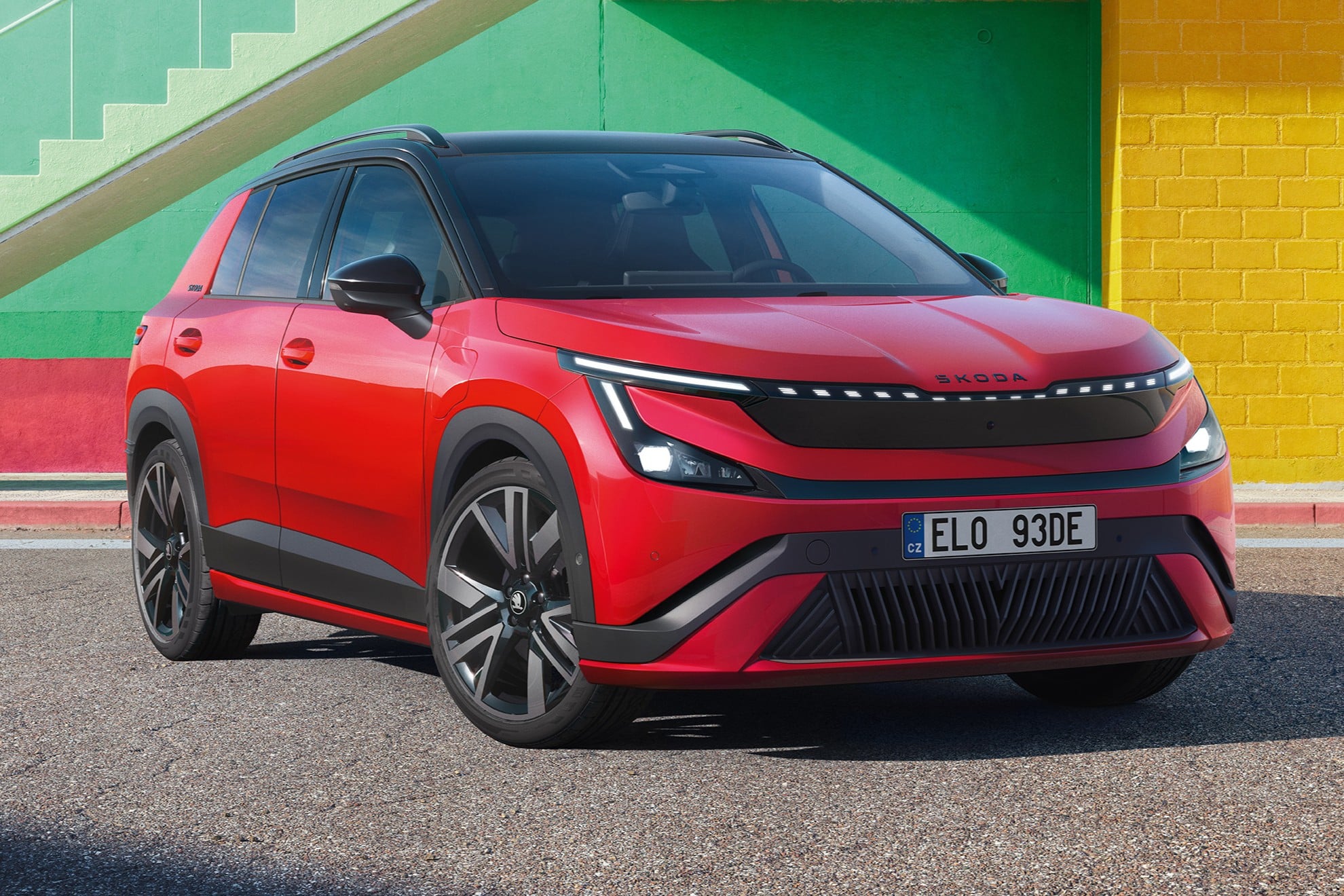
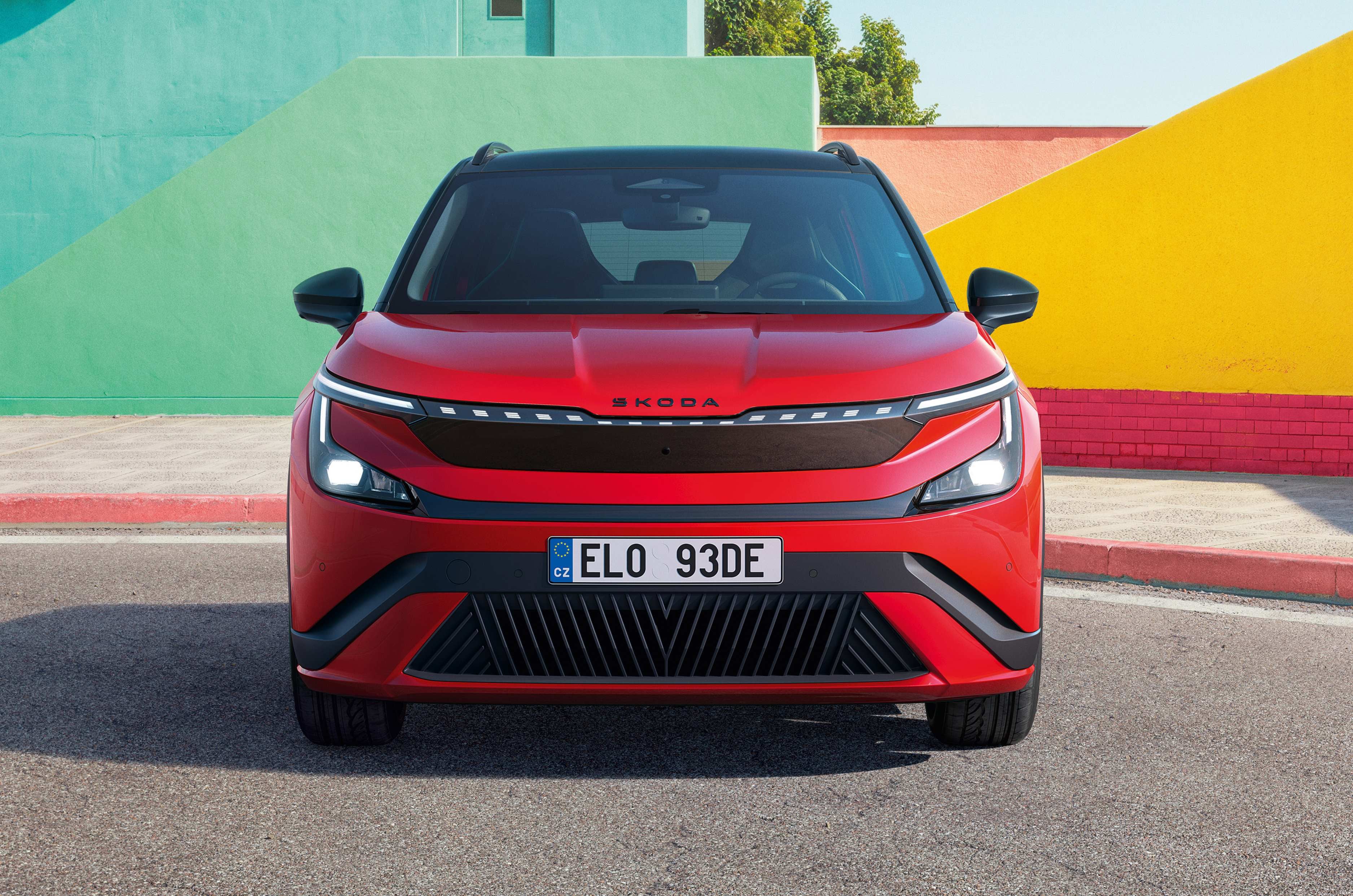
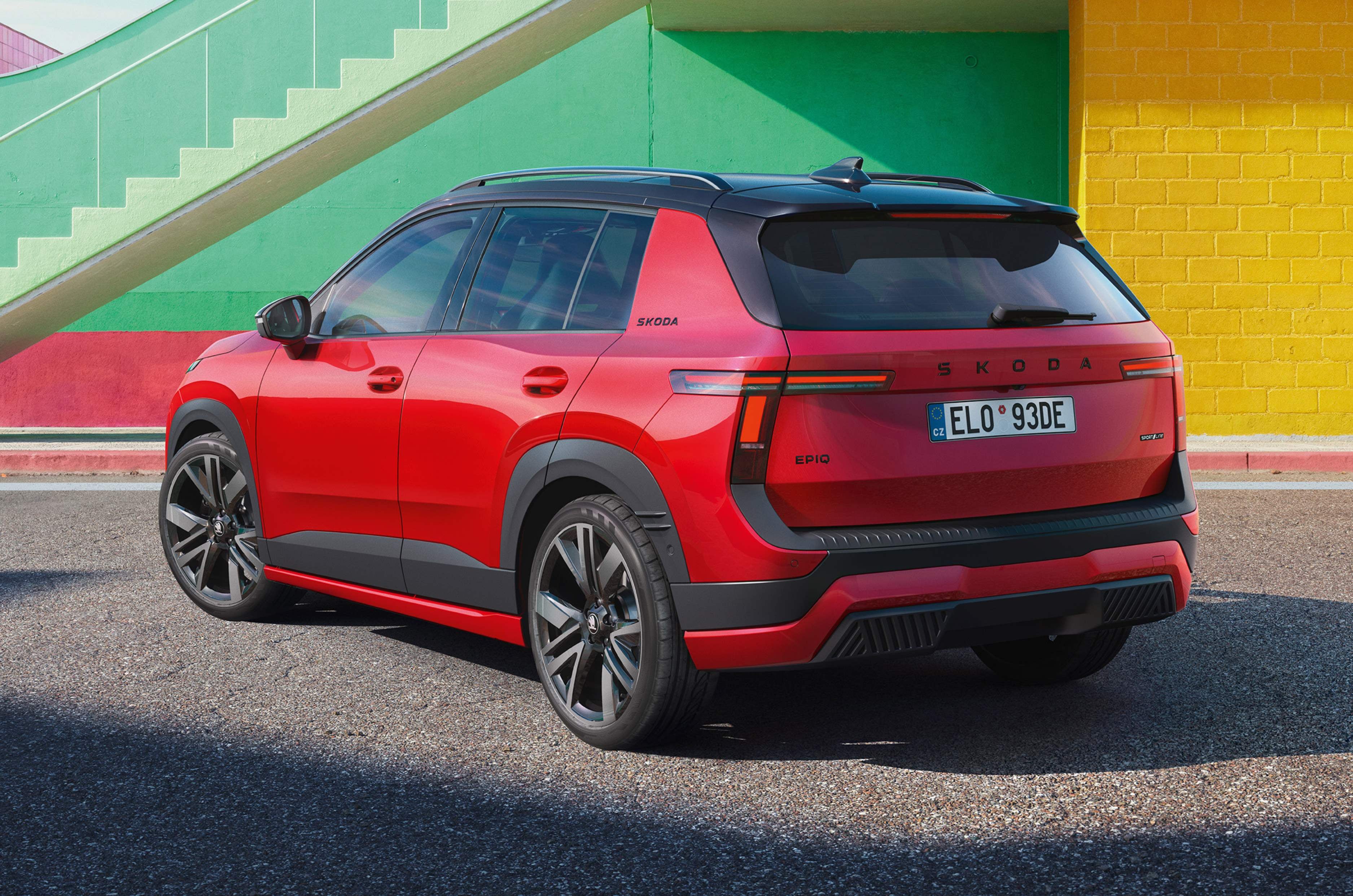
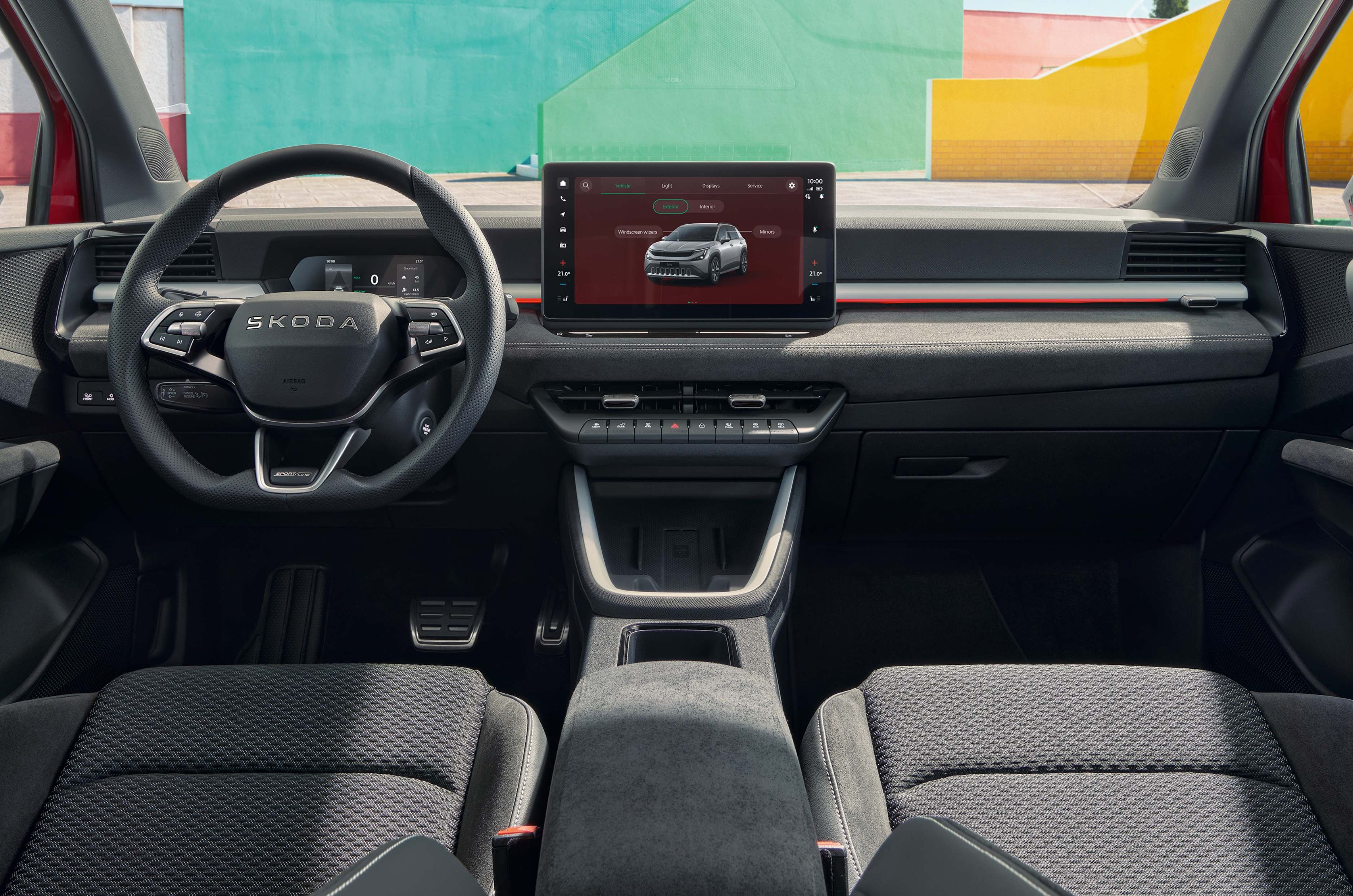
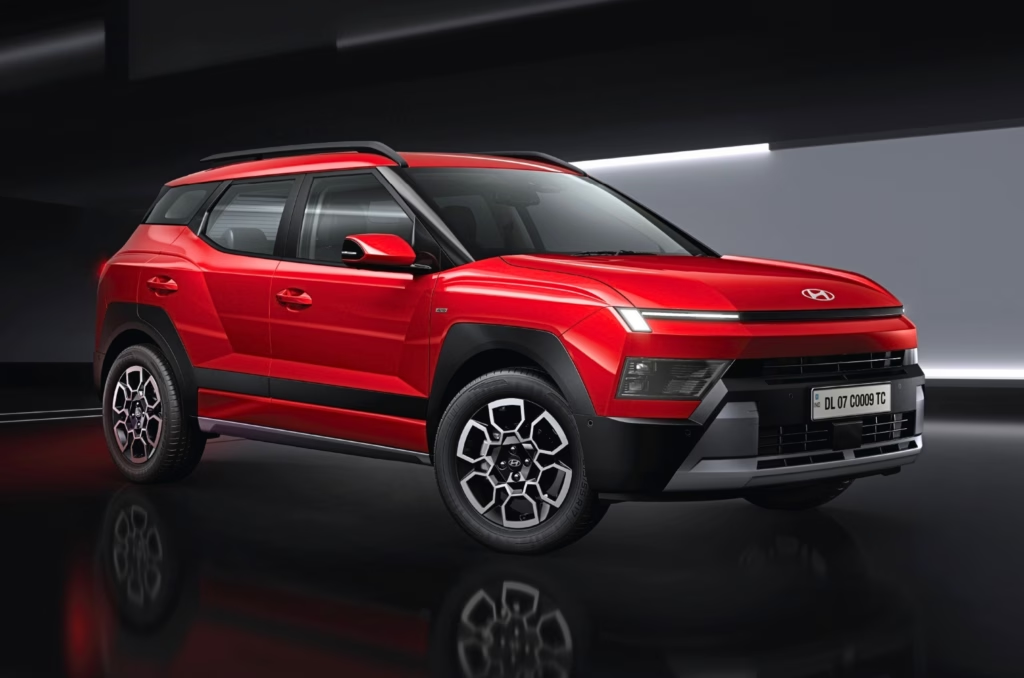
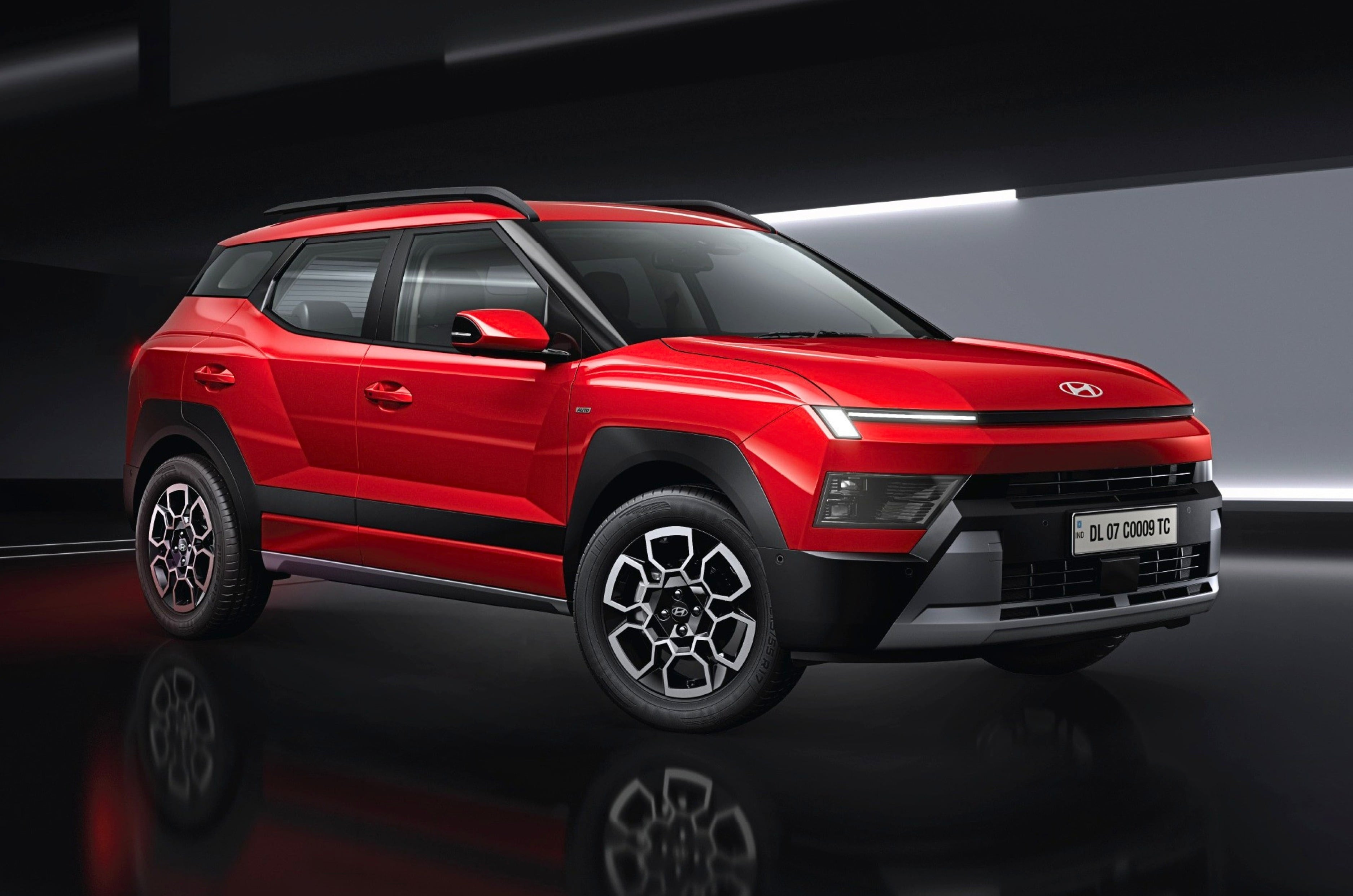
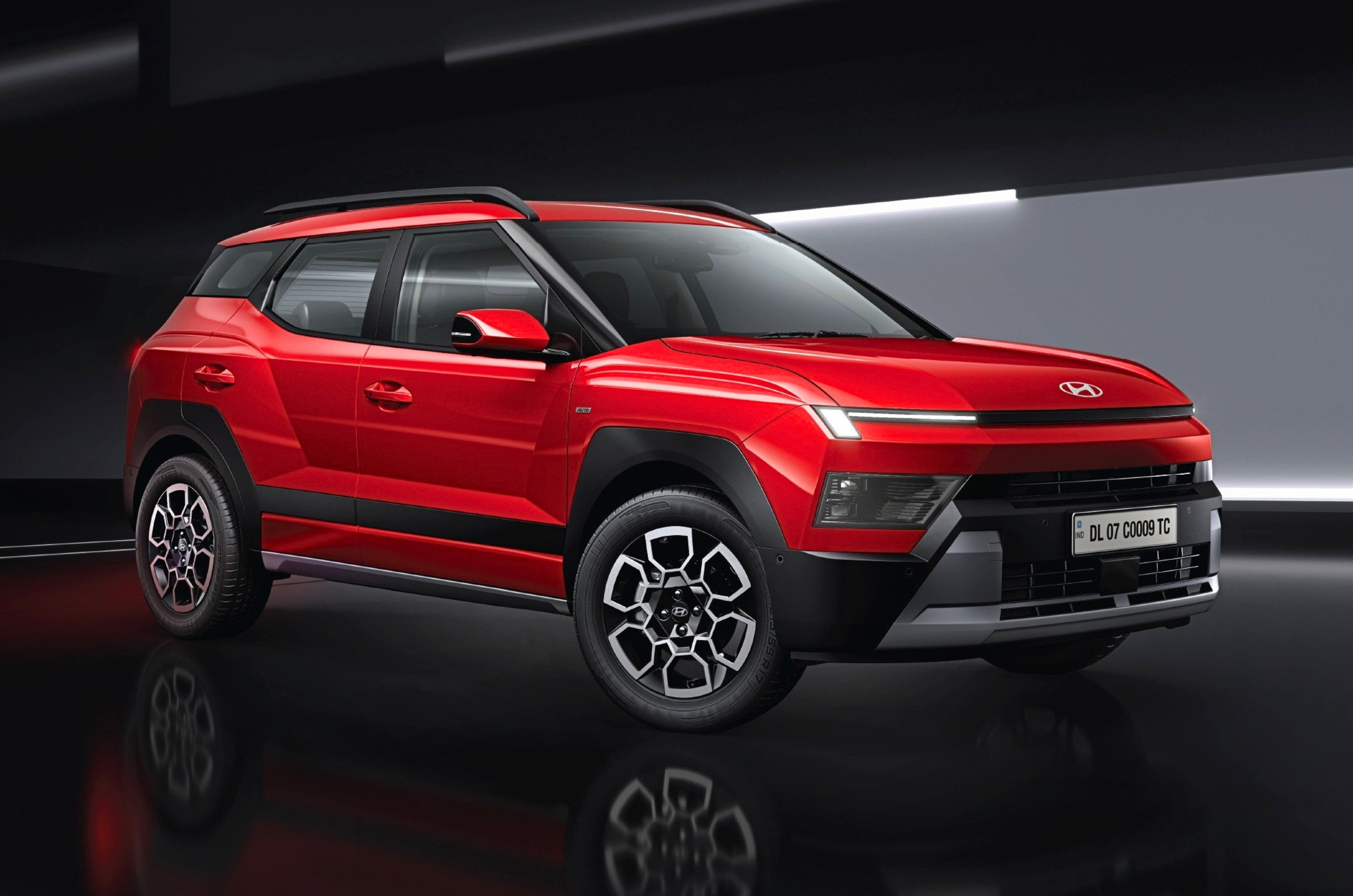
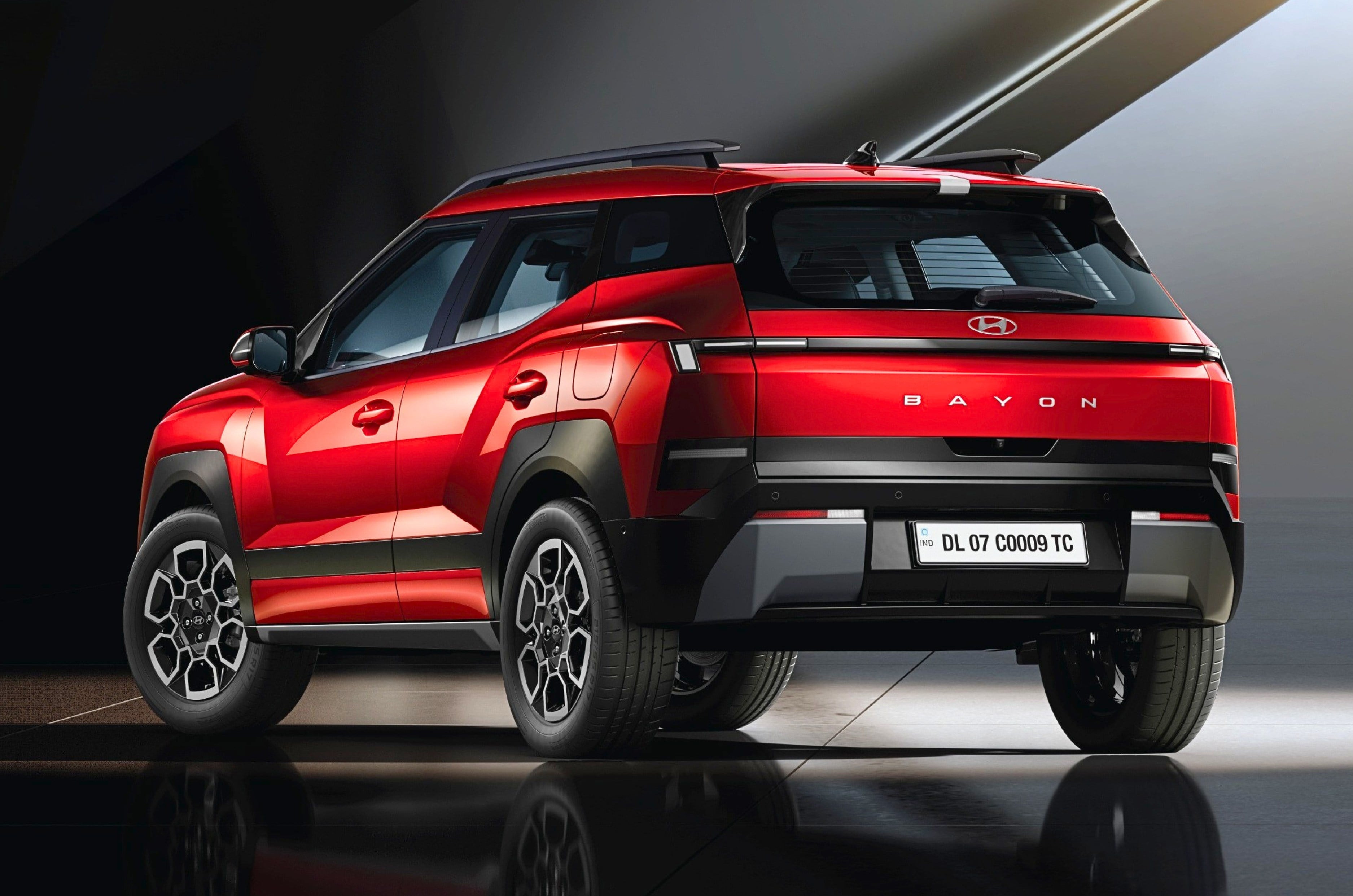
Tata Curvv Series X launched at Rs 9.9 lakh

Tata Curvv Series X launched at Rs 9.9 lakh
Curvv

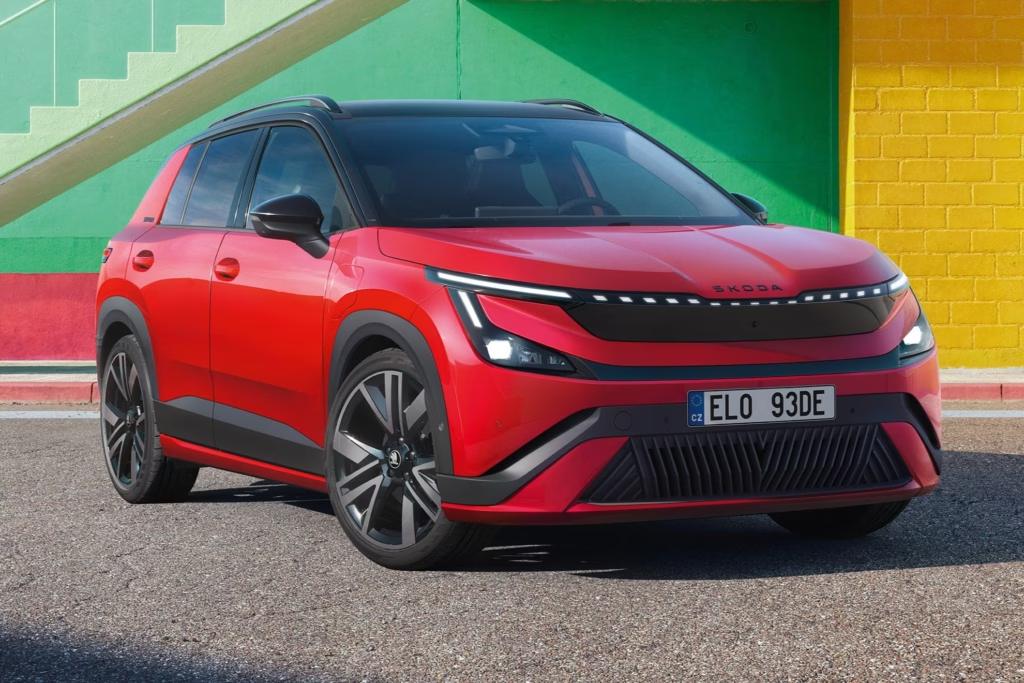
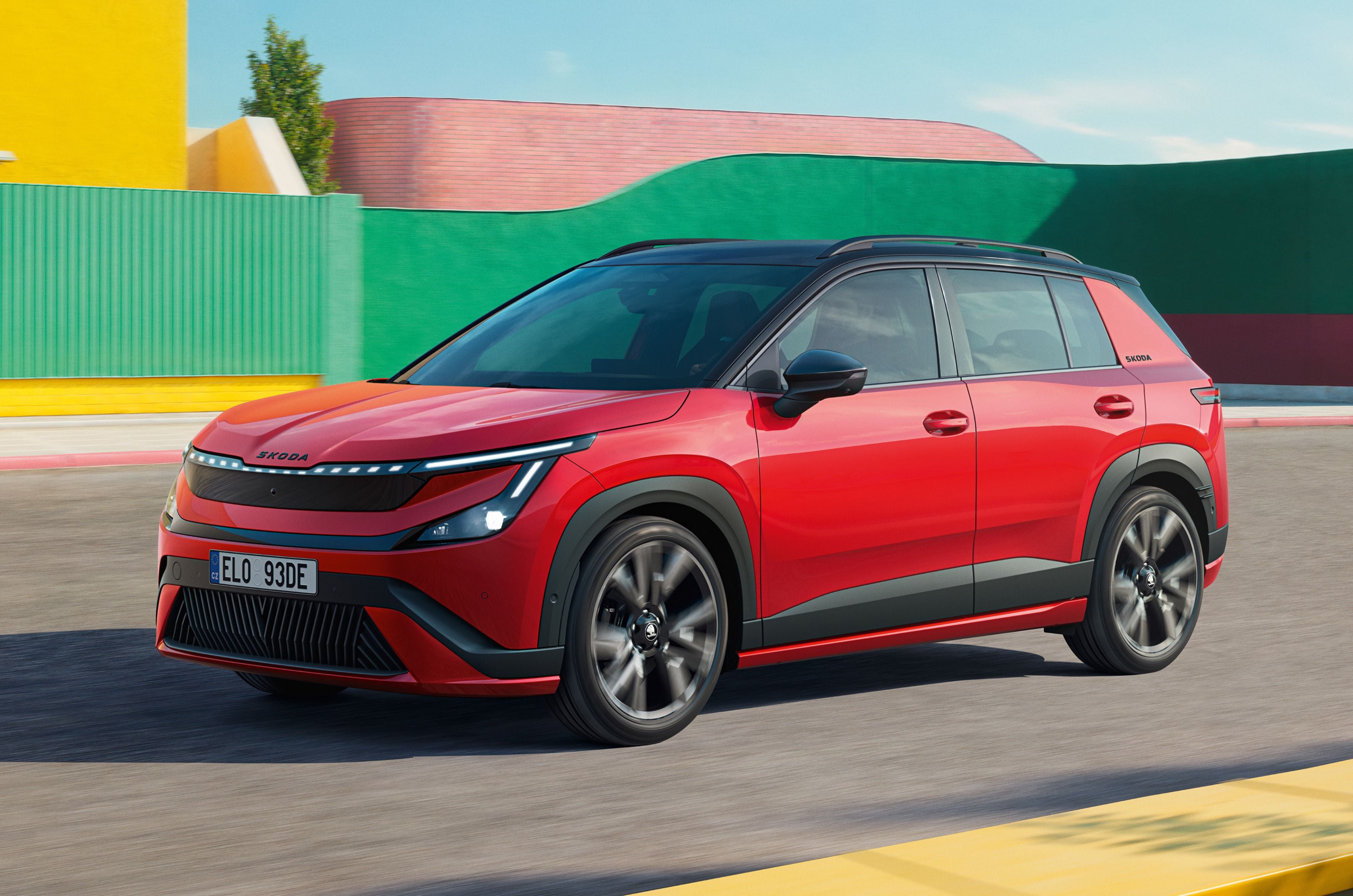
Tata Motors has introduced the Curvv Series X, with prices ranging from Rs 9.9 lakh to Rs 18.5 lakh (ex-showroom). The new range gets a reshuffled variant lineup, with features from higher variants moved to lower and mid-spec versions. Tata has also expanded the availability of the #DARK edition across the range, while the powertrain remains unchanged.

Tata Curvv Series X price

Tata Curvv Series X ex-showroom prices
VariantPrice
Smart XRs 9.9 lakh
Pure XRs 10.99 lakh
Pure X+Rs 11.79 lakh
Creative XRs 12.91 lakh
Accomplished XRs 13.99 lakh
Accomplished X+Rs 18.5 lakh

The Smart X is the most affordable variant in the lineup, priced Rs 14,000 higher than the previous base trim. The petrol-diesel price gap has been reduced to Rs 1.3 lakh from Rs 1.5 lakh previously, while the premium for the automatic gearbox has also come down to Rs 1.3 lakh from Rs 1.5 lakh.

Tata Curvv Series X interior and features

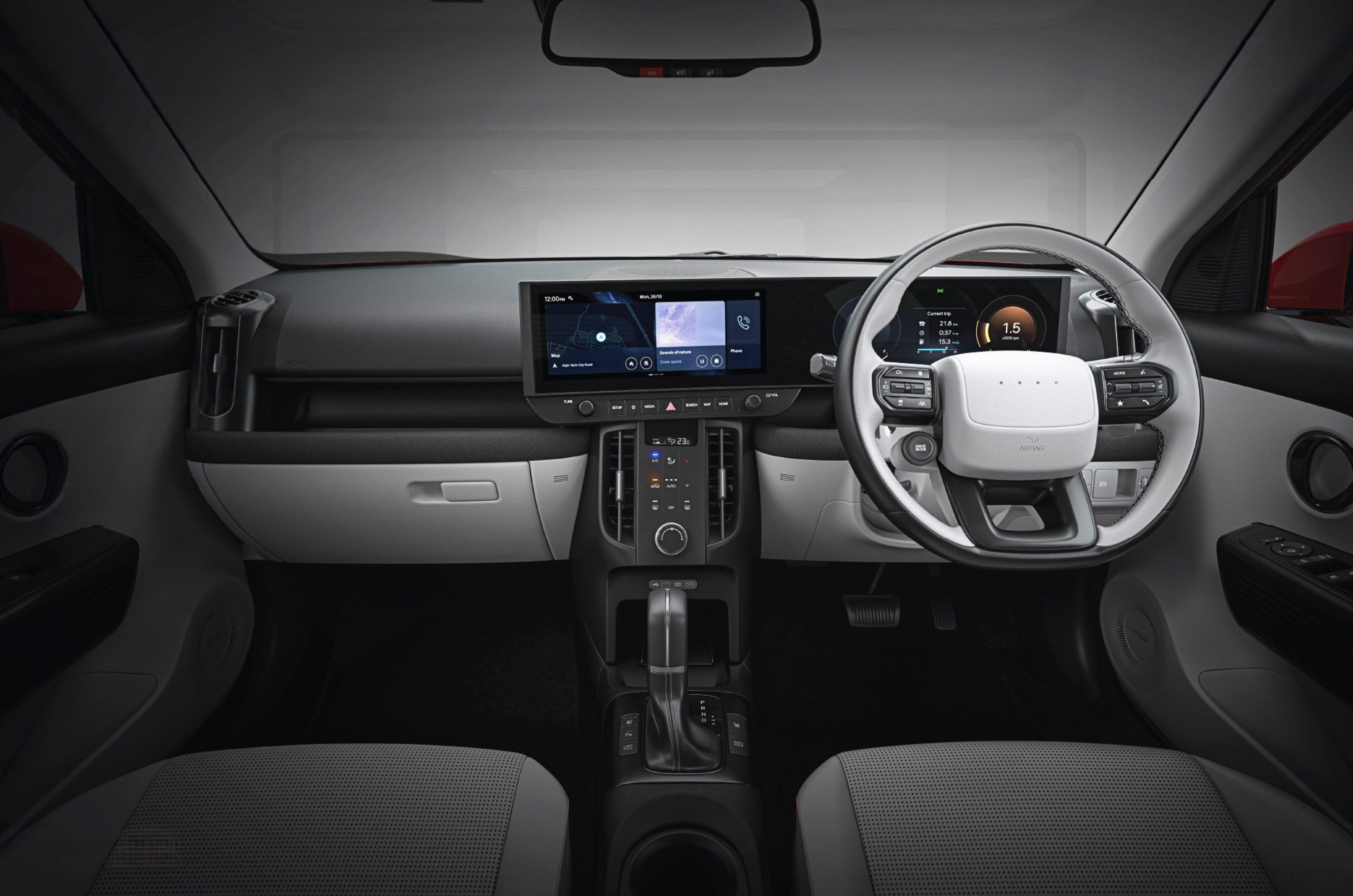
The Curvv Series X gets a 10.25-inch infotainment screen with wireless Android Auto and Apple CarPlay, automatic climate control, cruise control and a rear-view camera. It also gets a 10.25-inch digital cockpit, smart key with push-button start, front and rear USB ports, Wi-Fi connectivity and multiple drive modes.

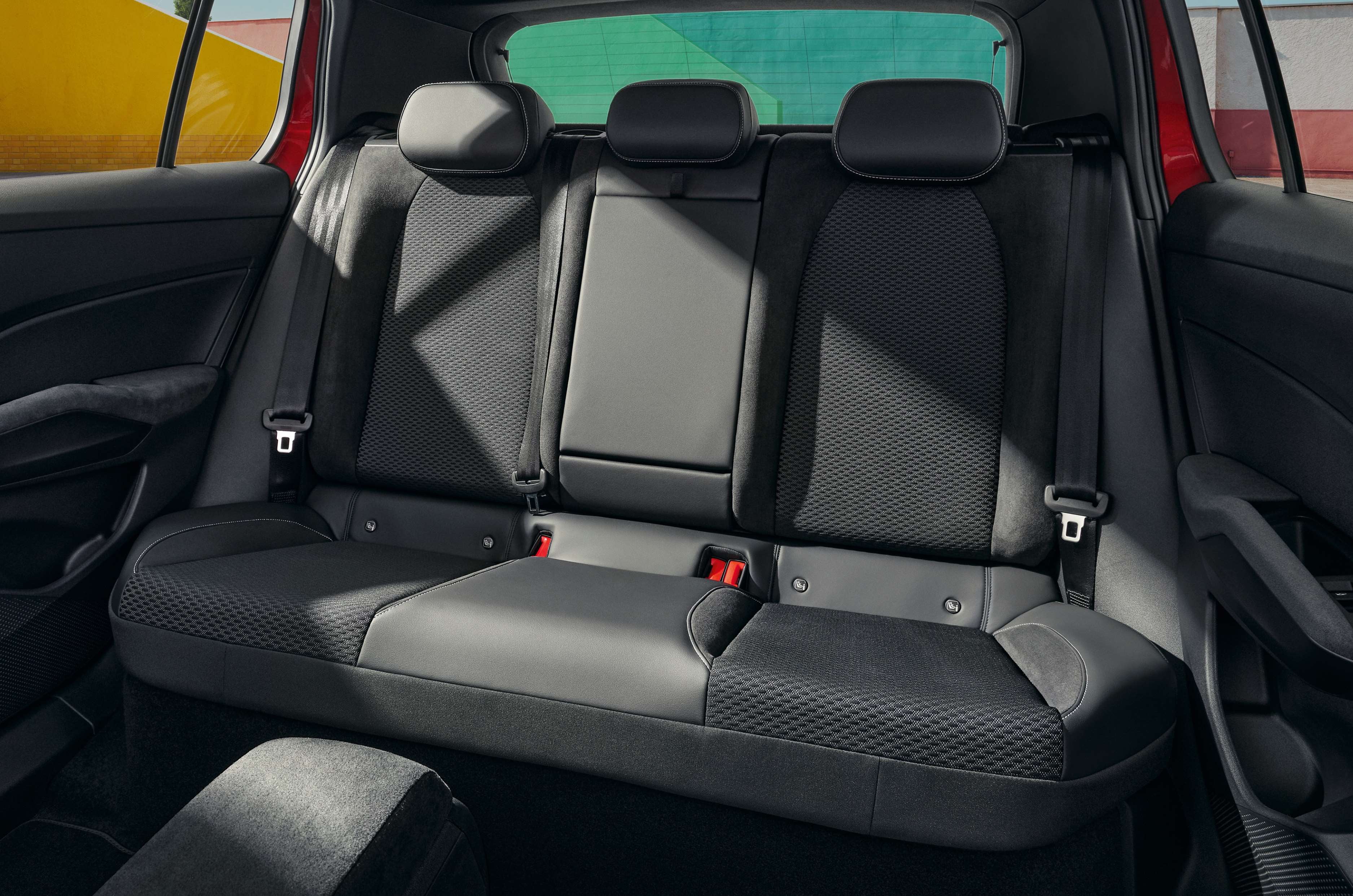
The cabin gets a lighter interior theme with leatherette upholstery and leatherette finishes on the steering wheel, gear-shift knob and centre-console armrest. Rear passengers get dedicated AC vents, a rear armrest and reclining rear seats. The front seat-back is 10mm slimmer, while the rear seat has been moved 20mm rearwards and 10mm lower.

Other features include a panoramic sunroof, 360-degree 3D surround-view camera with a blind-view monitor, front parking assist, rain-sensing wipers and automatic headlamps. Safety equipment includes six airbags, ESP, hill-hold control, ABS with EBD and rear parking sensors.

Tata Curvv Series X exterior

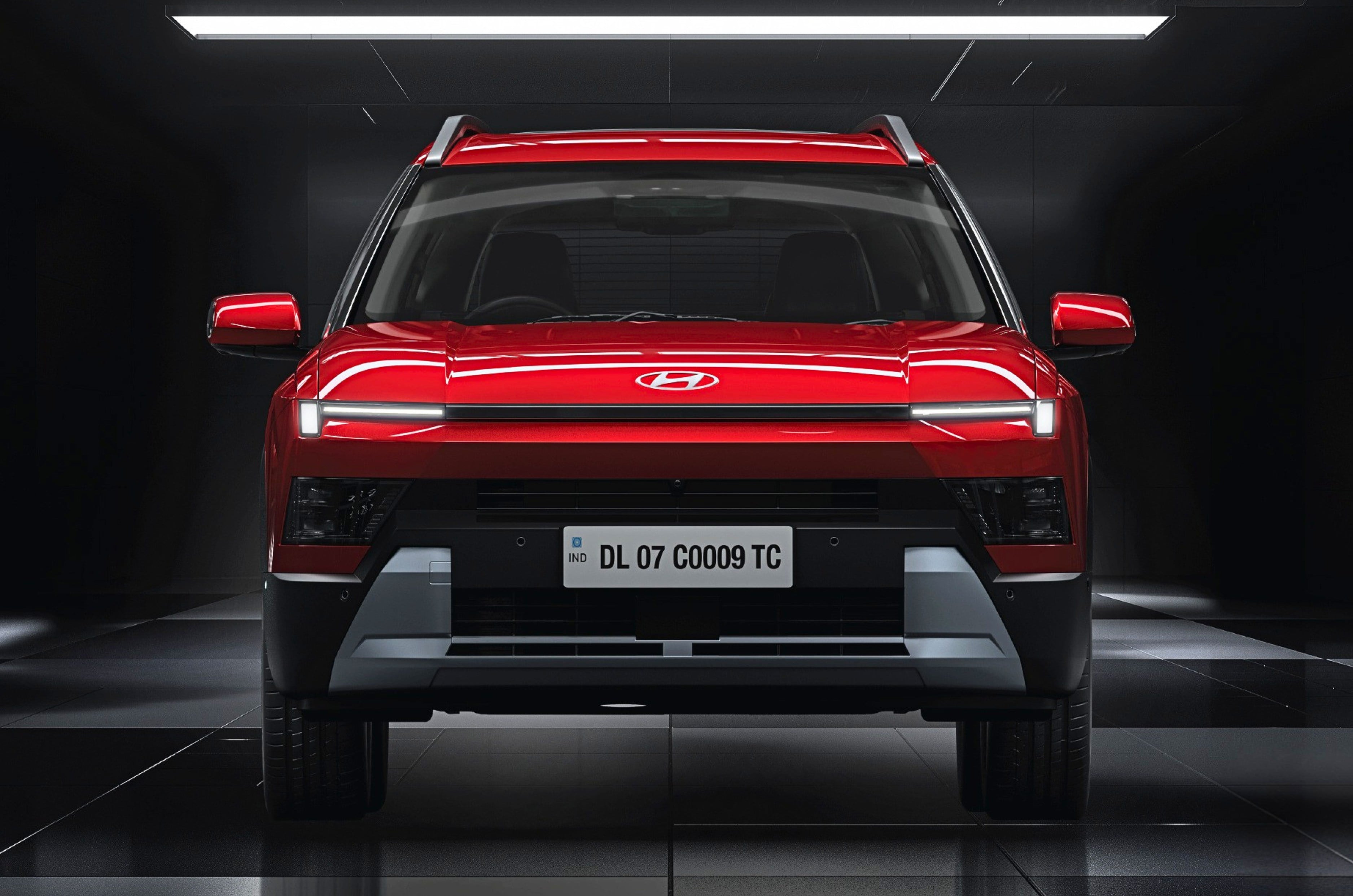
The Curvv Series X retains the SUV-coupe design of the existing model, with flush door handles, an illuminated four-spoke steering wheel, LED headlamps, DRLs and tail-lamps, and a rear spoiler. The Series X gets a black grille treatment in place of the earlier chrome finish. The #DARK edition is now available from lower down the range, with a blacked-out exterior and Obsidian-themed interior. It gets 17-inch diamond-cut alloy wheels, while higher versions offer 18-inchers.

Tata Curvv Series X powertrain 

The Curvv Series X continues with three engine options: a 1.2-litre turbo-petrol producing 120hp and 170Nm, a 1.2-litre direct-injection turbo-petrol producing 125hp and 225Nm, and a 1.5-litre diesel producing 118hp and 260Nm.

The 1.2-litre turbo-petrol and 1.5-litre diesel are available with a 6-speed manual and 7-speed dual-clutch automatic, while the 1.2-litre direct-injection turbo-petrol is exclusive to the top-spec Accomplished X+ and is paired with the 7-speed DCA.

Opinion: Quality of two-wheeler service in India needs to improve

Opinion: Quality of two-wheeler service in India needs to improve
A scooter being serviced at a garage in India

Purchasing an automobile is one of life’s special moments in India. After all, you are not only paying a lot of money but also laying significant faith into a manufacturer’s ability to have properly engineered a safe, reliable and enjoyable product. There’s also the fact that you are entering a long-term relationship with that manufacturer when it comes to service. With three-year warranties becoming common and extended warranties being sold for just a few thousand rupees, the duration of said relationship is now longer than ever. Unfortunately, a lot of customers these days don’t feel like they are being given the treatment they deserve in this ‘relationship’.

While the quality of products coming from domestic two-wheeler manufacturers has grown tremendously in recent years, the same can’t be said for the service support. While some manufacturers fare worse than others, you will find plenty of reports of shoddy work or general ineptness when it comes to authorised service centres. The reasons behind this are multifold.

The first is that motorcycles today are far more complicated than they used to be. Electronics are everywhere, and even the simplest of commuters now have ECUs, electronic fuel pumps and fuel injectors. 150cc bikes and above are constantly increasing the amount of performance, tech and gadgets on offer, and all of this brings in more complication. Caring for more advanced motorcycles requires a more technical approach.

The “chalta hai/chalega sir” attitude that is a universal truth in India presents a challenge when the job gets more technical. Another cultural aspect at play is that people are far more proud of how quickly a job gets done (or with how much ‘jugaad’) rather than how well the job gets done. Case in point, I once insisted on a torque wrench being used on my KTM 790 Duke at an official service centre a couple of years ago. This led to a stool being brought out to reach an overhead cabinet, from which a dusty torque wrench was liberated. Clearly, that tool was almost never used, and the fact is, most mechanics in India simply use their biceps to decide how much force needs to go into tightening a bolt. 

Money is the other big challenge. Time is money, so the more vehicles that are serviced, the better. More so, most junior mechanic salaries are very low, which results in high job attrition. It’s also difficult for dealerships to have enough trained staff and sufficient workshop space for the amount of money that is earned per service. With automobile sales records being broken every other month, there is a big strain on the system.

The ideal scenario is that big cities need more workshops, staff should be trained better and workshop managers need to be more diligent about implementing proper operating procedures. At the end of the day, quality work can only be provided by someone who has been trained well and is remunerated fairly for the job. And that will increase the cost of service for the customer, primarily in terms of the labour cost. 

It is inevitable that service costs in India will rise, as does the constantly improving standard of our motorcycles and the ever increasing cost of living. The big challenge for manufacturers is to ensure that customers get their money’s worth for these increasing costs.

TVS Jupiter 110 gets dual-tone colours with Rs 89,825 Spectral variant

TVS Jupiter 110 gets dual-tone colours with Rs 89,825 Spectral variant
Image showing both new spectral colours, Spectral Blue and Spectral Copper

TVS has launched a new range-topping variant for its bestselling Jupiter 110 scooter in two colours, Spectral Blue and Spectral Copper. The snazzy new colour treatment is complemented by colour co-ordinated inner panels, new seat colour, and partial chrome mirrors. The new top variant is already listed on the website.

  1. Spectral is now the most expensive Jupiter 110 variant
  2. Gets integrated backrest and sequential indicators
  3. Remains mechanically identical to the Disc SXC and Special variants

TVS Jupiter 110 now has 7 variants

Continues with the 113.3cc engine, 33L underseat storage area

The spectral range is the new top variant for the brand’s most popular ICE scooter. Besides the new colours, the Spectral variant on the Jupiter 110 offers two additional features, an integrated backrest and sequential indicators, of which the latter is a segment-first feature. Besides that, the scooter continues with a 113.3cc engine with 8hp of power and 9.8Nm of torque. Also unchanged are its segment-leading features like 33 litres of underseat storage, an apron-mounted fuel tank, an Integrated Starter Generator (ISG) which enables silent start and fuel-saving start/stop tech, and SmartXonnect connected technology.

TVS has priced the dual tone spectral range at Rs 89,825, a Rs 3,000 increase over the SmartXonnect Disc variant and a Rs 525 increase over the Special Edition variant. TVS says the scooter will be available soon at dealerships across the country.

MG Hector Tomahawk EV vs PHEV: Differences explained

MG Hector Tomahawk EV vs PHEV: Differences explained
MG Hector Tomahawk EV vs PHEV

JSW MG Motor has launched the Hector Tomahawk with two electrified powertrains: a fully electric version and a plug-in hybrid. Although the two share the same basic dimensions and cabin design, there are several differences in their exterior detailing, equipment, seating configuration, battery and charging systems. Here’s how the two versions compare.

MG Hector Tomahawk EV vs PHEV: Price and variants

VariantSeatingEV price (ex-showroom)EV BaaS*PHEV price (ex-showroom)PHEV BaaS*
Excite7-seatRs 19.49 lakhRs 13.99 lakh
Exclusive7-seatRs 21.99 lakhRs 15.99 lakhRs 25.70 lakhRs 21.79 lakh
Essence7-seatRs 23.49 lakhRs 17.49 lakhRs 27.80 lakhRs 23.89 lakh
Essence5-seatRs 22.99 lakhRs 16.99 lakh

*For the EV, the battery rental is Rs 4.90 per km, while for the PHEV it is Rs 3.20 per km.

The Hector Tomahawk EV is priced from Rs 19.49 lakh to Rs 23.49 lakh (ex-showroom). It is available in Excite, Exclusive and Essence trims in the seven-seat configuration, while the five-seat version is offered only in the Essence trim at Rs 22.99 lakh.

The PHEV is positioned higher in the range, with prices starting at Rs 25.70 lakh for the Exclusive seven-seater and going up to Rs 27.80 lakh for the Essence seven-seater. Unlike the EV, however, a 5-seat configuration is not available here. 

MG Hector Tomahawk EV vs PHEV: Exterior

EV
PHEV


Both versions measure 4,745mm in length, 1,850mm in width and 1,770mm in height, with a 2,810mm wheelbase. They share the rectangular LED projector headlamps with LED DRLs and an illuminated MG logo, but the front-end treatment is completely different. 

The PHEV versions gets a conventional three-dimensional grille with chrome inserts, gloss-black elements below the headlamps and a chunky bull bar-like silver trim piece on the lower bumper. Meanwhile, the EV gets a closed-off fascia, lending it a more minimalistic look than the PHEV version. The PHEV also gets red brake callipers on the higher-spec version.

EV
PHEV


The two versions use different wheel designs for the 18-inch dual-tone alloys. There is also a difference in the dual-tone treatment. The EV gets a black roof, while the PHEV gets a white roof. Both, however, get roof rails, a powered tailgate and wraparound LED tail-lamps.

MG Hector Tomahawk EV vs PHEV: Interior

The two versions have the same basic cabin layout, but differ in colour. The EV gets a beige interior, while the PHEV gets a brown interior. Both get a panoramic sunroof, ventilated front seats, 256-color ambient lighting, wireless charging and an 8.8-inch digital driver’s display. The top versions of both get the 15.6-inch infotainment screen. Both versions also use a stalk-type drive selector, positioned behind the steering wheel.

The more significant difference is the seating configuration. The EV is available as a five- or seven-seater, while the PHEV is offered only as a seven-seater. The five-seat EV has 610 litres of boot space, expanding to 1,053 litres with the second row folded. The seven-seat EV offers 192 litres with all three rows in use and 528 litres with the third row folded. The PHEV, being seven-seat only, has 604 litres of boot space in the Exclusive and 579 litres in the Essence with the third row folded.

The EV also has a slightly different seating position because of its battery packaging, with occupants sitting in a more knees-up position than in the PHEV.

MG Hector Tomahawk EV vs PHEV: Powertrain

EV
PHEV


The Hector Tomahawk EV uses a 204hp electric motor that produces 310Nm. It is powered by a 69.2kWh battery and has a claimed MIDC range of 517km. The EV supports up to 90kW DC fast charging, with MG claiming a 30-80 percent charge time of around 35 minutes.

The PHEV combines a 1.5-litre naturally aspirated petrol engine, electric motor and 20.5kWh battery, with a dedicated hybrid transmission with an e-clutch. The powertrain produces a combined 198hp and 230Nm. MG claims an electric-only range of over 115km and around 40kpl combined fuel efficiency. A full tank of fuel and a fully charged battery can take it more than 1100km. 

The PHEV supports up to 25kW DC charging and is claimed to take around 35 minutes to charge from 30-80 percent. It can also be charged using a 3.3kW AC charger, which takes around 7.5 hours for a 10-100 percent charge.

The key difference is that the EV is powered solely by its battery and electric motor, while the PHEV combines a smaller battery and electric motor with a petrol engine, allowing it to operate on electric power or use the engine when required.

Opinion: Freak accidents are almost always human negligence

Opinion: Freak accidents are almost always human negligence

Going by the amount of social media chatter around any NCAP test, you’d think India is one safety-obsessed nation. Awareness is rising, but safety is far from ingrained in our ethos like it is in, say, Japan. We all know the current state of road safety is appalling, but I’m not talking about driving manners or vehicle collisions or crash ratings. Of late, there’s another aspect of road safety that’s really been bothering me; the road itself and everything around it. 

During the rains in Mumbai last month, two girls were electrocuted in a water-logged street. Luckily, timely intervention from a passer-by and medical treatment at a hospital saved them. Last year, an auto-rickshaw driver had his head 

pierced by a falling iron rod from metro construction; thankfully emergency neurosurgery saved him too. Not everyone is so lucky though, if you can even call these accidents lucky. A concrete slab from an under-construction girder bridge fell onto a moving auto-rickshaw and car and resulted in one death and multiple injuries.

You would have read the horrific news of a 25-year-old biker in Delhi who died after his motorcycle plunged into an unbarricaded, 14-foot-deep construction pit dug up and left open. And it’s not just bikes; people have fallen into open manholes, flooded over with water, and lost their lives, and recently a 20-year-old student died after his car plunged into an open drain. Two years ago, a massive illegal billboard blew over and killed 17 people and injured over 75 others during heavy winds in Mumbai. This monsoon season, a tree collapsed onto a school bus and took the life of an 11-year-old child. 

This is the aspect of road safety that has been bothering me recently, not because car crashes and other accidents do not, but because these are all too often termed ‘freak accidents’ or ‘random happenings’. Nonsense! These are not freak incidents, but accidents caused by negligence and unaccountability. So many folks say, ‘oh, his/her time had come’. Again, nonsense. Would you say all those poor kids who died in Africa due to starvation died because their time had come? No. They died because of human action, or inaction. 

So, really, I write this column only to highlight this fact; to remind us all that it isn’t random. As the saying goes, ‘everything happens for a reason’. Here it’s callousness, from those in charge and from us. So, the next time you express outrage over a non-5-star NCAP-rated car, spare some words of outrage for these incidents too.

BMW X1 LWB vs rivals: Price and specifications compared 

BMW X1 LWB vs rivals: Price and specifications compared 
BMW X1 LWB vs rivals

After introducing the iX1 in long-wheelbase (LWB) guise, BMW India has given the same treatment to its ICE-powered X1. With a focus on chauffeur-driven customers who prioritise rear seat space and comfort, the German carmaker has been bringing certain models to India in LWB versions. In this article, we compare the specifications of the X1 LWB against other entry-level luxury SUVs. 

BMW X1 LWB vs rivals: Dimensions

X1 LWB has the longest length and wheelbase 

BMW X1 LWB vs rivals: Dimensions


BMW X1 LWB

Mini Countryman C

Mercedes-Benz GLA

Audi Q3

Length (mm)

4,616

4,447

4,412

4,482

Width (mm)

1,845

1,843

1,834

1,849

Height (mm)

1,641

1,661

1,616

1,607

Wheelbase (mm)

2,800

2,692

2,729

2,680

Ground clearance (mm)

190

190

183

170

Boot space (litres)

540

505

425

530

Wheel size (inches)

18

19

18 – 19

18

When we previously compared the standard X1 against its rivals, it had the longest length, but fell short of having the longest wheelbase. The new X1 LWB not only extends its lead in the length department, but also has the longest wheelbase in the segment. Additionally, it has the largest boot among the models here and rides highest off the ground along with the Countryman C. Meanwhile, the Countryman C is tallest, while the Audi Q3 is widest. Only the Mercedes-Benz GLA offers both 18-inch and 19-inch wheels depending on the variant.

BMW X1 LWB vs rivals: Powertrain options 

X1 LWB has the least powerful petrol engine

BMW X1 LWB vs rivals: Powertrain options 


BMW X1 LWB 

Mini Countryman C

Mercedes-Benz GLA

Audi Q3

Engine

1.5 turbo-petrol 

1.5 turbo-petrol 

1.3 turbo-petrol | 2.0 turbo-diesel

2.0 turbo-petrol 

Power (hp)

156 

156

163 | 190

190

Torque (Nm)

230 

240

270 | 400

320

Drive layout

FWD

FWD

FWD

AWD

Transmission

7DCT

7DCT

7DCT | 8DCT

7DCT

The X1 LWB and all its rivals come powered by turbo-petrol engines. However, only the Mercedes GLA offers a diesel engine as well. Comparing all petrol engines side by side, the Audi Q3 develops the most power and torque figures, while the X1 delivers the lowest numbers. Interestingly, despite the X1 LWB and Countryman C having the same engine, the latter develops more torque. Meanwhile, only the Audi Q3 comes with an AWD setup as standard, while the rest are FWD models only. The only commonality among all SUVs here is a 7-speed DCT for their petrol-powered versions.

BMW X1 LWB vs rivals: Price

X1 LWB is the third most expensive petrol-powered SUV here

BMW X1 LWB vs rivals: Price (Rs lakh)


BMW X1 LWB

Mini Countryman C

Mercedes-Benz GLA

Audi Q3

Petrol

49.90

47.5 

51.8

43.67 – 53

Diesel

53 – 55

BMW has priced the iX1 LWB at Rs 49.9 lakh ex-showroom. Notably, it’s more affordable than the regular X1 by 1 lakh. Compared to petrol-powered models, it is the third most expensive here. Interestingly, the Q3 is the most affordable here with petrol power, while its high-end variant is also the most expensive. Meanwhile, the diesel-powered GLA is the priciest in this comparison. 

All prices are ex-showroom, India

Aston Martin Valen revealed at the Monterey Car Week

Aston Martin Valen revealed at the Monterey Car Week
Aston Martin Valen front quarter static

Aston Martin has revealed the Valen as its most powerful front-engined production car at the 2026 Monterey Car Week. An 850hp, 5.2-litre twin-turbo V12 engine, derived from the Vanquish, powers this GT car. Only 150 units of the Valen are being built by the manufacturer’s ‘Q’ personalisation department, with deliveries commencing in the second quarter of 2027.

  1. Claimed 0-100kph time is 3.1 seconds and top speed is 345kph
  2. Uses carbon fibre, aluminium, titanium, and magnesium elements in plenty
  3. Weighs 110kg less than the Aston Martin Vanquish

Aston Martin Valen powertrain details

Produces 15hp more than the Vanquish and is 0.2s faster in a 0-100kph sprint

The Aston Martin Valen is powered by the same 5.2-litre twin-turbo V12 engine as the Vanquish GT, but with more performance. It produces 850hp (15hp more) and 1,000Nm (same as the Vanquish) and is mated to an 8-speed automatic transmission that sends power to the rear wheels (RWD). The gearbox software has, however, been remapped with the Vantage GT4 racecar’s software for “more engaging shifts in all drive modes”. With the Valen, Aston Martin claims a 0-100kph time of 3.1 seconds (0.2s faster than the Vanquish) and an electronically limited top speed of 345kph.

The Valen is 110kg lighter than the Vanquish due to the use of lightweight motorsport-inspired materials, including carbon fibre, aluminium, titanium and magnesium. Aston Martin has also made “significant hardware changes and targeted software calibration” to the ESP, throttle, braking and steering systems. The suspension system uses stiffer springs for reduced roll and pitch motions to driver inputs for increased agility. 

Aston Martin Valen exterior design

Looks sportier and brutish than the other Aston Martin models

The Valen looks sportier than the gentlemanly designs Aston Martin is generally known for and, as per chief creative officer Marek Reichman, “the Valen is a significant departure from what has gone before”. At the front, the Valen sports a new snout with an aggressive bonnet featuring a functional top vent to draw more air to the engine. The signature Aston Martin grille motif extends to the ends of the fascia. The LED DRLs and LED headlights are slim horizontal bars that make the Valen look menacing. It also gets an “acutely angled” front splitter to channel the air into the GT’s internals. 

In profile, it sports lightweight magnesium wheels shod with Pirelli P Zero R tyres (275/35 ZR21 front, 325/30 ZR21 rear), specifically developed for the Valen. The GT also gets Pirelli’s latest Cyber Tyre technology, allowing real-time tyre data sharing with the vehicle’s dynamic control systems. The traditional side strakes incorporate large functional vents that extract air from the wheel arch, guiding it towards the rear for improved downforce.

The rear design is bold as well, replacing a traditional fixed rear windscreen with a solid tailgate that opens to reveal 170 litres of boot space. The tailgate features an aerodynamic wing that acts as a Gurney flap that “generates downforce with minimal drag and negates the need for a conventional rear wing”. Beneath this wing is a slim LED taillight bar and 3D-printed quad titanium exhausts stacked in a 2-up, 2-down arrangement. The upper exhaust outlets are always open, while the lower ones open in the raciest drive modes.

The Valen is available with an optional fully exposed carbon fibre exterior that can be tinted in both satin- and gloss-finished hues by the ‘Q’ customisation department. 

Aston Martin Valen interior design

Features a minimalistic dashboard and a well-loaded cabin

The Valen’s interior is heavily influenced by the Vanquish and hence offers a minimalistic dashboard with a 10.25-inch-inch digital driver’s display, a 3-spoke steering wheel and a 10.25-inch touchscreen infotainment system. What’s different from the Vanquish is that the centre console has been 3D-printed for “greater precision to the surfaces you regularly interact with”. This console has a carbon fibre finish and features a push-button start-stop and an aircraft-style drive mode selector.

The Aston Martin Valen offers an option between ‘Sport Plus’ seats that “combine support with long-distance comfort” or carbon-fibre ‘Performance’ seats that offer “a more focused driving experience”. Features include a 15-speaker Bowers & Wilkins sound system, a 360-degree camera system, a digital inside rearview mirror (IRVM), a powered steering column and a wireless phone charger. 

Reichman says, “Valen gave us the opportunity to explore and express more extreme emotions through a new form language and surface treatment.” Reflecting this bold design approach, Aston Martin has priced the Valen at 1.5 million pound (approximately Rs 19.46 crore), before buyers choose from the extensive catalogue of optional extras.

Skoda Slavia facelift design details teased ahead of August 18 launch

Skoda Slavia facelift design details teased ahead of August 18 launch
Skoda Slavia facelift design details

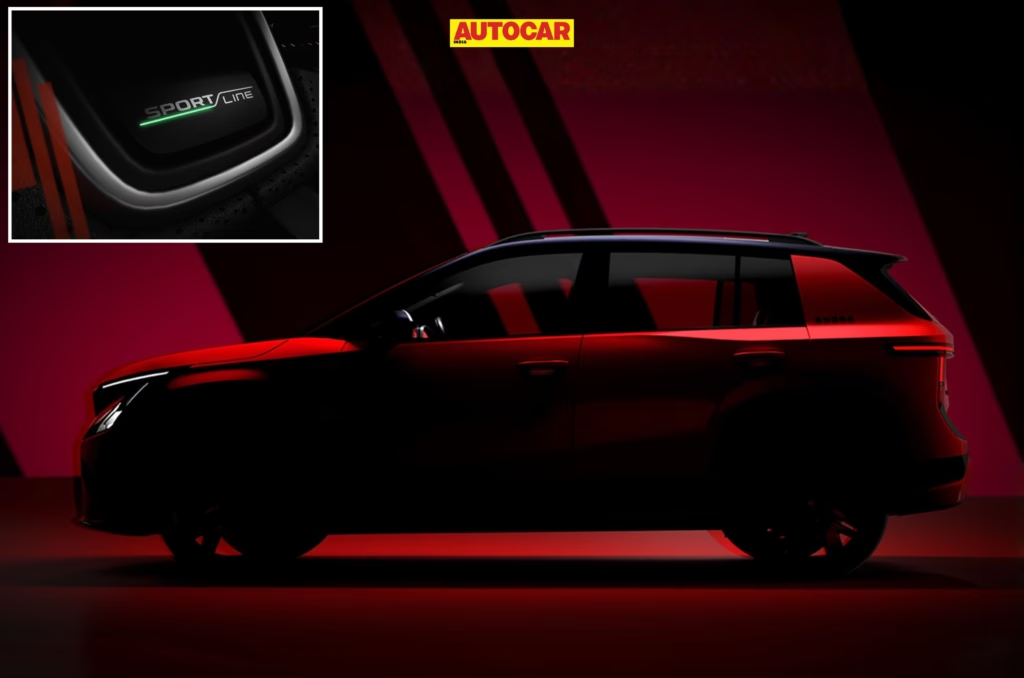
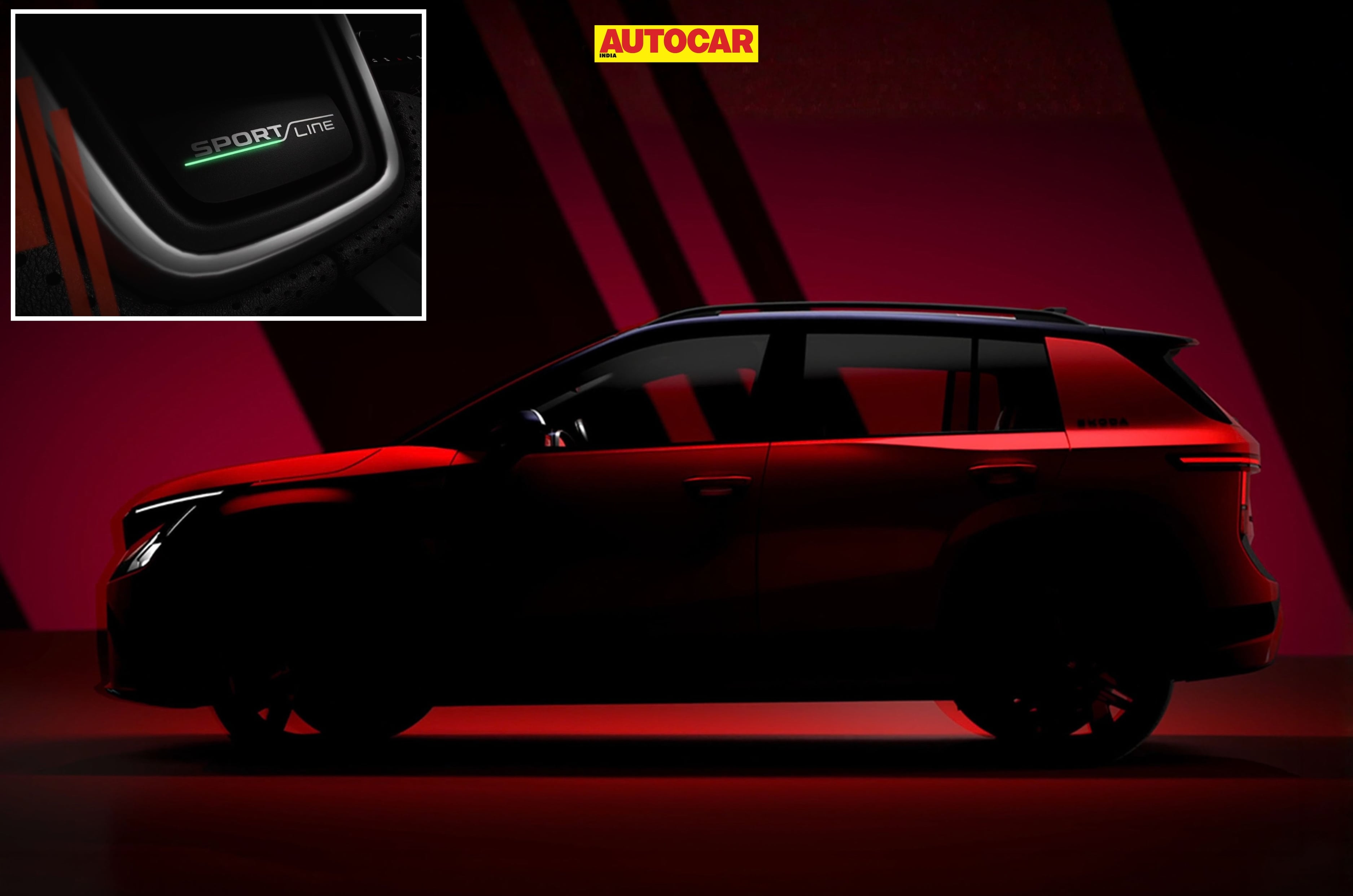
Ahead of its launch on August 18, 2026, Skoda India has shared another teaser of the Slavia facelift. The teaser gives a glimpse of a few design elements that the updated Slavia will receive.

  1. Updated Slavia to have subtly refreshed exterior.
  2. To continue with 1.0 and 1.5-litre turbo-petrol engines.
  3. 1.0-litre engine to have a new 8-speed automatic transmission.

Skoda Slavia facelift: What did the teaser reveal?

At the front, the grille was spotted studded with chrome detailing. The Slavia facelift is also expected to have revised detailing for the headlamps and restyled bumpers with new fog lamp housings. The tail-lights were spotted as well with similar detailing as the current version, but it’s yet to be seen if it gets the connected treatment like the Kushaq. Additionally, a new sporty five-spoke design for the alloy wheels was spotted, which will likely continue to be 16 inches in size, like the current version. The facelift continues to get chrome treatment for the window line, like the current version. 

Skoda Slavia facelift: What to expect?

Current version’s interior used for representation.

On the inside, the Slavia facelift is likely to continue with the same cabin layout, albeit with updated colours and trim materials. It is expected to borrow the Kushaq’s 10.25-inch digital driver’s display. Whether it gets the Kushaq’s segment-only rear massaging seats is yet to be seen. Meanwhile, features like a single-pane sunroof, powered and ventilated front seats, wireless phone charger will continue to be offered. 

Current Slavia 1.0-litre engine used for representation.

As for powertrains, the Slavia facelift will continue to be powered by the current version’s 1.0 and 1.5-litre direct-injection turbo-petrol engines. The former develops 115hp and 178Nm, while the latter delivers 150hp and 250Nm of torque. While the 1.0-litre unit will continue to be paired with a 6-speed manual, automatic versions will get a new 8-speed torque converter gearbox, replacing the current version’s 6-speed unit. On the other hand, the 1.5-litre mill will continue to come solely with a 7-speed DCT.

In terms of price, the Slavia facelift is expected to be slightly pricier than the current version, which retails for Rs 9.99 lakh to Rs 18.19 lakh. It will continue to take on rivals like the Hyundai Verna, Honda City and the Volkswagen Virtus.

Tata Nexon special editions explained

Tata Nexon special editions

Over the years, Tata Motors has introduced multiple special editions of the Nexon, each aimed at buyers seeking a more distinctive appearance or additional features over the standard model. The Nexon is currently the only compact SUV in India to be offered with three factory-backed special editions.

While all three retain the standard Nexon’s engines and mechanical package, each follows a different approach. The Camo Edition adds exclusive colours and a handful of equipment upgrades, whereas the Dark and Red Dark editions primarily focus on cosmetic changes. All three editions can also be specified with an ADAS suite, although it remains available only on the top-spec petrol dual-clutch automatic variant. Here’s what sets each special edition of the Nexon apart.

Tata Nexon Camo Edition

The Camo Edition is the latest addition to the Nexon range and is available for a limited period. Based on the Creative+ and Fearless+ trims, it is the only special edition that adds equipment over the equivalent standard variants.

The Camo Edition is offered in two exclusive exterior colours, Munnar Mist and Coorg Cloud, along with a ‘Camo’ badge on the front fender and Camo-themed perforation on the front-seat headrests.

Inside, it upgrades to Tata’s 12.3-inch touchscreen, replacing the 10.25-inch unit fitted to the equivalent standard Nexon variants. This is also the only Nexon to get the larger 12.3-inch touchscreen, which is otherwise seen on larger Tata models such as the Harrier and Safari. It also adds an integrated dashcam that works with the 360-degree camera system.

Like the standard Nexon, the Camo Edition is available with petrol, diesel and CNG engines across manual and automatic gearbox options.

Tata Nexon Dark Edition

Unlike the Camo Edition, the Dark Edition does not introduce any exclusive equipment. Instead, it focuses on giving the Nexon a darker appearance inside and out while retaining the features of the underlying trim.

The Dark Edition receives an all-black exterior treatment, including black-finished alloy wheels, a black skid plate and ‘#Dark’ badging on the front fender. Inside, it gets an all-black cabin with black leatherette upholstery, black dashboard trim with a blue insert and blue contrast stitching, giving it a more understated appearance than the standard model.

The Dark Edition is available in Nexon’s Creative+ and Fearless+ trims with petrol, diesel and CNG powertrains, depending on the variant.

Tata Nexon Red Dark Edition

The Red Dark Edition combines the Dark Edition’s blacked-out exterior with a contrasting red-themed cabin. Like the Dark Edition, it is primarily a cosmetic package and does not introduce any exclusive features over the equivalent standard variant.

The exterior carries forward the all-black Dark Edition styling, while the cabin switches to ‘Carnelian Red’ leatherette upholstery, red contrast stitching and matching interior accents.

Like the Dark Edition, the Red Dark Edition is offered with petrol, diesel and CNG powertrains with manual and automatic gearbox options.

The Tata Nexon special edition line-up

The Nexon remains one of the few compact SUVs in India to be offered with special editions. While most rivals are sold only in their standard trims, Tata has steadily expanded the Nexon range with the Dark, Red Dark and now the Camo Edition.

These editions have also proved popular with buyers. Tata Motors has previously said that special editions contribute around 15 percent or more of sales, depending on the model, while Dark Editions account for an even higher share on the Harrier and Safari. With three distinct special editions now on sale, the Nexon offers buyers more choice than any other compact SUV in the segment without altering its underlying mechanical package.

Video: चेहरा काला किया, बिच्छू बूटी से रगड़ा… छेड़छाड़ के आरोपियों के साथ गांव वालों ने किया ऐसा व्यवहार, वीडियो वायरल

उत्तराखंड के नैनीताल जिले में सामने आई एक घटना ने सोशल मीडिया पर नई चर्चा छेड़ दी है। यहां छेड़छाड़ के आरोपों का सामना कर रहे दो युवकों को पुलिस के हवाले करने से पहले ग्रामीणों द्वारा दी गई कथित सजा का वीडियो वायरल हो गया। वीडियो में दोनों युवकों के चेहरे काले किए गए और उन्हें बिच्छू बूटी से रगड़ते हुए देखा गया। इस घटना के बाद लोगों के बीच महिलाओं की सुरक्षा, अपराधियों पर कार्रवाई और कानून हाथ में लेने जैसे मुद्दों को लेकर बहस शुरू हो गई। कुछ यूजर्स ने ग्रामीणों के गुस्से को सही ठहराया, तो कुछ ने सार्वजनिक सजा देने के तरीके पर सवाल उठाए। मामले ने सोशल मीडिया पर अलग-अलग राय को जन्म दे दिया है।

सतौली गांव में सामने आया मामला

जानकारी के मुताबिक, यह घटना नैनीताल के मुक्तेश्वर क्षेत्र के सतौली गांव की बताई जा रही है। आरोप है कि मुरादाबाद, उत्तर प्रदेश के रहने वाले दो युवकों ने गांव से गुजरते समय स्थानीय लड़कियों पर आपत्तिजनक टिप्पणियां कीं। इसके बाद ग्रामीणों और संबंधित महिलाओं ने दोनों को रोक लिया।
वायरल वीडियो में दिखा ग्रामीणों का गुस्सा

सोशल मीडिया पर सामने आए वीडियो में लोगों की भीड़ दोनों युवकों के आसपास नजर आई। आरोपियों के चेहरे काले किए गए थे और उन्हें चप्पलों से पीटते हुए भी देखा गया। इसके बाद ग्रामीणों ने उन्हें बिच्छू बूटी से रगड़ा, जो त्वचा पर तेज जलन और खुजली पैदा करने के लिए जानी जाती है। बाद में दोनों को पुलिस के हवाले कर दिया गया।

सोशल मीडिया पर बंटे लोगों के विचार

वीडियो वायरल होने के बाद इंटरनेट पर लोगों की प्रतिक्रियाएं सामने आने लगीं। कई यूजर्स ने महिलाओं के सम्मान के खिलाफ होने वाले व्यवहार पर सख्ती की बात करते हुए ग्रामीणों के कदम का समर्थन किया। कुछ लोगों ने कहा कि ऐसे मामलों में कड़ा संदेश जाना जरूरी है।
कुछ लोगों ने उठाए कानून हाथ में लेने पर सवाल

वहीं, कई यूजर्स ने इस तरह की सार्वजनिक सजा पर सवाल भी उठाए। उनका कहना था कि उत्पीड़न एक गंभीर अपराध है और दोषियों पर कार्रवाई पुलिस और कानून के जरिए होनी चाहिए। लोगों ने पूछा कि क्या किसी भी स्थिति में भीड़ को खुद सजा देने का अधिकार मिलना चाहिए?

घटना ने छेड़ी न्याय और भीड़ की कार्रवाई पर बहस

इस मामले ने एक बार फिर महिलाओं की सुरक्षा, अपराधों पर कार्रवाई और कानून व्यवस्था जैसे मुद्दों पर चर्चा शुरू कर दी है। जहां कुछ लोग इसे अपराधियों के खिलाफ सख्त संदेश बता रहे हैं, वहीं कुछ का मानना है कि न्याय की प्रक्रिया कानून के दायरे में ही होनी चाहिए।

एक साल में 1.14 रुपये करोड़ इनकम टैक्स जमा किया, फिर शख्स ने ऐसा क्यों कहा कि कमाई अपनी नहीं लगती