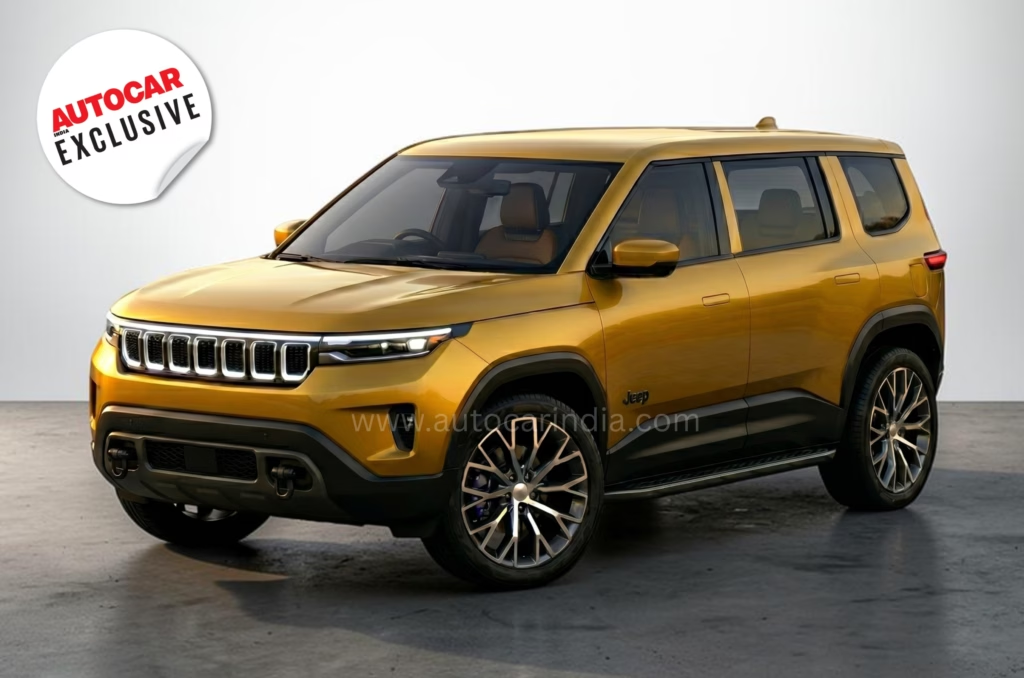
Jeep is mulling a revival of its iconic Willys military off-roader for an affordable electric SUV after 2030. The proposed model is part of Jeep’s plans to develop compact EVs and strengthen its position against growing competition from Chinese carmakers, particularly in Europe.
Speaking to Autocar UK, Xavier Peugeot, the head of Jeep Europe, said that the Willys is the brand’s “key attention” for the future, and that its electric revival is one of several “new ideas” that could be realised in the coming years. He described Jeep’s heritage as a key advantage in countering new rivals, especially from China, stating: “One of our main assets to counter this offensive is our DNA.”
Jeep Willys revival: All we know so far
A recent teaser image released by Stellantis shows the original Willys MB military Jeep parked in front of the silhouette of a larger, closed-roof SUV with a bootlid-mounted spare wheel. The boxy design of this SUV looks to draw heavily from the original Willy’s utilitarian trappings, and the “Not Fragile” lettering on the crate implies ruggedness, and perhaps a focus on off-road prowess.
Specifics about the proposed Willys revival are yet to be finalised, but Peugeot noted “BEV affordability” as an important attribute, suggesting the EV could be aimed at the more attainable end of the price spectrum. To that end, the electric Willys may use a new low-cost EV architecture being developed by Stellantis for models that comply with the European Union’s proposed ‘E-car’ regulations – the production version of the recently-revealed Citroen 2CV concept is also expected to use this platform.
Peugeot additionally said that “each model in [Jeep’s] future range will be 4×4-compatible,” which could help set the electric Willys revival apart from the rest of Stellantis’s upcoming EVs. The project is expected to move forward after Jeep completes its current ‘Road to 2030’ strategy.
That said, Peugeot did remark that Jeep is “not confirming any concrete launch for this year or that year,” and that “ideas around Willys [will be] confirmed” by the end of this decade.
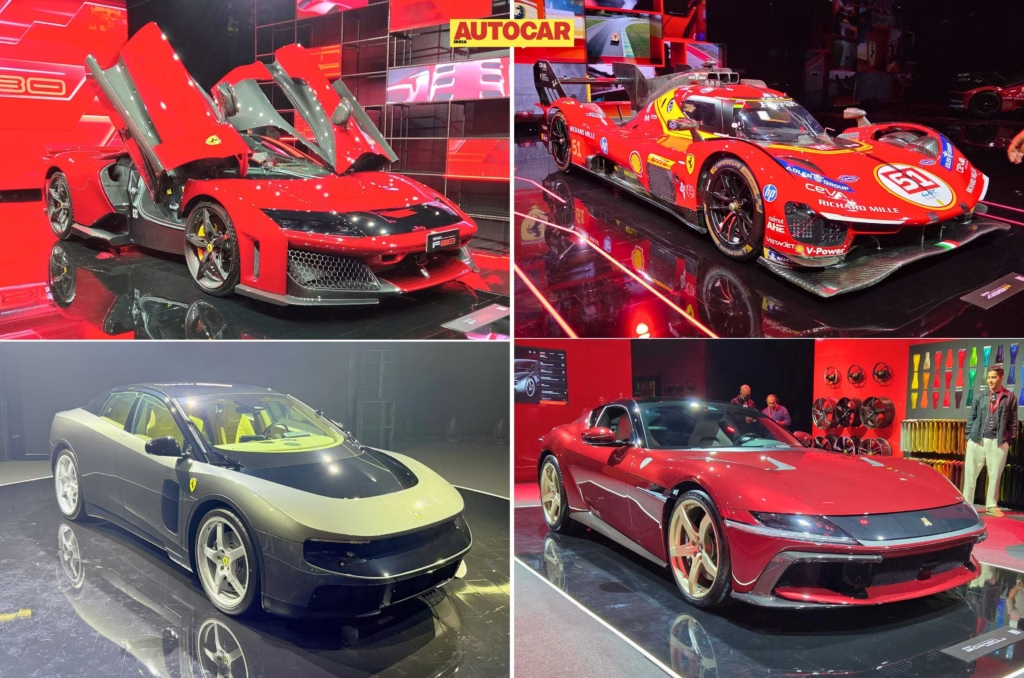
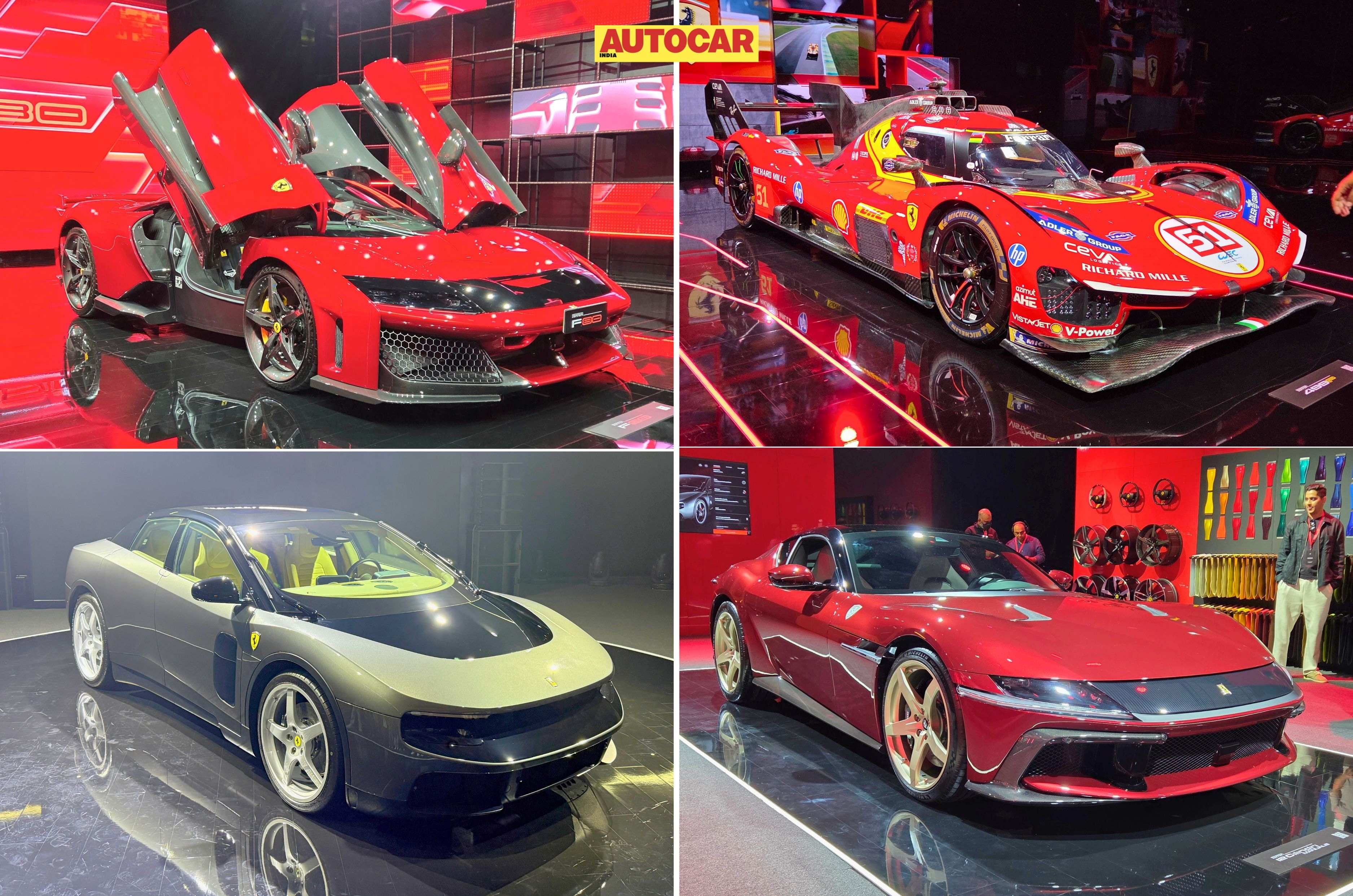
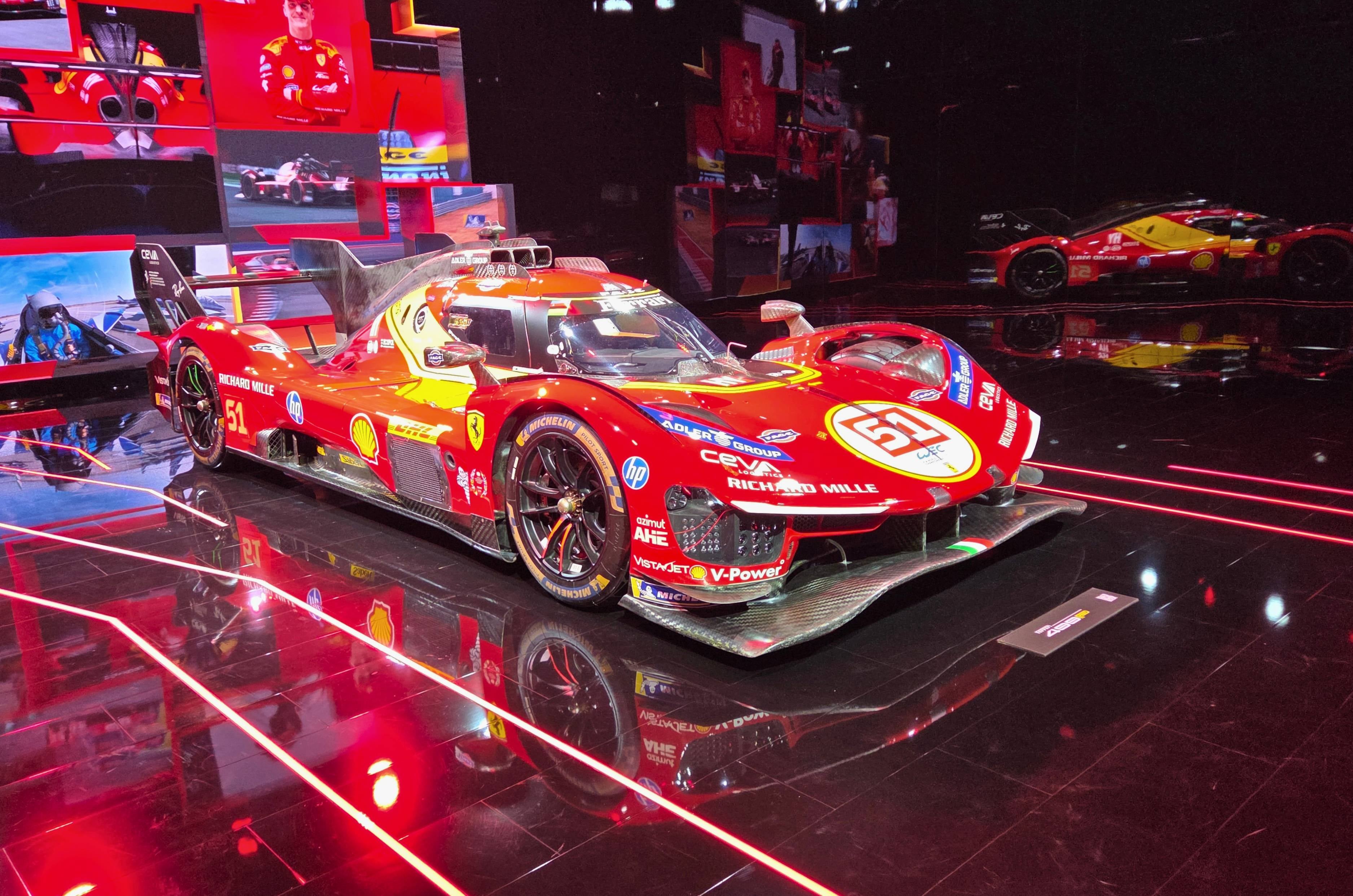
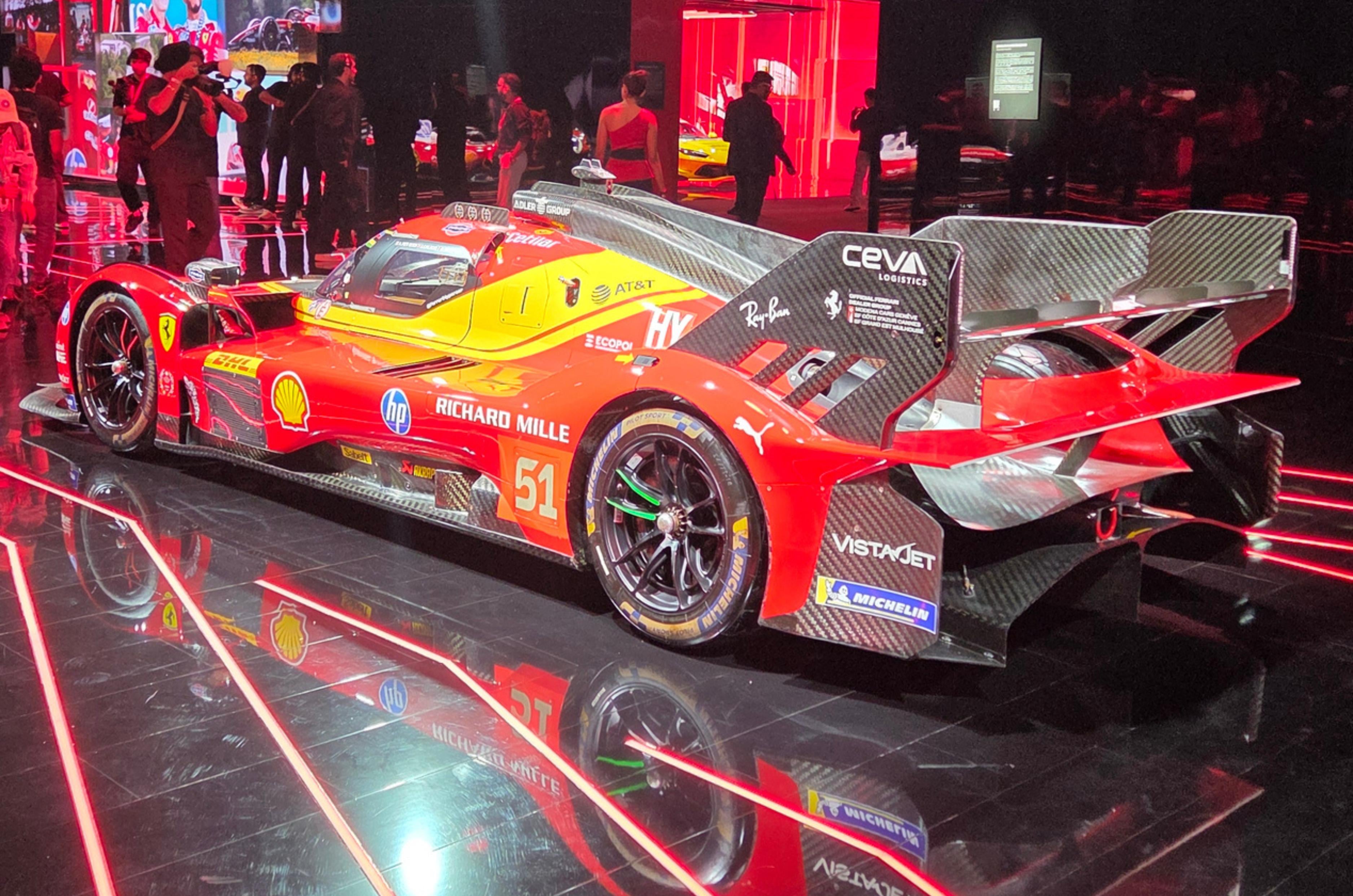
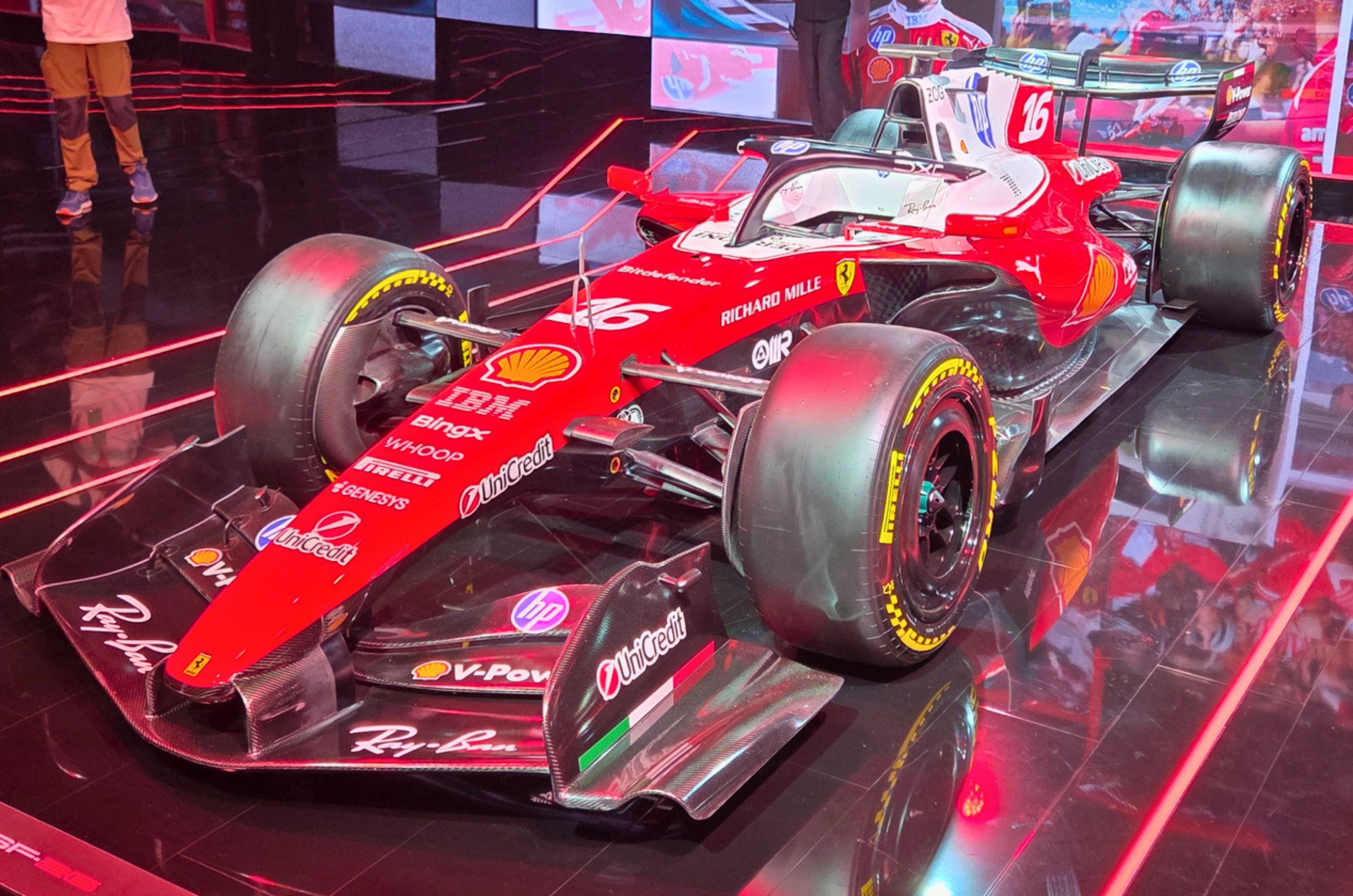
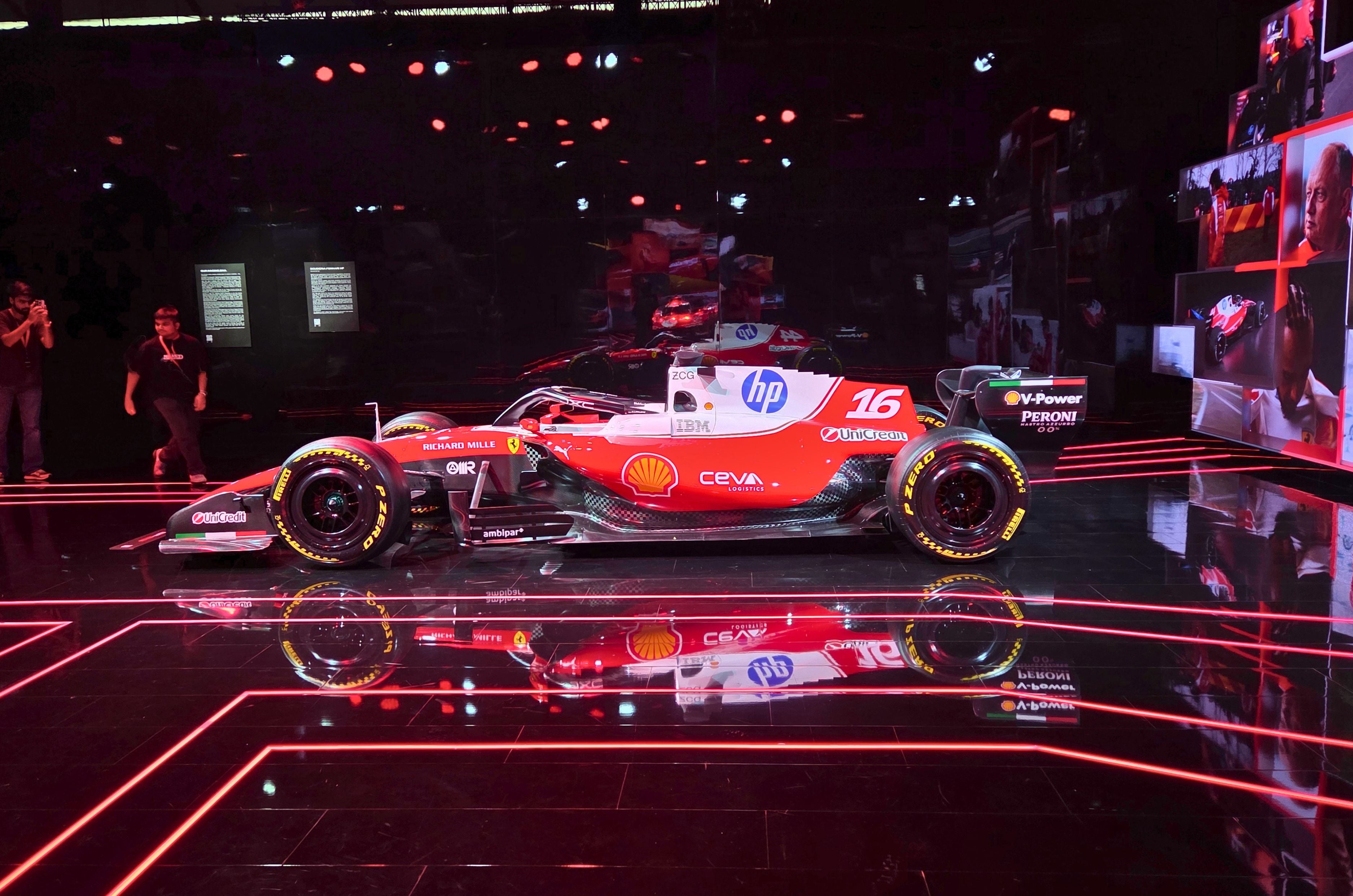
Ferrari has officially opened the doors to its first-ever Universo Ferrari exhibition in India. Held at Yashobhoomi, Dwarka in New Delhi from 17 October to 1 November, Universo Ferrari offers a comprehensive look at the Italian marque’s heritage, motorsport pedigree, technology, and craftsmanship. More pertinently, several exciting Ferraris are also on display at Universo Ferrari, some of them for the first time in India. Let’s have a look at the Ferrari cars that have debuted in India as part of Universo Ferrari.
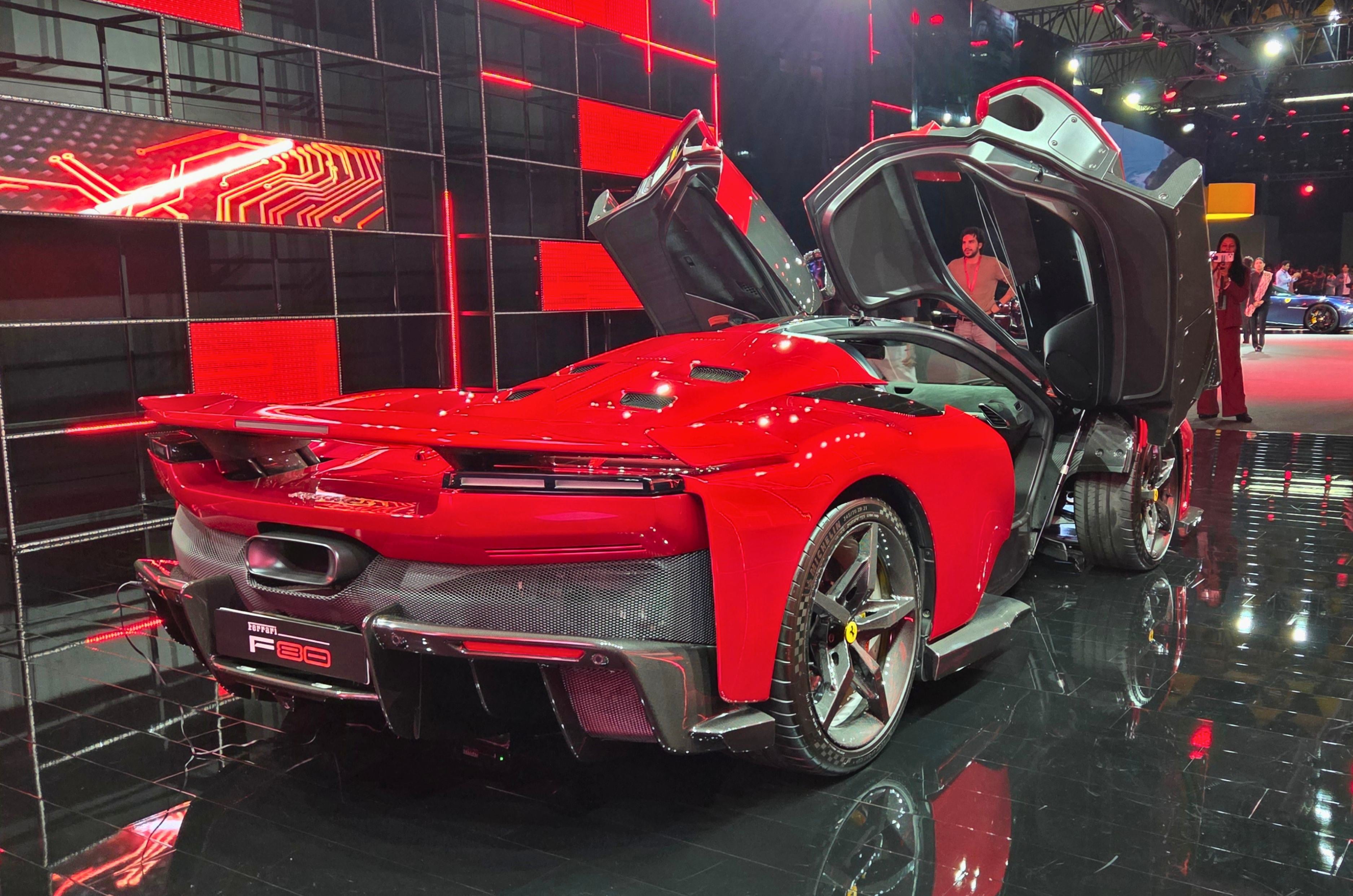
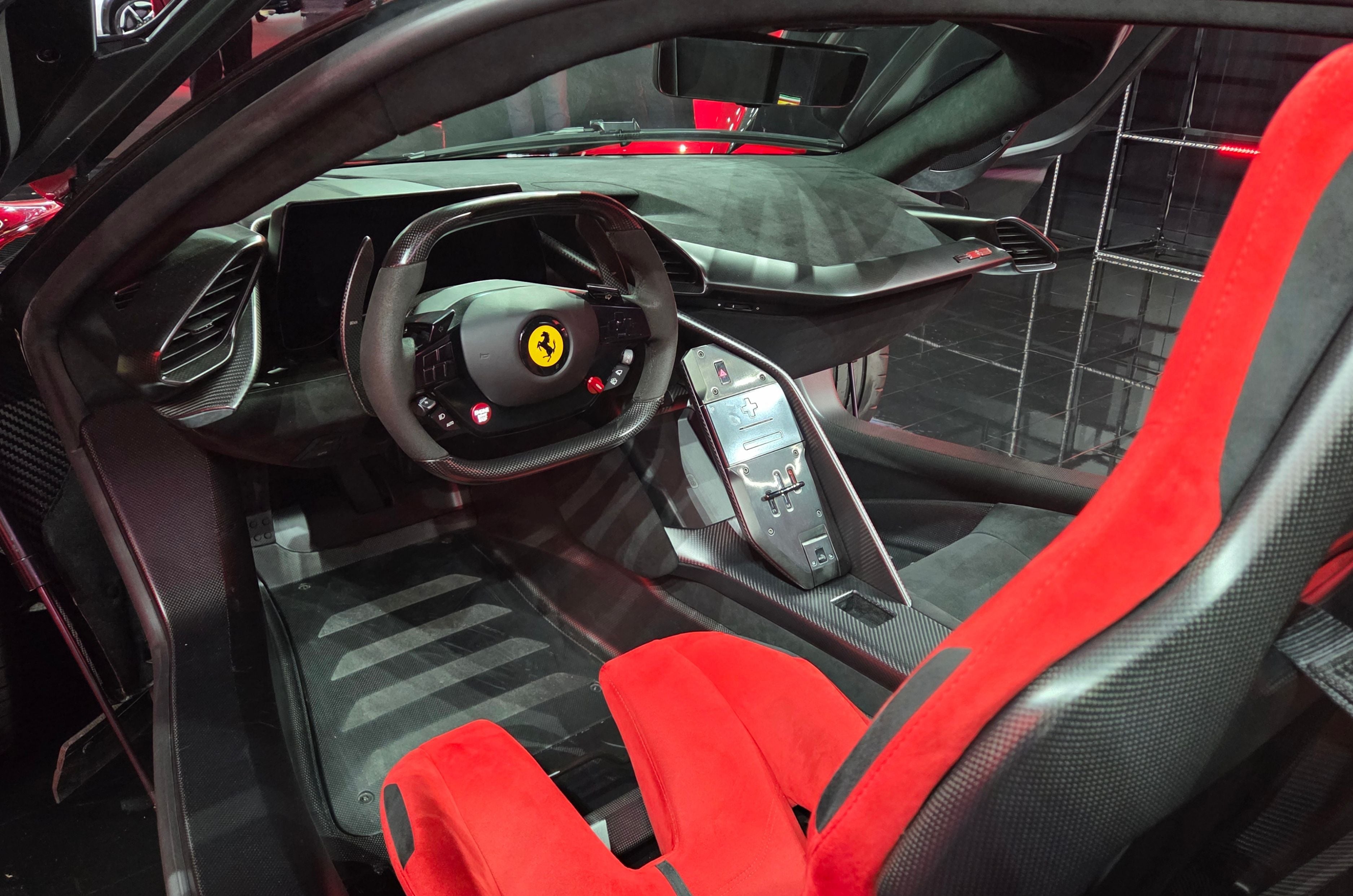
Ferrari F80
Revealed in 2024 as a successor to the LaFerrari, and to commemorate Ferrari’s 80th anniversary, the F80 is the brand’s most powerful road-going offering yet. Producing a combined 1,200hp from its 3.0-litre twin-turbo V6 hybrid powertrain, the F80 claims a ridiculous 0-100kph time of 2.15 seconds and a 0-200kph time of 5.75 seconds. All-wheel drive is fitted as standard, along with a slew of motorsport-derived tech like an MGU-K energy recovery system and electric turbos.
On the outside, the F80 matches the wildness of its powertrain with design elements like a slew of air ducts across the body, a black strip between the headlamps, an active rear wing, a central exhaust, and a massive rear diffuser. Inside, things are quite minimalistic and driver-focused – highlights include a motorsport-style ovoid steering wheel, a large digital driver’s display, an angled centre console, and bucket seats. Ferrari has sold through all 799 units of the F80, each retailing for €3 million (Rs 32 crore), before options.
Ferrari Luce
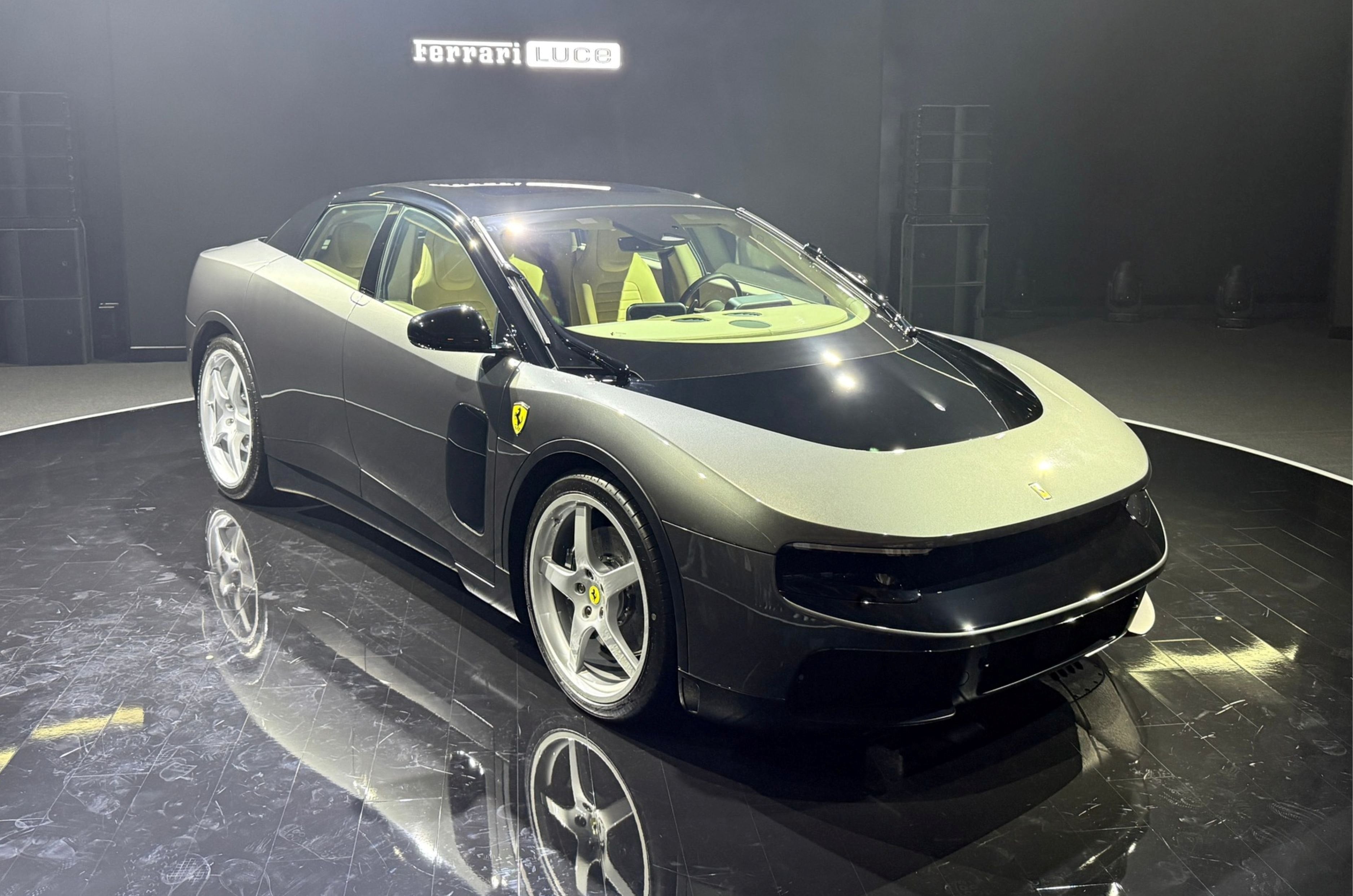
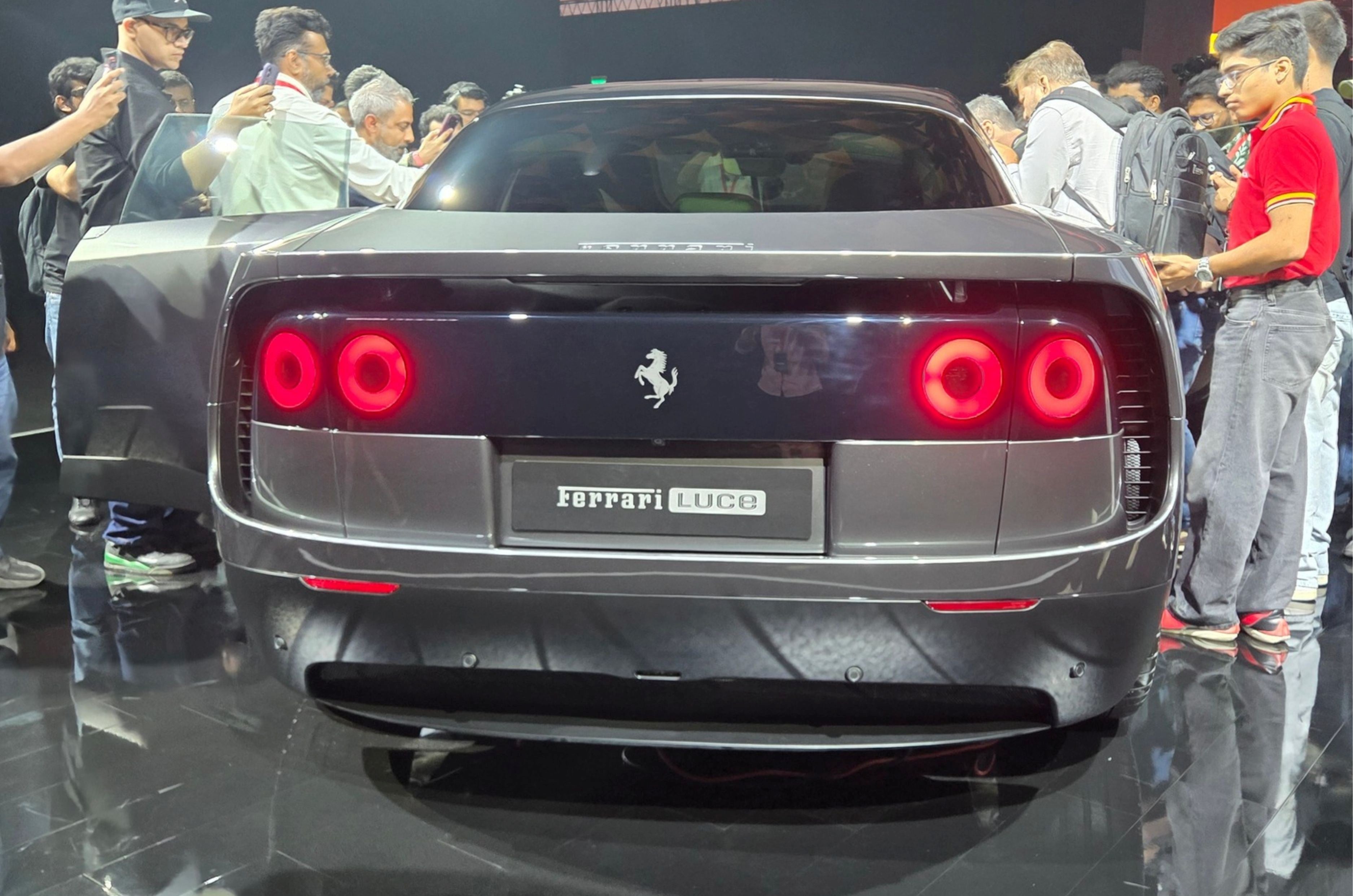
The Luce is Ferrari’s first EV, and perhaps its most controversial offering. Based on an all-new 800-volt architecture, the Luce features a 122kWh battery and four electric motors producing a combined 1,050hp and 990Nm. Ferrari claims a 0-100kph time of 2.5 seconds, a top speed of 310kph, and a range of up to 530km. Unlike other EVs, the Luce doesn’t pump artificial engine noises into the cabin via speakers – instead, the electric motors are tuned to emit a distinct, high-pitched sound.
Styled by LoveFrom, a firm co-founded by former Apple designer Jony Ive, the Luce features a distinctive two-piece body structure, with a gloss-black passenger cell enclosed within a coloured aluminium shell. It gets recessed LED headlamps, quad LED tail-lamps, suicide doors, and staggered 23-inch front and 24-inch rear wheels. At 5,026mm long, the Luce is the largest Ferrari yet, and its 0.254 drag coefficient is the lowest among road-legal Ferraris. The interior sports a retro-inspired design, with a 10-inch touchscreen, a 12.5-inch OLED driver’s display, and seating for five – a first for a Ferrari. Order books are open for the Luce in overseas markets, with prices starting at 550,000 euros (approximately Rs 6.1 crore) before options.
Ferrari 12Cilindri Manuale
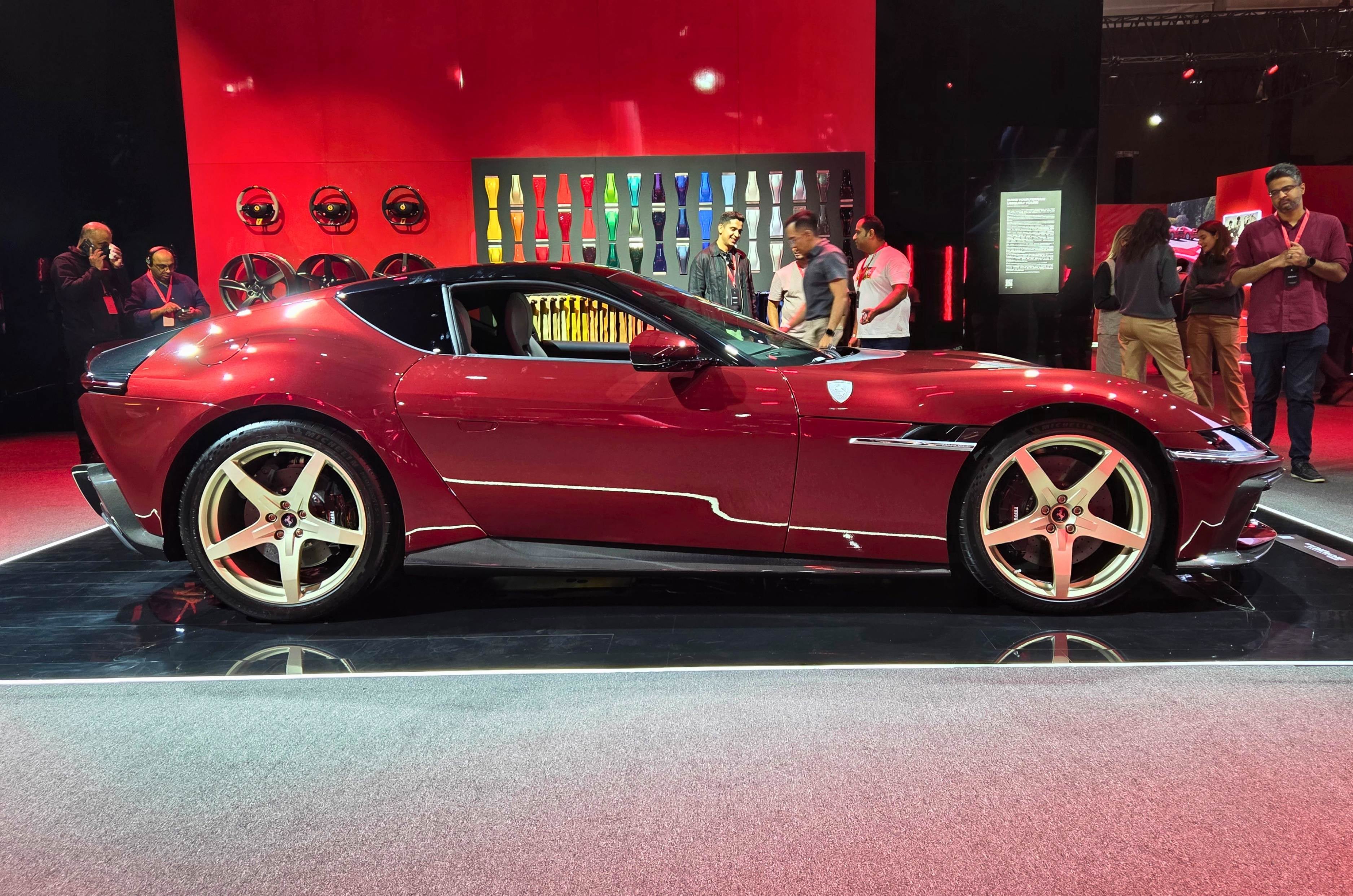
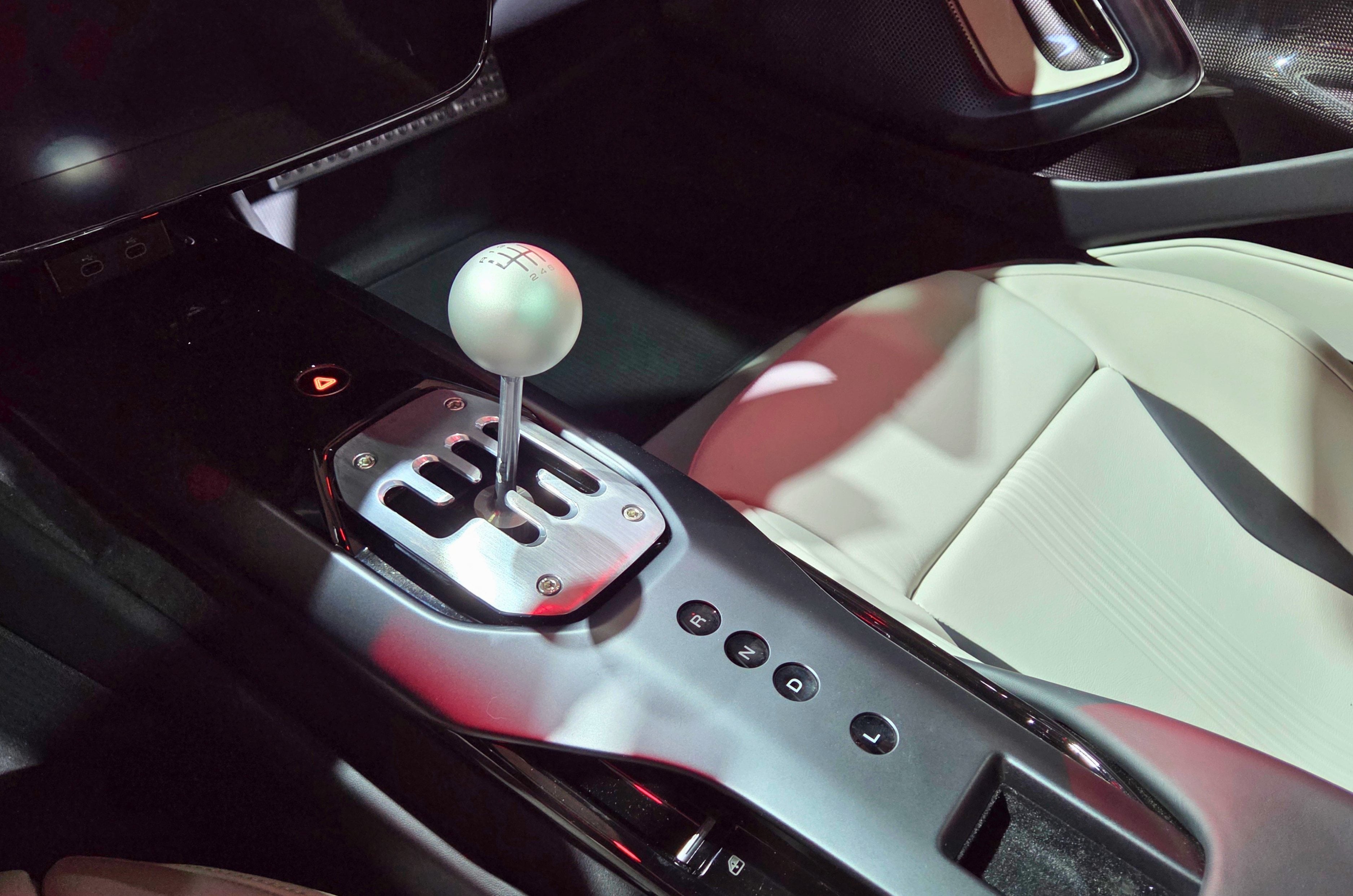
Unveiled a few months ago, the 12Cilindri Manuale is a limited-run special and the first Ferrari in 14 years to offer a manual gearbox. Only, this gearbox isn’t a true manual, but a simulated ‘Manuale By-Wire’ system based on the 12Cilindri’s 8-speed dual-clutch automatic. The experience is intact, however, with a clutch pedal, 6 speeds, a gated shifter, and the ability to stall and clutch-dump the car. If needed, you can even switch to automatic mode and let the DCT take over. Elsewhere, the Manuale retains the 12Cilindri’s 830hp 6.5-litre naturally aspirated V12, claiming a 0-100kph time of 2.9 seconds and a top speed of 340kph.
The exterior largely mirrors that of the standard 12Cilindri but gets exclusive Manuale badges, silver-finished Ferrari side logos, pinstripes on the front splitter and rear winglets, and bespoke five-spoke forged alloy wheels available in four finishes. Inside, the centre console has been redesigned to accommodate a rounded aluminium gear lever inspired by classic Ferrari gated shifters, available in silver or black. Buyers can also choose comfort or racing seats with six vertical grooves. Limited to 1,499 units, the 12Cilindri Manuale is priced from €590,000 (approximately Rs 6.42 crore), before options.
Ferrari 499P
The 499P Le Mans Hypercar was revealed in 2022 as Ferrari’s return to the top class of endurance racing after 50 years. It’s powered by a twin-turbo V6 based on the architecture of the engine used in the 296 GT3, itself derived from the road-going 296 GTB. Developed specifically for racing, the 499P’s V6 works with a bespoke 900-volt, 200kW energy recovery system (ERS) connected to the front axle, forming a hybrid all-wheel drive layout. A brake-by-wire system recovers kinetic energy, while power is delivered through a 7-speed sequential gearbox. Balance of Performance regulations limit the 499P’s total output to 680hp.
The 499P’s design pays tribute to Ferrari’s endurance racing heritage, particularly the 312P prototype from 1973 – Ferrari’s last factory entry in the top class. Its name refers to the 499cc displacement of each cylinder, while ‘P’ stands for Prototype. A yellow stripe runs through the livery – another nod to the 312P – while carbonfibre construction allows for a 1,030kg baseline weight. The 499P brought home several accolades for Ferrari, such as three consecutive Le Mans victories (2023, 2024, and 2025), a complete sweep at the 2025 FIA World Endurance Championship, and more.
Ferrari SF-26
Ferrari pulled the wraps off the SF-26 racer back in January 2026. Built for F1’s 2026 technical regulations overhaul, the SF-26 is powering by Ferrari’s 067/6 power unit – a 1.6-litre turbocharged V6 that can run on sustainable fuel blends and is paired with a heavily bolstered 350kW MGU-K system, creating a near 50-50 performance split between combustion and electric power. Driven by Charles Leclerc and Lewis Hamilton, the SF-26 has compiled 11 Grand Prix podiums and 2 victories, with dramatic wins at the Spanish Grand Prix with Hamilton and the British Grand Prix with Leclerc.
The SF-26’s bodywork shifts away from the previous ground-effect era toward a lighter, more agile 770kg carbon-composite structure. It features advanced active aerodynamics with movable front and rear wings to minimise drag on straights while maximising cornering downforce. Visually, the SF-26 incorporates push-rod suspension on both axles and debuts a gloss Rosso Scuderia livery accented with white.
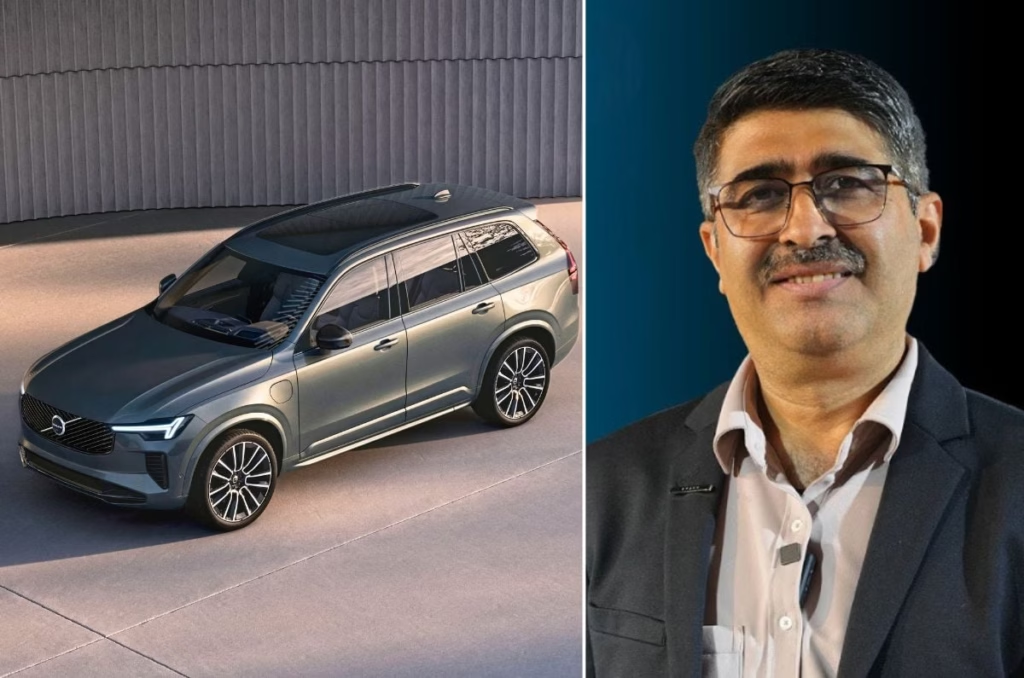
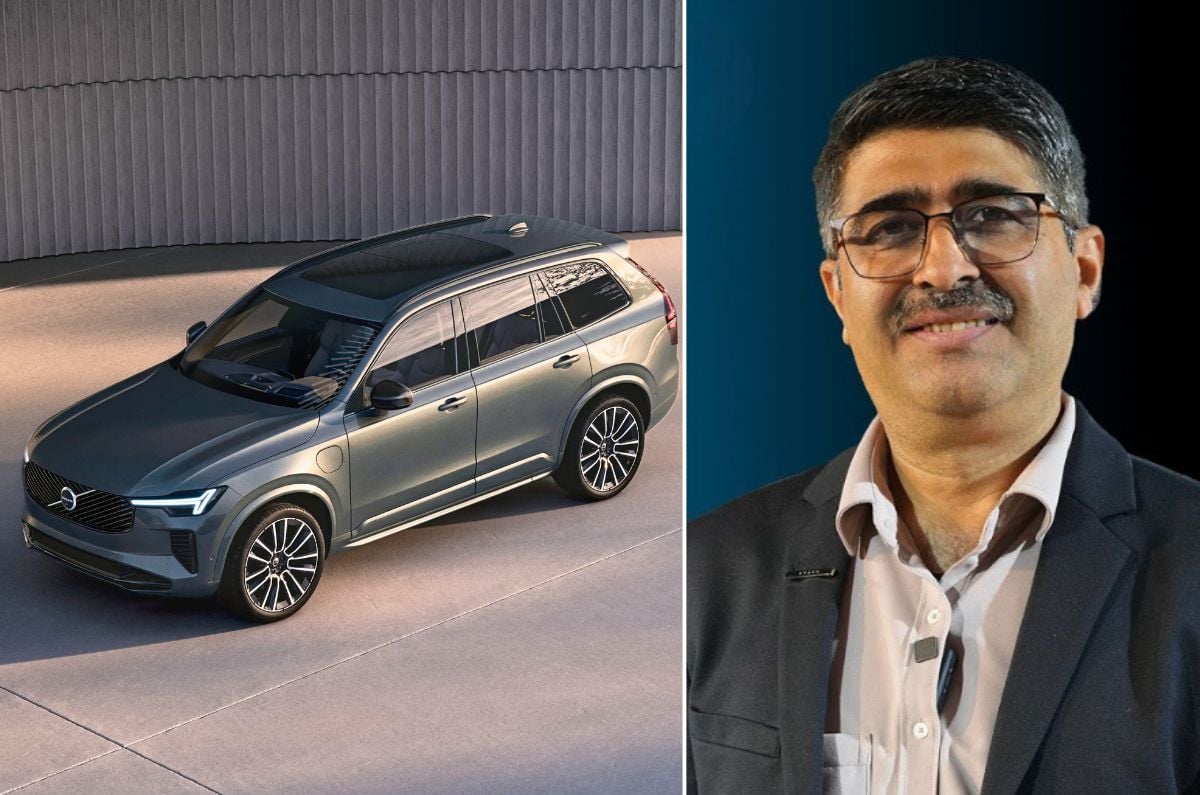
Volvo is currently not considering plug-in-hybrid vehicles (PHEVs) in its India portfolio anytime soon, as it sees the current tax structure and uncertain customer interest as hurdles to their introduction. “The regulations are not conducive to plug-in hybrids,” Jyoti Malhotra, MD of Volvo Car India, told our sister publication Autocar Professional on the sidelines of the recent EX90 launch. He also added that Volvo’s India plans remain focused on mild hybrids and EVs for now.
GST on PHEVs is 40 percent, making them less competitive than BEVs with 5 percent GST
Volvo’s India strategy focuses on mild hybrids and BEVs for the foreseeable future
PHEVs could be introduced if customer demand, economics support their future viability
India’s tax structure makes PHEVs less competitive
In India, PHEVs attract a 40 percent GST rate (plus applicable cesses bringing total taxes even higher, up to 43 percent). In contrast, pure battery EVs (BEVs) face a 5 percent GST rate and no compensation cess.
Malhotra said current tax treatment favours BEVs and makes PHEVs less competitive. PHEVs combine an internal combustion engine (ICE) with an electric drivetrain comprising an electric motor and a rechargeable battery that can be charged externally. This dual-powertrain setup adds to the vehicle’s cost. The higher tax burden further affects the final price, making PHEVs less competitive against conventional ICE models and battery electric vehicles (BEVs).
Higher costs, customer willingness to pay remain key hurdles
Beyond taxation, customer willingness to pay remains a key factor in Volvo’s assessment. Malhotra said PHEVs would be more expensive than conventional ICE vehicles because they combine two powertrains and face a higher tax burden. “Are our customers ready to pay that cost is something we are watching very closely,” he added.
He also believes incentives under the third phase of Corporate Average Fuel Economy (CAFE) norms, slated to go into effect from April 2027, would not by themselves change the commercial case or the final purchase price. “I don’t think CAFE will bring much change to that. It is basically the tax structure,” he said.
Volvo’s India strategy remains focused on EVs, mild hybrids
Malhotra maintained that Volvo’s broader direction remained towards battery electric vehicles, even as the company adjusted the pace of its transition to reflect conditions in individual markets. “Our end goal is still the same, globally as well as in India, that we want to become an electric car company,” he said.
In India, Volvo offers mild-hybrid SUVs alongside BEVs, with electric cars accounting for nearly one in four vehicles it sells. The BEV portfolio includes EX30, EC40 and EX90 models, while the ICE models include the XC60 and XC90 SUVs, which come in a mild-hybrid avatar. Internationally, though, Volvo offers the XC60 and XC90 as PHEVs as well.
Malhotra said that mix also left the company well placed on CAFE compliance, allowing its powertrain decisions to be guided by market demand. Plug-in hybrids remain an option if customer demand and the economics support their introduction. “It’s not that we will bring it, but we can bring it if all things fall in place,” he added.
Tata Motors Passenger Vehicles (TMPV) and Stellantis have signed a formal agreement to expand their partnership into product technology, platforms and vehicle architecture, formalising plans for a new Jeep SUV based on the Tata Sierra’s ARGOS platform, according to people in the know. Internally codenamed J1J, the Jeep SUV will get both internal combustion engine and electric versions and it is likely to use the same powertrains as the Sierra, say people in the know.
Sierra-based Jeep SUV: platform and production plans
ARGOS stands for All-Terrain Ready, Omni-Energy and Geometry Scalable. It is TMPV’s modular, multi-energy vehicle architecture, designed to accommodate different vehicle dimensions and powertrain applications, which can open up more opportunities for Stellantis in the future.
While Tata Motors is producing the Sierra at its Sanand factory in Gujarat, production of the Jeep model is likely to take place at the Fiat India Automobiles Ltd (FIAL) joint venture facility in Ranjangaon, Maharashtra. The manufacturing operations are expected to be adapted for the programme over the next 18 months, added a person in the know.
The programme forms part of Stellantis’ wider ambition to sell 100,000 locally produced vehicles globally in 2028 across its Tata and Dongfeng partnership programmes combined, as outlined at its May 2026 Investor Day. The target covers several products. The company is likely to launch the first vehicle in the first half of 2028, say sources.
A dedicated team for the project is currently based out of Pune and will look at adapting the vehicle architecture, including a left-hand-drive version for overseas markets. A range-extender electric vehicle application is also being explored on the platform, although no production decision for the REEV has been finalised, according to people familiar with the engineering work.
An email sent to Tata Motors and Stellantis seeking comment remained unanswered at the time of publication.
The formal agreement builds on a relationship spanning more than two decades. Having collaborated on manufacturing, powertrains and the supply chain, the partners are now extending their cooperation into vehicle development.
Sierra-based Jeep SUV: Different body and cabin
Stellantis is benchmarking its own Jeep Renegade and Compass products for the J1J model development, according to company sources. Its eventual name and final production design are being firmed up.
This clearly indicates that the Jeep will have a different upper body, or top hat, exterior styling and cabin. Changes will extend to the seating package, interior features and equipment. These will distinguish it from the Sierra, while allowing the companies to share the underlying architecture and components.
Much of the platform is expected to be retained, with structural modifications and reinforcements, where required, to accommodate the Jeep body and meet crash and overseas regulatory requirements. Details of Jeep-specific suspension tuning and off-road hardware could not immediately be established. A 4×4 variant is also likely as Jeep’s brand guidelines insist on giving its customers a 4×4 option for all its models. Whilst the electric version of the Sierra already comes with 4×4, the ARGOS platform has been packaged and developed to accommodate a 4×4 ICE drive train as well. In fact, the Jeep partnership could accelerate the launch of a Sierra 4×4 to coincide with launch of the next-gen Jeep SUV.
Tata Motors sister company Tata Technologies is understood to be involved in engineering execution at Stellantis. The work includes the Jeep-specific body and interior package, left-hand-drive adaptation and changes needed to meet overseas regulations.
According to people familiar with the programme, TMPV will retain ownership of the architecture and license it to Stellantis. Existing Sierra suppliers are expected to support Jeep where components can be shared, with separate sourcing and tooling for model-specific parts.
India development, global markets
Stellantis had disclosed its intention to develop a Tata-based Jeep at its May 21, 2026 Investor Day. Grégoire Olivier, its Asia Pacific chief operating officer, said Tata Motors would provide a competitive platform for a new Jeep vehicle to be developed and assembled in India through the existing joint venture for global markets.
Olivier had also outlined exports to more than 50 countries across the wider portfolio, including the Dongfeng programmes, the Tata-based Jeep and the existing Citroën Smart Car programme in India. The markets allocated specifically to J1J have not been established.
For Stellantis, Tata’s architecture and supplier base offer a way to reduce development expenditure while adding a new Jeep product. For TMPV, the arrangement could generate licensing revenue and spread platform costs across additional vehicles. Common components could also bring suppliers higher volumes.
The alliance is a much-needed segue for the Jeep brand which has been in India for close to a decade but has been relegated to the fringes of the Indian market with a lack of product action. A licensed modular architecture with the potential for multiple powertrains, 4×4 capability and different wheelbases will open opportunities for more products in a quicker time interval.
The programme would extend the Ranjangaon venture from manufacturing cooperation to producing a Jeep on Tata’s vehicle architecture. The left-hand-drive version would widen its overseas reach, giving the plant access to demand beyond India and other right-hand-drive markets.
Starlink Row In India: कमल हासन के बाद बॉलीवुड एक्टर कुणाल कपूर ने SpaceX के फाउंडर और CEO एलन मस्क के उस दावे पर प्रतिक्रिया दी है, जिसमें उन्होंने कहा था कि भारत में कुछ ताकतवर लोगों (ओलिगार्क्स) ने मार्केट पर अपना कब्जा बनाए रखने के लिए उनकी सैटेलाइट इंटरनेट सर्विस, स्टारलिंक (Starlink) को “ब्लॉक” कर दिया है। कुणाल ने एलन की सोच को “औपनिवेशिक मानसिकता” (colonial mindset) बताया और टेक अरबपतियों की “मसीहा बनने की भावना” (saviour complex) की ओर इशारा किया।
कुणाल ने एलन मस्क की ‘औपनिवेशिक मानसिकता’ पर सवाल उठाए
कुणाल ने लिखा- “इस वीक एलन मस्क की बातों को सुनकर लगा कि वह पश्चिमी टेक अरबपतियों का मसीहा बनने की कोशिश में लगे हैं। वे आपके देश में आकर आपको भविष्य बेचते हैं। अगर आप उनका स्वागत करते हैं तो आप एक ऐसे देश माने जाते हैं जो तरक्की चाहता है। अगर आप उन्हें इंतजार करवाते हैं तो अचानक आपके लोग पीड़ित बन जाते हैं, जिन्हें किसी ‘चुने हुए व्यक्ति’ द्वारा उनके अपने ही संस्थानों से बचाने की जरूरत होती है।”
कुणाल ने अतीत की उन घटनाओं का जिक्र किया जब देशों ने एलन की मदद लेने से इनकार किया था। उन्होंने नकारात्मक प्रतिक्रिया दी थी। एक्टर ने 2018 में थाईलैंड में हुए बचाव अभियान का जिक्र किया, जब वाइल्ड बोअर्स सॉकर टीम के 11 से 16 साल की उम्र के 12 सदस्यों और उनके 25 साल के असिस्टेंट कोच को थाम लुआंग गुफा परिसर से बचाया गया था। बचाव दल ने उस मिनी-सबमरीन का इस्तेमाल नहीं किया जो एलन ने ऑपरेशन के लिए दी थी, जिससे वे नाराज हो गए थे।
उन्होंने अगस्त 2024 में ब्राजील के सुप्रीम कोर्ट द्वारा X (पहले ट्विटर) को देश भर में सस्पेंड करने का भी जिक्र किया, क्योंकि यह प्लेटफॉर्म कोर्ट के आदेशों का पालन करने में विफल रहा था। कुणाल ने लिखा, “यह एक पैटर्न है। जब थाई बचाव दल ने फंसे हुए लड़कों के लिए मस्क द्वारा भेजी गई मिनी-सबमरीन का इस्तेमाल नहीं किया और गोताखोर वर्नोन अनस्वर्थ ने इस विचार को अव्यावहारिक बताया, तो मस्क ने उन पर ‘पेडो गाइ’ (बच्चों का शोषण करने वाला व्यक्ति) होने का आरोप लगाया।
जब ब्राजील के सुप्रीम कोर्ट ने X को अपने फैसलों का पालन करने का आदेश दिया, तो मस्क ने जज को ‘तानाशाह’ कहा। स्क्रिप्ट शायद ही कभी बदलती है। बस देश बदलता है। औपनिवेशिक मानसिकता का मतलब हमेशा किसी देश पर राज करना नहीं होता। कभी-कभी यह सोच होती है कि आप वहां एक मसीहा बनकर आए हैं और अगर देश तुरंत आपको ऐसा नहीं मानता, तो जरूर देश में ही कुछ गड़बड़ है।”
Watching Elon Musk this week has been a fascinating character study in the saviour complex of Western tech billionaires.
They arrive in your country selling you the future. Welcome them, and you’re a country that wants progress. Make them wait, and suddenly your people are victims who need rescuing from their own institutions by the chosen one.
It’s a pattern. When Thai rescuers didn’t use the mini-submarine Musk sent for the trapped boys, and diver Vernon Unsworth called the idea impractical, Musk attacked him as the “pedo guy.”
When Brazil’s Supreme Court ordered X to comply with its rulings, Musk called the judge a “dictator.”
The script rarely changes. Only the country does.
The colonial mindset isn’t always about wanting to rule a country. Sometimes it’s the assumption that you arrive as its saviour, and if the country doesn’t immediately recognise you as one, something must be wrong with the country.
एलन ने भारत में स्टारलिंक की संभावनाओं के बारे में कई ट्वीट किए हैं, जिनमें अंबानी परिवार का भी जिक्र किया गया है। उन्होंने लिखा, “स्टारलिंक के पास 165 से ज्यादा देशों में लाइसेंस है और इसने भारत सरकार के हर नियम और जरूरत को पूरा करने में पांच साल बिताए हैं, तो फिर अभी तक लाइसेंस क्यों नहीं मिला? क्या अंबानी ही भारत के असली बॉस हैं?”
क्या बोले कमल हासन
टेक अरबपति की चौंकाने वाली बातों के तुरंत बाद एक्टर और नेता कमल हासन ने उन पर सवाल उठाते हुए कहा, “किसी भी अरबपति को देश की पॉलिसी तय नहीं करनी चाहिए – चाहे वह भारत हो या अमेरिका।” शुक्रवार को हासन ने मस्क की पहली पोस्ट को री-शेयर किया और स्टारलिंक-भारत विवाद पर अपनी राय रखी। एक्टर ने कहा कि, “भारत जानता है कि हमारे नेटवर्क और स्पेक्ट्रम रणनीतिक इंफ्रास्ट्रक्चर हैं न कि सिर्फ कमर्शियल एसेट्स। भारत की राष्ट्रीय सुरक्षा से जुड़ी सुरक्षा व्यवस्थाओं पर कोई समझौता नहीं किया जा सकता।”
एक कड़े बयान में हासन ने कहा कि भारत को भारतीय और ग्लोबल, दोनों तरह के प्रोवाइडर्स का स्वागत करना चाहिए, जो भी दूर-दराज के इलाकों के लिए सबसे प्रैक्टिकल और किफायती ‘लास्ट-माइल सॉल्यूशन’ दे सके।
Mr. Musk, yes, no billionaire should dictate a nation’s policy – Indian or American.
India must welcome competition in satellite internet, from Indian and global providers, whoever offers the most practical and affordable last-mile solution for those in remote regions. In countries with lower per-capita incomes, satellite internet must be affordable too. High subscription fees and equipment costs risk putting it beyond the reach of ordinary households. Connectivity must bridge the digital divide, not create a new one.
India knows our networks and spectrum are strategic infrastructure, not merely commercial assets. India’s national security safeguards are non-negotiable.
Every country makes choices based on its own interests. Those in the West cannot preach free markets while practicing protectionism at home. USA imposed 100% tariffs on Chinese EVs to protect its domestic industry, just as India takes measures to protect its own domestic manufacturers. Both India and the US have restricted Huawei over security concerns. One cannot demand a level playing field from others only when it suits its own agenda.
Indians will internally debate, question and address our strengths and shortcomings as a democratic country.
Take BharatNet, India’s programme to bring broadband to village-level local bodies. We will question why, as the CAG’s 2026 audit report found, the programme is struggling to meet its original objectives. Why were only 33.2% of service-ready Gram Panchayats operational, despite ₹39,888 crore being spent? At the same time, we know to appreciate our telecom sector and regulations, which has made internet data among the world’s most affordable, bringing millions online.
India is a democracy, not a colony. We welcome the world, but we, the Indian people, will decide our own future – not Western vested interests, their double standards or any billionaire – Indian or American.
भारत के संचार मंत्रालय ने इस सुझाव को खारिज कर दिया कि देश का रेगुलेटरी फ्रेमवर्क भेदभावपूर्ण है। गुरुवार को जारी एक बयान में मंत्रालय ने कहा, “सोशल मीडिया पर सैटेलाइट कम्युनिकेशन सेवाओं के लिए भारत के रेगुलेटरी फ्रेमवर्क की निष्पक्षता के बारे में एक पोस्ट शेयर किया जा रहा है, जिसमें यह सुझाव दिया गया है कि इसे भेदभावपूर्ण तरीके से लागू किया जा रहा है। सरकार ने सैटेलाइट कम्युनिकेशन सेवाओं सहित सभी टेलीकम्युनिकेशन सेवाओं के लिए एक निष्पक्ष और भेदभाव-रहित ऑथराइजेशन फ्रेमवर्क लागू किया है।”
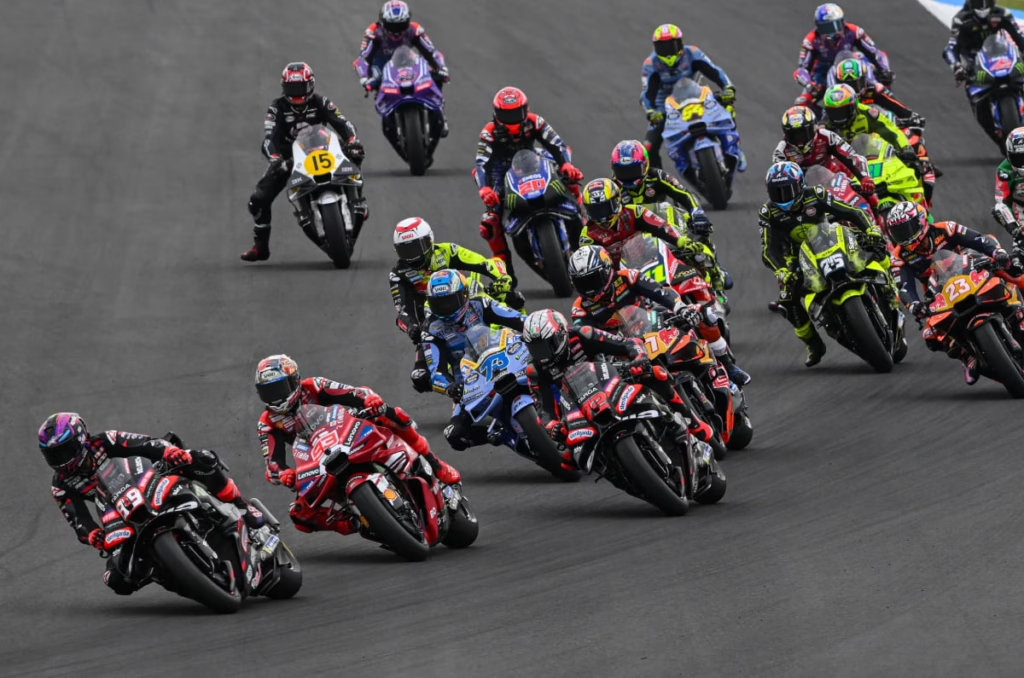
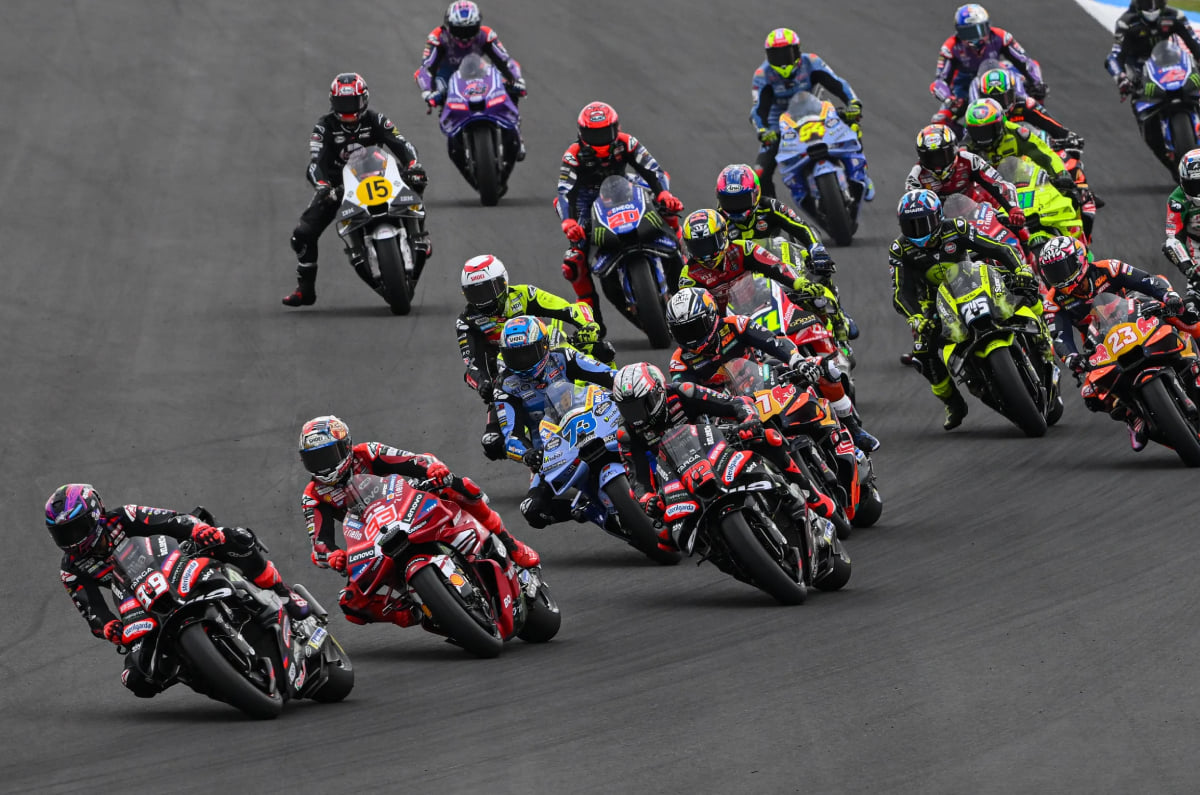
MotoGP has announced a new weekend format set to come into effect from 2027, bringing significant changes to how the three-day schedule is structured.
Sprint and Grand Prix will have separate qualifying sessions and separate grids
New Sprint Qualifying on Friday
Separate Grand Prix qualifying on Saturday
New 2027 MotoGP weekend format
Practice sessions will no longer have any bearing on qualifying position
The current MotoGP race weekend begins with Free Practice on Friday, followed by a timed Practice session. The 10 fastest riders in this session progress directly to Q2, while the remaining riders contest Q1 on Saturday. The two fastest riders in Q1 then join the top 10 in Q2, with the results of the 15-minute session setting the starting grid for both the Sprint and the main Grand Prix.
From 2027, the current Practice session will be replaced by a second Free Practice (FP2) session, which will have no bearing on qualifying. Instead, Friday will feature a new 15-minute Sprint Qualifying session, open to all riders, with the results determining the grid for Saturday’s Sprint race.
Saturday will then feature a 20-minute FP3 session, followed by Grand Prix Q1, which will also be open to all riders. The 12 fastest riders from Q1 will progress to GP Q2, meaning the qualifying sessions for the Sprint and Grand Prix will be completely separate. This opens up the possibility of an entirely different starting order for both races.
On Sunday, the Moto3 and Moto2 races will run as before. However, the MotoGP Warm Up session, which currently takes place earlier on race day, will be dropped. Instead, the pitlane will open for 10 minutes of sighting laps immediately before the Grand Prix.
The new format will arrive alongside an all-new generation of MotoGP machinery and technical regulations, making 2027 one of the most significant seasons in the championship’s recent history.
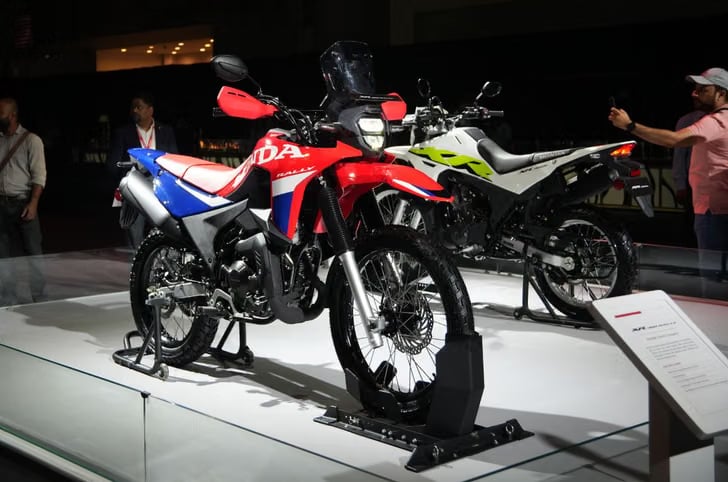
The Honda XR300L and XR300 Rally were arguably two of the models that enthusiasts were looking forward to most from the 10-strong lineup that the manufacturer showcased back in July. The brand has now announced that it has opened bookings for both models and revealed their pricing.
XR300L priced at Rs 1.83 lakh
XR300 Rally priced at Rs 2.08 lakh
Both use the 293.5cc air- and oil-cooled engine from the CB300F
Honda XR300L and XR300 Rally details
Rally variant adds off-road focused equipment over the standard XR300L
Both motorcycles share the same engine, closely related to the 293.5cc air- and oil-cooled unit in the CB300F, which produces around 24.3hp and 26.5Nm in international markets. Honda is yet to update its India website with specs and details, but we know that the India-spec bikes get revised exhaust routing over the South American XR300L, likely to comply with our emissions regulations. Both use telescopic front forks and a rear monoshock, which should offer substantial travel, riding on a 21-inch front and 18-inch rear wire-spoke wheel combination.
For the Rs 25,000 premium, the XR300 Rally steps up with a 5-inch TFT display, a larger fuel tank, a taller windscreen, knuckle guards and unique rally-inspired bodywork, along with more comprehensive switchgear. The seat height on the Rally is expected to be marginally taller than the XR300L, with a slight increase in kerb weight owing to the larger fuel tank. Again, we’ll update this once Honda gives us the full specs and details.
The XR bikes bring Honda into a segment it hasn’t meaningfully participated in our market, but one that’s increasingly popular, with most major manufacturers now having a model in it. At Rs 1.83 lakh, the XR300L undercuts the Kawasaki KLX230 (Rs 2.19 lakh) by a fair margin while offering a larger engine, and is only marginally more expensive than the Hero Xpulse 210 range (Rs 1.68-1.77 lakh). The Rally at Rs 2.08 lakh widens the gap with the Xpulse, but still costs notably less than the KLX.
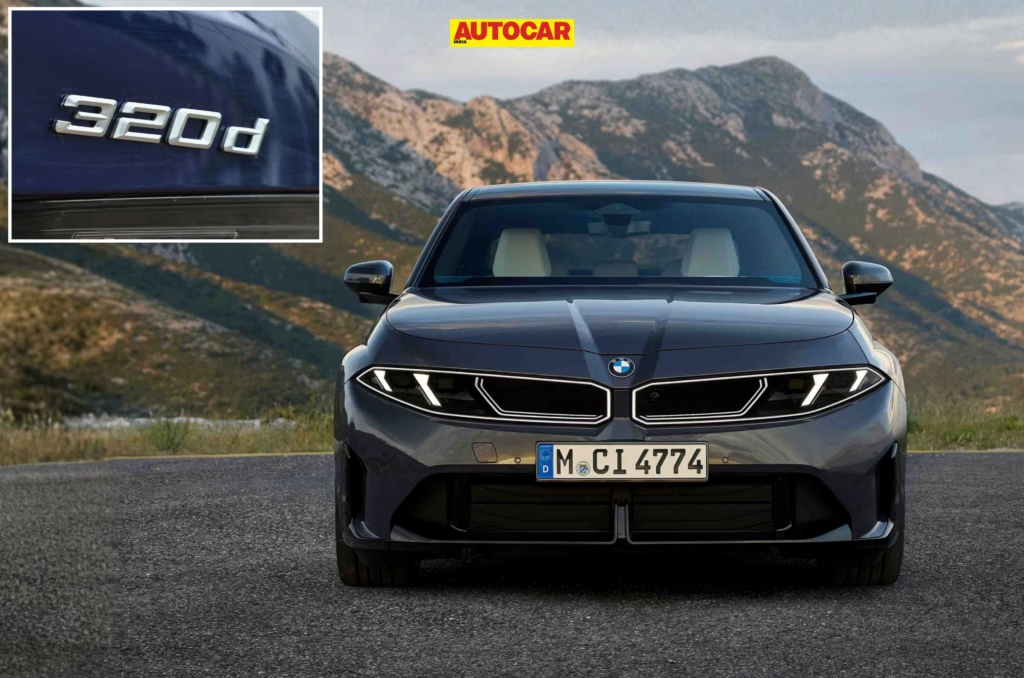
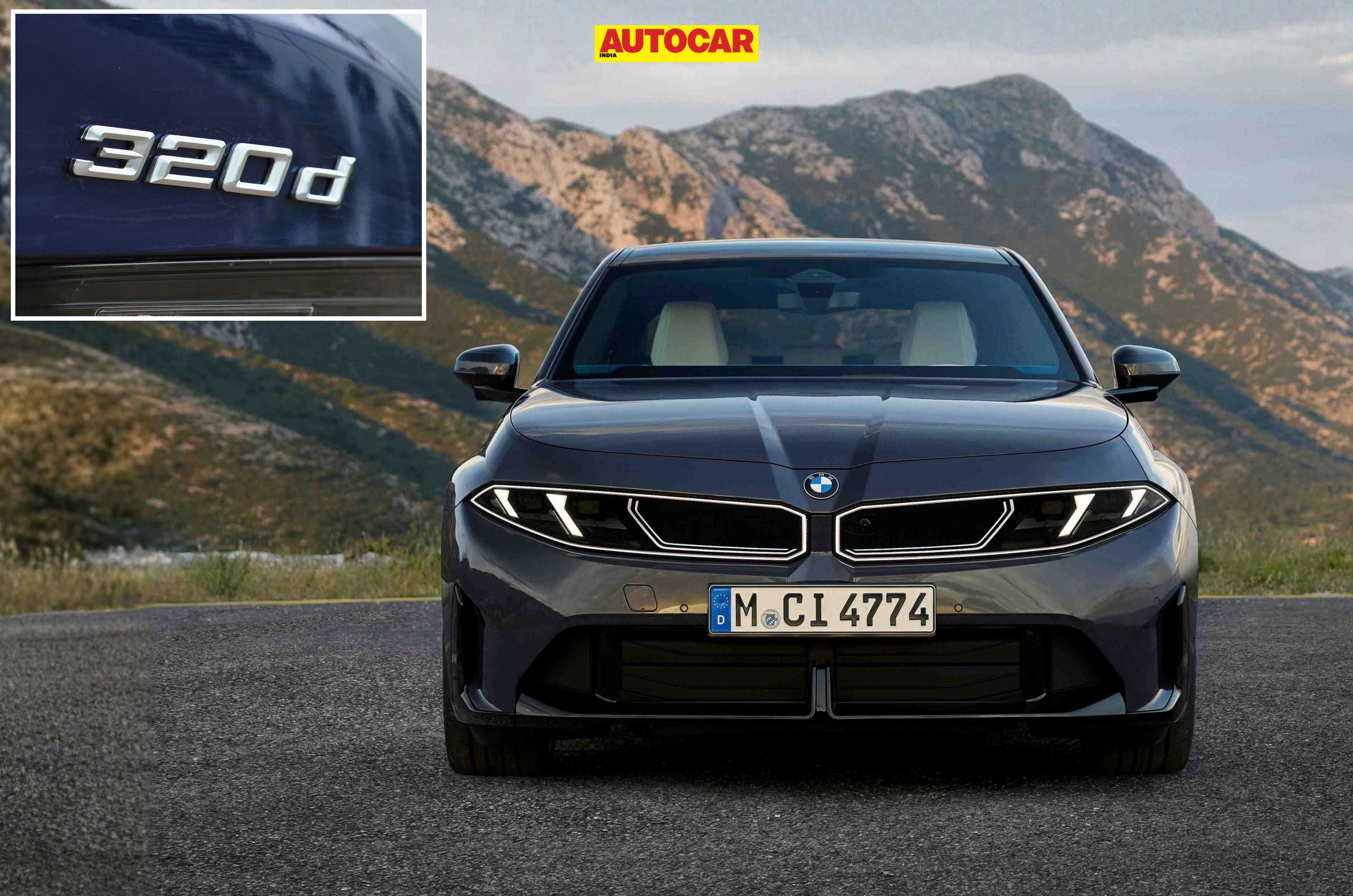
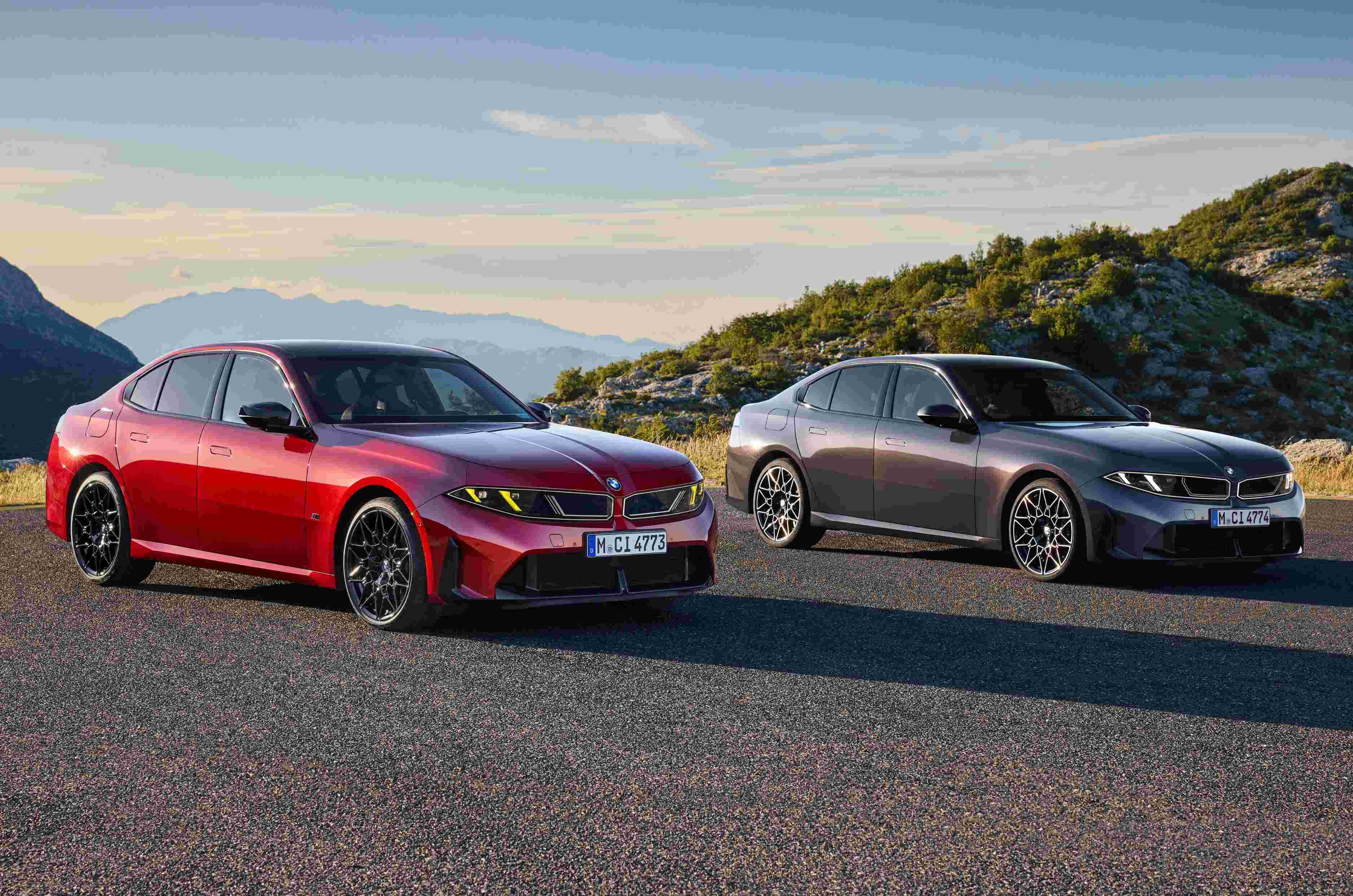
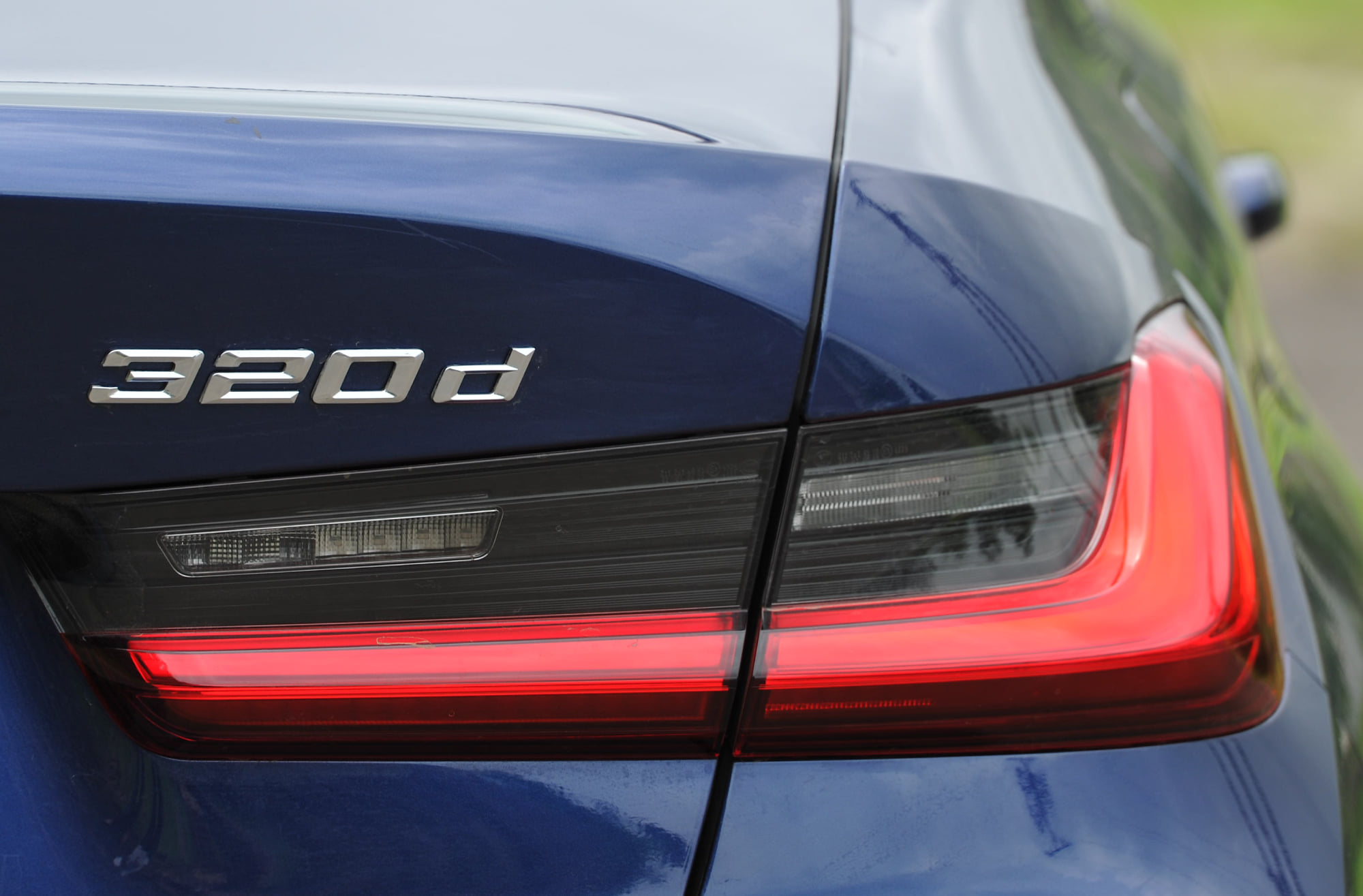
BMW has dropped diesel power from the eighth-generation 3 Series, codenamed G50, ending a run that dates back to the second generation (E30). The new G50 is offered with petrol engines, while a plug-in hybrid version is due to join the range in 2027. The fully electric i3 is also part of the eighth-generation 3 Series family.
G50 3 Series offered only with petrol engines
Speaking to members of the European press at the debut, BMW confirmed that the eighth-generation 3 Series will not be offered with a diesel engine. Besides the first-generation (E21), the G50 is the only other 3 Series generation without a diesel option. All other generations offered at least one diesel variant.
The G50 is available in 318, 320 and M350 xDrive forms. The 318 and 320 use 2.0-litre four-cylinder turbo-petrol engines with 48V mild-hybrid technology, while the M350 xDrive gets a 3.0-litre six-cylinder turbo-petrol mill with the same system.
BMW has not given a specific reason for removing diesel from the new-generation 3 Series, although it is likely in the interest of meeting increasingly stringent local emissions regulations.
Plug-in hybrid to join 3 Series range
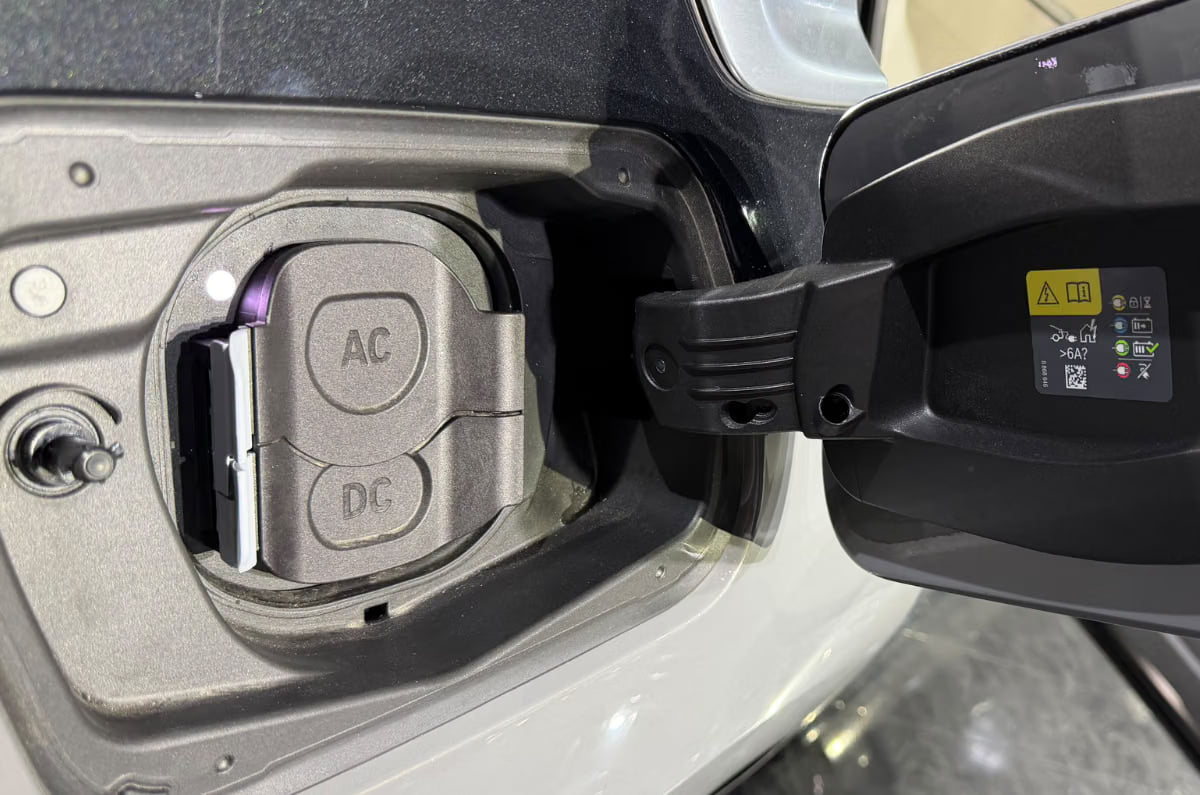
BMW will add a plug-in hybrid version to the G50 range in 2027. Technical details of this version have not yet been announced. The fully electric BMW i3 is also part of the eighth-generation 3 Series family. The i3 40 xDrive and i3 50 xDrive are available with electric power, with claimed WLTP ranges of up to 710km and 912km respectively.
The result is a 3 Series range comprising petrol, plug-in hybrid and fully electric powertrains, with diesel no longer part of the new-generation line-up.
BMW’s shift from diesel to electrification in India
BMW’s changing powertrain strategy for the 3 Series is also reflected in its India portfolio. The company is increasingly pairing its petrol models with electric alternatives in India rather than offering diesel versions across these newer model lines. The 7 Series is available with a petrol engine, while the fully electric i7 is offered alongside it. The 5 Series LWB follows the same approach with the petrol-powered 5 Series and electric i5 LWB, while the X1 LWB is available with a petrol engine alongside the electric iX1 LWB.
None of these models is offered with a diesel engine in India. BMW’s electric models are therefore increasingly filling the role that diesel variants traditionally occupied as the more efficient option for buyers. The same transition is now evident in the new 3 Series in Europe, where the diesel has been dropped in favour of petrol, plug-in hybrid and fully electric options.
BMW India says electrification and its long-wheelbase range are two key areas of its current product strategy, with EVs accounting for 26 percent of its sales in the first half of 2026. The company expects the share of EVs in its sales to exceed 30 percent in the second half of the year.
BMW India has also seen some customers move from diesel to electric vehicles. The company says concerns around the long-term use and residual values of diesel cars have contributed to the shift in some markets, while it continues to offer diesel engines where demand remains strong.
Following a rules overhaul, the 2026 F1 pecking order has been shaped significantly by the development race playing out behind the scenes.
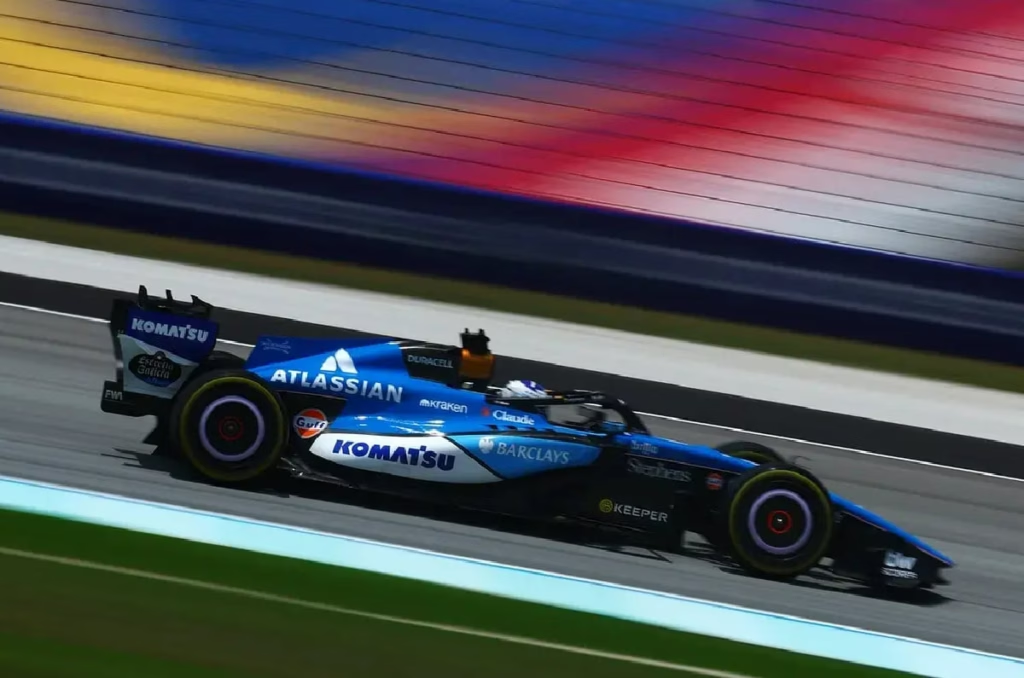
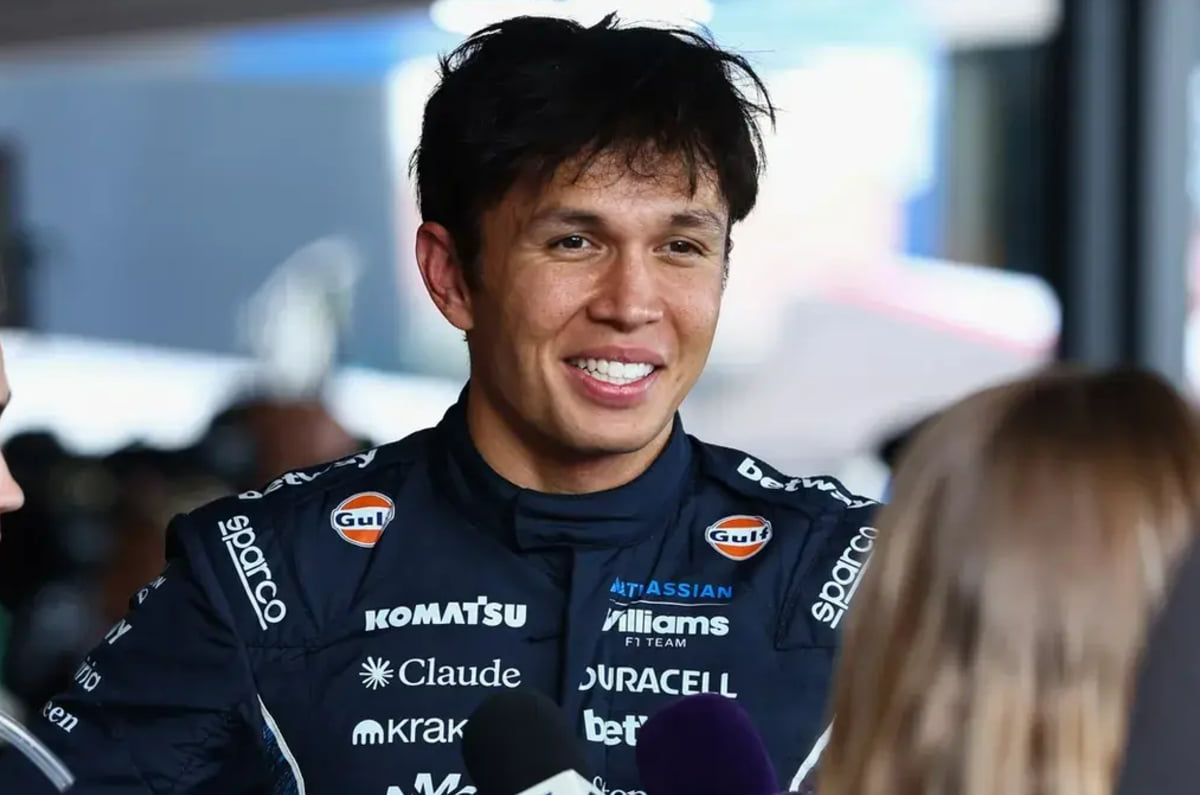
Speaking to media, including Autocar India, ahead of the Bahrain GP in Malaysia, Atlassian Williams F1 Team driver Alex Albon says the rate of development is faster than he’s ever seen before in his career. But rather than keeping pace, the team has decided to stop bringing upgrades this year and put its resources into building a stronger car for 2027.
Alex Albon on F1 2026 development war
In previous years, upgrade packages typically delivered a few hundredths of a second. But with teams still trying to understand the 2026 rules, McLaren boss Andrea Stella reckoned upgrades this year can deliver gains of two to three tenths of a second.
“We’re seeing a huge difference. Even when I think about when the regulations changed in 2022, teams are just getting better at becoming more efficient with bringing upgrades to the car,” Albon said, adding that he believes the rate at which teams are progressing is “at least 3x of last year”.
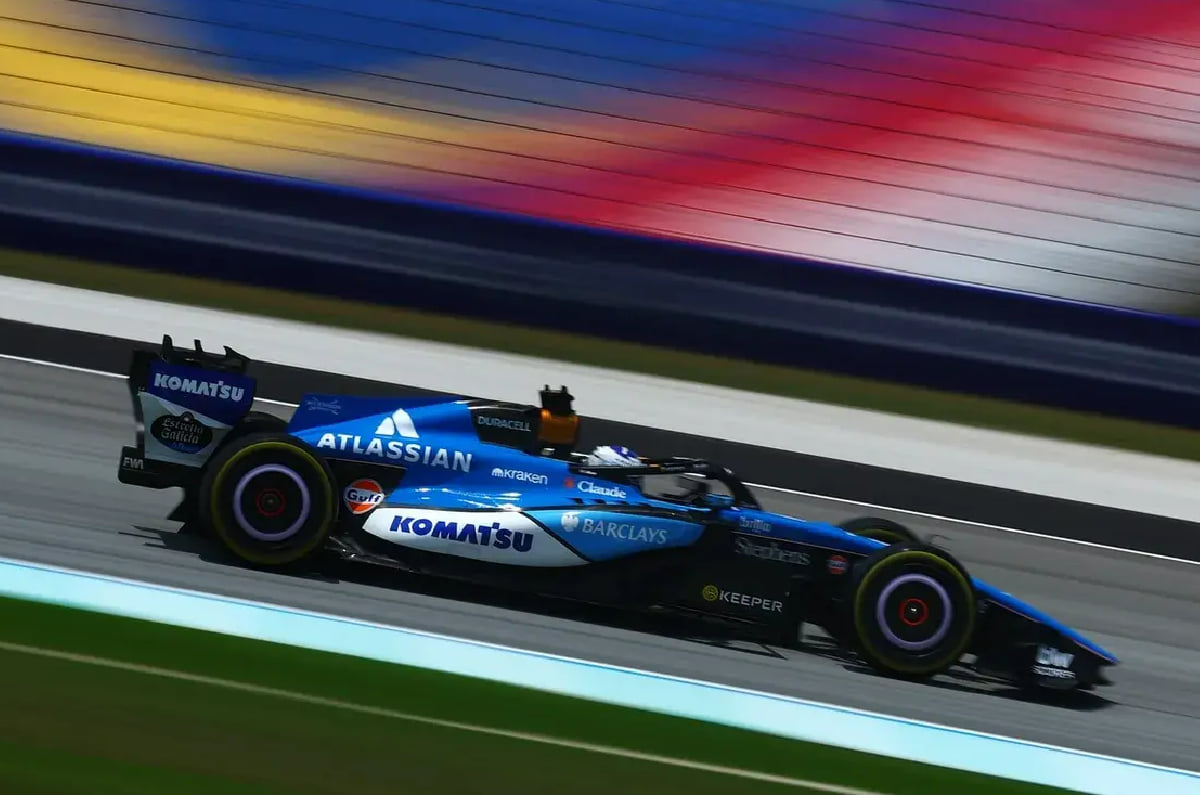
The $215 million cost cap means teams have adopted varying strategies for how to roll out these upgrades. Ferrari has been quite aggressive with rolling out chassis upgrades. Atlassian Williams, on the other hand, focused most of its resources on bringing one major upgrade package to Round 15 at Azerbaijan. The team has struggled with an overweight car and other performance issues in the first half of the 2026 season. The Azerbaijan upgrade package looked to address these issues and it appears to be a step in the right direction, delivering the team’s very first Q3 appearance of the season back at Baku.
Albon points out that the biggest is in the mid-field. “Last year and previous years that I remember my experience in Formula 1, it was always only the top three or four teams that were capable of achieving four or five big upgrades a season. And now you’re actually getting midfield teams very close to achieving the same amount of development rate,” he shared.
“So, yes, it’s been partly also why as a team we’ve been struggling a little bit, because we are now maybe at a similar pace to last year, which obviously is not enough.”
Atlassian Williams F1 Team switches focus to 2027
Atlassian Williams currently stands ninth overall in the teams’ championship, ahead of Aston Martin and Cadillac. When asked about the team’s targets for the rest of the season, Albon said, “Truthfully, this year, we have calculations of our own development rate versus the top teams and the midfield teams. We know which rate we need to be at to be able to overtake them.”
But the team has decided to sacrifice its 2026 development to deliver a stronger car next year. “We know where we need to be starting next year at Race 1, which is the most important. The best way we can arrive to Race 1 next year competitive is to focus on next year. And that means not bringing upgrades for the rest of the year. That means all the simulator work that we’re doing behind the scenes is now focused on next year’s car.” Albon stated,
“We need to be very ambitious and very aggressive with the rate at which we’re going to develop the car next year because the speed at which teams are able to progress is higher than ever.
Albon: Antonelli, Hamilton’s driving style better suited to new cars
Albon also shared that this year’s cars, with a near 50:50 split between combustion and electric power, have forced him to rethink his own driving style. “I’ve had to change quite a lot,” he said. “I think it’s been the single biggest change for me personally to adapt to a different set of regulations.”
He points to two main factors – the cars are now smaller and the tyres have changed significantly. “I think a lot of the drivers who push [at corner] entries – so if you think famously, someone like Lewis [Hamilton], I think Kimi [Antonelli] does a very similar thing – they’re being rewarded. I think it’s complicated, but basically, it’s because the rear tyres are not as strong this year as they were in previous years, relative to the front tyres,” Albon explained.
“The other thing is obviously the deployment, which a lot of the deployment is down to the drivers – the way the driver downshifts and upshifts. Also, the way the driver brakes and the biggest factor is the way the driver goes on throttle.”
As for adapting his own driving style to suit the new cars, Albon said, “I wouldn’t say it was conscious. In the very beginning, it was very difficult to understand. It was very against my personal driving style. We’re in October now, I only just feel like I’m starting to feel natural in driving a car, which is a lot longer than it takes.”
Jr NTR: एक बार फिर से जान्हवी कपूर को ‘देवरा’ फिल्म के उनके गाने ‘चुट्टामल्ले’ के एक परेशान करने वाले AI-जनरेटेड वीडियो के जरिए निशाना बनाया गया, जिसमें वह जूनियर NTR के साथ नजर आई थीं। वायरल हो रहा यह AI वीडियो एक्ट्रेस के लुक का मॉर्फ्ड वर्जन है, जिसे डिजिटल रूप से बदलकर ऐसे अश्लील सीन बनाए गए हैं जो ओरिजिनल गाने का हिस्सा कभी नहीं थे।
जूनियर NTR ने X पर ऐसे भद्दे वीडियो बनाए जाने की कड़ी आलोचना की और साफ कहा कि वह इसके खिलाफ कानूनी कार्रवाई करेंगे। उन्होंने लिखा, “यह दिमागी रूप से बीमार लोगों का घिनौना और बेशर्मी वाला काम है। जिस देश में महिलाओं को मां और देवी के रूप में पूजा जाता है, जहां ‘मातृदेवो भव’ सिर्फ एक कहावत नहीं बल्कि हमारी संस्कृति का हिस्सा है, वहां कुछ लोग इतने नीचे गिर गए हैं कि वे AI का इस्तेमाल करके किसी महिला का बेहद अपमानजनक तरीके से अनादर कर रहे हैं। AI का इस्तेमाल करके ऐसी घिनौनी चीज बनाना शब्दों से परे शर्मनाक है।”
उन्होंने आगे कहा, “इस मॉर्फ्ड ‘चुट्टामल्ले’ वीडियो के पीछे जो घटिया लोग हैं, मैं उनमें से किसी को नहीं बख्शूंगा। इसे बनाने वालों और इसे फैलाने वालों के खिलाफ मैं हर संभव कानूनी कार्रवाई करूंगा। कृपया ऐसे कंटेंट को न देखें, न शेयर करें और न ही उस पर कोई प्रतिक्रिया दें। आज यह किसी और के साथ हुआ है। कल यह आपकी मां, बहन, पत्नी या बेटी के साथ भी हो सकता है।”
Disgusting, Sick and Shameless.
In a land that worships women as mothers and goddesses, where “Matrudevo Bhava” is not just a phrase but a part of our culture, some people have fallen so low that they are using AI to disrespect a woman in the most degrading way possible. Using AI to create something this vile is shameful beyond words.
To the scumbags behind this morphed Chuttamalle video, I will not spare any of you. I will take every possible legal action against those who created it and those who are spreading it.
Please do not watch, share or engage with such content. Today it is someone else. Tomorrow, it could be your mother, sister, wife or daughter.
This is a serious issue, and I urge all the state governments and the Government of India to act strongly and bring in strict regulations against the misuse of AI.
एक्टर ने अपनी बात खत्म करते हुए कहा, “यह एक गंभीर मुद्दा है और मैं सभी राज्य सरकारों और भारत सरकार से अपील करता हूं कि वे AI के गलत इस्तेमाल के खिलाफ सख्त कदम उठाएं और कड़े नियम बनाएं।”
देवरा के बारे में
‘चुट्टामल्ले’ एक रोमांटिक गाना है, जो मुख्य किरदारों के बीच की केमिस्ट्री को दिखाता है। यह गाना जंगल और समुद्र बीच के शानदार बैकग्राउंड पर फिल्माया गया है और इसे जान्हवी कपूर द्वारा निभाए गए फीमेल लीड किरदार के नजरिए से दिखाया गया है। इसे अनिरुद्ध रविचंदर ने कंपोज़ किया है और रामाजोगाया शास्त्री ने लिखा है। शिल्पा राव ने अपनी आवाज दी है और बोस्को मार्टिस ने कोरियोग्राफी की है। ‘चुट्टामल्ले’ तमिल, हिंदी, कन्नड़ और मलयालम भाषाओं में रिलीज किया गया था।
इस फिल्म में जूनियर एनटीआर के साथ जान्हवी कपूर, सैफ अली खान, प्रकाश राज, श्रीकांत मेका, टॉम शाइन चाको और नारायण जैसे कई बड़े कलाकार शामिल थे। यह फिल्म 27 सितंबर, 2024 को सिनेमाघरों में रिलीज हुई थी। इस फिल्म में जूनियर एनटीआर ने दोहरी भूमिका निभाई है – देवरा और वरधा दोनों की। जसुधा आर्ट्स के बैनर तले बनी इस फिल्म को साराजू हरि कृष्णा और सुधाकर मिक्किलीनेनी ने प्रोड्यूस किया था और नंदमुरी कल्याण राम ने इसे पेश किया था। यह फिल्म तेलुगु, तमिल, मलयालम, कन्नड़ और हिंदी सहित कई भाषाओं में रिलीज हुई थी।