Tata, Stellantis formalise pact for Sierra-based Jeep SUV

Tata, Stellantis formalise pact for Sierra-based Jeep SUV
Tata Sierra-based Jeep SUV

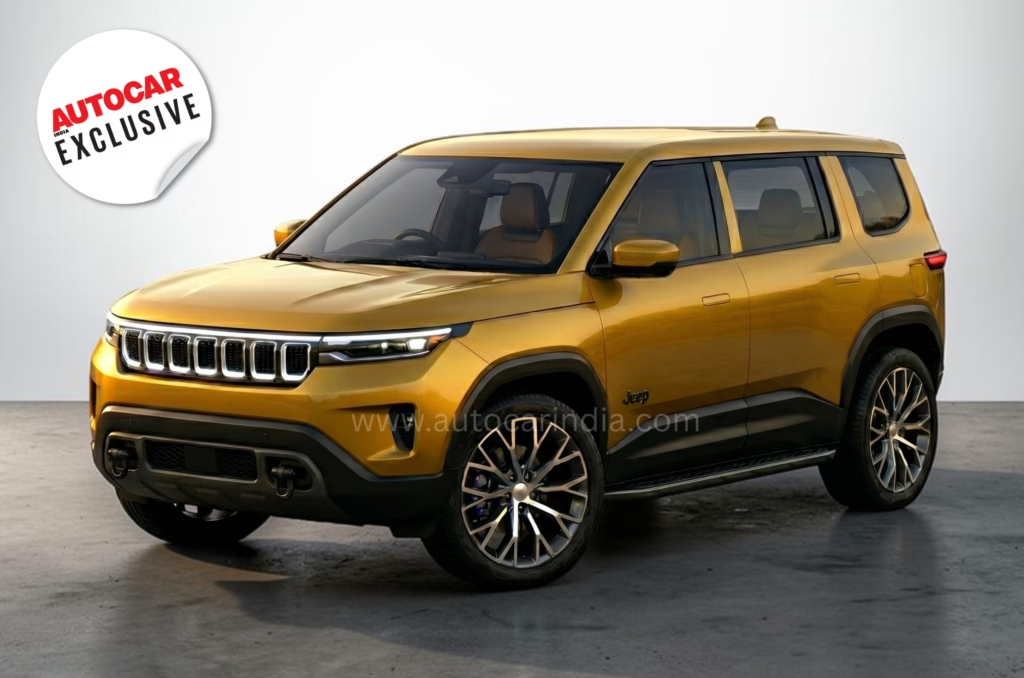
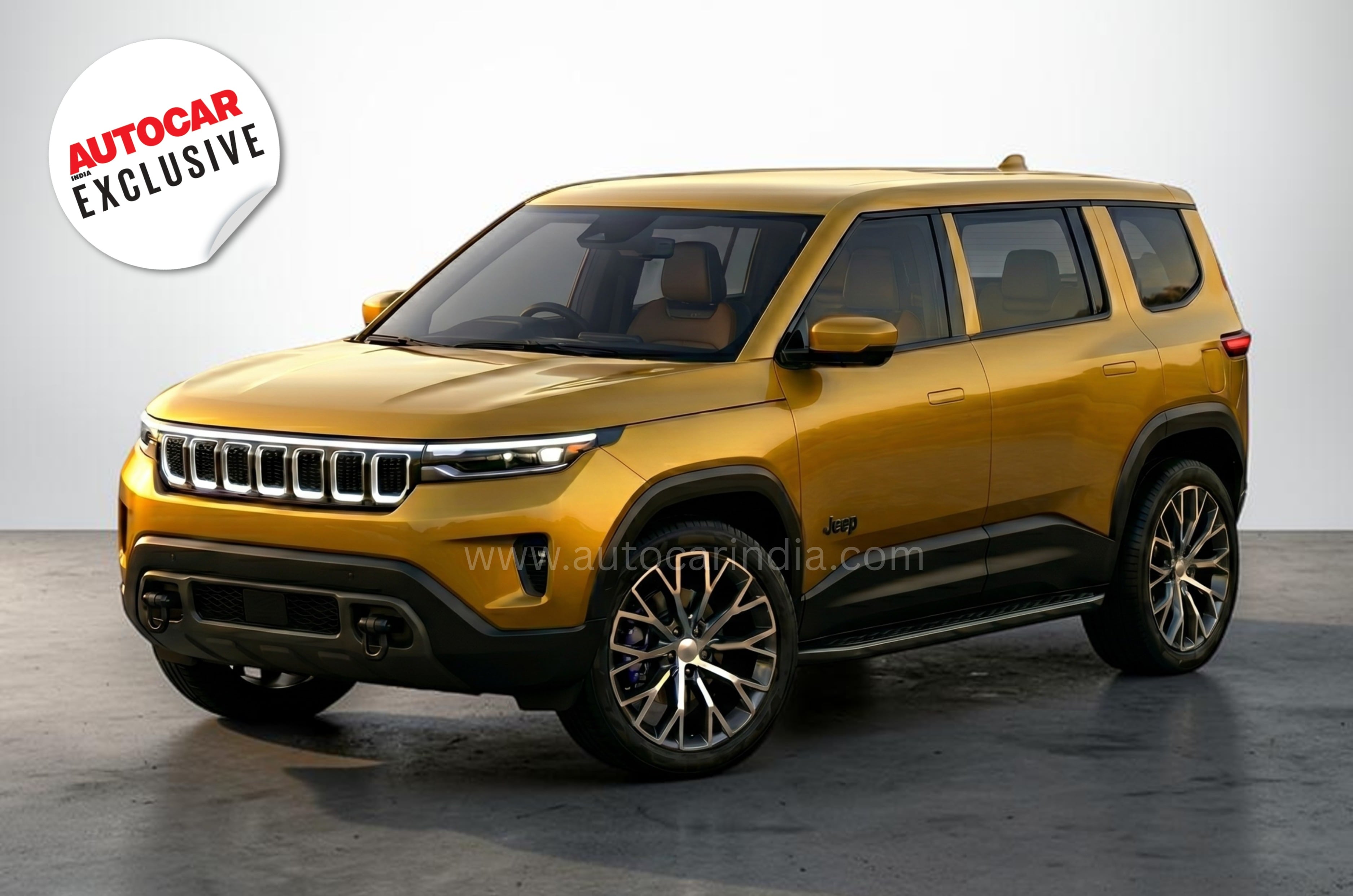
Tata Motors Passenger Vehicles (TMPV) and Stellantis have signed a formal agreement to expand their partnership into product technology, platforms and vehicle architecture, formalising plans for a new Jeep SUV based on the Tata Sierra’s ARGOS platform, according to people in the know. Internally codenamed J1J, the Jeep SUV will get both internal combustion engine and electric versions and it is likely to use the same powertrains as the Sierra, say people in the know.

Sierra-based Jeep SUV: platform and production plans 

ARGOS stands for All-Terrain Ready, Omni-Energy and Geometry Scalable. It is TMPV’s modular, multi-energy vehicle architecture, designed to accommodate different vehicle dimensions and powertrain applications, which can open up more opportunities for Stellantis in the future.

While Tata Motors is producing the Sierra at its Sanand factory in Gujarat, production of the Jeep model is likely to take place at the Fiat India Automobiles Ltd (FIAL) joint venture facility in Ranjangaon, Maharashtra. The manufacturing operations are expected to be adapted for the programme over the next 18 months, added a person in the know.

The programme forms part of Stellantis’ wider ambition to sell 100,000 locally produced vehicles globally in 2028 across its Tata and Dongfeng partnership programmes combined, as outlined at its May 2026 Investor Day. The target covers several products. The company is likely to launch the first vehicle in the first half of 2028, say sources.

A dedicated team for the project is currently based out of Pune and will look at adapting the vehicle architecture, including a left-hand-drive version for overseas markets. A range-extender electric vehicle application is also being explored on the platform, although no production decision for the REEV has been finalised, according to people familiar with the engineering work.

An email sent to Tata Motors and Stellantis seeking comment remained unanswered at the time of publication.

The formal agreement builds on a relationship spanning more than two decades. Having collaborated on manufacturing, powertrains and the supply chain, the partners are now extending their cooperation into vehicle development.

Sierra-based Jeep SUV: Different body and cabin

Stellantis is benchmarking its own Jeep Renegade and Compass products for the J1J model development, according to company sources. Its eventual name and final production design are being firmed up.

This clearly indicates that the Jeep will have a different upper body, or top hat, exterior styling and cabin. Changes will extend to the seating package, interior features and equipment. These will distinguish it from the Sierra, while allowing the companies to share the underlying architecture and components.

Much of the platform is expected to be retained, with structural modifications and reinforcements, where required, to accommodate the Jeep body and meet crash and overseas regulatory requirements. Details of Jeep-specific suspension tuning and off-road hardware could not immediately be established. A 4×4 variant is also likely as Jeep’s brand guidelines insist on giving its customers a 4×4 option for all its models. Whilst the electric version of the Sierra already comes with 4×4, the ARGOS platform has been packaged and developed to accommodate a 4×4 ICE drive train as well. In fact, the Jeep partnership could accelerate the launch of a Sierra 4×4 to coincide with launch of the next-gen Jeep SUV. 

Tata Motors sister company Tata Technologies is understood to be involved in engineering execution at Stellantis. The work includes the Jeep-specific body and interior package, left-hand-drive adaptation and changes needed to meet overseas regulations.

According to people familiar with the programme, TMPV will retain ownership of the architecture and license it to Stellantis. Existing Sierra suppliers are expected to support Jeep where components can be shared, with separate sourcing and tooling for model-specific parts.

India development, global markets

Stellantis had disclosed its intention to develop a Tata-based Jeep at its May 21, 2026 Investor Day. Grégoire Olivier, its Asia Pacific chief operating officer, said Tata Motors would provide a competitive platform for a new Jeep vehicle to be developed and assembled in India through the existing joint venture for global markets. 

Olivier had also outlined exports to more than 50 countries across the wider portfolio, including the Dongfeng programmes, the Tata-based Jeep and the existing Citroën Smart Car programme in India. The markets allocated specifically to J1J have not been established.

For Stellantis, Tata’s architecture and supplier base offer a way to reduce development expenditure while adding a new Jeep product. For TMPV, the arrangement could generate licensing revenue and spread platform costs across additional vehicles. Common components could also bring suppliers higher volumes.

The alliance is a much-needed segue for the Jeep brand which has been in India for close to a decade but has been relegated to the fringes of the Indian market with a lack of product action. A licensed modular architecture with the potential for multiple powertrains, 4×4 capability and different wheelbases will open opportunities for more products in a quicker time interval. 

The programme would extend the Ranjangaon venture from manufacturing cooperation to producing a Jeep on Tata’s vehicle architecture. The left-hand-drive version would widen its overseas reach, giving the plant access to demand beyond India and other right-hand-drive markets.

With inputs from Ketan Thakkar 
Suzuki confirms range extender hybrid with plug-in capability for compact cars

Suzuki confirms range extender hybrid with plug-in capability for compact cars
Maruti Fronx side

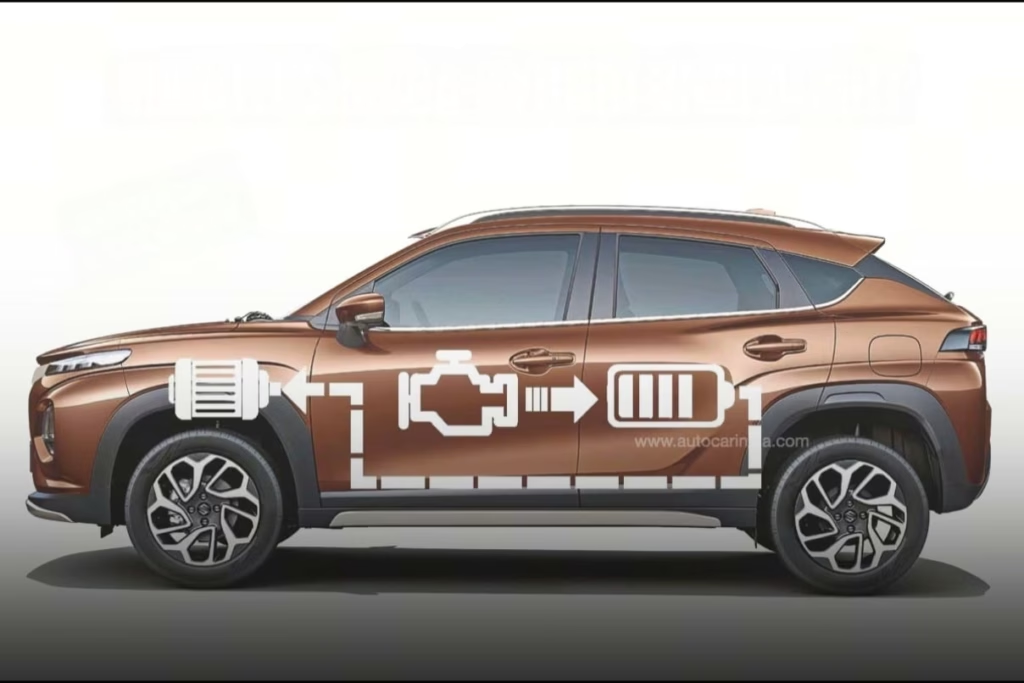
Suzuki Motor Corp has confirmed plans to develop a range extender for compact cars, taking its in-house series hybrid programme towards a vehicle that can also be charged externally. The announcement follows our exclusive scoop from over two years ago wherein we reported that Maruti Suzuki’s is working on an in-house series hybrid system.

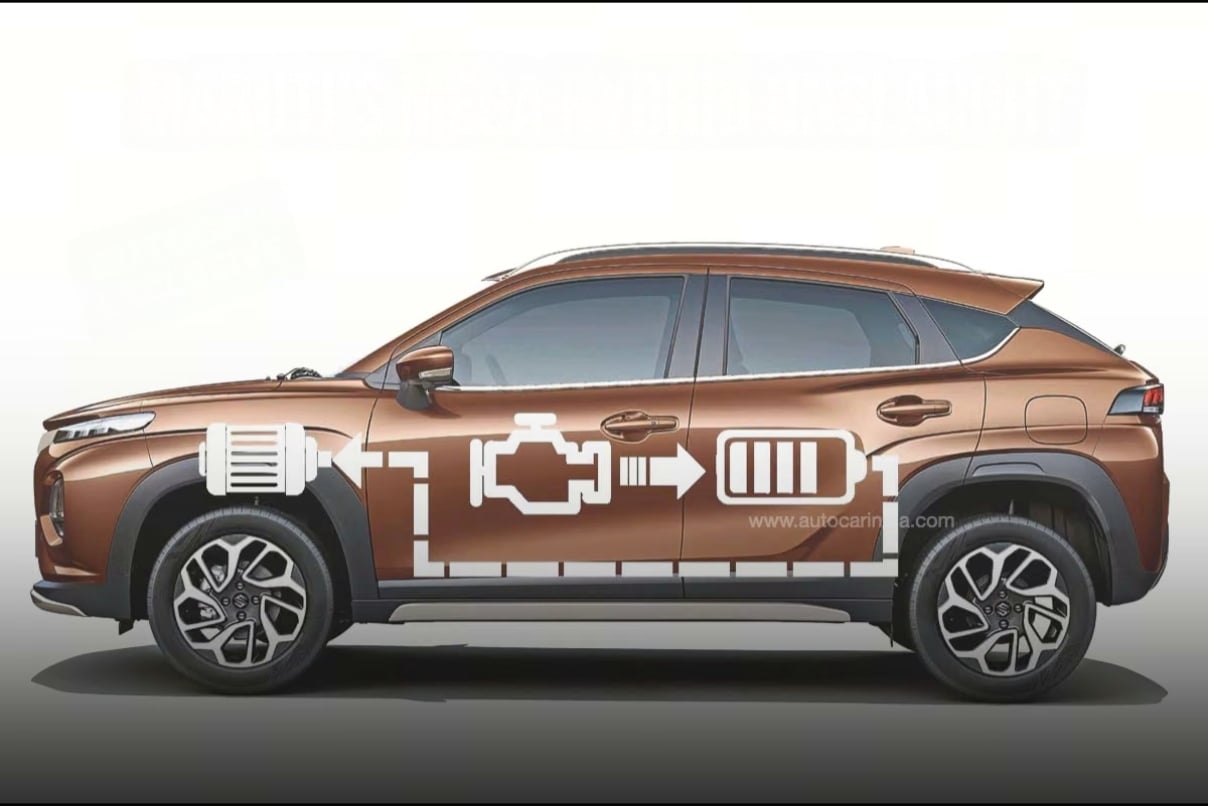
  1. ‘REEV light’ system uses an e-motor to drive wheels while engine acts as a generator.
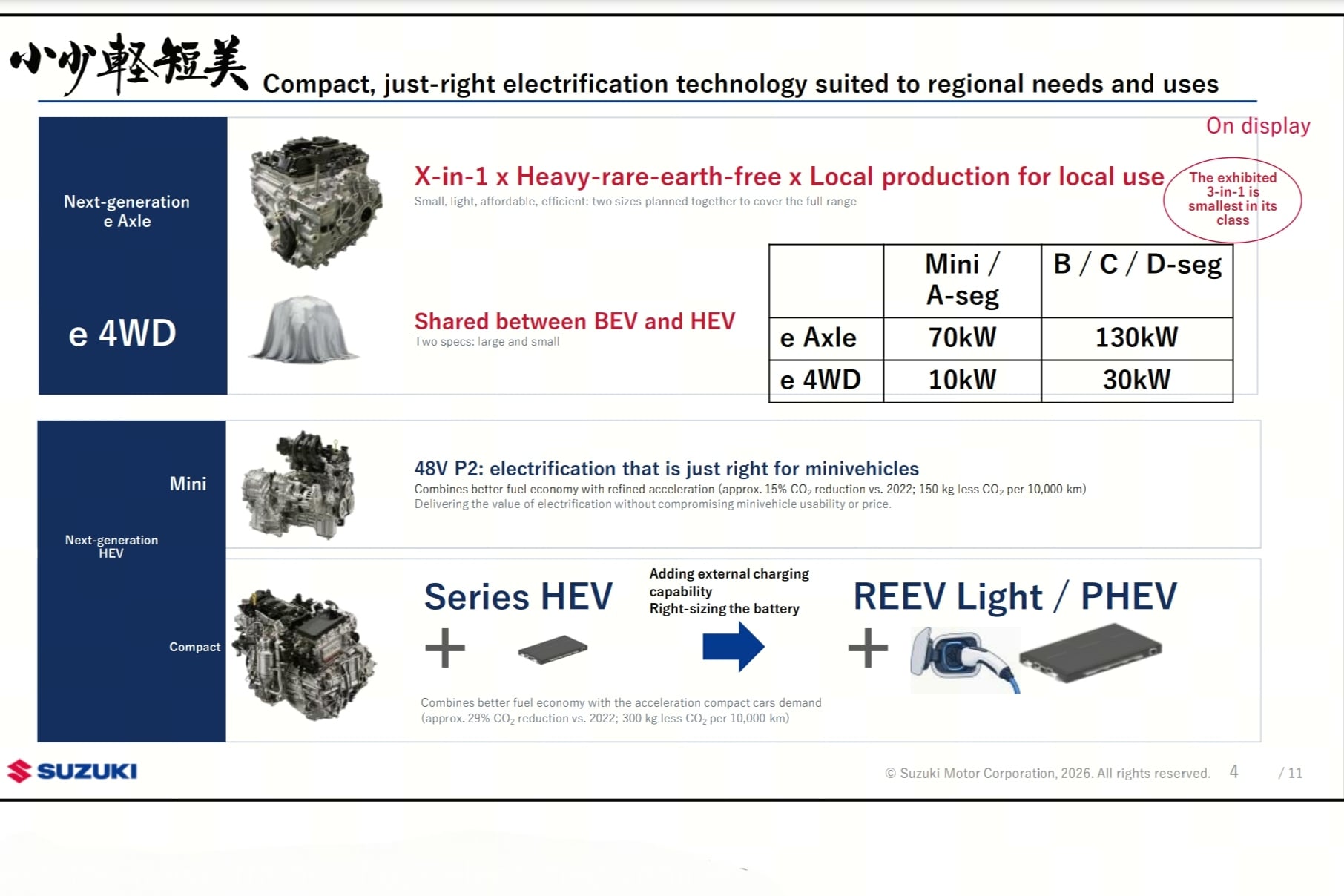
  2. Suzuki aims to reduce CO₂ emissions by about 29% with its compact-car series hybrid.

The proposed system, called “REEV Light”, would use an electric motor to drive the wheels and an engine to generate electricity when needed. Suzuki plans to add a charging connection and a battery sized for the vehicle’s intended use, allowing drivers to plug in without depending solely on charging for longer journeys.

Suzuki range-extender hybrid with plug-in capability: What is it?

“For compact cars, we are preparing a series HEV that generates electricity from fuel and drives on the motor, and we will further evolve this series by adding external charging capability and a right-sized battery to create a light range extender,” the Japanese company said. “It will become a ‘REEV Light’ that does not carry an oversized battery yet lets you drive without worrying about the remaining charge,” Suzuki stated.

The report identified the Fronx and Baleno among the smaller models planned for the system and said the 1.2-litre, three-cylinder Z12E engine would serve as a generator. Suzuki subsequently confirmed development of its own strong hybrid powertrain for lower and mid-level models.

REEV Light is a further development of that series hybrid concept. The series hybrid can generate its own electricity from fuel and does not need to be plugged in; the proposed range extender would give owners the additional choice of external charging. Suzuki has not said whether REEV Light will use the Z12E engine or be fitted to either model named in Autocar India’s earlier report.

Suzuki intends to develop both systems together, sharing core platforms and basic designs. For smaller vehicles, the cost of adding an engine, motor and battery is a central challenge. Autocar India reported that Maruti Suzuki chose the series hybrid layout partly because it could cost less to produce than a system in which both the engine and motor can drive the wheels. Maruti Suzuki uses Toyota-supplied series-parallel hybrid technology in higher-end vehicles; its own series hybrid is aimed at smaller models.

Battery size is also shaping Suzuki’s approach. The company says vehicles should carry the capacity their customers need without the weight and material cost of an oversized pack. In REEV Light, external charging would supply electricity for trips within the battery’s range, while the engine could generate power for longer journeys.

Suzuki estimates that its compact-car series hybrid could reduce CO₂ emissions by about 29% against its stated 2022 reference, or roughly 300 kg over 10,000 km. It has not released an equivalent estimate, battery capacity or electric-only range for REEV Light.

The development could broaden Maruti Suzuki’s options as it expands beyond petrol and CNG into more hybrid and electric models. Whether the plug-in range extender joins its India line-up, and which vehicle would receive it, remains open.

With inputs from Ketan Thakkar

बिना ड्राइवर के चलेगी आपकी कार! जानिए भारत में आने वाली फ्यूचर कार टेक्नोलॉजी

भारत में कारों की दुनिया तेजी से बदल रही है। पेट्रोल, CNG और इलेक्ट्रिक कारों के बाद अब हाइब्रिड, प्लग-इन हाइब्रिड और रेंज एक्सटेंडर जैसी नई टेक्निक भी बाजार में दस्तक दे रही हैं। ऐसे में सवाल उठता है कि आने वाले समय में इंडियन के लिए सबसे बेहतर और किफायती फ्यूल टेक्नोलॉजी (fuel technology) कौन-सी होगी:

Strong Hybrid Car (स्ट्रॉन्ग हाइब्रिड कार)

Story pin image

स्ट्रॉन्ग हाइब्रिड कारों में पेट्रोल इंजन (petrol engine) और इलेक्ट्रिक मोटर दोनों साथ काम करते हैं। इसकी बैटरी को अलग से चार्ज नहीं करना पड़ता, बल्कि यह ब्रेक लगाने या इंजन के जरिए खुद चार्ज हो जाती है। शहर में कम स्पीड पर कार कुछ किलोमीटर तक केवल इलेक्ट्रिक मोड में चल सकती है, जिससे पेट्रोल की बचत होती है और माइलेज बढ़ता है। हालांकि इन कारों की कीमत सामान्य पेट्रोल कारों (petrol vehicles) से ज्यादा होती है।


Mild Hybrid Car (माइल्ड हाइब्रिड कार)

Story pin image

माइल्ड हाइब्रिड टेक्निक में भी इंजन के साथ छोटी इलेक्ट्रिक मोटर होती है, लेकिन यह कार को अकेले इलेक्ट्रिक मोड (electric-only mode) में नहीं चला सकती। इसका मेन काम इंजन की मदद करना और ईंधन की थोड़ी बचत करना होता है। इस तकनीक से माइलेज में हल्का सुधार मिलता है, लेकिन स्ट्रॉन्ग हाइब्रिड जितना फायदा नहीं होता।


Plug-in Hybrid Car (प्लग-इन हाइब्रिड कार)

Story pin image

प्लग-इन हाइब्रिड कारों में बड़ी बैटरी (battery) होती है, जिसे घर या चार्जिंग स्टेशन से चार्ज किया जा सकता है। बैटरी चार्ज रहने तक कार लंबी दूरी केवल इलेक्ट्रिक मोड में चलती है। बैटरी खत्म होने पर पेट्रोल इंजन अपने आप काम शुरू कर देता है। इससे रोजाना शहर में बिना पेट्रोल खर्च किए ड्राइव करना आसान हो जाता है, जबकि लंबी यात्रा (long journey) में भी चार्जिंग की चिंता नहीं रहती।

Range Extender EV Car (रेंज एक्सटेंडर ईवी कार)

This may contain: an electric car is parked next to two charging stations

रेंज एक्सटेंडर EV पूरी तरह इलेक्ट्रिक कार होती है। इसमें लगा छोटा पेट्रोल इंजन पहियों को नहीं चलाता, बल्कि केवल बैटरी को चार्ज करने का काम करता है। कार हमेशा इलेक्ट्रिक मोटर (electric motor) से ही चलती है। बैटरी कम होने पर इंजन बिजली बनाकर बैटरी को चार्ज करता रहता है। इससे लंबी दूरी पर भी चार्जिंग स्टेशन (charging station) खोजने की परेशानी काफी कम हो जाती है।

Pure Electric Vehicle (प्योर इलेक्ट्रिक व्हीकल)

Story pin image

प्योर इलेक्ट्रिक कारें (Pure electric car) केवल बैटरी और इलेक्ट्रिक मोटर से चलती हैं। इनमें पेट्रोल या डीजल इंजन नहीं होता, इसलिए पॉल्यूशन भी नहीं होता। हालांकि लंबी दूरी की जर्नी में चार्जिंग स्टेशन की अवेलेबिलिटी और चार्ज होने में लगने वाला समय अभी भी कई लोगों के लिए चुनौती बना हुआ है।

Future Technology (भविष्य की टेक्निक)

Story pin image

आने वाले वर्षों में भारत में अलग-अलग जरूरतों के अनुसार कई टेक्निक साथ-साथ देखने को मिल सकती हैं। शहर में रोजाना चलने वालों के लिए इलेक्ट्रिक और प्लग-इन हाइब्रिड (plug-in hybrid) बेहतर ऑप्शन बन सकते हैं, जबकि लंबी दूरी तय करने वाले लोगों के लिए रेंज एक्सटेंडर EV और स्ट्रॉन्ग हाइब्रिड ज्यादा उपयोगी साबित हो सकते हैं।

फिलहाल माना जा रहा है कि आने वाले समय में कोई एक टेक्निक सभी पर हावी नहीं होगी। लोगों की जरूरत, बजट और इस्तेमाल के हिसाब से पेट्रोल, हाइब्रिड, प्लग-इन हाइब्रिड, रेंज एक्सटेंडर और इलेक्ट्रिक कारें सभी बाजार में साथ-साथ चलती रहेंगी।