Exclusive: New 450cc class single-cylinder Norton to debut at EICMA 2026

Exclusive: New 450cc class single-cylinder Norton to debut at EICMA 2026
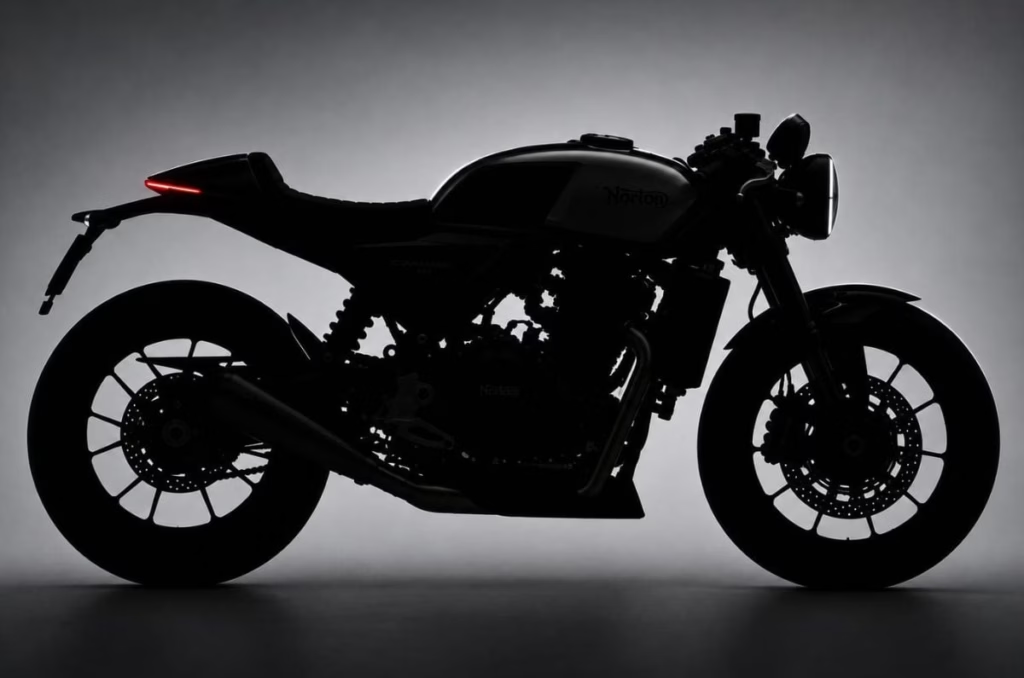
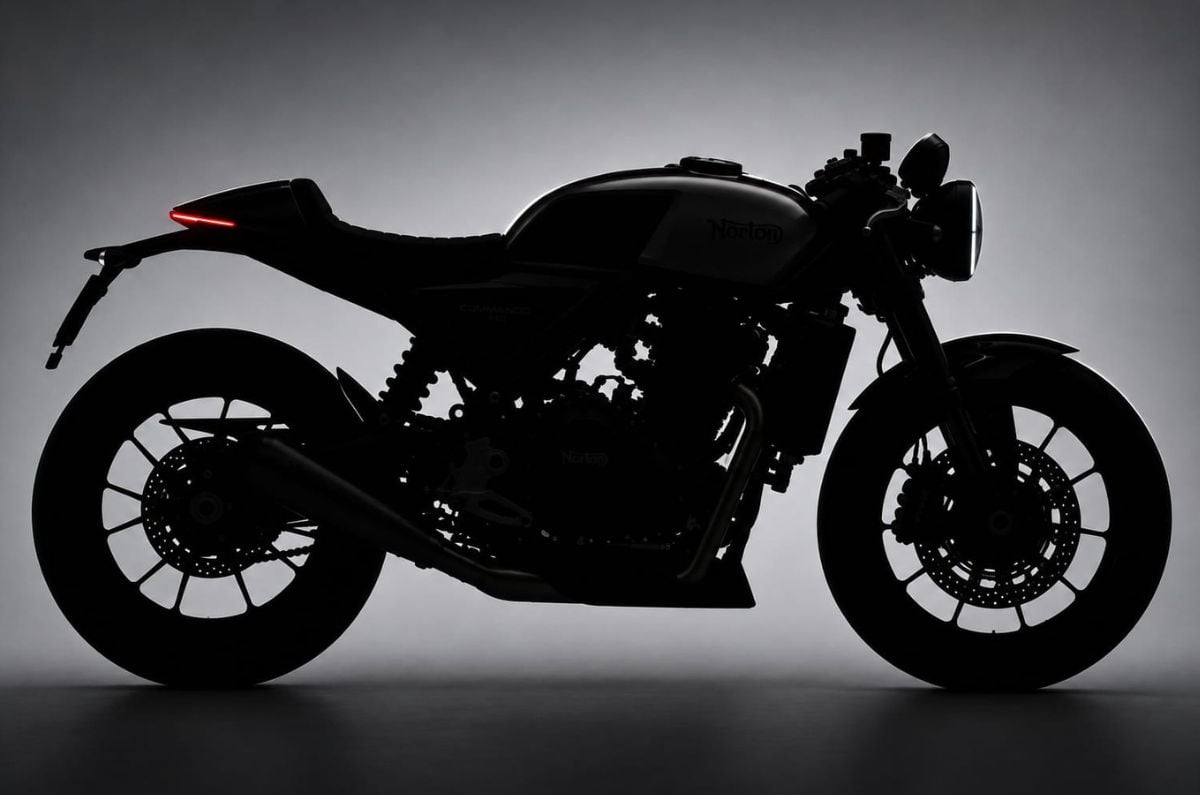
A silhouette of the soon-to-debut single-cylinder Norton

Norton Motorcycles will premiere its much-awaited 450cc-class single-cylinder roadster at EICMA 2026 in Milan, expanding its range with a motorcycle aimed at higher volumes in India and overseas. Autocar Professional expects the motorcycle to produce around 40-45hp and 40-45Nm. The engine is likely to be liquid-cooled and is expected to come with a 6-speed gearbox. The roadster will be the first model on a new platform understood to be called the H-series, with other body styles to follow. It will sit below the TVS Motor-owned British marque’s twin-cylinder Atlas range and V4-powered Manx family.

  1. Norton Atlas is expected to first launch in India, in Q1 2027
  2. New Norton single-cylinder motorcycle will launch overseas and in India simultaneously
  3. Will also be manufactured at TVS’ Hosur plant

New Norton single-cylinder platform at EICMA 2026

Expected to launch in India and overseas in 2027

Autocar Professional understands that TVS plans to begin Norton’s India rollout in the January-March 2027 quarter, if not sooner, starting with the Atlas, followed by the Manx. The H-series roadster is expected to launch simultaneously in India and global markets in the second half of 2027. Responding to queries from Autocar Professional, a Norton spokesperson said the brand’s India introduction would follow its appearance at this year’s Milan show. “Norton is set to launch in India soon following the brand’s presence at EICMA this year, when the next key stage of the resurgence will be revealed,” the spokesperson said. The company has not officially confirmed the roadster’s platform name, engine capacity, output, pricing or sales timeline.

Norton has recently trademarked three names in India – Roven, Inter and Avalon and the first single cylinder bike may bear one of them. In 2025, the company also trademarked the Norton Electra name here, and this followed on the trademarking of the Norton Combat name in 2023.

Reimagined Norton under TVS

Design and ease of use is at the new Norton’s core

Differentiated design is central to TVS’s effort to give Norton a contemporary identity while retaining its British heritage. Simon Skinner, Head of Design, Norton Motorcycles, is leading the development of a design language connecting the brand’s products across capacities and categories. The roadster will extend that approach to a motorcycle intended to sell in larger numbers.

As we have seen with the thoroughly modern designs on the Atlas and V4, it is safe to anticipate modern, pared-back styling, with selected mechanical components exposed and others concealed. This could help distinguish the roadster in a segment where several competitors draw heavily on retro styling. According to Norton, the Manx R received the “Best of the Best” distinction at the 2026 Red Dot Award: Design Concept. Norton Design was also recognised at the 2026 International Design Excellence Awards in the United States.

The roadster is expected to prioritise manageable weight and ease of use, particularly in city riding. It could feature 17-inch wheels and equipment drawn from Norton’s larger motorcycles, potentially including an eight-inch TFT touchscreen, riding aids and multiple riding modes. Final specifications remain unconfirmed.

Taking on Royal Enfield

How does Norton plan to combat the 350cc onslaught?

The platform represents a significant bet on the global mid-size motorcycle market. The opportunity spans roughly the 350cc-750cc categories, with annual volumes estimated at around 15 lakh-20 lakh units. This broad classification includes motorcycles marketed as 350cc models whose actual displacement is slightly lower.

It will bring Norton into closer competition with Royal Enfield and Triumph in India and overseas. However, the new single-cylinder Nortons will face a specific challenge in India. That is the fact that they will not come under the 350cc segment, unlike the massively popular RE 350 range and the recently re-engineered 349cc Triumph line in India. The result is that they will attract the much higher 40 percent GST rate instead of 18 percent. Norton is likely to position these bikes at a premium that will be justified by higher levels of technology and a heavy focus on design, quality and detail.

Royal Enfield’s dominance in India demonstrates the demand for motorcycles used for daily travel, touring and leisure riding. Its extensive dealer network, broad product range and established riding community also present a substantial challenge for Norton. Overseas, Royal Enfield has expanded into many of the markets the TVS-owned British marque is targeting. For TVS, the single-cylinder Norton offers a way to participate more widely in this market. Additional body styles on the same platform would help spread development costs and reach buyers with different riding preferences.

The India distribution plan

TVS is yet to confirm showroom rollout schedule for India

Norton’s design and heritage will form part of its appeal, but pricing, service coverage and parts availability will be important to building sustained sales, particularly in India. TVS had said in June that the Norton Atlas would be introduced in India later in the year. It had also scheduled the launch of TVS Paddock, its premium retail channel for both Norton and select premium TVS products, for the second quarter of FY27. The latest official response did not provide an updated Paddock rollout schedule.

Current preparations are understood to point to around three Paddock outlets by December, although a larger network is being sought. The number of outlets that will be operational when motorcycle sales begin has yet to be finalised. The company said it now has more than 50 retailers across 10 markets, including the UK, Italy, France, Germany and Spain. Preparations for a United States launch are continuing, subject to the final stages of vehicle certification.

Norton said its European test-ride programme had introduced the new motorcycles to thousands of riders. Foster + Partners has designed its showroom environments. TVS acquired Norton in April 2020. Its FY2025-26 annual report records investments exceeding GBP 250 million in rebuilding the business and identifies the marque as an important part of its premium-isation strategy, particularly in developed markets.

India already supports that expansion through manufacturing. The first Atlas motorcycles rolled off TVS’s Hosur production line in June, combining Norton’s UK design and engineering with its parent’s manufacturing operations. Production for the new single-cylinder range will also be out of Hosur.

With inputs from Anurag Chaturvedi and Rishaad Mody.
Hyundai inaugurates Pune plant, to invest Rs 11,000 crore

Hyundai inaugurates Pune plant, to invest Rs 11,000 crore
Hyundai

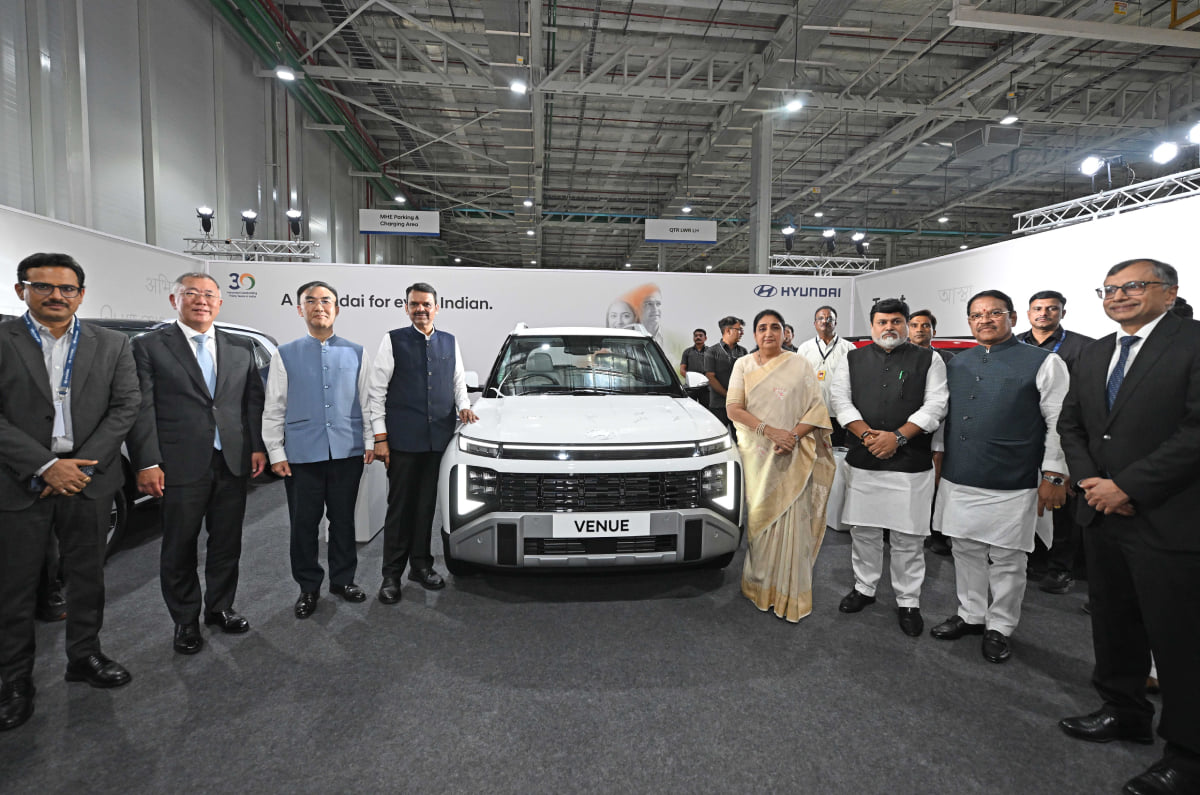
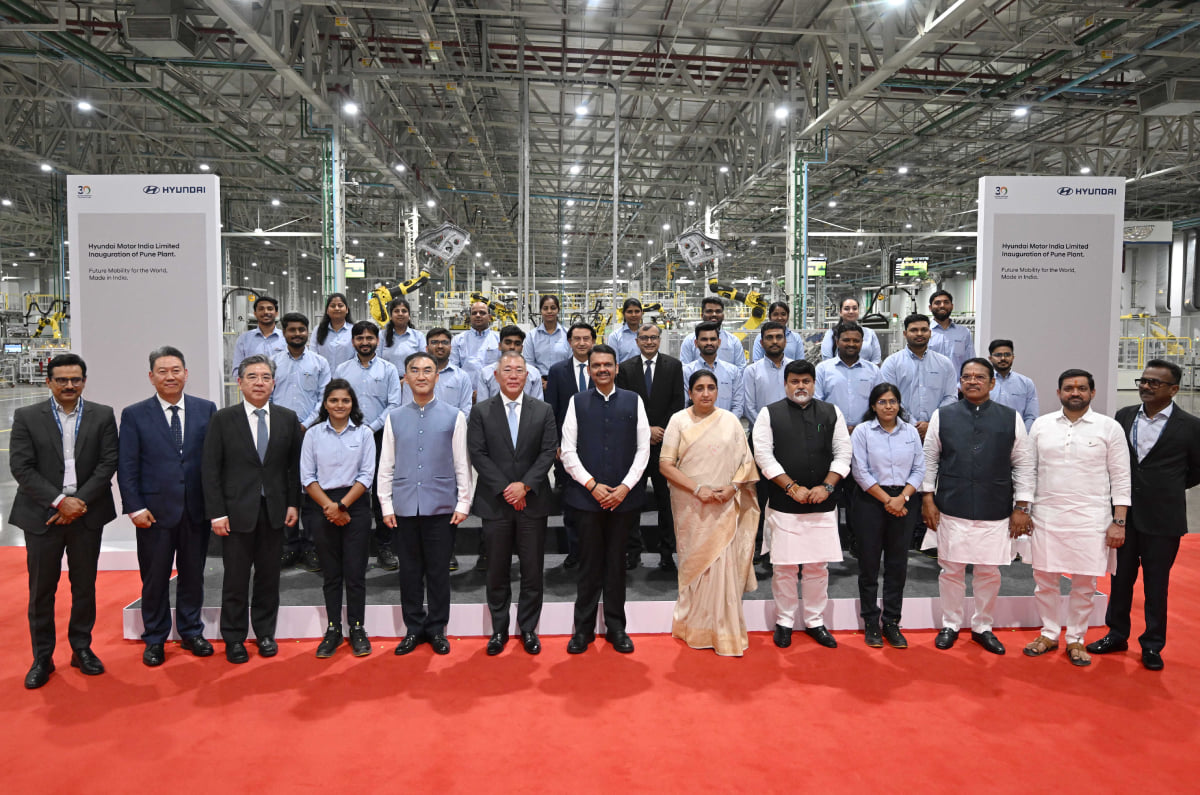
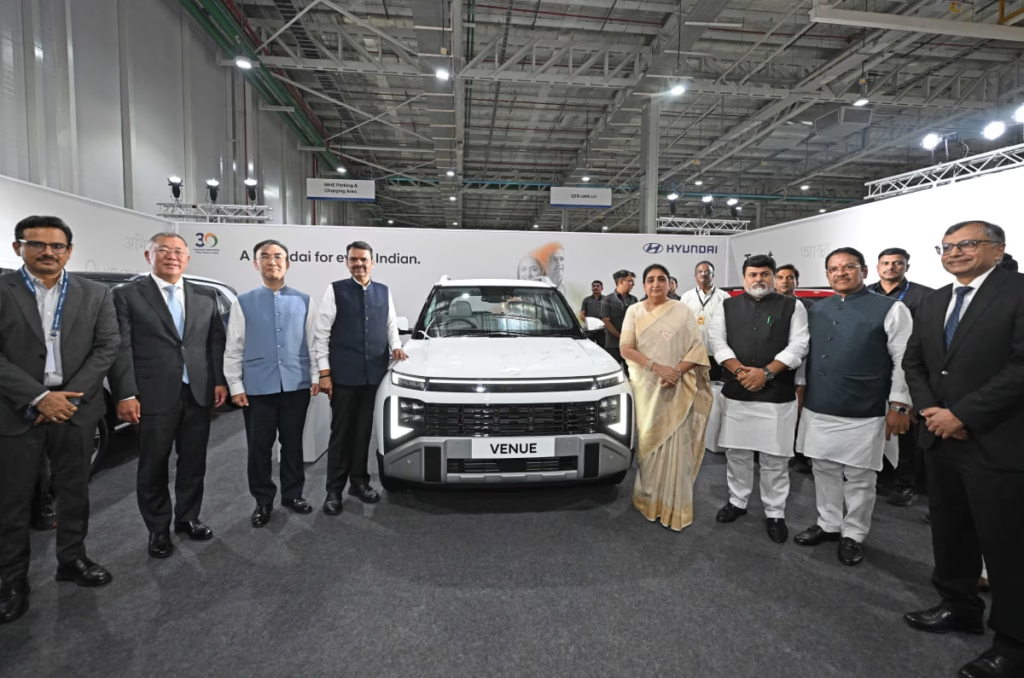
Hyundai Motor India has inaugurated its manufacturing plant in Talegaon, Pune, marking its first major manufacturing expansion outside Tamil Nadu. The facility currently has an installed annual production capacity of 1.7 lakh units, which is planned to increase to 3.2 lakh units by 2030. Managing director and CEO Tarun Garg announced that the company will invest Rs 11,000 crore in phases at the plant.

Hyundai Pune plant: Capacity and investment

Maharashtra Chief Minister Devendra Fadnavis inaugurated the plant on October 14, 2026. Hyundai Motor Group executive chair Euisun Chung and Hyundai Motor Company president and CEO Jose Munoz were also present.

Garg said, “We will invest INR 11,000 crore in phases at this facility. Beyond expanding manufacturing capacity, the facility will drive industrial development, innovation and employment generation in the region.”
The expansion will take Hyundai Motor India’s combined annual production capacity at its Pune and Chennai plants to nearly 11.4 lakh units by 2030, according to the company. The Pune facility also has an engine shop with an annual capacity of 1.5 lakh units.

The plant uses Hyundai’s E-FOREST digital factory platform, with AI-based quality checks, predictive maintenance, digital simulations and augmented reality-based worker training. Its production lines can support multiple internal combustion engine and hybrid models.

Hyundai Venue to be made at Pune plant

The Hyundai Venue will be manufactured exclusively at the Pune plant and exported to global markets. Hyundai plans to expand exports of the model to more than 35 countries.

The inauguration coincided with Hyundai Motor India marking cumulative exports of 40 lakh passenger vehicles since 1999 and domestic sales of nearly 1 crore passenger vehicles over its 30 years in India.

Chung said, “India remains one of Hyundai’s most important and strategic markets globally.” He added that the Pune plant reflected the group’s long-term commitment to India and that the export milestone highlighted the role of Indian manufacturing in its global operations.

Hyundai said 55 Tier-1 suppliers have invested nearly Rs 4,600 crore in Maharashtra. Nearly half of its supplier network is located within 50km of the plant. The combined Tier-1 and Tier-2 supplier network has generated more than 18,000 employment opportunities in the state, according to the company.

Hyundai also cited nearly 40 ongoing research projects with seven Indian academic institutions, covering battery technology, electrification and future mobility.

Tata, Stellantis formalise pact for Sierra-based Jeep SUV

Tata, Stellantis formalise pact for Sierra-based Jeep SUV
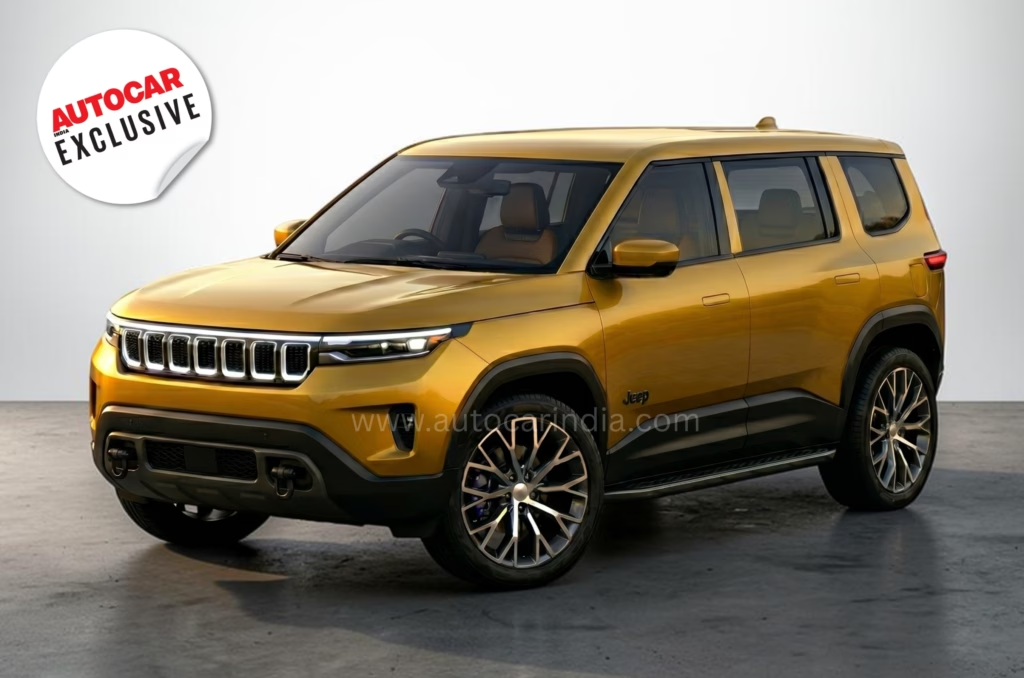
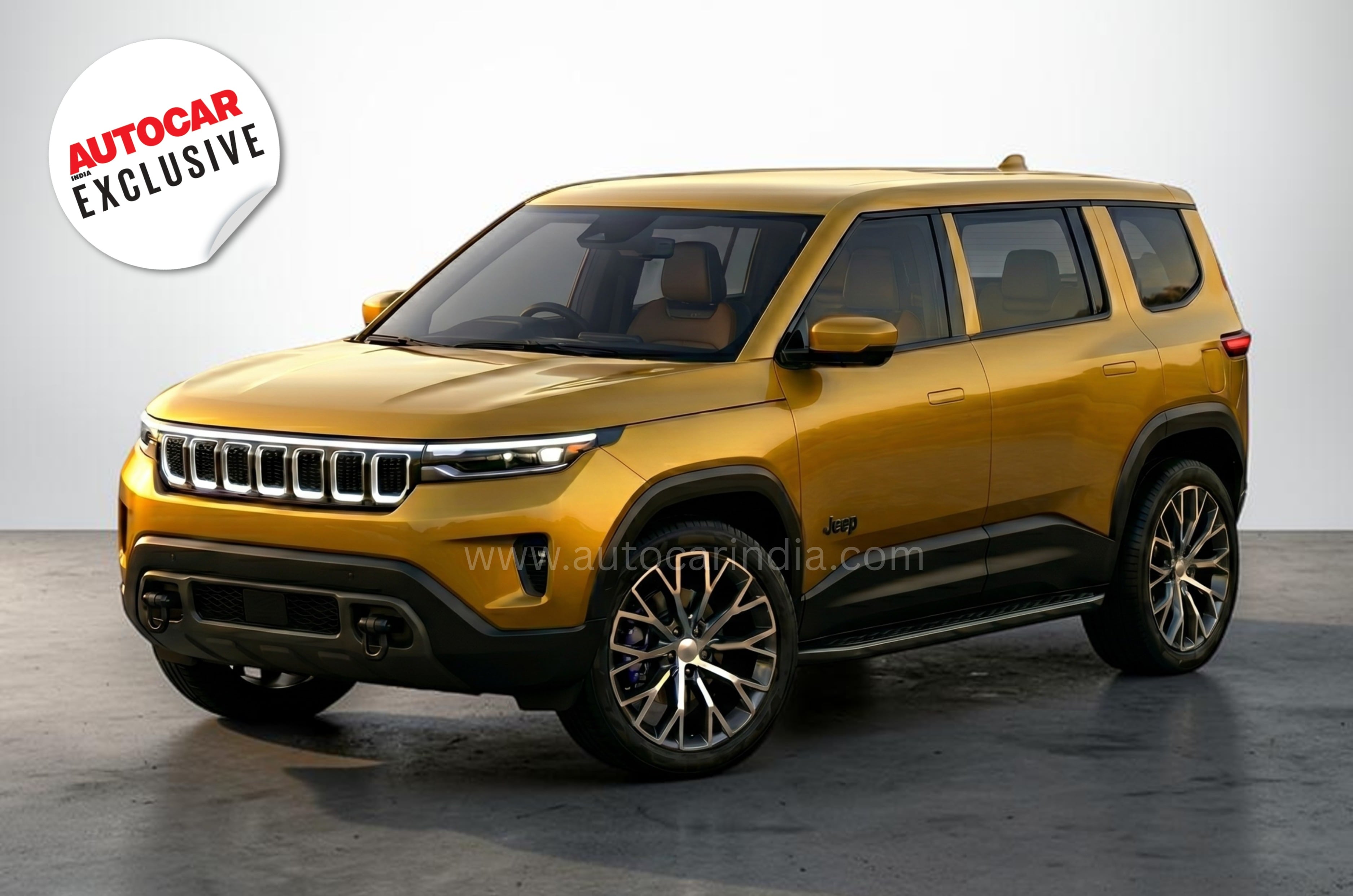
Tata Sierra-based Jeep SUV

Tata Motors Passenger Vehicles (TMPV) and Stellantis have signed a formal agreement to expand their partnership into product technology, platforms and vehicle architecture, formalising plans for a new Jeep SUV based on the Tata Sierra’s ARGOS platform, according to people in the know. Internally codenamed J1J, the Jeep SUV will get both internal combustion engine and electric versions and it is likely to use the same powertrains as the Sierra, say people in the know.

Sierra-based Jeep SUV: platform and production plans 

ARGOS stands for All-Terrain Ready, Omni-Energy and Geometry Scalable. It is TMPV’s modular, multi-energy vehicle architecture, designed to accommodate different vehicle dimensions and powertrain applications, which can open up more opportunities for Stellantis in the future.

While Tata Motors is producing the Sierra at its Sanand factory in Gujarat, production of the Jeep model is likely to take place at the Fiat India Automobiles Ltd (FIAL) joint venture facility in Ranjangaon, Maharashtra. The manufacturing operations are expected to be adapted for the programme over the next 18 months, added a person in the know.

The programme forms part of Stellantis’ wider ambition to sell 100,000 locally produced vehicles globally in 2028 across its Tata and Dongfeng partnership programmes combined, as outlined at its May 2026 Investor Day. The target covers several products. The company is likely to launch the first vehicle in the first half of 2028, say sources.

A dedicated team for the project is currently based out of Pune and will look at adapting the vehicle architecture, including a left-hand-drive version for overseas markets. A range-extender electric vehicle application is also being explored on the platform, although no production decision for the REEV has been finalised, according to people familiar with the engineering work.

An email sent to Tata Motors and Stellantis seeking comment remained unanswered at the time of publication.

The formal agreement builds on a relationship spanning more than two decades. Having collaborated on manufacturing, powertrains and the supply chain, the partners are now extending their cooperation into vehicle development.

Sierra-based Jeep SUV: Different body and cabin

Stellantis is benchmarking its own Jeep Renegade and Compass products for the J1J model development, according to company sources. Its eventual name and final production design are being firmed up.

This clearly indicates that the Jeep will have a different upper body, or top hat, exterior styling and cabin. Changes will extend to the seating package, interior features and equipment. These will distinguish it from the Sierra, while allowing the companies to share the underlying architecture and components.

Much of the platform is expected to be retained, with structural modifications and reinforcements, where required, to accommodate the Jeep body and meet crash and overseas regulatory requirements. Details of Jeep-specific suspension tuning and off-road hardware could not immediately be established. A 4×4 variant is also likely as Jeep’s brand guidelines insist on giving its customers a 4×4 option for all its models. Whilst the electric version of the Sierra already comes with 4×4, the ARGOS platform has been packaged and developed to accommodate a 4×4 ICE drive train as well. In fact, the Jeep partnership could accelerate the launch of a Sierra 4×4 to coincide with launch of the next-gen Jeep SUV. 

Tata Motors sister company Tata Technologies is understood to be involved in engineering execution at Stellantis. The work includes the Jeep-specific body and interior package, left-hand-drive adaptation and changes needed to meet overseas regulations.

According to people familiar with the programme, TMPV will retain ownership of the architecture and license it to Stellantis. Existing Sierra suppliers are expected to support Jeep where components can be shared, with separate sourcing and tooling for model-specific parts.

India development, global markets

Stellantis had disclosed its intention to develop a Tata-based Jeep at its May 21, 2026 Investor Day. Grégoire Olivier, its Asia Pacific chief operating officer, said Tata Motors would provide a competitive platform for a new Jeep vehicle to be developed and assembled in India through the existing joint venture for global markets. 

Olivier had also outlined exports to more than 50 countries across the wider portfolio, including the Dongfeng programmes, the Tata-based Jeep and the existing Citroën Smart Car programme in India. The markets allocated specifically to J1J have not been established.

For Stellantis, Tata’s architecture and supplier base offer a way to reduce development expenditure while adding a new Jeep product. For TMPV, the arrangement could generate licensing revenue and spread platform costs across additional vehicles. Common components could also bring suppliers higher volumes.

The alliance is a much-needed segue for the Jeep brand which has been in India for close to a decade but has been relegated to the fringes of the Indian market with a lack of product action. A licensed modular architecture with the potential for multiple powertrains, 4×4 capability and different wheelbases will open opportunities for more products in a quicker time interval. 

The programme would extend the Ranjangaon venture from manufacturing cooperation to producing a Jeep on Tata’s vehicle architecture. The left-hand-drive version would widen its overseas reach, giving the plant access to demand beyond India and other right-hand-drive markets.

With inputs from Ketan Thakkar 

Honda 0 Alpha EV spied testing ahead of expected debut by end-2026

Honda 0 Alpha EV spied testing ahead of expected debut by end-2026
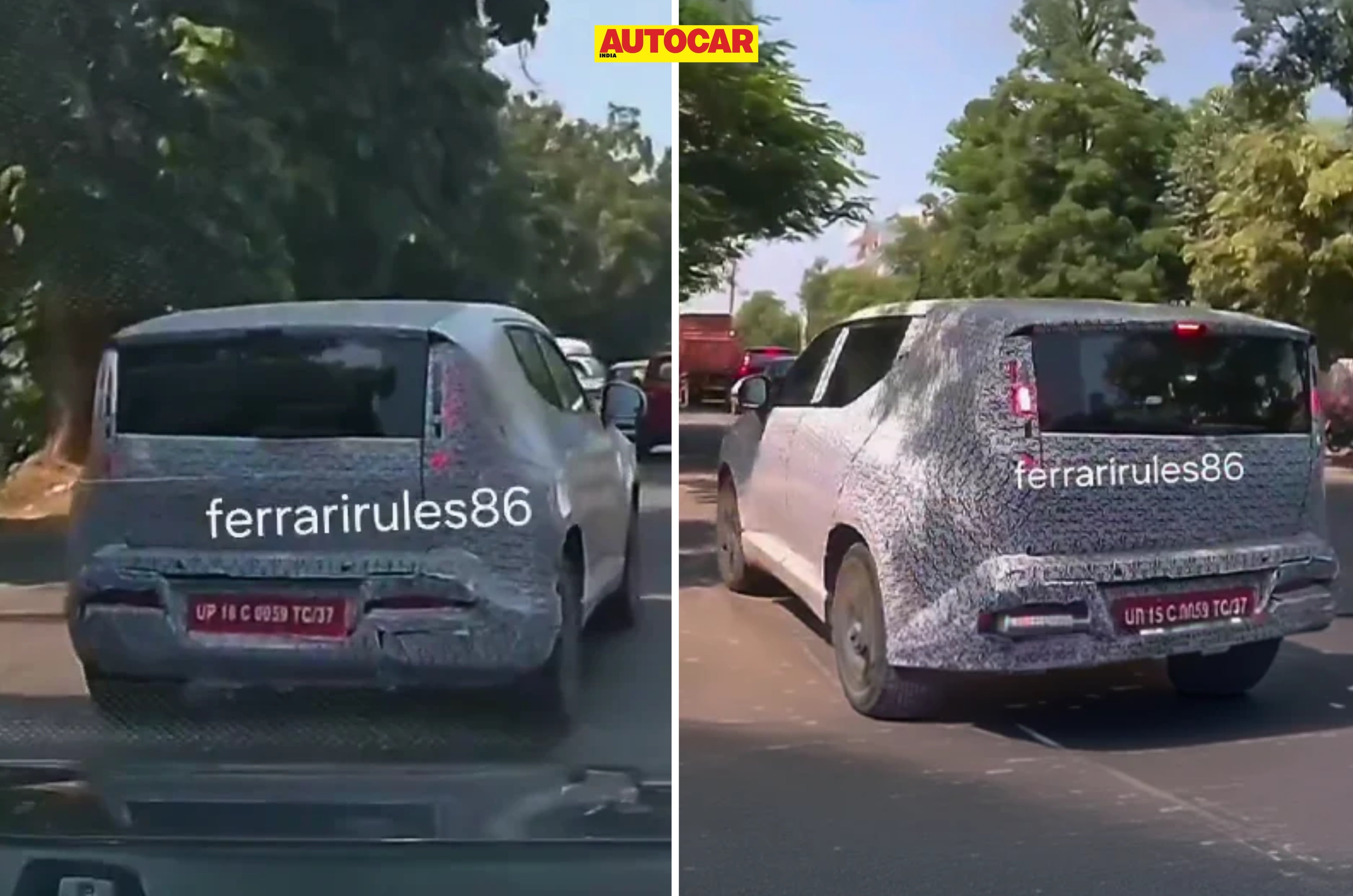
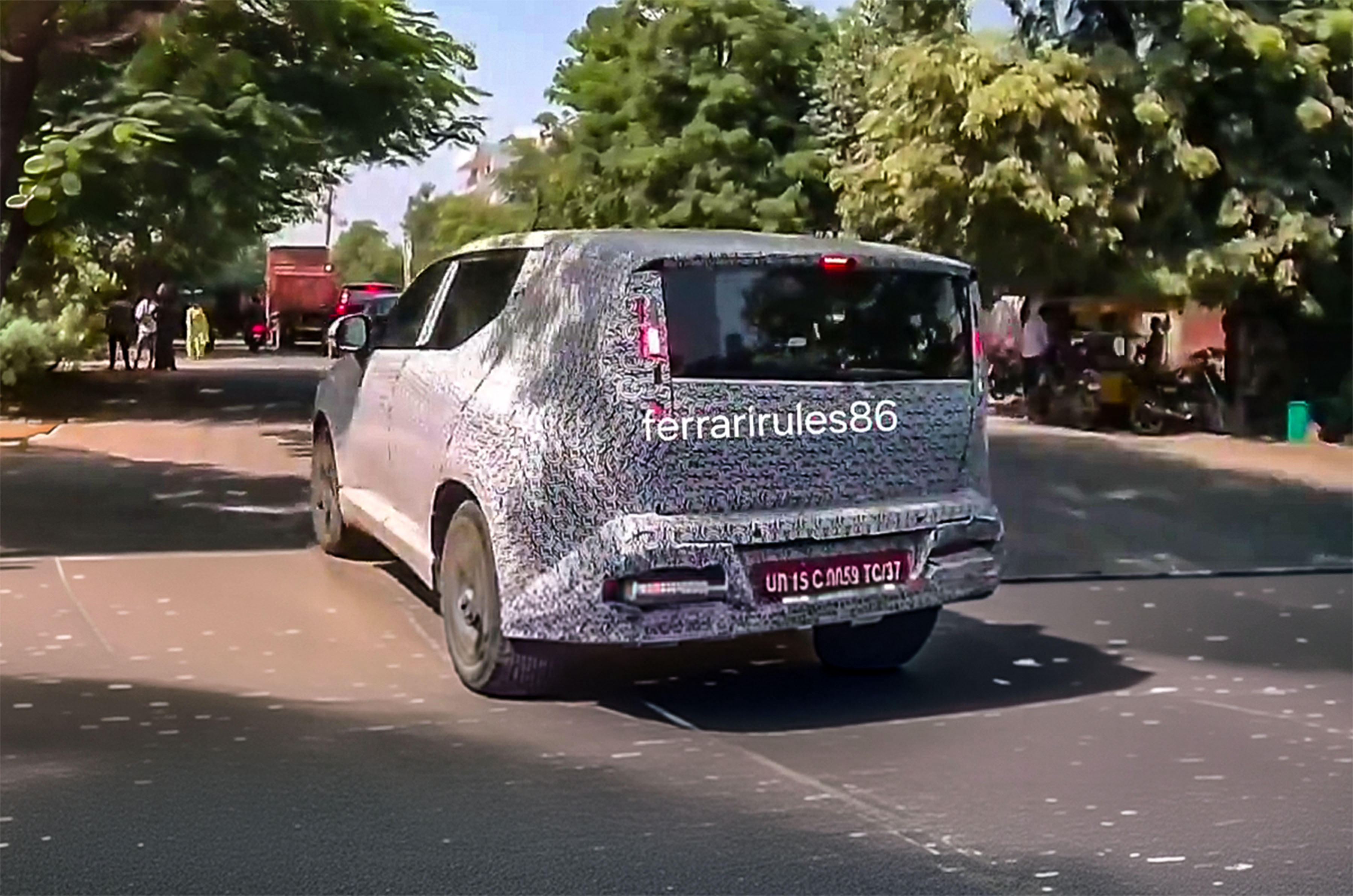
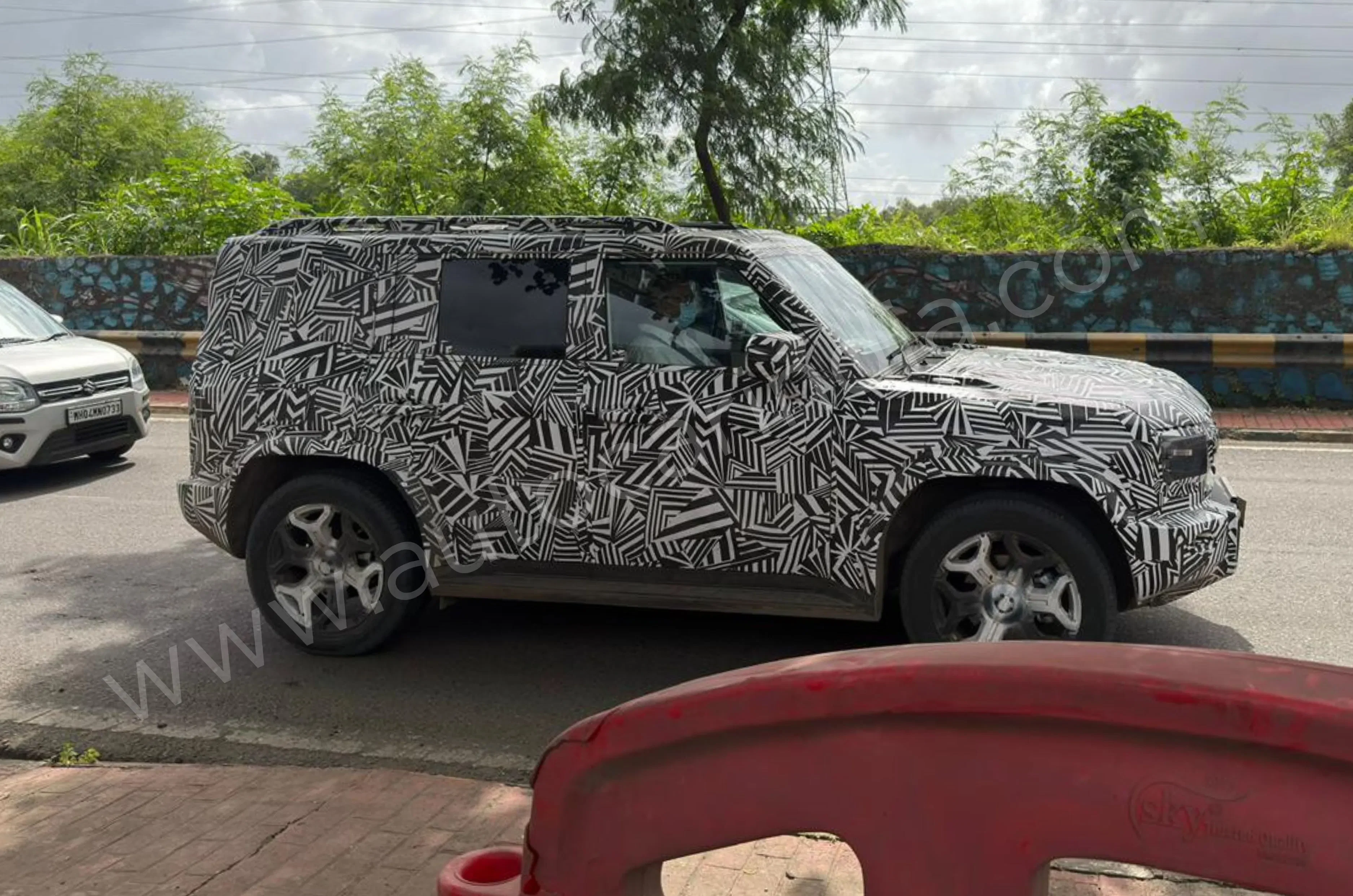
Honda 0 Alpha SUV spied

Following the Elevate facelift, Honda’s next launch for India will be the all-new 0 Alpha electric SUV – the brand’s first all-electric vehicle for our market. Honda is expected to reveal the official name later this year and also perhaps showcase the production-spec model before it goes on sale by early 2027. Ahead of its launch, a heavily camouflaged prototype of 0 Alpha SUV has recently been spied testing on our roads. 

  • India-built model planned for global markets, including Japan
  • To be manufactured at the Tapukara plant in Rajasthan
  • No technical details available as of yet 

Honda 0 Alpha SUV spied: what to expect?

The Honda 0 Alpha was first preview by a concept about exactly a year ago at the Japan Mobility Show 2025. And looking at these camouflaged spy shots, the radical shape doesn’t seem to have changed at all. It looks nothing like any existing Honda, with the characteristic design element being the near-vertical rear end with a thick C-pillar area, almost reminiscent of an MPV. It gets a large rear windscreen that’ll likely be wrapped around by an LED light bar, while the lower section gets a protruding bumper and is expected to feature a diffuser like element. 

Image Credit: Ferrarirules86 via X.

At the debut of the concept, Honda had said the design was already near production-ready, so much of the details, including the lighting signatures and the glass panels could be seen on the final model. The front ‘grille’ area is expected to sport an illuminated Honda logo and a charging port, framed on the side and above by the headlights.

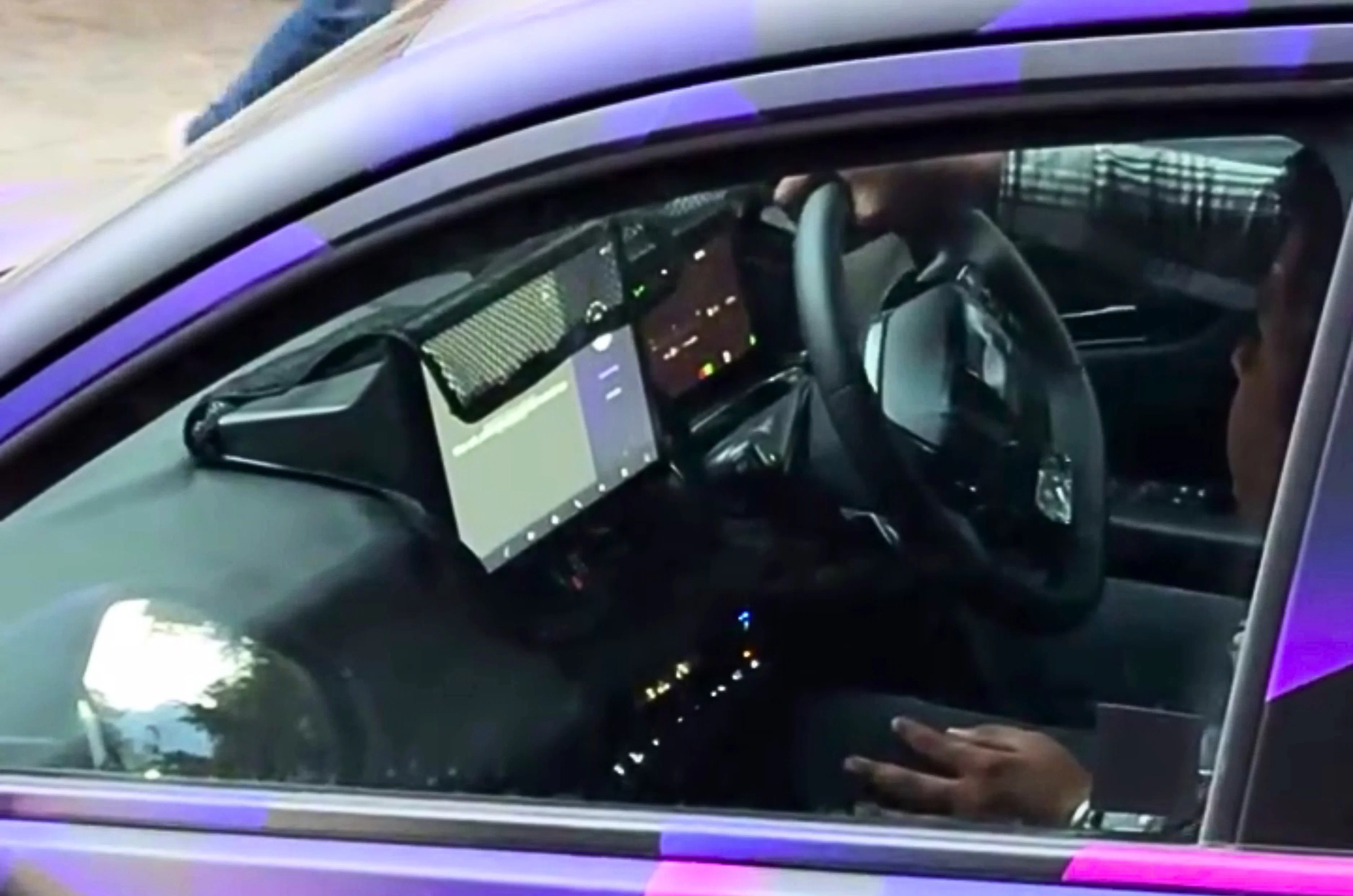
A previous sighting of a camouflaged test mule has also given us a look at the interior of the upcoming electric SUV. The most prominent element in the cabin is a massive central infotainment touchscreen mounted atop the dashboard. To its right sits a much smaller digital driver’s display, ahead of which there’s a three-spoke flat-bottomed steering wheel with paddleshifters for regeneration. The 0 Alpha’s interior incorporates an array of buttons on the centre console, seemingly for functions such as climate control and ventilated seats.

Image Credit: pxrtth.gpt via Instagram 

The Honda 0 Alpha SUV is expected to have a wheelbase of about 2700-2800mm, with the priority being maximising interior space. The upright rear tailgate also hints at good luggage space and interior room.

Honda 0 Alpha technical details 

Technical details on the 0 Alpha are quite scarce at the moment, but the brand has previously confirmed that it will be offered with two battery pack options. Both will be LFP batteries, likely ranging in the size of 65kWh-75kWh units. At launch, the Honda 0 Alpha SUV is expected to use a single-motor, front-wheel-drive layout. 

The upcoming electric SUV will be manufactured in India, with Honda’s Tapukara plant in Rajasthan expected to serve as the production base. It’s expected to go on sale by early 2027, with India and Japan among the initial markets. The 0 Alpha will rival electric midsize SUVs such as the Mahindra BE 6, MG ZS EV, Hyundai Creta Electric, Tata Sierra EV, Maruti Suzuki e Vitara and Toyota Urban Cruiser Ebella.

Volkswagen ID. Tiguan revealed with up to 600km range

Volkswagen ID. Tiguan revealed with up to 600km range
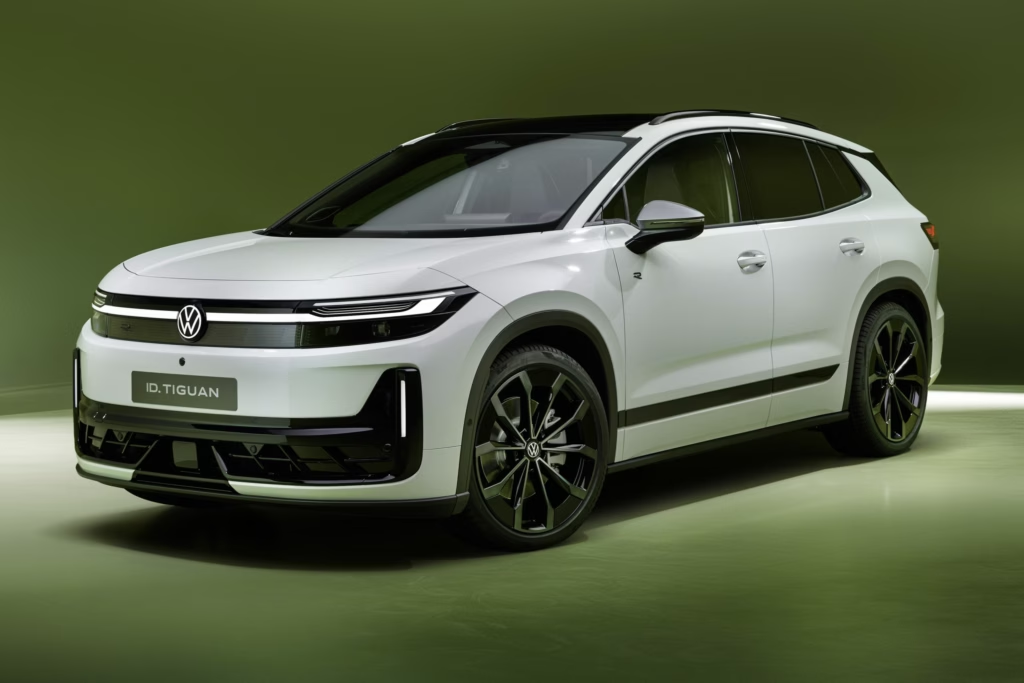
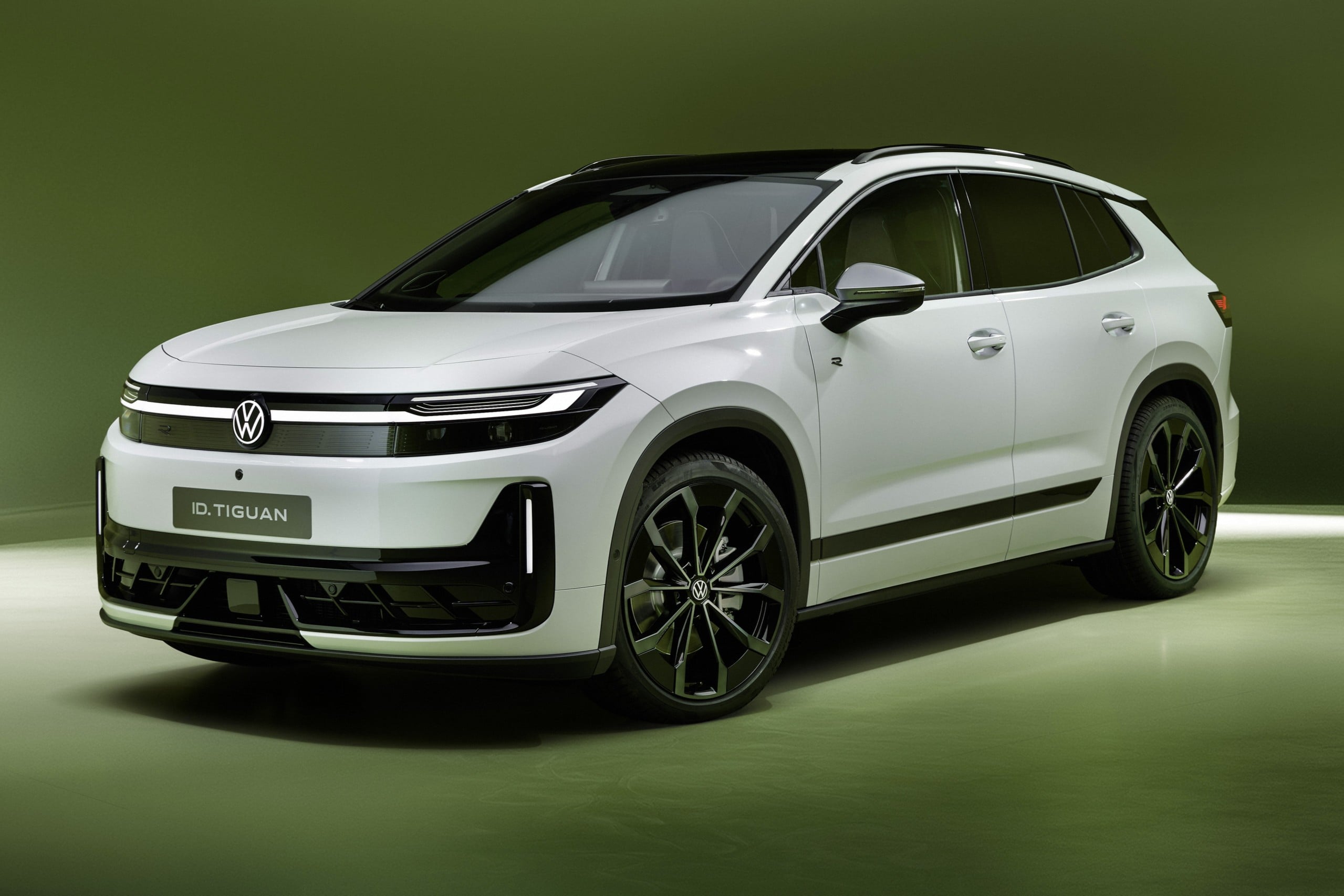
Volkswagen ID. Tiguan front quarter static

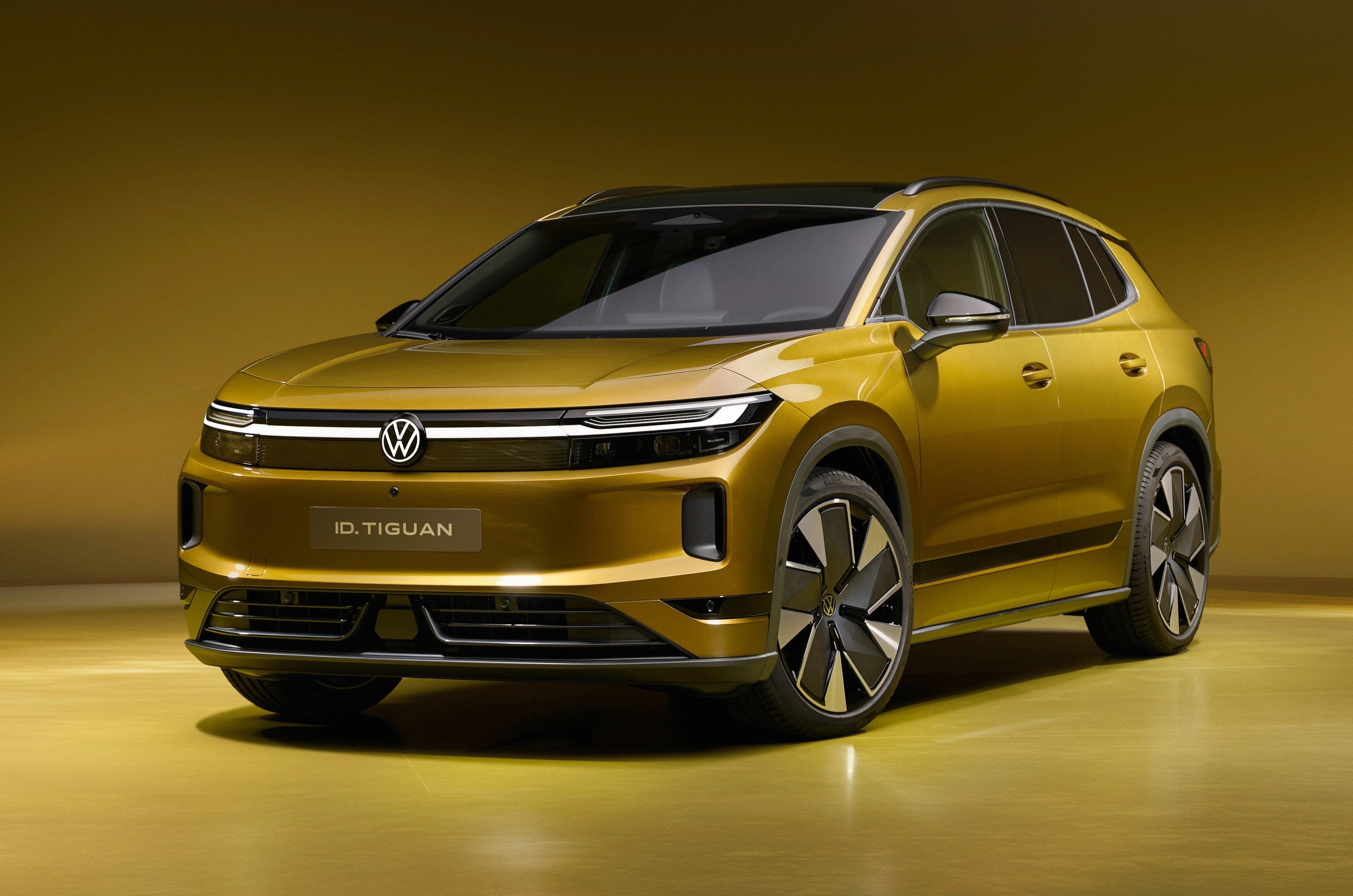
Volkswagen has revealed the ID. Tiguan for the European market. Slated to launch in 2027, the ID. Tiguan is a successor to the ID. 4 and ID. 5, says Volkswagen. The eSUV will be offered with 58kWh and 77kWh battery packs in RWD and AWD layouts. The ID. Tiguan will continue to sell alongside the ICE-powered Tiguan in global markets. 

Volkswagen ID. Tiguan Exterior

The ID. Tiguan is underpinned by the MEB+ platform and gets the brand’s ‘Pure Positive’ design language. Additionally, the brand says it has given the ID. Tiguan a more SUV-like design as opposed to the crossover-esque look of the ID. 4 and 5. LED headlamps, connected LED DRLs, and an illuminated logo are encased in a black trim. 

Volkswagen ID. Tiguan. Interior and features

All-black theme, triple screen setup and powered, ventilated front seats 

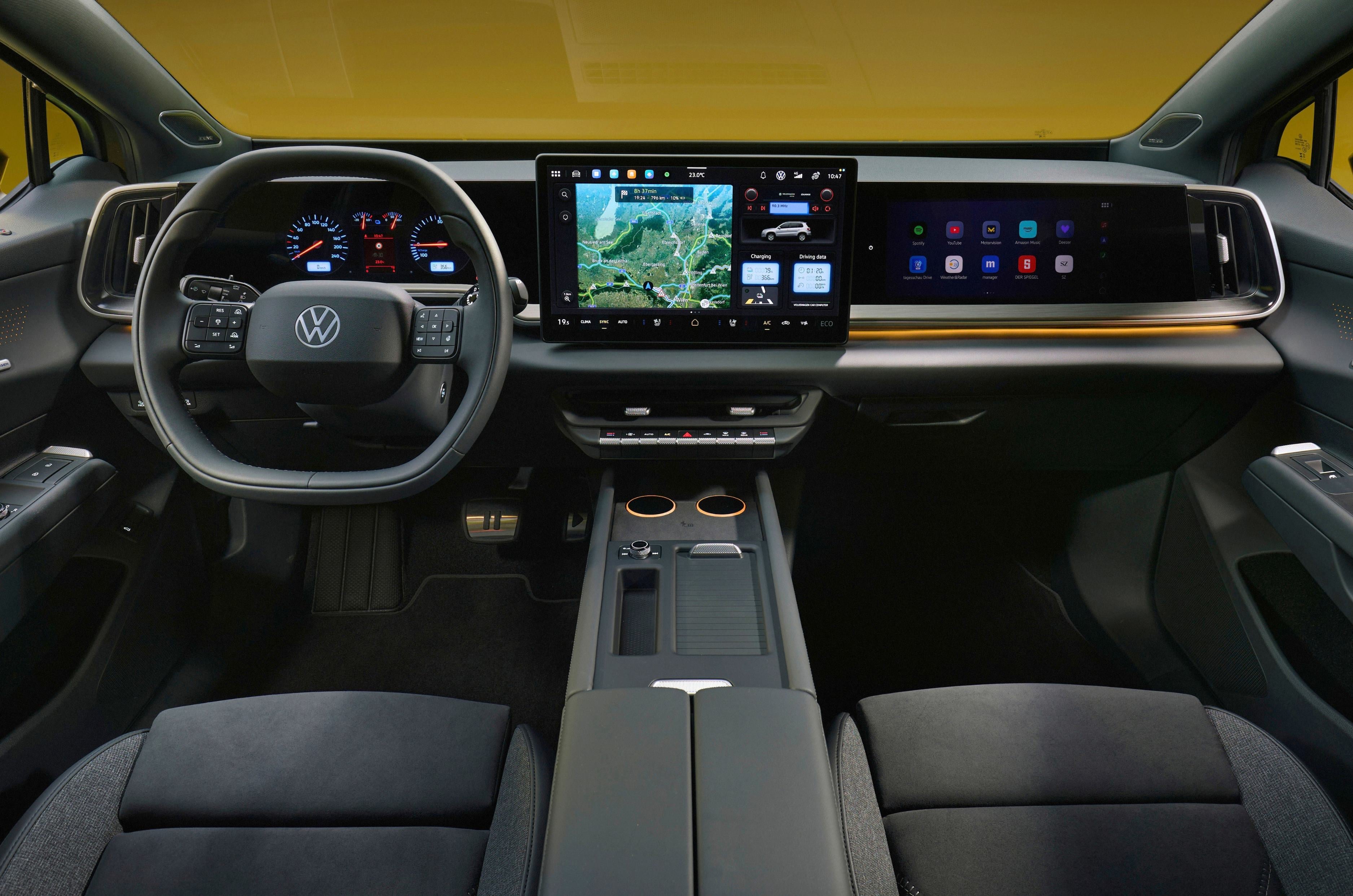
Inside, the ID. Tiguan gets an all-black theme with silver accents. Flanking the layered dashboard is a triple-screen setup, which is surrounded partly by silver trim. You get physical buttons for HVAC controls, and the high-set centre console comes with cubbyholes. There’s also a two-spoke steering wheel with a plethora of physical buttons, and behind it is a digital driver’s display with themes displaying dials from older VW models.

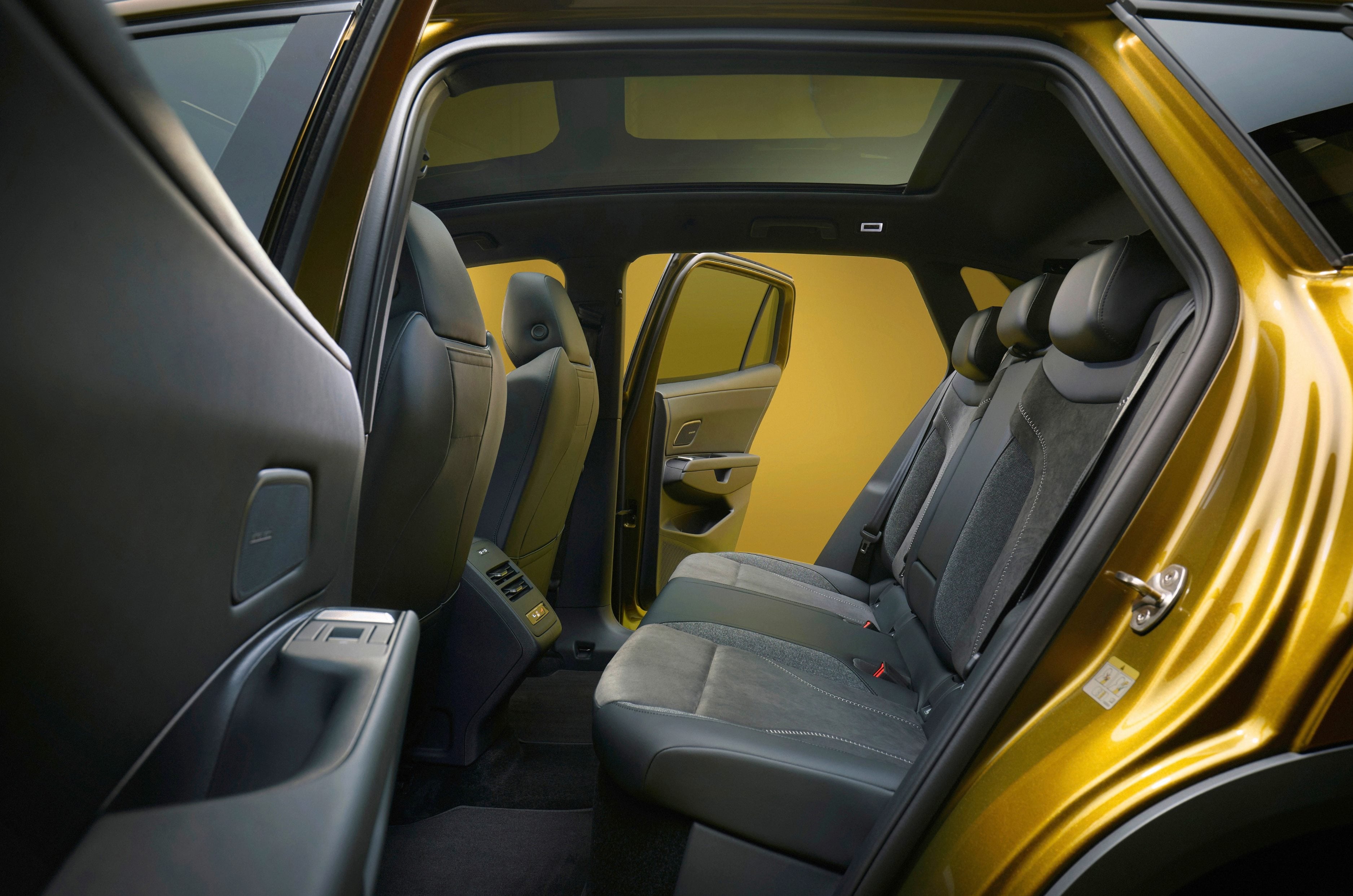
The Tiguan will be sold in four trim levels, namely, Trend, Life, Style, and R-Line. Niceties include a 15-inch infotainment system, 10-inch digital driver’s display, 12-inch passenger screen, an ADAS suite, powered front seats with memory, massage, and ventilation functions, Harmon Kardon sound system, panoramic sunroof, a wireless phone charger, connected car tech, ambient lighting, and V2L functionality.

Volkswagen ID. Tiguan powertrains

Up to 299hp, RWD and AWD options 

The ID. Tiguan will be offered with 58kWh and 77kWh battery packs. The former is paired solely with a rear-mounted motor producing 190hp. The larger 78kWh battery pack is available in RWD and AWD layouts, producing 286hp and 299hp, respectively. The carmaker forecasts a WLTP range of up to 600km. Additionally, Volkswagen claims a towing capacity of up to 2 tonnes depending on the battery pack chosen. However, charging speed support and time details remain under wraps. 

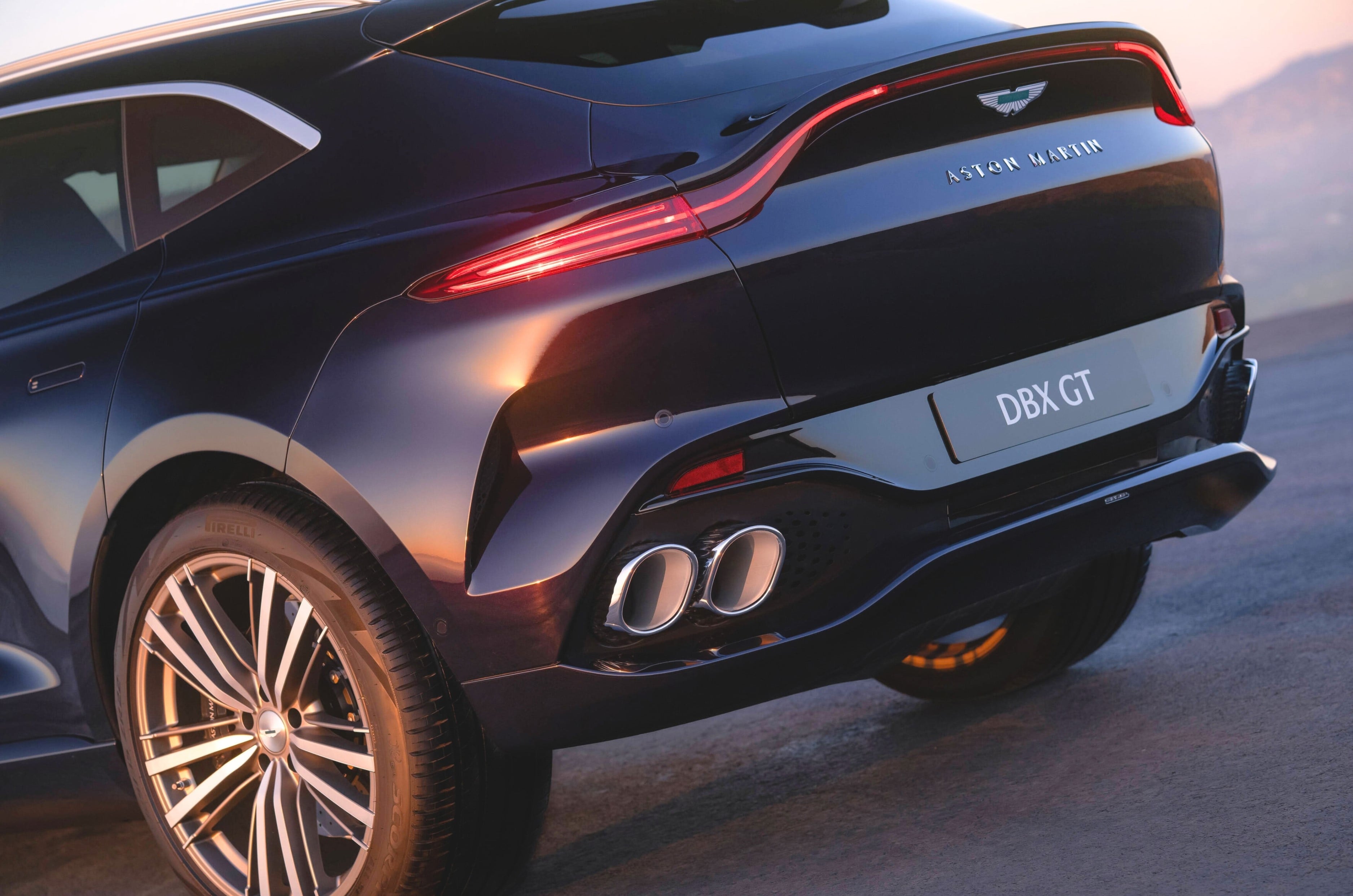
Aston Martin DBX GT debuts as SUV’s luxury-focused variant

Aston Martin DBX GT debuts as SUV’s luxury-focused variant
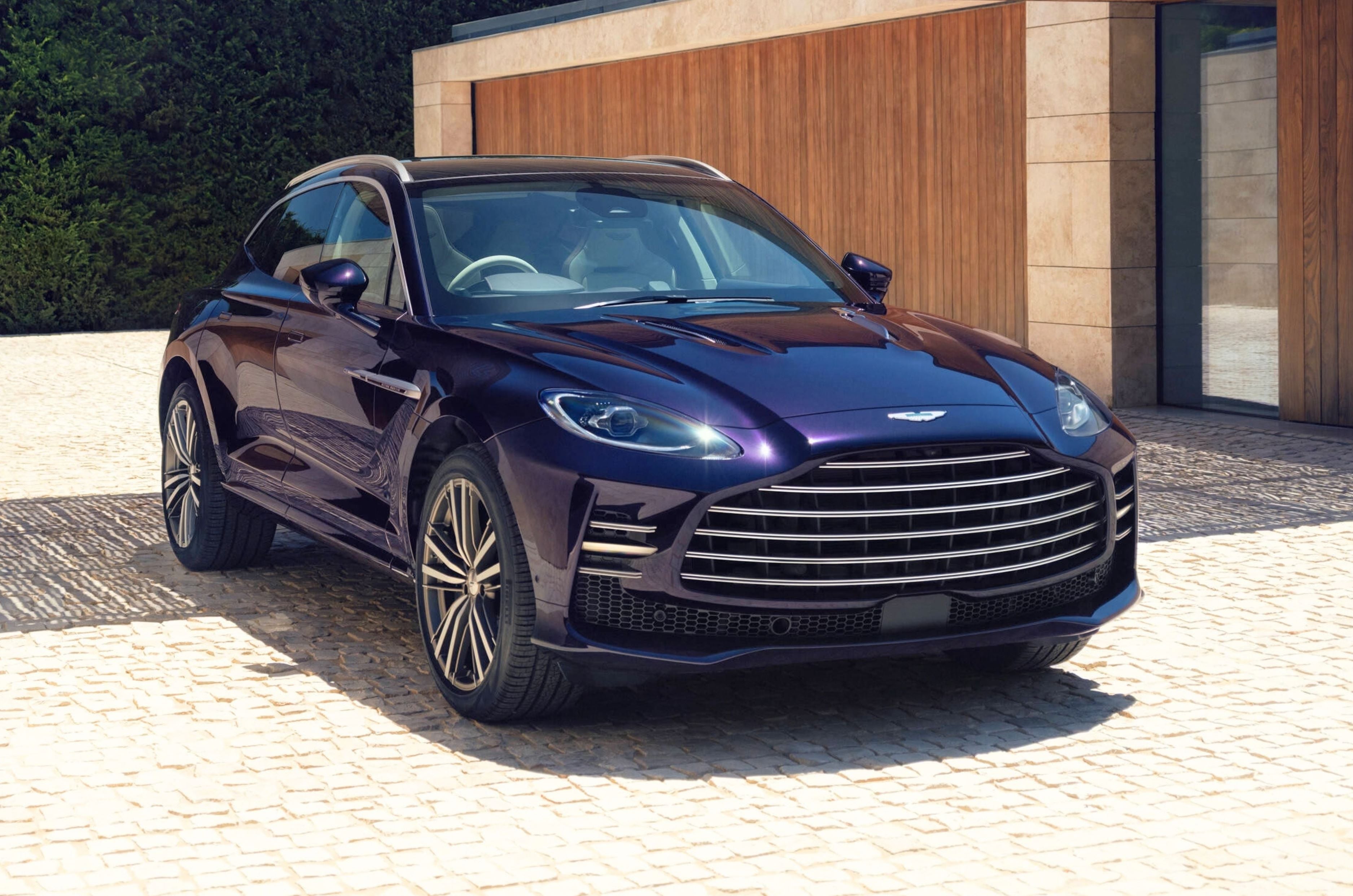
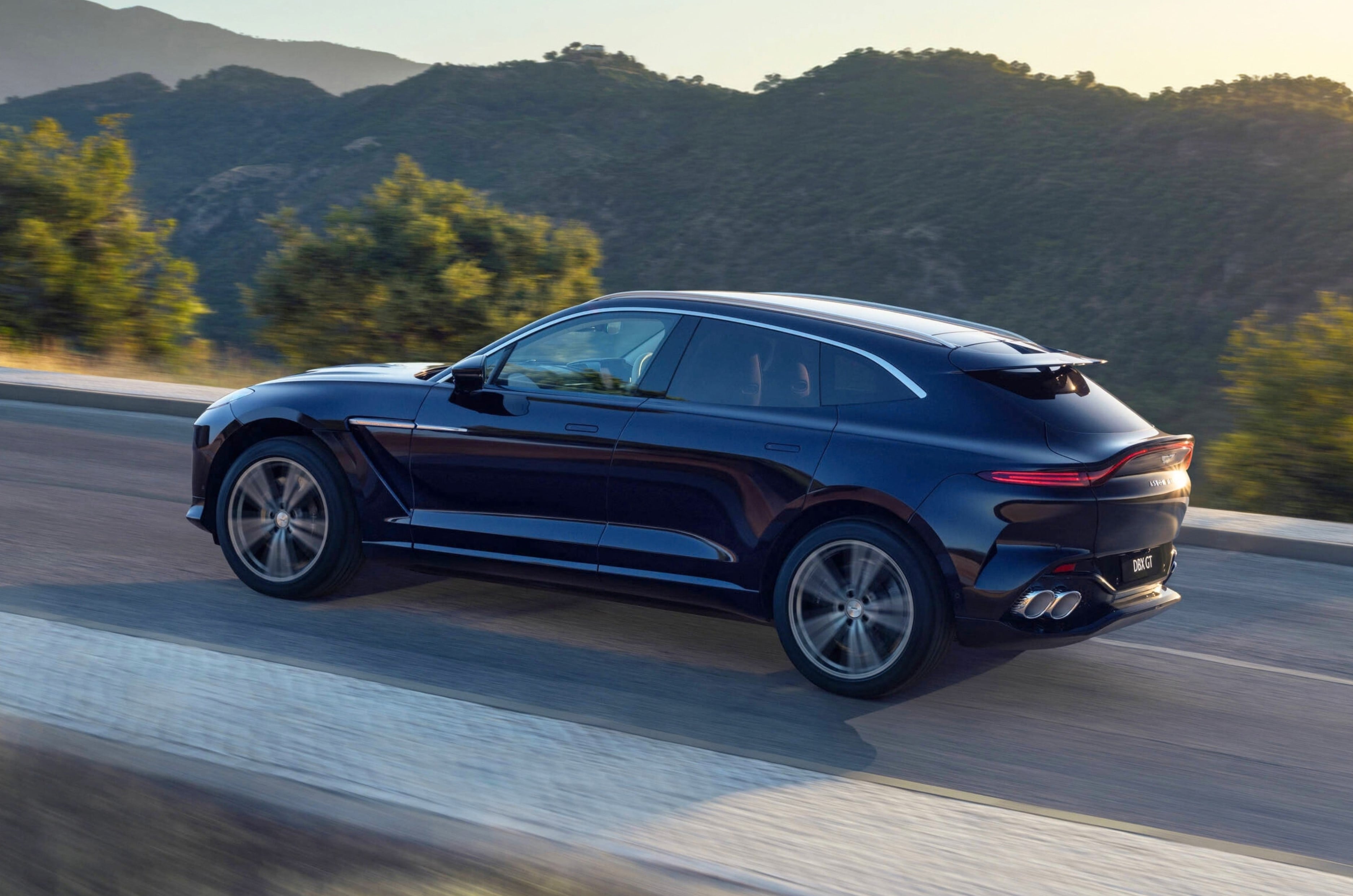
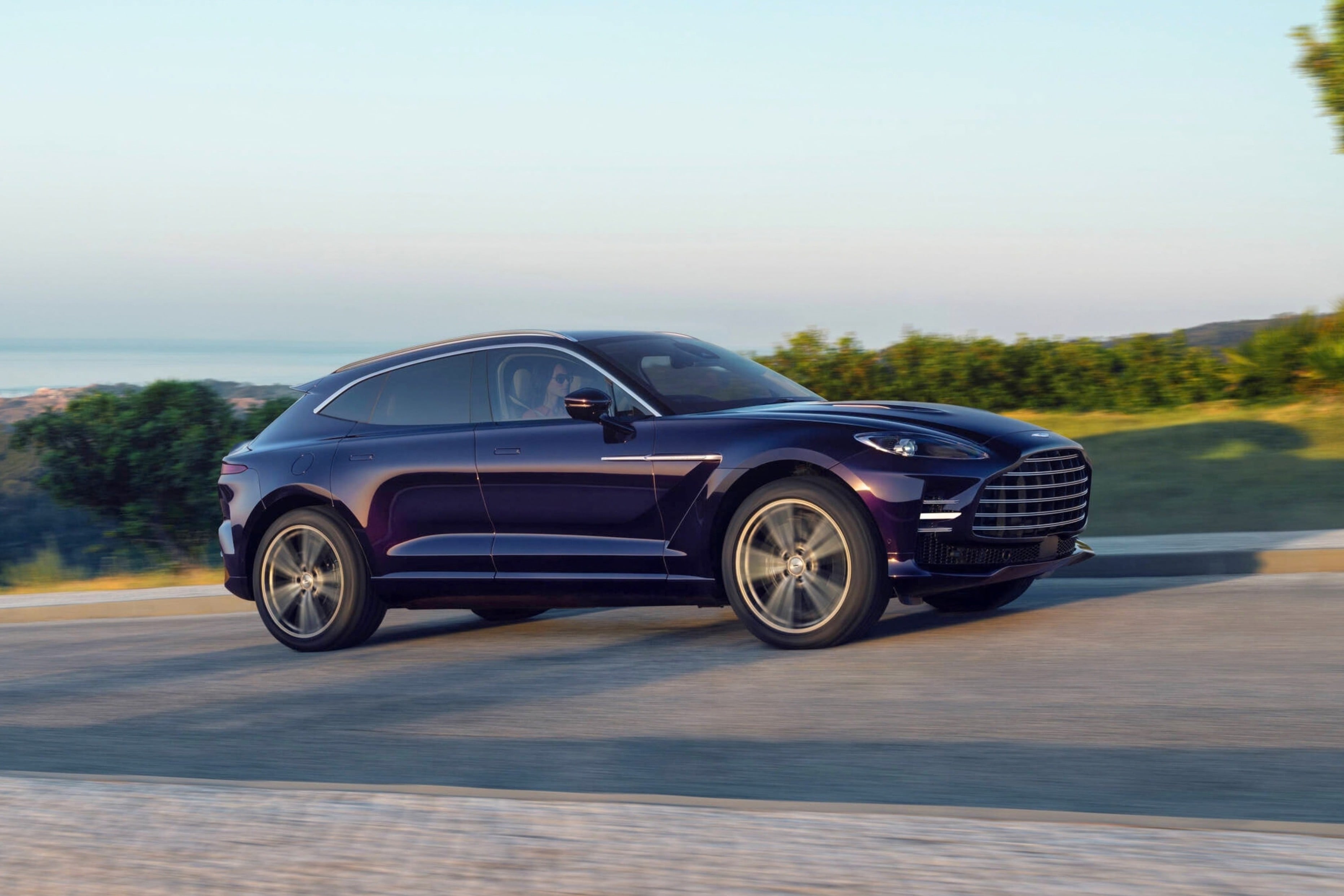
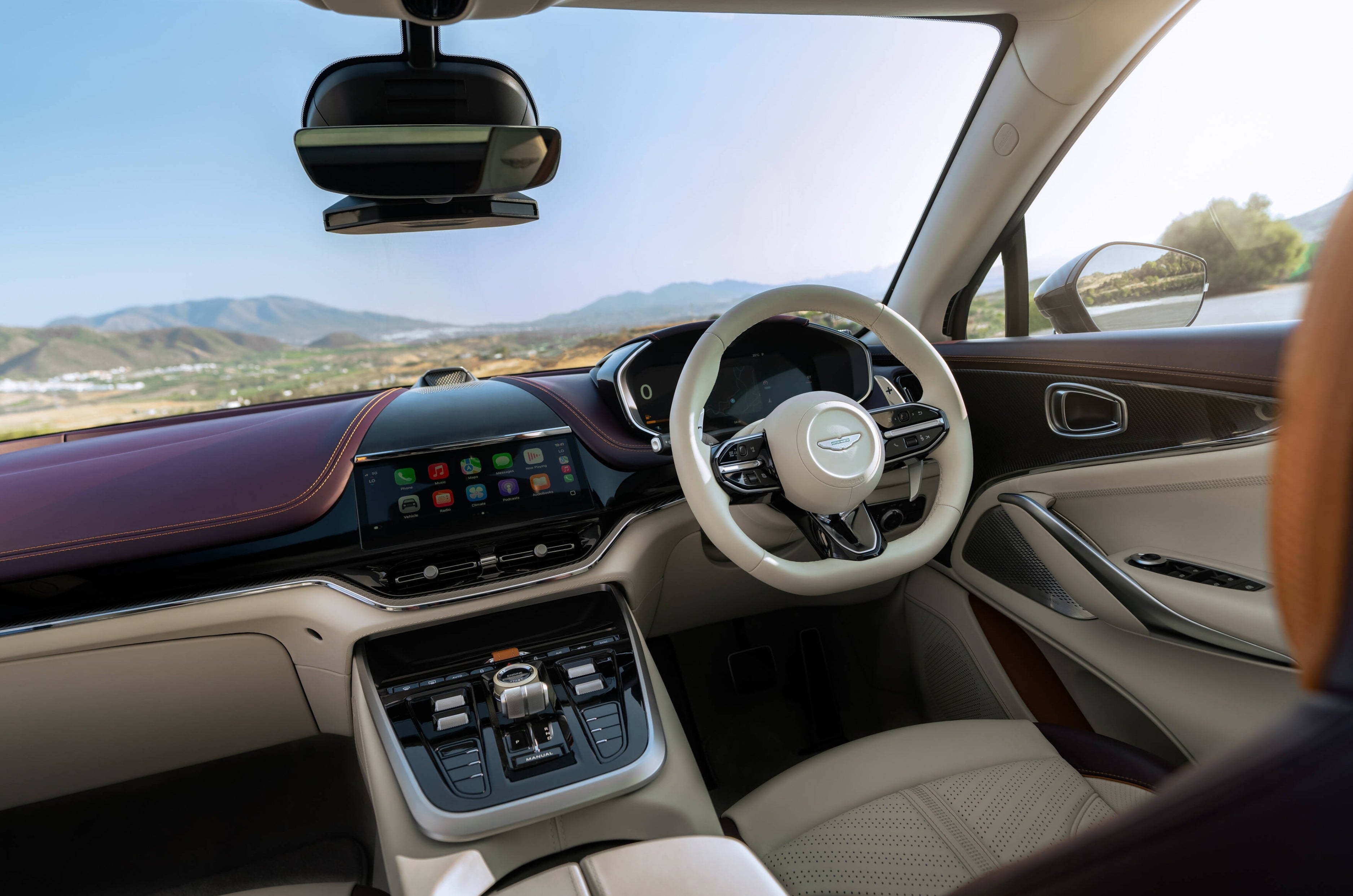
aston martin dbx gt

Aston Martin has added a new ‘GT’ variant to the DBX line-up. Positioned alongside the sportier DBX S variant, the GT places a much greater emphasis on luxury and comfort. Deliveries for the DBX GT commence in Q4 2026 across global markets.

Aston Martin DBX GT powertrain and performance

Under the bonnet, the GT retains the DBX S’s 4.0-litre twin-turbo V8 with no changes, which means an output 727hp and 900Nm. Also carried over from the DBX S is a 9-speed automatic gearbox that sends power to all four wheels, making for an identical 0-100kph time of 3.1 seconds (claimed) and a rated top speed of 310kph.

That said, Aston Martin has made subtle mechanical tweaks to reflect the DBX GT’s more comfort-oriented trappings. The throttle pedal and gearbox have been retuned to operate more smoothly, while the suspension has been revised to deliver a more pliant ride on bad roads. A pair of dampers has also been added between the body and rear sub-frame to keep movement in check, and the exhaust gets a dedicated tune that is touted to produce a “cleaner, richer tone.”

Aston Martin DBX GT exterior design

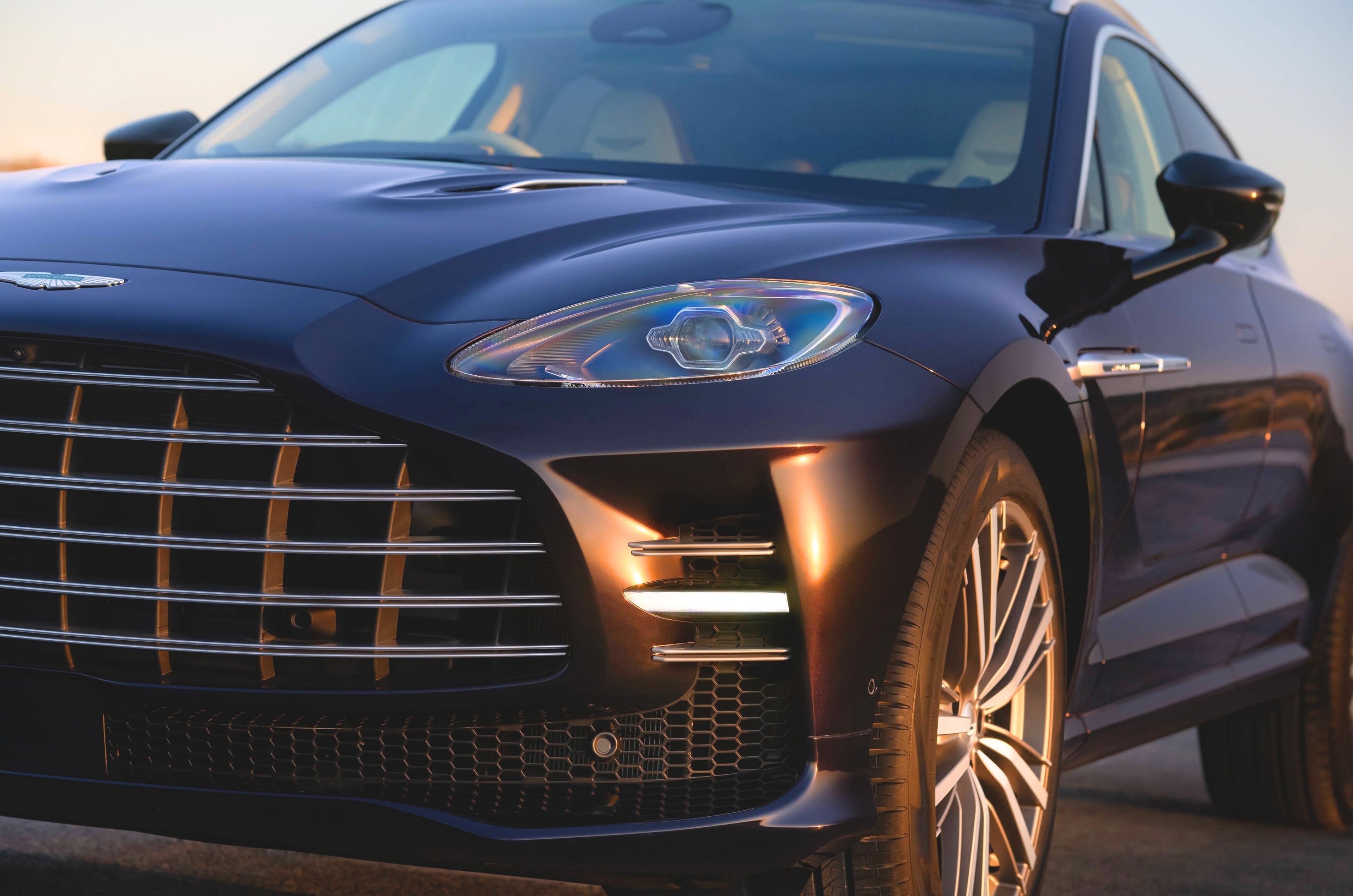
On the outside, the DBX GT features more polished styling elements. Up front, the bumper has a body-coloured finish and a cleaner look (no red accents like in the DBX S), while the redesigned grille gets horizontal slats instead of a mesh design.

Over to the side, the two-piece side strakes are finished in satin silver, and there are new 22-inch alloy wheels as standard – 23-inchers are available as an optional extra. The side sills are also body-coloured in the DBX GT as well, and so is the rear diffuser. Speaking of the rear, the only change here is a new quad-exhaust setup where the tips are aligned horizontally.

Aston Martin DBX GT interior

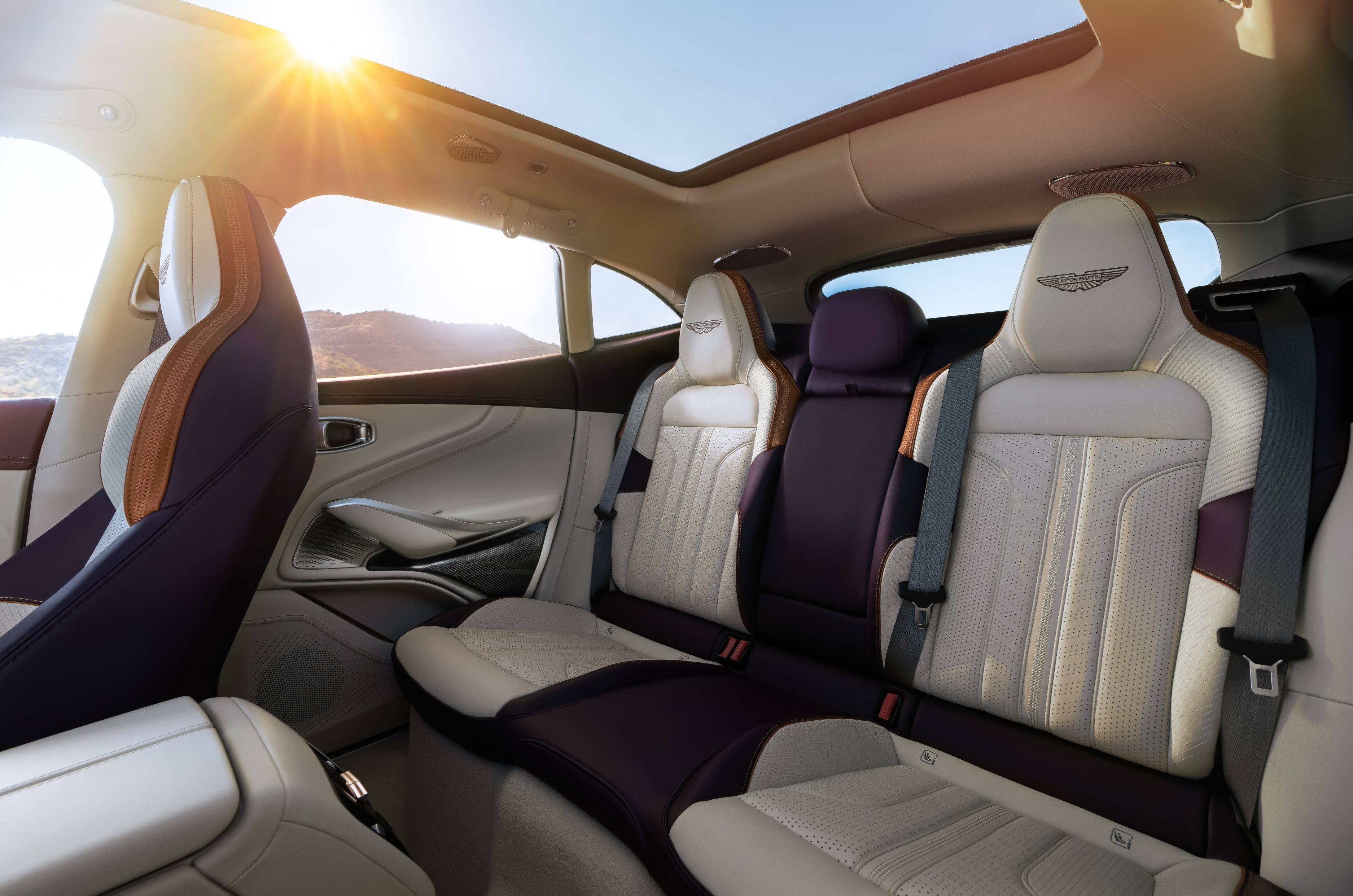
The interior layout of the DBX GT sees no major changes, but there are some updates to enhance comfort and opulence. For one, the seats are decked out in a new leather upholstery and get slightly thicker memory-foam cushions. Aston Martin has used more premium materials for the interior trim, such as anodised metal for the drive mode selector and surrounding rotary controls, as well as deep pile carpets. Buyers can, of course, choose from a plethora of colour schemes and interior upholstery options.

Sound deadening and window lamination have also been upgraded to better isolate occupants from the outside world. To bring in more natural light and increase the sense of airiness in the cabin, the DBX GT is equipped with a fixed panoramic glass roof as standard.

Jetour T2 facelift goes on sale internationally

Jetour T2 facelift goes on sale internationally
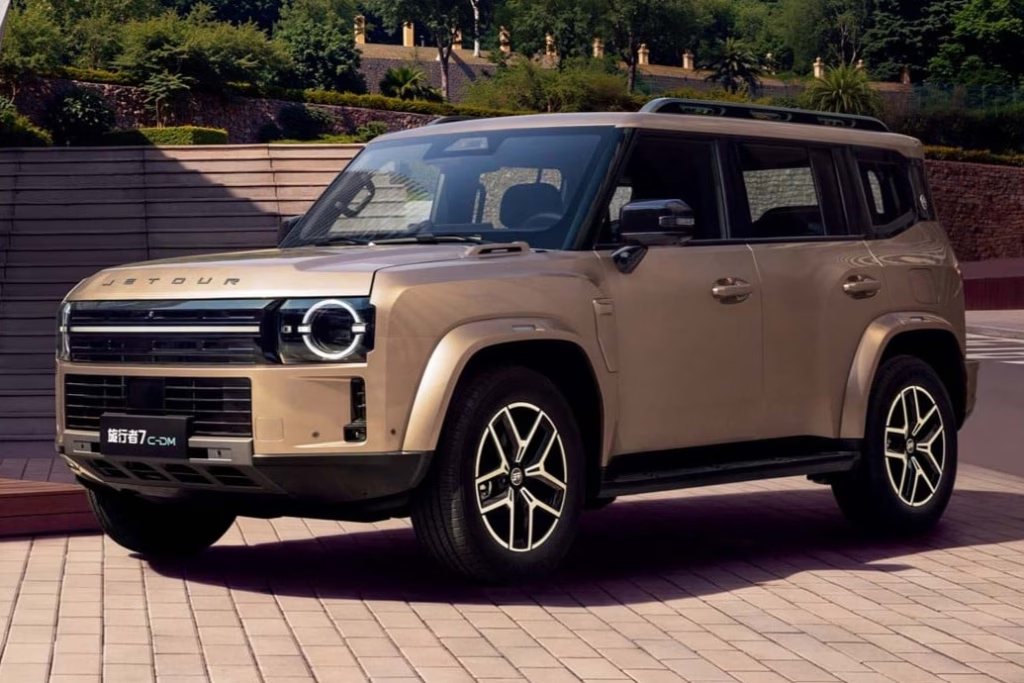
jetour t2 facelift

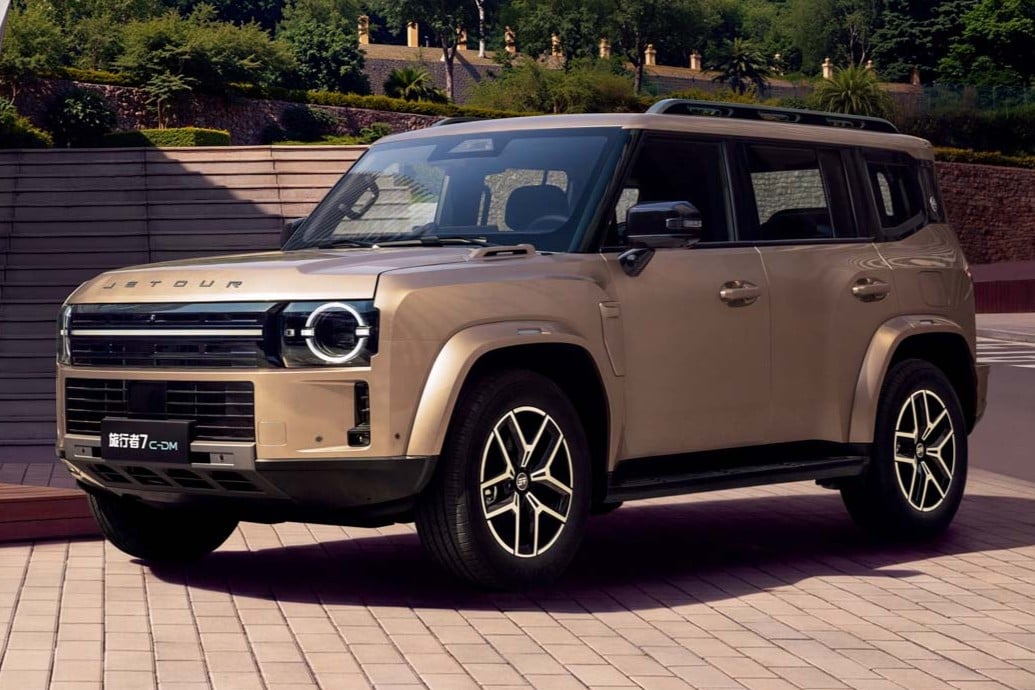
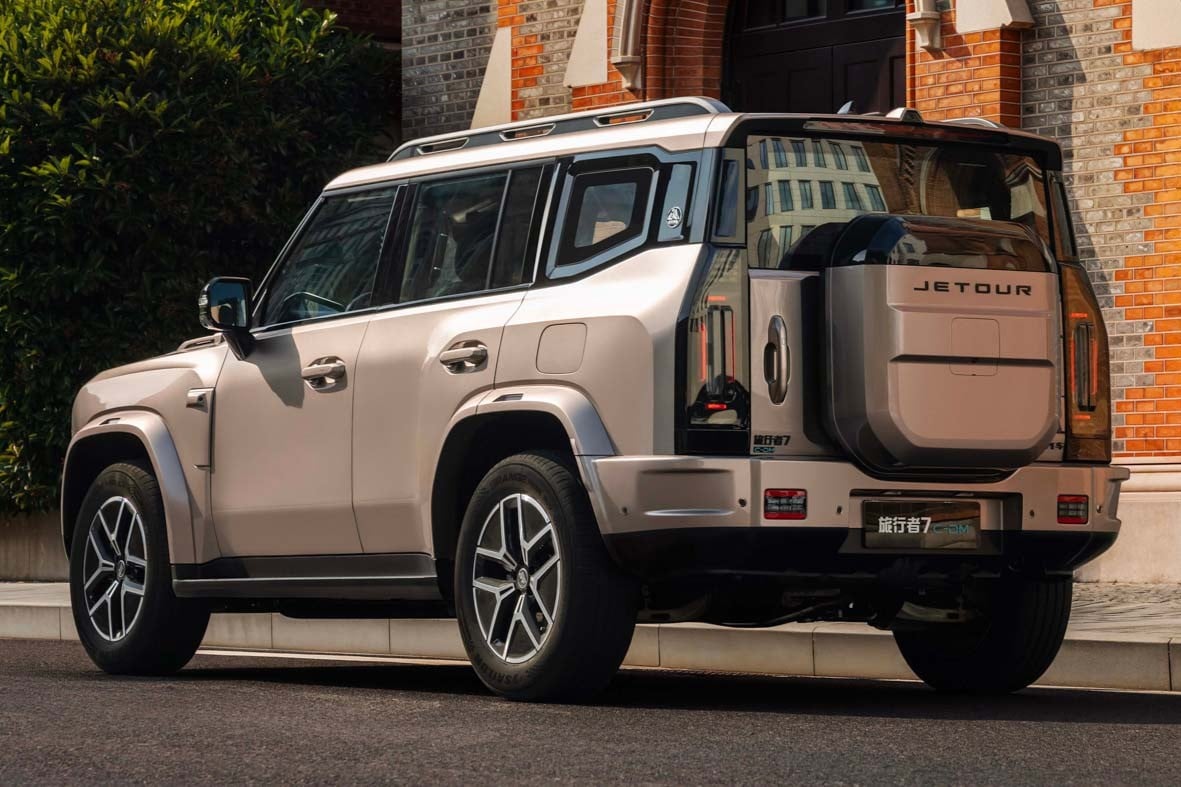
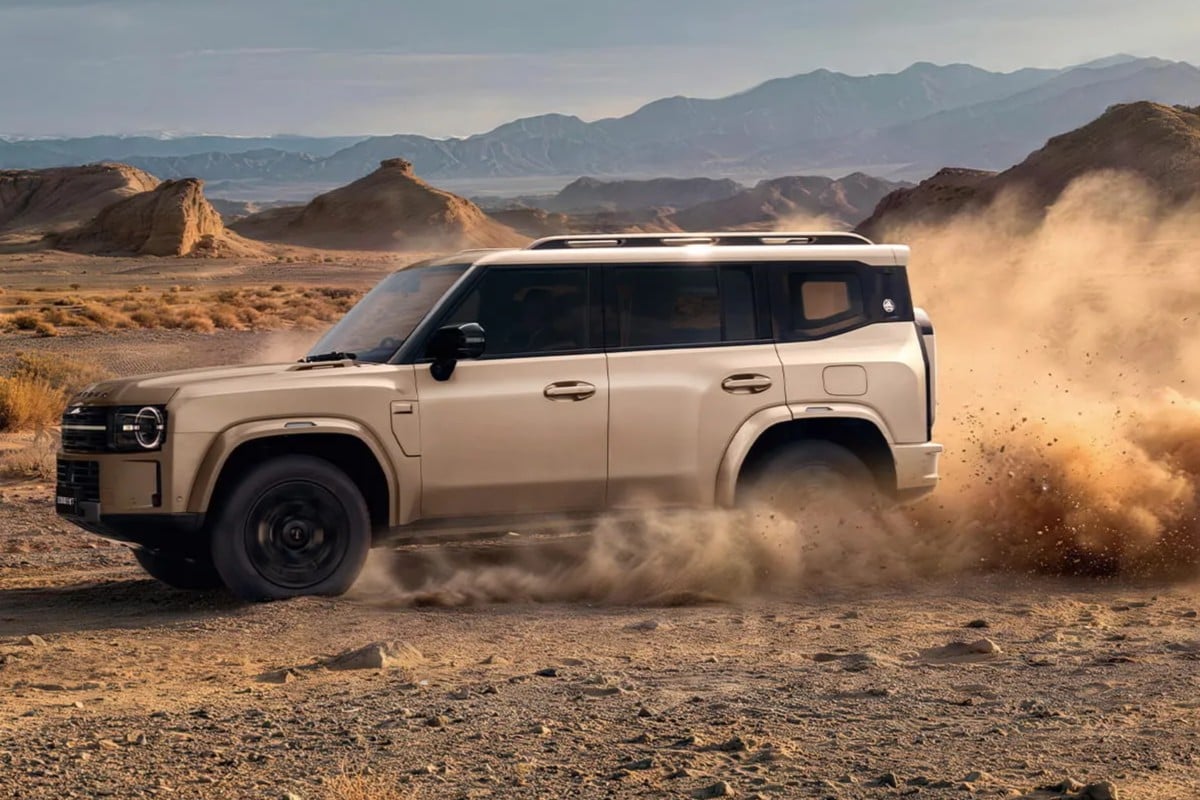
A facelifted version of the Jetour T2 has been launched in global markets. The Jetour T2 facelift was first unveiled in August at the Chengdu Motor Show in China, and gets some design revisions, more features, and powertrain tweaks. Interestingly, this updated iteration went on sale not long before the launch of the pre-facelift Jetour T2 under the JSW Combat name in India.

Jetour T2 facelift exterior design

The updated Jetour T2 retains the prior version’s boxy proportions, but with a few notable styling updates. Most of these are up front, such as circular DRLs in the headlamps, a new grille housing an LED strip, and a much cleaner front bumper. The Jetour wordmark has also been relocated from the grille to the leading edge of the bonnet.

Over to the side, the Jetour T2 facelift gets new alloy wheel designs, as well as body-coloured wheel arches. The rear end sees some revisions too, particularly a cleaner bumper design, an updated spare wheel cover with a Jetour wordmark, and a discreet roof spoiler.

Jetour T2 facelift interior and features

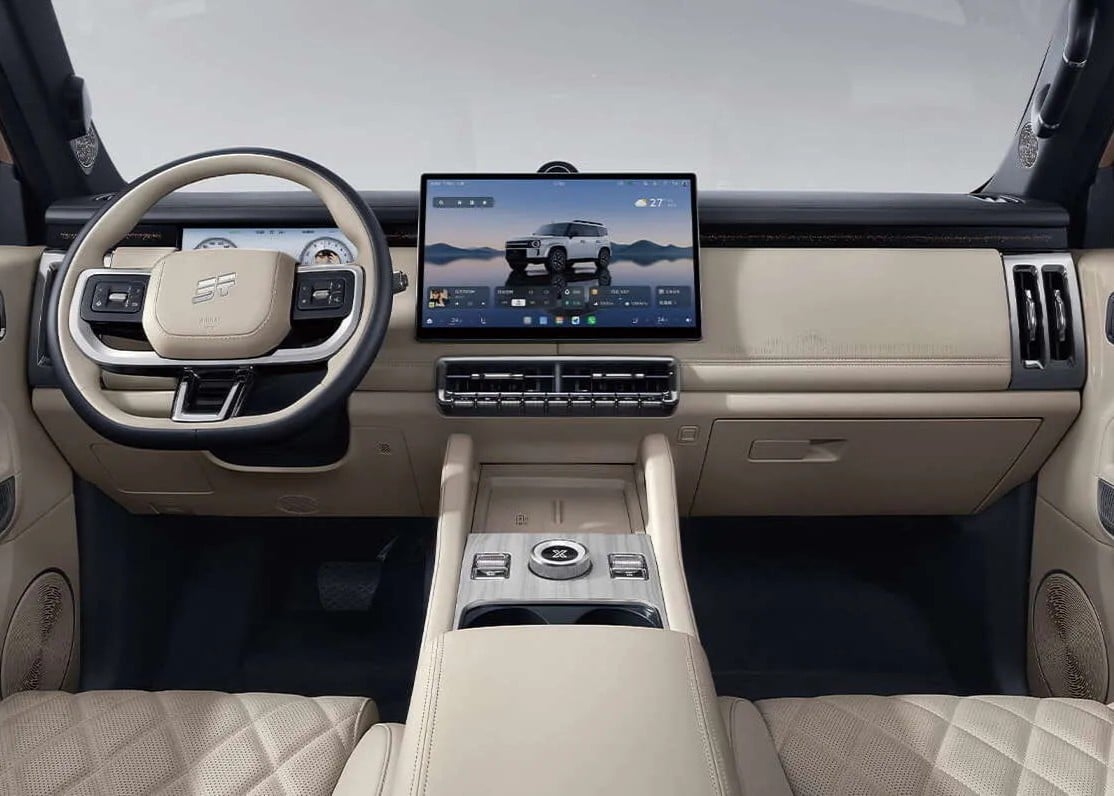
Inside, the Jetour T2 facelift takes on a more premium slant than its predecessor. The beige colour scheme lends the cabin an airier vibe, the seats are upholstered in quilted leatherette, and the dashboard looks to be fitted with leatherette trim – the open storage space in front of the co-driver looks to be closed-off in the facelifted model. There’s also a new three-spoke flat-bottomed steering wheel, and the AC vents have fresh designs too.

The 10.25-inch digital driver’s display and 15.6-inch infotainment touchscreen remain unchanged in size, but the latter is now powered by a stronger Qualcomm Snapdragon 8255 chip that allows for the integration of a new voice-controlled AI assistant. Other notable features include 10-way powered front seats with a massage function, dual wireless charging pads, a 23-speaker sound system, an ADAS suite, and 256-colour ambient lighting.

Jetour T2 facelift powertrains

The Jetour T2’s powertrain offerings vary widely by market, but looking at the China-spec model, the facelifted version continues to offer a 184hp 1.5-litre four-cylinder turbo-petrol engine in the base variant. This mill is paired with a 7-speed dual-clutch automatic that sends power to the front wheels. All other petrol variants of the facelifted Jetour T2, meanwhile, get a 254hp 2.0-litre turbo-petrol engine with the same 7-speed DCT and AWD. A big change here is that the top-spec petrol variant comes with an 8-speed automatic gearbox instead.

As for the plug-in hybrid (PHEV) variants of the Jetour T2 facelift, the 156hp 1.5-litre turbo-petrol engine has been retained, but the dual electric motors have been replaced by a single unit that develops 307hp and 330Nm. The 3-speed dedicated hybrid transmission (DHT) is now a 1-speed unit as well. These updates have been made in the interest of efficiency, as even with a slightly smaller 26.61kWh battery pack, the facelifted Jetour T2 PHEV manages a WLTP-certified 108km pure-electric range – up by 8km. There’s a larger 45.12kWh battery pack on offer too, which bumps the rated pure-electric range to 173km – an increase of 11km over the prior 43.24kWh unit.

Is the Jetour T2 facelift coming to India

As noted previously, the pre-facelift Jetour T2 PHEV is set to launch in India in the coming months as JSW Motors’s debut model, the Combat. Since JSW Motors has been extensively testing the pre-facelift Jetour T2, it’s quite unlikely that the facelifted version will make it here in the short term. As it stands, JSW Motors has yet to even communicate the launch date of the Combat, and recent media reports allege that the carmaker has pushed its debut from the festive season to mid-December.

Yamaha RD350LC ridden in India: Lairy and Compelling!

Yamaha RD350LC ridden in India: Lairy and Compelling!
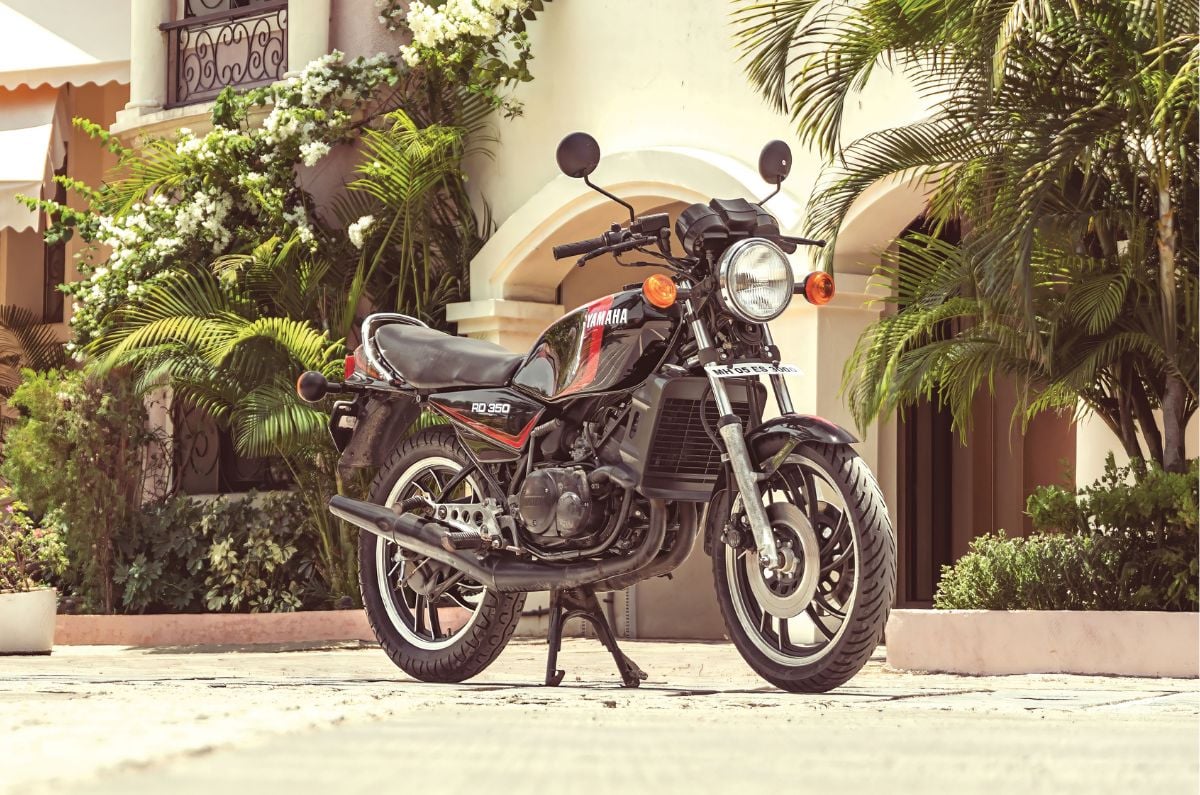
Yamaha RD350 LC front right side static in parking lot

When most Indians picture a Yamaha RD350, a bike that looks like a UJM (Universal Japanese Motorcycle) with an air-cooled, twin-cylinder motor comes to mind. This was the bike on sale in India in the ‘80s via the Escorts licensing agreement, and it cemented Yamaha’s reputation as a maker of seriously fast motorcycles. However, during the same era, in global markets, there was a completely different bike being sold bearing the RD350 nameplate, crucially with an LC suffix (informally) attached to it. This version was never officially sold in India and packed a more powerful liquid-cooled motor, a sportier chassis and very different styling. What you see here is that very bike and, as you’ll read, this is quite a different animal to the air-cooled RD.  

Genesis

At the end of the air-cooled RD’s lifecycle, Yamaha must have realised that while it was undoubtedly violently quick, it was also like wielding a double-edged sword – the rider could get hurt when putting its power down. Taming such a ferocious engine would simply need more sophistication from the chassis. To achieve that, the LC moved from the air-cooled bike’s archaic chassis to a new one that was actually inspired by Yamaha’s TZ350 racer of the era. This was complete with monoshock rear suspension and lighter cast alloy wheels, which also brought in the convenience of tubeless tyres.

The LC suffix in its name stands for liquid cooling, and Yamaha moved to this more modern architecture to extract more output from the 347cc twin-cylinder motor. Plus, with liquid cooling, you have tighter tolerances and better reliability even when you keep pushing the performance envelope – which a lot of people back in the day did, because the LC was a common sight on racetracks overseas owing to its relative affordability.

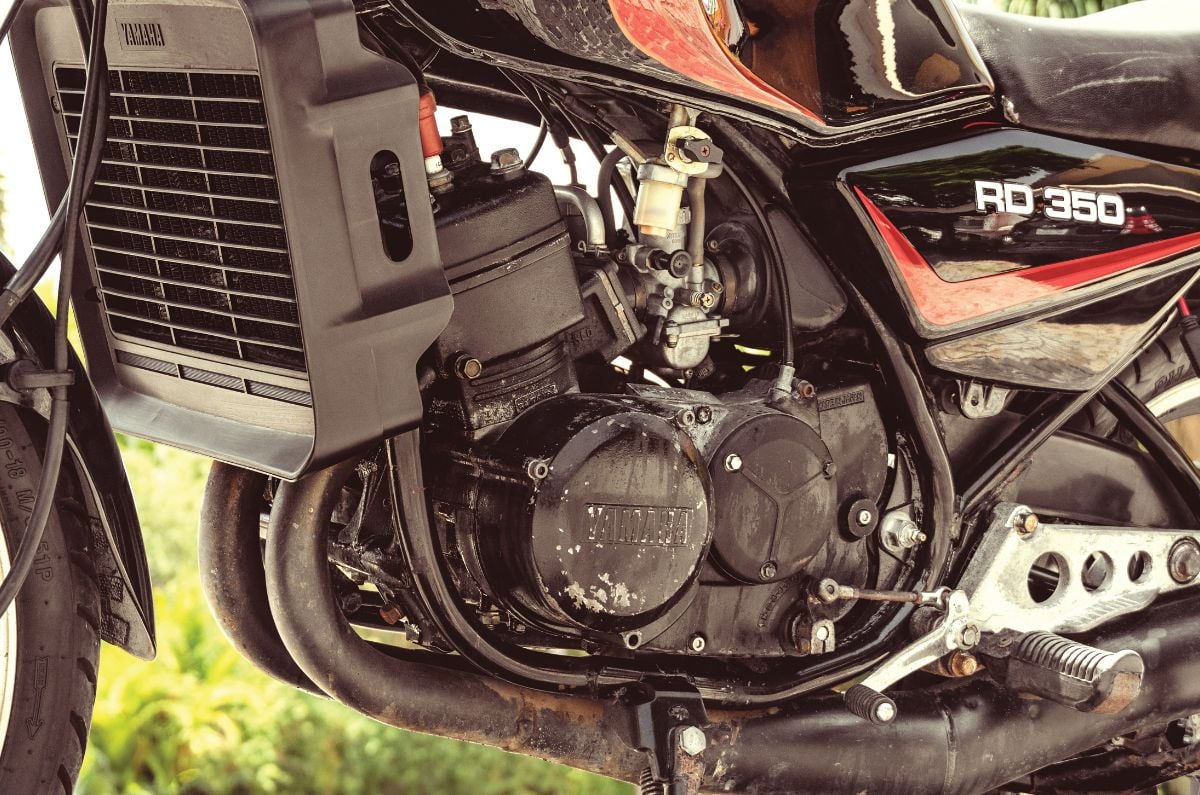
Yamaha RD350LC engine
Water-cooled twin needs revs to make power, but once you do so, you better hold on!

Over the years, there were subsequent versions that made more power courtesy of YPVS (Yamaha Power Valve System), and at one point, there was even a fully faired version. This very example is from 1980 and is one of the earliest ones from the LC’s lifecycle. Introductions made, now it’s time to get down to business – what is it like riding this nearly half-a-century-old bike? 

Forward Progress

Today, this bike might be 46 years old, but it honestly doesn’t feel ancient like the air-cooled RD does in many respects. However, on both RDs, the star of the show is the vociferous and powerful engine. Once you find an empty road, it is monumental fun to chase the 9,500rpm redline, grab another gear and repeat this grin-inducing cycle. Blasting past 100-120kph is very easy and the performance that the ‘Elsie’ has to offer feels much stronger than the roughly 45-50hp output its engine can make at its peak in stock form. 

Now, the three words “at its peak” are very important ones here because the bottom end is very dull and weak, and the engine vehemently protests being below 4,000rpm! Perhaps it was just this bike, but anything below 3,000rpm required constant clutch slipping, and the engine really didn’t like being there. Above that threshold, you’ll make quick progress, although the real fun is to be had between 6,000rpm and the 9,500rpm redline. 

This is a trait demonstrated by pretty much every two-stroke machine, no matter its displacement, architecture or cylinder count, so this isn’t a criticism, more a personality trait you need to work your way around. In fact, I’d wager that the way the LC pulls in the top three and a half thousand revs is so hard that it feels like even some current-day 60hp machines will be left in the dust. 

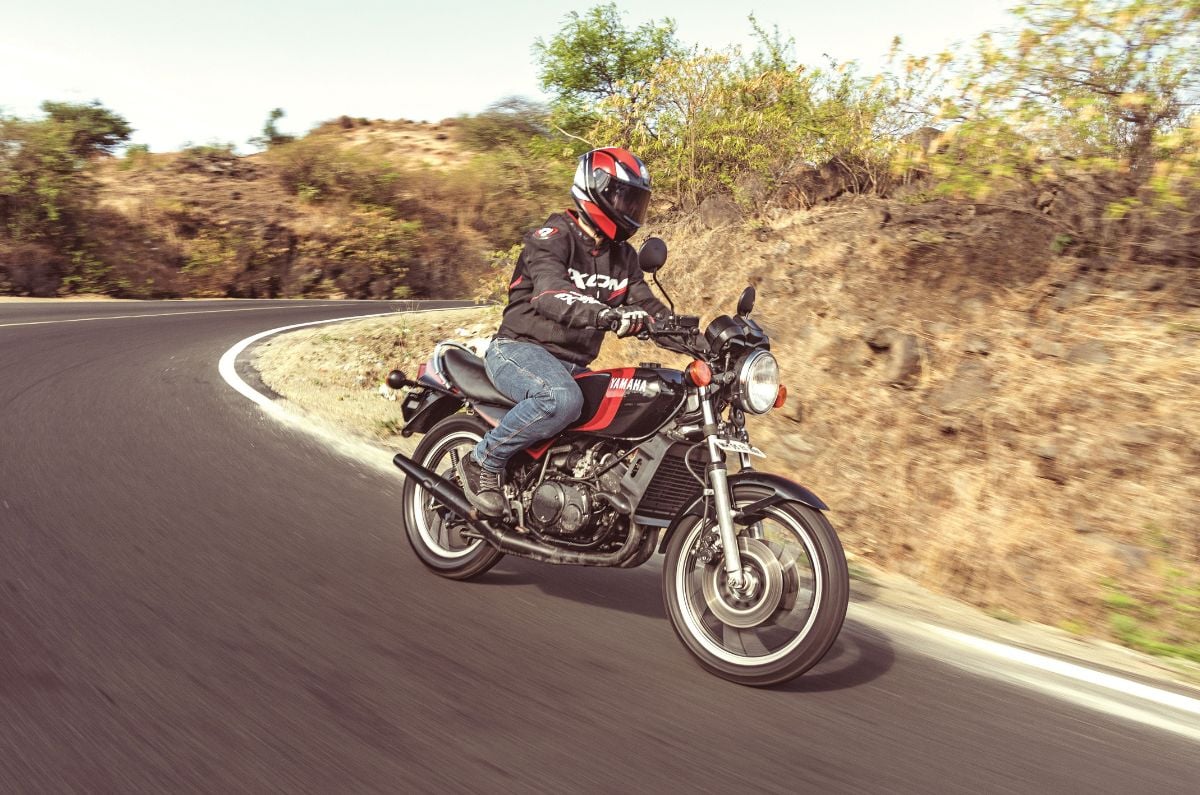
Yamaha RD350LC riding shot front right side angle
It is pleasantly well-behaved around a corner for a near 50 year old bike.

Another reason you’ll very much want to keep the revs up is the high-pitched banshee howl it has for an exhaust note. The sound emanating from its twin upswept pipes when the revs are high and you’ve got the throttle pinned is a thing of real beauty! It’s real childlike fun to listen to a 2-stroke motor roar its heart out, and this twin belts out an awesome soundtrack, one that – sadly – no longer exists today. 

In the past, I have had the pleasure of riding an air-cooled RD350, and while the violent nature of the engine and its rather heavy clutch pull are also present here, the LC’s ride and handling are a pleasant surprise! Since the LC’s frame was inspired by the TZ350 racebike (but was unique and road-biased), you actually had decent handling to somewhat effectively wield the firepower on tap. It doesn’t feel as delightfully taut as a similarly sized modern machine, but it also doesn’t feel like a horse-drawn carriage when you take a corner at speed. 

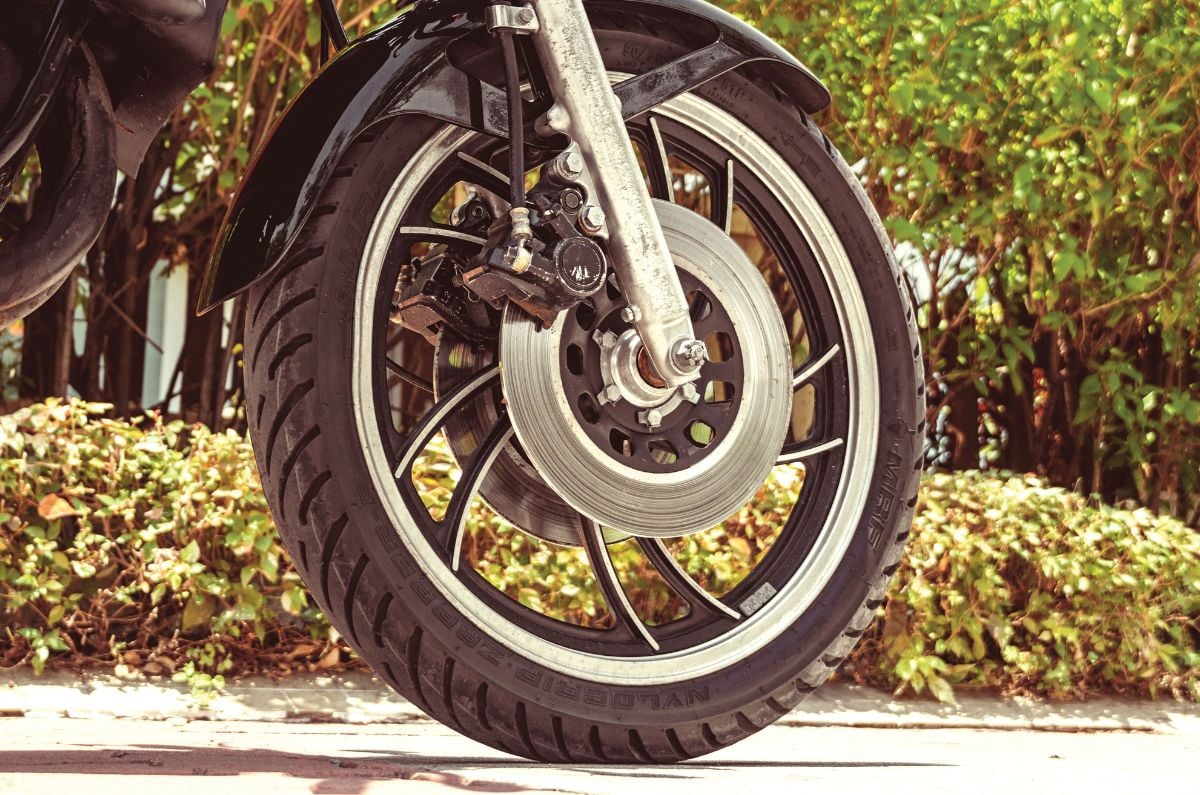
Another very welcome surprise was that the LC provided surprisingly good ride comfort. Over the few bad roads we encountered through the course of our shoot, it kept me reasonably comfortable. Truthfully, the one facet that feels woefully out of place here is the weak binders. The LC’s twin disc brakes are an upgrade on the air-cooled RD’s single disc (India-spec ones came with an even weaker front drum brake to cut costs), but the stopping force still feels more like a suggestion than a direct order. 

Yamaha RD350LC brakes
Feeble brakes will instil the fear of God in you.

Intangible Special Sauce

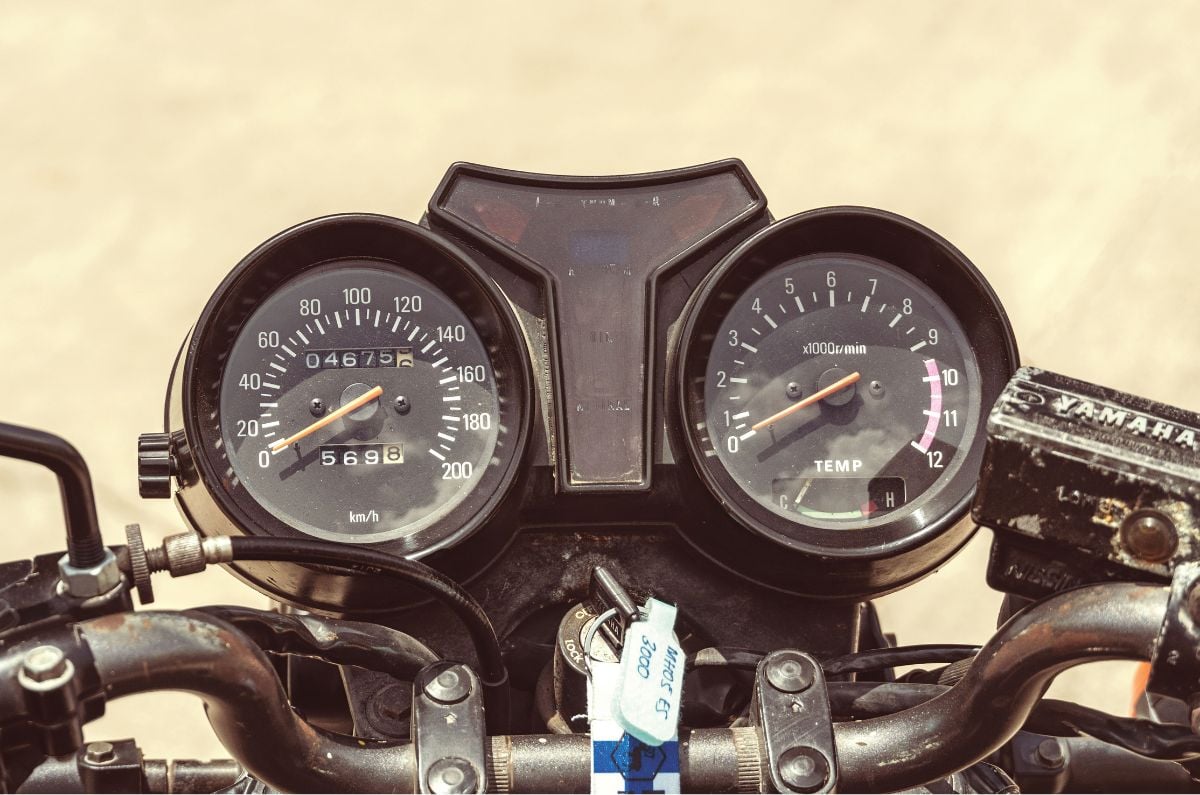
But this is not a review, and I’m not here to evaluate this bike – I’m here to experience it, and what an experience it has been! I’ve said this before and I’ll say it again, from the rider’s POV, it’s so refreshing and heartwarming to see two honest-to-goodness physical needles circling around in this day and age, and no TFT can come close to a set of analogue gauges. 

Yamaha RD350LC twin-pod analogue clocks
Twin-pod analogue clocks a very refreshing sight today.

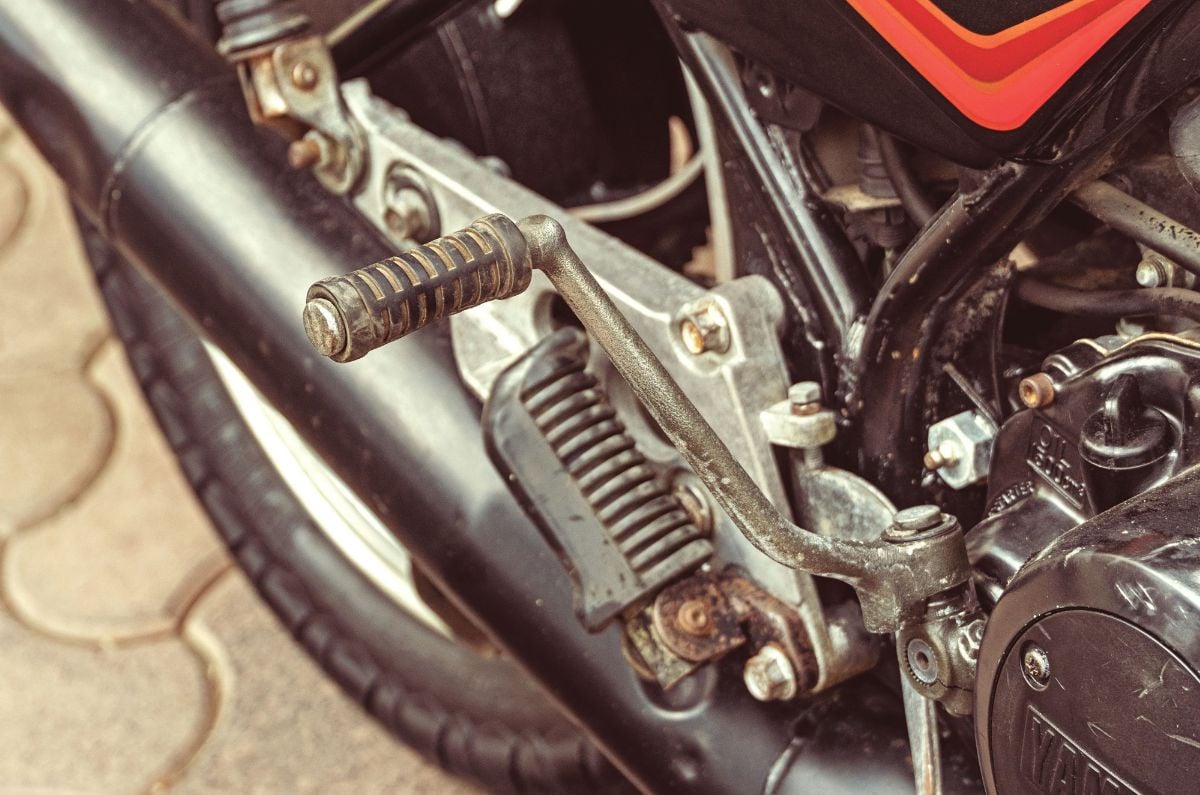
This was a raw, unadulterated machine before electronics and rider aids, so to keep yourself upright, you had to be both sensible and skilled. Of course, there’s no electric start here, and you’ll need to use your leg to start the motor, with a good old-fashioned swift kick! Speaking of, one quirk the LC had was that the rider’s footrest needed to be folded inward to make room for the kick lever to go down fully.

Yamaha RD350LC kickstarter
Rider footrest needs to be folded to kickstart the motor.

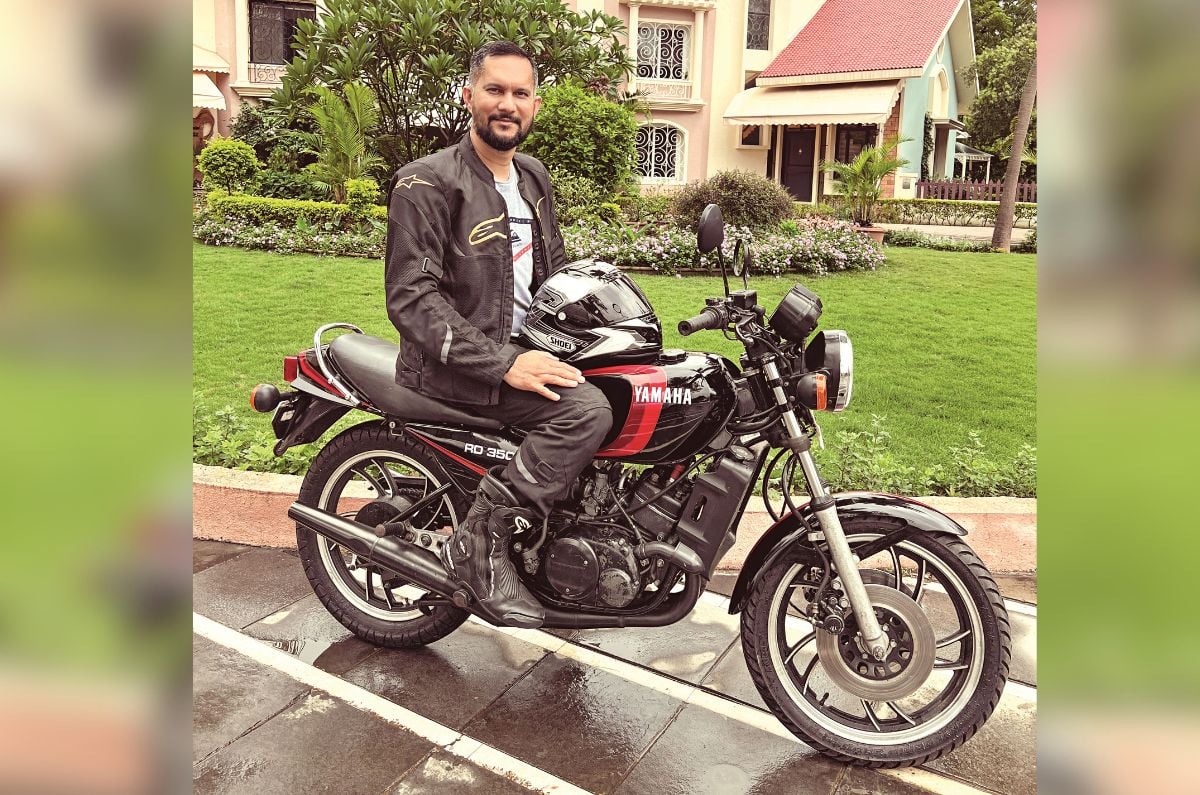
Yes, these are some areas where the LC very obviously feels its age, but today, even a single-cylinder 2-stroke machine is a rare sight, let alone a twin, and this liquid-cooled one is rarer than hen’s teeth because it was never officially sold in India. This bike was a private import back in the day (one of a single-digit handful), and currently it is in the custody of a very kind and gracious friend of mine who let us have it for a day!

Leo Noronha aboard his Yamaha RD350LC
Big props to the owner, Leo Noronha, for letting us have his ‘Elsie’ for a day.

One rather funny way the LC feels its age is that even though it was considered a properly sporty machine for its time, it’s actually not a hard-edged, uncompromising machine. The rider isn’t hunched over the ‘bar, there’s a flat seat, which will seat a pillion comfortably without them feeling like they’re perched precariously on the first floor, and it even has a centre stand! 

I think somewhere along the way, racetrack performance, bragging rights for how much horsepower your machine has, and the latest gizmos and gadgets trumped rider involvement and real-world practicality, which seems like motorcycling may have veered off course.

Nevertheless, for one very happy morning, I got to tick off one of my bucket list riding dreams. This proverbial hero lived up to my expectations and how! Yes it’s old, yes it can be a bit cantankerous and temperamental at times, yes it pollutes the air a little too much and yes, it’s expensive to own and maintain, but all of those drawbacks pale in the face of the joy you’ll feel when you start riding! 

Yamaha RD350LC left side profile static in studio
This particular example is maintained at Kumar Auto Works in Andheri, Mumbai. 

This isn’t a machine built to tick any boxes or fill a clearly demarcated role, and its only purpose is to put a smile on the rider’s face. All said and done, the RD350LC is an extinct breed in today’s ever-so-strict times, and as motorcyclists, we should ensure that bikes like these continue to survive and be enjoyed rather than just being relegated to a footnote in the history books.

2026 BMW 7 Series facelift launched at Rs 1.95 crore

2026 BMW 7 Series facelift launched at Rs 1.95 crore
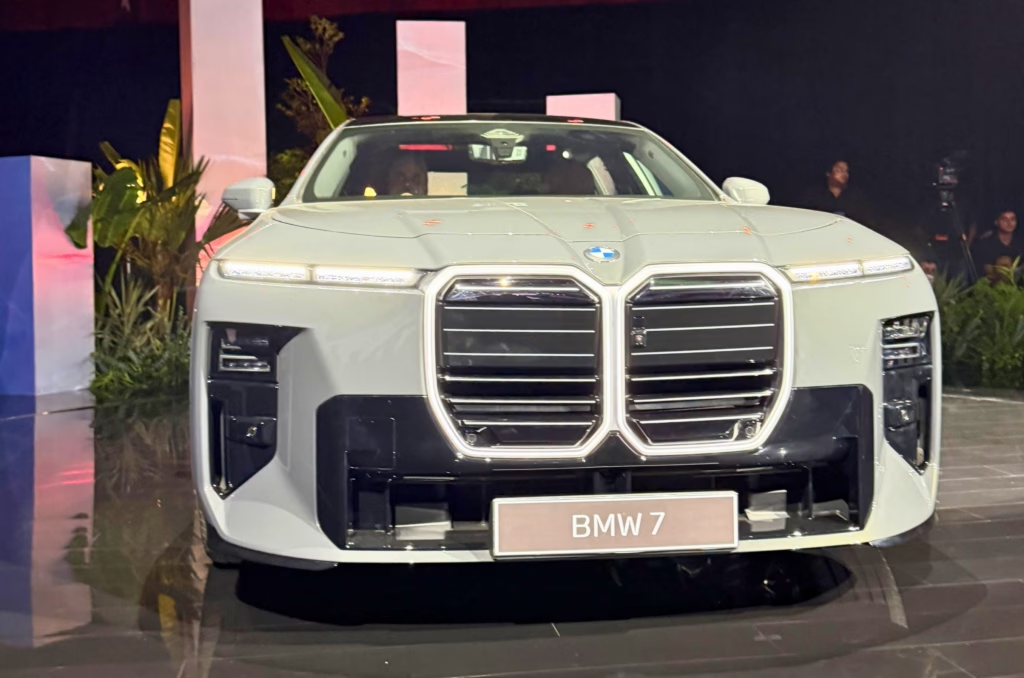
2026 bmw 7 series on stage

BMW has launched the 2026 7 Series facelift in India at a starting price of Rs 1.95 crore. Globally unveiled earlier this year, the 7 Series facelift brings a slew of changes to the flagship sedan’s exterior and interior, along with some powertrain upgrades. The 7 Series continues to rival the Mercedes-Benz S-Class, a facelift of which also went on sale in India a few months ago.

In addition to the ICE-powered 7 Series, BMW launched the luxury sedan’s updated all-electric counterpart, the i7, in eDrive50 and M70 guises. The 7 Series and i7 eDrive50 will be locally assembled at BMW’s Chennai plant.

2026 BMW 7 Series facelift price list

VariantPrice (Rs, crore)
7401.95

The ICE-powered 7 Series facelift is available in only one variant in India: the petrol-powered ‘740’. BMW has dropped the prior model’s ‘740d’ diesel version. Compared to the outgoing 7 Series, which was priced at Rs 1.85 crore, the facelift is pricier by Rs 10 lakh. Compared to the S-Class, which costs Rs 2.20 crore-2.38 crore, the 2026 7 Series is up to Rs 43 lakh more affordable.

2026 BMW 7 Series facelift exterior changes

The front end of the 7 Series facelift sees the most drastic changes, with a more slab-sided and imposing look. BMW has revised the split headlamps, with a slim pair of DRLs extending outwards from the top of the grille, and the main LED units relocated right above the redesigned vertical air intakes. The kidney grilles are now more squared-off and have horizontal slats, and continue to get an illuminated surround. Lastly, the air dam below the grille is much wider.

Over to the side, the 7 Series facelift gets updated side skirts and new alloy wheel designs – 20-inchers are fitted as standard, which can be optioned up to 22 inches. The rear end, meanwhile, features a pair of new wide LED tail-lamps and a smoother-looking bumper.

2026 BMW 7 Series facelift interior changes

On the inside, the 7 Series facelift has been updated to resemble BMW’s newer Neue Klasse models. The dashboard notably features a rhomboidal 17.9-inch infotainment touchscreen, a 14.6-inch passenger screen, a pillar-to-pillar Panoramic Vision display, and a four-spoke steering wheel. Lower down, the centre console has been redesigned with a larger storage space, fewer buttons, and a new cylindrical rotary drive selector.

As for features, the facelifted 7 Series packs an 18-speaker Bowers & Wilkins surround sound system, ambient lighting, powered doors, wireless Apple CarPlay and Android Auto, over-the-air updates, a fixed panoramic glass roof, Boss mode, powered leg rests, connected car tech, Level 2 ADAS, and powered, heated, ventilated, and massaging seats. Buyers can also opt for a 31.3-inch 8K rear entertainment screen and embedded LEDs for the fixed panoramic glass roof that sync up with the ambient lighting.

2026 BMW 7 Series facelift engine and gearbox

The 7 Series facelift carries forward the outgoing model’s 3.0-litre direct-injection turbo-petrol straight-six, which is mated to a 48-volt mild hybrid system. Thanks to internal upgrades, the 740 now produces up to 400hp and 540Nm – up 19hp and 20Nm over its predecessor. As noted previously, the 2026 7 Series facelift is not available with a diesel engine in India, even though the option is offered in some global markets.

An 8-speed torque converter automatic sends power to the rear wheels, enabling a claimed 0-100kph time of 5.4 seconds for the 740. Top speed is electronically limited to 250kph. Additionally, the 7 Series facelift packs rear-wheel steering and adaptive suspension.

All prices are ex-showroom, India.

Market Next Week: भारत से अमेरिका तक आ रहे ये आंकड़े, अगले हफ्ते तय करेंगे मार्केट की चाल

Market next week: 31 अगस्त से शुरू हो रहे अगले कारोबारी हफ्ते मार्केट की चाल मुख्य तौर पर जीडीपी के घरेलू आंकड़ों, कच्चे तेल के भाव और अमेरिका में गैर-कृषि पेरोल रिपोर्ट पर निर्भर करेगा। इसके अलावा एनालिस्ट्स के मुताबिक मैक्रोइकनॉमिक रिलीज, ऑटो सेल्स के आंकड़े और विदेशी निवेशकों की ट्रेडिंग एक्टिविटी भी आने वाले दिनों में बाजार की दिशा तय करेंगे। पिछले कारोबारी हफ्ते यानी 17-21 अगस्त के दौरान घरेलू इक्विटी बेंचमार्क इंडेक्सेज सेंसेक्स (Sensex) 276.32 प्वाइंट्स यानी 0.35% गिरा, तो निफ्टी (Nifty) 76.35 प्वाइंट्स यानी 0.31% नीचे आया। लगातार तीसरे हफ्ते ये लाल हुए।

Market next week: क्या कहना है एक्सपर्ट्स का?

रेलिगेयर ब्रोकिंग के सीनियर वाइस प्रेसिडेंट (रिसर्च) अजीत मिश्र का कहना है कि आने वाला कारोबारी हफ्ता काफी अहम रहने वाला है। जीडीपी के घरेलू आंकड़े और वैश्विक आर्थिक आंकड़े मार्केट की दिशा तय करने में अहम भूमिका निभा सकते हैं। भारतीय अर्थव्यस्था में बात करें तो जून 2026 तिमाही के आंकड़े 31 अगस्त को जारी होंगे। अजीत के मुताबिक निवेशकों की नजर अगस्त महीने के मैन्युफैक्चरिंग और सर्विसेज पीएमआई के आंकड़ों, जीएसटी कलेक्शंस, फॉरेन एक्सचेंज रिजर्व और रुपये की चाल पर भी रहेगी।

अजीत के मुताबिक सबसे बड़ा ट्रिगर तो अमेरिकी रोजगार का आंकड़ा रहेगा। 4 अगस्त को अगस्त के नॉन-फार्म पेरोल्स का आंकड़ा आएगा। अजीत का मानना है कि यग फेडरल रिजर्व के सितंबर महीने की मौद्रिक नीति, अमेरिकी डॉलर, ट्रेजरी यील्ड्स और एमर्जिंग मार्केट्स में फंड्स फ्लो से जुड़ी उम्मीदों पर असर डाल सकता है। विदेशी पोर्टफोलियो निवेशकों (FPIs) ने अगस्त में भारतीय इक्विटीज में अब तक ₹30,919 करोड़ का नेट निवेश किया है और लगातार दूसरे महीने उनकी नेट खरीदारी जारी रही।

ऑनलाइन ट्रेडिंग और वेल्थ-टेक फर्म एनरिच मनी के सीईओ पोनमुडी आर का कहना है कि घरेलू स्तर पर जून तिमाही के जीडीपी आंकड़े ब्रोडर रिस्क सेंटिमेंट के लिए अहम होंगे। इससे यह पता चलेगा कि घरेलू अर्थव्यवस्था किस चाल से बढ़ रही है, खासतौर से ऐसे समय में जब एनर्जी प्राइसेज रॉकेट बने हुए हैं और पश्चिमी एशिया में तनाव अभी भी बना हुआ है।

पोनमुडी का कहना है कि जैक्सन होल में फेड चेयर कैविन वार्श के हॉकिश कमेंट के बाद अब अमेरिकी मौद्रिक नीति वैश्विक बाजारों के लिए सबसे बड़ा कैटेलिस्ट बन गई है। पोनमुडी का कहना है कि मार्केट की नजर अब 4 सितंबर को आने वाले अगस्त की जॉब्स रिपोर्ट के साथ-साथ अगली इनफ्लेशन रीडिंग पर भी नजर रहेगी। इन आंकड़ो से यह तय होगा कि सितंबर में रेट हाइक की हाल में बढ़ी उम्मीदें बनी रहती हैं या कम होती हैं।

रिसर्च एनालिस्ट फर्म एचएसटी वेल्थ के फाउंडर और सीईओ हरिसेल्वन राधाकृष्णन का कहना है कि सोमवार को भारतीय इकॉनमी के लिए जून तिमाही के जीडीपी के आंकड़े के आंकड़े आएंगे, जिससे घरेलू आर्थिक विकास की दिशा पता चलेगी। वहीं शुक्रवार को आने वाला अमेरिकी रोजगार का आंकड़ा वैश्विक बाजारों के सेंटिमेंट पर असर डाल सकता है। उनका कहना है कि इसके बाद निवेशक फिर से फेडरल रिजर्व की सितंबर की मौद्रिक नीतियों को लेकर अपनी उम्मीदों को रिव्यू करेंगे।

लेवरेज्ड ETF के लिए कोर्स करना जरूरी, दक्षिण कोरिया ने इस कारण बनाया नियम

Meesho कब आएगी मुनाफे में? शेयर खरीदने से पहले प्वाइंटवाइज चेक करें एक्सपर्ट कैलकुलेशन

डिस्क्लेमर: मनीकंट्रोल.कॉम पर दिए गए सलाह या विचार एक्सपर्ट/ब्रोकरेज फर्म के अपने निजी विचार होते हैं। वेबसाइट या मैनेजमेंट इसके लिए उत्तरदायी नहीं है। यूजर्स को मनीकंट्रोल की सलाह है कि कोई भी निवेश निर्णय लेने से पहले हमेशा सर्टिफाइड एक्सपर्ट की सलाह लें।