The Society of India Automobile Manufacturers (SIAM) elected Shenu Agarwal, Managing Director and Chief Executive Officer of Ashok Leyland, as President for the 2026-27 term. SIAM is the apex national body representing all major vehicle and vehicular engine manufacturers in India. The decision was finalised at an executive committee meeting during the 2026 SIAM Annual Convention on Thursday.
Shenu Agarwal succeeds Tata Motors’s Shailesh Chandra as SIAM President
Agarwal served as SIAM Vice President during his previous term
Agarwal has served as SIAM Vice President during his previous term. Taking over as President, he succeeds Shailesh Chandra, Managing Director and CEO of Tata Motors Passenger Vehicles.
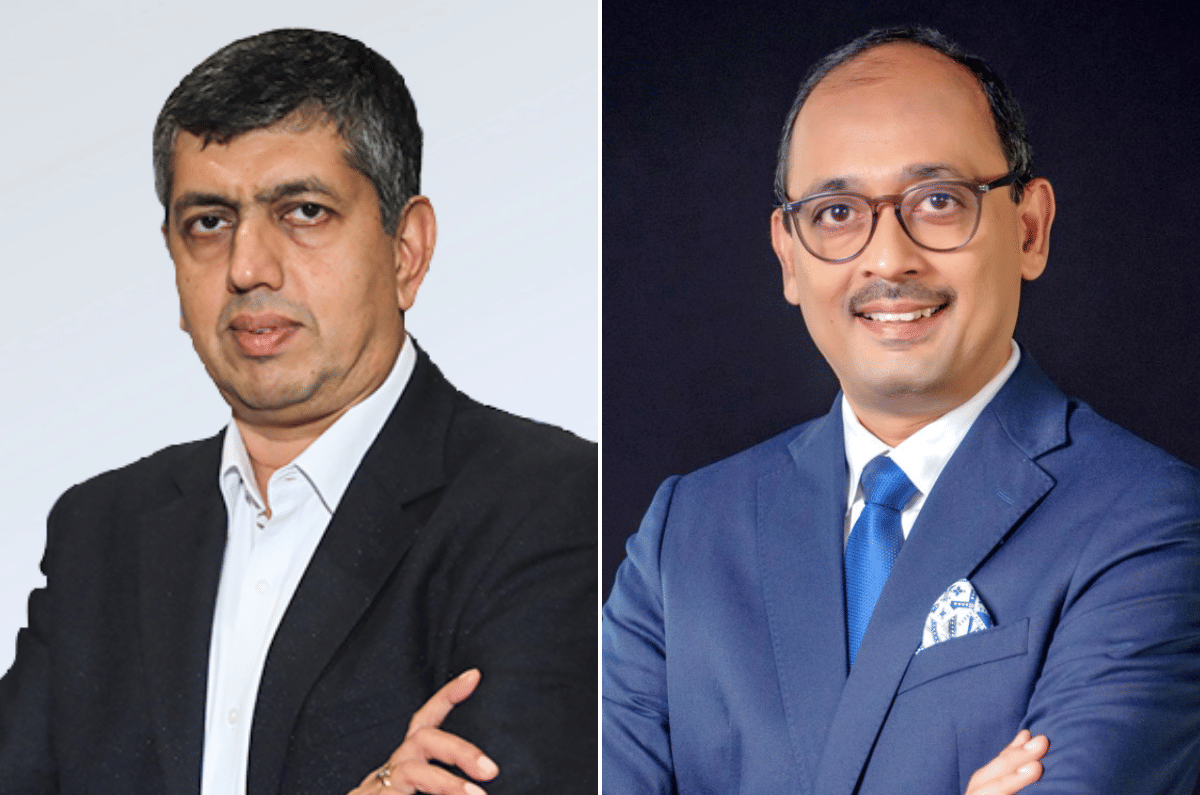
K N Radhakrishnan (left), Santosh Iyer (right).
K N Radhakrishnan, Director and CEO of TVS Motor, was elected Vice President by SIAM. Santosh Iyer, Managing Director and CEO of Mercedes-Benz India, took over as Treasurer for the current term.
Abhinandan Varthaman: पाकिस्तानी जेट गिराने वाले इंडियन एयर फोर्स (IAF) के फाइटर पायलट और पूर्व ग्रुप कैप्टन अभिनंदन वर्धमान ने भारतीय वायुसेना से समय से पहले ही रिटायरमेंट ले लिया है। अब वह गोवा के एक प्राइवेट एयरलाइन में कमर्शियल पायलट के तौर पर अपना नया एविएशन करियर शुरू कर रहे हैं। वर्धमान को फरवरी 2019 में पाकिस्तान एयरफोर्स के फाइटर जेट के साथ हवाई लड़ाई में अपना विमान गिराए जाने के बाद पाकिस्तान में तीन दिनों तक बंधक बनाकर रखा गया था।
करीब दो दशक इंडियन एयरफोर्स में सेवा देने के बाद यह अभिनंदन के करियर की नई पारी है। अभिनंदन 27 फरवरी 2019 को पाकिस्तानी फाइटर जेट F-16 गिराने के बाद भारत समेत दुनियाभर में सुर्खियों में आए थे। न्यूज एजेंसी पीटीआई के मुताबिक, अभिनंदन अब पायलट के तौर पर रीजनल एयरलाइन FLY91 से जुड़ गए हैं।
कॉमर्शियल यात्री विमान के पायलट होंगे
सूत्रों ने बताया कि यहां वे कॉमर्शियल यात्री विमान के पायलट होंगे। सूत्रों ने बताया कि ‘वीर चक्र’ से सम्मानित वर्तमान अगस्त में गोवा की एयरलाइन FLY91 में पायलट के तौर पर शामिल हुए। 2019 में पाकिस्तान के साथ हवाई संघर्ष के बाद वर्धमान चर्चा में आए थे। उस हवाई लड़ाई के दौरान उन्होंने पाकिस्तान के एक फाइटर जेट को मार गिराया था। इसके बाद उन्हें तीन दिनों तक पाकिस्तान में हिरासत में रखा गया था।
STORY | Former Indian Air Force Group Captain Abhinandan Varthaman joins regional airline FLY91 as pilot
Former Indian Air Force Group Captain and Vir Chakra awardee Abhinandan Varthaman has joined Goa-based regional airline FLY91 as a pilot, according to sources.
उन्हें 2021 में ‘वीर चक्र’ से सम्मानित किया गया था, जो युद्ध के समय वीरता के लिए भारत का तीसरा सबसे बड़ा सम्मान है। इस सम्मान के लिए जारी प्रशस्ति पत्र में हवाई संघर्ष के दौरान उनके “कर्तव्य के प्रति असाधारण समर्पण” को सराहा गया था। FLY91 के प्रवक्ता ने इस मामले पर टिप्पणी करने से इनकार कर दिया।
उन्होंने पीटीआई से कहा कि किसी कर्मचारी की निजी जानकारी एक निजी मामला है। एयरलाइन में वर्तमान की भूमिका के बारे में और जानकारी तुरंत उपलब्ध नहीं हो सकी। गोवा स्थित FLY91 ने मार्च 2024 में अपना कामकाज शुरू किया था। इसके बेड़े में अभी छह ATR 72-600 विमान हैं। यह दो बेस गोवा और हैदराबाद से अपनी सेवाएं देती है।
Delhi: Wing Commander (now Group Captain) Abhinandan Varthaman being accorded the Vir Chakra by President Ram Nath Kovind, for shooting down a Pakistani F-16 fighter aircraft during aerial combat on February 27, 2019. pic.twitter.com/vvbpAYuaJX
फरवरी 2019 में पुलवामा में आत्मघाती बम धमाके में सेंट्रल रिजर्व पुलिस फोर्स (CRPF) के 40 जवानों की मौत के बाद भारतीय सेना ने पाकिस्तानी इलाके में आतंकवादियों के खिलाफ एयर स्ट्राइक की थी। नई दिल्ली ने कहा कि स्ट्राइक में बालाकोट में जैश-ए-मोहम्मद (JeM) ग्रुप के ट्रेनिंग कैंप को निशाना बनाया गया था।
अगले दिन पाकिस्तान एयरफोर्स की जवाबी कार्रवाई से दोनों परमाणु बम से लैस दो पड़ोसियों के बीच युद्ध का डर पैदा हो गया था। इस टकराव का सबसे चर्चित चेहरा विंग कमांडर वर्धमान थे। उनके MiG-21 फाइटर जेट को गिराए जाने के बाद पाकिस्तान द्वारा उन्हें पकड़ लिए जाने से दशकों में दोनों पड़ोसियों के बीच सबसे गंभीर सैन्य संकट पैदा हो गया था।
27 फरवरी 2019 को अपना जेट हिट होने से पहले वर्धमान ने पाकिस्तान के F-16 फ़ाइटर जेट को मार गिराया था। उस समय विंग कमांडर रहे वर्धमान को तीन दिनों तक बंधक बनाकर रखा गया था। 1 मार्च की रात को पाकिस्तान ने उन्हें रिहा कर दिया था।
हवाई लड़ाई के दौरान अपने मिग-21 बाइसन से बाहर निकलते समय वर्धमान को चोटें आई थीं। बाद में उसी साल डॉगफाइट के दौरान “असाधारण कर्तव्य-निष्ठा” दिखाने के लिए उन्हें भारत के युद्ध-समय के तीसरे सबसे बड़े वीरता पुरस्कार ‘वीर चक्र’ से सम्मानित किया गया। अभी यह साफ नहीं हो पाया है कि वर्धमान ने समय से पहले रिटायरमेंट क्यों लिया।
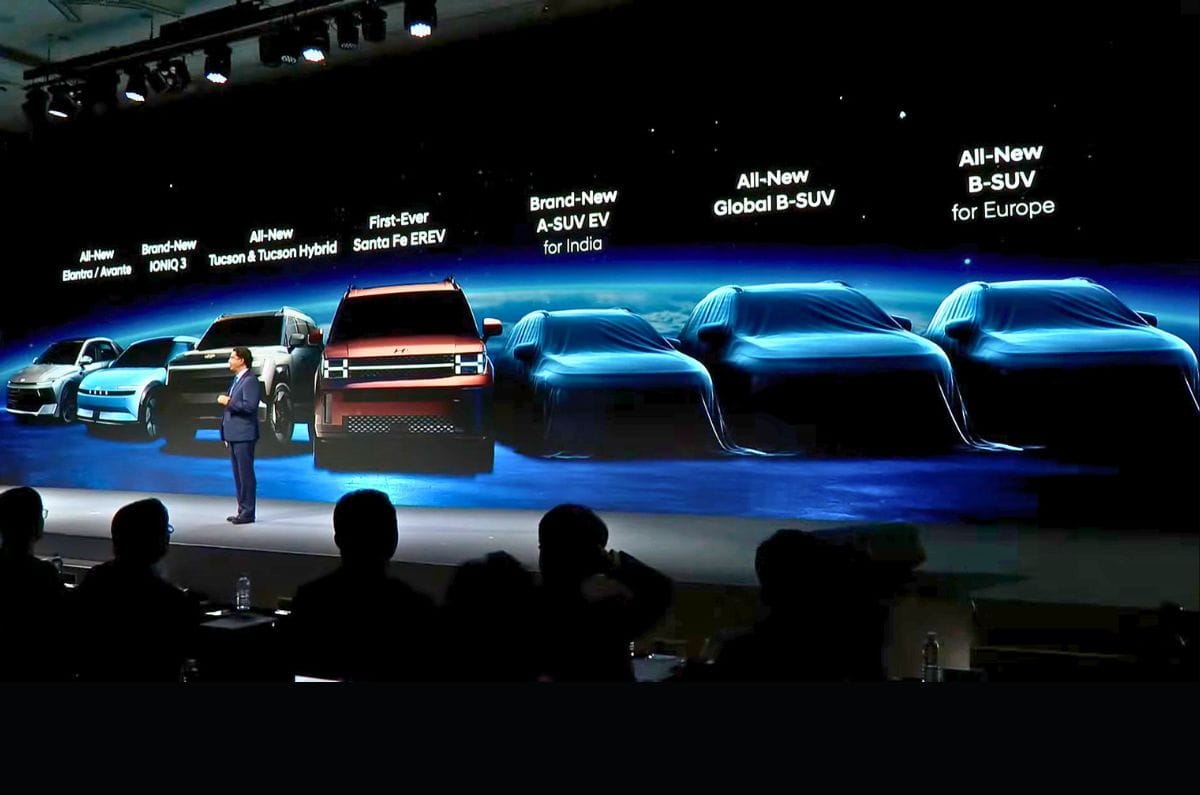
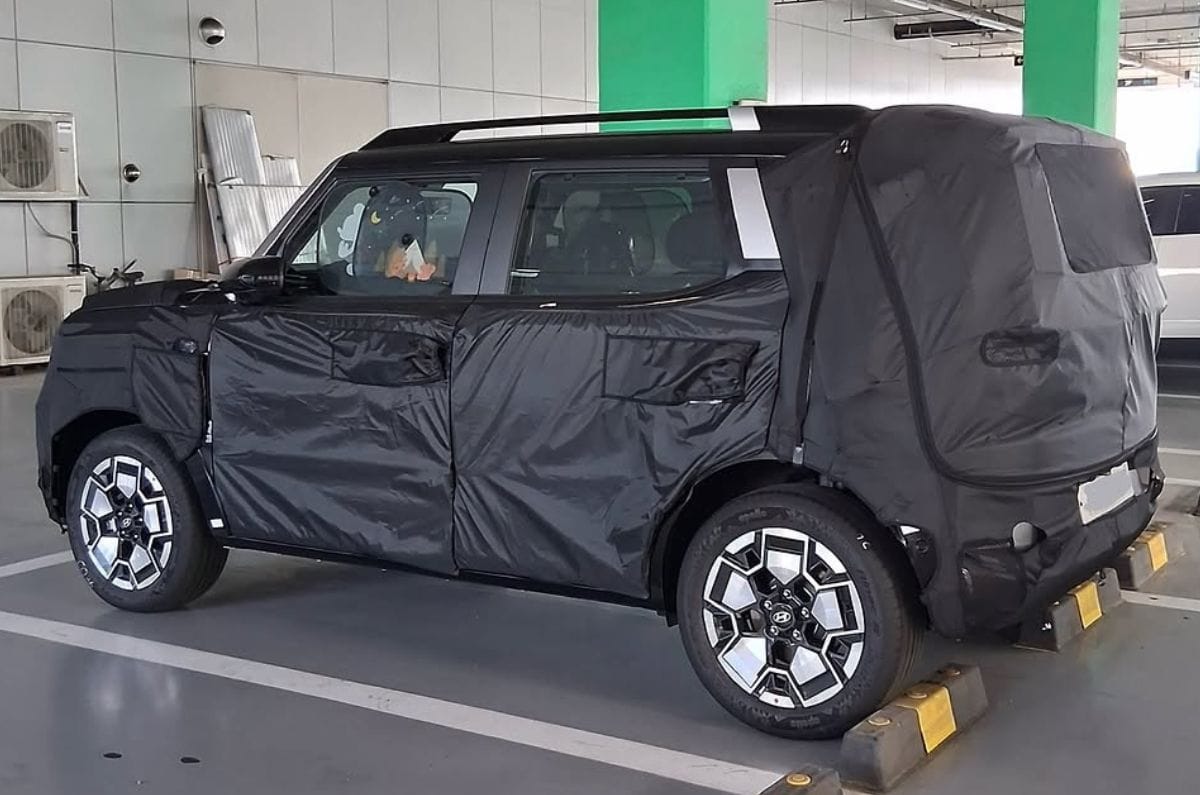
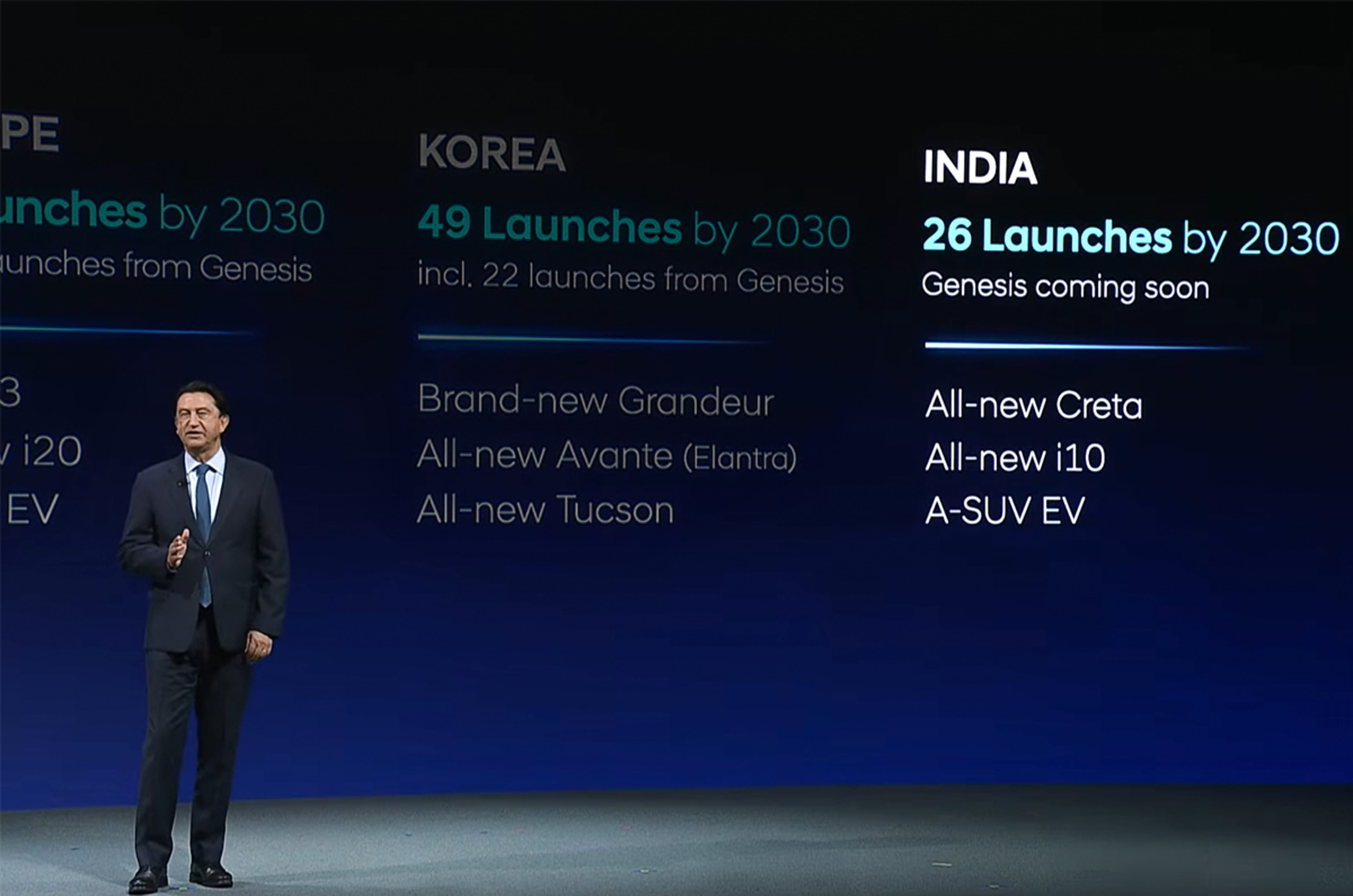
Hyundai has announced a new compact electric SUV for India at its 2026 CEO Investor Day. The new EV will be designed and manufactured in India and is slated to debut in the country by the last quarter of FY 2027 (by March 2027). Jose Munoz, President and CEO of Hyundai Motor Company, said, “A brand-new compact SUV is coming, designed and localised in India.”
A ‘next-gen infotainment’ and Level-2 ADAS are confirmed features
Will be built on the E-GMP (K) platform and manufactured in Tamil Nadu
Will compete with the Tata Nexon EV and Mahindra XUV 3XO EV
Upcoming Hyundai compact EV: All we know so far
It will be built on the E-GMP (K) platform and will be a rival to the Nexon EV
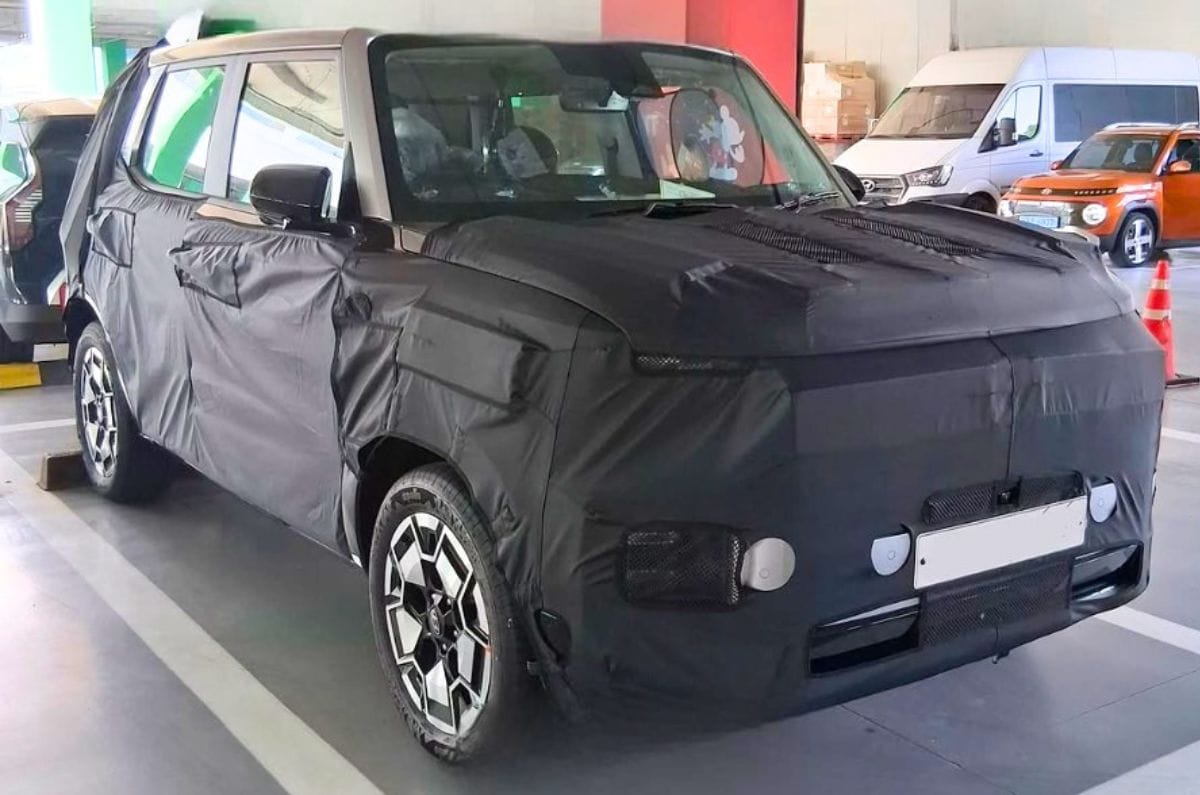
The upcoming EV, codenamed HE1i, was first announced at Hyundai’s Investor Day 2025. Later, we got to know it will be a born-electric vehicle built on the E-GMP (K) platform, which also underpins the Inster EV offered abroad. It will be manufactured at Hyundai’s Sriperumbudur facility in Tamil Nadu.
The HE1i EV will use localised Exide-sourced batteries and will be offered in two versions: standard range and long range, the exact specifications of which are unknown. For context, the Euro-spec Inster is offered with a 42kWh battery with 300km WLTP-claimed range and a long-range 49kWh battery with 355km claimed range.
Image source: @joonsun_erin on Instagram
The new compact EV is confirmed to have a “next-generation infotainment system”, which could be the Pleos Connect infotainment system also expected on the upcoming third-generation Creta, and “Level 2 assisted driving technology”.
The upcoming Hyundai compact EV will be positioned as a rival to the Tata Nexon EV, Mahindra XUV 3XO EV and Kia Syros EV. Being a localised offering, it could have a lower price tag than the Syros EV, which is currently the most expensive option in the segment.
Hyundai expects electrified vehicles to account for 50 percent of India sales by 2030. Currently, it sells two EVs in the country: the Creta Electric and Ioniq 5, and the upcoming compact eSUV will give the carmaker a share in the more accessible segment of India’s EV market.
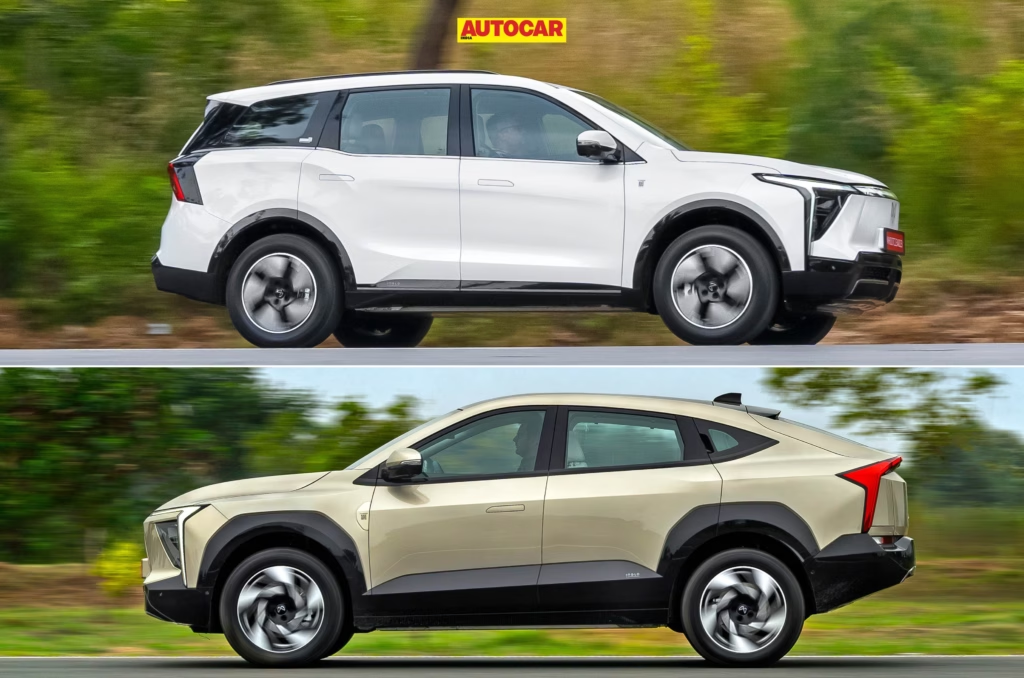
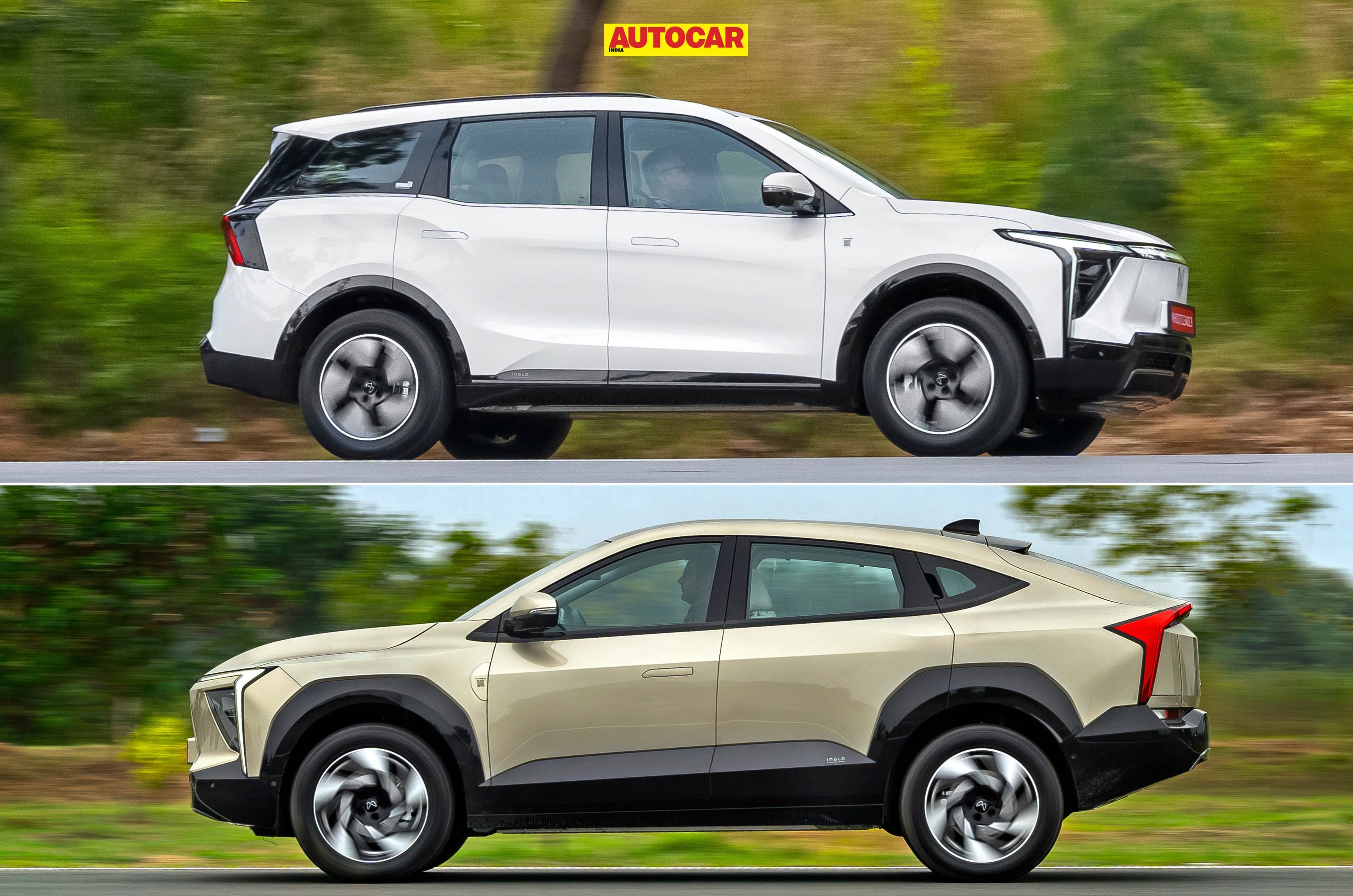
Mahindra has announced that its electric vehicle line-up will get Google’s Gemini AI assistant by January 2027. “From 1st January 2027, Google Gemini will go live on all other cars, including the original BE 6. That’s the advantage of MAIA architecture,” said R Velusamy, president, Automotive Business, Mahindra and Mahindra, in an interview with Autocar India. Additionally, other software-defined features that debuted on the BE 6 Sporteq will roll out to its existing portfolio in phases from January 2027.
Which software-defined features will the existing line-up get?
The recently introduced BE 6 Sporteq gets Google Gemini from day one, and all upcoming models will also have this feature. Meanwhile, Mahindra’s existing line-up – the XEV 9e, XEV 9S and the older BE 6 – will receive it via an over-the-air (OTA) update by January 2027. Essentially, these vehicles will now get the BE 6 Sporteq’s ‘TEQ’ suite of features, and below is a list of them.
1. TEQ_Talk (Google Gemini)
Mahindra’s in-car MAIA assistant is now powered by Google Gemini, enabling conversational AI features. The brand says it uses 17 specialised AI agents to facilitate natural interactions and supports over 100 core functions and 48 applications, including navigation, entertainment, vehicle controls, general knowledge and more.
2. TEQ_Secure
This suite brings Secure 360 Pro, which basically lets you keep an eye on your car through its 360-degree camera system and dashcam. With Mahindra’s Me4U app, users can check live footage and recordings, activate audio relay and track their vehicle. There’s also a digital car key ecosystem across smartphones, smartwatches and NFC key cards. Additionally, cars with a passenger display also come equipped with a parental lock feature.
3. TEQ_Me
TEQ_Me brings the user profile with an auto-detection feature that instantly adjusts your vehicle settings, including seat and mirror position, climate control and infotainment preferences, head-up display and drive modes, according to the selected user profile.
4. TEQ_Drive
The TEQ_Drive suite brings several driving features to Mahindra electric SUVs. A custom mode allows users to select and individually fine-tune the drive, suspension and steering modes. There’s also a drift mode that allows “controlled drifting in suitable conditions” by disabling the vehicle’s ESP completely, which wasn’t possible before.
Moreover, users can now get additional range at zero percent charge with the Revive mode to reach the nearest charger. It essentially adds up to 13km of range, with the Revive SOS mode further adding up to 11km of range during emergencies. The latter can be used only five times in the vehicle’s lifetime. Lastly, Tribe Drive lets you track the locations of your friends and family who also own Mahindra electric SUVs on road trips.
5. TEQ_Play
This mainly covers in-car entertainment features such as gaming, with support for up to four Bluetooth-enabled controllers along with a karaoke mode. Meanwhile, users can privately stream in-car audio with compatible Bluetooth devices via the private audio feature. Additionally, the ‘GrooveMe Party’ feature syncs the vehicle’s interior and exterior lights with the music playing, which is a cool party trick.
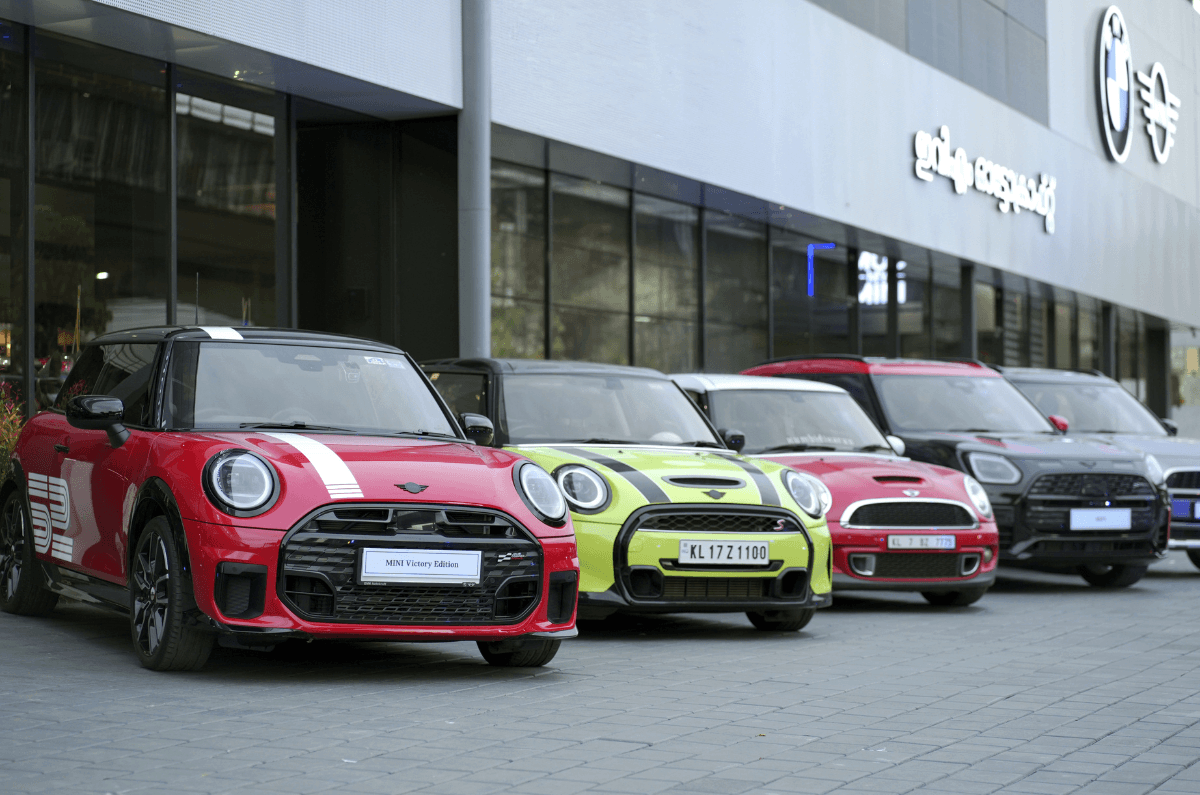
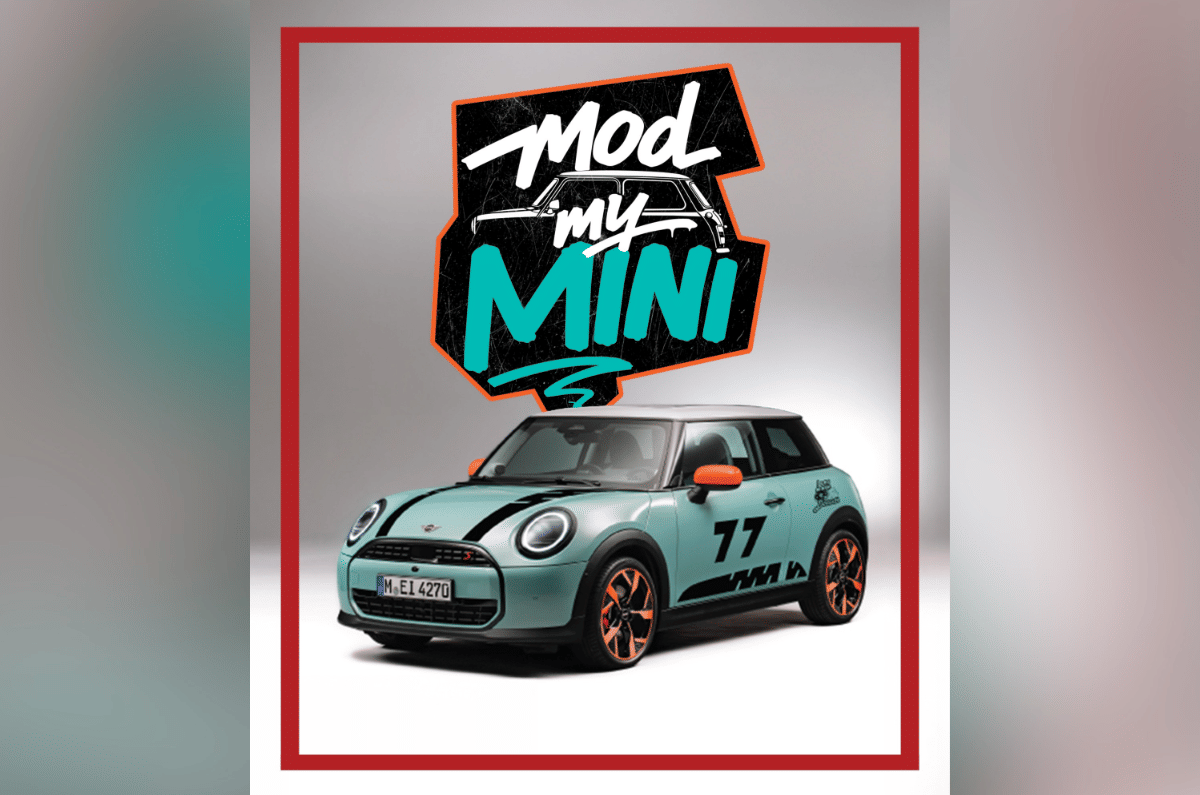
Mini has launched its ‘Mod My Mini’ official vehicle customisation program in India for both the Cooper and Countryman models. Available to both new and existing customers, the customisation option offers a range of bespoke upgrades, spanning original accessories, signature paints and decals. It also lets customers modify parts like the roof, mirror caps, spoilers and brake callipers.
Over 100 classic Mini shades and multiple exclusive thematic decals are on offer
2.5 million unique combinations are possible with the customisation program: Mini
The carmaker claims that with over 100 classic Mini shades, multiple exclusive thematic decals and original accessories, a total of 2.5 million unique combinations are possible. All official decals installed through the programme come backed by a 24-month warranty from the date of installation.
“We firmly believe that no two Minis on the road should look the same, which is why the ‘Mod My Mini’ program puts the design canvas directly into the hands of our owners,” Hardeep Singh Brar, President and CEO, BMW Group India, said. Interested customers can contact their nearest Mini dealer to explore the full range of options and check part availability.
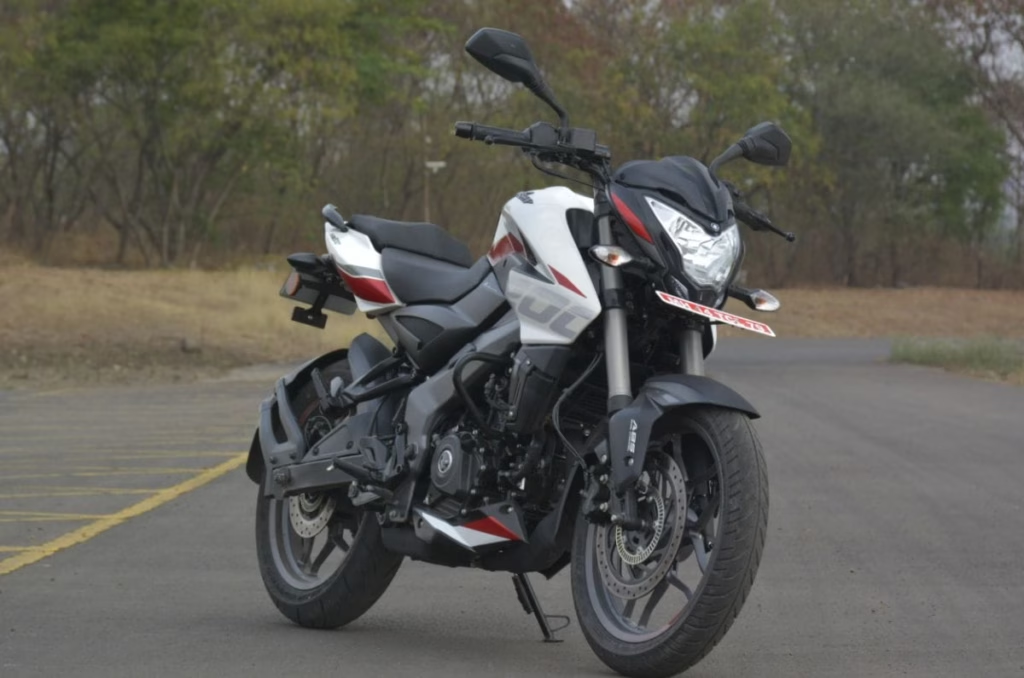
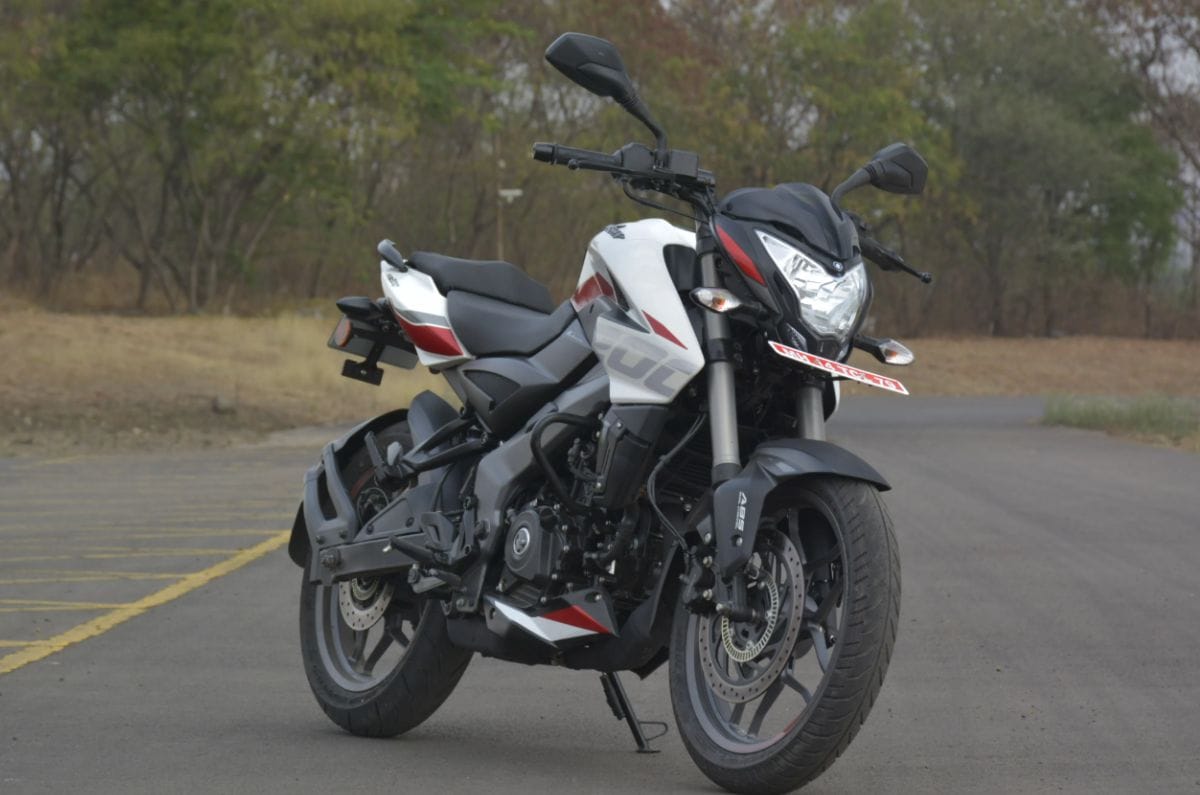
Bajaj has been having an eventful August with four launches, the freshly updated Pulsar 125/150 and the new Pulsar N160 S and SS. Seems like they aren’t planning to slow down any time soon. The company has said two of the 10 models would be all-new Pulsars, while the rest would comprise new variants and product upgrades. “Our 150 and 125 are the second launch in this journey,” said Sumeet Narang, President, Marketing, Bajaj Auto. “We will meet you soon again. There’s a lot of stuff that we will still be coming up with in the coming days.”
Bajaj Pulsar was the third best-selling motorcycle range in July 2026
After original and N Pulsars, NS line is expected to be updated
Bajaj dual-sport and Triumph Bonneville 400 will also arrive soon
Pulsar portfolio takes shape
All models are expected to get updates
The launch comes as the Pulsar nameplate remains one of India’s largest-selling motorcycle ranges. It ranked third in the July motorcycle sales chart with 66,156 units dispatched, according to AutoPunditz. Bajaj’s sports motorcycle segment, meanwhile, grew about 50% year on year in the April-June quarter, with Pulsar, Avenger and Dominar recording double-digit growth.
The company has also said upgrades are planned across its 125-160cc motorcycle range. Narang said the refreshed range will be organised around the three Pulsar platforms. “Three very clear distinct platforms, the original, the N and the NS,” he said, with each aimed at a different customer and riding use case.
Triumph Bonneville 400 and Bajaj’s first dual-sport also in the works
Bajaj is also looking to expand manufacturing capacity
We had just reported that Bajaj’s first dual-sport motorcycle was spotted testing again. Our reports indicate that the motorcycle will launch in Brazil before the end of this year, making its way to India at a later time. Currently, it’s unclear if Bajaj is counting that as a part of this 10-Model portfolio. Besides that, Bajaj is also expected to launch the Triumph Bonneville 400, long awaited retro cousin of the existing Triumph 400s. Speaking of which, the launches come ahead of Bajaj’s planned expansion of annual manufacturing capacity from about 72 lakh vehicles to more than 90 lakh. The company has said the additional capacity will support growing demand across the board. It is evaluating brownfield expansion and a greenfield facility, with the location and investment yet to be finalised. The company has not yet declared any dispatch dates, but clearly they’re looking at a packed schedule inching closer to the festive season.
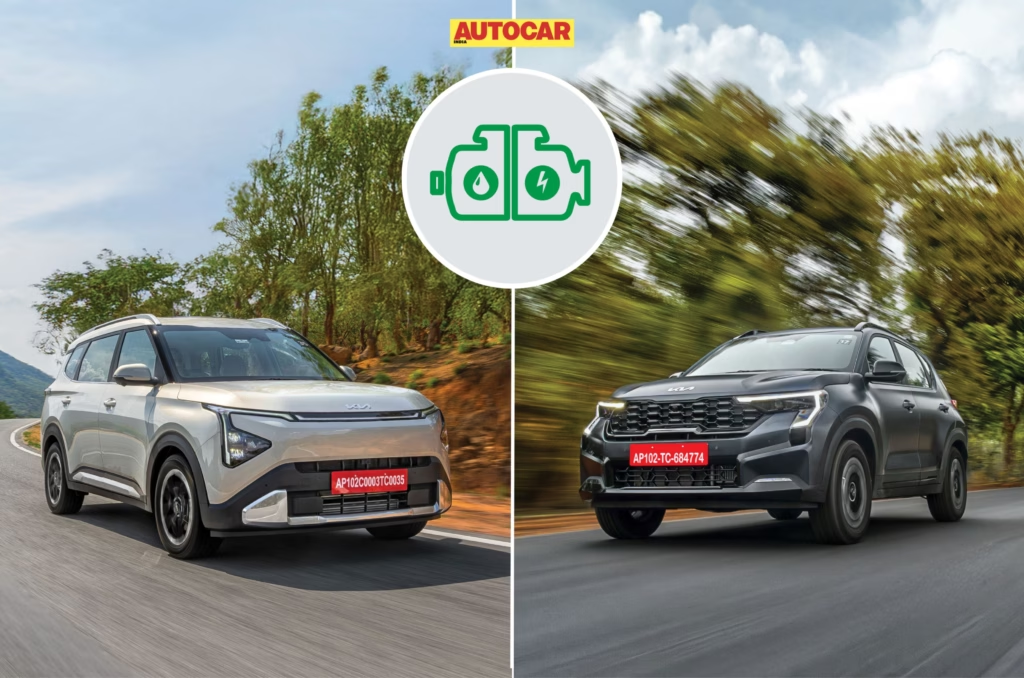
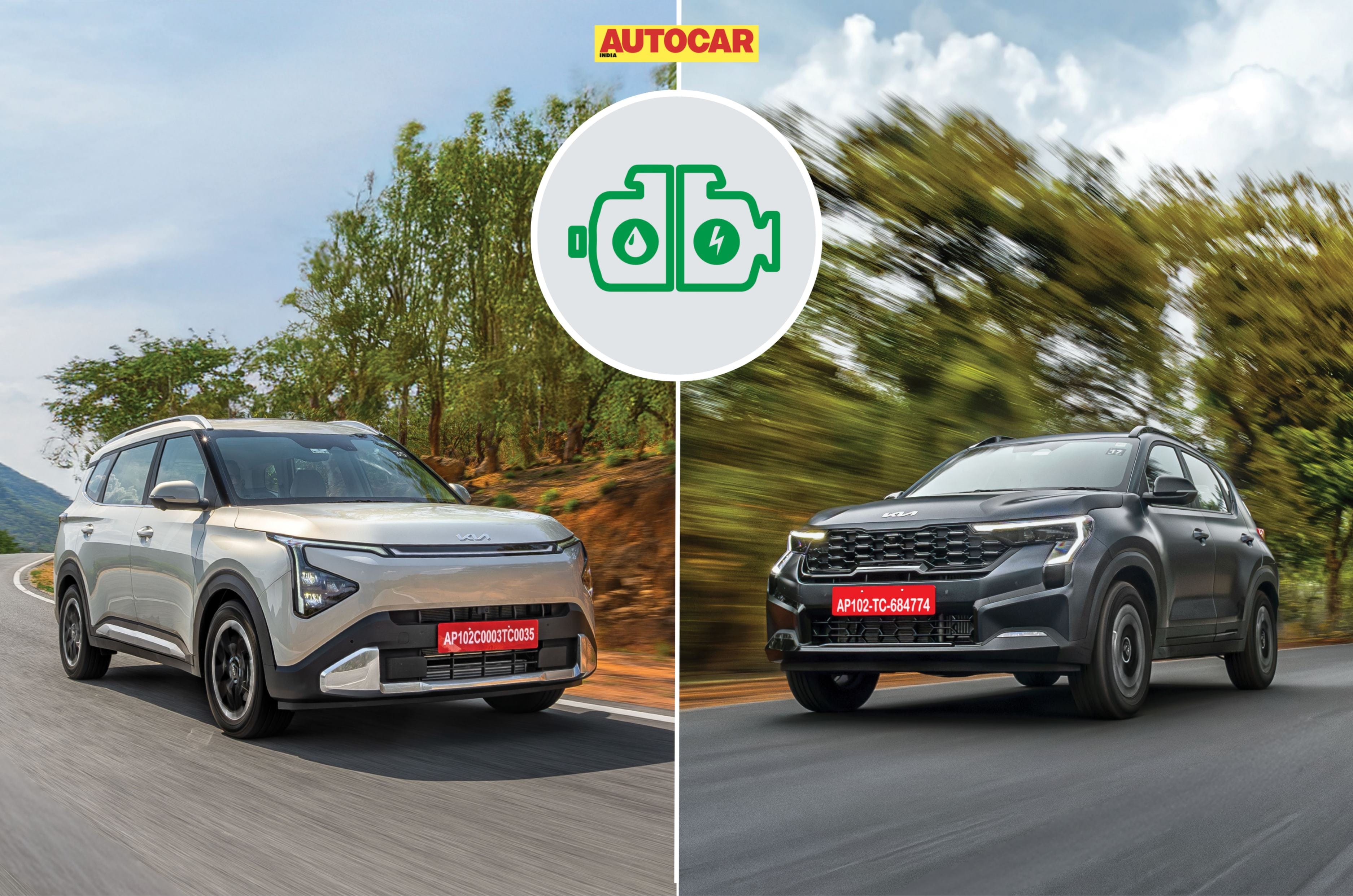
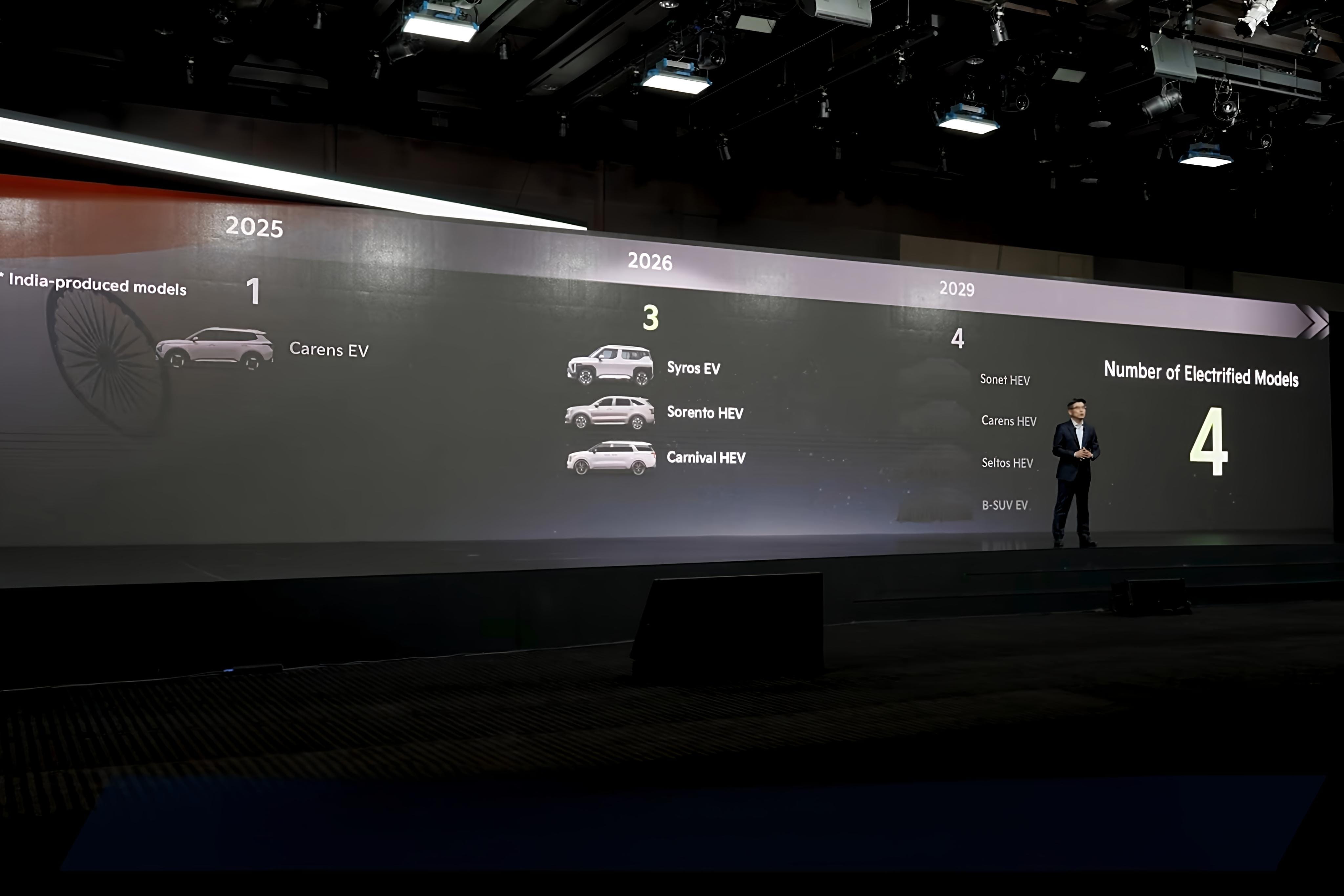
At its 2026 CEO Investor Day event, Kia President and CEO Ho Sung Song confirmed that the Sonet and Carens Clavis will have hybrid powertrains in India by 2029. Additionally, the Korean carmaker also announced that it will introduce a locally developed B-segment electric SUV. “From 2027 onward, we will extend hybrid electric vehicle (HEV) offerings to key local models such as the Sonet, Carens and Seltos, while introducing a locally developed B-SUV EV,” said Song.
Sonet and Carens Clavis hybrids to arrive on next-gen versions.
Locally developed and made B-segment SUV to be all-electric.
Carnival and Sorento hybrids to arrive this year.
Kia Sonet, Carens Clavis hybrid: Additional details
Kia’s most affordable model, the Sonet, is due for a next-generation update in 2027, and it will receive a hybrid powertrain by 2028 or 2029. Exact technical details are unknown at the moment, but the carmaker has been working on a strong-hybrid powertrain for the Sonet, as we previously reported.
The second-generation Sonet will move to the K1 platform, which underpins the Venue and Syros currently. This platform will not only be hybrid-compatible but also support the latest electrical and electronics (E&E) architecture, enabling over-the-air updates and remote diagnostics, while also addressing the lack of rear seat space in the current version.
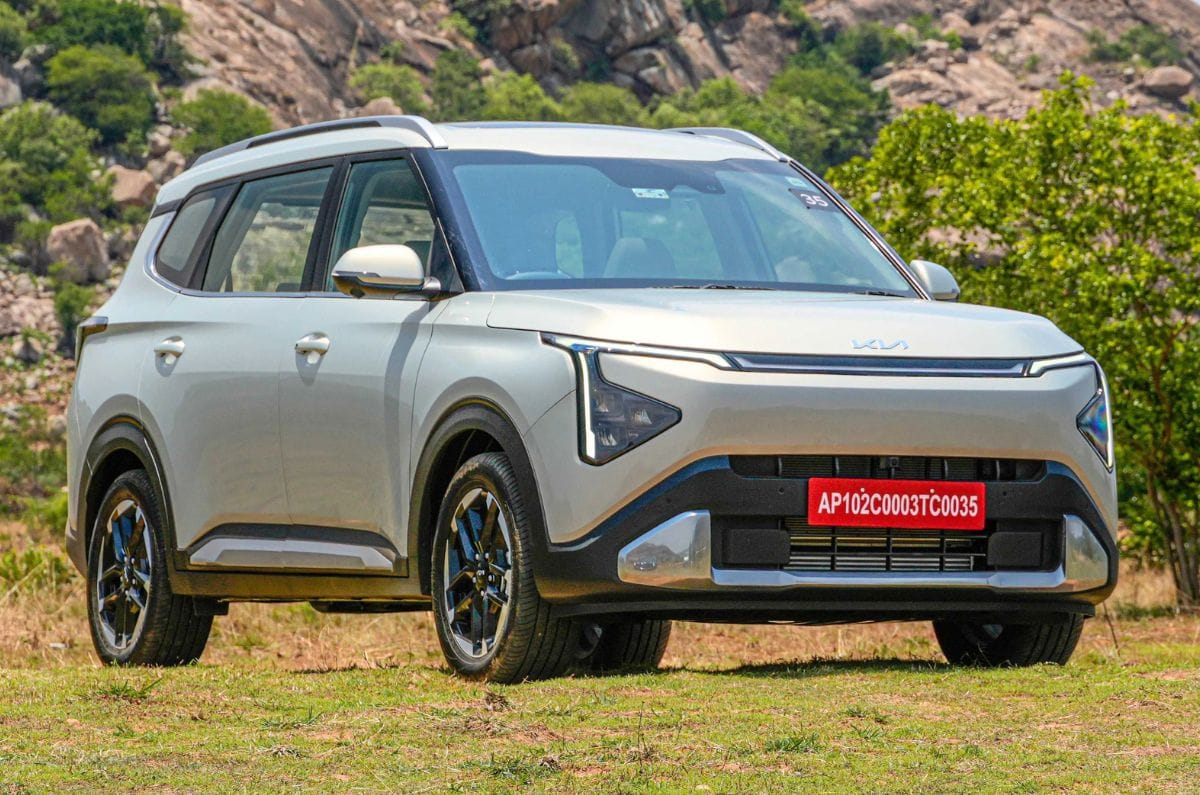
Current Kia Carens Clavis used for representation.
The Kia Carens Clavis MPV will also get a hybrid powertrain in its next-generation version by 2029. Currently, the MPV is offered in naturally aspirated petrol, turbo-petrol, diesel, and all-electric powertrains. However, it is expected to utilise the Seltos’ hybrid setup, which is due in 2027. Our sources suggest that the Seltos hybrid is expected to be based on the existing 115hp, 1.5-litre naturally aspirated engine.
Kia B-segment electric SUV: Additional details
Previously, we reported that Kia has been evaluating a B-segment SUV, and we have now learnt that it will be electric. Secondly, the SUV will be developed and made locally. Specifications of this model are yet to be finalised. We expect this model to slot in between the Syros and Seltos, likely measuring around 4.2 metres in length. It will be Kia’s contender in the growing midsize electric SUV space.
Kia Carnival hybrid: Additional details
Global-spec Carnival hybrid used for representation
Kia has also confirmed that the Carnival hybrid is set for a launch sometime this year. While exact technical details remain unknown, the global-spec Carnival strong-hybrid is powered by a 1.6-litre turbo-petrol engine paired with a hybrid system. It develops a combined output of 242hp and 367Nm, while power is sent to the front wheels via a 6-speed automatic gearbox.
By 2030, the Korean carmaker plans to expand its lineup to ten models comprising ICE, hybrid and EV-powered models. Out of these, eight models will be electrified, Song stated.
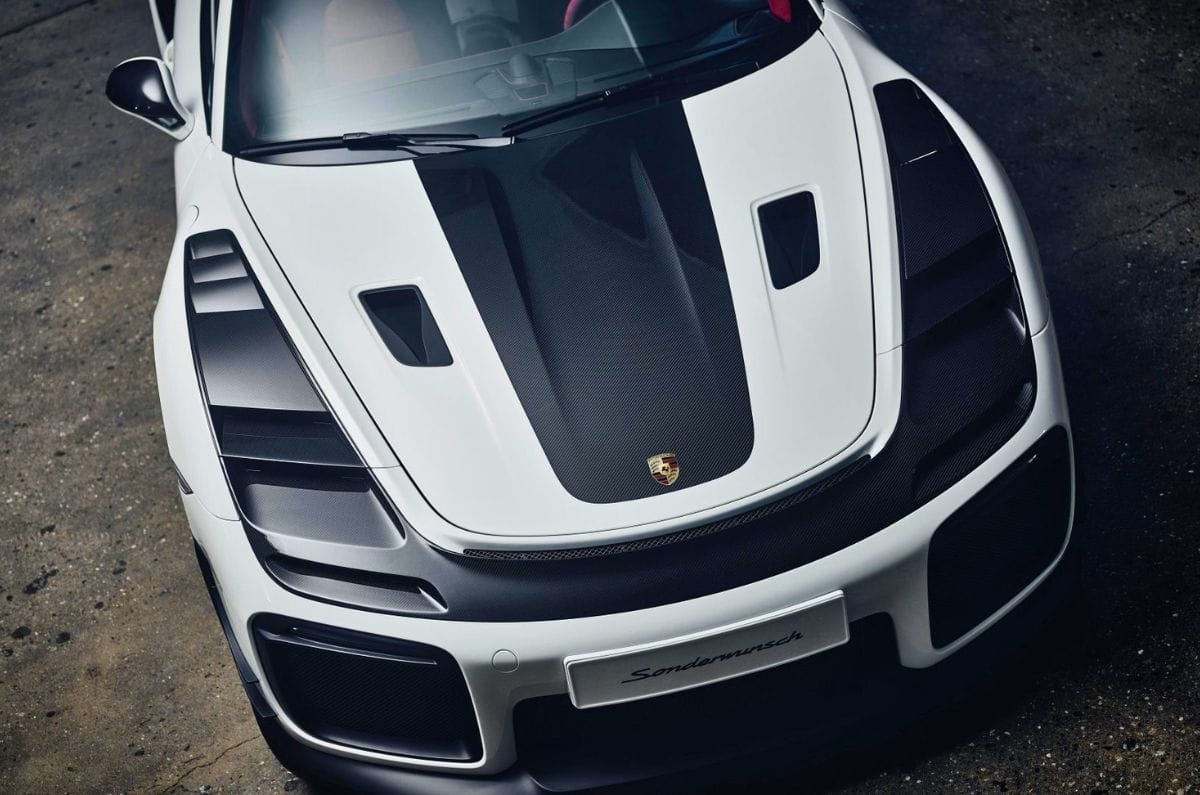
Porsche revealed a one-off 911 Slantnose, also known as the Flachbau, at the 2026 Monterey Car Week. It’s mechanically based on a 991.2-generation 911 GT2 RS with the Weissach Package from 2018, while the design has been inspired by the 1978 Porsche 935 Le Mans race car called ‘Moby Dick’. The brand claims teams from Weissach and Manthey, alongside its own in-house design studio, motorsport division and the Sonderwunsch (‘special request’ in German) department, took three years to complete this project.
Gets staggered headlamps, a custom rear wing and unique detailing
Loses rear seats, infotainment & audio systems and sound-deadening
Weighs 31.6kg less due to aggressive weight-saving measures
Claimed top speed is 340kph
Porsche 911 Slantnose exterior
Features a custom Manthey Kit and some elements inspired by the 911 GT3 R rennsport
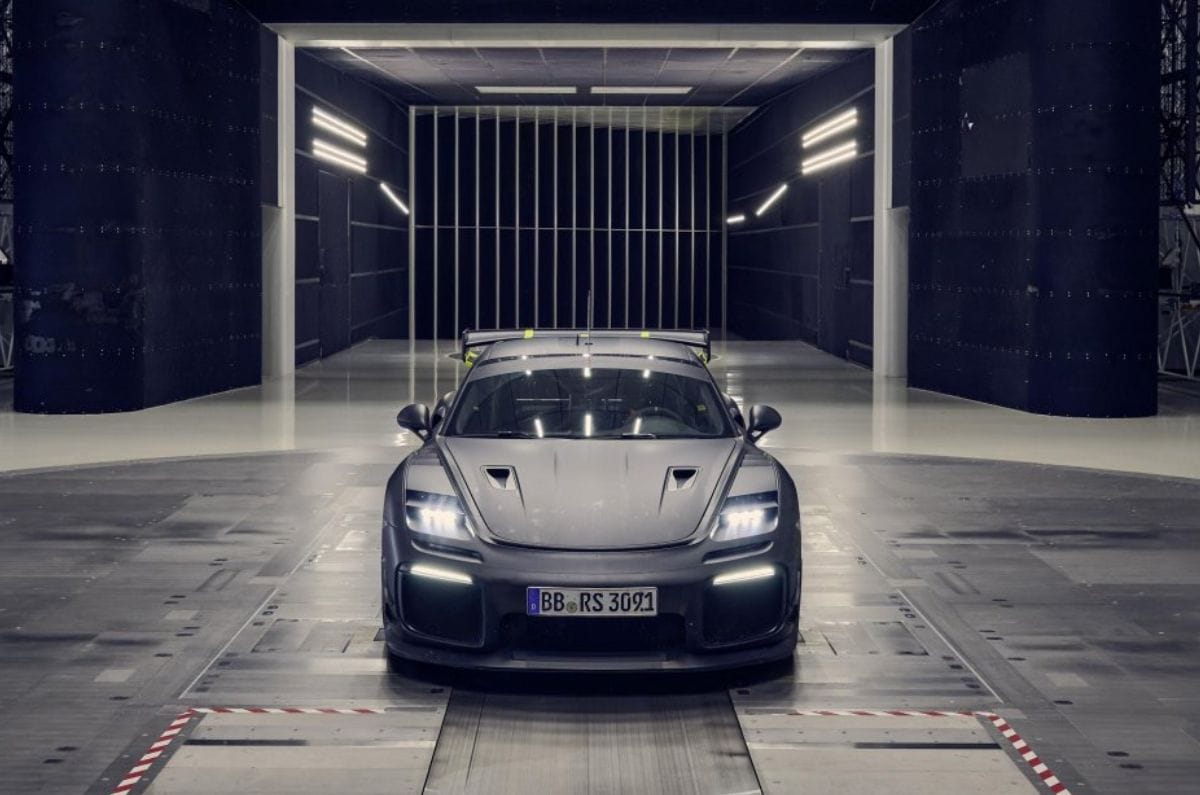
The silhouette of this Porsche 911 GT2 RS is understandably different due to its Slantnose conversion. The front fascia sports new, staggered LED headlamps that look sleek– the low-beam, high-beam and DRL elements are stacked above one another. These are integrated into the black U-shaped portion around the bonnet, which extends to right above the lowered front fenders. The latter has specially designed vents to prevent the build-up of air pressure in the wheel arches, claims Porsche.
The custom Manthey Kit brings along a redesigned front bumper with small canards on the sides, a new underbody structure, plus a different front splitter and rear diffuser. While the front alloy wheels are of a conventional design, the carbon-fibre aero discs used for the rear units help reduce drag, according to Porsche. The Slantnose gets a large rear wing with S-shaped mounts inspired by the 911 GT3 R rennsport, allowing three manually adjustable positions. At the car’s top speed, Porsche claims that this wing generates 554kg of downforce.
The one-off Slantnose is painted in the brand’s Grand Prix White colour, but gets contrasting black accents and a black finish on the bonnet and roof. Adding more contrast are the black brake callipers and exposed carbon-fibre trim. There are ‘Flachbau RS’ lettering and decals, too, while the Nordschleife is depicted on the rear wing. Since the shape of the front fenders had been altered, the fuel-filler flap and its underlying mechanism also has to be modified, says Porsche. “Our aim was to reinterpret the iconic look of the 935 without compromising on safety, technology or road legality”, Alexander Fabig, Vice President Product Offering & Individualisation at Porsche, said.
Porsche 911 Slantnose interior
The brand has stripped this interior bare of most of its convenience features
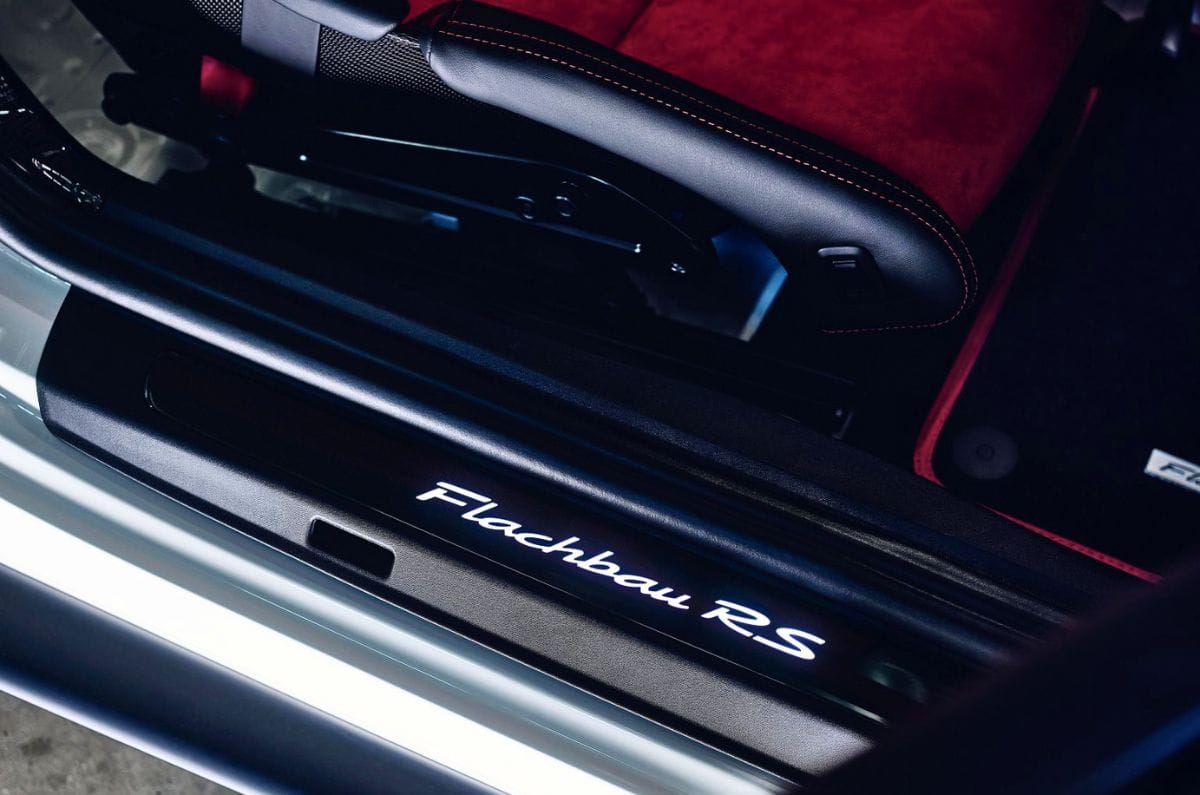
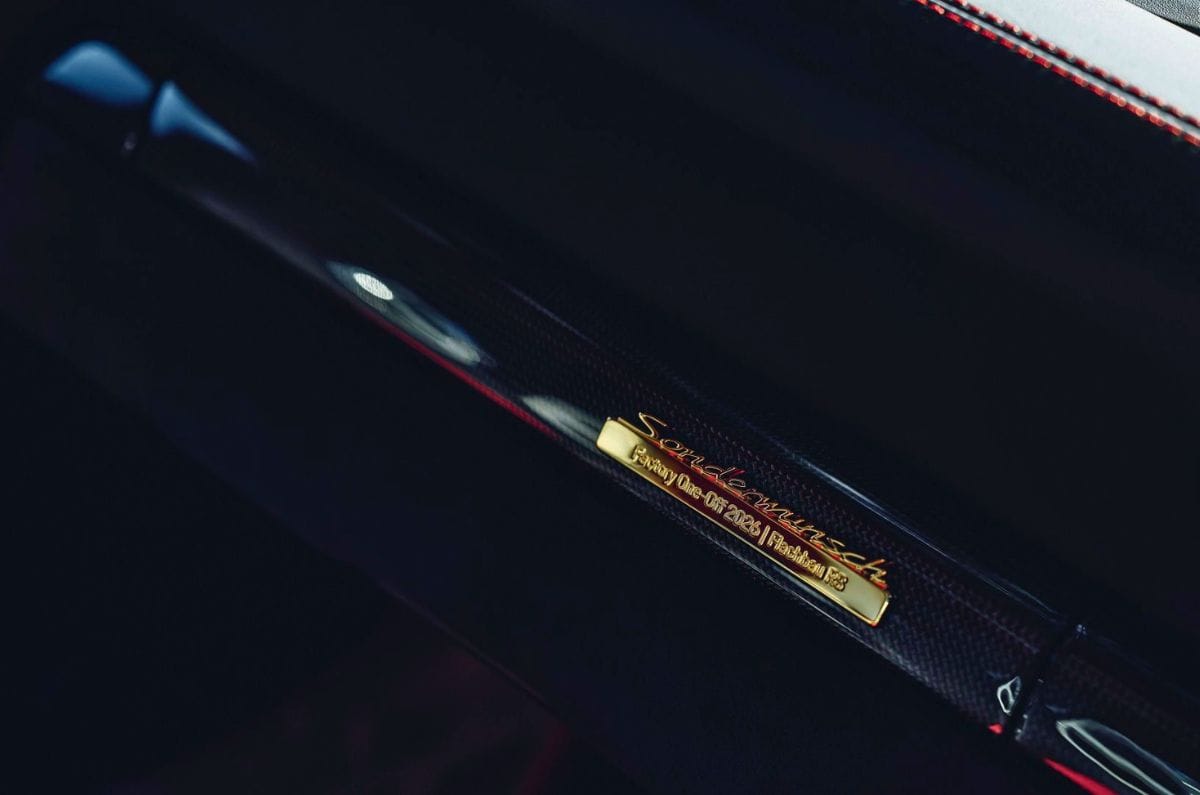
Opening the doors will reveal ‘Flachbau RS’ branding on the sills and seat headrests. There’s an outline of the Nordschleife drawn behind the front seats, along with a small gold-coloured plaque mentioning ‘Sonderwunsch’ and ‘Factory One-Off 2026 | Flachbau RS’ on the dashboard. Meanwhile, the interior continues to use the red Alcantara, black leather and exposed carbon-fibre trim originally available in the customer’s 911 GT2 RS.
Saving weight has been another important goal with this one-off Slantnose. To that effect, Porsche says it has removed the rear seats and individual wires, instead opting for simpler protective sheaths to cover newly laid wiring. Generous use of carbon fibre aside, the brand has removed the donor car’s infotainment system, replacing it with a leather-trimmed storage compartment.
Other features to have been deleted include the audio system, floor coverings in the cabin and luggage space, and sound-deadening materials throughout the car. The end result of all these weight-saving measures means that this Slantnose is 31.6kg lighter than the donor vehicle it’s based on.
Porsche 911 Slantnose powertrain and other details
This one-off model retains the donor vehicle’s powertrain setup
Powering this one-off Slantnose is the same 3.8-litre twin-turbocharged six-cylinder engine found in the 991.2-generation 911 GT2 RS. This unit churns out 700hp and 750Nm of torque, and it drives the rear wheels via a 7-speed dual-clutch transmission. The claimed top speed of this one-off 911 is 340kph.
Porsche says that it built three test vehicles for validating data, while aerodynamic calculations being carried out using Computational Fluid Dynamics (CFD) to further optimise the overall design. These prototypes were subjected to multiple wind-tunnel tests, real-world road tests, and 50 laps on the Nurburgring-Nordschleife.
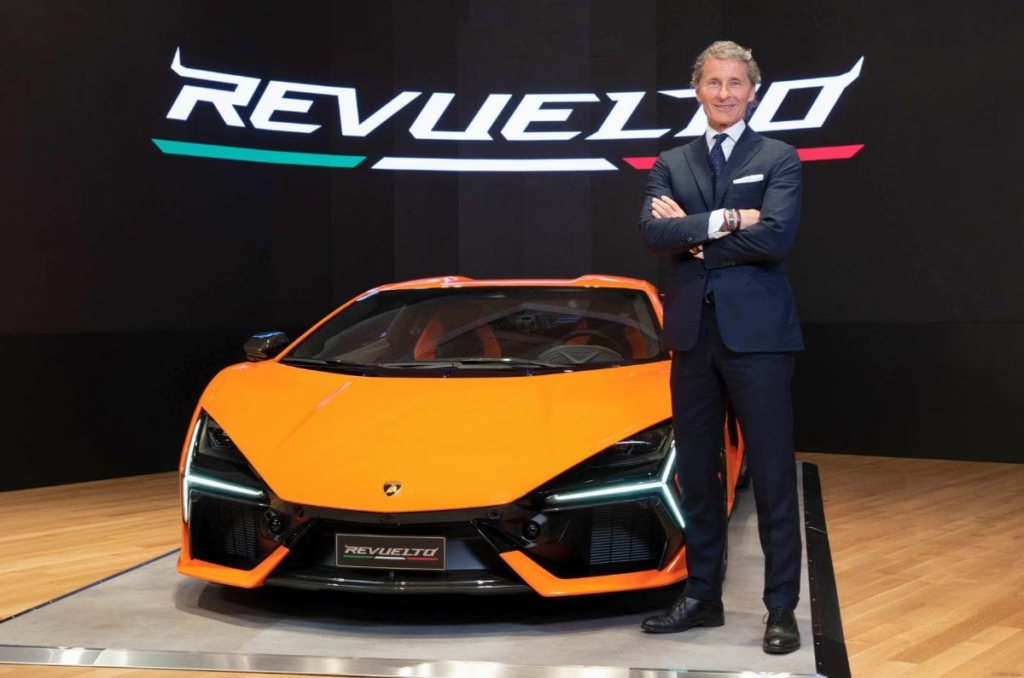
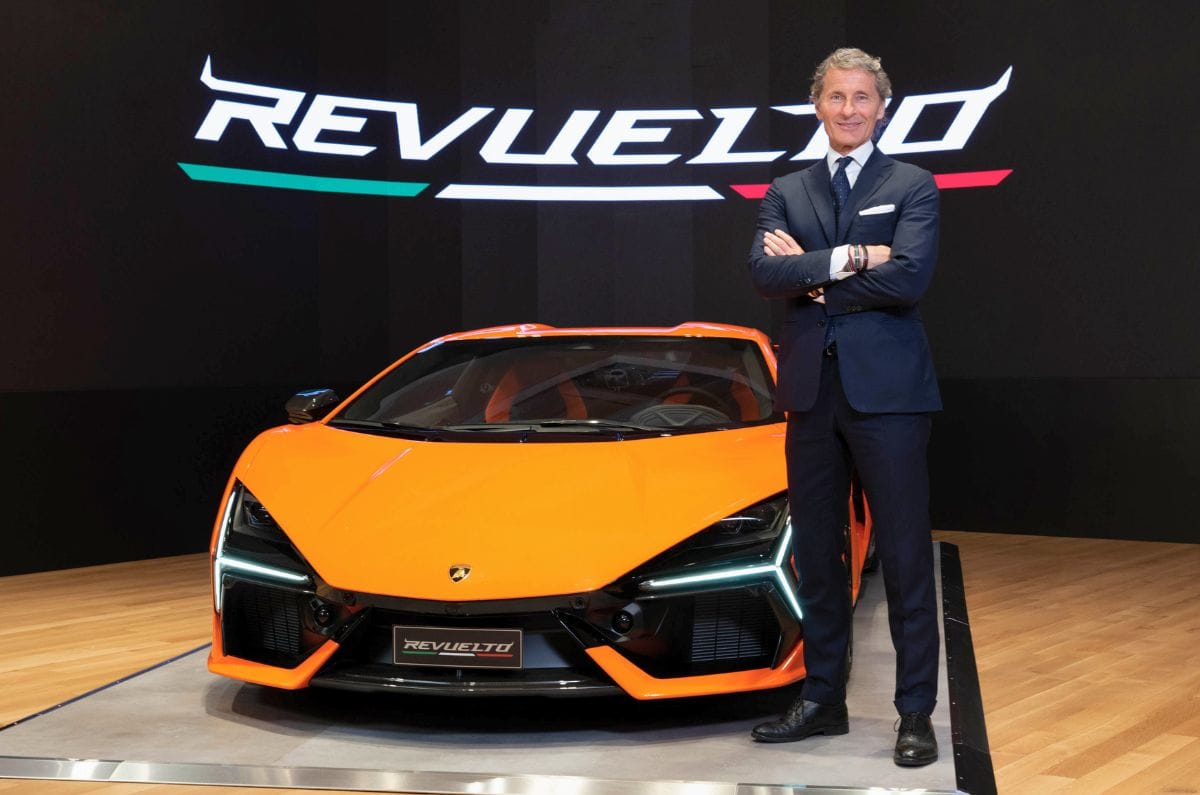
On the sidelines of the world premiere of the Lamborghini Revuelto SV, the brand’s president and CEO, Stephan Winkelmann, spoke to journalists about the new flagship hybrid supercar, the move away from EVs and even the Indian market.
India-EU FTA hybrid uncertainty could pose a problem
A hot topic at the moment is the India-EU free trade agreement (FTA) soon to come into effect, which promises to make imported cars a whole lot more affordable. While that’s great news for most super-sportscar brands, it’s not so for Lamborghini, as the India-EU FTA offers no clarity about benefits for hybrid cars, which make up the Italian brand’s entire range.
“The decision was made, I think, at the beginning of the year to lower the import taxes, but not for PHEVs,” said Winkelmann, responding to a question from Autocar India. “So, we see a drop in the market due to the uncertainty which is created by this. And there is still not enough clarity.”
While other brands do have some pure-ICE models, the prices of which are already being reduced ahead of the FTA’s introduction, at present, hybrid and EV models continue to attract the full import duty as before. Having moved away from pure-ICE models entirely, Lamborghini unfortunately bears the full brunt, at least for now.
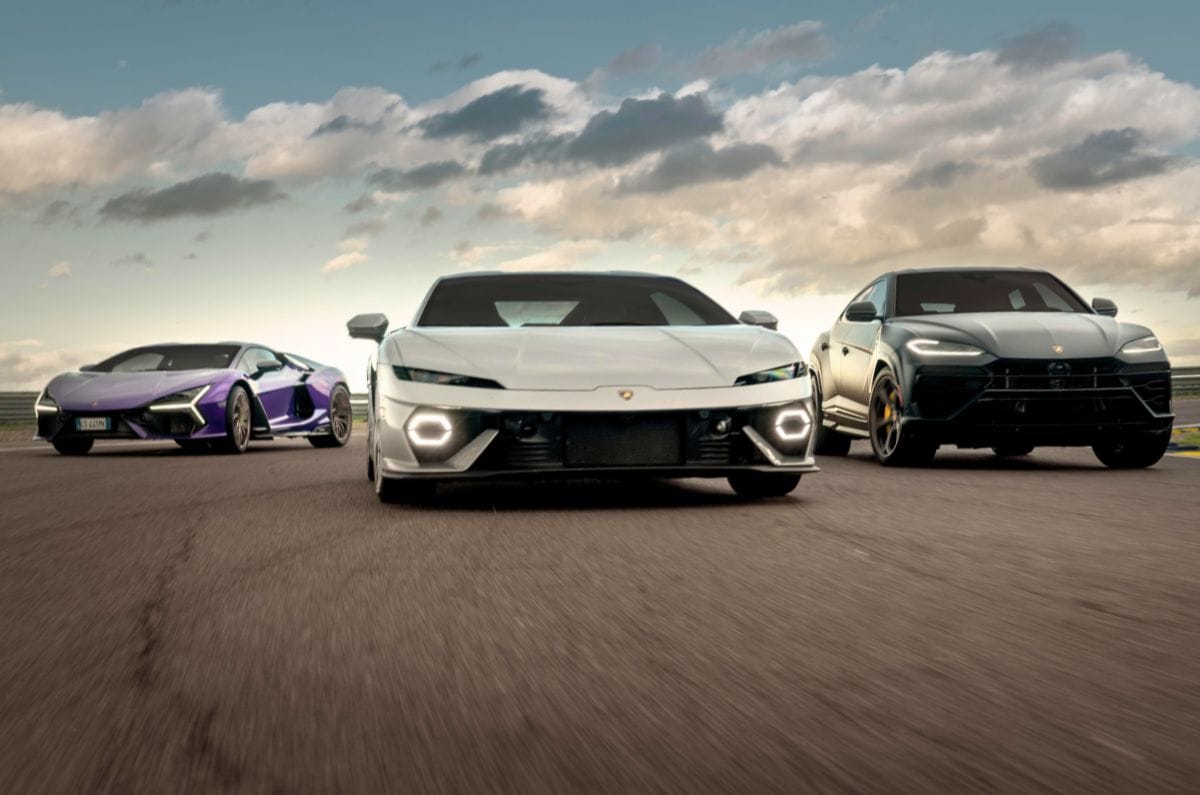
Lamborghini’s current line-up features only hybrid models.
“I think this will come only in four years’ time. And this, for sure, is not helping the decision to buy a plug-in hybrid car, which is coming from [Lamborghini].”
Can ethanol-blended petrol work in Lamborghinis?
Regarding another hot topic in our country at the moment, Winkelmann responded to another question from Autocar India, suggesting that given the uncertainty around traditional fuels, blended biofuels were not off the table for Lamborghini.
“In Europe, we are extremely positive about it and are going to make a decision on biofuels soon,” he said, highlighting that any decision around the matter would have to start from its home region. “For us, this is a very important market, as you might know.”
He was quick to point out that the quality of fuel is what’s most important for any of Lamborghini’s models and their high-performance plug-in hybrid powertrains. While ethanol blending does increase the RON (Research Octane Number) of the fuel, it also depends on the petrol it is being blended with, which varies from market to market.
“They already exist, those fuels, but it always depends on how good they are. If you have a low octane, then you cannot use them for our type of cars. You have to have a minimum of 95 octane, and this is sometimes, with the few fuels around the globe, not available,” he stated, reiterating that such a decision would have to be globally compatible. “I don’t know exactly how this is in India.”
Revuelto SV arrives before Revuelto Roadster
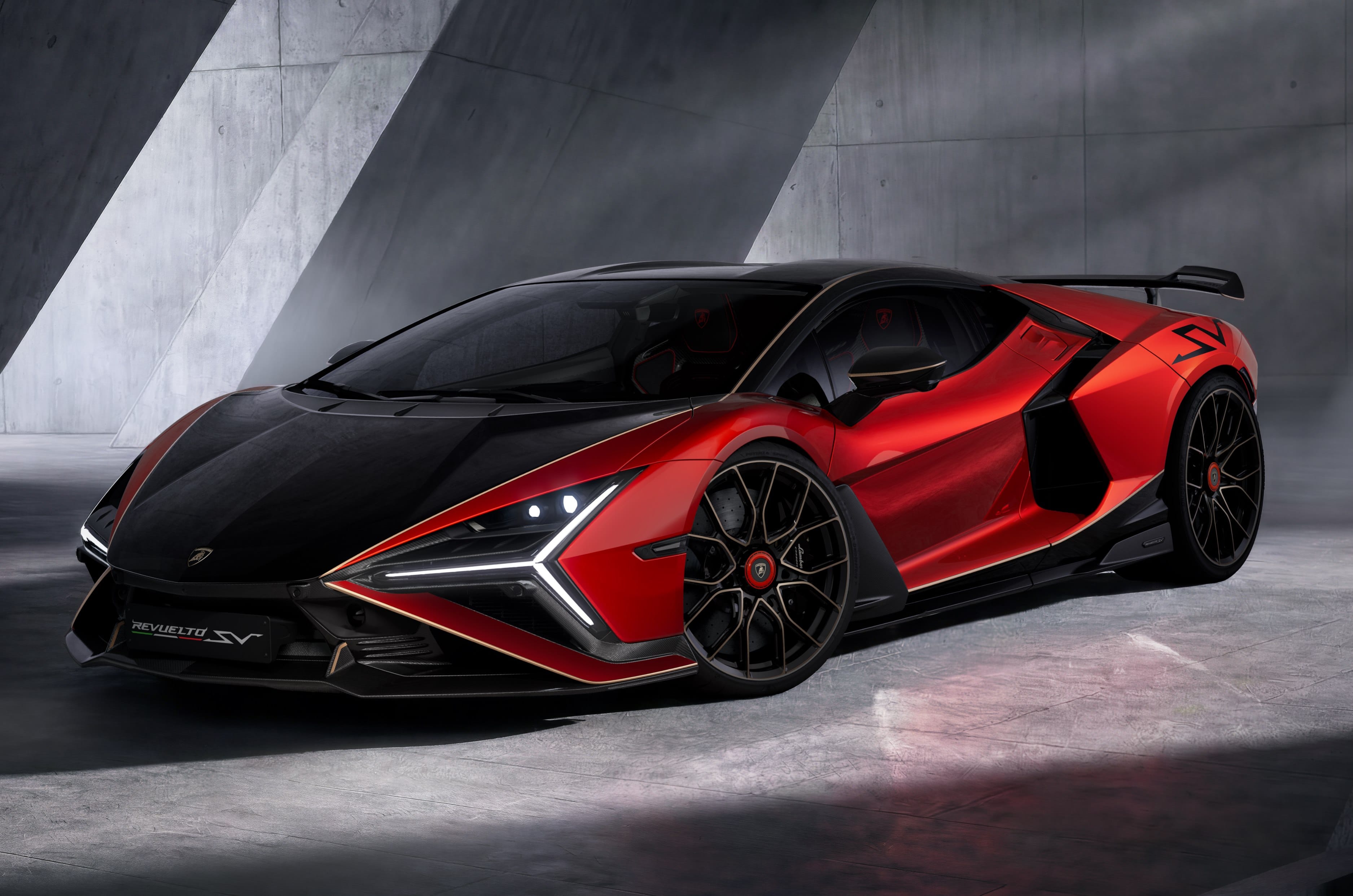
As for the main event, Lamborghini has just revealed the Revuelto SV, the hotter version of its flagship V12 PHEV supercar, limited to 1,963 units. With increased performance, redone suspension and far more advanced aerodynamics, its goal is to surpass the Revuelto to become the highest-performance Lamborghini of them all. SV models date all the way back to the Miura SV from 1971, but this is the first time an SV has been launched so soon after the standard model, arriving before even a convertible Roadster model.
“I have to tell you that the coupe was and is so successful that it was exceeding all our expectations, even the most positive ones,” Winkelmann said in response to Autocar India. “So, we decided to go immediately from Revuelto to Revuelto Superveloce. And the first feedbacks we are getting on the Superveloce are really outstanding.”
The additional 50hp is extracted from an upgraded battery and motor rather than from the V12 engine, which Lamborghini says was intentional, as it allowed for better control and faster distribution of the power.
“We use the battery to create more boost and a better distribution of power output than only with the internal combustion engine. Also, together with the torque vectoring, the feeling of driving a car at speed is very much improved in comparison with the [purely] internal combustion engine guise of the past generations,” Winkelmann said.
Lamborghini customers don’t want EVs
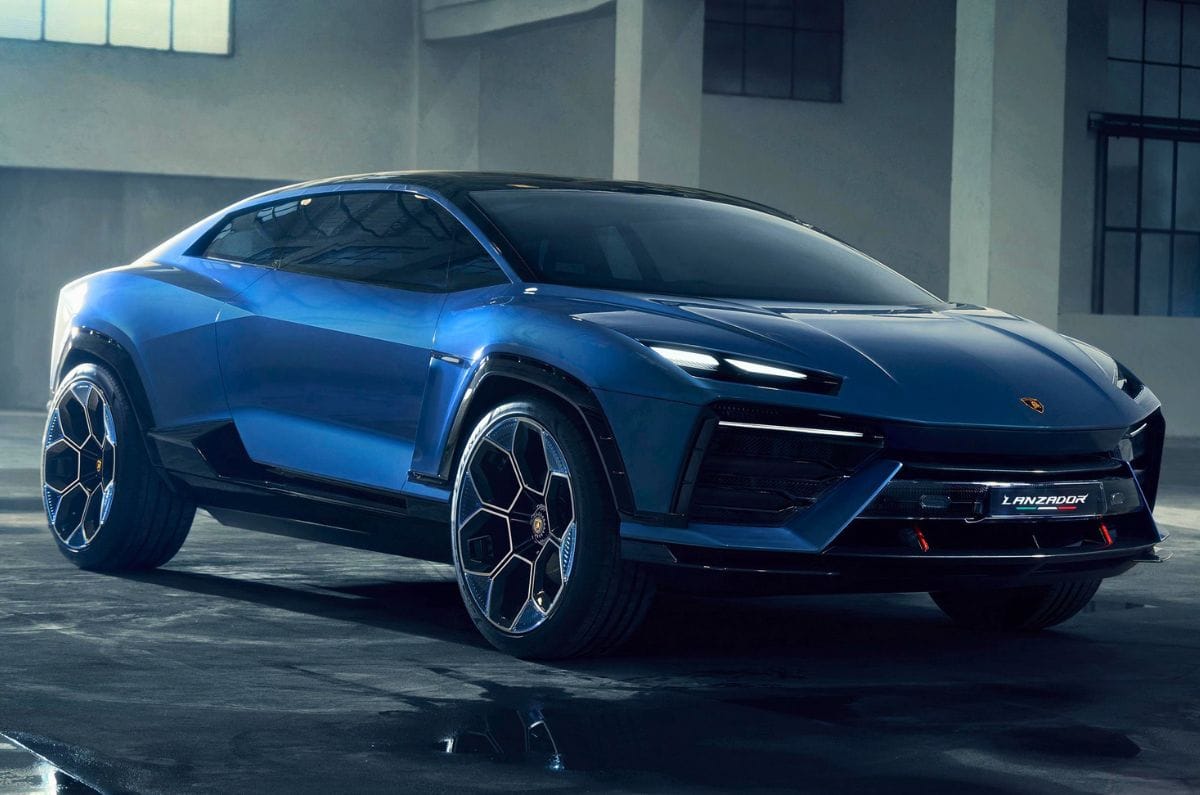
That said, the engine is essential. Not long before rival Ferrari unveiled its first EV, the Luce, Lamborghini announced its decision to delay its own first electric offering, the Lanzador, which was scheduled to launch before 2030. The Lanzador – also a low-slung four-seat crossover – will now get a hybrid powertrain instead, as an EV would simply not be emotional enough for Lamborghini customers.
“Why? Because the customer behaviour towards what we were proposing at the beginning of this decade has changed; they are not adopting electric cars,” said Winkelmann. “I’m talking about our type of customers, because you don’t buy a Lamborghini because you need a Lamborghini or you need a car; you buy it because you want to fulfil your dreams. We are not selling mobility; we are selling emotions.”
He also stated that, Indian regulations aside, the brand’s all-PHEV line-up has proven to be a successful approach, at once helping meet prevailing and upcoming emissions regulations while also retaining the emotional appeal of an ICE engine that’s core to the brand.
“You have the sound, the vibration of an internal combustion engine, but you also have all the advantages of the new technology,” he said. “The combination of battery and internal combustion engine for us is not a transition period, but it’s really something which is here to stay.”
भारत की राष्ट्रपति श्रीमती द्रौपदी मुर्मू ने 14 अगस्त अमृत उद्यान समर एनुअल्स एडिशन, 2026 का उद्घाटन किया। राष्ट्रपति भवन परिसर में स्थित यह विश्व प्रसिद्ध और बेहद खूबसूरत उद्यान 16 अगस्त से आम जनता के दर्शन के लिए खोला जा रहा है। अगर आप भी प्राकृतिक सुंदरता, मौसमी फूलों और ऐतिहासिक स्थापत्य कला का आनंद लेना चाहते हैं तो 15 सितंबर 2026 तक अमृत उद्यान घूमने जा सकते हैं। खास बात यह है कि यहां एंट्री बिल्कुल फ्री है। आइए आपको यहां जाने की प्रक्रिया के बारे में विस्तार से बताते हैं-
जानिए कब और किस समय मिलेगी एंट्री
राष्ट्रपति भवन द्वारा जारी समय सारणी के मुताबिक अमृत उद्यान 16 अगस्त से 15 सितंबर 2026 तक जनता के लिए खुला रहेगा। उद्यान सुबह 10:00 बजे से शाम 6:00 बजे तक खुलेगा। दर्शकों को शाम 5 बजे तक ही अंतिम प्रवेश दिया जाएगा। रखरखाव के लिए सारे सोमवार को अमृत उद्यान आम जनता के लिए बंद रहेगा। यहां आने वाले लोगों की एंट्री और एग्जिट नॉर्थ एवेन्यू रोड के पास स्थित गेट नंबर 35 से होगा।
फ्री में मिलेगी एंट्री, लेकिन ऑनलाइन बुकिंग है अनिवार्य
अमृत उद्यान में प्रवेश पूरी तरह से निःशुल्क है। हालांकि यहां आने वाले दर्शकों के लिए अग्रिम ऑनलाइन बुकिंग कराना अनिवार्य किया गया है। दर्शकों को राष्ट्रपति भवन की आधिकारिक वेबसाइट visit.rashtrapatibhavan.gov.in पर जाकर अपना स्लॉट पहले से बुक करना होगा। किसी खास दिन के भ्रमण के लिए स्लॉट की बुकिंग उस दिन से ठीक एक दिन पहले सुबह 10:00 बजे बंद हो जाएगी। ध्यान रहे कि ऑन द स्पॉट कोई भी बुकिंग सुविधा यहां उपलब्ध नहीं है, इसलिए बिना ऑनलाइन स्लॉट बुक किए न जाएं।
अमृत उद्यान की खास बनावट के बारे में जानिए
राष्ट्रपति भवन की मुख्य इमारत से सटा 15 एकड़ में फैला अमृत उद्यान वास्तुकला का अद्भुत नमूना है। इस उद्यान को तीन टेरेस के रूप में डिजाइन किया गया है:
President of India Droupadi Murmu graced the opening of the Amrit Udyan Summer Annuals Edition, 2026 today
The Summer Annuals of Amrit Udyan will be open for the public from August 16 to September 15, 2026. During that period, the Udyan will remain open from 10:00 AM to 6:00… pic.twitter.com/igsnp6A0Dg
मुख्य इमारत से सटे इस हिस्से में उत्तर से दक्षिण और पूर्व से पश्चिम की ओर जाने वाली दो-दो समानांतर जल नहरें इसे वर्गाकार ग्रिड में बांटती हैं। नहरों के क्रॉसिंग पर बने कमल के पत्तों के आकार के तीन-स्तरीय बलुआ पत्थरों के फव्वारों से पानी बहता है। दिन के एक खास समय में इन जल नहरों में राष्ट्रपति भवन की भव्य इमारत और खिलते फूलों का प्रतिबिंब दिखाई देता है। यह हिस्सा मौलसिरी, सरू, चाइना ऑरेंज और गार्डेनिया से सदाबहार दिखता है।
2- लंबा उद्यान
मुख्य उद्यान के पश्चिम में मौजूद यह लंबा उद्यान उस केंद्रीय मार्ग के दोनों ओर फैला है जो सर्कुलर गार्डन की ओर जाता है। यह करीब 12 फीट ऊंची दीवारों से घिरा हुआ है, जिसमें छोटी झाड़ियों से सजी गुलाब की क्यारियां हैं। दीवारों पर चाइना ऑरेंज के सजावटी फल लगे हैं जो पत्तियों से भी अधिक संख्या में दिखते हैं।
3- वृत्ताकार उद्यान
इसे पर्ल, बटरफ्लाई या सनकेन गार्डन भी कहा जाता है। यह सबसे पश्चिमी हिस्से में स्थित है और यहां सुगंधित किस्म के फूल लगाए गए हैं। इसके चारों ओर ऊंची दीवारें हैं और एम्फीथिएटर की तरह उतरती हुई सीढ़ियां हैं। इसके केंद्र में एक जल कुंड और फव्वारे मौजूद हैं।
अमृत उद्यान की तीनों छते और पूरे परिसर के अन्य उद्यान इस समय गर्मियों के मौसमी फूलों, झाड़ियों, लताओं और पुष्पित वृक्षों के शानदार रंगों से सजे हुए हैं। देशी पेड़-पौधे, फव्वारे और पानी की नहरें वातावरण में शीतलता बढ़ाती हैं। शाम के समय मोर यहां आराम से टहलते हुए देखे जा सकते हैं।