
IPOs This Week: 7 सितंबर से शुरू हफ्ते में प्राइमरी मार्केट में सुनामी, खुलेंगे 15 नए इश्यू; साथ में 9 लिस्टिंग

7 सितंबर से शुरू हो रहे हफ्ते में IPO मार्केट में जबरदस्त एक्शन देखने को मिलेगा। ऐसा इसलिए क्योंकि 15 नए पब्लिक इश्यू खुलने जा रहे हैं। इनमें से 11 मेनबोर्ड सेगमेंट से हैं। अकेले 9 सितंबर को 9 IPO खुलने वाले हैं। इसके अलावा नए सप्ताह में पहले से खुले एक IPO में भी पैसे लगाने का मौका रहेगा। जहां तक स्टॉक मार्केट में नई लिस्ट होने वाली कंपनियों की बात है तो नए शुरू हो रहे सप्ताह में 9 कंपनियों के शेयर अपनी शुरुआत करने वाले हैं। इनमें से 3 कंपनियां मेनबोर्ड सेगमेंट की हैं। आइए जानते हैं डिटेल…

नए खुल रहे IPO

Pranav Constructions IPO: ₹351.03 करोड़ का इश्यू 7 सितंबर को खुलेगा और 9 सितंबर को बंद होगा। इसमें ₹118-₹124 प्रति शेयर के भाव पर बोली लगा सकते हैं। लॉट साइज 120 शेयर है। कंपनी की लिस्टिंग NSE और BSE पर 15 सितंबर को हो सकती है।

Apana Logistics IPO: ₹34.14 करोड़ का इश्यू 7 सितंबर को खुल रहा है। फाइनल इश्यू प्राइस ₹60 प्रति शेयर है। लॉट साइज 2000 शेयर है। इश्यू की क्लोजिंग 9 सितंबर को होगी। कंपनी के शेयर BSE SME पर 15 सितंबर को लिस्ट होंगे।

Kanohar Electricals IPO: कंपनी ₹1,055.74 करोड़ जुटाना चाहती है। IPO 8 सितंबर को ओपन होगा। इसमें 10 सितंबर तक ₹601-₹632 प्रति शेयर के भाव पर और 23 शेयरों के लॉट में 10 सितंबर तक पैसे लगा सकेंगे। कंपनी के शेयर NSE और BSE पर 16 सितंबर को लिस्ट होने की उम्मीद है।

Prasol Chemicals IPO: यह 8 सितंबर को खुलेगा और 10 सितंबर को बंद होगा। कंपनी का इरादा ₹500 करोड़ जुटाने का है। बोली लगाने के लिए प्राइस बैंड ₹643-₹676 प्रति शेयर और लॉट साइज 22 शेयर है। शेयर NSE और BSE पर 16 सितंबर को शुरुआत कर सकते हैं।

Glass Wall Systems IPO: ₹427.89 करोड़ का यह इश्यू भी 8 सितंबर को खुल रहा है। क्लोजिंग 10 सितंबर को होगी। इसमें ₹172-₹182 प्रति शेयर के भाव पर और 82 शेयरों के लॉट में निवेश कर सकते हैं। कंपनी NSE और BSE पर 16 सितंबर को लिस्ट हो सकती है।

Rentomojo IPO: ₹1,255.57 करोड़ का पब्लिक इश्यू 9 सितंबर को खुलेगा और 11 सितंबर को बंद होगा। प्राइस बैंड ₹384-₹404 प्रति शेयर और लॉट साइज 37 शेयर है। कंपनी NSE और BSE पर 17 सितंबर को लिस्ट होने वाली है।

Asset Reconstruction Company IPO: यह 9 सितंबर को ओपन होगा। प्राइस बैंड ₹132-₹139 प्रति शेयर है। लॉट साइज 107 शेयर है। इश्यू की क्लोजिंग 11 सितंबर को होने वाली है। कंपनी ₹732.97 करोड़ जुटाना चाहती है। शेयर NSE और BSE पर 17 सितंबर को लिस्ट होने की उम्मीद है।

Manipal Payment & Identity Solutions IPO: कंपनी ₹805 करोड़ जुटाना चाहती है। यह इश्यू भी 9 सितंबर को खुल रहा है और 11 सितंबर को बंद होगा। बोली ₹322-₹339 प्रति शेयर के भाव पर और 44 शेयरों के लॉट में लगा सकते हैं। कंपनी के शेयर NSE और BSE पर 17 सितंबर को शुरुआत कर सकते हैं।

LCC Projects IPO: यह इश्यू 9 सितंबर को खुल रहा है। साइज ₹427.14 करोड़ है। प्राइस बैंड ₹139-₹146 प्रति शेयर और लॉट साइज 102 शेयर है। इश्यू की क्लोजिंग 11 सितंबर को होगी, जिसके बाद शेयरों की लिस्टिंग NSE और BSE पर 17 सितंबर को होने वाली है।

Karamtara Engineering IPO: ₹875 करोड़ के इश्यू में 9 सितंबर से लेकर 11 सितंबर तक पैसे लगाए जा सकेंगे। निवेश ₹241-₹254 प्रति शेयर के भाव पर और 59 शेयरों के लॉट में कर सकते हैं। कंनी NSE और BSE पर 17 सितंबर को लिस्ट होगी।

Infrax Renewable IPO: यह 9 सितंबर को खुलेगा। फाइनल इश्यू प्राइस ₹104 प्रति शेयर और लॉट साइज 1,200 शेयर है। इश्यू का साइज ₹40.88 करोड़ रुपये है। 11 सितंबर को IPO बंद होने के बाद शेयर BSE SME पर 17 सितंबर को लिस्ट हो सकते हैं।

Amtech Esters IPO: कंपनी ₹17.88 करोड़ जुटाना चाहती है। यह IPO भी 9 सितंबर को खुलेगा और 11 सितंबर को बंद होगा। प्राइस बैंड ₹71-₹75 प्रति शेयर और लॉट साइज 1,600 शेयर है। BSE SME पर कंपनी की लिस्टिंग की तारीख 17 सितंबर है।

Vinod Texworld IPO: इश्यू ₹42.83 करोड़ का है। ओपनिंग 9 सितंबर को और क्लोजिंग 11 सितंबर को होगी। फाइनल इश्यू प्राइस ₹94 प्रति शेयर है। लॉट साइज 1,200 शेयर है। लिस्टिंग NSE SME पर होगी, जिसके लिए तारीख 17 सितंबर है।

Steamhouse IPO: 9 सितंबर को खुलने जा रहा यह इश्यू ₹414 करोड़ का है। इसके लिए अभी प्राइस बैंड तय नहीं हुआ है। इश्यू की क्लोजिंग 11 सितंबर को होगी, जिसके बाद शेयरों की लिस्टिंग NSE और BSE पर 17 सितंबर को होगी।

Veegaland Developers IPO: यह 10 सितंबर को खुलेगा। साइज ₹210 करोड़ है। 15 सितंबर तक ₹130-₹140 प्रति शेयर के प्राइस बैंड में निवेश कर सकेंगे। लॉट साइज 107 शेयर है। शेयर NSE और BSE पर 18 सितंबर को शुरुआत कर सकते हैं।

NSE के आईपीओ को सेबी की हरी झंडी, जानें किस तारीख को लिस्ट होंगे शेयर

पहले से खुला IPO

Qualiance International IPO: ₹45.11 करोड़ का पब्लिक इश्यू 4 सितंबर को खुला था। इसमें 8 सितंबर तक पैसे लगाने का मौका है। IPO अभी तक 13.78 गुना भरा है। प्राइस बैंड ₹120-₹127 प्रति शेयर और लॉट साइज 1,000 शेयर है। कंपनी NSE SME पर 11 सितंबर को लिस्ट हो सकती है।

इन कंपनियों की होगी लिस्टिंग

नए सप्ताह में 7 सितंबर को NSE और BSE पर Purple Style Labs के शेयर लिस्ट होंगे। इसी दिन NSE SME पर Ashutosh Fibre, Shanti Inorganics और BSE SME पर Phychem Technologies की लिस्टिंग हो सकती है। 8 सितंबर को NSE और BSE पर Deepa Jewellers, Rays of Belief के शेयर अपनी शुरुआत करेंगे। इसी दिन BSE SME पर Fly-Hi Maritime Travels और Farm Peace के शेयरों की लिस्टिंग होने की उम्मीद है। 11 सितंबर को NSE SME पर Qualiance International लिस्ट हो सकती है।

Disclaimer: यहां मुहैया जानकारी सिर्फ सूचना के लिए दी जा रही है। यहां बताना जरूरी है कि मार्केट में निवेश बाजार जोखिमों के अधीन है। निवेशक के तौर पर पैसा लगाने से पहले हमेशा एक्सपर्ट से सलाह लें। मनीकंट्रोल की तरफ से किसी को भी पैसा लगाने की यहां कभी भी सलाह नहीं दी जाती है।

Upcoming IPO: 31 अगस्त से शुरू हो रहे हफ्ते में 7 नए IPO खुलेंगे, 15 कंपनियों की लिस्टिंग होगी

Upcoming IPO: 31 अगस्त से शुरू होने वाला नया हफ्ता IPO बाजार के लिए काफी व्यस्त रहेगा। शेयर बाजार में पिछले करीब एक महीने से सुस्ती है। इसके बावजूद IPO मार्केट में निवेशकों का भरोसा बना हुआ है। अगले हफ्ते 7 कंपनियों के IPO खुलेंगे। इनके जरिए ₹1,415 करोड़ जुटाने की योजना है। साथ ही 15 कंपनियां शेयर बाजार में लिस्ट होंगी।

₹1,265 करोड़ के 3 मेनबोर्ड IPO

अगले हफ्ते 3 मेनबोर्ड IPO खुलेंगे। इनका कुल साइज ₹1,265 करोड़ है। सबसे पहले Purple Style Labs का IPO आएगा। कंपनी Pernia’s Pop-Up Shop ब्रांड चलाती है।

कंपनी का ₹680 करोड़ का IPO 31 अगस्त को खुलेगा। इसमें 2 सितंबर तक पैसा लगाया जा सकेगा। यह पूरी तरह फ्रेश इश्यू है। प्राइस बैंड ₹546 से ₹575 प्रति शेयर है।

1 सितंबर को खुलेंगे दो IPO

Rays of Belief और Deepa Jewellers के IPO 1 सितंबर को खुलेंगे। दोनों में 3 सितंबर तक निवेश किया जा सकेगा। MOM’s Belief की पैरेंट कंपनी Rays of Belief ₹125 करोड़ जुटाना चाहती है। इसका प्राइस बैंड ₹227 से ₹239 प्रति शेयर है। यह भी पूरी तरह फ्रेश इश्यू है।

Deepa Jewellers ₹459.71 करोड़ जुटाएगी। इसमें ₹250 करोड़ के नए शेयर जारी होंगे। बाकी ₹209.71 करोड़ OFS के जरिए जुटाए जाएंगे। प्रमोटर अपने शेयर बेचेंगे। प्राइस बैंड ₹168 से ₹177 प्रति शेयर है।

4 SME IPO भी आएंगे

अगले हफ्ते 4 SME IPO भी खुलेंगे। इनका कुल साइज ₹150.17 करोड़ है। Ashutosh Fibre, Shanti Inorganics और Phychem Technologies के IPO 31 अगस्त को खुलेंगे। Farm Peace का IPO 1 सितंबर को आएगा।

विजय केडिया के निवेश वाली Ashutosh Fibre ₹56.34 करोड़ जुटाना चाहती है। इसका प्राइस बैंड ₹87 से ₹92 प्रति शेयर है। यह पूरी तरह फ्रेश इश्यू है। कंपनी ने IPO खुलने से पहले एंकर निवेशकों से ₹16.04 करोड़ जुटा लिए हैं। इसमें 5 निवेशकों ने हिस्सा लिया है।

Shanti Inorganics ₹47.23 करोड़ जुटाने की तैयारी में है। कंपनी सल्फर बेस्ड इनऑर्गेनिक केमिकल बनाती है। इसका प्राइस बैंड ₹79 से ₹83 प्रति शेयर है।

Phychem Technologies ₹14.58 करोड़ जुटाएगी। कंपनी रोटेशनल मोल्डिंग कंपाउंड बनाती है। इसका इस्तेमाल खोखले प्लास्टिक प्रोडक्ट बनाने में होता है। प्राइस बैंड ₹51 से ₹54 प्रति शेयर है।

कॉन्ट्रैक्ट फार्मिंग कंपनी Farm Peace ₹32 करोड़ जुटाएगी। इसका IPO 1 सितंबर को खुलेगा। प्रति शेयर कीमत ₹59 तय की गई है।

अगस्त में ₹23,679 करोड़ के IPO

अगस्त में IPO बाजार में काफी हलचल रही। मेनबोर्ड और SME सेगमेंट में कुल 46 IPO आए। इनके जरिए ₹23,679 करोड़ जुटाए गए। इस साल अगस्त तक IPO के जरिए ₹79,829 करोड़ की फंडिंग हो चुकी है।

इन IPO में निवेश का आखिरी मौका

Lumino Industries का ₹700 करोड़ का IPO 31 अगस्त को बंद होगा। कंपनी पावर केबल और इलेक्ट्रिकल वायर समेत कई प्रोडक्ट बनाती है। अब तक इस IPO को 4.87 गुना सब्सक्रिप्शन मिल चुका है।

ESDS Software Solution का ₹720 करोड़ का IPO 1 सितंबर तक खुला रहेगा। कंपनी AI, क्लाउड और डेटा सेंटर सर्विसेज देती है। Priority Jewels का ₹91.5 करोड़ का IPO भी 1 सितंबर को बंद होगा। ESDS के IPO को अब तक 2.1 गुना सब्सक्रिप्शन मिला है। Priority Jewels का IPO 1.93 गुना भर चुका है।

SME सेगमेंट में Kwick Forensic Solutions का IPO 31 अगस्त को बंद होगा। Complete Sports & Management India और Paluck Technologies के IPO 1 सितंबर तक खुले रहेंगे।

अगले हफ्ते 15 कंपनियों की लिस्टिंग

अगले हफ्ते 15 कंपनियां शेयर बाजार में लिस्ट होंगी। इनमें 8 मेनबोर्ड और 7 SME कंपनियां शामिल हैं।

Augmont Enterprises 31 अगस्त को डेब्यू करेगी। इसके बाद Hy-Tech Engineers, Skyways Air Services और Symbiotec Pharmalab 1 सितंबर को लिस्ट होंगी।

Annu Projects 2 सितंबर को लिस्ट होगी। Lumino Industries की लिस्टिंग 3 सितंबर को होगी। ESDS Software Solution और Priority Jewels के शेयरों में 4 सितंबर से ट्रेडिंग शुरू होगी।

SME सेगमेंट में Madhur Knit Crafts और ABH Healthcare 1 सितंबर को NSE Emerge पर लिस्ट होंगी। Sumax Engineering की लिस्टिंग 2 सितंबर को होगी।

Kwick Forensic Solutions 3 सितंबर को BSE SME पर डेब्यू करेगी। Complete Sports & Management India और Paluck Technologies की लिस्टिंग 4 सितंबर को होगी।

Augmont Enterprises की तगड़ी होगी लिस्टिंग या फुस्स, ग्रे मार्केट से मिल रहे ये संकेत

Disclaimer: यहां मुहैया जानकारी सिर्फ सूचना के लिए दी जा रही है। यहां बताना जरूरी है कि मार्केट में निवेश बाजार जोखिमों के अधीन है। निवेशक के तौर पर पैसा लगाने से पहले हमेशा एक्सपर्ट से सलाह लें। मनीकंट्रोल की तरफ से किसी को भी पैसा लगाने की यहां कभी भी सलाह नहीं दी जाती है।

Aftermarket CNG conversions decoded: installation, legality and costs

Aftermarket CNG conversions decoded: installation, legality and costs

While aftermarket CNG conversions are not new, with the rise in fuel prices, there has been a noticeable spike in interest surrounding them. Although there are more factory-fitted CNG cars on the market than ever before, several models still do not give you the option. Not to mention, existing car owners are increasingly looking to convert their cars to CNG to reduce running costs.

Naturally, this increased interest brings up several questions about the technology, the installation, the legalities and more. We thus teamed up with Lovato CNG’s authorised distributor in Maharashtra, Blue Drive Traders, as well as Lets Go CNG and its authorised installer in Mumbai, M.S Motors, to answer questions about CNG conversions.

Know your CNG kit

There are three broad types of kits available on the market today. The oldest is the Venturi type, typically used for cars that are Bharat Stage 3-compatible and older. These use a Venturi mixer, similar to a carburettor, that mixes CNG with air before it is injected into the intake manifold. They are the most affordable, usually costing between Rs 30,000 and Rs 40,000, including installation and registration, but they are not the most efficient and bring a significant drop in performance. Since the cars they are compatible with are also reaching the end of their lifecycle, these kits are gradually being phased out.

Modern naturally aspirated MPFI cars require a sequential type kit. These use individual injectors that inject CNG directly into the intake manifold and feature their own ECU that controls timing, volume and other parameters based on RPM and driver inputs. These are much more fuel-efficient, and the drop in performance is nominal in everyday driving conditions. Like the older Venturi kits, these too require the car to be started on petrol before switching over to CNG. However, they automate the process by making the switch once a certain engine temperature is reached. Prices vary depending on the manufacturer and the specifications of each kit, ranging from Rs 40,000-Rs 50,000 for older BS4 cars, to Rs 50,000-Rs 65,000 for smaller BS6 cars, stretching to Rs 70,000-Rs 75,000 for larger cars that require an eight-injector kit.

The newest type of kit to hit the market is the direct-injection kit, used for cars with direct petrol injection. Like sequential kits, these too inject CNG into the intake manifold. However, direct-injection engines cannot run purely on CNG. The fuel injectors in a DI engine sit within the combustion chamber, so to prevent them from overheating, a small amount of petrol still needs to be injected through them even when running on CNG. Therefore, a turbocharged direct-injection engine can only run on a maximum 80:20 ratio of CNG and petrol. As a result, fuel efficiency gains are not quite as high as with a naturally aspirated engine, and kit prices range from Rs 1 lakh to Rs 1.5 lakh, thus pushing the breakeven point further away.
What’s in the box?

The largest and heaviest component of a typical CNG kit is the tank itself. Made from seamless steel, these can weigh close to 70kg empty, with volumetric capacities ranging from 60 to 65 litres. Metal-lined composite cylinders and carbon fibre-reinforced plastic cylinders are also now available, and while they are significantly lighter, they usually cost two or three times more. Attached to the tank is a valve with a manual shut-off.

The filling valve, through which CNG is filled, can either be placed under the bonnet or beside the petrol filler cap, depending on the vehicle. Transporting the gas from the tank to the pressure reducer under the bonnet is high-pressure tubing made from carbon steel and coated in polymers. The reducer has a pressure gauge and lowers gas pressure from about 200bar in the tank to a manageable 2-3 bar. From here, the gas is routed to the injector rail that sits atop the engine, which further distributes it to nozzles drilled into the intake manifold via reinforced rubber hoses. Between the reducer and the injector rail sits a Manifold Absolute Pressure (MAP) sensor to measure the pressure as well as the temperature of the gas. There is also an optional filter to remove any impurities in the line.

Controlling the injector rail is an Electronic Control Unit (ECU) that uses signals from the MAP sensor and communicates with the car’s original ECU to dictate the amount of CNG being injected and the timing. Modern kits also come with a comprehensive wiring harness that can plug into the car’s original wiring via OBD connectors. Older pre-BS6 cars, however, may require some wire splicing. Optionally available is an Advancer, which advances ignition timing when running on CNG and negates some of the power loss, particularly on smaller-capacity engines. Some sedans and hatchbacks also require a rear coil spring spacer to compensate for the added weight of the tank in the boot.

How a CNG kit is installed

A professional CNG installation takes around 4 to 5 hours to complete. Here’s what happens behind the workshop doors.

Health check

The engine is inspected to ensure it’s suitable for CNG conversion. A basic service is performed if required, with spark plugs and ignition coils replaced as needed and the throttle body cleaned.

Components positioned

The reducer and its pressure gauge are mocked up in the engine bay before mounting points are marked and drilled. The filler valve may be located alongside them or next to the petrol filler cap, depending on the vehicle.

Injectors installed

The CNG injector rail is mounted on its dedicated bracket close to the petrol injectors. This will send CNG to corresponding nozzles that are drilled and fitted into the vehicle’s plastic intake manifold.

ECU wired in

The CNG ECU is mounted alongside the factory ECU and connected to the vehicle’s wiring loom. The harness is neatly routed and secured away from heat and moving parts.

Plumbing completed

Reinforced rubber gas hoses are cut to length and connected between the reducer, injector rail and the intake manifold. A MAP sensor and a filter are also installed as part of the system.

Tank prepared

The CNG tank is temporarily mounted to a rig that holds it in place while the shut-off valve and associated fittings are installed before everything is torqued down.

Tank frame installed

The mounting frame is positioned inside the boot, holes are drilled through the floor, and reinforced brackets securely bolt it to the vehicle’s structure.

Tank fitted

The CNG cylinder is secured to the frame using heavy-duty metal straps and bolts before being covered with a carpeted shroud for a neat factory-like finish.

High-pressure line routed

Polymer-coated steel high-pressure pipes are routed beneath the car, connecting the CNG filler valve, the tank and the reducer under the bonnet.

Electrical connections

The remaining wiring is completed and a dashboard-mounted CNG switch is installed, allowing the driver to monitor fuel level and switch between petrol and CNG.

Leak test

Around 2kg of CNG is added and every connection is checked using an electronic gas detector and good old-fashioned soap solution to ensure the entire system is leak-free.

Calibration and road test

The system is calibrated using dedicated software to optimise fuel delivery and switchover settings. A final road test confirms performance before the vehicle is delivered to the customer.

Why go aftermarket?

On average, an aftermarket CNG installation costs around 25 to 30 percent less than the premium a factory-fitted CNG variant commands over its petrol counterpart. However, this alone is not enough to swing the scales in favour of the aftermarket due to the disadvantages we will get into later. The bigger advantage the aftermarket holds is the ability to convert models or variants that do not come with a CNG option. For instance, Maruti Suzuki only offers its factory-fitted CNG cars with a manual transmission, so if you want one with an automatic, an aftermarket CNG kit is your only option.

Similarly, popular SUVs like the Hyundai Creta and Kia Seltos are not available in CNG guise, which leads many owners to turn to the aftermarket. Owners of older cars, or those buying used cars, can also convert them to CNG for a fairly affordable price and enjoy significantly lower running costs. CNG is spark-ignited, thus only petrol cars can be converted to run on the gas. Since diesel cars use compression-ignition, they would need far too many modifications to make this possible. Strong hybrids are also not recommended for conversions, as here, the engine keeps switching on and off too often, which makes CNG calibration complex. Cars that are not in good mechanical shape should also not be converted to CNG, as the conversion can take a toll on the overall engine health.

For a car in generally good shape, aftermarket kits are proving to be reliable in the long run, provided they are well maintained. Most modern sequential kits from brands like Lovato and Mijo are also comparable in quality to OEM systems, and reputed, authorised installers are able to achieve near-OEM levels of fitment.

The catch

Fitting an aftermarket CNG kit – even if it is government-approved and fitted by an authorised installer – is grounds for the manufacturer warranty to be voided. While some brands may still honour warranty claims that are unrelated to the powertrain, it remains a grey area. Some dealer-fitted CNG kits do retain the factory warranty, while others provide a third-party warranty in its place.

Aftermarket installers have also begun offering third-party warranties in collaboration with insurance companies to provide coverage in place of the factory warranty. This, however, is in addition to the cost of the CNG kit. The kits themselves generally come with a warranty ranging from one to two years.
Packaging is also one area where the aftermarket trails OEMs. While Maruti, Tata and Hyundai are now offering underbody and dual-tank setups to retain a usable boot, the aftermarket still largely uses larger single tanks that take up more space.

Staying fit

As per law, any CNG tank – aftermarket or OEM fit – must be hydrotested every three years. For this, the tank must be removed from the vehicle and sent to a dedicated facility. While the process itself takes only a couple of hours, hydrotesting facilities are usually located outside major cities, adding transport time to the process. A hydrotest typically costs around Rs 3,000 per tank.

The CNG filter should also be replaced at the same three-year or 10,000km interval, whichever comes first. This typically costs under Rs 1,000 and is fairly straightforward. It is also recommended to drive on petrol at least 10 percent of the time to keep the fuel system healthy. Finally, it is important that the engine’s service schedule is strictly followed.

The legal bit

Aftermarket CNG installations are legal as long as the kit is government-approved, fitted by an approved installer and the registration certificate (RC) is updated accordingly. Most approved installers will handle the RC update at the Regional Transport Office (RTO) as part of the service. Once this is complete, the owner must also update the insurance provider.

The verdict

Maruti Ertiga’s factory-fitted CNG tank shown for representative purposes only. 

There is no denying the running cost advantage that CNG provides. However, when buying a brand-new car, a factory-fitted CNG version is still preferable to an aftermarket conversion simply because of the peace of mind. Once a car is out of warranty, though, a CNG conversion makes a great deal of sense. In most cases, the cost of the kit can be recouped within a couple of years, even with an average monthly running of around 1,500km.

However, the installer is just as important as the kit. Always opt for government-approved kits installed by approved installers with a strong reputation. Wherever possible, insist the installation is carried out without splicing into the original wiring and follow the recommended service schedule to ensure your car stays reliable.

Upcoming IPO: विजय केडिया का है तगड़ा निवेश! एंकर राउंड में मधुसूदन केला ने भी लगाया बड़ा दांव, 31 अगस्त से खुलेगा ये आईपीओ

Vijay Kedia Backed Asuthosh Fibre IPO: शेयर बाजार के दिग्गज निवेशक विजय केडिया के निवेश वाली कंपनी आशुतोष फाइबर का आईपीओ दांव लगाने के लिए खुलने जा रहा है। पब्लिक सब्सक्रिप्शन खुलने से ठीक पहले कंपनी ने एंकर निवेशकों के जरिए ₹16.04 करोड़ जुटा लिए हैं।

एंकर बुक में मधुसूदन केला के मेंटरशिप वाले सिंगुलैरिटी AMC समेत कई बड़े फंड्स ने हिस्सा लिया है। आइए आपको बताते हैं इस आईपीओ की प्राइस बैंड, महत्वपूर्ण तारीखें और कैसी है कंपनी की सेहत।

एंकर बुक: इन 5 बड़े निवेशकों ने लगाए पैसे

28 अगस्त को कंपनी ने एंकर निवेशकों को अपर प्राइस बैंड पर 17.43 लाख शेयर आवंटित किए:

  1. Nine Alps Corporate Advisors: ₹6 करोड़ के निवेश से 6.52 लाख शेयर खरीदे।
  2. Singularity Equity Fund II: ₹3.45 करोड़ के निवेश से 3.75 लाख शेयर खरीदे।
  3. Nav Capital Emerging Star Fund: ₹3.45 करोड़ के निवेश से 3.75 लाख शेयर खरीदे।
  4. Aarth AIF Growth Fund: ₹2.11 करोड़ के निवेश से 2.3 लाख शेयर खरीदे।
  5. Vira Bharat Opportunities Fund: ₹1 करोड़ के निवेश से 1.09 लाख शेयर खरीदे।

Asuthosh Fibre IPO की सभी जरूरी डिटेल्स

गुजरात बेस्ड टेक्निकल टेक्सटाइल प्रोडक्ट्स बनाने वाली यह कंपनी फ्रेश इश्यू के जरिए बाजार से कुल ₹56.34 करोड़ जुटाने की योजना बना रही है। इसमें कोई भी ऑफर फॉर सेल (OFS) कंपोनेंट नहीं है।

  • IPO खुलने की तारीख: 31 अगस्त
  • IPO बंद होने की तारीख: 2 सितंबर
  • प्राइस बैंड: ₹87 से ₹92 प्रति शेयर
  • अलॉटमेंट: 3 सितंबर
  • लिस्टिंग: 7 सितंबर

आईपीओ के पैसों का क्या करेगी कंपनी?

आशुतोष फाइबर जुटाए गए फंड का इस्तेमाल अपनी क्षमता बढ़ाने और कर्ज कम करने में करेगी। ₹25.5 करोड़ नए उपकरण और मशीनरी की खरीद के लिए। ₹20 करोड़ कंपनी का पुराना कर्ज चुकाने के लिए और बाकी रकम सामान्य कॉरपोरेट जरूरतों के लिए करेगी।

विजय केडिया की कितनी है हिस्सेदारी?

ऑफर से पहले कंपनी के प्रमोटर्स के पास 59.79% हिस्सेदारी है। बाकी हिस्सेदारी पब्लिक शेयरधारकों के पास है, जिसमें शेयर बाजार के जाने-माने निवेशक विजय केडिया की 6.57% हिस्सेदारी शामिल है। इस आईपीओ के मर्चेंट बैंकर के रूप में Mefcom Capital Markets को नियुक्त किया गया है।

अब जानिए कैसी है कंपनी की वित्तीय सेहत

टेक्सटाइल यार्न और फैब्रिक मैन्युफैक्चरिंग क्षेत्र से जुड़ी इस कंपनी ने पिछले वित्त वर्ष में शानदार प्रदर्शन किया है। मार्च 2026 को समाप्त वित्त वर्ष में कंपनी का मुनाफा 88.5% बढ़कर ₹16.04 करोड़ हो गया, जो इससे पिछले साल (FY25) में ₹8.5 करोड़ था। कंपनी का कुल रेवेन्यू 2.9% की मामूली बढ़त के साथ ₹117.37 करोड़ रहा, जो पिछले साल ₹114 करोड़ था।

क्या है ग्रे मार्केट का हाल?

आईपीओ वॉच के ताजा आंकड़ों के अनुसार, 29 अगस्त 2026 को आशुतोष फाइबर आईपीओ का ग्रे मार्केट प्रीमियम (GMP) ₹37 प्रति शेयर दर्ज किया गया है। यह इसके अपर प्राइस बैंड ₹92 के मुकाबले 40.22% के तगड़े प्रीमियम का संकेत दे रहा है।

इससे पहले 28 अगस्त को भी जीएमपी ₹37 ही था, जबकि 27 अगस्त को यह ₹15 (16.30%) और 26 अगस्त को ₹13 (14.13%) पर बना हुआ था। लगातार बढ़ते और मजबूत जीएमपी ट्रेंड से स्पष्ट है कि प्राइमरी मार्केट में इस आईपीओ को लेकर निवेशकों के बीच जबरदस्त उत्साह देखने को मिल रही है।

Disclaimer: यहां मुहैया जानकारी सिर्फ सूचना के लिए दी जा रही है। यहां बताना जरूरी है कि मार्केट में निवेश बाजार जोखिमों के अधीन है। निवेशक के तौर पर पैसा लगाने से पहले हमेशा एक्सपर्ट से सलाह लें। मनीकंट्रोल की तरफ से किसी को भी पैसा लगाने की यहां कभी भी सलाह नहीं दी जाती है।

Axor launches updated MX Carbon helmet at Rs 20,000

Axor launches updated MX Carbon helmet at Rs 20,000

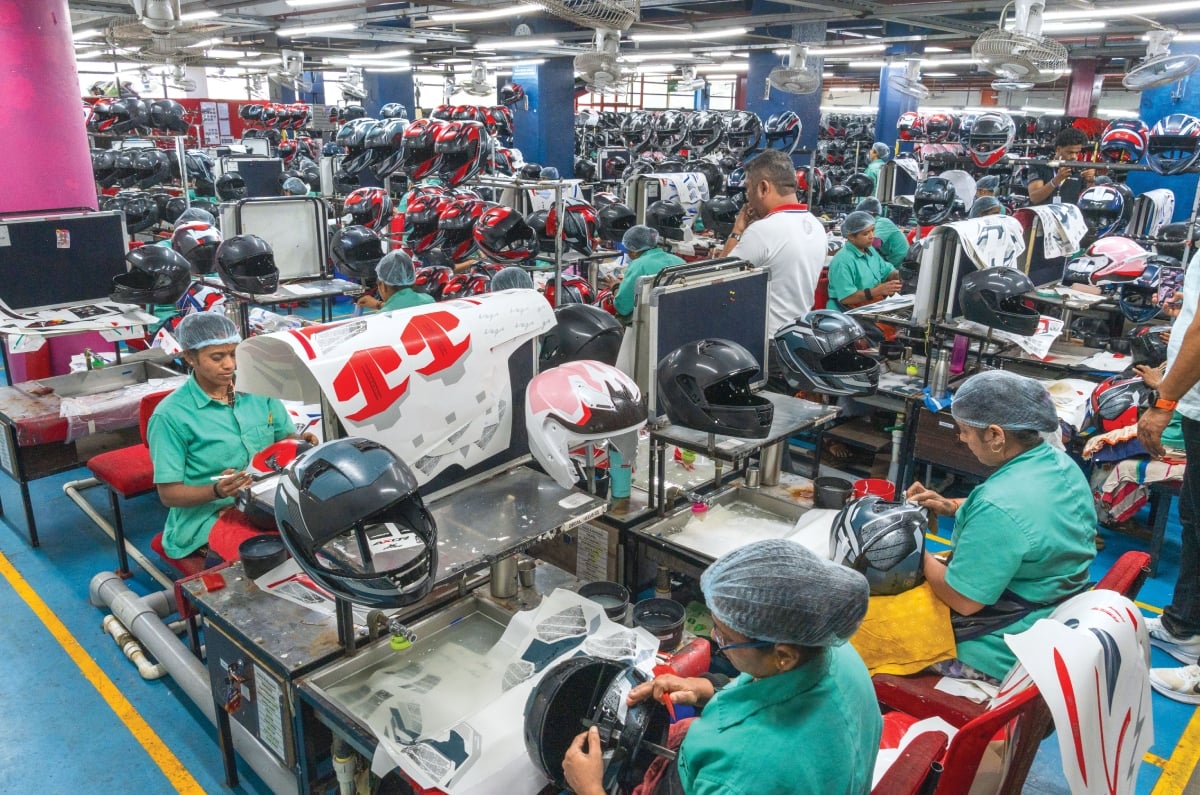
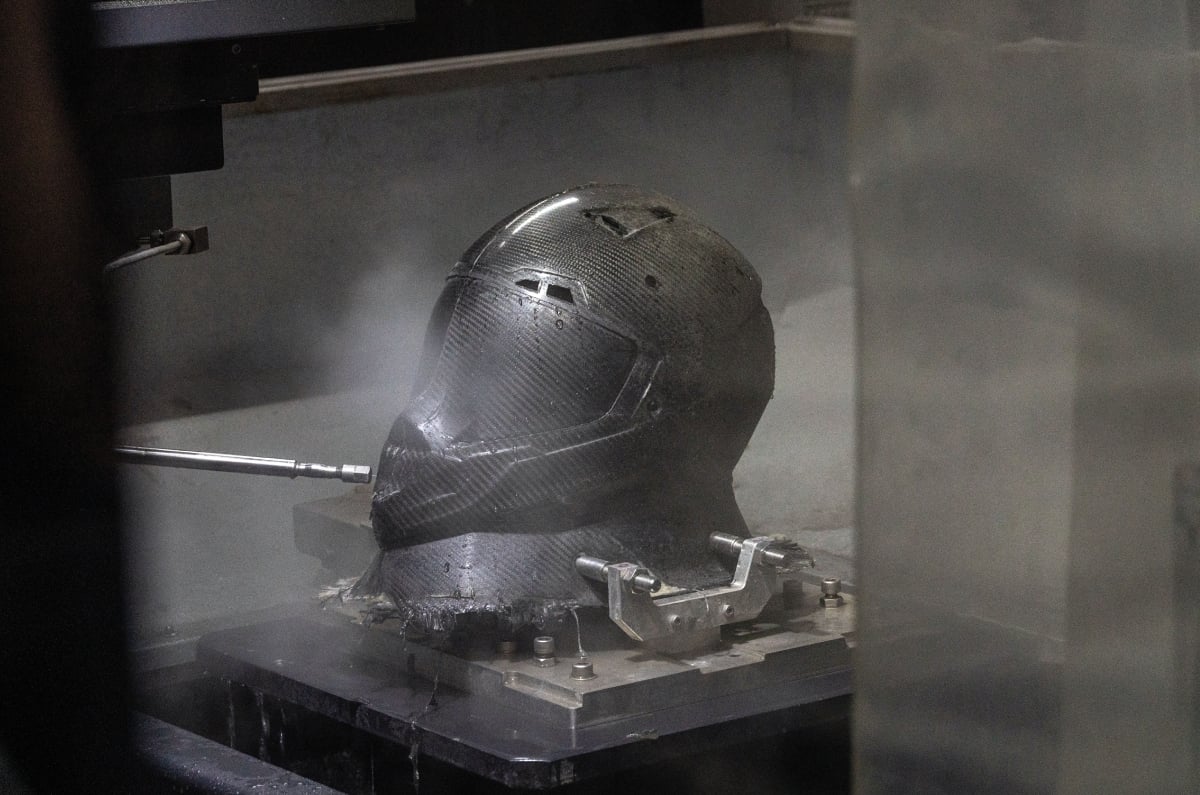
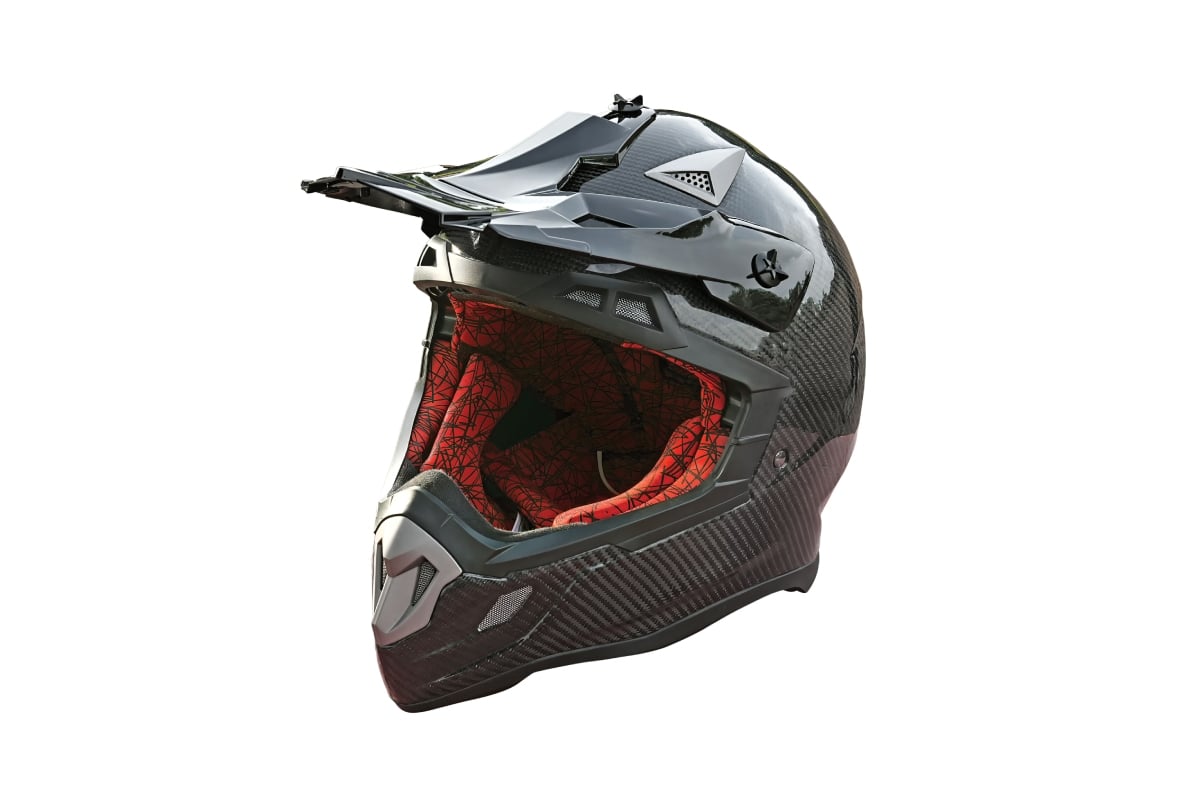
Indian riding gear manufacturer Axor has launched an updated MX Carbon helmet. Built on an improved shell technology from the previous MX Carbon, according to Axor this is the world’s lightest, triple certified helmet with ECE 22.06, ISI and DOT certifications.

  1. Available in three shell sizes
  2. Uses a tri-composite shell

Updated Axor MX Carbon has a lighter shell

Pre-orders are open now

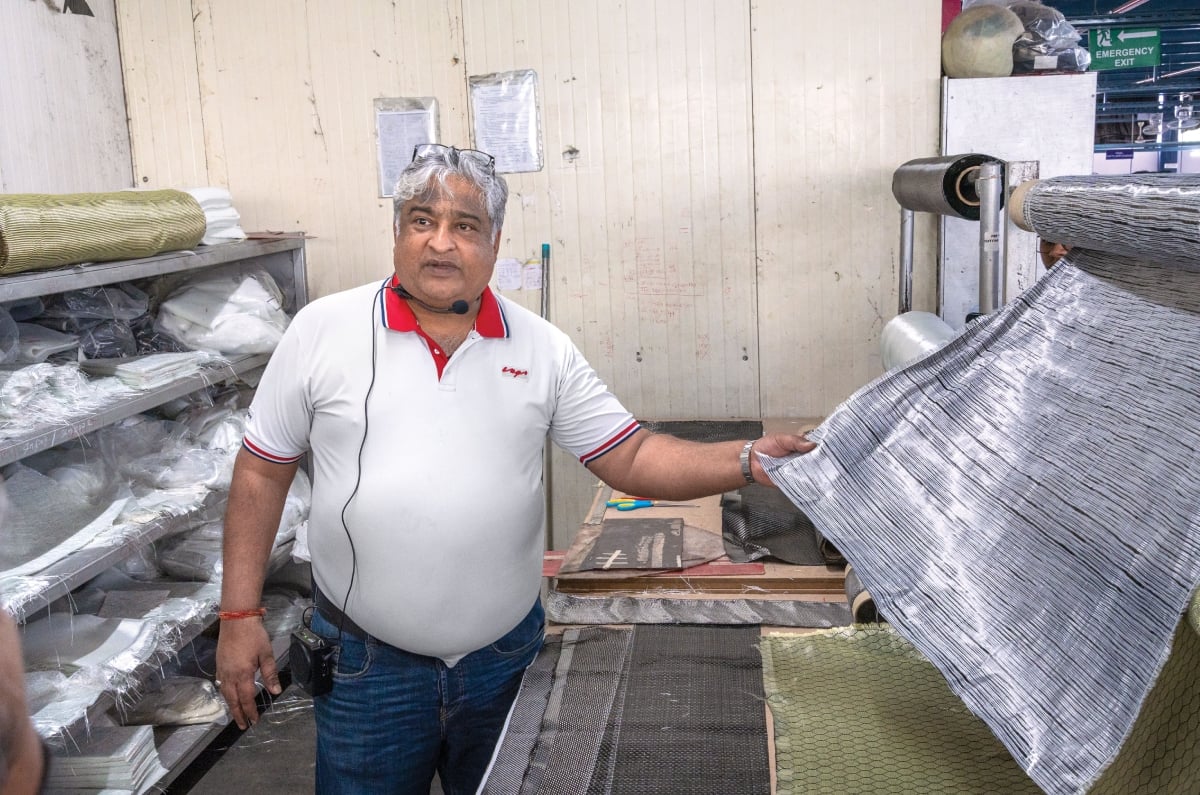
The updated MX Carbon’s shell is made of a tri-composite (3K carbon fibre, aramid fibre, and aerospace-grade fibreglass) to achieve a lighter weight than before. Available in three shell sizes, the MX Carbon weighs 1,040g (±50g depending on the sizes) and is available in four sizes (M, L, XL, and 2XL). Axor also sells another off-road helmet, the Retro Moto X, but it’s not meant to rival the MX Carbon. The only other off-road helmet in its price range is the KYT Skyhawk. However, it is heavier (1,200g), more expensive (Rs 27,000). 

It also only gets ECE 22.05 rating, but does have ISI certification. The next closest competitor is the LS2 MX700 Subverter Evo but that’s not available for purchase anywhere. The helmet is manufactured in India and is available for pre-order now at Rs 20,060 with deliveries starting soon, making the MX Carbon Axor’s most expensive helmet at the moment.

Porsche reveals a one-off 911 Slantnose

Porsche reveals a one-off 911 Slantnose
Porsche 911 Slantnose revealed

Porsche revealed a one-off 911 Slantnose, also known as the Flachbau, at the 2026 Monterey Car Week. It’s mechanically based on a 991.2-generation 911 GT2 RS with the Weissach Package from 2018, while the design has been inspired by the 1978 Porsche 935 Le Mans race car called ‘Moby Dick’. The brand claims teams from Weissach and Manthey, alongside its own in-house design studio, motorsport division and the Sonderwunsch (‘special request’ in German) department, took three years to complete this project.

  • Gets staggered headlamps, a custom rear wing and unique detailing
  • Loses rear seats, infotainment & audio systems and sound-deadening
  • Weighs 31.6kg less due to aggressive weight-saving measures
  • Claimed top speed is 340kph

Porsche 911 Slantnose exterior

Features a custom Manthey Kit and some elements inspired by the 911 GT3 R rennsport

Porsche 911 Slantnose front fascia

The silhouette of this Porsche 911 GT2 RS is understandably different due to its Slantnose conversion. The front fascia sports new, staggered LED headlamps that look sleek– the low-beam, high-beam and DRL elements are stacked above one another. These are integrated into the black U-shaped portion around the bonnet, which extends to right above the lowered front fenders. The latter has specially designed vents to prevent the build-up of air pressure in the wheel arches, claims Porsche.

Porsche 911 Slantnose front quarter

The custom Manthey Kit brings along a redesigned front bumper with small canards on the sides, a new underbody structure, plus a different front splitter and rear diffuser. While the front alloy wheels are of a conventional design, the carbon-fibre aero discs used for the rear units help reduce drag, according to Porsche. The Slantnose gets a large rear wing with S-shaped mounts inspired by the 911 GT3 R rennsport, allowing three manually adjustable positions. At the car’s top speed, Porsche claims that this wing generates 554kg of downforce.

Porsche 911 Slantnose rear quarter

The one-off Slantnose is painted in the brand’s Grand Prix White colour, but gets contrasting black accents and a black finish on the bonnet and roof. Adding more contrast are the black brake callipers and exposed carbon-fibre trim. There are ‘Flachbau RS’ lettering and decals, too, while the Nordschleife is depicted on the rear wing. Since the shape of the front fenders had been altered, the fuel-filler flap and its underlying mechanism also has to be modified, says Porsche. “Our aim was to reinterpret the iconic look of the 935 without compromising on safety, technology or road legality”, Alexander Fabig, Vice President Product Offering & Individualisation at Porsche, said.

Porsche 911 Slantnose interior

The brand has stripped this interior bare of most of its convenience features

Porsche 911 Slantnose door sill

Opening the doors will reveal ‘Flachbau RS’ branding on the sills and seat headrests. There’s an outline of the Nordschleife drawn behind the front seats, along with a small gold-coloured plaque mentioning ‘Sonderwunsch’ and ‘Factory One-Off 2026 | Flachbau RS’ on the dashboard. Meanwhile, the interior continues to use the red Alcantara, black leather and exposed carbon-fibre trim originally available in the customer’s 911 GT2 RS.

Saving weight has been another important goal with this one-off Slantnose. To that effect, Porsche says it has removed the rear seats and individual wires, instead opting for simpler protective sheaths to cover newly laid wiring. Generous use of carbon fibre aside, the brand has removed the donor car’s infotainment system, replacing it with a leather-trimmed storage compartment.

Porsche 911 Slantnose dashboard

Other features to have been deleted include the audio system, floor coverings in the cabin and luggage space, and sound-deadening materials throughout the car. The end result of all these weight-saving measures means that this Slantnose is 31.6kg lighter than the donor vehicle it’s based on.

Porsche 911 Slantnose powertrain and other details

This one-off model retains the donor vehicle’s powertrain setup

Powering this one-off Slantnose is the same 3.8-litre twin-turbocharged six-cylinder engine found in the 991.2-generation 911 GT2 RS. This unit churns out 700hp and 750Nm of torque, and it drives the rear wheels via a 7-speed dual-clutch transmission. The claimed top speed of this one-off 911 is 340kph.

Porsche 911 Slantnose front

Porsche says that it built three test vehicles for validating data, while aerodynamic calculations being carried out using Computational Fluid Dynamics (CFD) to further optimise the overall design. These prototypes were subjected to multiple wind-tunnel tests, real-world road tests, and 50 laps on the Nurburgring-Nordschleife.

Also read

Ferrari Luce ‘Chassis 0’ sells for record USD 40 million at auction

GMA S1 reinterprets iconic McLaren F1 for the modern era

GMA S1 reinterprets iconic McLaren F1 for the modern era

GMA S1 reinterprets iconic McLaren F1 for the modern era
GMA S1 front quarter

After debuting the track-focused S1 LM exactly a year ago, Gordon Murray Automotive (GMA) showcased the road-biased S1 at this year’s Monterey Car Week. While the S1 LM paid tribute to Gordon Murray’s Le Mans-winning F1 GTR, the S1 in similar vein is pitched as a modern-day interpretation of the road-going McLaren F1. Built by GMA’s Special Vehicles division, the SM will be less exclusive than the five-off S1 LM, with 64 units planned for production. 

  1. S1 is fundamentally based on GMA T50 
  2. It’s powered by a 4.2-litre Cosworth V12 with a manual gearbox  
  3. More road-biased, touring-focused version of the S1 LM 

Speaking about the S1, Gordon Murray, Group Executive Chairman, says, “It is exclusive, analogue and deeply driver focused, while also being more elegant, refined and usable over distance.” 

GMA S1 exterior design 

Just a glance at the SM is enough to trace its roots back to the original F1. It does away with many of the aggressive aero elements seen on the S1 LM, such as the massive rear wing, the race-style front splitter and also the deep side skirts. What’s left behind is a shape that’s quintessentially a sportscar in its purest form. Murray says every single panel on the S1 is unique to this vehicle. 

GMA S1
1992 F1 Concept

GMA S1 vs 1992 McLaren F1 Concept (Image Credit: Collector Studio)

Details such as the dual-pod headlamps, the bonnet scoop and the quad tail lamps at the rear immediately connect it to the F1, all while appearing properly contemporary. The circular lights positioned at the leading edges of the front air intakes and the five-spoke alloy wheels are a direct nod to the 1992 McLaren F1 concept car, as are the A-pillar-mounted wing mirrors – these elements did not make it to production on the original F1. 

The side profile is characterised by pronounced wheel arches and a rising beltline, while the scoops on the doors and sills are a lot more pronounced here. At the rear is a classic quad exhaust setup and a diffuser that features an active aero system. GMA says the S1 has been “optimised for mechanical grip, rather than high downforce”.  

GMA S1 interior

Characteristic of most GMA models, just as the original F1, the interior features a 3-seat layout with a central driving position and a low scuttle height. It’s, however, more luxuriously trimmed in leather and bespoke fabrics, and also features more sound deadening in keeping with its road-biased positioning. The dashboard panel housing the instruments and all the controls also appear more richly intricate. It also features a bespoke lightweight audio system and a touring-focused seat to make it better suited for long distance use. 

The real talking point is that there are no touchscreens – all interior controls are completely analogue. There are, however, two displays flanking the gorgeous analogue tachometer – the left screen is for infotainment and phone-related functions, while the right screen is for all vehicle related function. Murray says “Everything here is analogue and rotary. I don’t see that’s something we’ll ever move away from.”  

GMA S1 engine and specifications 

Powering the S1 is a 4.2-litre, naturally aspirated Cosworth V12 engine that revs to a manic 12,100rpm. This is slightly larger than the 4.0-litre V12 used in the T50 (the car it is based on), but smaller than the 4.3-litre unit seen on the S1 LM. And just like in the original F1, this one too gets a 24-carat gold-plated heat shielding. There’s also an air intake on the roof that feeds air directly into the engine. 

The engine produces 690hp and 500Nm of torque – quite modest figures for current times – with 80 percent of peak torque being available from as low as 2500rpm. For perspective, the McLaren F1 from three decades ago produced 627hp and 650Nm of torque from a 6.1-litre, naturally aspirated V12. 

The gearbox is a 6-speed manual unit with a longer sixth ratio for touring, sending drive to the rear wheels. GMA says it is targeting a weight of less than 997kg (lesser than even the T50) with extensive use of carbon fibre body panels, a carbon fibre monocoque and also carbon fibre suspension components. The S1 has the same suspension geometry and track width as the S1 LM, but it rides 10mm higher than the track-focused S1 LM and also gets more compliant dampers. It also gets a switchable power steering that lets one alter the steering feel depending on the use case.  

Production of the S1 will be limited to 64 units worldwide. Each car will be individually commissioned and specified by its owner, although pricing remains undisclosed.

Aston Martin Valen revealed at the Monterey Car Week

Aston Martin Valen revealed at the Monterey Car Week
Aston Martin Valen front quarter static

Aston Martin has revealed the Valen as its most powerful front-engined production car at the 2026 Monterey Car Week. An 850hp, 5.2-litre twin-turbo V12 engine, derived from the Vanquish, powers this GT car. Only 150 units of the Valen are being built by the manufacturer’s ‘Q’ personalisation department, with deliveries commencing in the second quarter of 2027.

  1. Claimed 0-100kph time is 3.1 seconds and top speed is 345kph
  2. Uses carbon fibre, aluminium, titanium, and magnesium elements in plenty
  3. Weighs 110kg less than the Aston Martin Vanquish

Aston Martin Valen powertrain details

Produces 15hp more than the Vanquish and is 0.2s faster in a 0-100kph sprint

The Aston Martin Valen is powered by the same 5.2-litre twin-turbo V12 engine as the Vanquish GT, but with more performance. It produces 850hp (15hp more) and 1,000Nm (same as the Vanquish) and is mated to an 8-speed automatic transmission that sends power to the rear wheels (RWD). The gearbox software has, however, been remapped with the Vantage GT4 racecar’s software for “more engaging shifts in all drive modes”. With the Valen, Aston Martin claims a 0-100kph time of 3.1 seconds (0.2s faster than the Vanquish) and an electronically limited top speed of 345kph.

The Valen is 110kg lighter than the Vanquish due to the use of lightweight motorsport-inspired materials, including carbon fibre, aluminium, titanium and magnesium. Aston Martin has also made “significant hardware changes and targeted software calibration” to the ESP, throttle, braking and steering systems. The suspension system uses stiffer springs for reduced roll and pitch motions to driver inputs for increased agility. 

Aston Martin Valen exterior design

Looks sportier and brutish than the other Aston Martin models

The Valen looks sportier than the gentlemanly designs Aston Martin is generally known for and, as per chief creative officer Marek Reichman, “the Valen is a significant departure from what has gone before”. At the front, the Valen sports a new snout with an aggressive bonnet featuring a functional top vent to draw more air to the engine. The signature Aston Martin grille motif extends to the ends of the fascia. The LED DRLs and LED headlights are slim horizontal bars that make the Valen look menacing. It also gets an “acutely angled” front splitter to channel the air into the GT’s internals. 

In profile, it sports lightweight magnesium wheels shod with Pirelli P Zero R tyres (275/35 ZR21 front, 325/30 ZR21 rear), specifically developed for the Valen. The GT also gets Pirelli’s latest Cyber Tyre technology, allowing real-time tyre data sharing with the vehicle’s dynamic control systems. The traditional side strakes incorporate large functional vents that extract air from the wheel arch, guiding it towards the rear for improved downforce.

The rear design is bold as well, replacing a traditional fixed rear windscreen with a solid tailgate that opens to reveal 170 litres of boot space. The tailgate features an aerodynamic wing that acts as a Gurney flap that “generates downforce with minimal drag and negates the need for a conventional rear wing”. Beneath this wing is a slim LED taillight bar and 3D-printed quad titanium exhausts stacked in a 2-up, 2-down arrangement. The upper exhaust outlets are always open, while the lower ones open in the raciest drive modes.

The Valen is available with an optional fully exposed carbon fibre exterior that can be tinted in both satin- and gloss-finished hues by the ‘Q’ customisation department. 

Aston Martin Valen interior design

Features a minimalistic dashboard and a well-loaded cabin

The Valen’s interior is heavily influenced by the Vanquish and hence offers a minimalistic dashboard with a 10.25-inch-inch digital driver’s display, a 3-spoke steering wheel and a 10.25-inch touchscreen infotainment system. What’s different from the Vanquish is that the centre console has been 3D-printed for “greater precision to the surfaces you regularly interact with”. This console has a carbon fibre finish and features a push-button start-stop and an aircraft-style drive mode selector.

The Aston Martin Valen offers an option between ‘Sport Plus’ seats that “combine support with long-distance comfort” or carbon-fibre ‘Performance’ seats that offer “a more focused driving experience”. Features include a 15-speaker Bowers & Wilkins sound system, a 360-degree camera system, a digital inside rearview mirror (IRVM), a powered steering column and a wireless phone charger. 

Reichman says, “Valen gave us the opportunity to explore and express more extreme emotions through a new form language and surface treatment.” Reflecting this bold design approach, Aston Martin has priced the Valen at 1.5 million pound (approximately Rs 19.46 crore), before buyers choose from the extensive catalogue of optional extras.

Defender Dakar goes road legal with 635hp V8

Defender Dakar goes road legal with 635hp V8
Dakar

Defender has revealed the Dakar, a limited-run road-legal version of its Dakar Rally-winning D7X-R competition car. Previewed as a Design Preview Model at Monterey Car Week, the Defender Dakar is based on the Defender OCTA and retains the rally car’s body architecture, transmission, driveline and 4.4-litre twin-turbo V8 engine. Reservations are scheduled to open in early 2027, while full technical specifications will be revealed during the 2027 Dakar Rally.

  1. Based on the Dakar-winning Defender D7X-R rally car
  2. Gets 635hp twin-turbo V8 and rally-derived suspension
  3. Reservations to open in early 2027

Defender Dakar exterior

The Defender Dakar features several changes inspired by the D7X-R rally car. These include a wider track, increased ride height, 35-inch all-terrain tyres on forged 20-inch wheels, and coil suspension with Bilstein Advanced dampers. It also introduces new Dunes and Gravel drive modes, along with Flight Mode, which has been developed to improve stability during landings over uneven terrain.

The exterior also gets roof-mounted auxiliary lights, a fixed metal roof, carbon-fibre bonnet, carbon-fibre raised air intakes, extended wheel arches with exposed rivets, signature mud flaps, a tailgate blanking panel, a front undershield and additional underbody protection. Buyers will be able to choose from several paint finishes, including the Dakar Sand and Yanbu Turquoise combination inspired by the race-winning D7X-R.

Defender Dakar interior

Dakar Rally-winning D7X-R competition car’s cabin showcased here,

The cabin adopts a more purpose-built layout than the Defender OCTA. It features a 2+2 seating configuration with unique front race seats, while four-point racing harnesses will be available as an option. The rear storage area has been designed to accommodate race helmets, and the load bay includes dedicated mounting points for the spare wheel and an air compressor.

Defender Dakar powertrain

Powering the Defender Dakar is the same 4.4-litre twin-turbocharged V8 engine used in the D7X-R rally car and based on the Defender OCTA. The engine develops 635hp and 750Nm, with Defender stating that it runs unrestricted compared to the competition version. The SUV also retains the D7X body architecture, transmission and driveline from the rally car.

The Defender Dakar has been revealed as a limited-run model and will be available to reserve from early 2027. Defender has not announced pricing or production numbers yet. Additional technical details and final specifications will be revealed during the 2027 Dakar Rally.

2027 Maserati Grecale review: V6 sense

2027 Maserati Grecale review: V6 sense
Maserati Grecale Modena

The Grecale is Maserati’s take on the mid-size luxury SUV and in SUV-crazy India will likely be the first port of call for buyers intrigued by the iconic brand. It’s been updated outside, inside and under the hood to help convert that mystique into sales.

2027 Maserati Grecale Exterior Design and Engineering – 8/10

Like most Maseratis, the Grecale is one of those cars that looks better in the metal than it does in photographs. There’s Italian flair to the design, with the proportions finely balanced across its 4.8m length. The classic Maserati cues – voluptuous fenders, vents aft of the front wheels and the cut of the glasshouse – are all there and help establish the marque, even in profile.

Maserati Grecale Exterior
The 2027 Grecale gets a more prominent concave grille with the Trident logo at its centre.

The key visual change comes at the front. A strong horizontal crease visually divides the face into two distinct sections. The upper portion retains the familiar sculpted Maserati look, while the lower section adopts a far more technical and aggressive appearance. Larger air intakes flank a more pronounced concave grille, with the Trident logo taking centre stage. The changes aren’t dramatic, but they make the Grecale look considerably sportier and give it much stronger road presence. Ahem, that visual link to the humble Suzuki Swift is also less pronounced now.

Maserati Grecale Modena
Signature vents on the front fenders add character to the Grecale’s profile.

There are minor tweaks to the trim elsewhere and, as ever, there’s lots of scope to customise the appearance. I wouldn’t change our test car’s arresting Verde Royale-on-black colour scheme, thank you very much.

2027 Maserati Grecale Interior Space and Comfort – 8/10

Maserati Grecale Modena
The cabin continues to combine rich leather upholstery with stitched dashboard detailing.

Not much has changed inside, but that’s no bad thing because this remains a cabin that strikes a nice balance between modern technology and traditional Italian craftsmanship.

There are still four displays: a digital instrument cluster, a large central touchscreen, a lower touchscreen for climate control functions and Maserati’s signature clock. Each has been subtly updated. The digital clock gets a revised face and new glass designed to mimic the appearance of a conventional analogue timepiece while retaining its digital functionality.

Maserati Grecale Modena
The digital clock gets a new face and glass designed to imitate an analogue timepiece.

Lower down, the old gear selector buttons have made way for metallic toggle switches that look and feel richer. The steering wheel has also been redone with a squared-off shape that feels great to hold. Behind it sit Maserati’s trademark oversized aluminium paddle shifters, mounted to the steering column, and they remain among the most satisfying paddle shifters you’ll use in any performance SUV.

Maserati Grecale Modena
Grecale’s aluminium paddle shifters are among the most satisfying to use.

Despite the screen-heavy layout, the Grecale’s interior isn’t lacking on warmth. Rich leather upholstery, beautifully stitched dashboard trim and some plush materials (exposed carbon fibre for the win) tell you a lot of love and work has gone into putting the interior together. Some plastics do feel ordinary, though.

Maserati Grecale Modena
Rear passengers get good kneeroom and headroom, although the backrest is not reclinable.

The front seats are supportive and are the best ones in the house. While rear seat space is better than that of a Porsche Macan (the car the Grecale was built to beat), it’s not the ideal buy for chauffeur-driven buyers who will see more value in a like-priced Merc GLE or BMW X5.

Rear-seat passengers will find kneeroom and headroom more than adequate, although a reclinable backrest would have added another layer of comfort.

2027 Maserati Grecale Performance and Refinement – 8/10

The Grecale continues to be offered in three flavours – GT, Modena and Trofeo – but today’s Modena isn’t exactly the same as the one before. While the Modena was powered by a 2.0-litre four-cylinder turbo-petrol producing 330hp, the new Modena, confusingly enough, also gets Maserati’s 3.0-litre Nettuno V6, with output pegged at 390hp. It neatly bridges the gap between the entry-level 300hp Grecale GT and the full-fat 530hp Trofeo.

Maserati Grecale Modena
2027 Grecale Modena switches to 3.0-litre V6 from the erstwhile 2.0-litre 4-cylinder mill.

It’s easy to fall for the charms of the ‘new’ Modena. The new 390hp V6 comes across as a much more natural fit for something with the Maserati badge. There’s ready power at hand and a nice pull past 6,500rpm when the roads allow. There’s great fun working through the gears too, partly because of the feel at the paddles and partly because of the ‘braaap’ from the exhaust during shifts. The soundtrack, in general, is very appealing, with a gentle growl growing into a muscle-car burble. How much of that sound originates from the engine and exhaust, and how much is enhanced through the speakers, is difficult to tell, but the end result is undeniably enjoyable.

2027 Maserati Grecale Ride Comfort and Handling – 8/10

Maserati Grecale Modena
Its sporty setup lets some road imperfections through, but it stops short of feeling uncomfortable.

What’s also easy to glean is that the Grecale isn’t trying to be a soft, comfort-focused luxury SUV. There is a definite sporting edge to the way it rides and handles. You’ll feel bumps and imperfections in the road more readily than you would in some rivals, although it never crosses the line into feeling harsh or uncomfortable.

Maserati Grecale Modena
Adaptive dampers let you adjust the suspension response through via drive modes.

Adaptive dampers allow you to tailor the suspension’s responses depending on the selected drive mode, and while they do make a noticeable difference, even the most comfort-oriented setting stops short of completely isolating you from the road. The way to look at it is that it allows a little more of the driving experience to filter through, reminding you that this is a Maserati first and an SUV second. The crisp handling is up there with the now-retired Porsche Macan ICE, and that’s high praise.

2027 Maserati Grecale Price and Verdict – 8/10

The updates for 2026 may not completely transform the Grecale, but they make an already distinctive luxury SUV a more convincing proposition. The sharper styling gives it greater visual presence, while the introduction of the V6-powered Modena fills an important gap in the range. More importantly, it strengthens the Grecale’s case for anyone in the market for an SUV that prioritises driver appeal.

Maserati Grecale Modena

The timing couldn’t be better either. Maserati is renewing its focus on India with a new dealer network and a stronger push in the market. The Grecale will continue to command a premium over similarly sized luxury SUVs (we expect the range to start at Rs 1.2 crore ex-showroom), but it has the style and character to charm its way into contention.