Royal Enfield Guerrilla 450 vs Triumph Tracker 400 Comparison: Street Brawl

Royal Enfield Guerrilla 450 vs Triumph Tracker 400 Comparison: Street Brawl
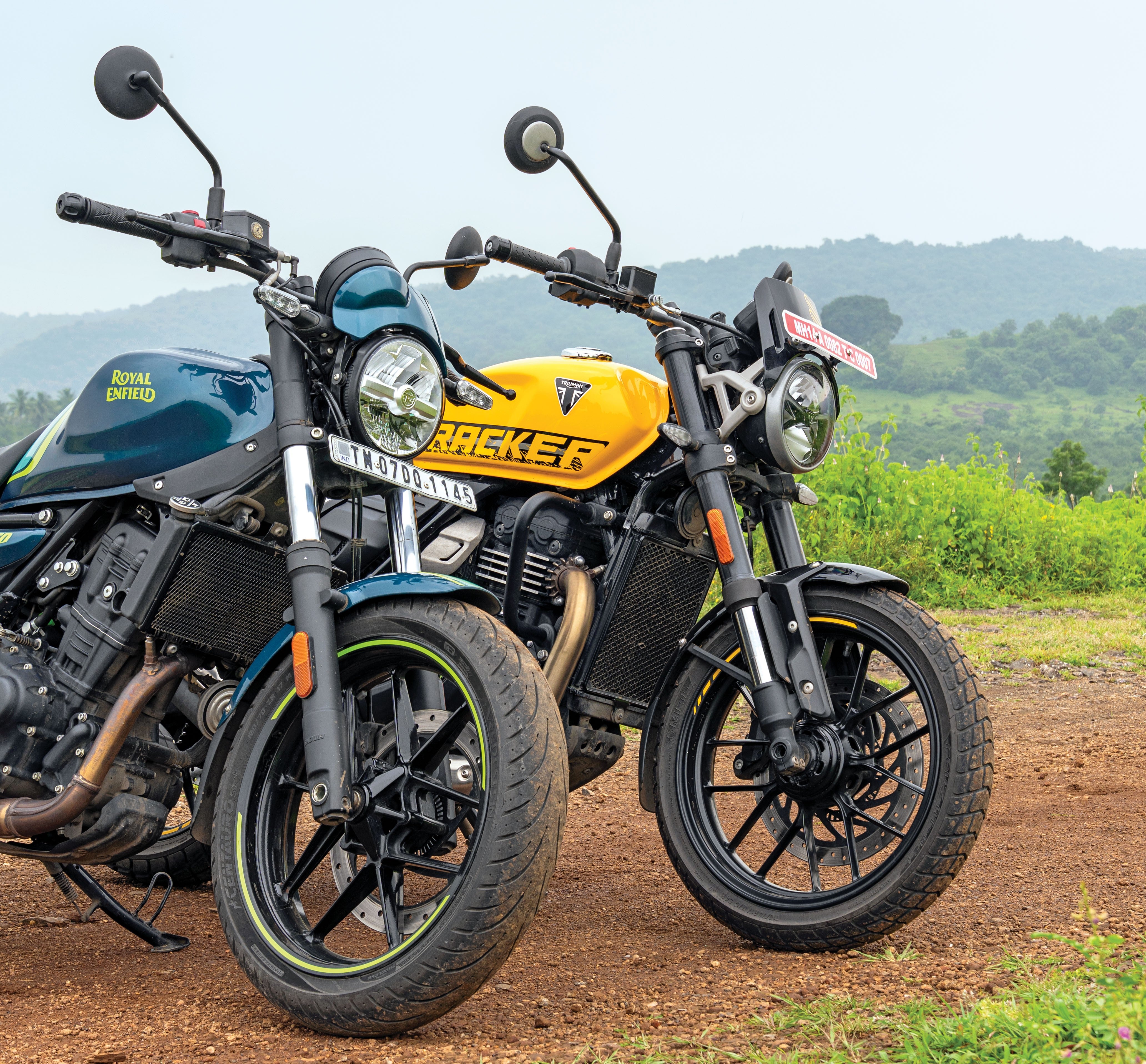
Royal Enfield Guerrilla 450 vs Triumph Tracker 400 Comparison Lead Image

If you are considering either of these motorcycles, chances are you are also considering the other, especially since they both cost about the same. After the Triumph 400cc bikes were downsized, the Tracker 400 now uses a 349cc engine, while the Guerrilla 450 Apex is a sportier variant with more aggressive ergonomics and grippy, road-focused tyres, which I think suit the bike much better than those on the earlier variant.

On paper, the Tracker makes 40hp and 32Nm, while the Guerrilla produces 40.02hp and 40Nm. The Triumph is a lighter, more compact motorcycle, while the Royal Enfield has a larger engine with more torque and offers a stable, planted feel. So, which one makes more sense for someone looking for a sporty, entertaining roadster?

Design and Features

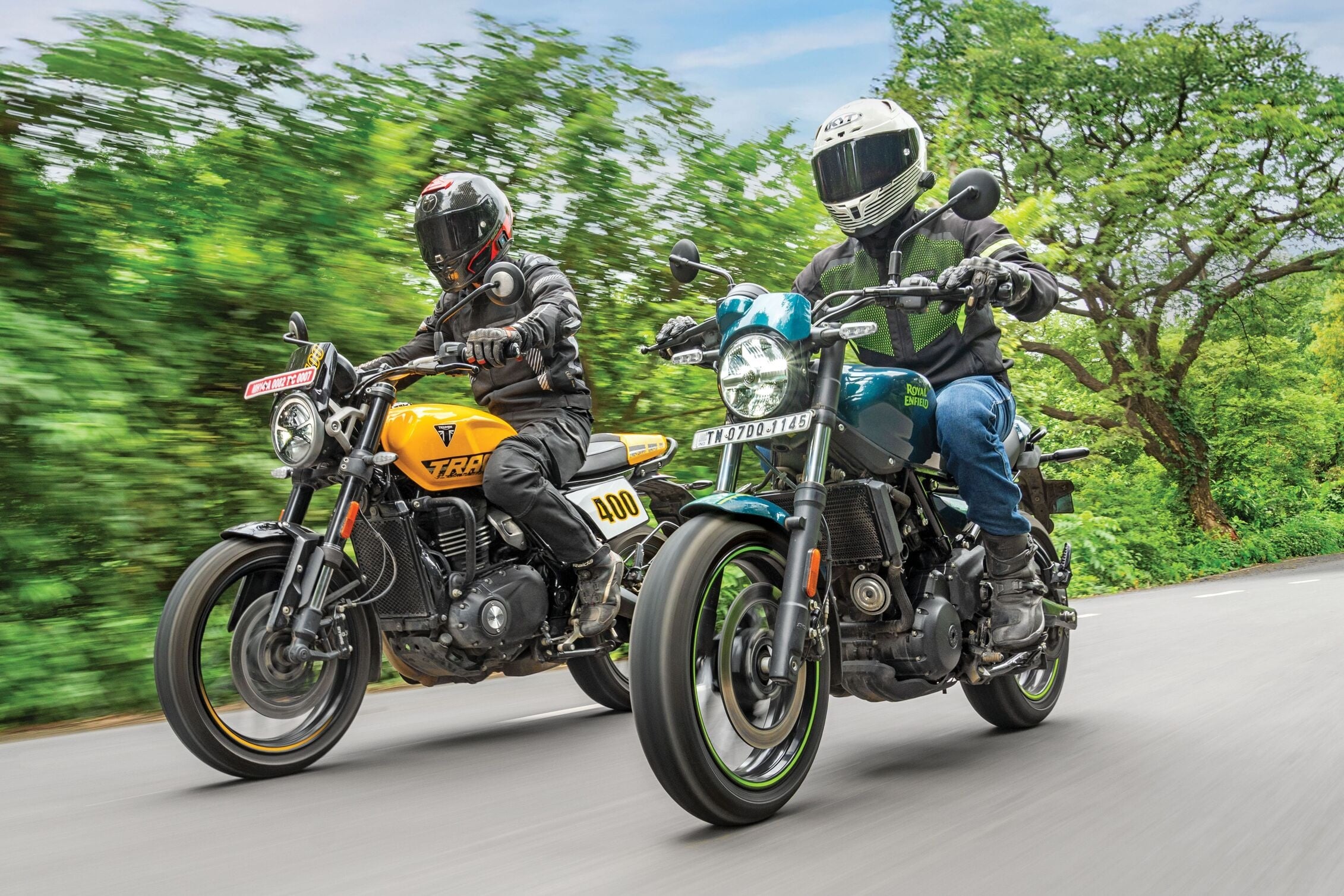
Both motorcycles have very different visual identities, and that is probably the first thing you’ll notice. The Tracker 400 is inspired by flat-track racers, with a flat seat, side number boards and a wide handlebar. But this isn’t really a dirt-track-focussed motorcycle underneath, as its ergonomics, chassis and suspension are properly road-oriented.

The Guerrilla 450 Apex, meanwhile, looks like a sporty and muscular roadster. Compared to the standard variant, it gets a small cowl over the headlight, a new aluminium handlebar, a removable rear-seat cowl and Vredestein Centauro ST+ tyres. The Apex also has a leaned-forward, more committed riding position compared with the standard Guerrilla.
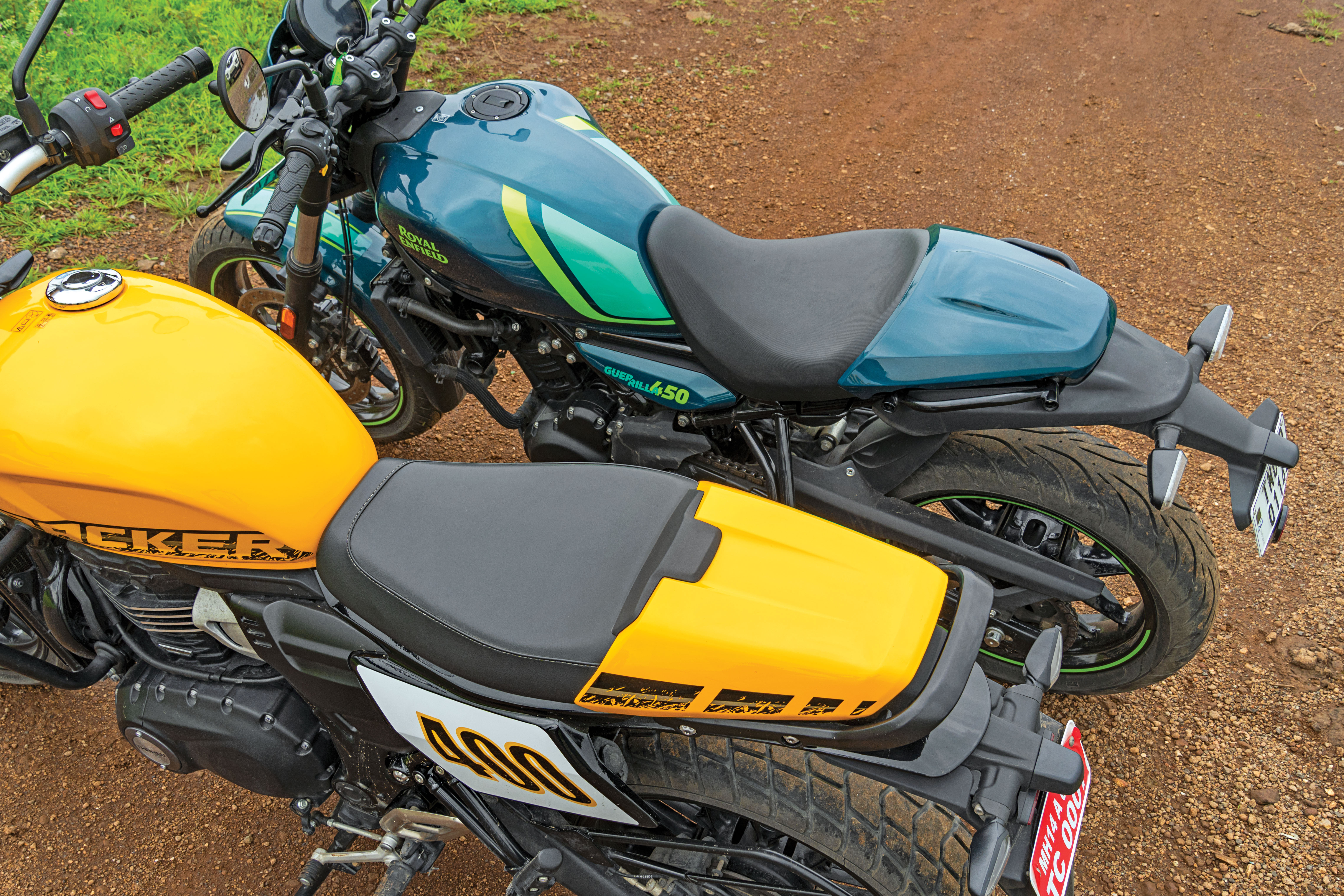
The Tracker is a relatively compact motorcycle, while the Guerrilla’s longer 1,440mm wheelbase and broad 160-section rear tyre give it a more substantial stance. The Triumph gets a larger 13-litre fuel tank compared with the Guerrilla’s 11-litre unit, which can be tedious when long-distance touring.

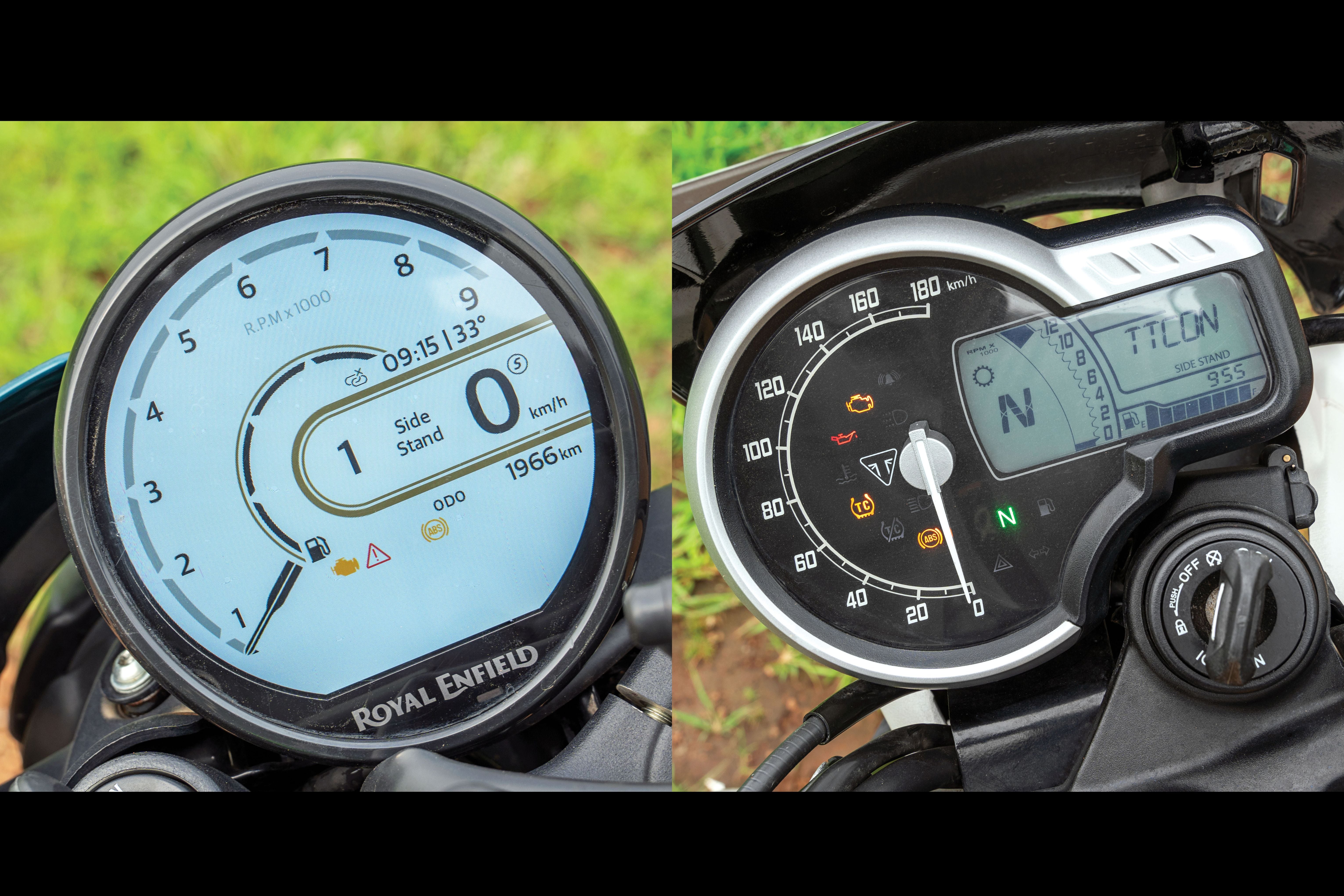
Both motorcycles are equally impressive when it comes to build quality and fit and finish. The Tracker features the same digi-analogue console we have seen on all the other Triumph 400 models, while the Guerrilla features the same TFT unit from the Himalayan. The Guerrilla gets two riding modes (Sport and Street), both of which feel quite similar. On the other hand, the Tracker gets a switchable traction control system that the Guerrilla misses out on. Neither has a quickshifter. In terms of convenience, the Guerrilla has a more accessible 780mm seat height and also gets a main stand, which aids in easier chain maintenance.
There is also a difference in ergonomics. The Tracker’s seat is flat and the riding position is relatively sporty, with rear-set footpegs that suit the character of the bike. The Guerrilla Apex has a lower and more accessible 780mm seat and roadster-like, neutral-set footpegs, along with a committed upper-body position. Between the two, you sit on top of the Tracker with its flat seat, while on the Guerrilla, you sit inside the curved seat, and it is also the more comfortable of the two.

Performance and Fuel Economy

This is where things get interesting because the Tracker 400’s 349cc engine is 103cc smaller than the Guerrilla’s 452cc unit, yet peak power is almost identical. The Triumph produces 40hp at 8,750rpm and 32Nm at 7,500rpm, while the Royal Enfield makes 40.02hp at 8,000rpm. Of course, the difference comes in torque, where the RE makes a much healthier 40Nm at 5,500rpm.

The difference in torque delivery is immediately noticeable. The Tracker’s engine likes to be revved out, but you still have to work it quite a bit. The Guerrilla’s Sherpa engine has a different personality. It doesn’t need to be worked as hard, and the additional 8Nm gives it much stronger roll-on performance. It feels more raw and powerful as soon as you open the throttle, and the surge in power after 6,000rpm makes it feel really exciting. After 7,000rpm, there are some vibrations, but nothing that really ruins the riding experience.
The Tracker’s shorter-stroke engine is very refined at moderate engine speeds, but once you start revving it harder, some buzz makes its way into the tank and footpegs at the top end of the rev range. It remains an entertaining engine, but considering I have ridden the older 398cc Thruxton 400, I feel like it misses out on that initial torque kick.

In our performance tests, the Guerrilla completed the 0-100kph sprint in 6.34 seconds, while the Tracker took 7.55 seconds for the same, marking a difference of 1.21 seconds. The real difference in performance was more visible in the roll-on acceleration tests where the Guerrilla 450 Apex was notably quicker.

Fuel efficiency was almost on par in our tests, where the Tracker delivered 24.1kpl in the city and 31.71kpl on the highway, while the Guerrilla gave us 25.23kpl in the city and 32.82kpl on the highway. The Triumph’s 13-litre tank will give it a better range despite the marginally lower highway efficiency. 

Ride and Handling

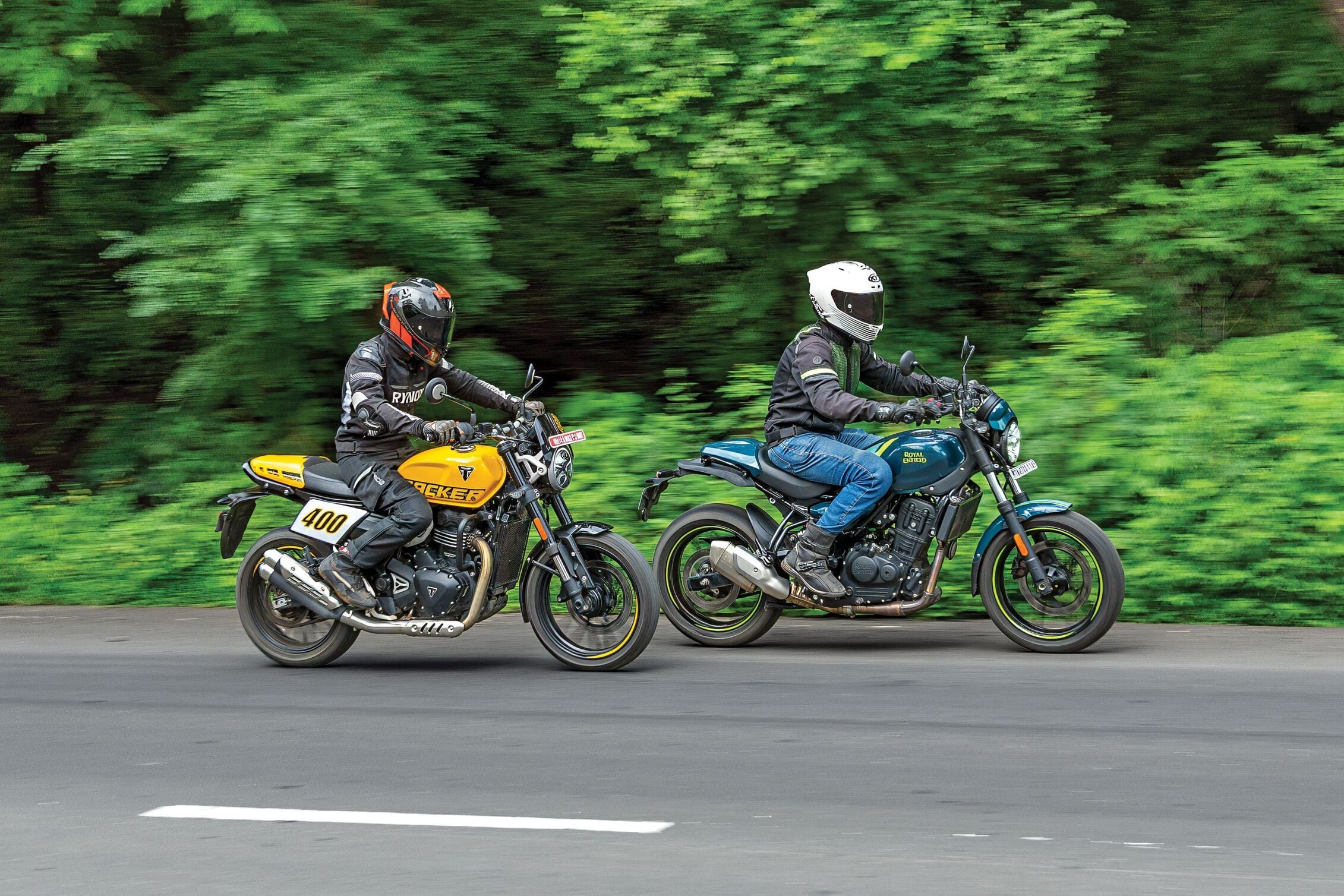
The biggest difference between these two motorcycles becomes apparent once the road starts to twist. The Guerrilla feels longer and heavier and needs a bit of muscling around, but once in a corner, it is extremely stable and planted. The grip offered by the Vredestein tyres is superb and inspires a lot of confidence. The Tracker, on the other hand, feels light, nimble and very easy to flick into corners, thanks to its shorter wheelbase and the leverage offered by the wide handlebars. Its blocky MRF tyres work well, but given how it rides more like a sporty roadster rather than a tracker, stickier tyres would have been a better choice.

While many might be disappointed about the Guerrilla 450 Apex not getting a USD fork, the suspension does work much better than the Tracker’s over bad roads and undulations. The setup feels plusher than the Tracker, which has a quicker rebound that can toss you up if you hit potholes at higher speeds. 

Despite the Triumph being the more compact motorcycle, I felt like it was easier to filter through traffic on the Guerrilla, and that is because the Triumph has slightly wider handlebars and mirrors that jut out slightly more. I do remember my time spent with the Guerrilla on a go-kart track, and it was genuinely a lot of fun. The tyres kept up with the performance that the engine offers, and it was a blast to exploit the full capabilities of the bike. The only limitation was the footpegs, which kept scraping when the bike was leaned over. That said, this was never a problem out on the road.

Braking hardware is strong on both. The Tracker gets a 300mm front disc with a four-piston radial ByBre caliper, while the Guerrilla uses a 310mm front disc and 270mm rear disc. The Guerrilla stopped marginally quicker in our braking test from 60-0kph, but I did notice that the ABS intervention can be strong when emergency braking from higher speeds.

Price and Verdict

These two motorcycles are closer than their engine capacities suggest. The Tracker proves that you don’t need a large engine to make for a fun roadster. Its 349cc motor makes almost as much peak power as the Guerrilla, and its compact dimensions, wide handlebar and sporty chassis make it an engaging motorcycle on a twisty road.

The Royal Enfield Guerrilla 450 Apex, however, takes a more muscular approach. Its 452cc engine has substantially more torque, the Vredestein tyres give it a level of grip that suits its performance, and the longer wheelbase also gives it a reassuring planted character, particularly when you’re riding quickly.
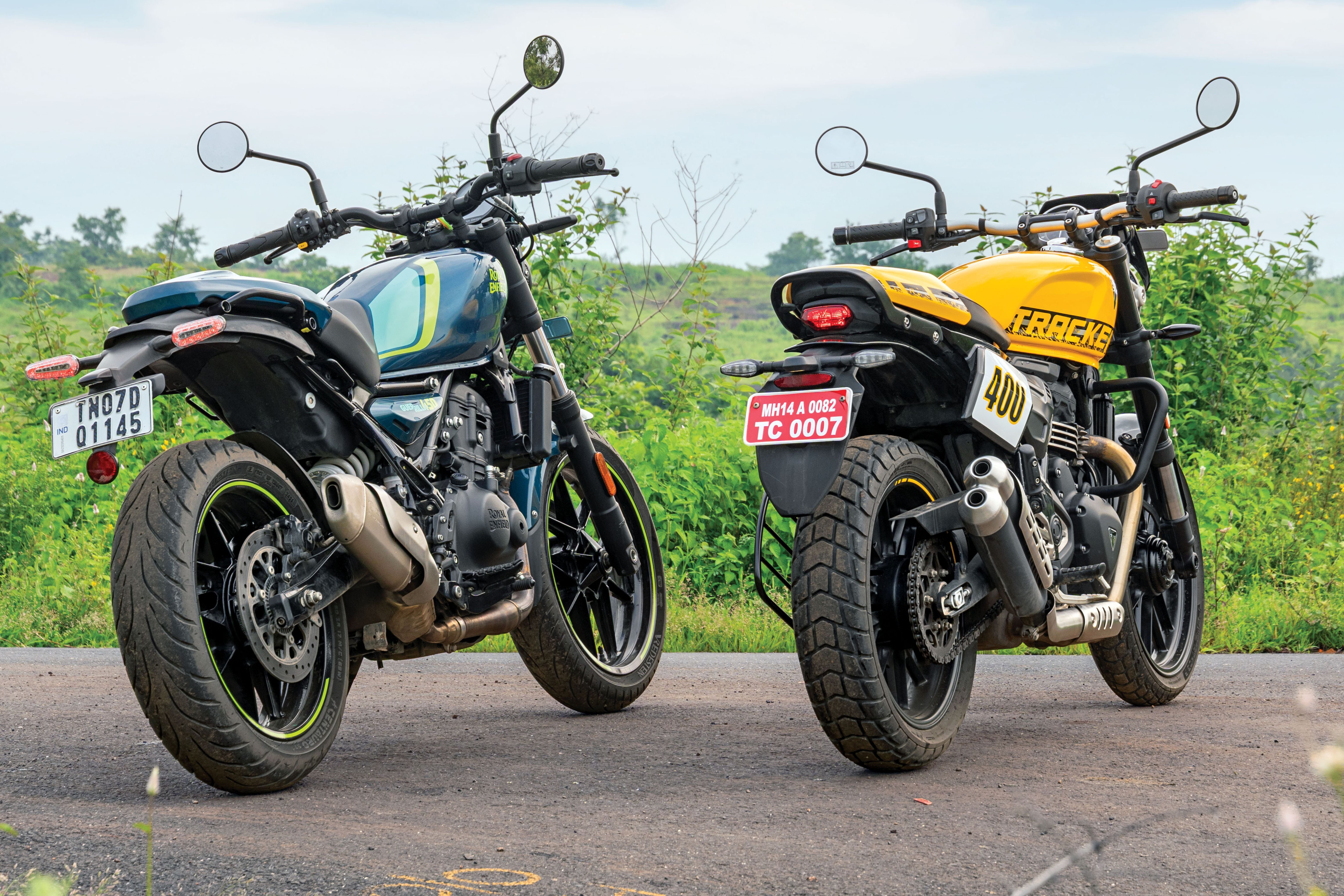
They offer two distinct interpretations of the sporty modern roadster. The Tracker’s biggest strength is its agility. It feels smaller, lighter and more eager to change direction quickly. The Guerrilla’s strength is the breadth of its performance. There’s more torque, more road presence and a greater sense of stability when you’re pushing it. And that is ultimately what separates them. The Triumph is the more playful motorcycle, thanks to its nimble nature, while the Guerrilla Apex feels like a more serious attempt at turning the standard roadster into a proper performance-oriented, corner-carving machine.

While it is difficult to pick between these two motorcycles, considering that they do things in different ways, you can’t look past the value that the Guerrilla offers. Despite falling into the 40 percent GST bracket, its starting price is just Rs 10,000 more than that of the Tracker. 
To put things into perspective, the KTM 390 Duke R, which used to be the benchmark for affordable and accessible performance when its Gen 1 model was launched in India, is now priced at Rs 3.45 lakh (ex-showroom), taking its on-road price upwards of Rs 4 lakh. So the way I see it, the Guerrilla 450 Apex is now the new benchmark when it comes to affordable performance in India. Who’d have ever thought that the crown would one day be worn by a Royal Enfield.
करोड़ों की प्रॉपर्टी देखने पहुंचे अशनीर ग्रोवर, रियल एस्टेट कारोबारी ने दे डाला नौकरी का ऑफर

भारतपे के पूर्व को-फाउंडर अशनीर ग्रोवर अपने बेबाक अंदाज के लिए जाने जाते हैं, लेकिन इस बार वह खुद एक मजेदार सोशल मीडिया पोस्ट का हिस्सा बन गए हैं। गुरुग्राम के एक रियल एस्टेट कारोबारी ने उनकी प्रॉपर्टी विजिट पर चुटकी लेते हुए उन्हें नौकरी तक ऑफर कर दी। मामला गुरुग्राम के महंगे रिहायशी प्रोजेक्ट DLF Camellias का है, जहां अशनीर की विजिट के दौरान फ्लैट के बजाय क्लब, सुविधाओं और हरियाली को दिखाए जाने पर कारोबारी ने सवाल उठाए। उनकी पोस्ट अब सोशल मीडिया पर चर्चा में है।

फ्लैट देखने पहुंचे अशनीर

गुरुग्राम के रियल एस्टेट कारोबारी अभिषेक भारद्वाज ने X पर एक पोस्ट साझा करते हुए अशनीर ग्रोवर की साइट विजिट पर मजाकिया टिप्पणी की। उन्होंने बताया कि अशनीर की यह विजिट उनकी पत्नी के चैनल पर शेयर किए गए एक वीडियो में दिखाई गई थी, जिसका शीर्षक ‘Home Beyond the Price Tag’ है। अभिषेक के मुताबिक, फ्लैट में किरायेदार होने और दरवाजा नहीं खुलने की स्थिति में विजिट के दौरान क्लब, दूसरी सुविधाएं और हरियाली दिखाई गई। उन्होंने इस अनुभव की तुलना प्रॉपर्टी ब्रोकरों के उस आम तरीके से की, जिसमें फ्लैट नहीं दिखा पाने पर खरीदार को आसपास की सुविधाएं दिखाकर व्यस्त रखा जाता है।

‘क्लब दिखा दिया, हरियाली दिखा दी, फ्लैट की बात ही नहीं की’

200 से ज्यादा प्रॉपर्टी डील करने का अनुभव रखने वाले अभिषेक ने कहा कि गुरुग्राम के प्रीमियम रिहायशी प्रोजेक्ट्स में कई खरीदारों के लिए फ्लैट के साथ उसका पता और सोसायटी भी काफी मायने रखती है। ऐसी जगहों पर उपलब्ध फ्लैट कम होने के कारण खरीदार कई बार प्रॉपर्टी देखने से पहले ही उसमें दिलचस्पी दिखाने लगते हैं।

हालांकि, अभिषेक का मानना है कि अच्छी साइट विजिट में खरीदार को असली फ्लैट दिखाना जरूरी है। उन्होंने मजाक में कहा कि अगर किरायेदार दरवाजा नहीं खोल रहा हो, तो वह उसके साथ एक घंटे बैठकर चाय पीने को भी तैयार हैं, लेकिन खरीदार को फ्लैट दिखाए बिना वापस नहीं जाने देंगे।

अशनीर ग्रोवर को दे दी फील्ड एसोसिएट की नौकरी

अभिषेक ने अपनी पोस्ट में अशनीर पर तंज कसते हुए लिखा कि उन्होंने साइट विजिट बिल्कुल उसी अंदाज में की, जैसा प्रॉपर्टी इंडस्ट्री में कई बार देखने को मिलता है। उन्होंने कहा, ‘क्लब दिखा दिया, हरियाली दिखा दी, फ्लैट की बात ही नहीं की।’ इसके बाद कारोबारी ने अशनीर को फील्ड एसोसिएट की नौकरी का ऑफर दे दिया। उन्होंने बताया कि वह फिलहाल साइट विजिट के लिए लोगों की तलाश कर रहे हैं और अशनीर ने तो पहली विजिट में ही इंडस्ट्री का तरीका दिखा दिया।

सोशल मीडिया पर चर्चा में आई पोस्ट

अभिषेक ने अपनी पोस्ट के आखिर में अशनीर से मजाकिया अंदाज में पूछा, ‘इंटरव्यू कब दे रहे हो?’ उनकी इस टिप्पणी ने प्रॉपर्टी विजिट के तरीके और महंगी सोसायटी में घर खरीदने के अनुभव को लेकर चर्चा छेड़ दी है। हालांकि, यह पूरा मामला कारोबारी की सोशल मीडिया पोस्ट में किए गए दावों और व्यंग्य पर आधारित है।

Video: चलती ट्रेन से गिरने वाली थी महिला…फिर फरिश्ता बन आई महिला अधिकारी, ऐसे बचाई जान

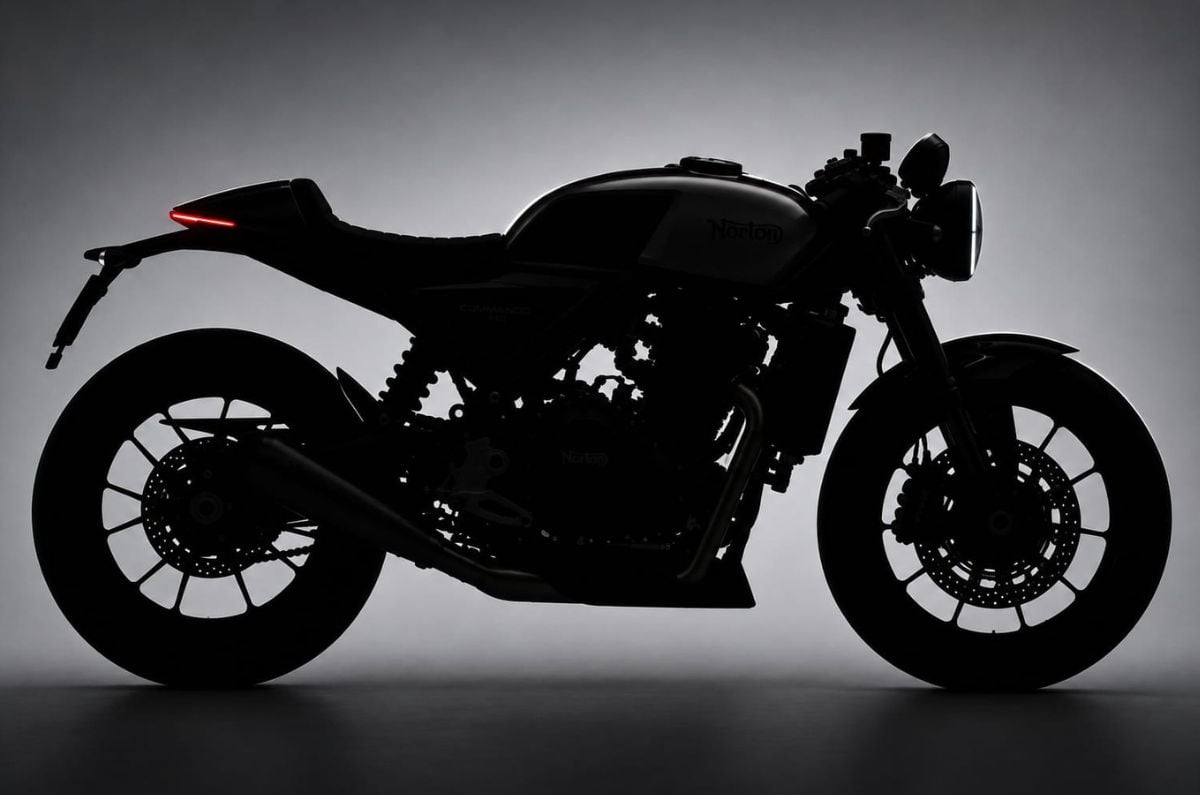
Exclusive: New 450cc class single-cylinder Norton to debut at EICMA 2026

Exclusive: New 450cc class single-cylinder Norton to debut at EICMA 2026
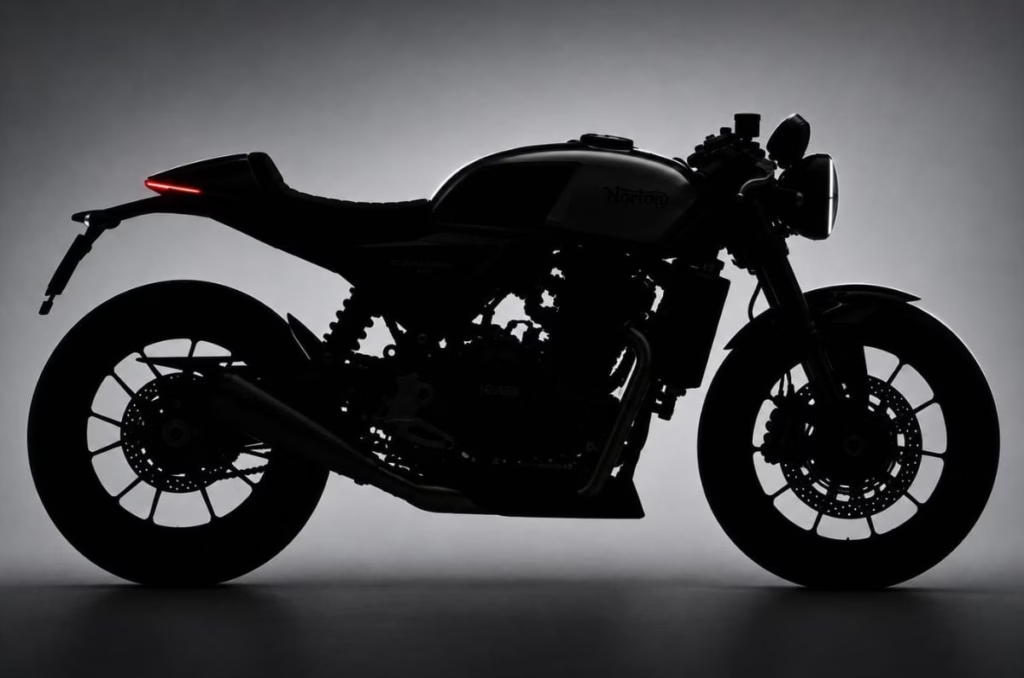
A silhouette of the soon-to-debut single-cylinder Norton

Norton Motorcycles will premiere its much-awaited 450cc-class single-cylinder roadster at EICMA 2026 in Milan, expanding its range with a motorcycle aimed at higher volumes in India and overseas. Autocar Professional expects the motorcycle to produce around 40-45hp and 40-45Nm. The engine is likely to be liquid-cooled and is expected to come with a 6-speed gearbox. The roadster will be the first model on a new platform understood to be called the H-series, with other body styles to follow. It will sit below the TVS Motor-owned British marque’s twin-cylinder Atlas range and V4-powered Manx family.

  1. Norton Atlas is expected to first launch in India, in Q1 2027
  2. New Norton single-cylinder motorcycle will launch overseas and in India simultaneously
  3. Will also be manufactured at TVS’ Hosur plant

New Norton single-cylinder platform at EICMA 2026

Expected to launch in India and overseas in 2027

Autocar Professional understands that TVS plans to begin Norton’s India rollout in the January-March 2027 quarter, if not sooner, starting with the Atlas, followed by the Manx. The H-series roadster is expected to launch simultaneously in India and global markets in the second half of 2027. Responding to queries from Autocar Professional, a Norton spokesperson said the brand’s India introduction would follow its appearance at this year’s Milan show. “Norton is set to launch in India soon following the brand’s presence at EICMA this year, when the next key stage of the resurgence will be revealed,” the spokesperson said. The company has not officially confirmed the roadster’s platform name, engine capacity, output, pricing or sales timeline.
Norton has recently trademarked three names in India – Roven, Inter and Avalon and the first single cylinder bike may bear one of them. In 2025, the company also trademarked the Norton Electra name here, and this followed on the trademarking of the Norton Combat name in 2023.

Reimagined Norton under TVS

Design and ease of use is at the new Norton’s core

Differentiated design is central to TVS’s effort to give Norton a contemporary identity while retaining its British heritage. Simon Skinner, Head of Design, Norton Motorcycles, is leading the development of a design language connecting the brand’s products across capacities and categories. The roadster will extend that approach to a motorcycle intended to sell in larger numbers.

As we have seen with the thoroughly modern designs on the Atlas and V4, it is safe to anticipate modern, pared-back styling, with selected mechanical components exposed and others concealed. This could help distinguish the roadster in a segment where several competitors draw heavily on retro styling. According to Norton, the Manx R received the “Best of the Best” distinction at the 2026 Red Dot Award: Design Concept. Norton Design was also recognised at the 2026 International Design Excellence Awards in the United States.

The roadster is expected to prioritise manageable weight and ease of use, particularly in city riding. It could feature 17-inch wheels and equipment drawn from Norton’s larger motorcycles, potentially including an eight-inch TFT touchscreen, riding aids and multiple riding modes. Final specifications remain unconfirmed.

Taking on Royal Enfield

How does Norton plan to combat the 350cc onslaught?

The platform represents a significant bet on the global mid-size motorcycle market. The opportunity spans roughly the 350cc-750cc categories, with annual volumes estimated at around 15 lakh-20 lakh units. This broad classification includes motorcycles marketed as 350cc models whose actual displacement is slightly lower.

It will bring Norton into closer competition with Royal Enfield and Triumph in India and overseas. However, the new single-cylinder Nortons will face a specific challenge in India. That is the fact that they will not come under the 350cc segment, unlike the massively popular RE 350 range and the recently re-engineered 349cc Triumph line in India. The result is that they will attract the much higher 40 percent GST rate instead of 18 percent. Norton is likely to position these bikes at a premium that will be justified by higher levels of technology and a heavy focus on design, quality and detail.

Royal Enfield’s dominance in India demonstrates the demand for motorcycles used for daily travel, touring and leisure riding. Its extensive dealer network, broad product range and established riding community also present a substantial challenge for Norton. Overseas, Royal Enfield has expanded into many of the markets the TVS-owned British marque is targeting. For TVS, the single-cylinder Norton offers a way to participate more widely in this market. Additional body styles on the same platform would help spread development costs and reach buyers with different riding preferences.

The India distribution plan

TVS is yet to confirm showroom rollout schedule for India

Norton’s design and heritage will form part of its appeal, but pricing, service coverage and parts availability will be important to building sustained sales, particularly in India. TVS had said in June that the Norton Atlas would be introduced in India later in the year. It had also scheduled the launch of TVS Paddock, its premium retail channel for both Norton and select premium TVS products, for the second quarter of FY27. The latest official response did not provide an updated Paddock rollout schedule.

Current preparations are understood to point to around three Paddock outlets by December, although a larger network is being sought. The number of outlets that will be operational when motorcycle sales begin has yet to be finalised. The company said it now has more than 50 retailers across 10 markets, including the UK, Italy, France, Germany and Spain. Preparations for a United States launch are continuing, subject to the final stages of vehicle certification.

Norton said its European test-ride programme had introduced the new motorcycles to thousands of riders. Foster + Partners has designed its showroom environments. TVS acquired Norton in April 2020. Its FY2025-26 annual report records investments exceeding GBP 250 million in rebuilding the business and identifies the marque as an important part of its premium-isation strategy, particularly in developed markets.

India already supports that expansion through manufacturing. The first Atlas motorcycles rolled off TVS’s Hosur production line in June, combining Norton’s UK design and engineering with its parent’s manufacturing operations. Production for the new single-cylinder range will also be out of Hosur.

With inputs from Anurag Chaturvedi and Rishaad Mody.

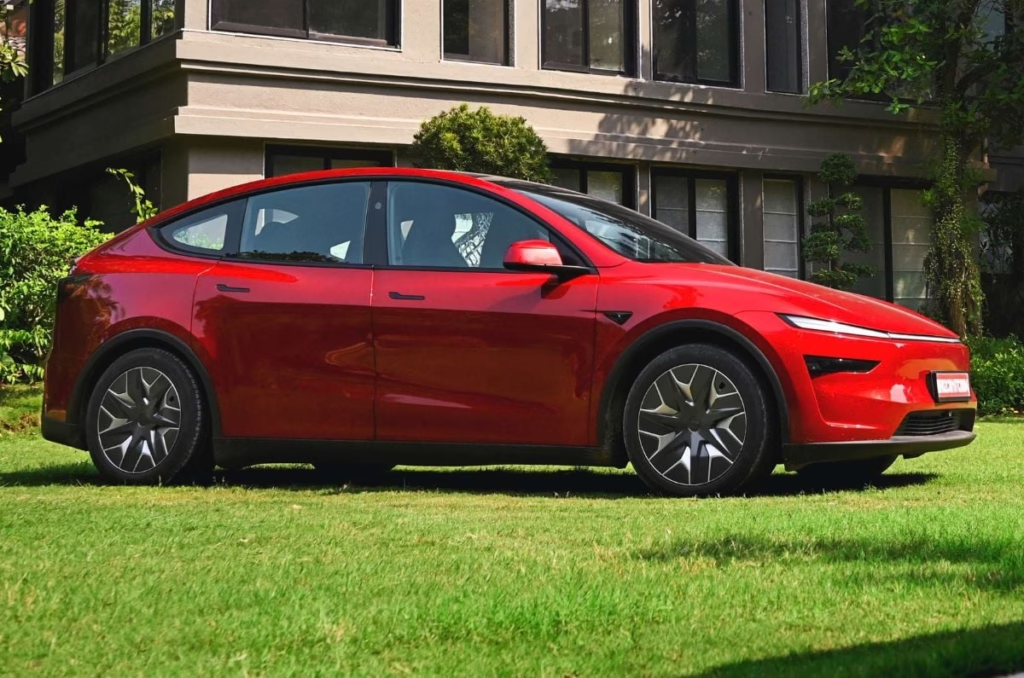
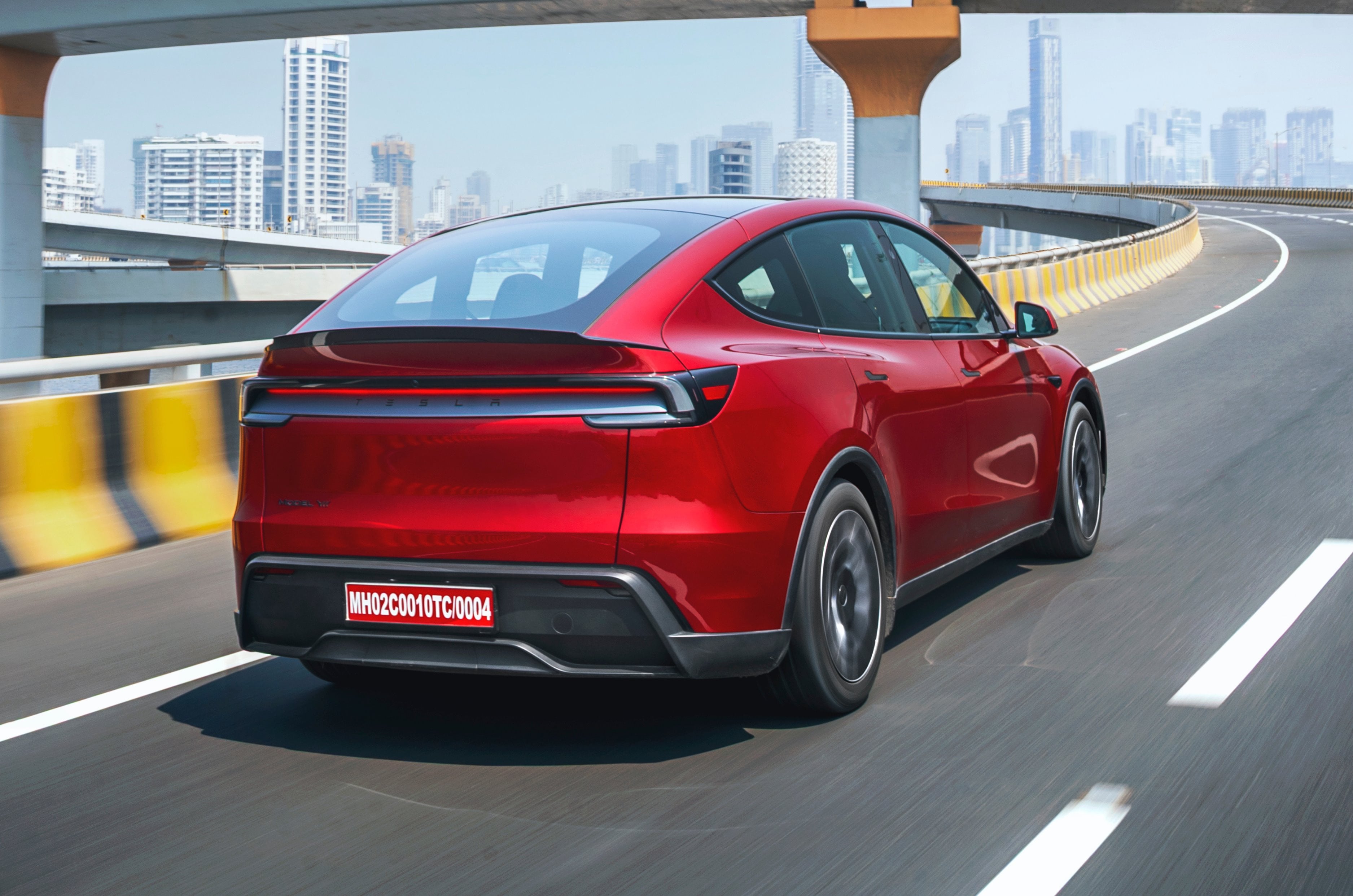
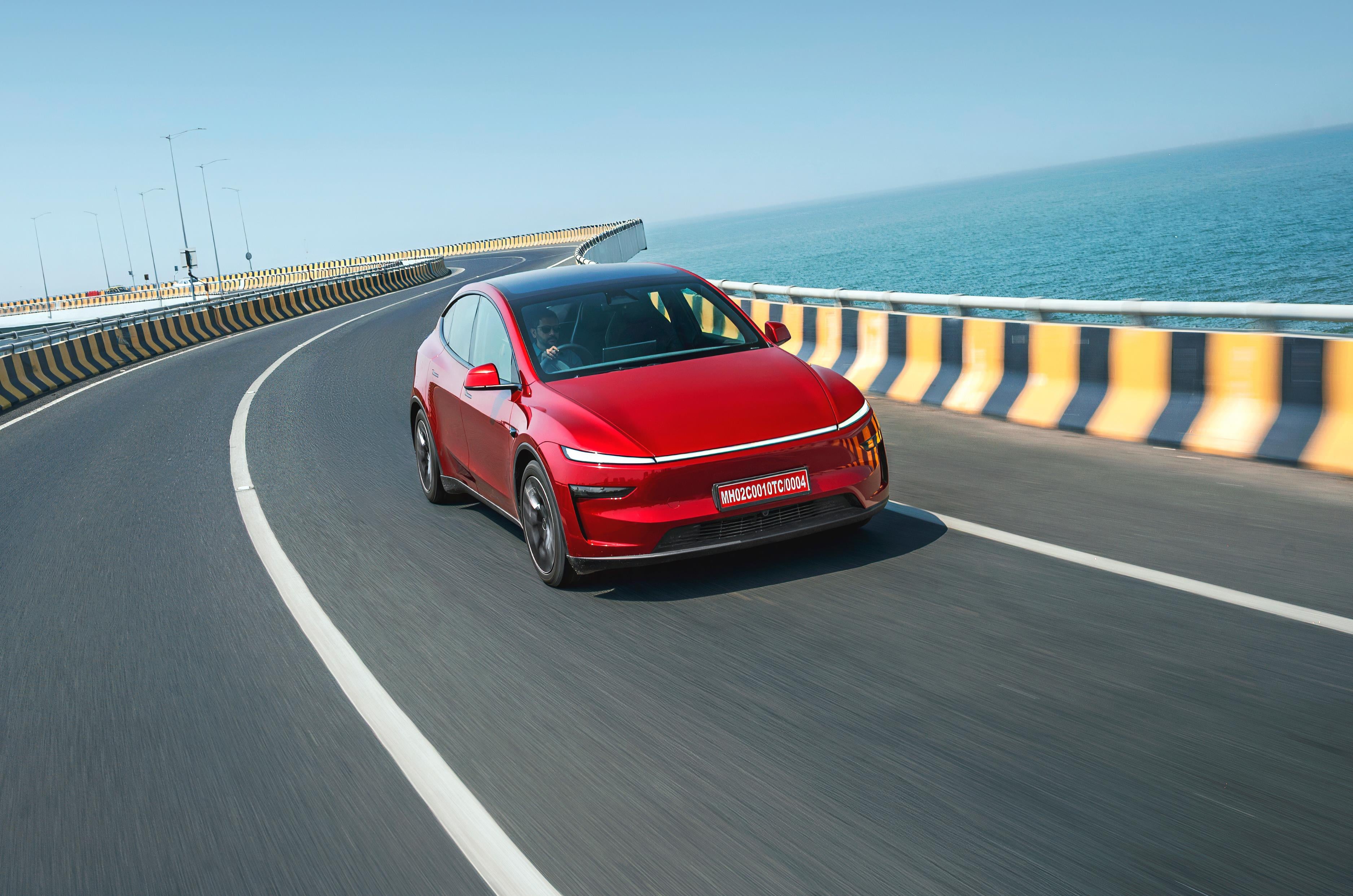
4 reasons to buy the Tesla Model Y L and 3 reasons not to

4 reasons to buy the Tesla Model Y L and 3 reasons not to
Tesla Model Y L front quarter

The Model Y L is the long-wheelbase, 6-seat version of Tesla‘s Model Y SUV. Priced at Rs 61.99 lakh (ex-showroom), it costs Rs 11.10 lakh more than the rear-wheel-drive Model Y. It is also pricier than rivals such as the BMW iX1 LWB and BYD Sealion 7. But does the Y L justify that premium? Here’s how it stacks up.

Reasons to buy the Tesla Model Y L

Spacious and quiet

Extra length frees up more room, while its cabin is remarkably hushed

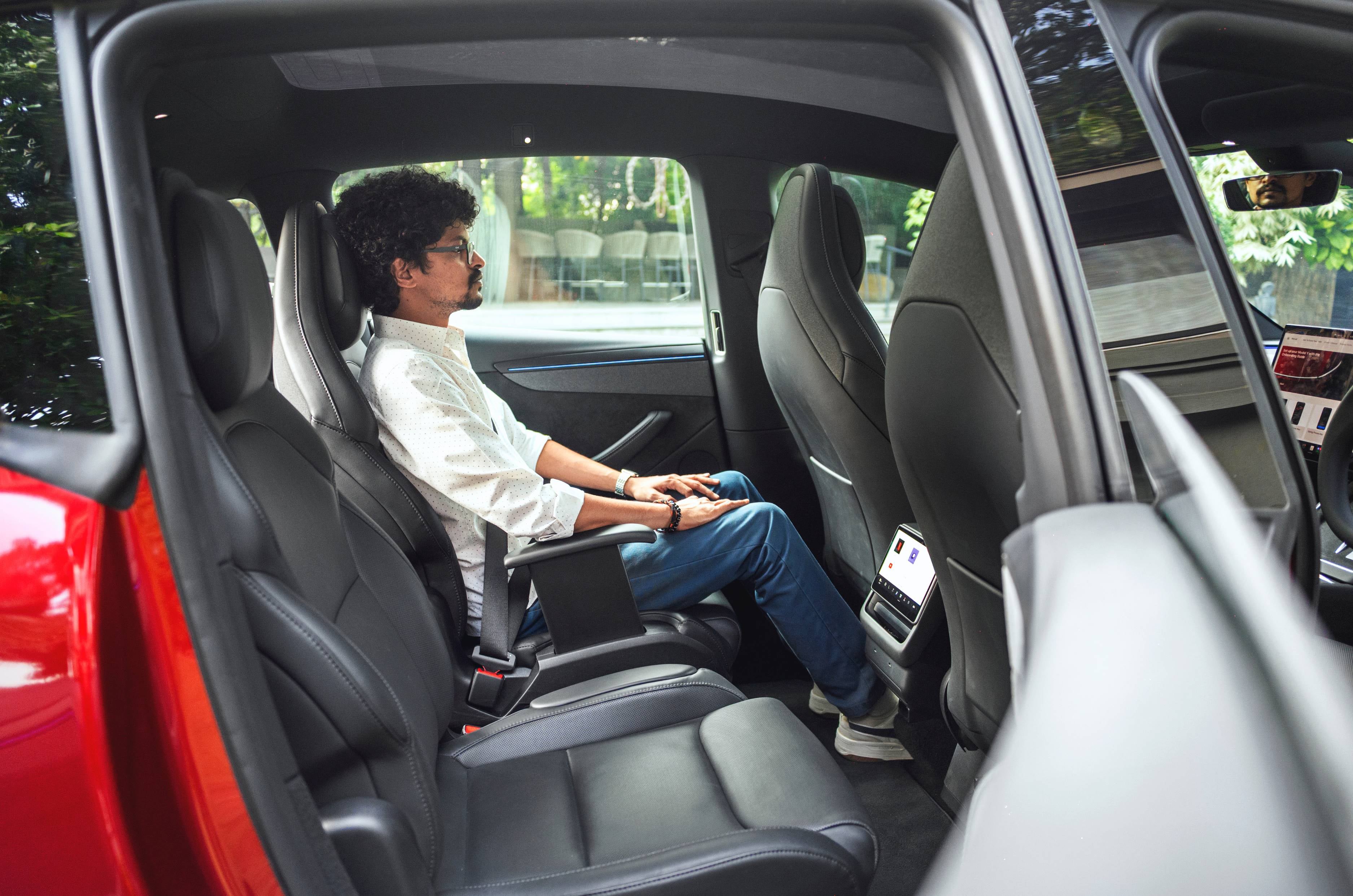
Tesla Model Y L second row

With a 3,040mm wheelbase, the Model Y L is 150mm longer between the axles than the standard Model Y. It’s also 40mm taller, freeing up noticeably more space on the inside. The Y L is a 6-seater with front seats that are comfy and get extended under-thigh support. The individual captain’s chairs in the middle row are very comfortable and feature powered armrests, plus heating and cooling functions. Passengers seated here won’t complain about legroom or headroom.

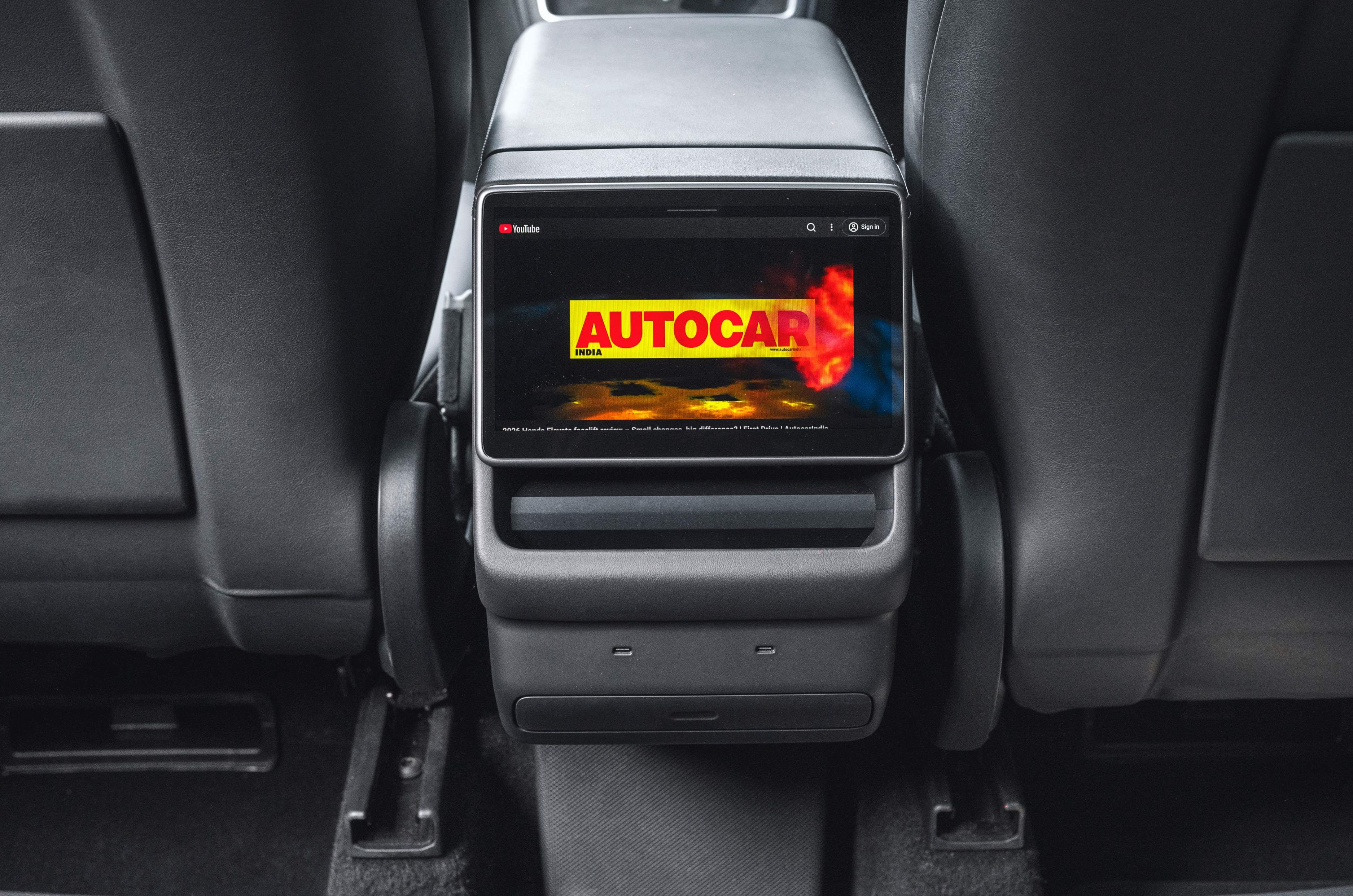
Tesla Model Y L rear screen

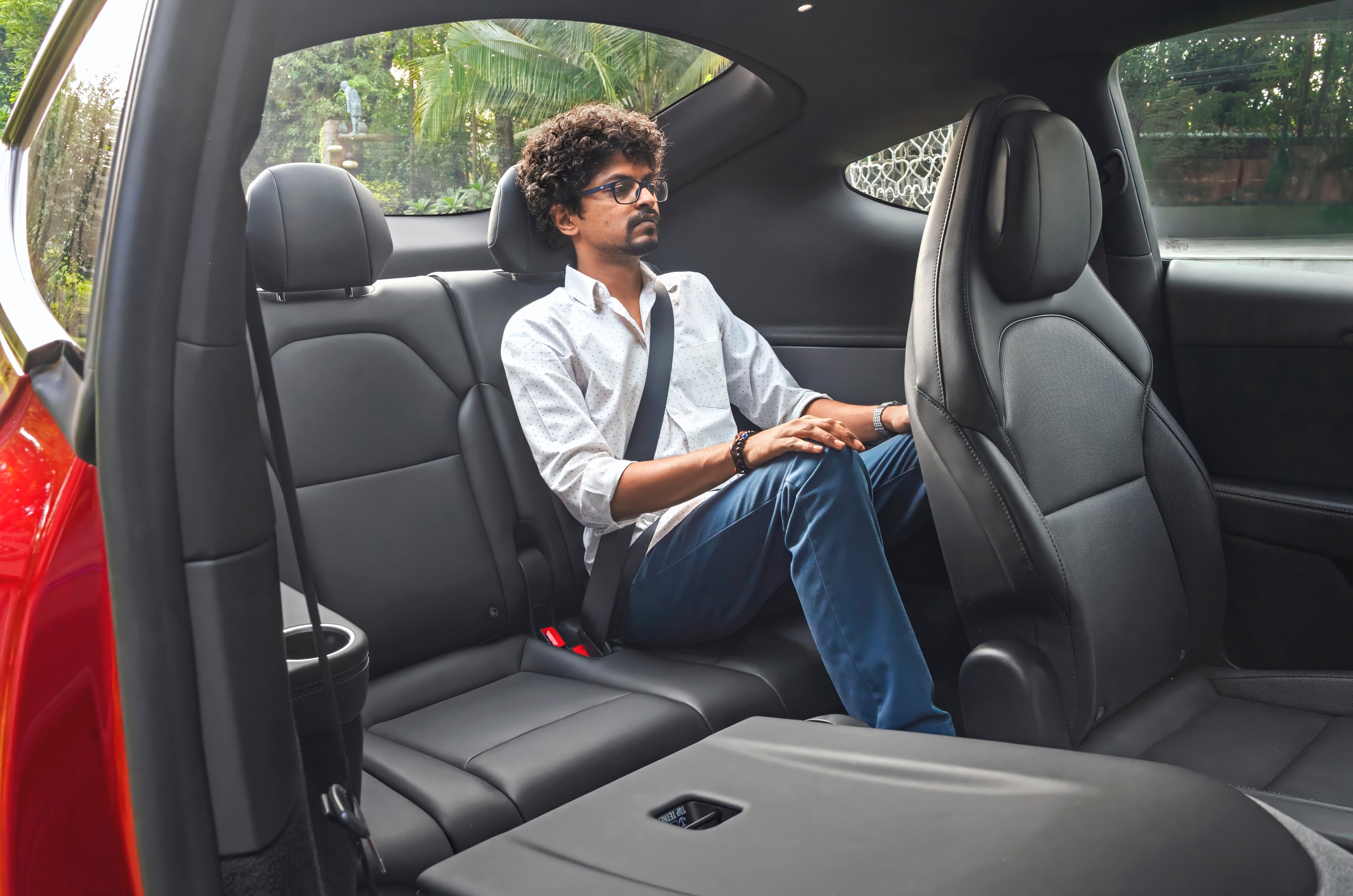
Adding to their convenience is an 8-inch touchscreen capable of playing videos, plus cupholders and charging ports. Unlike many three-row offerings, the third row of the Model Y L has enough space for adults to sit in reasonable comfort. The inclusion of dedicated AC vents, cupholders and Type-C ports comes in handy as well.

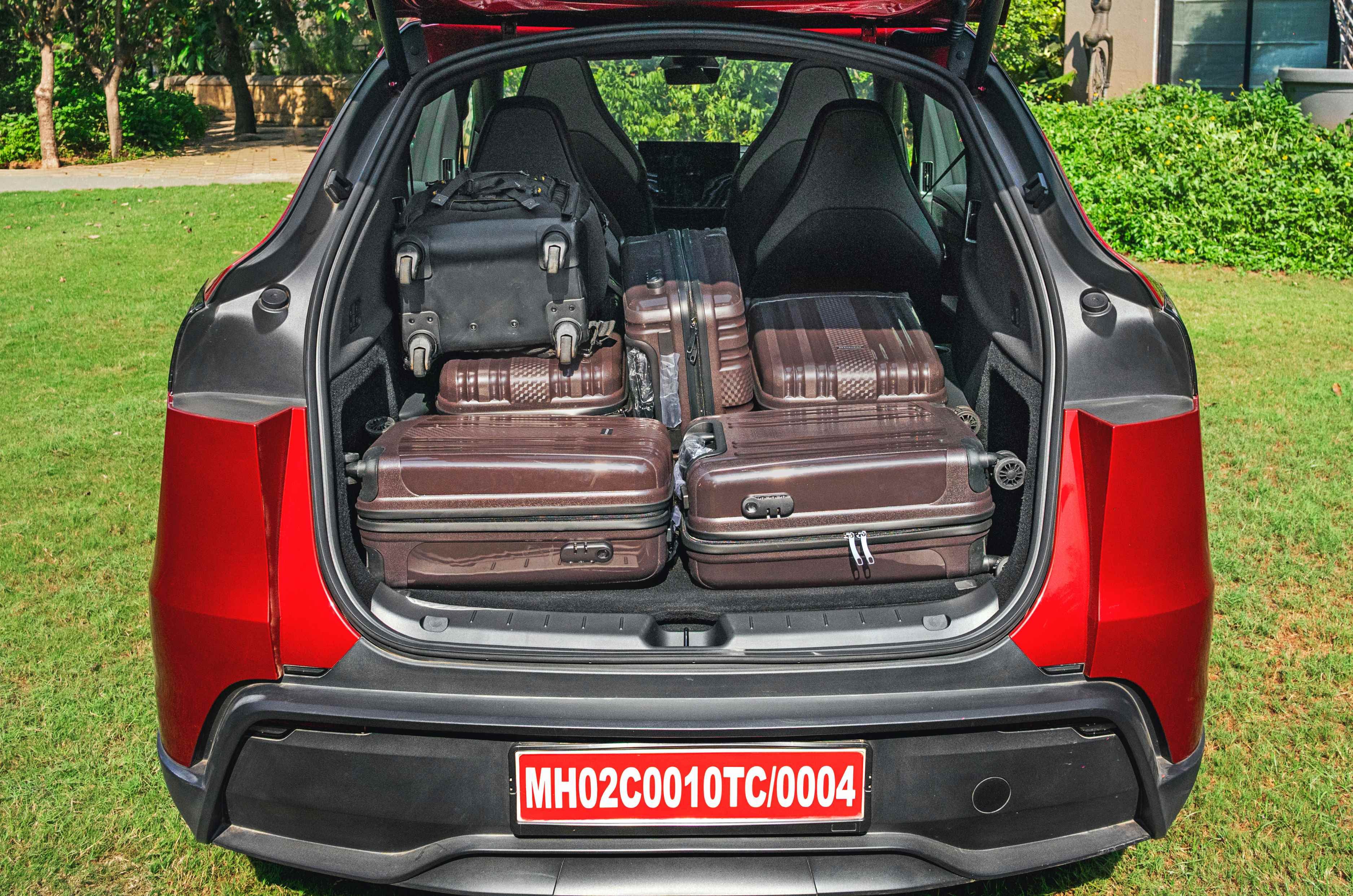
Tesla Model Y L boot

Another pro here is the Model Y L’s boot, which is rated at 420 litres with all seats up – this grows to a capacious 1,076 litres with the third row folded. Then there’s some more space under the boot floor, and a 117-litre frunk, should you need even more luggage space. Refinement is another strong point of this cabin. It’s remarkably quiet, thanks to the double-glazed windows that shut out most of the wind, tyre and road noise.

Loaded with tech

Long list of features will keep tech-savvy folks entertained

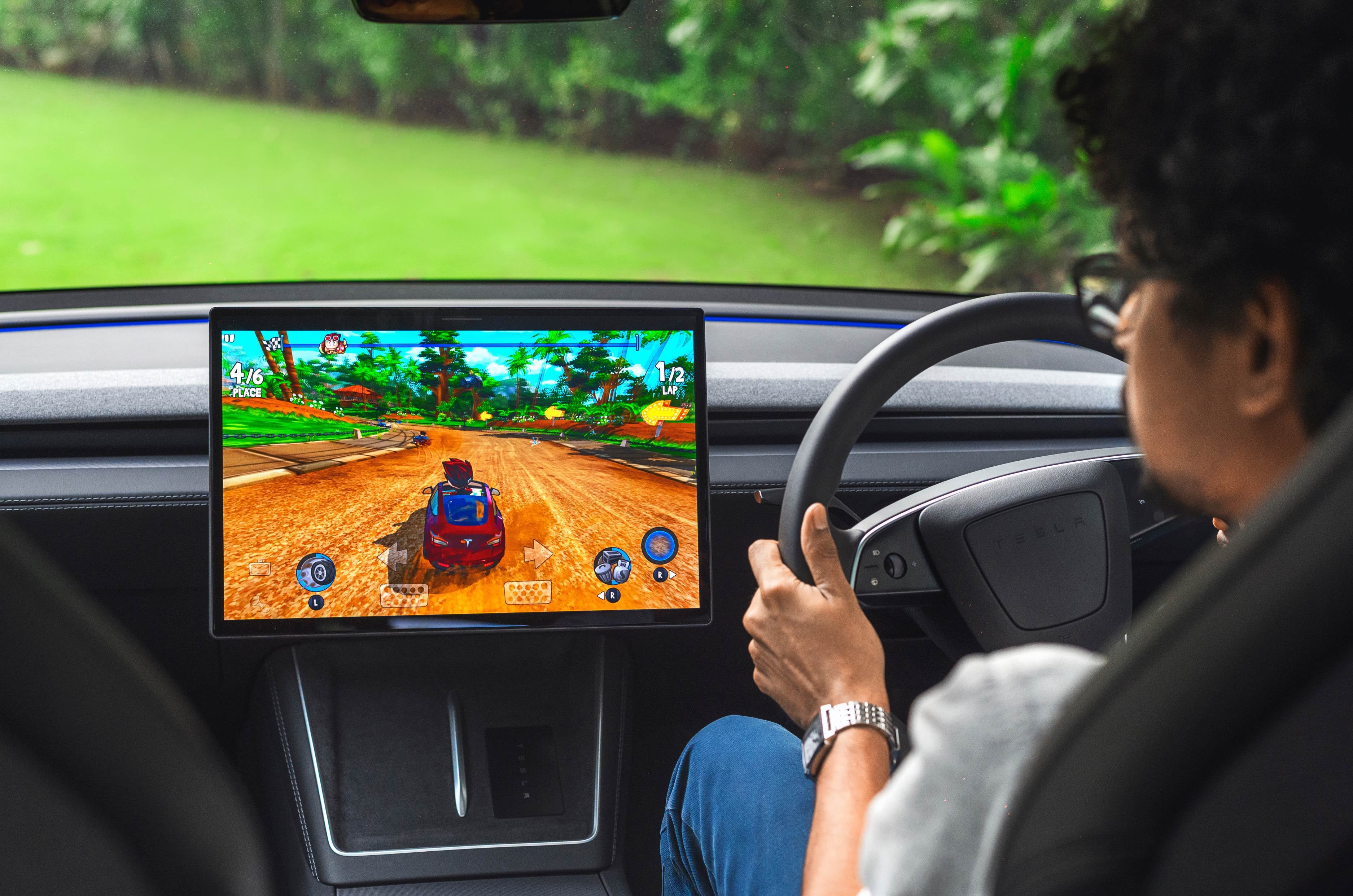
Tesla Model Y L touchscreen

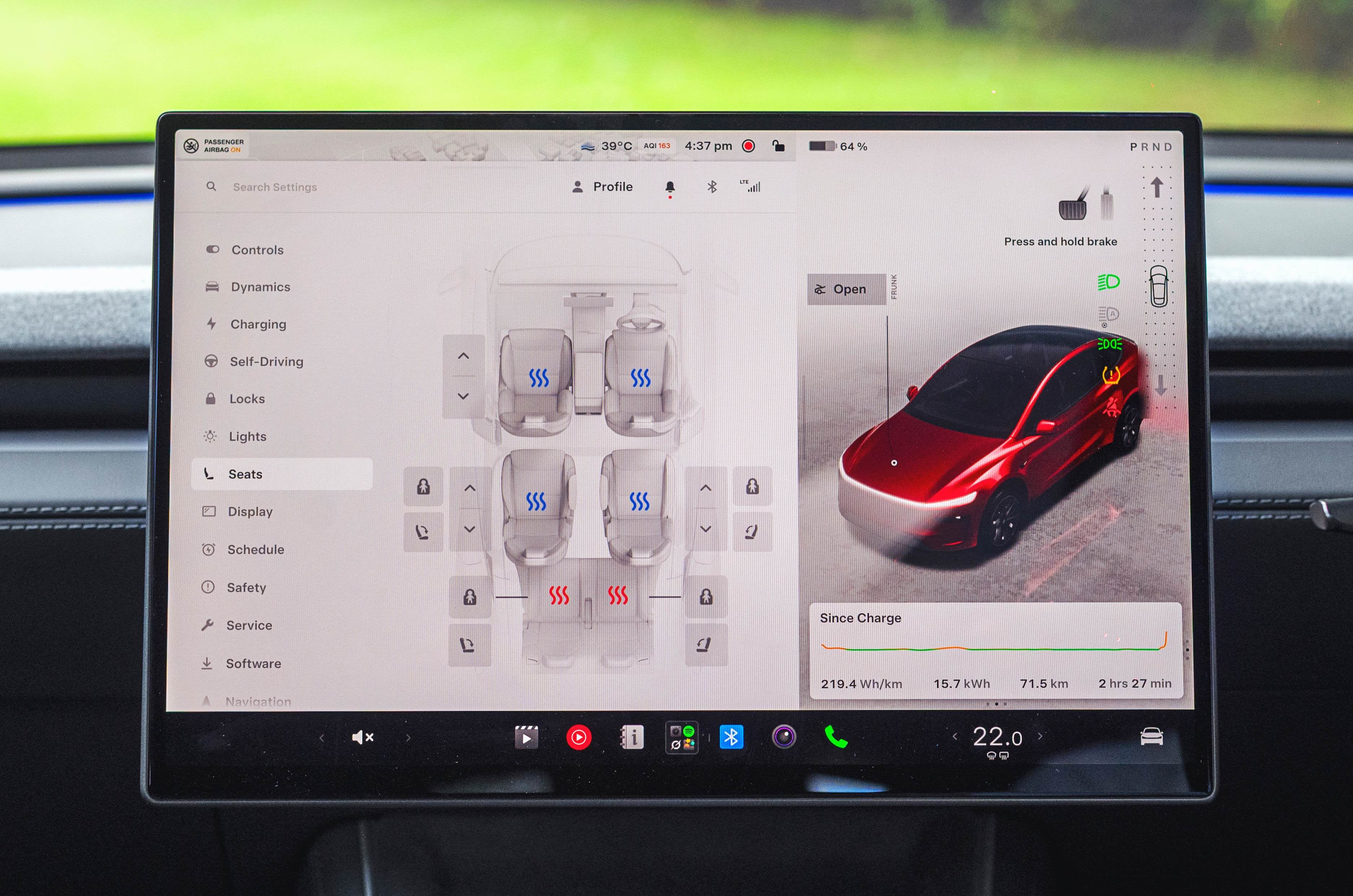
Taking centre stage on the otherwise minimalistic dashboard is the massive 16-inch touchscreen, which is easily among the sharpest and most responsive units around. Its integrated Grok AI assistant is capable of handling tasks such as setting the climate control, along with plotting routes on the navigation system and of course, finding suitable chargers. The assistant understands multiple languages and also learns the user’s preferences over time.

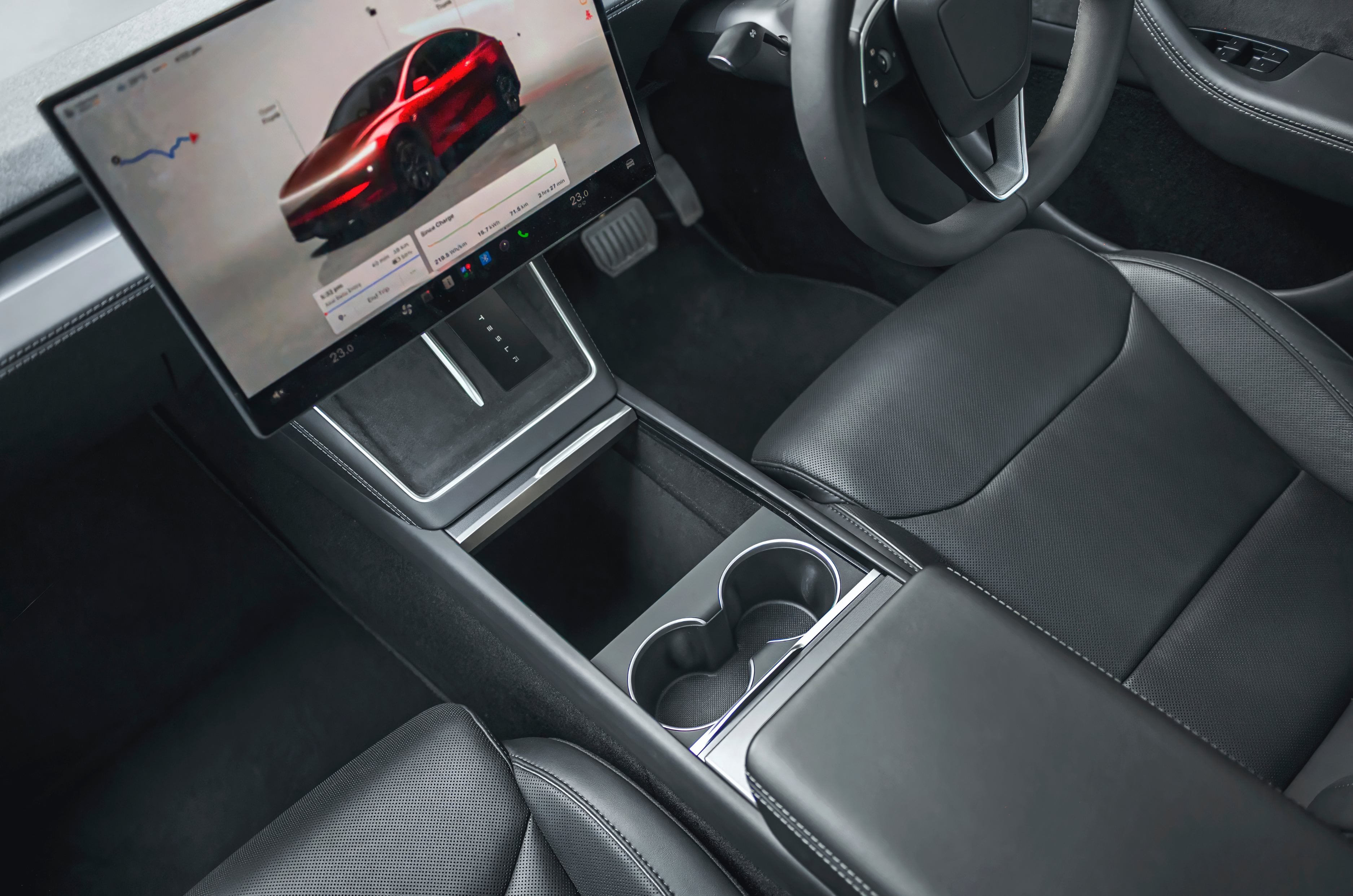
Tesla Model Y L centre console

The Tesla Model Y L’s feature highlights include an 18-speaker audio system with a subwoofer, dual wireless chargers, multi-colour ambient lighting and a panoramic glass roof. The front and middle-row seats are heated, ventilated and powered, while the third-row seats get a heated function too. Safety kit includes 9 airbags, lane-keeping assist, blind-spot monitoring, and high-definition surround-view cameras. As with every Tesla, the Model Y L can also receive over-the-air (OTA) updates.

Brisk performance, composed ride

Dual-motor Model Y L is seriously quick for a family car

Tesla Model Y L rear quarter tracking

Where the standard Model Y is rear-wheel drive only, the Y L uses two motors and all-wheel drive (AWD). While Tesla hasn’t released official power figures, it’s estimated to output 514hp and 590Nm of torque. Tesla also claims a 0-100kph time of 4.5 seconds, which is quick for a two-tonne SUV. The Model Y L doesn’t feel intimidating to drive, with power building smoothly and the AWD system providing plenty of grip. In addition to the ‘Chill’ drive mode, the Y L also gets a ‘Sport’ mode.

Tesla Model Y L handling

There are no issues overtaking slower-moving traffic, as the Model Y L gets past them effortlessly. The regenerative braking is smooth as well. When you’re ambling around town, the ‘Standard’ regen setting is more than adequate and progressive, so you can drive without stepping on the brake pedal most of the time. The revised suspension of the Model Y L also gets adaptive dampers for better control over body movements and a more composed ride over the standard model.

Long range

Y L has the legs over the standard Model Y

Tesla Model Y L charging

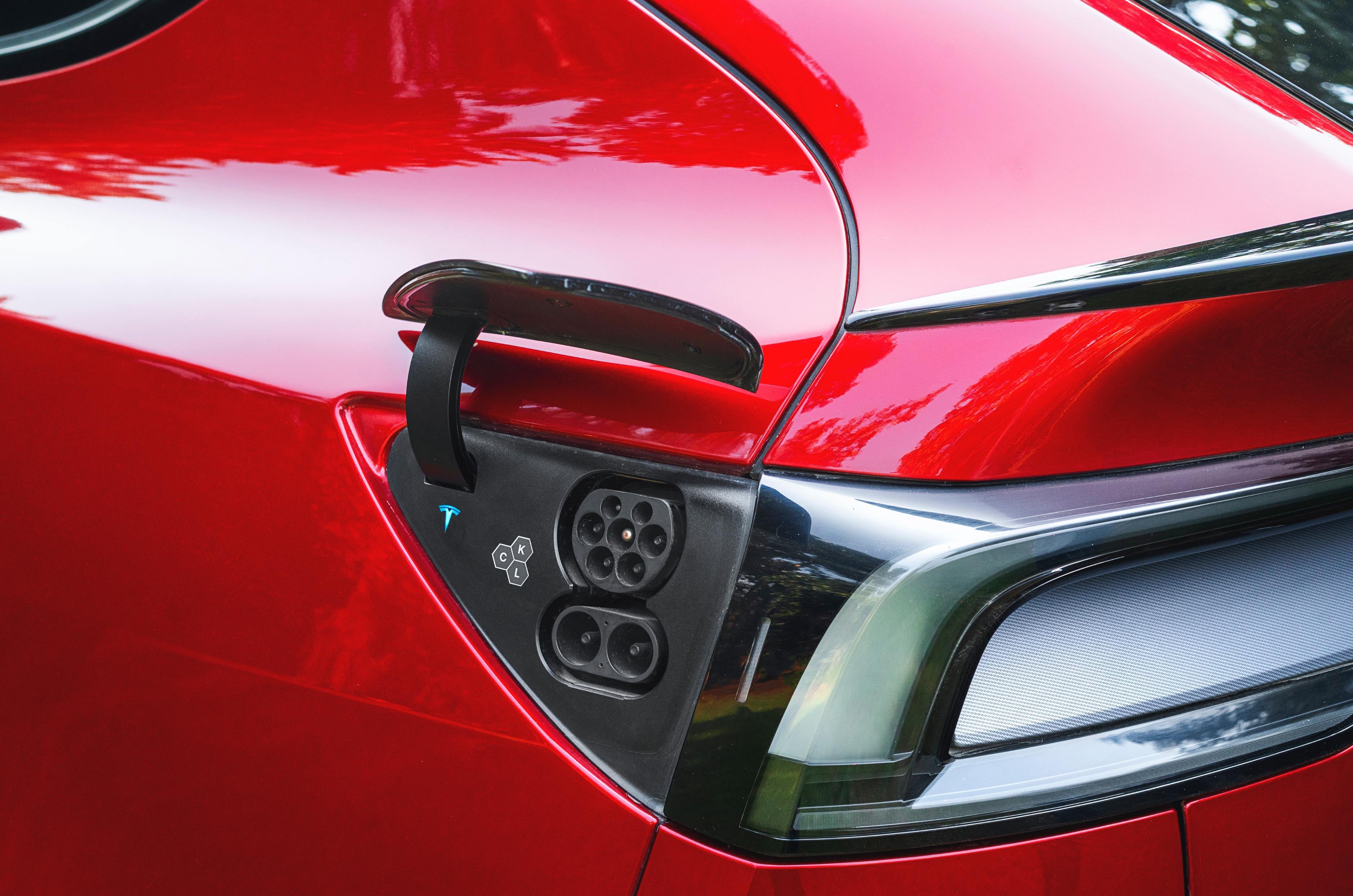
The Model Y L uses an NMC battery pack estimated to be rated at 88kWh, as Tesla doesn’t usually publish the official battery capacity. The American brand does claim a WLTP range of 681km for the Model Y L, which is more than that of the rear-wheel-drive Model Y. DC fast charging of up to 250kW is supported, while AC charging is rated at 11kW. Plug it into a Tesla Supercharger, and the Model Y L can gain up to 288km of range in 15 minutes.

Reasons not to buy the Tesla Model Y L

Big footprint, low clearance

Large dimensions and low ground clearance call for extra care in town

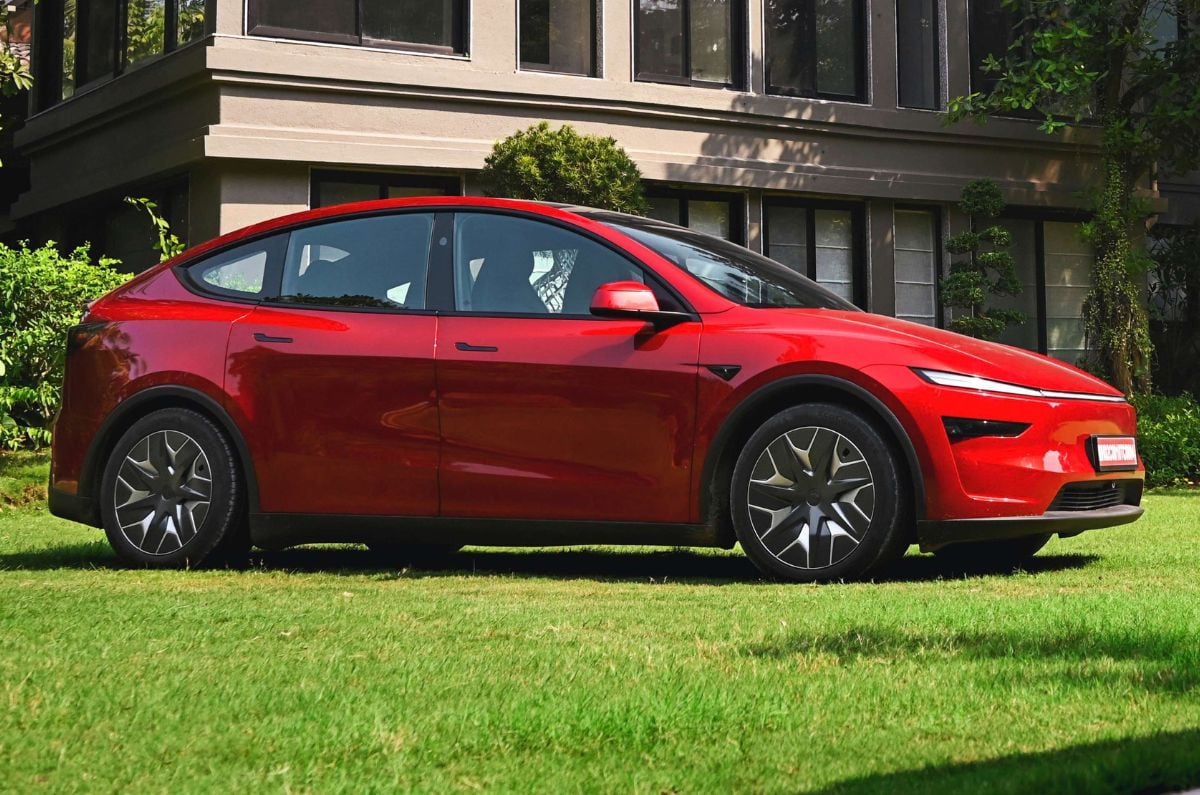
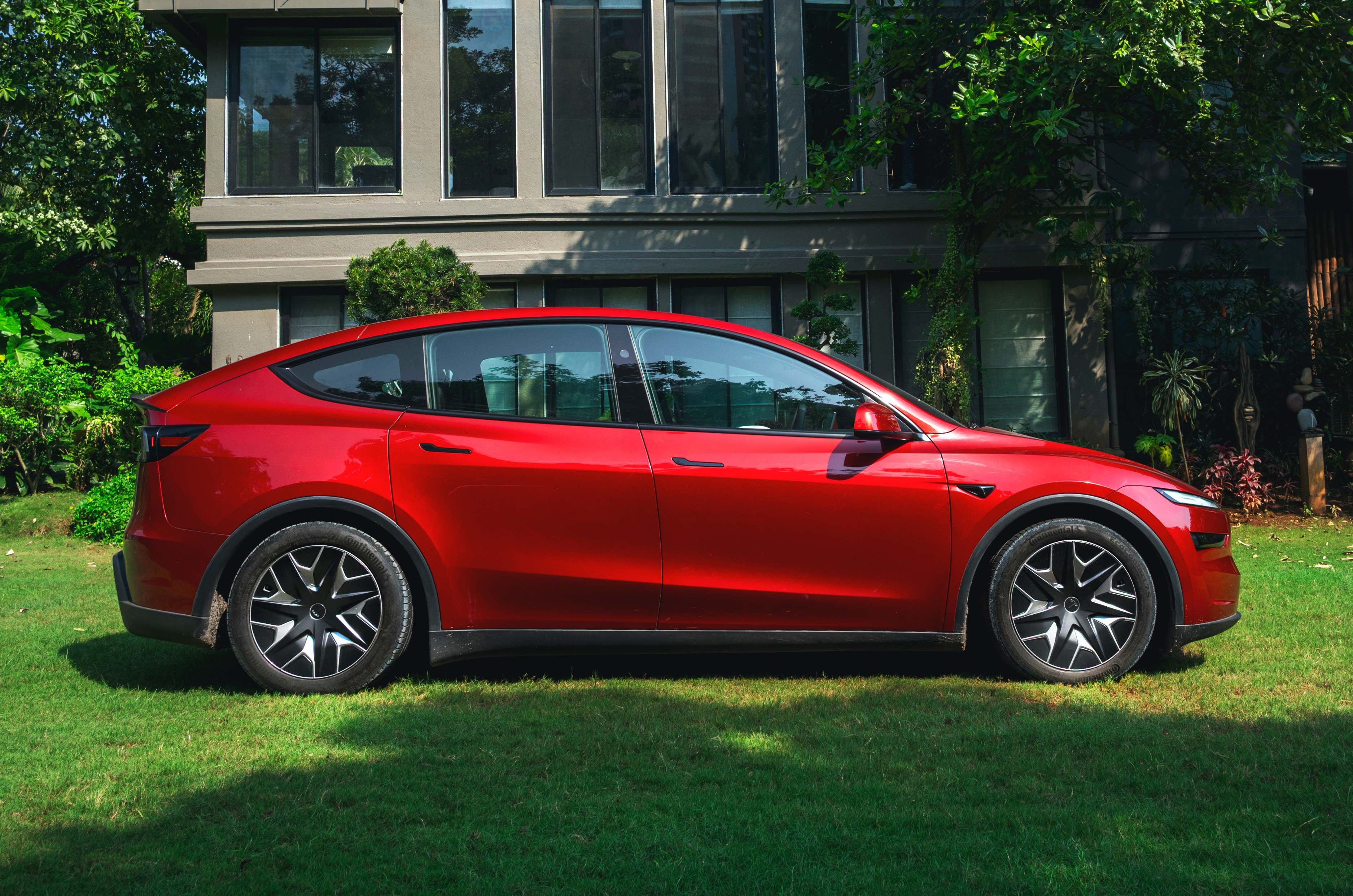
Tesla Model Y L side

The Model Y L’s large dimensions make driving it in tight spaces a bit of a chore. Despite the light steering, its large turning circle makes parking this Tesla quite a tricky affair. Another issue is the ground clearance, or lack thereof. At just 166mm (unladen), large speed breakers need to be tackled carefully to avoid scraping the underbody.

Over-reliance on the touchscreen

Even basic functions are buried in menus

Tesla Model Y L touchscreen menus

Unless you’re tech-savvy, the lack of physical buttons or shortcuts will get on your nerves. Almost every function on the Model Y L is controlled through the touchscreen. Simple tasks like changing the climate settings, adjusting the mirrors or opening the frunk all require you to dig through menus. Getting used to this setup will take time, and it can easily become distracting while driving.

Hot cabin, awkward third-row access

Large glass area and third-row access come with their own cons

Tesla Model Y L glass roof

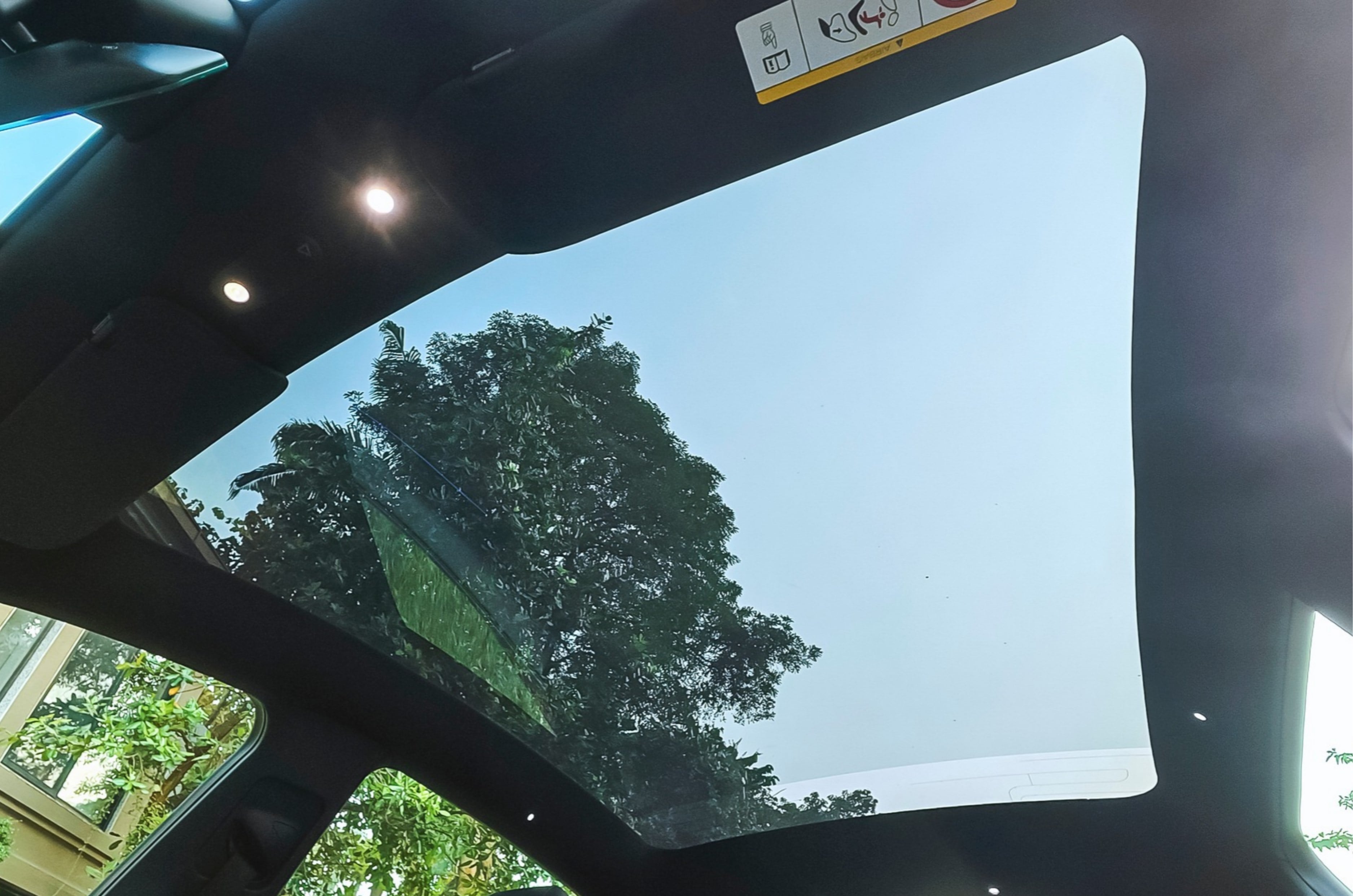
The Tesla Model Y L doesn’t get any blinds for its windows or a cover for its massive glass roof – instead making do with a tint. Considering the expansive glass area, this cabin heats up quickly on sunny days. The rear windscreen does without any tints, which only adds to the problem for third-row passengers.

Tesla Model Y L third row

Getting to this last row is a cumbersome task, requiring you to squeeze in between the narrow gap of the middle-row seats. The seats are also slow to fold out of the way. Once you’re sat in the third row, you’ll have to assume a knees-up position.

Kolkata Durga Puja Stampede: ‘पंडाल गिर जाएगा’, माइक पर हुई अनाउंसमेंट और फिर मच गई भगदड़! कोलकाता हादसे में 19 की मौत

शनिवार शाम को कोलकाता नॉर्थ में दुर्गा पूजा के एक पंडाल में भगदड़ मचने से 19 लोगों की जान चली गई। इस मामले में पुलिस ने सात लोगों को गिरफ्तार किया, जिनमें ज्यादातर पूजा आयोजन समिति से जुड़े हैं। पश्चिम बंगाल के मुख्यमंत्री सुवेंदु अधिकारी के मुताबिक, शुरुआती जांच में सामने आया कि पंडाल गिरने की आशंका को लेकर की गई घोषणा के बाद वहां अफरा-तफरी मच गई। जिससे बाद ये दर्दनाक हादसा हो गया। फिलहाल पुलिस मामले की जांच कर रही है और हादसे की असली वजह पता लगाने की कोशिश की जा रही है।

कब हुआ हादसा

कोलकाता के मशहूर दुर्गा पूजा स्थल चोर बागान में शनिवार शाम करीब 7:30 बजे यह हादसा हुआ। बारिश के कारण एक संकरी गली में बड़ी संख्या में लोग इकट्ठा हो गए थे। पुलिस के अनुसार, पंडाल के अंदर लोगों को वहां से निकलने की चेतावनी देने वाला ऐलान किया गया, जिसके बाद भीड़ में डर फैल गया। इसके चलते लोग जल्दबाजी में बाहर निकलने लगे और भगदड़ जैसी स्थिति बन गई। भीड़भाड़ वाले इलाके में मची अफरा-तफरी के कारण कई लोग इसकी चपेट में आ गए।

किया गया ये अनाउंसमेंट

टाइम्स ऑफ इंडिया की रिपोर्ट के मुताबिक, पुलिस ने बताया कि पंडाल के अंदर अनाउंसमेंट किया गया था, जिसमें कहा गया, “पंडाल की हालत बहुत खराब है। यह गिर सकता है, इसलिए कृपया यहां से चले जाएं।” शनिवार देर रात पत्रकारों से बातचीत के दौरान अधिकारी ने कहा कि शुरुआती जांच में पता चला है कि आयोजकों की ओर से की गई इस घोषणा के बाद वहां अफरा-तफरी मच गई, जिसके चलते भगदड़ जैसी स्थिति पैदा हुई और कई लोगों की जान चली गई।

फिसलकर गिरने लगे लोग

प्रत्यक्षदर्शियों के मुताबिक, बारिश से बचने के लिए बड़ी संख्या में लोग पंडाल की ओर जाने वाली संकरी गली में इकट्ठा हो गए थे। पंडाल के अंदर मौजूद लोग तेज बारिश के कारण बाहर नहीं निकलना चाहते थे, जबकि दूसरी ओर प्रवेश और निकास के रास्तों से लगातार लोग अंदर आ रहे थे। इसी दौरान गीली जमीन पर कई लोग फिसलकर गिरने लगे और उनके ऊपर दूसरे लोग भी गिर पड़े। इससे वहां अफरा-तफरी मच गई और देखते ही देखते भगदड़ जैसी स्थिति बन गई। कोलकाता के पुराने दुर्गा पूजा स्थलों में शामिल चोर बागान, हावड़ा ब्रिज से दो किलोमीटर से भी कम दूरी पर है। हादसे के बाद यहां का पंडाल बंद कर दिया गया। इसके अलावा, भीड़ को देखते हुए चेतला अग्रणी और ताला प्रतोय के पंडाल भी बंद करा दिए गए।

SIT करेगी जांच

पुलिस ने हादसे की जांच के लिए पंडाल और उसके आसपास लगे सीसीटीवी कैमरों की फुटेज जुटाई है। इस मामले में भारतीय न्याय संहिता की धारा 105 और 110 के तहत एफआईआर दर्ज की गई है। अधिकारी ने बताया कि पूजा समिति ने कोलकाता पुलिस, दमकल विभाग और कोलकाता नगर निगम से जरूरी मंजूरी ली थी। उन्होंने यह भी कहा कि कलकत्ता हाई कोर्ट के एक मौजूदा न्यायाधीश की अगुवाई में विशेष जांच दल (SIT) बनाया जाएगा, जो हादसे के कारणों का पता लगाएगा और यह जांच करेगा कि सुरक्षा व्यवस्था में कहीं कोई चूक तो नहीं हुई।

अधिकारी ने कहा कि जांच के दौरान अगर किसी की भी लापरवाही सामने आती है, तो उसके खिलाफ कानूनी कार्रवाई की जाएगी। इसमें क्लब के स्वयंसेवक, अस्थायी होमगार्ड, पुलिसकर्मी और क्लब की ओर से तैनात की गई सुरक्षा एजेंसियों के कर्मचारी शामिल हो सकते हैं। उन्होंने बताया कि सीसीटीवी फुटेज की मदद से संबंधित लोगों की पहचान की जाएगी और दोषी पाए जाने वालों पर कार्रवाई होगी।

Mahindra XUV 3XO ZNG: CNG efficiency, petrol performance

Mahindra XUV 3XO ZNG: CNG efficiency, petrol performance
Mahindra XUV 3XO CNG review

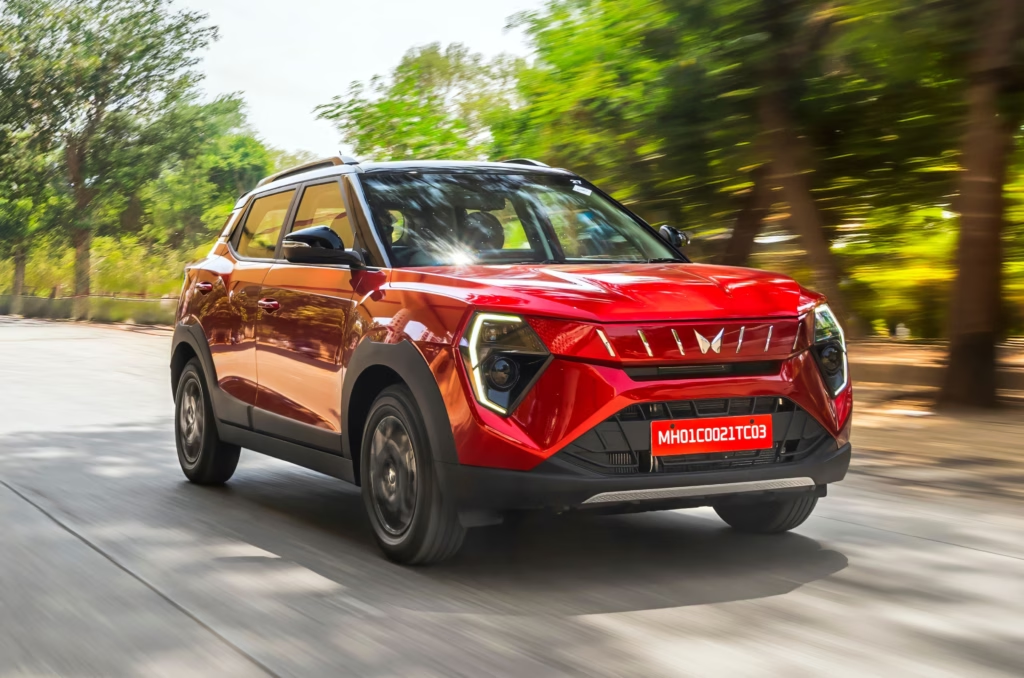
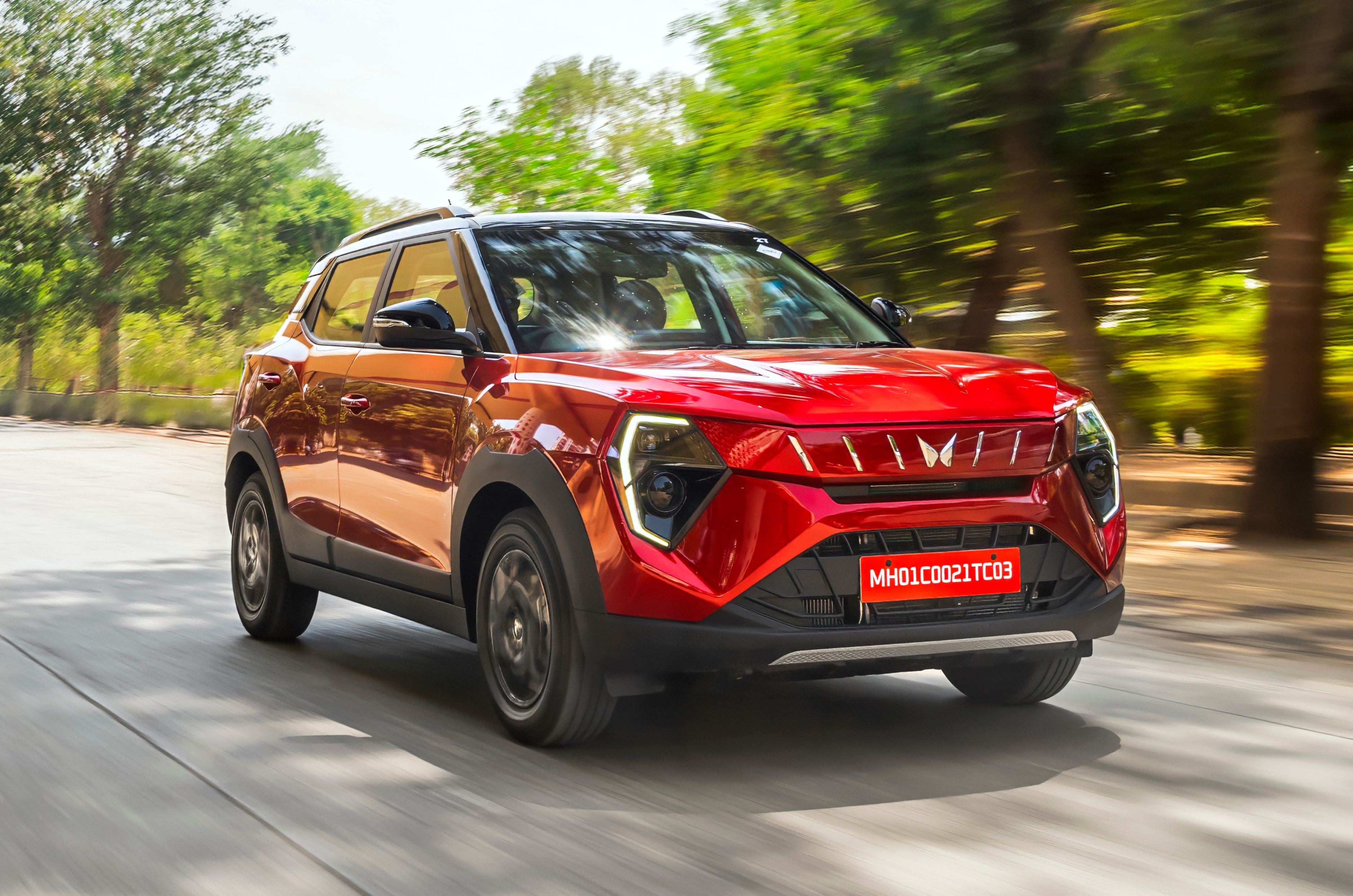
CNG is shaping up to be the new diesel. For the second year running, CNG passenger vehicles outsold diesels, accounting for 21.98 percent of the market compared to 18.08 percent for oil burners in FY2026. That is a very big deal. Big enough for Mahindra – traditionally a diesel-first brand – to sit up, take notice and want a piece of the action. Its first attempt – if you don’t count the fleet-only KUV100 CNG – is the Mahindra XUV 3XO ZNG. Read as Zee-NG and pronounced Zing. The headline is that it makes the same amount of power as the pure-petrol 3XO TCMPFi. We experienced it in Mumbai to see if it really has zing.

Mahindra XUV 3XO ZNG Exterior Design and Engineering – 7/10

Mahindra XUV 3XO ZNG

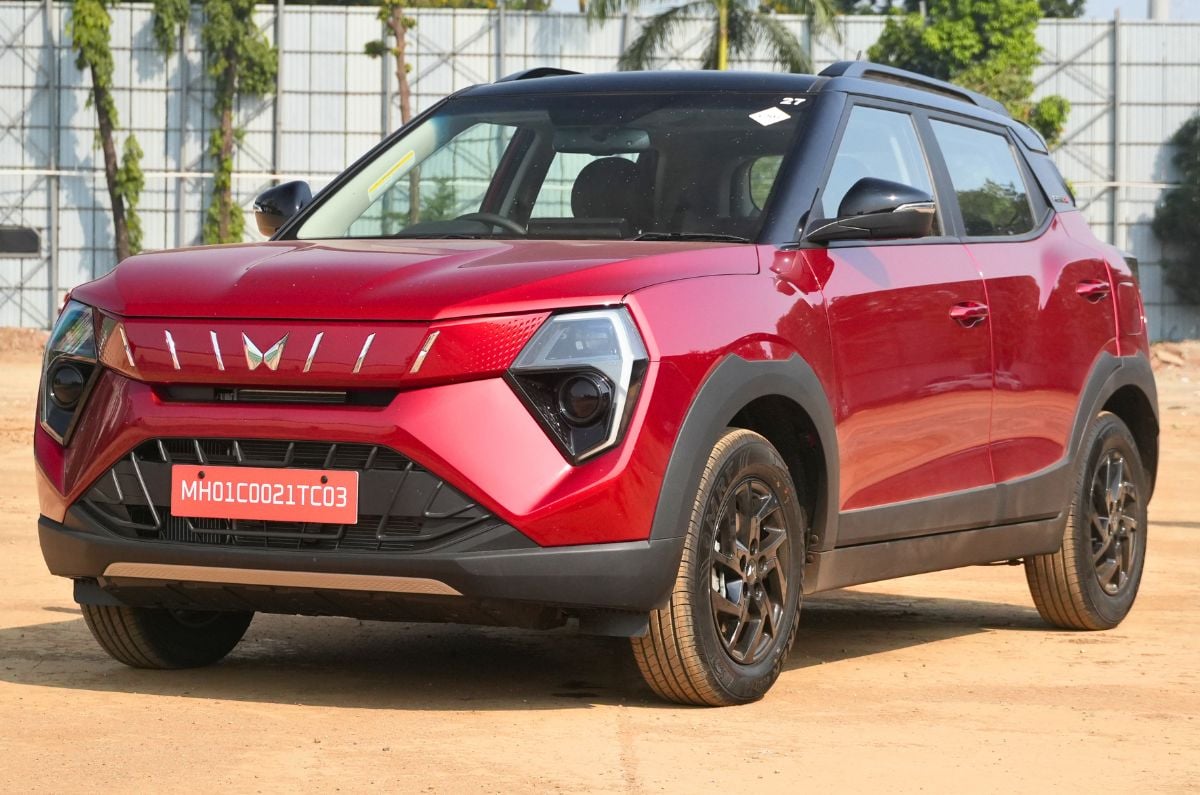
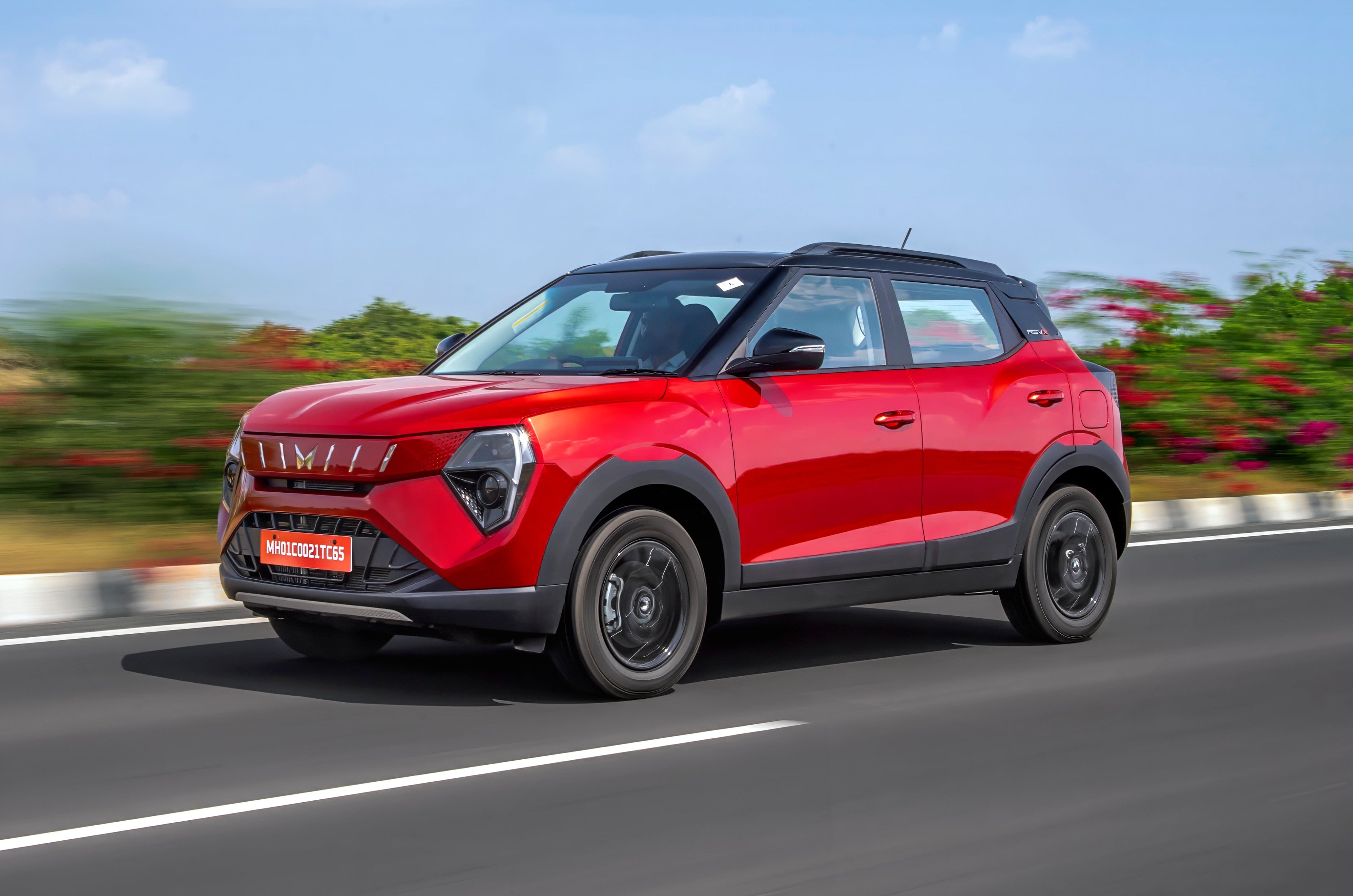
Outside, there isn’t much to tell the ZNG apart from the regular XUV 3XO. Our test car is based on the REVX trim and gets a body-coloured grille, while other trims gloss black. LED lighting is present, though fog lamps are missing even on the top REVX A CNG trim. 

Mahindra XUV 3XO ZNG
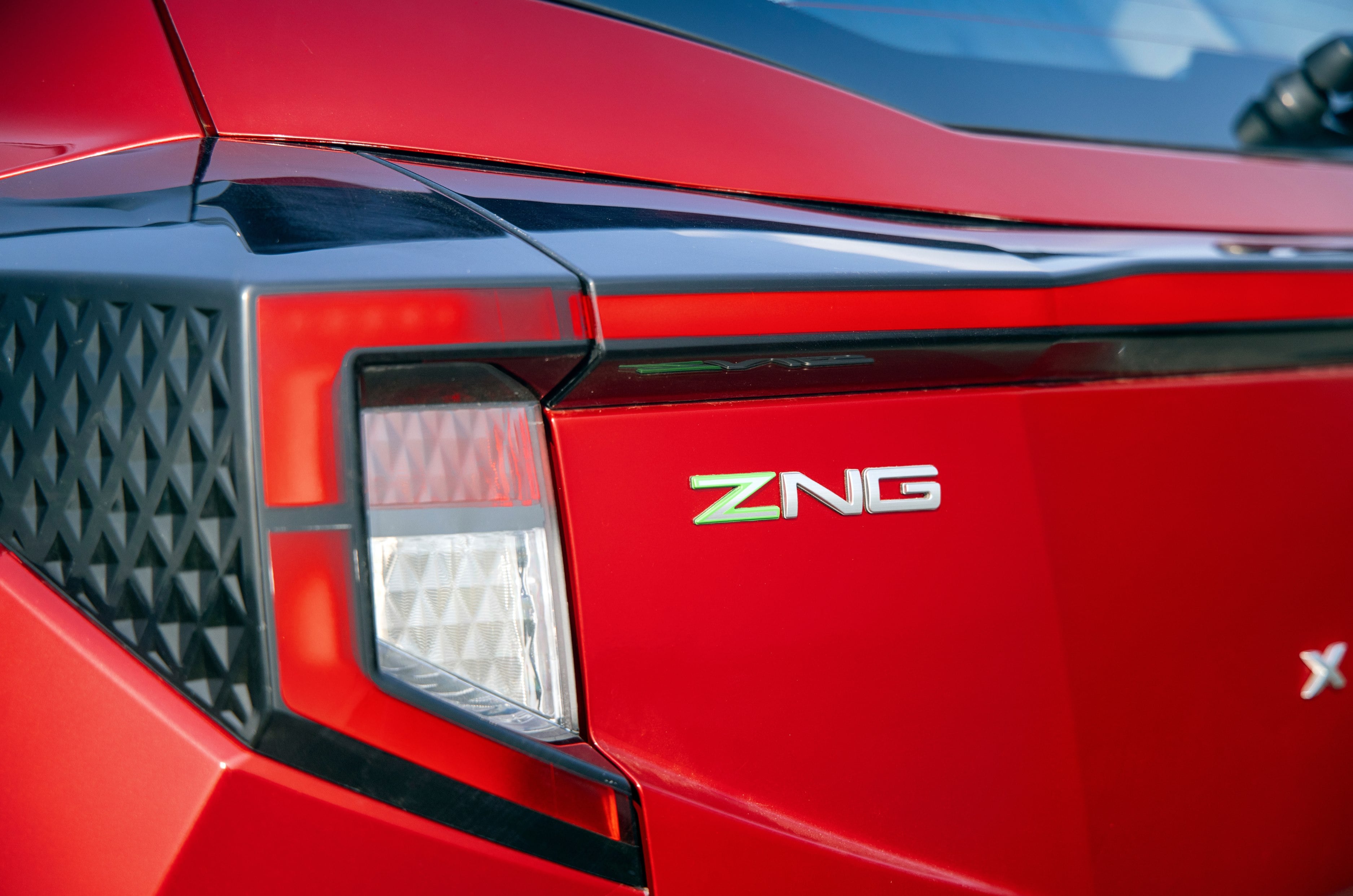
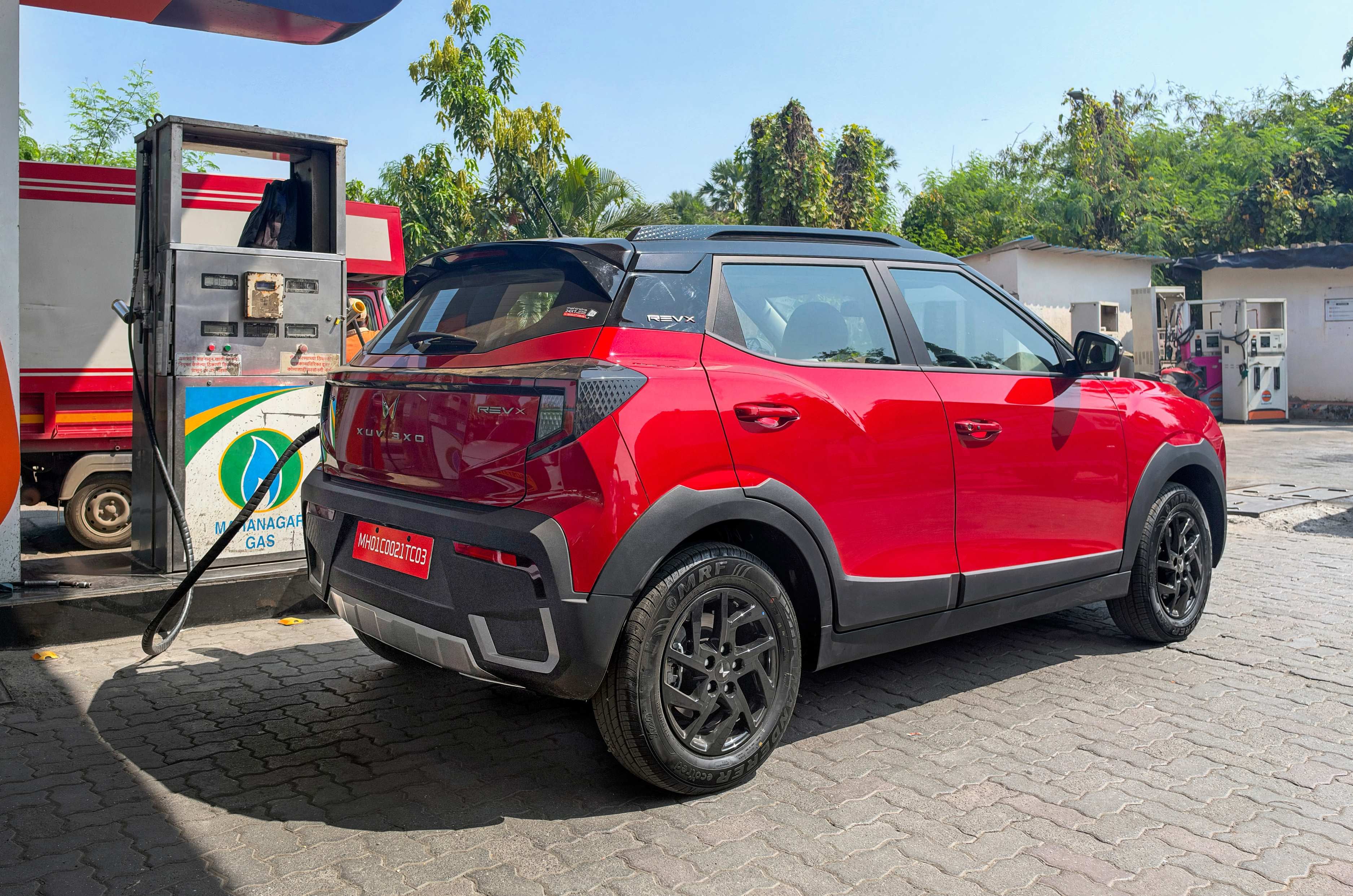
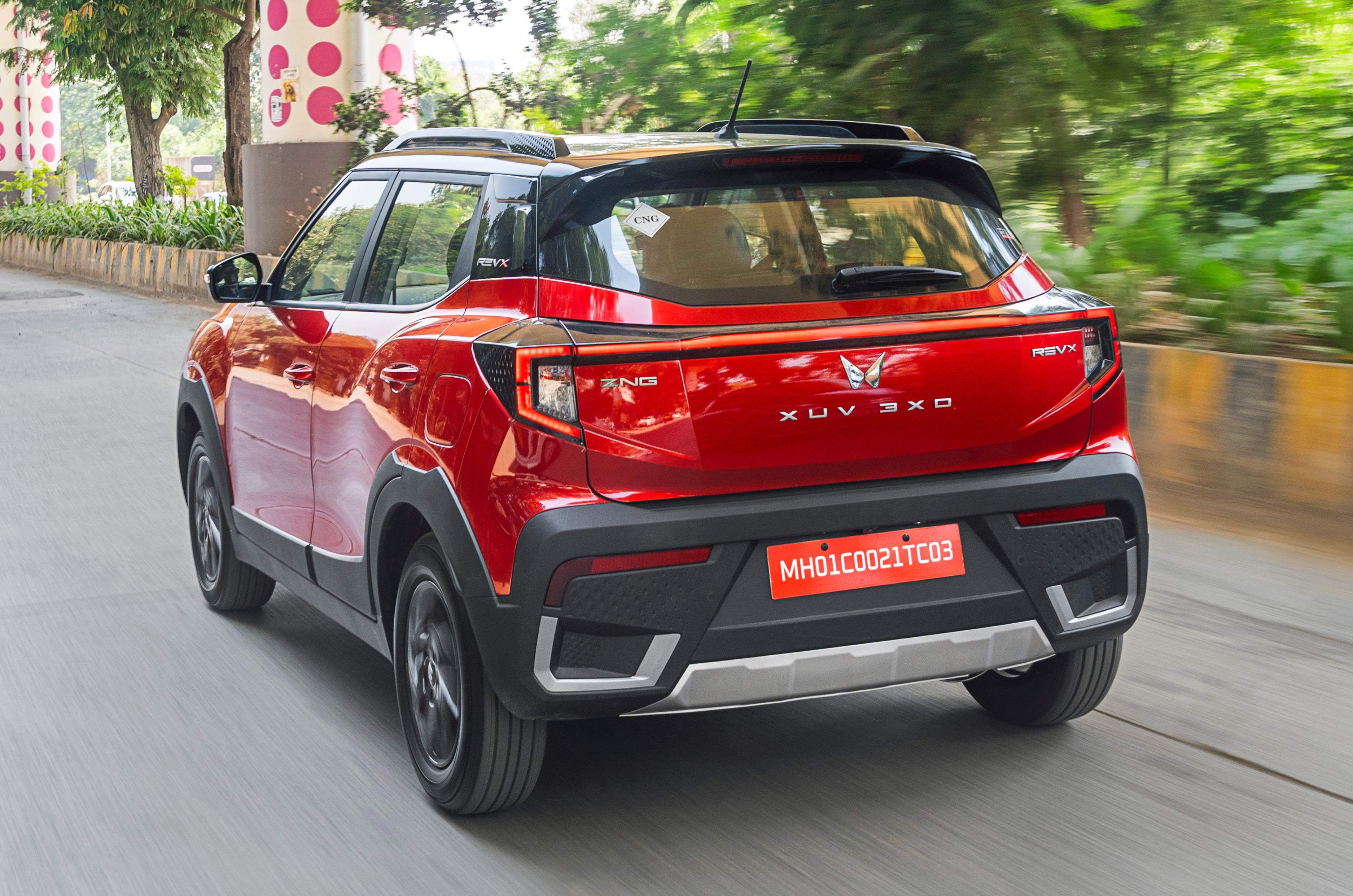
ZNG badge on the tailgate is the only exterior telltale of the CNG powertrain.

In profile, you’ll notice the gloss black 16-inch wheels – the largest size available on the ZNG, with 17s reserved for the pure-petrol TGDi. At the rear is the clearest giveaway of its CNG powertrain: a ZNG badge on the tailgate.

XUV 3XO ZNG Interior Space and Comfort – 8/10

Mahindra XUV 3XO ZNG

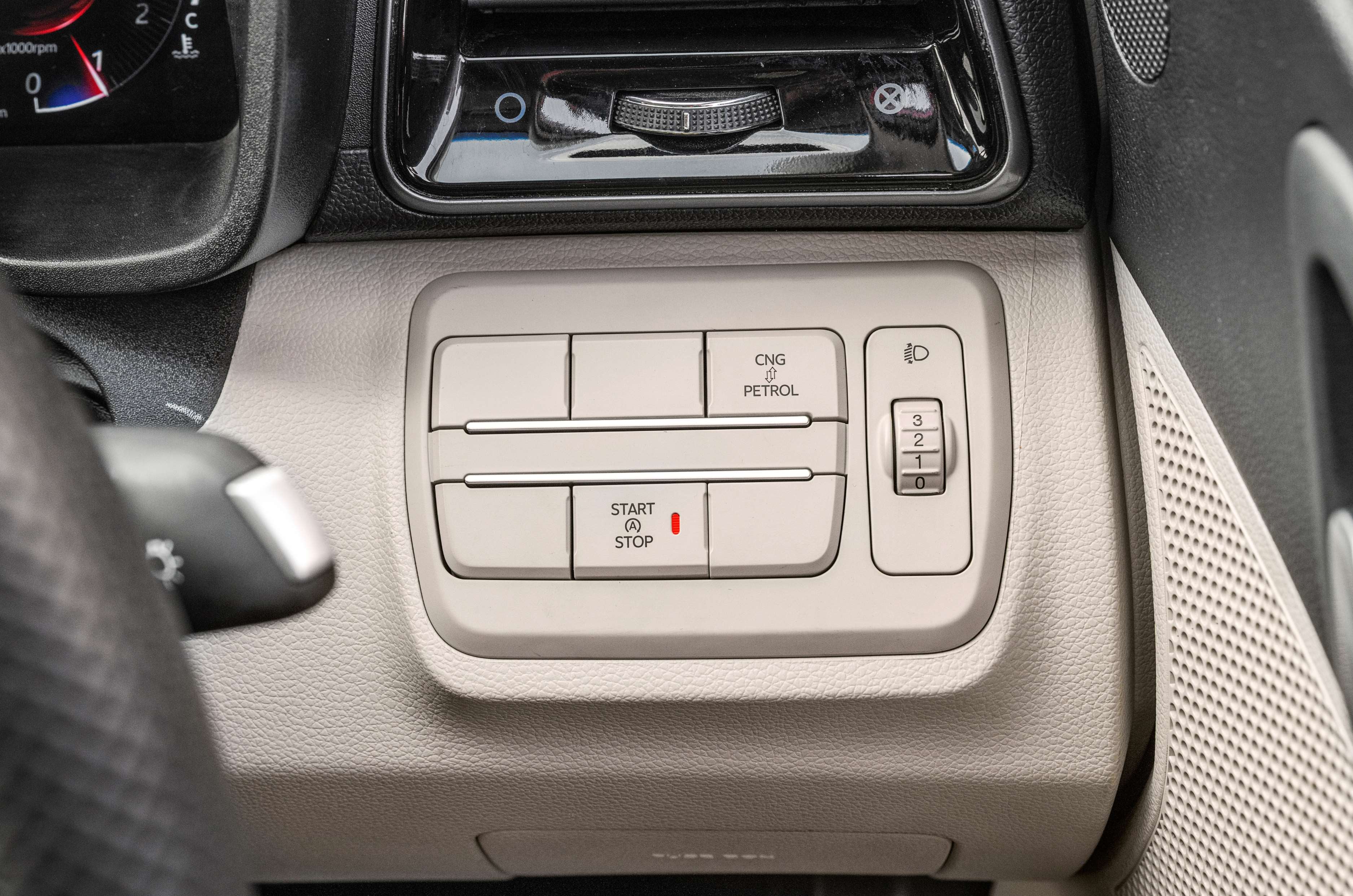
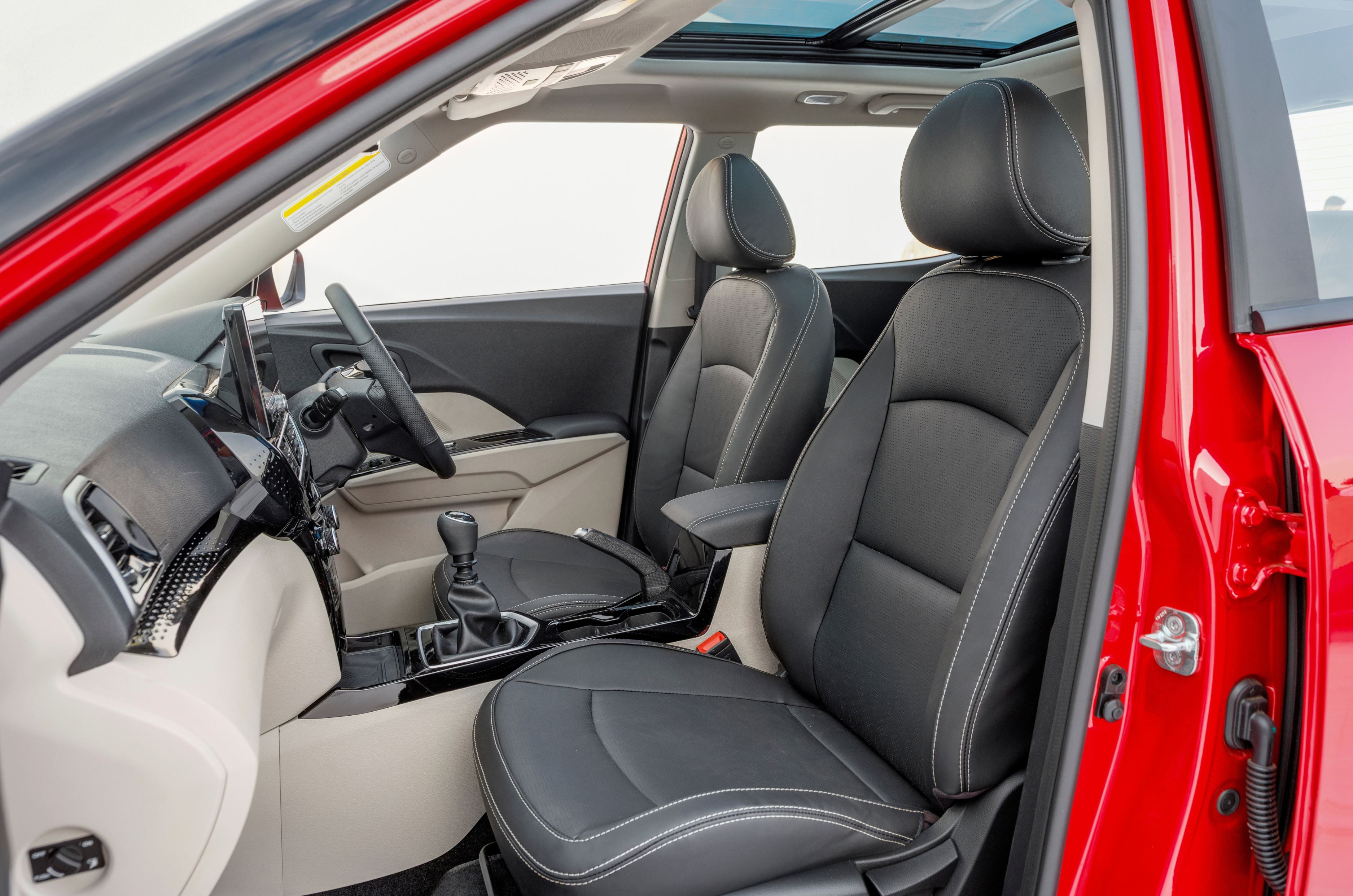
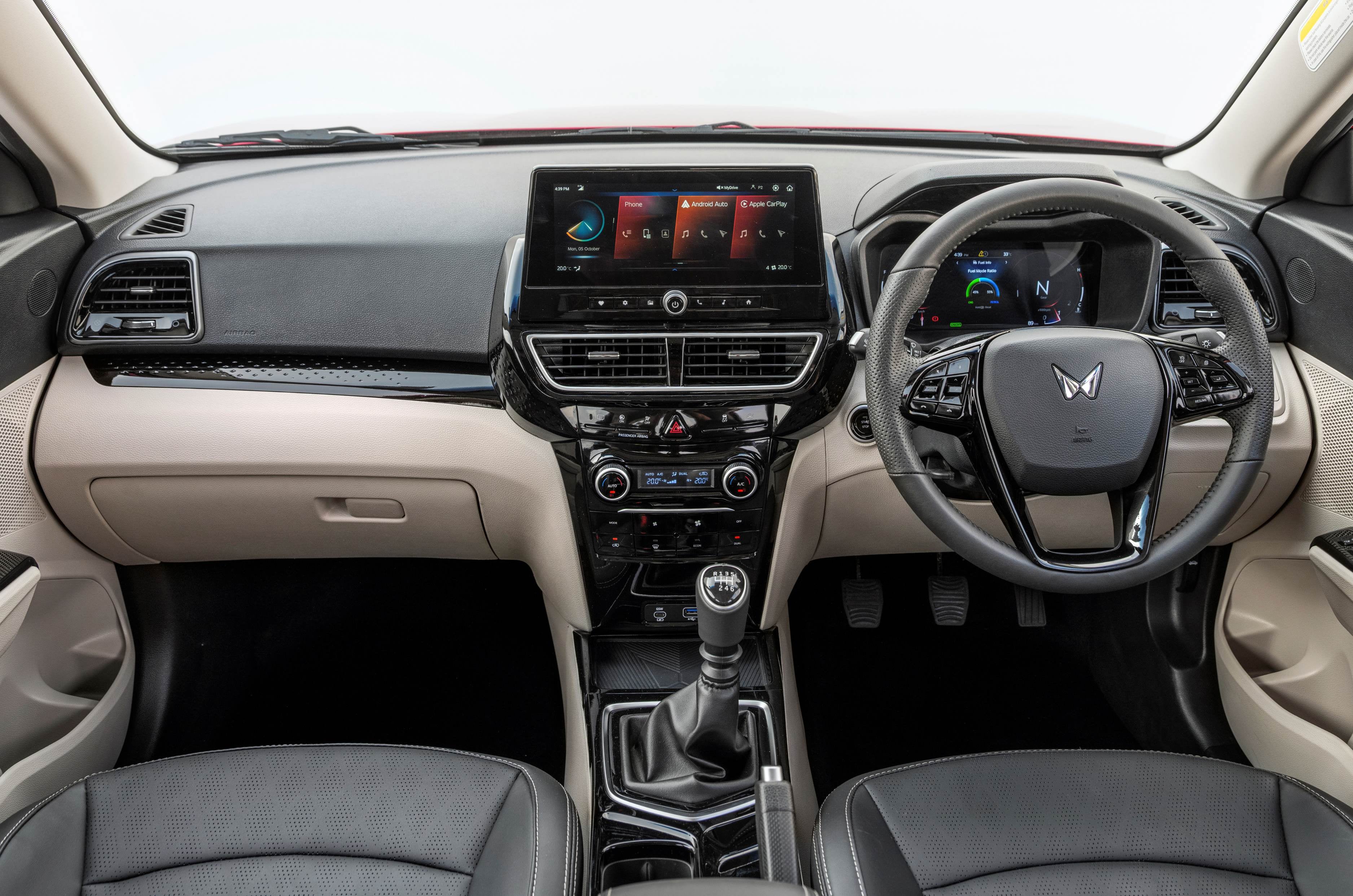
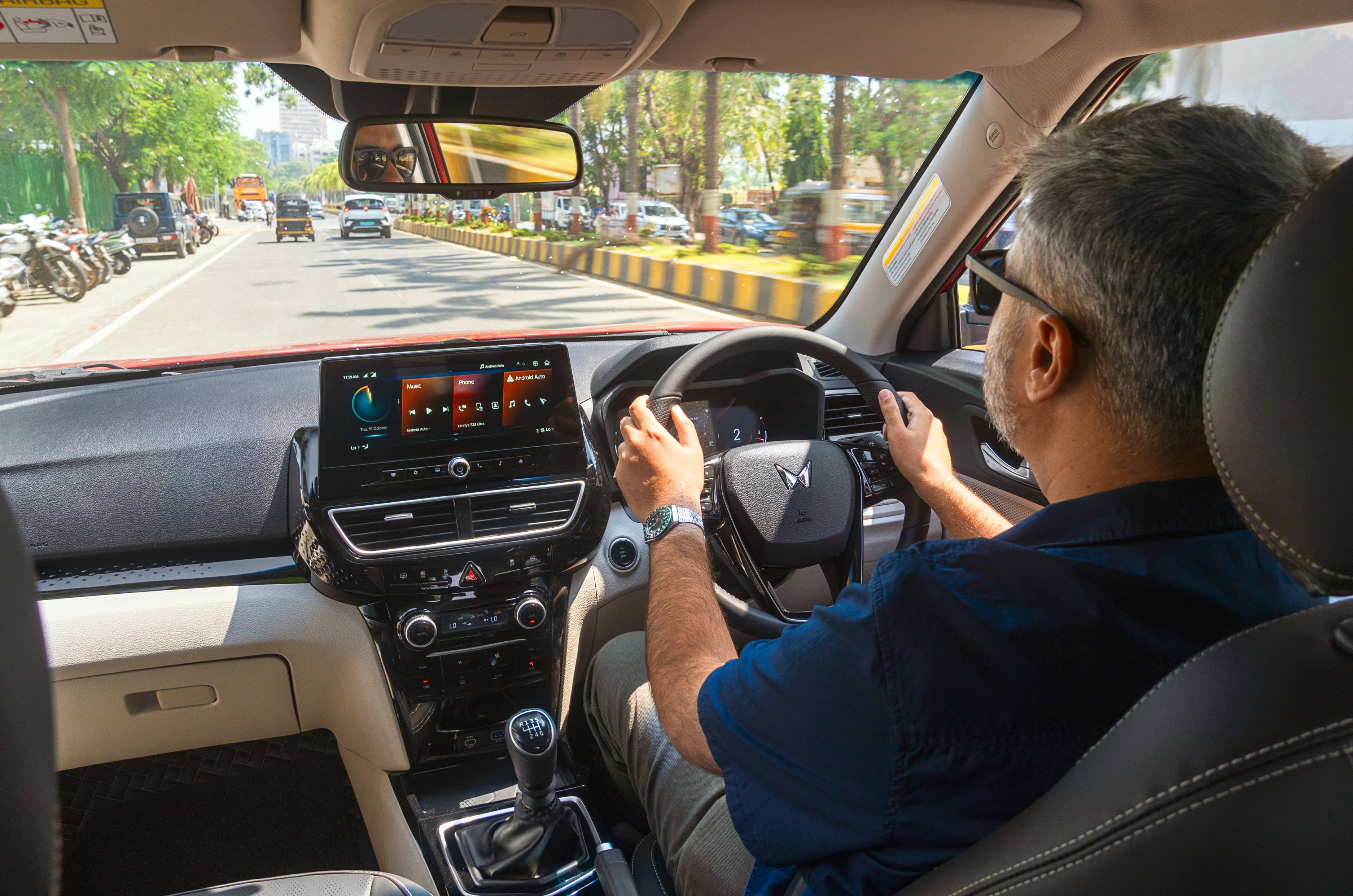
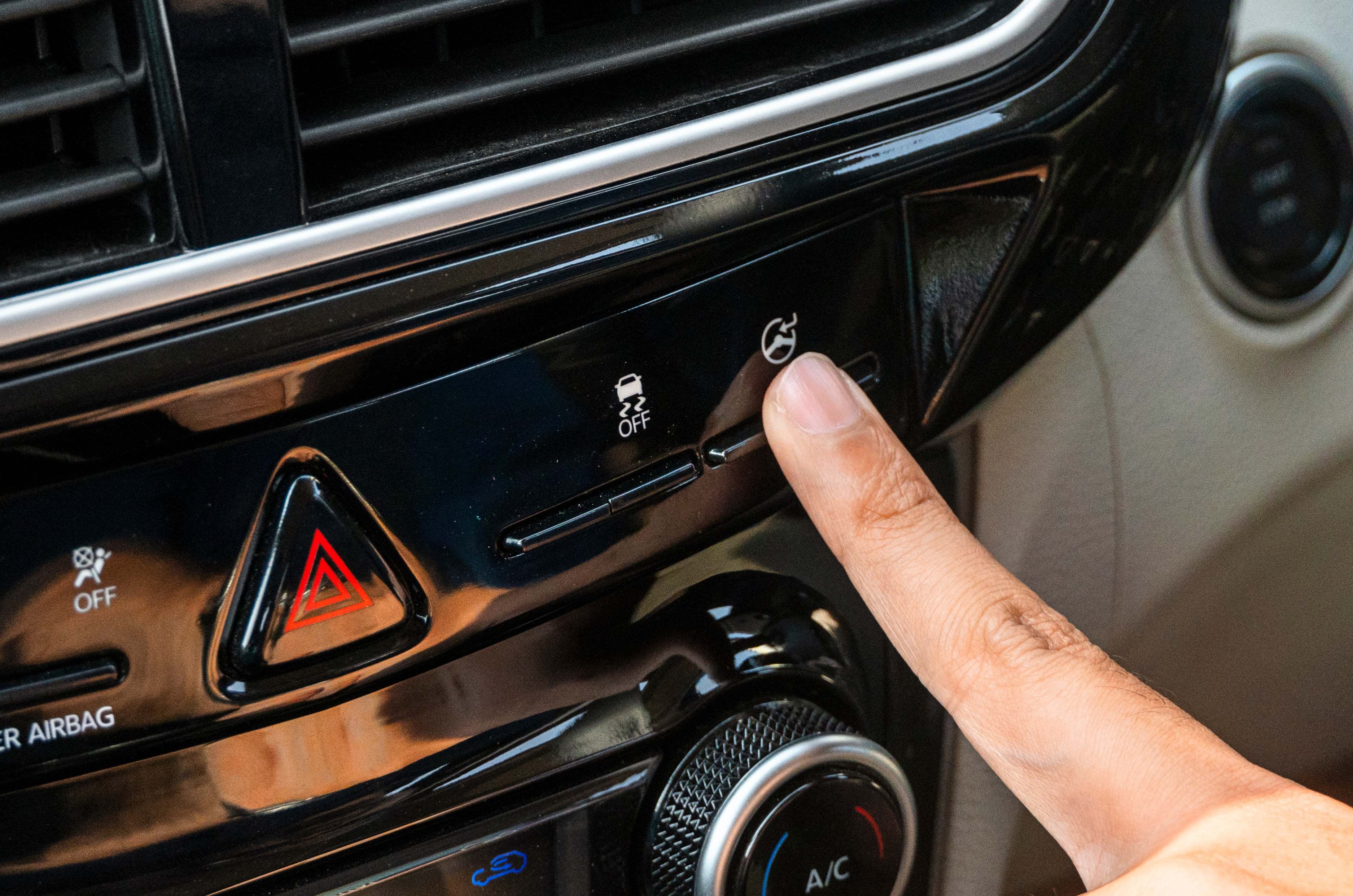
Inside, too, the ZNG is largely identical to its petrol and diesel counterparts, with a CNG switch to the right of the steering wheel being the only real giveaway. The dual-tone dashboard with lots of gloss black trim is otherwise carried over unchanged. Despite not being the top of the line variant, the cabin has an upmarket and well-trimmed air to it. 

Mahindra XUV 3XO ZNG

Our REVX A test car gets black leatherette seats, which can get quite hot, and they lack ventilation, just like the regular 3XO. The front seats are also a bit tight for larger frames, and the lack of a telescoping steering makes it hard to get comfy. Another ergonomic gripe is the tight driver’s footwell, with no dead pedal – pertinent as a six-speed manual is your only gearbox option.

Mahindra XUV 3XO ZNG

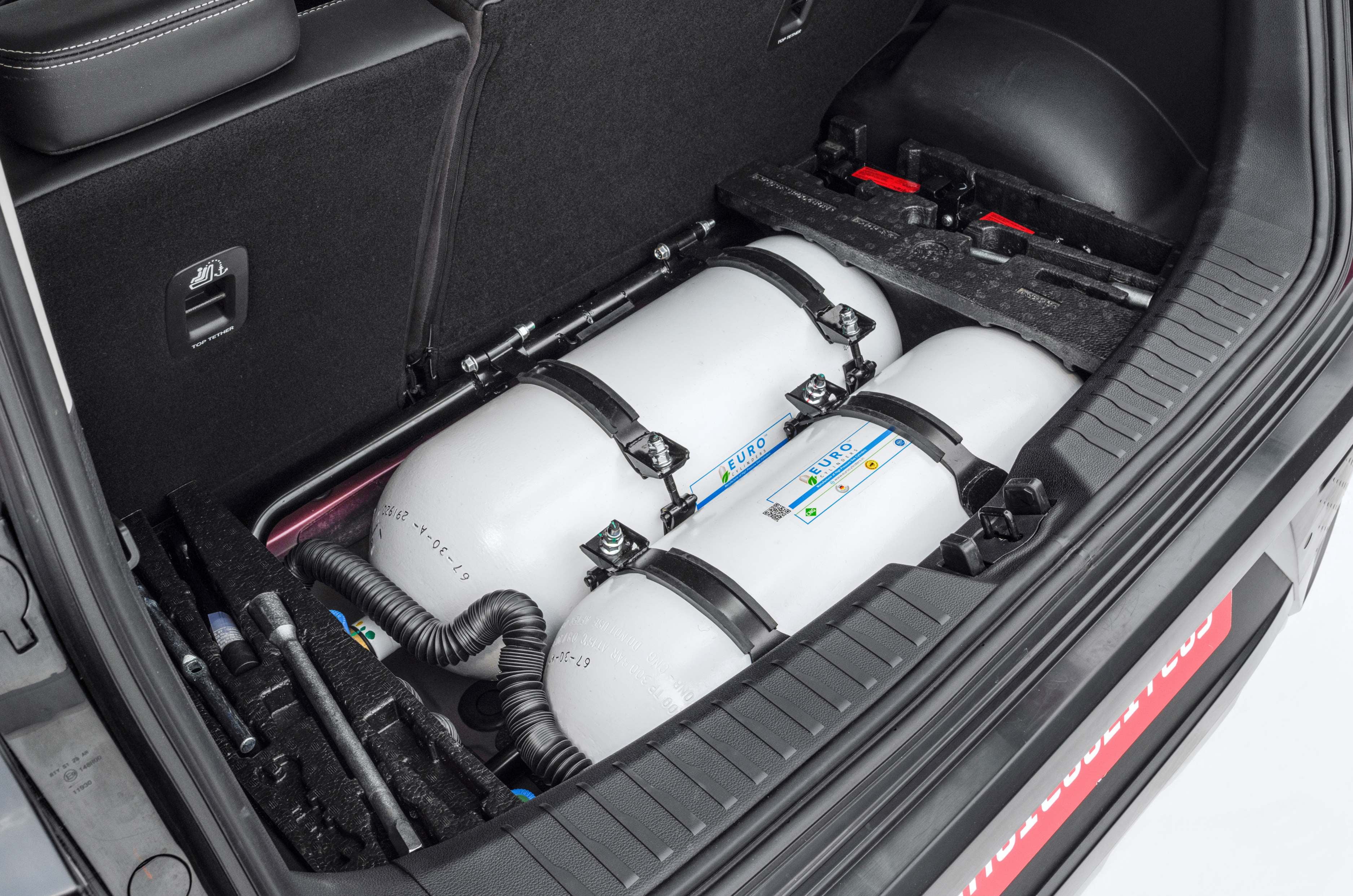
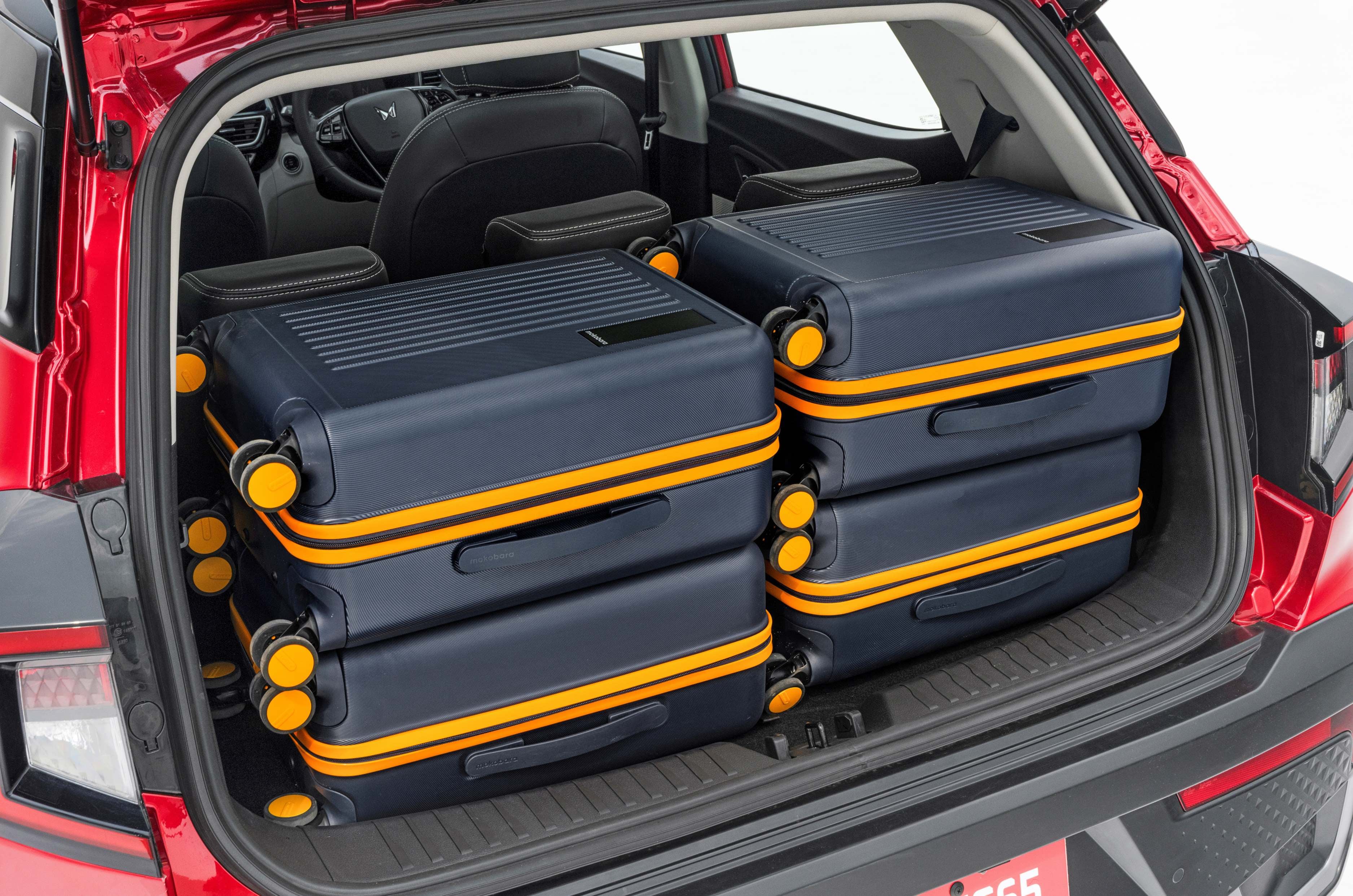
The rear seat remains spacious and comfortable for its segment, and accommodating three abreast is not an issue. One area where the 3XO fell short was boot space, measuring just 295 litres – the smallest in the segment. To keep as much of the boot intact as possible, Mahindra has moved the space-saver spare under the body and placed a dual-tank setup under the boot floor. The combined liquid capacity of the tanks is 60 litres, which translates to 10kg of CNG capacity. 

Mahindra XUV 3XO ZNG

Boot capacity has dropped to 270 litres, which is smallest amongst immediate rivals, however it remains fairly wide and can accommodate up to four cabin bags.

Mahindra XUV 3XO ZNG Features and Safety – 8/10

The 3XO ZNG is available in four trims, which offer the same features as their petrol and diesel counterparts. The highlights are a pair of sharp 10.25-inch screens for infotainment and instrumentation, a panoramic sunroof and a six-speaker audio system with Dolby Atmos. 

Mahindra XUV 3XO ZNG

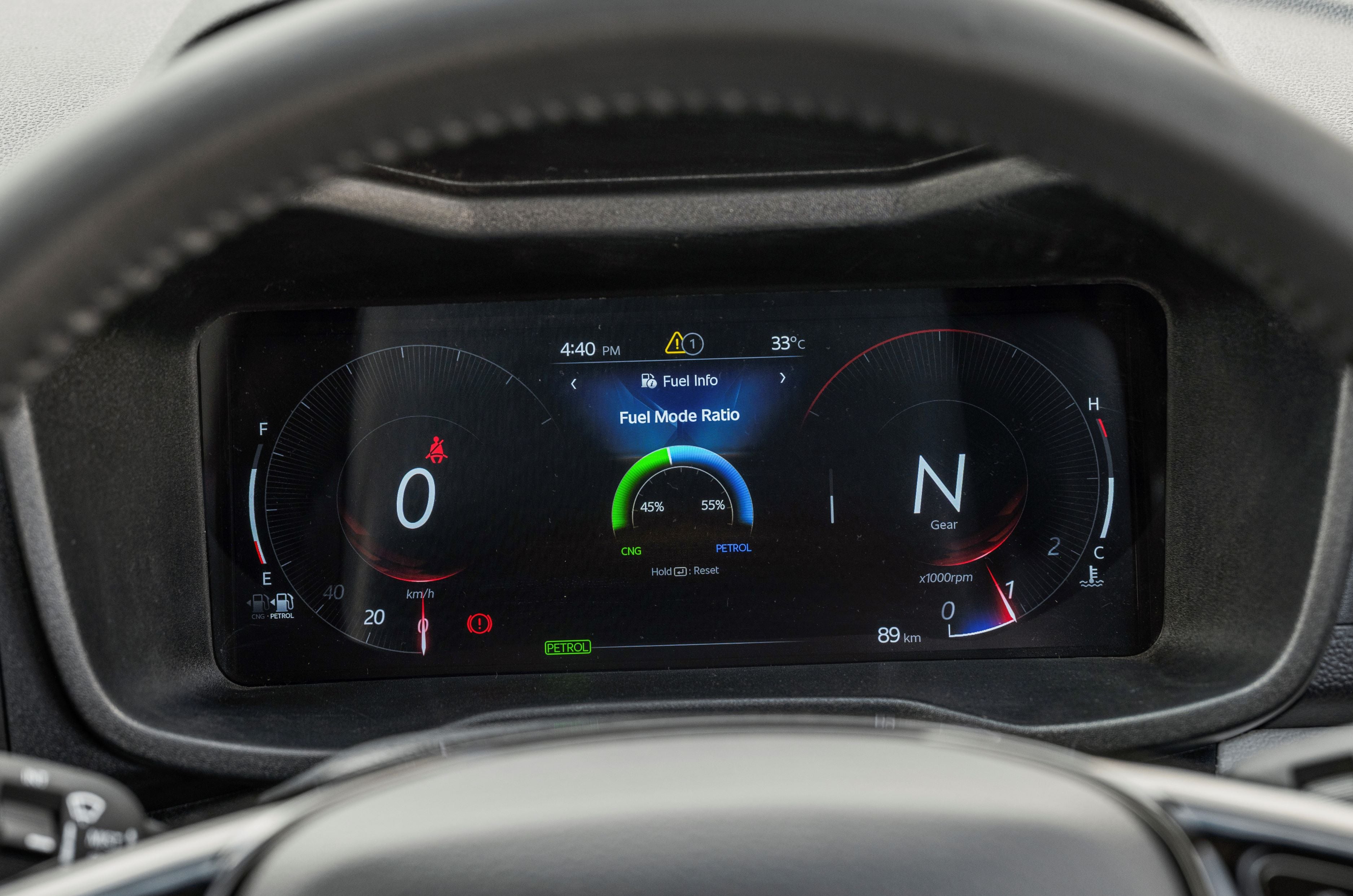
The digital instrument cluster has a few more CNG-related functions. Hit the CNG switch, and an indicator on the digital instrument cluster confirms the fuel you are using, while the fuel gauge changes to display the fuel level. The cluster can also show the ratio of time spent in each fuel mode and the corresponding fuel efficiency.

Mahindra XUV 3XO ZNG

As such, the 3XO ZNG is reasonably well equipped compared to equivalent variants of its main rival, the Tata Nexon iCNG. However, the Nexon offers a wider choice of CNG variants, with top-spec versions getting features such as a 360-degree camera, ventilated front seats and a wireless charger, all of which the Mahindra misses out on.

The safety kit is quite comprehensive, featuring six airbags, ESC, ISOFIX mounts, a tyre pressure monitoring system and a reversing camera. The regular XUV 3XO is also a five-star Bharat NCAP safety-rated car, and Mahindra says the ZNG has been engineered to meet the same standards.

Mahindra XUV 3XO ZNG Performance and Refinement – 8/10

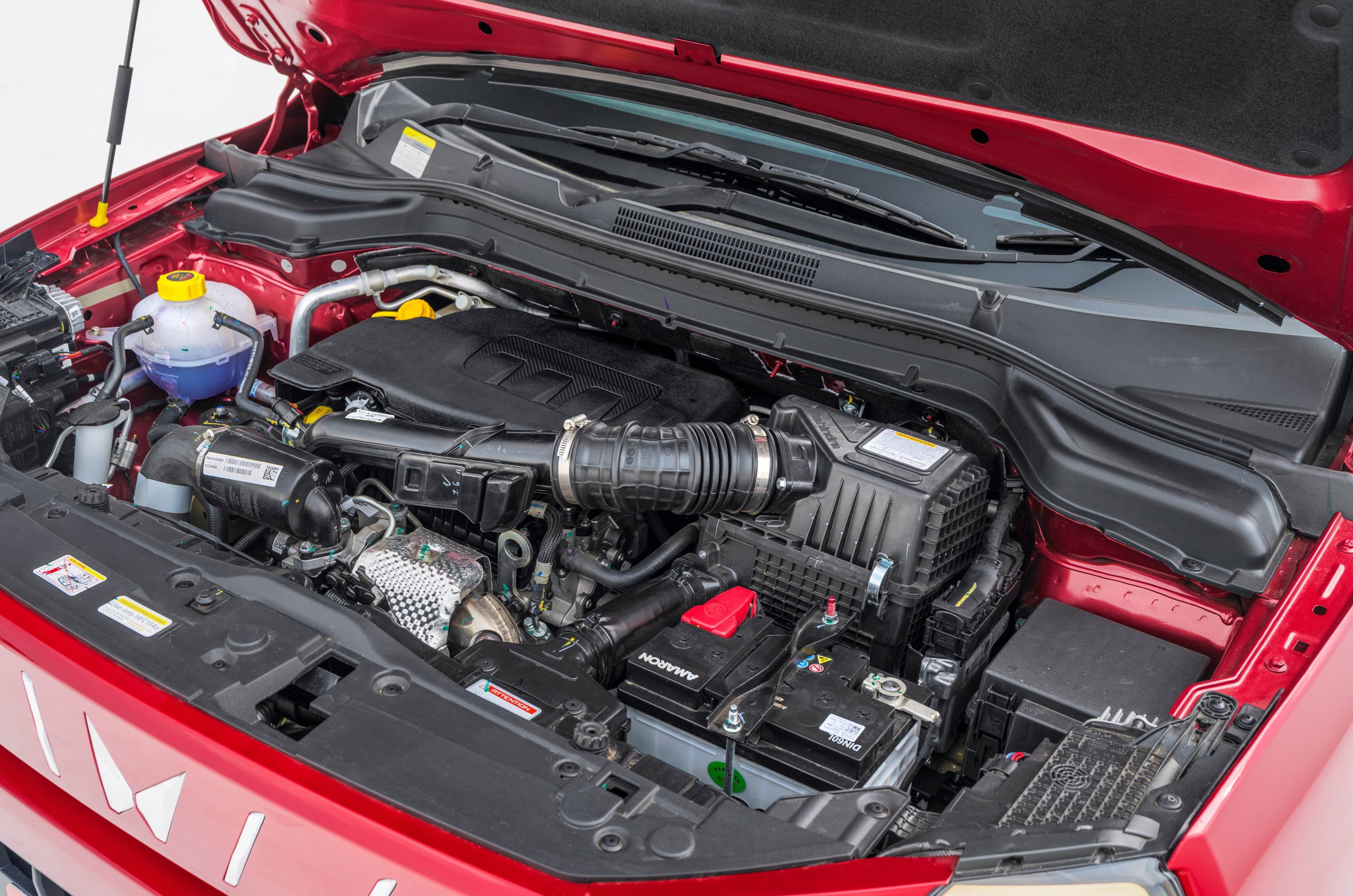
Powering the ZNG is the same 1.2-litre multi-point fuel injection (MPFi) turbo-petrol engine that does duty on the lower and mid-level trims of the 3XO. The kicker is that Mahindra quotes the exact same power and torque figures for CNG as for the pure-petrol version – 111hp and 200Nm. That is highly unusual, as a 10 to 15 percent drop in power figures is the norm. For comparison, its direct rival, the Tata Nexon iCNG, loses 20hp when switching from petrol to CNG. Mahindra says it has managed this with the use of a 10-bar CNG injection system. It also says the turbocharger and ECU calibration have been optimised to run on CNG, and initial impressions seem to back this up.

Mahindra XUV 3XO ZNG
1.2-litre TCMPFI engine uses a 10-bar CNG injection system; Mahindra claims identical 111hp and 200Nm figures for petrol and CNG.

In everyday driving, the difference between CNG and petrol modes is barely noticeable. The engine feels smooth and refined in both, only becoming audible when extended. Performance, too, is very similar. Throttle response is good and the motor feels tractable, rarely requiring a shift into first when negotiating a speed breaker. There is a bit of turbo lag below 2,000rpm, but get past this and performance feels brisk.

The switch between modes is also quite seamless, with no apparent jerkiness or change in engine note. However, switch back and forth a few times, and you’ll notice the throttle response is ever so slightly duller in CNG mode, and there are times when it will hesitate on sudden throttle inputs. Overall, though, calibration in CNG mode is very good, and in everyday driving, there is very little to fault.

Mahindra XUV 3XO ZNG
Performance feels brisk once you get past 2000rpm.

While the pure-petrol version of this engine can be had with a six-speed torque-converter automatic, the ZNG is only available with the six-speed manual. While its immediate rivals don’t offer an automatic with CNG either, Mahindra would have done well to offer at least an AMT. As it is, the manual is a smooth and easy-to-use unit, but not quite at the level of its Japanese or Korean competition. Its throws are a bit too long, and the clutch, while light, has a long travel.

In terms of outright performance, Mahindra claims an 11.8sec 0-100kph time for the ZNG. We conducted a quick performance test (not to Autocar India standards), which resulted in a 0-100kph time of 12.98s on petrol and 12.64s on CNG – a difference we put down to the launch. In-gear acceleration figures paint a clearer picture, where the ZNG was quicker in petrol mode by about 0.7 seconds in both 20-80kph and 40-100kph runs. Nevertheless, performance in either CNG or petrol is so close that most drivers would be hard-pressed to tell the difference.

Mahindra XUV 3XO ZNG Mileage and Efficiency – 8/10

Mahindra XUV 3XO ZNG

Mahindra claims an efficiency figure of 24.7km/kg for the XUV 3XO ZNG, which translates to a theoretical range of 247km from its 10kg CNG capacity. 

Mahindra XUV 3XO ZNG
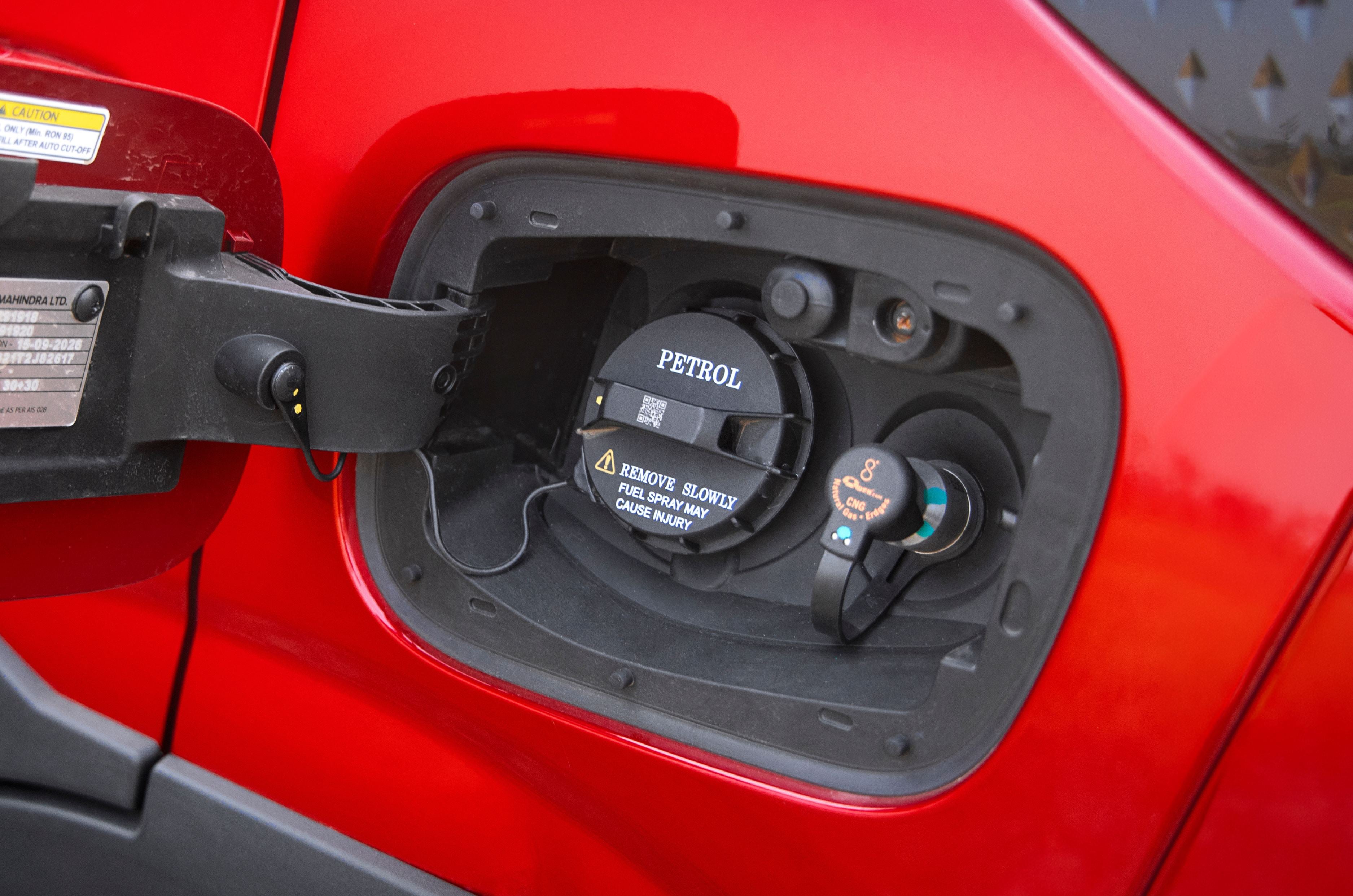
CNG filler neatly positioned beside the fuel filler; fuel filler door still has a manual release in the cabin.

It also gets an idle-stop/start function, which should help efficiency. We will verify these claims with a real-world test soon.

Mahindra XUV 3XO ZNG Ride Comfort and Handling – 9/10

Mahindra XUV 3XO ZNG
Light steering works well in town; steering modes dial up resistance but don’t offer better feel.

The switch to CNG adds around 100kg to the 3XO, most of it concentrated at the rear. To ensure this doesn’t affect ride or handling, Mahindra has tweaked the suspension to cope with the extra weight. The ZNG’s ride has a slightly firm edge, but overall it deals with bad roads very well.

Mahindra XUV 3XO ZNG
16-inch wheels and tall tyres are better at absorbing sharper bumps than the 17s on higher petrol trims.

The smaller 16-inch wheels also play an important part here, as their taller-sidewall tyres absorb sharp edges before they make their way to the cabin. Overall, the ride remains amongst the best in the class.

Mahindra XUV 3XO ZNG

Handling, too, remains tight and engaging, with a planted feel around the bends. The steering is light and direct, and while you can dial up the resistance using the three steering modes, this adds little in terms of feel or feedback.

Mahindra XUV 3XO ZNG Value for Money – 8/10

Overall, the Mahindra XUV 3XO offers good value for money and makes for a compelling entrant into the CNG compact SUV space. Prices for the Mahindra XUV 3XO ZNG start at Rs 9.99 lakh and go up to Rs 12.27 lakh, which is between Rs 1 lakh and Rs 1.2 lakh more than the equivalent petrol trims. Pricing is on par with comparable variants of the Tata Nexon iCNG. However, the Nexon has a wider range and also offers more features on the higher trims.

Mahindra has packaged the CNG tanks cleverly, minimising the impact on boot space. That said, the 3XO’s boot wasn’t particularly large to begin with, and that remains a drawback. What sets it apart is the driving experience. CNG calibration is very good, and performance in CNG mode is close enough to petrol for most people not to notice a real difference. For a first attempt, the XUV 3XO ZNG certainly ticks a lot of boxes.

Porsche Mission S concept previews new model above 911

Porsche Mission S concept previews new model above 911
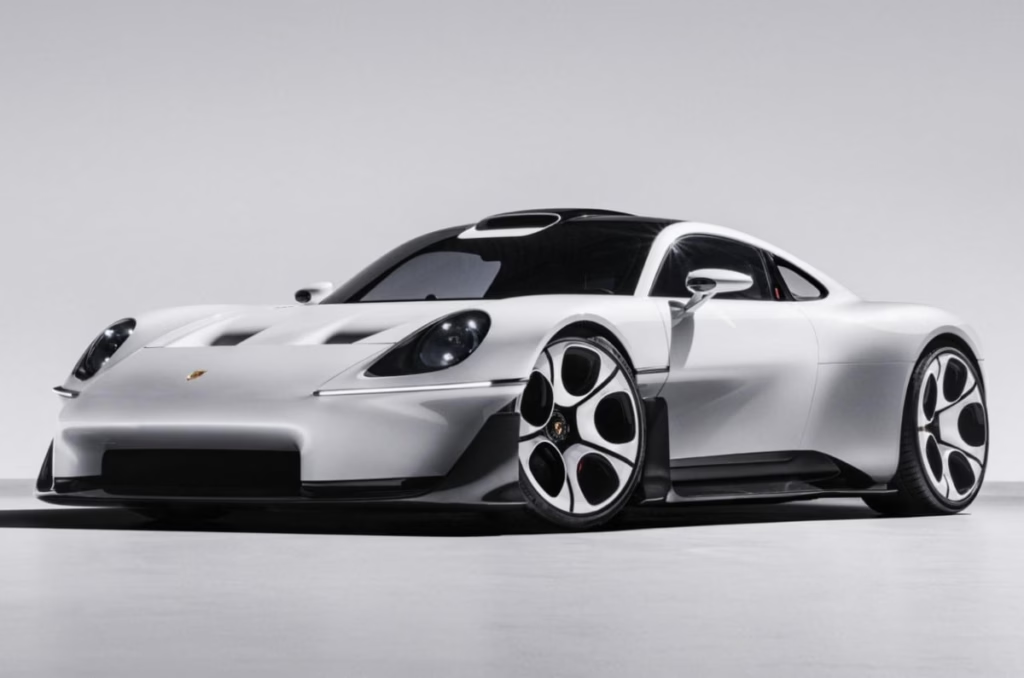
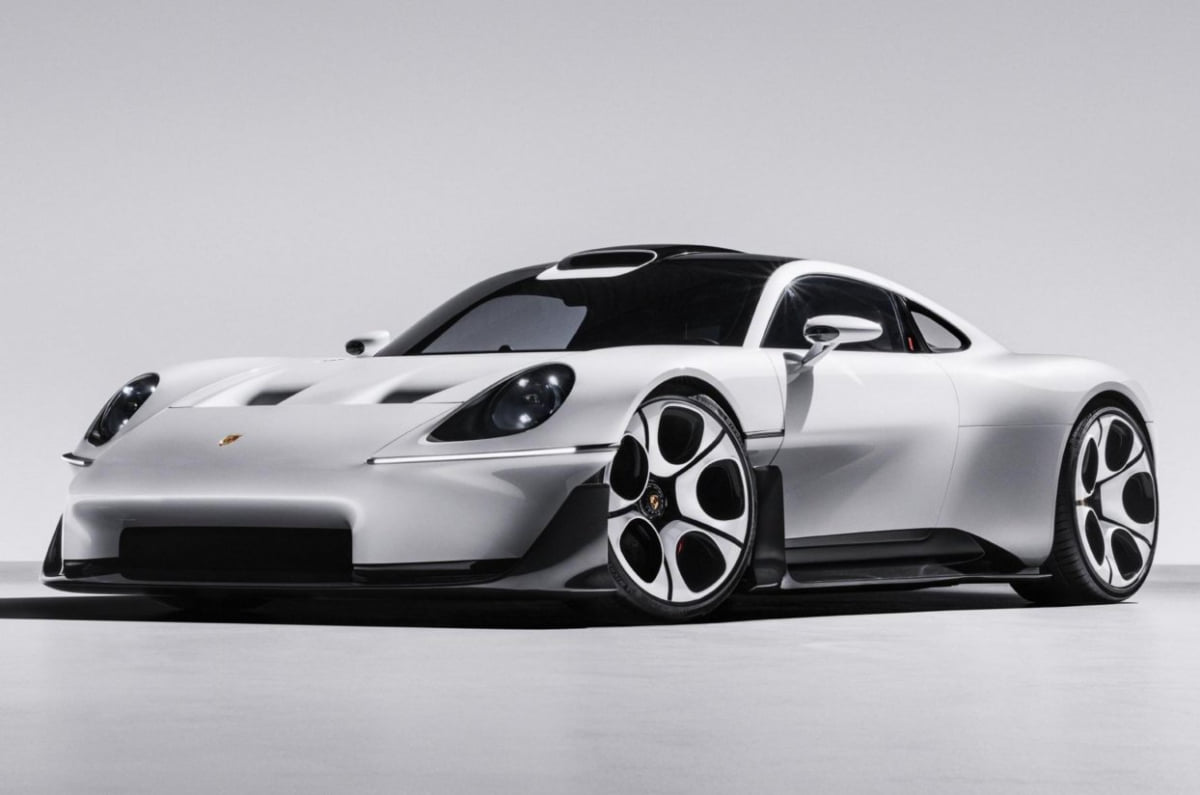
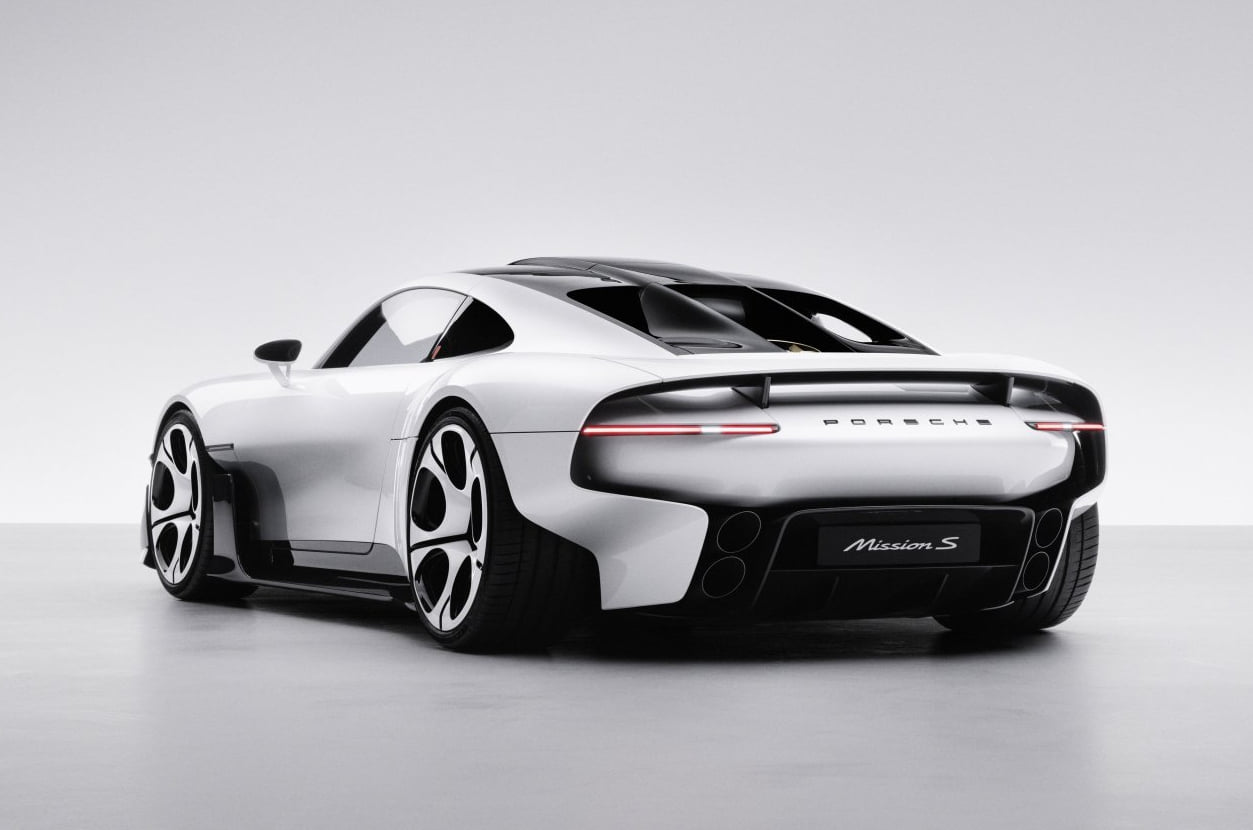
Porsche Mission S

Porsche has unveiled the Mission S concept as part of its ‘Sportwagenschmiede ’35’ strategy. It previews a new mid-engined platform for a model positioned above the 911, which Porsche says is intended to become a permanent part of its line-up rather than a one-off hypercar. The concept also signals the brand’s future design direction, with styling inspired by historic Porsche models.

Porsche Mission S: Exterior

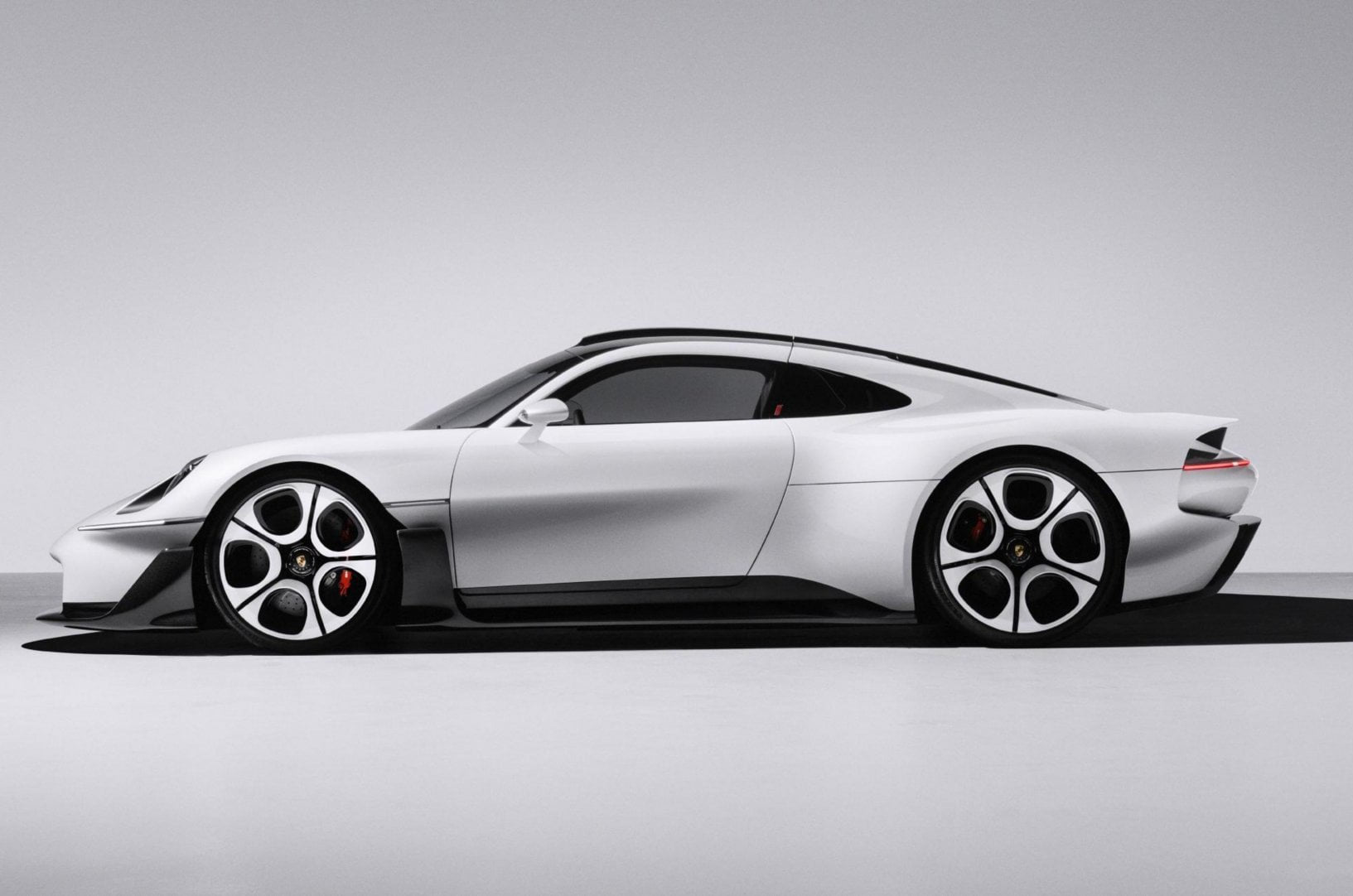
The Porsche Mission S features a low front end with rounded headlights, raised ‘torpedo’ fenders and slim LED daytime running lights. It also has a large air intake at the front of the roof, a sloping roofline and sculpted side panels. The rear features narrow split taillights, an integrated active wing, a large diffuser and a cooling fan above the engine bay.

The design draws inspiration from several historic Porsche models. The roofline takes cues from the 959, while the rear bodywork is influenced by the 911 GT1. The wheels feature a telephone-dial design inspired by the 928.

Explaining the raised front fenders, Tobias Sühlmann, head of Style Porsche said, “The Bauhaus rule is that form and function work together and that’s vital in the exterior and interior of our cars.” He added that the fenders sit higher than the bonnet to help drivers judge the position of the front wheels and the edges of the car.

The concept also features an active rear wing that retracts when not required, while its rear cooling arrangement takes inspiration from the Porsche 917.


Citroen 2 CV concept revealed at Paris Motor Show 2026

Citroen 2 CV concept revealed at Paris Motor Show 2026
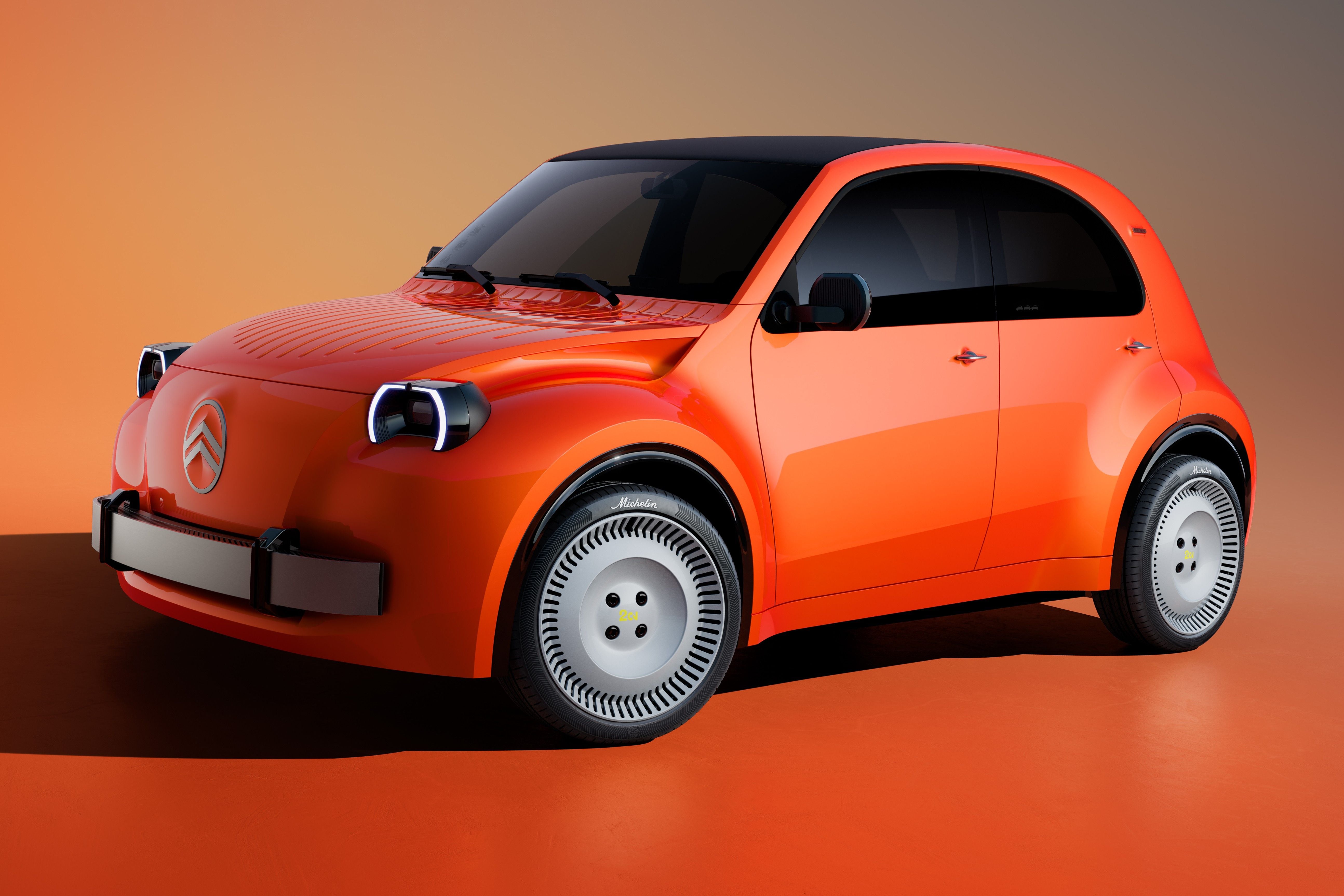
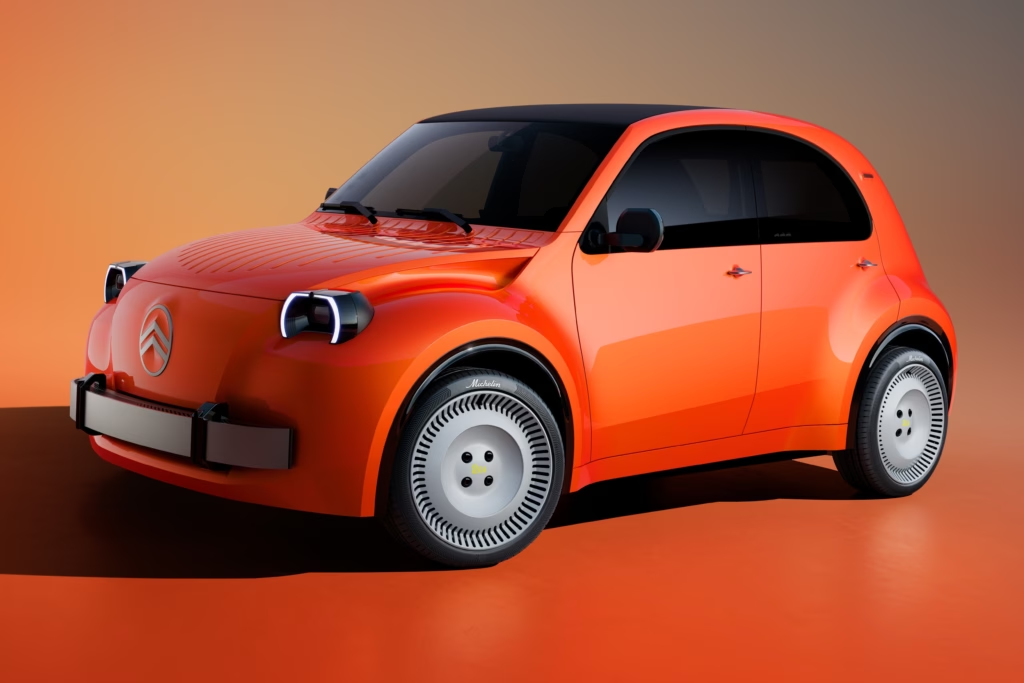
Citroen 2 CV concept front quarter static

Citroen has unveiled the 2 CV concept at the 2026 Paris Motor Show. The 2 CV concept is a neo-retro take on the original Citroen 2 CV, an iconic nameplate in the carmaker’s lineup. Notably, the nameplate returns at the Paris Motor Show 78 years after the original 2 CV was showcased in 1948. The Citroen 2 CV concept previews a small electric hatchback that’s due in 2028 with a starting price of 15,000 Euros. 

  1. Production-spec version due in 2028; to sit between Ami and C3.
  2. Takes design cues from the original 2 CV with a modern twist.
  3. Quirky interior gets bench seats and does without a dashboard and centre console.

Citroen 2 CV concept: All you need to know

The production-spec 2CV will sit between the Ami and C3 hatchback in Citroens global portfolio. At 3.76 metres, the 2 CV concept is shorter than the original model. Additionally, Citroen is aiming for a sub-1-tonne weight in order to utilise a “cost-effective battery with range tailored for everyday use and low running costs.” 

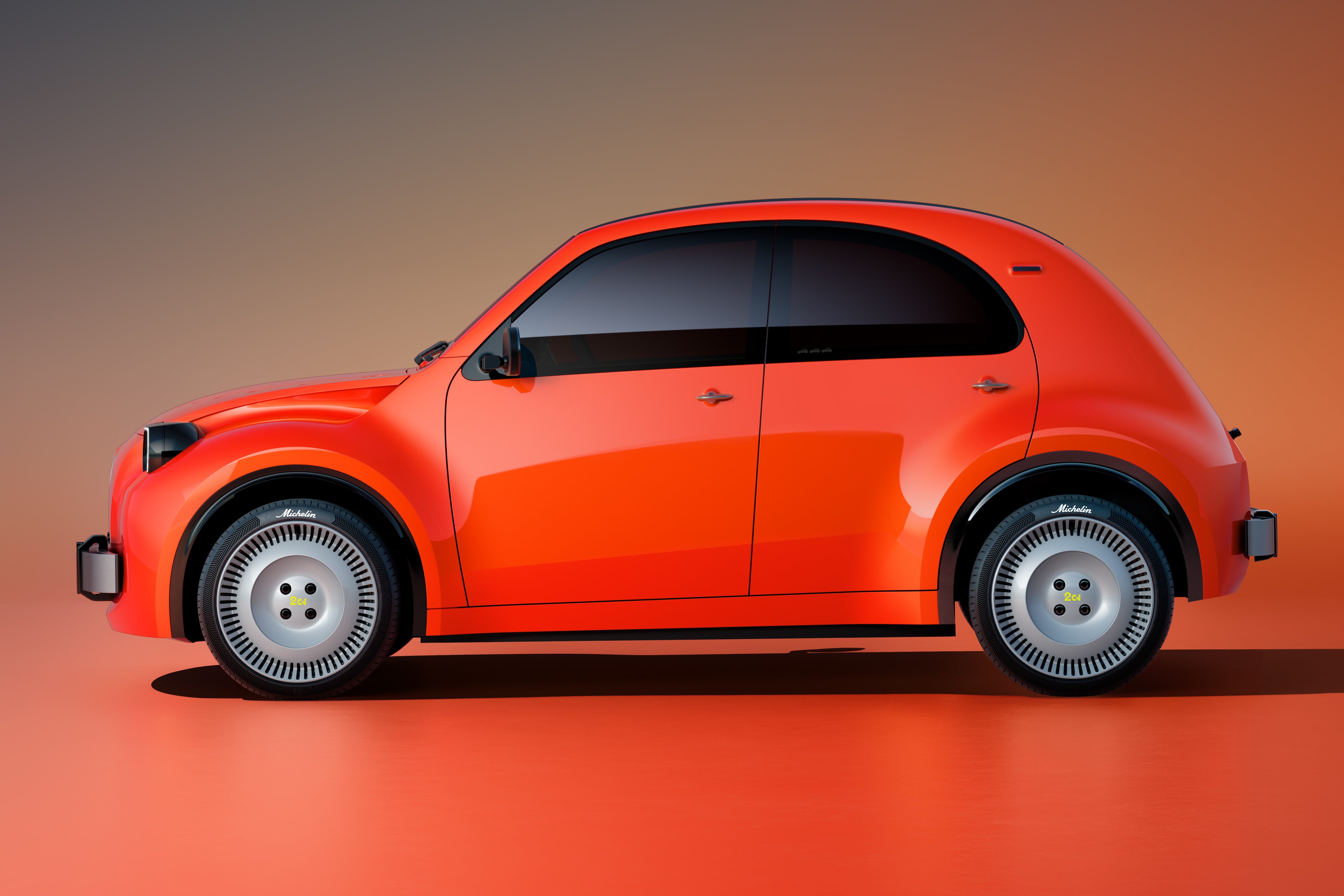
The 2 CV concept’s design takes inspiration from the circular design cues of the original model. At the front are LED headlamps surrounded by semi-circular DRL signatures, a blanked-off grille with the Citroen badge and a ridge pattern on the bonnet. The numbers 48, 90, and 26 inscribed on the windscreen refer to the years 1948, 1990, and 2026, which mark the original model’s launch, end of production, and new concept unveiling, respectively. When viewed head-on, the V-shaped design of the bonnet and the thick silver strip are elements reminiscent of the older 2 CV. In profile, there’s a curved roofline that smoothly integrates into the rear section, rounded-off wheel arches with a gloss-black finish, and C-pillar-mounted turn indicators.

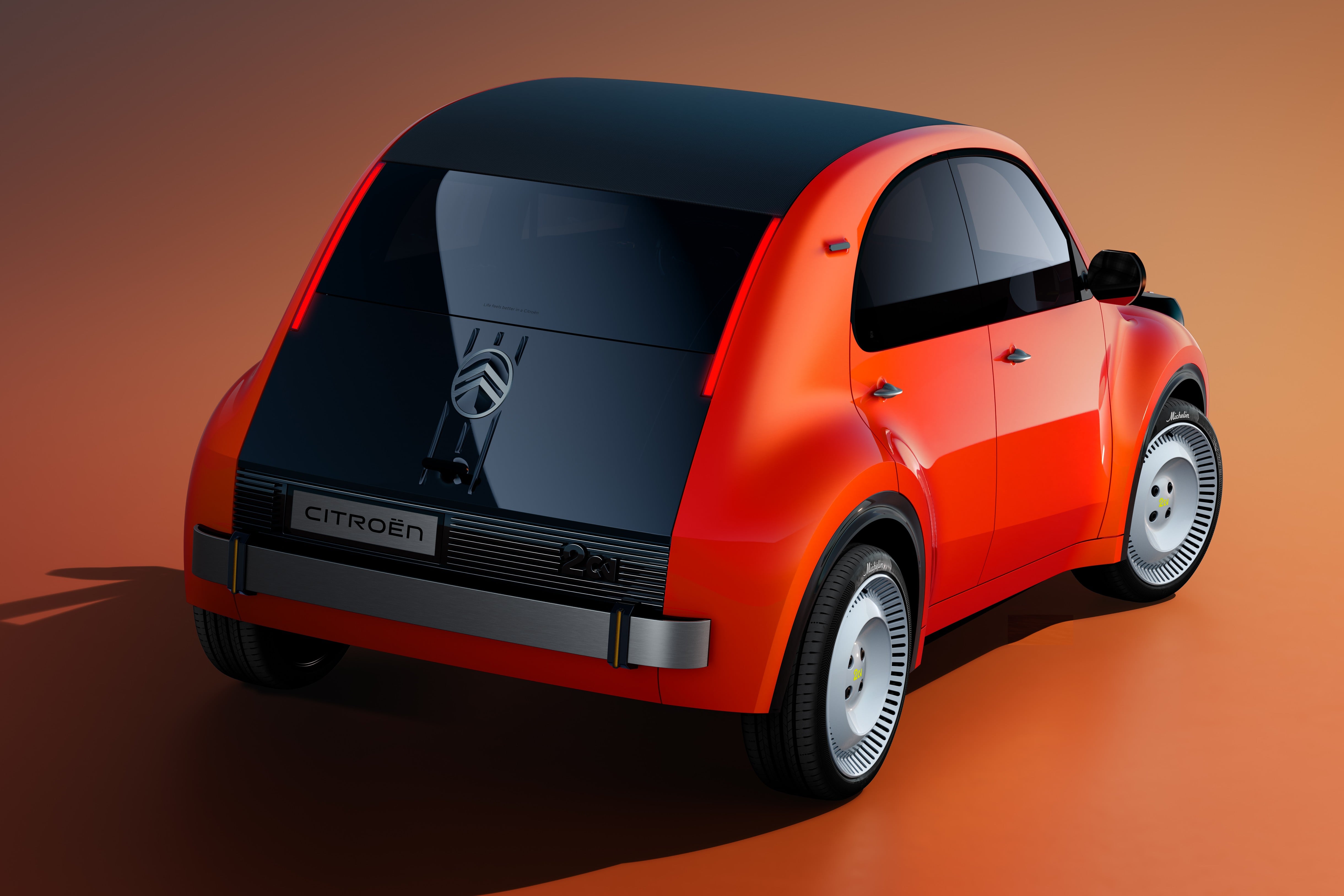
The 18-inch steel wheels have a design inspired by the original 2 CV, and the tyre sidewalls feature Michelin branding and the Citroen chevron pattern. Michelin has developed a technology dubbed ‘universal digital twin of the tyre’ that Citroen says helps the vehicle’s behaviour to adapt to its environment and monitor tyre condition continuously. At the rear is a black tailgate that extends towards the bumper like the older 2CV, three horizontal stripes, a short overhang, a tailgate handle, LED lights on either side of the tailgate, and a number plate with the 2 CV’s international nicknames on it. Like the front, there’s a thick silver strip here as well.

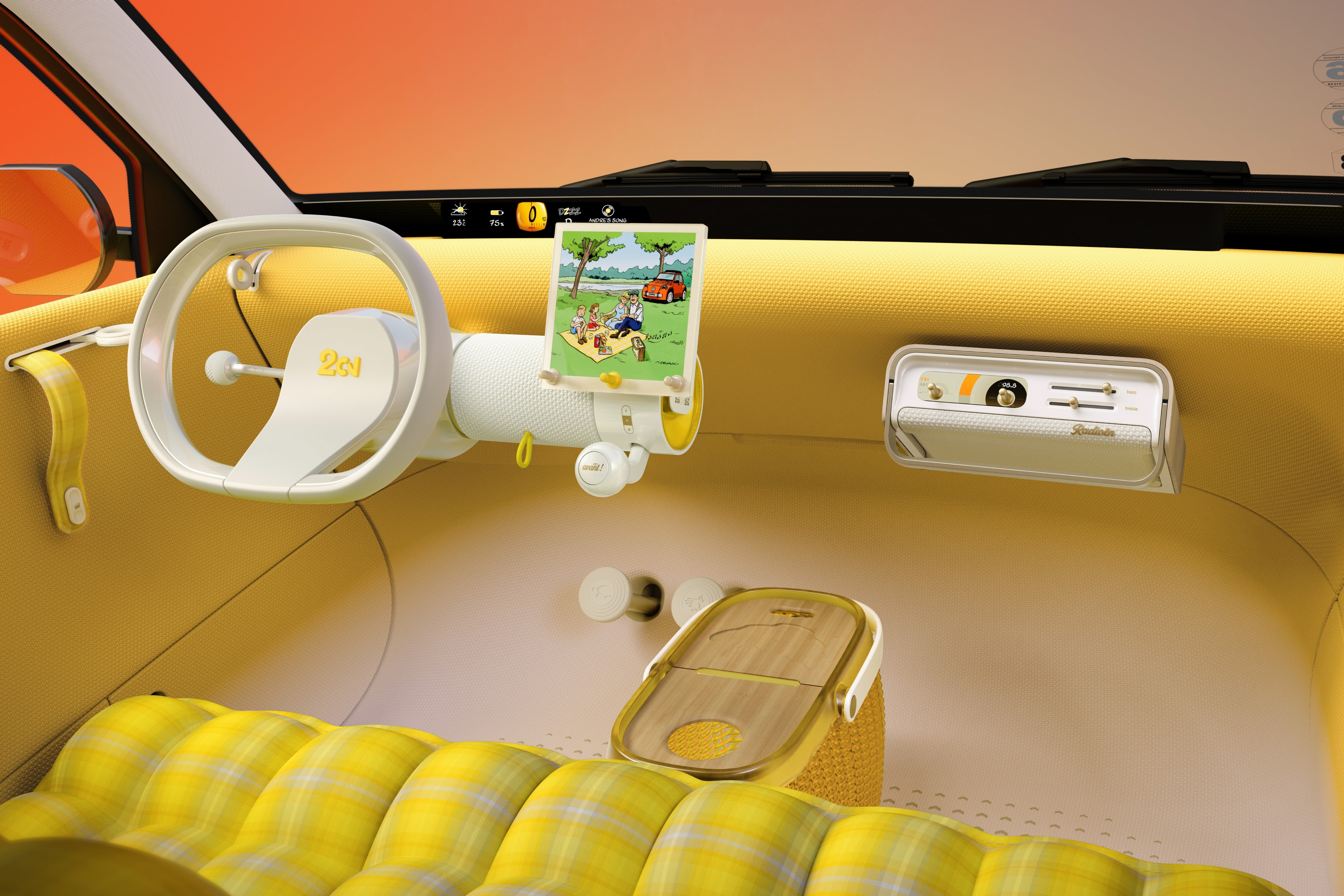
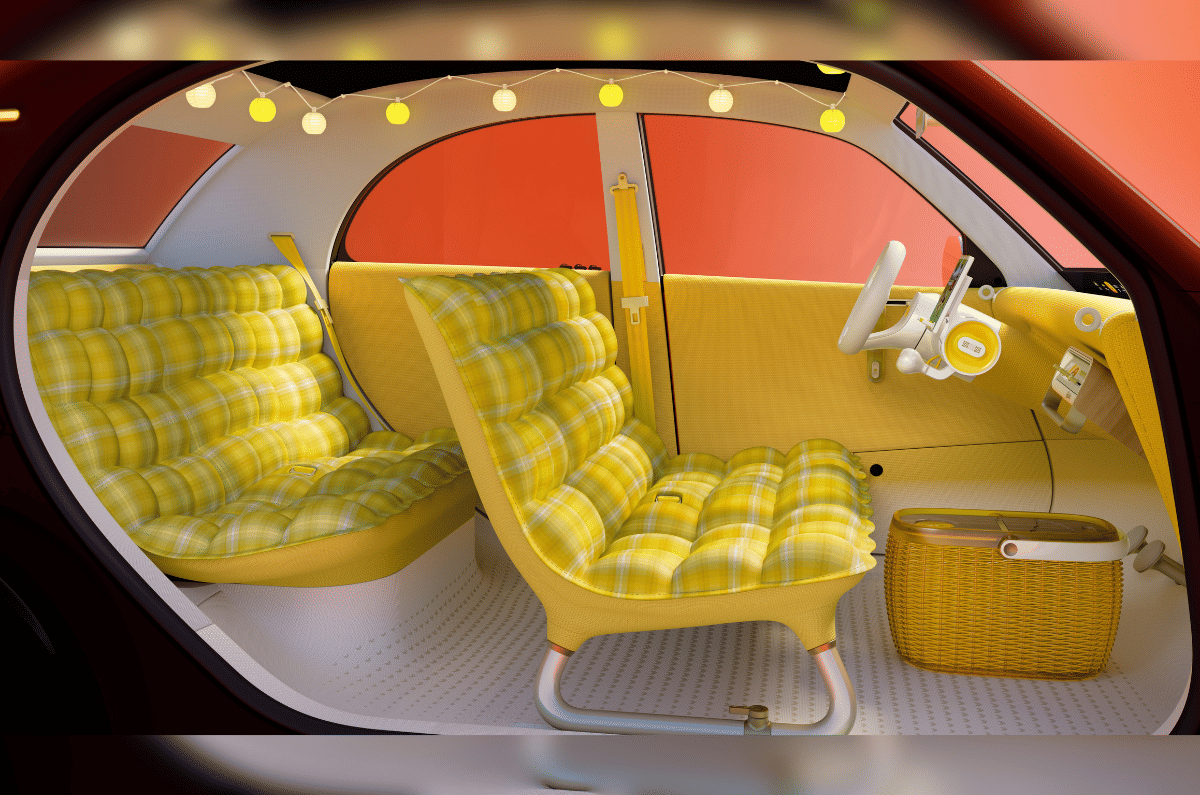
The interior gets a lively white and yellow theme, while the floor, dashboard, and door panels have a fabric finish with a texture that takes inspiration from cane basketry, and the bench-type seats are wrapped in a Tartan yellow upholstery. The 2 CV concept employs a cabin design that’s devoid of a traditional dashboard, increasing the sense of space. In place of the dashboard is a single cylindrical structure, on which is a single-spoke steering wheel, a single control lever, and an 8-inch touchscreen with comic book-inspired graphics and toggle switches under it. 

You get a digital driver’s display below the windscreen, a removable 3D-printed storage basket instead of a centre console, and straps for door handles. Additionally, there’s a fabric sunroof and ‘Radioën’, a radio unit that can be detached and used as a speaker. Interesting details include a rabbit and tortoise inscription on the accelerator and brake pedals.

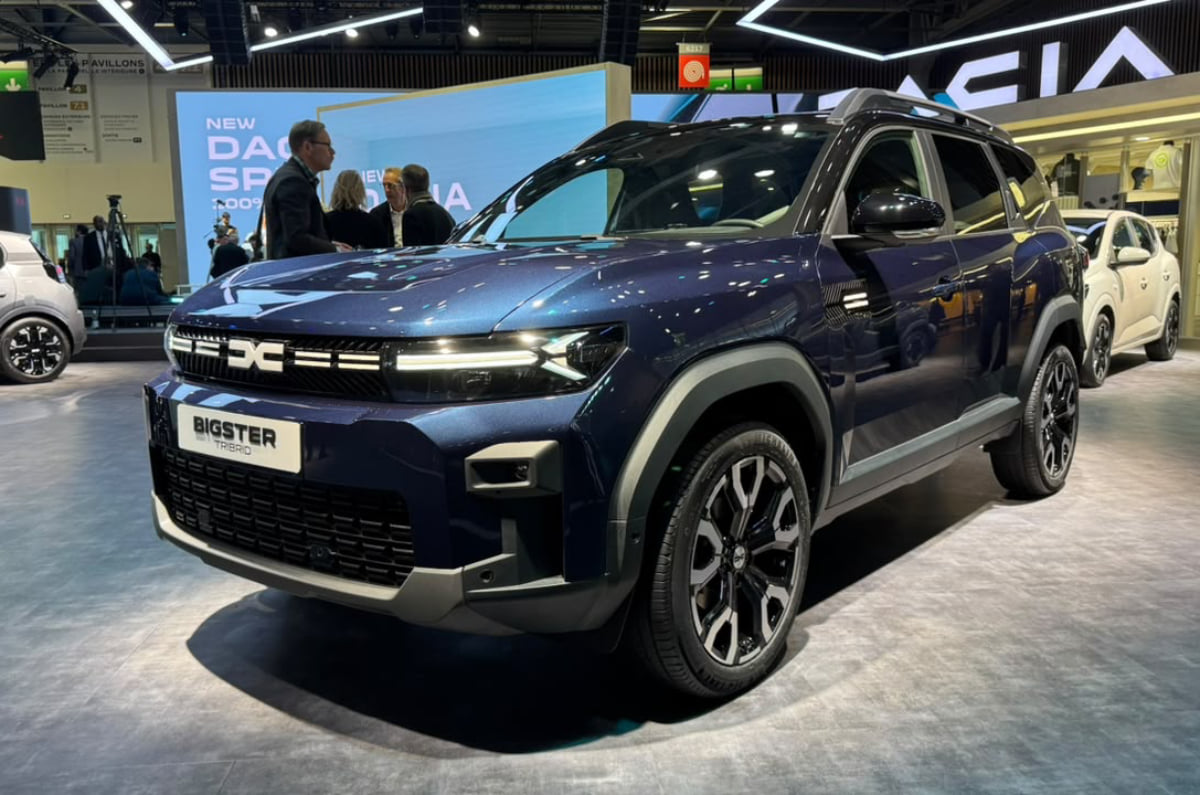
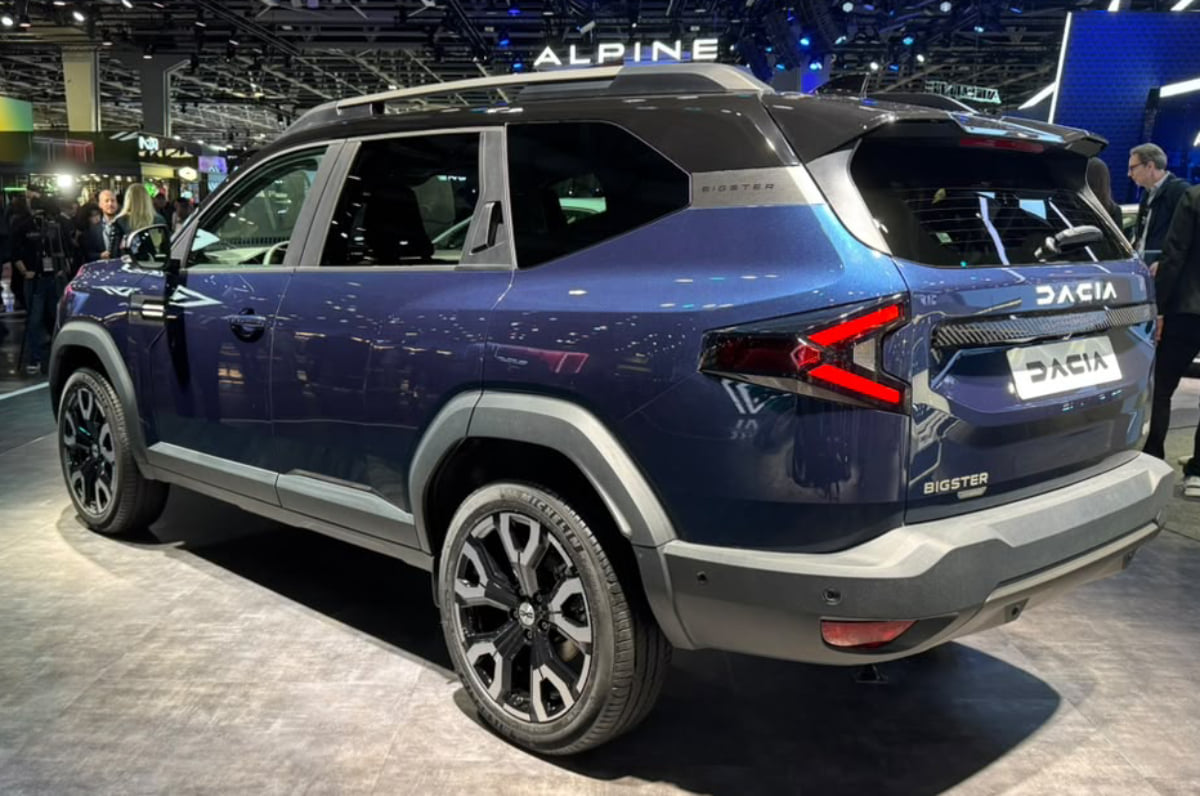
India-bound Dacia Bigster hybrid showcased at Paris Motor Show

India-bound Dacia Bigster hybrid showcased at Paris Motor Show
Renault Bigster

The Dacia Bigster, which is expected to come to India as a Renault in 2027, was showcased at the 2026 Paris Motor Show. The three-row SUV is expected to be positioned as a larger alternative to the Renault Duster, with turbo-petrol and strong-hybrid powertrain options. The hybrid system is set to debut in India in the Duster on October 17, 2026.

Dacia Bigster: Powertrain

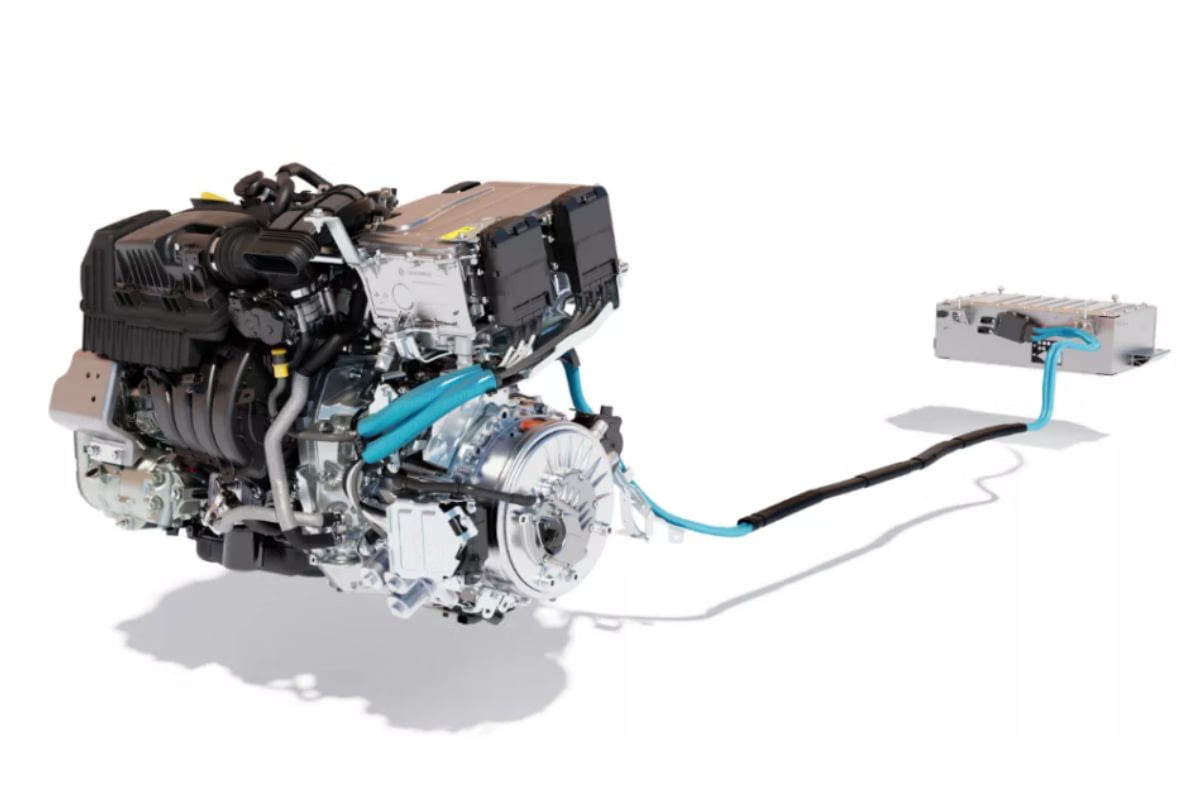
Renault strong hybrid E-Tech 160hp powertrain. 

The India-bound Bigster is expected to get 1.3-litre turbo-petrol and 1.8-litre strong-hybrid powertrain options. The latter will make its India debut in the Renault Duster later this week.

In the Duster hybrid, the 1.8-litre naturally aspirated petrol engine works with two electric motors and a 1.4kWh battery to produce a combined 160hp and 172Nm. The system uses a multi-mode automatic gearbox with fixed gear ratios. Since this is a strong-hybrid setup, the battery does not require charging via an external source, and it charges while the vehicle is being driven. Renault claims the Duster hybrid can cover up to 80 percent of city driving in electric mode.

The Bigster is expected to use the same hybrid setup, though its power and torque figures could differ due to its larger size.

Dacia Bigster: Exterior

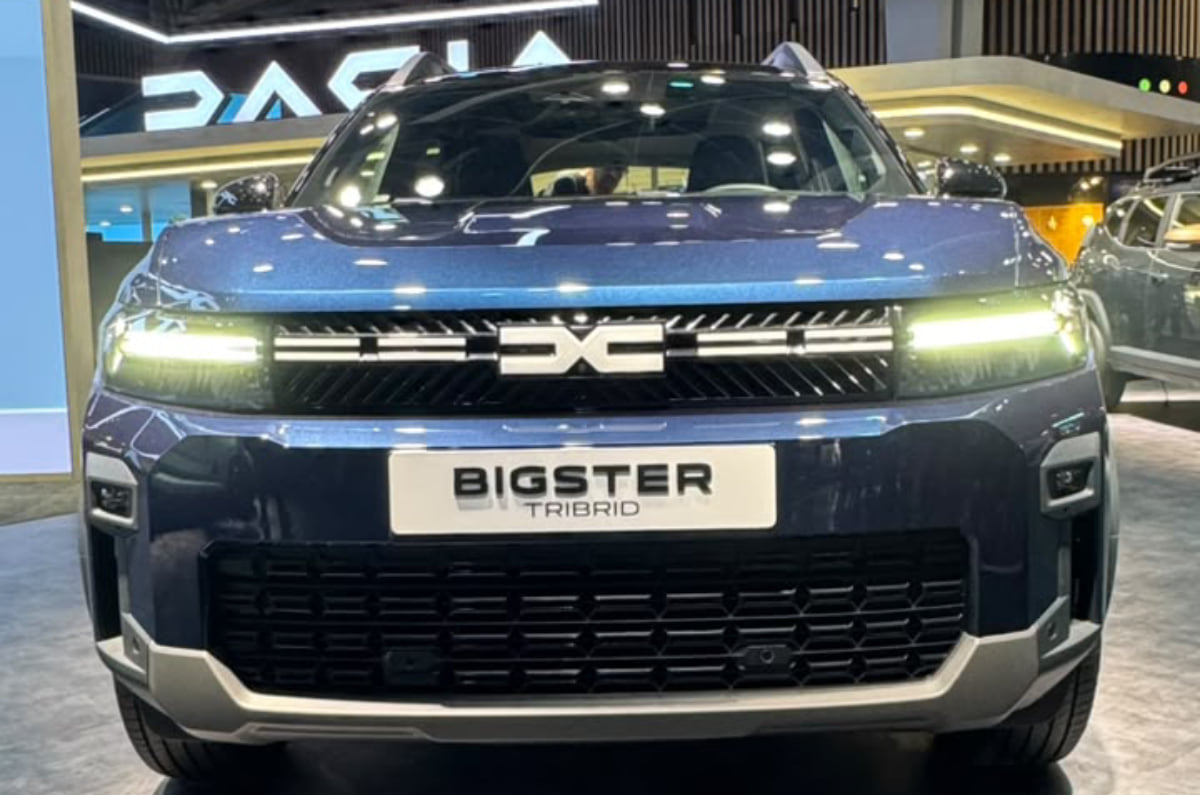
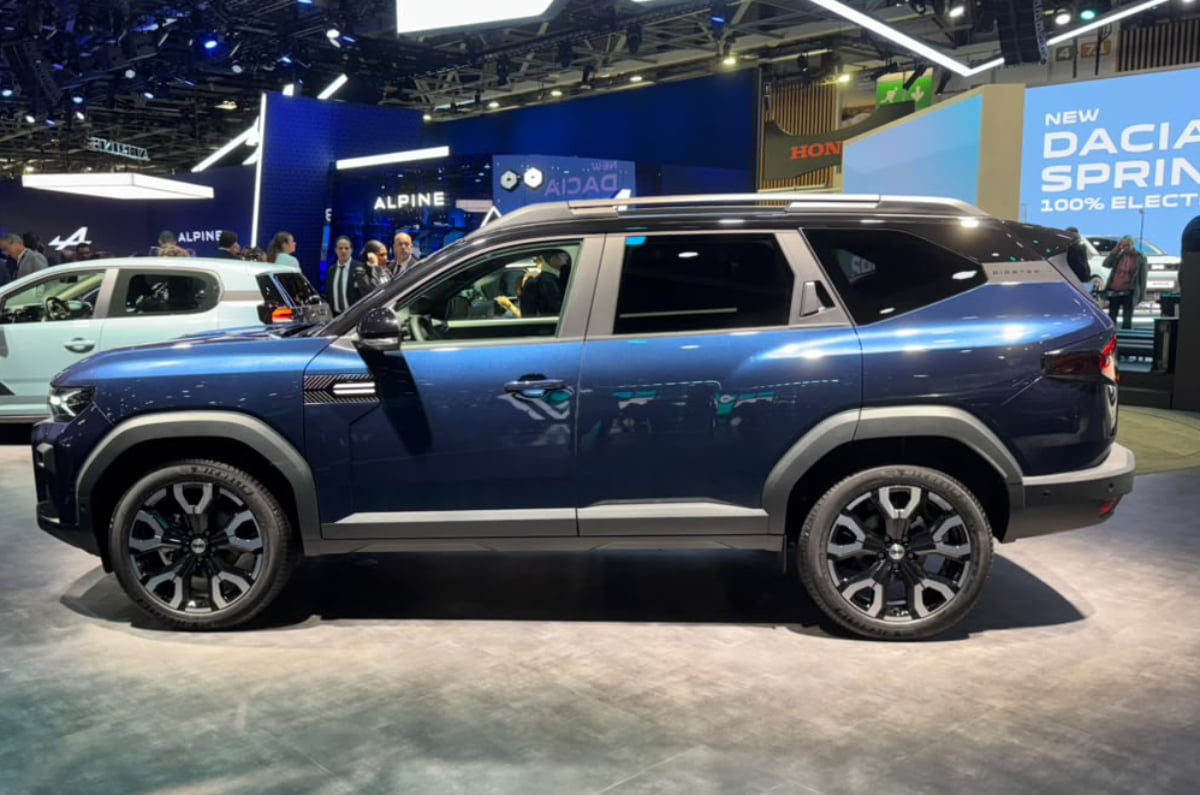
The Bigster is 230mm longer overall than the India-spec Duster, with a 45mm longer wheelbase and much of the added length at the rear overhang. The European Dacia Bigster features a chunky front skid plate, rugged-looking front and rear bumpers, and LED daytime running lights.

Like the India-spec Duster, the India-bound Bigster is expected to get revised styling compared to its Dacia counterpart, including changes to the grille and bumpers. The India-spec Duster gets connected tail-lamps, unlike the European Dacia Duster, which has separate units.

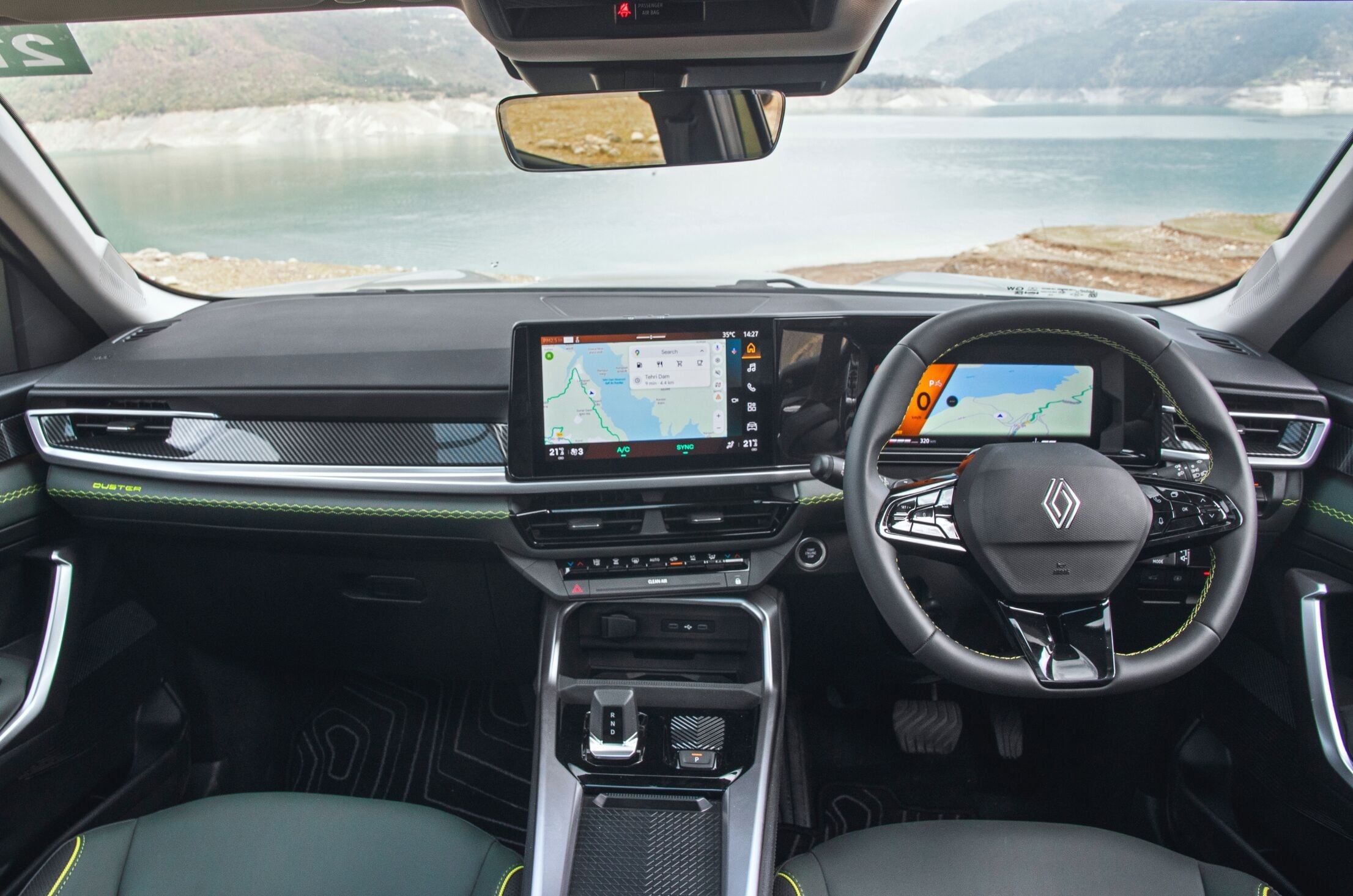
Dacia Bigster: Interior and layout

Renault Duster interior image used for representation only. 

The India-bound Bigster is expected to be a seven-seater with three rows. Its cabin layout is expected to be similar to that of the new Renault Duster, with additional features likely for the larger SUV. The Duster gets a 10.1-inch touchscreen infotainment system, a 10.25-inch digital instrument cluster, dual-zone climate control and a wireless phone charger.

Dacia Bigster: India launch and rivals

The Renault-badged Bigster is expected to arrive in India in 2027. It will sit above the Duster in Renault’s SUV line-up and is expected to compete with three-row SUVs such as the Hyundai Alcazar, Mahindra XUV 7XO and MG Hector Tomahawk range.

A Nissan version of the three-row SUV has also been spotted testing in India. 

Audi Q3 review: a fresh start for Audi

Audi Q3 review: a fresh start for Audi
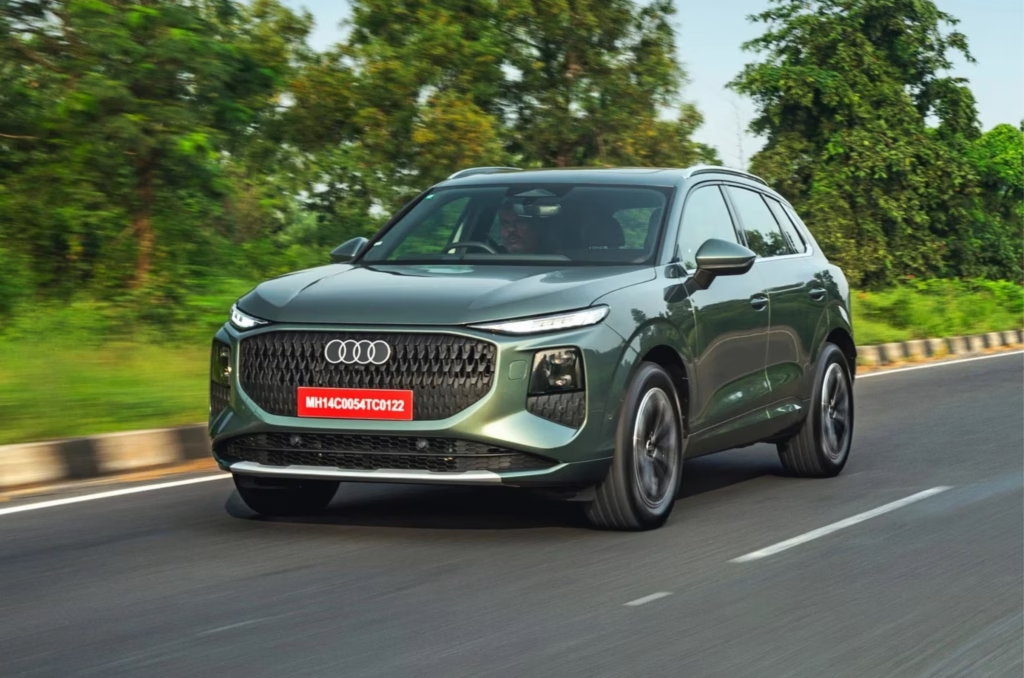
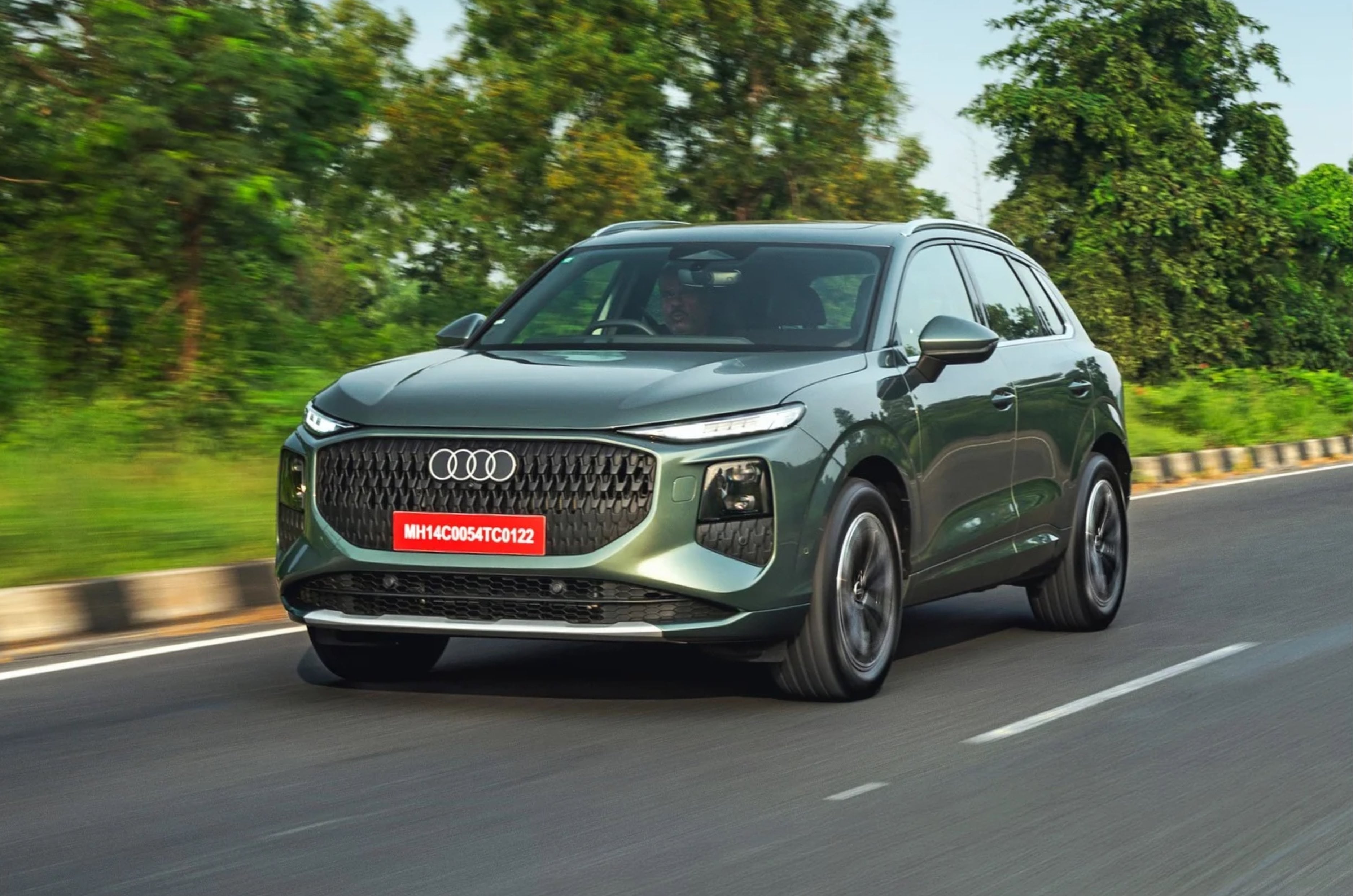
Audi Q3 India review

It would be easy to file the third-generation Q3 as just another new model but it isn’t. For Audi India, this is closer to a reset. The brand has spent the past few years soldiering on with ageing, outdated products and its showroom traffic has paid the price for this freeze in new products. But that’s all changed now. With fresh investment pouring in from its headquarters, Audi is on a new product offensive which has been kicked started with the Q3. This compact SUV is also the entry point into the brand, so it carries the burden of delivering  the maximum sales. There’s a lot riding on the Q3’s gentle shoulders and Audi is hopeful that this will model will mark the turning point for the brand. But first, Audi has to convince customers. Is the new Q3 a quantum leap over the past Q3? We drove it in Goa to find out.

Audi Q3 Exterior Design and Engineering – 8/10

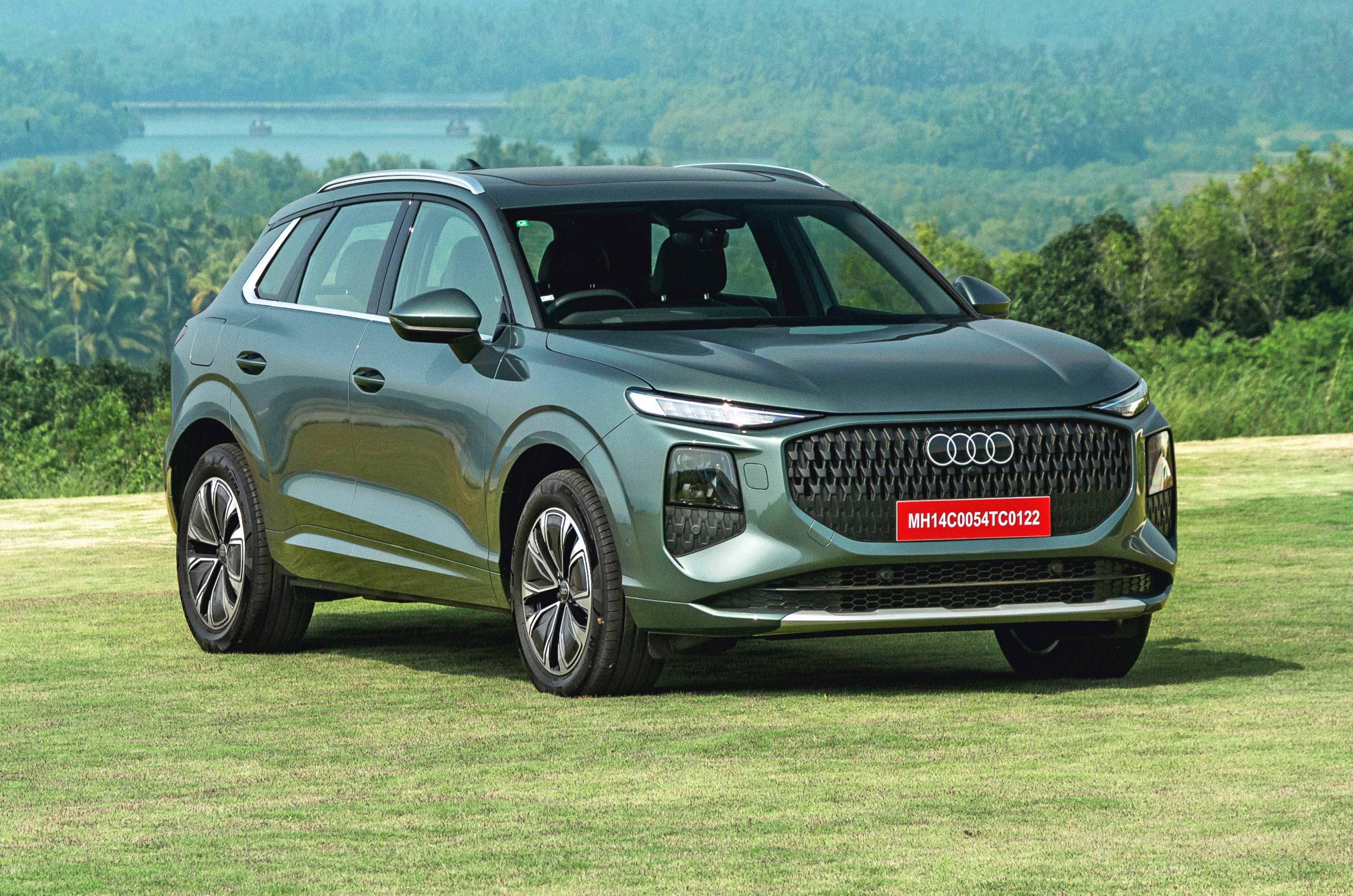
The crisp, edgy lines of the old car have made way for something more fluid and flamboyant. The new Q3 has grown marginally in every dimension, but the 2,681mm wheelbase is unchanged, so it keeps the compact footprint its urban buyers like.

A fluid and flamboyant new design language replaces the edgy styling of the old car

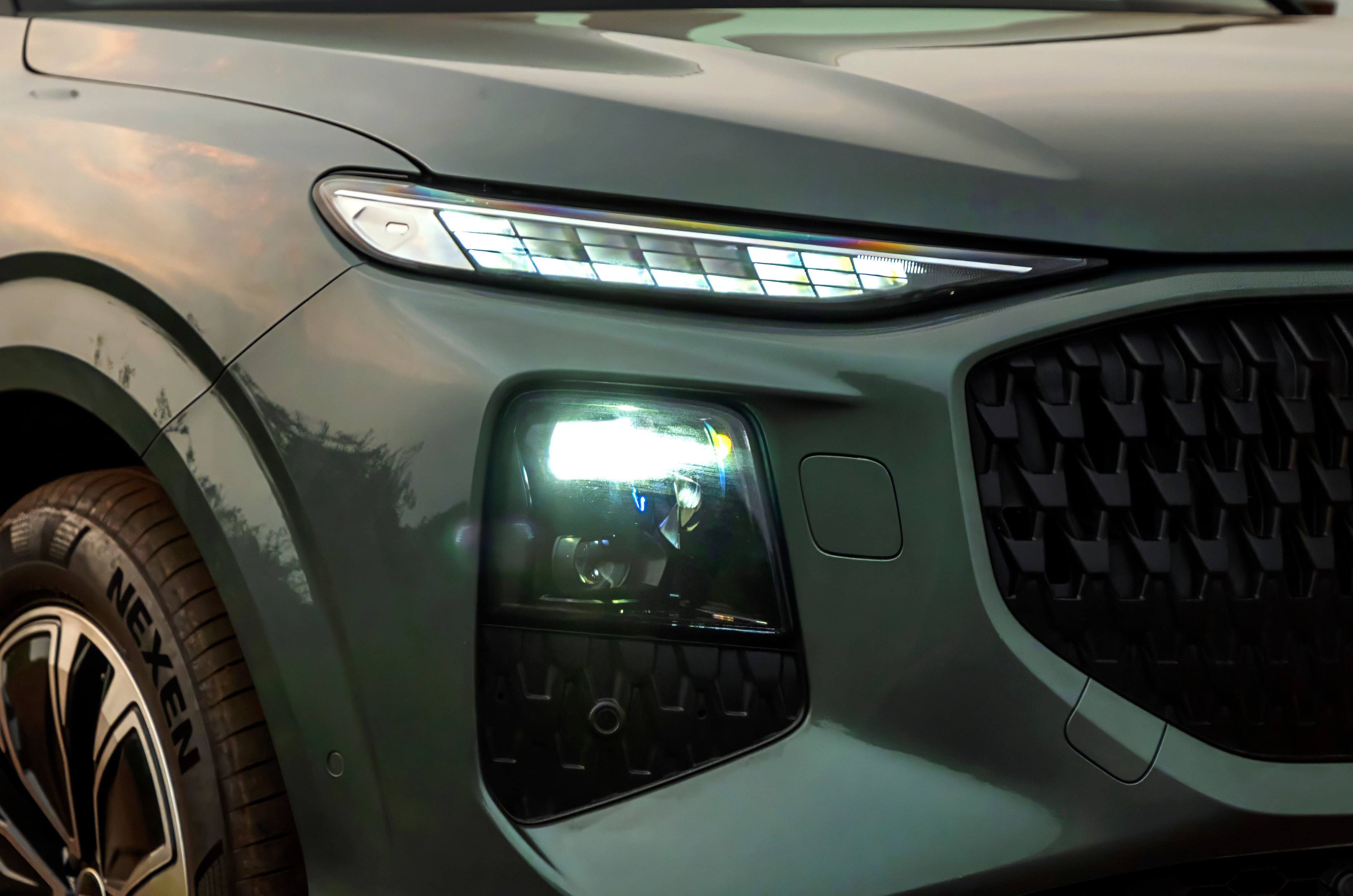
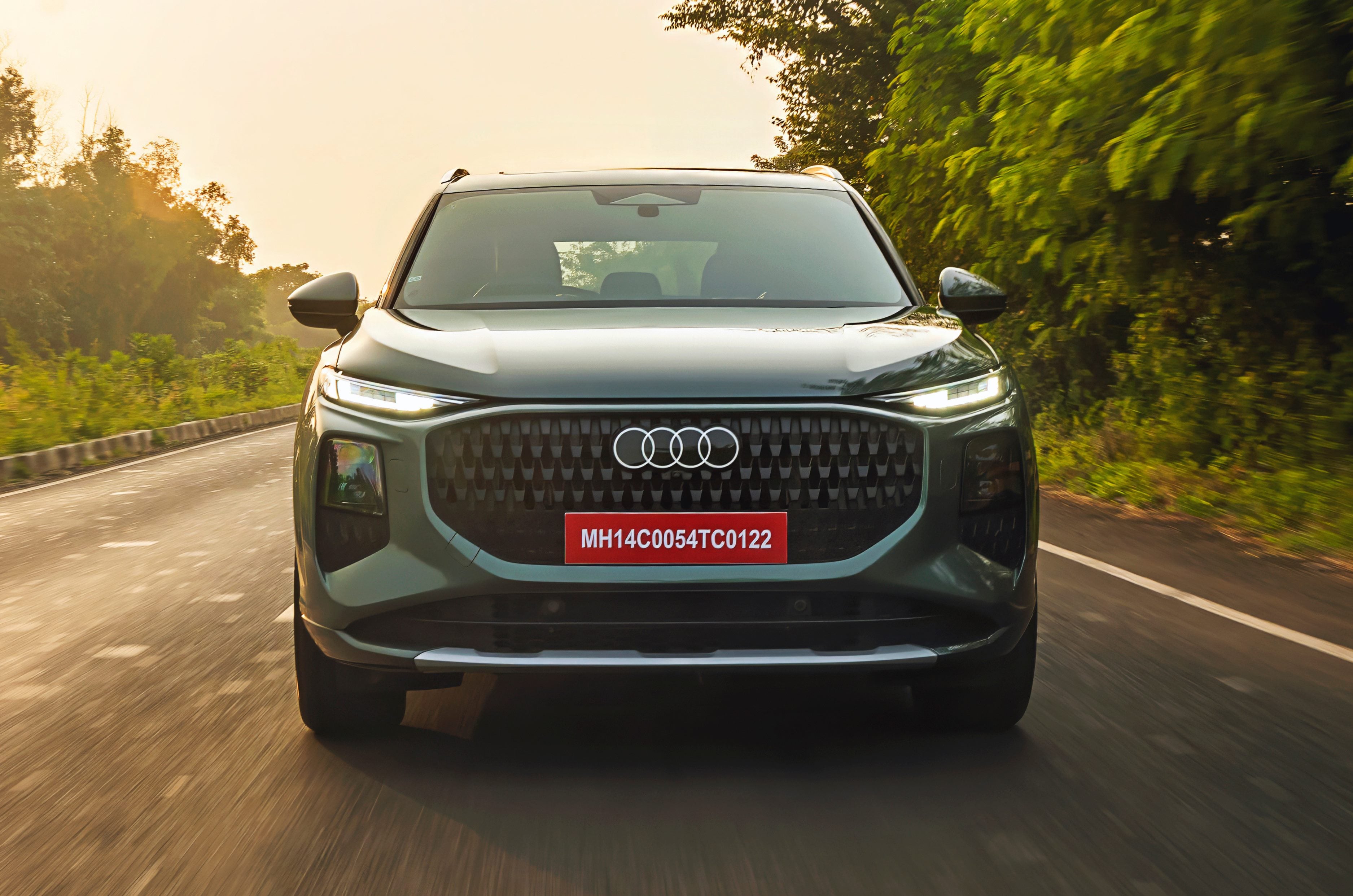
The face is split in two. Slim LED daytime running lights sit up top and double as dynamic indicators, while the main headlamps are stacked below. The wide honeycomb grille certainly makes a statement, and its flat 2D logo hides the ADAS radar. Up close, though, the grille’s finish looks a touch plasticky for a car wearing four rings.

Lighting is the real party piece. The Digital Matrix LED units use micro-LED technology, with some 25,600 individually controlled pixels per headlamp. That lets them do far more than dip and glare-free high beam. They can project a carpet of light in your own lane, and when you flick the indicator, the beam stretches across to illuminate the lane you are moving into. It’s a clever way to flag your intent and place the car on dark, unlit roads. The DRLs also offer four selectable light signatures via the touchscreen. There is a caveat. The projection tricks are at their best on pitch-black roads; with streetlights around, the effect is largely lost.

Trick Digital Matrix LED headlights use 25,600 individually controlled pixels per side

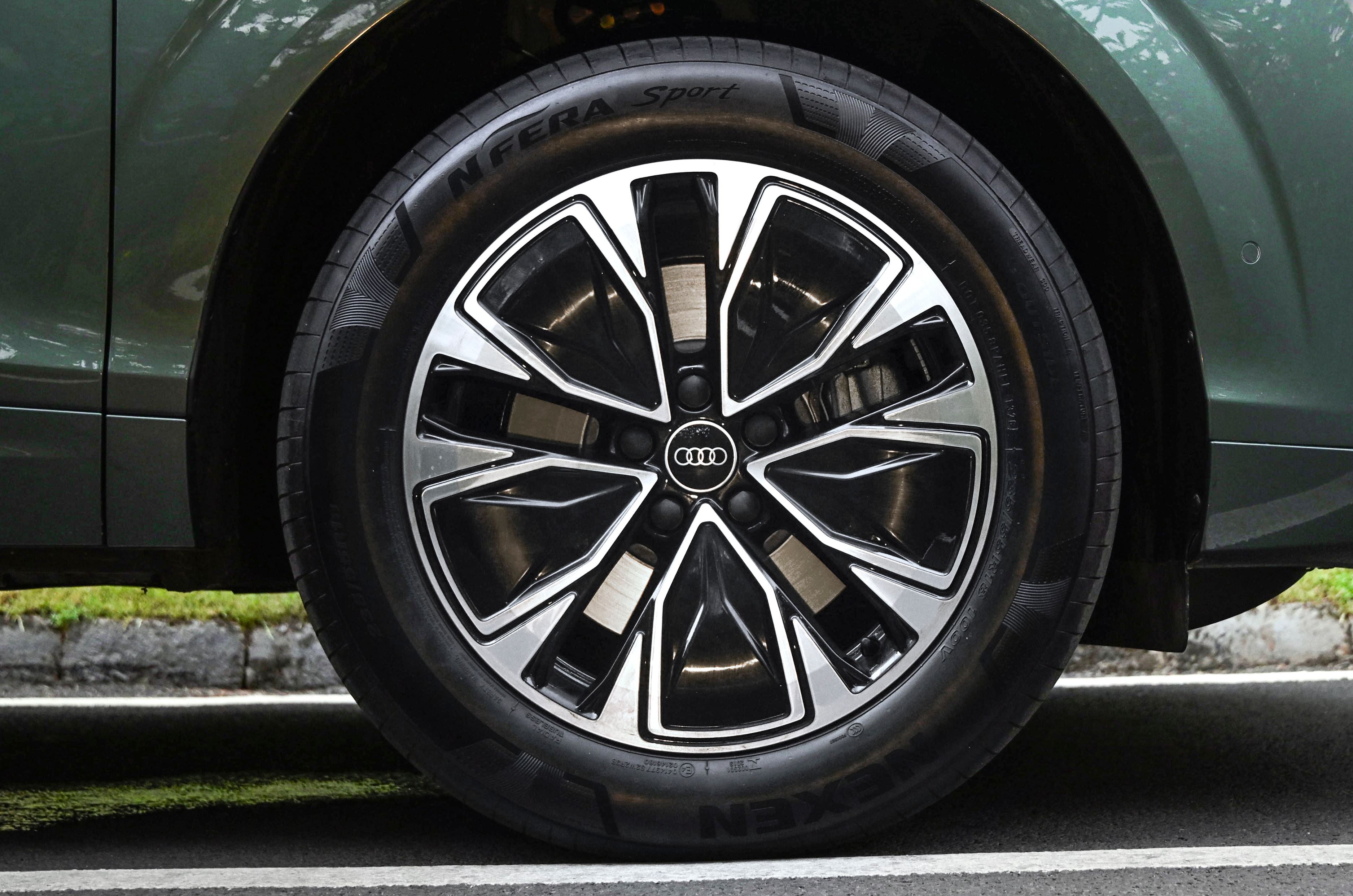
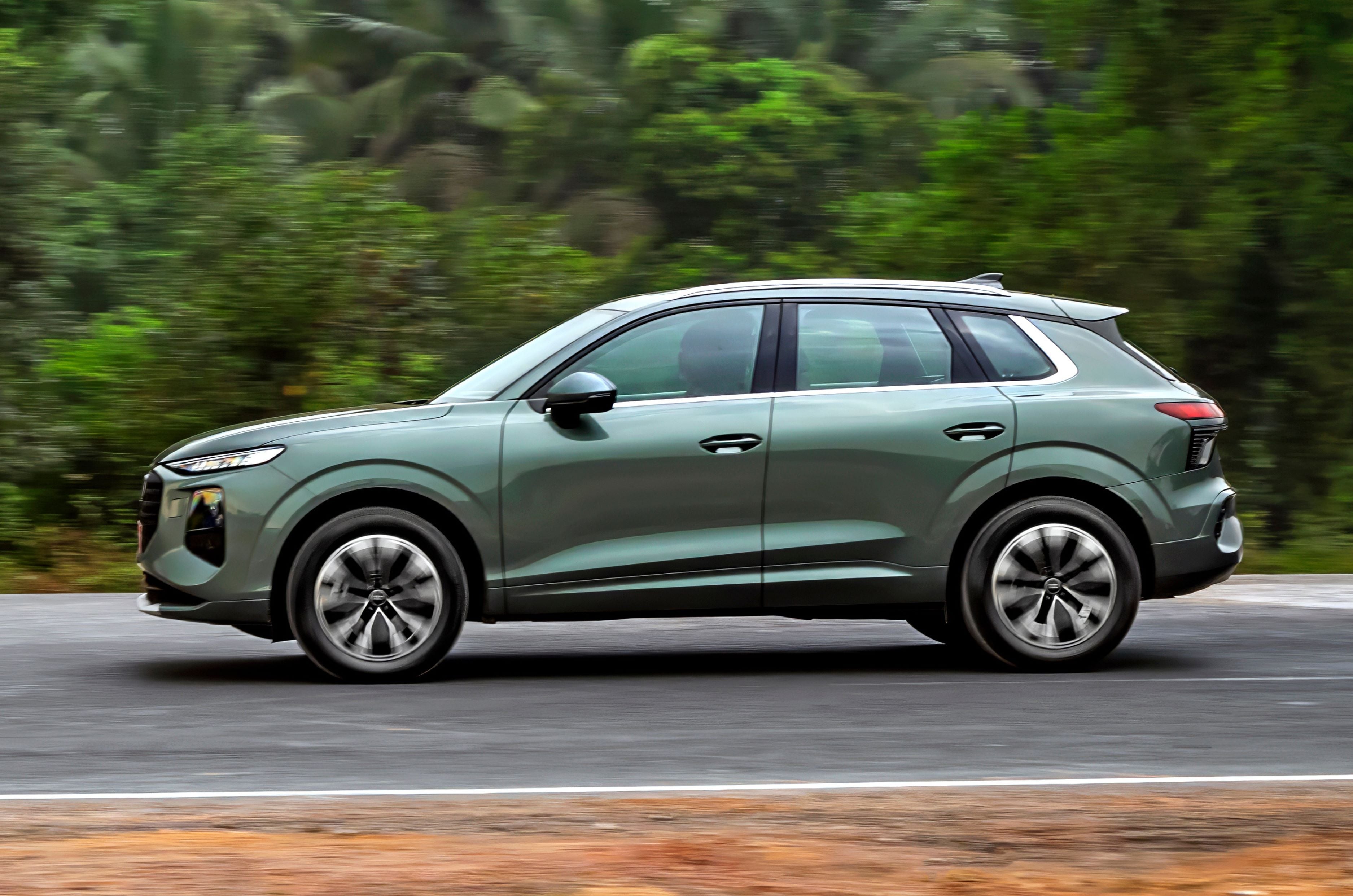
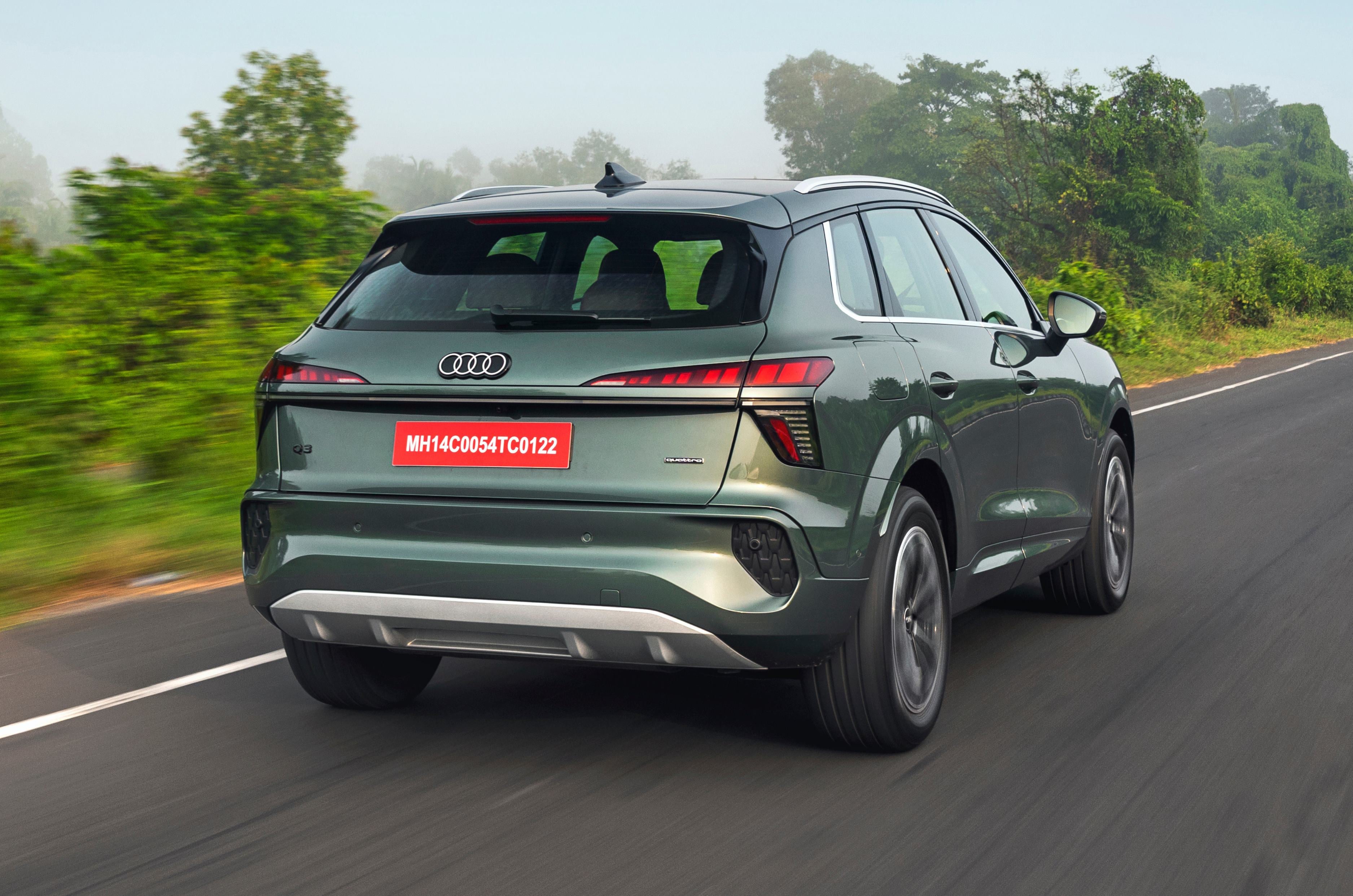
In profile, brushed aluminium below the windows and gloss black above create a floating-roof effect, and the rear haunches add a hint of muscle. For once, the wheels deserve a mention too. Audi has rarely nailed its alloy designs, but these are genuinely striking, wrapped in chunky, high-profile rubber. At the back, split LED tail-lamps are joined by a slim light bar and an illuminated Audi logo, and the tailgate is powered.

Stunning 18-inch alloys get self-leveling centre caps and are wrapped in high-profile tyres

Audi Q3 Interior Space and Comfort – 8/10

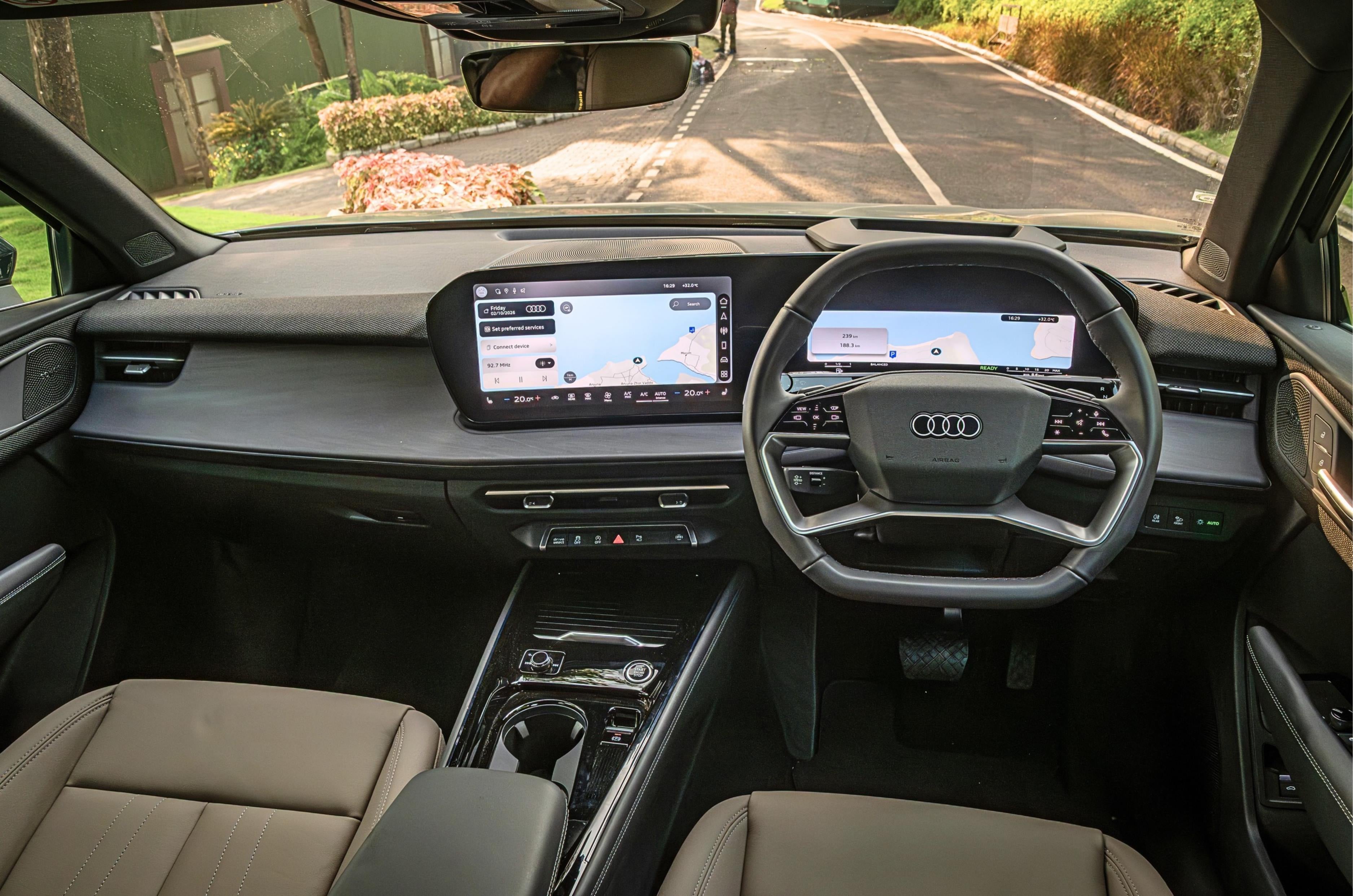
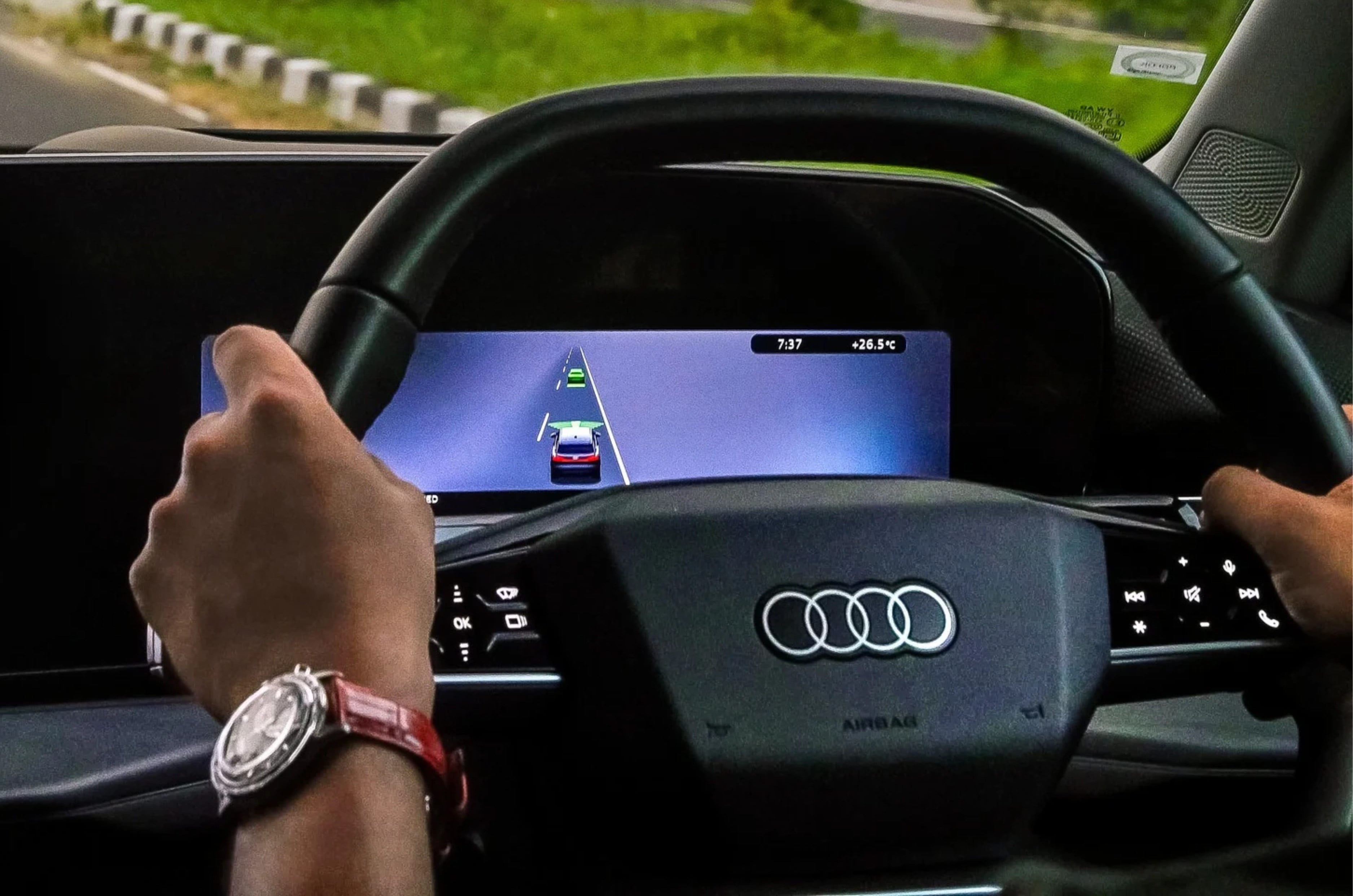
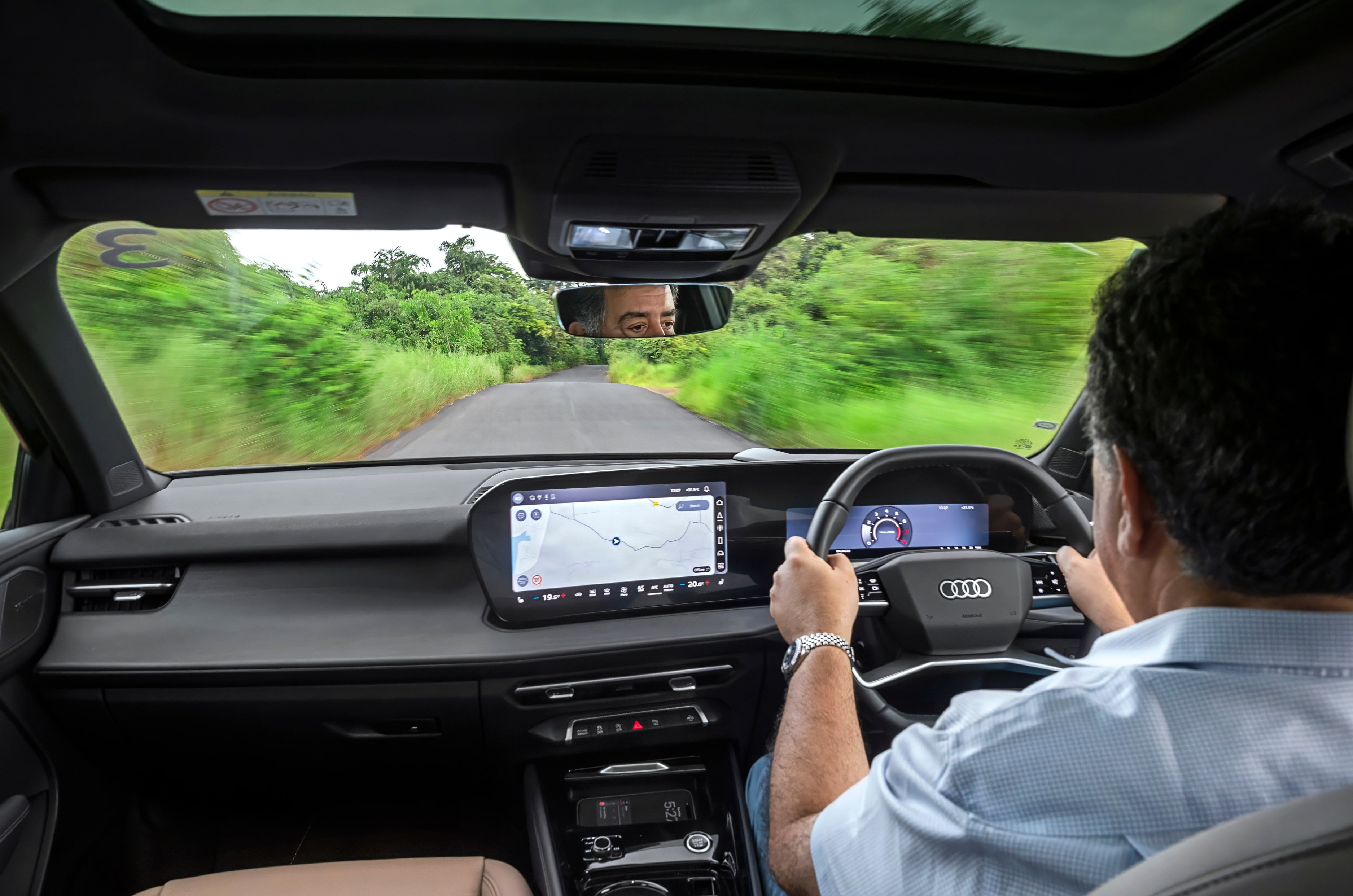
Step inside and the leap over the old Q3 is obvious. The dashboard is clean and contemporary, anchored by a curved panel that houses an 11.9-inch driver’s display and a 12.8-inch touchscreen. Fabric replaces leather across much of the cabin and the lower plastics are on the hard side. Yet the overall impression is of a cabin that’s solidly screwed together, and it feels more robust than its German rivals. Small details help: the fat tabs that adjust the air-con vents have a reassuringly substantial action.

New interior is a big leap over the last model and feels better built than its German rivals

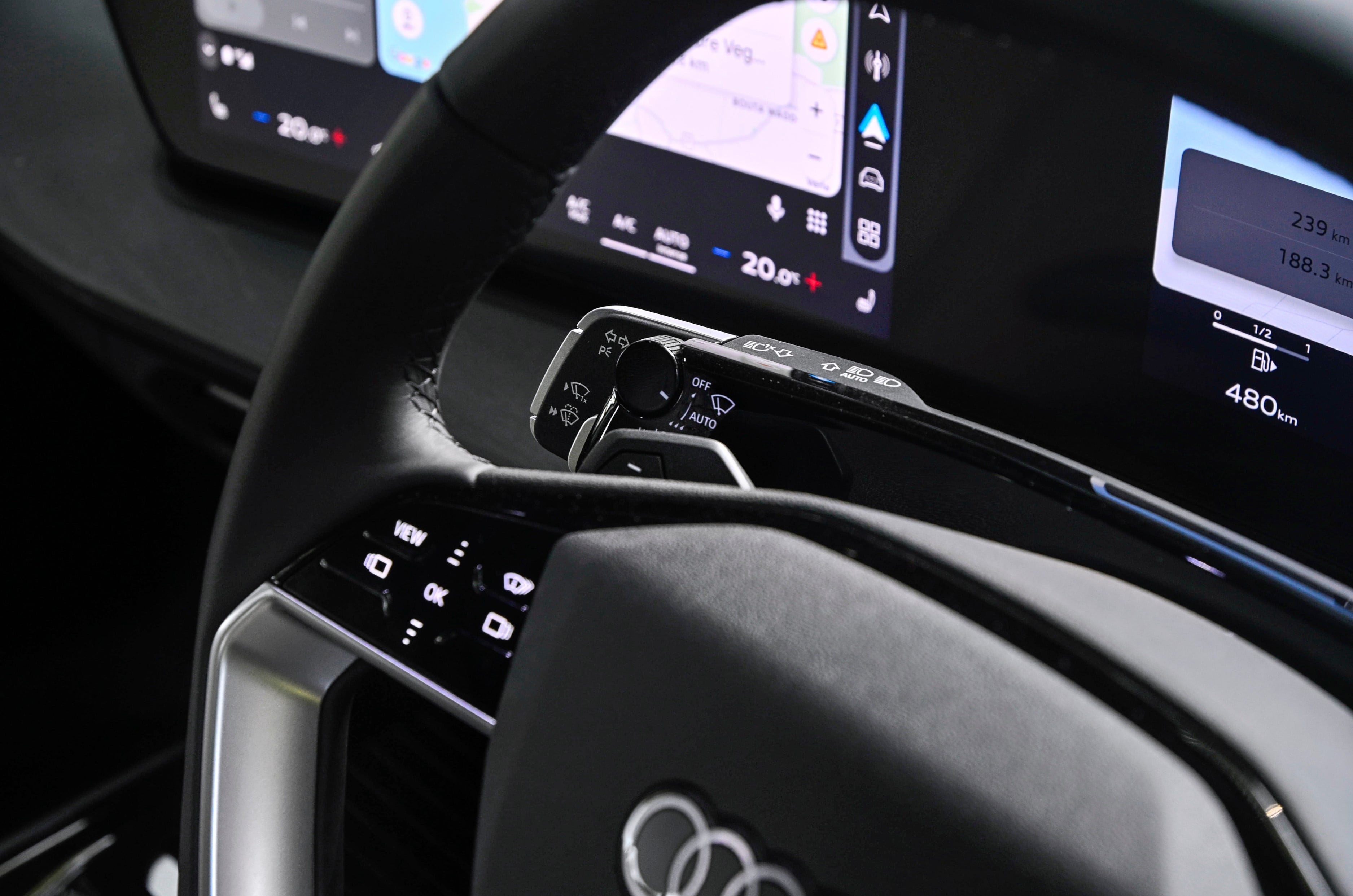
The hexagonal steering wheel takes some getting used to. So does the new control stalk, which Audi has loaded with an astonishing number of jobs: indicators, front and rear wipers and headlamp controls all live on one chunky lever. The gear selector moves to a stalk of its own on the other side. It feels awkward at first, but within a day it becomes second nature.

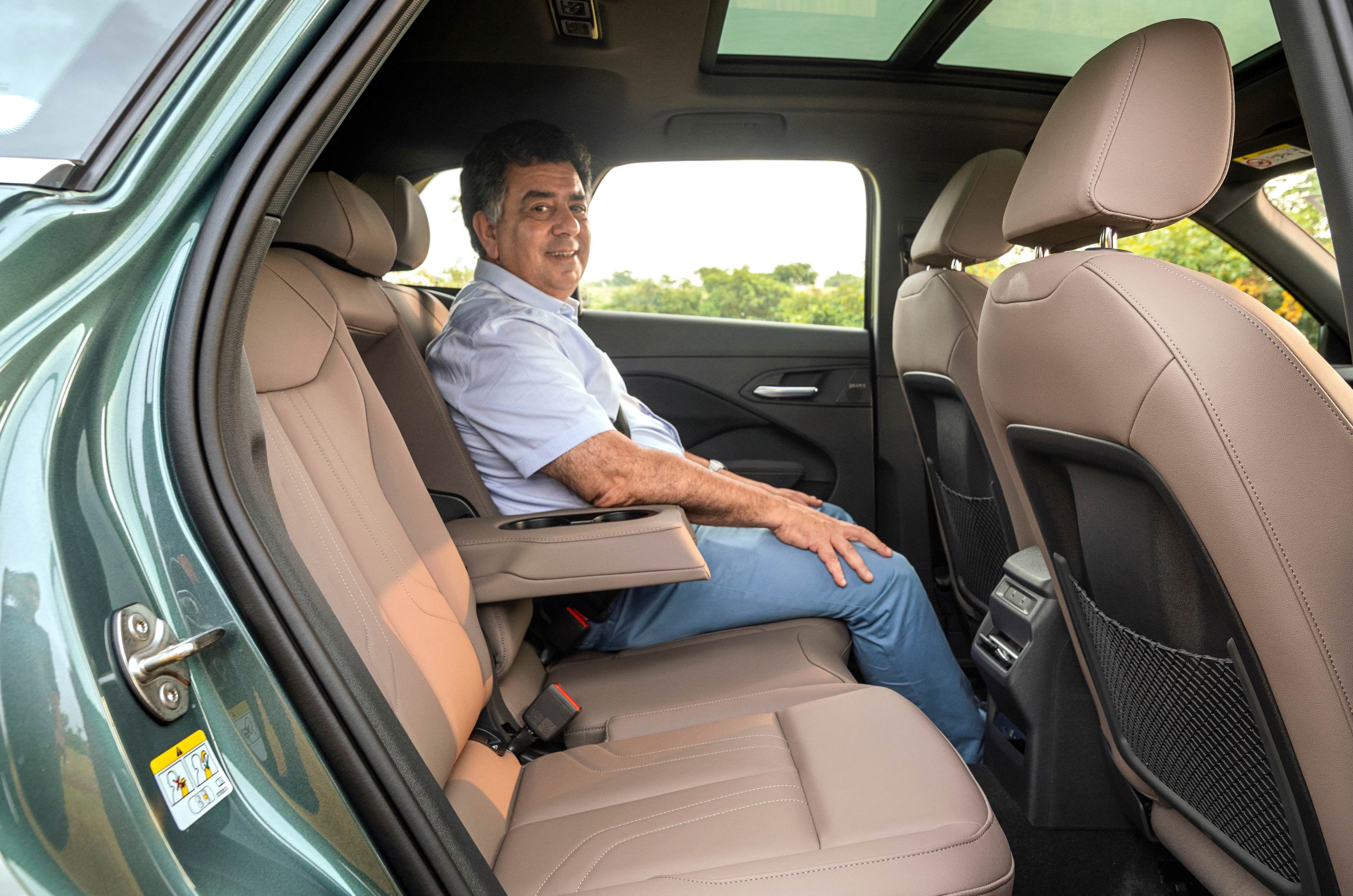
Two adults will be comfortable in the back seat, but a third will feel like a sqeeze

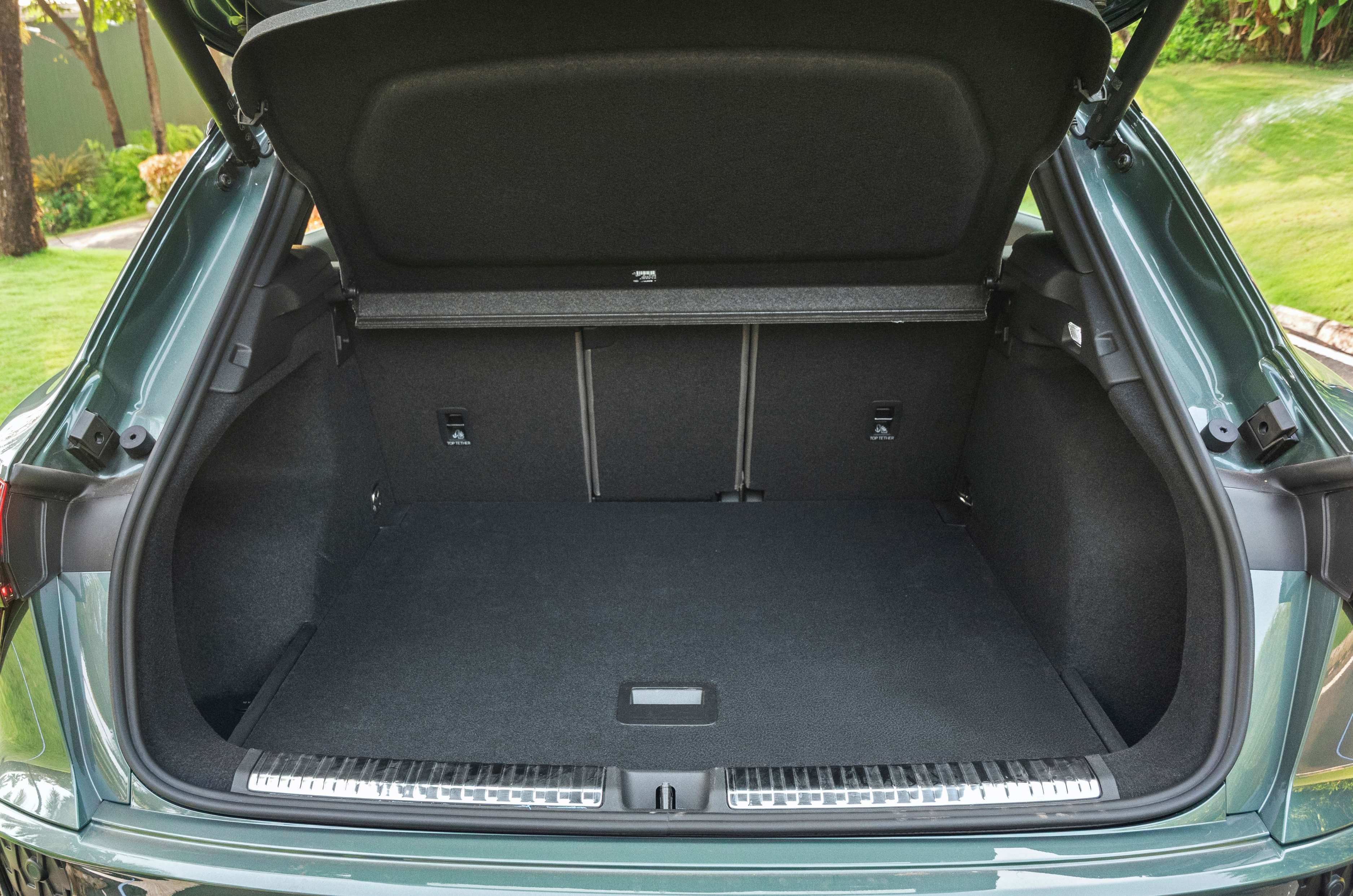
The front seats are generous, well bolstered and very comfortable over long stints. The rear hasn’t moved on much from the old car. Two large adults will be fine, but three is a squeeze; think of it as a four-seater with an occasional fifth. Rear passengers do get a third climate zone and two USB-C ports. The boot is spacious, and it’s good to find a space-saver spare under the floor.

Powered tailgate opens to a large 488-litre boot; seats split 40:20:40 for longer items

Audi Q3 Features and Safety – 7/10

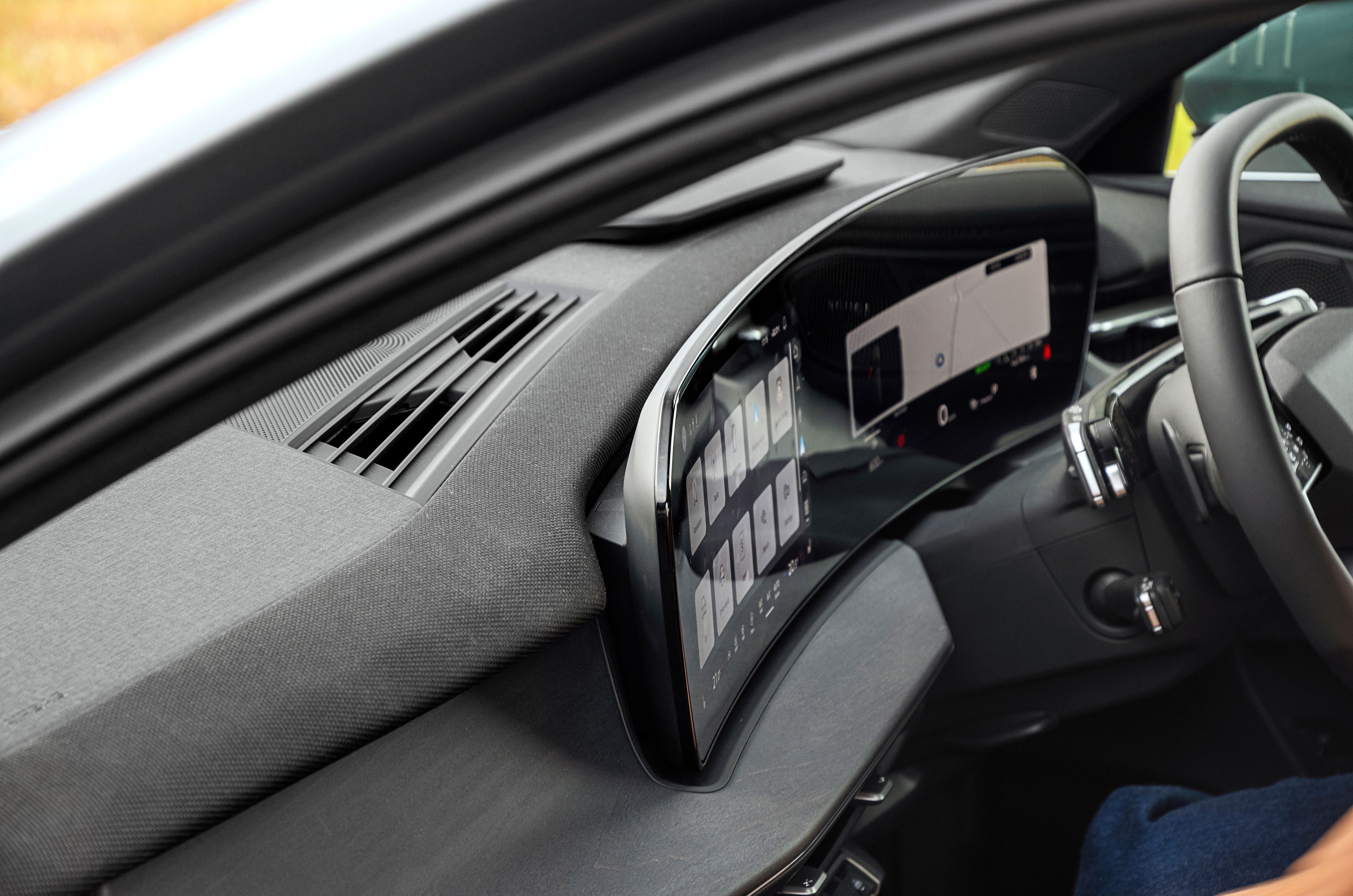
The curved touchscreen works well, and the curvature itself cuts out glare and reflections. Response is smooth and quick, though the icons are, in typical Audi fashion, a bit subdued and not instantly distinguishable. Physical buttons are fewer, but the climate controls sit permanently at the base of the screen, so you never dig through menus to change the temperature or blower speed.  A head-up display brings key information into your line of sight and the fonts are crisp and sharp.

Curved display cuts out glare and reflections

Audi’s own navigation is good, but integrated Google Maps, increasingly the benchmark, is expensive to licence and hence missing. The instrument cluster is surprisingly basic too, with little configurability and minimal choice of layouts and that’s a let-down from the brand that pioneered the virtual cockpit.

We also hit a software glitch with our iPhones. Wireless phone mirroring connected initially, then dropped out and refused to reconnect, prompting a switch to USB. It’s the sort of bug an over-the-air update should fix.

Lighting and wiper controls are odd at first but easy to get used to

The equipment list isn’t thin. There’s a superb-sounding 12-speaker Sonos system, a large panoramic sunroof, powered and heated front seats with driver memory, nine airbags and adaptive cruise control. That cruise works well, too. But for a car costing over Rs 50 lakh and launching in 2026, there gaps that are hard to overlook.

There is no lane-keep assist, so the ADAS suite stops at adaptive cruise. A full Level 2+ package is now table stakes in this class, all the more so when far cheaper mass-market cars offer one. There are no ventilated seats either, near-essential in our climate. The biggest miss, though, is a 360-degree camera, something a great many buyers actively look for. The reversing camera’s resolution is disappointing, although there is an auto-park function.

ADAS kit limited to auto emergency braking and adaptive cruise control

None of this is unusual for its rivals. But as the newest kid on the block, the Q3 should have moved the game on, and here it hasn’t.

Audi Q3 Performance and Refinement – 9/10

The engine is the star of the show. Audi’s 2.0 TFSI makes 201bhp and 320Nm, and it is smooth, strong and refined. That alone hands the Q3 a massive edge over the underwhelming, smaller-capacity motors in the X1 and GLA.

Strong and refined 2.0 TFSI makes 204hp and 320Nm, enough for 0-100kph in 7.1 seconds

It isn’t flawless. At low revs there’s a brief hesitation before it gathers itself and pulls smartly, which is why we left it in Dynamic mode most of the time. Once on the boil, though, it is eager and free-revving, a reminder of why this is the best 2-litre turbo-petrol in the business. Around town it feels responsive; on the highway it builds pace effortlessly. Audi claims 0-100kph in 7.1sec, which puts the Q3 at the top of its class.

The 7-speed dual-clutch remains a fine partner, eager to drop a gear to keep the engine in its powerband. Flick it into Sport or reach for the paddles if you want to take charge. Quattro all-wheel drive is now standard on every Q3, not an option, and there’s a range of drive modes including an off-road setting to make the most of it. It’s good insurance on slippery surfaces and gives the Q3 an edge over rivals when conditions turn tricky. Whether many owners need it, or more importantly will pay extra for it, is another question.

Strikes a great balance of ride and handling; gets Quattro all-wheel drive as standard

Audi Q3 Ride Comfort and Handling – 9/10

The big surprise is the handling. The variable-ratio steering adjusts its response to both speed and lock, so its light and effortless at parking speeds, then quicker and more direct as you wind on more lock. Barring a touch of slack around the straight-ahead, it is accurate and weights up superbly.

Quick steering often makes a car nervous at speed. Not here. The Q3 stays stable and reassuring when the needle climbs, yet changes direction with an agility you simply don’t expect from an Audi SUV.

New Progressive Steering is light at parking speeds, but gets sharper and more direct as speeds rise

What you do expect from an Audi is a good ride, and the Q3 delivers. It is on the firm side but never uncomfortable, soaking up potholes and broken patches with real composure. A big help is the 55-profile tyres. Their roughly 130mm sidewall is the first line of defence, absorbing much of the shock before it reaches the suspension and, ultimately, the cabin.

Audi Q3 Value for Money – 8/10

The new Q3 is a superbly engineered car, and its mechanical package sits well ahead of its rivals. The cabin is a big step up too, but given its timing, the Q3 doesn’t quite leapfrog the competition here; it lands a little short on equipment.

What it does do is drive brilliantly. It is by far the nicest car to drive in its class, and that matters, because Audi says 84 percent of Q3 owners drive themselves.

Easily the nicest car to drive in its class, but doesn’t leapfrog the competition in terms of features

A lot now rides on price. At around Rs 65 lakh on-road, it is steep. Not because the car isn’t worth it, but because buyers may balk at paying so much more than the outgoing Q3, whose transaction price had slipped to around Rs 40 lakh.

On the product front, though, Audi has come back with a bang. A brilliant powertrain, a superb blend of ride and handling and a genuinely classy feel make the Q3 the enthusiast’s pick of the class. If this is the opening act, Audi’s reset is off to a promising start.