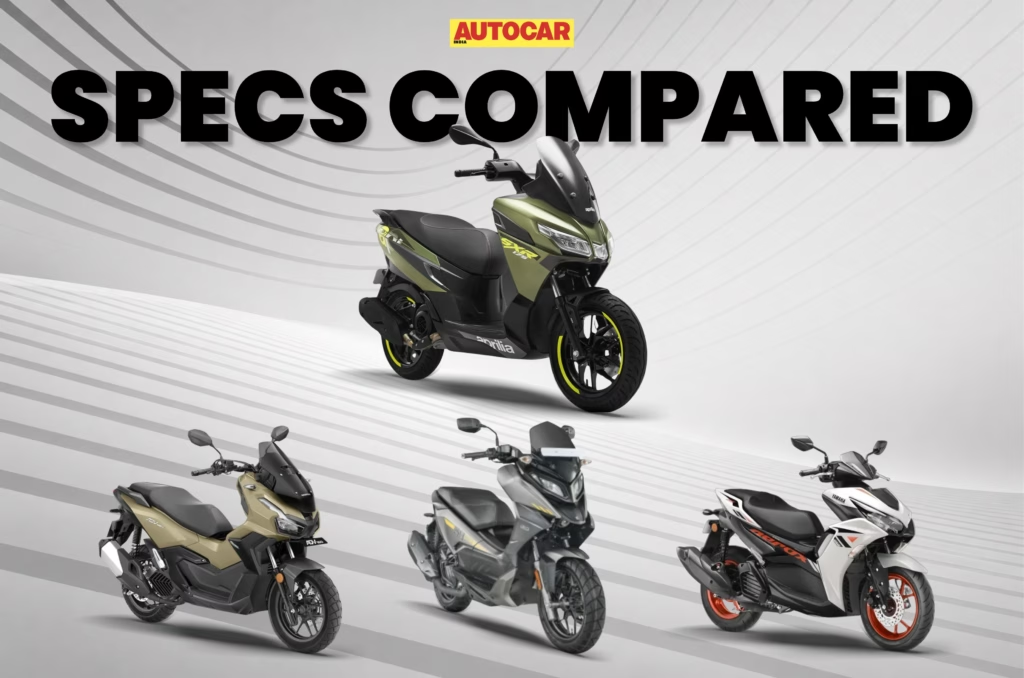
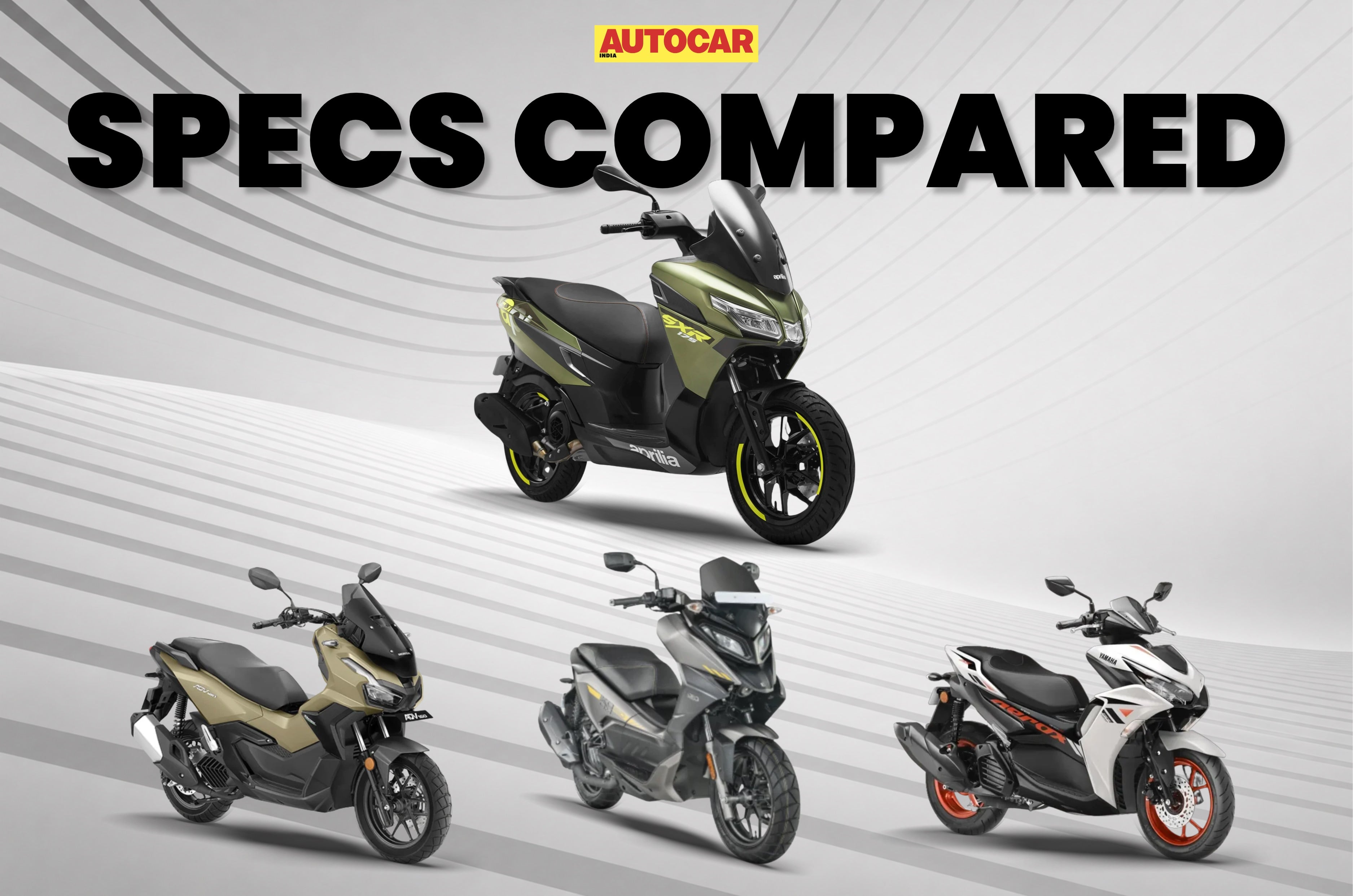
Maxi scooters have technically been around in our market since 2006, thanks to the Kinetic Blaze but the idea was first popularised by the Suzuki Burgman and later the Yamaha Aerox added to it. “Popularised” being the operating word because Aprilia also had a player in there from 2020, which has just been updated. So, what’s the maxi scooter scene like today and which one should you go get a test ride of? Let’s see.
Aprilia SXR GT 175 hp-e vs Rivals: Engine and output
Smaller rivals all make more power
Aprilia SXR GT 175 hp-e
Honda ADV160
Hero Xoom 160
Yamaha Aerox 155
Engine
174.7cc, single-cylinder, air-cooled
156.9cc, single-cylinder, liquid-cooled
156cc, single-cylinder, liquid-cooled
155cc, single-cylinder, liquid-cooled
Power
13.3hp at 7,200rpm
16.3hp at 8,750rpm
14.8hp at 8,000rpm
15hp at 8,000rpm
Torque
14.14Nm at 6,000rpm
14.9Nm at 6,500rpm
14Nm at 6,250rpm
13.9Nm at 6,500rpm
Transmission
CVT
CVT
CVT
CVT
Power-to-weight ratio
100.76hp/tonne
118.98hp/tonne
104.23hp/tonne
119.05hp/tonne
Don’t let the bigger displacement number mislead you into thinking the Aprilia SXR GT 175 is the most powerful of these scooters, because that’s not the case. The SXR has the only air-cooled mill in this class, possibly contributing to its lower output figures. Combine that with the weight and the Aprilia’s case only becomes weaker. For what it’s worth the Italian scooter delivers its peak torque faster than the others so that should be an advantage while plying within the city.
The Yamaha has the lowest kerb weight on this list, which contributes to the highest power-to-weight ratio, very closely followed by the Honda.
Aprilia SXR GT 175 hp-e vs Rivals: Dimensions and weight
Hero is the heaviest, Yamaha is the lightest
Aprilia SXR GT 175 hp-e
Honda ADV160
Hero Xoom 160
Yamaha Aerox 155
Fuel tank capacity
7 litres
8.1 litres
7 litres
5.5 litres
Ground clearance
170mm
175mm
155mm
145mm
Seat height
800mm
NA
787mm
790mm
Kerb weight
132kg
137kg
142kg
126kg
Wheelbase
1362mm
1333mm
1348mm
1350mm
Aprilia gains some ground, or rather gets away from ground with its second highest ground clearance figures. However, it also has the tallest seat height of this bunch. While Yamaha’s ground clearance numbers seem the lowest, do note that the website specifies it to be minimum, which means that it’s measured under laden conditions. So, it’s actually the Hero that has the lowest ground clearance.
As for seat height, Honda doesn’t specify that for the ADV160, but it shouldn’t be too tall for it to be a concern for most Indians. On the other hand, the Xoom 160 is the heaviest of these four, which could prove to be tricky to some at low speed rides and reversing out of parking lots. Aprilia and Hero have neglected mentioning the under seat storage but none of these is likely to impress you in that specific aspect. For what it’s worth, the Honda ADV160 has the highest number of the lot, 27 litres followed by the Yamaha Aerox at 24.5 litres.
Aprilia SXR GT 175 hp-e vs Rivals: Tyres, brakes and suspension
Honda strikes the best balance in equipment
Aprilia SXR GT 175 hp-e
Honda ADV160
Hero Xoom 160
Yamaha Aerox 155
Tyres (F, R)
120/70-14, 120/70-14
110/80-14, 130/70-13
120/70R14, 140/60R14
110/80-14, 140/70-14
Brakes (F, R)
220mm disc, 140mm drum; single-channel ABS
Disc, disc; single-channel ABS
240mm disc, drum; single-channel ABS
230mm disc, 130mm drum; single-channel ABS
Suspension (F, R)
Telescopic fork, Monoshock
Telescopic fork, twin-shock
Telescopic fork, twin-shock
Telescopic fork, twin-shock
Aprilia has given the SXR GT 175 the widest front tyre, but the rear tyre too is the exact same size which makes it the narrowest rear tyre in this list. Honda appears to have struck the best balance, with respect to the equipment on offer. Though that could change depending on the odd 14-13 front-rear wheel size’s real world implications on the ADV160’s handling.
Aprilia SXR GT 175 hp-e vs Rivals: Features
Honda has an unbeatable ‘feature’
A keyless system is present on all scooters but the Aprilia although Yamaha requires you to pony up for the Aerox S variant to get it. Of the four, Hero and Yamaha’s cockpit views are going to feel the oldest, simply because of their LCD screens. Both companies have packed it with features (call and SMS alerts, metrics on the app and turn-by-turn navigation, to name a few) but apples to apples, the SXR and ADV160 have more modern-looking TFT displays and they also match the former two in features. This will make a difference only if you clearly prefer one over the other, for otherwise there isn’t anything to fault with the Hero and the Yamaha’s displays.
Elsewhere, all offer some type of USB port for charging your devices, front cubby storage and LED lighting. On the convenience front, Hero, Honda and Yamaha offer an integrated starter-motor-generator which gives their scooters features like auto stop/start and a silent start. Honda and Yamaha offer traction control as standard.
A big advantage that only the Honda ADV160 can boast at the moment though, is its E85 compatibility. While Hero and Yamaha do offer other vehicles in their line-up with flex fuel compatibility, the Xoom and the Aerox respectively, do not have that and in these uncertain times, that’s certainly an unmissable advantage of the Honda.
Aprilia SXR GT 175 hp-e vs Rivals: Price
Honda’s advantages have a price to pay
Aprilia SXR GT 175 hp-e
Honda ADV160
Hero Xoom 160
Yamaha Aerox 155
Price (ex-showroom)
Rs 1.30 lakh
Rs 1.70 lakh
Rs 1.45 lakh
Rs 1.46-1.50 lakh
The Aprilia’s an unbeatable bargain at this price with its nearest rival being the Xoom 160, closely followed by the Yamaha for its non-S version. Honda appears to offer the best balance of everything along with a currently significant E85 compatibility, but also costs Rs 40,000 over the Aprilia. While it’s easy to get confused over what is the right scooter for you, all of these – thankfully – make it unmistakably clear what they intend to offer. Hence, if you’re confused, figuring out your priorities and taking test rides (hopefully back-to-back) should help you pick the right one for you. If that happens to be the ADV160, you now know what you’re paying for.
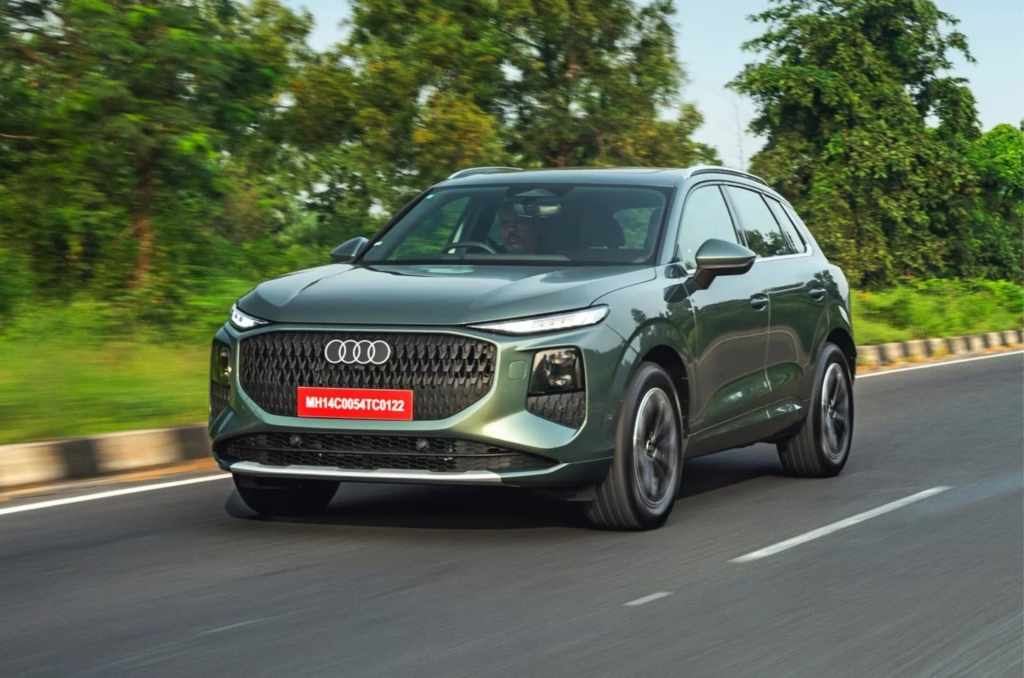
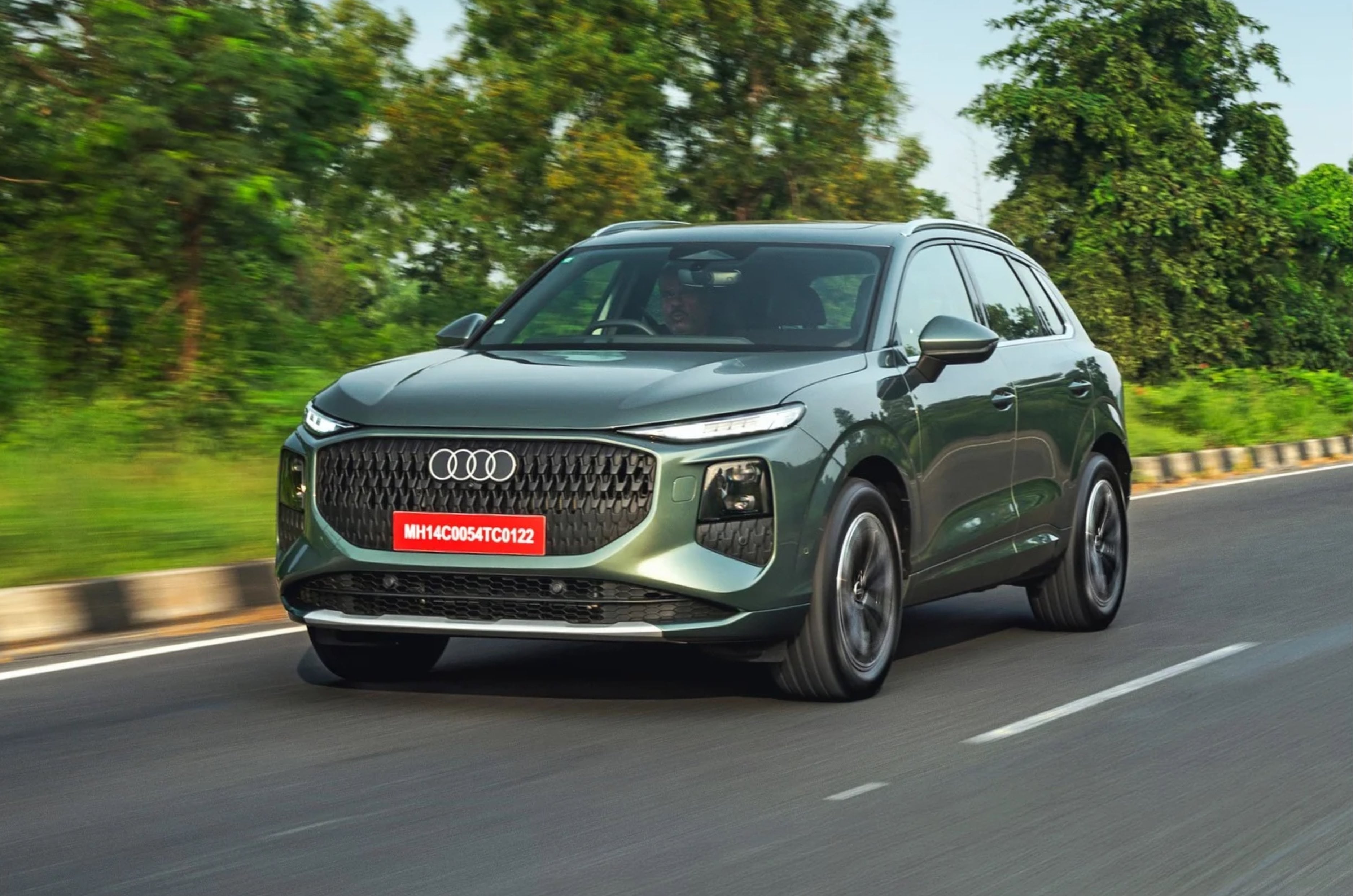
It would be easy to file the third-generation Q3 as just another new model but it isn’t. For Audi India, this is closer to a reset. The brand has spent the past few years soldiering on with ageing, outdated products and its showroom traffic has paid the price for this freeze in new products. But that’s all changed now. With fresh investment pouring in from its headquarters, Audi is on a new product offensive which has been kicked started with the Q3. This compact SUV is also the entry point into the brand, so it carries the burden of deliveringthe maximum sales. There’s a lot riding on the Q3’s gentle shoulders and Audi is hopeful that this will model will mark the turning point for the brand. But first, Audi has to convince customers. Is the new Q3 a quantum leap over the past Q3? We drove it in Goa to find out.
Audi Q3 Exterior Design and Engineering – 8/10
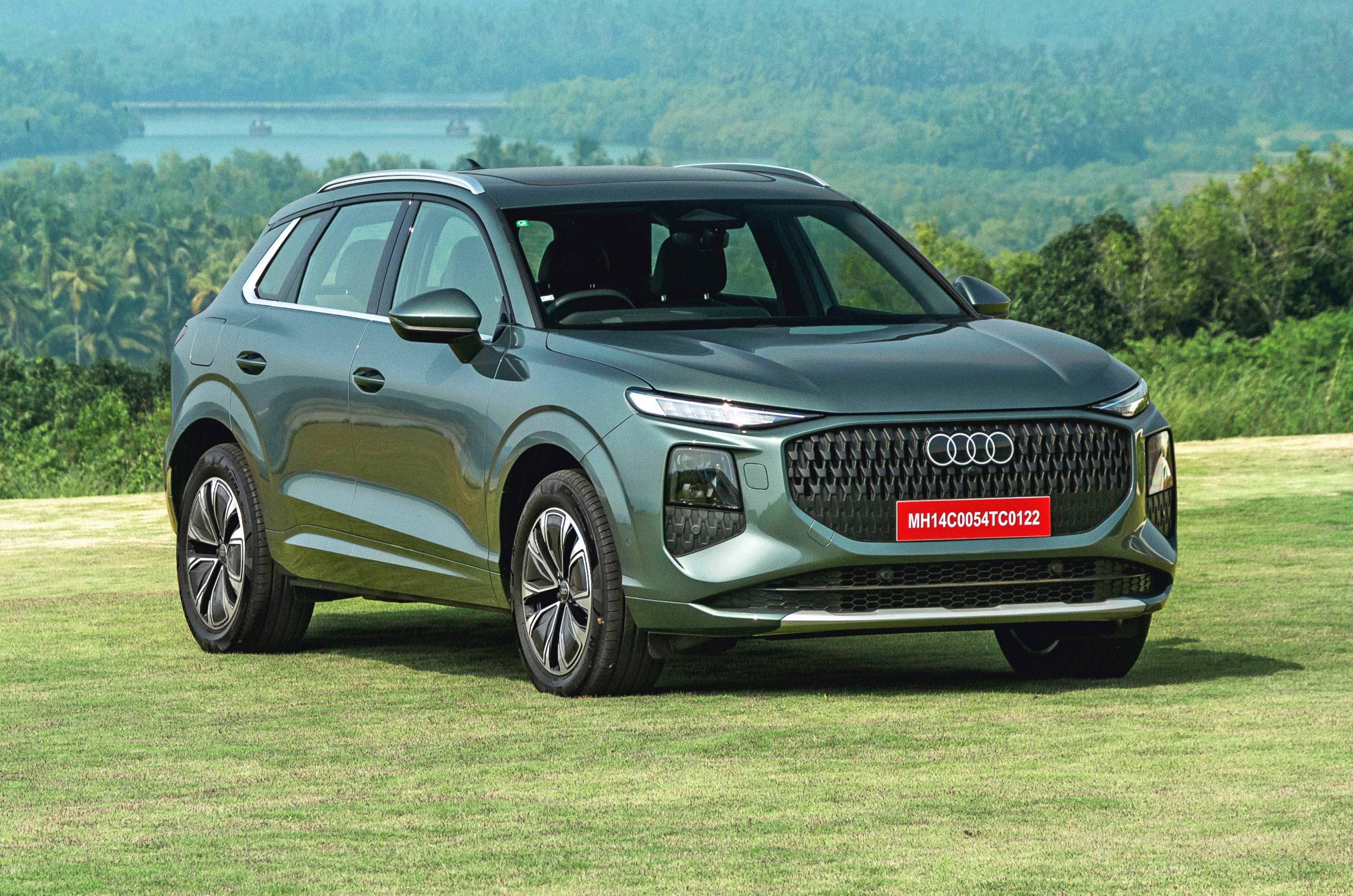
The crisp, edgy lines of the old car have made way for something more fluid and flamboyant. The new Q3 has grown marginally in every dimension, but the 2,681mm wheelbase is unchanged, so it keeps the compact footprint its urban buyers like.
A fluid and flamboyant new design language replaces the edgy styling of the old car
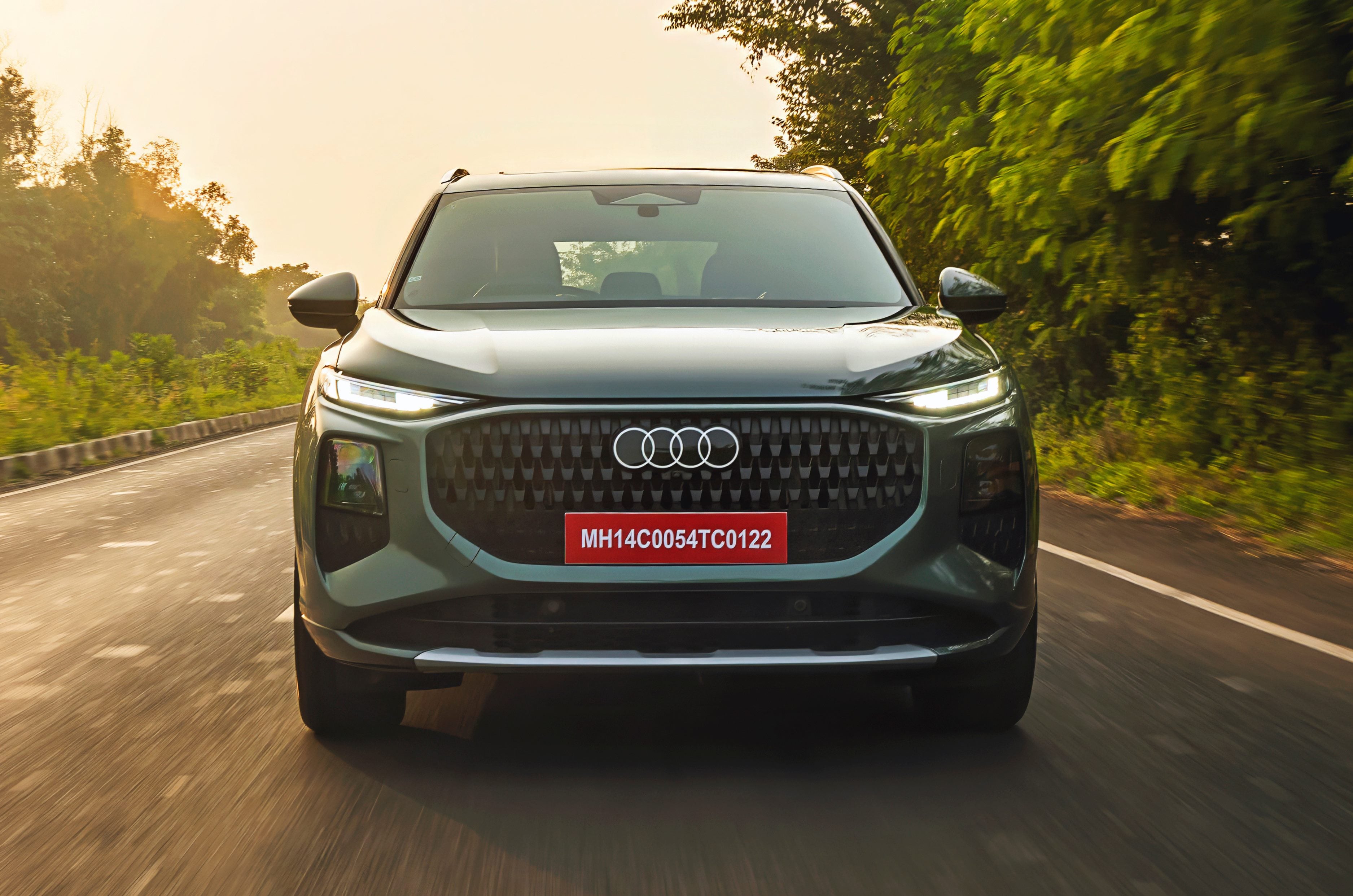
The face is split in two. Slim LED daytime running lights sit up top and double as dynamic indicators, while the main headlamps are stacked below. The wide honeycomb grille certainly makes a statement, and its flat 2D logo hides the ADAS radar. Up close, though, the grille’s finish looks a touch plasticky for a car wearing four rings.
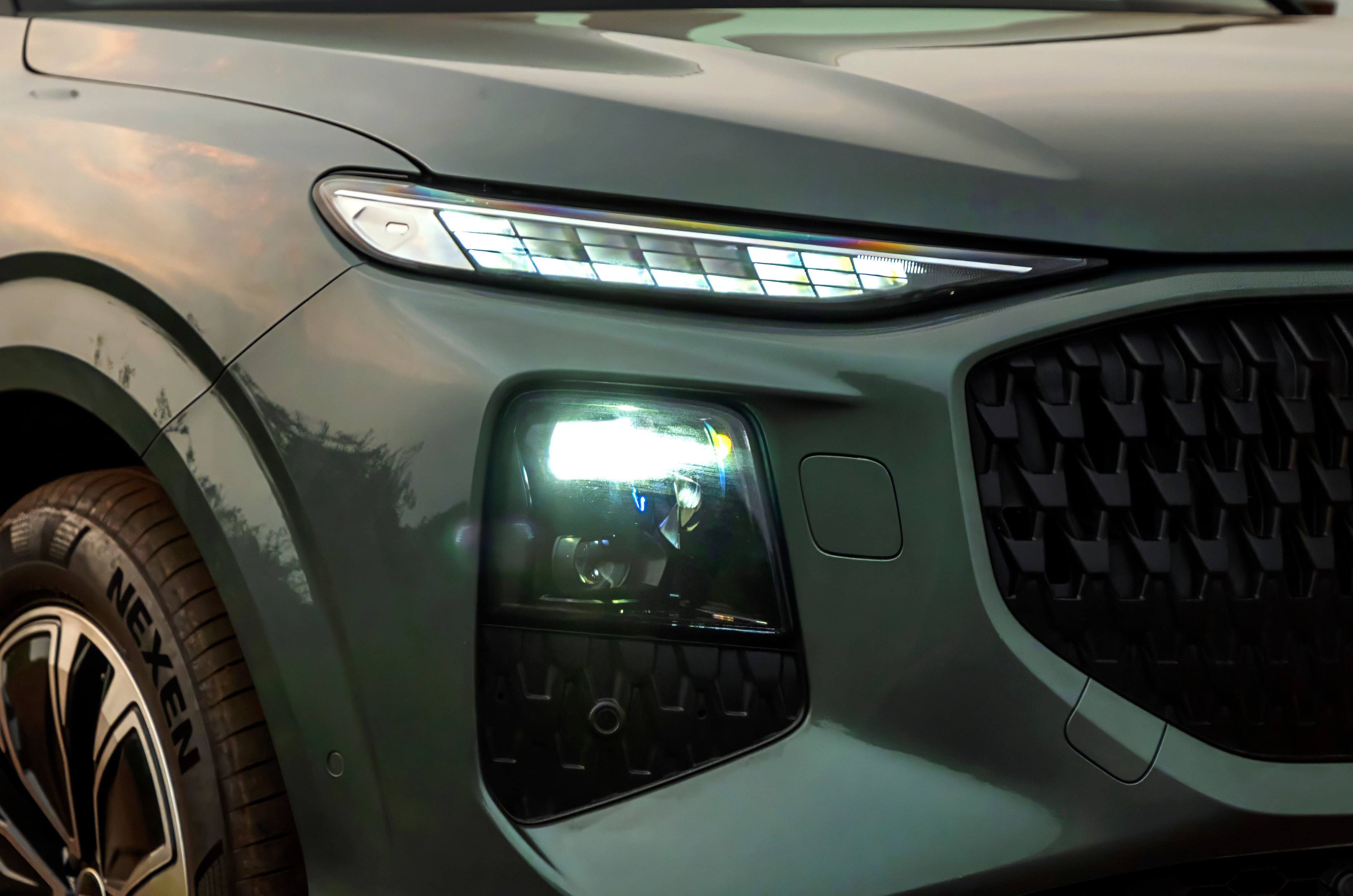
Lighting is the real party piece. The Digital Matrix LED units use micro-LED technology, with some 25,600 individually controlled pixels per headlamp. That lets them do far more than dip and glare-free high beam. They can project a carpet of light in your own lane, and when you flick the indicator, the beam stretches across to illuminate the lane you are moving into. It’s a clever way to flag your intent and place the car on dark, unlit roads. The DRLs also offer four selectable light signatures via the touchscreen. There is a caveat. The projection tricks are at their best on pitch-black roads; with streetlights around, the effect is largely lost.
Trick Digital Matrix LED headlights use 25,600 individually controlled pixels per side
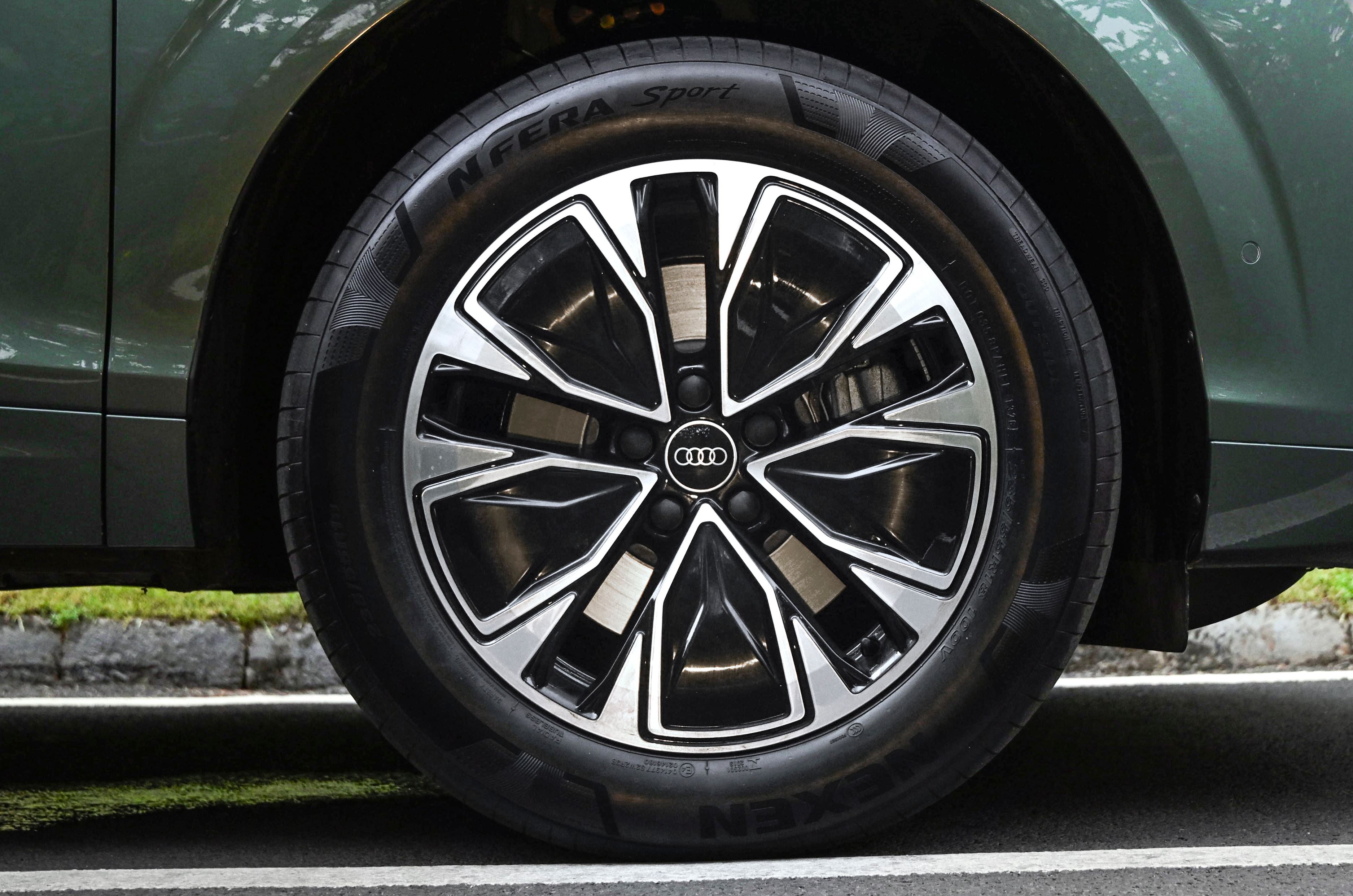
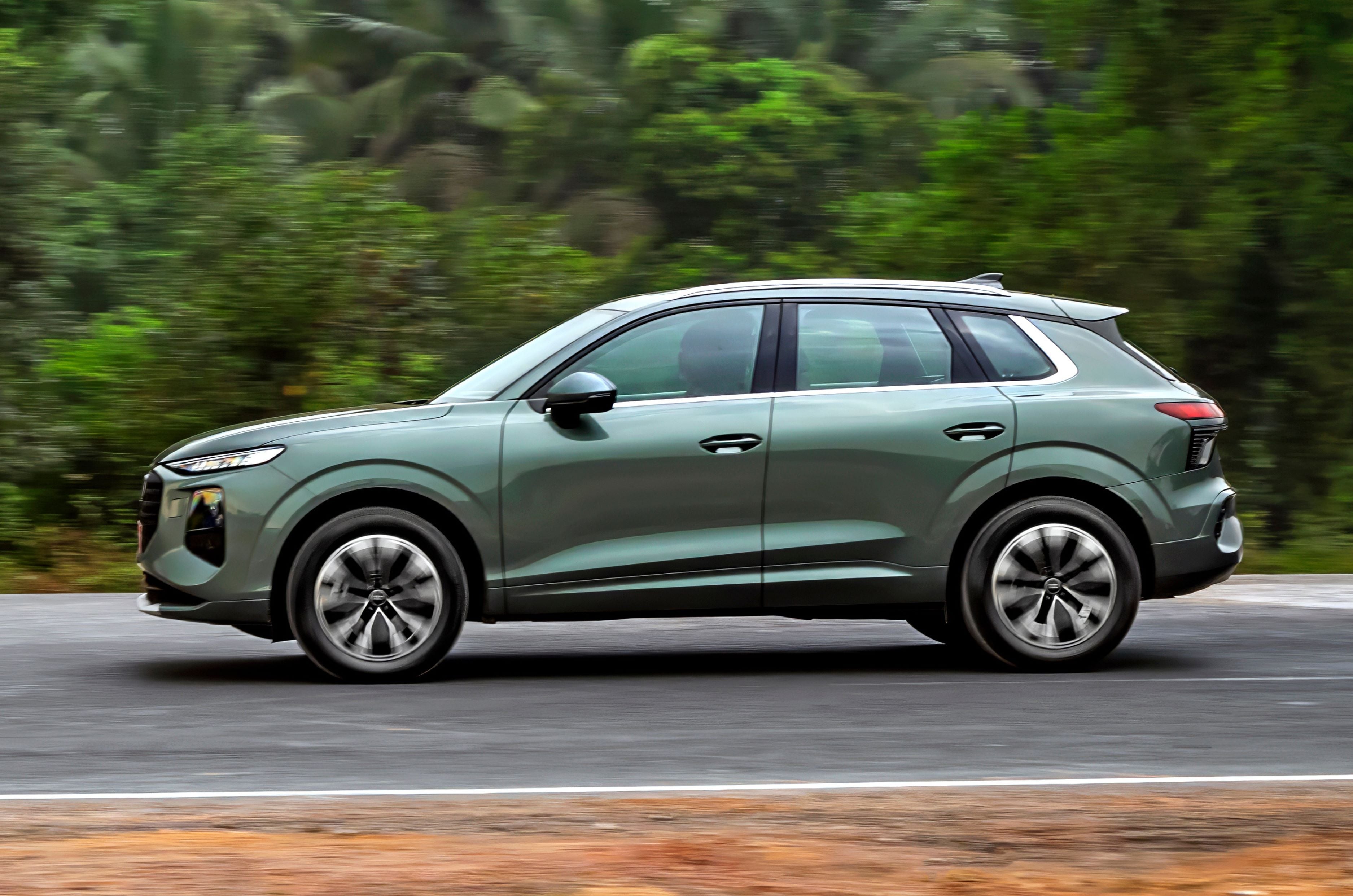
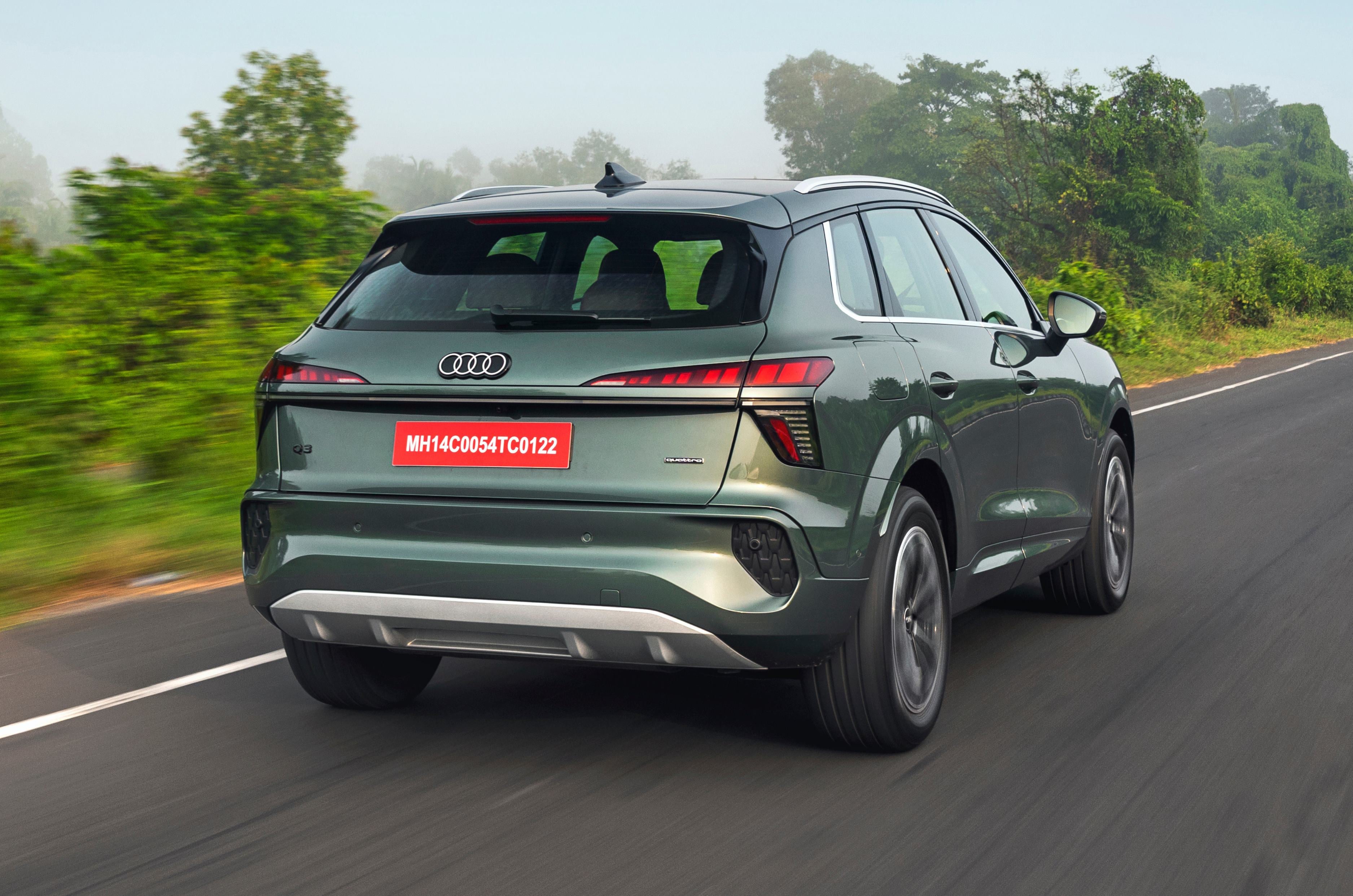
In profile, brushed aluminium below the windows and gloss black above create a floating-roof effect, and the rear haunches add a hint of muscle. For once, the wheels deserve a mention too. Audi has rarely nailed its alloy designs, but these are genuinely striking, wrapped in chunky, high-profile rubber. At the back, split LED tail-lamps are joined by a slim light bar and an illuminated Audi logo, and the tailgate is powered.
Stunning 18-inch alloys get self-leveling centre caps and are wrapped in high-profile tyres
Audi Q3 Interior Space and Comfort – 8/10
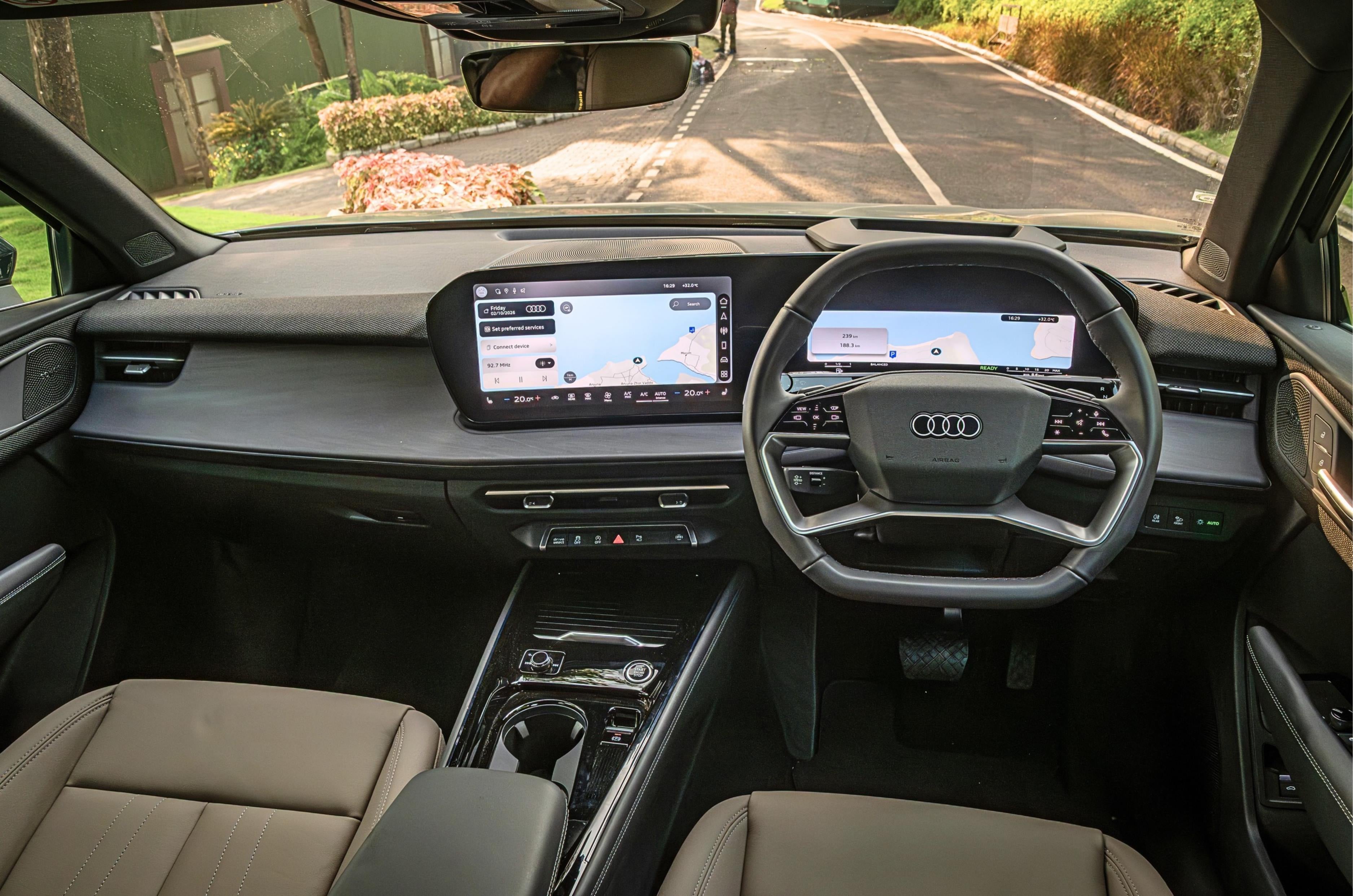
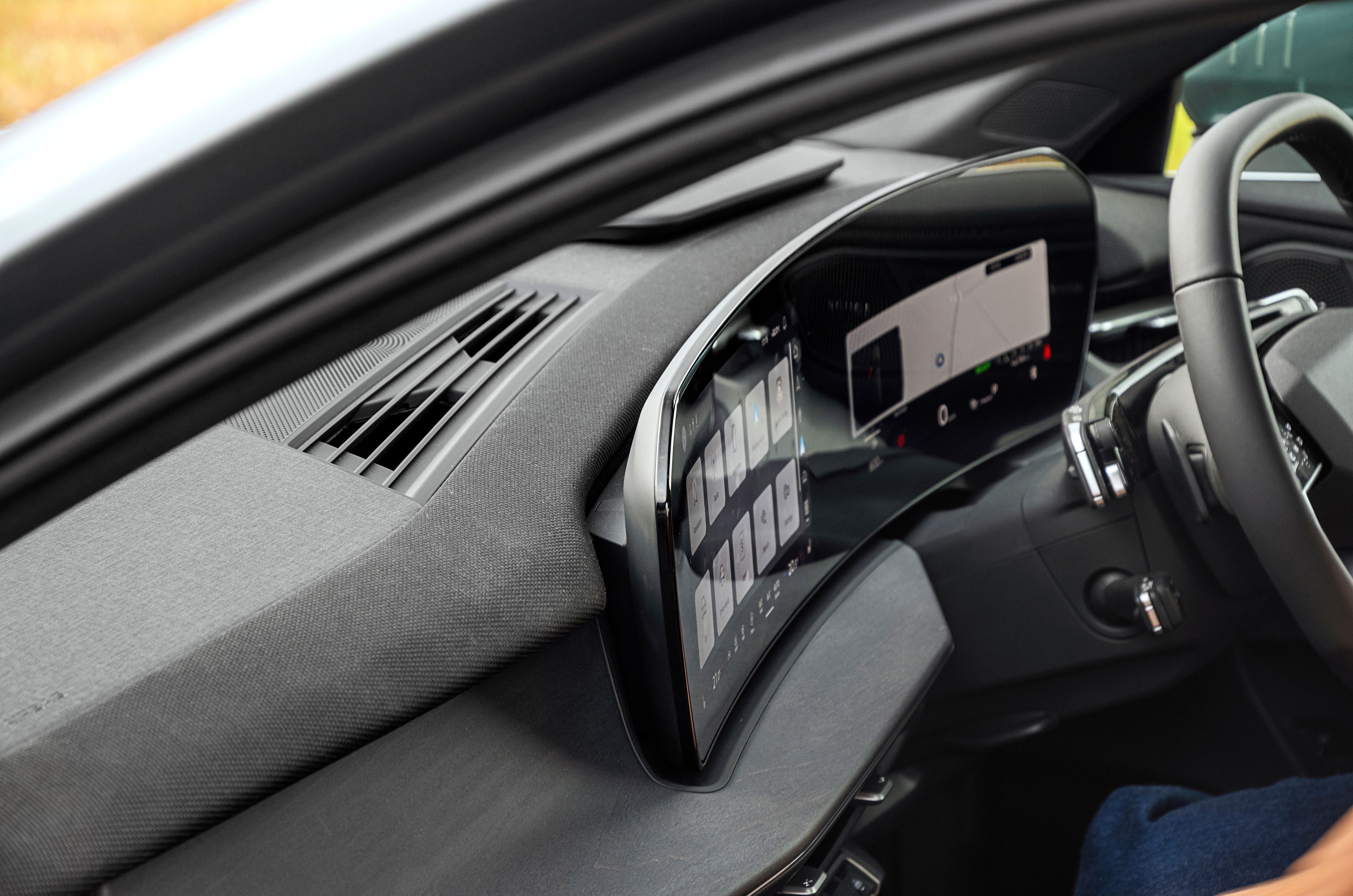
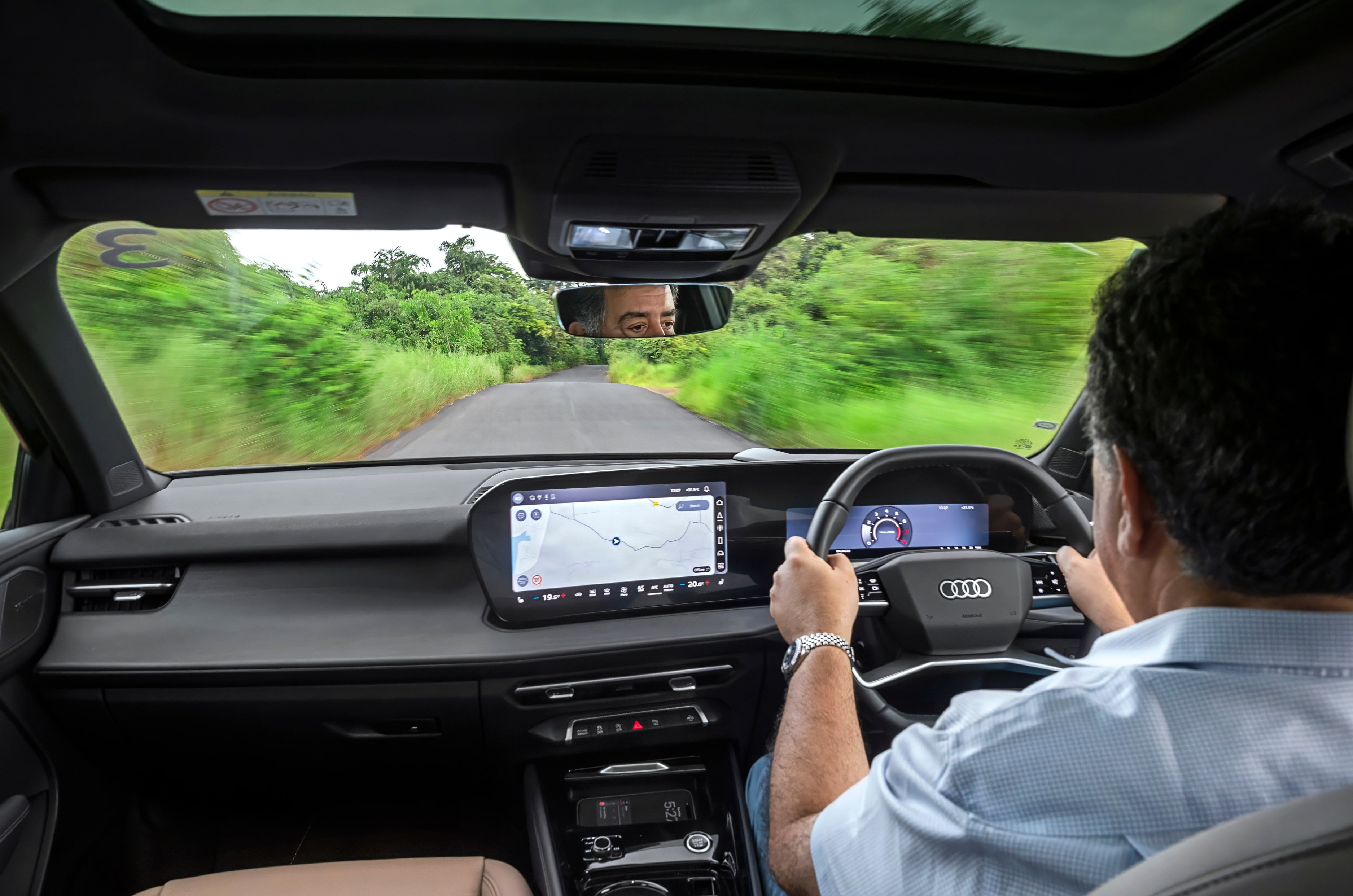
Step inside and the leap over the old Q3 is obvious. The dashboard is clean and contemporary, anchored by a curved panel that houses an 11.9-inch driver’s display and a 12.8-inch touchscreen. Fabric replaces leather across much of the cabin and the lower plastics are on the hard side. Yet the overall impression is of a cabin that’s solidly screwed together, and it feels more robust than its German rivals. Small details help: the fat tabs that adjust the air-con vents have a reassuringly substantial action.
New interior is a big leap over the last model and feels better built than its German rivals
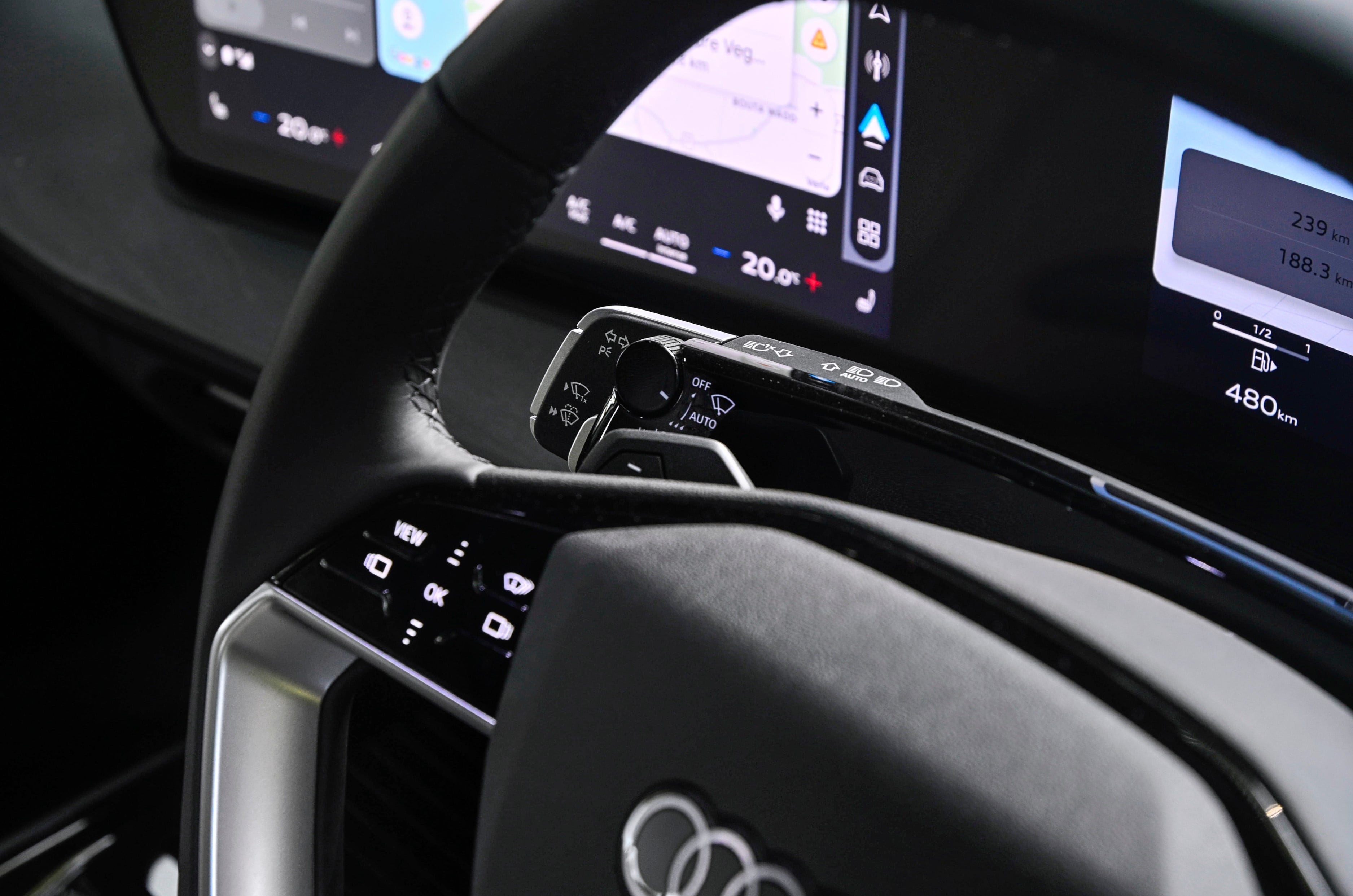
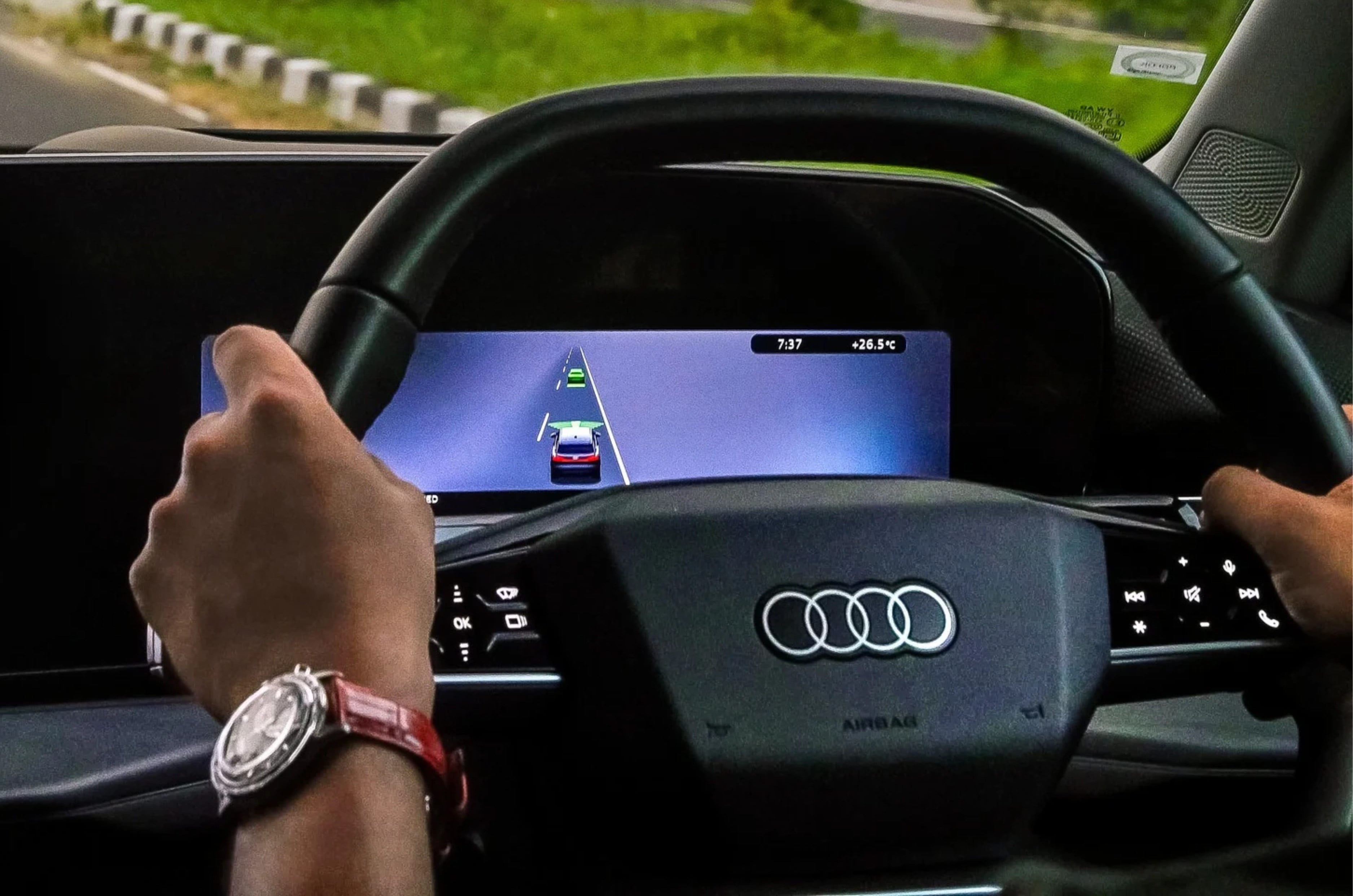
The hexagonal steering wheel takes some getting used to. So does the new control stalk, which Audi has loaded with an astonishing number of jobs: indicators, front and rear wipers and headlamp controls all live on one chunky lever. The gear selector moves to a stalk of its own on the other side. It feels awkward at first, but within a day it becomes second nature.
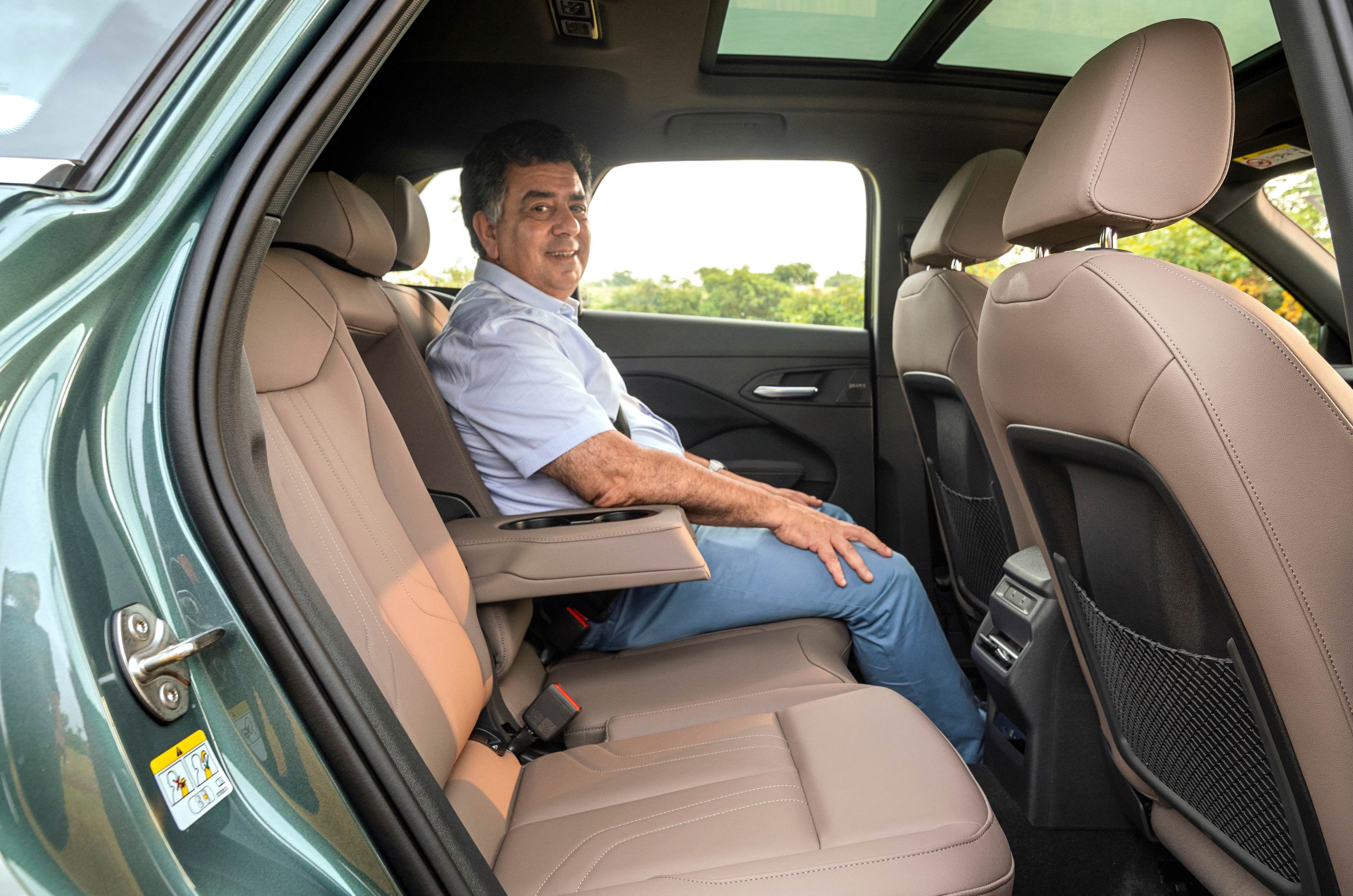
Two adults will be comfortable in the back seat, but a third will feel like a sqeeze
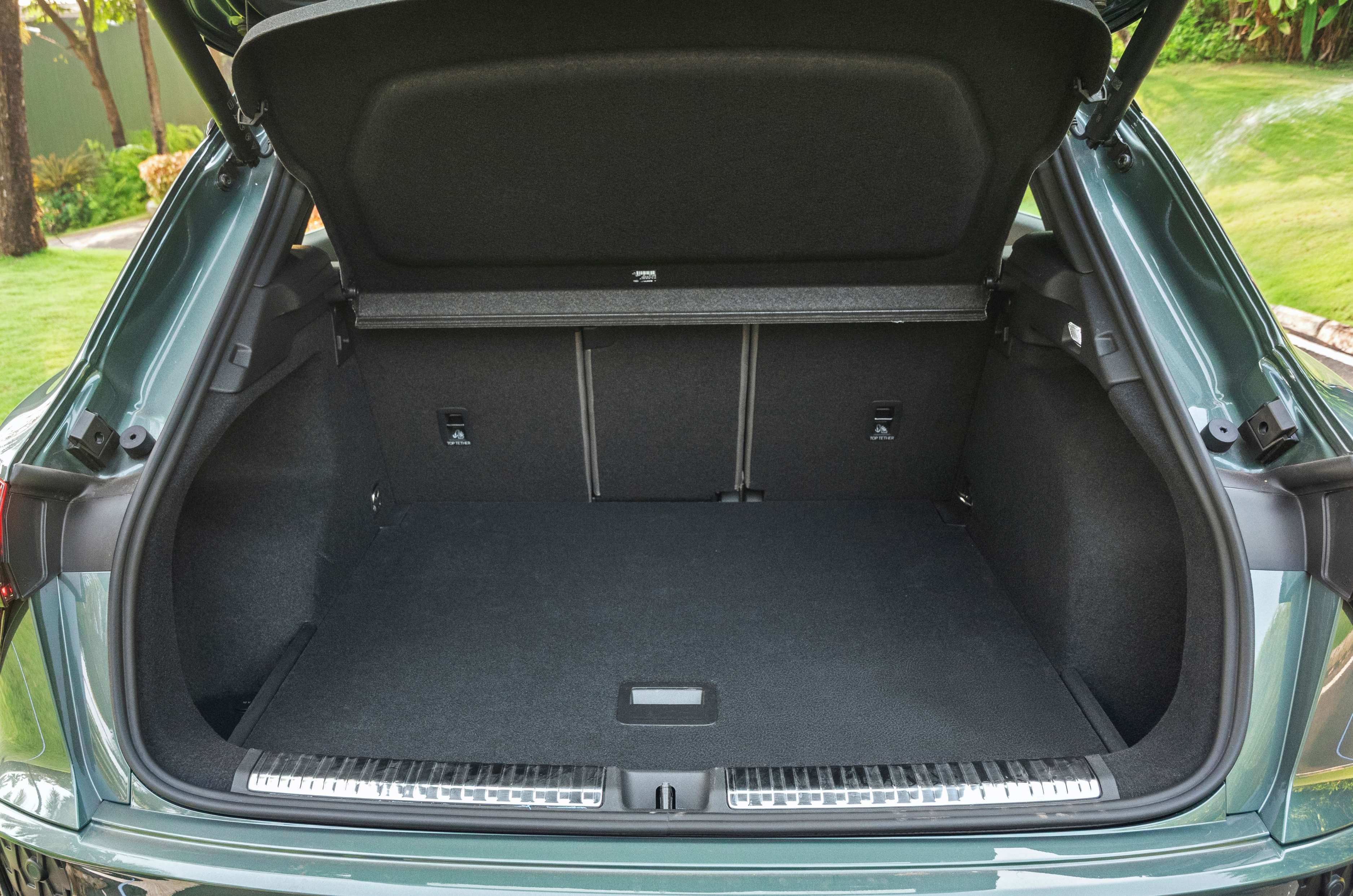
The front seats are generous, well bolstered and very comfortable over long stints. The rear hasn’t moved on much from the old car. Two large adults will be fine, but three is a squeeze; think of it as a four-seater with an occasional fifth. Rear passengers do get a third climate zone and two USB-C ports. The boot is spacious, and it’s good to find a space-saver spare under the floor.
Powered tailgate opens to a large 488-litre boot; seats split 40:20:40 for longer items
Audi Q3 Features and Safety – 7/10
The curved touchscreen works well, and the curvature itself cuts out glare and reflections. Response is smooth and quick, though the icons are, in typical Audi fashion, a bit subdued and not instantly distinguishable. Physical buttons are fewer, but the climate controls sit permanently at the base of the screen, so you never dig through menus to change the temperature or blower speed.A head-up display brings key information into your line of sight and the fonts are crisp and sharp.
Curved display cuts out glare and reflections
Audi’s own navigation is good, but integrated Google Maps, increasingly the benchmark, is expensive to licence and hence missing. The instrument cluster is surprisingly basic too, with little configurability and minimal choice of layouts and that’s a let-down from the brand that pioneered the virtual cockpit.
We also hit a software glitch with our iPhones. Wireless phone mirroring connected initially, then dropped out and refused to reconnect, prompting a switch to USB. It’s the sort of bug an over-the-air update should fix.
Lighting and wiper controls are odd at first but easy to get used to
The equipment list isn’t thin. There’s a superb-sounding 12-speaker Sonos system, a large panoramic sunroof, powered and heated front seats with driver memory, nine airbags and adaptive cruise control. That cruise works well, too. But for a car costing over Rs 50 lakh and launching in 2026, there gaps that are hard to overlook.
There is no lane-keep assist, so the ADAS suite stops at adaptive cruise. A full Level 2+ package is now table stakes in this class, all the more so when far cheaper mass-market cars offer one. There are no ventilated seats either, near-essential in our climate. The biggest miss, though, is a 360-degree camera, something a great many buyers actively look for. The reversing camera’s resolution is disappointing, although there is an auto-park function.
ADAS kit limited to auto emergency braking and adaptive cruise control
None of this is unusual for its rivals. But as the newest kid on the block, the Q3 should have moved the game on, and here it hasn’t.
Audi Q3 Performance and Refinement – 9/10
The engine is the star of the show. Audi’s 2.0 TFSI makes 201bhp and 320Nm, and it is smooth, strong and refined. That alone hands the Q3 a massive edge over the underwhelming, smaller-capacity motors in the X1 and GLA.
Strong and refined 2.0 TFSI makes 204hp and 320Nm, enough for 0-100kph in 7.1 seconds
It isn’t flawless. At low revs there’s a brief hesitation before it gathers itself and pulls smartly, which is why we left it in Dynamic mode most of the time. Once on the boil, though, it is eager and free-revving, a reminder of why this is the best 2-litre turbo-petrol in the business. Around town it feels responsive; on the highway it builds pace effortlessly. Audi claims 0-100kph in 7.1sec, which puts the Q3 at the top of its class.
The 7-speed dual-clutch remains a fine partner, eager to drop a gear to keep the engine in its powerband. Flick it into Sport or reach for the paddles if you want to take charge. Quattro all-wheel drive is now standard on every Q3, not an option, and there’s a range of drive modes including an off-road setting to make the most of it. It’s good insurance on slippery surfaces and gives the Q3 an edge over rivals when conditions turn tricky. Whether many owners need it, or more importantly will pay extra for it, is another question.
Strikes a great balance of ride and handling; gets Quattro all-wheel drive as standard
Audi Q3 Ride Comfort and Handling – 9/10
The big surprise is the handling. The variable-ratio steering adjusts its response to both speed and lock, so its light and effortless at parking speeds, then quicker and more direct as you wind on more lock. Barring a touch of slack around the straight-ahead, it is accurate and weights up superbly.
Quick steering often makes a car nervous at speed. Not here. The Q3 stays stable and reassuring when the needle climbs, yet changes direction with an agility you simply don’t expect from an Audi SUV.
New Progressive Steering is light at parking speeds, but gets sharper and more direct as speeds rise
What you do expect from an Audi is a good ride, and the Q3 delivers. It is on the firm side but never uncomfortable, soaking up potholes and broken patches with real composure. A big help is the 55-profile tyres. Their roughly 130mm sidewall is the first line of defence, absorbing much of the shock before it reaches the suspension and, ultimately, the cabin.
Audi Q3 Value for Money – 8/10
The new Q3 is a superbly engineered car, and its mechanical package sits well ahead of its rivals. The cabin is a big step up too, but given its timing, the Q3 doesn’t quite leapfrog the competition here; it lands a little short on equipment.
What it does do is drive brilliantly. It is by far the nicest car to drive in its class, and that matters, because Audi says 84 percent of Q3 owners drive themselves.
Easily the nicest car to drive in its class, but doesn’t leapfrog the competition in terms of features
A lot now rides on price. At around Rs 65 lakh on-road, it is steep. Not because the car isn’t worth it, but because buyers may balk at paying so much more than the outgoing Q3, whose transaction price had slipped to around Rs 40 lakh.
On the product front, though, Audi has come back with a bang. A brilliant powertrain, a superb blend of ride and handling and a genuinely classy feel make the Q3 the enthusiast’s pick of the class. If this is the opening act, Audi’s reset is off to a promising start.
Flydubai incident: फ्लाईदुबई की फ्लाइट FZ1073 से जुड़ी घटना में इजरायली खुफिया रिपोर्ट के हवाले से एक बेहद गंभीर दावा सामने आया है। रिपोर्ट के मुताबिक, ओमानी कट्टरपंथी को-पायलट अब्दुल्ला अल-हम्मामी ने कथित तौर पर पहले भारतीय पायलट कैप्टन स्मित मच्छार को मारने और फिर विमान को इजरायल की राजधानी तेल अवीव ले जाकर एक गगनचुंबी इमारत से टकराने की योजना बनाई थी। बताया जा रहा है कि उसने नमाज पढ़ने का बहाना बनाया और इसके बाद कॉकपिट में रखी क्रैश ऐक्स से कैप्टन पर पीछे से हमला कर दिया। रिपोर्ट के मुताबिक, को-पायलट ने पैसेंजर जेट को नीचे गिराने की अपनी कोशिश नाकाम होने के बाद प्लेन के इंजन बंद कर दिए थे।
क्या हुआ था कॉकपिट में?
रिपोर्ट के अनुसार, अल-हम्मामी ने पहले नमाज करने का दिखावा किया। इसके बाद उसने कथित तौर पर क्रैश ऐक्स उठाई और पीछे से कैप्टन स्मित मच्छार के सिर पर हमला कर दिया। शुरुआत में मच्छार को लगा कि विमान का कोई टूटा हुआ हिस्सा उनसे टकराया है। लेकिन जल्द ही उन्हें समझ आ गया कि उन पर जानबूझकर हमला किया जा रहा है।
हमले में कैप्टन को सिर पर गंभीर चोट लगी। उनका एक हाथ भी बुरी तरह घायल हो गया और काफी खून बहने लगा। इसके बावजूद उन्होंने हिम्मत नहीं हारी और कॉकपिट का दरवाजा खोलने में कामयाब रहे। इसके बाद प्लेन में मौजूद यात्रियों और ड्यूटी से बाहर मौजूद दो पायलटों ने कॉकपिट में पहुंचकर स्थिति संभालने में मदद की।
30 सेकंड में 16 हजार फीट नीचे आया विमान
रिपोर्ट में दावा किया गया है कि हमले के बाद अल-हम्मामी ने विमान का ऑटो पायलट बंद कर दिया और कंट्रोल स्टिक को आगे की ओर धकेल दिया। इससे विमान अचानक तेज गति से नीचे जाने लगा। बताया गया है कि विमान महज 30 सेकंड में करीब 16,000 फीट नीचे आ गया। इस दौरान इसकी रफ्तार 970 किलोमीटर प्रति घंटे से भी ज्यादा हो गई। इतनी तेज और अचानक हुई गिरावट के कारण विमान के टेल रडर को भी नुकसान पहुंचने की बात रिपोर्ट में कही गई है।
कैप्टन की सूझबूझ से टली बड़ी तबाही
गंभीर रूप से घायल होने के बावजूद कैप्टन स्मित मच्छार ने विमान पर कंट्रोल बनाए रखने की कोशिश की। कॉकपिट का गेट खोलने और दूसरे लोगों के अंदर पहुंचने के बाद स्थिति को काबू में लाने में मदद मिली। रिपोर्ट के मुताबिक, अगर विमान को इसी तरह नीचे जाने दिया जाता तो इसका परिणाम बेहद गंभीर हो सकता था।
इस पूरे मामले को लेकर इजरायली खुफिया रिपोर्ट में किए गए दावों ने घटना को और गंभीर बना दिया है। मुंबई स्थित इजरायली महावाणिज्य दूतावास ने इजरायल जाने वाले एक विमान को दुर्घटनाग्रस्त करने की को-पायलट की साजिश को नाकाम करने वाले स्मित मच्छार के सम्मान में शहर में एक होर्डिंग प्रदर्शित किया। उन्होंने होर्डिंग की एक तस्वीर भी शेयर की, जिस पर लिखा था, “लोगों की जान बचाने के लिए धन्यवाद कैप्टन स्मित। हम आपके जल्द स्वस्थ होने की कामना करते हैं।”
दुबई से तेल अवीव जा रही उड़ान एफजेड1073 ने बुधवार को आपात संकेत भेजे थे। इसके बाद विमान 34,000 फुट की ऊंचाई से तेजी से 17,000 फुट से अधिक नीचे आ गया। बाद में, उसे सऊदी अरब के तबूक शहर स्थित प्रिंस सुल्तान बिन अब्देल अजीज हवाई अड्डे की ओर मोड़ दिया गया। विमान में 27 बच्चों समेत 174 यात्री सवार थे। सोशल मीडिया पर प्रसारित हो रहे वीडियो में पायलट खून से लथपथ, ऑक्सीजन मास्क पहने और विमान की गैली में पीठ के बल लेटे हुए दिखाई दे रहे हैं।