Jio Platforms IPO: रिलायंस ग्रुप की Jio Platforms के IPO को लेकर बड़े निवेशकों में जबरदस्त उत्साह है। कंपनी के ₹8,110 करोड़ के एंकर बुक के मुकाबले 30 गुना से ज्यादा मांग आई है। संस्थागत निवेशकों की कुल बोलियां करीब ₹2.5 लाख करोड़ तक पहुंच गई हैं। इस मामले से जुड़े लोगों के मुताबिक, भारतीय IPO बाजार में इतनी बड़ी मांग पहली बार देखने को मिली है।
इस इश्यू में दुनिया की कई बड़ी निवेश कंपनियों और सरकारी निवेश फंड ने दिलचस्पी दिखाई है। इनमें BlackRock, Fidelity Investments, JPMorgan Asset Management, Franklin Templeton, Invesco और Capital Group जैसे नाम शामिल हैं।
दुनिया के बड़े निवेशक लगा रहे दांव
Jio Platforms के IPO में सिंगापुर के GIC, नॉर्वे के Norges Bank Investment Management, Abu Dhabi Investment Authority और Qatar Investment Authority जैसे बड़े सरकारी निवेश फंड भी दिलचस्पी दिखा रहे हैं।
विदेशी निवेशकों के अलावा भारतीय म्यूचुअल फंड कंपनियां भी पीछे नहीं हैं। देश के टॉप 10 म्यूचुअल फंड हाउस ने इस इश्यू में दिलचस्पी दिखाई है। इनमें SBI Mutual Fund, HDFC Mutual Fund, ICICI Prudential Mutual Fund, Nippon India Mutual Fund और Kotak Mahindra Mutual Fund शामिल हैं।
LIC और बड़ी बीमा कंपनियां भी कतार में
इस IPO में देश की बड़ी बीमा और पेंशन कंपनियां भी निवेश करना चाहती हैं। इनमें LIC, HDFC Life, SBI Life, SBI Pension, HDFC Pension और ICICI Prudential के नाम शामिल हैं।
मामले से जुड़े एक व्यक्ति के मुताबिक, इस इश्यू के लिए कई अरब डॉलर की बोलियां मिली हैं। विदेशी लॉन्ग-टर्म निवेशकों, सरकारी निवेश फंड और पेंशन फंड से बड़ी मांग आई है। टेक्नोलॉजी पर फोकस करने वाले वैश्विक फंड और बड़े फैमिली ऑफिस भी इसमें दिलचस्पी दिखा रहे हैं।
सिर्फ टेलीकॉम कंपनी नहीं है Jio
Jio का कारोबार अब मोबाइल कनेक्टिविटी से आगे बढ़ चुका है। कंपनी ब्रॉडबैंड, क्लाउड, एंटरटेनमेंट और एंटरप्राइज सर्विसेज में भी काम कर रही है।
IPO के बाद निवेशकों को Jio Platforms में सीधे निवेश करने का मौका मिलेगा। अभी यह Reliance Industries की सब्सिडियरी है। करीब ₹2.5 लाख करोड़ की मांग और बड़े निवेशकों की दिलचस्पी से बाजार में उतरने से पहले कंपनी को लेकर मजबूत उत्साह दिख रहा है।
Disclaimer: मनीकंट्रोल, नेटवर्क18 ग्रुप का हिस्सा है। नेटवर्क18 का नियंत्रण इंडिपेंडेट मीडिया ट्रस्ट करता है, जिसकी एकमात्र लाभार्थी रिलायंस इंडस्ट्रीज है।
मान लीजिए कि कोई प्रॉपर्टी बेचने या विरासत में मिली रकम के कारण आपके बैंक खाते में 1 करोड़ रुपये आ गए हैं। इन सभी पैसों को फिक्स्ड डिपॉजिट (FD) में डाल देना सबसे आसान विकल्प लग सकता है। वहीं, पूरी रकम को शेयर या म्यूचुअल फंड में लगाने से बेहतर ग्रोथ मिल सकती है, लेकिन इसमें बाजार के उतार-चढ़ाव के कारण आपकी बचत को नुकसान होने का जोखिम भी रहता है। चुनौती यह है कि इन दोनों के बीच एक सही संतुलन कैसे बनाया जाए।
इसकी शुरुआत आप अपनी उम्र को ध्यान में रखकर कर सकते हैं। 30 की उम्र वाले किसी व्यक्ति के पास नियमित सैलरी का सहारा हो सकता है, जो बाजार कमजोर होने पर काम आ सकती है। वहीं, रिटायर हो चुके व्यक्ति को अपने रोजमर्रा के खर्चों, मेडिकल बिलों और अन्य जरूरतों के लिए इसी 1 करोड़ रुपये पर निर्भर रहना पड़ सकता है। आपका निवेश प्लान इसी अंतर को ध्यान में रखकर तैयार किया जाना चाहिए।
30 की उम्र में, समय का फायदा उठाएं
अगर रिटायरमेंट में अभी भी 25 या 30 साल का समय है, तो आपके पास बाजार के उतार-चढ़ाव को संभालने के लिए काफी समय है। आप अपनी रकम का एक हिस्सा डायवर्सिफाइड इक्विटी म्यूचुअल फंड में लगा सकते हैं। इनमें लंबे समय में अच्छी ग्रोथ की संभावना तो होती है, लेकिन रिटर्न की कोई गारंटी नहीं होती।
उदाहरण के लिए, 35 साल के किसी व्यक्ति को लें, जिसे नियमित सैलरी मिलती है। अगर आने वाले समय में कोई बड़ा खर्च नहीं है, तो आप अपनी रकम को इस तरह बांट सकते हैं। 60 लाख रुपये इक्विटी फंड में, 30 लाख रुपये फिक्स्ड-इनकम निवेश (जैसे FD या बॉन्ड) में और 10 लाख रुपये ऐसी बचत में जिसे जरूरत पड़ने पर आसानी से निकाला जा सके। लेकिन, अगर आप अगले 3 सालों में घर खरीदने की योजना बना रहे हैं, तो यह बंटवारा बदल जाएगा। घर के डाउन पेमेंट के लिए जरूरी पैसों को इस बात पर निर्भर नहीं छोड़ना चाहिए कि उस समय शेयर बाजार कैसा प्रदर्शन करेगा। इसके बजाय, इस रकम को ऐसे निवेश विकल्पों में रखें जो अपेक्षाकृत स्थिर हों।
40 और 50 की उम्र में, जोखिम पर ज्यादा ध्यान दें
इस उम्र तक पहुंचते-पहुंचते, रिटायरमेंट अब कोई दूर की बात नहीं रह जाती। बच्चों की स्कूल-कॉलेज की फीस, होम लोन की किस्तें और माता-पिता की स्वास्थ्य संबंधी जरूरतें आपकी मासिक आय का एक बड़ा हिस्सा ले सकती हैं। ऐसे में अगर आपको जल्द ही पैसों की जरूरत पड़े और आपके निवेश की वैल्यू में भारी गिरावट आ जाए, तो स्थिति को संभालना मुश्किल हो सकता है। 40 के दशक के आखिर में चल रहे लोग अपनी कुल रकम का 40 से 60 प्रतिशत हिस्सा इक्विटी में लगाने पर विचार कर सकते हैं, जबकि बाकी हिस्सा फिक्स्ड-इनकम प्रोडक्ट्स और लिक्विड सेविंग्स में रखा जा सकता है। यह सिर्फ एक उदाहरण है। जिस व्यक्ति के पास पेंशन या कोई पक्की आय का साधन है, वह उस व्यक्ति की तुलना में अधिक जोखिम उठा सकता है, जिसे रिटायरमेंट के बाद मुख्य रूप से इसी पैसे पर निर्भर रहना है।
फिक्स्ड डिपॉजिट, उपयुक्त डेट फंड और सरकारी बचत योजनाओं पर विचार किया जा सकता है। किसी भी विकल्प को चुनने से पहले उस पर लगने वाले टैक्स और पैसे निकालने के नियमों को जरूर देख लें। अगर किसी जरूरी खर्च के समय आपका पैसा कहीं फंस जाए, तो बहुत अधिक रिटर्न का वादा भी किसी काम का नहीं रहता।
60 की उम्र के बाद, मासिक खर्चों के लिए योजना बनाएं
रिटायर होने वाले लोगों के सामने सबसे बड़ा सवाल यह होता है कि उनका पैसा कितने समय तक चलेगा। घर के नियमित खर्च, दवाइयों का खर्च और अचानक आने वाले अस्पताल के बिल धीरे-धीरे आपकी बचत को कम कर सकते हैं। कुछ पैसा सेविंग्स अकाउंट या शॉर्ट-टर्म डिपॉजिट में रखने से तुरंत आने वाली जरूरतों को पूरा करने में मदद मिल सकती है। बाकी बची रकम को उपयुक्त फिक्स्ड-इनकम निवेशों में लगाया जा सकता है। अगर आप बाजार के जोखिम को उठा सकते हैं, तो इसमें कुछ हिस्सा इक्विटी में भी निवेश किया जा सकता है।
पूरी रकम को बिना सोचे-समझे निवेश न करें
निवेश करने से पहले, इमरजेंसी फंड के लिए कुछ पैसा अलग रख लें और महंगे कर्ज चुका दें। यह भी जांच लें कि आपका हेल्थ इंश्योरेंस पर्याप्त है या नहीं, खासकर तब जब आप रिटायरमेंट के करीब हों। साथ ही, उन खर्चों का भी ध्यान रखें जिन्हें टाला नहीं जा सकता।
साल में एक बार अपने निवेश की समीक्षा (रिव्यू) जरूर करें। अगर आपके पोर्टफोलियो का कोई एक हिस्सा बाकी हिस्सों की तुलना में बहुत तेजी से बढ़ गया है, तो आपको उसे फिर से संतुलित (रीबैलेंस) करने की जरूरत पड़ सकती है। याद रखें कि डेट प्रोडक्ट्स में भी जोखिम होता है, और टैक्स व अन्य शुल्क आपके रिटर्न को कम कर सकते हैं।
1 करोड़ रुपये की रकम आपको एक अच्छी शुरुआत दे सकती है, लेकिन यह सिर्फ इस बात पर निर्भर नहीं करता कि आपके पास कितनी रकम है, बल्कि इस बात पर भी निर्भर करता है कि आपने उसे कहां निवेश किया है। अपने भविष्य के खर्चों को ध्यान में रखकर निवेश करें, न कि सिर्फ अपनी उम्र या किसी और के बताए गए रिटर्न को देखकर।
(डिस्क्लेमर: मनीकंट्रोल.कॉम पर दिए गए विचार एक्सपर्ट के अपने निजी विचार होते हैं। वेबसाइट या मैनेजमेंट इसके लिए उत्तरदाई नहीं है। यूजर्स को मनी कंट्रोल की सलाह है कि कोई भी निवेश निर्णय लेने से पहले सार्टिफाइड एक्सपर्ट की सलाह लें।
Gold Investment: कुछ म्यूचुअल फंड हाउसेज ने अस्थायी तौर पर गोल्ड ईटीएफ फंड ऑफ फंड्स (FoFs) में नए निवेश पर अस्थायी तौर पर रोक लगा दी है। यह रोक आज 16 अक्टूबर से ही लागू हो चुकी है। आईसीआईसीआई प्रूडेंशियल म्यूचुअल फंड, एचडीएफसी म्यूचुअल फंड, आदित्य बिड़ला सन लाइफ म्यूचुअल फंड, इनवेस्को इंडिया म्यूचुअल फंड, डीएसपी म्यूचुअल फंड, टाटा म्यूचुअल फंड और श्रीराम म्यूचुअल फंड जैसे कई फंड हाउसों ने निवेशकों को नोटिस जारी कर के इसकी जानकारी भेज दी है। इस पाबंदी के बाद अब ये इन म्यूचुअल फंड्स के पास गोल्ड ईटीएफ FoF में नया एकमुश्त निवेश नहीं कर सकेंगे, नई एसआईपी नहीं शुरू कर सकेंगे और न ही मौजूदा एसआईपी में टॉप अप कर सकेंगे। कुछ में तो स्विच-इन ट्रांजैक्शन और नए सिस्टेमैटिक ट्रांसफर प्लान (STP) रजिस्ट्रेशन पर भी रोक लगाई गई है।
क्या है इन नोटिसों में
श्रीराम म्यूचुअल फंड ने नोटिस में कहा कि यह रोक सेबी के के निर्देशों के तहत लगाई गई हैं, जिसे AMFI (एसोसिएशन ऑफ म्यूचुअल फंड्स इन इंडिया) के जरिए सूचित किया गया है। हालांकि कोई वजह नहीं बताई गई है। फंड हाउस का कहना है कि 16 अक्टूबर से नए एकमुश्त निवेश, नए एसआईपी रजिस्ट्रेशन और मौजूदा एसआईपी में निवेश की राशि बढ़ाने यानी स्टेप-अप की मंजूरी नहीं होगी।
डीएसपी म्यूचुअल फंड ने 15 अक्टूबर के अपने नोटिस में कहा है कि 15 अक्टूबर को दोपहर 3 बजे के कट-ऑफ समय के बाद के सभी एप्लीकेशन खारिज हो सकते हैं और पैसा निवेशकों को वापस कर दिया जाएगा।
न्यूज एजेंसी रॉयटर्स की 15 अक्टूबर की रिपोर्ट के मुताबिक कोटक महिंद्रा म्यूचुअल फंड, यूटीआई म्यूचुअल फंड और एचडीएफसी म्यूचुअल फंड समेत कई बड़े भारतीय म्यूचुअल फंडों ने गोल्ड ईडीएफ में बल्क सब्सक्रिप्शन यानी एक साथ भारी निवेश रोकने के लिए नोटिस जारी किए हैं।
दशहरा-दिवाली से ठीक पहले रोक
गोल्ड ईटीएफ एफओएफ में निवेश पर रोक दशहरा और दिवाली से ठीक पहले लगाई गई हैं, जब आमतौर पर सोने की मांग बढ़ जाती है। गोल्ड ईटीएफ एफओएफ म्यूचुअल फंड की वह स्कीम है, जिसका पैसा गोल्ड ईटीएफ में लगाया जाता है। न्यूज एजेंसी रॉयटर्स की रिपोर्ट के मुताबिक पिछले साल त्योहारी सीजन के दौरान गोल्ड और सिल्वर ETF में निवेश बढ़ा था, क्योंकि स्टॉक मार्केट से कमजोर रिटर्न मिलने के कारण सोने-चांदी का क्रेज बढ़ गया। वहीं इस साल मांग थोड़ी सुस्त पड़ी और भारत में सोने का आयात अगस्त के $230 करोड़ से घटकर सितंबर में $180 करोड़ रह गया।
डिस्क्लेमर: यहां मुहैया जानकारी सिर्फ सूचना के लिए दी जा रही है। निवेशक के तौर पर पैसा लगाने से पहले हमेशा एक्सपर्ट से सलाह लें। मनीकंट्रोल की तरफ से किसी को भी पैसा लगाने की यहां कभी भी सलाह नहीं दी जाती है।
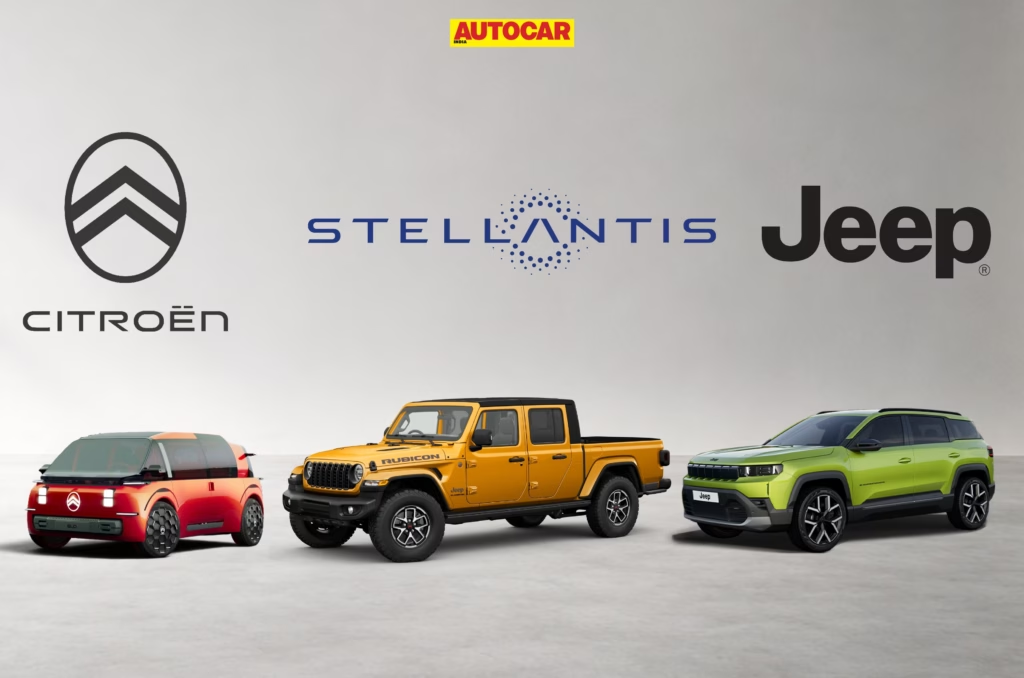
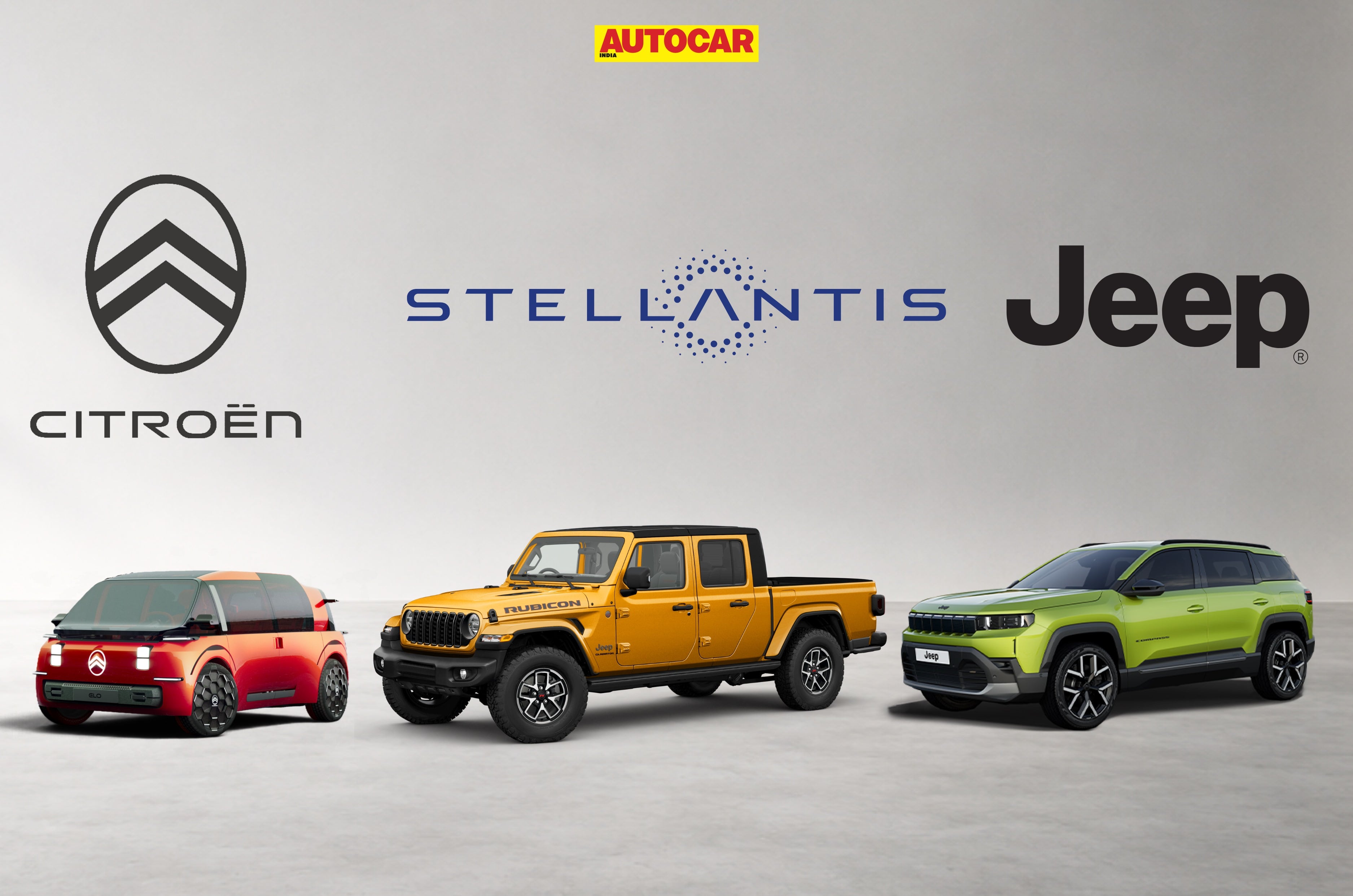
Stellantis has confirmed 12 Citroen and Jeep launches for India by 2030 as part of a roadmap dubbed ‘FaSTLAne 2030’. Speaking to Autocar India at the 2026 Paris Motor Show, Tianshu Xin – the head of Stellantis China and Asia-Pacific – confirmed a new investment of Rs 4,000 crore for the Indian market and said, “The plan is to introduce 12 new models in the next three years…seven of them will be new models and five are upgrades.”
Stellantis India lines up a dozen launches across Citroen and Jeep
Multiple SUVs inbound, along with an MPV, an entry-level car, and a premium pickup
The first model under FaSTLAne 2030 is scheduled to go on sale in India by the second quarter of 2027. This influx of new Citroen and Jeep launches will cover the compact, midsize, and premium SUV segments, and include a new MPV, an entry-level car, and a premium pickup truck. Of the 12 launches, seven will be from Citroen and five from Jeep.
Brand footprints to be expanded in India
Stellantis says these brands will play “distinct but complementary roles” in its line-up – Jeep will bolster its current position in the premium SUV arena, and Citroen will do the same in the mass-market segments. Expanding the customer reach of Citroen and Jeep is crucial, and Stellantis has committed to growing the brands’ retail and service networks, especially in Tier 2, 3, and 4 cities, along with increasing parts availability.
More Stellantis EVs coming, hybrids also confirmed
Additionally, Stellantis has confirmed a new multi-fuel strategy for the Indian market, which will span “efficient internal combustion engines, hybrid, plug-in hybrid (PHEV), and battery-electric (BEV) technologies.” These are already offered by Stellantis brands globally, and it should be interesting to see the specific powertrains that make it to India. As it stands, the majority of Stellantis India’s powertrain offerings are petrol; Citroen and Maserati also offer EVs, while Jeep additionally offers diesel in entry-level models.
Localisation target of 90 percent
According to Xin, the new models under FaSTLAne 2030 will be produced in India, so localisation will play a key role for competitive pricing. In light of that, Stellantis has set a target of 90 percent localisation across Jeep and Citroen, and will bank on its Indian R&D and manufacturing facilities, along with its supplier ecosystem, to achieve this. Moreover, India-developed FaSTLAne 2030 models will be exported to overseas markets.
Stellantis India’s two major brands, Citroen and Jeep, haven’t been very successful at attracting buyers in recent years. Citroen’s cars, despite recent updates, have struggled to gain traction in India due to their rivals being more aspirational and feature-rich. Jeep India, meanwhile, hasn’t launched any new models or facelifts in several years, turning prospective buyers away to more updated offerings. FaSTLAne 2030 is looking to be the shot in the arm that Stellantis India needs to pique buyer interest again.
What about Leapmotor?
Xin also provided an update on the long-overdue India entry of Stellantis’s Chinese EV brand, Leapmotor. Stellantis had planned to bring Leapmotor to India in 2025, but that evidently didn’t pan out. Xin noted that Leapmotor’s India entry is still being studied, and that there has to be enough “volume potential to justify the business case.” Therefore, a decision on Leapmotor entering India will only be made when the business case is ‘proven and solid.’
पीबी मनी (PB Money) को मार्केट रेगुलेटर सेबी से ऑनलाइन बॉन्ड प्लेटफॉर्म प्रोवाइडर (OBPP) के रूप में काम करने का लाइसेंस मिल गया है। यह पैसाबाजार (Paisabazaar) के साथ रणनीतिक साझेदारी वाला एक निवेश प्लेटफॉर्म है। अब इसे ऑनलाइन बॉन्ड प्लेटफॉर्म का लाइसेंस मिला है तो कंपनी अपने डिजिटल प्लेटफॉर्म के जरिए निवेशकों को बॉन्ड में निवेश करने की सुविधा दे सकेगी। बॉन्ड्स फिक्स्ड-इनकम इंस्ट्रूमेंट्स होते हैं, जिसमें उनके टर्म्स के आधार पर ब्याज मिलता है। हालांकि इसमें हर मामले में रिटर्न की गारंटी नहीं होती है बल्कि कुछ रिस्क भी होते हैं। इसमें निवेशकों को बॉन्ड इश्यू करने वाले यानी इश्यूअर के डिफॉल्ट होने, मार्केट में ब्याज दरों में बदलाव और लिक्विडिटी से जुड़ी चिंताओं जैसे रिस्क हैं।
PB Money को लाइसेंस का क्या है मतलब?
कंपनी ने 14 अक्टूबर को जो बयान जारी किया है, उसके मुताबिक सेबी से लाइसेंस मिलने के बाद पीबी मनी बॉन्ड इंवेस्टमेंट के पूरे प्रोसेस को ऑपरेट कर सकेगी। इससे कंपनी निवेशकों का रजिस्ट्रेशनस केवाईसी वेरिफिकेशन, बॉन्ड डिस्कवरी, ऑर्डर प्लेसमेंट, पेमेंट कोऑर्डिनेशन, और पोस्ट-इंवेस्टमेंट सर्विसिंग ऑफर कर सकेगी। साथ ही निवेशक प्लेटफॉर्म पर यील्ड यानी रिटर्न, क्रेडिट रेटिंग और इंवेस्टमेंट अमाउंट जैसे मानकों के आधार पर बॉन्ड तलाश सकेंगे। इससे उन्हें उपलब्ध विकल्पों की तुलना करने में मदद मिलेगी।
कब से शुरू कर सकेंगे बॉन्ड्स में निवेश
घरेलू स्टॉक मार्केट में लिस्टेड पीबी फिनटेक (PB Fintech) की पैसाबाजार के निवेश प्लेटफॉर्म पीबी मनी को बॉन्ड प्लेटफॉर्म के तौर पर काम करने का लाइसेंस मिला है। पीबी मनी के डायरेक्टर और पैसाबाजार के सीईओ संतोष अग्रवाल का कहना है कि इस लाइसेंस से बॉन्ड्स में निवेश आसान होगा और खुदरा निवेशकों की फिक्स्ड-इनकम प्रोडक्ट्स तक पहुंच बढ़ेगी। कंपनी को यह लाइसेंस ऐसे समय में मिला है जब पीबी मनी डिजिटल माध्यमों से अपने निवेश विकल्पों का विस्तार करने की योजना बना रही है। हालांकि कंपनी ने यह नहीं बताया है कि इस लाइसेंस के तहत प्लेटफॉर्म पर निवेश की सुविधा कब से शुरू होगी, या शुरुआत में कौन-से बॉन्ड उपलब्ध होंगे।
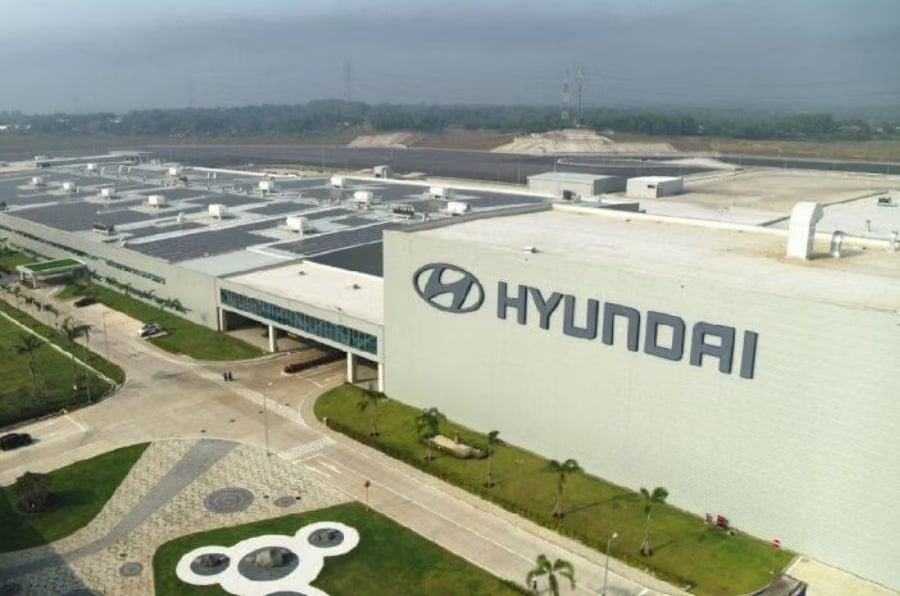
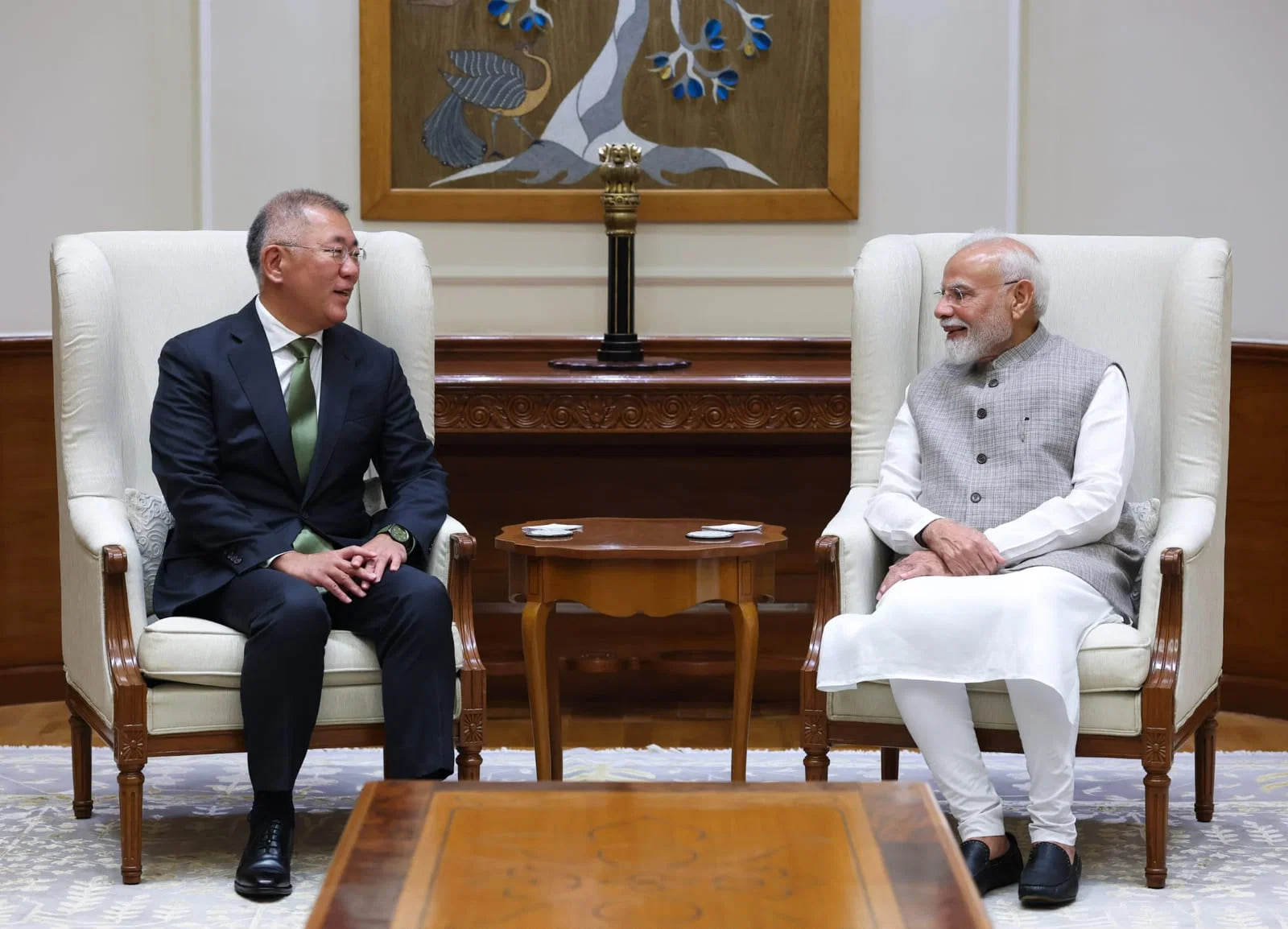
Hyundai has announced plans to invest USD 15.5 billion in India between 2026 and 2032. The investment will cover research and development, manufacturing capacity, local supplier development and businesses such as electric vehicle charging and automotive financing. The announcement follows a meeting between prime minister Narendra Modi and Hyundai Motor Group executive chair Euisun Chung in New Delhi on October 13.
“India remains one of Hyundai Motor Group’s most important and strategic markets globally. The past 30 years have been defined by our commitment to India. This investment reaffirms our commitment to India for the next 30 years and beyond,” Chung said.
Hyundai investment: R&D and manufacturing plans
The company plans to invest around USD 700 million in its Indian R&D centre, including a vehicle testing track. The investment is intended to expand engineering facilities and support the development of automotive technologies and local talent.
The group also plans to increase manufacturing capacity across Hyundai and Kia. Their combined annual production capacity in India currently exceeds 1.4 million vehicles, across Hyundai’s facilities in Chennai and Pune, and Kia’s plant in Anantapur.
Capacity at Hyundai’s Pune facility is scheduled to increase in phases. The group is also assessing a third manufacturing location to meet its longer-term requirements.
Our sister publication, Autocar Professional reported on September 29 that Chhatrapati Sambhaji Nagar in Maharashtra and Sanand in Gujarat were among the locations under consideration. According to people familiar with the plans, the proposed facility could eventually add around 500,000 units of annual capacity, with investment potentially exceeding USD 2 billion over time. The plant could come up around 2030, with capacity added in phases over five to seven years. The October 13 announcement did not confirm the location, investment schedule or additional capacity.
The company will also invest in local suppliers and regional partners to increase parts localisation and strengthen its supply chain. It plans to establish a dedicated investment entity in India to oversee the programme and identify suppliers, technology partners and investment opportunities.
Hyundai to explore new mobility businesses
Beyond vehicle manufacturing, Hyundai Motor Group plans to explore automotive financing, EV charging infrastructure and end-of-life vehicle recycling. It also intends to support promising start-ups and expand into mobility services linked to its vehicle business.
Hyundai is developing electric three-wheelers with TVS Motor Company under a joint development agreement. The partnership is aimed at commercialising electric three-wheelers for India and other markets.
The group said the investment programme is expected to create employment in manufacturing, R&D, engineering and supply chains, including through suppliers and new mobility businesses. It currently employs more than 24,000 people across India.
Hyundai Motor Group has not disclosed how the USD 15.5 billion investment will be divided between Hyundai and Kia, or how much will be allocated to individual projects.
Car vs Investment: कार खरीदना कई लोगों का सपना होता है। लेकिन इस फैसले का असर आपकी जेब पर भी पड़ता है। कार खरीदने के बाद उसकी कीमत घटती है। साथ ही पेट्रोल, इंश्योरेंस और मेंटेनेंस पर भी पैसा खर्च होता है। दूसरी तरफ, यही ₹10 लाख निवेश कर दिए जाएं तो 5 साल में अच्छी रकम बन सकती है। ऐसे में सवाल है कि कार खरीदना बेहतर है या पैसे को बढ़ने का मौका देना?
₹10 लाख निवेश करने पर कितना पैसा बनेगा?
मान लीजिए आपके पास ₹10 लाख हैं। आप इस रकम को 5 साल के लिए निवेश करते हैं। अब रिटर्न के अलग-अलग अनुमान से समझते हैं कि आपकी रकम कितनी हो सकती है।
अगर सालाना 8% रिटर्न मिलता है, तो 5 साल बाद ₹10 लाख बढ़कर करीब ₹14.69 लाख हो जाएंगे। इस तरह आपको लगभग ₹4.69 लाख का फायदा होगा।
वहीं, 10% सालाना रिटर्न पर रकम करीब ₹16.11 लाख हो सकती है। यानी ₹6.11 लाख की बढ़त। अगर सालाना रिटर्न 12% रहा, तो 5 साल बाद कुल रकम करीब ₹17.62 लाख हो सकती है। इस स्थिति में मुनाफा लगभग ₹7.62 लाख होगा।
सालाना रिटर्न
शुरुआती निवेश
5 साल बाद कुल रकम
अनुमानित मुनाफा
8%
₹10,00,000
₹14,69,000
₹4,69,000
10%
₹10,00,000
₹16,11,000
₹6,11,000
12%
₹10,00,000
₹17,62,000
₹7,62,000
नोट :यह कैलकुलेशन कंपाउंडिंग के आधार पर है। शेयर बाजार या म्यूचुअल फंड में रिटर्न तय नहीं होता। असल नतीजा निवेश के विकल्प और बाजार के प्रदर्शन पर निर्भर करेगा।
कार खरीदने पर 5 साल में कितना खर्च होगा?
अब कार का हिसाब समझते हैं। मान लीजिए आप ₹10 लाख की कार खरीदते हैं और 5 साल तक उसे चलाते हैं। इस दौरान कार की कीमत घटेगी। इसे डेप्रिसिएशन कहते हैं। इसके अलावा इंश्योरेंस और सर्विस पर भी खर्च होगा।
उदाहरण के लिए, मान लेते हैं कि 5 साल बाद कार की रीसेल वैल्यू ₹5 लाख रह जाती है। यानी उसकी कीमत में ₹5 लाख की कमी आई। इसके अलावा, 5 साल में इंश्योरेंस पर करीब ₹1 लाख और सर्विस व मेंटेनेंस पर ₹75,000 खर्च होते हैं।
₹10 लाख की कार खरीदने पर 5 साल का खर्च
खर्च का हिसाब
अनुमानित रकम
कार की खरीद कीमत
₹10,00,000
5 साल बाद रीसेल वैल्यू
₹5,00,000
कार की कीमत में कमी
₹5,00,000
5 साल का इंश्योरेंस खर्च
₹1,00,000
सर्विस और मेंटेनेंस
₹75,000
5 साल की कुल लागत
₹6,75,000
नोट:ये अनुमानित खर्च और वैल्यू हैं। इसमें पेट्रोल-डीजल, पार्किंग, टोल और लोन का ब्याज शामिल नहीं है।
इस हिसाब से कार रखने की लागत 5 साल में करीब ₹6.75 लाख बैठती है। इसमें पेट्रोल या डीजल, पार्किंग, टोल और लोन का ब्याज शामिल नहीं है। असल खर्च कार के मॉडल और इस्तेमाल के हिसाब से अलग हो सकता है।
दोनों विकल्पों में कितना फर्क पड़ेगा?
अब दोनों की तुलना करते हैं। अगर आप ₹10 लाख निवेश करते हैं और सालाना 10% रिटर्न मिलता है, तो 5 साल बाद रकम करीब ₹16.11 लाख हो सकती है।
दूसरी तरफ, कार खरीदने पर 5 साल बाद उसकी अनुमानित कीमत ₹5 लाख रह जाती है। यानी एक तरफ निवेश की रकम बढ़ रही है, जबकि दूसरी तरफ कार की कीमत घट रही है।
सिर्फ निवेश की रकम और कार की रीसेल वैल्यू देखें, तो दोनों के बीच ₹11.11 लाख का अंतर होगा। कार के इंश्योरेंस और मेंटेनेंस पर खर्च हुए ₹1.75 लाख भी जोड़ दें, तो इस उदाहरण में वित्तीय अंतर करीब ₹12.86 लाख तक पहुंचता है।
लेकिन यह पूरी तरह समान आधार पर की गई तुलना नहीं है। निवेश करने वाले व्यक्ति के पास कार नहीं होगी। उसे आने-जाने के लिए दूसरे साधनों पर खर्च करना पड़ सकता है। वहीं, कार खरीदने वाले को निजी गाड़ी की सुविधा मिलेगी। इसलिए अंतिम फैसला लेते समय इस पहलू को भी देखना जरूरी है।
क्या कार खरीदने के बजाय निवेश करना बेहतर है?
यह आपकी जरूरत पर निर्भर करता है। अगर रोज ऑफिस जाने या परिवार के साथ सफर करने के लिए कार जरूरी है, तो इसे सिर्फ खर्च मानना सही नहीं होगा। कार से समय बचता है और आने-जाने में सुविधा मिलती है।
लेकिन अगर कार खरीदने से आपकी बचत खत्म हो रही है या घर, बच्चों की पढ़ाई और रिटायरमेंट जैसे लक्ष्यों के लिए पैसा कम पड़ सकता है, तो फैसला टालने पर विचार किया जा सकता है। एक विकल्प यह भी है कि आप कम कीमत की कार खरीदें और बाकी रकम निवेश करें। या फिर एकमुश्त 10 लाख आप निवेश कर सकते हैं। और कार लोन ले सकते हैं।
Disclaimer: यहां मुहैया जानकारी सिर्फ सूचना के लिए दी जा रही है। यहां बताना जरूरी है कि मार्केट में निवेश बाजार जोखिमों के अधीन है। निवेशक के तौर पर पैसा लगाने से पहले हमेशा एक्सपर्ट से सलाह लें। मनीकंट्रोल की तरफ से किसी को भी पैसा लगाने की यहां कभी भी सलाह नहीं दी जाती है।
Gold vs Equity Investment: किसी भी निवेशक से पैसा निवेश करते समय सबसे बड़ी गलती ये होती है कि वे पिछले सालों में शानदार रिटर्न देने वाले एसेट में ही आगे भी बढ़त की उम्मीद करने लगते हैं। साल 2024 के बाद से सोना और चांदी ने रिकॉर्ड रिटर्न दिए हैं, जबकि शेयर बाजार में लंबा करेक्शन देखने को मिला है।
12 अक्टूबर 2026 तक, सोना लगभग ₹1.50 लाख प्रति 10 ग्राम और चांदी ₹2.27 लाख प्रति किलोग्राम पर कारोबार कर रही थी। एक्सपर्ट्स का मानना है कि, इतनी बड़ी तेजी के बाद अब कीमती धातुओं में टाइम करेक्शन देखने को मिल सकता है। इसका मतलब है कि कीमतें तेजी से ऊपर जाने के बजाय लंबे समय तक एक सीमित दायरे में रह सकती हैं।
इन्हीं सब अनिश्चितताओं के बीच इस त्योहारी सीजन में नया पैसा कहा-किसमें लगाए इस लेकर काफी कन्फ्यूजन है। 129 वेल्थ एंड रिसर्च एनालिस्ट और पॉल एसेट में फंड मैनेजर प्रसेनजीत पॉल से समझते हैं इस इस समय क्या हो निवेश की रणनीति।
गोल्ड-सिल्वर बनाम इक्विटी: नया पैसा कहां लगाएं?
गोल्ड: अनिश्चितता से बचाव के लिए पोर्टफोलियो में सोने का होना जरूरी है।
सिल्वर: इंडस्ट्रीज में डिमांड का फायदा मिलता है, लेकिन इसमें उतार-चढ़ाव ज्यादा होता है।
रणनीति: ऑल-टाइम हाई के आसपास सोना-चांदी में एकमुश्त बड़ा निवेश करने में अब बहुत ज्यादा फायदा नहीं है।
प्रसेनजीत पॉल का मानना है कि, मेटल्स के उलट, इक्विटी में जोखिम के मुकाबले रिटर्न का अवसर बेहतर नजर आ रहा है। निफ्टी 9 अक्टूबर 2024 के 24,981 के स्तर से गिरकर 9 अक्टूबर 2026 को 22,520 पर आ गया, जबकि इसका P/E मल्टीपल 23.48 से घटकर 19.20 गुना हो गया है। वैल्युएशन अब काफी वाजिब और आकर्षक हो चुकी है।
बाजार अक्सर आर्थिक आंकड़ों में सुधार दिखने से पहले ही रिकवर करना शुरू कर देते हैं। अगले दो सालों में इक्विटी का प्रदर्शन कीमती धातुओं से बेहतर रह सकता है। निवेशक नए पैसे को 3 से 4 किस्तों में बांटकर इक्विटी में निवेश कर सकते हैं।
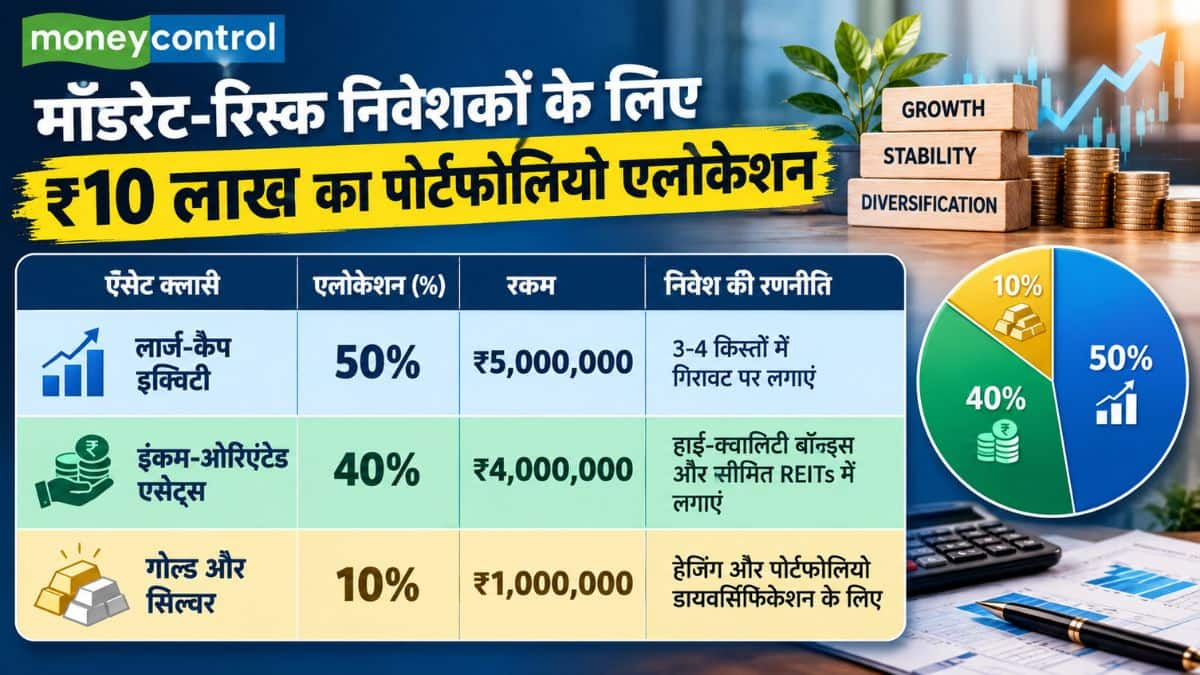
मॉडरेट-रिस्क निवेशकों के लिए ₹10 लाख का पोर्टफोलियो एलोकेशन
अगर आप मध्यम जोखिम वाले निवेशक हैं, तो ₹10 लाख की पूंजी को इस तरह बांट सकते हैं:
आपको बता दें कि यह प्रस्तावित पोर्टफोलियो एलोकेशन एक उदाहरण है और इसे निवेशक के मौजूदा पोर्टफोलियो, वित्तीय जिम्मेदारियों और समय सीमा के अनुसार एडजस्ट किया जाना चाहिए। कुल मिलाकर, नए निवेश के लिए हमारी पहली पसंद इक्विटी है, स्थिरता के लिए हाई-क्वालिटी फिक्स्ड-इनकम एसेट्स और डायवर्सिफिकेशन के लिए सोना-चांदी में एक सीमित हिस्सा रखना चाहिए।
क्या हो निवेशक की मूल सोच?
फंड मैनेजर प्रसेनजीत पॉल के मुताबिक, निवेश का नियम बेहद सीधा है- ‘जब बाजार में डर हो तब खरीदें और जब लालच हो तब बचें’। इसका मतलब बॉटम या टॉप का अंदाजा लगाना नहीं है, बल्कि सिर्फ इसलिए किसी एसेट में नहीं फंसना है क्योंकि उसने बीते दिनों में असाधारण रिटर्न दिए हैं।
Disclaimer: यहां मुहैया जानकारी सिर्फ सूचना के लिए दी जा रही है। यहां बताना जरूरी है कि मार्केट में निवेश बाजार जोखिमों के अधीन है। निवेशक के तौर पर पैसा लगाने से पहले हमेशा एक्सपर्ट से सलाह लें। मनीकंट्रोल की तरफ से किसी को भी पैसा लगाने की यहां कभी भी सलाह नहीं दी जाती है।
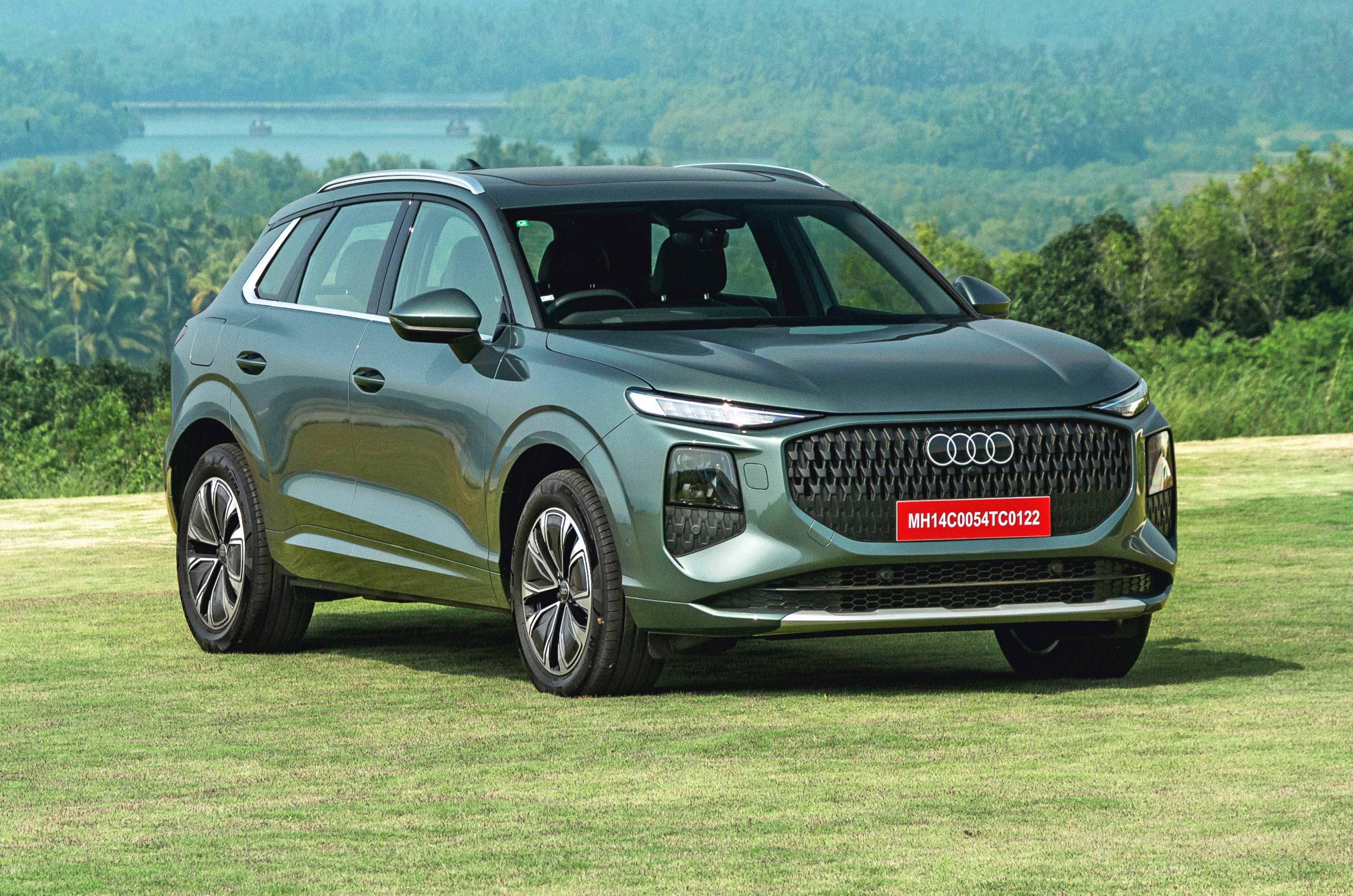
It would be easy to file the third-generation Q3 as just another new model but it isn’t. For Audi India, this is closer to a reset. The brand has spent the past few years soldiering on with ageing, outdated products and its showroom traffic has paid the price for this freeze in new products. But that’s all changed now. With fresh investment pouring in from its headquarters, Audi is on a new product offensive which has been kicked started with the Q3. This compact SUV is also the entry point into the brand, so it carries the burden of deliveringthe maximum sales. There’s a lot riding on the Q3’s gentle shoulders and Audi is hopeful that this will model will mark the turning point for the brand. But first, Audi has to convince customers. Is the new Q3 a quantum leap over the past Q3? We drove it in Goa to find out.
Audi Q3 Exterior Design and Engineering – 8/10
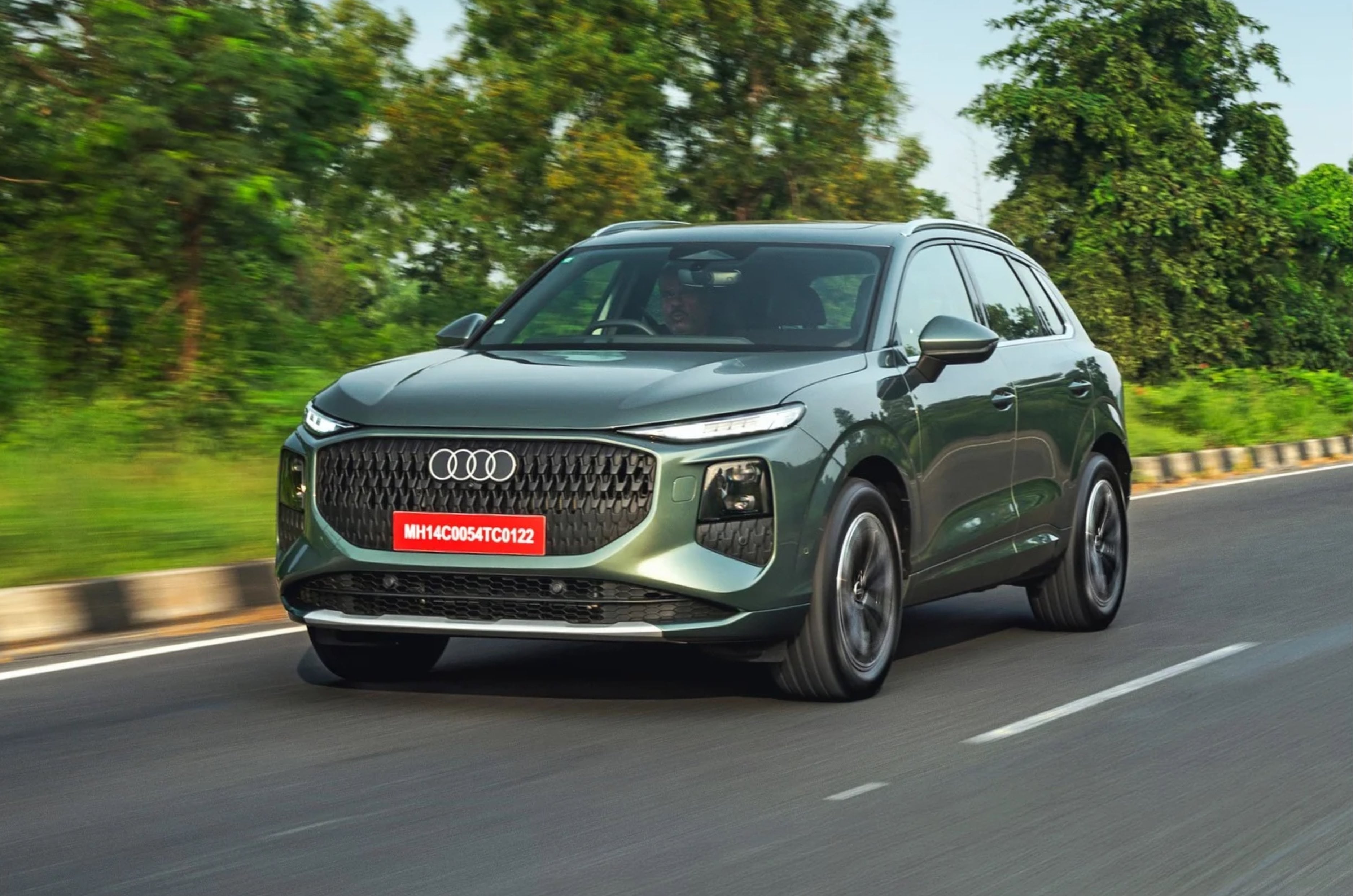
The crisp, edgy lines of the old car have made way for something more fluid and flamboyant. The new Q3 has grown marginally in every dimension, but the 2,681mm wheelbase is unchanged, so it keeps the compact footprint its urban buyers like.
A fluid and flamboyant new design language replaces the edgy styling of the old car
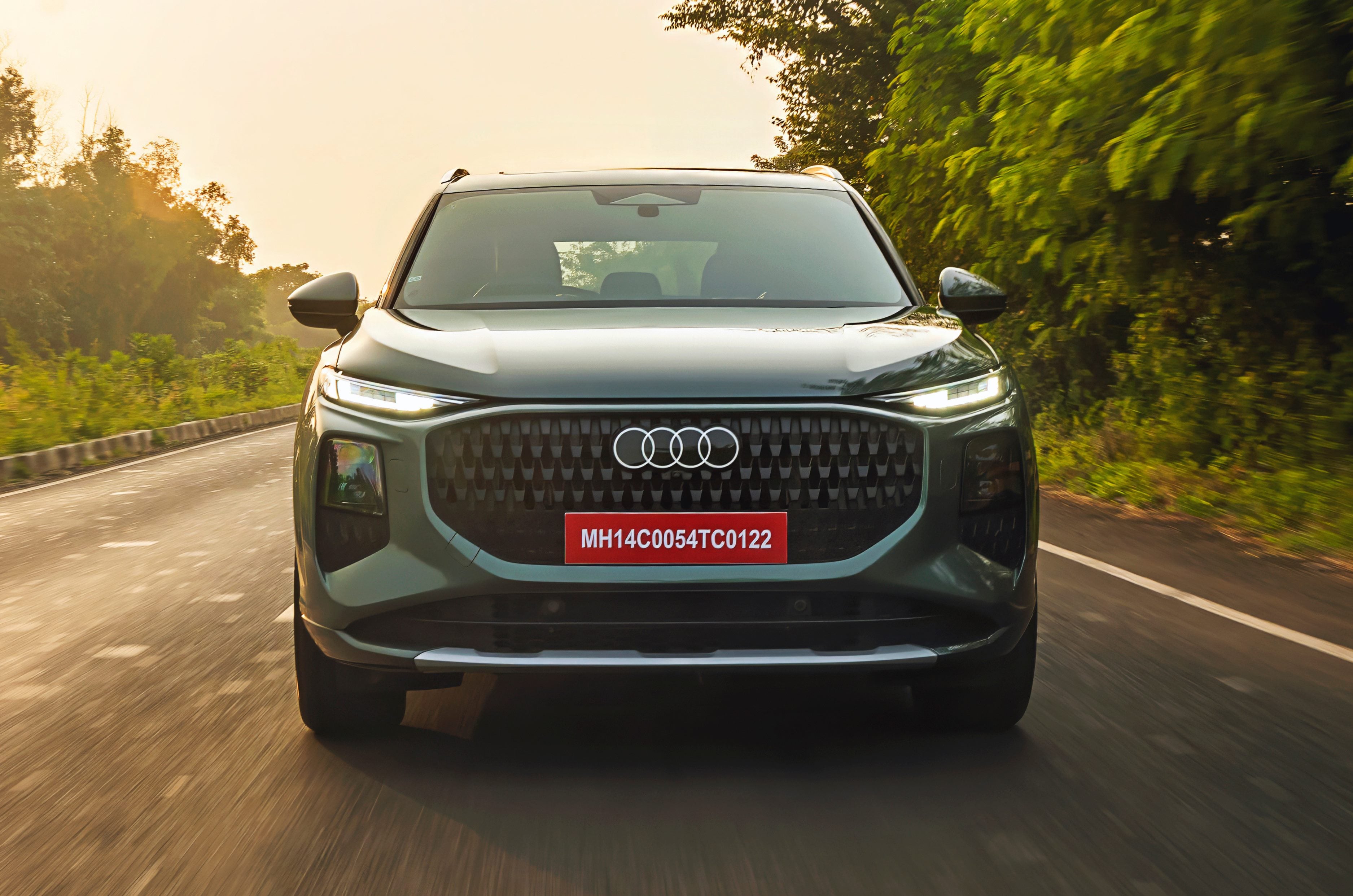
The face is split in two. Slim LED daytime running lights sit up top and double as dynamic indicators, while the main headlamps are stacked below. The wide honeycomb grille certainly makes a statement, and its flat 2D logo hides the ADAS radar. Up close, though, the grille’s finish looks a touch plasticky for a car wearing four rings.
Lighting is the real party piece. The Digital Matrix LED units use micro-LED technology, with some 25,600 individually controlled pixels per headlamp. That lets them do far more than dip and glare-free high beam. They can project a carpet of light in your own lane, and when you flick the indicator, the beam stretches across to illuminate the lane you are moving into. It’s a clever way to flag your intent and place the car on dark, unlit roads. The DRLs also offer four selectable light signatures via the touchscreen. There is a caveat. The projection tricks are at their best on pitch-black roads; with streetlights around, the effect is largely lost.
Trick Digital Matrix LED headlights use 25,600 individually controlled pixels per side
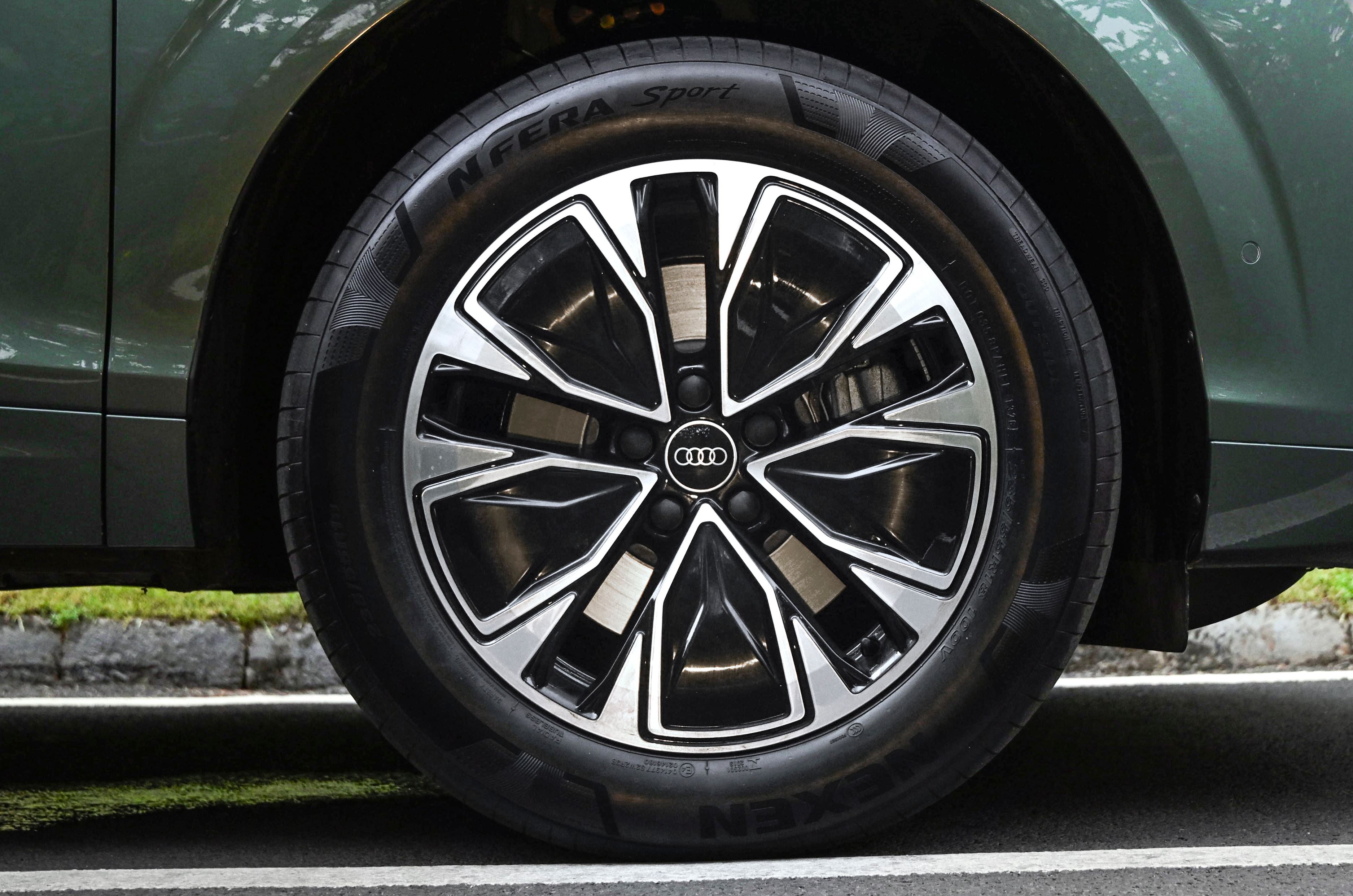
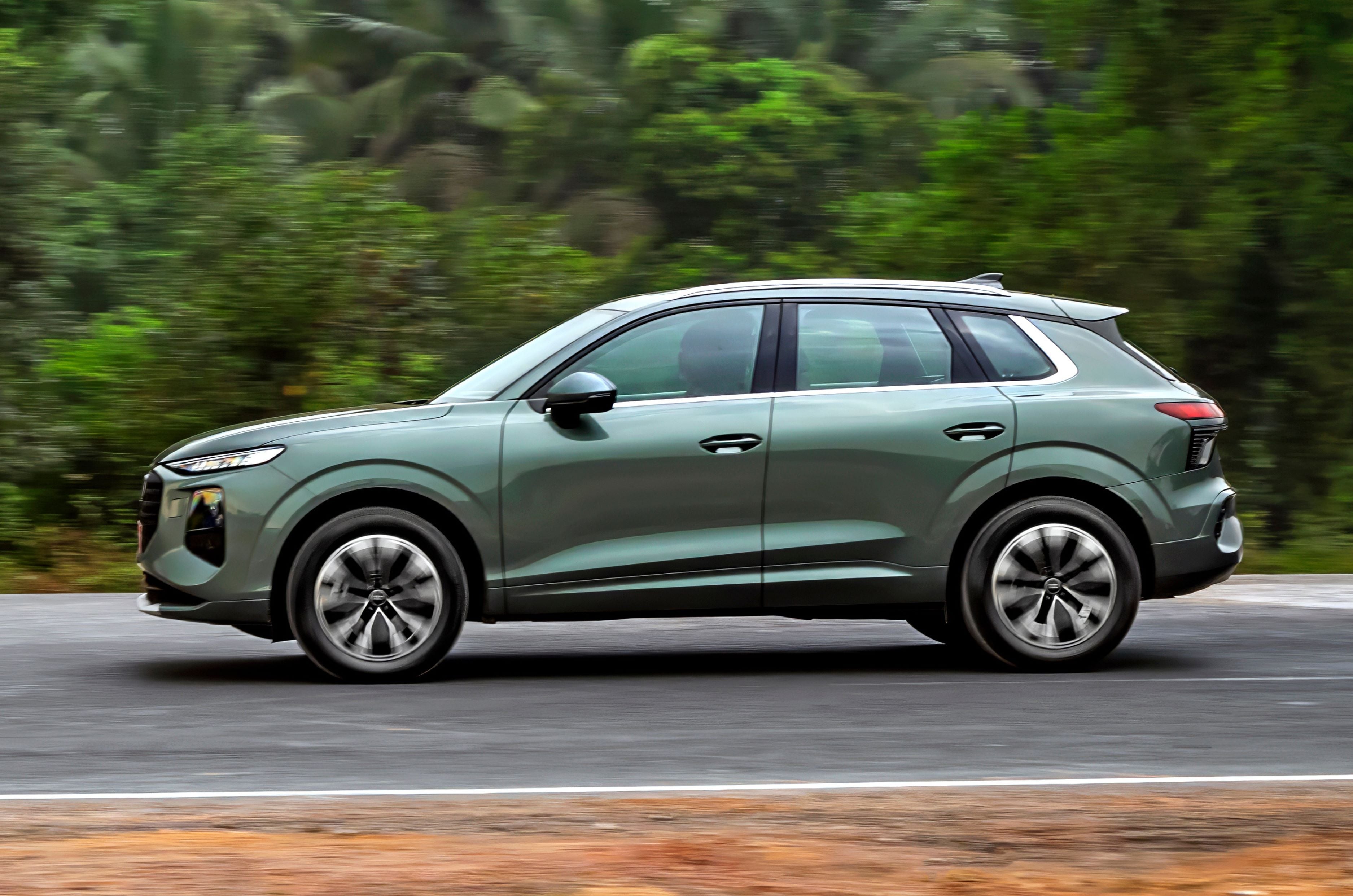
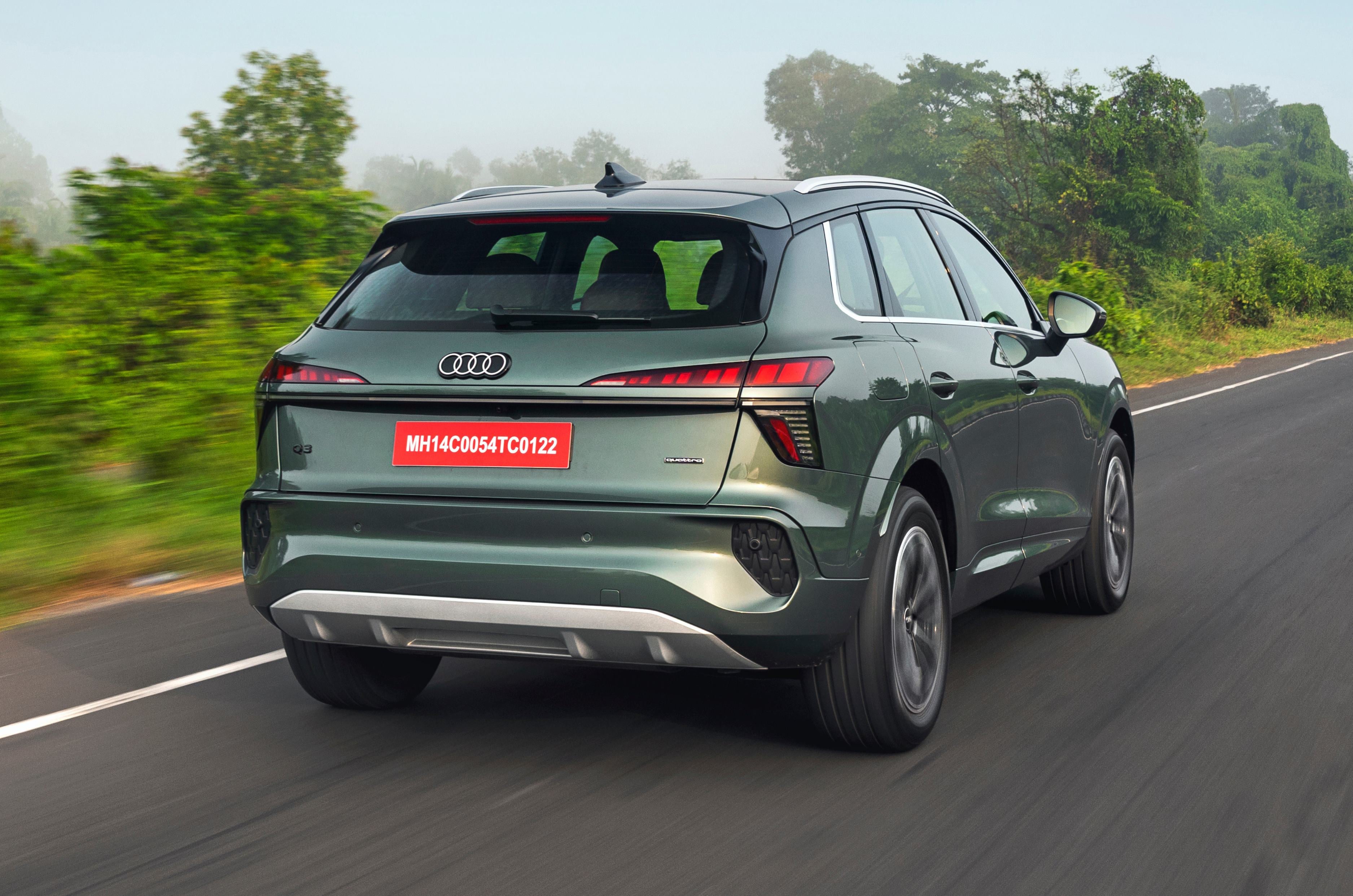
In profile, brushed aluminium below the windows and gloss black above create a floating-roof effect, and the rear haunches add a hint of muscle. For once, the wheels deserve a mention too. Audi has rarely nailed its alloy designs, but these are genuinely striking, wrapped in chunky, high-profile rubber. At the back, split LED tail-lamps are joined by a slim light bar and an illuminated Audi logo, and the tailgate is powered.
Stunning 18-inch alloys get self-leveling centre caps and are wrapped in high-profile tyres
Audi Q3 Interior Space and Comfort – 8/10
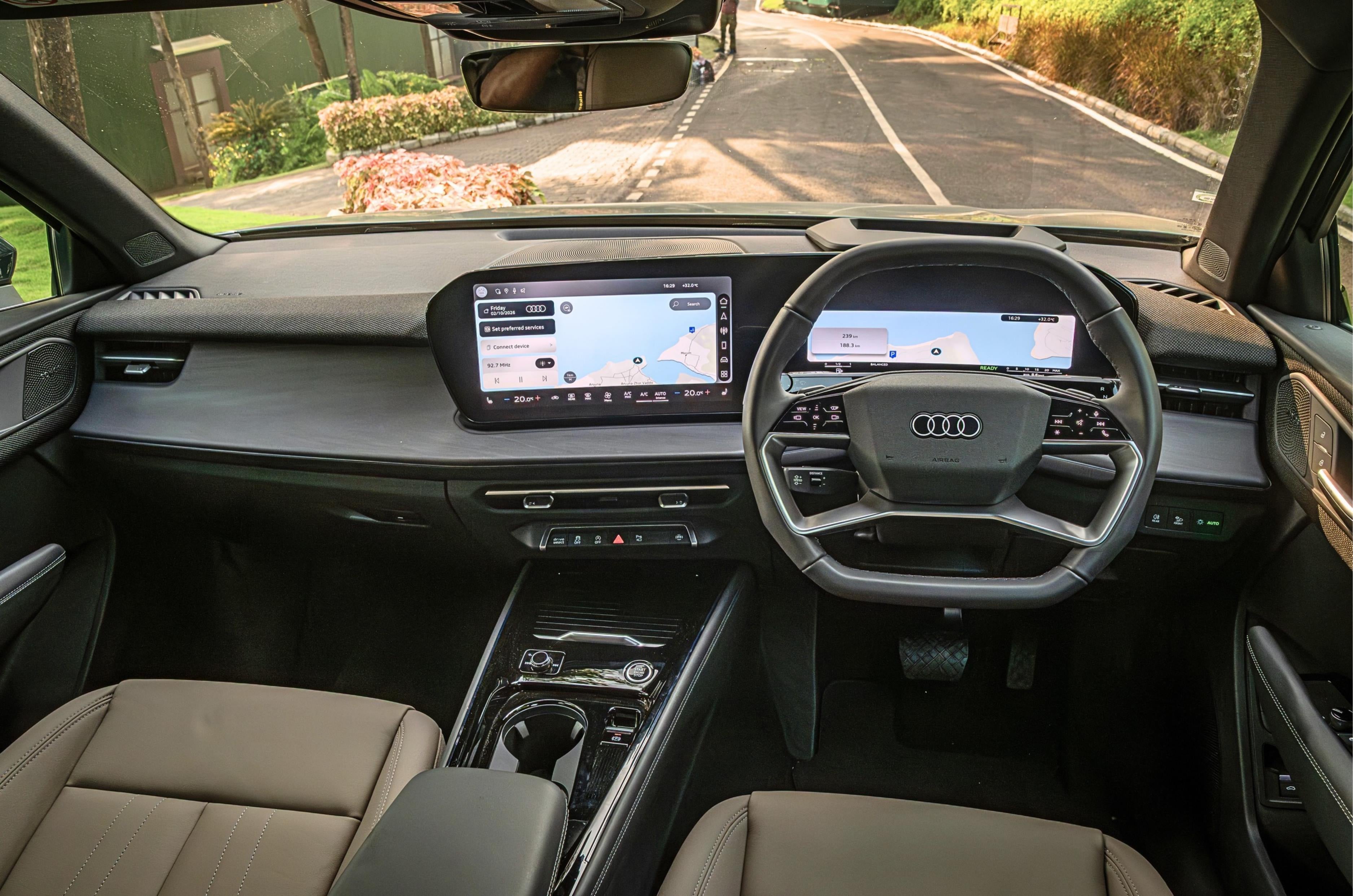
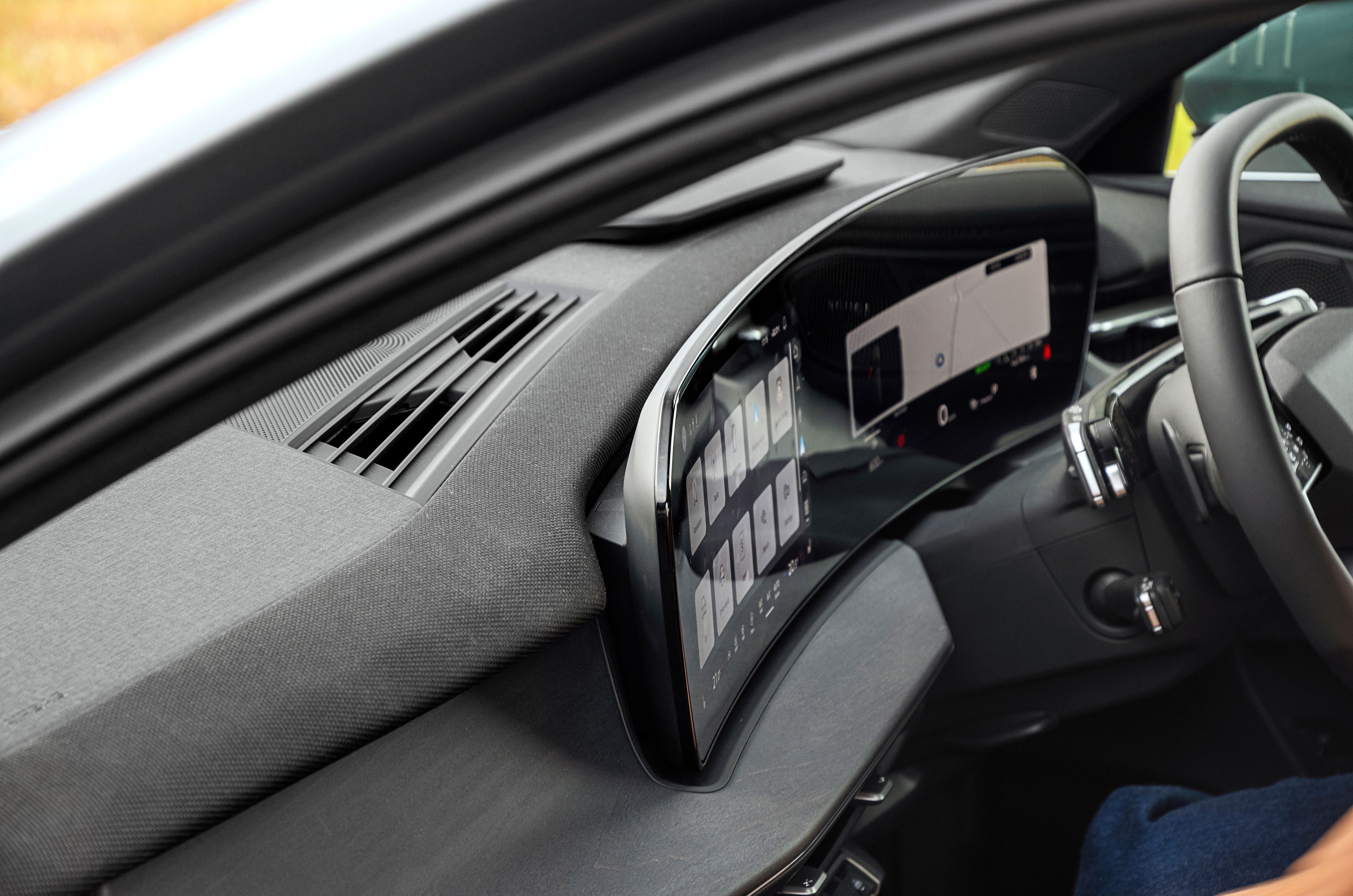
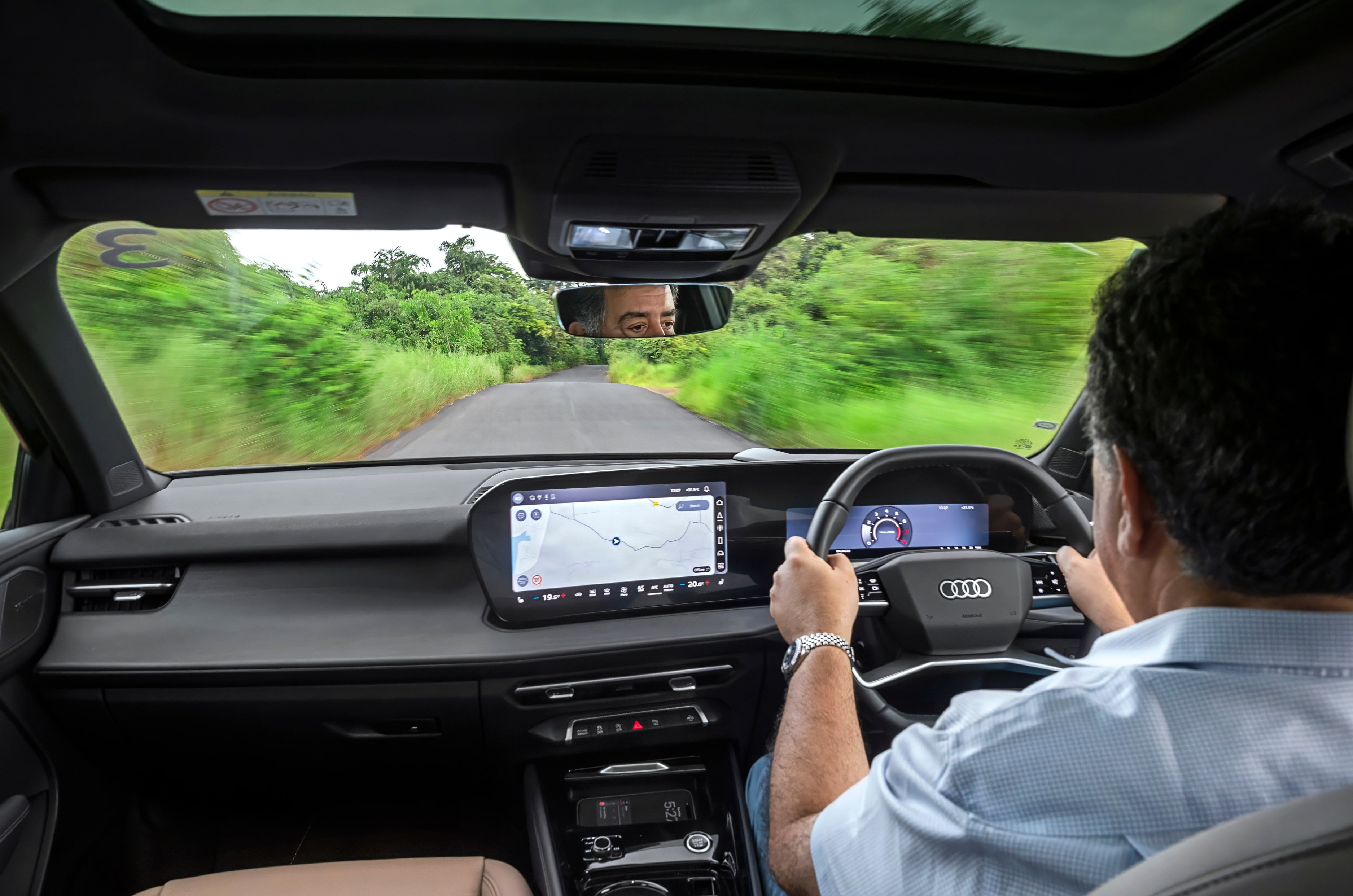
Step inside and the leap over the old Q3 is obvious. The dashboard is clean and contemporary, anchored by a curved panel that houses an 11.9-inch driver’s display and a 12.8-inch touchscreen. Fabric replaces leather across much of the cabin and the lower plastics are on the hard side. Yet the overall impression is of a cabin that’s solidly screwed together, and it feels more robust than its German rivals. Small details help: the fat tabs that adjust the air-con vents have a reassuringly substantial action.
New interior is a big leap over the last model and feels better built than its German rivals
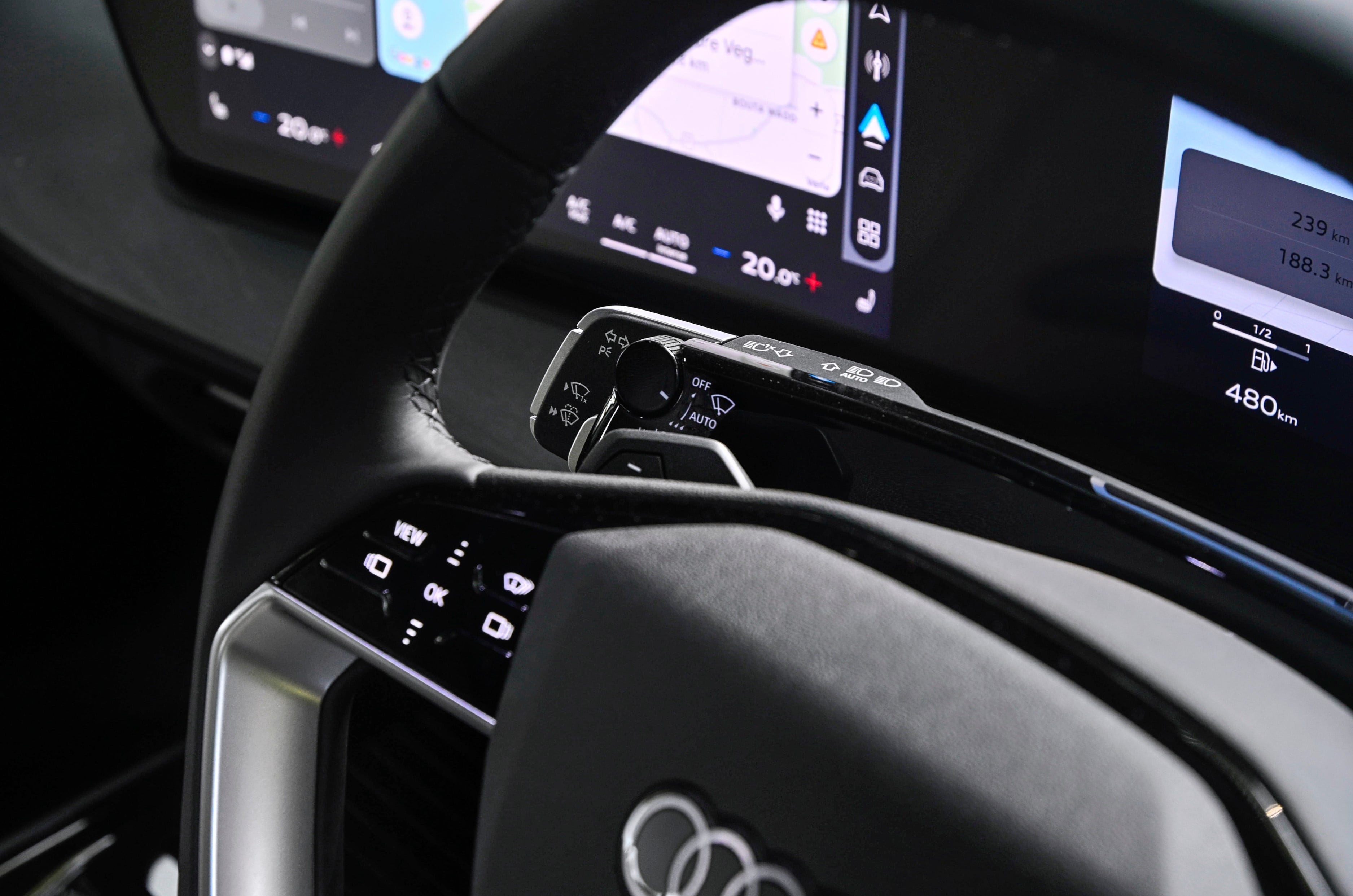
The hexagonal steering wheel takes some getting used to. So does the new control stalk, which Audi has loaded with an astonishing number of jobs: indicators, front and rear wipers and headlamp controls all live on one chunky lever. The gear selector moves to a stalk of its own on the other side. It feels awkward at first, but within a day it becomes second nature.
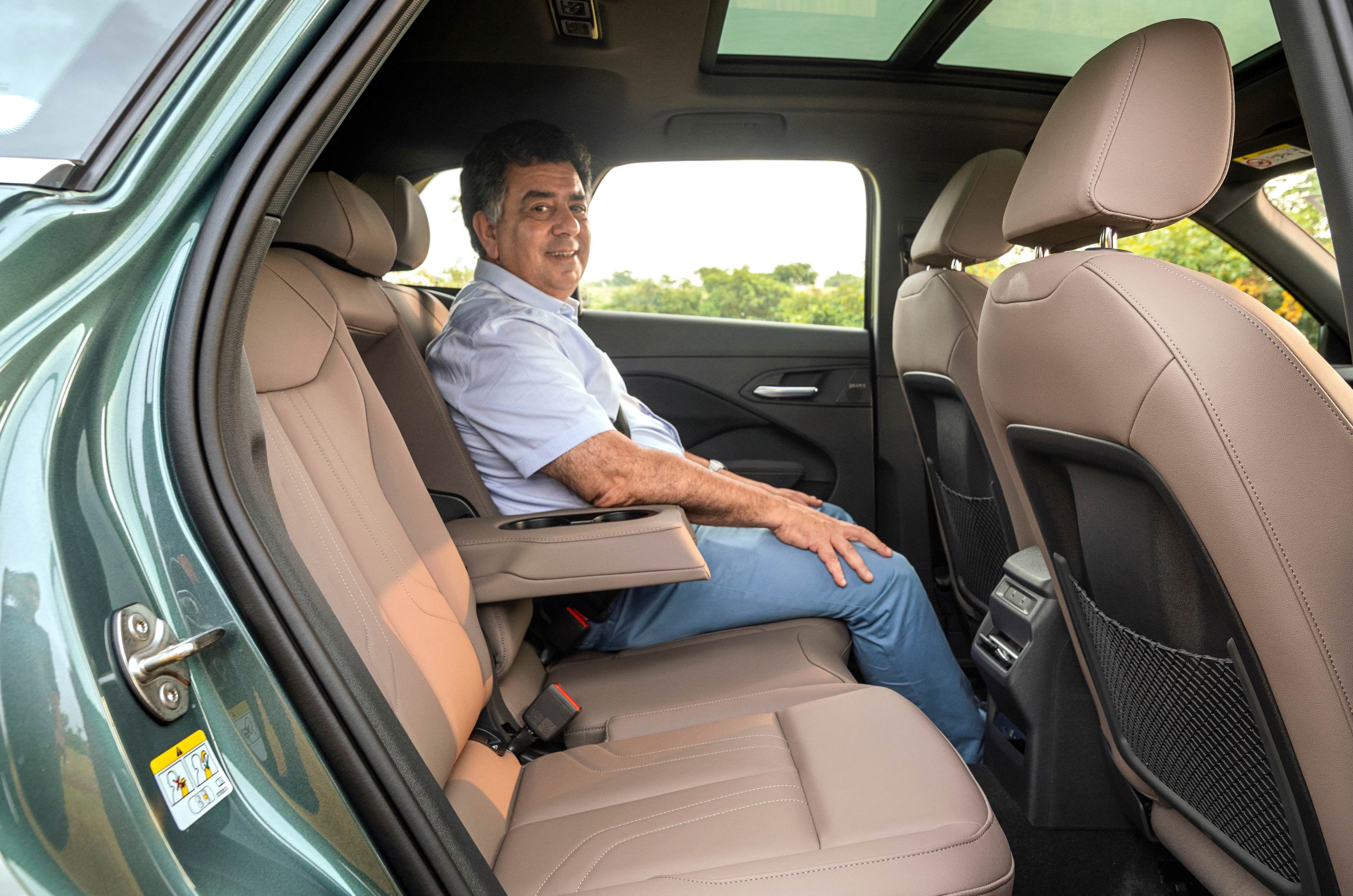
Two adults will be comfortable in the back seat, but a third will feel like a sqeeze
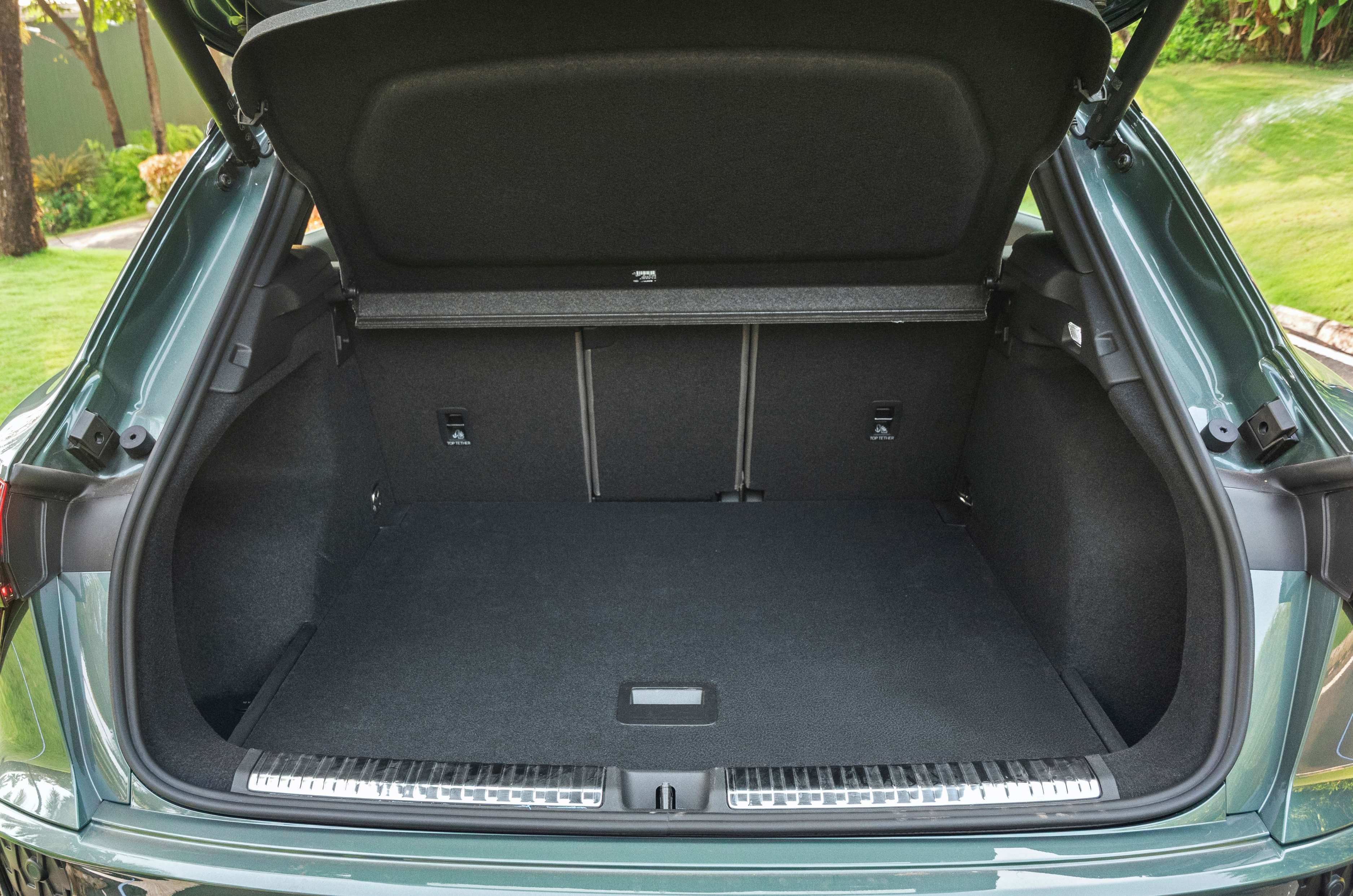
The front seats are generous, well bolstered and very comfortable over long stints. The rear hasn’t moved on much from the old car. Two large adults will be fine, but three is a squeeze; think of it as a four-seater with an occasional fifth. Rear passengers do get a third climate zone and two USB-C ports. The boot is spacious, and it’s good to find a space-saver spare under the floor.
Powered tailgate opens to a large 488-litre boot; seats split 40:20:40 for longer items
Audi Q3 Features and Safety – 7/10
The curved touchscreen works well, and the curvature itself cuts out glare and reflections. Response is smooth and quick, though the icons are, in typical Audi fashion, a bit subdued and not instantly distinguishable. Physical buttons are fewer, but the climate controls sit permanently at the base of the screen, so you never dig through menus to change the temperature or blower speed.A head-up display brings key information into your line of sight and the fonts are crisp and sharp.
Curved display cuts out glare and reflections
Audi’s own navigation is good, but integrated Google Maps, increasingly the benchmark, is expensive to licence and hence missing. The instrument cluster is surprisingly basic too, with little configurability and minimal choice of layouts and that’s a let-down from the brand that pioneered the virtual cockpit.
We also hit a software glitch with our iPhones. Wireless phone mirroring connected initially, then dropped out and refused to reconnect, prompting a switch to USB. It’s the sort of bug an over-the-air update should fix.
Lighting and wiper controls are odd at first but easy to get used to
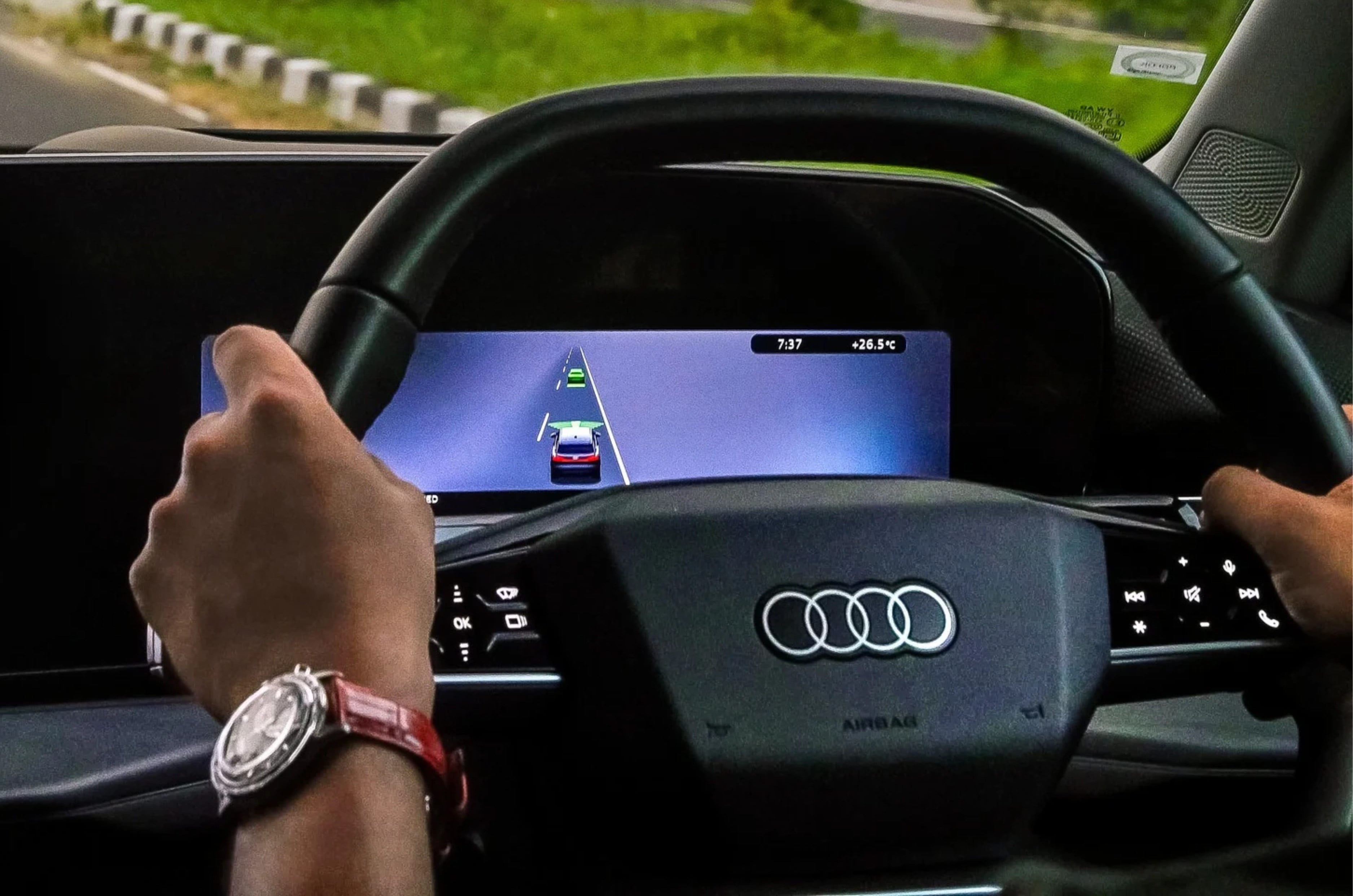
The equipment list isn’t thin. There’s a superb-sounding 12-speaker Sonos system, a large panoramic sunroof, powered and heated front seats with driver memory, nine airbags and adaptive cruise control. That cruise works well, too. But for a car costing over Rs 50 lakh and launching in 2026, there gaps that are hard to overlook.
There is no lane-keep assist, so the ADAS suite stops at adaptive cruise. A full Level 2+ package is now table stakes in this class, all the more so when far cheaper mass-market cars offer one. There are no ventilated seats either, near-essential in our climate. The biggest miss, though, is a 360-degree camera, something a great many buyers actively look for. The reversing camera’s resolution is disappointing, although there is an auto-park function.
ADAS kit limited to auto emergency braking and adaptive cruise control
None of this is unusual for its rivals. But as the newest kid on the block, the Q3 should have moved the game on, and here it hasn’t.
Audi Q3 Performance and Refinement – 9/10
The engine is the star of the show. Audi’s 2.0 TFSI makes 201bhp and 320Nm, and it is smooth, strong and refined. That alone hands the Q3 a massive edge over the underwhelming, smaller-capacity motors in the X1 and GLA.
Strong and refined 2.0 TFSI makes 204hp and 320Nm, enough for 0-100kph in 7.1 seconds
It isn’t flawless. At low revs there’s a brief hesitation before it gathers itself and pulls smartly, which is why we left it in Dynamic mode most of the time. Once on the boil, though, it is eager and free-revving, a reminder of why this is the best 2-litre turbo-petrol in the business. Around town it feels responsive; on the highway it builds pace effortlessly. Audi claims 0-100kph in 7.1sec, which puts the Q3 at the top of its class.
The 7-speed dual-clutch remains a fine partner, eager to drop a gear to keep the engine in its powerband. Flick it into Sport or reach for the paddles if you want to take charge. Quattro all-wheel drive is now standard on every Q3, not an option, and there’s a range of drive modes including an off-road setting to make the most of it. It’s good insurance on slippery surfaces and gives the Q3 an edge over rivals when conditions turn tricky. Whether many owners need it, or more importantly will pay extra for it, is another question.
Strikes a great balance of ride and handling; gets Quattro all-wheel drive as standard
Audi Q3 Ride Comfort and Handling – 9/10
The big surprise is the handling. The variable-ratio steering adjusts its response to both speed and lock, so its light and effortless at parking speeds, then quicker and more direct as you wind on more lock. Barring a touch of slack around the straight-ahead, it is accurate and weights up superbly.
Quick steering often makes a car nervous at speed. Not here. The Q3 stays stable and reassuring when the needle climbs, yet changes direction with an agility you simply don’t expect from an Audi SUV.
New Progressive Steering is light at parking speeds, but gets sharper and more direct as speeds rise
What you do expect from an Audi is a good ride, and the Q3 delivers. It is on the firm side but never uncomfortable, soaking up potholes and broken patches with real composure. A big help is the 55-profile tyres. Their roughly 130mm sidewall is the first line of defence, absorbing much of the shock before it reaches the suspension and, ultimately, the cabin.
Audi Q3 Value for Money – 8/10
The new Q3 is a superbly engineered car, and its mechanical package sits well ahead of its rivals. The cabin is a big step up too, but given its timing, the Q3 doesn’t quite leapfrog the competition here; it lands a little short on equipment.
What it does do is drive brilliantly. It is by far the nicest car to drive in its class, and that matters, because Audi says 84 percent of Q3 owners drive themselves.
Easily the nicest car to drive in its class, but doesn’t leapfrog the competition in terms of features
A lot now rides on price. At around Rs 65 lakh on-road, it is steep. Not because the car isn’t worth it, but because buyers may balk at paying so much more than the outgoing Q3, whose transaction price had slipped to around Rs 40 lakh.
On the product front, though, Audi has come back with a bang. A brilliant powertrain, a superb blend of ride and handling and a genuinely classy feel make the Q3 the enthusiast’s pick of the class. If this is the opening act, Audi’s reset is off to a promising start.
Delhi Protest Update: चीफ जस्टिस ऑफ इंडिया (CJI) जस्टिस सूर्यकांत ने सोमवार (12 अक्टूबर) को कहा कि सुप्रीम कोर्ट के दरवाजे हर किसी के लिए खुले हैं। कोई भी आम नागरिक या निर्वाचित जनप्रतिनिधि अपनी शिकायत लेकर अदालत आ सकता है। उन्होंने विपक्षी गठबंधन ‘INDIA’ ब्लॉक के नेताओं से मुलाकात नहीं करने के फैसले पर पहला बयान दिया है। CJI ने बताया कि उन्हें रविवार 11 अक्टूबर को मुलाकात के अनुरोध से जुड़ा पत्र मिला था। इसके बाद उन्होंने उसी रात जवाब देकर मुलाकात नहीं कर पाने की वजह बता दी थी।
न्यूज एजेंसी ANI के मुताबिक CJI जस्टिस सूर्यकांत ने कहा, “मुझे कल बैठक के अनुरोध के संबंध में एक पत्र मिला था। और मैंने कल रात ही उसका जवाब दे दिया था, जिसमें उन कारणों का उल्लेख किया गया था कि मैं क्यों नहीं मिल पाऊंगा।” उन्होंने यह भी कहा, “सुप्रीम कोर्ट के दरवाजे सभी के लिए खुले हैं। किसी भी आम नागरिक या निर्वाचित निकाय के सदस्य की किसी भी याचिका का स्वागत है। हर भारतीय नागरिक को अदालत का दरवाजा खटखटाने का अधिकार है, और हम उनकी चिंताओं को सुनेंगे और कानून के तहत जो भी उचित होगा, वह करेंगे।”
CJI सूर्यकांत ने यह बयान राष्ट्रीय मानवाधिकार आयोग (NHRC) के 33वें स्थापना दिवस समारोह के बाद पत्रकारों से बातचीत के दौरान दिया। उनका यह बयान ऐसे समय आया है, जब कांग्रेस और अन्य विपक्षी दलों के नेता चुनाव आयोग के खिलाफ अपनी शिकायतों को लेकर सोमवार को सुप्रीम कोर्ट तक मार्च निकालने की तैयारी कर रहे हैं। चीफ जस्टिस के इस बयान को विपक्षी नेताओं के उस अनुरोध के संदर्भ में देखा जा रहा है, जिसमें उन्होंने कथित चुनावी अनियमितताओं के मुद्दे पर CJI से मुलाकात कर अपना पक्ष रखने और ज्ञापन सौंपने की मांग की थी।
विपक्षी नेताओं से मुलाकात क्यों नहीं करेंगे CJI?
इससे पहले CJI जस्टिस सूर्यकांत ने INDIA ब्लॉक के नेताओं के प्रतिनिधिमंडल से मुलाकात करने से इनकार कर दिया था। पीटीआई के मुताबिक, सीजेआई सूर्यकांत ने ‘वोट चोरी’ के आरोपों पर कांग्रेस नेता राहुल गांधी से यह कहते हुए मुलाकात से इनकार कर दिया कि इस तरह के मुद्दे पहले ही सुप्रीम कोर्ट के समक्ष विचाराधीन हैं। सूत्रों ने बताया कि राहुल गांधी के मुलाकात के अनुरोध पर CJI सूर्यकांत ने कहा कि प्रशासनिक स्तर पर कोई आदेश पारित नहीं किया जा सकता। उन्होंने कांग्रेस नेता से याचिका दायर करने को कहा, जिस पर मंगलवार को सुनवाई हो सकती है।
सूत्रों के मुताबिक, सीजेआई ने कहा कि यदि किसी नागरिक के मौलिक अधिकारों का उल्लंघन होता है, तो सुप्रीम कोर्ट उसके लिए 24 घंटे उपलब्ध है। सूत्रों ने बताया कि जस्टिस सूर्यकांत ने यह भी कहा कि सुप्रीम कोर्ट प्रशासनिक स्तर पर कार्यपालिका के कामकाज में हस्तक्षेप नहीं कर सकता। इससे पहले, अपनी मांगों को लेकर विपक्षी दलों ने सोमवार को उच्चतम न्यायालय तक विरोध मार्च निकालने की घोषणा की थी। कांग्रेस ने इसे ‘चलो दिल्ली- लोकतंत्र के लिए मार्च’ का नाम दिया है। विपक्षी दलों की मांग है कि चुनावी प्रक्रिया से जुड़े उनके आरोपों पर उचित कार्रवाई हो।
विपक्षी नेताओं के प्रस्तावित मार्च को देखते हुए मध्य दिल्ली में सुरक्षा व्यवस्था कड़ी कर दी गई है। बाराखंभा रोड और मंडी हाउस के आसपास सुरक्षा बलों की तैनाती की गई है। दिल्ली पुलिस के साथ रैपिड एक्शन फोर्स (RAF) और केंद्रीय रिजर्व पुलिस बल (CRPF) के जवान भी तैनात हैं। सुरक्षा कारणों से दिल्ली मेट्रो के 6 स्टेशनों पर एंट्री-एग्जिट गेट बंद कर दी गई है। उपलब्ध जानकारी के अनुसार, 12 अक्टूबर को शाम 4 बजे तक कुछ स्टेशनों के गेट बंद रहेंगे।
#WATCH | Delhi | On INDIA Bloc’s protest march and their demand to meet him, Chief Justice of India (CJI) Justice Surya Kant says, “I received a letter yesterday regarding a meeting request, and I responded to it last night, outlining the reasons why I will be unable to meet…”
He also says, “The Supreme Court’s doors are open to everyone. Any petition from any common citizen or member of an elected body is welcome. Every Indian citizen has the right to approach the court, and we will hear their concerns and grant whatever is due under the law.”