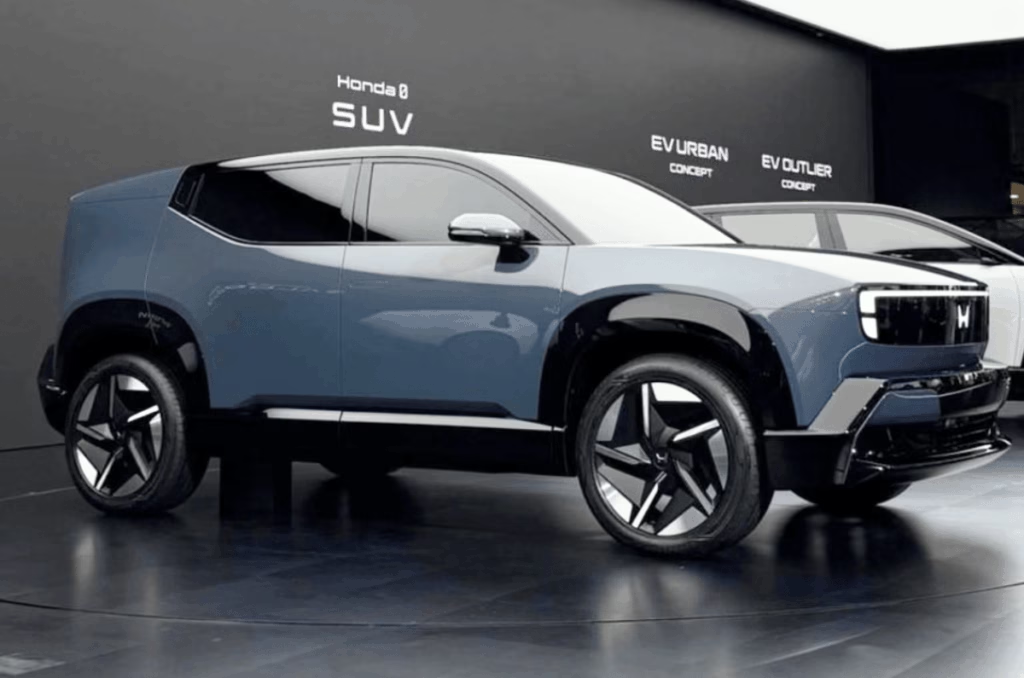
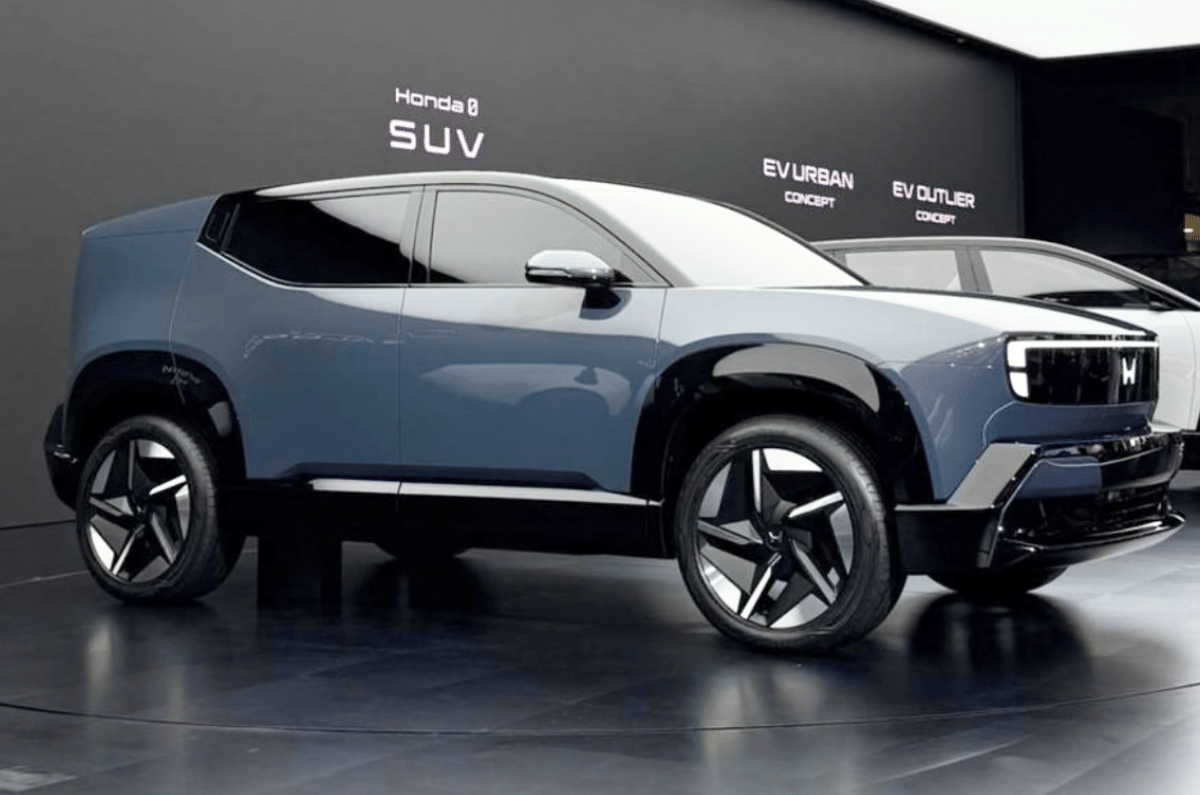
Honda India is going to debut the production-spec 0 Alpha EV on December 2. The 0 Alpha SUV concept was revealed in October 2025, and its production version will be the carmaker’s first all-electric vehicle for our market. Honda is expected to reveal the official name of the vehicle as well. A heavily camouflaged prototype of 0 Alpha SUV was recently spied testing on our roads.
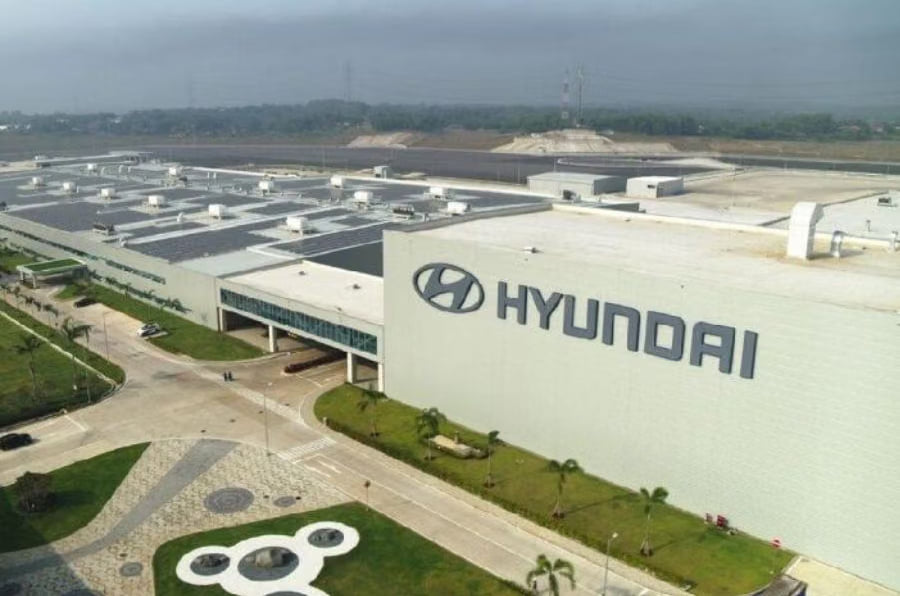
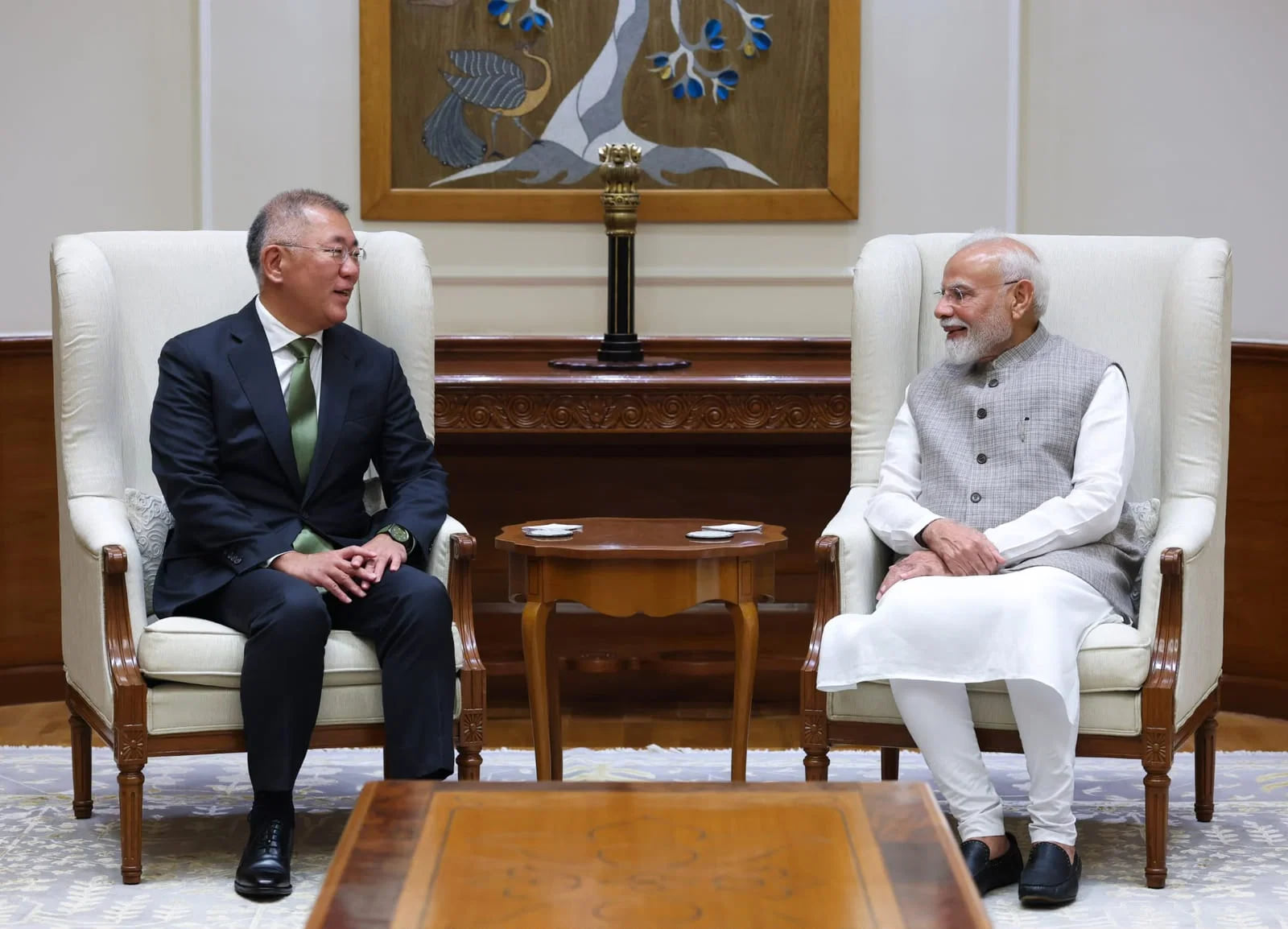
Hyundai has announced plans to invest USD 15.5 billion in India between 2026 and 2032. The investment will cover research and development, manufacturing capacity, local supplier development and businesses such as electric vehicle charging and automotive financing. The announcement follows a meeting between prime minister Narendra Modi and Hyundai Motor Group executive chair Euisun Chung in New Delhi on October 13.
“India remains one of Hyundai Motor Group’s most important and strategic markets globally. The past 30 years have been defined by our commitment to India. This investment reaffirms our commitment to India for the next 30 years and beyond,” Chung said.
Hyundai investment: R&D and manufacturing plans
The company plans to invest around USD 700 million in its Indian R&D centre, including a vehicle testing track. The investment is intended to expand engineering facilities and support the development of automotive technologies and local talent.
The group also plans to increase manufacturing capacity across Hyundai and Kia. Their combined annual production capacity in India currently exceeds 1.4 million vehicles, across Hyundai’s facilities in Chennai and Pune, and Kia’s plant in Anantapur.
Capacity at Hyundai’s Pune facility is scheduled to increase in phases. The group is also assessing a third manufacturing location to meet its longer-term requirements.
Our sister publication, Autocar Professional reported on September 29 that Chhatrapati Sambhaji Nagar in Maharashtra and Sanand in Gujarat were among the locations under consideration. According to people familiar with the plans, the proposed facility could eventually add around 500,000 units of annual capacity, with investment potentially exceeding USD 2 billion over time. The plant could come up around 2030, with capacity added in phases over five to seven years. The October 13 announcement did not confirm the location, investment schedule or additional capacity.
The company will also invest in local suppliers and regional partners to increase parts localisation and strengthen its supply chain. It plans to establish a dedicated investment entity in India to oversee the programme and identify suppliers, technology partners and investment opportunities.
Hyundai to explore new mobility businesses
Beyond vehicle manufacturing, Hyundai Motor Group plans to explore automotive financing, EV charging infrastructure and end-of-life vehicle recycling. It also intends to support promising start-ups and expand into mobility services linked to its vehicle business.
Hyundai is developing electric three-wheelers with TVS Motor Company under a joint development agreement. The partnership is aimed at commercialising electric three-wheelers for India and other markets.
The group said the investment programme is expected to create employment in manufacturing, R&D, engineering and supply chains, including through suppliers and new mobility businesses. It currently employs more than 24,000 people across India.
Hyundai Motor Group has not disclosed how the USD 15.5 billion investment will be divided between Hyundai and Kia, or how much will be allocated to individual projects.
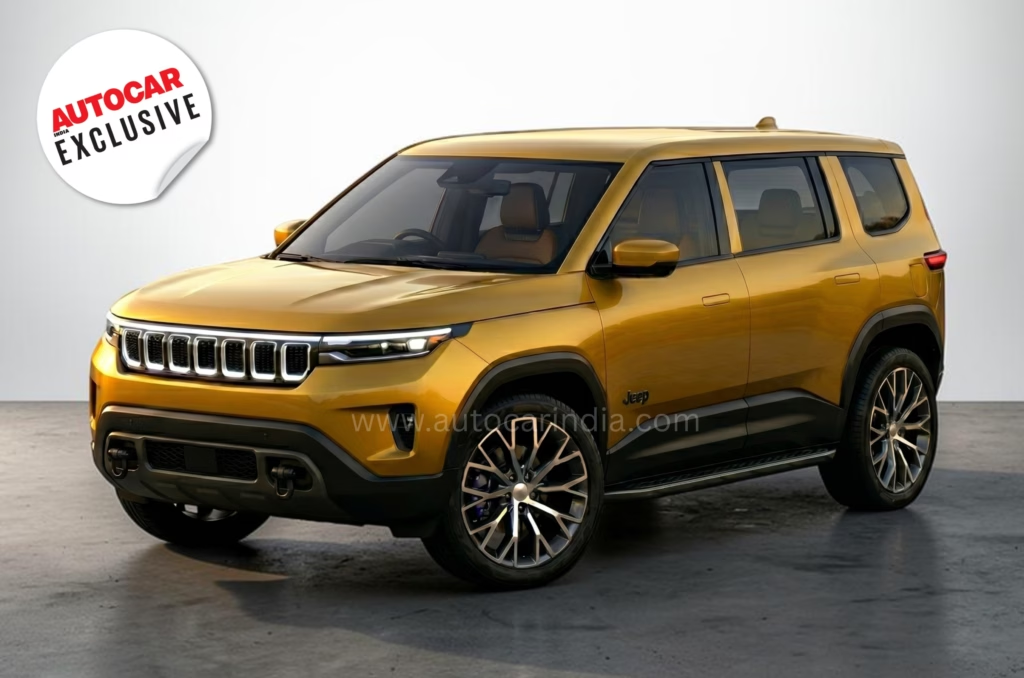
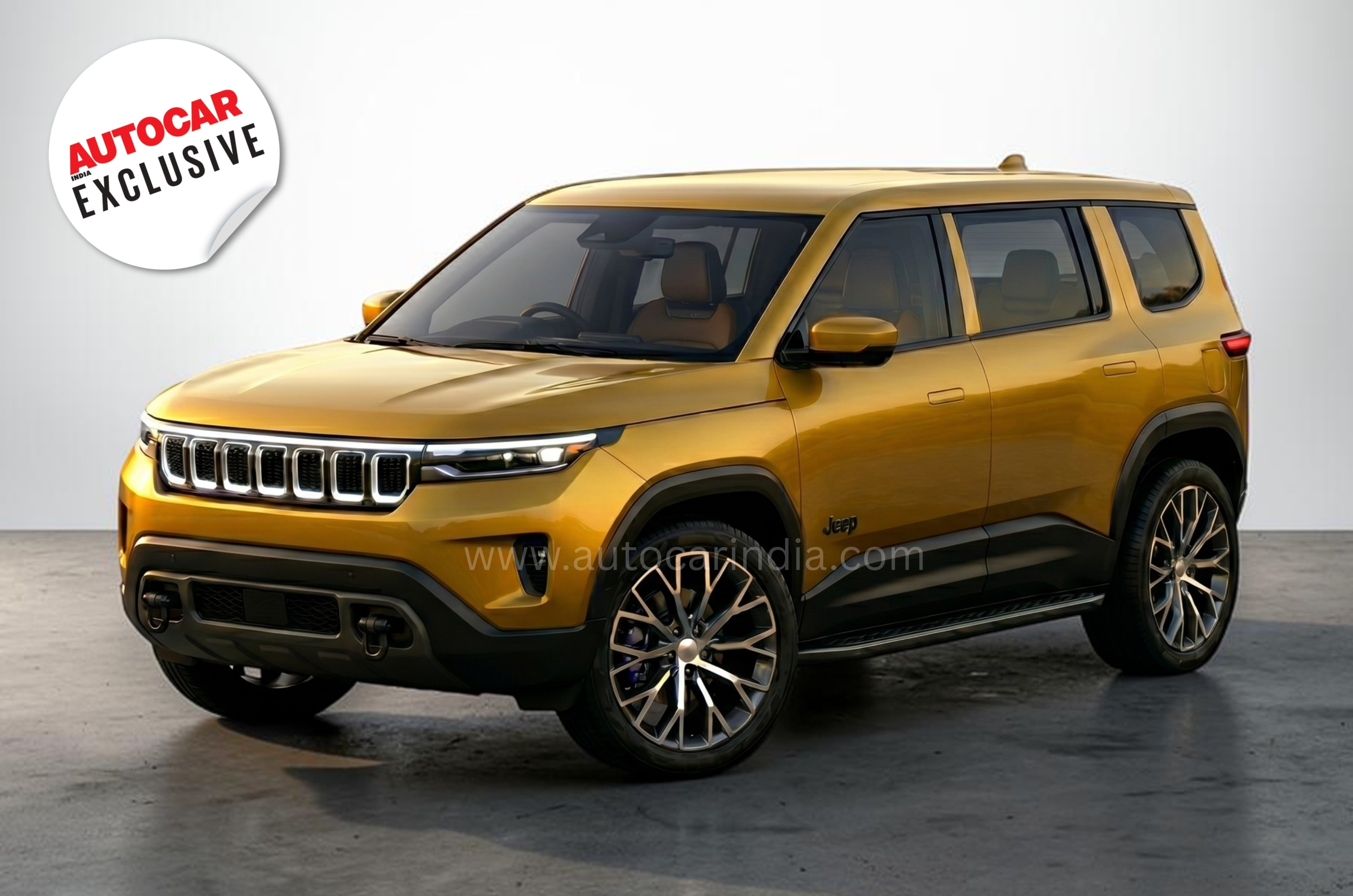
Tata Motors Passenger Vehicles (TMPV) and Stellantis have signed a formal agreement to expand their partnership into product technology, platforms and vehicle architecture, formalising plans for a new Jeep SUV based on the Tata Sierra’s ARGOS platform, according to people in the know. Internally codenamed J1J, the Jeep SUV will get both internal combustion engine and electric versions and it is likely to use the same powertrains as the Sierra, say people in the know.
Sierra-based Jeep SUV: platform and production plans
ARGOS stands for All-Terrain Ready, Omni-Energy and Geometry Scalable. It is TMPV’s modular, multi-energy vehicle architecture, designed to accommodate different vehicle dimensions and powertrain applications, which can open up more opportunities for Stellantis in the future.
While Tata Motors is producing the Sierra at its Sanand factory in Gujarat, production of the Jeep model is likely to take place at the Fiat India Automobiles Ltd (FIAL) joint venture facility in Ranjangaon, Maharashtra. The manufacturing operations are expected to be adapted for the programme over the next 18 months, added a person in the know.
The programme forms part of Stellantis’ wider ambition to sell 100,000 locally produced vehicles globally in 2028 across its Tata and Dongfeng partnership programmes combined, as outlined at its May 2026 Investor Day. The target covers several products. The company is likely to launch the first vehicle in the first half of 2028, say sources.
A dedicated team for the project is currently based out of Pune and will look at adapting the vehicle architecture, including a left-hand-drive version for overseas markets. A range-extender electric vehicle application is also being explored on the platform, although no production decision for the REEV has been finalised, according to people familiar with the engineering work.
An email sent to Tata Motors and Stellantis seeking comment remained unanswered at the time of publication.
The formal agreement builds on a relationship spanning more than two decades. Having collaborated on manufacturing, powertrains and the supply chain, the partners are now extending their cooperation into vehicle development.
Sierra-based Jeep SUV: Different body and cabin
Stellantis is benchmarking its own Jeep Renegade and Compass products for the J1J model development, according to company sources. Its eventual name and final production design are being firmed up.
This clearly indicates that the Jeep will have a different upper body, or top hat, exterior styling and cabin. Changes will extend to the seating package, interior features and equipment. These will distinguish it from the Sierra, while allowing the companies to share the underlying architecture and components.
Much of the platform is expected to be retained, with structural modifications and reinforcements, where required, to accommodate the Jeep body and meet crash and overseas regulatory requirements. Details of Jeep-specific suspension tuning and off-road hardware could not immediately be established. A 4×4 variant is also likely as Jeep’s brand guidelines insist on giving its customers a 4×4 option for all its models. Whilst the electric version of the Sierra already comes with 4×4, the ARGOS platform has been packaged and developed to accommodate a 4×4 ICE drive train as well. In fact, the Jeep partnership could accelerate the launch of a Sierra 4×4 to coincide with launch of the next-gen Jeep SUV.
Tata Motors sister company Tata Technologies is understood to be involved in engineering execution at Stellantis. The work includes the Jeep-specific body and interior package, left-hand-drive adaptation and changes needed to meet overseas regulations.
According to people familiar with the programme, TMPV will retain ownership of the architecture and license it to Stellantis. Existing Sierra suppliers are expected to support Jeep where components can be shared, with separate sourcing and tooling for model-specific parts.
India development, global markets
Stellantis had disclosed its intention to develop a Tata-based Jeep at its May 21, 2026 Investor Day. Grégoire Olivier, its Asia Pacific chief operating officer, said Tata Motors would provide a competitive platform for a new Jeep vehicle to be developed and assembled in India through the existing joint venture for global markets.
Olivier had also outlined exports to more than 50 countries across the wider portfolio, including the Dongfeng programmes, the Tata-based Jeep and the existing Citroën Smart Car programme in India. The markets allocated specifically to J1J have not been established.
For Stellantis, Tata’s architecture and supplier base offer a way to reduce development expenditure while adding a new Jeep product. For TMPV, the arrangement could generate licensing revenue and spread platform costs across additional vehicles. Common components could also bring suppliers higher volumes.
The alliance is a much-needed segue for the Jeep brand which has been in India for close to a decade but has been relegated to the fringes of the Indian market with a lack of product action. A licensed modular architecture with the potential for multiple powertrains, 4×4 capability and different wheelbases will open opportunities for more products in a quicker time interval.
The programme would extend the Ranjangaon venture from manufacturing cooperation to producing a Jeep on Tata’s vehicle architecture. The left-hand-drive version would widen its overseas reach, giving the plant access to demand beyond India and other right-hand-drive markets.
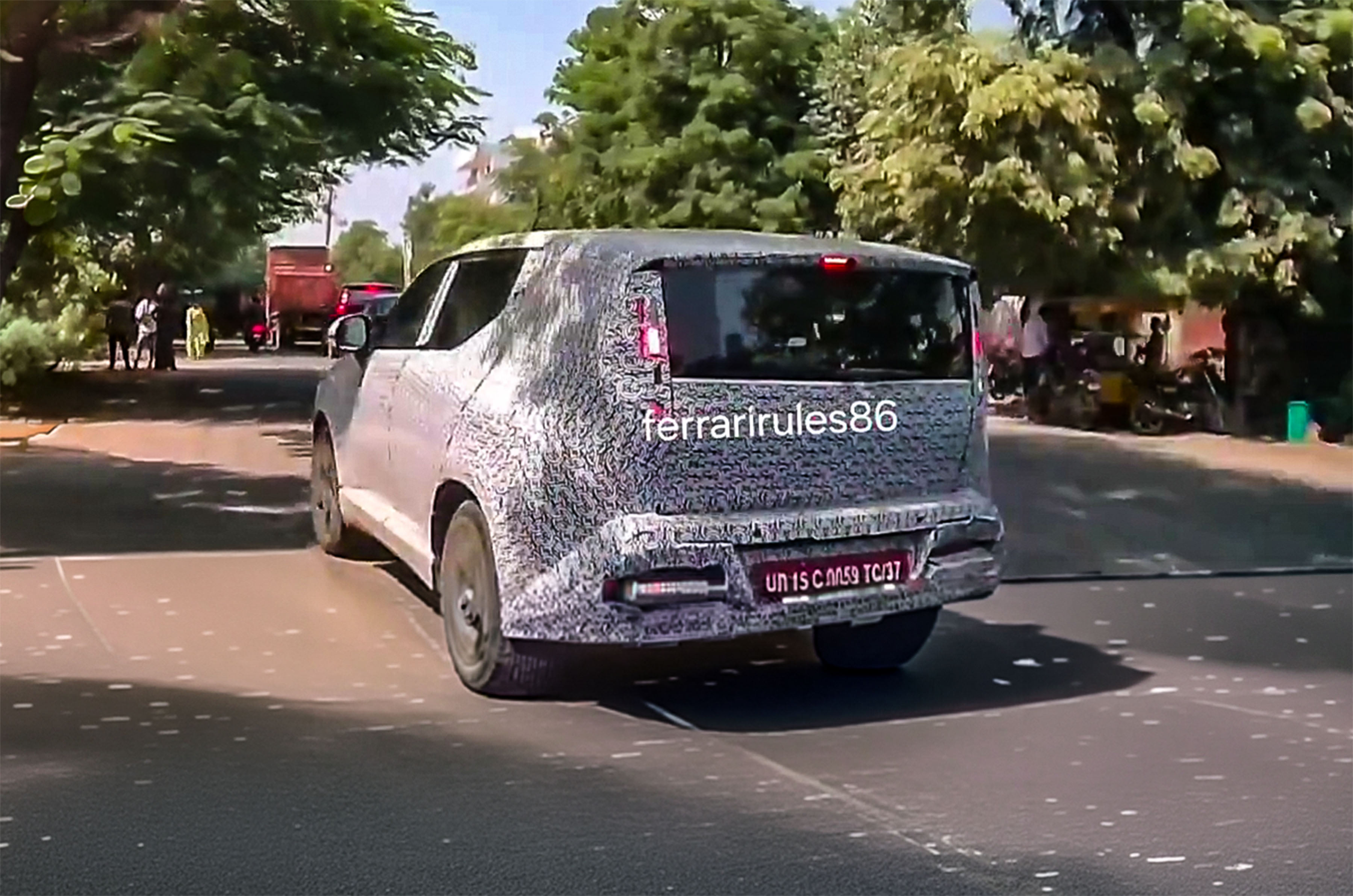
Following the Elevate facelift, Honda’s next launch for India will be the all-new 0 Alpha electric SUV – the brand’s first all-electric vehicle for our market. Honda is expected to reveal the official name later this year and also perhaps showcase the production-spec model before it goes on sale by early 2027. Ahead of its launch, a heavily camouflaged prototype of 0 Alpha SUV has recently been spied testing on our roads.
India-built model planned for global markets, including Japan
To be manufactured at the Tapukara plant in Rajasthan
No technical details available as of yet
Honda 0 Alpha SUV spied: what to expect?
The Honda 0 Alpha was first preview by a concept about exactly a year ago at the Japan Mobility Show 2025. And looking at these camouflaged spy shots, the radical shape doesn’t seem to have changed at all. It looks nothing like any existing Honda, with the characteristic design element being the near-vertical rear end with a thick C-pillar area, almost reminiscent of an MPV. It gets a large rear windscreen that’ll likely be wrapped around by an LED light bar, while the lower section gets a protruding bumper and is expected to feature a diffuser like element.
Image Credit: Ferrarirules86 via X.
At the debut of the concept, Honda had said the design was already near production-ready, so much of the details, including the lighting signatures and the glass panels could be seen on the final model. The front ‘grille’ area is expected to sport an illuminated Honda logo and a charging port, framed on the side and above by the headlights.
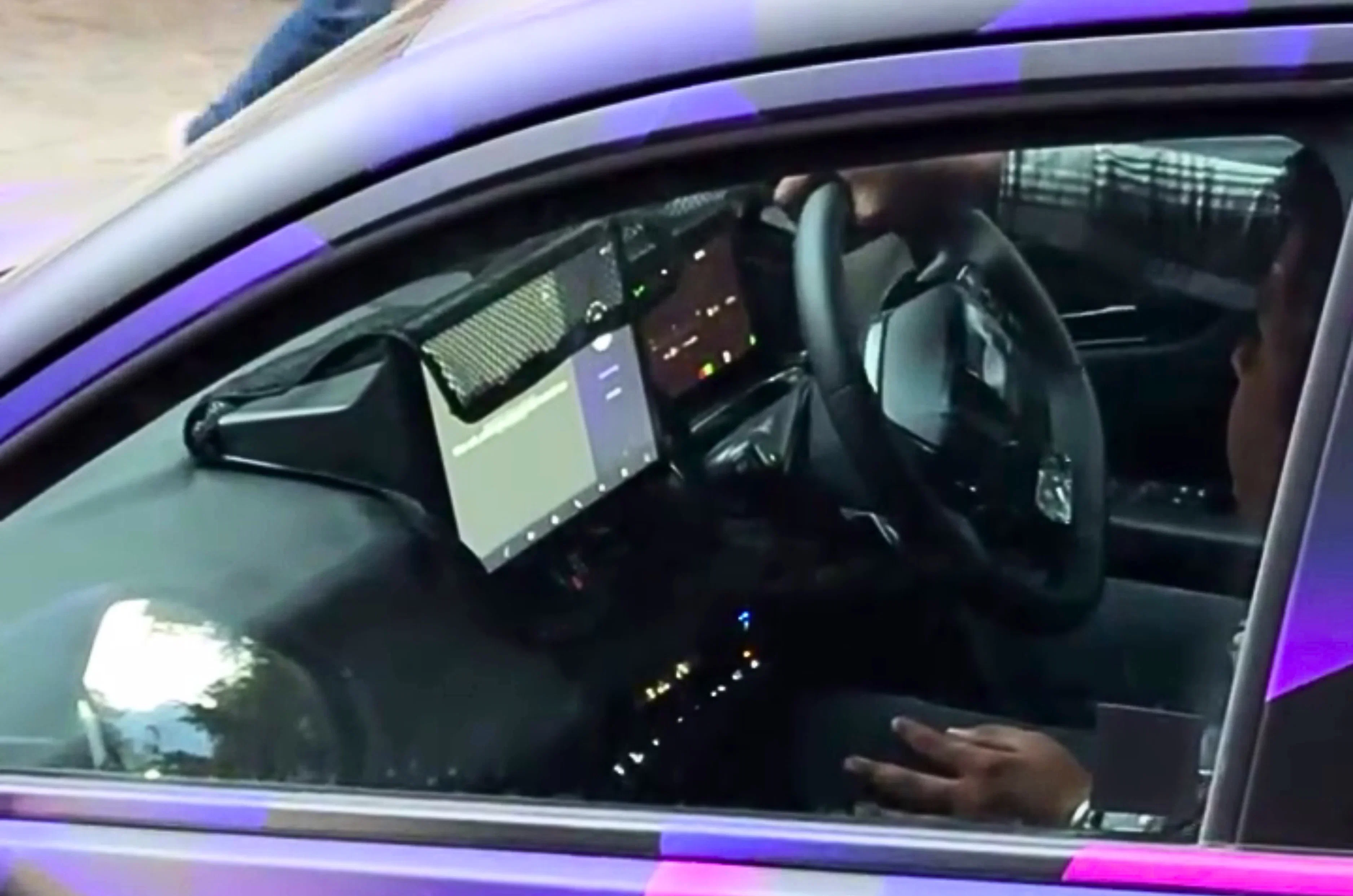
A previous sighting of a camouflaged test mule has also given us a look at the interior of the upcoming electric SUV. The most prominent element in the cabin is a massive central infotainment touchscreen mounted atop the dashboard. To its right sits a much smaller digital driver’s display, ahead of which there’s a three-spoke flat-bottomed steering wheel with paddleshifters for regeneration. The 0 Alpha’s interior incorporates an array of buttons on the centre console, seemingly for functions such as climate control and ventilated seats.
Image Credit: pxrtth.gpt via Instagram
The Honda 0 Alpha SUV is expected to have a wheelbase of about 2700-2800mm, with the priority being maximising interior space. The upright rear tailgate also hints at good luggage space and interior room.
Honda 0 Alpha technical details
Technical details on the 0 Alpha are quite scarce at the moment, but the brand has previously confirmed that it will be offered with two battery pack options. Both will be LFP batteries, likely ranging in the size of 65kWh-75kWh units. At launch, the Honda 0 Alpha SUV is expected to use a single-motor, front-wheel-drive layout.
The upcoming electric SUV will be manufactured in India, with Honda’s Tapukara plant in Rajasthan expected to serve as the production base. It’s expected to go on sale by early 2027, with India and Japan among the initial markets. The 0 Alpha will rival electric midsize SUVs such as the Mahindra BE 6, MG ZS EV, Hyundai Creta Electric, Tata Sierra EV, Maruti Suzuki e Vitara and Toyota Urban Cruiser Ebella.
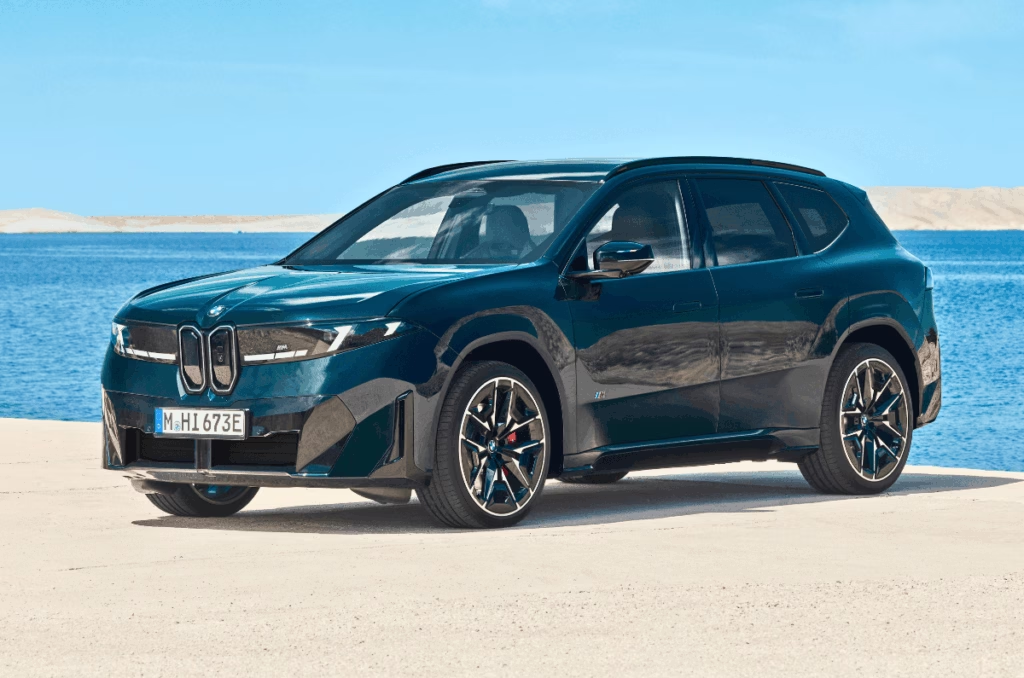
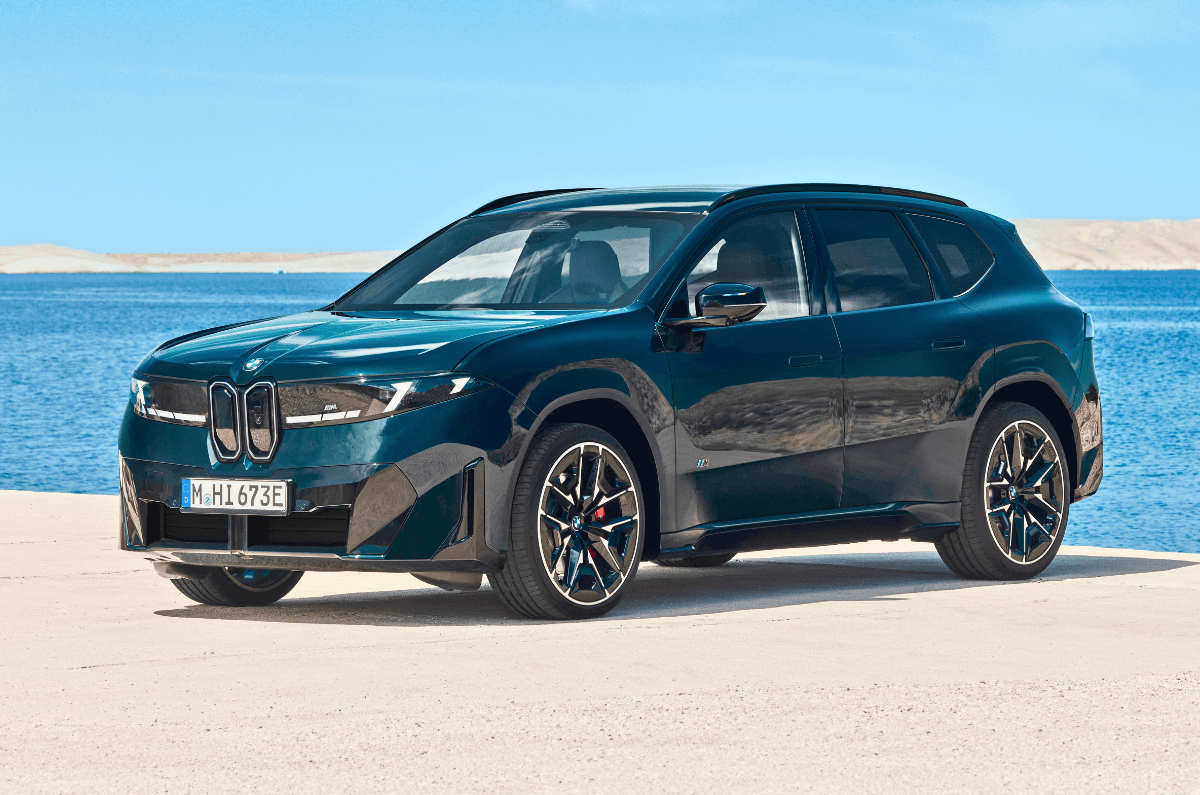
BMW has revealed the iX3 M60 xDrive, the electric vehicle’s range-topping performance version. The carmaker claims that the 612hp-iX3 M60 is the most powerful Neue Klasse SUV yet, and has a claimed range of 754km on the WLTP cycle. The M60 receives several M upgrades as standard as well.
BMW iX3 M60 powertrain specs
The iX3 M60 xDrive features a dual-motor setup – an electric motor at each axle – producing 612hp, as mentioned before, and 875Nm. BMW claims that the M60 has a new Gen6 motor at the rear, enabling higher power and torque outputs. The EV does the 0-100kph sprint in a claimed time of 3.9 seconds, maxing out at 240kph. Despite the bump in outputs, the iX3 M60 doesn’t suffer a dramatic range drop when compared with less powerful iX3 versions.
Its 108.7kWh battery pack is similar to the standard iX3, supporting maximum DC charging speeds of up to 400kW. BMW states that users can add a range of up to 340 kilometres in 10 minutes of charging, and AC charging compatibility is for speeds of up to 22kW.
Production of the BMW iX3 M60 xDrive will begin at car manufacturer’s Debrecen plant in Hungary in spring 2027.
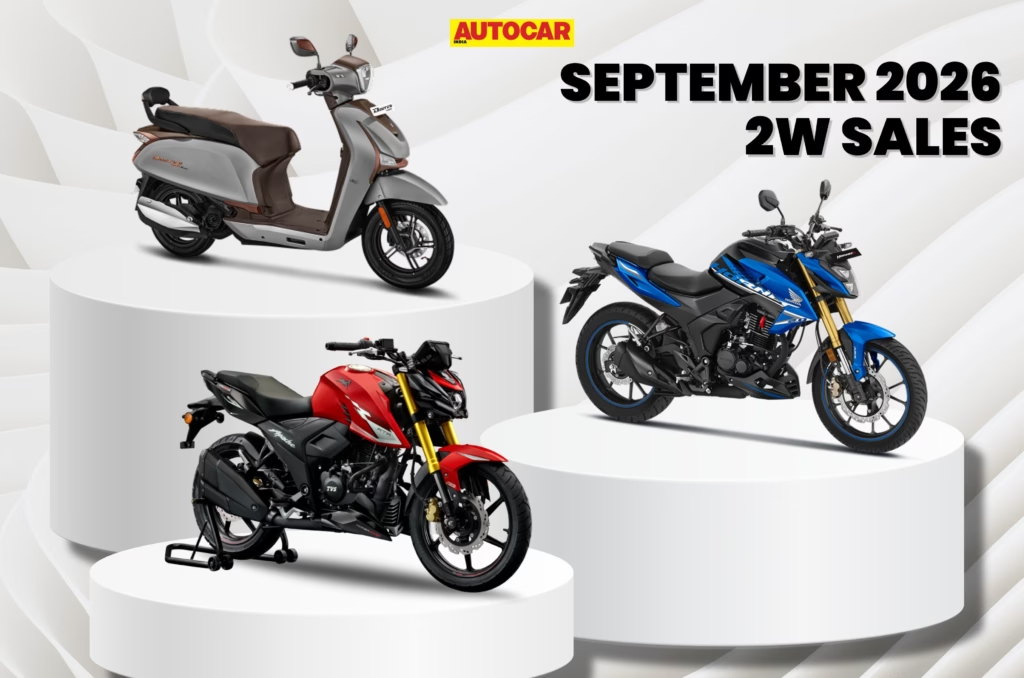
The run-up to the festive season drove two-wheeler sales across the board in September 2026, with most major manufacturers posting double-digit year-on-year (YoY) growth. Hero MotoCorp led the industry in volumes, while Honda and TVS also delivered strong performances on the back of surging demand.
Hero: 7,66,348 units
Hero MotoCorp reported total dispatches of 7,66,348 units in September 2026, up 12 percent over the 6,87,220 units recorded in the same month last year. The company’s domestic ICE business contributed 7,10,436 units, with scooters recording particularly strong 60 percent YoY growth. Hero MotoCorp’s electric vehicle arm, Vida, dispatched 28,798 units, representing 83 percent growth.
Honda: 7,06,266 units
Honda Motorcycle and Scooter India (HMSI) clocked 7,06,266 units, a 24 percent jump from the 5,68,164 units sold last September. Domestic sales grew 26 percent to 6,36,768 units, while exports rose 11 percent to 69,498 units.
TVS: 6,45,955 units
TVS Motor Company posted two-wheeler sales of 6,45,955 units, up 23 percent over the 5,23,923 units recorded in September 2025. Domestic two-wheeler sales grew 17 percent to 4,82,073 units, while electric two-wheeler sales more than doubled, rising 110 percent to 65,799 units compared to 31,266 units a year ago.
Bajaj: 4,51,494 units
Bajaj Auto sold 4,51,494 two-wheelers last month, up 5 percent over the 4,30,853 units recorded in the same month last year. Domestic two-wheeler volumes declined 12 percent to 2,39,771 units, but the company offset this with a 34 percent surge in exports to 2,11,723 units.
Royal Enfield: 1,33,958 units
Royal Enfield posted its highest-ever monthly dispatch total of 1,33,958 motorcycles this past month, up 8 percent over the 1,24,328 units recorded in September 2025. Domestic sales grew 7 percent to 1,21,326 units, while exports were up 17 percent to 12,632 units. The milestone month coincided with the launch of the Himalayan 440, which, according to the company, is fully booked for the next six months. Royal Enfield’s electric brand, Flying Flea, also began its European expansion, with the C6 going on sale across five cities – Paris, Barcelona, Rome, Berlin and London.
Suzuki: 1,33,688 units
Suzuki recorded total sales of 1,33,688 units in September 2026, up 8 percent over the 1,23,550 units recorded last year. Domestic sales grew 3 percent to 1,08,806 units, while exports registered a sharper 41 percent increase to 24,882 units.
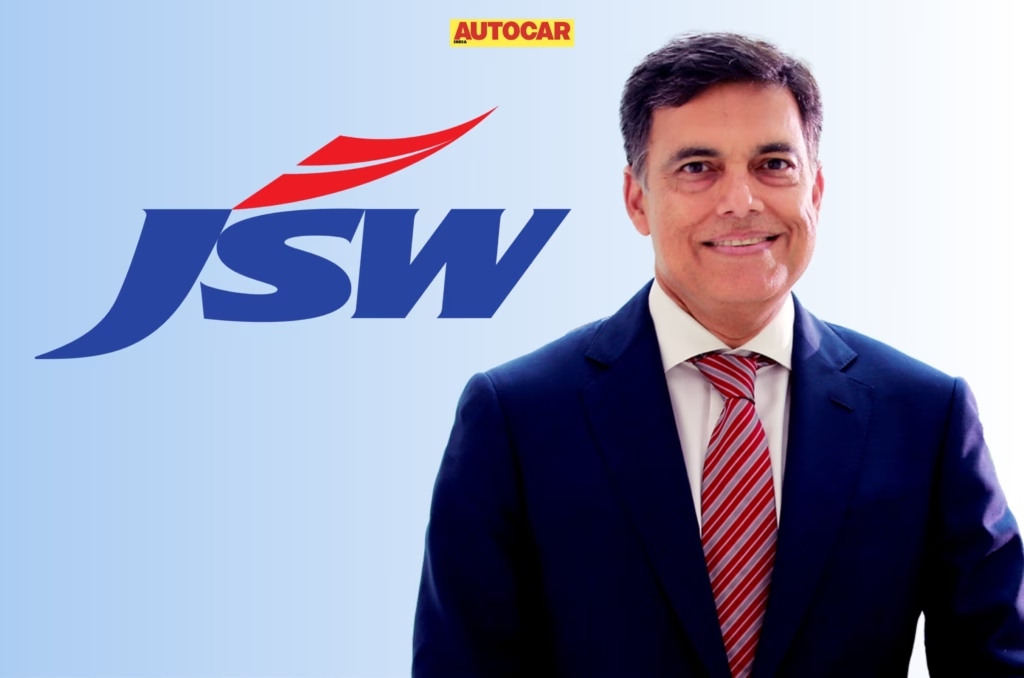
Battery cells will become the “new oil” as transportation shifts from internal-combustion engines to electric vehicles, making domestic cell technology critical to India’s energy security, JSW Group Chairman Sajjan Jindal said. India depends heavily on imported crude oil to power its transport sector. Electrification can reduce that exposure, but it could also create a fresh dependence on imported battery cells and critical raw materials.
“For India, it is very essential because the cell is going to be the new oil,” Jindal told reporters. “Therefore, we have to produce that cell, and it can be done.”
JSW Group working on local battery-cell technology
His comments came as JSW Greentech launched Ampstar, its electric commercial vehicle brand, and showcased a 55-tonne electric tractor-trailer and an electric bus.
The vehicles have been developed on an architecture that JSW Greentech says it controls, but their battery cells will initially be imported. The company will assemble battery packs at its new manufacturing facility in Chhatrapati Sambhajinagar, Maharashtra.
Jindal said another arm of JSW Group is working on developing battery-cell technology, although creating an indigenous alternative will take time. “We are already working on developing that cell technology, which will take, if we are lucky, one year, maybe two years for sure,” he said.
The group is examining different battery chemistries, including lithium-ion and sodium-ion. Jindal acknowledged that China has built a significant technology and manufacturing lead in this area and that access to cell know-how remains limited.
“The technology is a very closely guarded secret of China,” he said. “They are ready to supply the cells, but they are not giving us the know-how. It is okay. We will find a solution.”
Energy-security is imperative
Jindal’s argument is that India’s transition to electric mobility must be accompanied by domestic production of the technologies that account for a large part of an electric vehicle’s cost and strategic value.
“If we do not change our way of mobility, we will continue to bring fuel oil from all over the world,” he said. “As the country becomes more progressive, more transportation will happen and more movement of goods will take place. It will only increase.”
Building control over technology
JSW Greentech plans to retain control over the vehicle architecture, software, battery-pack design and vehicle-control unit while working with suppliers for individual systems and components.
The company will initially source cells from China and undertake cell-to-pack assembly in India. Its Chhatrapati Sambhajinagar plant will house battery-pack operations alongside electric truck and bus manufacturing.
Of JSW Greentech’s first 100 employees, 88 were hired for research and development. The company said it has developed its vehicle-control unit and source code in India and does not pay royalty or technology-transfer fees for its core vehicle architecture.
“Unless we do R&D and develop our own technologies for the automobile industry, we will remain a follower and not a leader,” he said. He acknowledged that JSW may initially have to learn from technologies already developed in China rather than immediately produce a breakthrough of its own.
“I am being very practical,” Jindal said. “First, let us establish whatever is happening in China, which is a leader in electric mobility. Let us catch up with them on the technology front. Then we take a leap forward.”
For JSW, domestic battery-pack assembly is the immediate step. Developing the cell itself will determine how much of the electric mobility value chain can ultimately be localised in India.
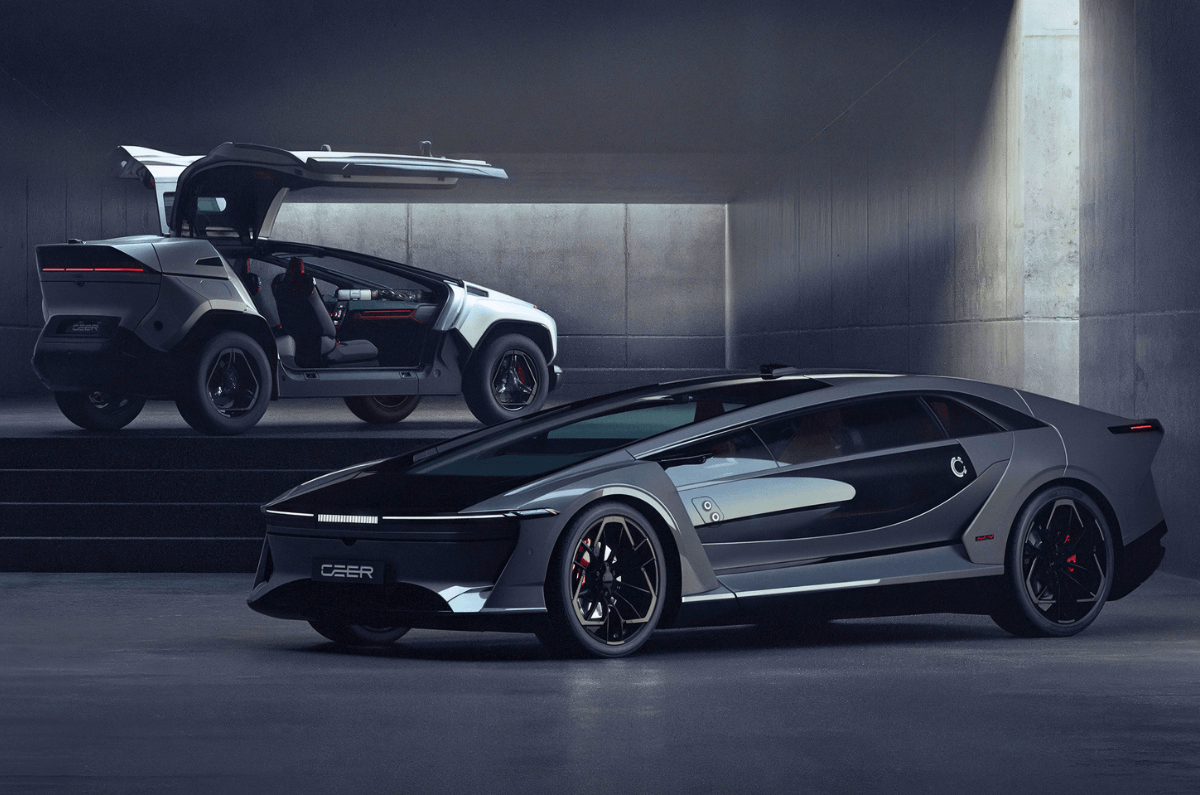
CEER, Saudi Arabia’s national automotive company, revealed the EXOBOT sedan and SUV on Monday. This marks the brand’s entry into the passenger electric vehicle space as part of the industrial diversification targets under Saudi Vision 2030. The cars were revealed by Saudi Arabia’s Crown Prince and Prime Minister, Mohammed bin Salman bin Abdulaziz Al Saud. These vehicles will be produced at CEER manufacturing complex, the largest automotive production facility in the Middle East.
The EXOBOT sedan and SUV are the brand’s flagship electric vehicles, and they are part of a portfolio of seven models that will be revealed over the next five years. These include midsize and compact vehicles with different powertrain options.
About the CEER brand
Since its inception in 2022, CEER has secured partnerships with companies such as BMW, Hyundai and Rimac. It aims to achieve 45 percent local content in its cars by 2034, while designing, engineering and testing vehicles tailored to the specific requirements of Saudi Arabia and the region.
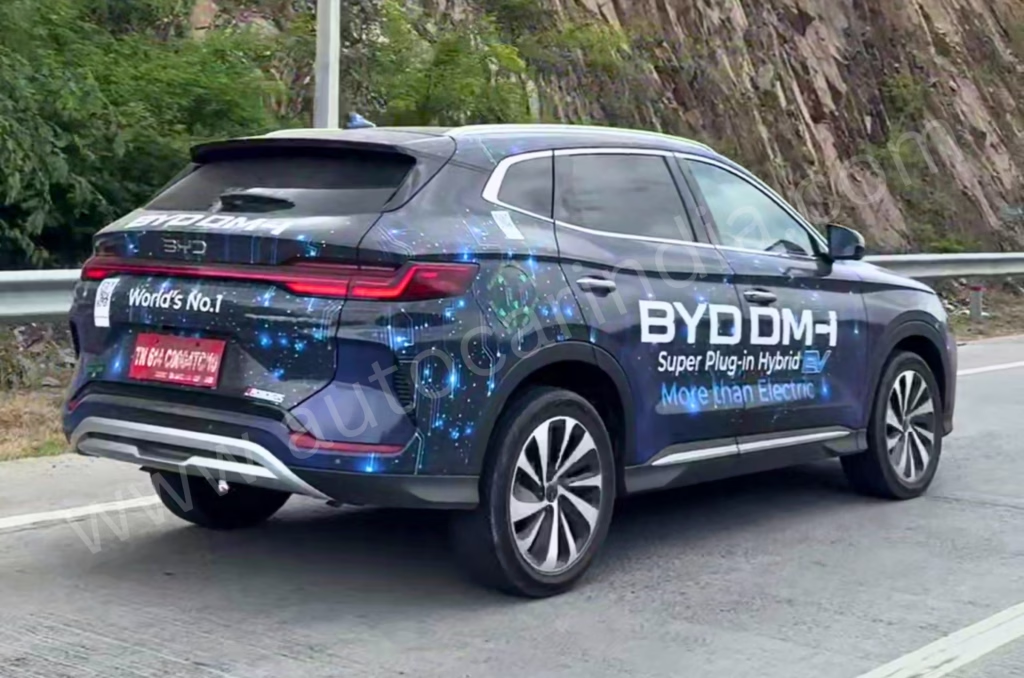
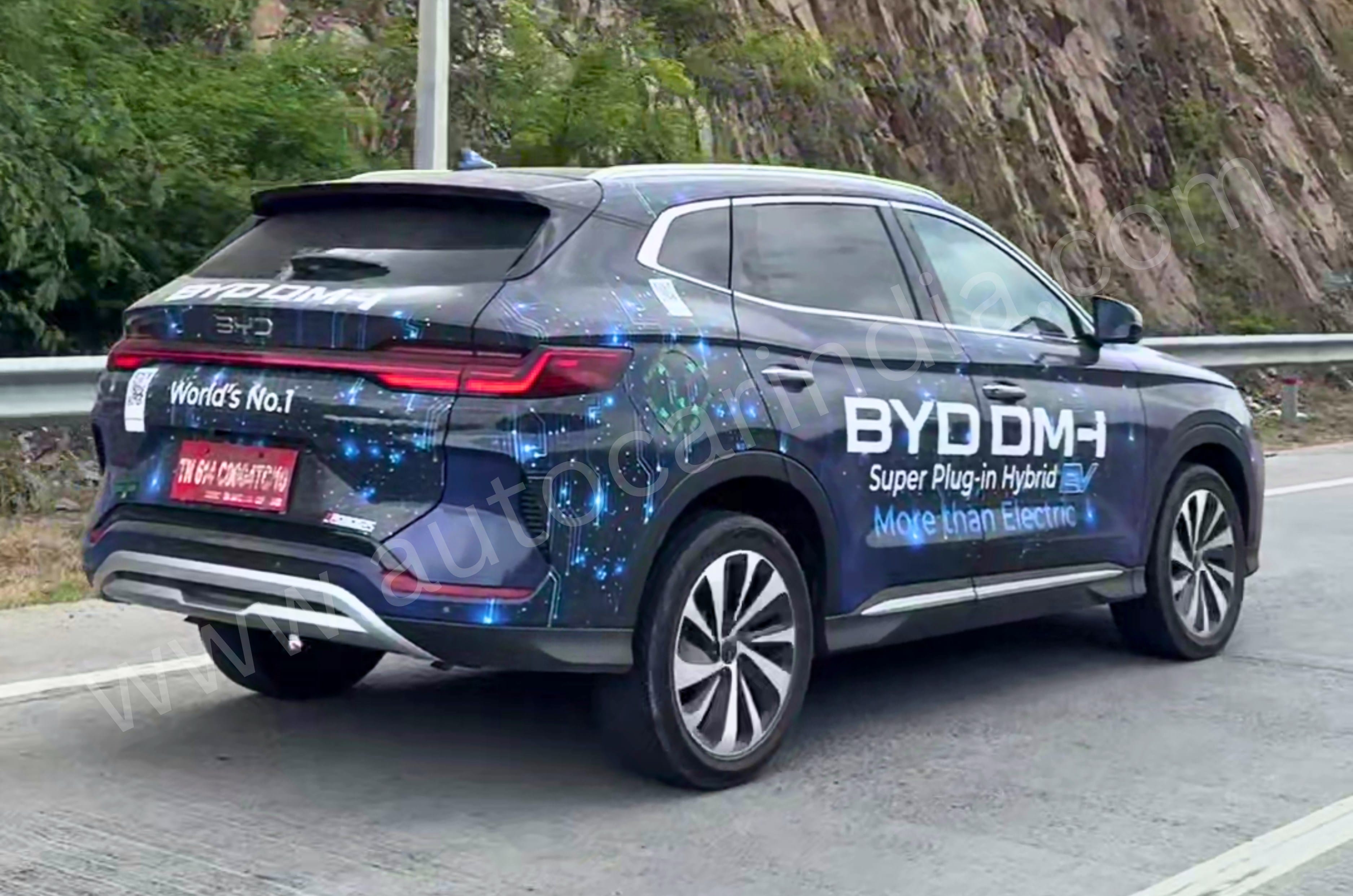
The BYD Seal U plug-in hybrid SUV was spied range-testing by ElecTree ahead of launch this year. The Seal U will be BYD’s first plug-in hybrid electric vehicle (PHEV) in India, and it will expand the carmaker’s lineup beyond EVs. The Seal U is a Mahindra XEV 9e-sized 5-seater vehicle, measuring 4,775mm long, 1,890mm wide and 1,670mm tall, and has a 2,765mm wheelbase. It is also called the Sealion 6 in certain markets.
India’s passenger vehicle market remained on a strong growth path in August 2026, with most carmakers reporting higher domestic wholesales compared with the same month last year. Maruti Suzuki retained the top spot, while Tata Motors remained ahead of Mahindra for second place. Hyundai held fourth position, while Kia overtakes Toyota for the fifth spot.
July 2026 carmaker-wise sales in India
Carmaker
Aug 2026 sales
Jul 2026 sales
MoM change
Aug 2025 sales
YoY change
Maruti Suzuki
1,76,971
1,96,203
-9.80%
1,31,278
34.8%
Tata Motors
67,753
62,611
4.22%
43,315
56%
Mahindra
59,257
60,048
-1.32%
39,399
50%
Hyundai
54,396
54,210
0.3%
43,966
23.6%
Kia
29,042
28,200
3%
19,608
48.1%
Toyota
28,410
30,516
-7%
29,302
-3%
MG
7,508
8,158
-8%
6,687
12.3%
Nissan
3,426
3,006
14%
1,384
147%
Renault
2,842
3,293
-14%
3,015
-5.7%
Maruti Suzuki
Sales: 1,76,971 units. Change: 34.8 percent YoY
Maruti Suzuki retained its position as India’s largest carmaker in August, with domestic passenger vehicle sales rising 34.8 percent year on year. Utility vehicless, including the Brezza, Ertiga, e Vitara, Fronx, Grand Vitara, Invicto, Jimny, Victoris and XL6, accounted for 79,045 units, while compact and mid-size segment, led by the Baleno, Swift, Dzire and WagonR, contributed 77,166 units. The mini segment, comprising the Alto and S-Presso, added 8,799 units, while the Eeco contributed 11,961 units.
The carmaker also crossed one million total sales in the first five months of FY2026-27. Its total August sales, including exports and sales to other OEMs, stood at 2,19,220 units.
Tata Motors
Sales: 67,753 units. Change: 56 percent YoY
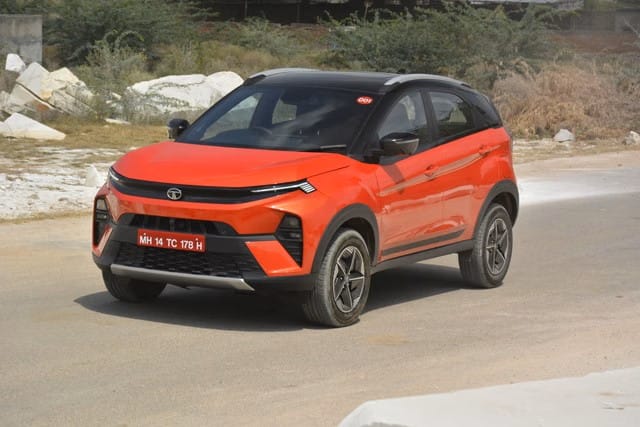
Tata Motors retained second place with 67,753 domestic passenger vehicle sales in August, up 56 percent from the same month last year. Electric vehicle sales, including domestic and international volumes, stood at 16,549 units, almost doubling from 8,540 units in August 2025. Tata also announced a price hike across its passenger vehicle range from September 1.
Mahindra
Sales: 59,257 units. Change: 50 percent YoY
Mahindra remained in third place, recording domestic SUV sales of 59,257 units in August, a 50 percent increase over the 39,399 units sold in August 2025. Its overall vehicle sales, including exports, stood at 1,07,648 units, up 42 percent year on year.
During the month, Mahindra launched the updated Scorpio-N and BE 6 SporteQ, and also introduced its Battery-as-a-Service option for the XEV 9e and XEV 9S.
Hyundai
Sales: 54,396 units. Change: 23.6 percent YoY
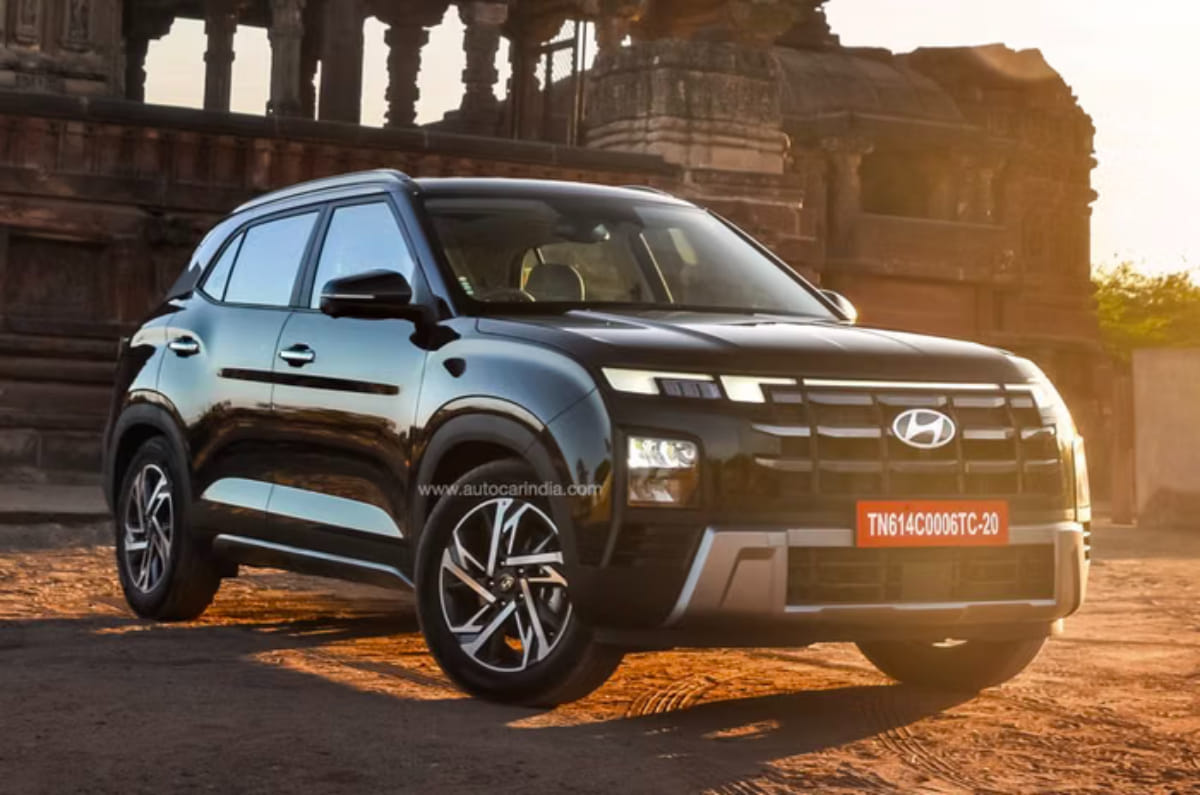
Hyundai recorded 54,396 domestic sales in August, up 23.6 percent year on year. The company said this was its highest-ever domestic sales figure for an August. Hyundai has introduced an assured buyback programme for the Creta Electric, while the carmaker is also set to increase prices from this September 2026.
Kia
Sales: 29,042 units, Change: 48.1 percent YoY
Kia recorded 29,042 units in August, up 48.1 percent from 19,608 units in the same month last year. This was the carmaker’s highest-ever August wholesale volume since entering India. The Seltos and Sonet continued to account for a large share of Kia’s volumes, while the newly launched Syros EV also contributed to the brand’s performance.
Toyota
Sales: 28,410 units, Change: -3 percent YoY
Toyota recorded domestic sales of 28,410 units in August 2026, down 3 percent from 29,302 units in the same month last year. The company remains optimistic about demand during the upcoming festive season, with the Innova Hycross, Urban Cruiser Hyryder and Glanza continuing to drive sales.
JSW MG Motor India
Sales: 7,508 units. Change: 12.3 percent YoY
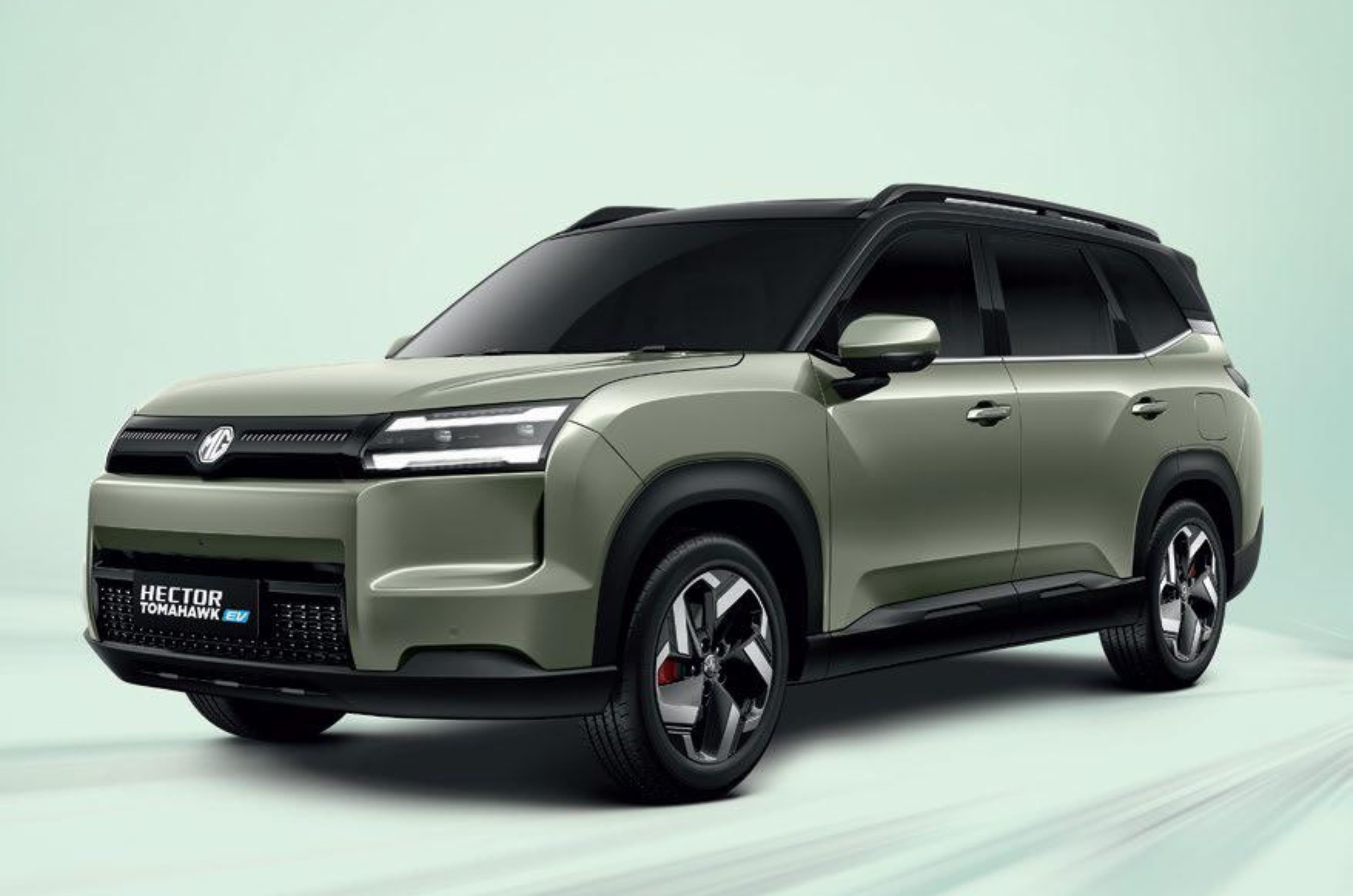
JSW MG Motor recorded sales of 7,508 units in August, up 14 percent year on year. The company launched the Hector Tomahawk in both EV and PHEV forms during the month. Bookings for both versions are open, while deliveries of the Tomahawk EV are scheduled to begin in September. PHEV test drives and deliveries are scheduled to start in November.
Nissan
Sales: 3,426 units. Change: 147 percent YoY
Nissan recorded domestic wholesale sales of 3,426 units in August, up 147 percent year on year. The company attributed the performance to demand for the Magnite and Gravite, along with the response to the recently launched Tekton. Nissan also began exporting the Tekton to South Africa, Bhutan and Nepal during the month, with the first batch comprising more than 1,300 units.
Renault
Sales: 2,842 units, Change: -5.7 percent YoY
Renault recorded sales of 2,842 units in August 2026, down 5.7 percent from 3,015 units in August 2025. The carmaker’s cumulative domestic wholesales for January-August 2026 stood at 31,979 units, up 47.9 percent from 21,621 units in the same period last year. The company will add another powertrain option to the Triber range with the Triber Turbo, which is scheduled to arrive in late September 2026.