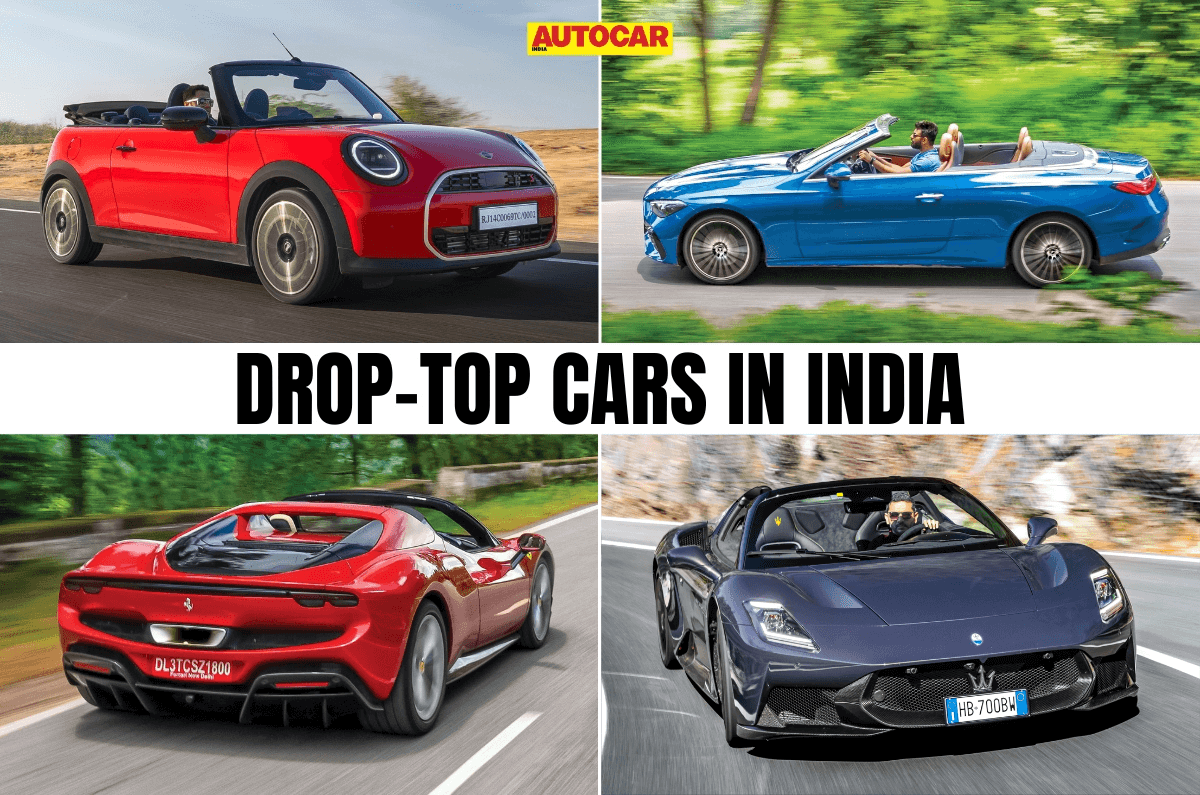
In India, open-top cars are enjoyable only on a handful of days. Mostly, it’s either too hot or too cold, or the air quality is poor. But when the weather does cooperate, a convertible can feel genuinely special. Here, we take a look at 14 convertible cars currently on sale in the country. Mercedes, Maserati and Ferrari have three each, BMW has two, and Mini, McLaren and MG have one apiece. Read on to see what sets each of these drop-tops apart.
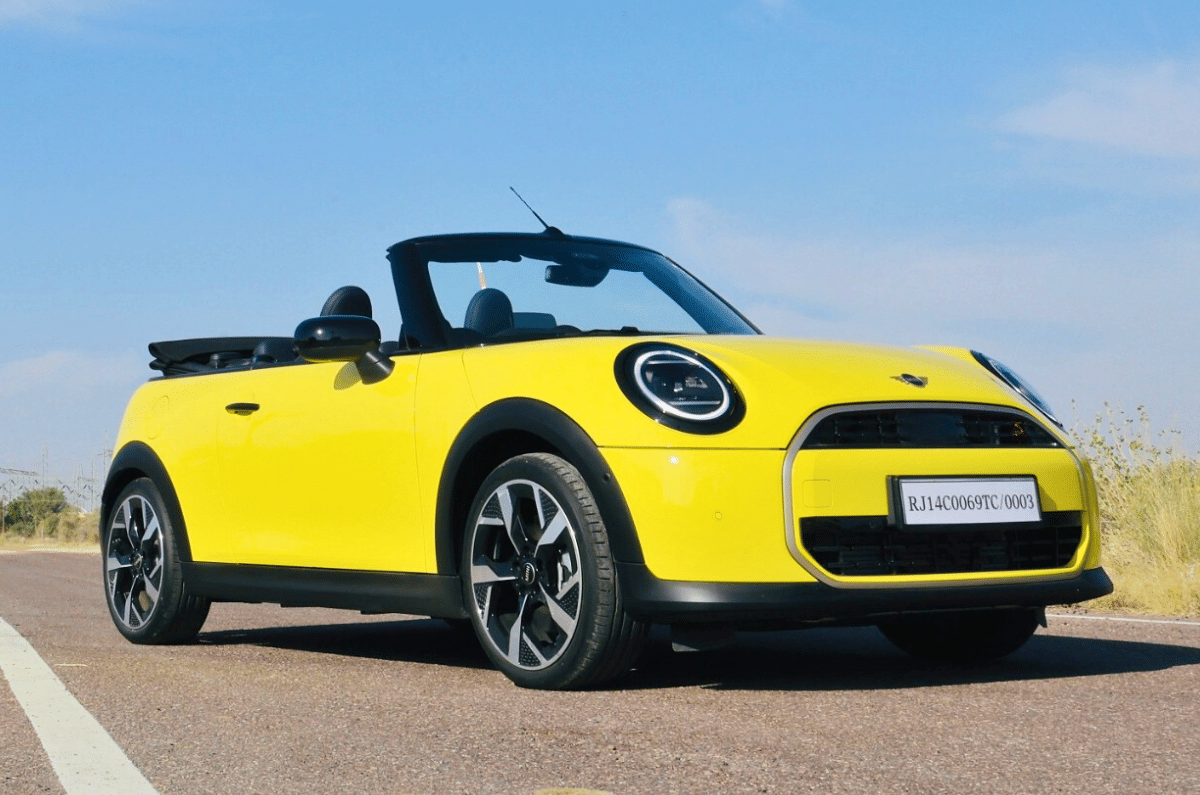
Mini Cooper S Convertible
Rs 59 lakh-61.50 lakh
The Mini Cooper S Convertible is the most accessible and the smallest convertible car in India. At speeds of up to 30kph, its electrically operated fabric roof can be opened and closed in 18 seconds and 15 seconds, respectively. Under the hood of the Cooper S Convertible, Mini has plonked a 2-litre 4-cylinder turbo-petrol engine with peak outputs of 204hp and 300Nm. A 7-speed dual-clutch automatic gearbox sends power to the front wheels, and there’s no manual on offer. The run from 0 to 100kph takes 6.9 seconds.
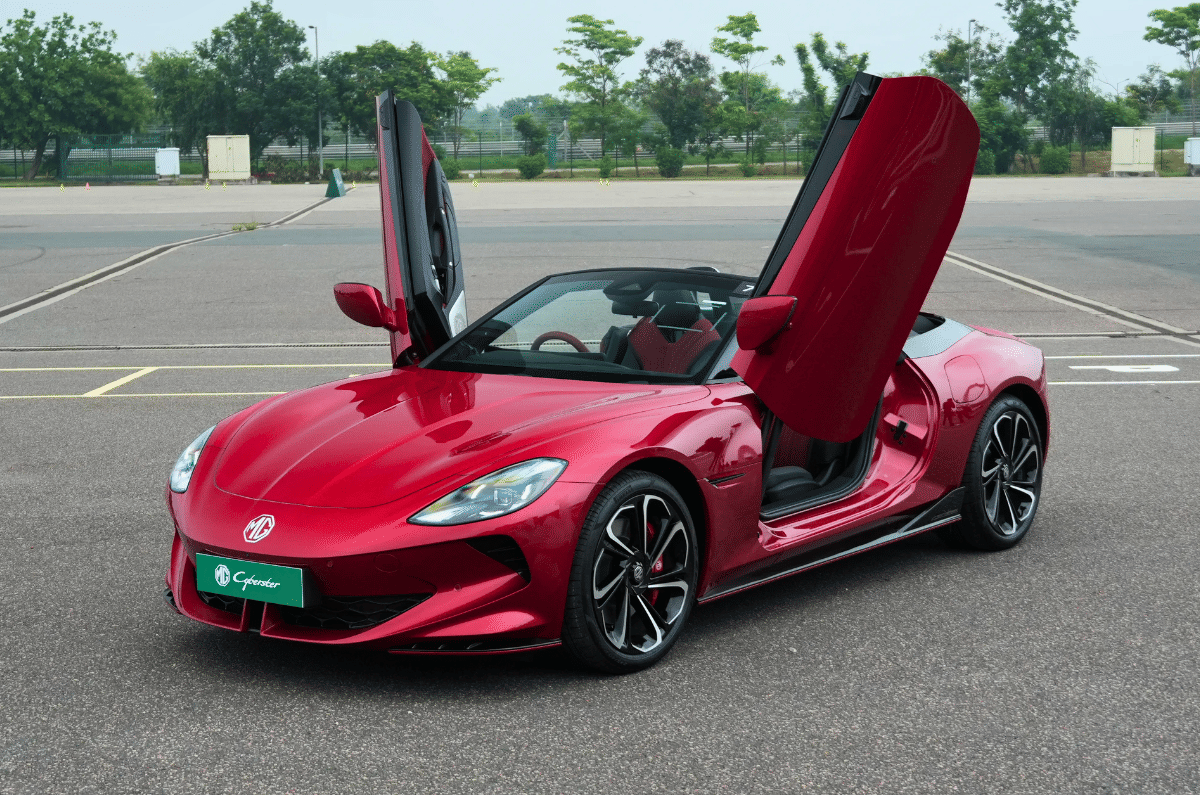
MG Cyberster
Rs 82.5 lakh
Next in line is the MG Cyberster, whose soft top takes just 10 seconds to open or close at speeds of up to 50kph, matching the BMW Z4 (also on this list) for the quickest roof operation. Coming to the MG Cyberster specs, its 77kWh battery pack powers two electric motors, one on each axle. Combined outputs of 510hp and 725Nm are sent to all four wheels, taking the electric vehicle from a standstill to 100kph in just 3.2 seconds.
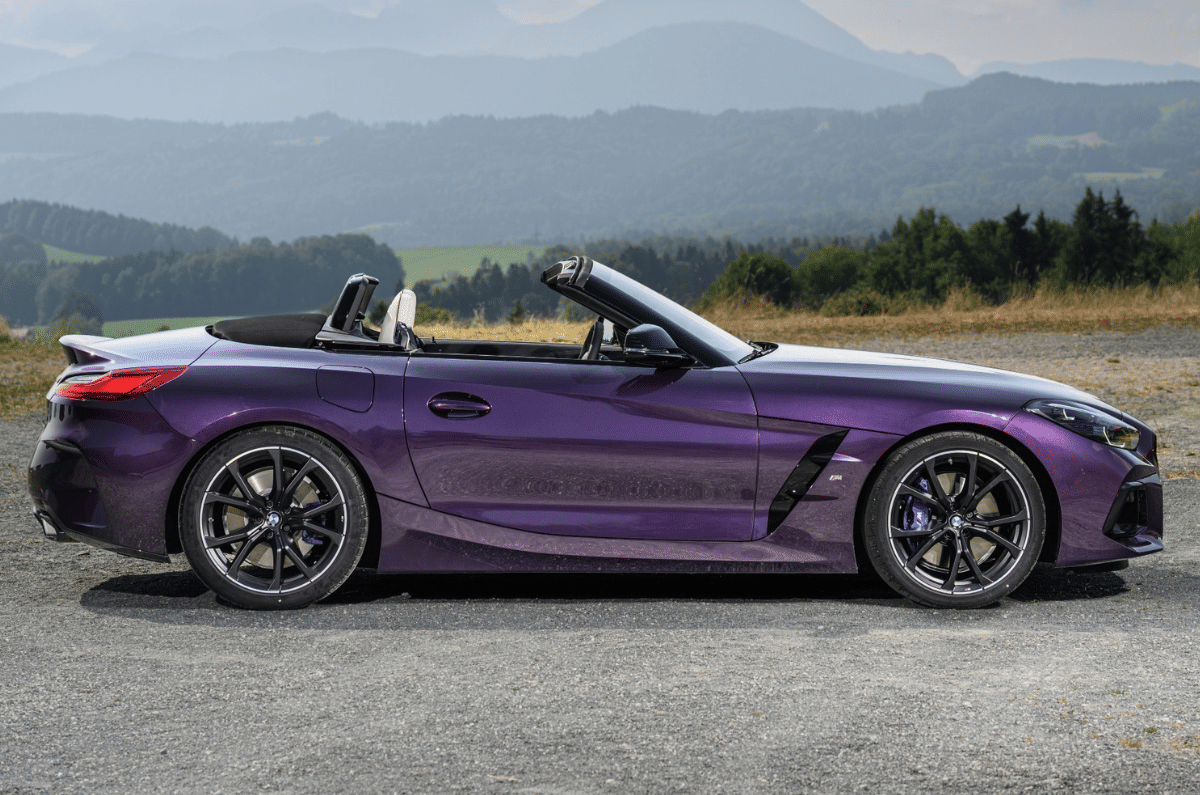
BMW Z4
Rs 90.5 lakh-95.2 lakh
While BMW has confirmed the end of the Z4’s production, the model is still listed on the brand’s India website, likely for existing stock. The BMW car features a 3.0-litre straight-6 turbo-petrol engine, pushing out 340hp and 500Nm, sending power to the rear wheels. The Z4 M40i can be had with either an 8-speed torque-converter automatic transmission (AT) or a 6-speed manual transmission (MT), making it the only convertible on this list to offer a manual gearbox. The 0-100kph sprint is done in 4.6 seconds with the MT and in 4.5 seconds with the AT.
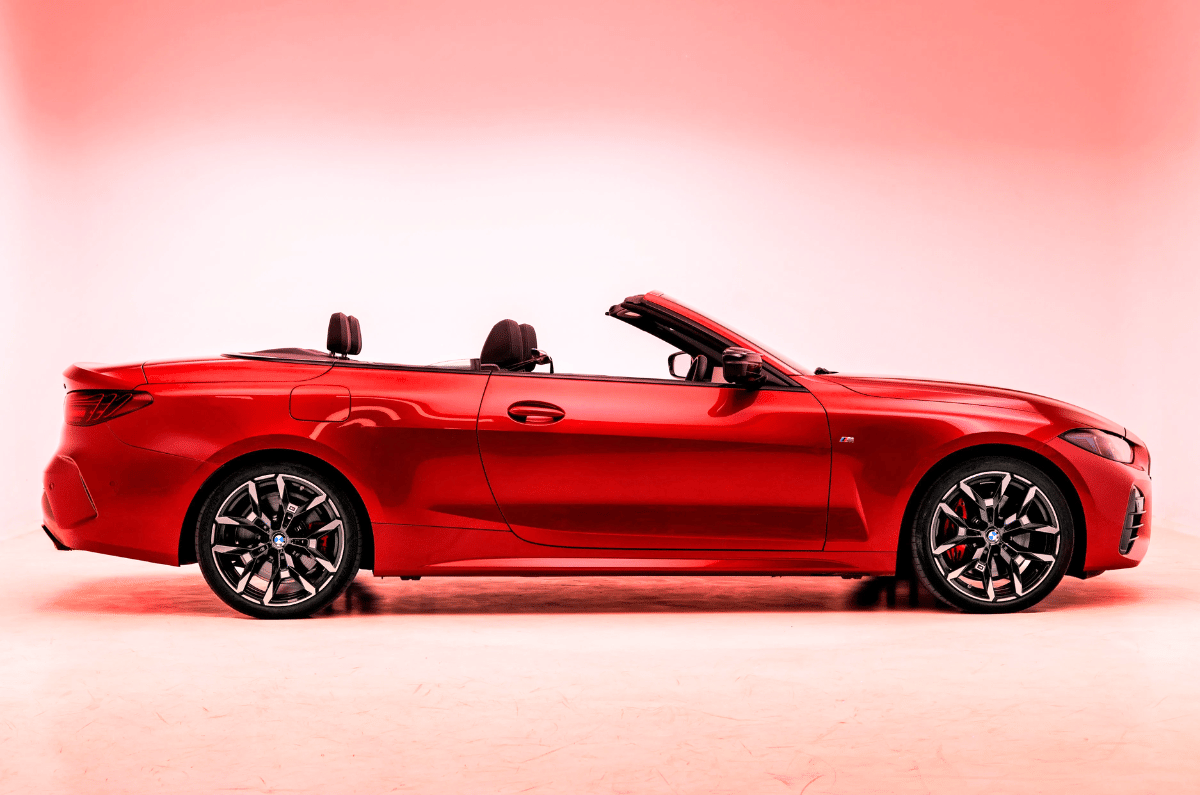
BMW M440i Convertible
Rs 1.09 crore
The BMW M440i Convertible is one of the latest convertibles to launch in India. Its soft-top roof can be opened or closed in 18 seconds at speeds up to 50kph. Under its hood is the same 3-litre 6-cylinder turbo-petrol engine as the BMW M340i, producing peak outputs of 374hp and 500Nm. This engine is mated to an 8-speed automatic gearbox, which sends power to all four wheels. While BMW claims a 0-100kph sprint time of 4.9 seconds.
Mercedes CLE 300
Rs 1.15 crore
The Mercedes-Benz CLE 300 Cabriolet is the most affordable convertible car from Mercedes in India, and its soft-top roof opens and closes in 20 seconds at speeds of up to 60kph. Under the hood lies a 2.0-litre 4-cylinder turbo-petrol engine producing 258hp and 400Nm, paired with a 9AT unit, which sends drive to all four wheels. The 100kph mark from rest is hit in 6.7 seconds.
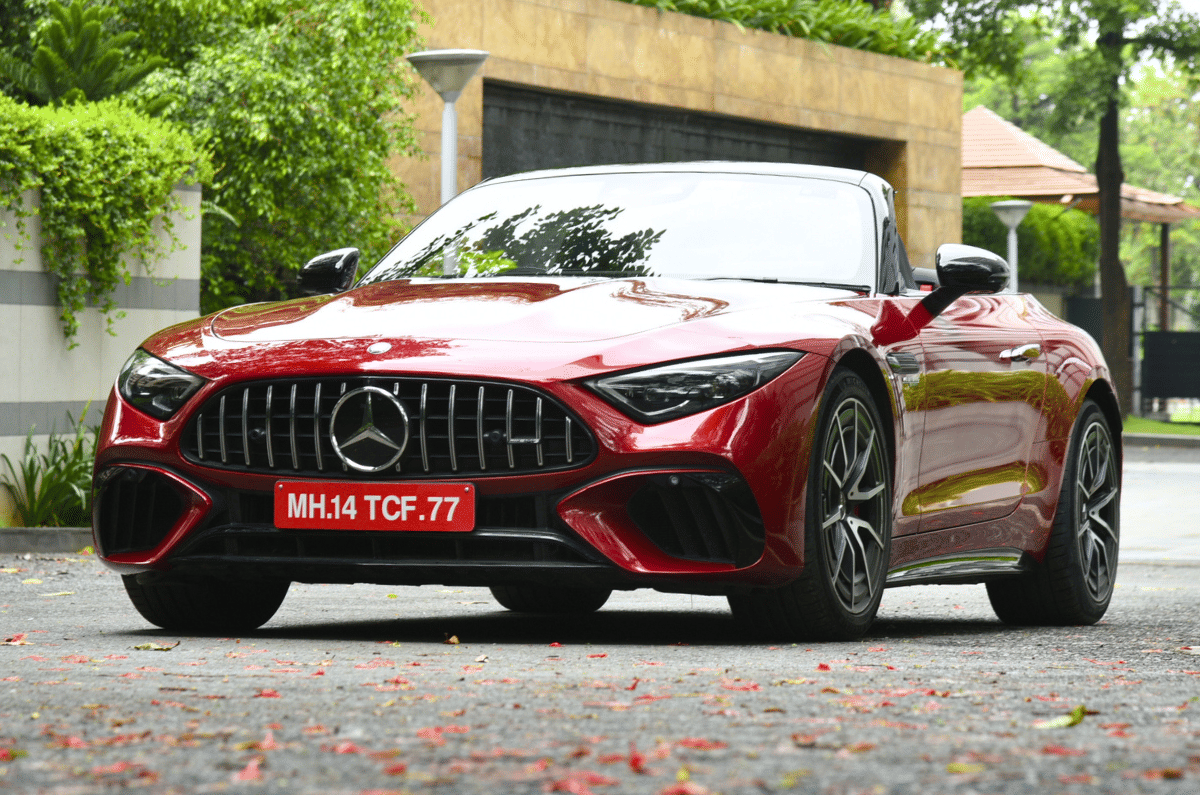
Mercedes SL
AMG SL 55
Rs 2.34 crore
Next, Mercedes has two SL models on sale in India: the AMG SL 55 and the Maybach SL 680 Monogram Series. The AMG SL 55 has a multi-layer fabric roof that can be opened or closed in 16 seconds at up to 60kph.
Maybach SL 680 Monogram Series
Rs 4.3 crore
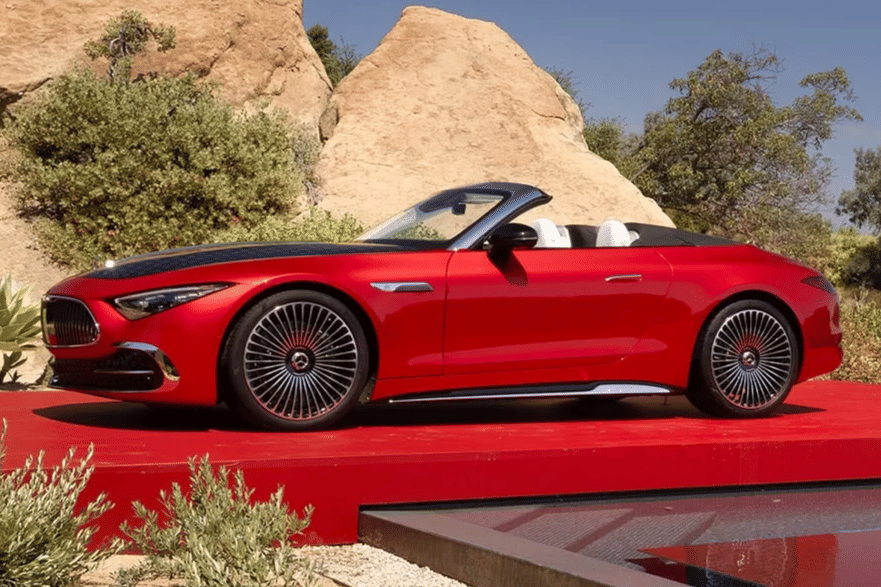
Mercedes Maybach SL 680 Monogram Series.
The Mercedes-Maybach SL 680 Monogram Series is the brand’s most expensive convertible. Like the AMG SL 55, the Maybach car also has a multi-layer fabric roof with a 16-second operation time, but it works at slightly lower speeds of up to 50kph.
While both these models are powered by a 4.0-litre twin-turbo V8 petrol engine mated to a 9AT, which sends the engine output to all four wheels, the Maybach SL 680 boasts higher power and torque figures of 585hp and 800Nm than the AMG SL 55’s 476hp and 700Nm. But when it comes to the 0-100kph sprint, the AMG does it in 3.9 seconds, slightly ahead of the Maybach’s 4.1 seconds.
Maserati GranCabrio
Rs 2.83 crore-3 crore
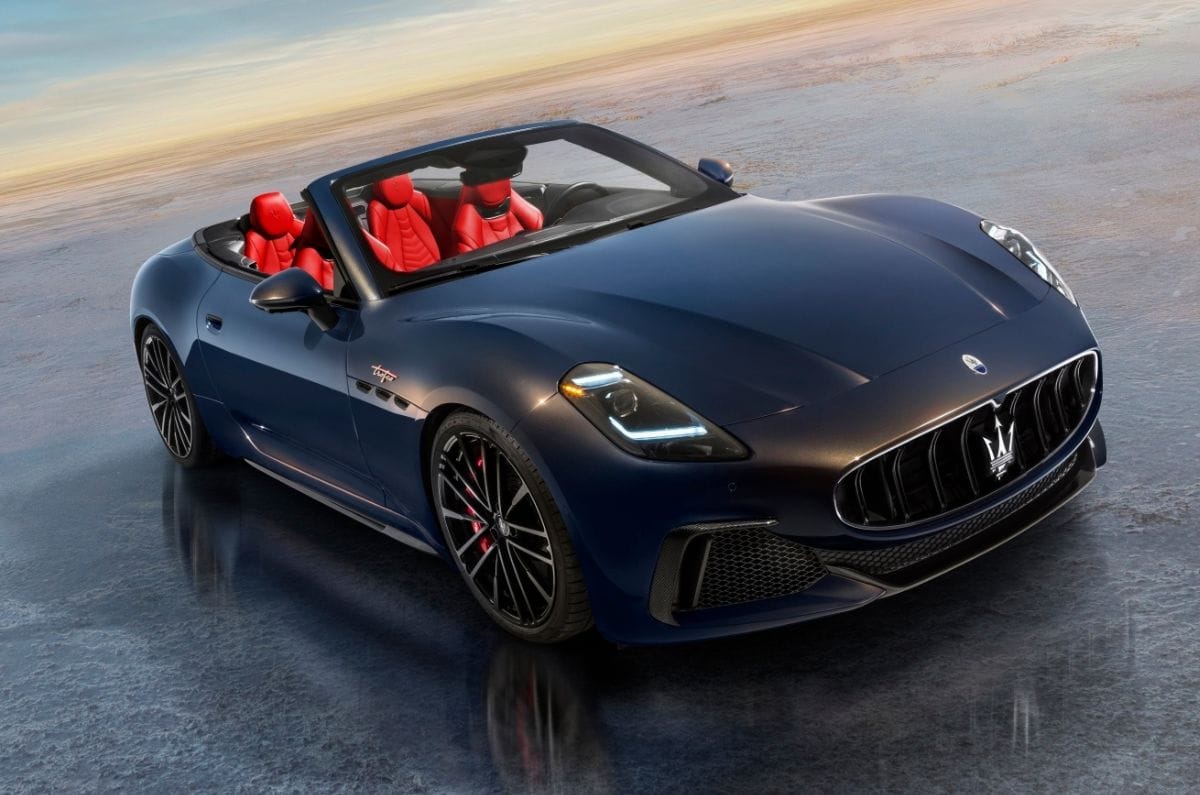
The Maserati GranCabrio – the convertible version of the Maserati GranTurismo – features a folding fabric setup that can be lowered or raised in 14 seconds, at up to 50kph. The GranCabrio shares its 3.0-litre twin-turbo V6 petrol engine, which makes 550hp and 650Nm, with the GranTurismo, as well as the MCPura Cielo (also on this list). Transmission duties are handled by an 8AT unit, which sends output to all four wheels. The Maserati convertible can do the 0-100kph sprint in 3.6 seconds.
Maserati GranCabrio Folgore
Rs 3.18 crore
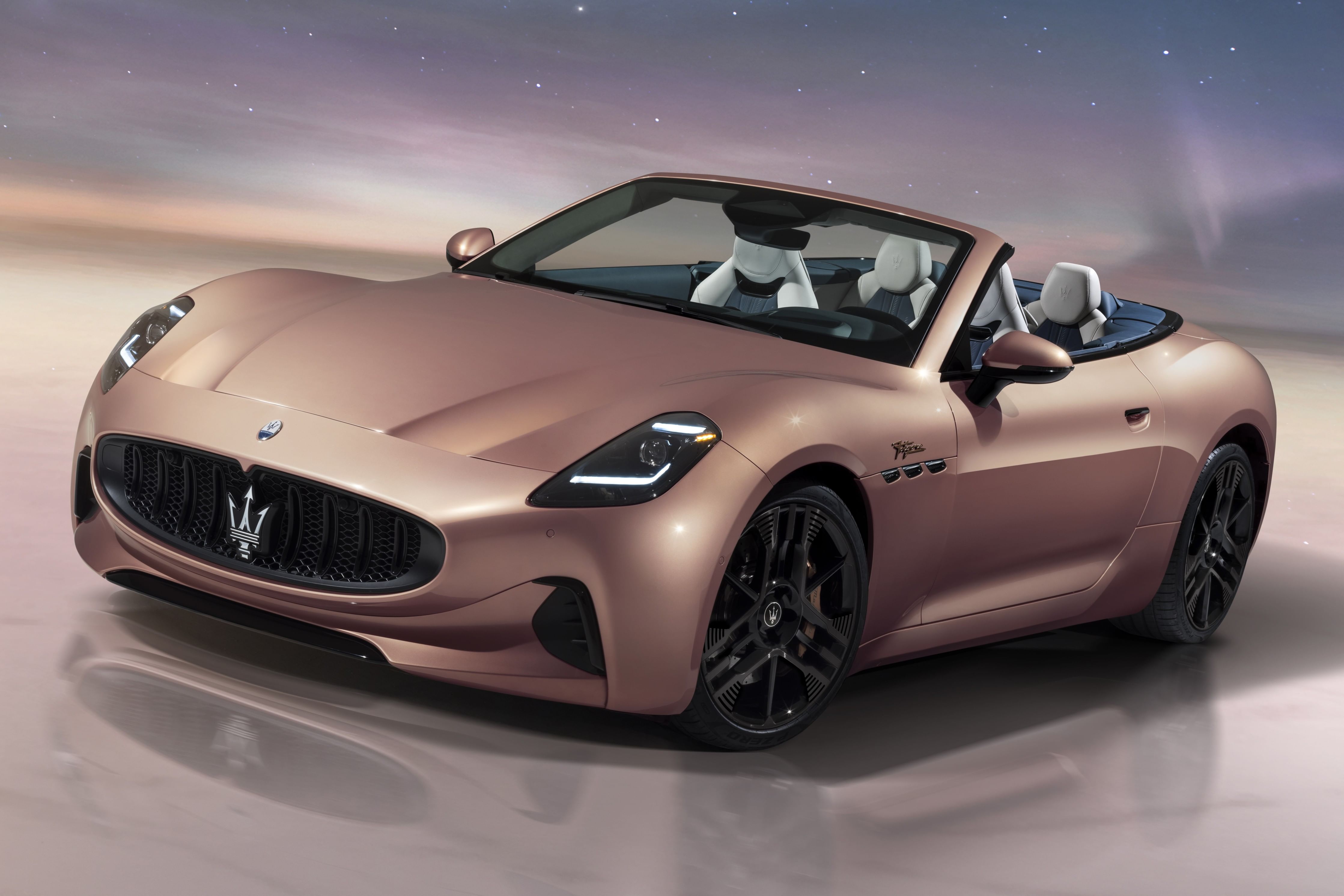
The Maserati GranCabrio Folgore, the only other electric roadster here besides the Cyberster, features a powered fabric roof that can be lowered or raised in 14 seconds at speeds of up to 50kph. Its three electric motors generate combined outputs of 761hp and 1,350Nm. The Maserati electric convertible rockets from a standstill to 100kph in 2.8 seconds.
Ferrari Amalfi Spider
Rs 4.6 crore
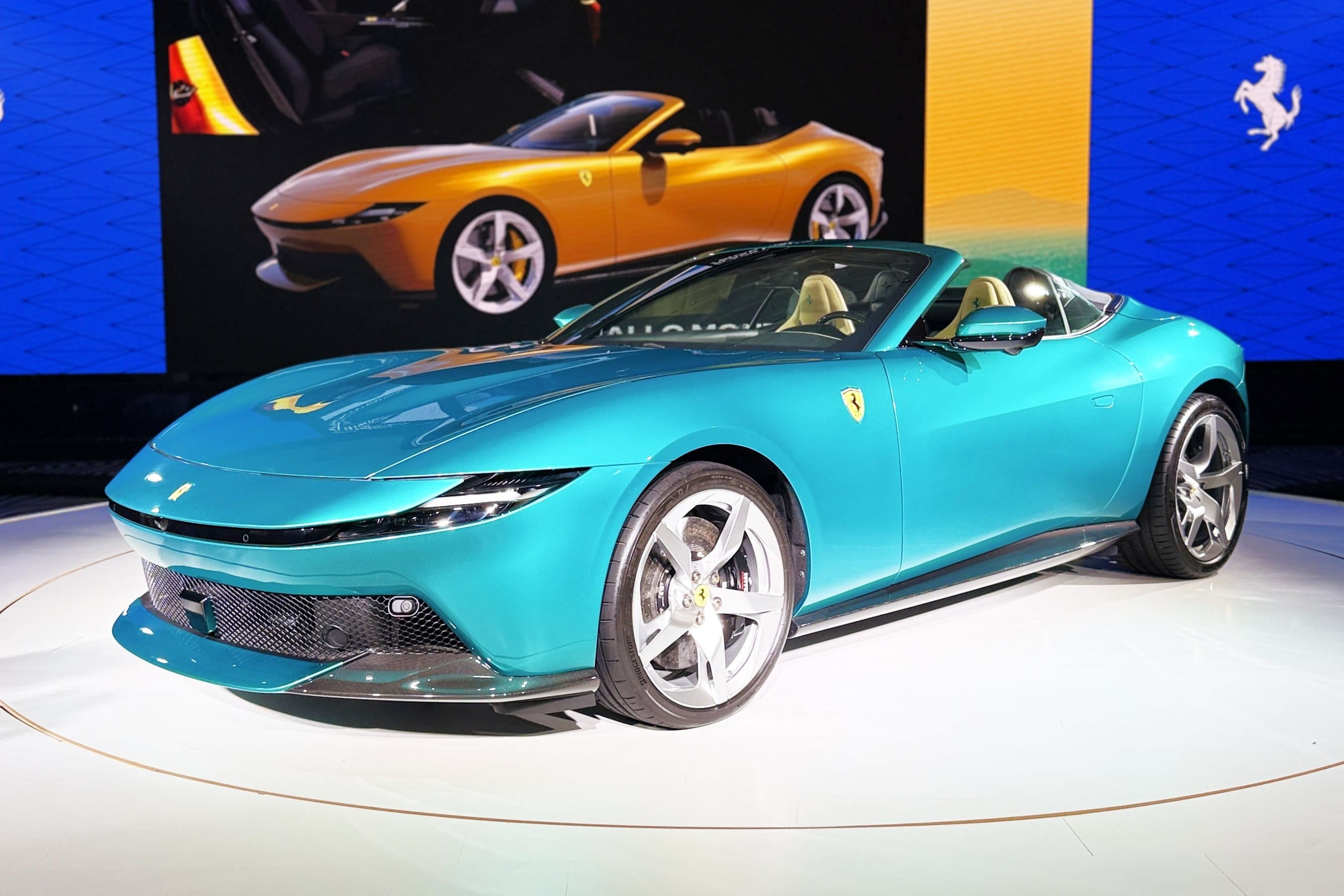
The Ferrari Amalfi Spider is the newest convertible to go on sale in the country. Its folding fabric roof opens in 13.5 seconds at speeds of up to 60kph. The Amalfi Spider uses the same 3.9-litre twin-turbo V8 engine as the Amalfi coupe, producing 640hp and 760Nm. Power is sent to the rear wheels through an 8-speed dual-clutch automatic gearbox. Ferrari claims the convertible can sprint from 0-100kph in 3.3 seconds.
Maserati MCPura Cielo
Rs 5.12 crore
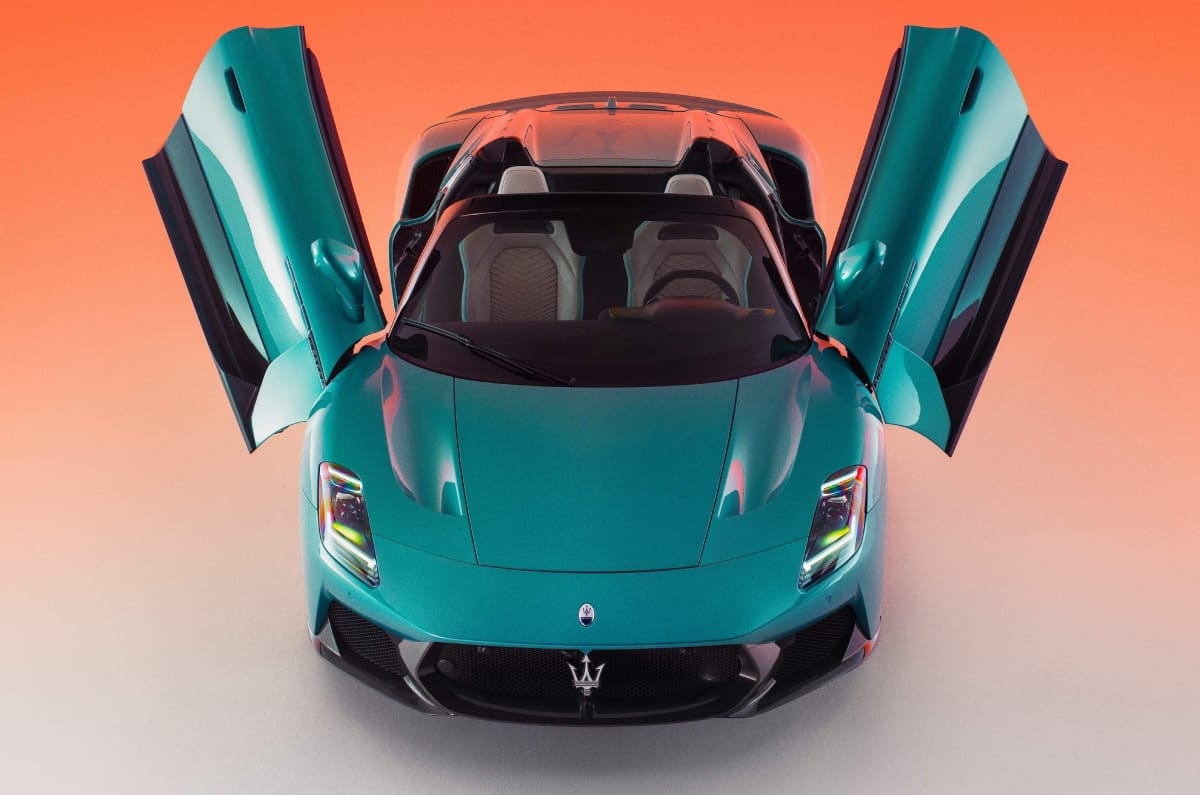
The third convertible offering from the Italian carmaker in this list is the MCPura Cielo, which is the evolution of the MC20 Cielo. The convertible comes with an electrochromic glass roof, which opens and closes in just 12 seconds and can be operated at speeds of up to 50kph. It gets the brand’s 3.0-litre turbocharged V6 petrol unit, delivering 630hp and 720Nm of torque. According to Maserati, the mid-engined supercar accelerates from 0 to 100kph in just 2.9 seconds.
Ferrari 296 GTS
Rs 6.45 crore
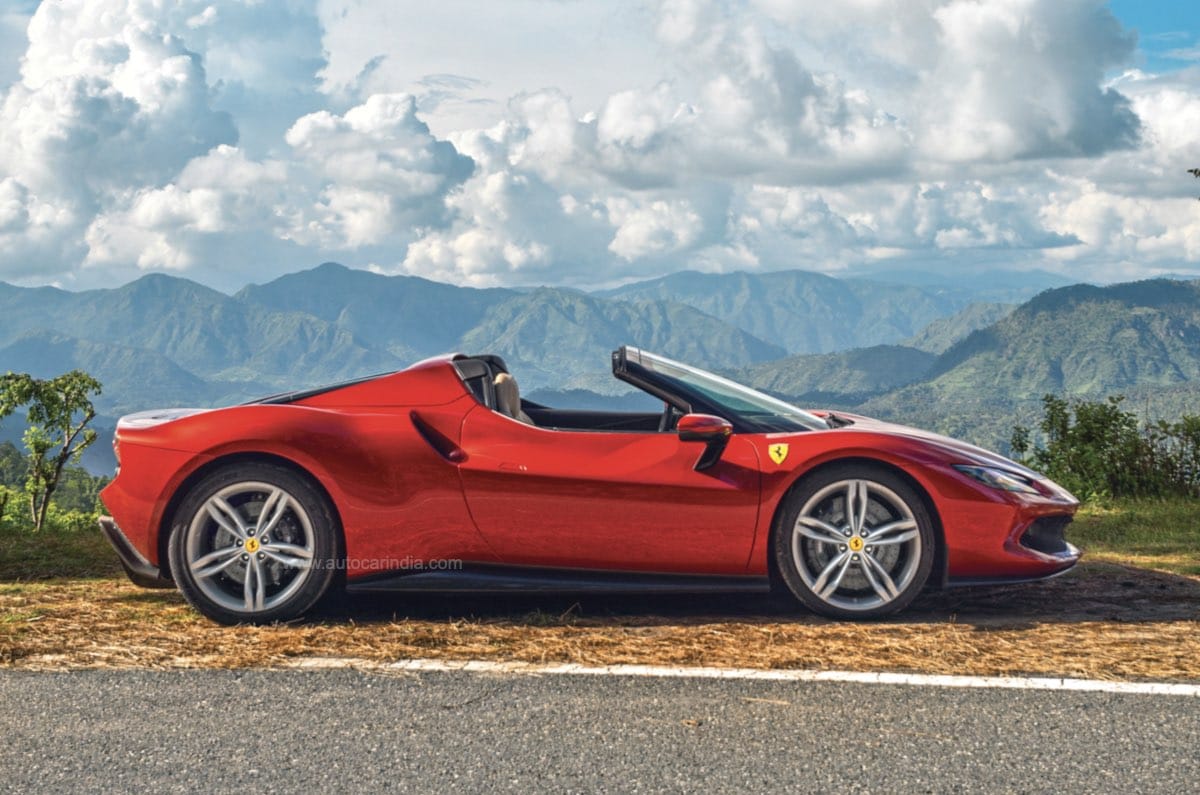
The Ferrari 296 GTS gets a foldable hard top that takes 14 seconds to pack itself behind the flying buttresses at speeds of up to 45kph. As for the powertrain, the 296 GTS plug-in hybrid gets a 3.0-litre twin-turbo V6 paired with an electric motor, which together produce 830hp and 740Nm. Its 8-speed DCT sends output to the rear wheels, making the 296 GTS go from 0 to 100kph in 2.9 seconds.
McLaren 750S Spider
Rs 8.78 crore*
While most cars on this list have a fabric roof or a hard top, the McLaren 750S Spider takes it up a notch with an electrochromic glass roof that can be dimmed at the touch of a button. This retractable top can glide up or down in 11 seconds at up to 50kph. The 750S Spider is powered by a 4-litre twin-turbo V8 petrol engine making 750hp and 800Nm, mated to a 7-speed dual-clutch transmission (DCT). The engine output is sent to only the rear wheels, and the run from 0 to 100kph is achieved in just 2.8 seconds.
*Might be lowered to Rs 5.46 crore after the India-UK FTA rollout.
Ferrari 12Cilindri Spider
Rs 9.15 crore
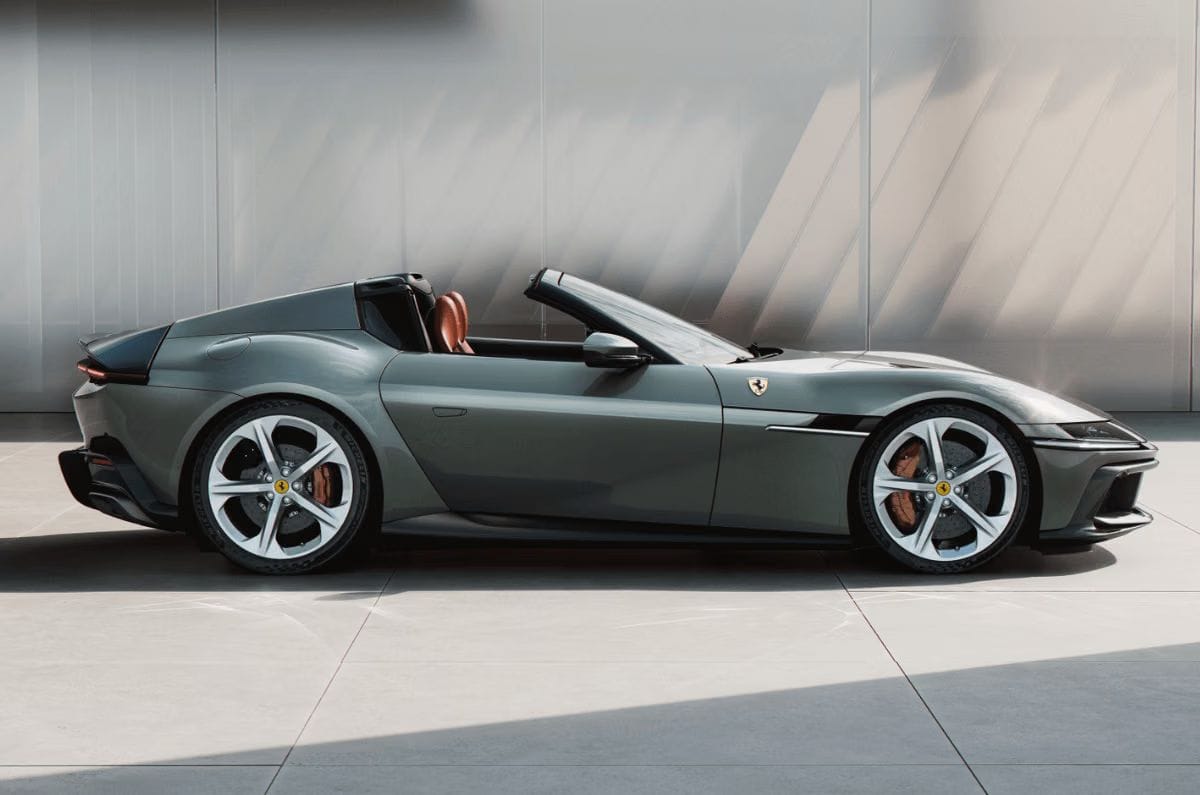
Lastly, the Ferrari 12Cilindri Spider is the most expensive convertible featured on this list. Ferrari has equipped the convertible version of the 12Cilindri with a retractable hard top, which takes 14 seconds to open/close at up to 45kph. Even the rear glass automatically slides down when the roof is tucked away. The 12Cilindri Spider has a 6.5-litre naturally aspirated V12 engine producing 830hp and 678Nm. The 8DCT sends engine output only to the rear wheels; 0-100kph comes up in 2.9 seconds.
Ex-showroom prices above are indicative and may change; availability of some models may depend on stock availability.
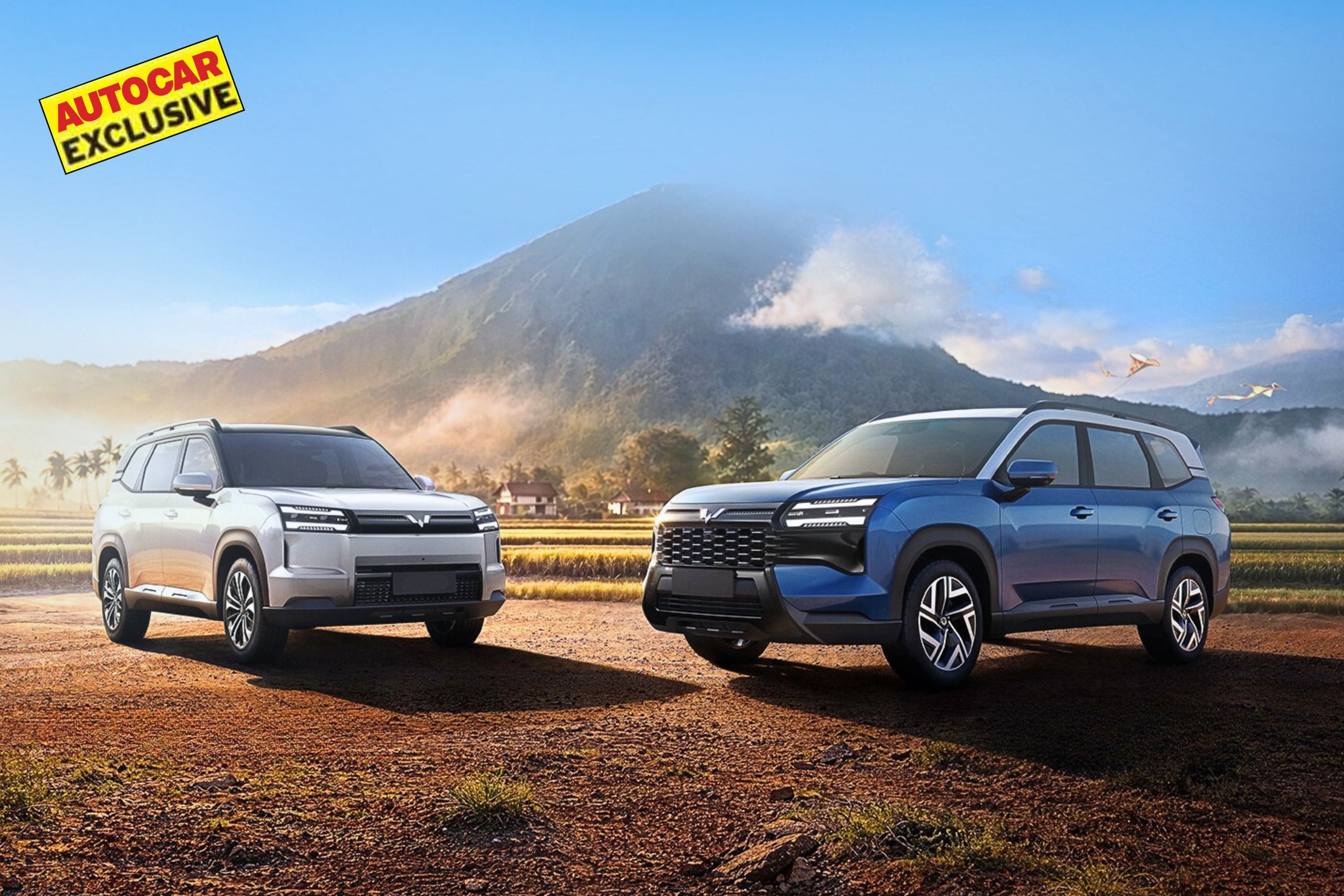
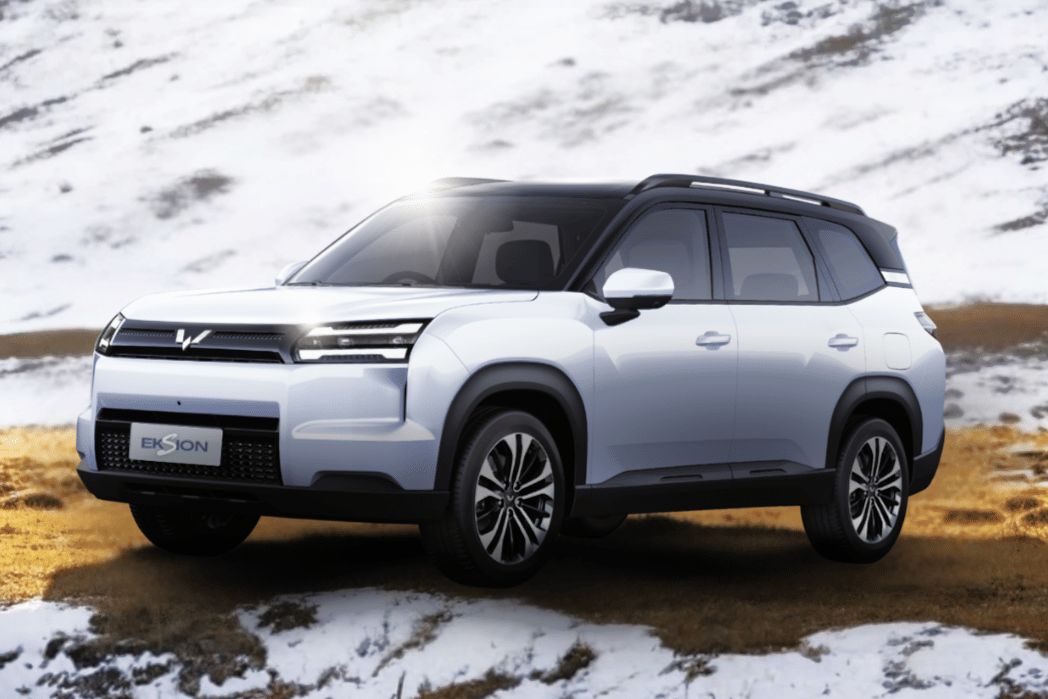
JSW MG unveiled its new ADAPT BEV/hybrid platform earlier today, and we can now confirm the first model to be based on it will be a Mahindra XEV 9S-rivaling EV that goes on sale next month. The model will have much in common with the Indonesia market Wuling Eksion. For those not in the know, Wuling is a sister brand to MG Motors and both come under the broader SAIC umbrella.
Sources tell us JSW MG is targeting keen pricing for its electric SUV, which could undercut the XEV 9S 70kWh that retails for Rs 25.8 lakh (ex-showroom).
MG Eksion-based electric SUV: Battery and range details
The JSW MG electric SUV will be offered with a 69kWh battery pack and an official range of around 600km. For reference, the XEV 9S is offered with three battery pack options – 59kWh (official range 521km), 70kWh (600km) and 79kWh (679km). The 70kWh battery pack is the sweet spot of the XEV 9S line-up and the one JSW MG would like to woo buyers away from.
Wuling Eksion EV. Image used for representation only.
The Eksion’s single motor produces 201hp and 310Nm versus the XEV 9S 70kWh’s 245hp and 380Nm figures. Also, while the Eksion sports a front motor, front wheel drive layout, the XEV 9S uses a rear motor, rear wheel drive arrangement.
MG Eksion-based electric SUV: Exterior and interior details
Measuring 4.7m in length, 1.85m in width and 1.7m in height, the Wuling Eksion closely matches the 4.7m long, 1.9m wide, and 1.7m tall XEV 9S in size. Also like the XEV 9S, the Eksion is offered in a 7 seat configuration which makes it an option of great interest for buyers with large families.
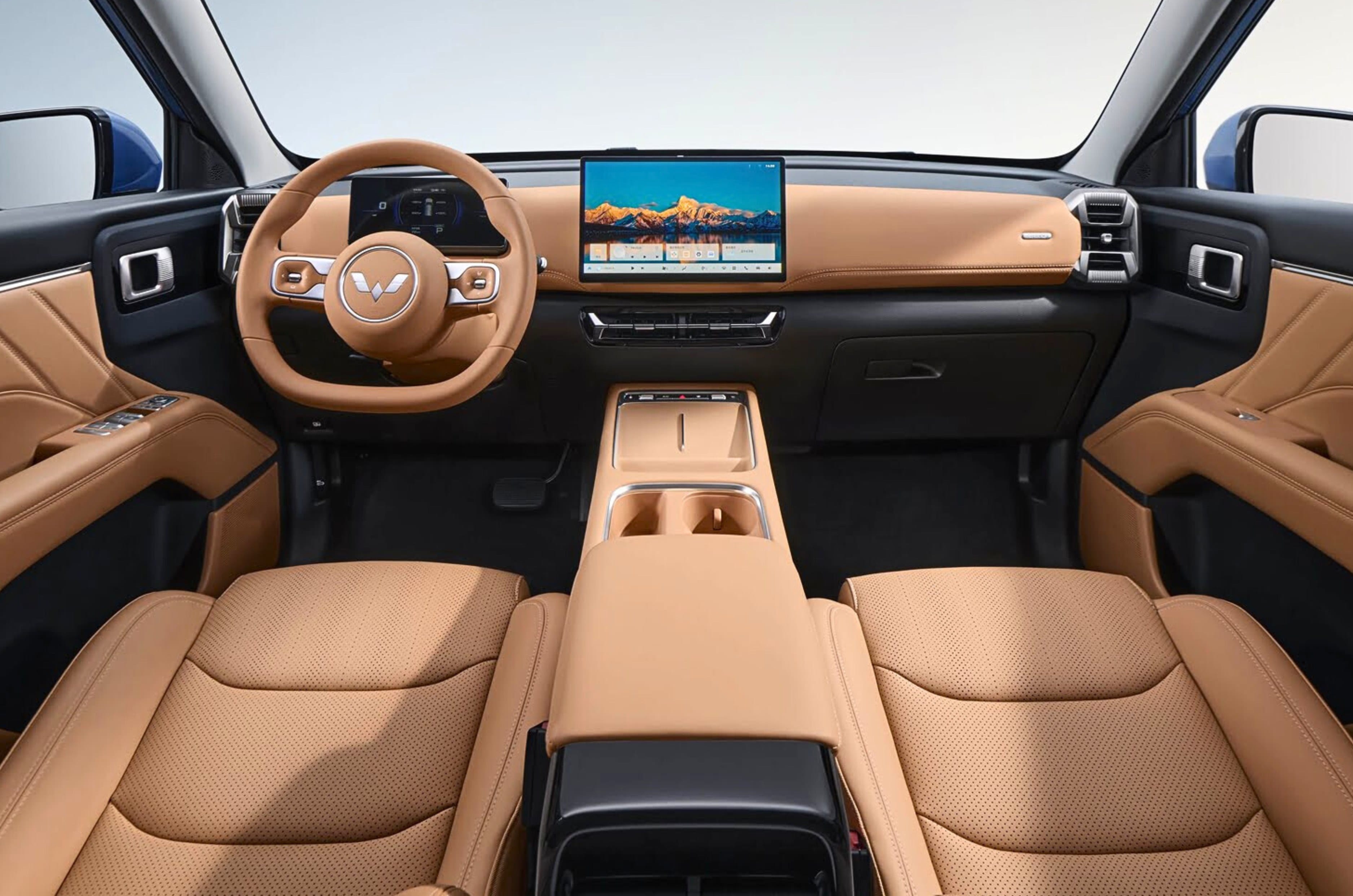
Wuling Eksion interior. Image used for representation only.
In look, the MG electric SUV will feature a boxy, upright stance and an upright tail. The interior features a minimalist design with a 12.8-inch touchscreen being the centrepiece of the dashboard. A digital instrument cluster, panoramic sunroof and powered tail gate are features expected on the model for India.
Eksion-based plug-in hybrid SUV to be pitched as MG’s XUV 7XO rival
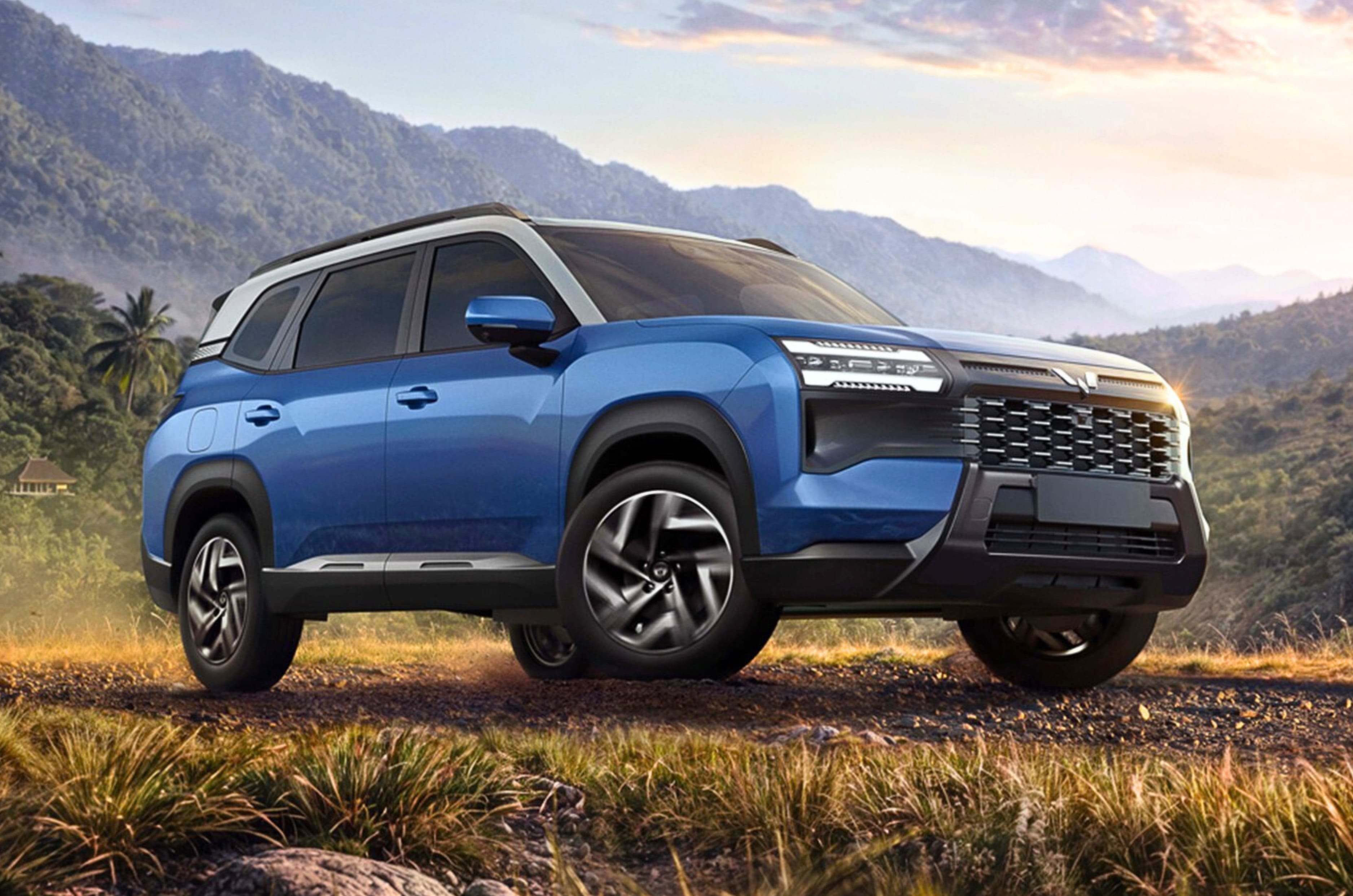
JSW MG will keep the momentum going next year with the launch of a plug-in hybrid electric vehicle (PHEV) version of the SUV. While the basic shape will be shared with the BEV, the PHEV will sport some different styling elements.
The PHEV, which will be the second model off the ADAPT platform, pairs a 105hp/130Nm, 1.5-litre Atkinson cycle petrol engine and a 195hp/230Nm electric motor that’s powered by a 20.5kWh LFP battery. Wuling claims a 125km all-electric range and a combined range of over 1,000km for the Eksion PHEV.
Wuling Eksion PHEV. Image used for representation only.
JSW MG would be hoping Indian buyers see the PHEV as the best of both worlds – silent running and low costs of an EV with the freedom of a petrol engine. It is understood that JSW MG has large diesel-automatic SUVs in its crosshairs and is looking to price its PHEV SUV within Rs 1.5 lakh off the Mahindra XUV 7XO diesel-AT.
EV and PHEV to be in focus
While the ADAPT platform supports battery electric, plug-in hybrid, range extender and strong hybrid powertrains, JSW MG will focus on BEVs and PHEVs to begin with. Speaking to Autocar India, Anurag Mehrotra – MD, JSW, MG Motor India – underlined while there is space for all powertrains “The BEV will continue to have the largest lion’s share of the pie. You will then have the plug-in hybrids, you will then have the (strong) hybrids. Range extender electric vehicles (REEVs) is a relatively new technology, so it is at a much smaller pie of the entire new energy vehicle market.”
Mehrotra also stressed the importance of a multi-powertrain approach from a consumer and manufacturer point of view. “We genuinely believe the answer to India’s electrification journey is not a single powertrain. It has to be multiple and this platform will give us the capital efficiency and at the same time the benefit to the consumer in terms of faster charging, longer range, better driving experience and all powertrains in a single platform.” Mehrotra said.
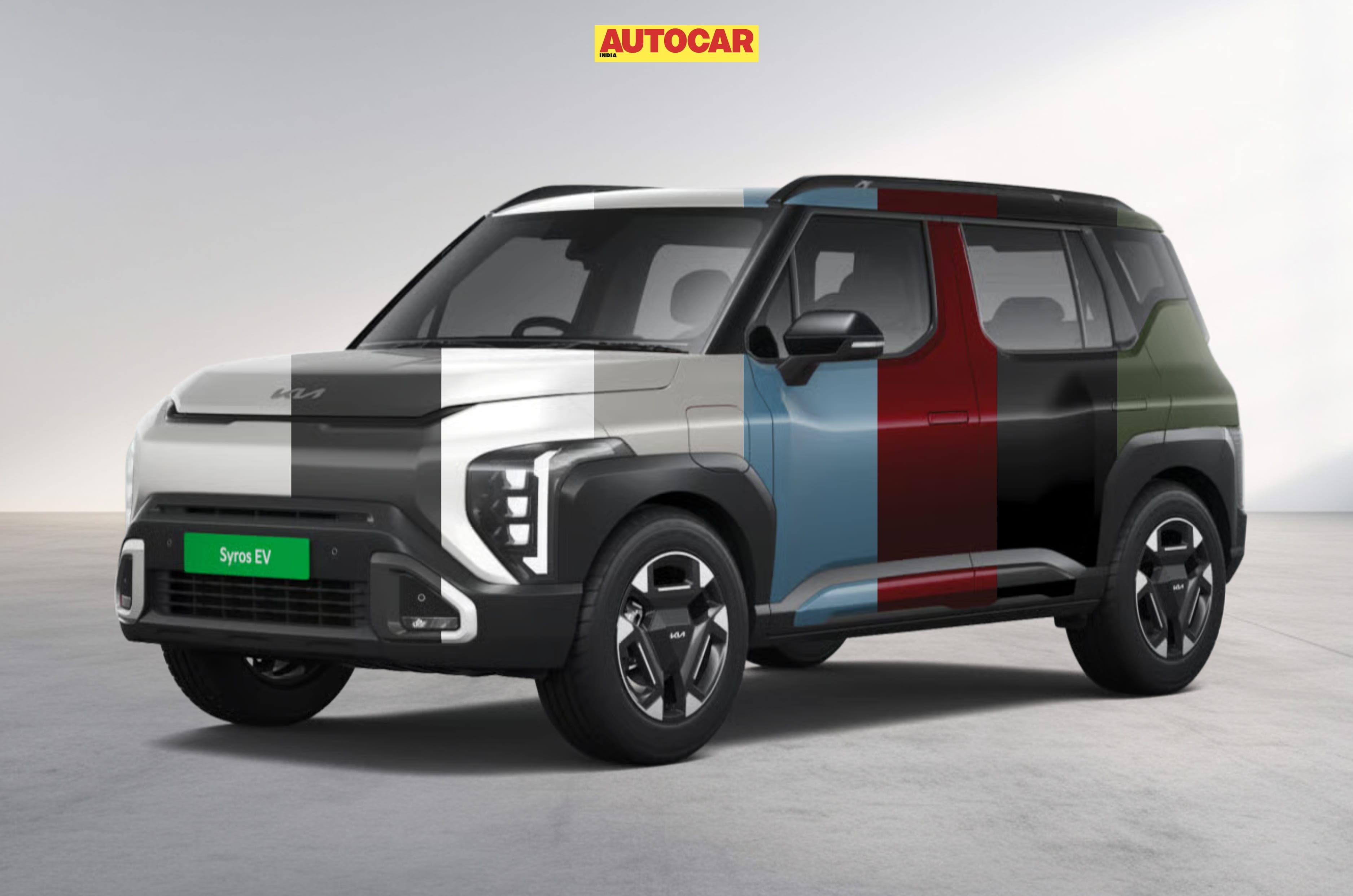
Kia’s Syros EV, recently introduced as the manufacturer’s smallest electric vehicle, will be available in five trims: HTK, HTK+, HTX, HTX+, and X-Line. The prices of these trims are yet to be revealed. The electric SUV will be offered in a range of nine colour options, including Glacier White Pearl, Frost Blue, Gravity Grey, Pewter Olive, Magma Red, Ivory Silver Matte, Ivory Silver Gloss, and Aurora Black Pearl. The top-spec X-Line variant will be limited to two exclusive finishes: Matte Graphite and Aurora Black Pearl.
केंद्र सरकार WhatsApp और Telegram के यूजरनेम-आधारित मैसेजिंग फीचर को लेकर मिली प्रतिक्रियाओं की समीक्षा कर रही है। इलेक्ट्रॉनिक्स एवं सूचना प्रौद्योगिकी मंत्रालय (MeitY) के सूत्रों के मुताबिक, इस मामले में अगले करीब 20 दिनों के भीतर कोई अधिसूचना या अगला फैसला सामने आ सकता है। सूत्रों के अनुसार, WhatsApp, Telegram और Zoho Bharat Eye ने सरकार द्वारा जारी नोटिस के जवाब मंत्रालय को सौंप दिए हैं।
मंत्रालय की कानूनी टीम इन जवाबों का विस्तृत परीक्षण कर रही है। इसका उद्देश्य यह पता लगाना है कि कहीं संबंधित फीचर किसी नियम या कानून का उल्लंघन तो नहीं करता। साथ ही यह भी देखा जा रहा है कि यदि आवश्यक हुआ तो नियामकीय कार्रवाई या अन्य कानूनी प्रावधान लागू किए जा सकते हैं या नहीं।
इलेक्ट्रॉनिक्स एवं सूचना प्रौद्योगिकी मंत्रालय को सप्ताहांत में WhatsApp का जवाब मिला, जिसकी फिलहाल समीक्षा की जा रही है। मंत्रालय का कहना है कि सभी जवाबों का कानूनी परीक्षण पूरा होने के बाद ही आगे की कार्रवाई पर फैसला लिया जाएगा। सरकार की यह प्रक्रिया ऐसे समय में चल रही है जब डिजिटल प्लेटफॉर्म्स पर यूजरनेम-आधारित मैसेजिंग और ऑनलाइन सुरक्षा को लेकर चर्चा तेज है। फिलहाल मंत्रालय ने अंतिम निर्णय की घोषणा नहीं की है।
WhatsApp एक नया फीचर लाने की तैयारी कर रहा है, जिसके जरिए लोग अपना मोबाइल नंबर साझा किए बिना एक-दूसरे से जुड़ सकेंगे। यह फीचर Telegram और Signal की तरह काम करेगा। इस फीचर में यूजर अपने लिए एक यूनिक यूजरनेम (Username) चुन सकेंगे और मोबाइल नंबर की जगह उसी यूजरनेम को दूसरे लोगों के साथ साझा करेंगे।
Meta का दावा है कि इससे यूजर्स की निजता (Privacy) बेहतर होगी, क्योंकि उन्हें अपनी व्यक्तिगत जानकारी पर अधिक नियंत्रण मिलेगा। हालांकि, भारत सरकार इस फीचर को लेकर पूरी तरह आश्वस्त नहीं है। सरकार का मानना है कि यदि मोबाइल नंबर छिप जाएंगे तो ऑनलाइन ठगों और साइबर अपराधियों की पहचान करना और उन्हें ट्रैक करना मुश्किल हो सकता है।
सरकार की सबसे बड़ी चिंता यह है कि साइबर अपराधी यूजरनेम फीचर का गलत इस्तेमाल कर सकते हैं। आशंका जताई जा रही है कि इस फीचर का उपयोग करके अपराधी-
फिशिंग (Phishing) हमले,
फर्जी पहचान (Impersonation) बनाकर ठगी,
डिजिटल अरेस्ट (Digital Arrest) जैसे साइबर फ्रॉड,
और अन्य ऑनलाइन अपराधों को अंजाम दे सकते हैं।
इसी वजह से 1 जुलाई को केंद्र सरकार ने Meta से कहा था कि जब तक वह इस फीचर के दुरुपयोग को रोकने की ठोस व्यवस्था नहीं बताता, तब तक इसका रोलआउट आगे न बढ़ाया जाए।
Meta ने सरकार को बताया है कि WhatsApp के Username फीचर में सुरक्षा से जुड़े कई उपाय शामिल किए जाएंगे। हालांकि मामला सिर्फ WhatsApp की लोकप्रियता का नहीं है। भारत के आईटी अधिनियम (IT Act) और आईटी नियमों (IT Rules) के तहत एक बड़े सोशल मीडिया प्लेटफॉर्म होने के कारण WhatsApp पर यूजर्स की सुरक्षा सुनिश्चित करने की कानूनी जिम्मेदारी भी है। सरकार यह भी जांच रही है कि यदि भविष्य में इस फीचर के कारण साइबर अपराध बढ़ते हैं, तो क्या ऐसी स्थिति में Meta की जवाबदेही तय की जा सकती है।
अमेरिका और ईरान के बीच जारी सैन्य तनाव और बढ़ता जा रहा है। ईरानी सरकार की प्रवक्ता फातेमेह मोहाजेरानी ने बुधवार को दावा किया कि हाल के दिनों में अमेरिकी हवाई हमलों में 30 से ज्यादा लोगों की मौत हुई है। वहीं ईरान के स्वास्थ्य मंत्रालय के प्रवक्ता ने कहा कि रातभर हुए हमलों में 260 से ज्यादा लोग घायल हुए हैं। हालांकि, ईरानी प्रवक्ता ने यह स्पष्ट नहीं किया कि वह किस समय अवधि के हमलों का जिक्र कर रही थीं।
रिपोर्ट के अनुसार, अमेरिका ने बुधवार को ईरान के खिलाफ एक और दौर के हवाई हमले किए। सात घंटे तक चले ऑपरेशन में दर्जनों ठिकानों को निशाना बनाया गया। यह कार्रवाई उस समय हुई जब अमेरिका ने दोबारा नाकाबंदी लागू कर दी।
अमेरिकी कार्रवाई के बाद खाड़ी क्षेत्र में तनाव और बढ़ गया। बहरीन और कुवैत में मिसाइल अलर्ट जारी किए गए, क्योंकि दोनों देशों की ओर ईरानी मिसाइलें आने की सूचना मिली। लगातार हो रहे हमलों ने पहले से कमजोर युद्धविराम को और खतरे में डाल दिया है।
अमेरिका का ईरान पर हमला जारी रखने का आरोप
अमेरिकी सेंट्रल कमांड के प्रमुख एडमिरल ब्रैड कूपर ने बयान जारी कर कहा कि ईरान ने पड़ोसी खाड़ी देशों पर दर्जनों मिसाइलें और ड्रोन दागे हैं। उन्होंने कहा कि अमेरिकी सेना ईरान को “बिना उकसावे की आक्रामकता” के लिए जिम्मेदार ठहरा रही है, जिससे निर्दोष लोगों की जान खतरे में पड़ रही है।
अरब सागर में अमेरिकी युद्धपोत तैनात
अमेरिका ने अरब सागर में कम से कम 19 युद्धपोत तैनात किए हैं, जिनमें दो एयरक्राफ्ट कैरियर और एक एम्फीबियस असॉल्ट शिप शामिल हैं। इस जहाज पर 1,000 से ज्यादा अमेरिकी मरीन तैनात हैं। अमेरिकी सेंट्रल कमांड ने यह भी कहा कि मध्य पूर्व क्षेत्र में “सैकड़ों सैन्य विमान” सक्रिय हैं।
होर्मुज जलडमरूमध्य पर बढ़ा तनाव
अमेरिका और इजरायल द्वारा ईरान के खिलाफ सैन्य अभियान शुरू किए जाने के बाद तेहरान ने वाणिज्यिक जहाजों को निशाना बनाकर और धमकियां देकर होर्मुज जलडमरूमध्य में आवाजाही प्रभावित की थी। इसका असर वैश्विक बाजार पर पड़ा और तेल, खाद और अन्य जरूरी वस्तुओं की कीमतों में बढ़ोतरी देखी गई। हाल के हफ्तों में ईरान ने ओमान के पास से गुजरने वाले कुछ जहाजों को भी निशाना बनाया है। यह क्षेत्र अमेरिकी सैन्य निगरानी में आता है और इस घटनाक्रम ने तनाव को और बढ़ा दिया है।
अमेरिका ने होर्मुज जलडमरूमध्य को फिर से खोलने के लिए सैन्य कार्रवाई की चेतावनी दी है, लेकिन विशेषज्ञों का मानना है कि इसके लिए बड़ी नौसैनिक ताकत और संभवतः बड़ी संख्या में जमीनी सैनिकों की जरूरत पड़ सकती है।अमेरिका और ईरान के बीच जारी सैन्य तनाव और बढ़ता जा रहा है।
ईरानी सरकार की प्रवक्ता फातेमेह मोहाजेरानी ने बुधवार को दावा किया कि हाल के दिनों में अमेरिकी हवाई हमलों में 30 से ज्यादा लोगों की मौत हुई है। वहीं ईरान के स्वास्थ्य मंत्रालय के प्रवक्ता ने कहा कि रातभर हुए हमलों में 260 से ज्यादा लोग घायल हुए हैं। हालांकि, ईरानी प्रवक्ता ने यह स्पष्ट नहीं किया कि वह किस समय अवधि के हमलों का जिक्र कर रही थीं।
अमेरिका ने फिर किए हवाई हमले
रिपोर्ट के अनुसार, अमेरिका ने बुधवार को ईरान के खिलाफ एक और दौर के हवाई हमले किए। सात घंटे तक चले ऑपरेशन में दर्जनों ठिकानों को निशाना बनाया गया। यह कार्रवाई उस समय हुई जब अमेरिका ने दोबारा नाकाबंदी लागू कर दी।
बहरीन और कुवैत में मिसाइल अलर्ट
अमेरिकी कार्रवाई के बाद खाड़ी क्षेत्र में तनाव और बढ़ गया। बहरीन और कुवैत में मिसाइल अलर्ट जारी किए गए, क्योंकि दोनों देशों की ओर ईरानी मिसाइलें आने की सूचना मिली। लगातार हो रहे हमलों ने पहले से कमजोर युद्धविराम को और खतरे में डाल दिया है।
अमेरिका का ईरान पर हमला जारी रखने का आरोप
अमेरिकी सेंट्रल कमांड के प्रमुख एडमिरल ब्रैड कूपर ने बयान जारी कर कहा कि ईरान ने पड़ोसी खाड़ी देशों पर दर्जनों मिसाइलें और ड्रोन दागे हैं। उन्होंने कहा कि अमेरिकी सेना ईरान को “बिना उकसावे की आक्रामकता” के लिए जिम्मेदार ठहरा रही है, जिससे निर्दोष लोगों की जान खतरे में पड़ रही है।
अरब सागर में अमेरिकी युद्धपोत तैनात
अमेरिका ने अरब सागर में कम से कम 19 युद्धपोत तैनात किए हैं, जिनमें दो एयरक्राफ्ट कैरियर और एक एम्फीबियस असॉल्ट शिप शामिल हैं। इस जहाज पर 1,000 से ज्यादा अमेरिकी मरीन तैनात हैं। अमेरिकी सेंट्रल कमांड ने यह भी कहा कि मध्य पूर्व क्षेत्र में “सैकड़ों सैन्य विमान” सक्रिय हैं।
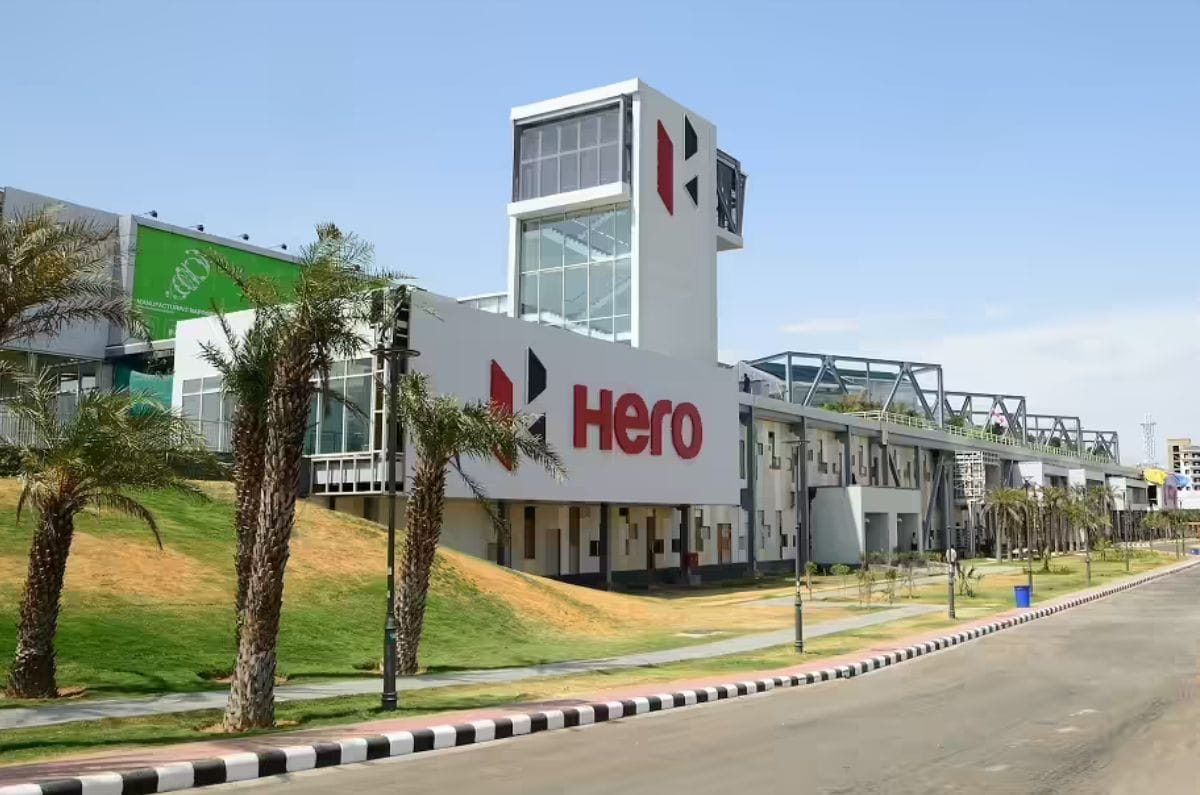
Hero MotoCorp has identified the proposed extension of Corporate Average Fuel Economy (CAFE) norms to two-wheelers as a potential business risk, stating that a sudden rollout could significantly increase development costs and impact profitability in India’s price-sensitive motorcycle market.
Hero says sudden implementation could increase compliance costs
Company is upgrading ICE engines and expanding EV portfolio
Bharat Stage 7 norms also listed among future regulatory priorities
Hero calls for realistic implementation of proposed CAFE norms
Hero MotoCorp has identified the proposed extension of Corporate Average Fuel Economy (CAFE) norms to two-wheelers as a potential business risk, stating that a sudden rollout could significantly increase development costs and impact profitability in India’s price-sensitive motorcycle market.
In its FY2025-26 annual report, Hero said CAFE regulations, which currently apply to passenger vehicles, are proposed to be extended to two-wheelers. Unlike emission norms that regulate tailpipe pollutants, CAFE standards require manufacturers to meet fleet-wide fuel efficiency targets across the vehicles they sell.
The company acknowledged that stricter fuel efficiency standards could help reduce fuel consumption, lower running costs for customers and reduce dependence on imported oil. However, it warned that a rapid implementation could leave manufacturers with limited time to redesign products, upgrade technologies and prepare their supplier base.
Hero added that passing higher compliance costs on to customers would be difficult in India’s highly price-sensitive two-wheeler market, putting additional pressure on profitability.
To prepare for future regulations, Hero said it is improving the efficiency of its internal combustion engines, increasing the use of lightweight materials and expanding its electric vehicle portfolio to help meet future fleet-wide fuel efficiency requirements.
The company also said it is investing in multiple low-emission technologies instead of relying solely on battery electric vehicles. Alongside EVs, Hero is developing motorcycles capable of running on higher ethanol blends, reflecting its view that multiple powertrain technologies will continue to play a role in India’s mobility transition.
Hero added that its R&D investments are increasingly focused on future regulatory requirements, including cleaner powertrains, connected vehicle technologies and digital capabilities.
BS7 norms also on Hero’s radar
The annual report also lists Bharat Stage 7 emission norms for two-wheelers among the policy issues on which Hero is engaging with the Society of Indian Automobile Manufacturers (SIAM). The company said it is advocating for implementation timelines and targets that are realistic and technically feasible for the industry, although it did not disclose when either the proposed CAFE norms or BS7 regulations could come into effect.
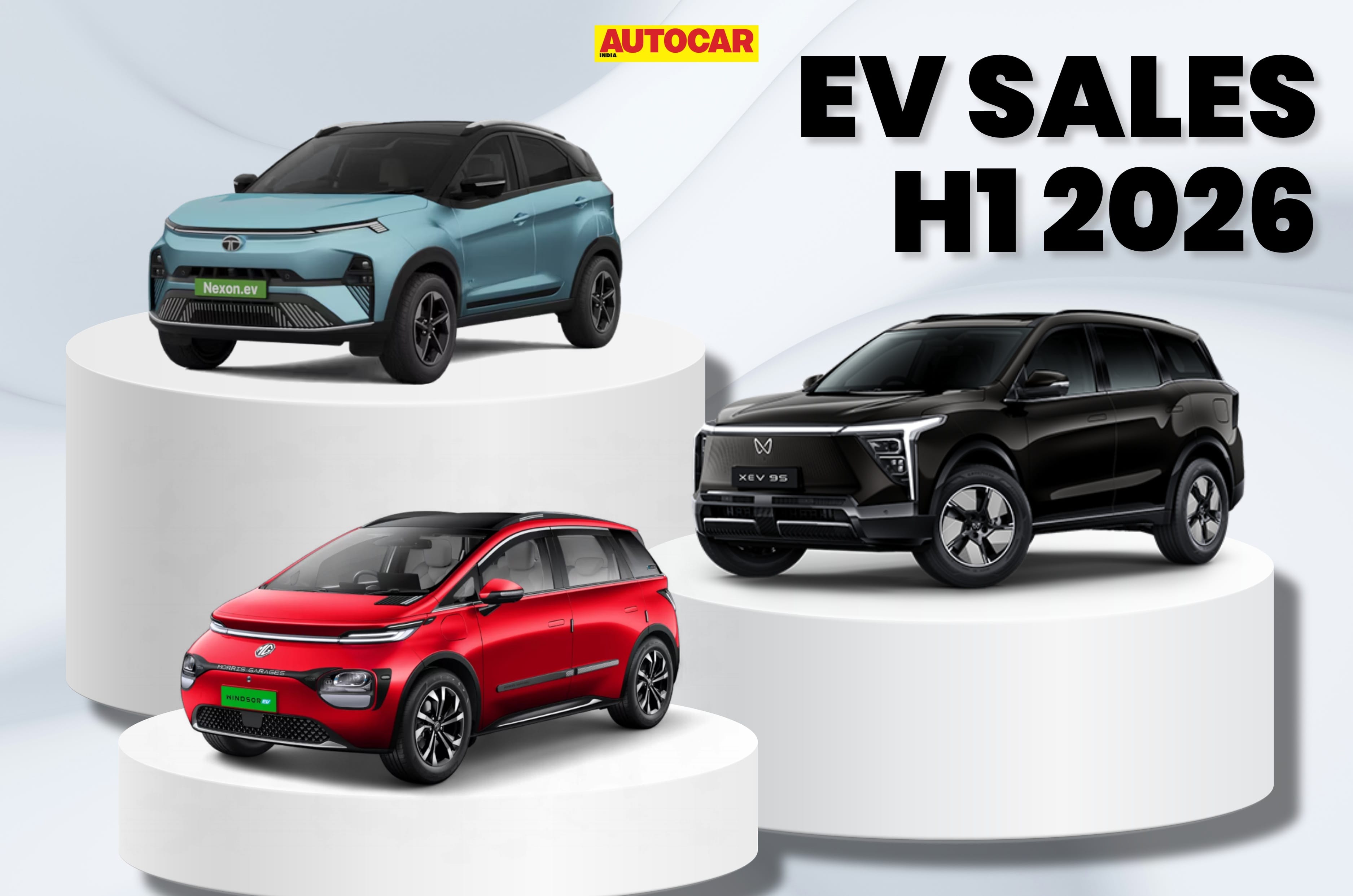
Electric vehicle sales in India rose 79 percent year on year (YoY) to 1,48,023 units in the first half of 2026, up from 82,535 units during the same period last year. Tata Motors retained its lead, while Mahindra recorded the highest growth among the three largest EV makers and moved ahead of JSW MG Motor. New entrants Maruti Suzuki and Vinfast also contributed over 12,000 units to the segment during the six-month period.
Carmaker
H1 2026 sales
H1 2025 sales
YoY change
Market share
Tata Motors
57,370
31,556
82%
39%
Mahindra
34,131
13,801
147%
23%
JSW MG Motor
31,819
26,883
18%
21%
Maruti Suzuki
6,404
–
–
4%
VinFast
5,627
–
–
4%
BYD
3,300
2,507
32%
2%
Hyundai
2,725
4,278
-36%
2%
Kia
2,643
254
941%
2%
Citroen
196
815
-76%
0%
Toyota
33
–
–
0%
Sales accelerated during the second quarter. Year on year, EV registrations rose 64 percent to 62,178 units in January-March and 93 percent to 85,845 units in April-June. June was the first month in which electric passenger vehicle sales crossed 30,000 units, reaching 32,259 units – more than double the 15,203 units recorded in June 2025.
Tata Motors
57,370 units, up 82 percent YoY
Tata Motors retained the top spot with 57,370 electric cars and SUVs sold in H1 2026, an 82 percent increase from 31,556 units a year ago. Its market share increased marginally from 38 percent to 39 percent.
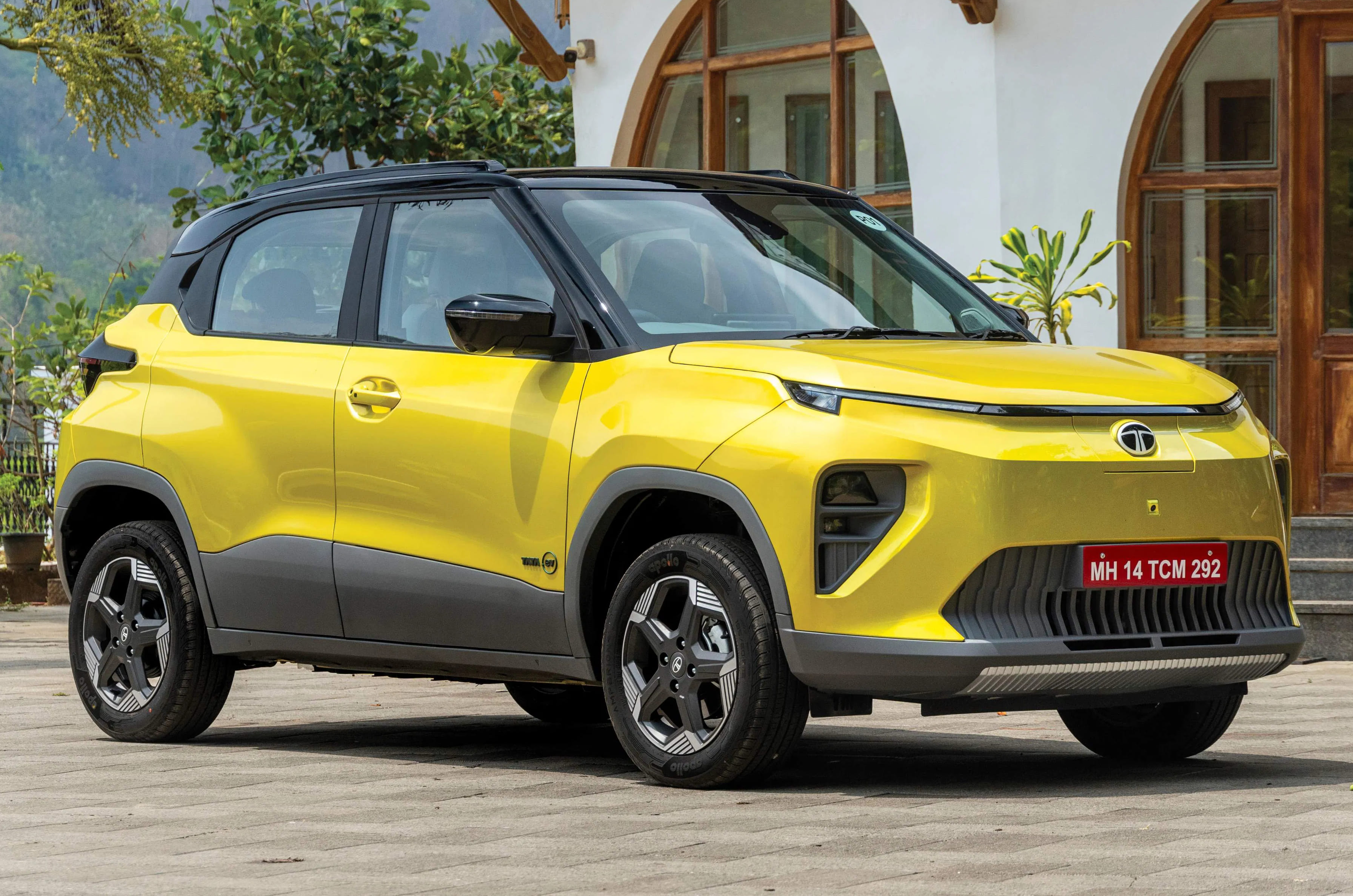
The carmaker crossed 10,000 monthly EV sales in both May and June, selling 10,894 units and a record 12,384 units, respectively. The Nexon EV remains its main volume driver, while the new Punch EV and updated Tiago EV have expanded its line-up. Tata also recently launched the Sierra EV, joining the Harrier EV, Curvv EV and Tigor EV in its electric portfolio.
Mahindra
34,131 units, up 147 percent YoY
Mahindra recorded the highest growth among India’s three largest EV manufacturers, with sales rising 147 percent to 34,131 units from 13,801 units in H1 2025. Its market share increased from 17 percent to 23 percent.
The company moved ahead of JSW MG Motor in March and retained second place through the first half of the year. Monthly sales increased from 5,873 units in March to a record 7,926 units in June. Demand for the BE 6 and XEV 9e has been supplemented by the XEV 9S, Mahindra’s three-row electric SUV launched last November.
JSW MG Motor
31,819 units, up 18 percent YoY
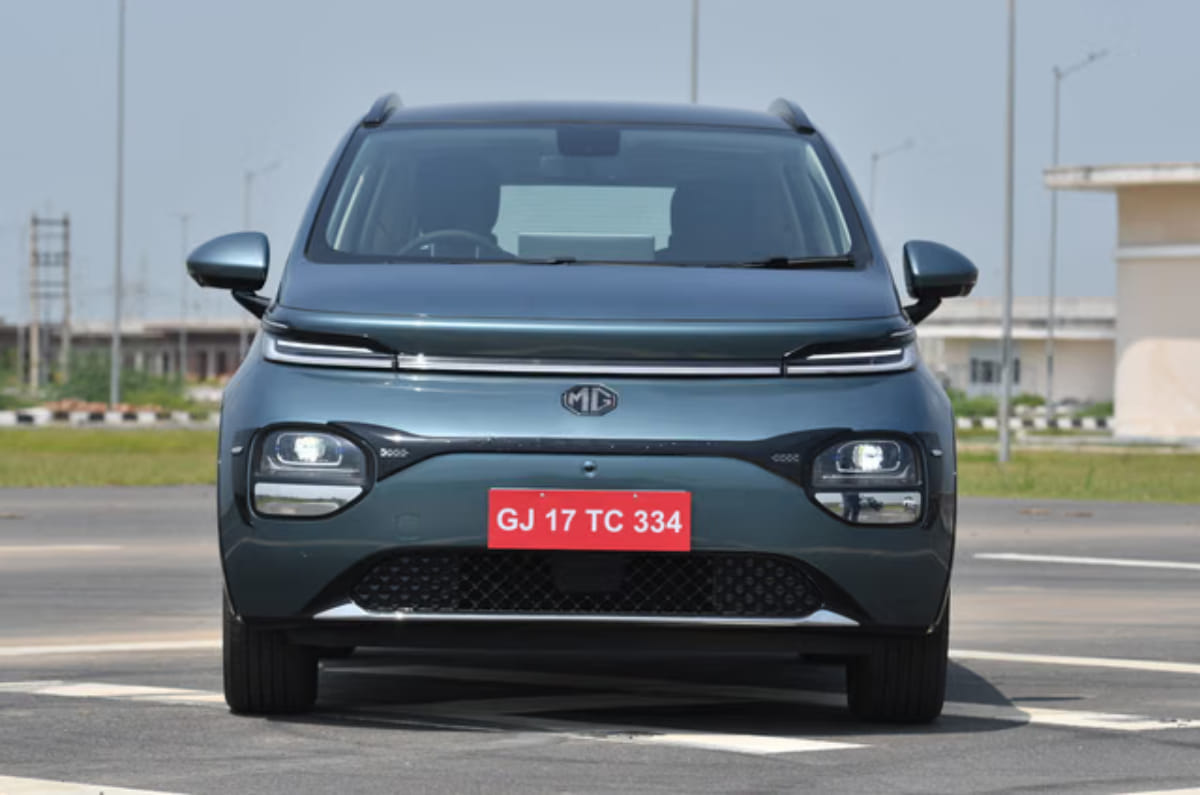
JSW MG Motor sold 31,819 EVs in H1 2026, up 18 percent from 26,883 units in the year-ago period. However, its market share fell from 33 percent to 21 percent as Tata and Mahindra recorded faster growth. The Windsor remains MG’s bestselling electric model, with around 19,000 units sold during the first six months of 2026. MG’s EV line-up also includes the Comet, ZS EV, Cyberster and M9.
Maruti Suzuki
6,404 units
Maruti Suzuki, which entered India’s electric car market with the e Vitara in January, sold 6,404 units in H1 2026, giving it a little over 4 percent market share. Sales increased from 1,460 units in the first quarter to 4,944 units in Q2, with June registrations reaching a record 1,940 units. Maruti is expected to increase e Vitara production from August or September.
Vinfast
5,627 units
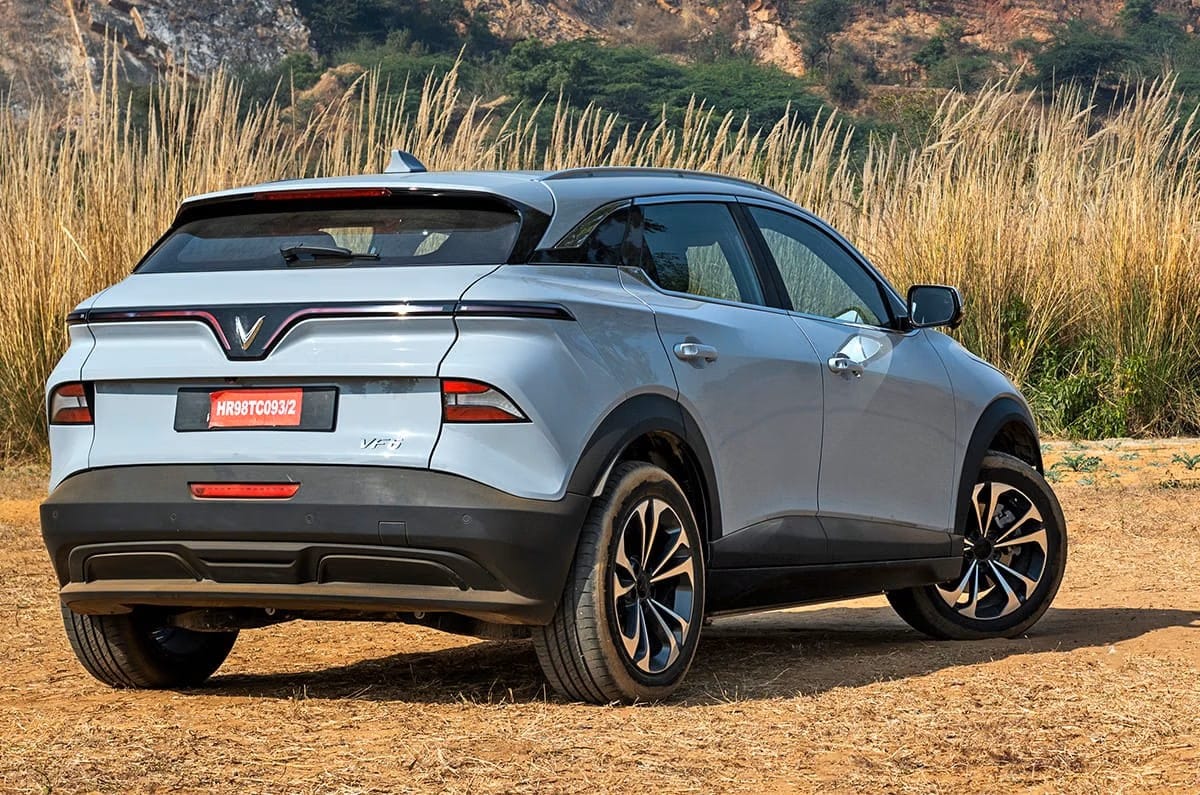
Vinfast recorded 5,627 sales during the first half of 2026, capturing a 3.8 percent market share. Its quarterly sales increased from 1,630 units in Q1 to 3,997 units in Q2, with June sales reaching 1,415 units. The Vietnamese company’s India line-up currently includes the VF6 and VF7 SUVs, along with the VF MPV 7. Vinfast is also expected to expand its range with the VF3 electric hatchback.
BYD
3,300 units, up 32 percent YoY
BYD sold 3,300 electric cars and SUVs in H1 2026, up 32 percent from 2,507 units a year earlier. Q2 sales doubled to 2,199 units from 1,101 units in the first quarter, while June registrations reached a record 895 units. The company has confirmed plans to introduce the Seal U later this year, set to be its first plug-in hybrid model in India.
Hyundai
2,725 units, down 36 percent YoY
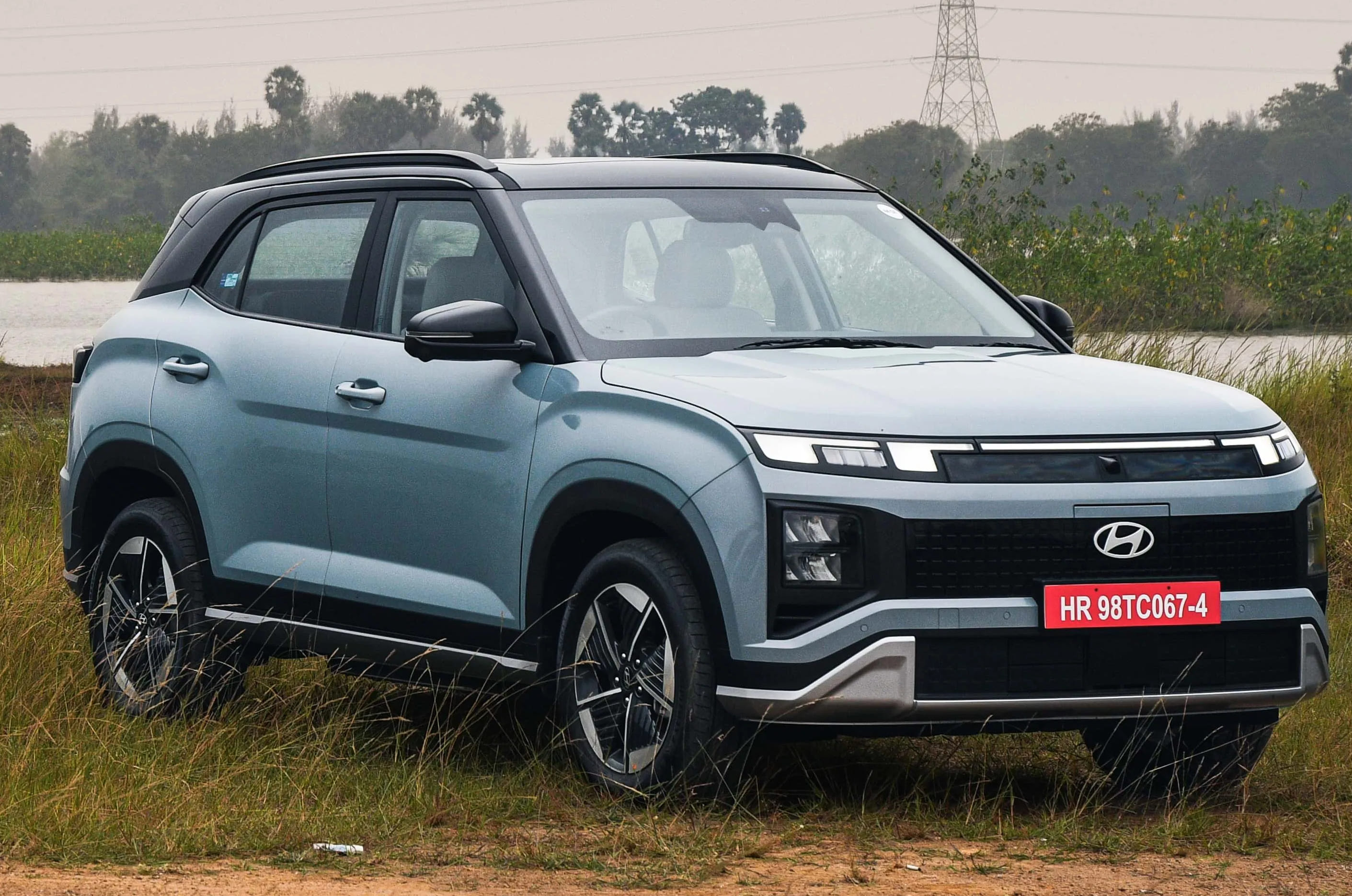
Hyundai was one of the few manufacturers to record lower EV sales, with deliveries falling 36 percent to 2,725 units from 4,278 units in H1 2025. Its market share declined from 5 percent to under 2 percent. Hyundai currently has two electric models on sale in India – the Creta Electric and Ioniq 5 – amid growing competition from Tata, Mahindra and MG, all of which offer EVs across a wider range of price points.
Kia
2,643 units, up 941 percent YoY
Kia recorded 2,643 EV sales in H1 2026, compared with 254 units during the same period last year, an increase of 941 percent. The carmaker finished just 82 units behind Hyundai during the six-month period. The increase follows the addition of the Carens Clavis EV, which joined the EV6 and EV9 in Kia’s electric line-up. Kia sold 1,278 EVs in Q1 and 1,365 units in Q2.
Citroen
196 units, down 76 percent
Citroen recorded 196 EV sales in H1 2026, down 76 percent from 815 units a year earlier. Citroen launched the eC3X in June, with prices starting at Rs 11.99 lakh and a Battery-as-a-Service option.
Toyota
33 units
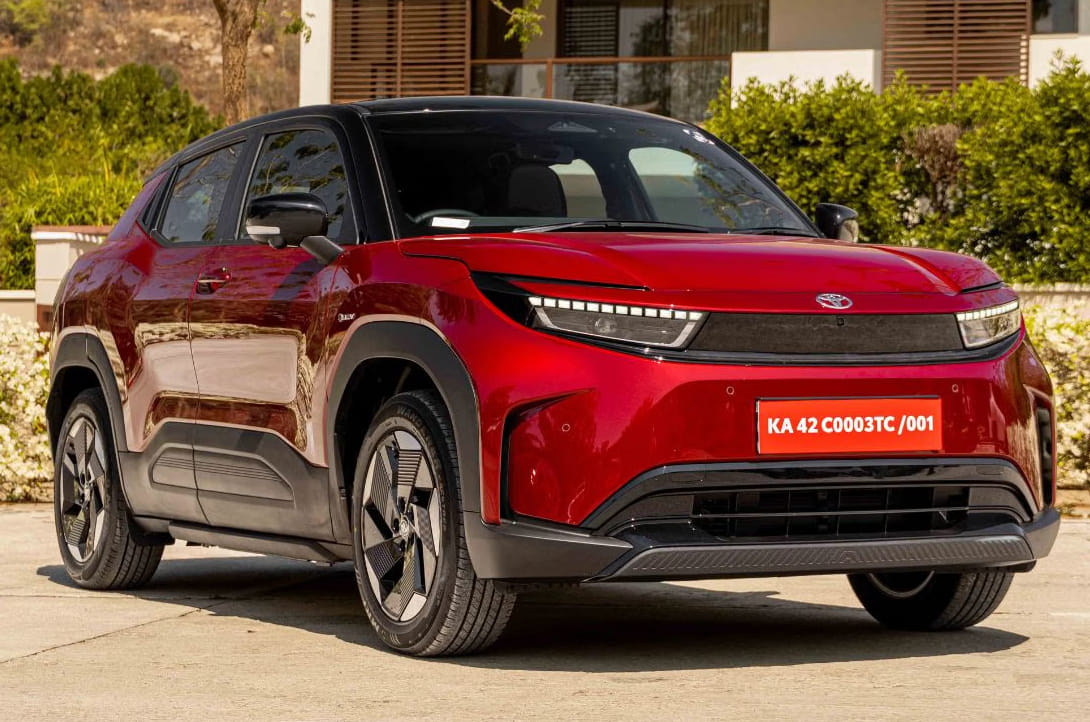
Toyota entered India’s electric passenger vehicle market in May, delivering 33 units of the Urban Cruiser Ebella. The Ebella is Toyota’s version of the Maruti e Vitara and is available in the top-spec E3 variant and offers battery-as-a-service option.
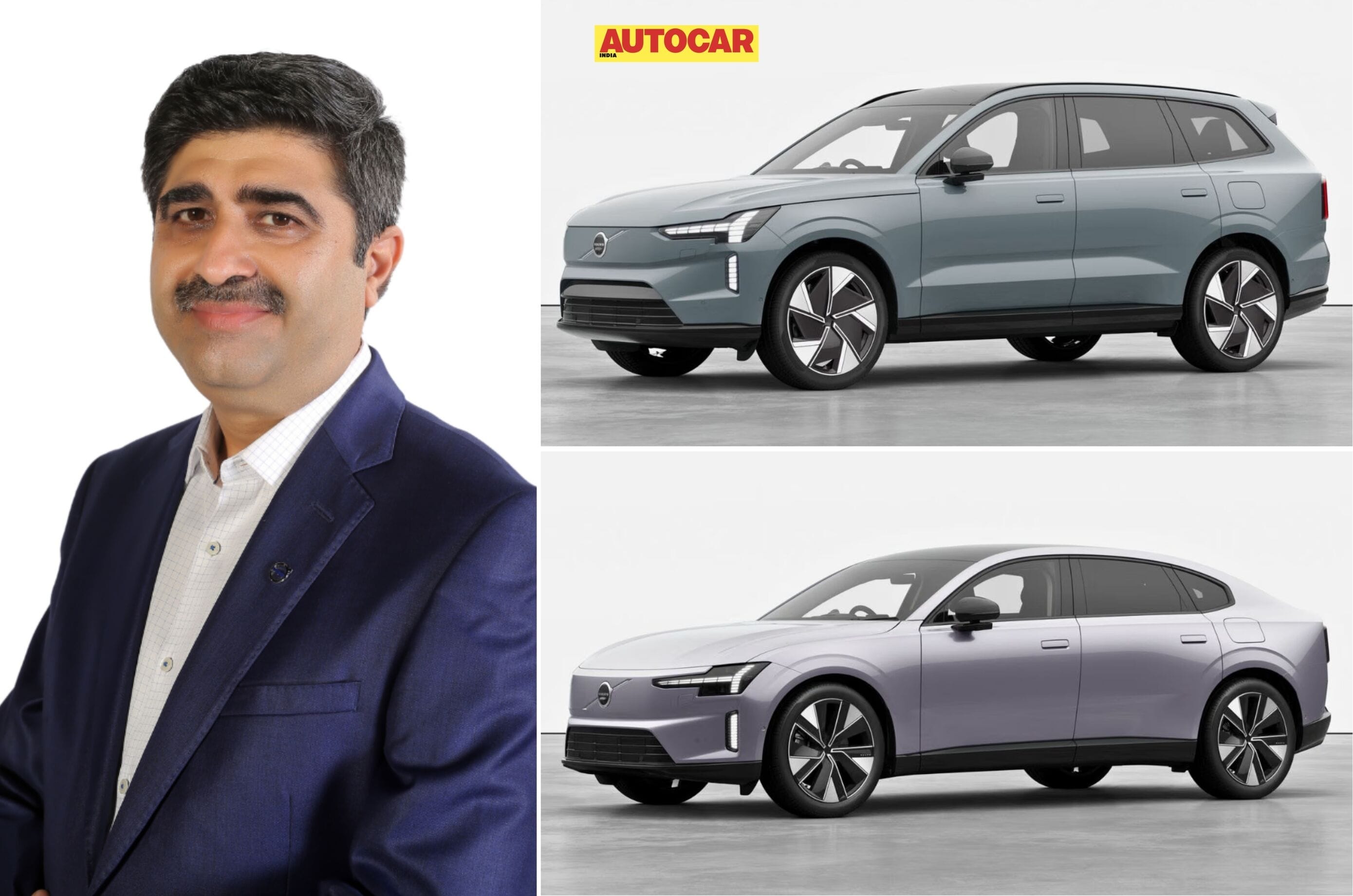
Volvo India has confirmed it will expand its electric vehicle portfolio with two new 90-series EVs over the coming months. While the company stopped short of naming the models, it said the line-up will comprise a flagship sedan and SUV, confirming our earlier report that the ES90 sedan and EX90 SUV were being lined up for India.
One in every four Volvos sold in India is now electric
Volvo says it will continue launching one EV every year
ES90 sedan and EX90 SUV expected to join the line-up
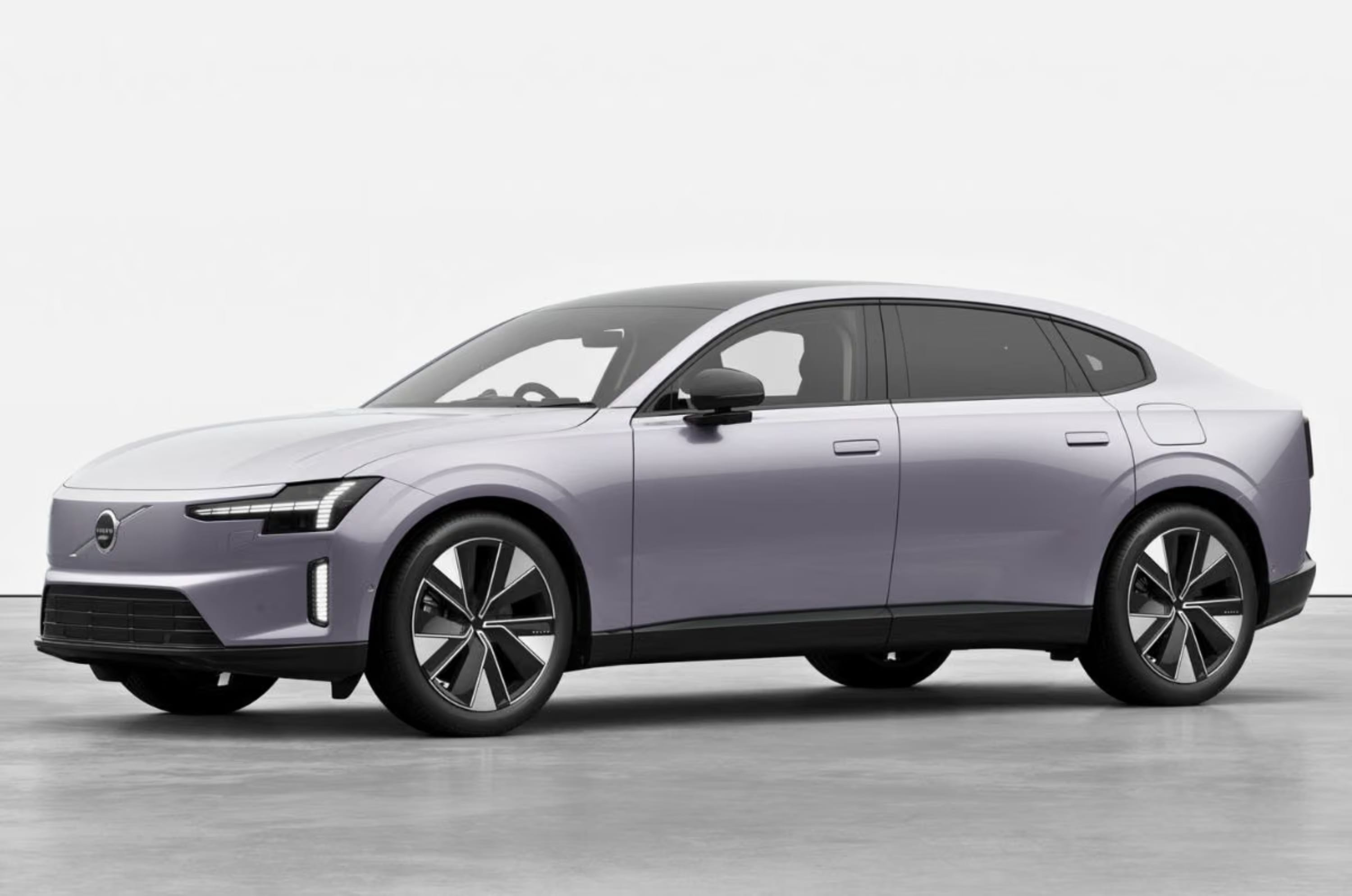
Volvo ES90
Speaking to our sister publication, Autocar Professional, Volvo Car India Managing Director Jyoti Malhotra said the company remains committed to introducing one new electric vehicle every year in India. “We have promised that we’ll bring one electric car every year. We brought in the EX30, and now we’ll be bringing two new electric cars in the 90 series later this year or in the next few months. They are from our 90 series – an SUV and a sedan,” Malhotra said.
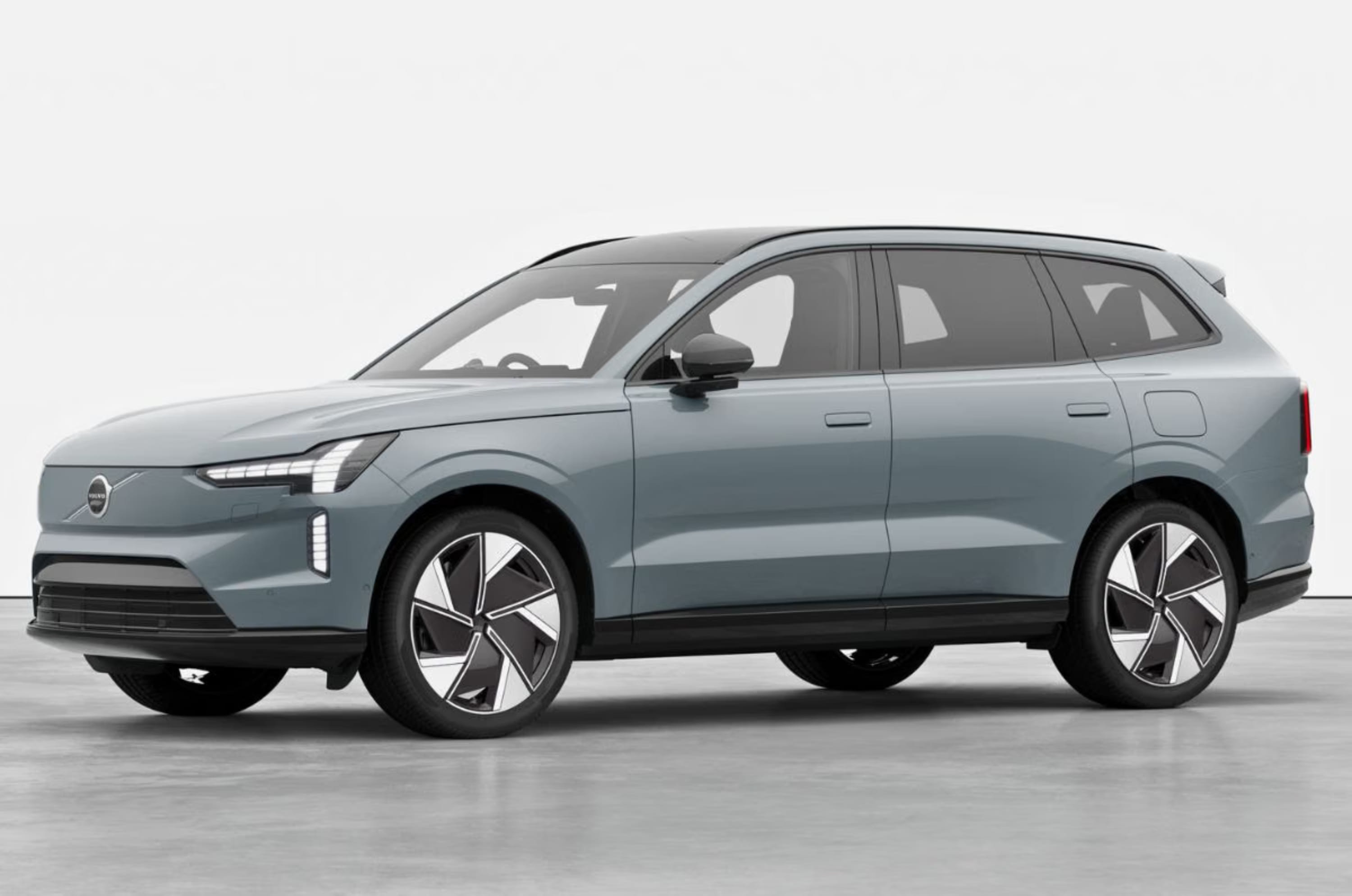
Although Volvo has not officially confirmed the names, the company’s current global EV portfolio indicates the upcoming models are likely to be the ES90 electric sedan and the EX90 electric SUV.
Volvo EX90
Both new flagship EVs are based on Volvo’s SPA2 architecture and use an 800V electrical system, supporting faster charging than the brand’s current EVs. The ES90 is expected to rival the BMW i5, while the EX90 will sit above the EC40 as Volvo’s flagship electric SUV. Both models are likely to be launched in India by Q3 2026.
EVs account for one in four Volvo sales
Volvo said electric vehicles now account for around one in every four cars it sells in India, with the remaining portfolio comprising mild-hybrid models such as the recently updated XC60 and XC90. The company also reported around 6 percent year-on-year growth in FY2026 and said it received an encouraging response to the EX30, which entered a new price point for the brand. Volvo also refreshed the XC60 and XC90 during the past year, with Malhotra saying both models have been well received by existing and new customers alike.
Malhotra reiterated that Volvo’s long-term goal remains to become an all-electric carmaker, although the company no longer has a fixed 2030 deadline because EV adoption varies across global markets. “Our end goal is still the same. We want to become an all-electric car company. But we are not saying that we want to do it by 2030,” he said.
He added that Volvo will continue offering both electric and mild-hybrid models in India as customer demand evolves.
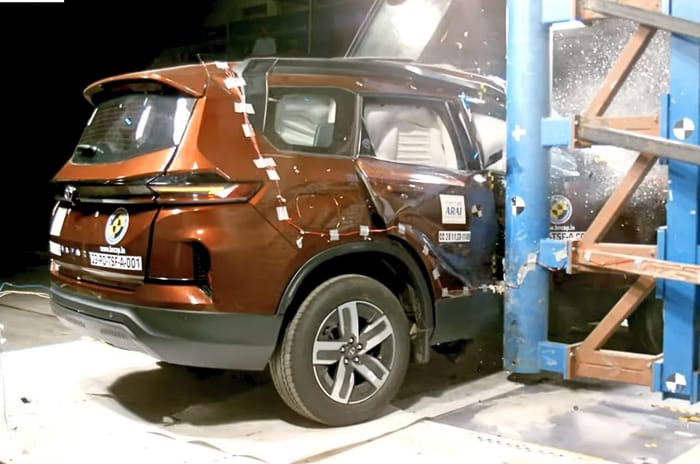
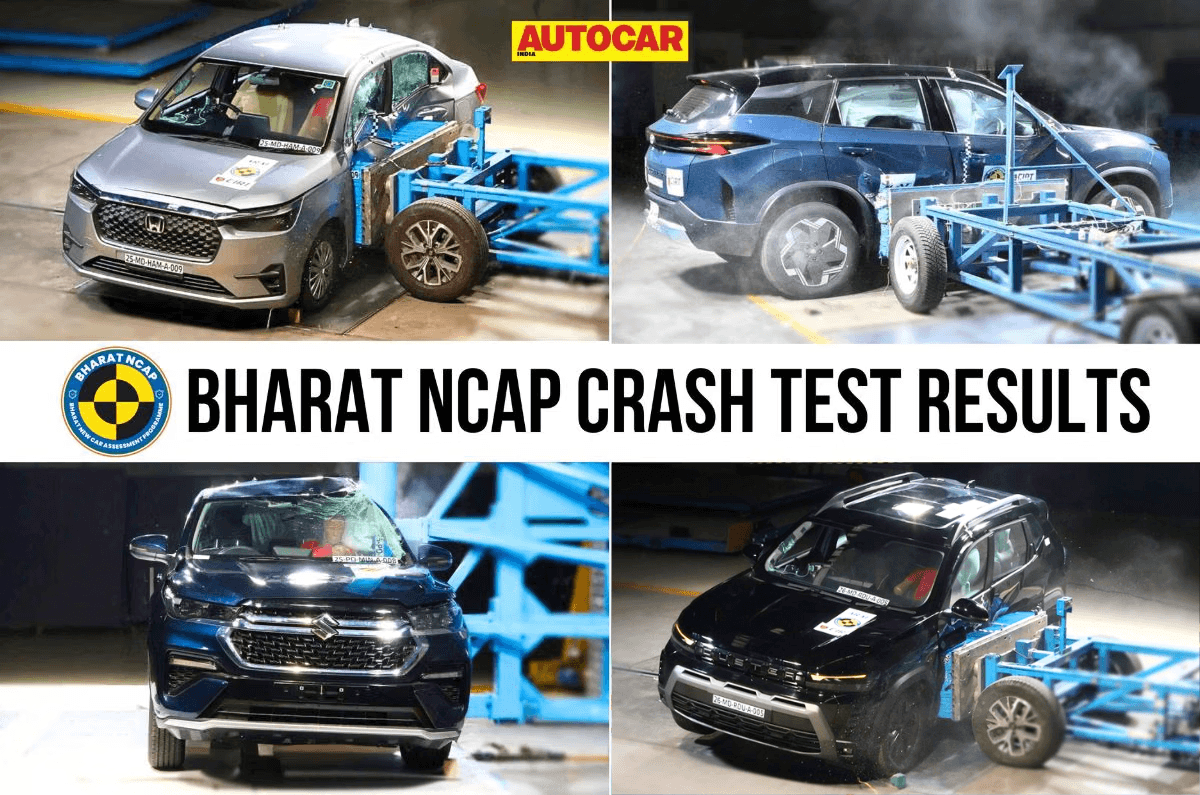
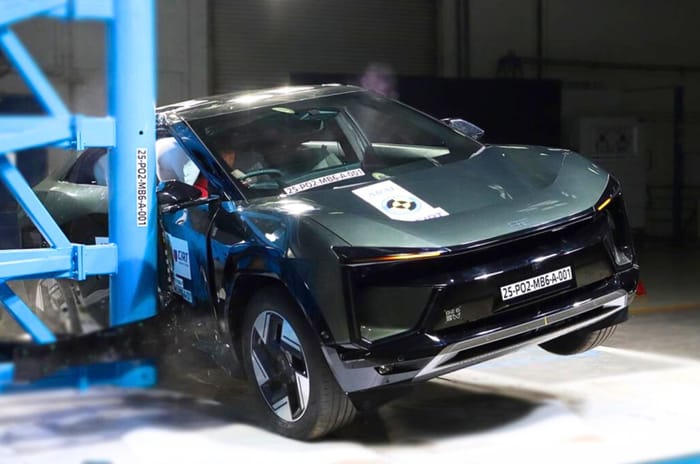
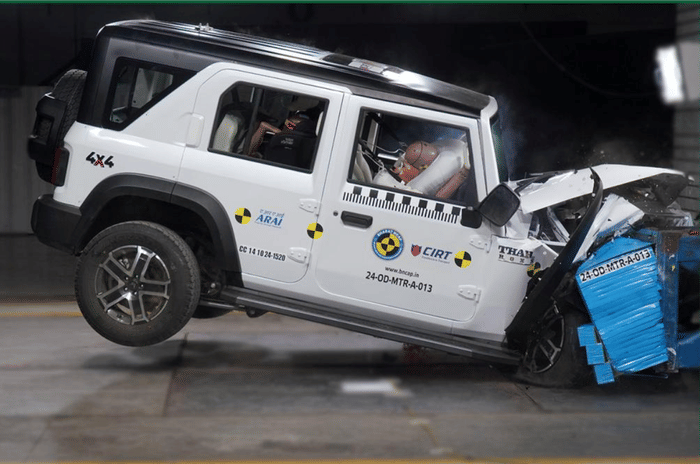
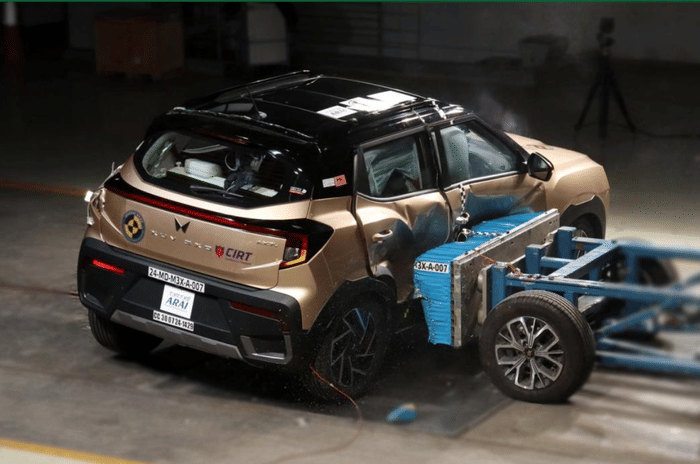
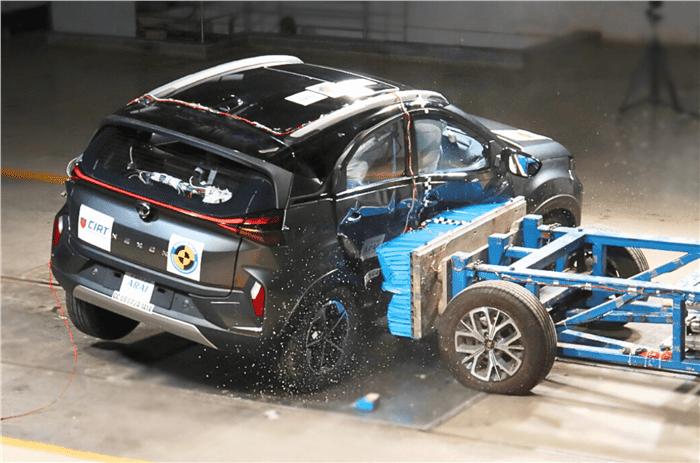
Introduced by the central government in 2023, the Bharat New Car Assessment Program (BNCAP) is responsible for conducting crash tests and awarding scores to cars sold in the country. The government hopes this will help buyers make more informed purchase decisions. Since its inception, Bharat NCAP has tested 31 vehicles, primarily SUVs. Below are the results detailing the crash safety performance of the models that are currently on sale.
1. Nissan Tekton
BNCAP rating: 5 stars
Crash-tested in June 2026 (representational image).
The Nissan Tekton is the latest model to be crash tested by Bharat NCAP, earning a full 5-star safety rating. The SUV scored 30.49 out of 32 points for adult occupant protection (AOP) and 45 out of 49 points for child occupant protection (COP). This 5-star rating applies to all variants of the Tekton. Standard safety features include six airbags, electronic stability control, hill start assist, a tyre pressure monitoring system, and three-point seatbelts for all occupants.
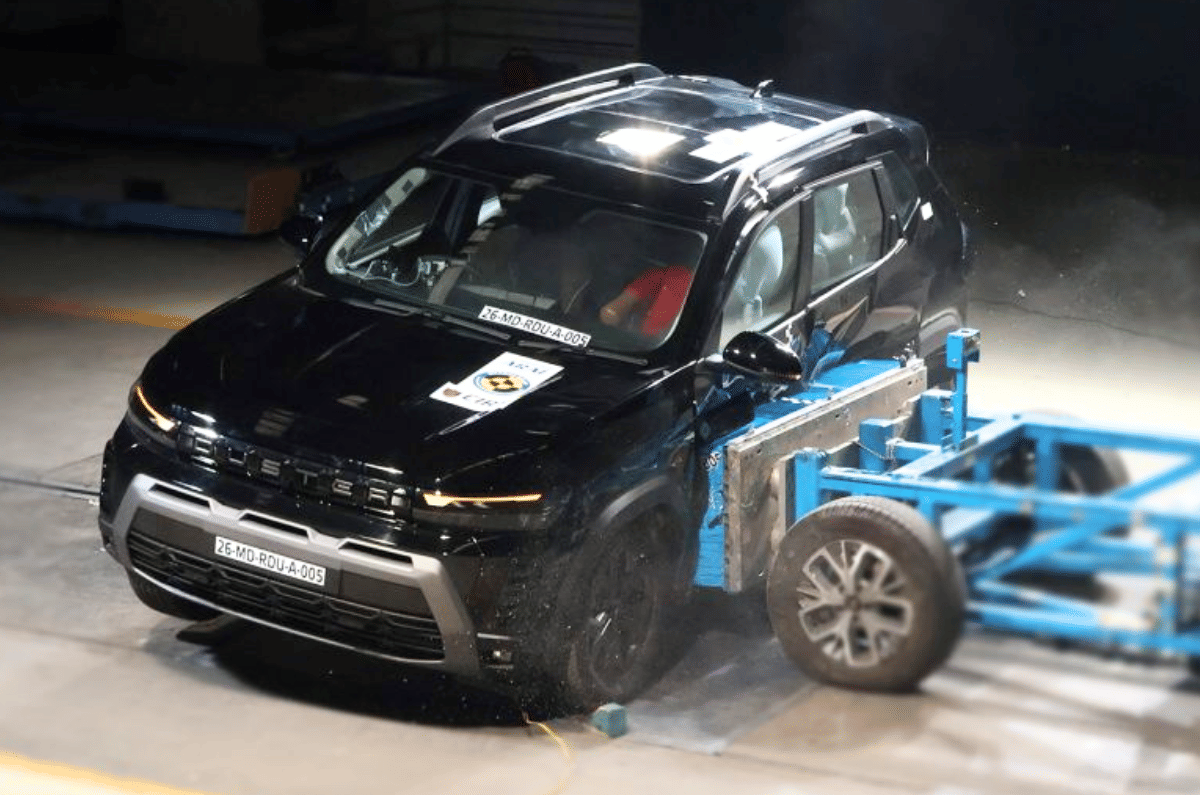
2. Renault Duster
BNCAP rating: 5 stars
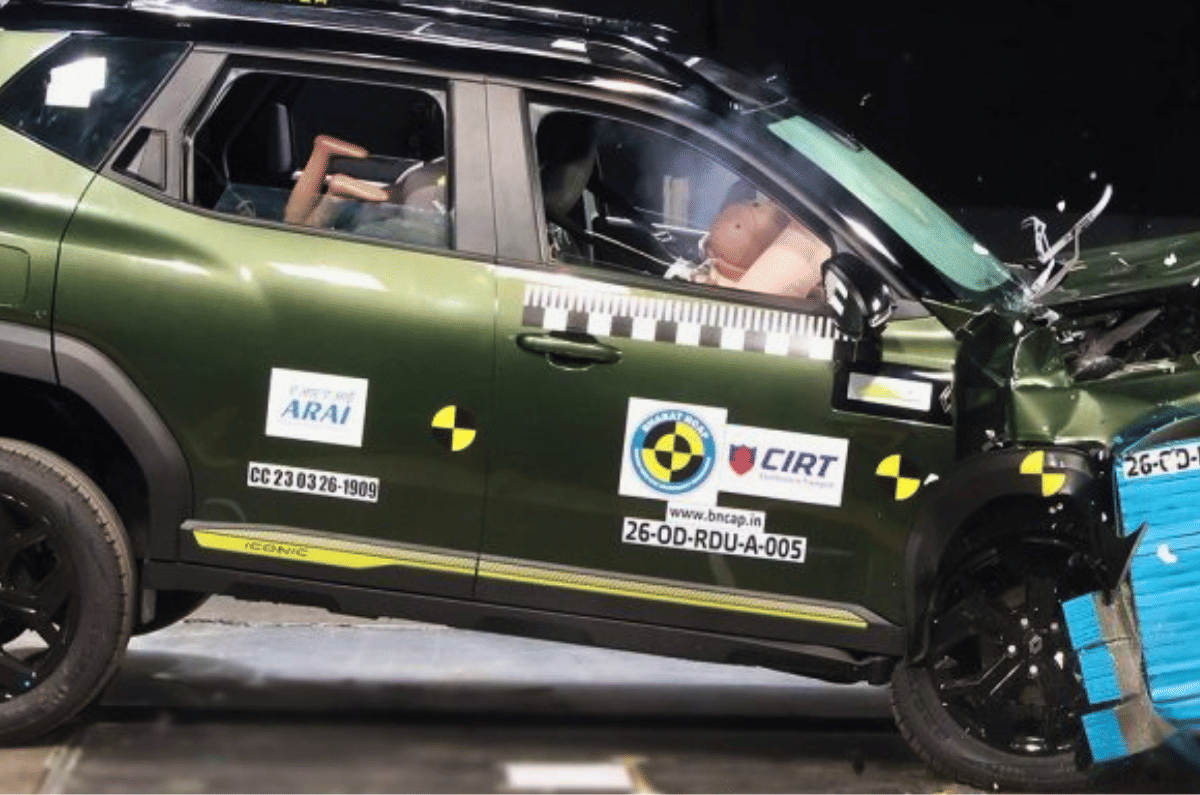
Crash-tested in April 2026.
The Renault Duster was crash tested before its badge-engineered sibling, the Tekton, and both SUVs received identical BNCAP scores. All Duster variants feature 6 airbags, along with ABS, ESP, traction control and a tyre-pressure monitoring system.
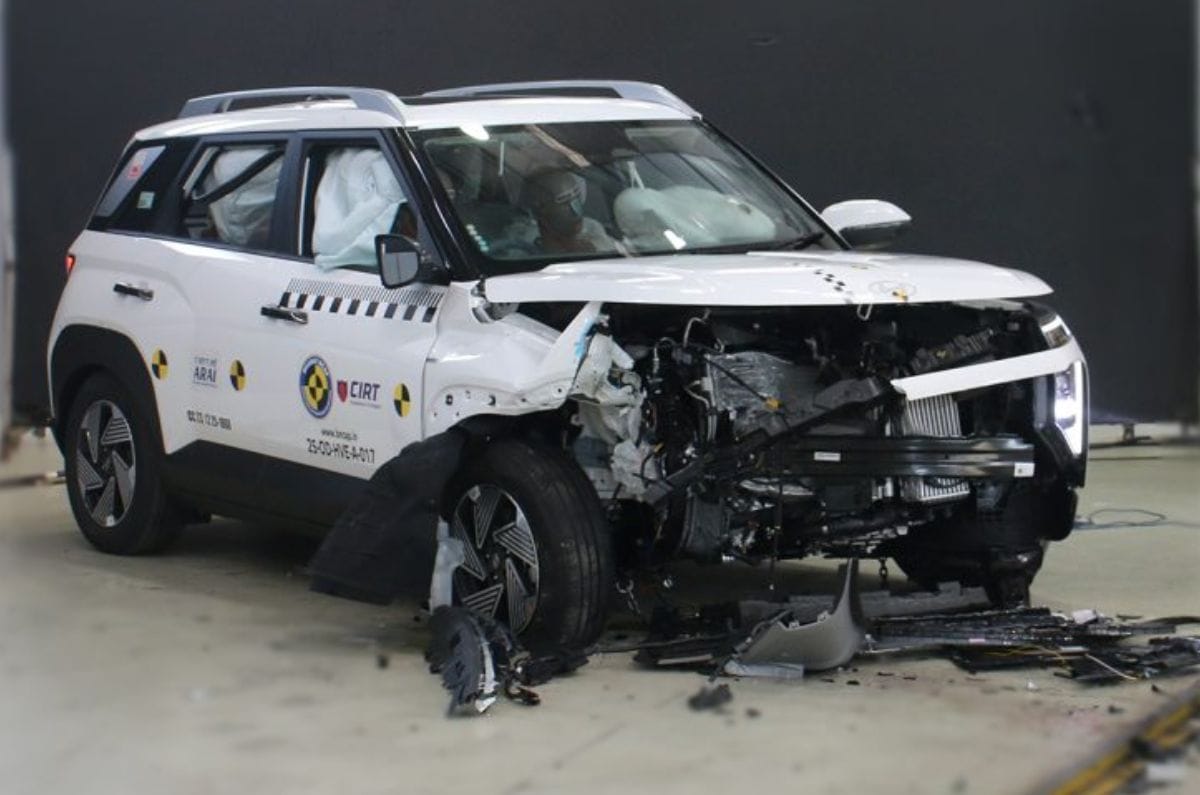
3. Hyundai Venue
BNCAP rating: 5 stars
Crash-tested in March 2026.
The Hyundai Venue has received a 5-star safety rating from Bharat NCAP, which tested its HX2 diesel-manual and HX10 diesel-automatic variants, but the ratings apply to the entire line-up, including the N Line version. The Venue scored 31.15 out of 32 points in AOP and 44.46 out of 49 in COP. The Hyundai Venue is equipped with 6 airbags, hill-start assist, a tyre-pressure monitoring system (TPMS), 3-point seatbelts with reminders for all seats, rear parking sensors and ISOFIX child-seat anchorages as standard.
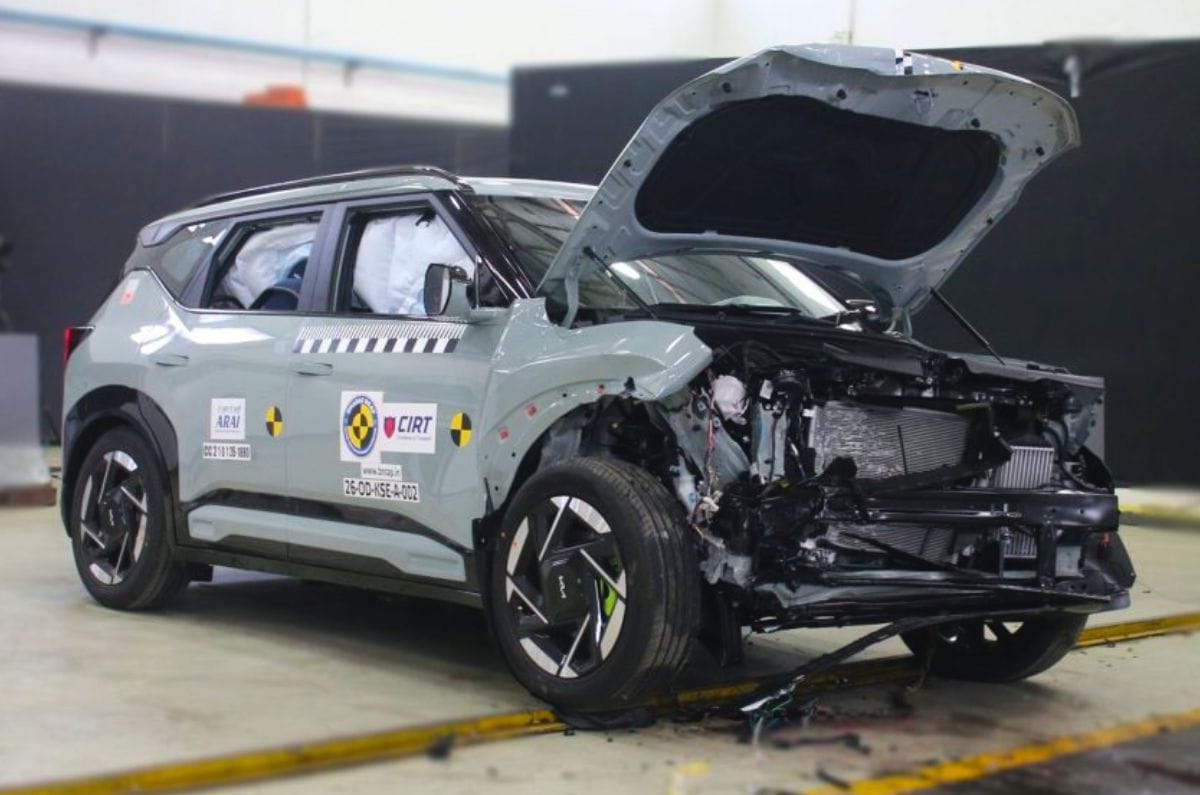
4. Kia Seltos
BNCAP rating: 5 stars
Crash-tested in March 2026.
The Kia Seltos is the second car from the brand after the Syros to receive a 5-star safety rating in the Bharat NCAP crash tests. It scored 31.70 points in AOP and 45 in COP. Only the diesel-powered HTE(O) and GTX variants were tested, but the results apply to all variants of the Seltos. The standard safety kit on the Kia Seltos includes 6 airbags, TPMS, a rear parking camera with sensors, disc brakes on all wheels, hill-start and hill-descent control and ISOFIX child-seat anchorages.
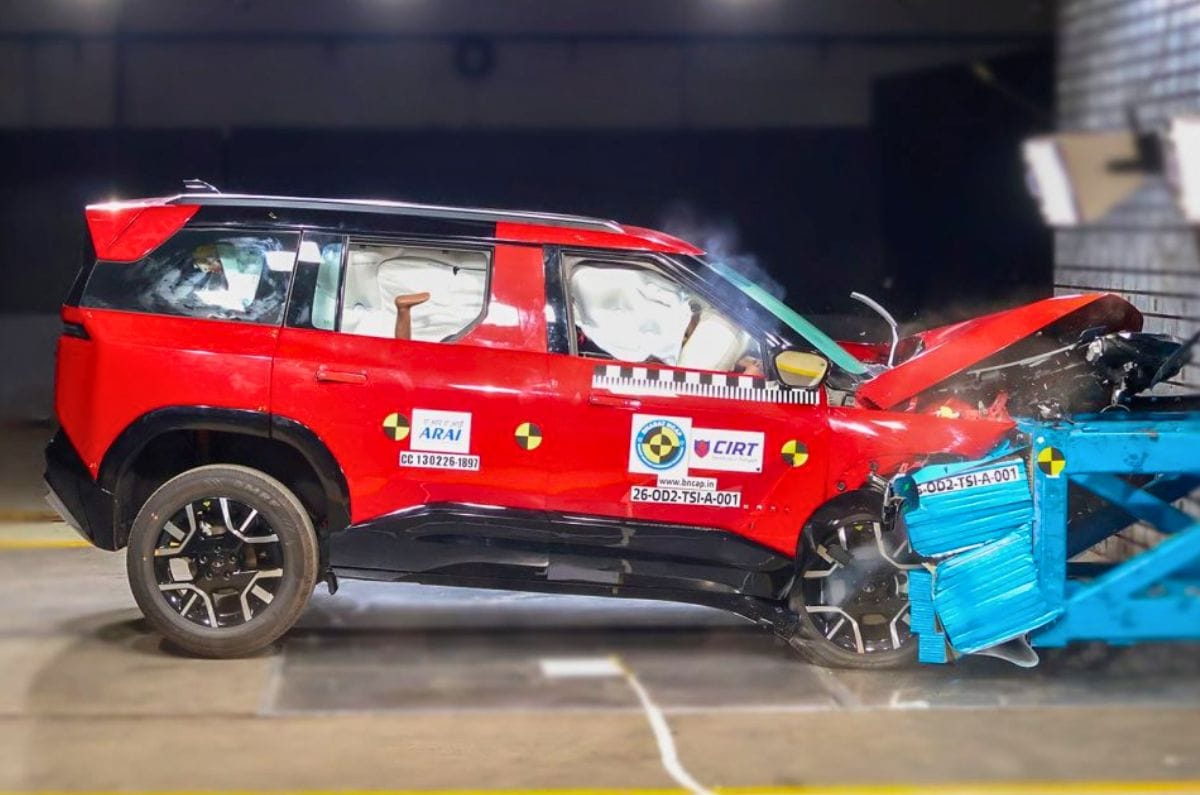
5. Tata Sierra
BNCAP rating: 5 stars
Crash-tested in March 2026.
The Sierra is one of the latest Tata model on this list to receive a 5-star safety rating in both AOP and COP, securing 31.14 and 44.43 points, respectively. While BNCAP tested only the midsize SUV’s Adventure+ and Accomplished+ diesel variants, the ratings apply to its entire line-up. As standard, the Sierra gets 6 airbags, rear parking sensors, all-wheel disc brakes, ABS, EBD, ESC, traction control and more.
6. Vinfast VF7
BNCAP rating: 5 stars
Crash-tested in January 2026.
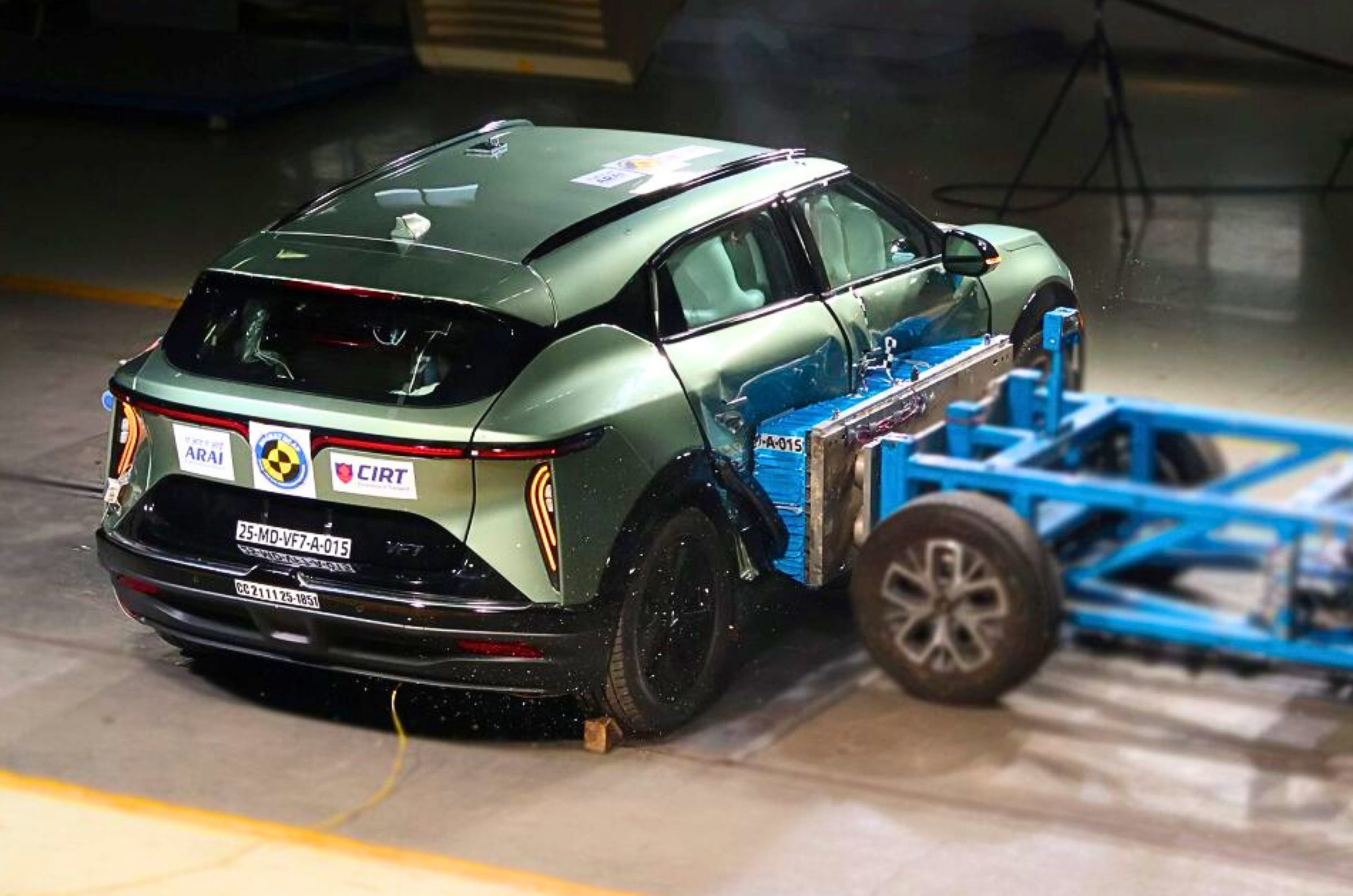
The Vinfast VF7, too, has secured a 5-star safety rating in both adult and child occupant protection, with 28.54 and 45.25 points, respectively. Though Bharat NCAP tested only the VF7 Wind and Sky variants, the rating applies to the entire range. The VF7 offers 7 airbags, ISOFIX anchors, ESC, and more as standard.
7. Vinfast VF6
BNCAP rating: 5 stars
Crash-tested in January 2026.
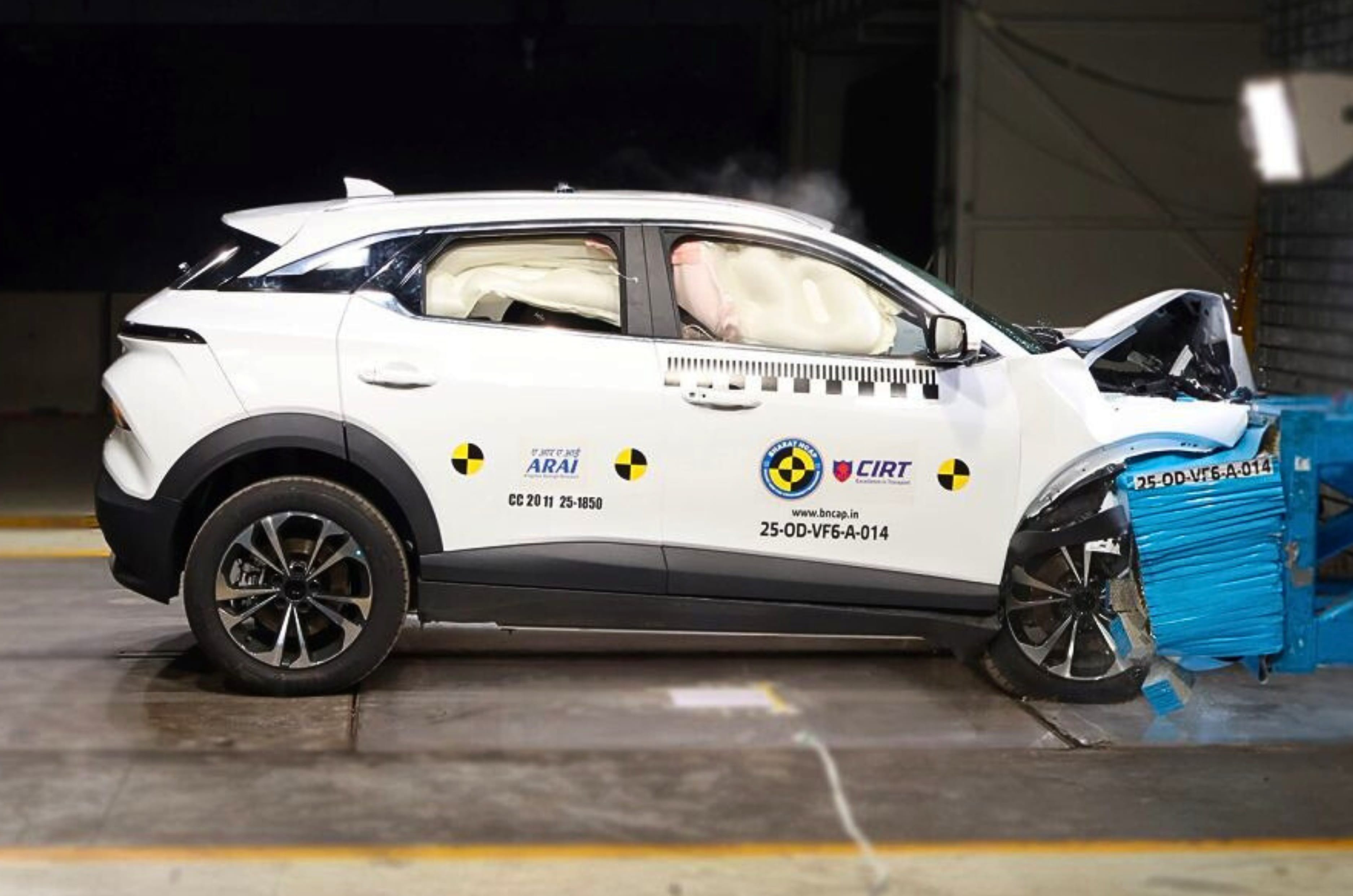
Also receiving a 5-star rating in both adult and child occupant protection, the Vinfast VF6 scored 27.13/32 in AOP and 44.41/49 in COP. Bharat NCAP tested all trims of the VF6 – Earth, Wind and Sky. As standard, the VF6 comes equipped with 7 airbags, including a driver knee airbag, and 3-point seat belts with reminders for all passengers, ESC and ISOFIX anchors for rear outboard seats.
8. Tata Punch
BNCAP rating: 5 stars
Crash-tested in January 2026.
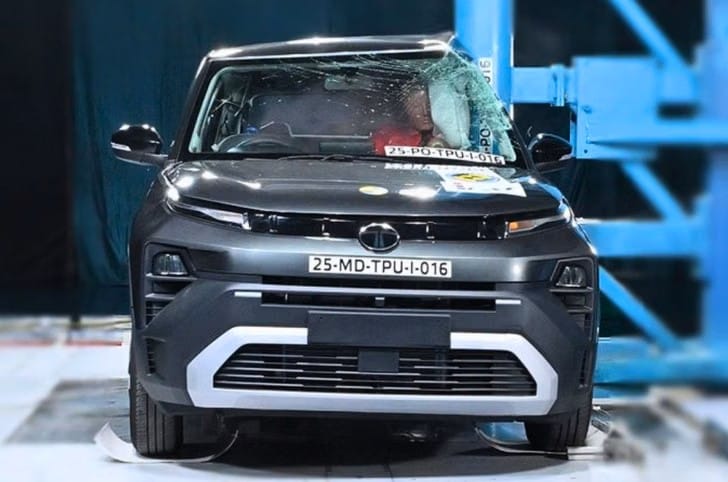
The Tata Punch, with 30.58 points in AOP and 45 points in COP, received a 5-star safety rating in both. The variants tested by Bharat NCAP were the Punch Pure+ CNG AMT and Accomplish CNG MT, but the rating applies to the entire line-up. The Punch’s safety suite features 6 airbags as standard, ESP, rear parking sensors, a tyre-pressure monitoring system, hill-hold and hill-descent control, ISOFIX child-seat anchorages, auto headlamps and rain-sensing wipers.
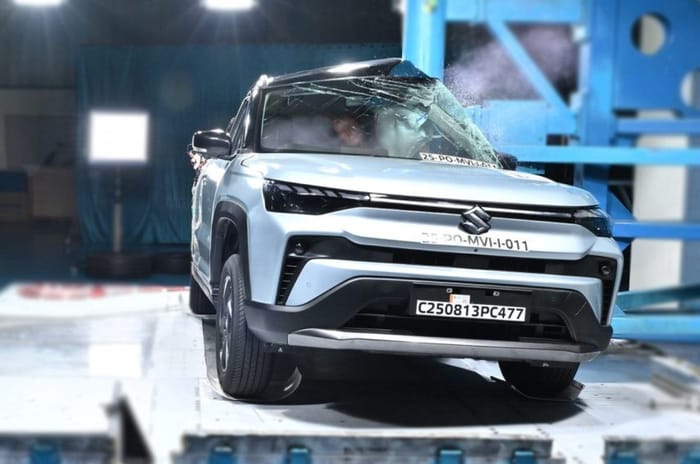
9. Maruti Suzuki e Vitara
BNCAP rating: 5 stars
Crash-tested in December 2025.
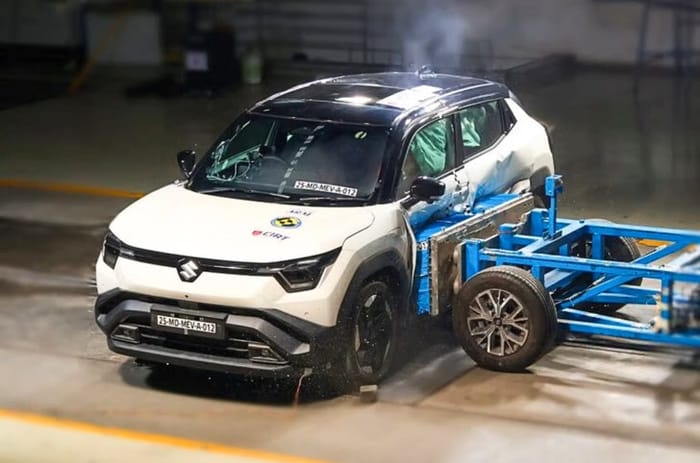
The Maruti Suzuki e Vitara has been awarded a 5-star rating in both AOP and COP, scoring 31.49/32 and 43/49, respectively. Bharat NCAP tested the top-spec Alpha variant with a 61kWh battery pack, and the rating applies to the entire range. Safety features of the e Vitara include 7 airbags, a tyre-pressure monitoring system (TPMS), a Level 2 ADAS suite with lane-keep assist, adaptive cruise control and AEB, rear disc brakes, ISOFIX mounts and a 360-degree camera.
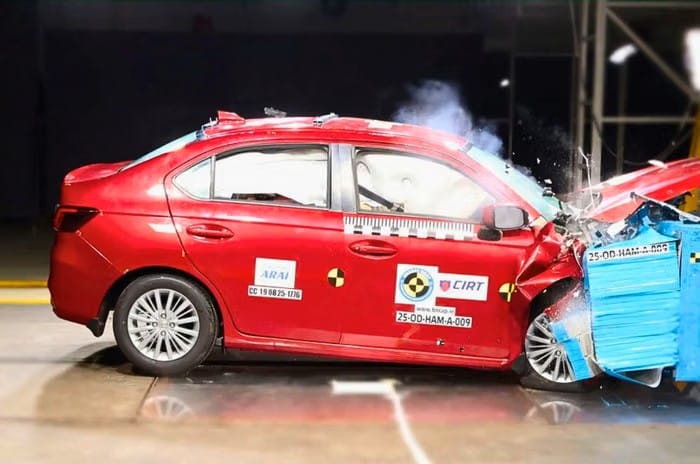
10. Honda Amaze
BNCAP rating: 5 stars
Crash-tested in November 2025.
The third-gen Honda Amaze has been awarded a 5-star safety rating by Bharat NCAP, becoming the second sedan to be tested by the road safety organisation. The Amaze has secured 5 stars in AOP (28.33 out of 32 points) and 4 stars in COP (40.81/49 points). In terms of safety kit, all six variants are equipped with 6 airbags, ISOFIX child-seat anchors, ESC, ABS, rear parking sensors and seat belt reminders as standard.
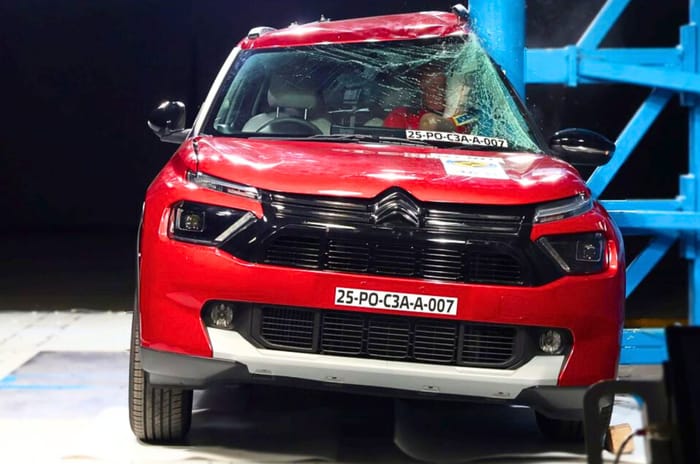
11. Citroen Aircross
BNCAP rating: 5 stars
Crash-tested in September 2025.
The Citroen Aircross, sold in 5- and 7-seat configurations, was awarded 5 stars in AOP and 4 stars in COP. Notably, the AOP and COP crash-safety test ratings are valid for the Aircross 5-seat version’s 1.2-litre petrol and turbo-petrol variants. The Aircross received an AOP score of 27.05/32 and a COP score of 40/49. As standard, the Aircross comes with safety features like 6 airbags, ISOFIX child-seat mounts, electronic stability control, TPMS and hill-hold assist.
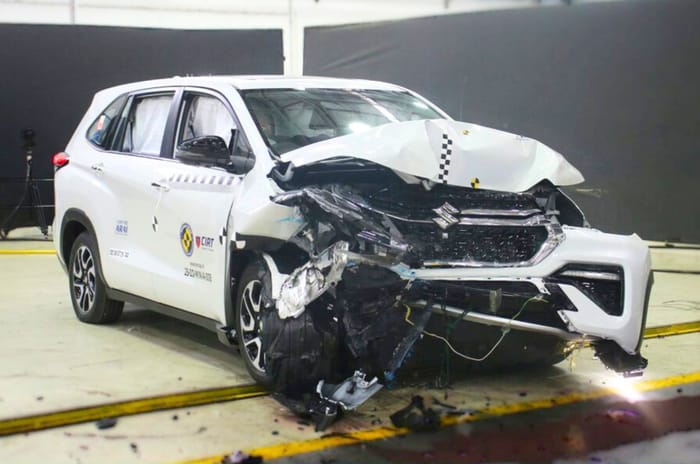
12. Maruti Suzuki Invicto
BNCAP rating: 5 stars
Crash-tested in September 2025.
Like most cars on this list, the Maruti Invicto MPV scored a 5-star rating for both adult and child occupant protection. Maruti’s flagship MPV was awarded 30.43 out of 32 in AOP and 44.90 out of 49 in COP. These safety ratings are applicable to all variants, which have 6 airbags, ABS with EBD, rear disc brakes, and 3-point seatbelts for all passengers as standard. The top-spec Invicto Alpha+ variant adds a 360-degree camera, TPMS, rear defogger and an anti-theft security system.
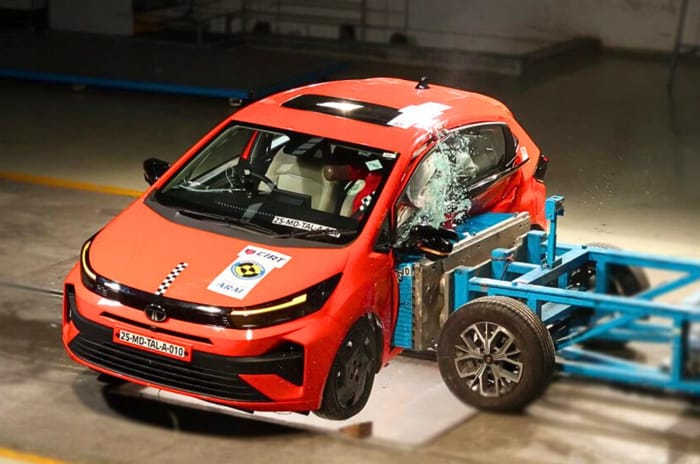
13. Tata Altroz
BNCAP rating: 5 stars
Crash-tested in September 2025.
The Tata Altroz has scored a 5-star rating for both adult and child occupant protection. The premium Tata hatchback was awarded 29.65 points out of 32 in AOP and 44.90 out of 49 in COP. These safety ratings are applicable to all variants of the Altroz. Starting from the base model, the Altroz hatchback comes equipped with 6 airbags, ABS, ESC and 3-point seat belts for all passengers. Higher Altroz variants add a 360-degree camera, a blind-spot monitor and TPMS.
14. Maruti Suzuki Victoris
BNCAP rating: 5 stars
Crash-tested in September 2025.
The Maruti Victoris got a 5-star safety rating in both adult and child occupant protection. The Maruti SUV secured 31.66 points out of 32 in AOP and 43 points out of 49 in COP. While BNCAP tested hybrid and petrol-AT variants of Victoris, the safety rating is applicable to the entire line-up. As standard, the Victoris comes equipped with 6 airbags, 3-point seat belts with reminders for all passengers, ESC and ISOFIX anchors for rear outboard seats. Top-spec trims even get a Level 2 ADAS suite.
15. Toyota Innova Hycross
BNCAP rating: 5 stars
Crash-tested in June 2025.
The Toyota Innova Hycross has a 5-star safety rating for both adult and child occupant protection, with 30.47/32 and 45/49 points, respectively. Bharat NCAP tested both petrol and hybrid variants, and the rating applies to the entire Innova Hycross range. As standard, the Innova Hycross comes equipped with 6 airbags, 3-point seat belts with reminders for all passengers, ESC and ISOFIX anchors; top-spec trim also gets an ADAS suite.
16. Tata Harrier EV
BNCAP rating: 5 stars
Crash-tested in June 2025.
The Tata Harrier EV has been rated 5 stars in both adult and child occupant protection, scoring a full 32 points in AOP and 45 out of 49 points in COP. It is only the second vehicle tested by BNCAP to secure maximum points in AOP, the other being the Mahindra XEV 9e. The Harrier EV comes with 6 airbags (7 on Fearless and Empowered), 3-point seat belts with reminders for all passengers, ESC and ISOFIX anchors as standard. Notably, it has slightly better AOP and COP scores than the combustion-powered Harrier, which also has a 5-star BNCAP rating.
17. Maruti Suzuki Dzire
BNCAP rating: 5 stars
Crash-tested in June 2025.
As the first sedan to be tested by Bharat NCAP, the Maruti Suzuki Dzire took home an impressive 5-star safety rating. The compact sedan scored 29.46 out of 32 points for AOP and 41.57 out of 49 points for COP. BNCAP tested the Dzire’s base LXI trim, which comes with standard safety equipment like 6 airbags, ESC, reverse parking sensors, hill-hold assist, and overspeed alerts, among other features, thereby extending the 5-star rating to all variants.
18. Maruti Suzuki Baleno
BNCAP rating: 4 stars
Crash-tested in June 2025.
Maruti Baleno scored four stars in BNCAP’s crash tests; this rating applies to the respective MT and AMT models of Zeta and Alpha variants. Out of 32 points, the AOP score for the Zeta and Alpha variants scored 26.52 points. The COP score was 34.81 for all variants. Standard safety features for the Baleno include 6 airbags, ABS with EBD, brake assist, ESC, hill-hold assist and 3-point seat belts with reminders for all passengers.
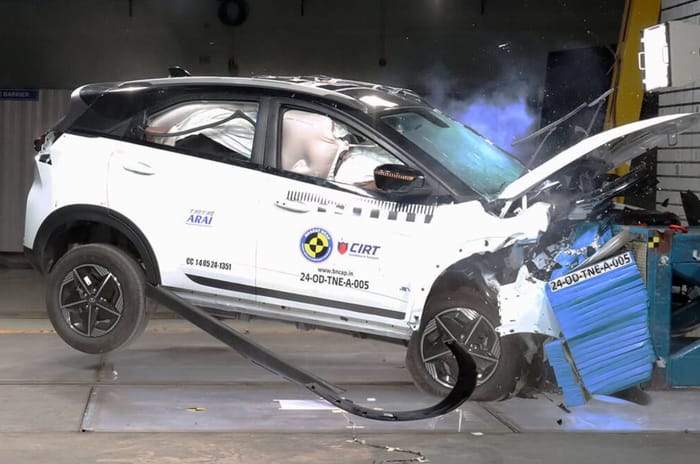
19. Tata Nexon EV
BNCAP rating: 5 stars
Crash-tested in April 2025.
The 30kWh and now-discontinued 40.5kWh variants of the Tata Nexon EV achieved a 5-star Bharat NCAP rating for both adult and child protection in May 2024, scoring 29.86/32 and 44.95/49 points, respectively. In April 2025, BNCAP also tested the current range-topping 45kWh variants of the Nexon EV, which received identical AOP and COP scores and, therefore, a 5-star rating. The standard safety features for the Nexon EV include ABS with EBD, 6 airbags, ESP, hill-hold control, ISOFIX child-seat anchor points, rear parking sensors, a rear camera and TPMS.
20. Kia Syros
BNCAP rating: 5 stars
Crash-tested in April 2025.
The Kia Syros compact SUV, with 30.21 out of 32 points in AOP and 44.42 out of 49 points in COP, secured 5-star ratings in both parameters. These ratings are applicable to the entire Syros petrol range. It should be noted that the Syros is Kia’s first SUV to get a 5-star safety rating in a crash test done by BNCAP or GNCAP. Although it uses the K1 platform as the Hyundai Grand i10 (which got 2 stars in the 2020 GNCAP), Kia achieved the top rating by using a reinforced K1 base and adding many hot-stamped parts to the body shell. The Syros offers ABS with EBD, TPMS and 6 airbags (with a passenger-side airbag cut-off switch) as standard safety features.
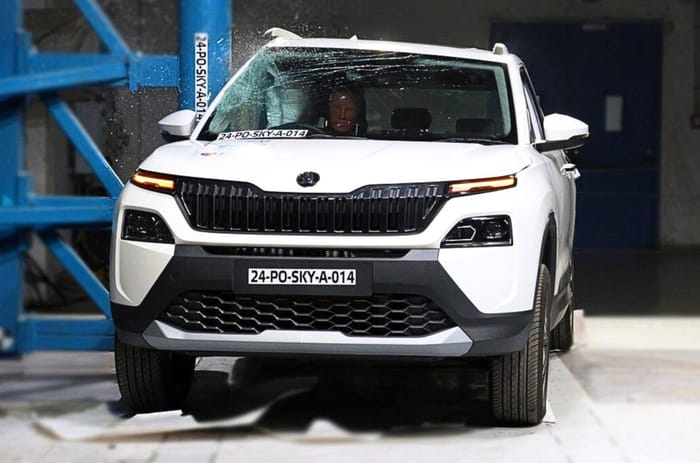
21. Skoda Kylaq
BNCAP rating: 5 stars
Crash-tested in January 2025.
The Skoda Kylaq compact SUV also got a 5-star rating in both adult and child occupant protection in the BNCAP crash test. Skoda’s compact SUV scored 30.88 out of 32 in AOP and 45 out of 49 in COP. ESC, 6 airbags, 3-point seat belts with reminders for all passengers and ISOFIX anchors for rear outboard seats are some safety features available across its variants.
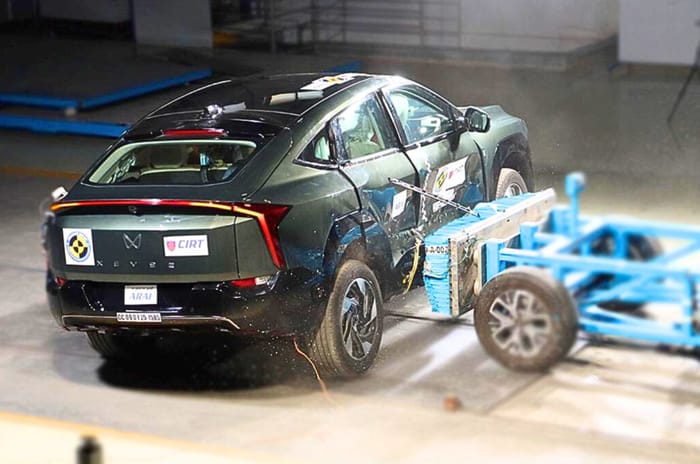
22. Mahindra XEV 9e
BNCAP rating: 5 stars
Crash-tested in January 2025.
The Mahindra XEV 9e coupe-SUV was awarded a 5-star rating. The electric SUV scored a full 32 points in AOP and 45 out of 49 points in COP. The model tested by BNCAP was the top-spec XEV 9e Pack Three. Safety features like 6 airbags, ISOFIX anchors, rear disc brakes and tyre-pressure monitors are offered starting with the XEV 9e Pack One.
23. Mahindra BE 6
BNCAP rating: 5 stars
Crash-tested in January 2025.
Another electric offering from the SUV specialist, the Mahindra BE 6, also scored a 5-star rating in both AOP and COP. In AOP, the EV received 31.97 points out of 32, and in COP, it got 45 points out of 49. Just like the XEV 9e, the BNCAP crash-tested the range-topping BE 6 Pack Three trim, but Mahindra claims that this rating applies to the base Pack One as well. In terms of standard safety equipment, the BE 6 comes with 6 airbags, a rear camera, parking sensors, TPMS and a driver drowsiness detection system.
24. Mahindra Thar Roxx
BNCAP rating: 5 stars
Crash-tested in November 2024.
The 5-star rating for the Mahindra Thar Roxx consisted of AOP and COP scores of 31.09 and 45, respectively. This safety rating applies to all the variants of the 5-door SUV. The Thar Roxx complies with AIS-100 pedestrian protection norms for keeping the occupants as well as pedestrians safe when on the go. As standard, it features 6 airbags and a cut-off switch for the passenger-side airbag. Additionally, ISOFIX child-seat anchor points, all 3-point seatbelts with reminders and ESC are offered throughout the range. Like with the XUV 3XO, an ADAS suite is offered in the AX5L and AX7L variants.
25. Mahindra XUV 3XO
BNCAP rating: 5 stars
Crash-tested in November 2024.
Next up, the Mahindra XUV 3XO continued the 5-star streak with scores of 29.36 in AOP and 43 in COP. BNCAP reported that the MX2 and AX7 L variants were sent by the homegrown brand for testing, but the results apply to the entire XUV 3XO line-up. Also, all trims of the subcompact SUV have 6 airbags, 3-point seatbelts with reminders, ESC, ISOFIX seats and a passenger-side airbag cut-off switch among the standard safety assist technologies. Level 2 ADAS suite, however, is reserved for the AX5 L and AX7 variants.
26. Tata Nexon
BNCAP rating: 5 stars
Crash-tested in October 2024.
The Tata Nexon secured a perfect 5-star rating for AOP and COP, scoring 29.41 and 43.83 points, respectively. Standard safety features include 6 airbags, ESC, ABS with EBD, ISOFIX child-seat anchor points, rear parking sensors and hill-hold control.
27. Tata Curvv
BNCAP rating: 5 stars
Crash-tested in October 2024.
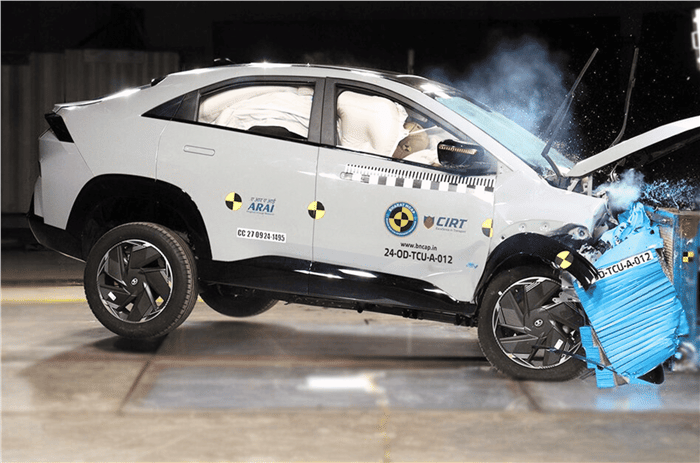
The Tata Curvv’s crash-test result was revealed alongside the Nexon, and just like the compact SUV, the coupe-SUV scored 5 stars for both adult and child occupant protection. It secured 29.50 points for AOP and 43.66 points for COP. On the safety front, the Curvv gets ABS with EBD, ESC, 6 airbags, hill-hold control and ISOFIX child-seat anchor points as standard across the range.
28. Tata Curvv EV
BNCAP rating: 5 stars
Crash-tested in October 2024.
The Tata Curvv EV secured 5 stars for AOP and COP, scoring 30.81 and 44.83 points, respectively. It gets 6 airbags, ESP, all-wheel disc brakes, a rear camera and rear parking sensors as standard. Higher variants of the electric vehicle also get Level 2 ADAS, just like its ICE twin.
29. Citroen Basalt
BNCAP rating: 4 stars
Crash-tested in October 2024.
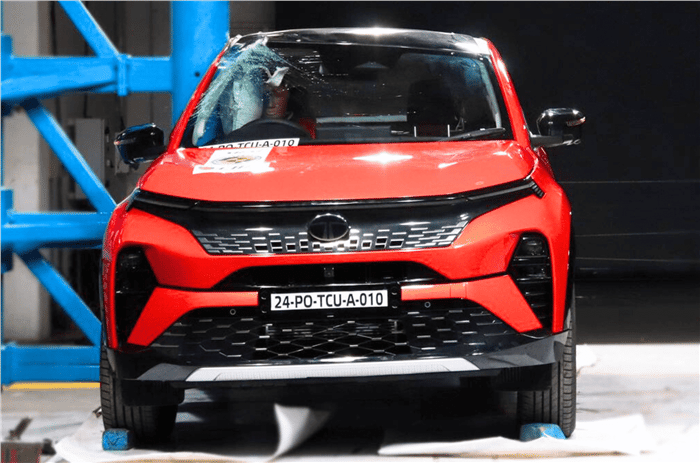
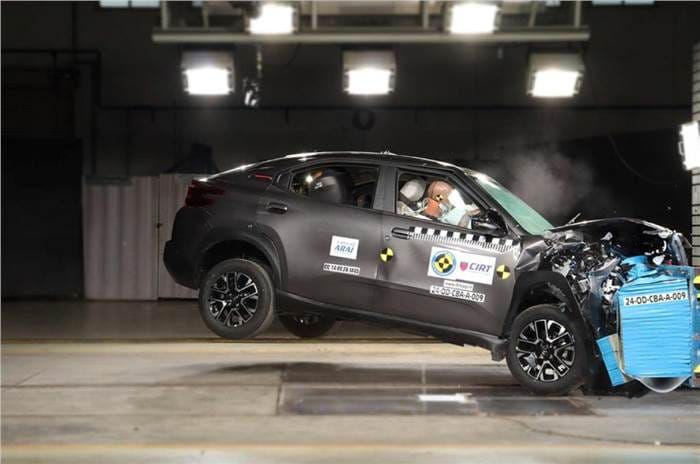
The Citroen Basalt was the first car from the brand to have been crash-tested by Bharat NCAP. The coupe-SUV managed to secure 4 stars for AOP (26.19/32) and 4 stars for COP (35.90/49). The Citroen offers the Basalt with 6 airbags, ESP, hill-hold, TPMS, a rearview camera, rear parking sensors and ISOFIX child-seat anchor points.
30. Tata Harrier
BNCAP rating: 5 stars
Crash-tested in December 2023 (representational image).
Tested in December 2023, the Tata Harrier SUV received a 5-star safety rating for both adult and child occupants’ safety, achieving an AOP score of 30.08 and a COP score of 44.54. Tata offers the Harrier with ABS and EBD, corner stability control, 6 airbags, ESP, hill-hold control, ISOFIX child-seat anchor points, traction control and rear parking sensors as standard.
31. Tata Safari
BNCAP rating: 5 stars
Crash-tested in December 2023.
The Tata Safari was also crash-tested in December 2023, securing a 5-star safety rating, matching the Harrier with an AOP score of 30.08 and a COP score of 44.54. As standard, the Tata Safari gets all-wheel disc brakes, 6 airbags, ABS with EBD, corner stability control, ESP, hill-hold control, ISOFIX child-seat anchor points, rear parking sensors, roll-over mitigation and traction control.
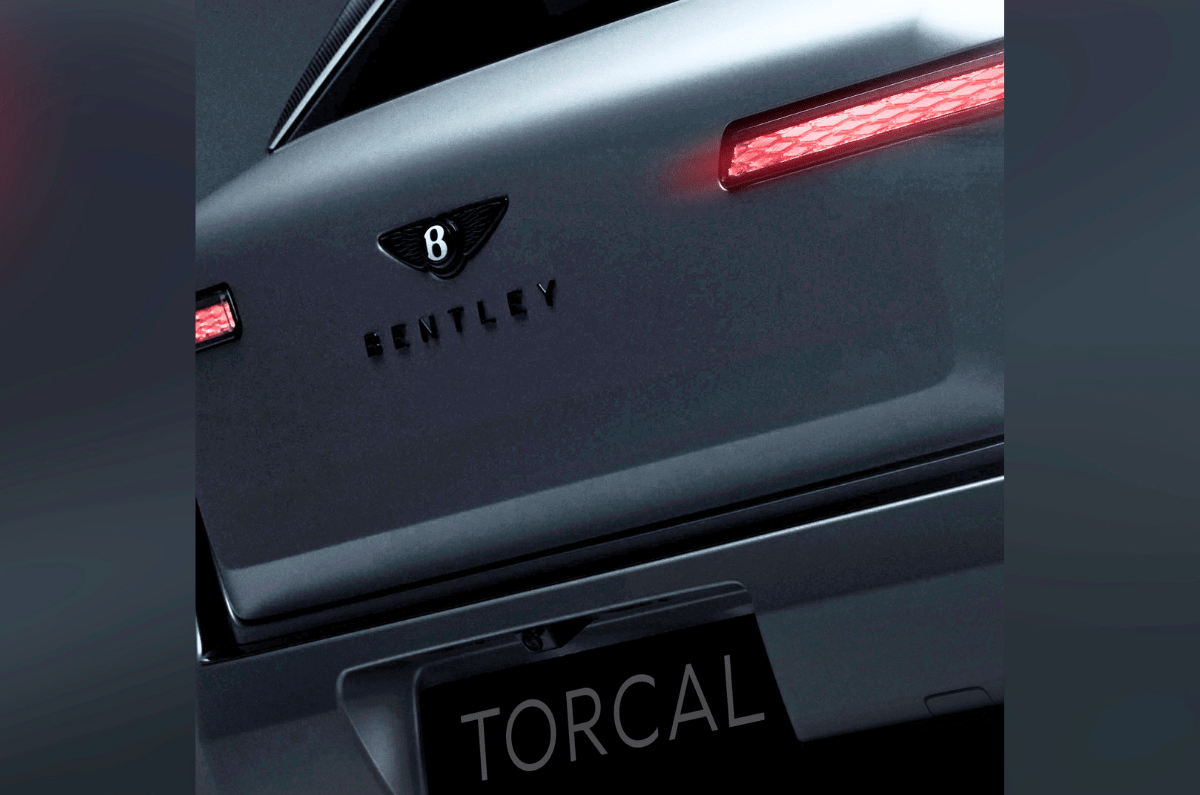
Luxury marque Bentley has revealed the name of its first EV – Torcal – ahead of its debut on September 23. Like the Bentayga, the Torcal is named after a natural landmark. In this case, it takes its name from El Torcal de Antequera, a limestone rock landscape in Andalusia, Spain. The name also refers to the Latin verb ‘torquere’, meaning to twist, from which the word torque is derived. Based on the 2025 Bentley EXP 15 concept, the pre-production of the SUV began in November last year at the brand’s Crewe facility.
The Torcal was originally planned to debut last year, but it was delayed due to weak demand for luxury electric cars. Other EVs planned after the Torcal have also been delayed, with Bentley dropping its earlier target of becoming an all-electric carmaker by 2030. The company will now debut a new plug-in hybrid or electric vehicle each year until 2035.
Bentley Torcal range, platform
Speaking to Autocar UK, Bentley director of design Robin Page confirmed the Torcal will offer a range of over 300 miles (or 483km). “We’re finding that there’s a sweet spot in terms of range. Our customers are basically telling us that 300 miles to 350 miles (or 563km) is that sweet spot. Beyond that, they’ll use the private jet,” he told the publication further.



.jpg)
.png)









.jpg?w=700&c=0)
.jpg?w=700&c=0)
.jpg?w=700&c=0)
.jpg?w=700&c=0)
.jpg?w=700&c=0)
.png?w=700&c=0)