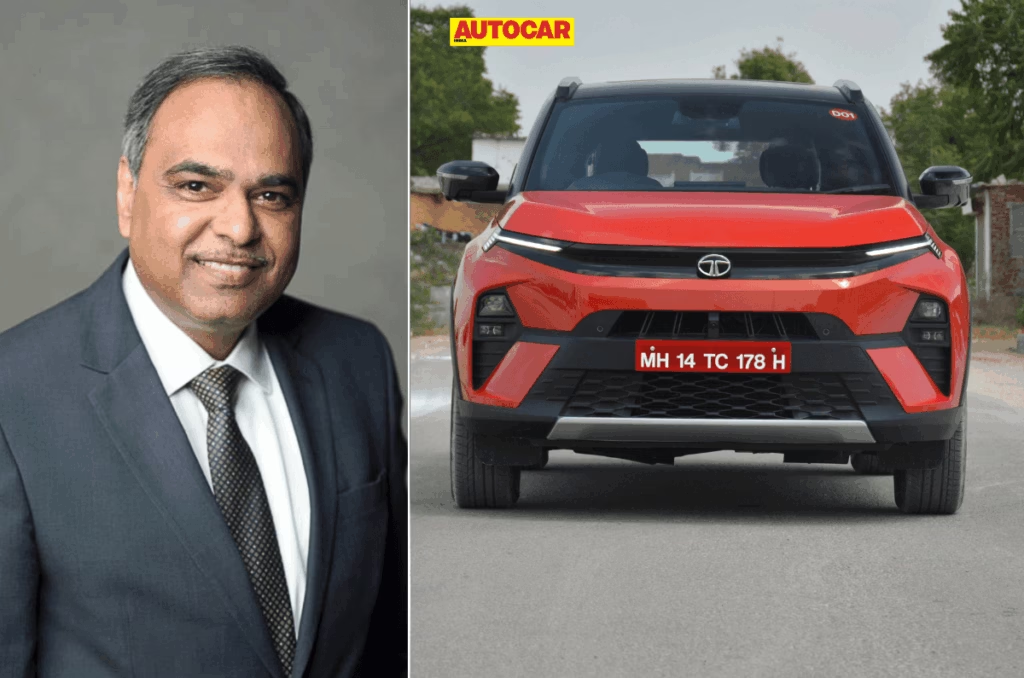
Tata Motors is preparing to expand into new overseas markets as part of its broader international growth strategy. Speaking during the company’s Q1 FY27 earnings call, Managing Director and CEO Shailesh Chandra said, “There will be either at the end of this financial year or maybe early next financial year we will open another big market.”
While the company has not officially named the market, Tata Motors has previously indicated that it is evaluating opportunities in the UK and Europe as part of its next phase of export expansion.
UK, Europe among Tata Motors’ identified focus regions
Exports to Australia and Malaysia also being explored
South Africa continues to drive current export growth
Tata Motors preparing next overseas expansion
Chandra said Tata Motors has identified several priority overseas markets over the next two to three years, covering both internal combustion engine and electric vehicle portfolios. “We have in the next two to three years some key focus markets identified… which would be ICE-focused markets as well as EV-focused markets,” Chandra said.
The comments build on Tata Motors’ earlier confirmation that it had begun preparations for a UK market entry. The company has already started work on vehicle certification and is preparing its sales and aftersales network, although it has not announced a launch timeline. Tata Motors has also not disclosed sales targets or investment plans for either the UK or Europe.
Tata Group Chairman N. Chandrasekaran had earlier said the company would deepen its presence in South Africa while exploring opportunities in Australia and Malaysia, adding that Tata Motors also plans to look more closely at the UK and Europe.
South Africa continues to drive export growth
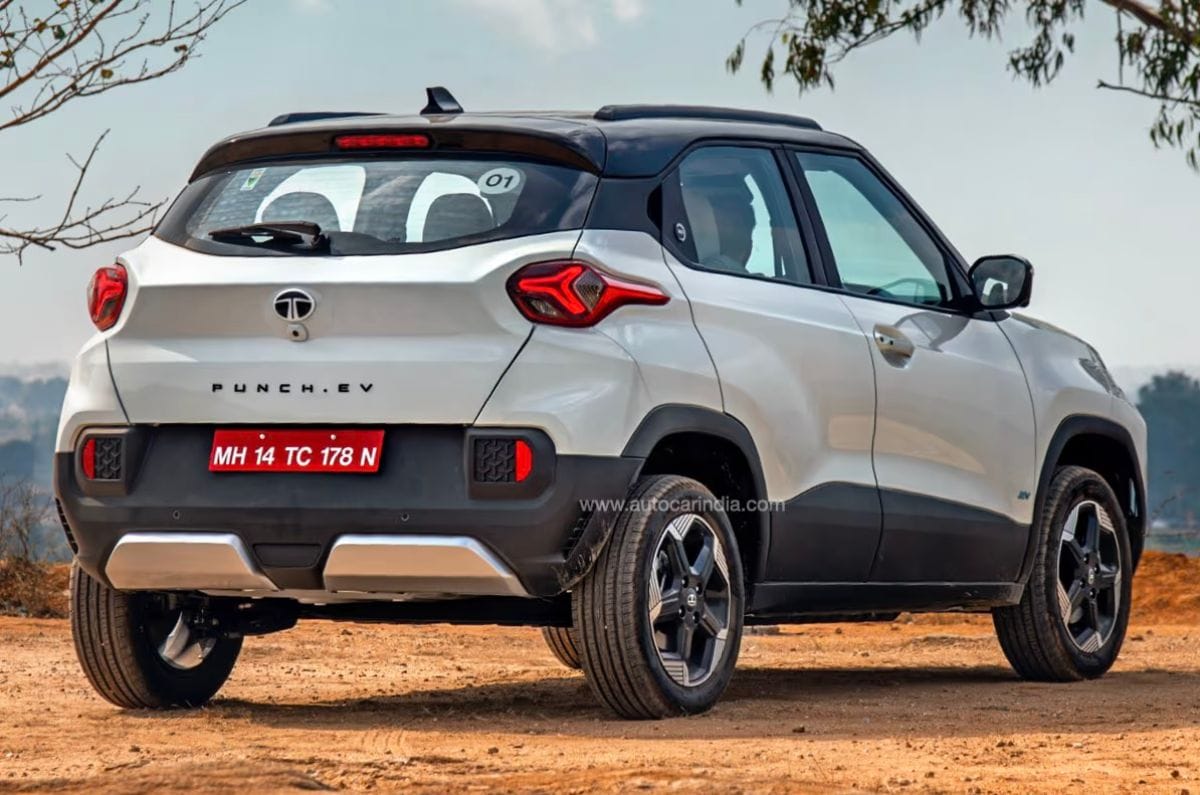
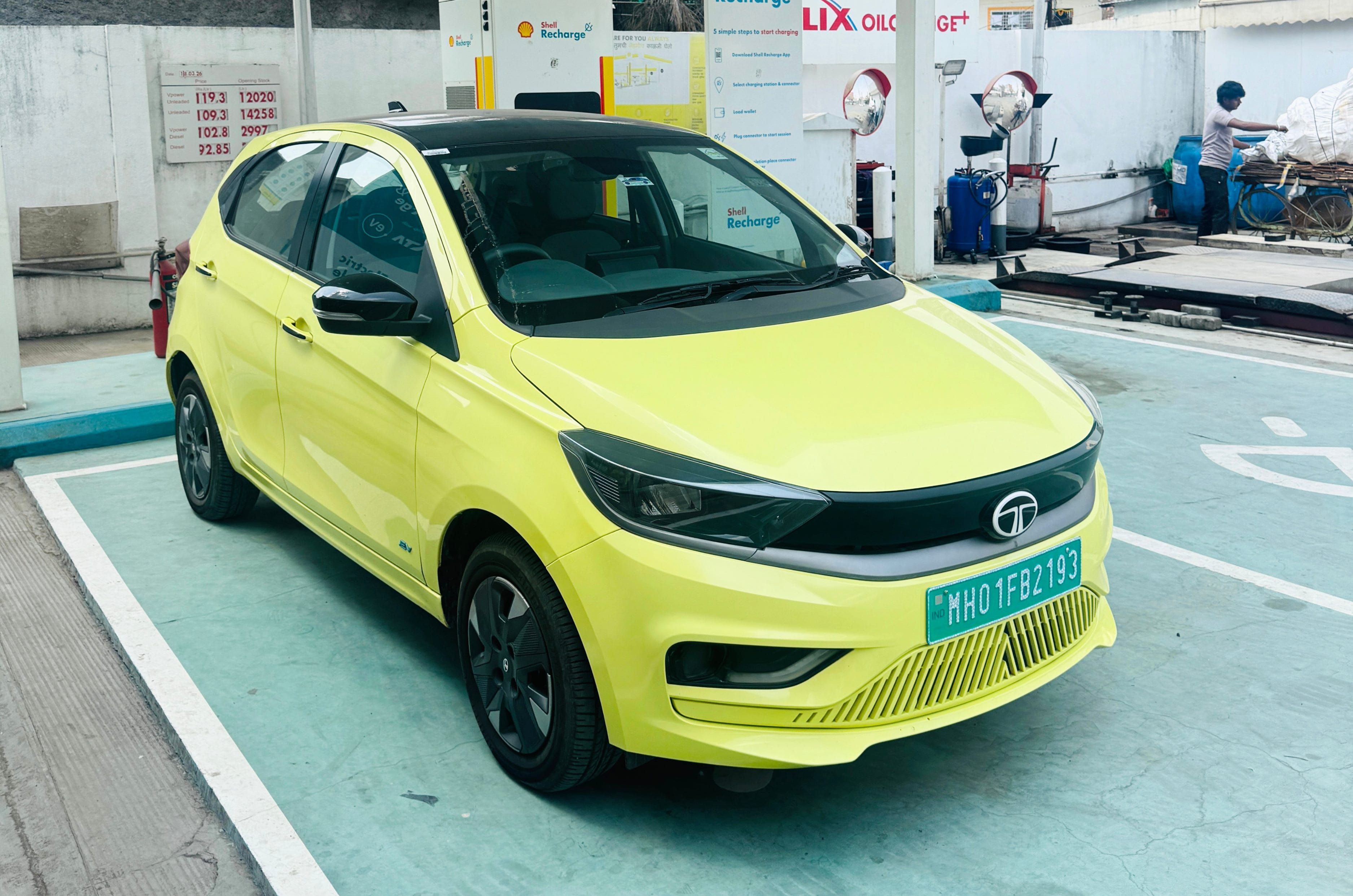
While Tata Motors prepares for its next phase of international expansion, South Africa continues to drive the company’s current export growth. Tata Motors returned to the country’s passenger vehicle market in 2025 and currently sells the Punch, Curvv, Harrier and Tiago through its partnership with Motus Holdings.
Explaining the recent growth in exports, Chandra said, “This quarter will be equally strong because, as you know, we opened South Africa last year… Since then we have been expanding our product range as well as the number of outlets and dealerships.”
Tata Motors sold 2,408 passenger vehicles in international markets during the first quarter of FY27, up from 970 units in the corresponding period last year. Although exports have more than doubled, they still account for a small share of the company’s overall passenger vehicle volumes.
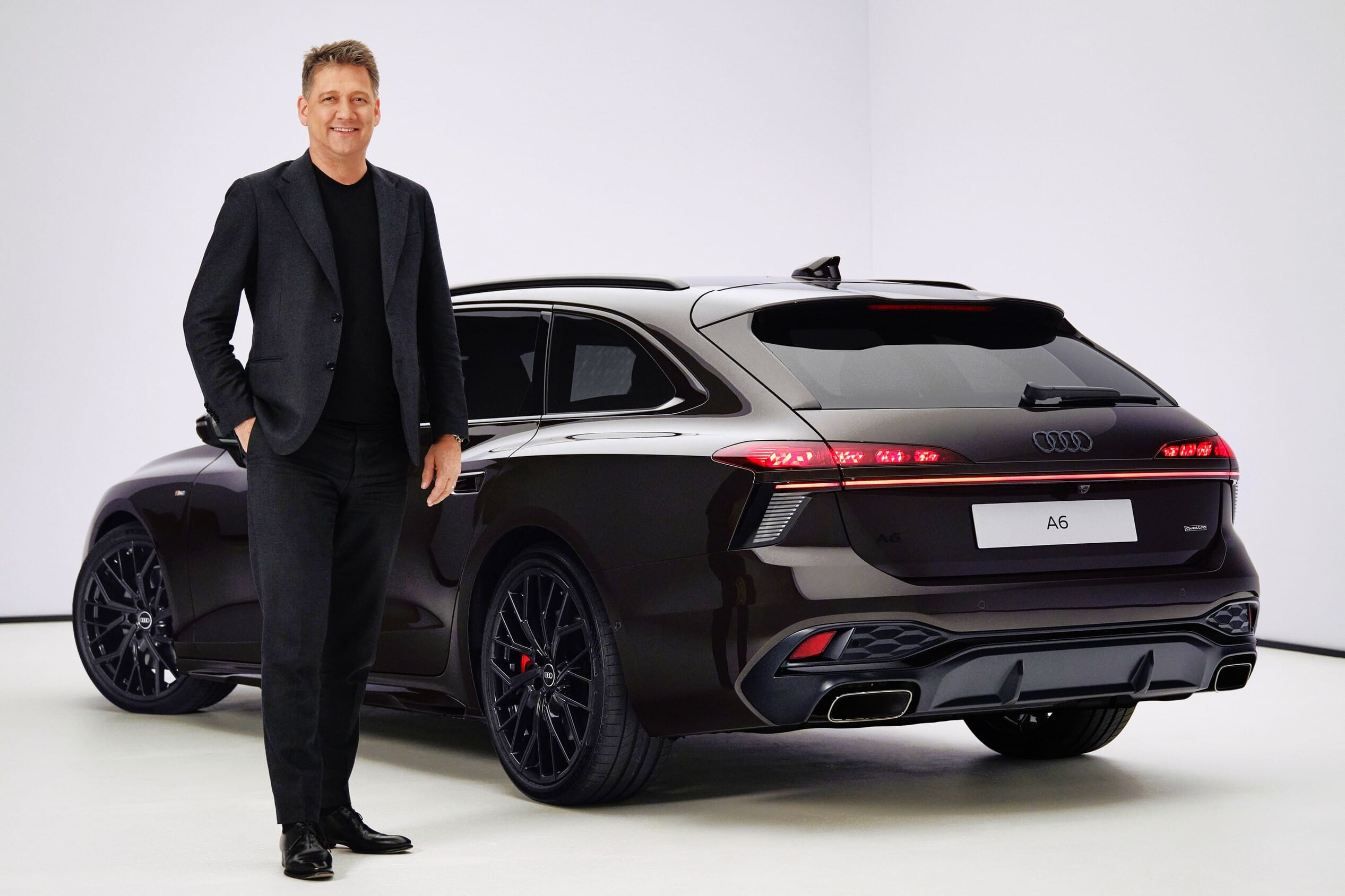
Audi will pursue a broader powertrain strategy spanning battery-electric vehicles, plug-in hybrids and combustion engines, stepping away from its earlier plan to become an all-electric carmaker. Global CEO Gernot Döllner said he reviewed Audi’s all-electric strategy after taking charge and decided that the company needed a more balanced product and powertrain mix to address the varying pace of EV adoption across markets.
“When I joined Audi, there was an all-electric strategy in place, which was one of the first things I reviewed,” Döllner told Autocar India in an exclusive interview. “We found a more balanced strategy between plug-in hybrids, especially important for Europe, combustion engine and electric.”
Global EV sales downturn lent ICE powertrains more time
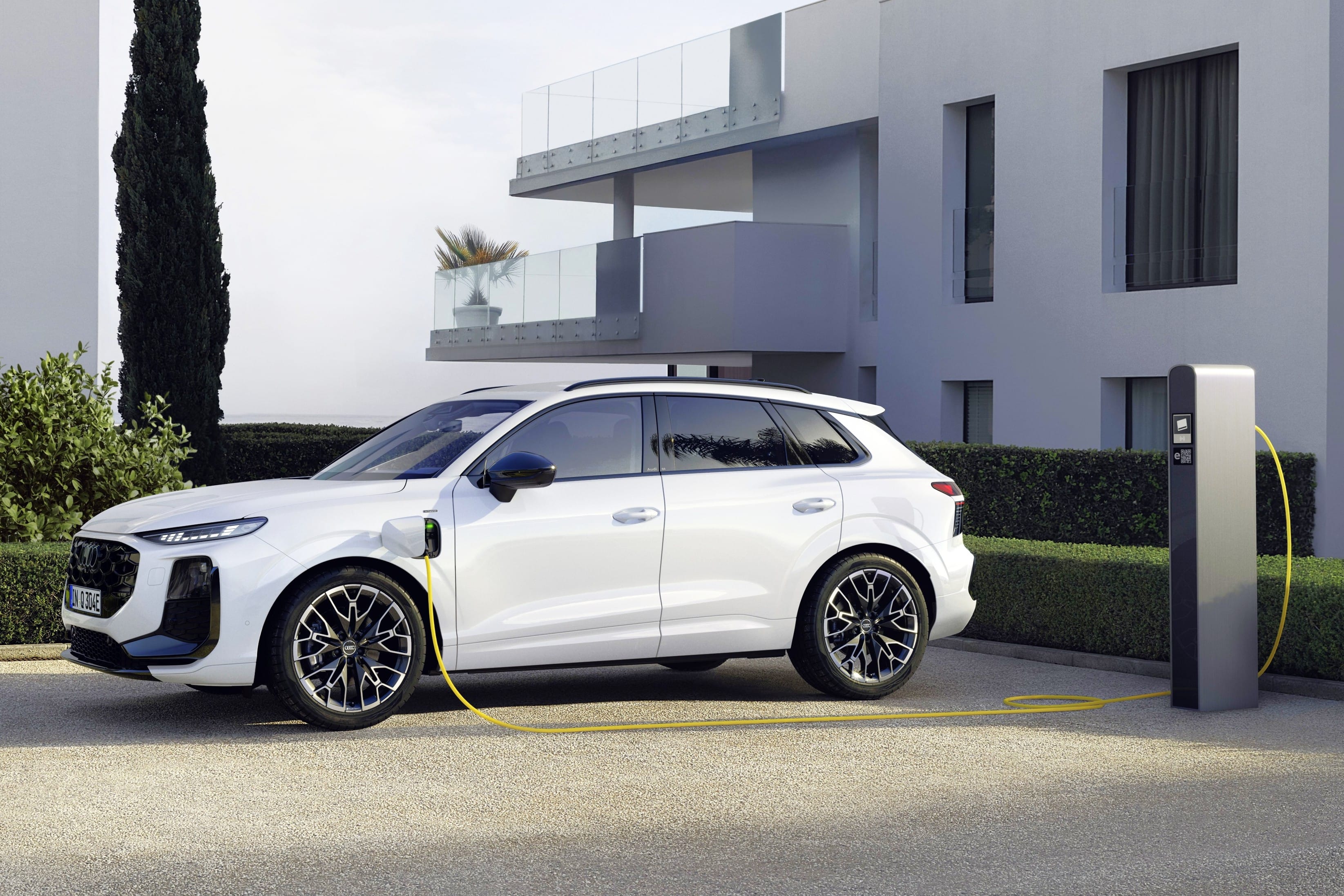
The slower-than-expected pace of EV adoption in several global markets has extended the relevance of combustion engines and plug-in hybrids. Audi expects to retain a focused combustion-engine and plug-in-hybrid portfolio, particularly for SUVs.
Audi Q3 PHEV
The company has recently completed a major investment cycle covering new petrol and diesel engines, plug-in hybrids and battery-electric vehicles designed to meet Euro 7 and other global regulations.
“For sure, the majority of our investment will be in battery electric. That’s a given,” Döllner said.
Audi will continue to invest selectively in combustion engines, including efficiency improvements and transmission technology, but Döllner expects the pace of innovation to be much faster in EVs.
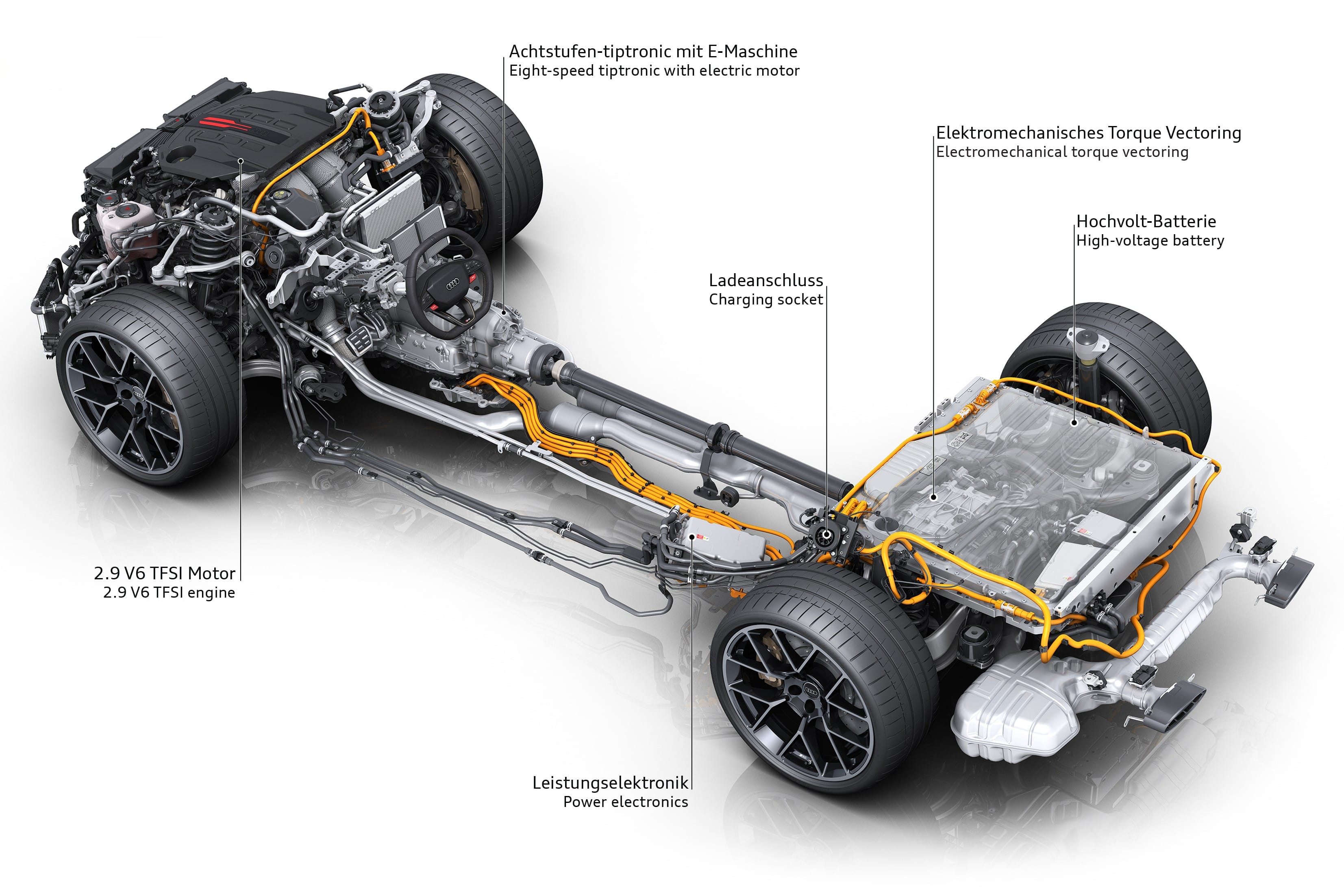
Audi RS5 plug-in hybrid powertrain
“The combustion engine is fairly mature. It’s at the very end of a 100-year innovation cycle, and battery electric is still at the very beginning, to be honest,” he said. “The dominant part of our investment will definitely be on the battery-electric side.”
Electric remains Audi’s leading technology
Audi’s decision to retain combustion engines and plug-in hybrids does not alter its long-term direction towards electric vehicles.
“Electric is, for Audi, still the leading technology,” Döllner said. “It’s our main priority to step by step become more electric.”
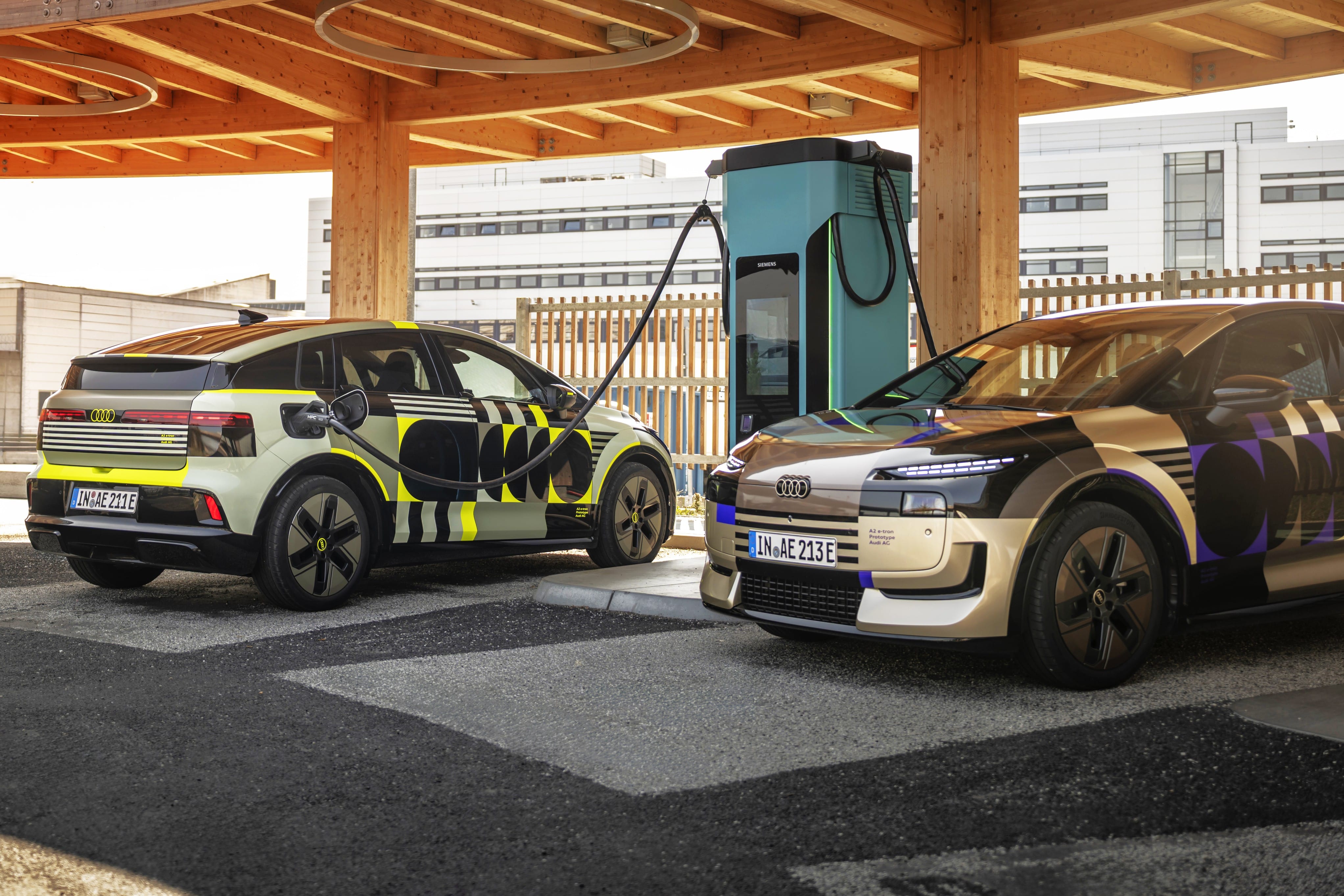
Prototypes of upcoming Audi A2 e-tron
Audi currently has four battery-electric model lines globally and expects to increase this to five by the end of the year, with some available in more than one body style. The company will, however, tailor the powertrain mix to individual regions. Plug-in hybrids will be particularly important in Europe, while the requirements of the US market will influence Audi’s future combustion-engine and PHEV portfolio, especially for SUVs.
In India, Audi’s immediate focus remains on petrol and electric vehicles. Diesel is not part of its current plan. The case for plug-in hybrids will depend partly on whether they receive any benefit under the India-EU FTA. New electric products are also planned for India.
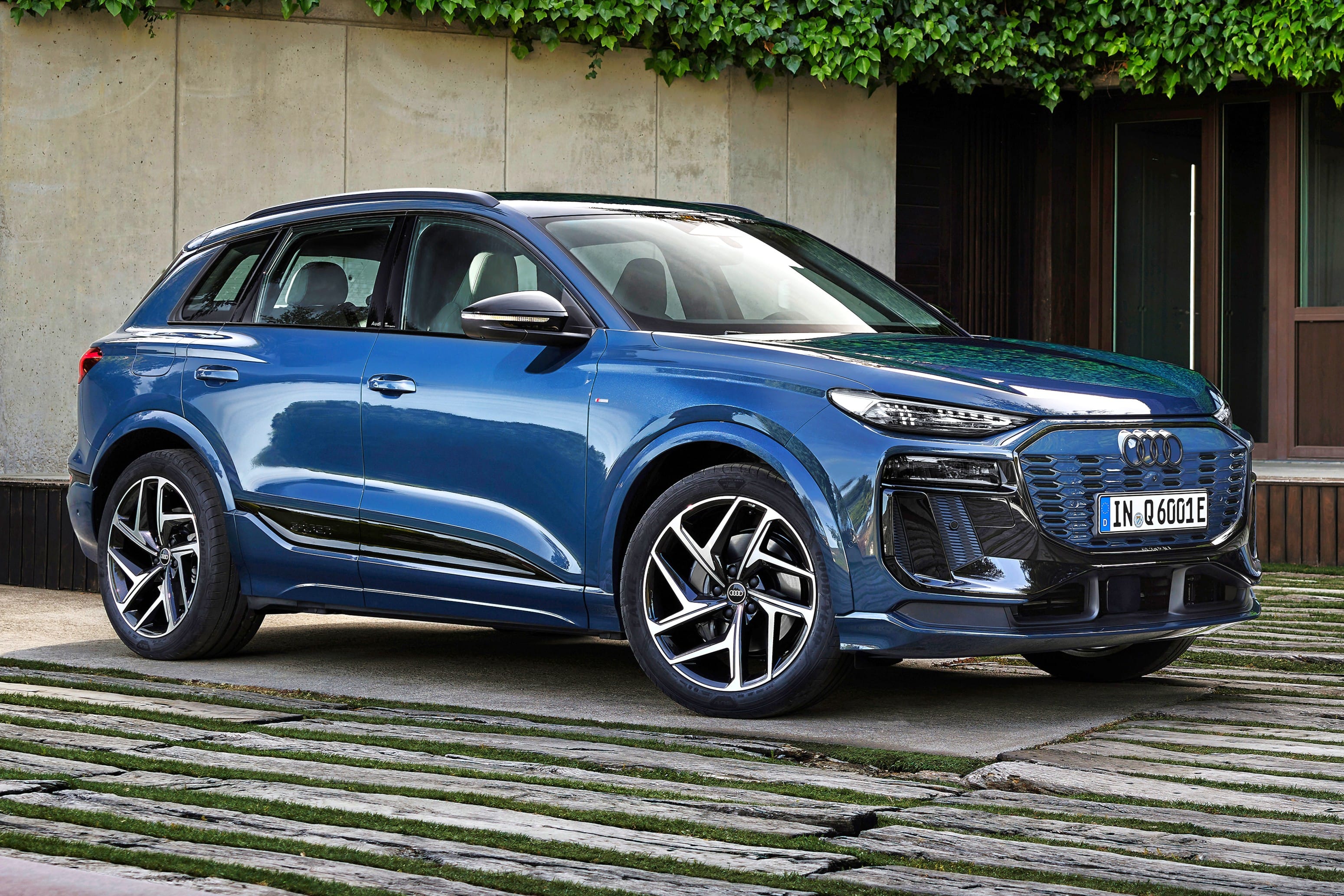
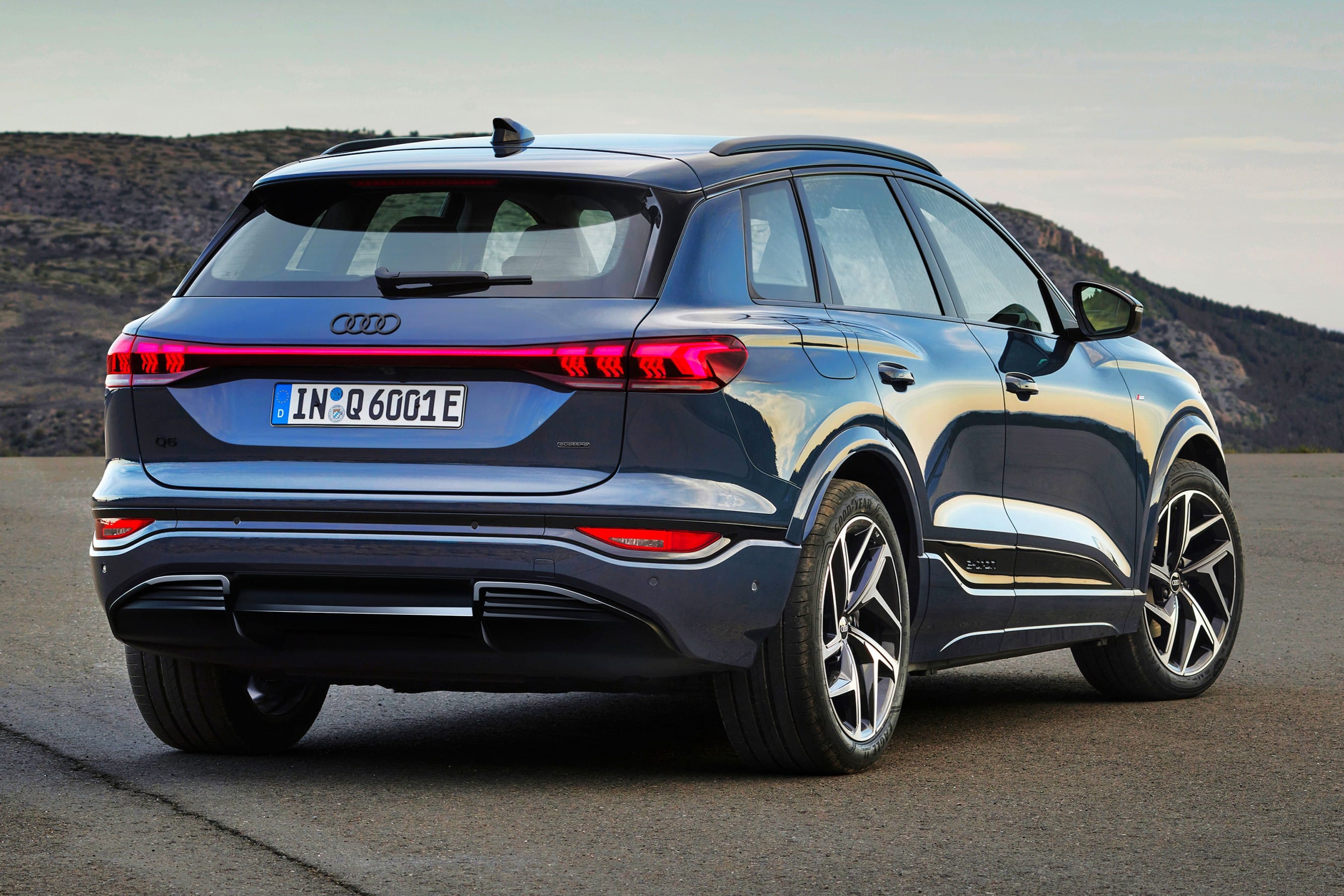
Audi Q6 e-tron
“From what I know, we also have decided to enter with new products in the electric segment in India,” Döllner said.
Audi has decided to assemble an electric vehicle in India, Autocar India learns, although the model and launch timing are still being worked out. The move from fully imported EVs to local assembly is now a question of when, rather than if.
The company was among the first luxury carmakers to enter India’s EV market with models such as the e-tron, e-tron Sportback, e-tron GT and Q8 e-tron. High import duties, however, restricted their reach and affected their resale-value proposition.
Audi Q6 e-tron
The Q6 e-tron is among the products being studied, but Audi has not decided which EV will be assembled in India. The selected model will need to offer the right combination of volume, pricing and suitability for local conditions.
Audi believes electric SUVs make more practical sense in India because their ground clearance is better suited to local road conditions. Sedans have not been ruled out, but SUVs offer a more practical proposition for battery-electric vehicles in the country.
Regional focus to shape future products
The broader powertrain approach is part of Döllner’s effort to make Audi more responsive to the requirements of individual regions.
“Audi has to act much more regional,” he said. “The times where we had a one size fits all, and we then bring it to China, just extend the wheelbase and do the same car, that doesn’t work anymore. We have to listen carefully to the markets.”
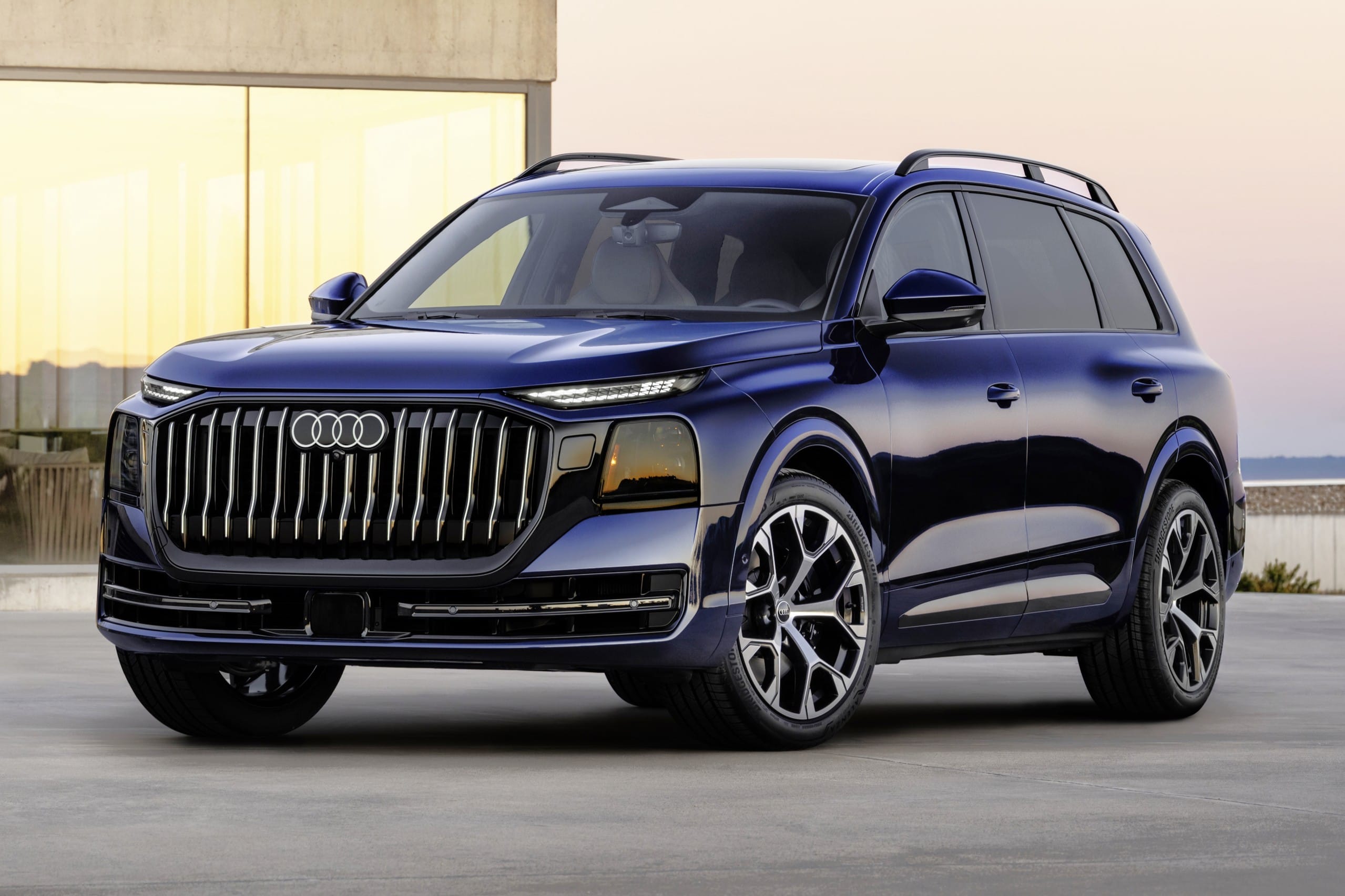
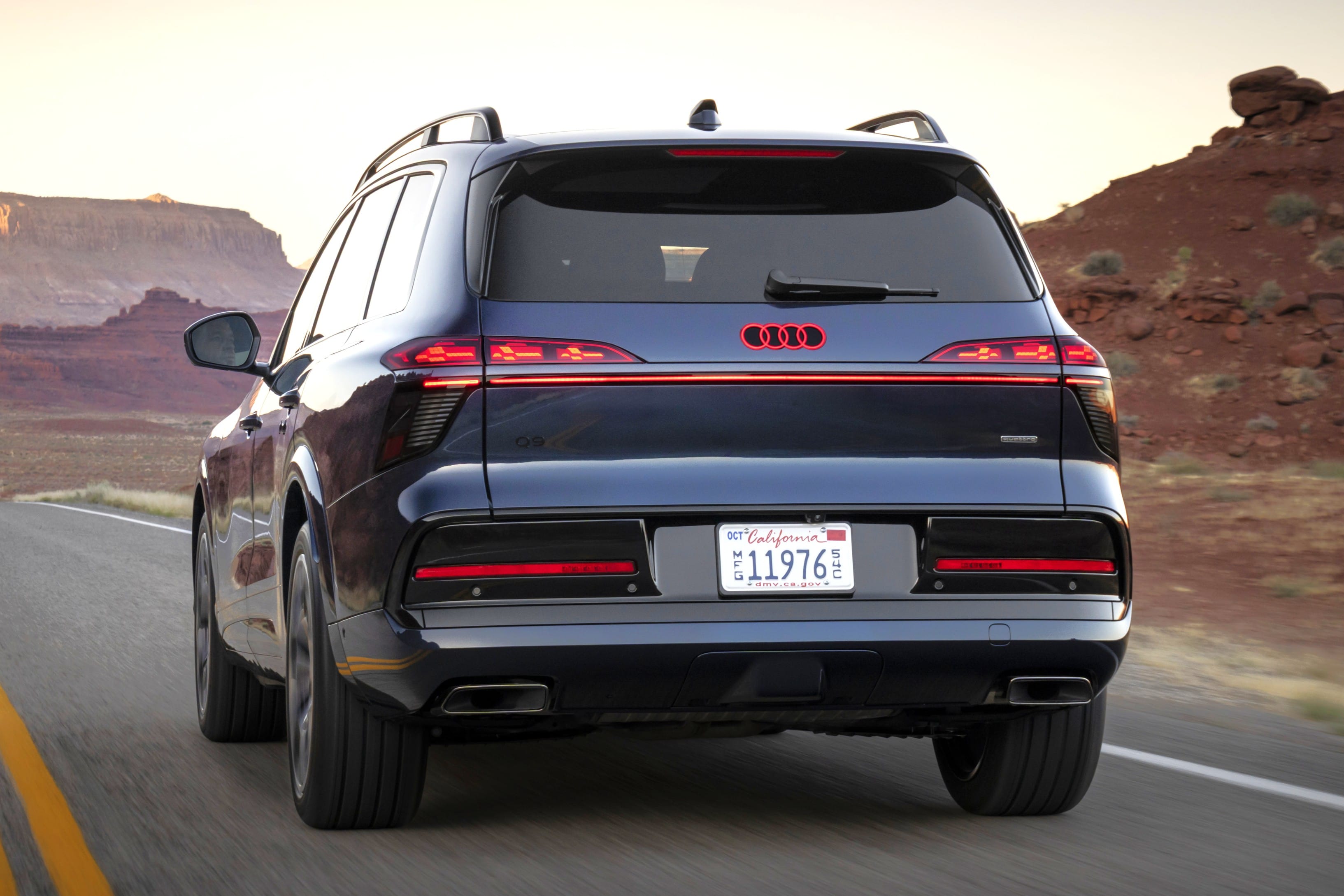
The Q9 is the first clear example of that approach. Conceived around the requirements of American customers, it will be the first Audi to make its market debut in the US.
Audi Q9
“The Q9 is a perfect proof point of a car. The biggest Audi we’ve ever built,” Döllner said. “That car would not be there without the American market.”
India does not yet generate the volumes required for Audi to develop country-specific models. Local requirements covering ground clearance, suspension, tyres, weather, dust and fuel quality are, however, fed into its global development process. The introduction of new models in India is also expected to move closer to their global launches, helping Audi benefit from the interest created when a vehicle is revealed internationally.
Döllner said the improvement in India’s manufacturing and automotive technology has changed how the country is viewed within the global industry.
Audi Q9
“India is also an excellent proof point. It’s really unbelievable what the car industry has developed in India and what level of perfection and technology products are delivered,” he said.
“In the past, there has been this strong European automotive industry, and the world has turned around. Now we have a very dynamic Chinese market, a growing and rising Indian automotive industry. The US is a story of its own.”
“What keeps me awake at night is if we are able to change fast enough,” Döllner said. “We have to speed up.”
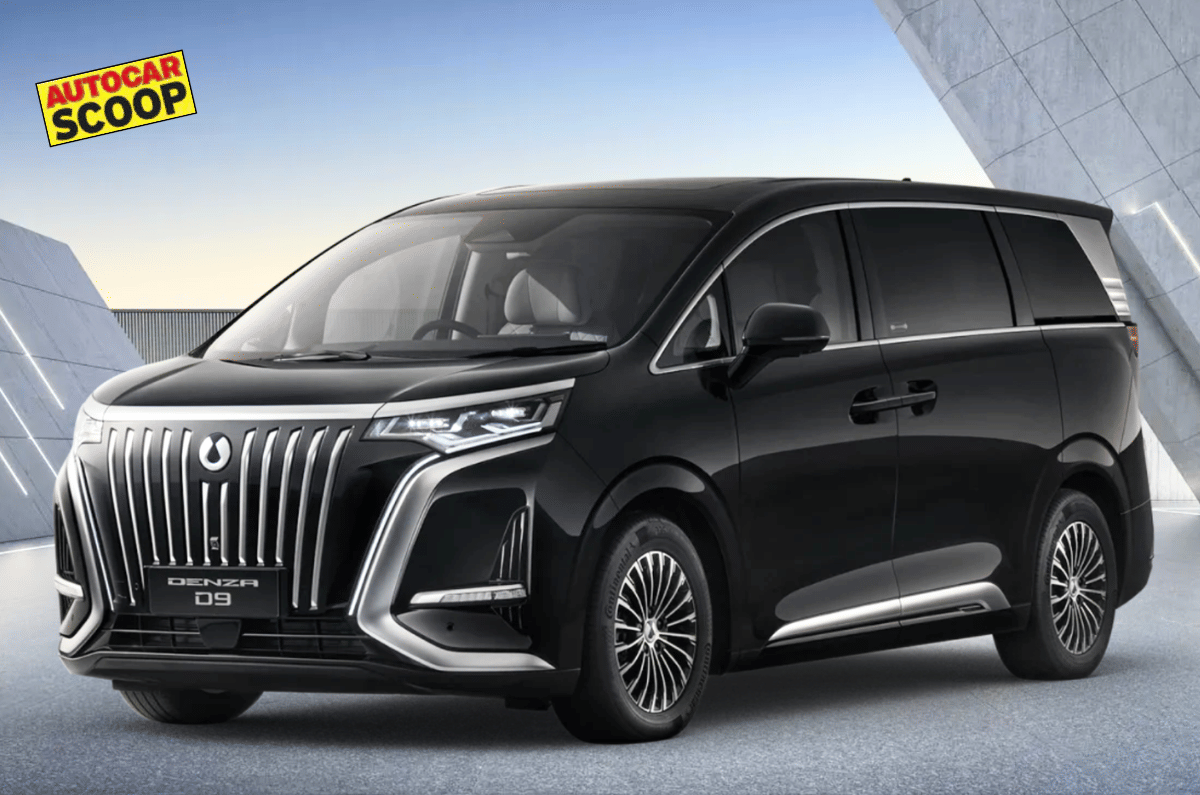
BYD, the world’s largest electric vehicle maker, is in the final stages of bringing its luxury brand Denza to India, with the D9 executive MPV likely to lead the rollout, we have learned. The Chinese carmaker is targeting its first launch around Diwali 2026. However, the launch could move to the Bharat Mobility Global Expo in February 2027 if there is a delay.
It is studying a portfolio of two to three Denza models for India, largely positioned in the Rs 80 lakh-Rs 1 crore price bracket within the first year itself. If the D9 arrives around Diwali, BYD is likely to use the mobility show for a broader showcase of the Denza brand and its proposed India portfolio.
D9 to lead India rollout
The D9 will compete directly with the electric MG M9 and occupy the space below the Toyota Vellfire and Lexus LM. The Toyota Vellfire is priced between Rs 1.20 crore and Rs 1.30 crore, while the Lexus LM ranges from Rs 2.15 crore to Rs 2.69 crore. This leaves room for BYD to position the D9 as an executive electric MPV in the Rs 80 lakh-Rs 1 crore bracket.
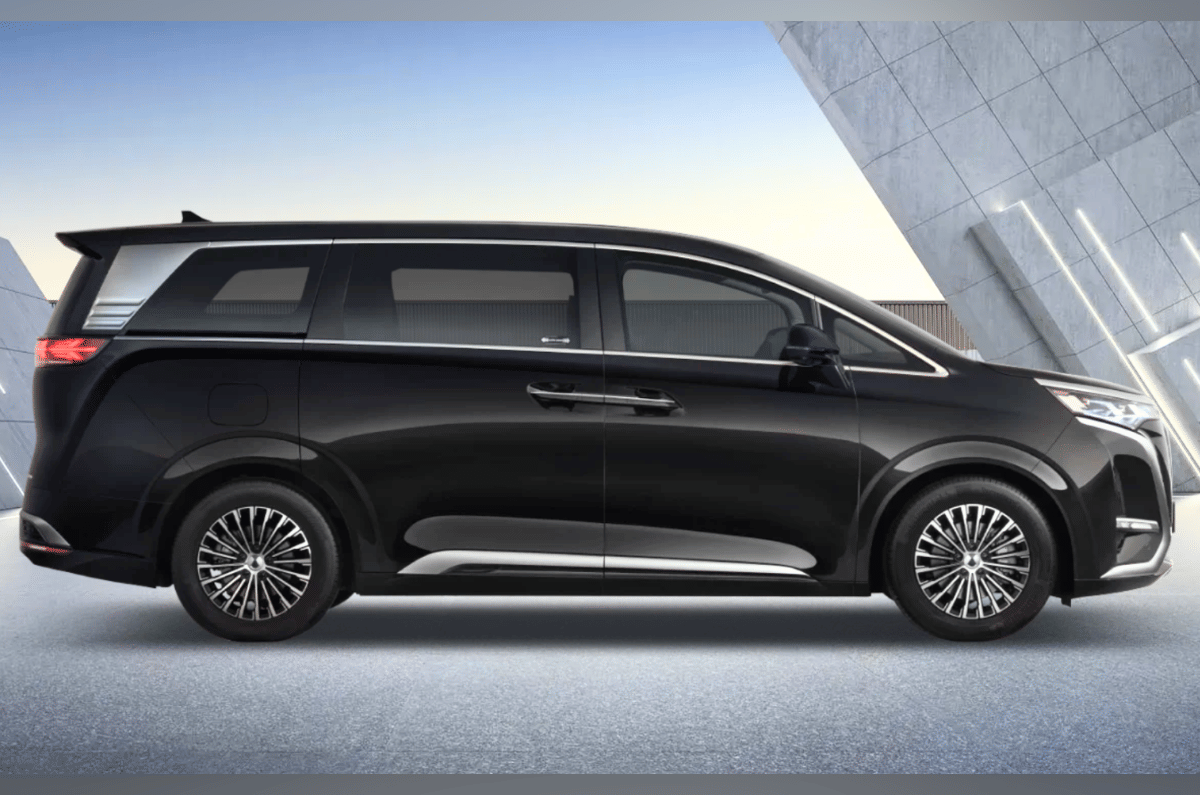
International-spec BYD Denza D9 electric MPV shown for representative purposes only.
The D9 is available globally with electric and plug-in hybrid powertrains. BYD is likely to give priority to the electric version in India. Plug-in hybrids face a significant tax disadvantage over pure electric vehicles, which are subject to 5 percent GST, making the PHEV harder to price competitively. The plug-in hybrid version could be considered at a later stage.
D9 could be sold via dedicated Denza outlets
Initially, the Denza models are expected to be imported as completely built units (CBUs). This will allow BYD to enter the market quickly and assess demand before taking a call on its longer-term India plans. BYD may also set up dedicated Denza outlets rather than sell the models through its existing retail network. This would separate Denza from BYD’s current line-up, which comprises the Atto 3, Seal, Sealion 7 and eMax 7.
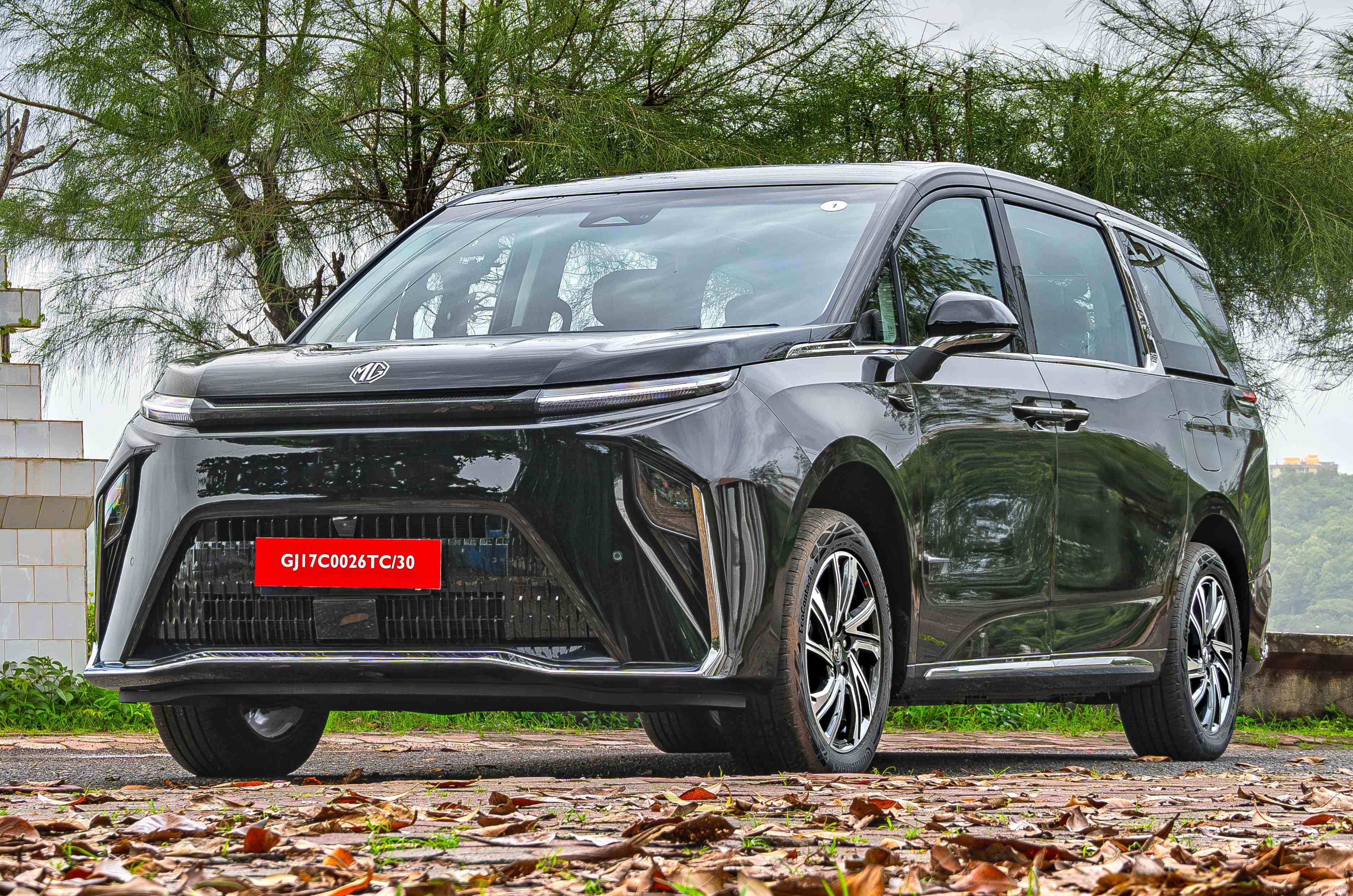
MG M9 electric MPV.
The D9 will arrive at a time when the executive MPV segment is seeing fresh activity. The MG M9 has brought an electric alternative to the segment, while the Vellfire and Lexus LM operate at significantly higher price points. BYD is likely to position the D9 above the MG M9 but below the two Toyota group models, targeting buyers seeking a chauffeur-driven alternative to a luxury SUV.
Denza will take BYD into a price bracket dominated by established luxury brands. The challenge will not be limited to the product. BYD will also have to convince buyers that its retail and after-sales experience can meet expectations in the Rs 80 lakh-Rs 1 crore segment.
Prospective EV buyers headed to a Tata Motors dealership will be offered a variety of benefits in August 2026. Depending on the model and variant, benefits available include cash discounts, exchange offers, plus scrappage and loyalty incentives. Tata’s August 2026 discounts do not include the Tigor EV and Sierra EV, while the Nexon EV gets the lowest benefits this month. The offers mentioned here will be valid till August 31, 2026.
Disclaimer: Offers/benefits may vary by city and are subject to stock availability. Buyers are advised to check with their local dealer for exact figures.
Curvv EV gets highest discounts; Nexon EV gets least
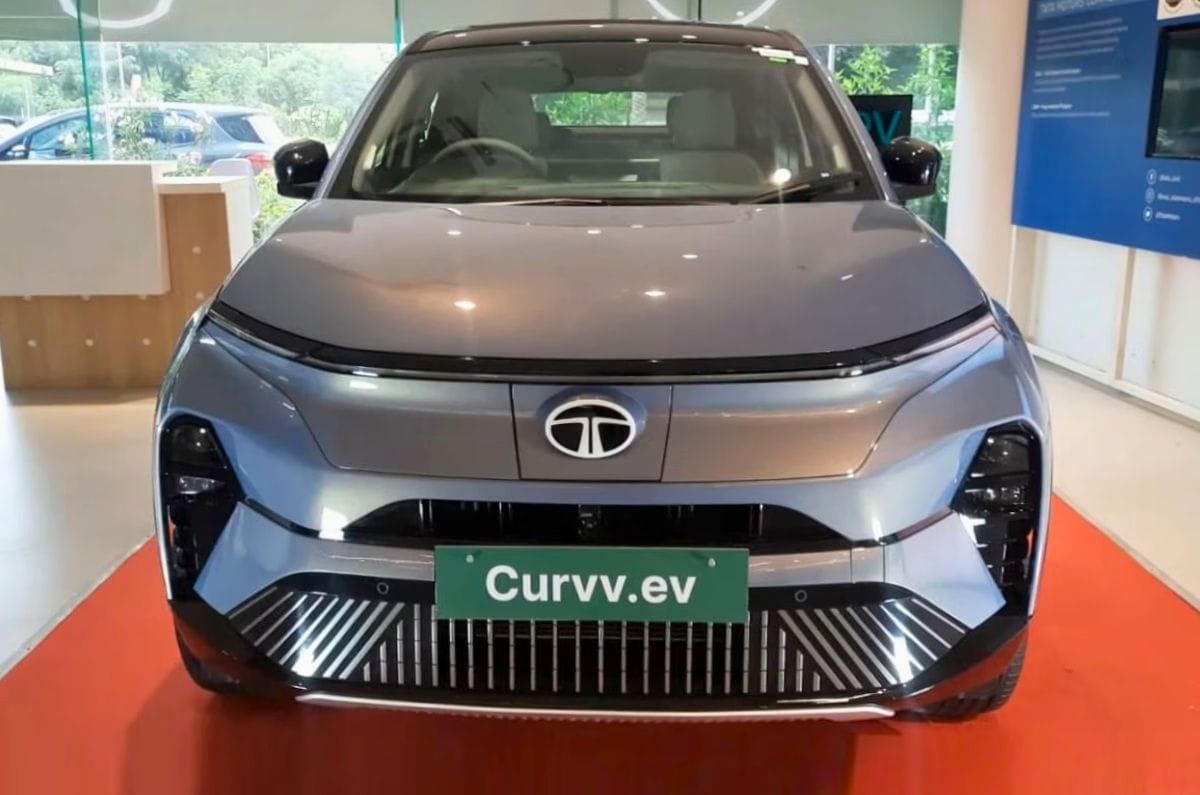
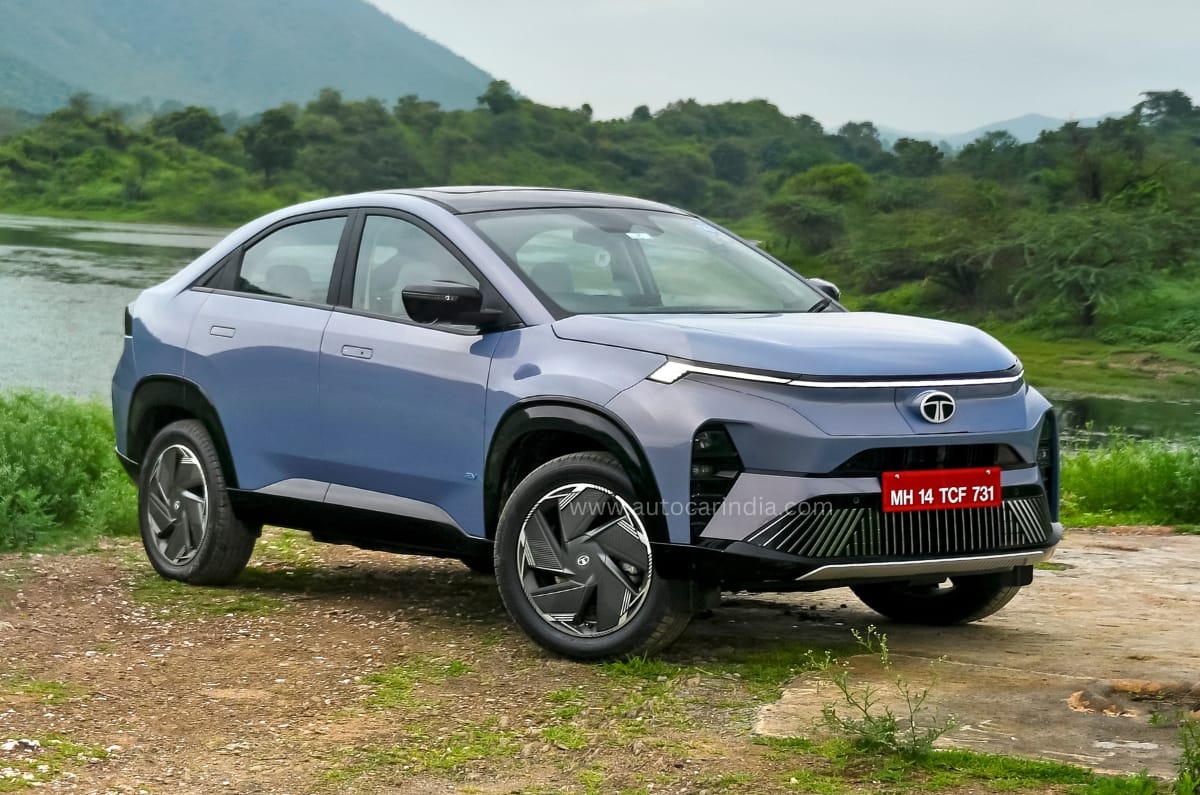
Tata is offering select variants of the Curvv EV with exchange benefits worth Rs 30,000 or scrappage incentives of Rs 35,000. Existing Tata customers opting for a new Curvv X series, switching from either an ICE (internal combustion engine) or EV (electric vehicle) model are also offered with loyalty benefits of Rs 30,000. In all, customers of the Curvv EV X variants can avail discounts up to Rs 65,000.
Those going for a non-X trim of the Tata Curvv EV can avail maximum benefits of up to Rs 3.35 lakh. This is made possible by a cash discount of Rs 3 lakh, plus scrappage incentives of Rs 35,000. These exchanges/scrappage schemes aside, buyers of the Curvv EV Creative trim will be offered with a cash discount of Rs 2.50 lakh – taking the overall discount to Rs 2.85 lakh.
Tata Harrier EV offers in August 2026
Benefits up to Rs 2.75 lakh
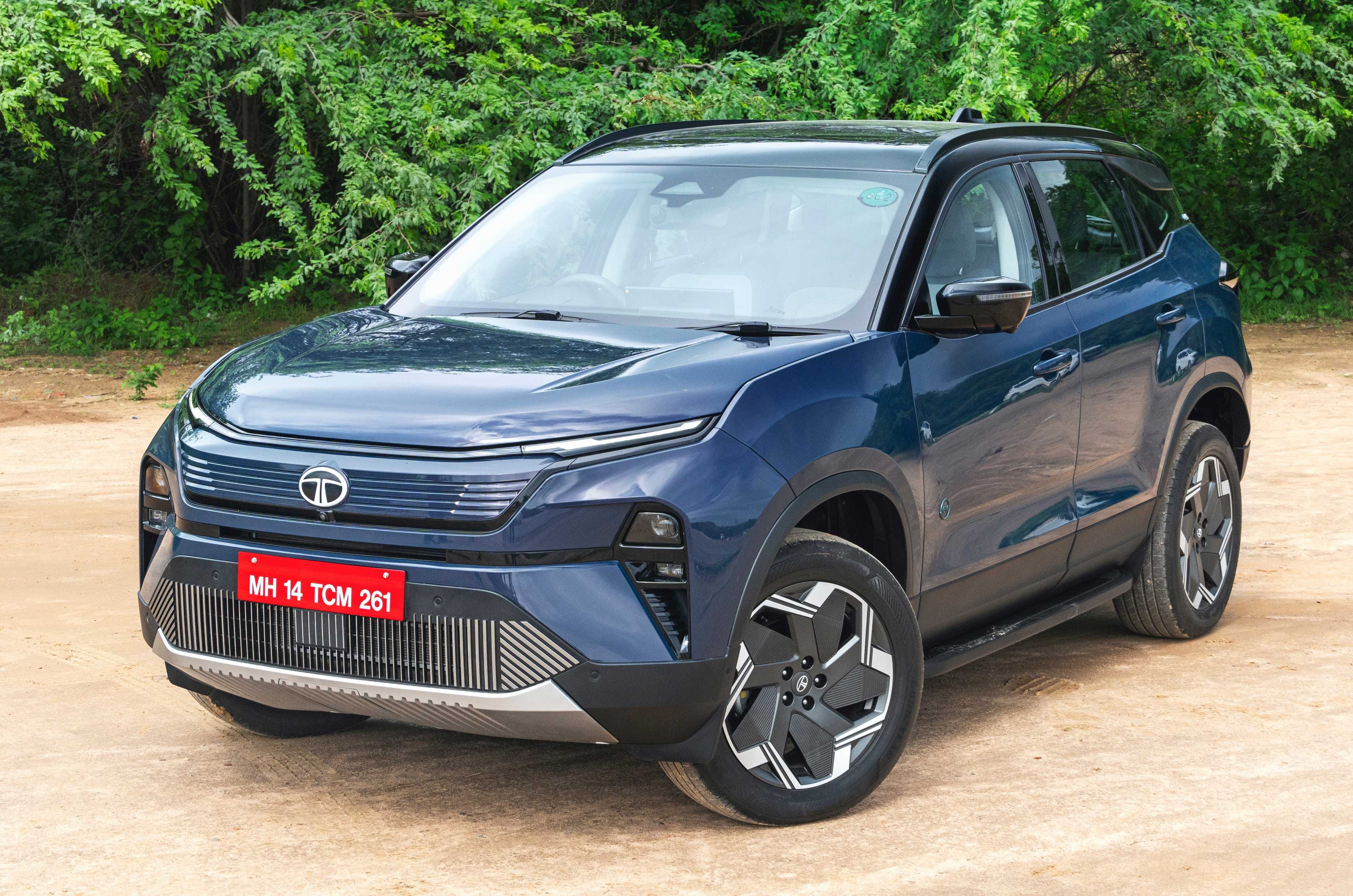
Buyers opting for the Adventure, Fearless+ or Empowered trims of the Harrier EV will be offered an exchange bonus of Rs 50,000 or a scrappage incentive worth Rs 75,000. There are loyalty benefits of Rs 50,000 for those moving from an existing Tata ICE model to a new Tata EV, with existing Tata EV owner moving to a new fully electric model being offered Rs 1 lakh.
Tata is also offering customers the ‘Freedom Offer’ this August. It discounts the price of the Harrier EV Adventure trim by an additional Rs 75,000 and by Rs 1 lakh for the Harrier EV’s Fearless+ and Empowered trims. In total, the former is available with benefits of up to Rs 2.50 lakh this August, while the other two can be had with discounts of up to Rs 2.75 lakh.
Tata Punch EV offers in August 2026
Benefits up to Rs 1.45 lakh
Select variants of the Punch EV Medium Range, Long Range, and Smart variants are available this August with an exchange bonus of Rs 30,000 or a scrappage benefit of Rs 35,000. Additionally, cash discounts on the Medium Range is Rs 90,000 and that on the Long Range is Rs 1.10 lakh – overall benefits for the Punch EV Medium Range and Long Range are Rs 1.25 lakh and Rs 1.45 lakh, respectively. Meanwhile, the Smart trim is available with a cash discount of Rs 60,000, with total discounts amounting to up to Rs 95,000.
Tata Tiago EV offers in August 2026
Benefits up to Rs 1.45 lakh
Like the Punch EV, the Tata Tiago EV is also available with August 2026 benefits amounting to up to Rs 1.45 lakh. However, this is only applicable to the LR (Long Range) XT variant of the old model – combining a cash discount of Rs 70,000 and the ‘Freedom Offer’ worth Rs 50,000. Customers can also avail an exchange benefit of Rs 20,000 or a scrappage bonus of Rs 25,000.
The exchange/scrappage benefits are offered with select trims of the Tiago EV MR (Medium Range) and LR (Long Range) variants, too. The former’s total benefits amount to Rs 65,000, whilst the latter’s is Rs 1.25 lakh.
Tata Nexon EV offers in August 2026
Benefits up to Rs 45,000
The Tata Nexon EV is available with benefits of up to Rs 45,000 in August 2026. This takes into account a cash discount of Rs 10,000, a scrappage scheme worth Rs 35,000, or an exchange bonus worth Rs 25,000.
Xiaomi SkyNomad Series: चीन की टेक और EV निर्माता कंपनी Xiaomi ने इलेक्ट्रिक व्हीकल सेगमेंट में एक और बड़ा कदम बढ़ाते हुए अपनी नई SkyNomad Series SUV को लॉन्च कर दिया है। कंपनी की यह पहली Extended-Range Electric Vehicle (EREV) सीरीज है, जिसे नए Kunlun Architecture प्लेटफॉर्म पर तैयार किया गया है। Xiaomi का दावा है कि SkyNomad N70 Max इलेक्ट्रिक मोड में 505 किलोमीटर तक की दूरी तय कर सकती है, जबकि इसकी कुल ड्राइविंग रेंज 1,700 किलोमीटर से भी ज्यादा है। फिलहाल इस इलेक्ट्रिक SUV की प्री-बुकिंग चीन में शुरू हो चुकी है और सितंबर से इसकी डिलीवरी शुरू होने की उम्मीद है। अब आइए जानते हैं Xiaomi SkyNomad Series की खासियतों के बारे में।
Xiaomi SkyNomad सीरीज की कीमत और उपलब्धता
Xiaomi ने SkyNomad Series को दो वेरिएंट में पेश किया है। इसका टॉप मॉडल Xiaomi SkyNomad N90 Max है, जो एक 7-सीटर एक्सटेंडेड-रेंज SUV है। चीन में इसकी प्री-सेल कीमत 2,99,900 चीनी युआन (करीब 42.41 लाख रुपये) रखी गई है। वहीं, कंपनी ने इसका एक 5-सीटर ऑल-व्हील-ड्राइव वेरिएंट SkyNomad N70 Max भी लॉन्च किया है। इसकी शुरुआती कीमत 2,59,900 चीनी युआन (करीब 36.75 लाख रुपये) है।
कलर ऑप्शन की बात करें तो, Xiaomi SkyNomad Series को Mountain Green, Valley Blue और Volcanic Gray एक्सटीरियर कलर में पेश किया गया है। वहीं, इसके इंटीरियर में Cream Beige और Mocha Brown कलर ऑप्शन मिलेंगे।
फिलहाल, चीन में अभी दोनों मॉडल्स के लिए प्री-ऑर्डर शुरू हो गए हैं। ग्राहक CNY 1,000 (लगभग ₹14,000) की रिफंडेबल डिपॉजिट राशि देकर किसी भी SUV को बुक कर सकते हैं। इस बुकिंग के साथ ग्राहकों को प्रोडक्शन में प्राथमिकता मिलेगी। इसके अलावा, डिलीवरी के समय उन्हें करीब 999 चीनी युआन (लगभग 14,000 रुपये) की कीमत वाला इन-कार डुअल कप होल्डर टेबल भी मुफ्त दिया जाएगा।
हालांकि, Xiaomi ने अभी तक SkyNomad Series को ग्लोबल मार्केट या भारत में लॉन्च करने की कोई आधिकारिक जानकारी नहीं दी है।
Xiaomi SkyNomad सीरीज के फीचर्स और स्पेसिफिकेशन्स
Xiaomi का दावा है कि SkyNomad सीरीज नए Kunlun प्लेटफॉर्म पर आधारित उसका पहला प्रोडक्शन मॉडल है। पारंपरिक लेआउट के उलट, इस प्लेटफॉर्म को इस तरह से डिजाइन किया गया है कि इसमें केबिन का फर्श पूरी तरह से फ्लैट रहता है, सीट रेल्स लंबी होती हैं और इंटीरियर को जरूरत के हिसाब से बदला जा सकता है। इसे आने-जाने, कैंपिंग, काम या फैमिली ट्रिप जैसे अलग-अलग कामों के लिए कई तरह के लेआउट में बदला जा सकता है, जिससे अंदर ज्यादा जगह मिलती है।
बड़े SkyNomad N90 Max की लंबाई 5,285mm और व्हीलबेस 3,080mm है, जबकि N70 Max की लंबाई 4,960mm और व्हीलबेस 2,950mm है। Xiaomi का दावा है कि सात सीटों वाली N90 Max में यात्रियों के बैठने के लिए 2,760mm तक की जगह और 1,831 लीटर तक का सामान रखने की क्षमता मिलती है।
कंपनी ने इस SUV में पावर-एडजस्टेबल सीटें, चार तक जीरो-ग्रेविटी सीटें, 16-पॉइंट मसाज, हीटिंग, वेंटिलेशन, बिल्ट-इन रेफ्रिजरेटर वाला स्लाइडिंग सेंटर कंसोल और 30 से ज्यादा स्टोरेज कम्पार्टमेंट जैसे फीचर्स दिए हैं।
नई EV में ‘कुनलुन हाइपररेंज’ (Kunlun HyperRange) एक्सटेंडेड-रेंज सिस्टम का इस्तेमाल किया गया है, जिसमें 52kWh से 76kWh तक की बैटरी के विकल्प मिलते हैं। Xiaomi का दावा है कि SkyNomad N70 Max सिर्फ इलेक्ट्रिक मोड में 505km तक की CLTC (चाइना लाइट-ड्यूटी व्हीकल टेस्ट साइकिल) रेंज दे सकती है, जबकि बड़ी N90 Max एक बार चार्ज करने पर 464km तक की रेंज देती है। दोनों SUV में डुअल-मोटर ऑल-व्हील-ड्राइव सेटअप का इस्तेमाल किया गया है, जिसके बारे में दावा किया जाता है कि यह 310kW तक की पीक पावर जेनरेट कर सकता है।
टेक्नोलॉजी की बात करें तो, SkyNomad सीरीज का केबिन Snapdragon 8 Gen 3-बेस्ड डोमेन कंट्रोलर से चलता है। इसमें डुअल 5G कनेक्टिविटी, Wi-Fi 7, छह-स्क्रीन वाला इंफोटेनमेंट सिस्टम, 25-स्पीकर वाला ऑडियो सिस्टम और 6.9-इंच का रियर कंट्रोल डिस्प्ले दिया गया है। Xiaomi ने इसमें अपना Hyper XiaoAi वॉयस असिस्टेंट भी शामिल किया है, जो वॉयस कमांड से केबिन के 11 सीटिंग लेआउट को बदल सकता है।
इस इलेक्ट्रिक SUV में 700 TOPS वाला असिस्टेड-ड्राइविंग प्लेटफॉर्म, LiDAR, 4D मिलीमीटर-वेव रडार और Xiaomi का XLA आर्किटेक्चर पर बना HAD असिस्टेड-ड्राइविंग सिस्टम भी मिलता है।
सेफ्टी के लिहाज से, SkyNomad सीरीज में स्टील-एल्युमीनियम हाइब्रिड बॉडी का इस्तेमाल किया गया है, जिसमें कई स्ट्रक्चरल पॉइंट्स पर 2,200MPa अल्ट्रा-हाई-स्ट्रेंथ स्टील और 12 एयरबैग्स दिए गए हैं। इसमें Xiaomi की नई Armour Scale बैटरी भी है, जिसमें 18-लेयर प्रोटेक्शन स्ट्रक्चर है। साथ ही, इसमें डुअल टेलगेट रिलीज हैंडल, ट्रिपल-रिडंडेंट डोर हैंडल और 26 ड्राइवर-असिस्टेंस जैसे सेफ्टी फीचर्स शामिल हैं।
SkyNomad Series के लॉन्च के साथ Xiaomi की इलेक्ट्रिक व्हीकल रेंज और मजबूत हो गई है। इससे पहले कंपनी के EV पोर्टफोलियो में SU7 सेडान और YU7 SUV जैसे मॉडल शामिल हैं।
भारत में कारों की दुनिया तेजी से बदल रही है। पेट्रोल, CNG और इलेक्ट्रिक कारों के बाद अब हाइब्रिड, प्लग-इन हाइब्रिड और रेंज एक्सटेंडर जैसी नई टेक्निक भी बाजार में दस्तक दे रही हैं। ऐसे में सवाल उठता है कि आने वाले समय में इंडियन के लिए सबसे बेहतर और किफायती फ्यूल टेक्नोलॉजी (fuel technology) कौन-सी होगी:
Strong Hybrid Car (स्ट्रॉन्ग हाइब्रिड कार)
स्ट्रॉन्ग हाइब्रिड कारों में पेट्रोल इंजन (petrol engine) और इलेक्ट्रिक मोटर दोनों साथ काम करते हैं। इसकी बैटरी को अलग से चार्ज नहीं करना पड़ता, बल्कि यह ब्रेक लगाने या इंजन के जरिए खुद चार्ज हो जाती है। शहर में कम स्पीड पर कार कुछ किलोमीटर तक केवल इलेक्ट्रिक मोड में चल सकती है, जिससे पेट्रोल की बचत होती है और माइलेज बढ़ता है। हालांकि इन कारों की कीमत सामान्य पेट्रोल कारों (petrol vehicles) से ज्यादा होती है।
Mild Hybrid Car (माइल्ड हाइब्रिड कार)
माइल्ड हाइब्रिड टेक्निक में भी इंजन के साथ छोटी इलेक्ट्रिक मोटर होती है, लेकिन यह कार को अकेले इलेक्ट्रिक मोड (electric-only mode) में नहीं चला सकती। इसका मेन काम इंजन की मदद करना और ईंधन की थोड़ी बचत करना होता है। इस तकनीक से माइलेज में हल्का सुधार मिलता है, लेकिन स्ट्रॉन्ग हाइब्रिड जितना फायदा नहीं होता।
Plug-in Hybrid Car (प्लग-इन हाइब्रिड कार)
प्लग-इन हाइब्रिड कारों में बड़ी बैटरी (battery) होती है, जिसे घर या चार्जिंग स्टेशन से चार्ज किया जा सकता है। बैटरी चार्ज रहने तक कार लंबी दूरी केवल इलेक्ट्रिक मोड में चलती है। बैटरी खत्म होने पर पेट्रोल इंजन अपने आप काम शुरू कर देता है। इससे रोजाना शहर में बिना पेट्रोल खर्च किए ड्राइव करना आसान हो जाता है, जबकि लंबी यात्रा (long journey) में भी चार्जिंग की चिंता नहीं रहती।
Range Extender EV Car (रेंज एक्सटेंडर ईवी कार)
रेंज एक्सटेंडर EV पूरी तरह इलेक्ट्रिक कार होती है। इसमें लगा छोटा पेट्रोल इंजन पहियों को नहीं चलाता, बल्कि केवल बैटरी को चार्ज करने का काम करता है। कार हमेशा इलेक्ट्रिक मोटर (electric motor) से ही चलती है। बैटरी कम होने पर इंजन बिजली बनाकर बैटरी को चार्ज करता रहता है। इससे लंबी दूरी पर भी चार्जिंग स्टेशन (charging station) खोजने की परेशानी काफी कम हो जाती है।
Pure Electric Vehicle (प्योर इलेक्ट्रिक व्हीकल)
प्योर इलेक्ट्रिक कारें (Pure electric car) केवल बैटरी और इलेक्ट्रिक मोटर से चलती हैं। इनमें पेट्रोल या डीजल इंजन नहीं होता, इसलिए पॉल्यूशन भी नहीं होता। हालांकि लंबी दूरी की जर्नी में चार्जिंग स्टेशन की अवेलेबिलिटी और चार्ज होने में लगने वाला समय अभी भी कई लोगों के लिए चुनौती बना हुआ है।
Future Technology (भविष्य की टेक्निक)
आने वाले वर्षों में भारत में अलग-अलग जरूरतों के अनुसार कई टेक्निक साथ-साथ देखने को मिल सकती हैं। शहर में रोजाना चलने वालों के लिए इलेक्ट्रिक और प्लग-इन हाइब्रिड (plug-in hybrid) बेहतर ऑप्शन बन सकते हैं, जबकि लंबी दूरी तय करने वाले लोगों के लिए रेंज एक्सटेंडर EV और स्ट्रॉन्ग हाइब्रिड ज्यादा उपयोगी साबित हो सकते हैं।
फिलहाल माना जा रहा है कि आने वाले समय में कोई एक टेक्निक सभी पर हावी नहीं होगी। लोगों की जरूरत, बजट और इस्तेमाल के हिसाब से पेट्रोल, हाइब्रिड, प्लग-इन हाइब्रिड, रेंज एक्सटेंडर और इलेक्ट्रिक कारें सभी बाजार में साथ-साथ चलती रहेंगी।
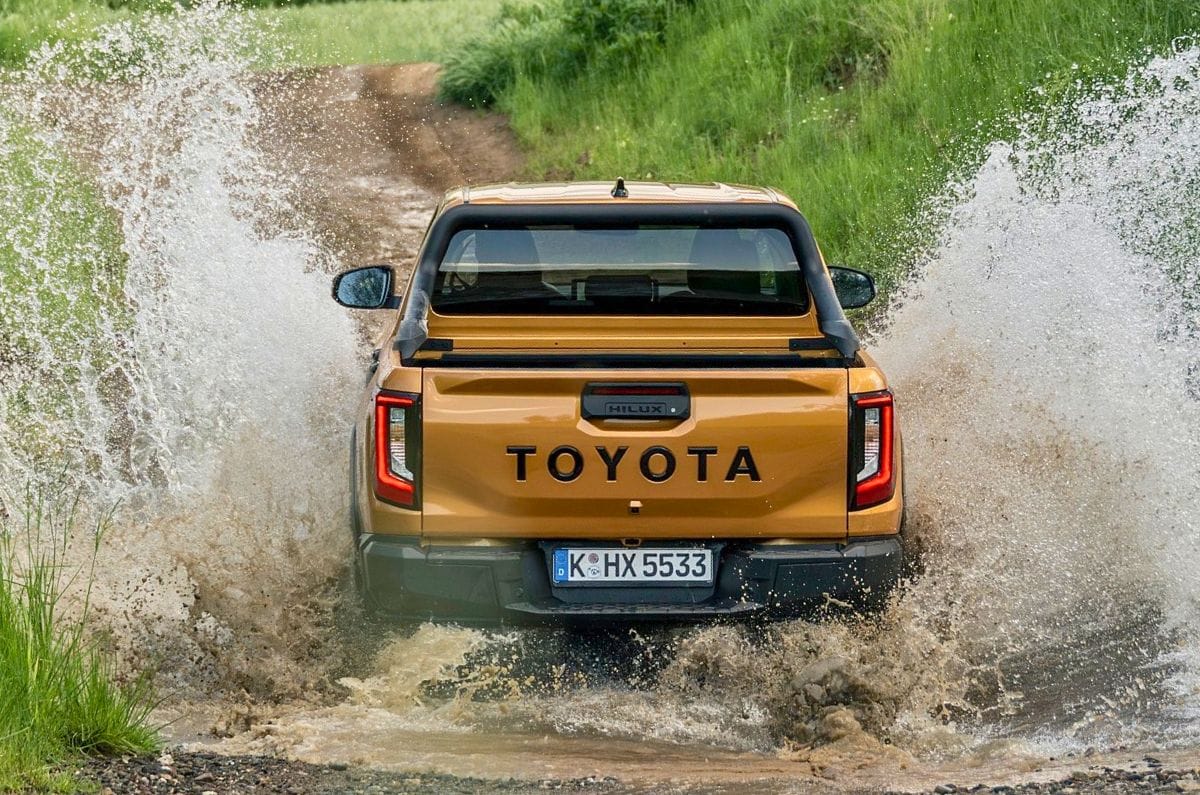
Toyota will debut the new-generation 2026 Hilux in India tomorrow, July 28. The Hilux, currently in its eighth-generation avatar in the country, was launched in March 2022 and has been a relative success, especially against the likes of the Isuzu V-Cross pickup. With the new-generation model, teasers suggest that Toyota will give the Hilux a full design overhaul, making it look more modern and offering a handful of new features. Here’s everything you can expect from the 2026 Toyota Hilux in India:
1. What is the expected price of the 2026 Toyota Hilux in India
New-gen Hilux’s price could range between Rs 32 lakh and Rs 40 lakh (ex-showroom)
With the new-generation update, Toyota is expected to raise the Hilux’s prices by a considerable margin. For reference, the current model is priced from Rs 28.52 lakh to Rs 36 lakh (ex-showroom). So, the upcoming new-generation Hilux is likely to have a price tag of somewhere between Rs 32 lakh and Rs 40 lakh (ex-showroom).
2. What engine option will power the 2026 Toyota Hilux?
The Hilux’s 2.8-litre diesel engine could be offered with a 48V ‘neoDrive’ tech
International-spec ninth-generation Toyota Hilux shown for representational purposes only.
As the upcoming new-gen model is based on the same IMV platform as the current Hilux, Toyota is expected to offer it with the same 2.8-litre diesel engine that produces 204hp, 420Nm with a 6-speed manual transmission, and 240hp, 500Nm with a 6-speed torque converter automatic gearbox. A 4×4 AWD system is expected to be offered as standard with a low-range transfer case. A small improvement, however, could be a new 48V mild-hybrid system, called the ‘neoDrive’ on the Fortuner, which would slightly improve the fuel efficiency of the Toyota pickup.
Notably, the international-spec ninth-generation Hilux is also offered as an all-electric vehicle with a 59.2kWh battery pack, delivering a WLTP-claimed range of 240km, and front- and rear-axle-mounted electric motors with a combined output of 196hp. However, the Hilux EV’s India launch is highely unlike in the country.
3. What are the exterior design changes on the 2026 Toyota Hilux?
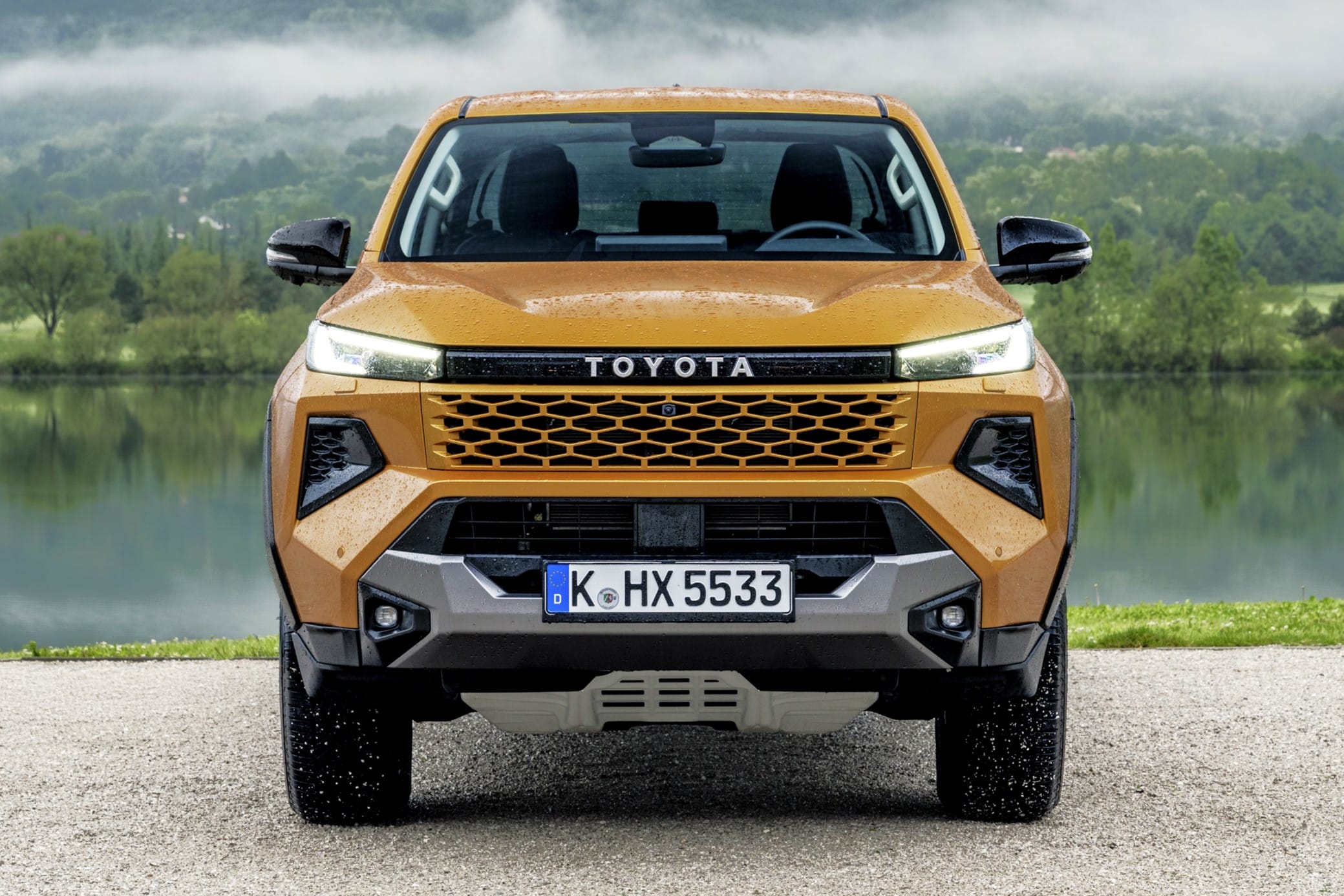
Has slimmer headlights, a square grille and an aggressive-looking front bumper
International-spec ninth-generation Toyota Hilux shown for representational purposes only.
Compared to the current model, the international-spec ninth-generation Hilux has plenty of prominent creases and angles that make it look more aggressive. At the front, it gets slimmer LED headlights with LED DRLs, connected via a gloss black strip that features ‘Toyota lettering’. The grille is squarer than before and features prominent angular honeycomb-mesh design elements.
On the bumper, there are two quadrangle-shaped black air intakes on either side of the grille. The lower section of the bumper looks very aggressive with strong creases, wide air intakes, a silver skid plate, and two LED fog lamps.
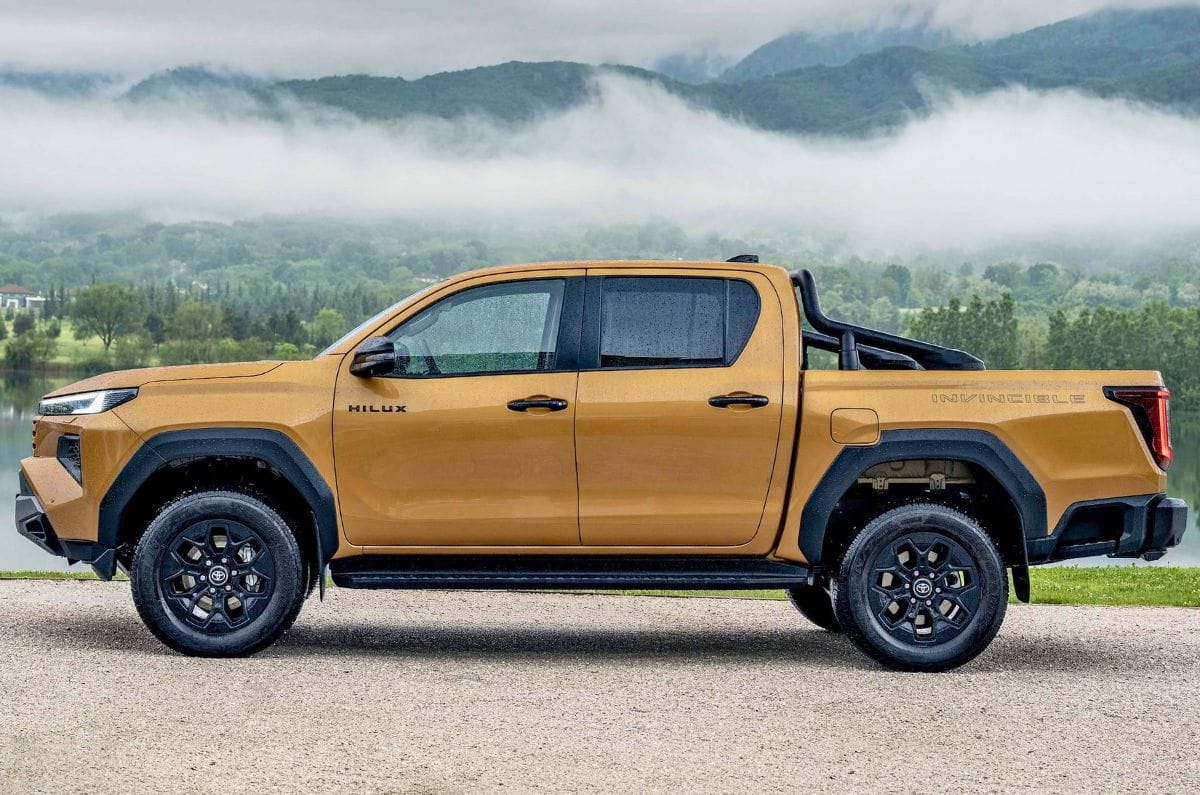
Gets a cleaner side profile, but the square wheel arches add to its character
International-spec ninth-generation Toyota Hilux shown for representational purposes only.
Compared to the front, the side profile design is cleaner. The international model gets 18-inch black alloy wheels, squared-off black cladding on wheel arches and a footboard for easier ingress and egress. The outside rearview mirrors (ORVMs) and door handles are black, and the truckbed features a roll cage finished in black for added contrast.
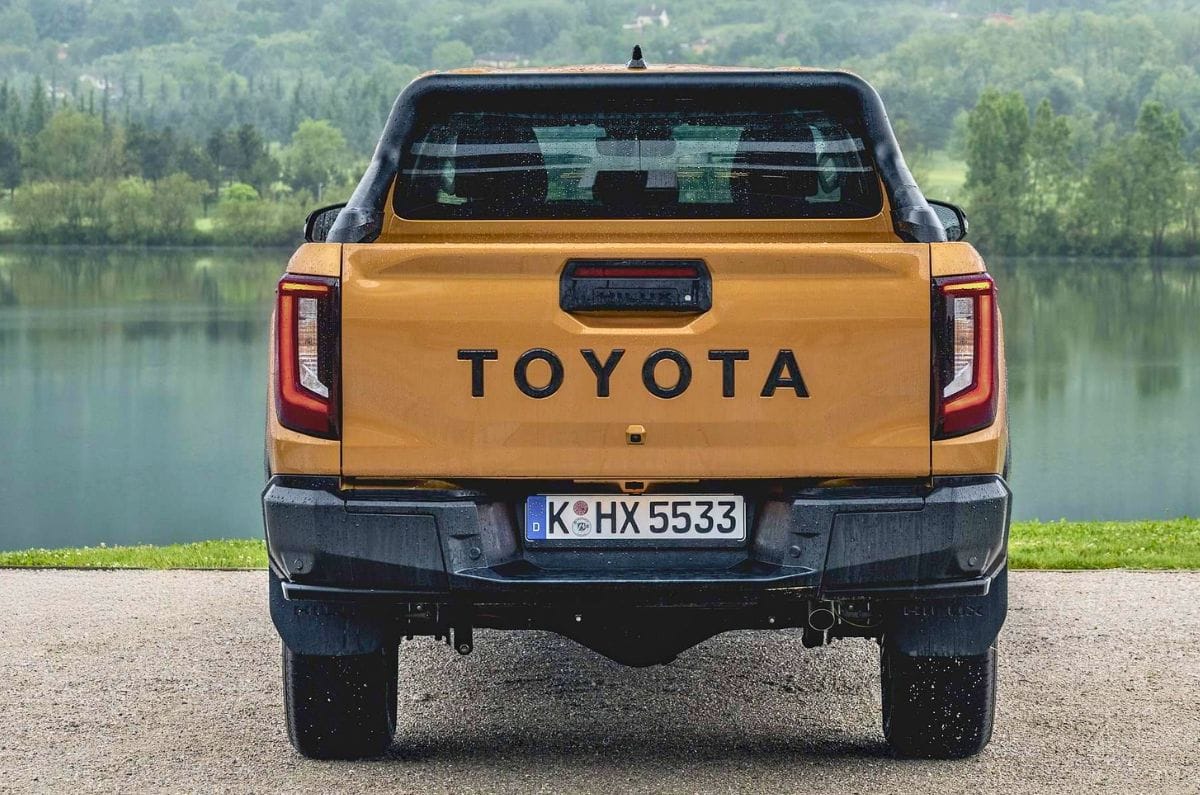
Features new wraparound taillights but a similar Toyota badging on the tailgate
International-spec ninth-generation Toyota Hilux shown for representational purposes only.
The 2026 Toyota Hilux’s rear features C-shaped wraparound LED taillights. The tailgate features massive ‘Toyota’ lettering in black, and the tailgate handle is also finished in black. The rear bumper is chunky and integrates a step to climb onto the truck bed.
4. What are the interior design changes on the 2026 Toyota Hilux?
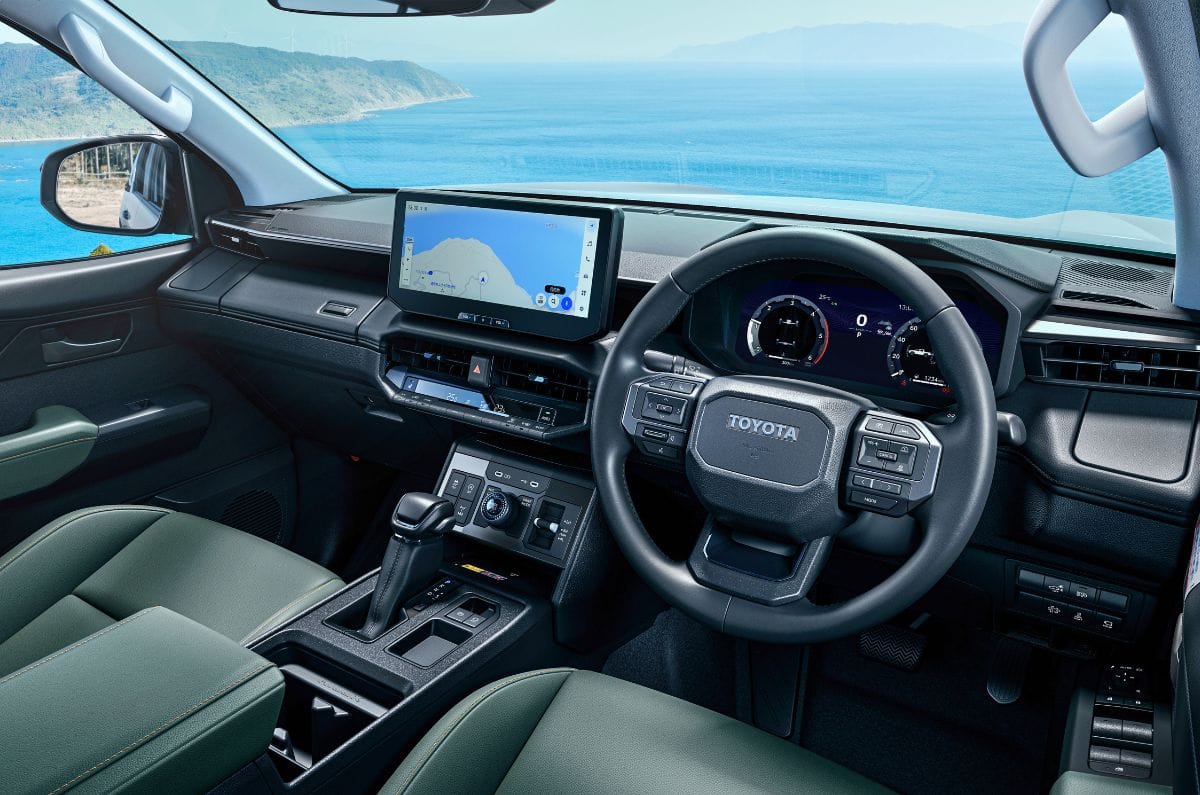
The international model gets a revamped all-black cabin with two screens
Japan-spec ninth-generation Toyota Hilux shown for representational purposes only.
While the India-spec Hilux’s interior is yet to be teased, it is expected to be revamped entirely like the international model. With a chunky 3-spoke steering wheel with physical buttons, a 12.3-inch digital driver’s display and a same-sized touchscreen infotainment system, it looks more modern than the outgoing model. With a mix of soft-touch leatherette materials and hard plastics, it seems to be equal parts contemporary and rugged. Unlike modern-day cars, the new-gen Hilux offers a plethora of physical controls on the centre console and transmission tunnel. Like the current model, the international-spec ninth-gen Hilux features an all-black cabin.
5. What features does the 2026 Toyota Hilux have?
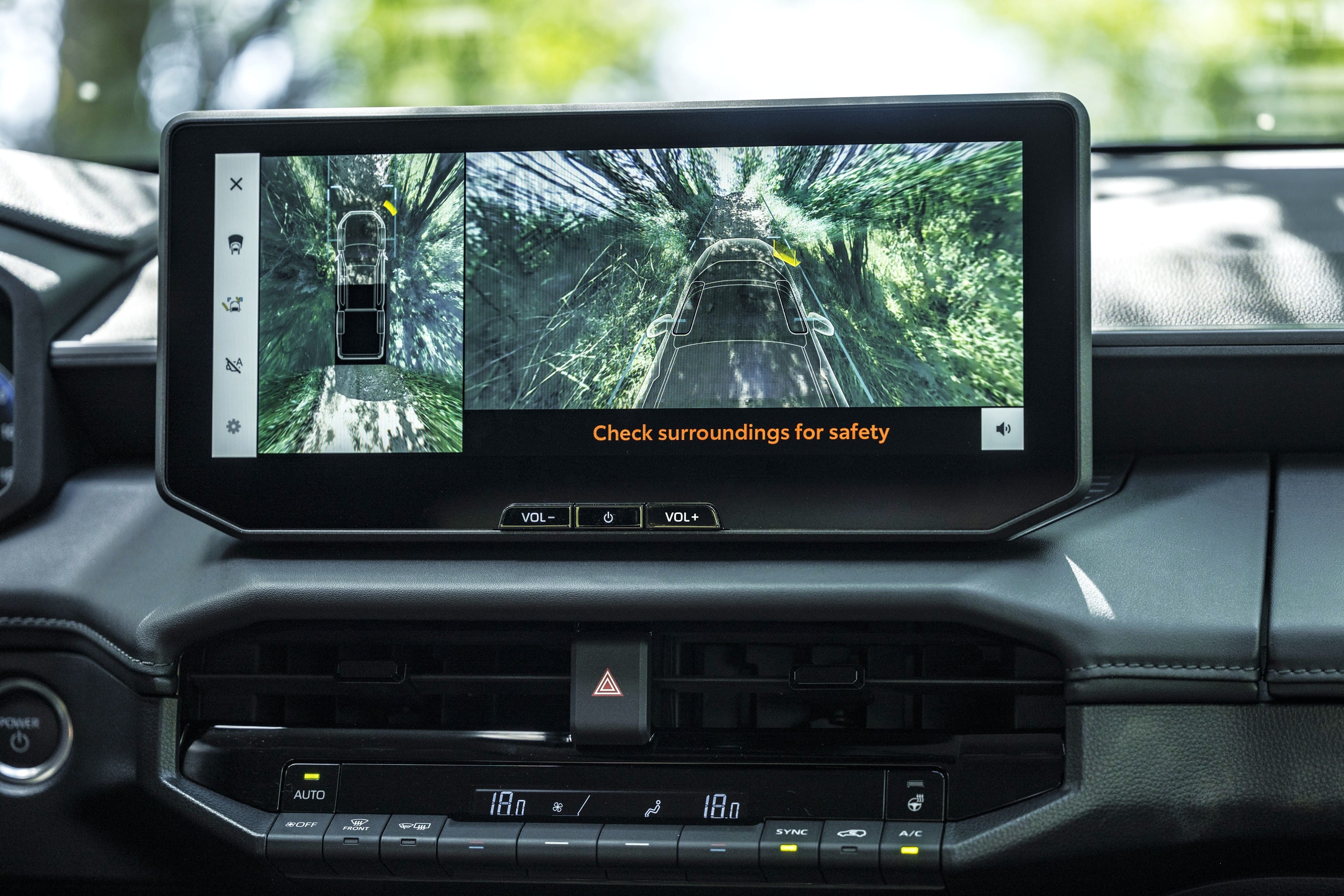
360-degree camera, dual-zone AC, and powered seats are expected to be offered
International-spec ninth-generation Toyota Hilux shown for representational purposes only.
New features onboard the ninth-generation Toyota Hilux include a 360-degree camera system with a blind-spot monitor, dual-zone automatic climate control, powered and ventilated front seats, heated ORVMs and an advanced driver assistance system (ADAS) suite. Other features include the aforementioned 12.3-inch screens, a 9-speaker JBL audio system, a 220V power outlet for front passengers and front and rear parking sensors. The feature suite of the India-spec 2026 Hilux is expected to be similar to the international-spec model.
6. Which cars will the 2026 Toyota Hilux rival in India
The 2026 Hilux will continue its rivalry with only one car in India
The new-generation Toyota Hilux will continue to rival the Isuzu V-Cross in India, which received a minor update in February 2026. Notably, the V-Cross is priced from Rs 25.50 lakh to Rs 30.28 lakh (ex-showroom).
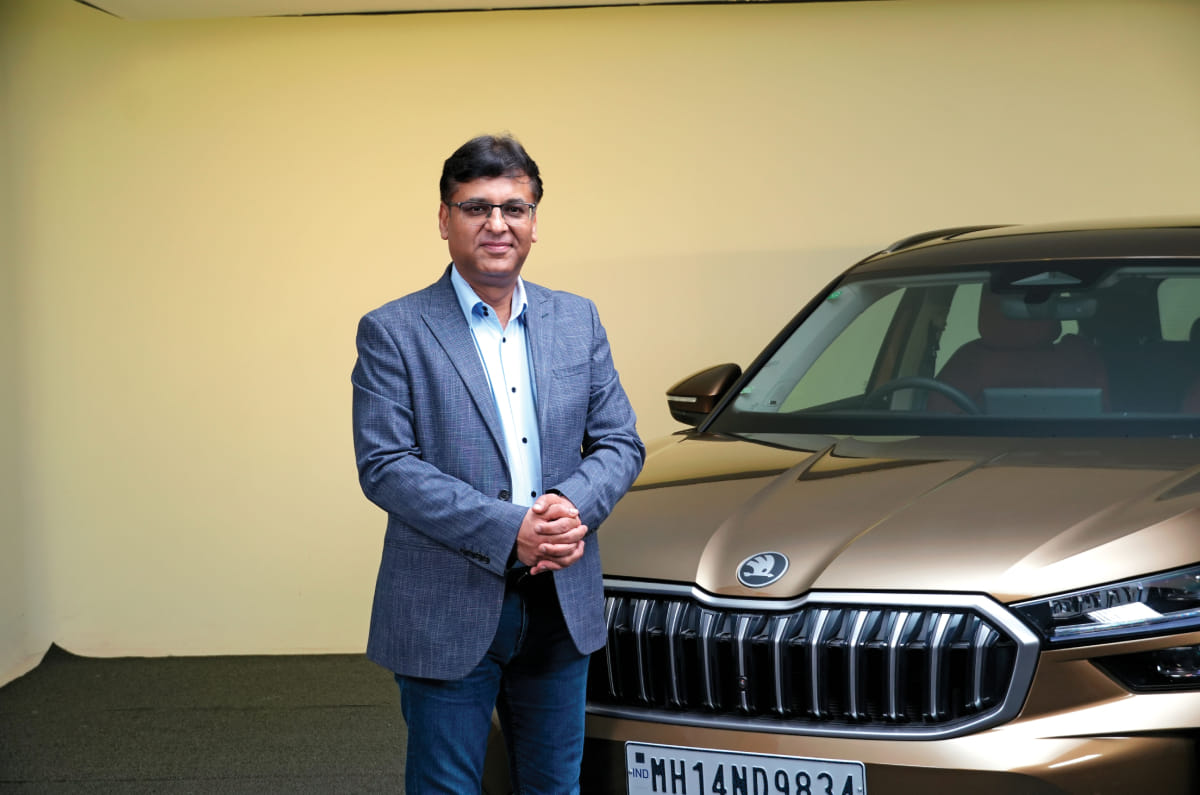
Skoda Auto India has had a busy year, with the launch of the Kylaq, the return of the Kodiaq, an expanding dealer network and plans to strengthen its presence across multiple segments. The company is also preparing for an electric future while continuing to invest in its petrol-powered portfolio. In this interview, Brand Director Ashish Gupta talks about Skoda’s sales growth, the launch of the Kodiaq RS, upcoming model updates, EV strategy and the steps being taken to improve the ownership experience in India.
On his first year at the helm of Skoda India.
Coming from Volkswagen, I’ve basically switched to the other side of the office, but I’d say it’s been challenging but exhilarating. I’m more than satisfied with the year, from the brand side, sales and also setting the foundation for the future. All our KPIs – brand image, awareness, consideration, network coverage, dealer profitability, customer satisfaction, market coverage, etc. – have improved, and we have done really well. In sales, we went from number eleven to seven, and we also became number four in the global sales ranking for Skoda, just slightly behind the UK.
On the launch of the Kodiaq RS.
The Kodiaq is our flagship. It came here in 2017, and we have it on sale again. At the same time, this year marks 125 years for Skoda in motorsport, and it’s also about 50 years since the RS badge was first born, so we thought it would be great to bring in the Kodiaq RS as the pinnacle of our engineering and motorsport heritage. It’s coming in as a fully built unit, and we have only 50 units; allocation is a challenge when it’s a bestseller abroad, but we have the option of another batch later on.
On the Kylaq driving Skoda’s sales growth.
Yes, a large portion of our sales came from the Kylaq, but that was also because we were running out the Kushaq, which was due for an update and has now been launched. So, the demand for the Kushaq was always there. Also, it’s only been two months, so it’s too early to qualify, but we have seen an uptake of about 40% in sales, and the order book is solid.
On the Slavia and the upcoming update.
The Slavia is a very special model for us. SUVs are the flavour of the season, but sedans are doing fine too, and we are among the few manufacturers in the world that still have a sedan portfolio, all of which are doing well. In India, the Slavia continues our sedan legacy of models like the Octavia, Superb and Rapid, and so, yes, it will see an update, but it’s early to specify details.
On the company’s electric vehicle plans.
If you want to be a relevant player in that space, you have to have a local play, so that’s what we are working on. EV penetration was 7% in May, up from 4.5% at the end of last year, so yes, this is a space where we will accelerate our plans, but you cannot do this suddenly, as there are factors like the supply chain to consider. But there’s an international portfolio too that we can look at.
On the possibility of the Peaq making it to India.
Bringing in a global model is very difficult as far as pricing goes, and the EU-FTA, as you know, does not give benefits to EVs for now. So, for now, we have to look at what makes sense, and yes, a larger EV is easier to manage pricing with. And yes, the Peaq is certainly on my radar. We will look at the specifications and see how we can best manage that with pricing, as you cannot have a high-priced CBU but be low on equipment. So, we are working on this. My ambition is to get the global portfolio to India.
On a petrol-only portfolio and flex-fuel cars.
If you see, year to date, the petrol market is about 46%, which used to be above 50% last year, so there is a shift, but the market is also growing by 20%. So even if the share of other fuels is rising, the absolute volume of petrol is increasing, so I’m not worried about our current portfolio. As for flex fuel, yes, ethanol is a longer-term strategy that the government wants, so we have to look at it, and we are, but there is work to manage this, as we have to look at the engine portfolio and manage our strict emission norms too.
On addressing Skoda’s dealer experience.
If you look at our customer experience scores, they have been improving. Sales have grown by almost 12 percent over the last year, and customer experience for service has improved by 18 to 20 percent. So, are we perfect? No, but the trend has improved and is only rising. Also, we are now present at about 335 touchpoints in 183 cities and are just inaugurating our 200th workshop in India, so we are getting closer to our customers. We have competitive service packs and excellent parts availability. Today, we have a parts service rate of more than 96 percent at our warehouses and dealerships, which is among the best in the industry.
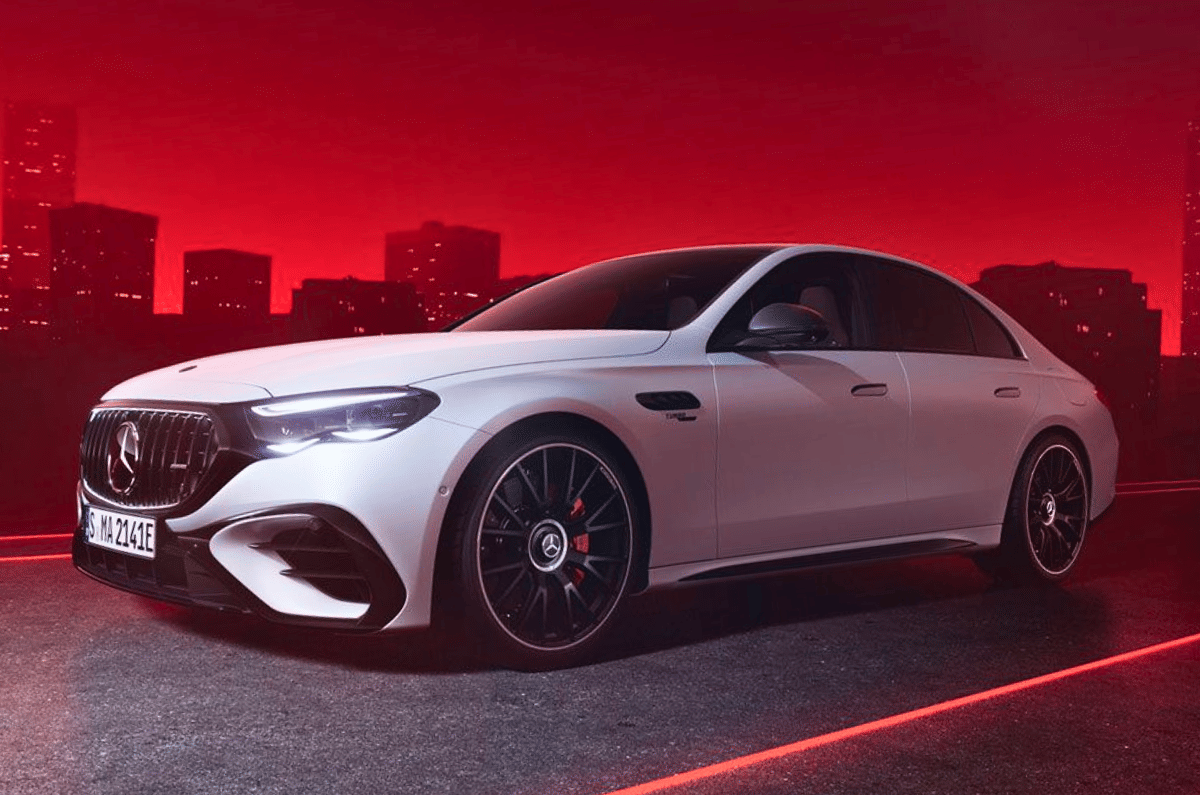
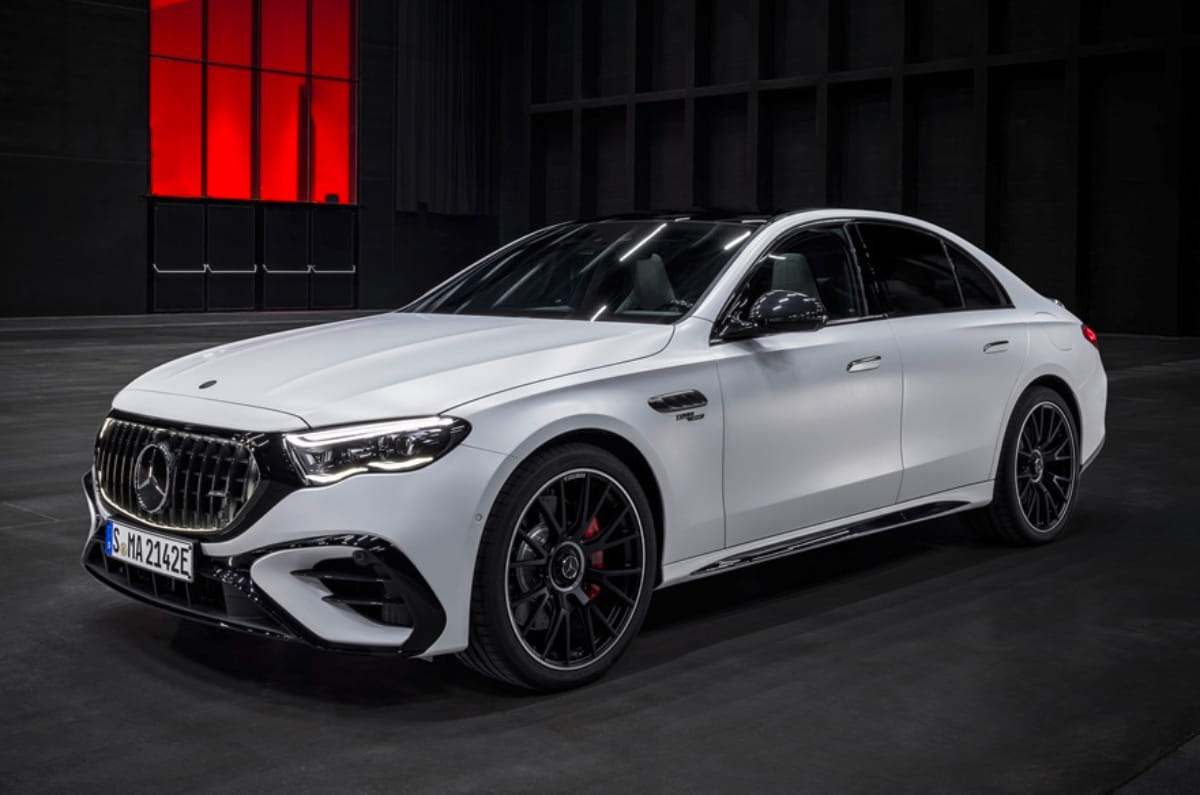
Mercedes-Benz is set to expand its India line-up with the launch of the new AMG E 53 performance sedan on July 23. This AMG version of the Mercedes E-Class was unveiled globally in March 2024 and is now finally headed to India, more than two years later. Here’s everything you need to know about the new Mercedes-AMG E 53.
What is the expected price of the new Mercedes-AMG E 53?
The 2026 Mercedes-AMG E53 price is expected to be around the Rs 2.2 crore (ex-showroom) mark. If that holds, the E 53 will carry a premium of about Rs 29 lakh over the AMG C 63 S E sedan, which costs Rs 1.91 crore.
Is the new Mercedes-AMG E 53 a PHEV?
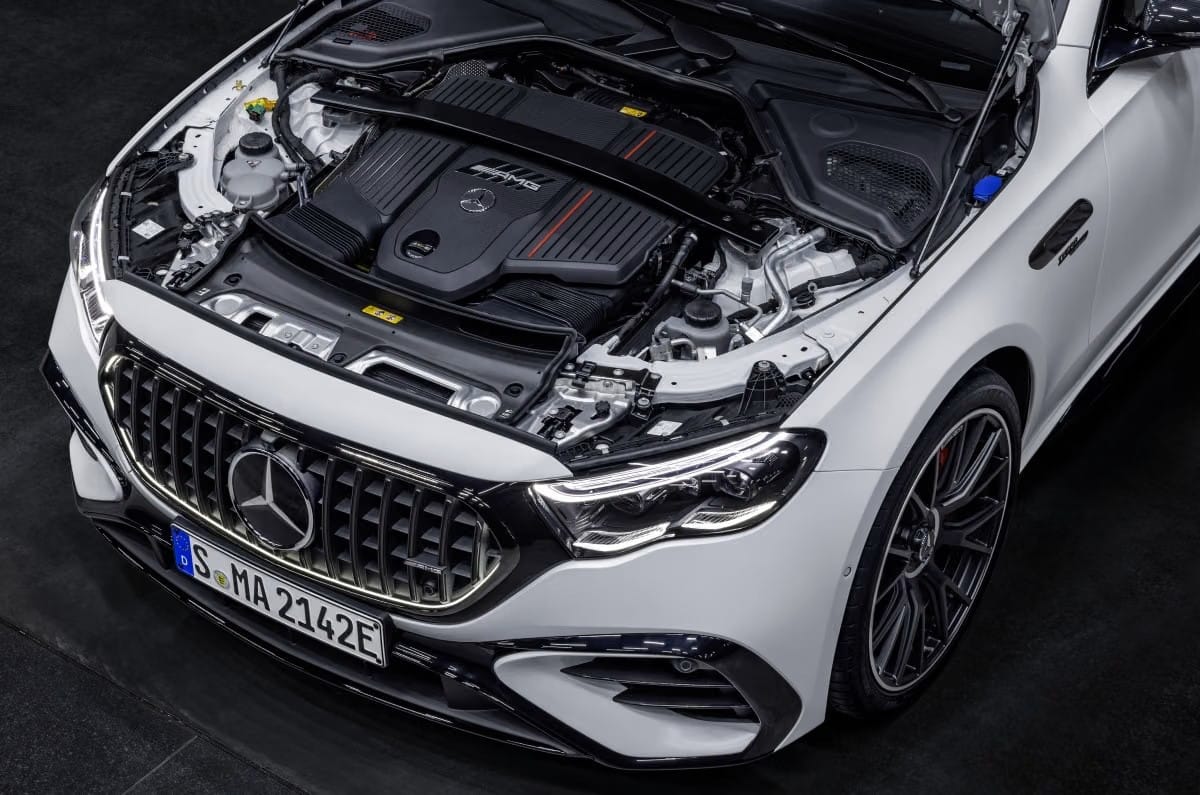
While the previous E 53 that was on sale in the country came with a 48V mild-hybrid system, the new version is a plug-in hybrid electric vehicle (PHEV). The 2026 performance sedan continues to use a 3.0-litre turbo-petrol straight-six engine, but pairs it with an electric motor integrated into the 9-speed automatic gearbox. Combined, this setup produces 585hp and 750Nm. Drive is sent to all four wheels via the brand’s 4Matic+ AWD system.
With the optional AMG Dynamic Plus package, power increases to 612hp (when Race Start is activated). In this mode, the E 53 can sprint from 0-100kph in 3.8 seconds and reach a top speed of 280kph. It also gets a 21.2kWh lithium-ion battery, offering a claimed electric-only range of over 100km. The 400V battery supports AC charging speeds of up to 11kW. In some markets, an optional 60kW DC fast charger is also on offer, which can charge the battery from 10 to 80 percent in about 20 minutes.
How is the Mercedes-AMG E 53 mechanically different to the regular E-Class?
The E 53 gets several AMG-specific chassis upgrades, including extra bracing at the front and rear axles, an 11mm wider front track, and adaptive suspension with Comfort, Sport, and Sport+ mode settings. Its braking system has also been tuned to work better with the hybrid system’s energy recuperation.
Does the new Mercedes-AMG E 53 look any different from the regular E-Class inside and out?
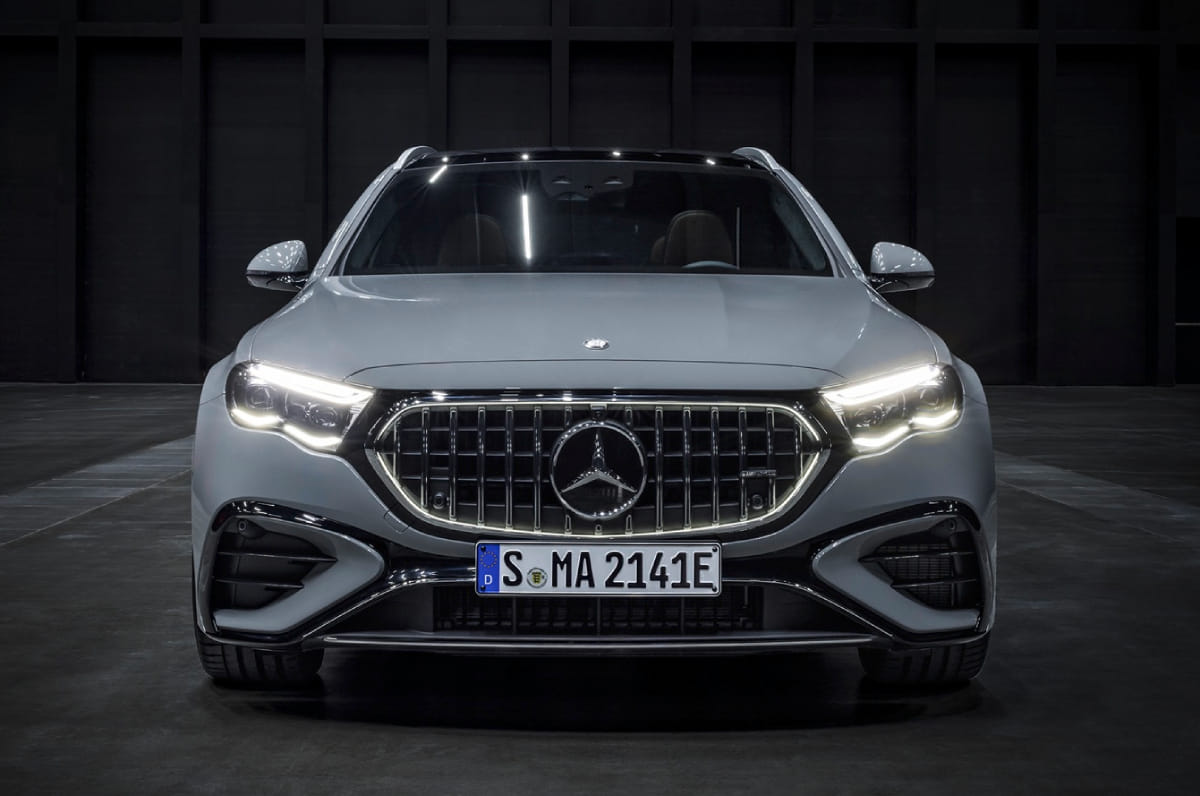
The Mercedes-AMG E 53 gets a sportier look than the standard E-Class. Up front, it features an AMG-spec grille with illumination, a redesigned bumper with larger air intakes, and front fenders widened by 11mm on each side. Even the design for the wheels stands out. At the rear, it gets a boot-lid spoiler, and a redesigned bumper with a blacked-out diffuser and four round exhaust tips. Inside, the E 53 gets AMG-spec seats (with powered adjustment at the front) and AMG steering wheel.
What features will the new Mercedes-AMG E 53 offer?
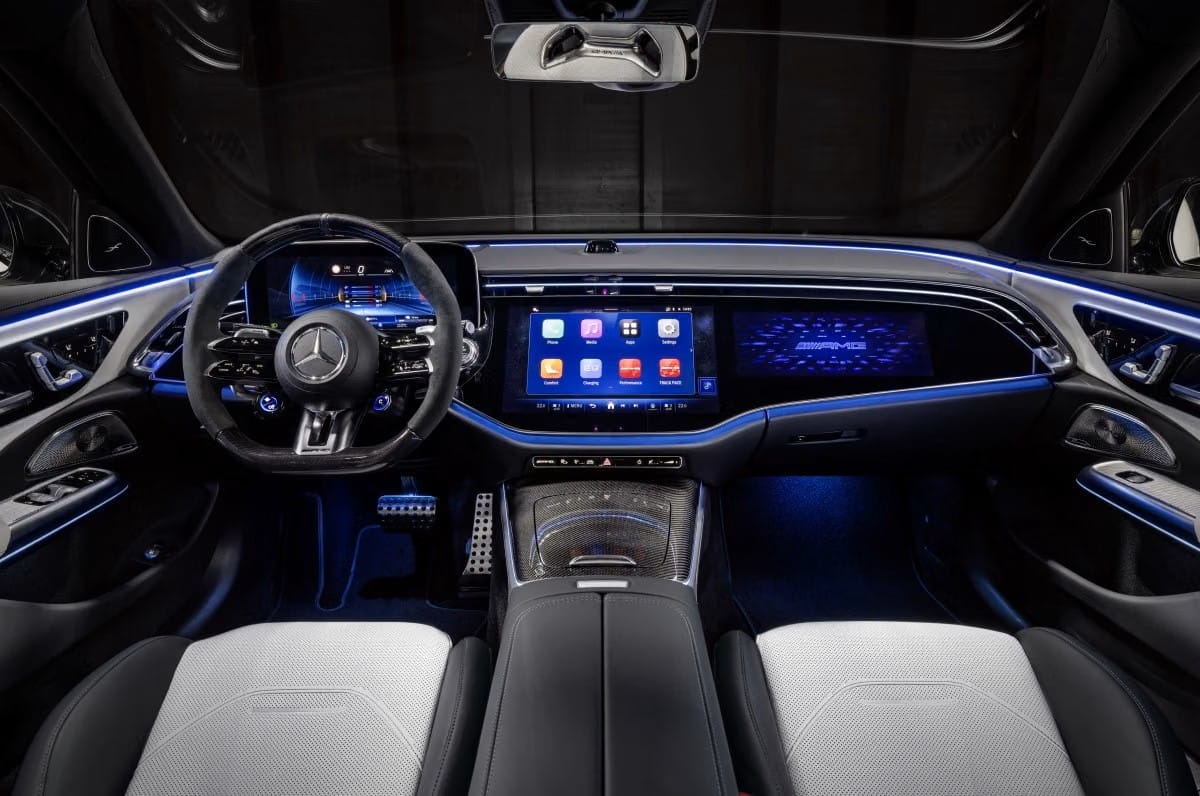
It gets a 12.3-inch digital driver’s display and a 14.4-inch touchscreen. In international markets, buyers can also opt for the brand’s Superscreen, which adds a separate display for the front passenger. It remains to be seen if Mercedes offers the Superscreen with the E 53 in India. Other features include Burmester sound system, panoramic sunroof, ambient lights, wireless charger, wireless Android Auto and Apple CarPlay, drive modes, 360-degree camera, multiple airbags and more.
Whom will the new Mercedes-AMG E 53 rival in India
Upon launch, the new Mercedes-AMG E 53 will see competition from models like the BMW M5 and the Porsche Panamera. The M5 is priced at Rs 2.11 crore, ex-showroom, while the Panamera starts at Rs 1.79 crore before options.
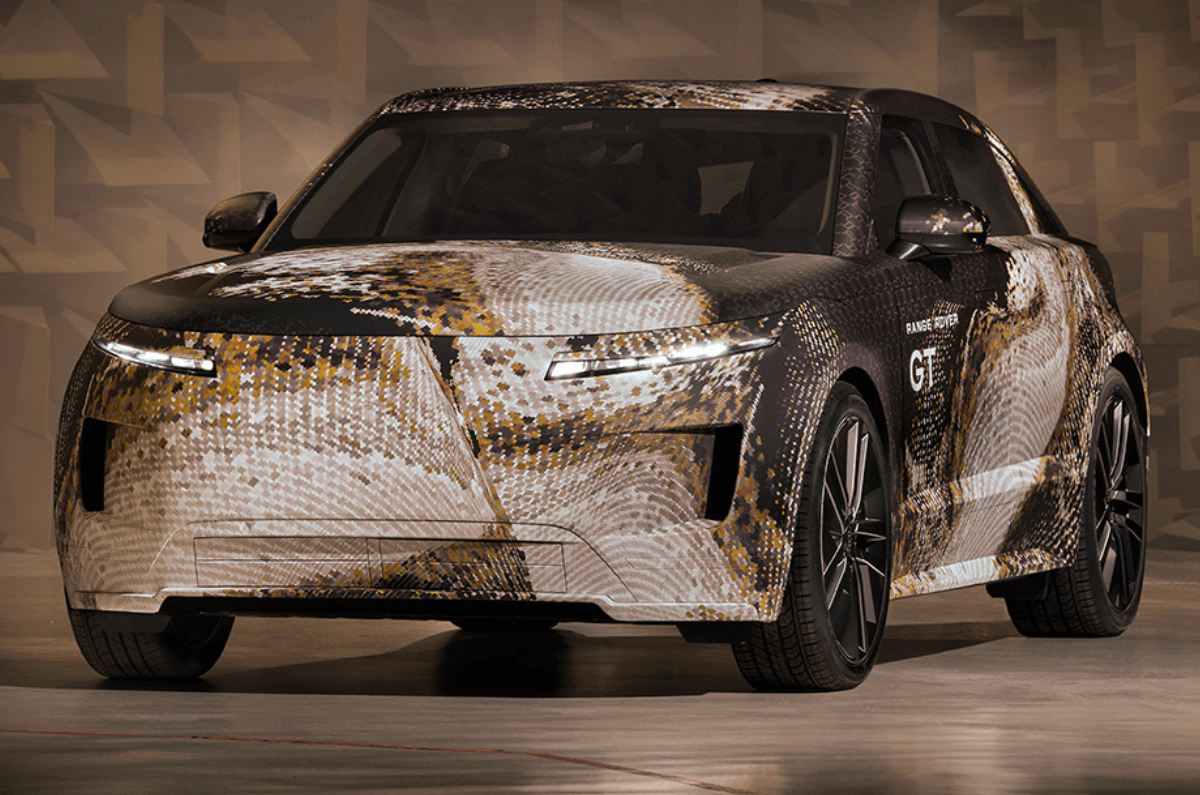
It’s not often that Range Rover adds a fresh member to the family. The last wholly new addition to the range was the Velar in 2017. Now comes something far more radical – the Range Rover GT, a grand tourer that ditches the SUV playbook, goes all-electric and pushes the brand into uncharted territory.
Shape of a new Range Rover
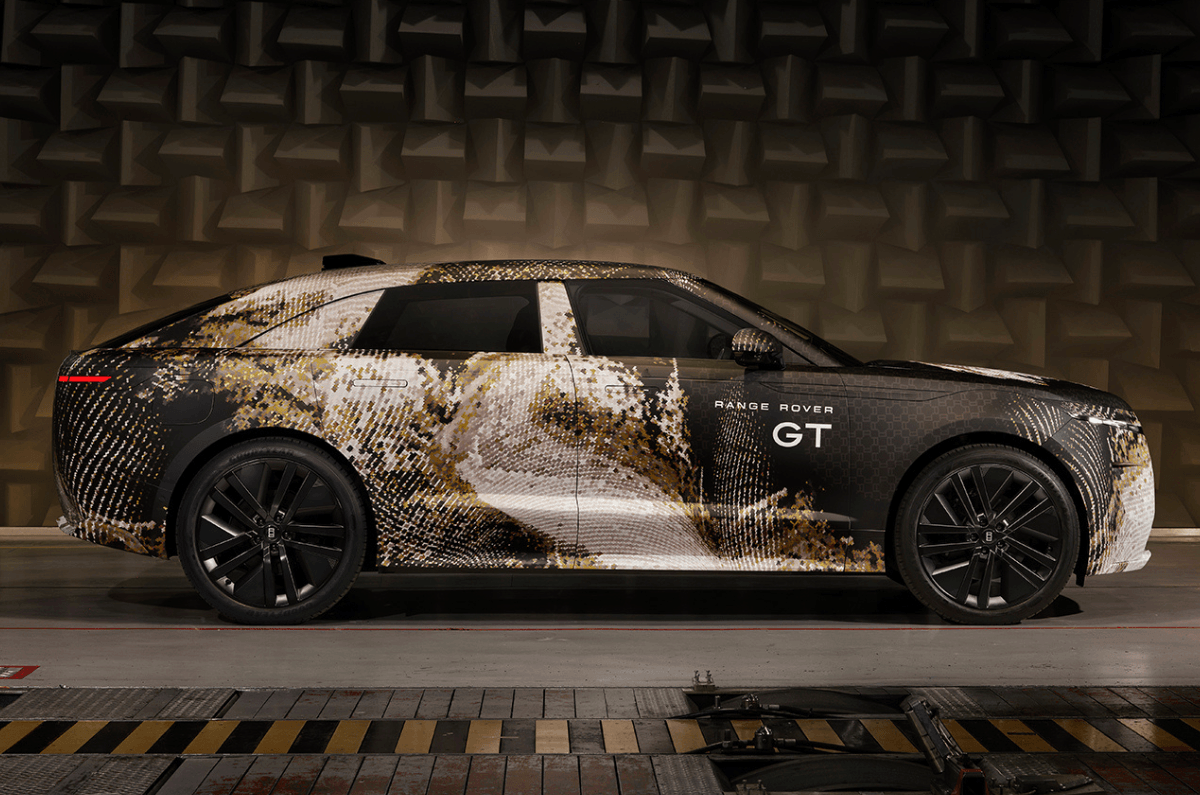
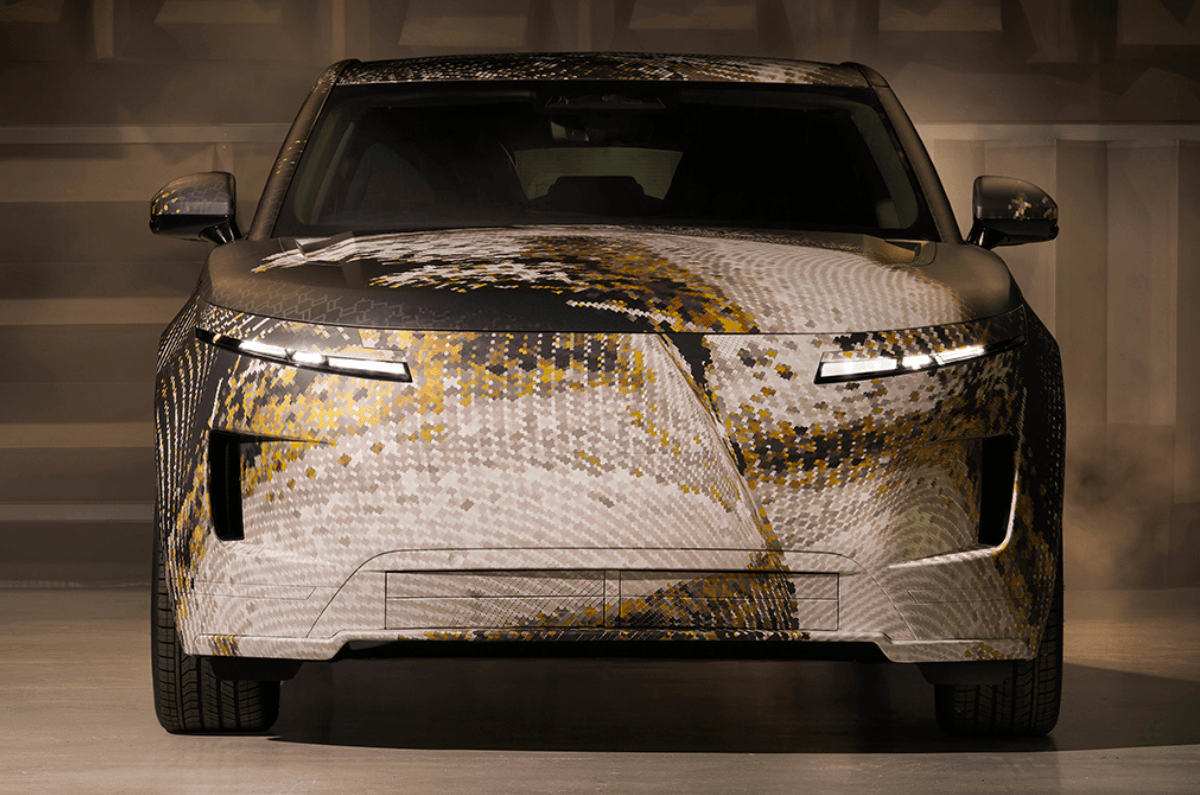
Even under the elaborate gold-on-black camouflage, the GT’s form is impossible to miss. The silhouette is long, low and almost coupe-like, with a roofline that seems to run on forever and exaggerates the car’s length.
Range Rover says the GT is longer than the standard-wheelbase Range Rover and, crucially, the lowest Range Rover yet. It also sits lower than a Porsche Macan while stretching beyond a Range Rover Sport. Those proportions immediately change what you expect a Range Rover to be. There’s still the familiar clean surfacing and tight detailing, but the GT comes across more like a fast, long-legged cruiser than a traditional go-anywhere SUV. And of course, like every Range Rover, it still drives all four wheels. The wheelbase looks to be well over three metres, which should suit the kind of high-speed stability and relaxed continent-eating ability the GT name promises.
Underpinning this shift is a clean break from the MLA architecture used by the Range Rover and Range Rover Sport Electrics. The GT rides on JLR’s new EMA platform, a born-electric architecture that gives the design and engineering teams far more freedom than a chassis that is shared with ICE powertrains.
Born-electric, engineered for refinement
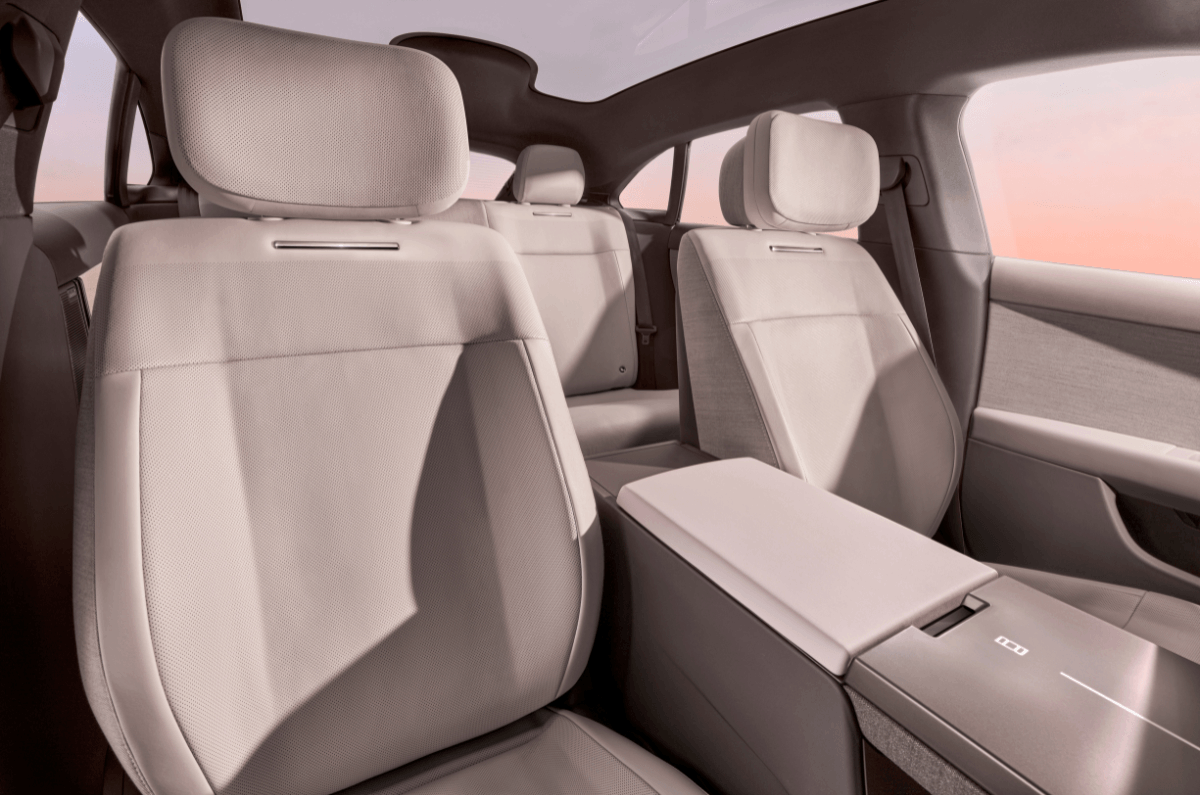
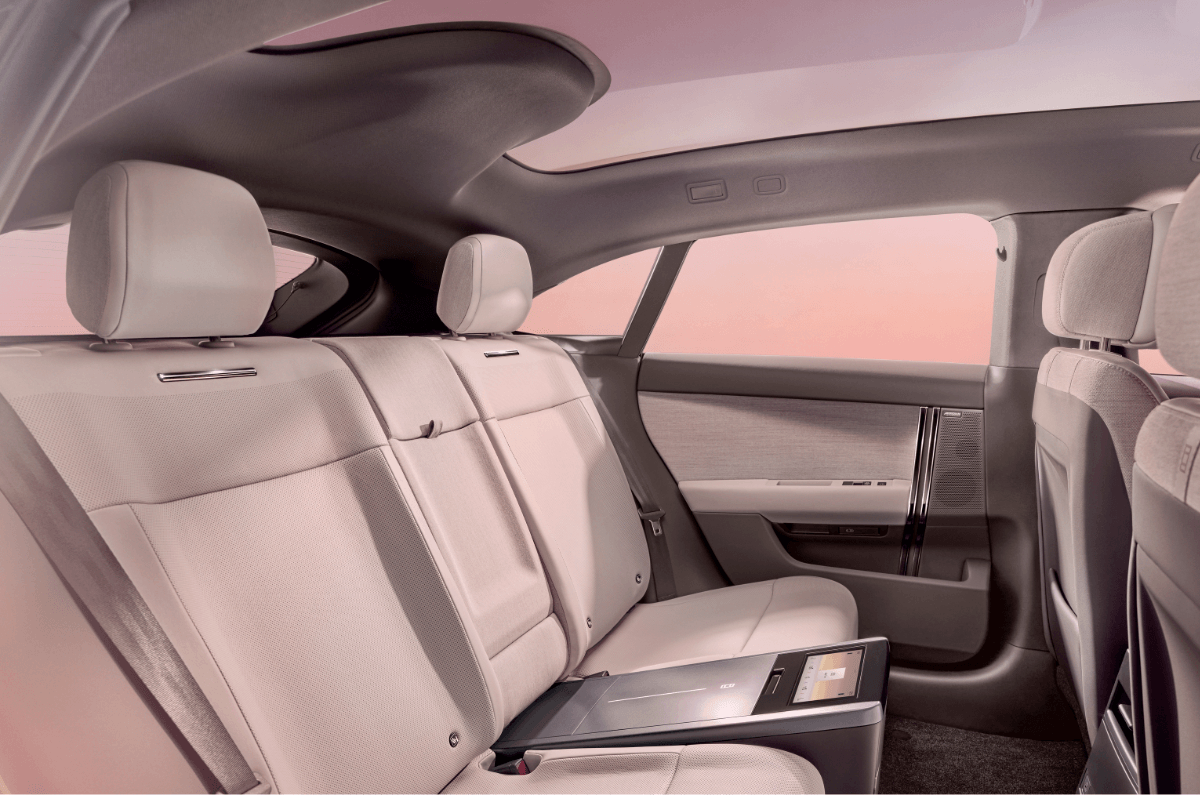
EMA’s packaging advantages are obvious here. Despite the low roofline, Range Rover says there’s enough headroom for six-footers in both rows, helped by a fixed panoramic glass roof, the largest the brand has fitted yet, which adds 40mm of headroom.
The battery uses longer cells in a single layer rather than a double-stacked layout, so the floor need not be pushed up. That should help keep the seating position natural, and the cabin feel properly spacious. There’s even a frunk up front, something you don’t get on the MLA-based Range Rover Electrics, which underlines how different this car is beneath the skin.
Refinement is clearly central to the brief. Martin Limpert, Managing Director of Range Rover, calls it “the quietest Range Rover yet”, claiming it to be 7dB quieter than the ICE Range Rover, which in acoustic terms is an exponential improvement. Besides, the inherent smoothness of an EV powertrain promises to give the GT a special calm, unhurried character that proper grand tourers are built on.
No hard figures have been released, but the wheelbase and EMA’s potential point to a sizeable battery pack and serious long-distance ability. Expect the GT to be built for fewer charge interruptions and more time spent crossing countries in near silence. Initially, the GT will be offered as a pure battery-electric vehicle, with a hybrid option planned later in the lifecycle.
A warm, reductive cabin
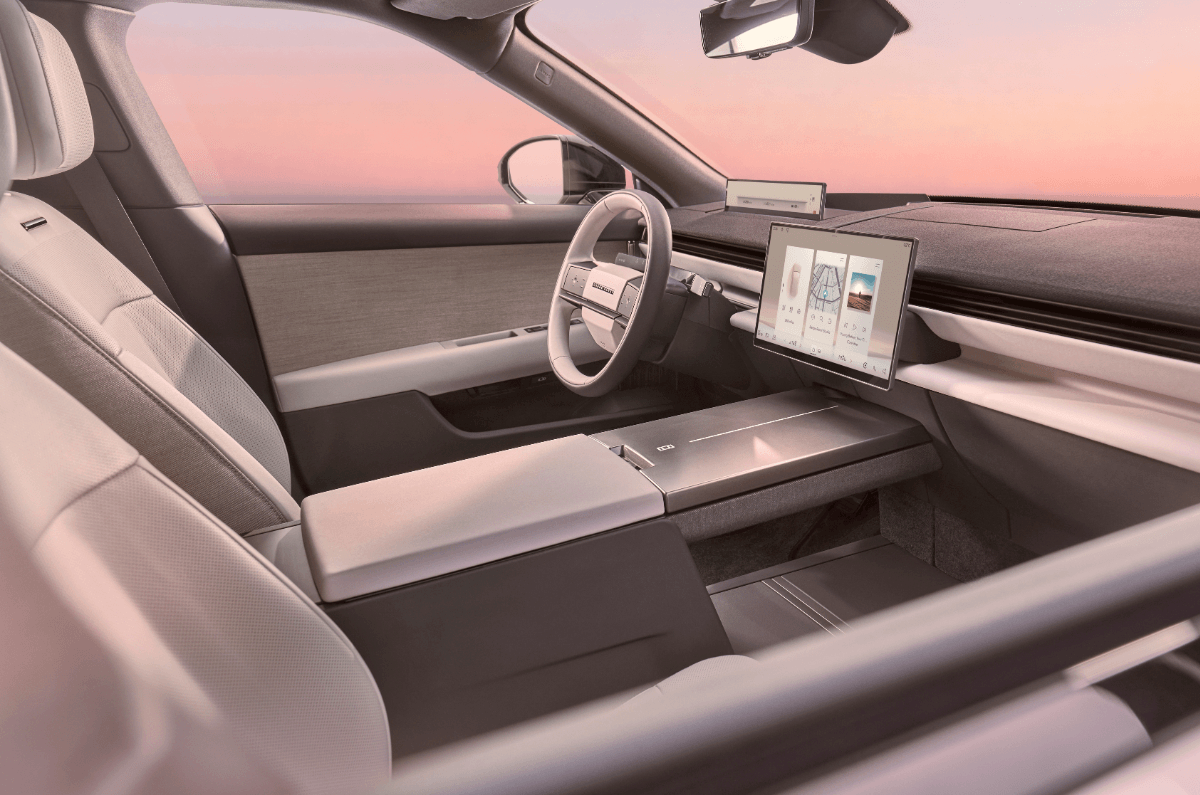
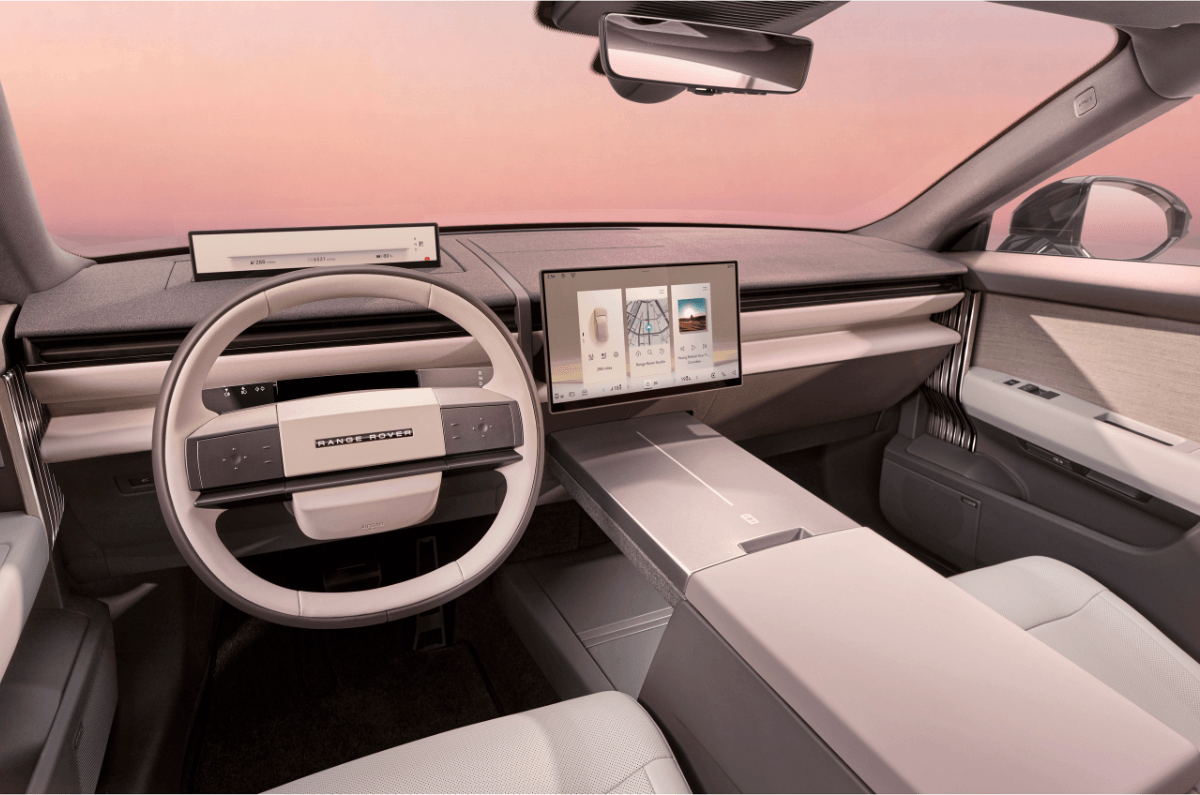
Inside, the GT continues Range Rover’s reductive design language, but in a more architectural, lounge-like way. The cabin is defined by strong horizontal lines, with a single central OLED screen paired with a compact driver display in place of a conventional instrument cluster.
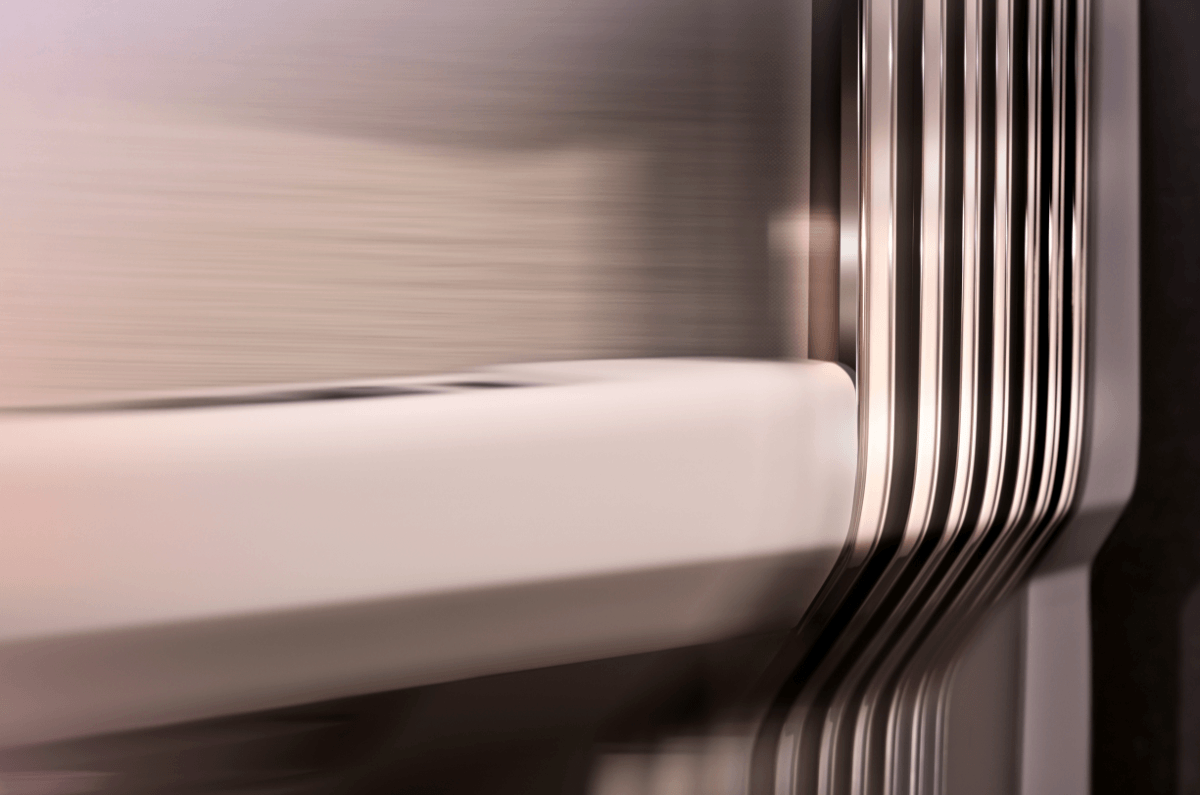
That smaller display is not just a styling move. It is meant to cut clutter and reduce the amount of information the driver has to process. A concealed air vent runs the width of the dash, creating a clean horizontal graphic that ties the cabin together, while the dashboard is wrapped in a woven textile that hides the speakers within its form.
Range Rover talks about hidden technology and reduced visual and acoustic clutter, and that comes through in the way the cabin is put together. Purists may rue to the fact that there are very few hard buttons, but the controls are said to be simplified to make the interface more user-friendly.
Second-row legroom is said to be class-leading, and the stretched body and EMA packaging make that claim believable. This is clearly a car designed to make the rear seat a proper place to be, not just somewhere to sit while the driver has all the fun.
Camouflage, character and what it means
The prototype fleet now running global tests wears a bespoke camouflage inspired by the landscape around Gaydon, home to Range Rover’s design and engineering teams. The topographic pattern gives the car a graphic, almost digital feel, while also hinting at the shape beneath.
Range Rover calls the GT its most technologically sophisticated model yet. The EMA platform, deep software integration and a vast suite of driver assistance features should make it more advanced than any Range Rover before it.
Limpert’s point is that the GT is meant to blend effortless EV performance, long-haul refinement and all-terrain ability in a way no conventional GT can. That is the real story here. This is not just a lower, sleeker Range Rover. It is a new interpretation of what the badge can be when the brand is no longer tied to the old packaging rules.
Built in Halewood alongside ICE and hybrid models, the GT is the car that finally drags Range Rover’s grand touring ambitions fully into the electric era – and it does so with a shape and stance that make it look every bit as disruptive as the brief suggests.