The India-EU Free Trade Agreement (FTA), once signed and implemented, will allow European carmakers to import 1 lakh completely built-up (CBU) internal-combustion engine (ICE) and non-plug-in hybrid cars into India at concessional import duties in the first year, according to the tariff schedule under the deal. The quota will gradually rise to 1.6 lakh vehicles from the 10th year.
The negotiations concluded in January 2026. The agreement is yet to be signed and will require completion of the respective internal procedures before it can enter into force. It is expected to be signed by the end of this year and could come into effect from 2027.
First-year quota covers 1 lakh CBU cars
Import duty within quota starts at 30 percent
Quota rises to 1.6 lakh cars from 10th year
Lower duties for imported cars
In the first year, ICE and non-plug-in hybrid cars priced between 15,000 euros and 35,000 euros will attract a 35 percent import duty within the quota. Cars priced between 35,000 euros and 50,000 euros, as well as those above 50,000 euros, will attract a 30 percent duty. Cars priced below 15,000 euros will not receive a tariff concession in the first year.
The 1 lakh-unit quota will be divided across three price bands, with 34,000 units allocated to cars priced between 15,000 euros and 35,000 euros, and 33,000 units each for the 35,000-50,000 euro and above-50,000 euro categories.
The quota will increase to 1.075 lakh vehicles in the second year, 1.3 lakh in the fifth year and 1.6 lakh from the 10th year. The preferential duty across all three price bands will be 10 percent from the 10th year.
EVs and plug-in hybrids get separate quota
Pure electric and plug-in hybrid cars will not receive concessional access under this initial quota. Their preferential access will begin from the fifth year for vehicles priced above 20,000 euros.
A separate quota for battery-electric and plug-in hybrid CBUs will start at 20,000 vehicles in the fifth year and increase to 90,000 vehicles by the 14th year. The preferential duty will be 30 percent in the fifth year and will fall to 10 percent from the 10th year.
Cars imported outside the quota will continue to attract higher duties, ranging from 66-110 percent initially. These rates are scheduled to fall to 30-35 percent by the 10th year.
European carmakers could expand CBU imports
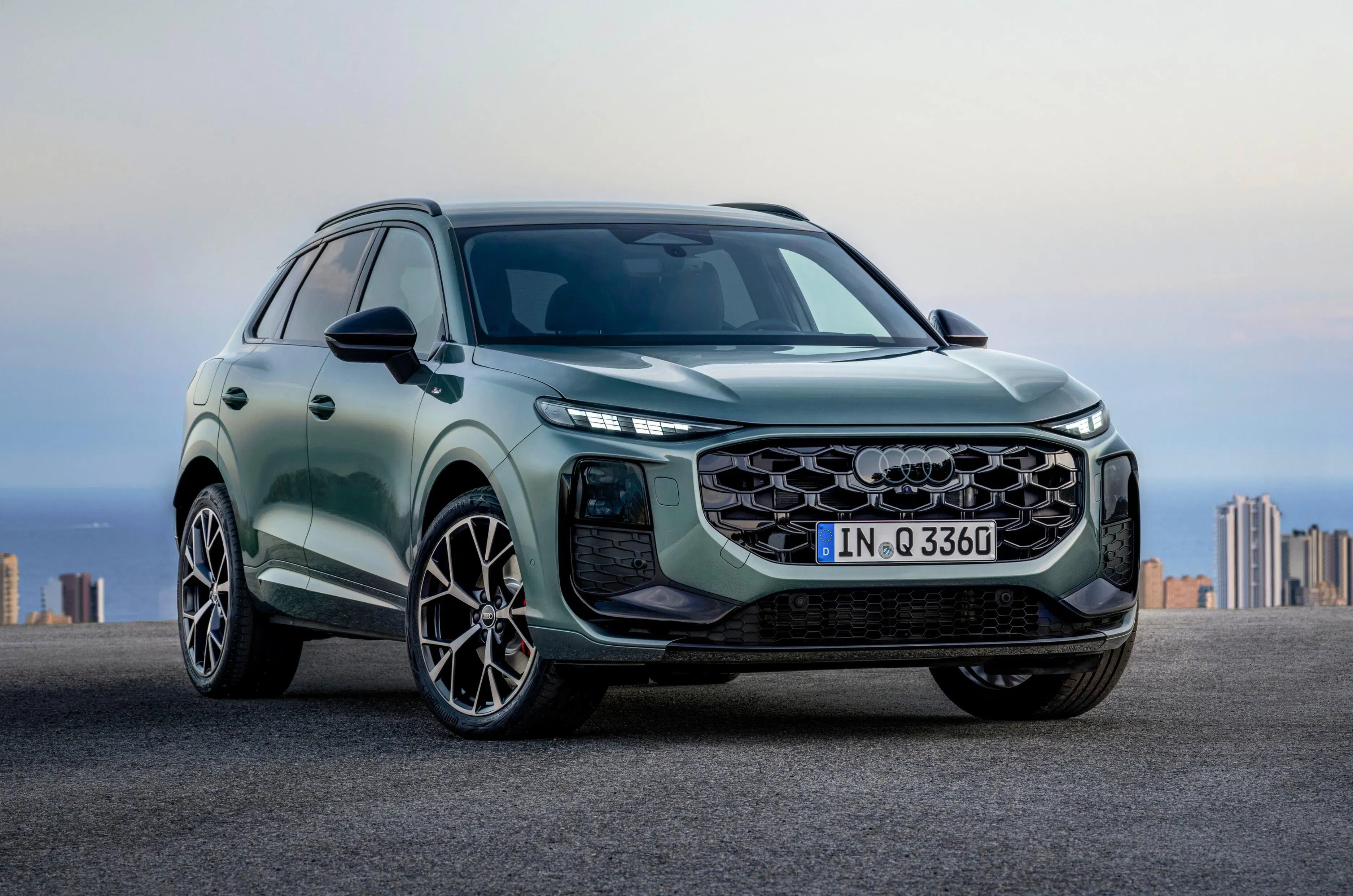
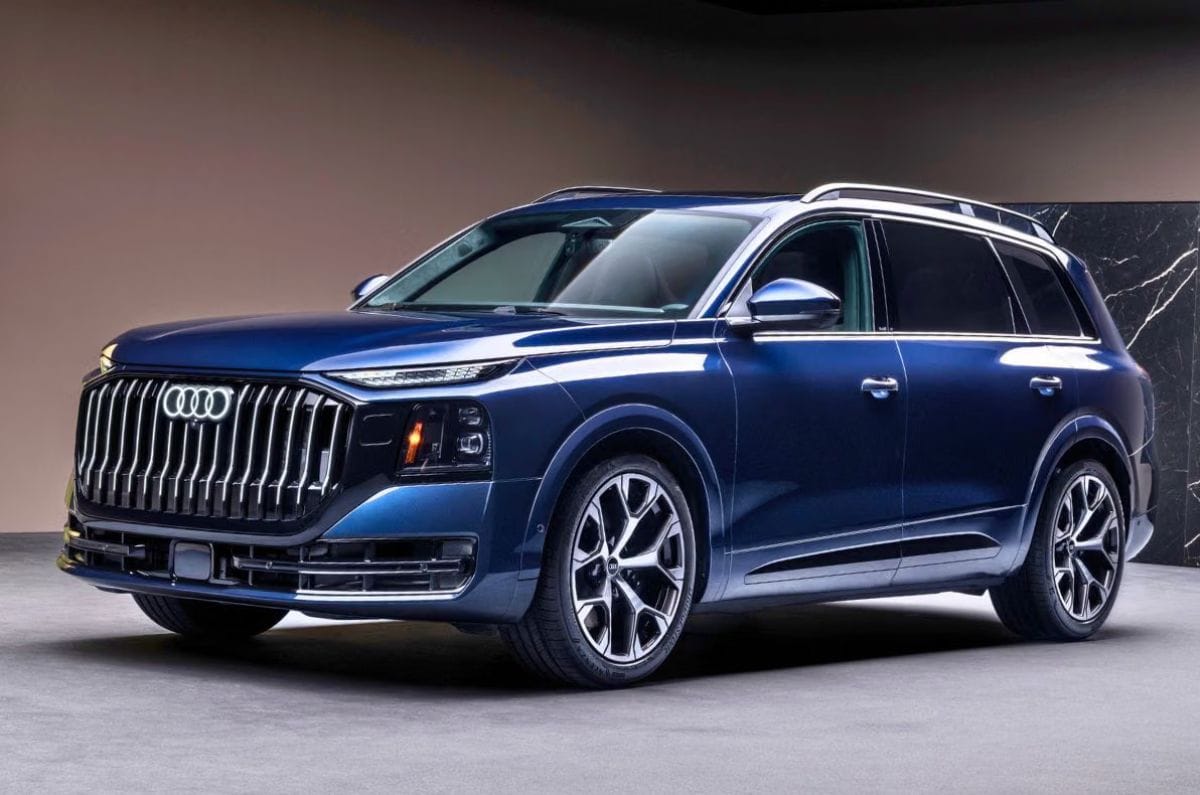
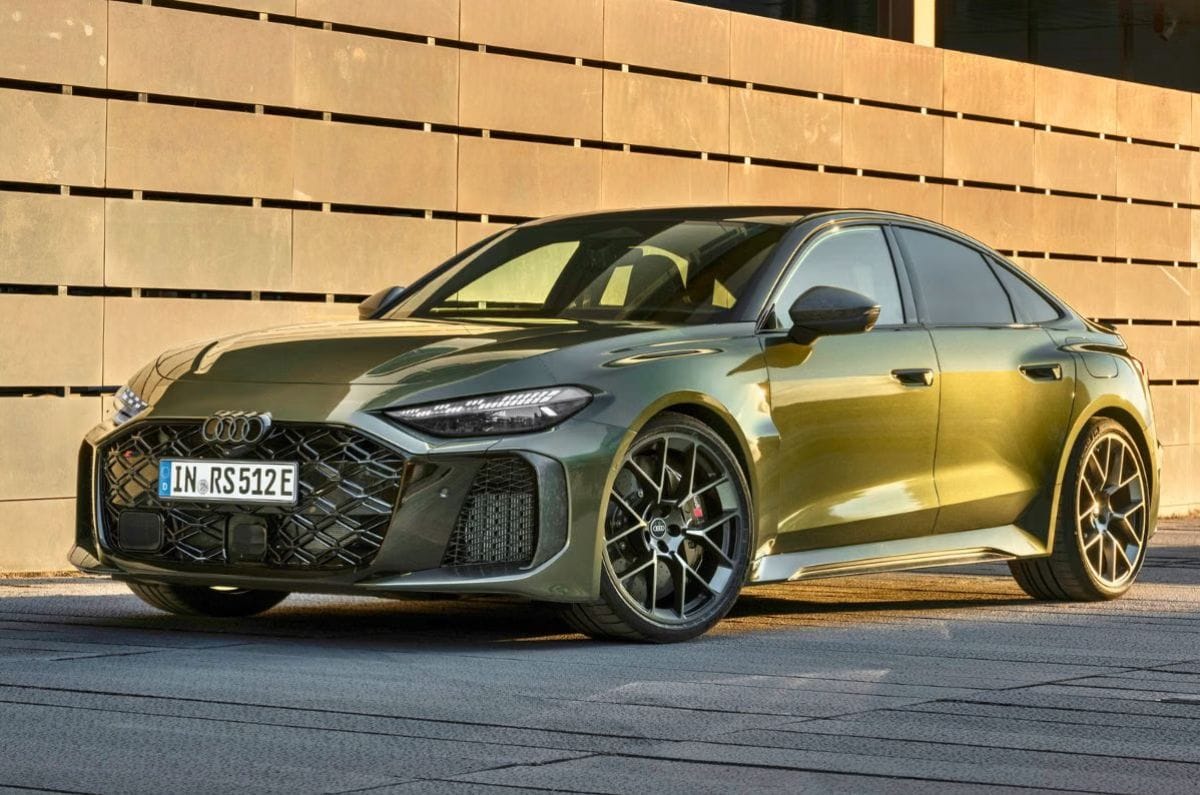
The lower duties could make it more viable for European manufacturers such as Volkswagen, Mercedes-Benz and BMW to bring more CBUs from Europe. The deal could particularly help them introduce a wider range of niche, performance and high-end models that are currently less viable to import at higher duties.
The FTA also provides reciprocal concessions for cars exported from India to the EU.
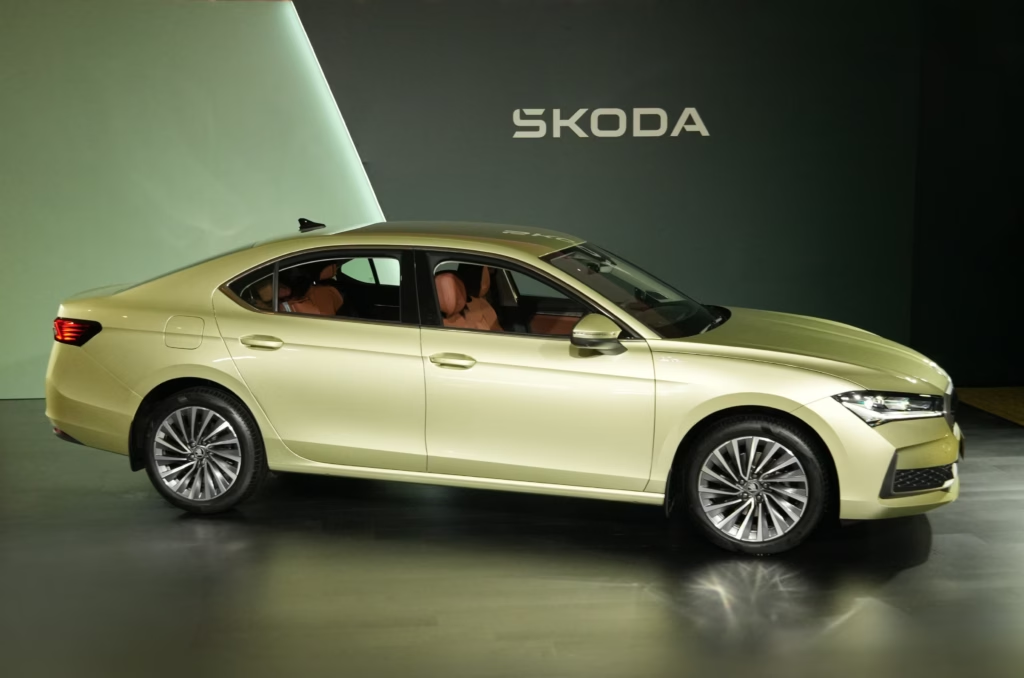
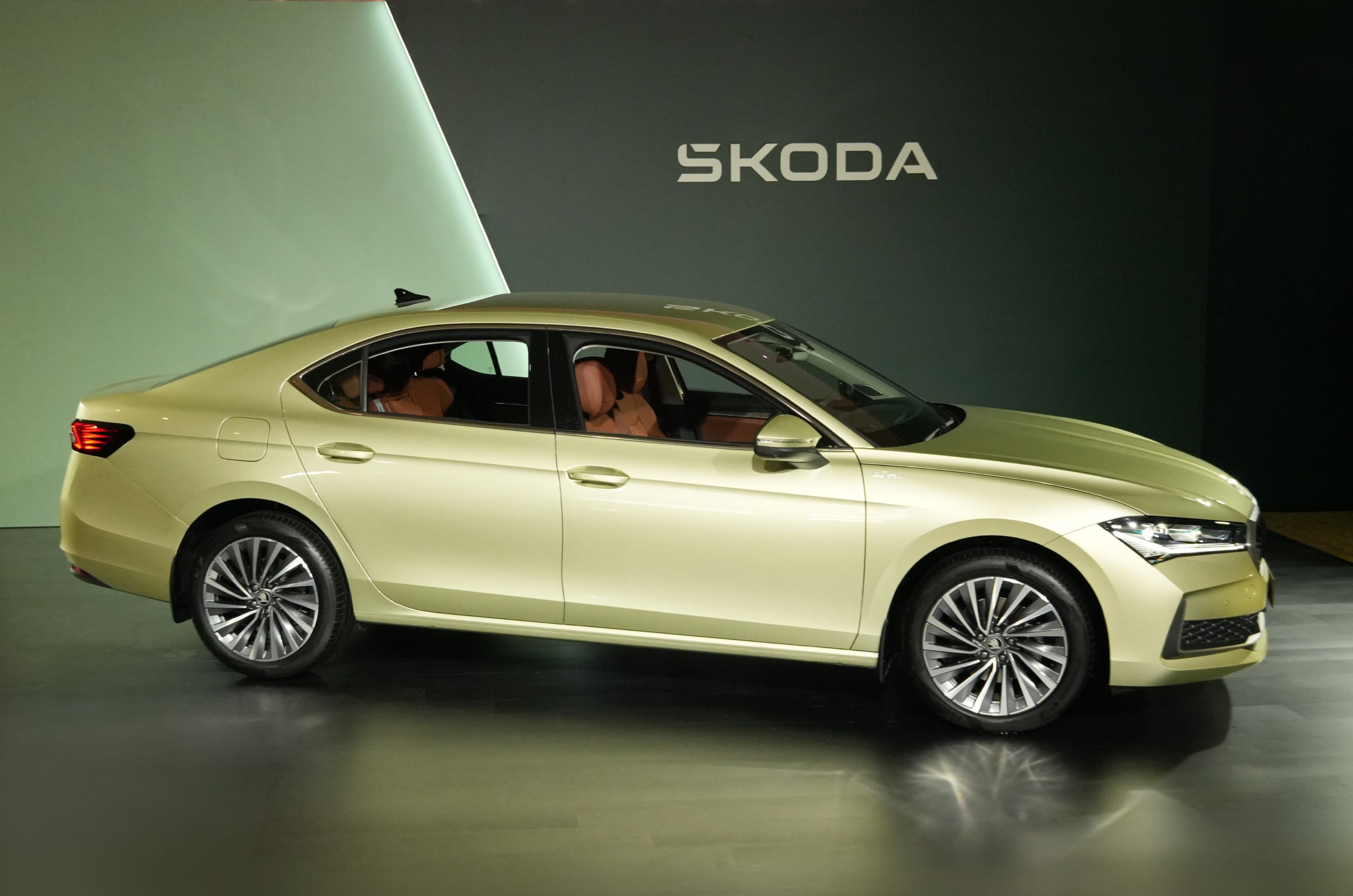
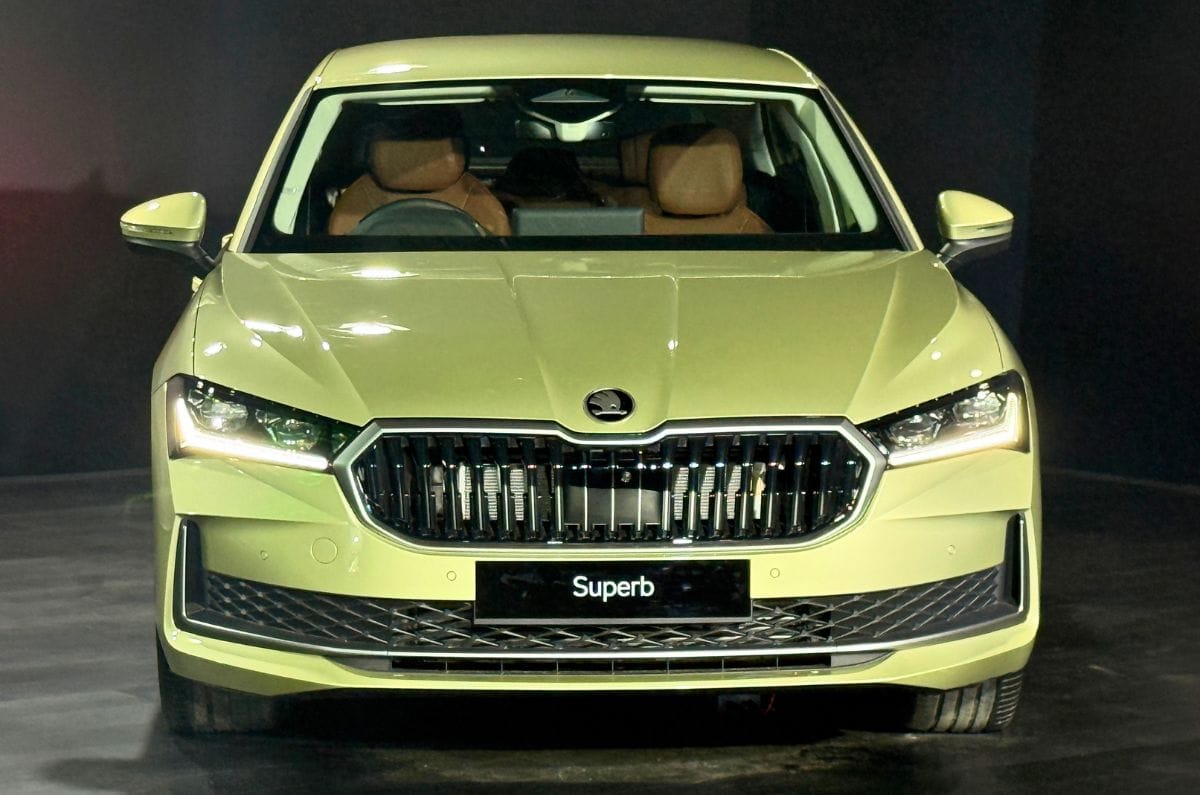
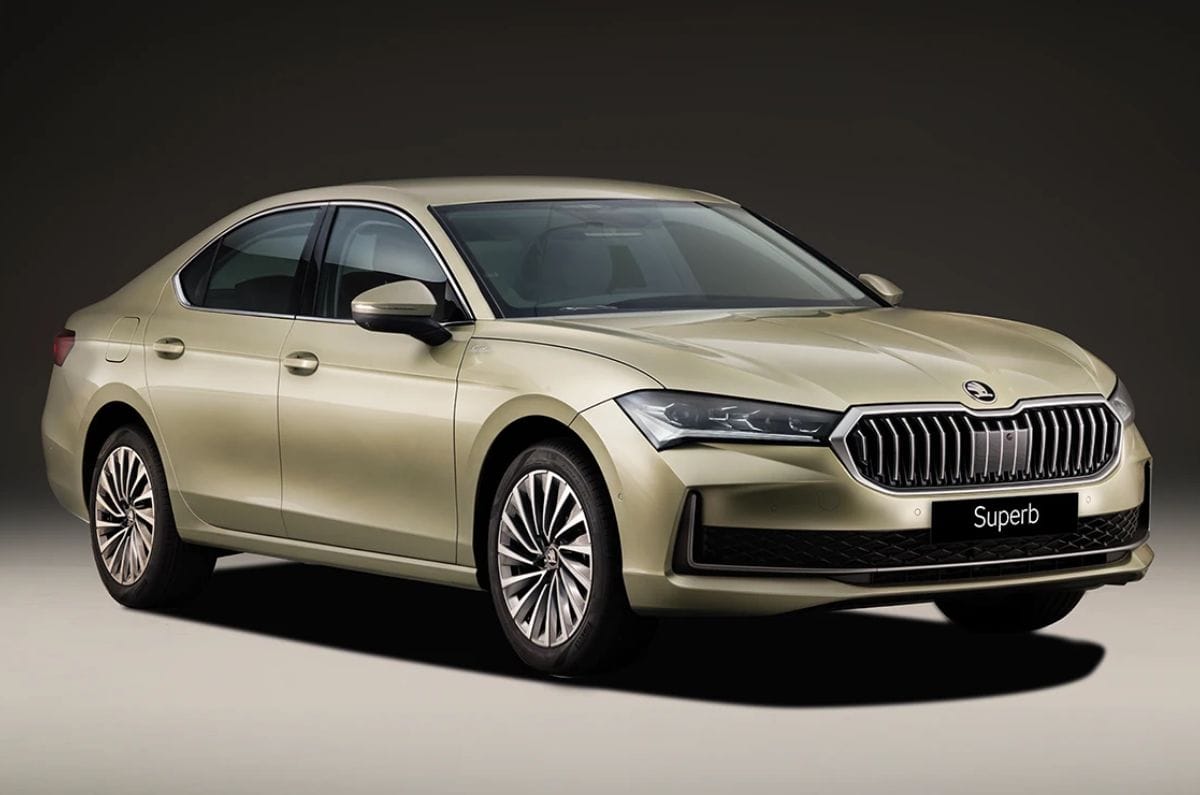
Skoda will be bringing the fourth-generation Superb to India in 2027 in its top-spec Laurin & Klement (L&K) trim, no less. However, this time around, the premium sedan will be offered in diesel guise – a first for the brand since it discontinued diesel models in India when BS6 emission norms took effect in 2020. Without further ado, here’s all you need to know about the upcoming 2027 Skoda Superb diesel.
1. How much will the 2027 Skoda Superb diesel cost?
Skoda will bring the 2027 Superb diesel to India in limited numbers via the CBU (completely built units) route, with the expected starting price to be around Rs 50 lakh (ex-showroom). This means that the fully imported fourth-gen Superb diesel could be priced along the same lines as the Toyota Camry, which also has the price benefit of being a CKD (completely knocked down) model.
2. When will deliveries of the 2027 Skoda Superb diesel start in India
The reason why Skoda is yet to finalise on the price of the India-spec Superb diesel has to do with the upcoming India-EU Free Trade Agreement (FTA), which is set to come into effect by early 2027. While the FTA’s lower import duties will benefit fully imported modes like the Skoda Superb, the brand is awaiting further clarity before announcing its price. We know that the premium sedan will reach our shores in Q1 or Q2 of 2027 and will only be available in limited numbers.
3. What engine and gearbox will the 2027 Skoda Superb diesel get?
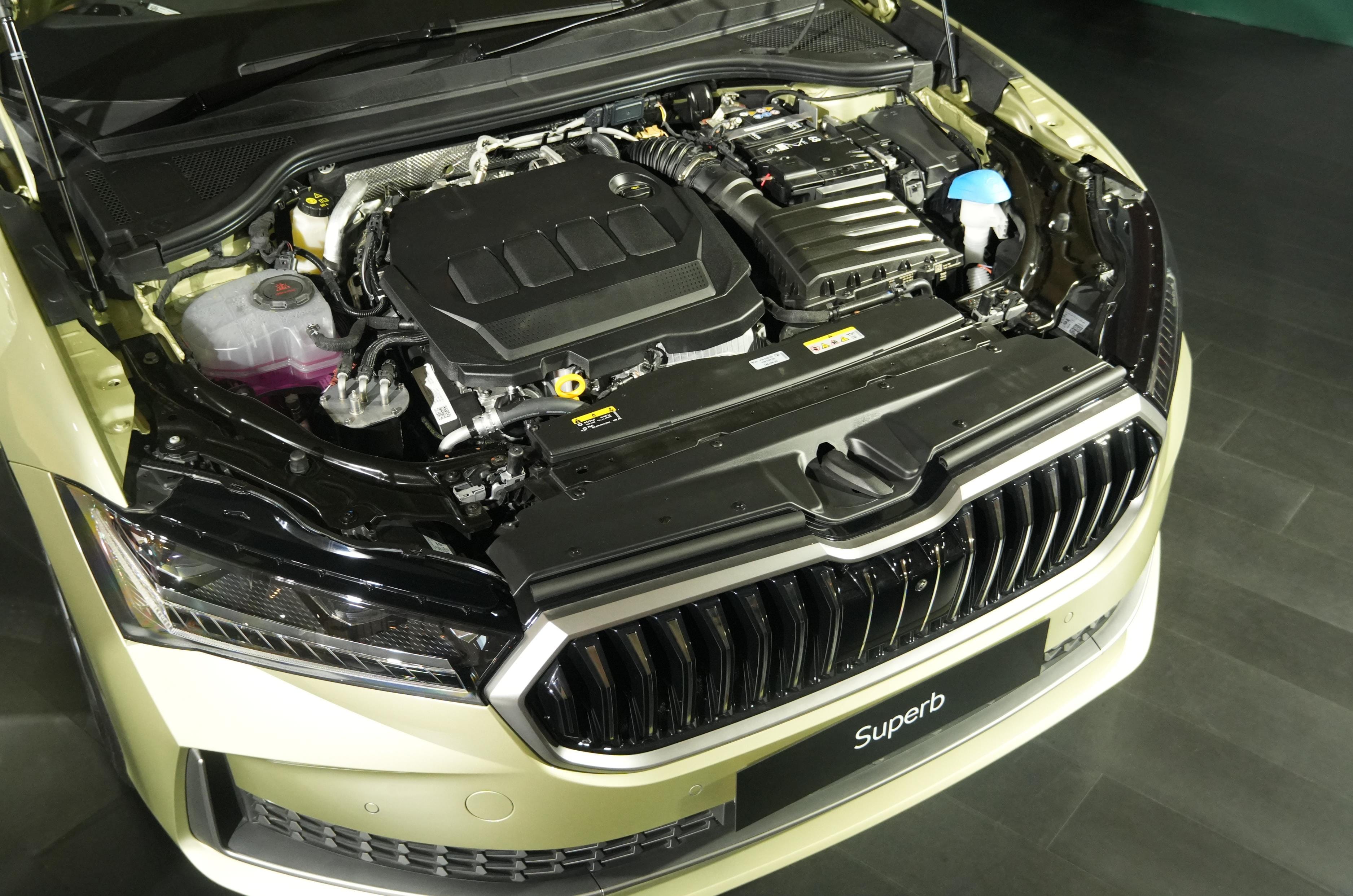
Under the bonnet of the 2027 Skoda Superb sits a 2.0-litre four-cylinder turbocharged diesel (TDI) engine rated at 150hp and 360Nm of torque. This transverse-mounted engine comes mated to a 7-speed dual-clutch automatic transmission (DCT) and drives the front wheels. Drive modes aside, the 2027 Skoda Superb for India will get the brand’s Progressive Dynamic Steering and Dynamic Chassis Control (DCC) systems. Skoda says that these automatically adjust the car’s ride and handling balance depending on the drive mode, road conditions and vehicle speed.
4. What are the exterior highlights of the 2027 Skoda Superb diesel?
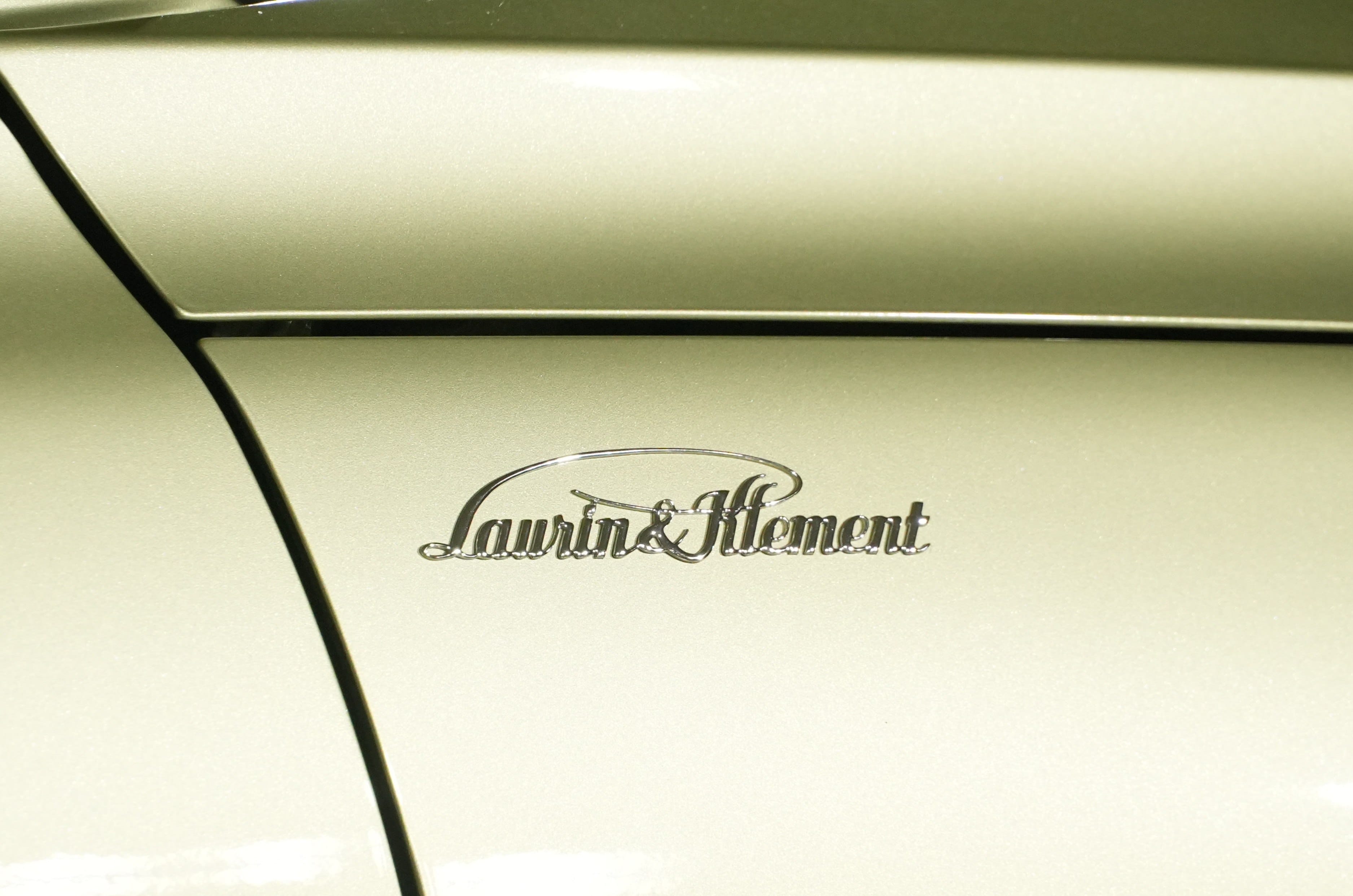
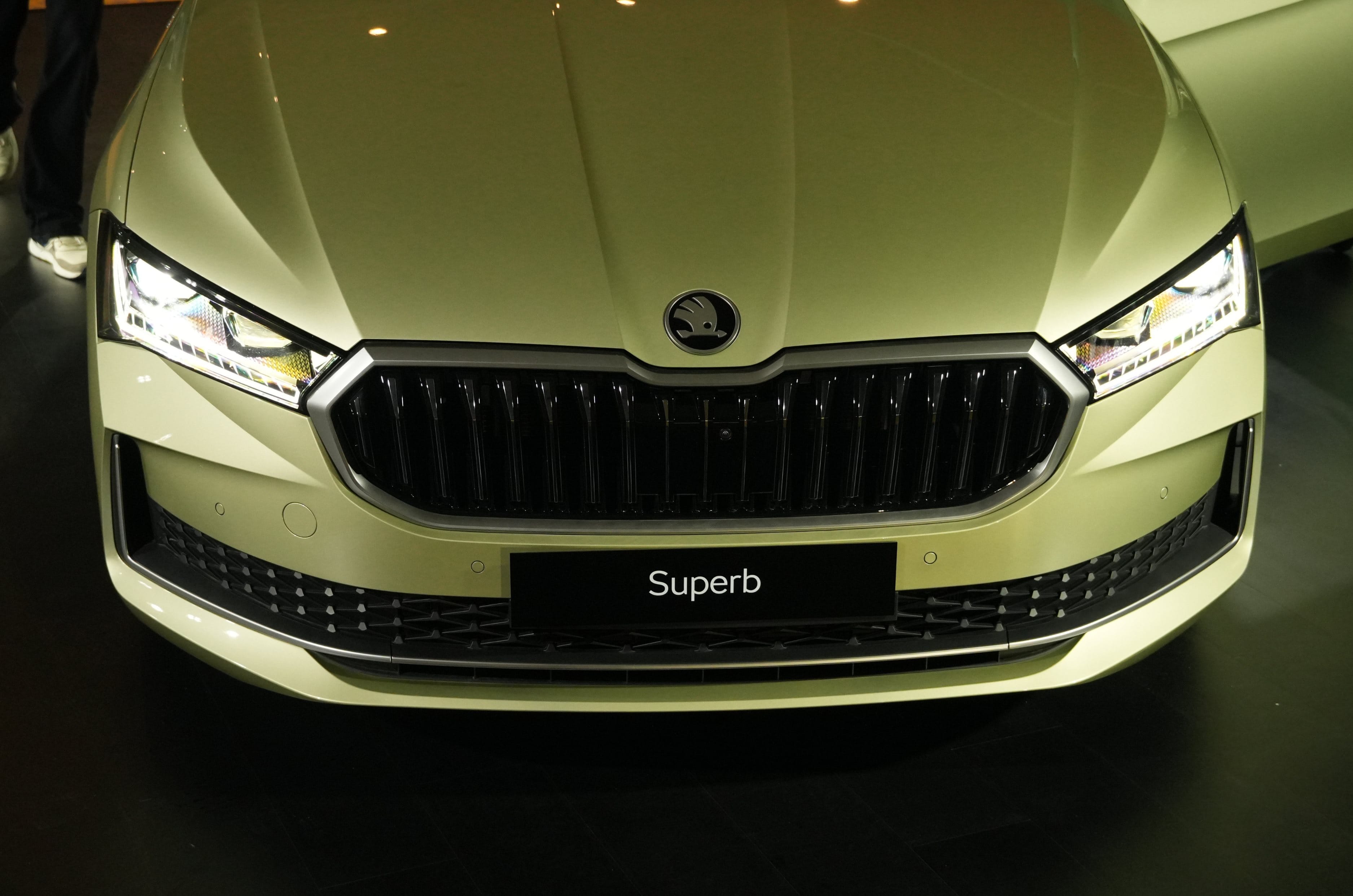
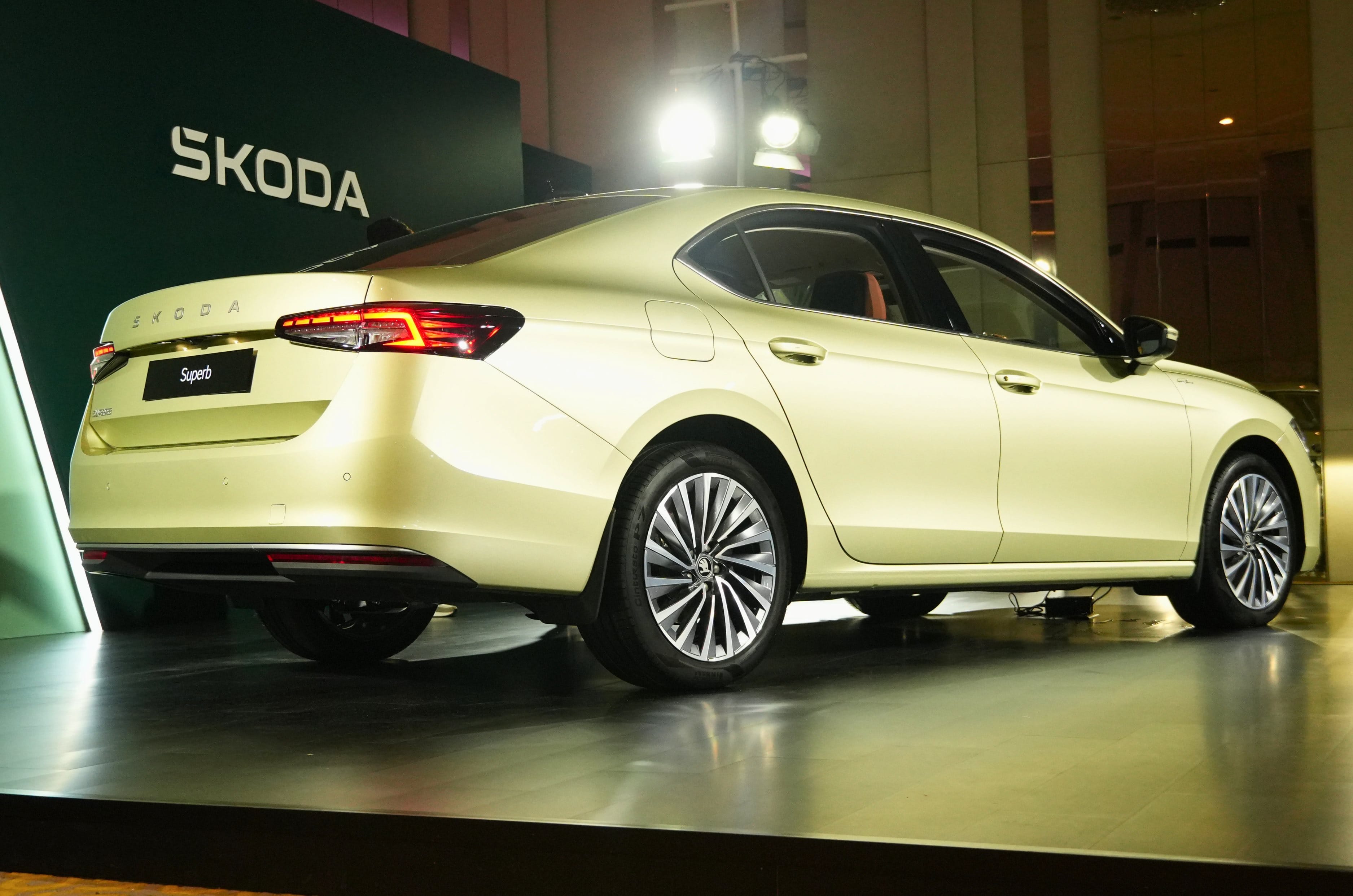
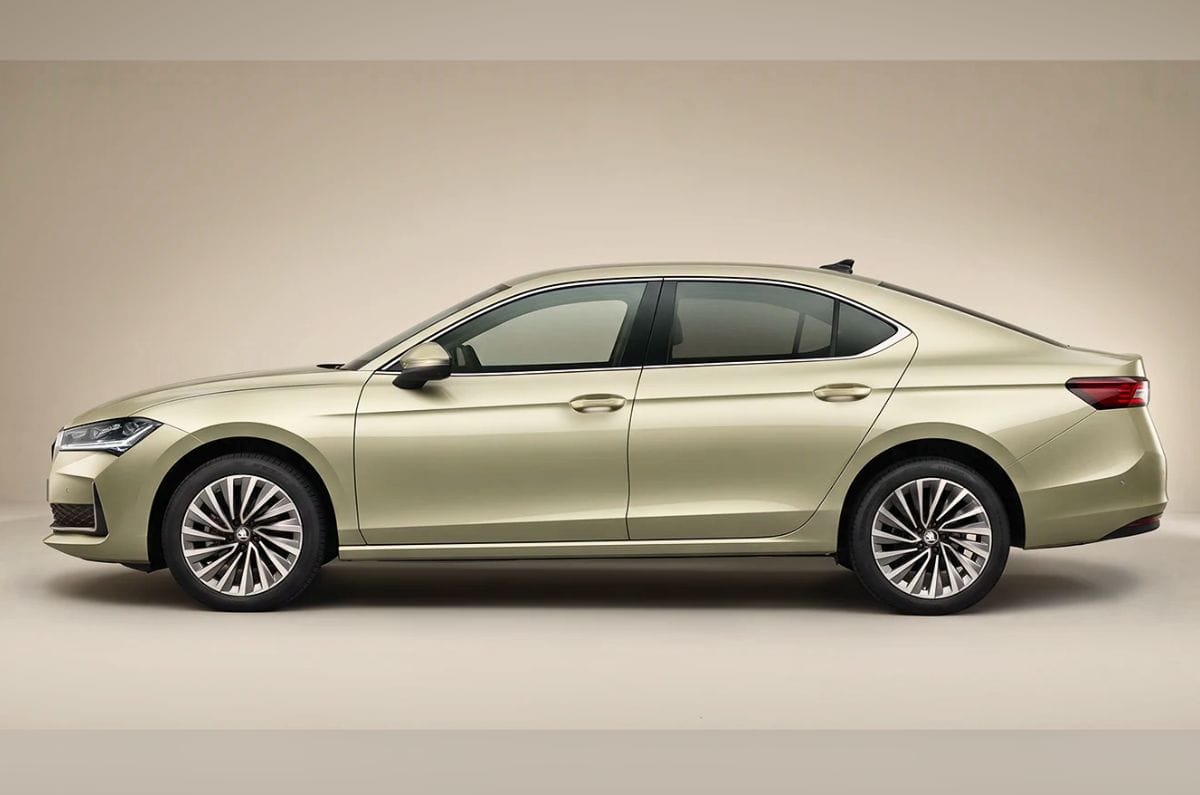
The top-spec L&K trim of the Skoda Superb diesel comes with Matrix LED headlamps with ‘Skoda Crystal Lighting’ branding, a large black grille with shiny surrounds, full-LED tail lamps with sequential turn indicators, 18-inch alloy wheels with turbine-like detailing, ‘Laurin & Klement’ badging on the front fenders, chrome garnish for the windowline, and a simplistic bootlid with large ‘SKODA’ lettering.
Opening the power-operated bootlid reveals the Superb’s familiar liftback design and a 645-litre luggage space. There are storage cubbies here too, along with bag hooks, an extendable cargo cover, a space-saver spare wheel, flip-down rear seat releases and through-loading for carrying longer items. Overall, the 2027 Skoda Superb looks elegant and premium, while its liftback design offers more practicality than a typical three-box sedan.
5. Does the interior of the 2027 Skoda Superb diesel feel premium enough?
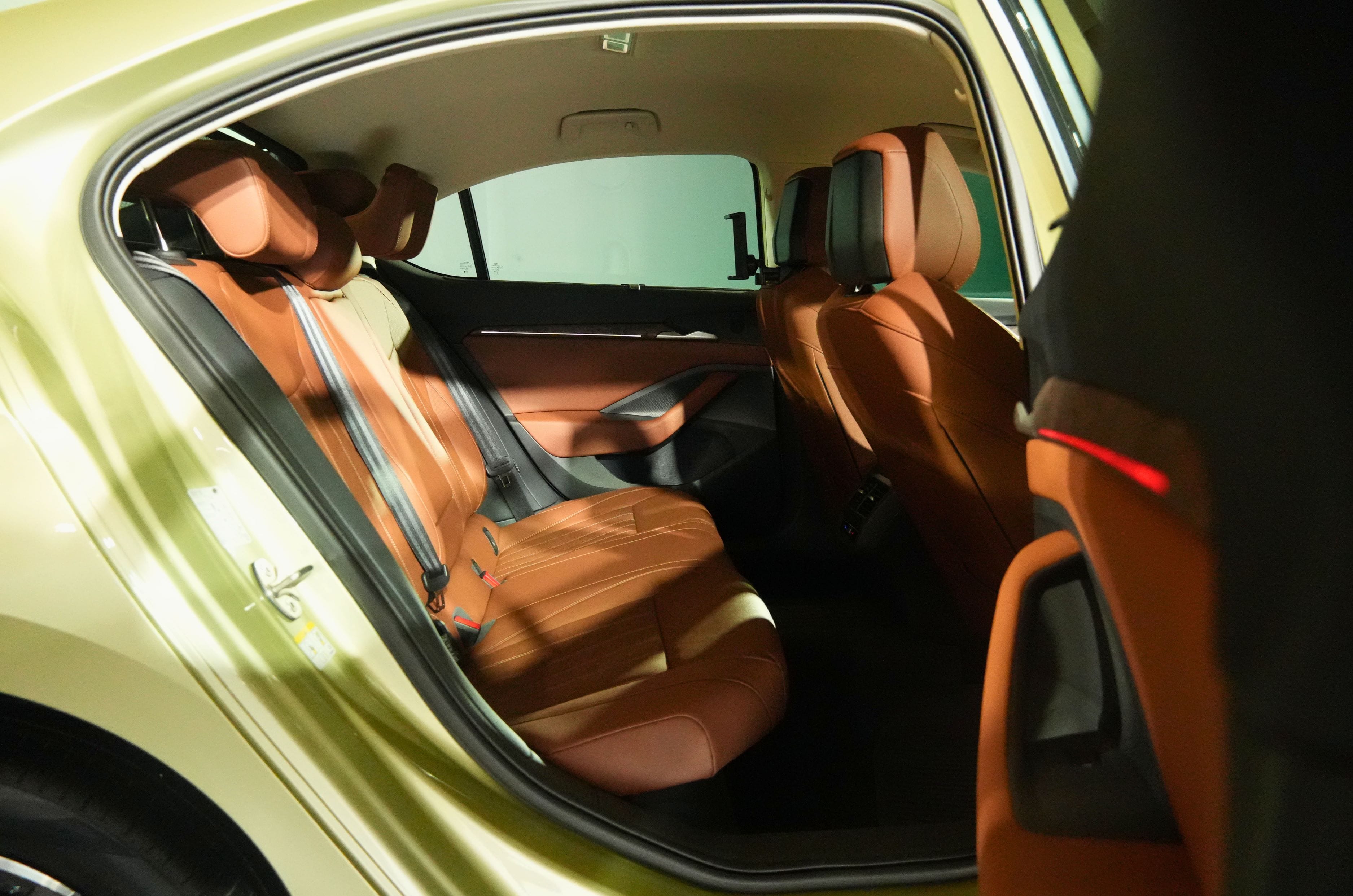
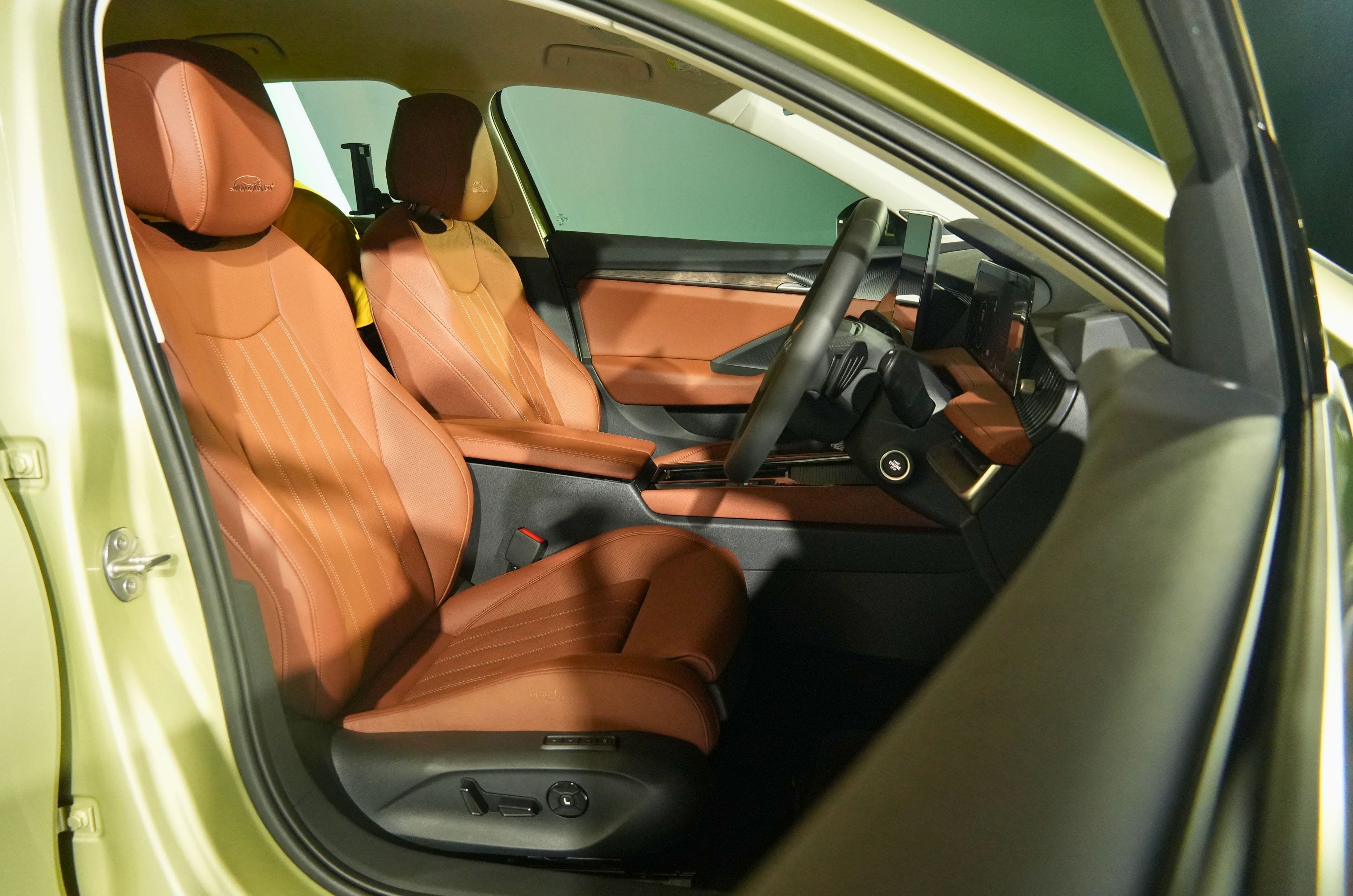
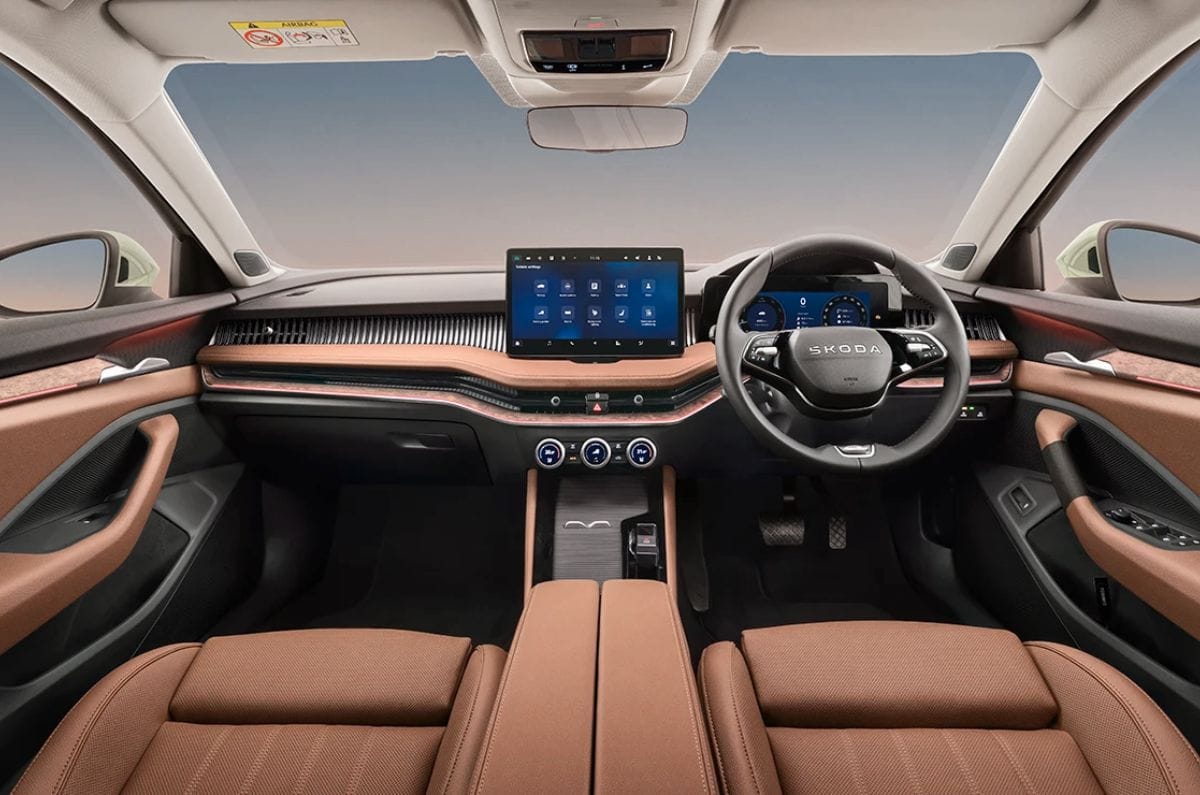
The 2027 Skoda Superb, like its predecessors, is aimed at buyers who prefer to be seated at the back. There’s plenty of space for rear-seat occupants – no shortage of legroom or kneeroom – even taller folks shouldn’t have trouble stretching out. The interior is upholstered in what Skoda calls “Cognac leather”, which looks premium.
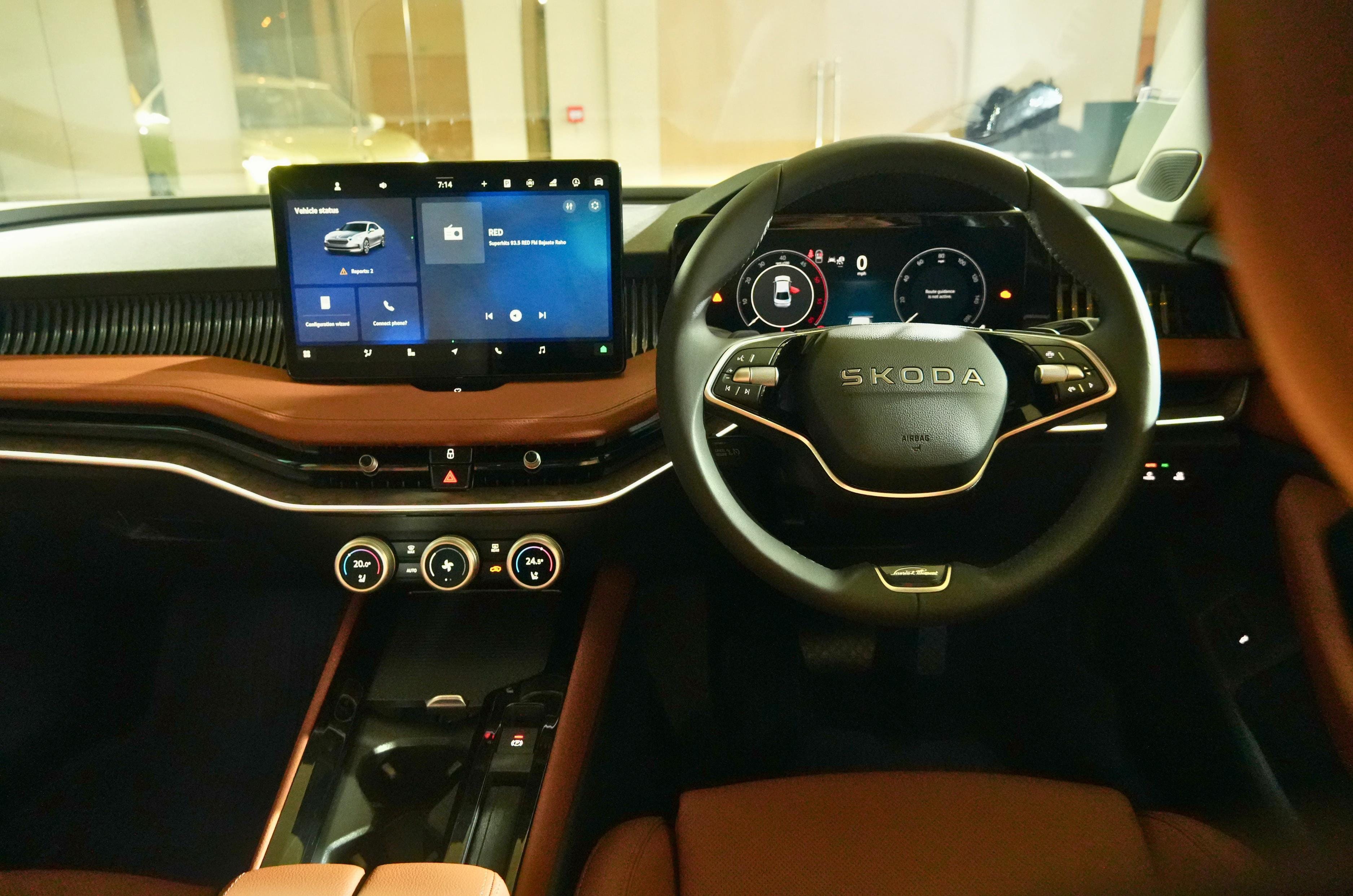
The quality and tactility of the physical dials up front feel good, too. These dials integrate multiple functions and users can cycle through the climate control and seat ventilation & heating settings easily. There’s a covered storage tray beneath these dials and another even deeper storage cubby under the front-centre armrest. The front seats look nice and are multi-way powered and have a memory feature, of course.
6. What are some of the feature highlights of the 2027 Skoda Superb diesel?
Enhancing comfort further is a ‘Rear Sleep Packagage, which bring sunblinds for the rear-side windows as well as for the rear windscreen, and specially designed ‘wings’ on the headrests to help support your head should you fall asleep. There’s a fold-down armrest with cupholders and also a slot for holding a smartphone – the backrest of the front seats also get such device holders.
Other highlights inside the 2027 Skoda Superb diesel include roof-mounted LED reading lights, a dedicated climate control zone for the rear seats (it’s a three-zone system), backlit USB charging ports, a 14-speaker Canton audio system, multi-colour LED ambient lighting, a wireless charging slot at the front, a 12.9-inch touch-infotainment system, 360-degree cameras, Level 2 ADAS and 10 airbags. However, the 2027 Superb misses out on a sunroof and recline-adjustable rear seats, among a few other features.
Volkswagen is preparing for a much bigger push in India, with the company reviewing its broader product, powertrain and investment plans. While a locally produced compact SUV has already been confirmed for launch next year and is expected to drive volumes, the brand is also looking at the India-EU free trade agreement (FTA) as an opportunity to bring select niche models from its global portfolio here.
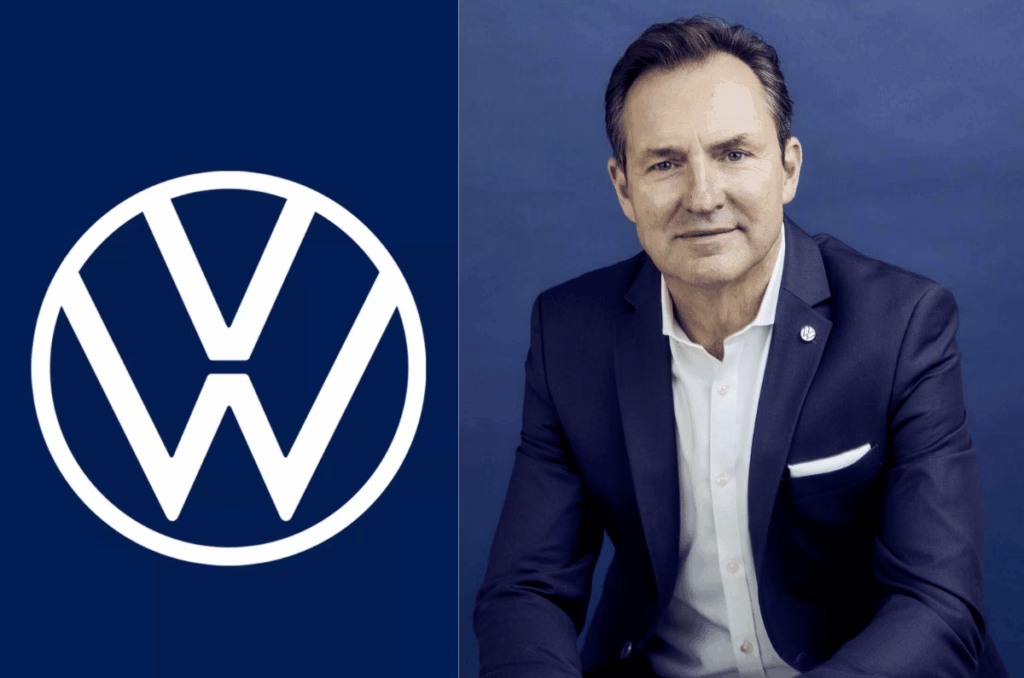
“FTA has been announced in Europe. It is a huge opportunity to bring a certain sort of niche models to widen the portfolio for the consumer to offer some exciting models every now and then, which is great,” Member of the Board of Management of Volkswagen AG and CEO of Volkswagen Brand Thomas Schafer told us. He did not reveal which models could be on the cards, but said the company is taking a long-term view and will study market conditions over the next few months before making a decision.
VW’s renewed focus for India
Schafer’s India visit comes as Volkswagen reviews its global business strategy amid geopolitical tensions, changing trade policies and a growing move towards regional manufacturing. “So, globally, we see almost like a decoupling. You have a geopolitical situation and the old business model where everything’s focused on Europe, and then you export to other markets is long gone. At the same time, you have a very different dynamic in China than in the US, which is putting import duties on Europe under certain attacks. So, in that game, you have to change your business model; you have to adapt it. And that’s what we’re busy doing,” he added.
This shift could benefit India. Along with the growing domestic market, Volkswagen sees India as an important hub for engineering, IT and R&D. “We will focus a lot on India going forward. Not only because the market is exciting and growing and creating more opportunity for the future, but also the sort of knowledge base that you have here in India,” he said.
Volkswagen also sees exports as an important way to build scale out of India. The company already exports vehicles made in the country to more than 40 markets, with Mexico being one of the major markets that imports vehicles from India. “So, exports are an important part of our business, and we will always strengthen that going forward,” he said. For the upcoming compact SUV, export potential could also help boost volumes and strengthen the business case.
More powertrains can be offered at the right time
Volkswagen’s current portfolio comprises cars powered by turbo-petrol engines, even as CNG and diesel remain in demand and EVs are gaining momentum. “So, what is clear is, in the long run, there will be strong electrification, especially also in India…You see it accelerating, probably driven by the conflict in the Middle East and the oil situation,” he said.
At the same time, he clarified that be it flex-fuel, CNG, diesel or EV, the brand has the technology already on sale in certain parts of the world. “We have flex-fuel, super strong in South America for years; we have CNG, diesel and EVs, it’s all there…When it’s the right time to localise it, we will localise it,” Schafer said.
The challenge, he said, is deciding when and how to use each powertrain technology. “The dynamics in India and the market shift have been quite significant even in the last couple of months. So, to be honest, we haven’t concluded our planning on that, but the good thing is that we have it and we can deploy it if and when it is the right situation,” he stated. Volkswagen is also evaluating its next-generation models and newer platforms, but these plans are still under consideration.
Cost remains a major hurdle for VW in India
Cost has been one of Volkswagen’s biggest challenges in India. Schafer said the company has spent the past few years working on two key areas: ensuring that its products retain the core characteristics of the Volkswagen brand while simultaneously reducing the cost base. “We worked over the last four years very focused on the cars that we bring to the market now are through and through Volkswagen in terms of quality, brand fit. And, yes, our cost base is traditionally high because we are very much focused on Europe and especially Germany,” he added.
India, he said, will play an important role in Volkswagen’s efforts to reduce costs, especially through more cost-effective development and manufacturing. “Part of the programs that’s been in the media over the last, especially two years, has been reducing our cost base, developing more in more cost-efficient places like in India very much, but also shifting production from high-cost locations into lower-cost locations,” he said.
Volkswagen is now working on its next set of products, investment plans and powertrain options for India. With India becoming an increasingly important part of its global strategy, there is plenty to look forward to from the brand in the coming years.
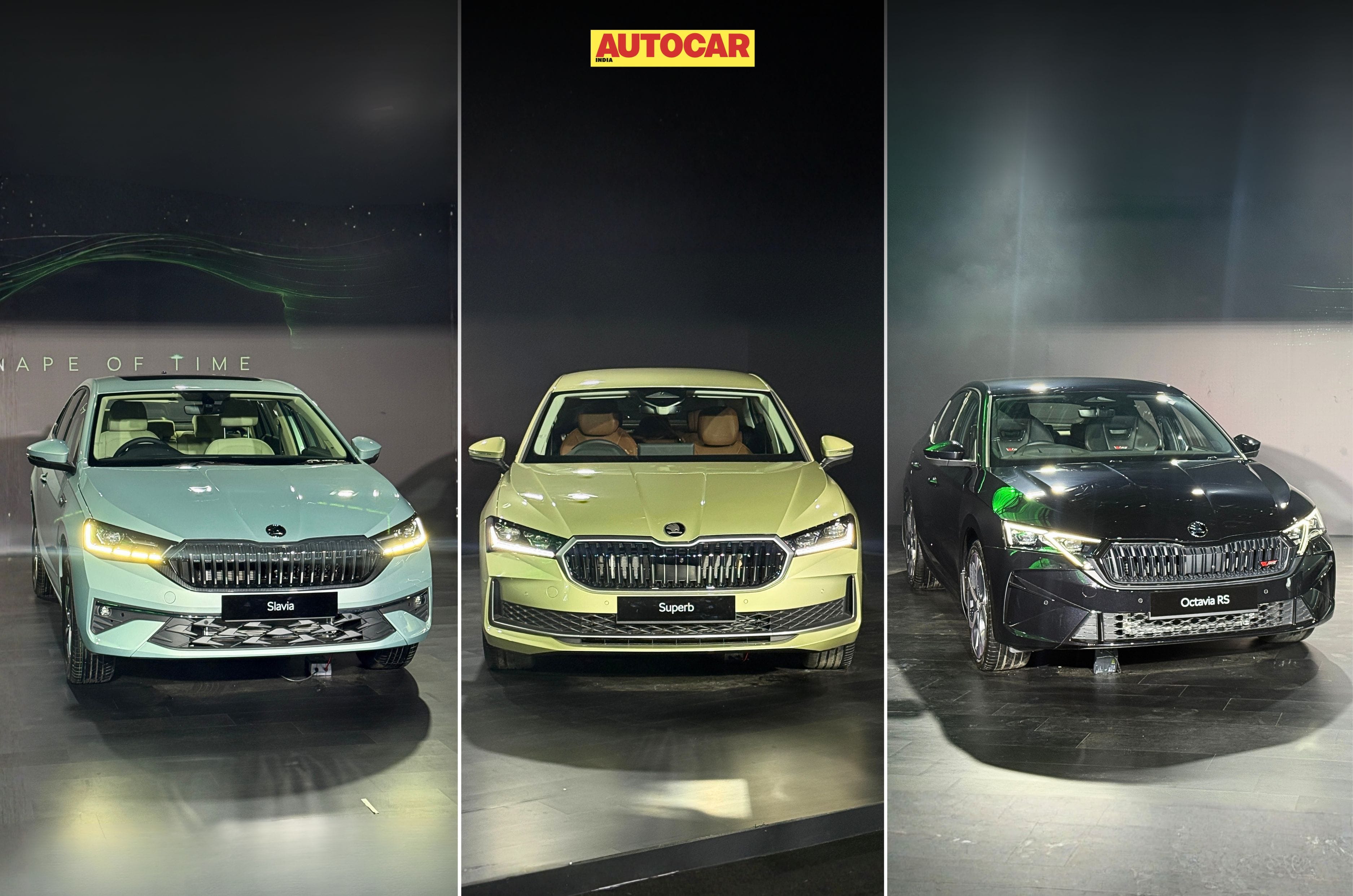
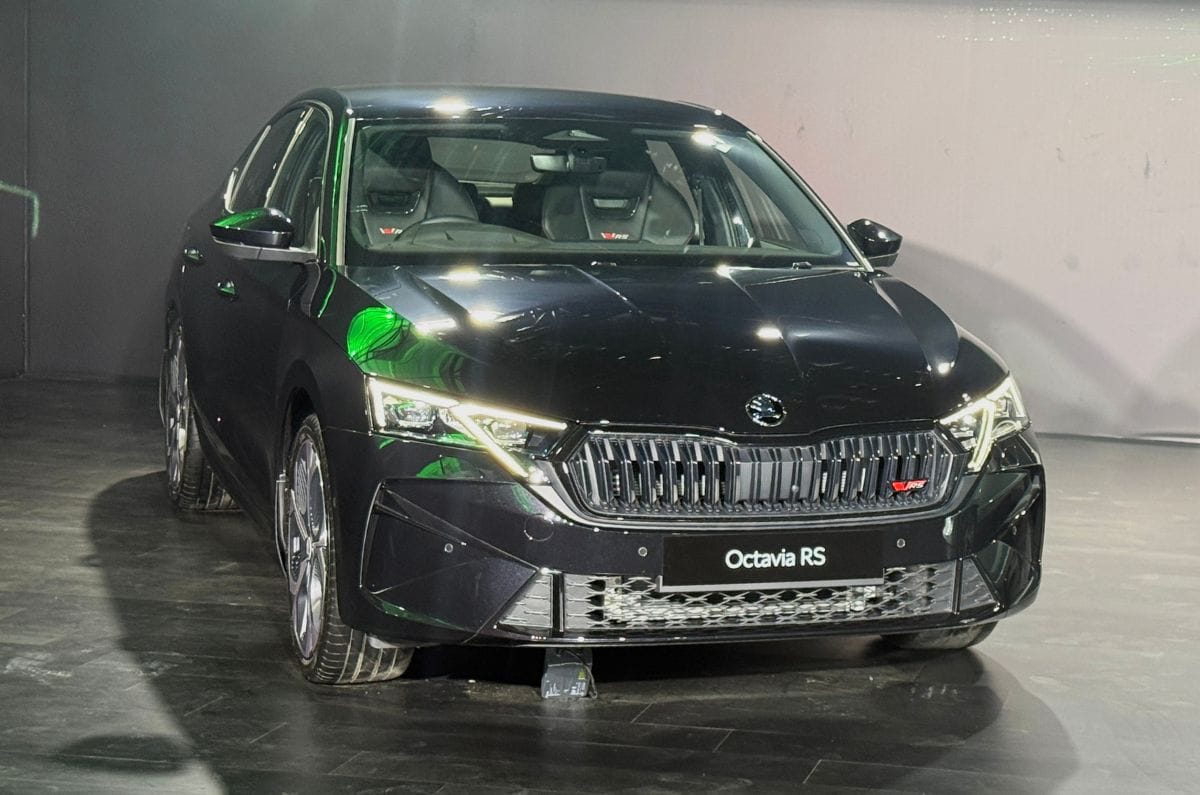
While it sells multiple SUV models, Skoda is the only mass-market automaker that has also remained steadfastly committed to the sedan body type. The Czech brand recently introduced three sedans all at the same event – something of a rarity in an otherwise SUV-dominated market. Skoda’s latest entrants in India include the Slavia facelift, the Superb diesel and the Octavia RS. While admitting to the market’s preference for SUVs over the last decade or so, Ashish Gupta, brand director at Skoda Auto India, also said, “If you look at it, sedans continue to be the quintessential car.”
Gupta says the charm of sedans hasn’t gone away
He cites a lack of focus in the segment by manufacturers
SUV saturation expected to work in favour of sedans
The Czech automaker thinks sedans are here to stay
Gupta believes the sedan body type will continue to make sense for the brand
The Superb nameplate arrived 90 years ago, with the line-up eventually including models such as the Octavia, Rapid and Slavia. “It’s been a long legacy of sedans for Skoda, with the sedan body style defining our brand not only globally but also in India,” said Gupta. The Slavia has been a successful model for the Czech brand in India. “The premium sedan segment in India right now is at around 4,000 to 4,500 units per month, with the Slavia making up nearly 30 percent of all sales in the segment. We are the torchbearers of that segment, and the Slavia facelift will have its role in the company’s India portfolio while also appealing to a wider customer set,” he added.
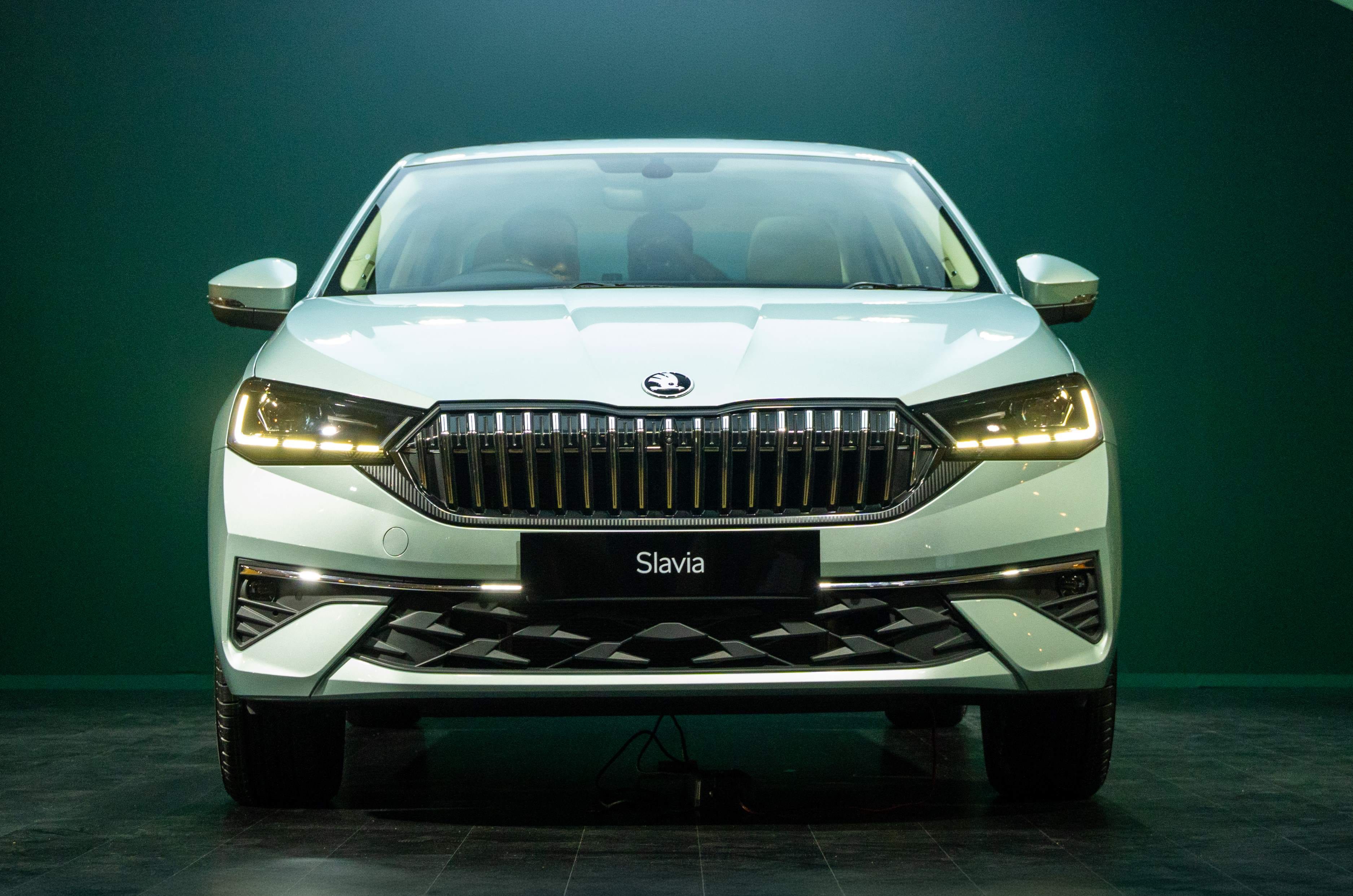
The Slavia occupies the mass-market sedan segment in India.
According to Gupta, the Slavia offers buyers a blend of performance and understated elegance. “There are good reasons the charm of a sedan hasn’t gone away. There’s the superior driving dynamics and pure elegance that sedans exude. One would love to arrive at an event in a sedan, or go for a fun drive during the weekend. So I think sedans will continue to have their fans and people who would still want to own one.”
However, the brand director isn’t expecting the segment to make a strong comeback in the near future. “I think the sedan segment will continue to remain a smaller part of the market – that much is very clear,” he remarked while citing the current trend in the industry. “Most of the new product launches and introductions are happening in the SUV segment and other body styles.” He thinks the growth potential is primarily hindered by automakers ignoring sedans and instead doubling down on SUVs. “We, as manufacturers, should take the responsibility for this, as we have not focused on the sedan segment.”
Gupta was quick to point out that Skoda is one of the few automakers worldwide that maintains a focus on the sedan space as well. “Perhaps we are among the few brands who still have a large sedan portfolio, which continues to do well.”
SUV saturation to help revive the sedan
Gupta expects the market to eventually reach a saturation point when it comes to SUVs
According to Gupta, the market will eventually grow tired of the SUV body type, making the case for sedans even stronger. He added that first-time buyers have been contributing to the sales numbers of sedans, while more demand is expected to come from families who want to own more than one car. “Sooner or later, families wanting to have multiple cars would like to have differentiated kind of cars. So that is an opportunity for the sedan and one which will continue to evolve in India as the market matures,” he explained.
Skoda sedans in India
The brand’s sedan line-up in India includes three models
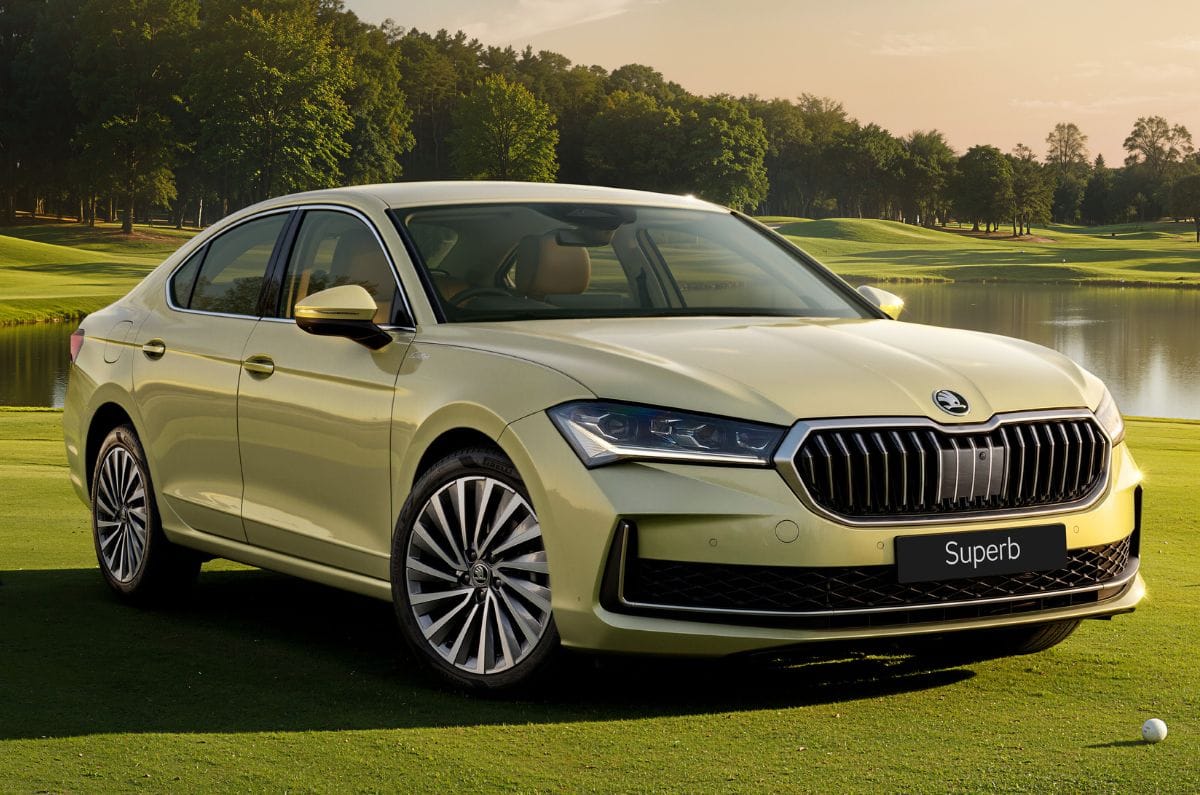
The Superb is targeted at buyers who prioritise luxury over outright performance.
The Slavia remains the entry point into Skoda’s sedan portfolio in India and is the Volkswagen Virtus’s chief rival. However, VW only has this one sedan in its entire India portfolio. Meanwhile, Skoda is also planning to introduce a CNG option for the Slavia, which could interest buyers seeking premium features and lower running costs. Joining the line-up in 2027 will be the Superb diesel in its top-spec Laurin & Klement (L&K) trim – this will be Skoda’s first new diesel car in India since abandoning the powertrain type in 2020. The Superb occupies a space beneath the likes of the Mercedes-Benz C-Class and BMW 5 Series in India.
The sportier Octavia RS will continue to be for the enthusiast.
The Octavia RS is also returning to India, with deliveries expected around the upcoming festive season. It’ll once again arrive as a full import and will be limited to just 50 units this time. With the previous 100 units allocated for India reportedly selling out in 20 minutes, the second batch is likely to find takers just as easily. Gupta said customers who had shown genuine interest in the Octavia RS will be given early access. In all, Skoda will be able to cater to mass-market sedan buyers with the Slavia, premium sedan buyers with the Superb and driving enthusiasts with the Octavia RS.
Skoda and the upcoming India-EU FTA
Then there’s the upcoming India-EU Free Trade Agreement (FTA), which will have an impact on fully imported models such as the Superb. “The FTA has kind of given us a good choice between what makes better sense for us and for the market as well. The whole idea is to start deliveries towards Q2 of next year. We are hopeful that by that time, the contours of the FTA will be decided, and we will have clarity on what kind of duty structure to apply to our imported models,” said Gupta. The proposed reduction in import duties could make bringing in more batches from Skoda’s global portfolio to India easier, though Gupta expects currency fluctuations to have an impact on the final price.
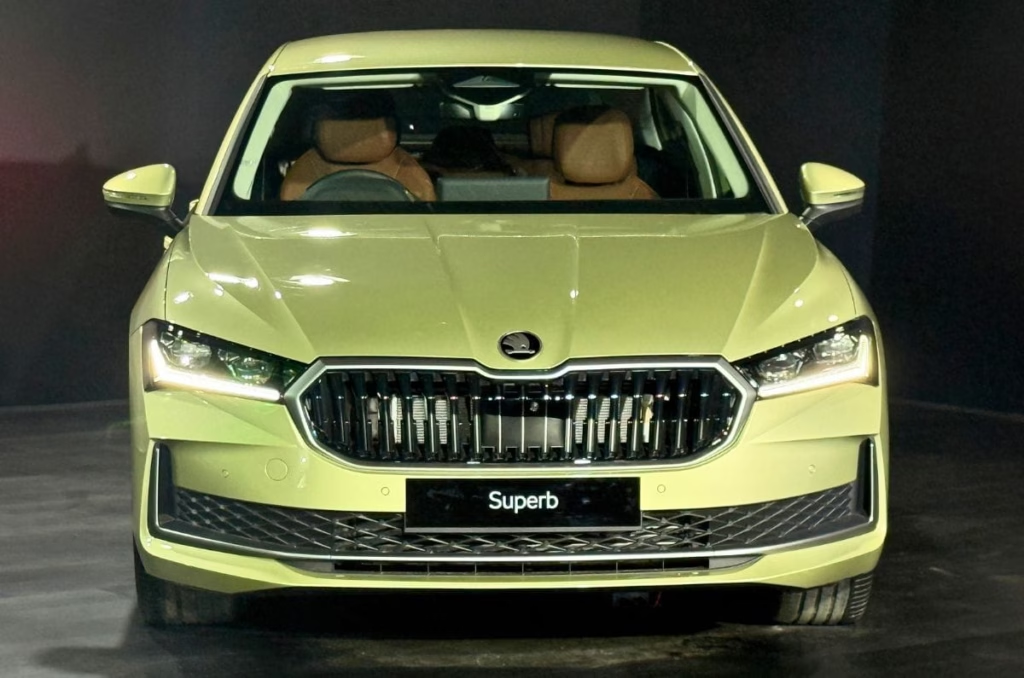
Skoda has revealed the flagship fourth-generation Superb in India ahead of the sedan’s expected launch in the first half of 2027. The Czech manufacturer will bring the Superb’s range-topping Laurin & Klement (L&K) trim to India as a completely built unit (CBU) import. Customers can now register their interest in the Skoda Superb at dealerships, with deliveries slated to commence in the second quarter of 2027.
Powered by a 150hp diesel engine, allowing a 9.2s 0-100kph claimed time
Matrix LED headlights, LED tail-lights and 18-inch alloys to be offered
Cabin gets a 12.9-inch infotainment unit, 3-zone AC and a 14-speaker sound system
Interestingly, the Superb was previously brought to India as a CBU import in 2024. However, this will be the first time the fourth-generation model is officially offered to Indian customers. Its arrival also marks the return of a diesel engine to the wider Volkswagen Group in India after a six-year absence. Diesel engines were last offered by the group in the country in 2020, before the BS6 emission norms came into effect.
Skoda Superb powertrain details
India-spec Superb will get a 150hp 2.0-litre diesel engine with a FWD setup
The India-spec Skoda Superb will be powered by a 2.0-litre diesel engine that produces 150hp and 290Nm. It will be mated to a 7-speed dual-clutch automatic transmission (DCT) that sends power to the front wheels (FWD). With this engine in the Superb, Skoda claims a 0-100kph sprint time of 9.2 seconds and an electronically limited top speed of 225kph.
A more powerful 193hp version of this engine, paired with an all-wheel-drive (AWD) system, was showcased at the 2025 Auto Expo, but has now been ruled out for the final India-spec version.
The India-spec Superb will, however, be offered with Progressive Dynamic Steering and Dynamic Chassis Control (DCC) to automatically adjust the handling balance based on driving speed, road conditions and selected driving mode.
Skoda Superb exterior design
Matrix LED headlights, 18-inch alloy wheels and wraparound LED tail-lights
The fourth-generation Skoda Superb retains the elegant look usually associated with the model. Up front, it features the Skoda Signature grille with chrome slats and a chrome surround. The bumper has honeycomb mesh air inlets and a horizontal chrome bar in the centre. It gets Matrix LED headlights with a cornering function and LED daytime running lamps (DRLs) with welcome and goodbye animations.
Moving on to the profile, Skoda will offer the Superb with 18-inch dual-tone alloys as standard. The window surrounds have a chrome finish, and the front fenders have the ‘Laurin & Klement’ badge. At the rear are wraparound LED tail-lights with the same welcome animations as the front DRLs and a Skoda wordmark on the tailgate.
Below are the dimensions of the Skoda Superb:
India-spec Skoda Superb dimensions and other specifications
Length
4,912mm
Width
1,849mm
Height
1,511mm
Wheelbase
2,841mm
Ground clearance
138mm (for UK-spec model)
Boot space
645 litres (for UK-spec model)
Skoda Superb interior design and features
Gets a cognac-hued cabin, two digital screens and a lot of convenience features
The interior, too, is as elegant as the exterior, featuring a dual-tone black-and-Cognac cabin theme and a simple dashboard with a 12.9-inch touchscreen infotainment system, a 10-inch digital driver’s display and a 3-spoke steering wheel with ‘Skoda’ wordmark. Like the Kodiaq SUV, it gets rotary dials with digital screens on the centre console to operate climate and audio controls. The seats have leatherette upholstery that matches the cabin’s colour scheme.
Other features include a 14-speaker Canton sound system, triple-zone climate control, a 25-Watt wireless phone charger, rear sunblinds and a powered tailgate with gesture support. The front seats are powered and offer features such as memory, heating, ventilation and massage. The Skoda Superb also comes with a ‘Sleep Package’ as standard, featuring adjustable headrests for the rear outboard seats and two blankets for added comfort.
Safety features include 10 airbags, a 360-degree camera, Level 2 advanced driver assistance systems (ADAS), an electronic parking brake, a tyre-pressure monitoring system (TPMS) and automatic parking assistance.
As a CBU import, the Skoda Superb is expected to have a premium positioning and be priced in the Rs 55 lakh-60 lakh range. However, with the India-EU Free Trade Agreement (FTA) set to come into force in 2027, reduced import duties could make the Superb more affordable. If Skoda manages to price it competitively, the Superb could be a fitting alternative to the Toyota Camry, currently the only other sedan in this premium segment.
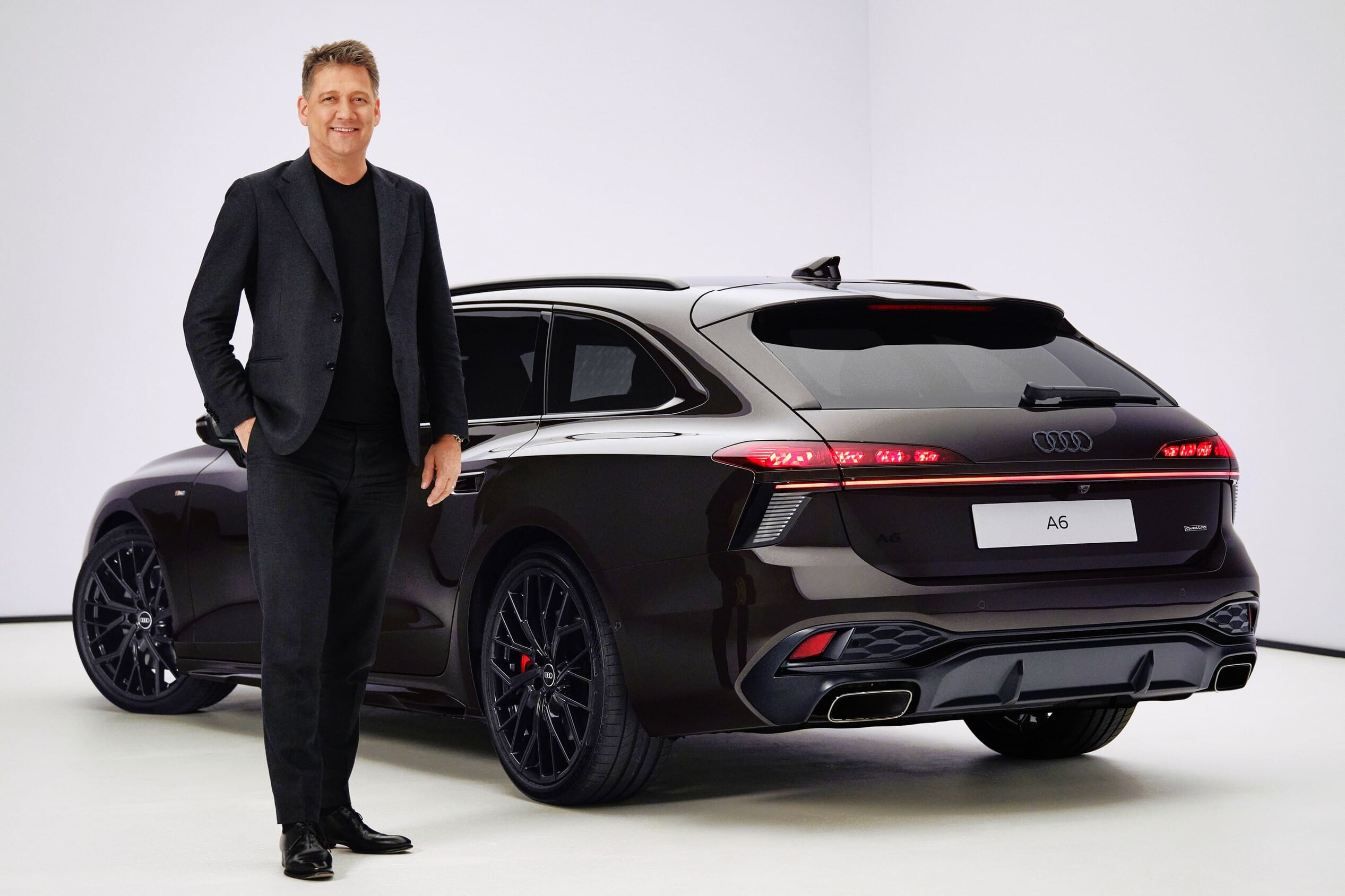
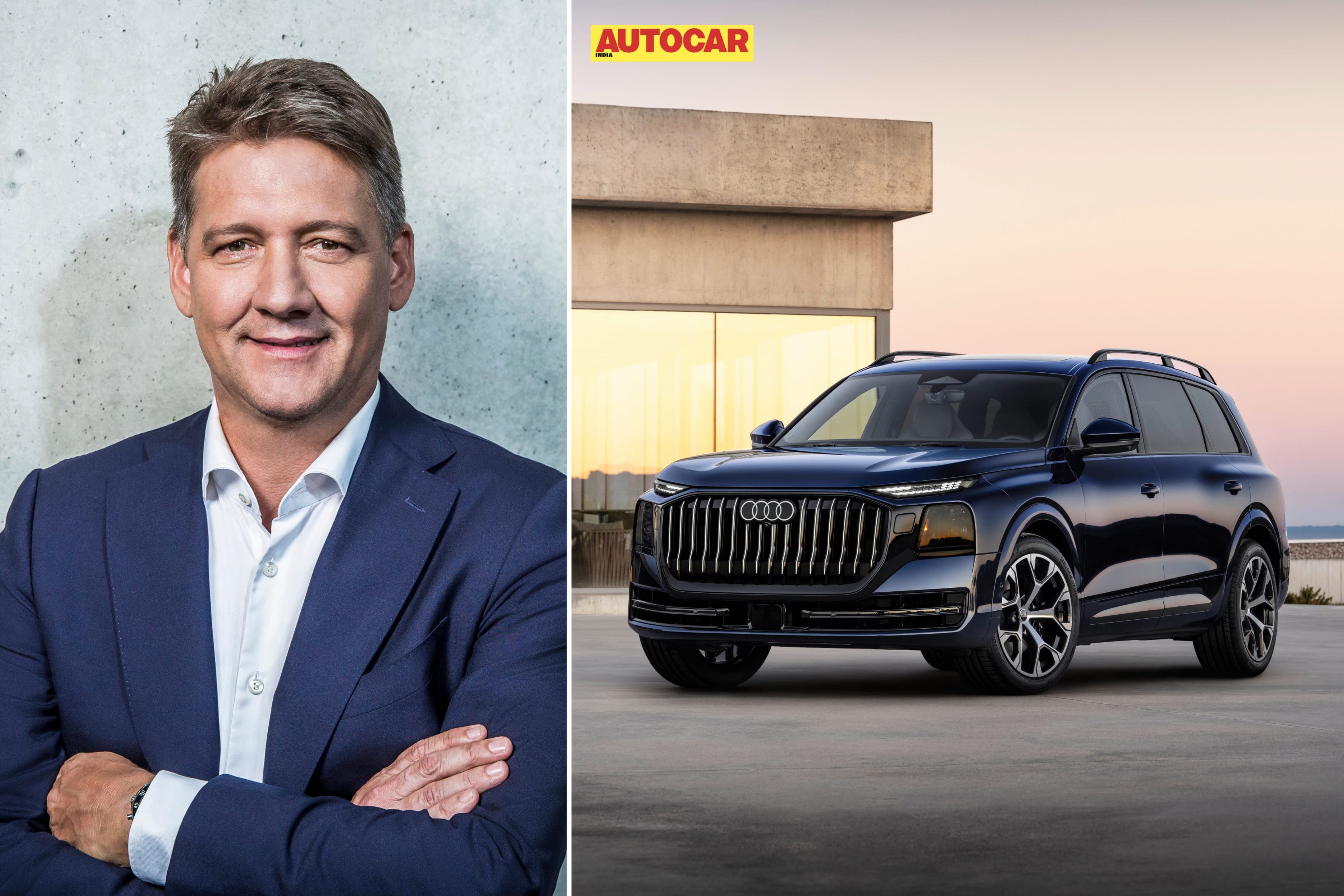
Audi will pursue a broader powertrain strategy spanning battery-electric vehicles, plug-in hybrids and combustion engines, stepping away from its earlier plan to become an all-electric carmaker. Global CEO Gernot Döllner said he reviewed Audi’s all-electric strategy after taking charge and decided that the company needed a more balanced product and powertrain mix to address the varying pace of EV adoption across markets.
“When I joined Audi, there was an all-electric strategy in place, which was one of the first things I reviewed,” Döllner told Autocar India in an exclusive interview. “We found a more balanced strategy between plug-in hybrids, especially important for Europe, combustion engine and electric.”
Global EV sales downturn lent ICE powertrains more time
The slower-than-expected pace of EV adoption in several global markets has extended the relevance of combustion engines and plug-in hybrids. Audi expects to retain a focused combustion-engine and plug-in-hybrid portfolio, particularly for SUVs.
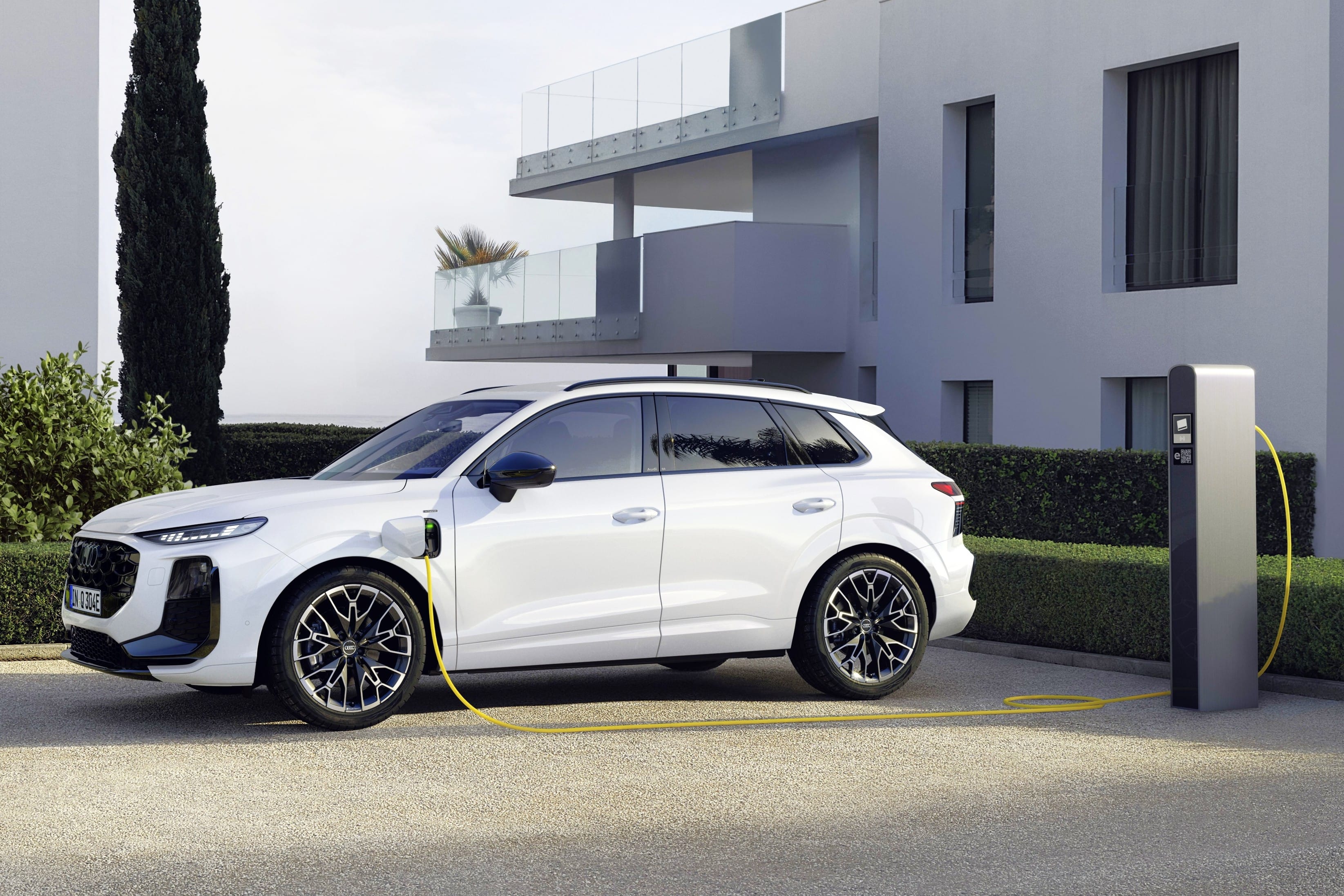
Audi Q3 PHEV
The company has recently completed a major investment cycle covering new petrol and diesel engines, plug-in hybrids and battery-electric vehicles designed to meet Euro 7 and other global regulations.
“For sure, the majority of our investment will be in battery electric. That’s a given,” Döllner said.
Audi will continue to invest selectively in combustion engines, including efficiency improvements and transmission technology, but Döllner expects the pace of innovation to be much faster in EVs.
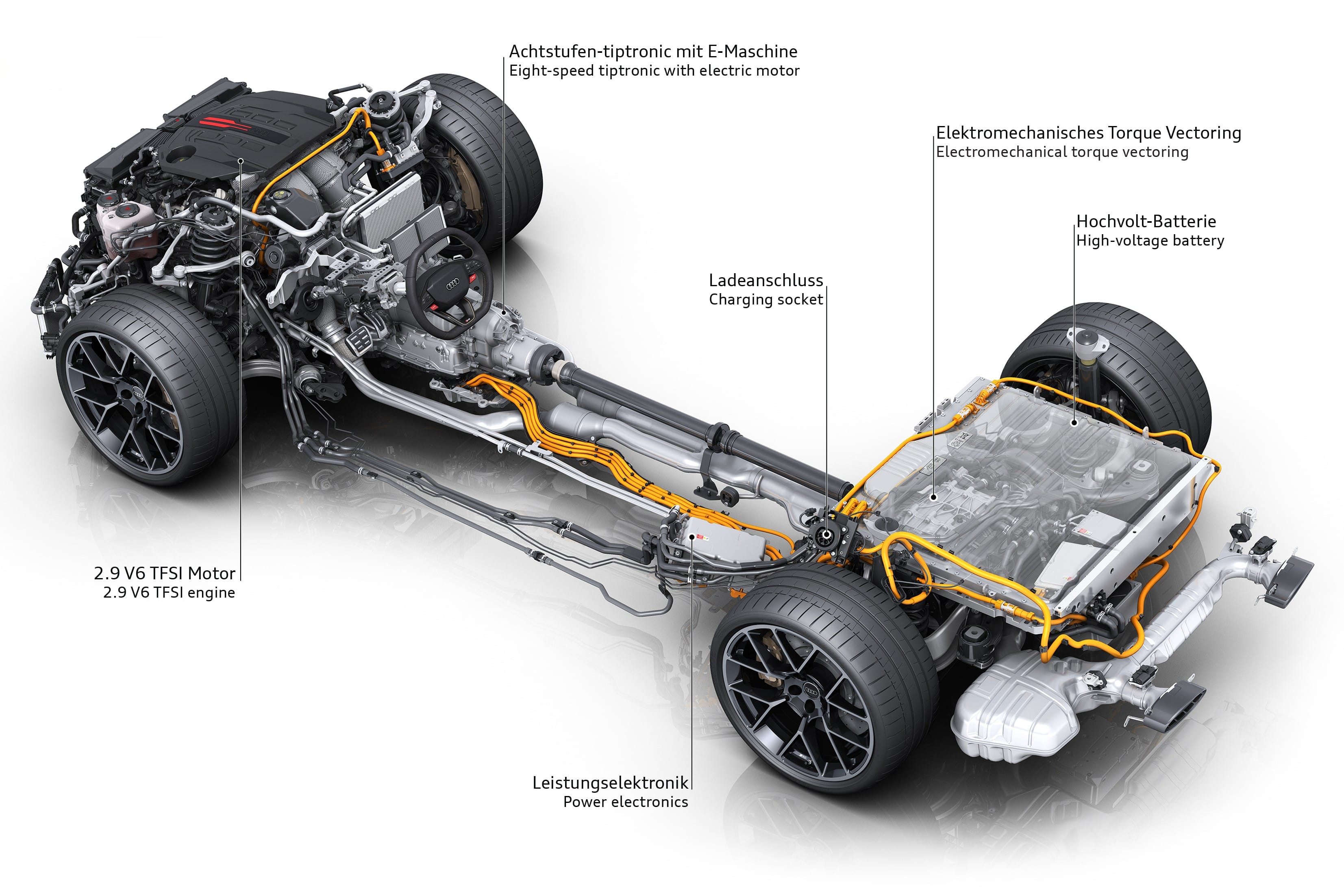
Audi RS5 plug-in hybrid powertrain
“The combustion engine is fairly mature. It’s at the very end of a 100-year innovation cycle, and battery electric is still at the very beginning, to be honest,” he said. “The dominant part of our investment will definitely be on the battery-electric side.”
Electric remains Audi’s leading technology
Audi’s decision to retain combustion engines and plug-in hybrids does not alter its long-term direction towards electric vehicles.
“Electric is, for Audi, still the leading technology,” Döllner said. “It’s our main priority to step by step become more electric.”
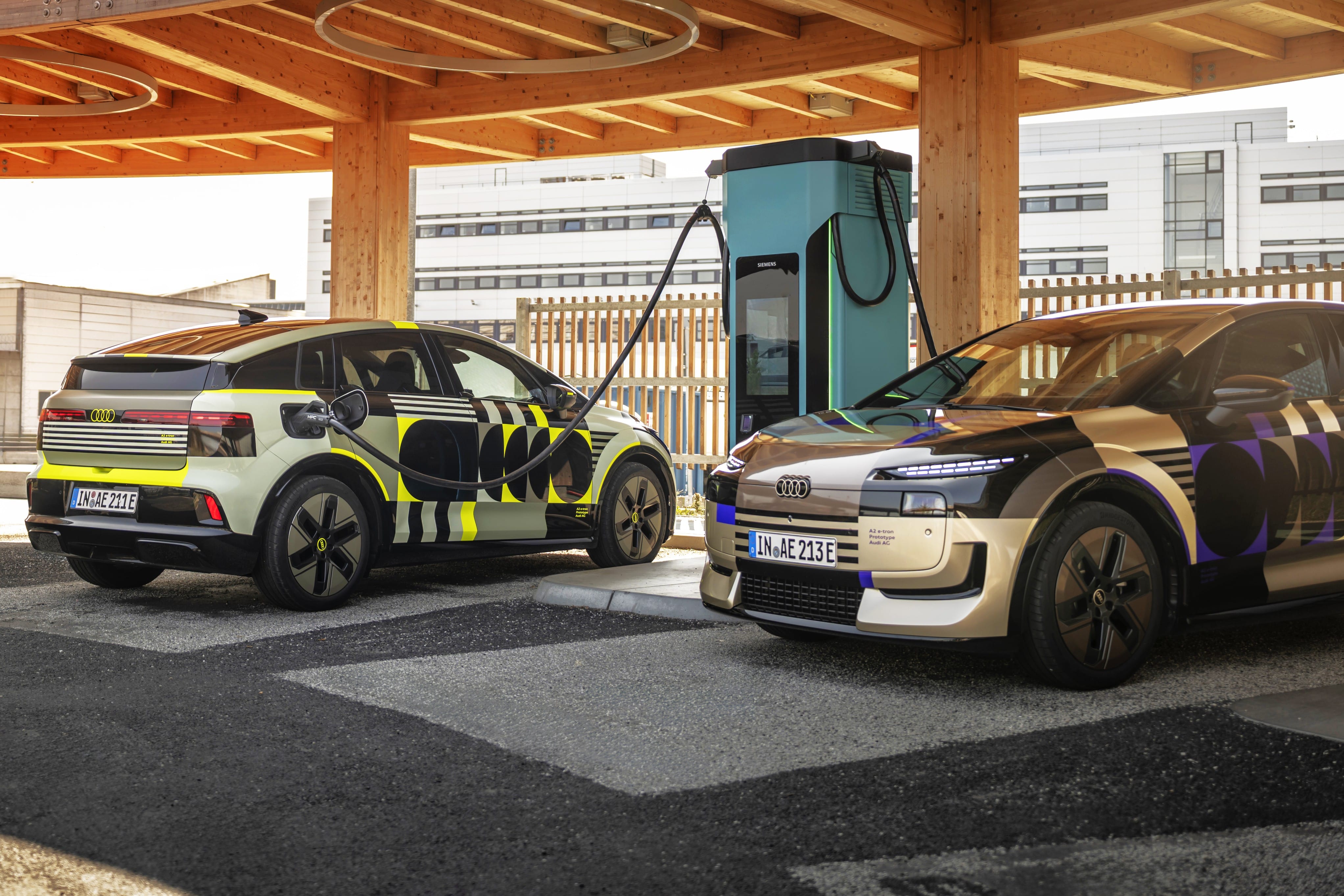
Prototypes of upcoming Audi A2 e-tron
Audi currently has four battery-electric model lines globally and expects to increase this to five by the end of the year, with some available in more than one body style. The company will, however, tailor the powertrain mix to individual regions. Plug-in hybrids will be particularly important in Europe, while the requirements of the US market will influence Audi’s future combustion-engine and PHEV portfolio, especially for SUVs.
In India, Audi’s immediate focus remains on petrol and electric vehicles. Diesel is not part of its current plan. The case for plug-in hybrids will depend partly on whether they receive any benefit under the India-EU FTA. New electric products are also planned for India.
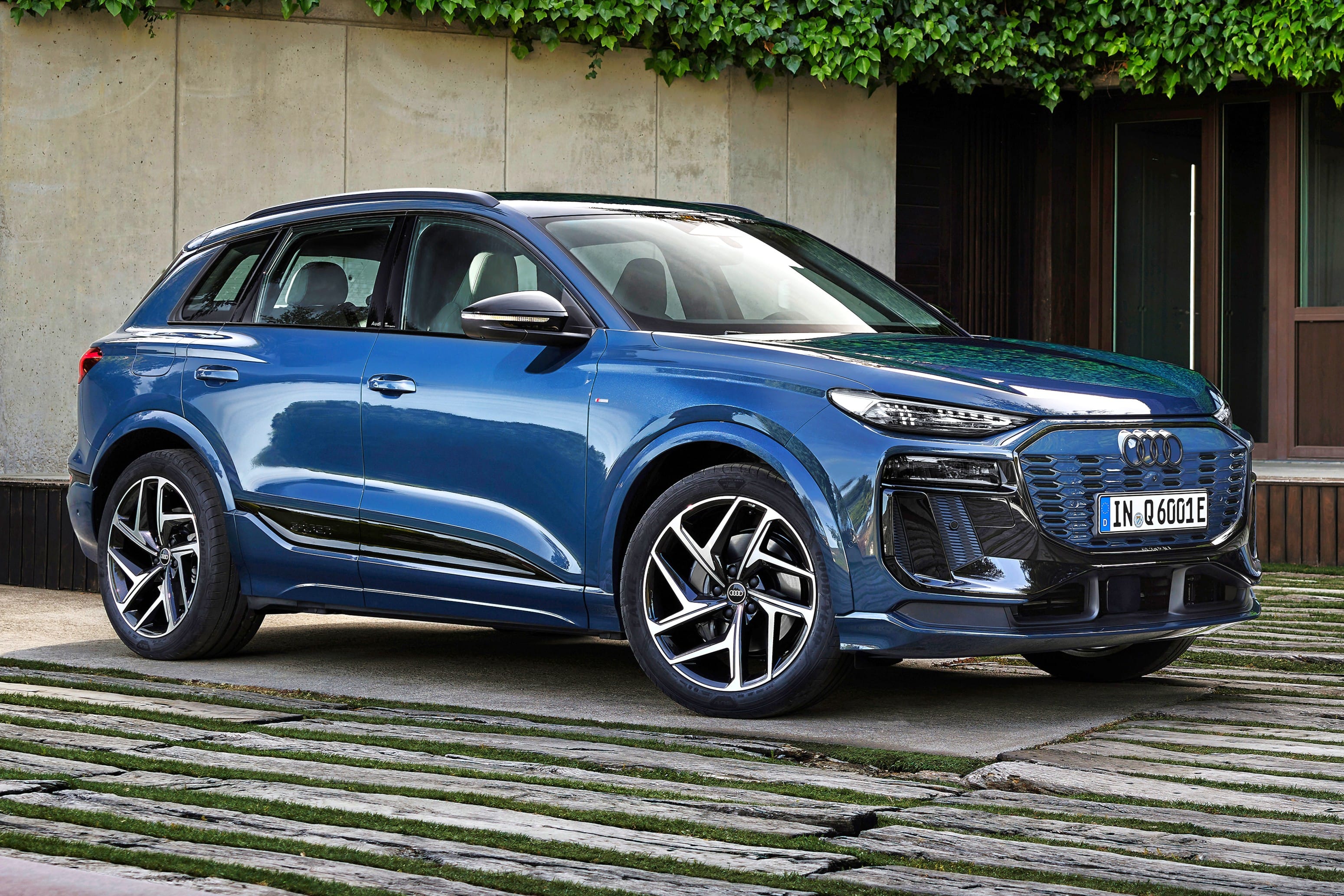
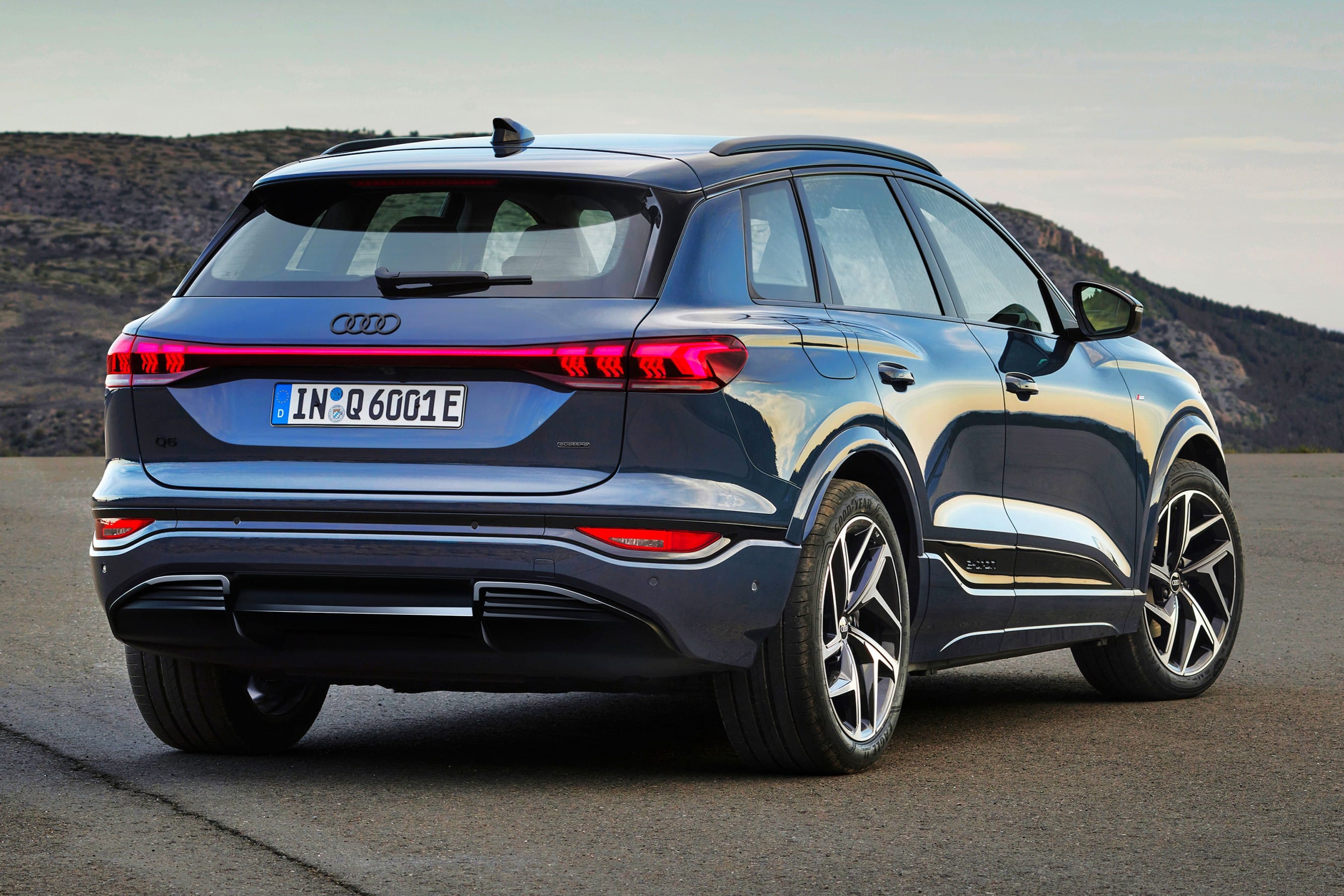
Audi Q6 e-tron
“From what I know, we also have decided to enter with new products in the electric segment in India,” Döllner said.
Audi has decided to assemble an electric vehicle in India, Autocar India learns, although the model and launch timing are still being worked out. The move from fully imported EVs to local assembly is now a question of when, rather than if.
The company was among the first luxury carmakers to enter India’s EV market with models such as the e-tron, e-tron Sportback, e-tron GT and Q8 e-tron. High import duties, however, restricted their reach and affected their resale-value proposition.
Audi Q6 e-tron
The Q6 e-tron is among the products being studied, but Audi has not decided which EV will be assembled in India. The selected model will need to offer the right combination of volume, pricing and suitability for local conditions.
Audi believes electric SUVs make more practical sense in India because their ground clearance is better suited to local road conditions. Sedans have not been ruled out, but SUVs offer a more practical proposition for battery-electric vehicles in the country.
Regional focus to shape future products
The broader powertrain approach is part of Döllner’s effort to make Audi more responsive to the requirements of individual regions.
“Audi has to act much more regional,” he said. “The times where we had a one size fits all, and we then bring it to China, just extend the wheelbase and do the same car, that doesn’t work anymore. We have to listen carefully to the markets.”
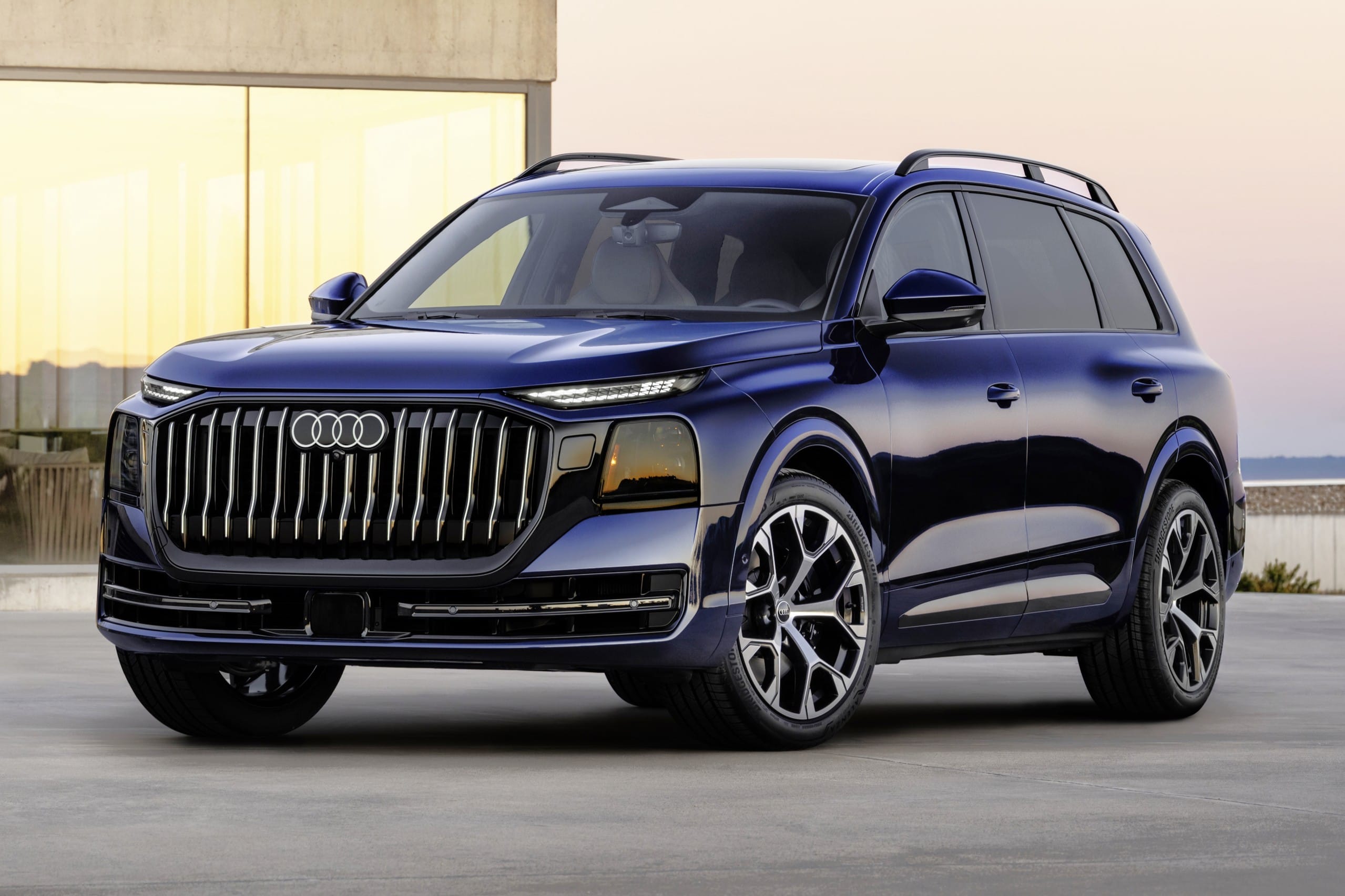
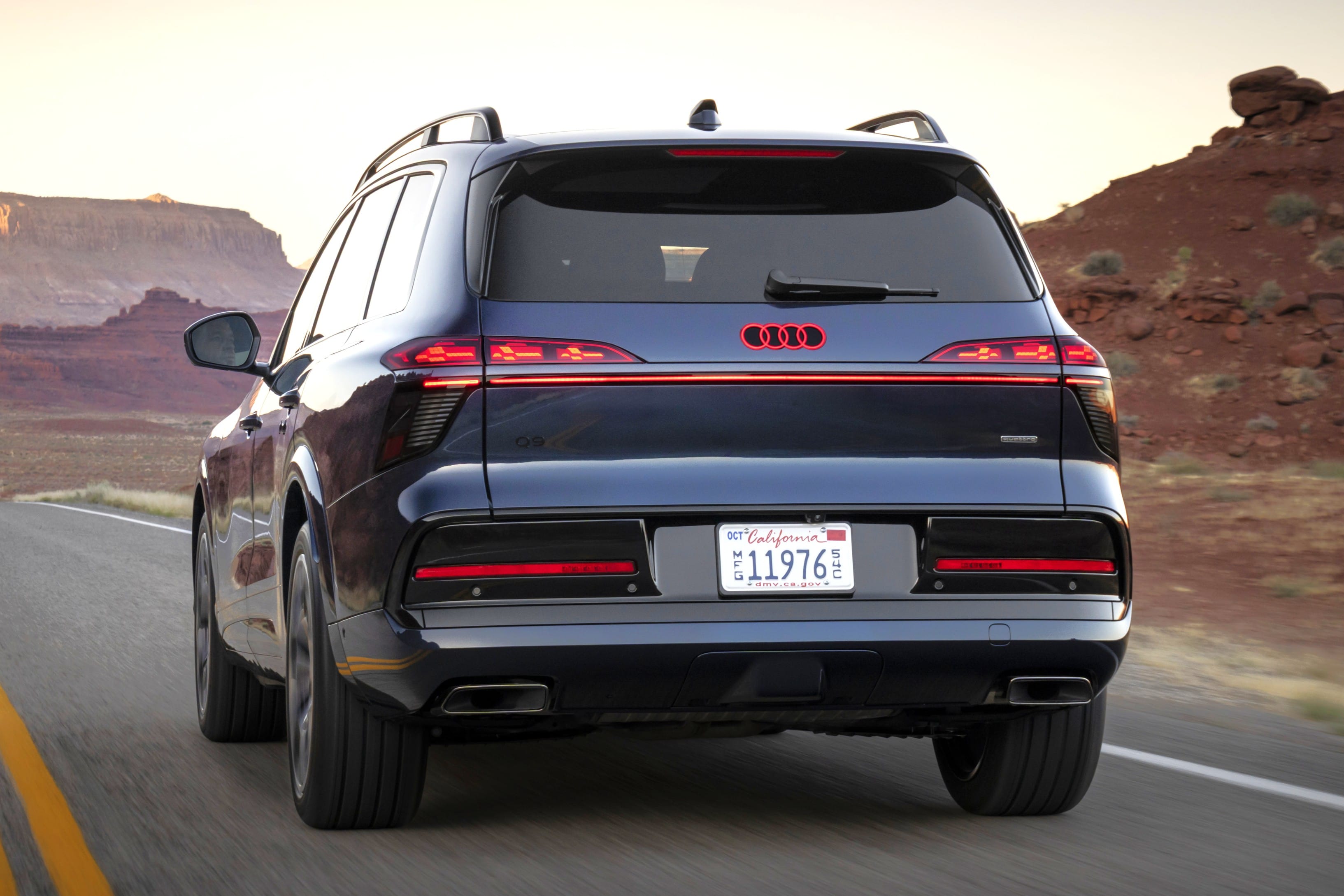
The Q9 is the first clear example of that approach. Conceived around the requirements of American customers, it will be the first Audi to make its market debut in the US.
Audi Q9
“The Q9 is a perfect proof point of a car. The biggest Audi we’ve ever built,” Döllner said. “That car would not be there without the American market.”
India does not yet generate the volumes required for Audi to develop country-specific models. Local requirements covering ground clearance, suspension, tyres, weather, dust and fuel quality are, however, fed into its global development process. The introduction of new models in India is also expected to move closer to their global launches, helping Audi benefit from the interest created when a vehicle is revealed internationally.
Döllner said the improvement in India’s manufacturing and automotive technology has changed how the country is viewed within the global industry.
Audi Q9
“India is also an excellent proof point. It’s really unbelievable what the car industry has developed in India and what level of perfection and technology products are delivered,” he said.
“In the past, there has been this strong European automotive industry, and the world has turned around. Now we have a very dynamic Chinese market, a growing and rising Indian automotive industry. The US is a story of its own.”
“What keeps me awake at night is if we are able to change fast enough,” Döllner said. “We have to speed up.”
Audi is preparing a new plan for India built around a stronger product portfolio, greater local assembly and faster introduction of its global models, as the German luxury carmaker seeks to regain momentum in one of the world’s most promising automotive markets.
Global CEO Gernot Döllner said India is becoming increasingly important to Audi and the company is now working towards the right product and operating structure for the market. “We will see a substantial portfolio, but it has to be focused to be able to be successful in India,” Döllner told Autocar India in an exclusive interview. “Every successful strategy starts with products. Without products, it does not make sense.”
Audi’s renewal plan with focus on new products
The renewal will begin with the new-generation Q3 in the fourth quarter of 2026, followed by the A5 in the first half of 2027. The Q9 flagship SUV is also being evaluated for India, with work underway to assemble it locally. These three models could reach the market within around twelve months. Audi also plans to reduce the delay between global and Indian launches, which has left parts of its local range out of step with competitors in recent years.
The carmaker is targeting a doubling of its share of India’s luxury-car market from around 8-9 percent to 18-20 percent over the next three to five years.
The new-gen Q3 will be the first to arrive under Audi’s new model onslaught.
“India is an increasingly important market, and we have to be honest. We have been struggling to find the right setup in that market,” Döllner said. “I hope that we now, with the decisions that we have taken over the past years, are able to step by step find our position in the market. Trade agreements will help in the future, but we still have to clean up some things that we did wrong in the past.”
Audi sees the long-term potential but is still working out the volumes and cost structure needed to make the business viable. “We somehow still have not found the right complete volume and setup and business case behind that for the brand,” said Döllner.
Local assembly is only step one
Greater local content will be necessary for Audi to compete in India, where import duties and adverse currency movements have pushed up prices. “You will be only in the game if you have local content and you follow these rules that are implemented. That’s what we have to do,” Döllner said.
Locally assembled models are expected to account for around 90-95 percent of Audi’s future India business, Autocar India learns. Fully imported vehicles will largely be restricted to niche and brand-shaping models.
Audi currently assembles its core models at the Skoda Auto Volkswagen India facility in Chhatrapati Sambhajinagar. The EA888 2.0-litre petrol engine used across much of the range is also assembled in India. The company is working on the local assembly case for the Q9 and studying what would be required to assemble its 3.0-litre engine in India.
Audi is considering localising the 3.0-litre V6 for the Q9 in India.
The Q9 will sit above the Q7 and add a new flagship to Audi’s India portfolio. It has been developed with greater emphasis on rear-seat occupants and is expected to offer different seating configurations, an important consideration in India’s chauffeur-driven luxury segment. Deep component sourcing will take longer. The relatively small volumes generated by individual luxury models make it difficult to create a viable domestic supplier base for every part. Audi will widen local assembly first and increase local content where the volumes support it.
New-generation models are becoming more expensive because of additional technology and regulatory requirements. The stronger euro has compounded that increase by raising the cost of imported vehicles and parts.
“The very strong euro compared to the dollar and other currencies is really hitting us badly, especially in markets like India where, due to the big competition, the margins are quite critical,” Döllner said.
Audi does not plan to counter the cost increase by offering stripped-down variants. Its sales data over the past five years shows that Indian luxury-car buyers favour better-equipped versions. The top variant accounts for around 55 percent of sales, the middle version for 35 percent and the entry variant for just 10 percent.
The new Q3 and A5 will therefore be positioned competitively, but pricing alone will not be Audi’s play. The company believes buyers will pay for the latest technology and features if the product delivers enough value.
India-EU FTA opens the door for niche imports
The RS5 is under consideration for India to be brought as a brand shaper.
The India-EU free trade agreement, expected within nine to twelve months, adds a second lever. Lower duties open the door to niche imports, what Audi India head Balbir Singh Dhillon calls “brand shapers” and “the cherry on the cake.” This could lift CBUs from 5 percent of the mix to perhaps 10. The RS5 is under consideration, though as a plug-in hybrid it sits in a regulatory grey zone: nobody yet knows whether PHEVs will qualify for concessional duties. Pure-ICE bruisers like the RS Q8 face no such ambiguity.
The India-EU FTA could allow Audi to introduce more niche and high-performance models. Imports, however, will remain a small part of the business, with locally assembled models continuing to drive volumes.
Even with a wider locally assembled range, Döllner expects profitability to remain challenging. “Even with the local content, the margin situation in India is not fun,” he said.
US New Tariffs Row: डेमोक्रेटिक पार्टी शासित 25 अमेरिकी राज्यों के एक समूह ने राष्ट्रपति डोनाल्ड ट्रंप के उस फैसले को अदालत में चुनौती दी है, जिसके तहत अमेरिका के कुल आयात में 99.4 प्रतिशत हिस्सेदारी रखने वाली 60 अर्थव्यवस्थाओं पर नए आयात शुल्क (टैरिफ) लगाए गए हैं। अमेरिका ने बंधुआ मजदूरी पर पर्याप्त कार्रवाई न होने का हवाला देते हुए पिछले महीने इन 60 देशों पर 10 से 12.5 प्रतिशत तक के नए आयात शुल्क लगाए थे।
ये शुल्क 24 जुलाई को समाप्त हो चुके 10 प्रतिशत के ग्लोबल इंपोर्ट ड्यूटी के स्थान पर लागू किए गए हैं। राज्यों का तर्क है कि व्हाइट हाउस जबरन मजदूरीसे जुड़ी चिंताओं का गलत इस्तेमाल करके एक बड़े टैरिफ सिस्टम को फिर से लागू करने की कोशिश कर रहा है। जबकि इस साल की शुरुआत में उसे अमेरिकी सुप्रीम कोर्ट में हार का सामना करना पड़ा था।
इन 25 राज्यों ने कई देशों पर फिर से शुल्क लागू करने के ट्रंप प्रशासन के फैसले के खिलाफ सोमवार 3 अगस्त को अमेरिकी इंटरनेशनल ट्रेड कोर्ट का रुख किया। राज्यों का तर्क है कि इस कदम से पूरे देश में उपभोक्ताओं और कारोबारियों पर लागत का बोझ बढ़ेगा। न्यूयॉर्क की अटॉर्नी जनरल लेटीटिया जेम्स, गर्वनर कैथी होचुल और डेमोक्रेटिक राज्यों के इस समूह ने अंतरराष्ट्रीय व्यापार न्यायालय से इन शुल्कों को अवैध घोषित करने का अनुरोध किया है।
जेम्स ने एक बयान में कहा, “सुप्रीम कोर्ट में हार के बाद भी प्रशासन (ट्रंप) एक बार फिर नए शुल्कों के जरिए परिवारों और कारोबारों पर अवैध रूप से अतिरिक्त कर का बोझ डालने की कोशिश कर रहा है।” भारत उन 17 देशों में शामिल है, जिन पर अमेरिका ने 10 प्रतिशत आयात शुल्क लगाया है। इससे पहले भारत पर 12.5 प्रतिशत शुल्क निर्धारित करने का प्रस्ताव था। भारत को यह राहत 14 जून को अपनी विदेश व्यापार नीति में संशोधन कर बंधुआ मजदूरी से बने सामान के आयात पर प्रतिबंध लगाने के बाद मिली।
बयान में कहा गया कि प्रशासन दावा कर रहा है कि वह वैश्विक व्यापार में बंधुआ मजदूरी पर अंकुश लगाने के उद्देश्य से 1974 के व्यापार अधिनियम की धारा 301 के तहत कार्रवाई कर रहा है। याचिका में दलील दी गई कि यह वास्तव में उन व्यापक आयात शुल्कों को दोबारा लागू करने का एक बहाना भर है, जिन्हें लागू करने के प्रशासन के पूर्व प्रयास विफल हो चुके हैं।
याचिका में आरोप लगाया गया है कि ट्रंप प्रशासन ने धारा 301 के तहत निर्धारित कानूनी प्रक्रिया का पालन नहीं किया। न्यूयॉर्क की अटॉर्नी जनरल ने कहा, “प्रशासन इसे किसी भी तरह उचित ठहराने की कोशिश करे। लेकिन कानून और हमारा संविधान स्पष्ट करता है कि राष्ट्रपति को अपनी इच्छा के अनुसार किसी भी देश पर व्यापक शुल्क लगाने का अधिकार नहीं है।”
25 राज्यों में से 23 में डेमोक्रेटिक गवर्नर
न्यूज एजेंसी AFP की रिपोर्ट के अनुसार, मुकदमे में शामिल 25 राज्यों में से 23 में डेमोक्रेटिक गवर्नर हैं। जबकि नेवादा और वरमोंट में रिपब्लिकन गवर्नर हैं। कोर्ट में हार के बाद प्रशासन ने सेक्शन 301 का रास्ता अपनाया ट्रंप ने पहले ‘इंटरनेशनल इमरजेंसी इकोनॉमिक पावर्स एक्ट’ के तहत बड़े पैमाने पर टैरिफ लगाए थे। उनका तर्क था कि अमेरिका का लगातार बना हुआ व्यापार घाटा एक राष्ट्रीय आपातकाल के बराबर है।
हालांकि, फरवरी में अमेरिकी सुप्रीम कोर्ट ने फैसला सुनाया कि यह कानून राष्ट्रपति को ऐसे टैरिफ लगाने का अधिकार नहीं देता है। इसके चलते प्रशासन को उस व्यवस्था के तहत वसूले गए शुल्क (ड्यूटी) वापस करने पड़े। इसके बाद व्हाइट हाउस ने कुछ समय के लिए 10% का ग्लोबल टैरिफ लगाया, जो 24 जुलाई को खत्म हो गया।
इसके बाद ‘ट्रेड एक्ट 1974’ के सेक्शन 301 के तहत मौजूदा शुल्क लागू किए गए। ट्रंप प्रशासन ने इन नए शुल्कों को सही ठहराने के लिए इसी प्रावधान का इस्तेमाल किया। उनका तर्क था कि प्रभावित देश जबरन मजदूरी (forced labour) से बने सामान के आयात को रोकने में नाकाम रहे हैं।
व्हाइट हाउस ने टैरिफ का बचाव किया
ट्रंप प्रशासन ने इस मुकदमे को खारिज कर दिया है। उन्होंने जोर देकर कहा है कि ये टैरिफ कानूनी रूप से पूरी तरह सही हैं। व्हाइट हाउस के प्रवक्ता कुश देसाई ने कहा, “अमेरिका अपने कानूनी अधिकारों का इस्तेमाल उन अनुचित कार्यों, नीतियों और प्रथाओं को खत्म करने के लिए कर रहा है जो अमेरिकी व्यापार पर बोझ डालते हैं।”
उन्होंने आगे कहा, “किसी विदेशी देश का जबरन मजदूरी से बने सामान के आयात पर रोक न लगाना और उसे प्रभावी ढंग से लागू न कर पाना अनुचित है। इससे अमेरिकी व्यापार और अमेरिकी श्रमिकों पर बोझ पड़ता है। इस समस्या का समाधान किया जाना चाहिए। राष्ट्रपति के पहले कार्यकाल से ही सेक्शन 301 के तहत लगाए गए टैरिफ कानूनी रूप से मजबूत हथियार साबित हुए हैं और अभी भी हैं।”
ट्रंप ने ऊंचे टैरिफ का बचाव करते हुए इसे अपने आर्थिक एजेंडे का एक अहम हिस्सा बताया है। उनका तर्क है कि इससे अमेरिकी मैन्युफैक्चरिंग को फिर से बढ़ावा मिलेगा, घरेलू श्रमिकों की सुरक्षा होगी और व्यापार वार्ता में वाशिंगटन को बेहतर स्थिति मिलेगी।