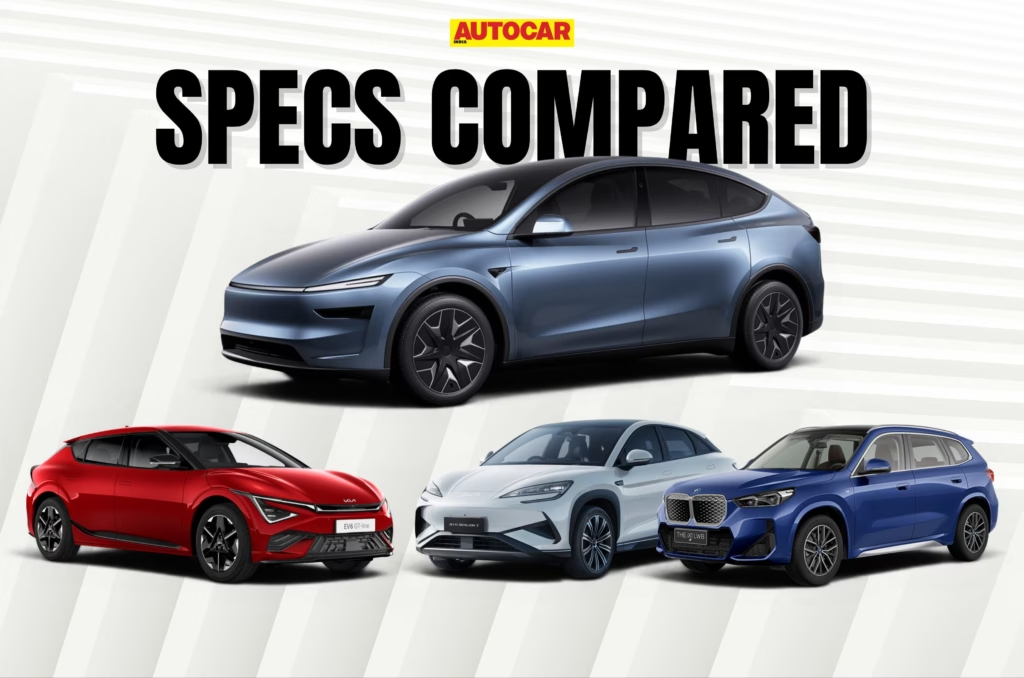
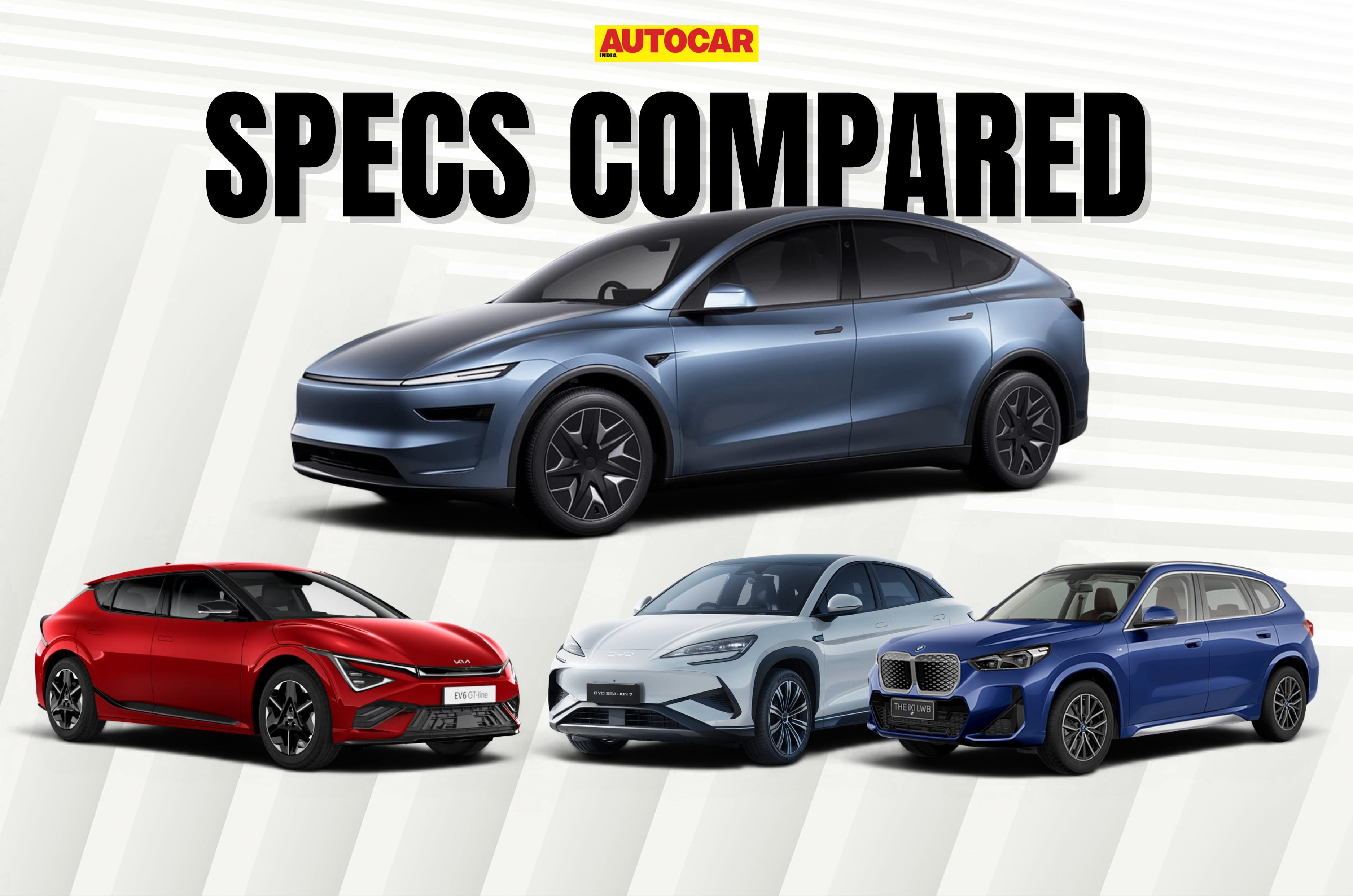
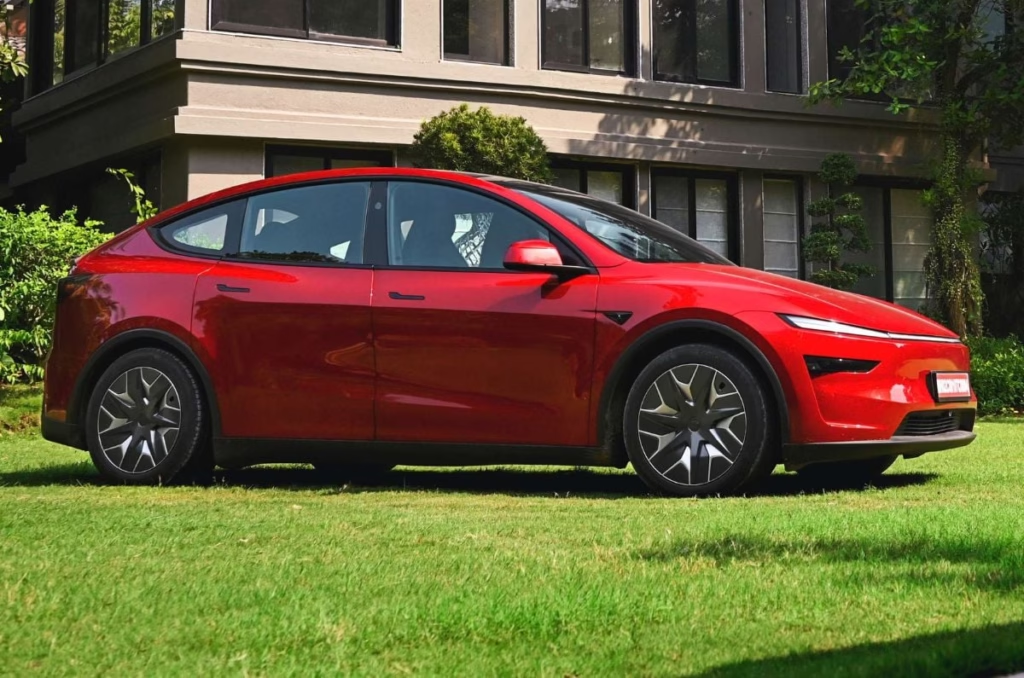
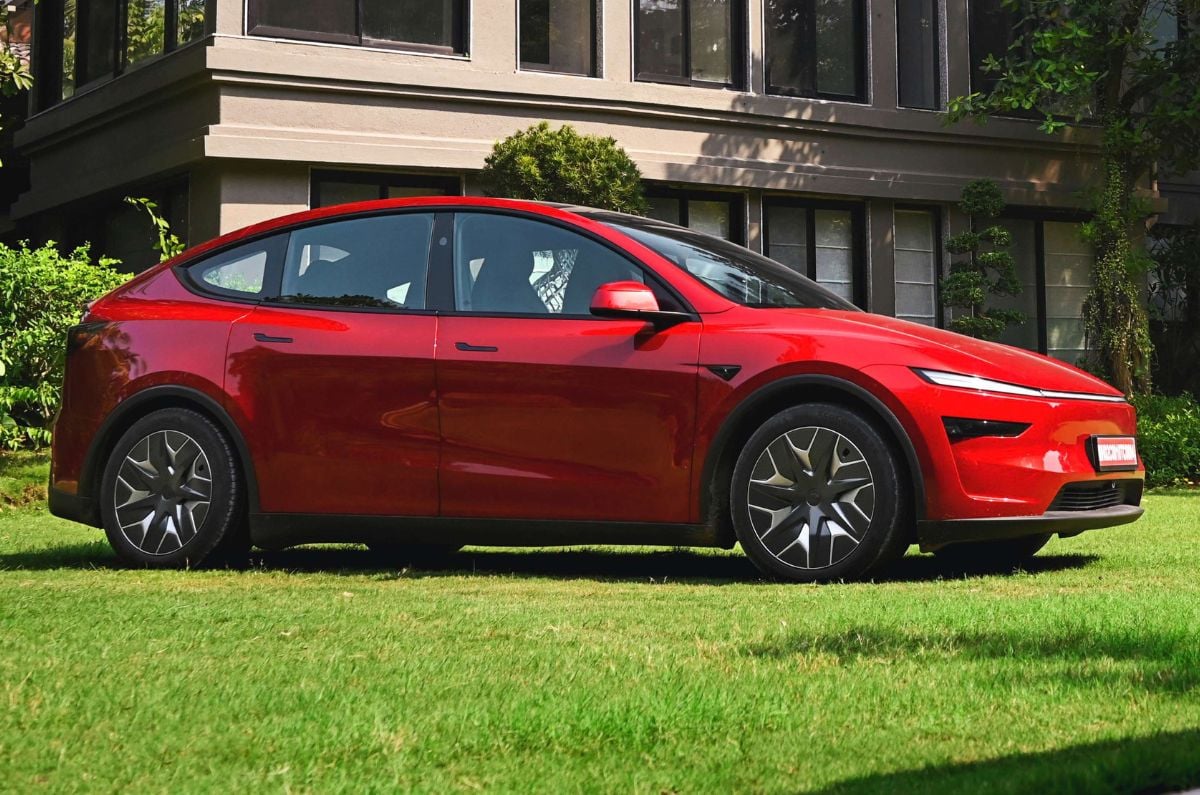
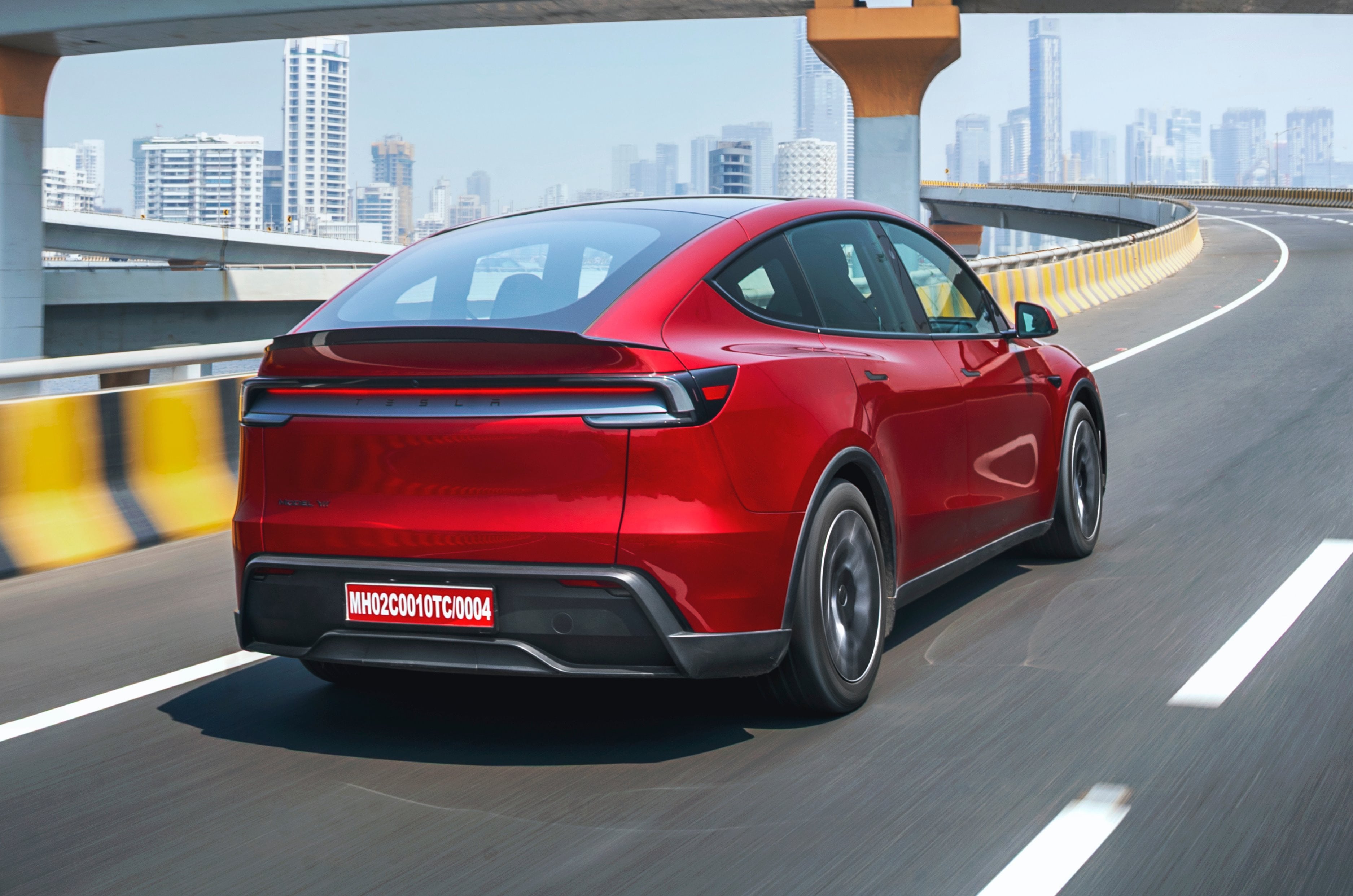
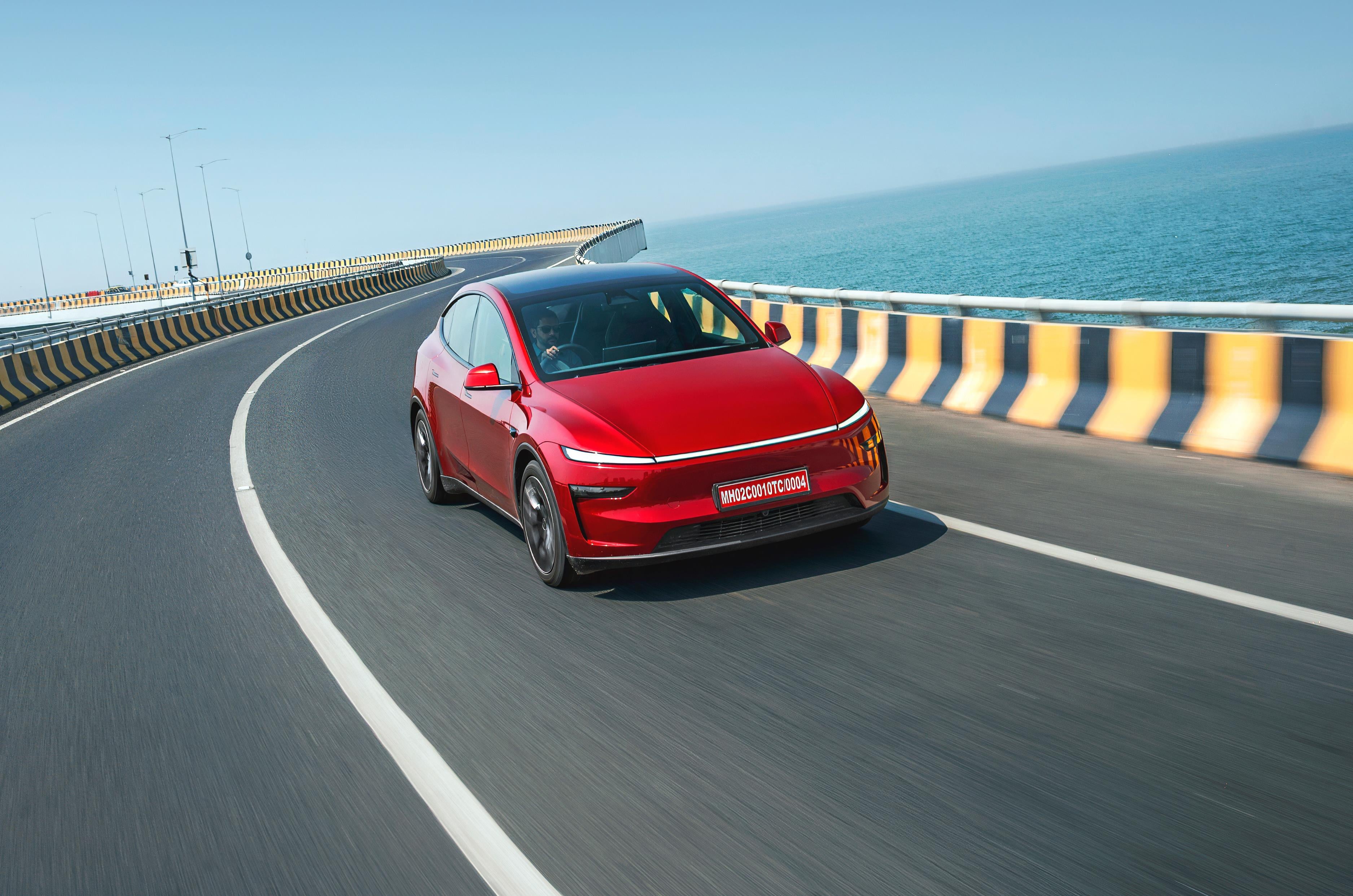
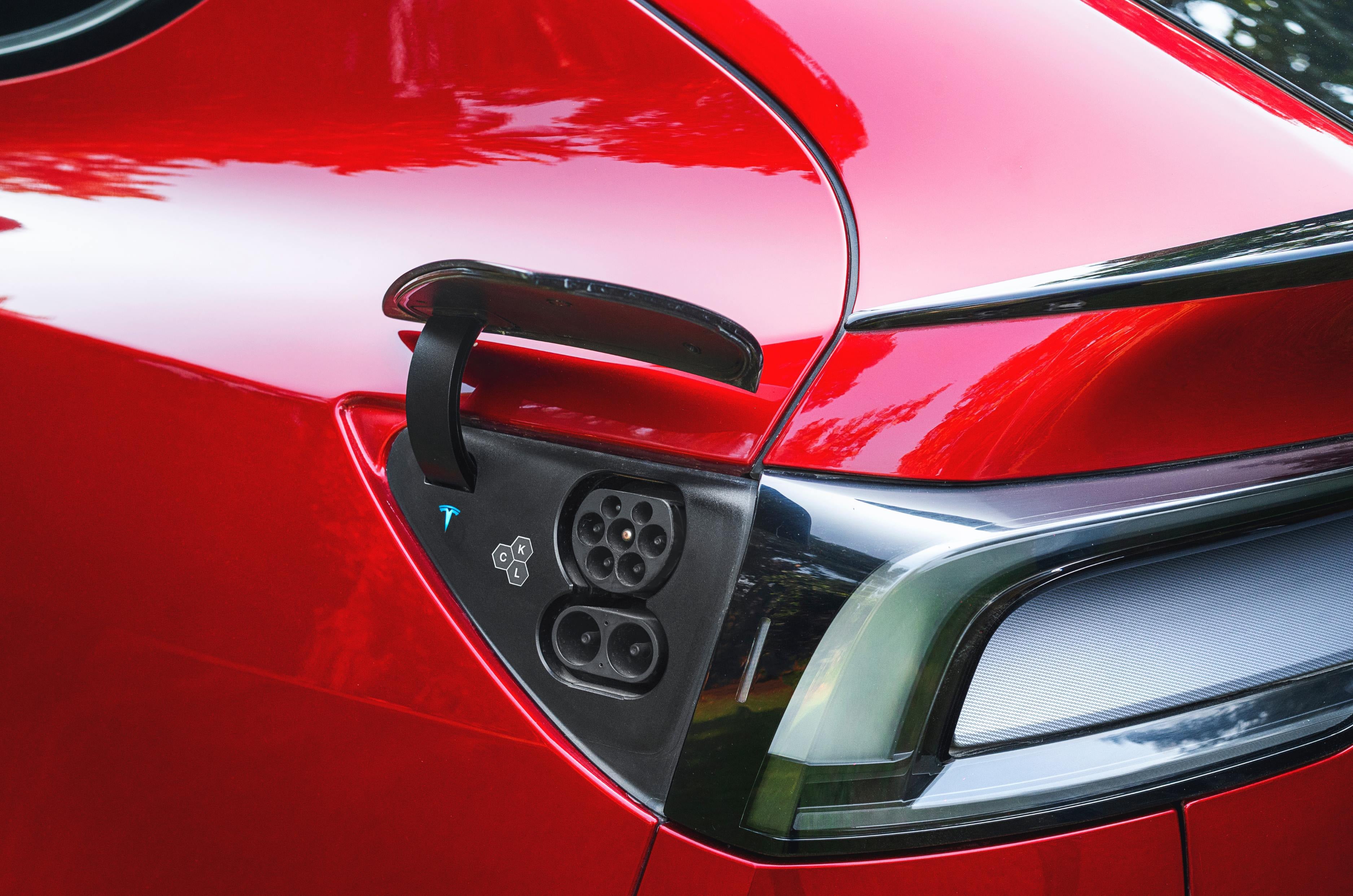
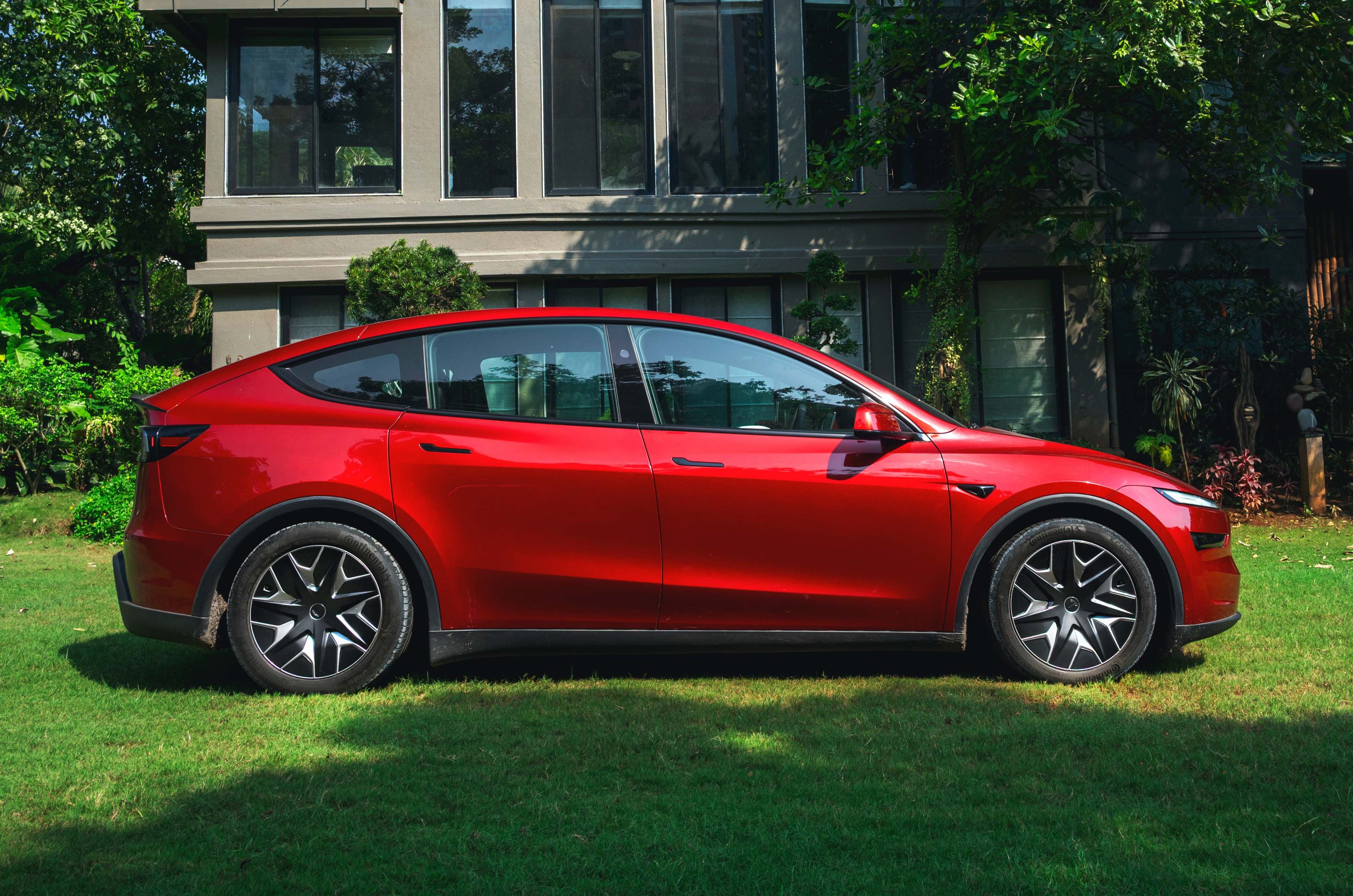
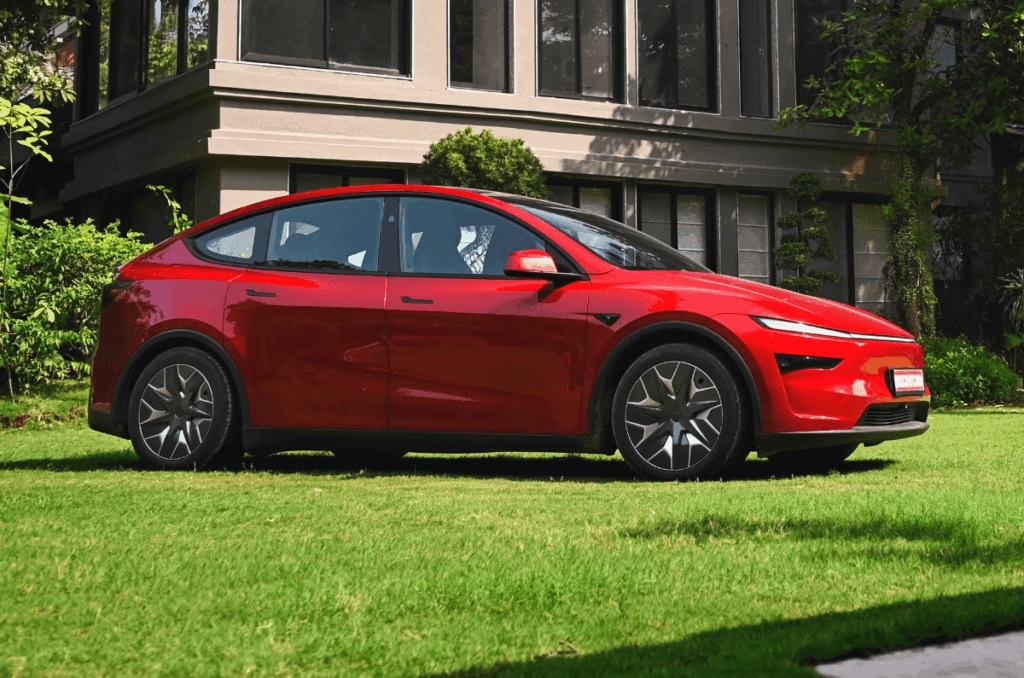
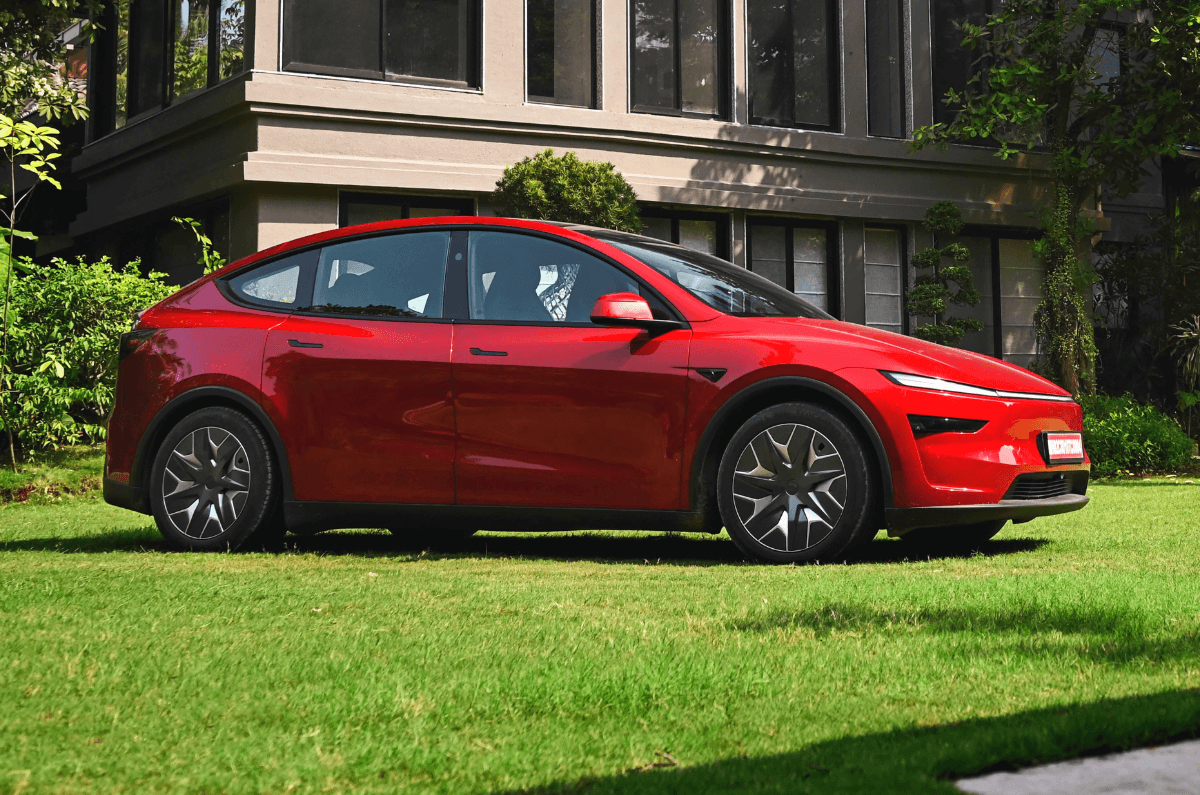
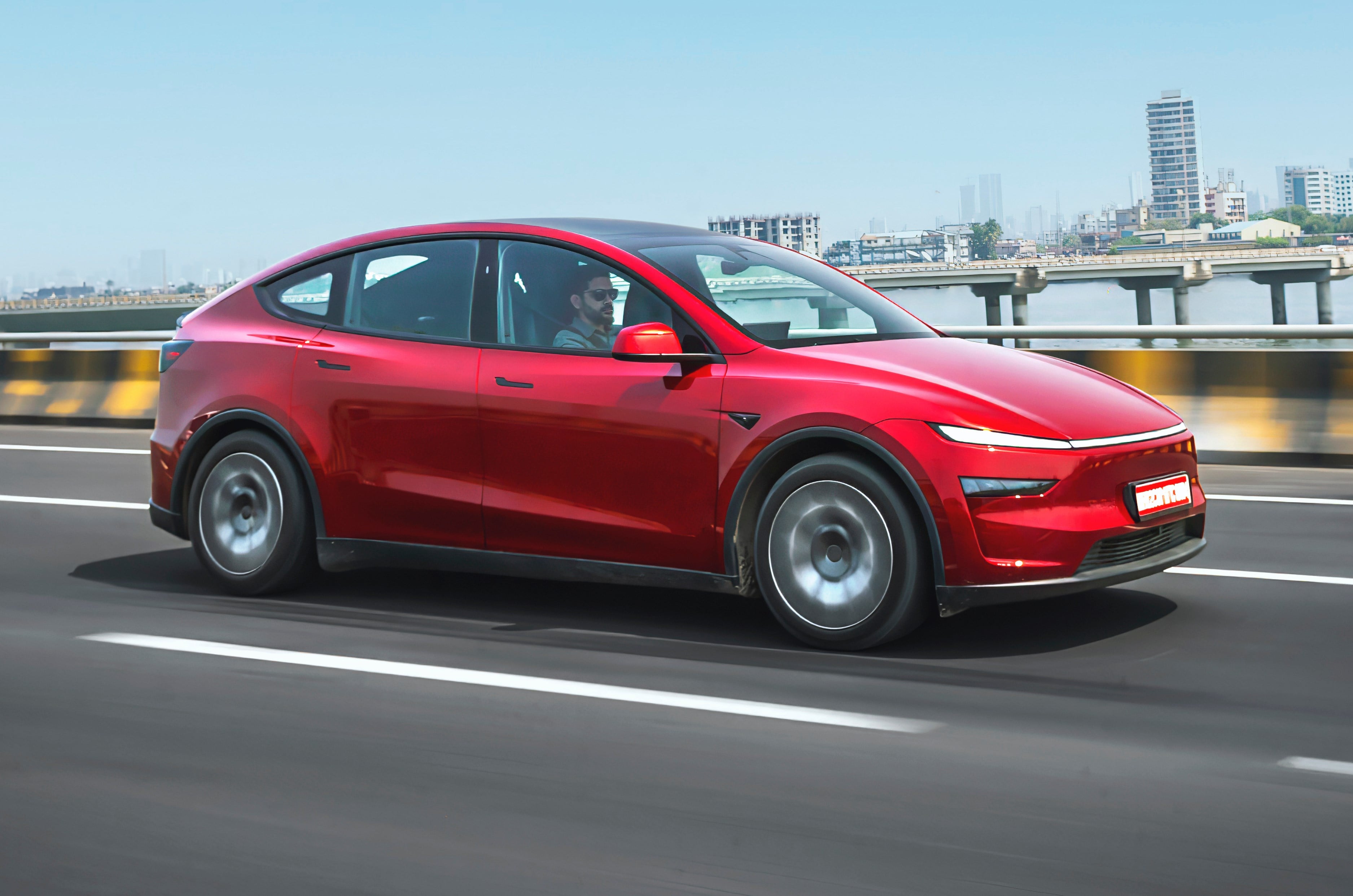
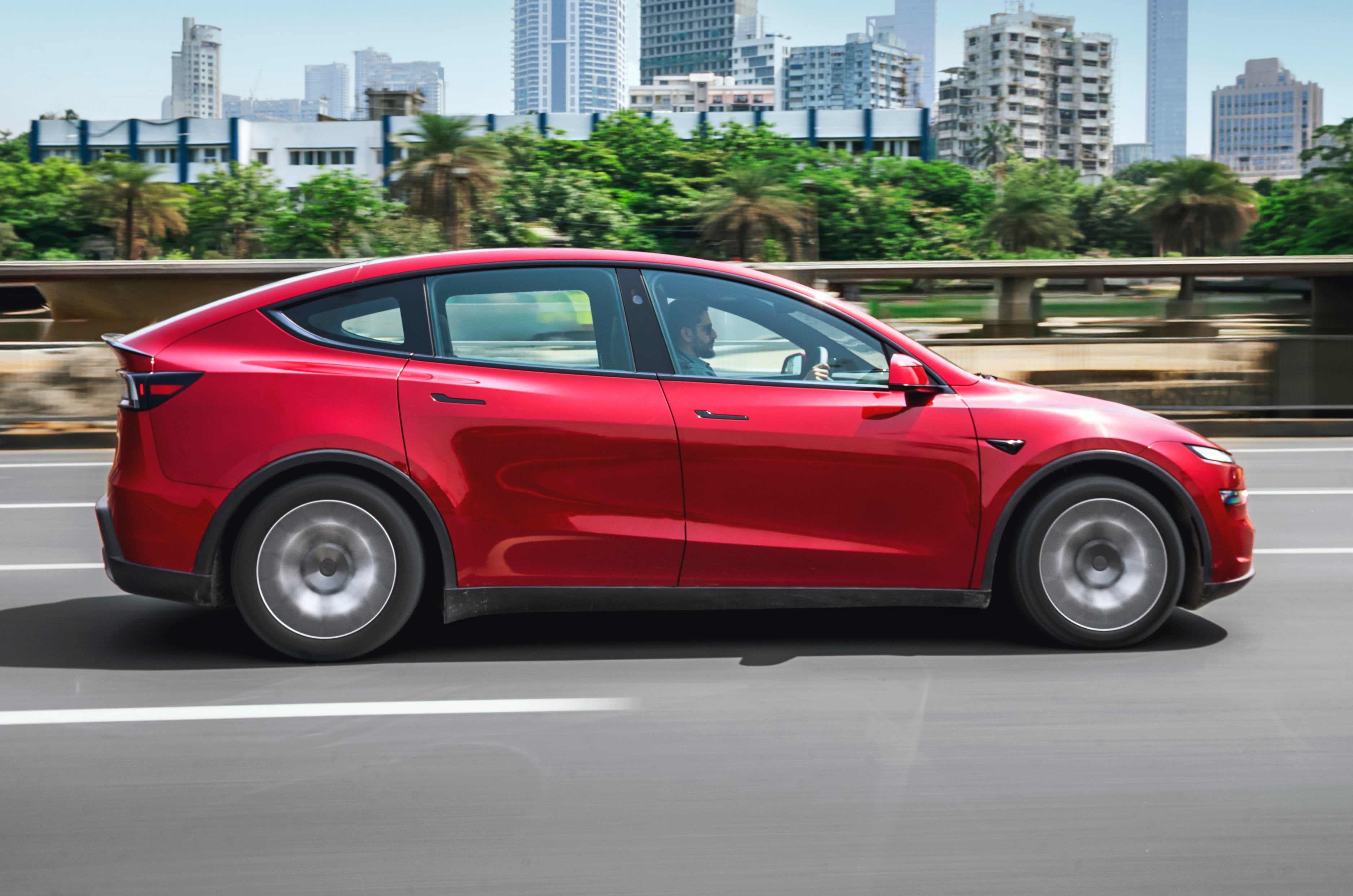
Tesla has launched a three-row long-wheelbase variant of the Model Y electric crossover in India. Christened the Model Y L, this new variant notably offers seating for up to six occupants, captain seats in the middle row and a stronger powertrain with a higher claimed range. Below, we lay out how the new Tesla Model Y L fares against its entry-level luxury EV rivals, namely the BYD Sealion 7, Kia EV6, BMW iX1 LWB, Volvo EC40 and Mini Countryman Electric on paper.
Tesla Model Y L vs rivals: Dimensions
Larger than rivals in every sense
Tesla Model Y L vs rivals: Dimensions compared
L / W / H (mm)
Wheelbase (mm)
Ground clearance (mm)
Frunk / Boot (litres)
Wheel size (inches)
Model Y L
4,976 / 1,982 / 1,668
3,040
169
116 / 420 (all seats up)
19
Sealion 7
4,830 / 1,925 / 1,620
2,930
170
58 / 500
19 / 20
iX1 LWB
4,616 / 1,845 / 1,627
2,800
190 (estimated)
– / 490
18
Countryman Electric
4,445 / 1,843 / 1,635
2,692
165
– / 460
19
EC40
4,440 / 1,873 / 1,591
2,702
171
31 / 404
19
EV6
4,695 / 1,890 / 1,570
2,900
–
20 / 490
19
The Model Y L beats its rivals in every dimension, and the Sealion 7 emerges as the second-biggest EV here overall. Tesla has slightly increased the Model Y L’s ground clearance vis-a-vis the standard wheelbase (SWB) version, though the iX1 LWB still rides the highest in this company. While the alloy wheel size remains unchanged for the Model Y L, it is mostly at par with rivals on this front.
Coming to boot space, Tesla claims a cavernous 2,539-litre cargo capacity for the Model Y L with the second and third rows folded. With all three rows of seating up, the Model Y L has an estimated boot space of 420 litres, which grows to around 1,076 litres with the third row folded, and there’s a 116-litre frunk too. All told, the Model Y L offers significantly higher total cargo capacity than the 5-seater EVs it rivals.
Tesla Model Y L vs rivals: Powertrain and performance
Sealion 7 AWD is the strongest and quickest to 100kph
Tesla Model Y L vs rivals: Battery, power, performance compared
Model
Battery capacity (kWh)
Motor setup
Power (hp)
Drive layout
0-100kph (seconds)
Model Y L
88.2*
Dual
514*
AWD
4.5
Sealion 7
82.56
Single / Dual
313 / 530
RWD / AWD
6.7 / 4.5
iX1 LWB
66.5
Single
204
FWD
8.6
Countryman Electric
66.5
Single
204
FWD
8.6
EC40
78
Dual
408
AWD
4.7
EV6
84
Dual
325
AWD
5.3
*Estimated figures
In addition to the longer body, Tesla has fitted the Model Y L with an 88.2kWh battery pack (85kWh net), which is larger than that of the standard model. It also gets a more powerful dual-motor powertrain, making the Model Y L the first Tesla car to offer AWD in India. While the Model Y L has the biggest battery pack among its rivals, its power output falls a bit short of that of the Sealion 7 AWD.
Regardless, the Model Y L is the second-most powerful EV here by a considerable margin. As for claimed 0-100kph times, the Model Y L matches the Sealion 7 AWD, ranking above the EC40, iX1 LWB, and Countryman Electric.
Tesla Model Y L vs rivals: Range and charging speeds
Model Y L features the highest WLTP-tested range
Tesla Model Y L vs rivals: Range and charging speeds compared
Model
Battery capacity (kWh)
Claimed range (km)
DC fast charging time^
Model Y L
88.2*
681 (WLTP)
288km in 15 min
Sealion 7
82.56
480 / 460 (WLTP)
45 min
iX1 LWB
66.5
531 (MIDC)
32 min
Countryman Electric
66.5
462 (WLTP)
29 min
EC40
78
530 (WLTP)
27 min
EV6
84
581 (WLTP)
18 min
^10-80 percent state of charge (SOC)
*Estimated
Thanks to its larger battery pack, the Model Y L widens the WLTP range lead that the standard model already holds over its rivals. The Model Y L’s range is 100km ahead of the EV6’s, which ranks second, and a whopping 221km more than that of the Sealion 7 AWD, which has the lowest WLTP range of 460km here.
Charging speeds are difficult to compare head-to-head, as Tesla has only confirmed that the Model Y L’s battery can be charged at up to 250kW DC and that it can add 288km of range in just 15 minutes. Keeping the Model Y L aside, the EV6 has the lowest 10-80 percent DC charging time, followed by the EC40, Countryman Electric, iX1 LWB and Sealion 7.
Tesla Model Y L vs rivals: Price
Model Y L is more affordable than the top-spec SWB version
Tesla Model Y L vs rivals: Prices compared
Price range (Rs lakh)
Model Y L
61.99
Sealion 7
49.40-54.90
iX1 LWB
51.40
Countryman Electric
55.65-60.70
EC40
59.00
EV6
65.96
Even though the Model Y L is larger, can accommodate more occupants and offers a stronger powertrain with a higher claimed range, it’s impressively priced at around Rs 6 lakh less than the top-spec Model Y Long Range RWD. That makes the Model Y L more affordable than the EV6, the priciest EV here, but costlier than the Sealion 7, Countryman Electric, iX1 LWB and EC40.
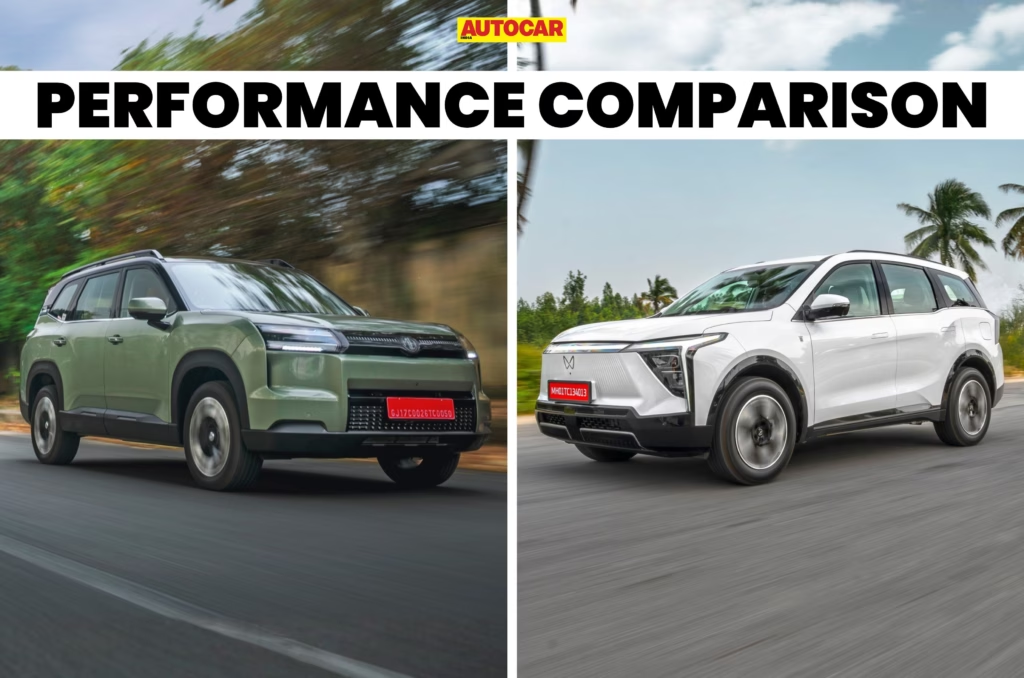
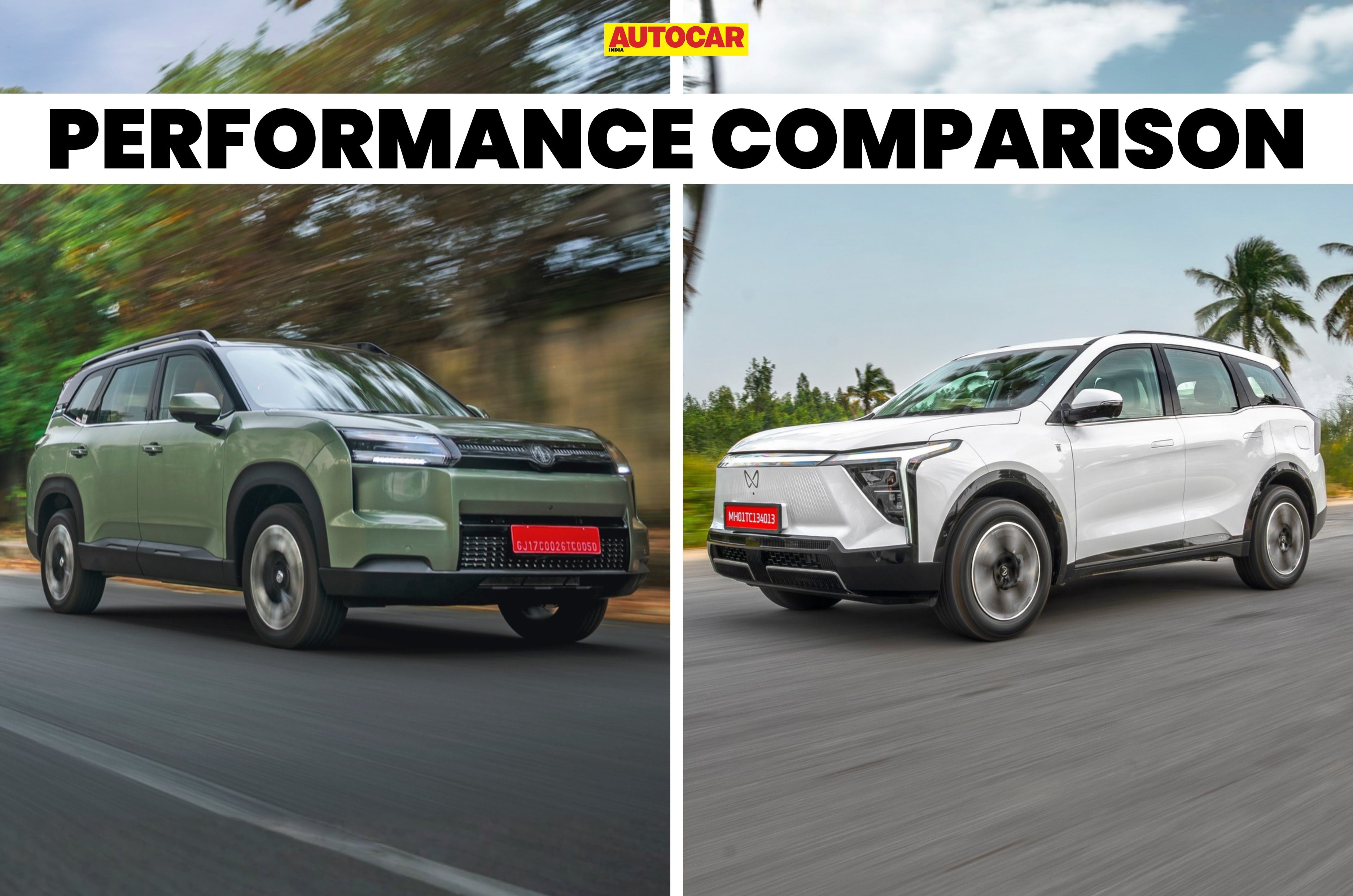
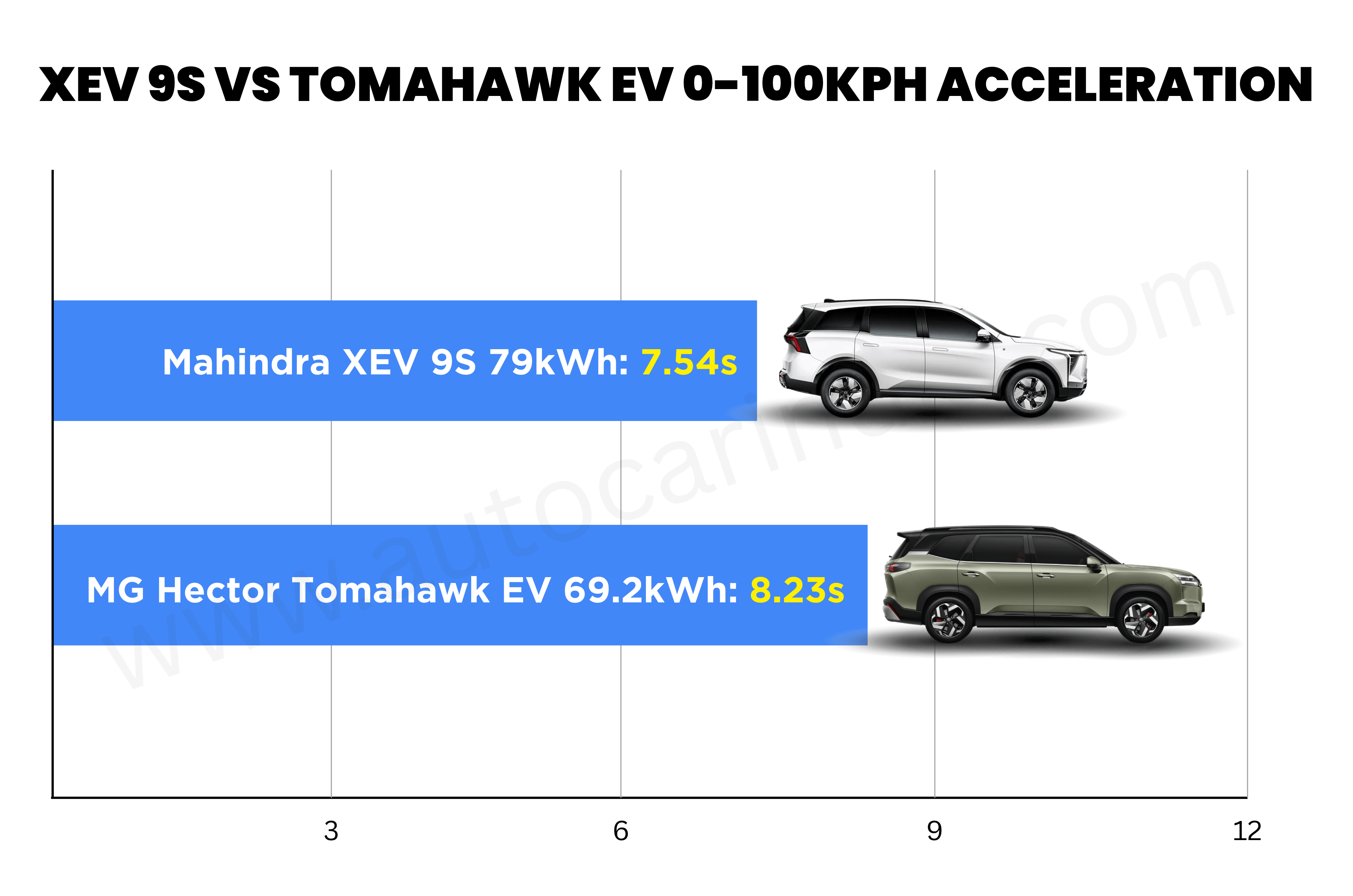
The Mahindra XEV 9S Pack Three Above and MG Hector Tomahawk EV are three-row electric SUVs that differ in their acceleration, driving range and charging capabilities. Here’s how the two compare on performance, specifications and price.
Mahindra XEV 9S vs MG Hector Tomahawk EV: Specifications
Specifications
Mahindra XEV 9S Pack Three Above
MG Hector Tomahawk EV
Battery capacity
79kWh
69.2kWh
Electric motor setup
Single, rear-mounted
Single, front-mounted
Power
286hp
204hp
Torque
380Nm
310Nm
Gearbox
Single-speed automatic
Single-speed automatic
Drive layout
Rear-wheel drive
Front-wheel drive
Claimed MIDC range
679km
517km
Maximum DC charging rate
180kW
90kW
Claimed DC charging time
20min (20-80 percent)
Around 35min (30-80 percent)
AC charging time
11.7 hours (7.2kW charger)
8 hours (11.2kW charger)
12.5 hours (10-100 percent)
The XEV 9S has a 82hp advantage over the Tomahawk EV and produces 70Nm more torque. The two SUVs also differ in their drive layouts. The XEV 9S sends power to the rear wheels, while the Tomahawk EV is front-wheel drive. Both use a single-speed automatic transmission.
The XEV 9S has a claimed MIDC range of 679km, which is 162km more than the Tomahawk EV’s 517km. It also supports DC fast charging at up to 180kW, compared with 90kW for the MG.
Mahindra claims the XEV 9S can charge from 20-80 percent in 20 minutes, while MG quotes around 35 minutes for a 30-80 percent charge. Since the quoted charging times cover different charging windows, they are not directly comparable. The AC charging figures also use different charging ranges. The XEV 9S supports an optional 11.2kW AC charger, in addition to the 7.2kW unit. The Tomahawk EV supports 7.4kW AC charging.
Mahindra XEV 9S vs MG Hector Tomahawk EV: Acceleration timings
Mahindra XEV 9S vs MG Tomahawk EV: Acceleration timings (seconds)
Mahindra XEV 9S
MG Tomahawk EV
0-20kph
1.39
1.47
0-40kph
2.73
2.84
0-60kph
4.17
4.25
0-80kph
5.62
5.93
0-100kph
7.54
8.23
0-120kph
9.98
11.28
The XEV 9S gets off the line slightly quicker, reaching 20kph 0.08 seconds ahead of the Tomahawk EV. The gap remains narrow at 40kph and 60kph, with the Mahindra holding leads of 0.11 seconds and 0.08 seconds, respectively.
It begins to pull further ahead beyond 60kph, reaching 80kph 0.31 seconds sooner and 100kph 0.69 seconds sooner than the MG. By 120kph, the difference has widened to 1.30 seconds, with the XEV 9S completing the run in 9.98 seconds against the Tomahawk EV’s 11.28 seconds. The results show the Mahindra’s advantage growing at higher speeds, rather than coming solely from its initial launch.
Mahindra XEV 9S vs MG Hector Tomahawk EV: Rolling acceleration timings
Mahindra XEV 9S vs MG Hector Tomahawk EV: Rolling acceleration timings (seconds)
Rolling acceleration tests
Mahindra XEV 9S
MG Hector Tomahawk EV
20-80kph (in kickdown)
4.11
4.56
40-100kph (in kickdown)
4.74
5.45
The results show that the XEV 9S retains its lead across both rolling acceleration tests. It completes the 20-80kph run in 4.11 seconds, 0.45 seconds quicker than the Tomahawk EV’s 4.56 seconds. The gap widens in the 40-100kph test, with the Mahindra taking 4.74 seconds against the MG’s 5.45 seconds. This gives the XEV 9S a 0.71-second advantage in the higher-speed run, further underlining its stronger acceleration performance across both speed ranges.
Mahindra XEV 9S vs MG Hector Tomahawk EV: Braking tests
Mahindra XEV 9S vs MG Hector Tomahawk EV: Braking tests
Mahindra XEV 9S
MG Hector Tomahawk EV
80-0kph distance (m)
29.67
27.52
80-0kph time (seconds)
2.55
2.39
80-20kph L1 regen distance (m)
341.03
575.94
80-20kph L2 regen distance (m)
215.8
389.91
80-20kph L3 regen distance (m)
162.46
210.09
The Tomahawk EV has the advantage in the conventional braking test, stopping from 80kph in 27.52m and 2.39 seconds. The XEV 9S takes 29.67m and 2.55 seconds to come to a halt, requiring 2.15m more distance.
The results reverse under regenerative braking. In the 80-20kph tests, the XEV 9S covers a shorter distance at all three regeneration levels. At L1, it takes 341.03m to slow down, compared with 575.94m for the MG. At L2, the respective distances are 215.8m and 389.91m, while at L3, they are 162.46m and 210.09m. The difference is largest at L2, where the Tomahawk EV covers 174.11m more than the Mahindra before slowing from 80kph to 20kph.
Mahindra XEV 9S vs MG Hector Tomahawk EV: Prices
Model
Price (ex-showroom)
Mahindra XEV 9S Pack Three Above
Rs 29.95 lakh
MG Hector Tomahawk EV
Rs 19.49 lakh-23.49 lakh
The MG Hector Tomahawk EV is priced between Rs 19.49 lakh and Rs 23.49 lakh, while the Mahindra XEV 9S Pack Three Above costs Rs 29.95 lakh. The Tomahawk EV’s top variant is Rs 6.46 lakh cheaper than the XEV 9S. The Mahindra, however, gets a larger 79kWh battery and higher power and torque outputs, and was quicker in all three acceleration tests. The MG stopped in a shorter distance in our 80-0kph braking test.
Autocar India’s testing standards
Before conducting our performance tests, we check and maintain tyre pressure based on the manufacturer’s recommendation and ensure that the car is charged to 100 percent. The car is then tested in a controlled environment with two people on board, and the data is collected via highly accurate GPS-based timing equipment.
The Model Y L is the long-wheelbase, 6-seat version of Tesla‘s Model Y SUV. Priced at Rs 61.99 lakh (ex-showroom), it costs Rs 11.10 lakh more than the rear-wheel-drive Model Y. It is also pricier than rivals such as the BMW iX1 LWB and BYD Sealion 7. But does the Y L justify that premium? Here’s how it stacks up.
Reasons to buy the Tesla Model Y L
Spacious and quiet
Extra length frees up more room, while its cabin is remarkably hushed
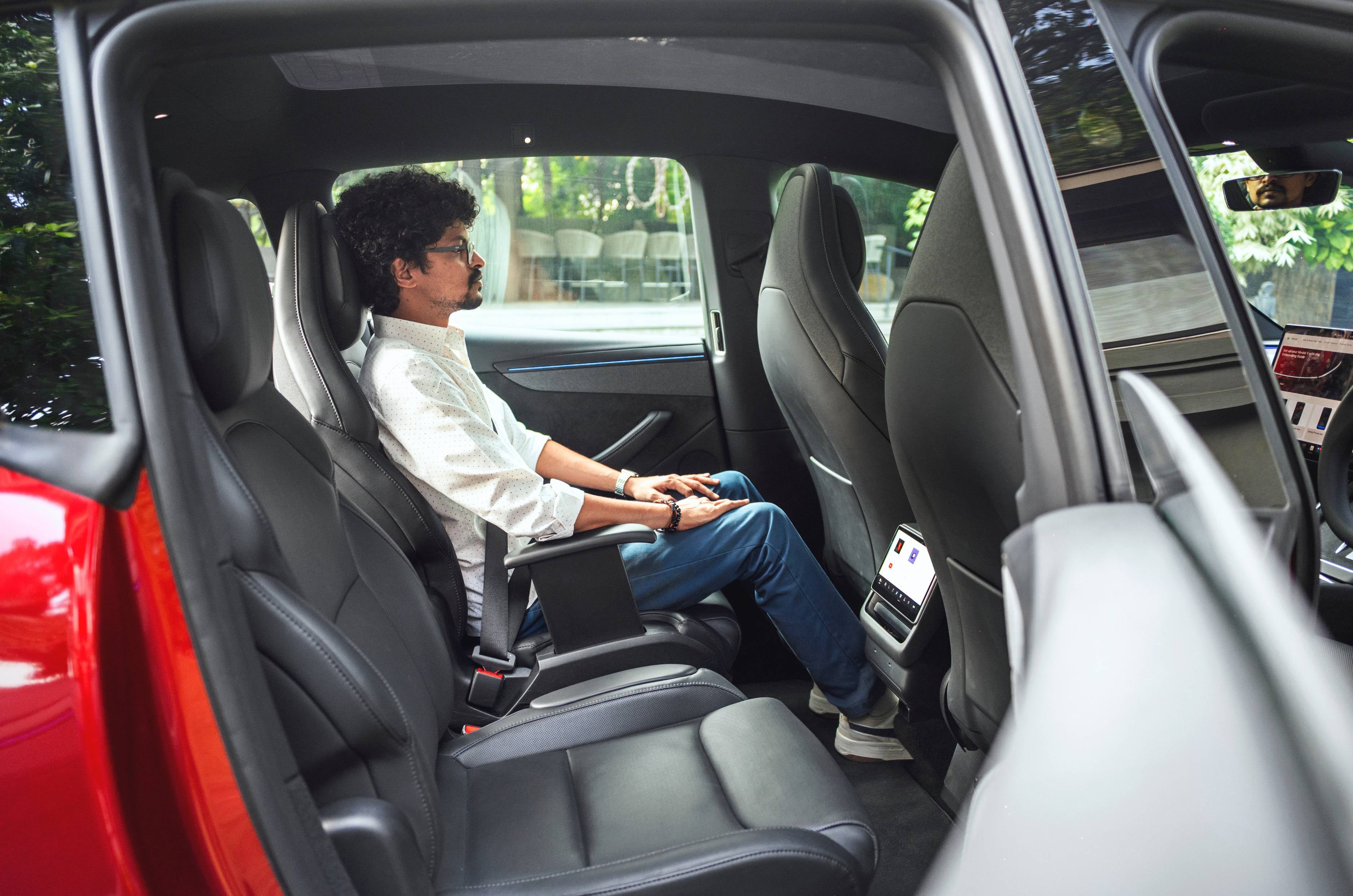
With a 3,040mm wheelbase, the Model Y L is 150mm longer between the axles than the standard Model Y. It’s also 40mm taller, freeing up noticeably more space on the inside. The Y L is a 6-seater with front seats that are comfy and get extended under-thigh support. The individual captain’s chairs in the middle row are very comfortable and feature powered armrests, plus heating and cooling functions. Passengers seated here won’t complain about legroom or headroom.
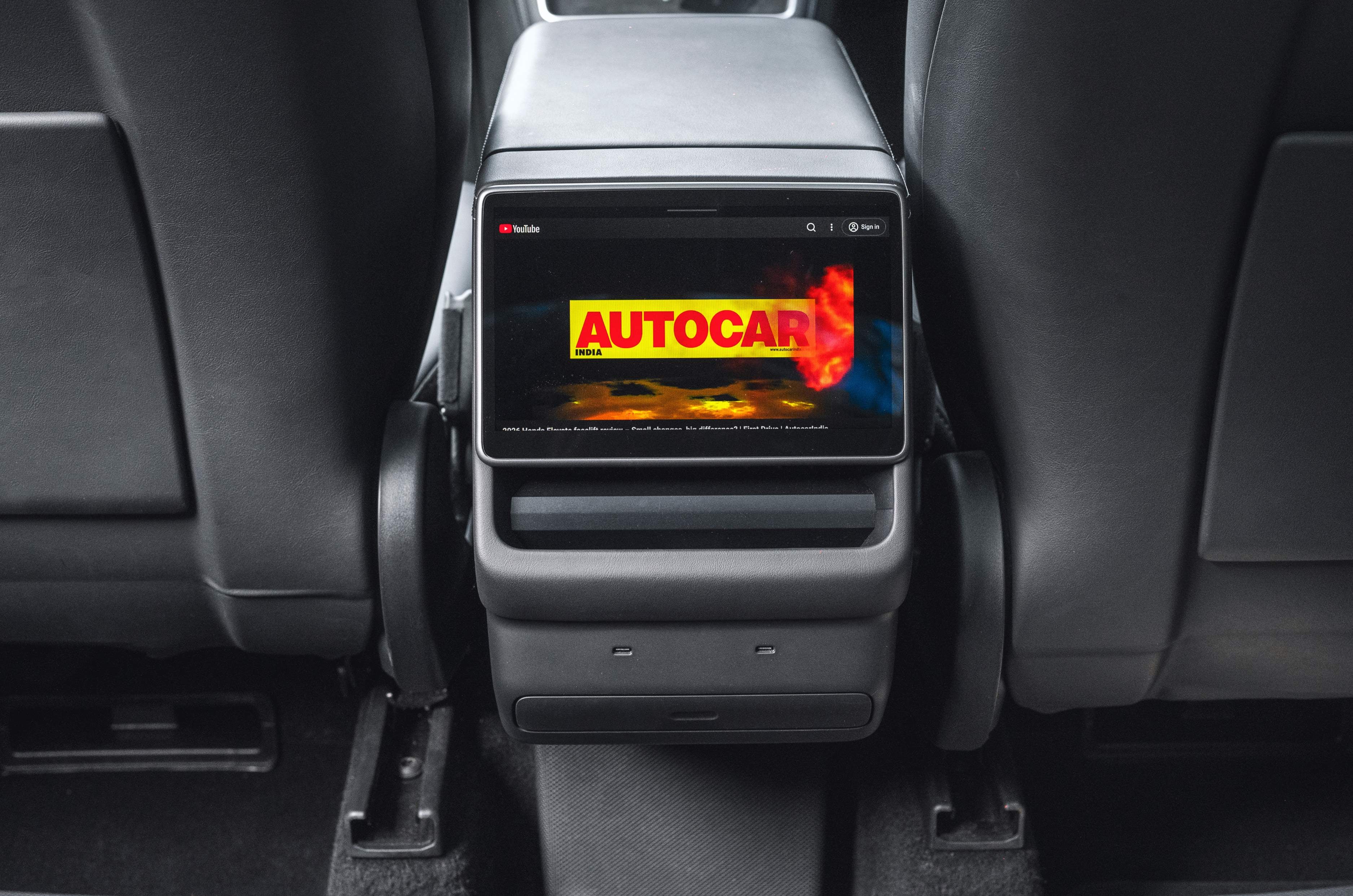
Adding to their convenience is an 8-inch touchscreen capable of playing videos, plus cupholders and charging ports. Unlike many three-row offerings, the third row of the Model Y L has enough space for adults to sit in reasonable comfort. The inclusion of dedicated AC vents, cupholders and Type-C ports comes in handy as well.
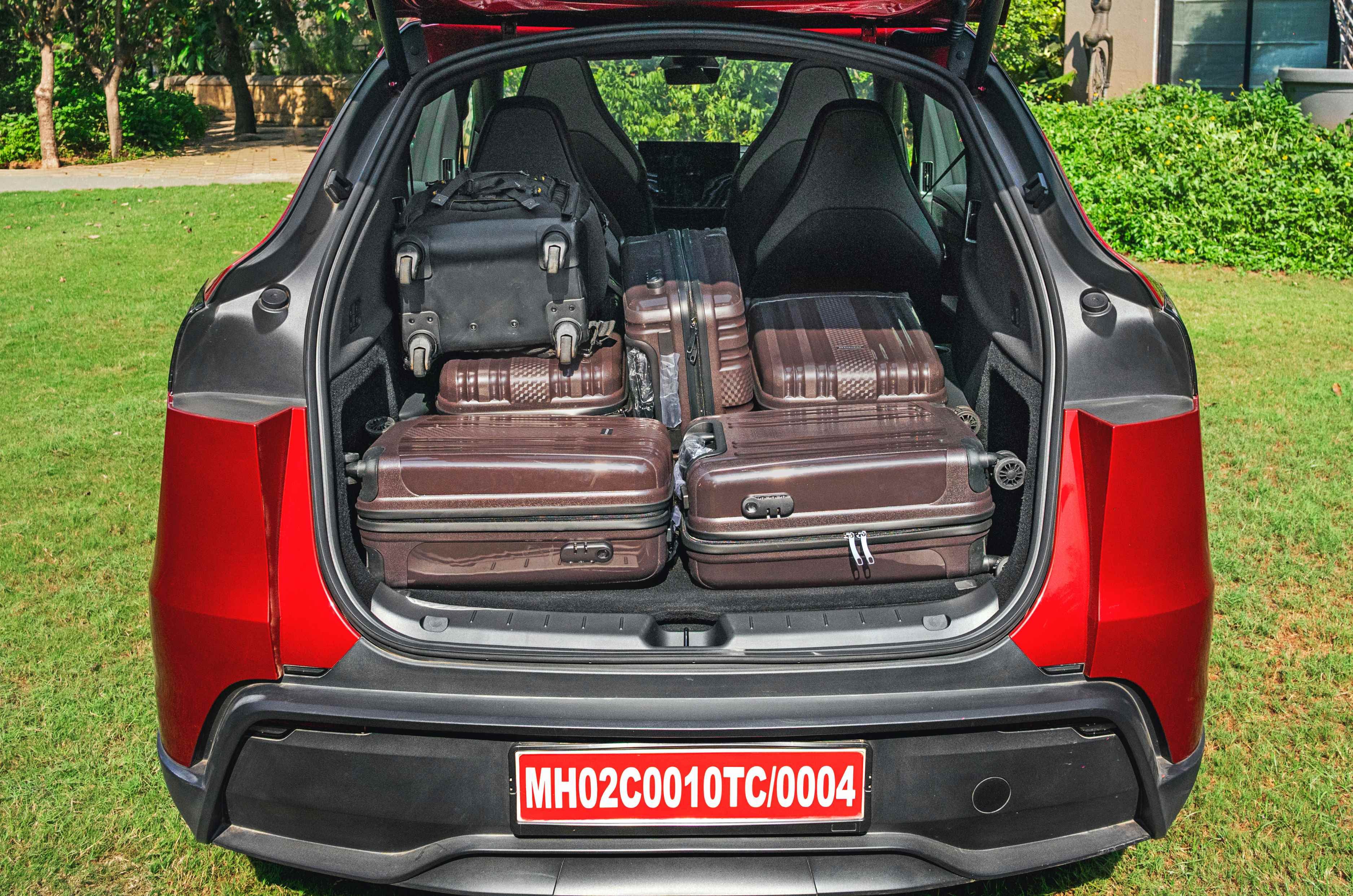
Another pro here is the Model Y L’s boot, which is rated at 420 litres with all seats up – this grows to a capacious 1,076 litres with the third row folded. Then there’s some more space under the boot floor, and a 117-litre frunk, should you need even more luggage space. Refinement is another strong point of this cabin. It’s remarkably quiet, thanks to the double-glazed windows that shut out most of the wind, tyre and road noise.
Loaded with tech
Long list of features will keep tech-savvy folks entertained
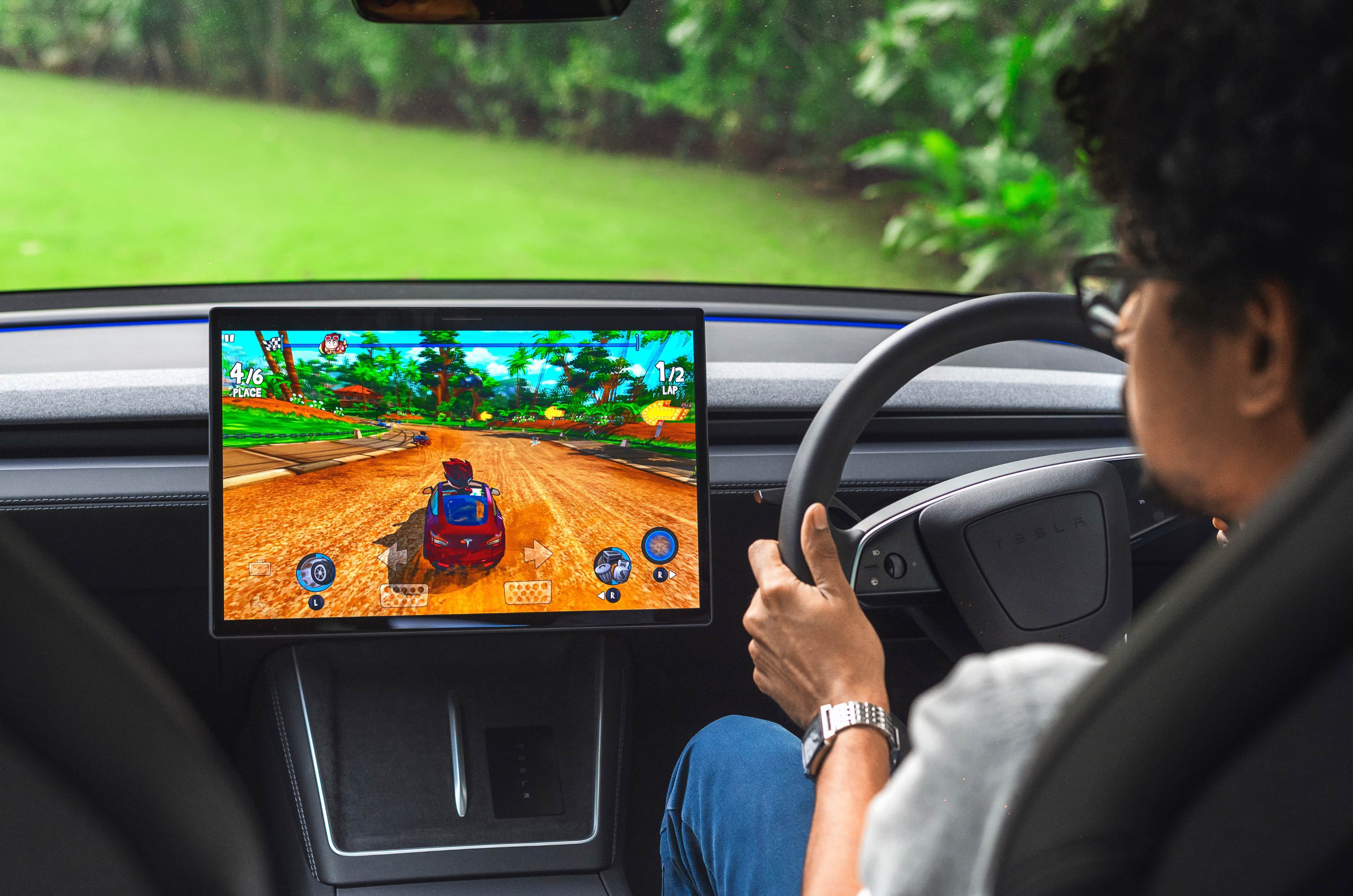
Taking centre stage on the otherwise minimalistic dashboard is the massive 16-inch touchscreen, which is easily among the sharpest and most responsive units around. Its integrated Grok AI assistant is capable of handling tasks such as setting the climate control, along with plotting routes on the navigation system and of course, finding suitable chargers. The assistant understands multiple languages and also learns the user’s preferences over time.
The Tesla Model Y L’s feature highlights include an 18-speaker audio system with a subwoofer, dual wireless chargers, multi-colour ambient lighting and a panoramic glass roof. The front and middle-row seats are heated, ventilated and powered, while the third-row seats get a heated function too. Safety kit includes 9 airbags, lane-keeping assist, blind-spot monitoring, and high-definition surround-view cameras. As with every Tesla, the Model Y L can also receive over-the-air (OTA) updates.
Brisk performance, composed ride
Dual-motor Model Y L is seriously quick for a family car
Where the standard Model Y is rear-wheel drive only, the Y L uses two motors and all-wheel drive (AWD). While Tesla hasn’t released official power figures, it’s estimated to output 514hp and 590Nm of torque. Tesla also claims a 0-100kph time of 4.5 seconds, which is quick for a two-tonne SUV. The Model Y L doesn’t feel intimidating to drive, with power building smoothly and the AWD system providing plenty of grip. In addition to the ‘Chill’ drive mode, the Y L also gets a ‘Sport’ mode.
There are no issues overtaking slower-moving traffic, as the Model Y L gets past them effortlessly. The regenerative braking is smooth as well. When you’re ambling around town, the ‘Standard’ regen setting is more than adequate and progressive, so you can drive without stepping on the brake pedal most of the time. The revised suspension of the Model Y L also gets adaptive dampers for better control over body movements and a more composed ride over the standard model.
Long range
Y L has the legs over the standard Model Y
The Model Y L uses an NMC battery pack estimated to be rated at 88kWh, as Tesla doesn’t usually publish the official battery capacity. The American brand does claim a WLTP range of 681km for the Model Y L, which is more than that of the rear-wheel-drive Model Y. DC fast charging of up to 250kW is supported, while AC charging is rated at 11kW. Plug it into a Tesla Supercharger, and the Model Y L can gain up to 288km of range in 15 minutes.
Reasons not to buy the Tesla Model Y L
Big footprint, low clearance
Large dimensions and low ground clearance call for extra care in town
The Model Y L’s large dimensions make driving it in tight spaces a bit of a chore. Despite the light steering, its large turning circle makes parking this Tesla quite a tricky affair. Another issue is the ground clearance, or lack thereof. At just 166mm (unladen), large speed breakers need to be tackled carefully to avoid scraping the underbody.
Over-reliance on the touchscreen
Even basic functions are buried in menus
Unless you’re tech-savvy, the lack of physical buttons or shortcuts will get on your nerves. Almost every function on the Model Y L is controlled through the touchscreen. Simple tasks like changing the climate settings, adjusting the mirrors or opening the frunk all require you to dig through menus. Getting used to this setup will take time, and it can easily become distracting while driving.
Hot cabin, awkward third-row access
Large glass area and third-row access come with their own cons
The Tesla Model Y L doesn’t get any blinds for its windows or a cover for its massive glass roof – instead making do with a tint. Considering the expansive glass area, this cabin heats up quickly on sunny days. The rear windscreen does without any tints, which only adds to the problem for third-row passengers.
Getting to this last row is a cumbersome task, requiring you to squeeze in between the narrow gap of the middle-row seats. The seats are also slow to fold out of the way. Once you’re sat in the third row, you’ll have to assume a knees-up position.
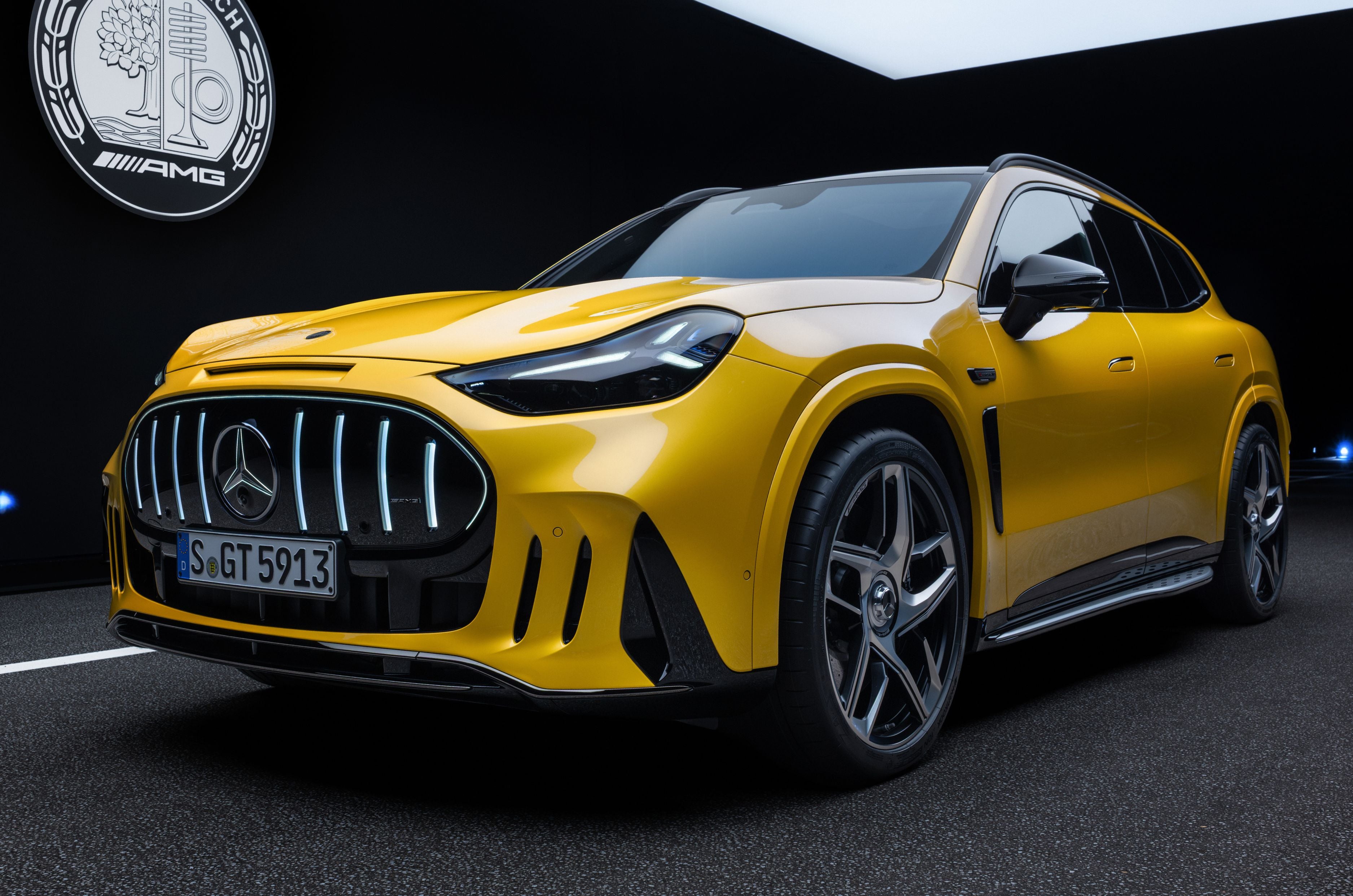
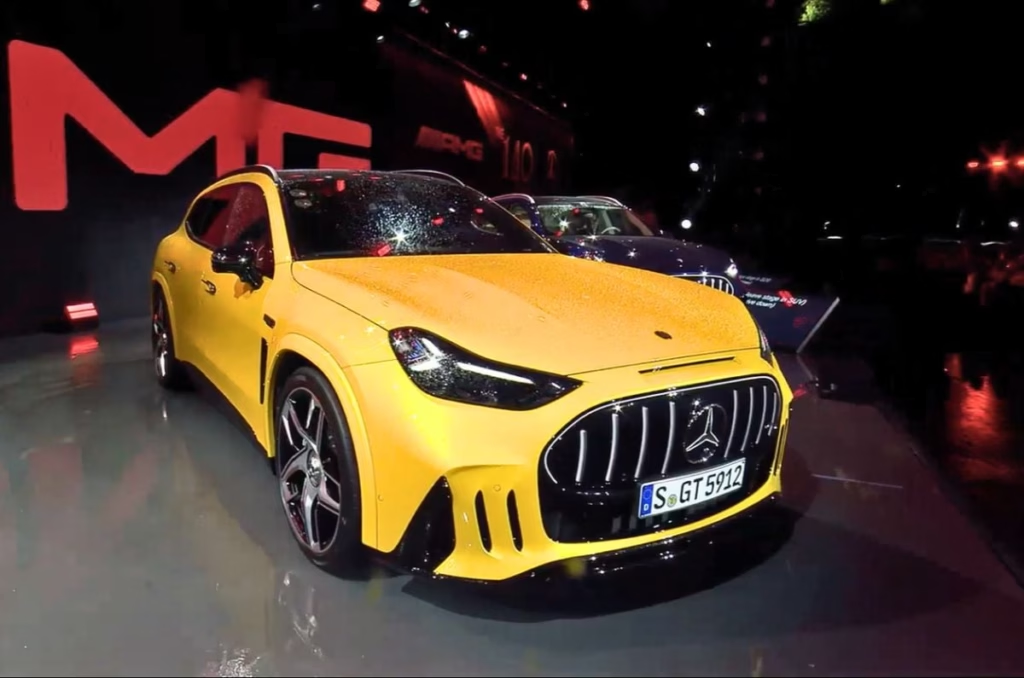
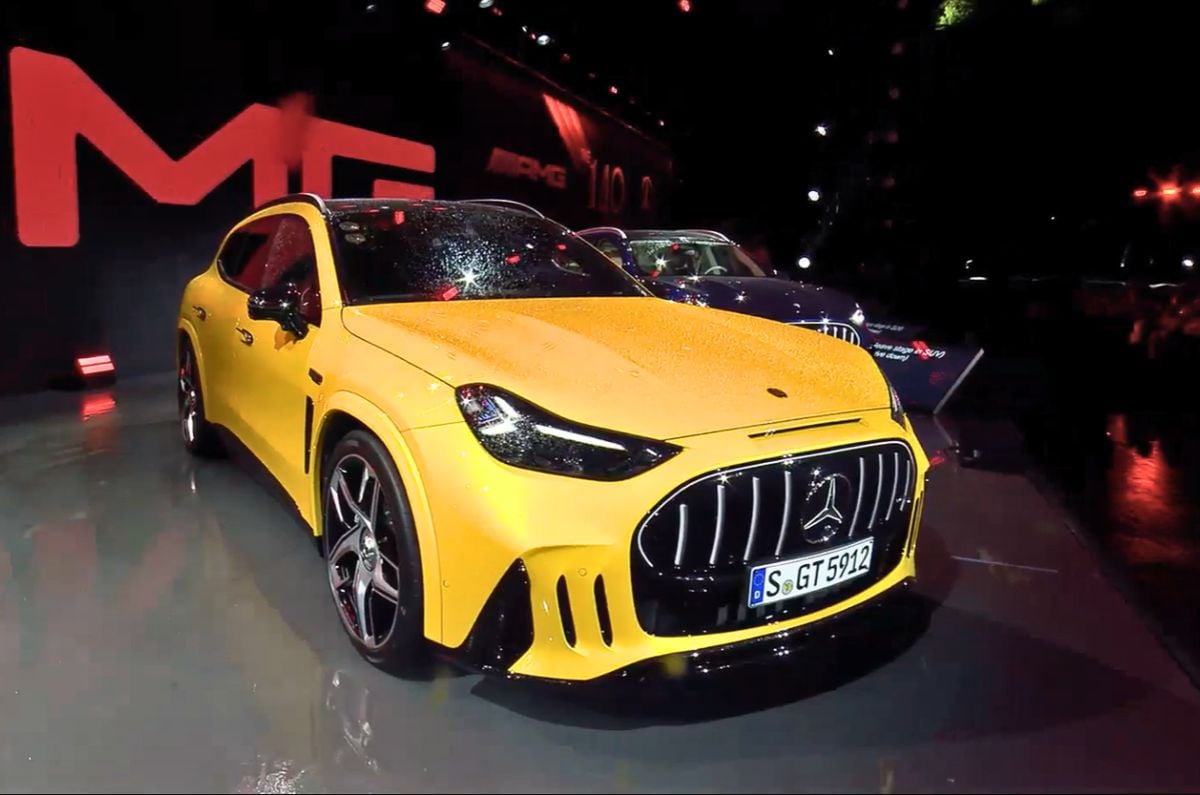
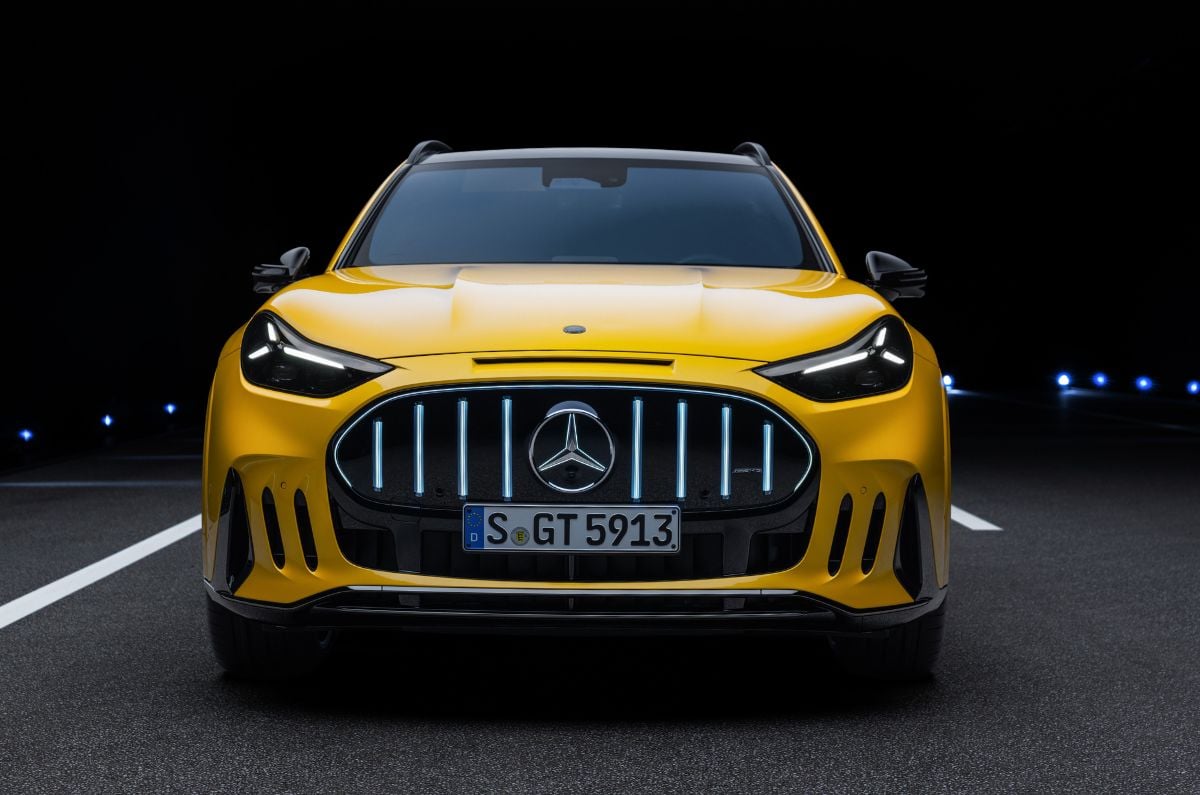
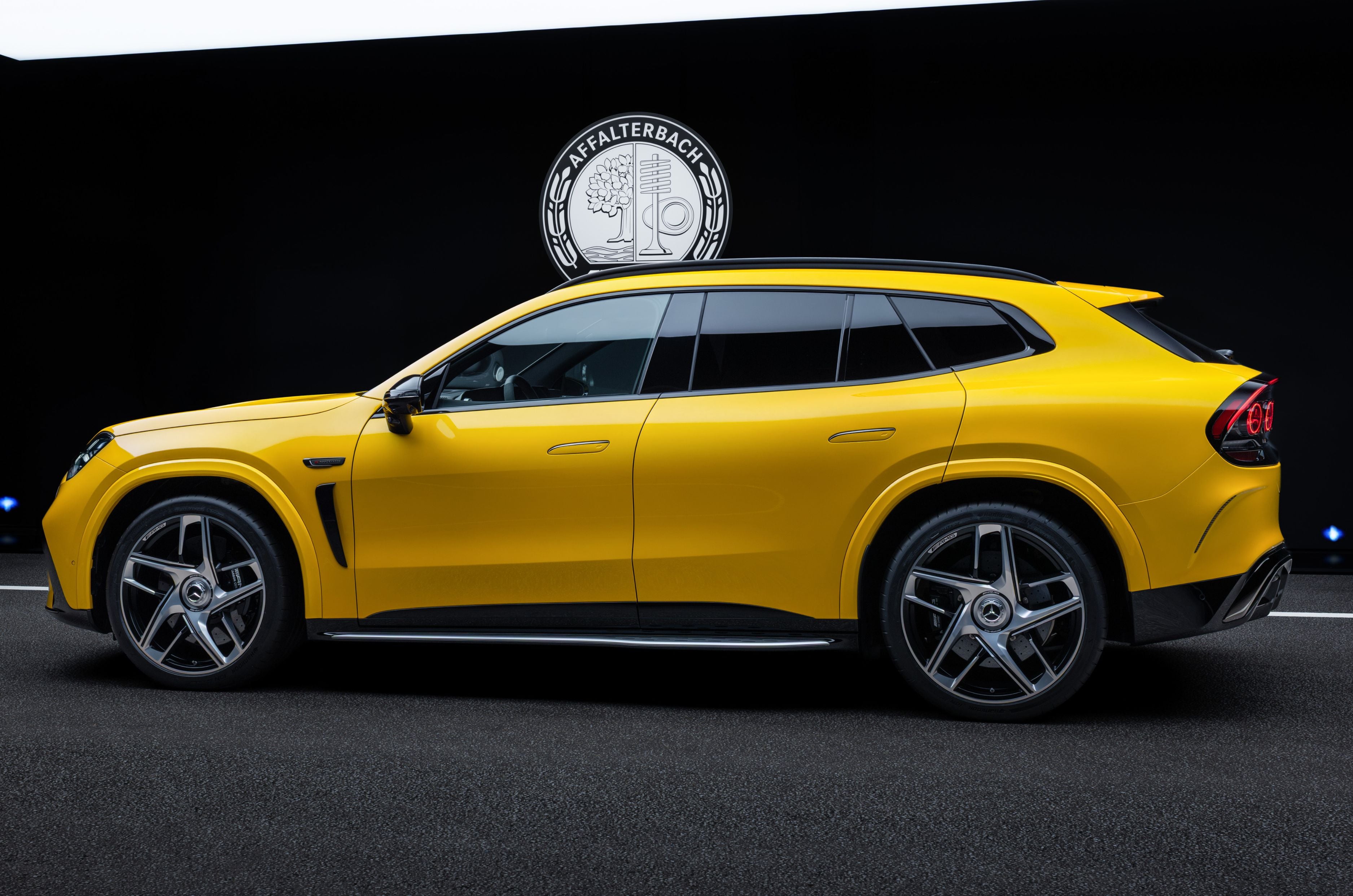
Mercedes-AMG has revealed the GT SUV, which the brand says is its first full-size SUV developed entirely in-house. The electric five-seater is built on the same underpinnings as the GT 4-Door Coupe. It will be offered in GT 53, GT 55 and GT 63 variants. The entry-level GT 53 will go on sale globally first, with the other two following in spring 2027. Mercedes-AMG claims a WLTP range of up to 700km and DC fast charging of up to 710kW. The brand is yet to reveal its India plans for the GT SUV.
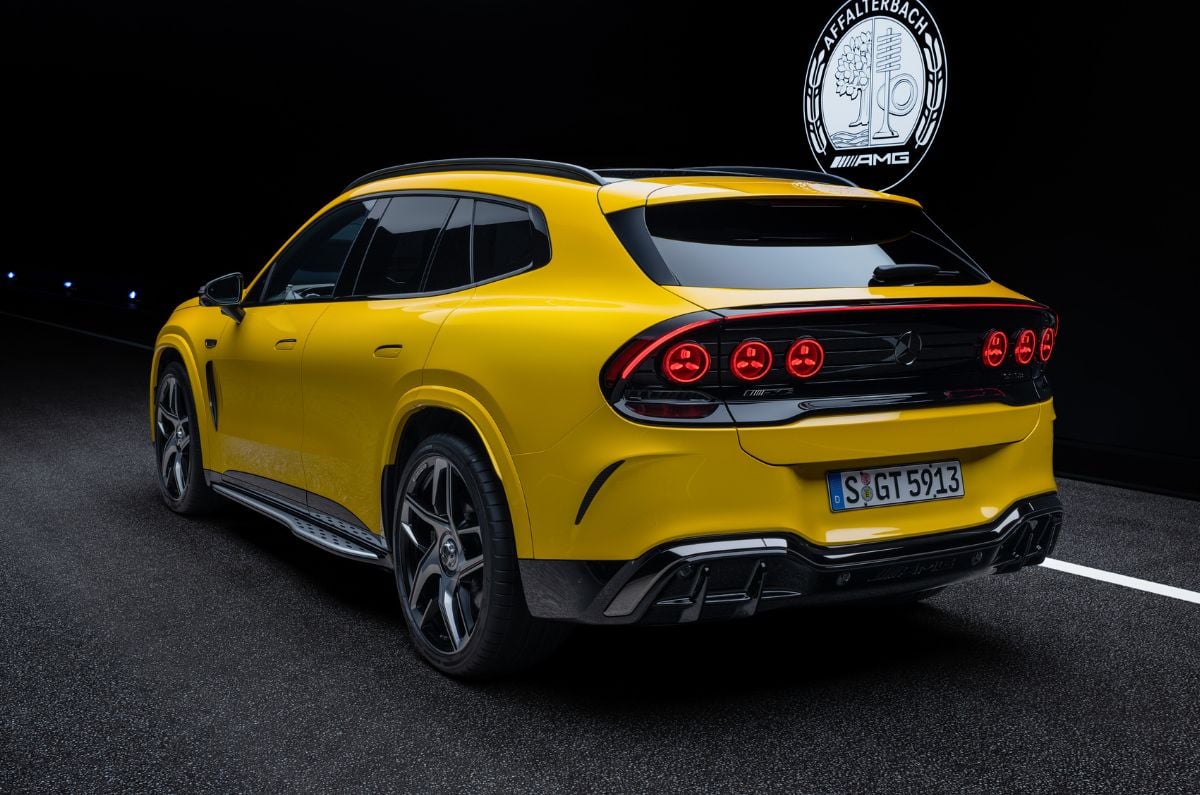
Mercedes has taken the wraps off the AMG GT SUV which, according to the German marque, is the first full-size SUV it has developed completely in-house. The five-seat performance EV shares its underpinnings with the fully electric GT 4-Door Coupe, and will be available in GT 53, GT 55 and GT 63 guises, the last of which makes up to 1,169hp. The GT 53 will be the first to go on sale, with the more powerful variants joining the line-up in spring 2027.
Star-shaped DRLs, illuminated badging, active aero and more.
Personalisation options from the Manufaktur programme.
Three digital displays, built-in AI assistants, AMG-specific apps and more.
Claimed WLTP range of up to 700km, with DC fast charging of up to 710kW.
Mercedes-AMG GT SUV exterior
Illuminated badging, sloping roofline, active aerodynamics, Manufaktur paint options and more
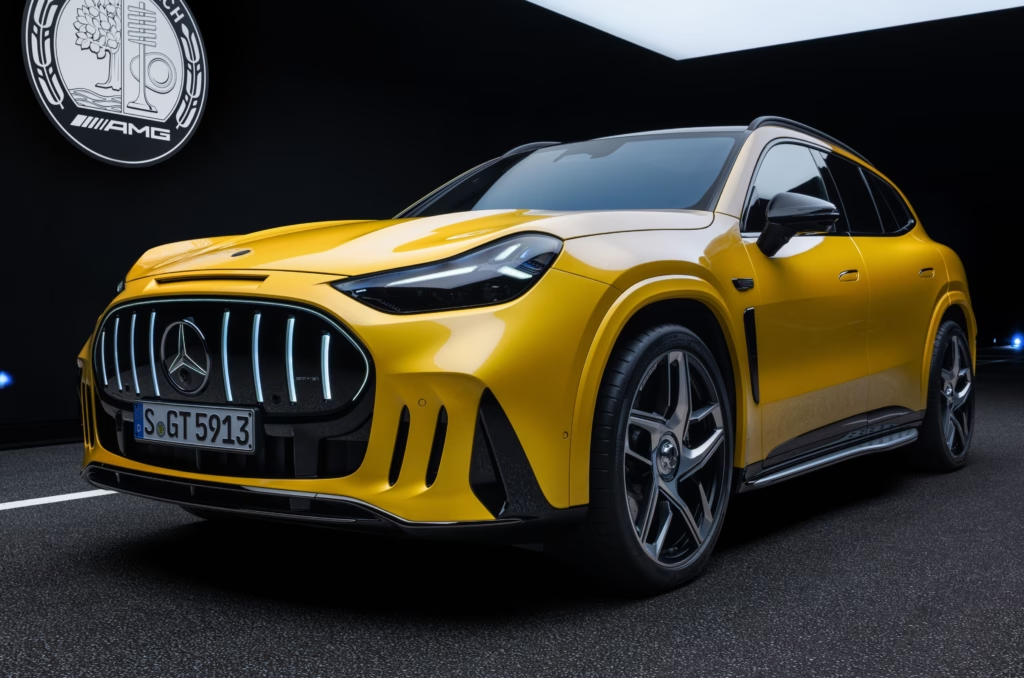
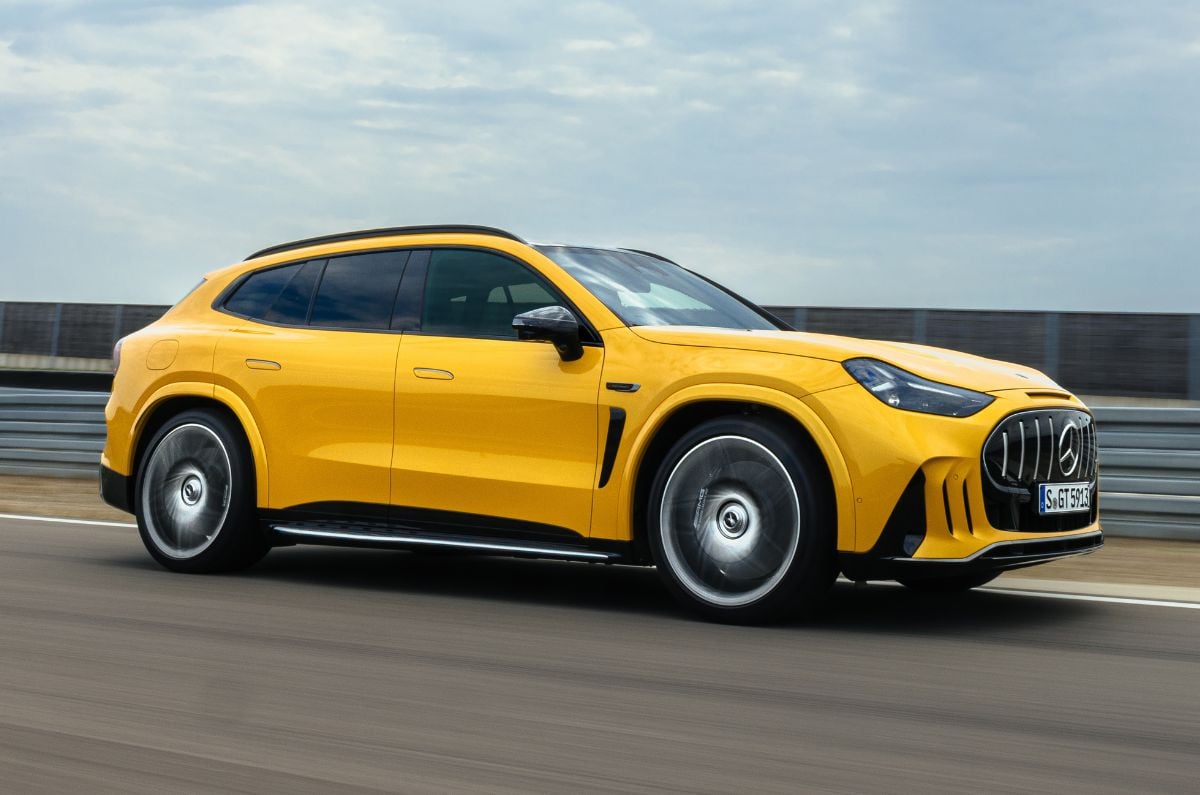
The Mercedes-AMG GT SUV comes in at 5,084mm long, 2,001mm wide and 1,656mm tall, and it has a wheelbase of 3,040mm. The front fascia sports AMG’s vertical-slat grille and Mercedes star, both of which can be optionally illuminated, flanking which are LED headlamps with star-shaped DRLs (daytime running lights). The front bumper features active slats, which only open when components need extra cooling.
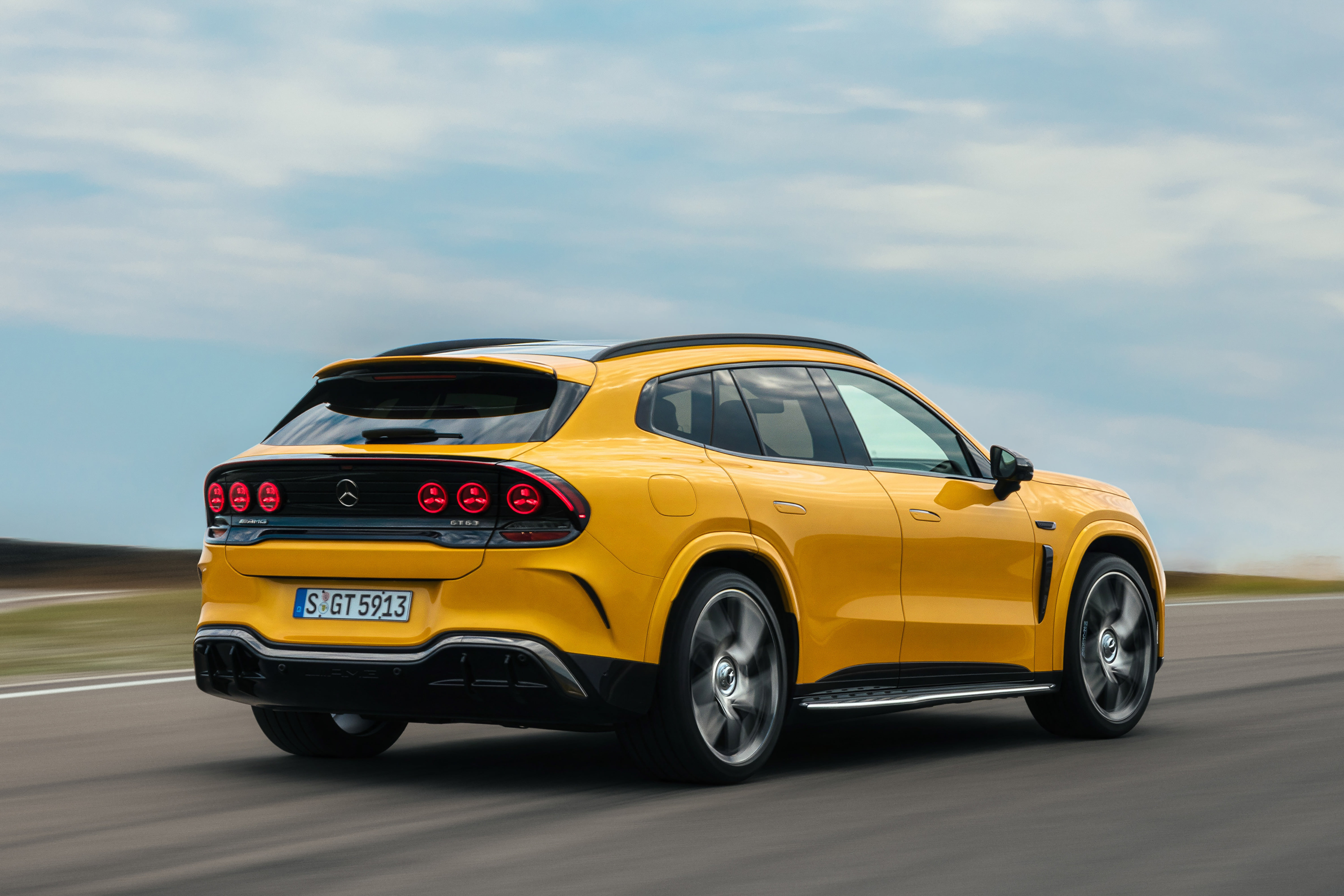
The profile showcases a low-slung roofline that slopes towards the rear along with pronounced wheel arches. Other details here include frameless side windows and compact wing mirrors. Moving to the rear of the AMG GT SUV reveals six circular tail-lamps as seen on the GT 4-Door Coupe, and customers can also opt for a full-width light strip.
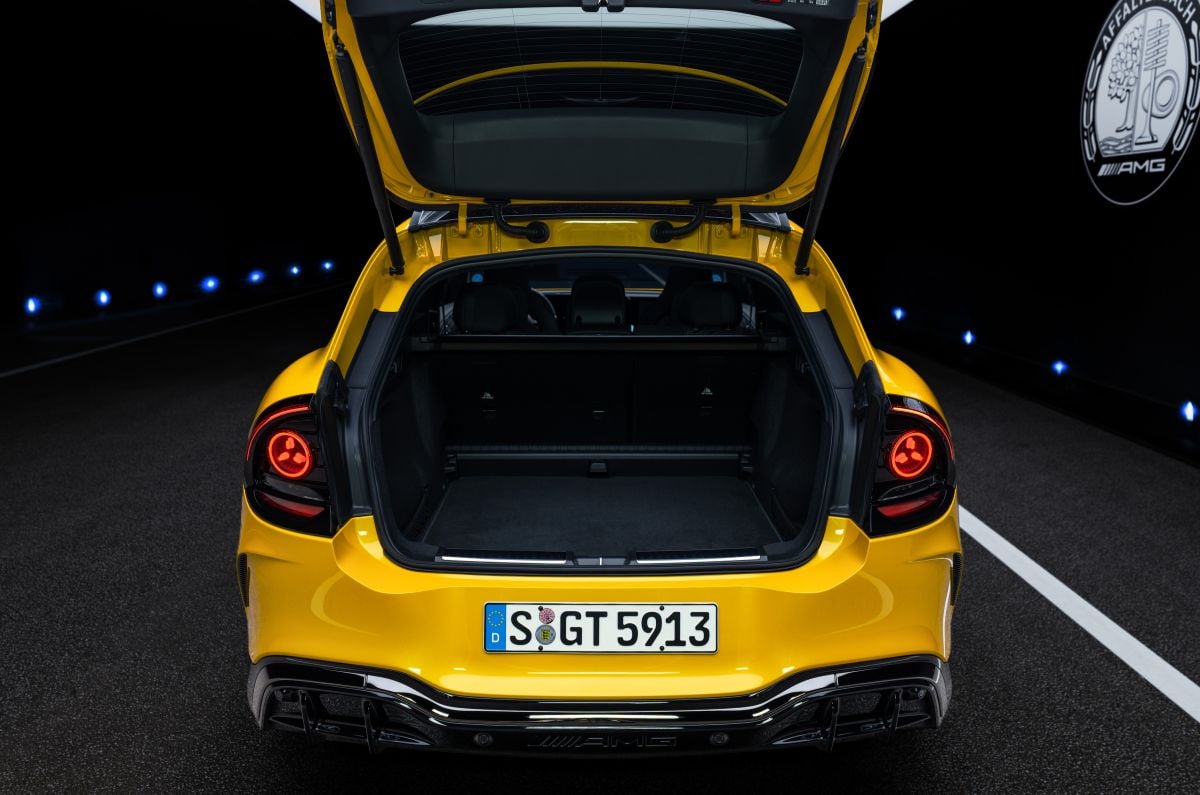
Stepping up to the GT 55 and GT 63 means an active rear spoiler that remains flush with the roof until 150kph, changing its angle depending on the driving scenario. Mercedes-AMG also claims a drag coefficient of 0.28 for the GT 53, while the other two are rated at 0.27. The main boot has a claimed capacity of 607 litres, with the frunk capable of accommodating 78 litres worth of luggage.
Buyers can personalise the GT SUV through the brand’s Manufaktur programme, which presents over 60 paint options. Customers can also opt for AMG’s forged wheels in colour accents, which includes Matt Vanadium Silver and Matt Copper, Matt Black with a rim flange in Angel Blue, Sunny Lime, or Orange Flame.
Mercedes-AMG GT SUV interior and features
Stand-out tech includes dual 14-inch screens, AI assistants and AMG-specific apps
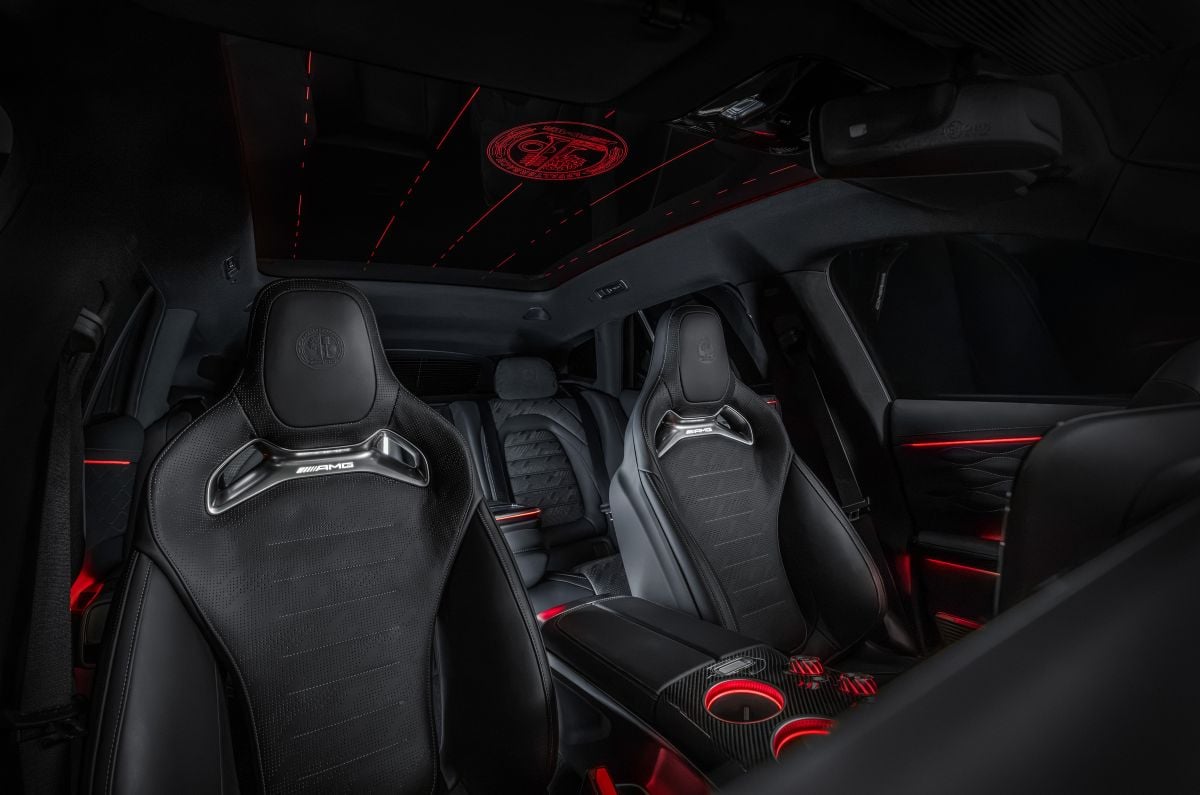
Just like the exterior, the interior of the Mercedes-AMG GT SUV can be personalised using the Manufaktur catalogue. Some of the options that will be offered to customers include accent colours and seatbelts trimmed in Fjord Blue, Green Hell or Orange Flame. The automaker claims that the seating position here is akin to that of a sports car rather than an SUV. Providing comfort up front are multi-way power-adjustable seats, while the three-seat rear bench gets power-folding headrests.
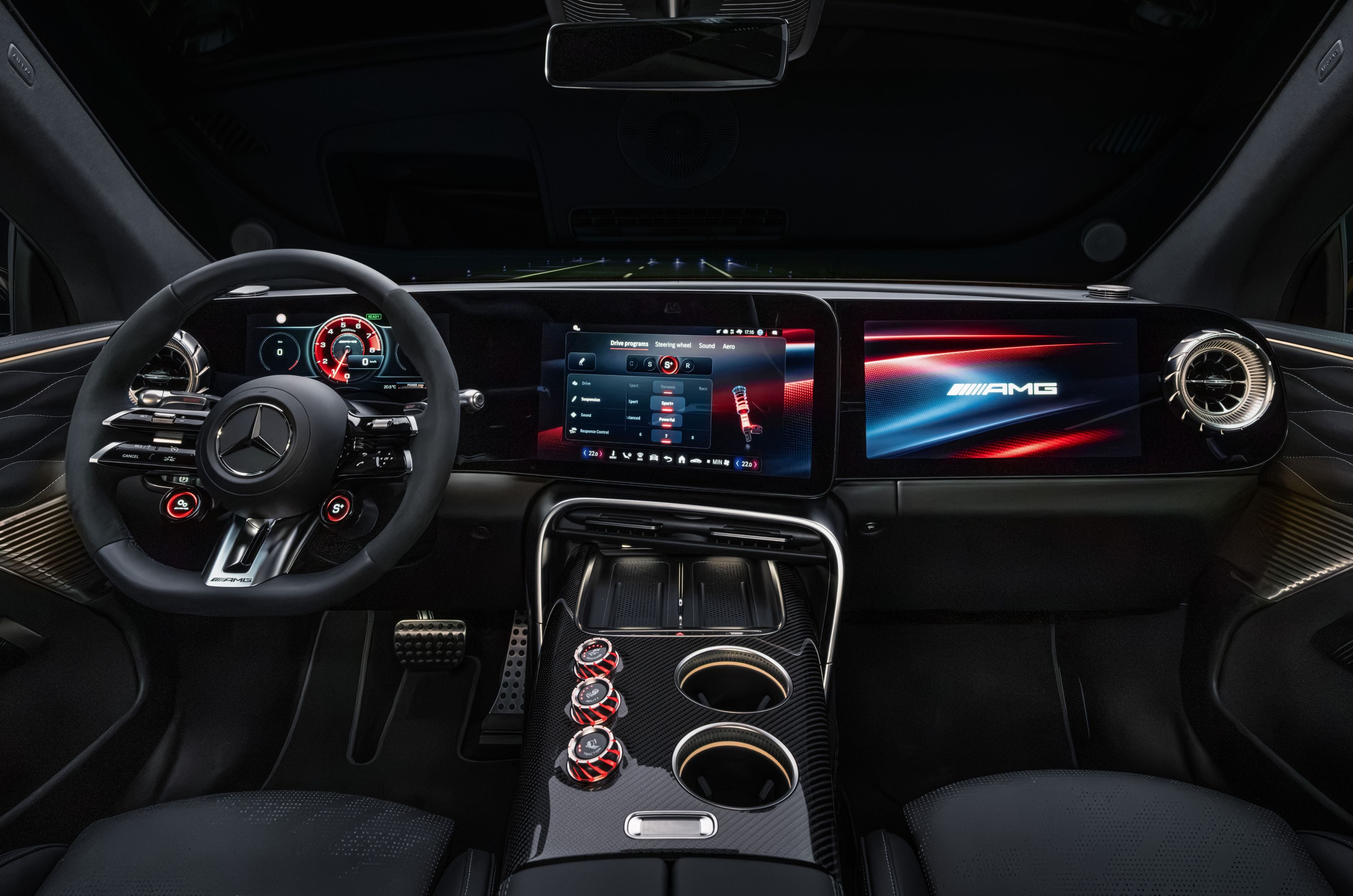
The dashboard pairs a 10.2-inch digital instrument cluster with a 14-inch touchscreen that’s angled towards the driver, while a 14-inch screen is optional for the front occupant. The AMG Performance steering wheel is equipped with paddles to adjust brake-regen levels, while adding to the design are door panels with floating armrests and diamond-pattern stitching. There’s also multi-colour ambient lighting whose colours can be matched to the bevy of displays and controls.
The infotainment system features the German brand’s latest MBUX software, which is based on the MB.OS (Mercedes-Benz Operating System). It integrates AI agents such as ChatGPT, Microsoft Bing and Google Gemini. This luxury SUV also comes with three AMG-specific apps. Firstly, there’s ‘AMG Performance Menu’, which displays real-time data on power, tyre temperatures and active aero status.
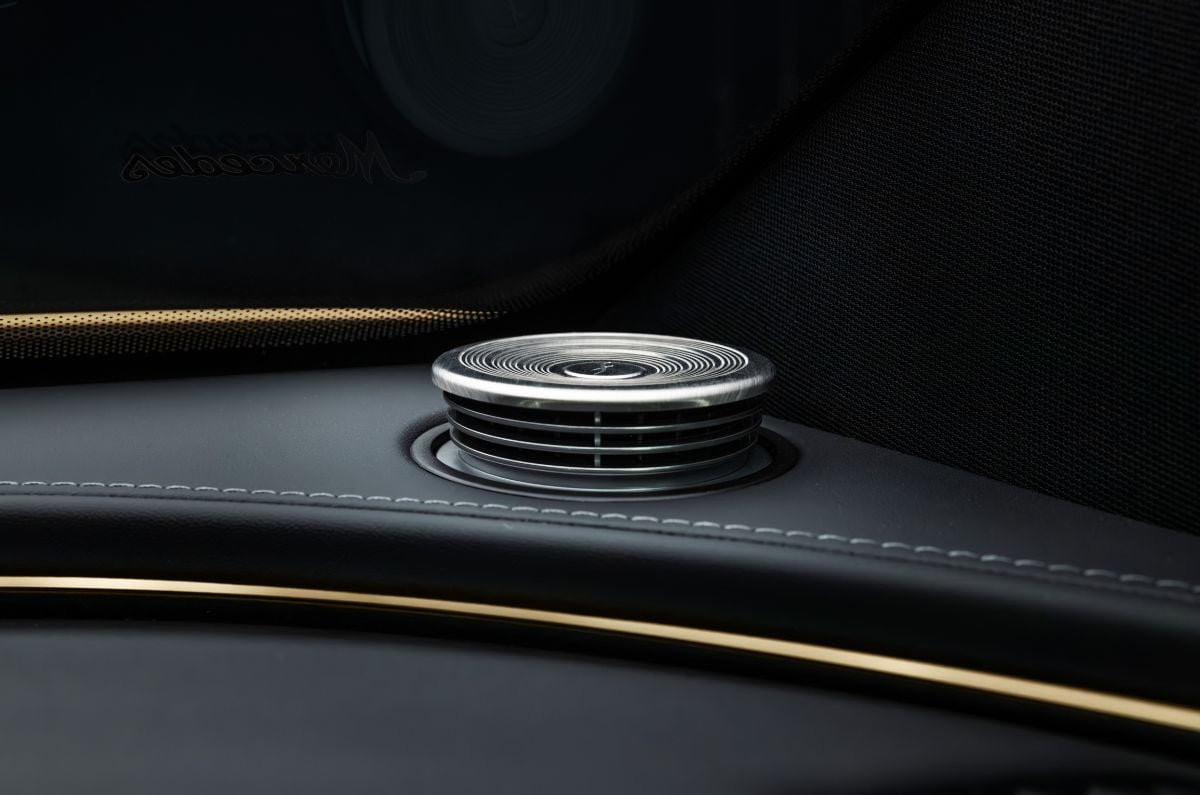
Second is ‘AMG Set-up’ – this lets the driver customise the buttons on the steering wheel as well as aero settings. Finally, there’s ‘AMG Track Pace’, which records lap times and telemetry. Drivers can also use it to show optimal braking points and the ideal racing line in the head-up display. Meanwhile, the optional dashcam allows laps to be recorded with data overlays. The AMG GT SUV is also available with an electrically dimming panoramic glass roof, AMG lighting effects, AMG Performance seats and a Burmester 4D audio system, among many optional features.
Mercedes-AMG GT SUV powertrain and performance
The EV gets up to three electric motors and a WLTP range of up to 700km
The entry-level GT 53 variant of the Mercedes-AMG GT SUV uses two synchronous motors – one on each axle – with a two-speed gearbox located at the rear. Its output is rated at 544hp and 800Nm, with Mercedes-AMG claiming a 0-100kph time of 4.2 seconds and a top speed of 250kph. Then there are the mid-spec GT 55 and the top-spec GT 63. These come with two axial flux motors at the rear and one at the front, the latter disengaging when not needed to save energy.
The tri-motor setup of the GT 55 outputs 816hp and 1,860Nm, allowing for a claimed 0-100kph time of 3.1 seconds. Sitting at the top of the Mercedes-AMG GT SUV line-up is the GT 63, which is rated at 1,169hp and 2,000Nm and does 0-100kph in 2.7 seconds. Regardless, the all-wheel-drive GT 55 and GT 63 have a claimed top speed of 270kph with the optional Driver’s Package.
The GT 53’s 106kWh battery pack offers a claimed WLTP range of up to 668km, while the 128kWh battery of the GT 55 and GT 63 is rated at up to 700km. These 800V packs offer DC fast charging of 600kW and 710kW, respectively. Mercedes-AMG claims that charging these batteries from 10-80 percent takes 11-12 minutes, though it also says that these figures are preliminary.
The GT SUV gets rear-wheel steering as standard while also debuting AMG’s new ‘Active Ride Control+’ suspension. The latter, which is standard on the top-spec GT 63, replaces traditional anti-roll bars with hydraulic units that, according to the automaker, curb body roll and pitch. The top-spec variant also gets carbon-ceramic brakes as standard.
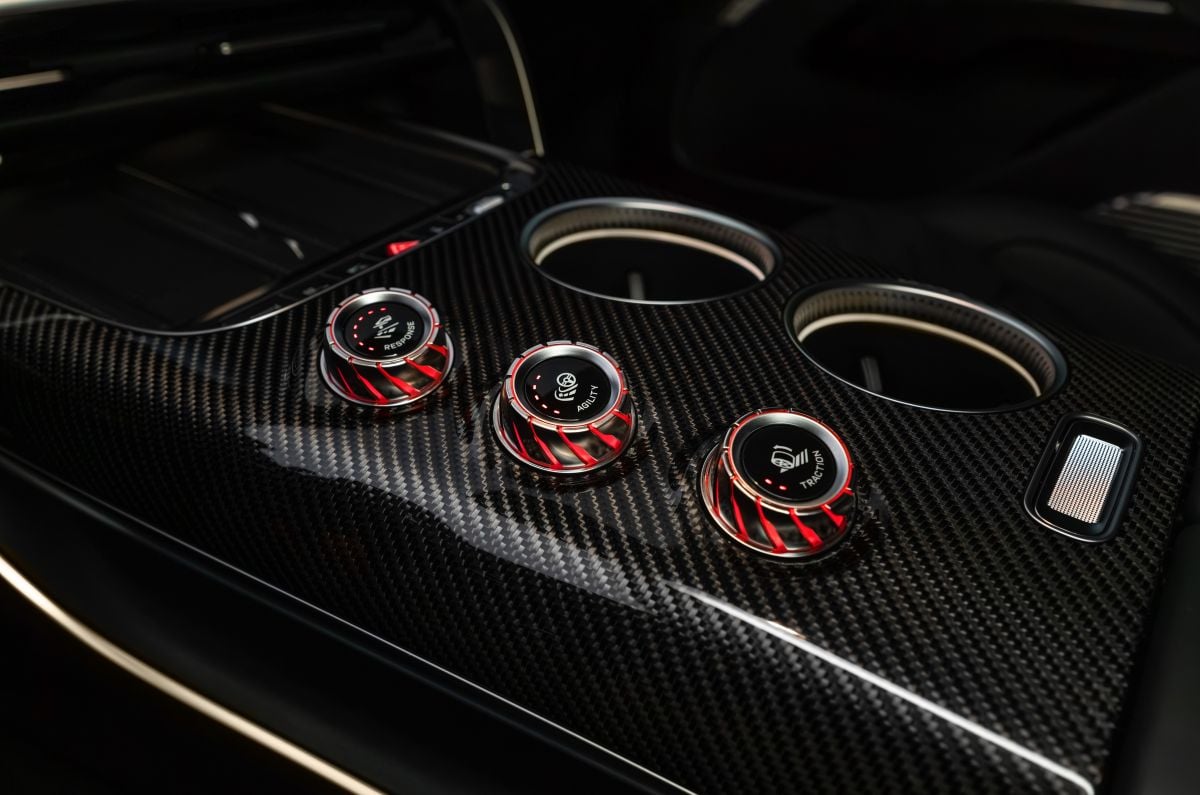
In the tri-motor variants, drivers can adjust the throttle response, cornering behaviour and traction control using dials on the centre console. Mercedes-AMG also said that the ‘AMGForce Sport+’ mode recreates the sound of an AMG V8 (or a six-cylinder in the GT 53) along with simulated gearshifts. As for India, the German marque is yet to reveal its plans for the AMG GT SUV.
The Tesla Model Y L has received powertrain upgrades, improving its claimed 0-100kph sprint time. The Tesla EV now does the sprint in a claimed 4.5 seconds, an improvement of 0.5 seconds than before. Note that this is applicable to Model Y Ls purchased on or after October 1, 2026, in India. In terms of exterior design and interior features, no changes have been made. The Model Y L is priced at Rs 61.99 lakh, ex-showroom.
Tesla Model Y L powertrain details
Despite the improvement in acceleration, Tesla claims the same 681km (WLTP) range figure for the Model Y L as before; real-world range will vary depending on driving conditions, speed, weather and other factors. It has an 88kWh (estimated) NMC battery pack, powering a dual-motor all-wheel-drive setup. Tesla has not not officially disclosed powertrain specifications, but it has an estimated combined system output of 514hp and 590Nm. The claimed top speed is 201kph.
As per the carmaker, the Model Y L can add up to 288km of range in 15 minutes when using a Tesla Supercharger. It supports DC fast charging speeds of up to 250kW and AC charging of up to 11kW.
Tesla is expanding its charging network in India, with 20 Superchargers and 28 Destination Chargers. Three more sites are planned by the end of 2026.
In the premium EV space, the Tesla Model Y L rivals the BMW iX1 LWB and BYD Sealion 7.
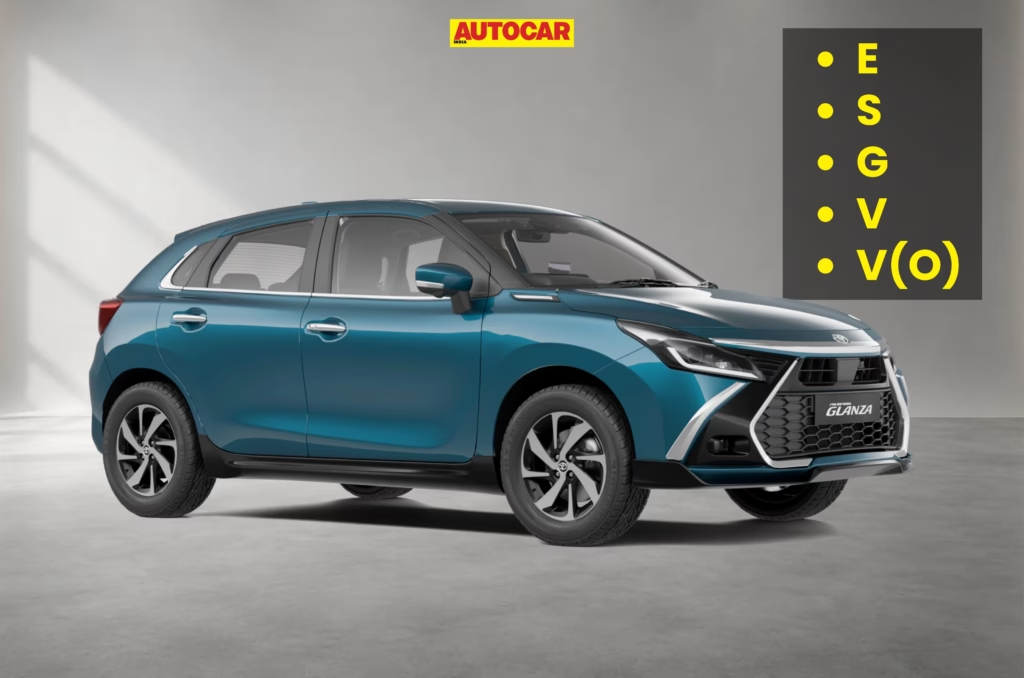
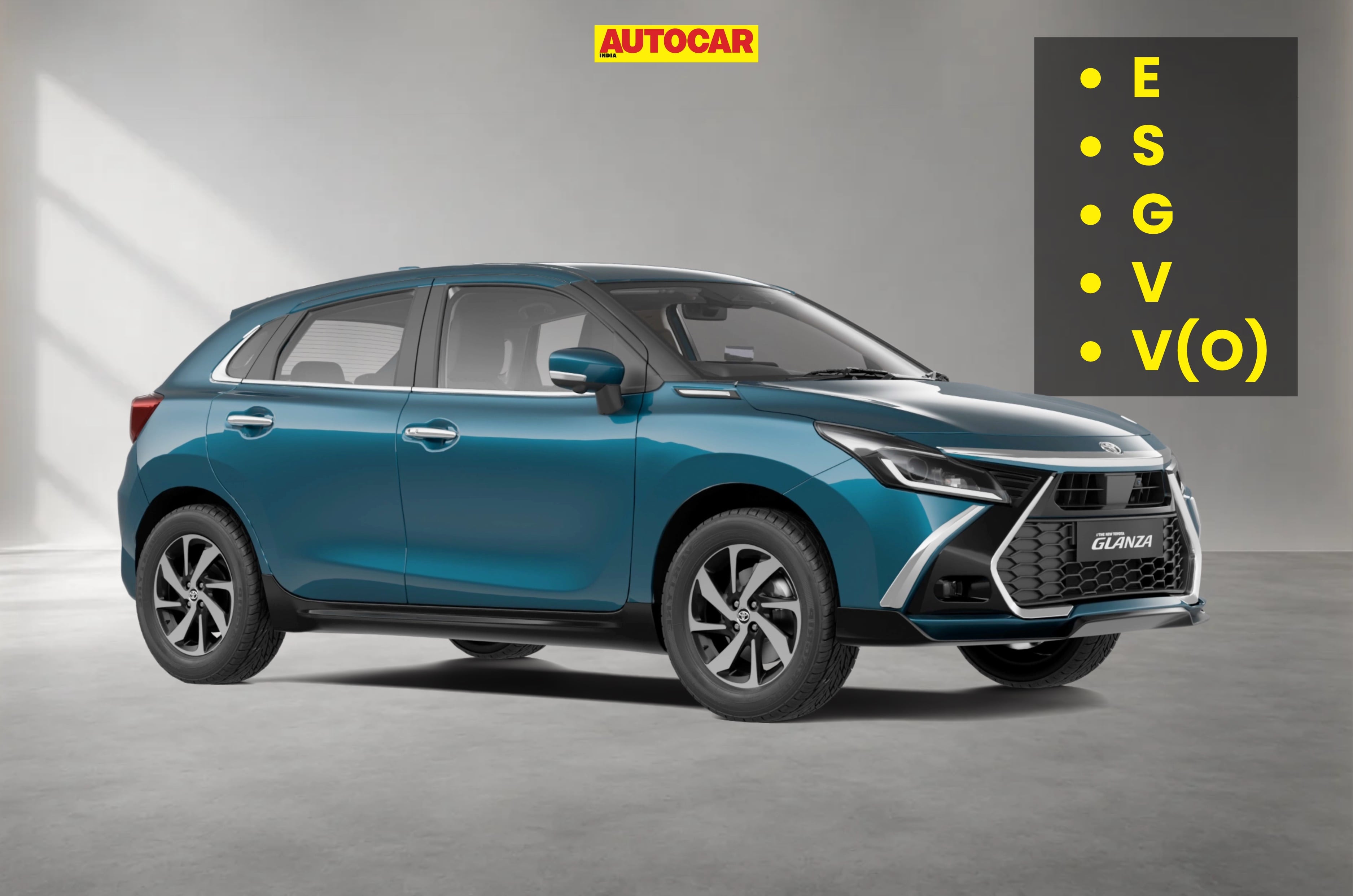
The Toyota Glanza received a facelift in October 2026, with prices starting at Rs 6.99 lakh, ex-showroom. As part of this mid-lifecycle update, the premium Toyota hatchback gets a slightly tweaked exterior, additional features, an upgraded safety suite and a new petrol engine. Here, we take a closer look at the Glanza’s variants and their features.
Toyota Glanza prices and powertrains
New Toyota Glanza prices (Rs lakh)
Trim
1.2 petrol MT
1.2 petrol AMT
1.2 petrol-CNG MT
1.2 petrol-CNG AMT
E
6.99
–
–
–
S
7.71
8.31
8.76
9.31
G
8.73
9.33
9.68
10.23
V
9.99
10.59
–
–
V(O)
10.49
10.98
–
–
Toyota has deployed a 1.2-litre 3-cylinder naturally aspirated petrol engine to power the new Glanza, and it produces peak outputs of 83hp and 112Nm. Both 5-speed manual and 5-speed AMT options are available with this engine. As before, a factory-fitted CNG option is also on offer. In CNG mode, power and torque fall to 70hp and 102Nm, respectively. A 5-speed manual gearbox continues to be available here, and Toyota has also introduced an AMT option with the Glanza CNG.
Toyota Glanza exterior colour options
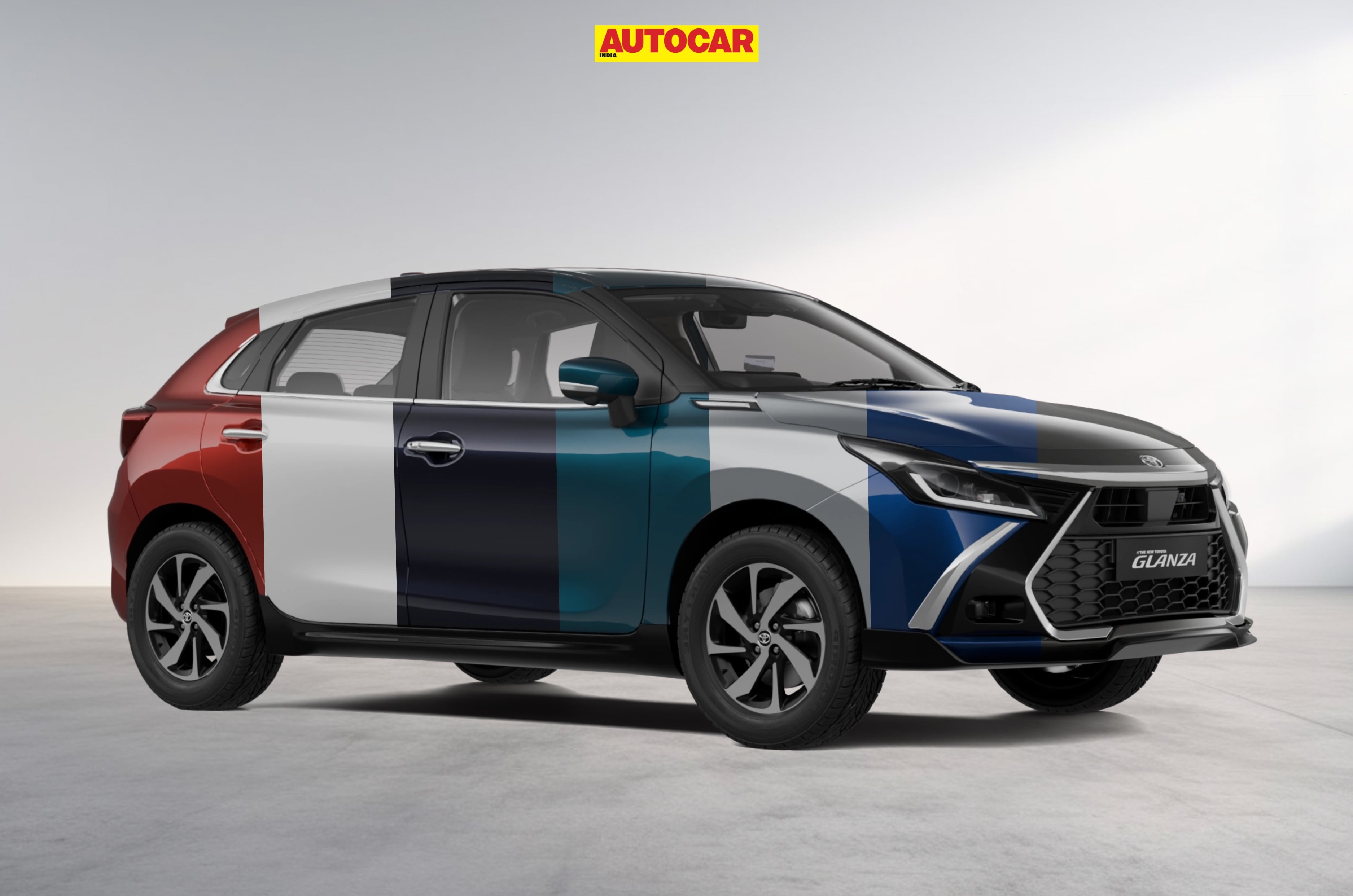
A total of seven exterior colours are offered with the new Glanza. These include Sportin Red, Cafe White, Gaming Grey, Insta Blue, Enticing Silver, Bluish Black and Digital Teal Green. The latter two colours have been introduced with the Glanza facelfit.
Toyota Glanza variant-wise features
E – Rs 6.99 lakh
1.2-litre petrol with 5MT
6 airbags
ABS with EBD
Electronic stability program (ESP) with hill-hold control
Rear window defogger
Three-point seatbelts for all passengers
Keyless entry
Power windows for all passengers
One-touch up/ down for the driver’s side power window
Fabric upholstery
Tilt adjustment for the steering wheel
Adjustable seat headrests
15-inch wheels with cover
Halogen projector headlamps
LED tail-lights
Shark fin-type antenna
Body-coloured bumpers
S – Rs 7.71 lakh onwards
1.2-litre petrol with 5MT/ AMT, CNG with MT/AMT
In addition to E
Tyre-pressure monitoring system (TPMS)
Rear AC vents
Rear fast-charging USB Type-A and Type-C ports
Steering-mounted audio controls
Electrically foldable and adjustable outside rearview mirrors (ORVMs)
7-inch touchscreen
Wireless Android Auto and Apple CarPlay
Four speakers
Front centre sliding armrest
Rear parcel shelf
Body-coloured door handles
Body-coloured ORVMs with turn indicators
G – Rs 8.73 lakh onwards
1.2-litre petrol with 5MT/ AMT, CNG with MT/AMT
In addition to S
Rearview camera
Toyota i-Connect safety features
Rear wiper with washer
Telescopic adjustment for the steering wheel
Driver’s seat height adjustment
Push-button start/stop
Automatic climate control
Wireless charger with a cooling vent underneath
9-inch touchscreen
Six-speaker Arkamys sound system
Footwell lighting
Automatic LED projector headlights
16-inch alloy wheels
LED daytime running lights (DRLs)
Chrome-finished door handles
V – Rs 9.99 lakh onwards
1.2-litre petrol with 5MT/ AMT
In addition to G
360-degree camera
Head-up display
Cruise control
Auto-dimming interior rearview mirror (IRVM)
Vanity mirror lamp
Leatherette seat upholstery
Leather-wrapped steering wheel
Clarion sound system
Front ventilated seats
LED fog lamps
V (O) – Rs 10.49 lakh onwards
1.2-litre petrol with 5MT/ AMT
In addition to V
Level 2 ADAS
Adaptive cruise control
Lane keep assist
Lane departure warning
Advanced emergency braking
Forward collision warning
Which Toyota Glanza variant should you buy?
Considering the good mix of useful and feel-good features, as well as the powertrain options on offer, the mid-spec G variant is the one we recommend. It’s also one of the only two Glanza trims to offer the full range of engine and transmission options, adding further to its appeal. The Glanza G range starts at Rs 8.73 lakh and goes up to Rs 10.23 lakh.
Ex-showroom prices mentioned above are as on October 14, 2026.
The Tesla Model Y is a tech-loaded electric crossover that prioritises cabin space and performance over everything else. The new Model Y L takes that formula a step further, adding a third row of seats, a longer wheelbase, more power with an all-wheel drive setup, more range and more sophisticated suspension as well. Given the additions, naturally it costs more than the standard-wheelbase, real wheel drive versions, but is the Y L actually worth the extra outlay?
Model Y Exterior Design and Engineering – 6/10
Appears near-identical to the Model Y, but the Y L is longer, taller and has a longer wheelbase.
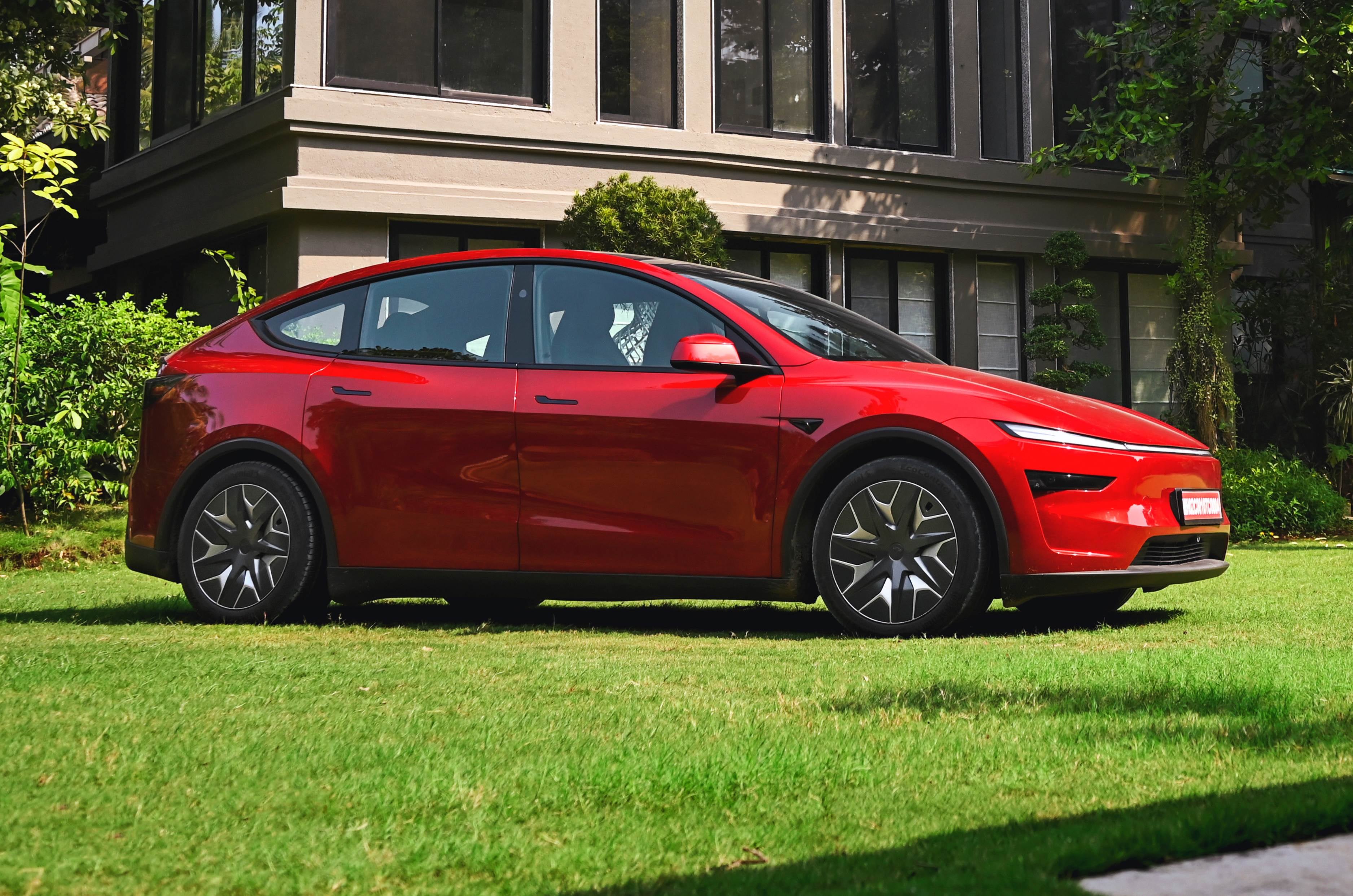
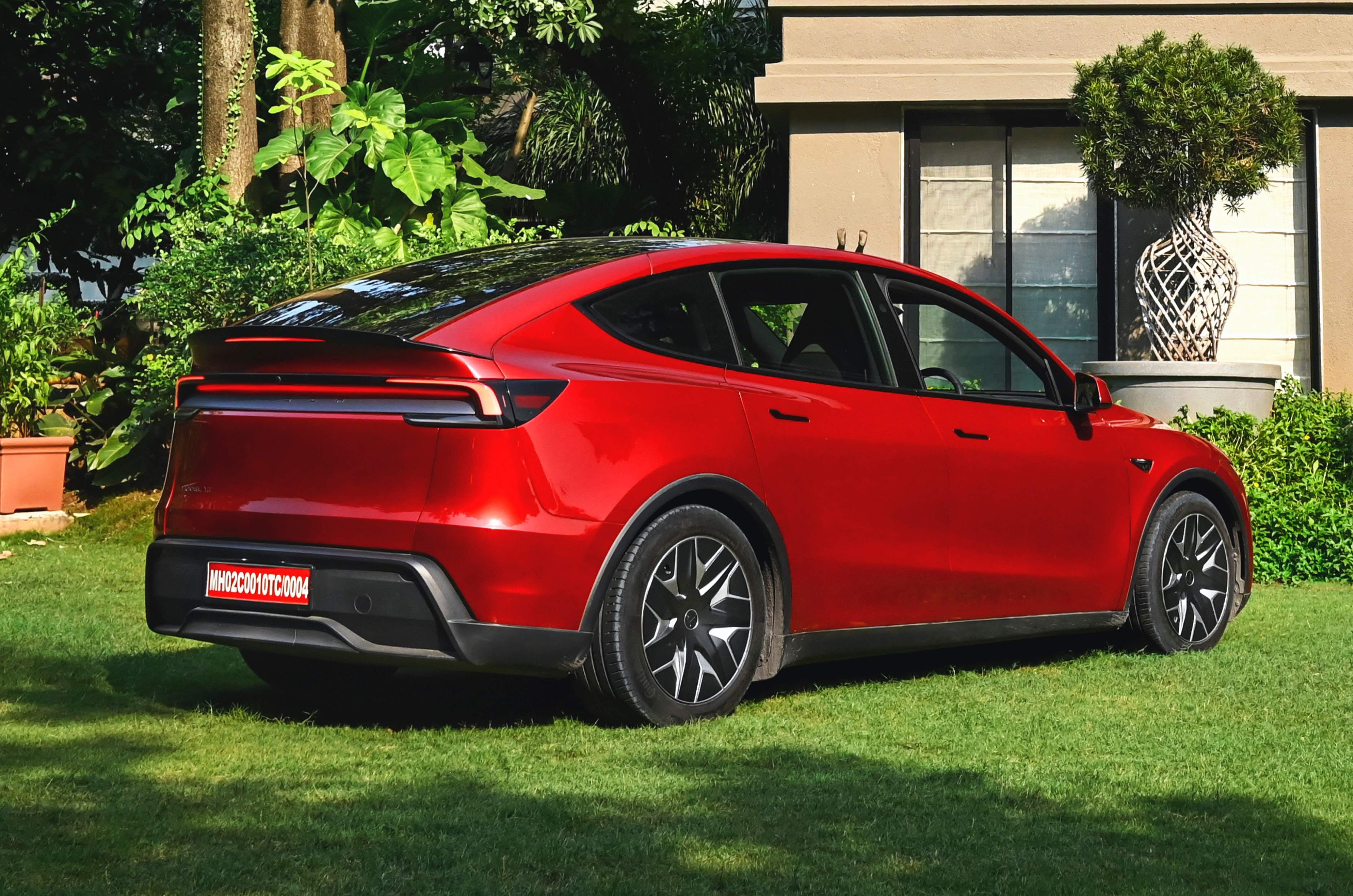
At first glance, the L looks very familiar to the Model Y, but this version looks noticeably larger from the side and rear. The Model Y L measures 4,969mm in length and 1,664mm in height, 1,982mm in width with a 3,040mm wheelbase, which makes it 179mm longer overall and 40mm taller than the Model Y, and it also has a 150mm longer wheelbase. At 166mm (unladen), the Y L has decent ground clearance but considering the longer wheelbase, you have to be extra careful going over big speedbreakers otherwise you will end up scraping the belly.
The growth in dimensions is particularly apparent in the raised and extended roofline, plus the expanded rear glass and rear-quarter glass area. The other changes include a new bootlid spoiler and the 19-inch alloy wheels have a more enclosed design, both in the interest of further aero optimisation.
Other than that, the smooth, aerodynamic silhouette with minimalist detailing and distinctive lighting elements remain. The overall design is unmistakably Tesla, although the extra length gives it slightly more road presence. That said, the Model Y L doesn’t suddenly become a traditional SUV just because it has grown. Its rounded, slightly anonymous shape with clean surfacing continues to favour aerodynamic efficiency over visual appeal. But it looks distinctive and as such, has carved out a niche for itself in terms of design.
Model Y Interior Space and Comfort – 8/10
Minimalist design remains the same, save for a new textured finish on top of the dashboard.
This is where the Model Y L takes a larger step up. The standard Model Y already had a spacious cabin, but the Y L has even more room and brings further versatility, by adding a third row of seats. It is a six-seater rather than a seven-seater, with two individual captain’s chairs in the middle row instead of the standard car’s bench.
The front seats may be simple-looking but they are plush and comfy, and the extended underthigh support enhances comfort especially for taller people. These seats are also heated, cooled and feature electric adjustment. The second row is arguably the highlight, however. The individual captain’s seats are very comfy, and they feature integrated headrests, a heating and cooling function, along with power adjustment and powered armrests too. The extra wheelbase and taller roof of course gives passengers more room to stretch out and as such there’s no shortage of legroom or headroom here. The larger windows, coupled with the tinted panoramic glass roof further enhances the sense of space. However, since there are no window blinds or a sunshade for the roof, the large glasshouse area means the cabin heats up too easily especially on a hot, sunny day.
Captain seats are very comfy and there’s plenty of legroom and headroom here.
Middle row passengers are well-catered too, however. Apart from the aforementioned heated/cooled and powered seats, you also get cupholders, charging ports, cupholders and a 8-inch touchscreen. This centrally-mounted unit is just as slick to use as the one in the front and it controls several functions, along with the ability to play videos and games.
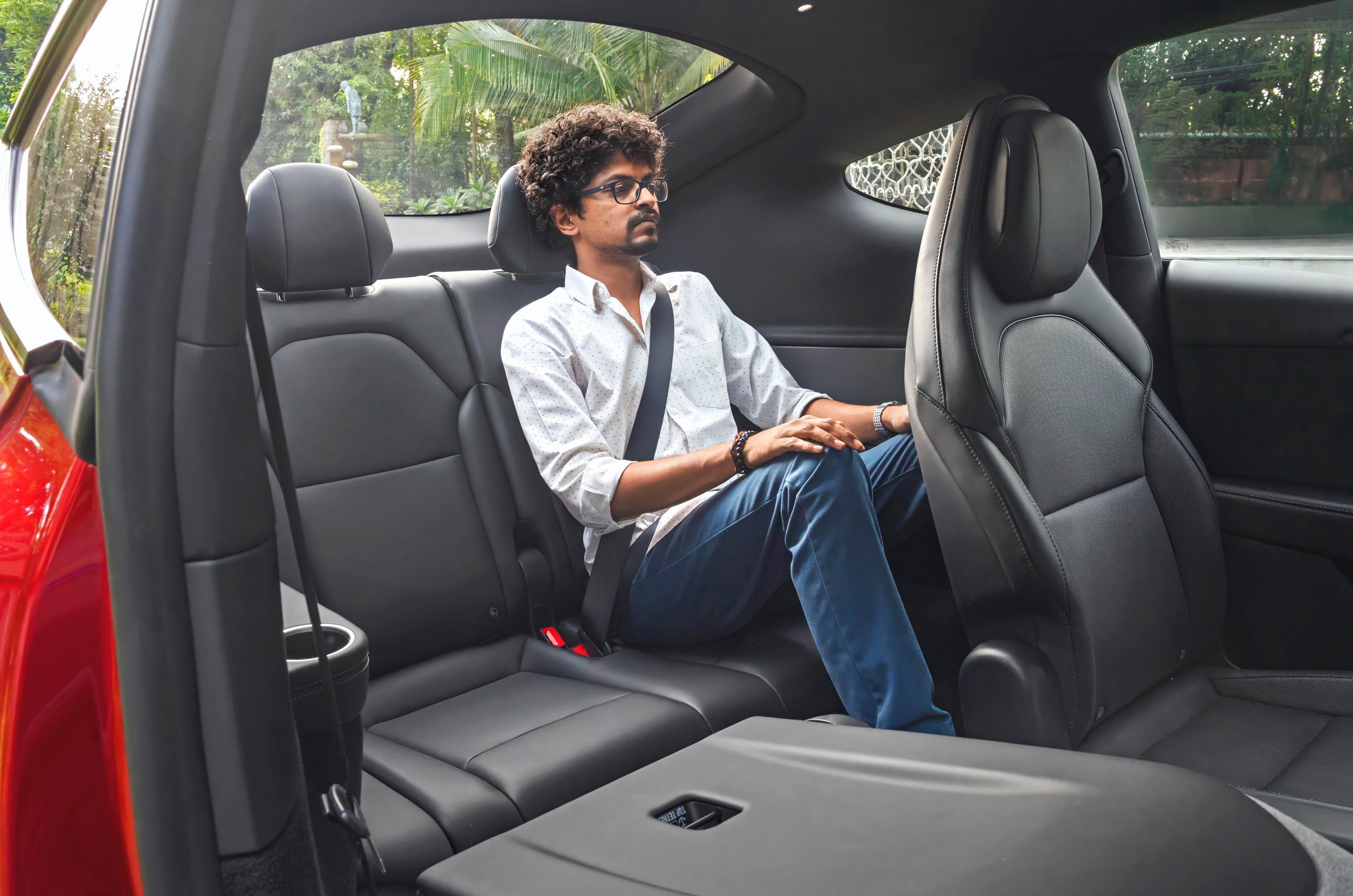
Seating is knees-up, but the third row is usable even for adults.
The third row, however, comes as a bit of a surprise. Considering the low seat, you’re sat in a knees-up position but space back here is genuinely usable for adults, with adequate headroom and kneeroom. Dedicated AC vents, cup holders and type C charging ports are useful inclusions and show that the rearmost seats aren’t simply an afterthought. Like in the middle, here too the large window and untinted rear windscreen lets in a considerable amount of heat.
420-litre boot can be expanded to a massive 1,076 litres by folding the third row; more room under the boot floor too.
Luggage space is another important consideration for a family focused car such as the Y L. With all three rows up, boot space is a respectable 420 litres which can be further expanded to a massive 1,076 litres by electronically folding the third row. Then there’s also a considerable amount of storage space under the boot floor and a properly usable 117-litre frunk. As such, the Y L remains practical despite the added seats. It’s worth noting though, there’s no spare wheel.
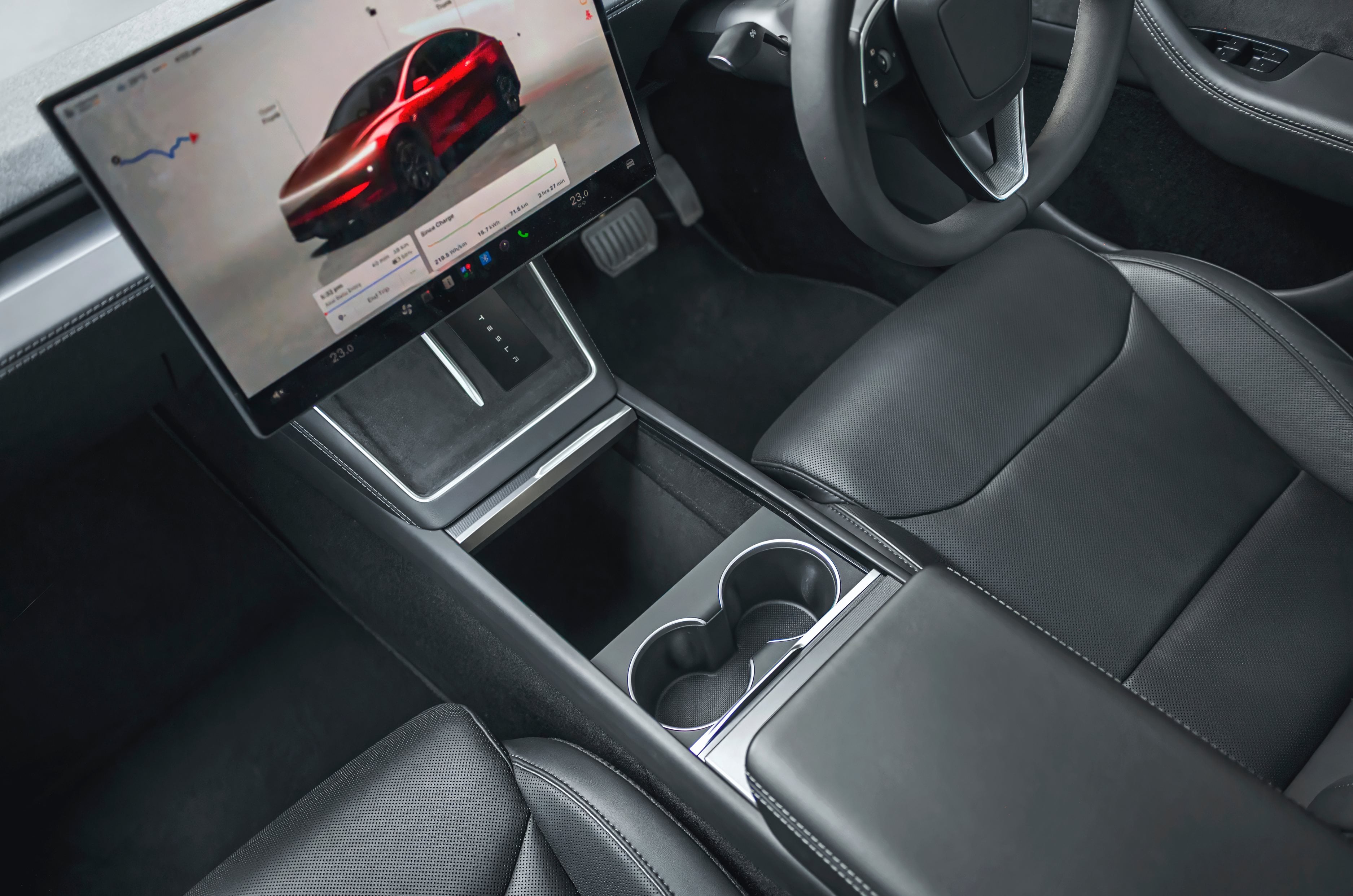
Practical cabin features a large storage box in the centre, cup holders, two wireless phone chargers, and space under the centre armrest.
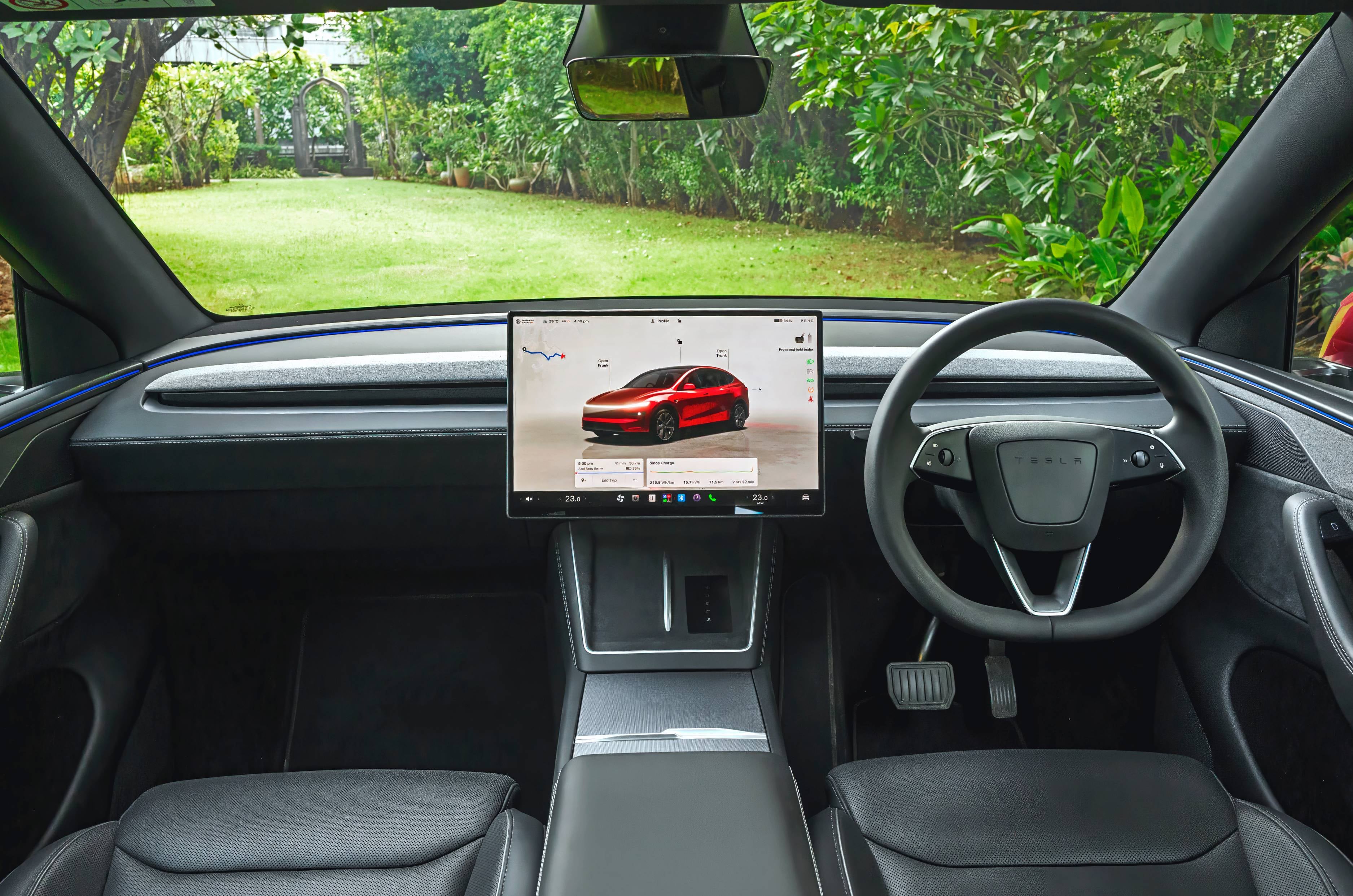
Up front, the cabin retains Tesla’s familiar minimalist layout. A large central touchscreen dominates the dashboard, with very few physical controls to interrupt the clean design. This extended model gets a textured finish on top of the dashboard, but the overall layout remains largely unchanged. It also remains a practical place, with a large cubby space in the centre console, storage under the centre armrest, multiple cupholders and seat back pockets.
Model Y Features and Safety – 7/10
Y L gets a Sport drive mode and two settings for the new adaptive dampers.
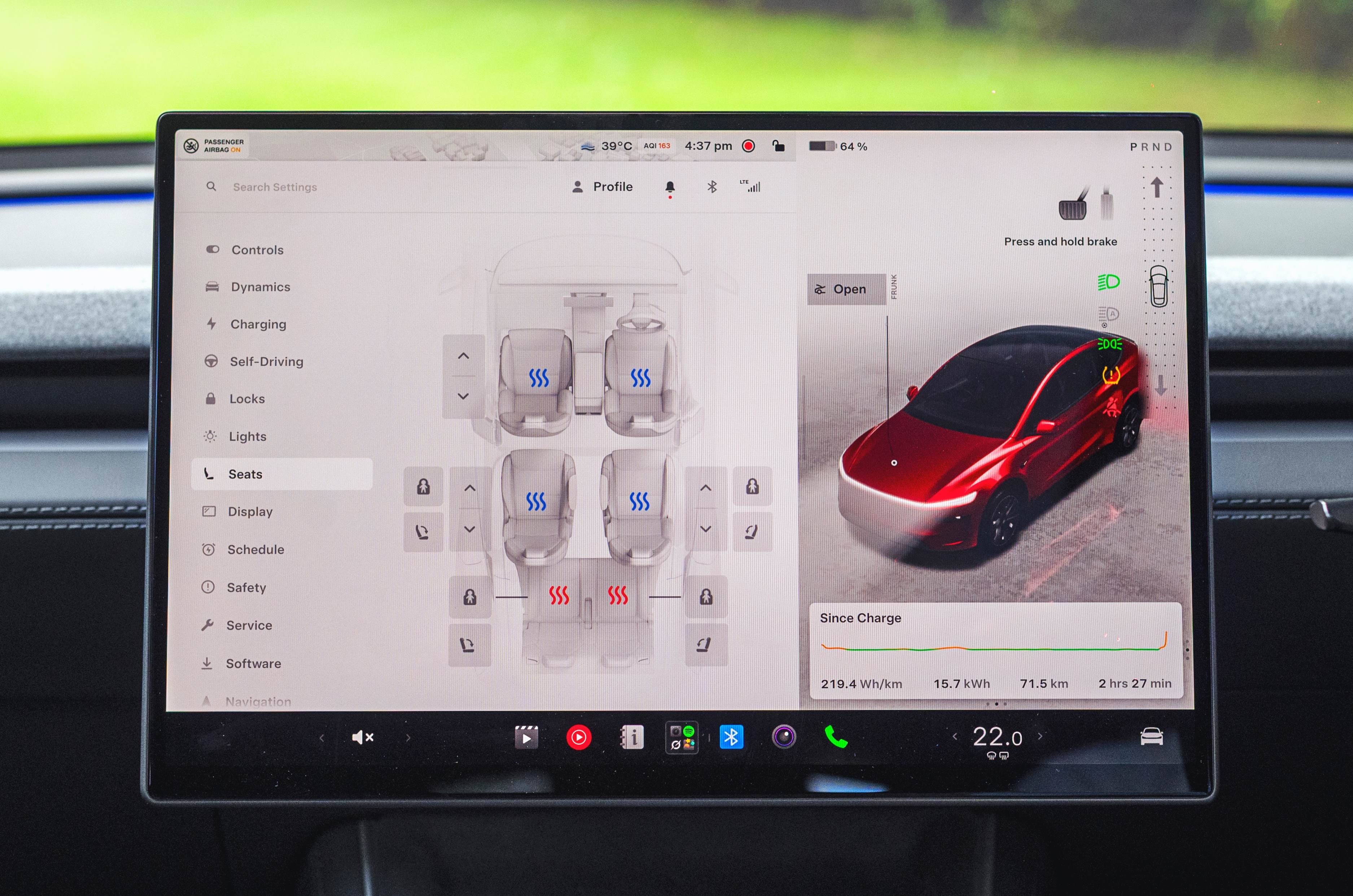
Technology has always been central to Tesla’s appeal, and the Model Y L continues with that approach. Apart from the aforementioned 8-inch rear screen, the main party piece of this car is the central 16-inch touchscreen. This screen is easily one of the best in the business in terms of resolution and responsiveness.
16-inch touchscreen is one of the sharpest around and packs in the typical Tesla quirks and features.
The screen is slick and feature-packed, but the reliance on it for everyday functions remains a usability compromise. Adjusting climate settings and accessing basic vehicle functions like adjusting the mirrors and opening the frunk require navigating menus, which isn’t as intuitive as using dedicated switches. It looks modern and gives the cabin a clean appearance, but a little more emphasis on straightforward ergonomics wouldn’t hurt.
8-inch rear screen is just as slick and can bes used to play videos and control other functions.
But thankfully, you do get the Grok AI assistant as a part of the package which can pretty much do everything for you right from setting the AC, to setting the navigation, finding a charger and much more. It can converse in multiple languages and also constantly learns more about you, so it’s said to get more intuitive as you spend more time with it.
Other features include a panoramic glass roof, dual wireless phone chargers, multi-colour ambient lighting, a superb sounding audio system with 18 speakers and a subwoofer, heated/ventilated and powered front two rows of seats, heated third row seats, all LED lights and so much more. There’s also connected-car tech, and as with any Tesla it gets over-the-air updates, so the car is constantly improving without the need to visit a service centre.
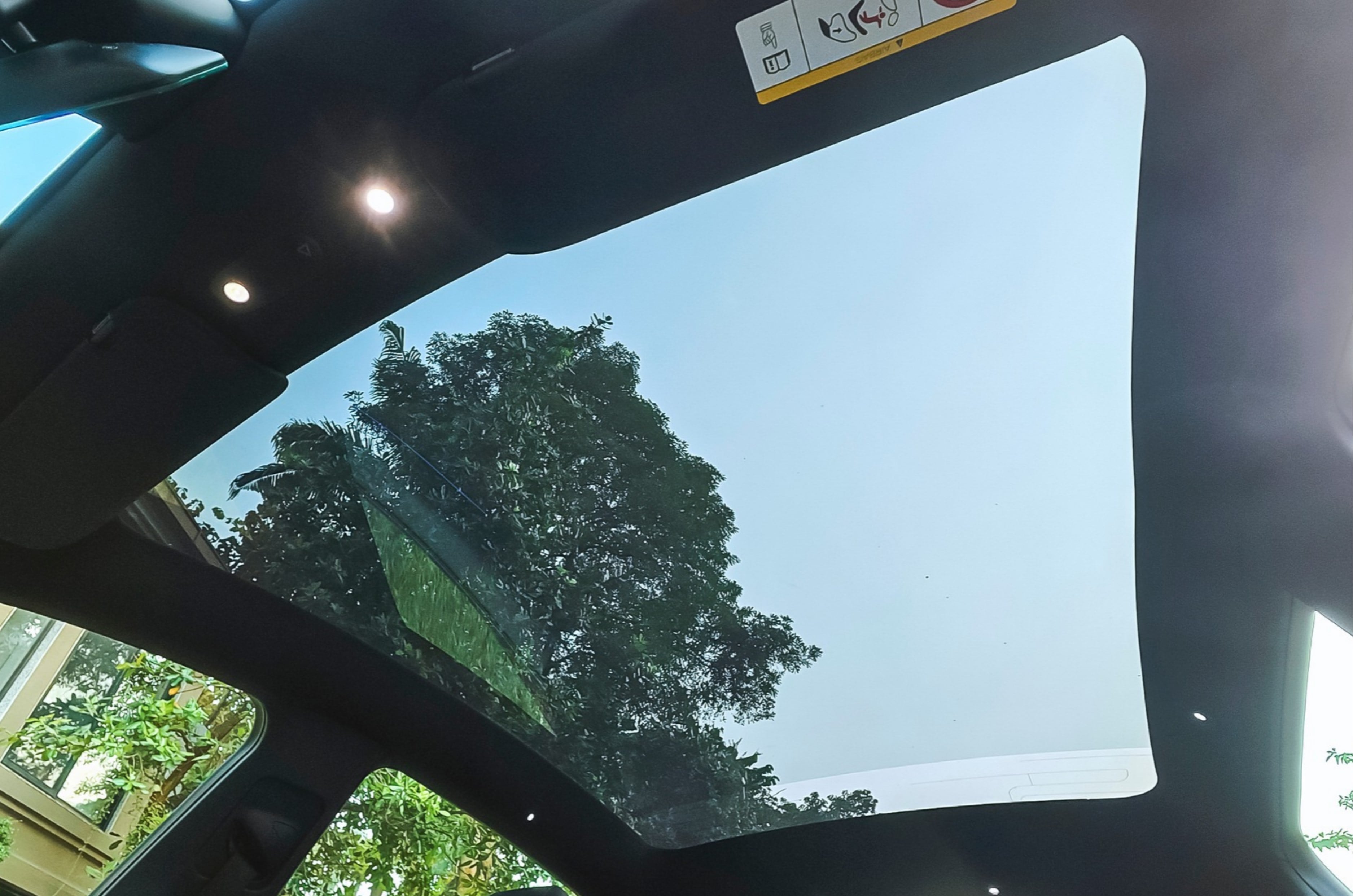
Tinted glass roof helps the cabin feel airy but no sunshade means it heats up quickly as well.
Safety equipment includes nine airbags and a suite of driver-assistance features, including lane-departure warning, lane-keeping assist and blind-spot monitoring. The car also has high-resolution cameras all around it which provide a great view of the surroundings, although Tesla’s more advanced Autopilot capabilities remain absent in India.
The technology is impressive, but the screen-centric interface requires some acclimatisation. Some buyers may find the learning curve frustrating, especially while driving. But for the tech-savvy buyers the Y L is aimed at, they will find this approach very appealing.
Model Y Performance and Refinement – 9/10
Dual-motor, all-wheel-drive powertrain puts out over 500hp and does 0-100kph in a claimed 5 seconds.
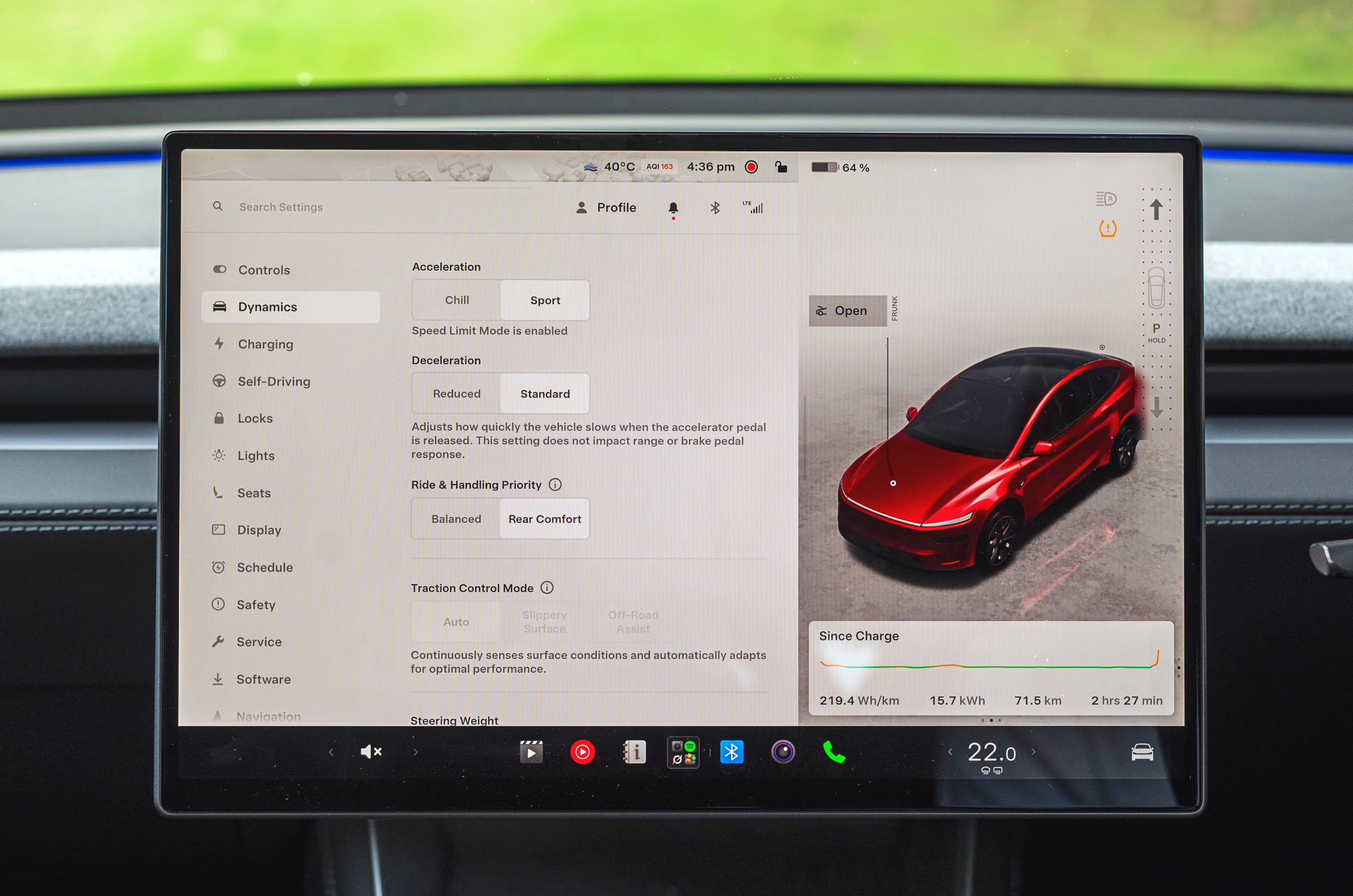
The Model Y L is offered in India with a dual-motor all-wheel-drive setup, unlike the rear-wheel-drive only Model Y variants. Tesla does not officially list powertrain specifications, but it has an estimated combined system output of 514hp and 590Nm and the brand claims a 0-100kph time of 5 sec and a top speed of 201kph. We did a quick acceleration test and managed a 0-100kph time of 5.02sec, though we couldn’t test the top speed as our car was electronically limited to 120kph. For a family crossover which is estimated to weigh over two tonnes, the performance is properly brisk. Expectedly, acceleration feels very potent and as typical of any high-performance EV, the Model Y L pins you back into the seat. However, there is a certain progression to the power delivery and the added traction of the all wheel drive setup makes it feel manageable and not overwhelming. There’s also two drive modes, Chill and Sport, the latter of which is exclusive for the Y L. And they have a corresponding effect on the response of the powertrain, with Sport obviously feeling much more immediate.
The added performance also makes overtaking on highways and closing gaps in traffic particularly effortless, as is reflected in the rolling acceleration figures. 20-80kph takes 2.85sec while 40-100kph is dispatched in just 2.94sec.
As with the standard Model Y, the Model Y L also impresses with its refinement. The cabin is superbly insulated from the outside world, thanks in part to the double glazed windows, with barely any road, tyre and wind noise filtering through into the cabin.
Model Y Mileage / Range and Efficiency – 7/10
Tesla Supercharger is said to add up to 288km of range in 15 mins; has a WLTP-rated range of 681km.
Tesla claims a WLTP range of 681km, from the Model Y L’s 88kWh (estimated) NMC battery pack. That’s more than the standard RWD Model Y, for reference. It can also add up to 288km of range in 15 minutes when connected to a Tesla Supercharger, according to the company. Speaking of which, the electric crossover is capable of accepting up to 250kW on DC fast charging and 11kW on AC charging. As always, real world range will depend on driving conditions, speed, weather and other factors.
Model Y Ride Comfort and Handling – 7/10
Adaptive dampers and longer wheelbase does make the Y L feel more settlled than the standard Model Y.
The standard Model Y’s ride and handling package is competent, although its low-speed ride is noticeably firm, especially on uneven surfaces. Tesla has made changes to the L’s suspension, equipping it with adaptive dampers in a bid to improve comfort and body control.
This is a particularly relevant upgrade for a longer, heavier vehicle designed to carry more passengers. As with everything else, this is also controlled via the touchscreen with two settings available – Balanced and Rear Comfort. The latter softens things down and gives it a slightly plusher feel, while the former represents a good middle ground between ride comfort and handling. Even though the difference in the modes isn’t that great, the Y L does feel more composed over broken roads and avoids transmitting as much movement into the cabin as the Standard Model Y.
The longer wheelbase also helps the car feel a bit more settled at speed, although manoeuvring in confined spaces is more cumbersome, and this is particularly amplified thanks to the rather poor turning circle. Like the standard Model Y’s, the Y L’s steering is light and easy to use, but it isn’t particularly feelsome. There’s also three modes for the steering, which progressively add more weight. The handling too is more competent and predictable rather than entertaining. It doesn’t feel as agile as the Model Y but body movements do seem better controlled thanks to the adaptive dampers.
There’s two levels of regenerative braking – Standard and Reduced. Standard is the stronger setting and best for use in the city as it almost functions like a one-pedal mode while Reduced is for highway use as it allows for some coasting.
Model Y Value for Money – 7/10
The Model Y L is for those who want a spacious, quick, refined, and cutting-edge premium EV for the family.
Priced at Rs 61.99 lakh (ex-showroom), the Tesla Model Y L makes for a more compelling case than the standard Model Y despite costing 10 lakh more. It still costs a fair bit more than its most direct rivals, the BMW iX1 LWB and the BYD Sealion 7, but the Y L is more spacious with more seats. The Model Y L does have its compromises though. It’s over reliant on the touchscreen for even basic functions and the large glasshouse means the cabin heats up easily. The larger dimensions, poor turning circle, low ground clearance and long wheelbase also means it is more challenging to maneuver in the city and while parking.
But it brings a lot more to the table too. There’s more cabin space, the added versatility of a third row, a more potent dual-motor powertrain with all-wheel-drive and a higher claimed range as well. And it retains its strengths of being featured-packed, with excellent refinement and massive cargo space. Tesla says that buyers are now preferring to opt for the Y L over the Model Y considering all the additional things it brings, and that really doesn’t come as a surprise. So for buyers who want a spacious, quick, refined and cutting-edge electric crossover for the family, the Tesla Model Y L fits the bill perfectly.
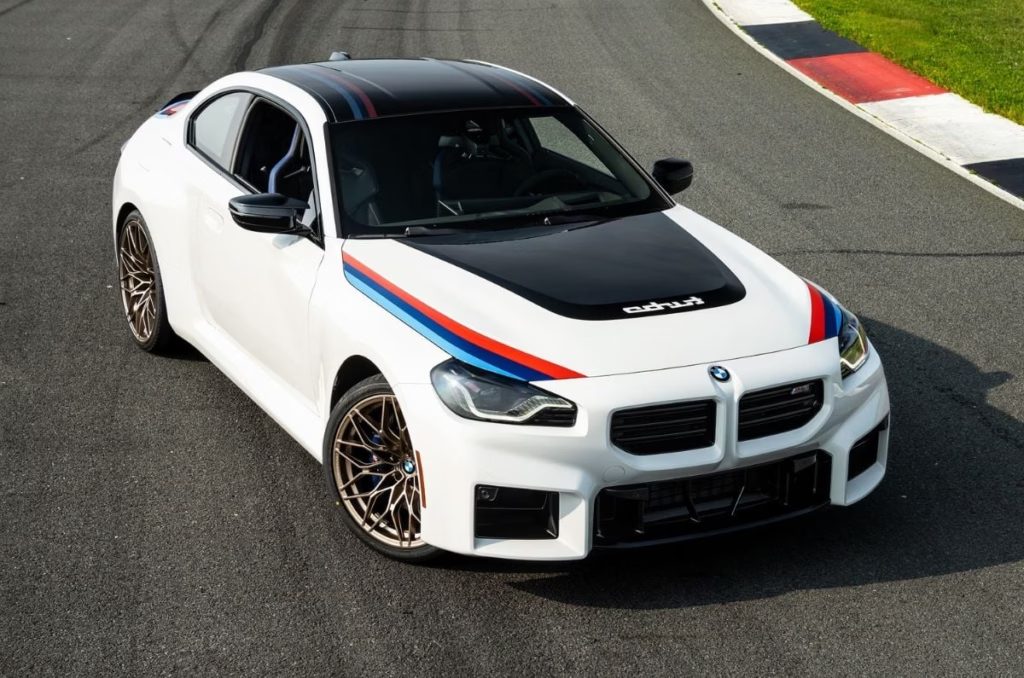
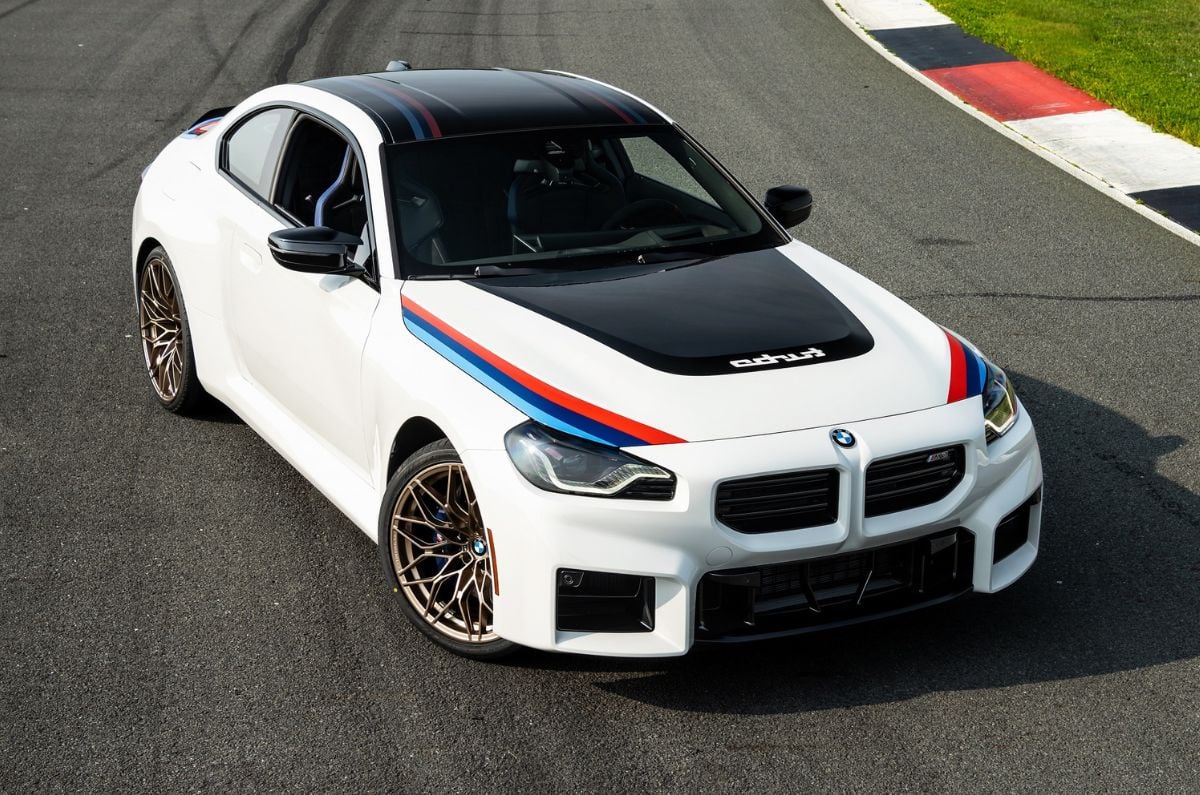
BMW has opened bookings for the limited-run M2 xDrive Turbo Edition in India. This ultra-exclusive model pays tribute to the BMW 2002 Turbo from 1973 which has a rather unique story in BMW’s history. More on that later, but the M2 xDrive Turbo Edition will be available in limited numbers in India with a first-come, first-served basis allocation. Expect prices to be announced in the coming weeks.
BMW M2 xDrive Turbo Edition: what is it paying tribute to?
This special-edition M2 pays tribute to the BMW 2002 Turbo sedan which was launched during the global oil crisis in 1973. At the time, it was the first series-production passenger car to use an exhaust gas turbocharger, something that has since defined the template for a lot of performance cars. The turbocharger, of course, was in the interest of reducing fuel consumption, but that doesn’t mean it was any slouch – with 170hp, 2.0-litre engine, a top-speed of 211kph and a 0-100kph time of 7.0 seconds, it was quite fast for its time. Well-kept examples of 2002 Turbo cost well over 100,000 Euros today, says BMW.
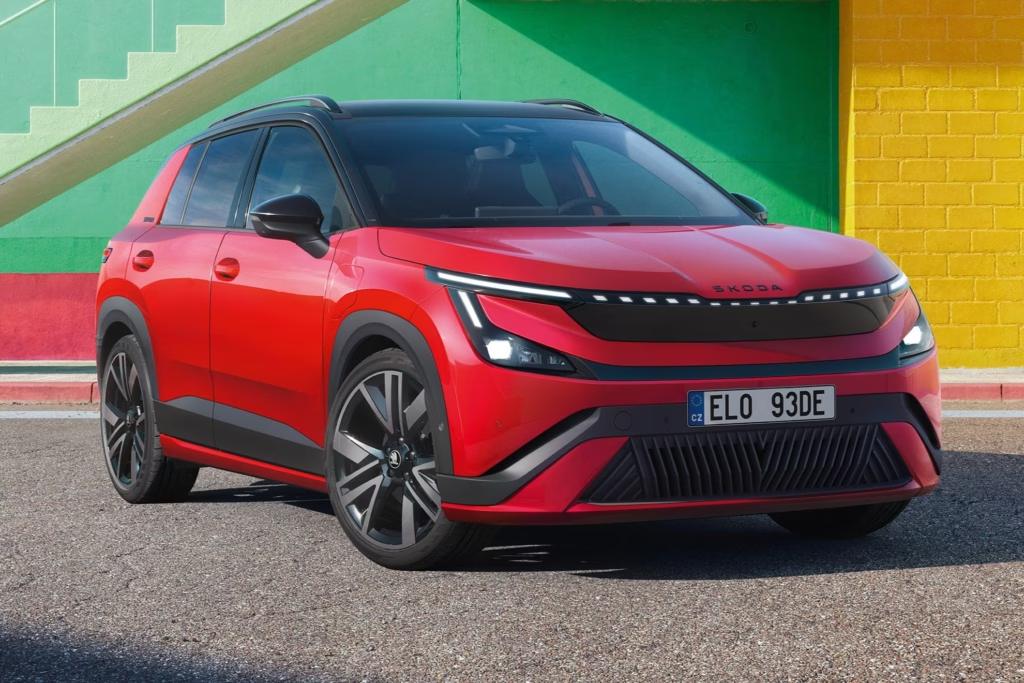
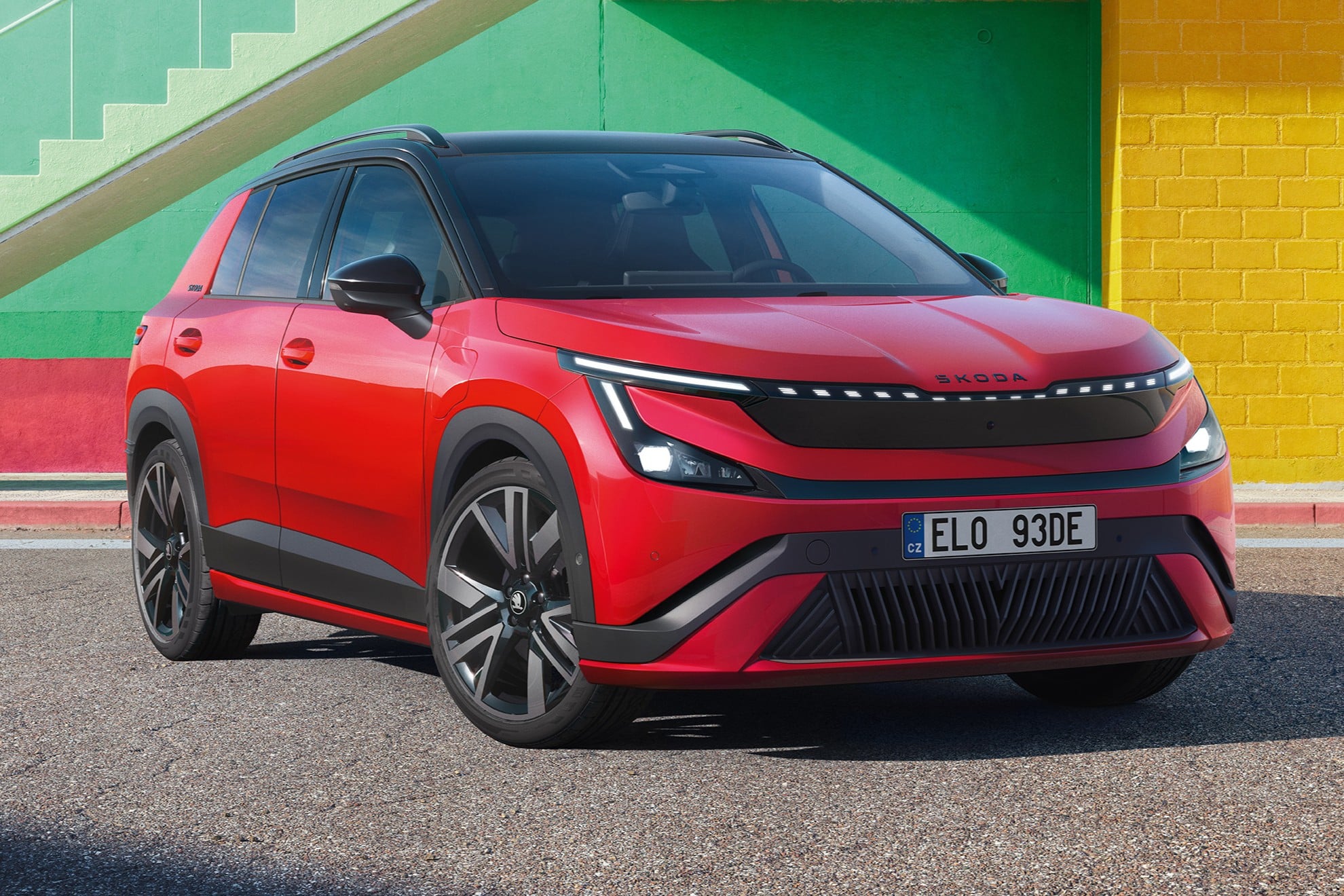
Skoda has extended the spicier ‘Sportline’ treatment to its entry-level EV, the Epiq. In Sportline guise, the Epiq features several cosmetic upgrades over the standard model while retaining its battery pack options, albeit in a higher state of tune.
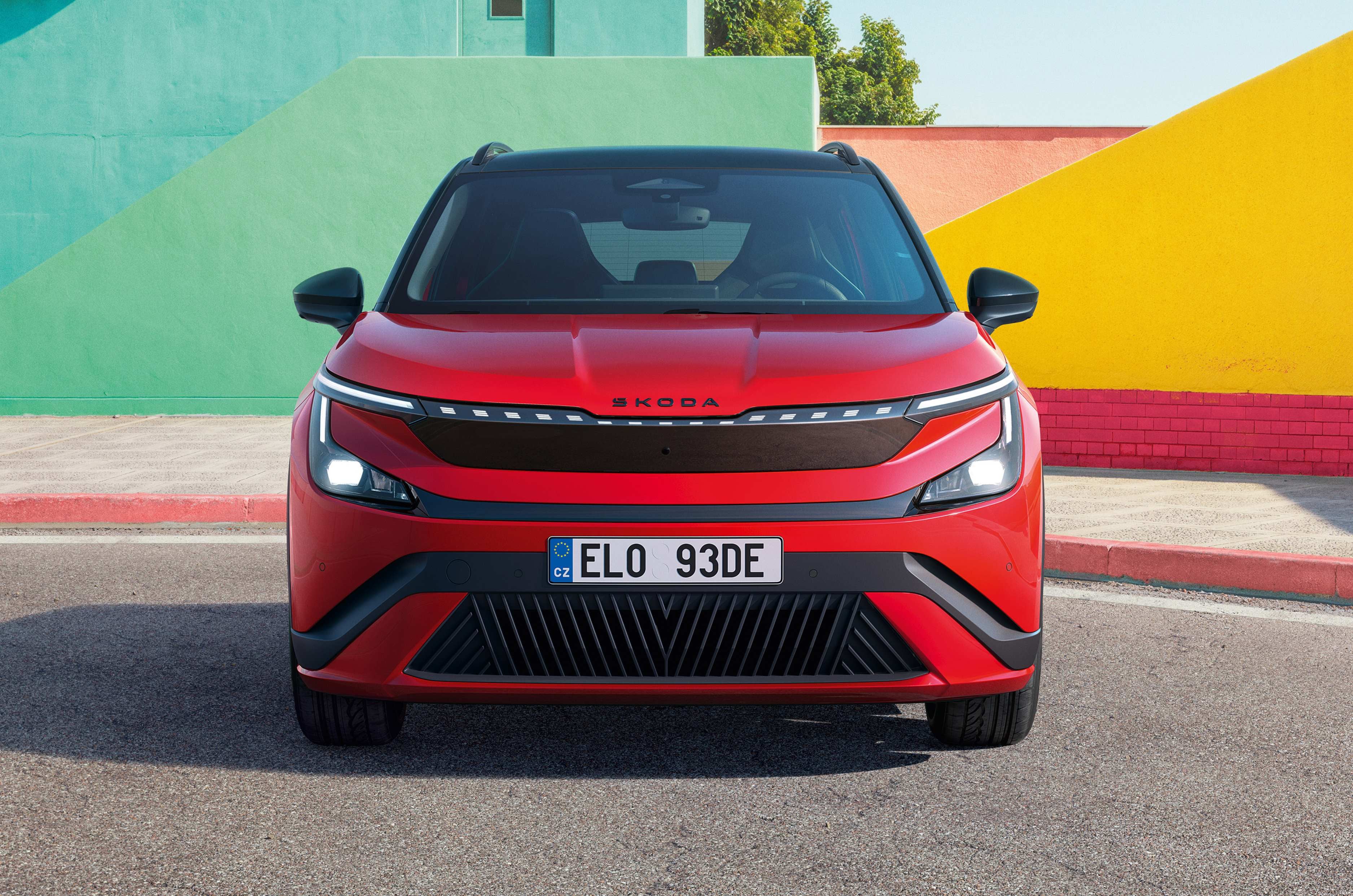
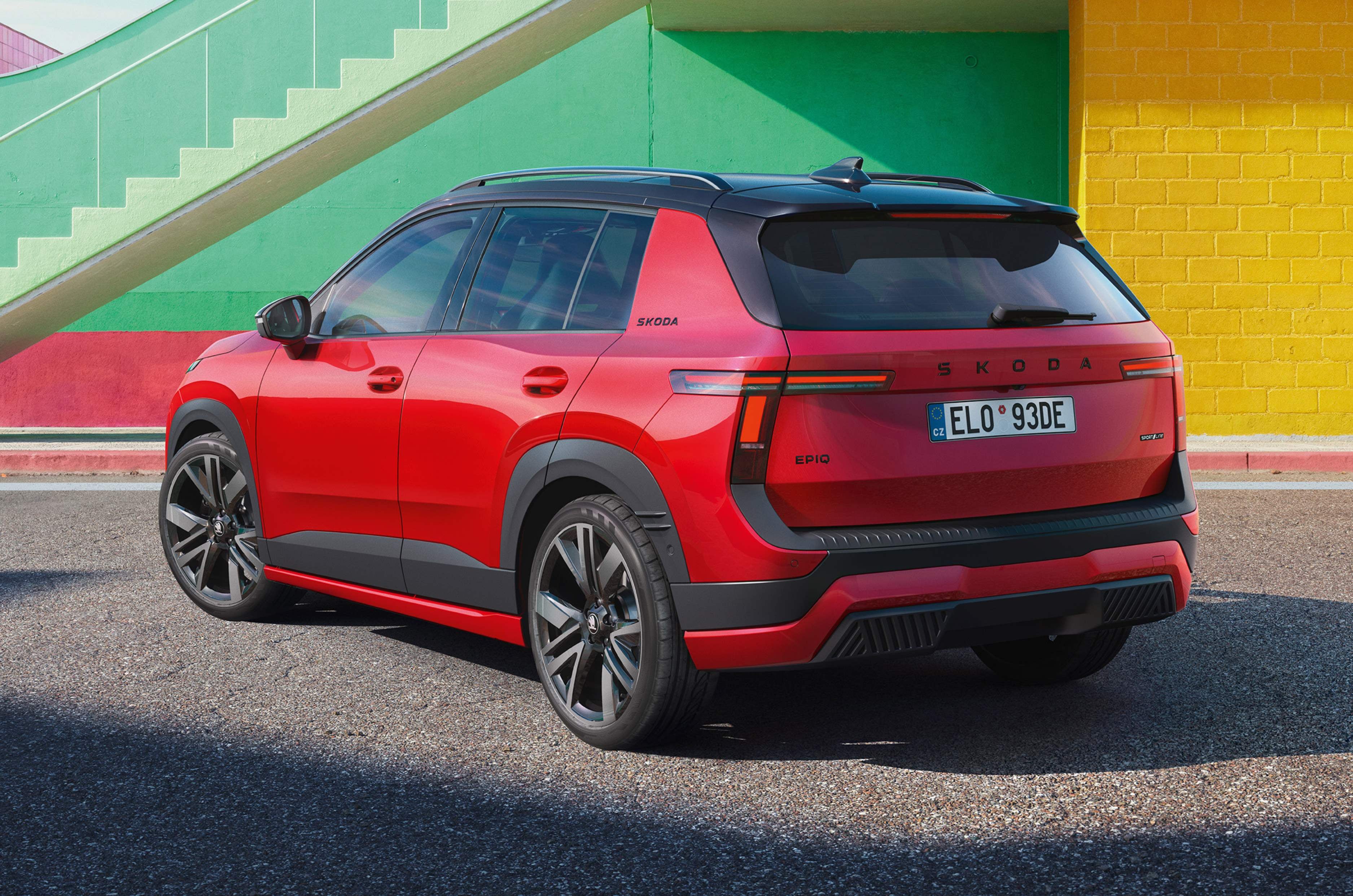
Exterior gets body-coloured bumpers, a segmented LED strip, and blacked-out Skoda badges.
Optional 20-inch alloy wheels—the largest available on the Epiq, with an exclusive design.
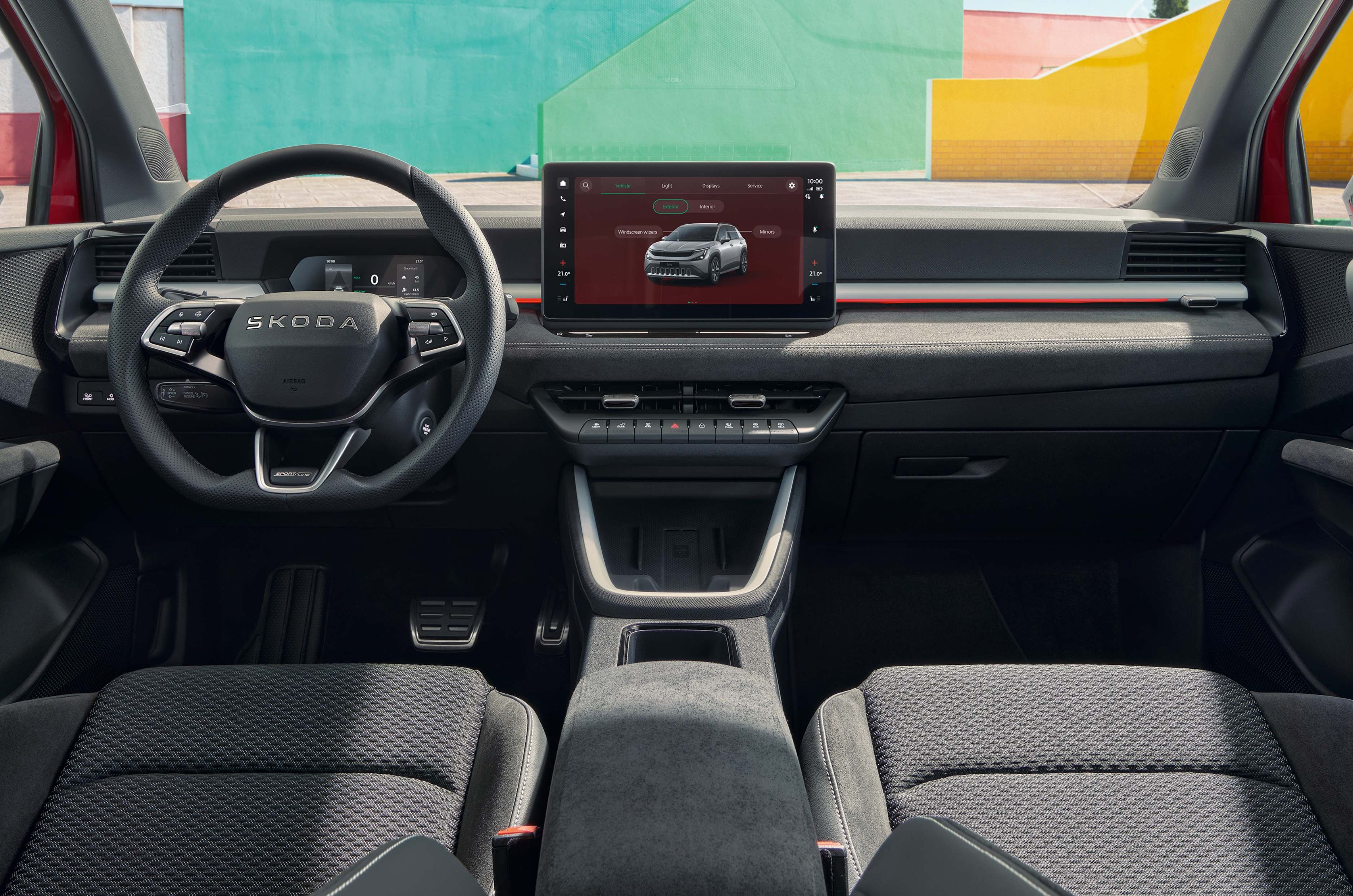
Black-theme cabin and suede for the dashboard, door pads, armrest and seat upholstery.
Offered in two variants: 40 (38.5kWh) and 55 (55 kWh); Claimed range of up to 440km.
Skoda Epiq Sportline: What’s new?
Changes to the front end of the Epiq include a segment LED strip across the grille, a body-coloured bumper, and a revised air intake grille. Updates to its profile include a gloss black finish for the outside rear-view mirrors (ORVMs) and exclusive designs for the 19-inch and optional 20-inch alloy wheels. The latter size is the largest available on the Epiq.
Additionally, there’s a black finish for the Skoda branding on the bonnet, C-pillar and tailgate, and also for the Epiq badge. A Sportline badge on the tailgate and a body-coloured rear bumper bring further distinction over the standard model. Optional equipment includes a panoramic sunroof, two-tone paint with a black roof, and a tow bar.
Like other Skoda Sportline models, the Eqiq Sportline also gets an all-black theme for its interior. The dashboard trim, door pads, armrest, and sport seats are wrapped in suede, while there’s a flat-bottomed three-spoke steering wheel with a Sportline badge and a stainless-steel finish for the pedals. The infotainment and digital driver’s display get red Sportline-themed graphics.
Standard kit includes keyless entry, electrically adjustable and heated front seats, a heated steering wheel, dual-zone climate control, digital key, wireless phone charging, rear-view camera and a dark tint for the rear-view mirrors. Optional features include an ADAS suite, on-board navigation, connected car tech, a 360-degree camera, a 10-speaker Canton sound system, frunk, and parking assist.
The Epiq Sportline is available only in the higher-end ‘40’ and ‘50’ variants, which are also available on the standard model. ‘40’ guise versions use a 38.5kWh battery pack with a front-mounted motor producing 135hp and 267Nm, while ‘55’ variants use a 55kWh battery pack with the motor delivering 211hp and 290Nm. Top speed for both versions is capped at 160kph, and claimed range figures for the 40 and 55 variants are 310km and 440km, respectively. Skoda says that both battery packs can do a 10-80 percent top-up within 24 minutes via DC fast charging.