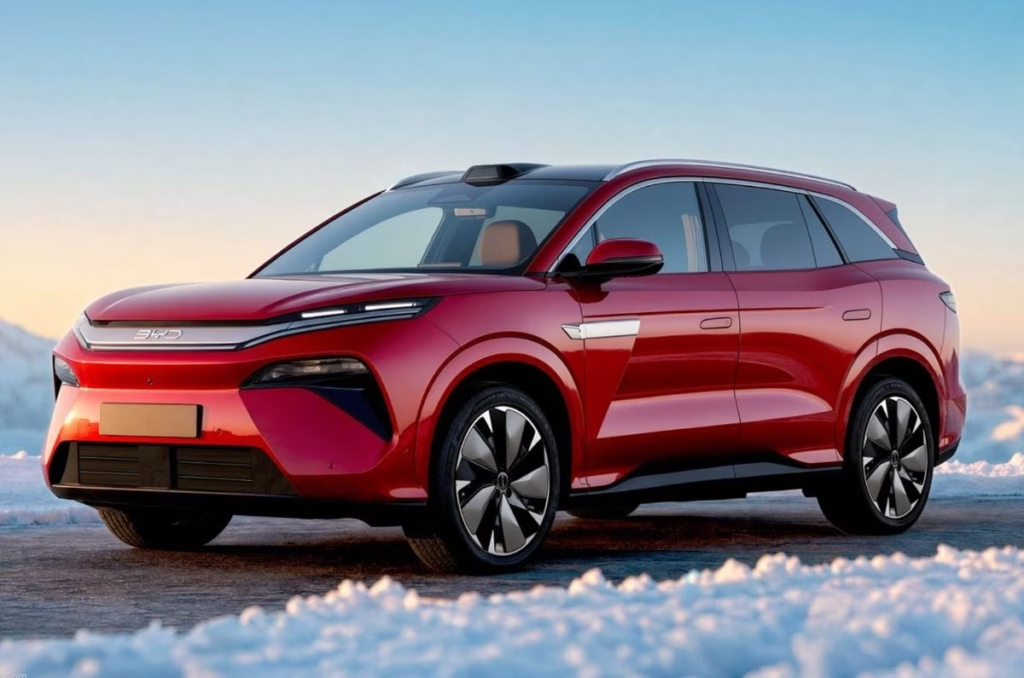
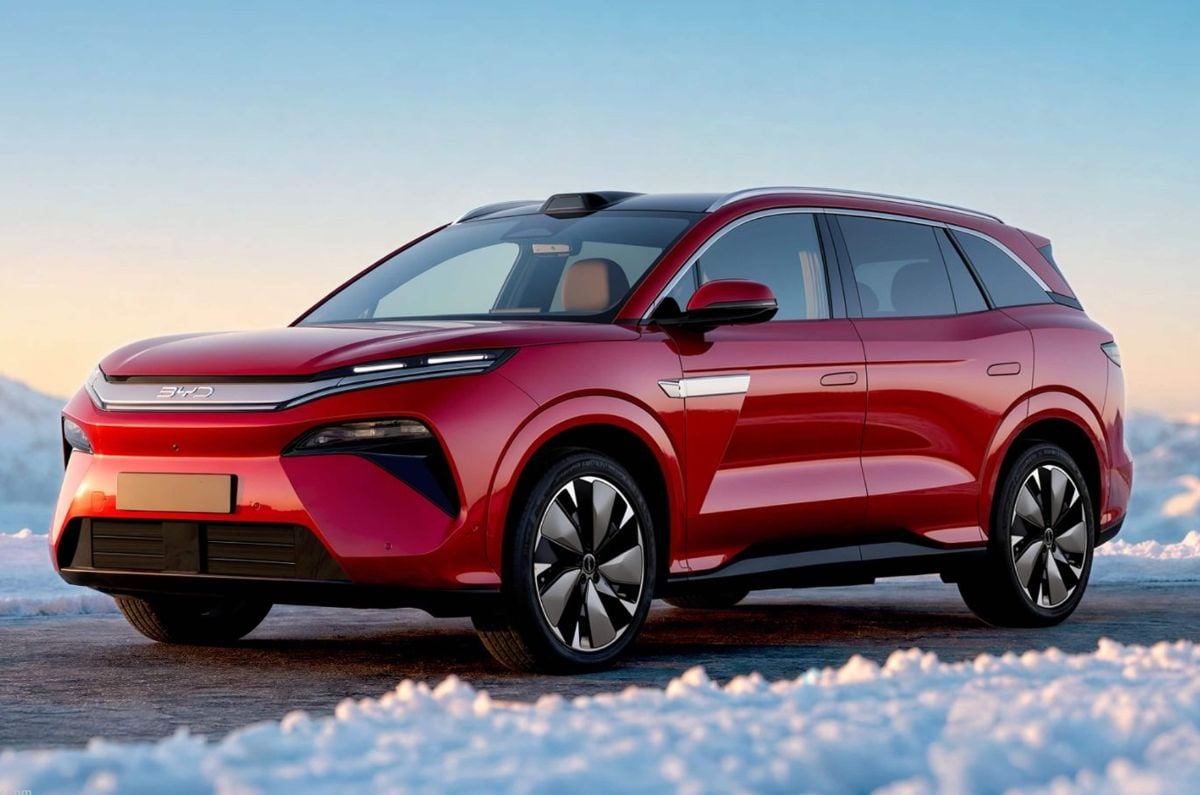
BYD has revealed the Atto 8 at the 2026 Paris Motor Show as its flagship SUV. Internationally, the 7-seater BYD Atto 8 SUV is offered with multiple EV and PHEV powertrains. The EV version is the first BYD model to support ultra-fast ‘Flash Charging’, which recharges the 115kWh battery from 10 to 97 percent in a mere 9 minutes. The PHEV version is offered either with a 19kWh or a 35.6kWh battery, paired with a 1.5-litre turbocharged 4-cylinder petrol engine.
Best OnlyFans Sites: A Practical Guide for Creators and Fans
Understanding OnlyFans and What Makes a Site Among the Best OnlyFans Sites
OnlyFans started as a subscription‑based platform that lets creators share exclusive content with paying fans. Over time, dozens of similar services have emerged, each tweaking the original formula with different feature sets, revenue models, and community tools. When you hear the phrase “best only fans sites,” it usually refers to platforms that balance creator freedom, fan engagement, and reliable earnings.
To differentiate the top choices, focus on three core pillars: the robustness of the platform’s features, the fairness of its pricing and revenue share, and the strength of its security and support infrastructure. By anchoring your decision on these pillars, you can avoid gimmicks and choose a service that truly meets your business needs.
Key Features and Benefits to Look For
A solid platform will offer a set of essential features that empower both creators and fans. Look for a customizable dashboard that lets creators schedule posts, manage subscriptions, and track earnings in one place. Automation tools such as scheduled posting, auto‑reply messages, and workflow integrations can save time and keep the audience engaged.
Benefits of these features include higher fan retention, smoother monetization, and the ability to scale your content operation without constantly juggling manual tasks. When a platform bundles these capabilities into an intuitive interface, it becomes a strong candidate among the best only fans sites.
Feature Checklist
Content scheduling and calendar tools
Advanced analytics dashboard
Built‑in messaging and automation
Multiple payment gateways
Customizable subscription tiers
Pricing Models and How They Influence Your Decision
Pricing structures vary widely across platforms. Some charge a flat monthly fee, while others take a percentage of creator earnings. Understanding these models helps you forecast net revenue and choose a site that aligns with your financial goals.
When evaluating the best only fans sites, compare the total cost of ownership—including transaction fees, payout schedules, and any hidden charges. A platform with a higher revenue share but lower transaction fees might ultimately be more profitable than one with a low percentage but hefty processing costs.
Typical Pricing Comparison
Platform
Monthly Subscription Range
Revenue Share
Unique Feature
Platform A
$4.99 – $49.99
80%
Integrated live‑stream tipping
Platform B
$5 – $50
85%
AI‑powered content suggestions
Platform C
$3 – $45
78%
Multi‑currency payouts
Security, Reliability, and Support – Non‑Negotiable Factors
Any platform handling paid subscriptions must prioritize security and reliability. Look for encryption standards, two‑factor authentication, and regular third‑party security audits. A reliable uptime record ensures that fans can access content without interruption, protecting both creator reputation and revenue.
Equally important is responsive support. Whether you need help with onboarding, troubleshooting payouts, or addressing policy questions, a dedicated support team that offers live chat or ticket‑based assistance can make a big difference. Choose a site whose support hours align with your operating timezone.
Support Features to Expect
24/7 live chat or email ticketing
Comprehensive knowledge base
Account manager for high‑volume creators
Clear escalation path for security incidents
Setup and Integration: Getting Started Quickly
Fast onboarding reduces the time between signing up and earning your first subscription. The best only fans sites typically offer step‑by‑step guides, video tutorials, and pre‑built integrations with popular marketing tools such as email newsletters and social media schedulers.
Here’s a simple three‑step setup process you can expect:
Create an account and verify your identity.
Customize your profile, add payment details, and set subscription tiers.
Connect your preferred social channels and schedule your first batch of content.
Following these steps ensures a smooth launch and lets you focus on creating rather than troubleshooting.
Use Cases: Who Is Each Platform Best For?
Different creators have distinct needs. Some prioritize high revenue share, while others need advanced analytics or niche community features. Below are common use cases and the platform type that usually fits best.
Typical Creator Profiles
Fitness influencers: Need integrated live‑stream workouts and tipping.
Artists and photographers: Require high‑resolution media support and customizable galleries.
Adult content creators: Look for strong privacy controls and discreet billing.
Educators and coaches: Benefit from subscription bundles and private messaging.
Small‑scale hobbyists: Prefer low monthly fees and simple dashboards.
Matching your primary goals with the platform’s strengths helps you choose the most suitable site among the best only fans sites.
Final Checklist Before You Sign Up
Before committing to any platform, run through this quick checklist to ensure you’ve covered the essential criteria:
Feature set matches your content workflow.
Revenue share and pricing are transparent.
Security protocols meet industry standards.
Support channels are responsive and available in your timezone.
Onboarding process aligns with your launch timeline.
Keeping this list handy will help you avoid costly surprises and set a solid foundation for sustainable growth. For more insights and real‑world examples, visit the best onlyfans blog.
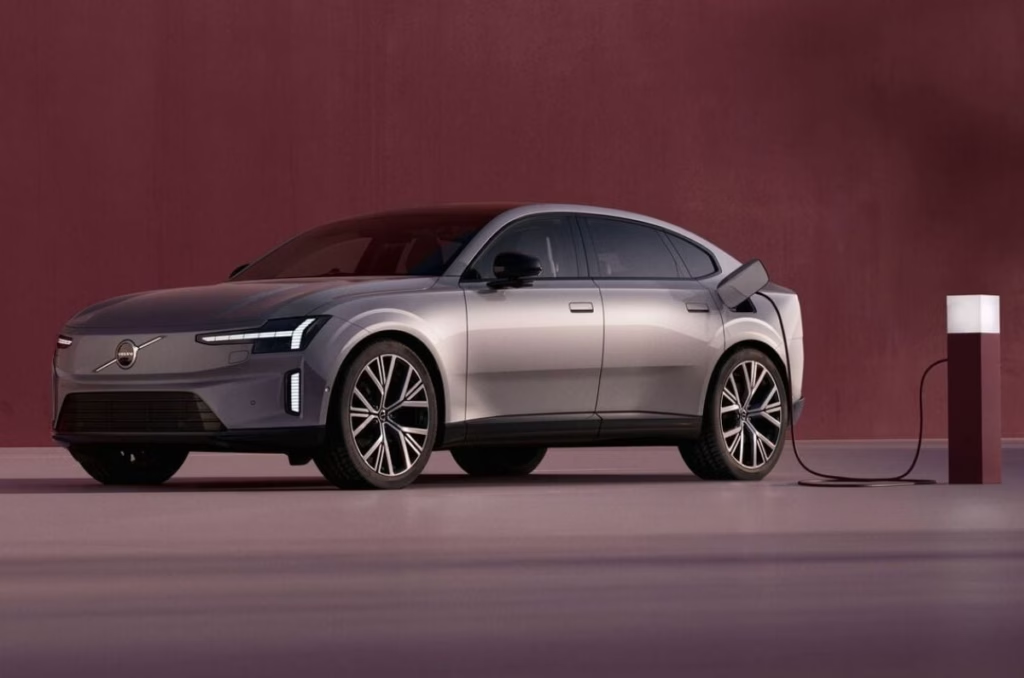
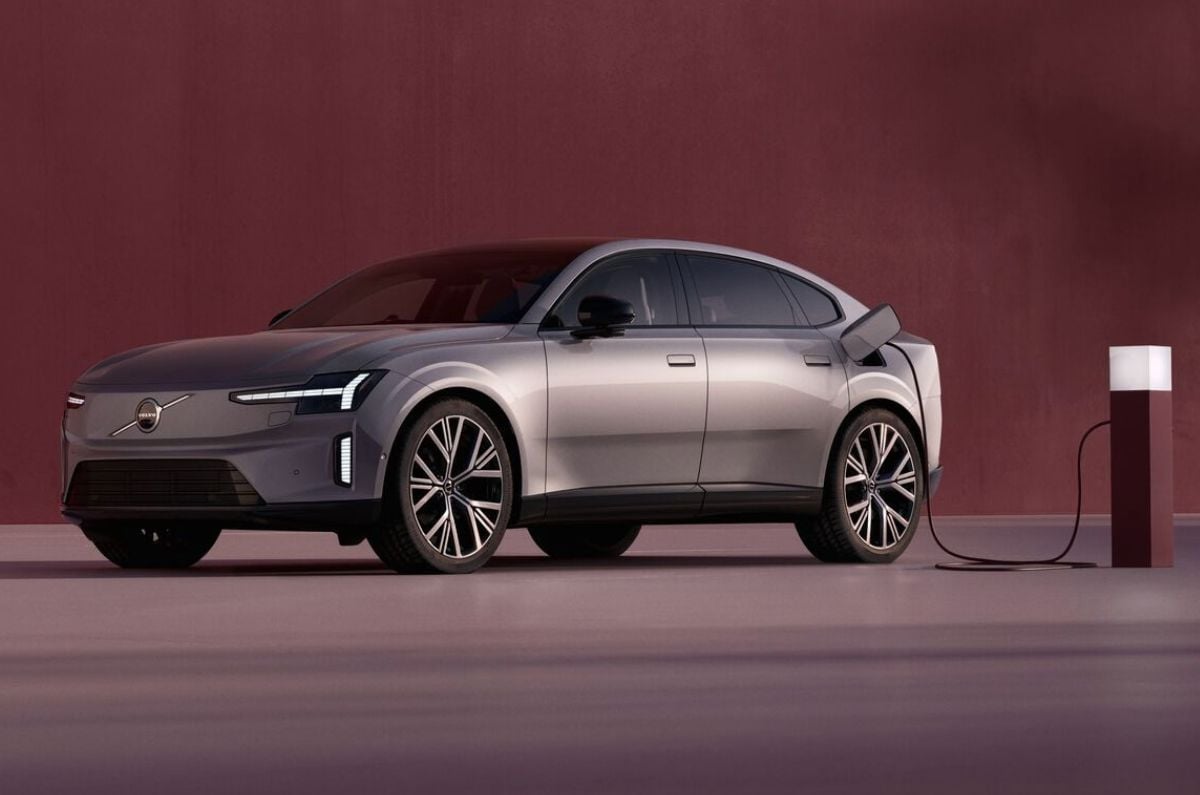
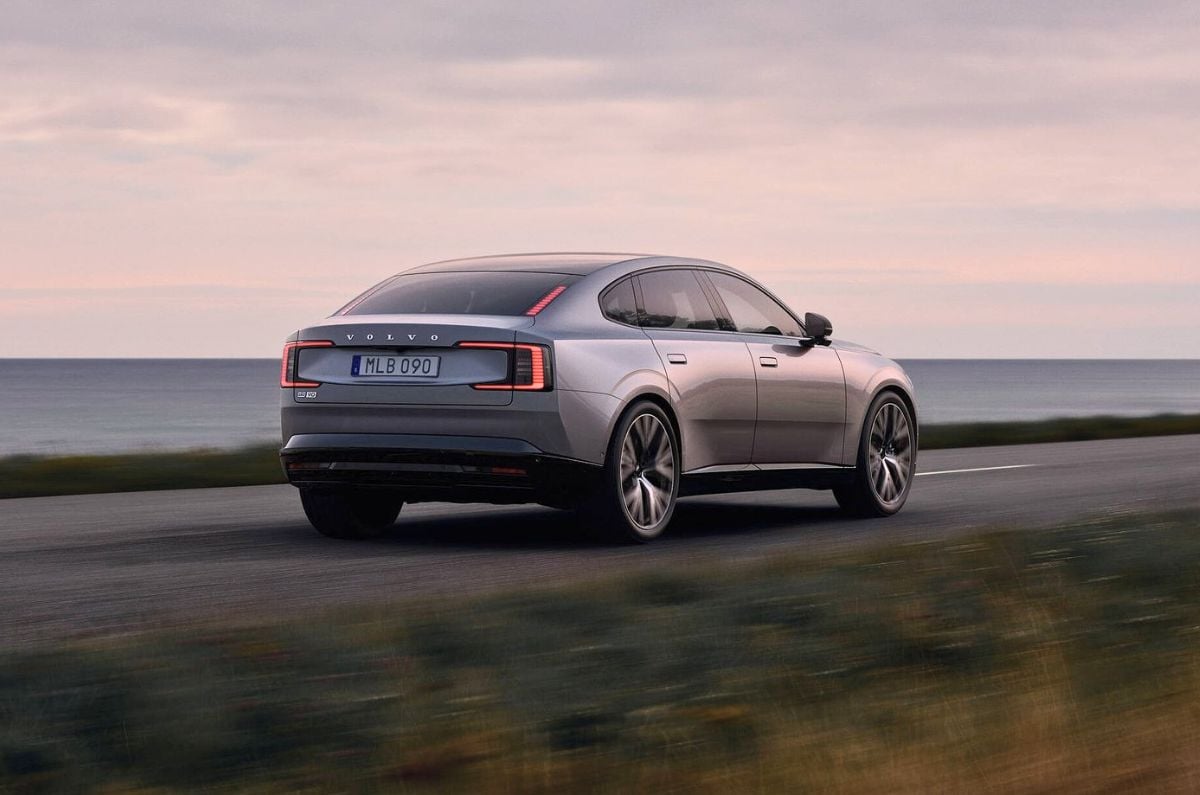
The Volvo ES90 will be launched in India tomorrow, marking a comeback for a Volvo sedan in the country after the S90’s discontinuation in 2024. Upon launch, it will serve as the manufacturer’s flagship EV alongside the EX90 SUV, which will also be launched alongside the ES90 sedan. Here’s everything you need to know about the upcoming Volvo ES90 ahead of its launch tomorrow.
1. What is the expected price of the Volvo ES90?
Prices are expected to be in the Rs 1 crore to Rs 1.20 crore range (ex-showroom)
The Volvo ES90 will arrive in India as a completely built unit (CBU) import. It is expected to be priced in the Rs 1 crore to Rs 1.20 crore range (ex-showroom) in the country.
2. What powertrain option will the India-spec Volvo ES90 get?
Gets two battery pack options and choices between RWD and AWD internationally
The Volvo ES90 is built on the manufacturer’s 800-volt SPA2 architecture shared with the EX90 eSUV. Internationally, the ES90 is offered with either a 92kWh or a 106kWh battery. The smaller battery has a claimed WLTP range of 664km and is paired with a rear-axle-mounted (RWD) electric motor that produces 333hp and 480Nm. It has a claimed 0-100kph time of 6.6 seconds and has a 180kph capped top speed. It supports up to 350kW DC fast charging, which can replenish the battery from 10-80 percent in 22 minutes.
The larger 106kWh battery has a claimed WLTP range of 702km, and is offered with a dual-motor all-wheel-drive (AWD) setup producing either 456hp and 670Nm, or 680hp and 870Nm, with claimed 0-100kph sprint times of 5.4 seconds and 4 seconds, respectively, depending on the chosen trim. 180kph capped top speed, 350kW DC fast-charging capability, and 22-minute 10-80 percent charging time are the same as the smaller battery version.
Volvo is yet to reveal which powertrain option will be offered with the India-spec ES90 sedan.
3. What are the design highlights of the Volvo ES90?
Gets LED lights all around, with a rather simple and elegant design
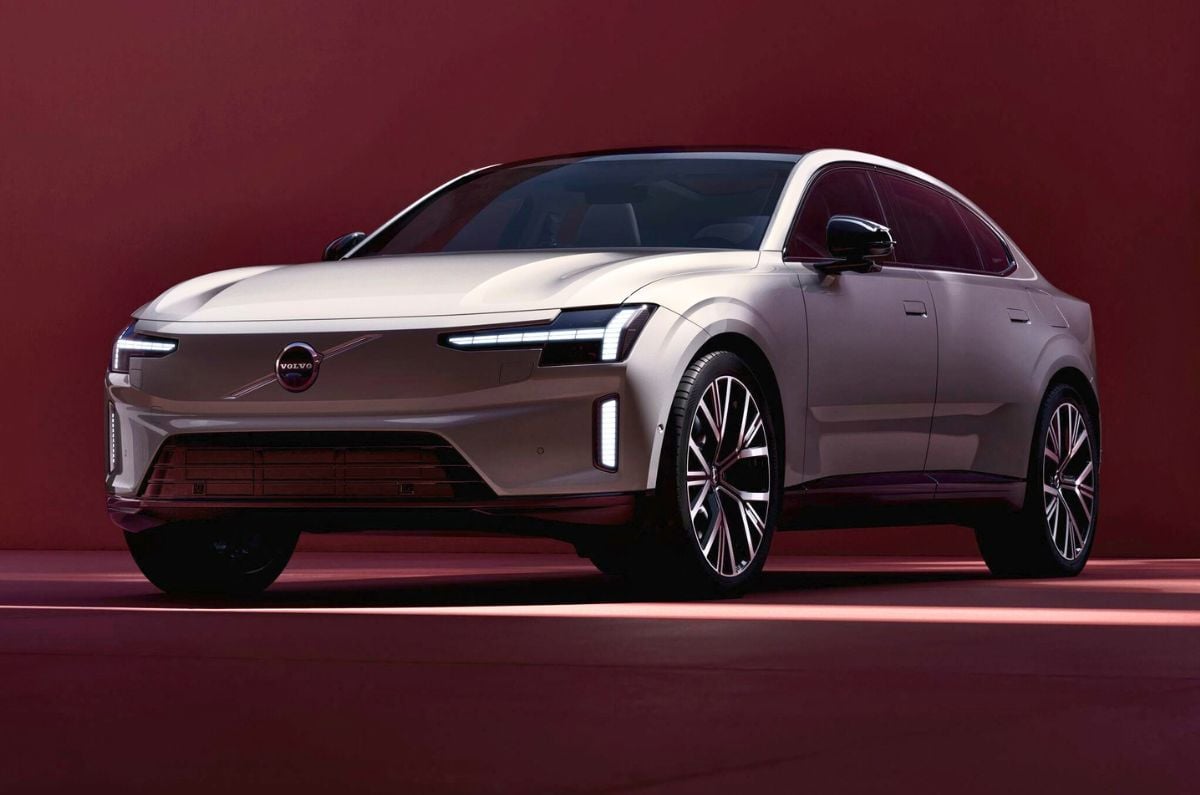
The Volvo ES90 features a blanked-off body-coloured grille with a Volvo logo in the centre, flanked by LED headlights with segmented Thor’s hammer LED DRLs on both ends. The bumper has air inlets in the centre to cool the internals and features vertically stacked LED fog lamps similar to those on the EX90. A LiDAR sensor was previously mounted on the edge of the roof, but is no longer offered on Volvo’s MY2026 models in international markets, following the termination of Volvo’s contract with its supplier, Luminar, after the latter filed for bankruptcy.
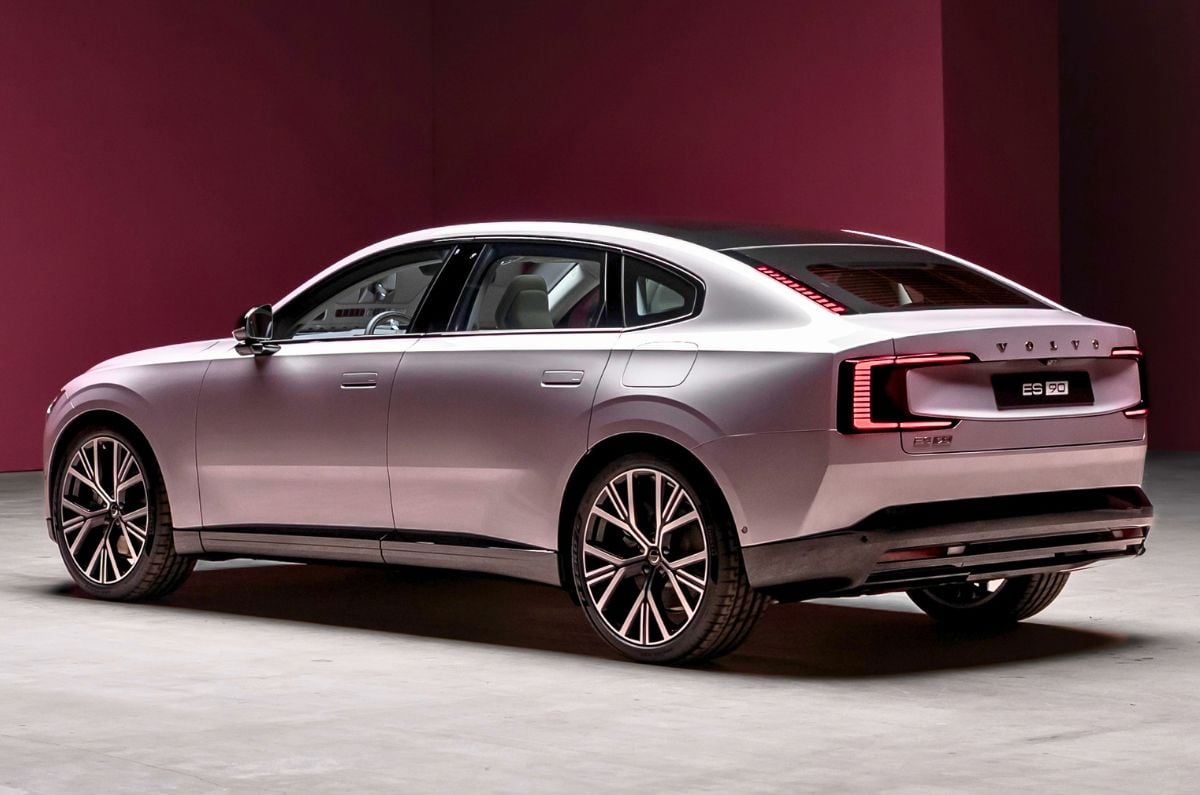
In profile, it offers wheel sizes ranging from 20 to 22 inches, all with aerodynamic inserts. It gets a gloss black section on the lower portion of the doors, along with black outside rearview mirrors (ORVMs) and a blacked-out roof, which add contrast. It gets sleek pull-type door handles. Interestingly, the ES90 has a drag coefficient (Cd) of 0.25, making it Volvo’s most aerodynamic production car yet.
At the rear, it features C-shaped wraparound LED taillights and LED stop lights on both sides of the rear windscreen, similar to the EX90. The rear bumper features a gloss black portion that gives a nice contrast to the otherwise simple design.
4. What features will the Volvo ES90 offer?
Features two free-standing screens, 4-zone AC, and up to 25 speakers
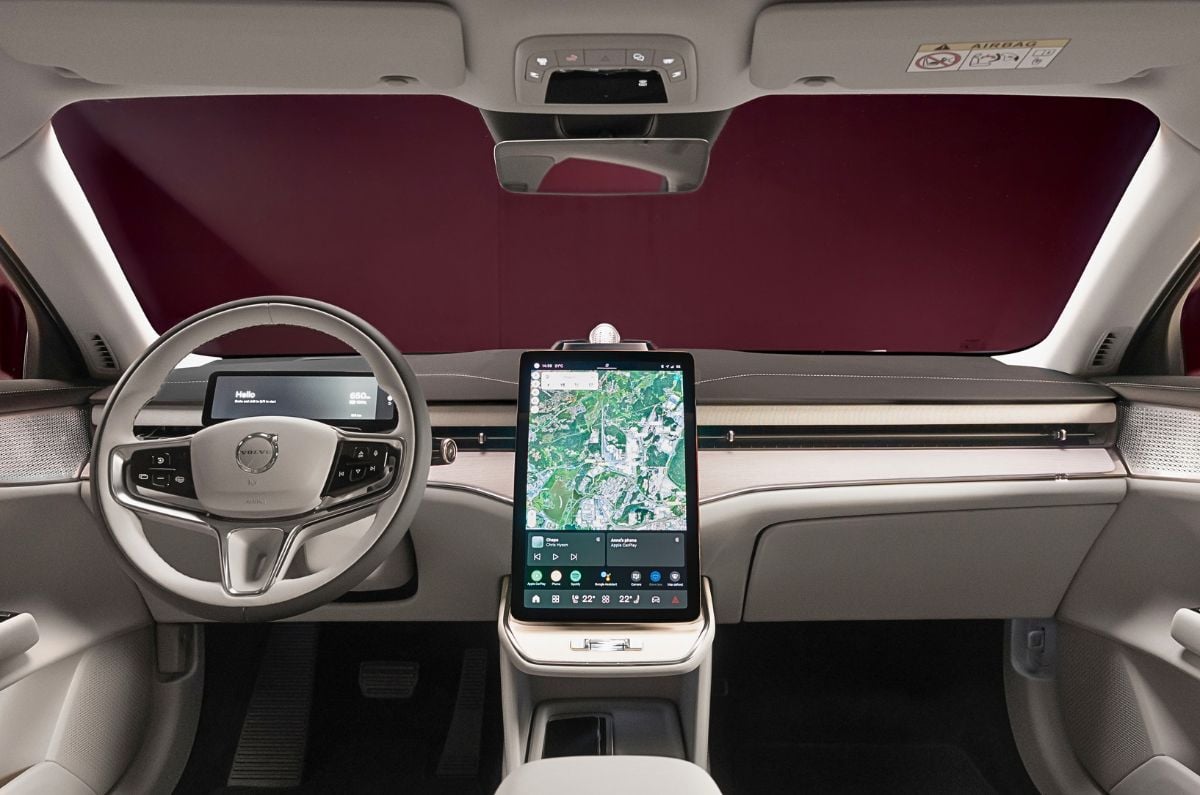
Inside, the Volvo ES90 has a clean design and is filled to the brim with modern-day features. These include a 14.5-inch portrait-oriented, free-standing infotainment touchscreen, a 9-inch digital driver’s display, a 13.2-inch coloured head-up display (HUD), and a 14-speaker Bose sound system, which can be upgraded to a 25-speaker Bowers & Wilkins audio setup. Other features include a wireless phone charger, a powered tailgate, a 4-zone climate control and a digital key. The front seats are powered, heated, ventilated and offer a massage function with powered lumbar support. The rear seats are electrically reclinable, have powered side bolsters, and are offered with heating and ventilation functions.
Most of these features are expected to be a part of the India-spec Volvo ES90.
5. Which cars will the Volvo ES90 rival in India
Will be a more affordable alternative to full-size BMW and Mercedes-Benz electric sedans
The Volvo ES90 will be a more reasonably priced alternative to the Mercedes-Benz EQS sedan (Rs 1.30 crore) and the BMW i7 (Rs 1.95 crore).
The Volvo ES90 will be launched in India tomorrow, marking a comeback for a Volvo sedan in the country after the S90’s discontinuation in 2024. Upon launch, it will serve as the manufacturer’s flagship EV alongside the EX90 SUV, which will also be launched alongside the ES90 sedan. Here’s everything you need to know about the upcoming Volvo ES90 ahead of its launch tomorrow.
1. What is the expected price of the Volvo ES90?
Prices are expected to be in the Rs 1 crore to Rs 1.20 crore range (ex-showroom)
The Volvo ES90 will arrive in India as a completely built unit (CBU) import. It is expected to be priced in the Rs 1 crore to Rs 1.20 crore range (ex-showroom) in the country.
2. What powertrain option will the India-spec Volvo ES90 get?
Gets two battery pack options and choices between RWD and AWD internationally
The Volvo ES90 is built on the manufacturer’s 800-volt SPA2 architecture shared with the EX90 eSUV. Internationally, the ES90 is offered with either a 92kWh or a 106kWh battery. The smaller battery has a claimed WLTP range of 664km and is paired with a rear-axle-mounted (RWD) electric motor that produces 333hp and 480Nm. It has a claimed 0-100kph time of 6.6 seconds and has a 180kph capped top speed. It supports up to 350kW DC fast charging, which can replenish the battery from 10-80 percent in 22 minutes.
The larger 106kWh battery has a claimed WLTP range of 702km, and is offered with a dual-motor all-wheel-drive (AWD) setup producing either 456hp and 670Nm, or 680hp and 870Nm, with claimed 0-100kph sprint times of 5.4 seconds and 4 seconds, respectively, depending on the chosen trim. 180kph capped top speed, 350kW DC fast-charging capability, and 22-minute 10-80 percent charging time are the same as the smaller battery version.
Volvo is yet to reveal which powertrain option will be offered with the India-spec ES90 sedan.
3. What are the design highlights of the Volvo ES90?
Gets LED lights all around, with a rather simple and elegant design
The Volvo ES90 features a blanked-off body-coloured grille with a Volvo logo in the centre, flanked by LED headlights with segmented Thor’s hammer LED DRLs on both ends. The bumper has air inlets in the centre to cool the internals and features vertically stacked LED fog lamps similar to those on the EX90. A LiDAR sensor was previously mounted on the edge of the roof, but is no longer offered on Volvo’s MY2026 models in international markets, following the termination of Volvo’s contract with its supplier, Luminar, after the latter filed for bankruptcy.
In profile, it offers wheel sizes ranging from 20 to 22 inches, all with aerodynamic inserts. It gets a gloss black section on the lower portion of the doors, along with black outside rearview mirrors (ORVMs) and a blacked-out roof, which add contrast. It gets sleek pull-type door handles. Interestingly, the ES90 has a drag coefficient (Cd) of 0.25, making it Volvo’s most aerodynamic production car yet.
At the rear, it features C-shaped wraparound LED taillights and LED stop lights on both sides of the rear windscreen, similar to the EX90. The rear bumper features a gloss black portion that gives a nice contrast to the otherwise simple design.
4. What features will the Volvo ES90 offer?
Features two free-standing screens, 4-zone AC, and up to 25 speakers
Inside, the Volvo ES90 has a clean design and is filled to the brim with modern-day features. These include a 14.5-inch portrait-oriented, free-standing infotainment touchscreen, a 9-inch digital driver’s display, a 13.2-inch coloured head-up display (HUD), and a 14-speaker Bose sound system, which can be upgraded to a 25-speaker Bowers & Wilkins audio setup. Other features include a wireless phone charger, a powered tailgate, a 4-zone climate control and a digital key. The front seats are powered, heated, ventilated and offer a massage function with powered lumbar support. The rear seats are electrically reclinable, have powered side bolsters, and are offered with heating and ventilation functions.
Most of these features are expected to be a part of the India-spec Volvo ES90.
5. Which cars will the Volvo ES90 rival in India
Will be a more affordable alternative to full-size BMW and Mercedes-Benz electric sedans
The Volvo ES90 will be a more reasonably priced alternative to the Mercedes-Benz EQS sedan (Rs 1.30 crore) and the BMW i7 (Rs 1.95 crore).
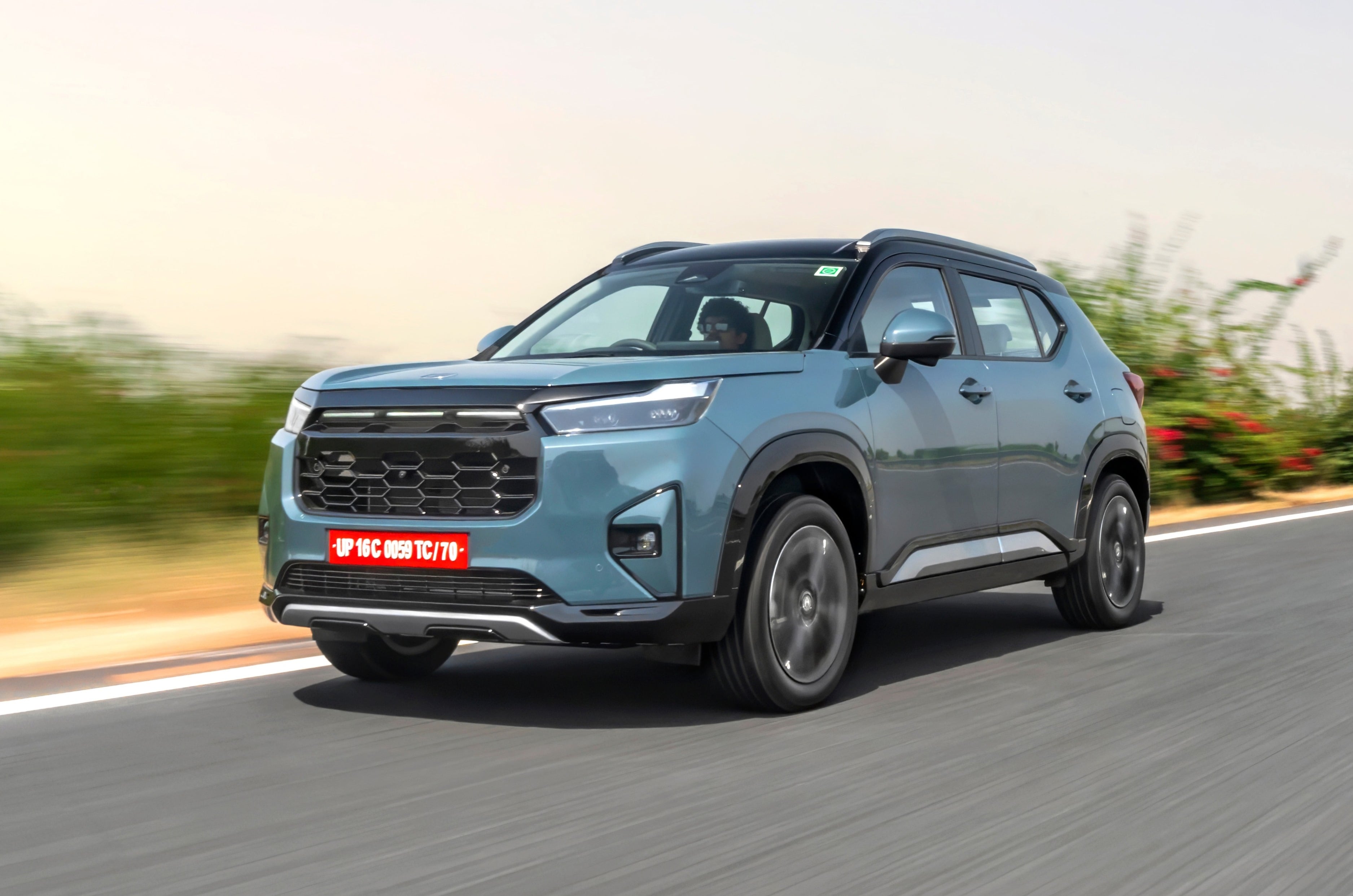
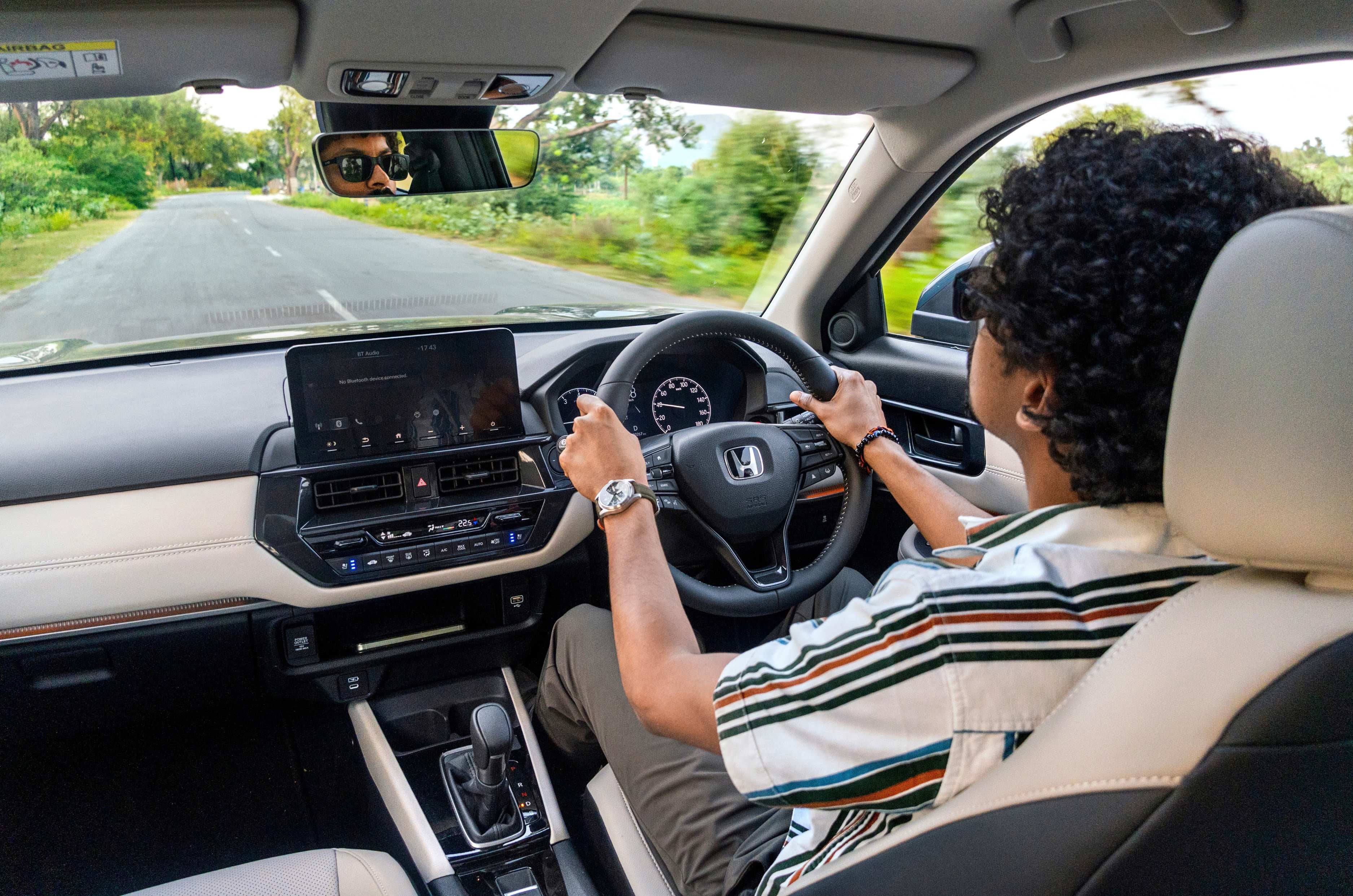
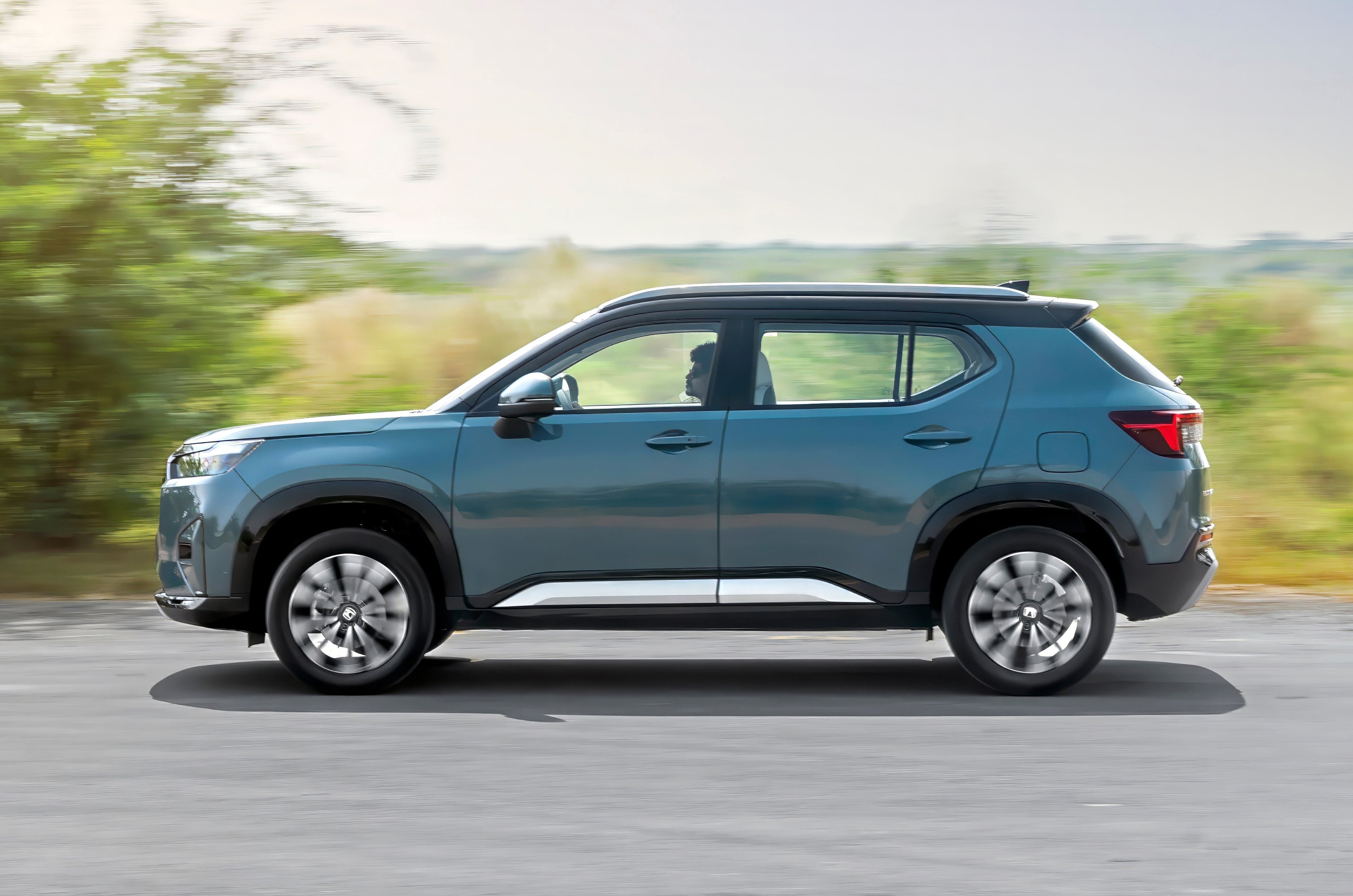
The midsize SUV space is now more competitive than ever. Just the last few months have seen new launches in the form of the Tata Sierra, Renault Duster, Nissan Tekton and the facelifts of the Volkswagen Taigun and Skoda Kushaq. Then there are the venerable Kia Seltos and the Hyundai Creta, the latter of which is set to receive a new-gen model next year, and an all-new entrant, the Hyundai Bayon, is about to join the ranks.Powertrain choices have been expanding too; diesel continues to be popular, turbo petrols add a dose of excitement, CNG is fast becoming the high-mileage option and there’s electrification in the form of hybrids and full EVs.So in a bid to keep it relevant, Honda has updated its midsize SUV contender, the Elevate, and here’s how it all comes together.
Design and engineering – 8/10
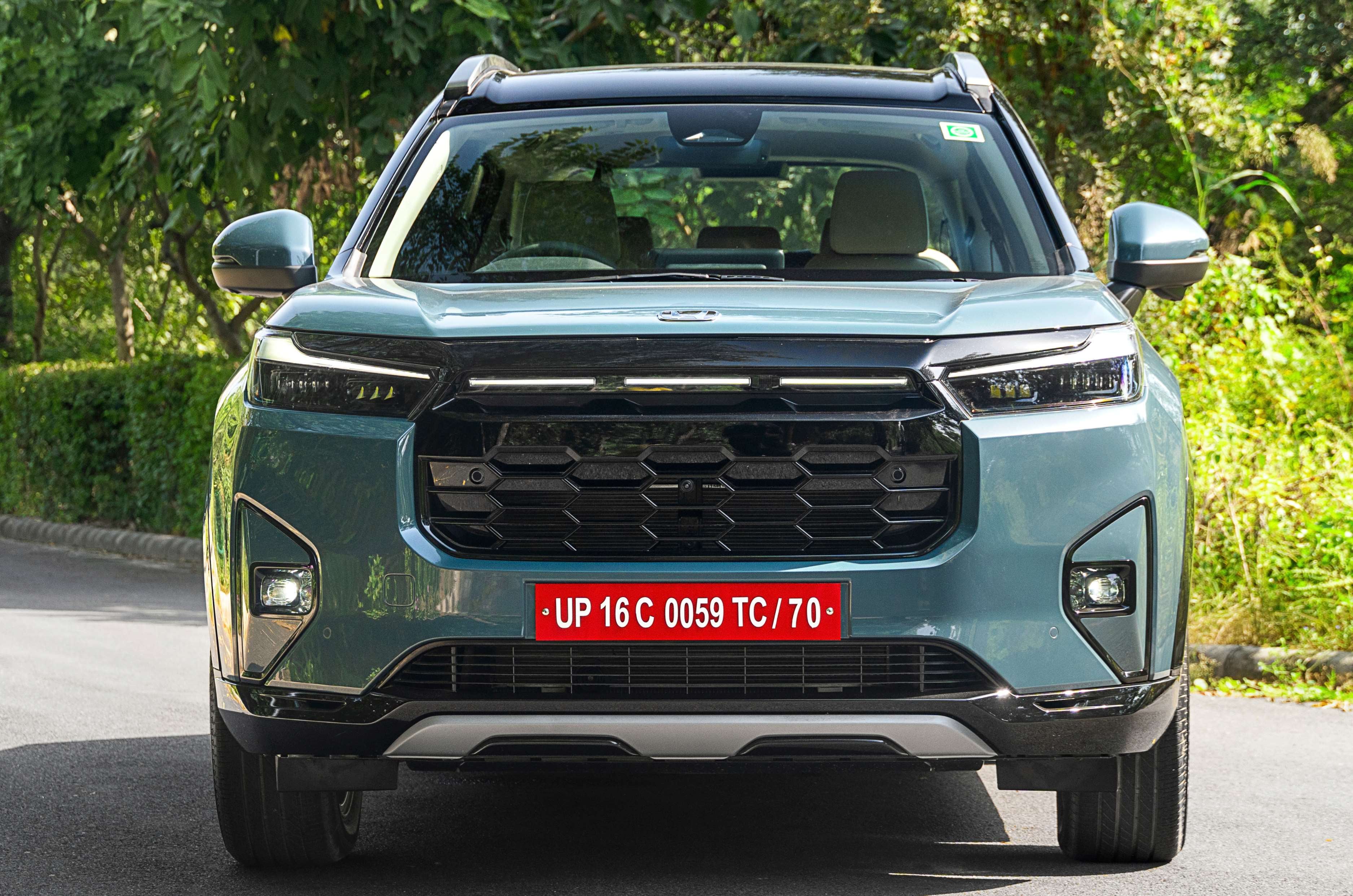
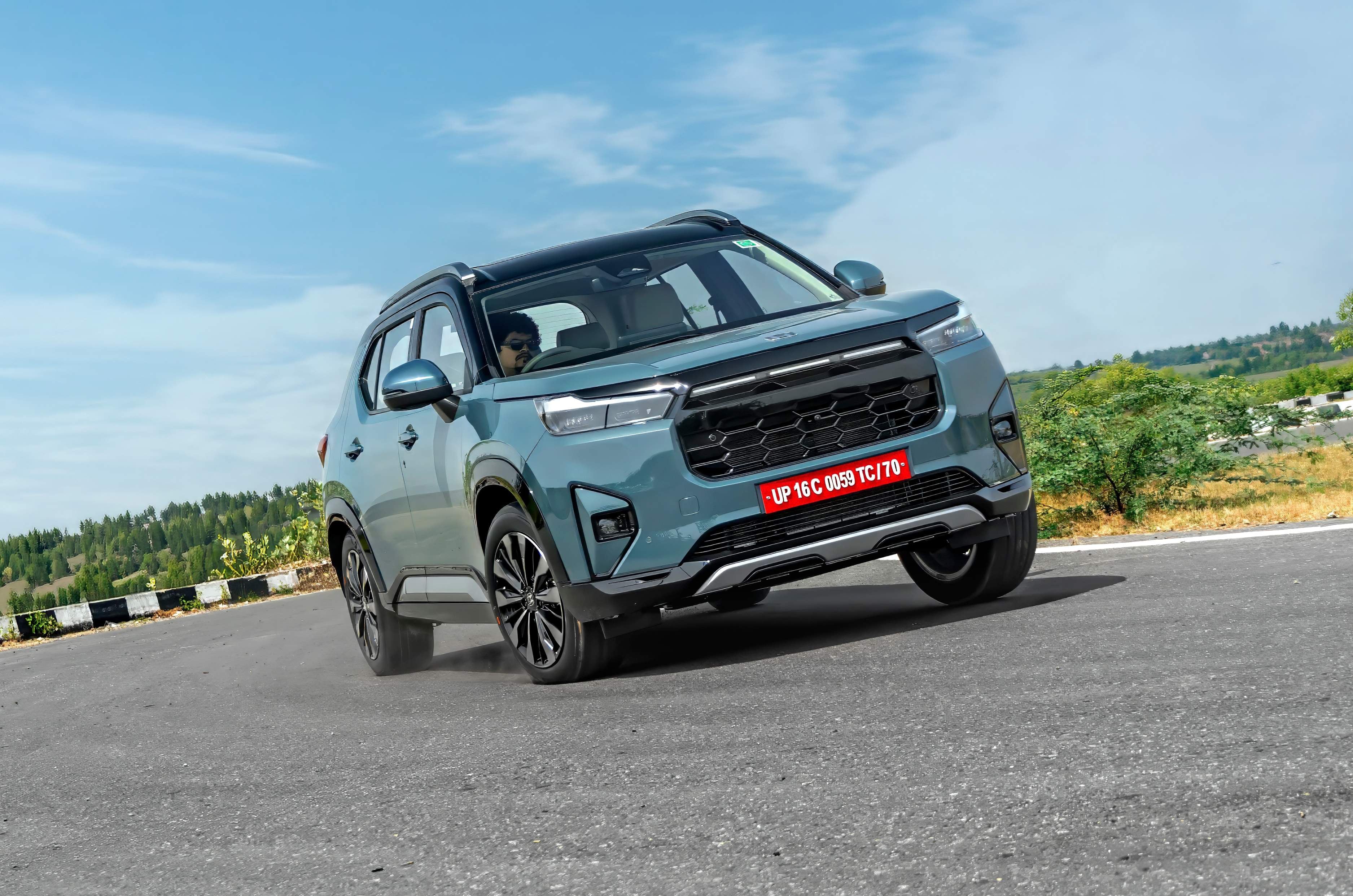
Features a new gloss black grille with a honeycomb pattern and a segmented LED light bar.
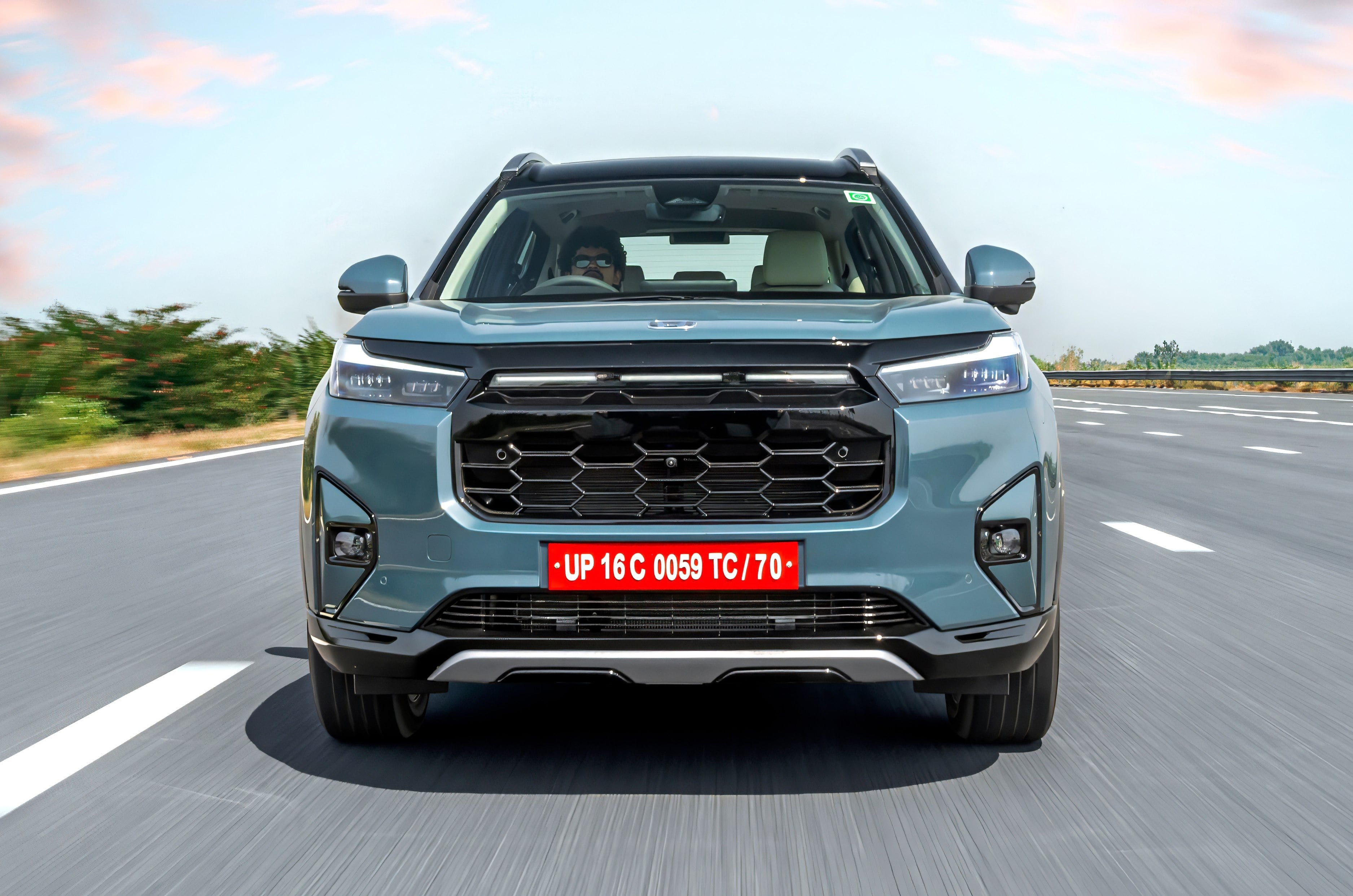
Honda has given the Elevate a subtle design update, but the changes are effective enough to give the SUV a fresher, more contemporary look without straying far from the original design. The biggest revisions are concentrated at the front end, where a new segmented LED light strip links the LED headlamps and the thick chrome band above them has been replaced with gloss black trim. The front grille gets a revised mesh pattern and a gloss-black finish, lending the front end a slightly sportier, more butch appearance. The Honda badge now sits on the bonnet rather than within the grille, while the fog-lamp housings are now finished in body colour instead of black for a cleaner look.
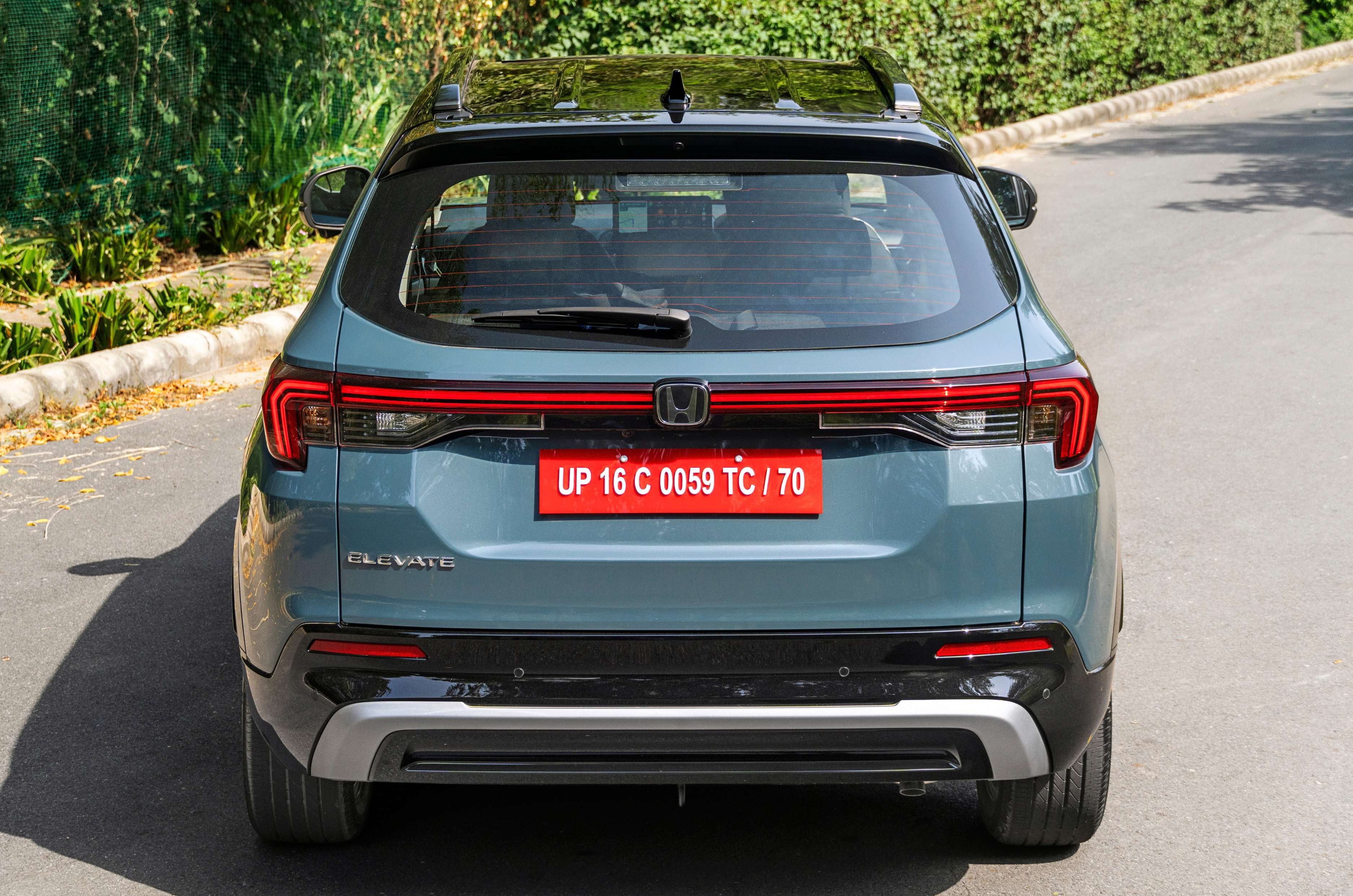
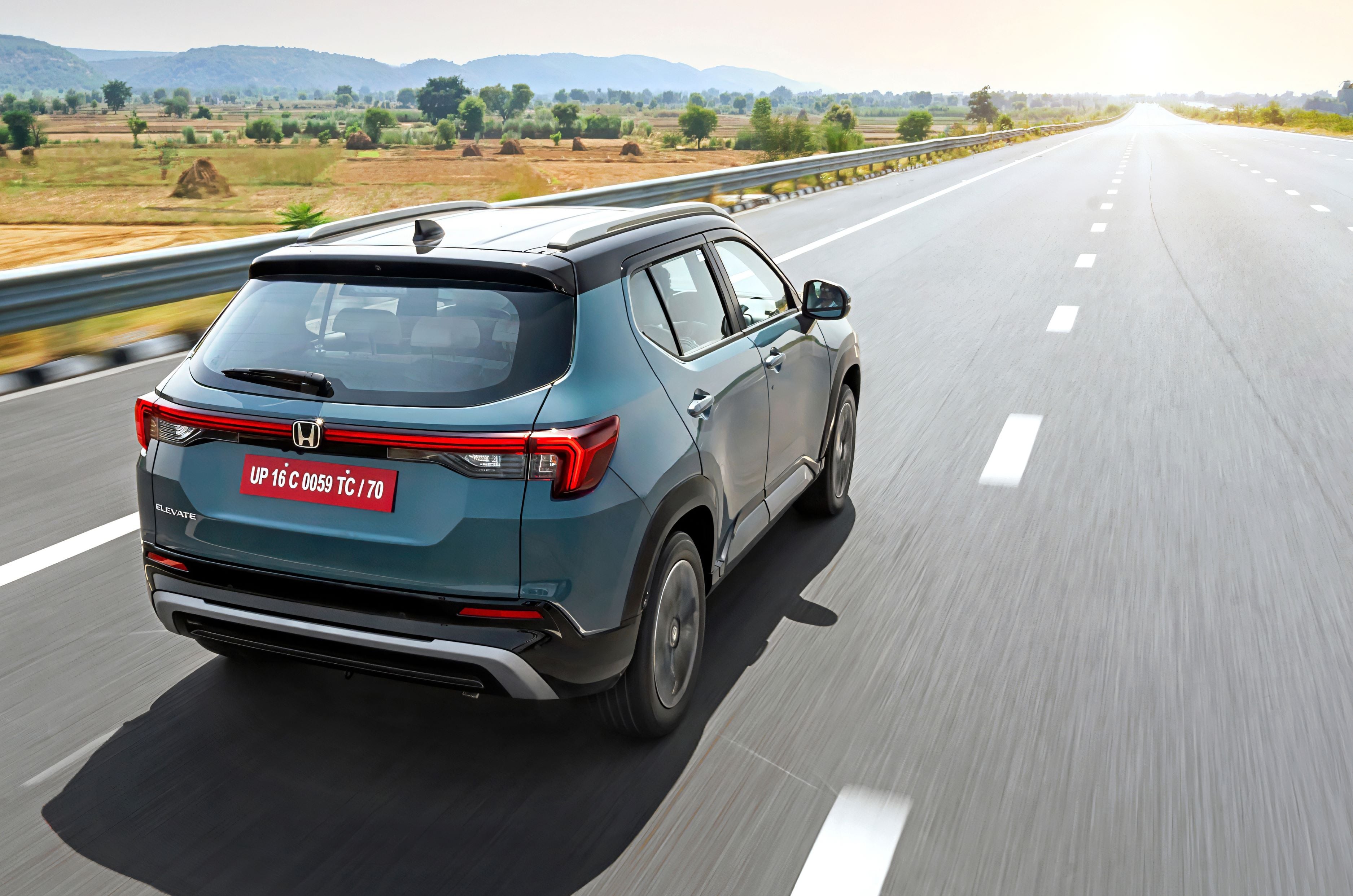
New LED light bar now connects the tail-lamps, giving it a more cohesive appearance.
It’ll take a keen eye to spot the changes along the sides as they’re limited to a new gloss black body cladding instead of a matte finish, silver coloured inserts in the cladding on the doors instead of body colour and a darker finish for the 17-inch alloy wheels which continue with the same design. At the rear, the facelift introduces a new LED light bar that connects the tail-lamps, giving the tailgate a wider, more cohesive appearance, particularly after dark. Rounding off the updates is a new Nordic Forest Pearl paint shade, as you can see in the pictures here.
As for dimensions, it continues to measure 4.3 metres in length, nearly 1.8 metres in width and just over 1.6 metres in height. It’s based on the City platform, but gets a stretched 2650mm wheelbase, wider tracks front and rear and a substantial 220mm of ground clearance.
Interior space and comfort – 8/10
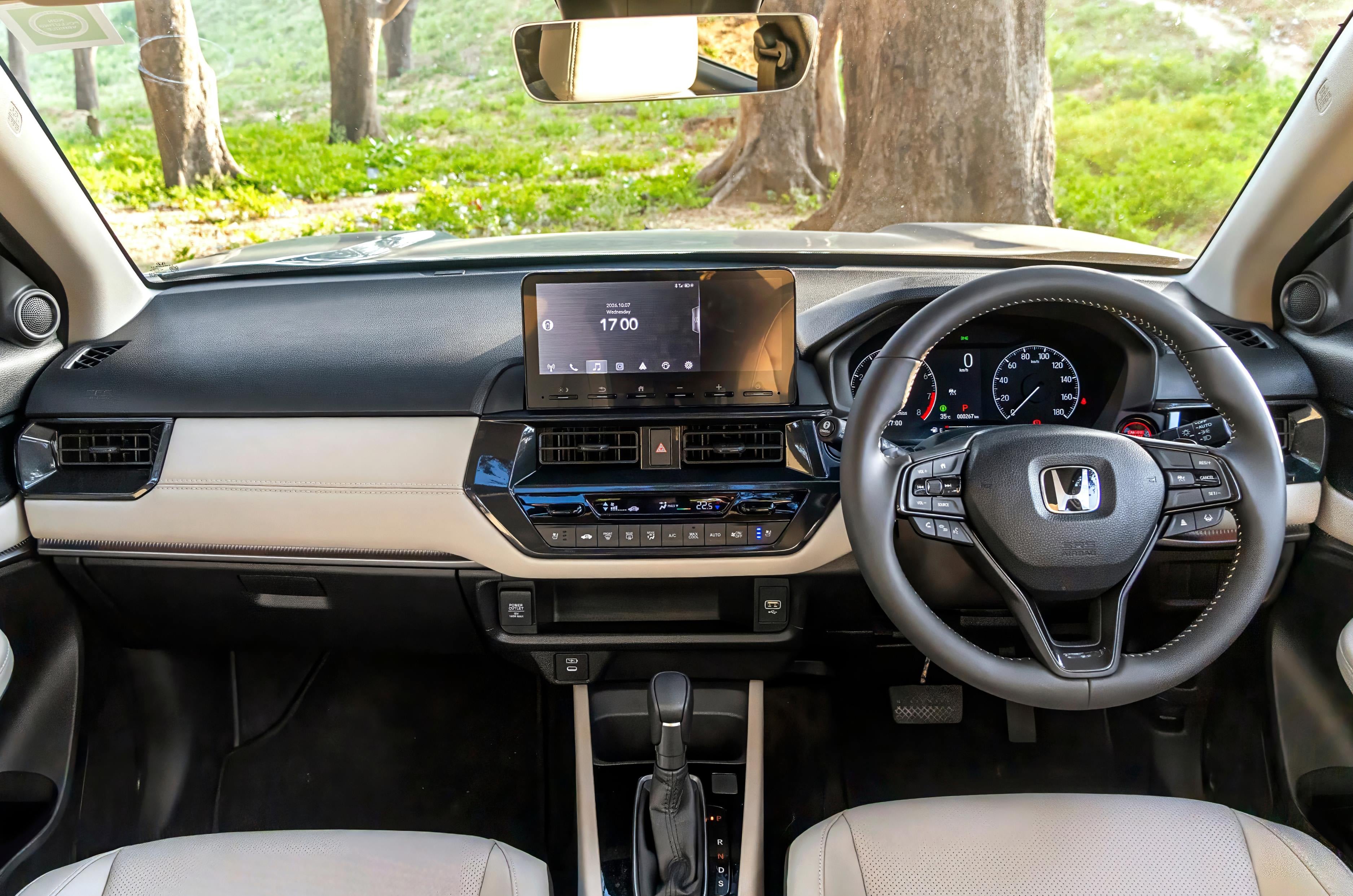
The cabin gets more substantial updates than the exterior, with the changes aimed at improving comfort and perceived quality. To start off, there’s a new ivory and black dual-tone upholstery theme that enhances the sense of space inside and is perhaps more neutral than the tan upholstery earlier. It will be tough to clean though, thankfully there is the option of all-black upholstery with the ‘Black’ edition Elevate.
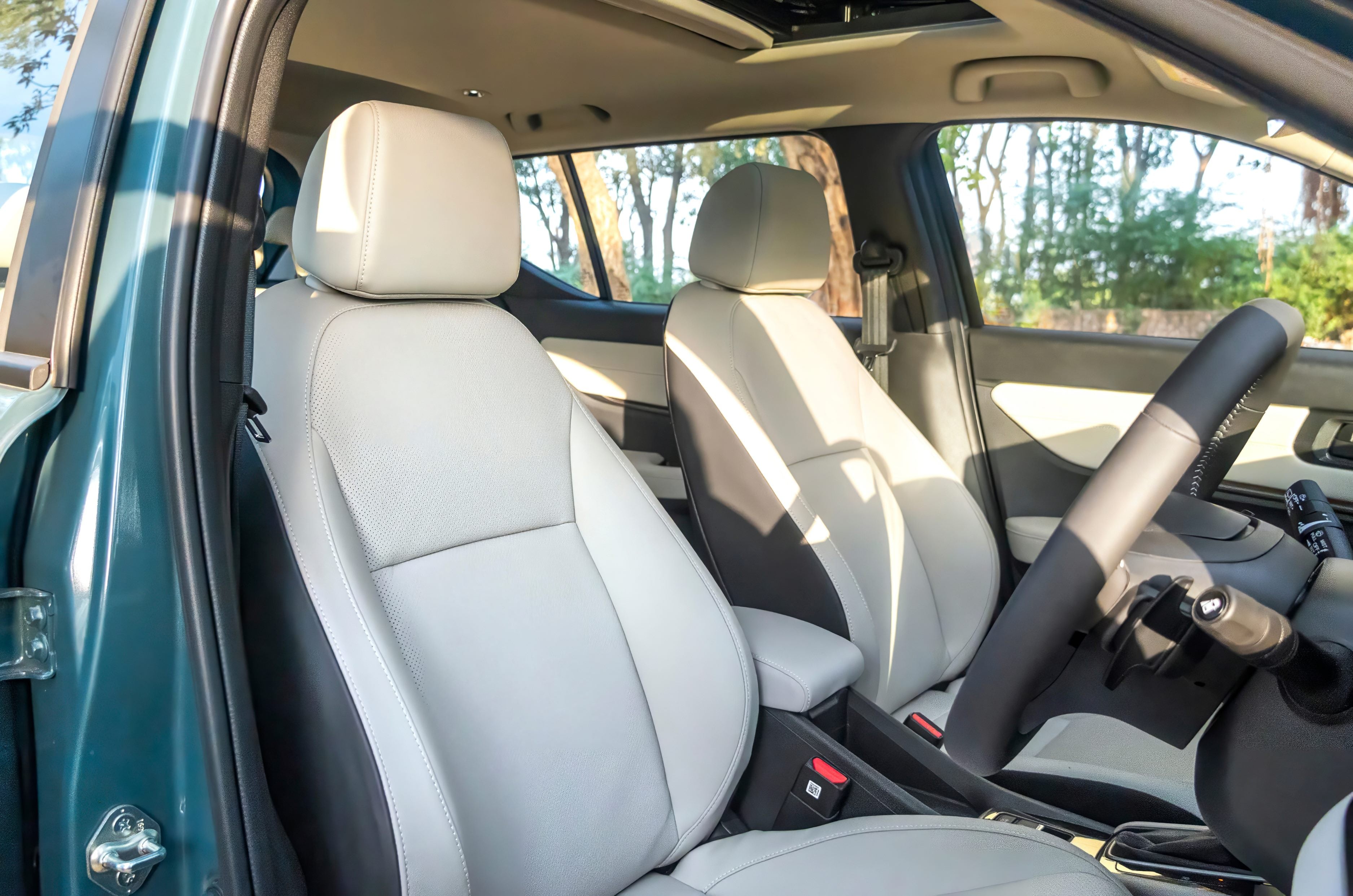
Upholstery is now ivory and black with a new leatherette panel on the dash; cabin remains practical and feels well-built.
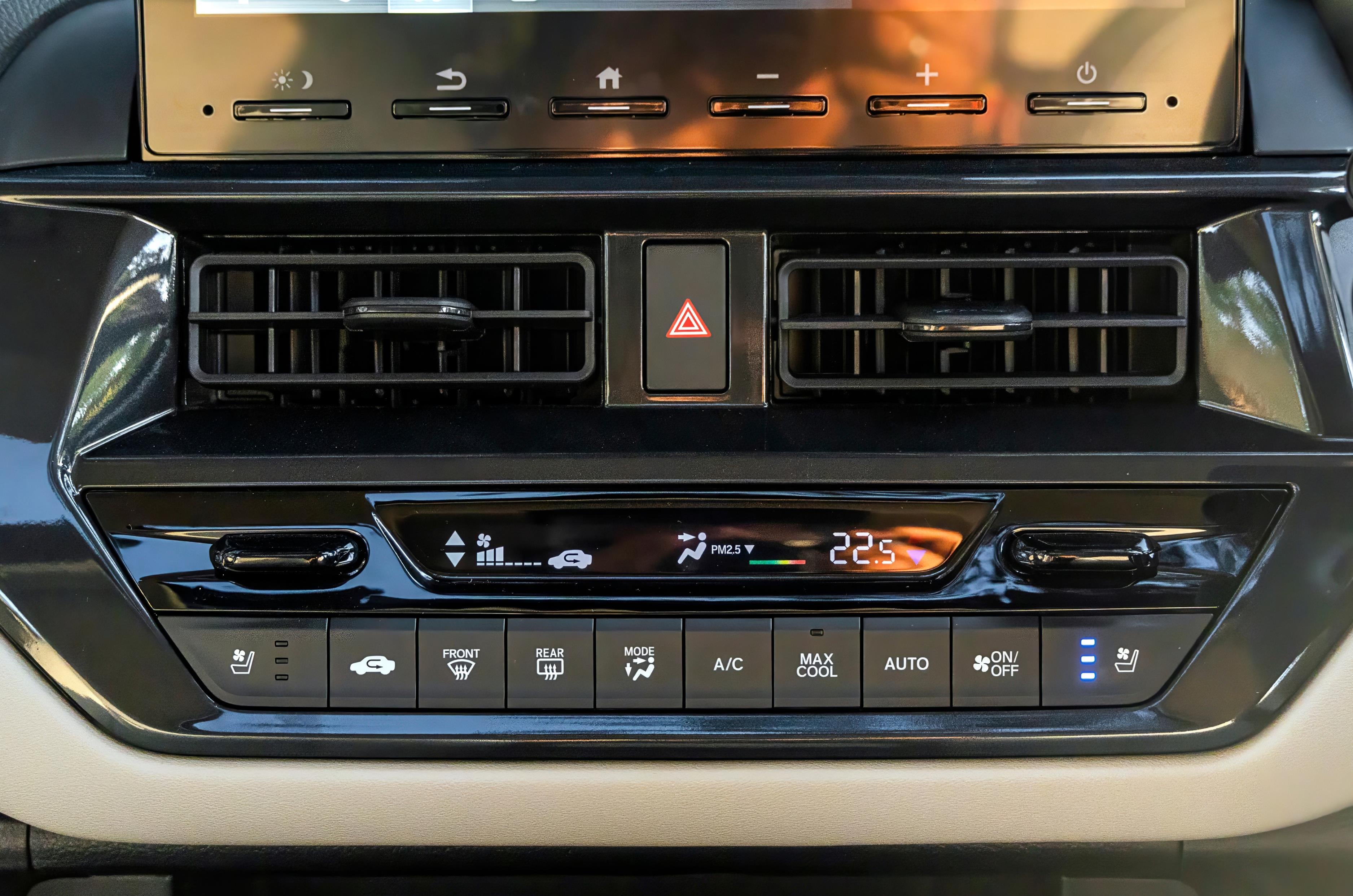
The dashboard has been revised too, with more white leatherette padding and stitching replacing the outgoing model’s faux wood trim, and the AC controls have been revised, now housing the seat ventilation buttons. Honda has even updated the roofliner fabric which looks and feels much nicer than the older woven roofliner. All of this gives the cabin a fresher look, although the overall layout remains familiar.
Front seats remain comfortable and now feature ventilation and power adjustment.
Ergonomics remain a strong point, with the Elevate offering a commanding driving position and supportive front seats that make it easy to get comfortable behind the wheel. The lumbar support, however, might feel excessive for some and taller people may find underthigh support a bit lacking.
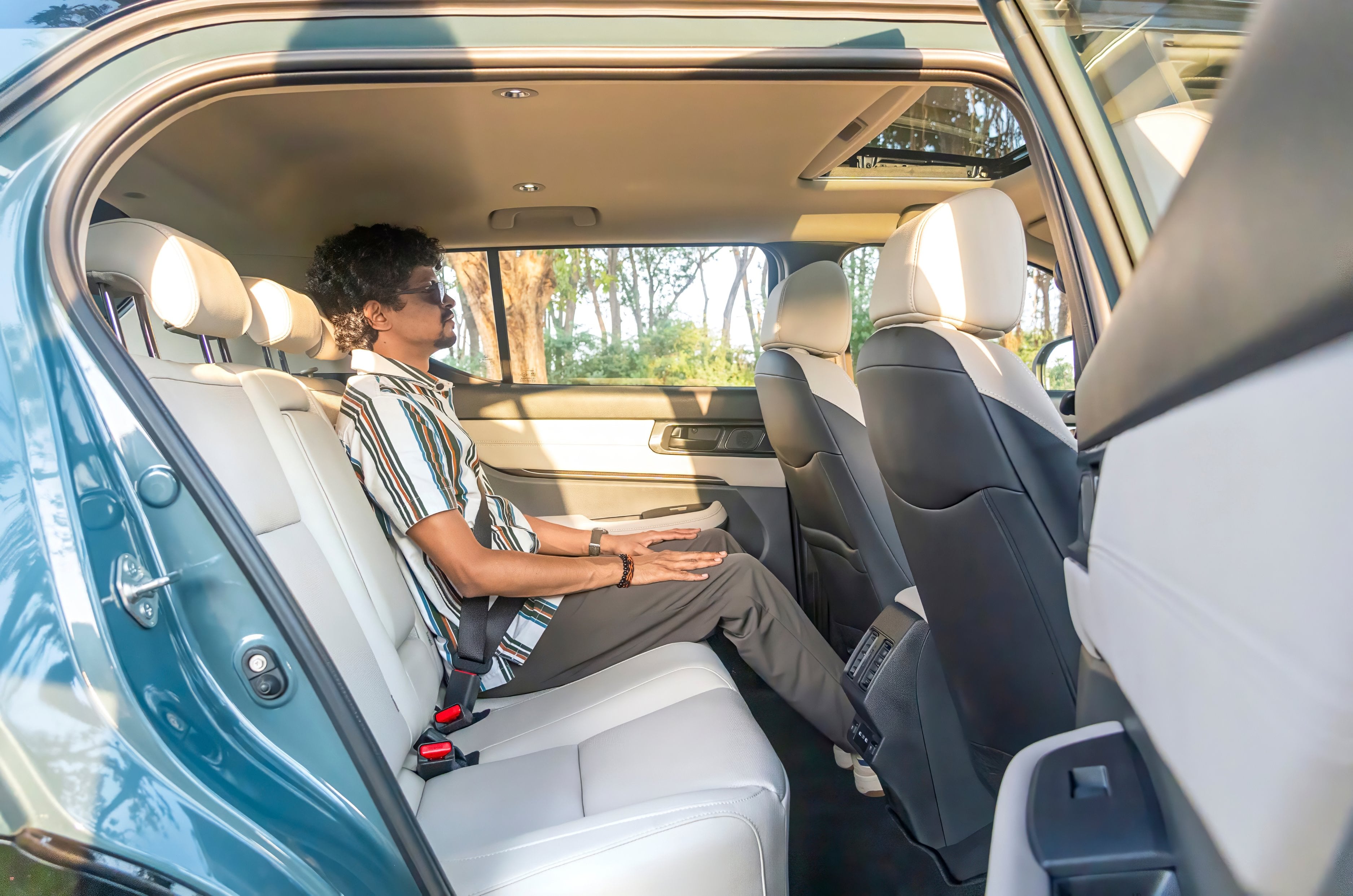
Ample headroom and kneeroom but best for two adults thanks to the narrow width and raised centre seat.
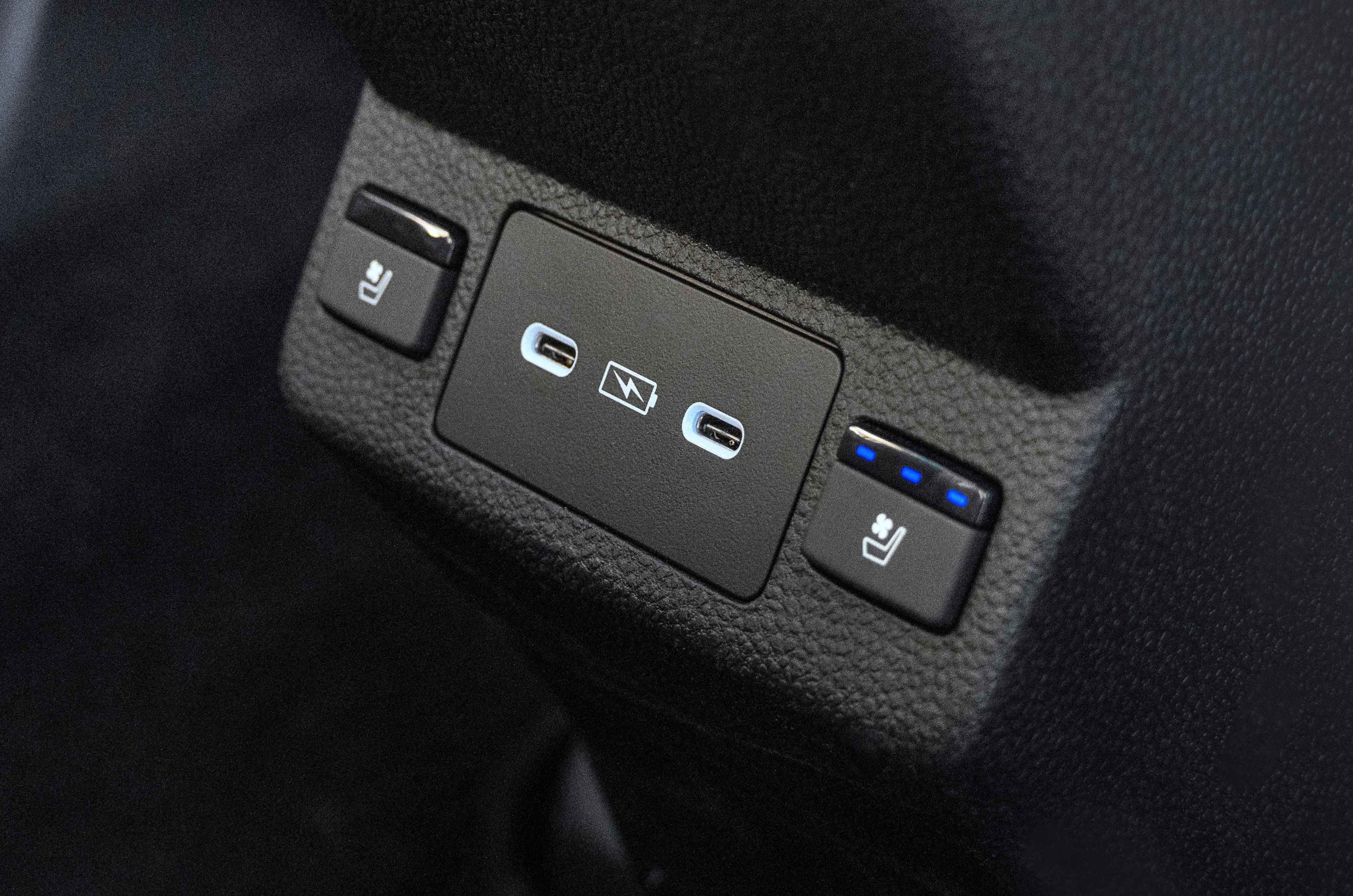
At the rear, space is generous, with plenty of kneeroom and headroom making it a very comfy place for two adults. However, fitting a third passenger will be tight thanks to the cabin’s limited width and raised centre seat. There are no sunblinds either, but Honda has added an adjustable headrest and a three-point seatbelt for the centre passenger, which was an omission earlier. Features back here include dedicated AC vents, USB charging ports, a fold down centre armrest with cupholders, new capacitive-touch LED reading lamps and the most prominent, seat ventilation.
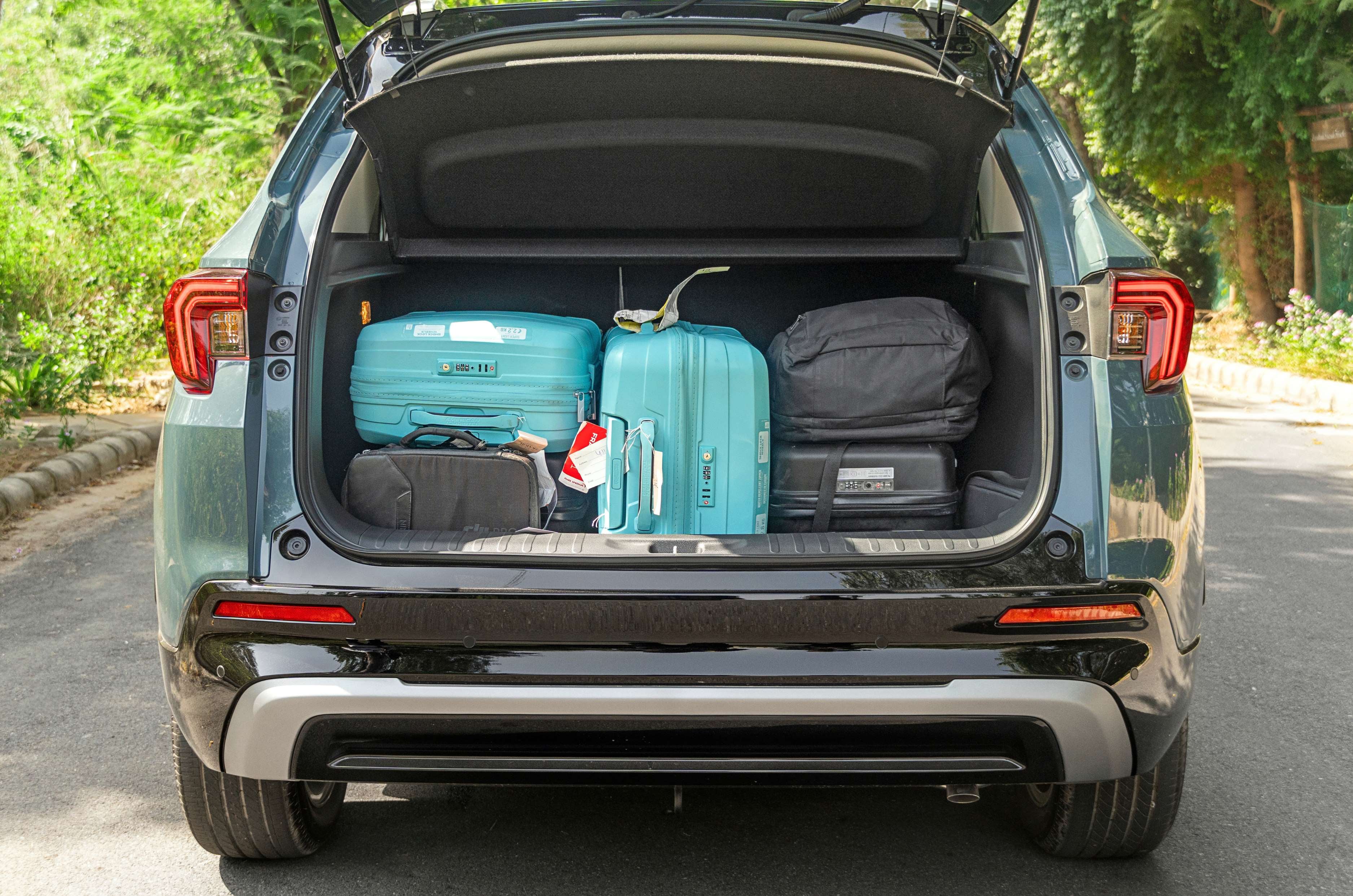
428-litre boot can fit in more than the number suggests; continues to feature a spare tyre under the boot floor.
Practicality, meanwhile, remains a strength, with the Elevate offering ample storage spaces throughout the cabin. The boot is also a substantial 458-litres and can pack in much more than the number would suggest. What’s also nice is that it continues to get a spare tyre under the boot floor.
Features and safety – 8/10
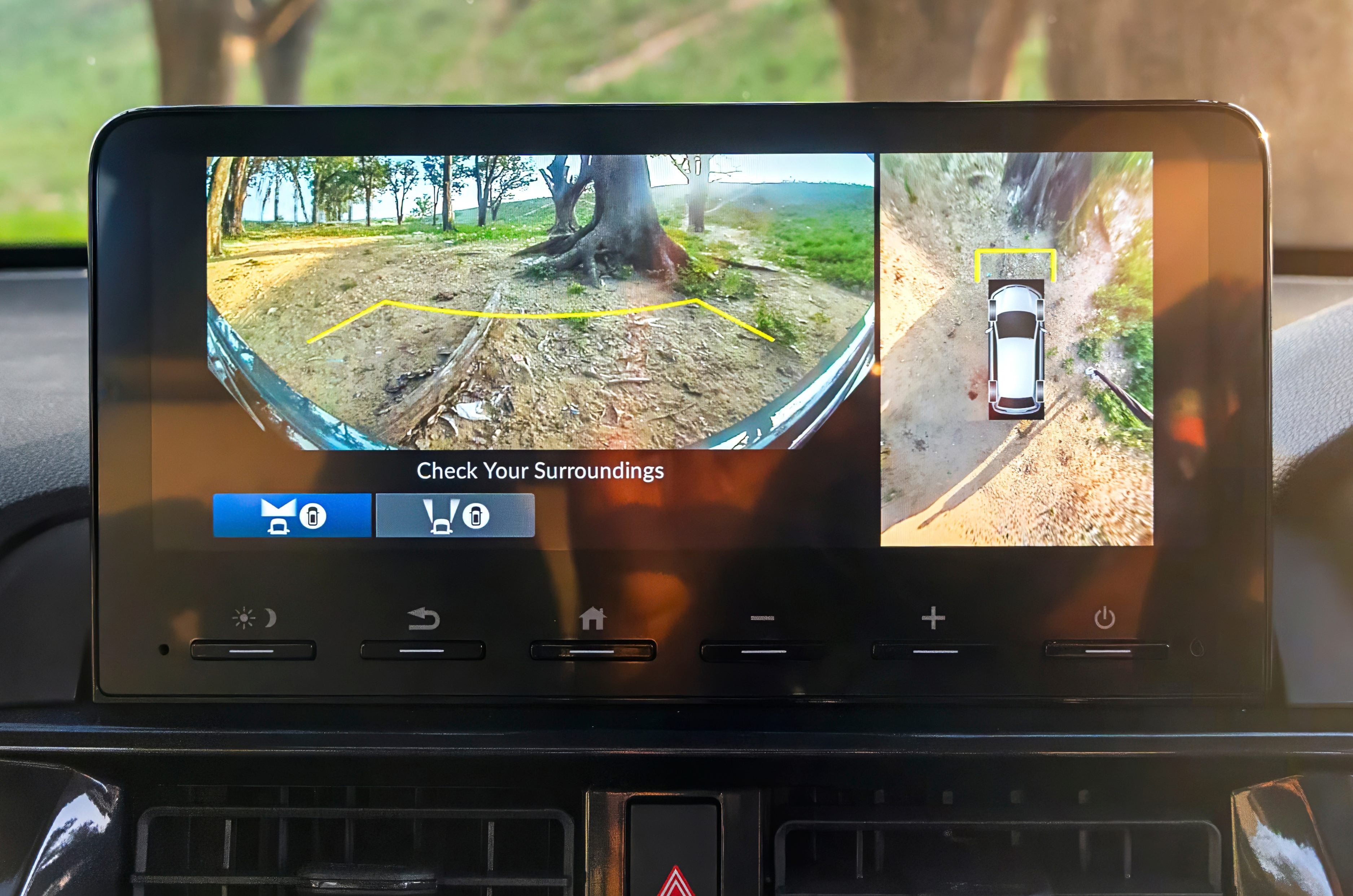
360-degree parking camera is a helpful addition but has limited angles of view and a small display on the screen.
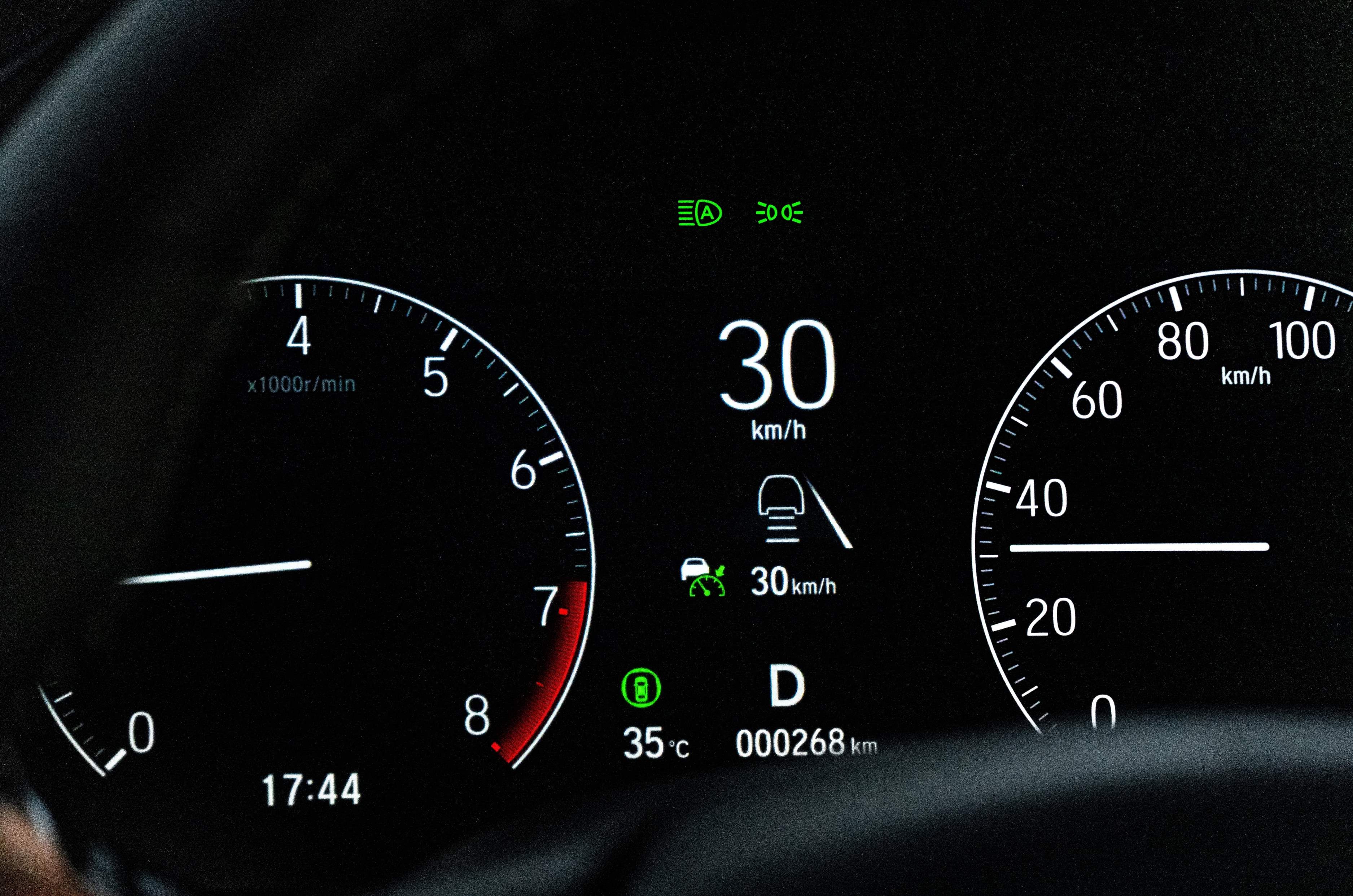
The Elevate facelift addresses some of the key equipment gaps in the outgoing model, bringing a more comprehensive feature set to the table. In terms of safety features, there’s now a 360-degree camera (its display on the screen is quite small though, with limited angles of view), which works alongside the existing ‘LaneWatch’ camera, though curiously this feature is still only for the left hand side.
ADAS suite now packs in a useful low-speed follow function for the adaptive cruise control.
Front parking sensors have also been added to make parking and manoeuvring in tight gaps easier. However, the CVT variants get even more safety kit in the form of an electronic parking brake with auto hold function, rear disc brakes and the addition of a low-speed follow function for the adaptive cruise control, which is useful in stop-and-go traffic.
Rear-seat ventilation is a first-in-segment, but it’s only available in the top-spec ZX+ trim.
As for comfort and convenience features, the most important additions are the ventilated front and rear seats, the latter which is a segment-first. Though they take some time to cool effectively, it has enhanced the Elevate’s cabin comfort. Then there’s powered front seats – 8-way for the driver and 4-way for the passenger – ambient lighting and a PM2.5 air purifier. Other than that, much of the existing equipment has been carried over unchanged.
AC controls have been revised with new buttons for seat ventilation; now features an air purifier too.
There’s a 10.25-inch infotainment touchscreen with wireless smartphone integration (though its software and feature set still feel basic at best), semi-digital instrument cluster, a single-pane sunroof, wireless phone charger, six airbags, ESC, traction control, camera-based ADAS tech including auto emergency braking, lane keep assist and more. Still however, there are some features missing that rivals offer like a dual-zone for the auto climate control, panoramic sunroof and powered tailgate.
Powertrain and refinement – 8/10
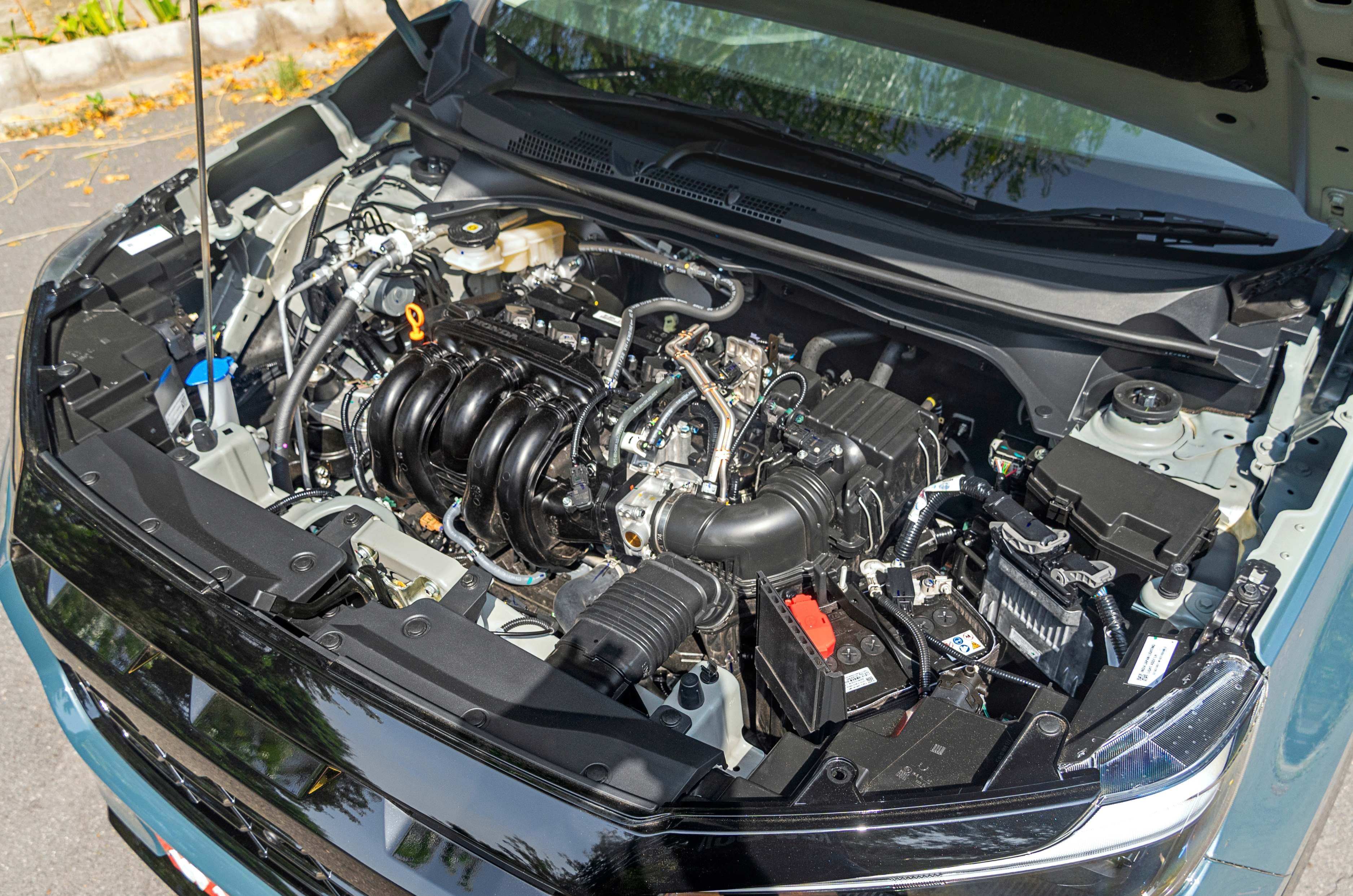
121hp, free-revving, naturally aspirated 1.5 petrol remains the only engine option with the Elevate.
There have been no changes under the hood of the Honda Elevate. It still continues to be powered by a 1.5-litre, four-cylinder, naturally aspirated petrol engine that produces 121hp and 145Nm. Gearbox options remain unchanged too, with a 6-speed manual and a 7-step CVT automatic, and we got to sample the latter. However, the engine has been future-proofed and is now WLTP emissions norms compliant while already being E20 fuel compatible.
This i-VTEC engine still impresses however. Throttle response is immediate, with no noticeable delay, making the engine feel sharp and eager. As before, the naturally aspirated motor pulls cleanly from idle all the way to the redline, in a smooth and progressive manner. However, it feels most energetic higher up the rev range, where it feels at its most potent too.
The 7-step CVT works well as an automatic, making light work of everyday commuting with its smooth operation. Paddle shifters with pre-set ratio points also give it some resemblance to a conventional automatic, allowing you to have greater control. However, push the throttle hard and the familiar ‘rubber band’ effect becomes apparent, with the engine holding on to high revs for extended periods, which doesn’t make for a relaxed driving experience. In this respect, Hyundai and Kia’s chain-driven CVT feels a bit smoother and more responsive than this belt-driven one.
As for performance, we managed a 0-100kph time of 11.89sec with the pre-facelift Elevate CVT and you can expect this facelifted model to be in the same ballpark. Expectedly, the manual does a quicker 10.82sec time to 100kph.
However, like before the lack of powertrain options is disappointing. In a time when rivals are offering diesels, turbo petrols, strong hybrids and CNGs, the Elevate has to soldier on with a solitary, naturally-aspirated petrol engine which restricts its appeal.
It feels quieter than before but there’s still prominent engine and road noise filtering into the cabin, especially on highways.
Honda has also worked on improving the Elevate’s noise insulation, an area where the existing model lacked. The company claims better isolation from both engine and road noise, but that has worked only to a small extent, in our experience. It feels quieter than before but there’s still prominent engine and road noise filtering into the cabin, especially at highway speeds, and there’s definitely more room for improvement here.
Fuel efficiency – 7/10
Given our short test drive, we didn’t subject the Elevate facelift to our real-world mileage tests. For reference though, the pre-facelift Elevate CVT did 8.60kpl in the city and 13.10kpl on the highway while the Elevate MT managed 8.7kpl in the city and 13.30kpl out on the highway. The Elevate CVT misses out on an Eco drive mode and auto start/stop, which certainly affects its fuel efficiency.
Ride comfort and handling – 8/10
Despite being a high-riding SUV, the Elevate feels remarkably composed on the move.
As before, the Honda Elevate continues to impress with its ride and handling balance. Despite being a tall riding SUV, it feels remarkably composed on the move. Suspension damping, though on the firmer side, is well judged and does a good job of ironing out road imperfections. It’s only when you’re travelling at triple digit speeds on an undulating highway is where you’ll notice quite a bit of vertical movement in the rear seat. But apart from that, the Elevate feels planted on the road.
Body roll is also well contained for a tall SUV, making it predictable around bends.
The steering is accurate and light at slow speeds, which helps with manoeuvrability, but it picks up weight progressively which is reassuring. Body roll is also well contained for a tall SUV and as such, it’s predictable around bends. As for the brakes, the CVT has gained rear discs but that hasn’t made a noticeable difference. Braking performance, like before, remains strong with a nice, progressive feel.
Value for money and verdict – 7/10
With this facelift, Honda has addressed some of the Elevate’s earlier shortcomings with some much-needed features and the updated look and feel inside the cabin. However, some drawbacks still remain like the lack of powertrain options and the below-par sound insulation.
It remains a sensible, practical midsize SUV that continues to prioritise the essentials over outright novelty.
What the Elevate continues to get right, though, are the fundamentals. It continues to offer a comfortable and practical cabin, a responsive engine and a well-sorted ride and handling package. Add to that the design refresh and the fairly expansive features list, and the Elevate facelift feels more rounded than before. Priced from Rs 11.80 lakh to Rs 18.40 lakh (ex-showroom), it’s still very competitively priced, though the new top ZX+ variant is up there with the heavy hitters.
Ultimately, the Elevate remains a sensible, practical midsize SUV that continues to prioritise the essentials over outright novelty. As a result, the Elevate facelift represents a great option for buyers who value comfort, everyday usability, reliability and the peace of mind associated with the Honda badge.
The Hector Tomahawk EV is MG’s newest SUV in the market, and despite its name, it’s based on an all-new ‘ADAPT’ architecture and shares nothing with the ICE version of the Hector. Priced between Rs 19.50 lakh and Rs 23.50 lakh (ex-showroom), the Hector Tomahawk EV is available in 5-seater and 7-seater variants.
We put the MG Hector Tomahawk EV through our real-world tests to find out how efficient it really is.
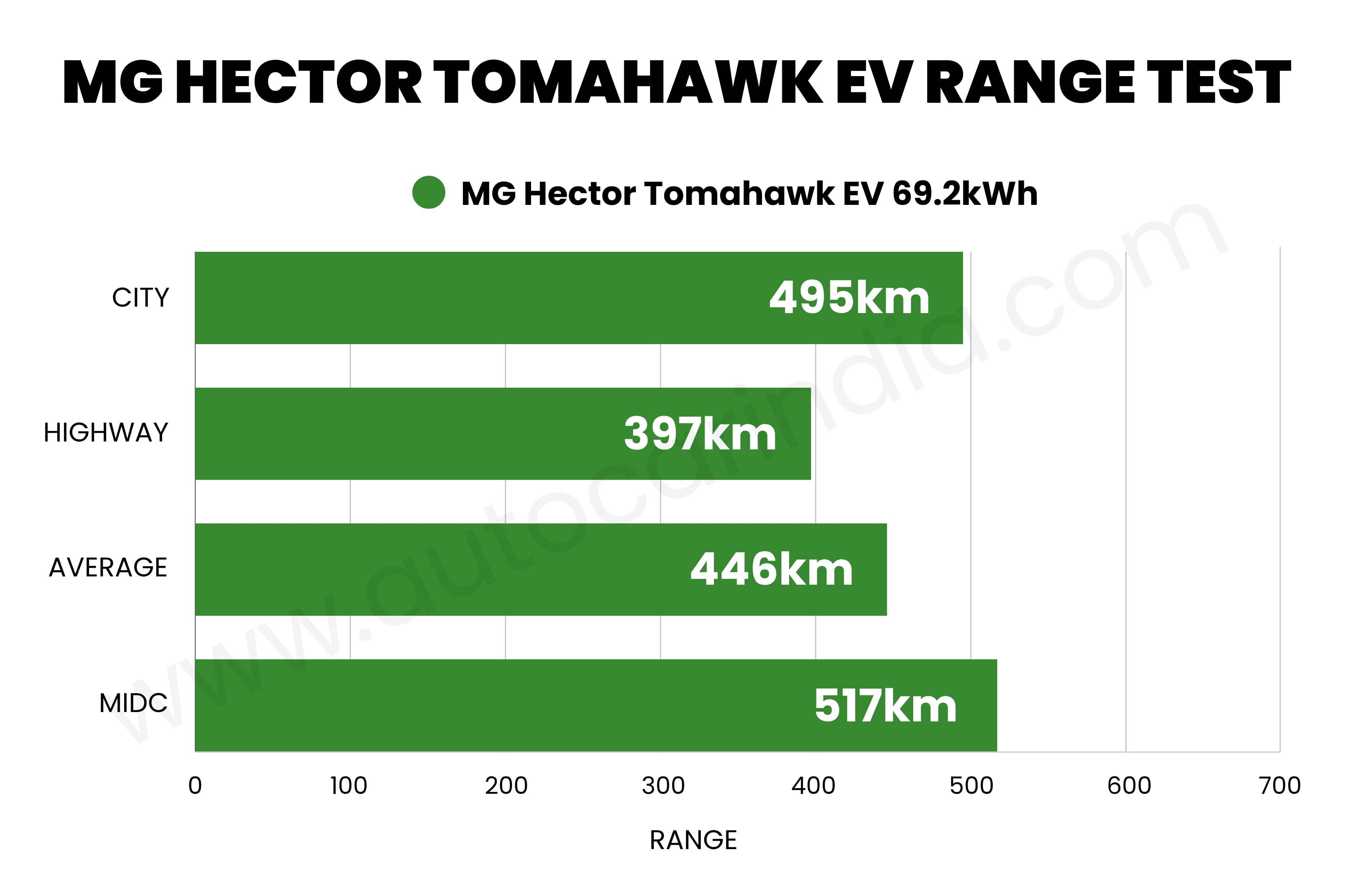
Claimed range is 517km from its 69.2kWh battery
Driven in ‘Eco’ mode, with regen set to ‘Strong’ (city) and ‘Comfort’ (highway)
Weighs 1,908kg
MG Hector Tomahawk EV real-world range tested
The MG Hector Tomahawk EV is powered by a single Permanent Magnet Synchronous Motor (PMSM) mounted on the front axle, and produces 204hp and 310Nm. It is only available with a 69.2kWh battery pack and uses Lithium Iron Phosphate (LFP) cell chemistry. It comes with three driving modes – Eco, Standard and Sport – and four regen modes – Comfort, Standard, Strong and Intelligent. For our tests, the Tomahawk EV was driven in ‘Eco’ mode with the regen set to ‘Strong’ and ‘Comfort’ mode in the city and on the highway, respectively.
In the city, this MG delivered 7.15km/kWh, whereas on the highway, the efficiency was 5.73km/kWh. This extrapolates to a range of 495km and 397km in the city and on the highway, respectively. With an overall efficiency of 6.44km/kWh, you can expect a real-world range of about 446km on a full charge, which is respectable.
During our tests, we noticed that the regen modes are quite mild, even in its strongest setting. And while the city efficiency is quite good, a stronger regen could’ve made it even more efficient in the city. Also, the regen takes around a second to kick in after you lift off the throttle, which makes it slightly less predictable in the city.
EVs are generally less efficient on highways than in the city, and the bulky, upright design of the Tomahawk doesn’t help with aerodynamics either.
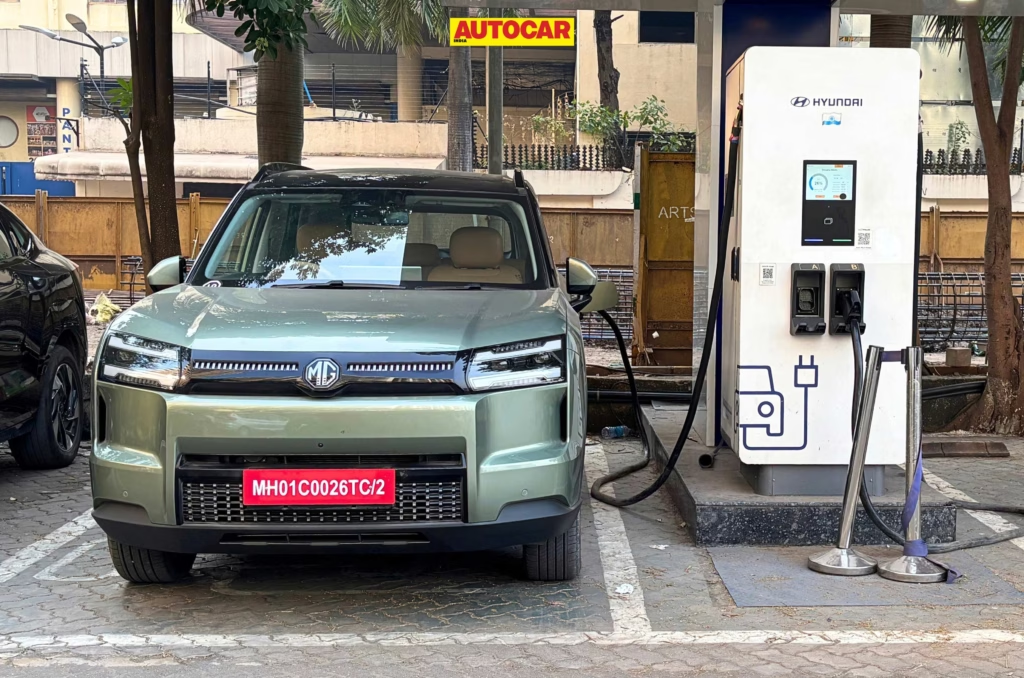
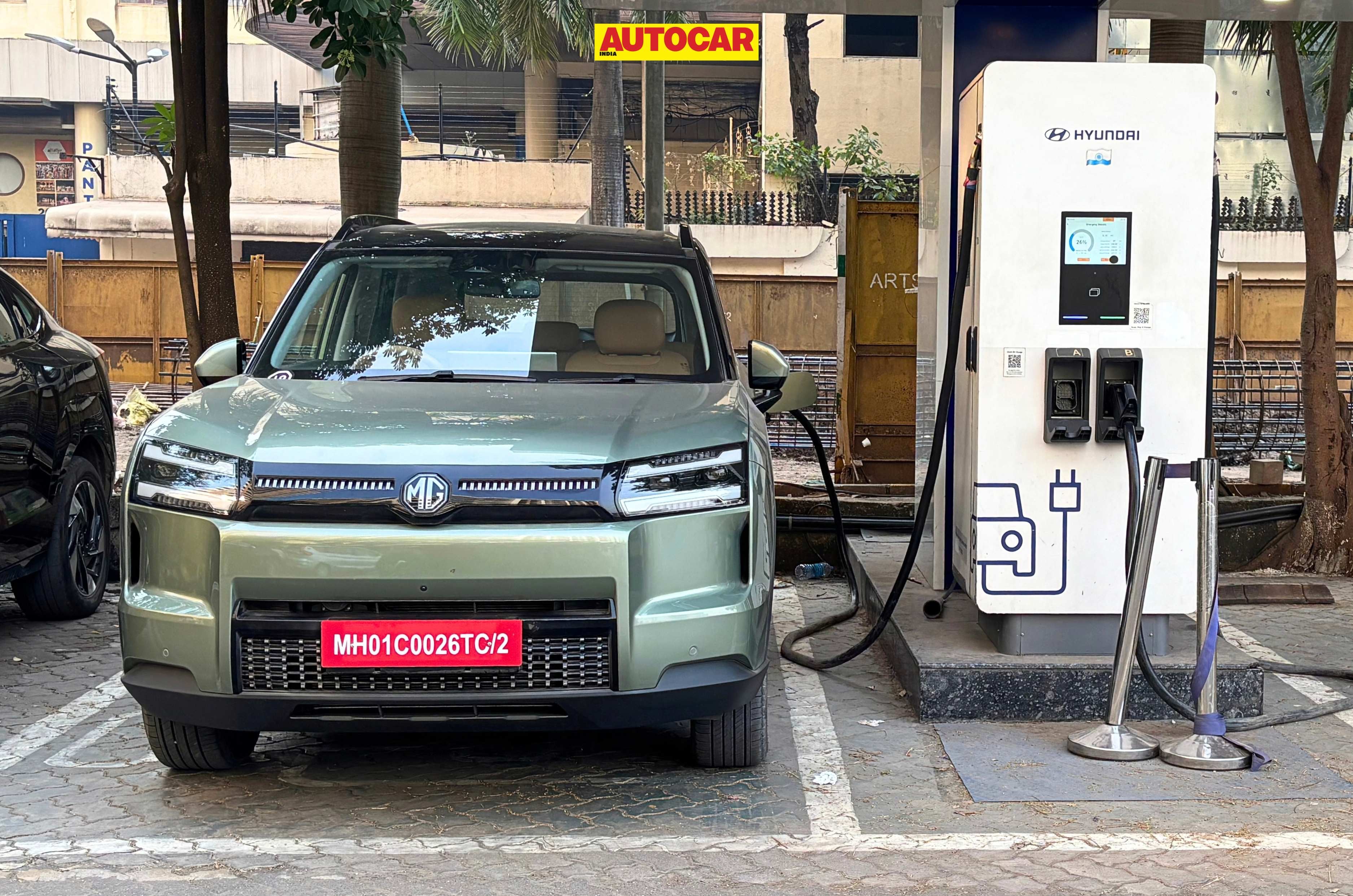
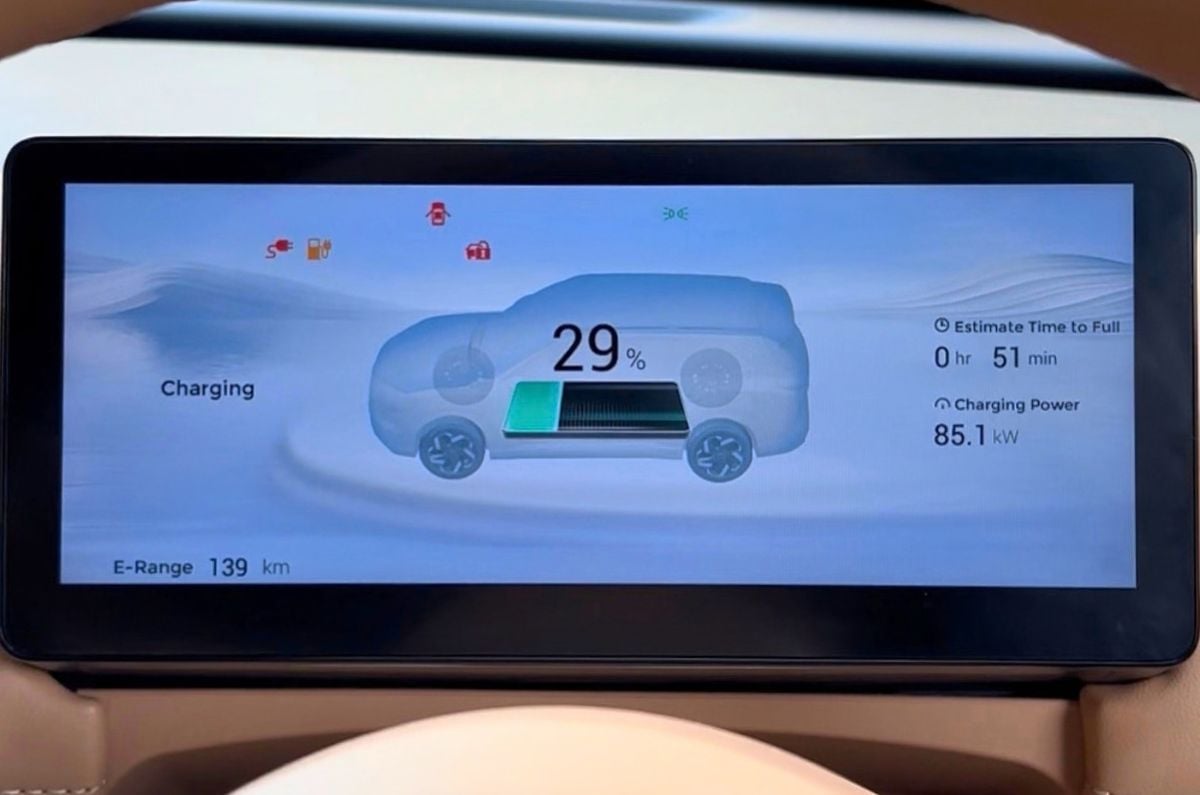
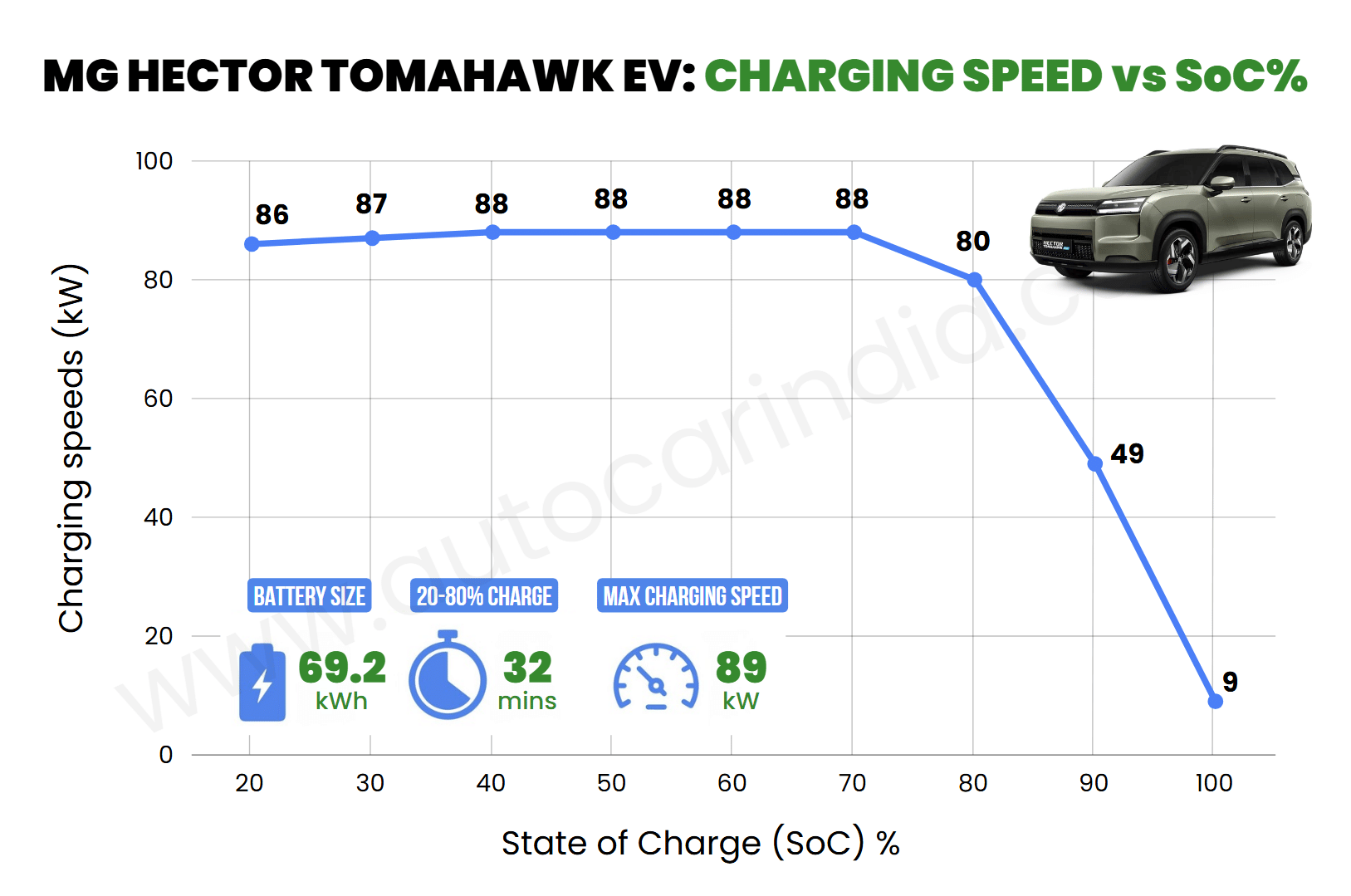
MG claims that the Hector Tomahawk EV can recharge its battery from 30-80 percent in 35 minutes when connected to a 90kW DC fast charger. However, we were able to recharge its battery from 20-80 percent in 32 minutes when connected to a 150kW DC fast charger. This is faster than what MG claims, and we saw peak charging speeds of about 89kW during this session.
Autocar India’s range testing
Before our real-world range tests, the battery of our test car was fully charged, and we maintained tyre pressures in accordance with the manufacturer’s recommendations. The car was driven on a weekday in Mumbai city and on the adjoining state highway in a fixed loop, and we maintained the set average speeds. At the end of each cycle, we calculated the range based on the percentage charge consumed.
Throughout our tests, the climate control was set to 22deg C in a full-auto setting, and other electricals, such as the audio system, indicators and ventilated front seats, were used when required, just as a regular user would. We take pride in our testing data, which isn’t merely consistent but also gives users an accurate indication of what they can expect in the real world.
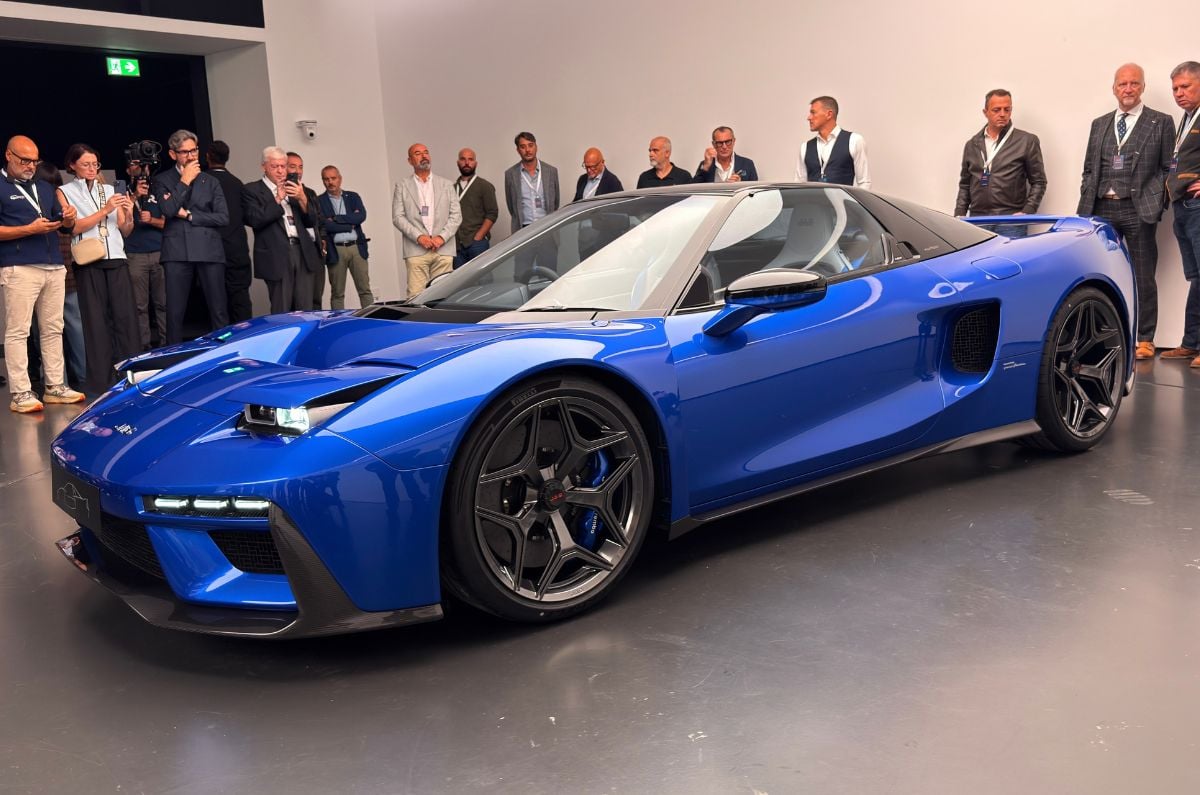
There are few cars that changed the supercar world quite like the original Honda NSX. It proved that a mid-engined exotic could be fast, reliable, approachable and, crucially, enjoyable without trying to intimidate its driver. More than three decades later, JAS Motorsport has taken that philosophy and given it a thoroughly modern interpretation.
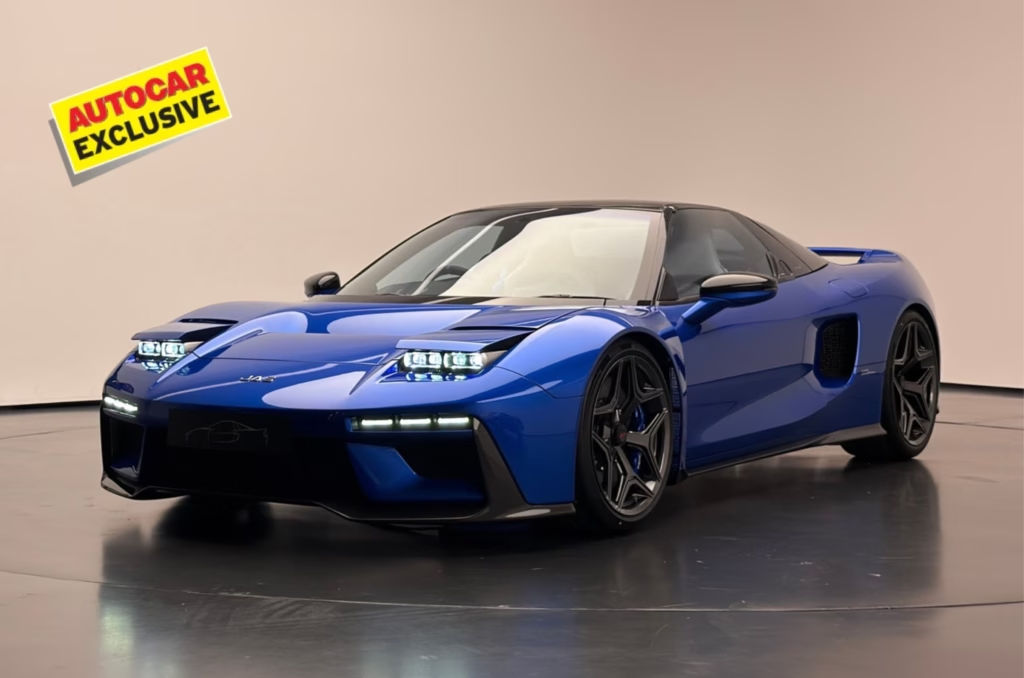
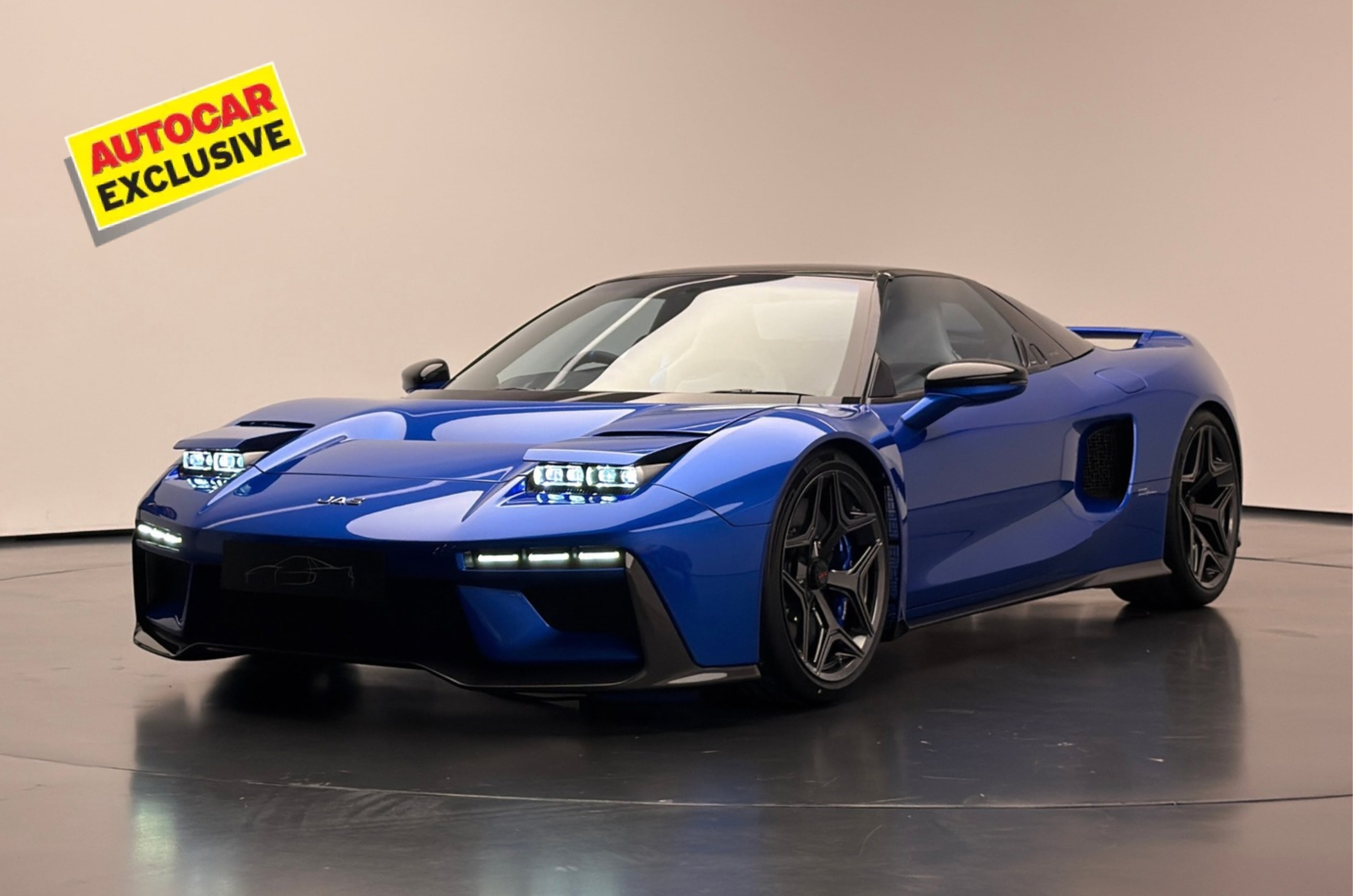
Meet the JAS Tensei. Tensei translates roughly to “rebirth” in Japanese, and the name neatly captures what JAS is attempting here. This isn’t simply an NSX restoration, nor is it a cosmetic restomod. JAS has taken the first-generation NSX as its starting point and re-engineered the car with modern materials, motorsport know-how and a new body designed by Pininfarina. And there will be just 35 examples.
But first, Who is JAS?
Launched in 1995, JAS Motorsports was named after its founders Paolo Jasson, Maurizio Ambrogetti and Giorgio Schön. They have been the official partner for Honda since 1998 and have since developed race cars for various competitions with successful results in touring car championships.
JAS Tensei: Exterior design
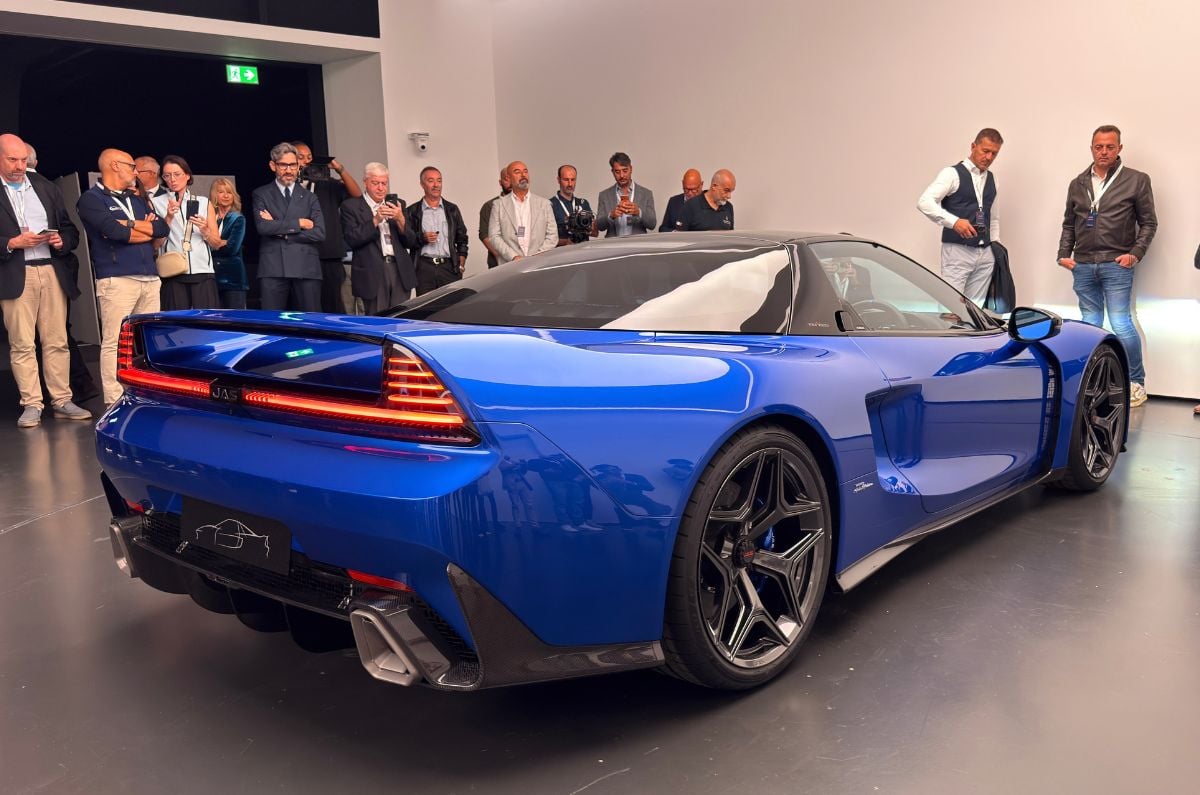
Look at the Tensei from a distance and the connection to the original NSX is immediately apparent. The proportions remain familiar, as do several of the visual cues that defined Honda’s icon. But the details are considerably more modern.
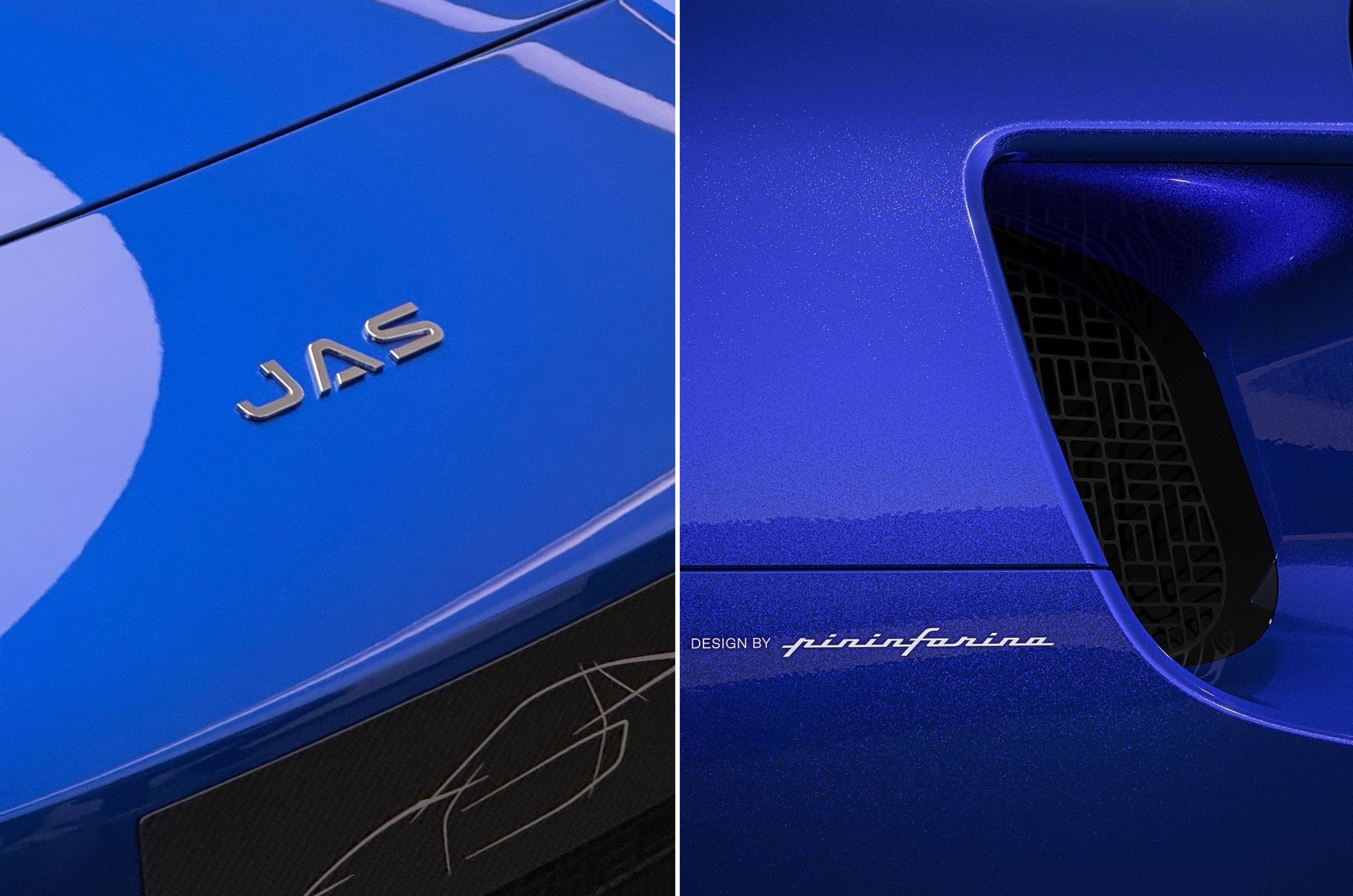
The body is constructed entirely from carbon fibre, allowing JAS to alter the car’s dimensions and surfaces while keeping weight under control. Pininfarina was responsible for the design, bringing an Italian interpretation to a fundamentally Japanese concept. It is an interesting collaboration because Pininfarina already has history with the NSX story. The company was involved with Honda’s HP-X concept, which preceded the production NSX.
The result is therefore less a replica and more an alternate evolution of the original car — essentially asking what the NSX might have looked like had its development continued into the modern era.
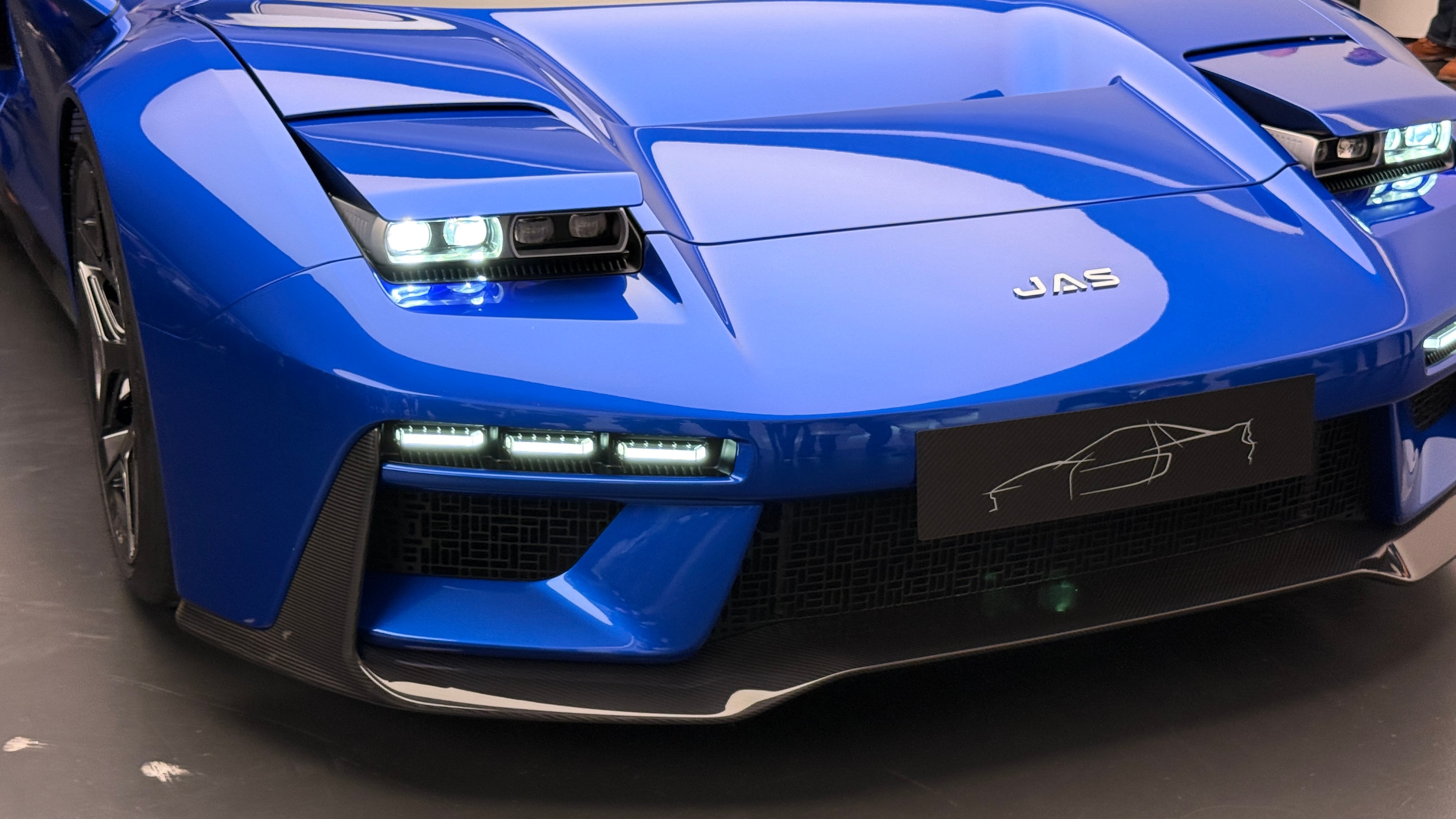
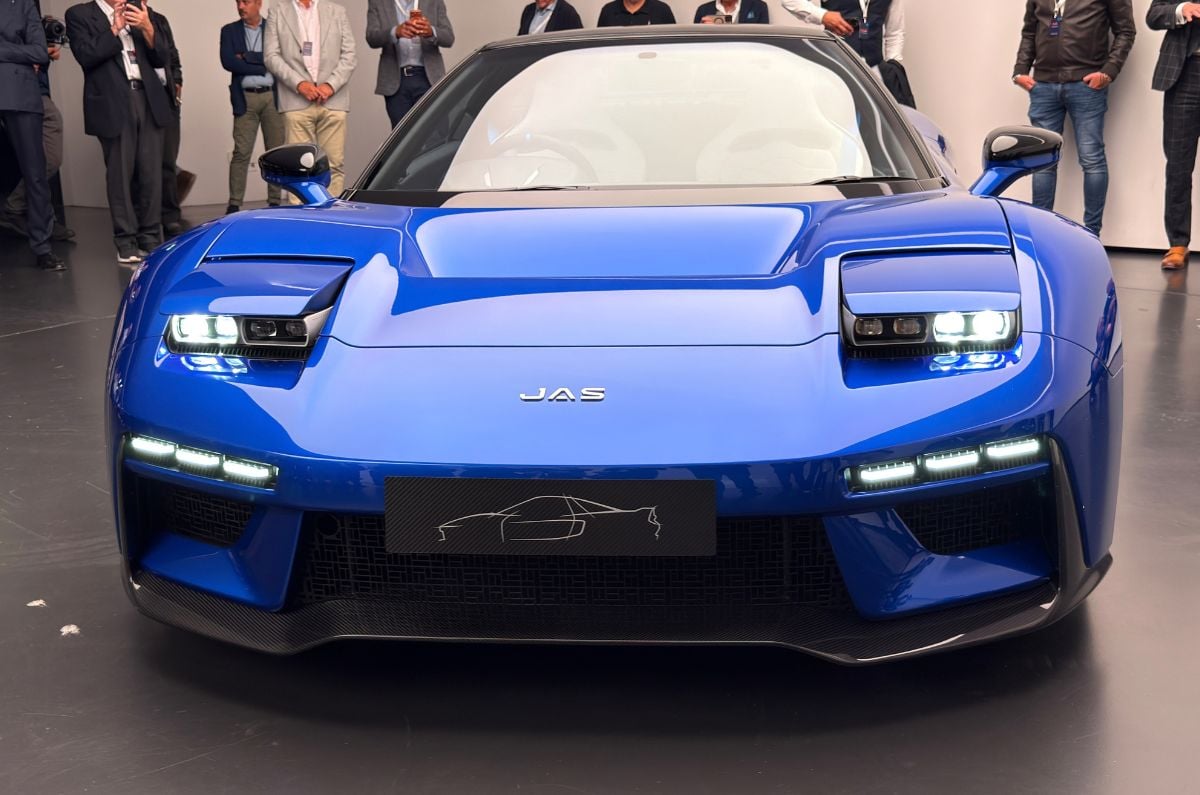
The front bumper is sculpted to guide air under the car and out of the massive duct in the bonnet. The pop-up headlamps have been retained but now feature LED treatment. The wiper covers have also been redesigned and in fact the only part that has been untouched is the roof. The A and B pillars are more raked and the wheels have gone up by a massive 4 inches. 15s and 16s on the NSX are now 19s and 20s on the Tesei. Interestingly the door handle with the NSX badge is also carried over. Low down you will spot the iconic Pininfarina badge that we are used to seeing on Ferraris.
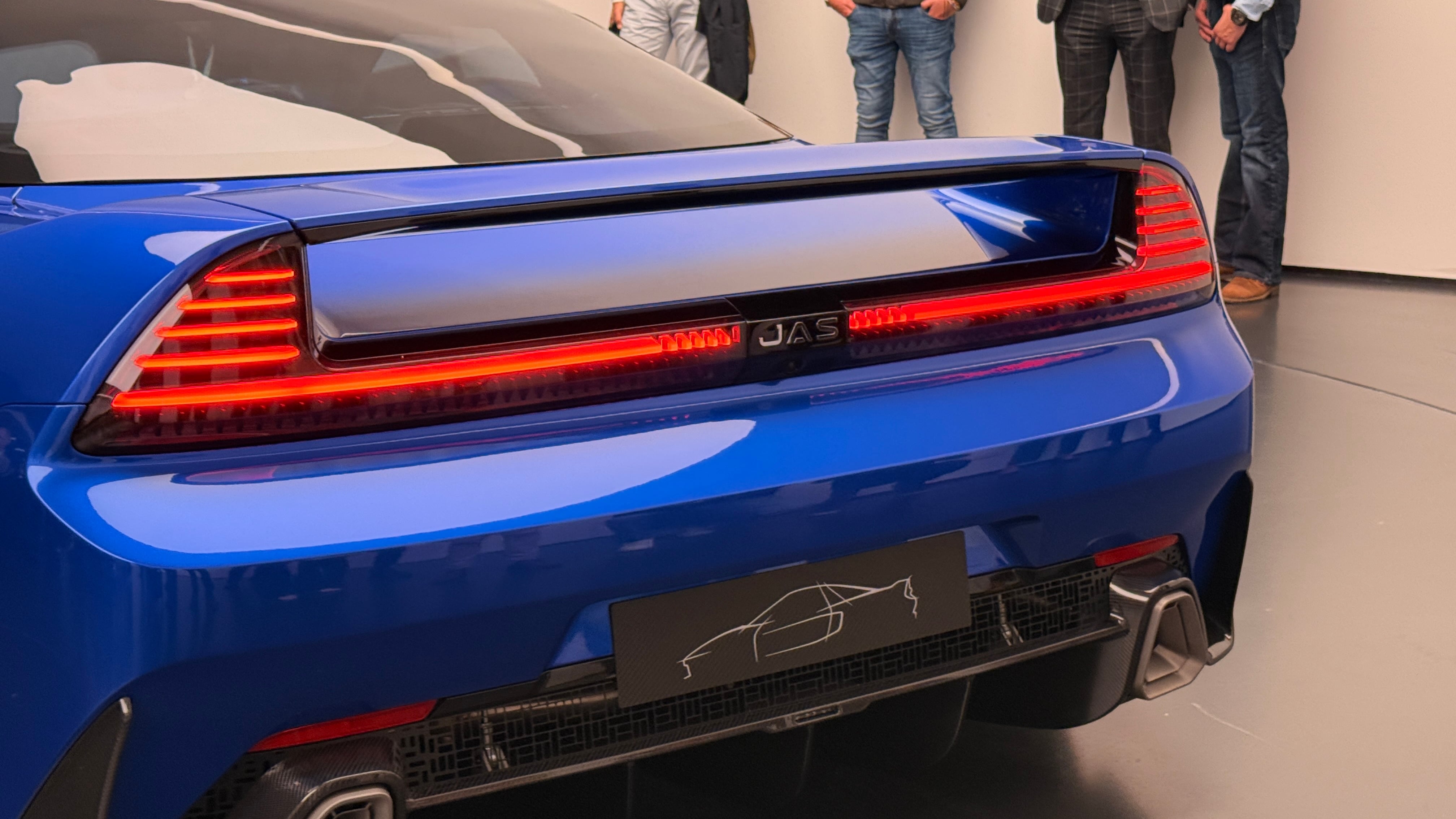
At the rear the integrated spoiler has been reworked with slight changes to the panels so as to improve airflow. The diffuser is carbon fibre and the exhausts are massive too. Like the original NSX, the tail lamps are stretched across the width and now hey 3D effect for the LED strips. Overall, it is a resto mod done to perfection. Just enough modern touches without skewing it from the iconic design.
JAS Tensei: interior and features
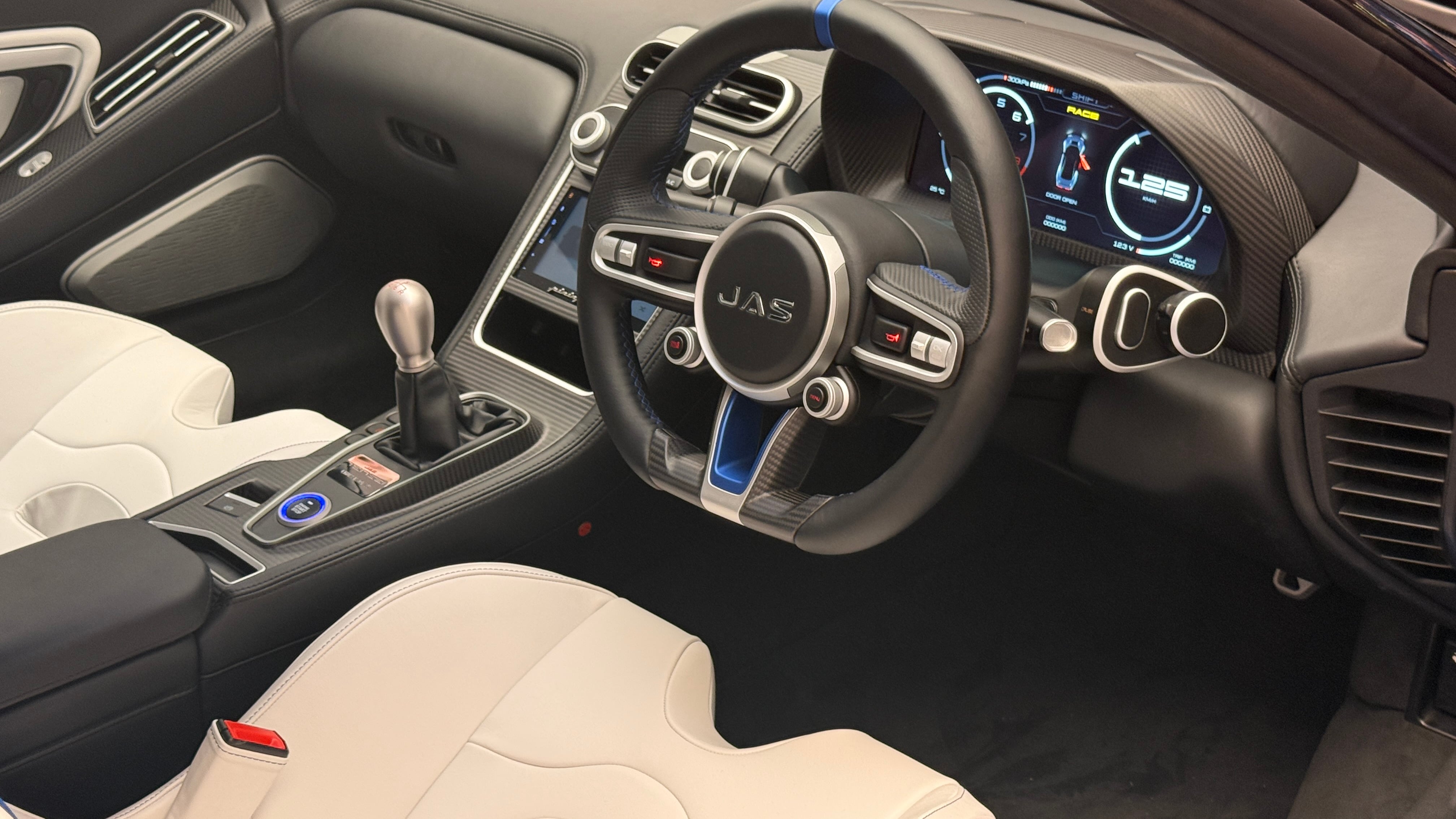
Inside the size of the cabin is identical to the original NSX, although there are updates all around. There’s a new sporty steering wheel, digital drivers display and sports seats. However, there is a full configurator available to spec your Tensei to your liking. The seat upholstery and paints can be customised along with brake calliper colours and wheels. A pleasant surprise is the centre console that does away with a massive tablet as per current trends and instead features a modest touchscreen with the climate control switchgear similar to the NSX. Pininfarina wanted to ensure none of the essence of the NSX was lost in an attempt to modernise the cabin
JAS Tensei: Powertrain and specs
Perhaps the most significant decision sits behind the cabin. The Tensei retains a naturally aspirated V6, rather than adopting the turbocharging or hybrid assistance that has become almost mandatory for modern supercars.
The 3.5-litre V6 has been extensively re-engineered with Judd Power, the British motorsport engineering specialist. The work goes considerably beyond simply increasing displacement or fitting a louder exhaust. The engine gets a billet crankshaft, forged lightweight pistons and connecting rods, individual throttle bodies, upgraded cooling and revised ignition and engine management systems. There are also new headers and an exhaust system designed to give the engine a more immediate and visceral character. The result is 420hp, with the engine capable of revving to 8,500rpm.
Those figures may not sound extraordinary in an era of 1,000hp hybrid hypercars, but that misses the point of Tensei. JAS isn’t chasing an enormous power-to-headline ratio. Instead, the emphasis is on response, linearity and the connection between throttle, engine and driver.
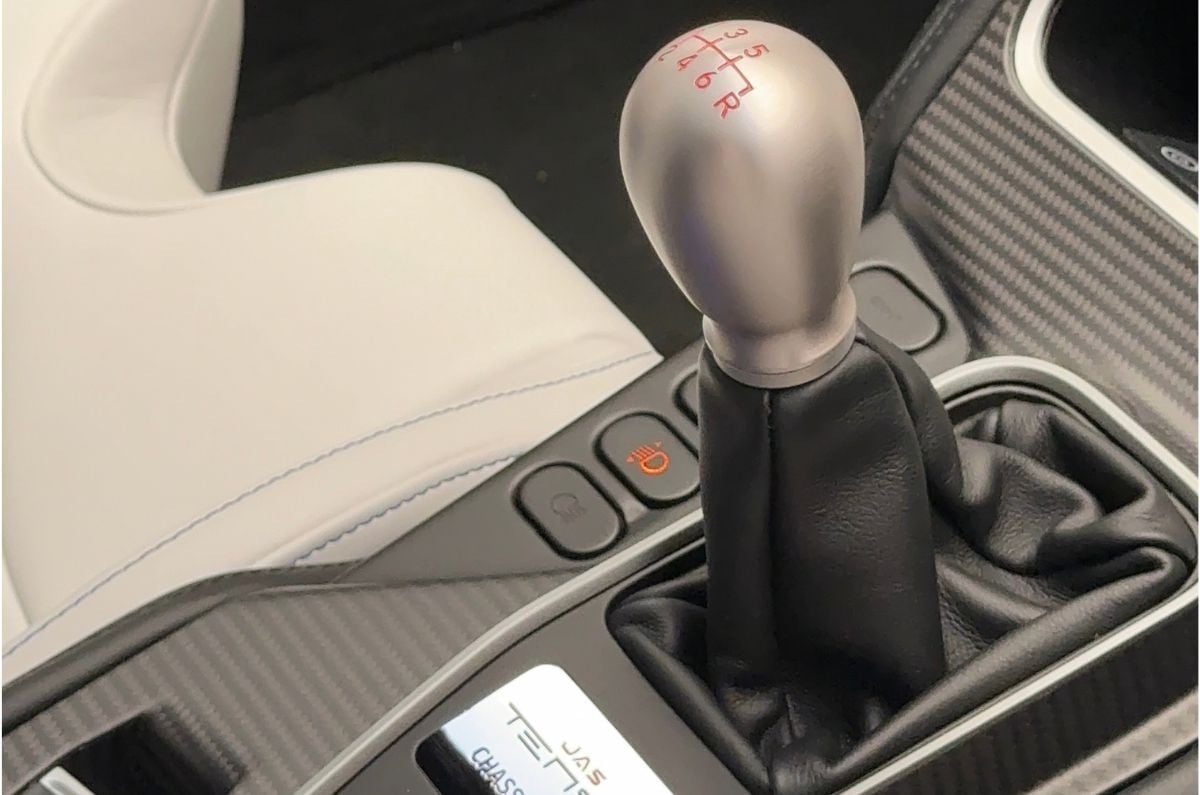
The other big piece of the puzzle is the gearbox. The Tensei uses a six-speed manual transmission and remains rear-wheel drive. That combination, together with the naturally aspirated V6, is perhaps the clearest indication of what JAS wants this car to feel like. The objective isn’t to overwhelm the driver with acceleration figures; it is to make every interaction with the car feel mechanical and deliberate.
The chassis has been extensively revised as well, with bespoke suspension components, revised geometry, upgraded bearings and uprights, enhanced anti-roll bars and KW dampers with electronically controlled damping. There is also a hydraulic front-axle lift system, while forged aluminium wheels measure 19 inches at the front and 20 inches at the rear.
JAS has taken one of the most important analogue supercars ever made and asked how its fundamental qualities could be preserved in 2026. It’s a carbon-bodied, naturally aspirated, manual, rear-wheel-drive supercar with an 8,500rpm redline. And that makes the Tensei interesting for reasons that go far beyond its rarity. It is effectively a reminder that performance isn’t necessarily about making a car faster in every measurable way. Sometimes it is about making the driver feel more involved.
Motorsport without turning it into a race car
This is where JAS’s background becomes particularly important. JAS Motorsport has spent decades developing Honda competition cars, and that experience forms the foundation of the Tensei programme. But the challenge here is fundamentally different from building a race car. A race car can sacrifice refinement, usability and longevity in pursuit of lap time. A road-going supercar cannot.
Tensei therefore represents an interesting middle ground: motorsport-derived engineering, but applied to a car designed to be driven on the road. The engine is built and tested by Judd Power before returning to JAS in Italy, where each car undergoes further testing and validation.
JAS Tensei: Super exclusive
JAS plans to build only 35 Tenseis, each individually specified by its owner. Production takes place at JAS Motorsport’s facility near Milan, with the car bringing together Japanese engineering heritage, British motorsport expertise and Italian design.
It is an unusual combination, but perhaps that’s exactly what makes the Tensei so compelling. The original NSX was unusual because Honda approached the supercar formula from a completely different direction.
Three decades later, JAS is doing something remarkably similar. It isn’t trying to build the most powerful supercar. It is trying to build the most involving interpretation of an icon. And if the original NSX was Honda’s idea of what a supercar should be, the Tensei is JAS Motorsport’s answer to what that idea could become today.
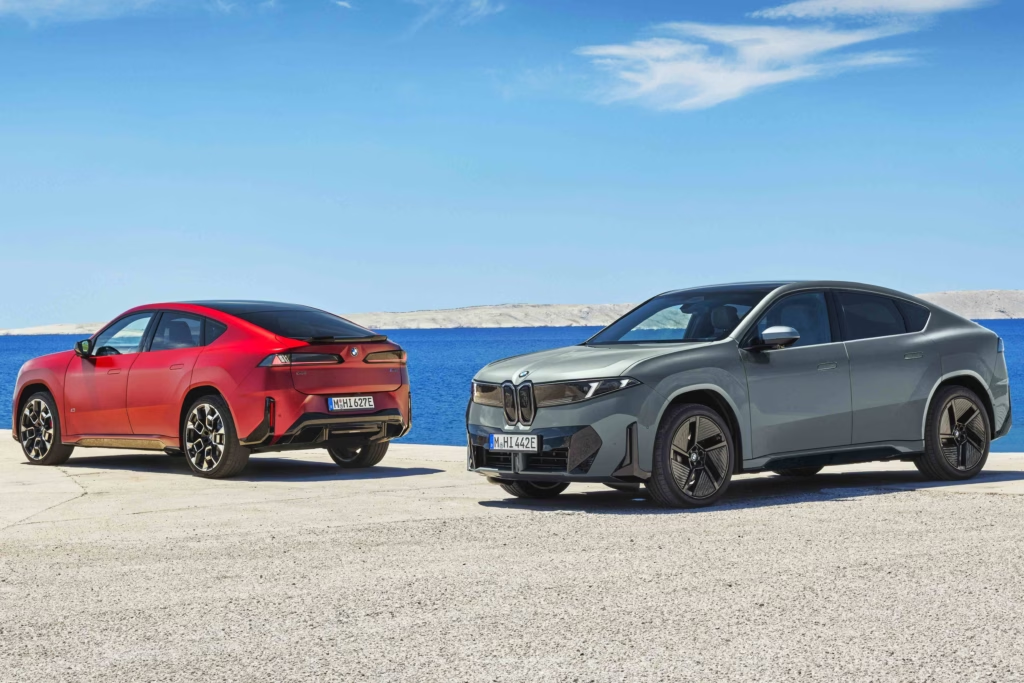
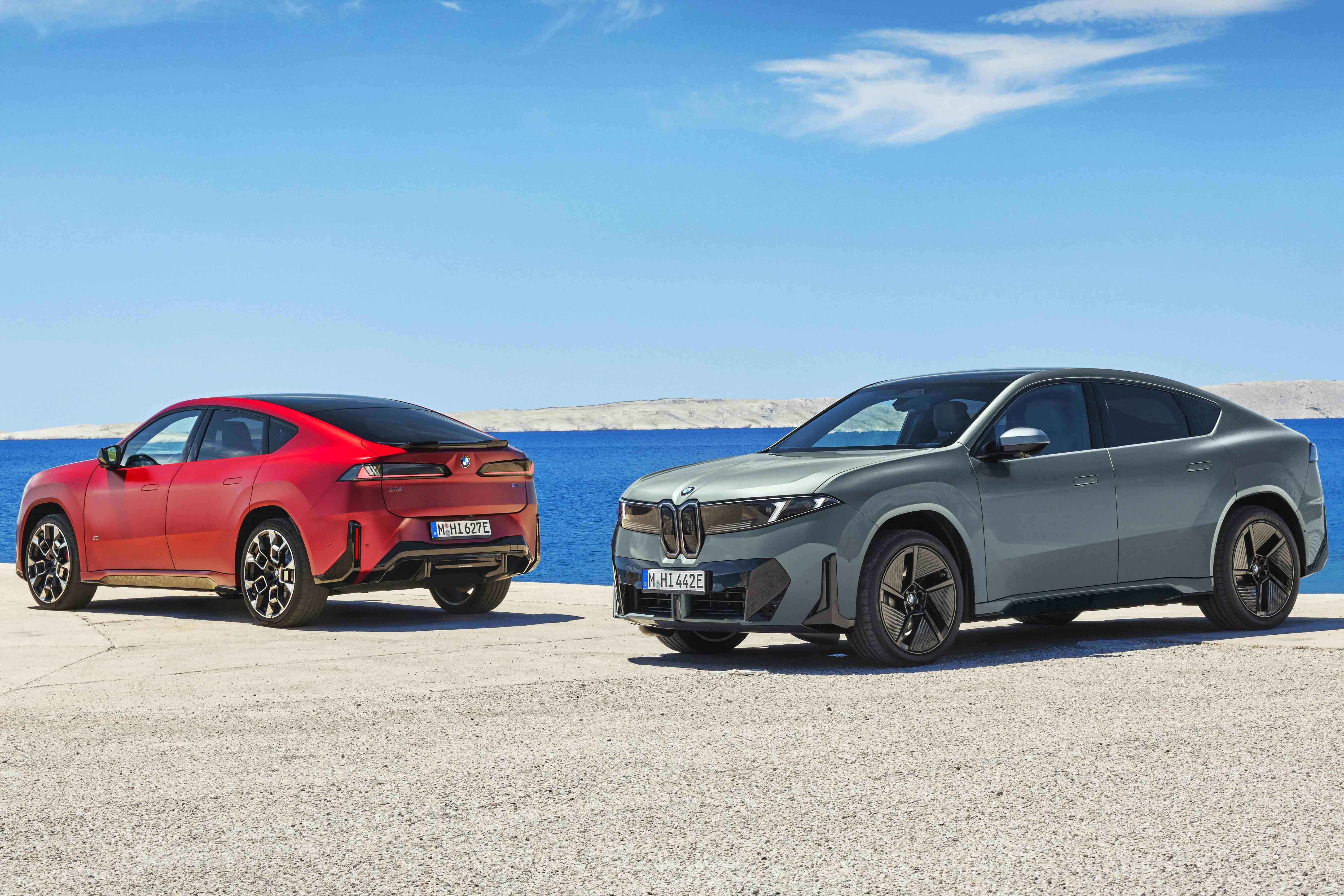
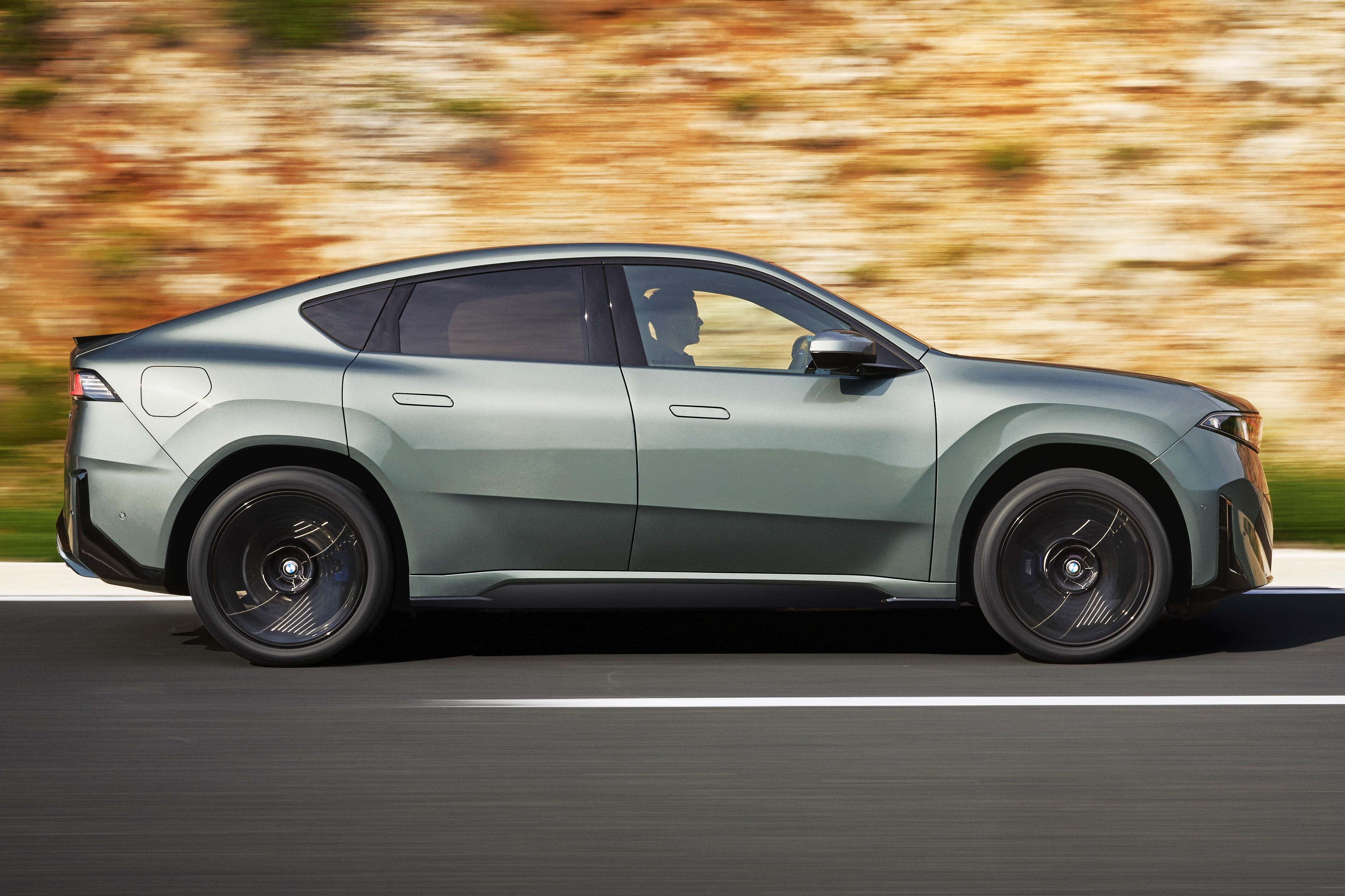
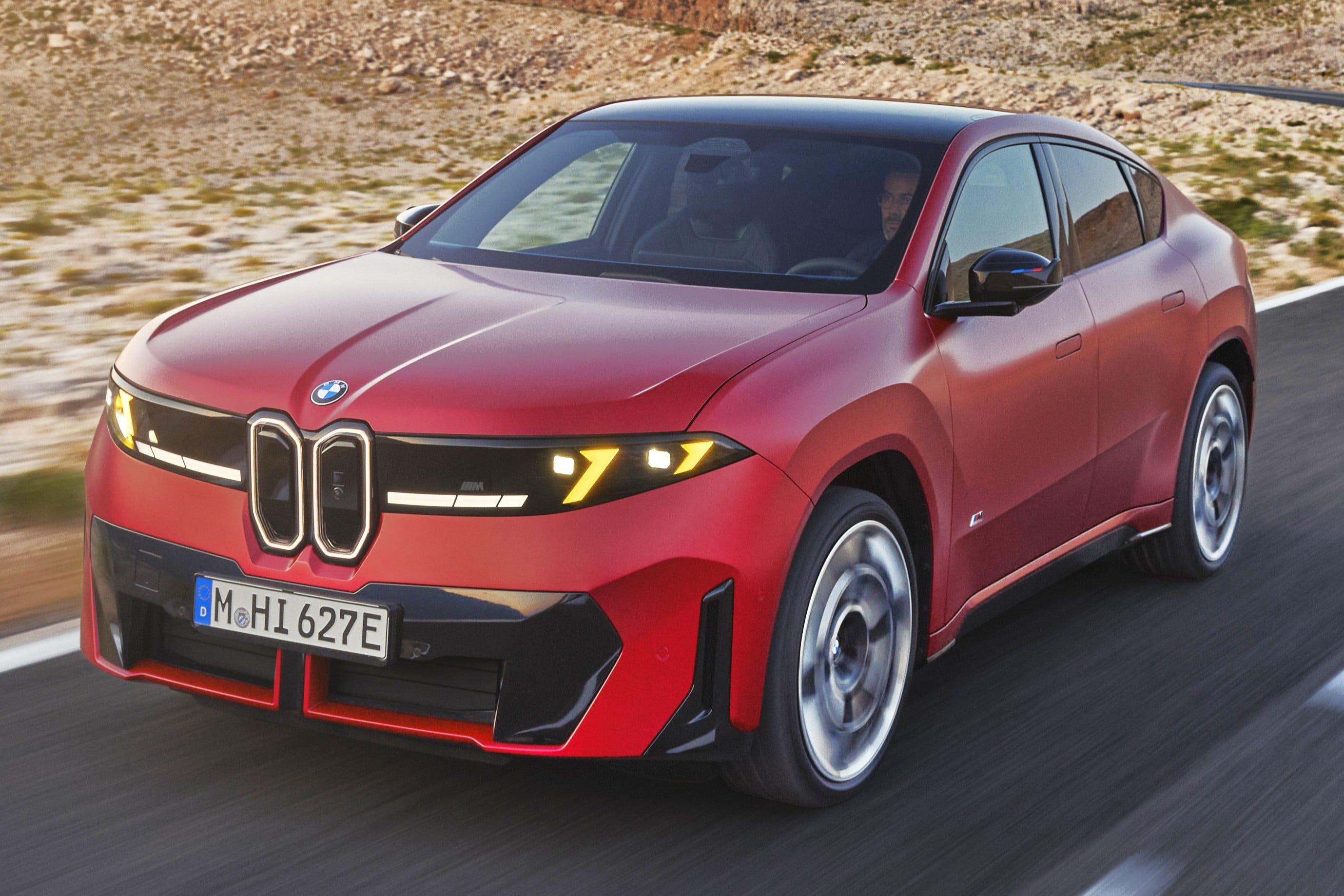
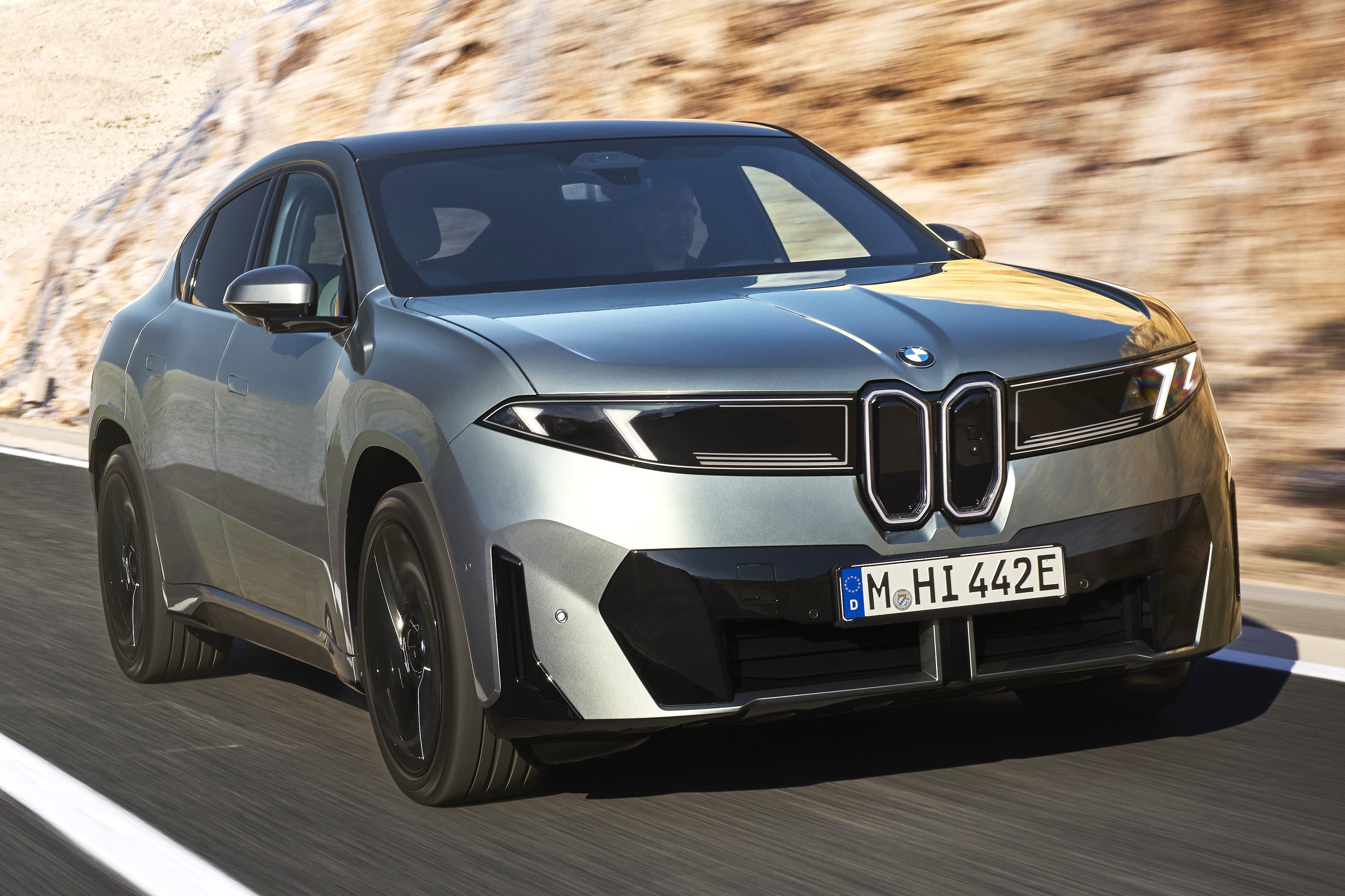
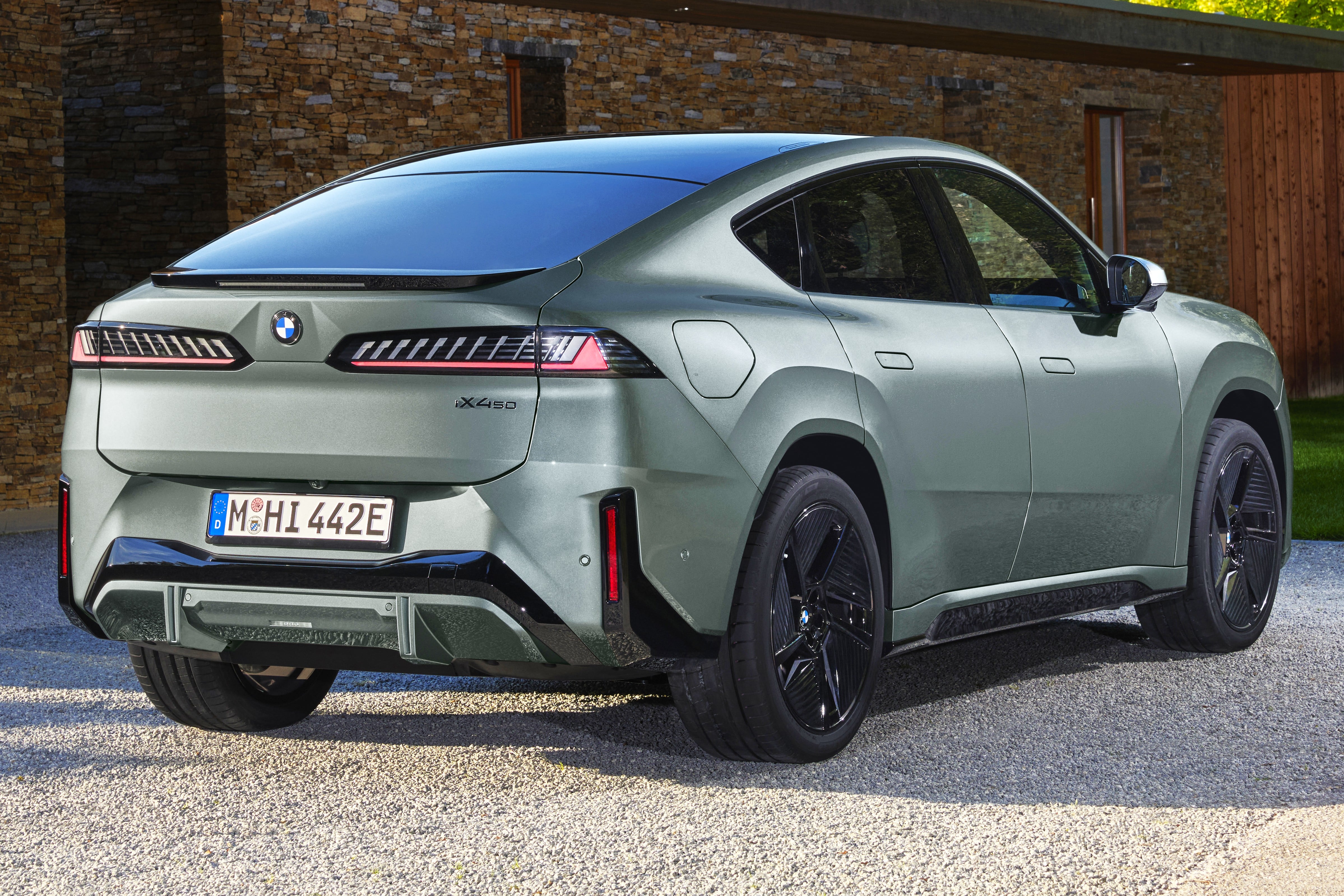
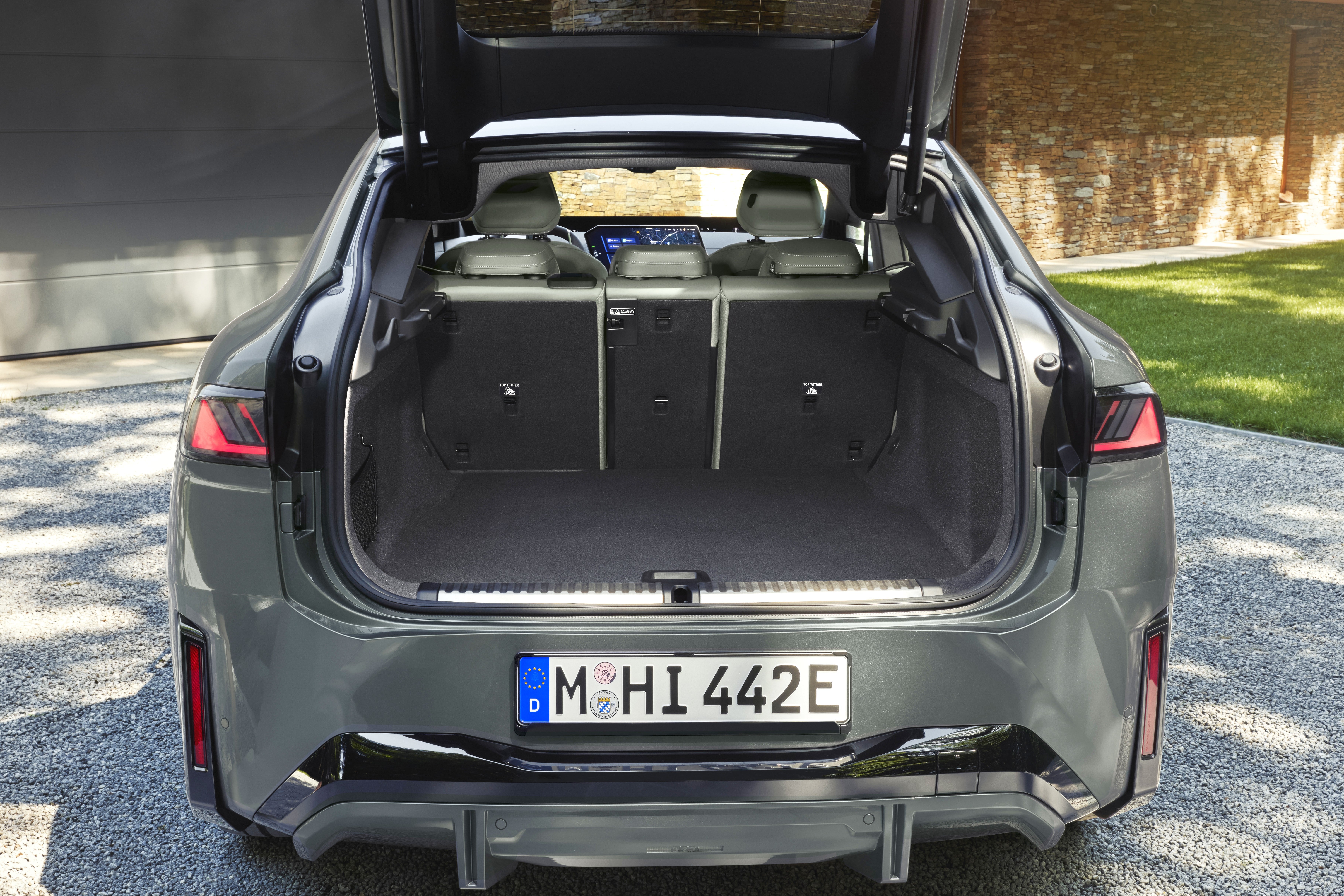
BMW has pulled the wraps off the iX4, a coupe-SUV derivative of the iX3 and the third Neue Klasse offering from the German carmaker. The iX4’s global launch is scheduled for March 2027, and it will be available in two variants initially: 40 xDrive and 50 xDrive. A sportier, range-topping variant dubbed the M60 xDrive will join the iX4 line-up at a later date.
BMW iX4 powertrain and performance
iX4 50 xDrive
The iX4 rides on BMW’s 800-volt Neue Klasse platform and borrows the iX3’s battery options. Specifically, the iX4 40 xDrive comes with an 82.6kWh battery delivering a WLTP range of 526km-638km, while the 50 xDrive gets a 108.7kWh unit that’s good for a 680km-828km range. The iX4 M60 xDrive is likely to use the same 108.7kWh battery, but is rated for a maximum WLTP range of 777km.
iX4 M60 xDrive
All iX4 variants get a dual-motor all-wheel drive setup as standard, with the 40 xDrive developing 374hp and 520Nm, the 50 xDrive churning out 469hp and 645Nm, and the M60 xDrive producing 603hp and 875Nm. The 40 xDrive claims a 0-100kph time of 5.6 seconds and a 200kph top speed, the 50 xDrive is good for a 4.9-sec 0-100kph run and a 210kph top speed, and the M60 xDrive manages a 3.9-sec 0-100kph dash and a 240kph top speed. Adaptive sports suspension is also fitted as standard in the M60 xDrive, and is available as an option in the other variants.
iX4 50 xDrive
As for charging, all three iX4 versions can be charged at up to 22kW from an AC source, while DC fast charging is capped at 300kW for the 40 xDrive and 400kW for the 50 xDrive. A 10 to 80 percent DC charge takes 21 minutes for both variants. Furthermore, BMW claims that when charging at the maximum DC wattage, the iX4 40 xDrive can add up to 301km of range in 10 minutes, whereas the 50 xDrive delivers a range top-up of up to 387km in the same timeframe.
BMW iX4 exterior design
iX4 50 xDrive
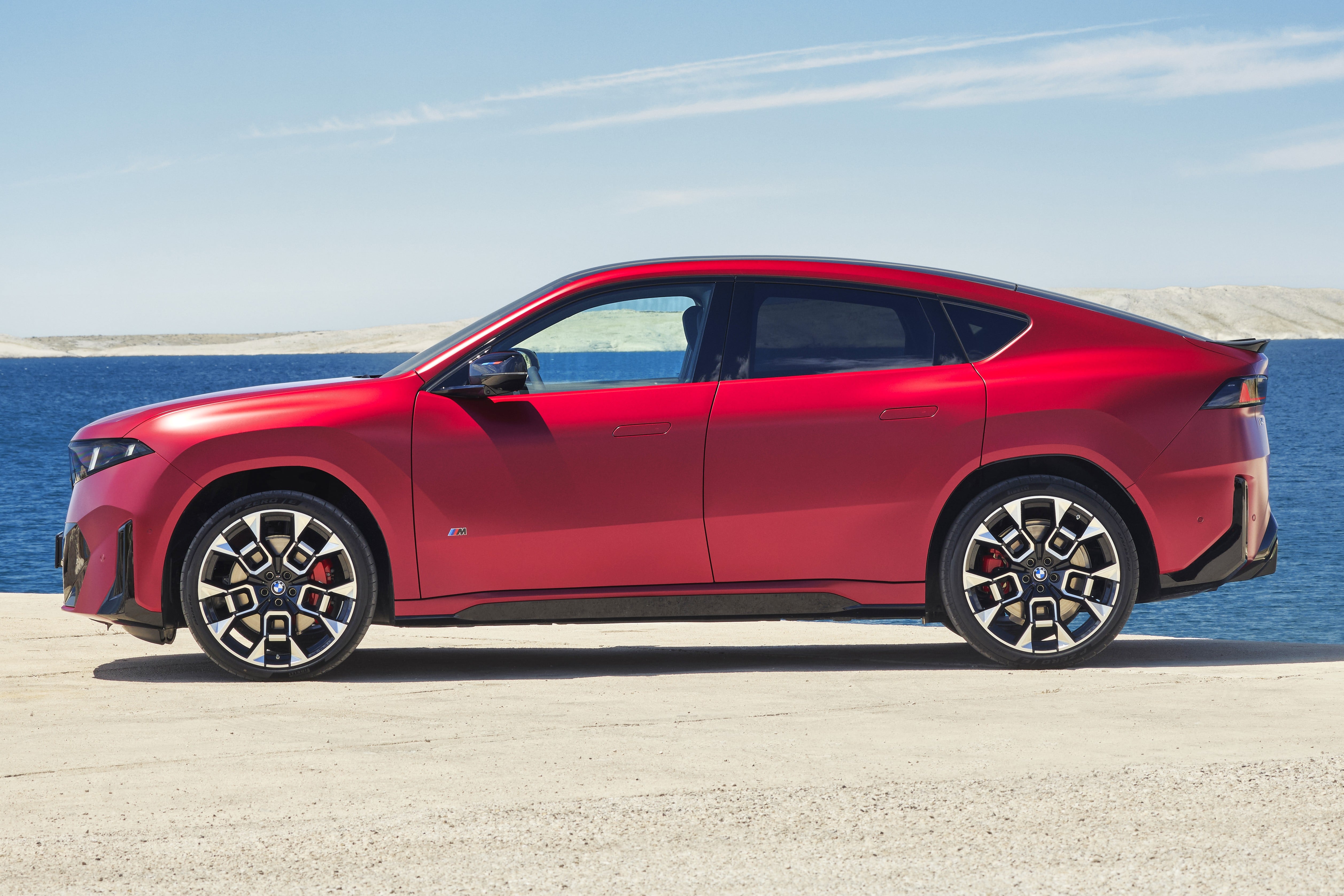
Measuring 4,782mm in length, 1,895mm in width, 1,595mm in height, and with a wheelbase of 2,897mm, the iX4 is 40mm shorter than the iX3. The iX4 retains many of the Neue Klasse styling cues seen on the iX3, but with distinctions like a steeply-raked roofline, unique alloy wheel designs (20-inchers are standard, which can be optioned up to 22 inches), clear-lens tail-lamps, a bootlid spoiler, and a slightly more sculpted rear bumper.
iX4 M60 xDrive
The iX4 M60 xDrive further differentiates itself with adaptive LED headlamps, unique lighting signatures in the grille area, yellow-coloured daytime running lights (activated only when the low-beams are on), larger 21-inch alloy wheels, M badging, M-spec ORVM housings, a bigger bootlid spoiler, and blacked-out exterior trim.
BMW iX4 interior and features
iX4 50 xDrive interior
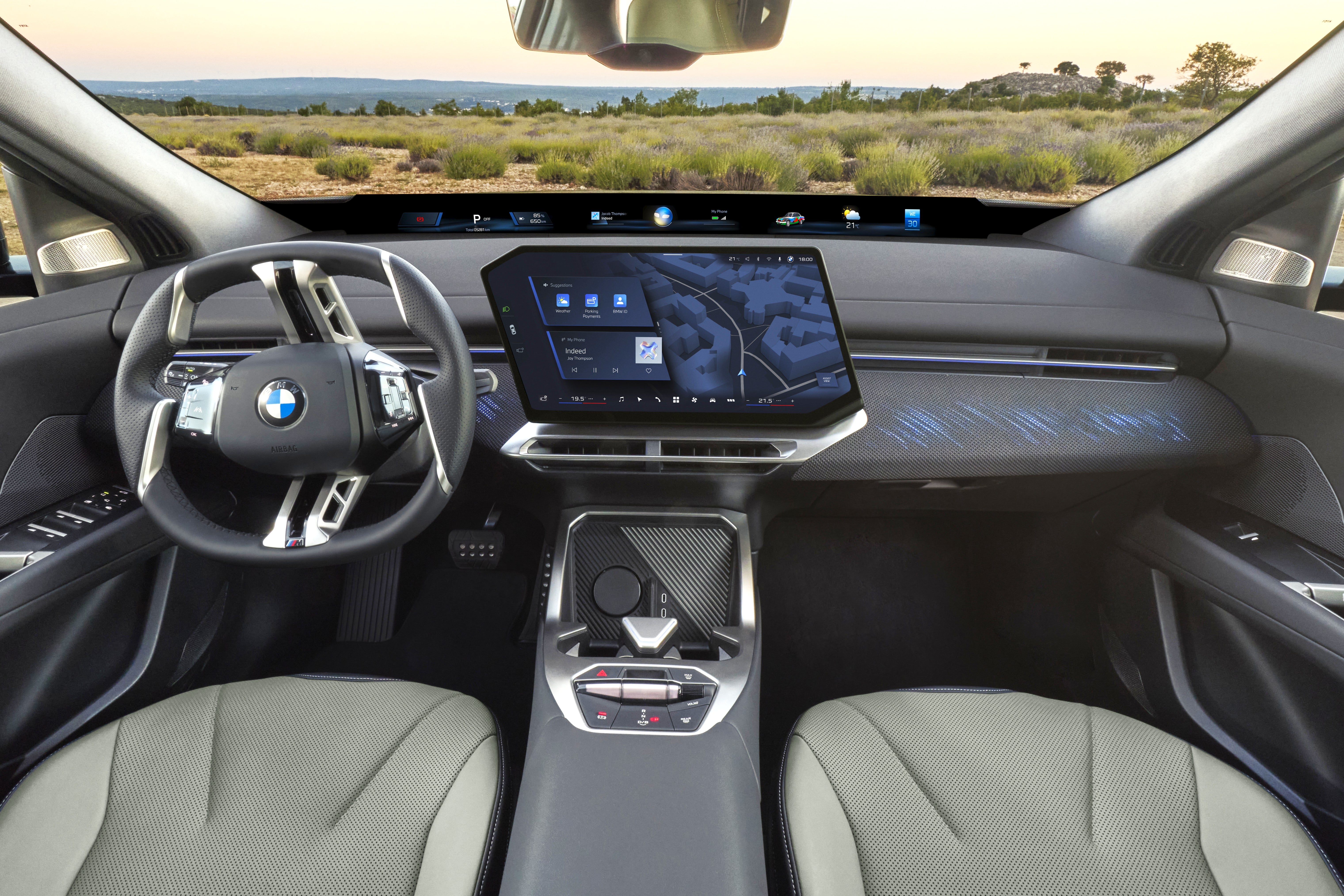
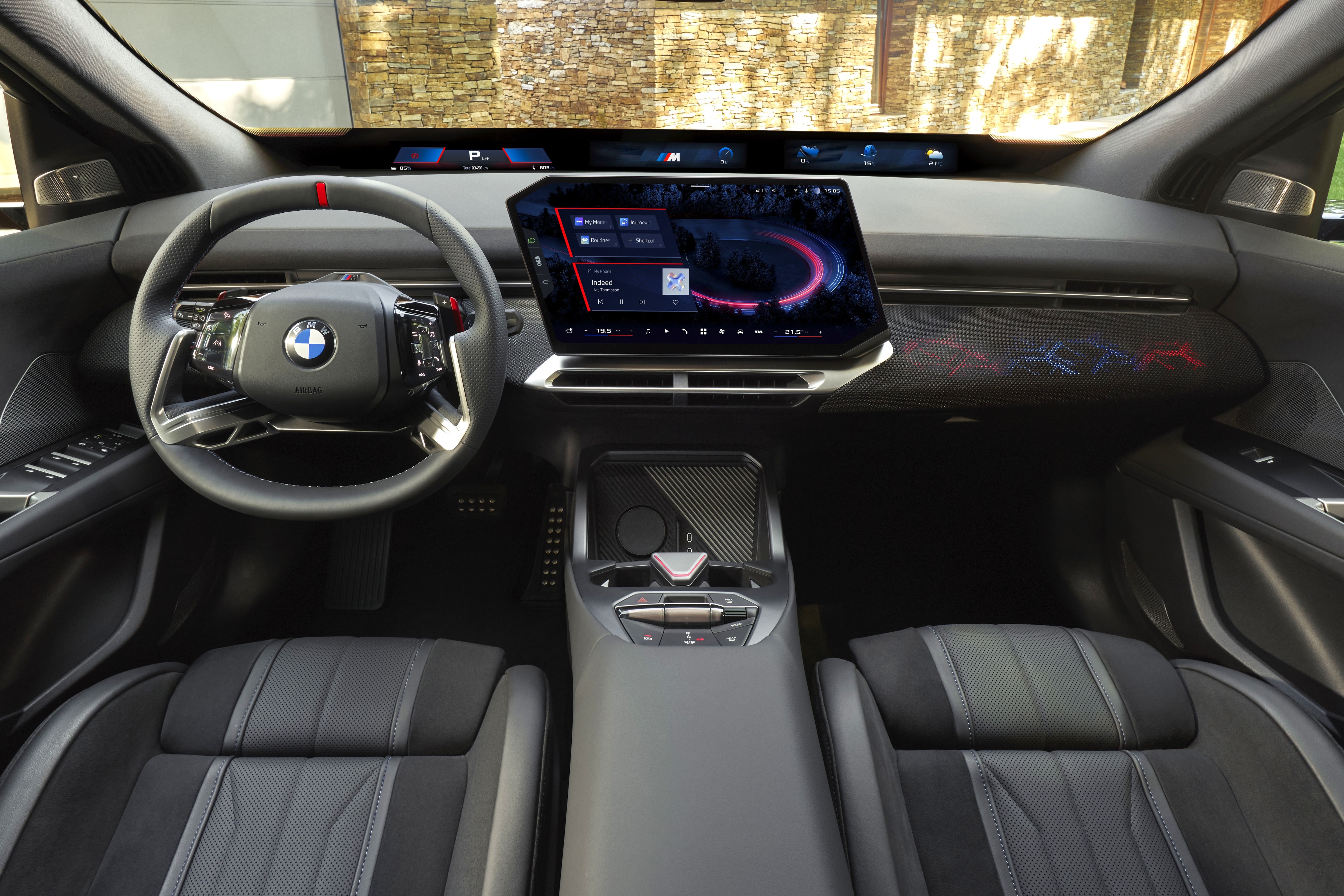
The interior of the iX4 is identical to that of the iX3, save for a bit less headroom in the second row on account of the sloping roofline, and a smaller 490-litre boot. A rhomboidal 17.9-inch infotainment touchscreen sits proud on the centre of the dashboard, while a pillar-to-pillar Panoramic Vision display can be seen at the base of the windshield. The unconventional-looking four-spoke steering wheel and high-set central tunnel are also retained from the iX3.
iX4 50 xDrive
As for standard features, the iX4 40 xDrive and 50 xDrive come with configurable ambient lighting, a panoramic sunroof, wireless Apple CarPlay and Android Auto, powered front seats with memory functions, Level 2 ADAS, a 7-speaker sound system, connected car tech, an AI-powered digital assistant, Veganza leatherette upholstery, a wireless charging pad, power-opening doors, among others.
iX4 M60 xDrive interior
The top-spec M60 xDrive’s cabin further differentiates itself with a black finish, M-spec steering wheel, M Sport seats with massage functions, a 13-speaker Harman Kardon sound system, and more.
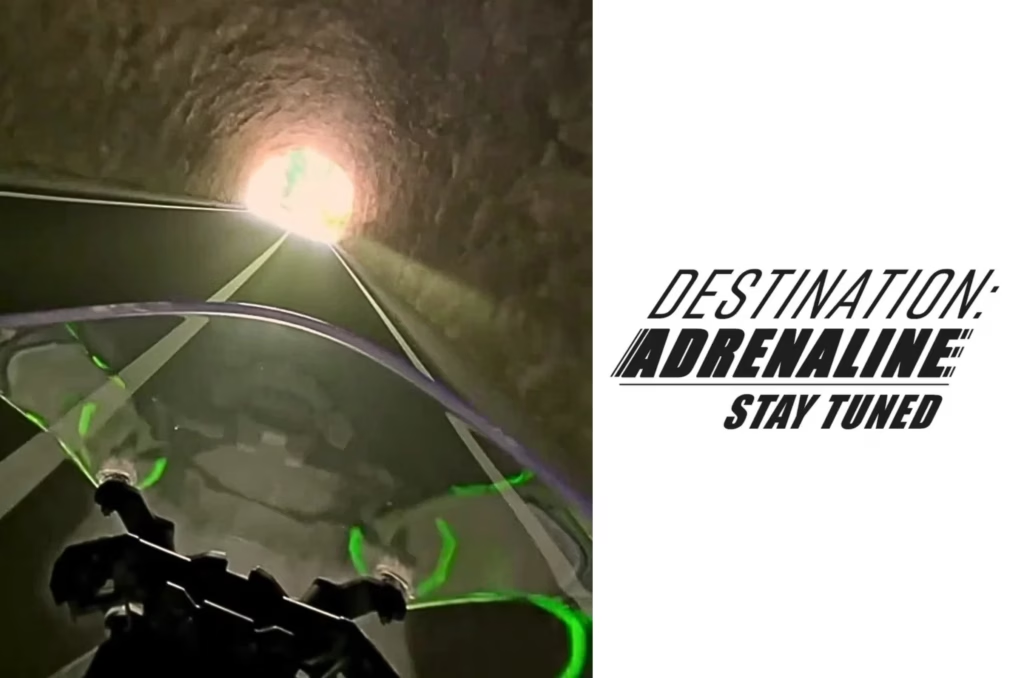
Kawasaki has teased a new four-cylinder tall and upright sport tourer on its UK social media handle, which we expect is to be the new Versys 900. The presence of a windscreen resembling the one on the Versys 650 and 1100 models and an inline-four cylinder soundtrack both reinforce our claim.
4-cyl motor sounds unstressed, not peaky and high-revving
Bike shown tackling varied road conditions in teaser
It has a tall adjustable windscreen, like 1100 and 650 Versys models
Will a new Z900-based model supplement the Versys range soon?
There are quite a few signs in the teaser which point to this fact
There are some primary points to pay attention to on the teaser shared by Kawasaki UK. Firstly, the four-cylinder soundtrack immediately reminds one of the smooth and refined hum of the unstressed, torque-rich, big-bore 948cc four-pot motor on the Z900 complete with the exhaust pops as if a bidirectional quickshifter (a feature on the latest-gen Z900) is being used to shift between gears. Second, what looks like an adjustable windscreen shown at the end of the teaser (pictured in the lead image) is very similiar in style to that of a tall rounder motorcycle like the Versys range. Another indication that this is going to be a road-biased machine is that while different road conditions are shown, never once does the bike in question leave the tarmac – another Kawasaki Versys hallmark.
Last but not least, the motorcycle in question is shown tackling different sorts of roads including wide and fast sweeping corners, a tight and slightly bumpy surfaced road as well as a tunnel on a highway – all factors pointing to this bike being geared toward handling long-distance travel comfortably.
Then there is also the fact that many reputed international publications had pictured a fully production-ready – but partially obscured by a cover – Versys model – which was presumably out on an advertisement/promo shoot – with a four-cylinder engine some months ago. Given that shoehorning a supersport-derived engine from its own lineup (like the ones on the ZX-4R, 6R or 10R) wouldn’t suit the sport touring nature of a Kawasaki Versys model, this automatically leaves only the Z900’s four-cylinder engine to be used on this machine.
Some other factors which would lend more credence to our claim of this being a Versys 900 are that the middleweight tall-rounder segment has grown quite large internationally with entrants from big marques like Yamaha, Triumph, Ducati, BMW and Moto Guzzi fielding at least 1 contender in this burgeoning class. Against these bikes, the Versys 650 is far too simple and slow while the Versys 1100 is a bit too heavy and big, making a 900 the perfect option to plug this gap. Kawasaki hasn’t officially confirmed any of this and this model will be revealed on October 10.
Airtel Postpaid Plans: अगर आप Airtel का पोस्टपेड कनेक्शन इस्तेमाल करते हैं, तो यह खबर आपके लिए हो सकती है। दरअसल, कंपनी ने अपने पोस्टपेड प्लान की कीमतों में 50 रुपये की बढ़ोतरी की है और अपने प्लान्स में बदलाव करते हुए ग्राहकों को हर साल एक मुफ्त इंटरनेशनल रोमिंग ट्रिप देने की सुविधा दी है। बता दें कि ये प्लान 8 अक्टूबर, 2026 से लागू होंगे।
कंपनी के सूत्रों के मुताबिक, मौजूदा पोस्टपेड ग्राहकों को एक महीने के भीतर उनके मौजूदा प्लान के सबसे नजदीकी अगले प्लान में शिफ्ट कर दिया जाएगा। Airtel के एक अधिकारी ने बताया कि फ्री इंटरनेशनल रोमिंग का यह फायदा करीब 2,000 रुपये की कीमत का है।
Bharti Airtel has raised its postpaid tariffs by Rs 50 with a revamped set of plans that bundle one free international roaming trip every year.
The new plans come into effect on October 8, 2026, and existing postpaid subscribers will be moved to the nearest higher plan within a month
यह फ्री रोमिंग पैक 5 दिनों के लिए वैलिड होगा। इसमें 5GB डेटा, 60 मिनट की कॉलिंग, 25 आउटगोइंग SMS और फ्री इनकमिंग SMS की सुविधा मिलेगी। ग्राहक अपनी जरूरत के मुताबिक इस पैक को कभी भी एक्टिवेट कर सकेंगे। वहीं, फैमिली पोस्टपेड प्लान में शामिल हर सदस्य को इस फ्री रोमिंग बेनिफिट का फायदा मिलेगा।
एयरटेल पोस्टपेड प्लान: कीमत और फायदे
प्लान
SIM की संख्या
मुख्य फायदे
सब्सक्रिप्शन
इंटरनेशनल रोमिंग
₹499
1
अनलिमिटेड डेटा और कॉलिंग, स्पैम व फ्रॉड से सुरक्षा
Xstream Play Premium, Google One
हर SIM पर साल में 1 फ्री ट्रिप
₹749
2
अनलिमिटेड डेटा और कॉलिंग, स्पैम व फ्रॉड से सुरक्षा
Amazon Prime, JioHotstar, Xstream Play Premium, Google One
हर SIM पर साल में 1 फ्री ट्रिप
₹1,049
3
अनलिमिटेड डेटा और कॉलिंग, स्पैम व फ्रॉड से सुरक्षा
Apple iCloud+, Apple Music, Amazon Prime, JioHotstar, Xstream Play Premium, Google One
हर SIM पर साल में 1 फ्री ट्रिप
₹1,249
4
अनलिमिटेड डेटा और कॉलिंग, स्पैम व फ्रॉड से सुरक्षा
Apple iCloud+, Apple Music, Amazon Prime, JioHotstar, Xstream Play Premium, Google One
हर SIM पर साल में 1 फ्री ट्रिप
₹1,449
4
अनलिमिटेड डेटा और कॉलिंग, स्पैम व फ्रॉड से सुरक्षा
Netflix Basic, Apple iCloud+, Apple Music, Amazon Prime, JioHotstar, Xstream Play Premium, Google One
हर SIM पर साल में 1 फ्री ट्रिप
₹1,799
5
अनलिमिटेड डेटा और कॉलिंग, स्पैम व फ्रॉड से सुरक्षा
Netflix Standard, Apple iCloud+, Apple Music, Amazon Prime, JioHotstar, Xstream Play Premium, Google One
हर SIM पर साल में 1 फ्री ट्रिप
Airtel Postpaid में मिलेंगे ये फायदे
इंटरनेशनल रोमिंग के अलावा Airtel के नए पोस्टपेड प्लान में कई दूसरे फायदे भी मिलेंगे। इनमें अनलिमिटेड डेटा और कॉलिंग के साथ 5G पर Fast Lane टेक्नोलॉजी और स्पैम व फर्जी लिंक से नेटवर्क लेवल पर सुरक्षा शामिल है।
इसके अलावा अलग-अलग प्लान के हिसाब से ग्राहकों को Amazon Prime, Netflix, Apple Music, Apple iCloud+, JioHotstar, Xstream Play Premium और Google One जैसे सब्सक्रिप्शन भी दिए जाएंगे।
ग्राहक Airtel App के जरिए नए पोस्टपेड प्लान पर अपग्रेड कर सकते हैं। इसके अलावा नजदीकी Airtel स्टोर जाकर भी प्लान बदला जा सकता है। वहीं, जो लोग अभी Airtel यूज नहीं करते हैं, वे भी 8 अक्टूबर से Airtel App या स्टोर के जरिए पोस्टपेड कनेक्शन ले सकते हैं।