Aprilia SXR GT 175 vs Rivals: Price and specifications compared

Aprilia SXR GT 175 vs Rivals: Price and specifications compared
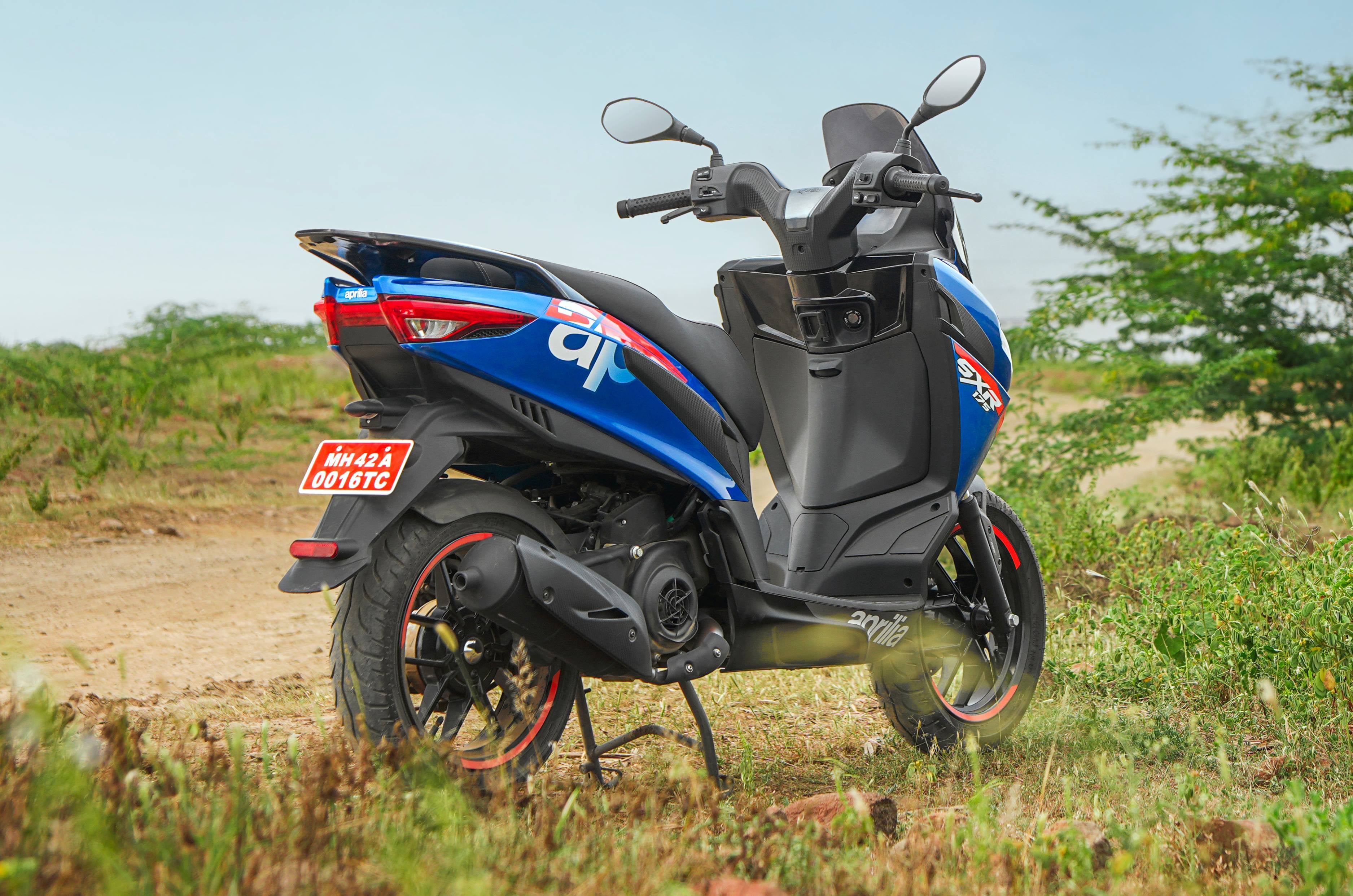
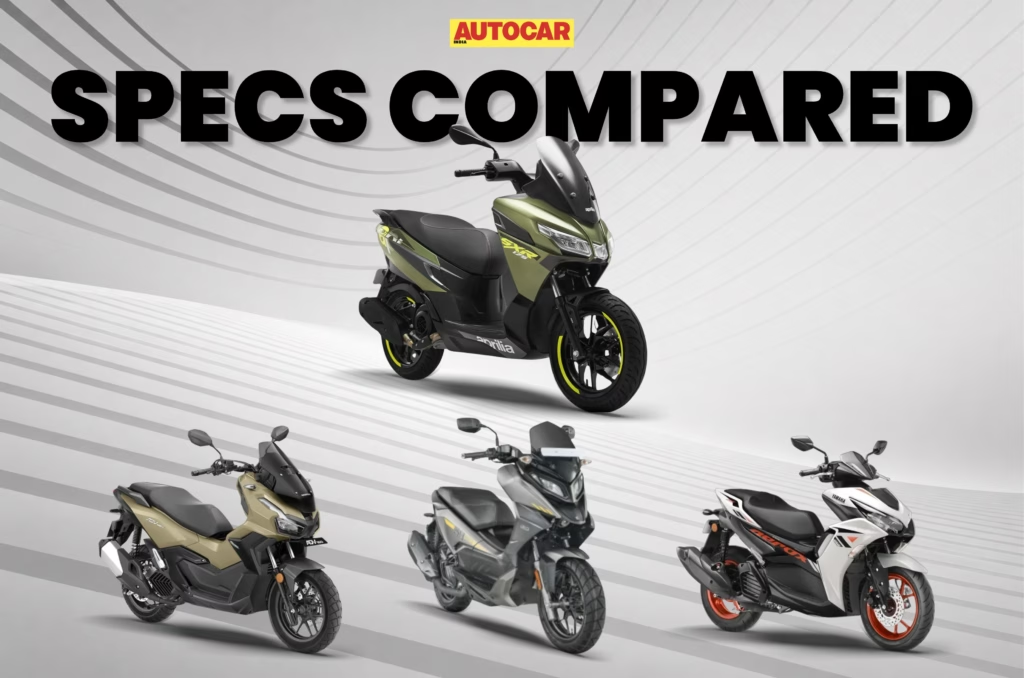
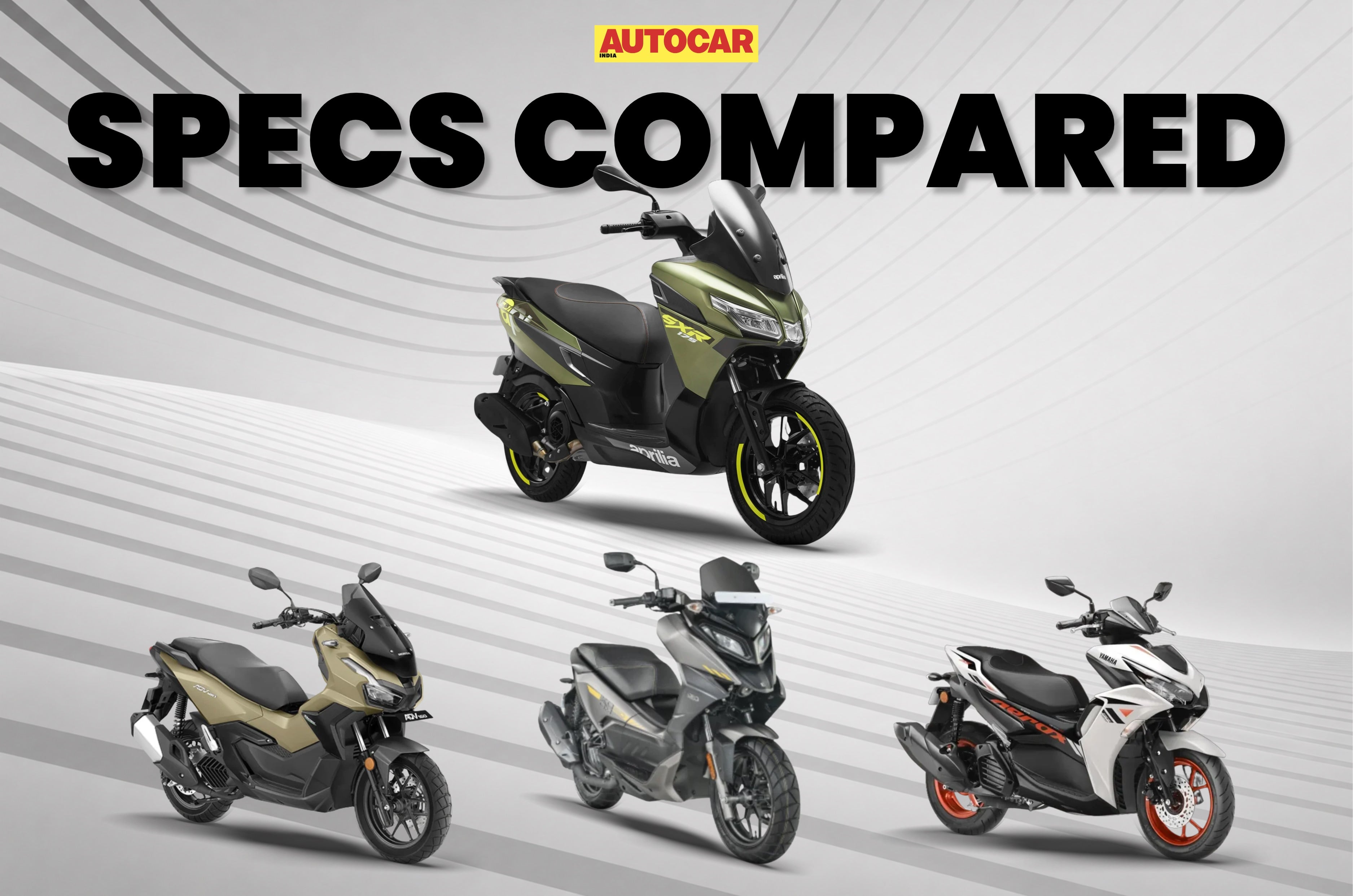
Aprilia SXR GT 175, Yamaha Aerox 155 S, Hero Xoom 160 and Honda ADV160 in clockwise direction.

Maxi scooters have technically been around in our market since 2006, thanks to the Kinetic Blaze but the idea was first popularised by the Suzuki Burgman and later the Yamaha Aerox added to it. “Popularised” being the operating word because Aprilia also had a player in there from 2020, which has just been updated. So, what’s the maxi scooter scene like today and which one should you go get a test ride of? Let’s see.

Aprilia SXR GT 175 hp-e vs Rivals: Engine and output

Smaller rivals all make more power


Aprilia SXR GT 175 hp-e

Honda ADV160

Hero Xoom 160

Yamaha Aerox 155

Engine

174.7cc, single-cylinder, air-cooled

156.9cc, single-cylinder, liquid-cooled

156cc, single-cylinder, liquid-cooled

155cc, single-cylinder, liquid-cooled

Power

13.3hp at 7,200rpm

16.3hp at 8,750rpm

14.8hp at 8,000rpm

15hp at 8,000rpm

Torque

14.14Nm at 6,000rpm

14.9Nm at 6,500rpm

14Nm at 6,250rpm

13.9Nm at 6,500rpm

Transmission

CVT

CVT

CVT

CVT

Power-to-weight ratio

100.76hp/tonne

118.98hp/tonne

104.23hp/tonne

119.05hp/tonne

Don’t let the bigger displacement number mislead you into thinking the Aprilia SXR GT 175 is the most powerful of these scooters, because that’s not the case. The SXR has the only air-cooled mill in this class, possibly contributing to its lower output figures. Combine that with the weight and the Aprilia’s case only becomes weaker. For what it’s worth the Italian scooter delivers its peak torque faster than the others so that should be an advantage while plying within the city.

The Yamaha has the lowest kerb weight on this list, which contributes  to  the highest power-to-weight ratio, very closely followed by the Honda.

Aprilia SXR GT 175 hp-e vs Rivals: Dimensions and weight

Hero is the heaviest, Yamaha is the lightest


Aprilia SXR GT 175 hp-e

Honda ADV160

Hero Xoom 160

Yamaha Aerox 155

Fuel tank capacity

7 litres

8.1 litres

7 litres

5.5 litres

Ground clearance

170mm

175mm

155mm

145mm

Seat height

800mm

NA

787mm

790mm

Kerb weight

132kg

137kg

142kg

126kg

Wheelbase

1362mm

1333mm

1348mm

1350mm

Aprilia gains some ground, or rather gets away from ground with its second highest ground clearance figures. However, it also has the tallest seat height of this bunch. While Yamaha’s ground clearance numbers seem the lowest, do note that the website specifies it to be minimum, which means that it’s measured under laden conditions. So, it’s actually the Hero that has the lowest ground clearance.

As for seat height, Honda doesn’t specify that for the ADV160, but it shouldn’t be too tall for it to be a concern for most Indians. On the other hand, the Xoom 160 is the heaviest of these four, which could prove to be tricky to some at low speed rides and reversing out of parking lots. Aprilia and Hero have neglected mentioning the under seat storage but none of these is likely to impress you in that specific aspect. For what it’s worth, the Honda ADV160 has the highest number of the lot, 27 litres followed by the Yamaha Aerox at 24.5 litres.

Aprilia SXR GT 175 hp-e vs Rivals: Tyres, brakes and suspension

Honda strikes the best balance in equipment


Aprilia SXR GT 175 hp-e

Honda ADV160

Hero Xoom 160

Yamaha Aerox 155

Tyres (F, R)

120/70-14, 120/70-14

110/80-14, 130/70-13

120/70R14, 140/60R14

110/80-14, 140/70-14

Brakes (F, R)

220mm disc, 140mm drum; single-channel ABS

Disc, disc; single-channel ABS

240mm disc, drum; single-channel ABS

230mm disc, 130mm drum; single-channel ABS

Suspension (F, R)

Telescopic fork, Monoshock

Telescopic fork, twin-shock

Telescopic fork, twin-shock

Telescopic fork, twin-shock

Aprilia has given the SXR GT 175 the widest front tyre, but the rear tyre too is the exact same size which makes it the narrowest rear tyre in this list. Honda appears to have struck the best balance, with respect to the equipment on offer. Though that could change depending on the odd 14-13 front-rear wheel size’s real world implications on the ADV160’s handling.

Aprilia SXR GT 175 hp-e vs Rivals: Features

Honda has an unbeatable ‘feature’

A keyless system is present on all scooters but the Aprilia although Yamaha requires you to pony up for the Aerox S variant to get it. Of the four, Hero and Yamaha’s cockpit views are going to feel the oldest, simply because of their LCD screens. Both companies have packed it with features (call and SMS alerts, metrics on the app and turn-by-turn navigation, to name a few) but apples to apples, the SXR and ADV160 have more modern-looking TFT displays and they also match the former two in features. This will make a difference only if you clearly prefer one over the other, for otherwise there isn’t anything to fault with the Hero and the Yamaha’s displays.

Elsewhere, all offer some type of USB port for charging your devices, front cubby storage and LED lighting. On the convenience front, Hero, Honda and Yamaha offer an integrated starter-motor-generator which gives their scooters features like auto stop/start and a silent start. Honda and Yamaha offer traction control as standard.

A big advantage that only the Honda ADV160 can boast at the moment though, is its E85 compatibility. While Hero and Yamaha do offer other vehicles in their line-up with flex fuel compatibility, the Xoom and the Aerox respectively, do not have that and in these uncertain times, that’s certainly an unmissable advantage of the Honda.

Aprilia SXR GT 175 hp-e vs Rivals: Price

Honda’s advantages have a price to pay


Aprilia SXR GT 175 hp-e

Honda ADV160

Hero Xoom 160

Yamaha Aerox 155

Price (ex-showroom)

Rs 1.30 lakh

Rs 1.70 lakh

Rs 1.45 lakh

Rs 1.46-1.50 lakh

The Aprilia’s an unbeatable bargain at this price with its nearest rival being the Xoom 160, closely followed by the Yamaha for its non-S version. Honda appears to offer the best balance of everything along with a currently significant E85 compatibility, but also costs Rs 40,000 over the Aprilia. While it’s easy to get confused over what is the right scooter for you, all of these – thankfully – make it unmistakably clear what they intend to offer. Hence, if you’re confused, figuring out your priorities and taking test rides (hopefully back-to-back) should help you pick the right one for you. If that happens to be the ADV160, you now know what you’re paying for.
Duster turbo petrol vs hybrid: Similarities and differences explained

Duster turbo petrol vs hybrid: Similarities and differences explained
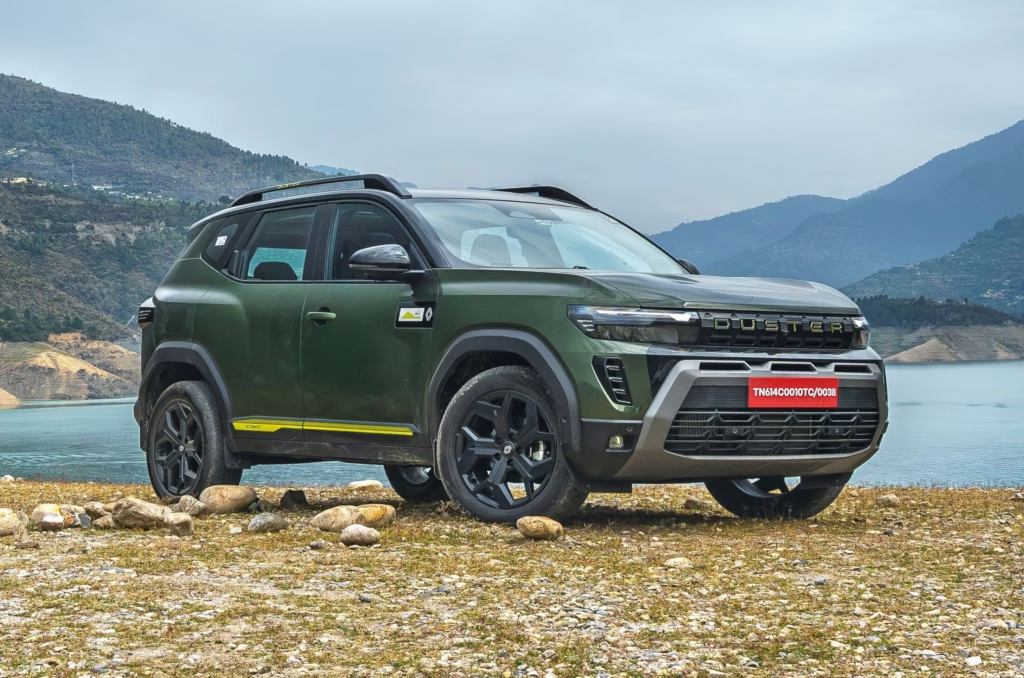
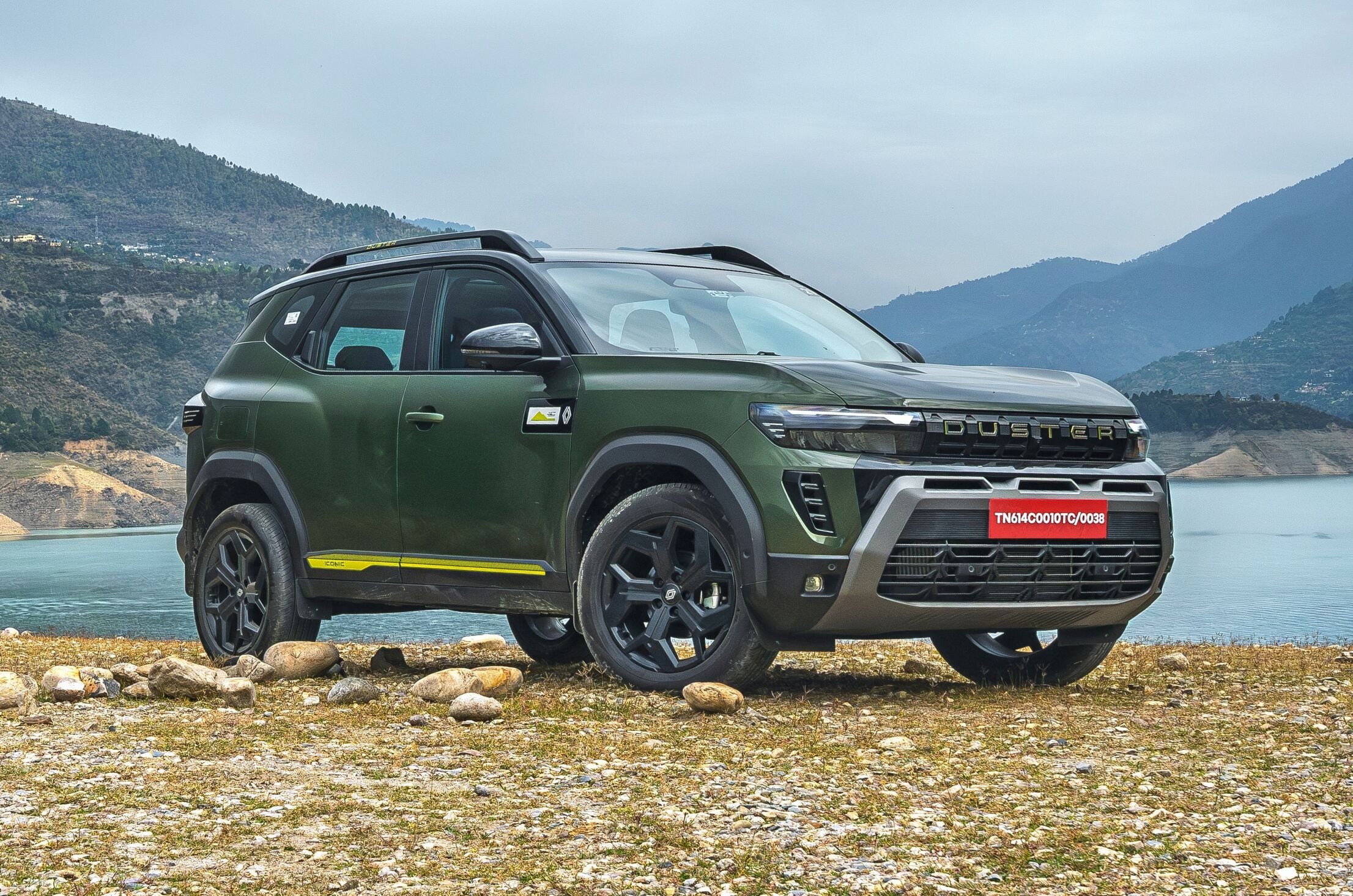
Duster

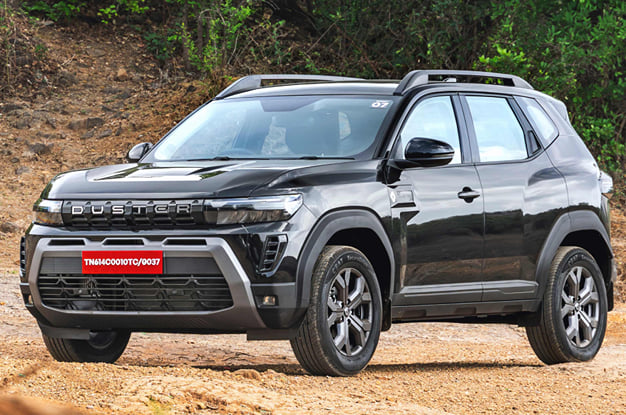
Renault has expanded the new Duster line-up with a strong-hybrid option, joining the existing 1.0-litre and 1.3-litre turbo-petrol engines. While the hybrid shares much of its design and cabin layout with the petrol versions, there are differences in styling, equipment and, most importantly, how the two powertrains deliver performance and efficiency. Here’s a closer look at what sets them apart.

Renault Duster turbo petrol vs hybrid: Exterior

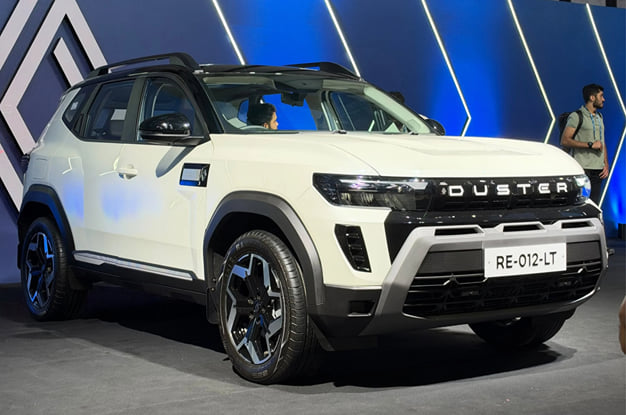
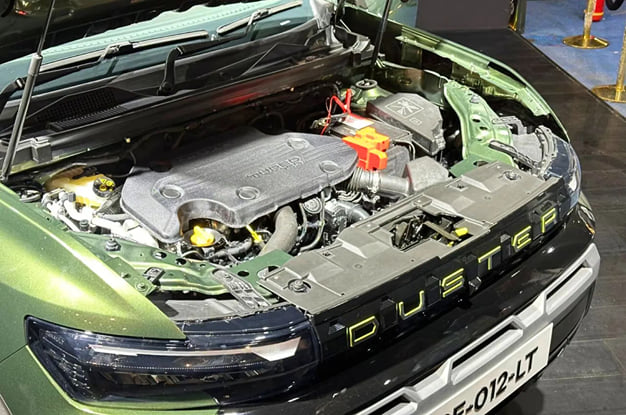
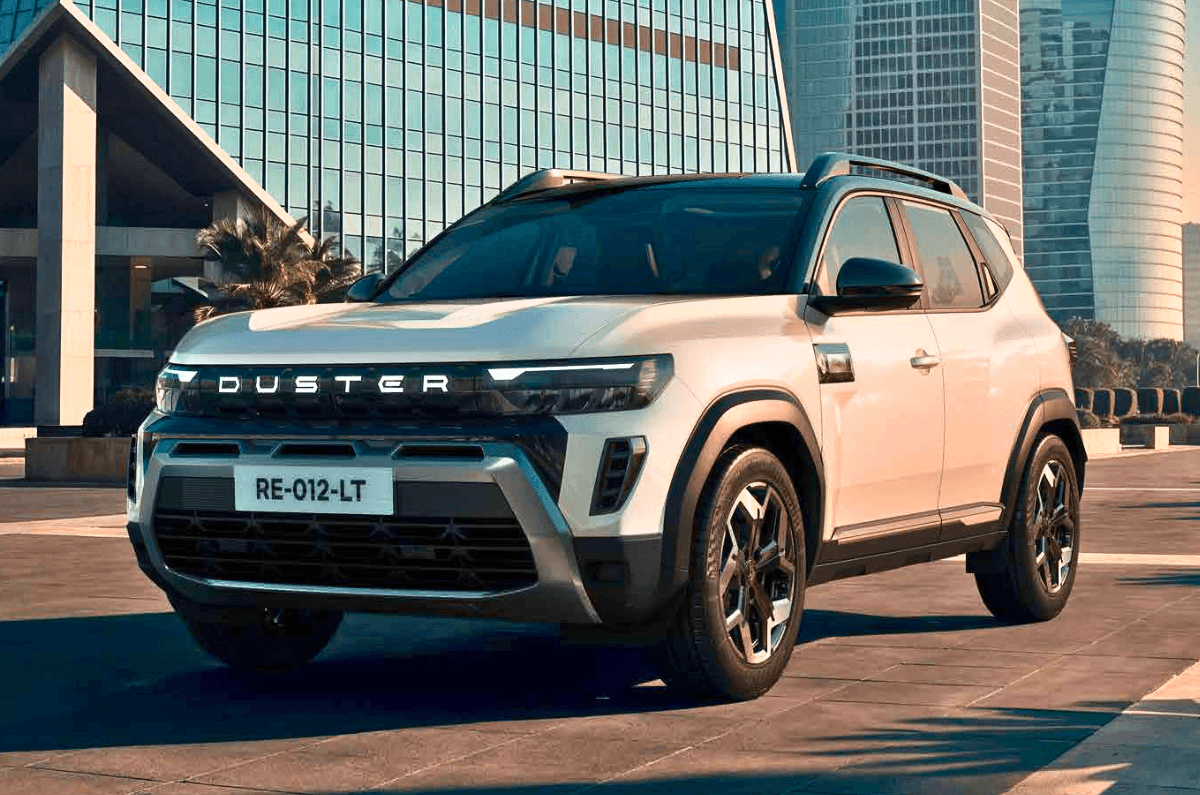
The illuminated grille and badges are the main styling difference

Duster turbo petrol
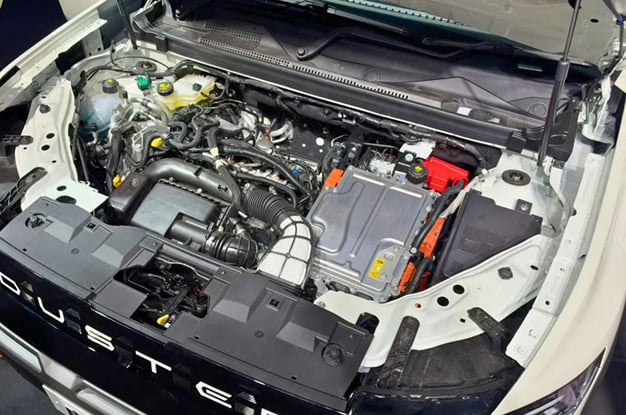
Duster hybrid
 

Duster turbo petrol vs hybrid

The Duster hybrid retains the turbo-petrol model’s overall design, including its eyebrow-shaped LED daytime running lamps, chunky body cladding, roof rails and C-pillar-mounted rear door handles.  It also has the same 212mm ground clearance.

The main styling changes are an illuminated ‘Duster’ grille emblem and ‘E-Tech Hybrid’ badges on the front doors and tailgate. The Hybrid version also gets frequency-dependent dampers. Boot capacity is lower than in the turbo-petrol versions, although the overall exterior design remains largely unchanged.

Renault Duster turbo petrol vs hybrid: Interior and features

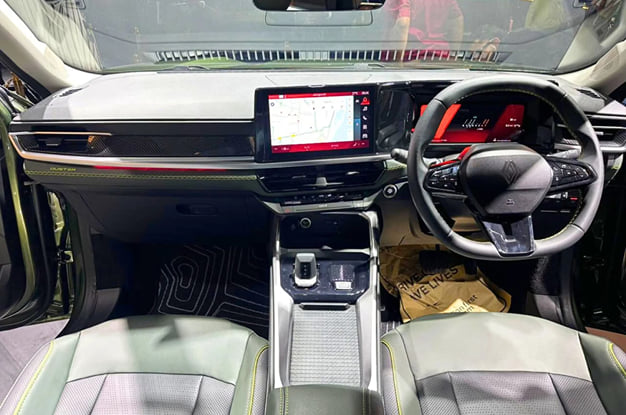
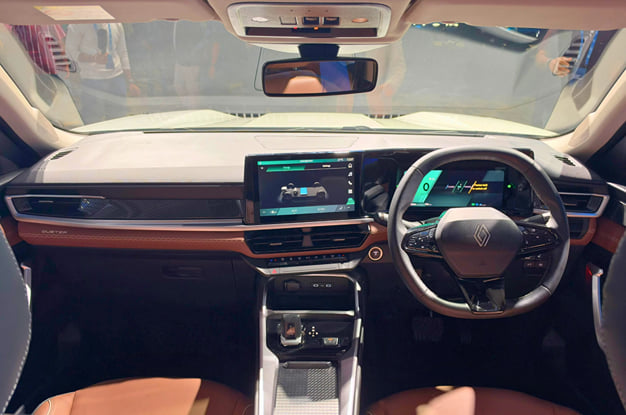
The cabin layout is similar, but the upholstery and equipment differ

Duster turbo petrol
Duster turbo hybrid
 

Duster turbo petrol vs hybrid

The hybrid follows the turbo-petrol Duster’s dashboard layout, with a dual-screen setup and an e-shifter on the centre console. The hybrid gets a different upholstery scheme from the turbo-petrol Duster, with black upholstery and grey stitching on the Evolution, Desert Beige semi-leatherette on the Techno and Dune Brown leatherette on the Emotion. The hybrid also gets a smaller headrest.

The Duster hybrid is offered in Evolution, Techno and Emotion trims, while the turbo-petrol range gets Evolution, Techno, Techno+, Iconic and Iconic Launch Edition variants. 

The hybrid and turbo-petrol Duster share some equipment across their respective trims, but there are differences. The hybrid Evolution gets a 7-inch digital driver’s display, a 10.1-inch touchscreen and dual-zone automatic climate control. The turbo-petrol Evolution has the same touchscreen and driver’s display, but gets single-zone manual air conditioning. Both the hybrid and turbo-petrol Techno trims get a panoramic sunroof.

At the top of the range, the hybrid Emotion gets a 10.25-inch digital driver’s display, ventilated and electrically adjustable front seats, and a powered tailgate. The turbo-petrol Iconic offers these features too, but additionally gets a 360-degree camera and Level 2 ADAS, which are not available on the hybrid.

Renault Duster turbo petrol vs hybrid: Engine and Performance

The 1.3-litre turbo-petrol makes more torque

Duster turbo petrol
Duster hybrid
 

Duster turbo petrol vs hybrid

The Duster turbo-petrol is available with two engine options. The 1.0-litre, three-cylinder unit produces 100hp and 166Nm and is paired with a 6-speed manual gearbox. The larger 1.3-litre, four-cylinder engine develops 163hp and 280Nm, and is available with a 6-speed manual or a 6-speed dual-clutch automatic gearbox.

The hybrid uses a naturally aspirated 1.8-litre, four-cylinder petrol engine paired with two electric motors: a 20hp generator and a 49hp motor that drives the wheels. The system produces a combined 160hp and 172Nm, with a 1.4kWh battery supporting the setup. It uses a ‘multi-mode’ automatic gearbox with two electric gears and four petrol gears.

The hybrid system automatically switches between six operating modes, including all-electric, petrol-only and series and series-parallel hybrid modes. Renault claims the Duster hybrid can cover up to 80 percent of city driving in pure electric mode and accelerate from 0-100kph in a claimed 9.61 seconds.

While the hybrid’s combined output of 160hp is close to the 1.3-litre turbo-petrol’s 163hp, its claimed torque figure of 172Nm is lower than the turbo-petrol’s 280Nm.

Renault Duster turbo petrol vs hybrid: mileage 

Duster hybrid mileage is 10.55kpl higher than turbo-petrol DCT

PowertrainTransmissionARAI-claimed mileage
1.0-litre turbo-petrol6-speed manual19.41kpl
1.3-litre turbo-petrol6-speed manual17.75kpl
1.3-litre turbo-petrol6-speed DCT automatic18.45kpl
1.8-litre strong hybridMulti-mode automatic29kpl

The hybrid’s claimed mileage is significantly higher than that of either turbo-petrol engine. The difference is 9.59kpl over the 1.0-litre turbo-petrol manual, 11.25kpl over the 1.3-litre turbo-petrol manual and 10.55kpl over the 1.3-litre turbo-petrol DCT. At 29kpl, the hybrid’s claimed mileage is around 57 percent higher than that of the DCT version. 

The hybrid has a 50-litre fuel tank, the same capacity as the turbo-petrol versions. Renault claims a driving range of more than 1,400km on a full tank of the Hybrid variant.

Duster turbo petrol vs hybrid: Price

The hybrid costs more, even though it misses some features available on the top-spec turbo-petrol

TrimDuster hybridDuster turbo-petrol
Authentic–10.49 (1.0 MT)
Evolution16.9911.69 (1.0 MT); 12.99 (1.3 MT); 14.49 (1.3 DCT)
Techno18.9913.49 (1.0 MT); 14.49 (1.3 MT); 15.89 (1.3 DCT)
Techno+–15.29 (1.3 MT); 16.69 (1.3 DCT)
Emotion / Iconic19.49 (Emotion)16.99 (Iconic MT); 18.49 (Iconic DCT)

MT = manual; DCT = dual-clutch automatic

The hybrid’s introductory prices apply to deliveries until December 31, 2026. In Evolution trim, the hybrid costs Rs 2.50 lakh more than the 1.3-litre turbo-petrol DCT, while the top-spec Emotion hybrid is Rs 1 lakh more than the Iconic DCT. The hybrid offers higher claimed mileage but misses out on the 360-degree camera and Level 2 ADAS available on the turbo-petrol Iconic.

The hybrid version suits buyers who cover long distances and prioritize fuel efficiency, while the 1.3-litre turbo-petrol is worth considering for its higher torque and additional driver-assistance features.

All prices are ex-showroom, India.

5 things to know about the Hero Xtreme 250R Carbon

5 things to know about the Hero Xtreme 250R Carbon
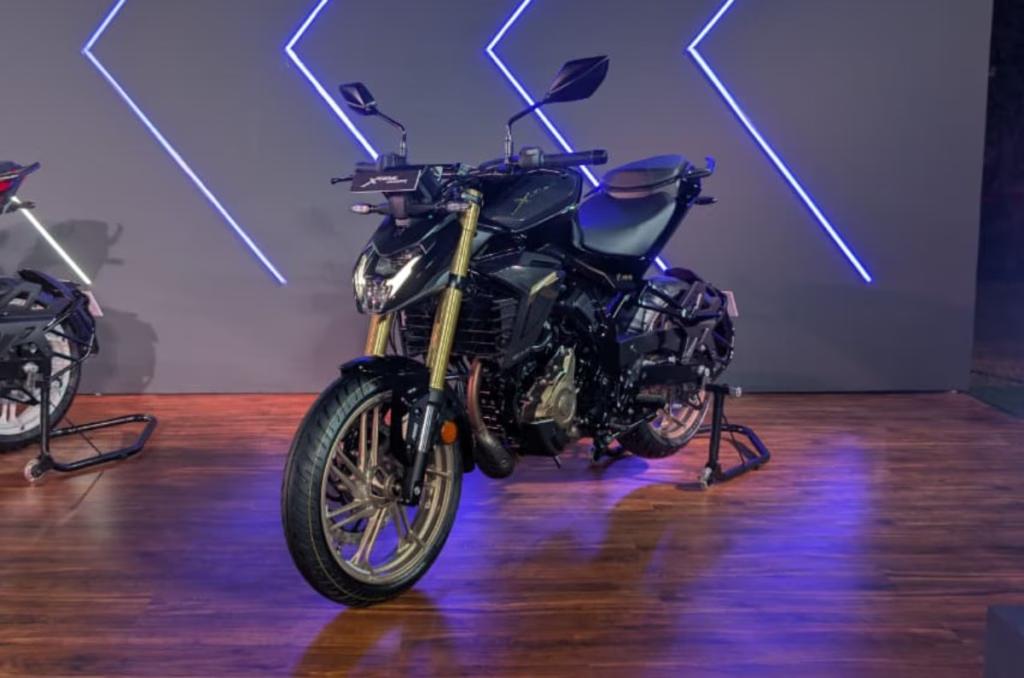
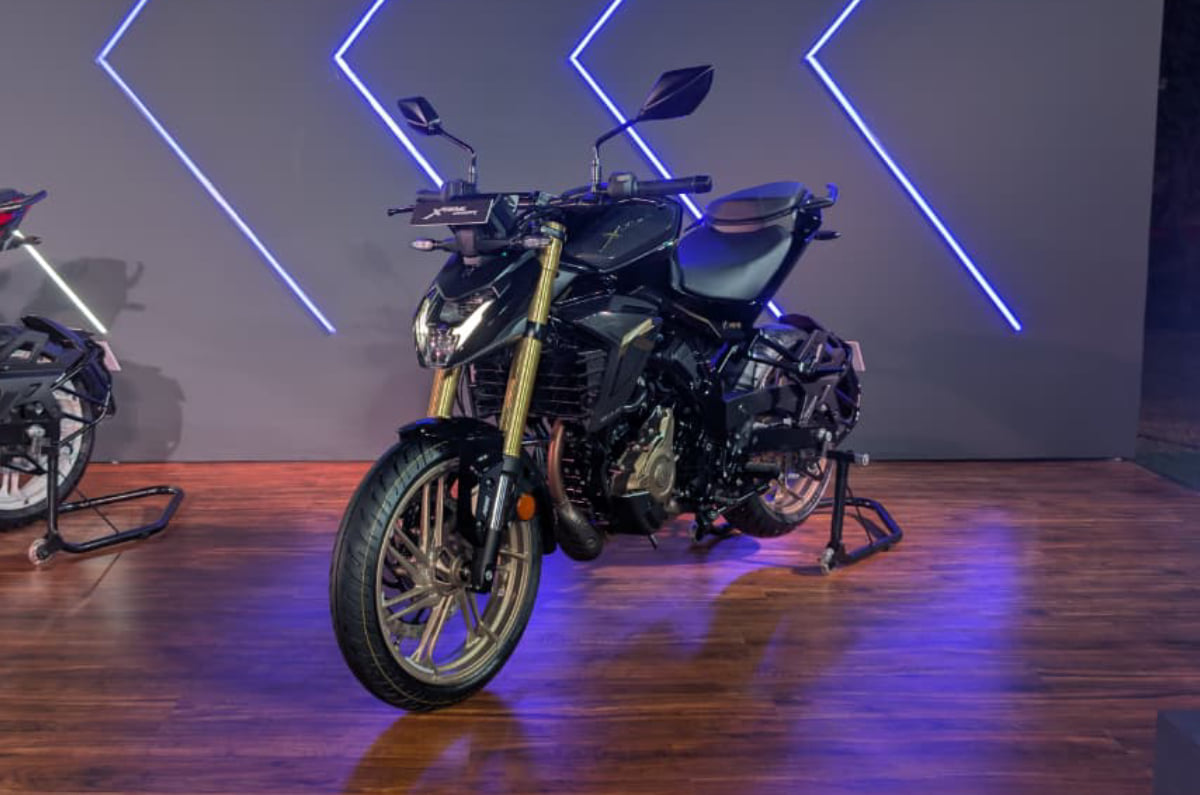
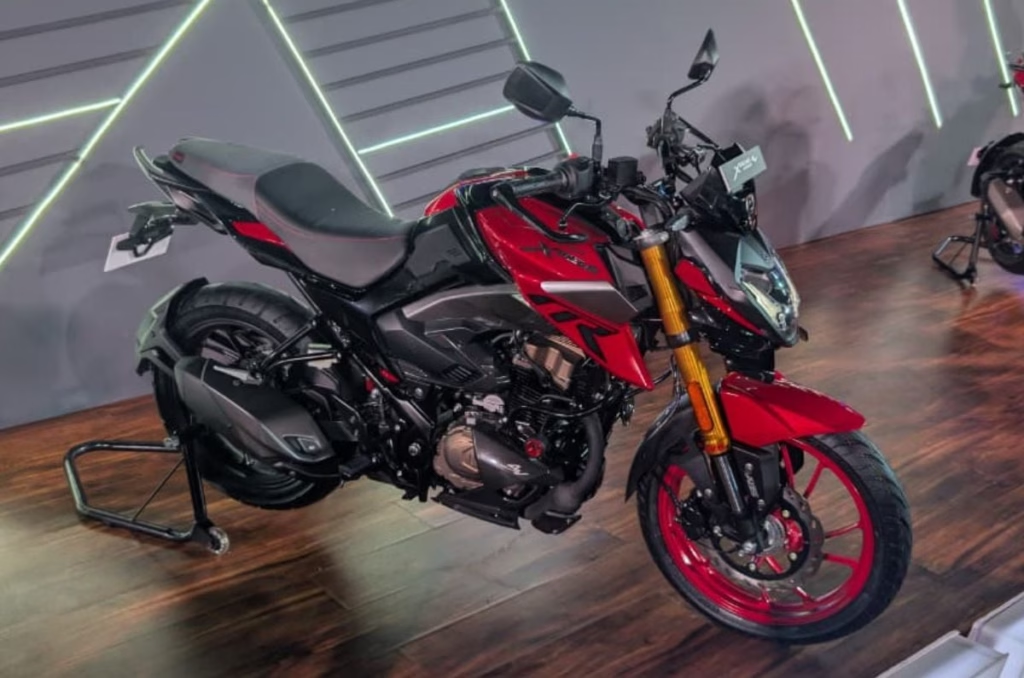
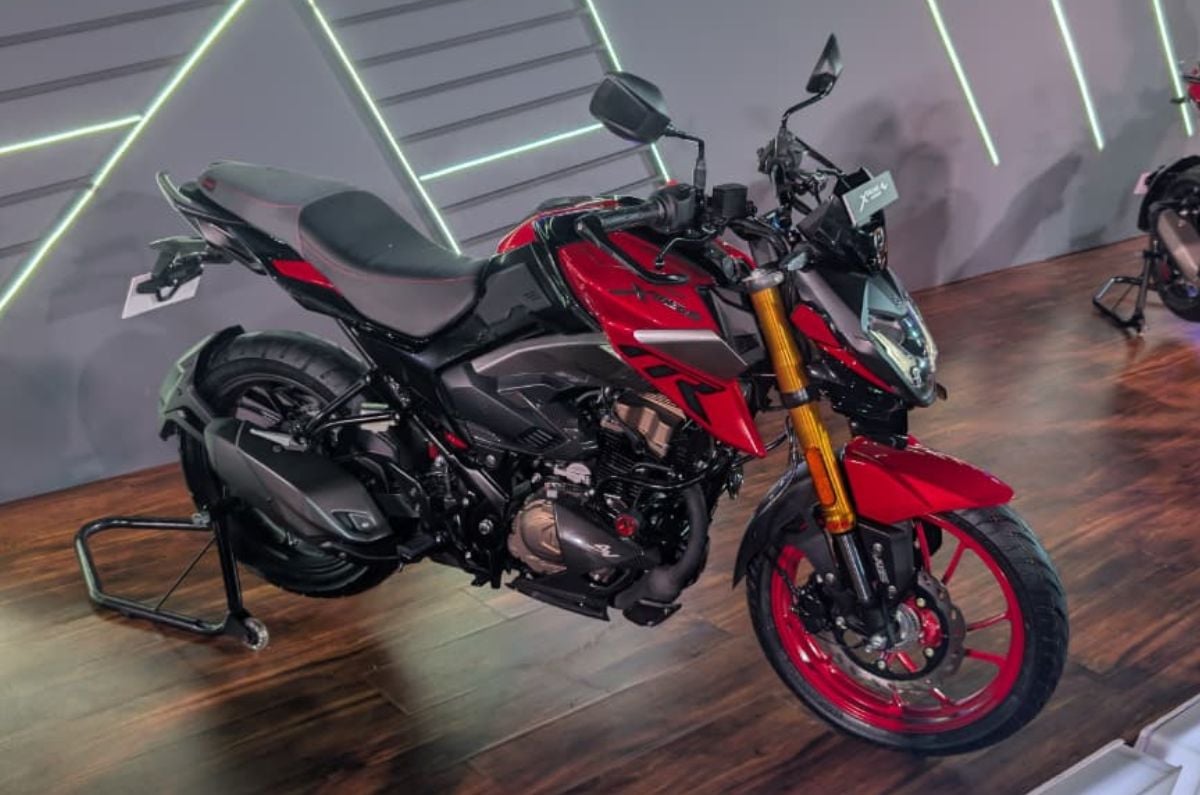
Xtreme 250R Carbon in black colour parked at the launch event

Hero MotoCorp has introduced a new Xtreme 250R Carbon variant with a substantial feature overhaul, adding multiple hardware and tech updates. Here are the five things you need to know about the bike.

1. What’s new on the updated Hero Xtreme 250R?

The Xtreme 250R Carbon features ride-by-wire, which unlocks four riding modes – Rain, Road, Sport and Track – along with traction control calibrated individually for each mode. A bi-directional quickshifter, cruise control and TPMS have also been added. In terms of tech, the LCD instrument cluster has been replaced by a 4.2-inch TFT screen borrowed from the Xpulse 210.

The rear suspension gets Frequency Selective Damping (FSD), a system that uses a secondary valve to automatically vary damping across two distinct profiles based on the speed and frequency of road inputs. It stiffens up to absorb high-frequency impacts, such as road chatter, and softens for longer, slower compressions, such as when going over a speed breaker.

2. What does the Hero Xtreme 250R engine have to offer?

The 249cc liquid-cooled, single-cylinder engine is carried over largely unchanged, producing 30hp at 9,250rpm and 25.3Nm at 7,500rpm. The latter represents a minor 0.3Nm increase over the outgoing bike, delivered 250rpm higher in the rev range.

3. Which is faster, the KTM 250 Duke or the Hero Xtreme 250R?

We found the Hero Xtreme 250R to be the quicker of the two during our tests. The KTM 250 Duke completed the 0-60kph run in 3.44 seconds and the 0-100kph run in 8.50 seconds. The Xtreme 250R, tested on the same day, completed the same runs in 3.15 seconds and 8.22 seconds, respectively.

It’s worth noting that these figures are for the standard Xtreme 250R. However, the engine remains largely unchanged, and Hero’s claimed 0-60kph time for the Carbon is identical to that of the standard model, so we expect the updated bike’s performance to be largely similar.

4. What is the price of the updated Hero Xtreme 250R Carbon?

The Hero Xtreme 250R Carbon is priced at Rs 1.98 lakh (ex-showroom, Delhi), a Rs 14,000 premium over the standard Xtreme 250R following an Rs 11,000 price hike for the standard model alongside the introduction of the Carbon variant. Despite the premium, the Carbon remains notably more affordable than the KTM 250 Duke, which costs Rs 2.28 lakh.

5. What colours is the new Xtreme 250R available in?

The Hero Xtreme 250R Carbon is offered in three colours: Carbon Red, Carbon Black and Carbon White. Along with the new colours, the Carbon variant also gets coloured wheels and exclusive graphics.

Renault Duster on-road prices listed in major Indian cities

Renault Duster on-road prices listed in major Indian cities
New Renault Duster on-road prices listed in major Indian cities

The Renault Duster is priced from Rs 10.49 lakh to Rs 19.49 lakh, ex-showroom. It recently added a hybrid powertrain, which is sold alongside the existing turbo-petrol engine options. The Duster is now available in seven trims: Authentic, Evolution, Adventure, Techno, Techno+, Iconic and Emotion.

If you want to know how much you need to pay to for the Renault Duster, here are its on-road prices across major Indian cities.

New Renault Duster turbo-petrol on-road prices in major Indian cities (in Rs lakh)

Trim

Mumbai

Delhi

Kolkata

Bengaluru

Chandigarh

Authentic 1.0 MT12.3812.1712.1712.9111.75
Evolution 1.0 MT13.8013.5713.5714.3813.10
Evolution 1.3 MT15.3315.0715.0715.9814.55
Evolution 1.3 DCT17.1016.8116.8117.8316.23
Adventure 1.0 MT15.3315.0715.0715.9814.55
Adventure 1.3 MT16.5116.2316.2317.2115.67
Adventure 1.3 DCT18.1717.8617.8618.9417.24
Techno+ 1.3 MT18.0517.7417.7418.8117.13
Techno+ 1.3 DCT19.7019.3719.3720.5318.70
Iconic 1.3 MT20.0519.7119.7120.9019.03
Iconic 1.3 DCT21.8221.4521.4522.7520.71

New Renault Duster hybrid on-road prices in major Indian cities (in Rs lakh)

Trim

Mumbai

Delhi

Kolkata

Bengaluru

Chandigarh

Evolution 1.8 AT20.0519.7119.7120.9019.03
Techno 1.8 AT22.4122.0322.0323.3621.27
Emotion 1.8 AT20.0522.6122.6123.9821.83

Note: On-road prices may vary based on city-specific registration charges and other cost components, including insurance, FASTag and RTO fees. Please check with your nearest Honda dealership for exact figures.

Among the major cities listed, the new Renault Duster’s on-road prices are the highest in Bengaluru and the lowest in Chandigarh. The entry-level Authentic 1.0 MT costs Rs 12.91 lakh in Bengaluru and Rs 11.75 lakh in Chandigarh, a difference of Rs 1.16 lakh. For the top-spec Iconic 1.3 DCT, the prices are Rs 22.75 lakh and Rs 20.71 lakh, respectively, a gap of Rs 2.04 lakh.

Speaking of the Duster hybrid’s on-road prices, they are also the highest in Bengaluru and lowest in Chandigarh. The most accessible variant, Evolution 1.8 AT, costs Rs 19.03 lakh in Chandigarh, while the top-spec Emotion 1.8 AT costs Rs 23.98 lakh in Bengaluru, a difference of Rs 4.95 lakh.

Prices mentioned above are as on October 18, 2026.

3 reasons to buy the Mahindra XUV 3XO CNG and 3 reasons not to

3 reasons to buy the Mahindra XUV 3XO CNG and 3 reasons not to
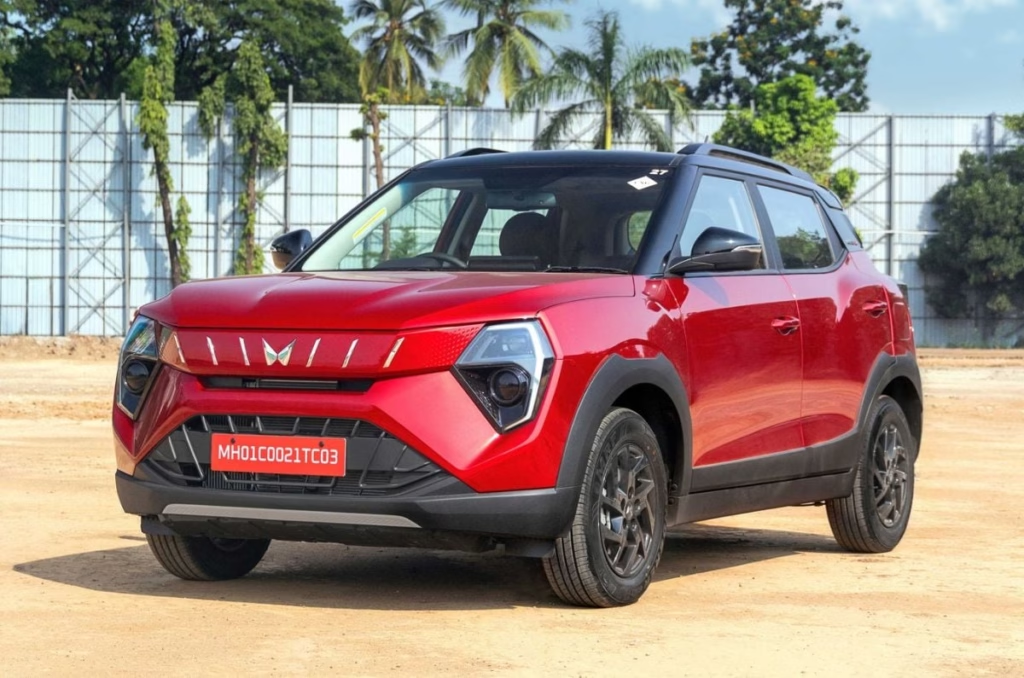
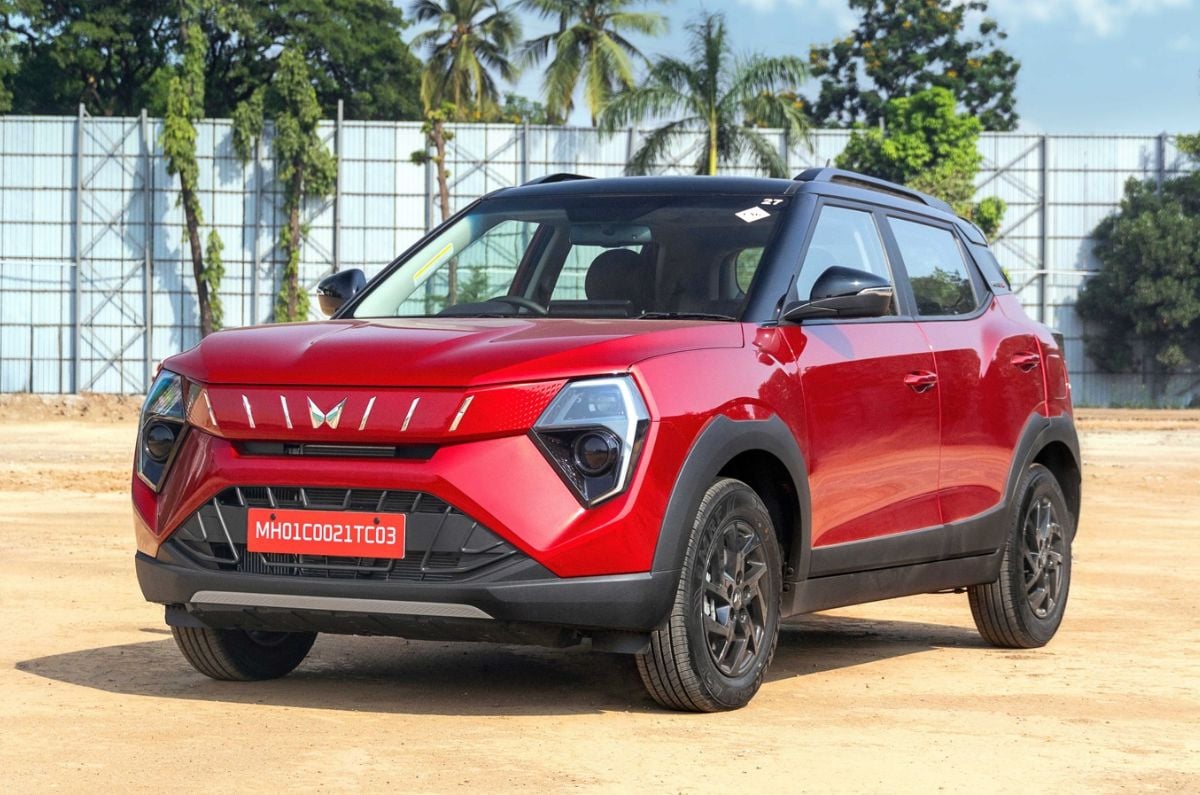
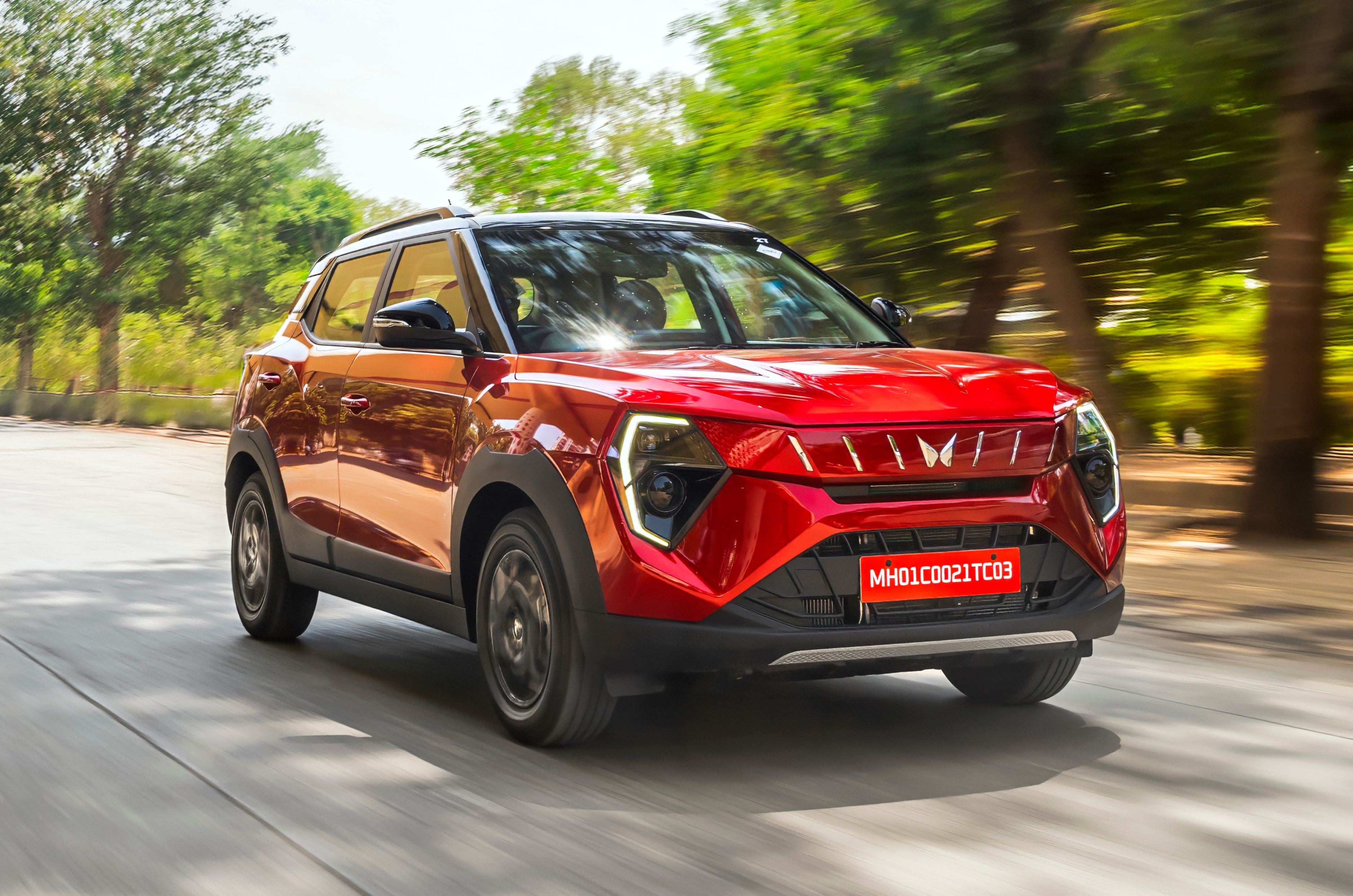
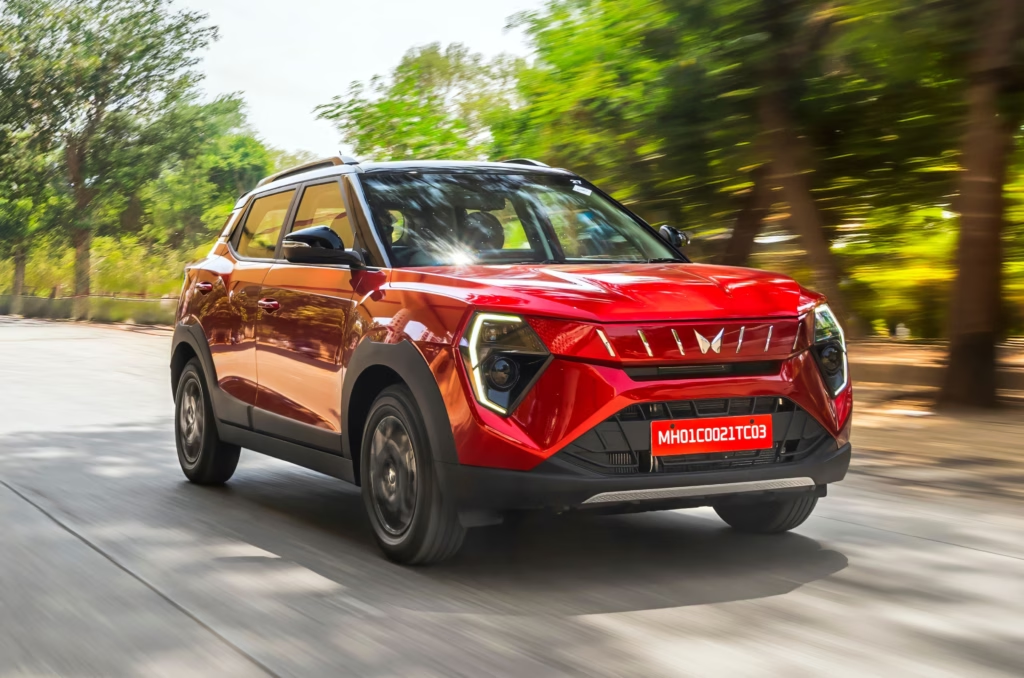
Mahindra XUV 3XO CNG front quarter

The Mahindra XUV 3XO ZNG takes on the Tata Nexon iCNG and the Maruti Brezza CNG in the CNG compact SUV space. Priced from Rs 9.99 lakh to Rs 12.27 lakh (ex-showroom), it carries a premium of Rs 1 lakh to Rs 1.2 lakh over the corresponding petrol versions. Before signing on the dotted line, here are the key strengths and weaknesses of this Mahindra SUV.

Reasons to buy the Mahindra XUV 3XO CNG

Strong performance on CNG

The XUV 3XO CNG loses none of its power when running on gas

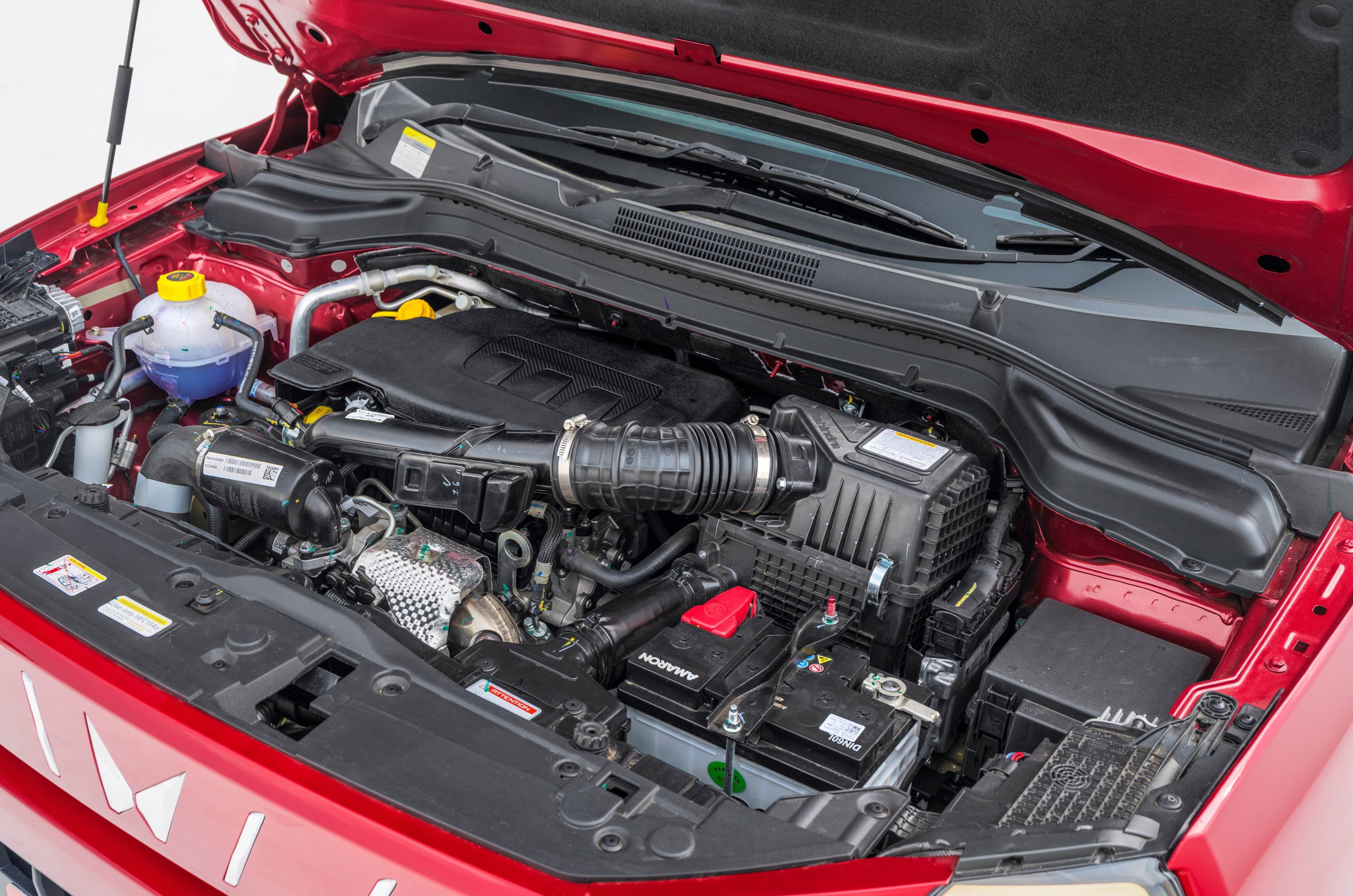
Mahindra XUV 3XO CNG engine

The 1.2-litre MPFI (multi-point fuel-injected) turbo-petrol engine of the XUV 3XO CNG is the same unit found in the lower and mid-spec petrol trims. Here it develops 111hp and 200Nm in both petrol and CNG modes. While there’s some turbo lag below 2,000rpm, the engine pulls eagerly once it crosses that mark. This unit is also notable for its refinement and tractability, rarely requiring one to drop down to first gear, for going over speed breakers, for example.

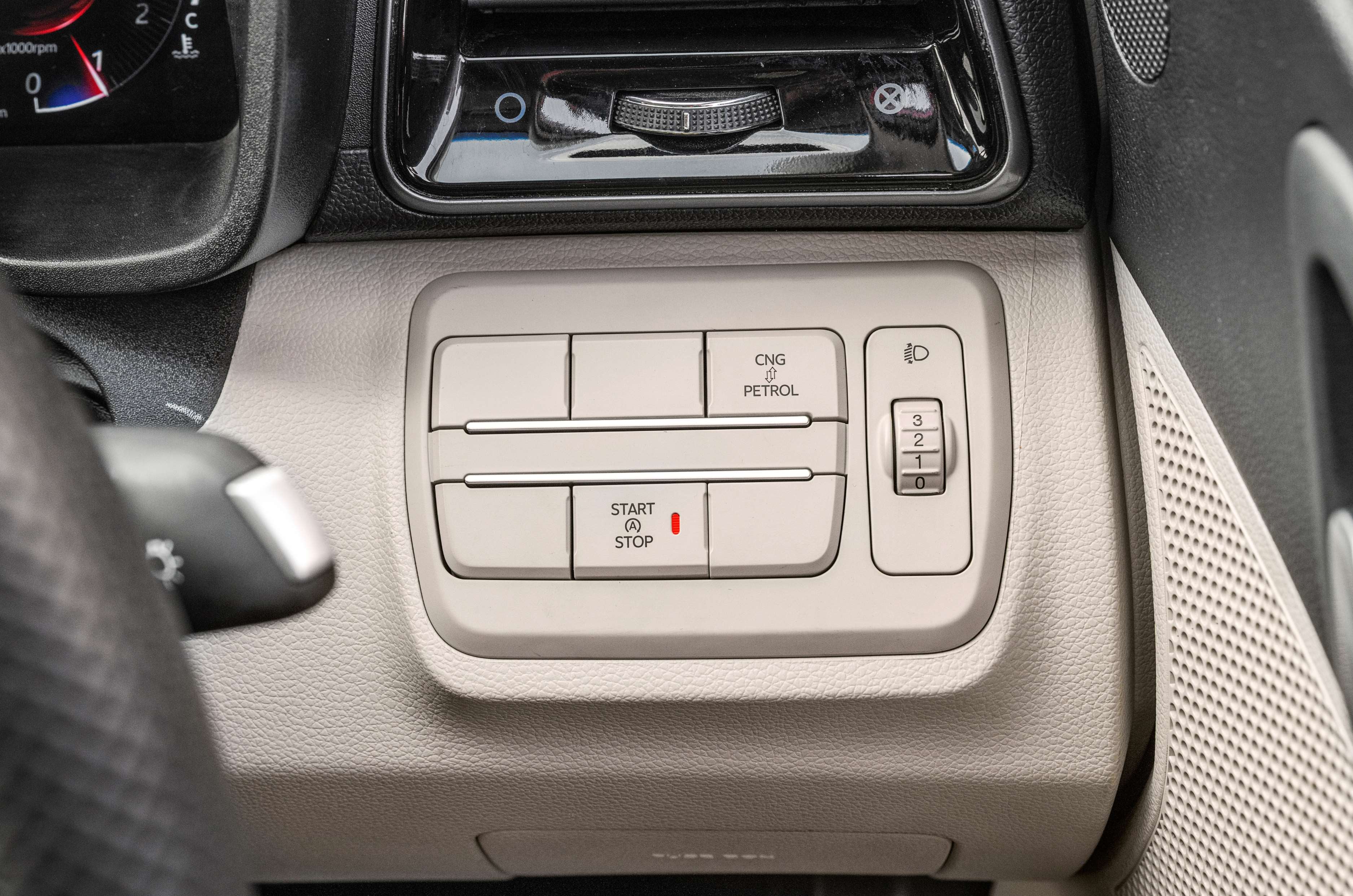
Mahindra XUV 3XO CNG mode switch

Switching between petrol and CNG is seamless as well, and few would be able to tell which fuel the XUV 3XO ZNG is running on. While we’re yet to test it, Mahindra claims a mileage of 24.7km/kg for this compact SUV, translating to a theoretical range of 247km on CNG.

Comfy ride and tidy handling

Mahindra has retuned the suspension to accommodate the extra heft of the CNG kit

Mahindra XUV 3XO CNG front quarter tracking

The CNG hardware adds around 100kg to the XUV 3XO’s kerb weight, with the majority of it being over the rear axle. Mahindra has reworked the suspension to compensate for this heft. The result is a slightly firm ride but one that deals with bad roads quite well.

Mahindra XUV 3XO CNG steering modes

Adding to the overall comfort here are the 16-inch wheels wrapped with high-profile tyres. These manage to cushion the cabin from sharp bumps. The XUV 3XO CNG rides better than most cars in its segment. What’s good is that this ride comfort doesn’t come at the cost of sloppy handling. In fact, this Mahindra SUV feels tight and planted around corners. The steering is direct and doesn’t require much effort, with drivers being offered three steering modes for flexibility.

Upmarket cabin

This cabin is just as plush as that of the petrol and diesel versions

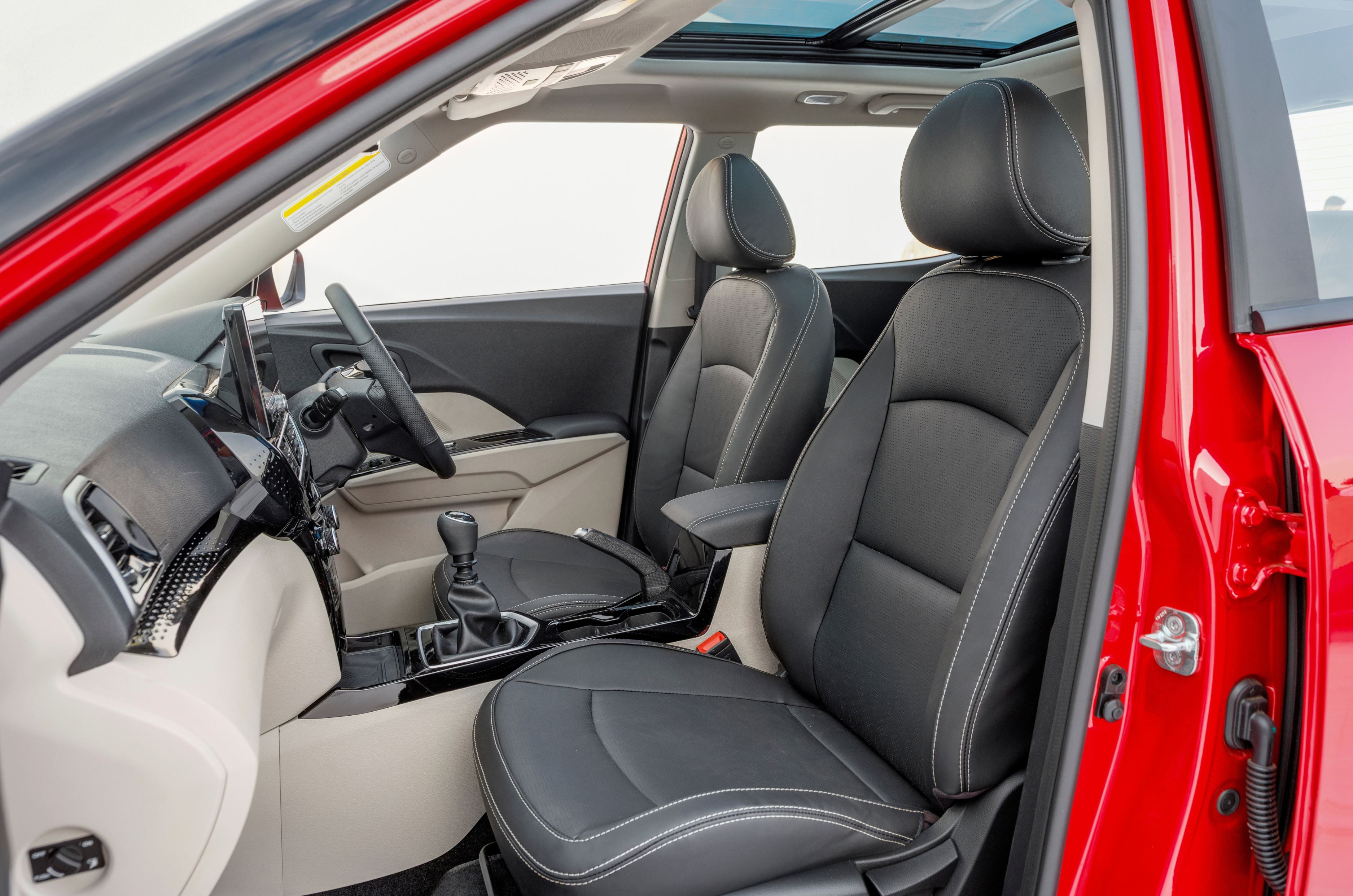
Mahindra XUV 3XO CNG seats

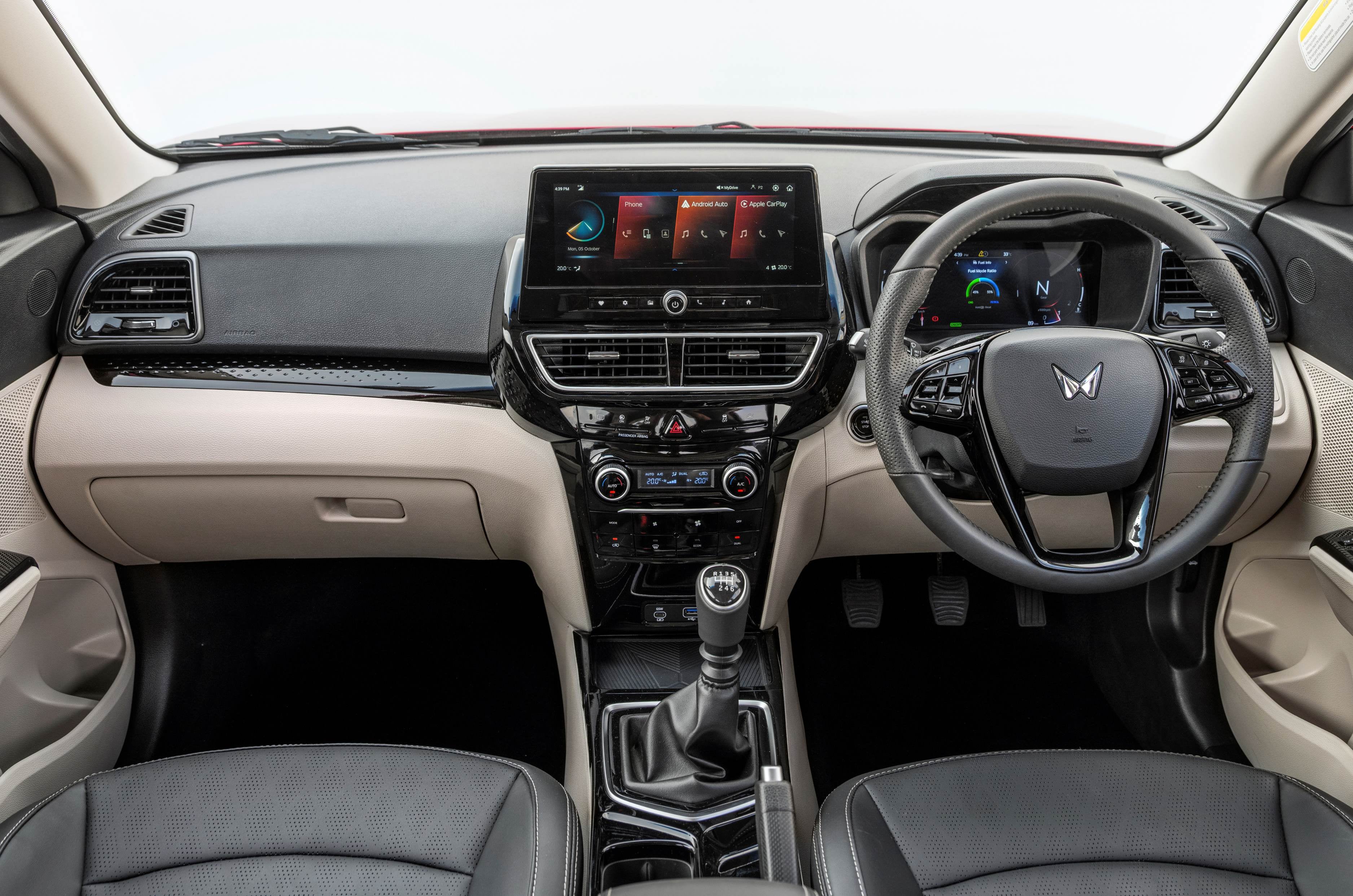
A CNG switch next to the steering wheel aside, the cabin of the XUV 3XO CNG is identical to that of non-CNG versions. While it can’t be had in equally top-end trim levels, the CNG version is available with a dual-tone dashboard, gloss black accents and leatherette upholstery. Overall, there’s a feeling of good build that’s backed by a sense of premiumness. Meanwhile, the rear seat is quite roomy for the class and can accommodate three adults without much fuss.

Mahindra XUV 3XO CNG digital instrument panel

The top-spec RevX A trim gets twin 10.25-inch screens, a panoramic sunroof and a 6-speaker audio system with Dolby Atmos. Mahindra says the CNG version is engineered to match the five-star Bharat NCAP safety rating of other combustion-powered XUV 3XO versions. Standard safety features here include 6 airbags, stability control, ISOFIX anchors and a reversing camera.

Reasons not to buy the Mahindra XUV 3XO CNG

Small boot

The twin-tank setup eats into what was already a small boot

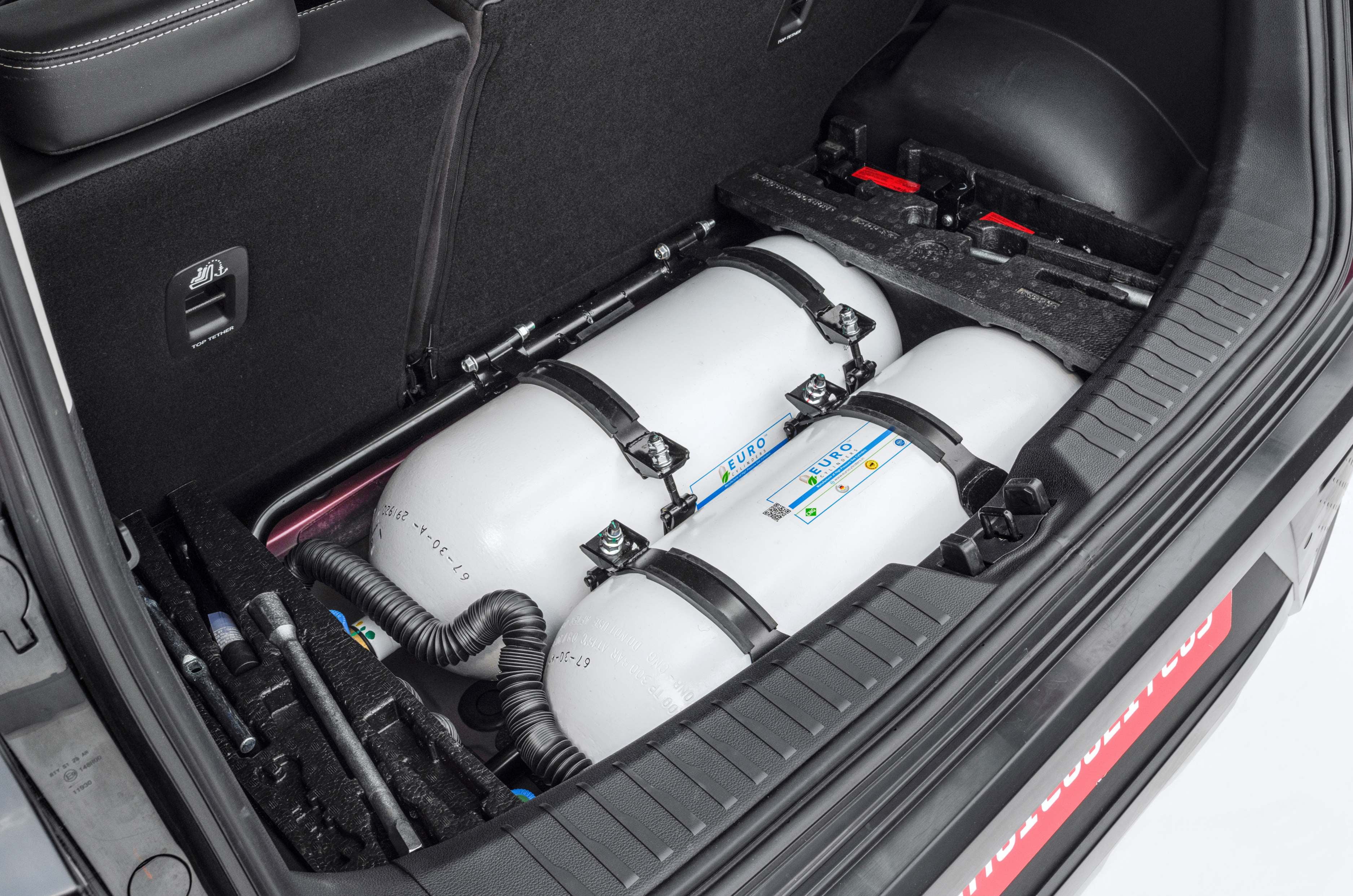
Mahindra XUV 3XO CNG tanks

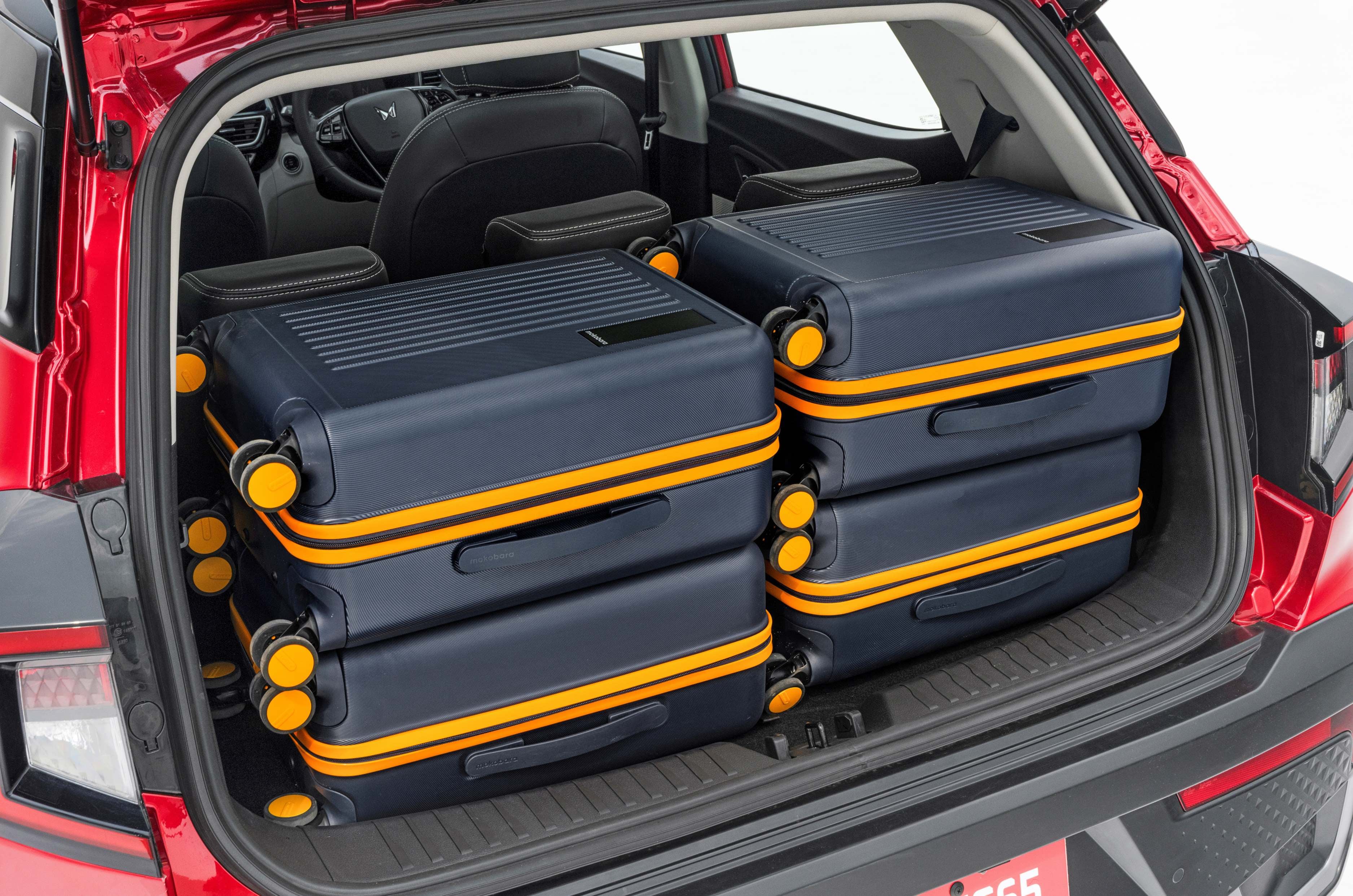
The 295-litre boot of the XUV 3XO was already the most compact in the segment. Despite moving the spare wheel under the car’s body and fitting the twin cylinders beneath the boot floor, the XUV 3XO CNG’s boot is even more compromised – offering just 270 litres of cargo space. It’s only its width that allows up to four cabin-sized bags to be stored.

Cabin niggles

The XUV 3XO CNG’s interior isn’t devoid of ergonomic flaws

Mahindra XUV 3XO CNG interior

While the black leatherette seats look sporty, they don’t get a ventilation function. This means that, on a bright sunny day, they will heat up quite quickly. If you’ve a larger build, the front seats of the XUV 3XO CNG will feel lacking in space. Adding to the ergonomic niggles is the steering wheel, which cannot be adjusted for reach, making it harder to find a comfortable driving position. Lastly, not only is the XUV 3XO CNG’s driver footwell cramped, there’s also no dead pedal.

Limited options

Customers get only mid-spec trim levels with the CNG version

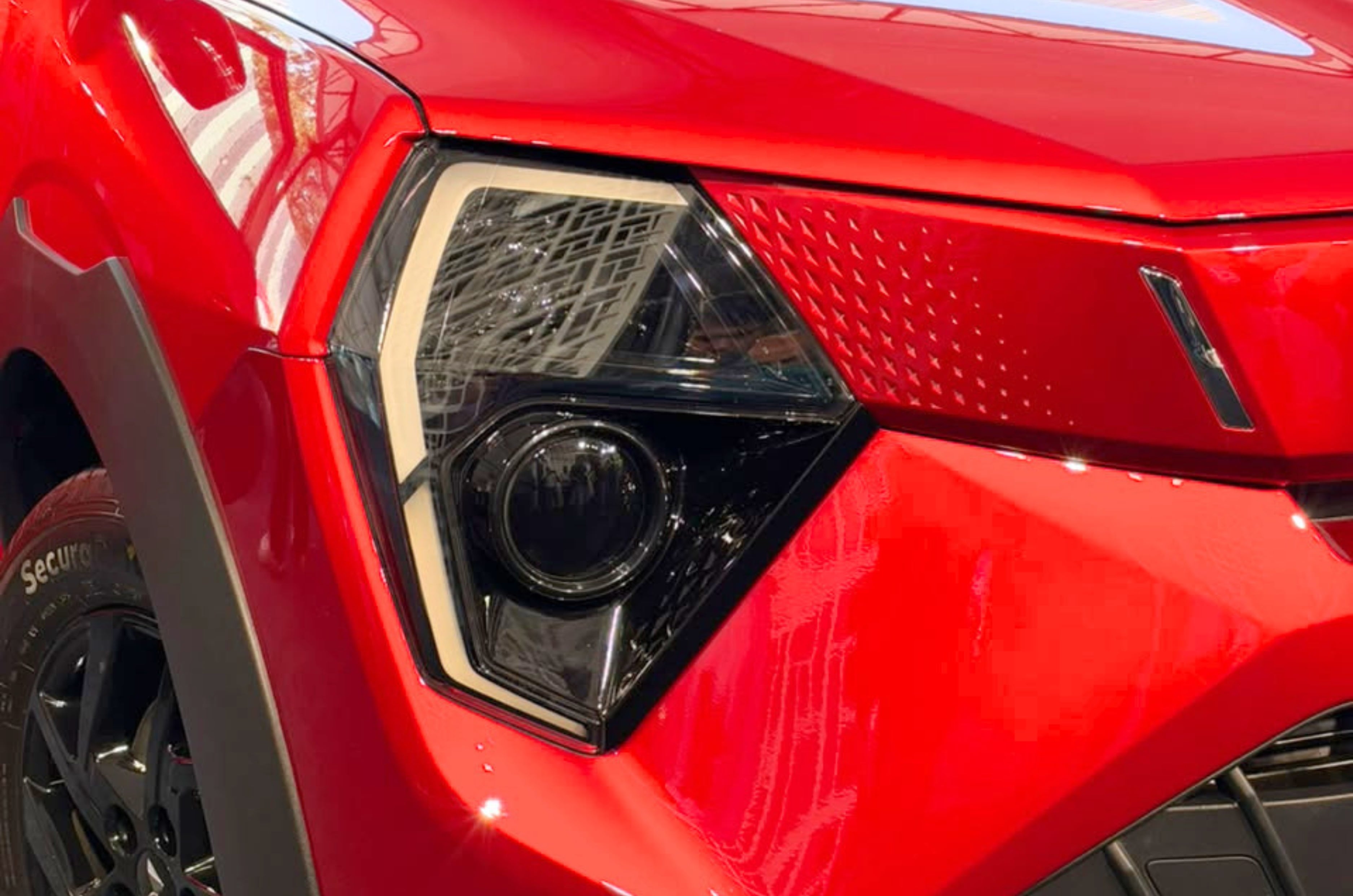
Mahindra XUV 3XO CNG headlamps

The CNG version of the Mahindra XUV 3XO is sold in just four trim levels, all of which are mid-spec options within the broader line-up. This limitation becomes obvious given the lack of a 360-degree camera, ventilated front seats, or a wireless charging pad – these are available in the Nexon iCNG. There are no fog lamps, either. Another limitation is that the CNG version only comes with a 6-speed manual, which has long throws and a fair amount of clutch pedal travel.

Hero Xtreme 160R 4V Carbon vs Rivals: Price and Specifications Compared

Hero Xtreme 160R 4V Carbon vs Rivals: Price and Specifications Compared
Hero Xtreme 160R Carbon, Pulsar N160 SS and TVS Apache RTR 160 4V in clockwise direction.

The 160cc segment was kickstarted and subsequently dominated by the TVS Apache RTR 160 and now, the RTR 160 4V is the manufacturer’s best-selling Apache, with the RTR 160 (2V) following in its footsteps. Bajaj has been attacking this duo with a trident of motorcycles, the N160, classic 150, and the NS160. In this fight, Hero’s offering the Xtreme 160R has taken a backseat all this while, but Hero’s looking to get in the front with the newly updated version of its street-naked motorcycle. Does it, really? Let’s see.

Hero Xtreme 160R 4V Carbon vs Rivals: Engine and output

Bajaj has the biggest engine with the most power


Hero Xtreme 160R 4V Carbon

TVS Apache RTR 160 4V

Bajaj Pulsar N160 SS

Engine

163.2cc, single-cylinder, oil-cooled

159.7cc, single-cylinder, oil-cooled

164.9cc, single-cylinder, oil-cooled

Power

17.1hp at 8,750rpm

17.6hp at 8,650rpm

18.5hp at 9,500rpm

Torque

14.6Nm at 6,500rpm

14.7Nm at 7,500rpm

14.4Nm at 8,000rpm

Transmission

5-speed

5-speed

5-speed

Power-to-weight ratio

114.77hp/tonne

120.21hp/tonne

122.52hp/tonne

Hero left the 163.2cc engine almost completely untouched, only raising the peak power output by a meagre 0.2hp compared to earlier. Bajaj’s upgrade to the N160 was more comprehensive than Hero and TVS, even though the other two motorcycles are chronologically newer. Said update has thus helped the N160 SS maintain the highest horsepower of the trio, though it comes in third with respect to torque.

However, the torque race is a very close one and thus unlikely to matter in real-world conditions. The noteworthy jump in power also helps Bajaj maintain a higher power-to-weight ratio, despite being the heaviest of the three motorcycles.

Hero Xtreme 160R 4V Carbon vs rivals: Dimensions and weight

Pulsar is the heaviest, but makes up for it


Hero Xtreme 160R 4V

TVS Apache RTR 160 4V

Bajaj Pulsar N160 SS

Fuel tank capacity

12 litres

12 litres

14 litres

Ground clearance

165mm

180mm

165mm

Kerb weight

149kg

146kg

151kg

Seat height

805mm

790mm

795mm

Wheelbase

1,329mm

1,357mm

1,348mm

None of these motorcycles received a generational change to the platform so the numbers largely remain the same as earlier. Starting off with the Xtreme 160R 4V, Hero has given it some additional features which has made it 1.5kg heavier than the previous Combat Edition and the seat height is a negligible 5mm taller too.

TVS added exactly two new features to the Apache so it remains exactly where it was before and is the motorcycle with the lowest seat height, while having the most amount of ground clearance. The Pulsar N160 is the heaviest of the lot, but also has two additional litres of fuel tank capacity, which is a factor in the additional weight. In this class, that translates to – at the very least – 80km of real-world range so that’s not a small advantage to the Bajaj.

Hero Xtreme 160R 4V Carbon vs Rivals: Tyres, brakes and suspension

Hero has a smaller rear brake and TVS has a narrower front tyre


Hero Xtreme 160R 4V

TVS Apache RTR 160 4V

Bajaj Pulsar N160 SS

Tyres (F, R)

100/80-17, 130/70R17

90/90-17, 130/70R17

100/80-17, 130/70R17

Brakes (F, R)

276mm disc, 220mm disc, dual-channel ABS

270mm disc, 240mm disc, dual-channel ABS

300mm disc, 230mm disc, dual-channel ABS

Suspension (F, R)

37mm USD fork, monoshock

37mm USD fork, monoshock

37mm USD fork, monoshock

Things continue to even out in this section but Bajaj makes a statement with the largest front disc rotor, which is actually from a class above. All three offer dual-channel ABS as standard on the top variants, and all have a lower variant with right-side-up (RSU) telescopic fork and single-channel ABS. Hero is the only manufacturer to offer a KYB, who is a suspension specialist, built fork but also has given the Xtreme 160R the smallest rear disc. TVS technically does have the smallest tyre of the three, but it’s not alarmingly small to imply handling issues.

Hero Xtreme 160R 4V Carbon vs Rivals: Features

Hero’s redemption attempt

This is the area Hero has caught up the most to the other two, after design. Though the Combat Edition added quite a bit to make the Xtreme 160R last year, the fight now feels even across the board, which is a great thing for you and me as consumers.

On the top Carbon variant, you get a 4.2-inch TFT display that goes toe-to-toe with the other two on this list. Xtreme 160R is the only motorcycle in this segment to give you cruise control and TVS, despite technically being the oldest platform of the lot, gives a tough fight to the other two. In terms of outright feature-set, the Bajaj still offers a higher number of features, such as an additional ride mode, document storage on the display and the likes, but TVS and Hero fight valiantly. The Hero still misses out on features such as, a slip-and-assist clutch, a dedicated mode to make low speed riding easier (Crawl mode on Bajaj, GTT on TVS) and Google Maps mirroring. So, if you’re looking for the most feature-loaded Hero, take a gander at the Xtreme 250R, which also got updated with quite a bit of features and is sitting in the segment above.

Hero Xtreme 160R 4V Carbon vs Rivals: Price

Carefully treading the affordable-line


Hero Xtreme 160R 4V

TVS Apache RTR 160 4V

Bajaj Pulsar N160 SS

Price (ex-showroom)

Rs 1.27-1.41 lakh

Rs 1.20-1.42 lakh

Rs 1.22-1.43 lakh

Hero is currently the most expensive of the three, especially if you’re looking to get the base variant; beyond that, digging further into the price difference will be splitting hairs, so look at the other sections to see if they help you make a choice. That being said, the 160cc segment in India is one of, if not, the most competitive one so whichever one you choose, you’re unlikely to make a truly bad one. See which motorcycle catches your eye the fastest and pulls your heart strings the hardest after the test ride, and you’ll probably know what you’re bringing home.

If you’re determined to live in the xtreme, er, extreme, Hero is currently taking bookings for the all-new Xtreme 160R 4V, whereas the other two motorcycles are already available in their respective showrooms. Unlike its bigger brother, the 160R 4V will be available in all Hero showrooms across the country – which is quite a large network. Deliveries for it are expected to begin in November.

UPESSC PRT Recruitment 2026: प्राइमरी टीचर भर्ती के लिए आवेदन की तारीख बढ़ी, जानें 12,405 पदों के लिए कब तक कर सकते हैं अप्लाई

UPESSC PRT Recruitment 2026: उत्तर प्रदेश शिक्षा सेवा चयन आयोग (UPESSC) ने असिस्टेंट टीचर प्राइमरी भर्ती 2026 के लिए आवेदन करने की आखिरी तारीख बढ़ाकर 28 अक्टूबर, 2026 कर दी है। जिन उम्मीदवारों ने अभी तक अपना आवेदन जमा नहीं किया है, वे आयोग की आधिकारिक वेबसाइट upessc.up.gov.in के जरिए पंजीकरण प्रक्रिया पूरी कर सकते हैं।

पहले आवेदन की आखिरी तारीख 15 अक्टूबर, 2026 तय की गई थी। एक्सटेंशन के बाद, उम्मीदवारों के पास अपने जमा किए गए आवेदन फॉर्म में करेक्शन करने के लिए अतिरिक्त समय भी होगा। आयोग द्वारा जारी शॉर्ट नोटिस के अनुसार, आवेदन विवरण में बदलाव करने की आखिरी तारीख 31 अक्टूबर, 2026 है। इस भर्ती प्रक्रिया का मकसद उत्तर प्रदेश में असिस्टेंट टीचर की 12,405 वैकेंसी को भरना है। इसमें उत्तर प्रदेश बेसिक एजुकेशन काउंसिल के तहत प्राइमरी स्कूल और उससे जुड़े नॉन-गवर्नमेंट एडेड प्राइमरी स्कूल शामिल हैं।

UPESSC PRT भर्ती 2026: पदवार बंटवारा

आयोग ने प्राथमिक शिक्षक के पोस्ट की दो श्रेणी में 12,405 पदों की घोषणा की है। कुल पदों में से 11,508 उत्तर प्रदेश बेसिक एजुकेशन काउंसिल के तहत शहरी प्राइमरी स्कूलों में असिस्टेंट टीचर के लिए हैं। बाकी 897 पोस्ट लड़कों और लड़कियों के लिए मान्यता प्राप्त एडेड प्राइमरी स्कूलों में असिस्टेंट टीचर के लिए हैं। श्रेणी के हिसाब से बंटवारा इस तरह है:

पोस्ट कैटेगरी वैकेंसी

यूपी बेसिक एजुकेशन काउंसिल के तहत शहरी प्राइमरी स्कूलों में असिस्टेंट टीचर 11,508

लड़कों और लड़कियों के लिए एफिलिएटेड नॉन-गवर्नमेंट एडेड प्राइमरी स्कूलों में असिस्टेंट टीचर 897

कुल 12,405

विज्ञापित पदों के लिए पे स्केल लेवल 6 है, जो Rs 35,400 से Rs 1,12,400 तक है। उम्मीदवारों को लागू योग्यता आवश्यकताओं, चयन प्रक्रिया और दूसरी सेवा शर्तों के लिए विस्तृत भर्ती नोटिफिकेशन देखना चाहिए।

UPESSC PRT भर्ती 2026: जरूरी तारीखें

जानकारी पिछली तारीख बढ़ी हुई तारीख

अप्लाई करने की आखिरी तारीख 15 अक्टूबर, 2026 28 अक्टूबर, 2026

एप्लीकेशन में सुधार की आखिरी तारीख दी गई जानकारी में नहीं बताई गई है 31 अक्टूबर, 2026

UPESSC PRT भर्ती 2026: अप्लाई करने के स्टेप्स

  • ऑफिशियल वेबसाइट, upessc.up.gov.in पर जाएं।
  • विज्ञापन संख्या 05/2026 के तहत असिस्टेंट टीचर प्राइमरी भर्ती 2026 लिंक खोलें।
  • रिक्रूटमेंट नोटिफिकेशन पढ़ें और एलिजिबिलिटी शर्तें चेक करें।
  • अगर जरूरी हो, तो ऑनलाइन रजिस्ट्रेशन प्रोसेस पूरा करें।
  • आवेदन फॉर्म में बताई गई पर्सनल, एजुकेशनल और दूसरी जानकारी भरें। जरूरी डॉक्यूमेंट्स बताए गए फॉर्मेट में अपलोड करें।
  • अगर लागू हो, तो ऑफिशियल नोटिफिकेशन में बताए अनुसार एप्लीकेशन फीस भरें।
  • भरी गई डिटेल्स देखें और आवेदन फॉर्म जमा करें।
  • आगे के लिए कन्फर्मेशन पेज डाउनलोड या प्रिंट करें।

अपना आवेदन जमा कर चुके उम्मीदवारों को अपना फॉर्म चेक कर लेना चाहिए। अगर उसमें किसी सुधार की जरूरत है, तो बदलाव करने की विंडो 31 अक्टूबर, 2026 को बंद हो जाएगी।

UPESSC PRT लिखित परीक्षा 3 और 4 दिसंबर को होगी

असिस्टेंट टीचर प्राइमरी भर्ती 2026 के लिए लिखित परीक्षा 3 और 4 दिसंबर, 2026 को होगी। एप्लीकेशन की आखिरी तारीख बढ़ने के साथ, जिन कैंडिडेट्स ने अभी तक अप्लाई नहीं किया है, उन्हें 28 अक्टूबर, 2026 तक प्रोसेस पूरा कर लेना चाहिए।

रांची के दुबलिया में बनेगा झारखंड का सबसे बड़ा मॉल! 7.36 लाख वर्गफुट में फैली होगी यह ग्रीन शॉपिंग डेस्टिनेशन

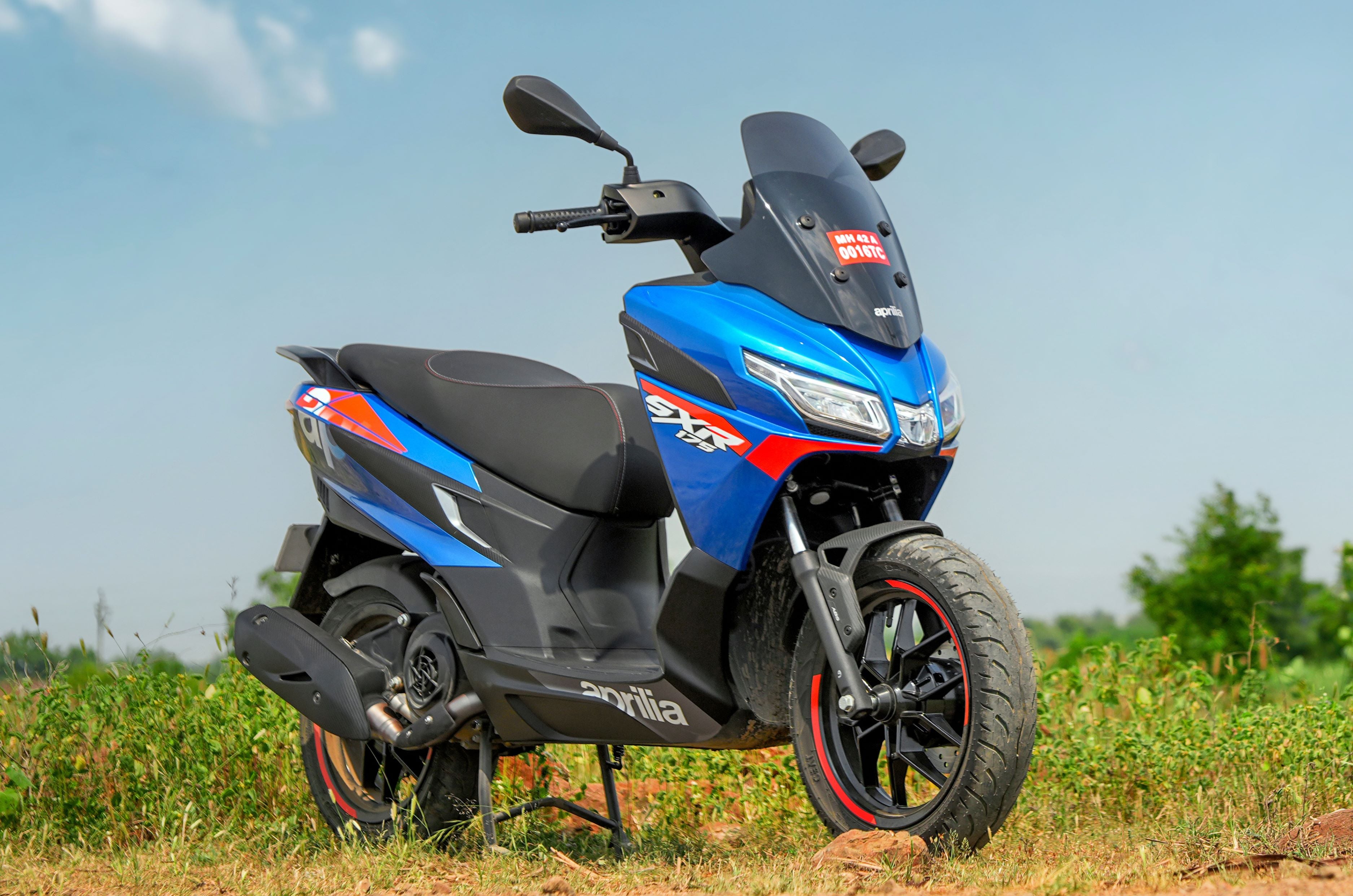
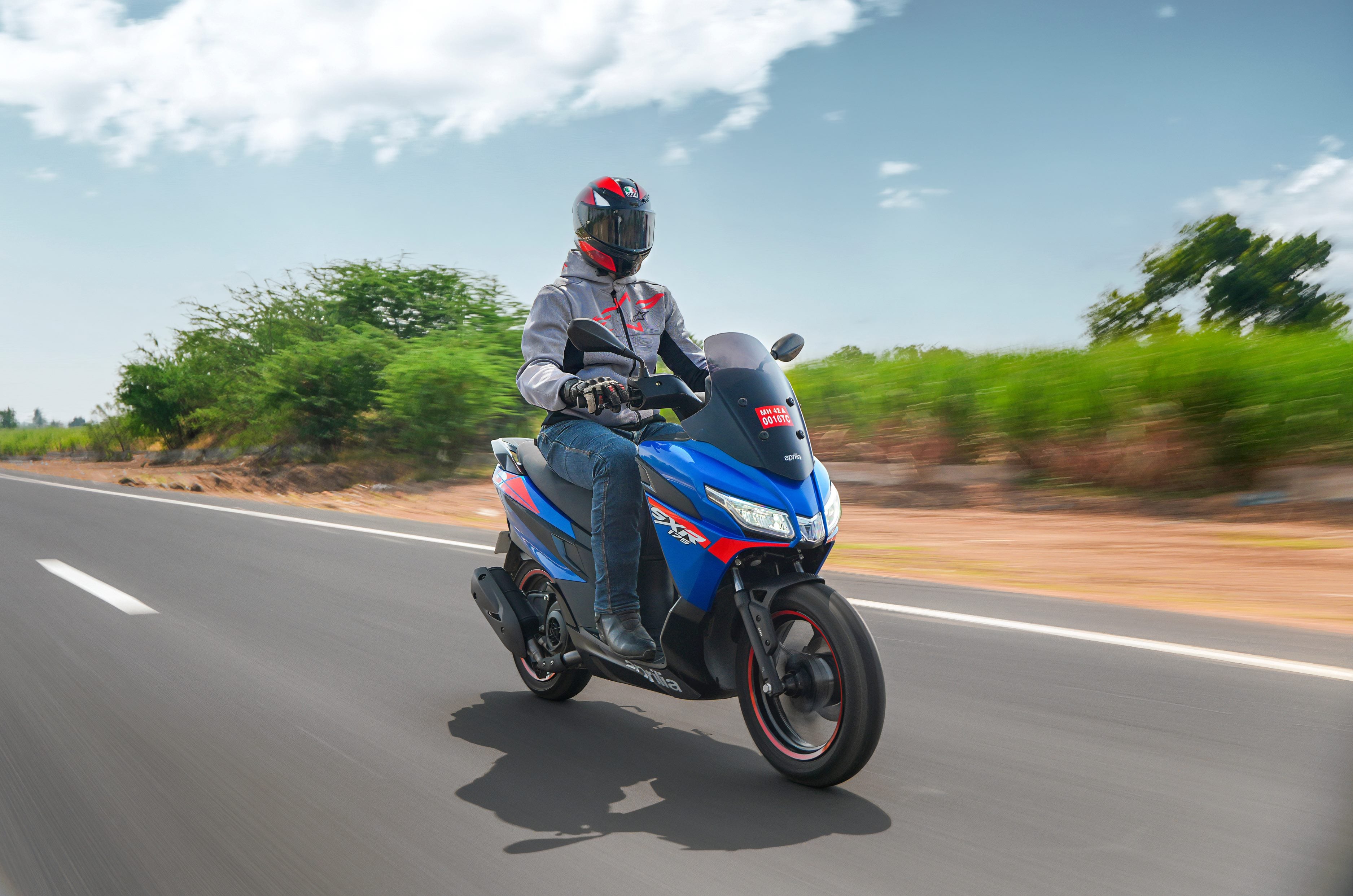
Aprilia SXR GT 175 review: The next step

Aprilia SXR GT 175 review: The next step
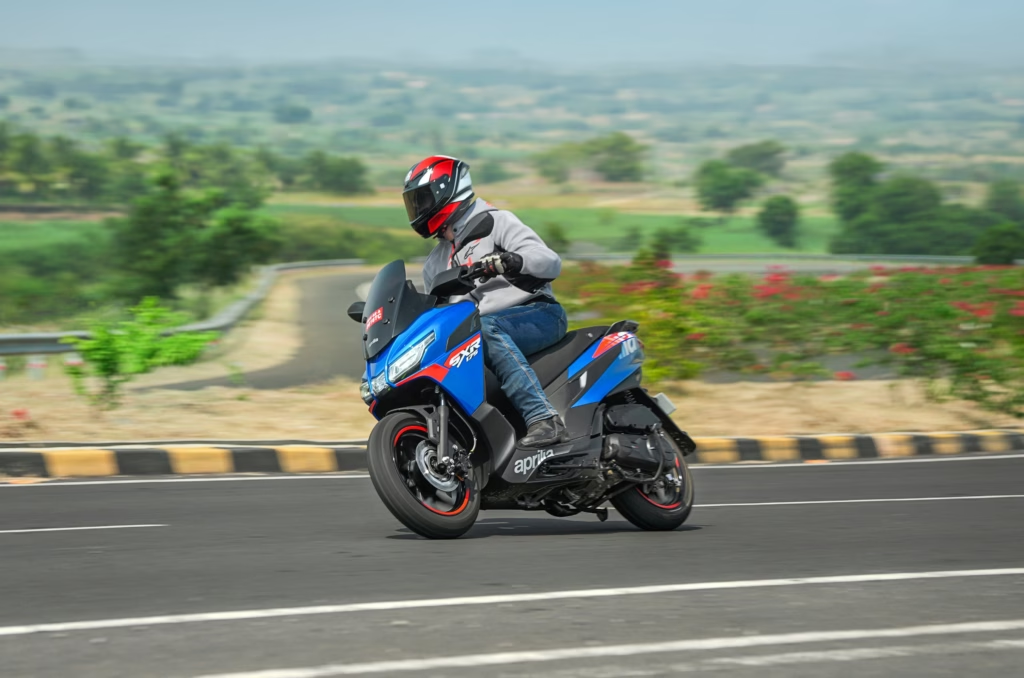
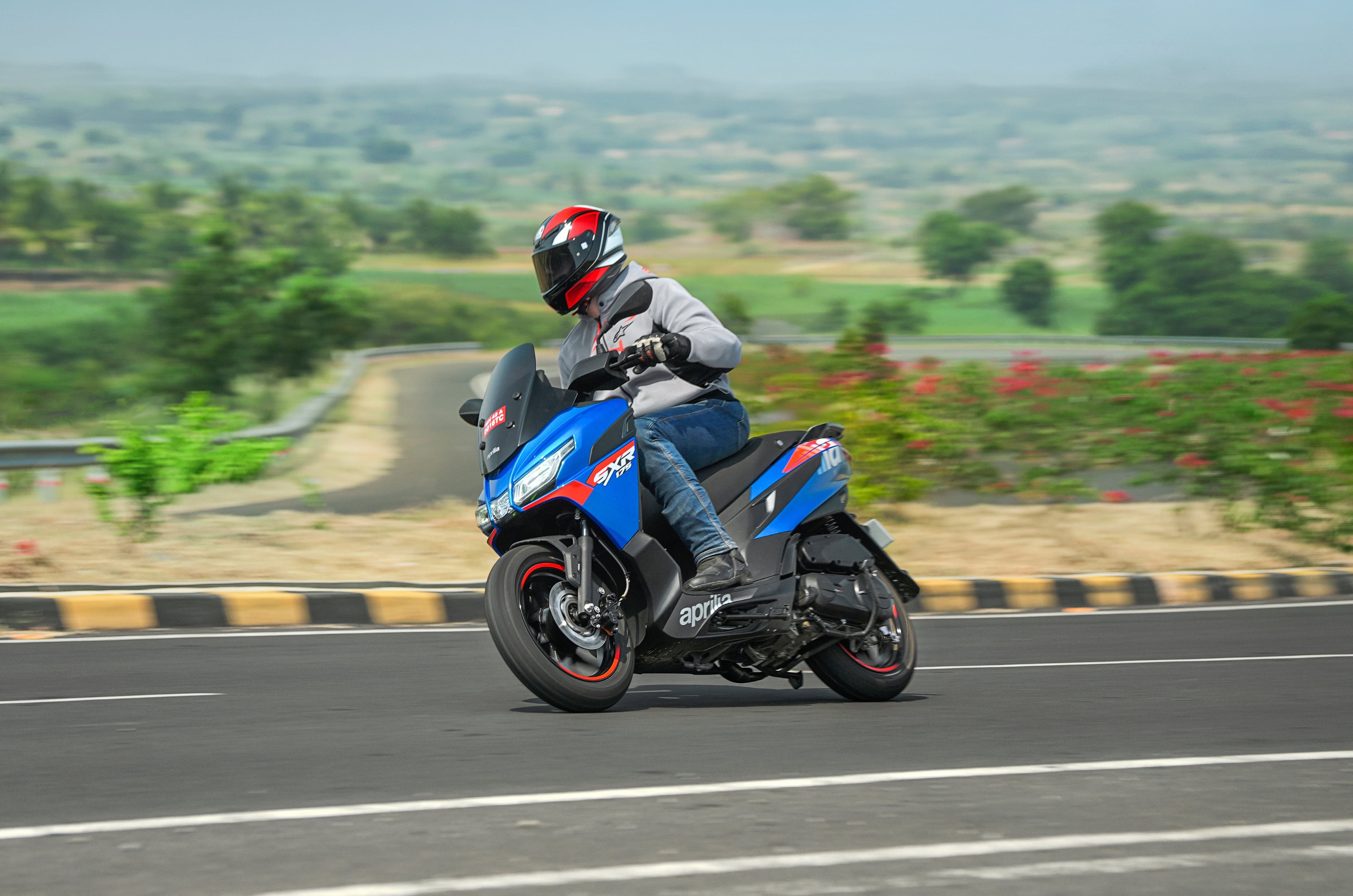
An outdoor shot of a rider cornering the new Aprilia SXR GT 175

Aprilia may not be the biggest player in the Indian scooter market but it is certainly one of the most radical. It was the first to give us a taste of a true-blue affordable performance scooter with the SR 150 in 2015 and in 2020 the company then upped the ante and introduced India to a premium, yet attainable maxi-style scooter with the SXR 160.

However, six years is a long time and in this interim, the niche that Aprilia was the sole occupant of has now been infringed upon by TVS, Hero, Yamaha and more recently, even Honda! To counter, Aprilia has now taken the next step in the SXR’s evolution and has introduced two models with new engines (125cc and 175cc), more features and a GT suffix. We were given a chance to sample the larger 175cc version and here are our initial impressions. 

Aprilia SXR GT 175 Design and features – 7/10

It’s an old design but still looks good; has received a good features upgrade

This design may be 6 years old, but it still manages to look good and turn heads

At this juncture, you’re probably wondering aside from the new colours and graphics, how different is the SXR GT 175 to the erstwhile SXR 160 it replaces? The answer to that question is, not very much. Aside from larger 14-in wheels, the SXR GTs look identical to the models they replace and you can certainly feel like it wouldn’t be unreasonable to expect more from the company. However, what you can’t deny is that the scooters still look handsome and striking without going over the top, despite looking nearly the same as they did 6 years ago – that’s Italian design brilliance for you! There are three new colours on offer – the vibrant blue you see here accompanied by a stealthy black and a camo army green scheme.

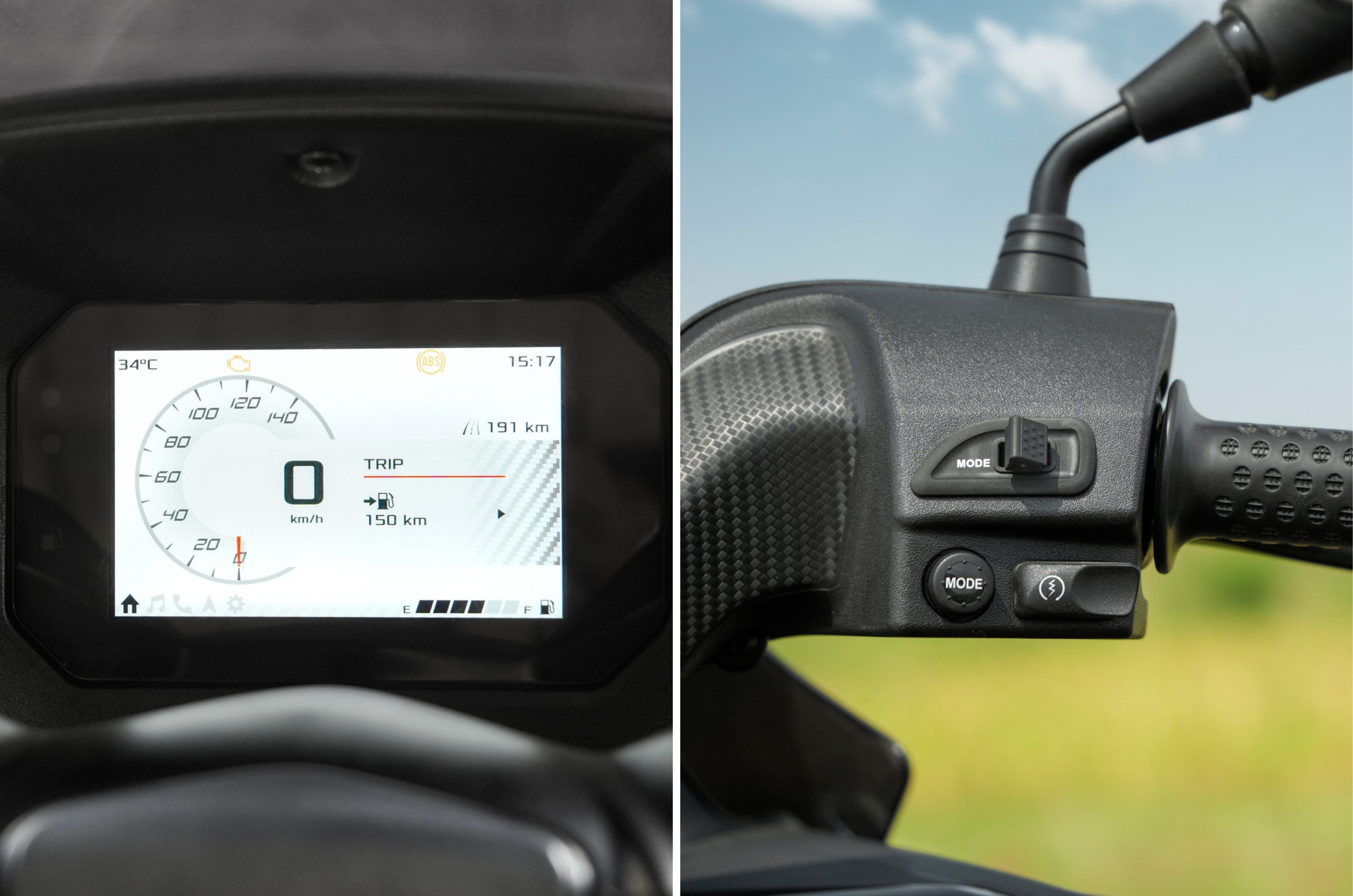
5-in TFT also shared with SR 175, is well laid out but UI isn’t entirely straightforward

However, once you get astride, you’ll realise that there are a fair few changes going on. For starters, the SXR GT 175 uses the same bright and well laid-out colour TFT display as the SR 175 and this dash is replete with Bluetooth functionality which brings in call/notification alerts & navigation prompts. Like that scooter, the overall user interface is a bit complicated and you will need to learn some of the secret handshakes necessary to fully utilise it. Another gripe I have with this dash is that while it has a lot of tech, you have to make do with a single trip meter, which seems like a small but unnecessary omission. 

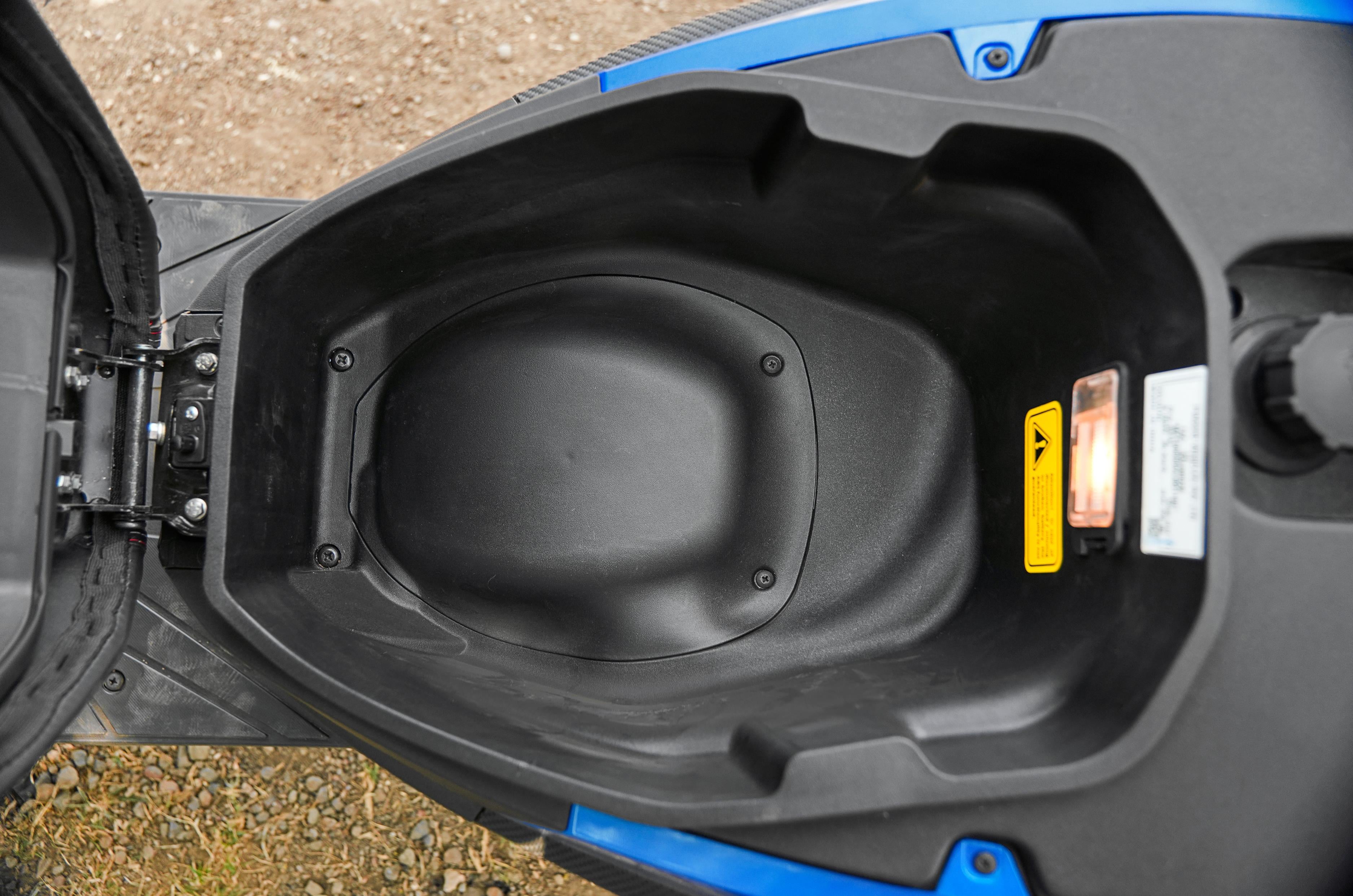
Bootspace is nothing to write home about

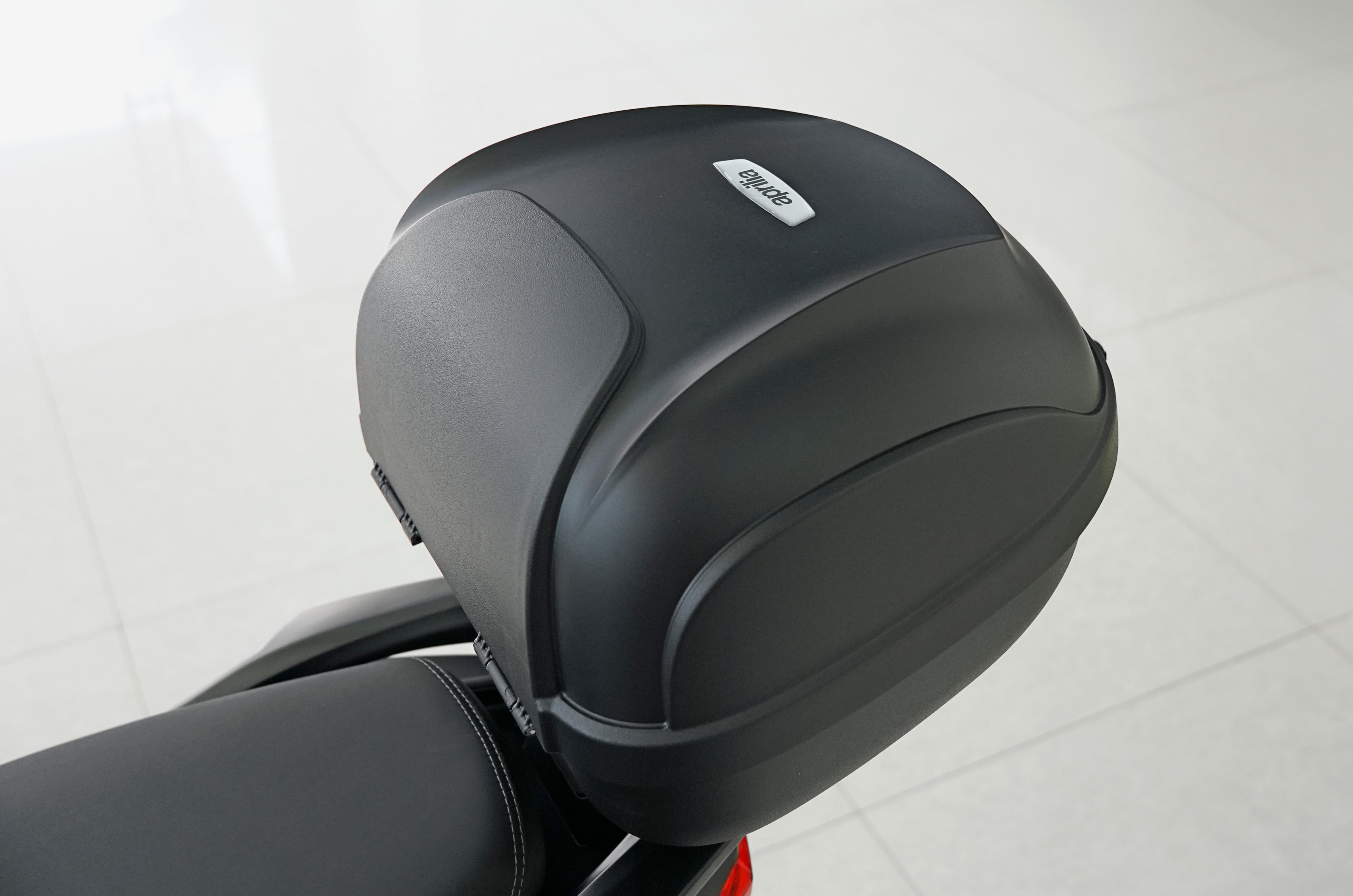
Another small omission is the absence of a multi-function ignition key slot, which means you need to remove the key and put it in its dedicated slot to open the seat and access the boot – something most smaller and cheaper scooters have long moved past. The underseat storage space here isn’t anything to write home about either. However, Aprilia will sell you a pretty spacious 32 litre accessory top box to alleviate that issue, although we don’t have a price for that yet.

 But Aprilia will sell you an accessory 32L top box to alleviate that issue

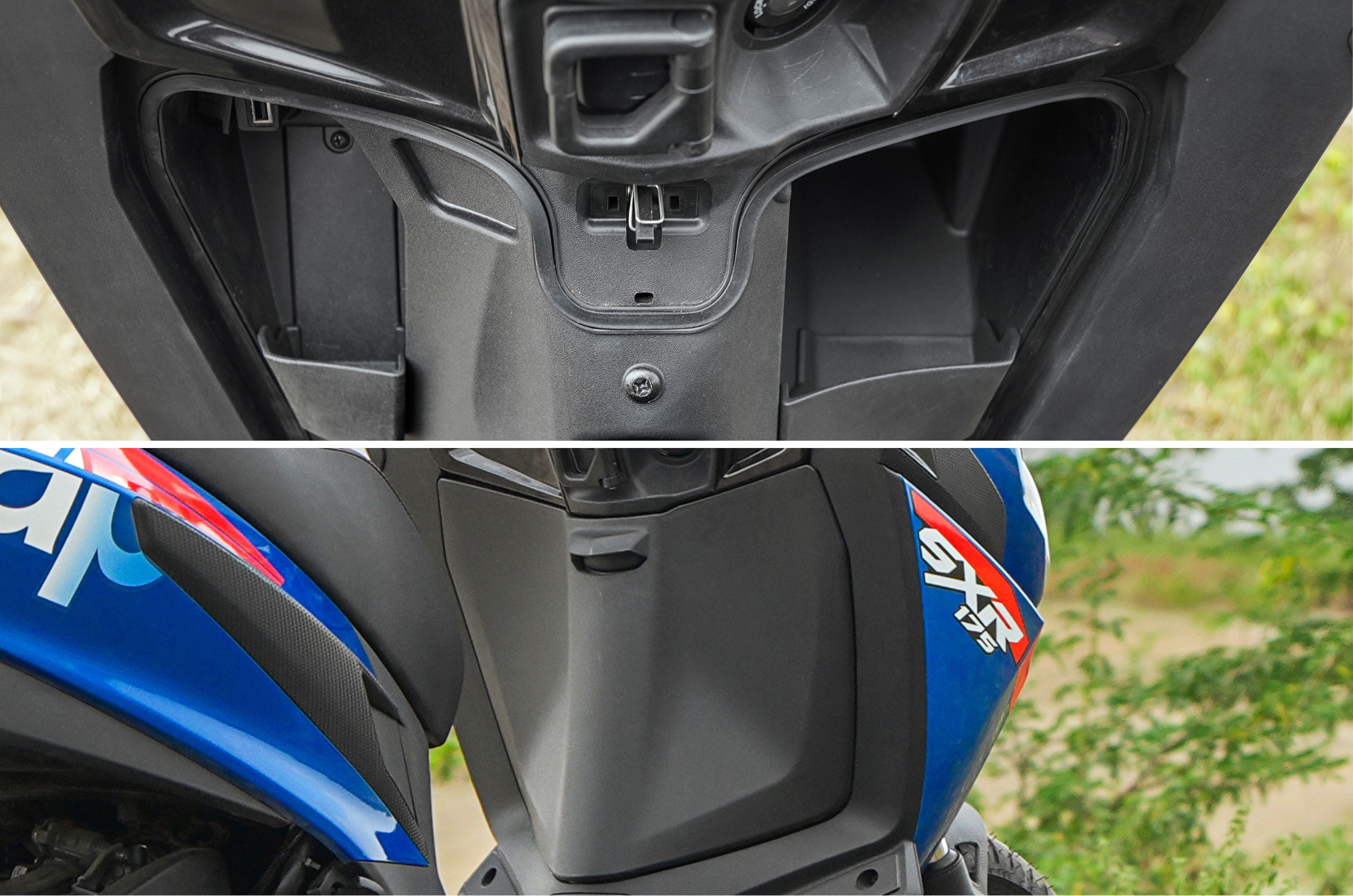
What is a nifty storage solution that comes as standard – carried over from the SXR 160 – are the fully enclosed cubbies on the front apron, and one of them even has a USB-A charging port. While this is surely a safe and practical storage area for your knick-knacks, it’s not the most convenient solution to access when on the move. That’s because you first need to come to a stop, then twist the key to its off position and press it inwards to unlock the cubby. 

Enclosed, lockable area opens up to reveal 2 small cubbies; one of them has a USB Type-A charger

Aprilia SXR GT 175 Ergonomic – 7/10

Has one of the tallest seat heights in the scooter space; rider’s triangle is neutral

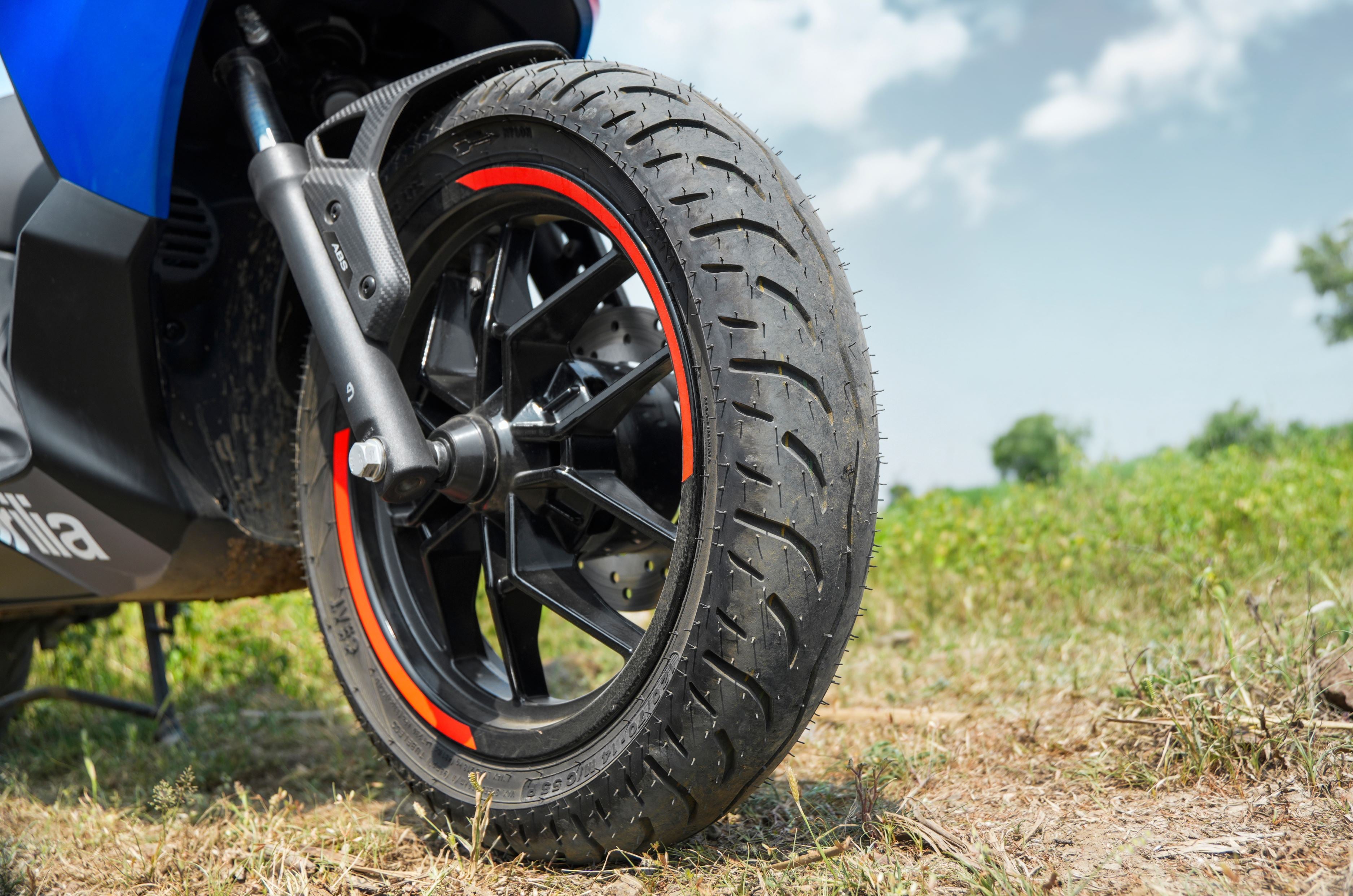
Of course, the new feature that is visible most prominently on the SXR GT is its new 14-inch wheel setup, which has its set of pros and cons. On the plus side, the proportions of the scooter are now better than ever before and its ground clearance has also now risen to 170mm – always a good thing on our unpredictable roads. However, because of the larger wheels, the SXR’s seat height has now risen to 800mm, which makes it the tallest seat height on any made-in-India petrol scooter.

14-inch wheels bring in surefooted handling and high-speed stability but the trade-off is heavier steering at slower speeds demanding more effort

Credit where it’s due, this number may seem big on paper but in the real world its not an unapproachable machine. Our photographer Omkar (who’s 5’2) could move the scooter around at our shoot location while seated without too much trouble. However, for someone that wants a friendly and approachable machine, the 132kg SXR is not where you should be looking.

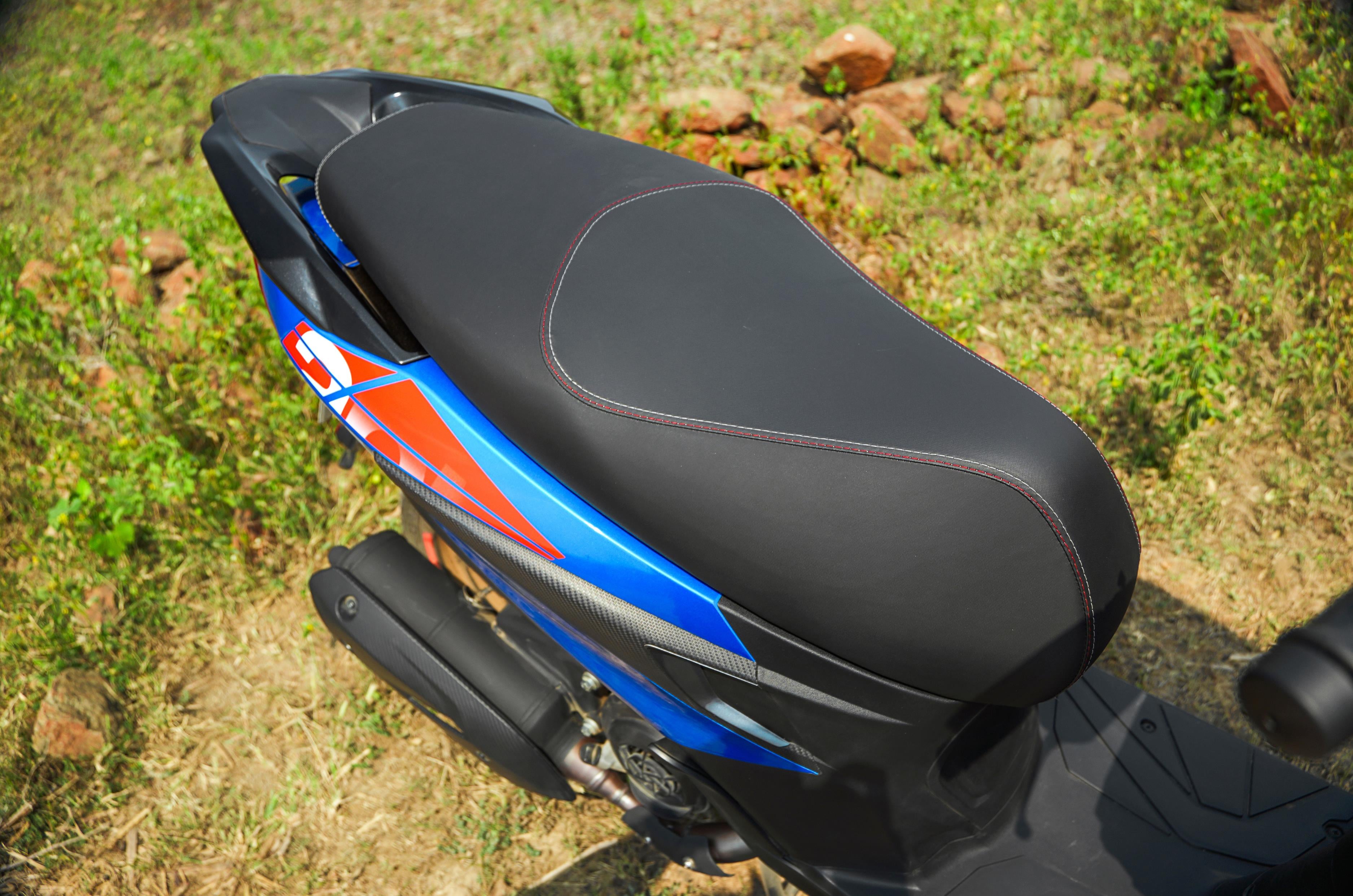
Aside from that, the SXR’s ergonomics haven’t changed and it retains the neutral and upright riding position from before. The seat’s padding is on the stiffer side, which will be especially noticeable on shorter trips but it works well for longer durations and for a person like myself that’s on the heavier side of the scale (80kg without gear). What, however, doesn’t work for a taller person like me (5’11) is that the handlebar is placed a tad low and fouls my knees when making lock-to-lock u-turns. 

Neutral and upright ergonomics are unchanged from before; spacious seat’s padding is on the stiffer side

Aprilia SXR GT 175 Performance – 8/10

Engine provides sprightly performance, is smooth at high speeds

While practicality and convenience are one half of the story when it comes to a scooter like this, what plays an equally important role is how the scooter rides and handles. It will probably not come as any surprise to you when I say that this is surely a fun scooter.

From the moment you thumb the starter and the motor settles into its gruff idle, the 174.4cc, 3-valve motor makes its intentions quite clear – it wants to be ridden quickly. While the vibrations do subside once you get going, the engine clearly rewards energetic riding because the faster you go, the smoother it seems to get! Not just 80kph, even at a speedo-indicated 100kph, it remains absolutely smooth at all the touch points with no signs of protest. For all you top speed nuts, we were able to see an indicated 110kph on the display before the rev limiter kicked in.

Sprightly 174.4cc engine shared with SR 175 has enough performance to placidly sustain 80-100kph

While the SXR is a quick scooter, from what I remember, it doesn’t feel as quick as the lighter and sportier SR. The 0-50kph dash is quite energetic but after that, acceleration becomes more measured. Nevertheless, this level of performance is more than acceptable for our environs and you’ll rarely wish for more power. 

Aprilia SXR GT 175 Ride and Handling – 7/10

Planted and surefooted handler, but not the easiest to manage at slower speeds

Equally as enticing as its performance is the SXR GT 175’s handling. The new and bigger 14 inch wheels lend it a newfound sense of stability around corners and at higher speeds. To ride, this feels like a proper maxi scooter experience rather than just a styling exercise. However, the tradeoff is noticeably heavier steering at slower speeds which demands quite a bit more effort. If you’re going to spend a lot of time in dense stop and go traffic that you constantly need to manoeuvre around, the SXR GT is not the ideal machine for that task.

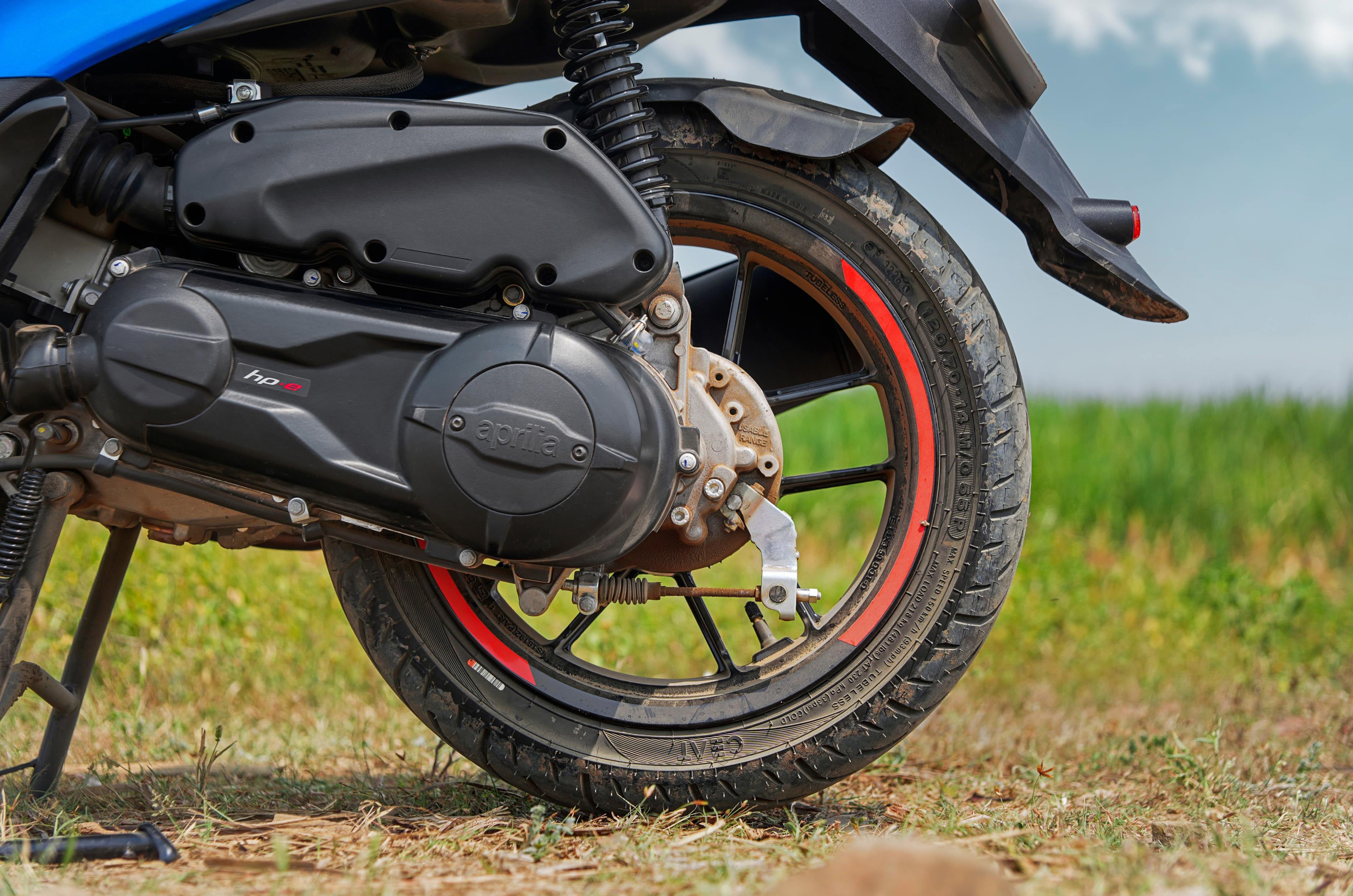
To account for these larger wheels, Aprilia has also tuned the SXR’s suspension differently to before. The damping and shock absorption are really quite composed at the rear but the fork feels stiff and jarring over rough roads and does bottom out over larger, sharper-edged bumps. Since Mumbai’s roads are dominated by these conditions, we’re not sure how comfortable the SXR GT will be there, but hope to find out soon.  

It sticks to the Aprilia SXR formula of giving you a decently-priced,  good-looking scooter with both functional practicality and zippy performance

Aprilia SXR GT 175 Verdict (Overall Rating) – 7/10

Well-priced and stands out but its not for everyone

In the scooter segment, Aprilia operates in its own niche where people that really value style and performance continue to choose its offerings over mainstream options. We don’t see that changing with the SXR GT because even though it is more well-rounded than its sporty SR sibling, it still has some hurdles to overcome both on the product’s as well as the after-sales side and fresh styling would have helped increase the appeal after all these years. Nevertheless, the company assures us it is working on the after sales front and it aims to have 250 showrooms in India before the year ends, up from the current 230. Still, that’s vastly lower than the sales reach of Aprilia’s rivals.

To sum up, this latest iteration hasn’t really diverged from what has been the cornerstone of the Aprilia SXR formula – to give you a decently-priced, good-looking scooter with both functional practicality and zippy performance. Speaking of price, the SXR GT 175 is priced at Rs 1.30 lakh (introductory, ex-showroom, Maharashtra) which is a pretty decent price considering what it brings to the table. If you must have a stylish and fun scooter that stands out of the crowd without breaking the bank, the Aprilia SXR GT should be on your radar.

Mahindra XUV 3XO ZNG: CNG efficiency, petrol performance

Mahindra XUV 3XO ZNG: CNG efficiency, petrol performance
Mahindra XUV 3XO CNG review

CNG is shaping up to be the new diesel. For the second year running, CNG passenger vehicles outsold diesels, accounting for 21.98 percent of the market compared to 18.08 percent for oil burners in FY2026. That is a very big deal. Big enough for Mahindra – traditionally a diesel-first brand – to sit up, take notice and want a piece of the action. Its first attempt – if you don’t count the fleet-only KUV100 CNG – is the Mahindra XUV 3XO ZNG. Read as Zee-NG and pronounced Zing. The headline is that it makes the same amount of power as the pure-petrol 3XO TCMPFi. We experienced it in Mumbai to see if it really has zing.

Mahindra XUV 3XO ZNG Exterior Design and Engineering – 7/10

Mahindra XUV 3XO ZNG

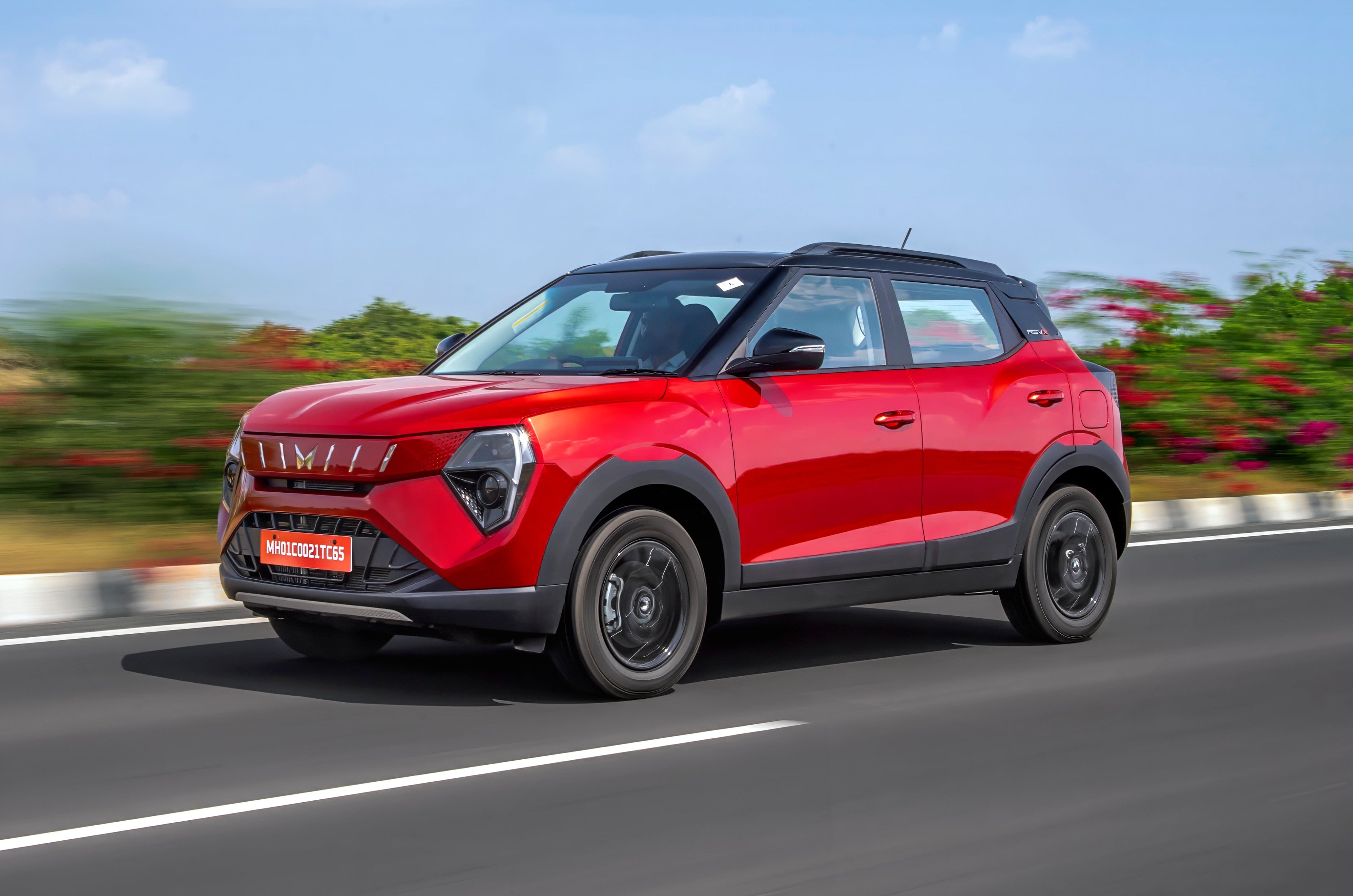
Outside, there isn’t much to tell the ZNG apart from the regular XUV 3XO. Our test car is based on the REVX trim and gets a body-coloured grille, while other trims gloss black. LED lighting is present, though fog lamps are missing even on the top REVX A CNG trim. 

Mahindra XUV 3XO ZNG
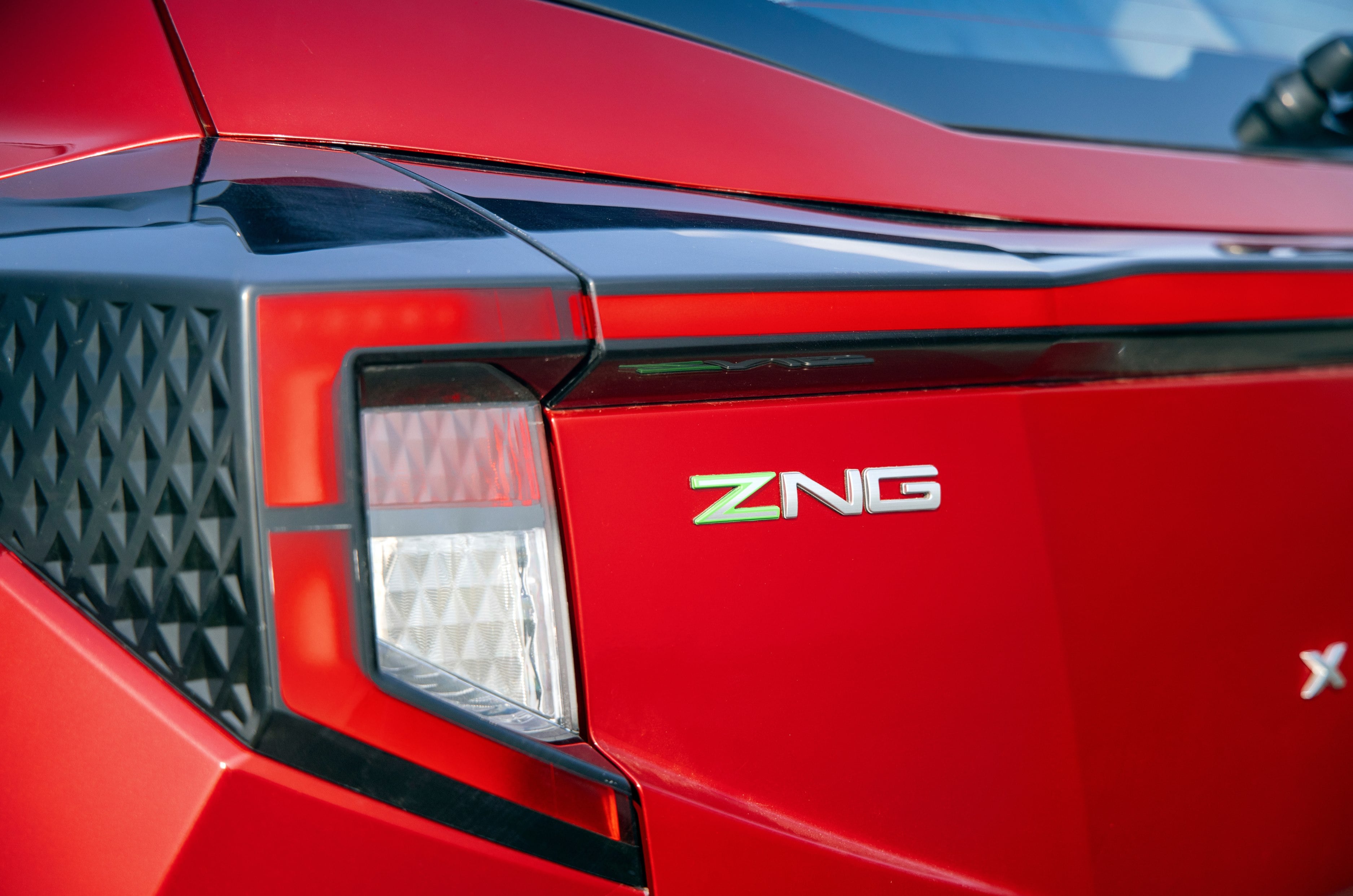
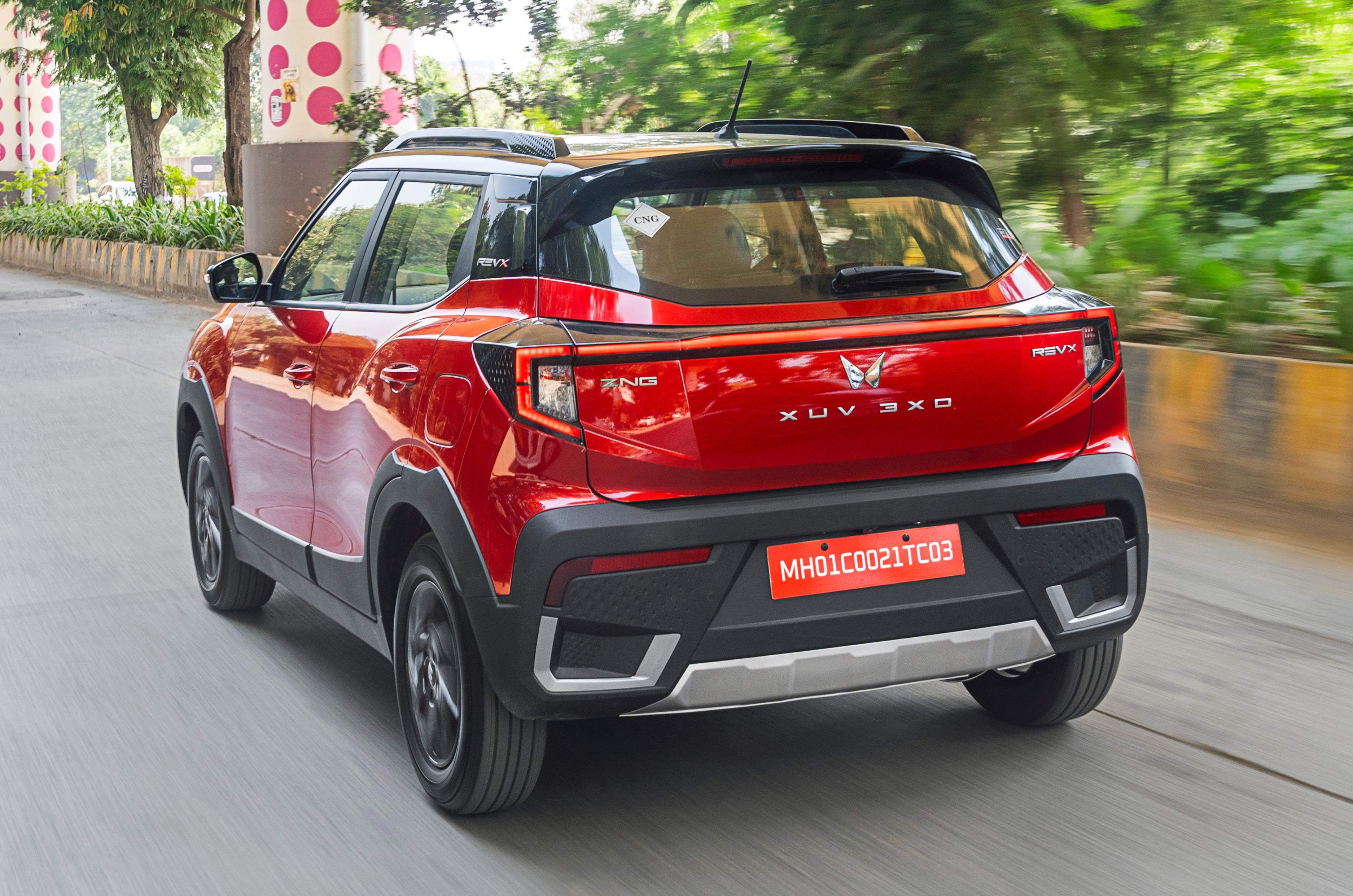
ZNG badge on the tailgate is the only exterior telltale of the CNG powertrain.

In profile, you’ll notice the gloss black 16-inch wheels – the largest size available on the ZNG, with 17s reserved for the pure-petrol TGDi. At the rear is the clearest giveaway of its CNG powertrain: a ZNG badge on the tailgate.

XUV 3XO ZNG Interior Space and Comfort – 8/10

Mahindra XUV 3XO ZNG

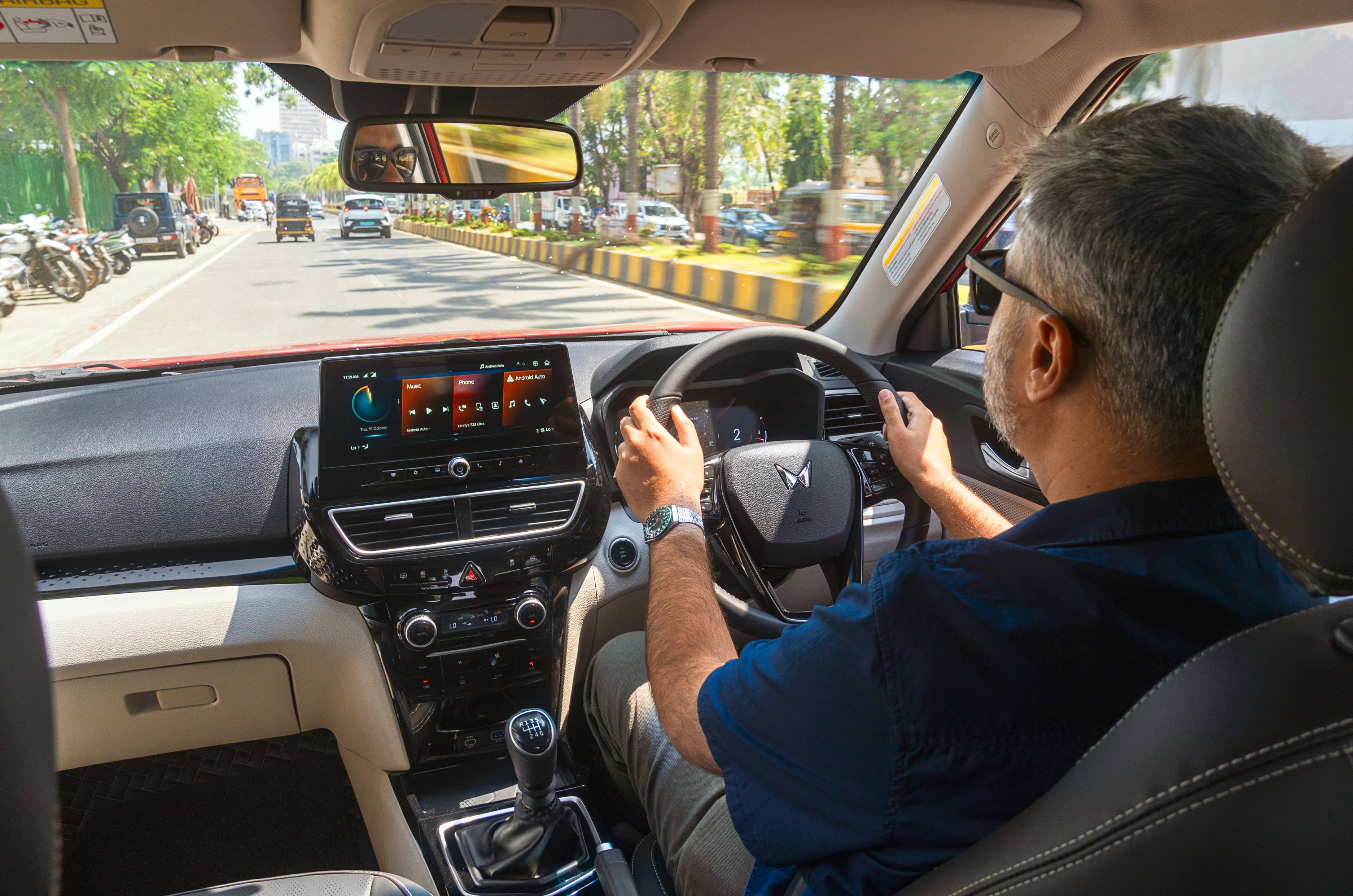
Inside, too, the ZNG is largely identical to its petrol and diesel counterparts, with a CNG switch to the right of the steering wheel being the only real giveaway. The dual-tone dashboard with lots of gloss black trim is otherwise carried over unchanged. Despite not being the top of the line variant, the cabin has an upmarket and well-trimmed air to it. 

Mahindra XUV 3XO ZNG

Our REVX A test car gets black leatherette seats, which can get quite hot, and they lack ventilation, just like the regular 3XO. The front seats are also a bit tight for larger frames, and the lack of a telescoping steering makes it hard to get comfy. Another ergonomic gripe is the tight driver’s footwell, with no dead pedal – pertinent as a six-speed manual is your only gearbox option.

Mahindra XUV 3XO ZNG

The rear seat remains spacious and comfortable for its segment, and accommodating three abreast is not an issue. One area where the 3XO fell short was boot space, measuring just 295 litres – the smallest in the segment. To keep as much of the boot intact as possible, Mahindra has moved the space-saver spare under the body and placed a dual-tank setup under the boot floor. The combined liquid capacity of the tanks is 60 litres, which translates to 10kg of CNG capacity. 
Mahindra XUV 3XO ZNG

Boot capacity has dropped to 270 litres, which is smallest amongst immediate rivals, however it remains fairly wide and can accommodate up to four cabin bags.

Mahindra XUV 3XO ZNG Features and Safety – 8/10

The 3XO ZNG is available in four trims, which offer the same features as their petrol and diesel counterparts. The highlights are a pair of sharp 10.25-inch screens for infotainment and instrumentation, a panoramic sunroof and a six-speaker audio system with Dolby Atmos. 

Mahindra XUV 3XO ZNG

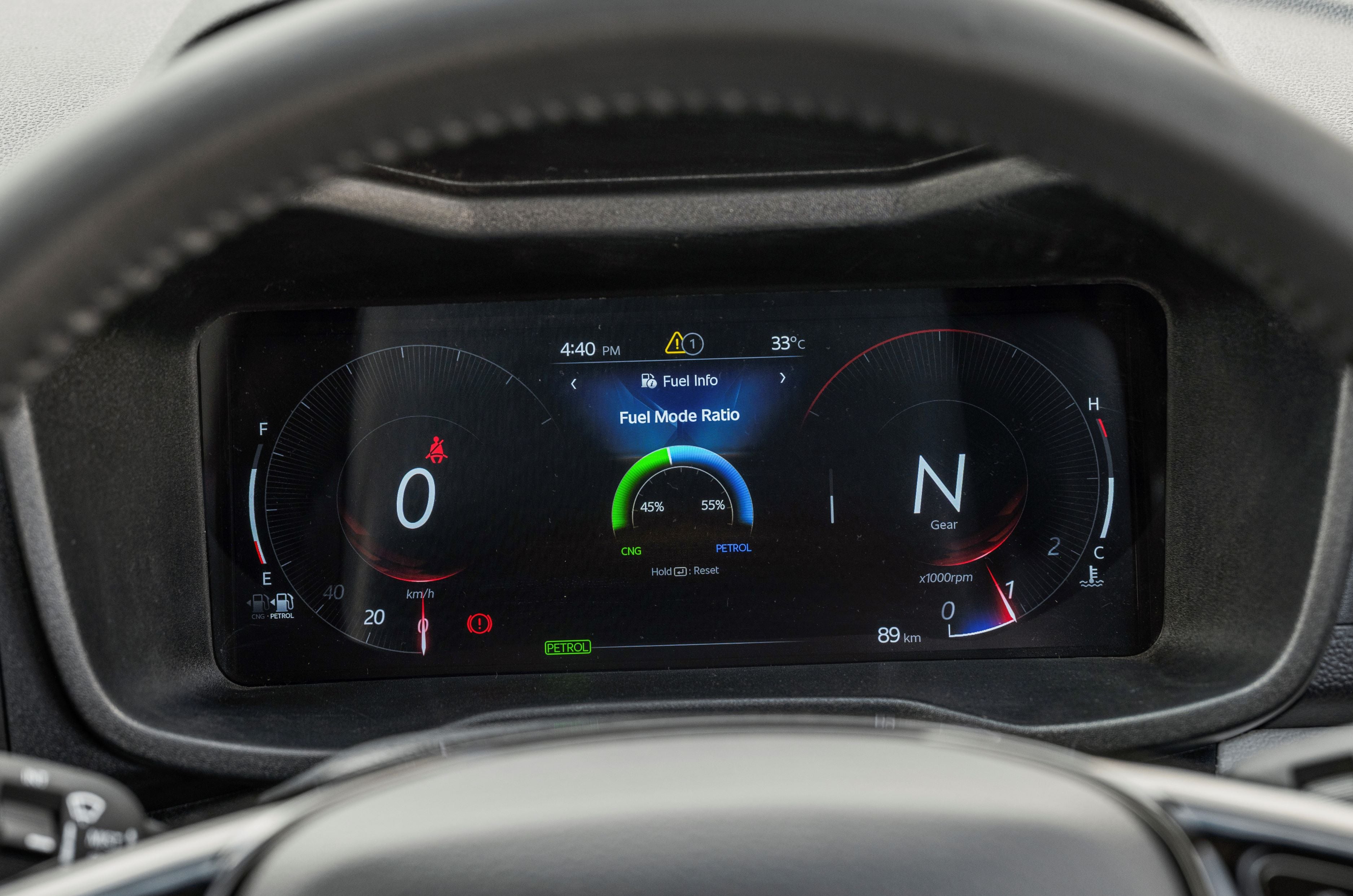
The digital instrument cluster has a few more CNG-related functions. Hit the CNG switch, and an indicator on the digital instrument cluster confirms the fuel you are using, while the fuel gauge changes to display the fuel level. The cluster can also show the ratio of time spent in each fuel mode and the corresponding fuel efficiency.

Mahindra XUV 3XO ZNG

As such, the 3XO ZNG is reasonably well equipped compared to equivalent variants of its main rival, the Tata Nexon iCNG. However, the Nexon offers a wider choice of CNG variants, with top-spec versions getting features such as a 360-degree camera, ventilated front seats and a wireless charger, all of which the Mahindra misses out on.

The safety kit is quite comprehensive, featuring six airbags, ESC, ISOFIX mounts, a tyre pressure monitoring system and a reversing camera. The regular XUV 3XO is also a five-star Bharat NCAP safety-rated car, and Mahindra says the ZNG has been engineered to meet the same standards.

Mahindra XUV 3XO ZNG Performance and Refinement – 8/10

Powering the ZNG is the same 1.2-litre multi-point fuel injection (MPFi) turbo-petrol engine that does duty on the lower and mid-level trims of the 3XO. The kicker is that Mahindra quotes the exact same power and torque figures for CNG as for the pure-petrol version – 111hp and 200Nm. That is highly unusual, as a 10 to 15 percent drop in power figures is the norm. For comparison, its direct rival, the Tata Nexon iCNG, loses 20hp when switching from petrol to CNG. Mahindra says it has managed this with the use of a 10-bar CNG injection system. It also says the turbocharger and ECU calibration have been optimised to run on CNG, and initial impressions seem to back this up.

Mahindra XUV 3XO ZNG
1.2-litre TCMPFI engine uses a 10-bar CNG injection system; Mahindra claims identical 111hp and 200Nm figures for petrol and CNG.

In everyday driving, the difference between CNG and petrol modes is barely noticeable. The engine feels smooth and refined in both, only becoming audible when extended. Performance, too, is very similar. Throttle response is good and the motor feels tractable, rarely requiring a shift into first when negotiating a speed breaker. There is a bit of turbo lag below 2,000rpm, but get past this and performance feels brisk.
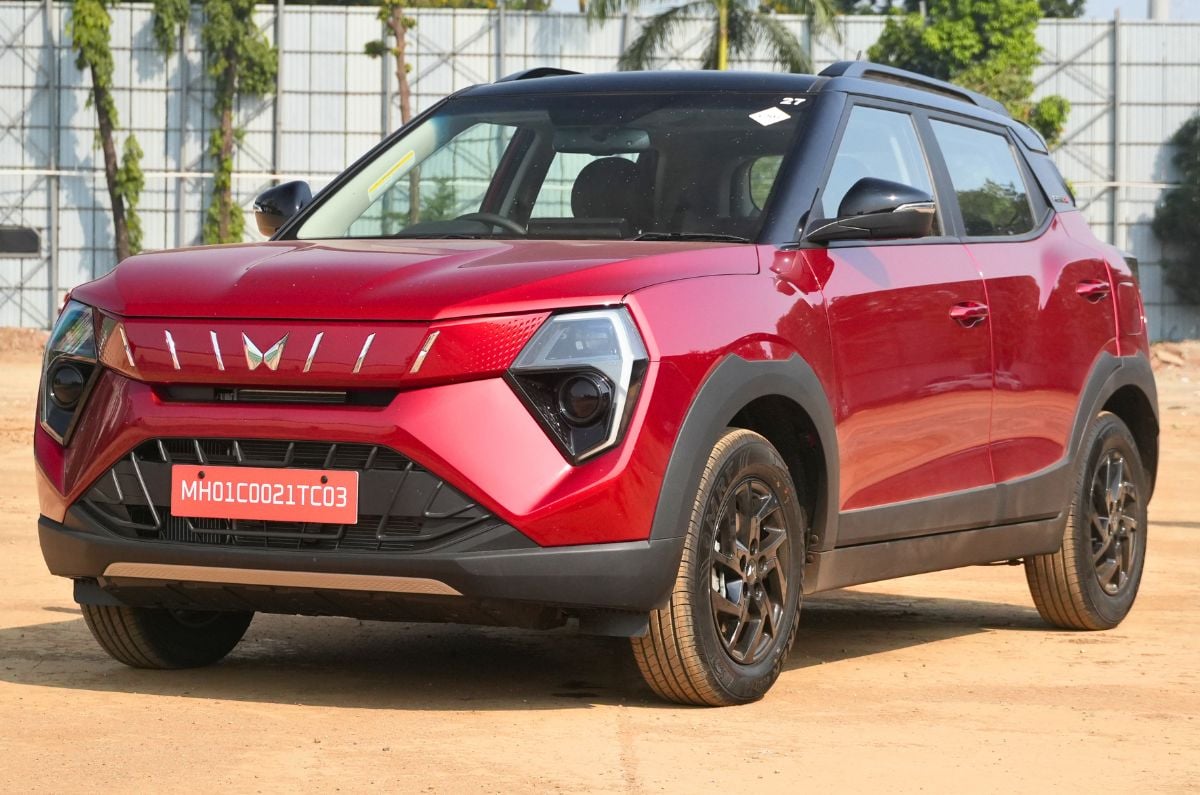
The switch between modes is also quite seamless, with no apparent jerkiness or change in engine note. However, switch back and forth a few times, and you’ll notice the throttle response is ever so slightly duller in CNG mode, and there are times when it will hesitate on sudden throttle inputs. Overall, though, calibration in CNG mode is very good, and in everyday driving, there is very little to fault.

Mahindra XUV 3XO ZNG
Performance feels brisk once you get past 2000rpm.

While the pure-petrol version of this engine can be had with a six-speed torque-converter automatic, the ZNG is only available with the six-speed manual. While its immediate rivals don’t offer an automatic with CNG either, Mahindra would have done well to offer at least an AMT. As it is, the manual is a smooth and easy-to-use unit, but not quite at the level of its Japanese or Korean competition. Its throws are a bit too long, and the clutch, while light, has a long travel.

In terms of outright performance, Mahindra claims an 11.8sec 0-100kph time for the ZNG. We conducted a quick performance test (not to Autocar India standards), which resulted in a 0-100kph time of 12.98s on petrol and 12.64s on CNG – a difference we put down to the launch. In-gear acceleration figures paint a clearer picture, where the ZNG was quicker in petrol mode by about 0.7 seconds in both 20-80kph and 40-100kph runs. Nevertheless, performance in either CNG or petrol is so close that most drivers would be hard-pressed to tell the difference.

Mahindra XUV 3XO ZNG Mileage and Efficiency – 8/10

Mahindra XUV 3XO ZNG

Mahindra claims an efficiency figure of 24.7km/kg for the XUV 3XO ZNG, which translates to a theoretical range of 247km from its 10kg CNG capacity. 

Mahindra XUV 3XO ZNG
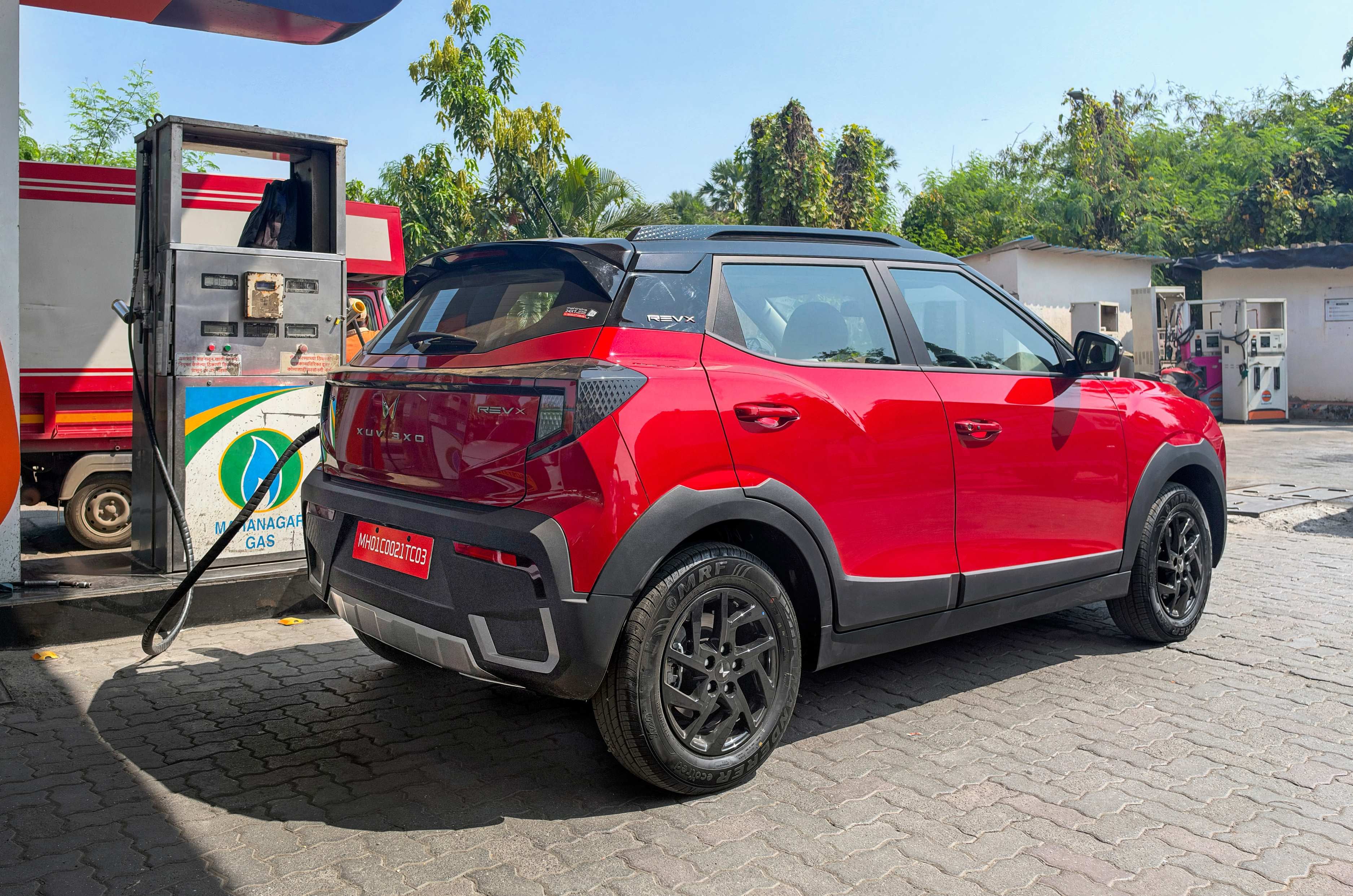
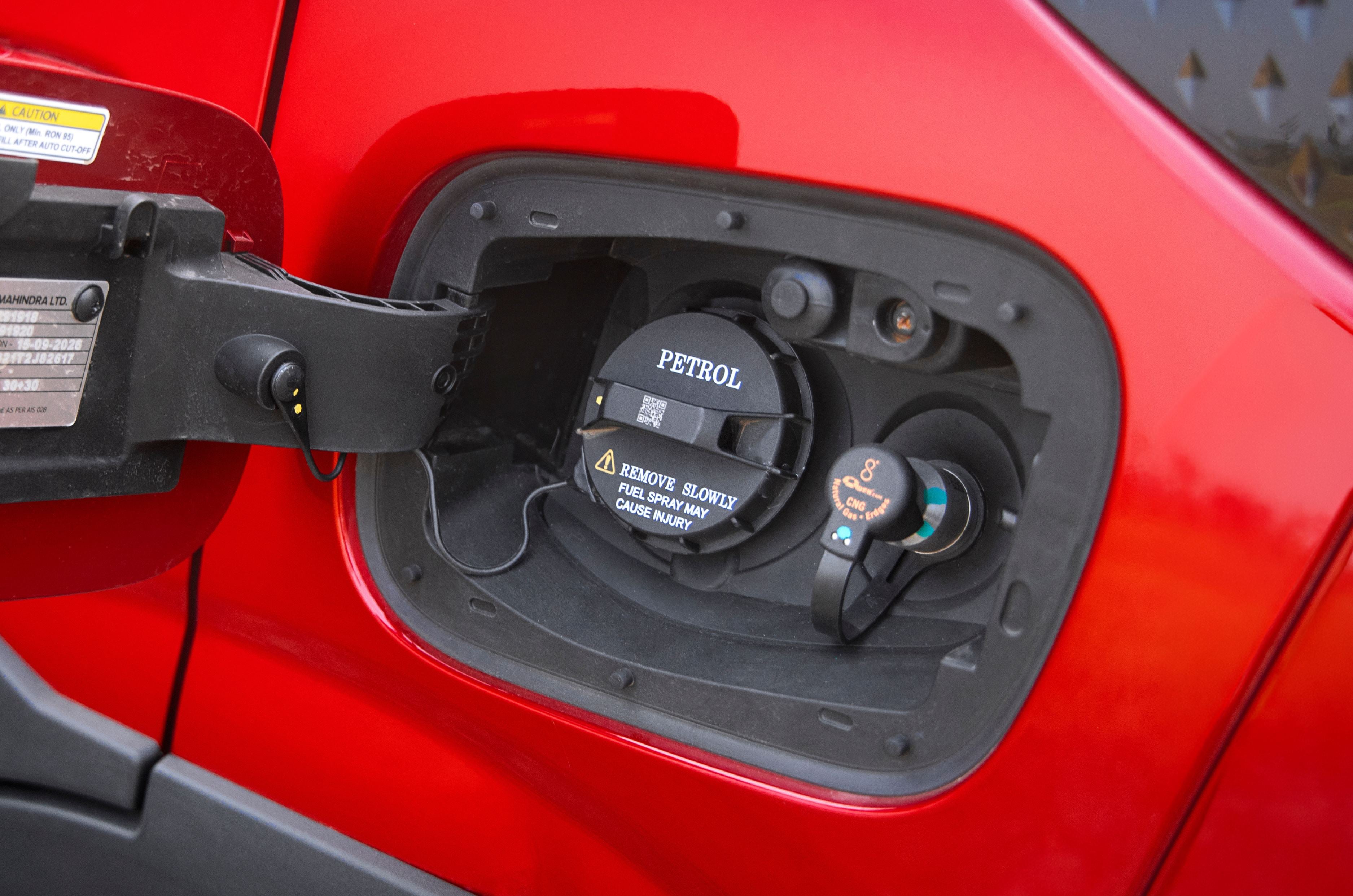
CNG filler neatly positioned beside the fuel filler; fuel filler door still has a manual release in the cabin.

It also gets an idle-stop/start function, which should help efficiency. We will verify these claims with a real-world test soon.

Mahindra XUV 3XO ZNG Ride Comfort and Handling – 9/10

Mahindra XUV 3XO ZNG
Light steering works well in town; steering modes dial up resistance but don’t offer better feel.

The switch to CNG adds around 100kg to the 3XO, most of it concentrated at the rear. To ensure this doesn’t affect ride or handling, Mahindra has tweaked the suspension to cope with the extra weight. The ZNG’s ride has a slightly firm edge, but overall it deals with bad roads very well.

Mahindra XUV 3XO ZNG
16-inch wheels and tall tyres are better at absorbing sharper bumps than the 17s on higher petrol trims.

The smaller 16-inch wheels also play an important part here, as their taller-sidewall tyres absorb sharp edges before they make their way to the cabin. Overall, the ride remains amongst the best in the class.

Mahindra XUV 3XO ZNG

Handling, too, remains tight and engaging, with a planted feel around the bends. The steering is light and direct, and while you can dial up the resistance using the three steering modes, this adds little in terms of feel or feedback.

Mahindra XUV 3XO ZNG Value for Money – 8/10

Overall, the Mahindra XUV 3XO offers good value for money and makes for a compelling entrant into the CNG compact SUV space. Prices for the Mahindra XUV 3XO ZNG start at Rs 9.99 lakh and go up to Rs 12.27 lakh, which is between Rs 1 lakh and Rs 1.2 lakh more than the equivalent petrol trims. Pricing is on par with comparable variants of the Tata Nexon iCNG. However, the Nexon has a wider range and also offers more features on the higher trims.

Mahindra has packaged the CNG tanks cleverly, minimising the impact on boot space. That said, the 3XO’s boot wasn’t particularly large to begin with, and that remains a drawback. What sets it apart is the driving experience. CNG calibration is very good, and performance in CNG mode is close enough to petrol for most people not to notice a real difference. For a first attempt, the XUV 3XO ZNG certainly ticks a lot of boxes.

Updated Hero Xtreme 160R 4V launched from Rs 1.27 lakh

Updated Hero Xtreme 160R 4V launched from Rs 1.27 lakh
Hero Xtreme 160R 4V Carbon front right quarter.

The Xtreme 160R 4V has been Hero’s answer since 2023 to the Bajaj Pulsar NS160 and the TVS Apache RTR 160, although it hasn’t been as popular. Late last year, the brand launched a higher variant of it called the Combat Edition with cruise control, ride-by-wire and an updated negative LCD screen from the GlamourX 125 and now it’s taking that further with a refined design and TFT display. The bigger Xtreme 250R also sees some big improvements alongside its younger brother.

  1. Retains the 164.32cc, oil-cooled engine; peak power has increased to 17.1hp
  2. Top Carbon variant gets a TFT display
  3. Standard costs Rs 1.27 lakh, Pro costs Rs 1.37 lakh and Carbon costs Rs 1.41 lakh

Hero Xtreme 160R 4V: What’s new?

Sharper design and a stronger feature set

Hero has started the updates with the design of the Xtreme 160R 4V. Compared to the previous Combat Edition, the entire silhouette has been sharpened and it’s most obvious in the fuel tank and the rear seat cowl. There are also new colours and variants on offer. The current base variant has been rechristened to Standard variant, the Combat Edition has become Pro, and a new top-variant called Carbon. Standard gets Firestorm Red and Pearl Black and Pro gets Pro Red and Pro Black. Carbon gets Carbon Red, Carbon Black, Carbon Grey and Abrax Orange.

Moving onto mechanical changes, all variants of the Xtreme 160R retain the 164.32cc, oil-cooled engine but peak power has marginally increased to 17.1hp (versus 16.9hp earlier) delivered 250rpm later in the rev range at 8,750rpm. Torque figures remain unchanged, 14.6Nm at 6,500rpm. However, Hero has separated the Standard variant from the other two quite significantly by way of features. It gets a telescopic front suspension and retains a mechanical throttle. While dual discs are also retained, it only has single-channel ABS and gets the LCD console from the Combat Edition, one of two things it shares with the Pro; the other being the design.

The Pro variant, except for the changes mentioned above, remains identical to the Combat Edition. Which means, ride-by-wire is standard with three ride modes (Rain, Road and Sports), as is cruise control. The front suspension on this one is a 37mm KYB USD fork and the rear is a monoshock that has adjustable preload. Dual-channel ABS is standard and the brake specifications remain the same too, 276mm front and 220mm rear. On the dimensions-front, seat height has gone up by a negligible 2mm to 805mm and the kerb weight by 1.5kg to 149kg.

The top Carbon variant is identical to Pro, except for its new TFT display. While the TFT display itself is shared with the Xpulse 210, Hero has changed the layout and design of it to better suit the Xtreme 160R’s sporty characteristics. There’s no difference in weight between the three variants.

With the updated design and additional features, the Hero Xtreme 160R 4V Standard comes in at Rs 1.27 lakh, Pro sits at Rs 1.37 lakh, a significant Rs 10,000 increase. Top Carbon costs Rs 1.41 lakh. Hero specifies all three variants’ prices as introductory. The current base variant costs Rs 1.35 lakh and the Combat Edition Rs 1.38 lakh; though we can’t compare the two base variants directly, the Combat edition has effectively become cheaper by Rs 1,000, with an updated design. The Haryana-based manufacturer says bookings are open today across all its showrooms in India and deliveries will begin from November, in time for the festive season.

All prices mentioned are ex-showroom.