Mahindra XUV 3XO CNG vs rivals: price, specifications compared

Mahindra XUV 3XO CNG vs rivals: price, specifications compared
Mahindra XUV 3XO CNG vs rivals

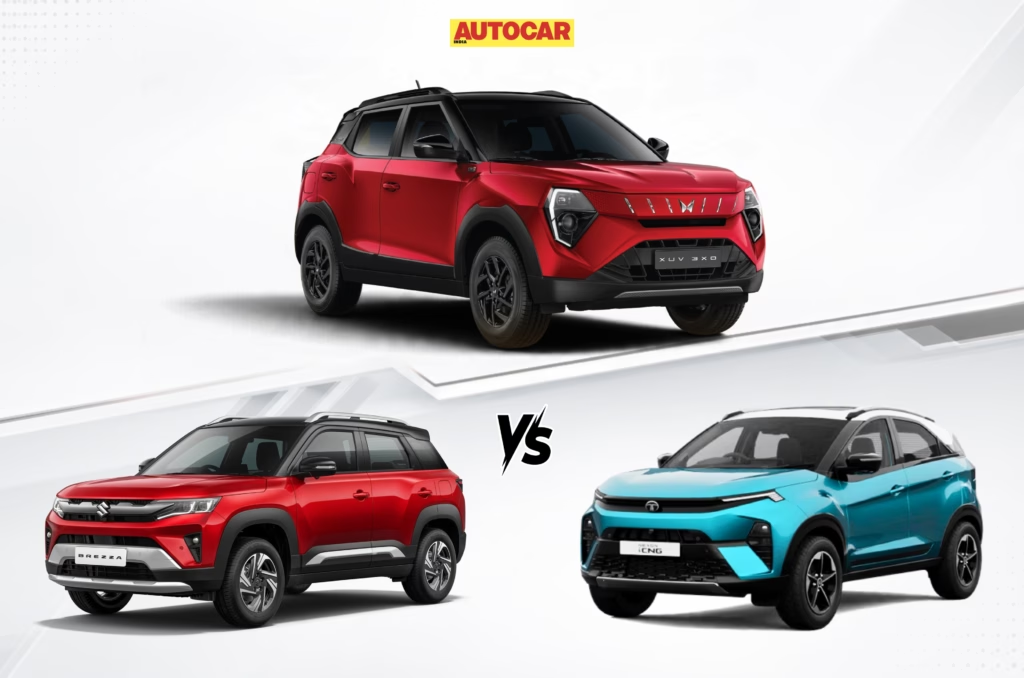
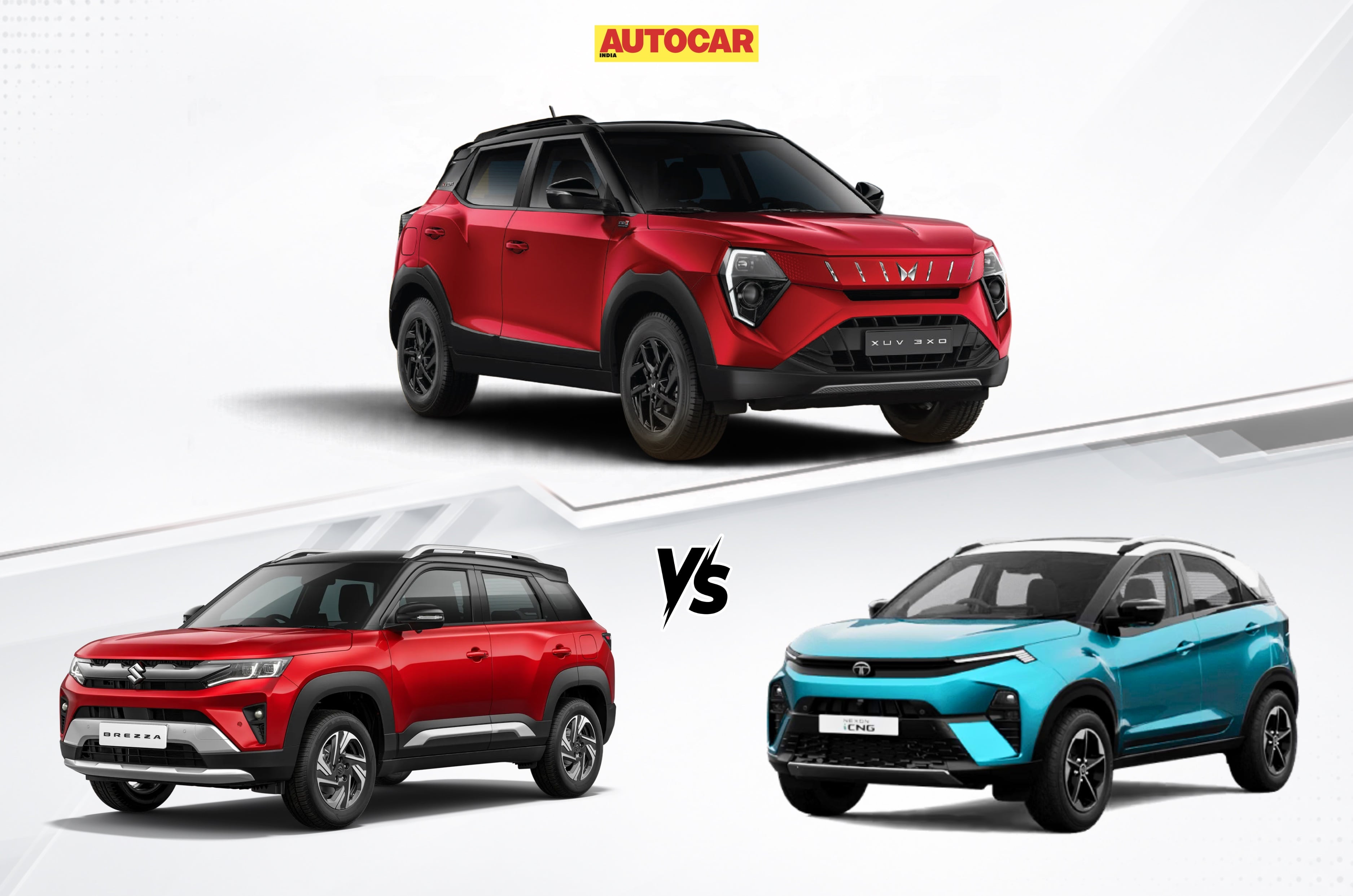
Mahindra’s entry-level offering, the XUV 3XO, is now available with a factory-fitted CNG kit in certain trim levels. This allows the XUV 3XO to directly rival CNG variants of the Tata Nexon and Maruti Suzuki Brezza. We take a look at how Mahindra’s first non-commercial car with a factory-fitted CNG kit fares against its competitors, spec sheet to spec sheet.

Mahindra XUV 3XO CNG vs rivals: Dimensions

 XUV 3XOBrezzaNexon
Length (mm)3,9903,9953,995
Width (mm)1,8211,7901,804
Height (mm)1,6471,6851,620
Wheelbase (mm)2,6002,5002,498
Wheel size (inches)161616
Boot space (litres)270328321

The XUV 3XO is slightly shorter overall than the Nexon and Brezza, but ekes out the longest wheelbase and is the widest compact SUV here. In terms of height, the XUV 3XO falls just short of the Maruti, and all three SUVs offer 16-inch alloy wheels. Coming to boot space, though, the XUV 3XO lags substantially behind its rivals, despite having a similar boot-mounted twin-cylinder setup to the Nexon. The Brezza, meanwhile, has the highest boot space here due to its underbody CNG tank setup.

Mahindra XUV 3XO CNG vs rivals: Engine and gearbox

 XUV 3XOBrezzaNexon
Engine1.2 turbo-petrol1.5 petrol1.2 turbo-petrol
Cylinder count343
Power (hp)11188100
Torque (Nm)200121.5170
Gearbox6-speed manual6-speed manual6-speed manual
Claimed mileage (km/kg)24.726.924

Where CNG cars are usually weaker in CNG mode, the XUV 3XO flips the script by outputting identical power and torque figures in its petrol and CNG modes – Mahindra has achieved this by optimising the turbocharger calibration and ECU mapping. Therefore, the XUV 3XO CNG is the most powerful compact SUV here, beating the Nexon CNG by 11hp and 30Nm, and the Brezza CNG by a considerable 23hp and 78.5Nm margin.

That said, the Brezza CNG does claw a point in its favour by offering the biggest engine here and an additional cylinder over its rivals, which could make the driving experience feel smoother and more refined. Another big upside to the Brezza CNG is its segment-best claimed fuel efficiency. The XUV 3XO trails just behind the Brezza on the mileage front, while the Nexon CNG sports the lowest claimed figure.

Mahindra XUV 3XO CNG vs rivals: Price

 Price (Rs, lakh)
XUV 3XO9.99-12.27
Brezza*9.40-11.60
Nexon*8.35-13.42

*Excluding premiums for dual-tone paint finishes and/or cosmetic packages.

The XUV 3XO CNG carries the highest starting price compared to its rivals, with the Nexon CNG undercutting it by Rs 1.54 lakh and the Brezza CNG by Rs 59,000. Looking at top-spec variant prices, the order sees a rejig, with the Tata SUV commanding the highest price due to a broader spread of variants. At Rs 13.42 lakh, the range-topping variant of the Nexon CNG is Rs 1.15 lakh pricier than the XUV 3XO CNG’s equivalent version, and Rs 1.82 lakh more expensive than that of the Brezza CNG.

All prices are ex-showroom, India.
2026 Toyota Glanza facelift: 4 hits and 3 misses

2026 Toyota Glanza facelift: 4 hits and 3 misses
Toyota Glanza facelift: 4 hits and 4 misses

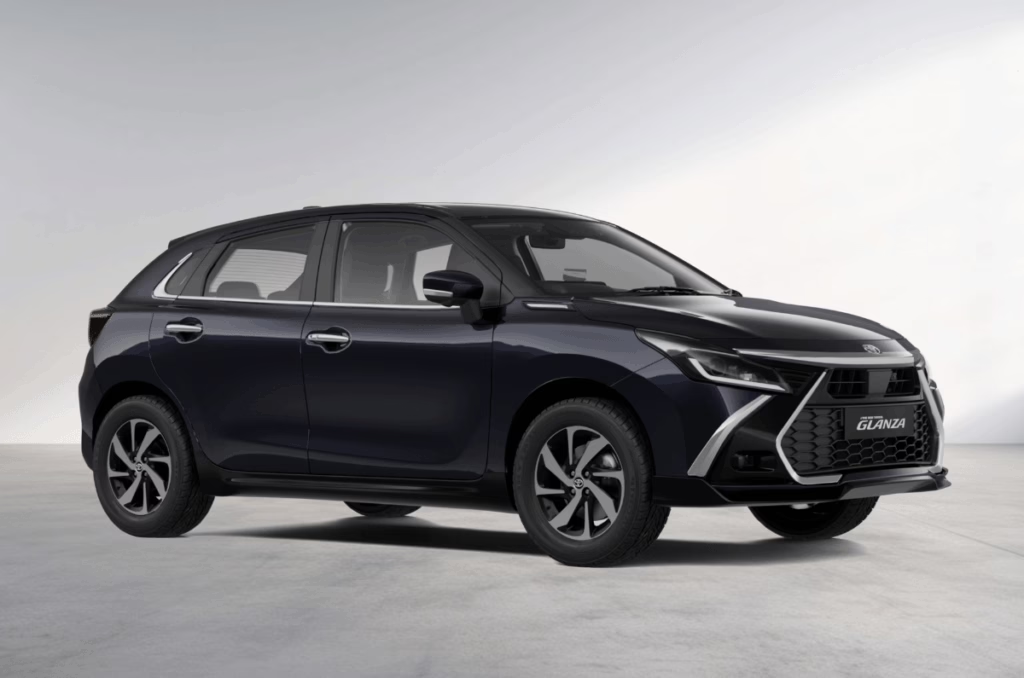
The 2026 Toyota Glanza facelift was launched in October, and it gets new powertrain options, additional features and minor design changes. However, it also misses out on a few things. Here, we look at what the updated Toyota hatchback gets right and where there is room for improvement.

Hits

More efficient powertrain

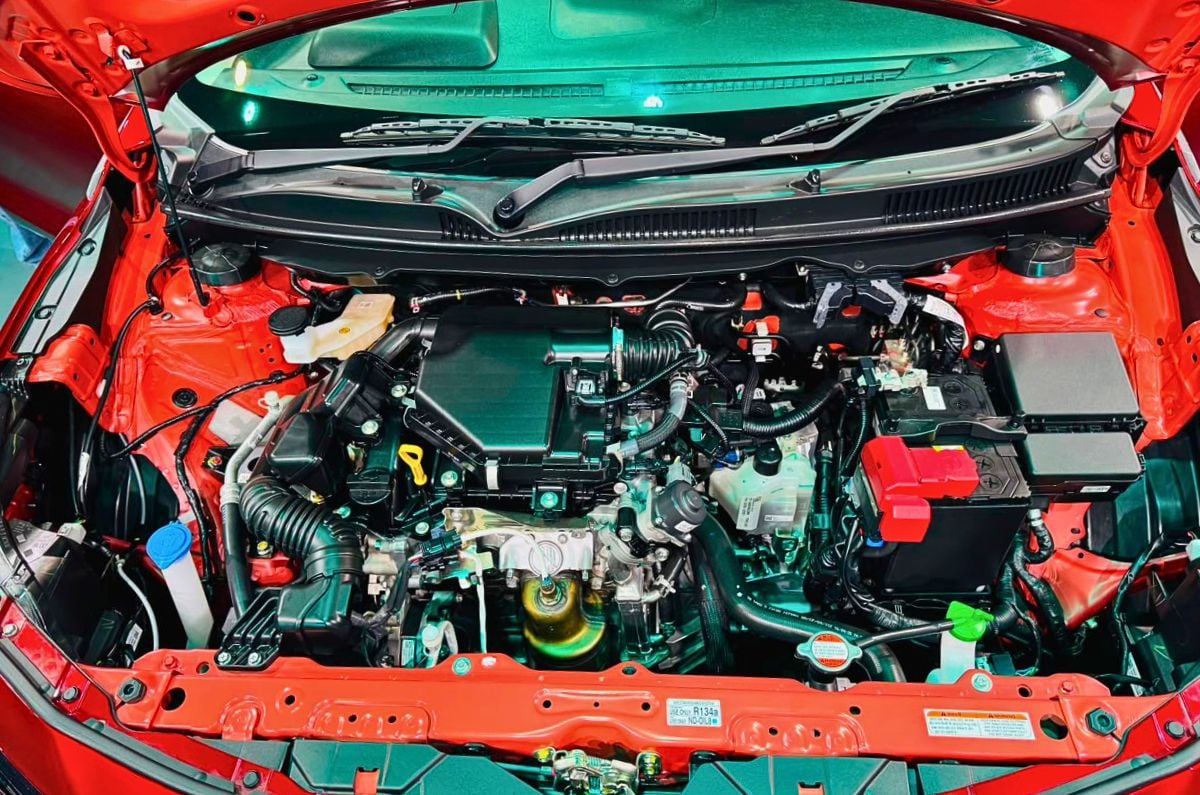
The Glanza now gets a new 1.2-litre, 3-cylinder naturally aspirated engine that runs on petrol and CNG. Compared to the previous four-cylinder engine, claimed fuel efficiency in petrol mode has improved to 23.80kpl with the manual transmission, up from 22.35kpl, and 24.77kpl with the AMT, up from 22.94kpl.

2026 Toyota Glanza facelift launched at Rs 6.99 lakh

In CNG mode, the claimed mileage has increased to 33.61km/kg with the manual gearbox, up from 30.61km/kg. The new AMT option for the Glanza CNG has a claimed mileage of 34.47km/kg.

Automatic gearbox choice with CNG

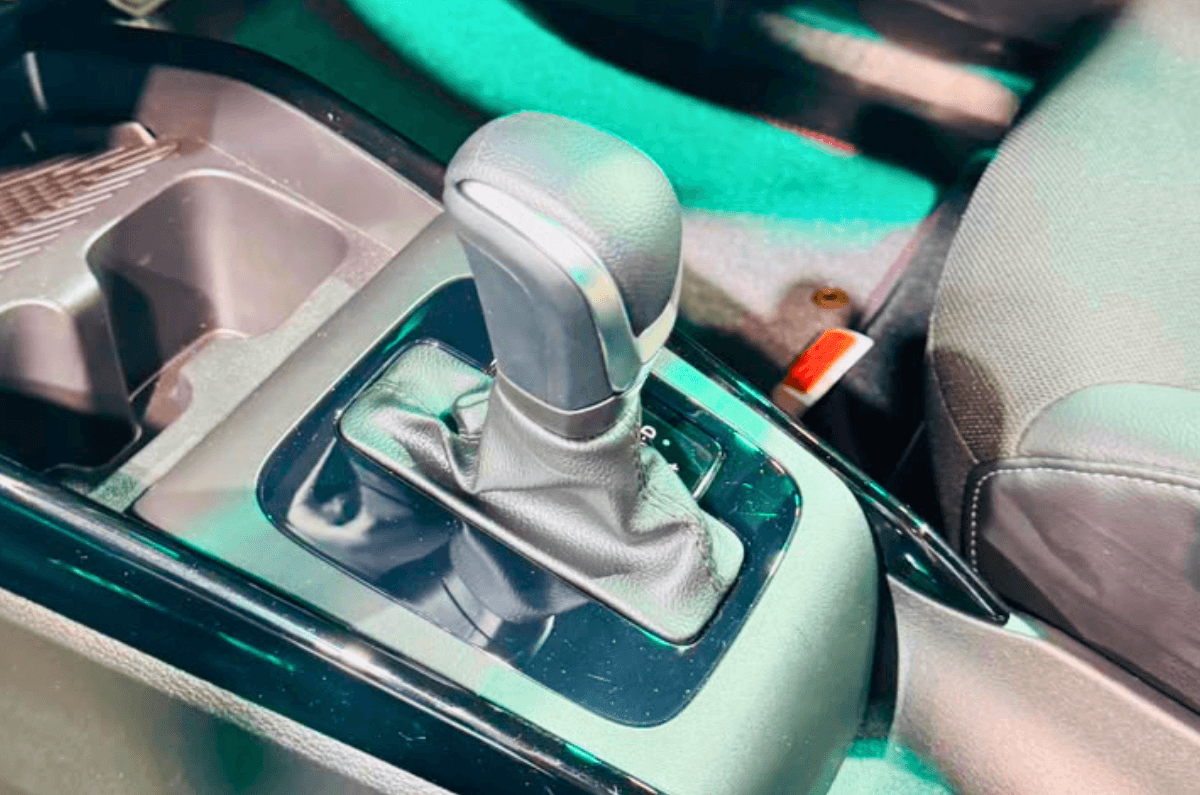
With the Glanza facelift, Toyota has introduced the choice of an automatic gearbox, an AMT in this case. Buyers who regularly commute in stop-and-go traffic will appreciate the ease of driving, along with the good fuel efficiency claimed by the carmaker.

New convenience and safety features

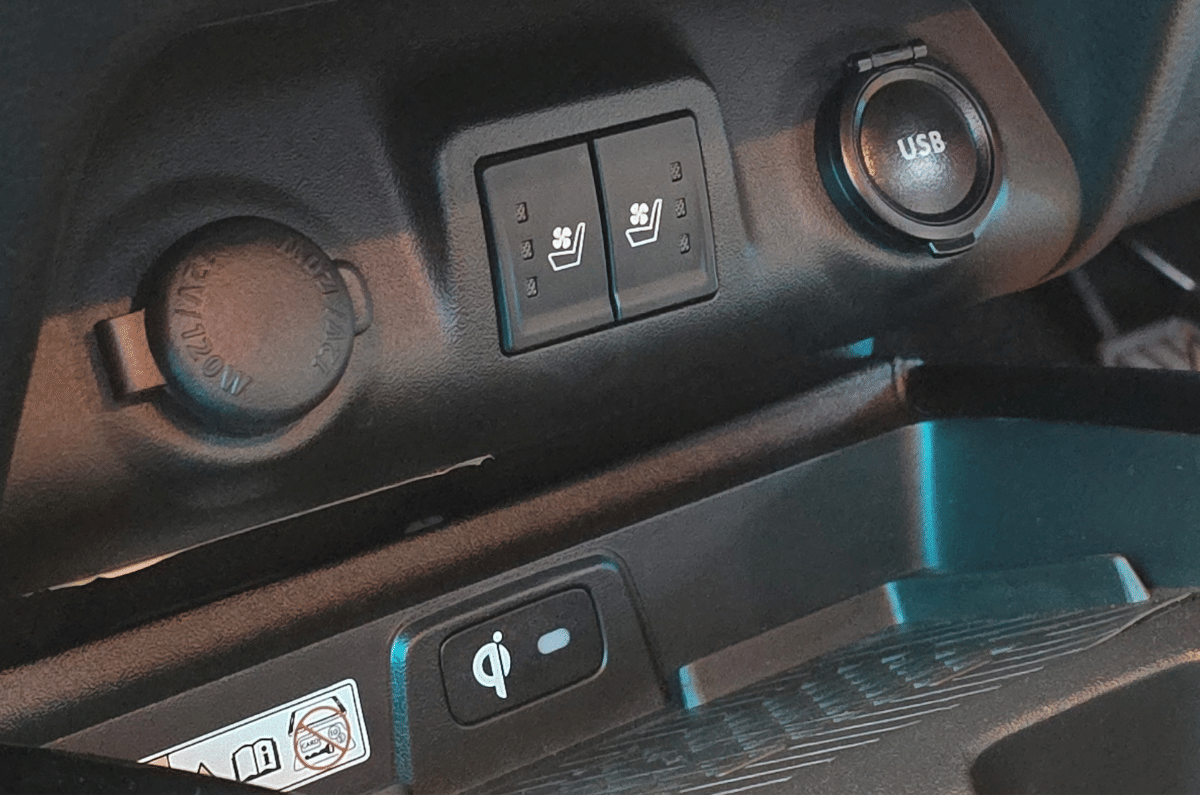
Given our climate, ventilated front seats are a welcome addition. The new Level 2 ADAS suite should also improve the Glanza’s safety quotient.

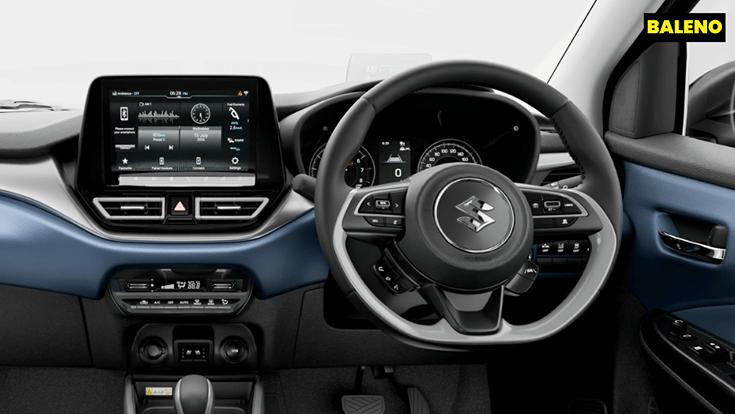
While we haven’t reviewed the new Glanza yet, our experience with the Baleno facelift gives us a reference point. During our brief test drive, the ADAS features worked as intended and felt well calibrated, without being overly intrusive. A wireless charger with ventilation has been added as well.

Continues to offer physical controls

2026 Toyota Glanza facelift launched at Rs 6.99 lakh

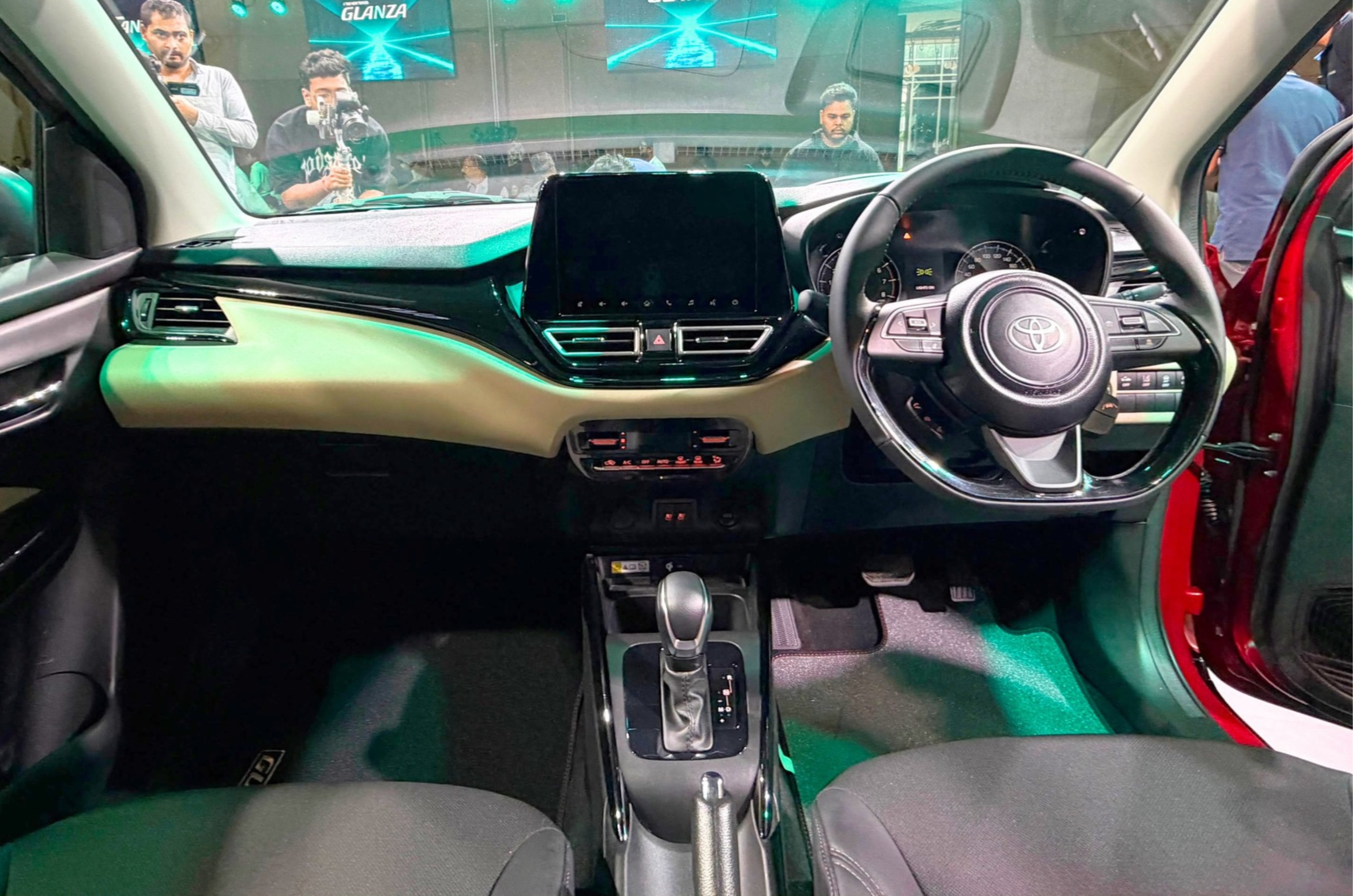
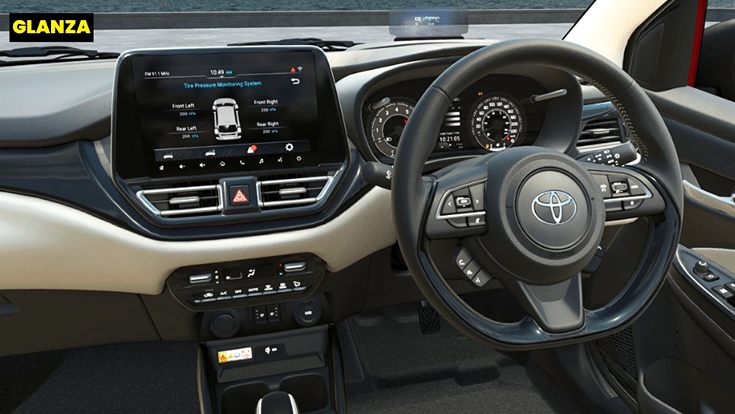
Like the outgoing model, the facelifted Glanza continues to offer plenty of physical controls for functions such as climate control and audio. These are easier to use and less distracting than accessing functions buried under multiple sub-menus on the touchscreen.

Misses

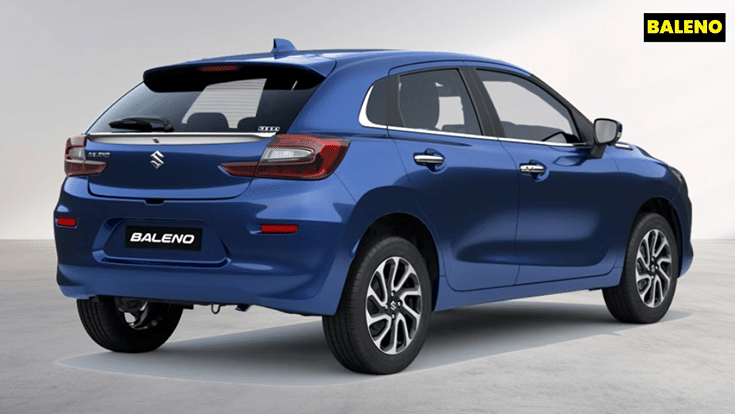
Priced comparatively higher than Baleno

Glanza vs Baleno petrol prices (Rs lakh)

Glanza petrol trimPriceBaleno petrol trimPricePrice difference
E MT6.99Sigma MT5.99-1
S MT | AMT7.71 | 8.31Delta MT | AMT7 | 7.5-0.71 | -0.81
G MT | AMT8.73 | 9.33Zeta MT | AMT8 | 8.5-0.73 | -0.83
V MT | AMT9.99 | 10.59Alpha MT | AMT9.1 | 9.6-0.89 | -0.99
V(O) MT | AMT10.49 | 10.98Alpha (O) MT | AMT9.5 | 9.99-0.99

Glanza vs Baleno CNG prices (Rs lakh)

Glanza CNG trimPriceBaleno CNG trimPricePrice difference
S MT | AMT8.76 | 9.31Delta MT | AMT7.92 | 8.32-0.84 | -0.99
G MT | AMT9.68 | 10.23Zeta MT | AMT8.92 | 9.32-0.76 | -0.91

The Glanza is pricier than the Baleno across comparable petrol variants, with the price difference ranging from Rs 71,000 to Rs 1 lakh. The gap is similar for the CNG versions, with the Toyota hatchback costing between Rs 76,000 to Rs 99,000 relatively more. Since the changes between the two are largely cosmetic, the price difference seems significant.

New engine makes relatively less power and torque

In petrol mode, the new engine produces 83hp and 112Nm, which is 7hp and 1Nm less than the outgoing model’s four-cylinder unit. In CNG mode, it produces 70hp and 102Nm. This is 7hp less but 4.5Nm more than the outgoing model. Based on our experience with the Baleno, which uses the same powertrains, the new engine doesn’t feel as peppy as the older K-Series unit or as strong at higher revs.

Misses out on some features offered by rivals

New Glanza rear seats

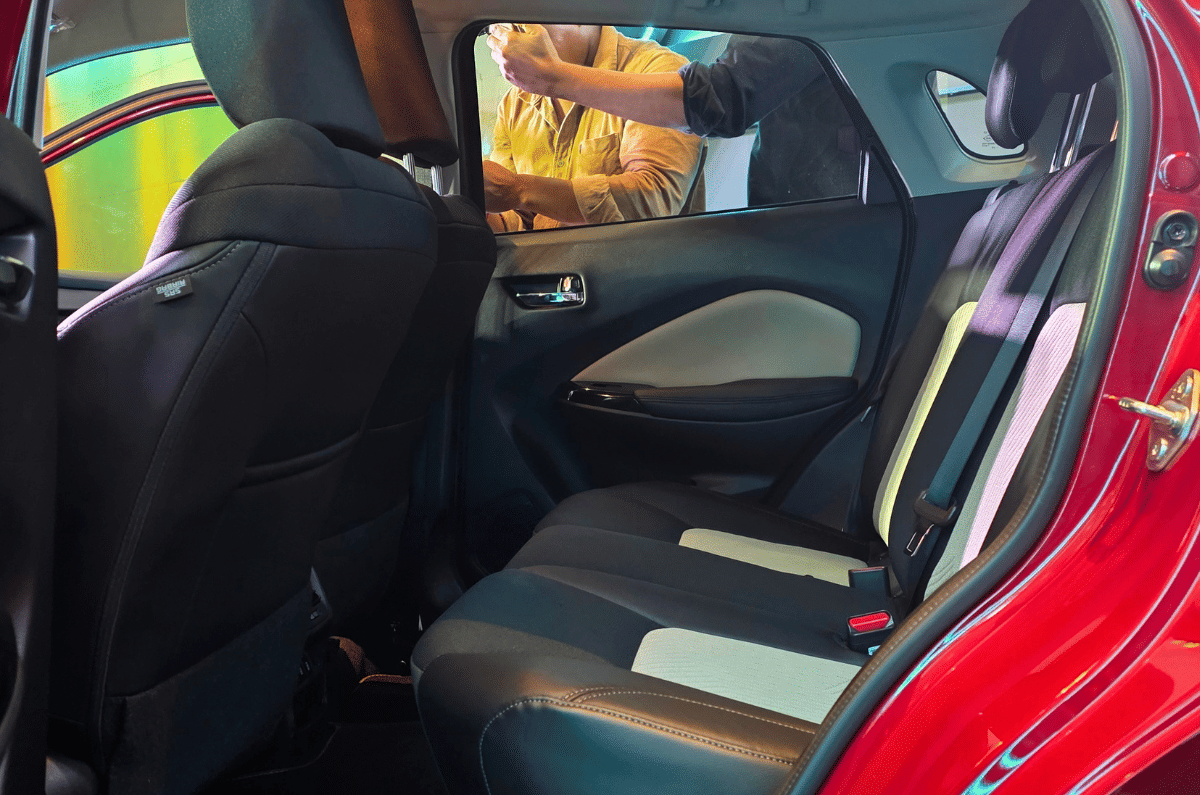
A rear centre armrest would have improved passenger comfort in a premium hatchback like the Glanza, and a single-pane sunroof would also have added to its appeal. Both features are available on its direct rivals, the Tata Altroz and Hyundai i20.

Yamaha XSR900 gets a new colour for 2027

Yamaha XSR900 gets a new colour for 2027
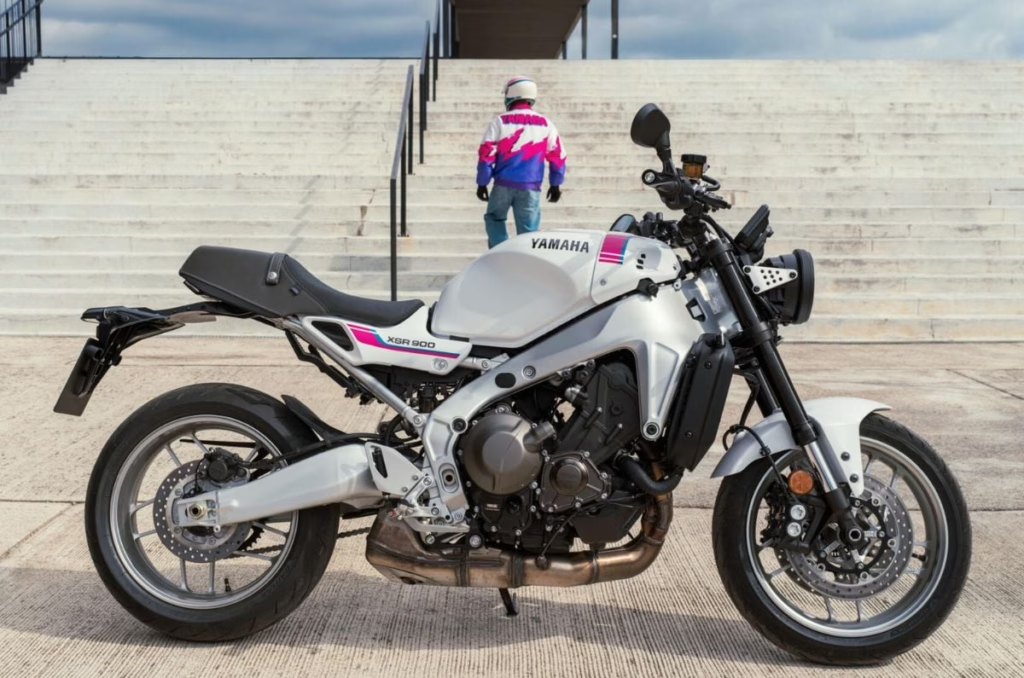
2027 Yamaha XSR900's right profile.

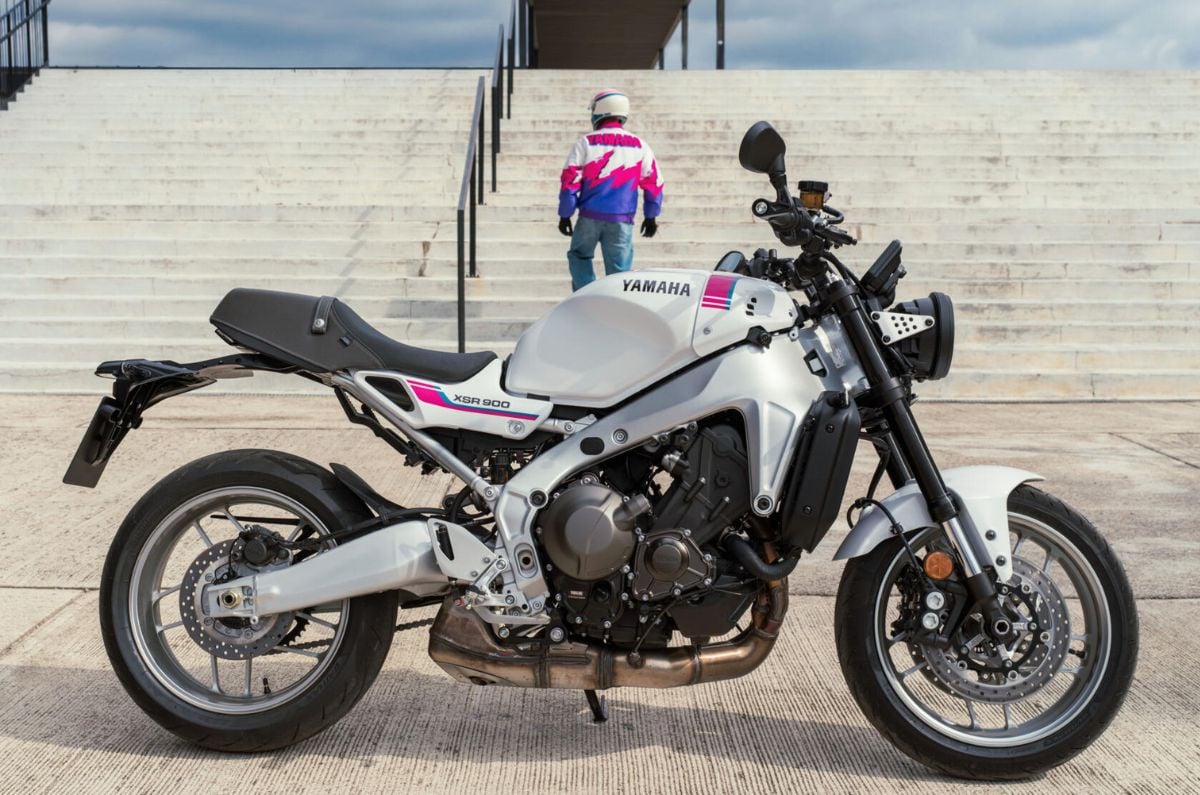
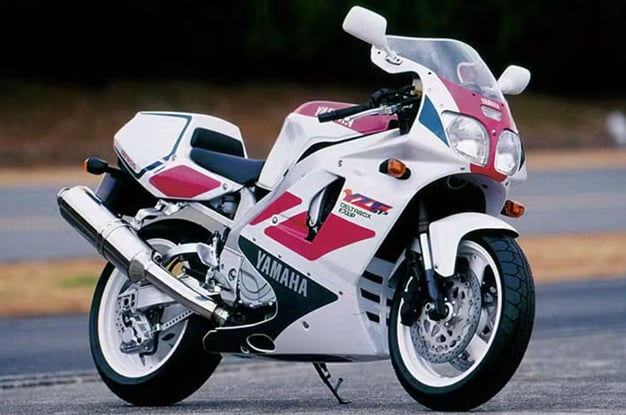
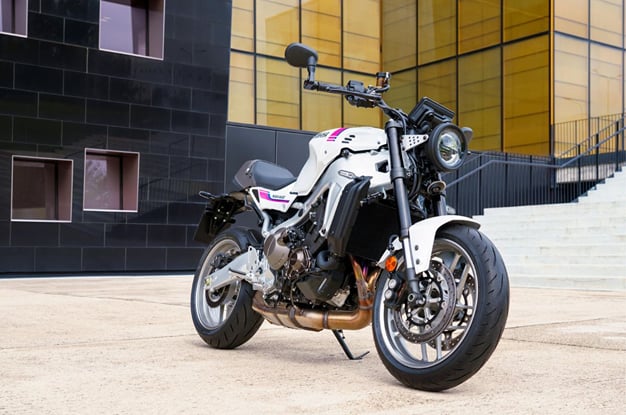
The Yamaha XSR900 has been a successful model for the Japanese manufacturer abroad, and it looks like that is recognised. For 2027, the company has just revealed a new colour option for the retro-roadster, which it says is a throwback to the iconic YZF750R supersport of the mid-1990s. Apart from the new colour, Yamaha has retained every other thing on the XSR900, mechanically and aesthetically.

  1. XSR900 is powered by an 890cc triple-cylinder engine, making 119hp and 93Nm
  2. Yamaha hasn’t revealed the price for the 2027 model yet

Yamaha XSR900 2027: A cosmetic upgrade

Mechanically the same

To jog your memory, the XSR900 is a retro-naked that shares its platform and engine with the YZF-R9, Yamaha’s middleweight supersport. It’s powered by an 890cc triple-cylinder liquid-cooled engine making 119hp and 93Nm. Although the XSR looks retro, as expected of the line-up, Yamaha has given it many modern features such as a 5-inch TFT display, ride modes, a quickshifter, fully adjustable KYB suspension units, a lightweight aluminium deltabox frame and all-LED lighting. All of that and the pre-existing Midnight Black colour stay intact for 2027. Yamaha has replaced the Heritage White colour with the Neon White colour (pictured).

1993 Yamaha YZF750R front right quarter.
2027 Yamaha XSR900 front right quarter.
 

1993 Yamaha YZF750R vs 2027 Yamaha XSR900. YZF750R Image courtesy: Bennetts Insurance.

The 2027 model is already listed on Yamaha UK’s website, although there’s no price at the moment. The 2026 model was priced from GBP 11,104 (Rs 14.01 lakh), and it remains to be seen whether Yamaha increases prices for the next year. If you really like what you are seeing, do remember that India only got the smaller, R15-based XSR155 last year, starting from Rs 1.50 lakh.

Toyota Glanza new vs old: Differences and similarities explained

Toyota Glanza new vs old: Differences and similarities explained
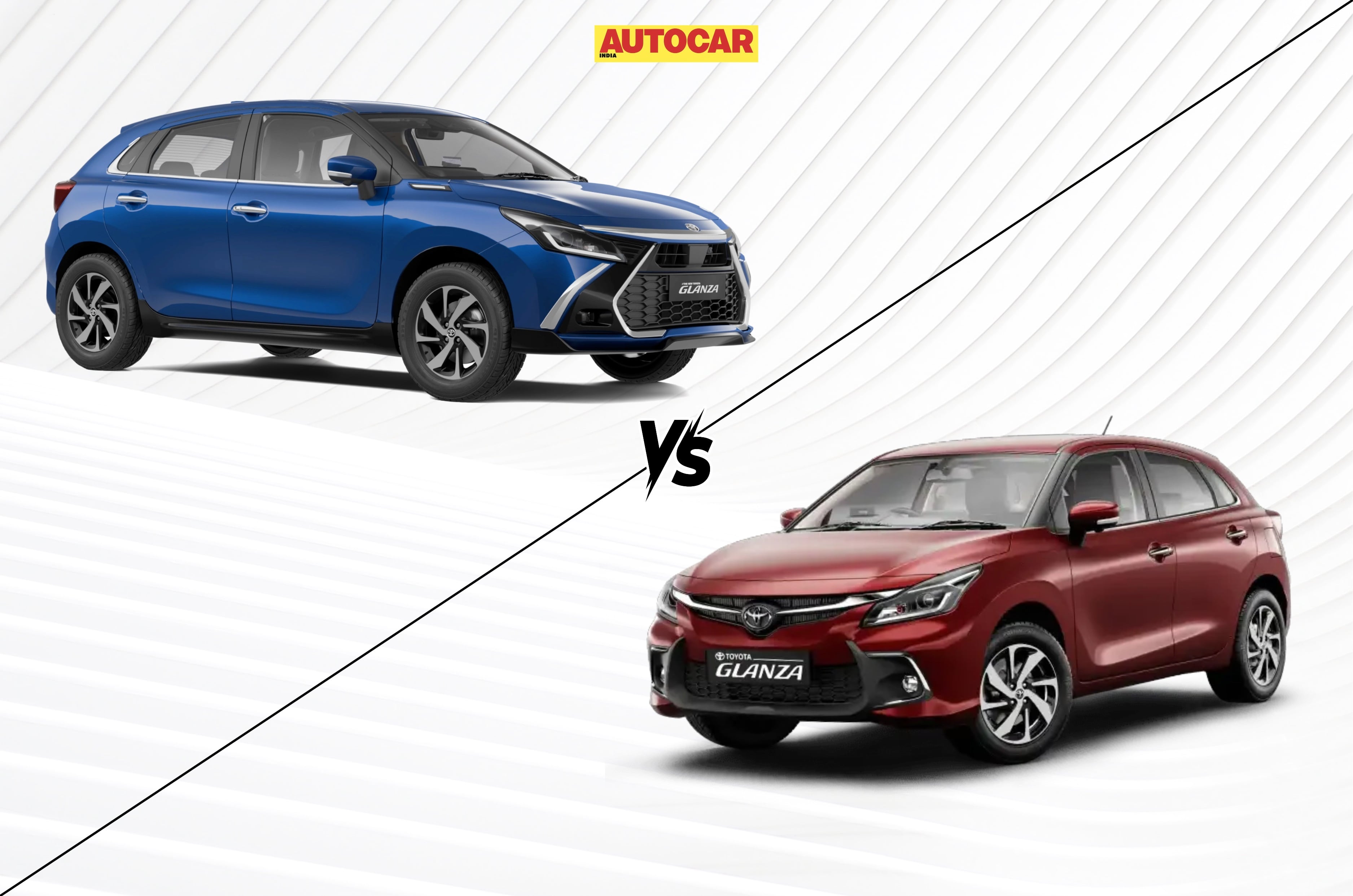
Toyota Glanza Old vs New comparison

The Toyota Glanza has received a major update, following the same for the Maruti Baleno. This one brings some cosmetic revisions, an entirely different engine under the bonnet, a longer equipment list and a new top-spec trim level. Depending on the variant, prices now range between Rs 6.99 lakh and Rs 10.98 lakh (ex-showroom). That’s an increase of about Rs 26,000 to Rs 1 lakh over the old Glanza. Rivals include the Maruti Baleno, Hyundai i20 and Tata Altroz. Here’s a closer look at what’s changed and what’s been carried over.

Toyota Glanza new vs old: Exterior design

A new front fascia and a couple of different colour options do it for the exterior

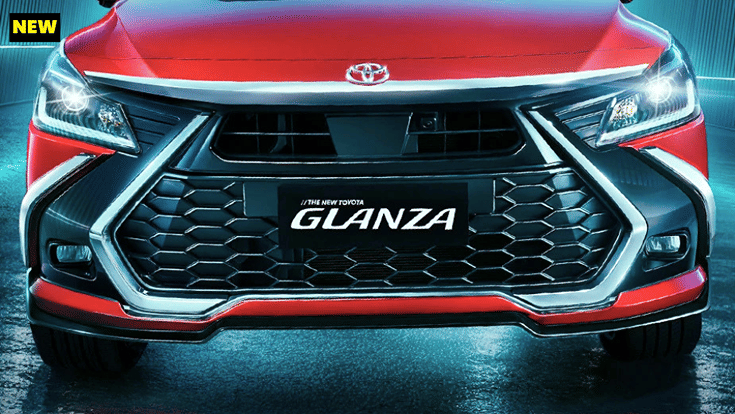
New Toyota Glanza front bumper
Old Toyota Glanza front bumper
 

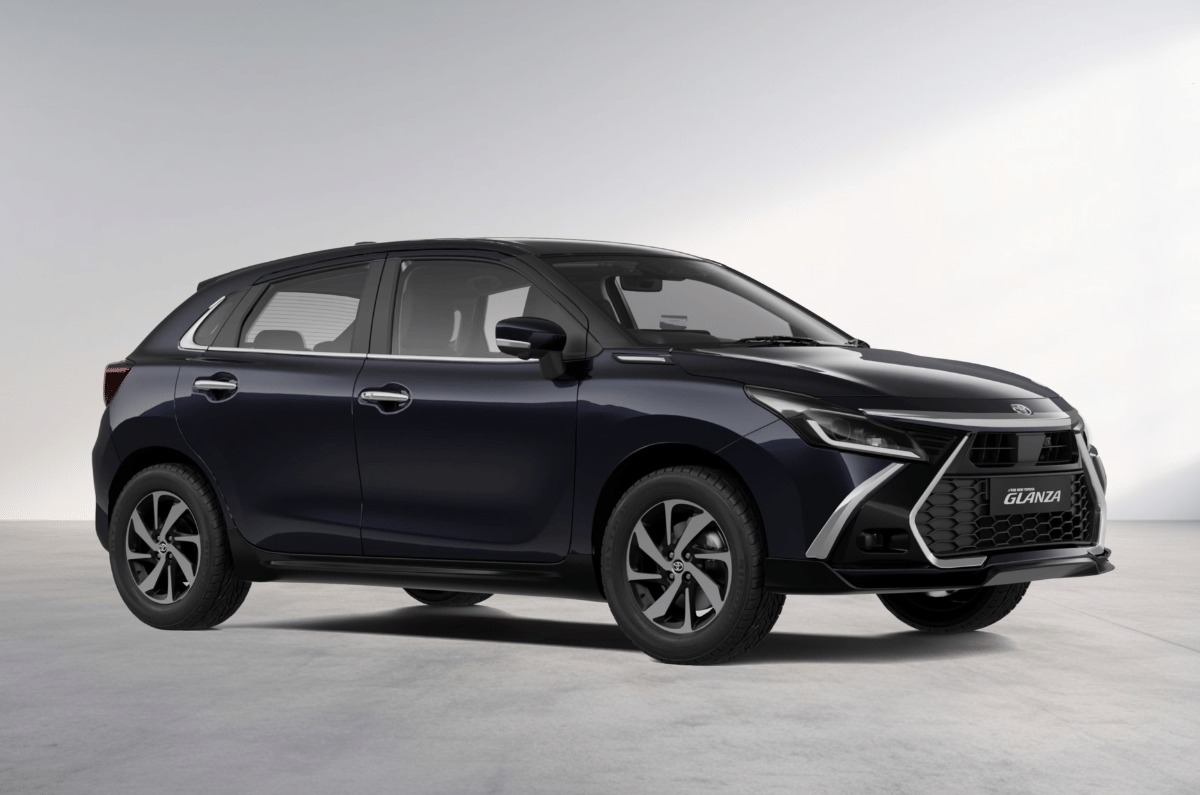
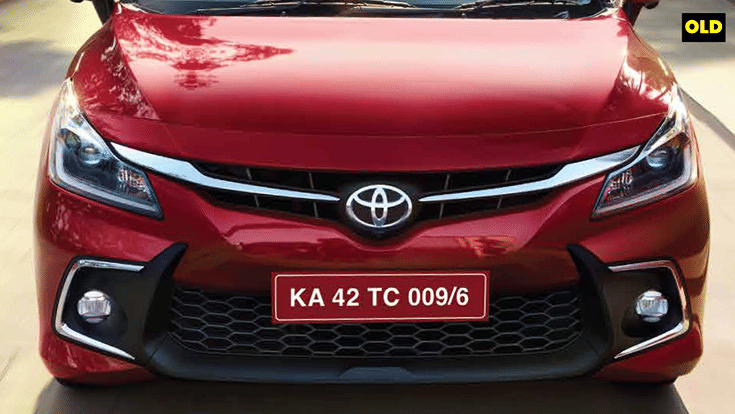
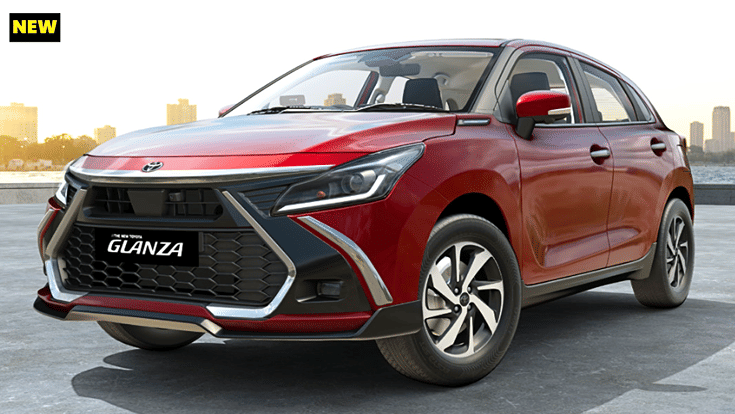
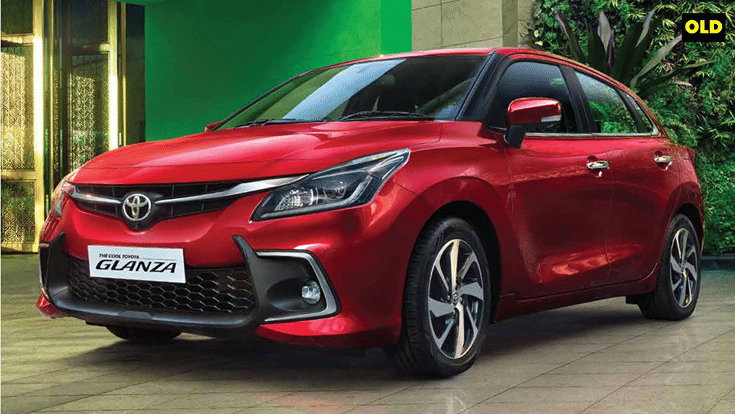
Most of the changes with this update are to be found at the front. The front fascia of the new Glanza looks more aggressive than the old model, with a taller middle section that integrates the upper grille and lower intake into a single-piece design. The intakes are larger and the Toyota logo now sits higher, just aft of the chrome strip connecting the headlamps.

New Toyota Glanza front quarter
Old Toyota Glanza front quarter
 

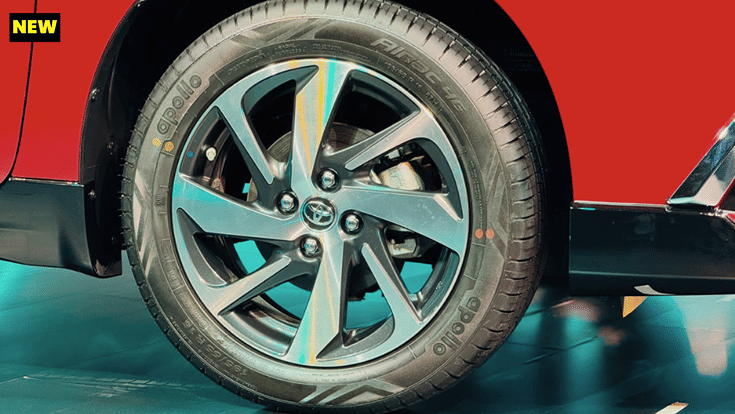
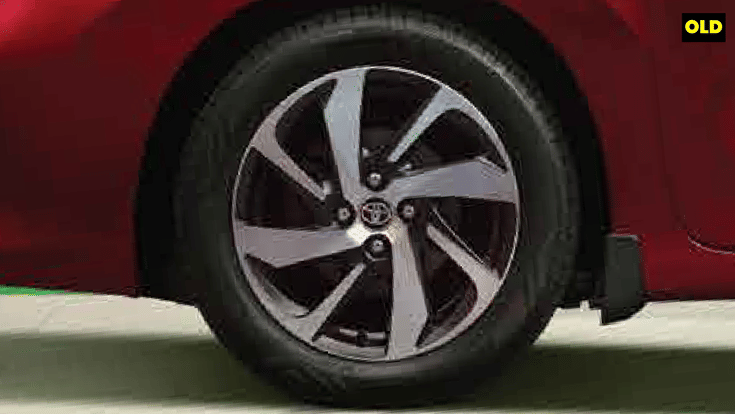
The headlamps have been carried over from the old Glanza, whilst the redesigned front bumper gets rectangular fog lamps in place of the old model’s circular units. The Glanza now gets side skirts and a sharkfin antenna, but the design of its 16-inch alloy wheels and the chrome strip beneath the windowline are carry-over from the old model.

New Toyota Glanza rear quarter
Old Toyota Glanza rear quarter
 

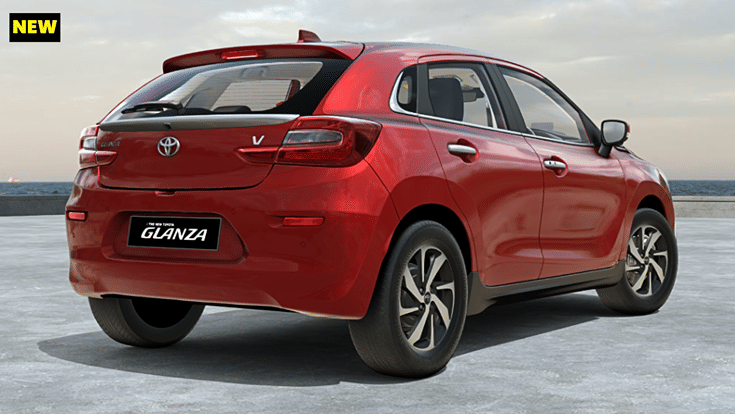
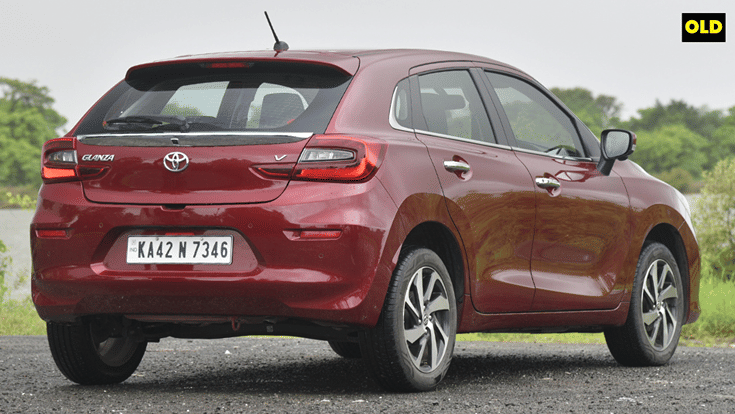
There are no changes made to the rear of the updated Glanza. This means that it retains the old model’s tail-lamps with their C-shaped elements, the roof spoiler and the wiper & washer setup. Along with the colours offered earlier, the Toyota Glanza facelift adds Digital Teal Green and Bluish Black to the list as well. 

Toyota Glanza new vs old: Interior design and features

The 2026 update adds more features, but lower trims now lose out on auto AC

The overall design and layout of the cabin haven’t changed with this update, and the dual-tone dashboard and seats are carried over. However, the V and the new top-spec V (O) trims now get leatherette upholstery, with the front row featuring seat ventilation. 

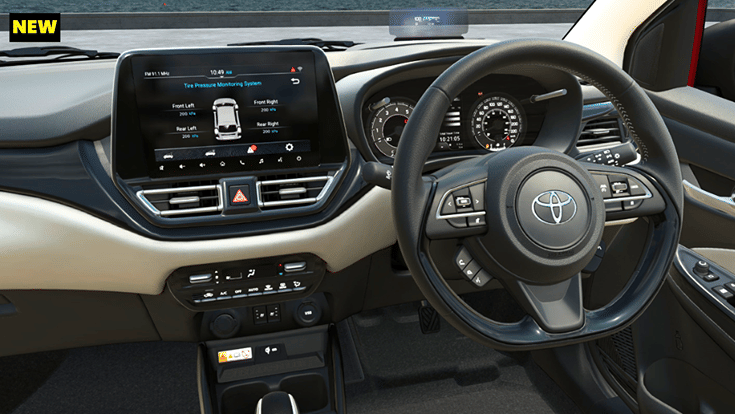
The two high-end trims also get a new premium audio system by Clarion, whilst the earlier Arkamys setup moves to the mid-spec G. The G also gets a 9-inch touchscreen in place of the old 7-inch screen, while the lower-spec S gets a 7-inch unit. The S also offers a sliding front armrest, rear AC vents, and Type-A and Type-C ports. However, the lower trims now lose out on automatic AC.

New Toyota Glanza interior
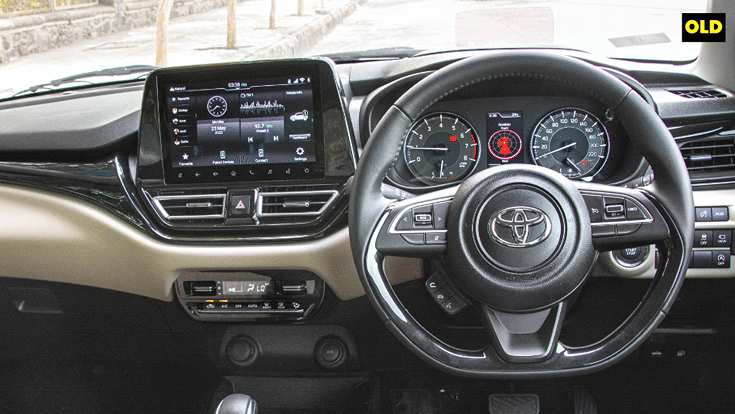
Old Toyota Glanza interior
 

Other noteworthy additions include a wireless charger with active cooling (G trim and above) and a tyre-pressure monitoring system (TPMS) on all but the entry-level E. Standard kit includes 6 airbags, electronic stability control, hill-hold assist and ISOFIX anchors.

Level 2 ADAS (advanced driver assistance systems) is new, but is limited to the top-spec V (O). It brings adaptive cruise control, autonomous emergency braking, lane-keeping assist, lane-departure warning and high-beam assist. As with the old Glanza, the head-up display and 360-degree camera are reserved for the V trims.

Toyota Glanza new vs old: Engine and transmission

A three-cylinder engine replaces the old four-cylinder unit

New Toyota Glanza wheels
Old Toyota Glanza wheels
 

The old Toyota Glanza was powered by a 1.2-litre four-cylinder K-series petrol engine that produced 90hp and 113Nm of torque. With this update, the Glanza switches to the 1.2-litre three-cylinder Z-series engine that also powers the updated Maruti Baleno. This new unit puts out 83hp and 112Nm of torque, representing a loss of 7hp and 1Nm over the old model. The 5-speed manual and 5-speed AMT (automated manual transmission) have been carried over.

The claimed mileage has gone up from 22.35kpl to 23.80kpl for the manual and 22.94kpl to 24.77kpl for the AMT. While the old Glanza had automatic engine stop-start as standard only with the petrol versions, the updated model gains the fuel-saving tech for the CNG versions too. The new AMT variant of the Glanza CNG is rated at 34.47km/kg, with the manual’s claimed mileage going up from 30.61km/kg to 33.61km/kg.

In terms of output, the updated Glanza CNG sees power dropping from 77hp to 70hp, though the torque figure has gone up from 98.5Nm to 102Nm. Finally, the 2026 Toyota Glanza weighs up to 30kg more than the old model it replaces.

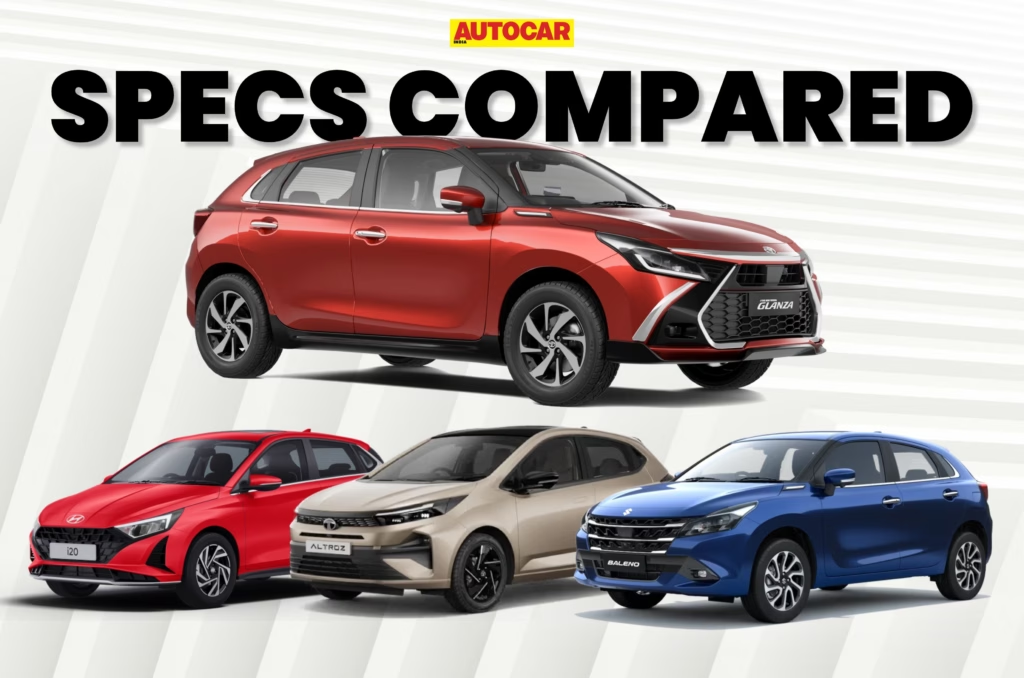
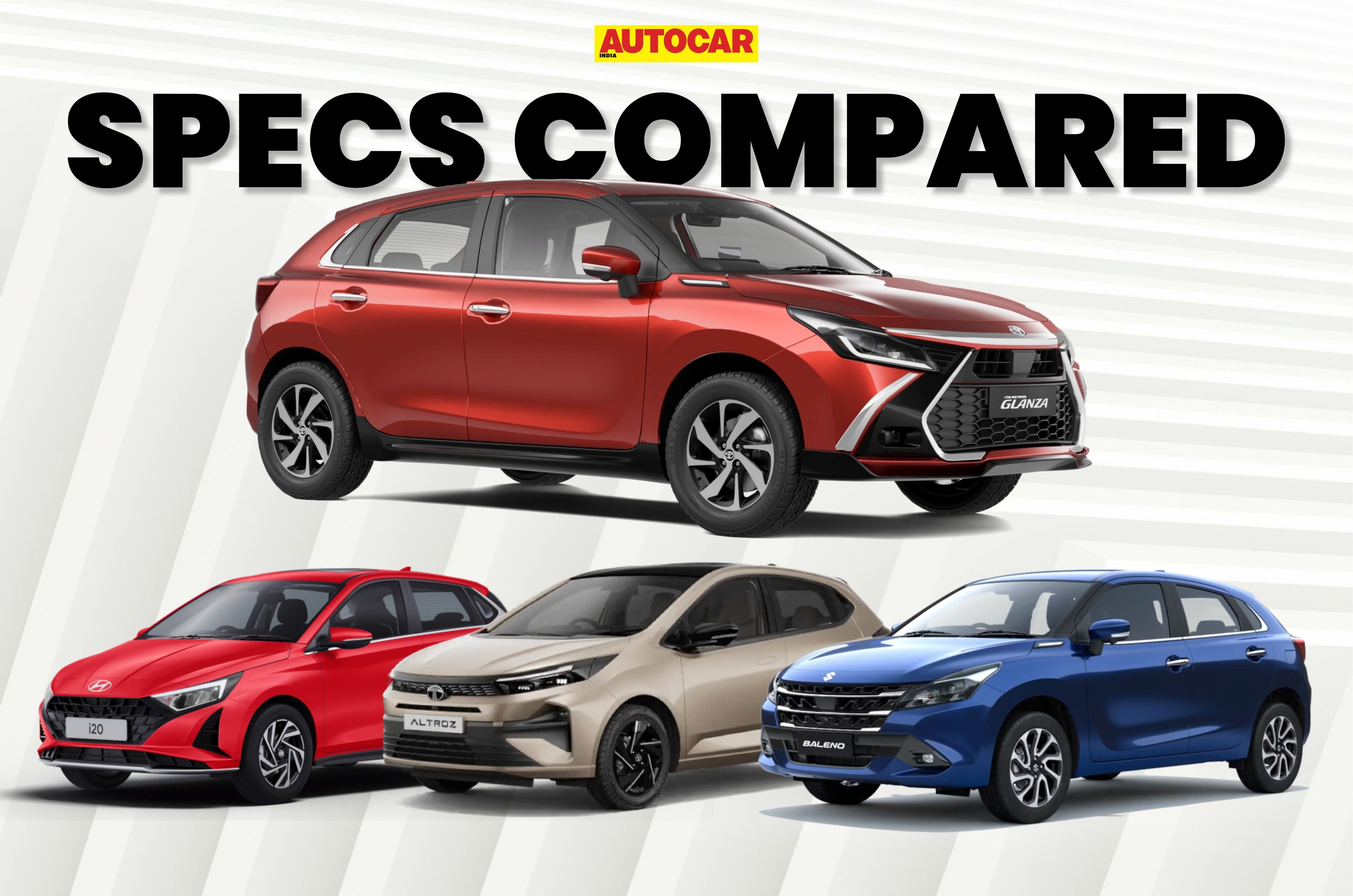
2026 Toyota Glanza vs rivals: Price, specifications compared

2026 Toyota Glanza vs rivals: Price, specifications compared
Glanza vs rivals

The Toyota Glanza is a premium hatchback that shares its underpinnings and powertrain with the Maruti Suzuki Baleno. The 2026 update brings changes to its styling and features, along with a CNG-AMT option. We compare it with the Baleno, Hyundai i20 and Tata Altroz in terms of specifications, features and prices.

2026 Toyota Glanza vs rivals: Dimensions

The i20 has the longest wheelbase, while the Altroz has the largest boot

DimensionsToyota GlanzaMaruti Suzuki BalenoHyundai i20Tata Altroz
Length3,990mm3,990mm3,995mm3,990mm
Width1,745mm1,745mm1,775mm1,755mm
Height1,530mm1,530mm1,505mm1,523mm
Wheelbase2,520mm2,520mm2,580mm2,501mm
Boot spaceTBA318 litres311 litres345 litres

The Glanza and Baleno share the same length, width, height and wheelbase. The i20 is marginally longer than the other three and has the greatest width and wheelbase. The Altroz offers the largest boot capacity at 345 litres, ahead of the Baleno’s 318 litres and the i20’s 311 litres. Toyota has yet to confirm the facelifted Glanza’s boot capacity, although its badge-engineered relationship with the Baleno suggests the two could have similar luggage space.

2026 Toyota Glanza vs rivals: Engine specifications

The Glanza gets petrol and CNG options, with manual and AMT gearboxes

Engine specificationsToyota GlanzaMaruti Suzuki BalenoHyundai i20Tata Altroz
Petrol engine1.2-litre, 3-cylinder1.2-litre, 3-cylinder1.2-litre, 4-cylinder1.2-litre, 3-cylinder
Petrol power83hp83hp83hp (MT); 88hp (IVT)88hp
Petrol torque112Nm112Nm114.7Nm115Nm
CNG optionYesYesNoYes
CNG power70hp70hp–74hp
CNG torque102Nm102Nm–103Nm
Diesel optionNoNoNoYes
Transmission options5-speed MT, 5-speed AMT5-speed MT, 5-speed AMT5-speed MT, IVT5-speed MT, 5-speed AMT, 6-speed DCT

The Glanza’s new 1.2-litre three-cylinder engine produces 83hp and 112Nm in petrol mode, down 7hp and 1Nm compared with the outgoing four-cylinder unit. Claimed fuel efficiency stands at 23.80kpl with the manual and 24.77kpl with the AMT. In CNG mode, output drops to 70hp and 102Nm, with claimed efficiency of 33.61km/kg for the manual and 34.47km/kg for the AMT.

Like the Glanza, the Baleno offers petrol and CNG powertrains with manual and AMT options. The i20 is petrol-only, while the Altroz offers petrol, CNG and diesel engines. The Altroz is also the only one of these four to offer a diesel engine, while the Glanza and Baleno now add the convenience of an AMT with CNG.

2026 Toyota Glanza vs rivals: Features

Glanza adds ventilated seats and Level 2 ADAS, while the i20 and Altroz get sunroofs

FeaturesToyota GlanzaMaruti Suzuki BalenoHyundai i20Tata Altroz
Head-up displayYesYesNoNo
Ventilated front seatsYesYesNoNo
360-degree cameraYesYesNoYes
Wireless phone chargerYes, with coolingYes, with coolingYesYes
SunroofNoNoYesYes
Infotainment touchscreen9-inch9-inch10.25-inch10.25-inch
Instrument clusterAnalogue dials with MIDAnalogue dials with MIDTFT display10.25-inch digital
Wireless Android Auto and Apple CarPlayYesYesYesYes
Automatic climate controlYesYesYesYes
Rear AC ventsYesYesYesYes
Adaptive cruise controlYesYesNoNo

The Glanza and Baleno share several key features, including a head-up display, ventilated front seats, a 360-degree camera and a cooled wireless charger. Both also use a 9-inch touchscreen and analogue instrument dials with a multi-information display. 

The i20 and Altroz offer larger 10.25-inch infotainment screens and sunroofs, which the Glanza and Baleno do not get. The Altroz also has a fully digital instrument cluster. All four offer automatic climate control, rear AC vents and wireless smartphone connectivity.

2026 Toyota Glanza vs rivals: Safety

Glanza and Baleno get Level 2 ADAS

Safety featuresToyota GlanzaMaruti Suzuki BalenoHyundai i20Tata Altroz
Level 2 ADASYesYesNoNo
Airbags6666
Tyre-pressure monitoring systemYesYesYesYes
Electronic stability controlYesYesYesYes
Hill-hold assistYesYesYesYes
ABS with EBDYesYesYesYes
ISOFIX child-seat mountsYesYesYesYes

The Glanza facelift adds Level 2 ADAS, including adaptive cruise control, lane-keeping assist, lane-departure warning and prevention, autonomous emergency braking and high-beam assist. It also gets a tyre-pressure monitoring system. The Baleno offers Level 2 ADAS as well, while all four hatchbacks have six airbags, electronic stability control, hill-hold assist, ABS with EBD and ISOFIX child-seat mounts.

2026 Toyota Glanza vs rivals: Price

Glanza prices range from Rs 6.99 lakh to Rs 10.98 lakh

Price (ex-showroom)Toyota GlanzaMaruti Suzuki BalenoHyundai i20Tata Altroz
Price rangeRs 6.99 lakh-10.98 lakhRs 5.99 lakh-9.99 lakhRs 6 lakh-11.64 lakh*Rs 6.30 lakh-10.75 lakh

The Baleno has the lowest starting price at Rs 5.99 lakh, making it Rs 1 lakh cheaper than the Glanza. The Altroz starts at Rs 6.30 lakh, while the i20’s entry price is Rs 6 lakh. At the top end, the i20 is the most expensive at Rs 11.64 lakh with the N-line trim, followed by the Glanza at Rs 10.98 lakh. The Altroz tops out at Rs 10.75 lakh, while the Baleno has the lowest top-spec price at Rs 9.99 lakh. The Glanza’s higher starting and top-end prices place it above its badge-engineered sibling, the Baleno, across the range.

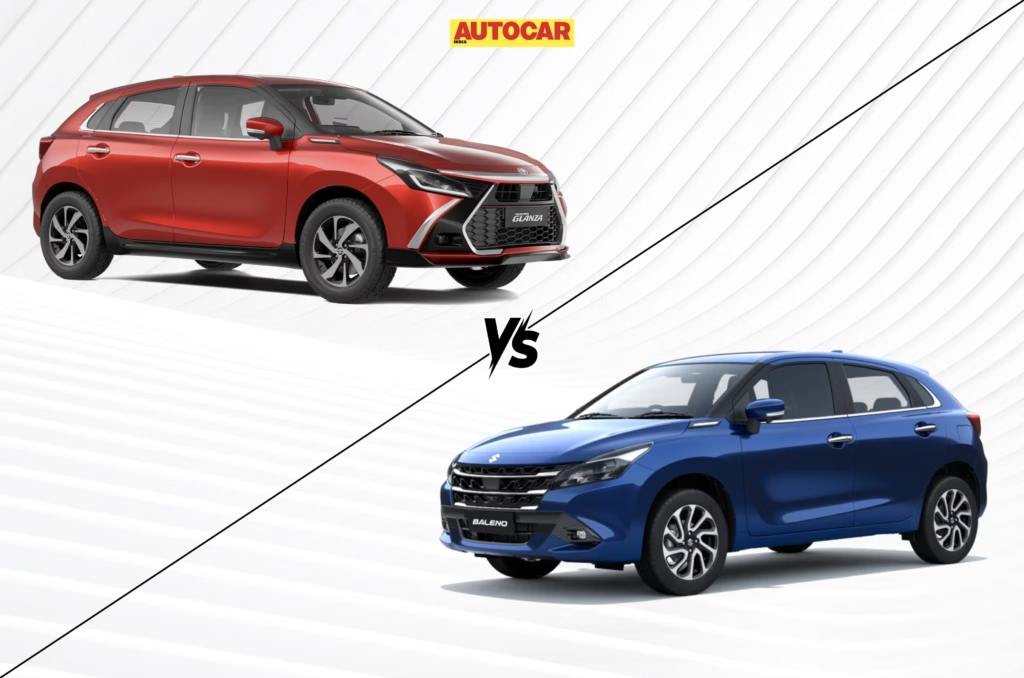
Toyota Glanza facelift vs Maruti Baleno: Differences and similarities explained

Toyota Glanza facelift vs Maruti Baleno: Differences and similarities explained
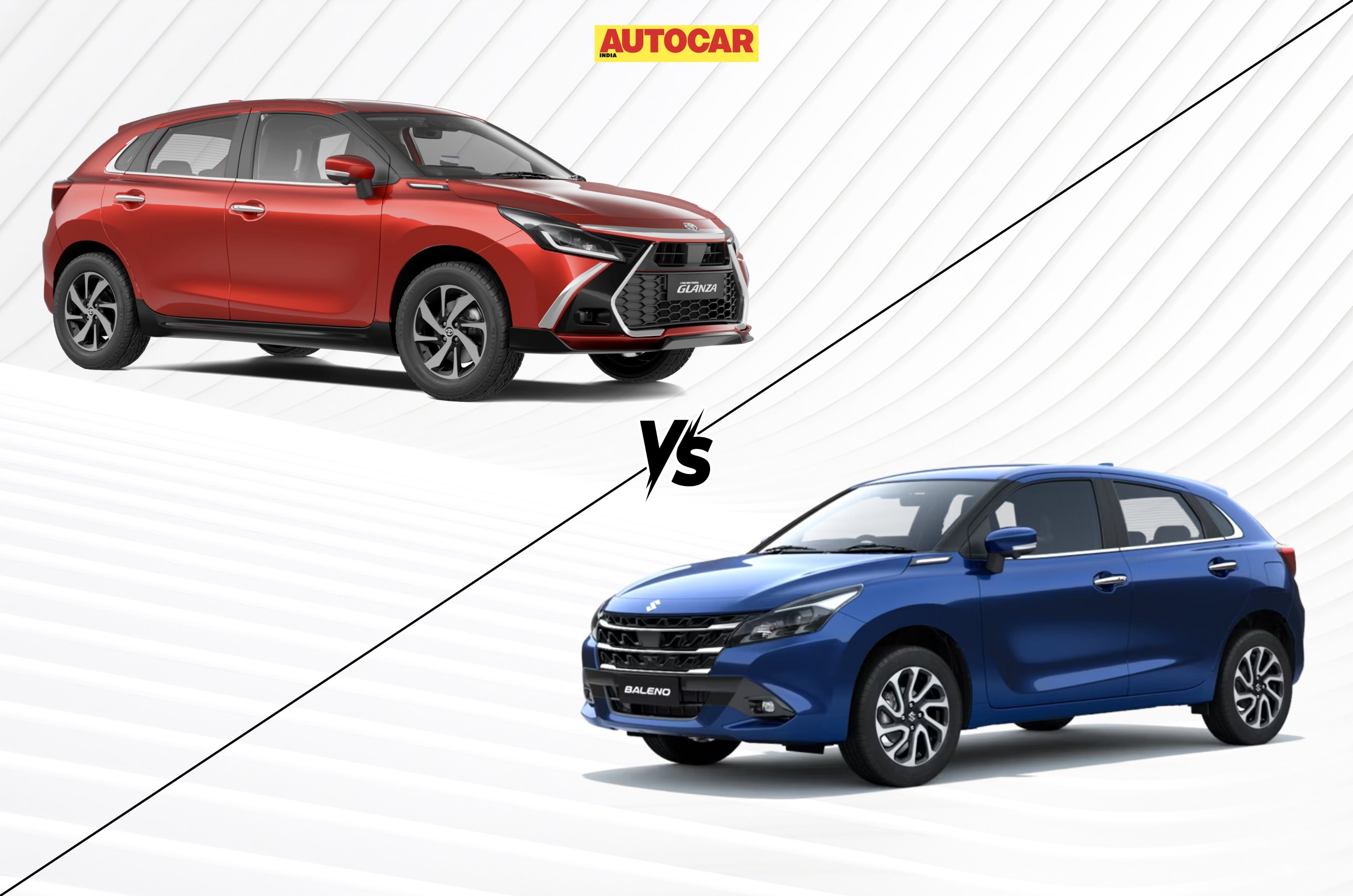
Toyota Glanza facelift vs Maruti Baleno

Toyota has introduced a comprehensive update to the Glanza for 2026. Over a month ago, its badge-engineered Maruti counterpart, the Baleno, was updated as well. But how unique are both hatchbacks when placed side by side? From exterior, interior, features, and price, we explain all the differences and similarities between the Glanza facelift and the Maruti Baleno.

Toyota Glanza facelift vs Maruti Baleno: Exterior 

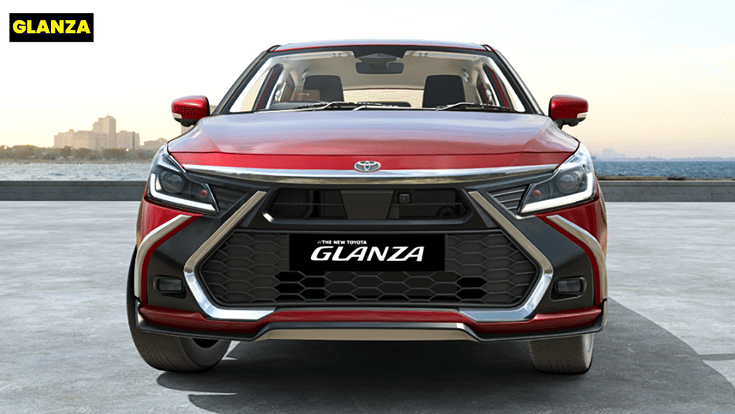
Toyota Glanza facelift front static
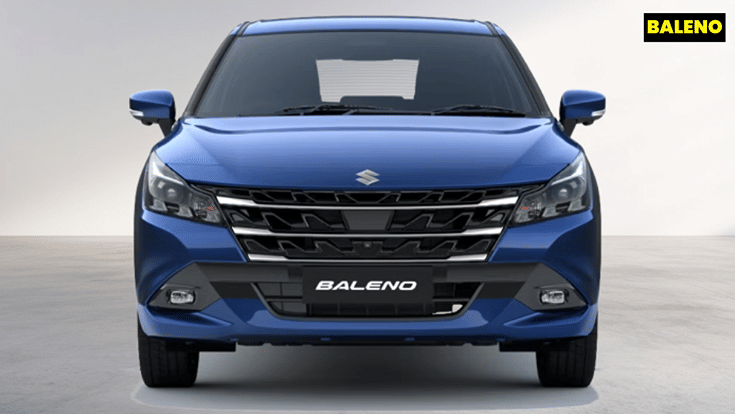
Maruti Baleno front static
 

The Glanza facelift and Baleno’s fascias are the biggest distinctions between them. The Glanza’s fascia gets a bold look with a chrome strip connecting the headlamps, a massive grille with a honeycomb pattern, and silver surrounds. A black trim on either side of the bumper encases rectangular LED fog lamps, and there are additional chrome strips on the bumper edges. The bumper gets a sportier dual-tone design with a gloss black chin spoiler. 

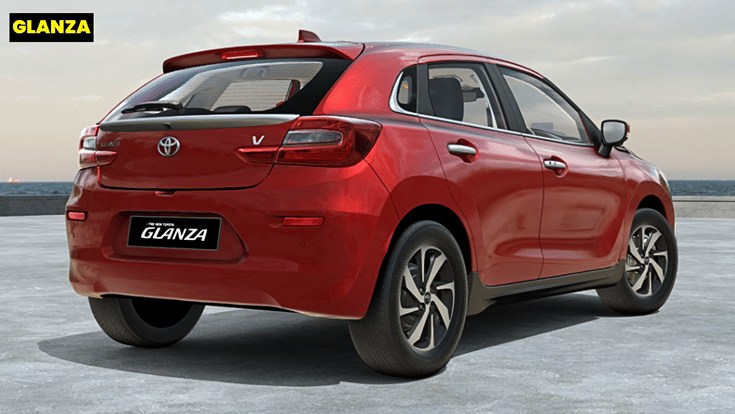
Toyota Glanza facelift rear quarter static
Maruti Baleno rear quarter static
 

Meanwhile, the Baleno’s fascia takes an elegant approach with a trapezoidal grille with a triangular pattern and three chrome strips. The sculpted bumper gets a monotone finish, and there’s a gloss black trim that encases LED fog lamps that look similar to those on the Glanza. Though both hatchbacks get a similar shape for the LED headlamps, the detailing is different. Additionally, there are unique designs for the 16-inch alloy wheels for both models. Similar elements on both cars include a chrome finish for the window line, door handles, front fender garnish, and the strip on the bootlid. At the back, both models look nearly identical to each other.

Toyota Glanza facelift vs Maruti Baleno: Interior and features

Toyota Glanza facelift interior
Maruti Baleno interior
 

Unlike the outside, the interior of the Glanza facelift isn’t much different from the Baleno’s. Apart from the different colour scheme, seat upholstery, and obvious badging differences, the overall cabin layout remains the same. Both get a layered dashboard with a free-standing infotainment display and physical switches for the HVAC controls lower down. As for features, the Glanza facelift now gets front seat ventilation and a level 2 ADAS suite like the Baleno. Similarly, the Glanza facelift’s safety kit sees the inclusion of a tyre pressure monitoring system and six airbags standard across the lineup. 

Toyota Glanza facelift vs Maruti Baleno: Engines 

Under the bonnet, the Glanza facelift and Baleno get the same powertrain options. Both offer petrol and CNG versions that use a 1.2-litre, 3-cylinder, naturally aspirated engine. Petrol versions produce 83hp and 112Nm, while CNG versions deliver 70hp and 102Nm in CNG mode. Either powertrain is paired with a 5-speed manual or a 5-speed AMT gearbox. Additionally, both have identical claimed mileage figures: 23.80kpl (MT) and 24.77kpl (AMT) for the petrol, and 33.61km/kg (MT) and 34.47km/kg (AMT) for CNG versions.

Toyota Glanza facelift vs Maruti Baleno: Price 

Toyota Glanza facelift vs Maruti Baleno: Price (Rs lakh)

Variant level

Glanza petrol MT | AMT

Baleno petrol MT | AMT

Glanza CNG 

MT | AMTl  

Baleno CNG

MT | AMT

Base

6.99

5.99 

–

–

One above base

7.71 | 8.31

7.00 | 7.50

8.76 | 9.31

7.92 | 8.32

Mid level

8.73 | 9.33

8.00 | 8.50

9.68 | 10.23

8.92 | 9.32

Top-end 

9.99 | 10.59

9.50 | 9.60

–

–

Top-end (ADAS)

10.49 | 10.98

9.50 | 9.99

–

–

When it comes to prices of their respective petrol-powered versions, the Glanza facelift is pricier than the Baleno. Depending on the variant, the Glanza facelift will set you back by up to Rs 1 lakh over the Baleno. Moreover, both have an identical 3 years / 1,00,000km warranty.

All prices are ex-showroom, India

Bajaj Pulsar N250 updated with TFT display and 6-speed gearbox

Bajaj Pulsar N250 updated with TFT display and 6-speed gearbox
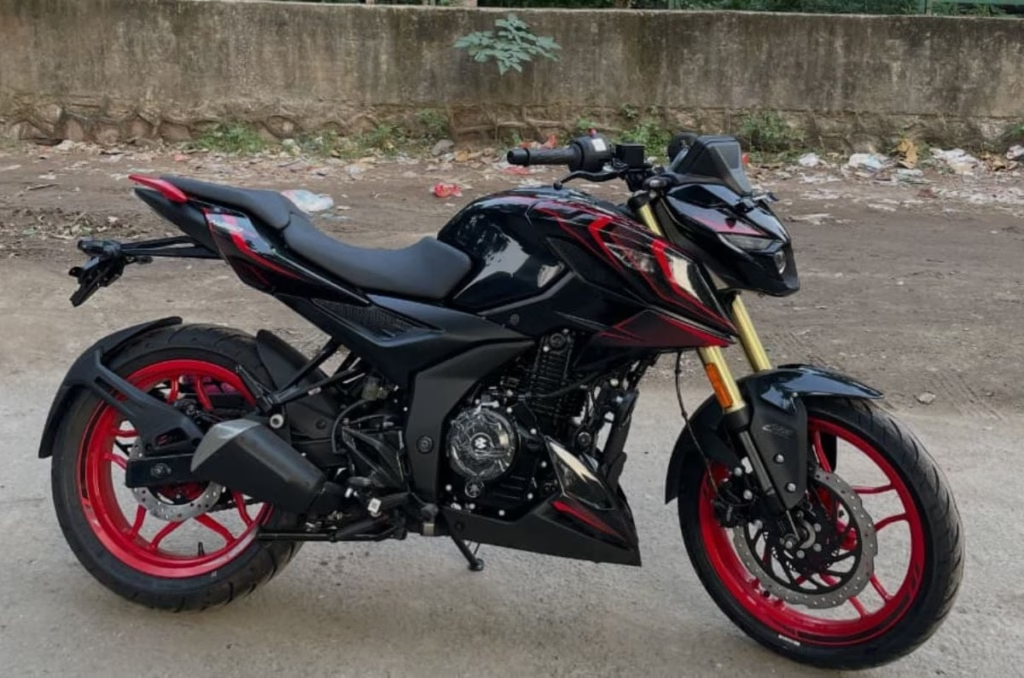
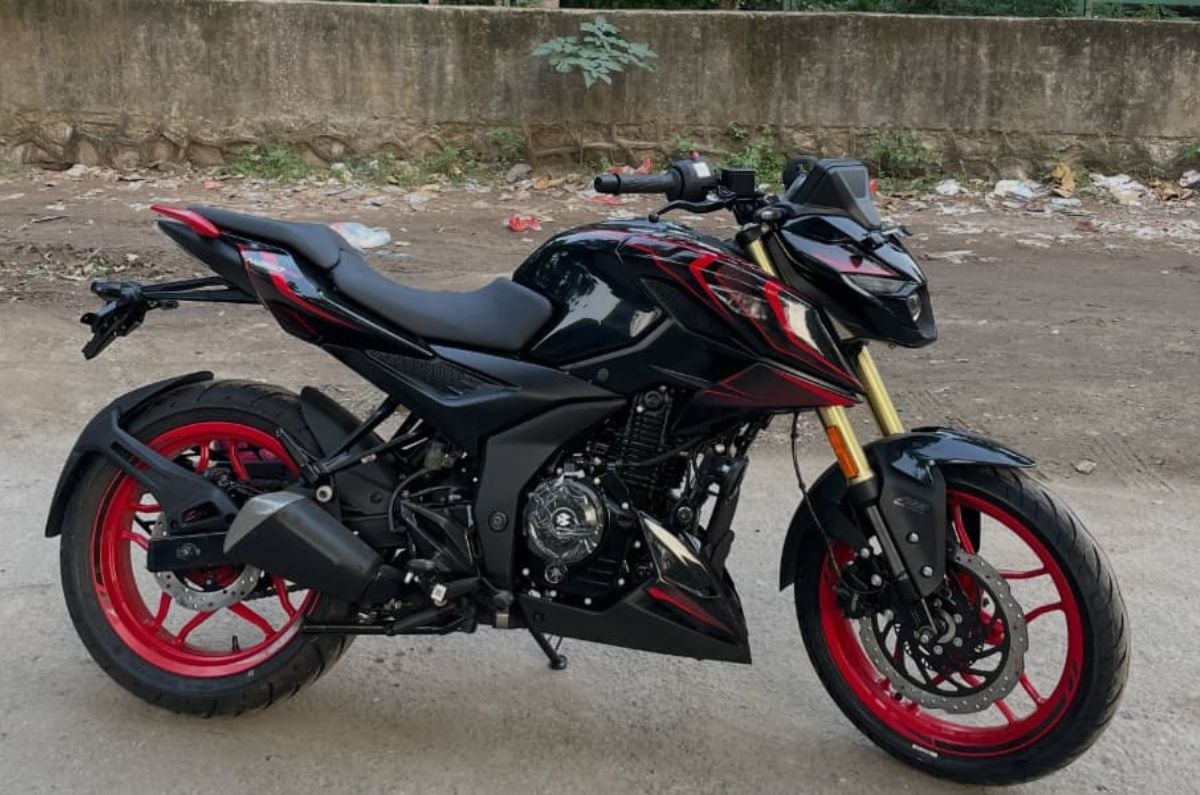
An outdoor shot of the new Bajaj Pulsar N250 SS variant

Bajaj continues its update marathon for the Pulsar line-up. After being spotted testing alongside the NS200 last month, a new SS variant of the N250 has reached dealerships. An updated Pulsar RS200 was also seen testing recently, but no official information is available on that model either.

  1. Gets a new 6-speed gearbox with a quickshifter
  2. Adds a TFT display, 5 ride modes and traction control
  3. Now gets a radial rear tyre, adjustable levers and a Type-C charger

Bajaj Pulsar N250: What are the changes?  

The 249cc air/oil-cooled engine is now paired with a new 6-speed gearbox.

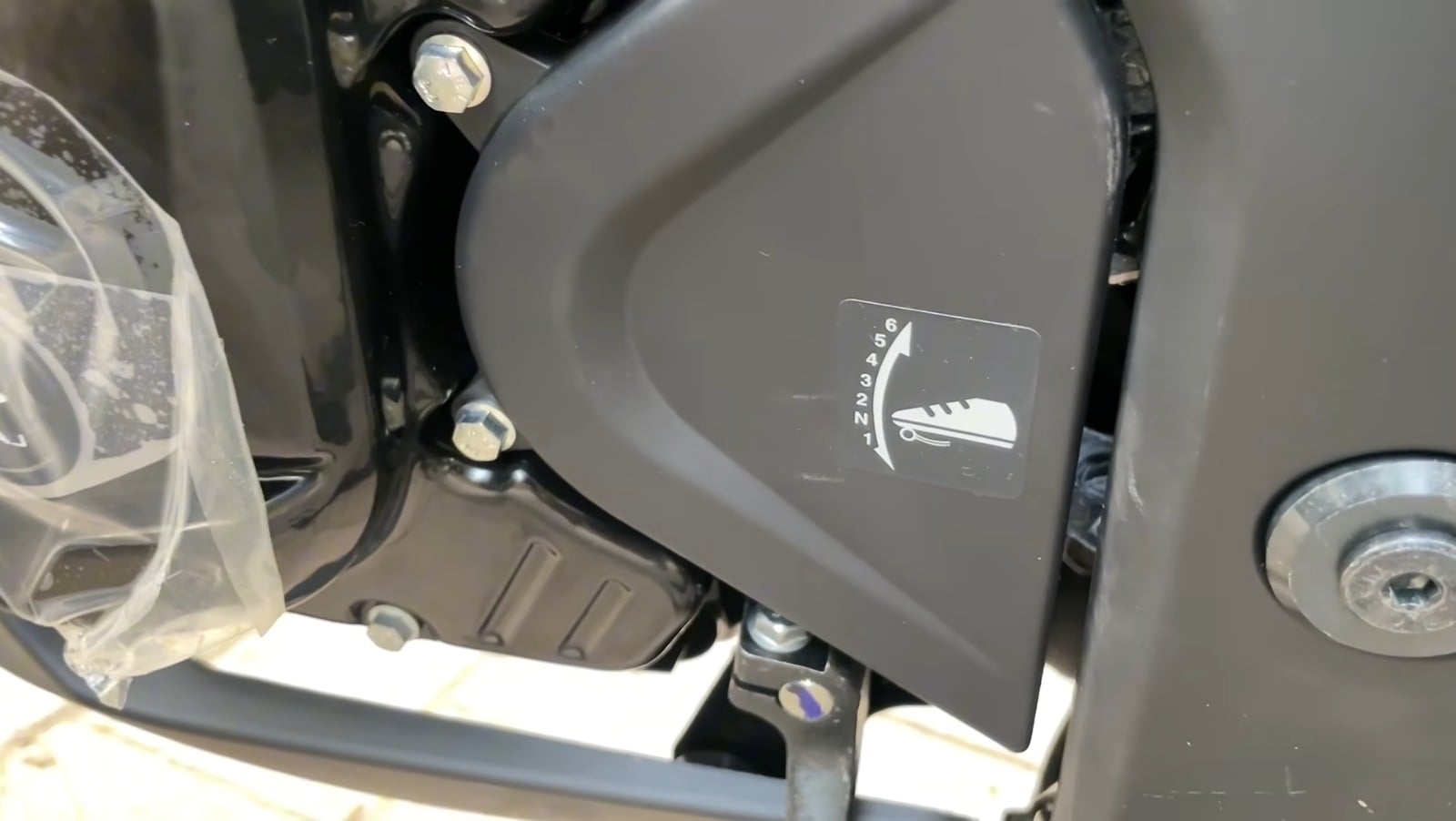
One of the major changes is a new 6-speed gearbox replacing the 5-speed unit. This should help the motorcycle cruise more comfortably at highway speeds. Along with the new gearbox, we could also see a slight bump in performance from the current 24.5hp and 21.5Nm. A new rear radial tyre is also a welcome addition.

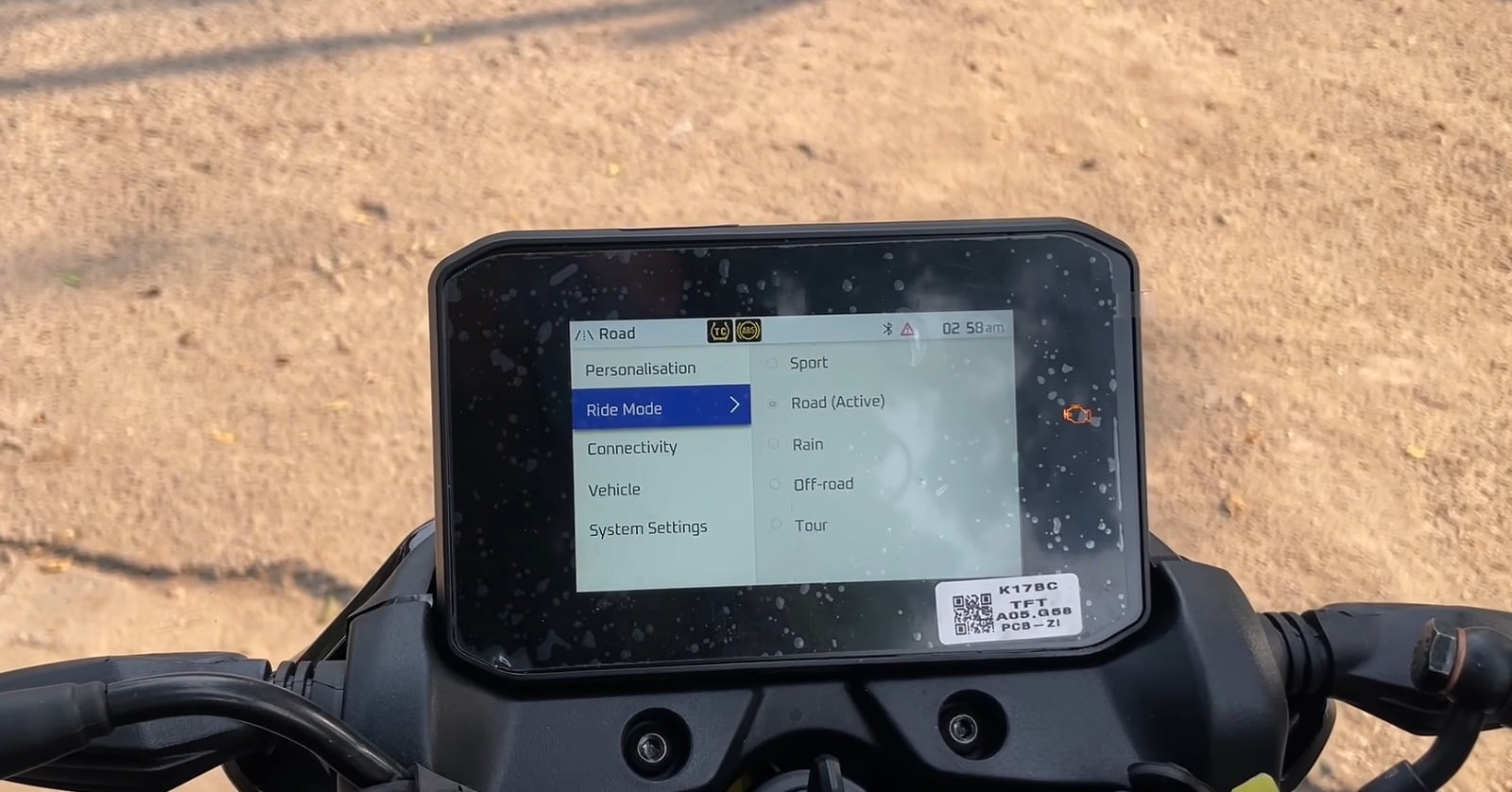
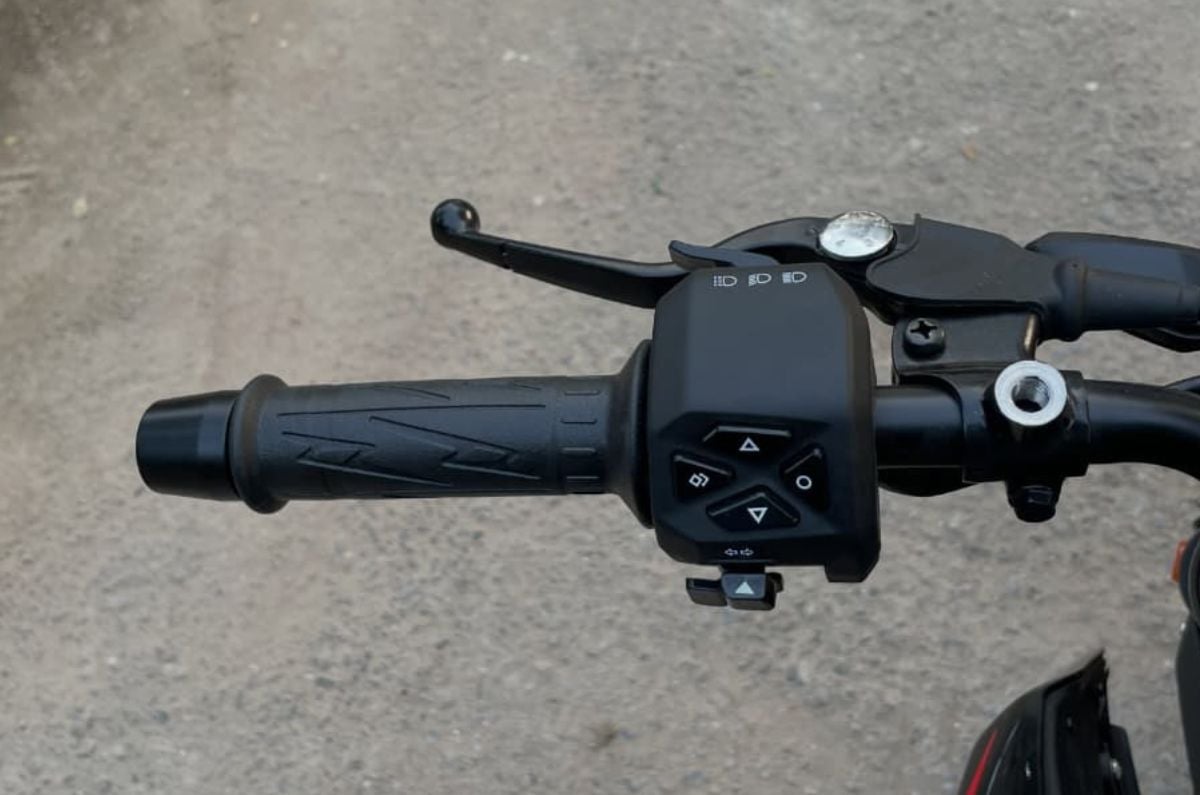
Like the other updated Pulsars, the N250 also gets an electronic suite. It comprises a 5-inch TFT instrument cluster with Google Maps mirroring, 5 riding modes (Sport, Road, Rain, Off-road and Tour), traction control, a bidirectional quickshifter, a USB Type-C charger, updated switchgear and adjustable clutch and brake levers.

For now, the new variant has reached dealerships, but Bajaj hasn’t made an official announcement yet. Currently, the standard Pulsar N250 is priced at Rs 1.45 lakh, and its chief rival, the Suzuki Gixxer 250, costs Rs 1.85 lakh. However, given the new gearbox and additional features, the upcoming SS variant will likely have a slightly higher price than the standard variant.

Image source: Machine Rules on Instagram. All prices are ex-showroom, Delhi.

Mahindra XUV 3XO CNG spied with twin cylinder setup

Mahindra XUV 3XO CNG spied with twin cylinder setup

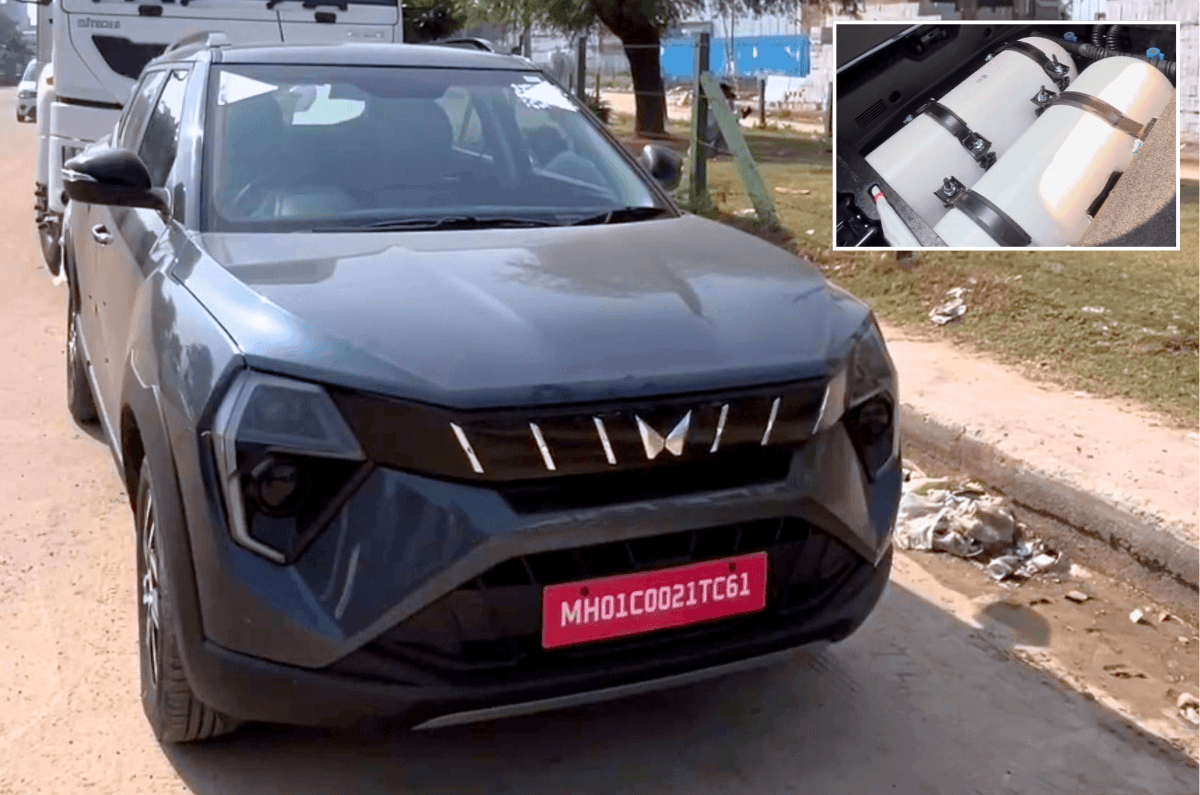
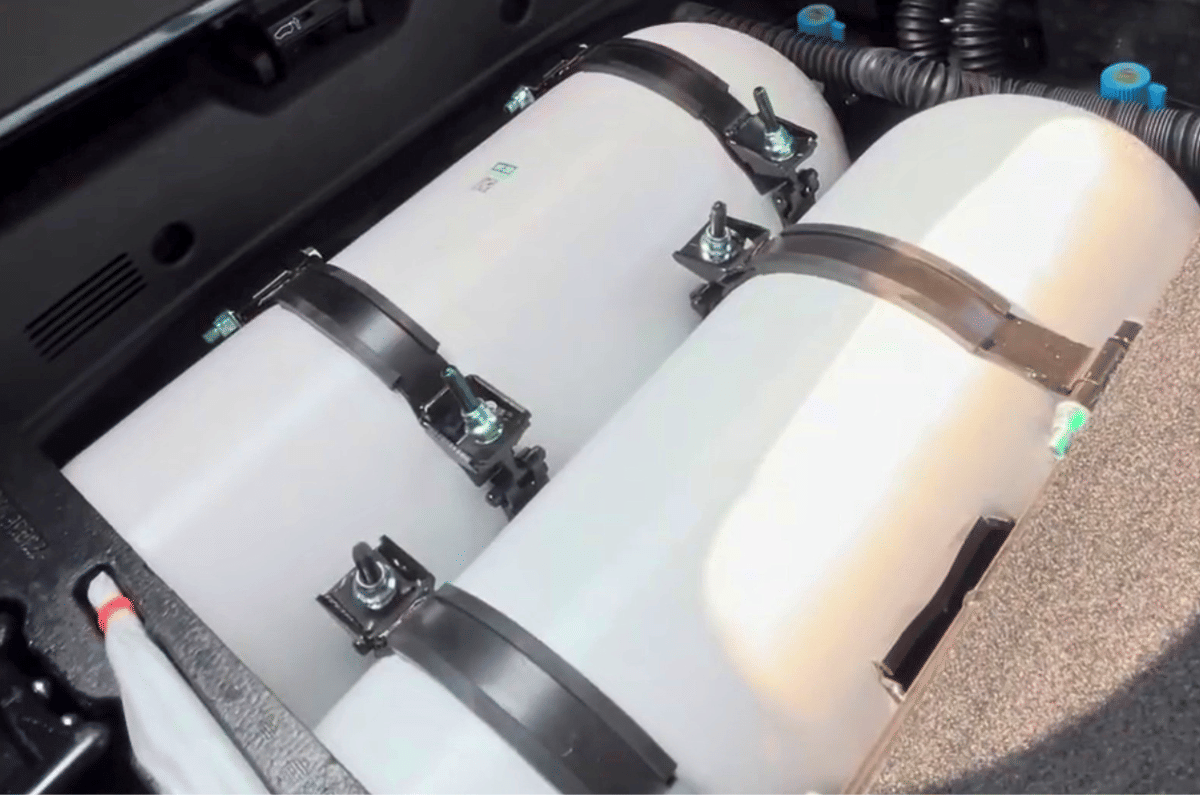
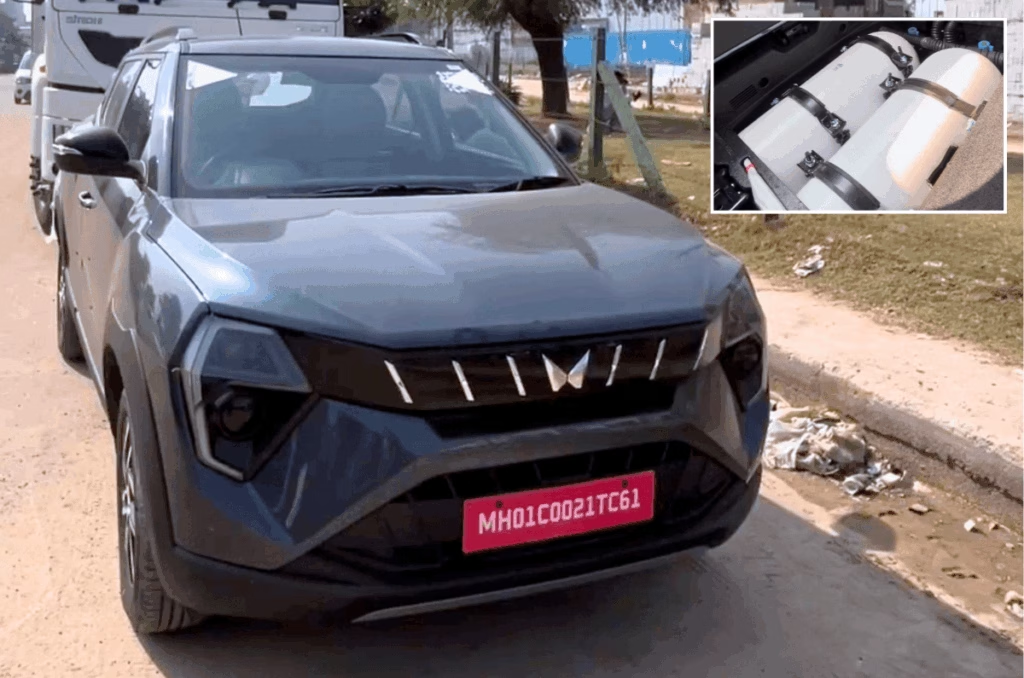
The Mahindra XUV 3XO has been spied with a dual-cylinder tank setup, an arrangement that is aimed to take up less boot space; 3XO has the smallest boot in the compact SUV segment. This sighting comes a day ahead of the SUV’s launch tomorrow. CNG will be the fourth powertrain option, alongside petrol, diesel and electric, giving Mahindra’s most affordable SUV one of the widest powertrain line-ups in the segment, along with the Tata Nexon.

Mahindra XUV 3XO CNG spy shot details

Mahindra XUV 3XO CNG dual tanks

Between the 1.2-litre MPFI (multi-point fuel injection) turbo-petrol and 1.2-litre direct-injection (DI) turbo-petrol engine options of the 3XO, a CNG kit is likely to be offered with the former, and exact specifications are yet to be disclosed. MPFI engines are relatively cheaper to manufacture and simpler to adapt for CNG, since fuel is injected into the intake manifold. Doing the same with a DI engine is more complex and expensive.

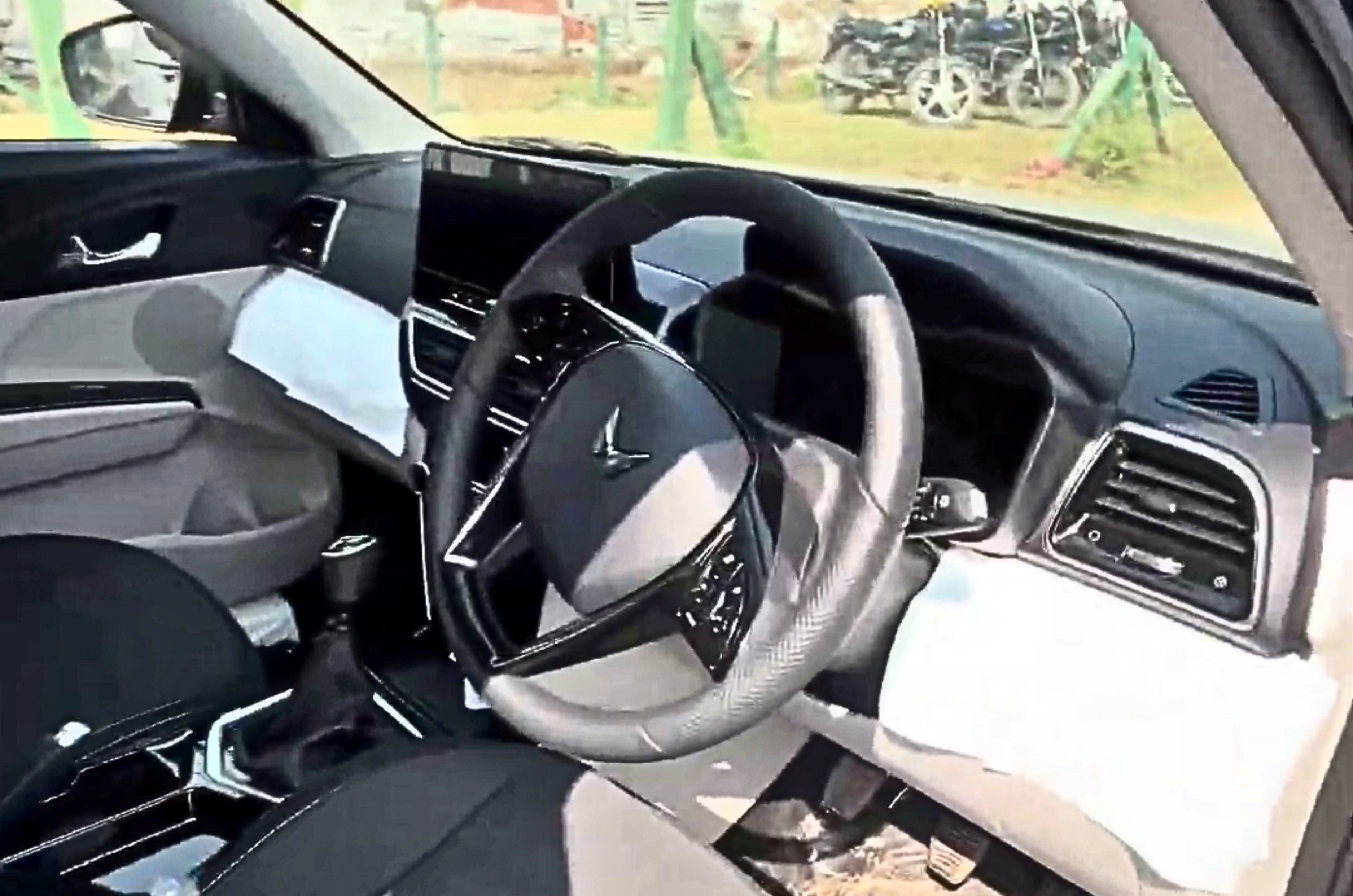
Mahindra XUV 3XO CNG interior

Interestingly, the spied vehicle had dual-tone alloy wheels, suggesting that Mahindra may offer the CNG option even in the higher trims. It’s interior is unlikely to receive any changes, and depending on the trim, features such as a 10.25-inch touchscreen, a 10.25 inch digital driver’s display, steering-mounted controls and more could be on offer. 

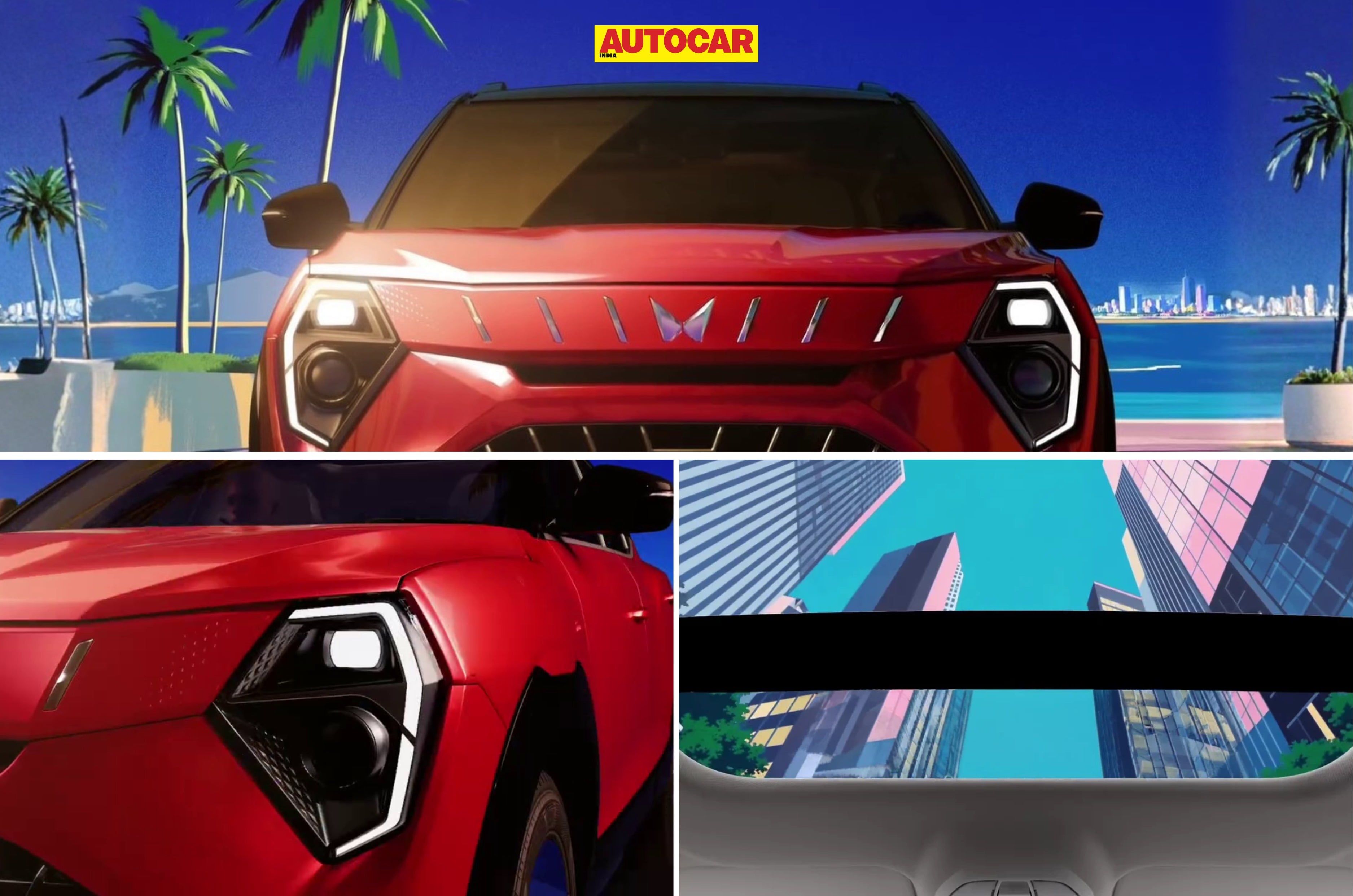
Mahindra XUV 3XO CNG teaser

A recent teaser of the 3XO CNG featured a body coloured front grille, something that is offered in the RevX range, and LED DRLs, LED headlights and a panoramic sunroof.

Scope of CNG in compact SUV segment

CNG has become increasingly popular in India. A CNG option could help boost XUV 3XO sales, and also help the carmaker meet the stricter CAFE III norms that come into effect in April 2027. This is especially important because a large part of Mahindra’s sales comes from diesel models. Along with EVs, CNG models will be key to balancing the CO2 emissions from its diesel range. In the past, Mahindra has offered this fuel option on some of its commercial pickup range, as well as via conversion kits for the erstwhile Logan and Verito.
In addition to the Nexon, the XUV 3XO CNG will face competition from models like the Maruti Brezza and the Fronx. We expect the CNG version to command a premium of about Rs 1 lakh over the equivalent petrol trim. 

Volvo EX90 vs XC90: Differences and similarities explained

Volvo EX90 vs XC90: Differences and similarities explained

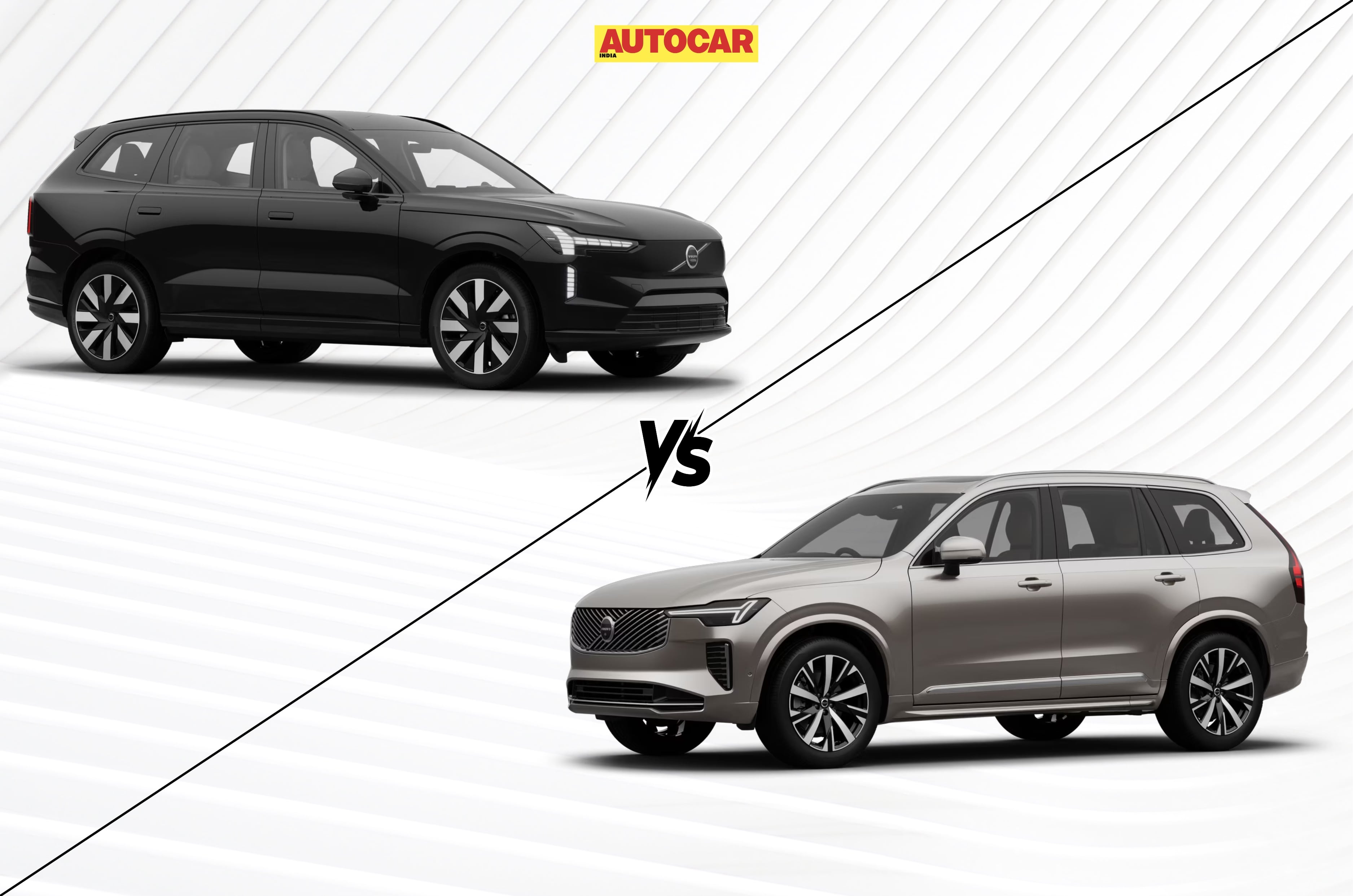
Volvo India launched the EX90, its flagship electric SUV, in October 2026. It serves as an electric alternative to the XC90, the carmaker’s flagship ICE SUV. While the two models differ in their powertrains, they also vary in pricing, exterior design, interior features and more. Here is how the two Volvo SUVs compare.

Volvo EX90 vs XC90: Exterior

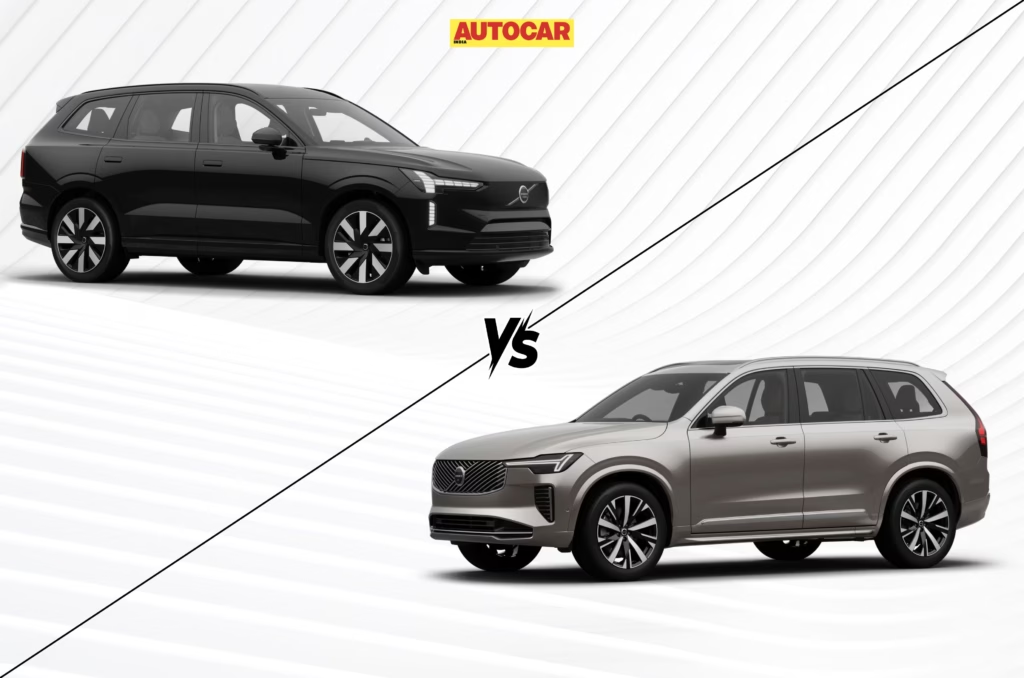
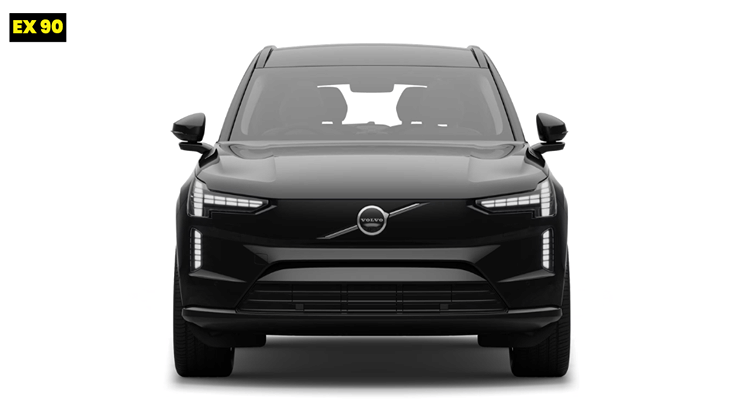
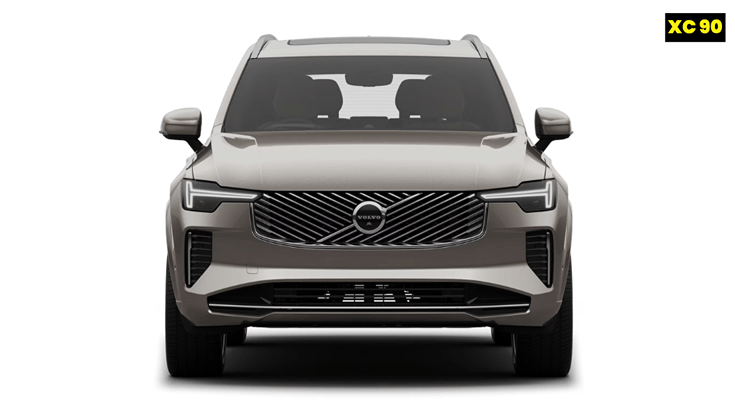
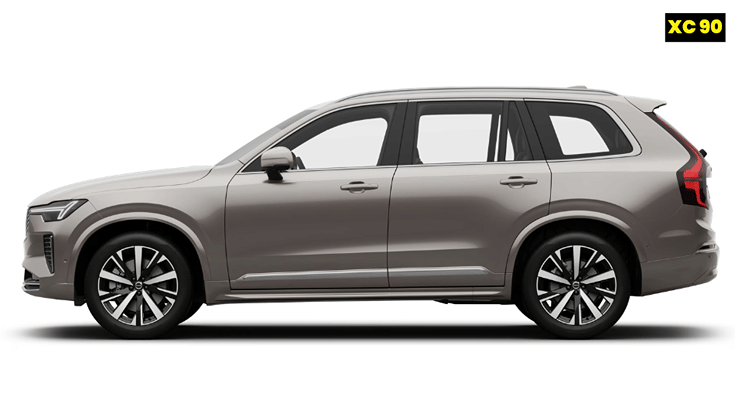
The EX90 has a simpler front design, with a closed-off grille, and vertical lighting elements on either side of the bumper. In comparison, the Volvo XC90 gets a more traditional front fascia with a prominent grille and a slightly different bumper. Both get hammer-shaped LED DRLs, though the ones on the EX90 have a pixel-like design. Also, main headlamps are hidden behind the DRLs on the EV.

Volvo EX90 vs XC90
Volvo EX90 vs XC90
 

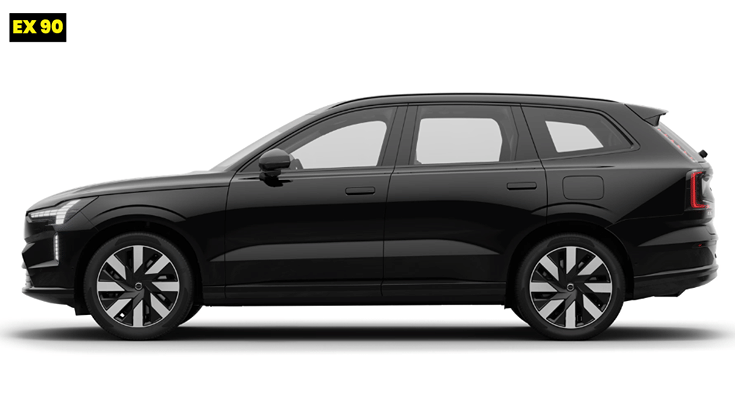
In profile, the EX90 features electrically operated flush-fitting door handles and a gently sloping rear roofline. In comparison, the Volvo XC90 opts for manual pull-type door handles and a slightly more upright stance. Both SUVs feature blacked-out B-pillars, sculpted wheel arches devoid of cladding and roof-mounted spoilers. While the XC90 has a chrome outline around the glass area, the EV skips it.

Volvo EX90 vs XC90
Volvo EX90 vs XC90
 

Speaking of dimensions, the Volvo EX90 is 5,037mm long, 1,964mm wide and 1,744mm tall. This makes the EV 84mm longer and 33mm wider, but 27mm lower than the XC90. Both SUVs have an almost identical wheelbase, with the EX90’s 2,985mm wheelbase being just 1mm longer. It also gets larger 21-inch wheels, compared to the XC90’s 20-inch wheels.

Volvo EX90 vs XC90
Volvo EX90 vs XC90
 

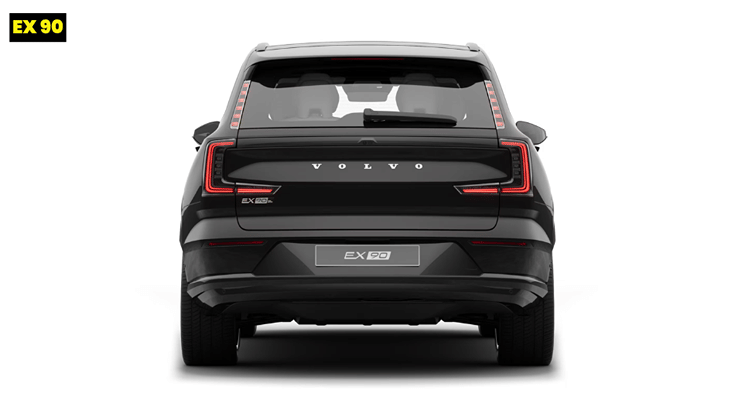
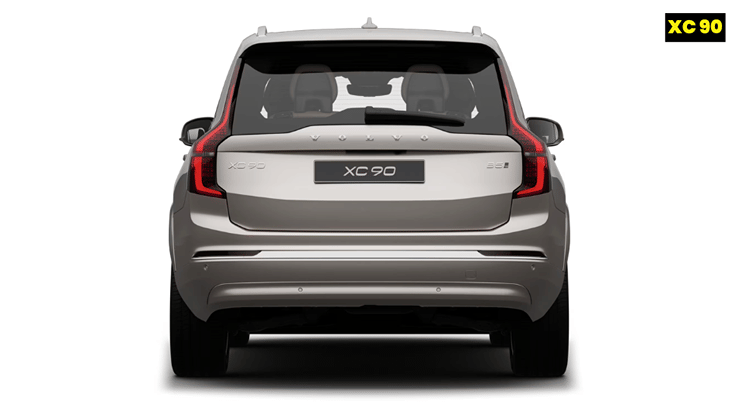
Both SUVs feature slim vertical LED lights along the sides of the rear windscreen, although their designs differ slightly. The tail-lamps also have different designs, while the ‘VOLVO’ lettering is positioned on different locations on the tailgate. The rear bumper designs vary as well.

Volvo EX90 vs XC90: Interior and features

Volvo EX90 vs XC90
Volvo EX90 vs XC90
 

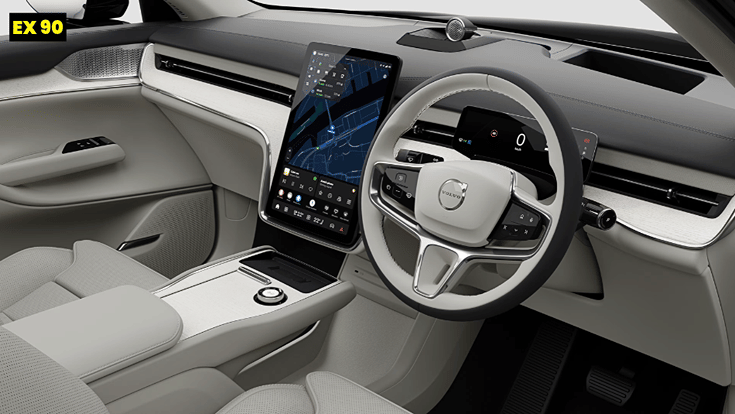
Both the Volvo XC90 and EX90 get air suspension, a 360-degree camera setup, an ADAS suite, four-zone climate control and an onboard air purifier. Both also feature front-seat heating, ventilation and massage functions, and a Bowers & Wilkins audio system. However, the XC90 has 19 speakers, while the EX90 gets 25 speaker units. Middle row seats don’t get heating, ventilation or massage functions on either SUV.

Volvo EX90 vs XC90
Volvo EX90 vs XC90
 

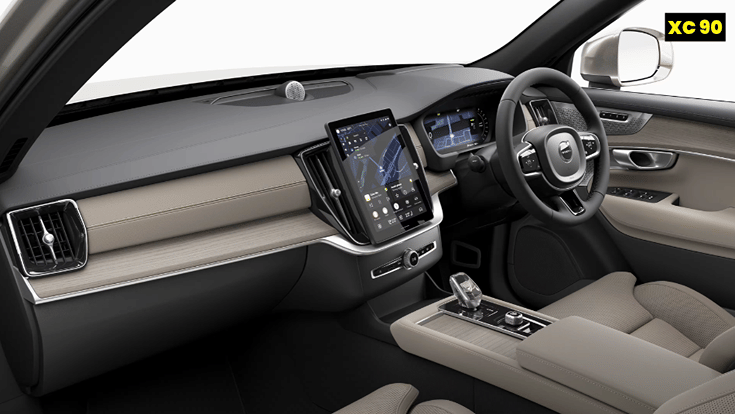
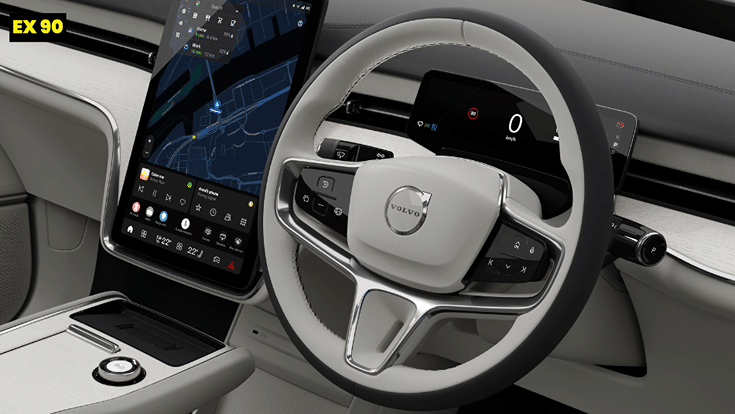
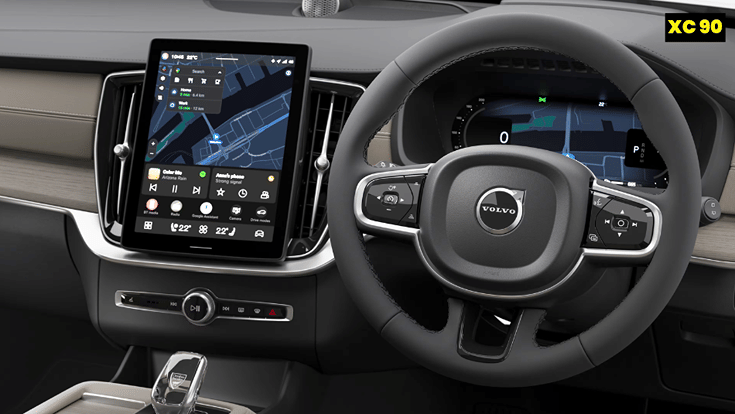
While both get vertically oriented touchscreens, they differ in sizes – 11.2 inches on the XC90 and 14..5 inches on the EX90. Some physical control have been provided on the XC90 under the touchscreen, while its electric counterpart does not feature them. The design for the steering wheel also differs in both cars. Also, the XC90 gets a panoramic sunroof, while the EX90 has an electrochromic glass roof, whose tint can be changed from the central touchscreen.

Volvo EX90 vs XC90
Volvo EX90 vs XC90
 

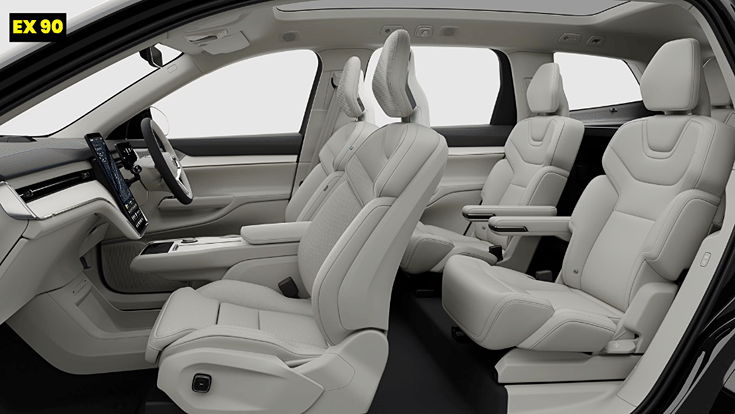
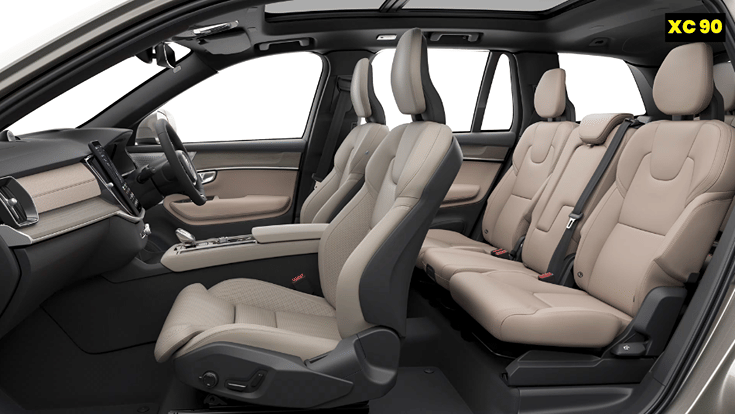
As for the seating capacity, the EX90 is on offer in a six seater configuration, featuring captain seats in the middle row. Meanwhile, the XC90 is a seven-seater SUV. Two interior colour options – Cardamom and Blond – are available with the XC90, while the EX90 is sold with one colour – Dawn. The XC90’s boot capacity with all seats up is 302 litres, while the EX90 claims 324 litres; the EV also gets a 46 litre frunk.

Volvo EX90 vs XC90: Powertrain

The India-spec EX90 comes with a 106kWh battery pack, which powers a dual electric motor setup. Combined output is 456hp and 670Nm, with a claimed 0-100kph sprint time of 5.5 seconds. Claimed range stands at 625km on the WLTP cycle.

On the other hand, the XC90 features a 2.0-litre, four-cylinder, turbocharged petrol engine with support from a 48V mild-hybrid system. Peak power is 250hp and max torque is 360Nm, which is 206hp and 310Nm less relatively. Its 0-100kph sprint time of 7.94 seconds is slower by 2.44 seconds.

Volvo EX90 vs XC90: Prices

 EX90XC90Price difference
Price (Rs)1.26 crore98.80 lakh27.20 lakh

At Rs 1.26 crore, the Volvo EX90 is the more expensive model in this comparison, costing Rs 27.20 lakh more. Beyond the price difference, the two models mainly differ in their powertrains and peak power outputs, while differences in their exterior and interior features are relatively less. The choice between them will depend on factors such as the buyer’s driving requirements, family size and performance.

Ex-showroom prices mentioned above are as on October 13, 2026.

5 things you need to know about the new Aprilia SXR GT 125

5 things you need to know about the new Aprilia SXR GT 125
Aprilia SXR GT 125 studio image

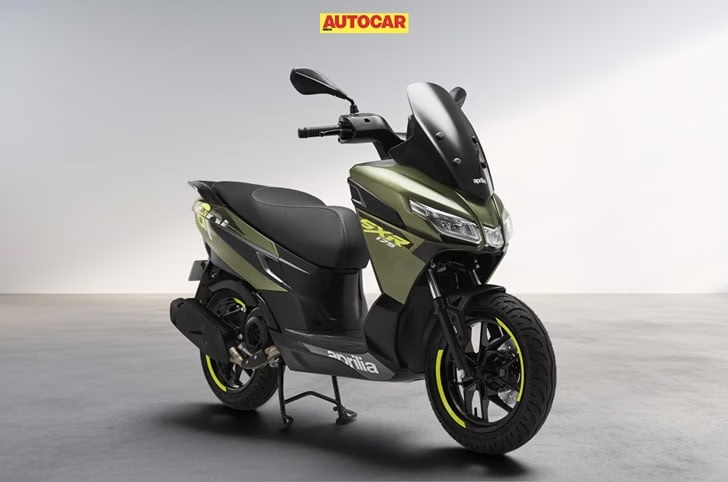
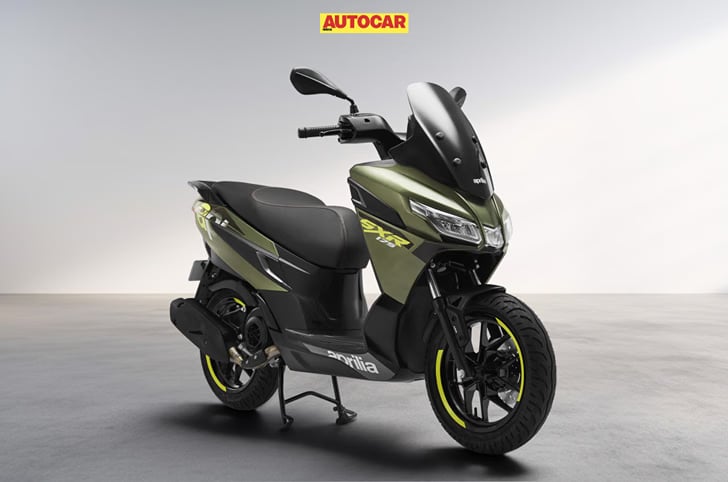
The Aprilia SXR GT 125 is the successor to the SXR 125, which was quietly discontinued in May this year. It shares its platform with the SR 125 hp-e and brings larger wheels and some additional features. Here are answers to some of the most commonly asked questions about it.

What is the difference between the SXR GT 125 and the SXR 125?

The SXR GT 125 replaces the now-discontinued SXR 125 as the brand’s entry-level maxi-scooter in our market. The most notable change is the move to 14-inch wheels, up from the 12-inch wheels on the older model. The SXR GT 125 also uses an updated 124.5cc engine and shares its platform with the current SR 125 hp-e.

What does the SXR GT 125 engine offer?

The SXR GT 125 is powered by a 124.5cc single-cylinder engine producing 10.6hp at 7,400rpm and 10.4Nm of torque at 6,200rpm. It meets BS6 OBD-II Stage B norms and is compatible with E20-blended fuel.

What features does the SXR GT 125 have?

The SXR GT 125 gets a 5-inch LCD instrument cluster and a combined braking system (CBS). In comparison, the SXR GT 175, which was launched alongside it, gets a TFT display with Bluetooth connectivity, turn-by-turn navigation and single-channel ABS.

What are the SXR GT 125 colour options?

The Aprilia SXR GT 125 is available in three colour options – Matte Black, Glossy Azzurro and Glossy White.

What is the SXR GT 125 price?

The Aprilia SXR GT 125 is priced at Rs 1.10 lakh and should be available at Aprilia dealerships nationwide. At this price point, the new SXR is about Rs 5,000 more expensive than the similarly styled Suzuki Burgman Street, which is priced at Rs 1.06 lakh.

All prices ex-showroom, Maharashtra.