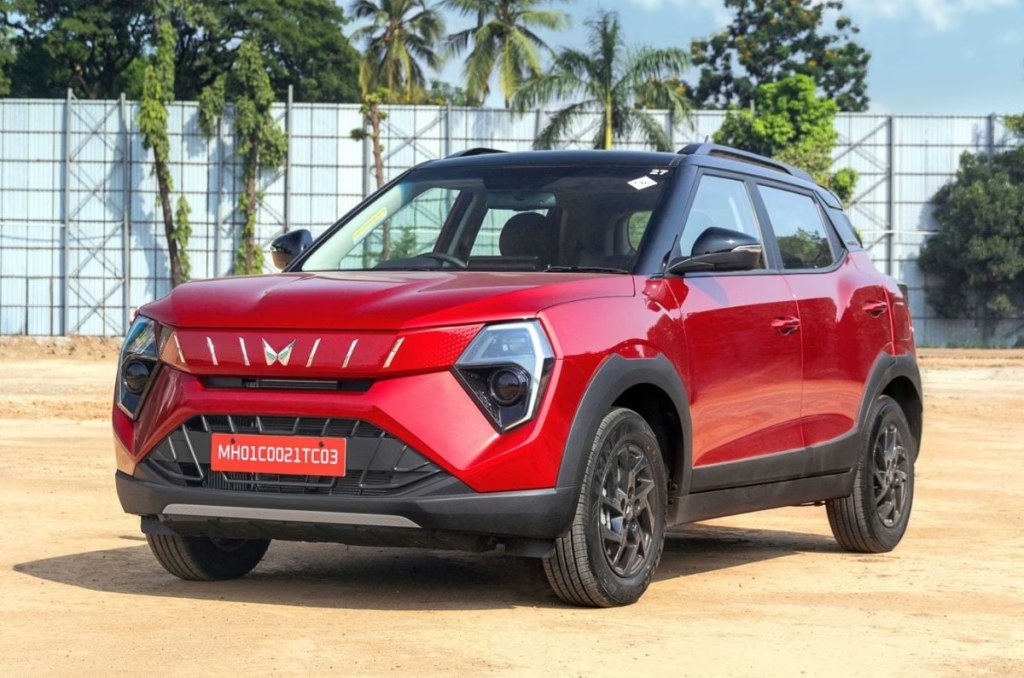
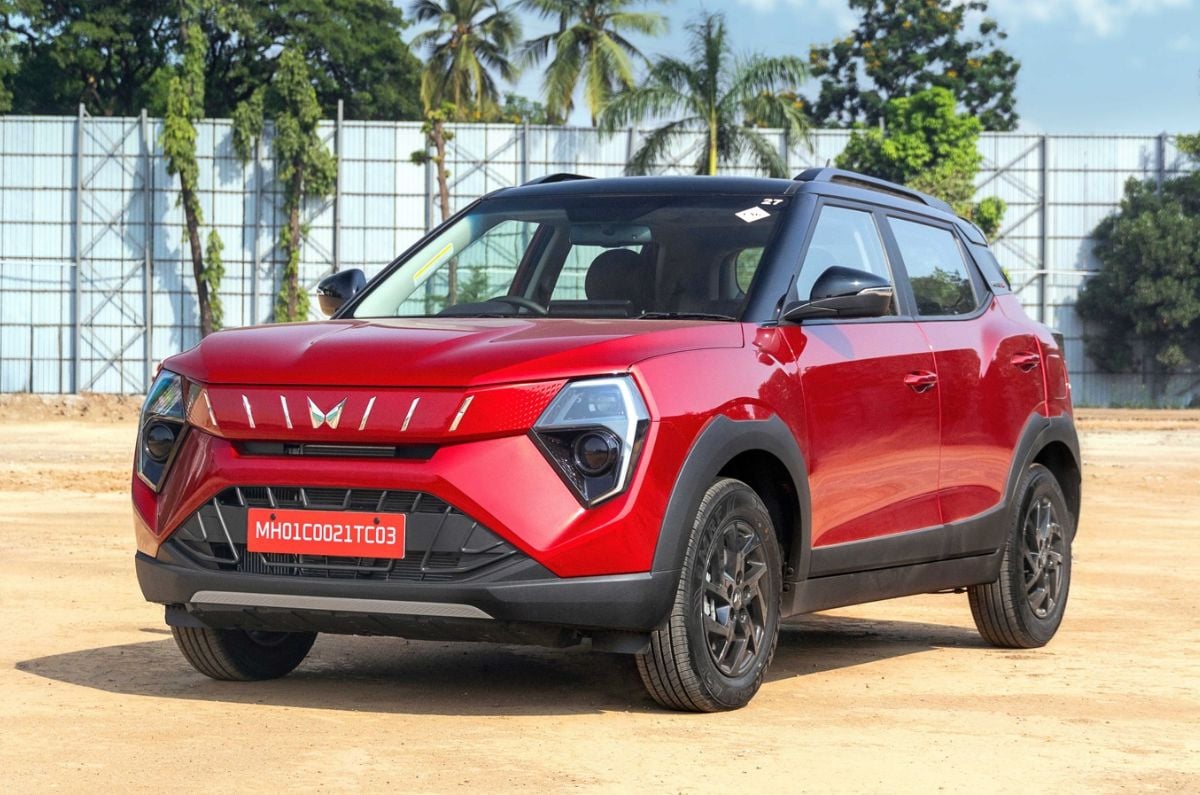
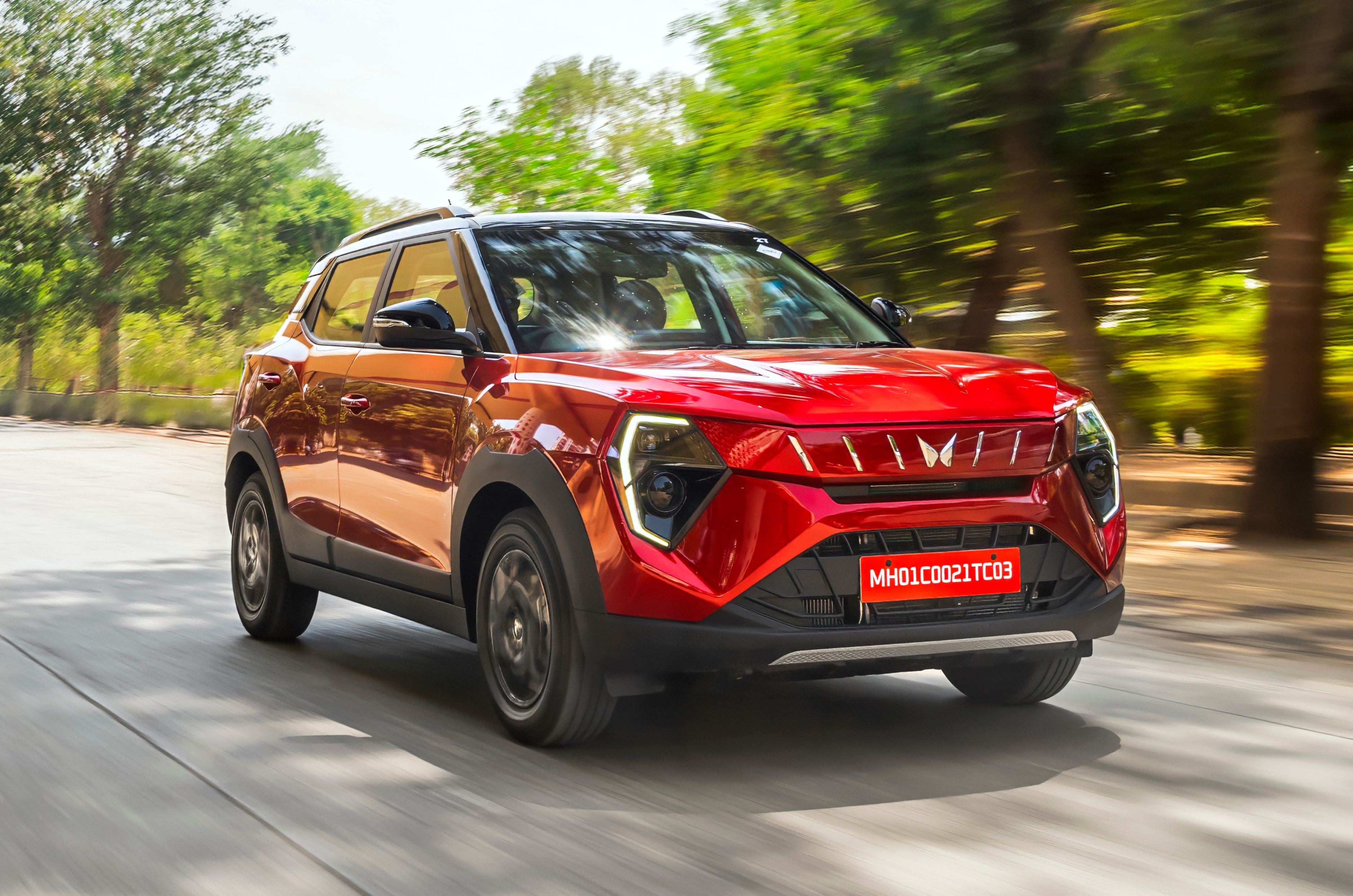
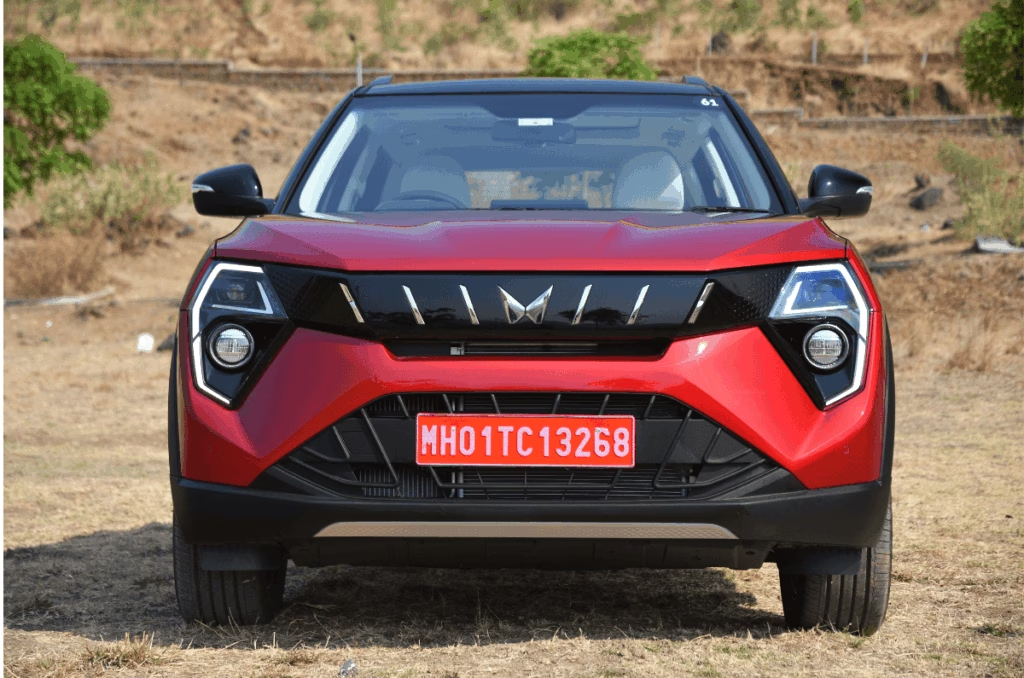
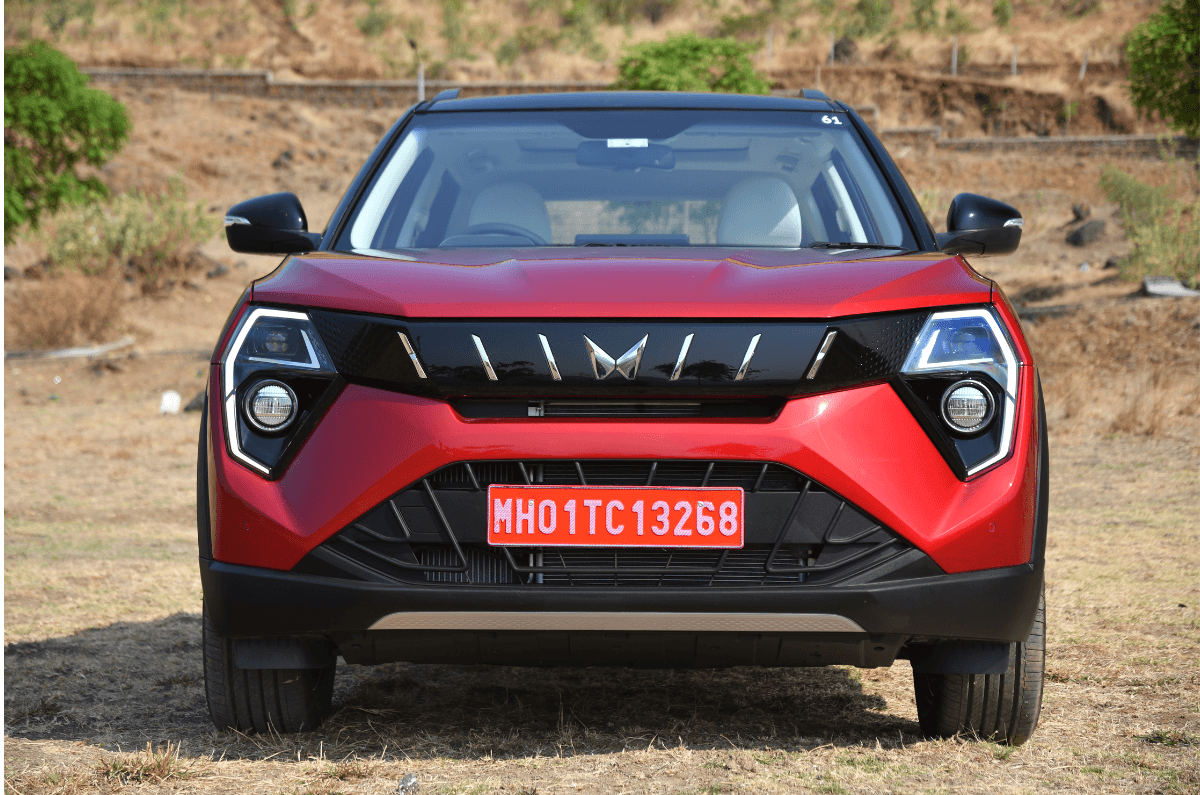
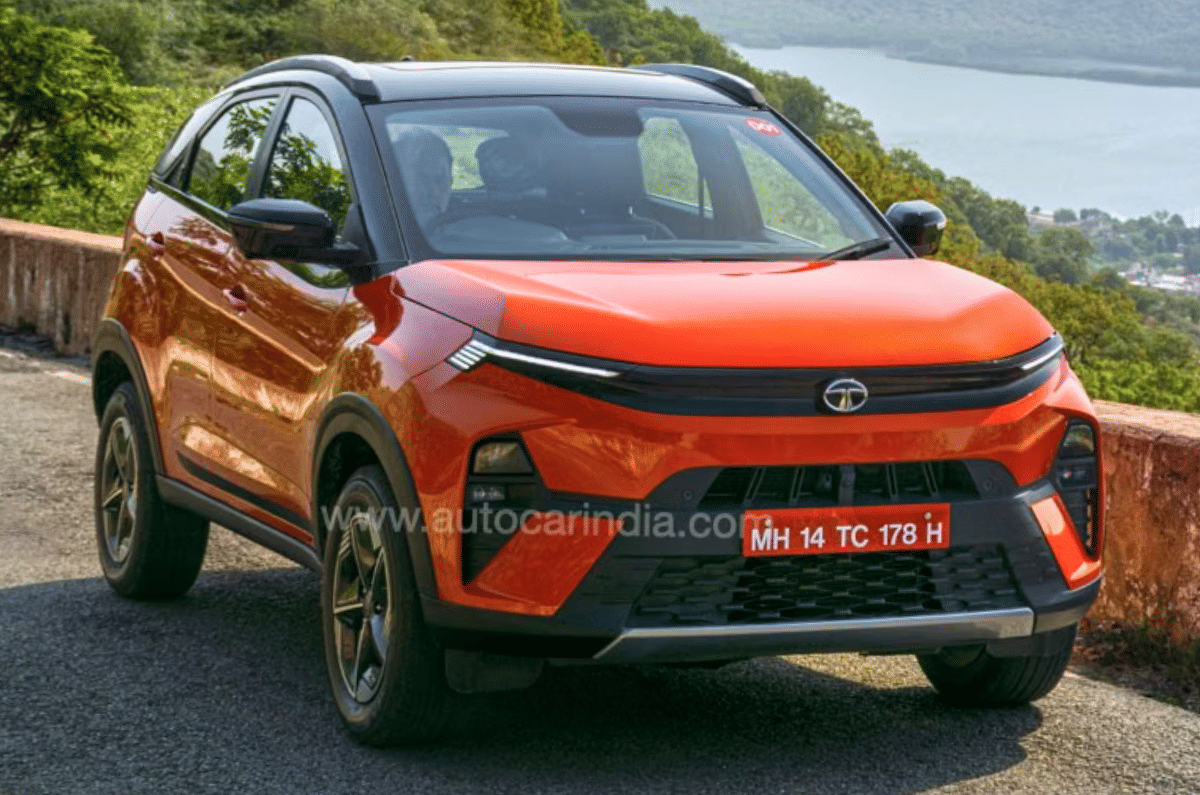
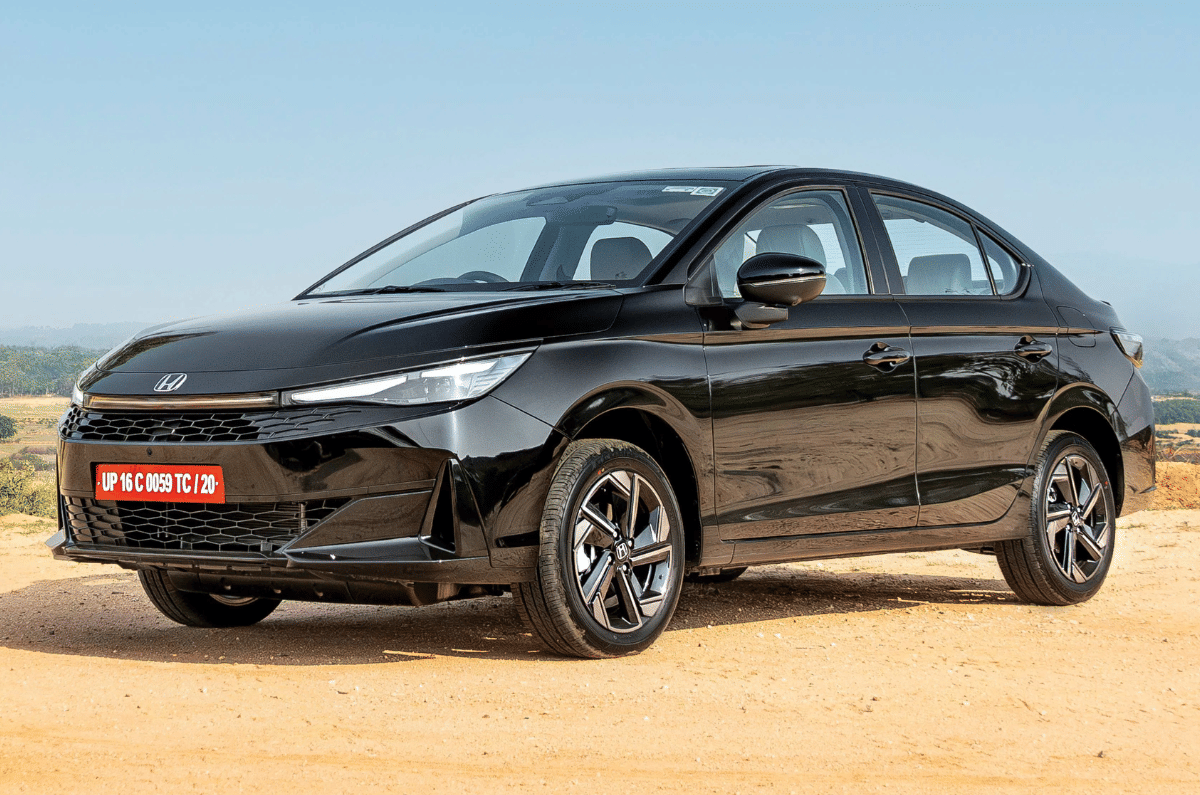
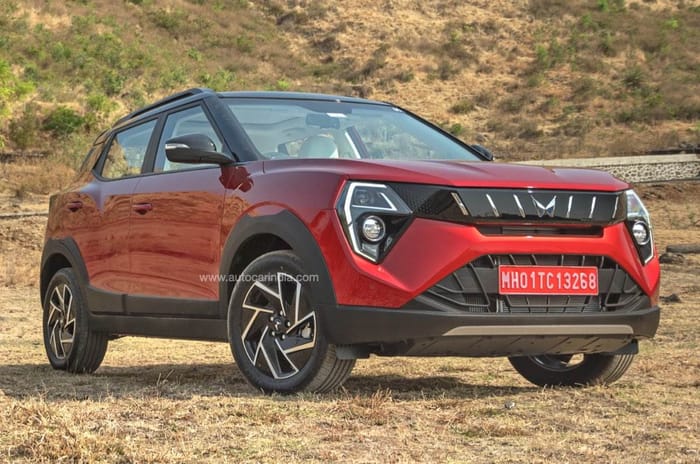
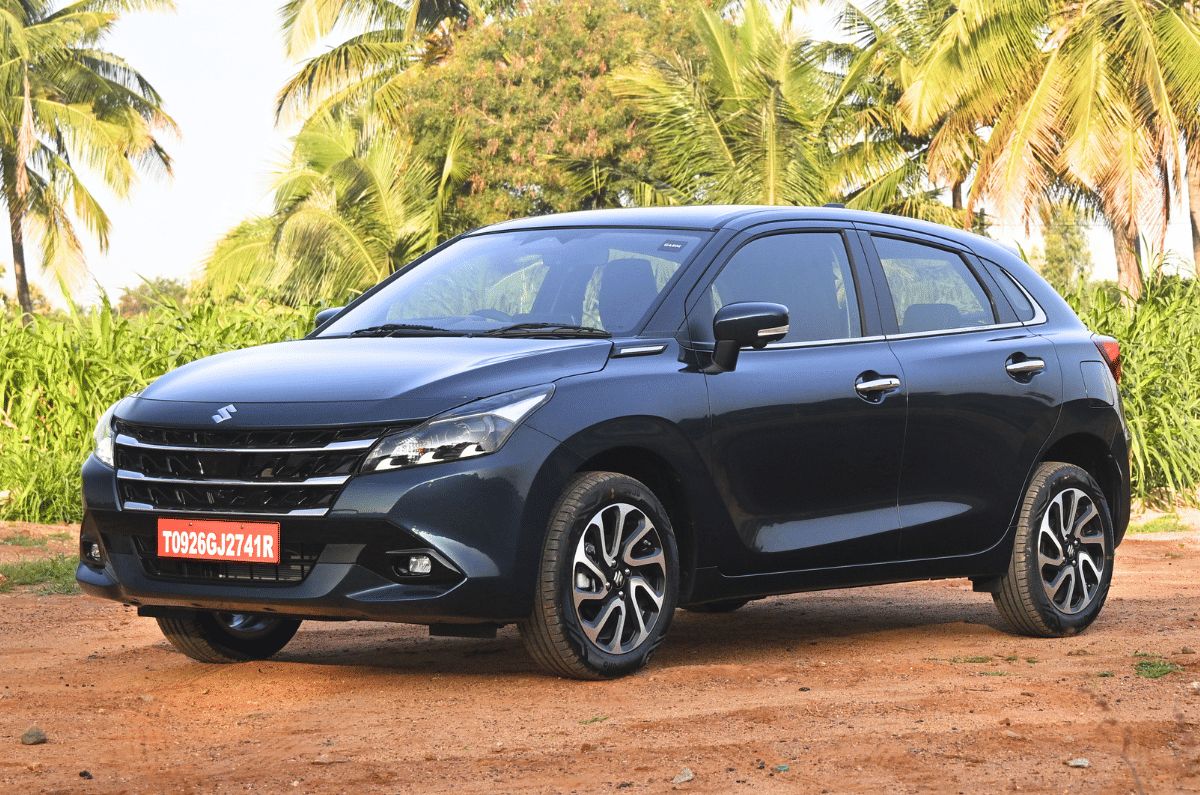
The Mahindra XUV 3XO ZNG takes on the Tata Nexon iCNG and the Maruti Brezza CNG in the CNG compact SUV space. Priced from Rs 9.99 lakh to Rs 12.27 lakh (ex-showroom), it carries a premium of Rs 1 lakh to Rs 1.2 lakh over the corresponding petrol versions. Before signing on the dotted line, here are the key strengths and weaknesses of this Mahindra SUV.
Reasons to buy the Mahindra XUV 3XO CNG
Strong performance on CNG
The XUV 3XO CNG loses none of its power when running on gas
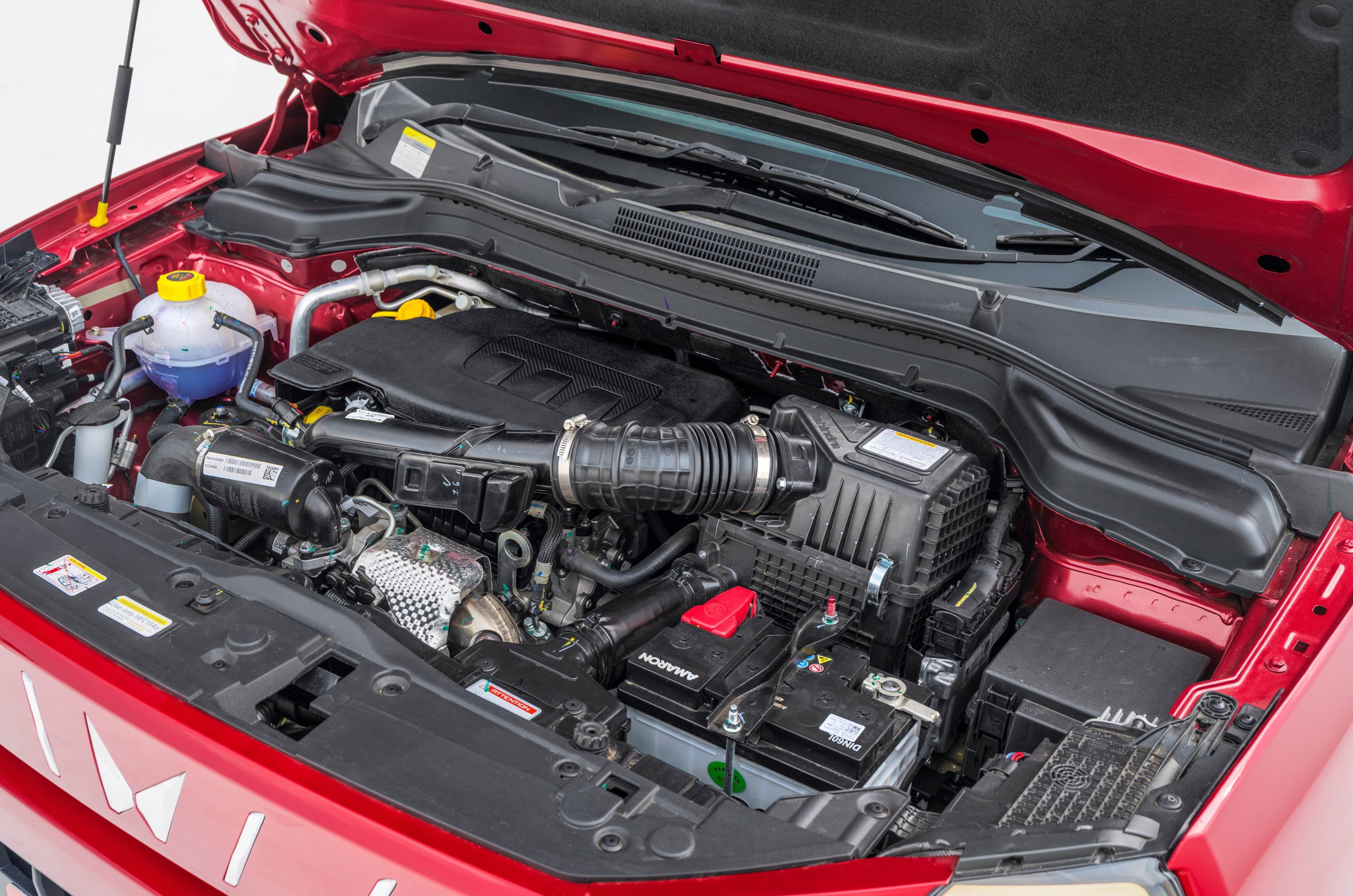
The 1.2-litre MPFI (multi-point fuel-injected) turbo-petrol engine of the XUV 3XO CNG is the same unit found in the lower and mid-spec petrol trims. Here it develops 111hp and 200Nm in both petrol and CNG modes. While there’s some turbo lag below 2,000rpm, the engine pulls eagerly once it crosses that mark. This unit is also notable for its refinement and tractability, rarely requiring one to drop down to first gear, for going over speed breakers, for example.
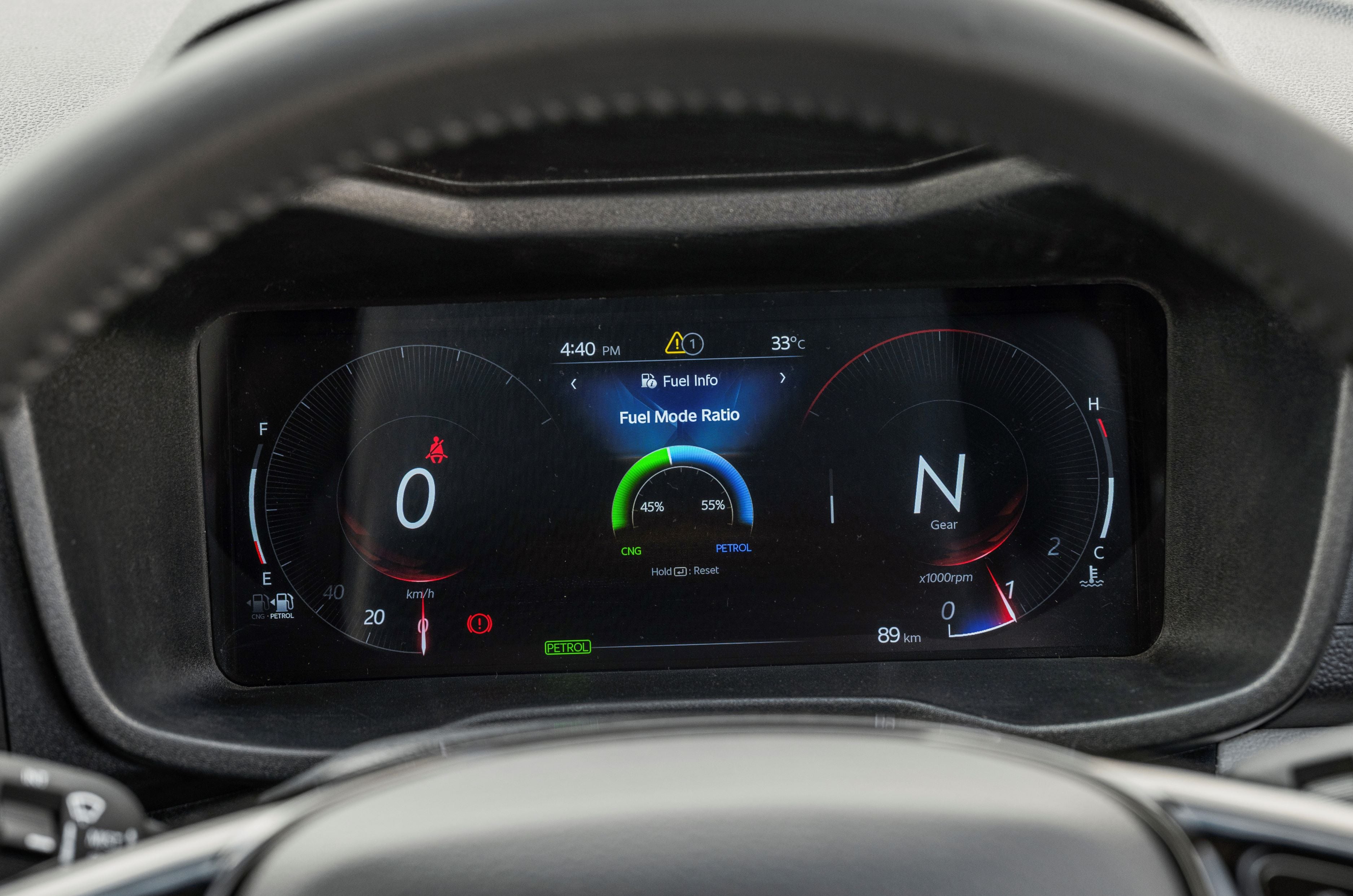
Switching between petrol and CNG is seamless as well, and few would be able to tell which fuel the XUV 3XO ZNG is running on. While we’re yet to test it, Mahindra claims a mileage of 24.7km/kg for this compact SUV, translating to a theoretical range of 247km on CNG.
Comfy ride and tidy handling
Mahindra has retuned the suspension to accommodate the extra heft of the CNG kit
The CNG hardware adds around 100kg to the XUV 3XO’s kerb weight, with the majority of it being over the rear axle. Mahindra has reworked the suspension to compensate for this heft. The result is a slightly firm ride but one that deals with bad roads quite well.
Adding to the overall comfort here are the 16-inch wheels wrapped with high-profile tyres. These manage to cushion the cabin from sharp bumps. The XUV 3XO CNG rides better than most cars in its segment. What’s good is that this ride comfort doesn’t come at the cost of sloppy handling. In fact, this Mahindra SUV feels tight and planted around corners. The steering is direct and doesn’t require much effort, with drivers being offered three steering modes for flexibility.
Upmarket cabin
This cabin is just as plush as that of the petrol and diesel versions
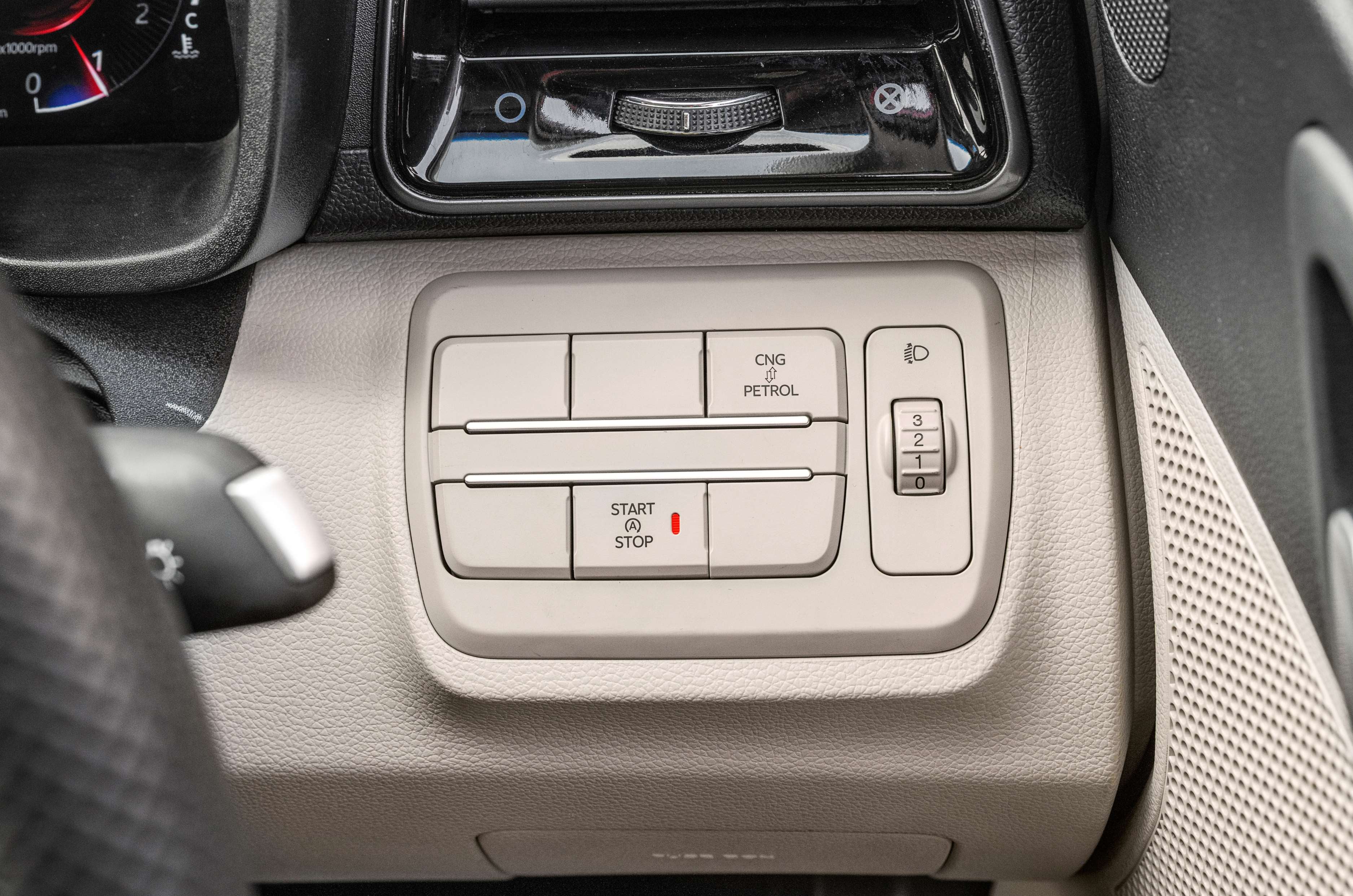
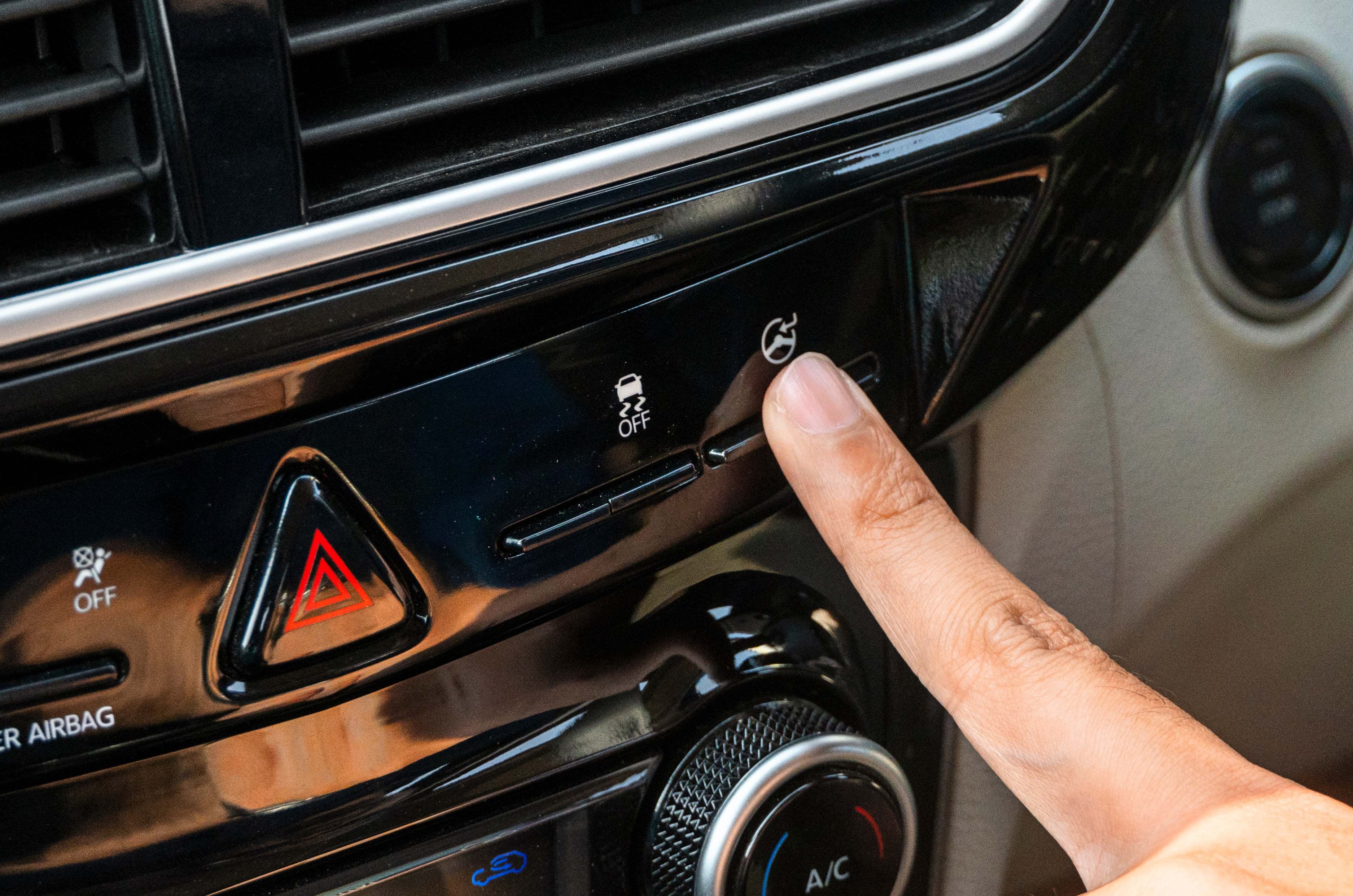
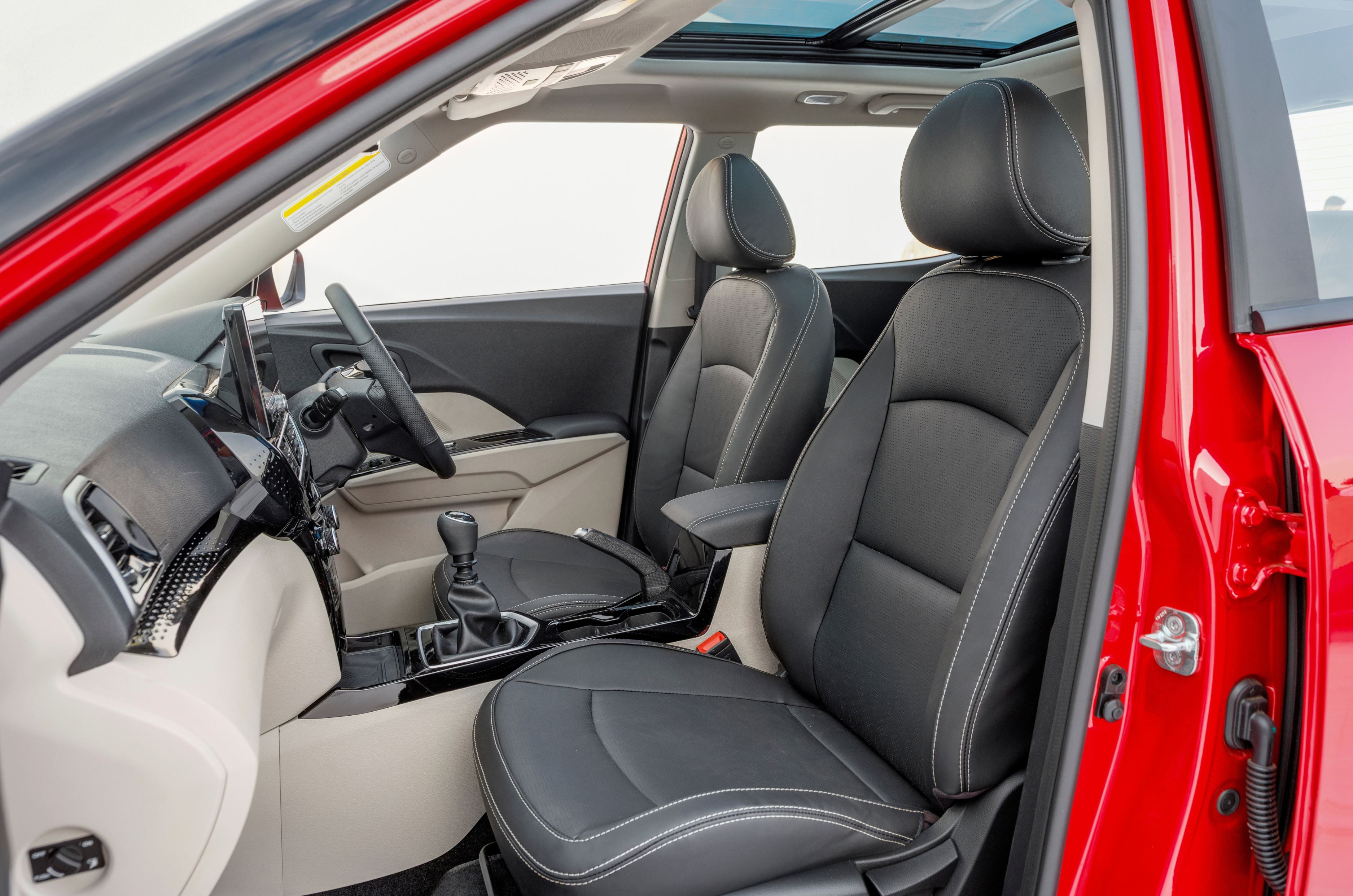
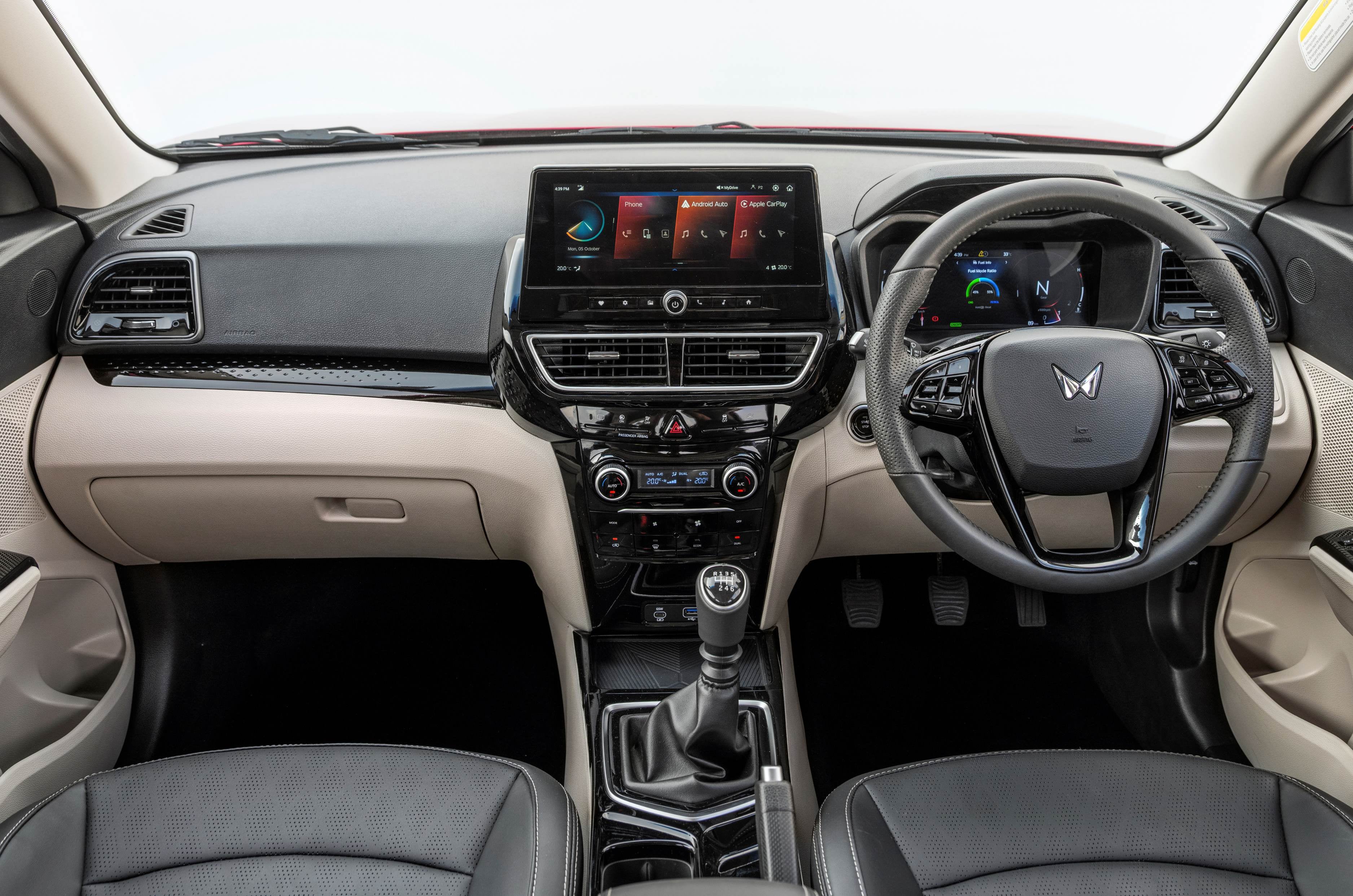
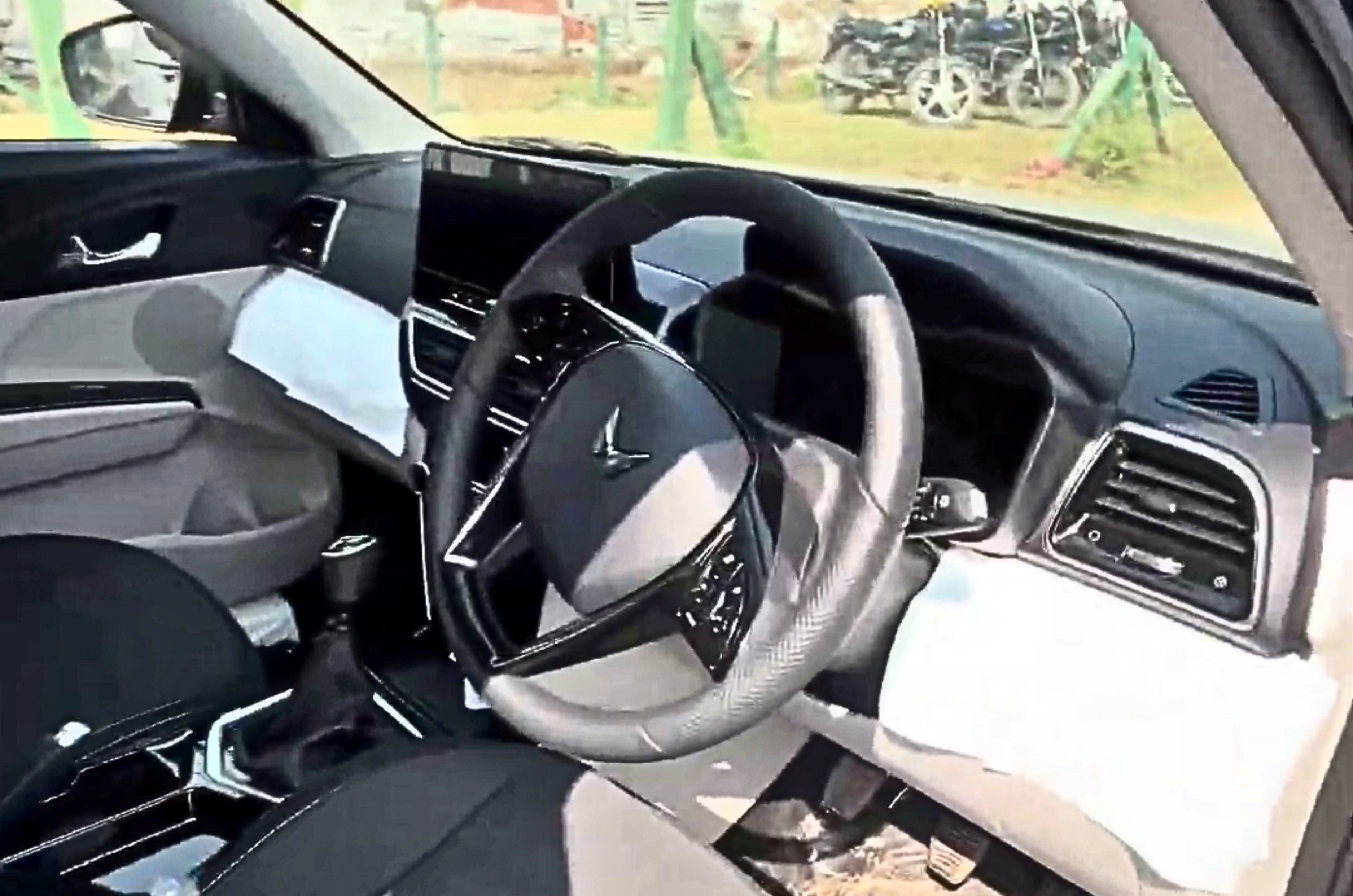
A CNG switch next to the steering wheel aside, the cabin of the XUV 3XO CNG is identical to that of non-CNG versions. While it can’t be had in equally top-end trim levels, the CNG version is available with a dual-tone dashboard, gloss black accents and leatherette upholstery. Overall, there’s a feeling of good build that’s backed by a sense of premiumness. Meanwhile, the rear seat is quite roomy for the class and can accommodate three adults without much fuss.
The top-spec RevX A trim gets twin 10.25-inch screens, a panoramic sunroof and a 6-speaker audio system with Dolby Atmos. Mahindra says the CNG version is engineered to match the five-star Bharat NCAP safety rating of other combustion-powered XUV 3XO versions. Standard safety features here include 6 airbags, stability control, ISOFIX anchors and a reversing camera.
Reasons not to buy the Mahindra XUV 3XO CNG
Small boot
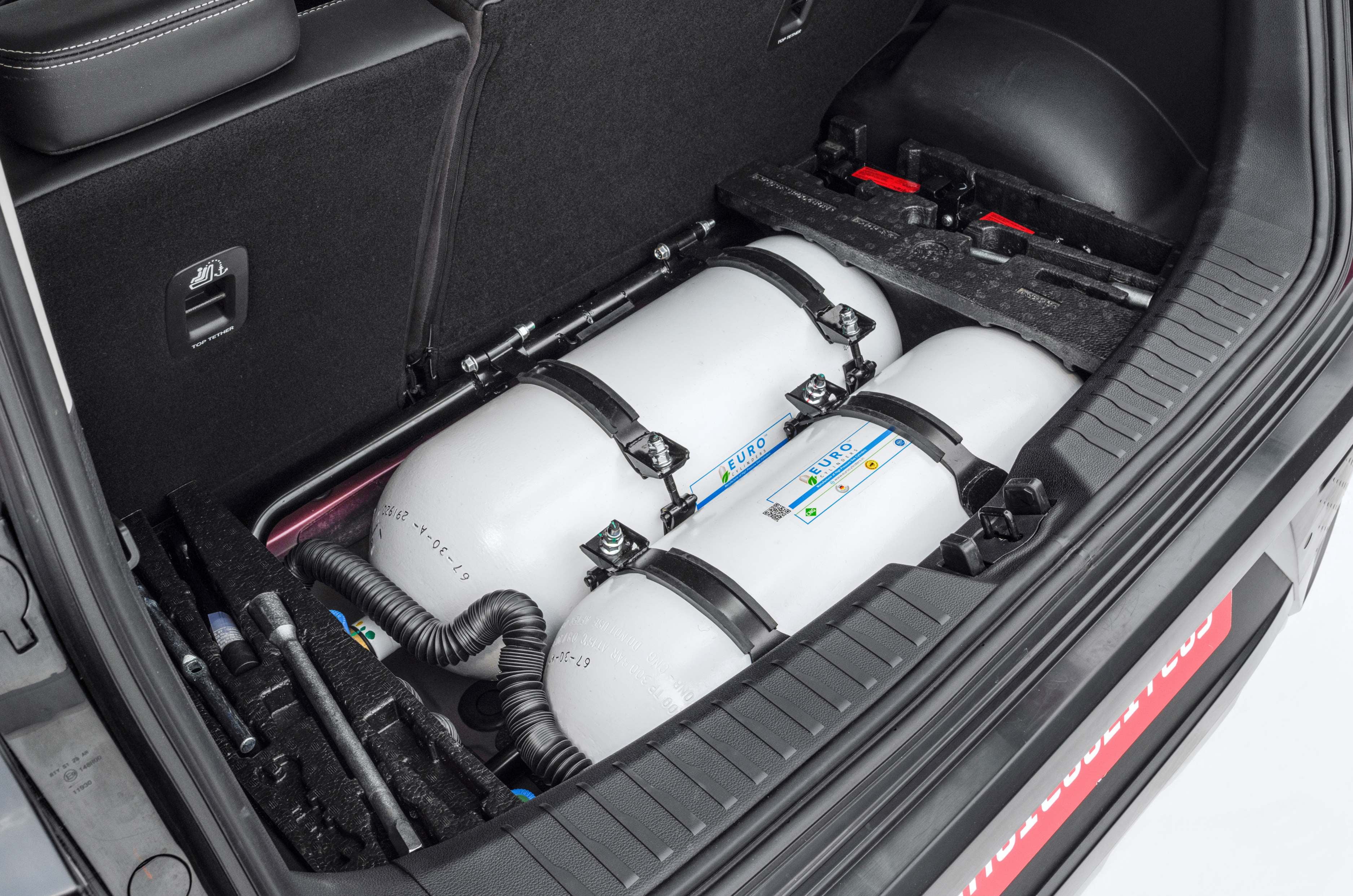
The twin-tank setup eats into what was already a small boot
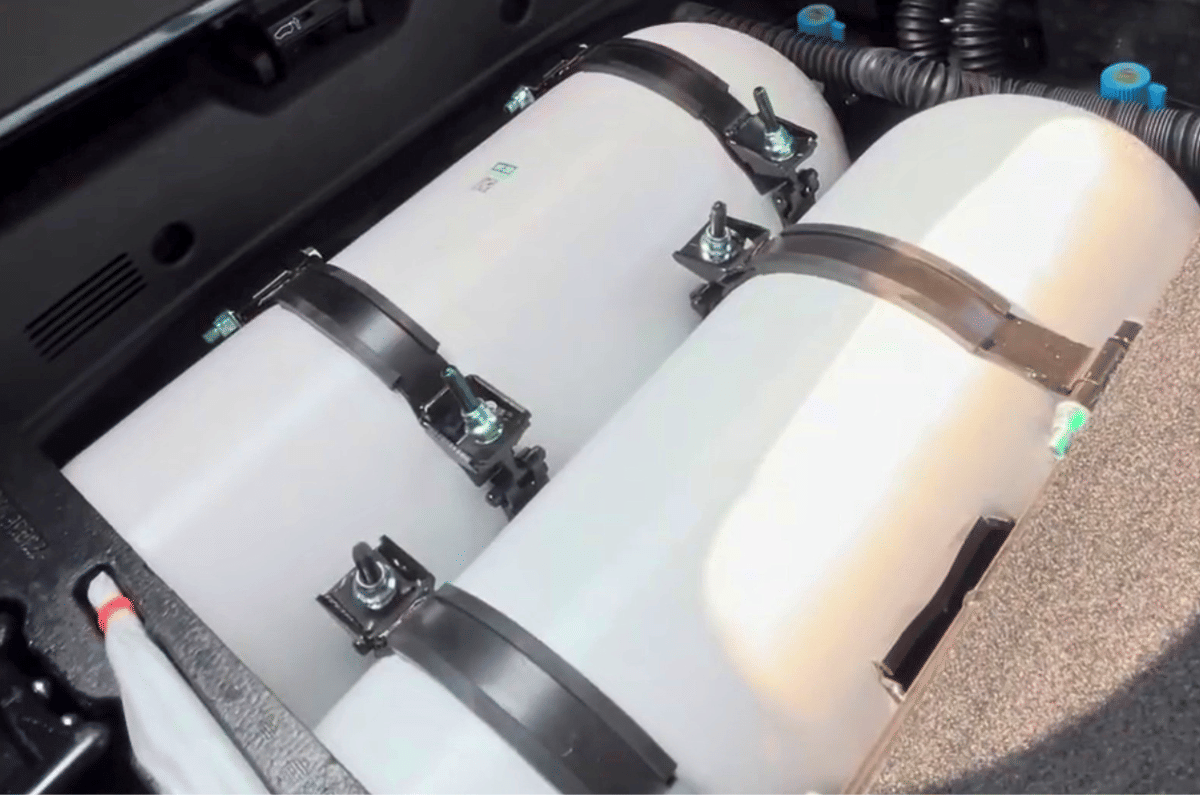
The 295-litre boot of the XUV 3XO was already the most compact in the segment. Despite moving the spare wheel under the car’s body and fitting the twin cylinders beneath the boot floor, the XUV 3XO CNG’s boot is even more compromised – offering just 270 litres of cargo space. It’s only its width that allows up to four cabin-sized bags to be stored.
Cabin niggles
The XUV 3XO CNG’s interior isn’t devoid of ergonomic flaws
While the black leatherette seats look sporty, they don’t get a ventilation function. This means that, on a bright sunny day, they will heat up quite quickly. If you’ve a larger build, the front seats of the XUV 3XO CNG will feel lacking in space. Adding to the ergonomic niggles is the steering wheel, which cannot be adjusted for reach, making it harder to find a comfortable driving position. Lastly, not only is the XUV 3XO CNG’s driver footwell cramped, there’s also no dead pedal.
Limited options
Customers get only mid-spec trim levels with the CNG version
The CNG version of the Mahindra XUV 3XO is sold in just four trim levels, all of which are mid-spec options within the broader line-up. This limitation becomes obvious given the lack of a 360-degree camera, ventilated front seats, or a wireless charging pad – these are available in the Nexon iCNG. There are no fog lamps, either. Another limitation is that the CNG version only comes with a 6-speed manual, which has long throws and a fair amount of clutch pedal travel.
Skoda has introduced several attractive benefits on select models across its line-up, including dealer discounts, exchange benefits, loyalty benefits and corporate offers. However, the Kodiaq is excluded from the offers this month. The deals listed below are valid until October 31, 2026.
Disclaimer: Discounts vary from city to city and are subject to stock availability. Check with your local dealership for exact figures.
Skoda Kylaq offers in October 2026
Benefits of up to Rs 90,000
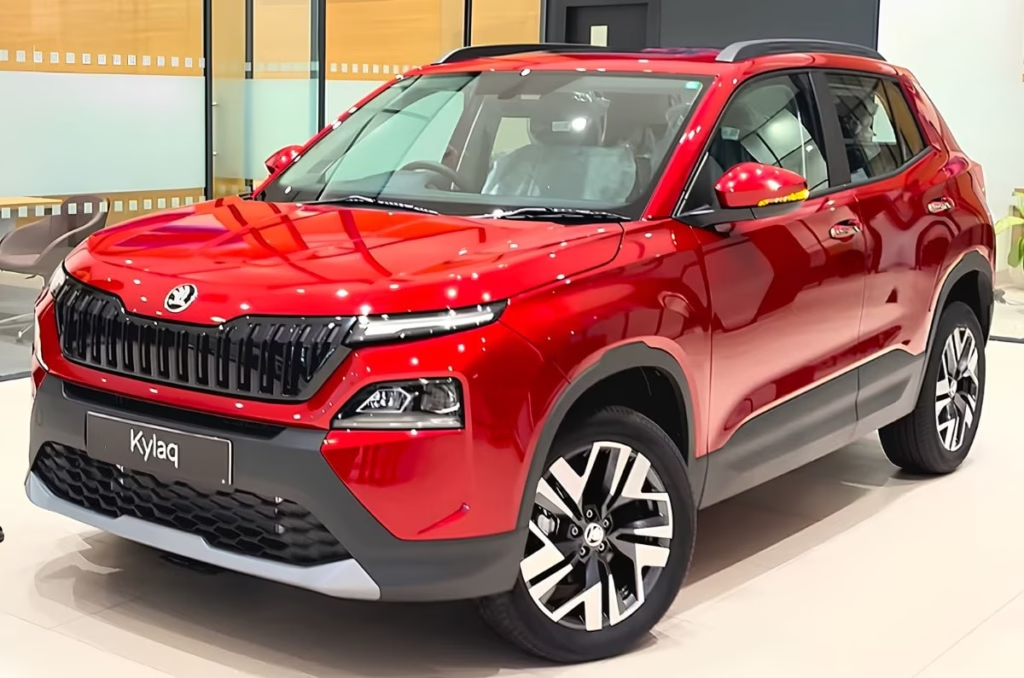
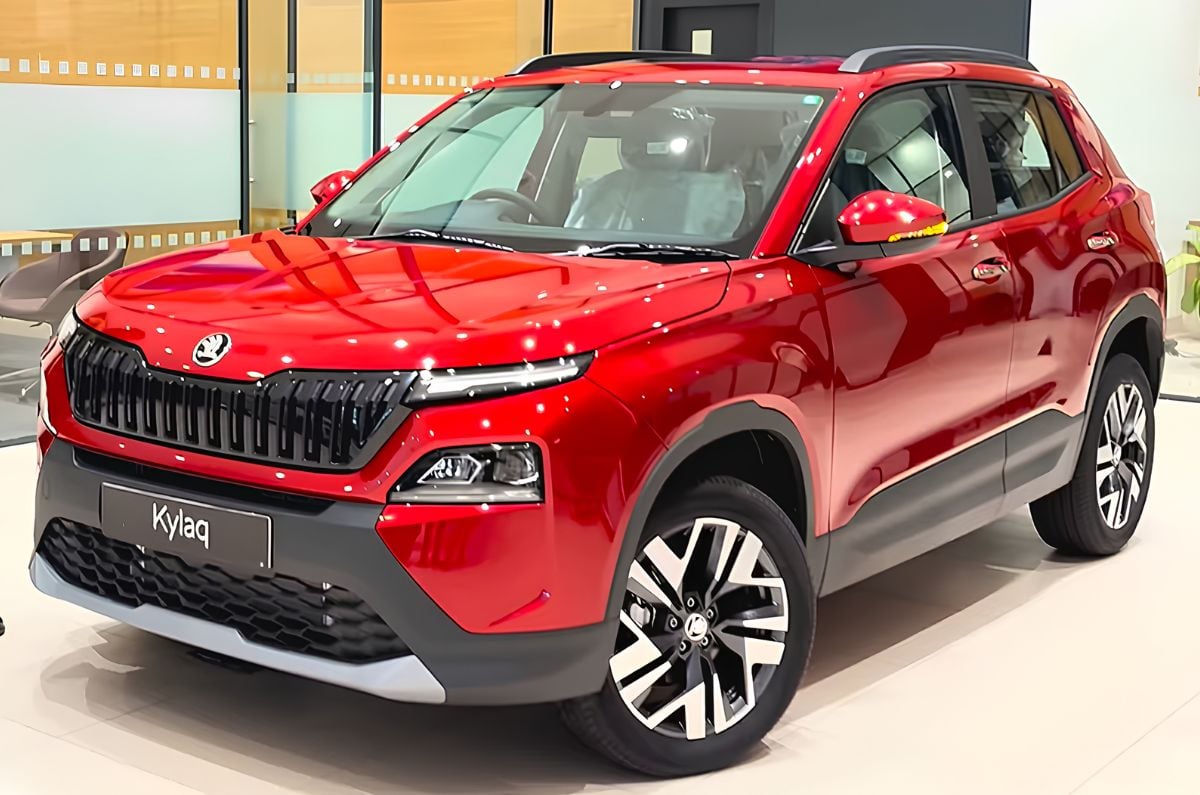
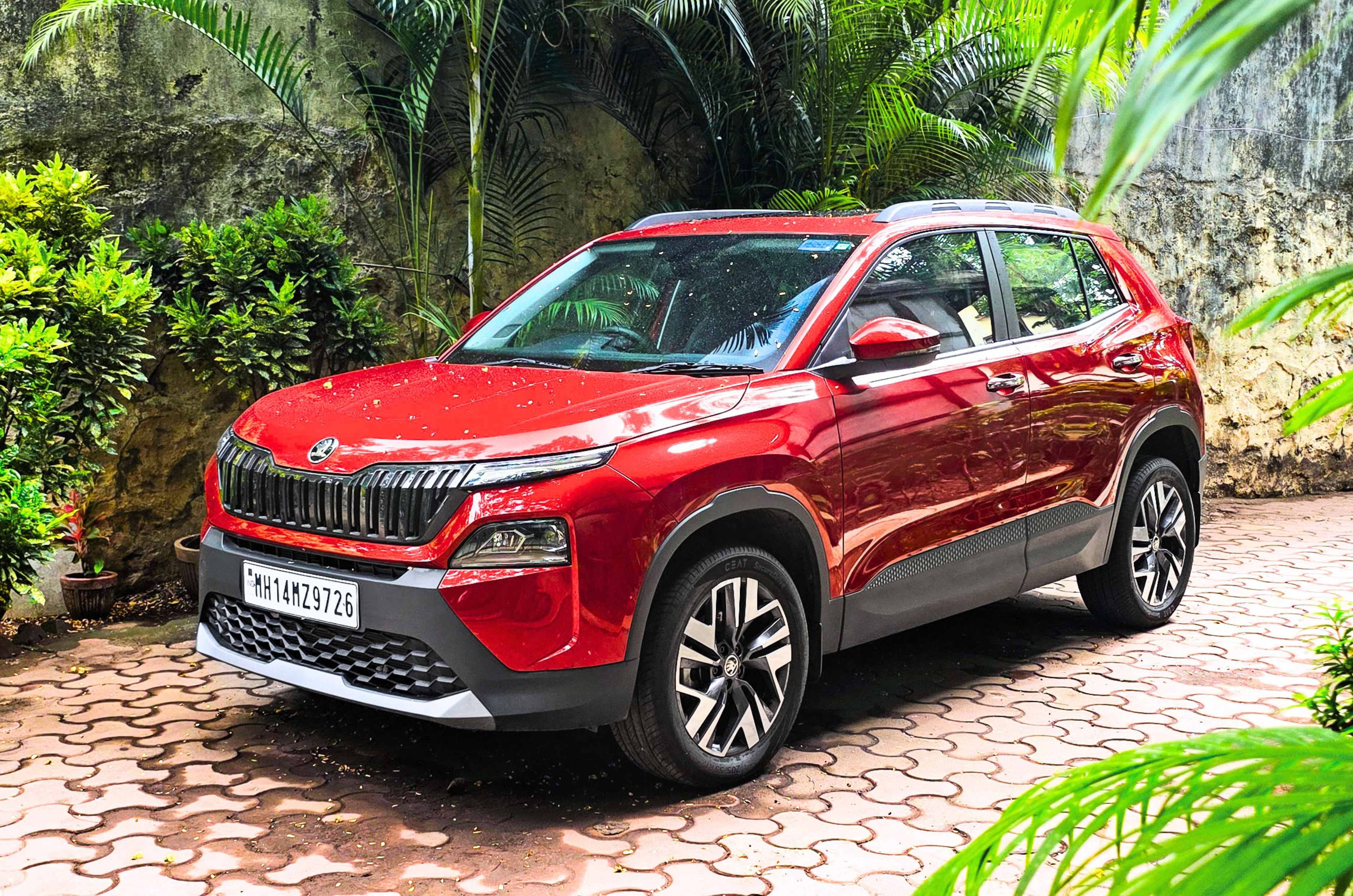
The brand’s most affordable model, the Kylaq, is available with benefits of up to Rs 90,000, including a dealer discount of up to Rs 40,000, an exchange bonus of up to Rs 30,000, and either a corporate or loyalty discount of up to Rs 20,000. The compact SUV is powered only by a 1.0-litre direct-injection turbo-petrol engine that also does duty in the Kushaq and Slavia. It ranges between Rs 7.59 lakh and Rs 13.09 lakh and locks horns with the Maruti Brezza, Hyundai Venue, Mahindra XUV 3XO, Tata Nexon and Kia Sonet.
Skoda Kushaq offers in October 2026
Benefits of up to Rs 80,000
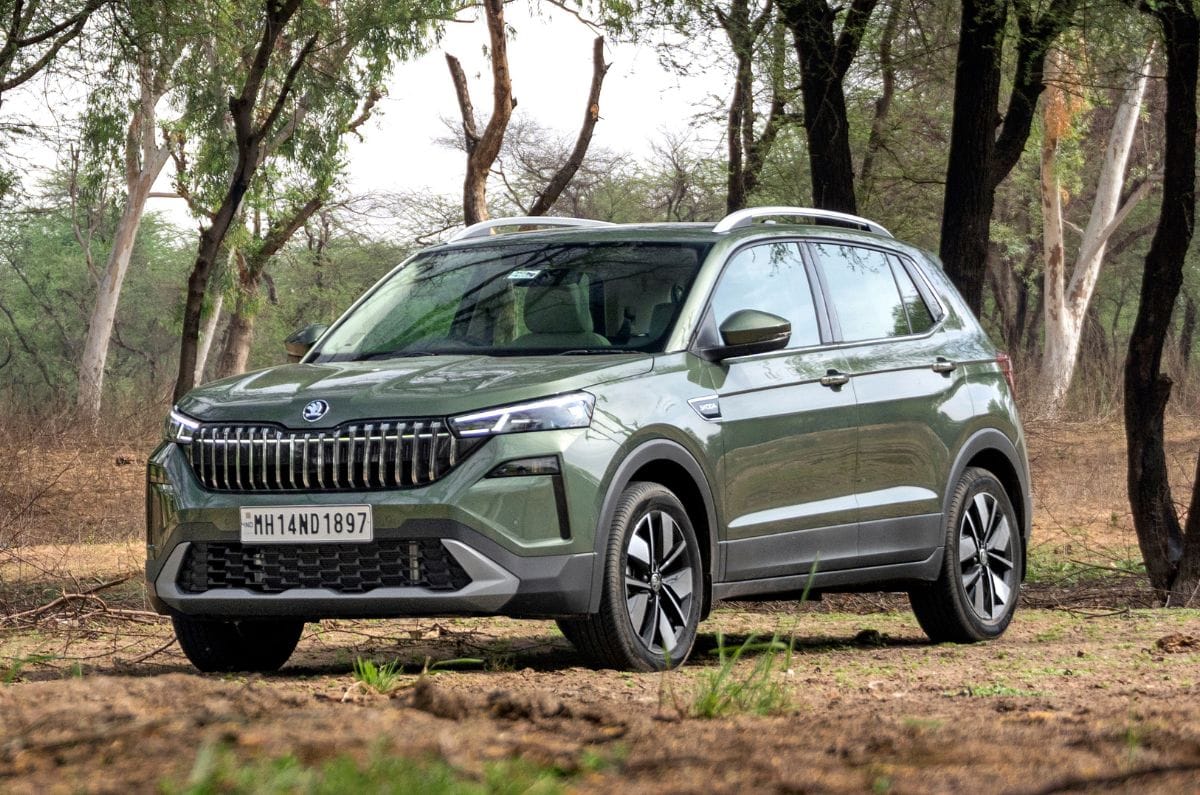
Skoda’s midsize Kushaq SUV gets the biggest benefits this month, going up to Rs 80,000. These includes a dealer discount of up to Rs 30,000, an exchange bonus of up to Rs 30,000, and either a corporate or loyalty benefit of up to Rs 20,000. The Kushaq is powered by either a 1.5-litre or a 1.0-litre direct-injection turbo-petrol engine. Priced from Rs 10.69 lakh to Rs 19.19 lakh, the Kushaq takes on the likes of the Volkswagen Taigun, Hyundai Creta, Tata Sierra, Kia Seltos, Renault Duster and Maruti Victoris.
Skoda Slavia offers in October 2026
Benefits of up to Rs 30,000
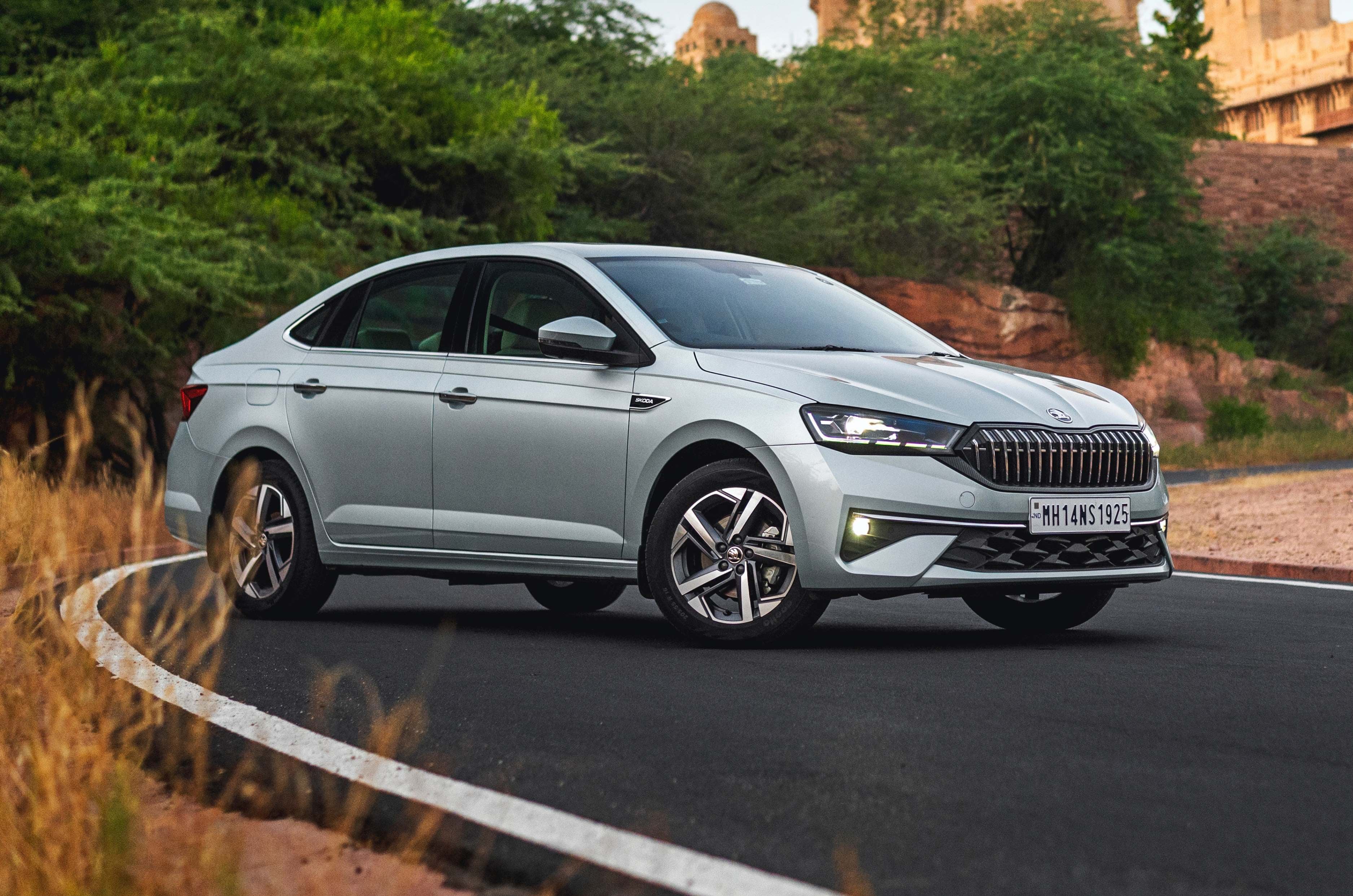
The newly introduced Slavia facelift is already available with benefits of up to Rs 30,000. These include an exchange bonus of up to Rs 20,000 and either a corporate or loyalty benefit of up to Rs 10,000. The Slavia is powered by the same powertrain options as the Kushaq and is priced between Rs 10 lakh and Rs 18.84 lakh. It is Skoda’s answer to the Honda City, Hyundai Verna and Volkswagen Virtus.
The Mahindra XUV 3XO CNG has been launched at a starting price of Rs 9.99 lakh, ex-showroom. The XUV 3XO CNG will take on rivals like the Maruti Brezza and Tata Nexon, which offer the choice of a factory-fitted CNG kit.
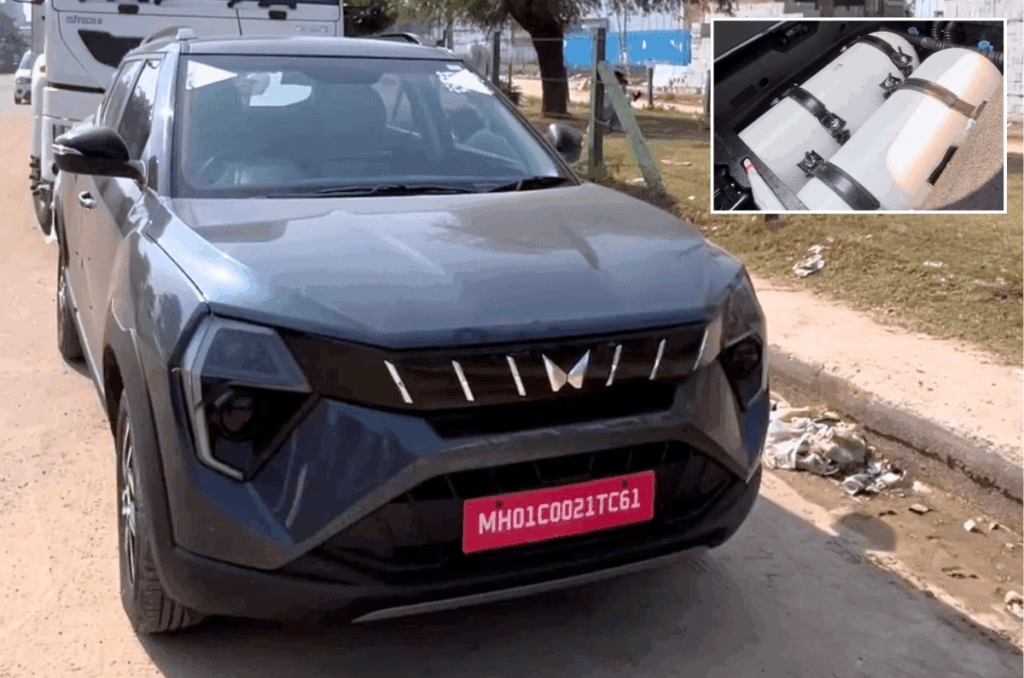
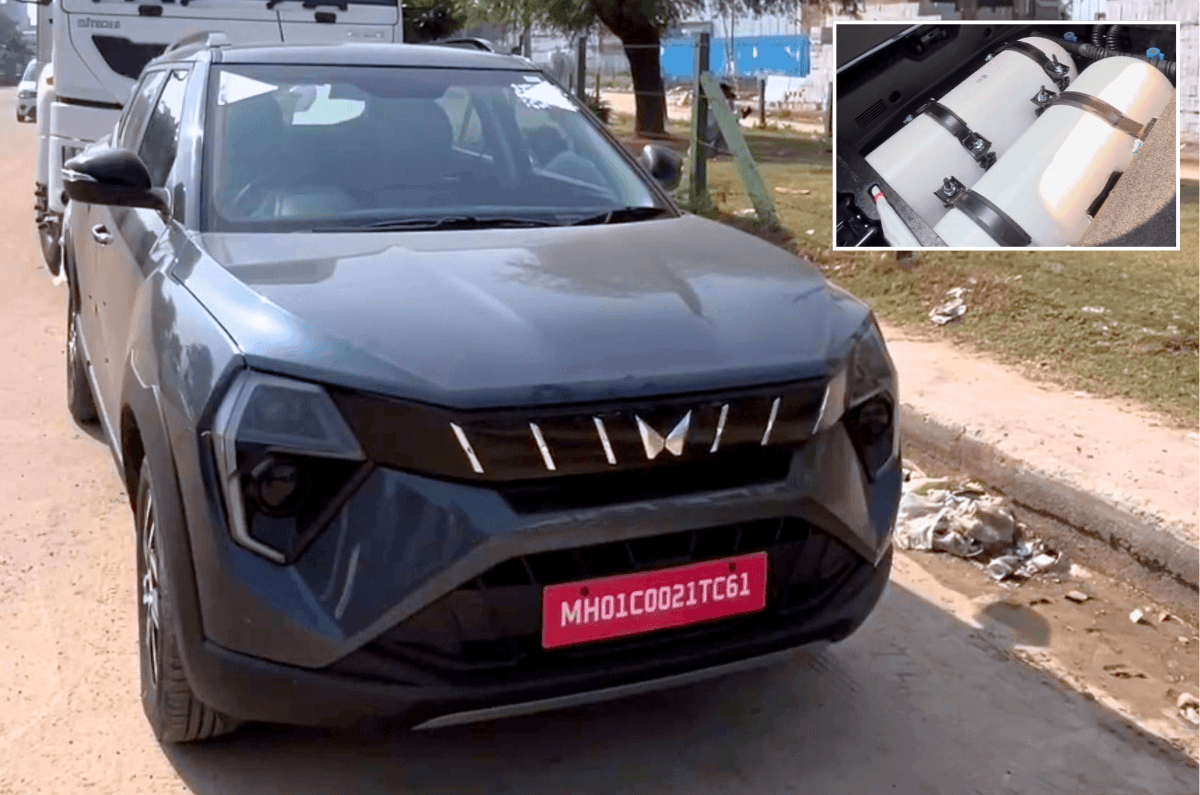
The Mahindra XUV 3XO has been spied with a dual-cylinder tank setup, an arrangement that is aimed to take up less boot space; 3XO has the smallest boot in the compact SUV segment. This sighting comes a day ahead of the SUV’s launch tomorrow. CNG will be the fourth powertrain option, alongside petrol, diesel and electric, giving Mahindra’s most affordable SUV one of the widest powertrain line-ups in the segment, along with the Tata Nexon.
Mahindra XUV 3XO CNG spy shot details
Between the 1.2-litre MPFI (multi-point fuel injection) turbo-petrol and 1.2-litre direct-injection (DI) turbo-petrol engine options of the 3XO, a CNG kit is likely to be offered with the former, and exact specifications are yet to be disclosed. MPFI engines are relatively cheaper to manufacture and simpler to adapt for CNG, since fuel is injected into the intake manifold. Doing the same with a DI engine is more complex and expensive.
Interestingly, the spied vehicle had dual-tone alloy wheels, suggesting that Mahindra may offer the CNG option even in the higher trims. It’s interior is unlikely to receive any changes, and depending on the trim, features such as a 10.25-inch touchscreen, a 10.25 inch digital driver’s display, steering-mounted controls and more could be on offer.
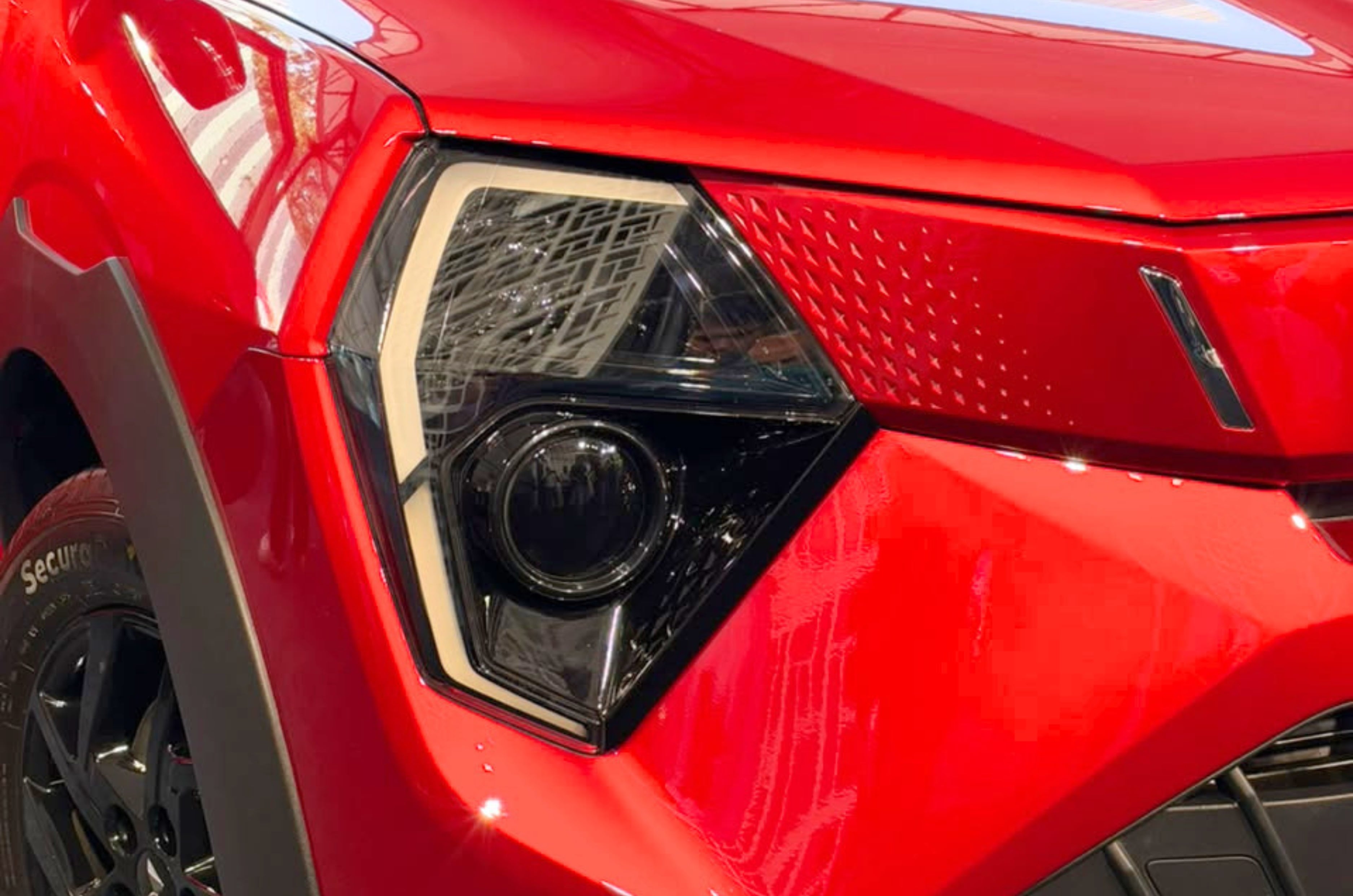
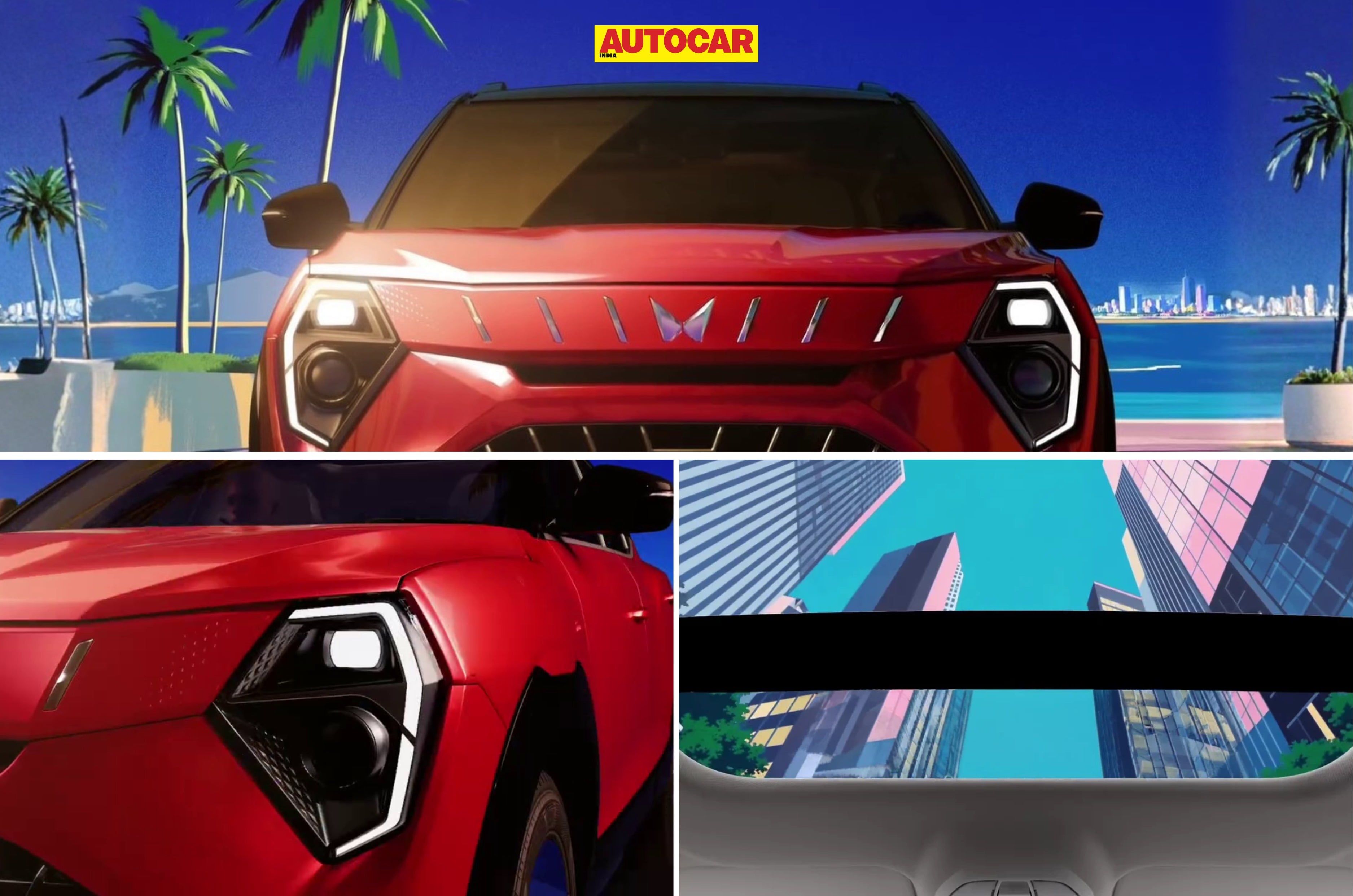
A recent teaser of the 3XO CNG featured a body coloured front grille, something that is offered in the RevX range, and LED DRLs, LED headlights and a panoramic sunroof.
Scope of CNG in compact SUV segment
CNG has become increasingly popular in India. A CNG option could help boost XUV 3XO sales, and also help the carmaker meet the stricter CAFE III norms that come into effect in April 2027. This is especially important because a large part of Mahindra’s sales comes from diesel models. Along with EVs, CNG models will be key to balancing the CO2 emissions from its diesel range. In the past, Mahindra has offered this fuel option on some of its commercial pickup range, as well as via conversion kits for the erstwhile Logan and Verito.
In addition to the Nexon, the XUV 3XO CNG will face competition from models like the Maruti Brezza and the Fronx. We expect the CNG version to command a premium of about Rs 1 lakh over the equivalent petrol trim.
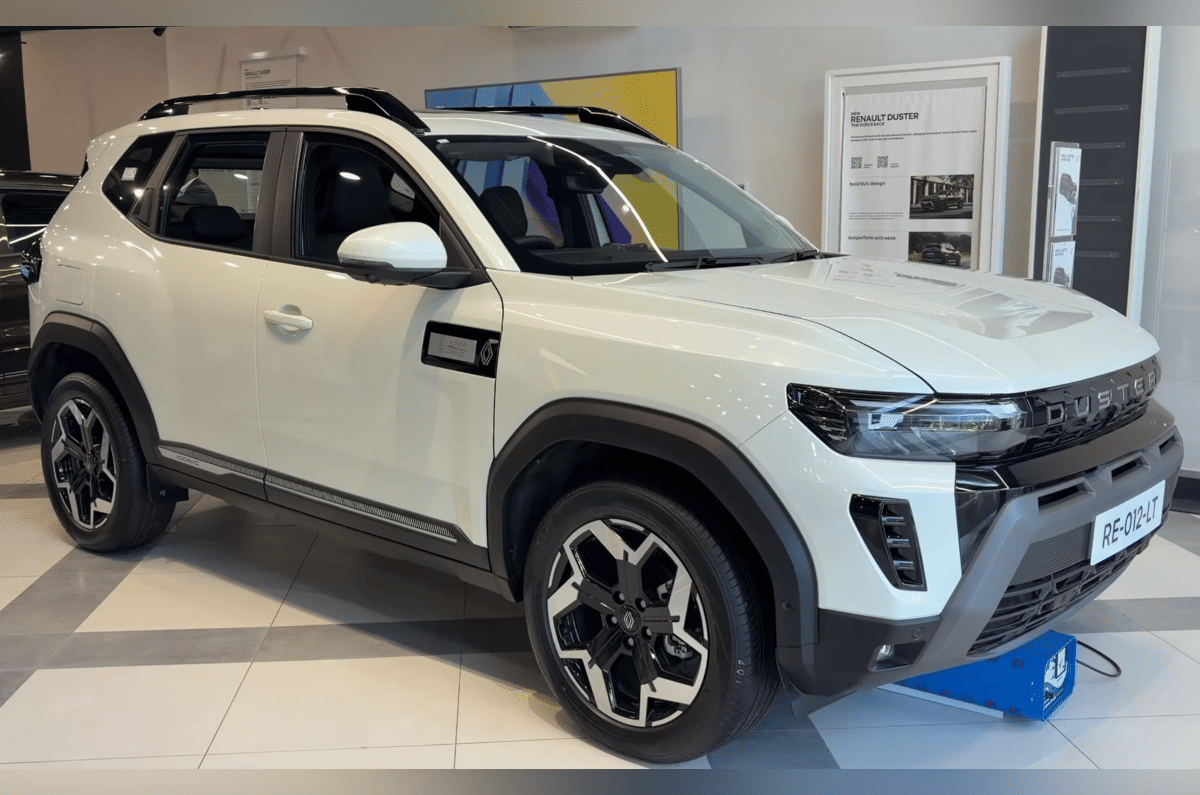
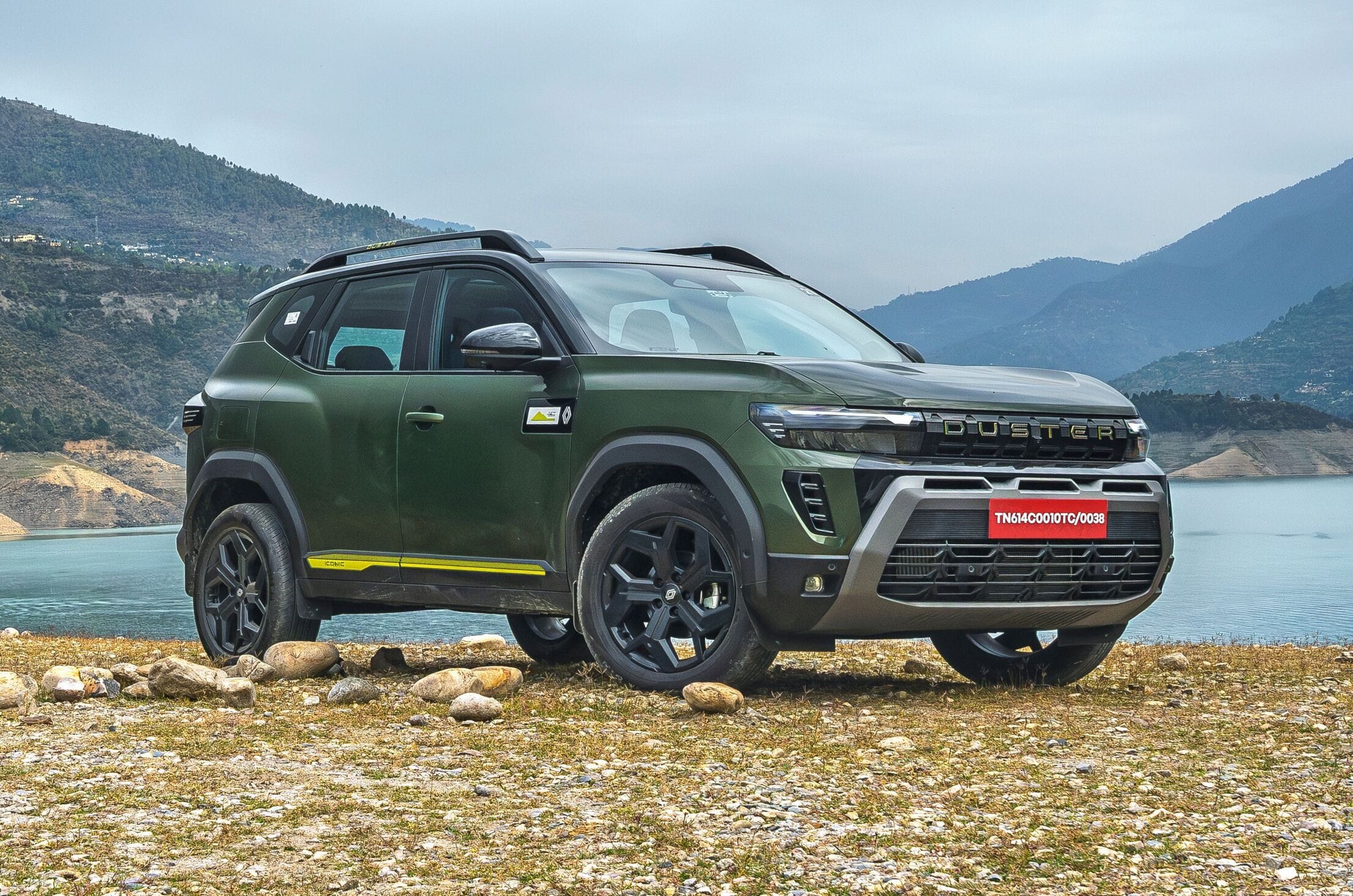
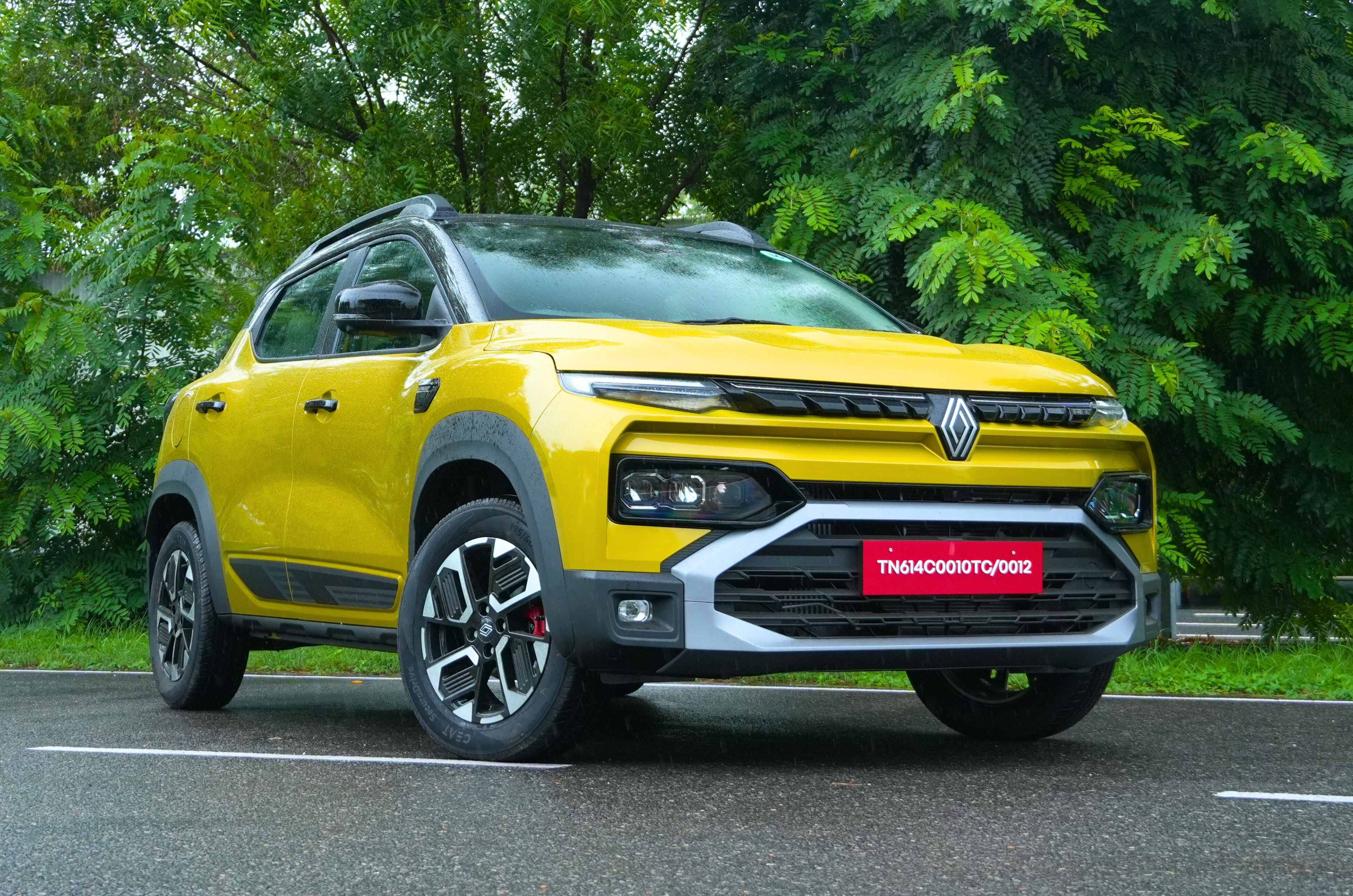
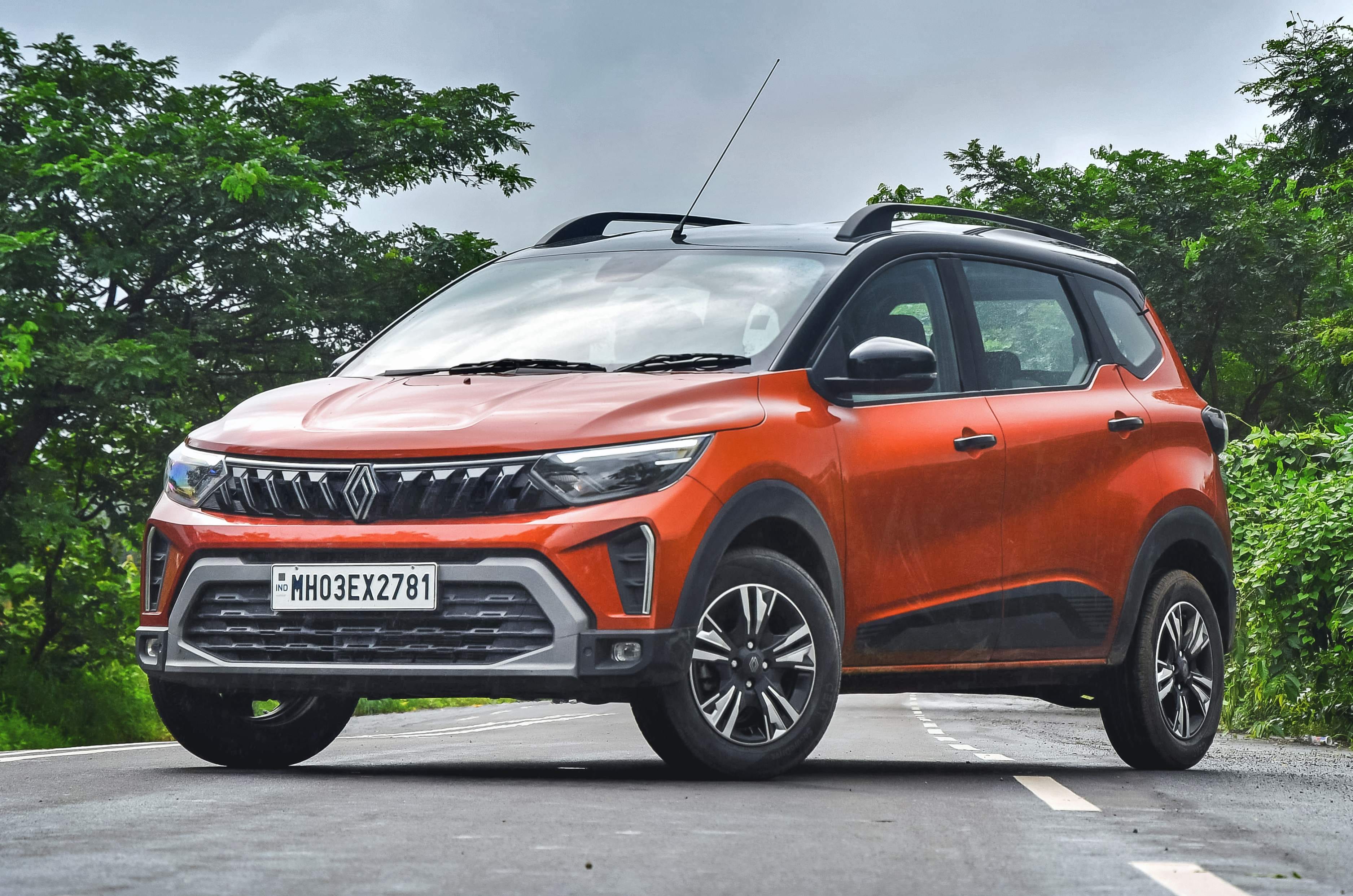
Renault India has announced offers applicable on its cars in October. The Renault Duster is available with the highest benefits this time, followed by the Kiger and Triber. These include cash discounts, exchange and loyalty benefits, as well as corporate offers. Let us now take a closer look at them.
Disclaimer: Offers/benefits may vary by city and are subject to stock availability. Buyers are advised to check with their local dealer for exact figures. Customers can also check out Renault India’s official website for further details.
Renault Duster offers in October 2026
Benefits of up to Rs 2.1 lakh
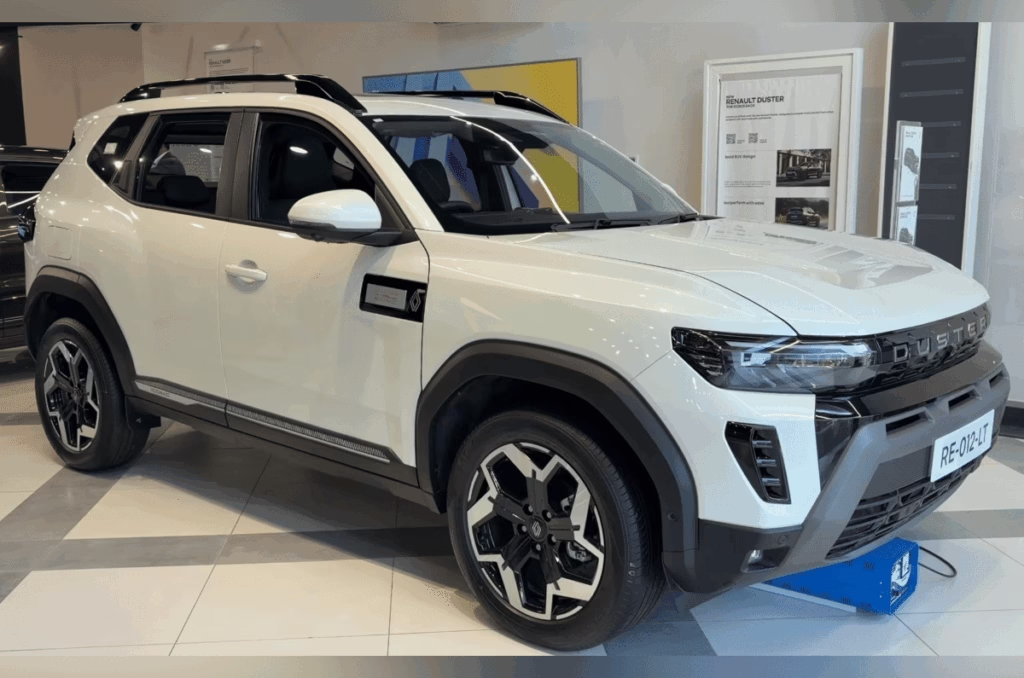
The Renault Duster gets benefits of up to Rs 2.1 lakh this month. Its Techno+ and Iconic trims get a cash offer of up to Rs 50,000. Exchange benefits of up to Rs 1.1 lakh are available on these variants as well, while the Evolution and Adventure trims get up to Rs 50,000. For a Duster-to-Duster exchange, the benefit rises to Rs 1.5 lakh on the Techno+ and Iconic trims and Rs 1 lakh on the Evolution and Adventure. Customers can also avail loyalty benefits of up to Rs 10,000 and AMC on all trims of the Duster upon submission of required loyalty proofs.
The Duster is priced between Rs 10.49 lakh and Rs 18.49 lakh, and rivals the Hyundai Creta, Kia Seltos and Tata Sierra, among others.
Renault Kiger offers in October 2026
Benefits of up to Rs 65,000
For the Renault Kiger VIN 2026 models, customers can avail benefits of up to Rs 65,000. Cash and exchange offers of up to Rs 25,000 each are available on the Evolution+, Techno and Emotion trims. Like the Duster, customers can even claim loyalty benefits of up to Rs 10,000 and an AMC on all Kiger trims, subject to submission of the required loyalty proofs. A corporate discount of up to Rs 5,000 is also on offer.
Prices for the Kiger start at Rs 5.81 lakh and go up to Rs 10.40 lakh. Rivals include Nissan Magnite, Hyundai Venue, Maruti Brezza, Tata Nexon and more.
Renault Triber offers in October 2026
Benefits of up to Rs 55,000
Benefits of up to Rs 55,000 are on offer with the Renault Triber. Select variants get a cash benefit of up to Rs 25,000 and an exchange benefit of up to Rs 25,000. An additional corporate discount of up to Rs 5,000 is also available with the compact MPV.
The Triber is priced between Rs 5.80 lakh and Rs 9 lakh, ex-showroom, and competes with its badge-engineered sibling, the Nissan Gravite.
Ex-showroom prices mentioned above are as on October 8, 2026.
Only recently, I made the sweeping and somewhat heavy-handed statement that EVs have taken the excitement out of speed. That once you’ve done one ballistic acceleration run in an EV, you’ve done them all, and without a roaring engine, vibrations pulsating through the wheel and gearshifts jolting you in the small of your back, it all feels a bit sanitised. Well, as it turns out, all an EV needs to solve this conundrum is… even more power.
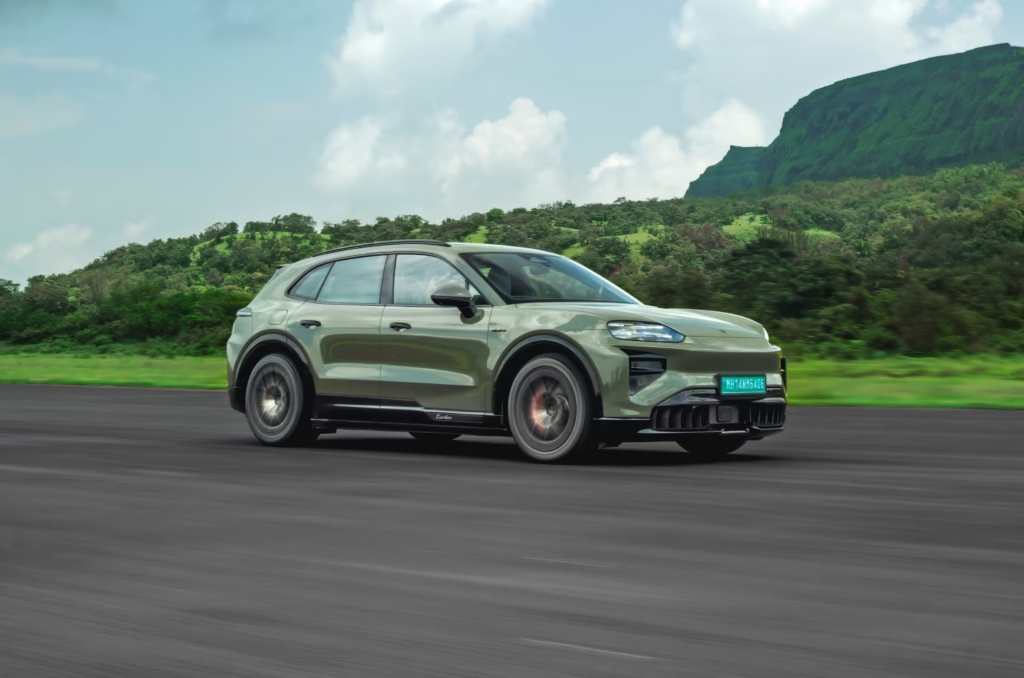
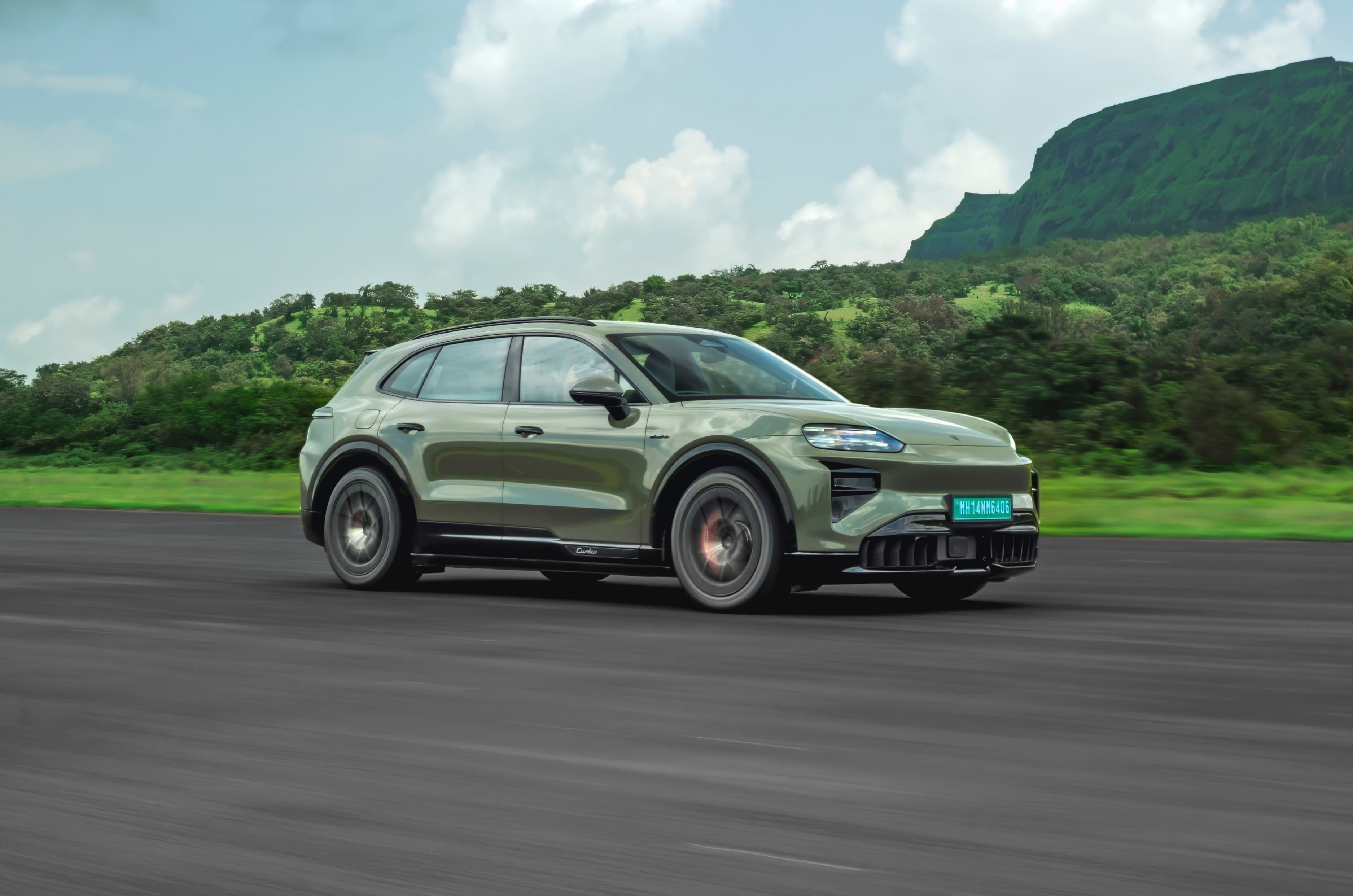
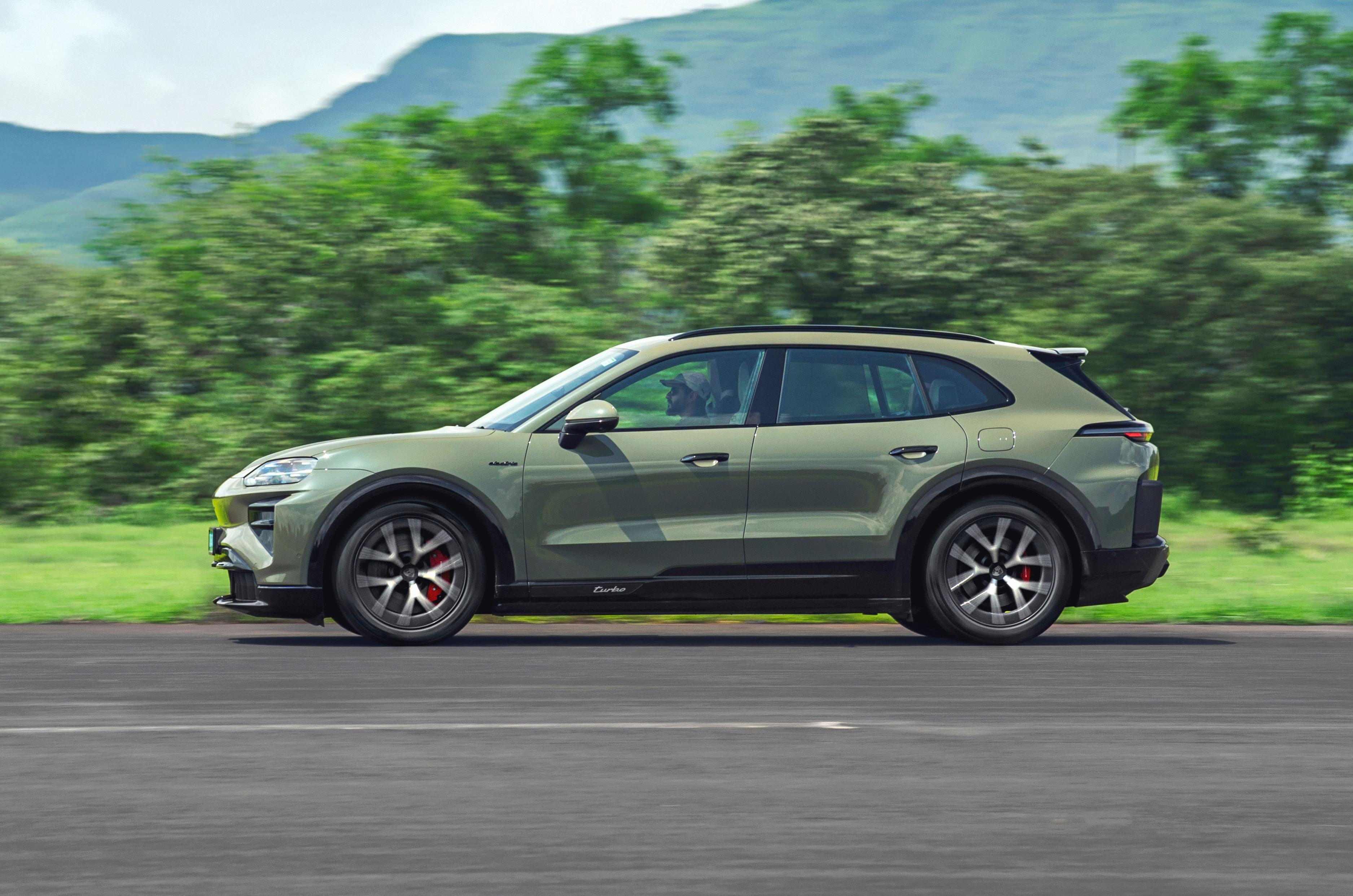
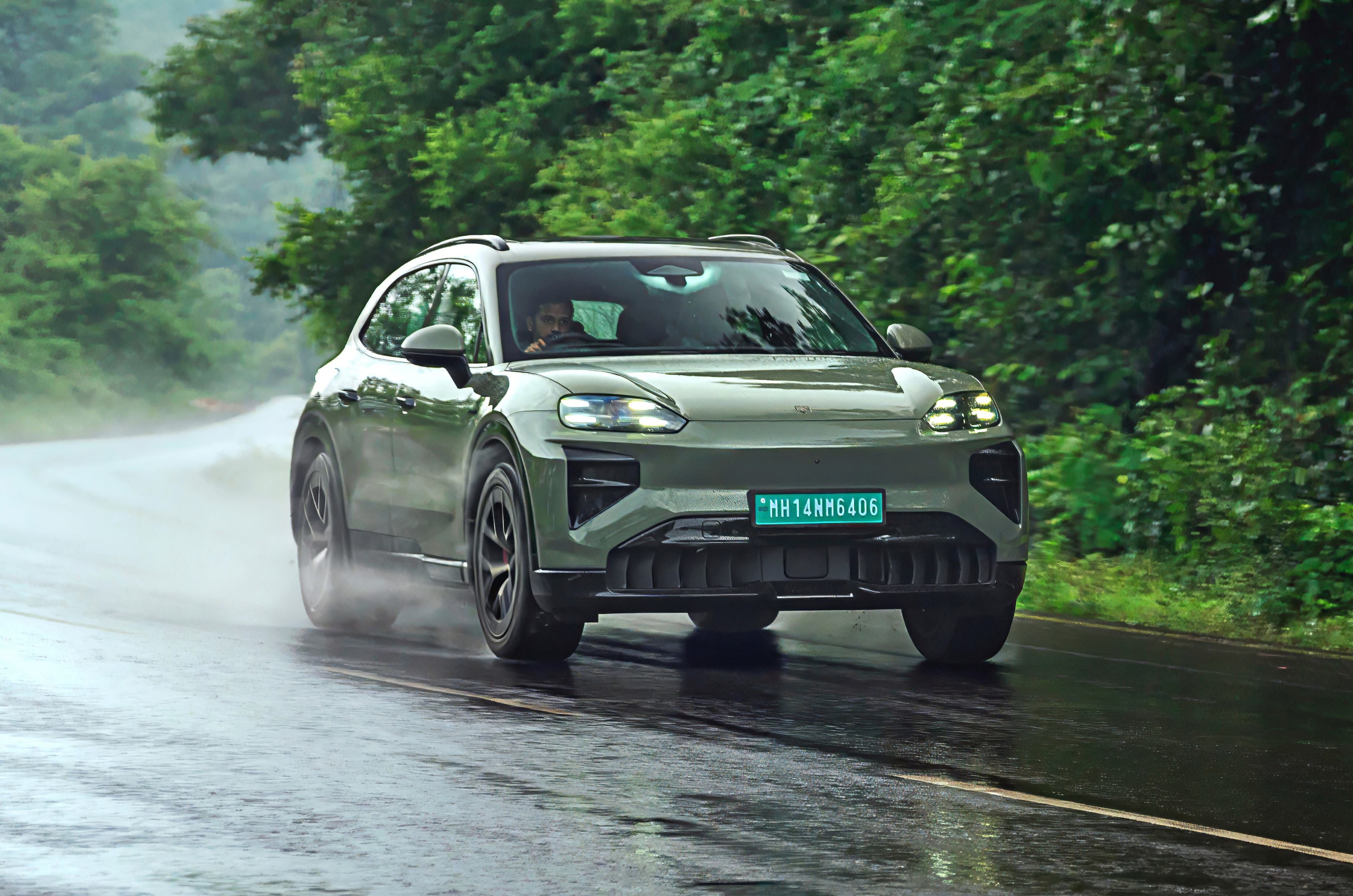
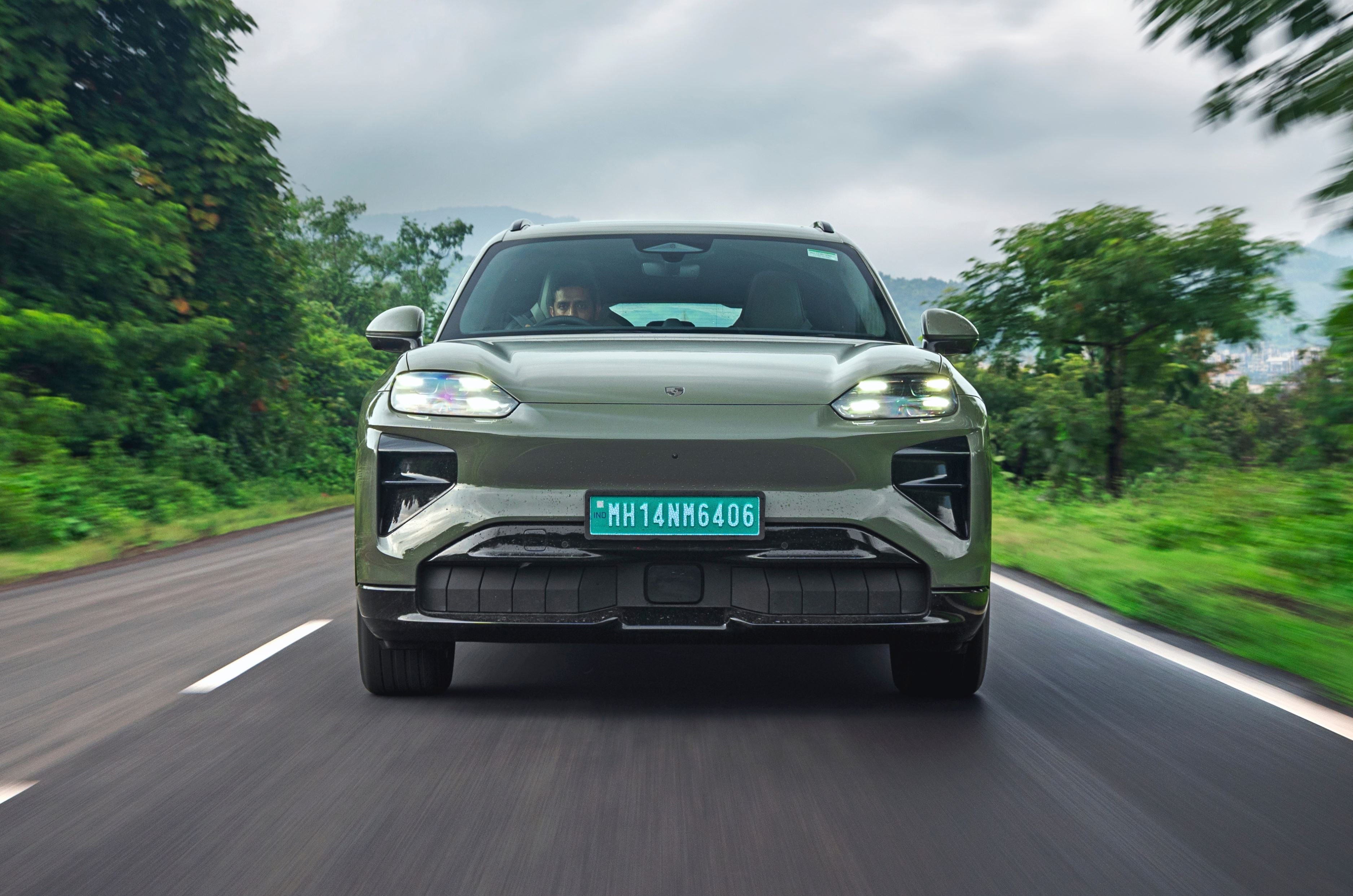
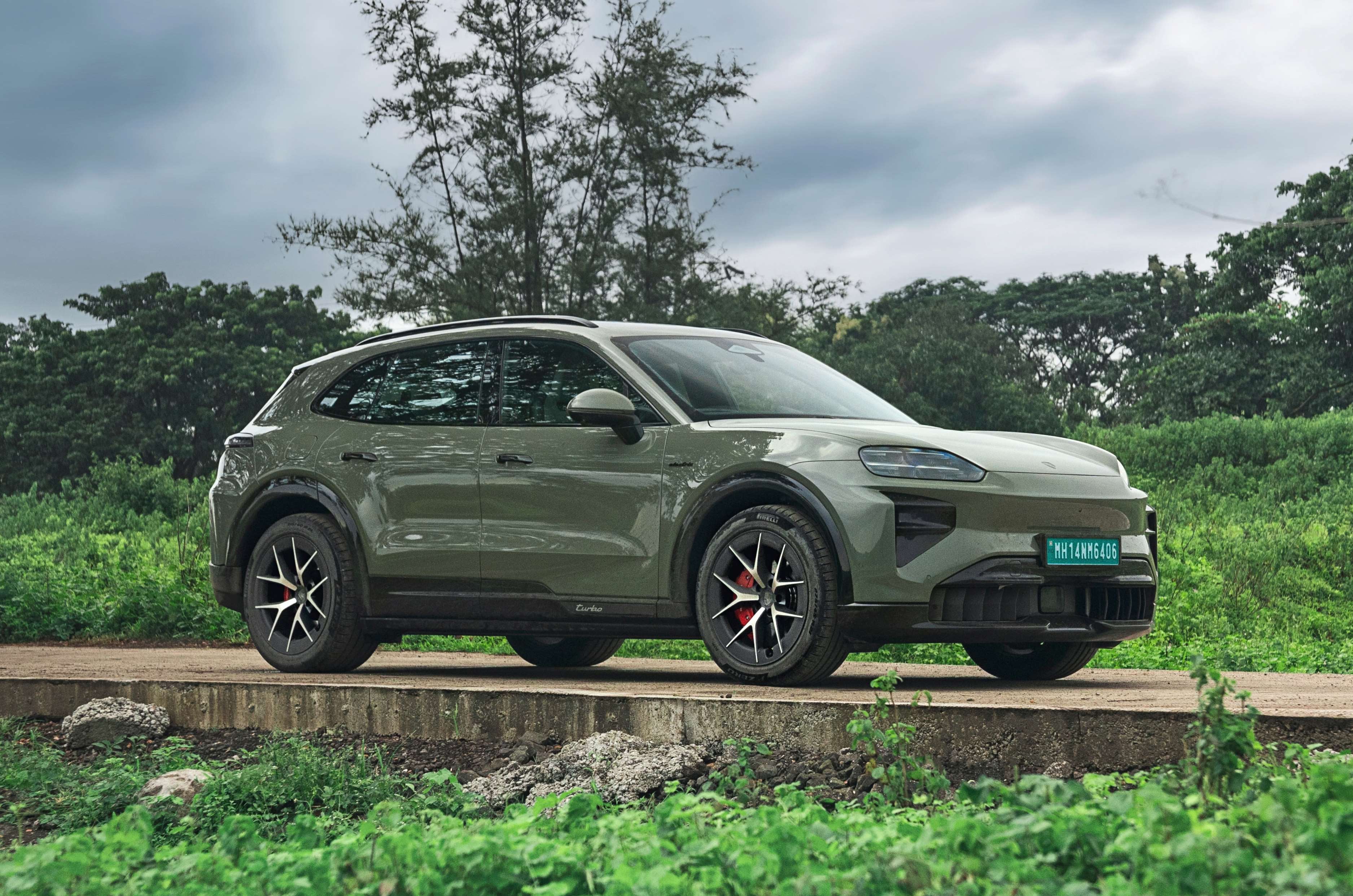
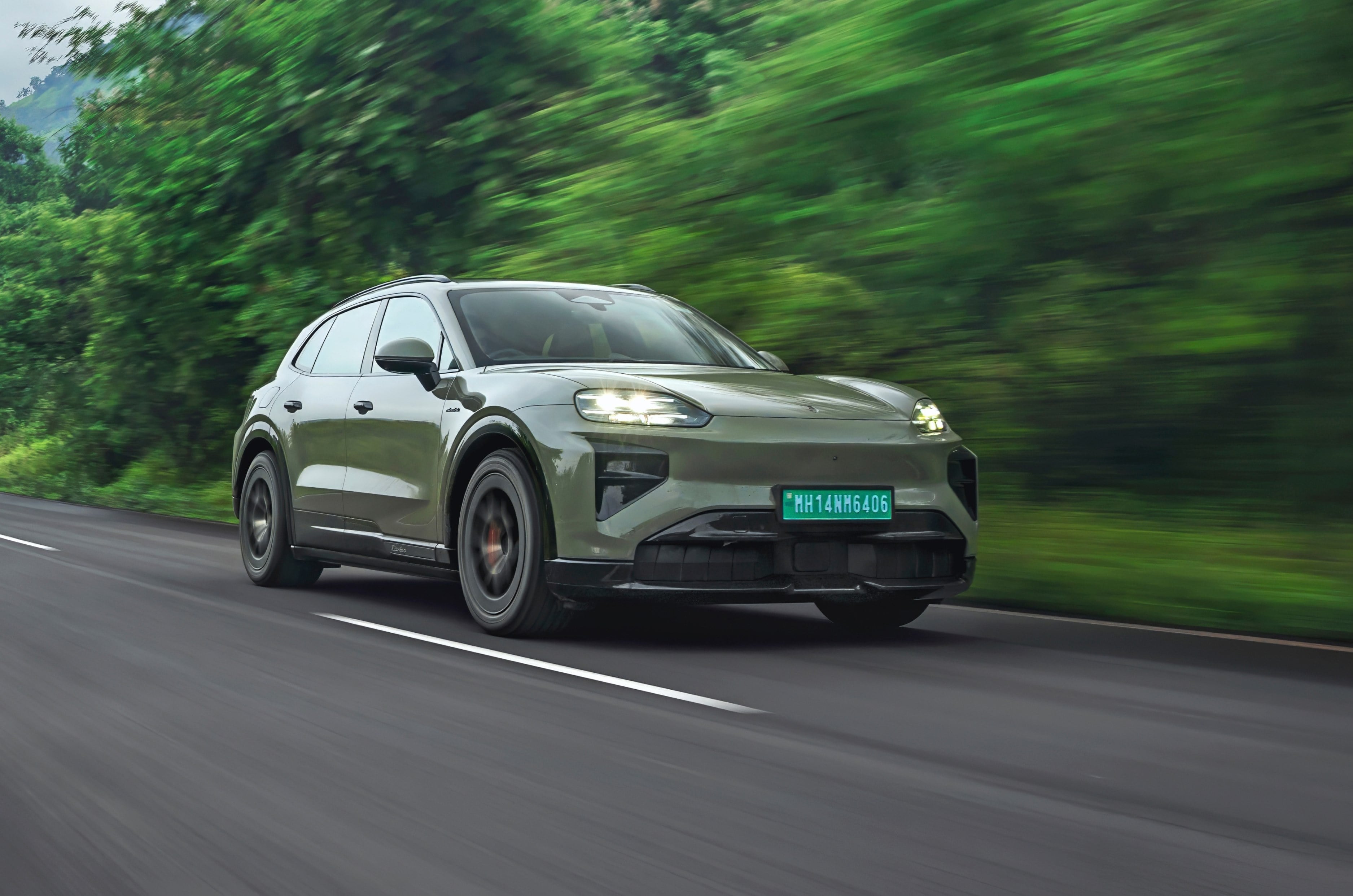
Remember when 1,000 horsepower was the sort of million-dollar pipe dream that we thought we’d only ever see on bedroom posters or YouTube videos? Well, it’s not that insane a proposition anymore, and in fact, three cars on sale in India have crossed the fabled 1,000hp mark. Two are ultra-exotic supercars that cost north of Rs 10 crore – the 1,015hp Lamborghini Revuelto and 1,050hp Ferrari Testarossa. And the third is this, the 1,156hp Porsche Cayenne Turbo Electric – a full Maruti Brezza more powerful than those Italian supercars – and yours for a fraction of the price, at Rs 2.28 crore.
That’s not a lot of money for what is the most powerful car ever to go on sale in India, and that raises a somewhat existential question. Have they gone too far?
2026 Porsche Cayenne Turbo Performance – 10/10
I have the Aamby Valley airstrip rolled out like a red carpet in front of me, perhaps the only place other than a race track where unlocking this hyper-SUV’s full accelerative potential is possible, and I’m about to let it rip. The process is familiar and simple enough. Twist the mode dial to Sport Plus, hold the brake with your left foot and mash the accelerator until it says ‘Launch Control Activated’. Up until this point, it’s nowhere near as dramatic as something with a four-digit power output has any right to be. The electronic sound it makes to signify all the power swelling up is gentle, and it doesn’t even give you any feedback through the pedals. Things are disconcertingly calm for what’s about to happen. I let go of the brake.
The nose lurches upwards and points to the sky like a fighter jet leaving an aircraft carrier, as the huge SUV squats onto its rear axle. It’s in this gut-twisting moment that I realise Porsche India hasn’t specified the Active Ride Control option on this car, which I’m told suppresses this issue by force-tilting the car forward, Power deployment is brutally efficient initially, with barely a chirp from the tyres and not a single of those 1,500 newton metres wasted off the line. But then I notice the nose start to go light and weave from left to right. I steady the wheel as the speed continues to build. With no engine weighing down the front axle and so much rearward lean, there is a frightening lack of traction from the front wheels at speed.
Never before has launching a car attacked so many sections of my body. It’s usually just the abdomen; a really fast car will wind you. Right now, my neck is straining as the head restraint is too far back, my cheeks are starting to ache like I’ve been pretending to find someone’s jokes funny for an hour, there’s a weird pressure coursing through my arms and legs, and my eyes are starting to water as they dart around in their sockets, not knowing what to focus on. Oh, and I’ve been winded well and good.
I’ve launched dozens of really, really fast cars down this very runway, but I don’t recall the scenery ever passing by so quickly. I can’t get a frame of reference so I glance down at the speedo. Two hundred and a blurry something; that’s way more than I expected to see and it’s climbing too fast. This doesn’t compute; it’s usually at this speed that I think about braking. But we aren’t even at the halfway mark yet; how? Brave face on, I keep my foot in. 230, 250, 27- wait, the brochure said it maxes out at 260. It lied. Then suddenly the braking point flashes by and I jump onto the wide pedal. All those forces reverse their polarity as the big Cayenne squirms down to a halt, still well clear of the end of the runway. Let’s do it again!
2026 Porsche Cayenne Turbo: Real-world acceleration test
Speed
Time (in seconds)
20kph
0.45
40kph
0.94
60kph
1.45
80kph
1.96
100kph
2.52
120kph
3.18
140kph
4.01
160kph
4.96
180kph
6.12
200kph
7.47
220kph
9.06
240kph
10.92
260kph
13.20
And it will do it again, and again, and again. Because if there’s one thing we’ve learnt about Porsches over the years, it’s that they’re engineered to perform repeatedly and consistently. The dual-motor Turbo has been certified to deliver a 2.5sec 0-100kph time; our VBOX confirmed the same several times over. But eventually, as the battery SOC dipped below 75 percent, the times started to go up, a tenth of a second at a time.
The biggest victim of the repeated runs, however, were the brakes – even for mammoth 420mm discs, arresting 2.7 tonnes is no joke, and soon their squeal was louder than their bite. I don’t usually advocate for carbon ceramic brakes on SUVs, but perhaps this is the one time Porsche India should have shelled out for the Rs 13.5 lakh option.
2026 Porsche Cayenne Turbo: Real-world braking test
80-0kph distance
23.47 metres
80-0kph time
2.08 seconds
2026 Porsche Cayenne Turbo ride comfort and handling – 8/10
However, by the twenty-seventh-or-so sprint down the runway, the car seldom missing a beat and the excitement never waning, my body decided it had taken enough of a beating. From longitudinal g-forces, at least; the lateral attack was yet to come. So we waved goodbye to the gentleman in the tower, who’s probably used to seeing much slower-moving traffic on the runway, and made our way back to reality via the twisting roads leading down to Lonavala.
It’s been a few years since I’ve come to our old stomping ground of Tiger Point and its surrounding twisties, and I can’t think of a nicer car to reacquaint myself with my favourite corners in. Muscle memory kicks in as I enter the first, fast right-hander. I lean in instinctively, but then the car starts to lean too; unexpected. It does the same on the next left, and right, and once again I start to wish they specified that Active Ride Control option. Porsche engineers are usually among the best at taming big mass, but perhaps they’ve finally met their match.
On its standard air springs and adaptive dampers, the Cayenne Turbo displays a disappointing amount of body roll, exacerbated only by the enthusiasm from the motors that begging you to push it harder. The steering too is encouraging, what with the small-diameter wheel and the fact it’s as sharp and direct as you expect. Here, too, I will say that rear-axle steering would have added a welcome extra degree of agility, but once again, Porsche India hasn’t ticked the option. It can still link together a series of corners with greater alacrity than most other big SUVs, but for the first time in recent memory, I’m not feeling that distinct Porsche magic at my fingertips.
Through the narrow and bustling streets of Lonavala, I’m starting to explore the other end of this SUV’s capability spectrum. And that’s just the beauty of EVs, isn’t it? One minute you’re clocking 0-200kph in 7.4 seconds, the next you’re ambling silently through a school zone. Like the best of them, it’s refined, smooth and incredibly easy to modulate, and you could be forgiven for forgetting there’s 857hp at your behest (the full 1,156 only comes with launch control). One spec deficiency I’m glad for right now, however, is the choice of more sensible 21-inch wheels rather than the optional 22s. They don’t look as nice, but they’re soaking up the harsh hits from the rutted road beneath me.
2026 Porsche Cayenne Turbo range, battery and charging – 7/10
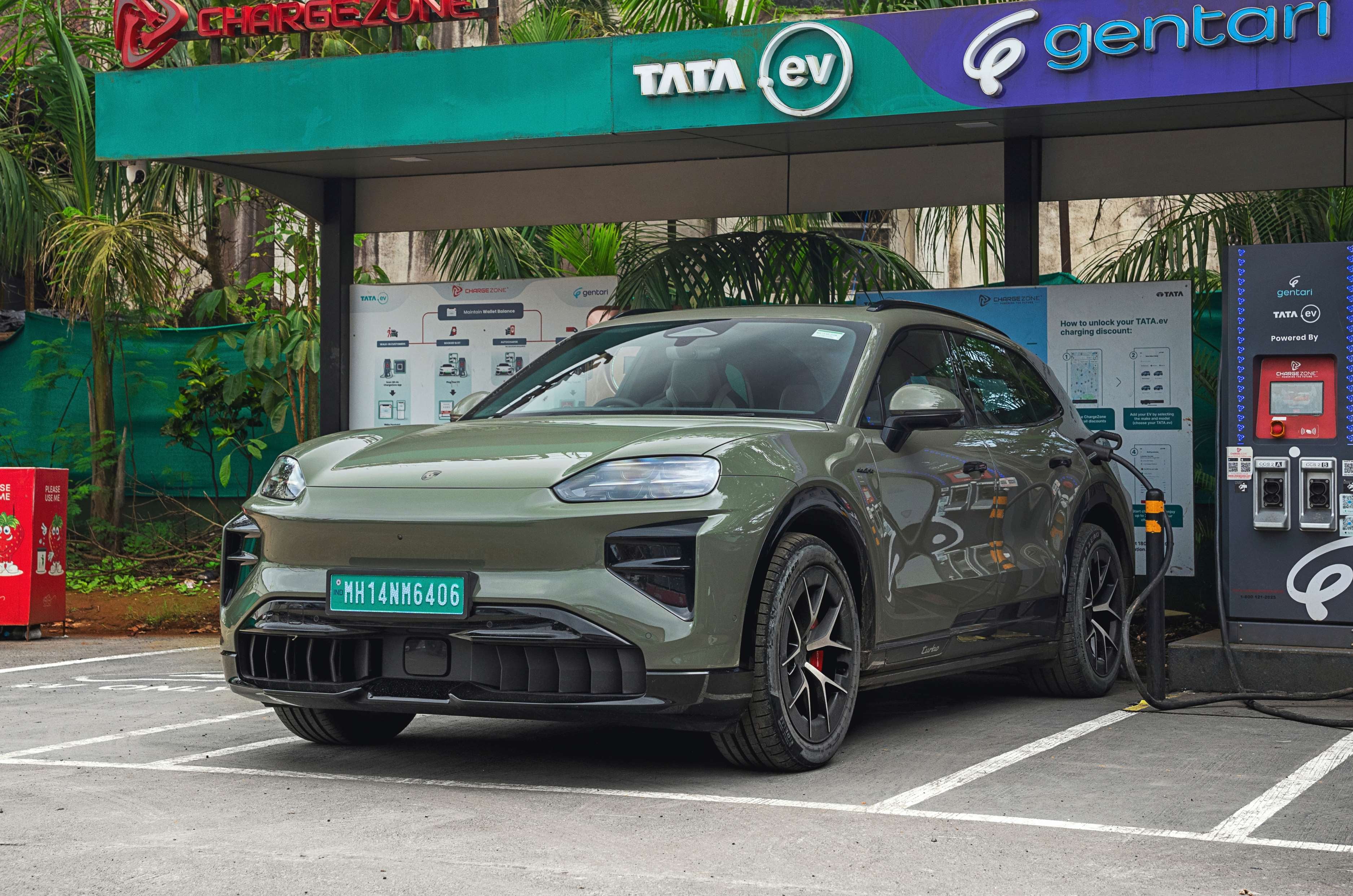
Between racing repeatedly down the runway and then trying to extract that Porsche spice in my favourite corners, I’ve reached Lonavala city with around 20 percent left in the 113kWh tank- er, pack? The Cayenne Turbo is rated at 623 kilometres on the WLTP cycle, so the ‘real’ real-world range should be far more palatable than this; to obliterate such a large chunk in such a short time requires the prolonged buffoonery I just subjected it to. Probably best to find a place to plug in soon, and grab some lunch while I’m at it. On a mythical 400kW plug, the Cayenne can be charged from 10-80 percent in just 16 minutes, but on a rainy Wednesday at a hill station, the best we can do is 60kW, so it’ll take much longer.
Today is a study in why India is far from ready for full EV adoption. Apart from ICE cars parked in charging spaces, malfunctioning plugs, unfathomable apps and an absent mobile network, we were also waylaid by two power cuts.
2026 Porsche Cayenne Turbo features and safety – 9/10
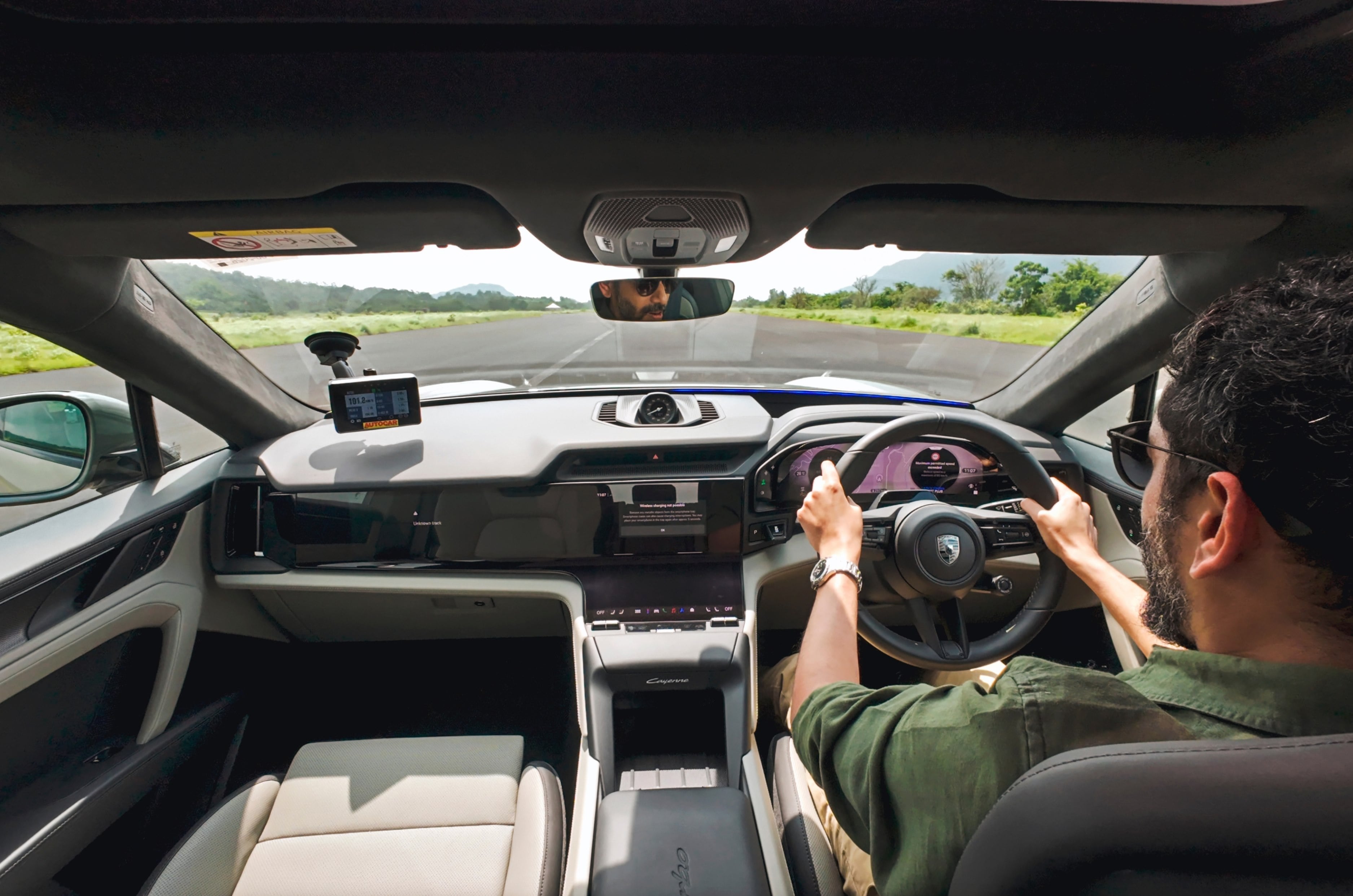
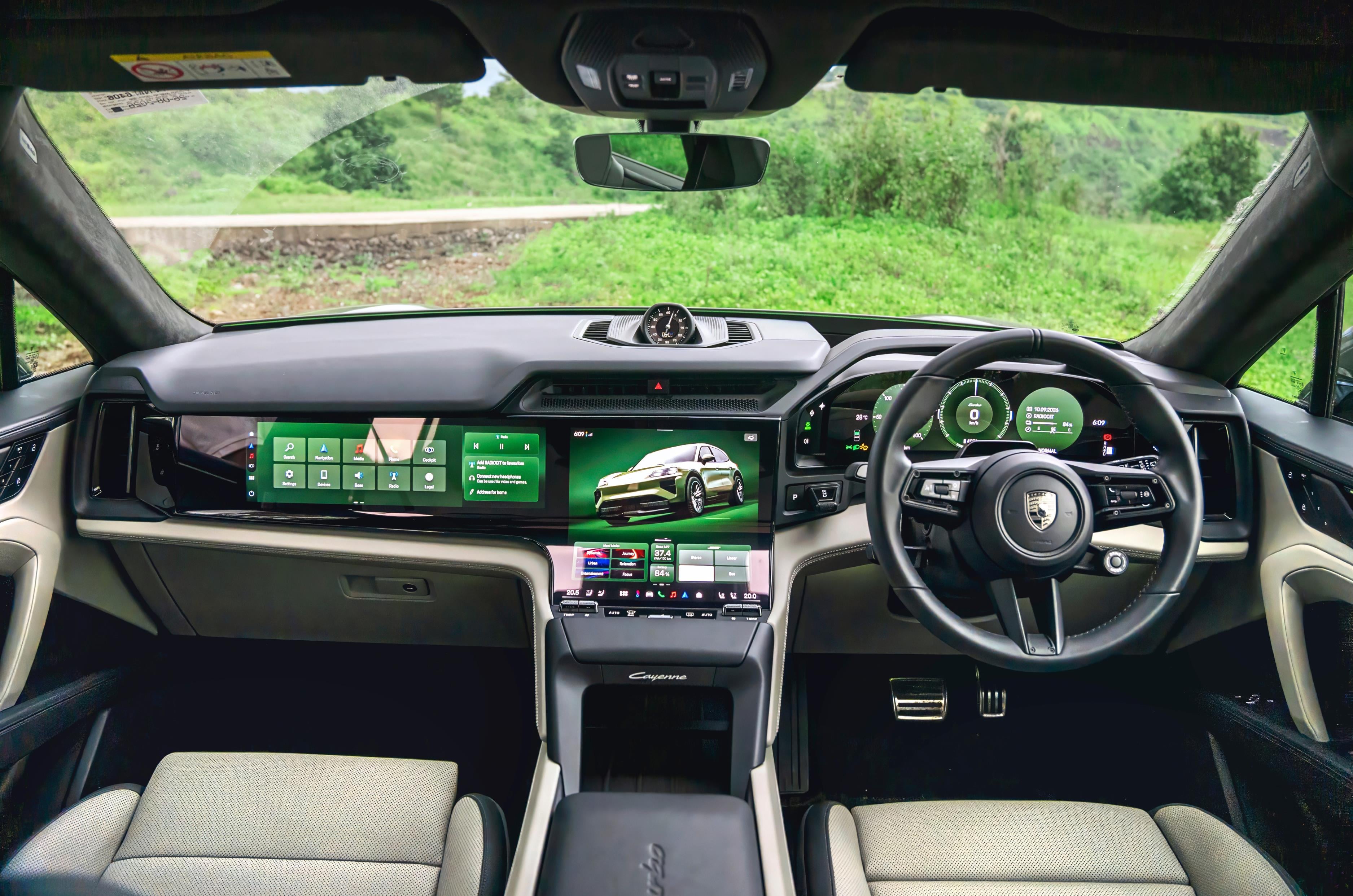
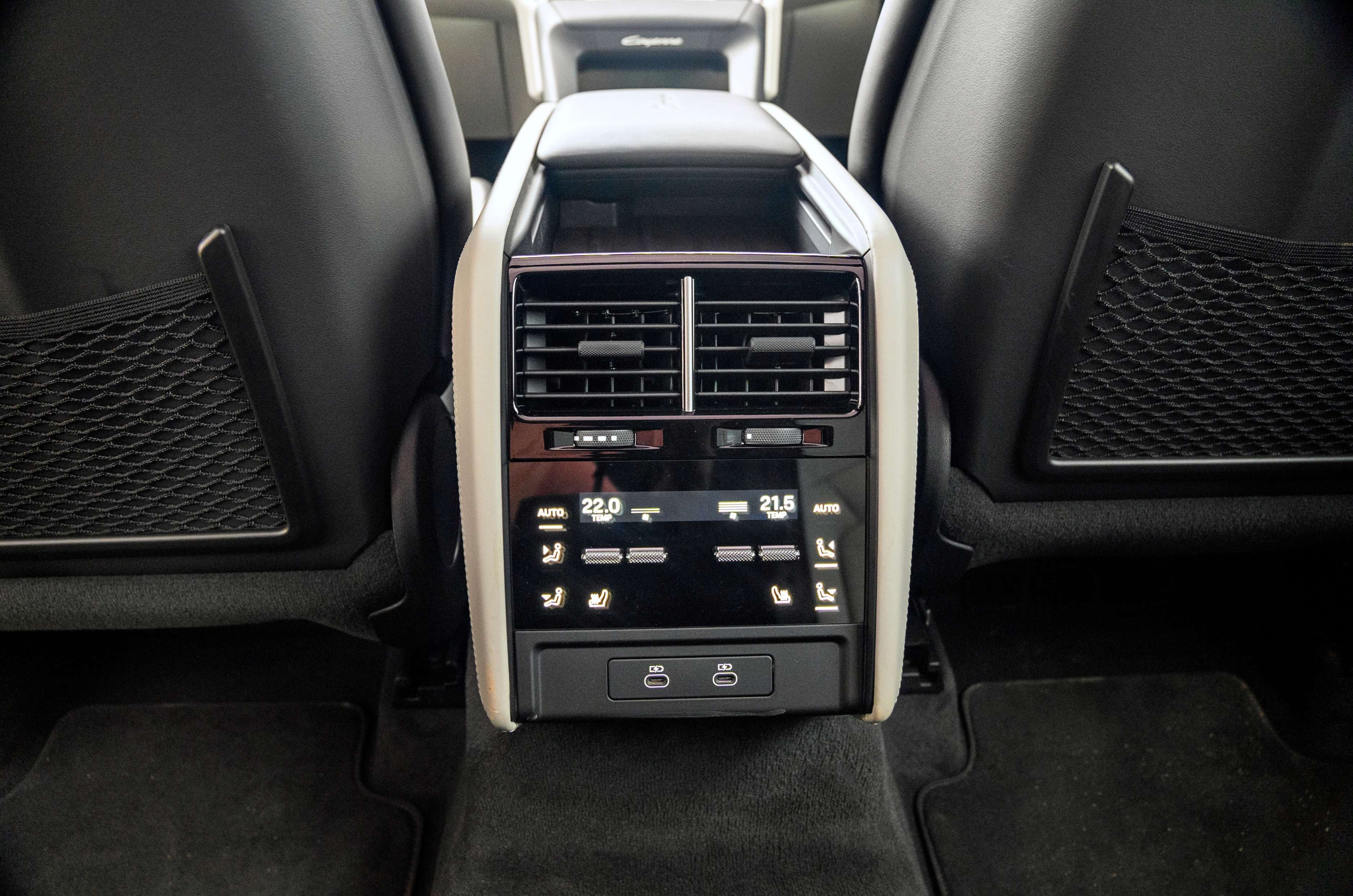
On the upside, all this gave me a chance to have a play around with the Cayenne’s new and tech-heavy interior. The passenger screen is a Rs 2 lakh option I would not tick, but the centrepiece is the cascading curved touchscreen. It looks gimmicky but actually functions really well, the bottom half of the ‘bend’ housing the major functions, while the more upright top functioning as the display. The AC vents are adjusted from the touchscreen sadly, but otherwise there are plenty of physical controls.
There’s no shortage of features here and you can add even more from the options list. For instance, the panoramic sunroof is standard, but there’s no sunshade. Instead, you can option an electrochromic function that masks out the glass in sections.
2026 Porsche Cayenne Turbo interior space and comfort – 8/10
Functionality comes first in a Porsche, and you can see that in the compact but tactile steering wheel, the clear dial-style driver’s display and the sporty ergonomics. In fact, despite all the tech, this feels instantly like a Porsche from behind the wheel.
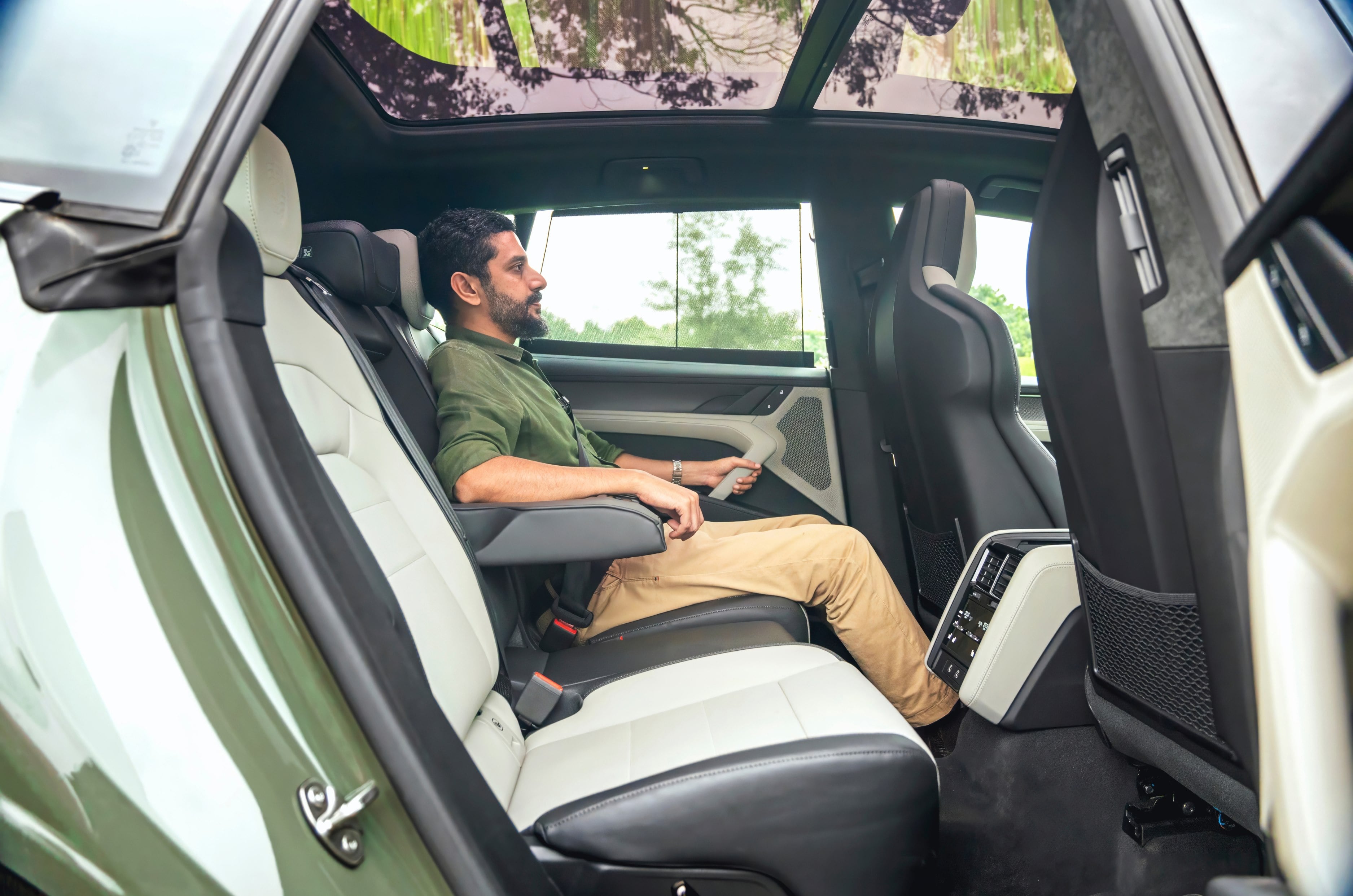
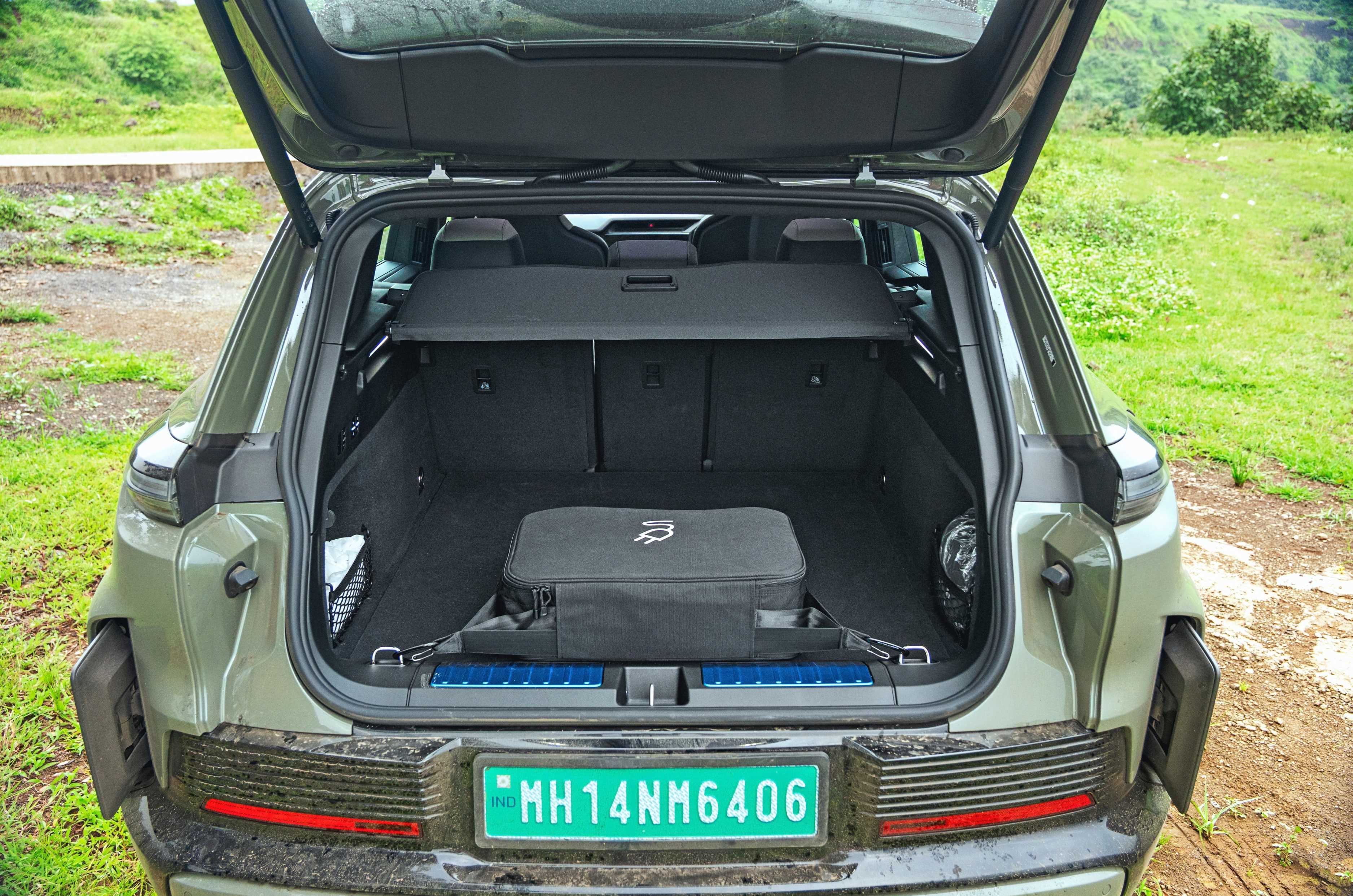
This is easily the most spacious Porsche yet, though, with the huge 3,023mm wheelbase liberating massive seating room, as well as a huge 747-litre boot and 90-litre frunk. It’s well equipped, it’s luxurious, it’s sporty; it’s almost hard to fault here.
2026 Porsche Cayenne Turbo exterior design and engineering – 7/10
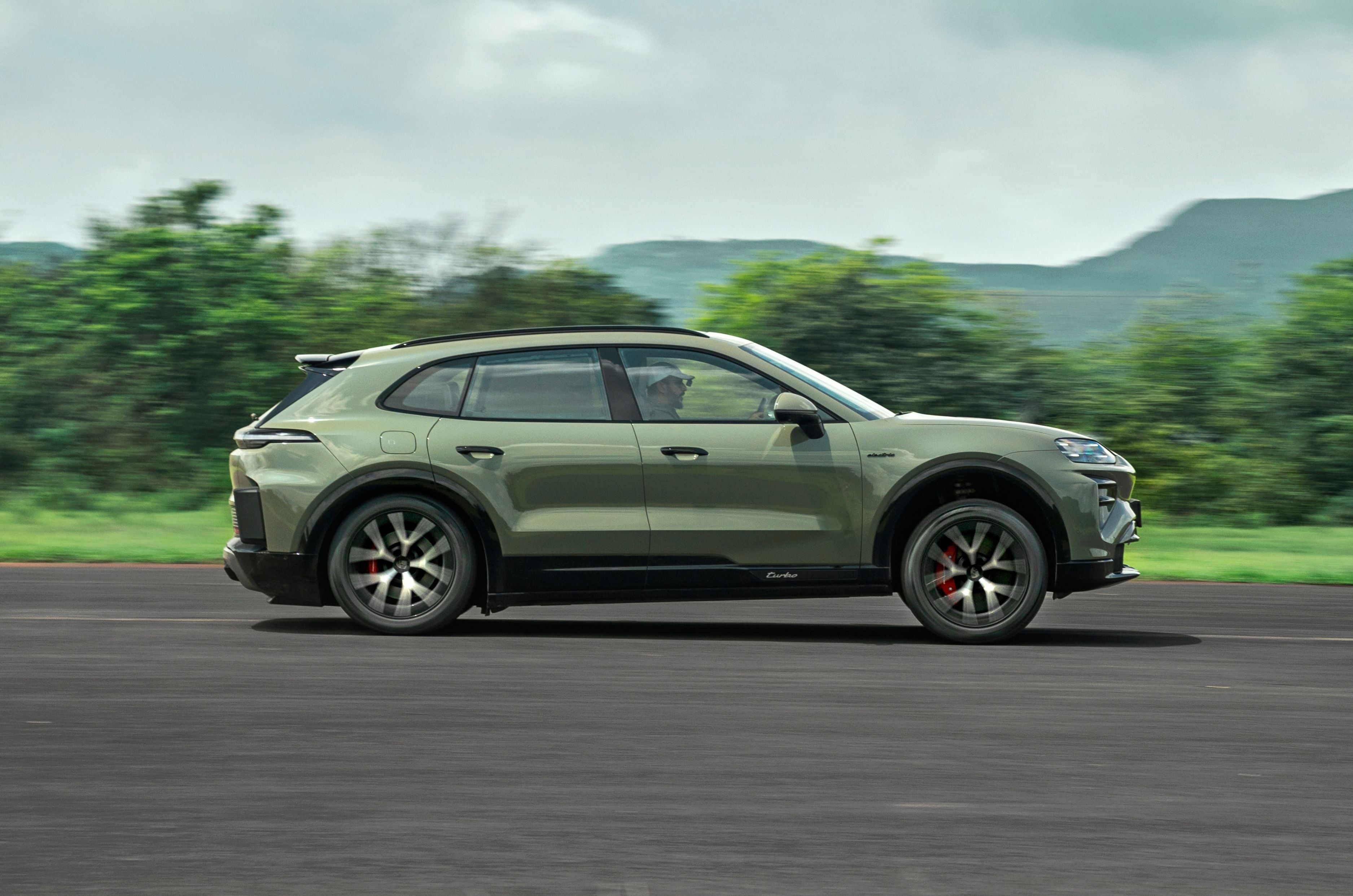
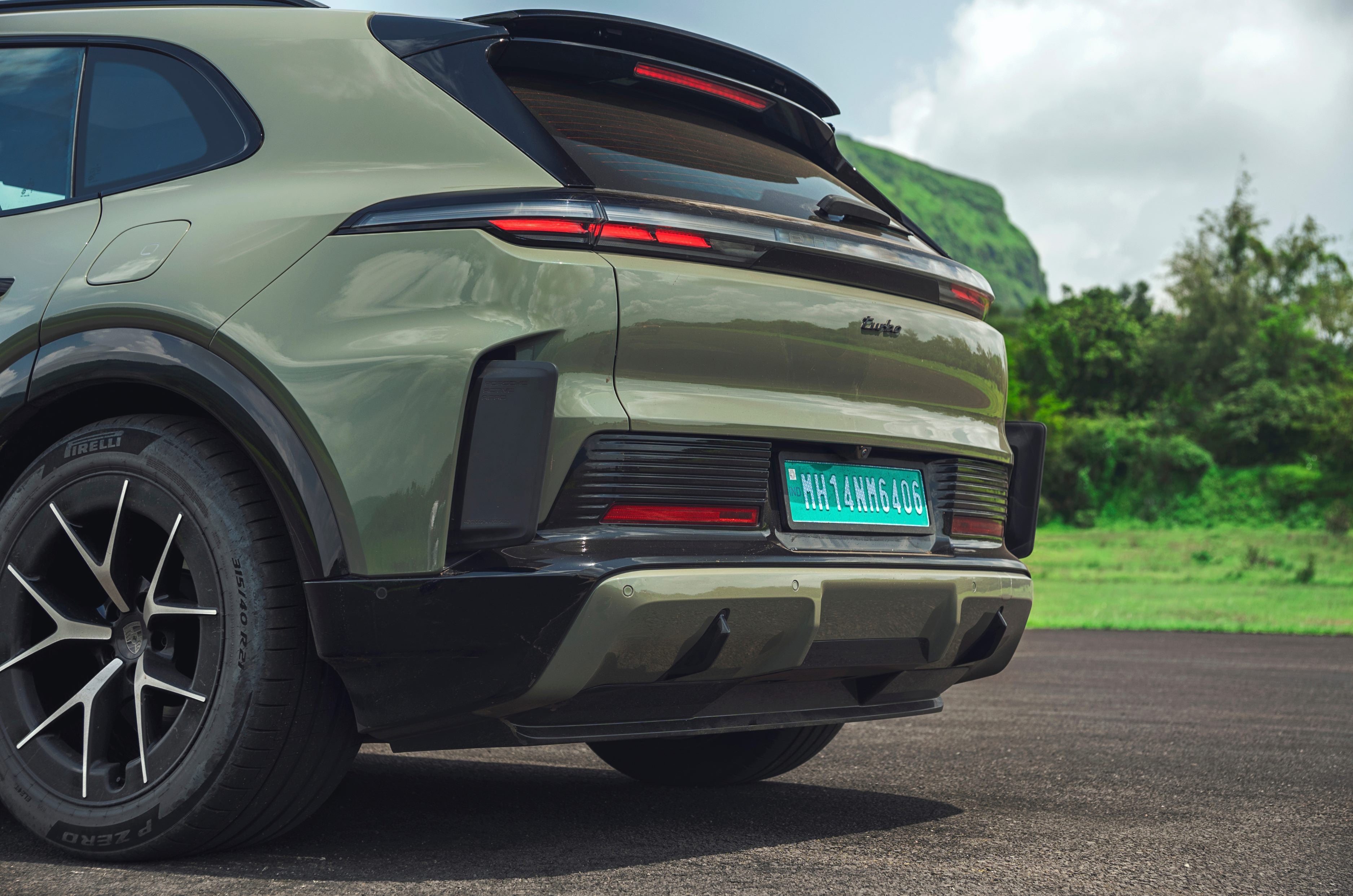
I’m less convinced by the exterior, though. It certainly has size on its side; this is the largest Porsche ever, a fact exaggerated by its slim headlamps and tail-lamps. Even the gigantic 21-inch wheels look a size down against the mass of bodywork. They’ve worked around it with plenty of contrast black details, and there are lots of cool details, like the active aero vanes up front and the flaps that extend from the rear bumper to reduce drag at speed. They’ve even got the GPS co-ordinates of Porsche’s wind tunnel embossed into them.
However, it’s also this size that works against it, as the proportions make it look bulky and a bit ungainly. This might be fine most big luxury SUVs, but in a Porsche, there’s a certain visual agility that’s missing.
2026 Porsche Cayenne Turbo price and verdict – 9/10
Is it wrong that for a car with such eye-watering headline figures, it’s the slow cruise back home that I appreciate the most? Having been pulverised by the acceleration in the morning, I’m happy to let the ventilated 18-way seats soothe my back, as my favourite tunes stream through 14 Bose speakers and adaptive cruise control keeps an Expressway pace.
Because it’s an EV, you can switch quite easily between its two personalities, and because it’s a Porsche, it does both reliably as many times as you need it to. Some of that special sauce has been lost along the way, and the smaller Macan Electric does a much better job in this regard, but I’d argue the Cayenne has an even greater breadth of ability. It’s easy to launch India’s most powerful car to stratospheric speeds, but it’s even easier to forget that you can, and perhaps that’s its biggest triumph
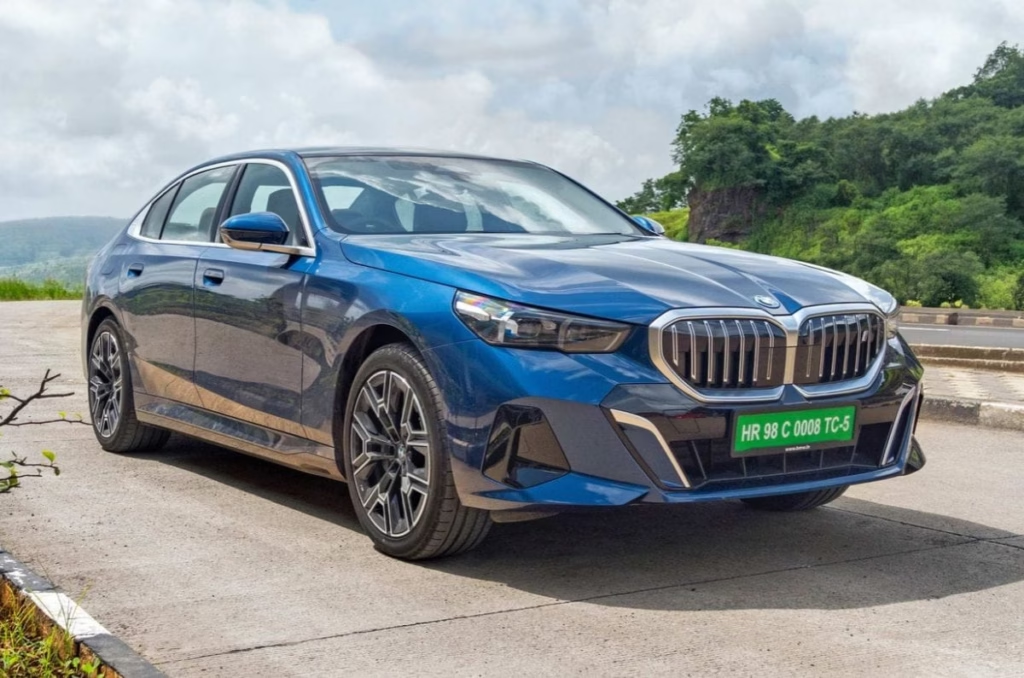
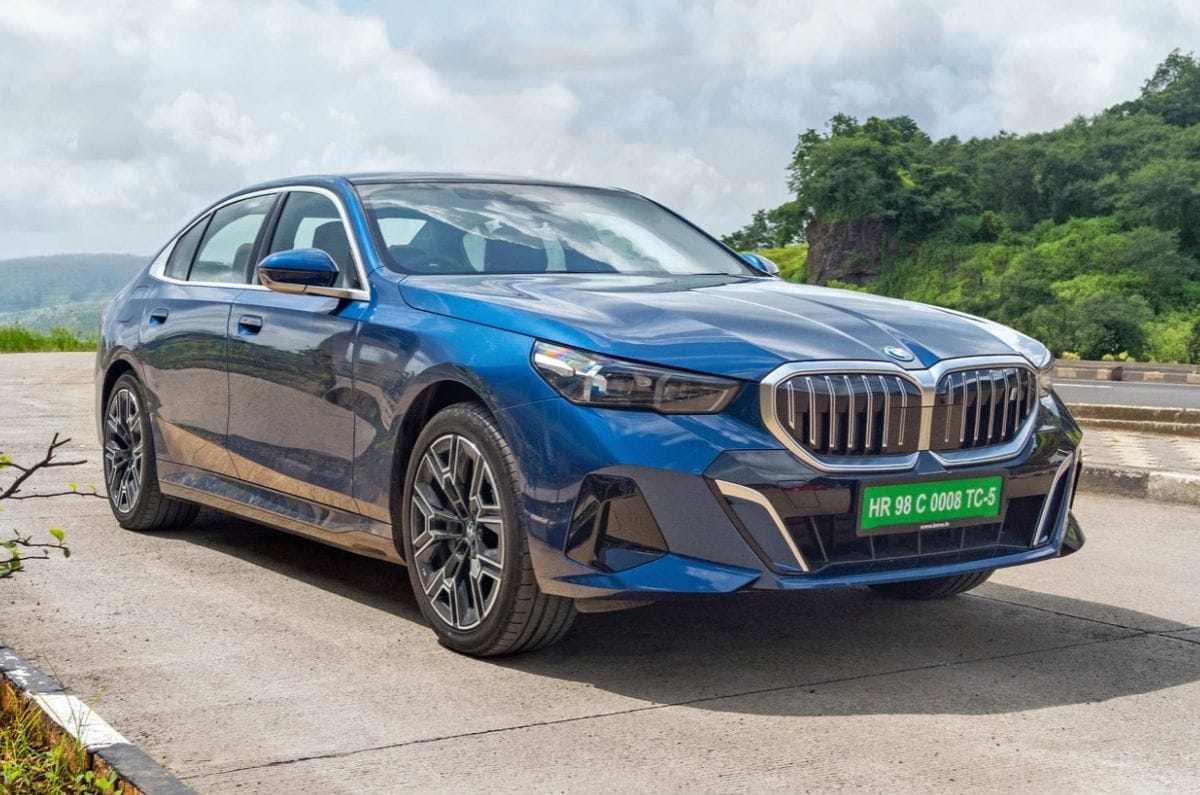
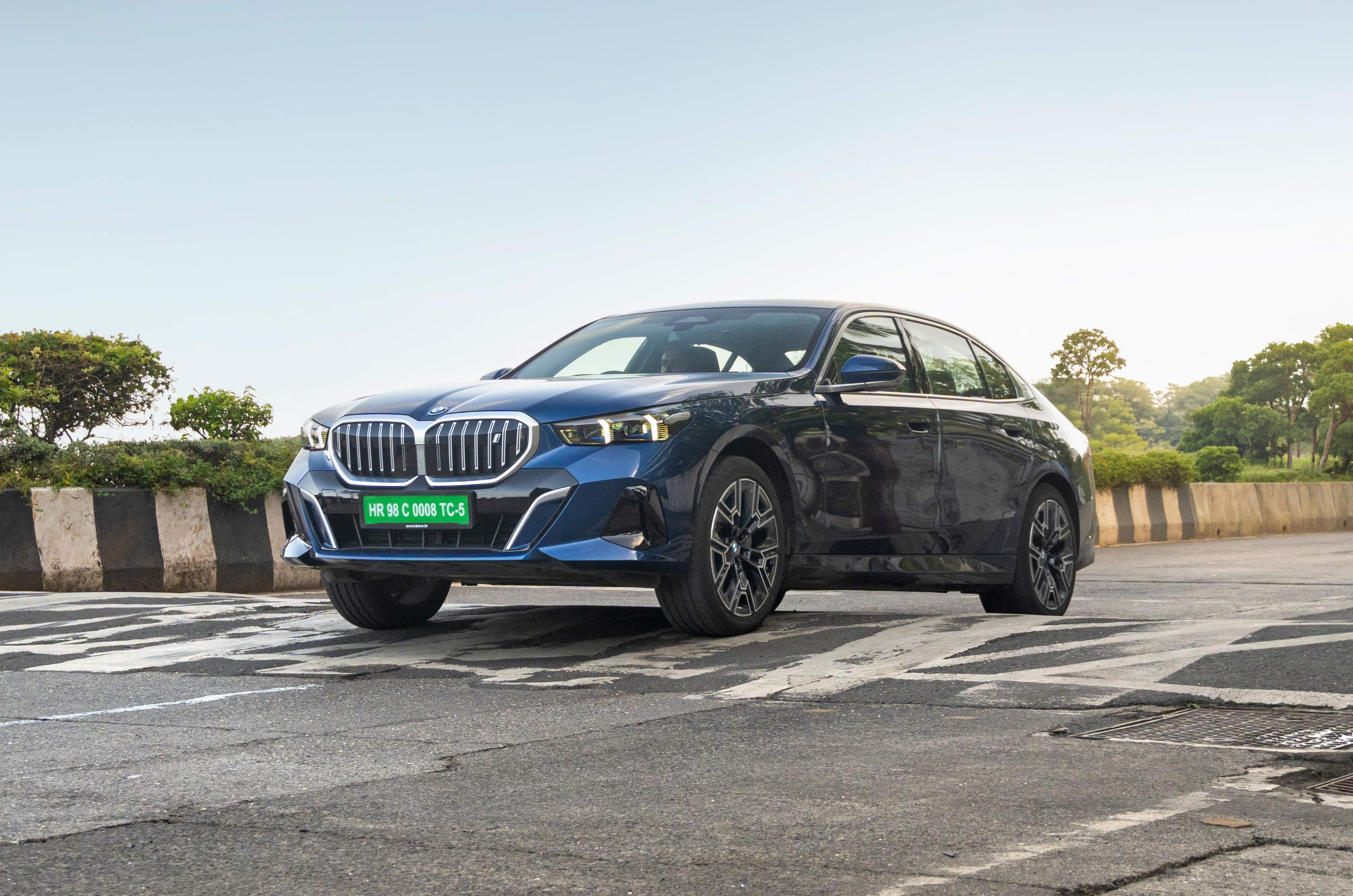
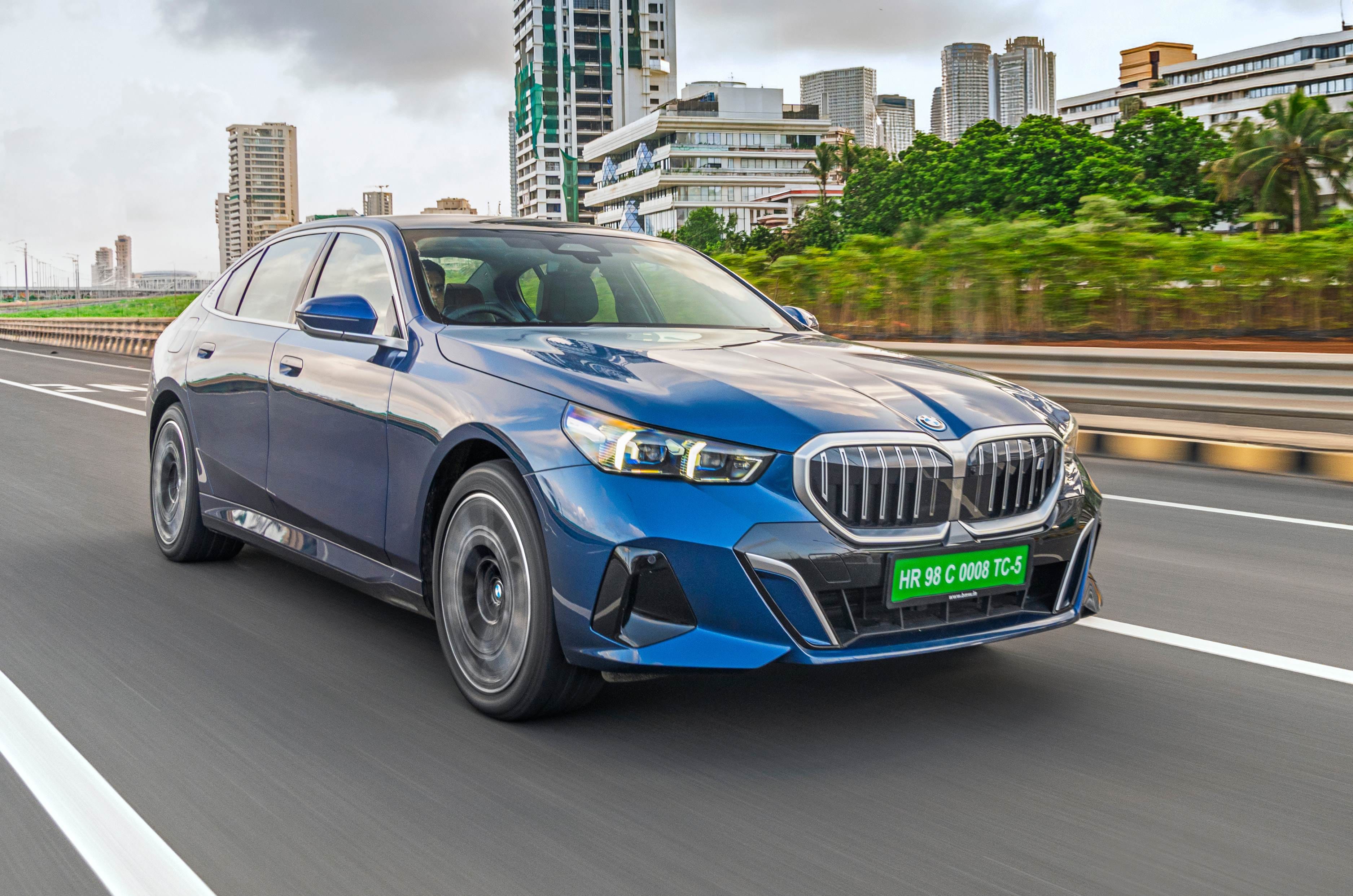
Starting at Rs 79.60 lakh, the i5 LWB eDrive 35L M Sport variant costs Rs 3 lakh more than its petrol-powered 530Li M Sport sibling. Within the BMW i5 line-up in India, the i5 LWB slots below the range-topping standard-wheelbase i5 M60 xDrive, which costs Rs 39.90 lakh more. Here are some of the main pros and cons of the BMW i5 LWB.
Reasons to buy the BMW i5 LWB
More wheelbase equals more interior space
Carrying four occupants in the i5 LWB will be a breeze
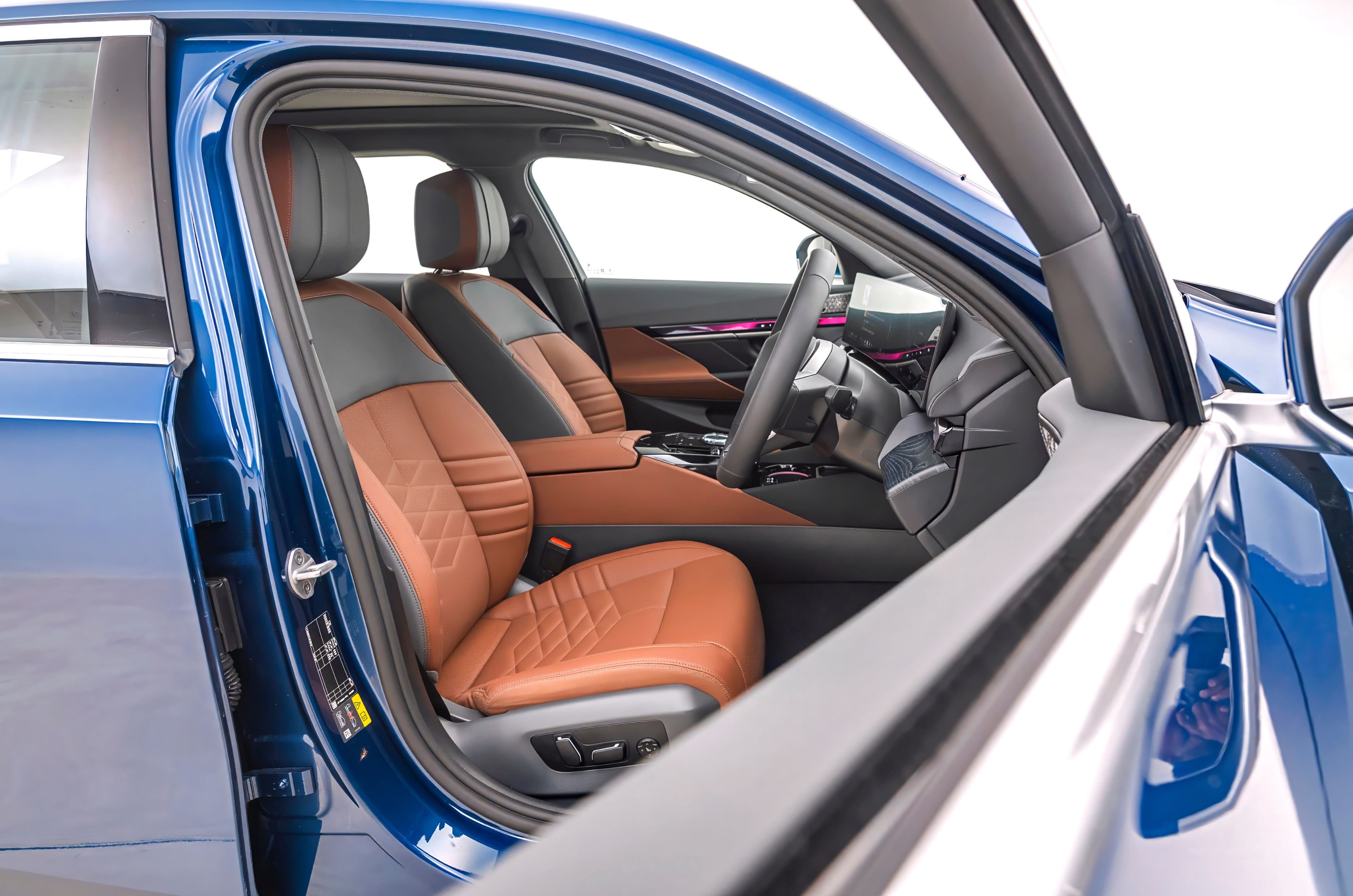
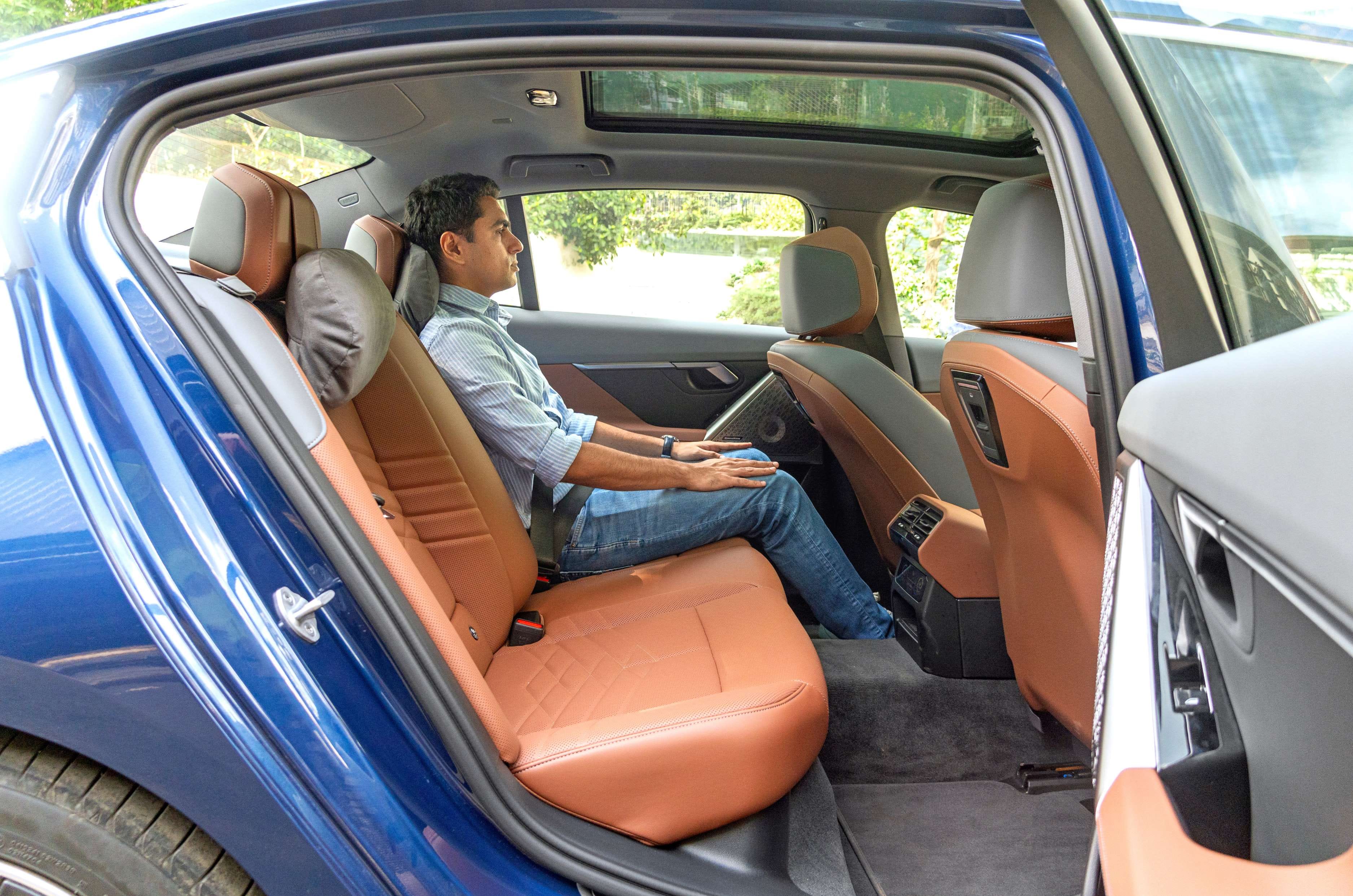
The additional 110mm gained between the front and rear wheels of the BMW i5 LWB over the standard-wheelbase i5 means that space on the inside isn’t on short supply. Despite lacking the manually adjustable thigh support feature found in earlier 5 Series models, the ventilated front seats of the i5 LWB feel really comfortable and supportive. There’s also plenty of legroom at the back, with the long wheelbase allowing occupants to stretch out and relax – perfect for the chauffeur-driven. Furthermore, the contouring of the rear bench provides the outer occupants with a true sense of luxury.
Plush ride
Bad roads will not pose a problem for the BMW i5 LWB
While the i5 LWB gets larger (20-inch) alloy wheels shod with lower-profile tyres when compared to the petrol-powered 5 Series LWB, it adds a rear air suspension system. This helps make the i5 LWB’s ride plush as it absorbs bad roads in its stride, ensuring occupants don’t get tossed around. The raised ground clearance (by 18mm) of the i5 LWB means that driving over poor surfaces and speed bumps even with four occupants onboard remains a relatively stress-free experience.
Brimming with tech
The long-wheelbase i5 offers plenty in the way of modern-day equipment
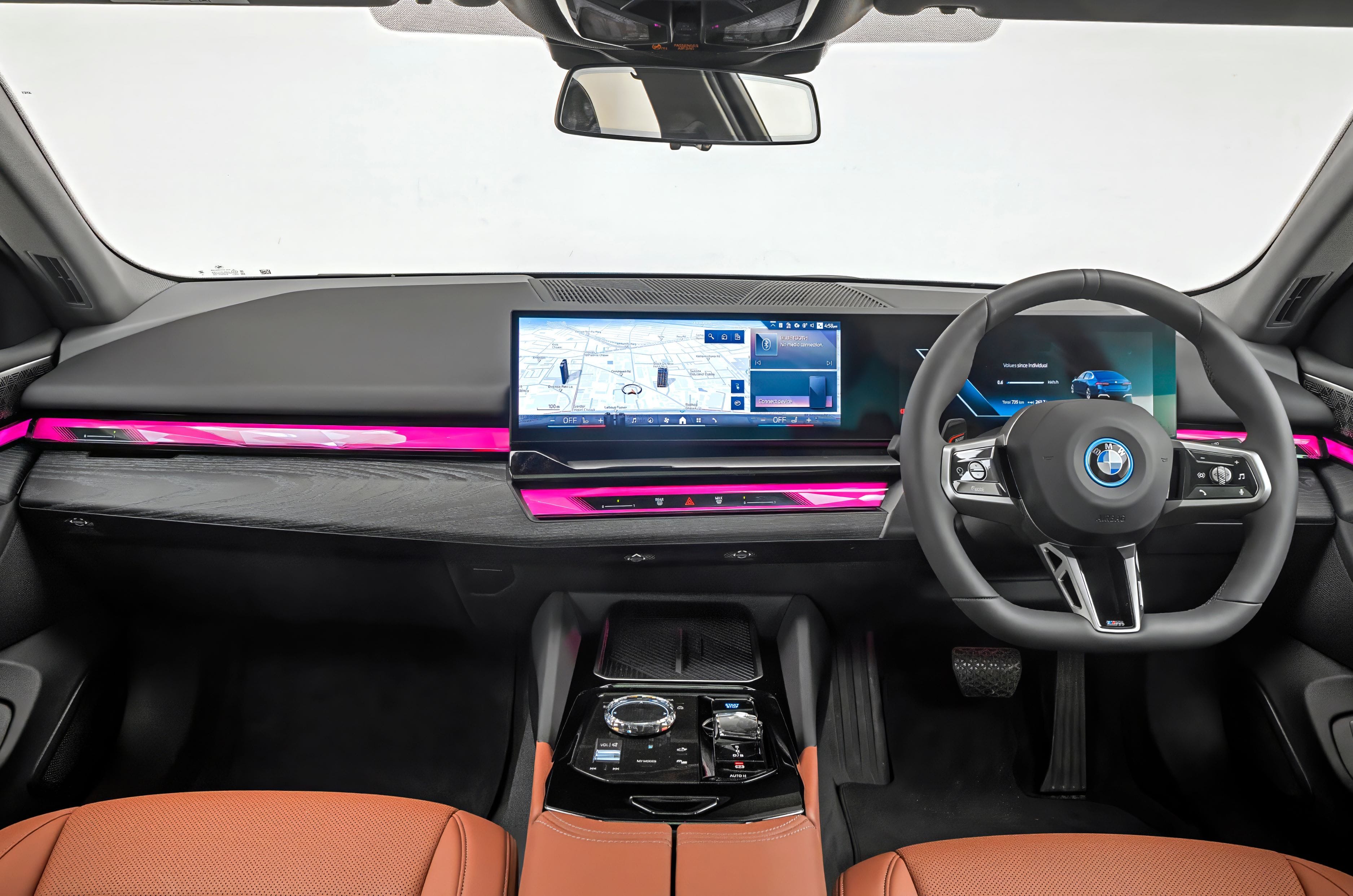
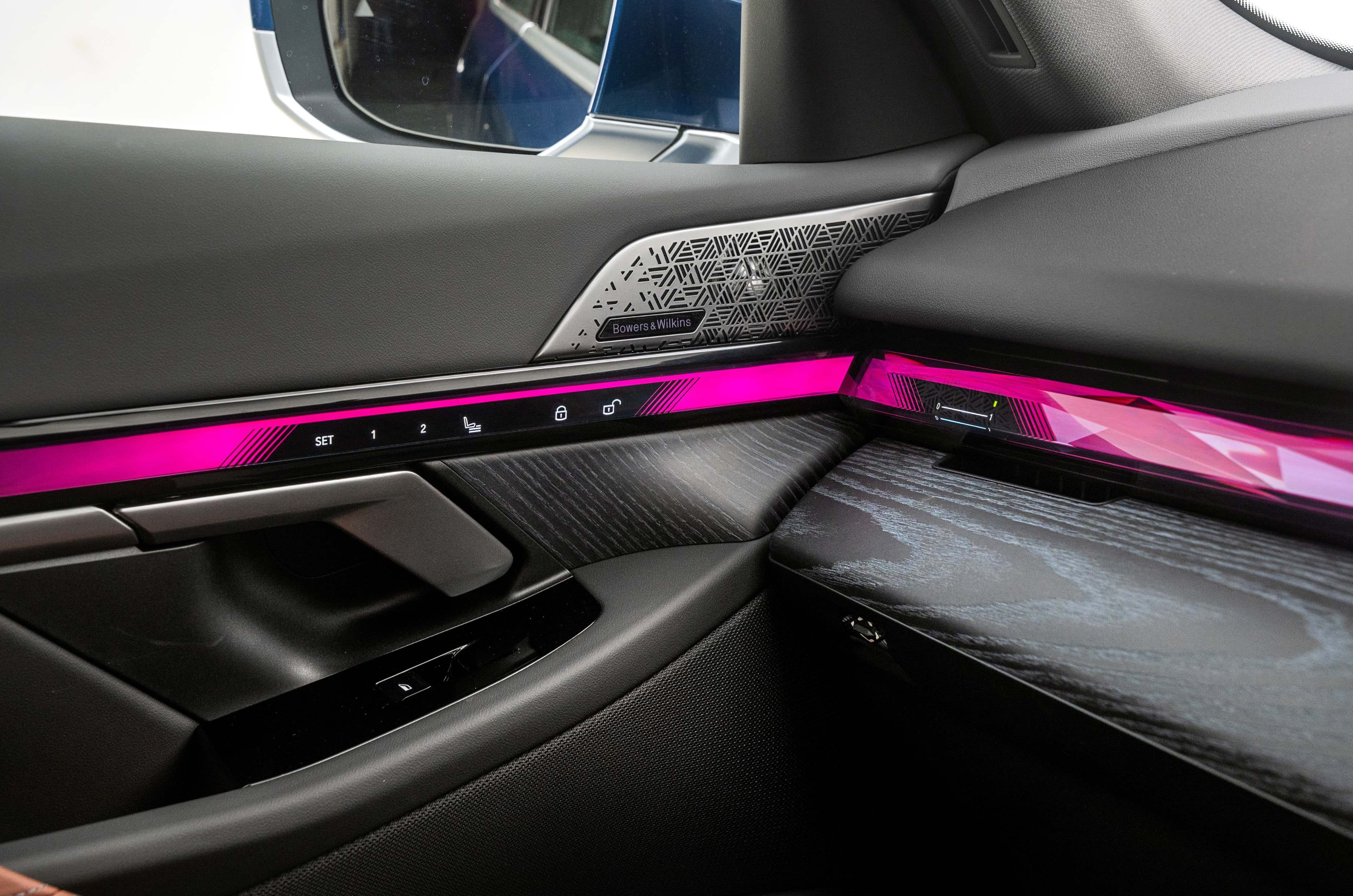
Adaptive LED headlamps and a powered boot aside, the BMW i5 LWB comes with a fixed panoramic glass roof with integrated LEDs, multi-colour ambient lighting, a four-zone climate control system, and dual curved displays powered by the BMW OS 8.5. There’s also the My BMW app, wireless Apple CarPlay & Android Auto, an immersive 17-speaker Bowers & Wilkins audio system, an onboard camera enabling selfies, and wireless charging pads for the front- & rear-seat occupants.
The catalogue of the long-wheelbase i5 also includes adaptive cruise control, auto-emergency braking, active steering assist, cross-traffic alert, automatic parking assistance, etc. The i5 LWB’s useful feature set adds multiple regenerative braking settings – there’s Adaptive, High, Mid and Low settings. Finally, the dedicated one-pedal ‘B’ mode allows the EV to be brought to a complete halt without touching the brake pedal.
Reasons to not buy the BMW i5 LWB
Missing rear-seat features
BMW could have offered more in the way of conveniences for rear-seat passengers
The outer rear seats of the BMW i5 LWB cannot be adjusted for recline, and the protruding head cushions aren’t as comfortable as those in a Mercedes-Benz E-Class. The battery pack, along with the tall central tunnel on the floor, results in a raised seating position, especially impacting headroom for the rear-centre passenger. While the i5 LWB misses out on a head-up display, it’ll be the lack of rear sunblinds, a ‘boss’ mode for the front-passenger seat, dedicated rear audio controls and soft-close doors that chauffeur-driven buyers will come to miss.
Compromised boot
The boot space of the i5 LWB isn’t as accommodaing as the combustion-powered 5 Series
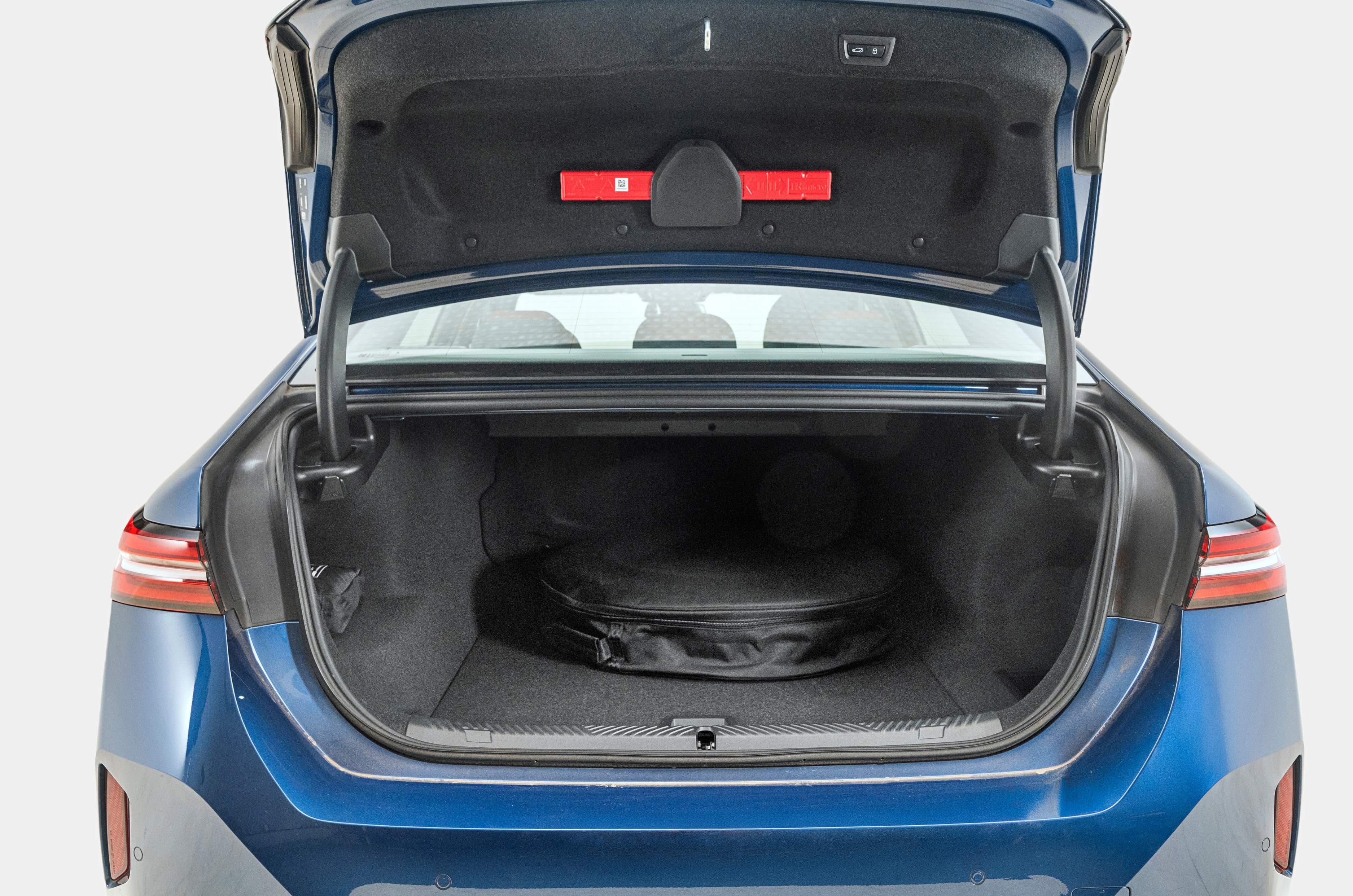
When it comes to carrying cargo, buyers of the BMW i5 LWB will be left a little disappointed. While the 500-litre capacity is comparable to that of the combustion-powered 5 Series LWB, the space-saver spare wheel is placed in the boot rather than tucked underneath it. This eats into valuable cargo room, which could otherwise have been used to accommodate more luggage.
Not BMW enough when behind the wheel
The electric 5 Series is not the most engaging 5 Series to drive
The electric powertrain of the i5 LWB offers enough poke up to 100kph, while feeling smooth and responsive to inputs. However, not only did we find the i5 LWB to be a touch slower from 0-100kph but also in our 20-80kph and 40-100kph acceleration tests than the 530Li. Then there’s the brake pedal, which lacks feel, while the transition from regenerative braking to mechanical braking also doesn’t feel natural.
BMW has managed to achieve a perfect 50:50 weight distribution with the i5 LWB, but the higher ground clearance and softer suspension setup has resulted in this fully electric 5 Series feeling less engaging to drive. Those with a verve for driving will notice the lack of precision and sharpness that’s usually associated with a 5 Series.
LOOK OUT FOR: Suspension wear, Infotainment issues
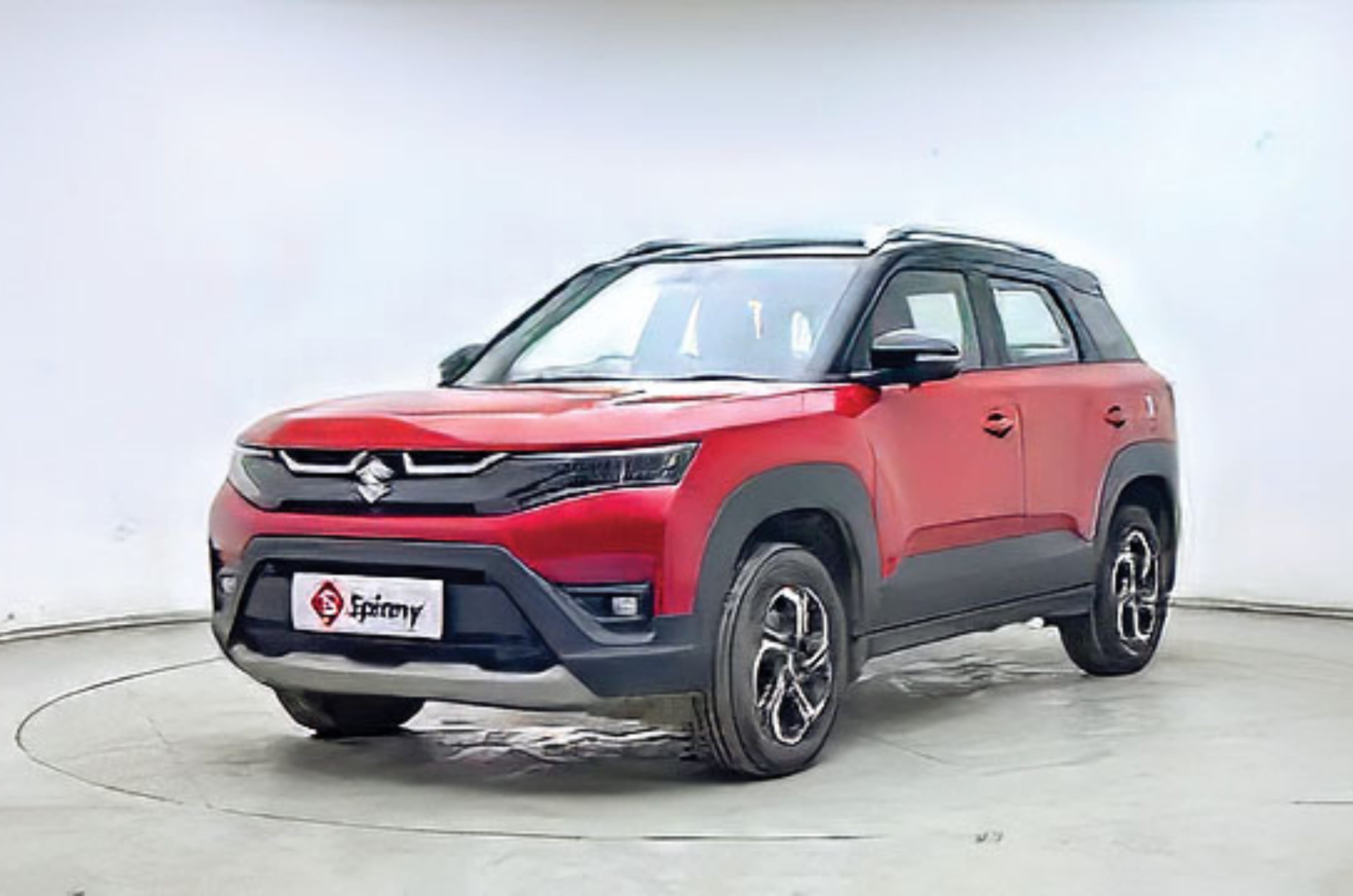
The Maruti Brezza has long been one of the most sensible choices in the compact SUV segment, and the 2022 update made it considerably more desirable. It brought a sharper design, a more efficient petrol engine, a new automatic gearbox and a substantial increase in equipment. Being comfortable, practical and relatively inexpensive to run, the Maruti Brezza makes a strong case as a used buy. Here’s all you need to know when looking for one.
In terms of cosmetics, the 2022 Brezza was a complete reskin with new sheet metal all around and a new grille and bumpers, slimmer LED headlamps, new LED tail-lights and fresh 16-inch alloy wheels. The rear number plate was moved down onto the bumper, while the sharper surfacing and revised lighting gave it a more contemporary appearance. Dual-tone colour options were also offered, giving it a more upmarket look.
Petrol and CNG powertrains; up to 20.15kpl claimed mileage
The biggest change was under the hood, with the Brezza receiving Maruti’s 1.5-litre K15C DualJet petrol engine. It uses two injectors per cylinder and, together with the Smart Hybrid system, puts out 103hp and 137Nm. The other major change was the new 6-speed torque-converter automatic gearbox with paddle shifters, replacing the older 4-speed unit. The standard 5-speed manual gearbox was carried over. The updated Brezza also got auto start-stop and a lithium-ion battery as part of its mild-hybrid system. Maruti claimed fuel efficiency of 20.15kpl for the manual and 19.80kpl for the automatic.
In 2023, Maruti also launched the Brezza CNG, which used the same 1.5-litre engine that put out a lower 88hp and 121.5Nm on CNG and came with the manual only. The Brezza CNG was offered in three trims, and Maruti claimed a fuel economy of 25.51km/kg.
The petrol manual is ideal for most users as it’s easy to drive, reasonably efficient and generally the most affordable version to buy. Those doing most of their running in the city should consider the automatic, which is smooth and far more convenient in traffic. Meanwhile, the CNG makes sense for high-mileage users. The 1.5-litre engine isn’t punchy, so don’t buy the Brezza expecting strong performance, especially when overtaking at highway speeds.
Maruti Suzuki Brezza variants and features
9-inch infotainment system, 360-degree camera, head-up display and more
As for variants, there were four main trims – LXi, VXi, ZXi and ZXi+. The top-spec ZXi+ packs in features such as a 9-inch SmartPlay Pro+ touchscreen with Android Auto and Apple CarPlay, a 360-degree camera, head-up display, sunroof, connected-car tech, cruise control, auto climate control, LED lighting and six airbags. Lower variants are reasonably well equipped too, so it’s worth choosing the car based on condition and service history rather than simply chasing the highest trim.
Brezza aftersales details
Being a Maruti product, the Brezza is easy to maintain and spare parts are widely available. Maruti’s extensive service network is another advantage, particularly for buyers intending to keep the car for several years. The Brezza also has strong resale demand, which helps lower depreciation. It’s worth looking for an example with a complete service history and, where applicable, an extended warranty.
What to look out for in a used Maruti Suzuki Brezza
Suspension wear
Brezza owners have reported of noises or looseness from the suspension as the car ages. Drive the car over uneven roads and speed breakers, and listen for any noises or excessive crashing. Also check the condition of the tyres, as uneven wear can point towards alignment or suspension issues.
Infotainment issues
The Brezza gets a 9-inch touchscreen, 360-degree camera and head-up display. While the screen is generally responsive, owners have reported glitches, including camera display problems and phone disconnections. Before buying, test the touchscreen thoroughly, connect Android Auto/Apple CarPlay and make sure the 360-degree camera and HUD work correctly.
Potential defect in front seatbelts and airbag
Brezza units manufactured between November 2 and November 28, 2022, were recalled over a possible defect in a child part of the front seatbelt shoulder height adjuster assembly. Later, Brezza’s manufactured between December 8, 2022 and January 12, 2023, were included in another recall involving a possible airbag-controller defect. Make sure any car from these periods has had the relevant recall work completed.
Second-hand Maruti Suzuki Brezza price and resale value
Rs 7 lakh-11 lakh
The Brezza continues to command a healthy price in the used market. Current listings show examples spanning a wide range depending on variant, mileage and condition. However, be careful about paying too close to the price of a new Brezza. A low-mileage, single-owner example with a full service history is worth paying a little extra for, but condition should remain the priority.
Maruti Suzuki Brezza fact file
Years produced
2022-2026
Price when new
Rs 8 lakh-13.96 lakh (ex-showroom, India)
Engine
4 cyls, 1462cc, petrol / 4 cyls, 1462cc, petrol+CNG
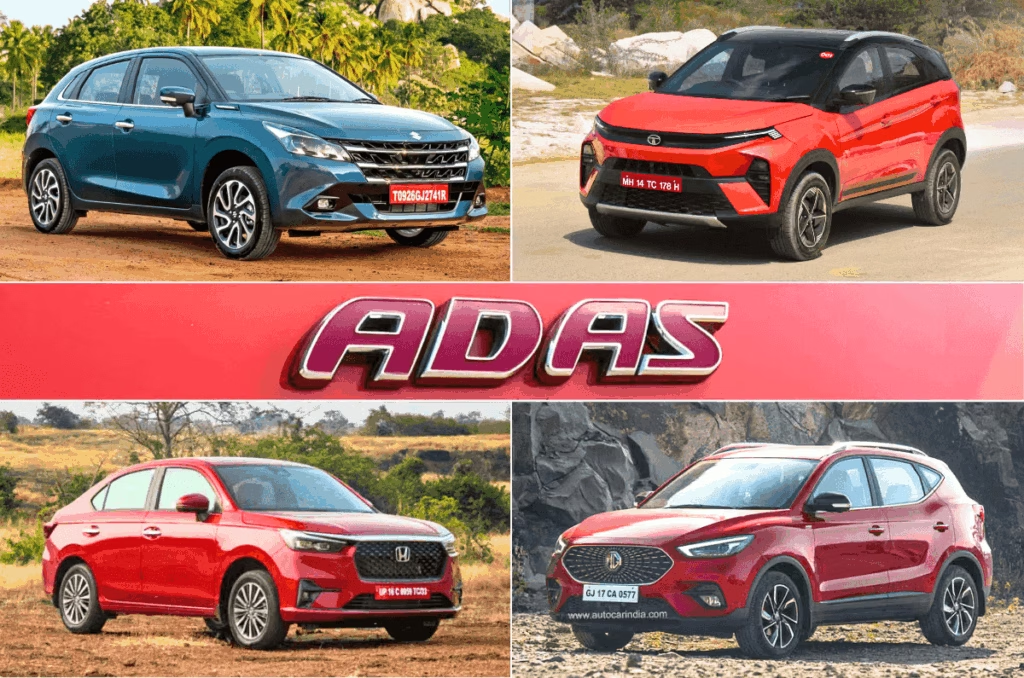
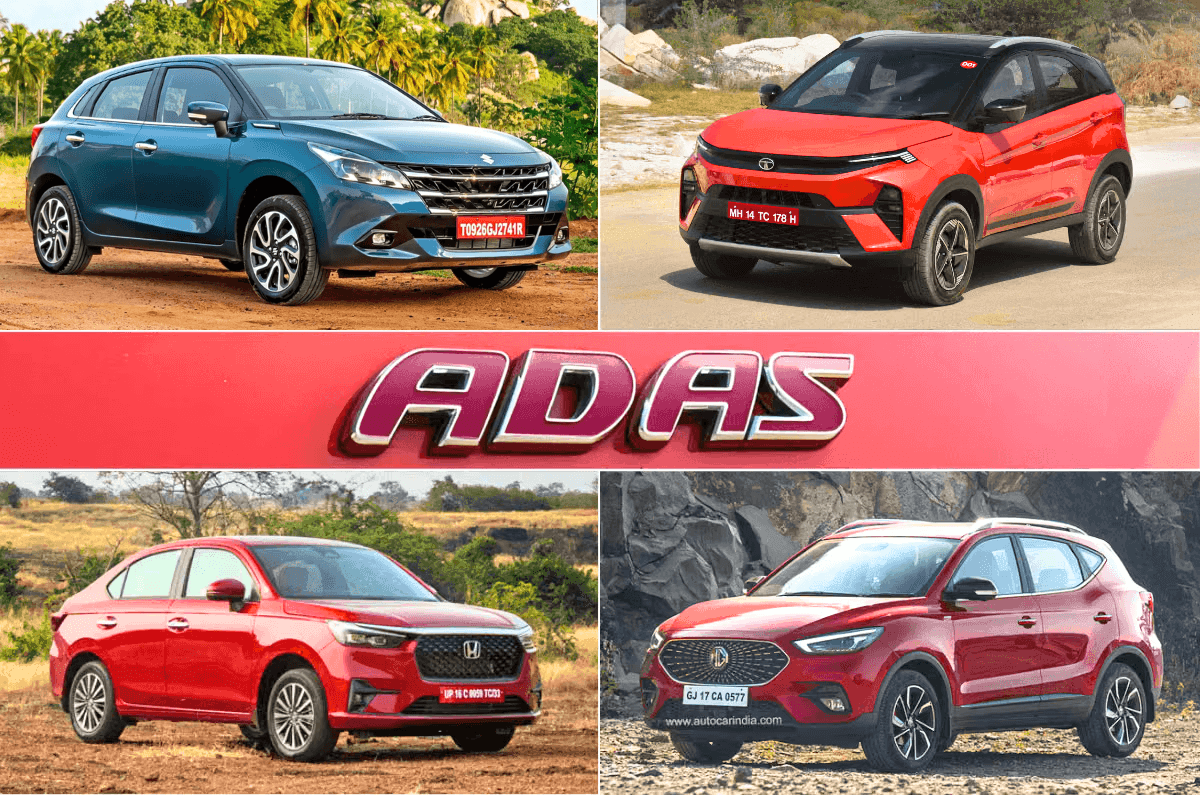
The democratisation of advanced driver assistance systems (ADAS) is visible in the Indian market, with many car brands now offering the safety tech in their mass-market models. Cars in this segment currently offer two stages of autonomous driving: Level 1, with features such as forward-collision warning and lane-keep assist, and Level 2, which adds adaptive cruise control and blind-spot monitoring. If you are looking for cars with ADAS, here are the 10 most affordable combustion-powered models in India that offer the advanced safety system, priced from highest to lowest.
10. Nissan Tekton
Rs 15.39 lakh-18.59 lakh
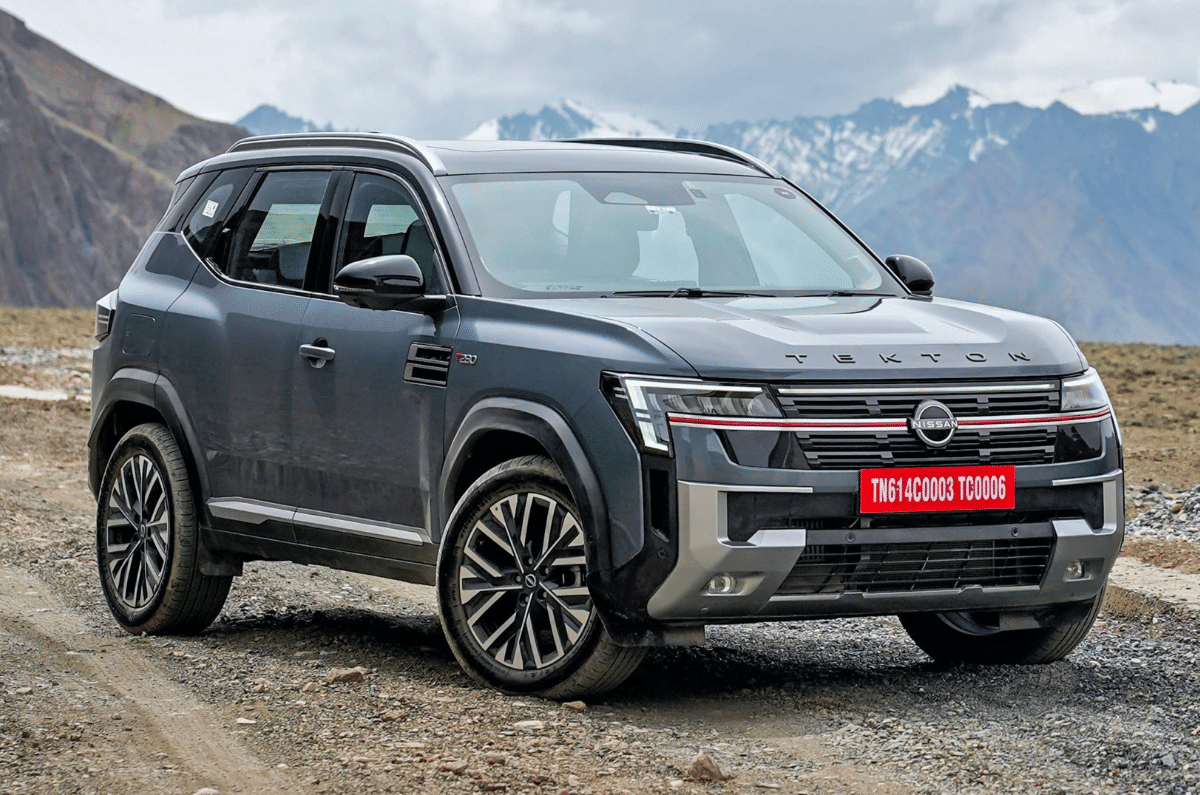
Starting this list is the Nissan Tekton, the Japanese carmaker’s newest SUV. It gets a Level 2 ADAS suite in the Tekna and Tekna+ trims. The Tekna trim is available with two powertrain options: a 100hp 1.0-litre turbo-petrol engine with a manual transmission (MT), and a 163hp 1.3-litre turbo-petrol engine with either an MT or dual-clutch transmission (DCT). Save for the 1.0-litre turbo-petrol MT powertrain, the top-spec Tekna+ trim offers the rest.
9. MG Astor
Rs 15.3 lakh
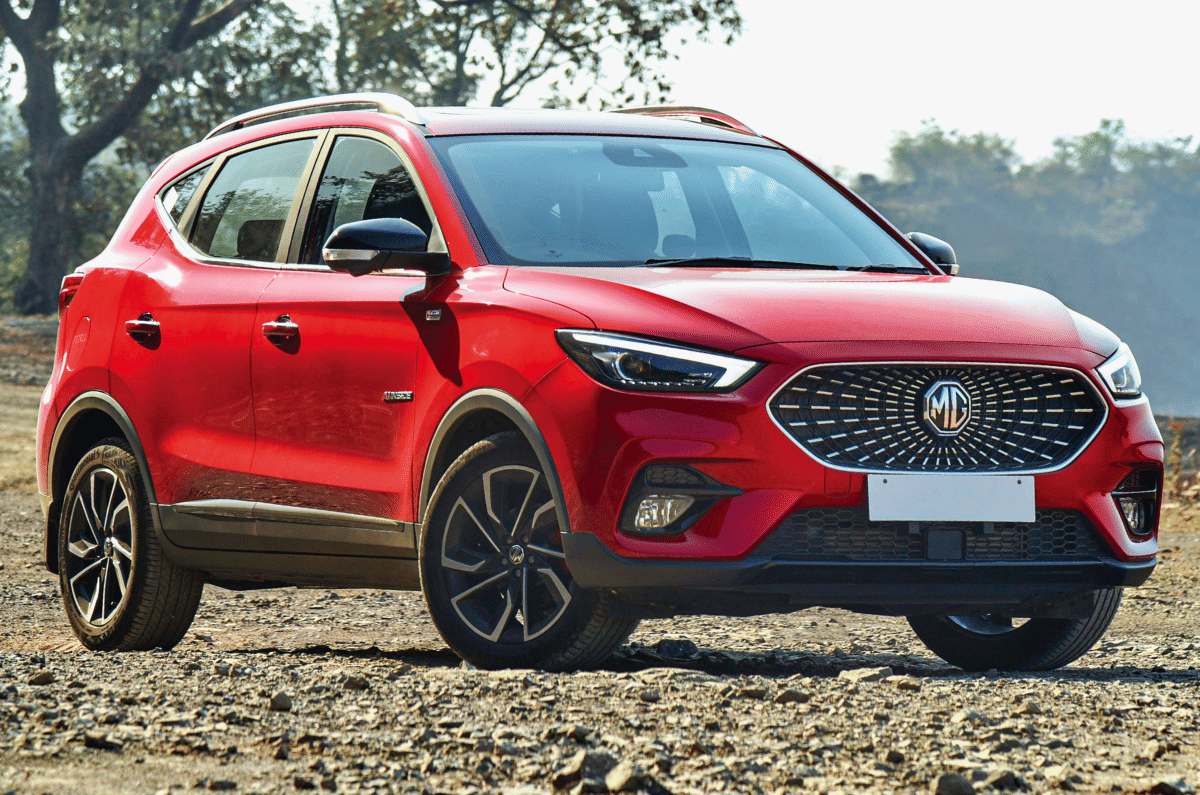
When the MG Astor was launched in 2021, it was the only midsize SUV to feature ADAS. MG offers Level 2 ADAS on the Astor’s top-spec Savvy Pro trim, which is available only with a 110hp 1.5-litre petrol engine paired with a CVT unit.
8. Honda Elevate
Rs 15.19 lakh-16.36 lakh
The top-spec Honda Elevate ZX trim comes equipped with an ADAS suite; it’s also available on the ZX Black and ADV editions. Under the hood, the Elevate has a 121hp 1.5-litre petrol engine that can be paired with an MT or a CVT.
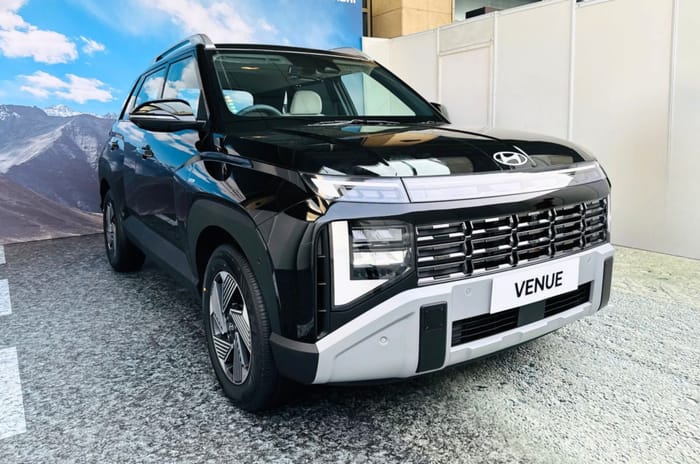
Instead of the previous model’s Level 1 ADAS features, the new Hyundai Venue gets a Level 2 suite. Hyundai offers it on the top-spec HX 10 and HX 10 Knight trims, powered by a 120hp 1.0-litre turbo-petrol engine with DCT. The HX 10 trim also offers the choice of a 116hp 1.5-litre diesel engine with an automatic gearbox. The Hyundai N Line’s N10 trim also gets Level 2 ADAS, and it is equipped with the 120hp turbo-petrol-DCT powertrain.
6. Kia Sonet
Rs 13.66 lakh-14.37 lakh
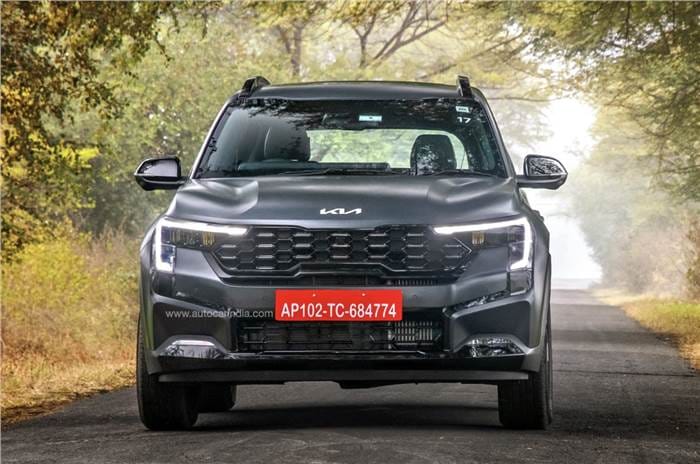
The Kia Sonet settles for a Level 1 system, available on the GTX+ and X-Line trims. The GTX+ trim is powered by a 120hp 1.0-litre turbo-petrol engine paired with a DCT or a 116hp 1.5-litre diesel mill mated to a torque-converter gearbox. The X-Line, however, only comes with the turbo-petrol and DCT combination. The Sonet could upgrade to a Level 2 suite with its next generation, due in 2027.
5. Tata Nexon
Rs 13.62 lakh-13.82 lakh
Next on this list of most affordable cars with ADAS is the Tata Nexon compact SUV. It gets Level 2 ADAS in the Fearless+ PS trim, but only with the 1.2-litre turbo-petrol engine with the DCT gearbox. The Fearless+ PS Red Dark edition, too, features an ADAS suite with the turbo-petrol-DCT powertrain. Note that the Nexon diesel does not get an ADAS suite.
Excluding the base SV variant, a Level 2 ADAS suite is available on all Honda City trims. These include the V, ZX and ZX+, which are powered by Honda’s 121hp 1.5-litre petrol engine, paired with an MT or a CVT. The strong-hybrid iteration, the City e:HEV ZX+, also comes with an ADAS suite. Its powertrain, paired with an e-CVT gearbox, produces a combined 126hp and 253Nm.
3. Mahindra XUV 3XO
Rs 12.02 lakh-15.03 lakh
Just the higher-spec AX5 L and the top-spec AX7 L Mahindra XUV 3XO trims get the Level 2 ADAS suite. While the AX5 L is available only with the 131hp 1.2-litre turbo-petrol engine with MT and torque-converter choices, the AX7 L offers an additional 117hp 1.5-litre diesel engine with a manual gearbox.
2. Maruti Baleno
Rs 9.55 lakh-9.99 lakh
The updated Maruti Baleno is the newest model under Rs 10 lakh to get an ADAS suite. It is also the only hatchback on this list and the only hatchback in its segment to offer ADAS. The Baleno gets a Level 2 ADAS suite on the top-spec Alpha (O) trim, which is available only with the 1.2-litre, 3-cylinder petrol engine, and manual and AMT options.
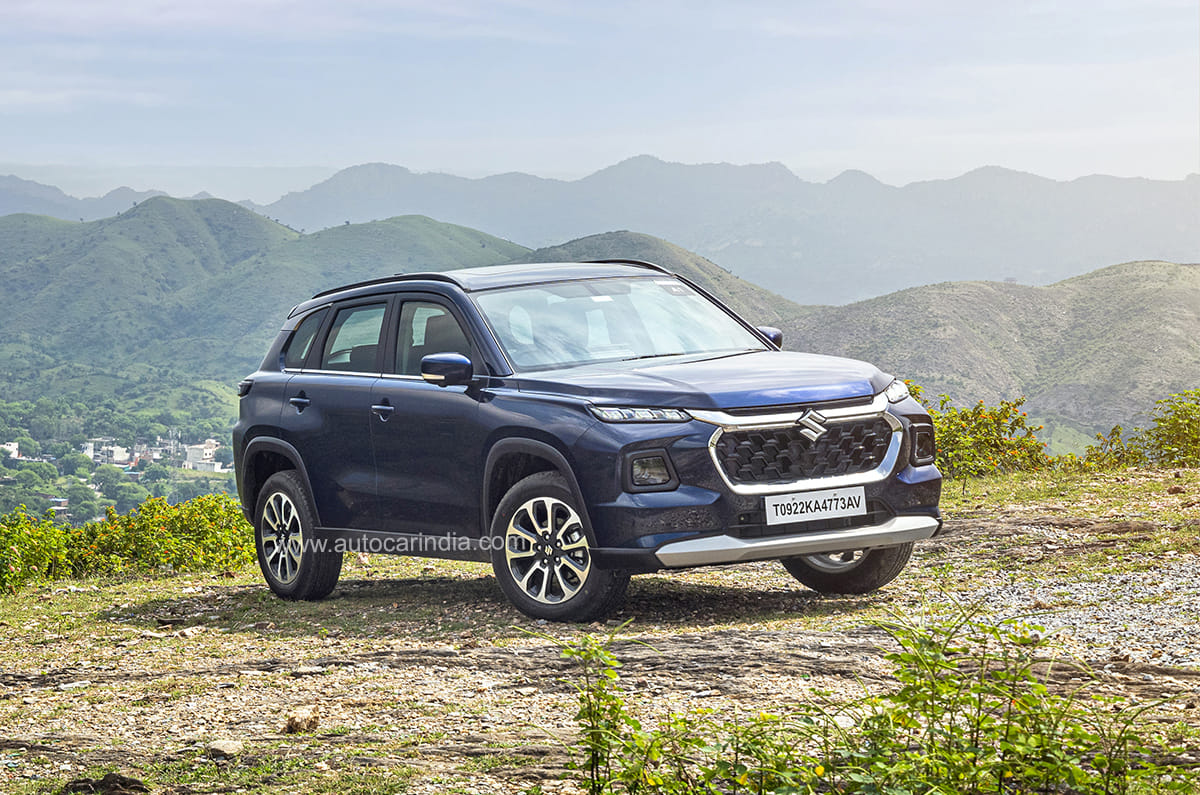
Honourable mention: The Maruti Brezza received a couple of safety feature upgrades with its mid-lifecycle update earlier this year, including front parking sensors. This has enabled a few more advanced driver assists, such as blind-spot warning and rear cross-traffic alert, though it is not the full ADAS system you get in the Victoris, or which rivals offer. The Brezza offers these features in ZXi and ZXi+ trims, priced from Rs 9.85 lakh to Rs 13.55 lakh.
1. Honda Amaze (third generation)
Rs 9.39 lakh-10 lakh
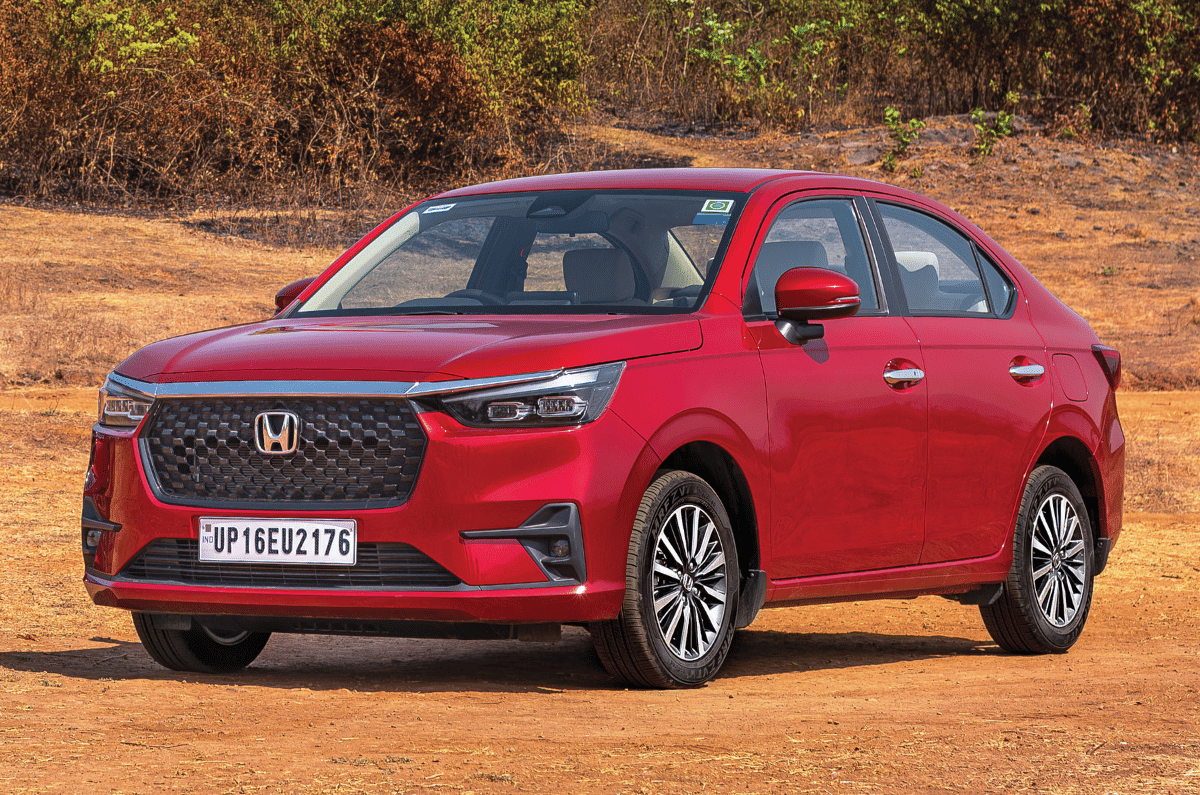
Apart from being the most affordable car with ADAS in India, the third-generation Honda Amaze is currently the only sedan under 4 metres in length to come with the safety suite, which is reserved for its top-spec ZX variant. Under the hood, the Amaze gets a 90hp 1.2-litre petrol engine with MT and CVT options.
Ex-showroom prices mentioned above are as of September 10, 2026.
Offers applicable to Maruti Nexa cars in September 2026 have been revealed. Among all Nexa models, the Grand Vitara is carrying the highest benefits of up to Rs 3.10 lakh, followed by the Invicto, XL6, Jimny and Fronx. However, there are no benefits on the recently launched Baleno facelift and e Vitara EV. Let us take a look at the model-wise offer breakdown for Maruti Suzuki’s Nexa models in India for the month.
Note: These offers are applicable until September 30 and may vary by city, dealership and stock availability. Please check with your nearest Maruti Nexa dealership for the exact figures.
Maruti Grand Vitara September 2026 offers
Up to Rs 3.10 lakh
All Maruti Grand Vitara variants are available with either an exchange bonus of up to Rs 75,000 or a scrappage bonus of up to Rs 45,000, a loyalty bonus of up to Rs 30,000 and a corporate offer of up to Rs 20,000. Select variants are also available with a free 5-year extended warranty. Interestingly, the Grand Vitara’s strong hybrid variants are being offered with a zero road tax benefit, amounting to savings of up to Rs 1.85 lakh. The Maruti Suzuki Grand Vitara is priced from Rs 10.77 lakh to Rs 19.62 lakh and rivals midsize SUVs like the Hyundai Creta, Tata Sierra, Kia Seltos, Renault Duster and Nissan Tekton.
Maruti Invicto September 2026 offers
Up to Rs 1 lakh
The Maruti Invicto MPV is being offered with benefits of up to Rs 1 lakh in September 2026. These include a choice between up to Rs 50,000 exchange bonus or a scrappage bonus of the same amount, a loyalty bonus of up to Rs 30,000 and a corporate offer of up to Rs 20,000. The Maruti Invicto is priced from Rs 24.97 lakh to Rs 28.71 lakh, and locks horns with the Toyota Innova Hycross and can be considered an alternative to the Toyota Innova Crysta.
Maruti XL6 September 2026 offers
Up to Rs 50,000
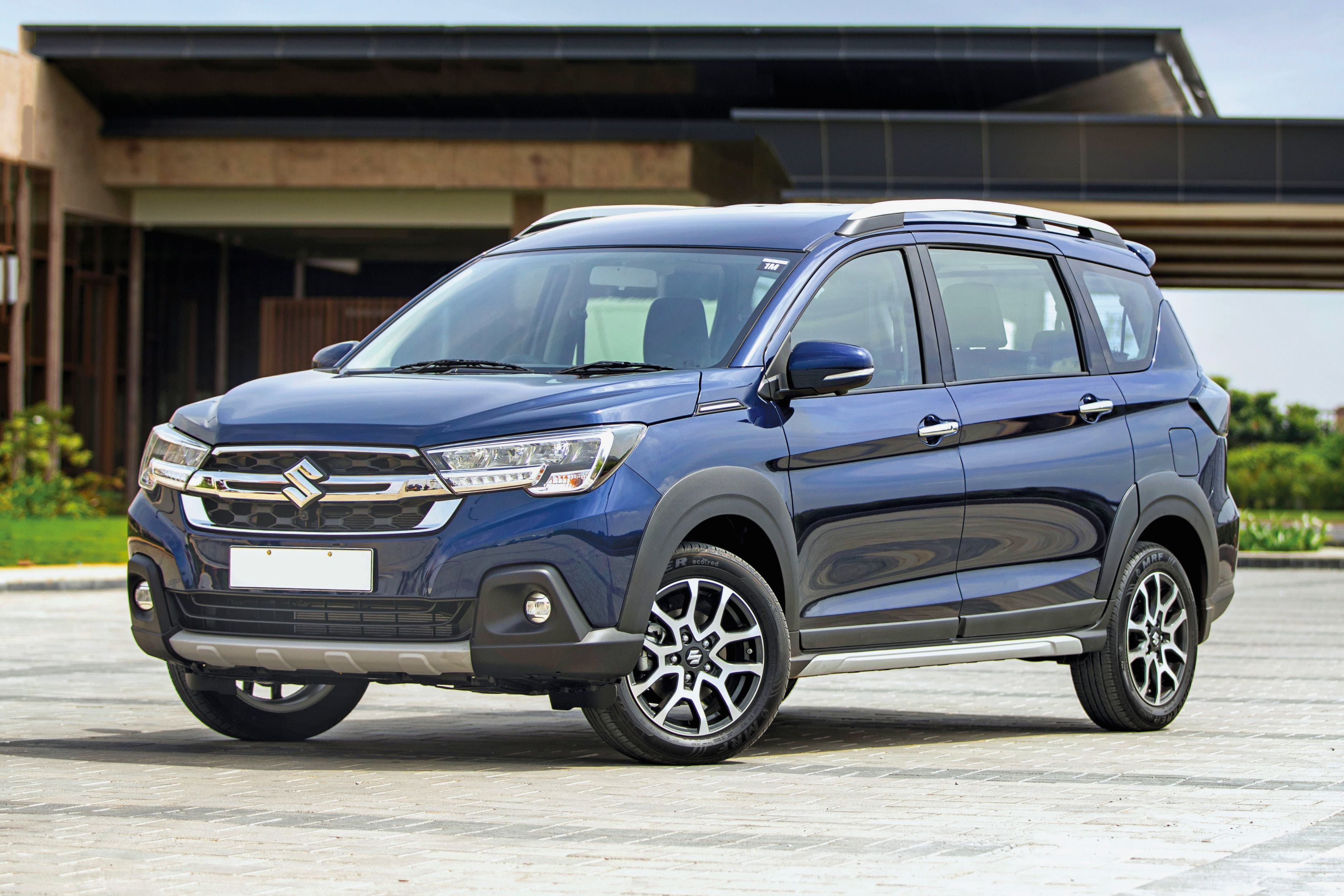
All Maruti XL6 variants are being offered with benefits up to Rs 50,000, which includes a cash discount of up to Rs 20,000, and a choice between an exchange bonus of up to Rs 30,000 or a scrappage benefit of up to Rs 15,000. The Maruti XL6 prices range from Rs 11.62 lakh to Rs 14.42 lakh, and it rivals the Maruti Suzuki Ertiga, Kia Carens Clavis, Kia Carens and Toyota Rumion.
Maruti Jimny September 2026 offers
Up to Rs 35,000
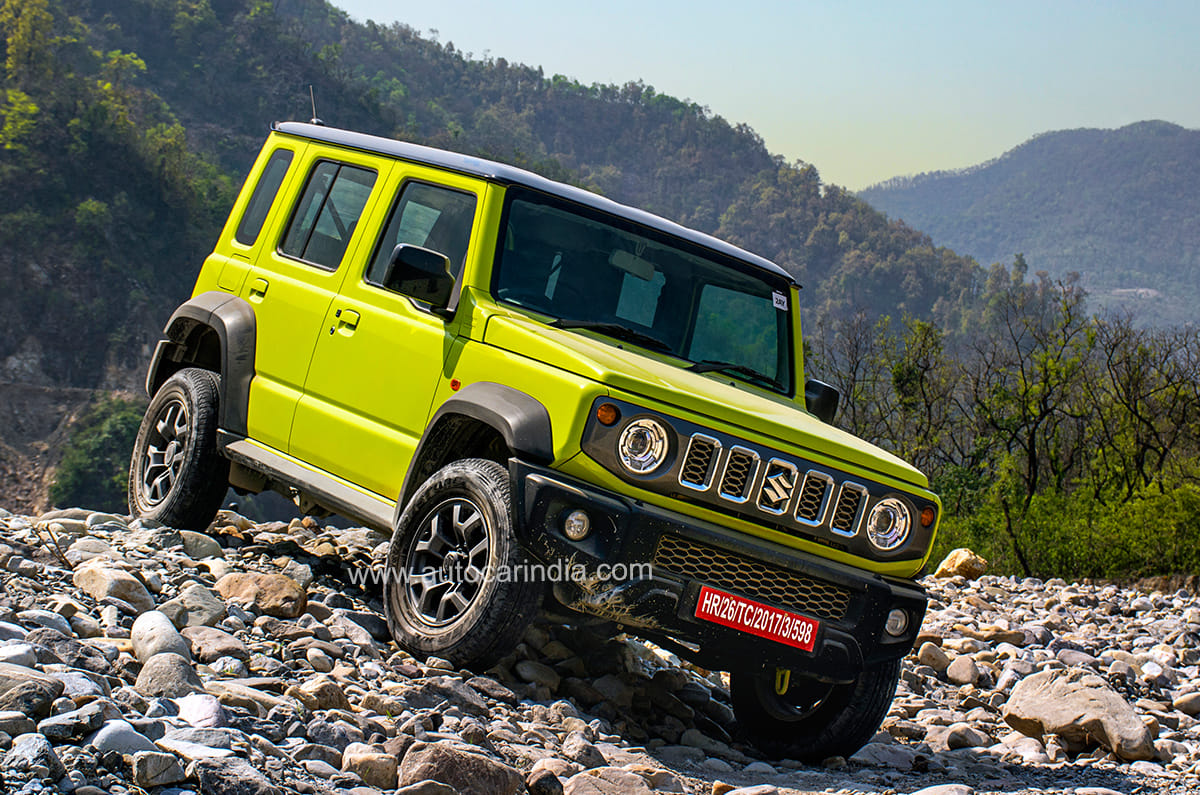
In September 2026, the Maruti Jimny is being offered with a cash discount of up to Rs 35,000. Other than this, it is not being officially offered with any scrappage, exchange, loyalty or corporate bonuses. The Maruti Jimny’s prices range from Rs 12.54 lakh to Rs 14.52 lakh, and it rivals the Mahindra Thar and Force Gurkha 3-door.
Maruti Fronx September 2026 offers
Up to Rs 20,000
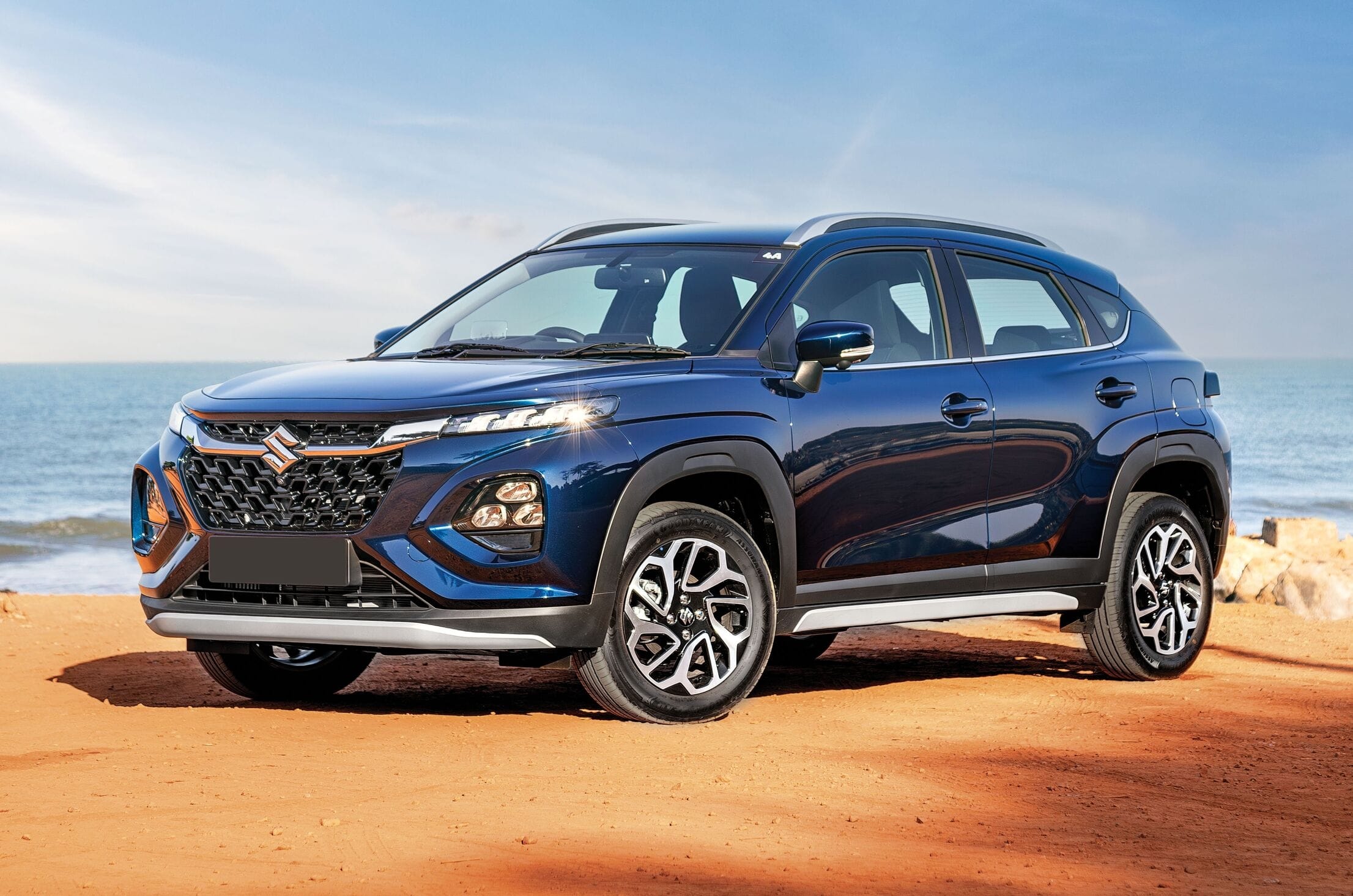
All variants of the Maruti Fronx are offered with an exchange bonus of up to Rs 15,000 or a scrappage bonus of up to Rs 10,000. The turbo-petrol variants are further available with a cash discount of up to Rs 5,000. Prices of the Maruti Suzuki Fronx range from Rs 6.85 lakh to Rs 11.84 lakh, and it serves as an alternative to compact SUVs like the Tata Nexon, Hyundai Venue, Kia Sonet, Mahindra XUV 3XO and Maruti Brezza.