Hyundai India is offering an attractive range of benefits on select models in its portfolio. Depending on the model chosen, customers can avail up to Rs 1 lakh in benefits, valid until September 30, 2026.
Disclaimer: Offers/benefits may vary by city and are subject to stock availability. Buyers are advised to check with their local dealer for exact figures.
Hyundai Creta offers in September 2026
Benefits of up to Rs 1 lakh
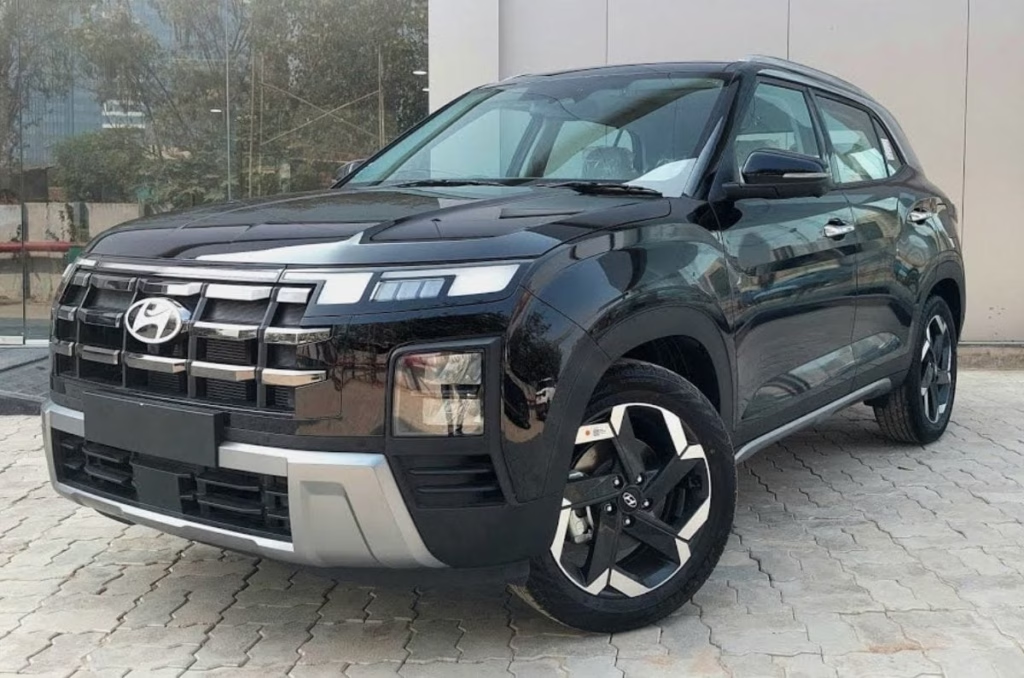
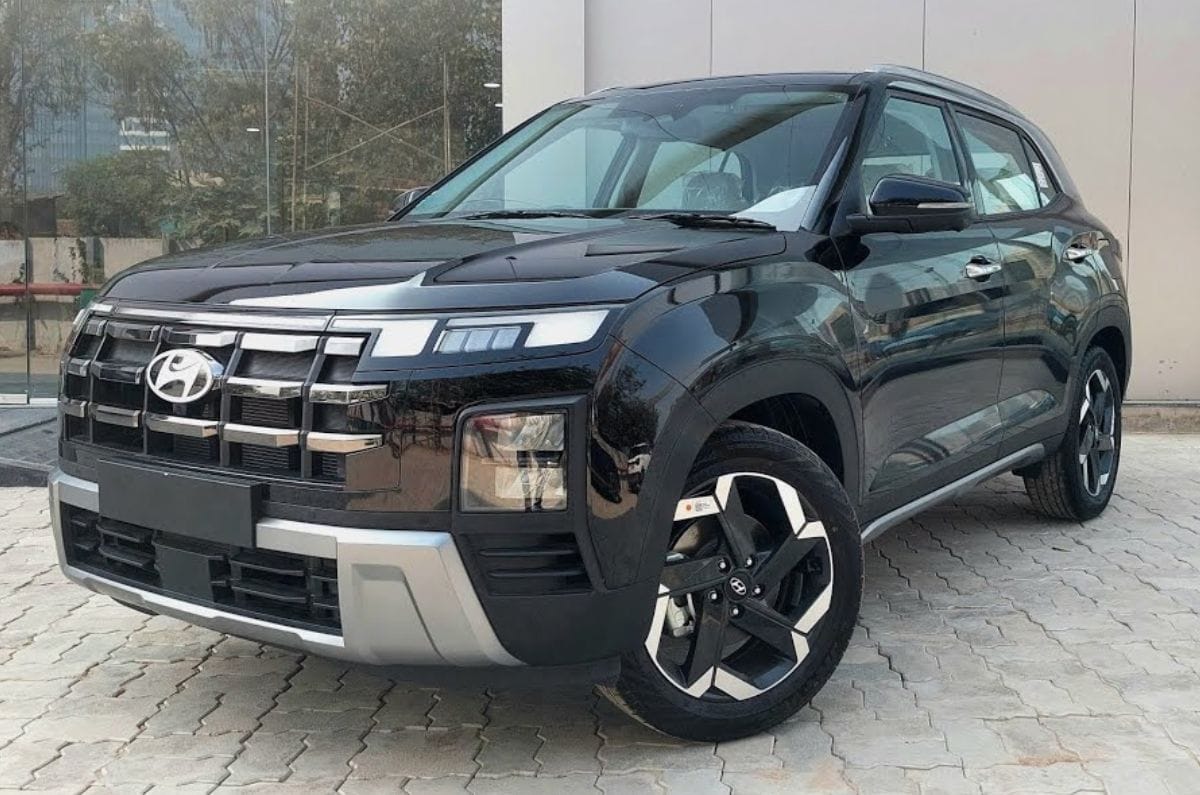
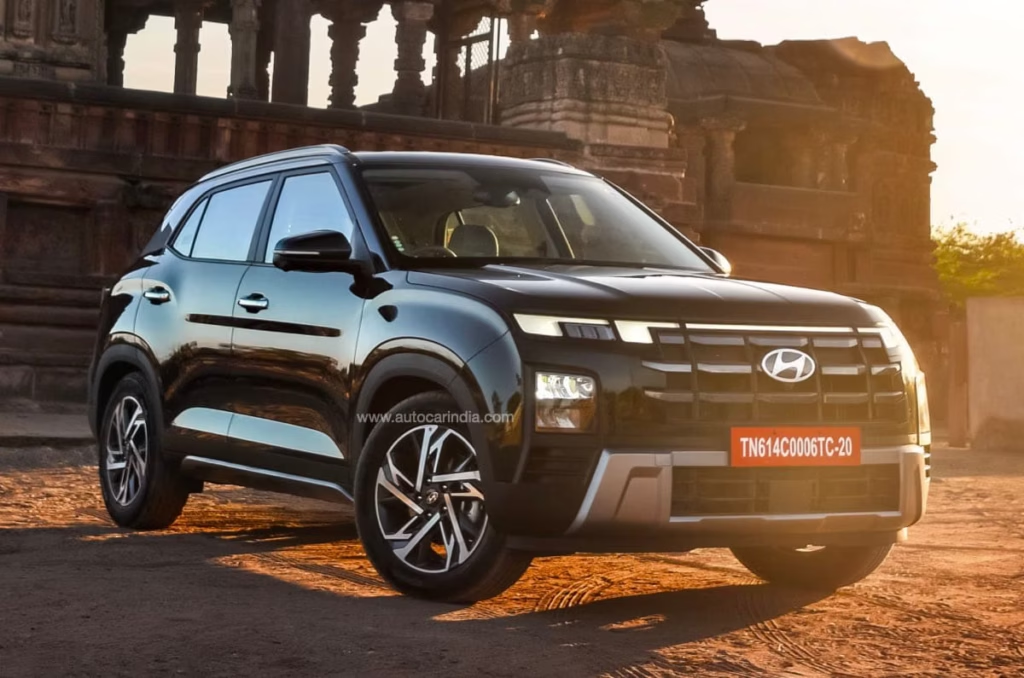
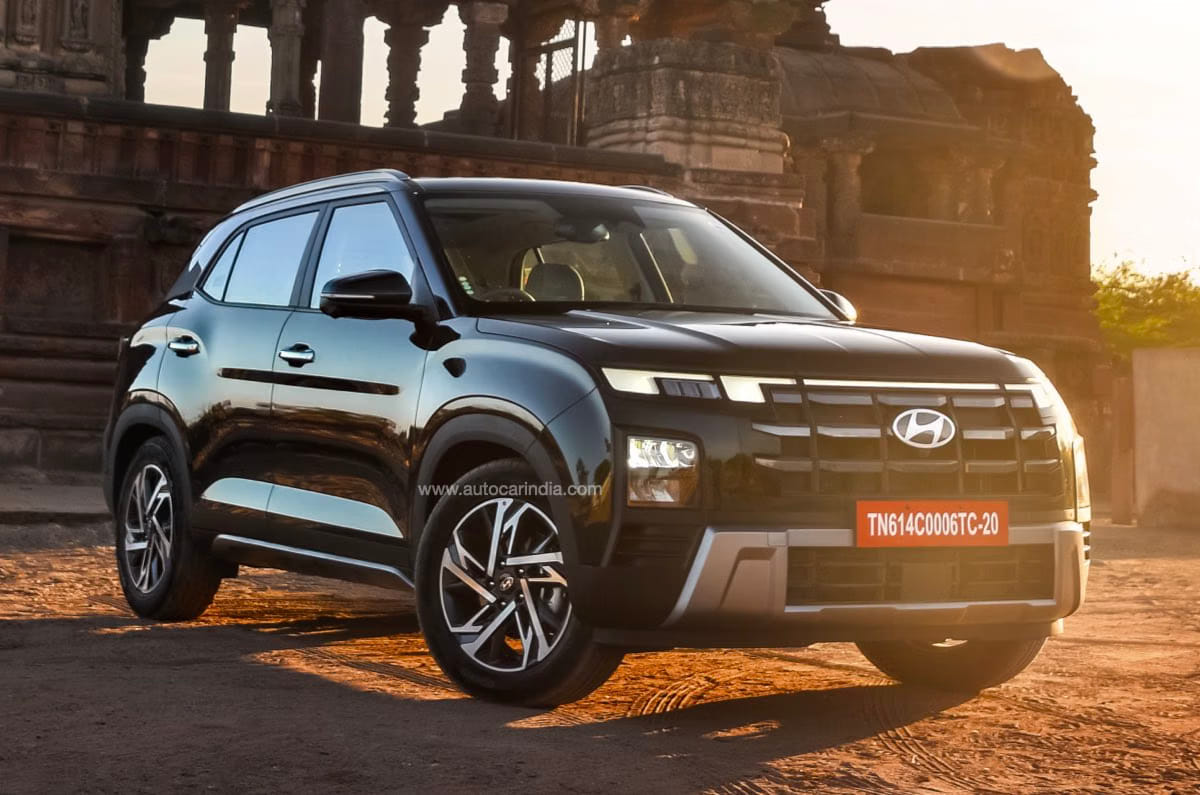
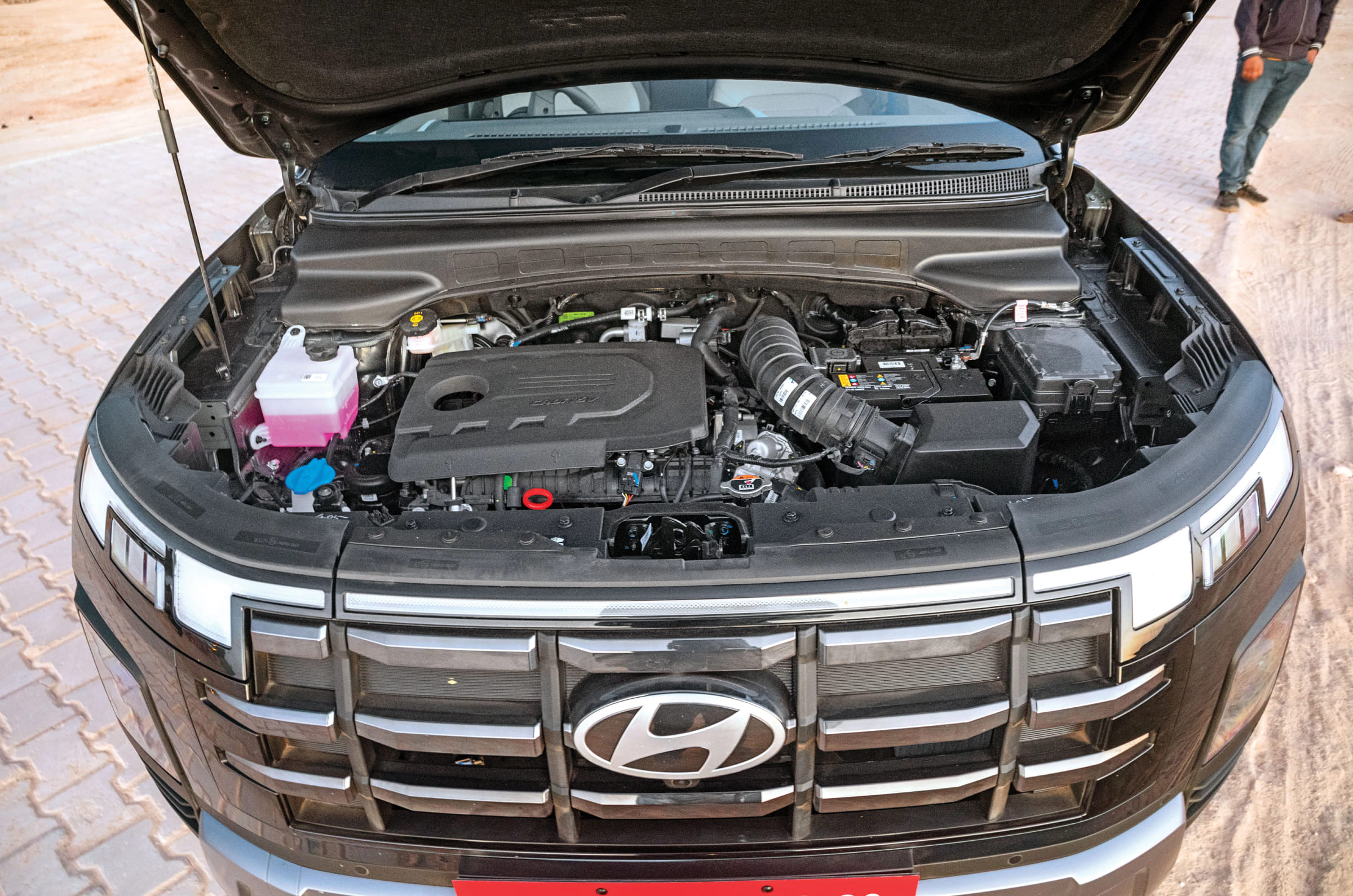
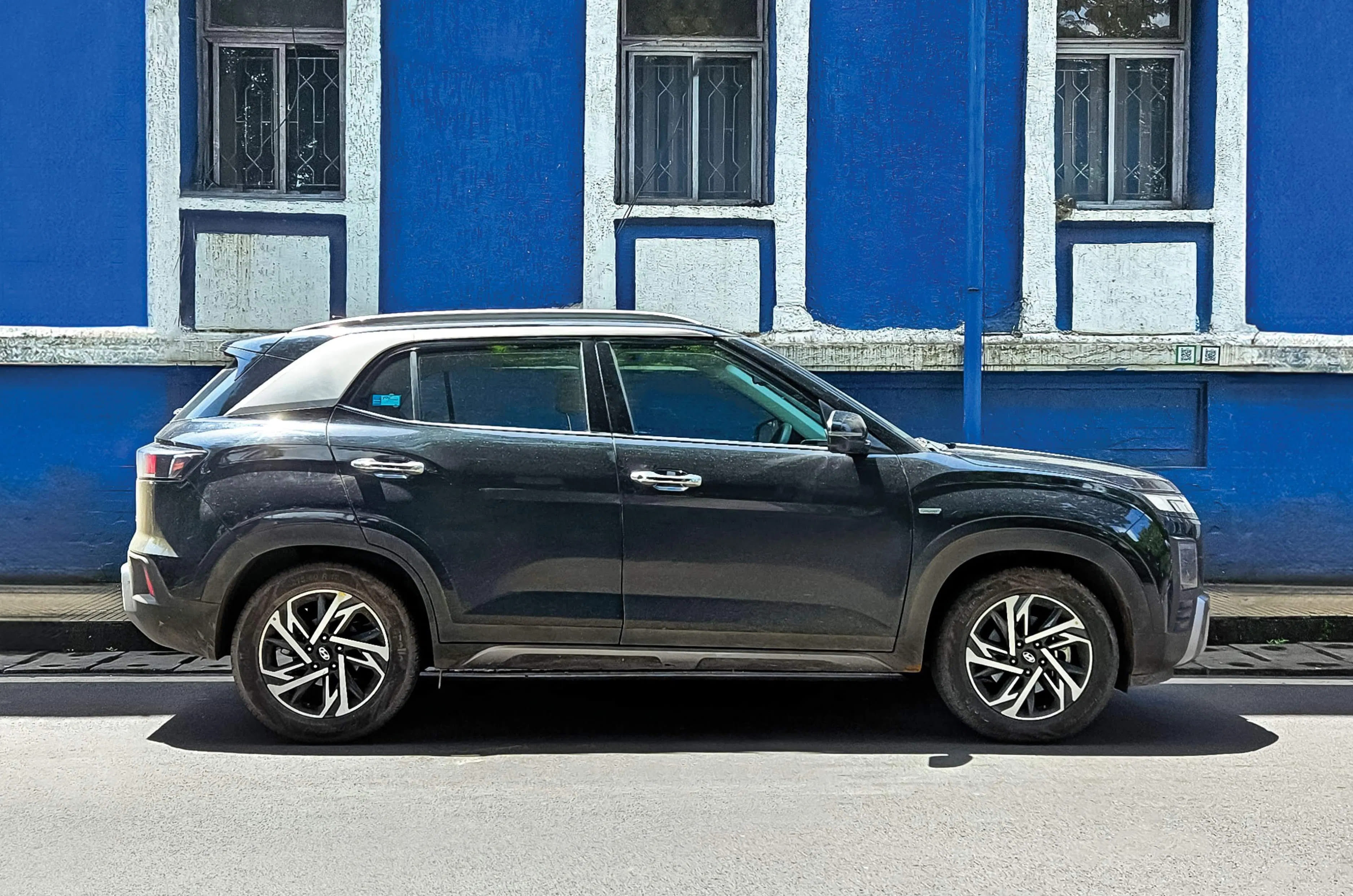
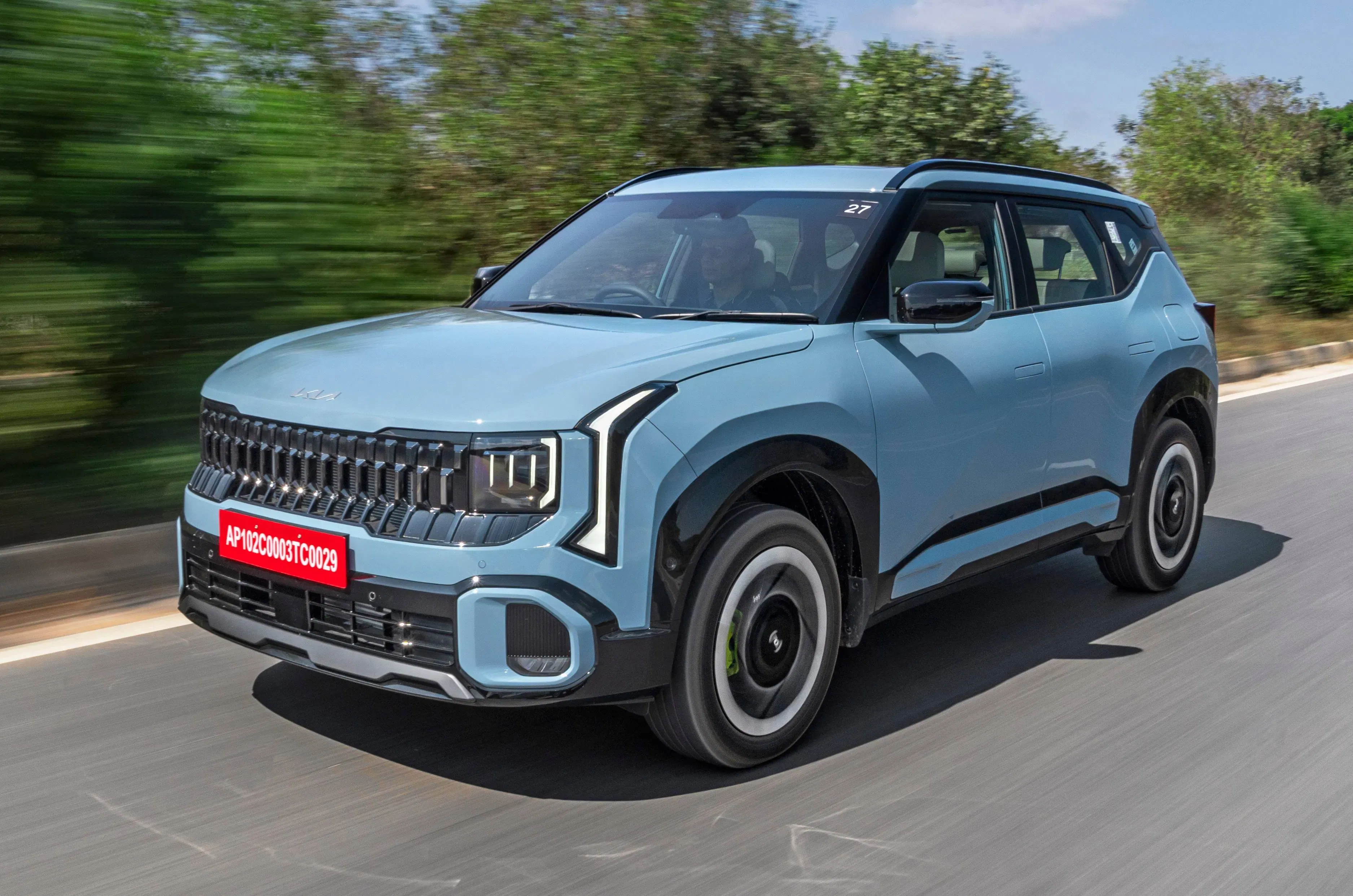
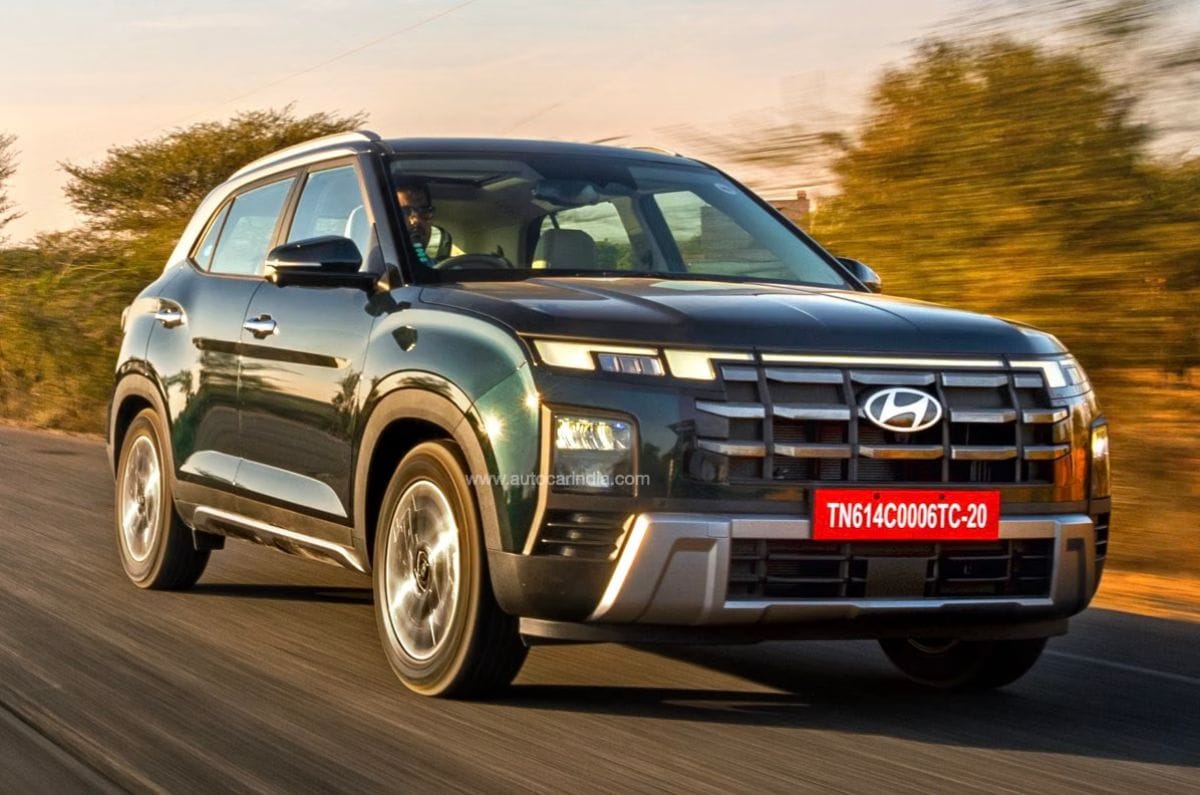
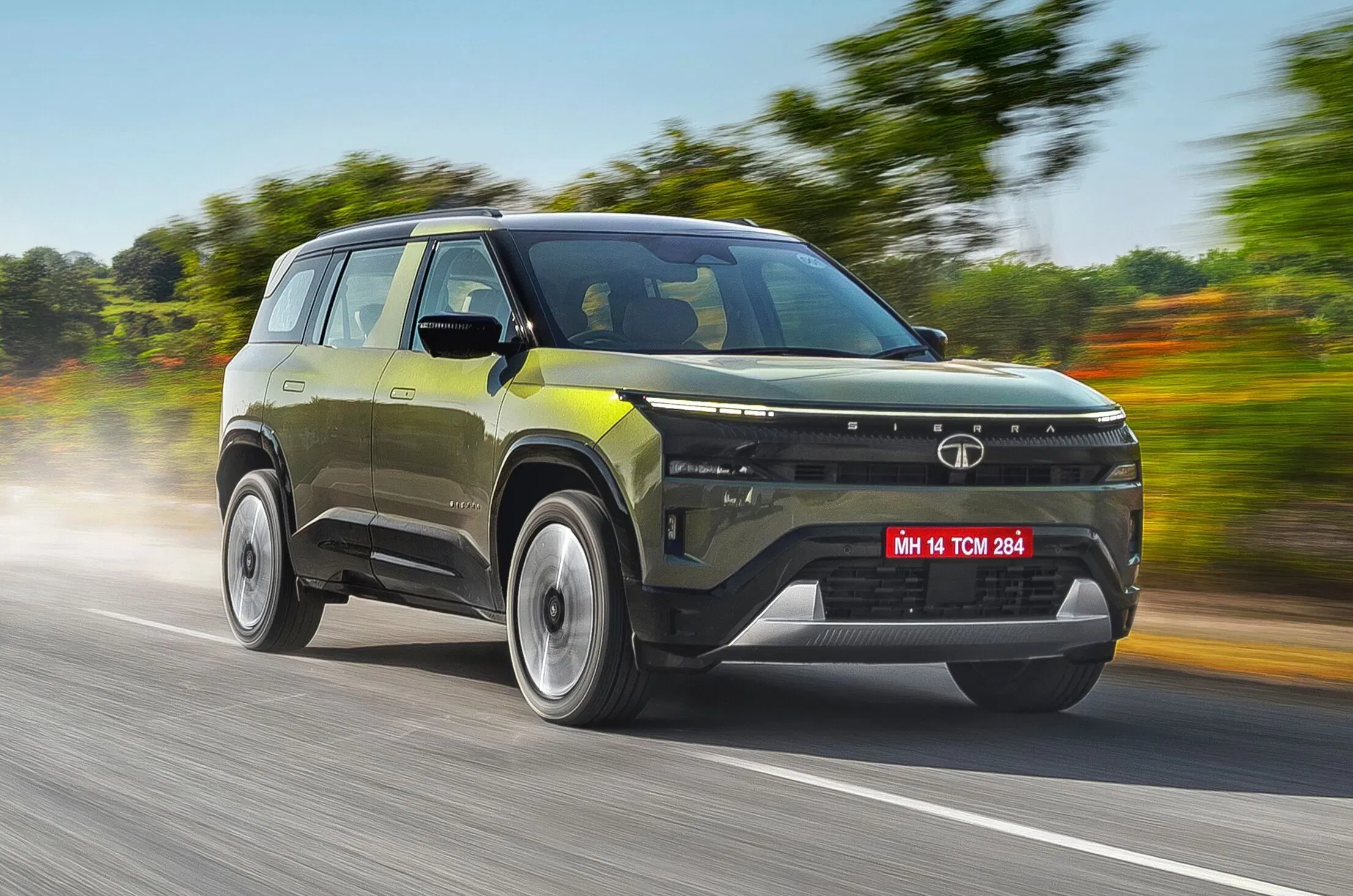
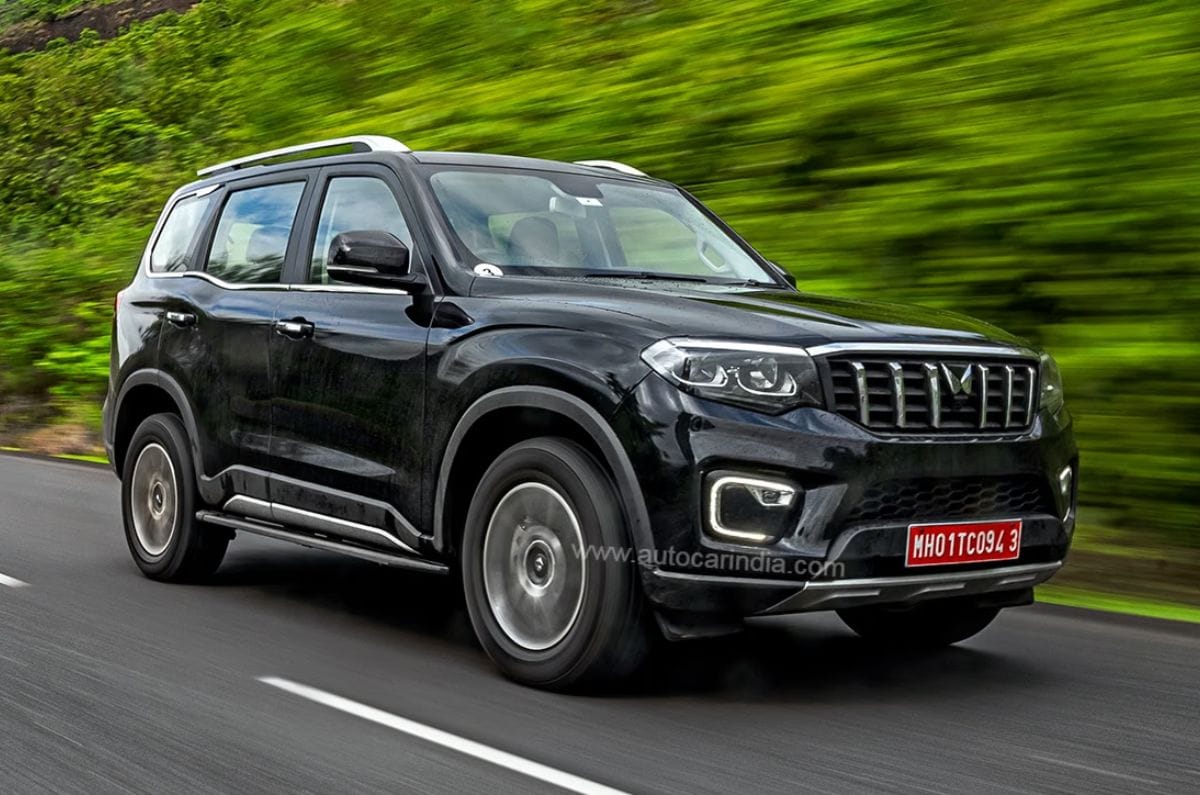
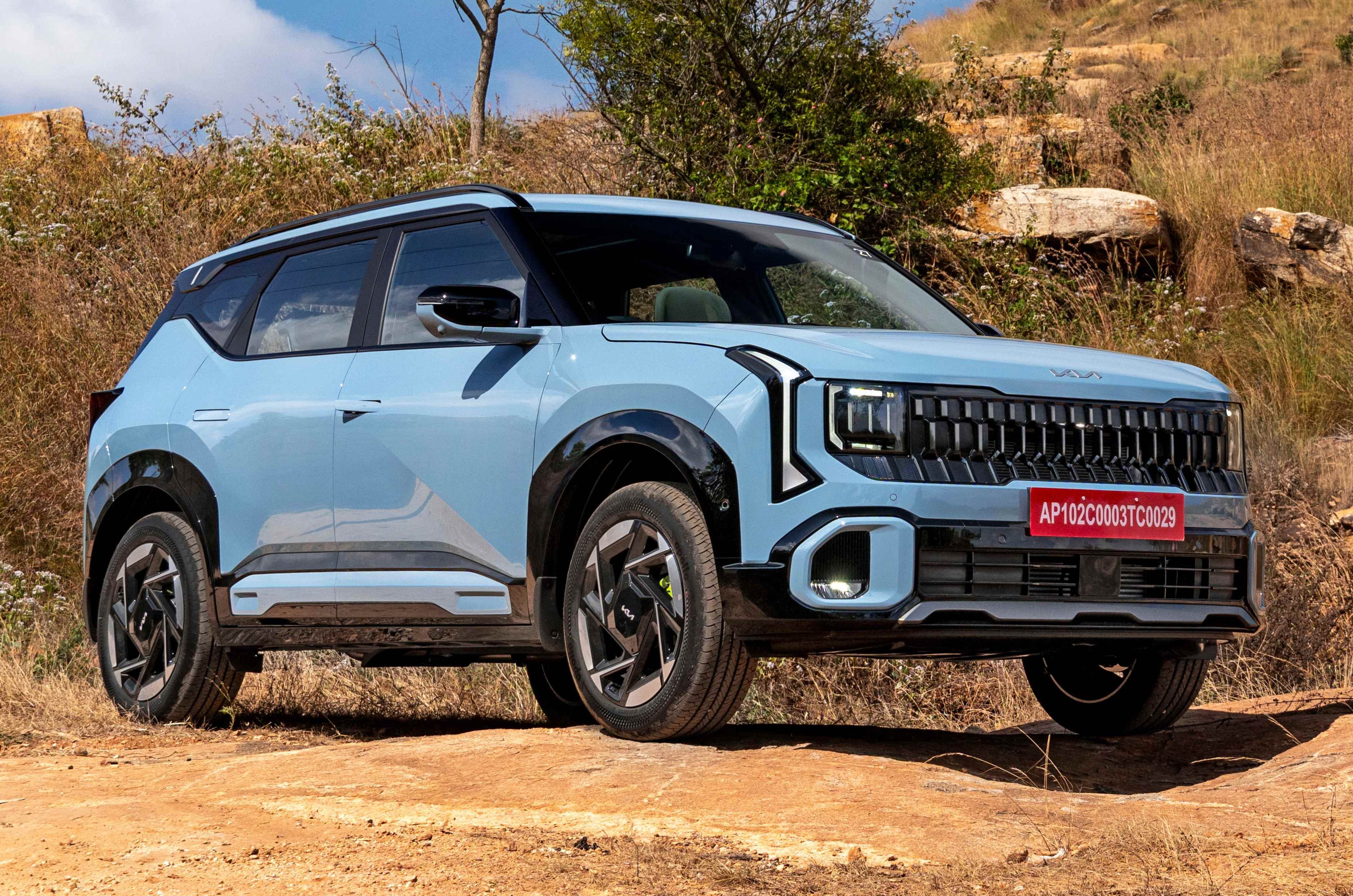
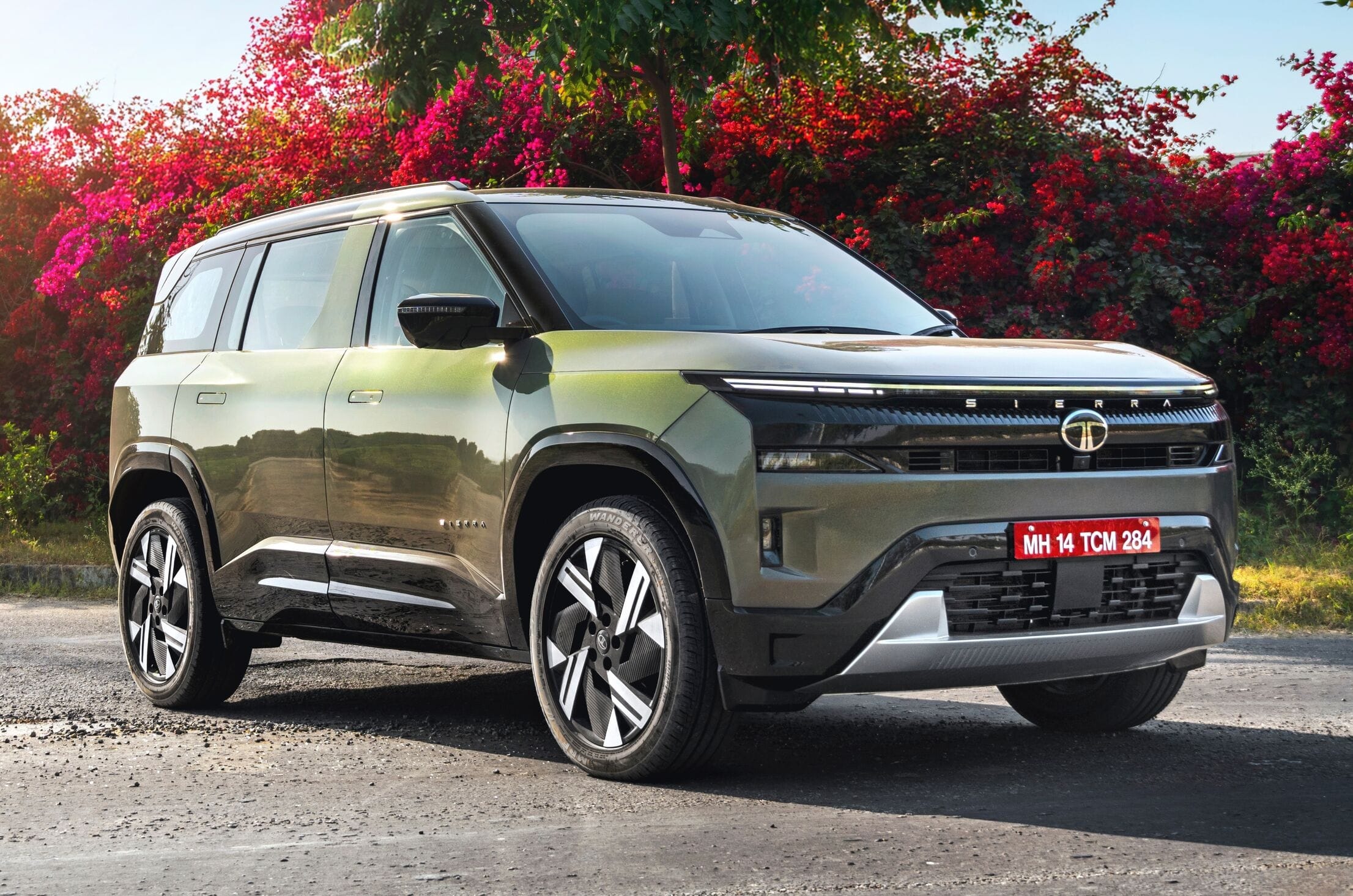
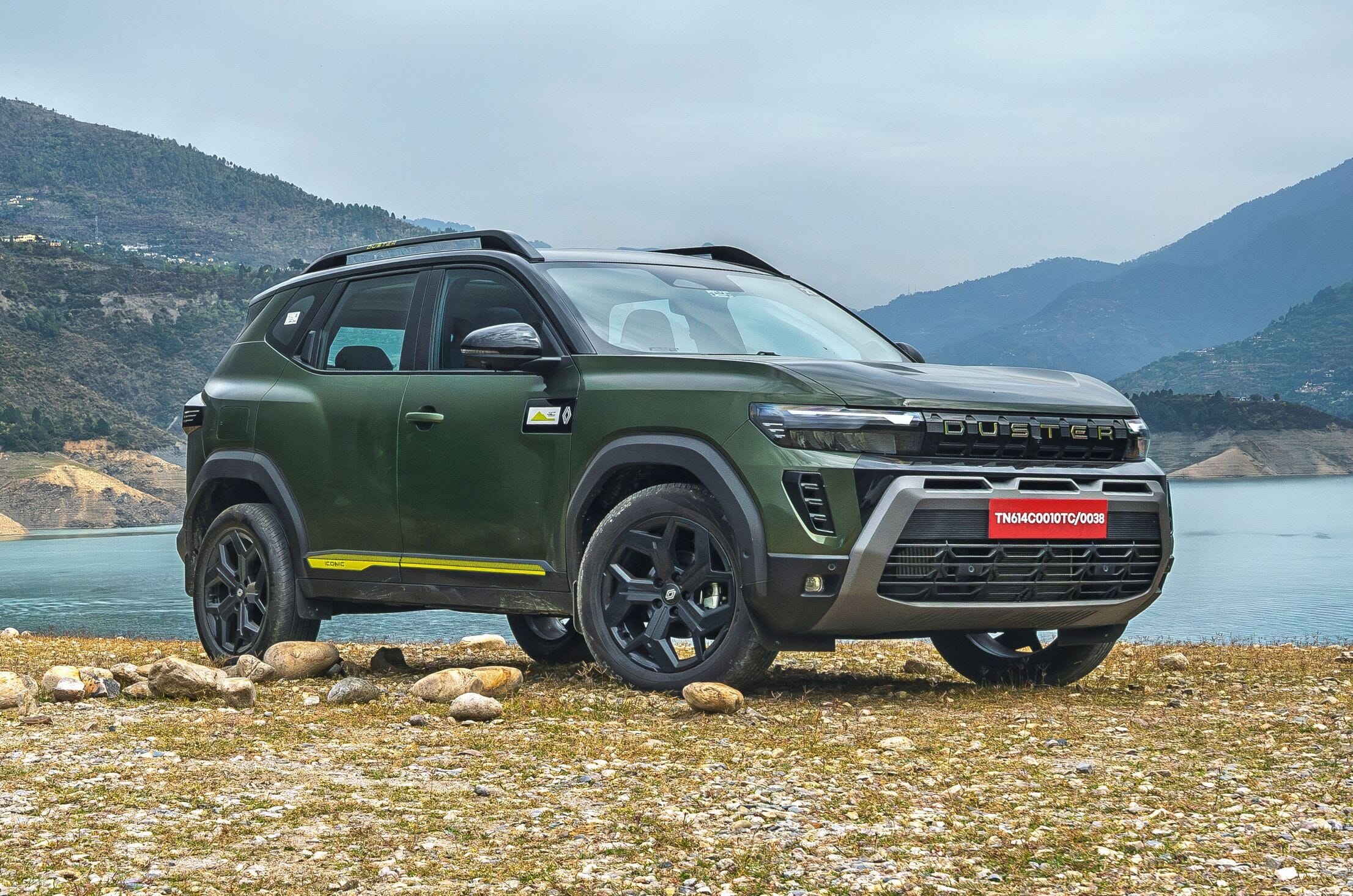
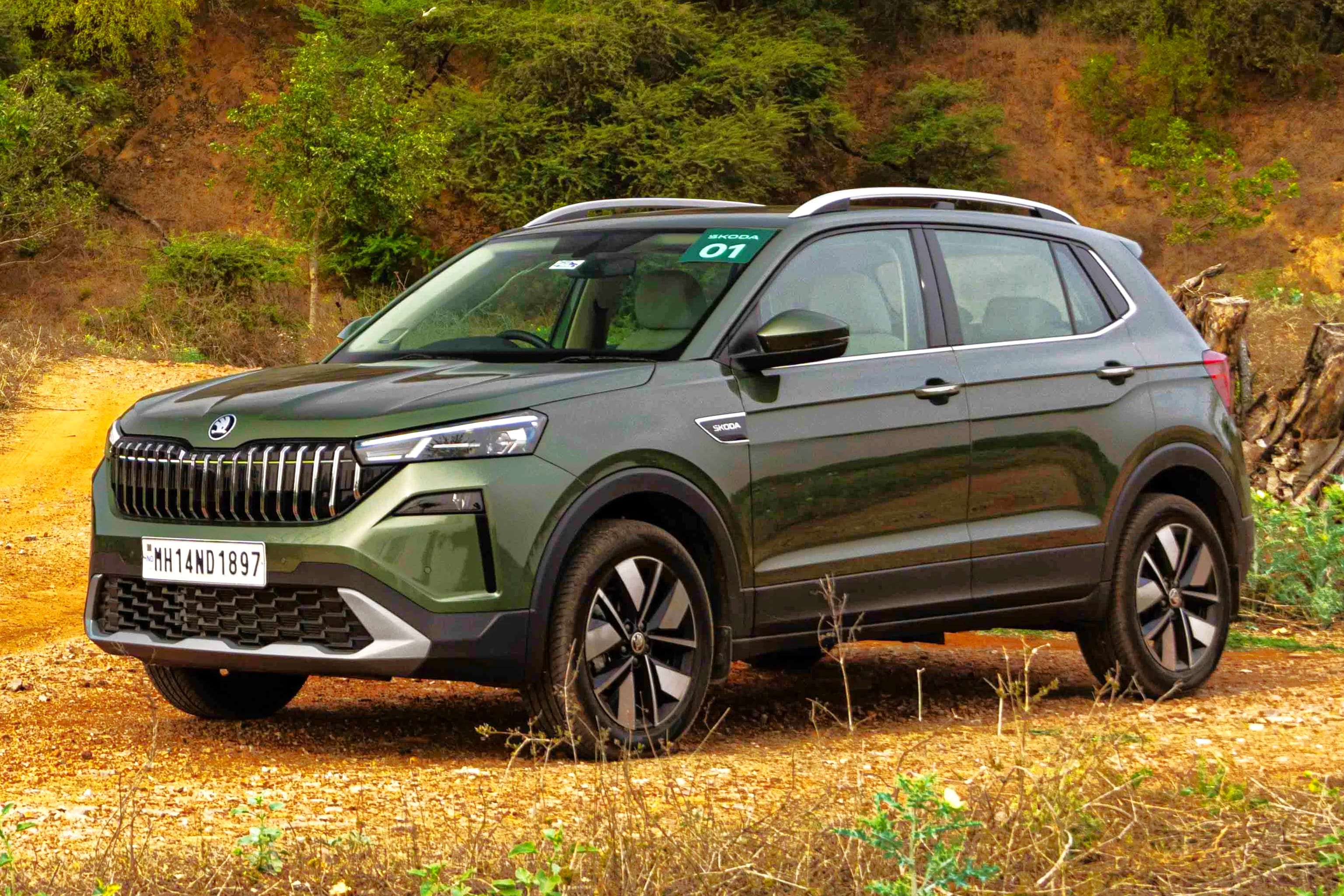
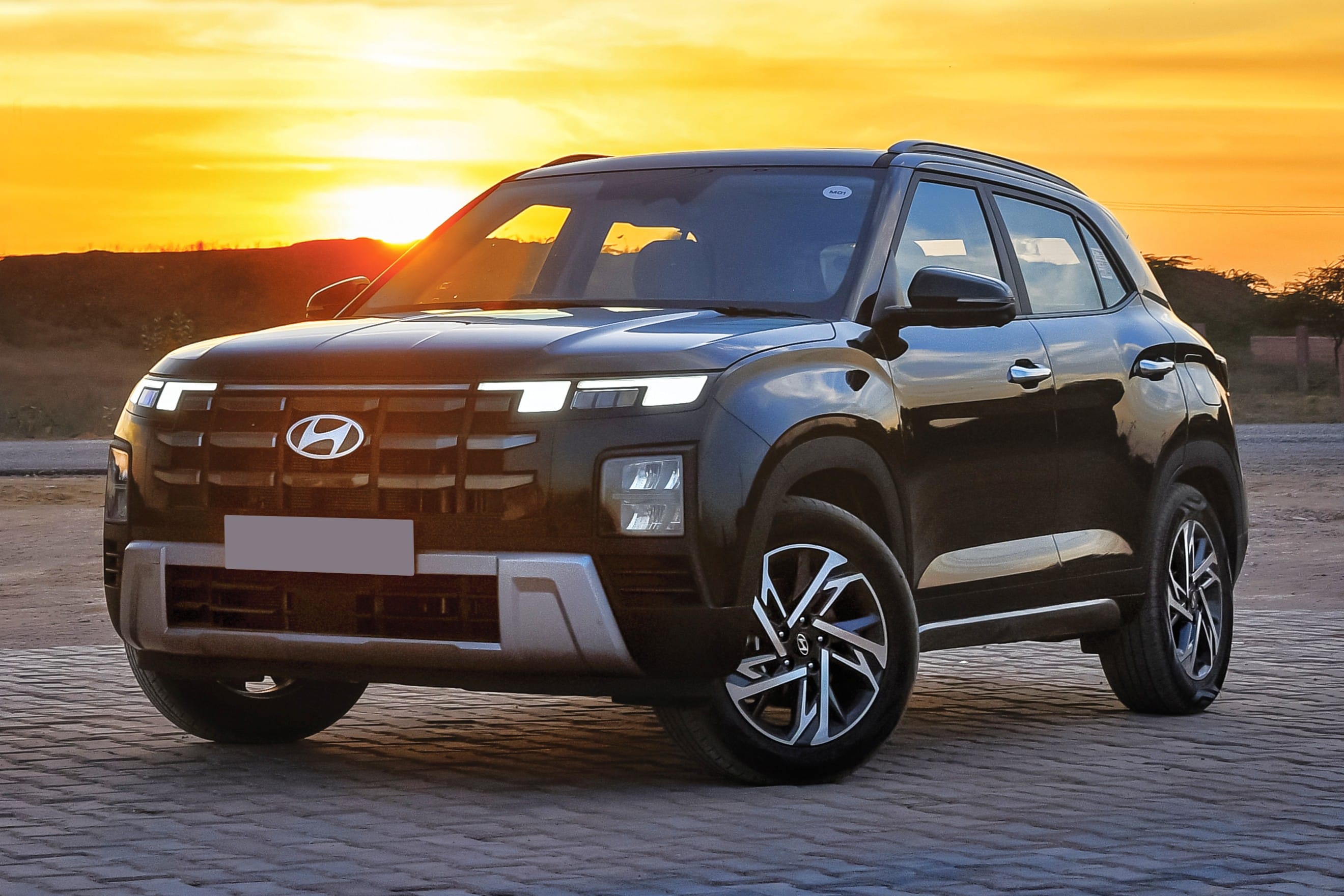
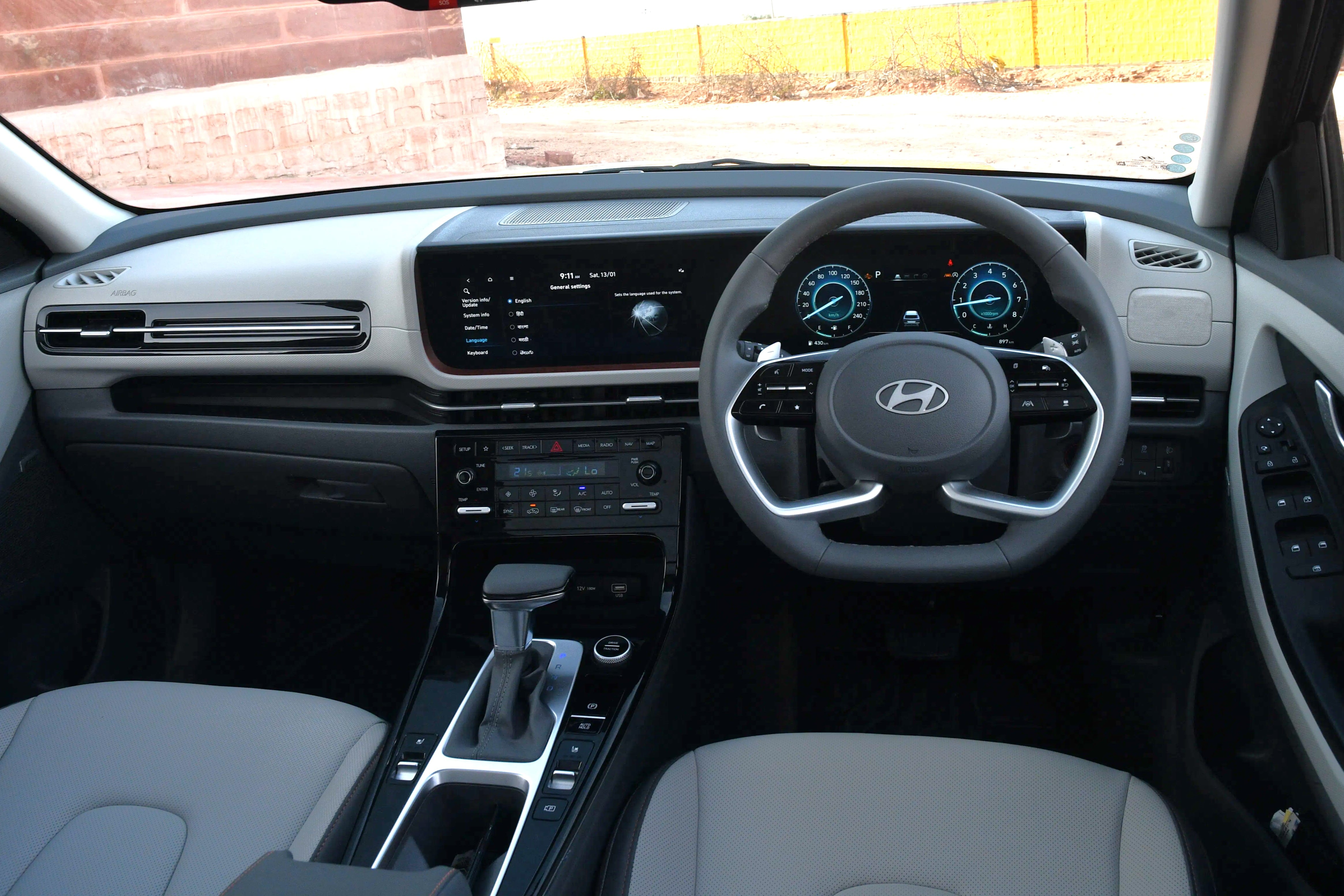
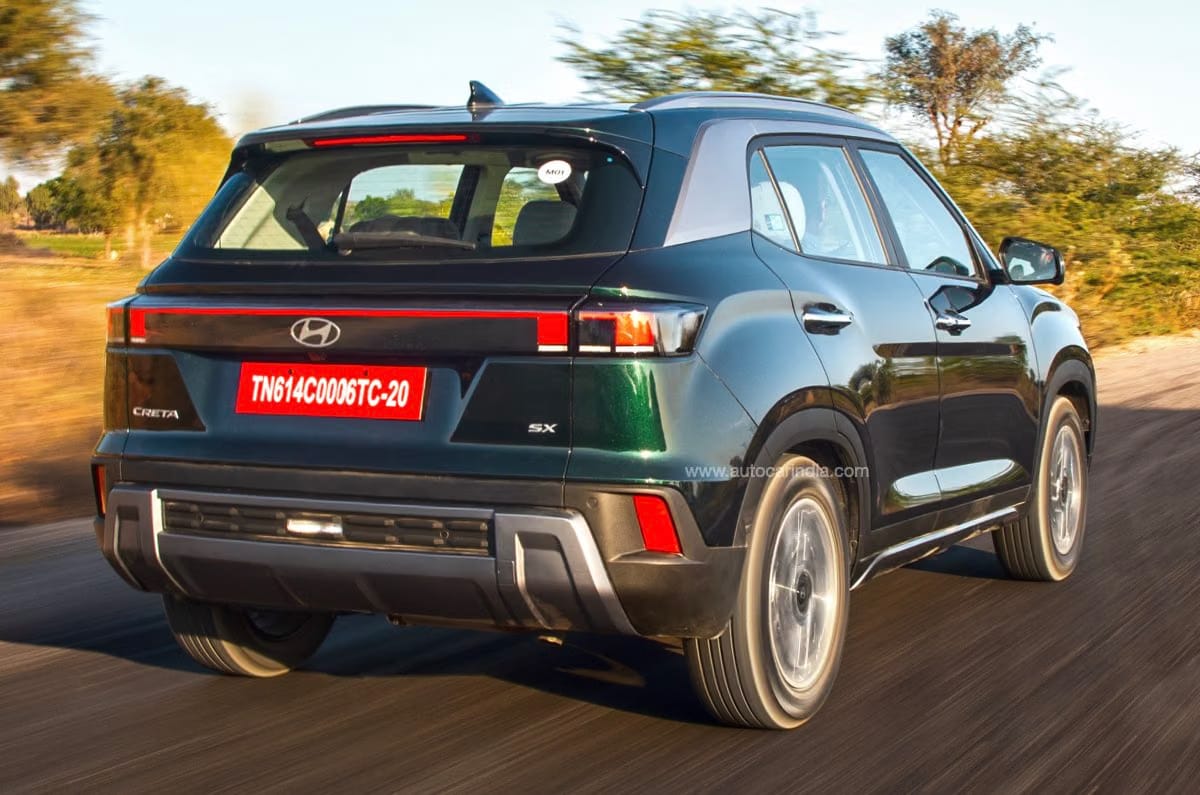
The Creta mid-size SUV is available with benefits of up to Rs 1 lakh. The Korean carmaker’s best-selling model in India is offered with a trio of 1.5-litre engines, namely, a naturally aspirated petrol, a turbo-petrol, and a diesel engine. All engines are offered with manual and automatic gearboxes. Prices range between Rs 10.90 lakh and Rs 19.91 lakh, with the Creta taking on rivals like the Tata Sierra, Kia Seltos, Renault Duster, Skoda Kushaq, and Maruti Victoris.
Hyundai Grand i10 Nios offers in September 2026
Benefits of up to Rs 70,000
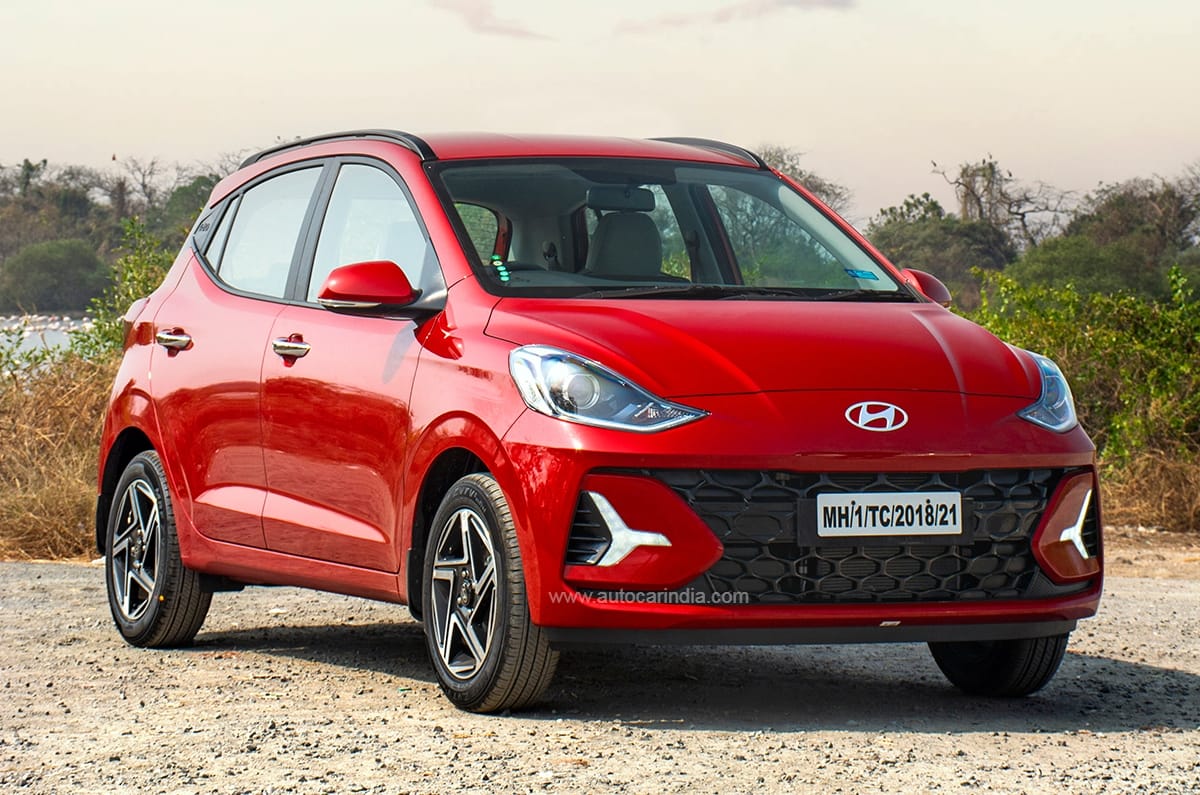
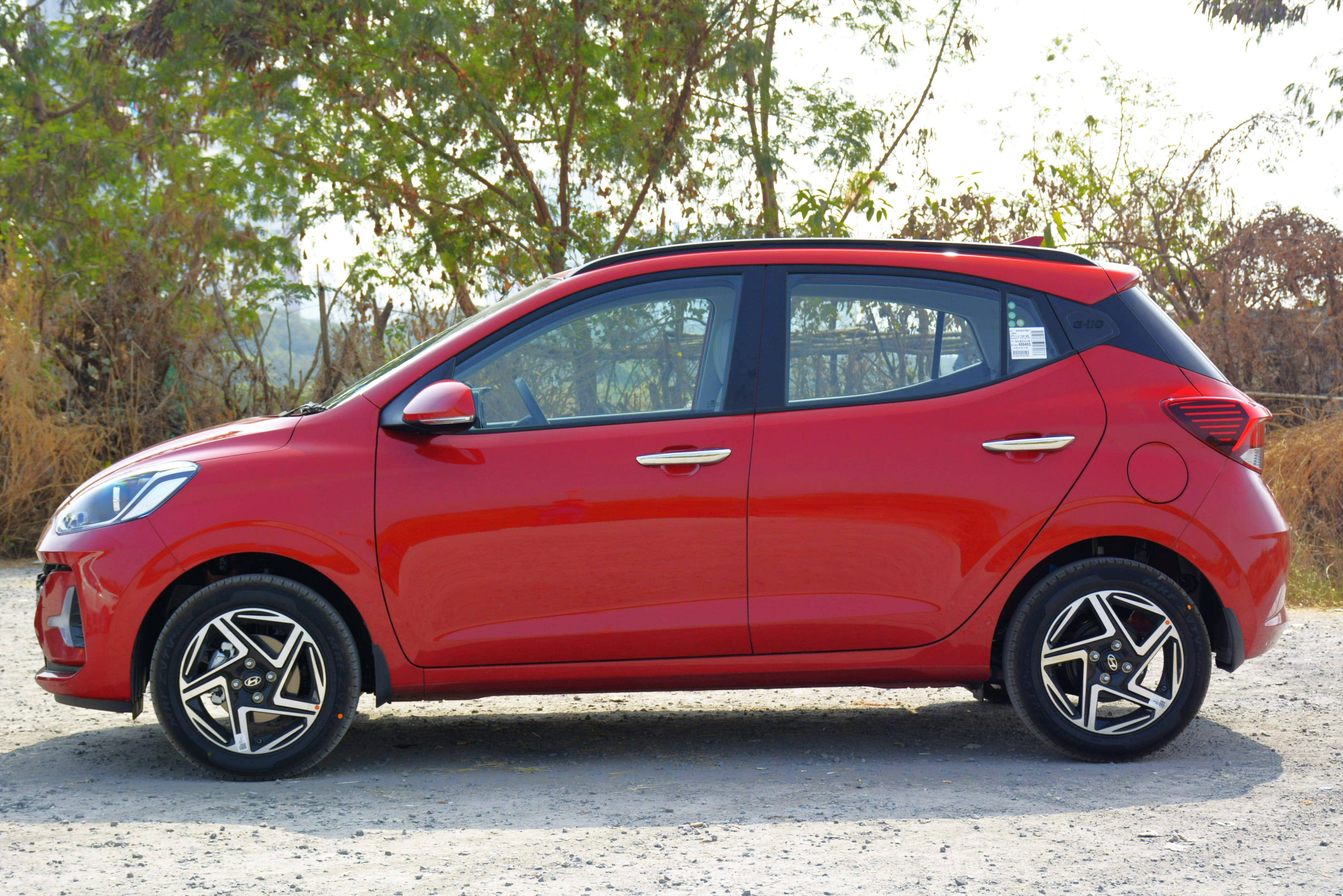
Hyundai’s Grand i10 Nios is being offered with up to Rs 70,000 in benefits. Its most affordable model in India is offered solely with a 1.2-litre petrol engine paired to either a manual or AMT gearbox. A factory-fit dual-cylinder CNG kit can be fitted to this engine and is paired exclusively with a manual gearbox. The Grand i10 is priced between Rs 5.59 lakh to Rs 8.04 lakh and is Hyundai’s answer to the Maruti Swift and the Tata Tiago.
Hyundai i20 offers in September 2026
Benefits of up to Rs 60,000
The Grand i10’s elder sibling, the i20, is being offered with benefits of up to Rs 60,000. Standard versions of the i20 come powered by a 1.2-litre petrol engine mated with either a manual or CVT automatic gearbox. The i20 is priced from Rs 5.99 lakh to Rs 11.59 lakh, and it competes with the Maruti Baleno, Tata Altroz, and the Toyota Glanza.
Hyundai Exter offers in September 2026
Benefits of up to Rs 50,000
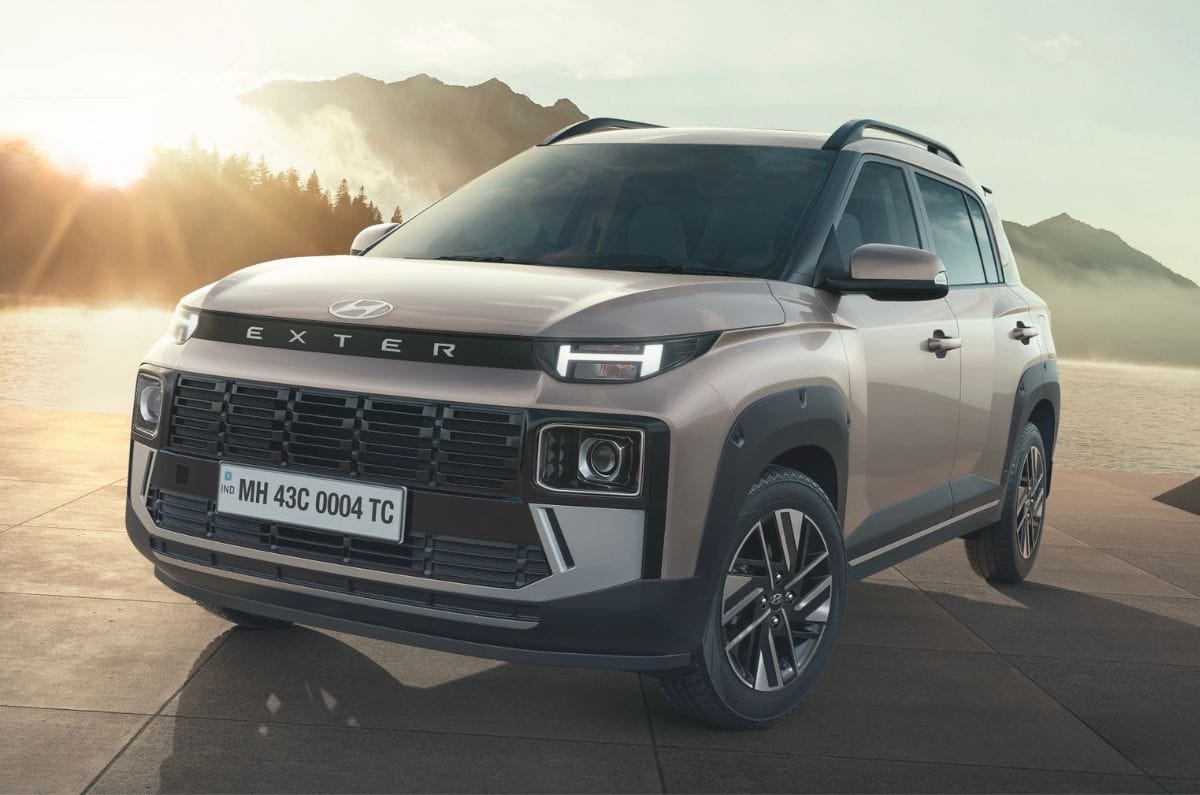
Hyundai is offering benefits of up to Rs 50,000 on the Exter. The subcompact SUV was updated earlier this year with refreshed looks and feature additions. It is powered by a 1.2-litre petrol engine and is mated with either a manual or AMT gearbox. Like the Grand i10, it also gets a CNG kit fitted to this engine. The Exter’s price begins at Rs 5.8 lakh and goes all the way up to Rs 9.46 lakh. It takes on the likes of the Tata Punch.
Hyundai Aura offers in September 2026
Benefits of up to Rs 30,000
The Aura compact sedan is available with benefits of up to Rs 30,000. The Aura shares the same petrol engine as the Grand i10 Nios and the Exter, along with a CNG version on offer. It is priced between Rs 5.99 lakh and Rs 8.59 lakh and competes with the Tata Tigor, Maruti Dzire, and the Honda Amaze.
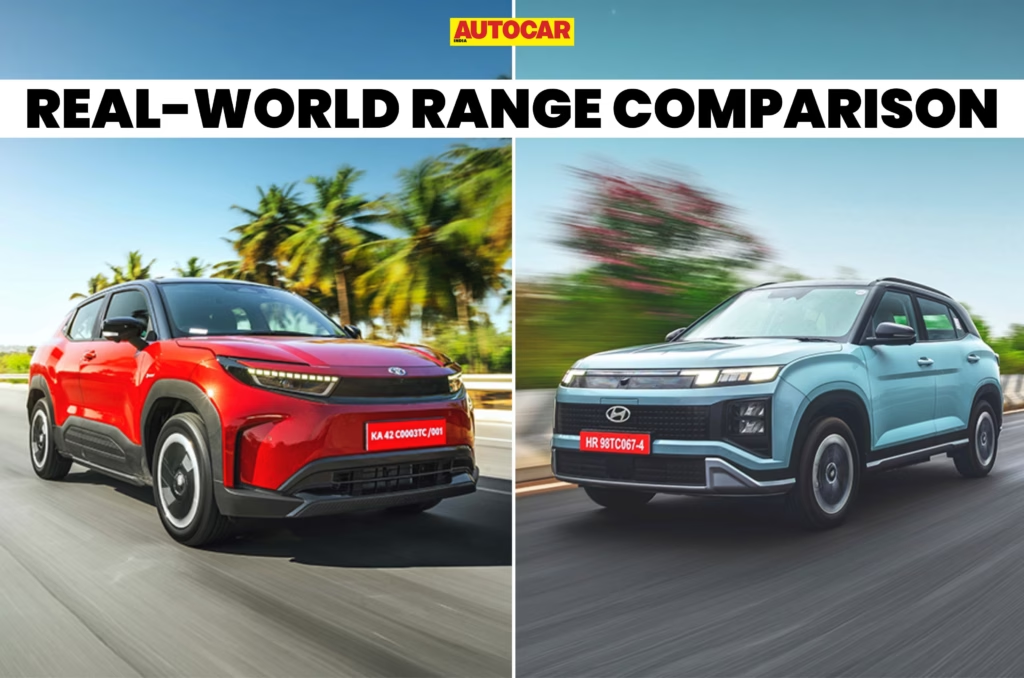
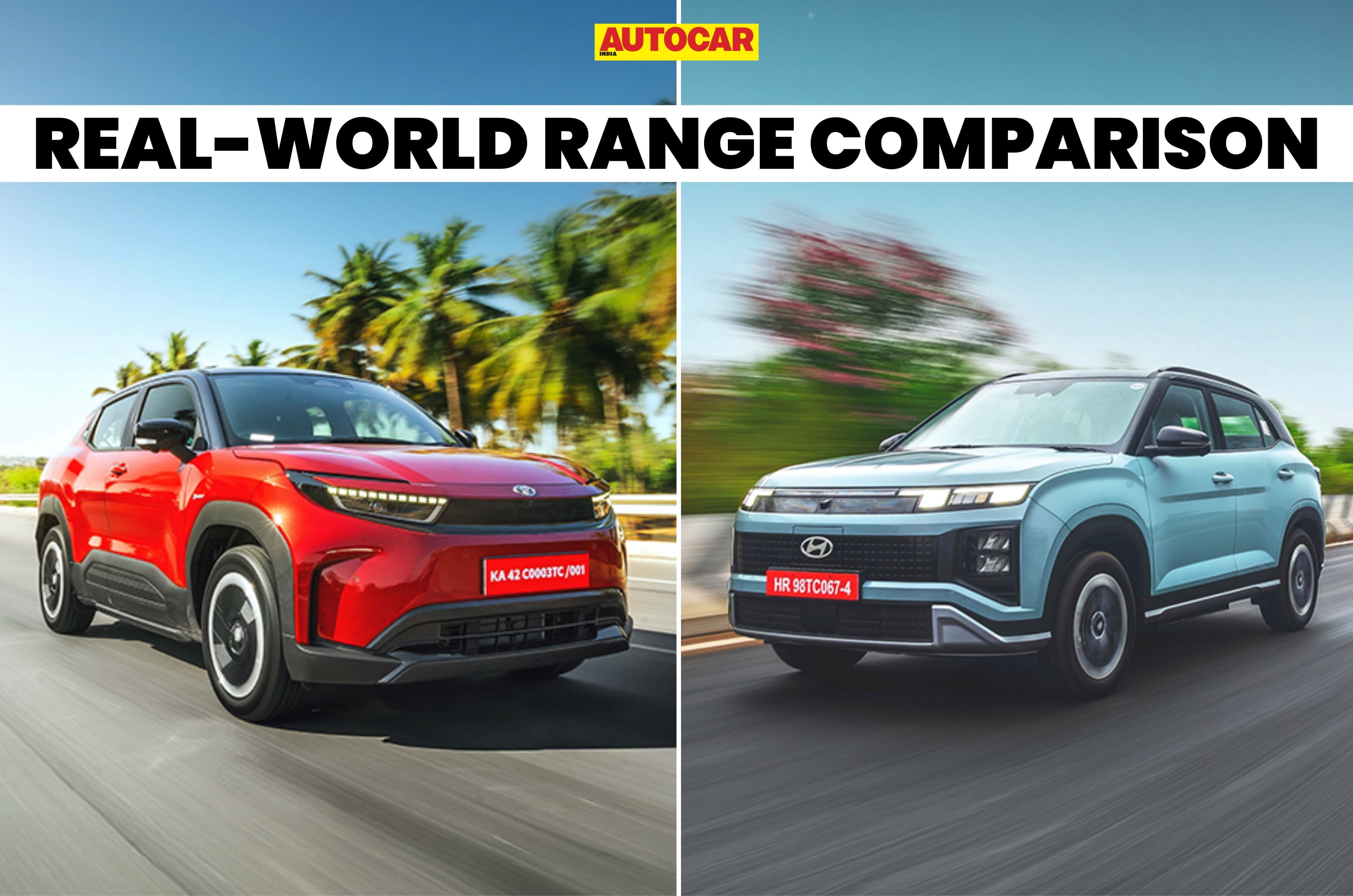
The Toyota Urban Cruiser Ebella is one of the newer entrants in the electric midsize SUV segment, which the Hyundai Creta Electric has been a part of since early 2025. Both electric SUVs are rated at over 500km of range by MIDC, but which one travels further on a single charge in the real world? We put the Urban Cruiser Ebella and Creta Electric through our detailed range tests to find out.
Toyota Ebella vs Hyundai Creta Electric: Specifications
Ebella
Creta Electric
Battery capacity (kWh)
61
51.4
Motor setup
Single, front
Single, front
Power (hp)
174
171
Torque (Nm)
193
255
MIDC range (km)
543
510
Kerb weight (kg)
1,815
1,577
The Ebella’s battery pack is nearly 10kWh larger than that of the Creta Electric, allowing the Toyota EV to claim a higher MIDC range. However, the Ebella is nearly 240kg heavier, which can detract from its real-world range. Both electric SUVs are similar in terms of power output, but the Creta Electric develops over 60Nm more torque.
Toyota Ebella vs Hyundai Creta Electric: Real-world range
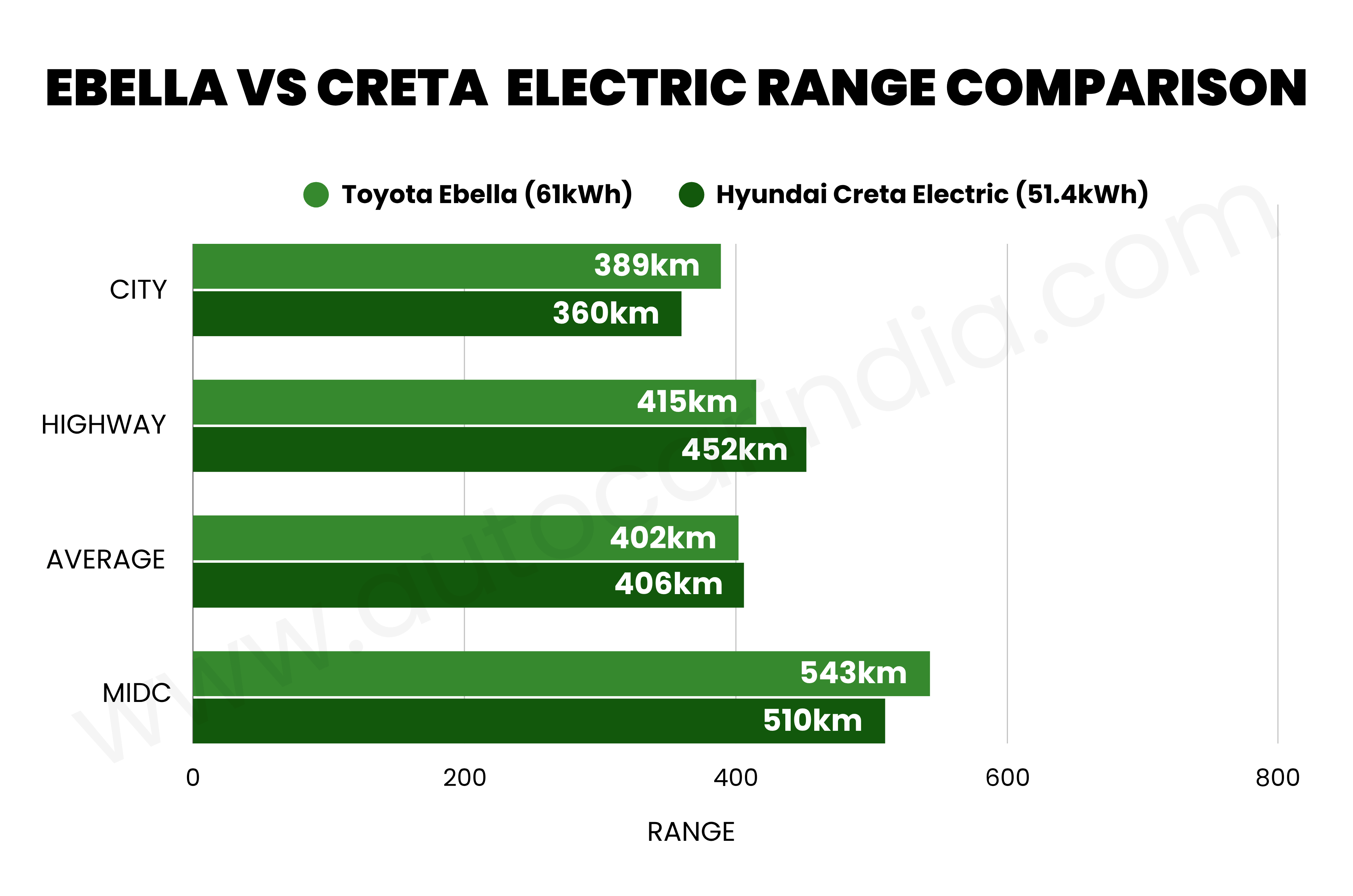
Despite the Ebella’s battery capacity advantage, the Creta Electric emerged as the overall winner in our real-world range tests. The Hyundai EV formed a 37km lead over the Ebella on the highway, while the Toyota SUV was ahead by 29km in urban conditions. In terms of battery efficiency, the Creta Electric achieved higher numbers across the board.
Toyota Ebella vs Hyundai Creta Electric real-world efficiency
Ebella
Creta Electric
Tested city efficiency (km/kWh)
6.37
7.00
Tested highway efficiency (km/kWh)
6.80
8.80
Tested average efficiency (km/kWh)
6.59
7.90
Averaging the range figures above, the Creta Electric beat the Ebella by a slim 6km margin. With a gap of 104km, the Creta Electric’s real-world range adhered better to its MIDC figure too, while the Ebella recorded a 141km deficit for the same.
Toyota Ebella vs Hyundai Creta Electric: Prices
Price range (Rs, lakh)
Ebella
23.60
Creta Electric (51.4kWh)*
20.00-23.67
*Prices exclusive of home charger and installation cost.
The Ebella is available in just one 61kWh variant, which is priced on par with the Creta Electric’s top-spec 51.4kWh version. Since the Creta Electric 51.4kWh is sold in multiple variants, it undercuts the Ebella by up to Rs 3.6 lakh. That said, the Ebella comes bundled with a home charger, while Hyundai charges an extra Rs 73,000 for it.
Autocar India’s range testing
Before our real-world range tests, the battery of our test car was fully charged, and we maintained tyre pressures in accordance with the manufacturer’s recommendations. The car was driven on a weekday in Mumbai city and on the adjoining state highway in a fixed loop, and we maintained the set average speeds. At the end of each cycle, we calculated the range based on the percentage charge consumed.
Throughout our tests, the climate control was set to 22deg C in a full-auto setting, and other electricals, such as the audio system, indicators and ventilated front seats, were used when required, just as a regular user would. We take pride in our testing data, which isn’t merely consistent but also gives users an accurate indication of what they can expect in the real world.
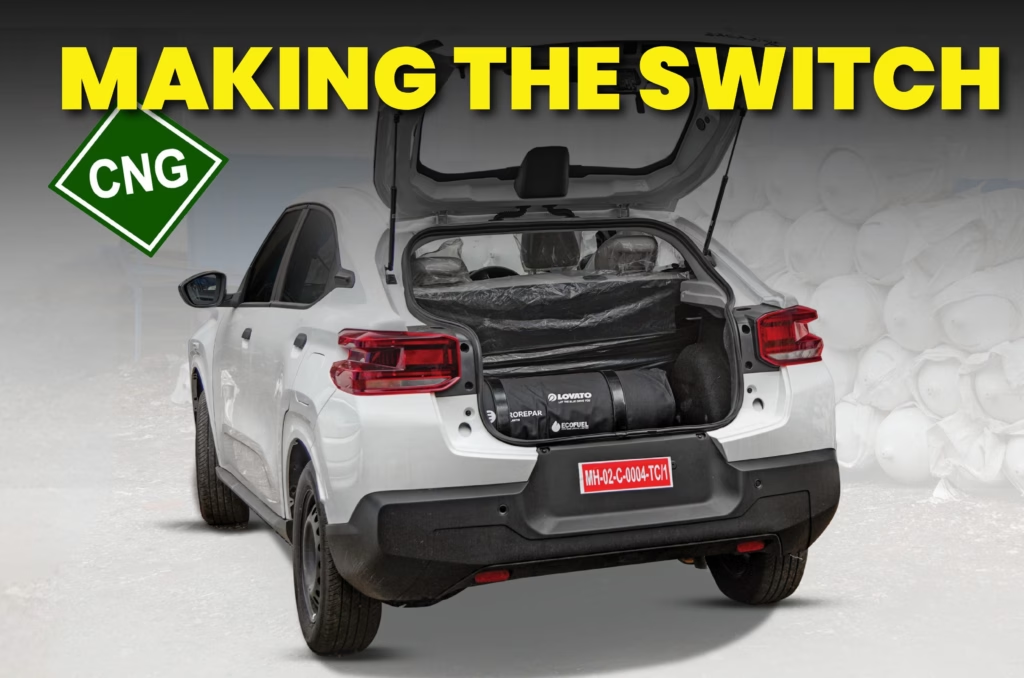
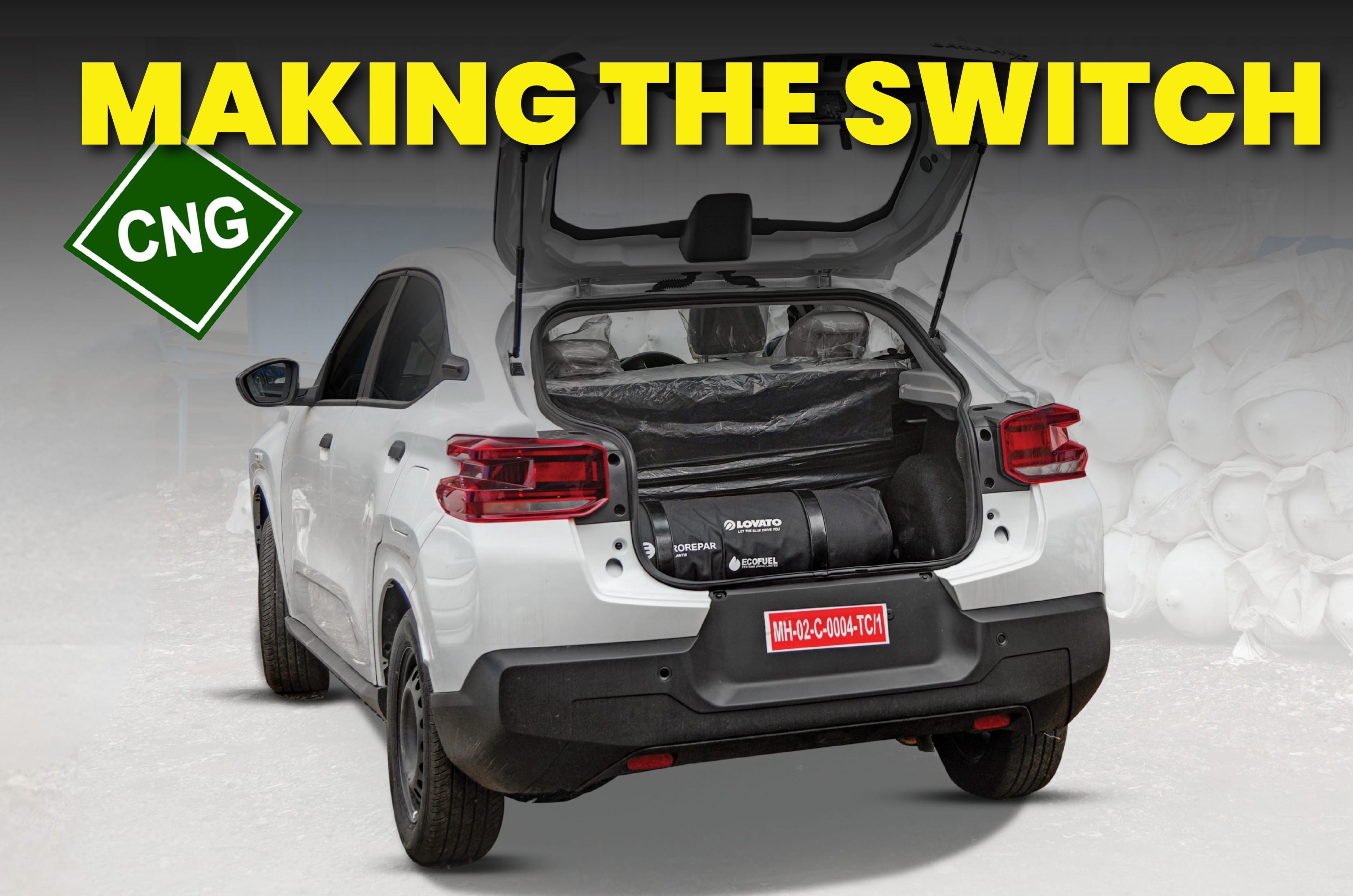
While aftermarket CNG conversions are not new, with the rise in fuel prices, there has been a noticeable spike in interest surrounding them. Although there are more factory-fitted CNG cars on the market than ever before, several models still do not give you the option. Not to mention, existing car owners are increasingly looking to convert their cars to CNG to reduce running costs.
Naturally, this increased interest brings up several questions about the technology, the installation, the legalities and more. We thus teamed up with Lovato CNG’s authorised distributor in Maharashtra, Blue Drive Traders, as well as Lets Go CNG and its authorised installer in Mumbai, M.S Motors, to answer questions about CNG conversions.
Know your CNG kit
There are three broad types of kits available on the market today. The oldest is the Venturi type, typically used for cars that are Bharat Stage 3-compatible and older. These use a Venturi mixer, similar to a carburettor, that mixes CNG with air before it is injected into the intake manifold. They are the most affordable, usually costing between Rs 30,000 and Rs 40,000, including installation and registration, but they are not the most efficient and bring a significant drop in performance. Since the cars they are compatible with are also reaching the end of their lifecycle, these kits are gradually being phased out.
Modern naturally aspirated MPFI cars require a sequential type kit. These use individual injectors that inject CNG directly into the intake manifold and feature their own ECU that controls timing, volume and other parameters based on RPM and driver inputs. These are much more fuel-efficient, and the drop in performance is nominal in everyday driving conditions. Like the older Venturi kits, these too require the car to be started on petrol before switching over to CNG. However, they automate the process by making the switch once a certain engine temperature is reached. Prices vary depending on the manufacturer and the specifications of each kit, ranging from Rs 40,000-Rs 50,000 for older BS4 cars, to Rs 50,000-Rs 65,000 for smaller BS6 cars, stretching to Rs 70,000-Rs 75,000 for larger cars that require an eight-injector kit.
The newest type of kit to hit the market is the direct-injection kit, used for cars with direct petrol injection. Like sequential kits, these too inject CNG into the intake manifold. However, direct-injection engines cannot run purely on CNG. The fuel injectors in a DI engine sit within the combustion chamber, so to prevent them from overheating, a small amount of petrol still needs to be injected through them even when running on CNG. Therefore, a turbocharged direct-injection engine can only run on a maximum 80:20 ratio of CNG and petrol. As a result, fuel efficiency gains are not quite as high as with a naturally aspirated engine, and kit prices range from Rs 1 lakh to Rs 1.5 lakh, thus pushing the breakeven point further away.
What’s in the box?
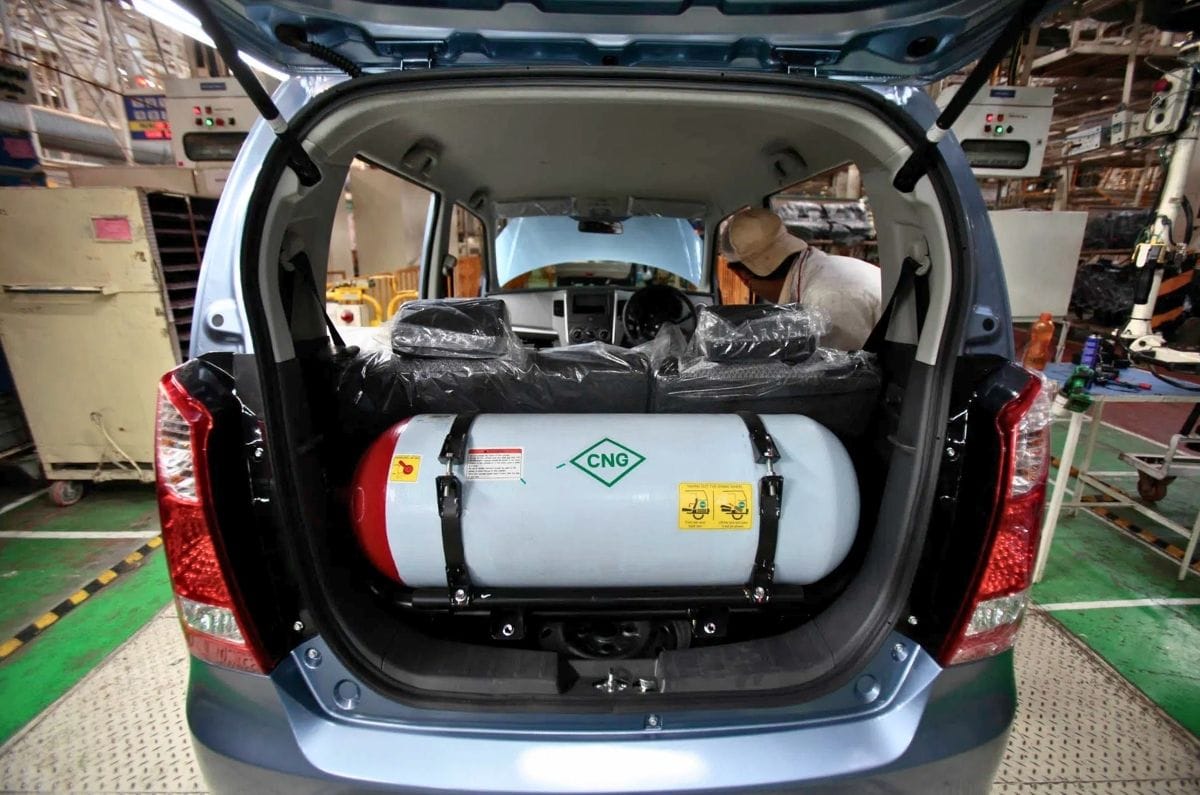
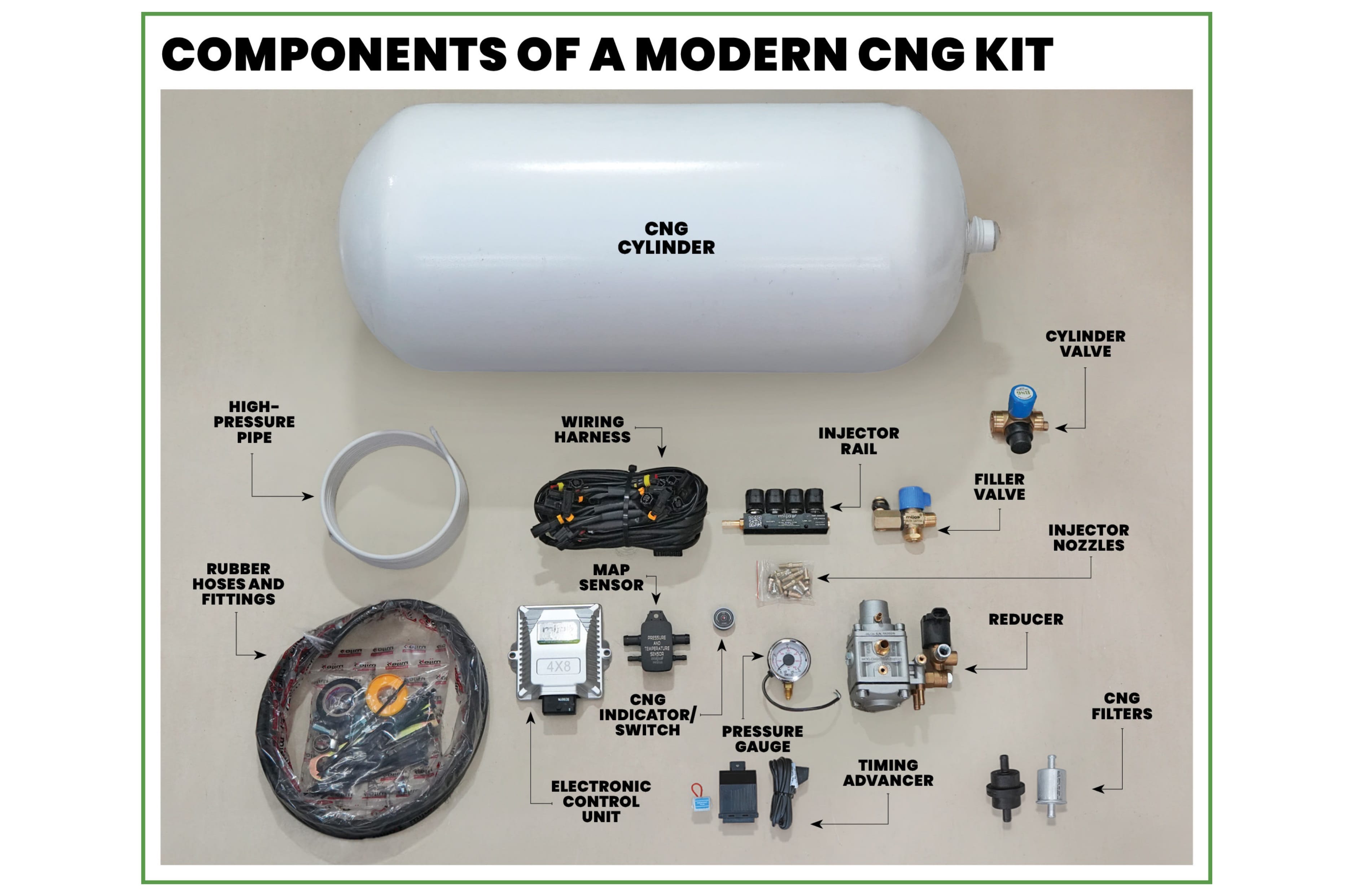
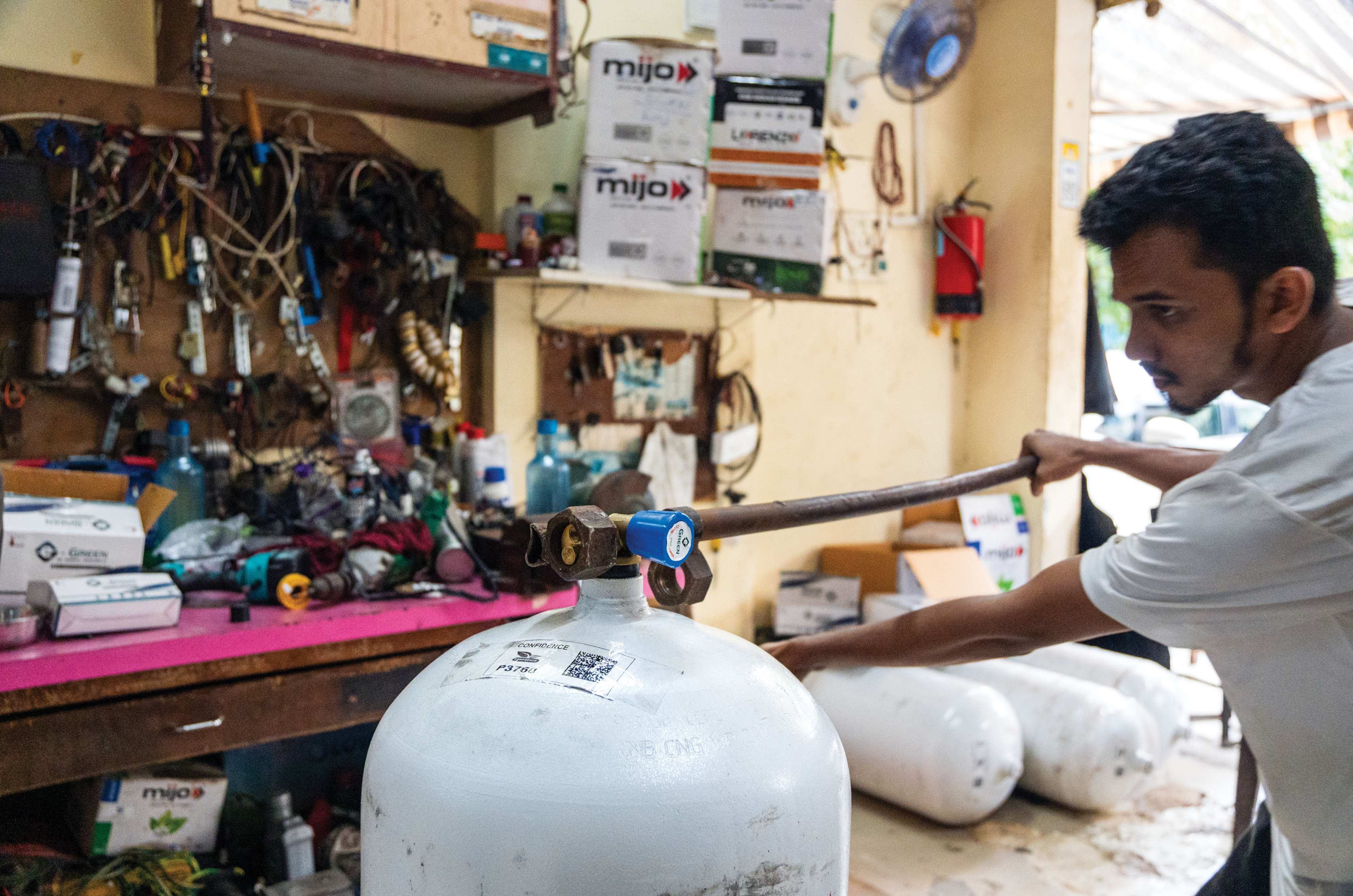
The largest and heaviest component of a typical CNG kit is the tank itself. Made from seamless steel, these can weigh close to 70kg empty, with volumetric capacities ranging from 60 to 65 litres. Metal-lined composite cylinders and carbon fibre-reinforced plastic cylinders are also now available, and while they are significantly lighter, they usually cost two or three times more. Attached to the tank is a valve with a manual shut-off.
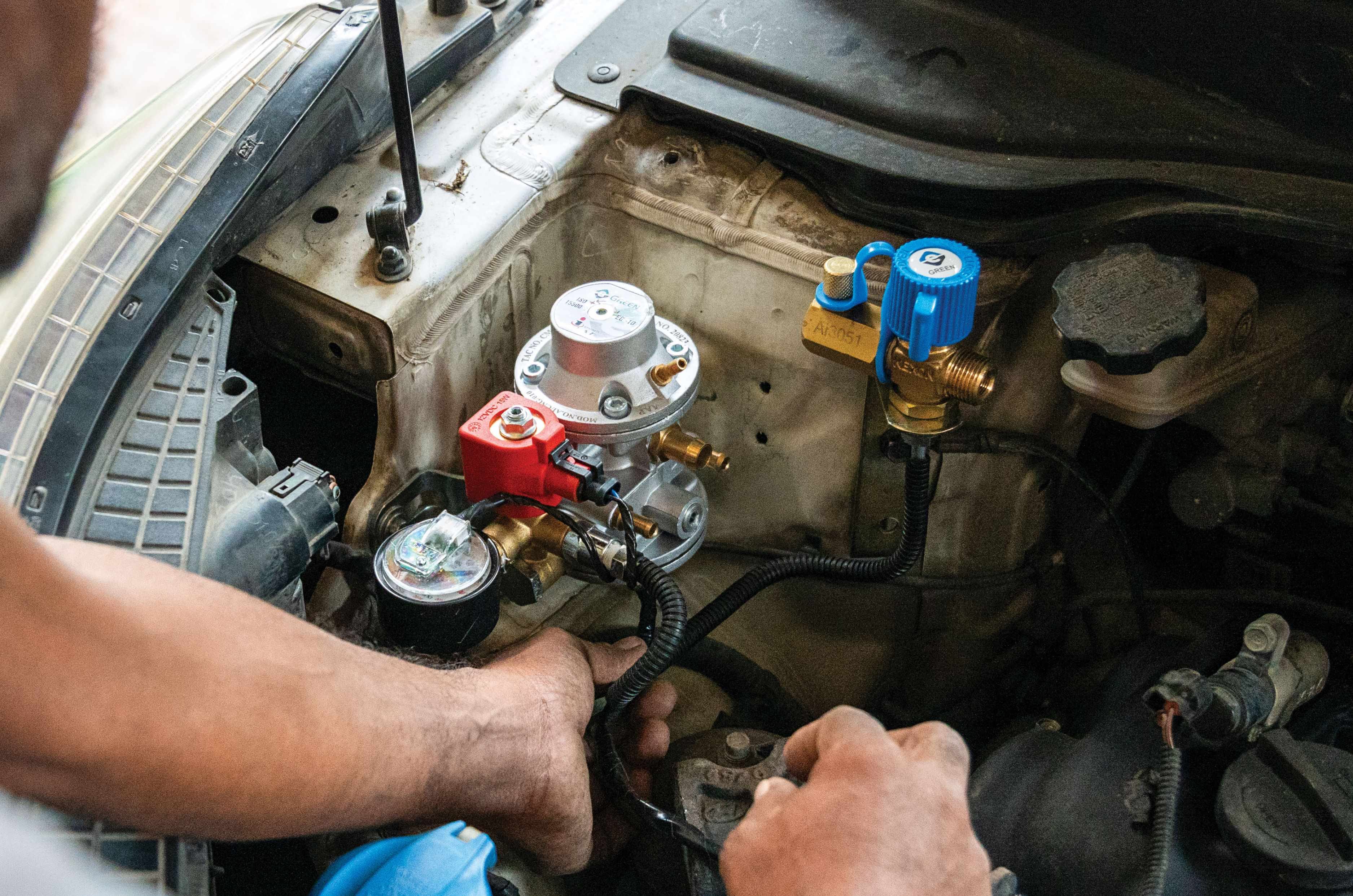
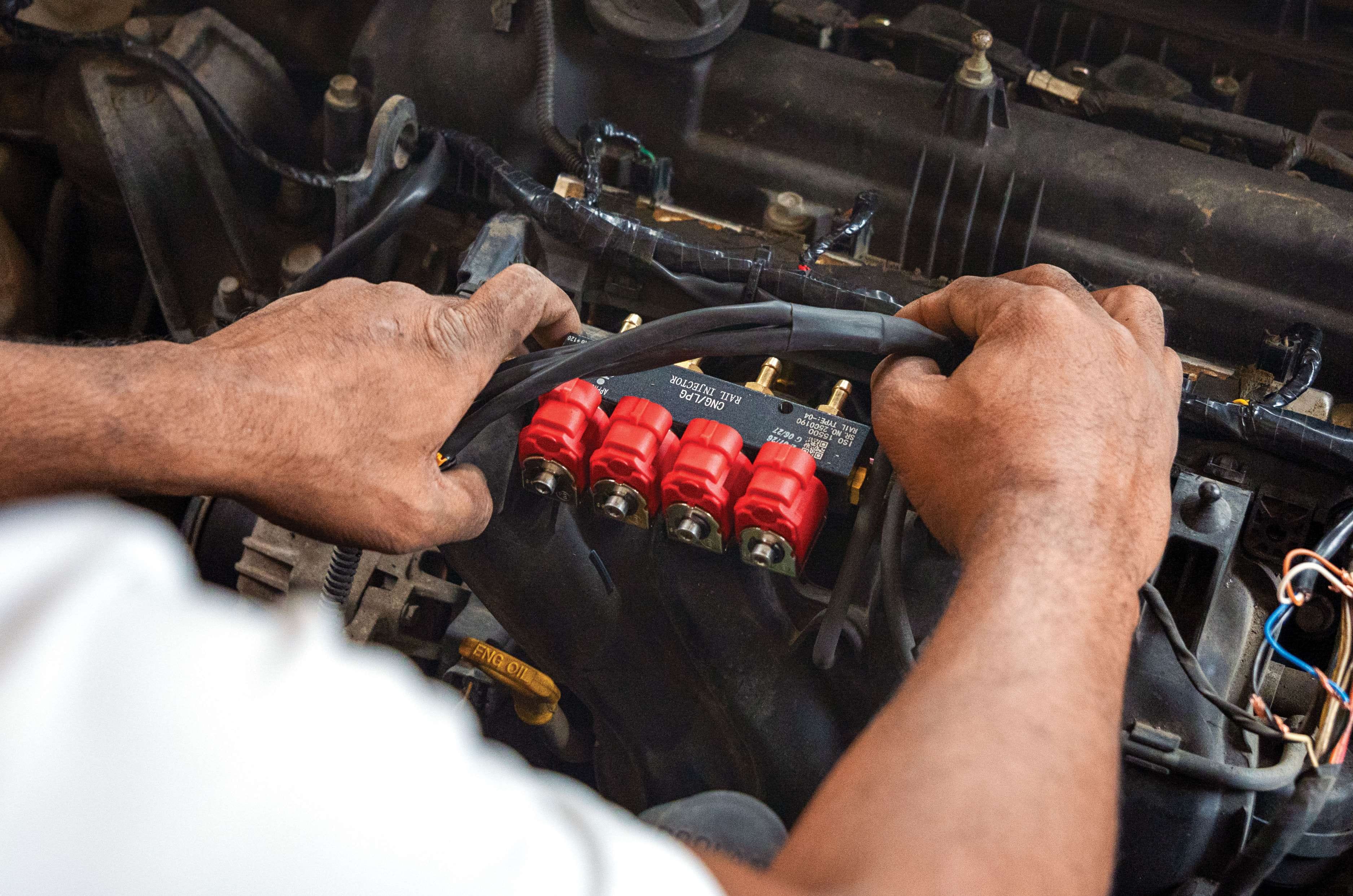
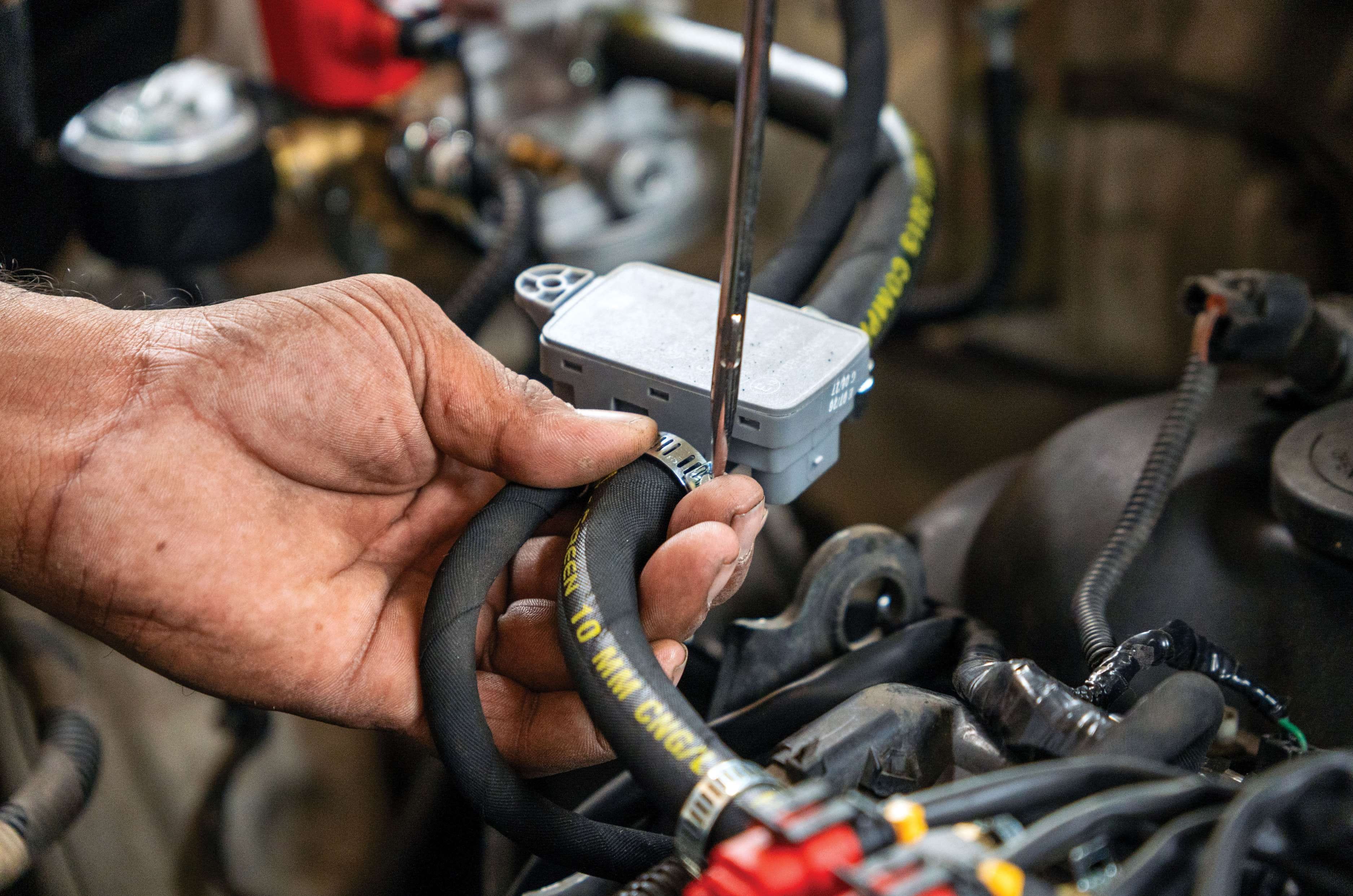
The filling valve, through which CNG is filled, can either be placed under the bonnet or beside the petrol filler cap, depending on the vehicle. Transporting the gas from the tank to the pressure reducer under the bonnet is high-pressure tubing made from carbon steel and coated in polymers. The reducer has a pressure gauge and lowers gas pressure from about 200bar in the tank to a manageable 2-3 bar. From here, the gas is routed to the injector rail that sits atop the engine, which further distributes it to nozzles drilled into the intake manifold via reinforced rubber hoses. Between the reducer and the injector rail sits a Manifold Absolute Pressure (MAP) sensor to measure the pressure as well as the temperature of the gas. There is also an optional filter to remove any impurities in the line.
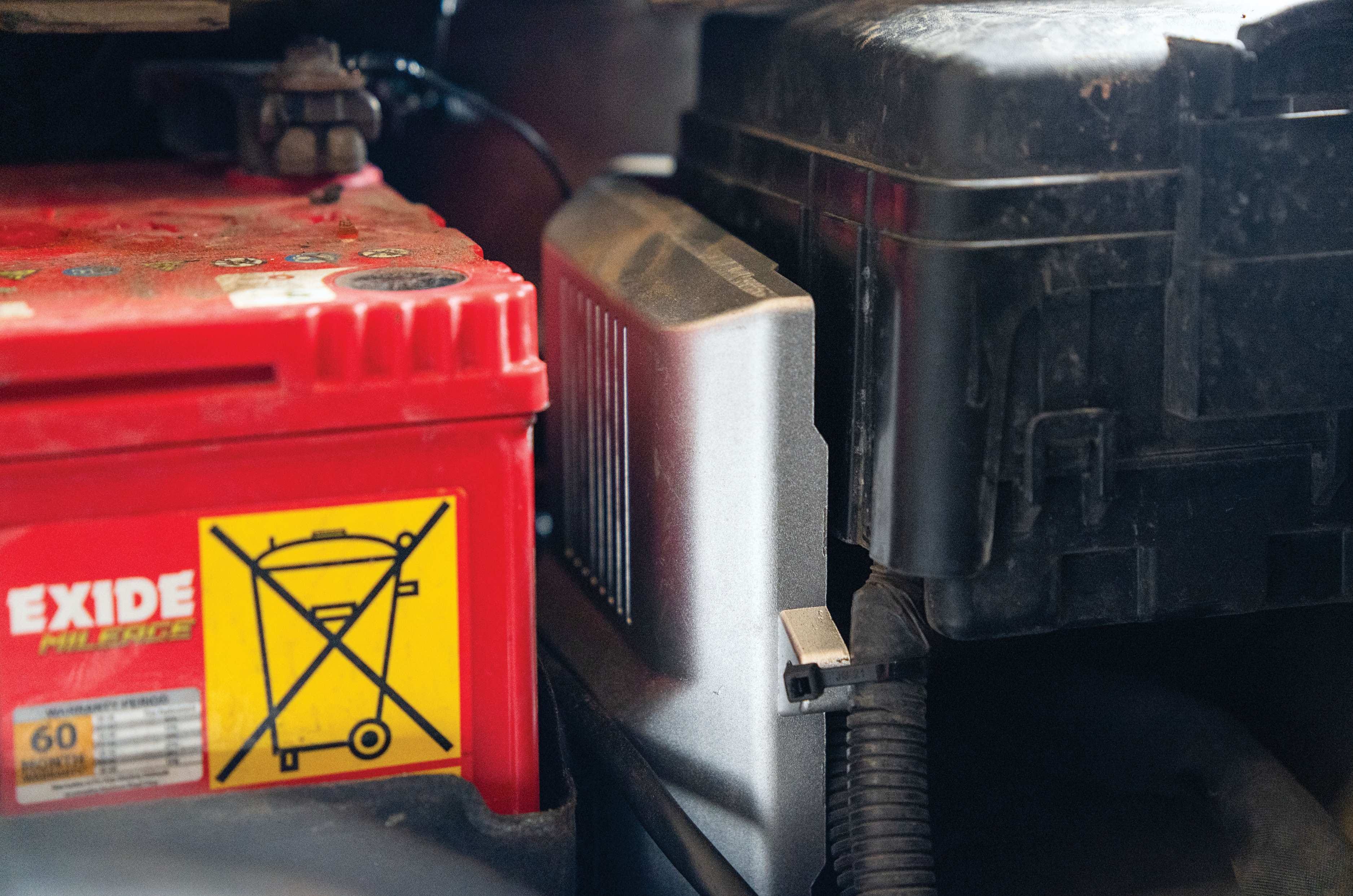
Controlling the injector rail is an Electronic Control Unit (ECU) that uses signals from the MAP sensor and communicates with the car’s original ECU to dictate the amount of CNG being injected and the timing. Modern kits also come with a comprehensive wiring harness that can plug into the car’s original wiring via OBD connectors. Older pre-BS6 cars, however, may require some wire splicing. Optionally available is an Advancer, which advances ignition timing when running on CNG and negates some of the power loss, particularly on smaller-capacity engines. Some sedans and hatchbacks also require a rear coil spring spacer to compensate for the added weight of the tank in the boot.
How a CNG kit is installed
A professional CNG installation takes around 4 to 5 hours to complete. Here’s what happens behind the workshop doors.
Health check
The engine is inspected to ensure it’s suitable for CNG conversion. A basic service is performed if required, with spark plugs and ignition coils replaced as needed and the throttle body cleaned.
Components positioned
The reducer and its pressure gauge are mocked up in the engine bay before mounting points are marked and drilled. The filler valve may be located alongside them or next to the petrol filler cap, depending on the vehicle.
Injectors installed
The CNG injector rail is mounted on its dedicated bracket close to the petrol injectors. This will send CNG to corresponding nozzles that are drilled and fitted into the vehicle’s plastic intake manifold.
ECU wired in
The CNG ECU is mounted alongside the factory ECU and connected to the vehicle’s wiring loom. The harness is neatly routed and secured away from heat and moving parts.
Plumbing completed
Reinforced rubber gas hoses are cut to length and connected between the reducer, injector rail and the intake manifold. A MAP sensor and a filter are also installed as part of the system.
Tank prepared
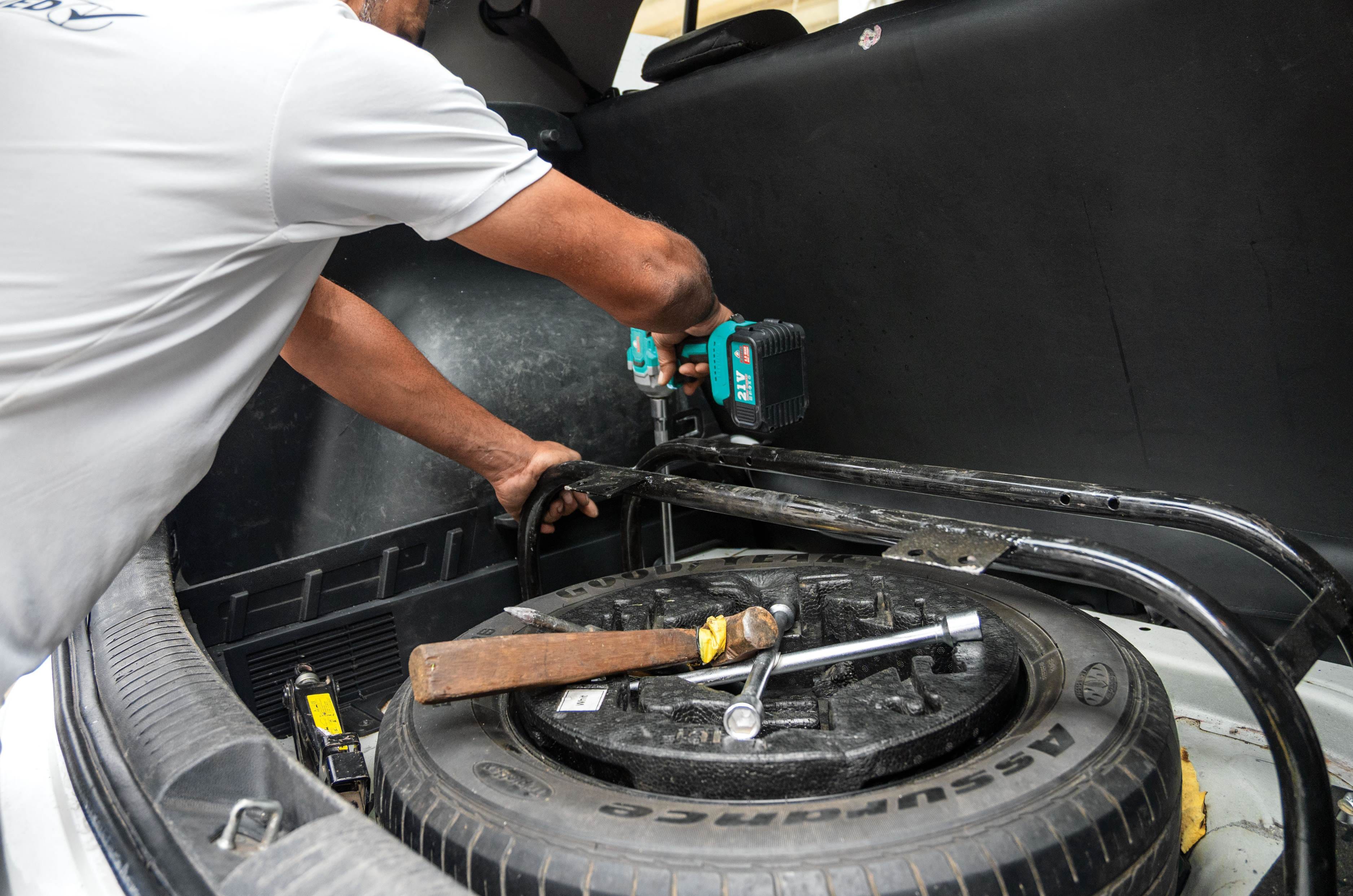
The CNG tank is temporarily mounted to a rig that holds it in place while the shut-off valve and associated fittings are installed before everything is torqued down.
Tank frame installed
The mounting frame is positioned inside the boot, holes are drilled through the floor, and reinforced brackets securely bolt it to the vehicle’s structure.
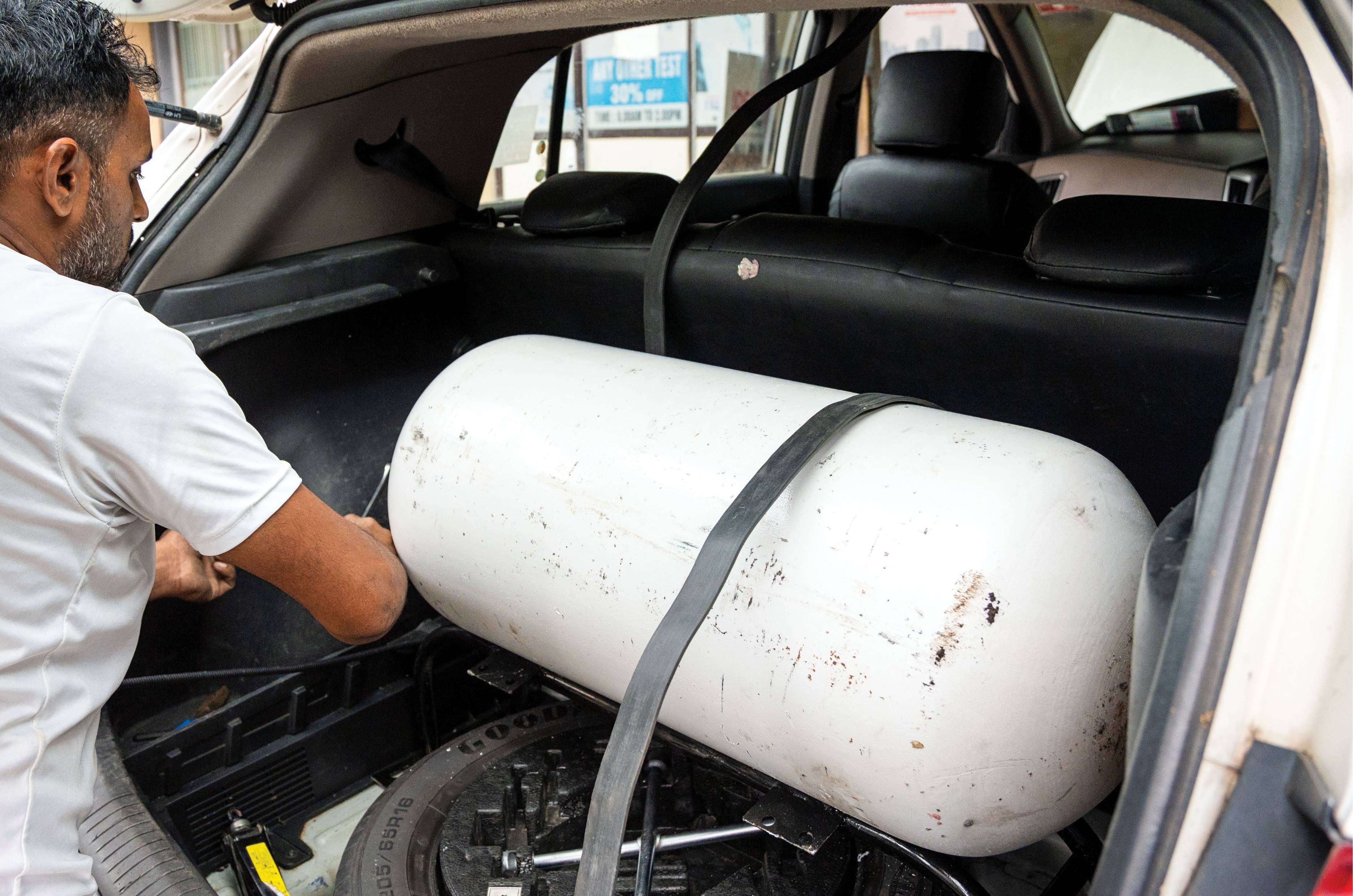
Tank fitted
The CNG cylinder is secured to the frame using heavy-duty metal straps and bolts before being covered with a carpeted shroud for a neat factory-like finish.
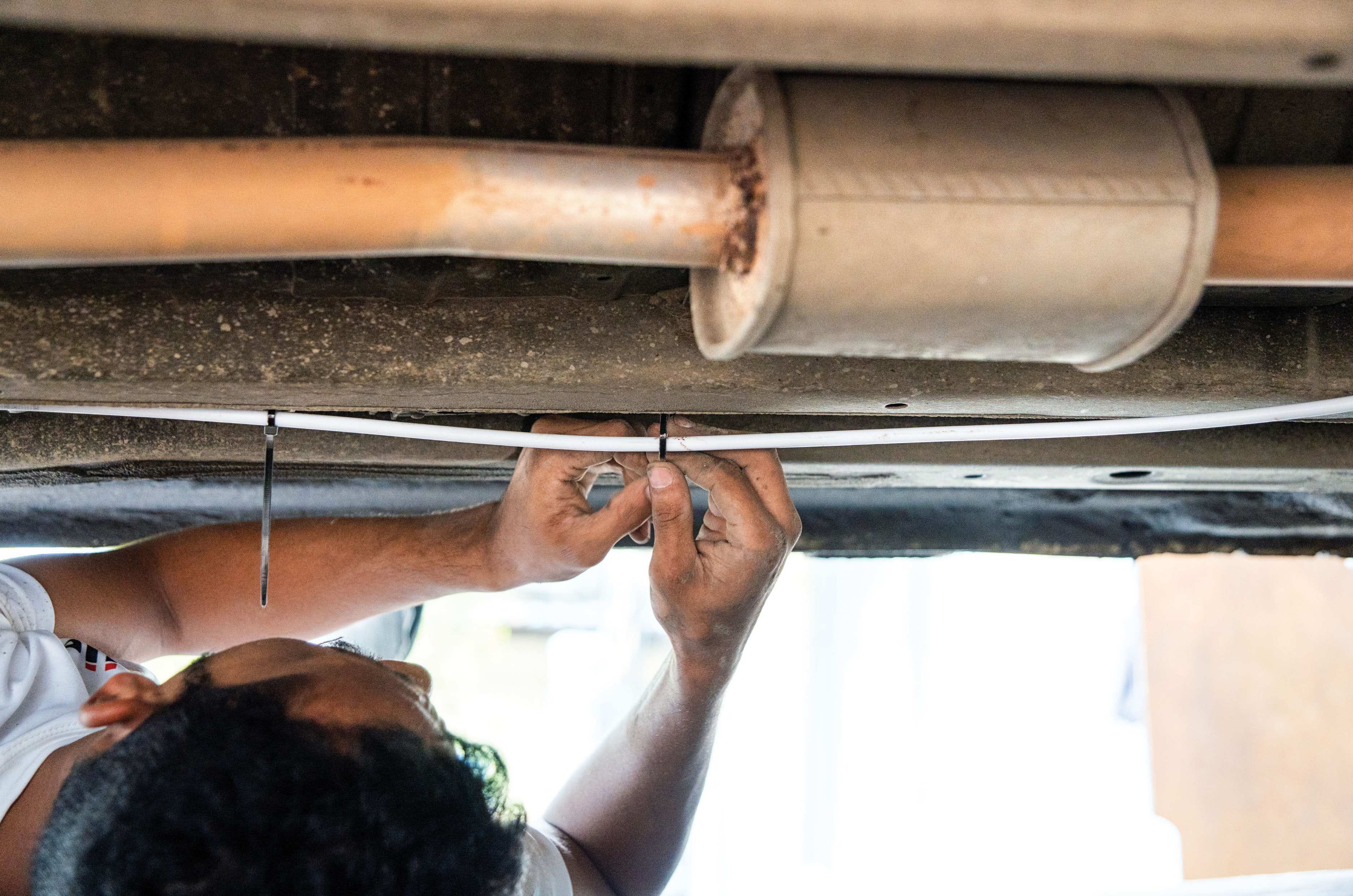
High-pressure line routed
Polymer-coated steel high-pressure pipes are routed beneath the car, connecting the CNG filler valve, the tank and the reducer under the bonnet.
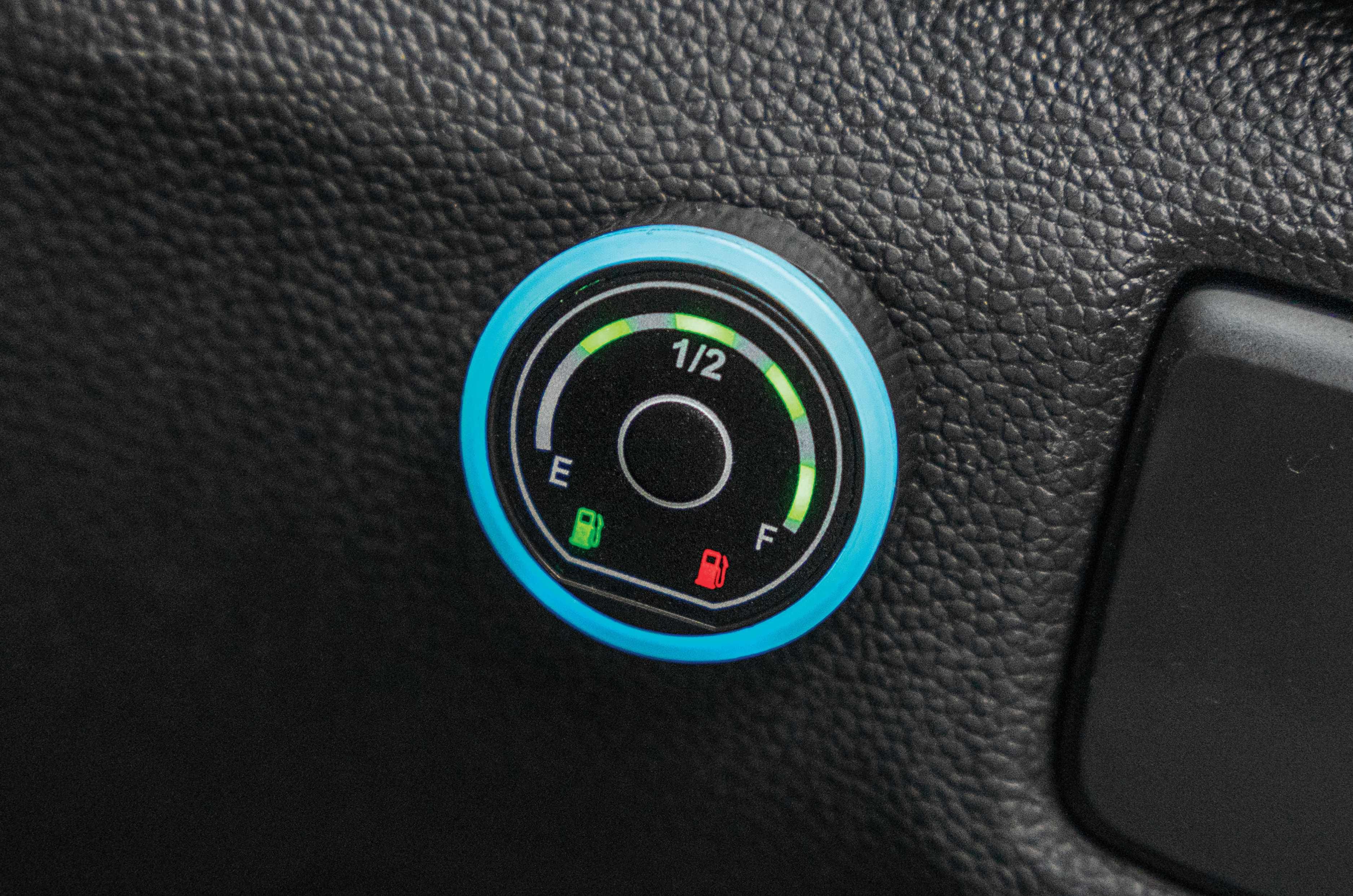
Electrical connections
The remaining wiring is completed and a dashboard-mounted CNG switch is installed, allowing the driver to monitor fuel level and switch between petrol and CNG.
Leak test
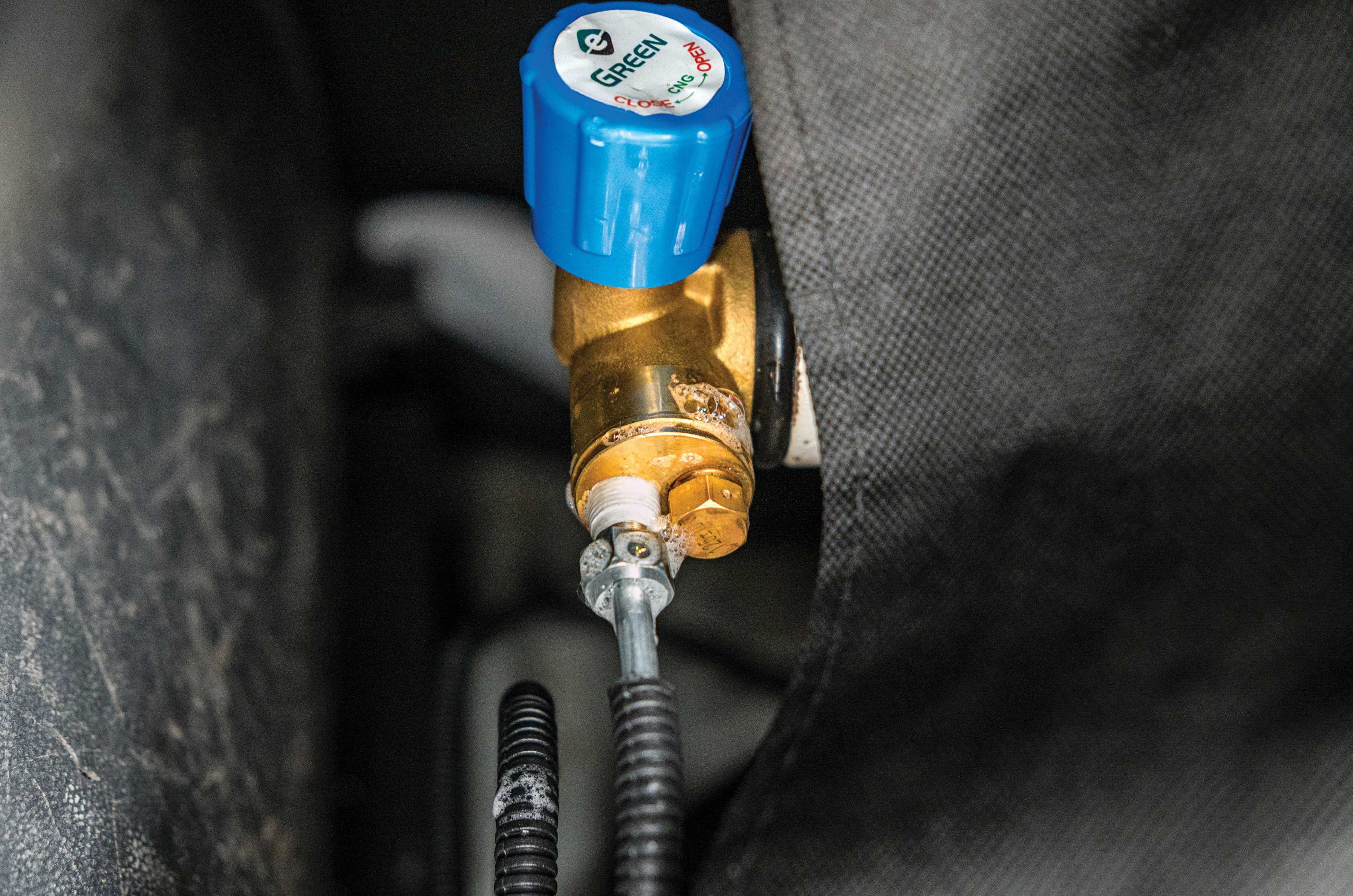
Around 2kg of CNG is added and every connection is checked using an electronic gas detector and good old-fashioned soap solution to ensure the entire system is leak-free.
Calibration and road test
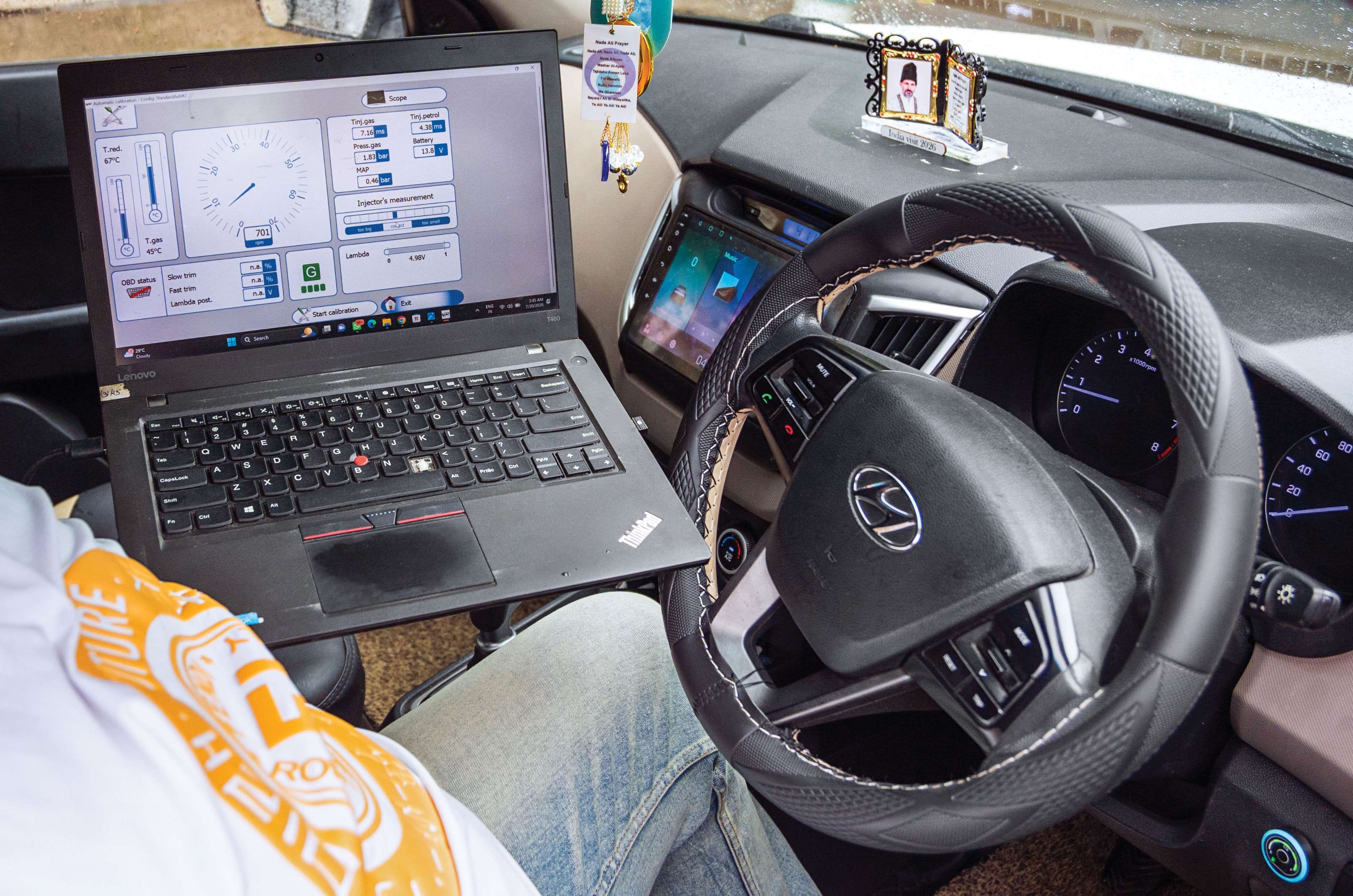
The system is calibrated using dedicated software to optimise fuel delivery and switchover settings. A final road test confirms performance before the vehicle is delivered to the customer.
Why go aftermarket?
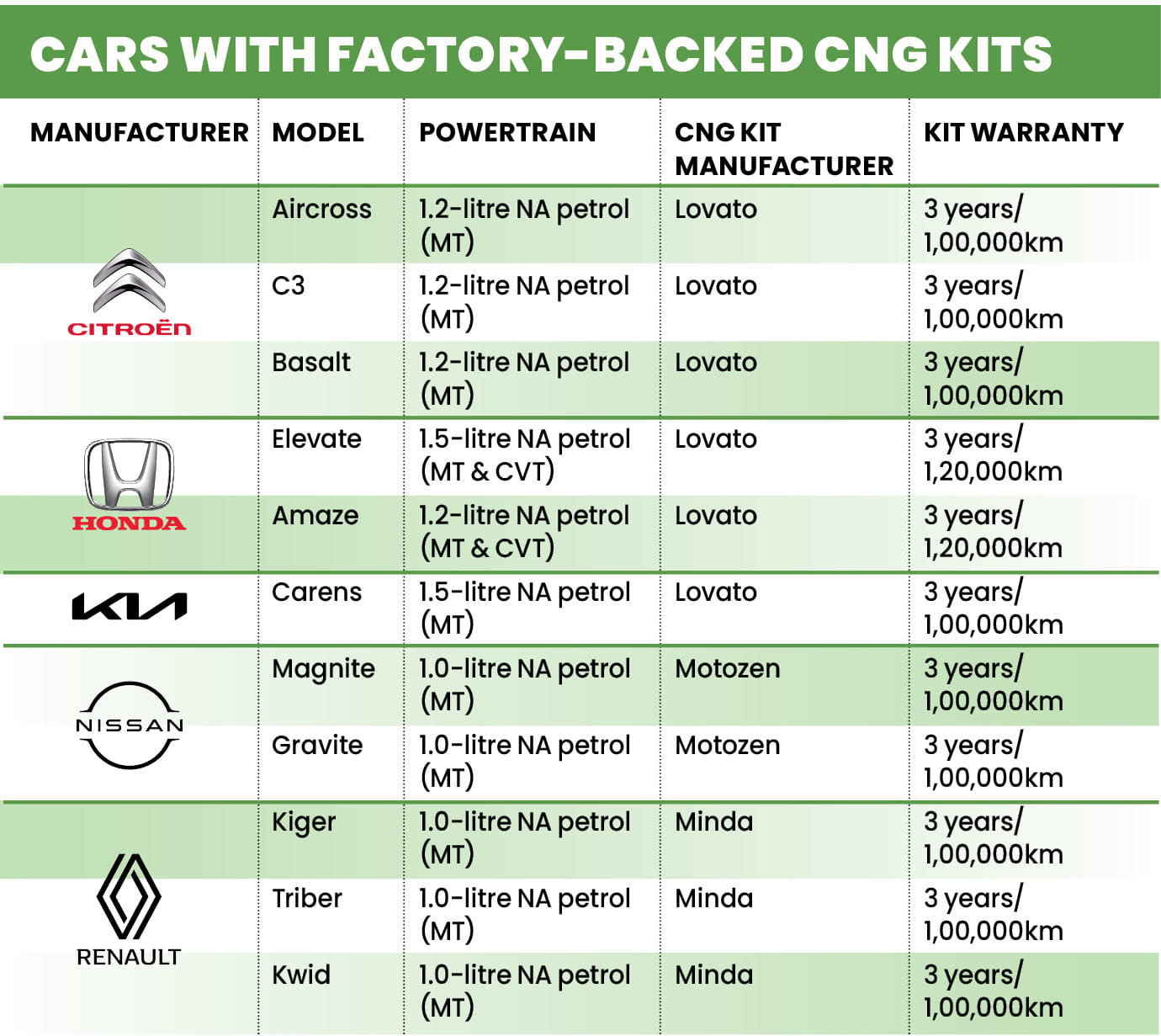
On average, an aftermarket CNG installation costs around 25 to 30 percent less than the premium a factory-fitted CNG variant commands over its petrol counterpart. However, this alone is not enough to swing the scales in favour of the aftermarket due to the disadvantages we will get into later. The bigger advantage the aftermarket holds is the ability to convert models or variants that do not come with a CNG option. For instance, Maruti Suzuki only offers its factory-fitted CNG cars with a manual transmission, so if you want one with an automatic, an aftermarket CNG kit is your only option.
Similarly, popular SUVs like the Hyundai Creta and Kia Seltos are not available in CNG guise, which leads many owners to turn to the aftermarket. Owners of older cars, or those buying used cars, can also convert them to CNG for a fairly affordable price and enjoy significantly lower running costs. CNG is spark-ignited, thus only petrol cars can be converted to run on the gas. Since diesel cars use compression-ignition, they would need far too many modifications to make this possible. Strong hybrids are also not recommended for conversions, as here, the engine keeps switching on and off too often, which makes CNG calibration complex. Cars that are not in good mechanical shape should also not be converted to CNG, as the conversion can take a toll on the overall engine health.
For a car in generally good shape, aftermarket kits are proving to be reliable in the long run, provided they are well maintained. Most modern sequential kits from brands like Lovato and Mijo are also comparable in quality to OEM systems, and reputed, authorised installers are able to achieve near-OEM levels of fitment.
The catch
Fitting an aftermarket CNG kit – even if it is government-approved and fitted by an authorised installer – is grounds for the manufacturer warranty to be voided. While some brands may still honour warranty claims that are unrelated to the powertrain, it remains a grey area. Some dealer-fitted CNG kits do retain the factory warranty, while others provide a third-party warranty in its place.
Aftermarket installers have also begun offering third-party warranties in collaboration with insurance companies to provide coverage in place of the factory warranty. This, however, is in addition to the cost of the CNG kit. The kits themselves generally come with a warranty ranging from one to two years.
Packaging is also one area where the aftermarket trails OEMs. While Maruti, Tata and Hyundai are now offering underbody and dual-tank setups to retain a usable boot, the aftermarket still largely uses larger single tanks that take up more space.
Staying fit
As per law, any CNG tank – aftermarket or OEM fit – must be hydrotested every three years. For this, the tank must be removed from the vehicle and sent to a dedicated facility. While the process itself takes only a couple of hours, hydrotesting facilities are usually located outside major cities, adding transport time to the process. A hydrotest typically costs around Rs 3,000 per tank.
The CNG filter should also be replaced at the same three-year or 10,000km interval, whichever comes first. This typically costs under Rs 1,000 and is fairly straightforward. It is also recommended to drive on petrol at least 10 percent of the time to keep the fuel system healthy. Finally, it is important that the engine’s service schedule is strictly followed.
The legal bit
Aftermarket CNG installations are legal as long as the kit is government-approved, fitted by an approved installer and the registration certificate (RC) is updated accordingly. Most approved installers will handle the RC update at the Regional Transport Office (RTO) as part of the service. Once this is complete, the owner must also update the insurance provider.
The verdict
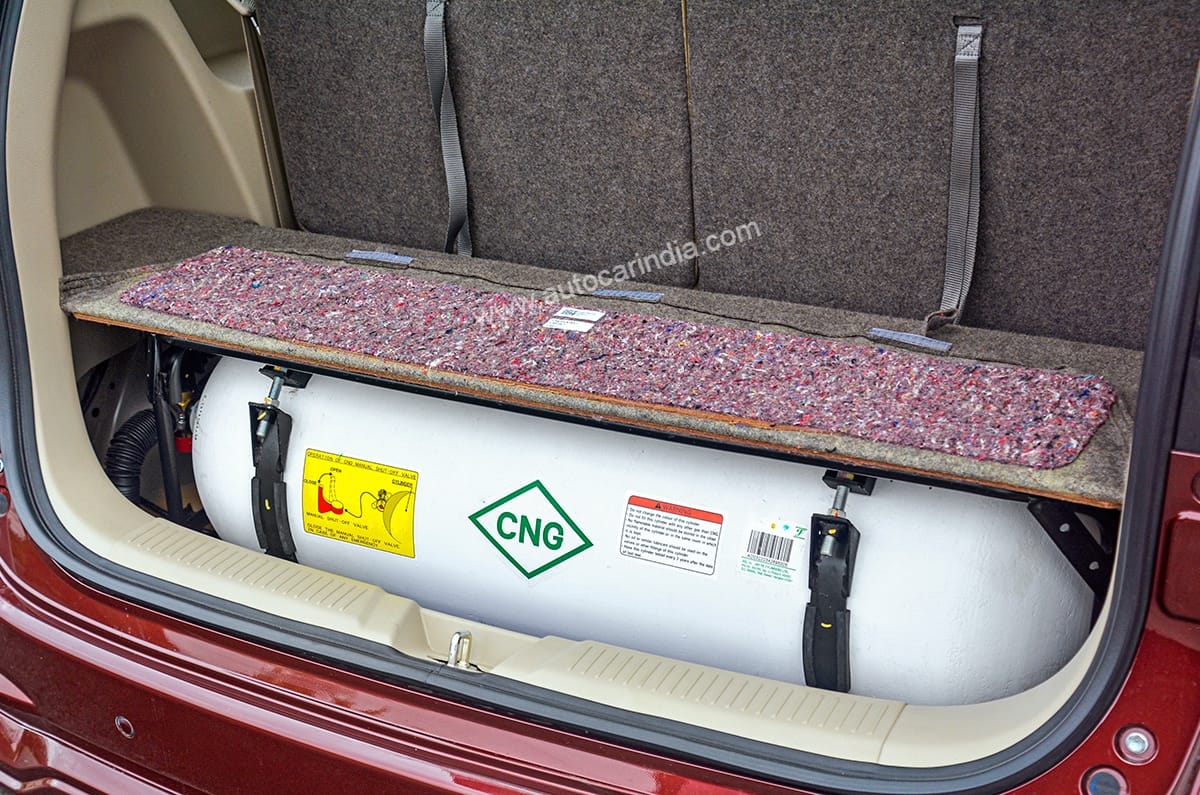
Maruti Ertiga’s factory-fitted CNG tank shown for representative purposes only.
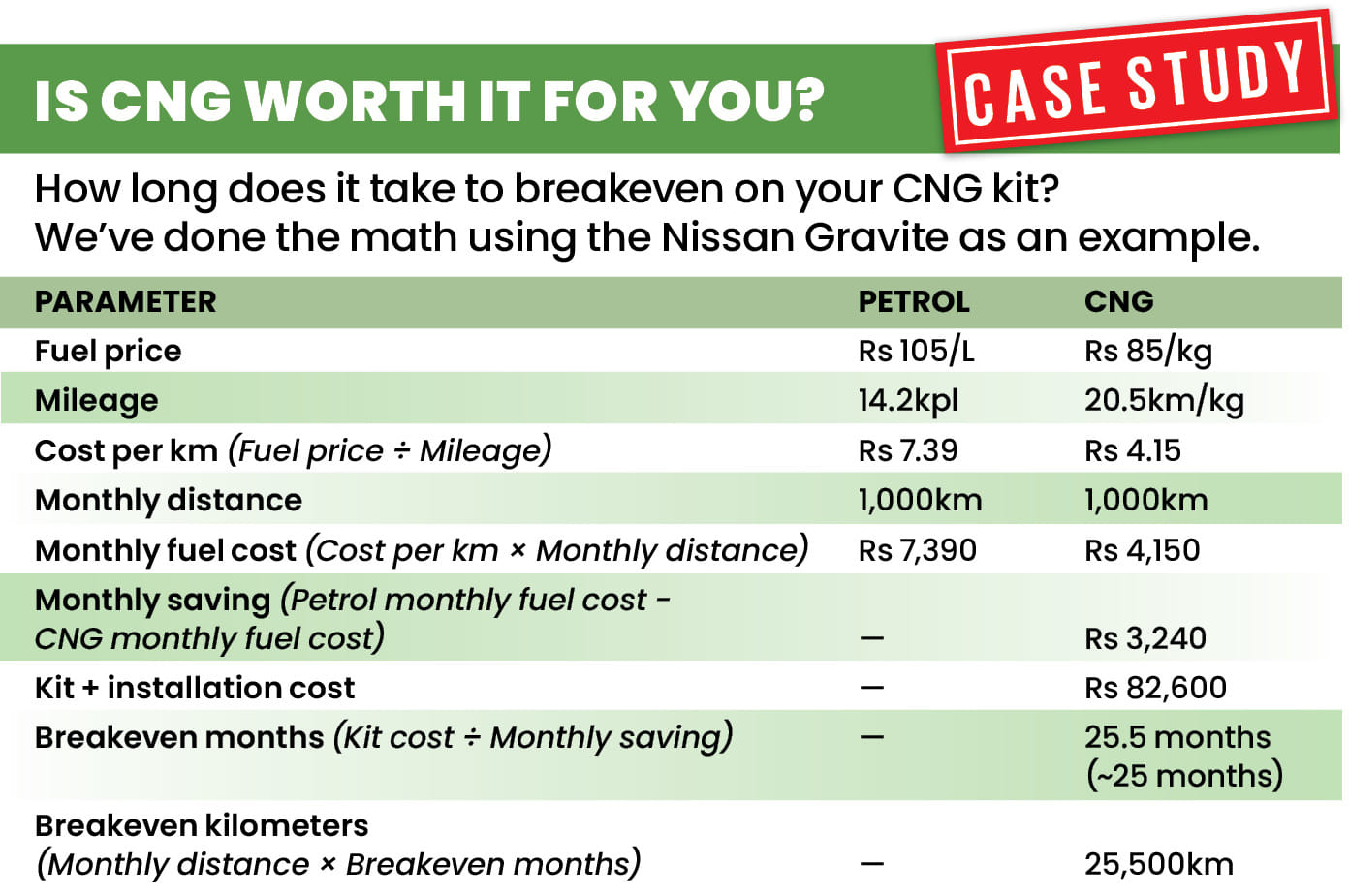
There is no denying the running cost advantage that CNG provides. However, when buying a brand-new car, a factory-fitted CNG version is still preferable to an aftermarket conversion simply because of the peace of mind. Once a car is out of warranty, though, a CNG conversion makes a great deal of sense. In most cases, the cost of the kit can be recouped within a couple of years, even with an average monthly running of around 1,500km.
However, the installer is just as important as the kit. Always opt for government-approved kits installed by approved installers with a strong reputation. Wherever possible, insist the installation is carried out without splicing into the original wiring and follow the recommended service schedule to ensure your car stays reliable.
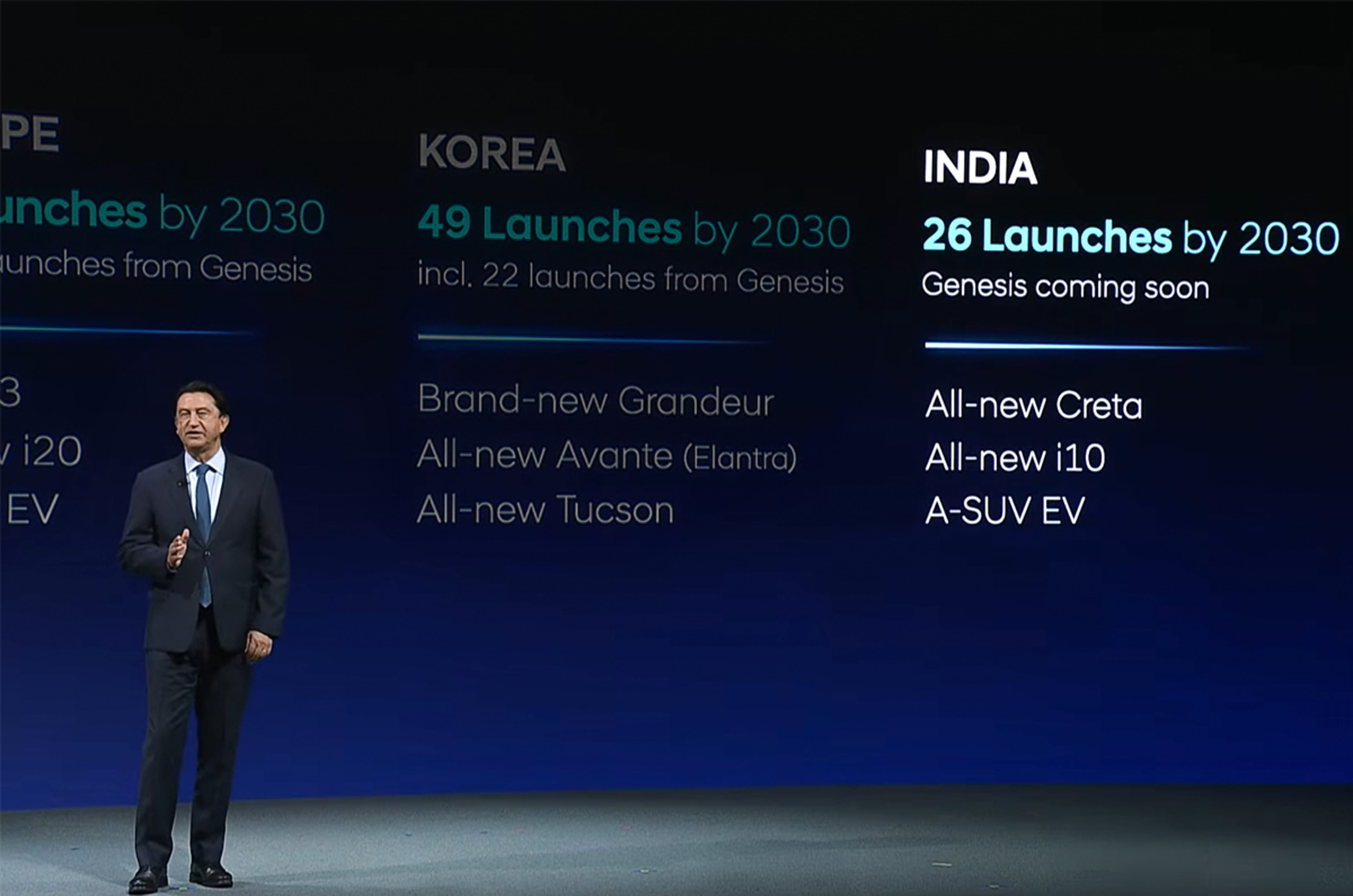
At its 2026 CEO Investor Day, Hyundai formally announced that it will bring next-gen versions of the Creta midsize SUV and i10 hatchback to India before 2030. We’ve known for quite some time that a new-gen Creta is in the works – test mules have been spied in India too – and we even reported on the next-gen i10’s launch timeline back in 2024.
Next-gen Hyundai Creta
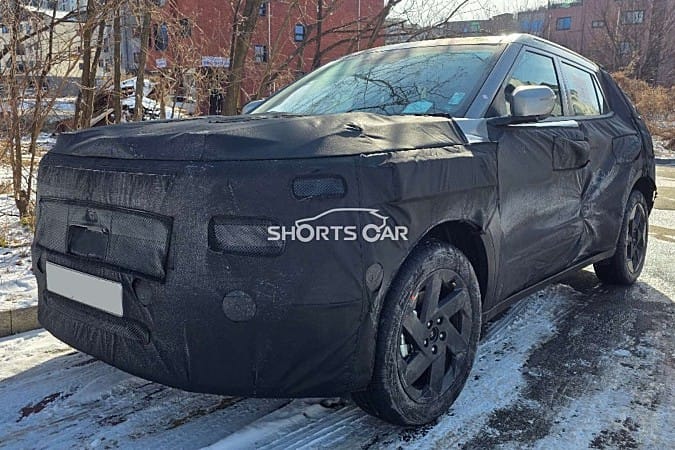
The new Creta is likely to ride on the same K3 platform that underpins the second-gen Kia Seltos. Test mules of the next-gen Creta indicate that the SUV will grow in size and sport boxier proportions, while the interior is expected to get a fresh design, Hyundai’s new Pleos Connect infotainment interface, and an enhanced feature set.
Under the bonnet, the new Creta is anticipated to carry over the existing model’s 115hp 1.5-litre naturally aspirated petrol, 160hp 1.5-litre direct-injection turbo-petrol, and 116hp 1.5-litre diesel engines, along with their respective gearbox options. In addition to those, Hyundai is likely to introduce a strong-hybrid powertrain for the next-gen Creta, which could be based on the 1.5-litre naturally aspirated petrol engine.
Third-gen Hyundai Creta test mule. Image credit: Raspberry via Autospy.net
We expect the third-gen Creta to launch sometime in 2027, possibly in the second half of the year. The current-gen Creta was first launched in 2020 and received a major facelift in 2024. However, with the recent barrage of all-new midsize SUV rivals like the Tata Sierra, Renault Duster, Nissan Tekton, and the aforementioned second-gen Seltos, the Creta is due a generational update.
Next-gen Hyundai i10
Details are scarce about the next-gen i10, but hatchback could make the switch to a new platform. Thorough redesigns for the exterior and interior, along with a bolstered list of features, are expected. As for engine options, the new i10 is expected to use the current model’s 1.2-litre naturally aspirated engine, which is available in 83hp petrol and 69hp CNG guises. Manual and AMT gearbox options are also anticipated to be retained.
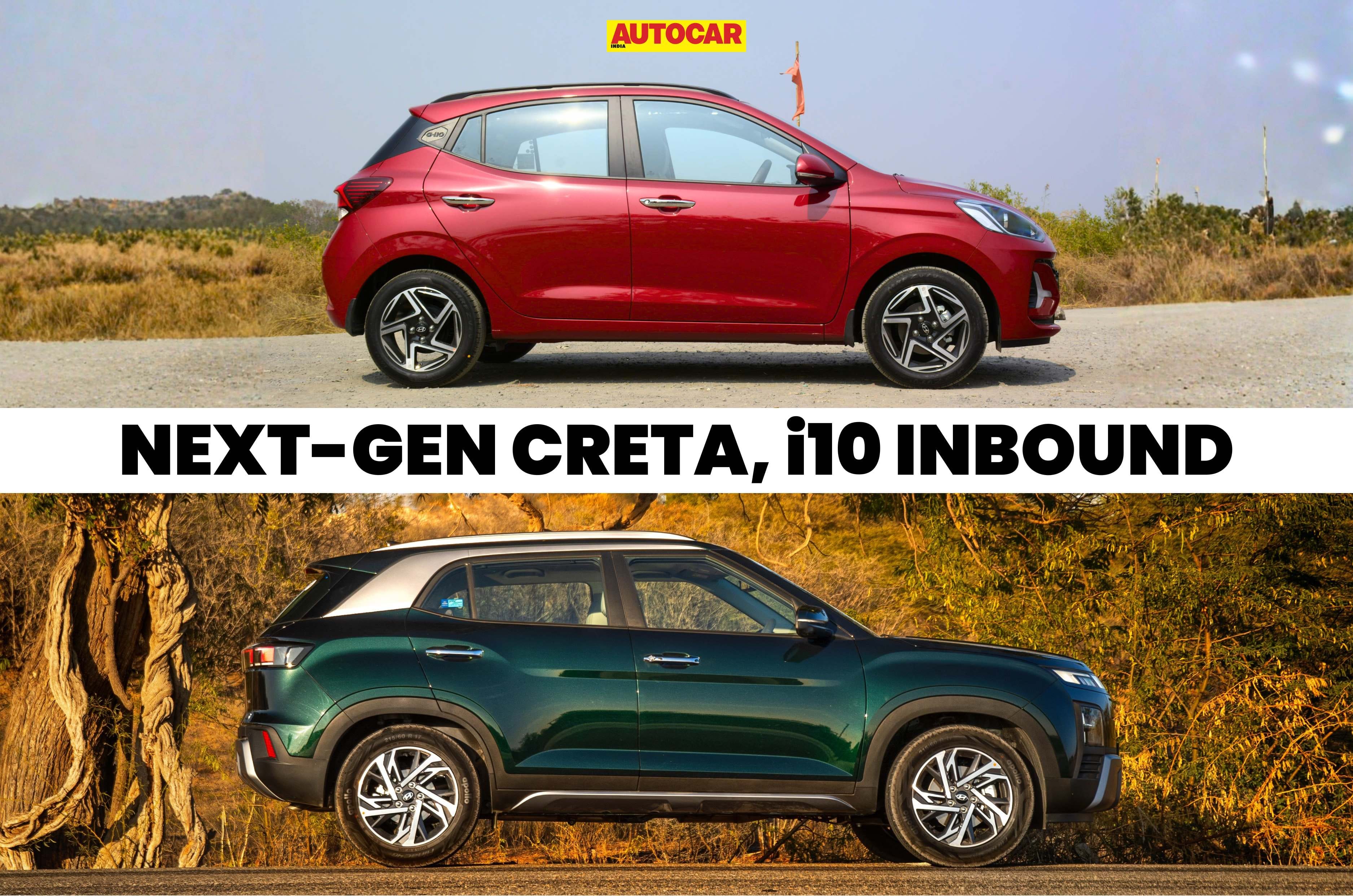
Current Hyundai Grand i10 Nios. Image used for representation only.
According to our prior report, the next-gen i10 is likely to launch in India by late 2027, which would mark a gap of around eight years following the arrival of the current Grand i10 Nios in 2019. More significantly, the next-gen i10 will reinforce Hyundai’s presence in the small-car segment, which has seen renewed interest following the 2025 GST cuts.
The Hyundai Creta has built its reputation on a spacious cabin, a long list of features and a wide choice of powertrains. The current model is offered with a 1.5-litre naturally aspirated petrol, 1.5-litre diesel and 1.5-litre turbo-petrol engine, with multiple gearbox options across the range. However, it isn’t without its shortcomings. Here are three reasons to consider the Creta and two reasons why you may want to look elsewhere.
Pros
1. Spacious and comfortable interior
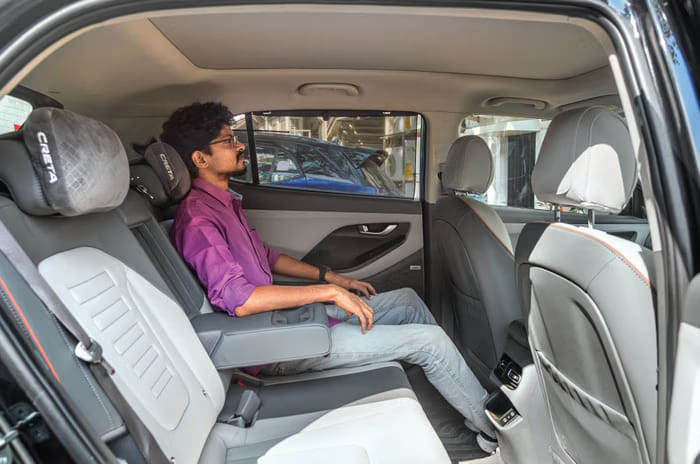
The Creta’s cabin is one of its strongest points, particularly for buyers who regularly carry passengers. There is good legroom in the rear and enough width for three adults to sit across the bench. The rear seat also gets a reclining backrest, an armrest, sunshades and neck pillows, while two USB Type-C ports are available for charging.
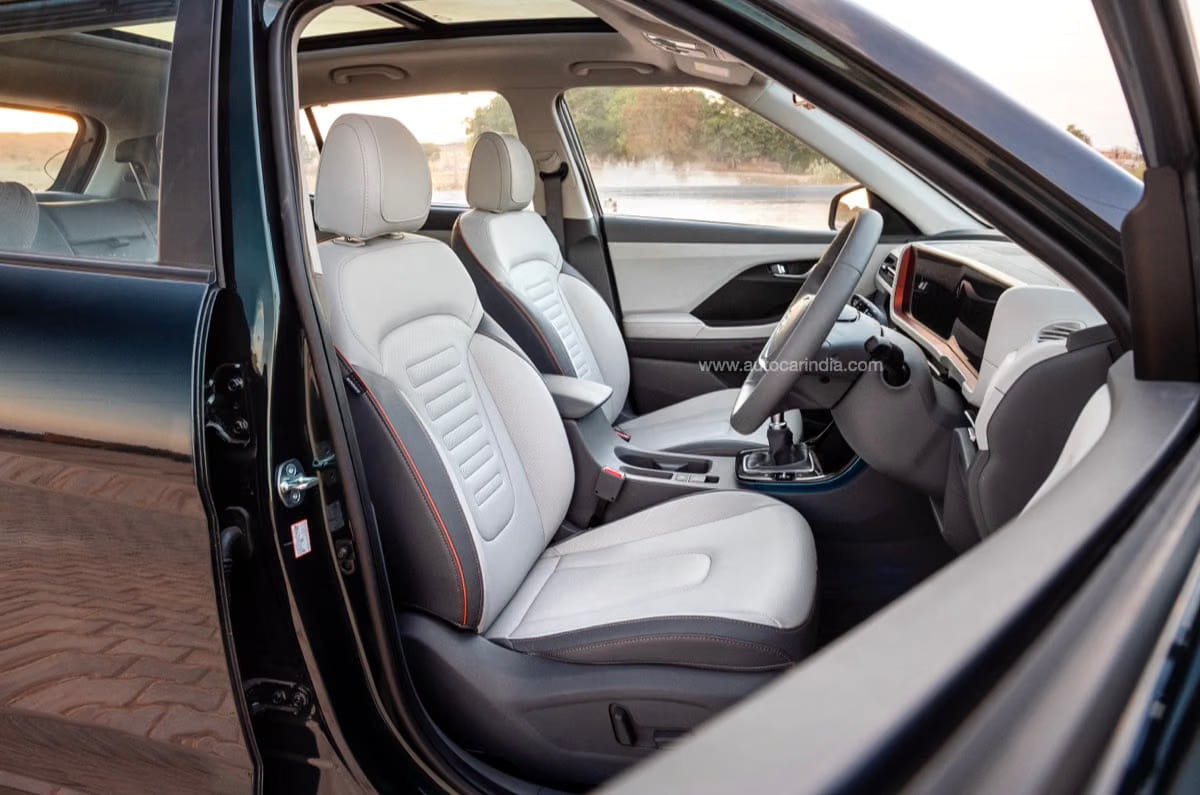
The front seats are comfortable and the large glasshouse provides good all-round visibility. With a manageable 4.3m length and light steering, the Creta is also easy to use in the city.
2. Feature-packed
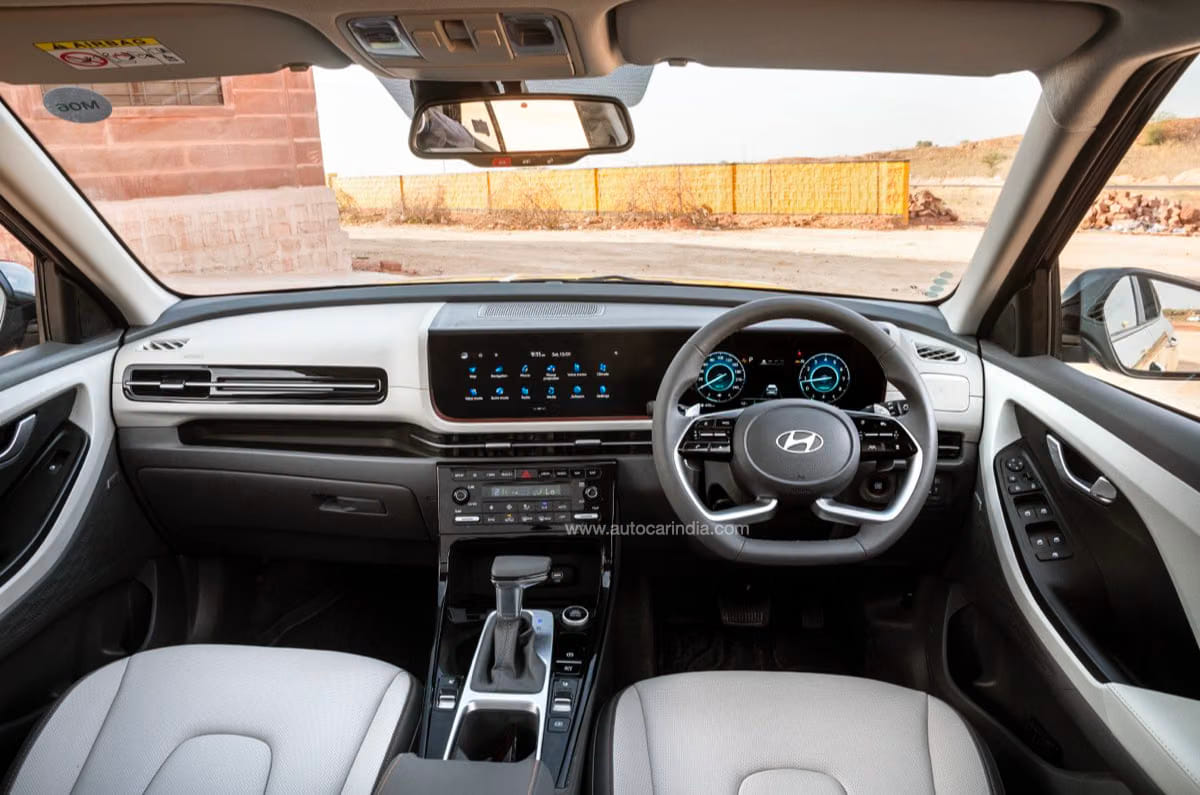
The Creta is among the better-equipped SUVs in its class. Depending on the variant, equipment includes a 10.25-inch touchscreen, 10.25-inch digital driver’s display, panoramic sunroof, ventilated front seats, powered driver’s seat, dual-zone climate control, an air purifier, 360-degree camera and Bose audio system. Higher variants also get Level 2 ADAS, including features such as adaptive cruise control, lane keep assist and autonomous emergency braking. The Creta also offers connected-car features and retains physical controls for the air-conditioning, making frequently used functions easy to operate without relying entirely on the touchscreen.
3. Wide powertrain lineup
The Creta offers one of the widest powertrain choices in the midsize SUV segment. It is available in 27 variants, with three engines to choose from: a 115hp 1.5-litre petrol, a 160hp 1.5-litre turbo-petrol and a 116hp 1.5-litre diesel. Depending on the engine, buyers can choose from a six-speed manual, CVT, six-speed torque convertor automatic or seven-speed dual-clutch automatic.
There is also the sportier N Line for buyers looking for a more performance-focused Creta. Combined with the choice of engines, gearboxes and trims, the range caters to a broad mix of requirements.
Cons
1. Some cabin plastics could be better
While the Creta’s cabin looks modern and its materials have generally pleasing textures, the quality of some of the plastics falls short of the best in the segment. There are no soft-touch materials on the dashboard and the fit and finish isn’t Hyundai’s best, with the gloss finish on the centre console also appearing uneven in places.
There are a few other minor shortcomings too. The rear centre passenger does not get a headrest, while the front armrest is not adjustable for length.
2. Top versions are pricey
The Hyundai Creta’s top-spec versions are priced up to Rs 20.11 lakh (ex-showroom). For comparison, the Renault Duster tops out at Rs 18.49 lakh, while the Skoda Kushaq goes up to Rs 18.99 lakh. That puts it Rs 1.62 lakh above the Duster and Rs 1.12 lakh above the Kushaq, making the top-spec Creta a relatively expensive proposition compared with some of its similarly sized alternatives.
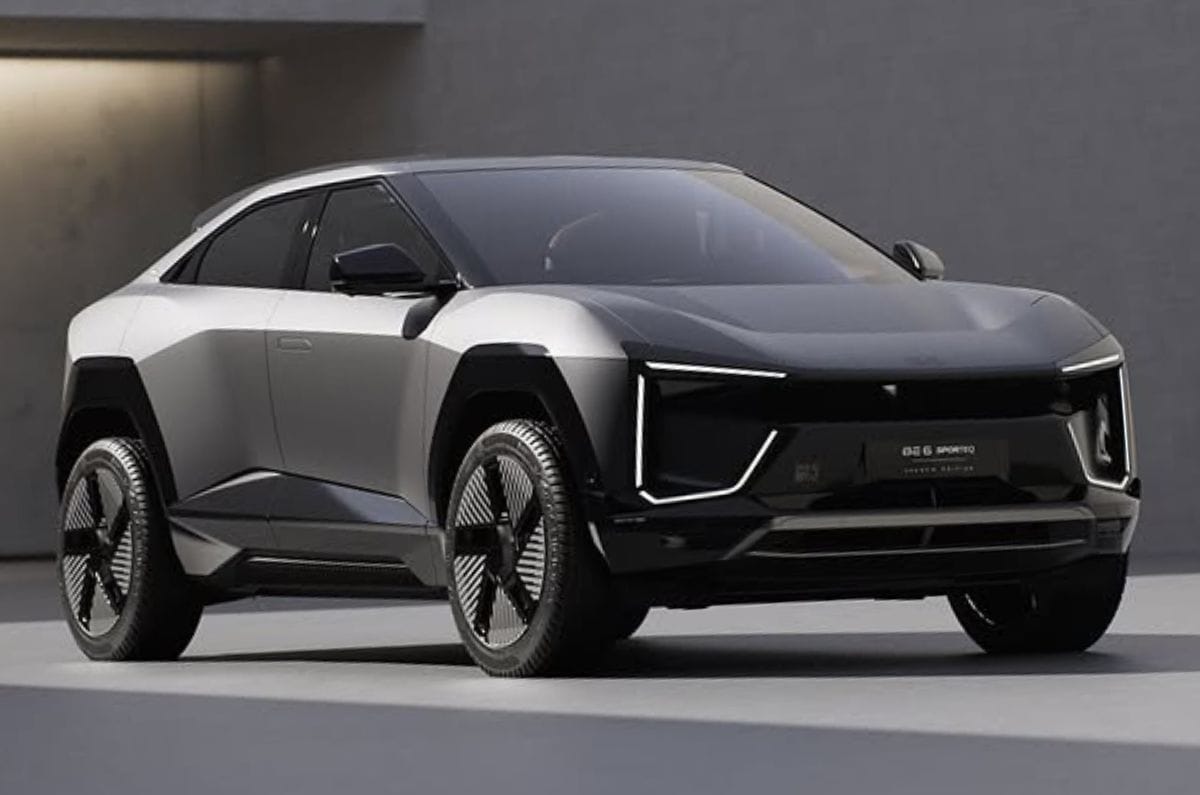
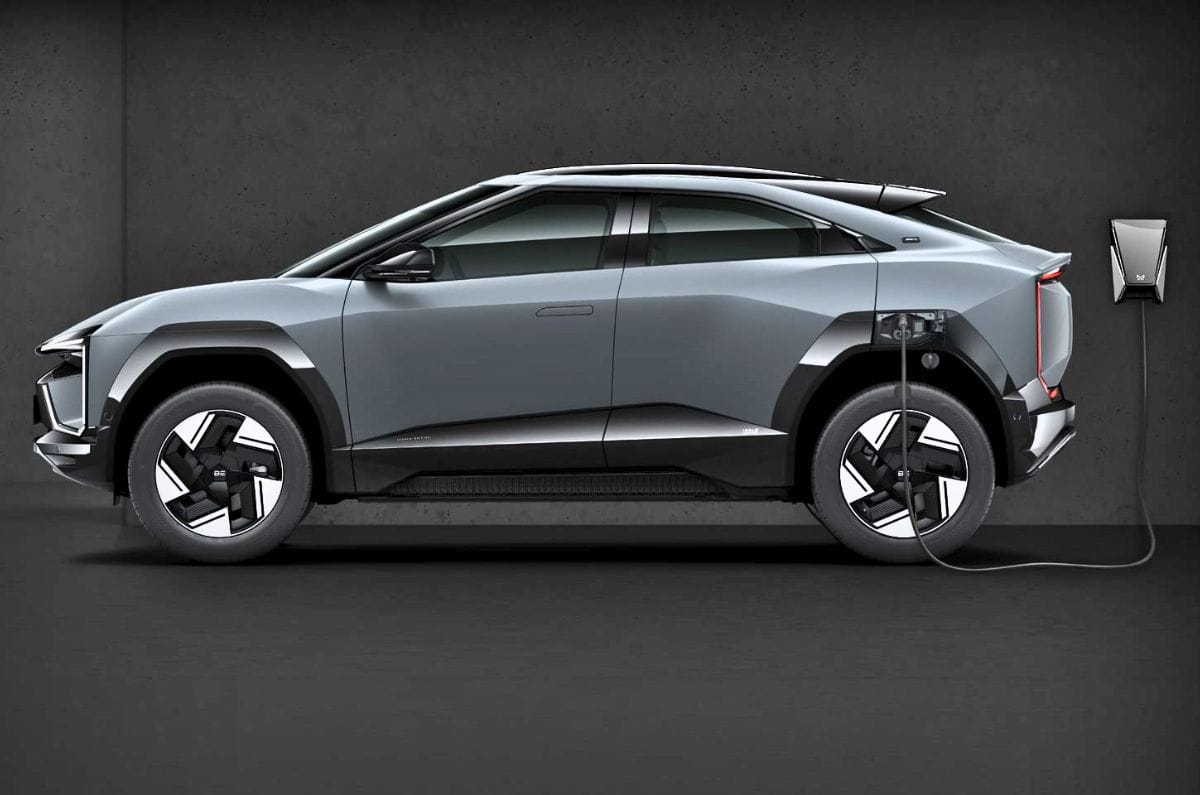
Mahindra launched the 2026 BE 6 recently, adding the ‘Sporteq’ moniker and pricing it from Rs 19.45 lakh to Rs 26.95 lakh (ex-showroom). Along with a new name, Mahindra has also introduced some updates to the midsize electric SUV to keep it modern in the segment. Here’s a detailed list of these updates:
New 70kWh battery pack
New battery pack offers 651km range and is mated to a 241hp rear motor
The 2026 Mahindra BE 6 Sporteq gets a new 70kWh battery pack in addition to the previously available 59kWh and 79kWh batteries. This new 70kWh battery offers an ARAI-claimed range of 651km and a rear-axle-mounted (RWD) electric motor that produces 241hp and 360Nm. It supports a 7.2kW AC, a 11.2kW AC and a 160kW DC charger. The DC fast charger recharges the battery pack from 20-80 percent in a claimed 20 minutes.
Mahindra is offering the 70kWh battery with the Three and Three+ trims, priced at Rs 22.95 lakh and Rs 23.95 lakh, respectively (ex-showroom).
Battery-as-a-Service (BaaS) scheme
Battery rental scheme makes the 59kWh battery variants Rs 8 lakh more affordable
Along with a new battery, Mahindra is also offering the BE 6 with a battery-as-a-service (BaaS) scheme, which is also a first for the brand. However, the BaaS scheme is offered only with the 59kWh battery pack available in the One and Two trims. The battery rental scheme essentially lowers the BE 6’s initial price by Rs 8 lakh, but requires a monthly subscription fee for the battery. Here are the details:
Mahindra BE 6 battery-as-a-service (BaaS) price vs standard price
Standard price
BaaS price*
Difference^
One
Rs 19.45 lakh
Rs 11.45 lakh + Rs 3.75/km
– Rs 8 lakh
Two
Rs 20.95 lakh
Rs 12.95 lakh + Rs 3.75/km
– Rs 8 lakh
Notes: BaaS scheme requires a minimum monthly payment of Rs 6,750, calculated assuming usage of 60km per day and an 8-year battery loan, as per Mahindra’s terms and conditions. The price difference calculated above is on the initial price and does not include the BaaS scheme’s battery subscription charges.
Triple-screen setup on dashboard
Offers an additional third screen for the front passenger now
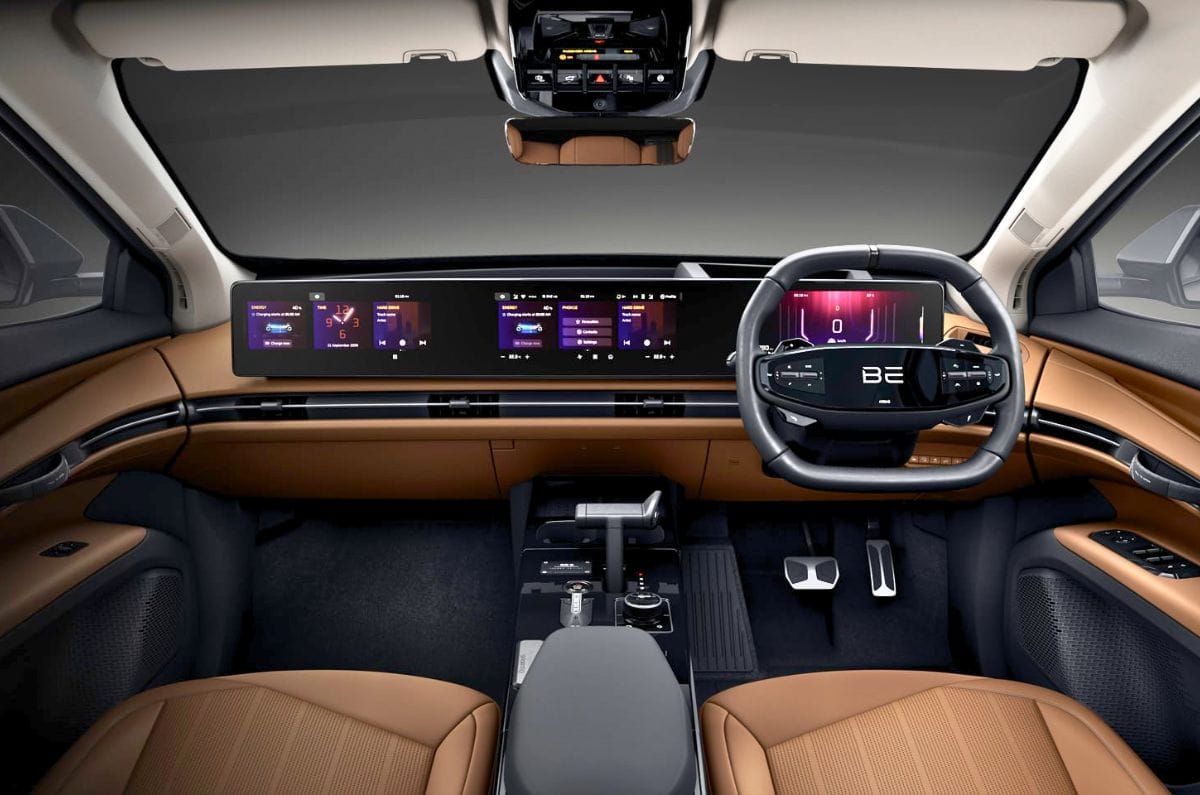
The 2026 update also brought a major redesign to the BE 6’s dashboard, now offered with an additional 12.30-inch screen for the front passenger, in addition to the similarly sized digital driver’s display and touchscreen infotainment system. The new front passenger display also removed the halo-like design element connecting the dashboard to the centre console, allowing the addition of two cupholders on the centre console, something that was sorely missing on the older model.
Mahindra is offering a triple-screen setup on all trims of the BE 6 Sporteq except the base-spec One and the sportier Formula E editions.
Redesigned Formula E edition
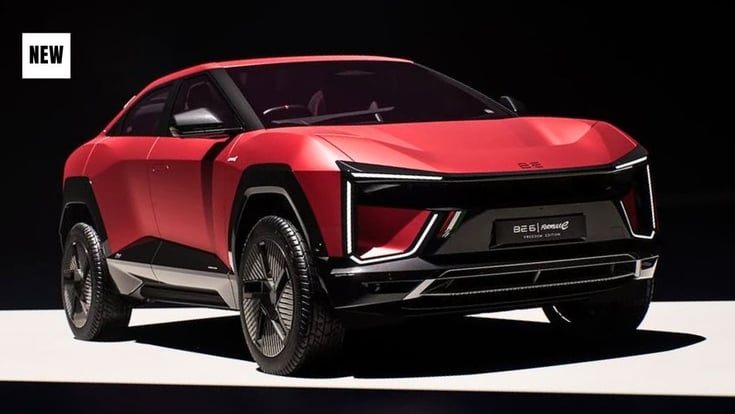
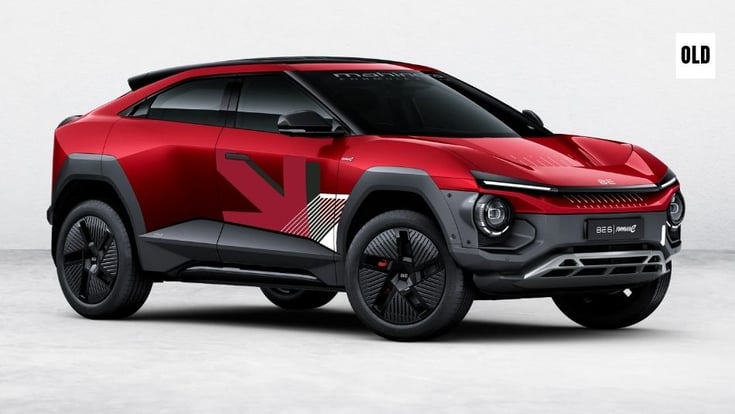
The 2026 Formula E Freedom looks nothing like the older Formula E edition
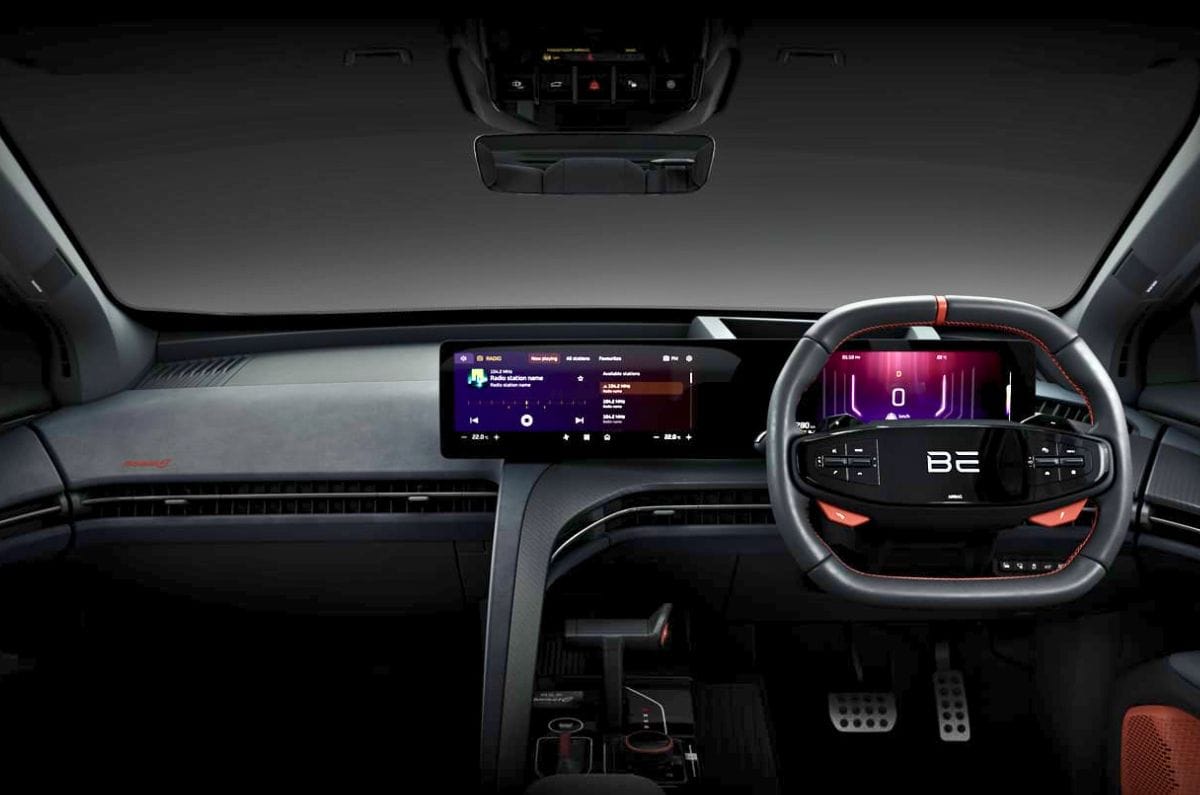
With the 2026 update, Mahindra has also rejigged the exterior design of the Formula E edition. Unlike the previous model, which had a different fascia from the standard model with circular-shaped LED headlights and a revised bumper, the 2026 Formula E Freedom edition gets the same design as the standard BE 6 Sporteq, with some Formula E badges and FIA decals. Moreover, the Formula E edition is only offered with the older model’s dual-screen dashboard and a halo design element for a sporty appeal.
Mahindra is offering the 2026 Formula E edition at the Three and Four trim levels, priced at Rs 24.45 lakh and Rs 26.95 lakh, respectively (ex-showroom).
Fresh exterior and interior colours
Both the BE 6 Sporteq and Formula E edition get new colour themes
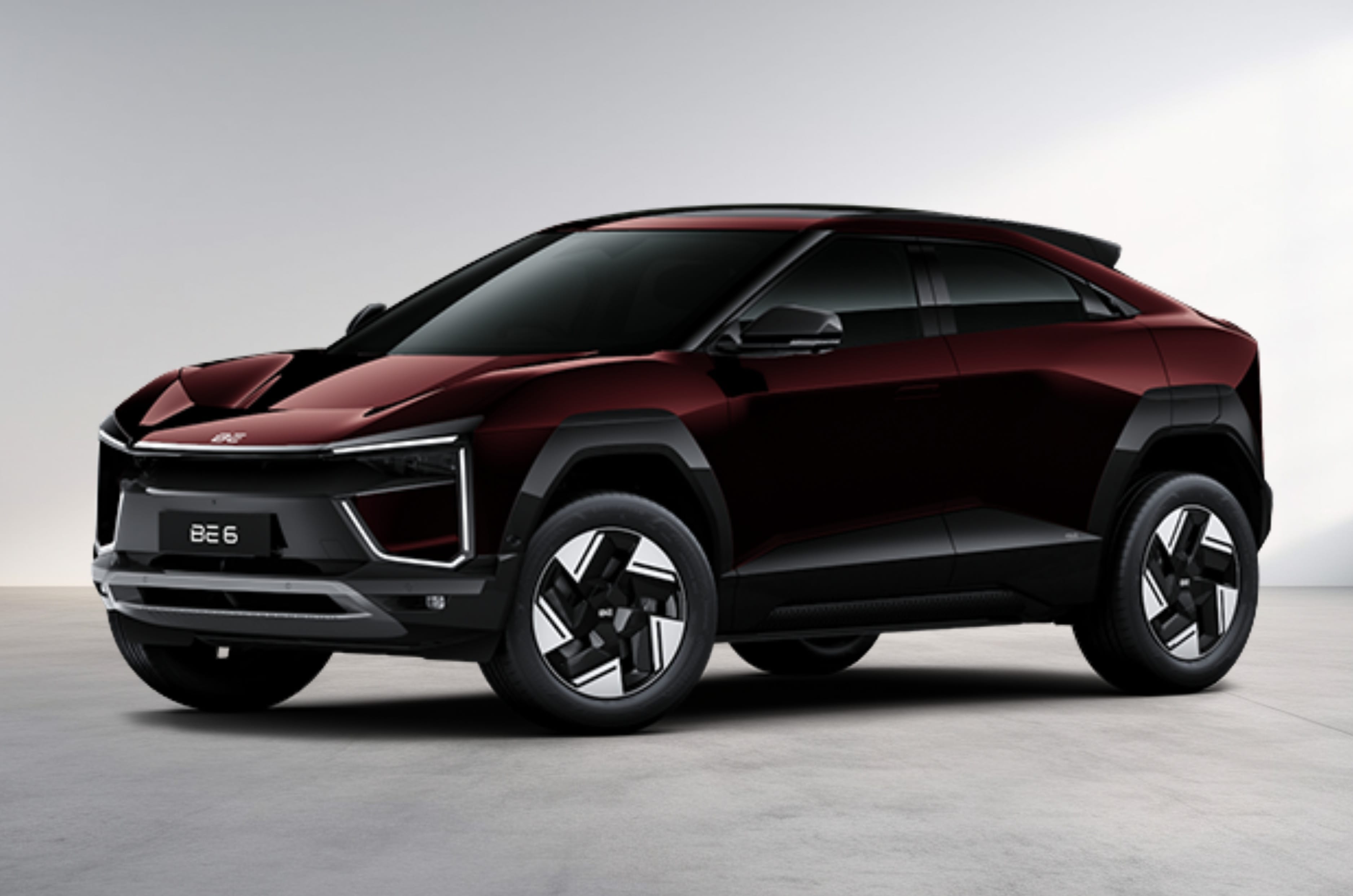
Mahindra BE 6 Sporteq Ruby Velvet exterior colour.
The 2026 Mahindra BE 6 Sporteq is being offered with fresh exterior and interior colour options. It is available in a new ‘Ruby Red’ exterior theme and new Racing Tan and Black interior hues for the Two, Three, Three+ and Four trims. The base-spec One is offered with the same Sage Green and Grey theme as before. A Sporteq Launch Edition, based on the fully loaded Four trim, is also available, which offers a new Graphite Storm exterior paint and Racing Tan interior theme.
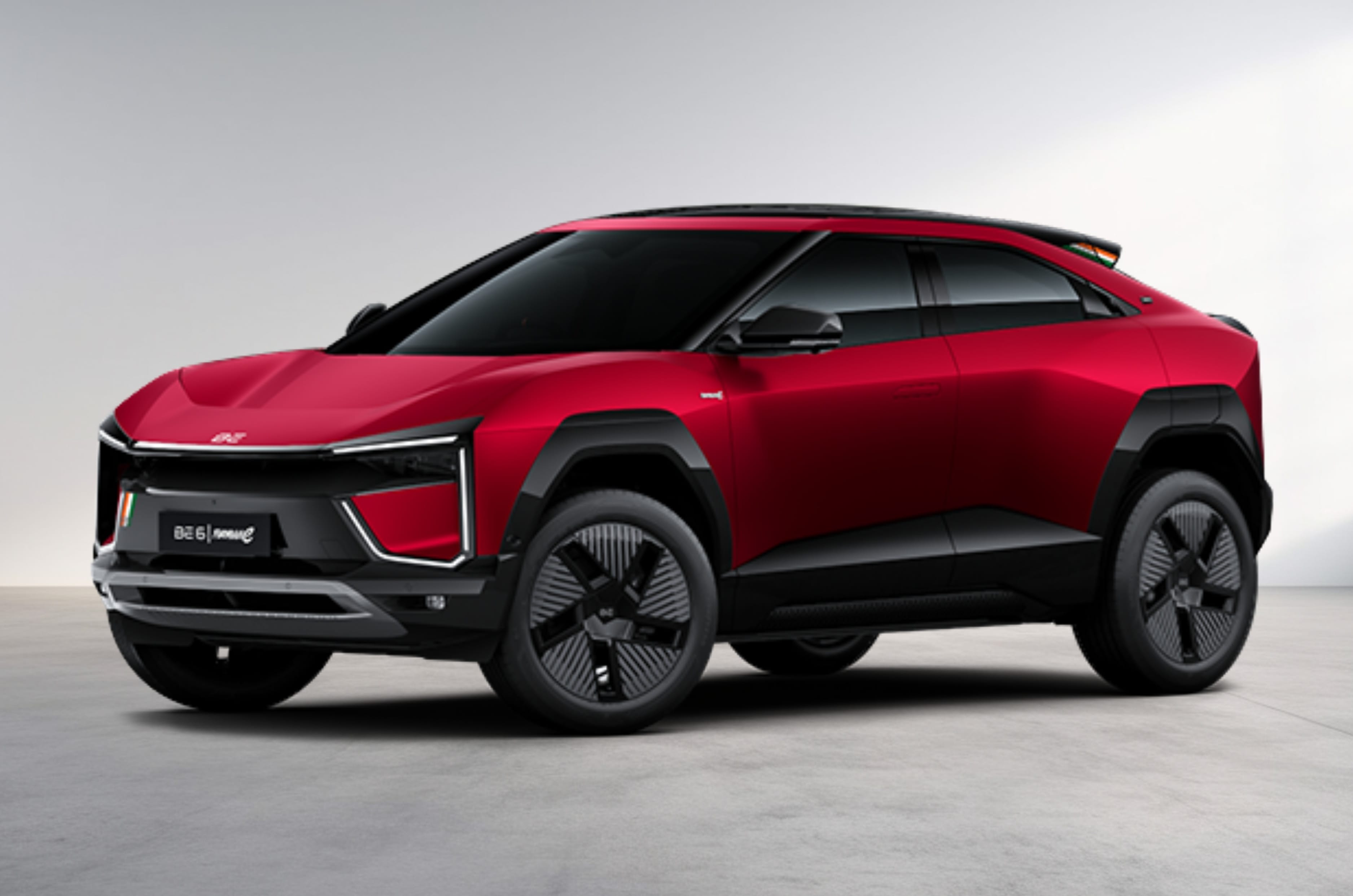
Mahindra BE 6 Formula E Freedom edition Rosso Impulso exterior colour.
While the 2026 BE 6 Formula E edition is offered with a new Rosso Impulso exterior hue, the all-black interior with orange elements for contrast is the same as the outgoing model.
New ‘TEQ’ suite
The suite enables Gemini-based interactions, unlocks additional drive modes and Revive functionalities
Another addition to the BE 6 Sporteq is the new ‘TEQ’ suite, which Mahindra says is designed to make the vehicle more intuitive, engaging, secure and responsive to individual customer needs. At its core is a Gemini-based AI conversation assistant that allows natural voice interactions for functions such as vehicle controls, navigation and music. The suite also introduces a Karaoke mode, along with support for Dolby Vision and Dolby Audio.
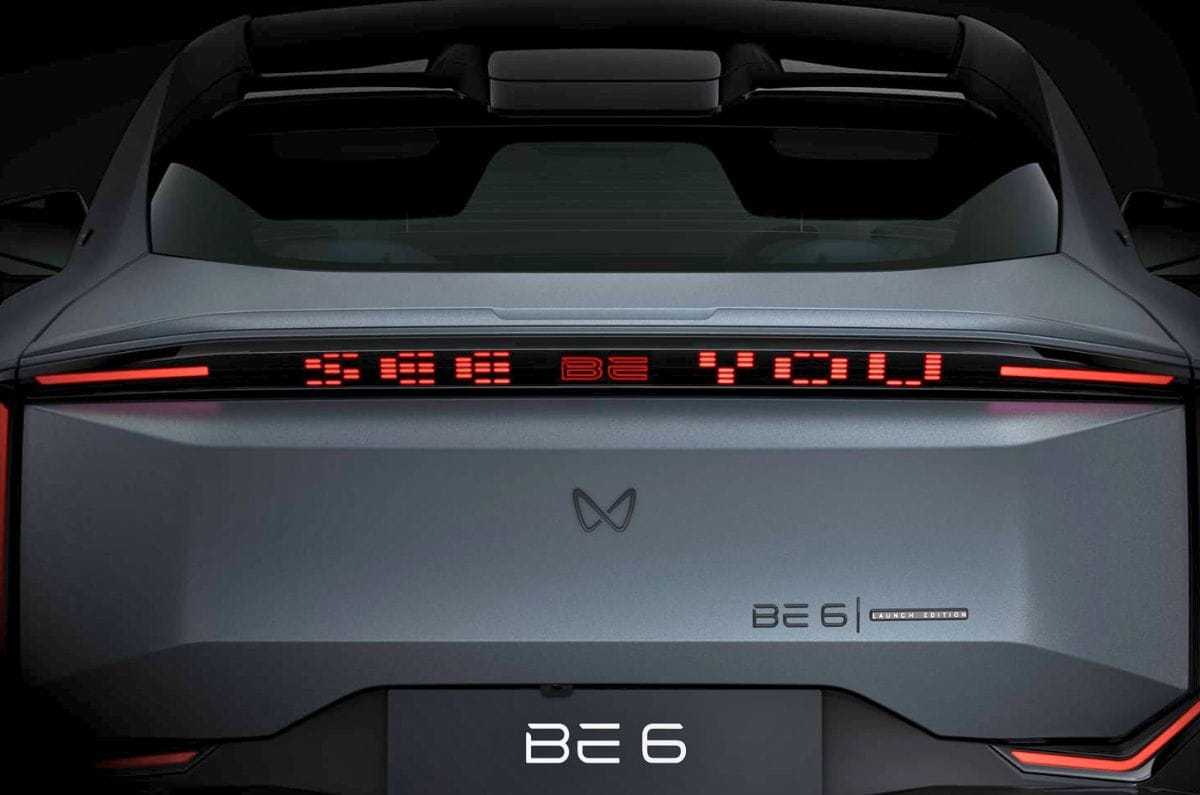
The TEQ suite also adds several performance and convenience features, including Custom Drive Mode, Drift Mode and an acceleration boost mode for the Formula E Freedom Edition, which enables a claimed 0-100 kph time of 6.44 seconds. It also includes Revive and Revive SOS, which can provide additional range even after the battery has run out. Another new feature is ‘TEQ_xting’, which lets owners display personalised messages on the vehicle’s tailgate.
The Mahindra BE 6 Sporteq is priced from Rs 19.45 lakh to Rs 26.95 lakh (ex-showroom), and it rivals the Hyundai Creta Electric, Tata Sierra EV, Tata Curvv EV, MG ZS EV, Maruti Suzuki e Vitara and Toyota Ebella.
Prices are ex-showroom, India, and do not include a wall charger or its installation cost.
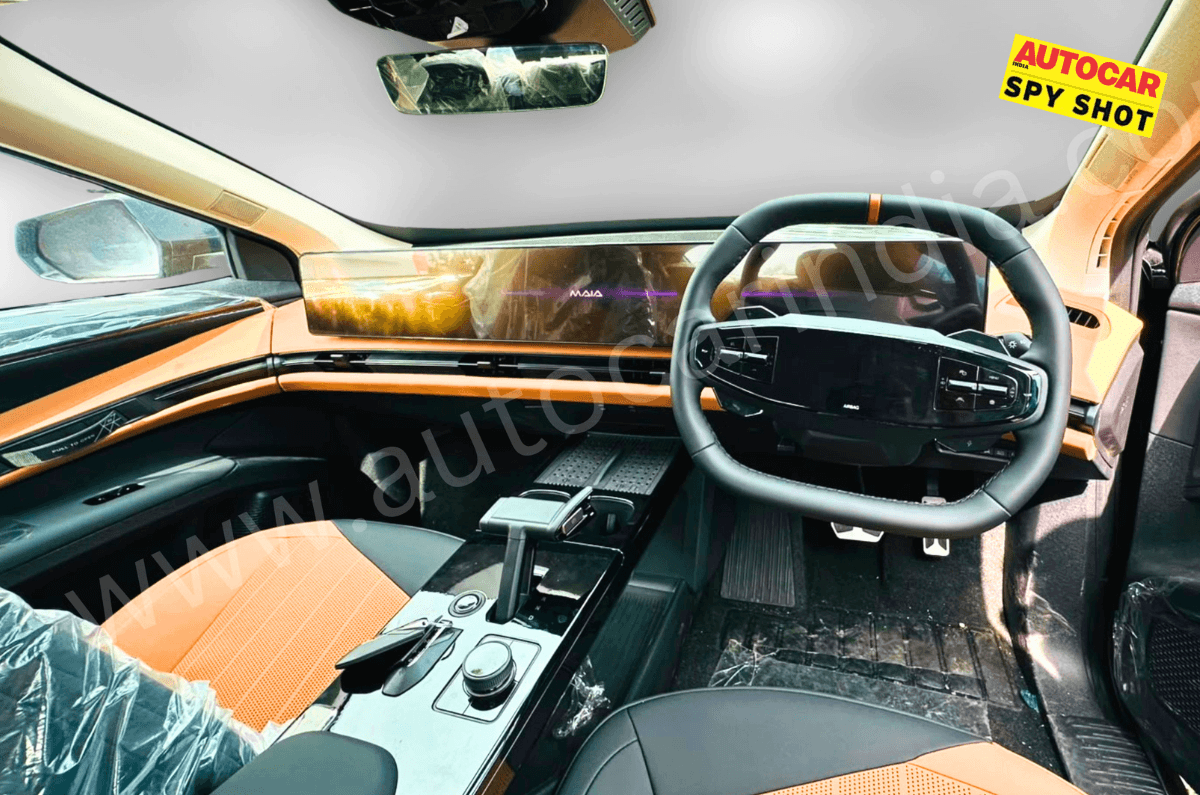
The Mahindra BE 6 Sporteq has been exclusively spied by us ahead of its full reveal on August 15, giving us an early look at what the new trim will offer on the inside. Mahindra had teased the Sporteq earlier this week, but revealed only a few details.
Mahindra BE 6 Sporteq spy shot details
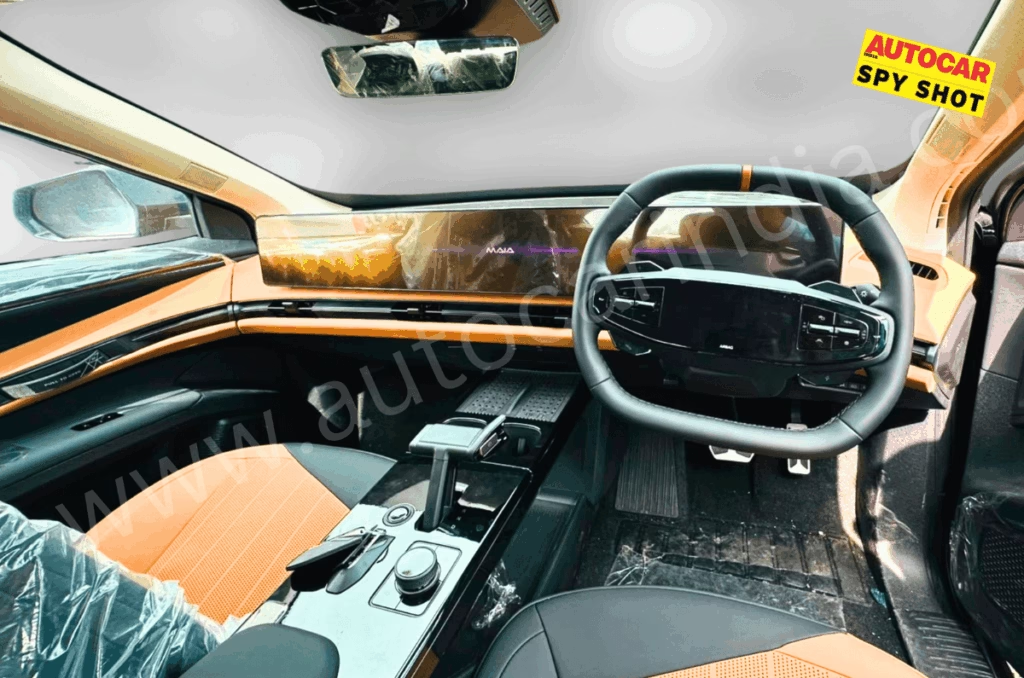
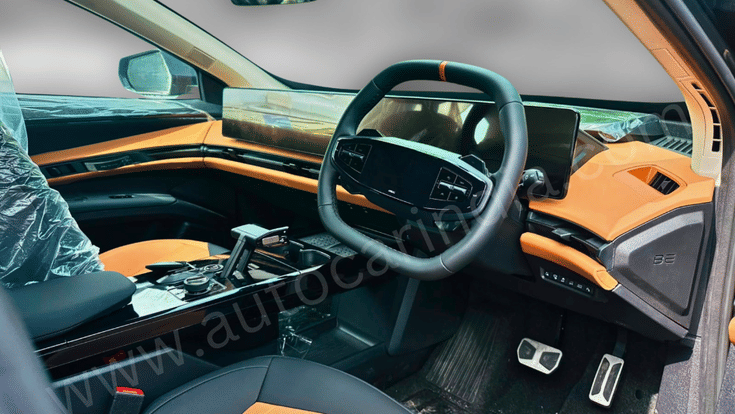
As reported earlier, the Sporteq version will get a passenger display, completing its three-screen setup; a similar arrangement is already seen in the Mahindra XEV 9e and XEV 9S. The BE 6 currently gets a dual-screen setup as standard, which will continue on the lower trims. The triple-screen setup is likely to be exclusive to the Sporteq.
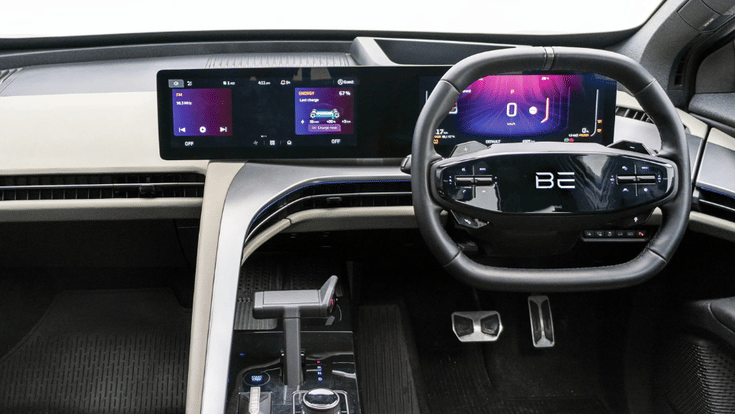
Mahindra BE 6 Sporteq dashboard (left), current BE 6 dashboard (right).
The teaser from before also showed a new black-and-tan colour scheme for the seats and dashboard, although these areas were mostly hidden. The fresh spy shots give a clearer look, and the colour scheme is applied not only on the dashboard and seats, but even on the door cards.
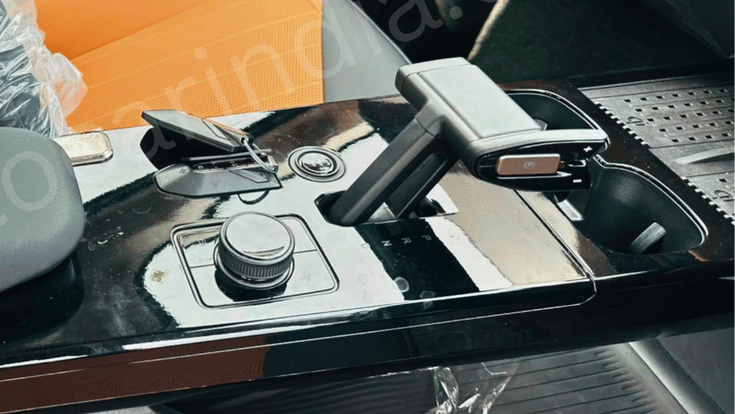
Mahindra Sporteq centre console (left), current BE 6 centre console (right).
Another major change is the redesigned dashboard, which drops the halo-like loop around the driver. The current design has an ergonomic drawback, as it leaves little room for a second cup holder. The spy shots, however, show that another cup holder has now been added. The halo loop also made the wireless charger and USB Type-C ports difficult to reach from the passenger side, an issue we noted in our BE 6 review. These changes are likely to address that as well.
Mahindra BE 6 Sporteq battery pack and range expectations
The BE 6 Sporteq is expected to remain largely unchanged from the regular model. It remains to be seen whether it will be available with both the 59kWh and 79kWh battery packs or, as a top-spec trim, only with the larger battery. Both versions use a rear electric motor producing up to 286hp and 380Nm, while the larger battery is said to offer a range of up to 682km on a single charge.
The BE 6 already has a long list of features, and these updates could further strengthen its appeal against midsize SUV rivals such as the Tata Sierra EV and Hyundai Creta Electric. The Mahindra BE 6 is currently priced between Rs 18.90 lakh and Rs 26.90 lakh, and a small price increase is likely with these updates. For reference, the Sierra EV is priced from Rs 18.79 lakh to Rs 25.99 lakh, while the Creta Electric costs between Rs 18.03 lakh and Rs 23.67 lakh.
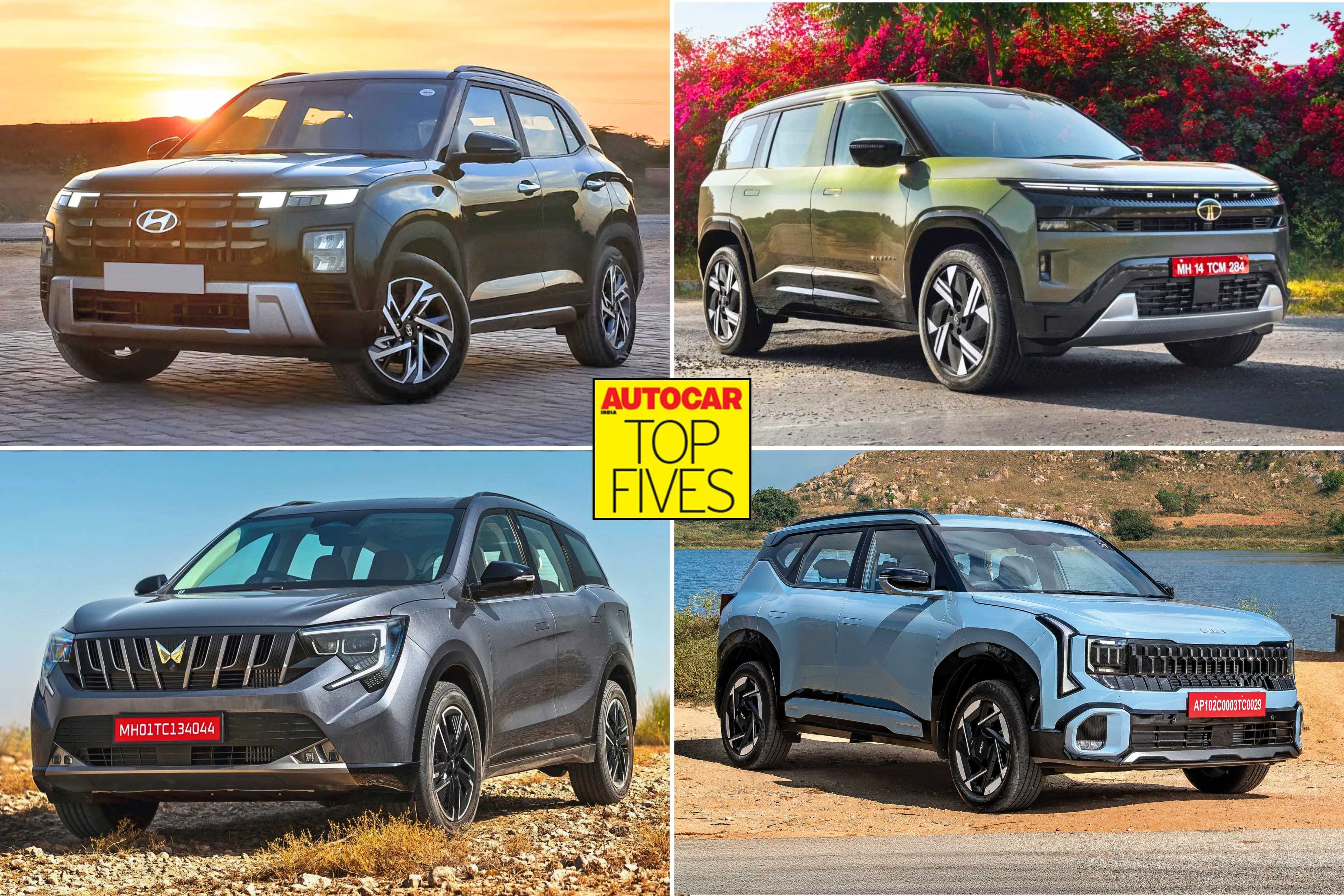
SUVs are best had with diesel engines, but given our policies and the disapprobation surrounding this fuel, most carmakers have entirely withdrawn themselves from offering diesel engines. What’s interesting is that where diesel is still on offer, it continues to make up a sizeable portion of that segment, meaning that demand is still healthy but customers only have a handful of options to choose from. So, if you are in the market looking for a diesel-automatic SUV, here we have compiled a list of the five best diesel-AT midsize SUVs available within a budget of Rs 25 lakh.
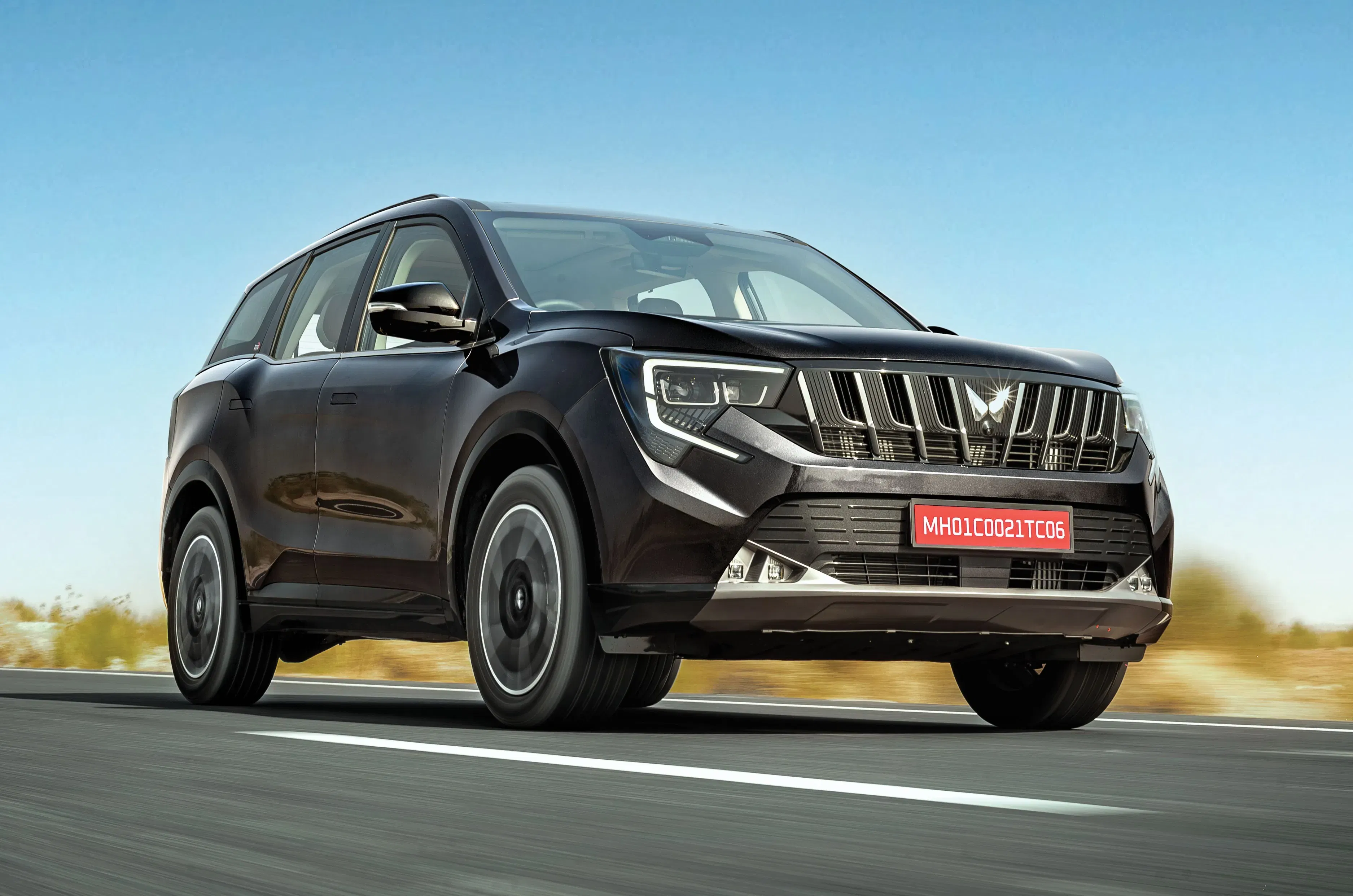
Mahindra XUV 7XO
Price: Rs 15.29 lakh – Rs 25.79 lakh
Mahindra is almost synonymous with large diesel SUVs and the XUV 7X0’s 185hp, 2.2-litre diesel is a benchmark for refinement and performance. It’s the most powerful SUV here, and the 6-speed torque converter automatic gearbox that’s offered with this engine is smooth, too. A premium and spacious interior with generous levels of equipment and a sorted ride and handling balance are some of XUV 7XO’s other strengths. The third-row isn’t particularly spacious, but it at least offers the flexibility of one.
Kia Seltos
Price: Rs 15.32 lakh – Rs 21.82 lakh
Although much lesser in capacity and power output than the XUV 7X0, the Seltos’s 116hp, 1.5-litre diesel also stands out for smoothness and refinement. With linear power delivery and max torque coming in at just 1500rpm, it makes for a comfortable cruiser. However, it lacks that outright diesel punch and urgency, even in Sport mode. The gearbox, while smooth, is also a slow shifter, even via the paddles. The Seltos, too, is a very spacious and premium on the inside, and arguably has the best UI/UX for the infotainment system.
Hyundai Creta
Price: Rs 16.08 lakh – Rs 20.11 lakh
The Creta uses the same 116hp, 1.5-litre diesel engine as the Seltos, so the smooth and refined character of the engine applies here as well. However, being an older generation model and slightly smaller than the new Seltos, it doesn’t feel lack lustre in terms of performance. It’s also quite efficient, making the diesel-auto one of the best powertrain choices on the Creta. Otherwise, too, the Creta remains one of the most competent offerings in the segmentfaring well on space, features and premium-ness despite its relative age compared to its rivals.
Tata Sierra
Price: Rs 15.99 lakh – Rs 21.29 lakh
The Sierra uses the same 1.5-litre diesel engine that’s offered on the Curvv and the Nexon, but it has been up-tuned to produce 118hp and 280Nm. This 1.5 unit doesn’t have the midrange punch associated with diesels; instead, it builds power linearly. It also isn’t particularly refined as you can feel vibrations at all times, which makes it known to you that you are, in fact, driving a diesel. The torque-converter auto, however, is a smooth unit that keeps the engine in the meat of the powerband. Elsewhere, the Sierra impresses with its space, features and well-judged ride and handling balance.
Mahindra Scorpio N
Price: Rs 14.19 lakh – Rs 25.49 lakh
The Scorpio N uses the same 2.2-litre diesel engine as the XUV 7XO, but in a slightly different state of tune, producing 175hp and 370Nm (400Nm in 4×4 guise) here. Given the Scorpio N’s hardy underpinnings and rugged nature, the diesel engine makes for a great fit on this SUV, thanks to its strong reserves of torque. The 6-speed AT gearbox isn’t particularly quick shifting or sporty, but it is smooth. The Scorpio N is also the only SUV on this list to come with an optional 4×4 system, and you’d be surprised by how capable it is off the tarmac. It also has a premium interior and is well-specced with features, but third-row is quite limited on space.
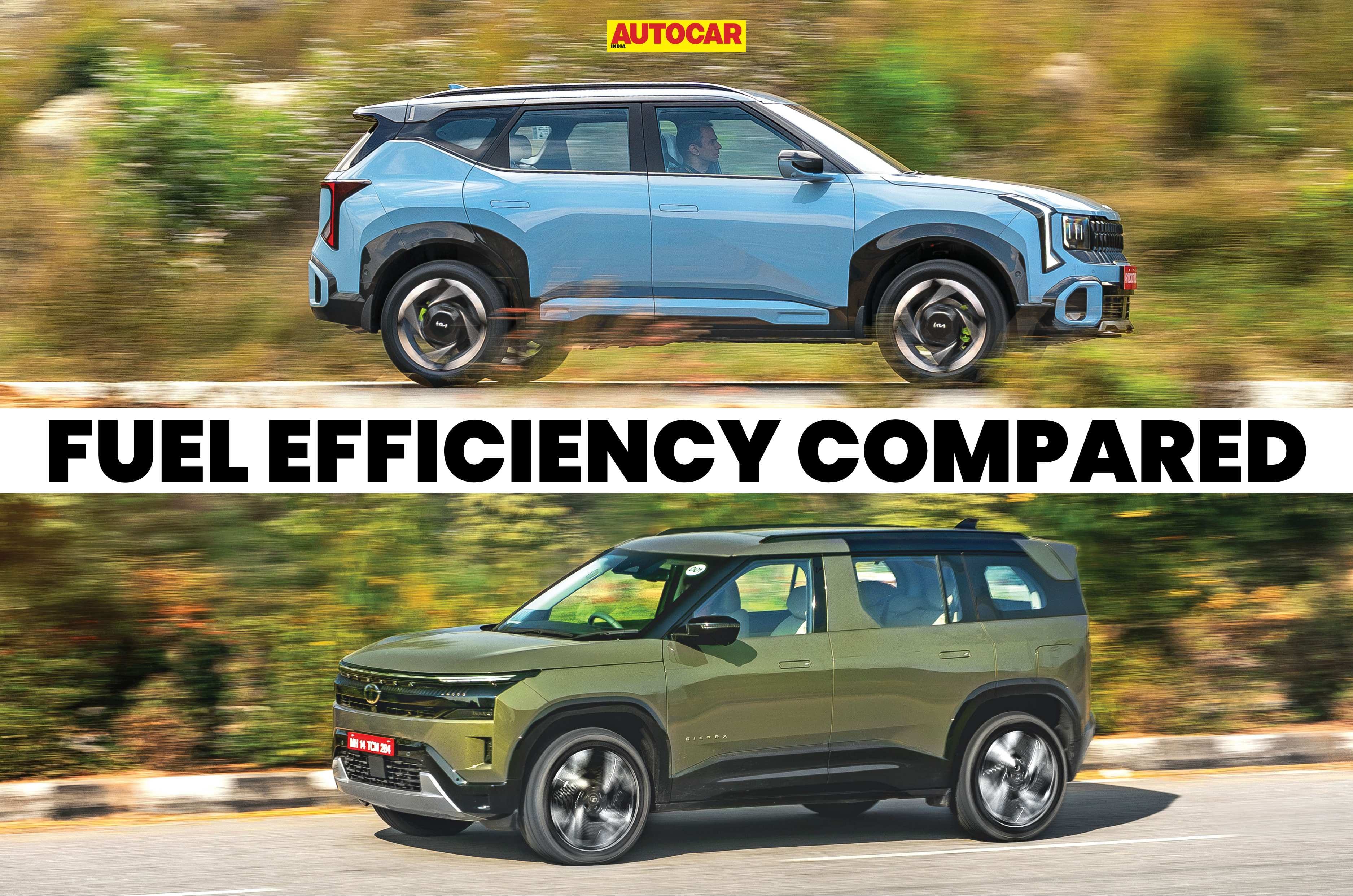
Alongside the Hyundai Creta, the only SUVs in this segment offering a diesel engine mated to a torque-converter automatic transmission (AT) are the Kia Seltos and the Tata Sierra. Where the all-new Sierra was introduced in November 2025, the second-gen Seltos entered the fray in January 2026. The Sierra diesel-AT version is limited to five trim options, but its Seltos counterpart is available in eleven. So, which one of these 5-seater midsize SUVs offers higher fuel economy?
Explore full specs, features and a price breakdown in our Seltos vs Sierra comparison.
Kia Seltos vs Tata Sierra diesel automatic: Specifications
The Sierra offers more power, but it is also heavier than the Seltos
Kia Seltos vs Tata Sierra diesel automatic: Specifications
Kia Seltos
Tata Sierra
Engine
4 cyl, diesel
4 cyl, diesel
Displacement (cc)
1493
1497
Power (hp)
116 (4,000rpm)
118 (4,000rpm)
Torque (Nm)
250 (1,500-2,750rpm)
280 (1,500-2,750rpm)
Gearbox
6-speed AT
6-speed AT
Fuel tank (litres)
47
50
Even though their turbocharged engines are of similar sizes, it’s the Tata Sierra’s unit that produces 2hp and 30Nm more. Moreover, the power and torque figures of these cars are achieved over the same engine RPM range. Compared to the Seltos, the Sierra diesel comes with a slightly larger fuel tank (by 3 litres), whilst the gearboxes on both are 6-speed torque-converter automatic units. Both cars are equipped with a variable-geometry turbocharger, thus improving power delivery and reducing turbo lag.
Kia Seltos vs Tata Sierra diesel automatic: Real-world fuel efficiency
Despite featuring an ‘Eco’ mode and weighing less, the Seltos fared slightly worse than the Sierra
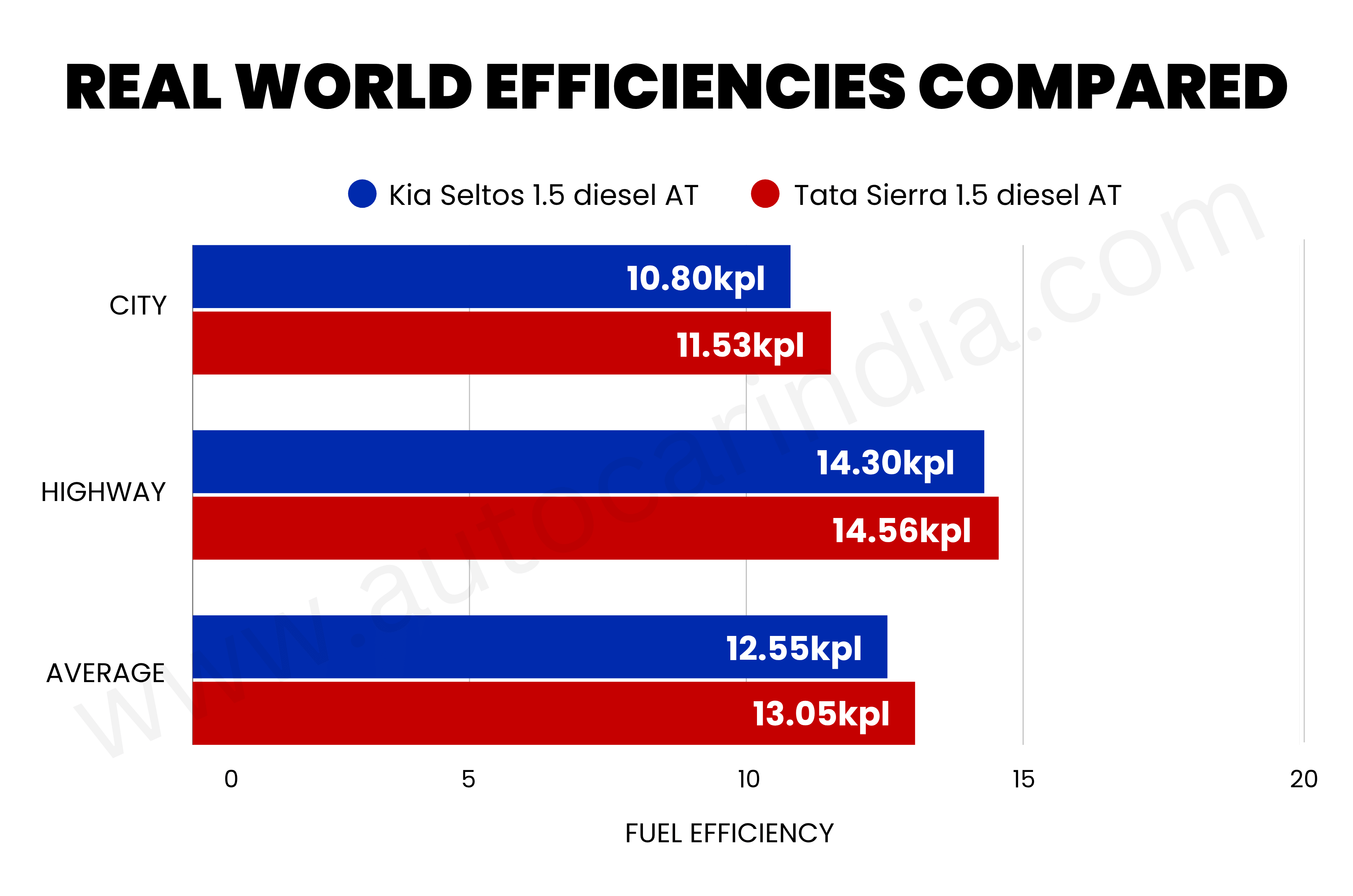
During our real-world fuel economy test, the Seltos diesel managed an average that was 0.5kpl worse than the Sierra. It was also 0.73kpl thirstier in the city, whilst consuming 0.26kpl more fuel than its Tata rival out on the highway. Despite being heavier than a comparable diesel-automatic trim of the Seltos, the relatively lower engine RPM of the Sierra when cruising at 100kph helps its efficiency. For reference, the Seltos’ diesel engine was spinning much faster at 100kph, at 2,100 RPM. Neither SUV gets an automatic engine stop-start system to reduce fuel burn further, but the Seltos does come with an Eco drive mode.
Kia Seltos vs Tata Sierra diesel automatic: Prices
Kia Seltos vs Tata Sierra diesel automatic prices
Kia Seltos
Tata Sierra
Price range (in Rs, lakh)
15.32-21.82
15.99-21.29
The most affordable trim of the Kia Seltos diesel with the torque-converter automatic gearbox costs Rs 67,000 less than its equivalent Tata Sierra. At the top-end of the spectrum, the latter has a price advantage of Rs 53,000.
Autocar India’s fuel efficiency testing
Before our real-world fuel efficiency tests, we fill our test cars’ tanks to the brim and maintain tyre pressures based on the manufacturer’s recommendations. These cars are driven in fixed city and highway loops in and around Navi Mumbai, and we maintain certain average speeds. Throughout the tests, there is only one person in each car, running the air conditioner and other electricals, such as the audio system, indicators and wipers, when required, just like a regular user would. Periodic driver swaps further neutralise variations in driver patterns. At the end of each cycle, we calculate efficiency by filling the tanks to full again.
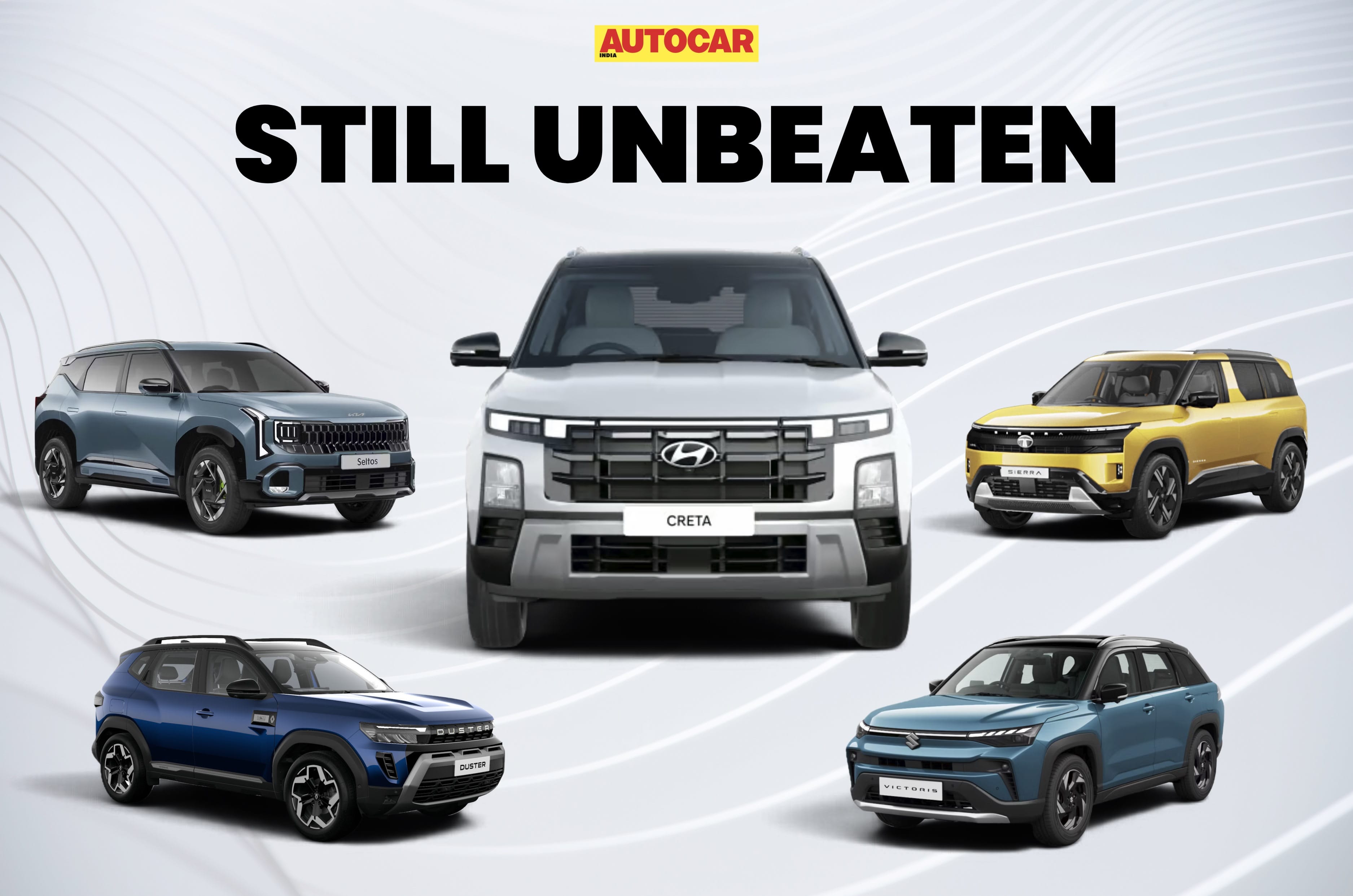
If things were to pan out that way, it would be bad news for Hyundai, since the Creta is the Korean carmaker’s bread-and-butter in India. Now that we have sales data for the first half of calendar 2026, and production, deliveries have stabilized for this fresh barrage of midsize SUVs, let’s take a look if any model has eaten into the Creta’s market, or if the Hyundai SUV continues to rule its segment.
Hyundai Creta vs latest midsize SUV sales in H1 2026
Model
January
February
March
April
May
June
Total
Hyundai Creta^
17,921
17,938
17,838
15,291
15,235
7,168
91,391
Maruti Victoris
15,240
13,021
11,062
13,701
10,853
10,035
73,912
Kia Seltos*
10,639
10,308
11,041
10,566
10,597
9,654
62,805
Tata Sierra
7,003
7,100
9,003
7,316
6,606
6,392
43,420
Skoda Kushaq*^^
–
–
2,307
1,851
1,310
992
6,460
Renault Duster
–
–
1,402
2,359
1,267
1,011
6,039
Volkswagen Taigun*^^
–
–
–
1,543
1,281
1,182
4,006
^Includes Creta Electric sales
*May include carryover sales of outgoing models
^^Sales counted from the facelift’s month of launch
Six months into 2026, the Creta has managed to retain its moniker of midsize SUV sales champion, averaging over 15,000 sales a month. Compared to H1 2025 (1,00,560 units sold), the Creta’s sales are actually 9.12 percent down YoY, but the Hyundai SUV is still far ahead of its rivals on the chart. That said, though the newer midsize SUVs haven’t dethroned the Creta, they’ve done a lot to grow the segment.
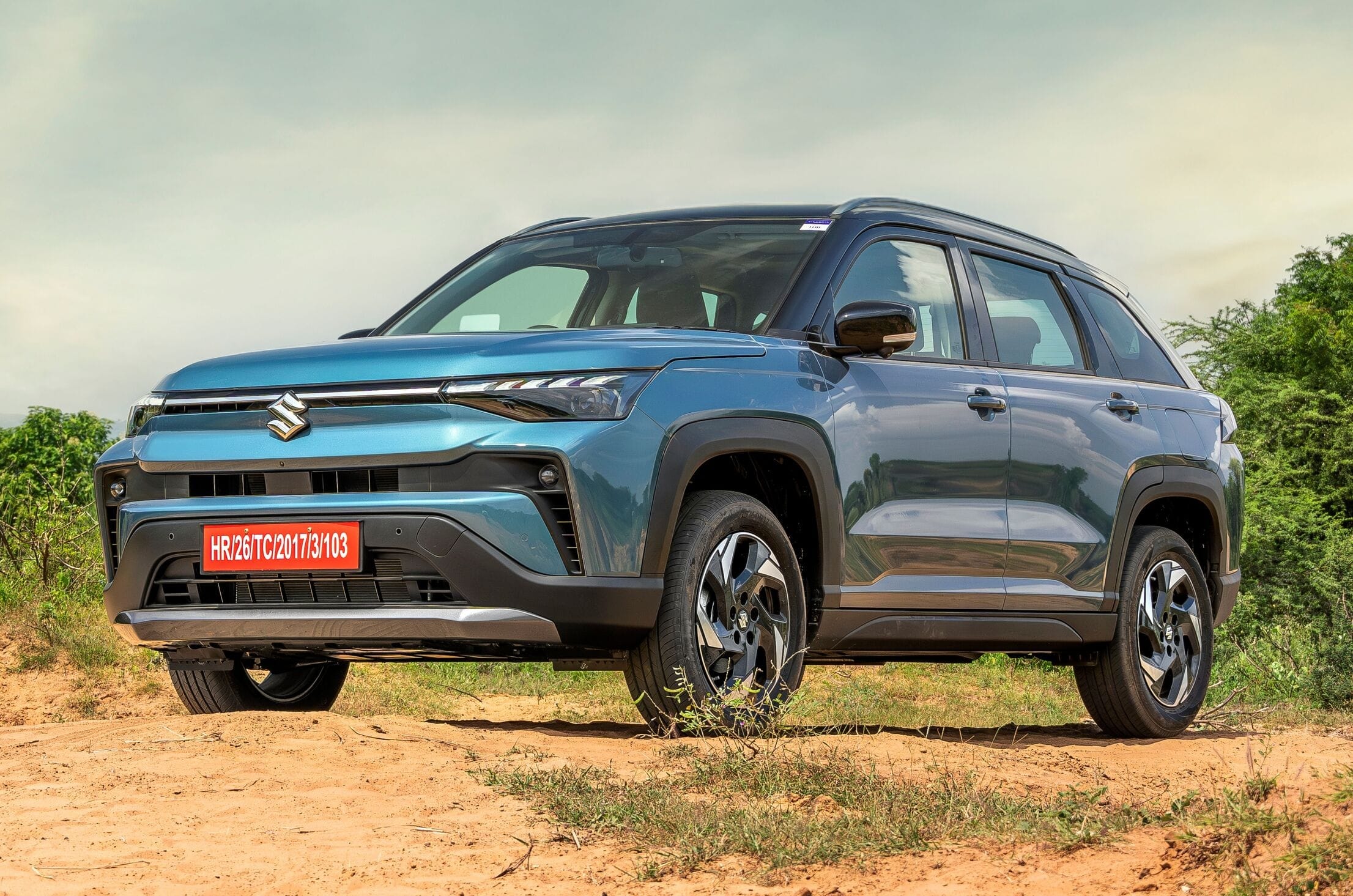
The next bestselling midsize SUV during H1 2026 was the Victoris, which fell 17,479 units behind the Creta. For perspective, you could fit the sales of the Duster, Kushaq, and Taigun within that gap and still come up around 1,000 units short. Launched in September 2025, the Victoris had a few months to establish itself in the market, and differentiates itself from the Creta by offering CNG and strong hybrid powertrains, which appeal to buyers seeking practicality and fuel efficiency, as well as Maruti’s famed peace of mind.
In third position comes the Seltos, which in theory should’ve been stiff competition for the Creta, with the Kia SUV offering a near-identical set of powertrains, a more modern platform (which will even underpin the next-gen Creta), similar pricing, and greater safety credentials by way of a 5-star Bharat NCAP rating. That said, the Seltos did record a whopping 70.28 percent YoY surge in sales, clearly reflecting the boosted popularity of the second-gen model.
The Sierra is Tata’s most formidable contender against the Creta to date, but sold less than half of what the Hyundai SUV did in H1 2026. It should be noted that the Sierra’s sales were initially production-constrained, with Tata steadily increasing manufacturing capacity every month to meet demand. The Sierra is undoubtedly a more feature-packed offering than the Creta, but also costs more. Concerns around fit-and-finish and Tata’s aftersales experience also play a role here.
Renault made its long-awaited return to the midsize SUV space with the new Duster in March, with deliveries commenced in April, but it hasn’t quite set the H1 sales chart alight. Like the Sierra, the Duster’s production is being increased in a phased manner, which could explain the relatively low sales numbers. The Duster has a lot going for it, like aggressive pricing, muscular looks, and a competitive feature set, but the SUV’s exclusively turbo-petrol powertrain line-up limits its appeal for many buyers. A strong hybrid powertrain is set to join the Duster line-up by Diwali 2026, and could pique buyer interest further.
Facelifts of the Kushaq and Taigun were launched in March and April, respectively – nearly five years since the midsize SUVs originally went on sale in India. Both packed some long-requested feature additions and changes, which led to demand spikes in subsequent months. Much like the Duster, though, the Kushaq and Taigun are available with turbo-petrol engines only, and are also on the dimensionally smaller side of the segment, which means they’re best-suited for enthusiast buyers.
Why does the Creta keep selling?
The biggest reason behind the Creta’s persistent reign on the midsize SUV sales charts is its deeply well-established brand name and perception. Many Indian car buyers are very conservative and safe in their purchasing decisions, and seeing a consistently high number of Cretas on the road every single day builds the image of it being the best option in the segment by virtue of sheer popularity. Not to mention, the more ubiquitous and established the car, the better its resale value, which is also very important to most Indian buyers.
Another key driver behind the Creta’s popularity is its proven reliability and no-nonsense ownership experience. Though many of the Creta’s rivals are just as, if not more durable, the Hyundai SUV’s reliability comes alongside a decently long list of features, a comfortable and well-built interior, great levels of refinement, a wide variety of powertrains, and an easy driving experience – making for an excellent overall package.
The Creta is even among the few in its segment to offer a diesel engine, which many midsize SUV buyers still prefer. For those who primarily commute in the city, there’s a smooth naturally aspirated petrol engine on offer, while enthusiast buyers can pick from the sporty Creta N Line range, which is powered by a direct-injection turbo-petrol motor. Basically, there’s something for everyone, and that’s exactly why the Creta is still unbeaten.