Maruti Grand Vitara crosses 4 lakh sales milestone

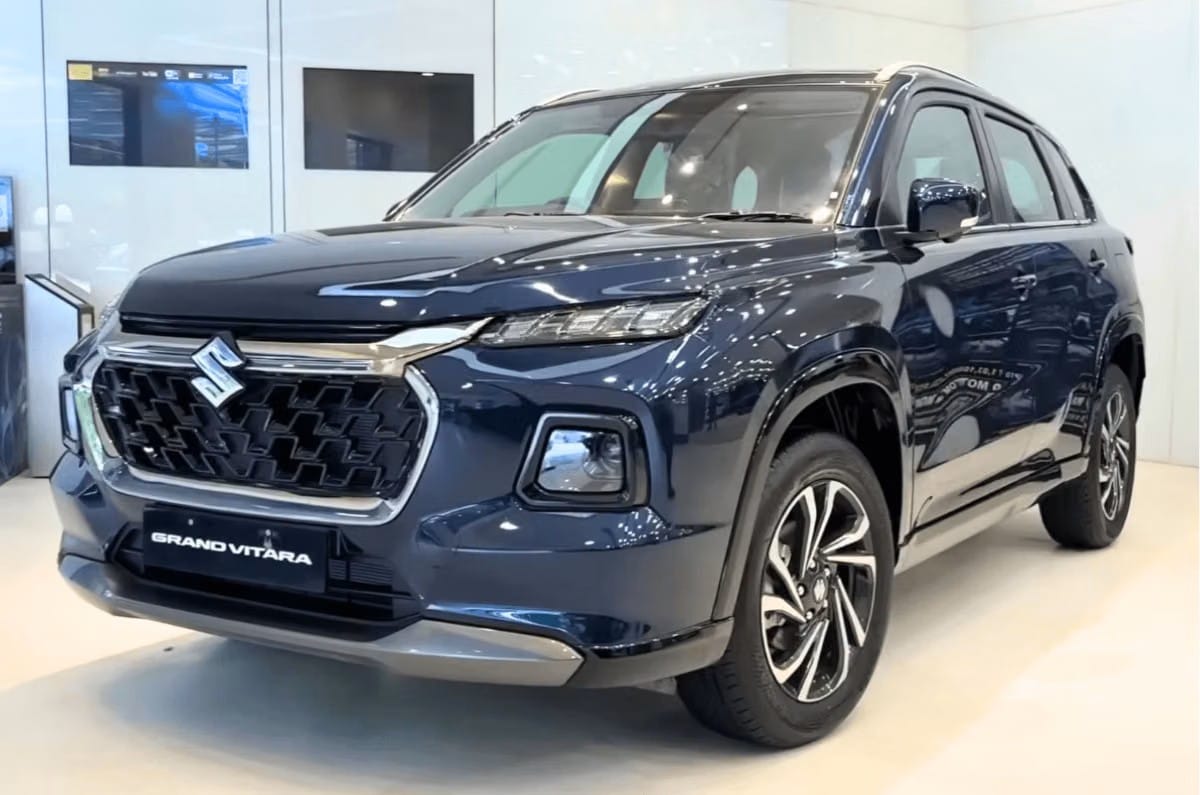
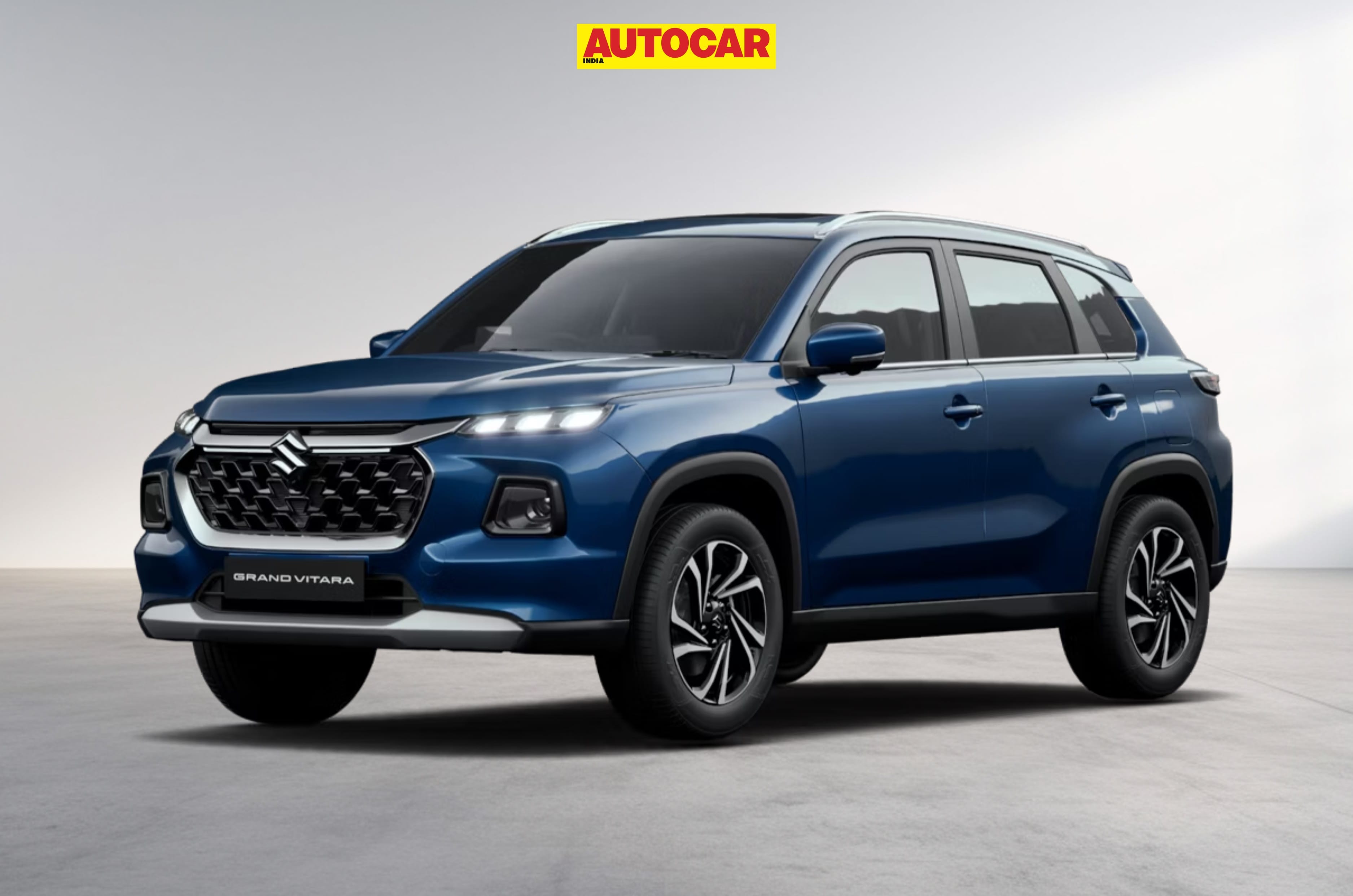
Maruti Grand Vitara front quarter static

The Grand Vitara has become Maruti’s latest SUV to surpass 4 lakh wholesales in the domestic market. From its launch in September 2022 to June 2026, it has clocked domestic sales of 4,01,007 units, while 62,500 units have also been exported. It’s retailed through the Maruti premium Nexa showrooms.

  1. Was the fastest mid-size SUV to cross the 1 lakh, 2 lakh, and 3 lakh sales milestones.
  2. FY2025 witnessed the highest sales comprising 1,23,946 units.
  3. 35 percent contribution of Nexa UV sales sold in the past four fiscals and Q1 FY2027.

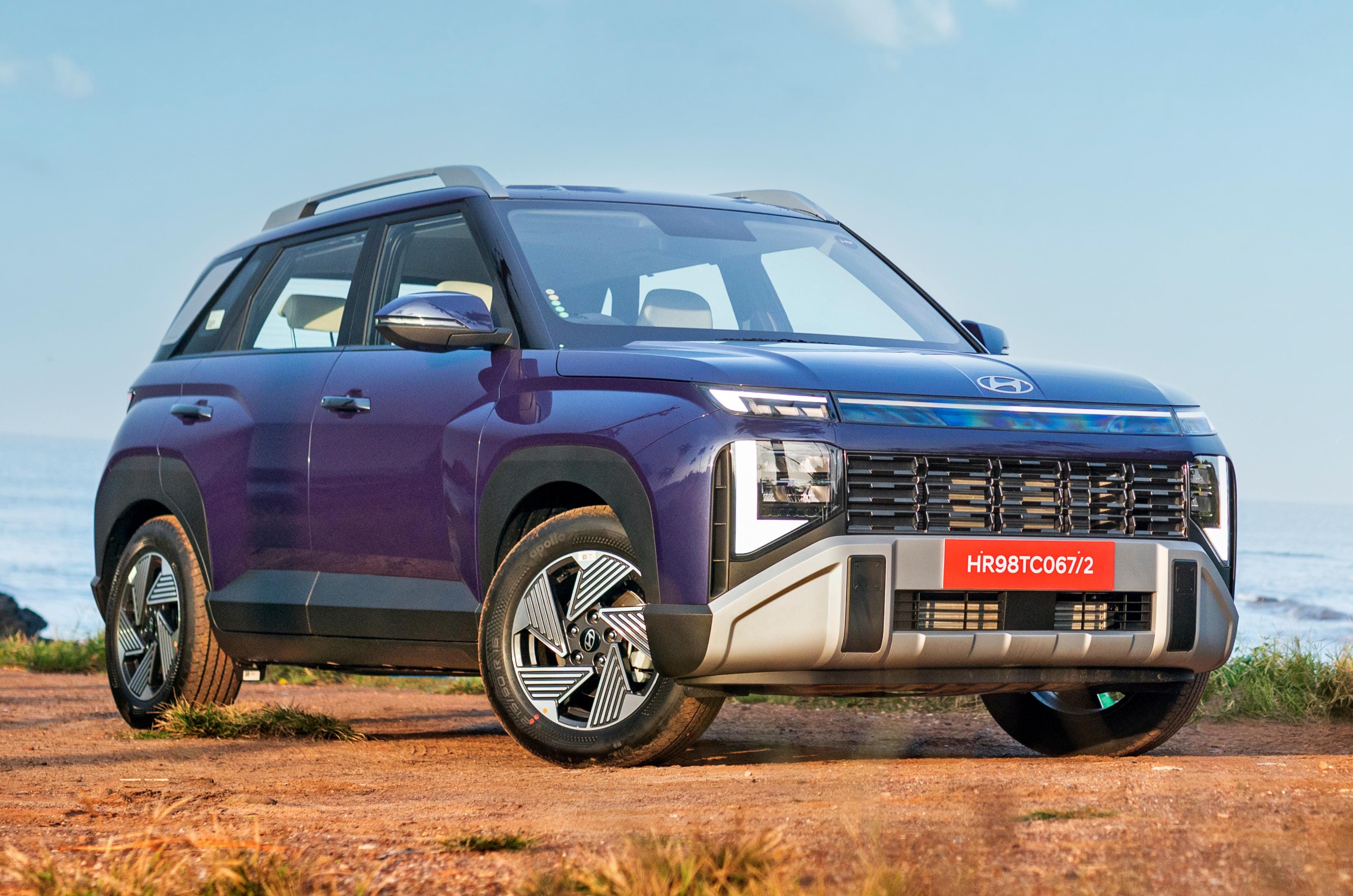
The Grand Vitara’s journey to 4 lakh+ sales took 21 months longer than what the second-generation Hyundai Creta took, which reached the same milestone just 25 months after launch in January 2024. 

Maruti Grand Vitara domestic sales

Maruti Grand Vitara domestic sales (Launch date: September 26, 2022)

Fiscal

Units sold

YoY% change

FY2023 (Sep 2022 – Mar 2023)

51,315


FY2024

1,21,169

136%

FY2025

1,23,946

2%

FY2026

83,849

-32%

FY2027 (Apr – Jun 2026)

20,728

8%

Total

4,01,007


Data: SIAM *April-June 2026

FY2025 with 123,946 units was the best fiscal for the Maruti Grand Vitara. With total sales of 4,01,007 units, it is the second best-selling Nexa SUV after the Maruti Fronx (5,25,964 units). 

The Maruti Grand Vitara had a chequered run till the 3 lakh milestone. It was the fastest in the midsize SUV segment to the 1 lakh unit mark, taking just 12 months from market entry. It was also the fastest midsize SUV to achieve the 2 lakh milestone in 22 months, bettering the first-generation Hyundai Creta, which took 25 months to achieve the same milestone. The run from 2,00,001 to 3,00,000 in early April 2025 took a similar 10-month timeframe, and the Grand Vitara won the title of being the fastest midsize SUV to the 3 lakh milestone.

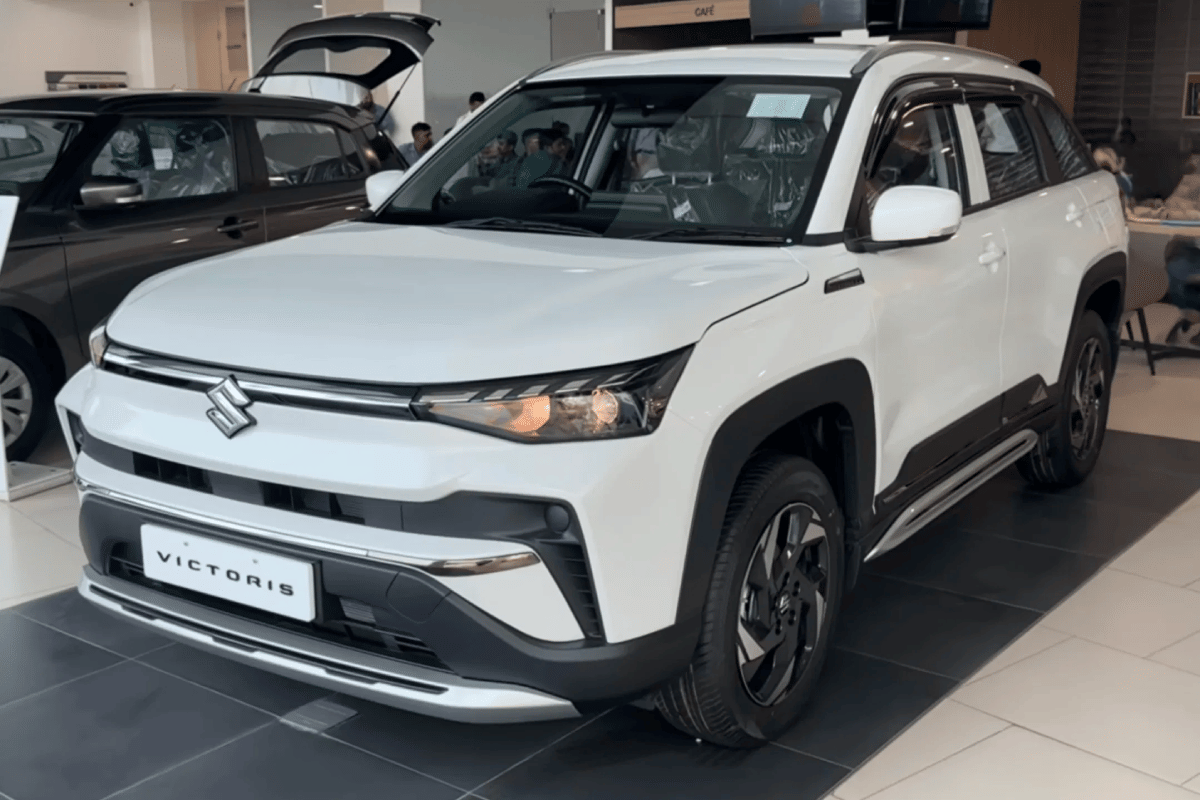
Maruti Grand Vitara vs Victoris: Why Growth Slowed
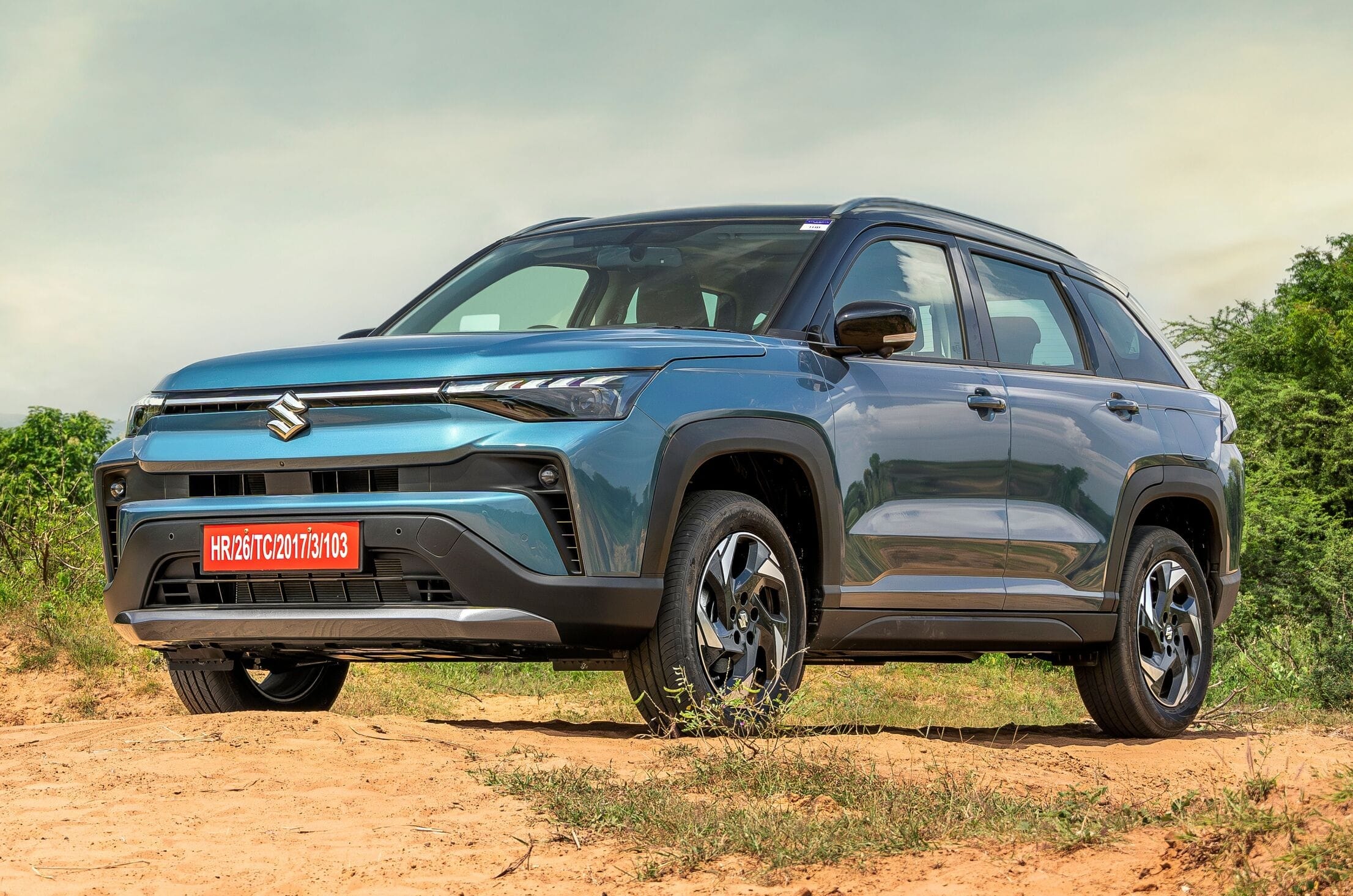
The newer Victoris sold over 1 lakh units in just 10 months since its debut.

However, the fourth round of 1,00,000 sales to reach the 4,00,000 milestone has taken a little over 14 months. This slower run could be attributed to the new Maruti Victoris midsize SUV selling 1,00,165 units in just 10 months, having debuted from the more widespread Arena sales channel in August 2025 and sharing its platform and powertrains with the Grand Vitara. The Victoris is priced from Rs 10.50 lakh to Rs 19.99 lakh, while the Grand Vitara is priced from Rs 10.77 lakh to Rs 19.57 lakh.

The Grand Vitara has sold 20,728 units in Q1 FY2027. Meanwhile, rivals like the Hyundai Creta, Kia Seltos, and Toyota Hyryder outsold it in the same timeframe by selling 37,694 units, 30,817 units and 26,883 units, respectively.

Maruti Grand Vitara: Key contributions to Nexa UV sales
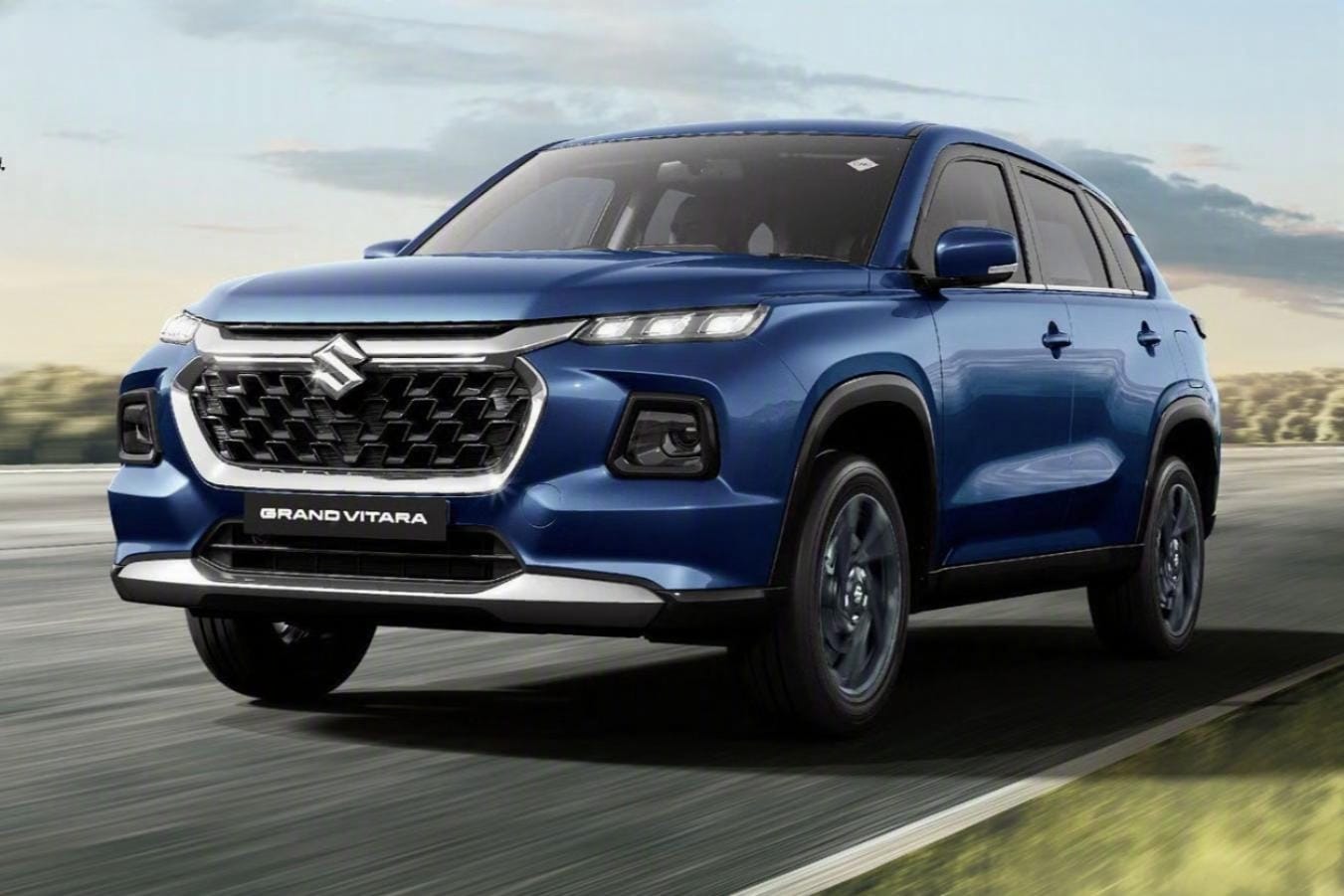
The Maruti Grand Vitara continues to be a key contributor to the carmaker’s Nexa brand sales. If one compares its contribution to all Nexa models since its market entry in FY2023, then only the Baleno hatchback (787,419 units from FY2023 to end-June 2026) and the Fronx compact SUV (525,964 units) are ahead of the Grand Vitara (401,077 units). 

In the current fiscal’s Q1 (April-June 2026), Maruti Suzuki India has dispatched 20,728 Grand Vitaras to dealers, which makes for a 21 percent share of the 91,284 Nexa UVs (Fronx, Grand Vitara, XL6, Jimny, e-Vitara and Invicto). Q2 FY2027 has begun on a good note for the Grand Vitara with Maruti Suzuki dispatching 8,127 units to its dealers in July, the highest monthly sales in the first four months of the current fiscal.

Maruti Grand Vitara powertrain options
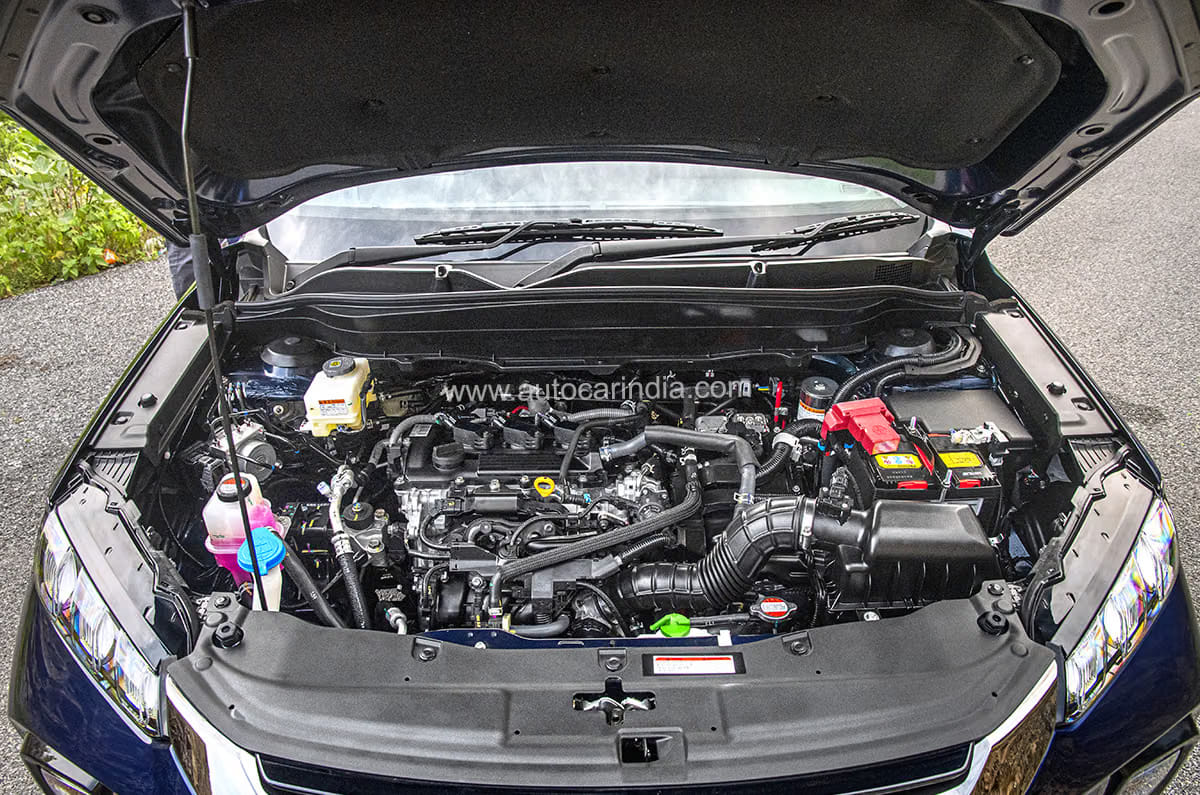
Grand Vitara strong-hybrid

Powering the Grand Vitara is a 1.5-litre naturally aspirated petrol engine developing 103hp and 139Nm of torque. It is paired to either a 5-speed manual or a 6-speed automatic gearbox. With the latter option, AWD can also be had with dedicated terrain modes, making the Grand Vitara among the few SUVs in its class to offer the drive layout. A CNG kit can also be paired to this engine, which is paired to a 5-speed manual only.

Additionally, the Grand Vitara is also one of the few models in the mid-size SUV space to offer a strong-hybrid petrol engine. It produces a combined output of 115hp and 141Nm, and is exclusively mated with an e-CVT gearbox. 

All prices are ex-showroom, India

With inputs from Glenn Noronha

Benefits of up to Rs 1.30 lakh on Maruti Grand Vitara in August 2026

Maruti Grand Vitara

Maruti Suzuki is offering discounts across its Nexa line-up in August 2026. The offers include cash discounts, exchange or scrappage bonuses, loyalty upgrade benefits and institutional discounts, depending on the model and variant. The highest benefits this month are available on the Invicto, while the Grand Vitara, XL6, Jimny, Baleno and Fronx also receive offers.

Disclaimer: Offers may vary by city and are subject to stock availability. Check with your nearest dealer for exact details.

Maruti Invicto discounts in August 2026

Up to Rs 1.55 lakh off

The Invicto attracts the highest discounts in the Nexa range this month, with benefits of up to Rs 1.55 lakh. These include a Rs 55,000 cash discount, an exchange bonus of up to Rs 50,000 or a Rs 50,000 scrappage bonus, a Rs 30,000 loyalty bonus and a Rs 20,000 institutional discount.

Priced between Rs 24.97 lakh and Rs 28.61 lakh, the Invicto is Maruti Suzuki’s flagship MPV and rivals the Toyota Innova Hycross.

Maruti Grand Vitara discounts in August 2026

Up to Rs 1.30 lakh off

The Grand Vitara Sigma petrol receives the highest discounts of up to Rs 1.30 lakh. Delta petrol variants are available with benefits of up to Rs 1.20 lakh, while Zeta, Alpha and AWD variants get offers worth Rs 1.20 lakh, along with a complimentary five-year extended warranty.

Strong hybrid variants also receive plenty of benefits, totaling up to Rs 1.25 lakh along with zero road tax (worth up to Rs 1.85 lakh in Delhi), a five-year extended warranty. The benefits comprise of an exchange bonus of up to Rs 75,000 or a Rs 45,000 scrappage bonus, a Rs 30,000 loyalty upgrade bonus and a Rs 20,000 institutional discount. Delta CNG variants get benefits of up to Rs 1.05 lakh, while Zeta CNG variants receive up to Rs 95,000.

The Grand Vitara is priced from Rs 10.77 lakh to Rs 19.57 lakh and rivals the Hyundai Creta, Kia Seltos, Honda Elevate, Toyota Hyryder and Tata Sierra.

Maruti XL6 discounts in August 2026

Up to Rs 50,000 off

Petrol and CNG variants of the XL6 are available with benefits of up to Rs 50,000. The offer comprises a Rs 20,000 cash discount, an exchange bonus of up to Rs 30,000 or a Rs 15,000 scrappage bonus, and a Rs 10,000 institutional discount. The XL6 is priced between Rs 11.57 lakh and Rs 14.37 lakh and serves as the premium six-seat sibling to the Ertiga.

Maruti Jimny discounts in August 2026

Up to Rs 35,000 off

All variants of the Jimny are available with a Rs 35,000 cash discount this month. No exchange, scrappage, loyalty or institutional benefits are being offered. The Jimny is priced between Rs 12.39 lakh and Rs 14.37 lakh and rivals the Mahindra Thar and Force Gurkha.

Maruti Baleno discounts in August 2026

Up to Rs 30,000 off

Petrol manual and AMT variants of the Baleno receive benefits of up to Rs 30,000, while CNG variants are available with discounts of up to Rs 25,000. Petrol variants get a Rs 5,000 cash discount, an exchange bonus of up to Rs 25,000 or a Rs 10,000 scrappage bonus, while CNG variants miss out on the cash offer but receive the same exchange or scrappage benefits. Priced between Rs 5.99 lakh and Rs 9.17 lakh, the Baleno rivals premium hatchbacks such as the Hyundai i20 and Tata Altroz.

Maruti Fronx discounts in August 2026

Up to Rs 20,000 off

The turbo-petrol Fronx gets the highest discounts this month, with benefits of up to Rs 20,000. Petrol and CNG variants are available with offers of up to Rs 15,000. Turbo variants additionally receive a Rs 5,000 cash discount, while all variants are eligible for an exchange bonus of up to Rs 15,000 or a Rs 10,000 scrappage bonus, along with a Rs 5,000 institutional discount. The Fronx is priced from Rs 6.85 lakh to Rs 11.84 lakh and rivals the Toyota Taisor, Tata Nexon, Hyundai Venue, Kia Sonet, Mahindra XUV 3XO and Nissan Magnite.

All prices are ex-showroom, India.

Maruti Victoris gets up to Rs 1.35 lakh discount in August 2026

Maruti Victoris

Maruti Suzuki is offering discounts across much of its Arena line-up, including the Victoris, Swift, Wagon R, Alto K10, Celerio, S-Presso and Eeco, in August 2026. The highest benefits are available on the Victoris, with savings of up to Rs 1.35 lakh. These offers comprise cash discounts, exchange or scrappage bonuses, loyalty benefits and institutional discounts, depending on the variant.

Disclaimer: Offers may vary by city and are subject to stock availability. Check with your nearest dealer for exact details.

Maruti Victoris discounts in August 2026

Up to Rs 1.35 lakh off

The Victoris strong hybrid attracts the highest benefits this month, with total discounts of up to Rs 1.35 lakh. These include a Rs 20,000 cash discount, an exchange bonus of up to Rs 75,000 or a Rs 45,000 scrappage bonus, a Rs 30,000 loyalty upgrade bonus and a Rs 10,000 institutional discount.

Petrol and CNG variants, meanwhile, are available with benefits of up to Rs 85,000. Both are eligible for an exchange bonus of up to Rs 55,000, while customers opting for the scrappage scheme can avail of benefits of up to Rs 25,000 on petrol variants and Rs 20,000 on CNG variants. These variants also receive a Rs 20,000 loyalty upgrade bonus and a Rs 10,000 institutional discount.

Priced between Rs 10.50 lakh and Rs 19.99 lakh, the Victoris rivals the Hyundai Creta, Kia Seltos, Tata Sierra and Honda Elevate.

Maruti Wagon R discounts in August 2026

Up to Rs 52,500 off

The Wagon R is available with benefits of up to Rs 52,500 across its petrol and CNG range. Buyers can avail of a Rs 25,000 cash discount, an exchange bonus of up to Rs 25,000 or a Rs 10,000 scrappage bonus, along with a Rs 2,500 institutional discount.

Priced between Rs 4.99 lakh and Rs 7.24 lakh, the Wagon R rivals the Tata Tiago and Citroen C3.

Maruti Alto K10 discounts in August 2026

Up to Rs 52,500 off

In the Alto K10 line-up, the LXi petrol variant gets the highest benefits of Rs 52,500, while other petrol variants are available with discounts of up to Rs 42,500. Benefits on CNG variants are capped at Rs 37,500.

Depending on the variant, buyers can avail of a cash discount of up to Rs 25,000, an exchange bonus of up to Rs 25,000 or a Rs 10,000 scrappage bonus, and a Rs 2,500 institutional discount. This rival to the Renault Kwid is priced between Rs 3.70 lakh and Rs 5.45 lakh.

Maruti Celerio discounts in August 2026

Up to Rs 42,500 off

Benefits of up to Rs 42,500 are available across the Celerio range this month. The offer includes a Rs 15,000 cash discount, an exchange bonus of up to Rs 25,000 or a Rs 10,000 scrappage bonus, along with a Rs 2,500 institutional discount. A rival to the Tata Tiago and Renault Kwid, the Celerio has a starting price of Rs 4.70 lakh and costs Rs 6.73 lakh for the top-spec variant.

Maruti Eeco discounts in August 2026

Up to Rs 42,500 off

Petrol variants of the Eeco receive benefits of up to Rs 42,500, while CNG versions are eligible for discounts of up to Rs 32,500. Petrol models get a Rs 15,000 cash discount, whereas CNG variants receive Rs 5,000. Both are offered with an exchange bonus of up to Rs 25,000, along with a Rs 2,500 institutional discount. The Eeco is priced between Rs 5.23 lakh and Rs 6.41 lakh.

Maruti Swift discounts in August 2026

Up to Rs 40,000 off

Petrol variants of the Swift are available with benefits of up to Rs 40,000, including a Rs 10,000 cash discount, an exchange bonus of up to Rs 25,000 or a Rs 10,000 scrappage bonus, and a Rs 5,000 institutional discount. CNG variants receive lower benefits of up to Rs 30,000, as they are not eligible for a cash discount this month.

The Swift is priced between Rs 5.79 lakh and Rs 8.69 lakh and rivals the Hyundai Grand i10 Nios and Tata Tiago.

Maruti S-Presso discounts in August 2026

Up to Rs 37,500 off

All variants of the S-Presso are being offered with benefits of up to Rs 37,500. Buyers can avail of a Rs 10,000 cash discount, an exchange bonus of up to Rs 25,000 or a Rs 10,000 scrappage bonus, and a Rs 2,500 institutional discount. Maruti’s most affordable offering currently, the S-Presso is priced from Rs 3.50 lakh to Rs 5.25 lakh and rivals the Renault Kwid and its stablemate Alto K10.

All prices are ex-showroom, India.

Kia Carens Clavis gets benefits of up to Rs 1.2 lakh in August 2026

Kia Carens Clavis front quarter static

With the newly launched Syros EV and the flagship Sorento SUV inbound, Kia India has been strengthening its presence in our market. At the same time, the Korean carmaker is providing appealing offers on select models currently across its lineup in August 2026. Except for the EV6 and EV9, the remaining models in Kia’s portfolio get cash discounts, exchange or scrappage offers, and corporate benefits. 

Disclaimer: Offers/benefits may vary by city and are subject to stock availability. Buyers are advised to check with their local dealer for exact figures.

Kia Carens Clavis offers in August 2026

Benefits of up to Rs 1.2 lakh 

The Carens Clavis MPV is available with benefits of up to Rs 1.2 lakh. MY26 models get a cash discount of Rs 10,000, a loyalty benefit of Rs 20,000, a corporate offer of up to Rs 15,000 and either an exchange or scrappage bonus of up to Rs 30,000. 

However, MY25 models of the Clavis get up to Rs 75,000 cash discount, and have the same loyalty, exchange/scrappage benefits as the MY26 models, but miss out on a corporate offer. Moreover, only MY25 turbo-petrol variants of the MPV get free extended warranty coverage. Priced from Rs 11.27 lakh to Rs 21.67 lakh, it rivals the likes of the Maruti XL6. 

Kia Carnival offers in August 2026 

Benefits of up to Rs 1.5 lakh

At up to Rs 1.5 lakh, the Carnival receives the highest benefits among all Kia models this month. MY26 versions either an exchange or scrappage offer of up to Rs 1 lakh, and a corporate offer of up to Rs 50,000, while MY25 versions get only a scrappage offer of Rs 20,000. The Carnival is Kia’s most expensive ICE model in our market and is priced at Rs 59.65 lakh.

Kia Carens Clavis EV offers in August 2026

Benefits of up to Rs 55,000 

The all-electric counterpart of the Carens Clavis is offered with benefits of up to Rs 55,000. MY26 versions of the Carens Clavis EV are eligible for a loyalty benefit and corporate offer of Rs 20,0000 and up to Rs 15,000, respectively. Additionally, it’s also available with either a scrappage or exchange offer of Rs 20,000. For MY25 models, only the extended range (ER) variants come with loyalty and scrappage benefits of Rs 20,000 each. Currently, the most affordable electric MPV in our market, it has a price range of Rs 18.04 lakh to Rs 25 lakh. It is Kia’s answer to the BYD e MAX 7 and an MPV alternative to the likes of the Mahindra XEV 9S.

Kia Syros offers in August 2026

Benefits of up to Rs 50,000

The Syros compact SUV is available with benefits of up to Rs 50,000. The new MY26 model gets a cash discount of up to Rs 10,000, a corporate offer of up to Rs 15,000 and either an exchange or scrappage offer of Rs 20,000. On the other hand, MY25 versions get an exchange or scrappage offer of up to Rs 50,000. Like the Carens Clavis, even the Syros gets free extended warranty. It has a price range of Rs 8.42 lakh to Rs 15.82 lakh, and takes on the likes of the Mahindra XUV 3XO, Hyundai Venue, and Maruti Brezza.

Kia Sonet offers in August 2026

Benefits of up to Rs 45,000

The most affordable Kia offering in India, the Sonet is offered with benefits of up to Rs 45,000. For MY26 models, you get a cash discount of up to Rs 10,000, a corporate offer of up to Rs 15,000, and either an exchange or scrappage benefit of up to Rs 20,000, while MY25 versions of the Sonet only get a scrappage offer. Priced from Rs 7.41 lakh to Rs 14.37 lakh, it takes on rivals like the Skoda Kushaq, Tata Nexon, and contenders alongside the Syros.

Kia Seltos offers in August 2026 

Benefits of up to Rs 40,000

The second-generation Seltos, which was introduced earlier this year, is available with benefits of up to Rs 40,000. These include a loyalty benefit and scrappage bonus of Rs 20,000 each. 

Meanwhile, the first-generation Seltos only gets a scrappage offer. The second-generation Seltos is priced from Rs 11 lakh and up to Rs 21.82 lakh. The Seltos is Kia’s contender in the mid-size SUV space, which consists of rivals like the Hyundai Creta, Volkswagen Taigun, Renault Duster, Tata Sierra, Skoda Kushaq, MG Astor, Citroen Aircross, Maruti Victoris and Grand Vitara.

Kia Carens offers in August 2026

Benefits of up to Rs 35,000

The budget Kia Carens MPV is offered with benefits up to Rs 35,000. MY26 models get a corporate offer of up to Rs 15,000 and either a scrappage or exchange bonus of up to Rs 20,000. On the other hand, MY25 versions get only a scrappage offer. The Carens rivals the Maruti Ertiga and Toyota Rumion, while its price ranges between Rs 11.02 lakh and Rs 12.88 lakh. 

All prices are ex-showroom, India

Top 10 bestselling cars in July 2026: Maruti claims 6 spots

Top 10 bestselling cars in July 2026

Sales of India’s 10 highest-selling passenger vehicles reached 2,00,868 units in July 2026, up 37.55 percent from the 1,46,029 units recorded a in the year-ago period. Last month’s sales figures highlight Maruti Suzuki’s strong hold, with six models featuring among the top 10 bestsellers. Tata Motors was the only other brand with more than one model on the list, while Hyundai and Mahindra had one offering each. Demand remained strong across the board, with all but one model registering double-digit year-on-year growth. 

RankModelJuly 2026 sales (units)July 2025 sales (units)YoY growth (percent)
1Maruti Dzire23,79120,89513.86
2Maruti Wagon R23,33814,71058.65
3Maruti Ertiga21,60616,60430.13
4Maruti Swift21,53814,19051.78
5Tata Punch, Punch EV21,31310,78597.62
6Maruti Fronx19,47312,87251.28
7Maruti Baleno18,24112,50345.89
8Hyundai Creta, Creta Electric18,08816,8987.04
9Tata Nexon, Nexon EV17,47112,82536.23
10Mahindra Scorpio, Scorpio Classic16,00913,74716.45
 Total2,00,8681,46,02937.55

1. Maruti Dzire

23,791 units

Maruti Dzire

The Maruti Dzire was India’s bestselling passenger vehicle in July, with sales of 23,791 units, up 13.86 percent from 20,895 units in July 2025. It was also the only sedan to feature among the country’s 10 bestselling models and contributed 11.84 percent of the combined sales of the top 10. 

2. Maruti Wagon R

23,338 units

With sales of 23,338 units, the Maruti Wagon R finished second. The hatchback recorded a strong 58.65 percent year-on-year growth, selling 8,628 more units than in July last year. It was also one of the three hatchbacks to feature in the top 10 list, all of which are from Maruti Suzuki. Another highlight of the Wagon R is that it is also available in a flex-fuel version compatible with E85 fuel, an option that none of the other models on this list offer.

3. Maruti Ertiga

21,606 units

Maruti Ertiga

The Maruti Ertiga ranked third with 21,606 units sold, registering 30.13 percent year-on-year growth. Notably, it is the only MPV on the list and managed to secure a place among the country’s three bestselling passenger vehicles.

4. Maruti Swift

21,538 units

Coming in fourth was the Maruti Swift, with sales of 21,538 units. The hatchback recorded a healthy 51.78 percent year-on-year growth and was the second Maruti Suzuki hatchback to feature in the country’s top 10 bestselling models.

5. Tata Punch, Punch EV

21,313 units

Tata Punch
Tata Punch ICE.

Ranking fifth was the Tata Punch and Punch EV, which together sold 21,313 units. Their combined sales were up 97.62 percent year-on-year, nearly doubling from the same month last year. Compared to other models on this list, the sub-compact SUV registered the highest YoY growth. The Punch also recently crossed the 8 lakh sales mark.

6. Maruti Fronx

19,473 units

Selling 19,473 units, the Maruti Fronx secured the sixth spot, registering a 51.28 percent year-on-year growth. It is also Maruti Suzuki’s highest-selling model retailed through the brand’s premium Nexa dealership network.

7. Maruti Baleno

18,241 units

Maruti Baleno

The Maruti Baleno secured the seventh position with 18,241 units, recording a 45.89 percent increase over the same month last year. It rounded off Maruti’s six-model presence in the top 10 and was also the third hatchback on the list. Like the Fronx, the hatchback is retailed through Nexa showrooms.

8. Hyundai Creta, Creta Electric

18,088 units

Next, the Hyundai Creta and Creta Electric together secured the eighth spot with 18,088 units, registering a 7.04 percent year-on-year growth, the lowest among the top 10 models. Recently, Hyundai introduced an assured buyback programme for the Creta Electric, offering a 60 percent buyback value after three years or 45,000km, whichever comes first (terms and conditions apply). The electric SUV is also available with a Battery-as-a-Service (BaaS) option, allowing buyers to lower the upfront purchase cost.

9. Tata Nexon, Nexon EV

17,471 units

Tata Nexon EV
Tata Nexon EV.

The ninth position went to the Tata Nexon and Nexon EV, which together sold 17,471 units in July 2026, recording 36.23 percent year-on-year growth. After the Fronx, the Nexon is the only compact SUV to feature on this list.

10. Mahindra Scorpio, Scorpio Classic

16,009 units

Rounding off the top 10 were the Mahindra Scorpio N and Scorpio Classic with combined sales of 16,009 units, up 16.45 percent over the same month last year. Mahindra rolled out the 2026 update for the Scorpio N just today. 

Hyundai introduces assured buyback programme for the Creta Electric

Hyundai Creta Electric

Hyundai has launched an assured buyback programme for its Creta Electric, offering customers 60 percent assured buyback value till 3-years or up to 45,000km. The Hyundai Creta Electric is the carmaker’s most accessible EV, priced between Rs 18.03 lakh and Rs 23.67 lakh, ex-showroom.

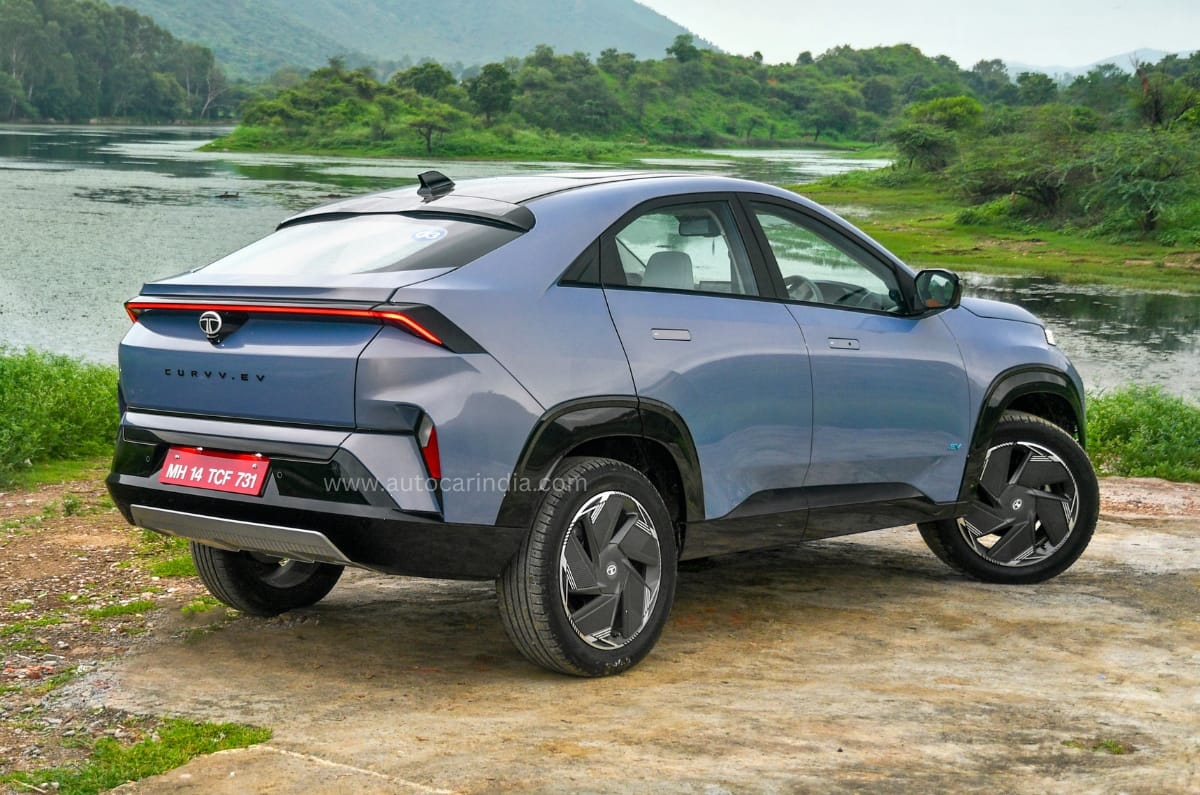
3 reasons to buy the Tata Curvv EV, 2 reasons not to

3 reasons to buy the Tata Curvv EV, 2 reasons not to

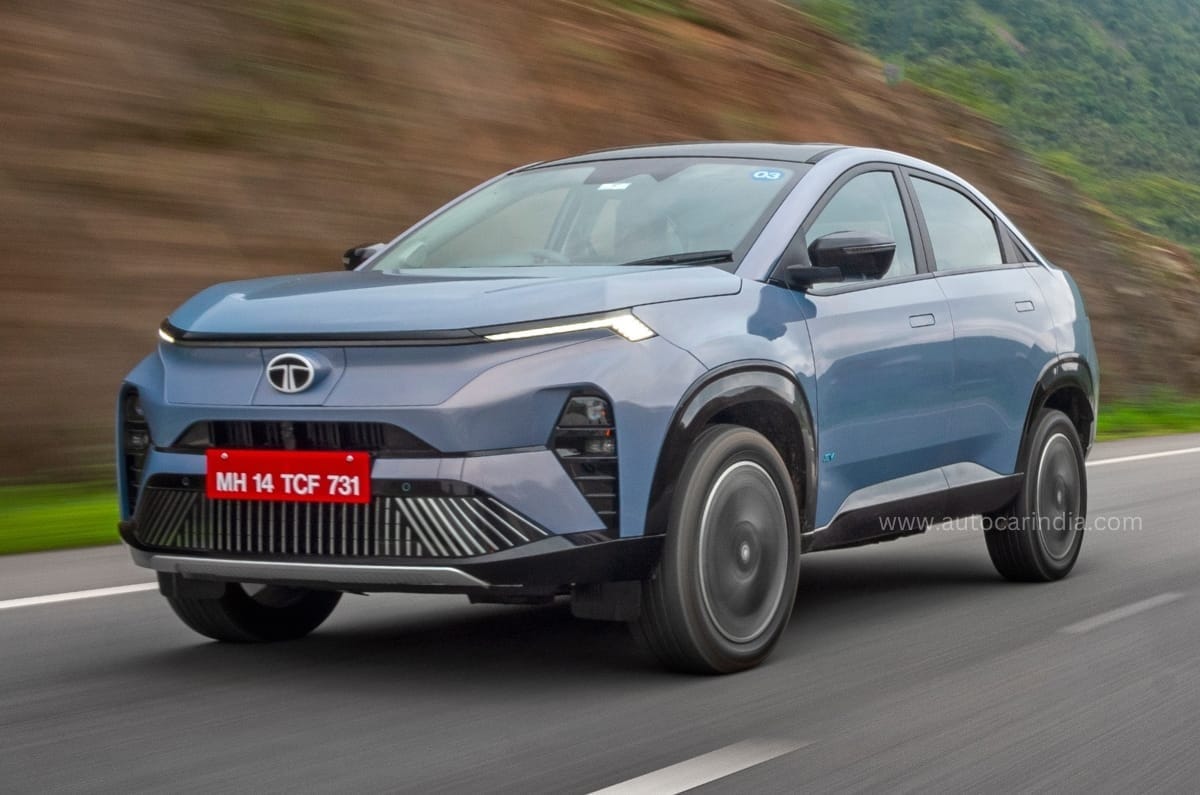
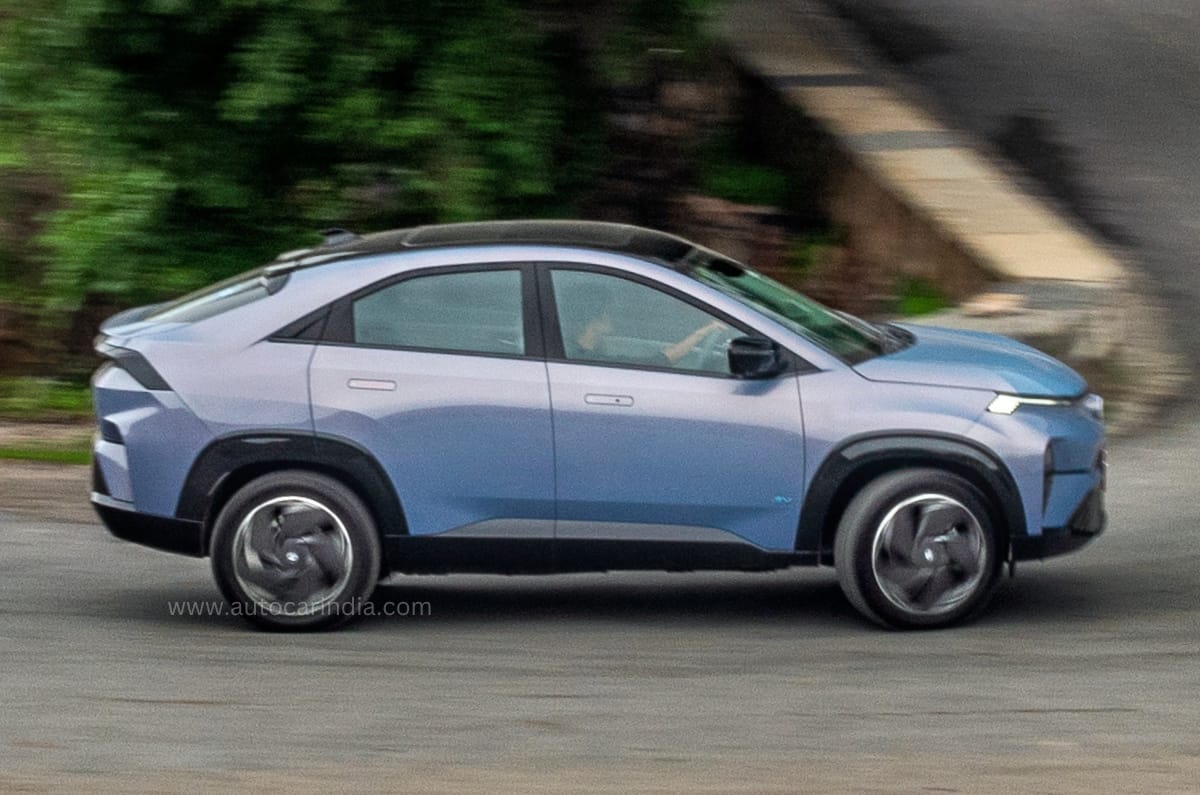
Tata launched the Curvv EV in 2024 as a distinct-looking coupe-SUV in the heavily contested midsize class. In the manufacturer’s lineup, it sits between the smaller Nexon EV and larger Sierra EV, and along with the different looks, it also offers a feature-loaded cabin, spacious cabin, a large battery pack and a powerful electric motor. If you’re interested in the Curvv EV, here are the reasons to consider it, and some reasons to think otherwise.

Reasons to buy

Offers good performance without compromising on range

The Tata Curvv EV is offered with a 55kWh battery pack and produces 167hp and 215Nm from its front-axle-mounted (FWD) electric motor. It gets three drive modes: Eco, City and Sport, which alter the throttle response based on the chosen mode. The Curvv EV is the most energetic in Sport mode, offering full torque reserve at the tap of the accelerator pedal, unlike the other two modes where torque output is restricted to around 70 percent. Tata claims a 0-100kph time of 8.6 seconds for the Curvv, but in our real-world tests, it completed the 0-100kph sprint in 9.25 seconds in Sport mode. The fact that the Tata Curvv EV did a 0-100kph run in 11.6 seconds with the most docile Eco mode shows its quick acceleration.

However, quick acceleration does not come at the expense of efficiency, as in our real-world tests, we found that the Curvv EV’s 55kWh variant offered an economy of 6.64km/kWh, translating to a total range of 365km, which allows for intracity travel.

Offers a lot of comfort and convenience features

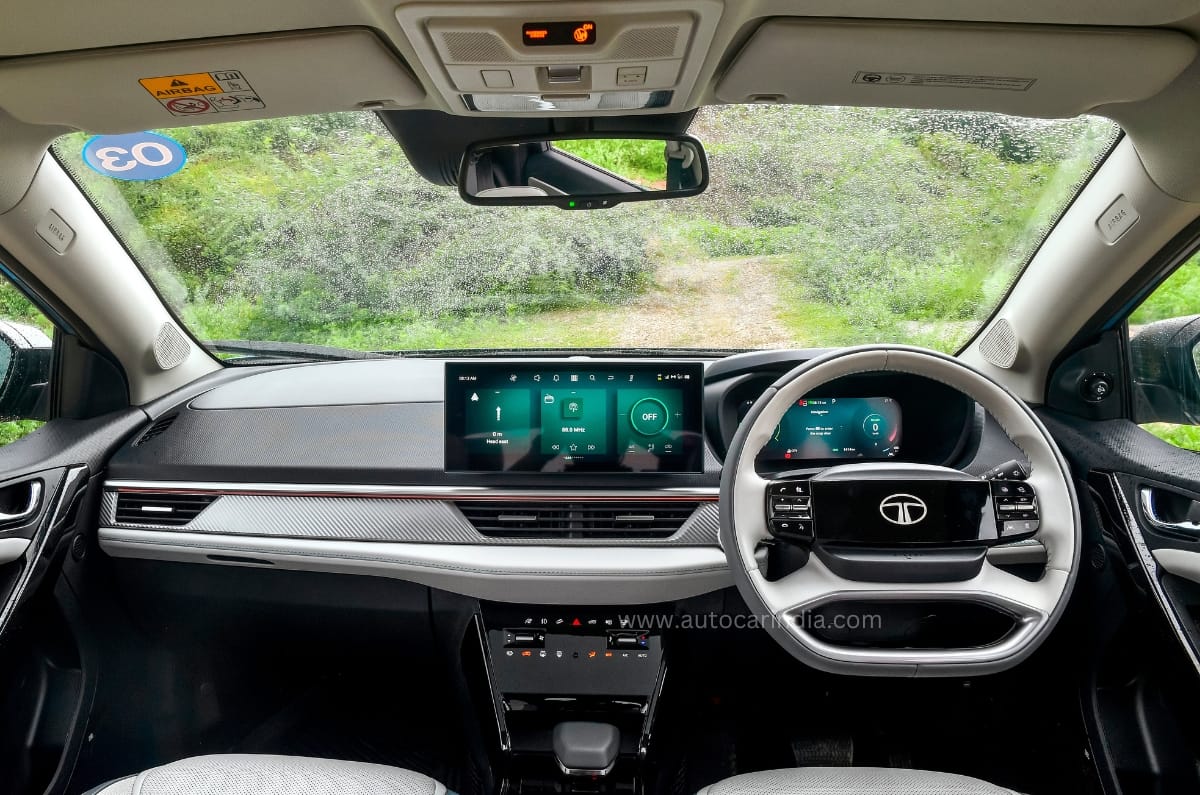
Like other Tata EV offerings, the Curvv EV is also loaded with features to its gills. It gets a 12.3-inch touchscreen infotainment system and a 10.25-inch digital driver’s display, the latter of which can be configured to show navigation. However, when using turn indicators, it shows the blind spot monitor feed instead of the navigation. This can be avoided if the blind spot monitor display is configured to display on the touchscreen. Both screens are crisp and have menus, but it is easy to get used to them. The infotainment system is offered with Tata’s arcade.ev app suite, which includes streaming services and games that can be used when the Curvv EV is charging. 

Other features include a panoramic sunroof, configurable ambient lighting, an electric tailgate with gesture control, a 9-speaker JBL sound system, a wireless phone charger with cooling vents, powered and ventilated front seats, and Level-2 advanced driver assistance systems (ADAS). 

It is a value-for-money offering in its class

With prices ranging from Rs 16.99 lakh to Rs 19.19 lakh, the Tata Curvv EV is on par with the petrol/diesel midsize SUVs, and undercuts rivals like the Hyundai Creta Electric, Mahindra BE 6, and Tata Sierra. At this price, it is offered with concept-car-like looks, a spacious interior, a feature-loaded cabin, a large battery and a potent electric motor, making it one of the most value-for-money offerings in its class.

Reasons to skip

Taller passengers may feel uncomfortable on the rear seats

The coupe-SUV design of the Curvv EV eats up the headroom on the rear seats, which will be uncomfortable for taller passengers, especially if they are taller than 6 feet. Such passengers will also find the under-thigh support underwhelming, as they have to sit in a knees-up position due to the battery cells placed under the floor. However, legroom is in plenty and will be appreciated by passengers of all sizes. 

It suffers from some ergonomic issues

The Curvv EV shares much of its dashboard design with the Nexon EV,  and hence, does not get proper cupholders for the front passengers. The cupholders are placed inside the glovebox, which does not make them usable, especially on the move. The phone charging ports are placed ahead of the drive selector knob and are hard to reach. The storage space under the front centre armrest is also small. However, the fit and finish inside the cabin is decent for the Curvv EV’s price.

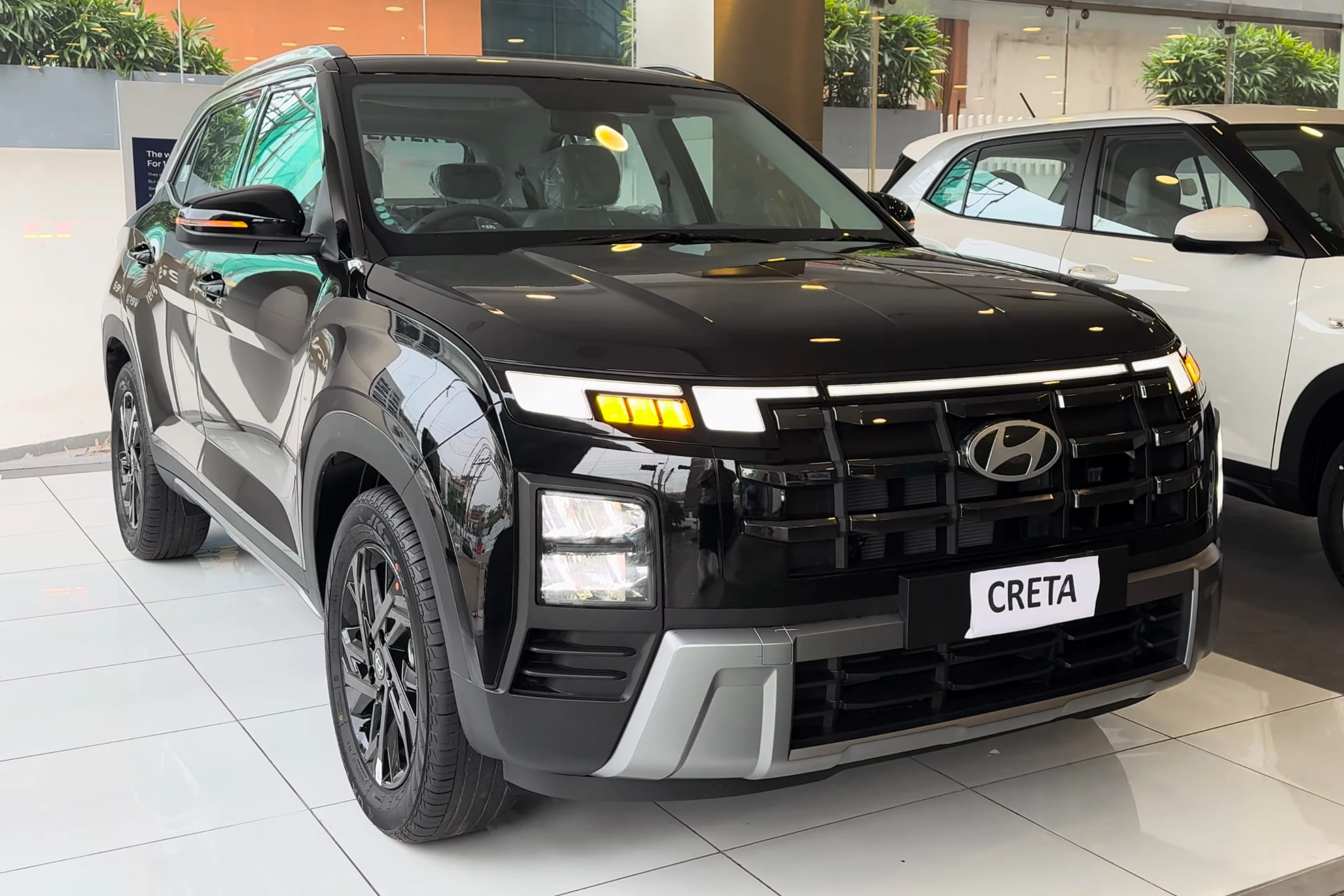
Hyundai Creta discounts go up to Rs 1 lakh in August 2026

hyundai creta in showroom

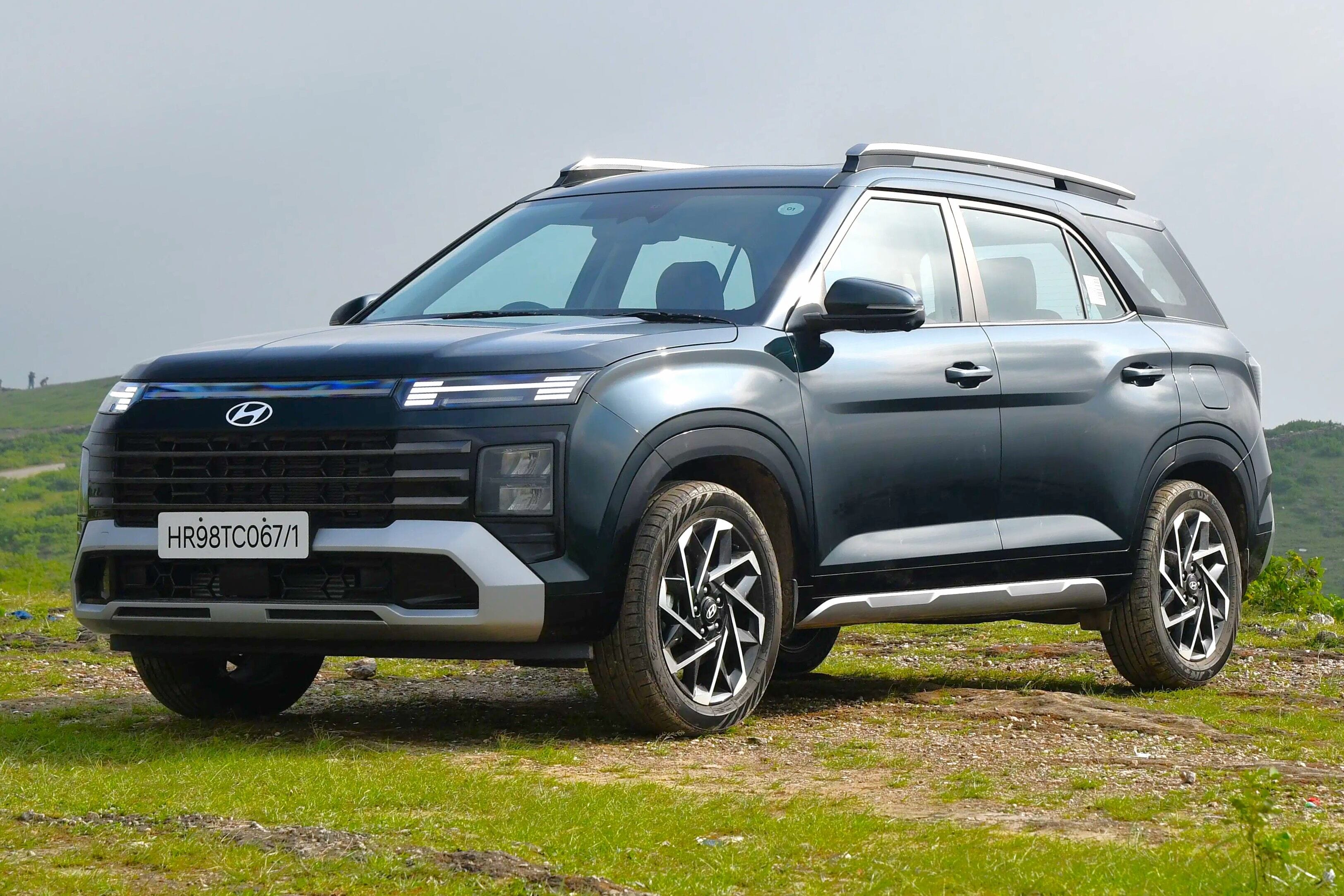
Hyundai India is offering compelling benefits on the Creta, Verna, Exter, Grand i10 Nios, Aura, Creta Electric, i20, Venue, and Alcazar this month. These benefits comprise cash discounts, scrappage/exchange bonuses, corporate offers, and additional upgrade incentives.

Disclaimer: Offers/benefits may vary by city and are subject to stock availability. Buyers are advised to check with their local dealer for exact figures.

Hyundai Creta discounts in August 2026

Up to Rs 1 lakh

The base E petrol trim of the Creta gets benefits of up to Rs 85,000 this month, while the SUV’s CVT variants are available at up to Rs 90,000 off. Benefits on all other Creta petrol and N Line variants total Rs 1 lakh in August. Meanwhile, buyers of any diesel Creta variant get a much lower benefit of up to Rs 10,000. The Hyundai Creta price (including N Line) starts at Rs 10.91 lakh and extends to Rs 19.95 lakh.

Hyundai Venue offers in August 2026

Up to Rs 5,000

Buyers looking to bring home a Venue this month don’t get much in the way of offers, with only a benefit of up to Rs 5,000 on all of the compact SUV’s variants. The Venue price range, including the N Line variants, is Rs 8 lakh to Rs 15.65 lakh.

Hyundai Exter offers in August 2026

Up to Rs 55,000

Though the Exter received an update earlier this year, units of the pre-facelift model continue to be available. The pre-facelift Exter’s EX and EX(O) trims (petrol and CNG) get a benefit of up to Rs 10,000 only, while all other variants can be had at up to Rs 55,000 off. As for the facelifted Exter, benefits stand at up to Rs 10,000 for the base HX2 variants, and up to Rs 50,000 for all other variants. Prices for the 2026 Exter start at Rs 5.81 lakh and extend to Rs 9.46 lakh.

Hyundai Verna discounts in August 2026

Up to Rs 95,000

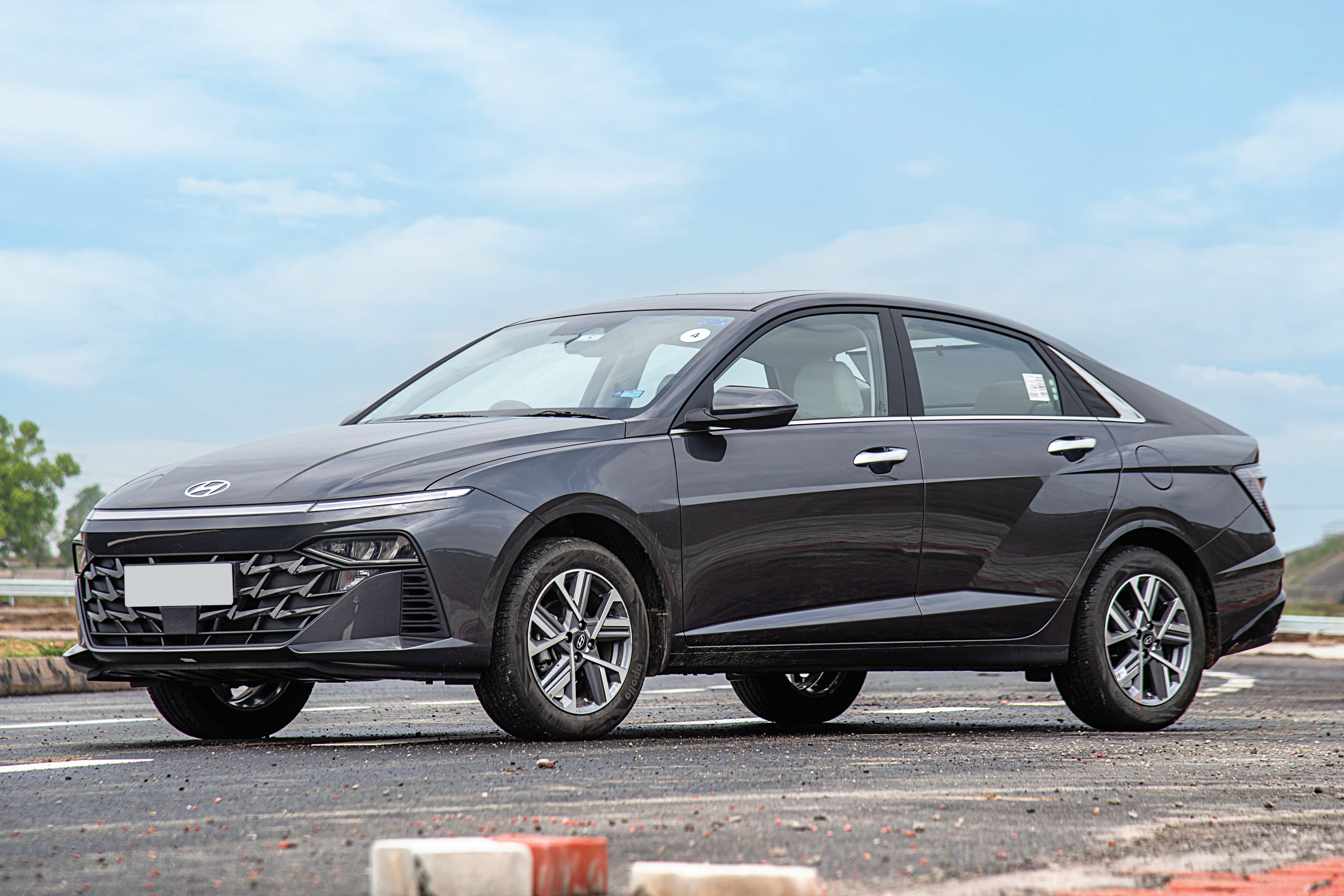
CVT variants of the pre-facelift Verna sedan feature benefits of up to Rs 95,000, while all other variants get up to Rs 70,000 off. Those looking to purchase the updated Verna, on the other hand, can take advantage of up to Rs 65,000 in benefits across all variants. Prices for the 2026 Verna start at Rs 10.99 lakh and climb to Rs 18.26 lakh.

Hyundai Creta Electric discounts in August 2026

Up to Rs 50,000

All variants of the Creta’s EV derivative, the Creta Electric, are available with benefits of up Rs 50,000 in August, which is a fair bit lower than the maximum Rs 85,000 discount offered last month. Offered with 42kWh and 51.4kWh battery options, the Creta Electric is priced between Rs 18.03 lakh and Rs 23.67 lakh, exclusive of home charger and installation costs.

Hyundai Alcazar discounts in August 2026

Up to Rs 75,000

Much like last month, petrol variants of the Alcazar three-row SUV can be purchased with benefits ranging up to Rs 75,000. Meanwhile, diesel Alcazar variants get benefits of up to Rs 45,000. The Hyundai Alcazar price range is Rs 14.51 lakh to Rs 21.10 lakh.

Hyundai Grand i10 Nios discounts in August 2026

Up to Rs 70,000

Hyundai’s most affordable model in India, the Grand i10 Nios, gets up to Rs 25,000 in benefits for its base Era variant. All other petrol variants of the Grand i10 Nios sport much higher benefits of up to Rs 70,000. Lastly, all CNG variants of the hatchback are available at up to Rs 65,000 off. The Grand i10 Nios price starts at Rs 5.60 lakh and tops off at Rs 8.04 lakh.

Hyundai i20 offers in August 2026

Up to Rs 45,000

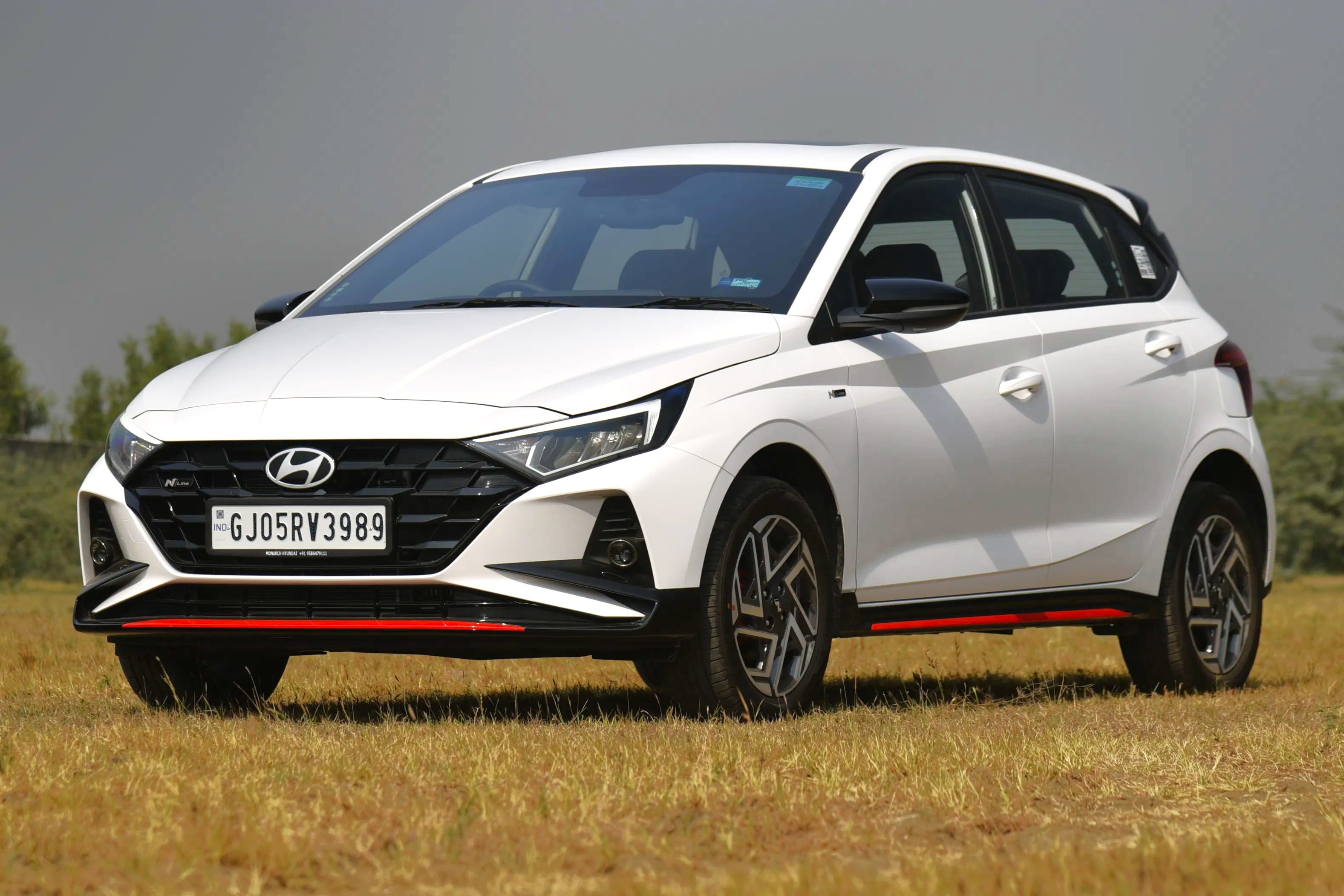
Aside from the base Era variant of the i20, which is available at up to Rs 25,000 off, all variants of the premium hatchback (including the sporty N Line versions) can be purchased with up to Rs 45,000 in benefits. Pricing for the standard and N Line variants of the i2 ranges from Rs 6 lakh to Rs 11.59 lakh.

Hyundai Aura offers in August 2026

Up to Rs 30,000

The S, SX, and Corporate CNG variants of the Aura compact sedan are available with benefits totalling Rs 30,000. Meanwhile, all other petrol variants of the Aura get benefits of up to Rs 20,000 this month. The Aura is priced from Rs 6 lakh to Rs 8.6 lakh.

All prices are ex-showroom, India.

Upcoming BYD Atto 2 midsize SUV spotted testing in India

Upcoming BYD Atto 2 midsize SUV spotted testing in India

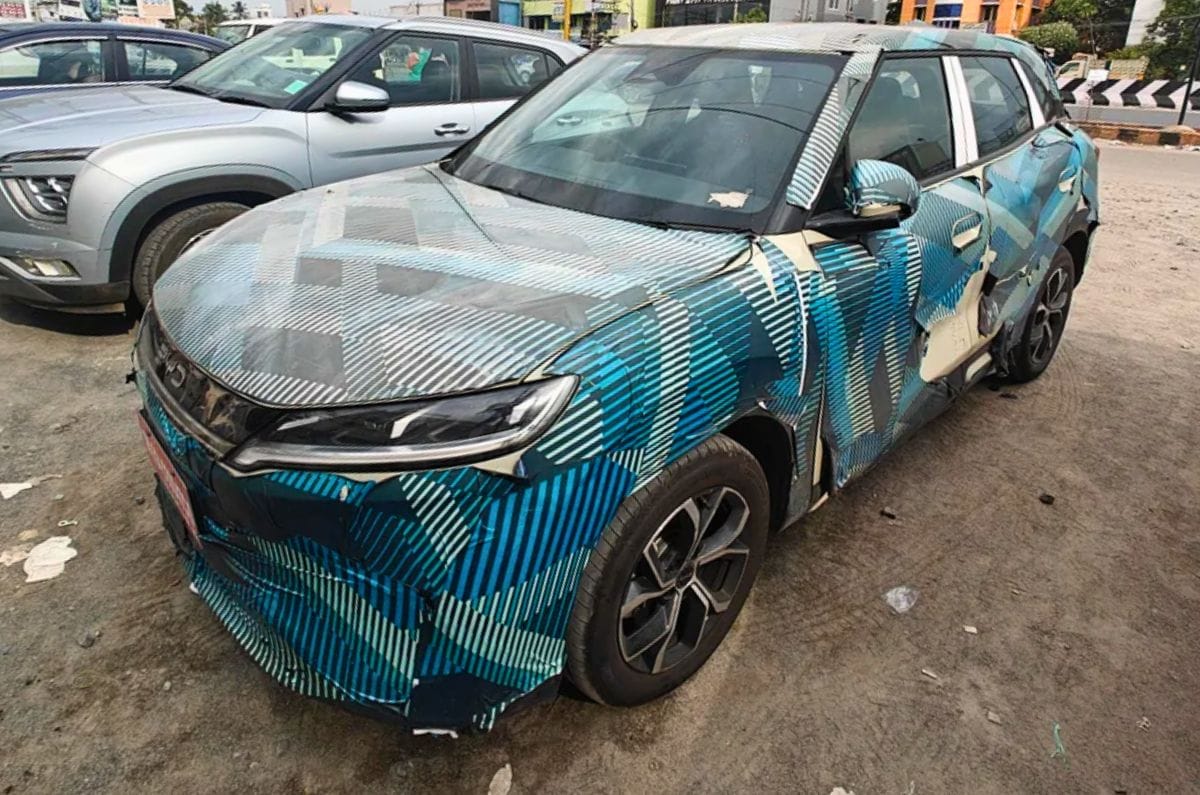
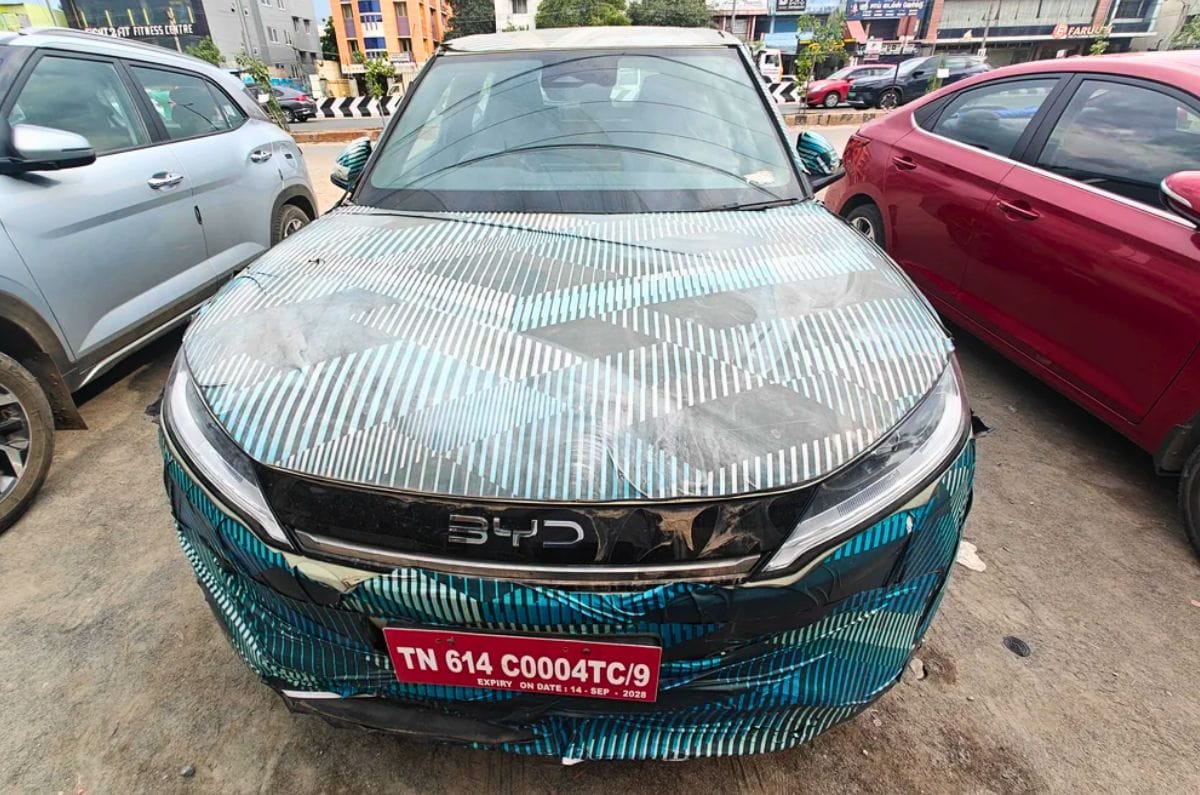
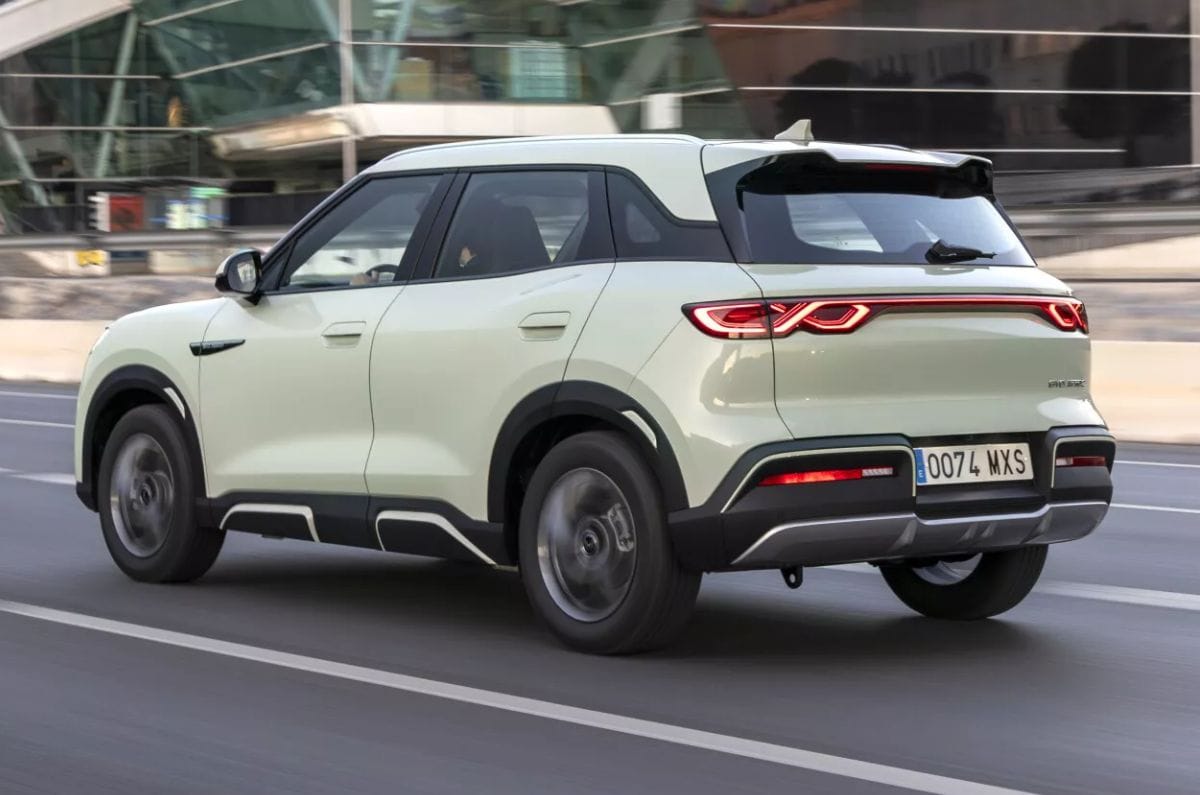
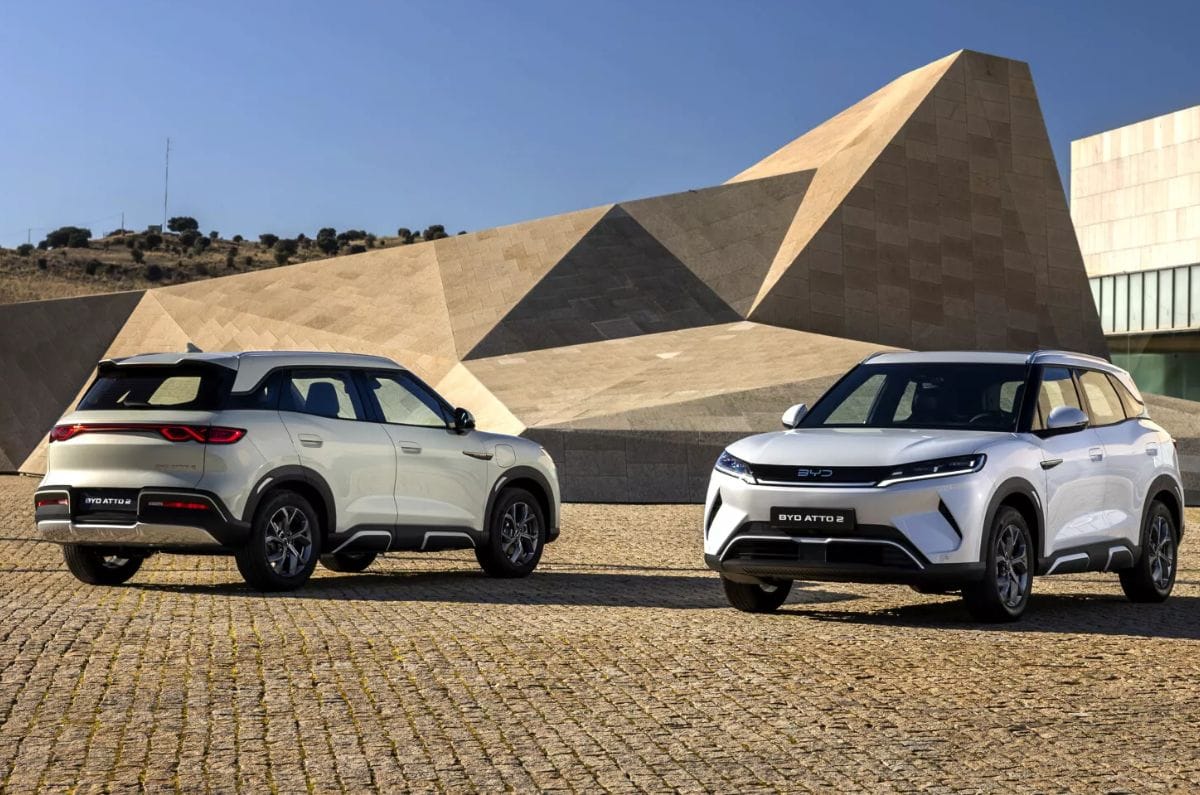
The BYD Atto 2 midsize SUV, expected to launch in India this year, has been spotted testing again. The spy shots reveal some exterior design elements of the upcoming Atto 2 similar to the internationally available model. The Atto 2 is offered in both EV and PHEV versions internationally. 

  1. Spy shots show the SUV’s front fascia and the side profile
  2. Europe-spec EV gets up to 64.8kWh battery with 430km range
  3. PHEV gets a 1.5L petrol engine and up to 18kWh battery

BYD Atto 2 spied: What was spotted?

Shows sleek LED headlights, alloy wheel design and a free-standing infotainment 

Image source: @lostcheetos on r/CarsIndia

The spy shots show the Atto 2’s fascia and side profile, and although under camouflage, some design elements can be seen. These include the sleek headlights joined by a gloss-black trim with a BYD badge, the petal-shaped design elements on the alloys and the simple door handles. Keen-eyed viewers can also spot black cladding on the wheel arches and lower portion of the body. While the rear design is yet to be spied, it is expected to have connected LED taillights and a black bumper with some silver accents, like the international model.

A closer look inside the test mule reveals a camera-based ADAS sensor on the windscreen, a free-standing touchscreen infotainment system, and all-black upholstery on the seats. 

Upcoming BYD Atto 2: Other details

The EV has a WLTP-claimed range of 430km, and the PHEV has a 1,000 km range

As mentioned earlier, the Atto 2 is offered in both all-electric (EV) and plug-in hybrid (PHEV) versions. In the European market, the Atto 2 EV is available with either a 45.1kWh or a 64.8kWh battery, with a WLTP-claimed range of up to 430km. Both battery versions are available with a front-axle-mounted (FWD) electric motor producing up to 201hp and 310Nm. BYD claims a 0-100kph time of 7.9 seconds and a top speed of 170kph. 

International-spec BYD Atto 2 shown for representative purposes only.

The plug-in hybrid version, called the Atto 2 DM-i, is offered with a 97hp 1.5-litre 4-cylinder petrol engine and a choice of 7.8kWh or 18kWh battery mated with a 197hp front-axle-mounted (FWD) electric motor. The Atto 2 PHEV has a combined system output of up to 212hp and 300Nm and a total WLTP-claimed range of 1,000km. 

Gets two interior themes and a minimalistic dashboard with two screens 

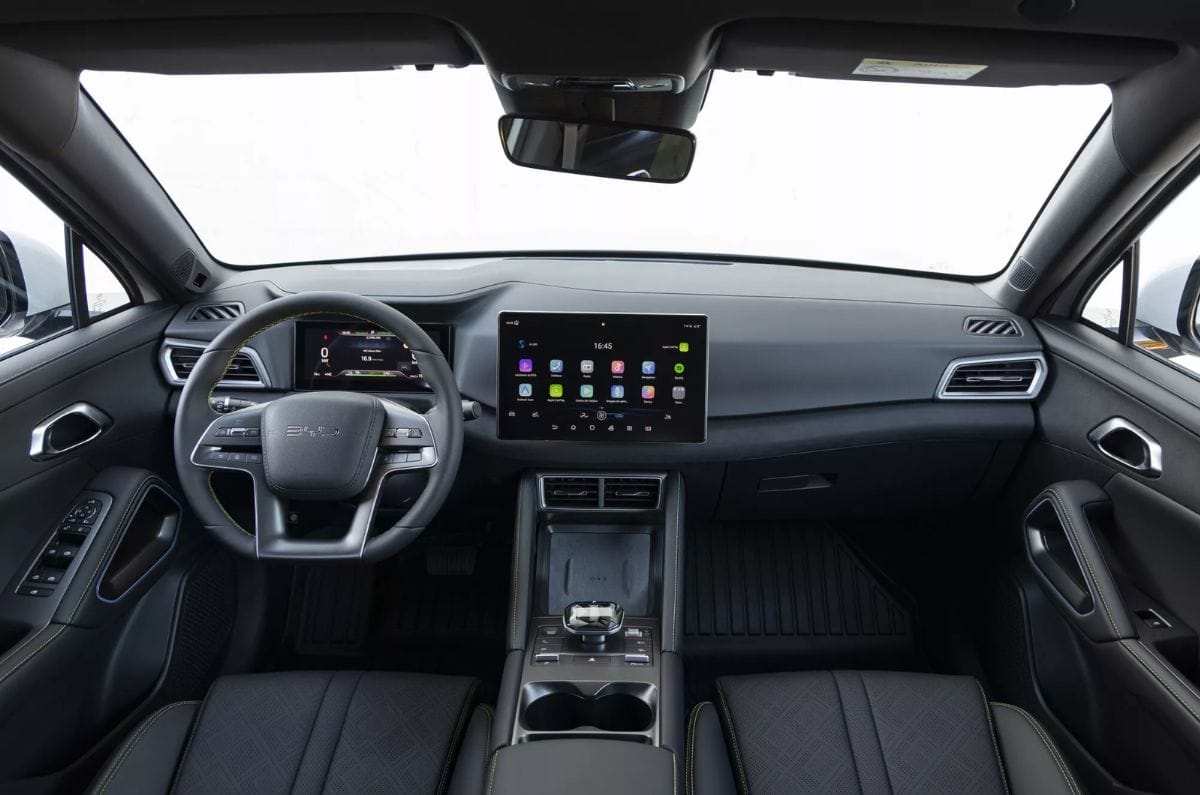
International-spec BYD Atto 2’s dashboard shown for representative purposes only.

The Atto 2’s cabin is identical for both the EV and PHEV versions, offered with either an all-black or a beige-and-black interior theme. The minimalistic dashboard features a free-standing 12.8-inch rotatable touchscreen infotainment system with integrated AC controls, an 8.8-inch digital driver’s display, and a chunky 3-spoke steering wheel with physical buttons. Features include a panoramic sunroof, 6-speaker audio system, a 50W wireless phone charger, a 360-degree camera, a vehicle-to-load (V2L) charging function, and front and rear parking sensors. The India-spec model could get a similar feature suite.

Currently, BYD sells only EVs in India. However, the manufacturer showcased its proprietary DM-i plug-in hybrid in June, revealing that the Seal U will launch as the first model with this powertrain by the end of 2026. So, it remains to be seen whether BYD expands its plug-in-hybrid plans to the Atto 2, or offers it in an electric-only guise in the country.

International-spec BYD Atto 2 shown for representative purposes only.

The BYD Atto 2 EV is expected to rival the Hyundai Creta Electric, Tata Sierra EV, Mahindra BE 6 and Maruti e Vitara. The Atto 2 PHEV will offer a more efficient option to the Hyundai Creta, Kia Seltos, Tata Sierra, Renault Duster, Nissan Tekton, Maruti Victoris and Grand Vitara, and MG Astor.

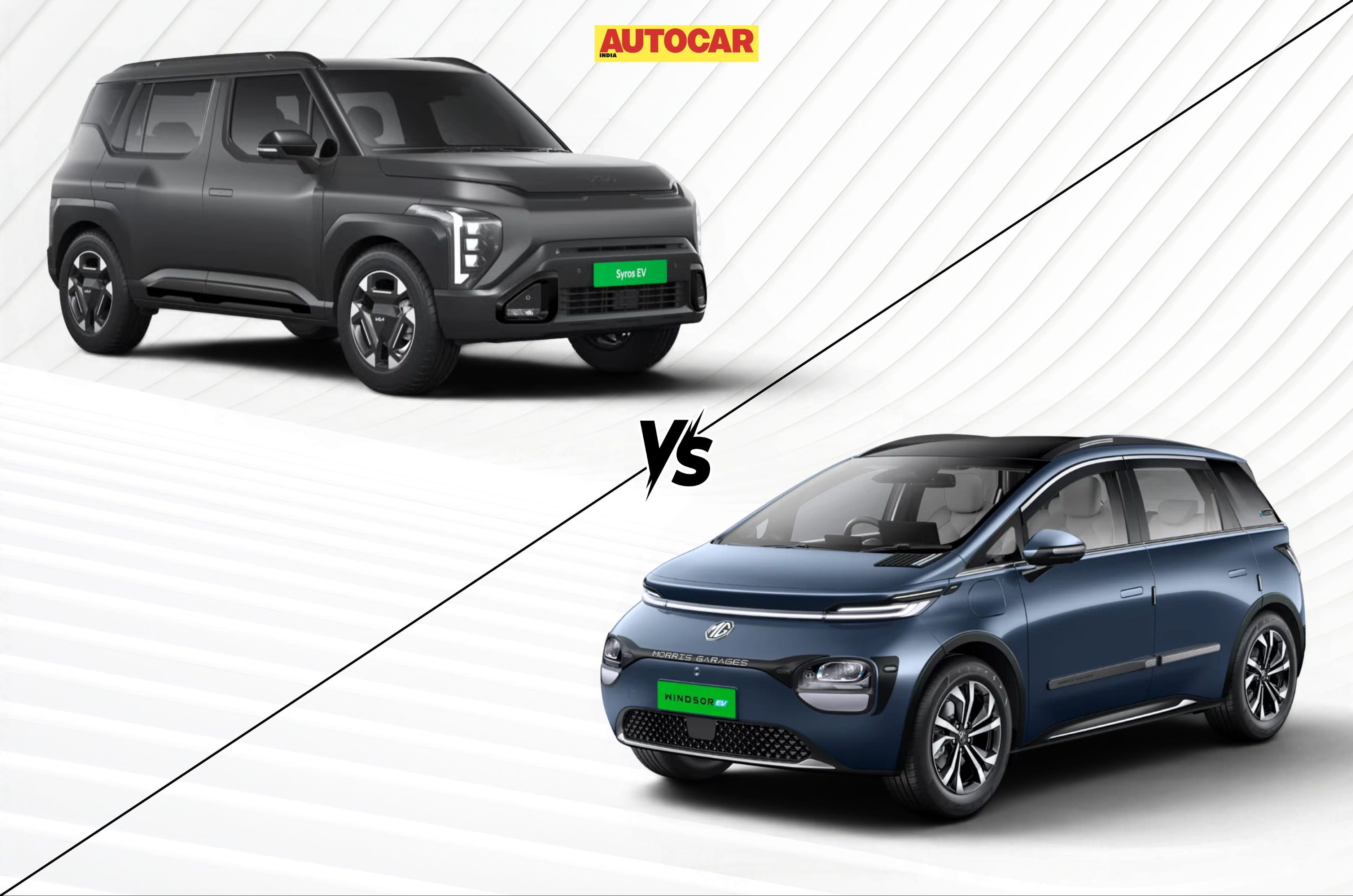
Kia Syros EV vs MG Windsor EV top-spec: Specs, features and price compared

Kia Syros EV vs MG Windsor EV comparison

Basically a badge-engineered version of the Chinese Wuling Cloud EV, the MG Windsor is a midsize EV that sits between the brand’s Comet and ZS EV models. On the other hand, the Kia Syros EV is the Korean automaker’s most affordable electric car in India and is based on the Hyundai Motor Group’s K1 platform. Compared to the Windsor, the Syros EV is a compact (sub-4-metre) model. However, not only are the top-spec variants of these cars priced really close to each other, their battery sizes are quite comparable too.

Explore full specs, features and a price breakdown in our Syros EV and Windsor EV comparison.

Kia Syros EV X-Line ER vs MG Windsor EV Essence Pro: Dimensions

The Windsor EV undeniably has the size advantage over the smaller Syros EV

Kia Syros EV X-Line ER vs MG Windsor EV Essence Pro dimensions


Kia Syros EV

MG Windsor EV

Length (mm)

3,995

4,295

Width (mm)

1,805

1,850

Height (mm)

1,670

1,677

Wheelbase (mm)

2,550

2,700

Boot space (litres)

390

579

Frunk (litres)

16

Wheel size (inches)

17

18

The Windsor EV is 300mm longer and 45mm wider than the Syros EV – the MG offers 150mm more wheelbase than the Kia, too. While there isn’t much between them in terms of height, the Windsor EV’s boot is 189 litres larger than that of the Syros EV. The latter’s wheels are also an inch smaller. Interestingly though, the Kia EV offers a 16-litre frunk (front trunk) – the MG has no frunk at all.

Kia Syros EV X-Line ER vs MG Windsor EV Essence Pro: Powertrain

The top-spec Syros EV offers more range and a punchier electric motor setup 

Kia Syros EV X-Line ER vs MG Windsor EV Essence Pro powertrain options


Kia Syros EV

MG Windsor EV

Battery size (kWh)

51.4

52.9

Electric motor setup

Single, front (FWD)

Single, front (FWD)

Power (hp)

171

136

Torque (Nm)

255

200

Claimed 0-100kph

8.1 seconds

Claimed range (km)

526

449

AC charging

7.25 hrs at 7.4kW (10-100%)

9.5 hrs at 7.4kW (10-100%)

DC fast charging

39 mins at 100kW (10-80%)

50 mins at 60kW (20-80%)

The X-Line ER (Extended Range) variant of the Kia Syros EV gets a 51.4kWh lithium-ion battery pack, which is just 1.5kWh smaller than the unit powering the top-spec MG Windsor. Despite this capacity disadvantage, the Syros EV’s claimed range is actually higher, by 77km higher.

Compared to the top-spec MG Windsor’s 60kW DC fast-charging capability, the Syros EV’s DC fast-charging limit is 40kW higher. Unlike MG, Kia’s claimed DC fast-charging time accounts for a SoC (state of charge) of 10-80 percent and not 20-80 percent. Taking all this into account, the Syros EV can be unplugged from a DC fast charger 11 minutes sooner, which would benefit regular long-distance users.

While neither automaker has listed the kerb weight of their cars, the smaller Syros EV is likely to be lighter than the Windsor EV. The former’s front-mounted electric motor also offers 35hp and 55Nm more. These two factors combine to give the Syros EV a claimed naught to 100kph sprint time of 8.1 seconds.

Kia Syros EV X-Line ER vs MG Windsor EV Essence Pro: Exterior features

The Windsor gets a couple more useful features here; the Syros has some ‘feel-good’ ones

Kia Syros EV X-Line ER vs MG Windsor EV Essence Pro exterior features


Kia Syros EV

MG Windsor EV

LED headlamps

Yes (auto)

Yes (auto projectors)

Connected light bar

No

Yes

Front fog lamps

Yes

No

Rear fog lamps

No

Yes

Cornering lights

No

Yes

Welcome lights

Yes

No

Puddle lamps

Yes

No

Powered ORVMs

Yes (with auto-fold function)

Yes (with auto-fold function)

Flush door handles

Yes

Yes

Body cladding

Yes

No

Roof rails

Yes

Yes

Rear spoiler

Yes

Yes

Powered tailgate

No

Yes

Colours

Mono-tone

Mono-tone

Both these cars are reasonably well-equipped in their respective top-spec variants. However, there are some distinct differences between the features that are offered in each. The Syros EV comes with front fog lamps plus fancier ‘welcome’ lighting functions as well as puddle lamps that project the ‘Kia’ logo – these make for a more premium experience when approaching the car. The Syros EV also goes for a rugged look, featuring black plastic cladding on the wheel arches and bumpers.

Compared to the Syros EV’s stylish multi-reflector LED headlamps, the Windsor EV uses projector LED units. While it doesn’t get front fog lamps, the MG features cornering lamps that can prove useful when driving in the dark. At the back, the top-spec Windsor EV gains a powered tailgate – another handy feature especially when your hands are occupied.

Kia Syros EV X-Line ER vs MG Windsor EV Essence Pro: Interior features

If you like a minimalistic interior that’s also feature-packed, the MG Windsor won’t disappoint

Kia Syros EV X-Line ER vs MG Windsor EV Essence Pro interior features


Kia Syros EV

MG Windsor EV

Infotainment screen

12.3-inch

15.6-inch

Digital driver’s display

12.3-inch

8.8-inch

HVAC screen

5.0-inch

No

Panoramic sunroof

Yes

Yes (fixed)

Wireless charger

Yes

Yes

Driver’s seat adjustment

4-way powered

6-way powered

Co-driver’s seat adjustment

4-way manual

4-way manual

Ventilated seats

Yes (front & rear)

Yes (front only)

Leatherette upholstery

Yes

Yes

Split rear seats

Yes

Yes

Automatic climate control

Yes (single-zone)

Yes (single-zone)

Ambient lighting

Yes (64 colours)

Yes (256 colours)

Audio system

8-speaker Harman Kardon

9-speaker Infinity

Apple CarPlay & Android Auto

Yes (wireless)

Yes (wireless)

USB Type-C ports

Yes (5 ports)

Yes (5 ports)

Connected car tech

Yes

Yes

Voice assistant

Yes

Yes

OTA updates

Yes

Yes

Gaming

No

Yes

Rear sunblinds

Yes

No

Rear armrest

Yes (with cupholders)

Yes (with cupholders)

Both cars come with wireless charging, leatherette seats, connected-car tech, and multiple USB ports for added convenience. However, in its top-spec X-Line ER avatar, the Kia Syros EV offers a third screen specifically to control the HVAC (heating, ventilation and air-conditioning) system. That said, there are physical buttons to operate this system, too. The Kia EV also gets a larger driver’s display, a panoramic sunroof that opens, ventilation function for the front & rear seats, plus rear sunblinds. Furthermore, the Syros EV’s interior design, quality and layout of its switchgear, plus the overall usability remain easily sufficient.

As for the fully loaded Essence Pro variant of the MG Windsor EV, its pièce de résistance is the massive 15.6-inch infotainment screen. Given its minimalistic interior layout, almost every control or feature is integrated into this main display. While this screen can be distracting, it comes with multiple customisation options and integrates various games and streaming services. Compared to the Syros EV’s 64-colour ambient lighting system, the Windsor’s supports 256 colours. Its driver’s seat also gets 6-way power adjustment, while the Inifinity premium audio rig features 9 speakers instead of the Kia’s 8-speaker setup.

Kia Syros EV X-Line ER vs MG Windsor EV Essence Pro: Safety features

Neither car is missing out on much when it comes to their respective safety tech

Kia Syros EV X-Line ER vs MG Windsor EV Essence Pro safety features


Kia Syros EV

MG Windsor EV

Airbags

6

6

ABS with EBD

Yes

Yes

Electronic stability program

Yes

Yes

Hill-hold assist

Yes

Yes

Hill-descent control

No

Yes

TPMS

Yes

Yes

Parking sensors

Yes (front & rear)

Yes (front & rear)

360-degree camera

Yes

Yes

Dashcam

Yes

No

Electronic parking brake

Yes (with auto-hold function)

Yes (with auto-hold function)

Auto-dimming IRVM

Yes

Yes

Rain-sensing wipers

Yes

Yes

ISOFIX

Yes

Yes

Rear wiper and defogger

Yes

Yes (defogger only)

All-wheel disc brakes

Yes

Yes

Level 2 ADAS

Yes

Yes

Only the top-spec variants of these EVs get Level 2 ADAS (Advanced Driver Assistance Systems). Some of the ADAS features shared between the two include adaptive cruise control, forward collision warning, lane-departure alert with lane-keeping assistance, and automatic emergency braking. Where the Windsor EV gets hill-descent control, the Syros EV comes with a dashcam and a rear wiper.

Kia Syros EV X-Line ER vs MG Windsor EV Essence Pro: Other features

Neither car is missing out on much when it comes to their respective safety tech

Kia Syros EV X-Line ER vs MG Windsor EV Essence Pro other features


Kia Syros EV

MG Windsor EV

Drive modes

Yes (3)

Yes (4)

Terrain modes

No

No

Single-pedal driving

Yes

No

V2V and V2L

Yes

Yes

AVAS

Yes

No

The Windsor EV comes with Eco+, Eco, Normal and Sport drive modes, while the Syros EV only gets Eco, Normal and Sport. Neither car features variable terrain modes, but both support vehicle-to-load (V2L) and vehicle-to-vehicle (V2V) functions for better practicality during regular family outings, such as picnics and long-distance trips. The Syros EV also comes with a dedicated Virtual Engine Sound System (VESS) to caution other motorists and pedestrians of the vehicle’s presence.

Conclusion

Kia Syros EV X-Line ER vs MG Windsor EV Essence Pro prices


Kia Syros EV

MG Windsor EV

Prices (In Rs, lakh)

20.00

19.00

Apart from being less expensive, the Windsor EV is a larger car with plenty of room on the inside and in the boot, compared to the compact Syros EV. However, the Kia makes a solid case for itself by offering good interior space and build quality, better overall performance, plenty of features, plus a good blend of digital real-estate and intuitive physical controls. If you need the added perks that a bigger car offers without having to spend the ‘big car’ money, the MG Windsor EV will suit your needs just fine. Picking the top-spec Kia Syros EV won’t be a disappointment either as long as you can justify its bloated price tag.

Also read

Tata Sierra EV Empowered vs Hyundai Creta Electric Excellence LR: Which to buy?

Kia Syros EV vs Tata Nexon EV: Whose top trim offers better value?