
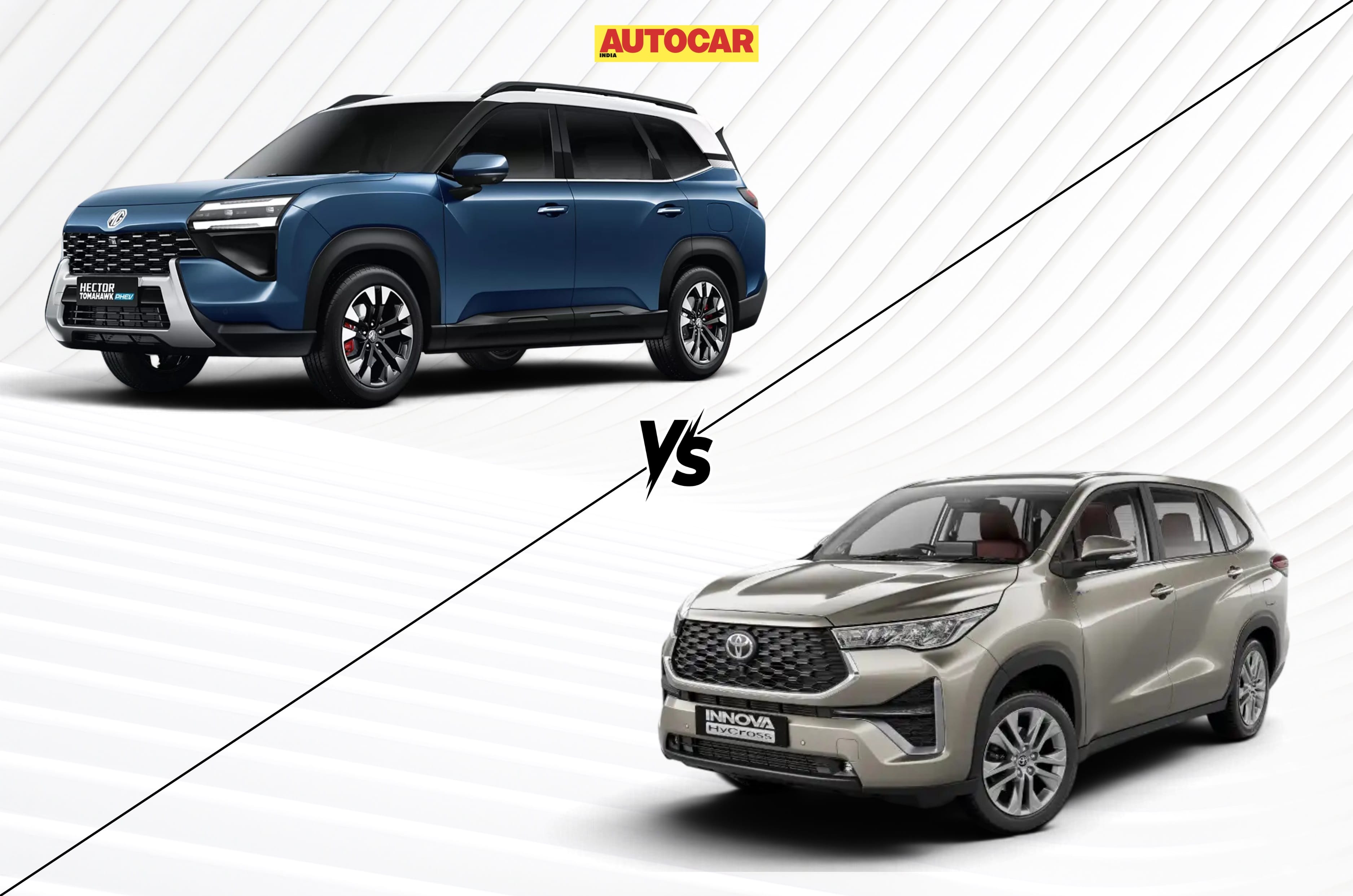
MG Hector Tomahawk PHEV vs Toyota Innova Hycross Hybrid specs, features compared

MG Hector Tomahawk PHEV vs Toyota Innova Hycross Hybrid specs, features compared
MG Hector Tomahawk PHEV vs Toyota Innova Hycross Hybrid

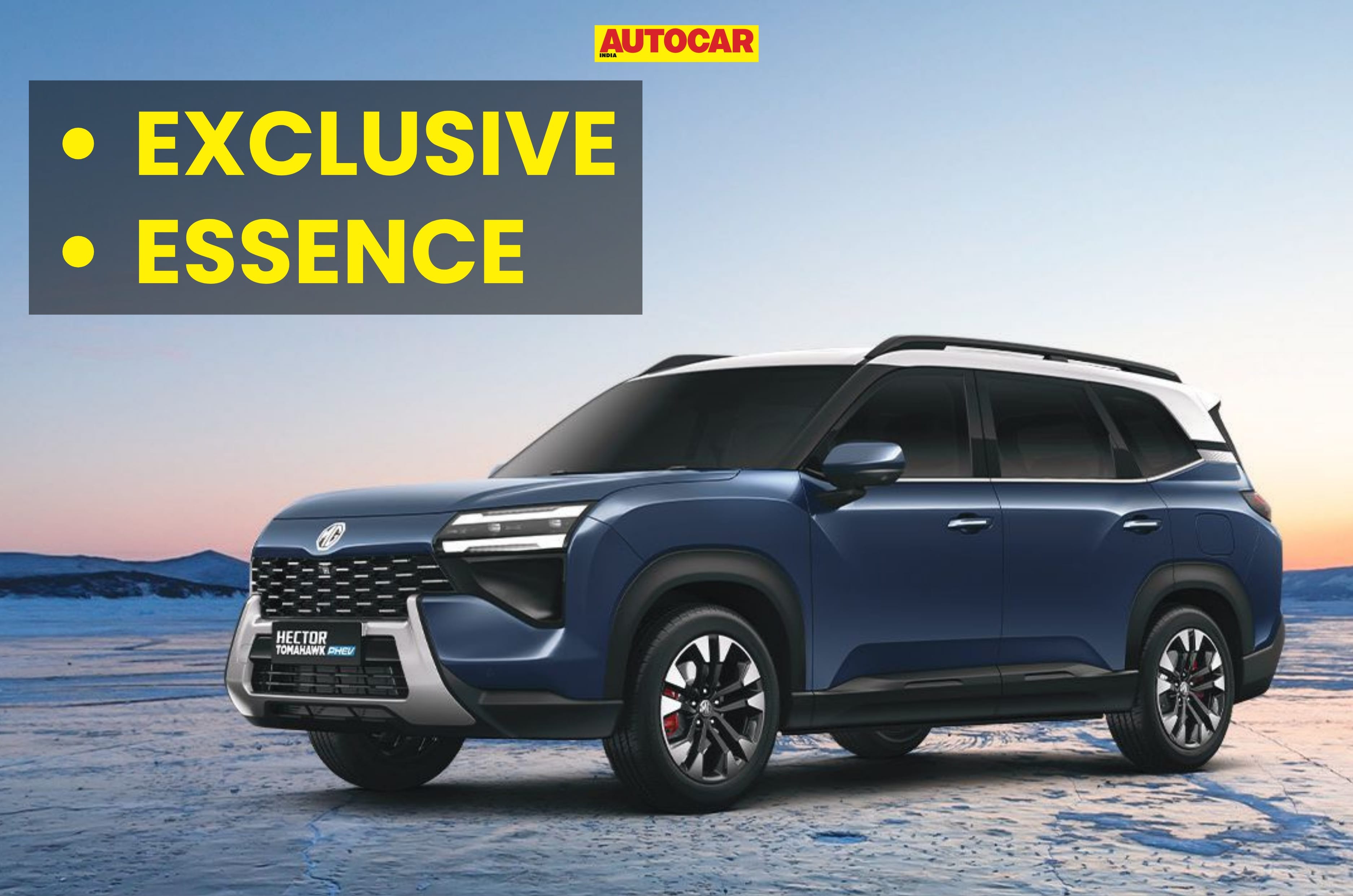
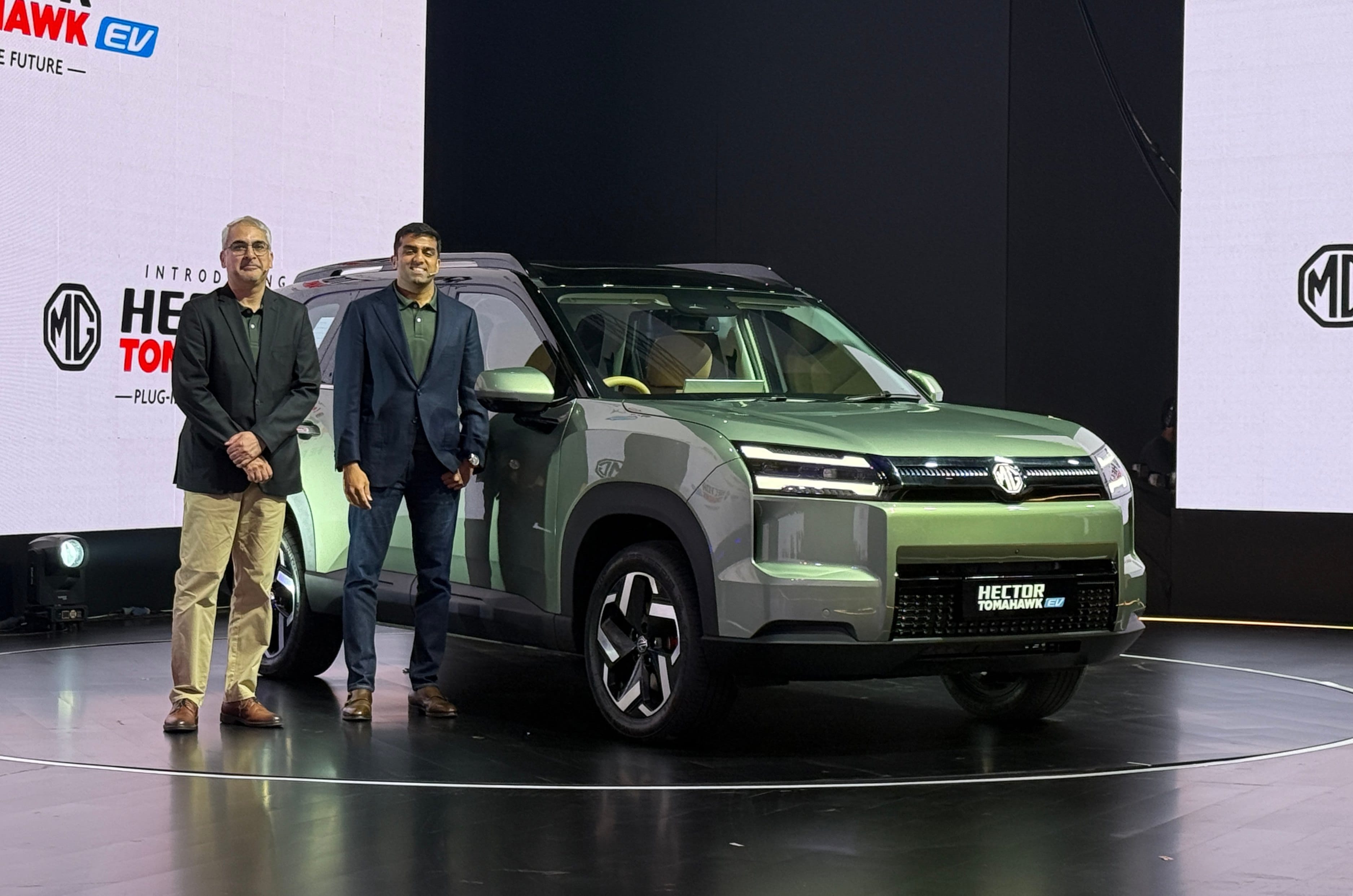
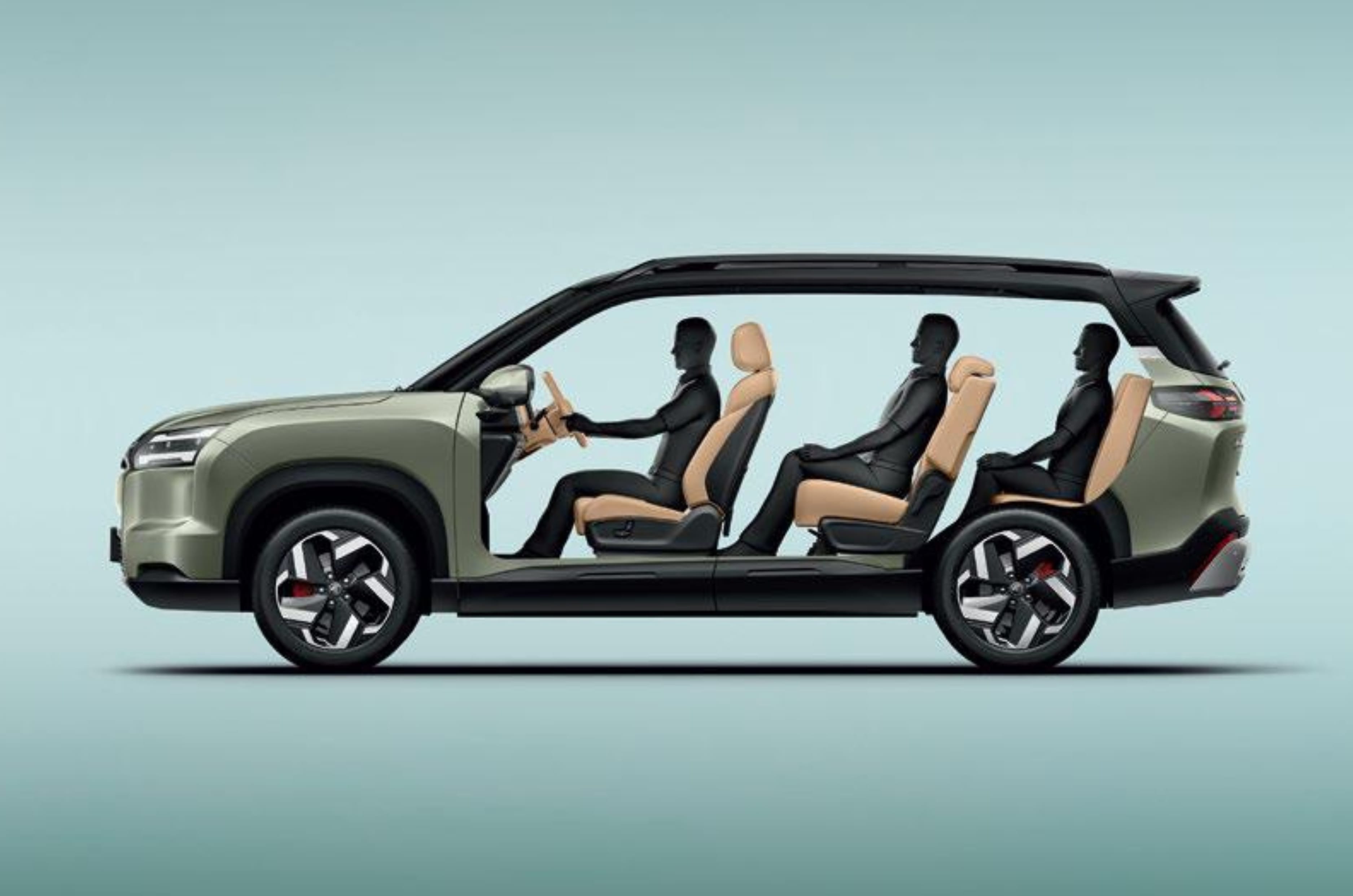
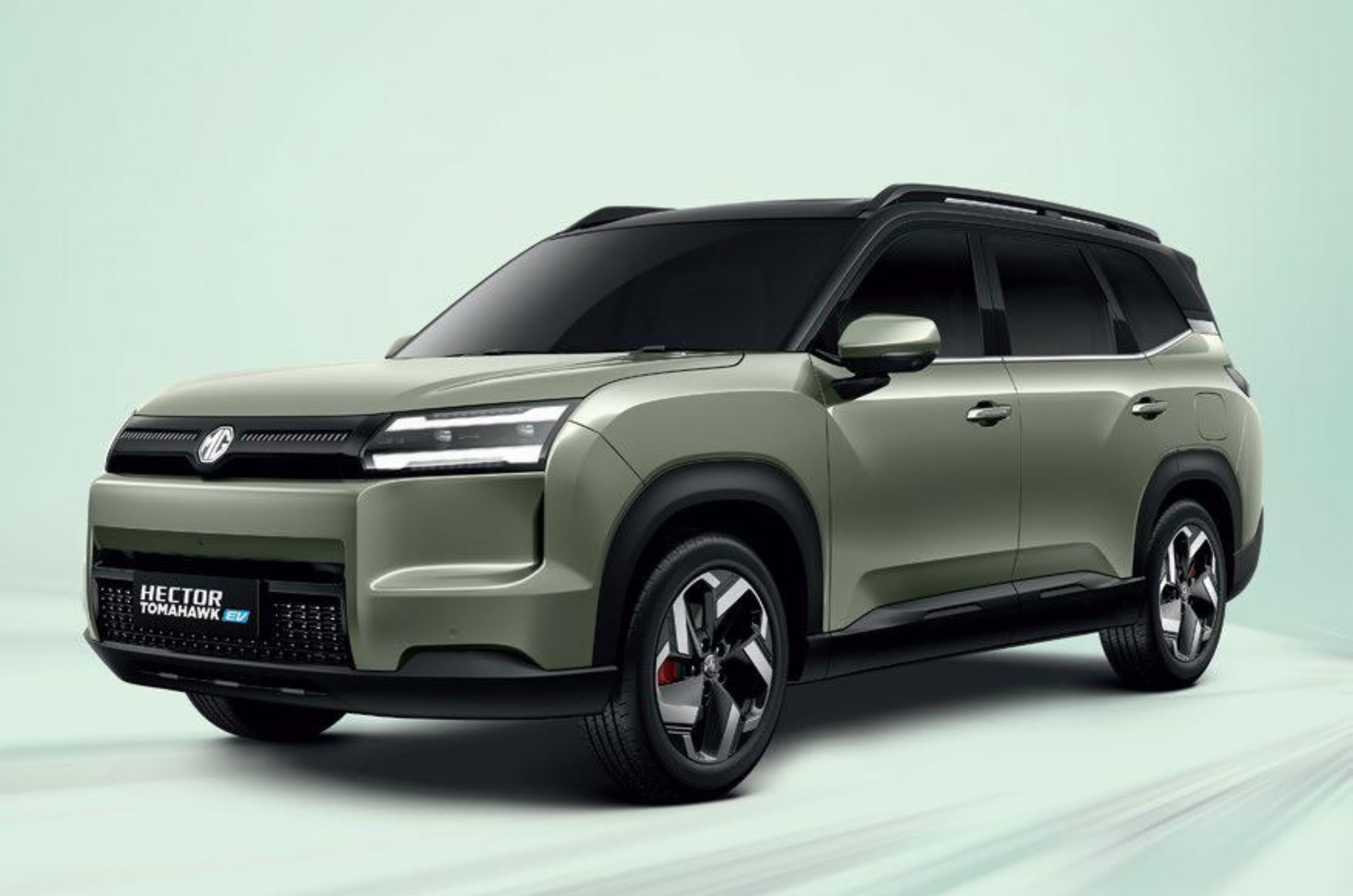
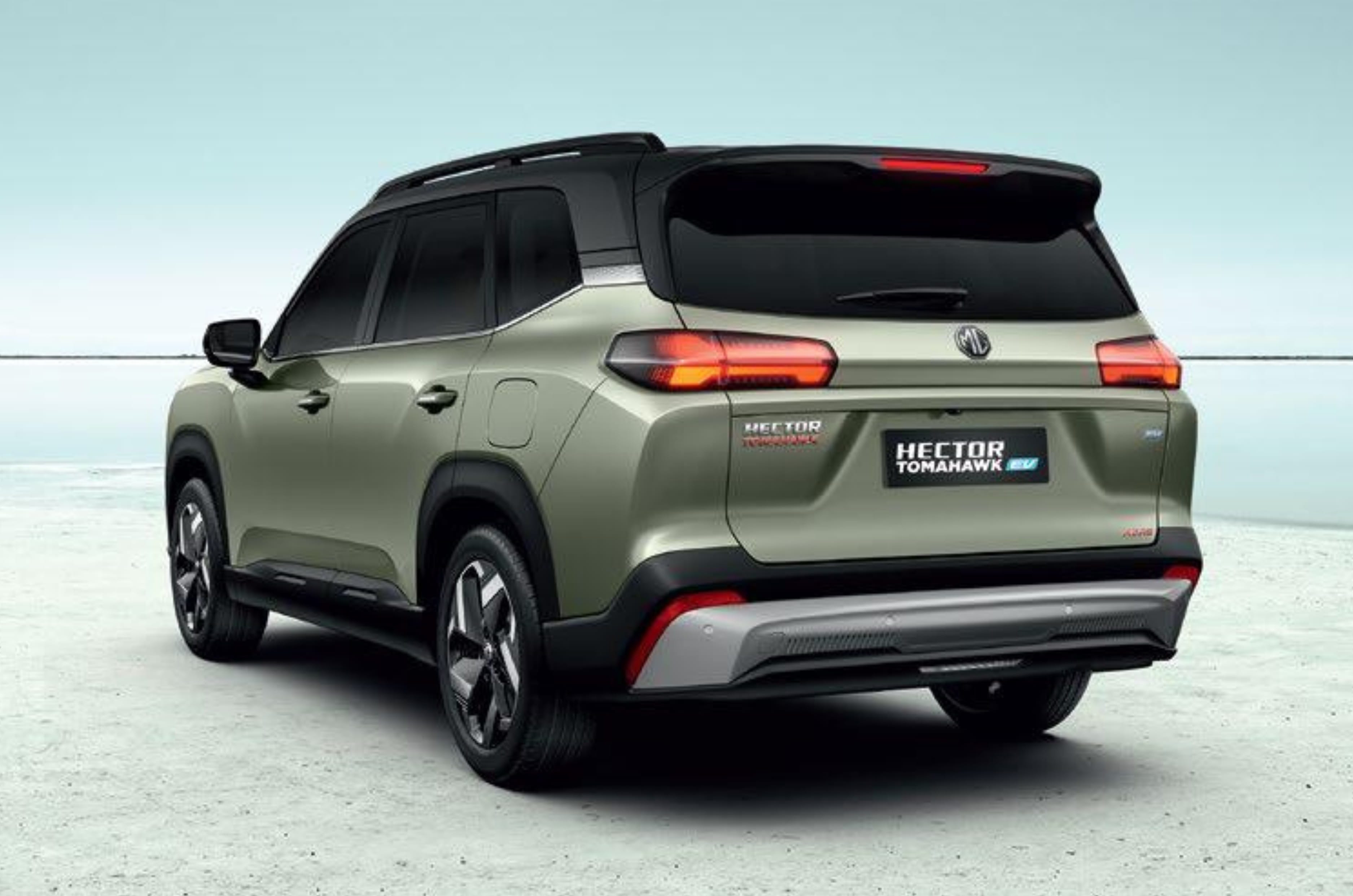
While both models here are hybrids and have 7 seats across three rows, they offer different hybrid technologies. With the ADAPT platform-based JSW MG Hector Tomahawk PHEV, India has its first-ever mass-market plug-in hybrid vehicle making its entry in the hugely popular SUV segment. On the other hand, the TNGA-C platform-based Toyota Innova Hycross is an MPV and offers a strong-hybrid powertrain. Here’s how they stack up in their fully loaded trims.

Explore full specs, features and a price breakdown in our Hector Tomahawk PHEV and Innova Hycross Hybrid comparison.

MG Hector Tomahawk PHEV Essence vs Toyota Innova Hycross Hybrid ZX (O): Dimensions

The Innova Hycross is larger and offers a slightly bigger boot with all seats in place

MG Hector Tomahawk PHEV Essence vs Toyota Innova Hycross Hybrid ZX (O) dimensions


MG Hector Tomahawk PHEV

Toyota Innova Hycross Hybrid

Length (mm)

4,745

4,755

Width (mm)

1,850

1,850

Height (mm)

1,770

1,790

Wheelbase (mm)

2,810

2,850

Boot space (litres)

192

239

Wheel size (inches)

18

18

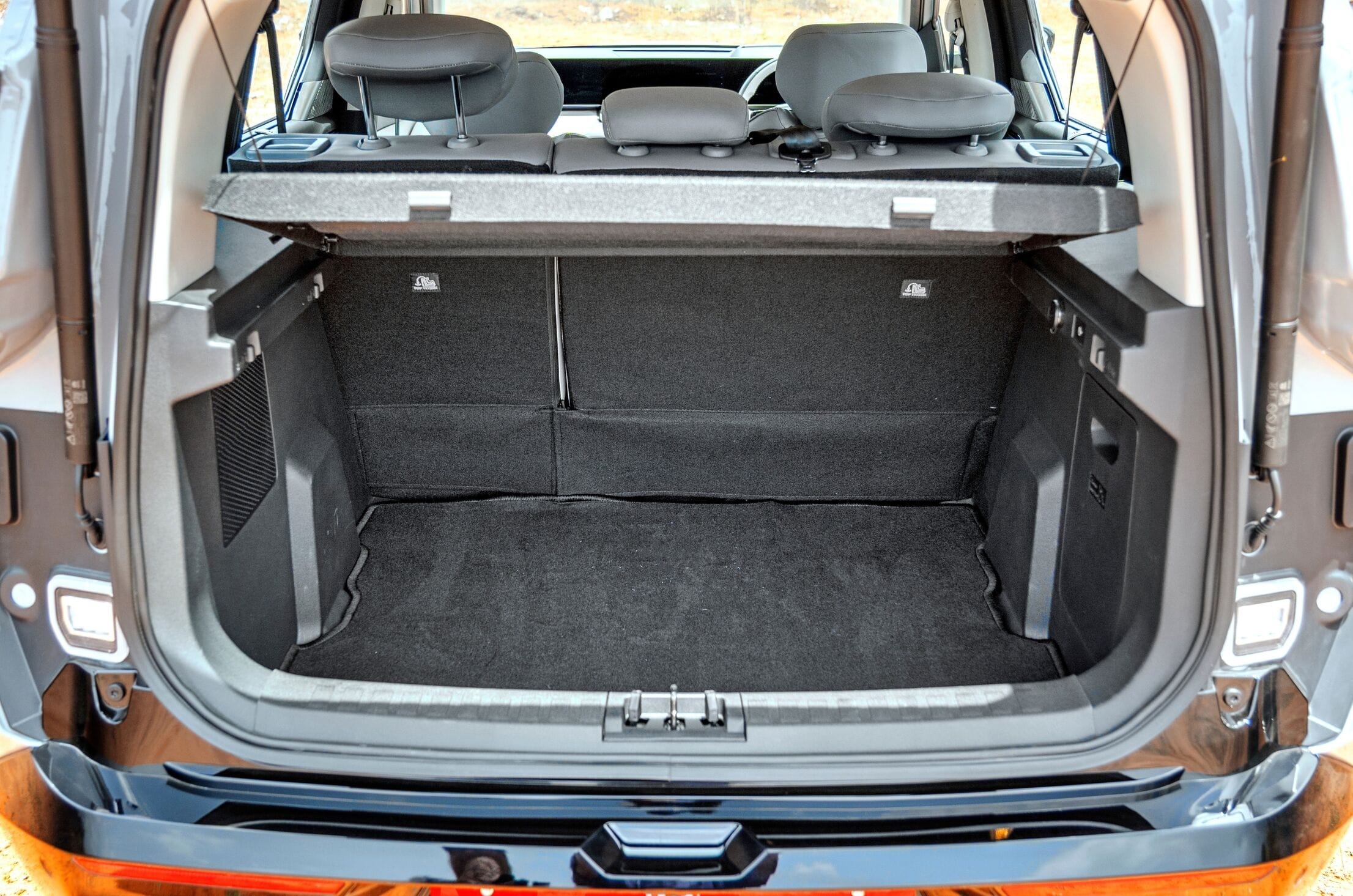
The Innova Hycross Hybrid is 10mm longer and 20mm taller than the Hector Tomahawk PHEV. The Toyota MPV also has a wheelbase that’s longer by 40mm, while both cars have identical width figures and sport 18-inch alloy wheels in their top-spec trims. The Innova Hycross Hybrid’s luggage capacity with the third row in place is greater by 47 litres. One of the factors limiting the outright cargo volume of the Hector Tomahawk PHEV is its more space-consuming plug-in hybrid tech.

MG Hector Tomahawk PHEV Essence vs Toyota Innova Hycross Hybrid ZX (O): Powertrain

The plug-in hybrid powertrain of the MG SUV is more fuel-efficient and offers more power 

MG Hector Tomahawk PHEV Essence vs Toyota Innova Hycross Hybrid ZX (O) powertrain options


MG Hector Tomahawk PHEV

Toyota Innova Hycross Hybrid

Engine

1.5-litre naturally aspirated petrol

2.0-litre naturally aspirated petrol

Battery size

20.5kWh

1.6kWh

Electric motor type

Permanent magnet synchronous motor

Permanent magnet synchronous motor

Drive configuration

FWD

FWD

Total system output

198hp, 230Nm

184hp, 188Nm

Transmission

DHT

eCVT

0-100kph

9.0 seconds

10.69 seconds*

Claimed mileage

50kpl

22.16kpl

Fuel tank

52 litres

52 litres

AC charging

7.5 hrs at 3.3kW (10-100%)

DC fast charging

35 mins at 25kW (30-80%)

*Autocar India-tested 0-100kph time.

The strong hybrid powertrain of the Toyota Innova Hycross offers a couple of drive modes – including pure-electric and engine + electric. However, its compact nickel metal hydride (NiMH) battery means that the EV mode of the Innova Hycross Hybrid is understandably more limited than the MG Hector Tomahawk PHEV’s, requiring the 2.0-litre petrol engine to step in more often.

The claimed mileage figure of the Innova Hycross Hybrid is 27.84kpl worse than the MG plug-in hybrid SUV, and despite the same fuel tank size, the former’s combined range tops out at around 800km, as per our real-world test of the Toyota MPV. Meanwhile, the plug-in hybrid system of the MG Hector Tomahawk PHEV offers more flexibility and comes with four main drive modes. The larger 20.5kWh battery pack and 1.5-litre engine allow for a combined claimed range of over 1,100km.

The Hector Tomahawk PHEV not only offers a claimed pure-electric range of over 115km, but it can also have the engine charging the battery pack while the electric motor drives the front wheels. This is a drive mode that isn’t offered with the Toyota Innova Hycross Hybrid. To extract the highest possible efficiency from its hybrid system, the Hector Tomahawk PHEV needs to be plugged in to an AC or a DC charger in order to fully top up its battery pack.

Depending on the battery’s SoC, both cars can rely entirely on their petrol engine to drive the wheels. Compared to the Innova Hycross Hybrid’s e-CVT (electronically controlled continuously variable transmission), the Hector Tomahawk PHEV gets a DHT (Dedicated Hybrid Transmission) with an e-clutch. The combined output of the MG Hector Tomahawk PHEV is 14hp and 42Nm more than what the Toyota Innova Hycross Hybrid offers. 

MG Hector Tomahawk PHEV Essence vs Toyota Innova Hycross Hybrid ZX (O): Exterior features

Different body styles aside, both cars are similarly equipped on the outside

MG Hector Tomahawk PHEV Essence vs Toyota Innova Hycross Hybrid ZX (O) exterior features


MG Hector Tomahawk PHEV

Toyota Innova Hycross Hybrid

Auto LED headlamps

Yes

Yes

LED DRLs

Yes

Yes

Backlit logo

Yes

No

Sequential turn signals

Yes

Yes

Front fog lamps

No

Yes (LED)

Rear fog lamps

Yes (LED)

No

Welcome lights

No

Yes

Powered ORVMs

Yes (with auto-fold function)

Yes (with auto-fold function)

Body cladding

Yes

No

Roof rails

Yes

No

Rear spoiler

Yes

Yes

Powered tailgate

Yes

Yes

Radio antenna

Windscreen-integrated

Sharkfin

Colours

Mono-tone and dual-tone

Mono-tone

The MG Hector Tomahawk PHEV is offered in two dual-tone colour options and six mono-tone shades, including a couple of bolder choices. The Toyota Innova Hycross Hybrid is restricted to six simpler-looking colours. The  SUV body style aside, the Hector Tomahawk PHEV also sports a backlit ‘MG’ logo up front plus prominent roof rails and body cladding.

Where the Innova Hycross Hybrid gets the traditional sharkfin radio antenna, the Hector Tomahawk PHEV has its antenna embedded in the windscreen. The Toyota Innova Hycross Hybrid gets front LED fog lamps, whilst the MG Hector Tomahawk PHEV features rear LED fog lamps. While the top-spec trims of both cars get automatic LED headlamps and sequential turn indicators, it’s only the Toyota that offers ‘welcome’ lights.

MG Hector Tomahawk PHEV Essence vs Toyota Innova Hycross Hybrid ZX (O): Interior features

The Hector Tomahawk PHEV offers even more modern on-board tech than the Hycross

MG Hector Tomahawk PHEV Essence vs Toyota Innova Hycross Hybrid ZX (O) interior features


MG Hector Tomahawk PHEV

Toyota Innova Hycross Hybrid

Infotainment screen

15.6-inch (with swipe gestures)

10.1-inch

Digital driver’s display

8.8-inch

7.0-inch MID

Panoramic sunroof

Yes (dual-pane)

Yes (dual-pane)

Steering adjustment

Tilt & telescopic

Tilt & telescopic

Driver’s seat adjustment

6-way powered

8-way powered

Memory poweredYes (with ‘retreat’ function)Yes

Co-driver’s seat adjustment

4-way powered

4-way manual

Sliding & reclining second row

Yes

Yes (powered ottoman seats)

Split rear seats

Yes (second & third rows)

Yes (second & third rows)

Ventilated front seats

Yes

Yes

Leatherette upholstery

Yes

Yes

Rear sunblinds

Yes

Yes

Rear armrest

Yes (with cupholders)

Yes (individual armrests)

Wireless charger

Yes (50W)

No

Automatic climate control

Yes (dual-zone)

Yes (single-zone)

Ambient lighting

Yes (256 colours)

Yes (single-colour)

Audio system

10-speaker Infinity

9-speaker JBL

Wireless Apple CarPlay & Android Auto

Yes

Yes (CarPlay only)

USB ports

Yes (5 ports)

Yes (4 ports)

Connected car tech

Yes

Yes

Voice assistant

Yes (AI-powered & multilingual)

Yes

OTA updates

Yes

No

Multi-app support

Yes

No

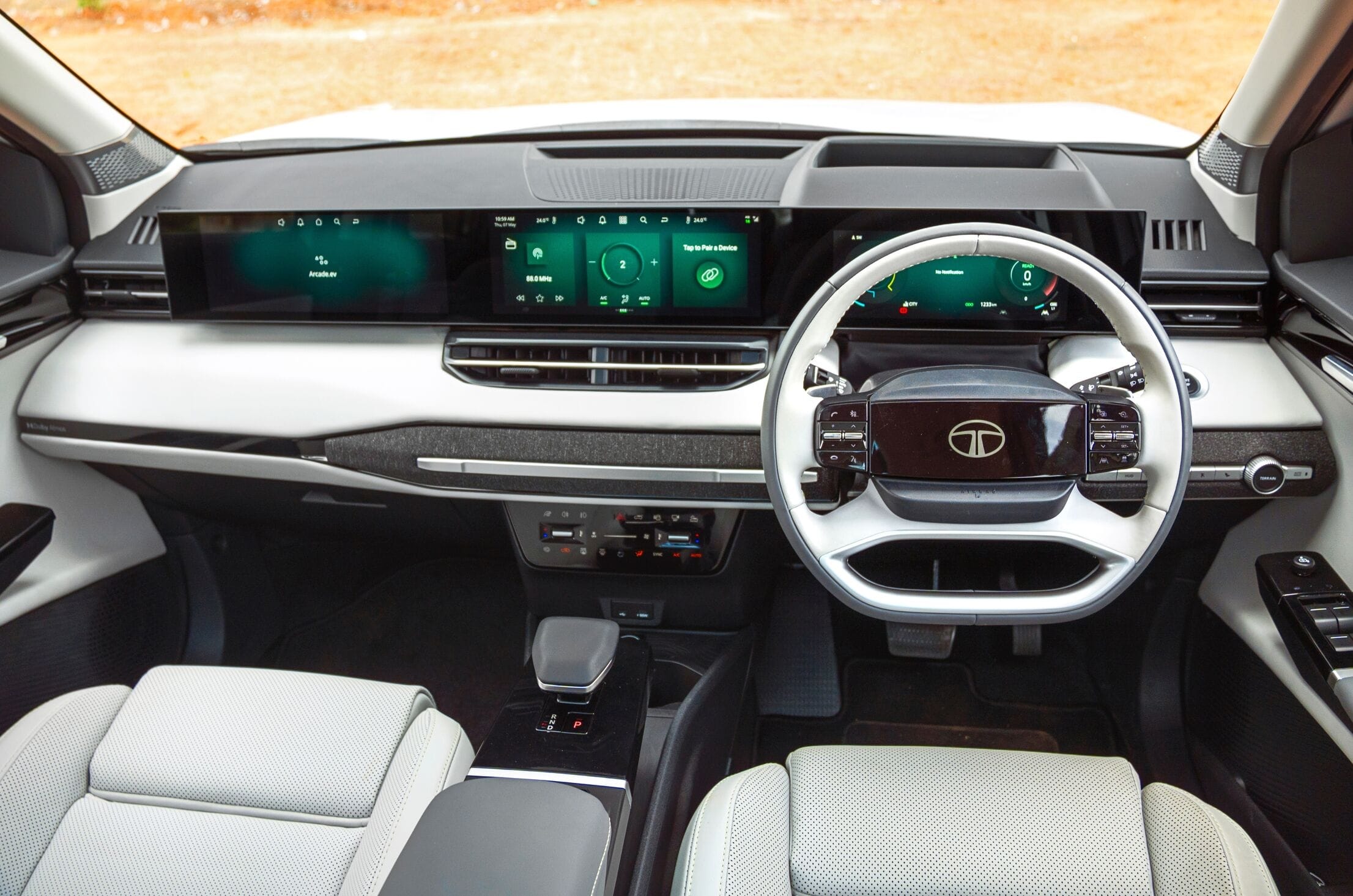
The infotainment features of the top-spec MG Hector Tomahawk PHEV are more comprehensive. It comes with a larger touchscreen that supports swipe-gesture functionalities, along with an AI-powered voice assistant with six languages supported. MG’s tie-up with Jio means that there are plenty of apps offered – including gaming, streaming and more. The Hector Tomahawk PHEV also offers OTA software updates, wireless connectivity for both Apple CarPlay and Android Auto and a built-in 50-watt wireless charger.

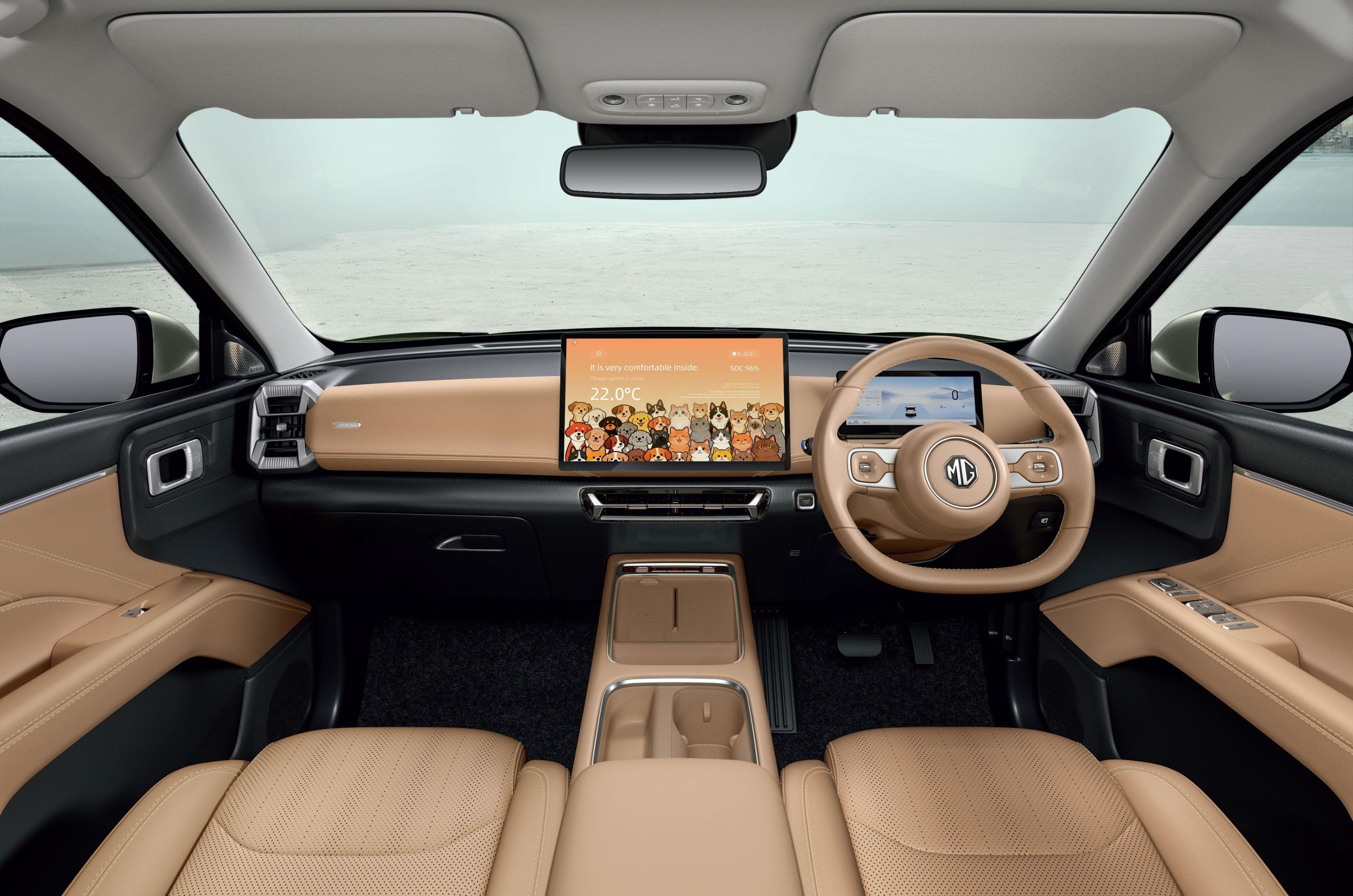
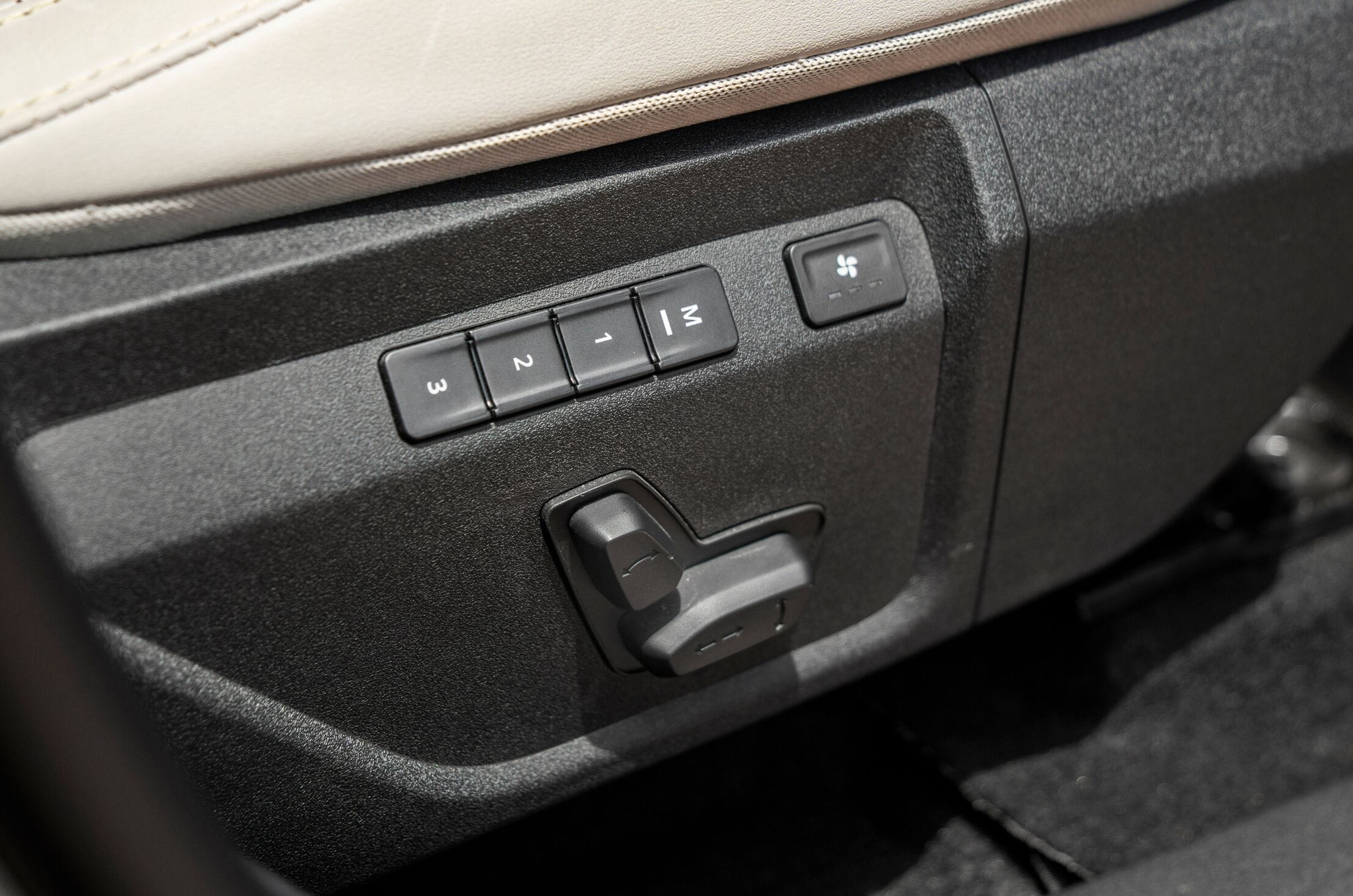
The MG SUV’s convenience features further include a more comprehensive 256-colour ambient lighting system, a fully digital instrument panel, dual-zone AC, a powered front passenger seat, a ‘retreat’ function for the driver’s seat when the door is opened, armrest-integrated cupholders for the second row, and an additional USB port over the top-spec Toyota Innova Hycross Hybrid.

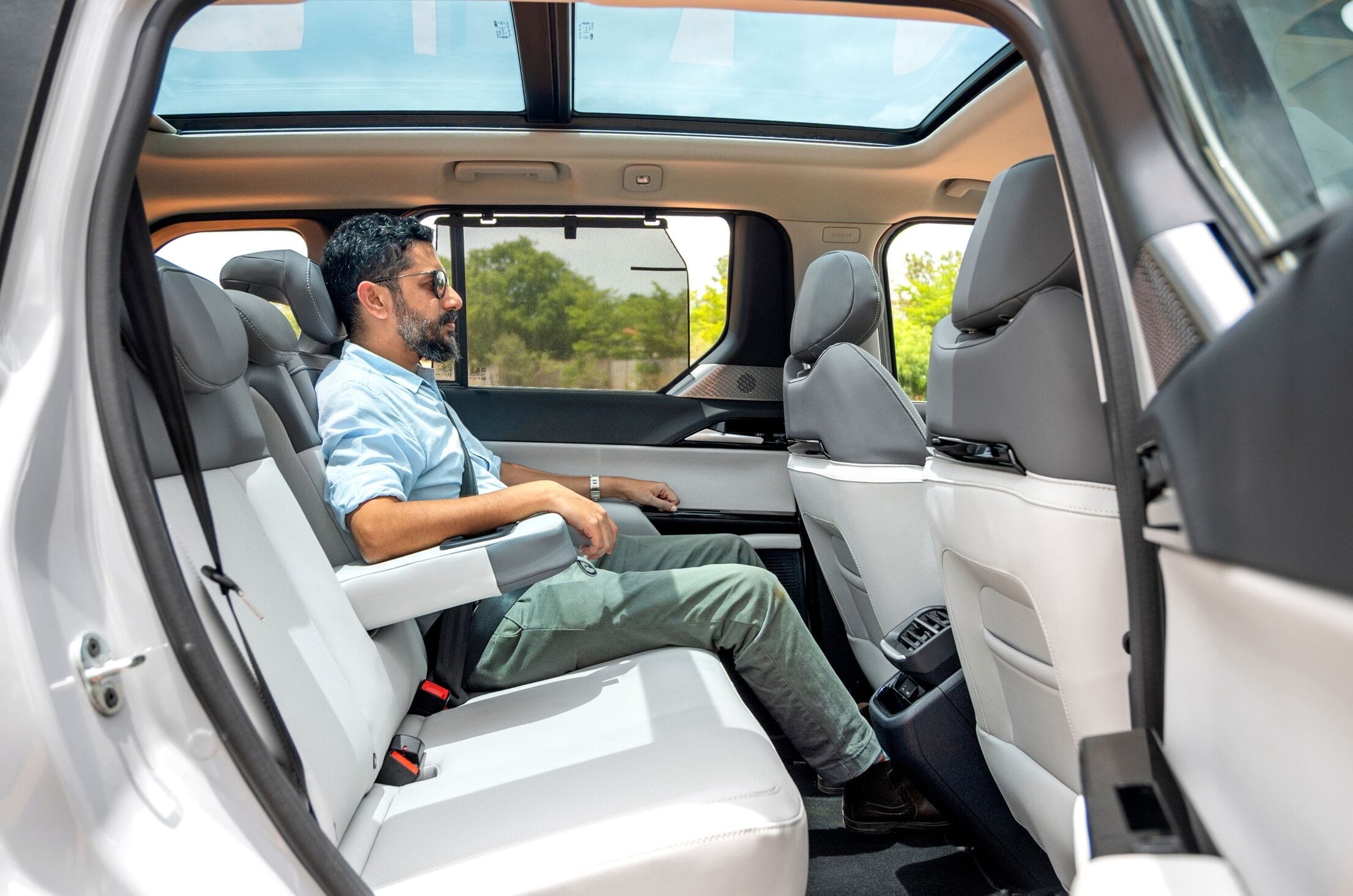
However, the latter offers individual & powered captain chairs for the second row with a fold-away ottoman function. The 7-seat capability of the Innova Hycross comes by way of a three-seat third bench. The minimalist interior of the Hector Tomahawk PHEV looks modern but the increased reliance on the touchscreen can come in the way of everyday usability, especially while on the move. The Innova Hycross Hybrid’s interior, meanwhile, offers plenty of physical switchgear that are much easier to use.

MG Hector Tomahawk PHEV Essence vs Toyota Innova Hycross Hybrid ZX (O): Safety features

Both cars are relatively well-equipped on the safety front

MG Hector Tomahawk PHEV Essence vs Toyota Innova Hycross Hybrid ZX (O) safety features


MG Hector Tomahawk PHEV

Toyota Innova Hycross Hybrid

Airbags

6

6

ABS with EBD

Yes

Yes

Electronic stability program

Yes

Yes

Traction control system

Yes

No

Hill-hold assist

Yes

Yes

TPMS

Yes

Yes

Parking sensors

Yes (front & rear)

Yes (front & rear)

360-degree camera

Yes

Yes

Electronic parking brake

Yes (with auto-hold function)

Yes (with auto-hold function)

Auto-dimming IRVM

Yes

Yes

Rain-sensing wipers

Yes

No

ISOFIX

Yes

Yes

Rear wiper and defogger

Yes

Yes

All-wheel disc brakes

Yes

Yes

ADAS

Yes

Yes

The fully loaded trims of both these cars offer all the basic passive and active safety aids that buyers at this price bracket expect. While both come with ADAS (Advanced Driver Assistance Systems), it’s the MG Hector Tomahawk PHEV that packs in more features within its ADAS suite. Its adaptive cruise control aid integrates Bend Cruise Assistance (BCA), which slows down the vehicle when approaching corners. There’s also Traffic Jam Assist, which works alongside other active lane-keeping measures.

MG Hector Tomahawk PHEV Essence vs Toyota Innova Hycross Hybrid ZX (O): Other features

The MG SUV adds a few nice-to-have features over the equivalent Innova Hycross

MG Hector Tomahawk PHEV Essence vs Toyota Innova Hycross Hybrid ZX (O) other features


MG Hector Tomahawk PHEV

Toyota Innova Hycross Hybrid

Drive modes

Yes (4)

Yes (3)

Paddle shifters

No

Yes

V2V and V2L

Yes

No

The MG Hector Tomahawk PHEV offers Eco, Normal, Sports and Custom drive modes, whereas the Toyota Innova Hycross Hybrid gets Eco, Normal and Power – one less than the MG. The latter also lacks Vehicle to Vehicle (V2V) and Vehicle to Load (V2L) functionalities that are available with the Hector Tomahawk PHEV.

Conclusion

MG Hector Tomahawk PHEV Essence vs Toyota Innova Hycross Hybrid ZX (O) prices


MG Hector Tomahawk PHEV

Toyota Innova Hycross Hybrid

Prices (In Rs, lakh)

27.79

31.84

While the prices of the MG Hector Tomahawk PHEV are currently introductory, the delta between the two cars here is steep. The top-spec Toyota Innova Hycross Hybrid ZX (O) is priced Rs 4.05 lakh more than fully loaded Essence trim of the MG plug-in hybrid SUV. Its affordability factor notwithstanding, the Hector Tomahawk PHEV Essence trim gets a more comprehensive & punchier hybrid powertrain that offers better mileage, along with a better-finished and more premium-looking interior. Moreover, if you prefer an SUV body style, the MG Hector Tomahawk PHEV would be worth a serious look.

Also read

MG Hector Tomahawk EV vs PHEV: Differences explained

Maruti Brezza ZXi+ vs Tata Nexon Fearless+ PS: Which should you buy?
Which variant of the MG Hector Tomahawk EV should you buy?

Which variant of the MG Hector Tomahawk EV should you buy?
MG Hector Tomahawk EV

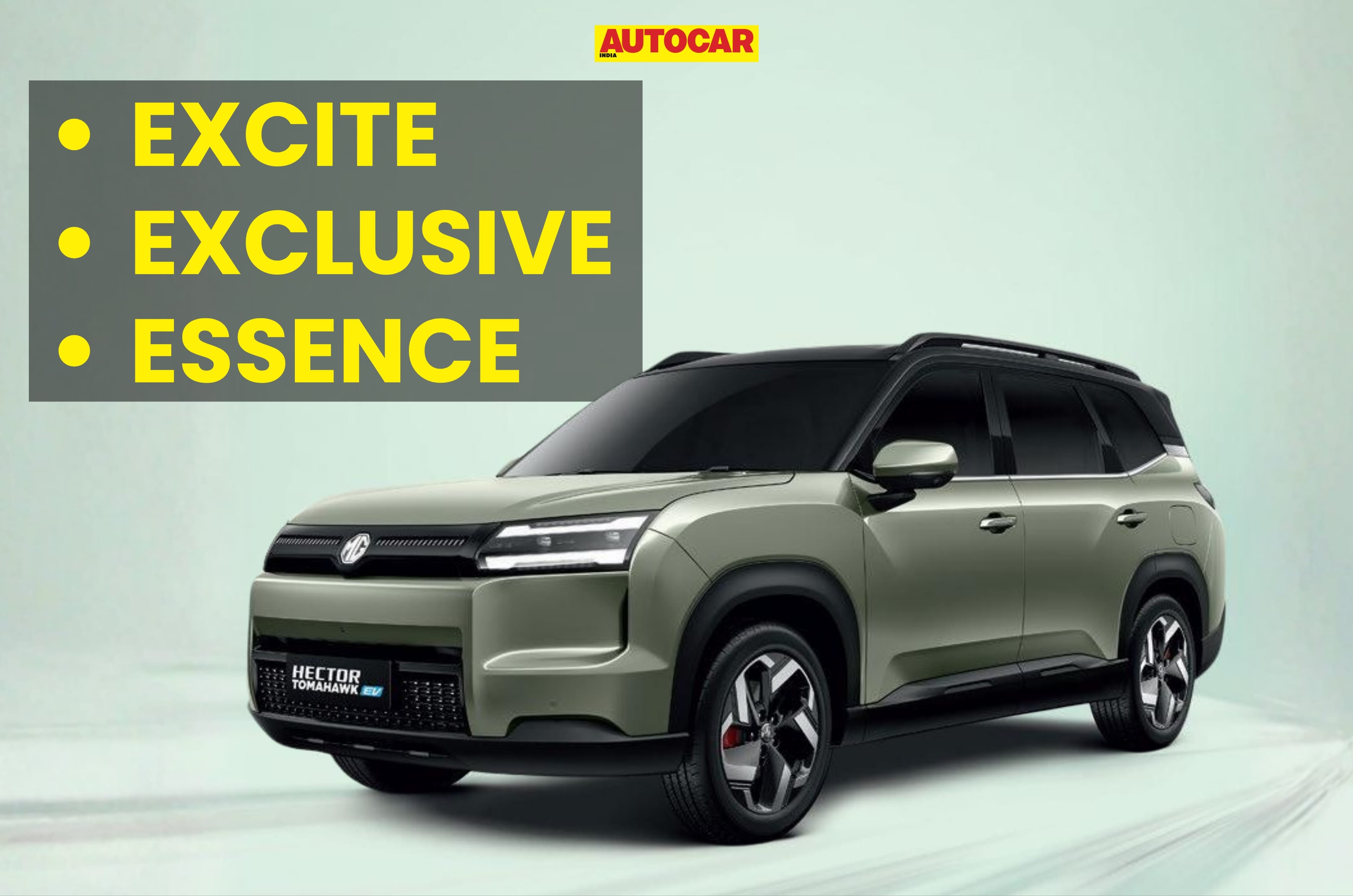
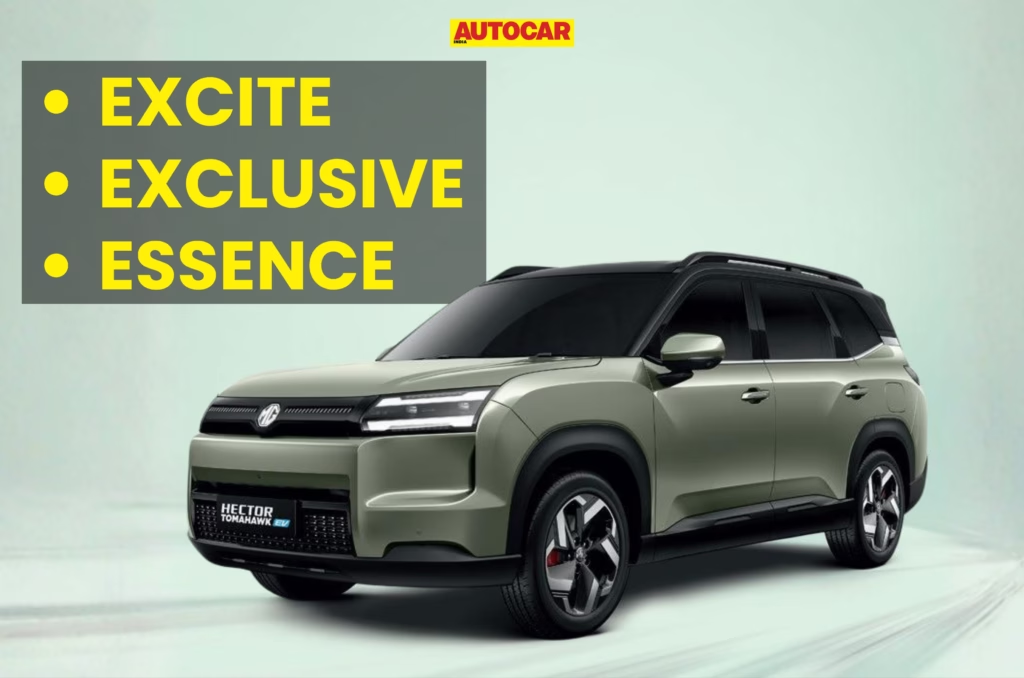
The MG Hector Tomahawk EV is a three-row SUV available in Excite, Exclusive and Essence trims. All three use the same battery pack and electric motor, with the main differences being the features and seating layouts on offer. If you’re considering the Hector Tomahawk EV, here’s a detailed look at which variant makes the most sense.

MG Hector Tomahawk EV: Prices, powertrain specs

TrimBaaS price (Rs)Non-BaaS price (Rs)Difference (Rs)
Excite 7 seater13.99 lakh + 4.9 per km*19.5 lakh5.51 lakh
Exclusive 7 seater15.99 lakh + 4.9 per km*22 lakh6.01 lakh
Essence 5 seater16.99 lakh + 4.9 per km*23 lakh6.01 lakh
Essence 7 seater17.49 lakh + 4.9 per km*23.5 lakh6.01 lakh

*Battery rental fee.

The MG Hector Tomahawk EV, like all MG EVs sold in India (excluding the M9 and the Cyberster), is available with a Battery-as-a-Service (BaaS) scheme that lowers the upfront cost. Notably, buyers opting for BaaS have to pay a battery rental fee of Rs 4.9 per kilometre. For the Hector Tomahawk EV, the scheme reduces the upfront price by up to Rs 6.01 lakh.

All trims feature a 69.2kWh battery pack, which powers a 204hp, 310Nm electric motor mounted on the front axle. The sprint from 0-100kph takes 8.2 seconds. On the Modified Indian Driving Cycle (MIDC), the SUV can go up to 517km on a single charge. As per MG, it takes about 35 minutes to charge the battery from 30 percent to 80 percent with a 90kW DC fast charger. With a 7.4kW AC unit, the carmaker claims a charging time of about 12.5 hours for a 10 percent to 100 percent top-up.

MG Hector Tomahawk EV: Features

Excite

Rs 19.5 lakh

  • Six airbags
  • Electronic stability program (ESP)
  • Traction control system (TCS)
  • Hill hold control
  • ABS and EBD
  • All four disc brakes
  • Electronic parking brake with auto hold
  • TPMS
  • Front and rear defogger
  • Rear wiper and washer
  • Three-point seatbelts for all seats
  • Reverse parking camera
  • 8.8-inch driver’s display
  • 12.8-inch touchscreen
  • Wireless Android Auto, Apple CarPlay
  • AI voice assistant
  • OTA updates
  • Six speakers
  • Steering-mounted controls
  • Leatherette seat upholstery
  • Pro Pet mode
  • Eco, Normal, Sports, Custom drive modes
  • Powered adjustment for front seats
  • Push button start/stop system
  • Powered ORVMs with auto fold and integrated turn indicators 
  • Tilt and telescopic adjustment for steering wheel
  • Cruise control
  • Slide function for second-row seats (7-seater version)
  • Second and third row AC vents
  • 60:40 split seats in the second row with recline function
  • 50:50 split seats in the third row (7-seater version)
  • Front armrest with storage for the driver
  • Type-A and fast charging Type-C ports at the front
  • Fast charging Type-C, Type-A ports in the second row
  • Height-adjustable headrests 
  • LED projector headlights, LED tail lamps
  • LED daytime running lights (DRLs)
  • Illuminated MG logo at the front
  • 18-inch alloy wheels
  • Roof rails

Exclusive

Rs 22 lakh

In addition to Excite

  • 360-degree camera with Transparent Chassis view
  • Rain-sensing wipers
  • Ambient lighting (blue colour only)
  • Panoramic sunroof
  • Ventilated seats at the front
  • 50W wireless charger with cooling
  • Chrome-finish on select exterior trims
  • Automatic headlights
  • Powered tailgate

Essence

Rs 23 lakh-23.5 lakh

In addition to Exclusive

  • Level 2 ADAS
  • Adaptive cruise control
  • Front parking sensors
  • Auto-dimming IRVM
  • Memory function for the driver’s seat
  • Rear window sunshade
  • 15.6-inch touchscreen
  • 10-speaker Infinity sound system
  • Multi-colour ambient lights (256 colours)
  • Rear parcel tray (5-seater version only)
  • Vehicle to load (V2L), vehicle to vehicle (V2V) charging support
  • Vehicle to home (V2H) charging support
  • Red-coloured brake callipers

Which variant of the MG Hector Tomahawk EV should you buy?

The mid-spec Exclusive trim, priced at Rs 22 lakh, ex-showroom, is the one we recommend for the MG Hector Tomahawk EV. Compared to the base Excite, it adds front ventilated seats, a 50W wireless charger with cooling and a powered tailgate, features that should appeal to buyers of such an EV. With the BaaS option, the upfront cost can be reduced by Rs 6.1 lakh (as on August 26, 2026), making for a significant initial saving. Buyers who want the five-seat version will have to choose the top-spec Essence trim, as it is the only one available with this seating configuration. 

What’s good is that there is no difference in performance or range across the lineup. All trims use the same 69.2kWh battery pack and 204hp electric motor, while the MIDC-rated range remains identical at 517km.

Which variant of the MG Hector Tomahawk PHEV should you buy?

Which variant of the MG Hector Tomahawk PHEV should you buy?

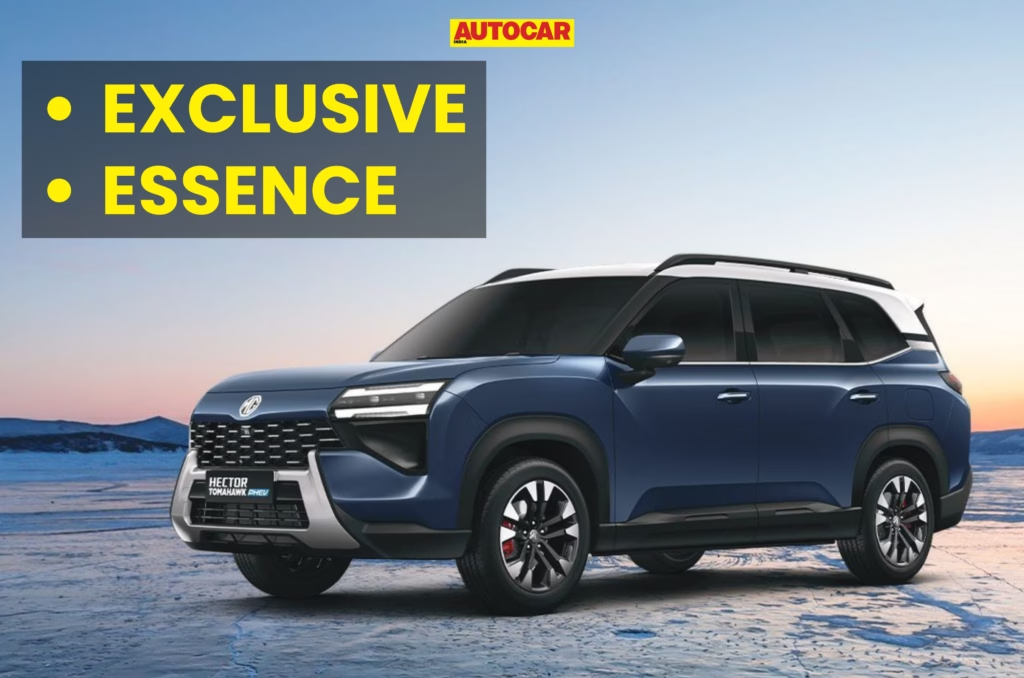
MG has launched the Hector Tomahawk PHEV as the first mass-market plug-in-hybrid (PHEV) car in India, priced from Rs 25.70 lakh (ex-showroom). It is offered in two trims: Exclusive and Essence, and like other MG cars, it is equipped with a plethora of modern-day features. If you are interested in the MG Hector Tomahawk PHEV, which variant should you choose? Let us find out.  

MG Hector Tomahawk PHEV powertrain options and prices

Both Hector Tomahawk PHEV variants get the same 1.5L engine and 20.5kWh battery

The MG Hector Tomahawk PHEV is offered with a 1.5-litre naturally aspirated petrol engine producing 102hp and 125Nm. It gets a 20.5kWh battery pack powering an electric motor producing 201hp and 237Nm. The battery pack has an indicative claimed range of 115km, and combined with the petrol engine, it could have a total range of around 1,100km. Both the Exclusive and Essence variants are offered with the same powertrain. 

MG Hector Tomahawk PHEV variant-wise BaaS, non-BaaS prices


Hector Tomahawk PHEV Exclusive

Hector Tomahawk PHEV Essence

Non-BaaS price

Rs 25.70 lakh

Rs 27.80 lakh 

BaaS price

Rs 21.79 lakh + Rs 3.2 per km*

Rs 23.89 lakh + Rs 3.2 per km*

*Rs 3.2 per km is charged as the battery rental fee for the battery-as-a-service (BaaS) scheme.

MG Hector Tomahawk PHEV variant-wise features

Exclusive

Price: Rs 25.70 lakh (or Rs 21.79 lakh + Rs 3.2 per km with BaaS)

  • Automatic LED projector headlights
  • LED taillights
  • LED DRLs
  • Rear LED fog lamps
  • Illuminated MG logo at the front
  • 18-inch alloy wheels
  • ORVM-mounted turn indicators
  • Glass antenna
  • Roof rails
  • Rear spoiler
  • Chrome finish on window beltline and door handles
  • Black body cladding on side and wheel arches
  • Brown and grey interior
  • Blue ambient lighting
  • 12.8-inch touchscreen infotainment system
  • 6-speaker sound system
  • Wireless Android Auto and Apple CarPlay support
  • 8.8-inch digital driver’s display
  • Panoramic sunroof
  • 6-way powered driver’s seat
  • 4-way powered co-driver’s seat
  • Ventilated front seats
  • Powered tailgate
  • 50W wireless phone charger
  • Leatherette seat upholstery
  • Leatherette materials on steering wheel and door pads
  • Drive modes: Eco, Normal, Sports, Custom
  • Rain-sensing wipers
  • PM2.5 air filter
  • Push-button start/stop
  • Powered ORVMs
  • Steering-mounted audio controls
  • Tilt and telescopic adjustable steering column
  • Cruise control
  • 2nd row features: 60:40 split, seat recline, one-touch tumble, centre armrest with cupholders
  • 3rd row features: 50:50 split
  • USB Type-A and Type-C chargers in 1st and 2nd rows
  • All four power windows with one-touch up/down and anti-pinch functions
  • Rear wiper and washer
  • Pet mode, Nap mode and Camp mode
  • Connected car technology
  • 6 airbags
  • 360-degree camera with under-bonnet and wheel views
  • Digital rearview monitor
  • Reverse parking sensors
  • All four disc brakes
  • Electronic parking brake with auto hold
  • TPMS
  • Front and rear defogger
  • ISOFIX child seat anchors
  • Hill hold control
  • Traction control
  • ESP
  • ABS+EBD


Essence (features over Exclusive)

Price: Rs 27.80 lakh (or Rs 23.89 lakh + Rs 3.2 per km with BaaS)

  • 15.6-inch touchscreen infotainment system
  • 10-speaker Infinity sound system
  • Rear window sunshades
  • Driver’s seat memory and welcome/exit retract functions
  • V2L, V2V and V2H charging support
  • Level-2 ADAS
  • Auto-dimming IRVM
  • Front parking sensors
  • 256-colour ambient lighting 
  • Red brake callipers
  • Sequential turn indicators

Which MG Hector Tomahawk PHEV variant should you buy?

We recommend the entry-spec Essence variant, as it is offered with a lot of modern-day features like a 12.8-inch touchscreen infotainment system, a panoramic sunroof, a powered tailgate and a 360-degree camera. It also costs Rs 2.10 lakh less than the top-spec Essence, making it the more value-for-money Hector Tomahawk PHEV variant. 

Prices are ex-showroom, India.

MG Hector Tomahawk EV launched at Rs 19.49 lakh

MG Hector Tomahawk EV launched at Rs 19.49 lakh
MG Hector Tomahawk EV

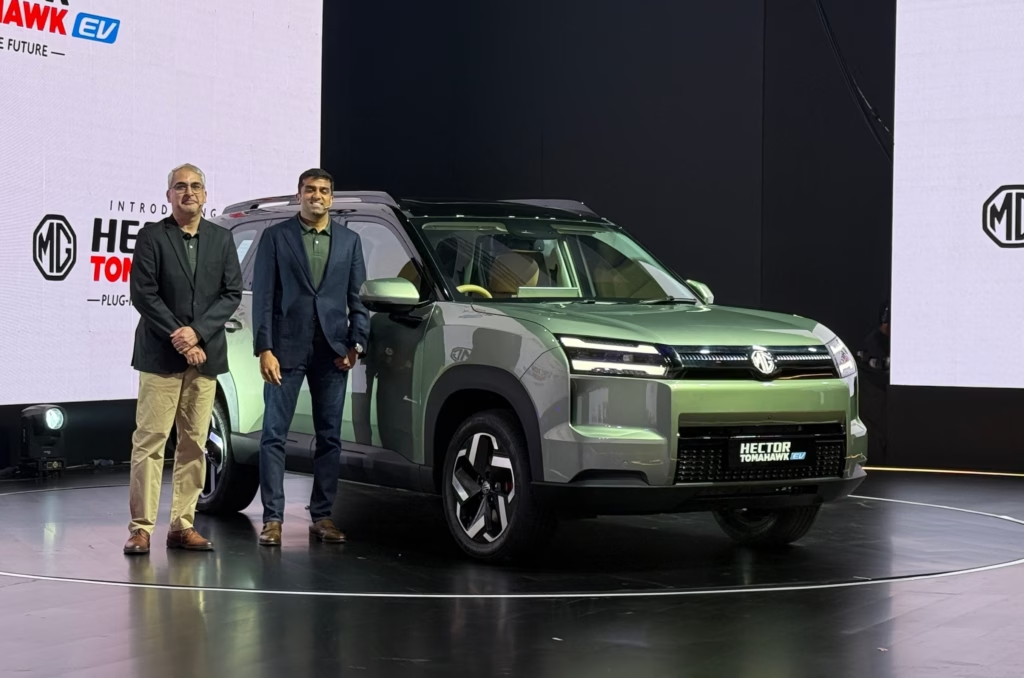
JSW MG Motor India has launched the Hector Tomahawk EV at a starting price of Rs 19.49 lakh (ex-showroom), while prices under its Battery-as-a-Service (BaaS) programme start at Rs 13.99 lakh. The electric SUV gets a 69.2kWh battery and is available in five and seven-seat configurations. The Tomahawk EV is the first MG model in India based on the brand’s ADAPT architecture. 

  1. Deliveries to commence in September
  2. Gets a 15.6-inch touchscreen and 8.8-inch digital driver’s display
  3. 204hp electric motor develops 310Nm
  4. 90kW DC charging; 30-80 percent in 35 minutes

MG Hector Tomahawk EV: price and variants

VariantSeatingEx-showroom price
Excite7-seatRs 19.49 lakh
Exclusive7-seatRs 21.99 lakh
Essence7-seatRs 23.49 lakh
Essence5-seatRs 22.99 lakh

The Hector Tomahawk EV is priced from Rs 19.49 lakh to Rs 23.49 lakh (ex-showroom). The five-seat version is offered only in the Essence variant and is priced at Rs 22.99 lakh, while the seven-seat version is available in Excite, Exclusive and Essence trims. 

MG is also offering the Hector Tomahawk EV under its Battery-as-a-Service (BaaS) programme, with prices starting at Rs 13.99 lakh. Buyers opting for BaaS pay a separate battery rental of Rs 4.90 per km. MG has not disclosed variant-wise BaaS prices.

The prices are introductory and applicable to limited units only.

In terms of rivals, the Hector Tomahawk EV will primarily face the Mahindra XEV 9S and Kia Carens Clavis EV, both of which are available with three-row seating. The Tomahawk EV’s five-seat version also broadens its competition to other electric SUVs in this price range.

MG Hector Tomahawk EV: exterior

The Hector Tomahawk EV gets LED projector headlamps with LED daytime running lights with an illuminated MG logo positioned between them. The front bumper has a blacked out, closed-off lower front fascia, while the SUV rides on 18-inch dual-tone alloy wheels. It also gets roof rails, black cladding around the wheel arches and lower doors and an automatic powered tailgate.

At the rear, the Tomahawk EV features wraparound LED tail-lamps and a sculpted rear bumper. The SUV measures 4,745mm long, 1,850mm wide and 1,770mm tall, with a 2,810mm wheelbase and 230mm ground clearance. The Hector Tomahawk EV gets a 610-litre boot for the five-seat version, while the seven-seat version offers 192 litres with all three rows in use and 528 litres with the third row folded.

MG Hector Tomahawk EV: interior and features

The Hector Tomahawk EV gets a 15.6-inch infotainment touchscreen, a 8.8-inch digital drivers display, wireless Apple CarPlay and Android Auto, wireless phone charging and gesture controls for functions such as the air-conditioning and audio system. 

Other features include a panoramic sunroof, ventilated front seats, 256-colour ambient lighting, a 10-speaker Infinity sound system, a powered tailgate, connected car tech, rear window sunshades and a driver’s seat with memory and auto-retract functionality. The SUV also gets several cabin modes, including Nap, Camp, Energise, Pro Pet, Valet and Quiet modes.

The Hector Tomahawk EV is available with five or seven seats. The five-seat version has 610 litres of boot space, which increases to 1,053 litres with the second row folded. The seven-seat version offers 192 litres with all three rows in use and 528 litres with the third row folded.

MG Hector Tomahawk EV: battery and range

The Tomahawk EV gets a 69.2kWh battery paired with a permanent-magnet synchronous motor producing 204hp and 310Nm. MG claims a 517km MIDC range and a 0-100kph time of 8.2sec.

The EV uses a CCS2 charging connection and supports DC fast charging at up to 90kW. MG claims a 30-80 percent charge in around 35 minutes using a 90kW DC charger. With a 7.4kW AC charger, a 10-100 percent charge takes around 12.5 hours. A portable charger that plugs into a 15A socket is also offered.

The Tomahawk EV also supports vehicle-to-load (V2L) and vehicle-to-vehicle (V2V) functions. MG says V2L can power compatible external devices and appliances, while V2V allows the SUV to charge another electric vehicle. It also claims the Tomahawk EV is India’s first vehicle-to-home (V2H) vehicle, allowing its battery to supply power to household appliances through two-way charging.

MoRTH proposes mandatory V2V communication systems from October 2028

Vehicle-to-Vehicle communication

The Ministry of Road Transport and Highways (MoRTH) has proposed making Vehicle-to-Vehicle (V2V) communication systems mandatory on all newly manufactured vehicles from October 1, 2028. According to the draft notification, the mandate will apply to L-, M- and N-category vehicles, which include two-wheelers, passenger vehicles and commercial vehicles. The proposal seeks to amend the Central Motor Vehicles Rules (CMVR), 1989.

  • AIS-230 standard introduced for V2V systems
  • Will use On-Board Units operating between 5.875GHz-5.925GHz
  • Public consultation open for 30 days

MoRTH proposes phased rollout of Vehicle-to-Vehicle communication systems

MoRTH’s draft notification proposes a phased rollout of V2V communication systems. Manufacturers voluntarily offering the technology from October 1, 2027, will have to ensure they comply with AIS-230, the new Automotive Industry Standard for V2V communication systems. If approved in its current form, the fitment of V2V communication systems will become mandatory for all newly manufactured L-, M- and N-category vehicles from October 1, 2028.

The Automotive Industry Standard lays down the minimum technical, functional, performance, environmental and cybersecurity requirements for V2V communication systems. These include radio performance, receiver sensitivity and selectivity, Global Navigation Satellite System (GNSS) and positioning requirements, electrical and power-supply requirements, electromagnetic interference and compatibility, cybersecurity and communication security, and performance requirements for road safety applications.

Furthermore, the standard specifies the use of factory-fitted On-Board Units (OBUs) based on Cellular Vehicle-to-Everything (C-V2X) technology operating in the 5.875GHz to 5.925GHz frequency band. The Department of Telecommunications exempted the use of this spectrum from licensing requirements through a notification issued on June 10, 2026.

The standard also defines safety applications such as Emergency Brake Alert, Forward Collision Warning, Wrong-way Driving Alert and Emergency Vehicle Alert, enabling vehicles to exchange real-time information and warn drivers of potential hazards. The draft notification has been opened for public consultation for 30 days, following which the ministry will review the comments received before issuing the final notification.

What is Vehicle-to-Vehicle (V2V) communication?

The technology enables vehicles equipped with V2V communication systems to wirelessly exchange real-time information such as speed, position, direction and acceleration. While conventional Advanced Driver Assistance Systems (ADAS) rely on cameras, radars, other onboard sensors and driver inputs, V2V allows vehicles to communicate directly with one another using Cellular Vehicle-to-Everything (C-V2X) technology.

This enables quicker detection of potential hazards that may not yet be visible to the driver and, according to the ministry, “is therefore expected to complement ADAS and support proactive accident prevention, connected mobility and future intelligent transport applications.” The ministry also says the technology can provide warnings for situations involving sudden braking, forward-collision risks, unsafe lane changes and approaching emergency vehicles.

Challenges on the implementation of V2V communication systems

While the proposal marks a major step towards introducing V2V communication systems in India, it’s not without challenges. Automakers not only need to integrate and validate these systems across various models in their line-up but also ensure they work as intended between vehicles made by different manufacturers.

In terms of costs, earlier estimates had suggested the On-Board Units (OBUs) could add around Rs 5,000 to Rs 7,000 to the cost of each vehicle, although the latest draft notification doesn’t explore the cost angle of integrating V2V technology. With connected-vehicle technologies, there will also be a need for robust cybersecurity measures, while importance must also be given to other factors such as data protection and user privacy.

When first announcing plans to introduce V2V technology earlier this year, Union Road Transport and Highways Minister Nitin Gadkari said that it would allow drivers to “talk to each other like pilots.” However, despite being under development globally for more than two decades, widespread adoption of the technology remains limited.

Also read

E20 fuel contamination linked to rise in engine issues

Govt proposes extending PUCC validity for BS6 cars from 1 year to 3 years

Kia Syros EV vs MG Windsor EV top-spec: Specs, features and price compared

Kia Syros EV vs MG Windsor EV comparison

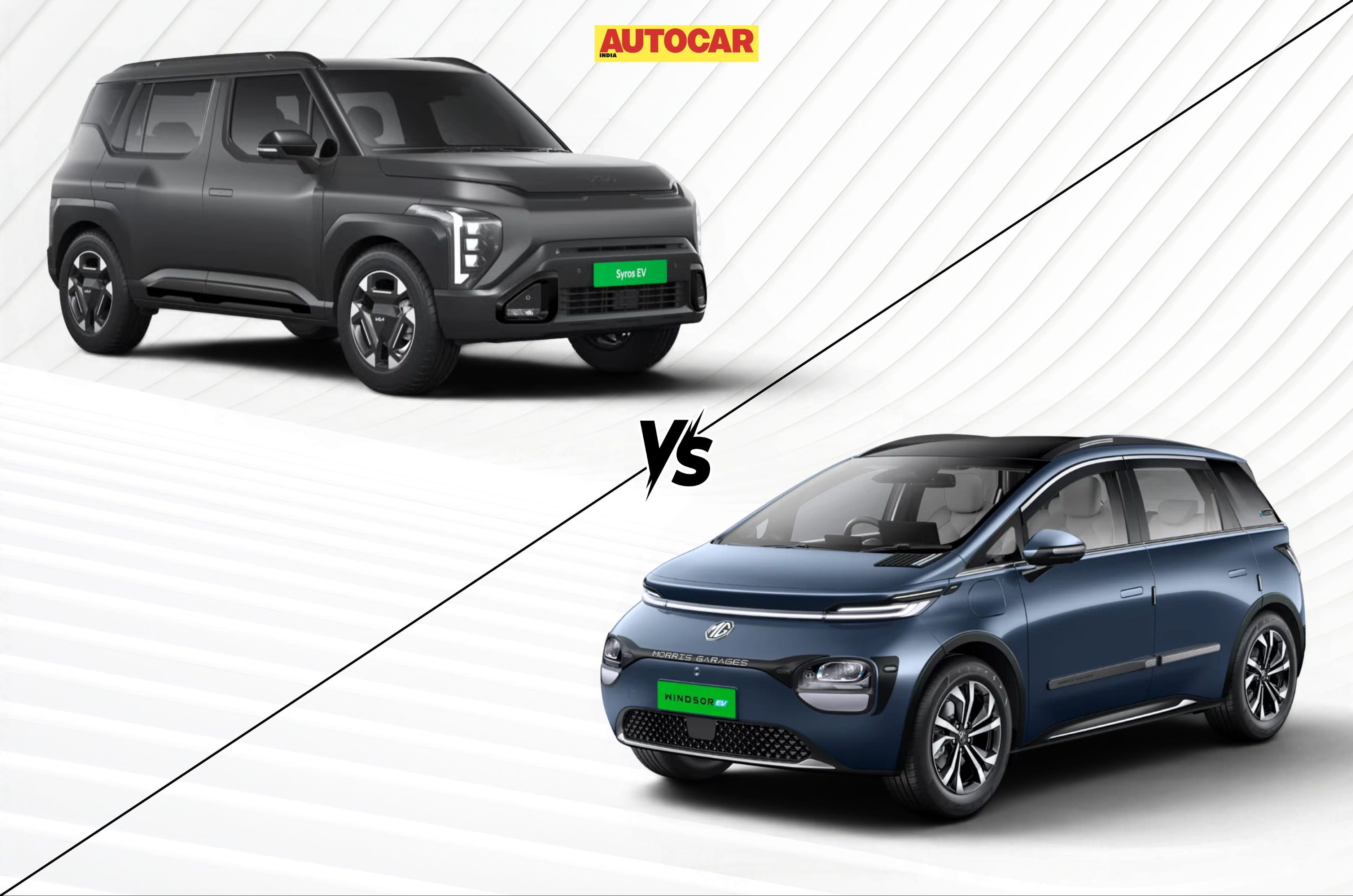
Basically a badge-engineered version of the Chinese Wuling Cloud EV, the MG Windsor is a midsize EV that sits between the brand’s Comet and ZS EV models. On the other hand, the Kia Syros EV is the Korean automaker’s most affordable electric car in India and is based on the Hyundai Motor Group’s K1 platform. Compared to the Windsor, the Syros EV is a compact (sub-4-metre) model. However, not only are the top-spec variants of these cars priced really close to each other, their battery sizes are quite comparable too.

Explore full specs, features and a price breakdown in our Syros EV and Windsor EV comparison.

Kia Syros EV X-Line ER vs MG Windsor EV Essence Pro: Dimensions

The Windsor EV undeniably has the size advantage over the smaller Syros EV

Kia Syros EV X-Line ER vs MG Windsor EV Essence Pro dimensions


Kia Syros EV

MG Windsor EV

Length (mm)

3,995

4,295

Width (mm)

1,805

1,850

Height (mm)

1,670

1,677

Wheelbase (mm)

2,550

2,700

Boot space (litres)

390

579

Frunk (litres)

16

Wheel size (inches)

17

18

The Windsor EV is 300mm longer and 45mm wider than the Syros EV – the MG offers 150mm more wheelbase than the Kia, too. While there isn’t much between them in terms of height, the Windsor EV’s boot is 189 litres larger than that of the Syros EV. The latter’s wheels are also an inch smaller. Interestingly though, the Kia EV offers a 16-litre frunk (front trunk) – the MG has no frunk at all.

Kia Syros EV X-Line ER vs MG Windsor EV Essence Pro: Powertrain

The top-spec Syros EV offers more range and a punchier electric motor setup 

Kia Syros EV X-Line ER vs MG Windsor EV Essence Pro powertrain options


Kia Syros EV

MG Windsor EV

Battery size (kWh)

51.4

52.9

Electric motor setup

Single, front (FWD)

Single, front (FWD)

Power (hp)

171

136

Torque (Nm)

255

200

Claimed 0-100kph

8.1 seconds

Claimed range (km)

526

449

AC charging

7.25 hrs at 7.4kW (10-100%)

9.5 hrs at 7.4kW (10-100%)

DC fast charging

39 mins at 100kW (10-80%)

50 mins at 60kW (20-80%)

The X-Line ER (Extended Range) variant of the Kia Syros EV gets a 51.4kWh lithium-ion battery pack, which is just 1.5kWh smaller than the unit powering the top-spec MG Windsor. Despite this capacity disadvantage, the Syros EV’s claimed range is actually higher, by 77km higher.

Compared to the top-spec MG Windsor’s 60kW DC fast-charging capability, the Syros EV’s DC fast-charging limit is 40kW higher. Unlike MG, Kia’s claimed DC fast-charging time accounts for a SoC (state of charge) of 10-80 percent and not 20-80 percent. Taking all this into account, the Syros EV can be unplugged from a DC fast charger 11 minutes sooner, which would benefit regular long-distance users.

While neither automaker has listed the kerb weight of their cars, the smaller Syros EV is likely to be lighter than the Windsor EV. The former’s front-mounted electric motor also offers 35hp and 55Nm more. These two factors combine to give the Syros EV a claimed naught to 100kph sprint time of 8.1 seconds.

Kia Syros EV X-Line ER vs MG Windsor EV Essence Pro: Exterior features

The Windsor gets a couple more useful features here; the Syros has some ‘feel-good’ ones

Kia Syros EV X-Line ER vs MG Windsor EV Essence Pro exterior features


Kia Syros EV

MG Windsor EV

LED headlamps

Yes (auto)

Yes (auto projectors)

Connected light bar

No

Yes

Front fog lamps

Yes

No

Rear fog lamps

No

Yes

Cornering lights

No

Yes

Welcome lights

Yes

No

Puddle lamps

Yes

No

Powered ORVMs

Yes (with auto-fold function)

Yes (with auto-fold function)

Flush door handles

Yes

Yes

Body cladding

Yes

No

Roof rails

Yes

Yes

Rear spoiler

Yes

Yes

Powered tailgate

No

Yes

Colours

Mono-tone

Mono-tone

Both these cars are reasonably well-equipped in their respective top-spec variants. However, there are some distinct differences between the features that are offered in each. The Syros EV comes with front fog lamps plus fancier ‘welcome’ lighting functions as well as puddle lamps that project the ‘Kia’ logo – these make for a more premium experience when approaching the car. The Syros EV also goes for a rugged look, featuring black plastic cladding on the wheel arches and bumpers.

Compared to the Syros EV’s stylish multi-reflector LED headlamps, the Windsor EV uses projector LED units. While it doesn’t get front fog lamps, the MG features cornering lamps that can prove useful when driving in the dark. At the back, the top-spec Windsor EV gains a powered tailgate – another handy feature especially when your hands are occupied.

Kia Syros EV X-Line ER vs MG Windsor EV Essence Pro: Interior features

If you like a minimalistic interior that’s also feature-packed, the MG Windsor won’t disappoint

Kia Syros EV X-Line ER vs MG Windsor EV Essence Pro interior features


Kia Syros EV

MG Windsor EV

Infotainment screen

12.3-inch

15.6-inch

Digital driver’s display

12.3-inch

8.8-inch

HVAC screen

5.0-inch

No

Panoramic sunroof

Yes

Yes (fixed)

Wireless charger

Yes

Yes

Driver’s seat adjustment

4-way powered

6-way powered

Co-driver’s seat adjustment

4-way manual

4-way manual

Ventilated seats

Yes (front & rear)

Yes (front only)

Leatherette upholstery

Yes

Yes

Split rear seats

Yes

Yes

Automatic climate control

Yes (single-zone)

Yes (single-zone)

Ambient lighting

Yes (64 colours)

Yes (256 colours)

Audio system

8-speaker Harman Kardon

9-speaker Infinity

Apple CarPlay & Android Auto

Yes (wireless)

Yes (wireless)

USB Type-C ports

Yes (5 ports)

Yes (5 ports)

Connected car tech

Yes

Yes

Voice assistant

Yes

Yes

OTA updates

Yes

Yes

Gaming

No

Yes

Rear sunblinds

Yes

No

Rear armrest

Yes (with cupholders)

Yes (with cupholders)

Both cars come with wireless charging, leatherette seats, connected-car tech, and multiple USB ports for added convenience. However, in its top-spec X-Line ER avatar, the Kia Syros EV offers a third screen specifically to control the HVAC (heating, ventilation and air-conditioning) system. That said, there are physical buttons to operate this system, too. The Kia EV also gets a larger driver’s display, a panoramic sunroof that opens, ventilation function for the front & rear seats, plus rear sunblinds. Furthermore, the Syros EV’s interior design, quality and layout of its switchgear, plus the overall usability remain easily sufficient.

As for the fully loaded Essence Pro variant of the MG Windsor EV, its pièce de résistance is the massive 15.6-inch infotainment screen. Given its minimalistic interior layout, almost every control or feature is integrated into this main display. While this screen can be distracting, it comes with multiple customisation options and integrates various games and streaming services. Compared to the Syros EV’s 64-colour ambient lighting system, the Windsor’s supports 256 colours. Its driver’s seat also gets 6-way power adjustment, while the Inifinity premium audio rig features 9 speakers instead of the Kia’s 8-speaker setup.

Kia Syros EV X-Line ER vs MG Windsor EV Essence Pro: Safety features

Neither car is missing out on much when it comes to their respective safety tech

Kia Syros EV X-Line ER vs MG Windsor EV Essence Pro safety features


Kia Syros EV

MG Windsor EV

Airbags

6

6

ABS with EBD

Yes

Yes

Electronic stability program

Yes

Yes

Hill-hold assist

Yes

Yes

Hill-descent control

No

Yes

TPMS

Yes

Yes

Parking sensors

Yes (front & rear)

Yes (front & rear)

360-degree camera

Yes

Yes

Dashcam

Yes

No

Electronic parking brake

Yes (with auto-hold function)

Yes (with auto-hold function)

Auto-dimming IRVM

Yes

Yes

Rain-sensing wipers

Yes

Yes

ISOFIX

Yes

Yes

Rear wiper and defogger

Yes

Yes (defogger only)

All-wheel disc brakes

Yes

Yes

Level 2 ADAS

Yes

Yes

Only the top-spec variants of these EVs get Level 2 ADAS (Advanced Driver Assistance Systems). Some of the ADAS features shared between the two include adaptive cruise control, forward collision warning, lane-departure alert with lane-keeping assistance, and automatic emergency braking. Where the Windsor EV gets hill-descent control, the Syros EV comes with a dashcam and a rear wiper.

Kia Syros EV X-Line ER vs MG Windsor EV Essence Pro: Other features

Neither car is missing out on much when it comes to their respective safety tech

Kia Syros EV X-Line ER vs MG Windsor EV Essence Pro other features


Kia Syros EV

MG Windsor EV

Drive modes

Yes (3)

Yes (4)

Terrain modes

No

No

Single-pedal driving

Yes

No

V2V and V2L

Yes

Yes

AVAS

Yes

No

The Windsor EV comes with Eco+, Eco, Normal and Sport drive modes, while the Syros EV only gets Eco, Normal and Sport. Neither car features variable terrain modes, but both support vehicle-to-load (V2L) and vehicle-to-vehicle (V2V) functions for better practicality during regular family outings, such as picnics and long-distance trips. The Syros EV also comes with a dedicated Virtual Engine Sound System (VESS) to caution other motorists and pedestrians of the vehicle’s presence.

Conclusion

Kia Syros EV X-Line ER vs MG Windsor EV Essence Pro prices


Kia Syros EV

MG Windsor EV

Prices (In Rs, lakh)

20.00

19.00

Apart from being less expensive, the Windsor EV is a larger car with plenty of room on the inside and in the boot, compared to the compact Syros EV. However, the Kia makes a solid case for itself by offering good interior space and build quality, better overall performance, plenty of features, plus a good blend of digital real-estate and intuitive physical controls. If you need the added perks that a bigger car offers without having to spend the ‘big car’ money, the MG Windsor EV will suit your needs just fine. Picking the top-spec Kia Syros EV won’t be a disappointment either as long as you can justify its bloated price tag.

Also read

Tata Sierra EV Empowered vs Hyundai Creta Electric Excellence LR: Which to buy?

Kia Syros EV vs Tata Nexon EV: Whose top trim offers better value?


Tata Sierra EV Empowered vs Hyundai Creta Electric Excellence LR: Which to buy?

Tata Sierra EV mid-spec vs Hyundai Creta EV top-spec comparison

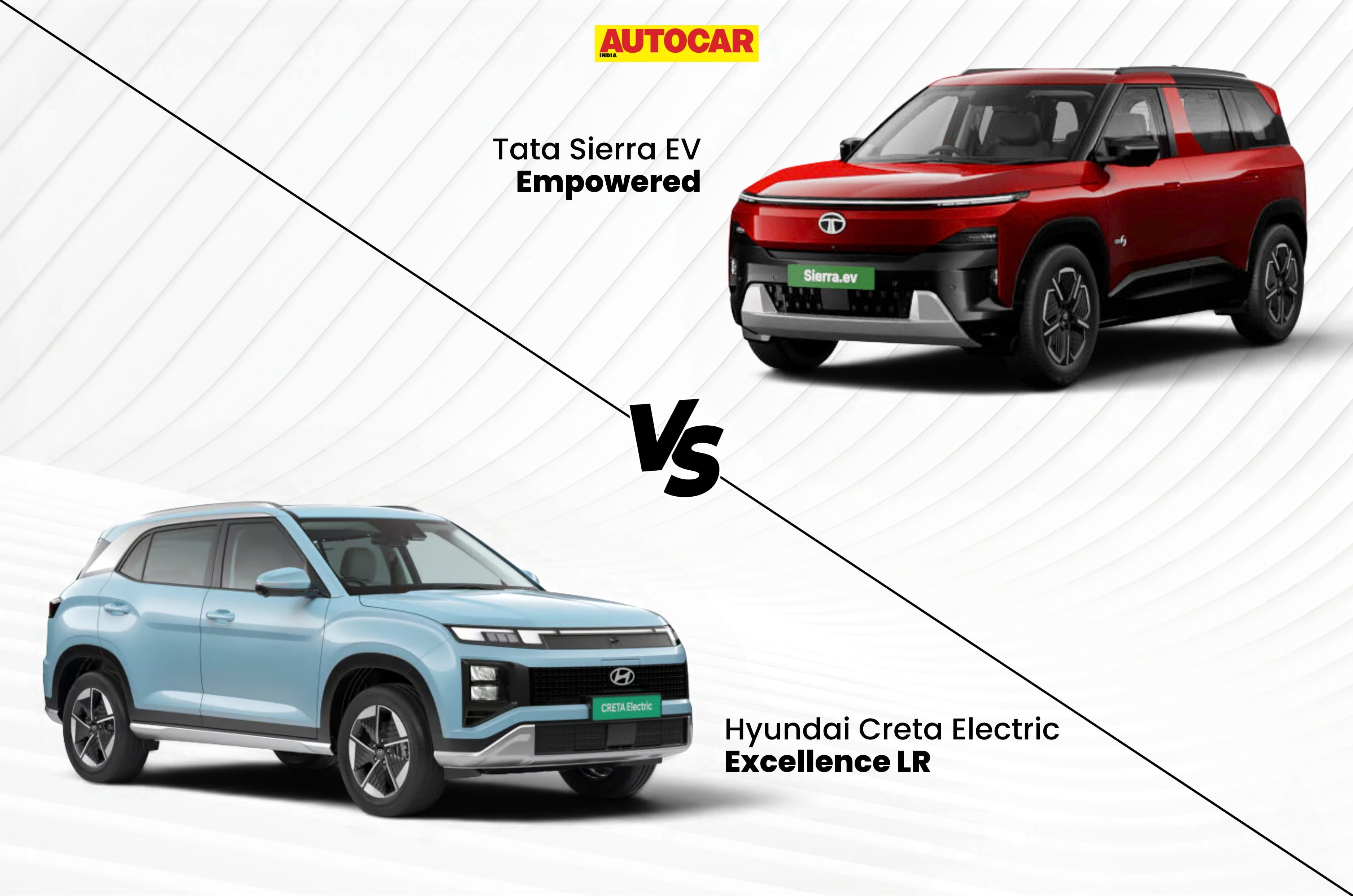
Both the Tata Sierra EV and Hyundai Creta Electric are available with two battery pack options. However, the lower variants of the Creta Electric feature a smaller 42kWh battery pack, so we’ll be looking at the 51.4kWh version here – the Creta’s top-spec Excellence LR (Long Range) variant is only offered with the larger battery pack. However, the Sierra EV’s Empowered trim offers buyers more flexibility as it’s available in 63kWh and 75kWh guises. The Sierra EV Empowered is priced from Rs 22.79 lakh to Rs 23.79 lakh, while the Creta Electric’s top-spec Excellence LR costs Rs 23.67 lakh. Let’s find out which midsize electric SUV is right for you.

Explore full specs, features and a price breakdown in our Sierra EV and Creta Electric comparison.

Tata Sierra EV Empowered vs Hyundai Creta Electric Excellence LR: Dimensions

The Sierra is the bigger car here, but the Creta EV is just as long

Tata Sierra EV Empowered vs Hyundai Creta Electric Excellence LR dimensions


Tata Sierra EV

Hyundai Creta Electric

Length (mm)

4,340

4,340

Width (mm)

1,841

1,790

Height (mm)

1,750

1,655

Wheelbase (mm)

2,730

2,610

Boot space (litres)

450

433

Frunk (litres)

55

22

Wheel size (inches)

18

17

While the overall length of the Hyundai Creta Electric is identical to the Tata Sierra EV, the latter boasts 120mm longer wheelbase. The Sierra EV is 51mm wider and 95mm taller at the roof than its Hyundai rival. The range-topping Excellence LR variant of the Creta EV only gets 17-inch wheels, but the Empowered trim of the Tata SUV comes equipped with larger 18-inch rims. In terms of their luggage-carrying capacity as well, the Sierra EV has the bigger rear boot and frunk (front trunk).

Tata Sierra EV Empowered vs Hyundai Creta Electric Excellence LR: Powertrain

The rear-wheel drive Sierra gets two powertrain options and has the range advantage

Tata Sierra EV Empowered vs Hyundai Creta Electric Excellence LR powertrain options


Tata Sierra EV

Hyundai Creta Electric

Battery size (kWh)

63/75

51.4

Electric motor setup

Single, rear (RWD)

Single, front (FWD)

Power (hp)

238/209

171

Torque (Nm)

315

255

Claimed 0-100kph

7.9 seconds

Claimed range (km)

566/665

510

AC charging

Up to 10.5 hrs at 7.2kW (10-100%)

7.25 hrs at 7.4kW (10-100%)

DC fast charging

Up to 26 mins at 120kW (20-80%)

39 mins at 100kW (10-80%)

The Sierra EV in Empowered trim is offered with 63kWh and 75kWh battery packs. Even with the smaller battery option, the Sierra EV’s claimed range is 56km more than the top-spec Creta Electric’s. Bumping up to the top-spec, rear-wheel drive (RWD) 75kWh version of the Sierra EV means a claimed range of 665km – that’s 155km more than the top-spec Creta Electric.

The smaller battery size and a slightly faster AC charging speed means that the Creta Electric can be charged from 10-100 percent in 7 hours and 15 minutes, which is over 3 hours less than what the Sierra EV with the 75kWh battery pack requires. Meanwhile, the Sierra EV with the 63kWh battery takes under 9 hours to achieve the same SoC (state of charge). Both cars support DC fast charging of over 100kW, with the Sierra EV’s claimed charging time being based on 120kW DC charging.

The Sierra EV’s single electric motor powers its rear wheels, while that of the Creta Electric powers its front. While the punchier 63kWh version of the Tata SUV makes 67hp more than its Hyundai EV rival, even its lower-output 75kWh version makes more power (38hp more than the Creta Electric). The Sierra EV also has the torque advantage, developing 60Nm more than its Hyundai rival. While Tata Motors hasn’t published the claimed 0-100kph time of the mid-spec Sierra EV, it’s likely to be brisk.

Tata Sierra EV Empowered vs Hyundai Creta Electric Excellence LR: Exterior features

The Sierra EV’s Empowered trim adds more novelty features on the outside than its Hyundai rival

Tata Sierra EV Empowered vs Hyundai Creta Electric Excellence LR exterior features


Tata Sierra EV

Hyundai Creta Electric

LED projector headlamps

Yes (auto)

Yes (auto)

Connected light bar

Yes

Yes

Front fog lamps

Yes

No

Rear fog lamps

Yes

No

Cornering lights

Yes

No

Sequential turn signals

Yes

Yes

Welcome lights

Yes

Yes

Puddle lamps

Yes

Yes

Powered ORVMs

Yes (with auto-fold function)

Yes (with auto-fold function)

Flush door handles

Yes

No

Body cladding

Yes

Yes

Roof rails

Yes

Yes

Rear spoiler

Yes

Yes

Powered tailgate

Yes (gesture activated)

No

Colours

Mono-tone

Mono-tone and Dual-tone

The Empowered trim of the Sierra EV gets useful features such as a gesture-activated powered tailgate, front & rear fog lamps, and front cornering lights. While both cars gets a rear spoiler, the Sierra EV’s unit actually hides the rear wiper for a cleaner look. They also feature niceties like puddle lamps, welcome & good-bye light animations, and automatic LED headlamps. The Creta Electric sticks to conventional pull-type door handles, whilst the Tata SUV uses flush door handles. Hyundai offers dual-tone colour choices with the Creta Electric, but Tata Motors does not.

Tata Sierra EV Empowered vs Hyundai Creta Electric Excellence LR: Interior features

Both electric SUVs are fairly well-matched when it comes to interior convenience features

Tata Sierra EV Empowered vs Hyundai Creta Electric Excellence LR interior features


Tata Sierra EV

Hyundai Creta Electric

Infotainment screen

12.3-inch

10.25-inch

Digital driver’s display

10.25-inch

10.25-inch

Front passenger display

12.3-inch

No

Panoramic sunroof

Yes (voice assisted)

Yes (voice assisted)

Wireless charger

Yes

Yes

Driver’s seat adjustment

6-way powered

8-way powered

Co-driver’s seat adjustment

4-way manual

8-way powered

Thigh-support extender

Yes

No

‘Boss’ mode

Yes (manual)

Yes (powered)

Ventilated front seats

Yes

Yes

Leatherette upholstery

Yes

Yes

Rear split seats

Yes

Yes

Automatic climate control

Yes (dual-zone)

Yes (dual-zone)

Cooled glovebox

Yes

Yes

Cooled armrest storage

No

Yes (front)

Ambient lighting

Yes

Yes

Audio system

12-speaker JBL Black

8-speaker Bose

Dolby Atmos

Yes

No

Apple CarPlay & Android Auto

Yes (wireless)

Yes (wired)

USB Type-C ports

Yes (4 ports)

Yes (3 ports)

Connected car tech

Yes

Yes

Voice assistant

Yes (multiple)

Yes

OTA updates

Yes

Yes

EV route planner

Yes

No

Gaming

Yes

No

Rear sunblinds

Yes

Yes

Rear armrest

Yes (with cupholders)

Yes (with cupholders)

Rear tray tables

No

Yes

The Tata Sierra EV gets more speakers as part of its JBL Black audio system, along with Dolby Atmos and wireless Apple CarPlay & Android Auto. The Sierra offers more USB ports and Tata’s new ‘AirConsole’ gaming system with a high-definition front passenger screen. Other interior features exclusive to the Sierra EV include front thigh-support extenders for added comfort and a route planner to help minimise range anxiety.

The Hyundai Creta Electric doesn’t get a third screen and its dual digital displays are smaller than the Sierra’s. However, the Hyundai EV offers a powered ‘Boss’ function, a cooled compartment under the front armrest, tray tables with cupholders for rear passengers, and a leatherette-like eco-friendly material for the seats.

Tata Sierra EV Empowered vs Hyundai Creta Electric Excellence LR: Safety features

The fully loaded Creta EV comes with ADAS, which the Sierra EV lacks in its mid-spec trim

Tata Sierra EV Empowered vs Hyundai Creta Electric Excellence LR safety features


Tata Sierra EV

Hyundai Creta Electric

Airbags

6

6

ABS with EBD

Yes

Yes

Electronic stability program

Yes

Yes

Hill-hold assist

Yes

Yes

Hill-descent control

Yes

Yes

TPMS

Yes

Yes

Parking sensors

Yes (front & rear)

Yes (front & rear)

360-degree camera

Yes

Yes

Electronic parking brake

Yes (with auto-hold function)

Yes (with auto-hold function)

Auto-dimming IRVM

Yes

Yes

Rain-sensing wipers

Yes

Yes

Auto-dimming IRVM

Yes

Yes

ISOFIX

Yes

Yes

Rear wiper and defogger

Yes

Yes

All-wheel disc brakes

Yes

Yes

Level 2 ADAS

No

Yes

Both these cars come well-equipped with modern safety features. However, the Creta Electric adds Level 2 ADAS (Advanced Driver Assistance Systems), too. This ropes in nannies such as forward collision warning, blind-spot warning, lane-departure warning with lane-keeping assist, rear cross-traffic alert, high-beam assist, and adaptive cruise control with stop & go functionality.

Tata Sierra EV Empowered vs Hyundai Creta Electric Excellence LR: Other features

The Sierra EV is better equipped on this front too

Tata Sierra EV Empowered vs Hyundai Creta Electric Excellence LR other features


Tata Sierra EV

Hyundai Creta Electric

Drive modes

Yes (3)

Yes (3)

Terrain modes

Yes (4)

No

Single-pedal driving

No

Yes

V2V and V2L

Yes

Yes (V2L)

AVAS

Yes

Yes

Unlike the Sierra EV, the Hyundai Creta Electric gets a proper single-pedal driving mode. This makes driving it over long distances on the highway less tiresome while also helping improve range because of energy recuperation even without using the brake pedal. However, the Sierra EV supports both vehicle-to-load and vehicle-to-vehicle charging functions – the Creta Electric only supports the former. Both EVs come with an Acoustic Vehicle Alerting System (AVAS).

Conclusion

Tata Sierra EV Empowered vs Hyundai Creta Electric Excellence LR prices


Tata Sierra EV

Hyundai Creta Electric

Price range (In Rs, lakh)

22.79-23.79

23.67

If you want more cabin & luggage space, longer range & faster performance plus conveniences like a powered tailgate, wireless smartphone connectivity, multiple voice assistants, plus V2V and V2L functions, then the Tata Sierra EV will be a suitable pick. In case you don’t need the additional range offered by the 75kWh version, you can save Rs 1 lakh and go for the 63kWh version instead –  it’s Rs 88,000 cheaper than the Creta Electric. However, prospective Sierra EV buyers should be aware of the inconsistencies in Tata’s service quality and vehicle fit & finish.

Prices mentioned are ex-showroom, Delhi.

Also read

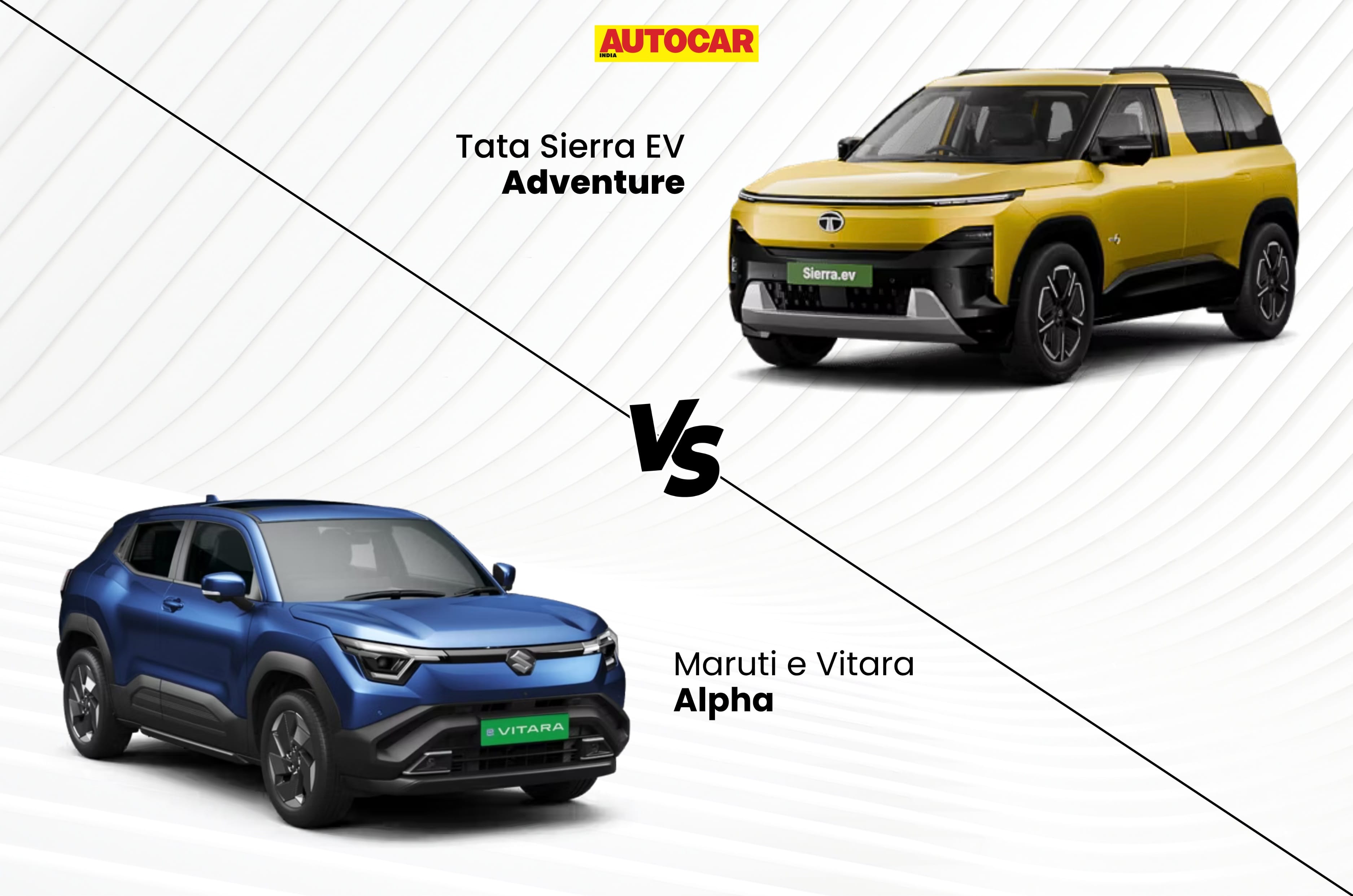
Tata Sierra EV mid-spec vs Maruti e Vitara top-spec: Features and specs compared

3 reasons to buy the Tata Sierra EV and 2 reasons not to

3 reasons to buy the Tata Sierra EV and 2 reasons not to

tata sierra ev

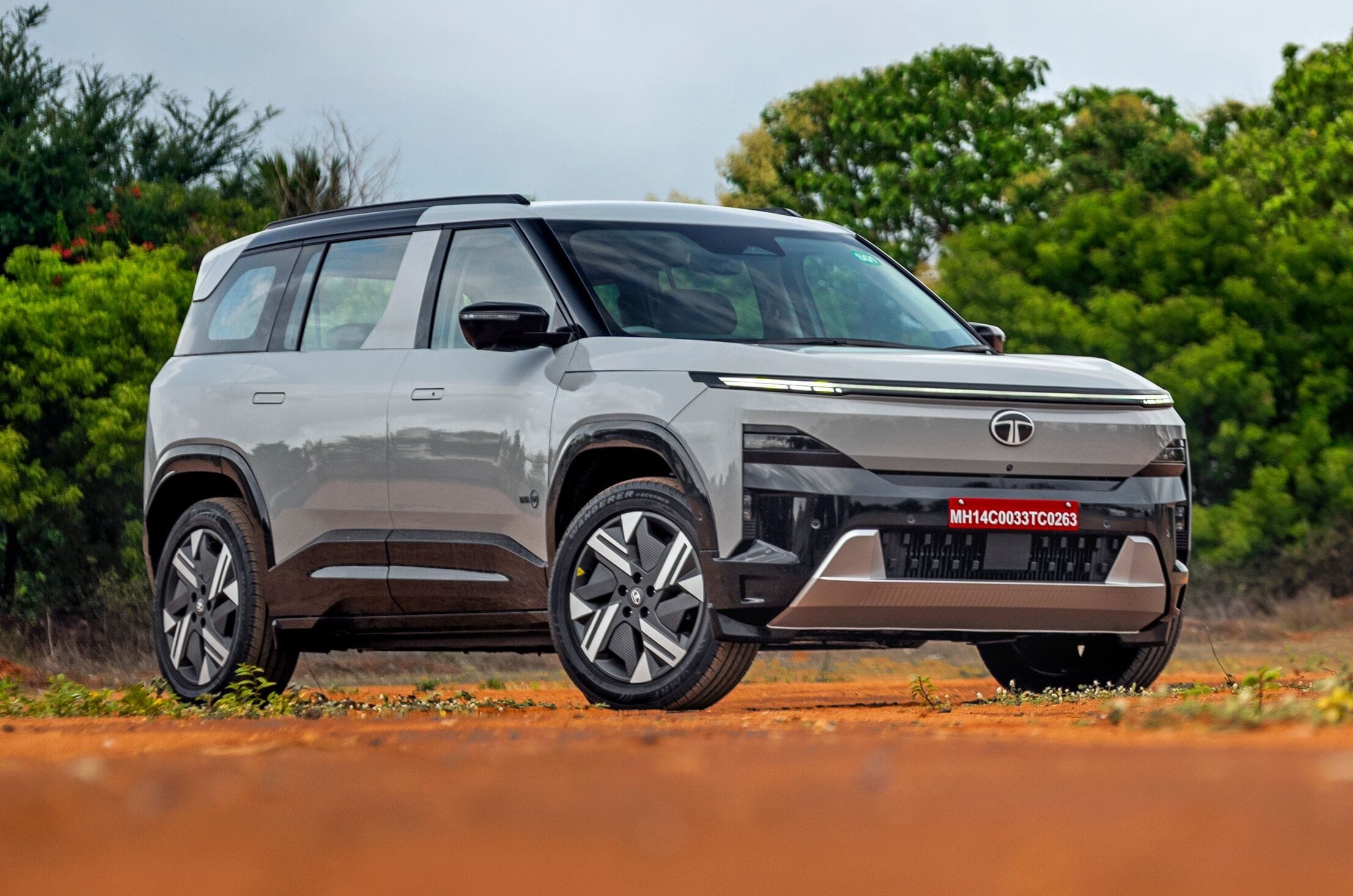
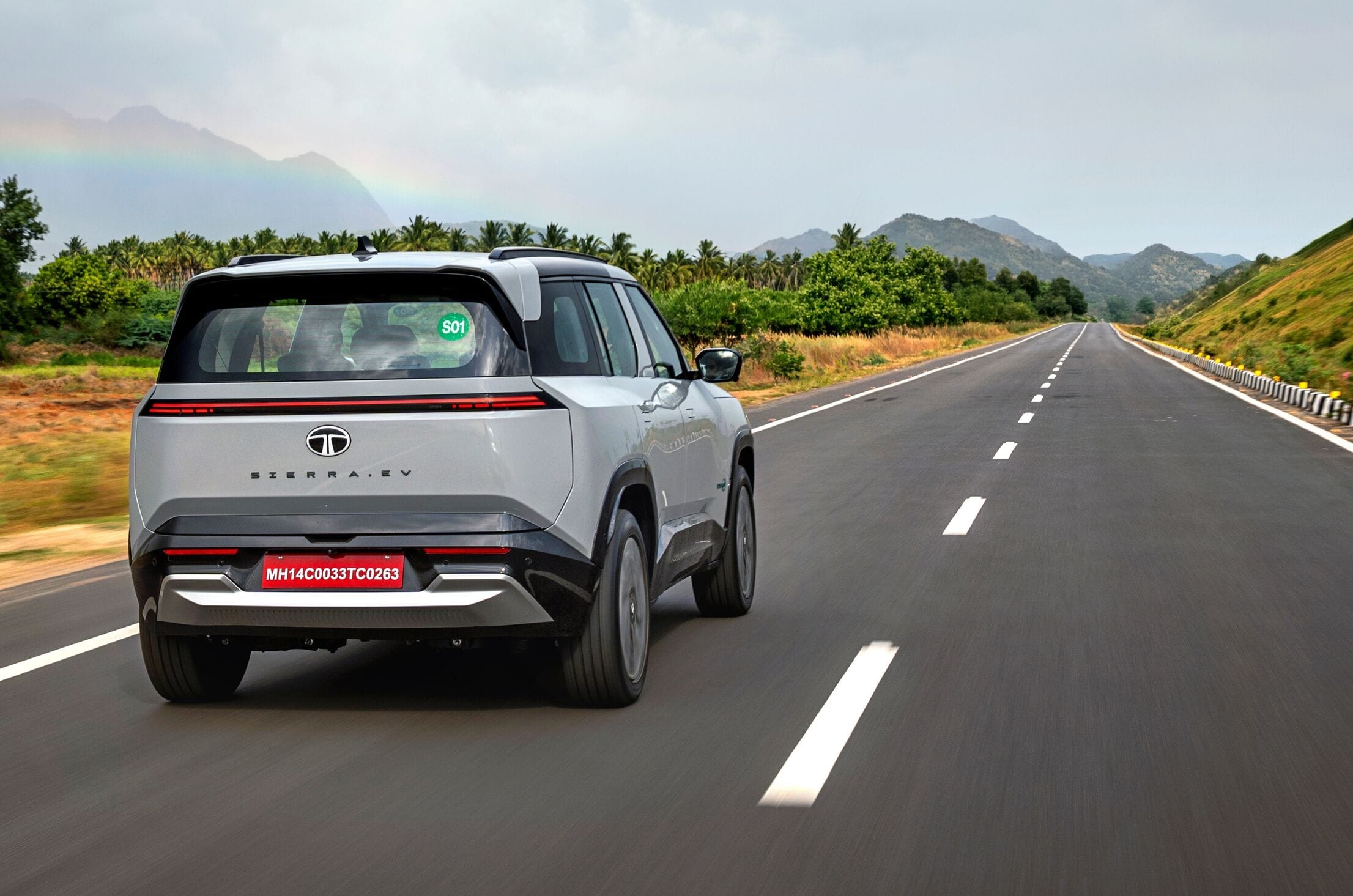
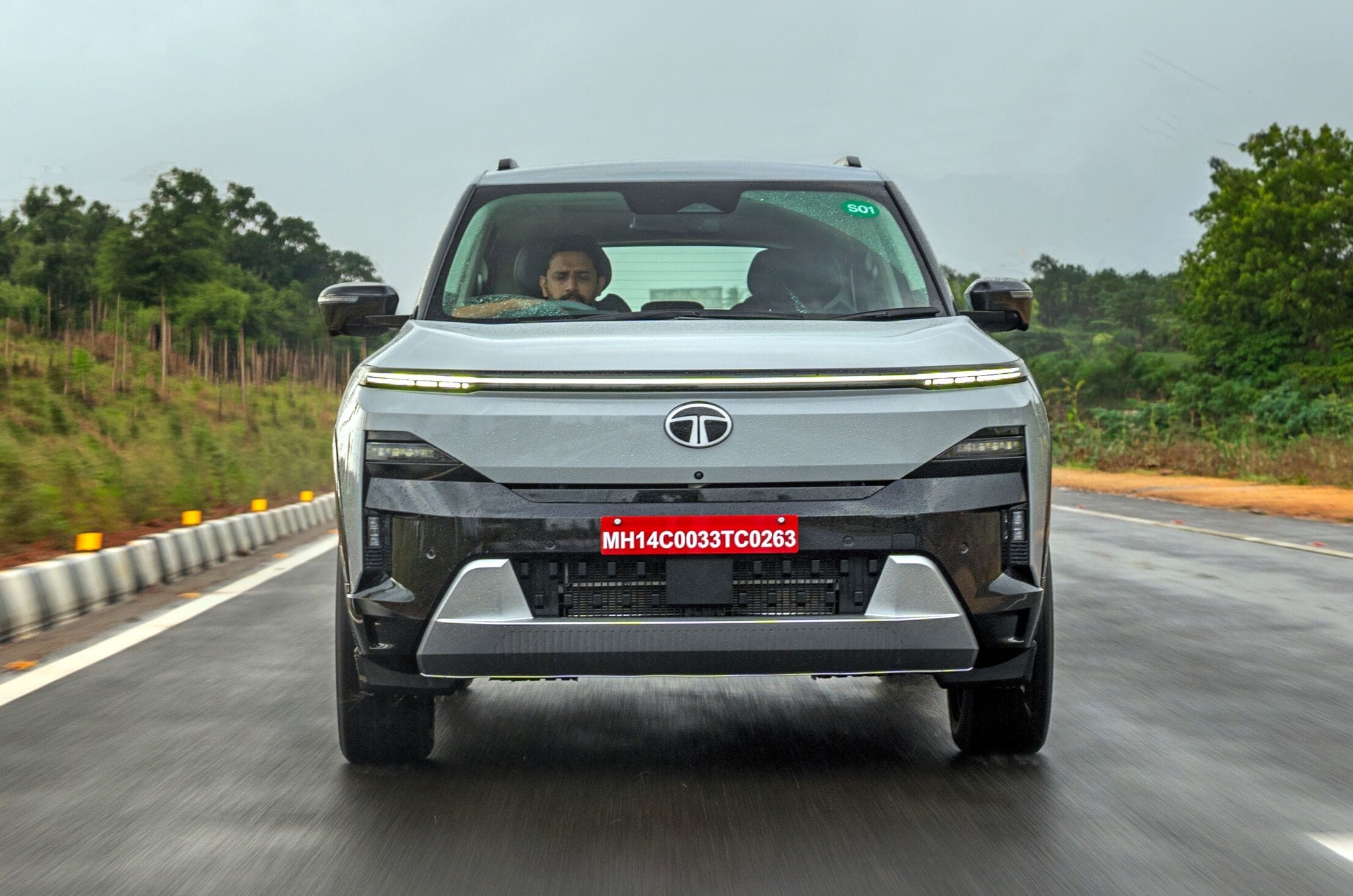
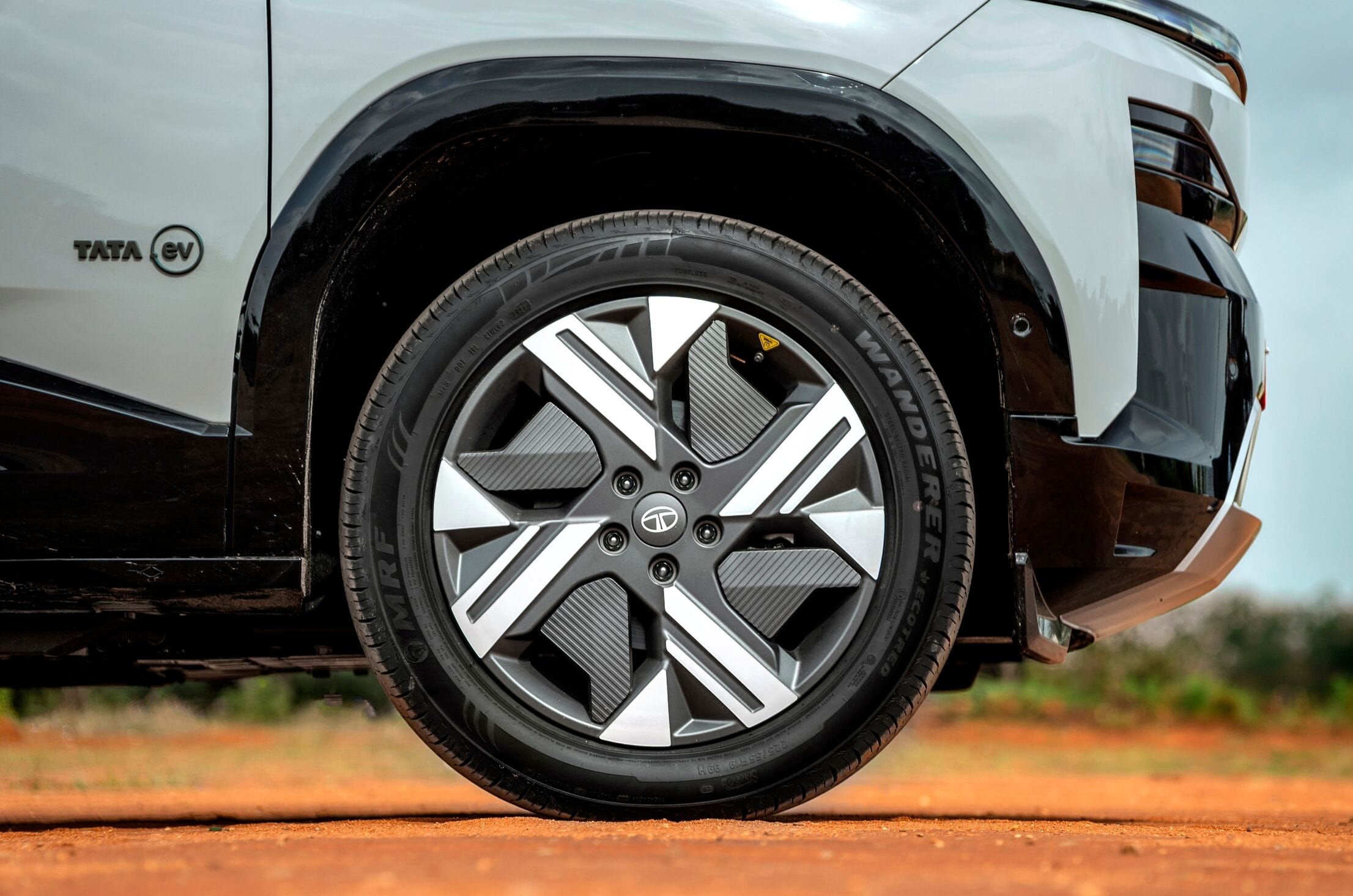
Seven months after the launch of the ICE-powered Tata Sierra, its all-electric derivative, the Sierra EV, is finally available for purchase. Priced from Rs 18.79 lakh to Rs 25.99 lakh (ex-showroom), the Sierra EV slots right between the Tata Curvv EV and Harrier EV, and rivals electric midsize SUVs like the Mahindra BE 6, Vinfast VF6, Hyundai Creta Electric, MG ZS EV, Maruti e Vitara, Toyota Ebella, and more.

If you’re considering bringing home a Sierra EV, here are three reasons why you should go through with it, and two reasons why you may want to think twice before signing the dotted line.

Pros

Loaded with features

Gets some additional goodies over the ICE Sierra

The Sierra EV retains the expansive equipment list of its ICE sibling, including a triple-screen layout (12.3-inch infotainment and passenger screens, 10.25-inch driver’s display), dual-zone climate control, a panoramic sunroof, Level 2 ADAS, a powered tailgate, a 360-degree camera, a wireless charging pad, a 12-speaker JBL Black sound system, ventilated front seats, a powered driver’s seat with memory and welcome functions, and more.

In typical Tata EV fashion, the Sierra EV even packs some bonus features over the ICE version, specifically a powered co-driver seat, an under-floor camera view, auto park assist, a summon mode, vehicle-to-load (V2L) and vehicle-to-vehicle (V2V) charging functions, and a heads-up display along with the triple-screen setup.

Excellent cabin space and practicality

Great for chauffeur-driven buyers

Dimensionally, the Sierra is very similar to its ICE counterpart, which means you get an incredibly roomy and lounge-like interior. Though the floor height has increased by less than an inch compared to that of the ICE Sierra, there’s nary a perceptible difference for occupants. The seats are very comfortable, there’s loads of rear legroom, and the bench even features a small amount of backrest recline.

Despite the addition of a rear motor, the Sierra EV’s boot space matches the ICE version’s 622 litres. That’s measured up to the roof, though, and using the conventional method of measurement, which is up to the parcel tray, the Sierra EV should offer roughly 450 litres of boot space. You even get a frunk, which measures 55 litres in the RWD versions and 35 litres in the AWD variant.

Smooth and potent powertrains

Only one in its segment to offer AWD

The Sierra EV can be had with 63kWh and 75kWh battery options, both of which are powered by a 315Nm rear motor (RWD) as standard. In 63kWh RWD guise, the Sierra EV develops 238hp, while the 75kWh RWD versions make 209hp. The top-spec Sierra EV Empowered A 75kWh variant additionally packs a 140hp front motor to form an AWD layout, churning out a segment-best combined output of 306hp and 504Nm.

Performance is thereby a strong suit for the AWD Sierra EV, with a claimed 0-100kph time of 5.8 seconds. As we noted in our Sierra EV review, though, the SUV doesn’t feel neck-snappingly quick off the line. Power delivery is progressive and undramatic, which is fine considering the Sierra is, after all, a family SUV. On the curated off-road course we took the Sierra EV AWD on, it proved quite capable too.

As for range, the Sierra EV 75kWh RWD claims the highest ARAI figure of the range at 665km, followed by the 75kWh AWD version at 624km and then the 63kWh RWD version at 535km. These are quite competitive range figures when compared to the Sierra EV’s rivals.

Cons

Poor interior quality and ergonomics

Umbrella holders provided, but with no drain plugs

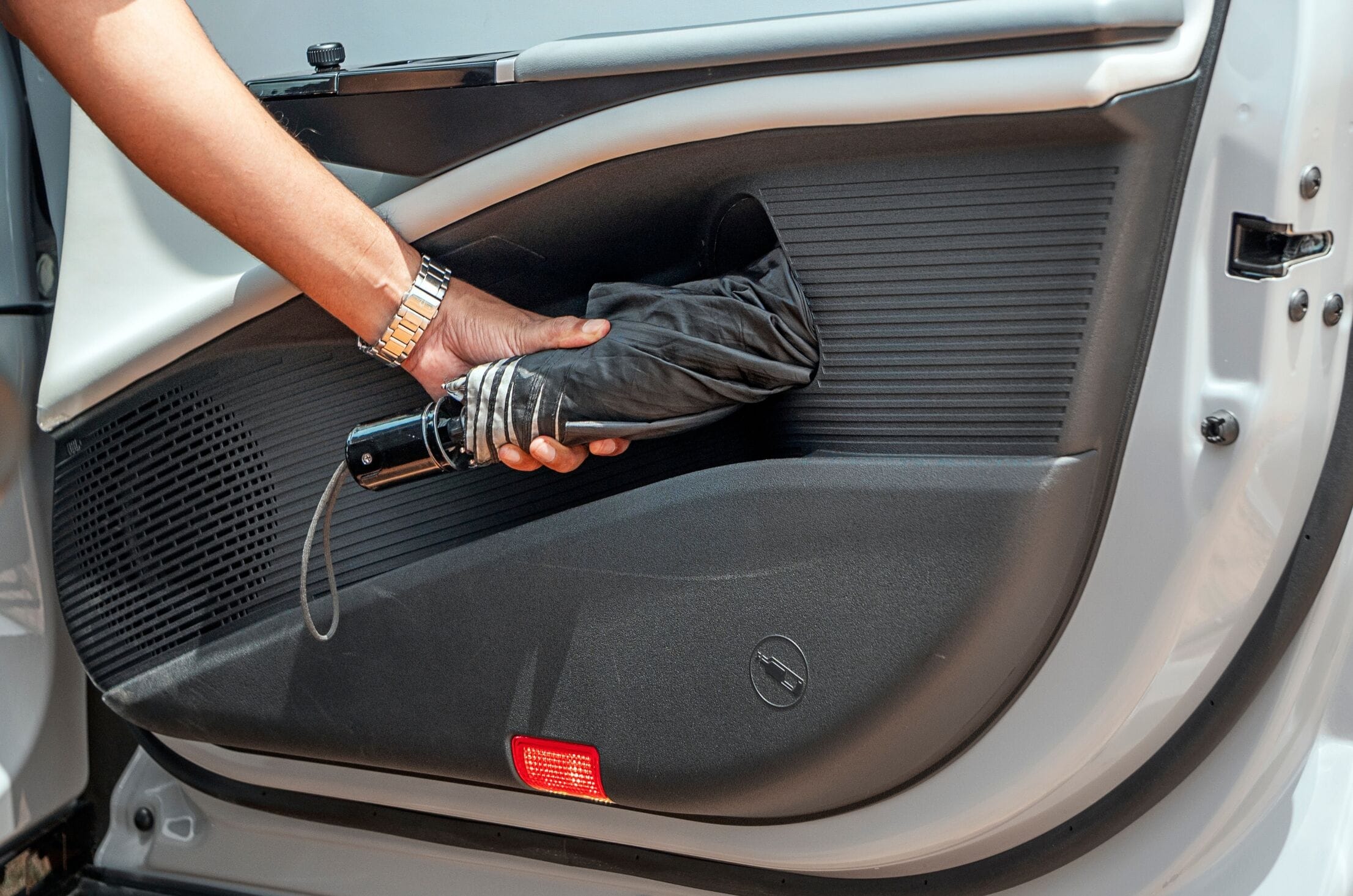
While Tata has upped its game in terms of interior fit and finish, we could still spot hard plastics, rough edges, crooked stitching, and misaligned panels in the Sierra EV. There are some interior design oddities, too, like wasted space below the pedestal-mounted drive selector, narrow and tough-to-reach armrest storage, tiny cupholders placed at the base of the dashboard, no drain plugs for the umbrella holders in the door cards, and conspicuous gaps next to the rear window sunblinds due to the L-shaped B-pillars.

No spare tyre on offer

Removed to accommodate battery pack

In an effort to accommodate the large battery pack, the Sierra EV sacrifices the underbody-mounted spare tyre of its ICE counterpart, offering only a puncture repair kit instead.

Tata Sierra EV mid-spec vs Maruti e Vitara top-spec: Features and specs compared

Tata Sierra EV mid-spec vs Maruti e Vitara top-spec comparison

If you’re in the market for an electric midsize SUV priced around Rs 20 lakh, there are plenty of options to choose from. However, today we’ll be looking at the mid-spec Tata Sierra EV with the 63kWh battery, which starts at Rs 20.99 lakh, and the top-spec Maruti e Vitara with the 61kWh battery, priced at Rs 19.99 lakh. Let’s find out how these two midsize SUVs match up when pitted against each other in terms of their dimensions, technical specifications, features and price. 

Explore full specs, features and a price breakdown in our Sierra EV vs e Vitara comparison.

Tata Sierra EV mid-spec vs Maruti e Vitara top-spec: Dimensions

Not only is the Tata EV the larger car here, it also has the bigger boot

Tata Sierra EV Adventure 63 vs Maruti e Vitara Alpha dimensions


Tata Sierra EV

Maruti e Vitara

Length (mm)

4,340

4,275

Width (mm)

1,841

1,800

Height (mm)

1,750

1,640

Wheelbase (mm)

2,730

2,700

Boot space (litres)

450

238

Frunk (litres)

55

Wheel size (inches)

18

18

Compared to the e Vitara, the Sierra EV is 65mm longer and has a 30mm longer wheelbase. It’s also 41mm wider and stands 110mm taller at the roof. Furthermore, the Sierra EV has the e Vitara beat in terms of luggage-carrying capacity too. Not only does the mid-spec Sierra EV feature a 55-litre frunk, which is missing altogether in the top-spec e Vitara, but the former’s primary boot is a full 212 litres bigger. While the top trim of the Sierra EV gets 19-inch wheels, the Adventure trim sticks to 18 inchers. However, all trims of the e Vitara come with 18-inch alloy wheels.

Tata Sierra EV mid-spec vs Maruti e Vitara top-spec: Exterior features

The mid-spec Sierra EV gets more modern design touches on the outside than the e Vitara

Tata Sierra EV Adventure 63 vs Maruti e Vitara Alpha exterior features


Tata Sierra EV

Maruti e Vitara

LED projector headlamps

Yes (auto)

Yes (auto)

Connected light bar

Yes

No

Front fog lamps

Yes

Yes

Cornering lights

Yes

No

Welcome lights

Yes

No

Powered ORVMs

Yes (with auto-fold function)

Yes (with auto-fold function)

Flush door handles

Yes

No

Body cladding

Yes

Yes

Rear spoiler

Yes

Yes

Compared to the muscular bodywork of the Maruti e Vitara, the Tata Sierra EV sports a more upright and chiselled form. Some of the highlights that the Sierra EV gets but are missing on the e Vitara include additional lighting elements (with suave features like ‘Welcome’ and cornering units), plus front & rear LED light bars. The e Vitara, on the other hand, gets traditional handles for the front doors – the rear units are integrated into the doors. The e Vitara’s body cladding looks quite aggressive, while that of the Sierra EV looks more urbane.

Tata Sierra EV mid-spec vs Maruti e Vitara top-spec: Interior features

Interior of the mid-trim Sierra EV offers a lot of premium-feeling yet useful amenities

Tata Sierra EV Adventure 63 vs Maruti e Vitara Alpha interior features


Tata Sierra EV

Maruti e Vitara

Infotainment screen

12.3-inch

10.1-inch

Digital driver’s display

10.25-inch

10.25-inch

Panoramic sunroof

Yes (voice assisted)

No (fixed single-pane)

Wireless charger

Yes

Yes

Driver’s seat adjustment

6-way manual

10-way powered

Co-driver’s seat adjustment

4-way manual

4-way manual

Thigh-support extender

Yes

No

‘Boss’ mode

Yes

No

Ventilated front seats

Yes

Yes

Automatic climate control

Yes (single-zone)

Yes (dual-zone)

Cooled glovebox

Yes

No

Ambient lighting

Yes

Yes

Audio system

12-speaker JBL Black

8-speaker Infinity

Dolby Atmos

Yes

No

Apple CarPlay & Android Auto

Yes (wireless)

Yes (wireless)

USB Type-C ports

Yes (4 ports)

Yes (4 ports)

Connected car tech

Yes

Yes

Voice assistant

Yes (multiple)

Yes

OTA updates

Yes

Yes

EV route planner

Yes

Yes

Gaming

Yes

No

Rear sunblinds

Yes

No

The interior feature set of the mid-spec Tata Sierra EV Adventure trim is more comprehensive than that of the top-spec Maruti e Vitara. Adding to its creature comforts is the extendable under-thigh support function for the front seats, a ‘boss’ mode to liberate more room at the back, a cooled glovebox, rear sunshades, plus a more premium audio system.

The Tata SUV also gets a large touchscreen, a voice-assisted panoramic sunroof, the brand’s new ‘AirConsole’ gaming system, and native and Amazon Alexa voice assistants. Furthermore, the Sierra EV comes with three 65-watt and one 15-watt Type-C chargers. The e Vitara also gets four USB ports, but they do not support such rapid charging rates.

Tata Sierra EV mid-spec vs Maruti e Vitara top-spec: Other features

Both cars are fairly comparable on this front

Tata Sierra EV Adventure 63 vs Maruti e Vitara Alpha other features


Tata Sierra EV

Maruti e Vitara

Drive modes

Yes (3)

Yes (3)

Terrain modes

Yes (4)

Yes (1)

V2V and V2L

Yes

No

AVAS

Yes

Yes

Where the Sierra EV gets vehicle-to-load (V2L) and vehicle-to-vehicle (V2V) functions, the e Vitara does not. The Maruti EV gets just the Snow terrain mode, while the Sierra EV offers Normal, Wet/Rain, Rough and Custom settings. Both cars feature AVAS, or Acoustic Vehicle Alerting System to alert other road users of their presence.

Tata Sierra EV mid-spec vs Maruti e Vitara top-spec: Safety features

The Tata EV packs a lot more safety nannies than the e Vitara

Tata Sierra EV Adventure 63 vs Maruti e Vitara Alpha safety features


Tata Sierra EV

Maruti e Vitara

Airbags

6

7

ABS with EBD

Yes

Yes

Electronic stability program

Yes

Yes

Hill-hold assist

Yes

Yes

Hill-descent control

Yes

Yes

TPMS

Yes

Yes

360-degree camera

Yes

Yes

Electronic parking brake

Yes (with auto-hold function)

Yes (with auto-hold function)

Auto-dimming IRVM

Yes

Yes

Rain-sensing wipers

Yes

Yes

Auto-dimming IRVM

Yes

Yes

ISOFIX

Yes

Yes

Rear wiper and defogger

Yes

Yes

All-wheel disc brakes

Yes

Yes

Level 2 ADAS

Yes

Yes

The Maruti e Vitara Alpha trim’s Level 2 ADAS (Advanced Driver Assistance Systems) includes adaptive cruise control, front collision warning, auto-emergency braking, blind-spot warning, rear cross-traffic alert, lane-departure warning with lane-departure prevention and adaptive high-beam assist. These are all safety equipment that the Sierra EV offers as well. However, the e Vitara comes with 7 airbags, while the Sierra EV gets the usual 6. Both models get surround-view cameras, front & rear parking sensors, an SOS calling function and an electronic parking brake with auto-hold.

Tata Sierra EV mid-spec vs Maruti e Vitara top-spec: Range and performance

While their battery capacities are comparable, the Sierra EV boasts a distinct power advantage

Tata Sierra EV Adventure 63 vs Maruti e Vitara Alpha range and performance


Tata Sierra EV

Maruti e Vitara

Battery size (kWh)

63

61

Electric motor setup

Single motor, rear

Single motor, front

Drive layout

RWD

FWD

Power (hp)

238

174

Torque (Nm)

315

193

Claimed 0-100kph

8.7 seconds

Claimed range (km)

535

543

AC charging

8.9 hrs at 7.2kW (10-100%)

9 hrs at 7.4kW (10-100%)

DC fast charging

25 mins at 110kW (20-80%)

45 mins at 70kW (10-80%)

In terms of battery size, the Sierra EV’s mid-spec variant possess a capacity advantage of 2kWh over the top-spec e Vitara. However, it’s the Maruti EV that manages more range – albeit the difference here is minimal. The Sierra EV’s rear-mounted electric motor is also punchier, offering 64hp and 122Nm more than the e Vitara’s peak output figures.

While both cars are equipped with a single electric motor, the Sierra’s unit powers the rear wheels instead of the front ones. This also means that the Sierra EV should be able to put its power down better than the front-wheel-drive e Vitara, especially on inclines or when the vehicle’s fully loaded. Tata Motors hasn’t specified the 0-100kph time of the mid-spec Sierra EV, but Maruti Suzuki claims that the top-spec e Vitara can do it in 8.7 seconds.

Both Sierra EV and e Vitara support similar AC charging speeds, thus requiring a comparable amount of time to go from 10-100 percent SoC. However, the Tata SUV is capable of accepting higher DC fast-charging rates, which allows it to reach 80 percent SoC ahead of the e Vitara. That said, the Maruti EV DC charging time accounts for the time taken for the battery to go from 10-80 percent, instead of the Sierra EV’s 20-80 percent.

Conclusion

The top-spec Maruti e Vitara Alpha variant is priced at Rs 20.00 lakh, while the mid-spec Tata Sierra EV 63 Adventure variant is priced at Rs 20.99 lakh. While the e Vitara offers 7 airbags and a little extra claimed range, the Sierra EV with the 63kWh battery pack and in the Adventure trim offers better value overall. It has more power, larger dimensions and a lengthy list of features – all of which make the Tata Sierra EV a better value-for-money buy here.

Prices mentioned are ex-showroom, Delhi.

Also read

Maruti e Vitara vs Tata Curvv EV compared: Which should you buy?

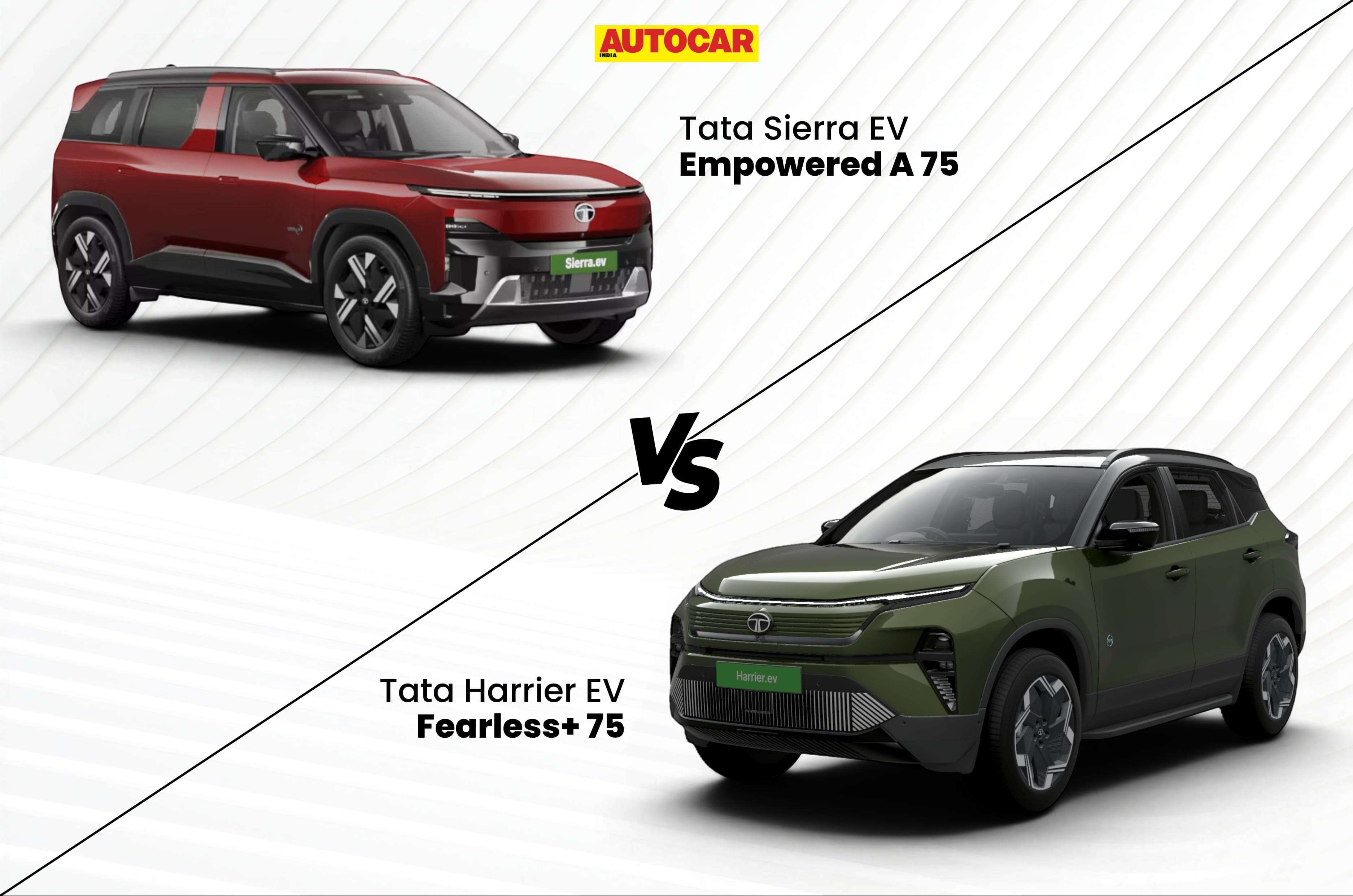
Tata Sierra EV top-spec vs Harrier EV mid-spec: Features, specs compared

Tata Sierra EV top-spec vs Harrier EV mid-spec: Features, specs compared

Tata Sierra EV top-spec vs Harrier EV mid-spec variants compared

The recently launched Tata Sierra EV is positioned right below its larger sibling, the Harrier EV. However, there’s quite a lot of pricing overlap between the two Tata electric SUVs. To that end, we’ve compared the top-spec Sierra EV Empowered A 75 to the mid-spec Harrier EV Fearless+ 75 to find out which variant delivers better value on paper.

Explore full specs, features, and a price breakdown in our Sierra EV vs Harrier EV comparison.

Tata Sierra EV top-spec vs Harrier EV mid-spec: Dimensions

Harrier EV is longer and wider, but Sierra EV is taller and offers greater boot space

Tata Sierra EV Empowered A 75 vs Harrier EV Fearless+ 75 dimensions

 Sierra EVHarrier EV
Length (mm)4,3404,607
Width (mm)1,8411,922
Height (mm)1,7501,740
Wheelbase (mm)2,7302,741
Boot space (litres)622502
Frunk space (litres)55 (RWD) / 35 (AWD)67 (RWD) / 35 (AWD)
Wheel size (inches)1919

Expectedly, the Harrier EV is 267mm longer than the Sierra EV, but there’s only an 11mm difference between their wheelbases, suggesting that the smaller SUV doesn’t lose out on much interior space. While the Harrier EV is 81mm wider than the Sierra EV, the latter is 10mm taller. Wheel sizes are matched at 19 inches for both electric SUVs.

Interestingly, the Sierra EV offers 120 litres of additional boot space over the Harrier EV – it’s worth nothing that both SUVs’ boot capacity is measured up until the roof, as opposed to the conventional method, which is up to the parcel tray. In terms of frunk capacity, the RWD Harrier EV offers the bigger one, while their AWD versions are matched in this regard.

Tata Sierra EV top-spec vs Harrier EV mid-spec: Battery and range

Harrier EV offers more power, Sierra EV is quicker and claims higher range figures

Tata Sierra EV Empowered A 75 vs Harrier EV Fearless+ 75 powertrains

 Sierra EVHarrier EV
Battery size (kWh)7575
Motor setupSingle, rear / Dual, front and rearSingle, rear / Dual, front and rear
Power (hp)209 / 306238 / 313
Torque (Nm)315 / 504315 / 504
Drive layoutRWD / AWDRWD / AWD
Claimed 0-100kph time (seconds)5.8 (AWD)6.3 (AWD)
MIDC range (km)665 / 624627 / 622

Both the Sierra EV and Harrier EV get 75kWh battery packs, along with single-motor (RWD) and dual-motor (AWD) options. The Harrier EV edges ahead in terms of powertrain output, though the RWD versions of both SUVs feature identical torque figures. Despite the Sierra EV’s slightly lower output, its AWD variant is half a second quicker in the 0-100kph run compared to that of the Harrier EV – this is on account of the Sierra EV being smaller and lighter.

Similarly, MIDC-claimed range is a total victory for the Sierra EV as well. The Sierra EV AWD’s claimed range is 2km higher than that of the Harrier EV AWD, while the RWD version can travel 38km more on a single charge.

Tata Sierra EV top-spec vs Harrier EV mid-spec: Charging times

Both electric SUVs trade punches here

Tata Sierra EV Empowered A 75 vs Harrier EV Fearless+ 75 charging times and warranty details

 Sierra EVHarrier EV
AC charging time (10-100 percent)10.5hrs (7.2kW)10.7hrs (7.2kW)
DC charging time (20-80 percent)26mins (120kW)25mins (120kW)
Battery warrantyLifetime warranty and unlimited kilometresLifetime warranty and unlimited kilometres
Motor warranty8 years/1,60,000km (whichever is earlier)8 years/1,60,000km (whichever is earlier)
Vehicle warranty3 years/1,25,000km (whichever is earlier) 3 years/1,25,000km (whichever is earlier) 

Despite battery capacities being identical for both electric SUVs, the Harrier EV takes slightly longer to charge from 10-100 percent via a 7.2kW AC outlet. On the other hand, the Harrier EV is marginally quicker in a 20-80 percent top-up from a 120kW DC fast charger. Tata offers the same battery, motor, and vehicle warranties for the Harrier EV and Sierra EV, so buyers can rest easy on this front.

Tata Sierra EV top-spec vs Harrier EV mid-spec: Exterior features

Harrier EV additionally offers side step and charging indicator function for the front light bar

Tata Sierra EV Empowered A 75 vs Harrier EV Fearless+ 75 exterior features

 Sierra EVHarrier EV
HeadlampsAutomatic LEDAutomatic LED
Front light barLEDLED
Welcome/goodbye sequenceYesYes
Charging indicator in light barNoYes
Front fog lampsLEDLED
Cornering lampsYesYes
Tail-lampsLEDLED
Rear fog lampsYesYes
Sequential indicatorsYesYes
Side stepNoYes
Electrically adjustable ORVMs with auto-foldYesYes
Rear spoilerYesYes
Rear wiper and washerYesYes
Shark-fin antennaYesYes
Roof railsYesYes
Puddle lampsYesYes

Coming to exterior features, the Sierra EV and Harrier EV are near-identical. However, the Sierra EV does miss out on a charging indicator in the front light bar, with it instead being situated on the charging port. The Harrier EV additionally offers a side step too, which makes ingress and egress a tad easier.

Tata Sierra EV top-spec vs Harrier EV mid-spec: Interior features

Sierra EV is the only Tata electric car to offer a triple-screen setup

Tata Sierra EV Empowered A 75 vs Harrier EV Fearless+ 75 interior features

 Sierra EVHarrier EV
Touchscreen12.3 inches12.3 inches
Digital driver’s display10.25 inches10.25 inches
Passenger display12.3 inchesNo
Heads-up displayYesNo
Automatic climate controlDual-zoneDual-zone
Steering-mounted controlsYesYes
Ambient lightsYesYes
Panoramic sunroofYesYes
Powered driver seat6-way adjustment6-way adjustment
Driver seat functionsMemory and welcomeMemory and welcome
Powered co-driver seat4-way adjustment4-way adjustment
Ventilated front seatsYesYes
Boss modeYesNo
Sound system12-speaker JBL Black10-speaker JBL Black
Wireless charging padYesYes
Cabin air purifierYesYes
Powered windowsFront and rearFront and rear
Rear sunshadeYesYes
Rear AC ventsYesYes
Rear centre armrestYesYes
Connected car techYesYes
V2L, V2V functionalityYesYes

Despite its lower positioning, the Sierra EV pulls a clear lead over the Harrier EV in terms of cabin equipment. Features like a 12.3-inch passenger display, a 12-speaker JBL sound system, and a heads-up display are not offered even on the top-spec Harrier variant. In fact, the Sierra EV is the only electric Tata to come with a triple-screen setup at the moment.

Tata Sierra EV top-spec vs Harrier EV mid-spec: Driving features

Sierra EV comes with extra terrain mode and adaptive cruise control

Tata Sierra EV Empowered A 75 vs Harrier EV Fearless+ 75 driving features

 Sierra EVHarrier EV
Drive modesEco, City, SportEco, City, Sport
Battery regen modesYesYes
Terrain modesNormal, Wet, Rough, CustomNormal, Wet, Rough
Cruise controlAdaptive with stop/go functionsYes
Drift modeYesYes
Boost modeAWD onlyAWD only
Low-speed cruise controlAWD onlyAWD only
Extra terrain modes (AWD only)YesYes

Both the top-spec Sierra EV and mid-spec Harrier EV are very similar on the driving features front. However, the Sierra EV gets an additional ‘Custom’ terrain mode in the RWD version, as well as adaptive cruise control with stop and go functionality. The latter is much more convenient than the Harrier EV’s standard cruise control, as it can automatically adjust the speed based on proximity to nearby vehicles, and even come to a standstill and set off by itself. AWD versions of both SUVs get additional terrain modes too, namely Snow/Grass, Mud-Ruts, Sand, Rock Crawl, and Custom.

Tata Sierra EV top-spec vs Harrier EV mid-spec: Safety features

Harrier EV has 7 airbags and 5-star BNCAP rating, Sierra EV gets Level 2 ADAS and better camera setup

Tata Sierra EV Empowered A 75 vs Harrier EV Fearless+ 75 safety features

 Sierra EVHarrier EV
Bharat NCAP ratingYet to be tested5 stars
Airbags67
Level 2 ADASYesNo
Camera setup540-degreeRear only
Parking sensorsFront and rearFront and rear
Disc brakesFront and rearFront and rear
ABS with EBDYesYes
Electronic stability program (ESP)YesYes
TPMSYesYes
Electronic parking brake with auto-holdYesYes
Auto-dimming IRVMYesYes
Rain-sensing wipersYesYes
Rear defoggerYesYes
Driver drowsiness detectionNoYes
Acoustic vehicle alarm system (AVAS)YesYes

In the safety department, the Harrier EV holds some notable advantages, specifically a 5-star Bharat NCAP rating (the Sierra EV is yet to be tested, but will likely perform well too), 7 airbags, and driver drowsiness detection. The Sierra EV, though, trades punches with the Harrier EV thanks to safety features like Level 2 ADAS and a 540-degree camera (360-degree with underfloor view).

Tata Sierra EV top-spec vs Harrier EV mid-spec: Prices and verdict

Sierra EV is up to Rs 70,000 cheaper

Tata Sierra EV Empowered A 75 vs Harrier EV Fearless+ 75 price* (Rs, lakh)

 Sierra EVHarrier EVDifference
RWDRs 24.79 lakhRs 25.19 lakhRs 40,000
AWDRs 25.99 lakhRs 26.69 lakhRs 70,000

*Exclusive of home charger and installation, which costs Rs 49,000 extra.

The Sierra EV Empowered A 75 clearly emerges as the better option over the Harrier EV Fearless+ 75, as the smaller SUV offers considerably more comfort and convenience features, a larger boot, higher claimed range figures, similar powertrain outputs and charging speeds, and greater performance – all while being Rs 40,000-70,000 more affordable.

All prices are ex-showroom, India.