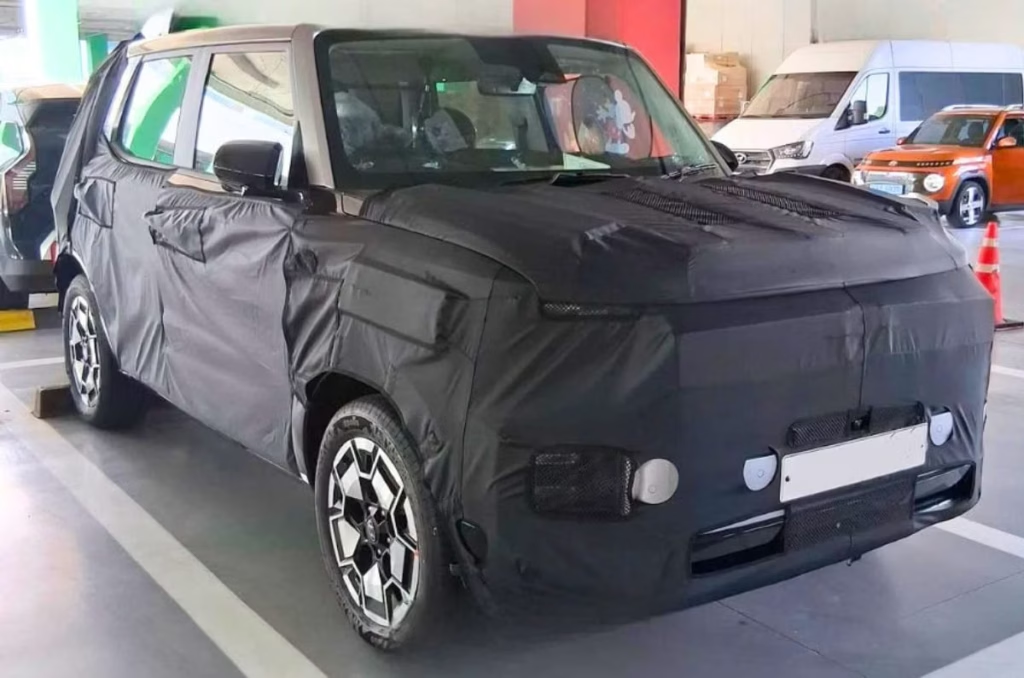
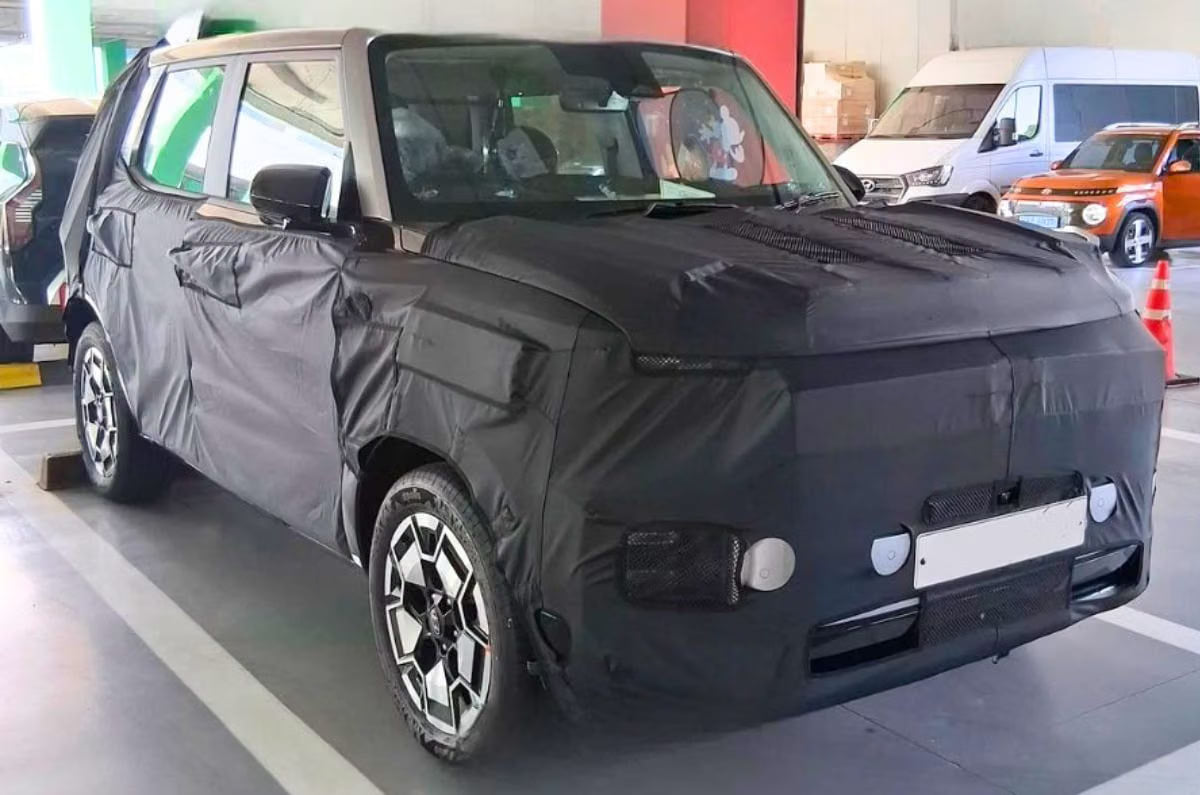
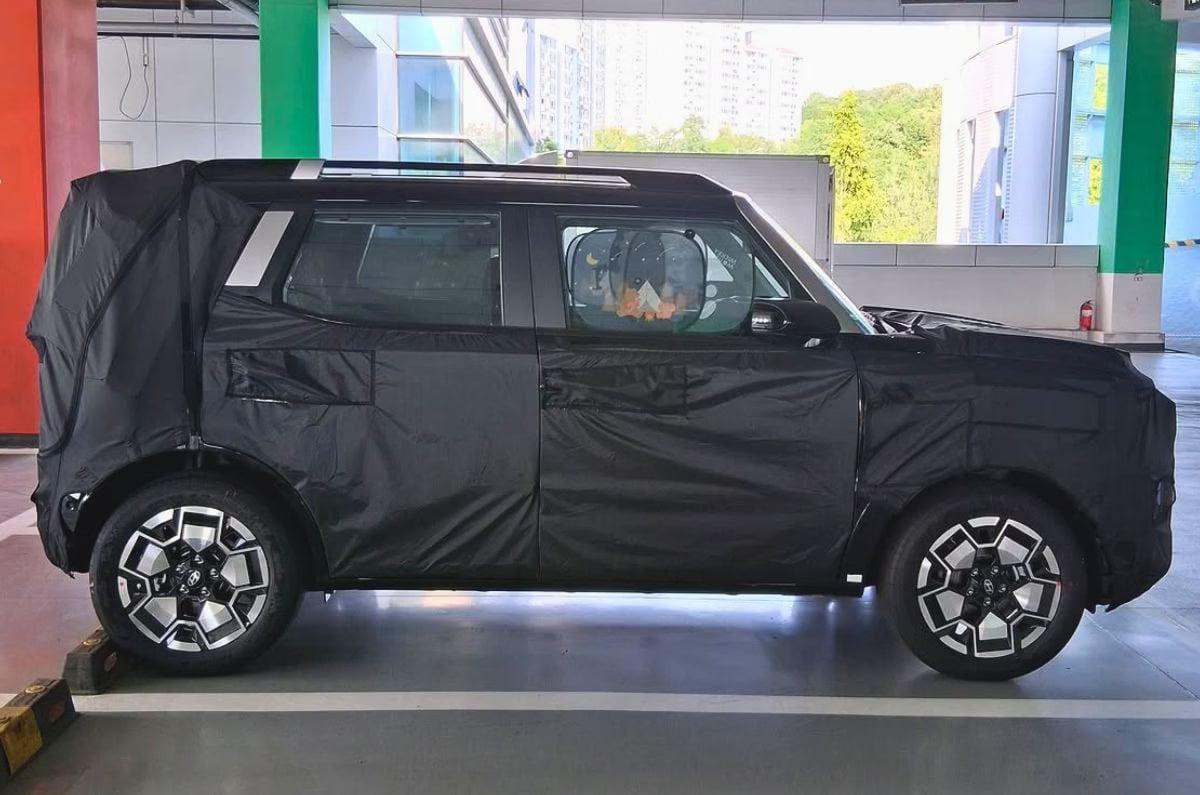
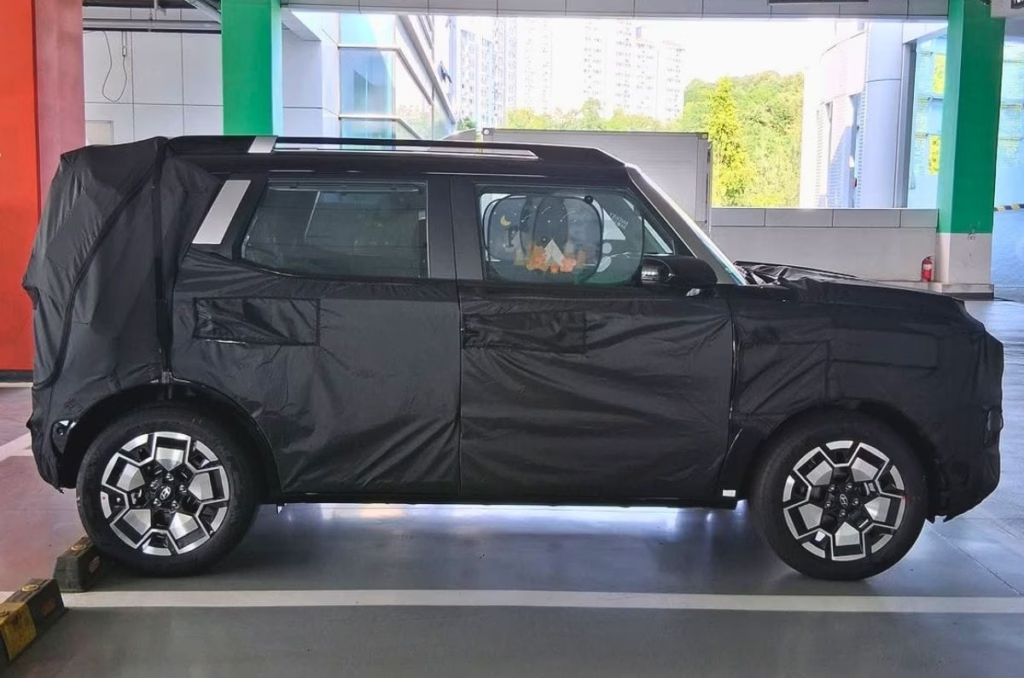
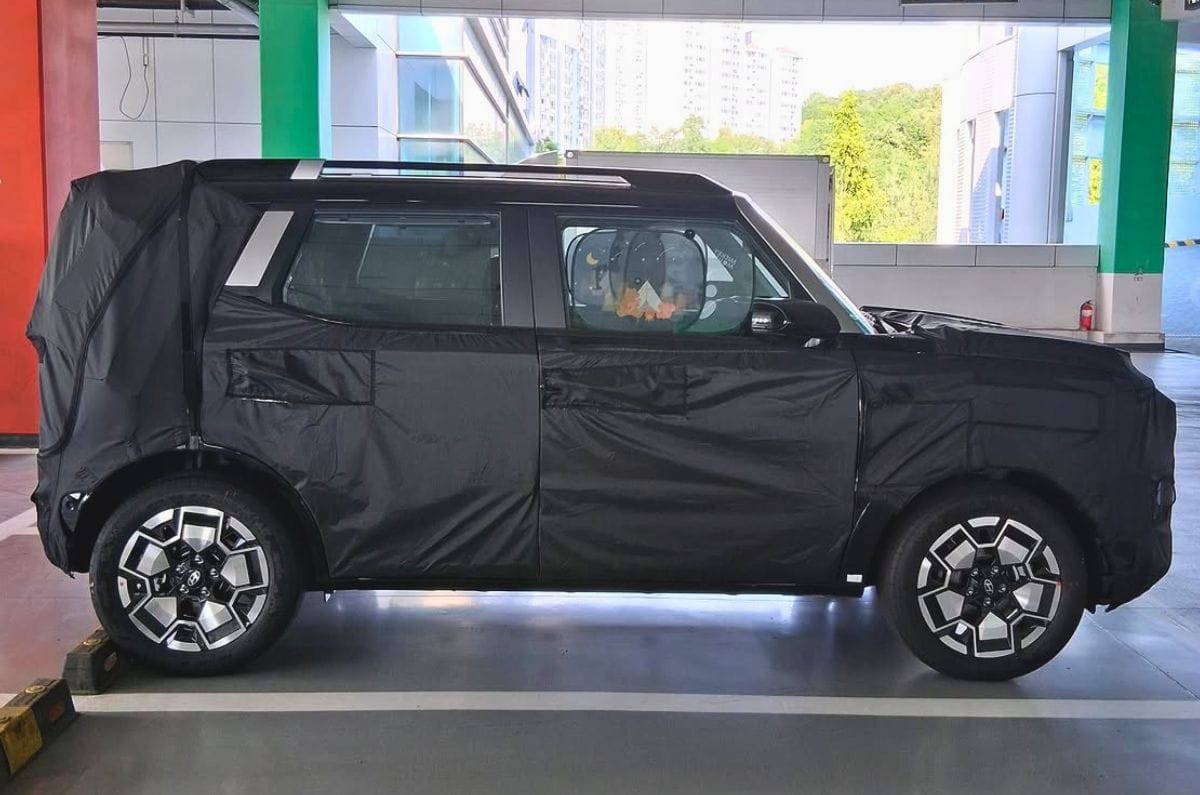
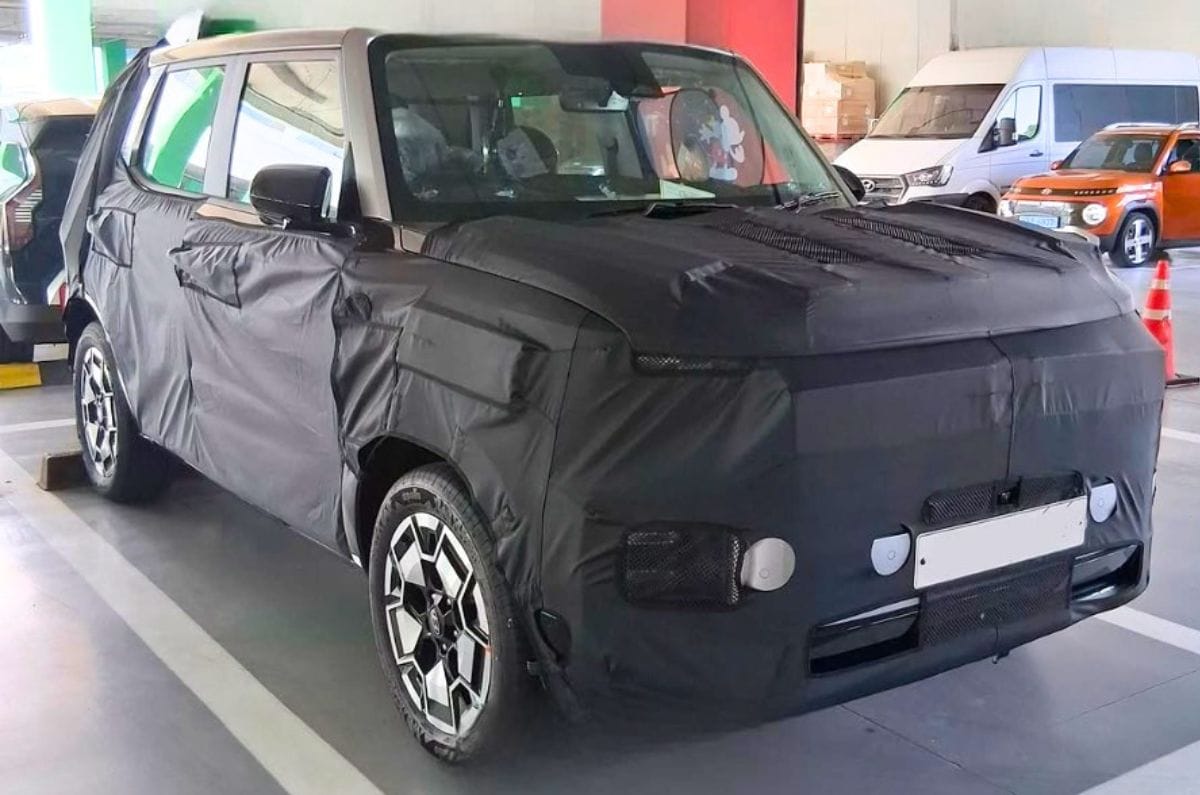
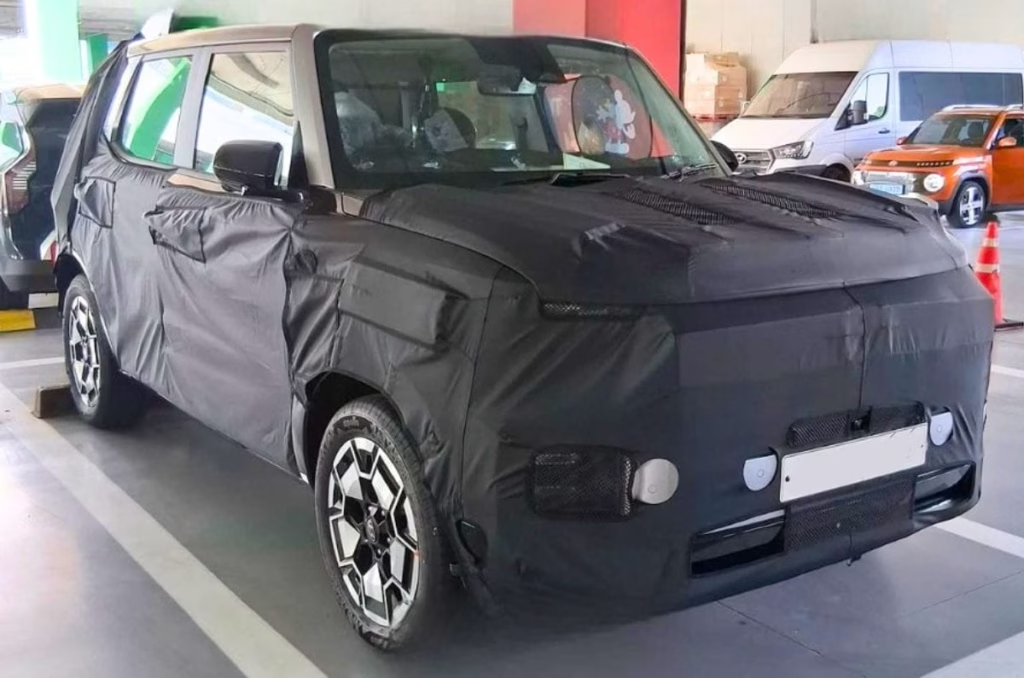
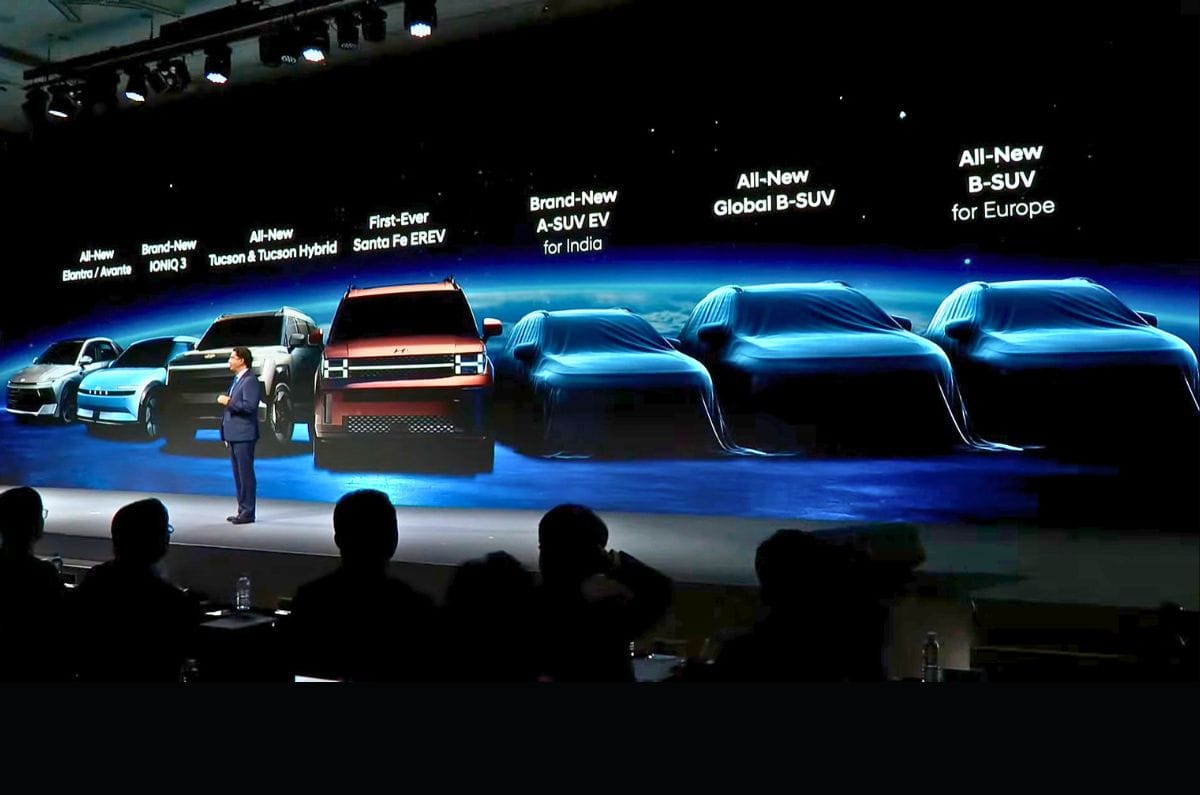
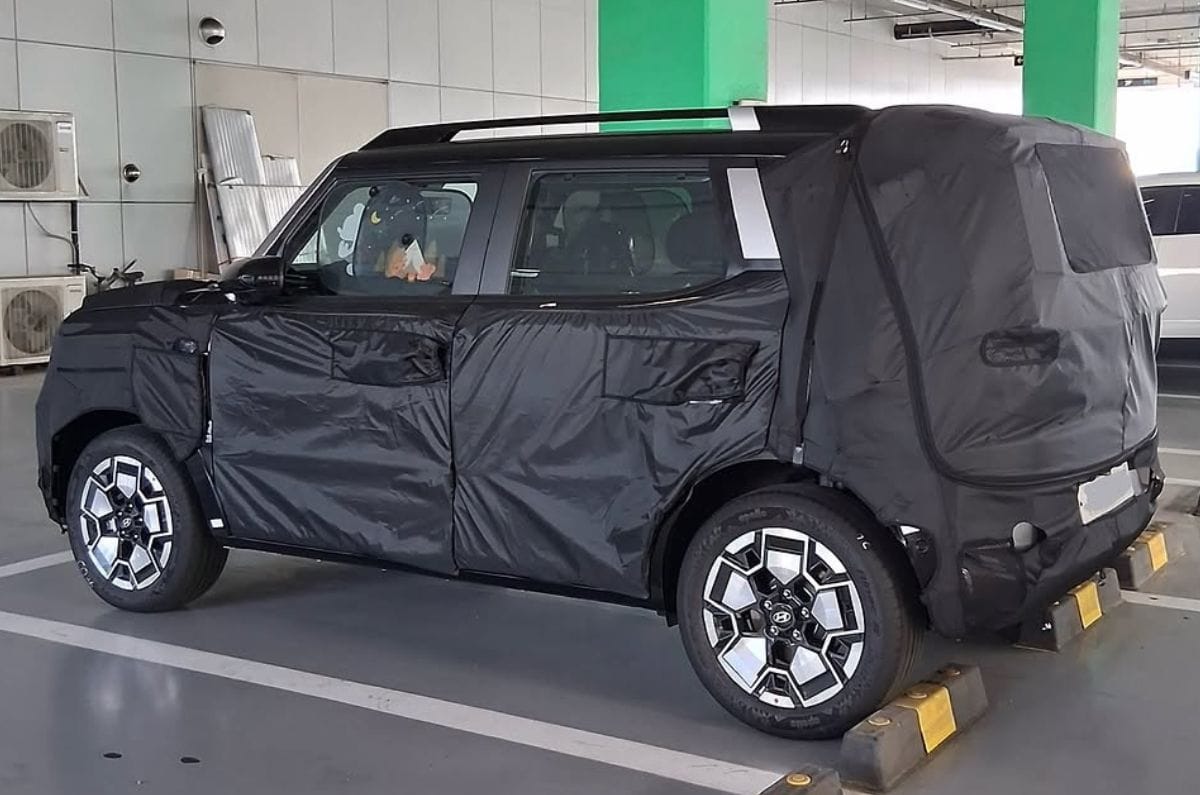
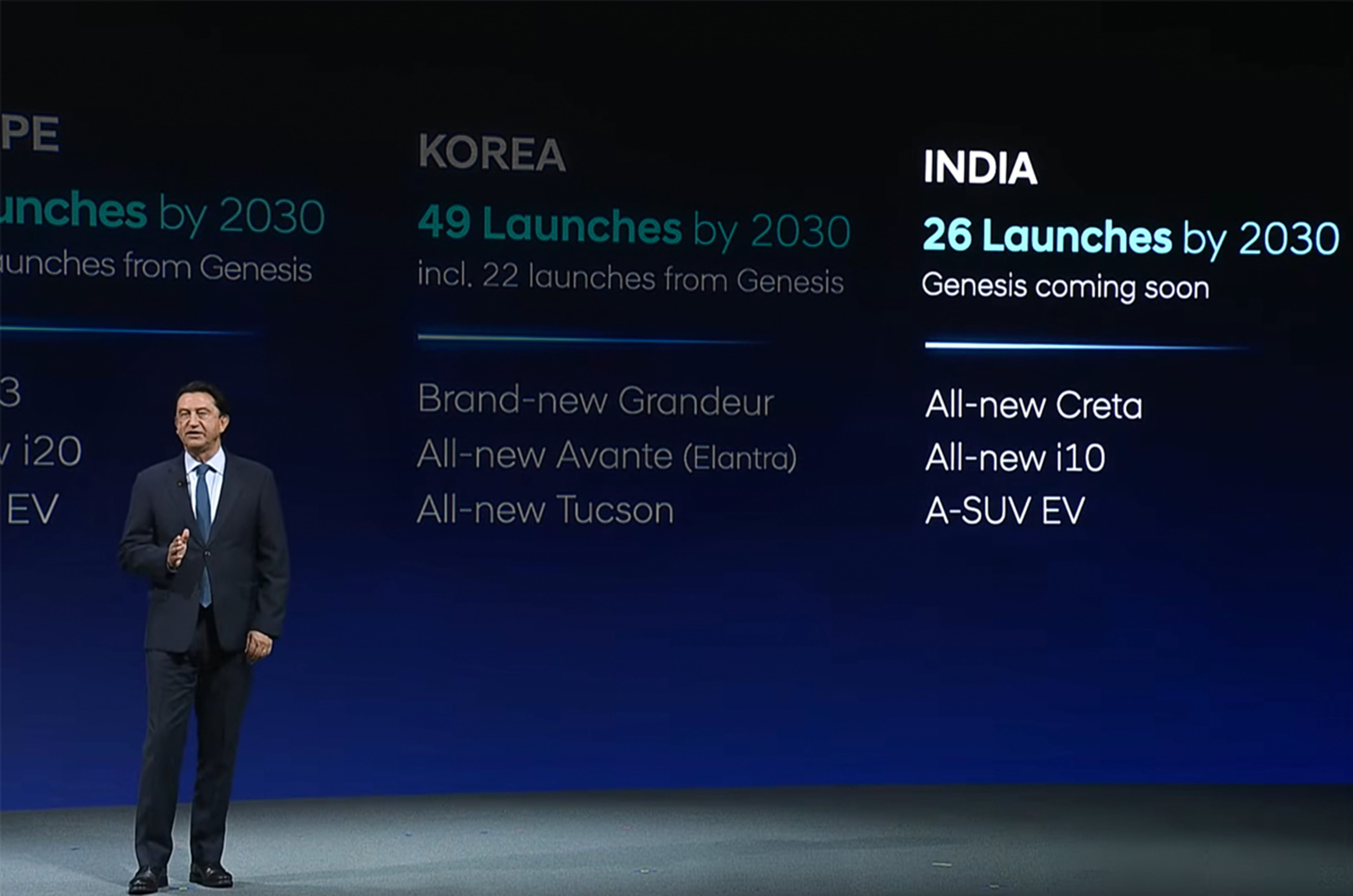
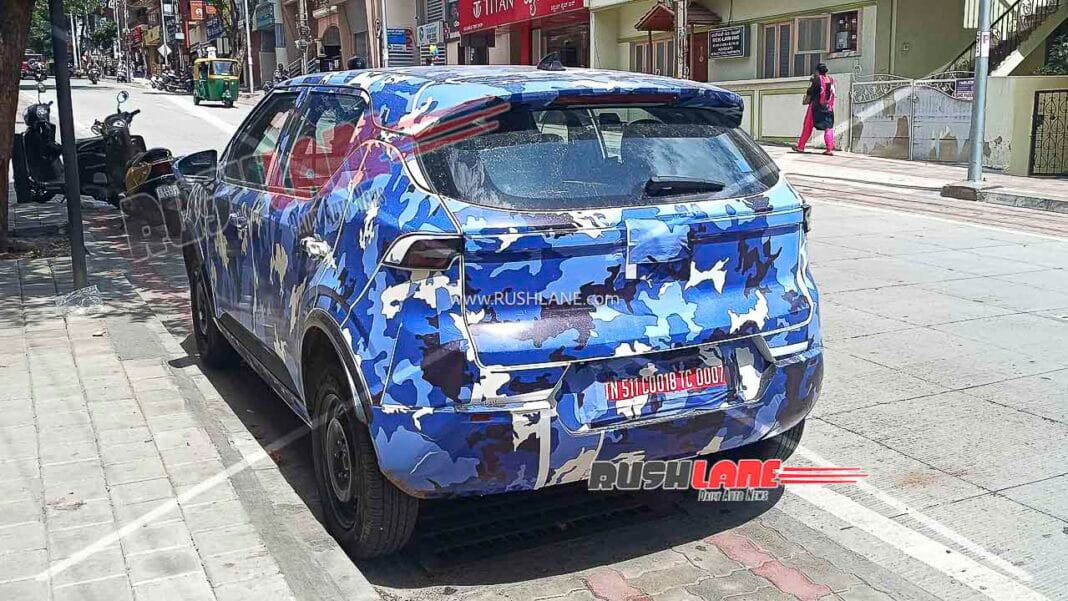
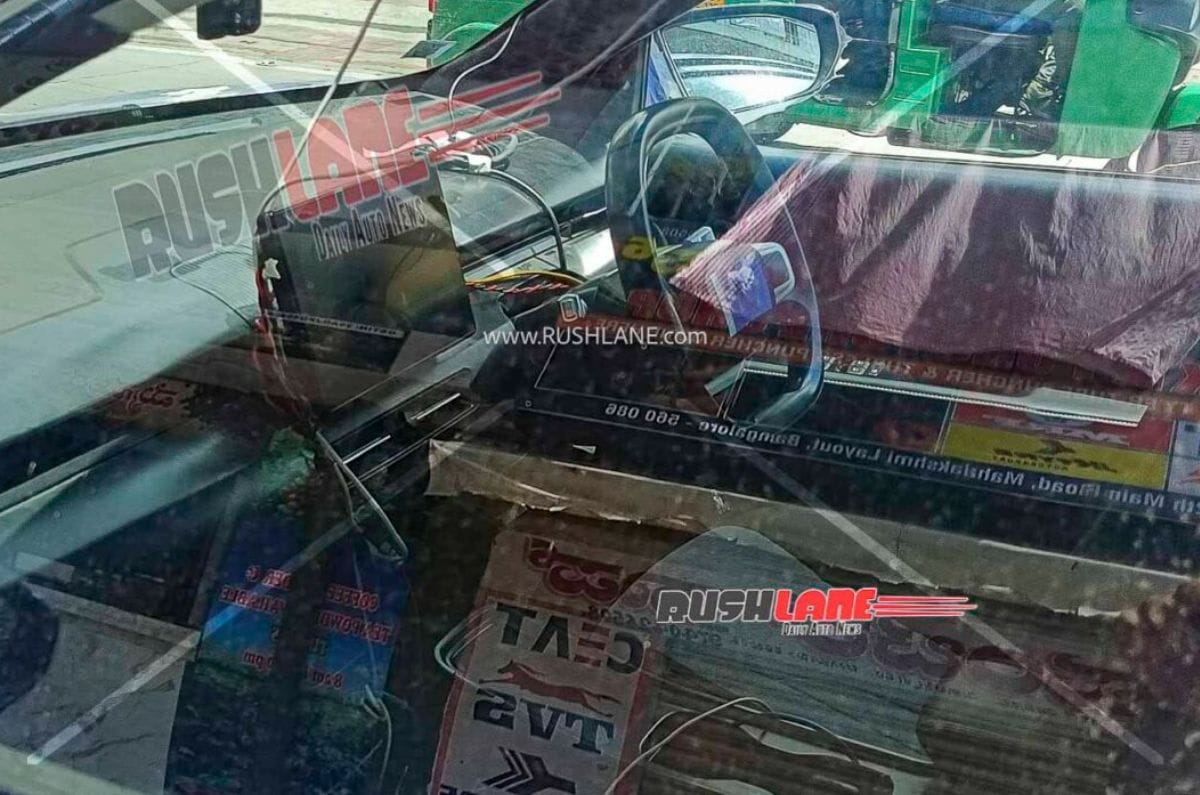
Hyundai’s upcoming compact electric SUV will debut in India in Q1 2027. The carmaker had initially outlined a debut by March 2027 at its 2026 CEO Investor Day, before Hyundai Motor India MD and CEO Tarun Garg told our sister publication Autocar Professional that the EV would arrive earlier, by the end of 2026. According to our sources, the Hyundai compact EV is now slated to debut in January 2027.
Hyundai compact EV: Platform and battery details
Image source: @joonsun_erin on Instagram
Codenamed HE1i, the upcoming compact electric SUV will use Hyundai’s E-GMP (K) platform, which also underpins the Inster EV sold overseas. The new model will be manufactured at Hyundai’s Sriperumbudur plant in Tamil Nadu and has been planned specifically for the Indian market.
It will be offered in two versions: Standard Range and Long Range. However, the exact specifications are under wraps. For reference, the Inster EV is offered with 42kWh and 49kWh battery packs, with claimed WLTP ranges of up to 300km and 355km, respectively. The Inster Standard Range produces 97hp and 147Nm, while the Long Range version produces 115hp and 147Nm.
The compact EV will initially use battery cells supplied by Svolt. Hyundai plans to shift to locally sourced cells through its association with Exide, following delays in the latter’s battery production.
Hyundai compact EV: Features and rivals
Hyundai has confirmed that the compact EV will feature Level 2 ADAS and a ‘next-generation infotainment system’, which could be the Pleos Connect system seen in some of the brand’s newer models.
For reference, the international-spec Hyundai Inster gets dual 10.25-inch displays for the instrument cluster and infotainment system, automatic climate control and a 360-degree camera with blind-spot monitoring. It remains to be seen which of these features will make it to the India-spec compact EV.
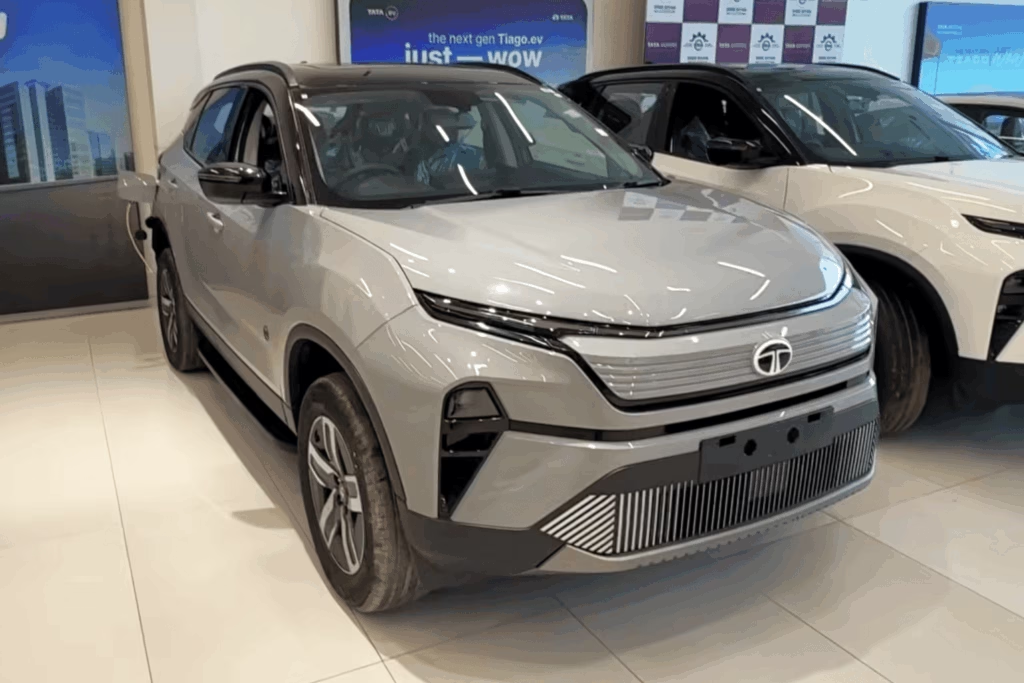
The Hyundai compact EV will rival the Tata Nexon EV, Mahindra XUV 3XO EV and Kia Syros EV in India.
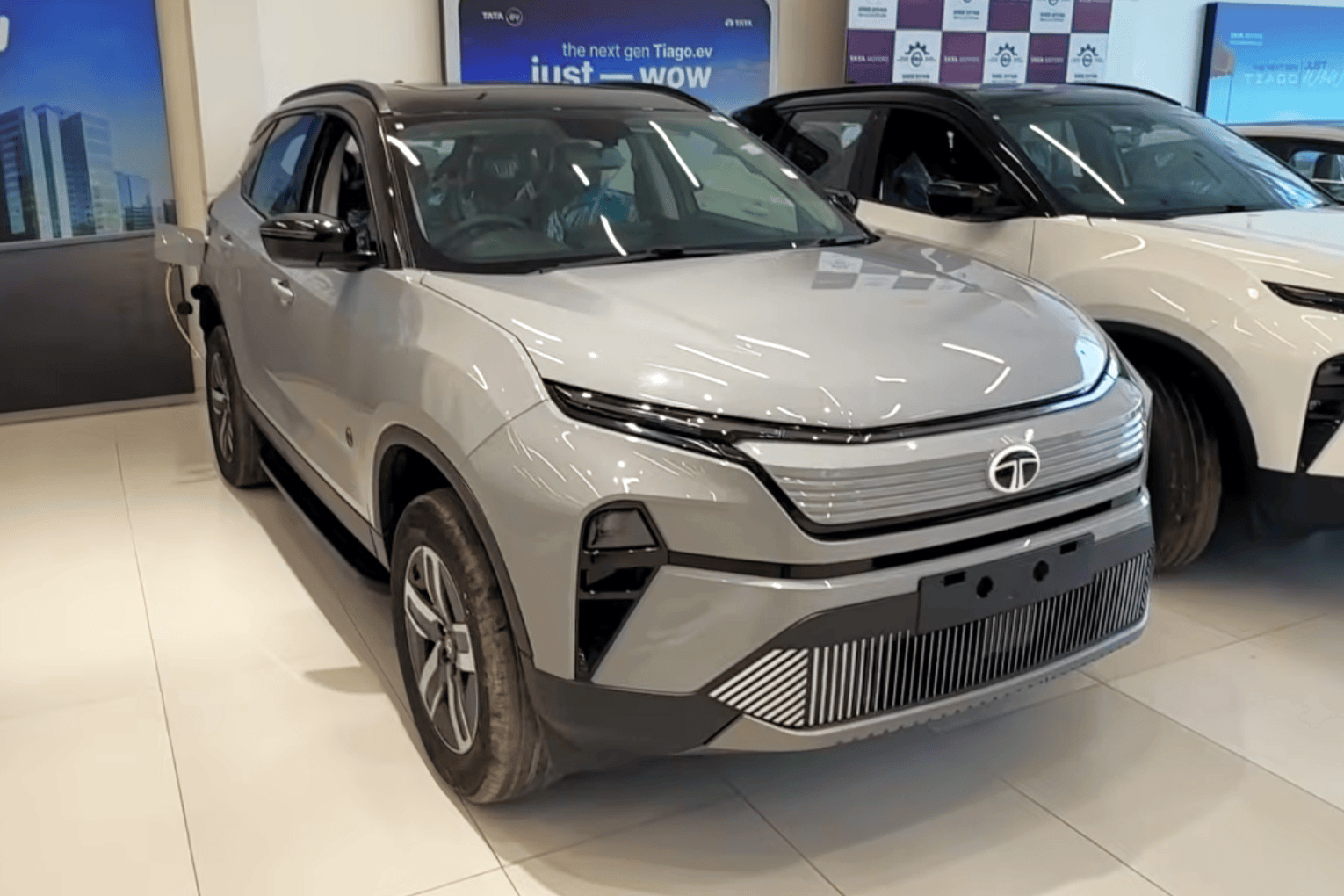
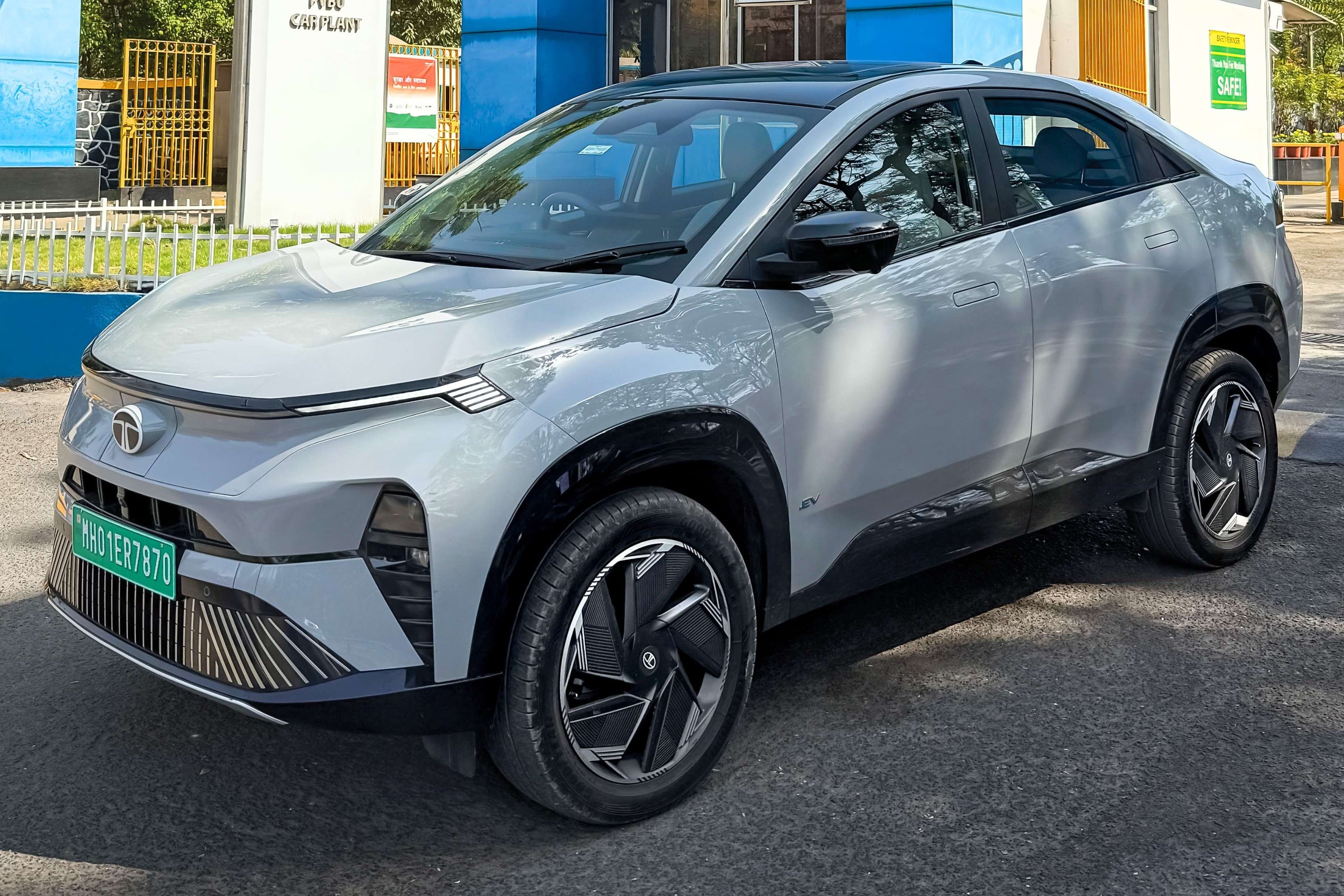
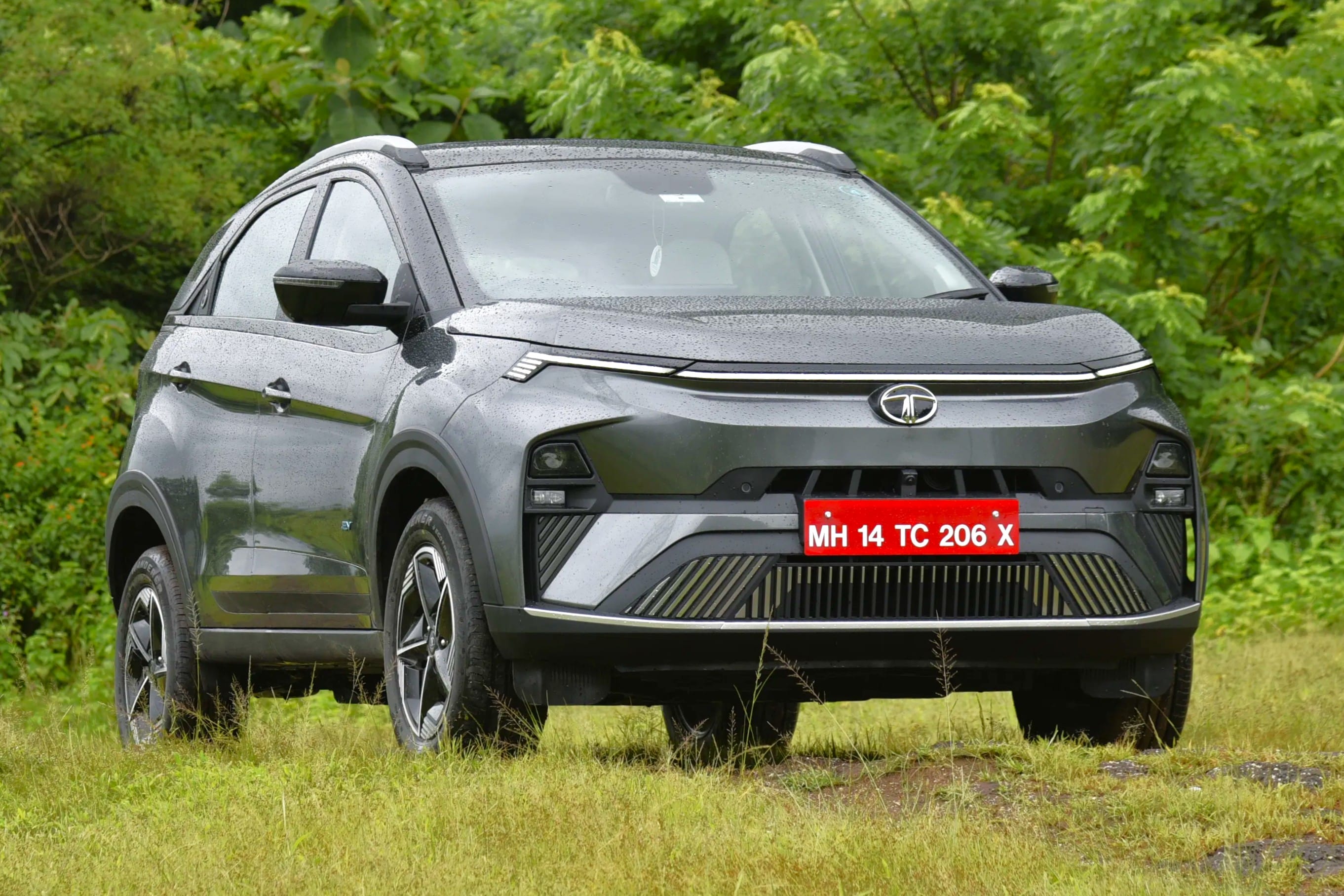
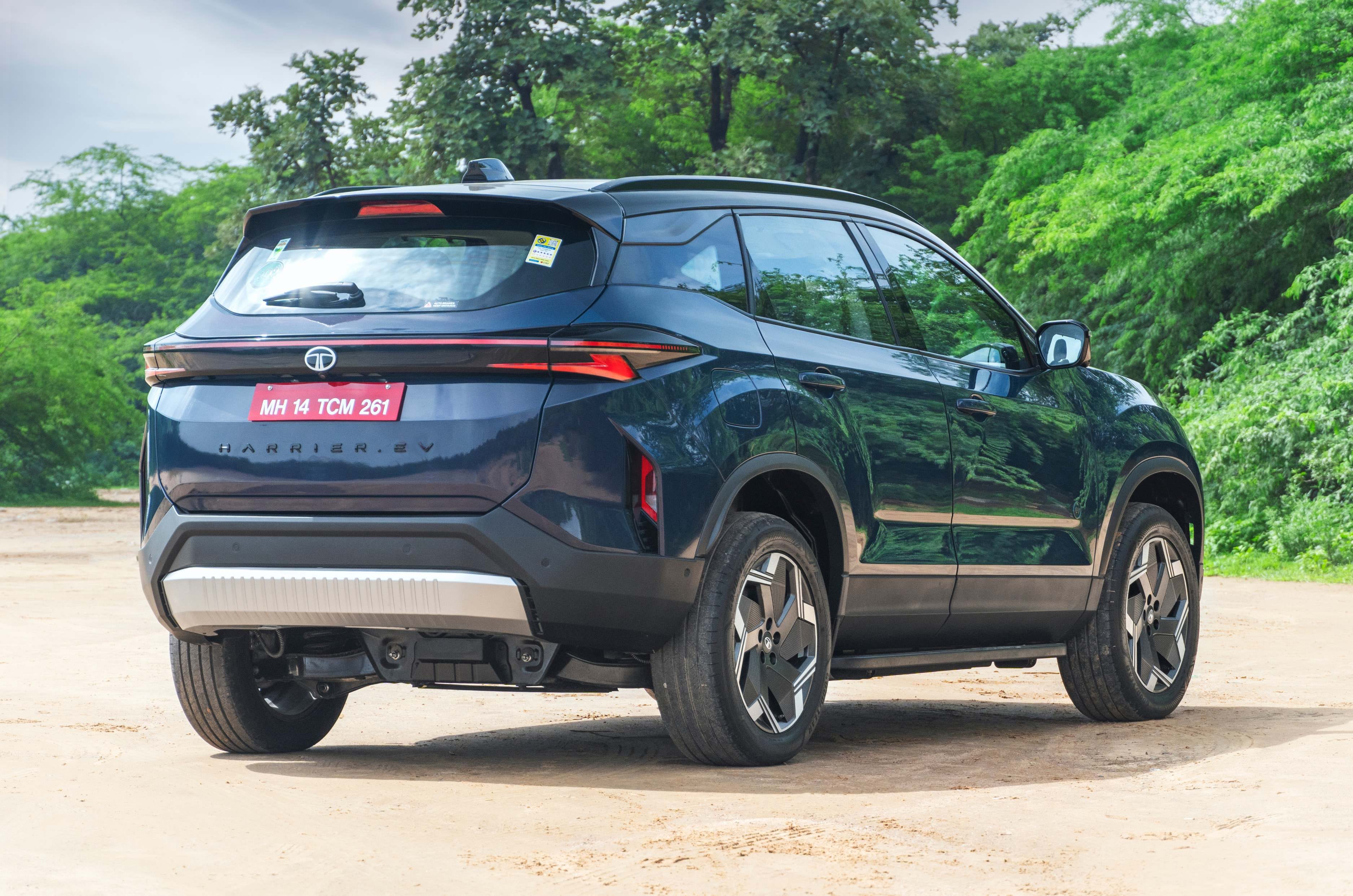
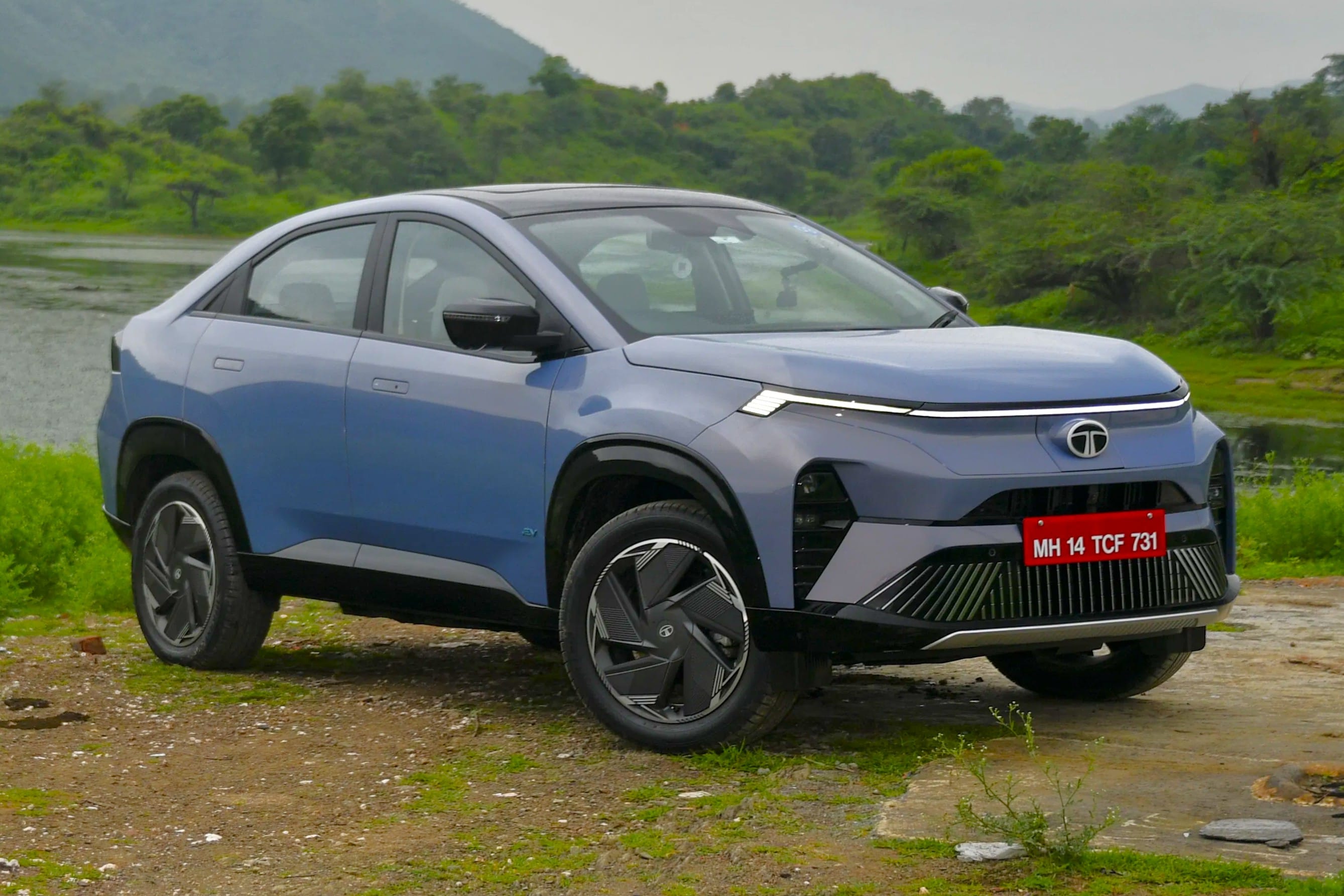
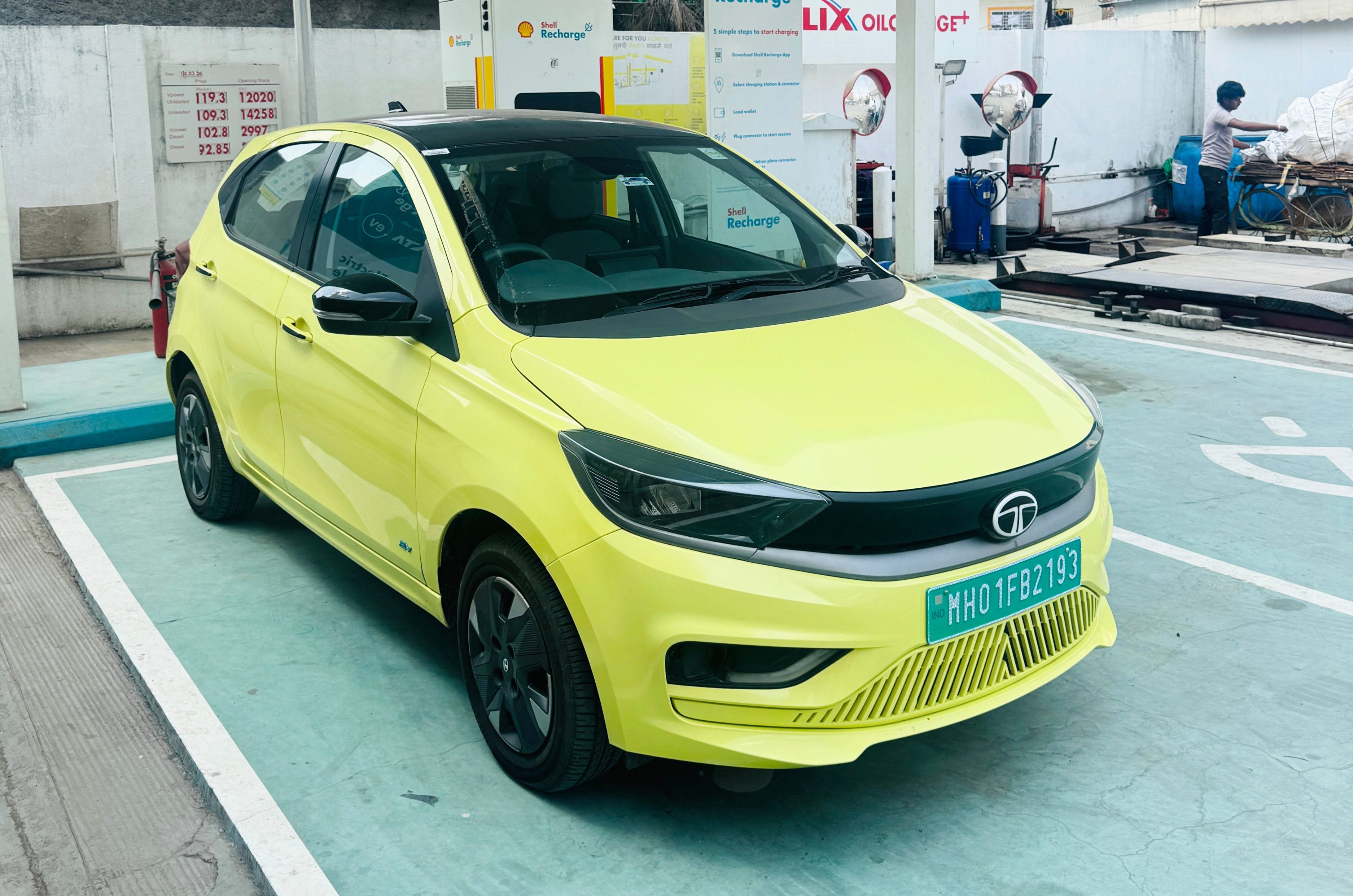
Prospective buyers considering a Tata EV can take advantage of compelling benefits on the Harrier EV, Curvv EV and Nexon EV, among others. These benefits are available throughout October 2026, and depending on the model and variant, they include cash discounts, intervention offers, exchange/scrappage bonuses and loyalty incentives.
Disclaimer: Offers/benefits may vary by city and are subject to stock availability. Buyers are advised to check with their local dealer for exact figures.
Tata Harrier EV discounts in October 2026
Up to Rs 2.75 lakh off
The Harrier EV is available with a maximum benefit of Rs 2.75 lakh for the Fearless+ and Empowered trims. These include an intervention offer of Rs 1 lakh, an exchange/scrappage bonus of up to Rs 75,000 and a loyalty incentive of up to Rs 1 lakh. However, if you’re specifically looking to buy the top-spec Empowered AWD Stealth ACFC variant, you get a lower Rs 50,000 intervention offer, dropping the total benefit to Rs 2.25 lakh.
Lower-spec Adventure variants of the Harrier EV, meanwhile, get a intervention offer of Rs 75,000, bringing the total benefit to Rs 2.5 lakh. Pricing for the Harrier EV starts at Rs 21.79 lakh and tops off at 29.79 lakh, excluding premiums for cosmetic packages.
Tata Curvv EV discounts in October 2026
Up to Rs 3.35 lakh off
For the Curvv EV, benefits extend to Rs 3.35 lakh for variants available prior to the coupe-SUV’s SeriesX update in May 2026. These include a Rs 3 lakh cash discount and an exchange/scrappage bonus of up to Rs 35,000. However, the base Curvv EV Creative variant (pre-SeriesX) features a Rs 2.5 lakh cash discount instead, lowering the total benefit to Rs 2.85 lakh. The Curvv’s current SeriesX variants come with a maximum benefit of Rs 65,000, which comprises an exchange/scrappage offer of up to Rs 35,000 and a Rs 30,000 loyalty incentive. The Curvv EV is priced in the Rs 17.19 lakh-19.39 lakh range.
Tata Nexon EV discounts in October 2026
Up to Rs 45,000 off
All variants of the Nexon EV can be purchased with benefits of up to Rs 45,000 in October. These benefits comprise a cash discount of Rs 10,000 and an exchange/scrappage bonus of up to Rs 35,000. The Nexon EV price starts at Rs 12.49 lakh and tops out at Rs 17.69 lakh, excluding premiums for cosmetic packages.
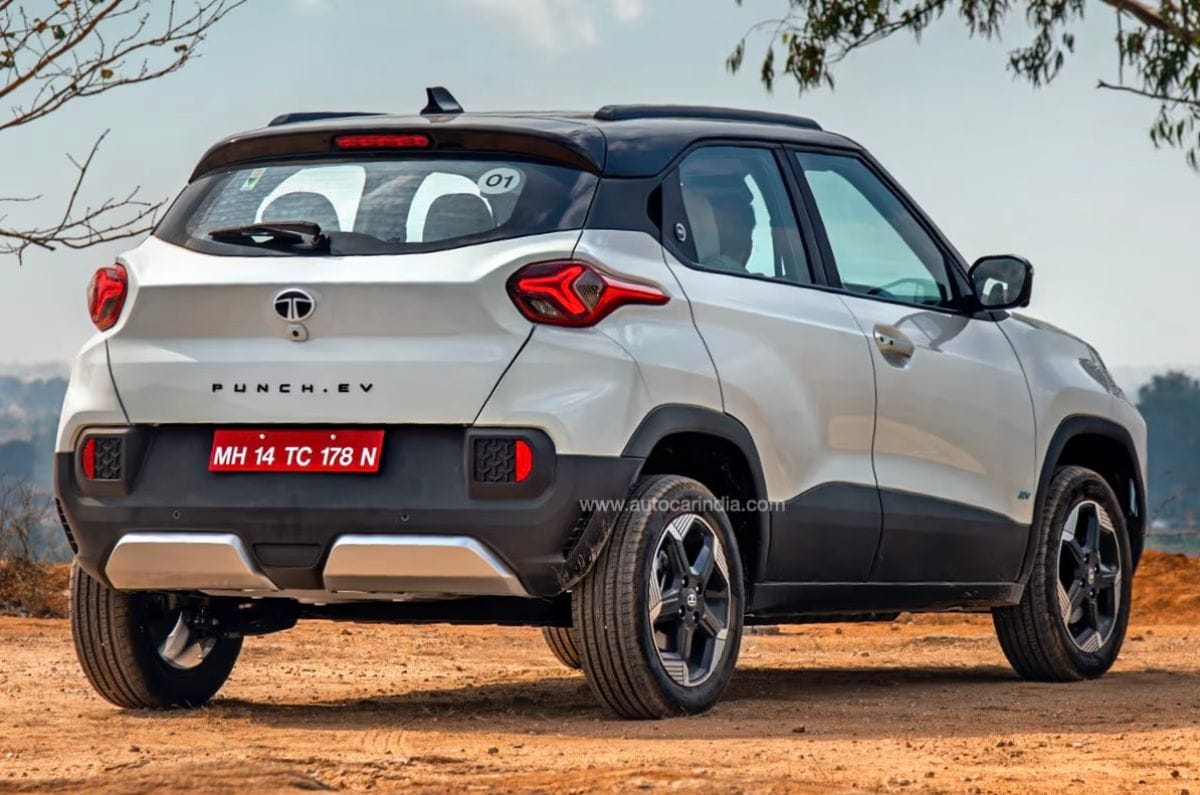
Tata Punch EV discounts in October 2026
Up to Rs 1.45 lakh off (pre-facelift only)
Long Range (35kWh) variants of the pre-facelift Punch EV are available with benefits of up to Rs 1.45 lakh, which include a Rs 1.1 lakh cash discount and an exchange/scrappage bonus of up to Rs 35,000. Medium Range (25kWh) variants lower the cash discount to Rs 90,000, making for a total benefit of Rs 1.25 lakh. Finally, the base Punch EV Smart variant is available with a Rs 60,000 cash discount, so the total benefit for it works out to Rs 95,000.
Tata Tiago EV discounts in October 2026
Up to Rs 1.45 lakh off (pre-facelift only)
The pre-facelift Tiago EV gets a total benefit of Rs 1.45 lakh for the mid-spec XT Long Range (24kWh) variant. These comprise a Rs 70,000 cash discount, a Rs 50,000 intervention offer and an exchange/scrappage bonus of up to Rs 25,000. The higher-spec XZ+ Long Range variant instead gets a Rs 1 lakh cash discount but no intervention offer, amounting to total benefits of Rs 1.25 lakh. Lastly, all Medium Range (19kWh) variants of the pre-facelift Tiago EV feature a Rs 40,000 cash discount, which means a combined benefit of Rs 65,000.
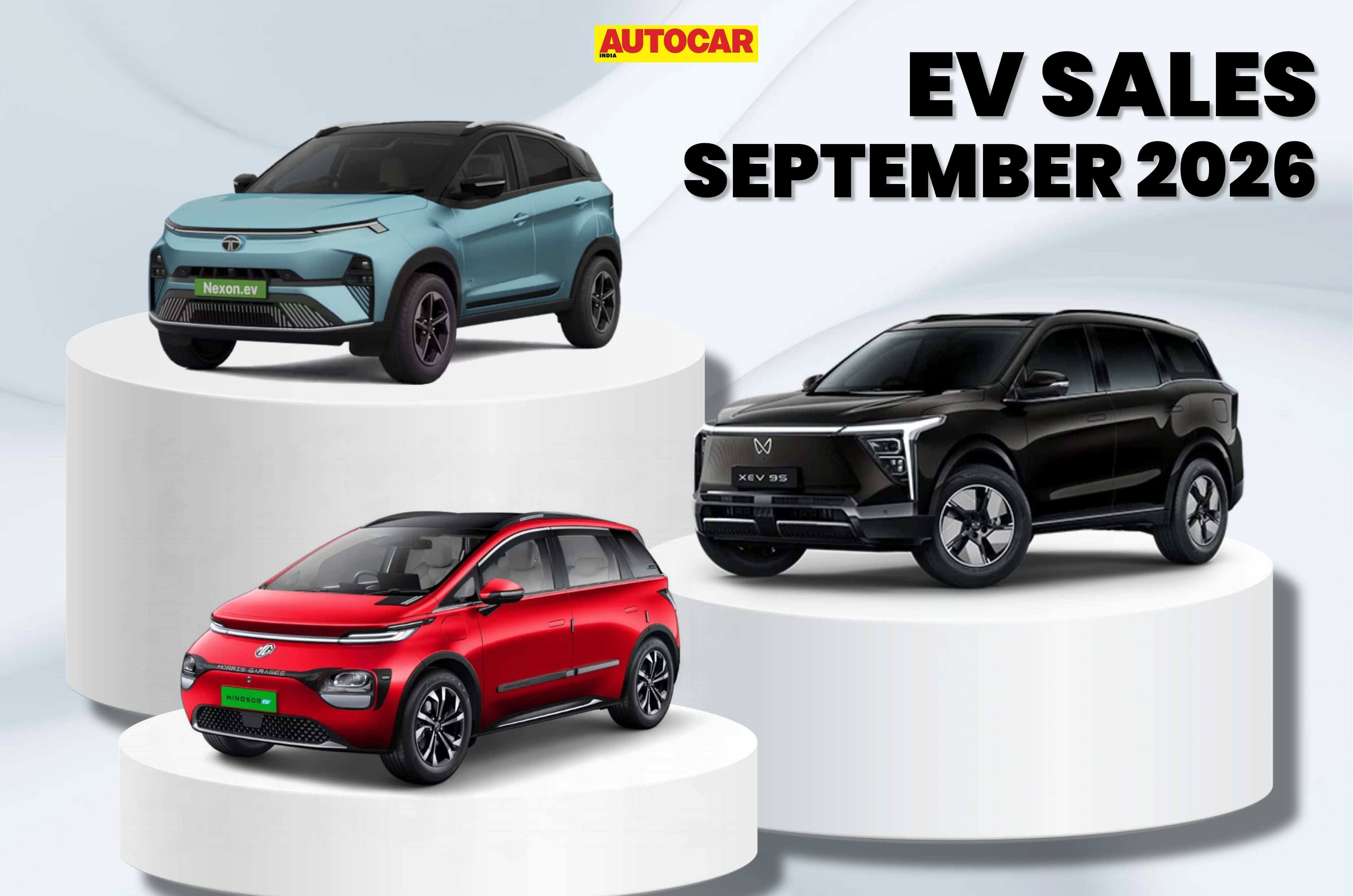
Retail sales of electric passenger vehicles reached a new monthly high of 35,995 units in September 2026, up 94 percent from the same month last year and marking the fourth consecutive month with sales above 30,000 units. Tata Motors retained the top spot with 14,769 units and a 41 percent market share, while Kia moved ahead of Maruti Suzuki to take fifth place. H1 FY2027 EV sales now stand at 1,90,946 units, up 88 percent year on year, putting the industry within 29,971 units of the full-year FY2026 tally.
September 2026 EV sales
Rank
OEM
Sep 2026
Sep 2025
YoY change
Market share
1
Tata Motors
14,769
7,353
101%
41.03%
2
Mahindra & Mahindra
7,779
3,972
96%
21.61%
3
JSW MG Motor India
5,242
4,800
9%
14.56%
4
Vinfast India
2,963
6
49,283%
8.23%
5
Kia India
1,263
598
111%
3.50%
6
Maruti Suzuki India
1,103
–
–
3.06%
7
BYD India
836
732
14%
2.32%
8
Hyundai Motor India
792
404
96%
2.20%
9
BMW India
502
369
36%
1.39%
10
Tesla
291
69
322%
0.80%
11
Toyota Kirloskar Motor
218
–
–
0.60%
12
Mercedes-Benz India
125
137
-9%
0.34%
13
Stellantis India
55
47
17%
0.15%
14
Volvo India
45
24
88%
0.12%
15
Porsche India
11
8
38%
0.03%
16
JLR India
1
0
–
0.00%
17
Audi India
0
0
–
0.00%
18
Lotus
0
0
–
0.00%
19
Rolls-Royce
0
1
-100%
0.00%
Total
35,995
18,520
94%
100%
Tata Motors
14,769 units, up 101 percent YoY
Tata Motors sold 14,769 electric passenger vehicles in September, up 101 percent from 7,353 units in the same month last year. This was the company’s highest monthly EV sales yet, surpassing the previous record of 14,388 units in July. September was also its fourth consecutive month with sales above 12,000 units.
Tata’s EV market share stood at 41.03 percent, up from 39.70 percent in September 2025. The Nexon EV remains its biggest volume driver, while the updated Tiago EV and Punch EV have also contributed to sales. During the month, Tata also extended its Battery-as-a-Service (BaaS) offering to the Nexon EV, Curvv EV, Sierra EV and Harrier EV.
Mahindra
7,779 units, up 96 percent YoY
Mahindra sold 7,779 EVs in September, up 96 percent from 3,972 units a year ago. The company retained second place in the electric PV market, although its sales remained below the monthly record of 8,131 units set in July. Mahindra’s EV market share increased to 21.61 percent from 21.44 percent in September 2025. The BE 6 and XEV 9e continue to make up its main EV offering, while the XEV 9S adds a three-row model to the line-up. Mahindra also recently extended its Battery-as-a-Service (BaaS) ownership programme to the XEV 9S and the XEV 9e.
JSW MG Motor
5,242 units, up 9 percent YoY
JSW MG Motor recorded 5,242 EV sales in September, up 9 percent from 4,800 units a year earlier and 6 percent from August. The company retained third place, although its market share fell to 14.56 percent from 25.91 percent in September 2025.
June remains MG’s best month so far, with 6,220 units. The Windsor EV continues to be its highest-selling model, while the recently launched Hector Tomahawk EV adds another model to its electric line-up. MG also has introduced a battery-as-a-service (BaaS) scheme for the Cyberster and M9 EVs.
Vinfast
2,963 units, up 49,283 percent YoY
Vinfast retained fourth place with 2,963 EVs sold in September, its highest monthly sales since entering India’s electric passenger vehicle market. Sales were up 32 percent from August, giving the company an 8.23 percent market share.
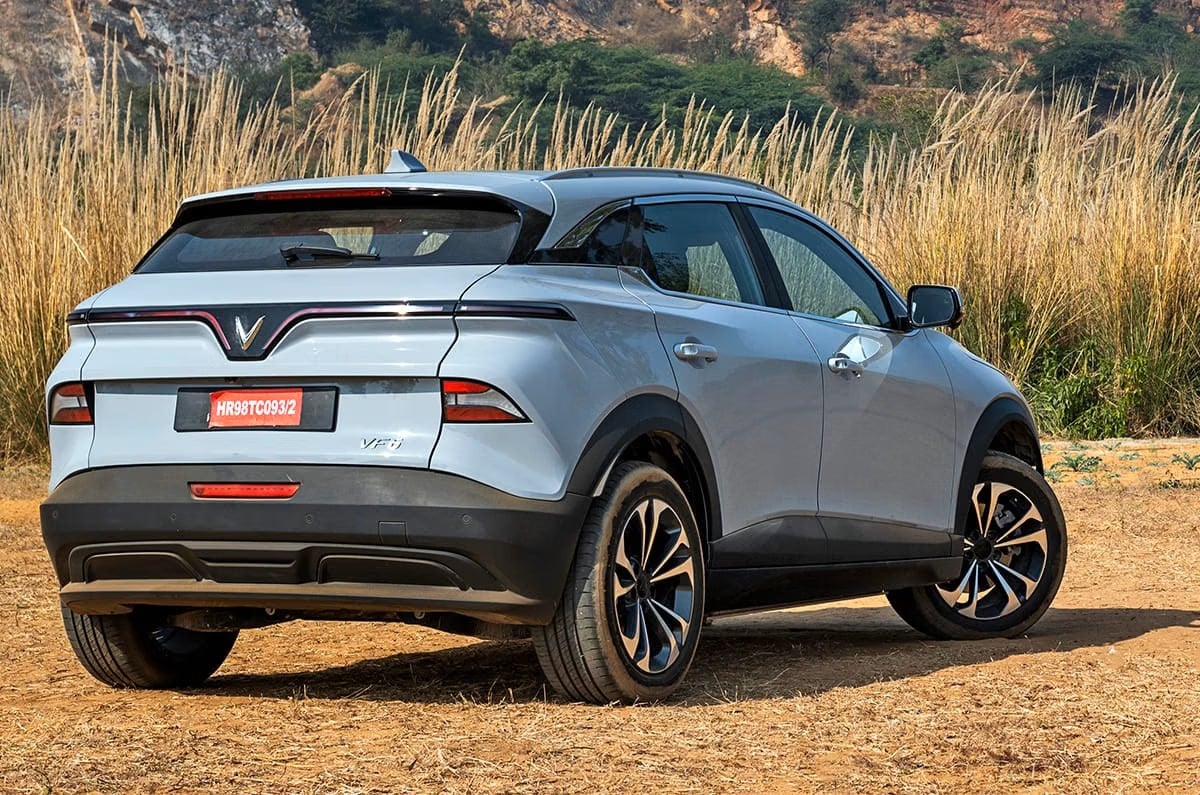
Vinfast currently has three models in its passenger vehicle portfolio: the VF6 and VF7 SUVs, and the VF MPV 7. Its cumulative H1 FY2027 sales stand at 10,826 units.
Kia
1,263 units, up 111 percent YoY
Kia moved ahead of Maruti Suzuki to take fifth place in September after recording 1,263 EV sales, up 111 percent from 598 units in September 2025. Sales also increased 48 percent from August’s 851 units. Kia’s EV market share increased to 3.50 percent, compared with 3.22 percent a year earlier. The increase follows the launch of the Syros EV in August. Kia also sells the Carens Clavis EV in India, while the EV6 and EV9 are sold as fully imported models.
Maruti Suzuki
1,103 units
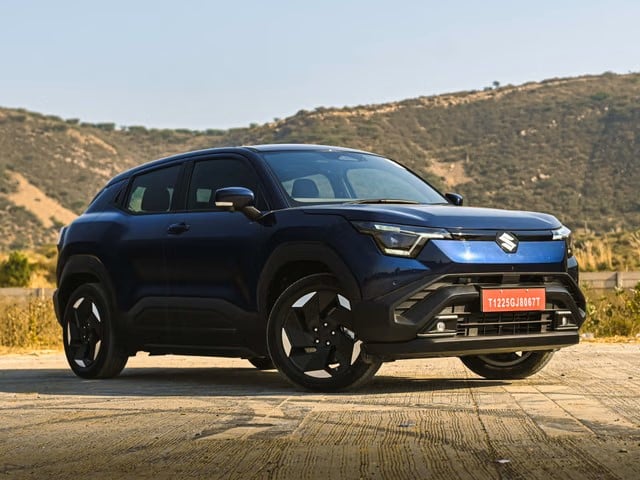
Maruti Suzuki slipped to sixth place, with 1,103 e Vitara units sold in September. Sales declined 25 percent from August’s 1,472 units, although September marked the company’s sixth consecutive month with four-digit EV sales. The e Vitara has so far seen limited domestic availability as a larger share of production was allocated for exports. Maruti is expected to increase domestic production with the start of operations at its new manufacturing line at the Hansalpur plant in Gujarat.
BYD
836 units, up 14 percent YoY
BYD sold 836 EVs in September, up 14 percent from 732 units in the same month last year. Its market share stood at 2.32 percent, down from 3.95 percent a year earlier. June remains BYD India’s highest-selling month so far, with 938 units. Its current line-up includes the Atto 3, eMax 7, Seal and Sealion 7, while the company has confirmed plans to launch the Seal U later this year.
Hyundai
792 units, up 96 percent YoY
Hyundai sold 792 EVs in September, up 96 percent from 404 units a year ago. This was its second-highest monthly sales tally in FY2027, after 840 units in August. The company sold a total of 3,650 EVs in H1 FY2027, down 8 percent from the 3,951 units sold in H1 FY2026. Hyundai currently has the Creta Electric and Ioniq 5 in its EV line-up.
Toyota
218 units
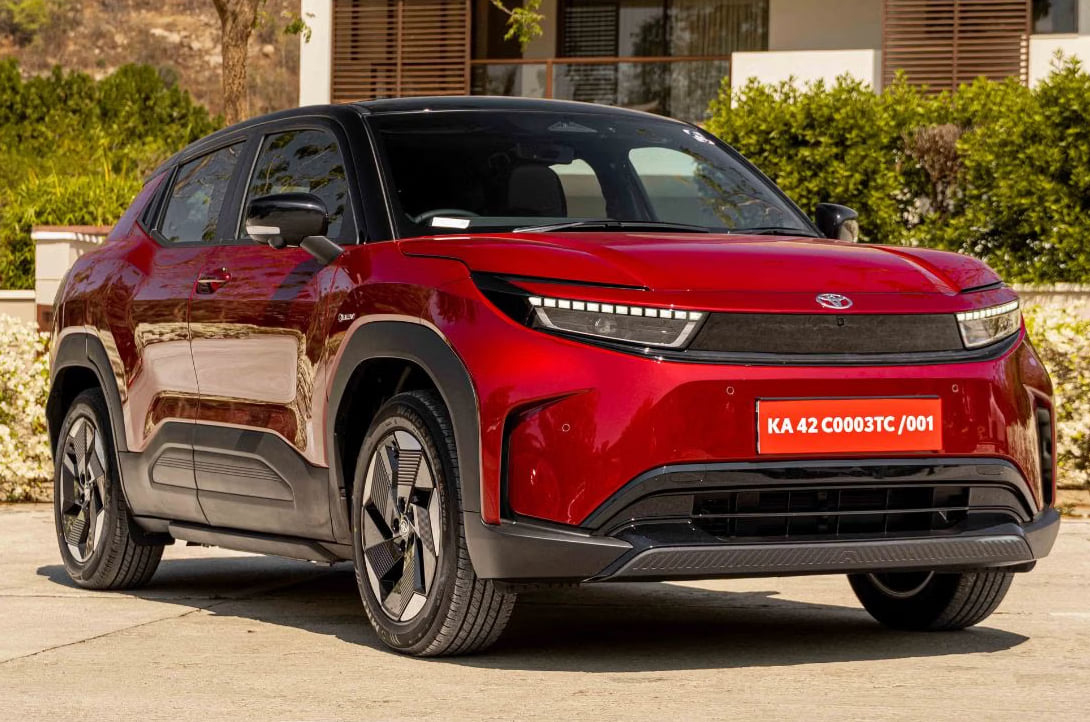
Toyota recorded 218 units of the Urban Cruiser Ebella in September, its highest monthly sales of the electric SUV since launch. Sales were up 30 percent from the 168 units sold in August. The Ebella is Toyota’s version of the Maruti e Vitara and is positioned against models including the Mahindra BE 6, Vinfast VF6, MG ZS EV, Hyundai Creta Electric and Tata Nexon EV.
Luxury EV sales hit new high
Luxury electric passenger vehicle sales also reached a new monthly high of 975 units in September, up 60 percent from 608 units a year earlier. This surpassed the previous record of 853 units set in June. Luxury EVs accounted for 2.70 percent of total electric passenger vehicle sales in September.
BMW
502 units, up 36 percent YoY
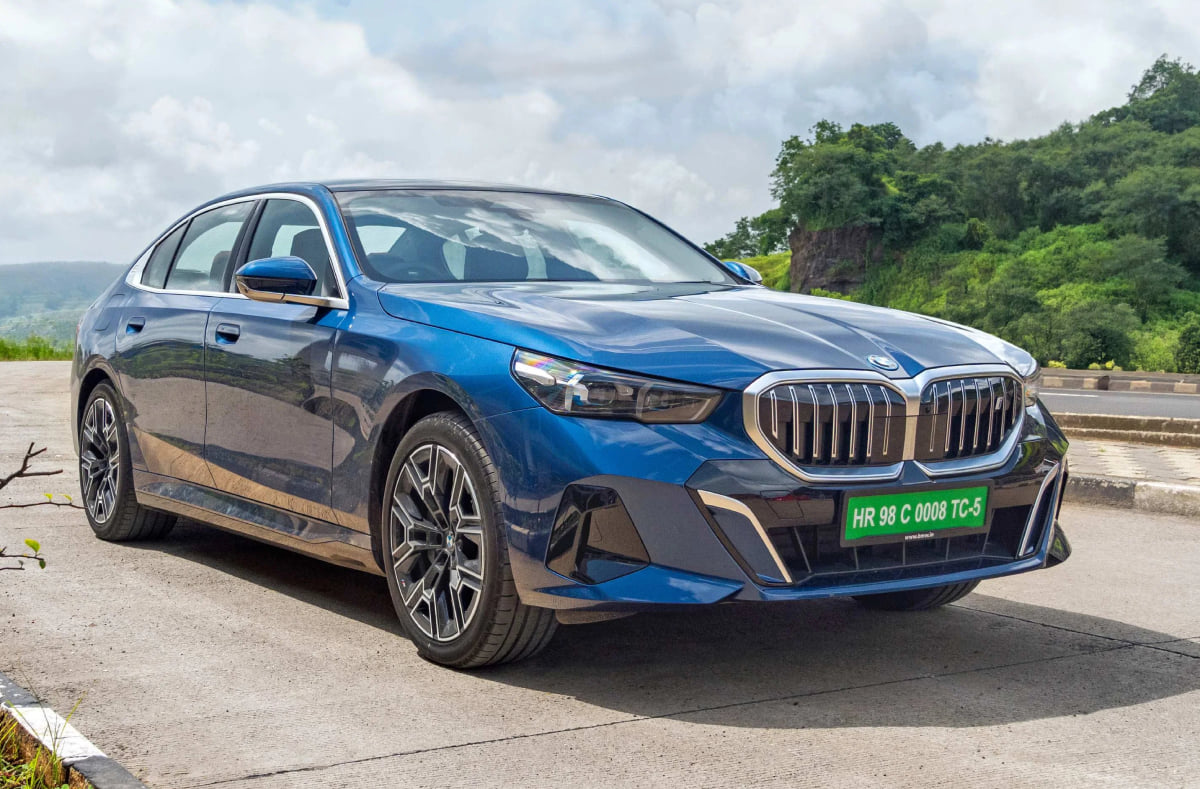
BMW remained the largest luxury EV seller in September with 502 units, up 36 percent from 369 units a year earlier. Its market share stood at 51.48 percent, down from 60.69 percent in September 2025. BMW recently expanded its electric line-up with the i5 Long Wheelbase, which was launched in India in September at Rs 79.6 lakh. It is the company’s first locally produced electric sedan in India. BMW has also recently updated the i7 range, with 50 xDrive M Sport trim and the top-spec M70 xDrive.
Tesla
291 units, up 322 percent YoY
Tesla recorded 291 units in September, its highest monthly sales in India, up 322 percent from 69 units a year earlier. The increase moved Tesla ahead of Mercedes-Benz and into second place in the luxury EV segment for the first time. Its segment share rose to 29.84 percent from 11.34 percent in September 2025.
Mercedes-Benz
125 units, down 9 percent YoY
Mercedes-Benz sold 125 EVs in September, down 9 percent from 137 units in the same month last year. Its share of the luxury EV segment fell to 12.82 percent, from 22.53 percent a year earlier. The company’s highest monthly EV sales this year came in June, when it recorded 245 units.
Volvo
45 units, up 88 percent YoY
Volvo recorded 45 EV sales in September, up 88 percent from 24 units a year earlier. Its market share increased to 4.61 percent, from 3.94 percent in September 2025.
Porsche
11 units, up 38 percent YoY
Porsche sold 11 EVs in September, up 38 percent from eight units in September 2025. It accounted for 1.12 percent of luxury EV sales during the month.
Car buyers today are pretty spoilt for choice. Beyond a multitude of brands, body styles and variants, there are now more fuel options than ever before. Petrol, diesel, CNG, hybrid, electric, and soon even ethanol-powered vehicles are all vying for attention, making the decision increasingly complicated. So, which powertrain makes the most sense for you?
Tata Nexon models (left to right): Petrol, diesel, petrol-CNG and EV.
To answer that question, we turned to one of the most versatile models on sale in India – the Tata Nexon. Few vehicles offer such a broad range of powertrain choices, and with design, space, practicality, safety and features remaining largely consistent across the range, the Nexon provides the perfect platform to isolate the one key variable – the fuel itself. So, we got together the turbo-petrol, CNG, diesel, as well as the EV to find out each fuel’s pros and cons, and thus, which would best fit your needs.
Disclaimer: Fuel prices vary from state to state.
Tata Nexon turbo-petrol: Fuss free
Tata’s 1.2-litre, three-cylinder ‘Revotron’ turbo-petrol engine debuted with the Nexon in 2017 and received a power bump in 2020, taking outputs to 120hp and 170Nm. Today, it is offered with an unusually wide range of transmission choices – a 5-speed manual, 6-speed manual, 6-speed AMT and a 7-speed dual-clutch automatic.
Prices start at Rs 7.40 lakh and extend up to Rs 13.90 lakh, ex-showroom (excluding dual-tone, Dark and Red Dark editions). Its broad variant spread and attractive pricing are key reasons why the turbo-petrol accounts for 42 percent of all Nexon sales.
The engine offers decent driveability and benefits from selectable Eco, City and Sport drive modes. But outright performance, refinement and smoothness aren’t class-leading and not what you get from other turbo-petrols.
Within the range, the 7-speed DCA stands out as the most desirable option. Despite accounting for less than 4 percent of total Nexon sales, it is arguably the nicest ICE-powered Nexon on sale. The wet-clutch dual-clutch transmission prioritises smoothness over sportiness and suits the engine’s character well. While downshifts can occasionally feel a touch hesitant, the overall experience is noticeably more polished than the manual and AMT alternatives. Notably, the top-spec Turbo DCA is the best-equipped ICE version and is also the only version to offer ADAS.
Fuel efficiency, however, remains this powertrain’s weakest area. In our tests, the turbo-petrol DCA returned 7.7kpl in the city and 13.9kpl on the highway, translating to an average running cost of Rs 9.46 per kilometre – the highest among all Nexon powertrains.
To put that into perspective, even though a fully loaded Fearless + A PS DCA is Rs 2.65 lakh more affordable than a top-spec Empowered + A 45 EV, the EV’s significantly lower running costs (of Rs 1.03 per km using home charging) allow owners to recover that initial price difference in roughly 32,000km.
Tata Nexon diesel: Highway star
The diesel range starts at Rs 9.15 lakh and extends up to Rs 14.40 lakh for the top-spec AMT. Interestingly, while the diesel once outsold the petrol version in the Nexon’s early years, buyer preferences shifted following the BS6 transition, causing diesel sales to gradually decline to 13 percent. Despite this, Tata has persisted with the fuel, and today remains one of the few carmakers still offering diesel engines in its portfolio.
Instead of adopting a conventional SCR setup with a urea tank, AdBlue injection system and additional electronic controls, Tata developed a Lean NOx Trap system for the 1.5-litre, four-cylinder turbo-diesel engine. Despite this relatively low-cost passive emissions-control system, the price premium over an equivalent turbo-petrol variant remains around Rs 1 lakh – broadly in line with what rivals charge. The only tangible benefit for buyers is that, unlike many competitors, there is no urea tank requiring periodic top-ups, resulting in marginal savings over time and a bit less hassle.
Like the turbo-petrol, refinement isn’t this diesel’s strongest suit. And even though turbo lag is more perceptible than in the petrol iteration, performance flows in a rather strong manner, making it well-suited for highway drives. Its tall fuel efficiency also makes it ideal for those who cover long distances frequently. In our tests, the diesel-manual delivered an impressive average of 17.95kpl, resulting in a running cost of just Rs 5.30 per kilometre – significantly lower than the turbo-petrol.
Tata Nexon EV: Smooth operator
As India’s first widely accessible electric SUV from a domestic manufacturer, the Nexon EV played a pivotal role in democratising EV ownership. Combining brisk performance, usable real-world range and a relatively accessible price point, it opened up the Tata brand to an entirely new set of buyers. For a long time, it was India’s bestselling EV. Within the Nexon range, it accounts for 14 percent of total sales.
Today, the Nexon EV range spans Rs 12.49 lakh to Rs 17.49 lakh, with buyers able to choose between two battery packs – 30kWh and 45kWh. The line-up itself is relatively straightforward, with three trims available for each battery option.
In the real world, the 30kWh version can deliver a little over 200km on a charge, while the larger 45kWh battery can comfortably manage around 350km. For buyers seeking the smoothest and most refined driving experience, nothing quite matches the seamlessness of an EV. Acceleration feels brisk, and its zippy yet seamless performance makes for a hushed, enjoyable drive experience.
The two battery versions differ in more ways than just capacity. The 45kWh version uses Tata’s newer Gen 2 motor, which is lighter, more compact and more efficient than the Gen 1 unit used in the 30kWh variant. The long-range version’s more modern architecture also enables significantly faster DC charging. To put it into perspective, the 30kWh version takes about an hour to charge from 20-80 percent using a DC fast charger, whereas the 45kWh variant achieves the same in just 29 minutes. Not only does the larger battery offer greater range, but it is also quicker to recharge despite its higher capacity, making it the more suitable choice for longer highway journeys.
Interestingly, the EV also enjoys a feature advantage over the best-equipped turbo-petrol DCA, gaining a larger 12.3-inch touchscreen, rear disc brakes, and an electronic parking brake with auto-hold functionality.
Coming to the 45kWh version’s running cost, using a home charger (at an average cost of Rs 8 per unit of electricity), buyers can enjoy driving around at just Rs 1.03 per km. Even if users opt for public DC fast-charging, the rates of which range between Rs 24 and Rs 28 per unit, still, average running costs work out to merely Rs 3.34 per km, which is almost a third of the petrol-automatic’s number and about sixty percent of a diesel-manual’s cost per km.
Tata Nexon CNG: Jack of all trades
There’s a lot Tata has got right with the Nexon CNG. For starters, prices range from Rs 8.35 lakh to Rs 13.60 lakh, positioning it neatly between the petrol and diesel alternatives.
Under the bonnet is the same 1.2-litre, three-cylinder turbocharged engine found in the petrol Nexon. Not only is it India’s first turbo-petrol CNG SUV, but it is also the most powerful, producing 100hp and 170Nm when running on CNG. Impressively, peak torque remains identical to the petrol version, although it is available across a narrower band. As a result, driveability feels remarkably similar to the turbo-petrol, and users are unlikely to find themselves wanting for performance, whether in urban conditions or on the highway.
Being a turbocharged CNG engine, efficiency in city driving can take a hit. In our real-world city test involving frequent stop-start traffic, the Nexon CNG returned 15.1km/kg. Out on the highway, however, flowing traffic and the presence of a sixth gear helped it achieve close to 24km/kg. The end result is an average running cost of just Rs 4.28 per kilometre, making it the most economical option in the ICE line-up.
With driveability that’s remarkably close to the turbo-petrol, lower purchase and running costs than the diesel, and very few compromises in practicality or equipment, the Nexon CNG presents perhaps the strongest all-round case in the range. Its only notable drawback is the limited CNG infrastructure. While station availability continues to improve, rising CNG adoption often leads to longer queues and wait times at many outlets.
Unlike many CNG vehicles, the Nexon CNG doesn’t feel like a stripped-down, budget-focused alternative. It remains spacious, practical and generously equipped while delivering the lowest running costs of any ICE Nexon. Small omissions, such as cruise control, connected-car technology and JBL-branded speakers, are unlikely to be deal-breakers for most buyers.
Viewed through the lens of value, usability and cost of ownership, the Nexon CNG strikes perhaps the most convincing balance of the lot. Which perhaps explains why, despite being offered with just one engine and a manual gearbox, it now contributes more than a third of all Nexon sales.
Tata Nexon petrol vs diesel vs CNG vs EV: Verdict
The turbo-petrol’s lowest starting price, as well as the widest choice for buyers, is the reason behind its popularity. Our pick of the range, however, is the priciest 7-speed DCA, which delivers the smoothest and most polished Nexon ICE driving experience. That said, performance and efficiency aren’t exactly class-best.
The diesel’s impressive fuel efficiency and thus low running costs make it an ideal choice for those who rack up high annual mileages. Performance is the strongest among all ICE versions, and its torquey nature makes it an excellent highway companion, perfect for those who regularly cover long distances.
For buyers with reliable home charging, a predominantly urban usage pattern and high annual running, the EV is the one to pick. The 45kWh model has a genuinely usable real-world range and is also the most advanced version with a rich feature list, making it a very well-rounded option.
The Nexon CNG retains the petrol’s drivability, offers low running costs, a long range, and buyers aren’t forced to compromise features or practicality either. It thus strikes a convincing balance between price, performance and real-world usability, emerging as the sweet spot of the line-up.
Electric vehicles have skyrocketed in significance over the past decade, particularly in light of global issues like climate change and pollution. EVs require no fossil fuels to run, and therefore emit zero harmful pollutants into the atmosphere. To promote the adoption of EVs, September 9 was designated ‘World EV Day’ six years ago by sustainability-focused companies Green.TV and ABB Group, and is recognised worldwide.
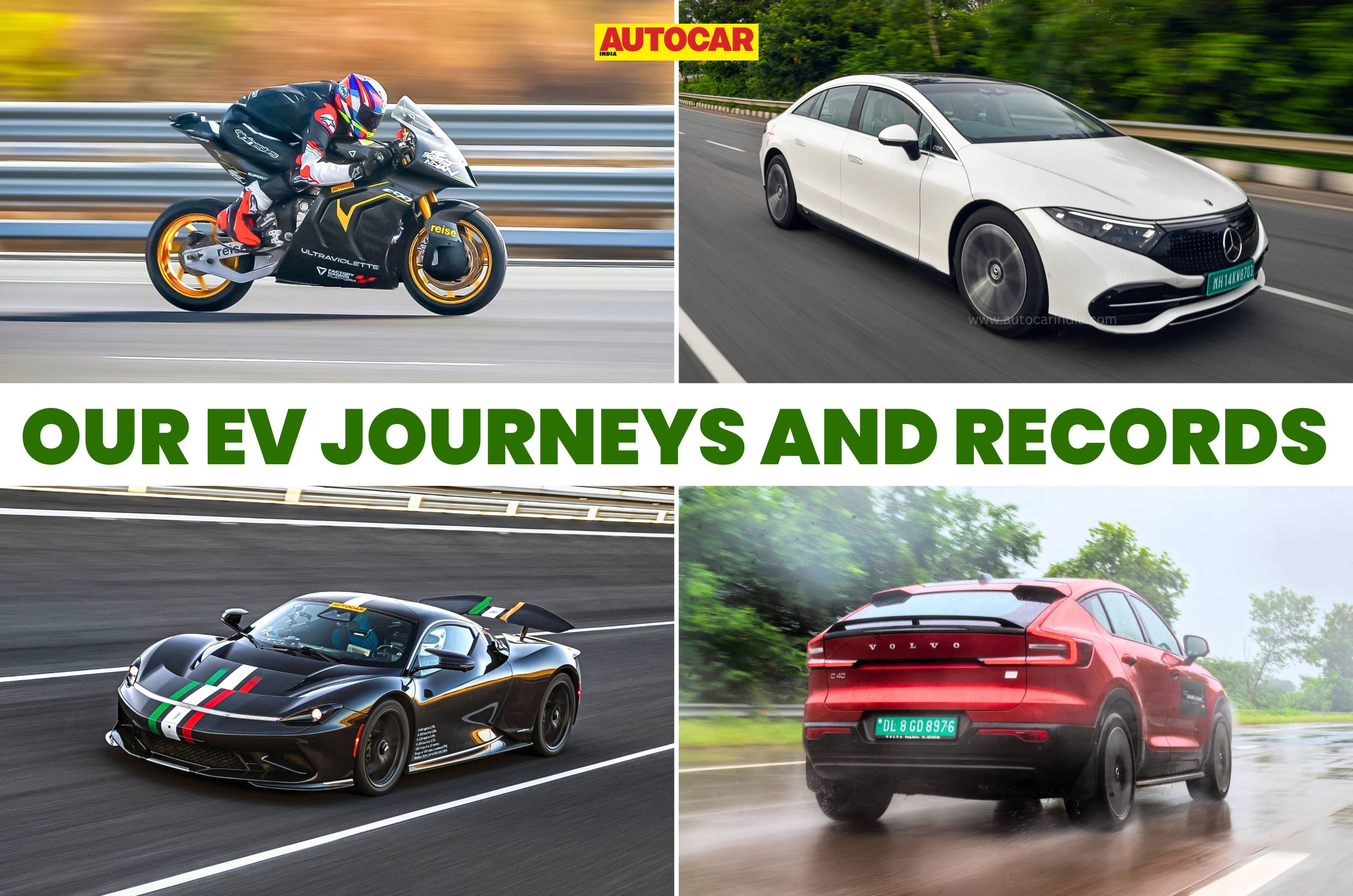
On the sixth iteration of World EV Day, let’s take a look at some of Autocar India’s most notable achievements in the all-electric mobility space.
1. Mercedes Benz EQC clean energy charging
Hydro, wind and solar energy were the only means of charging we used
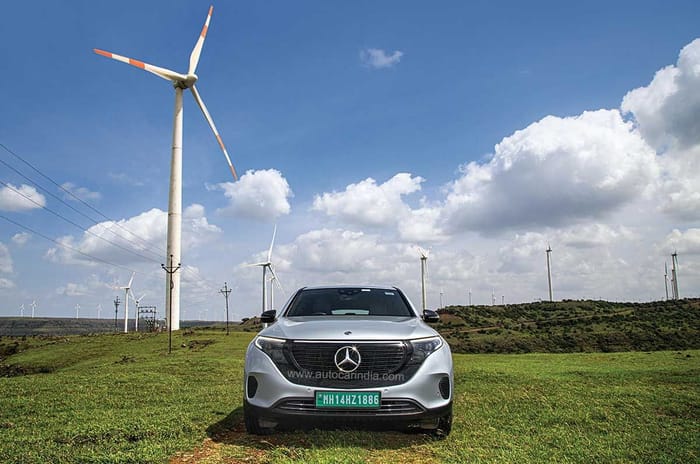
In 2021, we set out on a journey in the Mercedes-Benz EQC to explore how truly “green” EVs can be when powered by renewable energy only; at present, coal is the primary source of energy production. We departed from the Mercedes-Benz facility in Chakan with a full charge, heading to Tata Power’s Khopoli hydroelectric plant, Agaswadi wind farm and Mulshi solar farm.
Along the way, we investigated clean power sources – hydro, wind and solar – that could sustainably fuel EVs in India. While the EQC couldn’t be charged directly from the hydro grid since it mixes with the main grid, we were able to charge the SUV via a 15A plug at Tata Power. However, we did tap charging power directly from wind turbines and solar panels for the EQC. Ultimately, this trip showed us that our EVs could soon be truly emissions-free – not just at the tailpipe, but across the entire power chain.
2. Green Mumbai Drive 2021
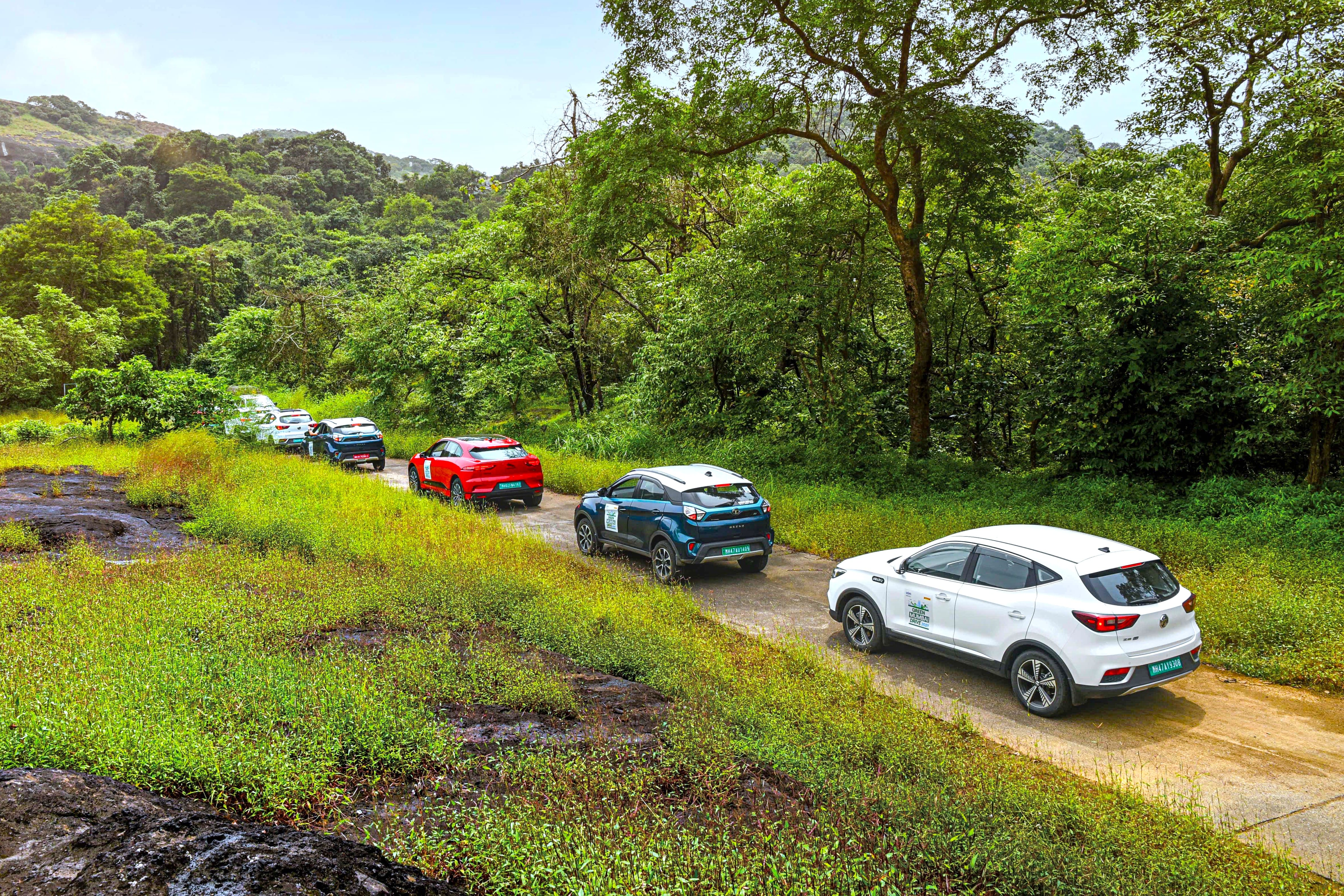
30 EVs quietly trundling through the Sanjay Gandhi National Park
We achieved a rare feat by bringing together every EV that was on sale in India at the time and driving them across Mumbai and through the protected Sanjay Gandhi National Park in Borivali. 30 EVs were part of the drive, including the Hyundai Kona, Tata Nexon EV, MG ZS EV, Mercedes-Benz EQC, Jaguar i-Pace, Audi e-tron GT, and even a Tesla Model X.
The Green Mumbai Drive was flagged off from the Mahalakshmi Racecourse by Aditya Thackeray, MoS for Tourism, Environment and Protocol, and Jeet Adani, director of Adani Electricity. Notable auto industry executives like Santosh Iyer (Mercedes-Benz India), Balbir Singh Dhillon (Audi India), Rohit Suri (JLR India), and Amit Suri (Volvo India) were also part of the event.
3. Debuting EVs in two different national parks
Tata Nexon EV in Satpura Tiger Reserve, Audi e-tron in Gir National Park
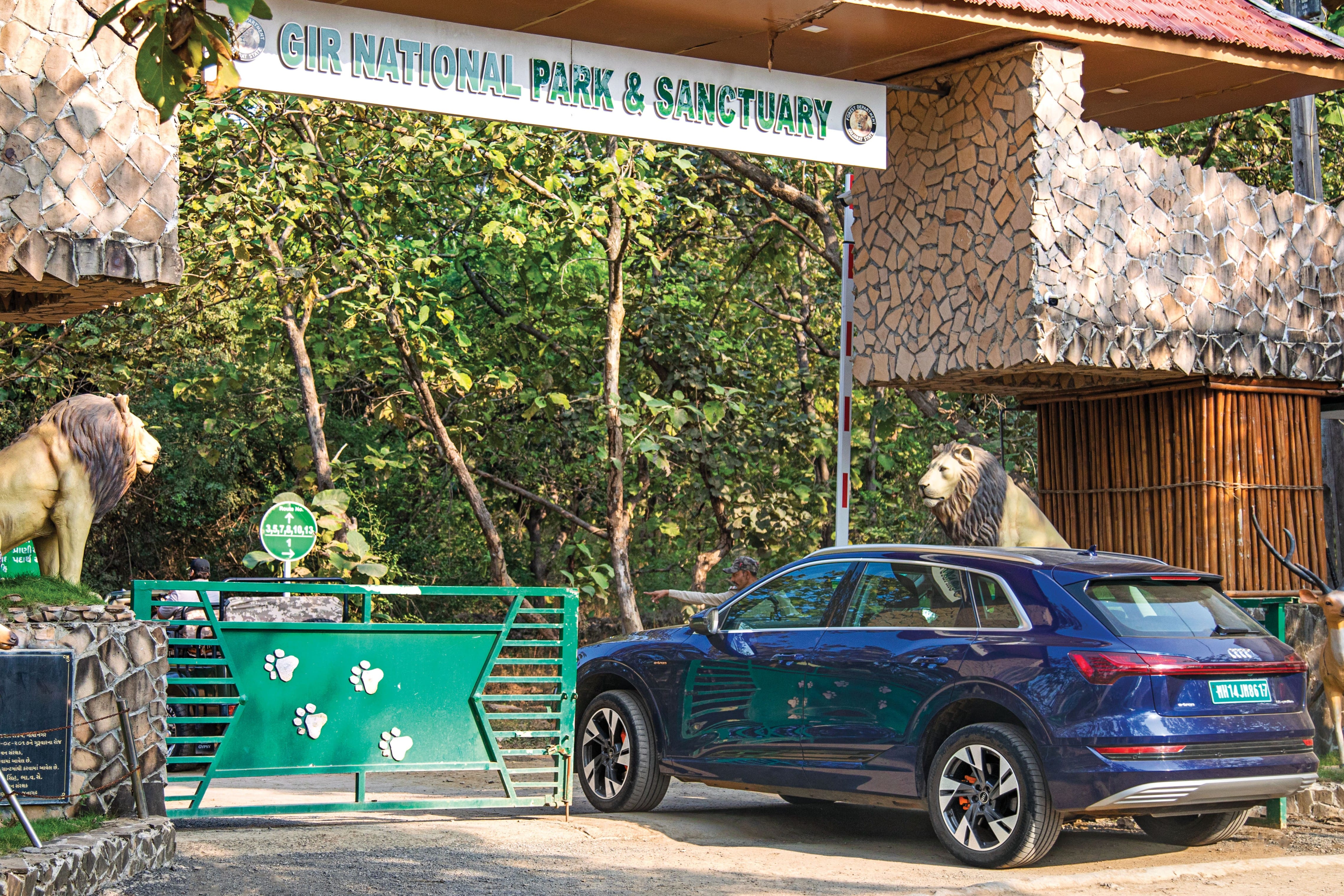
In 2021, we were the first to drive an electric car (specifically, the Tata Nexon EV) into Madhya Pradesh’s Satpura Tiger Reserve. The roughly 140km drive from Bhopal to Forsyth Lodge was completed with around 30km of range remaining, despite starting with the battery at 92 percent. With no fast-charging infrastructure nearby, the Nexon EV had to be charged overnight using a 15A socket. During the safari, the torquey and compact EV performed well on steep inclines and narrow forest trails, and its silent operation allowed it to approach wildlife like sambars, gaurs, wild pigs, and even a leopard without the noise of an idling engine – no tiger, though.
Then, in 2022, we were yet again the first to drive an EV into Gujarat’s Gir National Park, this time in an Audi e-tron. Reaching our accommodation induced a great deal of range anxiety due to faulty chargers along the way, but we managed to get there with around 20 percent of charge remaining. Once we reached, the e-tron was an excellent companion to tour the park with, helping us spot wildlife like chital, crocodiles, lions, and more.
4. Porsche Taycan Kashmir to Kanyakumari road trip
Nearly 4,500km in a performance EV
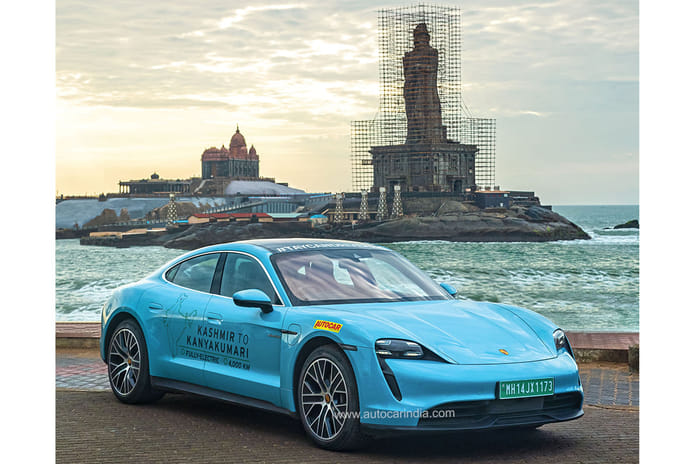
2022 saw us take one of our most ambitious roadtrips to date: 4,467km from Kashmir to Kanyakumari in a Porsche Taycan. Despite challenges like landslides in Jammu, flooded roads in Punjab, and power outages at certain charging spots, the Taycan handled the journey with ease. On one of the most efficient legs, the Porsche EV delivered 7.1km/kWh, working out to an indicated range of 475km.
Comfort mode was the default setting, but we did have lots of fun in some stretches courtesy of the Taycan’s Sport Plus drive mode. Up to 225kW of fast charging bolstered convenience, and total charging expenses tallied up to just Rs 15,422 – cheaper than fuel for an equivalent petrol car. More than just distance, the trip proved that combining sports car-like performance with electric efficiency works perfectly in real-world conditions, and that the Taycan is more durable than you may think.
5. Pininfarina Battista India top speed record
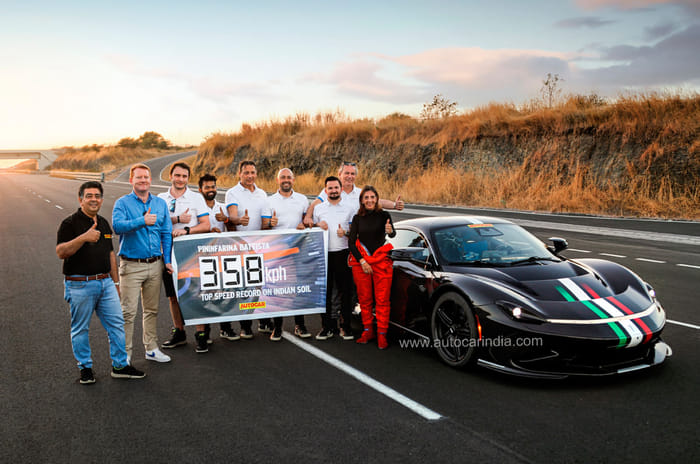
1900hp, quad-motor hypercar achieved a 358.03kph top speed
Back in early 2023, we set a new Indian top-speed record with the 1,900hp Pininfarina Battista electric hypercar at the NATRAX high-speed oval near Indore. Achieving an impressive v-max of 358.03kph, the Battista blitzed past the previous record of 332.20kph, which was also set by us in 2016 in an Audi R8 V10 Plus.
The Battista top-speed run also ended up establishing new world records for a production car: 0-300kph in 10.49 seconds and a quarter-mile time of 8.55 seconds, all verified by the Federation of Motor Sports Clubs of India (FMSCI).
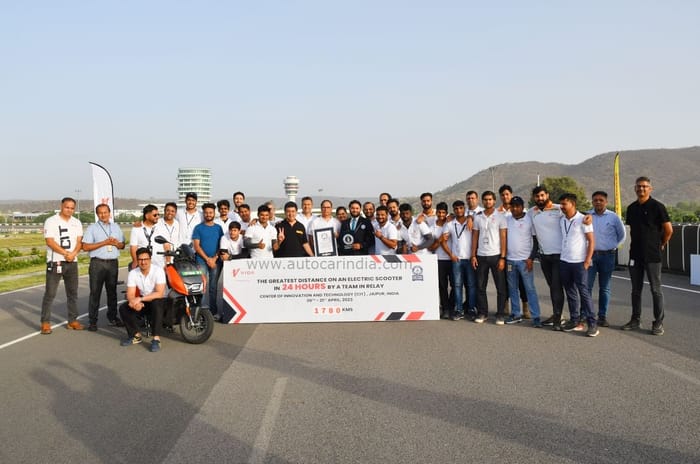
6. Hero Vida V1 Pro longest distance in 24 hours record
The e-scooter travelled just shy of a whopping 1,800km
The endurance challenge relied on swift battery swaps and flawless coordination, with the pit crew achieving 38 battery changes in under 20 seconds – quite impressive considering the extreme heat, rider fatigue, and complexity involved. Moreover, the Vida V1 Pro ran flawlessly throughout, handling the gruelling conditions with ease and maintaining performance consistently.
7. Volvo EC40 Jaisalmer to Mawsynram road trip
From India’s driest region to its wettest
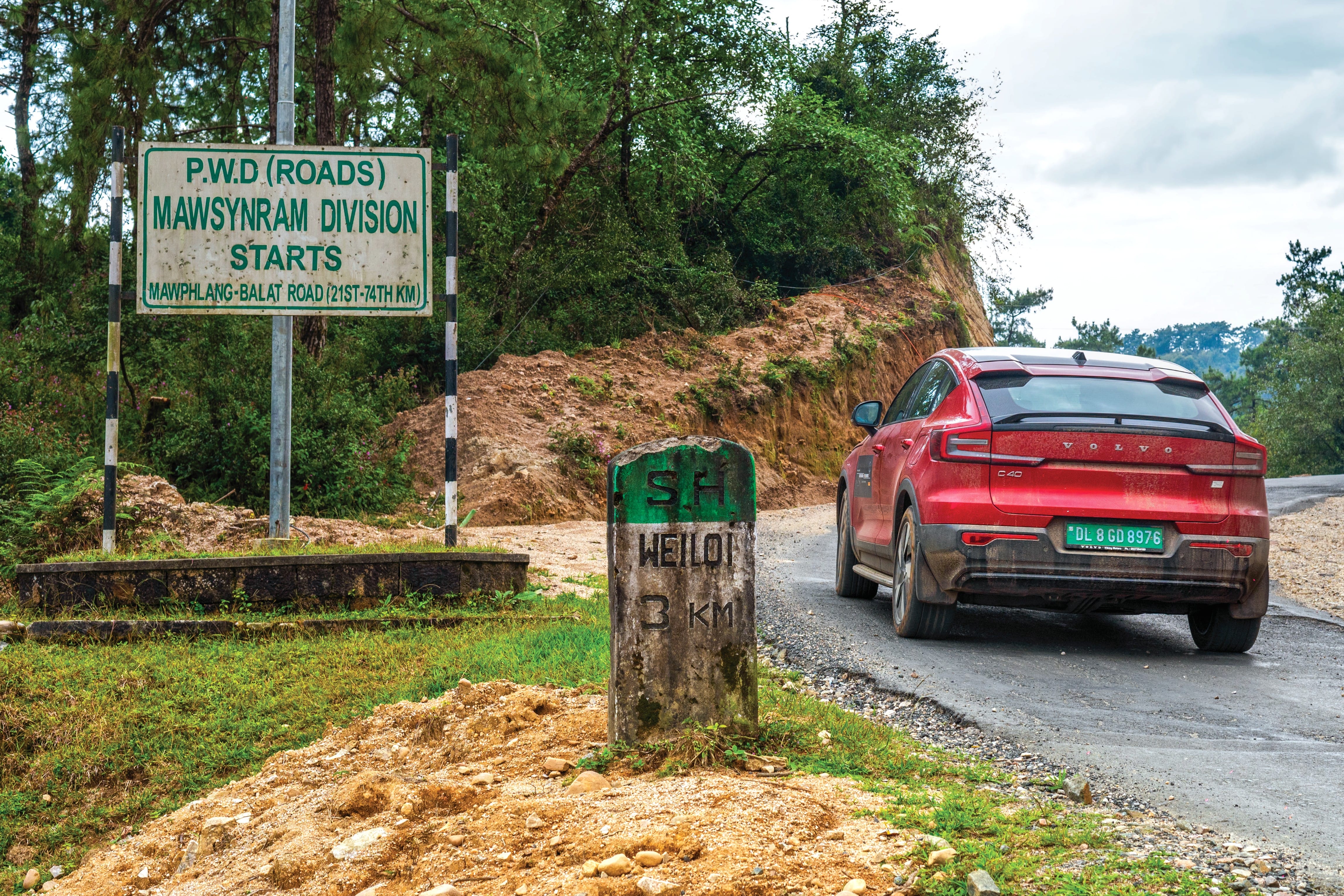
In 2024, we took the Volvo EC40 (formerly known as the C40 Recharge) on a roughly 3,000km road trip from Jaisalmer in Rajasthan – one of India’s driest locations – to Mawsynram in Meghalaya, widely recognised as the country’s wettest. The route included a detour to Ghaziabad’s Volvo Reverse Project, a former dumping ground where around 10,000 trees had been planted as part of the company’s reforestation initiative.
Charging was carried out mainly overnight with DC fast chargers also used along the route, and the EC40 posed no issues during the journey. Ironically, we encountered heavy rain and waterlogging in Jaisalmer but surprisingly little rainfall in Mawsynram.
8. Mercedes Benz EQS sedan longest distance world record
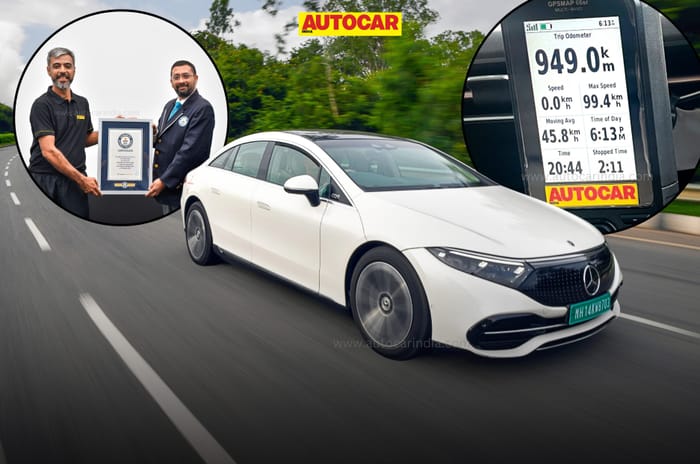
Setting off from Bangalore on a full charge, the EQS 580 covered a distance of 949km when it reached its destination in Navi Mumbai, beating the previous Guinness World Record for the same by 32.26km. Impressively, the 949km real-world range exceeds EQS 580’s claimed range of 817km by just over 16 percent. It’s also worth mentioning that the two-day journey was completed under arduous conditions like heavy rainfall, lots of traffic, broken roads, and even a flat tyre.
9. Porsche Taycan BIC EV lap record
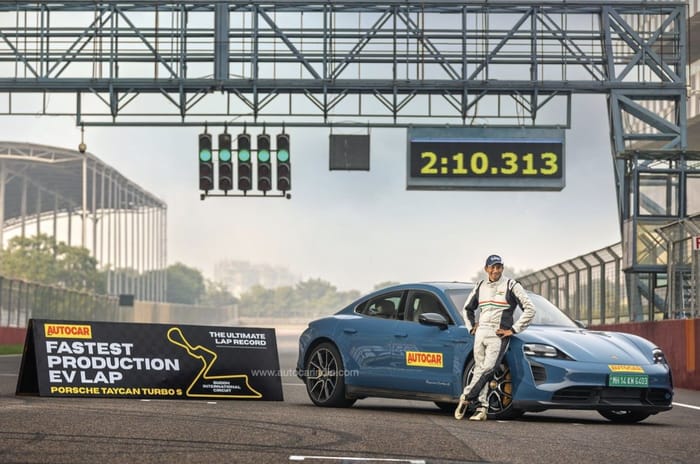
2:10.313 lap time makes the Taycan the fastest EV around BIC so far
At the Buddh International Circuit in Greater Noida, we lapped a Porsche Taycan Turbo S and clocked a time of 2:10.313 minutes – the first-ever EV lap record around the 5.125km track. Despite its rather portly kerb weight of 2,370kg, the Taycan delivered unexpectedly sharp performance at BIC thanks to 761hp and 1,050Nm, a low centre of gravity (aided by the heavy 93.4 kWh battery), precise steering, and superb balance.
Upon hitting the apex and pinning the throttle, the Taycan belied physics the way it propelled out of corners with explosive speed, and despite weighing 845kg more, the EV achieved nearly the same top speed as the 911 GT3 RS at the end of BIC’s main straight.
10. Ultraviolette F99 India top speed record
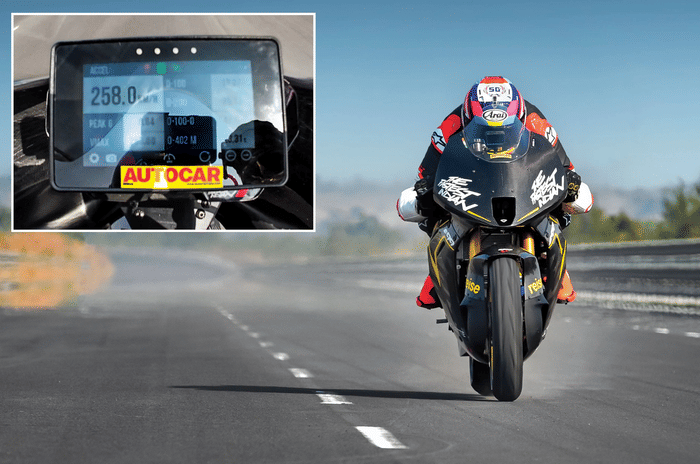
258kph around NATRAX and a 100-200kph run of 6.2 seconds
One of our more recent records entailed setting a new benchmark for made-in-India two-wheelers by hitting a top speed of 258kph on the Ultraviolette F99 at the NATRAX oval. Designed around a 400V architecture with a liquid-cooled powertrain, the purpose-built F99 packs 120hp and an astounding 972Nm (measured at the rear wheel).
The F99’s custom trellis frame, forged carbon-fibre bodywork, Brembo brakes, and Ohlins suspension helped the bike remain stable at high speeds, culminating in a clean record run captured via precision V-Box data. It also achieved a blistering 0-200kph run in under 10 seconds and 100-200kph in just 6.2 seconds, smashing previous Indian motorcycle speed records.
11. Mercedes Benz EQS SUV temperature change record
From the sweltering heat of Rajasthan to the sub-zero chill of Ladakh
Our 2025 Guinness World Record saw us achieving the greatest temperature change endured by a production EV. We accomplished this using the Mercedes-Benz EQS 450 SUV, driving from the scorching heat of 47.5 deg-C in Rajasthan to the below-freezing chill of -3.7 deg-C in Ladakh, for an impressive overall temperature swing of 51.2 deg-C.
The journey tested the limits of the EQS 450 SUV, especially its 122kWh battery’s thermal management system. Despite extreme variations in temperature, the climate control and battery systems kept the EQS 450 SUV performing smoothly and safely.
Tata Motors is offering enticing discounts throughout September to those looking to bring home one of its electric models such as the Harrier EV, Curvv EV and Nexon EV, among others. Depending on the model and variant, the available benefits include cash discounts, intervention offers, exchange/scrappage bonuses and loyalty incentives.
Disclaimer: Offers/benefits may vary by city and are subject to stock availability. Buyers are advised to check with their local dealer for exact figures.
Tata Harrier EV offers in September 2026
Benefits of up to Rs 2.75 lakh
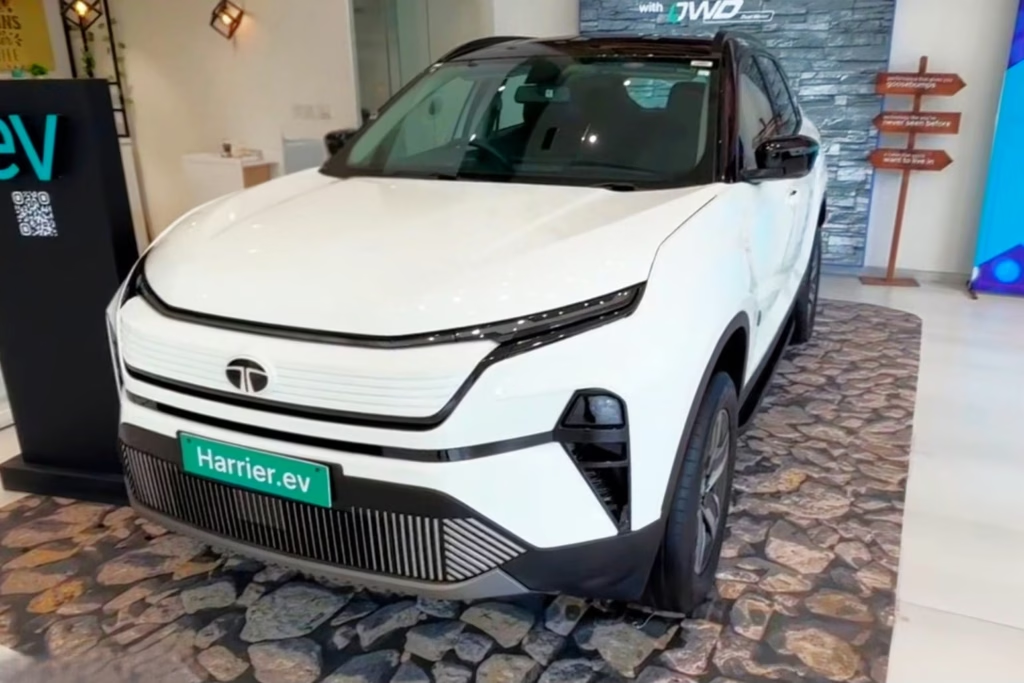
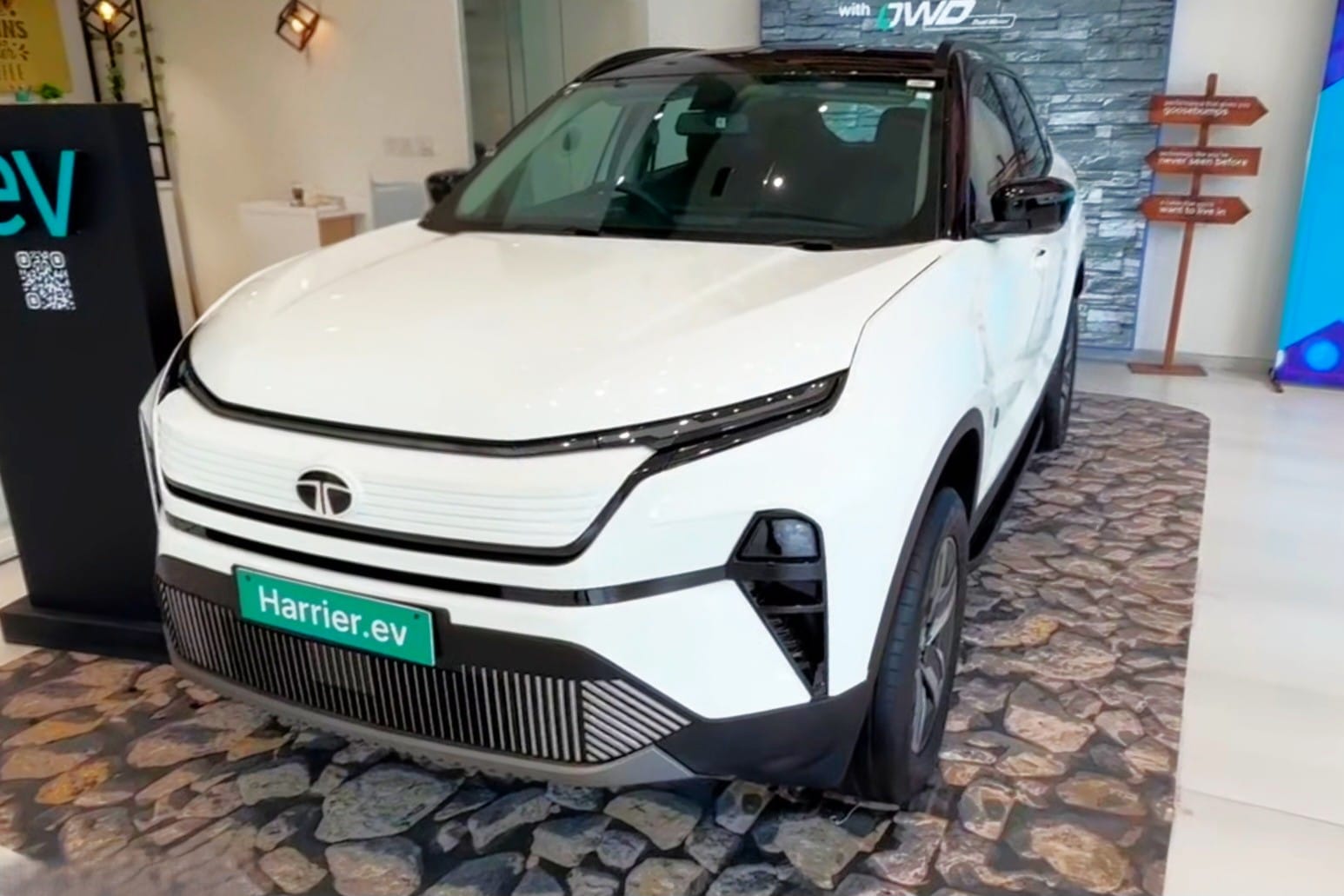
Tata’s current flagship electric car, the Harrier EV, can be purchased with maximum benefits of Rs 2.75 lakh for the mid-spec Fearless and top-spec Empowered trim levels. These include an intervention offer of Rs 1 lakh, an exchange/scrappage bonus of up to Rs 75,000 and a loyalty incentive of up to Rs 1 lakh. Meanwhile, the lower-spec Adventure trim of the Harrier EV is available with a reduced intervention offer of Rs 75,000, bringing its total benefits to Rs 2.5 lakh. The Harrier EV is priced in the Rs 21.79 lakh-29.79 lakh range, excluding premiums for cosmetic packages.
Tata Curvv EV offers in September 2026
Benefits of up to Rs 3.35 lakh
Discounts on the Curvv EV climb to Rs 3.35 lakh for variants available prior to the coupe-SUV’s SeriesX update in May 2026. These comprise a Rs 3 lakh cash discount and an exchange/scrappage bonus of up to Rs 35,000. However, the base Curvv EV Creative variant (pre-SeriesX) gets a lower Rs 2.5 lakh cash discount, lowering the total savings to Rs 2.85 lakh. The Curvv’s current SeriesX variants come with a maximum benefit of Rs 65,000, courtesy of an exchange/scrappage offer of up to Rs 35,000 and a Rs 30,000 loyalty bonus. Prices for the Curvv EV range from Rs 17.19 lakh to Rs 19.39 lakh.
Tata Nexon EV offers in September 2026
Benefits of up to Rs 45,000
All variants of the Nexon EV are available with benefits of up to Rs 45,000 this month. These comprise a cash discount of Rs 10,000 and an exchange/scrappage bonus of up to Rs 35,000. The Nexon EV price starts at Rs 12.49 lakh and tops out at Rs 17.69 lakh, excluding premiums for cosmetic packages.
Tata Punch EV offers in September 2026
Benefits of up to Rs 1.45 lakh
Long Range (35kWh) variants of the pre-facelift Punch EV are being offered with benefits of up to Rs 1.45 lakh, including a Rs 1.1 lakh cash discount and an exchange/scrappage bonus of up to Rs 35,000. Medium Range (25kWh) variants, on the other hand, get a lower cash discount of Rs 90,000, which works out to a benefit of Rs 1.25 lakh. Lastly, the base Smart variant is available with a Rs 60,000 cash discount, so the total benefit for it adds up to Rs 95,000. The facelifted Punch EV is not available with any discounts in September.
Tata Tiago EV offers in September 2026
Benefits of up to Rs 1.45 lakh
Like the Punch EV, the pre-facelift Tiago EV can be purchased with maximum benefits of Rs 1.45 lakh for the mid-spec XT Long Range (24kWh) variant. These comprise a Rs 70,000 cash discount, a Rs 50,000 intervention offer and an exchange/scrappage bonus of up to Rs 25,000. The higher-spec XZ+ Long Range variant instead gets a Rs 1 lakh cash discount but no intervention offer, amounting to total benefits of Rs 1.25 lakh. Lastly, all Medium Range (19kWh) variants are available with a Rs 40,000 cash discount, translating to combined benefits of Rs 65,000.
At its 2026 CEO Investor Day, Hyundai revealed plans to debut its made-in-India compact electric SUV by March 2027. However, Tarun Garg, Managing Director and CEO of Hyundai Motor India, in an interaction with our sister publication Autocar Professional, confirmed the EV will debut earlier than that, by the end of 2026. Garg also said that the EV will initially use battery cells from Svolt, before moving to its original plan to source them from Exide.
To be built on the E-GMP (K) platform that underpins the Inster EV
Will rival the Tata Nexon EV, Mahindra XUV 3XO EV and Kia Syros EV
Hyundai has also revealed it expects EVs to account for more than 7 percent of its domestic sales within the next year. In FY26 (April 2025 to March 2026), EVs accounted for a 1 percent share of total Hyundai sales in the country, a figure similar to FY25 (April 2024 to March 2025).
Upcoming Hyundai compact EV: More details
Svolt to supply battery cells initially, after Exide flagged production delays earlier
Image source: @joonsun_erin on Instagram
The upcoming compact EV will initially use Svolt battery cells. “We are already ready with the new EV using Svolt cells. Otherwise, the programme could have been delayed, and we did not want to delay the vehicle,” Garg said to Autocar Professional. However, Hyundai subsequently plans to source locally produced cells through its association with Exide, as was originally planned. Notably, Exide revealed in August 2026 that battery production is delayed and that they would not be able to supply components by FY27 (by March 2027).
Will be underpinned by the Inster’s E-GMP (K) platform
The upcoming compact EV, codenamed HE1i, will be underpinned by the E-GMP (K) platform, also used by the internationally available Inster EV. It will be offered in two versions: standard range and long range, but exact specifications are under wraps. For context, the Inster EV is also available in standard and long-range versions, with 42kWh and 45kWh batteries, respectively, offering a WLTP-claimed range of up to 355km.
Hyundai has also confirmed that the new compact EV will get a ‘next-generation infotainment system’, which could be the Pleos Connect infotainment system seen on several new-age Hyundai models now, and a ‘Level 2 assisted driving technology’. It will be manufactured at Hyundai’s Sriperumbudur facility in Tamil Nadu. Upon launch, it will lock horns with the Tata Nexon EV, Mahindra XUV 3XO EV and Kia Syros EV.
With inputs from Ketan Thakkar and Hormazd Sorabjee
Hyundai has announced a new compact electric SUV for India at its 2026 CEO Investor Day. The new EV will be designed and manufactured in India and is slated to debut in the country by the last quarter of FY 2027 (by March 2027). Jose Munoz, President and CEO of Hyundai Motor Company, said, “A brand-new compact SUV is coming, designed and localised in India.”
A ‘next-gen infotainment’ and Level-2 ADAS are confirmed features
Will be built on the E-GMP (K) platform and manufactured in Tamil Nadu
Will compete with the Tata Nexon EV and Mahindra XUV 3XO EV
Upcoming Hyundai compact EV: All we know so far
It will be built on the E-GMP (K) platform and will be a rival to the Nexon EV
The upcoming EV, codenamed HE1i, was first announced at Hyundai’s Investor Day 2025. Later, we got to know it will be a born-electric vehicle built on the E-GMP (K) platform, which also underpins the Inster EV offered abroad. It will be manufactured at Hyundai’s Sriperumbudur facility in Tamil Nadu.
The HE1i EV will use localised Exide-sourced batteries and will be offered in two versions: standard range and long range, the exact specifications of which are unknown. For context, the Euro-spec Inster is offered with a 42kWh battery with 300km WLTP-claimed range and a long-range 49kWh battery with 355km claimed range.
Image source: @joonsun_erin on Instagram
The new compact EV is confirmed to have a “next-generation infotainment system”, which could be the Pleos Connect infotainment system also expected on the upcoming third-generation Creta, and “Level 2 assisted driving technology”.
The upcoming Hyundai compact EV will be positioned as a rival to the Tata Nexon EV, Mahindra XUV 3XO EV and Kia Syros EV. Being a localised offering, it could have a lower price tag than the Syros EV, which is currently the most expensive option in the segment.
Hyundai expects electrified vehicles to account for 50 percent of India sales by 2030. Currently, it sells two EVs in the country: the Creta Electric and Ioniq 5, and the upcoming compact eSUV will give the carmaker a share in the more accessible segment of India’s EV market.
Kia India dealer partner Incheon Kia has set a new national record for the most electric cars of a single model delivered in a single day. 150 units of the recently launched Syros EV were handed over to customers by Incheon Kia in Kochi on August 17.
Incheon Kia sets a completely fresh record with the Syros EV
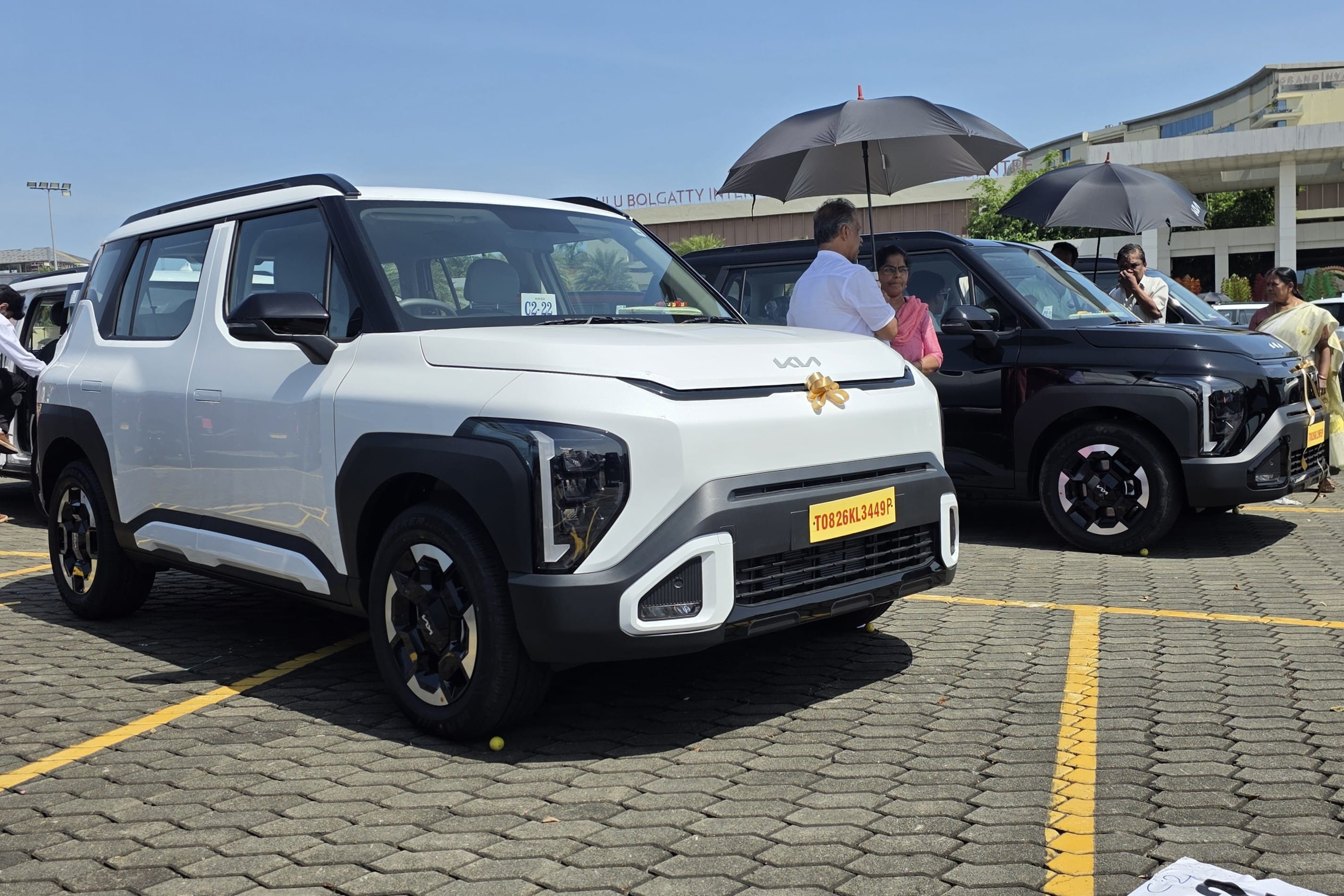
Coinciding with Malayalam New Year, Incheon Kia’s mega-delivery feat was certified by the India Book of Records. This is an entirely new record, as India Book of Records does not have any prior records for maximum single-model EVs delivered in a single day. The 150 cars formed the first batch of Kia Syros EVs delivered to customers in Kochi.
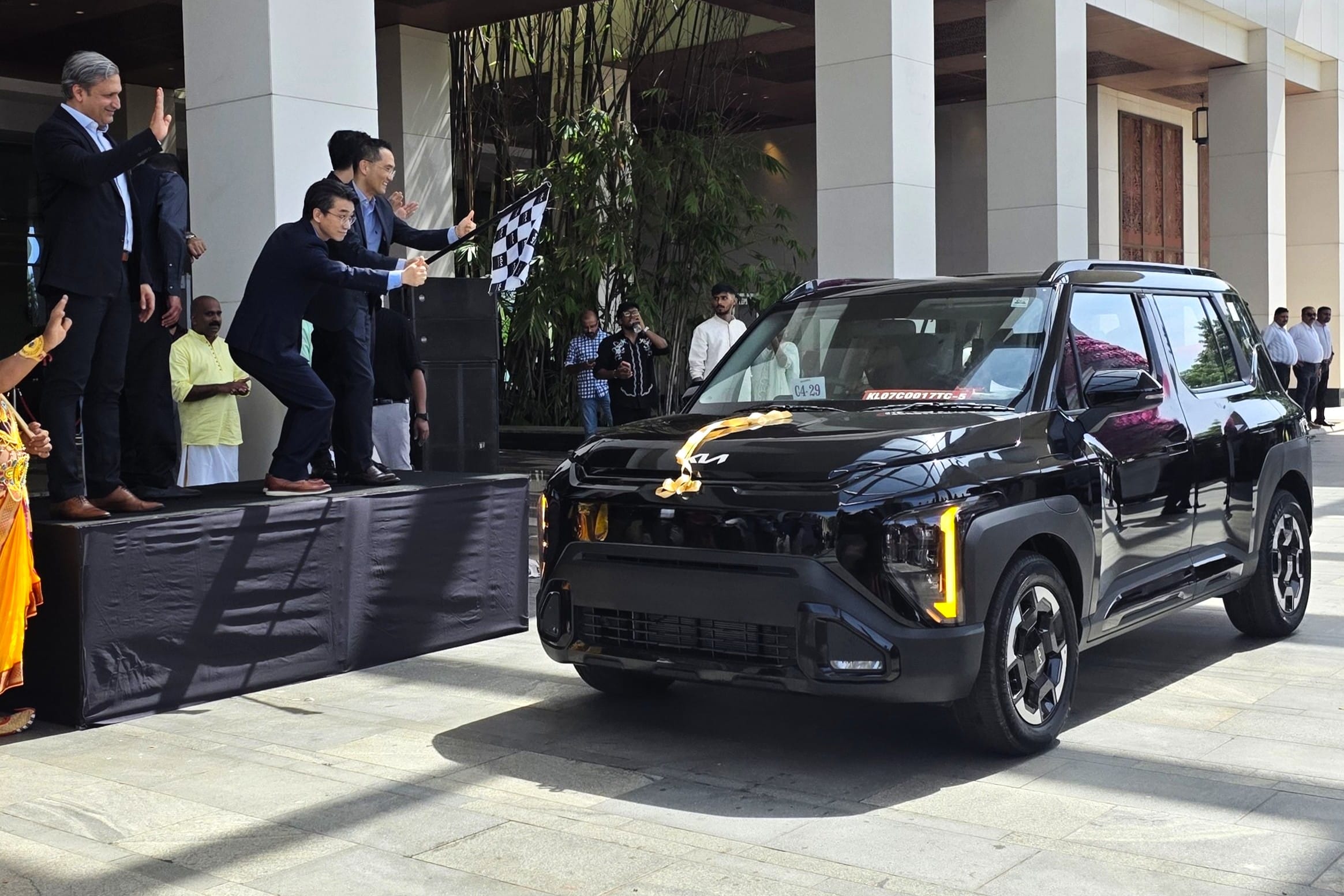
Following the deliveries, the Syros EVs were flagged off individually by senior Kia India executives, including MD and CEO Gwanggu Lee (pictured). Incheon Kia said it has received more than 650 bookings for the Syros EV, with 150 of those cars now delivered. The dealer is also closing on 50,000 sales since its inception seven years ago, with 10,000 sales projected for this year alone.
Kia Syros EV details
Launched on July 23, the Syros EV is Kia’s second mass-market electric model for the Indian market. The compact SUV is offered with 42kWh and 51.4kWh battery options, both of which are wired up to a 255Nm front-mounted motor producing 135hp and 171hp, respectively. In terms of MIDC-claimed range, the 42kWh battery manages 443km, while the 51.4kWh pack is rated at 526km. Pricing for the Syros EV starts at Rs 13.5 lakh and top off at Rs 30 lakh (ex-showroom), and it rivals the Tata Nexon EV and Mahindra XUV 3XO.
We exclusively reported earlier this year that Vinfast is considering launching the VF5 SUV in India. Ahead of its arrival, a heavily camouflaged prototype has been spotted on our roads, hinting at the design of the India-spec version. When the VF5 arrives here, it’ll be positioned below the VF6 midsize electric SUV. Secondly, the Vietnamese carmaker is also expected to utilise a fleet version of the VF5 for its Green SM taxi service.
India-spec VF5 likely to have different soft parts compared to global-spec VF5.
VF5 expected to be available for private and fleet buyers like the VF MPV 7.
Vinfast VF5: What the spy shots revealed
While the overall silhouette of the prototype is largely similar to the global-spec VF5, there were differences spotted. The front-end of the prototype has a more upright look with a clamshell bonnet compared to the global-spec VF5’s more swooping nose. Headlamp units positioned lower down on the sides of the bumper suggest a split design. The headlamps themselves feature a revised look, suggesting that the India-spec VF5 would have a revised fascia in comparison to the global-spec version.
In profile, the mule sported a similar design for the glass house, black wheel arches, a black section on the C-pillar, and moulding on the lower sides of the doors to the global-spec VF5.
The rear end was spotted with a raked windscreen, while a concealed horizontal section on the tailgate suggests a connected LED tail-lamp setup with a look that differs from the global-spec VF5. Moreover, there was also a spoiler-mounted stop lamp, while the bumper lower down gets a curved look with horizontal reflectors and a hexagonal layout for the license plate.
Inside, the test mule had a completely different layout from the global-spec VF5. It had an all-black colour scheme, a two-spoke steering wheel, and cup holders on the centre console. Unlike the global-spec VF5, which has a dedicated instrument cluster, the prototype does without it and gets a large floating infotainment display, which is likely to be the main source of all information and functionality.
The India-spec VF5 is expected to be under 4 metres in length. For context, the global-spec VF5 is 3,967mm long, 1,723mm wide, 1,579mm high and has a 2,514mm wheelbase.
Vinfast VF5: Expected powertrain
The global-spec VF5 is offered with two battery packs. There’s a 29.6kWh battery pack paired to a front-mounted motor developing 95hp and 135Nm. Also, there’s a larger 37.23kWh battery pack mated with a front-mounted motor delivering 136hp and 135Nm. NEDC-claimed ranges for the 29.6kWh and 37.23kWh are 268km and 326km, respectively. It remains to be seen what is brought to India.
Vinfast VF5: Expected price
Expect the Vinfast VF5 to be priced in the ballpark of Rs 12 lakh. Once launched, it will take on the likes of the Tata Nexon EV (Rs 12.49 lakh to Rs 17.49 lakh) and the Mahindra XUV 3XO EV (Rs 13.89 lakh to Rs 14.96 lakh).