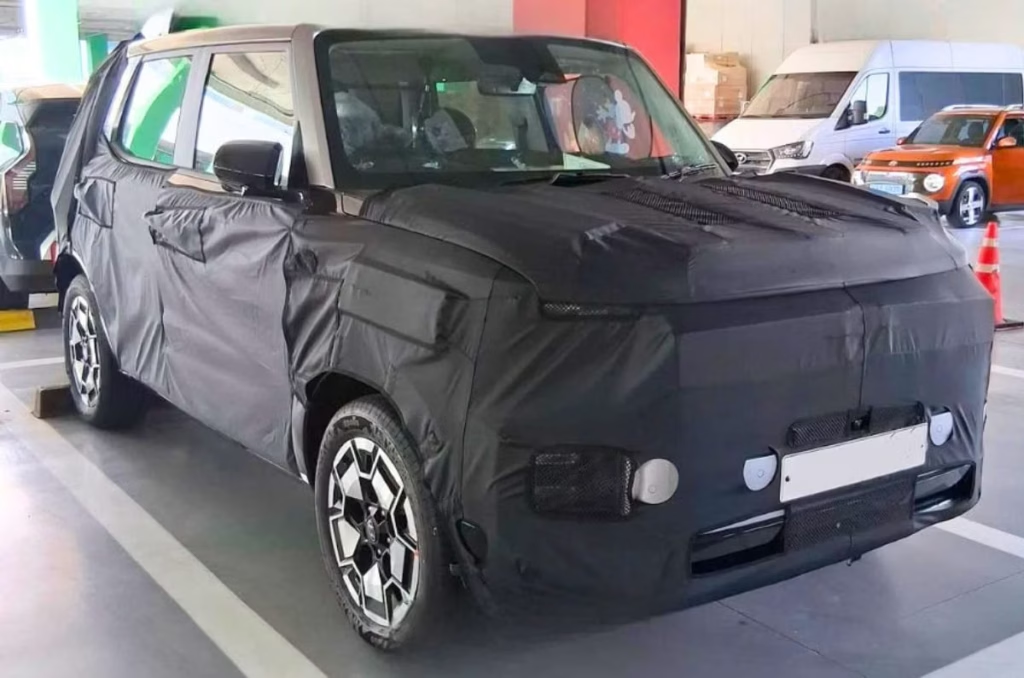
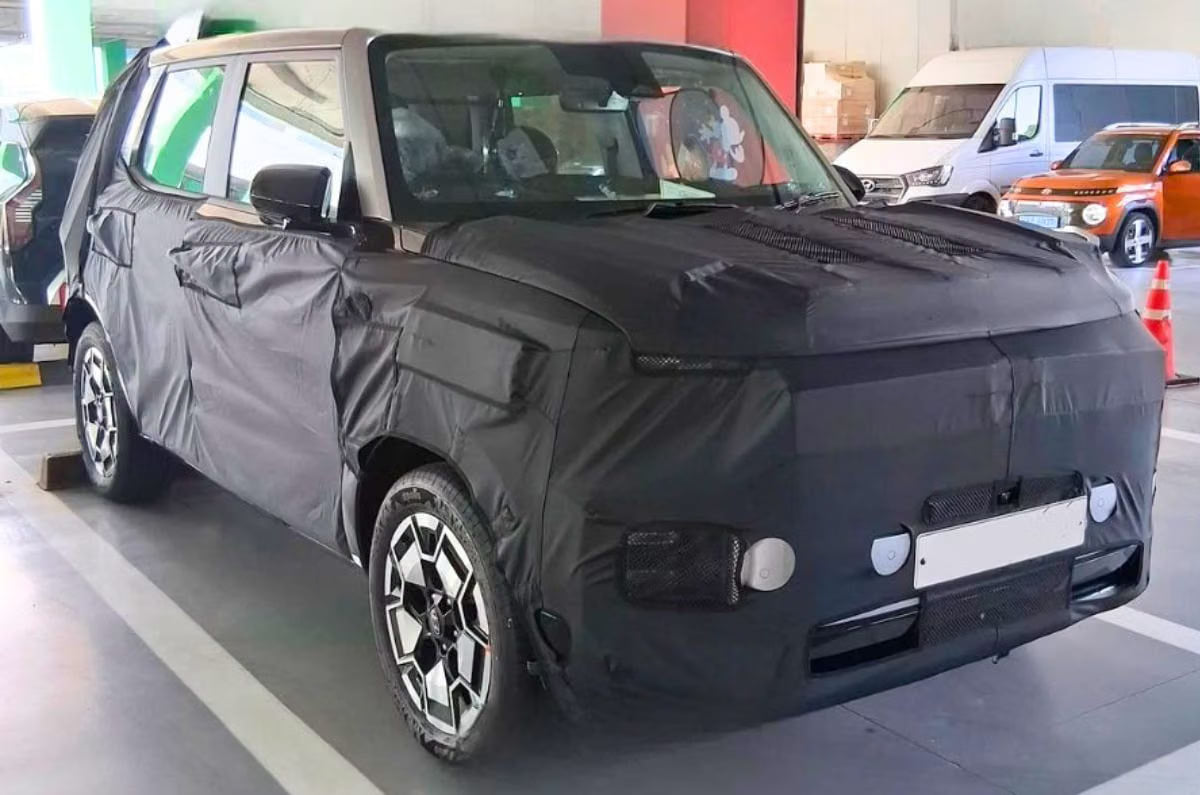
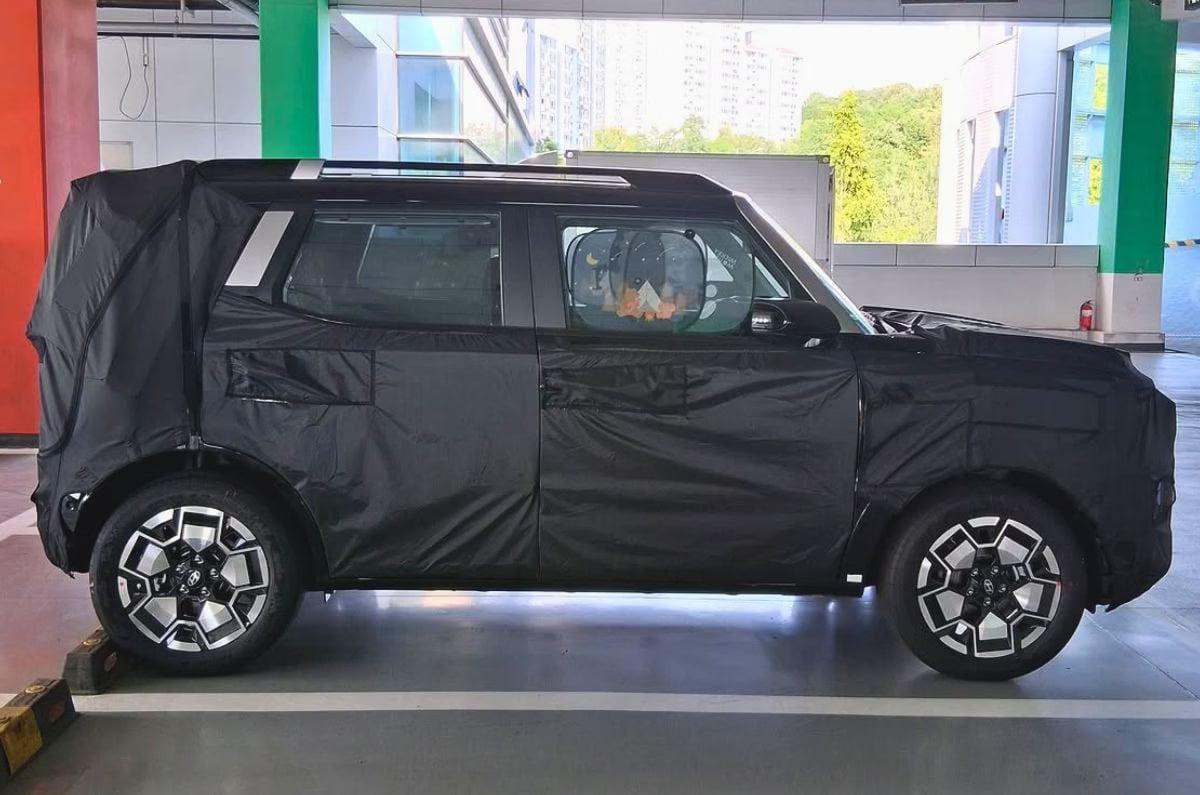
Hyundai’s upcoming compact electric SUV will debut in India in Q1 2027. The carmaker had initially outlined a debut by March 2027 at its 2026 CEO Investor Day, before Hyundai Motor India MD and CEO Tarun Garg told our sister publication Autocar Professional that the EV would arrive earlier, by the end of 2026. According to our sources, the Hyundai compact EV is now slated to debut in January 2027.
Hyundai compact EV: Platform and battery details
Image source: @joonsun_erin on Instagram
Codenamed HE1i, the upcoming compact electric SUV will use Hyundai’s E-GMP (K) platform, which also underpins the Inster EV sold overseas. The new model will be manufactured at Hyundai’s Sriperumbudur plant in Tamil Nadu and has been planned specifically for the Indian market.
It will be offered in two versions: Standard Range and Long Range. However, the exact specifications are under wraps. For reference, the Inster EV is offered with 42kWh and 49kWh battery packs, with claimed WLTP ranges of up to 300km and 355km, respectively. The Inster Standard Range produces 97hp and 147Nm, while the Long Range version produces 115hp and 147Nm.
The compact EV will initially use battery cells supplied by Svolt. Hyundai plans to shift to locally sourced cells through its association with Exide, following delays in the latter’s battery production.
Hyundai compact EV: Features and rivals
Hyundai has confirmed that the compact EV will feature Level 2 ADAS and a ‘next-generation infotainment system’, which could be the Pleos Connect system seen in some of the brand’s newer models.
For reference, the international-spec Hyundai Inster gets dual 10.25-inch displays for the instrument cluster and infotainment system, automatic climate control and a 360-degree camera with blind-spot monitoring. It remains to be seen which of these features will make it to the India-spec compact EV.
The Hyundai compact EV will rival the Tata Nexon EV, Mahindra XUV 3XO EV and Kia Syros EV in India.
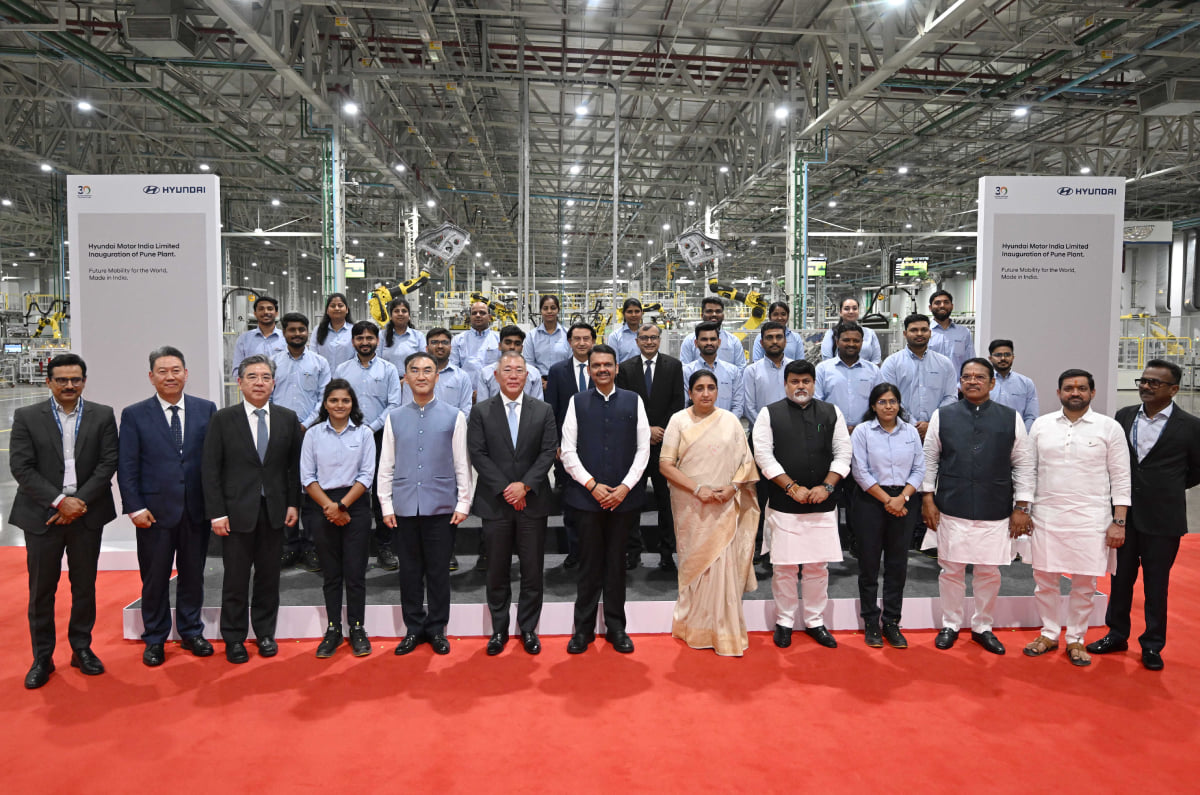
Hyundai Motor India has inaugurated its manufacturing plant in Talegaon, Pune, marking its first major manufacturing expansion outside Tamil Nadu. The facility currently has an installed annual production capacity of 1.7 lakh units, which is planned to increase to 3.2 lakh units by 2030. Managing director and CEO Tarun Garg announced that the company will invest Rs 11,000 crore in phases at the plant.
Hyundai Pune plant: Capacity and investment
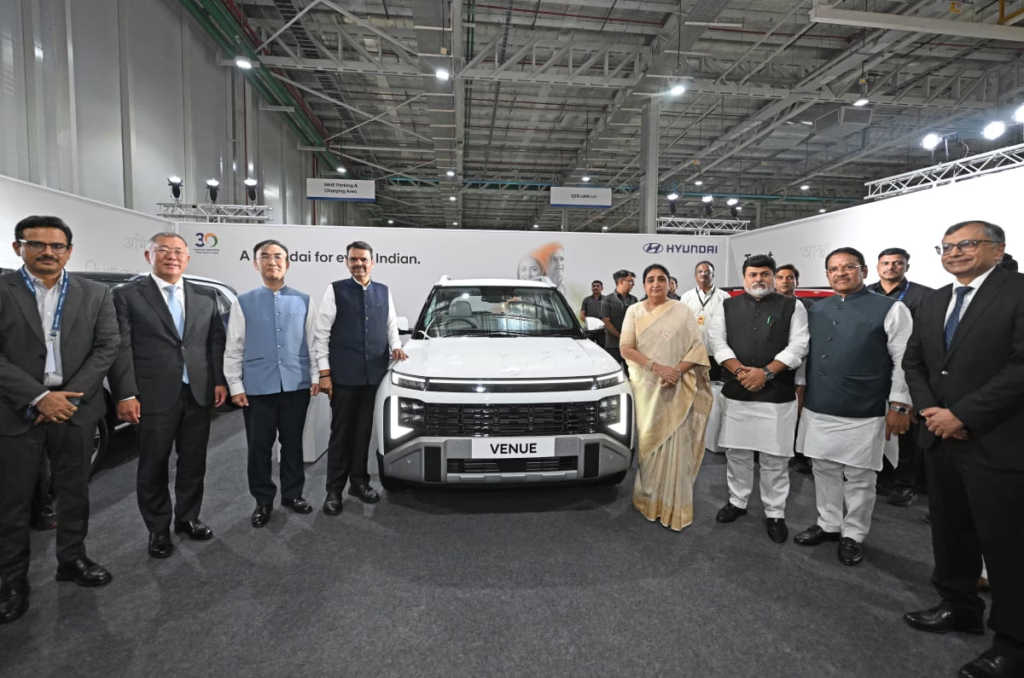
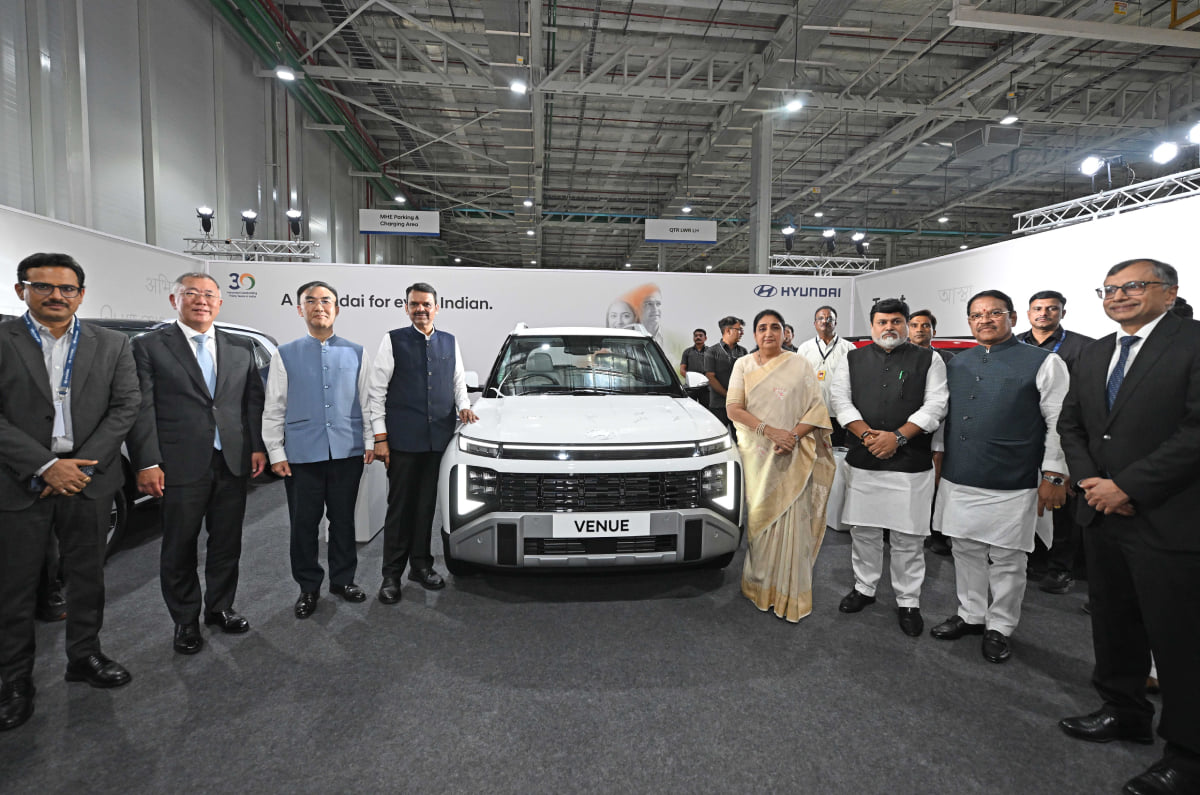
Maharashtra Chief Minister Devendra Fadnavis inaugurated the plant on October 14, 2026. Hyundai Motor Group executive chair Euisun Chung and Hyundai Motor Company president and CEO Jose Munoz were also present.
Garg said, “We will invest INR 11,000 crore in phases at this facility. Beyond expanding manufacturing capacity, the facility will drive industrial development, innovation and employment generation in the region.”
The expansion will take Hyundai Motor India’s combined annual production capacity at its Pune and Chennai plants to nearly 11.4 lakh units by 2030, according to the company. The Pune facility also has an engine shop with an annual capacity of 1.5 lakh units.
The plant uses Hyundai’s E-FOREST digital factory platform, with AI-based quality checks, predictive maintenance, digital simulations and augmented reality-based worker training. Its production lines can support multiple internal combustion engine and hybrid models.
Hyundai Venue to be made at Pune plant
The Hyundai Venue will be manufactured exclusively at the Pune plant and exported to global markets. Hyundai plans to expand exports of the model to more than 35 countries.
The inauguration coincided with Hyundai Motor India marking cumulative exports of 40 lakh passenger vehicles since 1999 and domestic sales of nearly 1 crore passenger vehicles over its 30 years in India.
Chung said, “India remains one of Hyundai’s most important and strategic markets globally.” He added that the Pune plant reflected the group’s long-term commitment to India and that the export milestone highlighted the role of Indian manufacturing in its global operations.
Hyundai said 55 Tier-1 suppliers have invested nearly Rs 4,600 crore in Maharashtra. Nearly half of its supplier network is located within 50km of the plant. The combined Tier-1 and Tier-2 supplier network has generated more than 18,000 employment opportunities in the state, according to the company.
Hyundai also cited nearly 40 ongoing research projects with seven Indian academic institutions, covering battery technology, electrification and future mobility.
केंद्रीय मंत्री एल. मुरुगन ने मंगलवार को अपने पद से इस्तीफा दे दिया। उन्होंने कहा कि अब वह तमिलनाडु में पार्टी के काम पर ध्यान देना चाहते हैं। वहीं ऐसी खबरें है कि, दिवाली से पहले केंद्र सरकार के मंत्रिमंडल में कभी भी फेरबदल हो सकता है। सरकारी सूत्रों ने CNN-NEWS18 को बताया कि, इस दौरान कम से कम छह मंत्री पद खाली होने की संभावना है। वहीं मंत्रिमंडल में फेरबदल को लेकर अभी तक कोई आधिकारिक घोषणा नहीं की गई है। पार्टी के ‘एक व्यक्ति, एक पद’ नियम के चलते उनके मंत्रिपद छोड़ने की संभावना जताई जा रही है।
गौरतलब है कि प्रधानमंत्री नरेंद्र मोदी के तीसरे कार्यकाल में पिछले ढाई साल से केंद्रीय मंत्रिमंडल में कोई बड़ा बदलाव नहीं हुआ है। अगर ऐसा हुआ तो प्रधानमंत्री नरेंद्र मोदी के तीसरे कार्यकाल के बीच में होने वाला बड़ा बदलाव होगा।
एल. मुरुगन ने दिया इस्तीफा
केंद्रीय सूचना और प्रसारण, संसदीय कार्य राज्य मंत्री एल मुरुगन ने अपने पद से इस्तीफा दे दिया। उन्होंने कहा कि अब वह तमिलनाडु में पार्टी के काम पर ध्यान देना चाहते हैं। इससे पहले केंद्रीय मंत्री रवनीत सिंह बिट्टू और जॉर्ज कुरियन भी राज्यसभा का कार्यकाल पूरा होने के बाद मंत्री पद छोड़ चुके हैं। इन इस्तीफों के बाद केंद्र सरकार में मंत्रिमंडल फेरबदल की अटकलें और तेज हो गई हैं। हाल ही में बीजेपी ने केंद्रीय मंत्री हरदीप सिंह पुरी और बी.एल. वर्मा को राज्यसभा के लिए दोबारा उम्मीदवार नहीं बनाया, क्योंकि उनका कार्यकाल पूरा हो गया था। वहीं, केंद्रीय मंत्री हर्ष मल्होत्रा को दिल्ली बीजेपी का अध्यक्ष बनाया गया है।
एल. मुरुगन ने किया पोस्ट
केंद्रीय मंत्री एल. मुरुगन ने पोस्ट में कहा, “प्रधानमंत्री नरेंद्र मोदी के नेतृत्व में भारत और तमिलनाडु की सेवा करना मेरे लिए जीवन का सबसे बड़ा सम्मान रहा है। एक दिहाड़ी मजदूर के बेटे से लेकर केंद्रीय मंत्रिपरिषद में जिम्मेदारी निभाने तक का सफर मेरे लिए बेहद गर्व की बात है। अब मैं दोबारा जमीनी स्तर पर लौटकर पार्टी कार्यकर्ताओं के साथ काम करना चाहता हूं। मेरा लक्ष्य 2029 के लोकसभा चुनाव से पहले तमिलनाडु में बीजेपी को और मजबूत बनाना है। मेरे लिए सबसे पहले देश, फिर पार्टी और आखिर में मैं खुद हूं।” तमिलनाडु के रहने वाले मुरुगन मध्य प्रदेश से राज्यसभा सांसद हैं। उनका कार्यकाल अप्रैल 2030 तक था।
It has been the greatest honour of my life to serve Bharat Mata and Tamil Nadu under the leadership of Hon’ble Prime Minister Shri @narendramodi Ji.
From the son of daily wage labourers to serving in the Union Council of Ministers under the leadership of Hon’ble PM Shri @narendramodi Ji has been the greatest privilege of my life.
Now, I wish to return to the grassroots, stand with our karyakartas and dedicate myself full-time to strengthening the BJP in Tamil Nadu ahead of the 2029 Lok Sabha elections.
प्रधानमंत्री नरेंद्र मोदी ने हाल के दिनों में केंद्रीय मंत्रियों के साथ कई बैठकें की हैं। इन बैठकों में सरकारी योजनाओं की प्रगति की समीक्षा करने और कामकाज को बेहतर बनाने पर चर्चा हुई। इससे पहले भी मंत्रिमंडल में बदलाव की अटकलें लगाई जा रही थीं, लेकिन उस समय सरकार के वरिष्ठ सूत्रों ने ऐसी किसी योजना से इनकार किया था। उन्होंने बताया था कि सरकार की प्राथमिकता संसद के बजट सत्र से जुड़े कामों पर थी।
Eastern-Western Freight Corridor: 6 साल में 20 गुना बढ़ी माल ढुलाई,रोजाना दौड़ रहीं 440 मालगाड़ियां! जानिए कैसे लॉजिस्टिक्स का सुपरहब बना न्यू दादरी
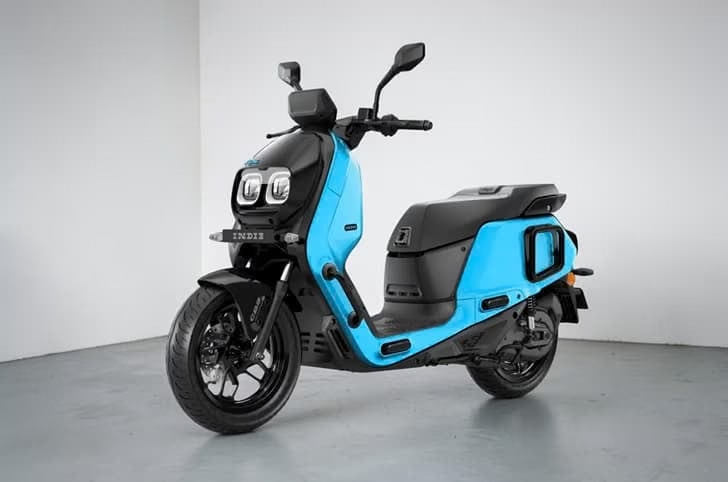
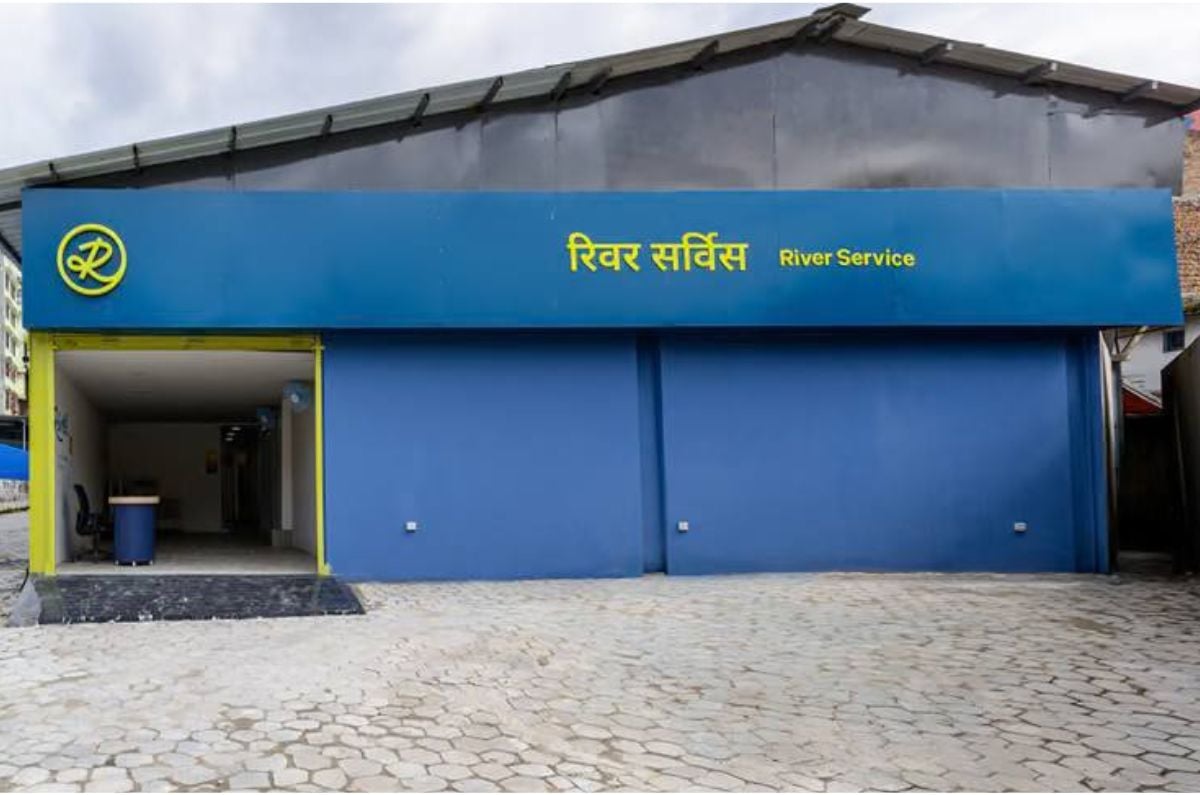
River Mobility has entered Nepal in partnership with Vishal Group opening its first international retail and service outlet in Kathmandu. Its flagship electric scooter, the Indie, is priced at NPR 3.7 lakh (ex-showroom, Kathmandu).
Partnered with Vishal Group to open first international store
Will retail flagship Indie electric scooter
Nepal is the first market River enters outside India
River Mobility International Expansion
Plans to expand its network across Nepal
Bengaluru-based electric two-wheeler manufacturer River Mobility has opened its first international store in Nepal. The retail and service outlet in Naxal, Kathmandu, was made possible through a partnership with regional conglomerate Vishal Group. Through this outlet, the brand will retail its flagship electric scooter the Indie, along with accessories and merchandise. To provide after-sales services and customer support, a dedicated service centre has also been established.
Beyond Kathmandu, River plans to expand its footprint to key cities across Nepal to broaden customer access and after-sales reach. The River Indie is priced at NPR 3.7 lakh (ex-showroom, Kathmandu), equivalent to approximately Rs 2.30 lakh, making it roughly Rs 73,000 more expensive than its Indian price tag (Rs 1.57 lakh ex-showroom, Bengaluru). Test rides and bookings are available at the new outlet.
River currently operates over 90 stores across India, including Karnataka, Kerala, Tamil Nadu, Maharashtra, Telangana, Andhra Pradesh and Delhi-NCR, with plans to increase its domestic retail network to more than 400 stores by March 2028, covering existing and new markets.
With inputs from Eshisha Java and Suraj Sreekumar. NPR-to-INR conversions are based on exchange rates at the time of writing.
Yamaha Motor India has announced the beginning of its festive season offers, covering most of its popular motorcycles and scooters. The offers come in the form of insurance premium benefits, low down payment with flexible finance schemes, or both. Yamaha has told us that the insurance benefits mentioned here is the minimum amount customers can expect to get on their premiums.
Yamaha R15 and MT-15 don’t get any discount benefits
FZ series get the highest offer of the bunch
Yamaha festive offers: The breakdown
Aerox, R15S and EC-06 are completely exempted
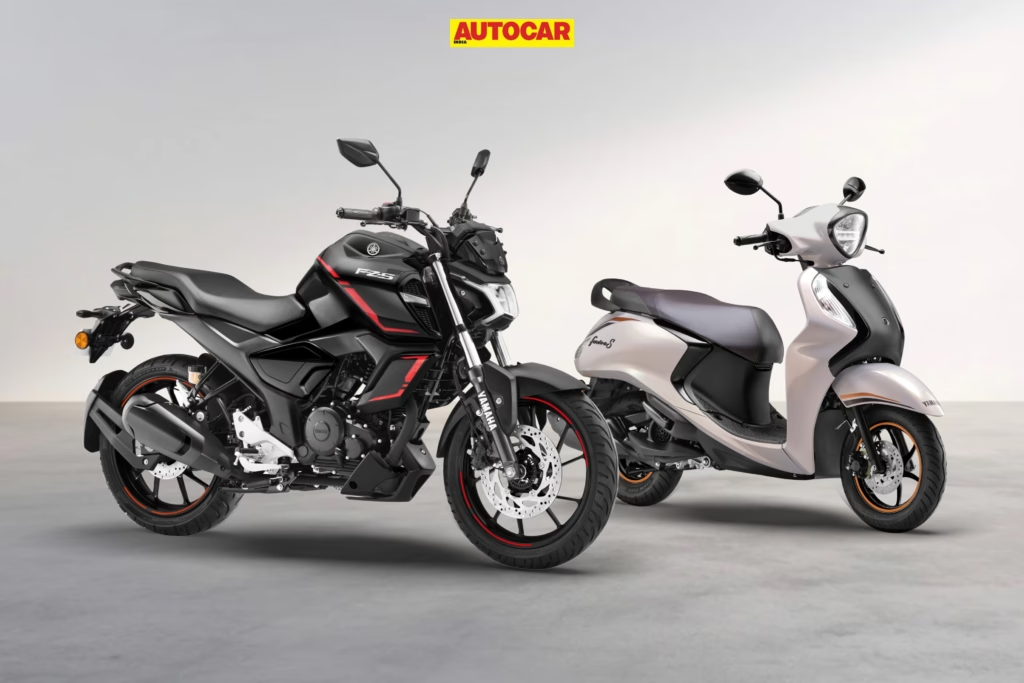
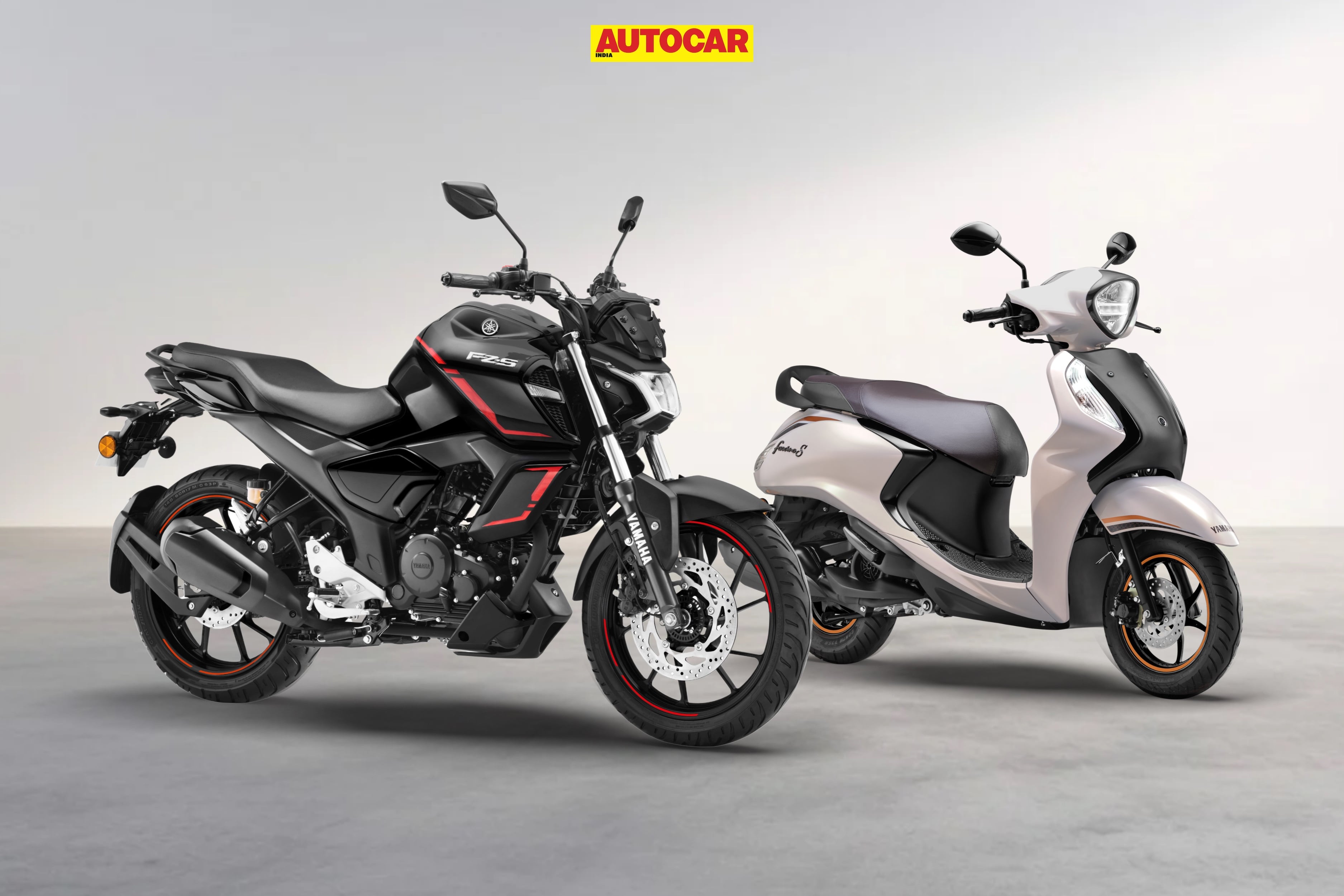
The Fascino and RayZR 125, both recently updated, get the least amount of offers. The 125cc scooter duo, besides sharing the same platform, also share the same Rs 3,399 benefit for the insurance and a lowered down payment of Rs 2,499. The FZ series, now consisting of seven different variants, get Rs 5,999 as insurance benefit and Rs 3,900 as the down payment. The R15 and the MT-15 do not get any insurance benefits, just a lowered down payment of Rs 4,999. The XSR155, on the other hand, gets Rs 5,555 worth of insurance benefit and the same lowered down payment amount.
Type
Product/Variant
Insurance Benefit*
Low down payment*
Yamaha Hybrid scooter range
Fascino 125, RayZR 125
Rs 3,399
Rs 2,499
Yamaha FZ series
FZ-S (FZ-S Fi Hybrid, FZ-S Fi, FZ-S Fi V4 DLX and FZ-S Fi V4)
FZ (FZ Rave, FZ-Fi and FZ Blue Flex)
Rs 5,999
Rs 3,900
Yamaha 155cc motorcycles
XSR155
Rs 5,555
Rs 4,999
Yamaha 155cc motorcycles
R15 and MT-15
NA
Rs 4,999
The recently launched Yamaha R2 does not get any offers at this time, nor do the Aerox, R15S and Yamaha’s first electric scooter, the EC-06. The Japanese manufacturer has specified that the offers are currently not applicable in the states of Keralam and Tamil Nadu. Elsewhere in the country, the insurance benefits have been effective from October 1 (October 10 in Maharashtra) to November 15. The lowered down payment and finance schemes have been effective since October 1 and will remain so until the end of November.
*Terms and conditions apply. Insurance benefits based on the applicable insurance cost, excluding add-ons.
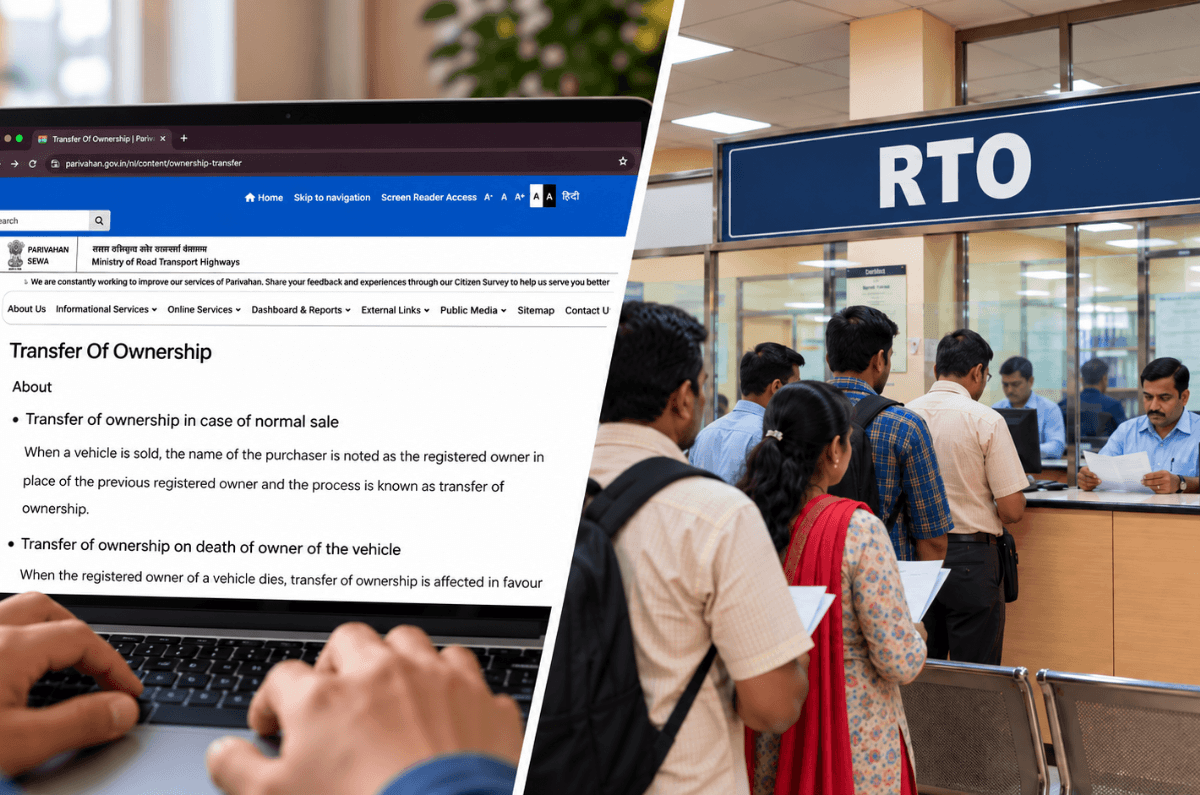
If you are moving to another state or selling your car to someone, you need to transfer the vehicle registration. This updates the registration to the new state if you relocate, or to the new owner if you sell the car. Since each state’s transport department has its own rules, registration certificate (RC) transfer fees, requirements and timelines can differ. So how exactly do you transfer your RC to a new regional transport office (RTO) and what are the documents and fees required in the process? We answer all your questions here.
Disclaimer:This guide is for private vehicles. Commercial vehicles need additional paperwork, such as permit and fitness documents, which are not covered here. The information used here comes from the Parivahan portal. Documents, fees and deadlines vary by state and RTO, and are subject to change. Check with your local RTO before you apply or pay.
What forms are required for an RC transfer?
Form
Purpose
Form 29
The seller’s notice reporting the transfer of ownership.
Form 30
The buyer’s application to register the vehicle in their name.
Form 31
Transfer of the vehicle to the person who succeeds the owner after their death.
Form 32
Transfer of a vehicle bought through a government auction.
Form 28
Application for a No-objection Certificate (NOC).
Form 35
Application to remove loan, lease or hypothecation details from the RC.
The form you need depends on how the vehicle’s ownership is changing. Forms 29 and 30 are the main forms used in a regular used-car sale.
Why should you complete the RC transfer soon after a sale?
If you do not complete the ownership transfer or pay the applicable RTO charges, you may face penalties. You could also be held legally responsible if a car you sold is still registered in your name and is involved in an accident or criminal offence.
For a vehicle transferred within the same state, the buyer should submit the ownership-transfer application within 14 days of the sale. If the vehicle is registered in another state, the buyer should apply within 45 days. The seller should also protect their own interests instead of waiting for the buyer to finish the entire process. Form 29 and the sale intimation should be submitted promptly to create an official record of the handover. State transport departments may charge late fees or impose penalties if the application is submitted after the deadline.
Don’t forget to transfer the insurance policy
Updating the RC does not automatically transfer the motor insurance policy. The buyer should contact the insurer, submit the updated ownership documents and complete a new proposal or endorsement request. The RC and insurance policy should ultimately show the same owner’s name and address.
The seller’s No Claim Bonus (NCB) belongs to the seller. The seller can request an NCB retention certificate and use the eligible discount on another vehicle. The buyer should start the insurance transfer immediately and complete it within 14 days of the ownership transfer. A delay may affect eligibility for an own-damage claim.
What other documents are required for an RC transfer?
The exact list can vary by state and RTO. A regular sale usually requires:
Original RC.
Completed and signed Forms 29 and 30
Valid motor insurance certificate
Valid pollution under control (PUC) certificate
The buyer’s identity and address proof
PAN card or Form 60, where applicable
Passport-sized photographs
Pencil print of the chassis and engine numbers, if required
Sale agreement or delivery note
Applicable tax-clearance proof
Fee-payment receipt
Financier’s NOC and Form 35, if a loan is recorded
RTO NOC for an interstate transfer
Some states allow Aadhaar-based authentication and digital document submission. Others may require physical copies or verification at the RTO.
How to transfer an RC online?
You can usually start the ownership transfer through the Parivahan vehicle-services portal.
Step 1: Open vehicle-related services
Go to the vehicle-related services section on Parivahan and select the state where the vehicle is registered.
Step 2: Enter the vehicle details
Enter the registration number and open the online services section. For authentication, you may need the last five digits of the chassis number and an OTP sent to the registered mobile number.
The mobile number linked to the RC must be active. If it is outdated, the registered owner may need to update it before continuing.
Step 3: Select transfer of ownership
Choose the transfer-of-ownership service. In some states, the seller must start the application before the buyer can enter the remaining details.
Step 4: Enter the buyer and sale details
Enter the sale date, the buyer’s address and identity details, and any other information requested. Make sure all entries match the supporting documents.
Step 5: Upload the documents
Upload the signed forms and supporting documents where online uploads are available. Make sure the images are clear, and all signatures can be seen.
Step 6: Pay the applicable fee
Check the fee details and pay online. Save the payment receipt and application number.
Step 7: Complete verification
Depending on the state, verification may be completed through Aadhaar authentication, faceless verification or a physical visit to the RTO.
For a physical verification, you may need to bring the original RC, signed forms and identity documents.
Step 8: Track the application
Use the application number or vehicle registration details to check the status on the Parivahan portal. After approval, the updated RC may be available digitally through DigiLocker or mParivahan before the physical card arrives.
How to transfer an RC offline?
You can also complete the transfer by visiting the RTO. The seller and buyer should fill in and sign Forms 29 and 30. The buyer then submits the forms, original RC, insurance, PUC, identity documents and other required papers to the appropriate registering authority.
After the fee is paid, the RTO checks the application and updates the registration record. It may ask for a physical vehicle inspection, especially for interstate transfers, address mismatches or document discrepancies. Always collect an acknowledgement or receipt when you submit the application.
How to transfer an RC within the same state?
A transfer within the same state is usually simpler because the vehicle keeps its existing registration number. The buyer generally submits Forms 29 and 30 along with the RC, insurance, PUC and personal documents. A separate NOC for an interstate transfer is normally not required. However, the process can differ if the seller and buyer come under different RTO jurisdictions within the same state. The online portal will usually direct the application to the relevant authority.
How to transfer an RC between states?
An interstate sale may involve two related processes:
Ownership transfer
Re-assignment of the registration mark in the buyer’s state
The seller should get an NOC from the original RTO using Form 28. The buyer then submits the ownership-transfer documents and pays the applicable road tax in the destination state, whether it be from Haryana, Maharashtra or Tamil Nadu. We will explain this process in the following FAQs.
The documents may include:
Original RC
Forms 29 and 30
RTO NOC
Insurance and PUC certificates
The buyer’s local address proof
Tax-payment documents
Pencil print of the chassis and engine numbers
Vehicle inspection report, if required
If the vehicle is moved to another state for more than 12 months, the owner may also need to apply for a new registration mark.
A road-tax refund from the original state is handled separately and depends on that state’s rules. The owner may need to provide proof of re-registration and tax payment in the new state.
How to get an NOC?
There are two ways to apply for an NOC – offline and online. The first method requires you fill out a copy of the Form 28. After that, attach the other required documents which are mentioned above, pay the applicable fee and submit the application at your RTO. Before starting, make sure there are no pending challans, unpaid toll dues, or vehicle tax payments, as the RTO will not issue an NOC if any dues remain. This process can also be done online by visiting the Parivahan portal – parivahan.gov.in. An NOC is valid for six months from the date of issue.
How to transfer the RC of a car with an active loan?
Check the RC for a hypothecation entry that names the bank or finance company. A vehicle with an active loan generally cannot be transferred without the financier’s consent. The seller should first close the loan or obtain the required approval. After the dues are cleared, the lender provides a loan-closure or no-dues certificate and signs Form 35. The owner can then apply to remove the hypothecation entry from the RC. In some states, you can request hypothecation removal and ownership transfer at the same time. Completing the loan-removal process first can reduce the risk of rejection.
How to transfer the RC of a car after the registered owner’s death?
When the registered owner dies, the person who succeeds to the vehicle should inform the registering authority and apply to transfer ownership using Form 31. The successor may use the vehicle for up to three months if the registering authority is informed within 30 days of the owner’s death.
The application usually requires:
Form 31
Original RC
Insurance and PUC certificates
Death certificate
Proof of succession or legal-heir documents
Declarations from other legal heirs
The applicant’s address and identity proof
Vehicle-verification documents, if required
Requirements can differ if there is a will, more than one legal heir or a dispute over ownership.
How to transfer the RC of a car bought at a government auction?
If you buy a vehicle through an auction held by or on behalf of the Central or a state government, you should apply using Form 32 within 30 days of taking possession. The buyer must submit the auction certificate or sale order, the government authorisation for the auction, the available vehicle documents and the applicable fee. Auction vehicles may have incomplete records, repairs that are still needed or unusual registration histories. Check the documents before bidding.
How much does an RC transfer cost?
RC transfer charges depend on the vehicle category, state, smart-card fee, postal charge, any outstanding tax and whether extra services are needed. The Parivahan portal shows the amount payable before you make an online payment. Under Rule 81 of the Central Motor Vehicles Rules, the RC transfer fee is half the standard registration fee. This may amount to Rs 150 for a motorcycle and Rs 300 for a private car. Delays can attract a late fee of Rs 300 per month for motorcycles and Rs 500 per month for cars. Some states may also impose a penalty if the application is not submitted within 14 days of purchase. Road tax is charged separately, and is applicable if the vehicle is being re-registered in another state.
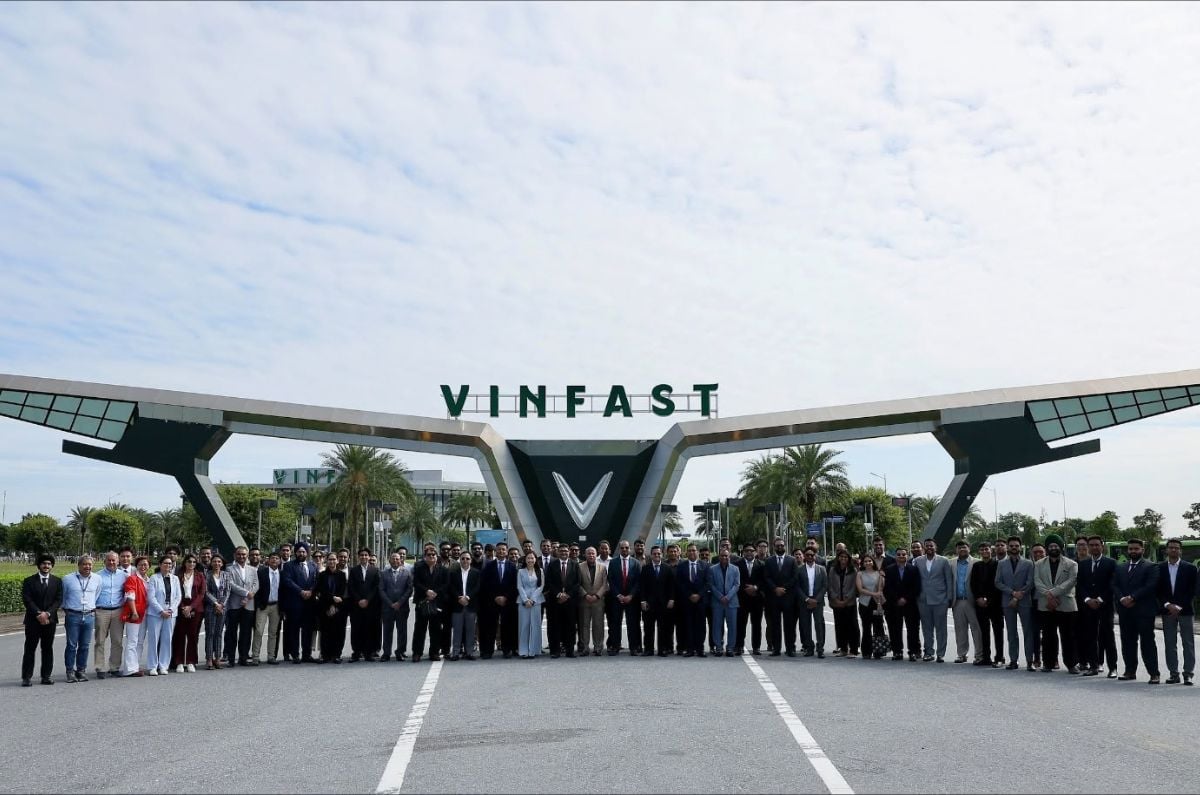
VinFast entered the Indian market in 2025, with activities spanning from the distribution, manufacturing and assembly of electric cars. Following this, the brand also showed some e-scooters at Auto Expo and then subsequently patented designs of some of them in our market, all hinting at plans to enter the huge Indian two-wheeler market. The signing of these letters of intent (LOIs) and partnering with numerous electric two-wheeler dealers now marks a new phase in the brand’s expansion in the Indian market.
Partnered with 50+ electric two-wheeler dealers across 15 states
Plans to establish showrooms across 34 cities
Line-up likely to feature the recently patented Viper and Rasad e-scooters
Retail network expansion details
Over 50 showrooms panned 15 states
Vinfast and its dealer partners will work together to establish 50+ electric two-wheeler showrooms across 34 cities in 15 states and territories. The locations that the company is targeting to establish a presence in first include Delhi, Rajasthan, Punjab, Madhya Pradesh, Chhattisgarh, Uttar Pradesh, Maharashtra, Gujarat, Karnataka, Telangana, Tamil Nadu, Kerala, Andhra Pradesh, West Bengal and Odisha. Through these partnerships VinFast plans to bring its electric scooter line-up to the country, though it hasn’t shared any timelines so far. Initial line-up expected to feature the Viper and Rasad electric scooters, following design patents filed in India earlier this year.
These selected cities and regions have large two-wheeler markets, providing significant room for the brand’s expansion. VinFast says in fiscal year 2025-2026 there were 21.41 million two-wheelers registered, of which electric vehicles accounted for only 6.54 percent. When VinFast does officially launch some of its models in our country, it will have to ward off stiff competition from both established legacy players as well as mould-breaking start-ups like Bajaj, TVS, Hero, Suzuki, Yamaha, Ather and River.
तमिलनाडु के असनूर इलाके में एक सामान्य सफर उस वक्त डरावने अनुभव में बदल गया, जब जंगल की तरफ से निकला एक जंगली हाथी अचानक एक कार के सामने आ गया। बेंगलुरु-दिंडीगुल राष्ट्रीय राजमार्ग पर चल रही गाड़ी में बैठे यात्रियों ने शायद सोचा भी नहीं होगा कि अगले कुछ सेकंड में उन्हें इतने करीब से हाथी का सामना करना पड़ेगा।
कार मैसूर से कोयंबटूर की ओर जा रही थी। इसी दौरान हाथी सड़क के पास पहुंचा और वाहन के बेहद नजदीक आ गया। देखते ही देखते उसने कार पर अपना पैर रख दिया। विशाल जानवर को इतने करीब देखकर अंदर बैठे यात्रियों की घबराहट बढ़ गई।
कुछ सेकंड का खौफ
हाथी के वजन से कार का साइड मिरर टूट गया, लेकिन राहत की बात यह रही कि वाहन में सवार किसी भी व्यक्ति को चोट नहीं आई। घटना के बाद यात्रियों के लिए सबसे बड़ी राहत यही थी कि हाथी ने ज्यादा देर तक वाहन के आसपास रुकने के बजाय वहां से दूरी बना ली। इस पूरे घटनाक्रम ने एक बार फिर दिखा दिया कि जंगल से होकर गुजरने वाले हाईवे पर कुछ सेकंड की लापरवाही कितनी भारी पड़ सकती है।
सड़क नहीं, हाथियों का पुराना रास्ता भी है यह इलाका
असनूर का इलाका जंगलों से घिरा हुआ है और यहां से गुजरने वाले रास्तों पर वन्यजीवों की आवाजाही देखी जाती है। आसपास के जंगल चामराजनगर क्षेत्र और बांदीपुर टाइगर रिजर्व से जुड़े वनक्षेत्रों के करीब हैं।
हाथियों के लिए जंगल से जंगल तक आने-जाने के प्राकृतिक रास्ते मौजूद हैं। ऐसे में जब हाईवे इन इलाकों के बीच से गुजरता है, तो कई बार इंसानों और वन्यजीवों का रास्ता एक ही जगह पर आ मिलता है।
Wild Elephant Intercepts Vehicle Along Bengaluru–Dindigul Highway near Asanur
Karnataka-Tamilnadu Border
Motorists traveling along the national highway through the reserve forest area in Asanur, near the #TamilNadu–#Karnataka border, experienced moments of sheer terror after a lone #elephant blocked their path and approached an occupied car within arm’s reach.
The incident occurred during daylight hours along the #Bengaluru–Dindigul National Highway near Asanur. A car was forced to halt in the middle of the road as the pachyderm crossed over from the dense tree line.
Video footage captured by an occupant of a vehicle trailing behind showed the elephant walking directly up to the front passenger door of the stationary car. In a heart-stopping moment, the animal lifted its front leg onto the vehicle’s bodywork and extended its trunk toward the window, closely inspecting the occupants inside.
The driver and passengers remained completely still, resisting the urge to honk or make abrupt movements. After lingering by the door for several seconds, the elephant lowered its leg, brushed past the rear quarter panel, and continued ambling across the road into the adjoining thicket. No injuries or major structural damage were reported.The vehicle was travelling from #Mysuru to #Coimbatore.
Forest officials noted that elephants frequently cross this section of the corridor during seasonal movements.
वन विभाग लंबे समय से वाहन चालकों को आगाह करता रहा है कि जंगल वाले रास्तों पर जानवरों को देखकर रुकना या उन्हें खाना देना भारी पड़ सकता है। खासतौर पर सब्जियों, गन्ने या अन्य खाद्य सामग्री की मौजूदगी हाथियों को वाहनों के करीब ला सकती है।
एक बार अगर किसी हाथी को गाड़ियों से खाना मिलने लगे, तो वह वाहनों के पास आने का आदी हो सकता है। इससे अगली बार सामना होने पर स्थिति और ज्यादा खतरनाक बन सकती है।
ऐसे इलाकों में सफर करने वालों के लिए सबसे जरूरी बात है कि हाथी दिखाई देने पर वाहन से बाहर न निकलें और उसके करीब जाने की कोशिश न करें। हॉर्न बजाकर या रास्ता रोककर उसे परेशान करना भी जोखिम बढ़ा सकता है।
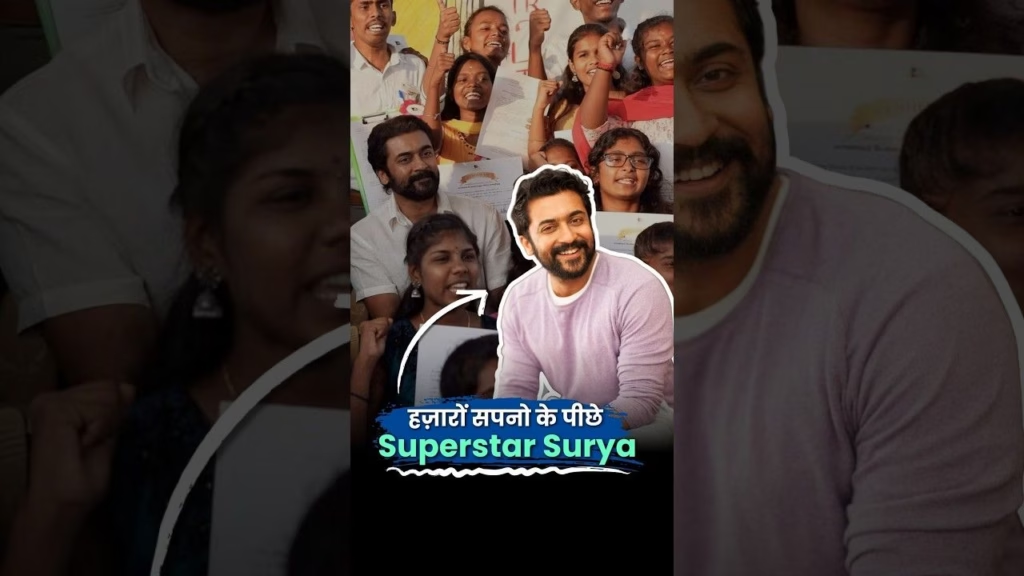
एक सुपरस्टार की असली ताकत सिर्फ उसकी फिल्मों की कमाई या फेम नहीं होती,
कभी-कभी उसकी असली पहचान इस बात से होती है कि उसकी वजह से कितनी जिंदगियां बदलती हैं।
2006 में सूर्या ने Agaram Foundation की शुरुआत इस सोच के साथ की कि पैसों की वजह से किसी बच्चे की Higher Education न रुके।
आज Agaram से 6,500+ students Support पा चुके हैं।
इनमें 70+ Doctors और 1,750+ Engineers बन चुके हैं।
लेकिन सबसे खूबसूरत बात उन बच्चों की है, जो अपने परिवार की पहली पीढ़ी हैं, जो Higher Education तक पहुँची।
यानी एक बच्चे की पढ़ाई… सिर्फ एक जिंदगी नहीं बदलती, वो पूरे परिवार की दिशा बदल देती है।
शायद Superstar होने का सबसे खूबसूरत मतलब यही है-
लोग आपको देखकर सिर्फ सपना न देखें, आपकी वजह से उसे पूरा भी कर सकें।
NEET paper leak: नीट यूजी, यूजीसी नेट और महाराष्ट्र टीईटी के प्रश्नपत्र लीक का खुलासा होने के बाद चौरतरफा दबाव झेल रही राष्ट्रीय परीक्षा एजेंसी (NTA) में बड़ा बदलाव होने जा रहा है। परीक्षा एजेंसी के नई दिल्ली ऑफिस की सुरक्षा व्यवस्था अब केंद्रीय सुरक्षा बलों के हाथ में होगी। एनटीए के उस हिस्से की पहरेदारी अब सेंट्रल इंडस्ट्रियल सिक्योरिटी फोर्स (CISF) के करेगी, जहां गोपनीय एग्जामिनेशन मटीरियल को स्टोर किया जाता है।
अधिकारियों ने कहा कि यह तैनाती अगले दो से तीन महीनों में पूरी होने की उम्मीद है। यह कदम नीट यूजी पेपर लीक विवाद और परीक्षा में कथित गड़बड़ियों से जुड़े कई दूसरे मामलों के बाद उठाया गया है। एनटीए ने अपनी सभी संवेदनशील गतिविधियां मिंटो रोड पर भारत सरकार की प्रेस बिल्डिंग में स्थानांतरित कर दी है।
एनटीए ऑफिस में सुरक्षा के उपाय
मिंटो रोड स्थित एनटीए के नए ऑफिस पर 39 सीआईएसएफ कर्मी होंगे जो प्रवेश नियंत्रण, जांच और तलाशी के लिए जिम्मेदार होंगे। सुरक्षा जांच में एक्स-रे बैगेज स्कैनर और डोर फ्रेम मेटल डिटेक्टर भी शामिल होंगे, जबकि कॉन्फिडेंशियल एरिया के अंदर आने-जाने पर कड़ी नजर रखी जाएगी। एनटीए कड़े एक्सेस कंट्रोल, एन्क्रिप्शन, टैम्पर-एविडेंट स्टोरेज और इम्यूटेबल लॉग के जरिए अपनी डिजिटल सुरक्षा को भी मजबूत कर रहा है। बायोमेट्रिक ऑथेंटिकेशन, फेशियल रिकग्निशन, सीसीटीवी और लाइव मॉनिटरिंग को भी मजबूत किया जा रहा है।
प्रश्नपत्रों की सख्त जांच के लिए बनी व्यवस्था
एजेंसी ने एक चीफ इन्फॉर्मेशन सिक्योरिटी ऑफिसर (CISO) की पोस्ट बनाई है और इंडिपेंडेंट साइबर-सिक्योरिटी ऑडिट कर रही है। सरकार ने चार-लेवल का क्वेश्चन-पेपर चेकिंग सिस्टम भी शुरू किया है और एनटीए की विशेषज्ञ और प्रशासनिक टीमों को मजबूत किया है।
कई पेपर लीक बने फैसले की वजह
यह फैसला 2026 में नीट यूजी पेपर लीक मामले के बाद आया है। सीबीआई ने 3 मई के परीक्षा से पहले प्रश्नपत्र के कथित सर्कुलेशन को लेकर केस दर्ज किया था। एजेंसी ने तब से गिरफ्तारियां की हैं और केमिस्ट्री और बायोलॉजी के पेपर के कथित लीक की जांच की है। सीबीआई के मुताबिक, प्रश्नपत्र तक पहुंच रखने वाले एक केमिस्ट्री प्रवक्ता ने परीक्षा से पहले कथित तौर पर कोचिंग सेशन किए थे। जांच करने वालों ने कहा कि इन सत्र के दौरान, जिन सवालों और जवाबों पर चर्चा हुई वे परीक्षा में आए नीट यूजी पेपर से मेल खाते थे। यूजीसी नेट और महाराष्ट्र टीचर एलिजिबिलिटी टेस्ट (TET) समेत दूसरी परीक्षाओं में भी पेपर लीक के आरोप सामने आए हैं, जहां हाल ही में दो मुख्य संदिग्धों को गिरफ्तार किया गया था।