Royal Enfield Guerrilla 450 vs Triumph Tracker 400 Comparison: Street Brawl

Royal Enfield Guerrilla 450 vs Triumph Tracker 400 Comparison: Street Brawl
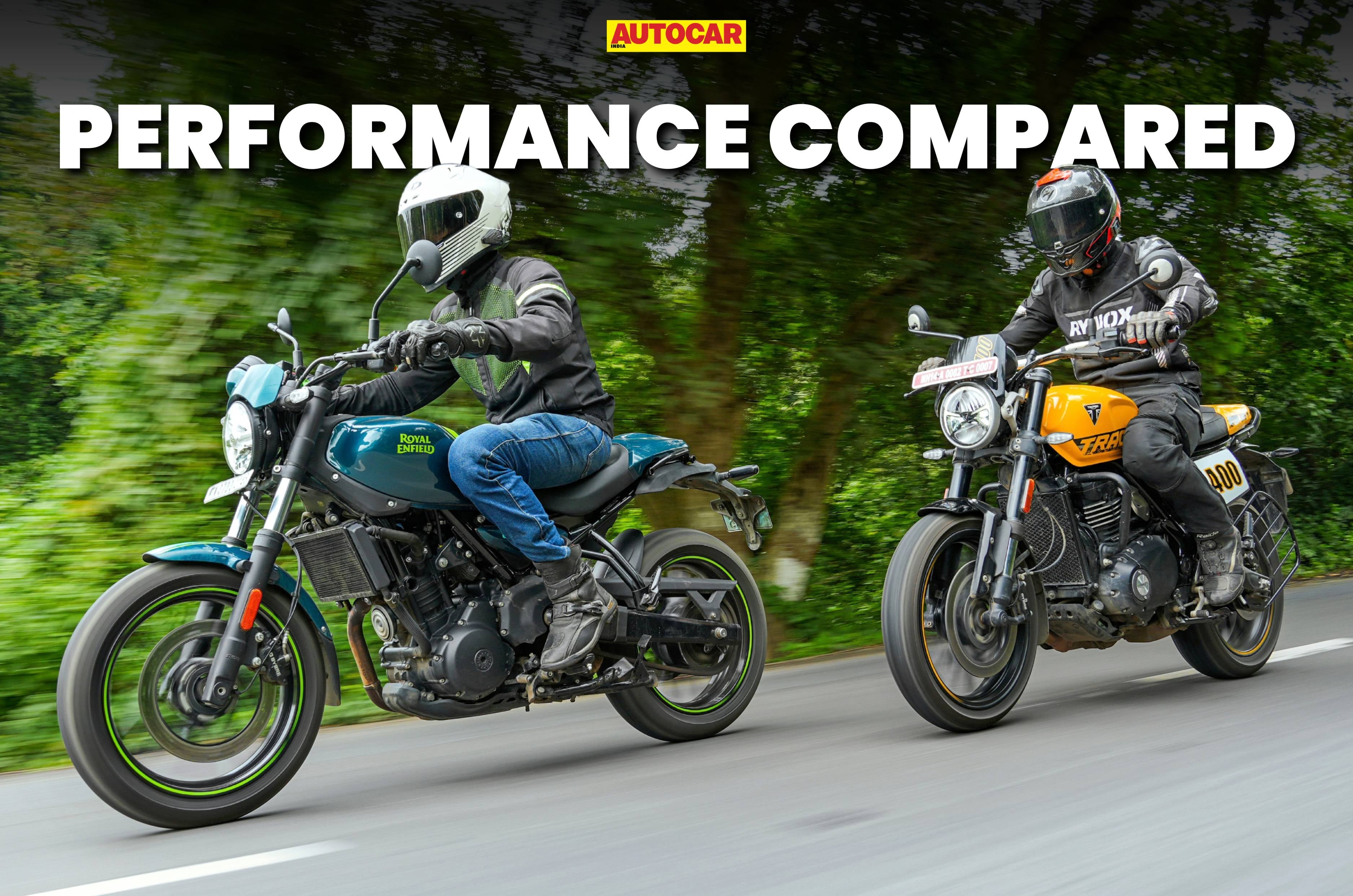
Royal Enfield Guerrilla 450 vs Triumph Tracker 400 Comparison Lead Image

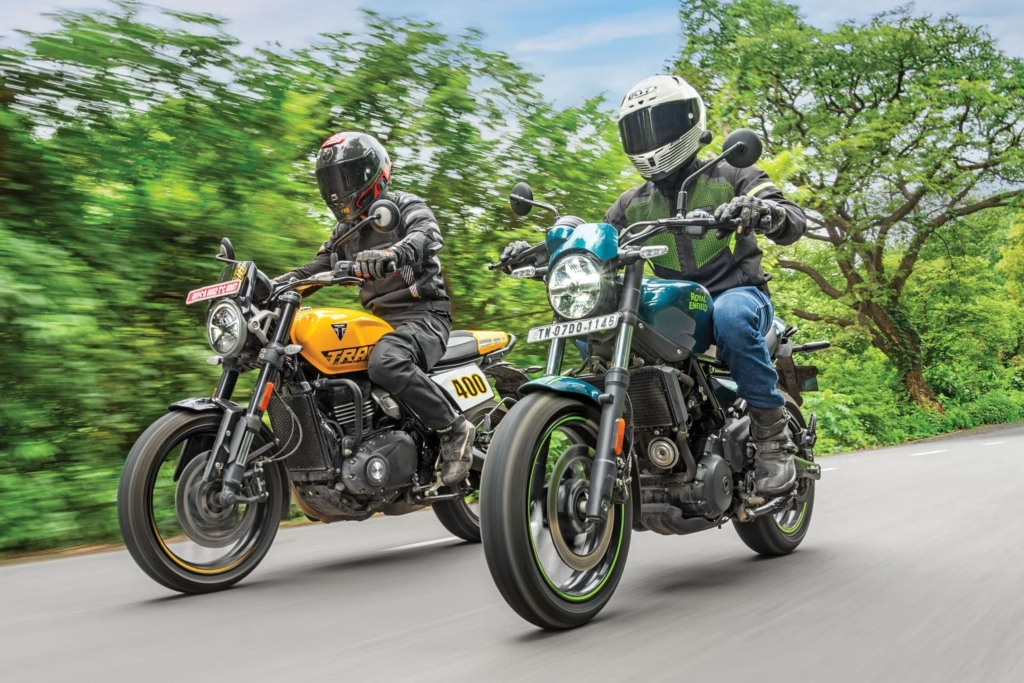
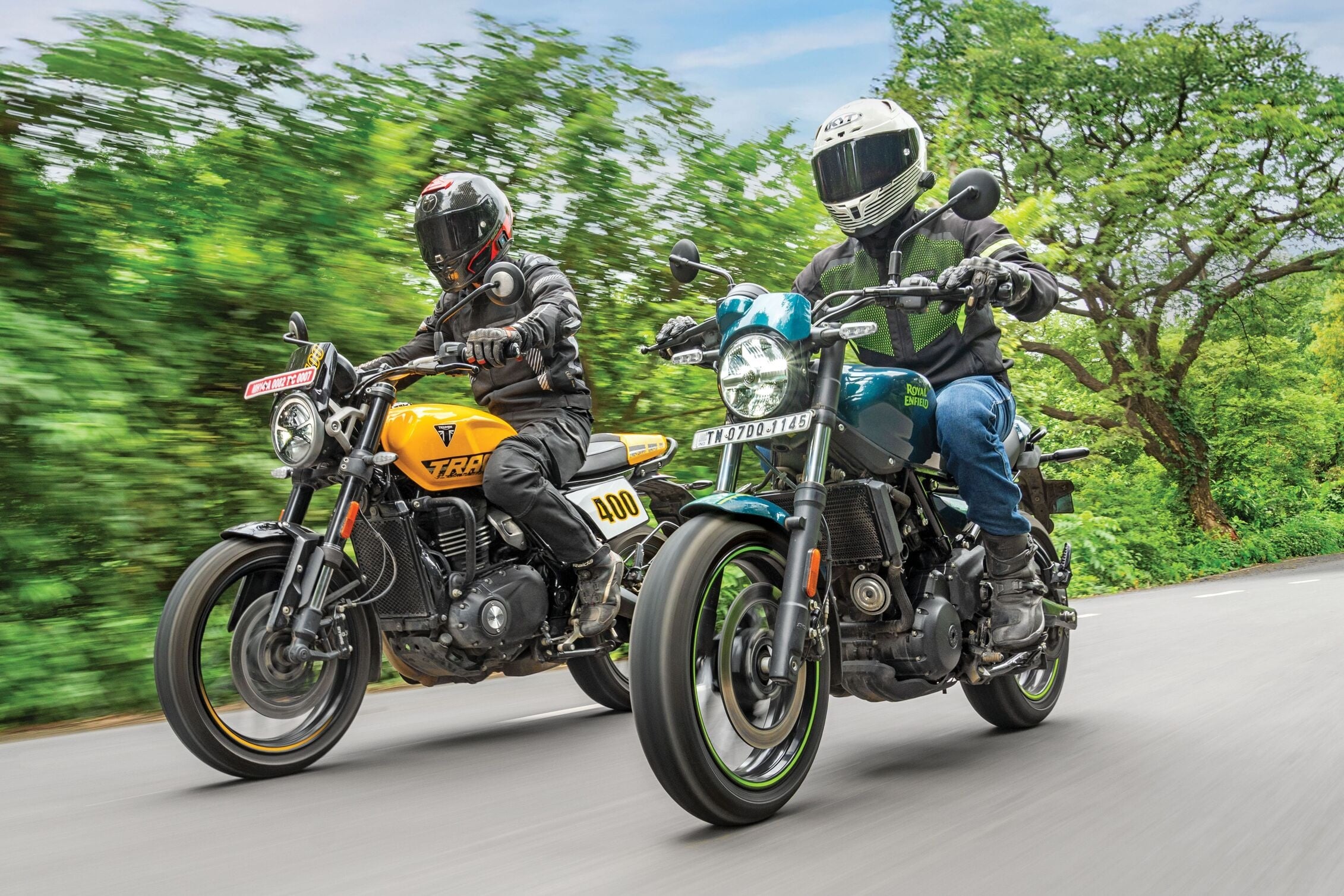
If you are considering either of these motorcycles, chances are you are also considering the other, especially since they both cost about the same. After the Triumph 400cc bikes were downsized, the Tracker 400 now uses a 349cc engine, while the Guerrilla 450 Apex is a sportier variant with more aggressive ergonomics and grippy, road-focused tyres, which I think suit the bike much better than those on the earlier variant.

On paper, the Tracker makes 40hp and 32Nm, while the Guerrilla produces 40.02hp and 40Nm. The Triumph is a lighter, more compact motorcycle, while the Royal Enfield has a larger engine with more torque and offers a stable, planted feel. So, which one makes more sense for someone looking for a sporty, entertaining roadster?

Design and Features

Both motorcycles have very different visual identities, and that is probably the first thing you’ll notice. The Tracker 400 is inspired by flat-track racers, with a flat seat, side number boards and a wide handlebar. But this isn’t really a dirt-track-focussed motorcycle underneath, as its ergonomics, chassis and suspension are properly road-oriented.

The Guerrilla 450 Apex, meanwhile, looks like a sporty and muscular roadster. Compared to the standard variant, it gets a small cowl over the headlight, a new aluminium handlebar, a removable rear-seat cowl and Vredestein Centauro ST+ tyres. The Apex also has a leaned-forward, more committed riding position compared with the standard Guerrilla.
The Tracker is a relatively compact motorcycle, while the Guerrilla’s longer 1,440mm wheelbase and broad 160-section rear tyre give it a more substantial stance. The Triumph gets a larger 13-litre fuel tank compared with the Guerrilla’s 11-litre unit, which can be tedious when long-distance touring.

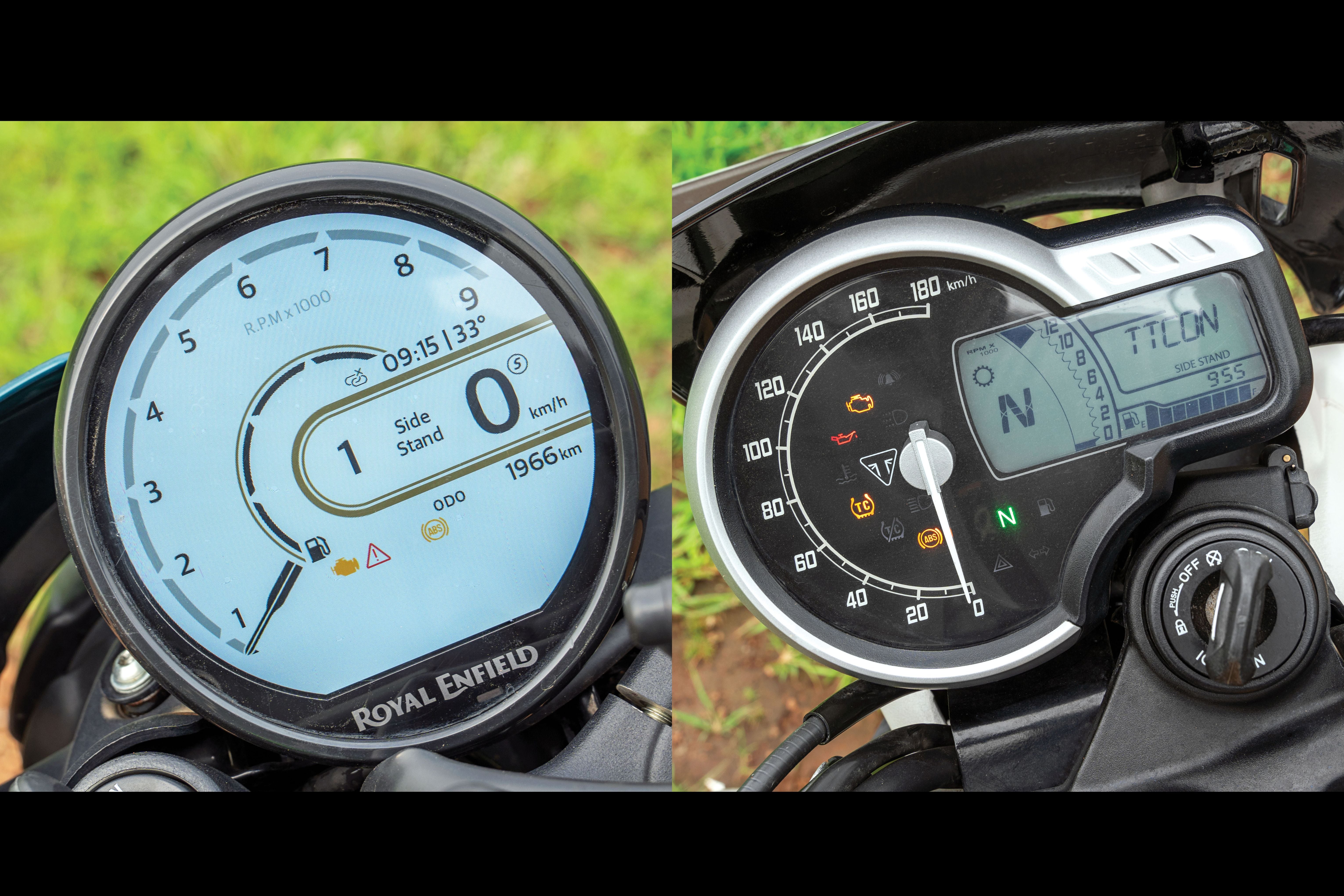
Both motorcycles are equally impressive when it comes to build quality and fit and finish. The Tracker features the same digi-analogue console we have seen on all the other Triumph 400 models, while the Guerrilla features the same TFT unit from the Himalayan. The Guerrilla gets two riding modes (Sport and Street), both of which feel quite similar. On the other hand, the Tracker gets a switchable traction control system that the Guerrilla misses out on. Neither has a quickshifter. In terms of convenience, the Guerrilla has a more accessible 780mm seat height and also gets a main stand, which aids in easier chain maintenance.
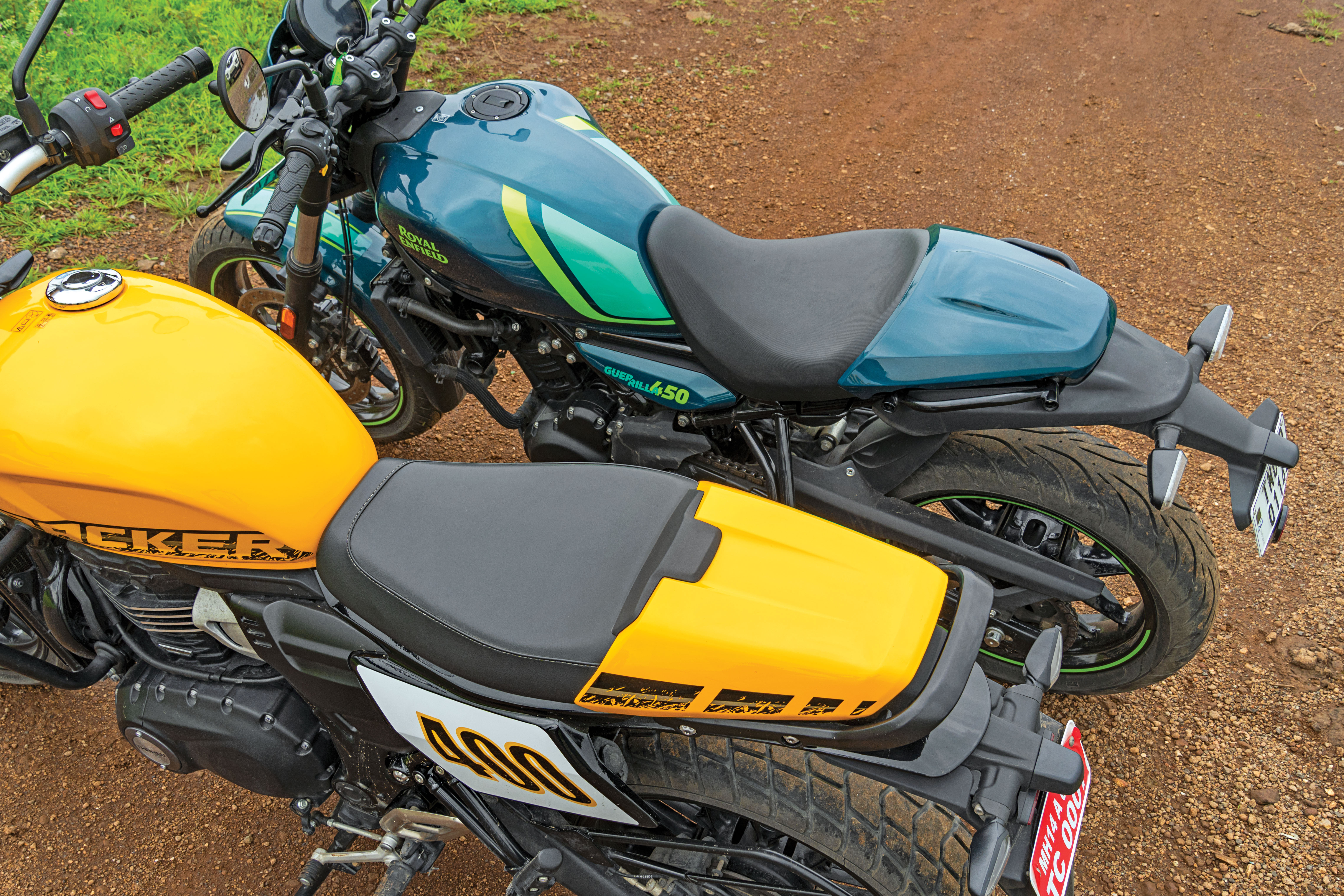
There is also a difference in ergonomics. The Tracker’s seat is flat and the riding position is relatively sporty, with rear-set footpegs that suit the character of the bike. The Guerrilla Apex has a lower and more accessible 780mm seat and roadster-like, neutral-set footpegs, along with a committed upper-body position. Between the two, you sit on top of the Tracker with its flat seat, while on the Guerrilla, you sit inside the curved seat, and it is also the more comfortable of the two.

Performance and Fuel Economy

This is where things get interesting because the Tracker 400’s 349cc engine is 103cc smaller than the Guerrilla’s 452cc unit, yet peak power is almost identical. The Triumph produces 40hp at 8,750rpm and 32Nm at 7,500rpm, while the Royal Enfield makes 40.02hp at 8,000rpm. Of course, the difference comes in torque, where the RE makes a much healthier 40Nm at 5,500rpm.

The difference in torque delivery is immediately noticeable. The Tracker’s engine likes to be revved out, but you still have to work it quite a bit. The Guerrilla’s Sherpa engine has a different personality. It doesn’t need to be worked as hard, and the additional 8Nm gives it much stronger roll-on performance. It feels more raw and powerful as soon as you open the throttle, and the surge in power after 6,000rpm makes it feel really exciting. After 7,000rpm, there are some vibrations, but nothing that really ruins the riding experience.
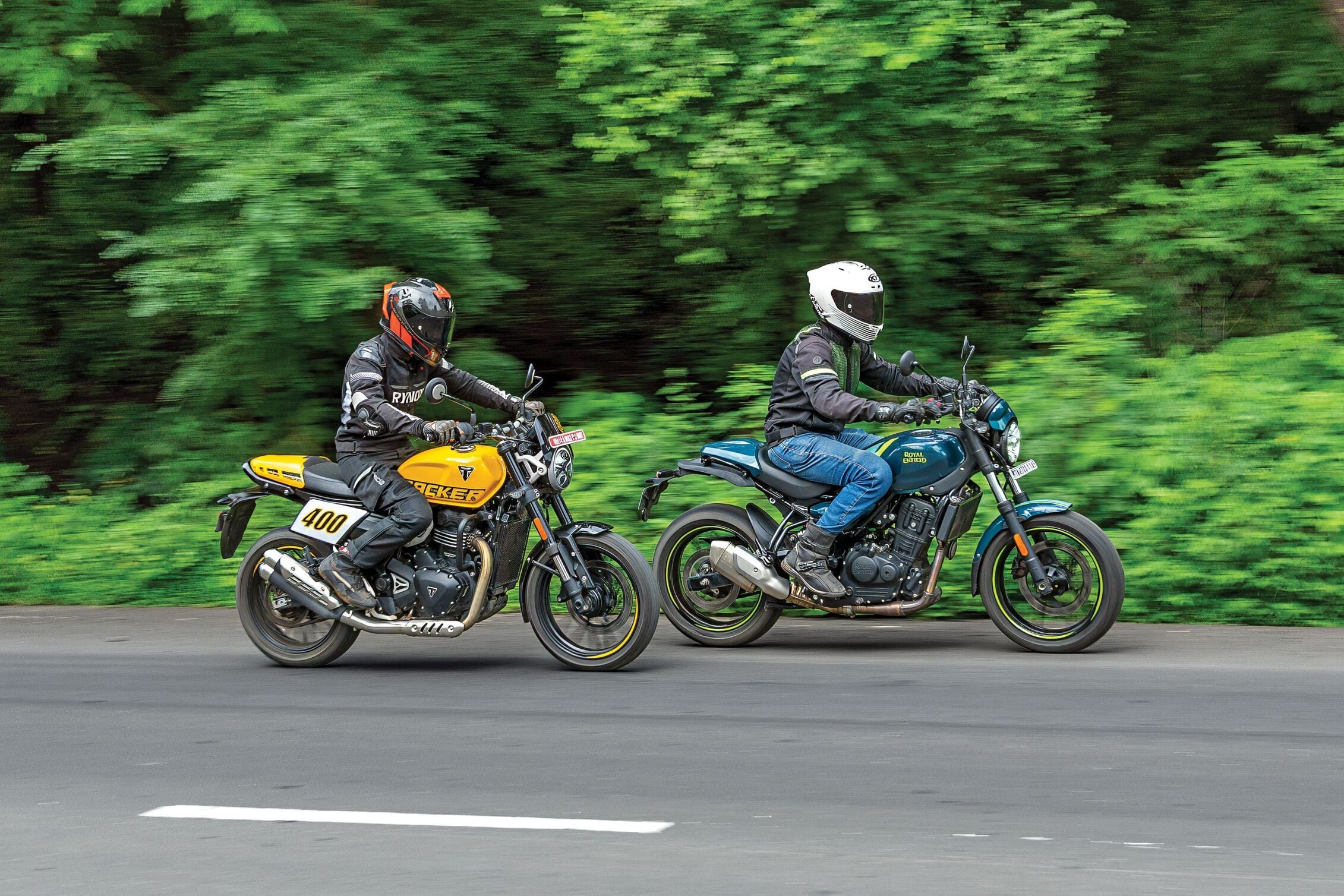
The Tracker’s shorter-stroke engine is very refined at moderate engine speeds, but once you start revving it harder, some buzz makes its way into the tank and footpegs at the top end of the rev range. It remains an entertaining engine, but considering I have ridden the older 398cc Thruxton 400, I feel like it misses out on that initial torque kick.

In our performance tests, the Guerrilla completed the 0-100kph sprint in 6.34 seconds, while the Tracker took 7.55 seconds for the same, marking a difference of 1.21 seconds. The real difference in performance was more visible in the roll-on acceleration tests where the Guerrilla 450 Apex was notably quicker.

Fuel efficiency was almost on par in our tests, where the Tracker delivered 24.1kpl in the city and 31.71kpl on the highway, while the Guerrilla gave us 25.23kpl in the city and 32.82kpl on the highway. The Triumph’s 13-litre tank will give it a better range despite the marginally lower highway efficiency. 

Ride and Handling

The biggest difference between these two motorcycles becomes apparent once the road starts to twist. The Guerrilla feels longer and heavier and needs a bit of muscling around, but once in a corner, it is extremely stable and planted. The grip offered by the Vredestein tyres is superb and inspires a lot of confidence. The Tracker, on the other hand, feels light, nimble and very easy to flick into corners, thanks to its shorter wheelbase and the leverage offered by the wide handlebars. Its blocky MRF tyres work well, but given how it rides more like a sporty roadster rather than a tracker, stickier tyres would have been a better choice.

While many might be disappointed about the Guerrilla 450 Apex not getting a USD fork, the suspension does work much better than the Tracker’s over bad roads and undulations. The setup feels plusher than the Tracker, which has a quicker rebound that can toss you up if you hit potholes at higher speeds. 
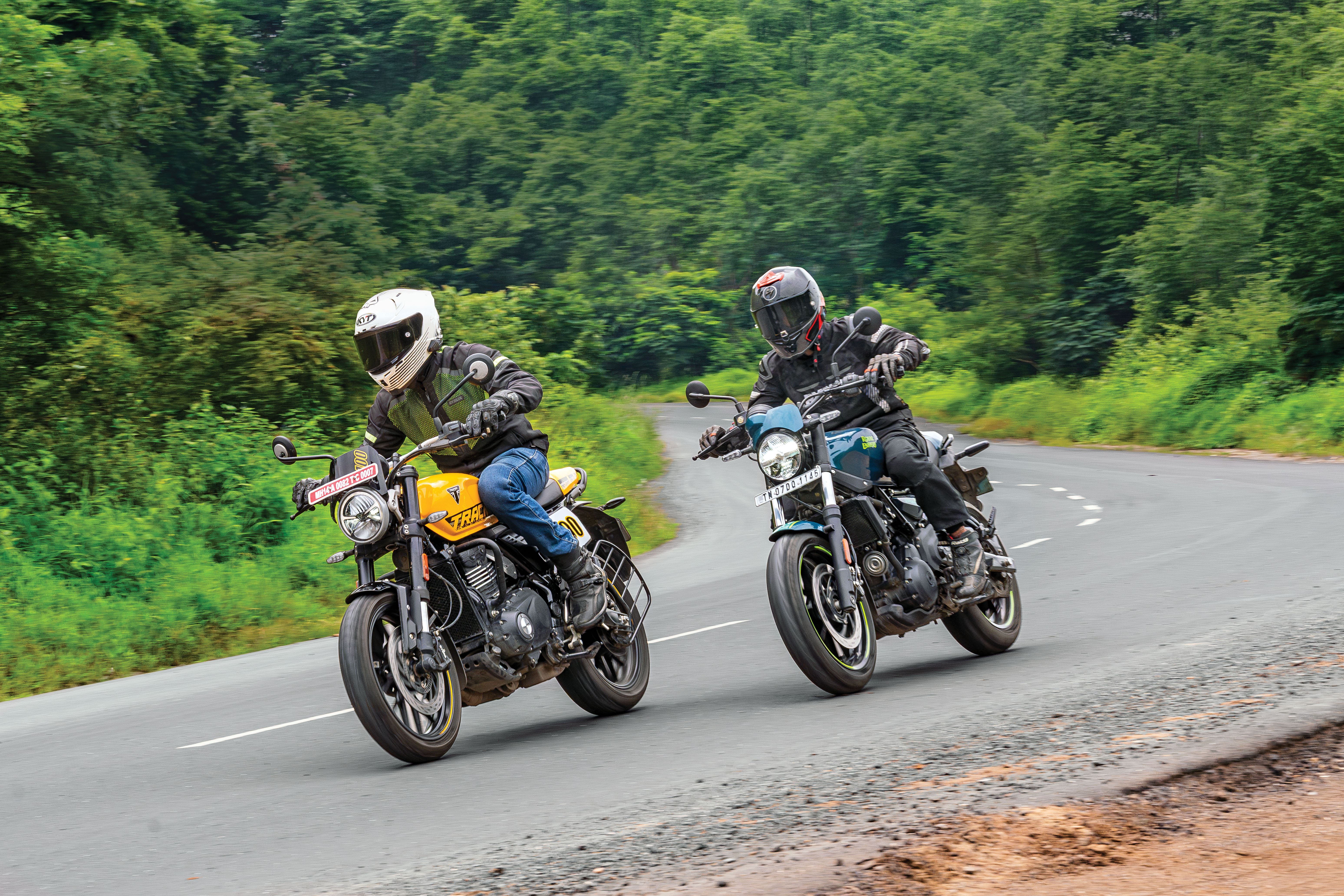
Despite the Triumph being the more compact motorcycle, I felt like it was easier to filter through traffic on the Guerrilla, and that is because the Triumph has slightly wider handlebars and mirrors that jut out slightly more. I do remember my time spent with the Guerrilla on a go-kart track, and it was genuinely a lot of fun. The tyres kept up with the performance that the engine offers, and it was a blast to exploit the full capabilities of the bike. The only limitation was the footpegs, which kept scraping when the bike was leaned over. That said, this was never a problem out on the road.

Braking hardware is strong on both. The Tracker gets a 300mm front disc with a four-piston radial ByBre caliper, while the Guerrilla uses a 310mm front disc and 270mm rear disc. The Guerrilla stopped marginally quicker in our braking test from 60-0kph, but I did notice that the ABS intervention can be strong when emergency braking from higher speeds.

Price and Verdict

These two motorcycles are closer than their engine capacities suggest. The Tracker proves that you don’t need a large engine to make for a fun roadster. Its 349cc motor makes almost as much peak power as the Guerrilla, and its compact dimensions, wide handlebar and sporty chassis make it an engaging motorcycle on a twisty road.

The Royal Enfield Guerrilla 450 Apex, however, takes a more muscular approach. Its 452cc engine has substantially more torque, the Vredestein tyres give it a level of grip that suits its performance, and the longer wheelbase also gives it a reassuring planted character, particularly when you’re riding quickly.
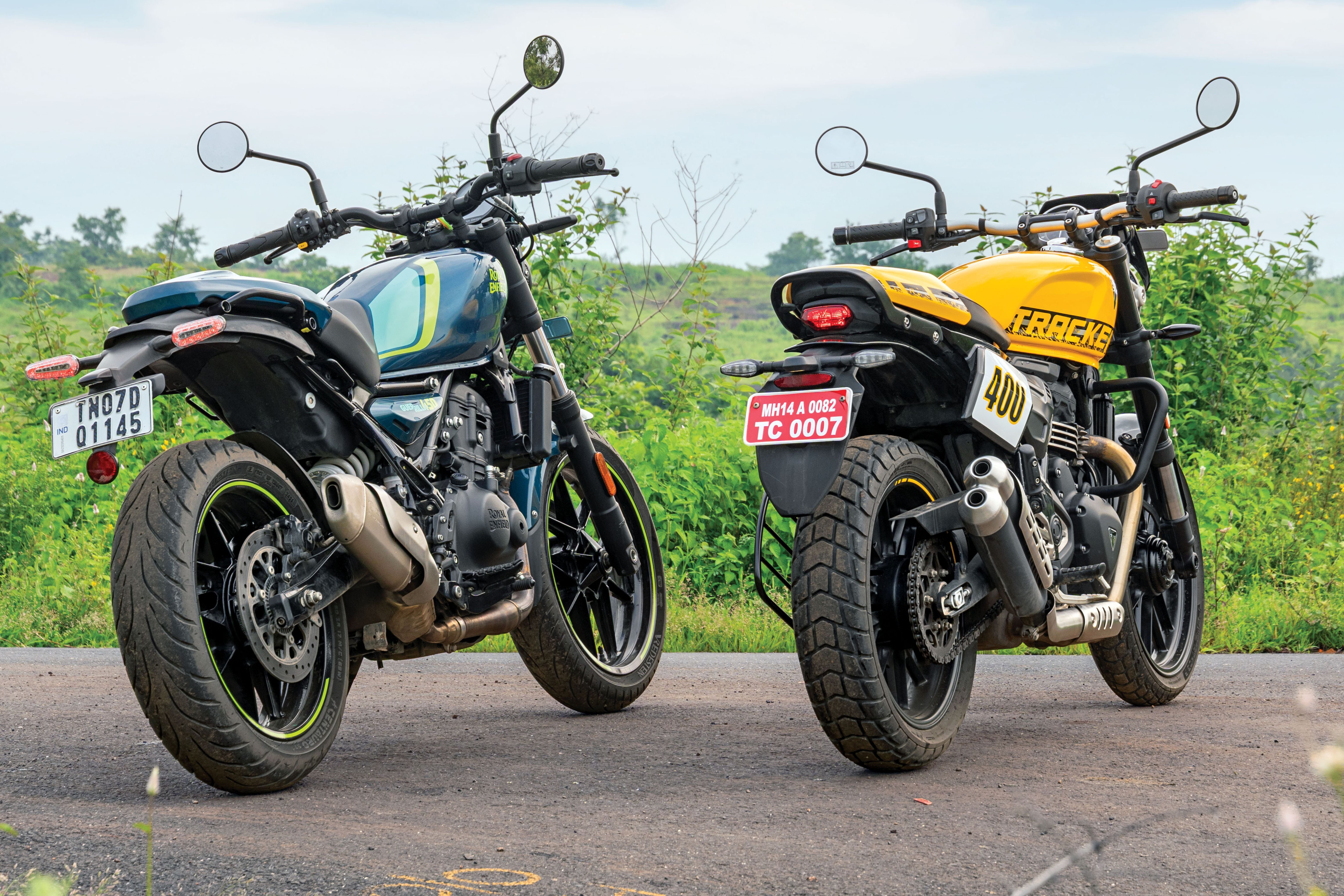
They offer two distinct interpretations of the sporty modern roadster. The Tracker’s biggest strength is its agility. It feels smaller, lighter and more eager to change direction quickly. The Guerrilla’s strength is the breadth of its performance. There’s more torque, more road presence and a greater sense of stability when you’re pushing it. And that is ultimately what separates them. The Triumph is the more playful motorcycle, thanks to its nimble nature, while the Guerrilla Apex feels like a more serious attempt at turning the standard roadster into a proper performance-oriented, corner-carving machine.

While it is difficult to pick between these two motorcycles, considering that they do things in different ways, you can’t look past the value that the Guerrilla offers. Despite falling into the 40 percent GST bracket, its starting price is just Rs 10,000 more than that of the Tracker. 
To put things into perspective, the KTM 390 Duke R, which used to be the benchmark for affordable and accessible performance when its Gen 1 model was launched in India, is now priced at Rs 3.45 lakh (ex-showroom), taking its on-road price upwards of Rs 4 lakh. So the way I see it, the Guerrilla 450 Apex is now the new benchmark when it comes to affordable performance in India. Who’d have ever thought that the crown would one day be worn by a Royal Enfield.
On Cloud M9

On Cloud M9
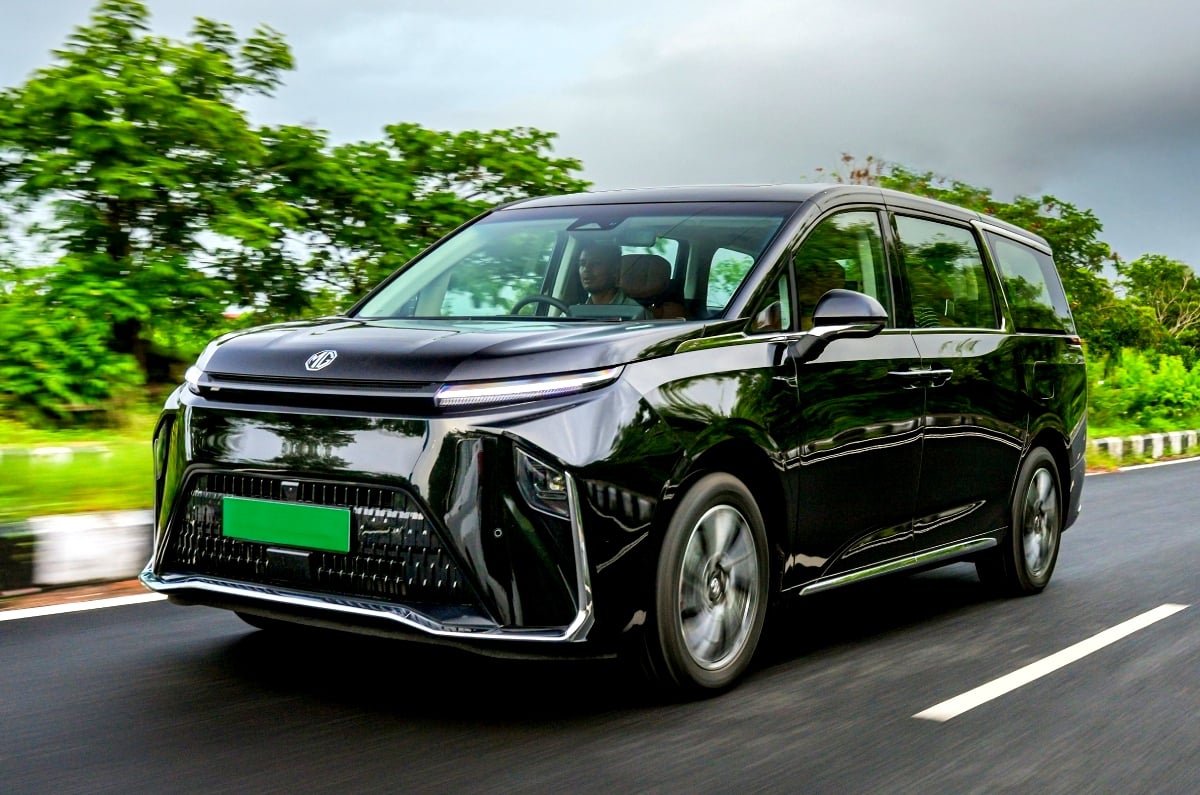
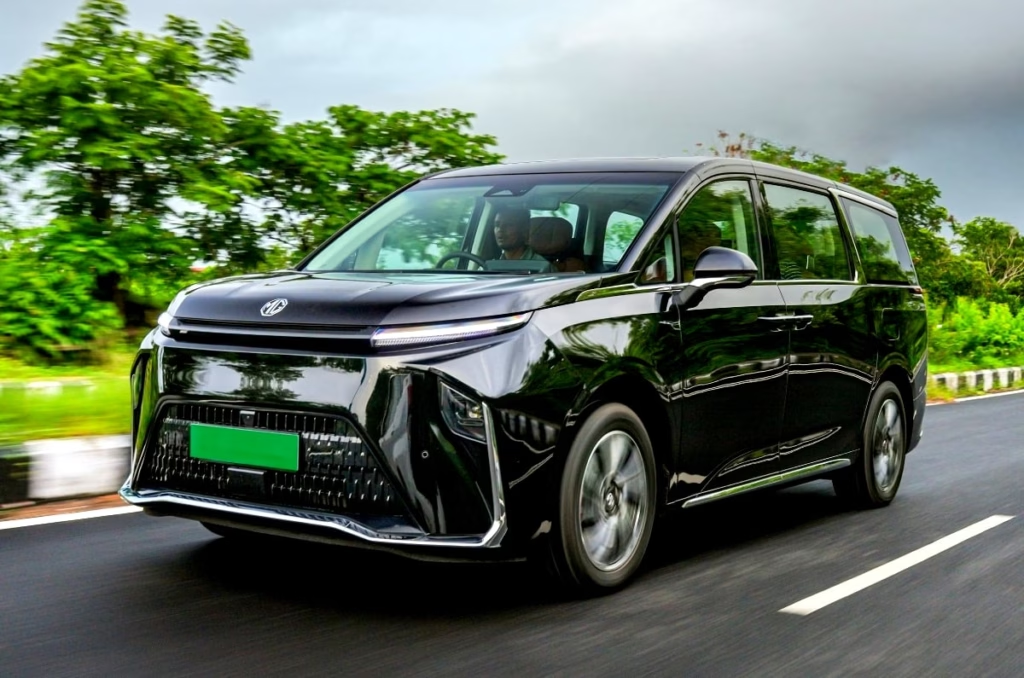
MG M9 front left tracking

Luxury in an MPV is about more than having room for seven. It is about how that space is used, how effortlessly the occupants can settle in, and how much the car does to make every journey comfortable. The MG M9 brings together the practicality of a three-row MPV and the refinement of an electric powertrain, with a host of features that make time spent on the move feel a little more indulgent. Here are six highlights that make it stand out.

Lounge On Wheels

MG M9 side tracking
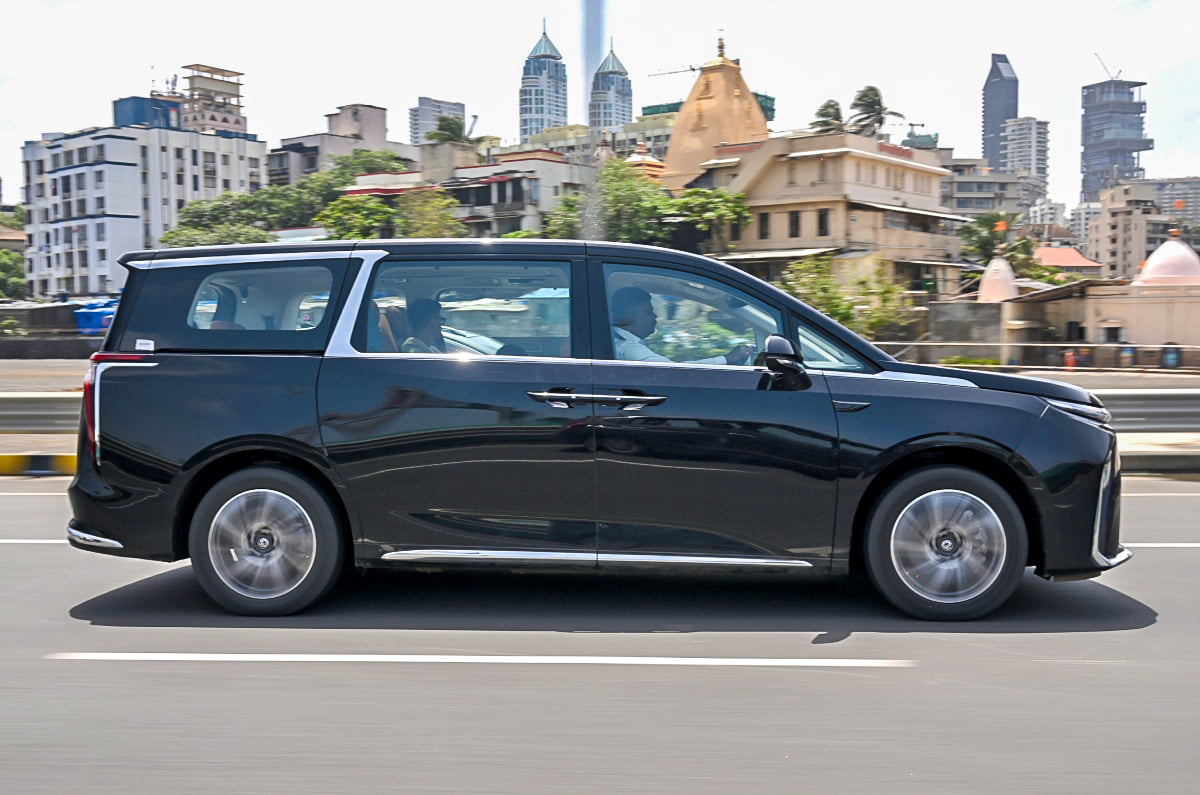
Massive wheelbase gives the M9 an imposing presence and liberates room in the cabin.

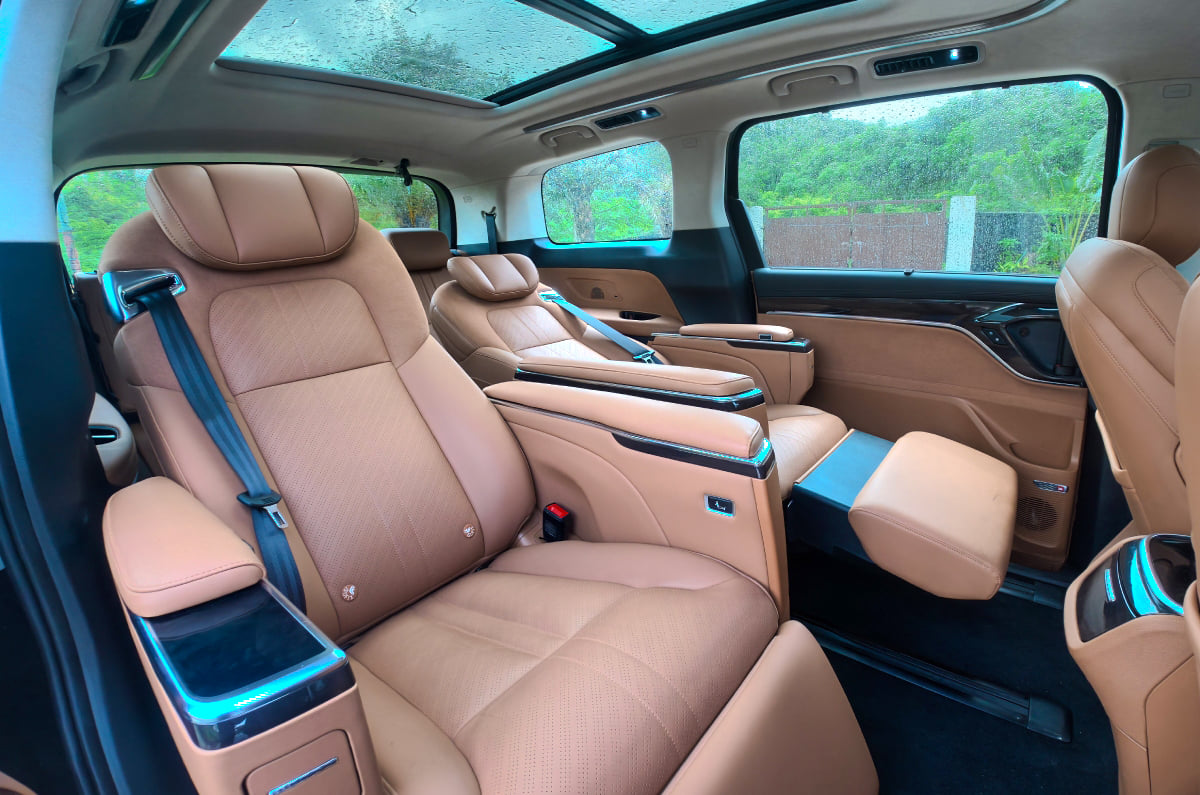
The M9’s 5.2-metre length, 2-metre width and 3.2-metre wheelbase give it the proportions to create a spacious, airy cabin. But it is the second row that makes the biggest impression. Two individual Presidential captain’s chairs offer 16-way electric adjustment, heating, ventilation, massage functions and extendable leg rests. The Boss Mode function moves the front passenger seat forward to create additional legroom, letting rear occupants stretch out and recline. It is a space designed for unwinding, not just getting from one place to another.

Space For Everyone

MG M9 second row seats
The aptly called Presidential captain’s chairs are even fit for a king.

While the second row gets the headline features, the M9 is designed to make all three rows usable. Its long wheelbase allows generous room for occupants, while second-row climate control, rear window sunshades and a panoramic dual sunroof enhance the feeling of comfort. The third row gets dedicated AC vents and USB connectivity, too. A premium Cognac Brown interior and 64-colour ambient lighting add to the cabin’s upmarket appeal, with the latter allowing occupants to tailor the atmosphere to their mood.

Electric Serenity

MG M9 right tracking
No matter the road surface, the M9 insulates its passengers from the outside world. 
The M9’s 90kWh battery powers a front-mounted electric motor, producing 245hp and 350Nm, with an ARAI-claimed range of 548km. Beyond the performance and range figures, the electric powertrain brings a quality that matters particularly in a luxury MPV: refinement. With no engine noise and smooth, linear power delivery, the M9 makes for a more relaxed experience on the move. An acoustic windshield further helps keep the outside world at bay.

Quality Entertainment

MG M9 speaker
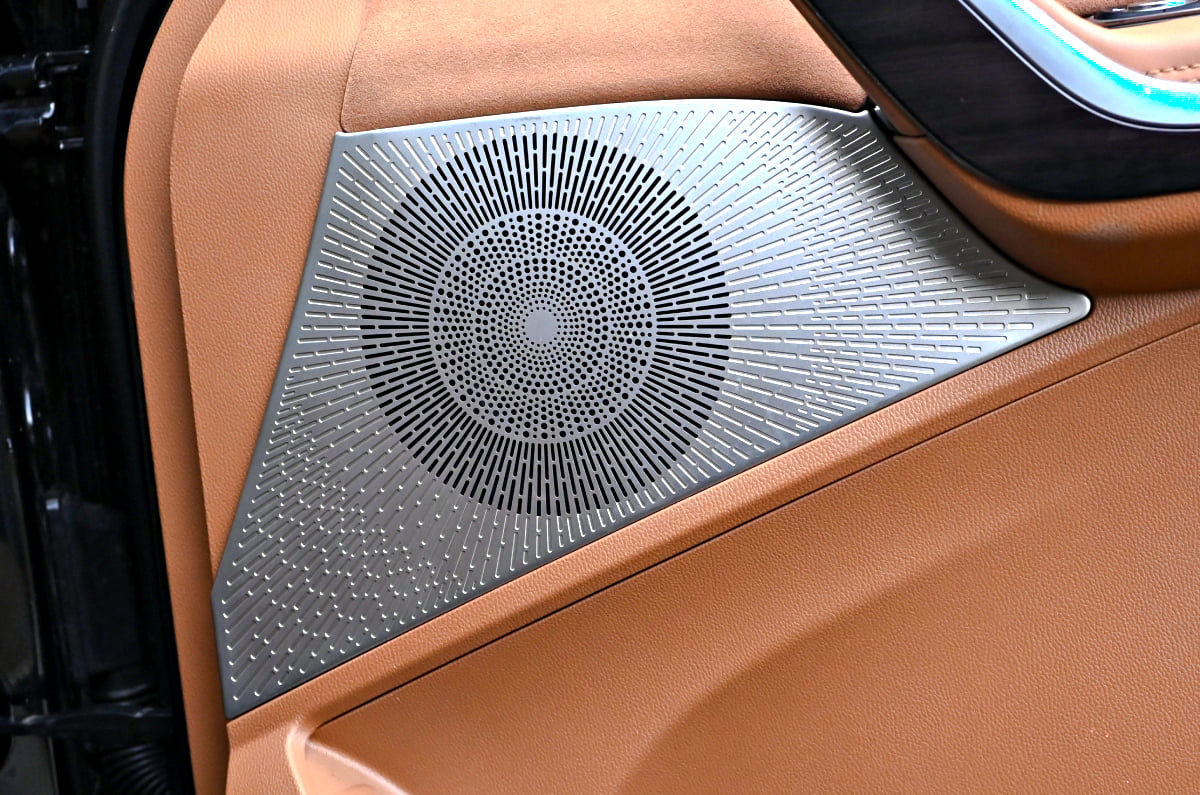
Superb 13-speaker JBL system enhances the cabin’s ambience.

A quiet cabin makes for a better listening environment, and the M9 builds on this with a 13-speaker JBL sound system, complete with an amplifier and subwoofer. Whether it is music on a long drive or a podcast during the daily commute, the system makes entertainment an integral part of the experience. The panoramic sunroof and ambient lighting add to the sense of being in a space designed around the occupants.

Tech-Suave

MG M9 infotainment touchscreen
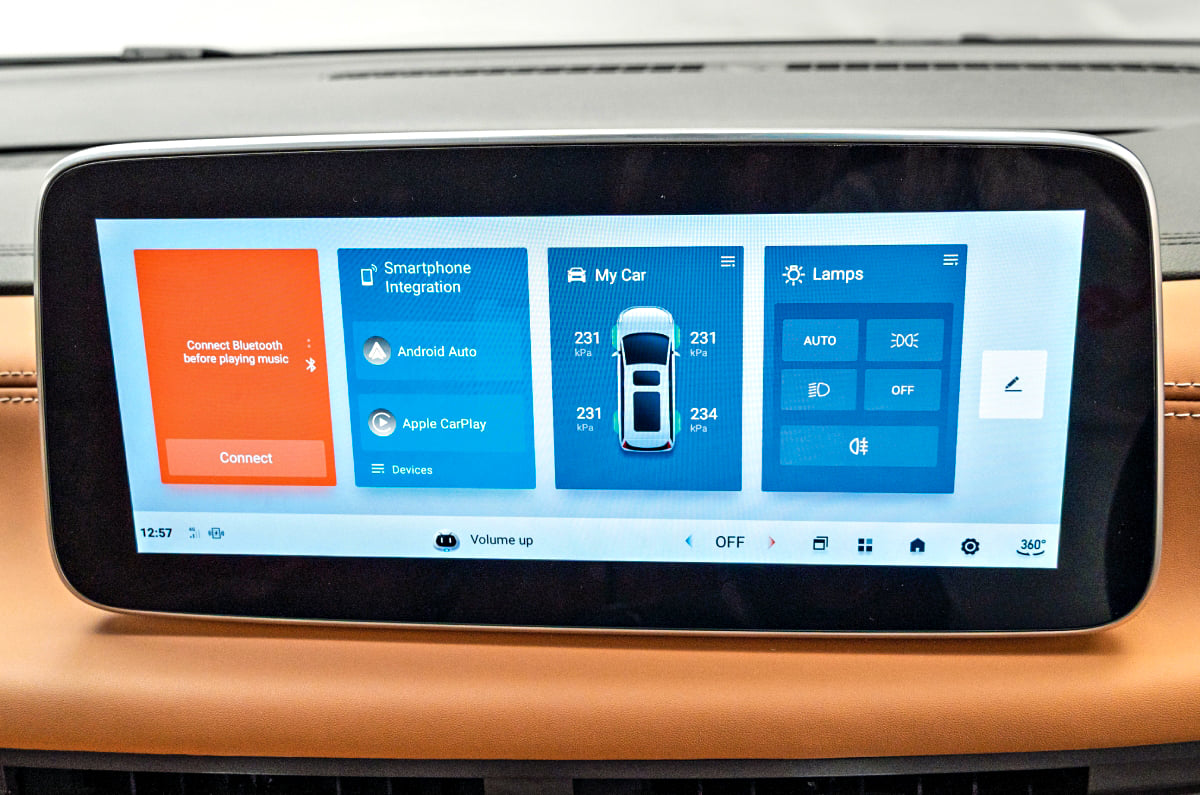
12.3-inch central touchscreen has all the controls you’ll need within easy access.

A 12.3-inch central touchscreen, digital instrument cluster, wireless smartphone connectivity and wireless charging bring everyday convenience within easy reach. The 360-degree camera is particularly useful when manoeuvring a vehicle of the M9’s size, helping the driver negotiate tight spaces with greater confidence. These features complement the M9’s focus on passenger comfort with technology that makes the car easier to live with.

Safety Assured

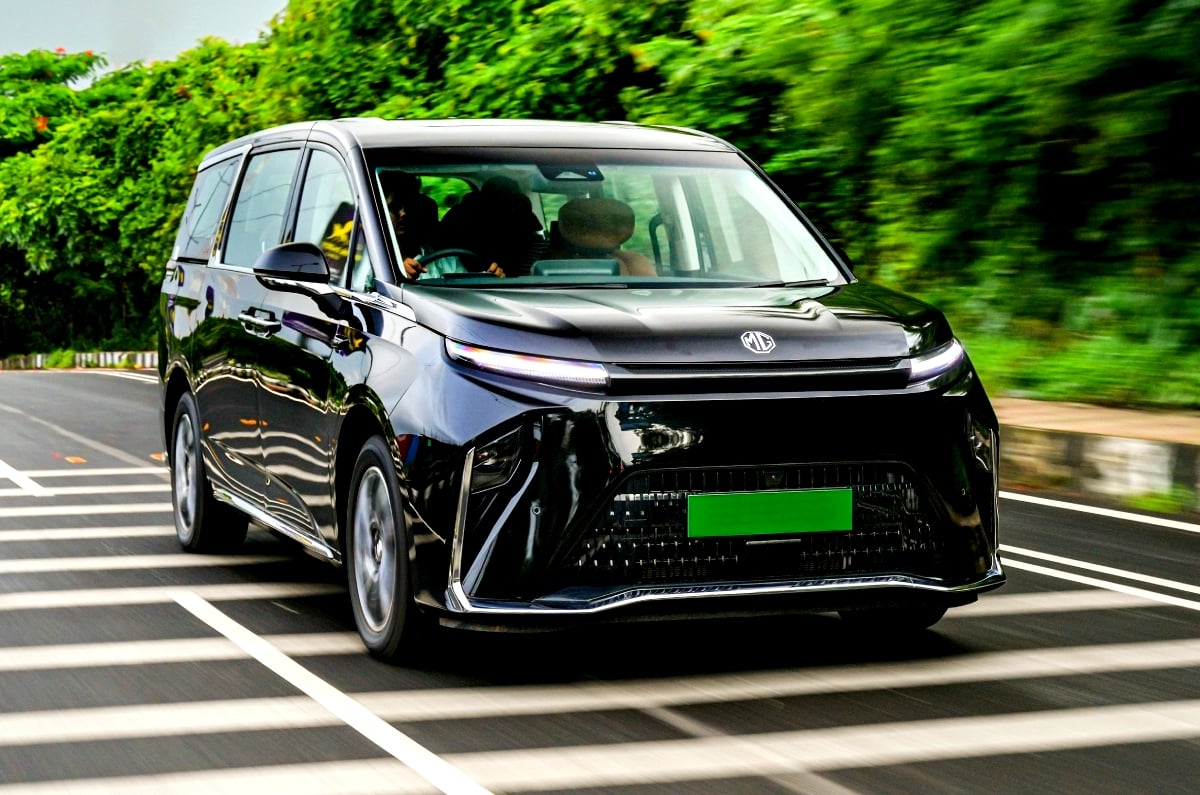
MG M9 front splash
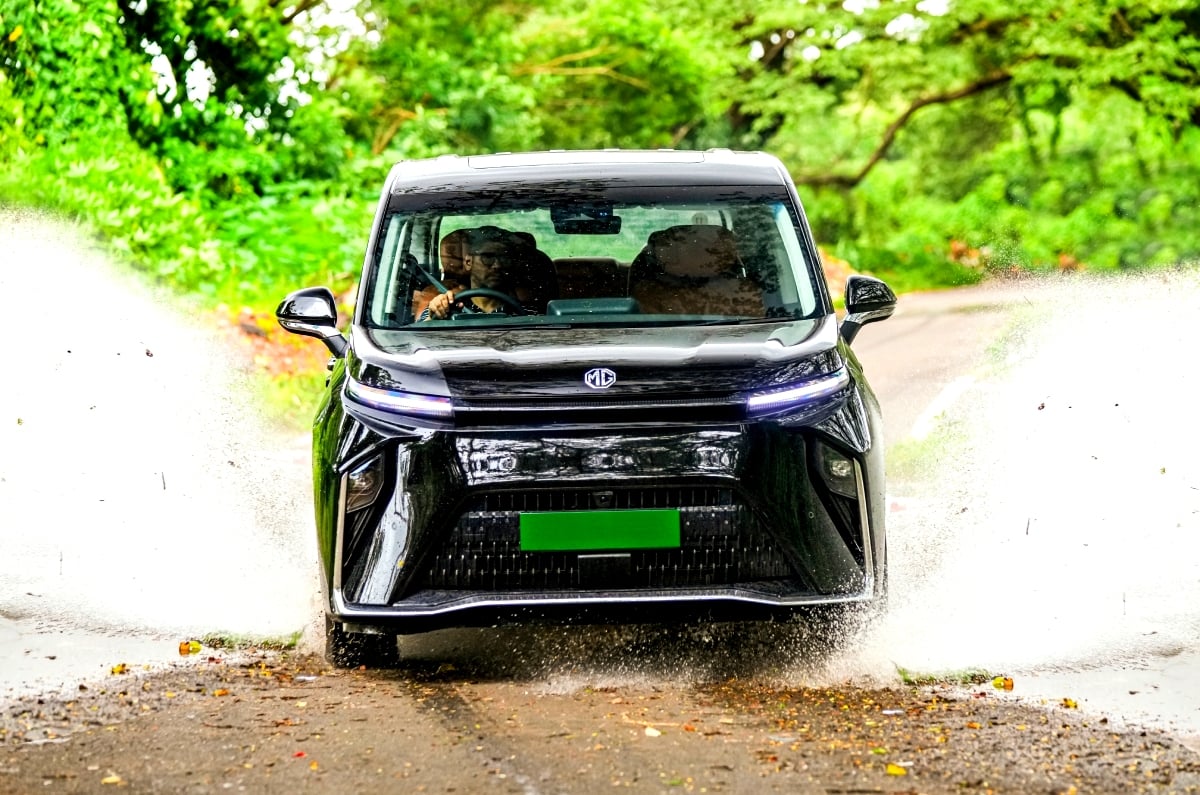
The M9 has received a 5-star Euro NCAP rating.

Luxury also means being able to travel with peace of mind. The M9 gets seven airbags and Level 2 advanced driver assistance systems, adding an extra layer of protection and driver support. Its five-star Euro NCAP safety rating provides further reassurance.
The MG M9’s appeal lies in how these elements come together. Generous space, thoughtful comfort features, electric refinement and modern safety technology give it a distinct identity in the luxury MPV segment. It’s no wonder that the M9 is the best-selling MPV in its class, with over 3,000 units sold since its launch last year. This is a vehicle that makes the journey itself something to look forward to, and that is what being on Cloud M9 is all about.

Tesla Model Y L review: Going the extra mile

Tesla Model Y L review: Going the extra mile
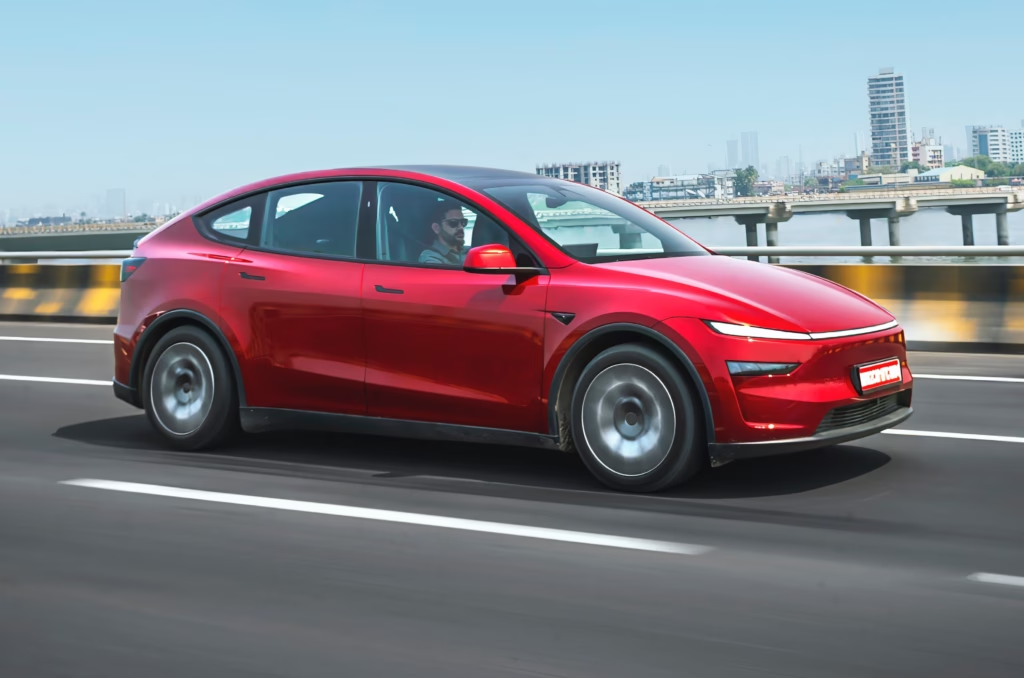
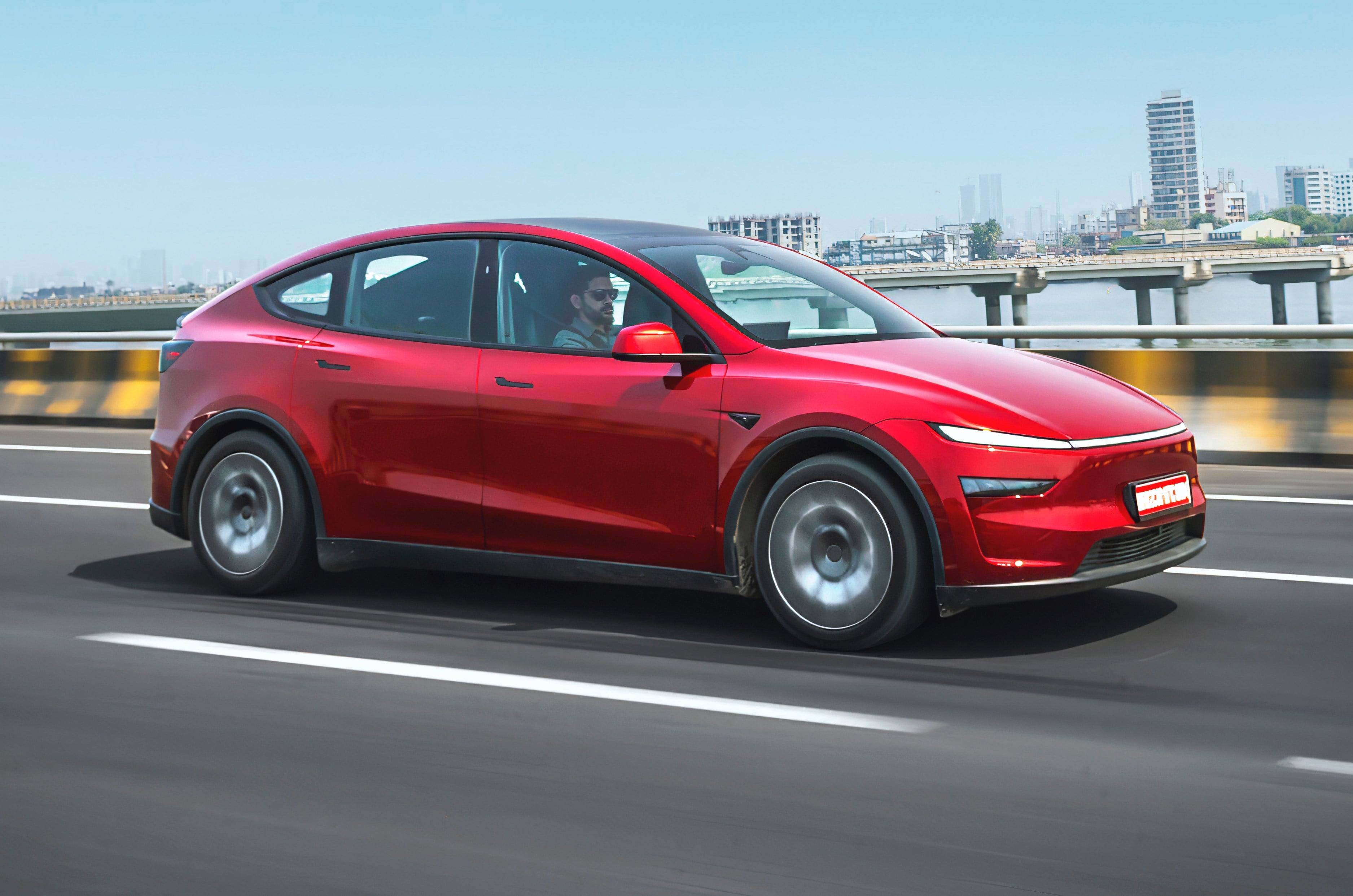
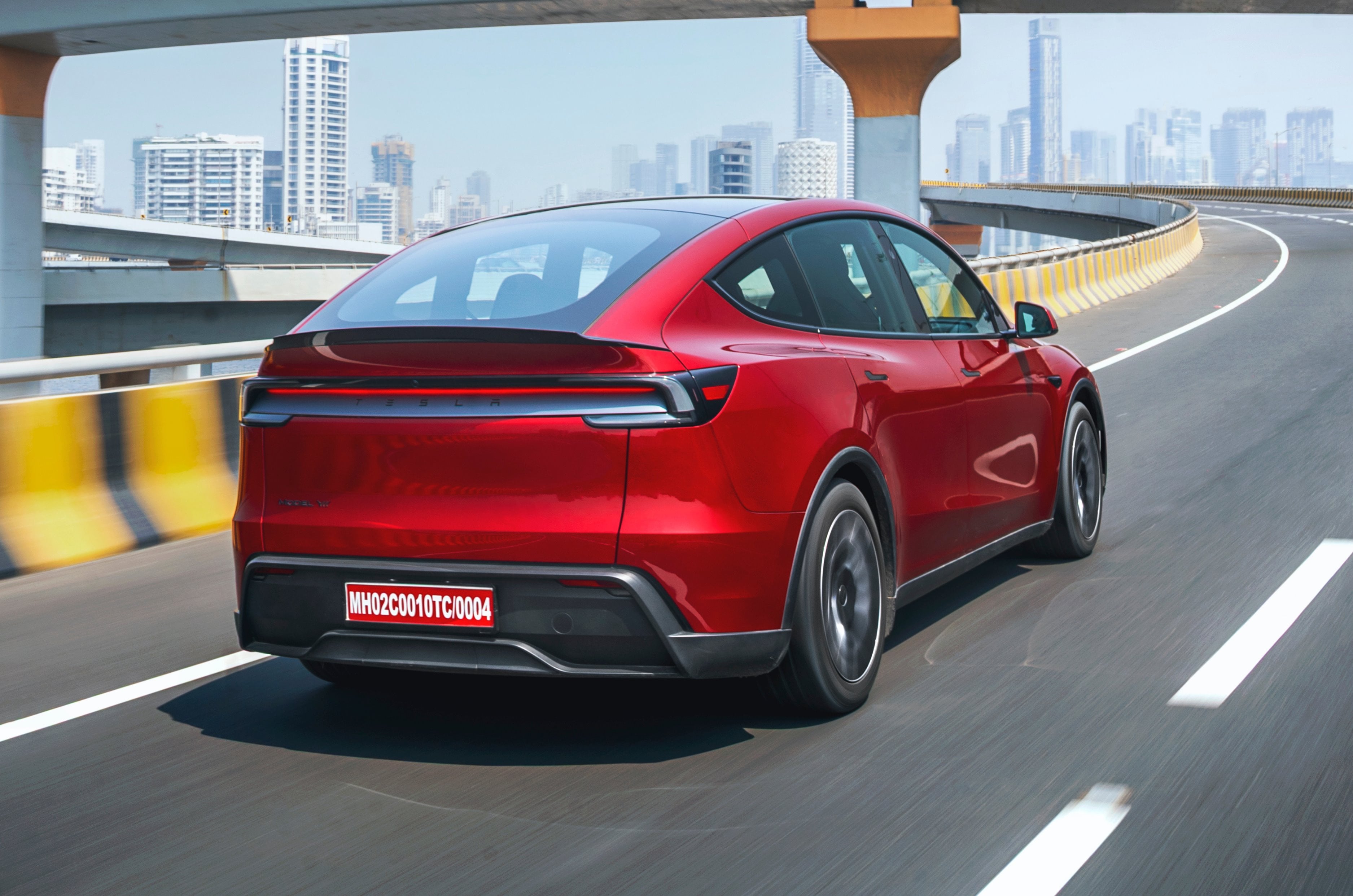
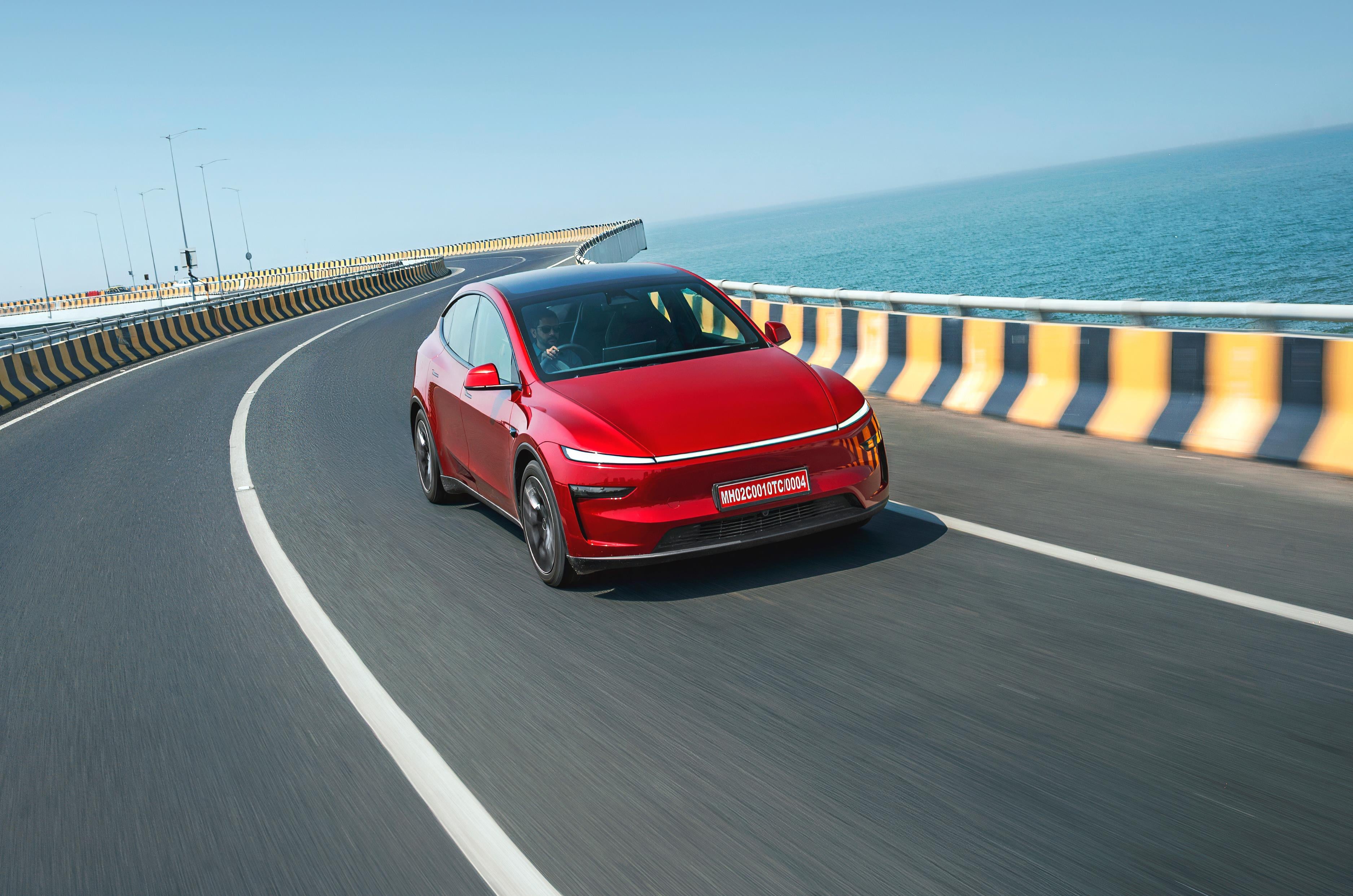
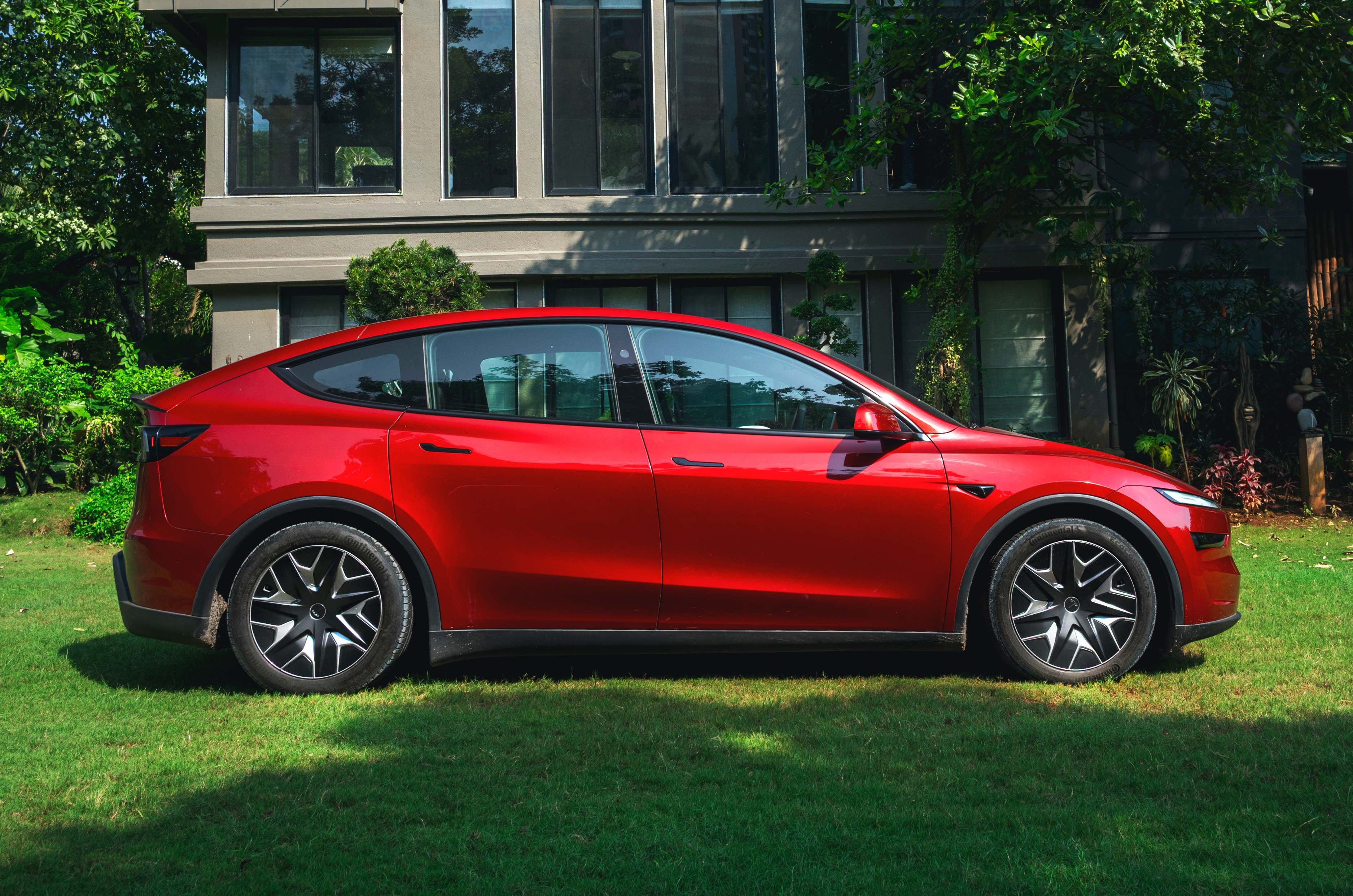
Tesla Model Y L front quarter tracking

The Tesla Model Y is a tech-loaded electric crossover that prioritises cabin space and performance over everything else. The new Model Y L takes that formula a step further, adding a third row of seats, a longer wheelbase, more power with an all-wheel drive setup, more range and more sophisticated suspension as well. Given the additions, naturally it costs more than the standard-wheelbase, real wheel drive versions, but is the Y L actually worth the extra outlay?

Model Y Exterior Design and Engineering – 6/10

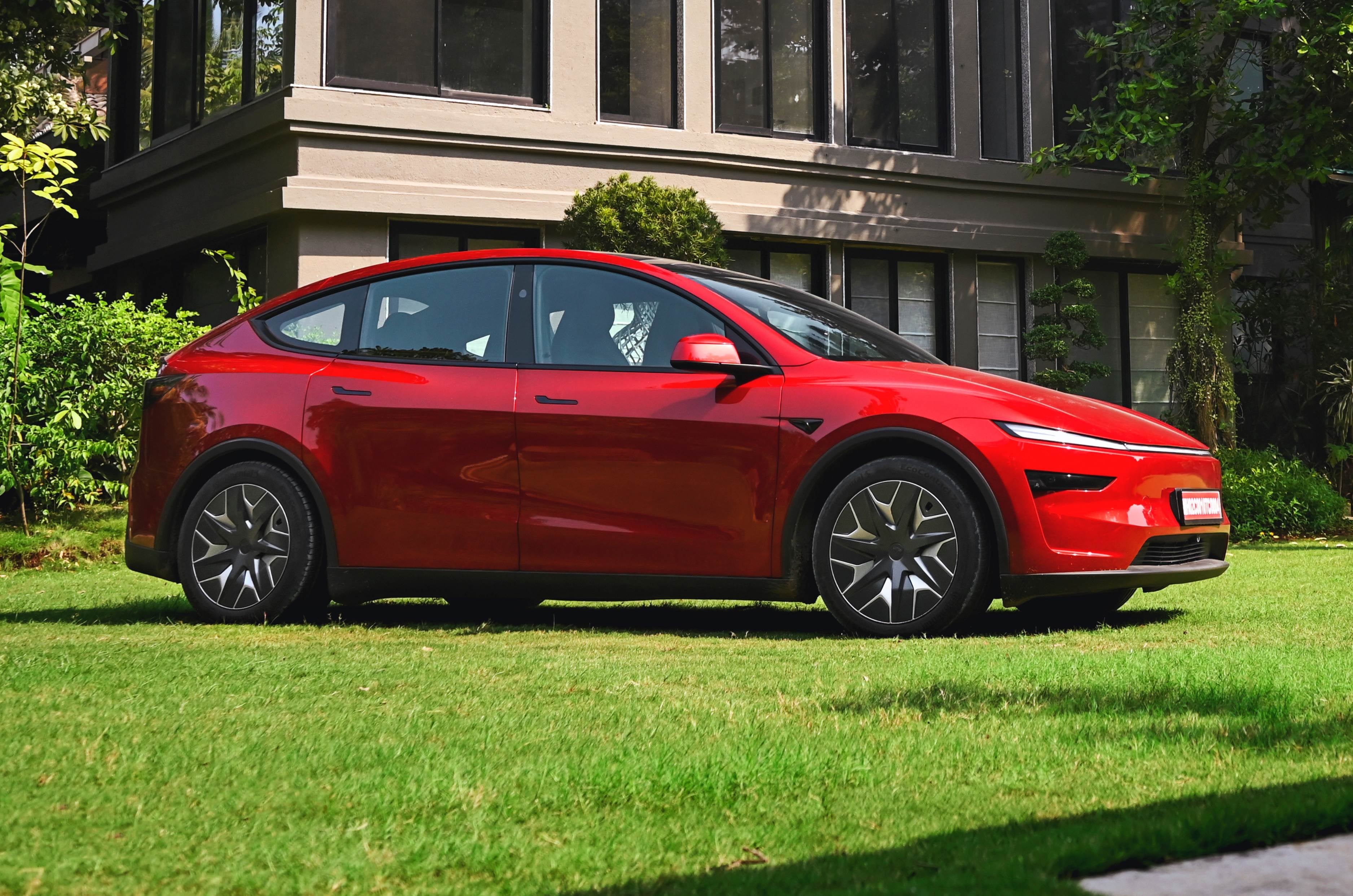
Appears near-identical to the Model Y, but the Y L is longer, taller and has a longer wheelbase.

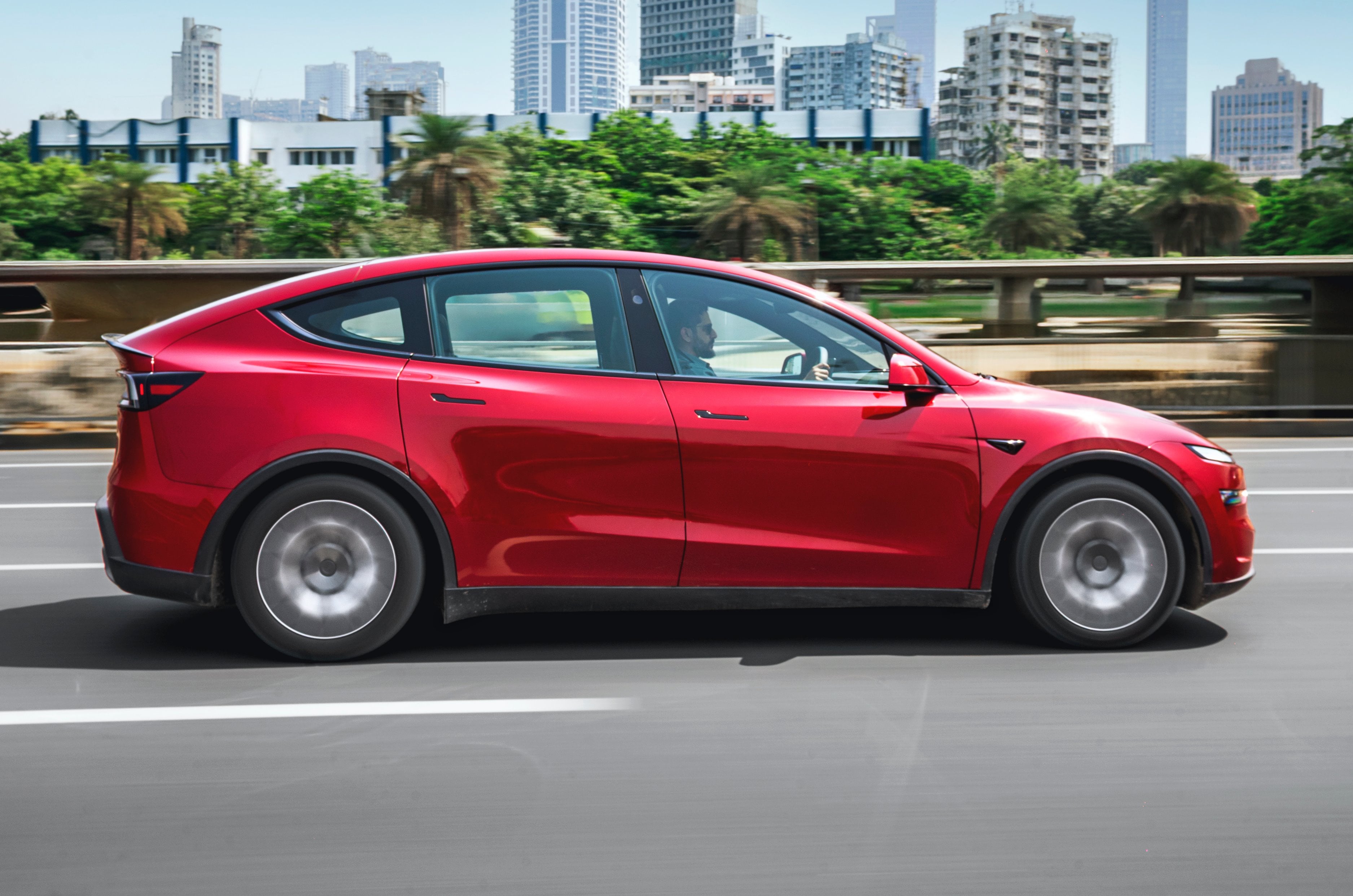
At first glance, the L looks very familiar to the Model Y,  but this version looks noticeably larger from the side and rear. The Model Y L measures 4,969mm in length and 1,664mm in height, 1,982mm in width with a 3,040mm wheelbase, which makes it 179mm longer overall and 40mm taller than the Model Y, and it also has a 150mm longer wheelbase. At 166mm (unladen), the Y L has decent ground clearance but considering the longer wheelbase, you have to be extra careful going over big speedbreakers otherwise you will end up scraping the belly.

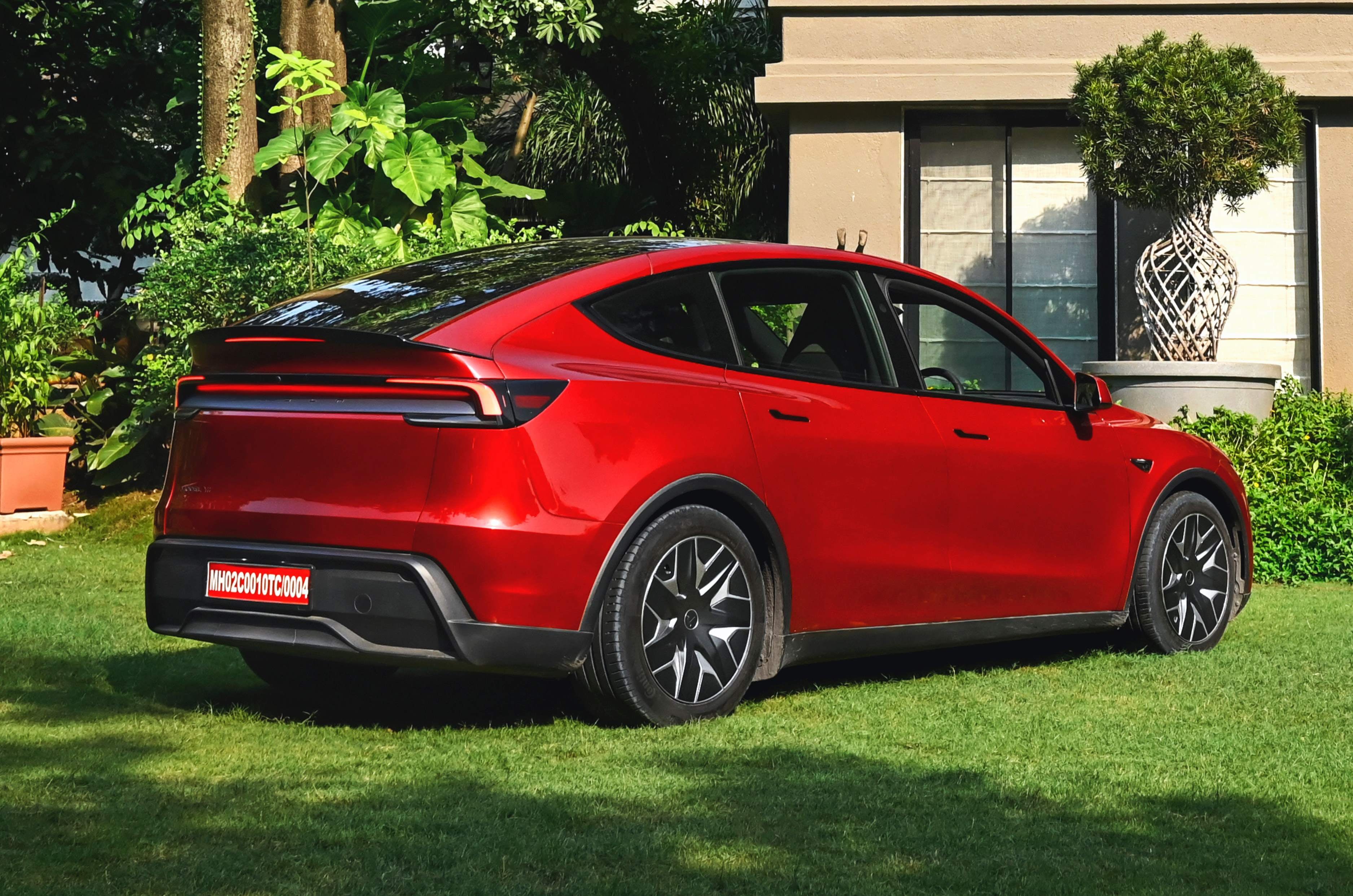
The growth in dimensions is particularly apparent in the raised and extended roofline, plus the expanded rear glass and rear-quarter glass area. The other changes include a new bootlid spoiler and the 19-inch alloy wheels have a more enclosed design, both in the interest of further aero optimisation. 

Other than that, the smooth, aerodynamic silhouette with minimalist detailing and distinctive lighting elements remain. The overall design is unmistakably Tesla, although the extra length gives it slightly more road presence. That said, the Model Y L doesn’t suddenly become a traditional SUV just because it has grown. Its rounded, slightly anonymous shape with clean surfacing continues to favour aerodynamic efficiency over visual appeal. But it looks distinctive and as such, has carved out a niche for itself in terms of design.

Model Y Interior Space and Comfort – 8/10

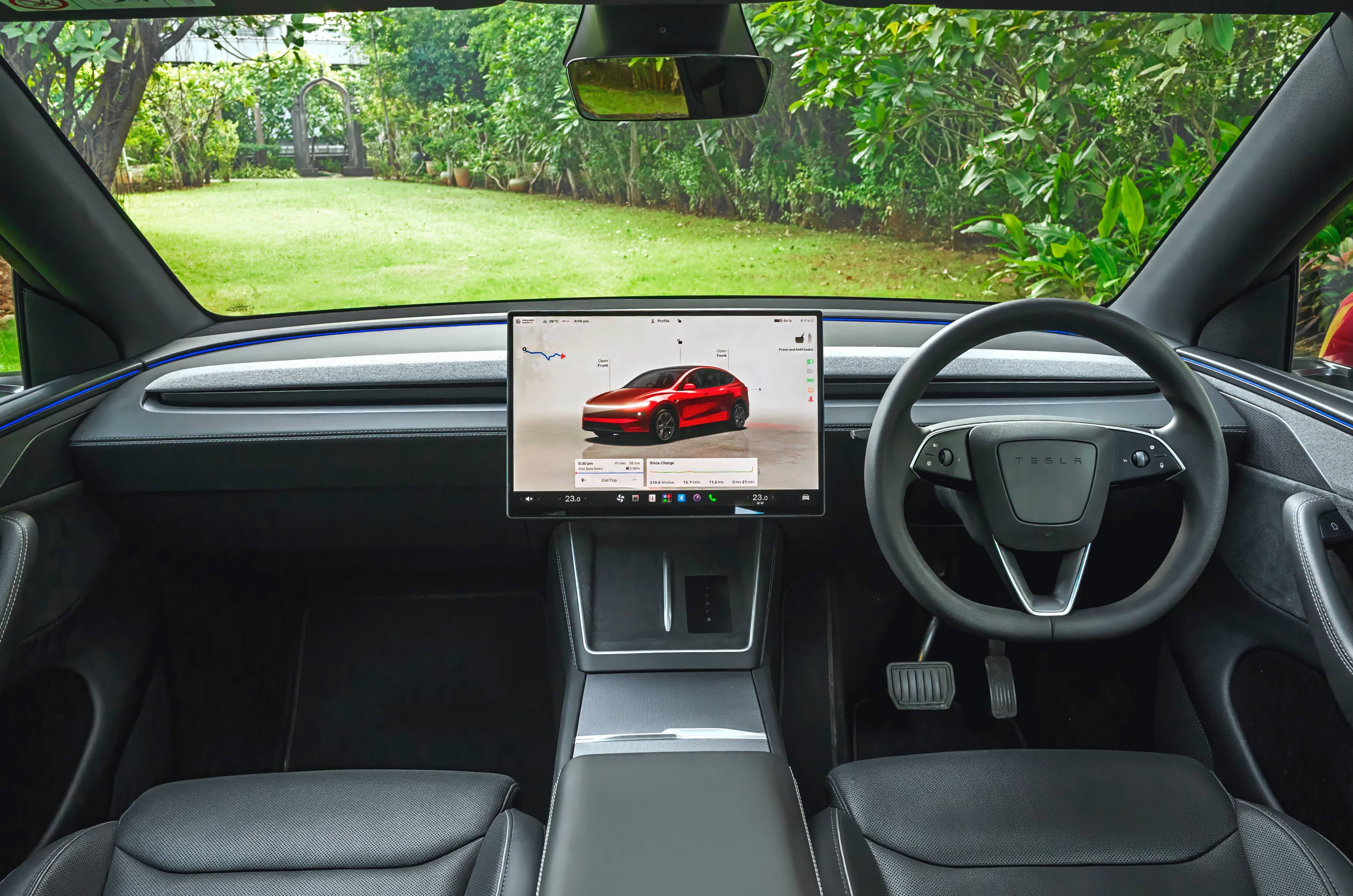
Minimalist design remains the same, save for a new textured finish on top of the dashboard.

This is where the Model Y L takes a larger step up. The standard Model Y already had a spacious cabin, but the Y L has even more room and brings further versatility, by adding a third row of seats. It is a six-seater rather than a seven-seater, with two individual captain’s chairs in the middle row instead of the standard car’s bench.

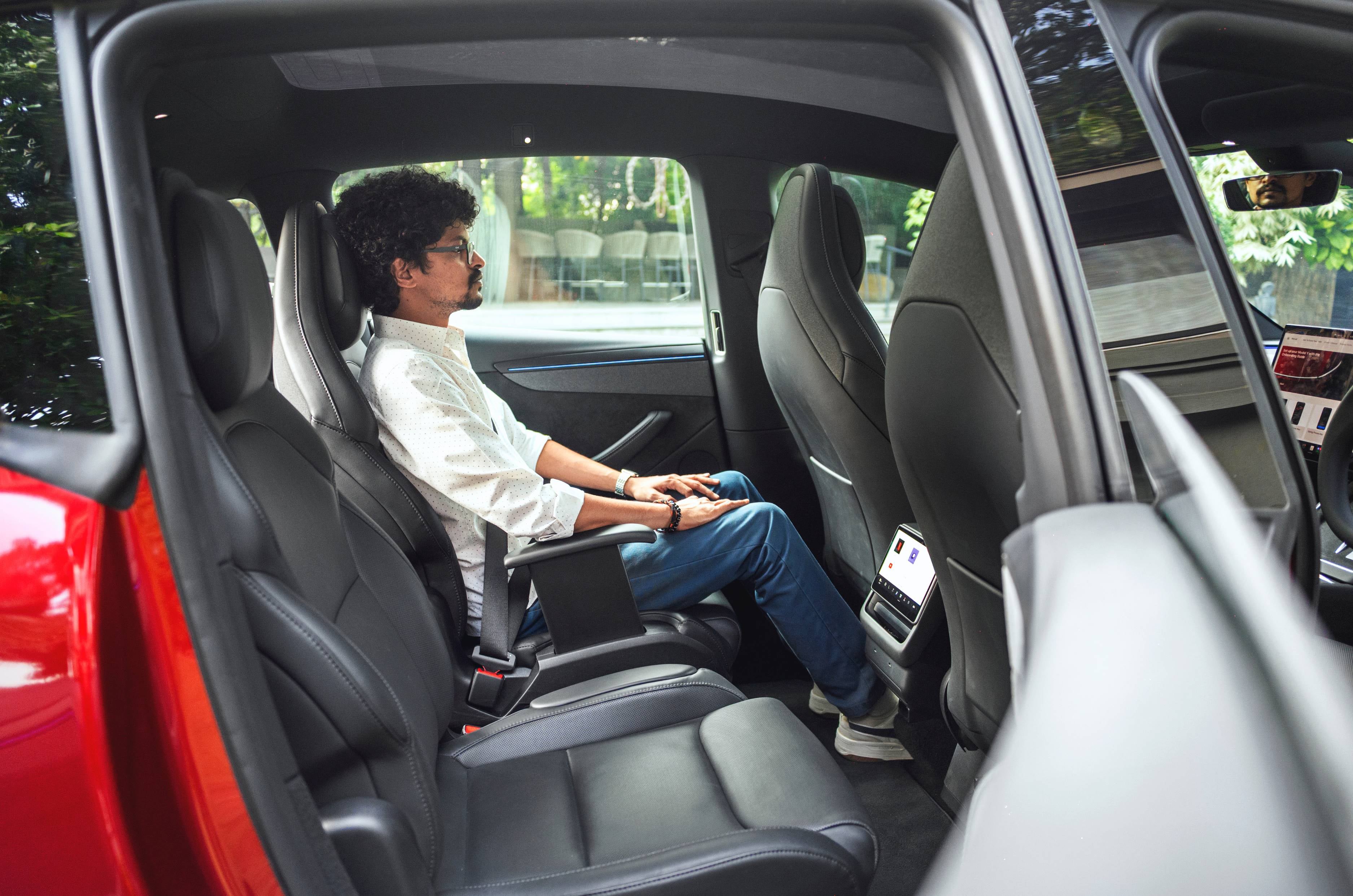
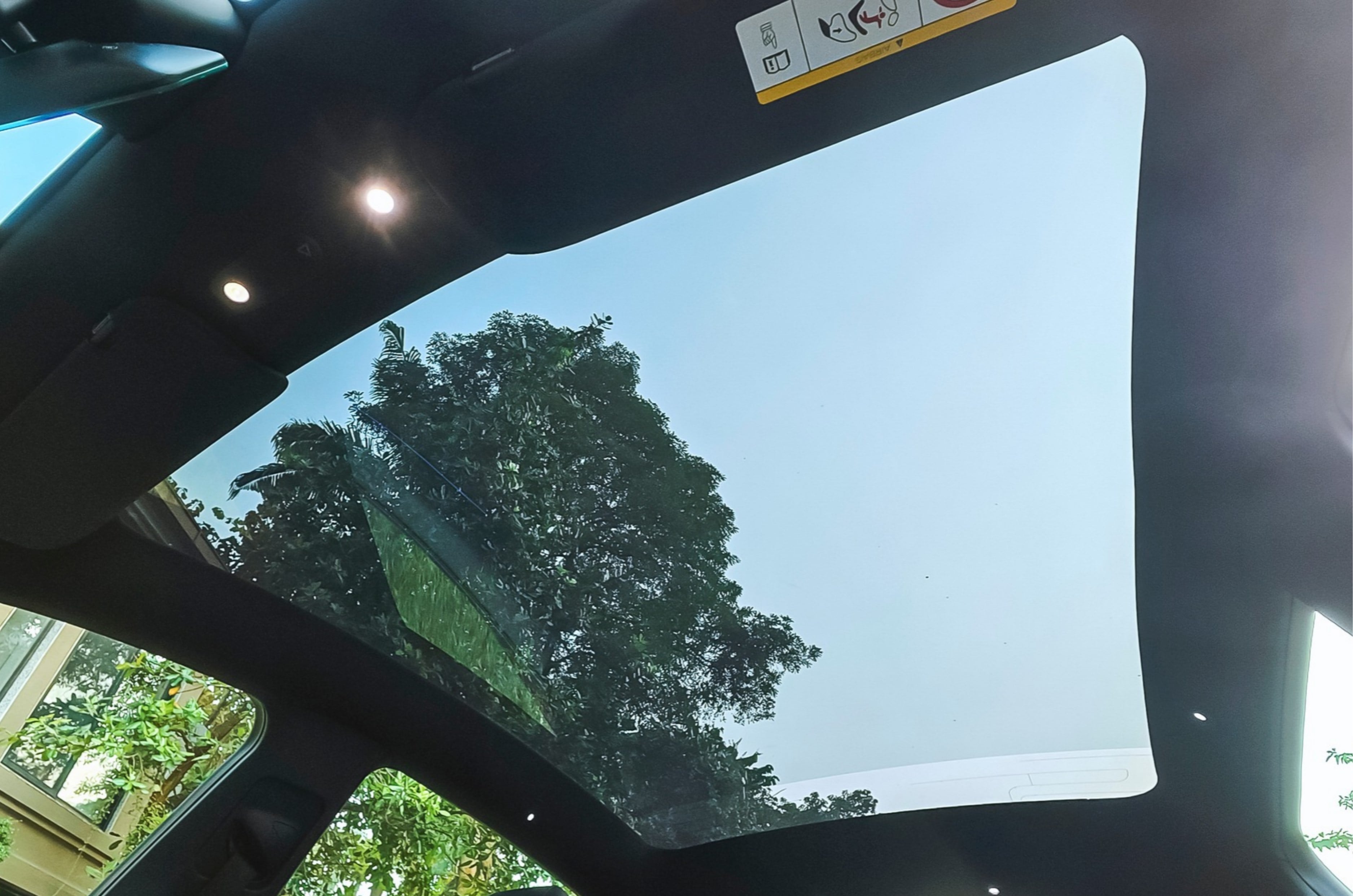
The front seats may be simple-looking but they are plush and comfy, and the extended underthigh support enhances comfort especially for taller people. These seats are also heated, cooled and feature electric adjustment. The second row is arguably the highlight, however. The individual captain’s seats are very comfy, and they feature integrated headrests, a heating and cooling function, along with power adjustment and powered armrests too. The extra wheelbase and taller roof of course gives passengers more room to stretch out and as such there’s no shortage of legroom or headroom here. The larger windows, coupled with the tinted panoramic glass roof further enhances the sense of space. However, since there are no window blinds or a sunshade for the roof, the large glasshouse area means the cabin heats up too easily especially on a hot, sunny day.

Captain seats are very comfy and there’s plenty of legroom and headroom here.

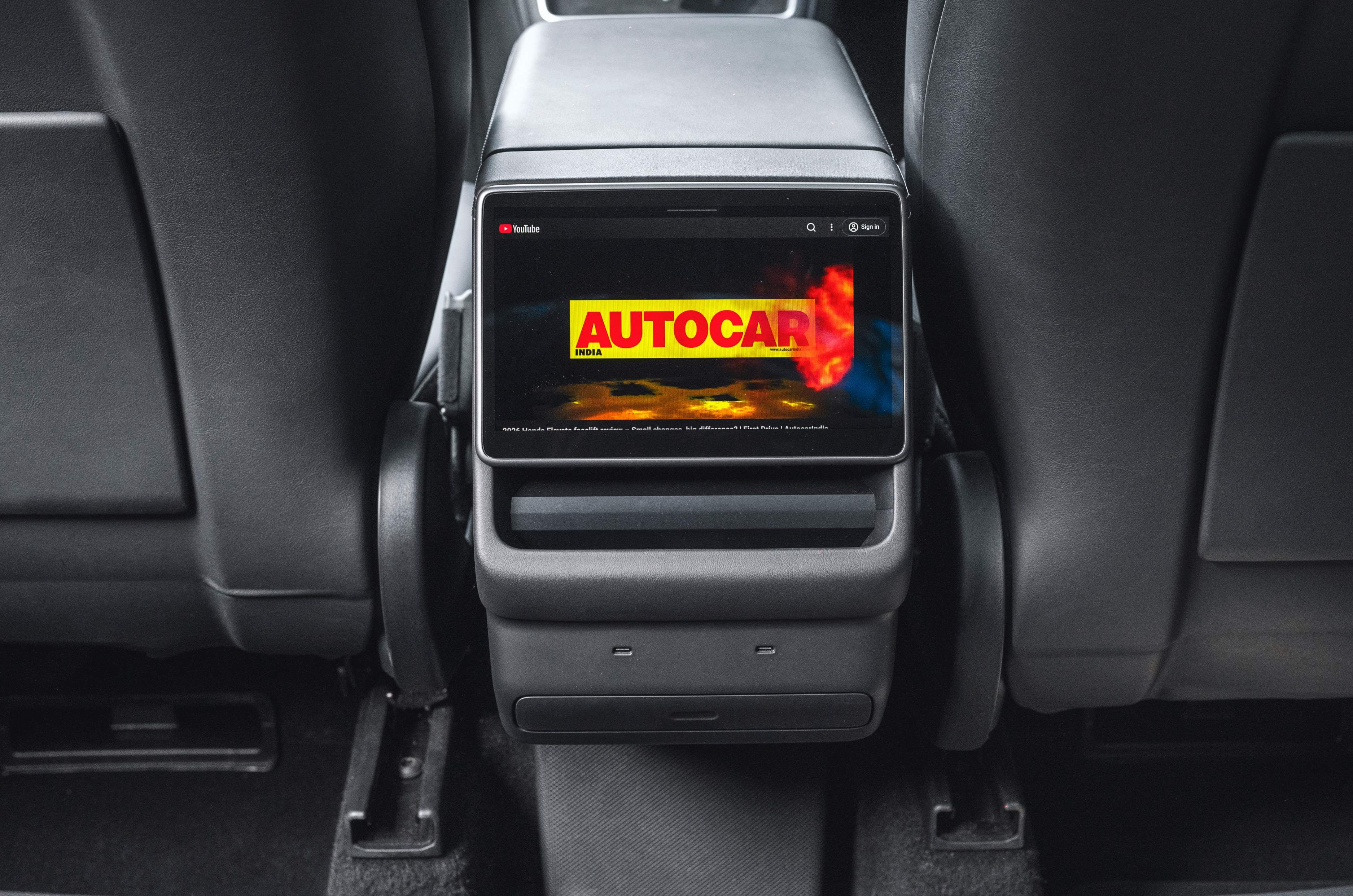
Middle row passengers are well-catered too, however. Apart from the aforementioned heated/cooled and powered seats, you also get cupholders, charging ports, cupholders and a 8-inch touchscreen. This centrally-mounted unit is just as slick to use as the one in the front and it controls several functions, along with the ability to play videos and games. 

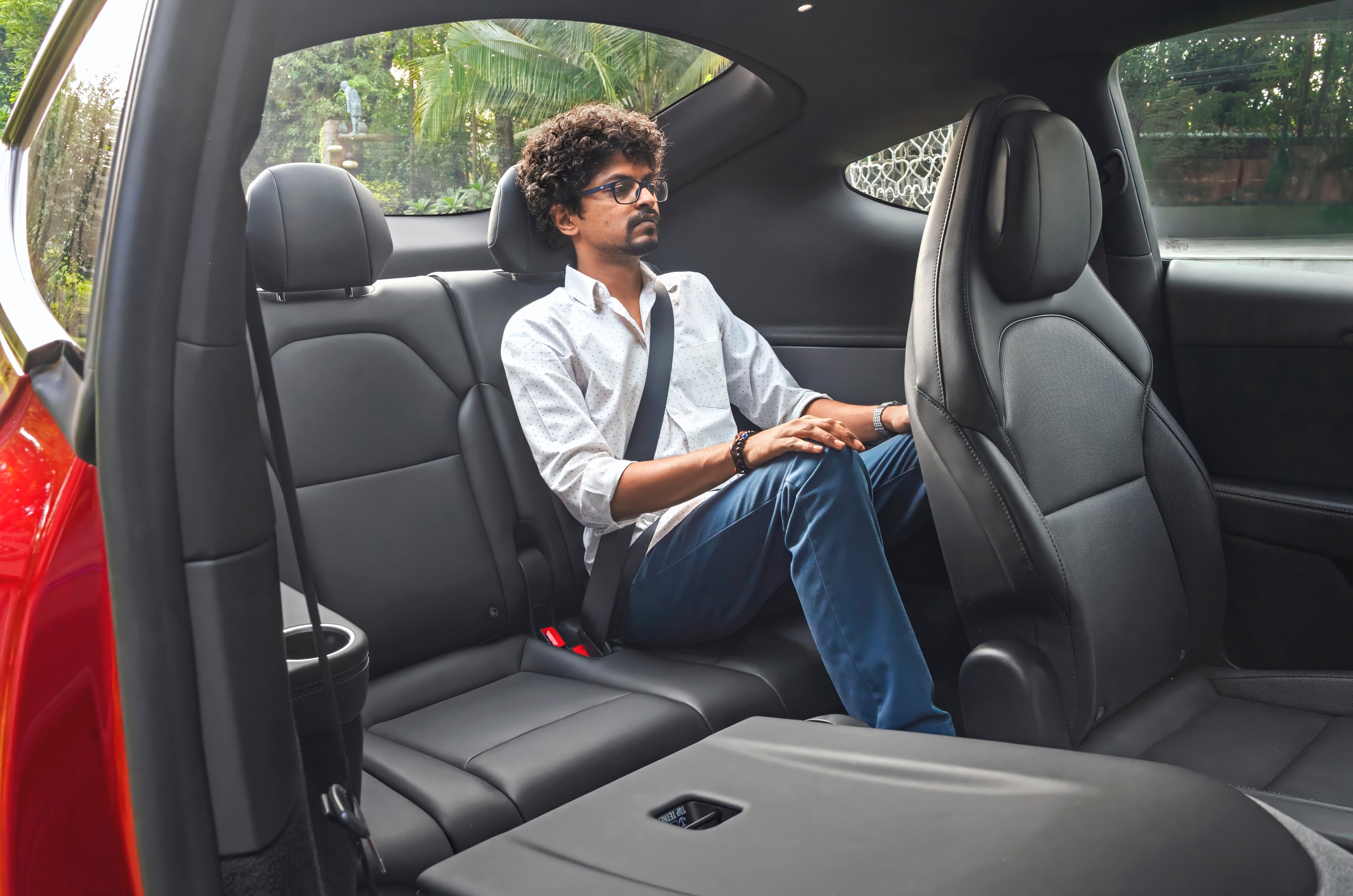
Seating is knees-up, but the third row is usable even for adults.

The third row, however, comes as a bit of a surprise. Considering the low seat, you’re sat in a knees-up position but space back here is genuinely usable for adults, with adequate headroom and kneeroom. Dedicated AC vents, cup holders and type C charging ports are useful inclusions and show that the rearmost seats aren’t simply an afterthought. Like in the middle, here too the large window and untinted rear windscreen lets in a considerable amount of heat. 

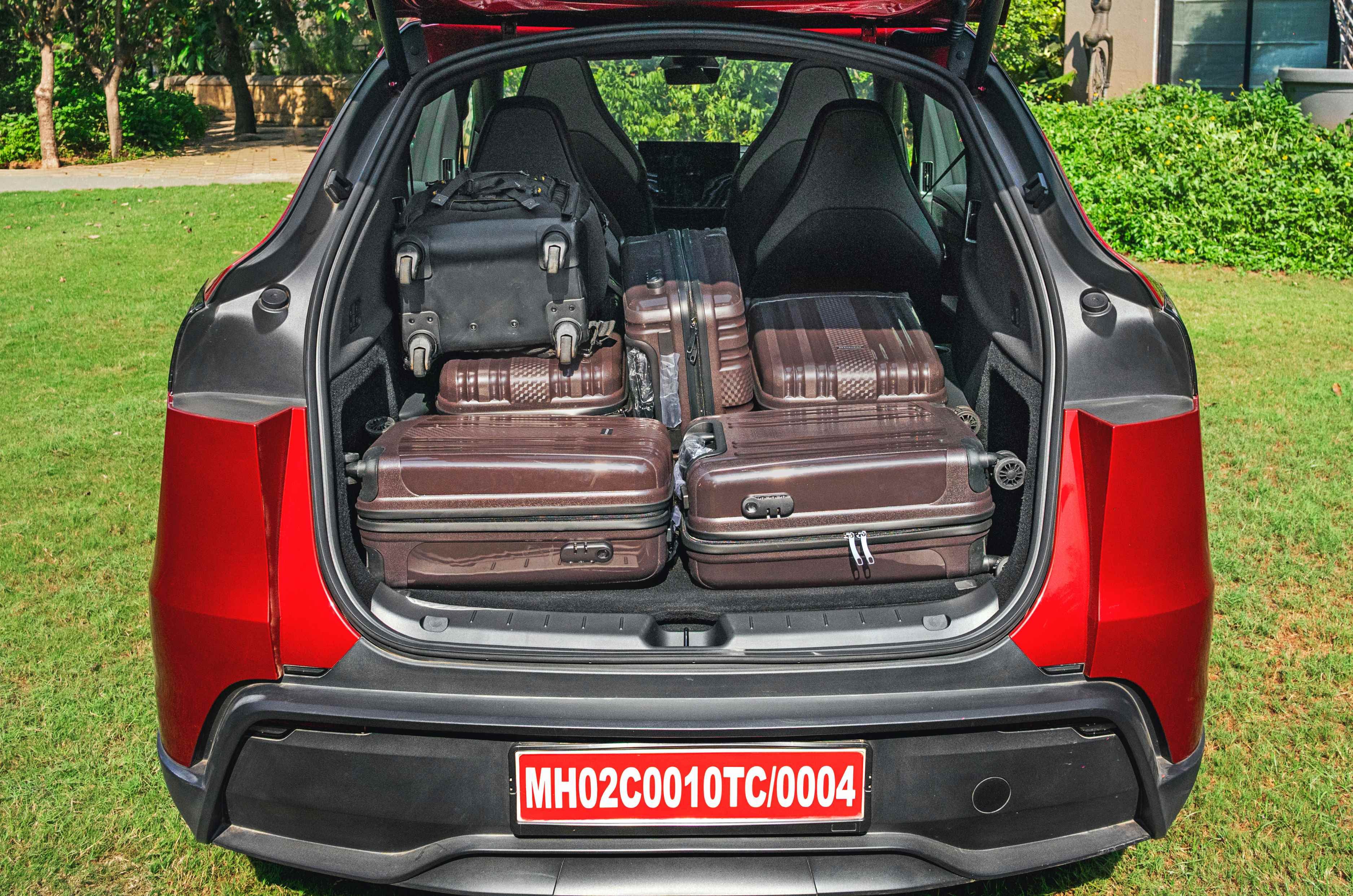
420-litre boot can be expanded to a massive 1,076 litres by folding the third row; more room under the boot floor too. 

Luggage space is another important consideration for a family focused car such as the Y L. With all three rows up, boot space is a respectable 420 litres which can be further expanded to a massive 1,076 litres by electronically folding the third row. Then there’s also a considerable amount of storage space under the boot floor and a properly usable 117-litre frunk. As such, the Y L remains practical despite the added seats. It’s worth noting though, there’s no spare wheel.

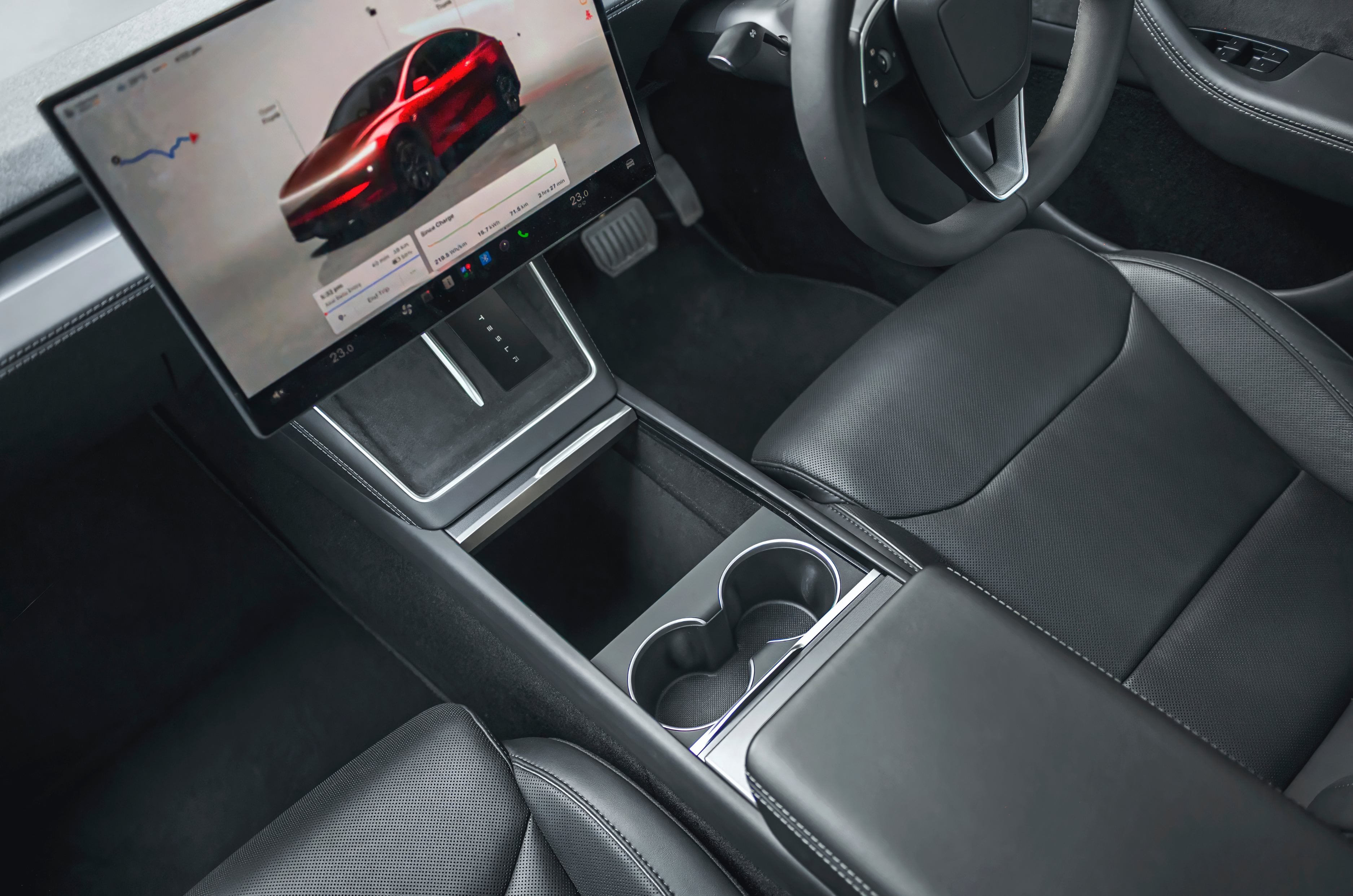
Practical cabin features a large storage box in the centre, cup holders, two wireless phone chargers, and space under the centre armrest. 

Up front, the cabin retains Tesla’s familiar minimalist layout. A large central touchscreen dominates the dashboard, with very few physical controls to interrupt the clean design. This  extended model gets a textured finish on top of the dashboard, but the overall layout remains largely unchanged. It also remains a practical place, with a large cubby space in the centre console, storage under the centre armrest, multiple cupholders and seat back pockets.  

Model Y Features and Safety – 7/10

Y L gets a Sport drive mode and two settings for the new adaptive dampers.

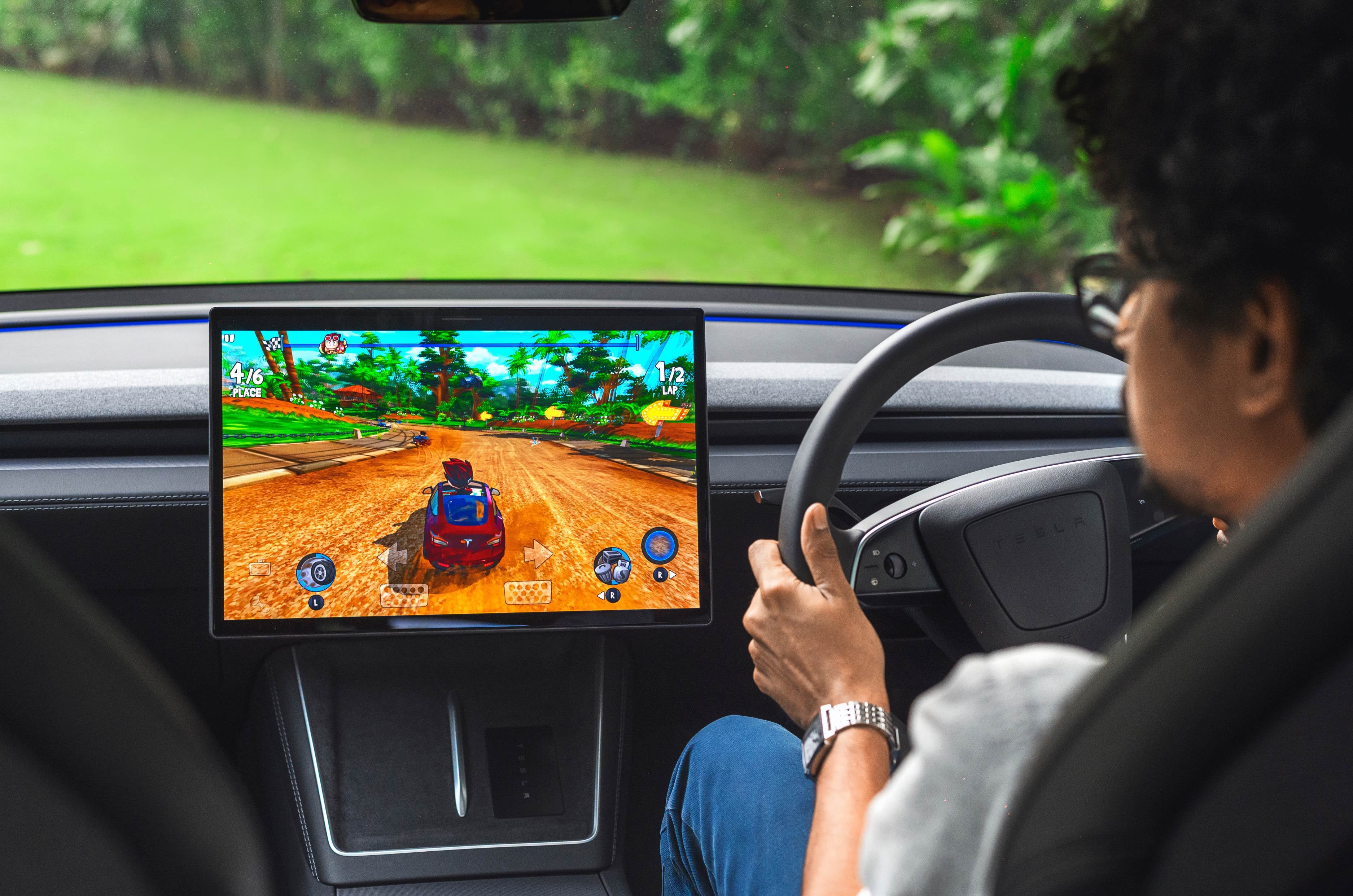
Technology has always been central to Tesla’s appeal, and the Model Y L continues with that approach. Apart from the aforementioned 8-inch rear screen, the main party piece of this car is the central 16-inch touchscreen. This screen is easily one of the best in the business in terms of resolution and responsiveness. 

16-inch touchscreen is one of the sharpest around and packs in the typical Tesla quirks and features.

The screen is slick and feature-packed, but the reliance on it for everyday functions remains a usability compromise. Adjusting climate settings and accessing basic vehicle functions like adjusting the mirrors and opening the frunk require navigating menus, which isn’t as intuitive as using dedicated switches. It looks modern and gives the cabin a clean appearance, but a little more emphasis on straightforward ergonomics wouldn’t hurt.

8-inch rear screen is just as slick and can bes used to play videos and control other functions.

But thankfully, you do get the Grok AI assistant as a part of the package which can pretty much do everything for you right from setting the AC, to setting the navigation, finding a charger and much more. It can converse in multiple languages and also constantly learns more about you, so it’s said to get more intuitive as you spend more time with it.  

Other features include a panoramic glass roof, dual wireless phone chargers, multi-colour ambient lighting, a superb sounding audio system with 18 speakers and a subwoofer, heated/ventilated and powered front two rows of seats, heated third row seats, all LED lights and so much more. There’s also connected-car tech, and as with any Tesla it gets over-the-air updates, so the car is constantly improving without the need to visit a service centre.

Tinted glass roof helps the cabin feel airy but no sunshade means it heats up quickly as well.

Safety equipment includes nine airbags and a suite of driver-assistance features, including lane-departure warning, lane-keeping assist and blind-spot monitoring. The car also has high-resolution cameras all around it which provide a great view of the surroundings, although Tesla’s more advanced Autopilot capabilities remain absent in India.

The technology is impressive, but the screen-centric interface requires some acclimatisation. Some buyers may find the learning curve frustrating, especially while driving. But for the tech-savvy buyers the Y L is aimed at, they will find this approach very appealing.

Model Y Performance and Refinement – 9/10

Dual-motor, all-wheel-drive powertrain puts out over 500hp and does 0-100kph in a claimed 5 seconds.

The Model Y L is offered in India with a dual-motor all-wheel-drive setup, unlike the rear-wheel-drive only Model Y variants. Tesla does not officially list powertrain specifications, but it has an estimated combined system output of 514hp and 590Nm and the brand claims a 0-100kph time of 5 sec and a top speed of 201kph. We did a quick acceleration test and managed a 0-100kph time of 5.02sec, though we couldn’t test the top speed as our car was electronically limited to 120kph. For a family crossover which is estimated to weigh over two tonnes, the performance is properly brisk. Expectedly, acceleration feels very potent and as typical of any high-performance EV, the Model Y L pins you back into the seat. However, there is a certain progression to the power delivery and the added traction of the all wheel drive setup makes it feel manageable and not overwhelming. There’s also two drive modes, Chill and Sport, the latter of which is exclusive for the Y L. And they have a corresponding effect on the response of the powertrain, with Sport obviously feeling much more immediate.

The added performance also makes overtaking on highways and closing gaps in traffic particularly effortless, as is reflected in the rolling acceleration figures. 20-80kph takes 2.85sec while 40-100kph is dispatched in just 2.94sec.

As with the standard Model Y, the Model Y L also impresses with its refinement. The cabin is superbly insulated from the outside world, thanks in part to the double glazed windows, with barely any road, tyre and wind noise filtering through into the cabin.

Model Y Mileage / Range and Efficiency – 7/10

Tesla Supercharger is said to add up to 288km of range in 15 mins; has a WLTP-rated range of 681km.

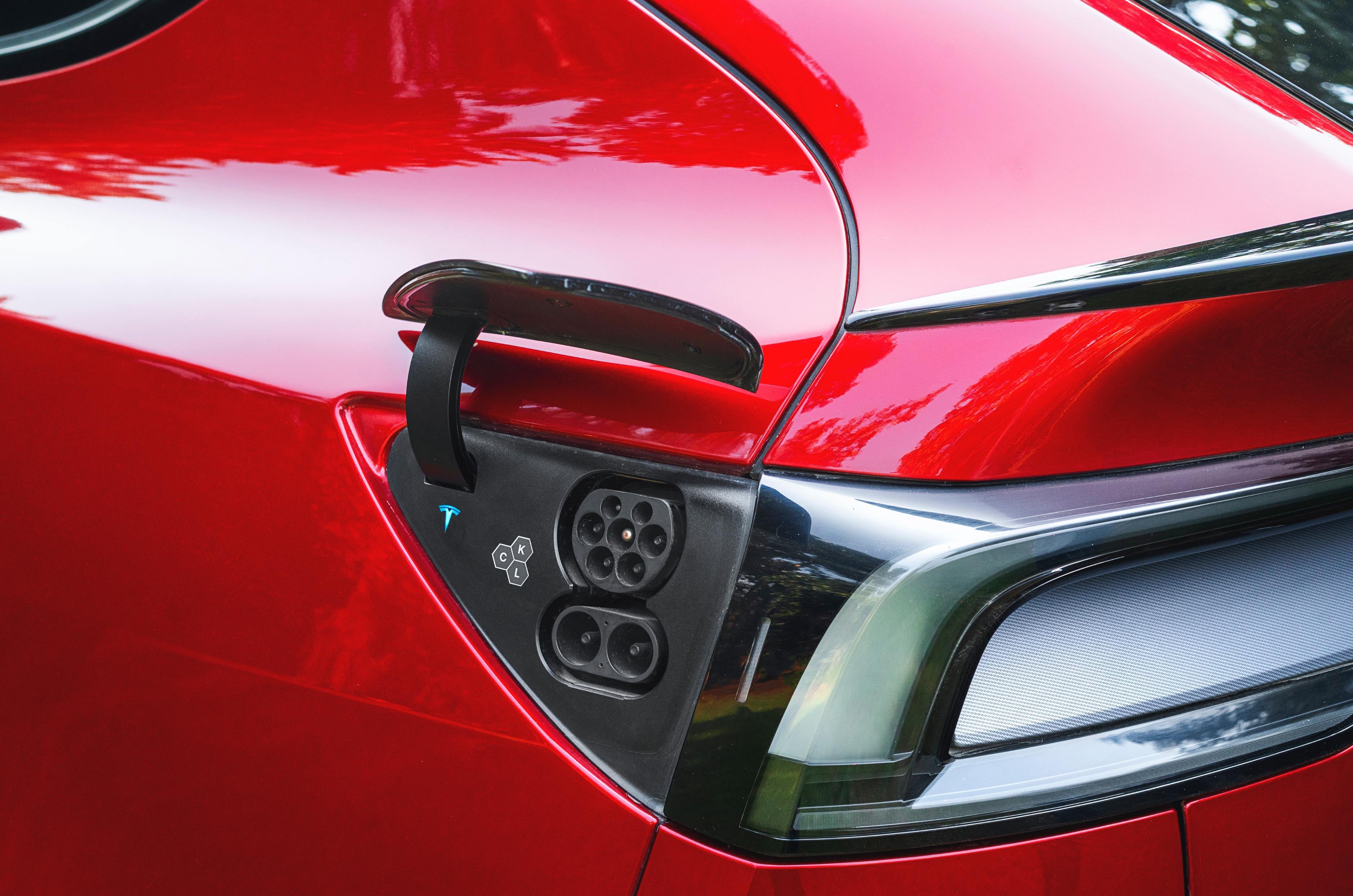
Tesla claims a WLTP range of 681km, from the Model Y L’s 88kWh (estimated) NMC battery pack. That’s more than the standard RWD Model Y, for reference. It can also add up to 288km of range in 15 minutes when connected to a Tesla Supercharger, according to the company. Speaking of which, the electric crossover is capable of accepting up to 250kW on DC fast charging and 11kW on AC charging. As always, real world range will depend on driving conditions, speed, weather and other factors.

Model Y Ride Comfort and Handling – 7/10

Adaptive dampers and longer wheelbase does make the Y L feel more settlled than the standard Model Y.

The standard Model Y’s ride and handling package is competent, although its low-speed ride is noticeably firm, especially on uneven surfaces. Tesla has made changes to the L’s suspension, equipping it with adaptive dampers in a bid to improve comfort and body control.

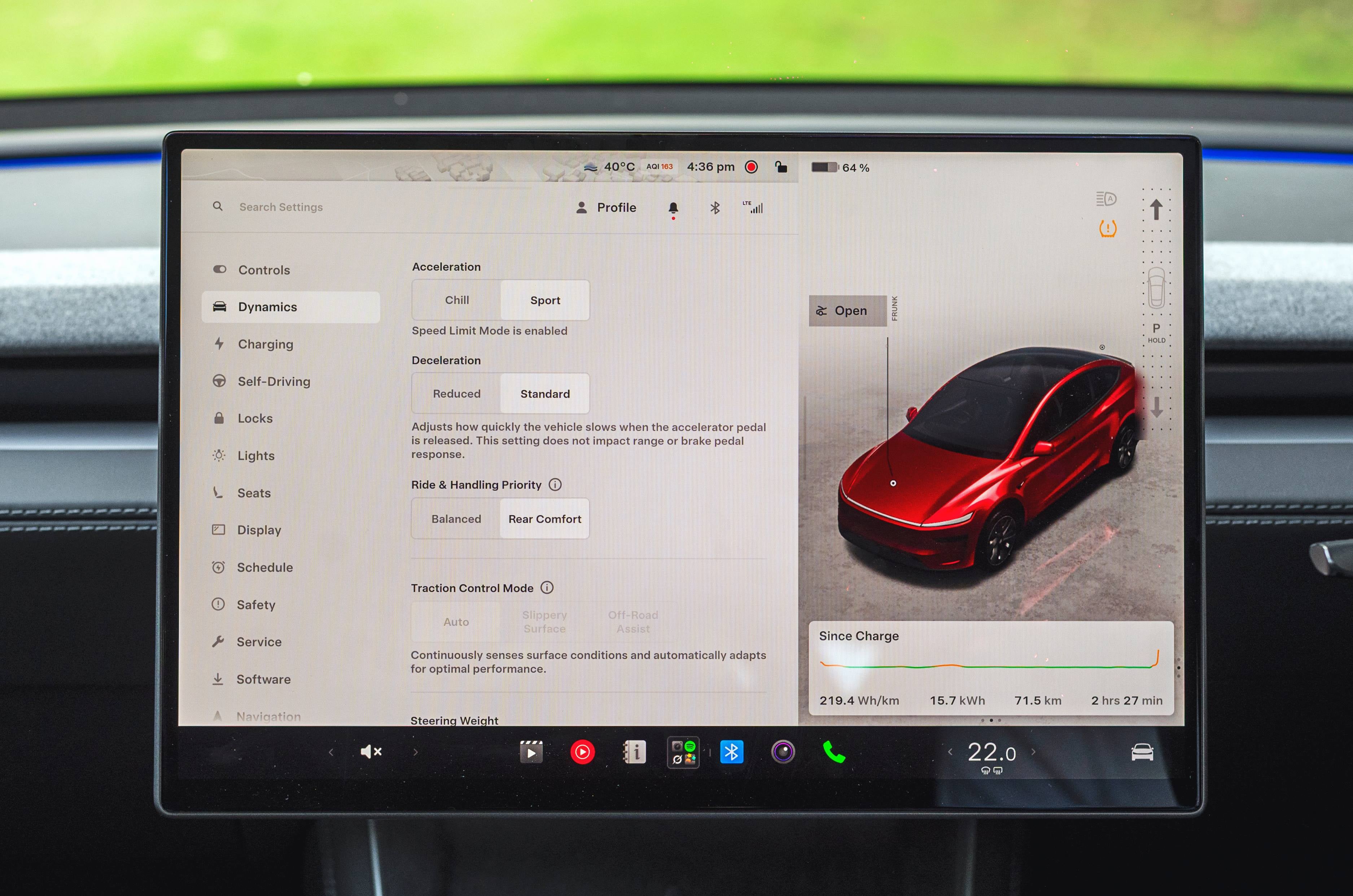
This is a particularly relevant upgrade for a longer, heavier vehicle designed to carry more passengers. As with everything else, this is also controlled via the touchscreen with two settings available – Balanced and Rear Comfort. The latter softens things down and gives it a slightly plusher feel, while the former represents a good middle ground between ride comfort and handling. Even though the difference in the modes isn’t that great, the Y L does feel more composed over broken roads and avoids transmitting as much movement into the cabin as the Standard Model Y.

The longer wheelbase also helps the car feel a bit more settled at speed, although manoeuvring in confined spaces is more cumbersome, and this is particularly amplified thanks to the rather poor turning circle. Like the standard Model Y’s, the Y L’s steering is light and easy to use, but it isn’t particularly feelsome. There’s also three modes for the steering, which progressively add more weight. The handling too is more competent and predictable rather than entertaining. It doesn’t feel as agile as the Model Y but body movements do seem better controlled thanks to the adaptive dampers.

There’s two levels of regenerative braking – Standard and Reduced. Standard is the stronger setting and best for use in the city as it almost functions like a one-pedal mode while Reduced is for highway use as it allows for some coasting.

Model Y Value for Money – 7/10

The Model Y L is for those who want a spacious, quick, refined, and cutting-edge premium EV for the family.

Priced at Rs 61.99 lakh (ex-showroom), the Tesla Model Y L makes for a more compelling case than the standard Model Y despite costing 10 lakh more. It still costs a fair bit more than its most direct rivals, the BMW iX1 LWB and the BYD Sealion 7, but the Y L is more spacious with more seats. The Model Y L does have its compromises though. It’s over reliant on the touchscreen for even basic functions and the large glasshouse means the cabin heats up easily. The larger dimensions, poor turning circle, low ground clearance and long wheelbase also means it is more challenging to maneuver in the city and while parking.

But it brings a lot more to the table too. There’s more cabin space, the added versatility of a third row, a more potent dual-motor powertrain with all-wheel-drive and a higher claimed range as well. And it retains its strengths of being featured-packed, with excellent refinement and massive cargo space. Tesla says that buyers are now preferring to opt for the Y L over the Model Y considering all the additional things it brings, and that really doesn’t come as a surprise. So for buyers who want a spacious, quick, refined and cutting-edge electric crossover for the family, the Tesla Model Y L fits the bill perfectly.

How to transfer RC from one state to another: Process, documents, fees explained

How to transfer RC from one state to another: Process, documents, fees explained

If you are moving to another state or selling your car to someone, you need to transfer the vehicle registration. This updates the registration to the new state if you relocate, or to the new owner if you sell the car. Since each state’s transport department has its own rules, registration certificate (RC) transfer fees, requirements and timelines can differ. So how exactly do you transfer your RC to a new regional transport office (RTO) and what are the documents and fees required in the process? We answer all your questions here.

Disclaimer: This guide is for private vehicles. Commercial vehicles need additional paperwork, such as permit and fitness documents, which are not covered here. The information used here comes from the Parivahan portal. Documents, fees and deadlines vary by state and RTO, and are subject to change. Check with your local RTO before you apply or pay.

What forms are required for an RC transfer?

FormPurpose
Form 29The seller’s notice reporting the transfer of ownership.
Form 30The buyer’s application to register the vehicle in their name.
Form 31Transfer of the vehicle to the person who succeeds the owner after their death.
Form 32Transfer of a vehicle bought through a government auction.
Form 28Application for a No-objection Certificate (NOC).
Form 35Application to remove loan, lease or hypothecation details from the RC.

The form you need depends on how the vehicle’s ownership is changing. Forms 29 and 30 are the main forms used in a regular used-car sale.

Why should you complete the RC transfer soon after a sale?

If you do not complete the ownership transfer or pay the applicable RTO charges, you may face penalties. You could also be held legally responsible if a car you sold is still registered in your name and is involved in an accident or criminal offence.

For a vehicle transferred within the same state, the buyer should submit the ownership-transfer application within 14 days of the sale. If the vehicle is registered in another state, the buyer should apply within 45 days. The seller should also protect their own interests instead of waiting for the buyer to finish the entire process. Form 29 and the sale intimation should be submitted promptly to create an official record of the handover. State transport departments may charge late fees or impose penalties if the application is submitted after the deadline.

Don’t forget to transfer the insurance policy

Updating the RC does not automatically transfer the motor insurance policy. The buyer should contact the insurer, submit the updated ownership documents and complete a new proposal or endorsement request. The RC and insurance policy should ultimately show the same owner’s name and address.

The seller’s No Claim Bonus (NCB) belongs to the seller. The seller can request an NCB retention certificate and use the eligible discount on another vehicle. The buyer should start the insurance transfer immediately and complete it within 14 days of the ownership transfer. A delay may affect eligibility for an own-damage claim.

What other documents are required for an RC transfer?

The exact list can vary by state and RTO. A regular sale usually requires:

  • Original RC.
  • Completed and signed Forms 29 and 30
  • Valid motor insurance certificate
  • Valid pollution under control (PUC) certificate
  • The buyer’s identity and address proof
  • PAN card or Form 60, where applicable
  • Passport-sized photographs
  • Pencil print of the chassis and engine numbers, if required
  • Sale agreement or delivery note
  • Applicable tax-clearance proof
  • Fee-payment receipt
  • Financier’s NOC and Form 35, if a loan is recorded
  • RTO NOC for an interstate transfer

Some states allow Aadhaar-based authentication and digital document submission. Others may require physical copies or verification at the RTO.

How to transfer an RC online?

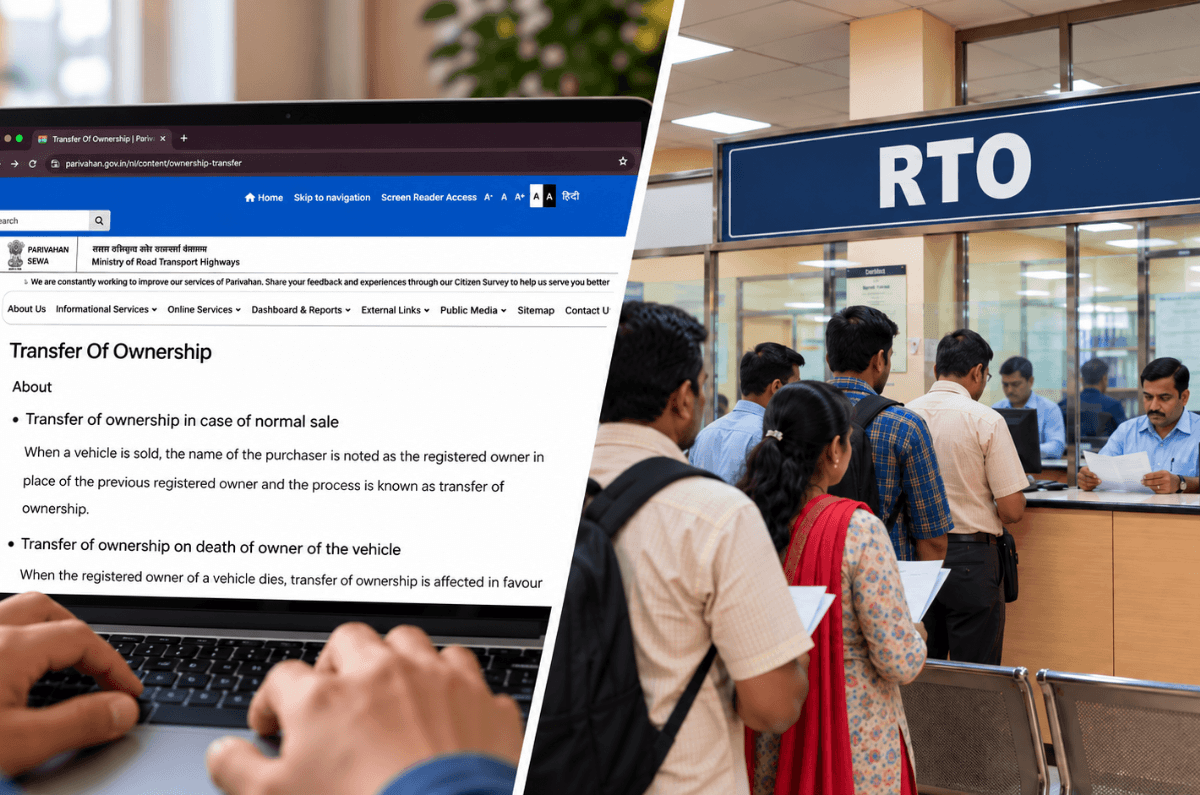
You can usually start the ownership transfer through the Parivahan vehicle-services portal.

Step 1: Open vehicle-related services

Go to the vehicle-related services section on Parivahan and select the state where the vehicle is registered.

Step 2: Enter the vehicle details

Enter the registration number and open the online services section. For authentication, you may need the last five digits of the chassis number and an OTP sent to the registered mobile number.

The mobile number linked to the RC must be active. If it is outdated, the registered owner may need to update it before continuing.

Step 3: Select transfer of ownership

Choose the transfer-of-ownership service. In some states, the seller must start the application before the buyer can enter the remaining details.

Step 4: Enter the buyer and sale details

Enter the sale date, the buyer’s address and identity details, and any other information requested. Make sure all entries match the supporting documents.

Step 5: Upload the documents

Upload the signed forms and supporting documents where online uploads are available. Make sure the images are clear, and all signatures can be seen.

Step 6: Pay the applicable fee

Check the fee details and pay online. Save the payment receipt and application number.

Step 7: Complete verification

Depending on the state, verification may be completed through Aadhaar authentication, faceless verification or a physical visit to the RTO.

For a physical verification, you may need to bring the original RC, signed forms and identity documents.

Step 8: Track the application

Use the application number or vehicle registration details to check the status on the Parivahan portal. After approval, the updated RC may be available digitally through DigiLocker or mParivahan before the physical card arrives.

How to transfer an RC offline?

You can also complete the transfer by visiting the RTO. The seller and buyer should fill in and sign Forms 29 and 30. The buyer then submits the forms, original RC, insurance, PUC, identity documents and other required papers to the appropriate registering authority.

After the fee is paid, the RTO checks the application and updates the registration record. It may ask for a physical vehicle inspection, especially for interstate transfers, address mismatches or document discrepancies. Always collect an acknowledgement or receipt when you submit the application.

How to transfer an RC within the same state?

A transfer within the same state is usually simpler because the vehicle keeps its existing registration number. The buyer generally submits Forms 29 and 30 along with the RC, insurance, PUC and personal documents. A separate NOC for an interstate transfer is normally not required. However, the process can differ if the seller and buyer come under different RTO jurisdictions within the same state. The online portal will usually direct the application to the relevant authority.

How to transfer an RC between states?

An interstate sale may involve two related processes:

  • Ownership transfer
  • Re-assignment of the registration mark in the buyer’s state

The seller should get an NOC from the original RTO using Form 28. The buyer then submits the ownership-transfer documents and pays the applicable road tax in the destination state, whether it be from Haryana, Maharashtra or Tamil Nadu. We will explain this process in the following FAQs.

The documents may include:

  • Original RC
  • Forms 29 and 30
  • RTO NOC
  • Insurance and PUC certificates
  • The buyer’s local address proof
  • Tax-payment documents
  • Pencil print of the chassis and engine numbers
  • Vehicle inspection report, if required

If the vehicle is moved to another state for more than 12 months, the owner may also need to apply for a new registration mark.

A road-tax refund from the original state is handled separately and depends on that state’s rules. The owner may need to provide proof of re-registration and tax payment in the new state.

How to get an NOC?

There are two ways to apply for an NOC – offline and online. The first method requires you fill out a copy of the Form 28. After that, attach the other required documents which are mentioned above, pay the applicable fee and submit the application at your RTO. Before starting, make sure there are no pending challans, unpaid toll dues, or vehicle tax payments, as the RTO will not issue an NOC if any dues remain. This process can also be done online by visiting the Parivahan portal – parivahan.gov.in. An NOC is valid for six months from the date of issue.

How to transfer the RC of a car with an active loan?

Check the RC for a hypothecation entry that names the bank or finance company. A vehicle with an active loan generally cannot be transferred without the financier’s consent. The seller should first close the loan or obtain the required approval. After the dues are cleared, the lender provides a loan-closure or no-dues certificate and signs Form 35. The owner can then apply to remove the hypothecation entry from the RC. In some states, you can request hypothecation removal and ownership transfer at the same time. Completing the loan-removal process first can reduce the risk of rejection.

How to transfer the RC of a car after the registered owner’s death?

When the registered owner dies, the person who succeeds to the vehicle should inform the registering authority and apply to transfer ownership using Form 31. The successor may use the vehicle for up to three months if the registering authority is informed within 30 days of the owner’s death.

The application usually requires:

  • Form 31
  • Original RC
  • Insurance and PUC certificates
  • Death certificate
  • Proof of succession or legal-heir documents
  • Declarations from other legal heirs
  • The applicant’s address and identity proof
  • Vehicle-verification documents, if required

Requirements can differ if there is a will, more than one legal heir or a dispute over ownership.

How to transfer the RC of a car bought at a government auction?

If you buy a vehicle through an auction held by or on behalf of the Central or a state government, you should apply using Form 32 within 30 days of taking possession. The buyer must submit the auction certificate or sale order, the government authorisation for the auction, the available vehicle documents and the applicable fee. Auction vehicles may have incomplete records, repairs that are still needed or unusual registration histories. Check the documents before bidding.

How much does an RC transfer cost?

RC transfer charges depend on the vehicle category, state, smart-card fee, postal charge, any outstanding tax and whether extra services are needed. The Parivahan portal shows the amount payable before you make an online payment. Under Rule 81 of the Central Motor Vehicles Rules, the RC transfer fee is half the standard registration fee. This may amount to Rs 150 for a motorcycle and Rs 300 for a private car. Delays can attract a late fee of Rs 300 per month for motorcycles and Rs 500 per month for cars. Some states may also impose a penalty if the application is not submitted within 14 days of purchase. Road tax is charged separately, and is applicable if the vehicle is being re-registered in another state.

Royal Enfield Guerrilla 450 vs Triumph Tracker 400 Performance Compared

Royal Enfield Guerrilla 450 vs Triumph Tracker 400 Performance Compared
An outdoor tracking image of the Royal Enfield Guerrilla 450 and Triumph Tracker 400

The Royal Enfield Guerrilla 450 and the Triumph Tracker 400 are closely matched on paper; both roadsters producing 40hp, near-identical kerb weights and a price gap separated by barely Rs 10,000. However, both are very different to ride in the real world as our VBox-verified numbers will reveal.

Royal Enfield Guerrilla 450 vs Triumph Tracker 400: Acceleration  

Despite weighing more, the Guerrilla asserts lead at every benchmark


Royal Enfield Guerrilla 450

Triumph Tracker 400

0-60kph

2.85s

3.05s

0-80kph

4.36s

4.86s

0-100kph

6.24s

7.55s

Even though the Guerrilla (185kg) carries a slight 4kg more compared to the Tracker (181kg), it dominates in every measurable metric. It clocks 0-60kph in 2.85 seconds, two-tenths of a second ahead of the Tracker’s 3.05 seconds. As the speed climbs, this gap widens significantly close to half a second at the 0-80kph mark and to 1.3 seconds at 0-100kph. Here the additional displacement and wider torque curve gives the Guerrilla a clear advantage. At the same time the Tracker falls short because of its downsized 349cc engine, which only really comes alive after 6,000rpm, and below that, the power delivery is quite mellow.

Royal Enfield Guerrilla 450 vs Triumph Tracker 400: Roll-on acceleration  

Higher torque figure at lower rpm widens the gap significantly


Royal Enfield Guerrilla 450

Triumph Tracker 400

20-50kph (2nd gear)

1.98s

2.44s

30-70kph (3rd gear)

2.78s

4.15s

50-80kph (4th gear)

3.38s

4.32s

While acceleration from standstill indicates the level of outright performance on offer, the roll-on acceleration reveals the real-world usability. Again, it is the Guerrilla which has the undisputed advantage over the Tracker, thanks to its far punchier low- and mid-range torque delivery. The 40Nm of torque helped the Guerrilla outperform the Tracker (32Nm of torque) in every situation.

Royal Enfield Guerrilla 450 vs Triumph Tracker 400: Braking  

Bigger disc and stickier tyres became the decider


Royal Enfield Guerrilla 450

Triumph Tracker 400

60-0kph

15.73m

16.75m

To begin with, both bikes have very good braking hardware, but in our instrumented tests, it was the Guerrilla that came to a complete halt from 60kph earlier. The radially mounted four-piston caliper on the Tracker gave more feedback and confidence compared to the Guerrilla. However, the 310mm front disc and road-biased tyres gave the Guerrilla the upper hand in getting a shorter stopping distance compared to the Tracker (300mm front disc).

BMW F 450 RR To Be Revealed on October 15

BMW F 450 RR To Be Revealed on October 15
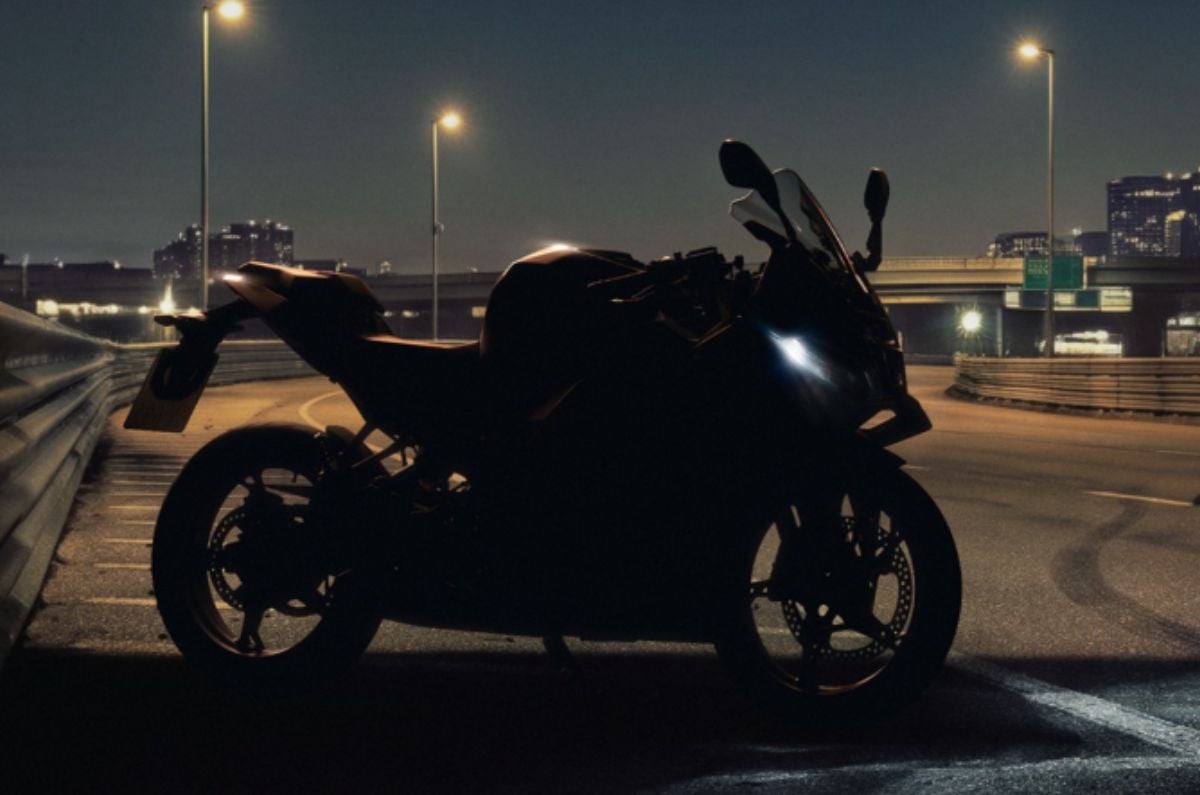
BMW F 450 RR Sportbike silhouette teased.

Things appear to be quite busy at BMW Motorrad. After revealing the F 450 GS based sport-naked, the F 450 R just two weeks ago, the company has already teased its next 450, most likely to be called the F 450 RR. This plus a bunch of new car unveiling is a sure shot good sign for the German manufacturer being competitive.

  1. F 450 R was revealed on October 1, no prices or India launch timeline yet
  2. F 450 GS was revealed last November, launched in India this April
  3. Design looks inspired by flagship S 1000 RR

BMW F 450 sportbike teased: What can we expect?

The 420cc twin-cylinder engine could slightly change

The BMW F 450 GS, which kicked off the new 420cc twin-engine based platform, was first unveiled in Europe last November. The company officially launched the motorcycle in India in April this year with three variants (versus four internationally). However, the gap between the F 450 GS and the now-revealed F 450 R was 11 months and the company doesn’t seem to want to take a break again. Yesterday it teased what very clearly looks like a sportbike with the reveal slated for a week from then, i.e., October 15, 8:30pm IST.

It’s more than likely that the upcoming motorcycle will be a sportbike based on the same platform as the F 450 GS and the F 450 R; BMW’s naming conventions tell us that this new motorcycle will be christened as the F 450 RR. The F 450 R borrows most of the F 450 GS’ components but weighs 3kg lighter. Once again, BMW has listed four variants for the sport-naked, but we’ll have to see how many make it to India.

There are no changes to the 420cc twin-cylinder engine on the F 450 R,, and we’ll have to wait to see if BMW optimises power and torque delivery for the upcoming model given its sportier intent. At first glance, the design looks to share some cues with the next generation S 1000 RR, which was spotted testing at the Nurburgring earlier this year. Other than that, the silhouette shows the motorcycle with winglets and side-positioned DRLs; we should learn even more as the reveal date gets closer.

Near-production BMW M3 electric revealed in camo

Near-production BMW M3 electric revealed in camo
BMW M3 electric front quarter in camouflage

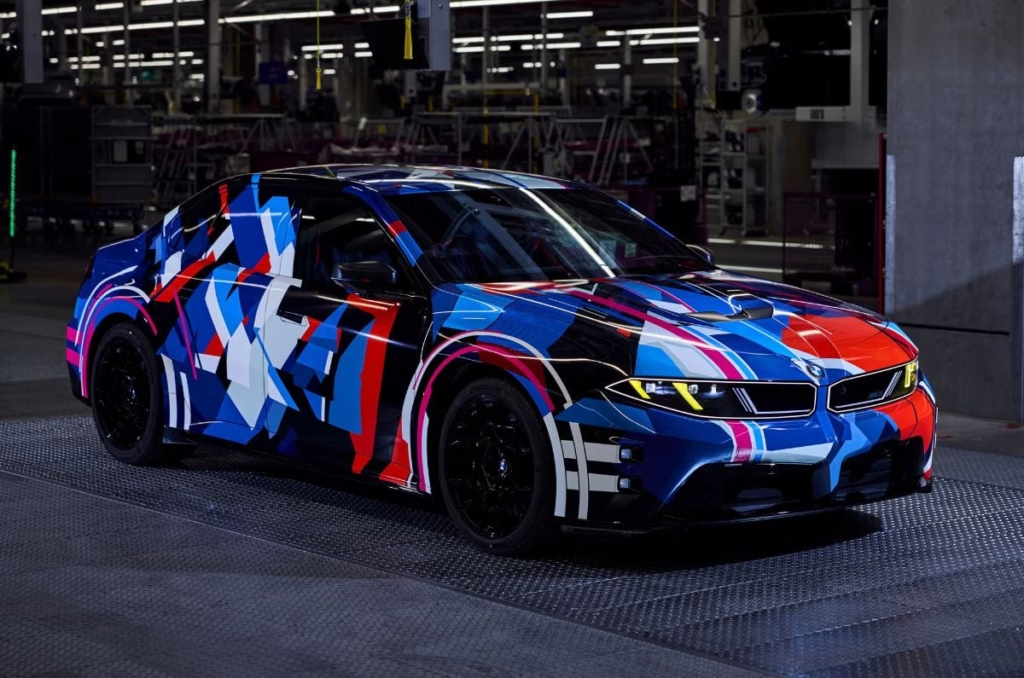
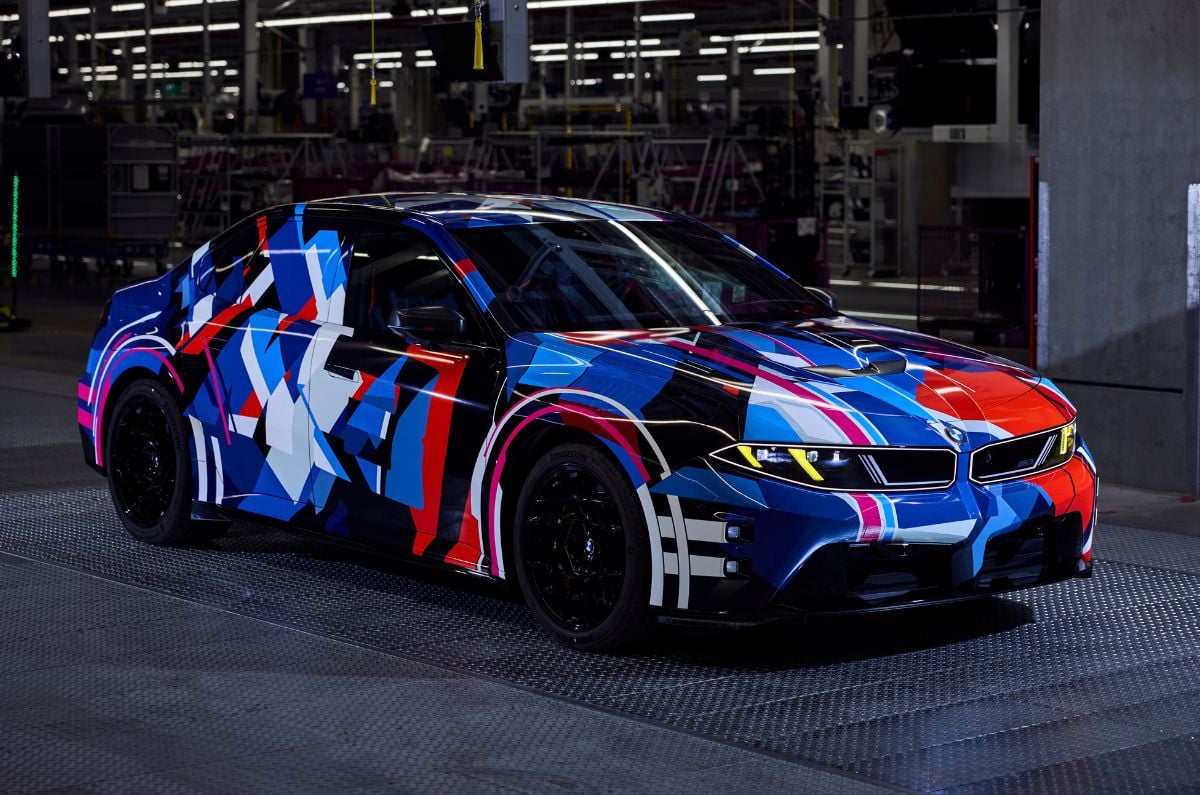
BMW has revealed a near-production M3 electric wrapped in camouflage. The images released provide us an insight into what the final, production model will look like. The fully electric M3 is to be produced at the German luxury automaker’s main plant, where the first BMW Neue Klasse model, the fully electric i3, is made. “We are delighted that we will also be producing the first fully-electric BMW M3 here in Munich,” said Peter Weber, Head of BMW Group Plant Munich.

BMW M3 electric exterior design

Neue Klasse details visible include the sleek front grille and LED elements

BMW M3 electric top down

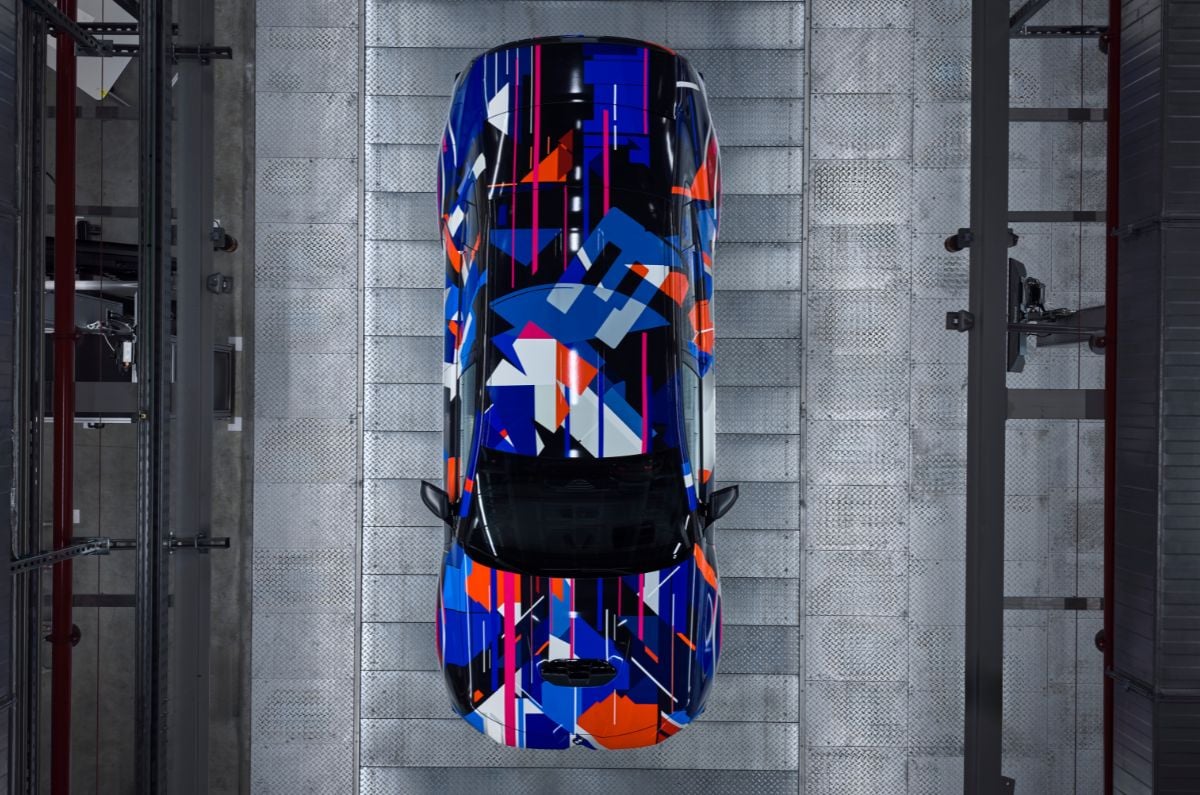
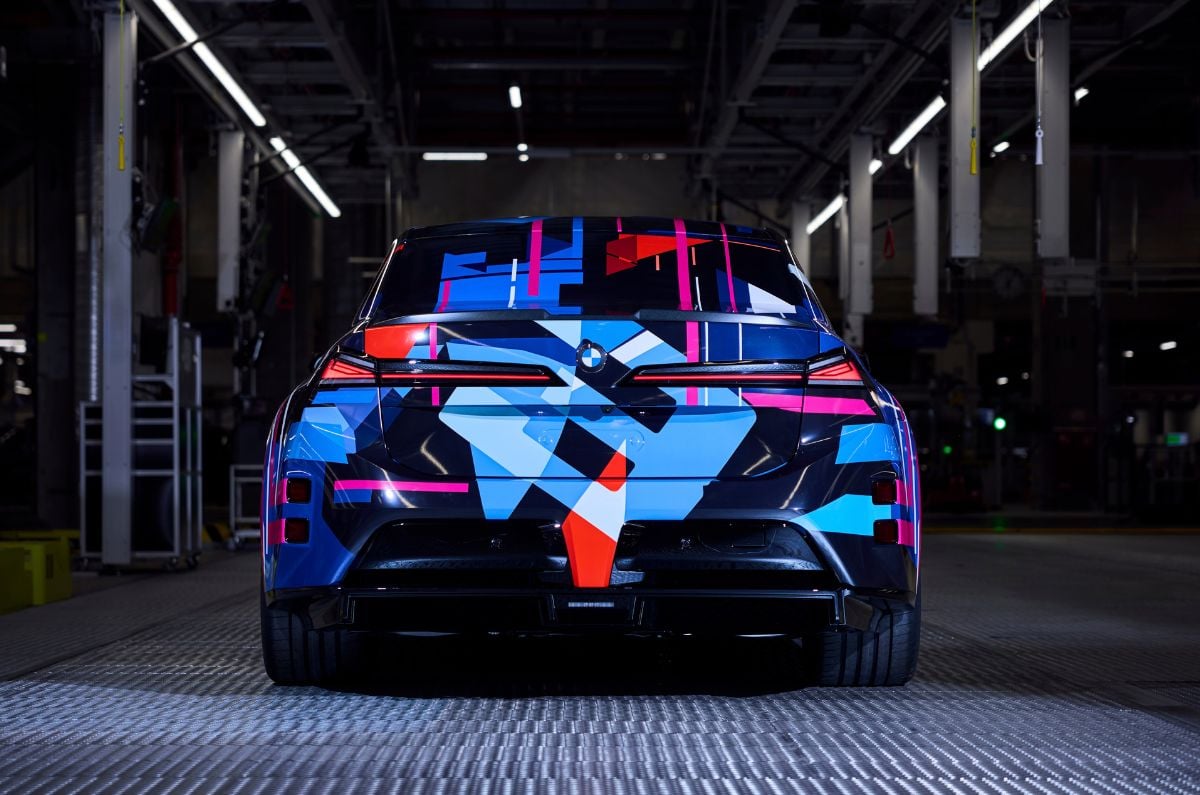
Some of the design details poking through the camouflage are similar to what we see on the combustion-powered 3 Series. This means there’s the new kidney grille up front that’s flanked by angular LED lighting signatures. Lower down, however, is a revised bumper with pronounced aero elements and cube-shaped LEDs stacked vertically. The bonnet of the M3 electric also sports a hump.

BMW M3 electric rear

The so-called “reinterpreted M aero” ORVMs of the concept have been replaced by a more conventional design. Save for the centre cap design, the all-black alloy wheels look similar to what was seen on the concept. The rear of the camouflaged M3 electric gets a bootlip spoiler and the same cube-like design integrated into the bumper.

BMW M3 electric expected interior and features

Some of the design and equipment seen on the Neue Klasse concept will make it to the production model

BMW M Neue Klasse concept interior

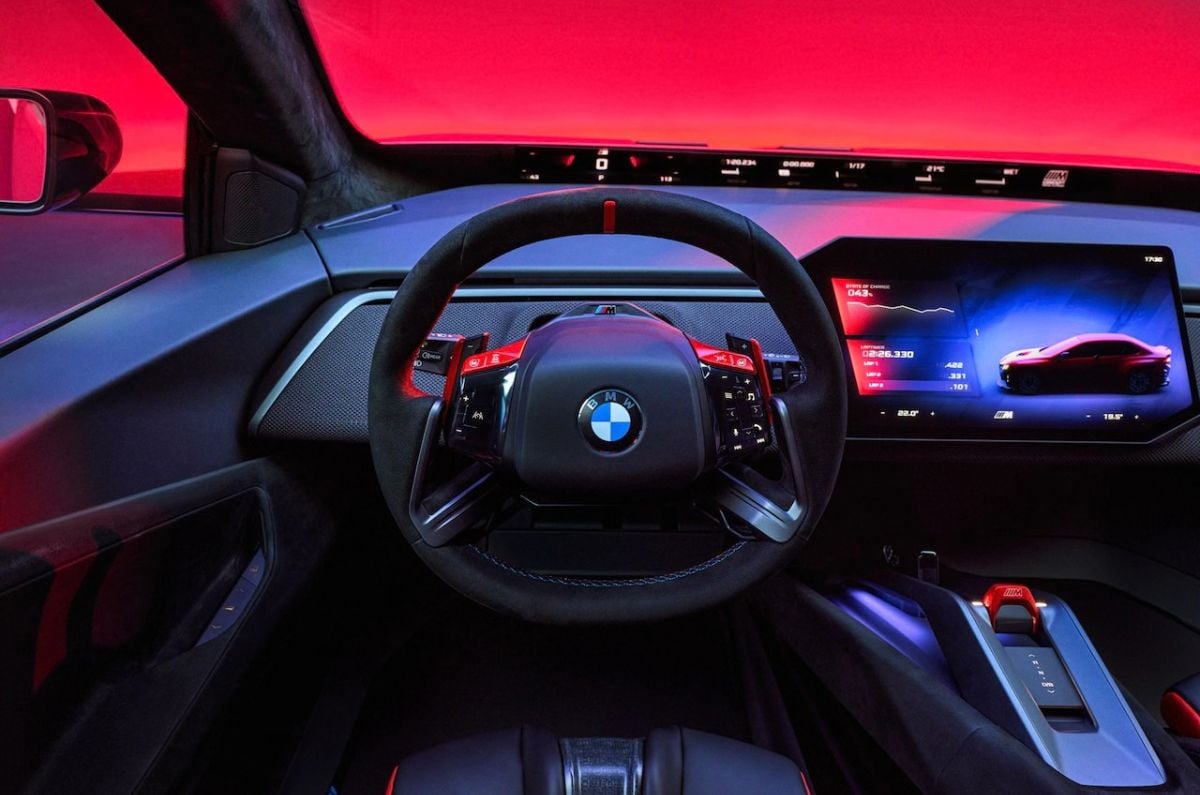
While BMW is yet to show the interior of the upcoming M3 electric, it’s likely to borrow some of the cues from the Neue Klasse concept. The latter was showcased with a sleek digital instrument panel cutting across the base of the windscreen and a chunky steering wheel with red highlights and BMW M stitching. The sloping centre console of the concept has a red toggle-style drive selector with ‘M’ branding, while the dashboard features a ‘floating’ infotainment screen.

BMW M Neue Klasse concept seats
BMW M Neue Klasse concept interior

The cabin of the Neue Klasse concept is primarily finished in black leather, with hexagonal lighting pattern on the textured dashboard. The production model could also come with the sporty bucket seats finished in a two-tone M livery. There will also be ‘M’ lettering and graphics on the seats and displays, respectively, as has been the case with other BMW M cars.

BMW M3 electric powertrain

The M3 EV could feature an 800V architecture and four electric motors

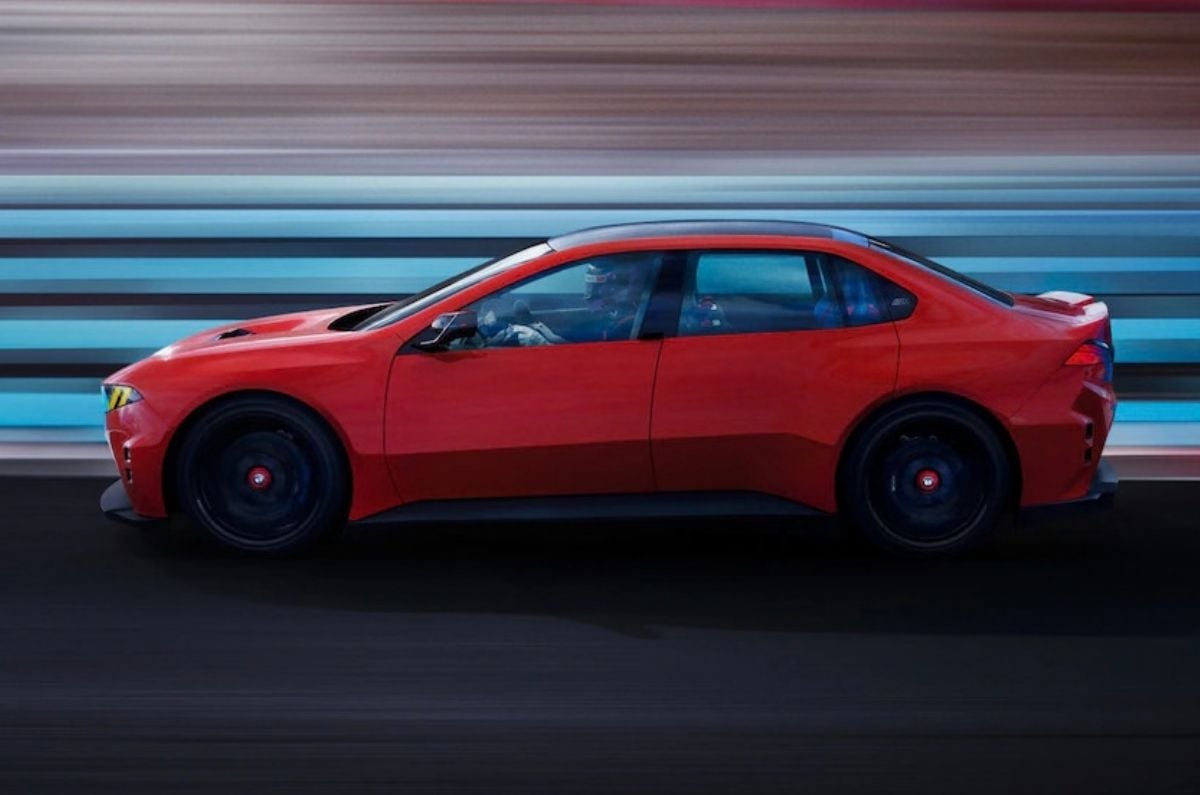
BMW said that the Neue Klasse concept featured an M-specific version of its sixth-generation cylindrical cells with a capacity of over 100kWh. The 800-volt architecture powers four electric motors – one for each wheel – as part of its new M eDrive powertrain. This will be accompanied by BMW’s new ‘Heart of Joy’ control unit and M Dynamic Performance Control software, with wheel-specific power delivery and braking systems.

BMW is yet to reveal specifics regarding this setup’s output or performance. “It’s not about having even more power. At the end of the day, you can’t put that down to the road anyway. You need to have sufficient power at every corner of the car and we are using four electric motors, but you will never use it at the same time,” BMW M CEO Franciscus van Meel told Autocar UK.

BMW M Neue Klasse concept side tracking
BMW M Neue Klasse concept

Instead, the focus here appears to revolve around better stability without compromising agility. “You can brake the inner wheels, accelerate the outer ones and can get out of turns in a completely different way. It’s a new era of vehicle dynamics,” said van Meel.

He also stated that the fully electric M3 will come with simulated gear shifts but without simulated engine sounds, with the intention being better driving intuitiveness. “We tried all the different sounds. We had a high-revving V10 from the M5, a high-revving V8 from the M3 and even tried the four-cylinder from the E30. But every sound only made sense for that specific car. If you try to put the sound in another car, the feeling is not right.”

According to van Meel, the priority while driving on a track isn’t down to just copying the feel and emotion of a combustion-powered car. Quickness around the track is more important. “You need to have some pedal feel and ratios that you are comfortable with, so that you automatically know you are driving [for example] 100mph because you are in third gear, because you know the deceleration and acceleration. That’s what you want. You can of course copy a gearbox, and it’s already quite emotional. That’s a good idea. But we want more,” van Meel continued.

BMW M3 electric production

The M3 EV will be made at the BMW Group Plant in Munich

BMW will be investing around EUR 650 million into its Munich facility to prepare it for fully electric models. Part of this investment has gone into modernising production structures and systematic digitalisation, along with enhancing cooperation with the development teams and suppliers. According to the brand, from 2027 onwards, this facility will only be producing EVs such as the M3 electric.

एक Delivery Boy ने खड़ी कर दी युवाओं की Team | अपने इलाके की बदल रहे तस्वीर | Madhya Pradesh

एक Delivery Boy ने खड़ी कर दी युवाओं की Team | अपने इलाके की बदल रहे तस्वीर | Madhya Pradesh

एक Delivery Boy से शुरू हुई एक ऐसी पहल, जिसमें आज 50+ युवा अपने इलाके की छोटी-बड़ी समस्याओं को अपना समझकर उनका समाधान करते हैं। स्कूल में साफ पानी से लेकर सड़क के गड्ढों और दुर्घटना रोकने वाले Reflectors तक।
इन युवाओं का एक ही नियम है-
अपना शहर, अपनी जिम्मेदारी।
क्या आपके शहर में भी है एक ऐसा हीरो तो जुड़िए हमारे अभियान #CivicSenseRevolution से और टैग करिए उस #CivicSenseHero को!

@help_by_ram1

[Civic Sense Hero, Civic Sense Revolution, Delivery Boy Turned Community Changemaker, Youth Civic Action In India, MP Young Volunteers Solving Local Problems]

एक Delivery Boy ने खड़ी कर दी युवाओं की Team | अपने इलाके की बदल रहे तस्वीर | Madhya Pradesh#thebetterindia #goodnews #positivestories #indianews #thebetterindiahindi #hindi

Follow us for more:

Facebook: https://www.facebook.com/thebetterindia.hindi
Instagram: https://www.instagram.com/thebetterindia.hindi/
Twitter: https://twitter.com/TbiHindi
LinkedIn: https://www.linkedin.com/company/the-better-india-hindi/

Website: https://hindi.thebetterindia.com/

Volkswagen Group considers selling Ducati

Volkswagen Group considers selling Ducati
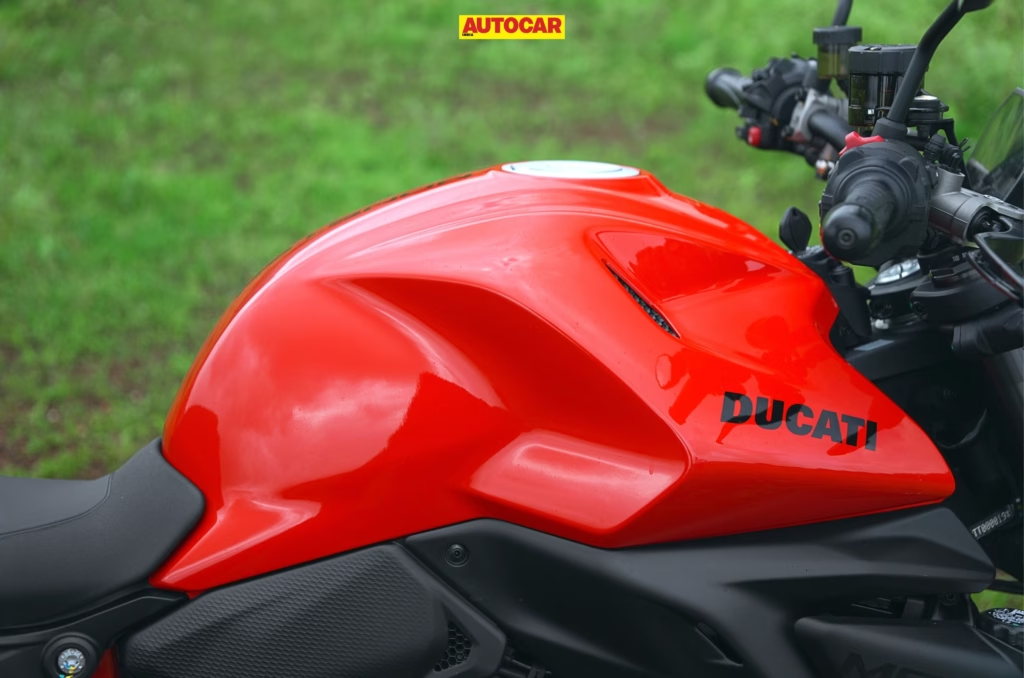
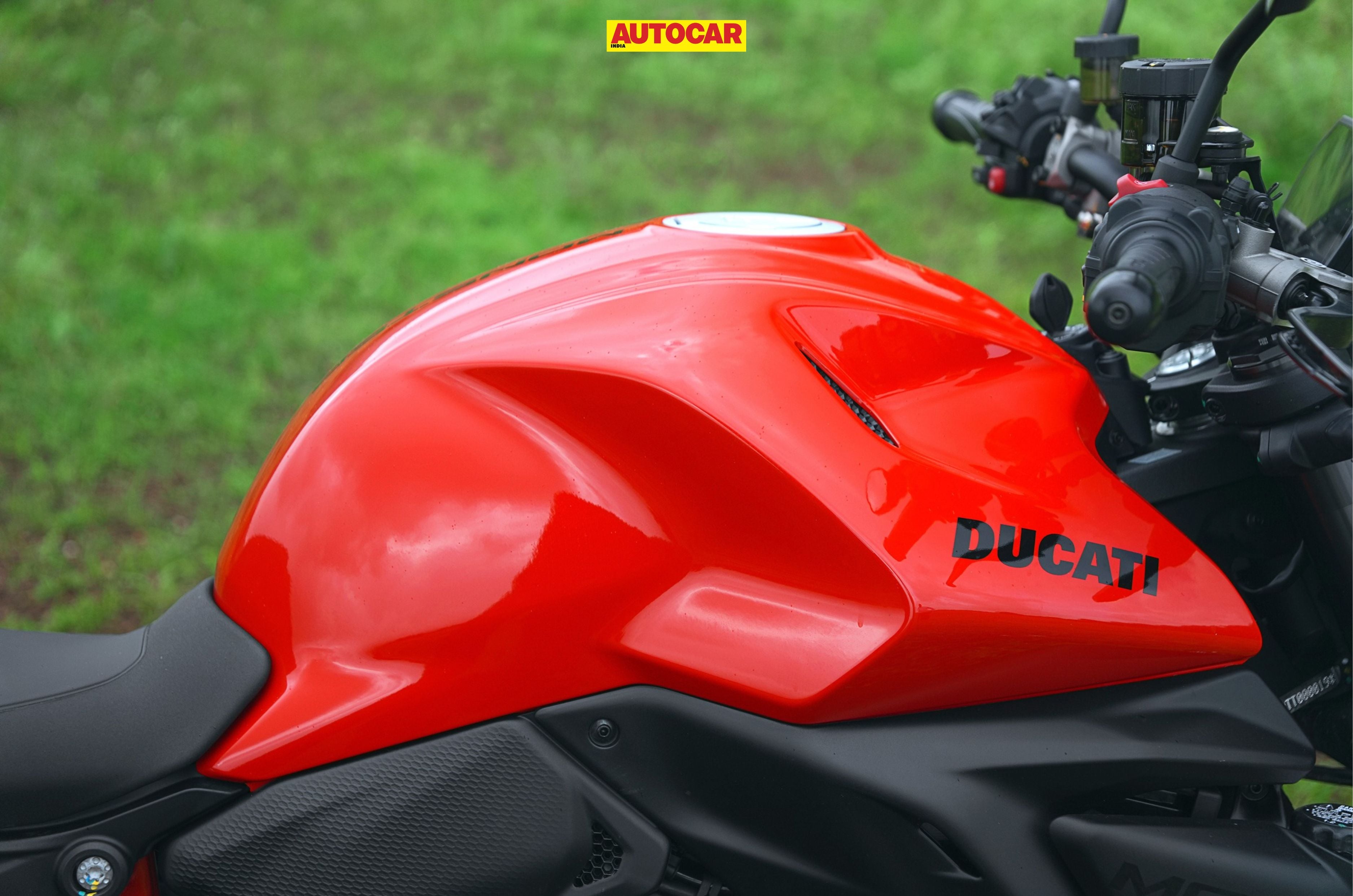
Ducati Monster MY26's right side tank.

It’s no secret that Volkswagen Group, the German behemoth that owns brands such as Audi, Bugatti and Lamborghini, is in financial trouble. Facing fierce competition from Chinese firms, the group already announced plans to lay off 50,000 employees in Germany alone by 2030, and the fate of several factories across the world has also become uncertain. We also received reports of the Volkswagen Group considering a simplified variant line-up for cars across its brands. It now appears the two-wheeler business will be impacted too.

  1. Ducati is one of the Volkswagen Group brands being evaluated for a possible sale
  2. In 2025, it reported EUR 925 million revenue and EUR 52 million operating profit
  3. Patritalia, another Italian company, had already made an offer for Ducati and MV Agusta

Ducati sale is under evaluation, but no decisions have been made yet

This isn’t the first time Ducati is being evaluated for sale

Claudio Domenicali, CEO of the Borgo Panigale manufacturer, confirmed that the parent group is evaluating the brand’s future. “We are aware of the shareholders’ plan to reevaluate its holdings. Ducati is one of these holdings, but no final decision has been made on Ducati yet: it’s one of the ongoing evaluations,” Domenicali told GPOne in a press interaction at the brand’s “Ducati 100 – A century on display” exhibition in Bologna, Italy. To be clear, this doesn’t mean Volkswagen Group is bent on selling Ducati; it merely confirms that it is evaluating that possibility. The brand is among 600 of the group’s 2,000 businesses being reviewed. Now, Audi CEO Gernot Dollner has confirmed Domenicali’s claim, saying, “It’s part of the evaluation process that we’ll also talk about Ducati, but nothing has been decided.”

Bloomberg reported in early June that Volkswagen Group’s supervisory board approved slimming down its portfolio by a third, with the layoffs being a part of it, and approved the sale of a 51 percent of its stake in Everllence ship-engine unit, which is expected to bring EUR 7.4 billion. In contrast, a Ducati sale is expected to bring around EUR 1.25 billion.

This isn’t the first time Ducati is being evaluated for sale. The group acquired Ducati in 2012 and then considered selling it in 2017 before quickly changing its mind. The Italian superbike manufacturer has steadily become synonymous with innovation in motorsport and has been highly successful in the World Superbike Championship (WSBK), MXGP and, of course, MotoGP. Ducati reported revenue of EUR 925 million and operating profit of EUR 52 million in 2025.

Ducati already has a potential buyer in Patritalia

An Italian investor who wants to have all-Italian technicians, MV Agusta and all MotoGP classes

If Volkswagen Group decides to hand off Ducati, there is already someone waiting in the lobby. In August, Italy-based Patritalia expressed more than an interest in acquiring Ducati, after doing the same for MV Agusta, which is also in hot water. However, some of Patritalia’s plans for the brands have already riled up quite the chatter, according to Visordown. The group has expressed interest in taking over as the sole engine supplier for Moto2, which is currently powered by Triumph, while also advocating for a more open market across all three MotoGP classes. Secondly, it has outlined a preference for Ducati to have a predominantly Italian workforce. Volkswagen Group had previously made it clear that Ducati isn’t up for sale, but considering things have changed since then, we will have to await further developments.

Triumph has been the sole engine supplier for Moto2 since 2019, when it took over from Honda. It also recently announced that it is bringing a new engine with increased peak power delivery to the class from next year. Moto3 is slated to get Yamaha as the sole engine supplier from 2028, with the R7 engine heavily modified and adapted for the class, replacing KTM and Honda. Changing either Triumph or Yamaha would require their consent, as well as consent from Liberty Media, the current owner of the MotoGP brand. Considering that both companies have announced plans for the future and that Volkswagen hasn’t been receptive to Patritalia’s bids so far, its aspirations have a slim chance of becoming a reality at the moment.

Sources: GPOne, Bloomberg and Visordown

2026 Yamaha Tenere 700 Image Gallery

2026 Yamaha Tenere 700 Image Gallery
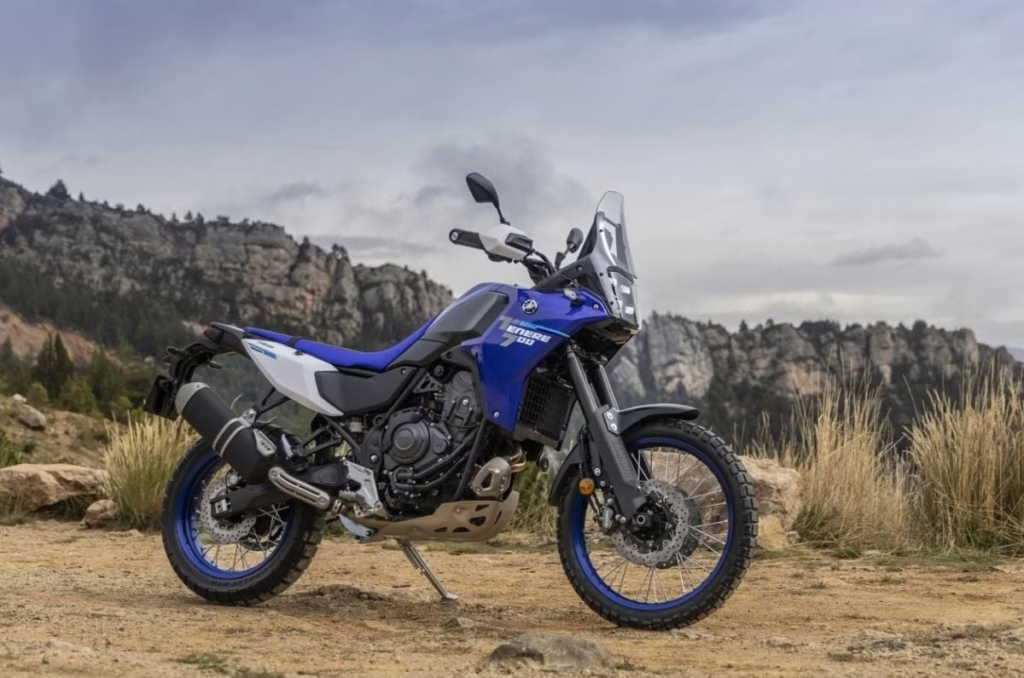
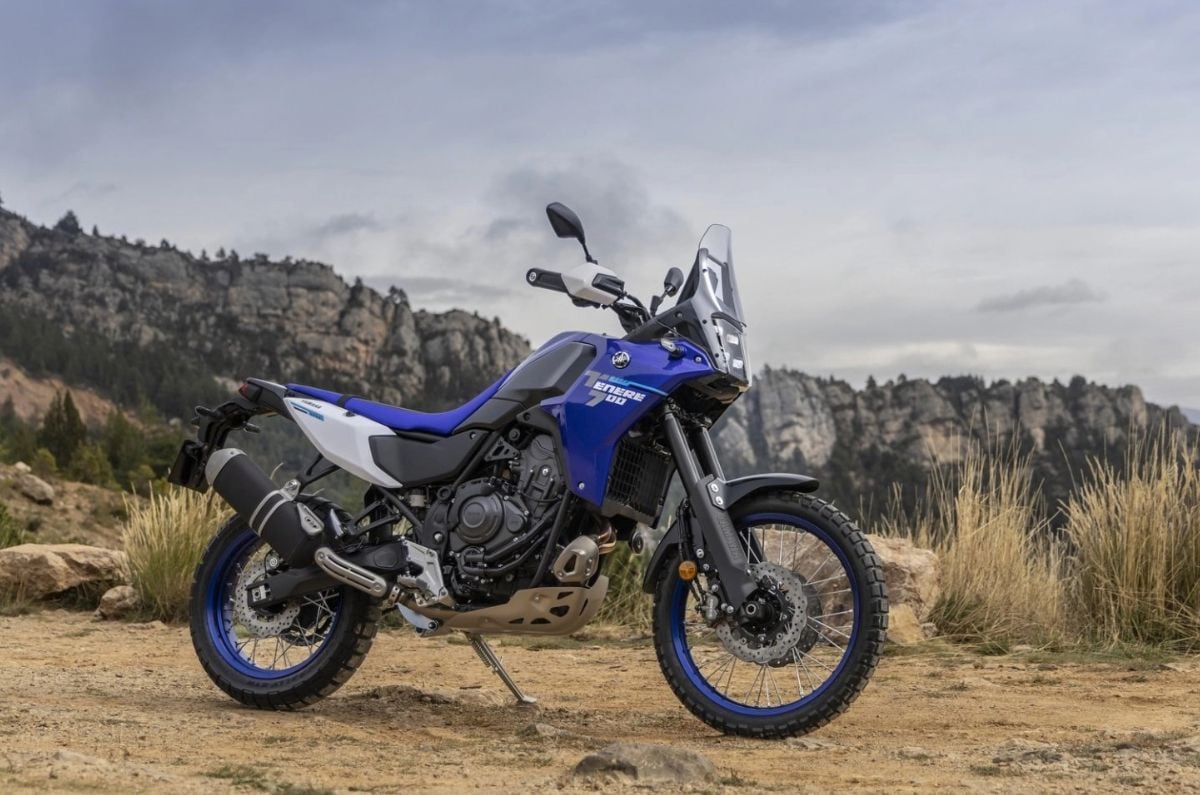
Yamaha Tenere 700 front right quarter image

The Yamaha Tenere 700 is the middle weight adventure bike in Yamaha’s global line-up. It is powered by the CP2 engine – renowned for its reliability and exciting power delivery, which is also shared with its naked sibling the MT-07. The 689cc liquid-cooled parallel-twin-cylinder engine produces 73.4hp at 9,000 rpm and 68Nm at 6,500 rpm and is paired with a 6-speed gearbox.

The Tenere 700 gets a fully adjustable 43mm USD front fork with 210mm of travel and a link-type monoshock rear suspension, which can be adjusted for preload as well as rebound damping. The 21/18 inch wheels setup on the Tenere come with Pirelli Scorpion Rally STR adventure tyres as standard.

It is equipped with YCC-T (Yamaha Chip Controlled Throttle), which also brings two riding modes: Sport and Explorer, giving the possibility to choose the best power and torque characteristics to meet riding needs. ABS and TCS can also be turned off, giving the rider total control, which is particularly useful on unpaved surfaces. Complementing the electronics suite, the Tenere also features a 6.3 inch TFT instrument cluster to provide all the vital information. It is priced at USD 10,999 (Rs 10.54 lakh). 

USD-to-INR conversions based on exchange rates at the time of writing