Volkswagen Group considers selling Ducati

Volkswagen Group considers selling Ducati
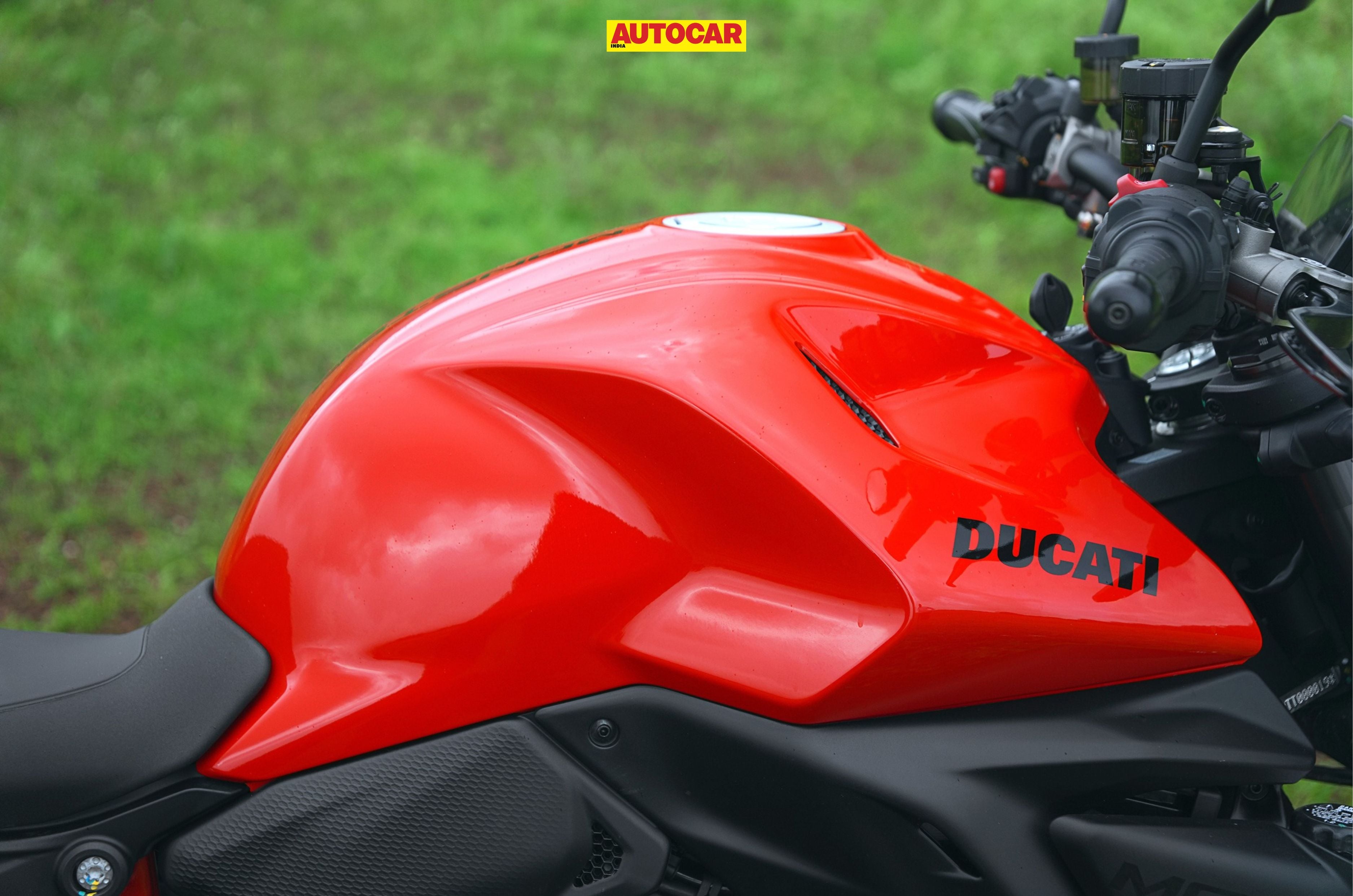
Ducati Monster MY26's right side tank.

It’s no secret that Volkswagen Group, the German behemoth that owns brands such as Audi, Bugatti and Lamborghini, is in financial trouble. Facing fierce competition from Chinese firms, the group already announced plans to lay off 50,000 employees in Germany alone by 2030, and the fate of several factories across the world has also become uncertain. We also received reports of the Volkswagen Group considering a simplified variant line-up for cars across its brands. It now appears the two-wheeler business will be impacted too.

  1. Ducati is one of the Volkswagen Group brands being evaluated for a possible sale
  2. In 2025, it reported EUR 925 million revenue and EUR 52 million operating profit
  3. Patritalia, another Italian company, had already made an offer for Ducati and MV Agusta

Ducati sale is under evaluation, but no decisions have been made yet

This isn’t the first time Ducati is being evaluated for sale

Claudio Domenicali, CEO of the Borgo Panigale manufacturer, confirmed that the parent group is evaluating the brand’s future. “We are aware of the shareholders’ plan to reevaluate its holdings. Ducati is one of these holdings, but no final decision has been made on Ducati yet: it’s one of the ongoing evaluations,” Domenicali told GPOne in a press interaction at the brand’s “Ducati 100 – A century on display” exhibition in Bologna, Italy. To be clear, this doesn’t mean Volkswagen Group is bent on selling Ducati; it merely confirms that it is evaluating that possibility. The brand is among 600 of the group’s 2,000 businesses being reviewed. Now, Audi CEO Gernot Dollner has confirmed Domenicali’s claim, saying, “It’s part of the evaluation process that we’ll also talk about Ducati, but nothing has been decided.”

Bloomberg reported in early June that Volkswagen Group’s supervisory board approved slimming down its portfolio by a third, with the layoffs being a part of it, and approved the sale of a 51 percent of its stake in Everllence ship-engine unit, which is expected to bring EUR 7.4 billion. In contrast, a Ducati sale is expected to bring around EUR 1.25 billion.

This isn’t the first time Ducati is being evaluated for sale. The group acquired Ducati in 2012 and then considered selling it in 2017 before quickly changing its mind. The Italian superbike manufacturer has steadily become synonymous with innovation in motorsport and has been highly successful in the World Superbike Championship (WSBK), MXGP and, of course, MotoGP. Ducati reported revenue of EUR 925 million and operating profit of EUR 52 million in 2025.

Ducati already has a potential buyer in Patritalia

An Italian investor who wants to have all-Italian technicians, MV Agusta and all MotoGP classes

If Volkswagen Group decides to hand off Ducati, there is already someone waiting in the lobby. In August, Italy-based Patritalia expressed more than an interest in acquiring Ducati, after doing the same for MV Agusta, which is also in hot water. However, some of Patritalia’s plans for the brands have already riled up quite the chatter, according to Visordown. The group has expressed interest in taking over as the sole engine supplier for Moto2, which is currently powered by Triumph, while also advocating for a more open market across all three MotoGP classes. Secondly, it has outlined a preference for Ducati to have a predominantly Italian workforce. Volkswagen Group had previously made it clear that Ducati isn’t up for sale, but considering things have changed since then, we will have to await further developments.

Triumph has been the sole engine supplier for Moto2 since 2019, when it took over from Honda. It also recently announced that it is bringing a new engine with increased peak power delivery to the class from next year. Moto3 is slated to get Yamaha as the sole engine supplier from 2028, with the R7 engine heavily modified and adapted for the class, replacing KTM and Honda. Changing either Triumph or Yamaha would require their consent, as well as consent from Liberty Media, the current owner of the MotoGP brand. Considering that both companies have announced plans for the future and that Volkswagen hasn’t been receptive to Patritalia’s bids so far, its aspirations have a slim chance of becoming a reality at the moment.

Sources: GPOne, Bloomberg and Visordown

Tata Trusts says re-appointment of Chandrasekaran as Chairman is illegal

Tata Trusts says re-appointment of Chandrasekaran as Chairman is illegal
Tata Sons Chairman

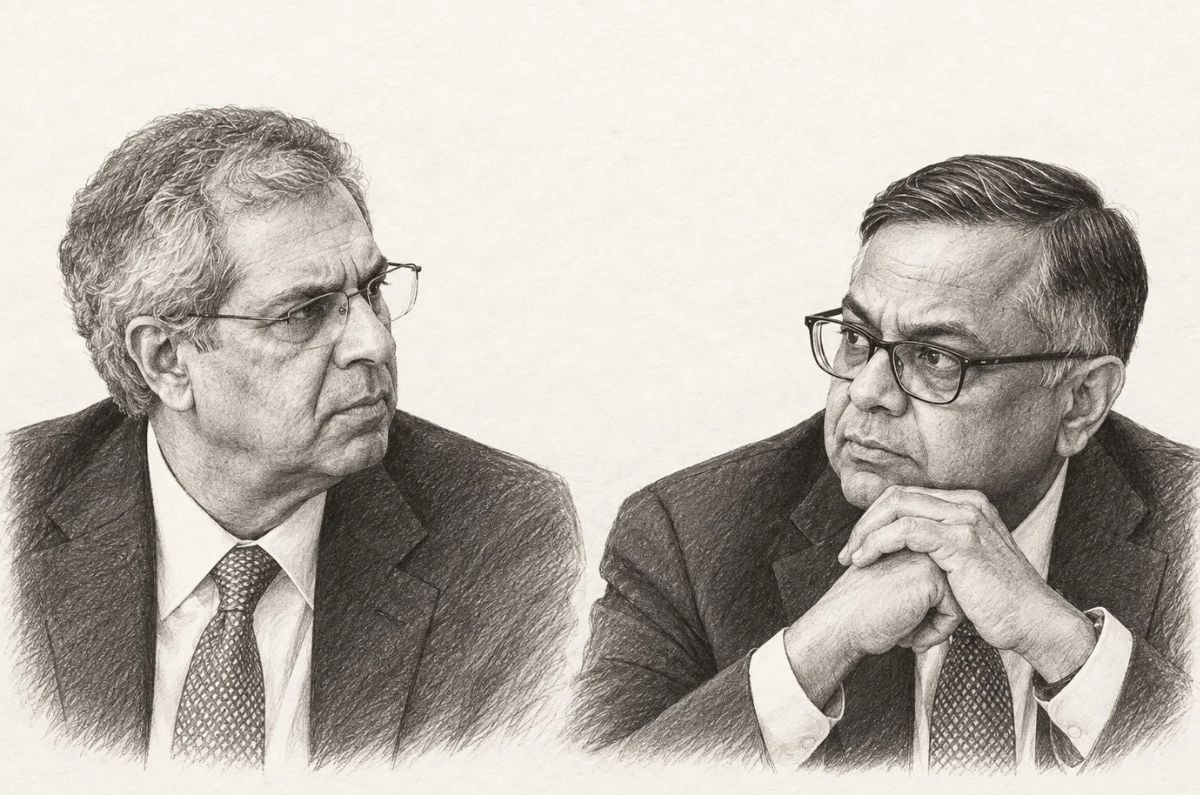
Tata Trusts, which own about 66 percent of Tata Sons, have said the Tata Sons board resolution reappointing N Chandrasekaran as executive chairman for another five years is illegal. They maintain that his August decision not to seek another term is final.

In a statement issued after the board meeting on September 17, 2026, the Trusts said four directors voted for the resolution. Noel Tata, chairman of Tata Trusts and one of the Trusts’ nominee directors on the Tata Sons board, voted against it. The Trusts described the resolution as a “legal nullity” under Tata Sons’ Articles of Association. Because a Trusts nominee had voted against it, the Trusts said the resolution was “legally void and without any basis”.

The Trusts set out their reading of the Articles in three parts:

  • The process for appointing a chairman requires a majority of the Trusts’ nominee directors to vote in favour.
  • That requirement applies equally to a first appointment and to the reappointment of a sitting chairman.
  • The board therefore cannot lawfully hold a meeting on, or pass, such a resolution unless both nominee directors of Tata Trusts are present and both vote for it.

Noel Tata placed before the board a legal opinion from former chief justice of India DY Chandrachud supporting this position. The Trusts said the board did not take note of the opinion.

The Trusts’ case turns on Chandrasekaran’s communication to the board on August 12, 2026. In it, he said he would not offer himself for reappointment when his tenure ends on February 20, 2027. The Trusts described that decision as “freely taken” and “clearly expressed”, and said it was not the outcome of any review. They added that it was made public without prior intimation to, or deliberation with, shareholders. Once announced, the Trusts argued, the decision had consequences that “cannot be afterwards undone”, because employees, lenders, counterparties, the market and the majority shareholder had all acted on it.

The Trusts said they formally accepted the decision the next day and advised Tata Sons to set up a Selection Committee under the Articles to appoint a successor. The Trusts said they remain committed to an orderly and timely succession and want the Selection Committee to proceed in line with the Articles.

Tata Sons has given a different sequence of events. It said the board’s Nomination and Remuneration Committee unanimously asked him on September 3 to reconsider his decision, and that he agreed to do so at the September 17 meeting, after which the board approved his reappointment by majority.

JLR MD Rawdon Glover on Jaguar’s repositioning and working with Tata Motors

JLR MD Rawdon Glover on Jaguar's repositioning and working with Tata Motors
Rawdon Glover MD, JLR

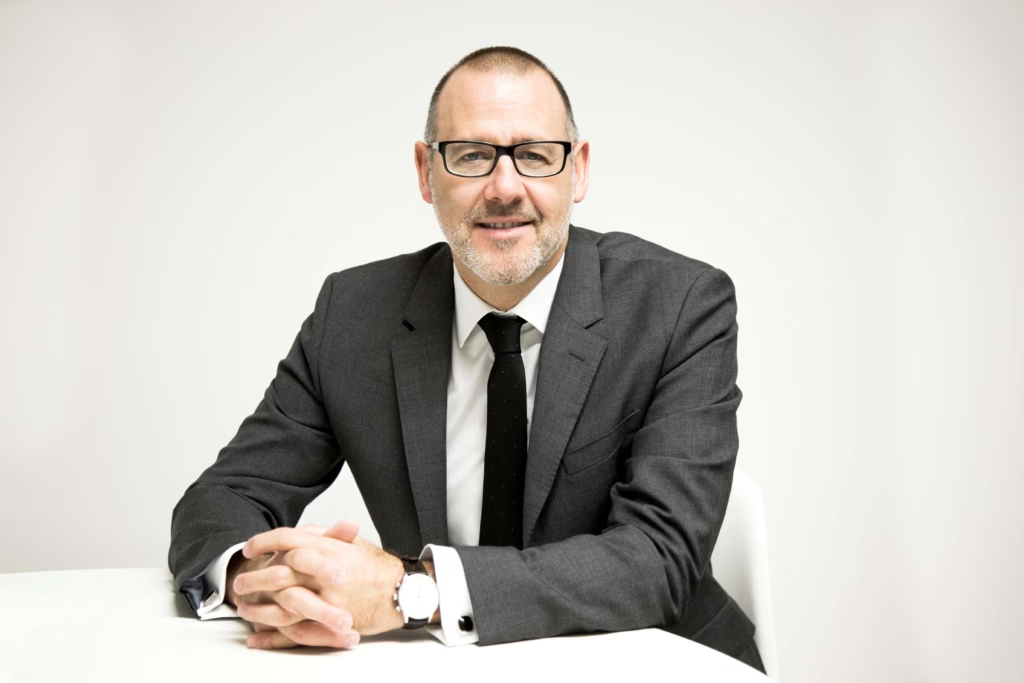
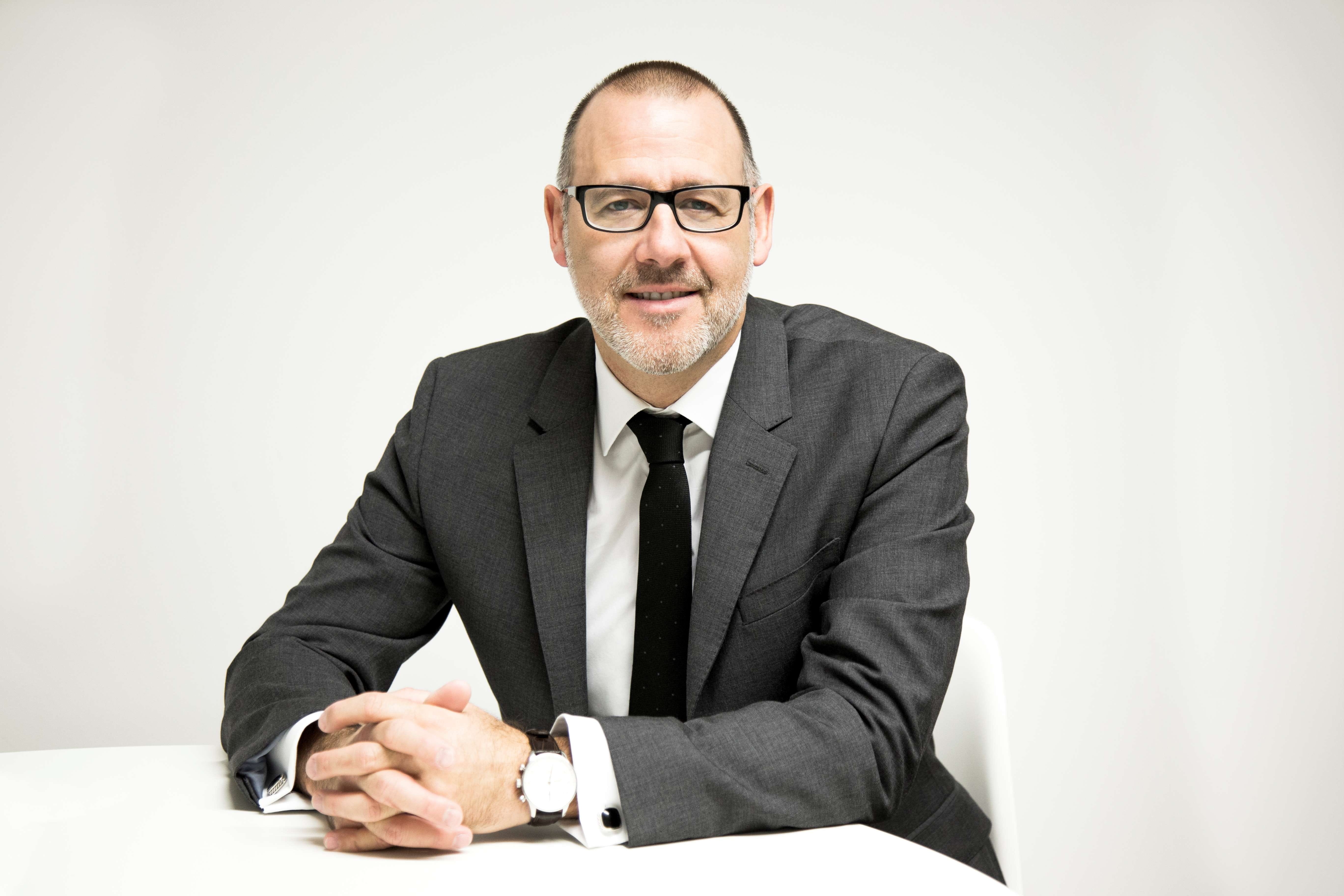
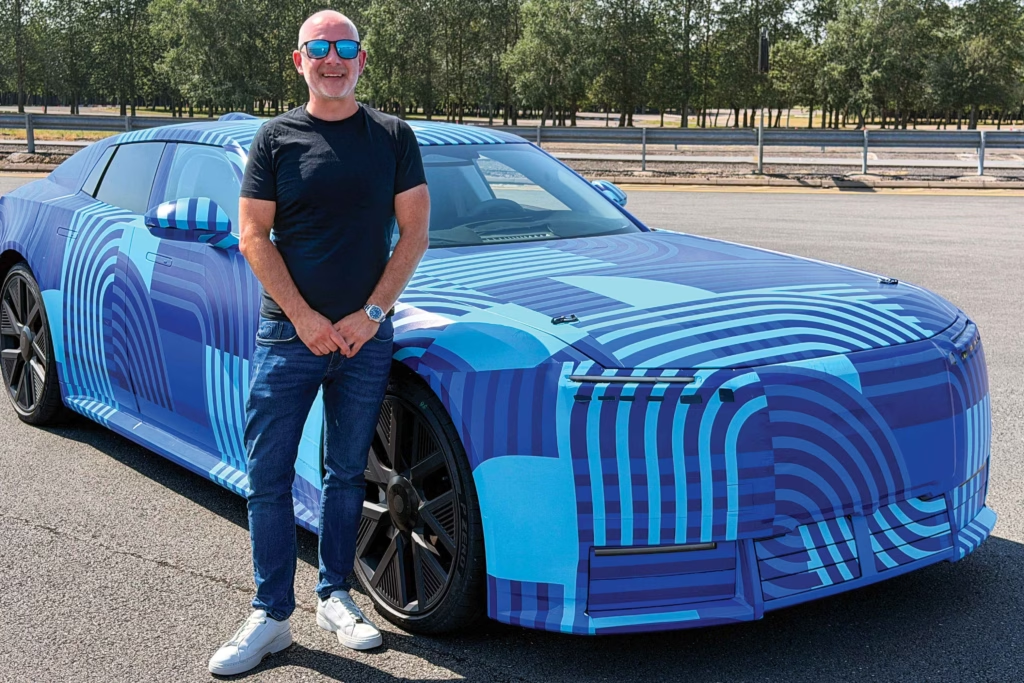
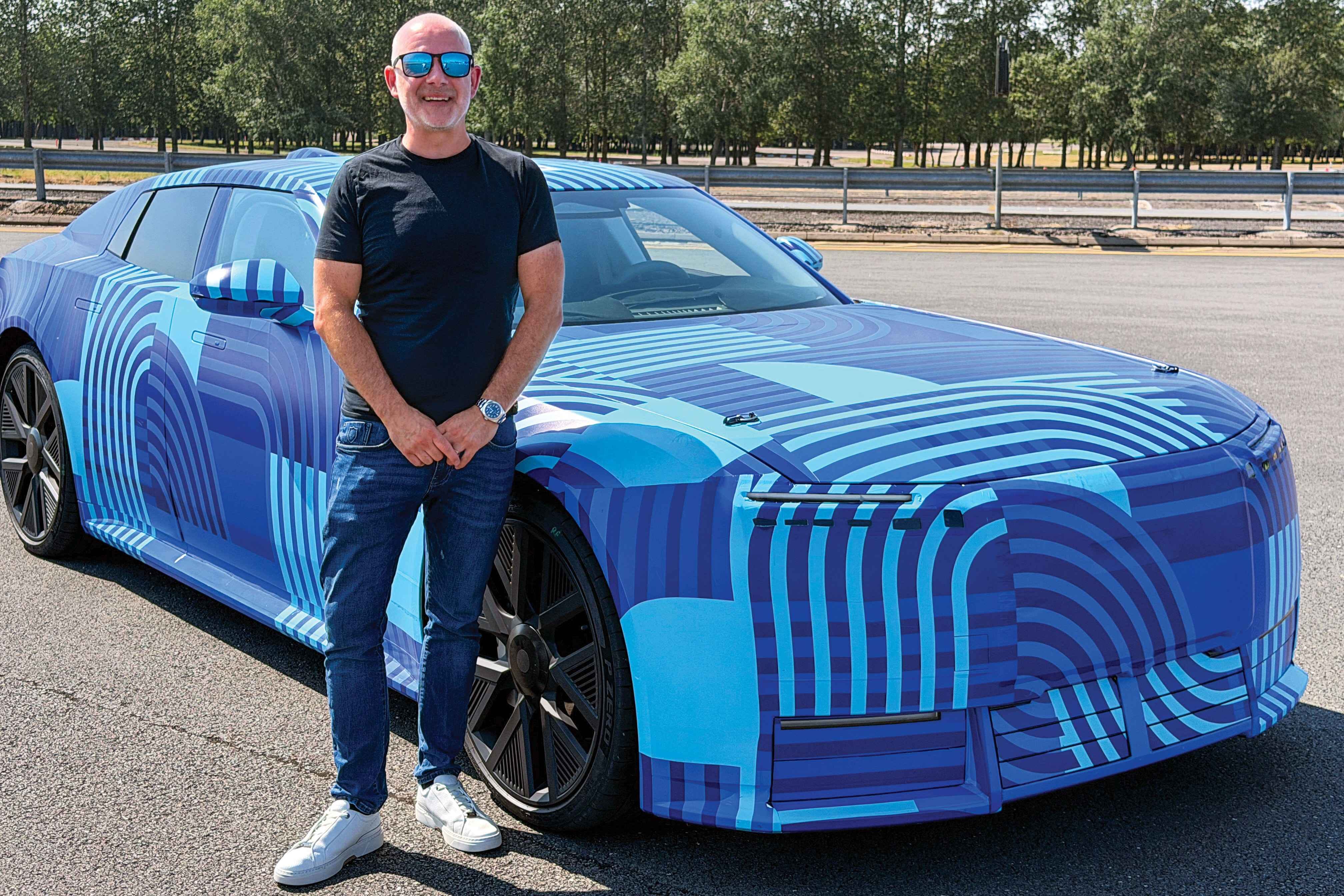
Rawdon Glover has worked with the JLR group for over thirteen years and took charge as Managing Director three years ago. From the sidelines of our first drive with the Jaguar Type 01, we speak to Glover, who tells us about Jaguar’s new direction, taking risky decisions, core markets and upcoming products. 

Why the major shift in the positioning of Jaguar?

Putting Jaguar back on a firm footing for the next 90 years is the main job. And if you look at the task, it’s brand management where sometimes you need small incremental changes. But if you look at today’s technical changes, competitive context, how the brand was performing globally and a host of factors, what was called for was a big shift. That requires you to be bold and confident.

Why go for a radical and polarising design?

We’re ok with polarising. If you look at our history, it was bold evolutions, for example the XJS, the spiritual successor to the E-Type. It would have been easy to say let’s just make a modern example of the E-Type, but that’s not what we did, and if you look back at reviews, it was applauded for its dynamics and refinement, but the design was seen as polarising. Now it’s a design icon. So, I’d rather have four out of ten absolutely love the car, rather than have everyone go – yeah, it’s ok.

Isn’t going all-electric a massively risky move?

The EV landscape is evolving rapidly, many new brands are coming in, and I believe one will crack the EV glass ceiling, so why not Jaguar? So we ripped up the EV rulebook because, in the luxury space, it wasn’t working. So it’s not designed as an EV without an engine and a really cab-forward layout. But it’s about presence and performance, and to deliver the level of performance and refinement, electric is best.

Would the car sit above the XJ in terms of price?
All of the vehicles coming off this platform would be between GBP 1,20,000 and GBP 1,50,000. We see a white space at the top end of the premium segment, but underneath established luxury players. That’s where we want to be, and with this vehicle what you get is the stature, the presence, the drama of those uber-luxury brands at the top end of the premium price point.

What are the core markets, and how does India figure in the plan?

We used to sell in 130 markets, but we’ll narrow this to just eight or nine, with 85 percent of the volume. North America will remain a large part, China will become important, and the UK, Germany and some Nordics, where they have really embraced EVs, will be the mainstay. Then in markets like the Middle East and India, which have been small, we think we can really break into them now. The retail would, of course, still be through the existing JLR network.

FTAs do not favour EVs, so is the 01 capable of being locally assembled?

Manufacturing this outside of the UK is not currently in the plan. All production will be built out of Solihull, so all exports to other markets will be CBUs, but that doesn’t rule out local production outside UK. As you know, the geopolitical situation is so fluid at the moment, but in time we could consider production elsewhere.

Is there a more chauffeur-driven offering from Jaguar coming?

The 01 is unashamedly driver-focussed, it has four comfortable seats, but it’s a four-door GT, not a four-door sedan designed as a luxury chauffeur-driven car. There will be other vehicles off this platform that will share the same design language, but will have a distinct personality and target different groups, and they would be accessible to a wider audience. So, yes absolutely, there will be a chauffeur-driven-focused model from Jaguar.

Would an SUV body style be part of the portfolio?

What you shouldn’t expect from us is a high-sided Jaguar that is a Range Rover competitor. We already have the best SUV on the planet, and part of the house of brand’s strategy is to differentiate the brands. All I can say, for now, is that you can expect a variety of vehicles from us, and there will be vehicles slightly higher positioned, but all will drive like a Jaguar.

How has it been working with Tata Motors?

Unwavering is the word. There is nobody more dedicated and passionate about our success than the shareholders, and that’s an incredibly privileged position to be in. It puts a little pressure, but having somebody like PB Balaji come onto our board is great. He’s been on the journey with us, he understands it inside and out, and for him, Jaguar is personal. It’s important to our chairman and even was to Ratan Tata. I was reading stories about Ratan Tata driving about in his father’s XK120, so it’s really important to Tata that Jaguar wins. In all my interactions with the board, there is never talk of tempering ambitions, it’s always, just go for it.

JLR MD Rawdon Glover on Jaguar’s repositioning and working with Tata Motors

JLR MD Rawdon Glover on Jaguar's repositioning and working with Tata Motors
Raqdon Glover JLR MD

Rawdon Glover has worked with the JLR group for over 13 years and took charge as Managing Director 3 years ago. From the sidelines of our first drive with the Jaguar Type 01, we speak to Glover, who tells us about Jaguar’s new direction, taking risky decisions, core markets and upcoming products. 

Why the major shift in the positioning of Jaguar?

Putting Jaguar back on a firm footing for the next 90 years is the main job. And if you look at the task, it’s brand management where sometimes you need small incremental changes. But if you look at today’s technical changes, competitive context, how the brand was performing globally and a host of factors, what was called for was a big shift. That requires you to be bold and confident.

Why go for a radical and polarising design?

We’re ok with polarising. If you look at our history, it was bold evolutions, for example the XJS, the spiritual successor to the E-Type. It would have been easy to say let’s just make a modern example of the E-Type, but that’s not what we did, and if you look back at reviews, it was applauded for its dynamics and refinement, but the design was seen as polarising. Now it’s a design icon. So, I’d rather have four out of ten absolutely love the car, rather than have everyone go – yeah, it’s ok.

Isn’t going all-electric a massively risky move?

The EV landscape is evolving rapidly, many new brands are coming in, and I believe one will crack the EV glass ceiling, so why not Jaguar? So we ripped up the EV rulebook because, in the luxury space, it wasn’t working. So it’s not designed as an EV without an engine and a really cab-forward layout. But it’s about presence and performance, and to deliver the level of performance and refinement, electric is best.

Would the car sit above the XJ in terms of price?
All of the vehicles coming off this platform would be between GBP 1,20,000 and GBP 1,50,000. We see a white space at the top end of the premium segment, but underneath established luxury players. That’s where we want to be, and with this vehicle what you get is the stature, the presence, the drama of those uber-luxury brands at the top end of the premium price point.

What are the core markets, and how does India figure in the plan?

We used to sell in 130 markets, but we’ll narrow this to just eight or nine, with 85 percent of the volume. North America will remain a large part, China will become important, and the UK, Germany and some Nordics, where they have really embraced EVs, will be the mainstay. Then in markets like the Middle East and India, which have been small, we think we can really break into them now. The retail would, of course, still be through the existing JLR network.

FTAs do not favour EVs, so is the 01 capable of being locally assembled?

Manufacturing this outside of the UK is not currently in the plan. All production will be built out of Solihull, so all exports to other markets will be CBUs, but that doesn’t rule out local production outside UK. As you know, the geopolitical situation is so fluid at the moment, but in time we could consider production elsewhere.

Is there a more chauffeur-driven offering from Jaguar coming?

The 01 is unashamedly driver-focussed, it has four comfortable seats, but it’s a four-door GT, not a four-door sedan designed as a luxury chauffeur-driven car. There will be other vehicles off this platform that will share the same design language, but will have a distinct personality and target different groups, and they would be accessible to a wider audience. So, yes absolutely, there will be a chauffeur-driven-focused model from Jaguar.

Would an SUV body style be part of the portfolio?

What you shouldn’t expect from us is a high-sided Jaguar that is a Range Rover competitor. We already have the best SUV on the planet, and part of the house of brand’s strategy is to differentiate the brands. All I can say, for now, is that you can expect a variety of vehicles from us, and there will be vehicles slightly higher positioned, but all will drive like a Jaguar.

How has it been working with Tata Motors?

Unwavering is the word. There is nobody more dedicated and passionate about our success than the shareholders, and that’s an incredibly privileged position to be in. It puts a little pressure, but having somebody like PB Balaji come onto our board is great. He’s been on the journey with us, he understands it inside and out, and for him, Jaguar is personal. It’s important to our chairman and even was to Ratan Tata. I was reading stories about Ratan Tata driving about in his father’s XK120, so it’s really important to Tata that Jaguar wins. In all my interactions with the board, there is never talk of tempering ambitions, it’s always, just go for it.

Vedanta Demerger: वेदांता अब रियल एस्टेट कारोबार भी अलग करेगी, शेयरधारकों को मिलेगा नया शेयर

Vedanta Demerger: अनिल अग्रवाल के मालिकाना हक वाली मेटल और माइनिंग कंपनी वेदांता लिमिटेड ने अपने रियल एस्टेट कारोबार को भी अलग करने का ऐलान किया है। यह फैसला कंपनी के पावर, ऑयल एंड गैस, आयरन एंड स्टील और एल्युमिनियम कारोबार की अलग लिस्टिंग के करीब दो महीने बाद आया है।

कंपनी ने शेयर बाजार को दी जानकारी में कहा कि रियल एस्टेट बिजनेस को एक अलग लिस्टेड कंपनी बनाया जाएगा। यह डिमर्जर गोइंग कंसर्न आधार पर होगा। यानी कारोबार पहले की तरह चलता रहेगा, सिर्फ उसकी अलग कंपनी बन जाएगी।

शेयरधारकों को क्या मिलेगा?

वेदांता के मौजूदा शेयरधारकों को 20 शेयर पर 1 नया शेयर मिलेगा। यानी अगर आपके पास वेदांता के 20 शेयर हैं, तो डिमर्जर के बाद नई रियल एस्टेट कंपनी का 1 शेयर मिलेगा। हालांकि, इसके लिए रिकॉर्ड डेट का ऐलान अभी नहीं किया गया है।

क्या करती है रियल एस्टेट यूनिट?

वेदांता की यह यूनिट रिहायशी, कमर्शियल, रिटेल, इंडस्ट्रियल और हॉस्पिटैलिटी प्रोजेक्ट्स के विकास से जुड़ा काम करती है। इसके अलावा इंफ्रास्ट्रक्चर प्रोजेक्ट्स, टाउनशिप, लीजिंग, इंडस्ट्रियल एस्टेट और स्पेशल इकोनॉमिक जोन (SEZ) जैसे प्रोजेक्ट्स पर भी काम कर सकती है। 31 मार्च 2026 तक वेदांता के रियल एस्टेट कारोबार का टर्नओवर सिर्फ ₹1.26 करोड़ था। यह कंपनी के कुल स्टैंडअलोन टर्नओवर का महज 0.001% है।

डिमर्जर से क्या होगा फायदा?

वेदांता का कहना है कि अलग कंपनी बनने के बाद रियल एस्टेट कारोबार अपने सेक्टर पर पूरी तरह फोकस कर सकेगा। इससे कारोबार बढ़ाने में आसानी होगी। नई कंपनी अपने हिसाब से निवेशक, रणनीतिक साझेदार और कर्जदाता भी जोड़ सकेगी। इससे विस्तार की रफ्तार तेज होने की उम्मीद है।

वेदांता के शेयरों का हाल

डिमर्जर के ऐलान और जून तिमाही के नतीजों के बाद वेदांता का शेयर 0.8% की बढ़त के साथ ₹266.65 पर बंद हुआ। पिछले एक महीने में स्टॉक 5.02% गिरा है। कंपनी का मार्केट कैप 99.44 हजार करोड़ रुपये है।

Hyundai Motor Q1 Results: प्रॉफिट 35% घटकर 889 करोड़ रुपये, रेवेन्यू में मामूली गिरावट

Disclaimer: यहां मुहैया जानकारी सिर्फ सूचना के लिए दी जा रही है। यहां बताना जरूरी है कि मार्केट में निवेश बाजार जोखिमों के अधीन है। निवेशक के तौर पर पैसा लगाने से पहले हमेशा एक्सपर्ट से सलाह लें। मनीकंट्रोल की तरफ से किसी को भी पैसा लगाने की यहां कभी भी सलाह नहीं दी जाती है।