TCS Q2 Preview: देश की सबसे बड़ी सॉफ्टवेयर एक्सपोर्टर कंपनी TCS 8 अक्टूबर को जुलाई-सितंबर तिमाही के नतीजे जारी करेगी। इसके साथ ही IT सेक्टर के Q2 रिजल्ट सीजन की शुरुआत हो जाएगी।
इस तिमाही में TCS को 1.45 अरब डॉलर की बड़ी डील मिली है। कंपनी ने पोर्शे की IT इकाई MHP को भी खरीदा है। इसके अलावा हैदराबाद में 70,000 करोड़ रुपये के डेटा सेंटर प्रोजेक्ट का ऐलान किया है।
दूसरी तरफ, पैरेंट कंपनी टाटा संस में नेतृत्व को लेकर अंदरूनी खींचतान चल रही है। ऐसे में TCS के नतीजों के साथ मैनेजमेंट की कमेंट्री भी काफी अहम होगी।
ब्रोकरेज को इस तिमाही में TCS की ग्रोथ बहुत तेज रहने की उम्मीद नहीं है। तिमाही आम तौर पर IT कंपनियों के लिए अच्छी रहती है। लेकिन AI की वजह से कीमतों और लागत पर दबाव बढ़ रहा है। इसका असर ग्रोथ पर पड़ सकता है। नतीजों के बाद इन पांच मुद्दों पर सबसे ज्यादा नजर रहेगी।
1. ग्रोथ धीमी, मार्जिन में ज्यादा बदलाव नहीं
CNBC-TV18 के पोल के मुताबिक, दूसरी तिमाही में TCS का रेवेन्यू तिमाही आधार पर 1.3% बढ़कर 73,225 करोड़ रुपये हो सकता है। कंपनी का मुनाफा 2.4% बढ़कर 13,673 करोड़ रुपये रहने का अनुमान है।
EBIT मार्जिन करीब 20 बेसिस प्वाइंट बढ़कर 24.2% रह सकता है। पिछली तिमाही में कंपनी ने सालाना वेतन बढ़ोतरी का असर झेला था। इसलिए इस बार मार्जिन को कुछ राहत मिलने की उम्मीद है।
कोटक इंस्टीट्यूशनल इक्विटीज के मुताबिक, सालाना आधार पर मार्जिन में करीब 100 बेसिस प्वाइंट की कमी आ सकती है। हालांकि, तिमाही आधार पर इसमें ज्यादा बदलाव की उम्मीद नहीं है।
वेतन बढ़ोतरी के अलावा अधिग्रहण और प्राइसिंग का दबाव मार्जिन पर असर डाल सकता है। ऐसे में मैनेजमेंट इस पर क्या कहता है, बाजार की नजर रहेगी।
2. बड़ी डील का सिलसिला जारी रहेगा?
TCS ने इस तिमाही में कई बड़ी डील हासिल की हैं। HDFC सिक्योरिटीज और कोटक इंस्टीट्यूशनल इक्विटीज ने दूसरी तिमाही में कंपनी की कुल कॉन्ट्रैक्ट वैल्यू यानी TCV करीब 8-11 अरब डॉलर रहने का अनुमान लगाया है।
सबसे बड़ी डील 1.45 अरब डॉलर की है। यह जर्मन लग्जरी कार कंपनी पोर्शे के साथ हुई है। इसके अलावा ABB, JFK एयरपोर्ट, JLR, Aareal Bank, Dubai Gold & Commodity Exchange और Vodafone के साथ भी TCS ने डील की है।
अब बाजार यह देखेगा कि कंपनियों का खर्च कब बढ़ना शुरू होता है। खासकर डिस्क्रिशनरी यानी कम जरूरी खर्च में रिकवरी कब आती है। फैसले लेने में हो रही देरी और दूसरी छमाही की डिमांड पर भी मैनेजमेंट का रुख अहम होगा।
3. M&A से कितनी ग्रोथ मिलेगी?
TCS लगातार दूसरी कंपनियों को खरीदकर अपना कारोबार बढ़ा रही है। इस तिमाही में भी दो बड़े अधिग्रहण हुए हैं। TCS ने पोर्शे की IT इकाई MHP को करीब 373 मिलियन डॉलर में खरीदा है। इससे कंपनी को ऑटोमोटिव कंसल्टिंग और टेक्नोलॉजी इंजीनियरिंग में नई क्षमताएं मिलेंगी।
कंपनी ने बेंगलुरु में Best Buy की GCC यूनिट भी खरीदी है। मीडिया रिपोर्ट्स के मुताबिक, TCS को Best Buy से 5 साल का करीब 2,000 करोड़ रुपये का कॉन्ट्रैक्ट भी मिला है। अब निवेशक जानना चाहेंगे कि इन अधिग्रहणों से ग्रोथ कितनी बढ़ेगी। साथ ही इनका मार्जिन पर कितना असर पड़ेगा।
4. AI से कितनी कमाई बढ़ेगी?
TCS अपने कारोबार में बड़ा AI बदलाव कर रही है। कंपनी AI से जुड़ी टेक्नोलॉजी सर्विसेज पर ज्यादा जोर दे रही है। इसके लिए कारोबार की प्राथमिकताएं भी बदली जा रही हैं। इसी रणनीति के तहत TCS ने हैदराबाद में 1GW डेटा सेंटर लगाने के लिए 70,000 करोड़ रुपये के निवेश का ऐलान किया है।
जून में कंपनी ने बताया था कि उसकी सालाना AI रेवेन्यू करीब 2.6 अरब डॉलर पहुंच गई है। इसमें तिमाही आधार पर 13.6% की ग्रोथ हुई थी। अब सवाल यह है कि इतने बड़े निवेश से TCS कमाई कैसे बढ़ाएगी। AI कारोबार आगे कितनी तेजी से बढ़ेगा, इस पर मैनेजमेंट की टिप्पणी अहम होगी।
5. दूसरी छमाही में कितनी हायरिंग होगी?
पहली तिमाही तक TCS करीब 25,000 फ्रेशर्स को ऑफर दे चुकी थी। पहले कंपनी ने संकेत दिया था कि FY27 में भी FY26 की तरह 40,000 से ज्यादा फ्रेशर्स की भर्ती हो सकती है। हालांकि, बाद में कंपनी ने कहा कि FY27 की हायरिंग आने वाली तिमाहियों की डिमांड पर निर्भर करेगी।
TCS करीब 8,900 फॉरवर्ड-डिप्लॉय्ड इंजीनियर्स यानी FDEs भी जोड़ने की योजना बना रही है। इनकी मदद से AI पर फोकस करने वाली सेल्स और कंसल्टिंग को मजबूत किया जाएगा।
अब बाजार की नजर इस बात पर होगी कि दूसरी छमाही में कंपनी कितनी भर्ती करती है। साथ ही AI की वजह से नौकरियों और कर्मचारियों की जरूरत में क्या बदलाव आता है, यह भी अहम रहेगा।
Disclaimer: मनीकंट्रोल.कॉम पर दिए गए सलाह या विचार एक्सपर्ट/ब्रोकरेज फर्म के अपने निजी विचार होते हैं। वेबसाइट या मैनेजमेंट इसके लिए उत्तरदायी नहीं है। यूजर्स को मनीकंट्रोल की सलाह है कि कोई भी निवेश निर्णय लेने से पहले हमेशा सर्टिफाइड एक्सपर्ट की सलाह लें।
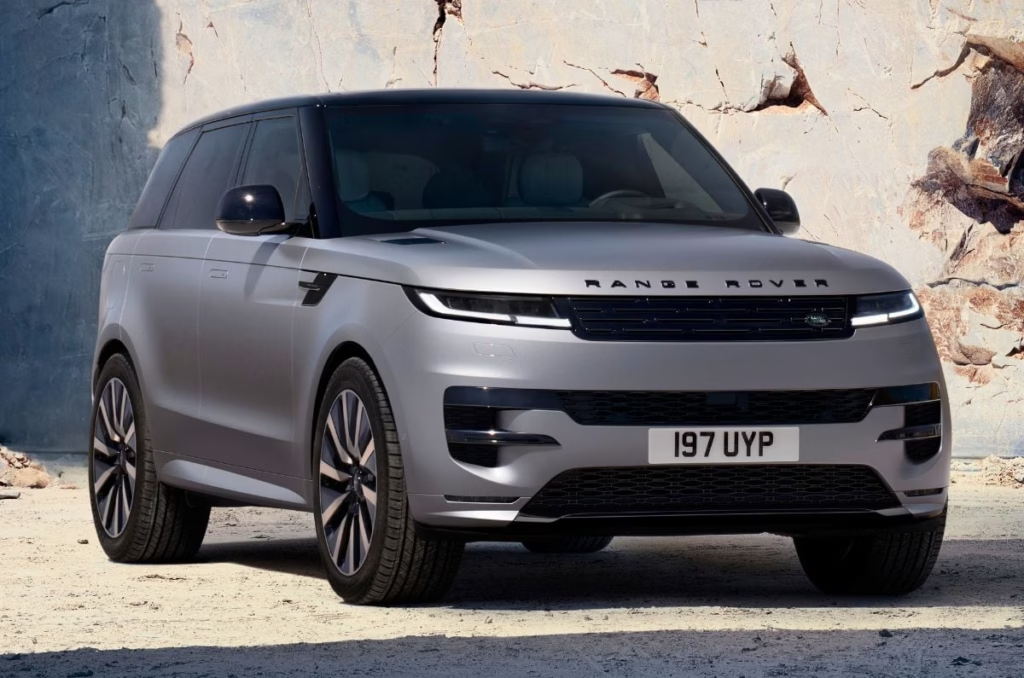
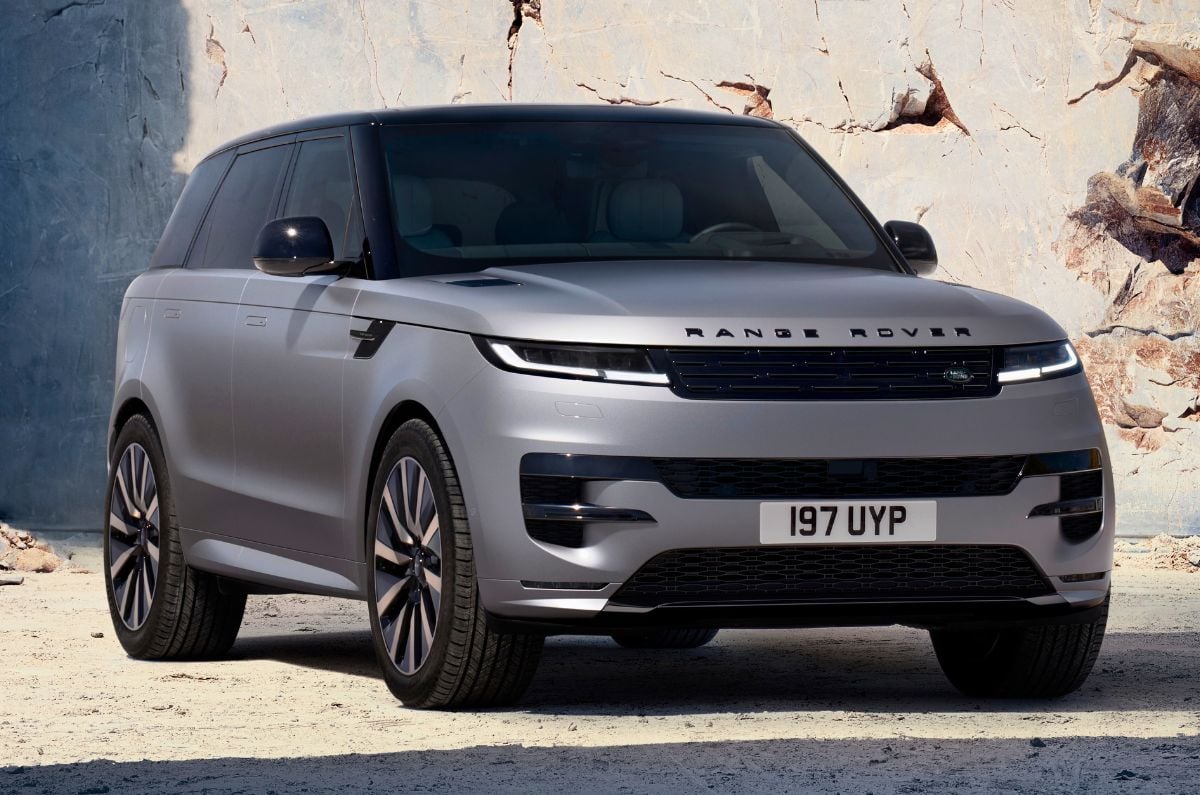
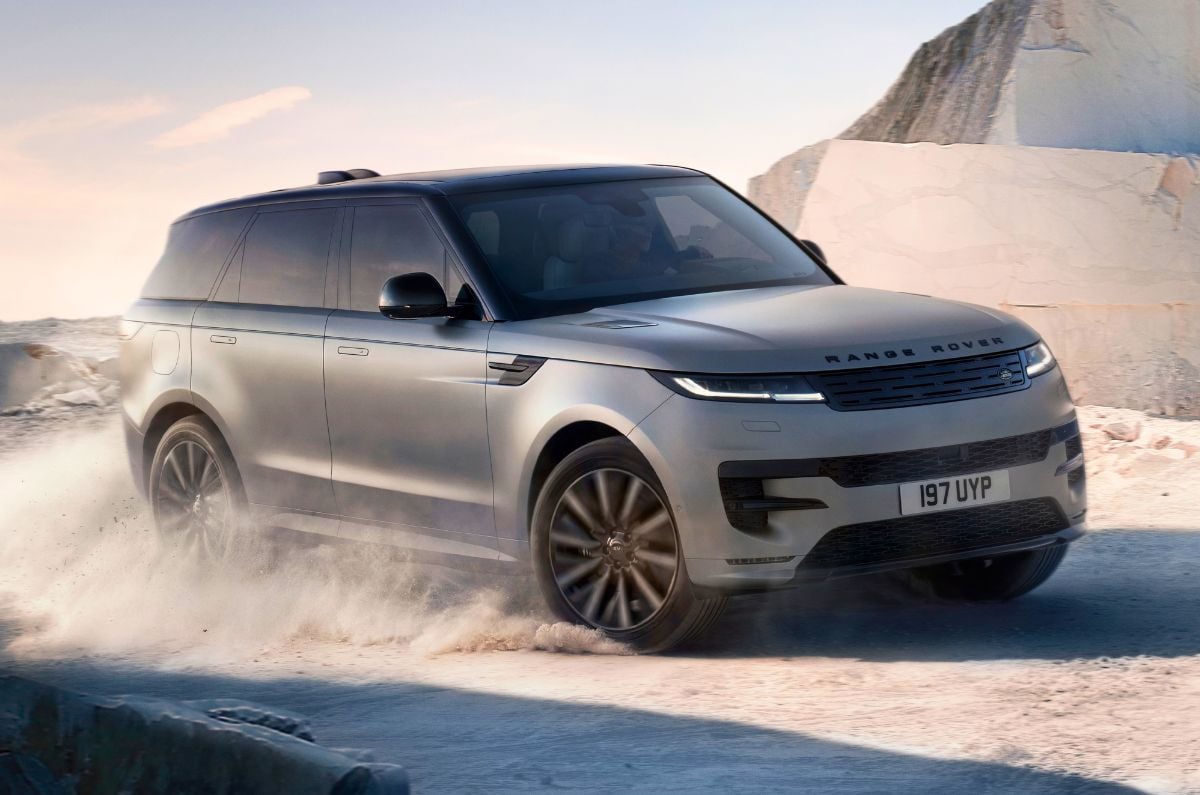
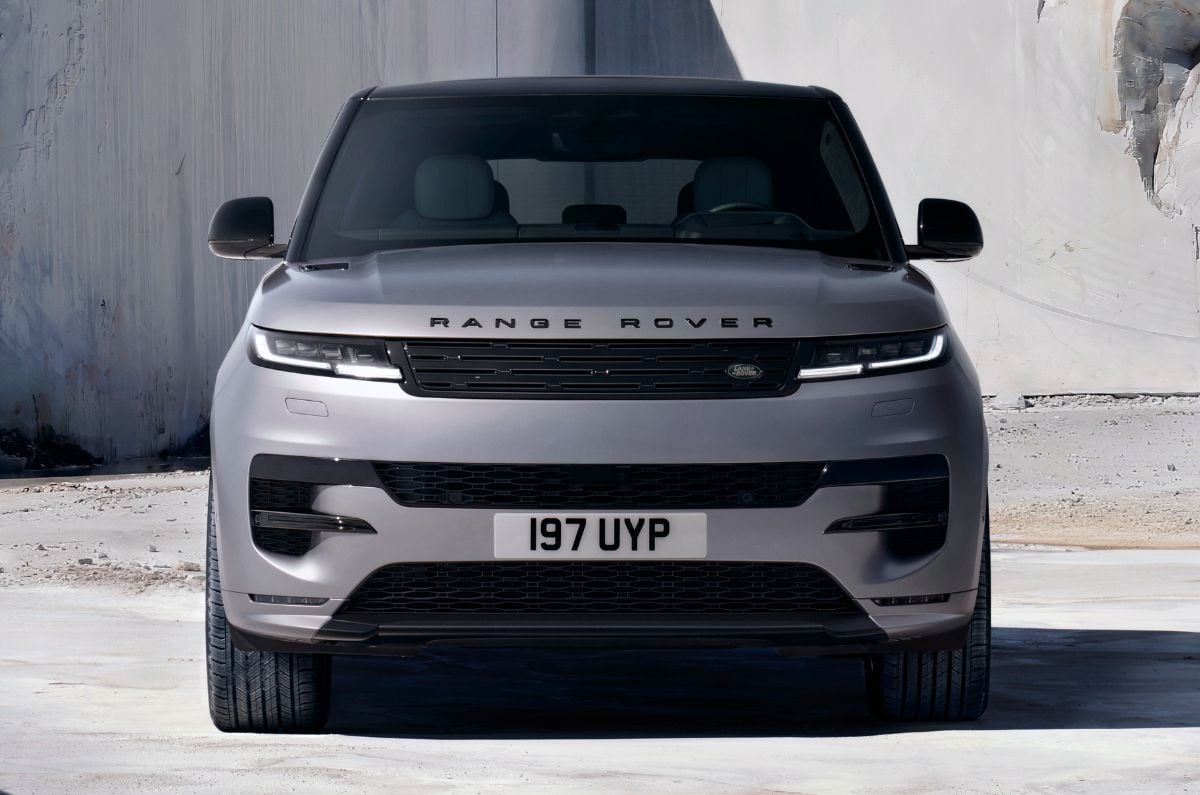
JLR has unveiled the Range Rover Sport Electric and opened order books for the SUV in India. It is the first all-electric model in the Range Rover Sport lineup and gets a 118.5kWh battery pack, the same unit used by the previously revealed Range Rover Electric, albeit with a higher 609km claimed WLTP range. It gets a dual-motor all-wheel-drive (AWD) setup, which delivers “performance to match the V8-powered Range Rover Sport”.
The dual-motor setup produces up to 550hp and 850Nm
0-100kph acceleration is claimed at 4.5 seconds
Exterior and interior designs are similar to the ICE model
Range Rover Sport Electric: Powertrain details
Gets a 118.5kWh battery, 609km claimed range and a 550hp dual-motor setup
The Range Rover Sport Electric is built on JLR’s 800-volt Flexible Modular Longitudinal Architecture (MLA-Flex), which also underpins the flagship Range Rover Electric. It uses the same 118.5kWh battery pack as the Range Rover Electric, but offers a slightly higher claimed range of 609km, up by 9km. The battery is offered with an 8-year or 1.6 lakh km standard warranty (whichever comes first).
The electric SUV gets a dual-motor all-wheel-drive (AWD) setup that produces up to 550hp and 850Nm. JLR claims the torque builds 50 percent faster than in the larger Range Rover Electric, while the 850Nm output is also the highest of any Range Rover Sport model yet. The Range Rover Sport Electric can sprint from 0-100kph in a claimed 4.5 seconds, matching the claimed acceleration time for the P540 V8-powered Range Rover Sport.
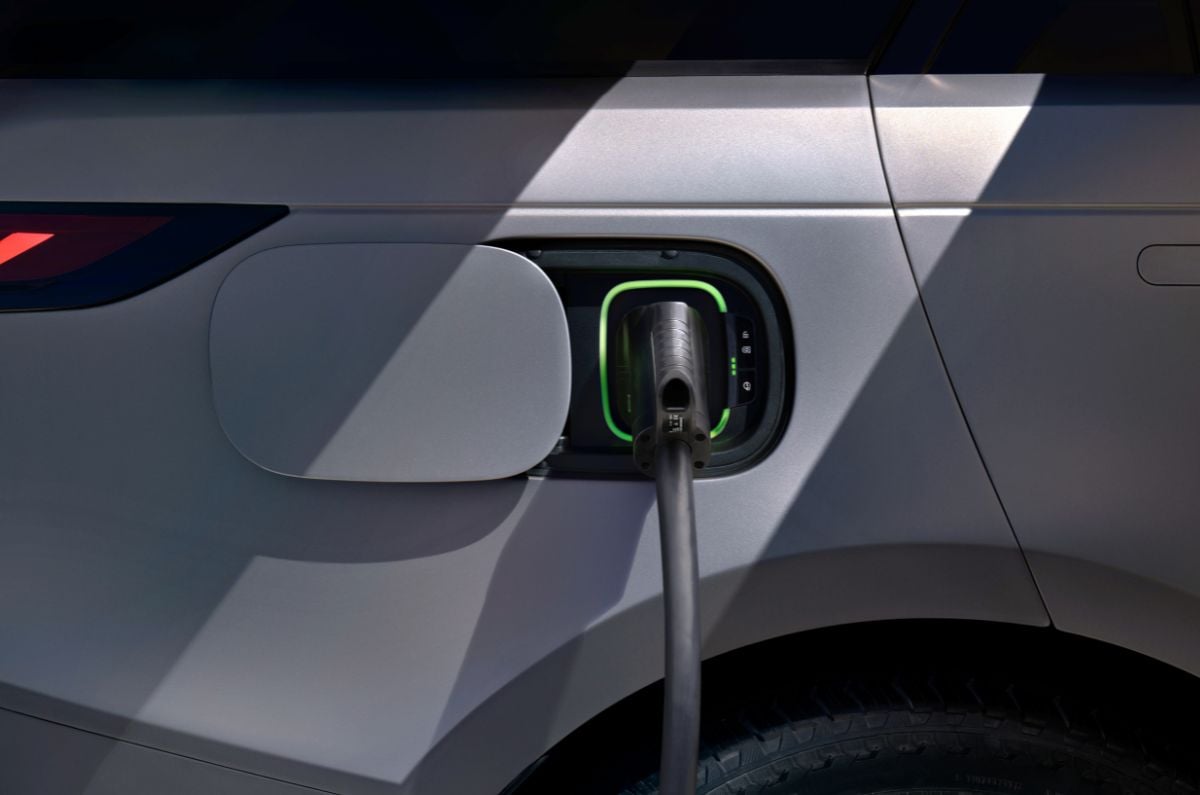
The Range Rover Sport Electric supports DC fast charging at up to 350kW, allowing its battery to replenish from 10 to 80 percent in a claimed 22 minutes. A 10-minute charge can add up to 220km of range to the eSUV.
The Range Rover Sport Electric also features a 61 percent stiffer body structure and a centre of gravity that is 73mm lower than the ICE Range Rover Sport. Its suspension setup comprises double wishbones at the front and a five-link arrangement at the rear, along with air suspension, twin-valve dampers, active roll control and all-wheel steering. Braking hardware includes 380mm ventilated discs with four-piston callipers at the front and 355mm discs at the rear.
Range Rover Sport Electric: Exterior design
Exterior design is largely similar to the ICE model
The Range Rover Sport Electric’s exterior design closely mirrors that of its ICE counterpart. Up front, it features the same sleek LED headlights, an aero-optimised black grille with horizontal elements and an offset Land Rover logo, Range Rover lettering on the bonnet, and functional air inlets in the bumper.
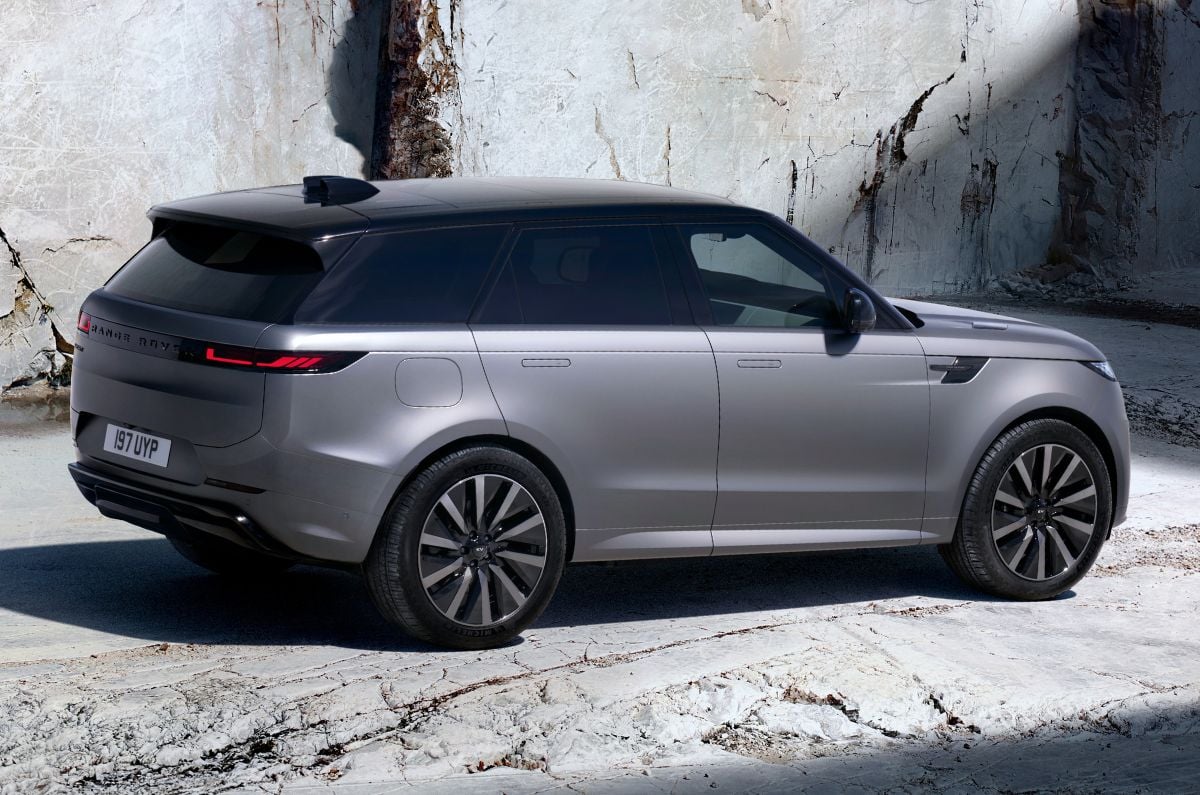
In profile, the SUV gets up to 22-inch alloy wheels with aerodynamic inserts and EV-badged wheel caps, along with flush-fitting door handles and blacked-out A-, B- and C-pillars. The ORVMs and roof are also finished in black.
The rear design remains largely similar to the ICE model, with wraparound LED taillights positioned above a gloss-black trim panel that carries Range Rover lettering in the centre. The tailgate gets a black Sport badge, but has no EV badge.
JLR is offering the Range Rover Sport Electric in four variants: Dynamic SE, Dynamic HSE, Autobiography and First Edition. Customers can also opt for a Black Pack and Satin Wrap for a more understated, stealthy look. The First Edition comes finished in Zadar Grey with a Satin Wrap, a black contrast roof and 22-inch alloy wheels. Meanwhile, Autobiography customers can further personalise their SUV through Range Rover Bespoke, JLR’s in-house commissioning service for bespoke models.
Range Rover Sport Electric: Interior design and features
Gets the same dashboard design as the combustion-powered model
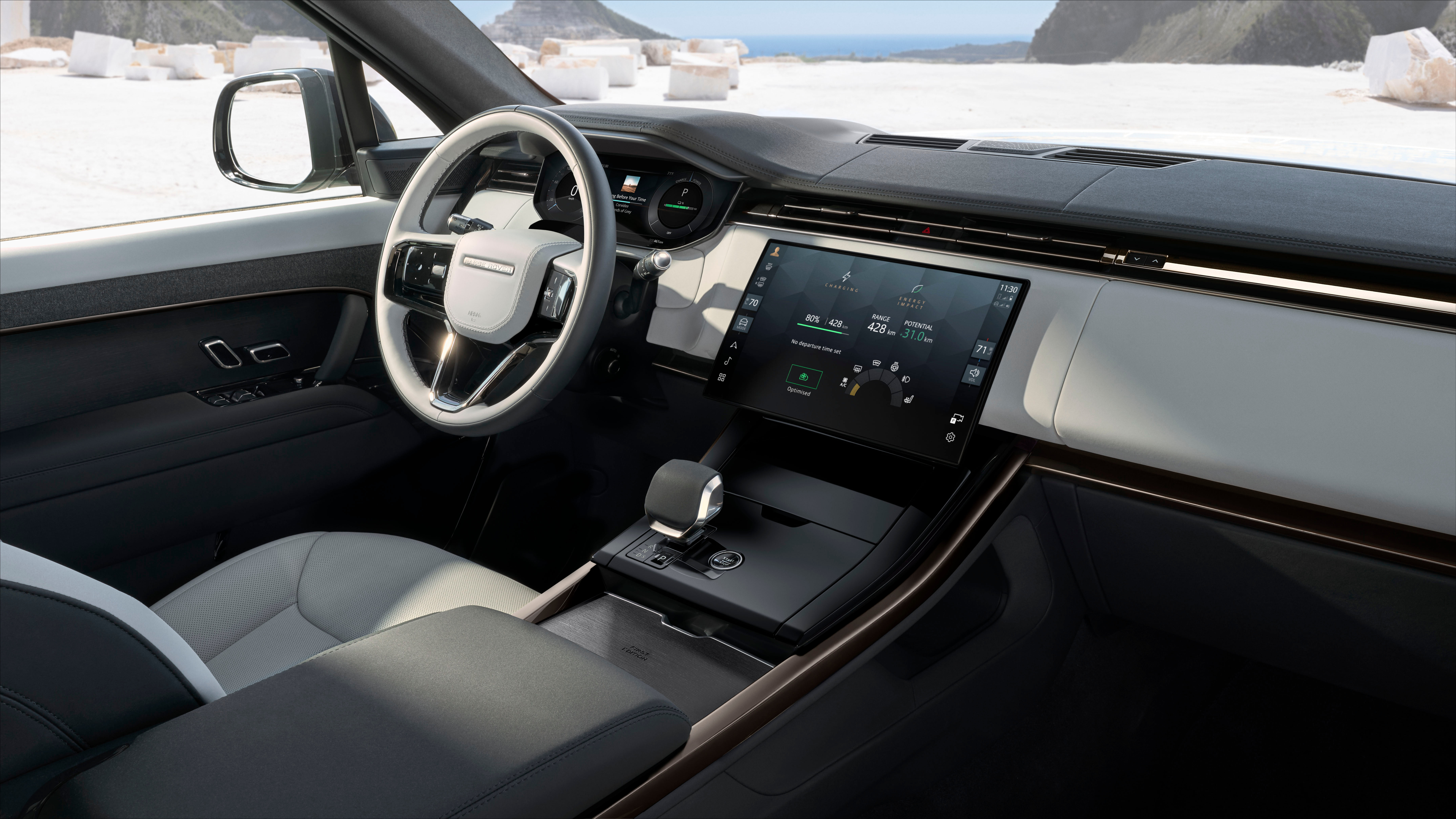
The Range Rover Sport Electric’s interior closely mirrors that of the ICE model. The dashboard features a three-spoke steering wheel with touch-sensitive controls, a 13.1-inch infotainment touchscreen and a 13.7-inch digital driver’s display. Both screens get EV-specific menus, while the centre console and drive mode selector stalk are carried over from the ICE model. Like its combustion-engined counterpart, the Sport Electric has a five-seat layout.
In terms of equipment, the SUV comes with a wireless phone charger, 4-zone climate control, rear sunblinds, and powered, heated and ventilated seats for both the front and rear passengers.
Range Rover Sport Electric: India launch and prices
Expected to be priced at around Rs 2.50 crore
The Range Rover Sport Electric is expected to arrive in India by March 2027 as a fully imported model. As an EV, it will not be eligible for tariff concessions under the India-UK Free Trade Agreement (FTA). It is expected to be priced at around Rs 2.5 crore, placing it at a considerable premium over the ICE-powered, non-SV Range Rover Sport, which is currently priced between Rs 1.43 crore and Rs 1.60 crore.
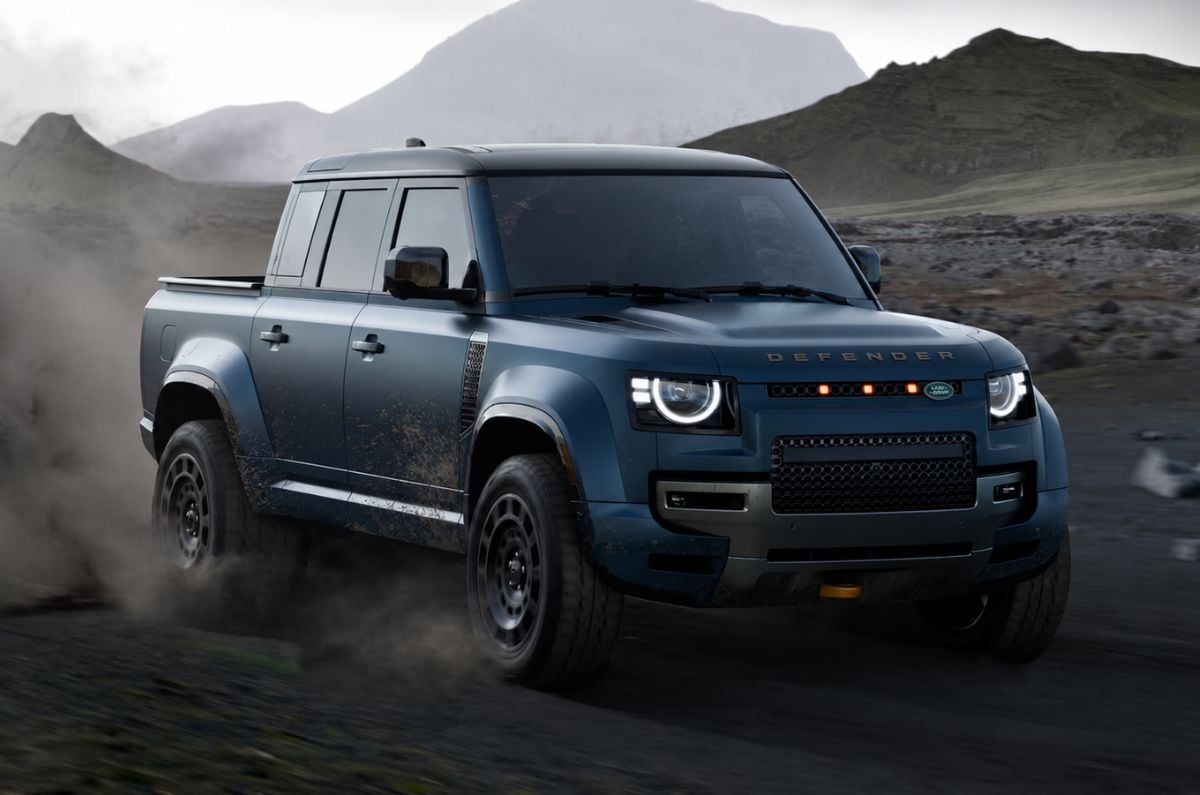
Jaguar Land Rover (JLR), along with its Stellantis partner, is considering a Defender Pickup truck for the US market, according to a report by The Times. This comes just a few months after JLR and Stellantis signed a Memorandum of Understanding (MOU) aimed specifically at collaborating for product development opportunities for buyers in North America.
The Defender Pickup is aimed at the US market.
Likely to be localised in the States to avoid import tariffs.
To be one of several new models JLR’s planning for the region.
Land Rover Defender Pickup: What we know so far?
While the two brands have signed a MoU, exact details regarding the upcoming Land Rover pickup truck are expected to emerge towards the end of 2026. Former Executive Director of Vehicle Programmes at JLR, Nick Collins, admitted to Autocar UK in 2021 that not only is “there a customer demand” for such a pickup truck, but also that one “can be made from a monocoque as there are no structural limitations”.
However, it remains to be seen which platform the Defender Pickup truck actually uses. For perspective, JLR and Stellantis have at their disposal the Defender’s monocoque platform and the body-on-frame designs used by Stellantis-owned brands like Jeep and RAM. Buyers looking for high-end pickup trucks in North America currently have popular options that include range-topping variants of the Ford F-150, Chevrolet Silverado 1500, GMC Sierra 1500 and RAM 1500 – all of which are body-on-frame models.
While the Defender SUV range sold worldwide rolls out of JLR’s Slovakia facility, The Times report indicated that the Defender Pickup truck is likely to be produced locally in the US to avoid import tariffs. The US is a “priority growth market” and will lead to “exclusive offerings” in due course, PB Balaji, Chief Executive Officer of JLR, said. JLR’s plans for North America stretches beyond just one model. “Working with Stellantis allows us to explore complementary capabilities in product and technology development that support our long‑term growth plans for the US market,” Balaji added.
अमेरिकी IT कंपनी ओरेकल (Oracle) ने प्लान्ड जॉब कट का दायरा बढ़ा दिया है। और होने वाले जॉब कट पर अब 70 करोड़ डॉलर एक्स्ट्रा खर्च किए जाएंगे। कंपनी आर्टिफीशियल इंटेलिजेंस (AI) के काम के लिए बड़े पैमाने पर डेटा सेंटर बनाने से जुड़ी नकदी की कमी से जूझ रही है। ओपनएआई (OpenAI) जैसे ग्राहकों के लिए AI डेटा सेंटर बनाने में भारी खर्च के कारण ओरेकल वित्तीय दबाव में है। ब्लूमबर्ग की एक रिपोर्ट में कहा गया है कि एक रेगुलेटरी फाइलिंग के अनुसार, ओरेकल की छंटनी यानि कि ‘2026 रीस्ट्रक्चरिंग प्लान’ की लागत अब लगभग 2.8 अरब डॉलर आंकी गई है।
इसमें मुख्य रूप से निकाले गए कर्मचारियों को दिया जाने वाला सेवरेंस पेमेंट (नौकरी छूटने पर मिलने वाला मुआवजा) शामिल है। कंपनी ने कहा कि ओरेकल ने इस योजना से जुड़ी लगभग 2.1 अरब डॉलर की लागत पहले ही वहन कर ली है। और 70 करोड़ डॉलर की बढ़ोतरी उन अतिरिक्त कदमों को दर्शाती है, जिनका कंपनी ने अनुमान लगाया है।
इस साल की शुरुआत में ओरेकल ने नकदी बचाने की कोशिशों के तहत हजारों कर्मचारियों की छंटनी शुरू की थी। हाल ही में खबर आई कि लागत कम करने के लिए कंपनी एक और बार छंटनी कर सकती है। इससे भारत में हजारों कर्मचारियों पर असर पड़ सकता है। दुनिया भर में प्रभावित होने वाले कर्मचारियों की संख्या 7,000 से 10,000 के बीच हो सकती है।
मई 2025 से मई 2026 तक निकाले 21000 कर्मचारी
पिछले कुछ समय में Oracle ने कर्मचारियों की संख्या में भारी कटौती की है। मई के अंत तक, कंपनी के पास अमेरिका में लगभग 49,000 कर्मचारी थे, जबकि अंतरराष्ट्रीय स्तर पर लगभग 92,000 कर्मचारी काम कर रहे थे। यह संख्या एक साल पहले की तुलना में 21,000 कम है। गुरुवार को एनालिस्ट्स के साथ बातचीत के दौरान, ओरेकल के चीफ फाइनेंशियल ऑफिसर हिलेरी मैक्ससन ने सरलीकरण और दक्षता बढ़ाने वाले कदमों का जिक्र किया। इनसे कंपनी को लागत कम करने और मार्जिन सुरक्षित रखने में मदद मिली है।
ब्लूमबर्ग के मुताबिक, ओरेकल ने चेयरमैन लैरी एलिसन के लिए एक नया शेयर ट्रेडिंग प्रोग्राम भी घोषित किया है। एलिसन के पास कंपनी के लगभग 40 प्रतिशत शेयर हैं। कंपनी ने एक रेगुलेटरी फाइलिंग में बताया कि इस योजना के तहत एलिसन 24 अक्टूबर तक 5 करोड़ शेयर बेच सकते हैं।
Electric vehicles have skyrocketed in significance over the past decade, particularly in light of global issues like climate change and pollution. EVs require no fossil fuels to run, and therefore emit zero harmful pollutants into the atmosphere. To promote the adoption of EVs, September 9 was designated ‘World EV Day’ six years ago by sustainability-focused companies Green.TV and ABB Group, and is recognised worldwide.
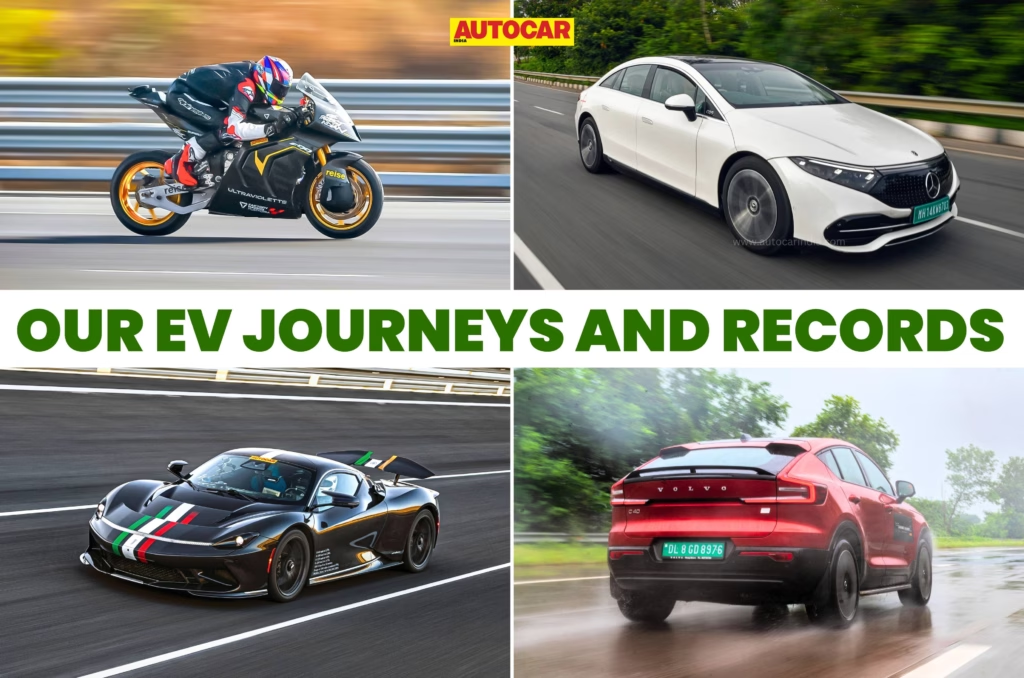
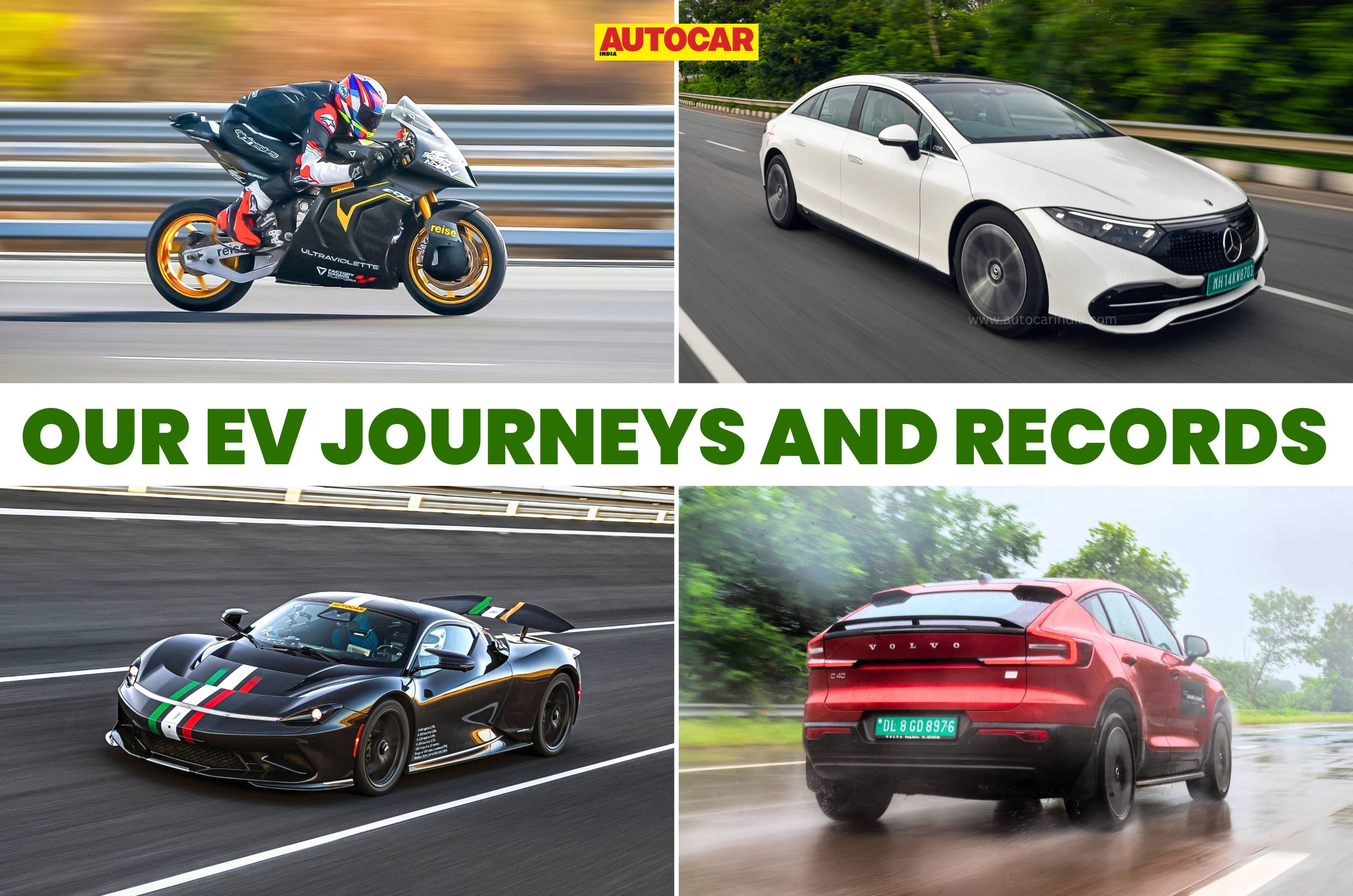
On the sixth iteration of World EV Day, let’s take a look at some of Autocar India’s most notable achievements in the all-electric mobility space.
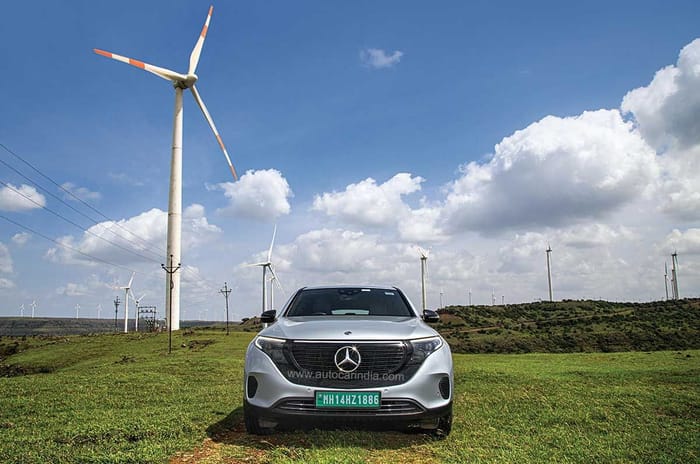
1. Mercedes Benz EQC clean energy charging
Hydro, wind and solar energy were the only means of charging we used
In 2021, we set out on a journey in the Mercedes-Benz EQC to explore how truly “green” EVs can be when powered by renewable energy only; at present, coal is the primary source of energy production. We departed from the Mercedes-Benz facility in Chakan with a full charge, heading to Tata Power’s Khopoli hydroelectric plant, Agaswadi wind farm and Mulshi solar farm.
Along the way, we investigated clean power sources – hydro, wind and solar – that could sustainably fuel EVs in India. While the EQC couldn’t be charged directly from the hydro grid since it mixes with the main grid, we were able to charge the SUV via a 15A plug at Tata Power. However, we did tap charging power directly from wind turbines and solar panels for the EQC. Ultimately, this trip showed us that our EVs could soon be truly emissions-free – not just at the tailpipe, but across the entire power chain.
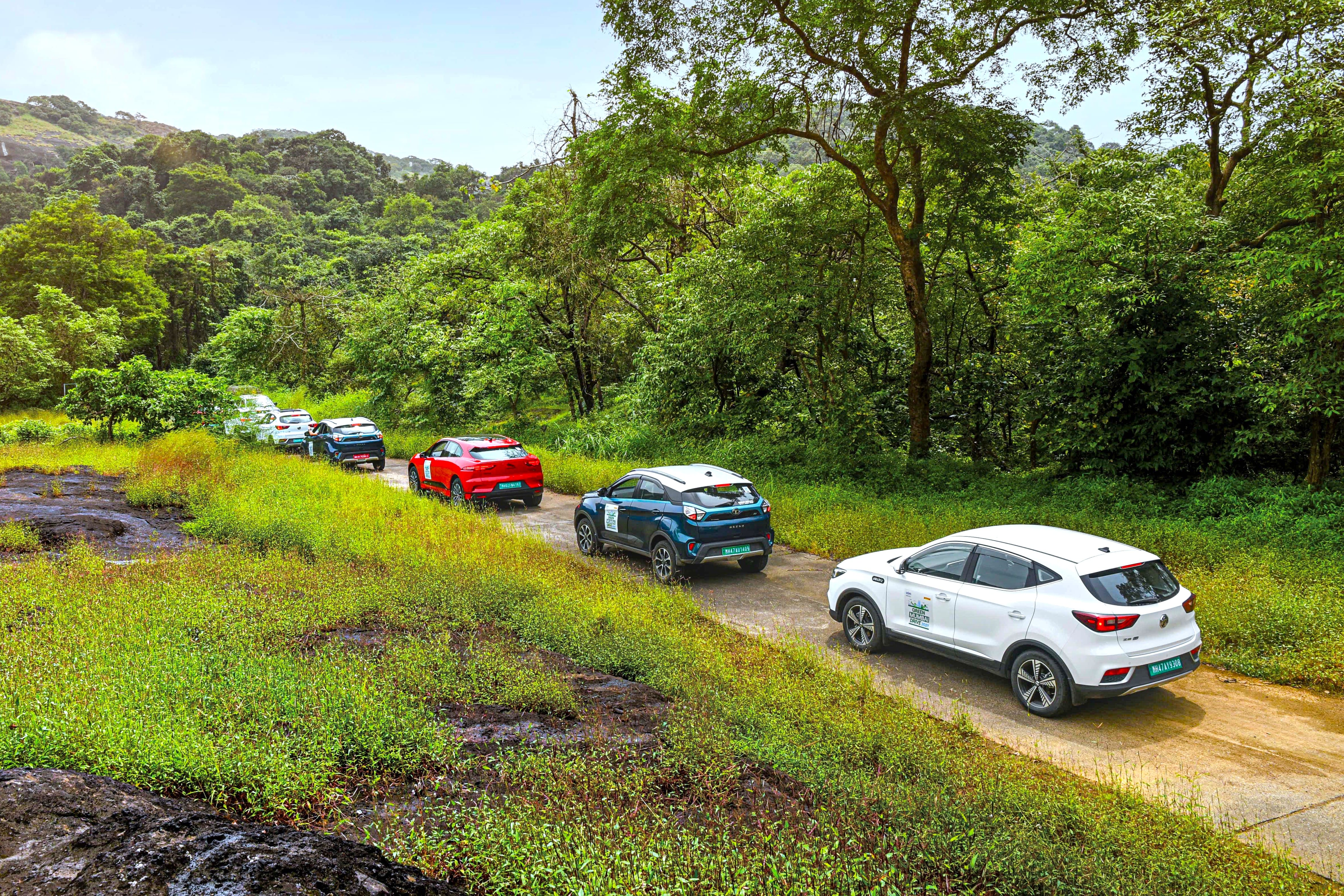
2. Green Mumbai Drive 2021
30 EVs quietly trundling through the Sanjay Gandhi National Park
We achieved a rare feat by bringing together every EV that was on sale in India at the time and driving them across Mumbai and through the protected Sanjay Gandhi National Park in Borivali. 30 EVs were part of the drive, including the Hyundai Kona, Tata Nexon EV, MG ZS EV, Mercedes-Benz EQC, Jaguar i-Pace, Audi e-tron GT, and even a Tesla Model X.
The Green Mumbai Drive was flagged off from the Mahalakshmi Racecourse by Aditya Thackeray, MoS for Tourism, Environment and Protocol, and Jeet Adani, director of Adani Electricity. Notable auto industry executives like Santosh Iyer (Mercedes-Benz India), Balbir Singh Dhillon (Audi India), Rohit Suri (JLR India), and Amit Suri (Volvo India) were also part of the event.
3. Debuting EVs in two different national parks
Tata Nexon EV in Satpura Tiger Reserve, Audi e-tron in Gir National Park
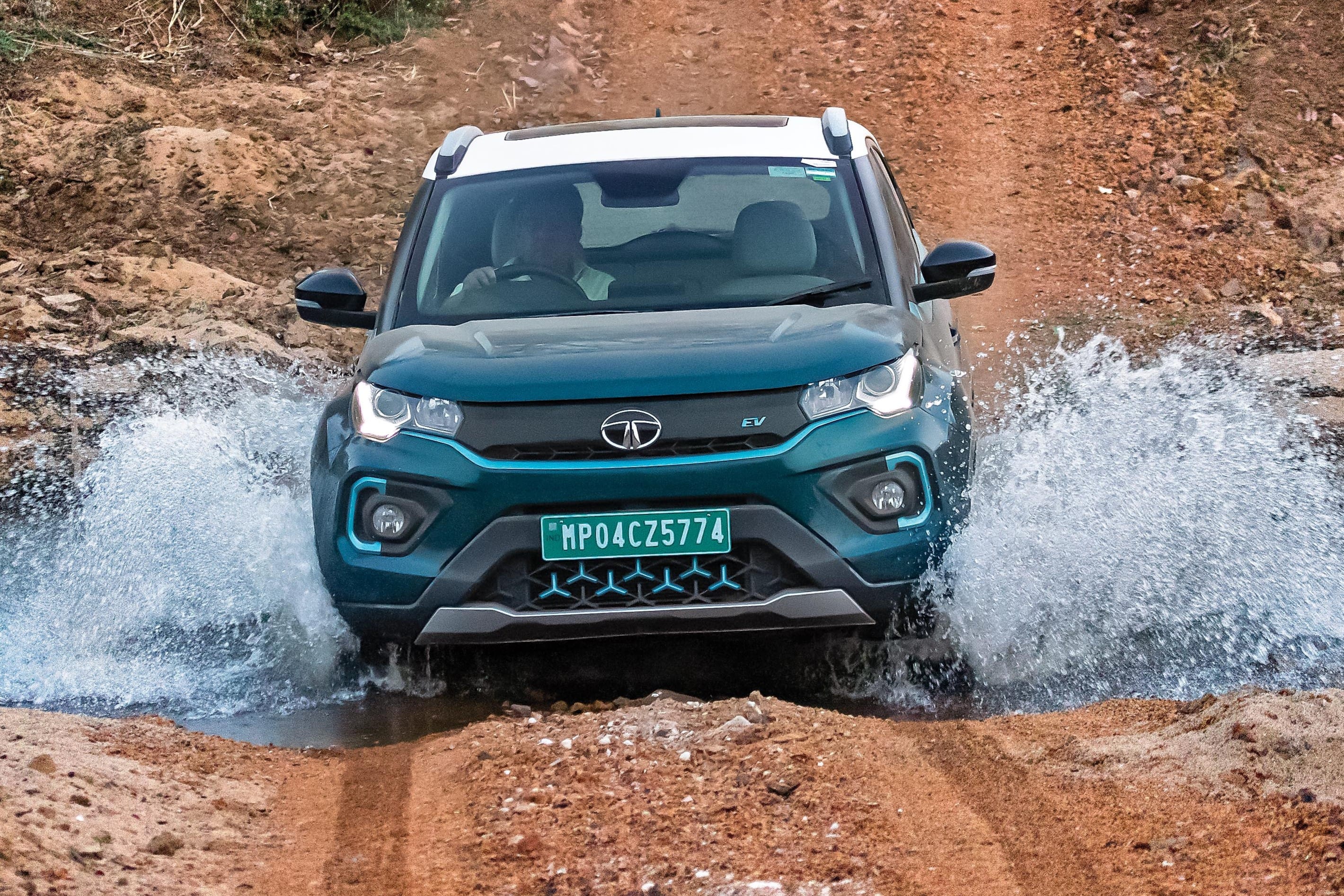
In 2021, we were the first to drive an electric car (specifically, the Tata Nexon EV) into Madhya Pradesh’s Satpura Tiger Reserve. The roughly 140km drive from Bhopal to Forsyth Lodge was completed with around 30km of range remaining, despite starting with the battery at 92 percent. With no fast-charging infrastructure nearby, the Nexon EV had to be charged overnight using a 15A socket. During the safari, the torquey and compact EV performed well on steep inclines and narrow forest trails, and its silent operation allowed it to approach wildlife like sambars, gaurs, wild pigs, and even a leopard without the noise of an idling engine – no tiger, though.
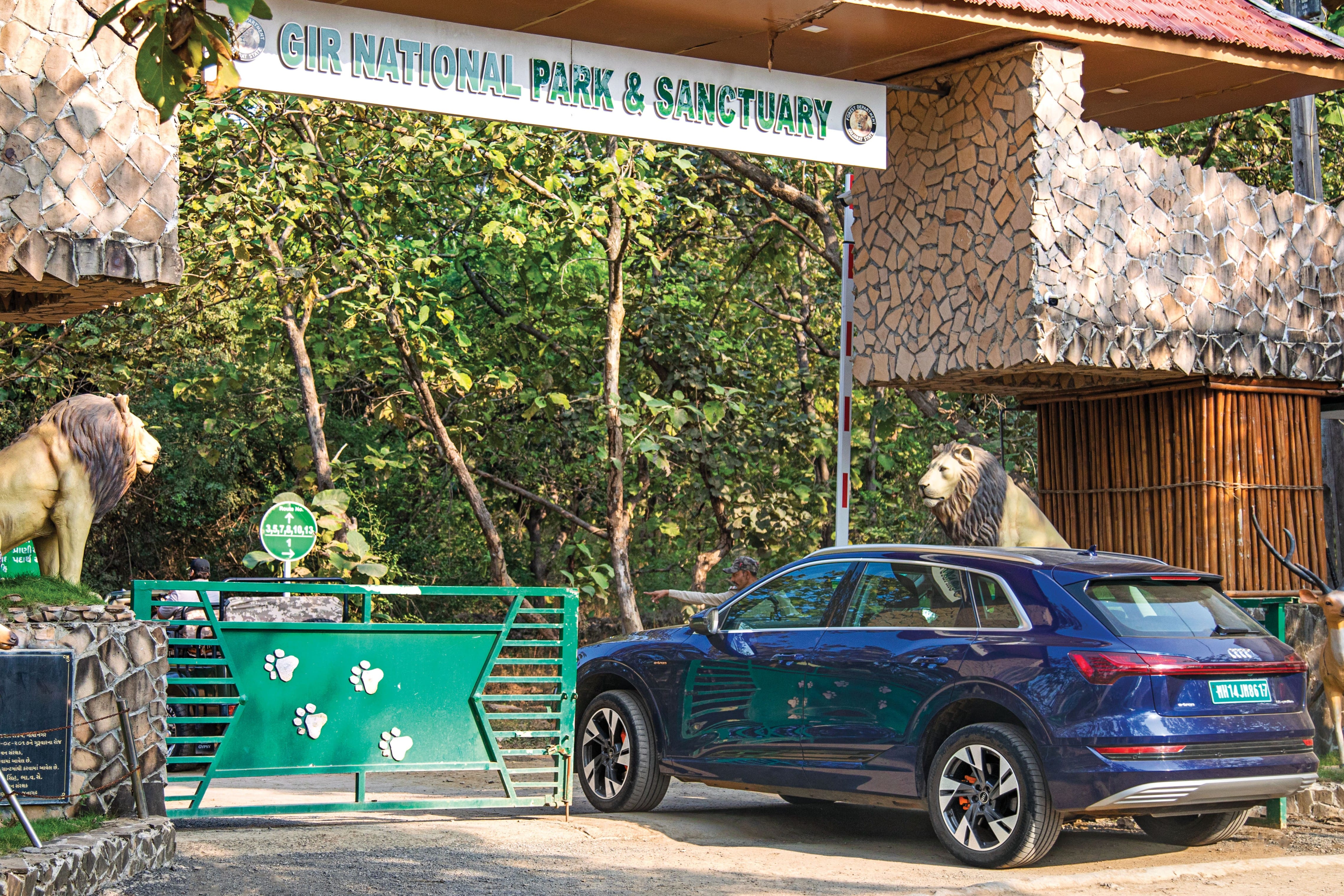
Then, in 2022, we were yet again the first to drive an EV into Gujarat’s Gir National Park, this time in an Audi e-tron. Reaching our accommodation induced a great deal of range anxiety due to faulty chargers along the way, but we managed to get there with around 20 percent of charge remaining. Once we reached, the e-tron was an excellent companion to tour the park with, helping us spot wildlife like chital, crocodiles, lions, and more.
4. Porsche Taycan Kashmir to Kanyakumari road trip
Nearly 4,500km in a performance EV
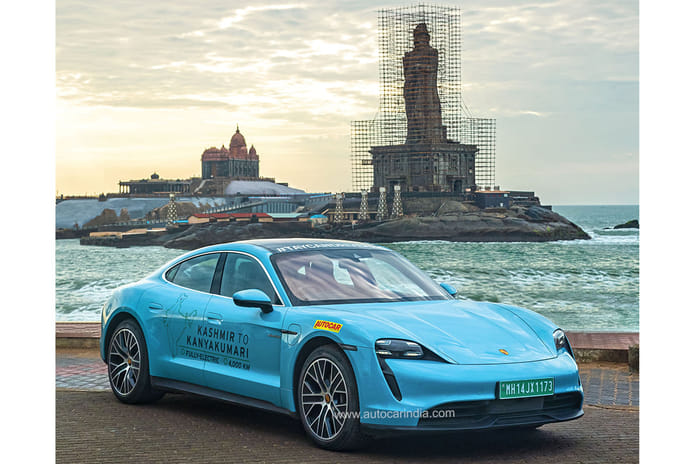
2022 saw us take one of our most ambitious roadtrips to date: 4,467km from Kashmir to Kanyakumari in a Porsche Taycan. Despite challenges like landslides in Jammu, flooded roads in Punjab, and power outages at certain charging spots, the Taycan handled the journey with ease. On one of the most efficient legs, the Porsche EV delivered 7.1km/kWh, working out to an indicated range of 475km.
Comfort mode was the default setting, but we did have lots of fun in some stretches courtesy of the Taycan’s Sport Plus drive mode. Up to 225kW of fast charging bolstered convenience, and total charging expenses tallied up to just Rs 15,422 – cheaper than fuel for an equivalent petrol car. More than just distance, the trip proved that combining sports car-like performance with electric efficiency works perfectly in real-world conditions, and that the Taycan is more durable than you may think.
5. Pininfarina Battista India top speed record
1900hp, quad-motor hypercar achieved a 358.03kph top speed
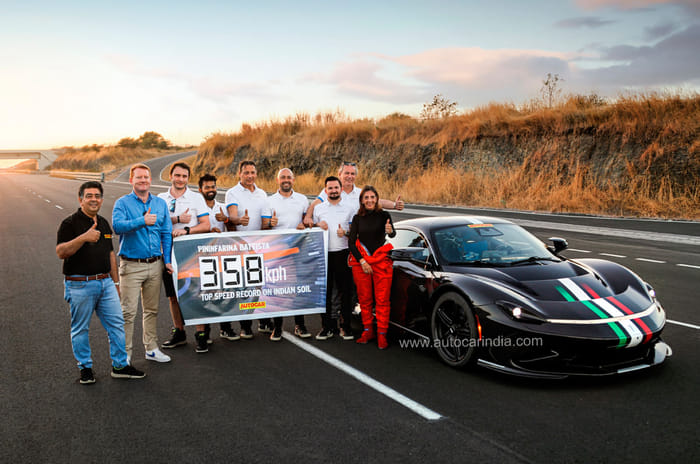
Back in early 2023, we set a new Indian top-speed record with the 1,900hp Pininfarina Battista electric hypercar at the NATRAX high-speed oval near Indore. Achieving an impressive v-max of 358.03kph, the Battista blitzed past the previous record of 332.20kph, which was also set by us in 2016 in an Audi R8 V10 Plus.
The Battista top-speed run also ended up establishing new world records for a production car: 0-300kph in 10.49 seconds and a quarter-mile time of 8.55 seconds, all verified by the Federation of Motor Sports Clubs of India (FMSCI).
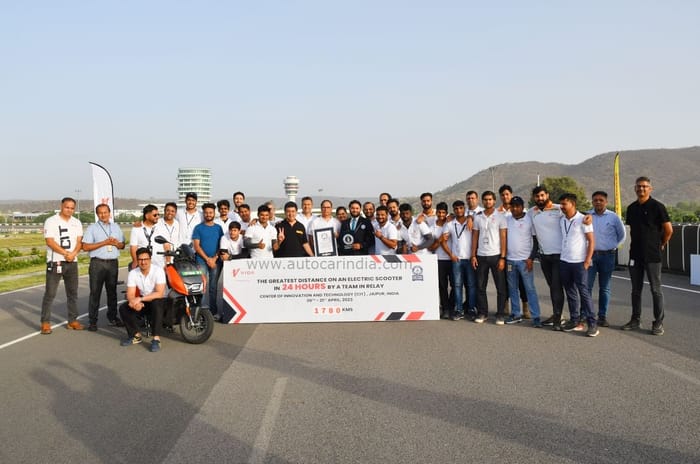
6. Hero Vida V1 Pro longest distance in 24 hours record
The e-scooter travelled just shy of a whopping 1,800km
The endurance challenge relied on swift battery swaps and flawless coordination, with the pit crew achieving 38 battery changes in under 20 seconds – quite impressive considering the extreme heat, rider fatigue, and complexity involved. Moreover, the Vida V1 Pro ran flawlessly throughout, handling the gruelling conditions with ease and maintaining performance consistently.
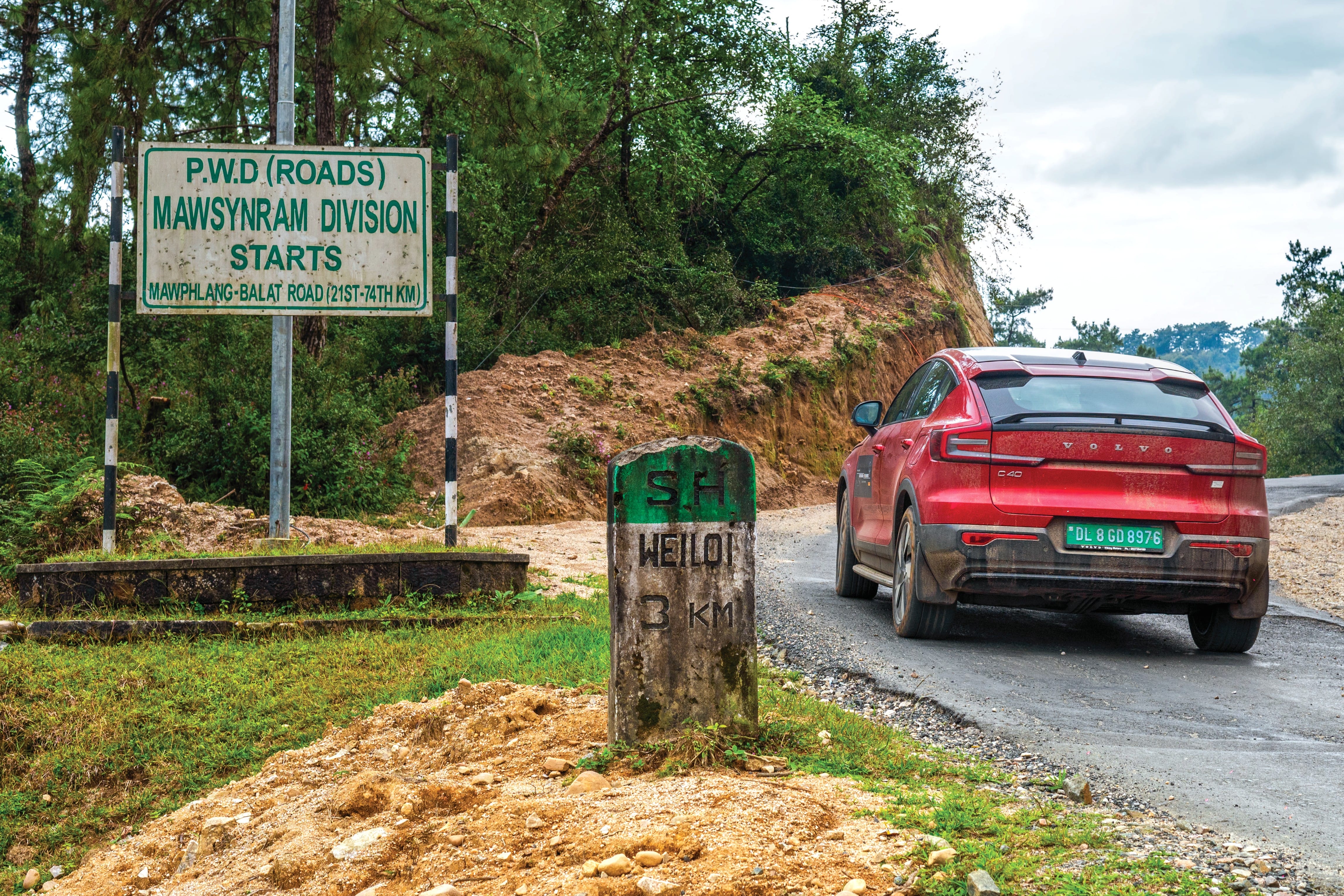
7. Volvo EC40 Jaisalmer to Mawsynram road trip
From India’s driest region to its wettest
In 2024, we took the Volvo EC40 (formerly known as the C40 Recharge) on a roughly 3,000km road trip from Jaisalmer in Rajasthan – one of India’s driest locations – to Mawsynram in Meghalaya, widely recognised as the country’s wettest. The route included a detour to Ghaziabad’s Volvo Reverse Project, a former dumping ground where around 10,000 trees had been planted as part of the company’s reforestation initiative.
Charging was carried out mainly overnight with DC fast chargers also used along the route, and the EC40 posed no issues during the journey. Ironically, we encountered heavy rain and waterlogging in Jaisalmer but surprisingly little rainfall in Mawsynram.
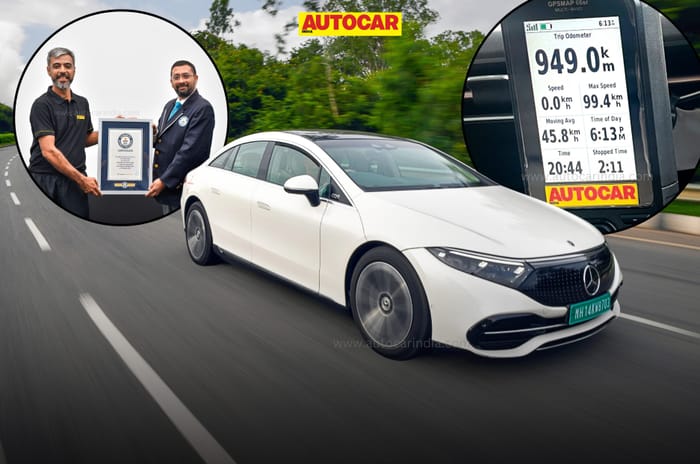
8. Mercedes Benz EQS sedan longest distance world record
Setting off from Bangalore on a full charge, the EQS 580 covered a distance of 949km when it reached its destination in Navi Mumbai, beating the previous Guinness World Record for the same by 32.26km. Impressively, the 949km real-world range exceeds EQS 580’s claimed range of 817km by just over 16 percent. It’s also worth mentioning that the two-day journey was completed under arduous conditions like heavy rainfall, lots of traffic, broken roads, and even a flat tyre.
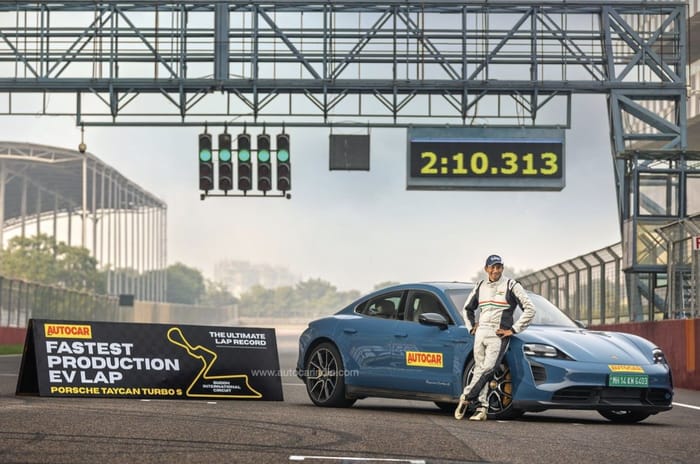
9. Porsche Taycan BIC EV lap record
2:10.313 lap time makes the Taycan the fastest EV around BIC so far
At the Buddh International Circuit in Greater Noida, we lapped a Porsche Taycan Turbo S and clocked a time of 2:10.313 minutes – the first-ever EV lap record around the 5.125km track. Despite its rather portly kerb weight of 2,370kg, the Taycan delivered unexpectedly sharp performance at BIC thanks to 761hp and 1,050Nm, a low centre of gravity (aided by the heavy 93.4 kWh battery), precise steering, and superb balance.
Upon hitting the apex and pinning the throttle, the Taycan belied physics the way it propelled out of corners with explosive speed, and despite weighing 845kg more, the EV achieved nearly the same top speed as the 911 GT3 RS at the end of BIC’s main straight.
10. Ultraviolette F99 India top speed record
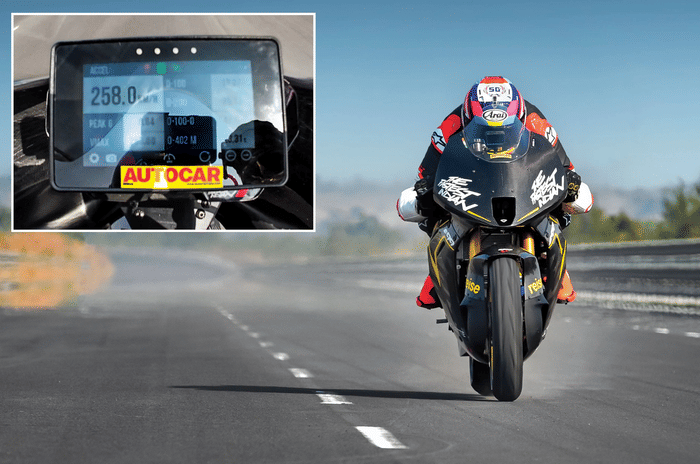
258kph around NATRAX and a 100-200kph run of 6.2 seconds
One of our more recent records entailed setting a new benchmark for made-in-India two-wheelers by hitting a top speed of 258kph on the Ultraviolette F99 at the NATRAX oval. Designed around a 400V architecture with a liquid-cooled powertrain, the purpose-built F99 packs 120hp and an astounding 972Nm (measured at the rear wheel).
The F99’s custom trellis frame, forged carbon-fibre bodywork, Brembo brakes, and Ohlins suspension helped the bike remain stable at high speeds, culminating in a clean record run captured via precision V-Box data. It also achieved a blistering 0-200kph run in under 10 seconds and 100-200kph in just 6.2 seconds, smashing previous Indian motorcycle speed records.
11. Mercedes Benz EQS SUV temperature change record
From the sweltering heat of Rajasthan to the sub-zero chill of Ladakh
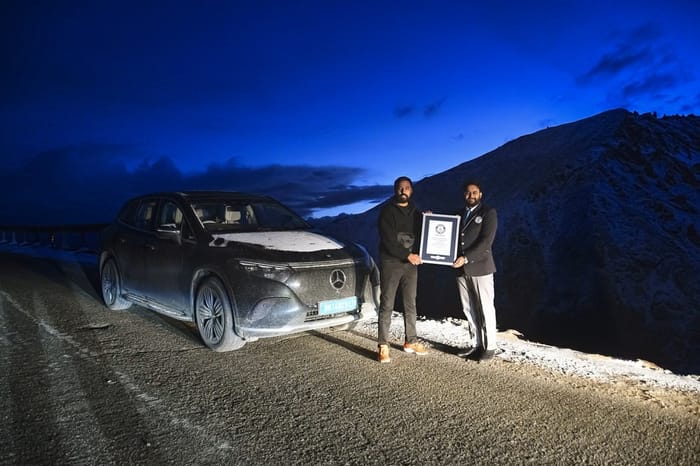
Our 2025 Guinness World Record saw us achieving the greatest temperature change endured by a production EV. We accomplished this using the Mercedes-Benz EQS 450 SUV, driving from the scorching heat of 47.5 deg-C in Rajasthan to the below-freezing chill of -3.7 deg-C in Ladakh, for an impressive overall temperature swing of 51.2 deg-C.
The journey tested the limits of the EQS 450 SUV, especially its 122kWh battery’s thermal management system. Despite extreme variations in temperature, the climate control and battery systems kept the EQS 450 SUV performing smoothly and safely.
टाटा मोटर्स की जगुआर लैंड रोवर ऑटोमोटिव पीएलसी (JLR) अगले दो सालों में 4,000 नौकरियां कम करने जा रही है। कंपनी बढ़ती लागत, गिरती बिक्री और अमेरिकी टैरिफ के असर जैसी चुनौतियों का सामना कर रही है। JLR ब्रिटेन की सबसे बड़ी कार कंपनी है। ‘द टाइम्स’ की रिपोर्ट के अनुसार, शुक्रवार देर रात कर्मचारियों को चेतावनी दी गई कि सोमवार को रिडंडेंसी प्रोग्राम (छंटनी) की घोषणा हो सकती है।
ब्लूमबर्ग के मुताबिक, एक बयान में कंपनी ने कहा है कि वह एक स्वैच्छिक छंटनी कार्यक्रम (वॉलंटरी रिडंडेंसी प्रोग्राम) शुरू कर रही है। कंपनी दो सालों में लगभग 2.3 अरब डॉलर की बचत करना चाहती है। बयान के अनुसार, JLR वैश्विक बाजार की स्थितियों को देखते हुए अपने ब्रेक-ईवन पॉइंट को घटाकर 300,000 गाड़ियां करना चाहती है। साथ ही अपने कारोबार को आसान बनाना चाहती है।
JLR दिए हुए है 33000 लोगों को रोजगार
JLR ब्रिटेन में लगभग 33,000 लोगों को रोजगार दिए हुए है। कंपनी की मालिक भारत की टाटा मोटर्स पैसेंजर व्हीकल्स लिमिटेड है। हाल की तिमाही में JLR का रेवेन्यू लगभग 10 प्रतिशत गिर गया। प्रॉफिट बिफोर टैक्स 69 प्रतिशत घटकर 10.9 करोड़ पाउंड रह गया। कंपनी की पहली इलेक्ट्रिक रेंज रोवर इस महीने की शुरुआत में बिक्री के लिए आई। यह बाजार की सबसे महंगी इलेक्ट्रिक SUV में से एक है।
जर्मनी की फॉक्सवैगन में जल्द ही और 50000 नौकरियां जा सकती हैं। कंपनी के सुपरवाइजरी बोर्ड ने एक बदलाव योजना ‘फ्यूचर प्लान 2030’ को मंजूरी दी है। इसमें 50,000 और नौकरियां खत्म करना, 2035 तक अपने व्हीकल मॉडल लाइनअप को आधा करना और 2027-2031 के दौरान कैपिटल खर्च को 16 प्रतिशत तक कम करना जैसी 12 पहलें शामिल हैं। 50,000 नौकरियां कम करने पर सहमति पहले ही बन चुकी थी और प्रक्रिया चल रही है। अब दुनियाभर में लगभग और 50,000 नौकरियां कम करने के प्लान को मंजूरी मिल गई है।
इसके अलावा फॉक्सवैगन ग्रुप की भारतीय यूनिट अपने 3 साल के रीस्ट्रक्चरिंग प्लान को तेज कर रही है। इसके कारण कंपनी की लगभग 12 प्रतिशत वर्कफोर्स कम हो जाएगी। स्कोडा ऑटो फॉक्सवैगन इंडिया प्राइवेट लिमिटेड ने 2025 में बदलाव की प्रक्रिया शुरू की थी। अब 2027 तक तेजी से छंटनी करने की तैयारी है।
Bookings for the Range Rover Electric have commenced in India from today. Order books are open for Range Rover Electric standard wheelbase in Autobiography and long-wheelbase in SV, SV Ultra and SV Black versions. The company is also accepting bookings for the standard wheelbase Range Rover Electric First Edition.
The Range Rover Electric is Jaguar Land Rover’s (JLR) second EV after the Jaguar I-Pace. However, unlike the contract-manufactured Jaguar I-Pace, the Range Rover Electric is the first EV to be fully developed and built in-house at JLR.
Jaguar Land Rover (JLR) has launched the Range Rover Sport Twenty Edition at Rs 1.90 crore (ex-showroom, India). This limited-run version borrows inspiration from the original Range Stormer concept showcased at the 2004 Detroit Motor Show, while combining various elements from the Range Rover Sport Autobiography and SV, according to the British luxury automaker. Deliveries of the Range Rover Sport Twenty Edition in India are to start from October 2026.
Sanguinello Orange inspired by the Stormer concept and Vesuvius Orange First Edition.
Features unique ‘TWENTY’ lettering and 23-inch wheels in optional Gloss Black.
Interior gets ‘TWENTY’ branding, Ebony Windsor seats, suede headlining and more.
Twin-turbo mild-hybrid V8 produces 537hp and 750Nm.
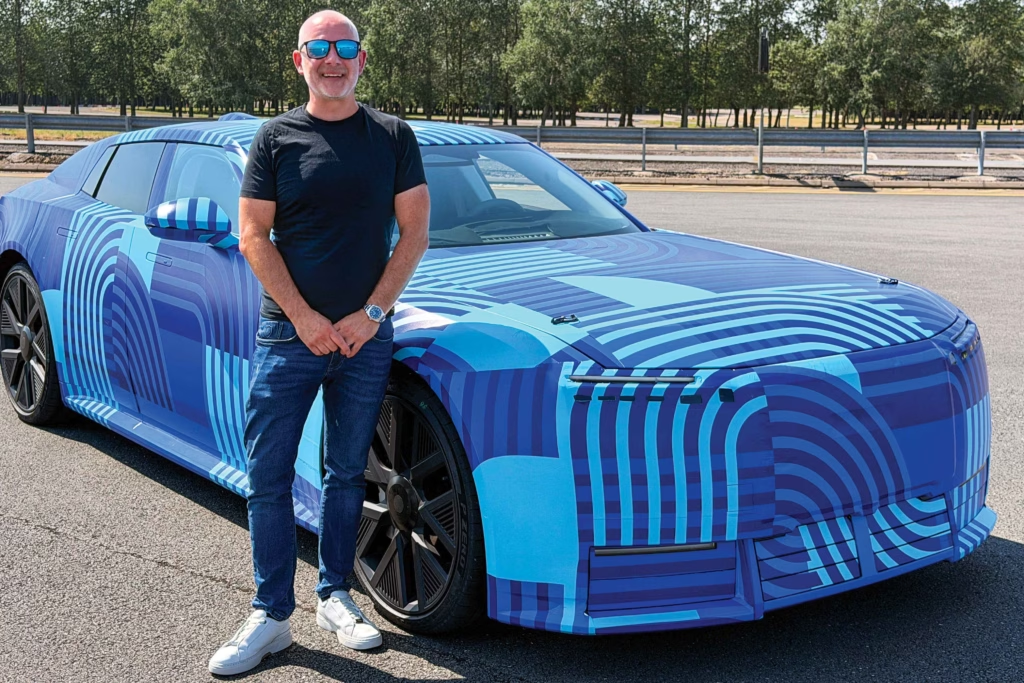
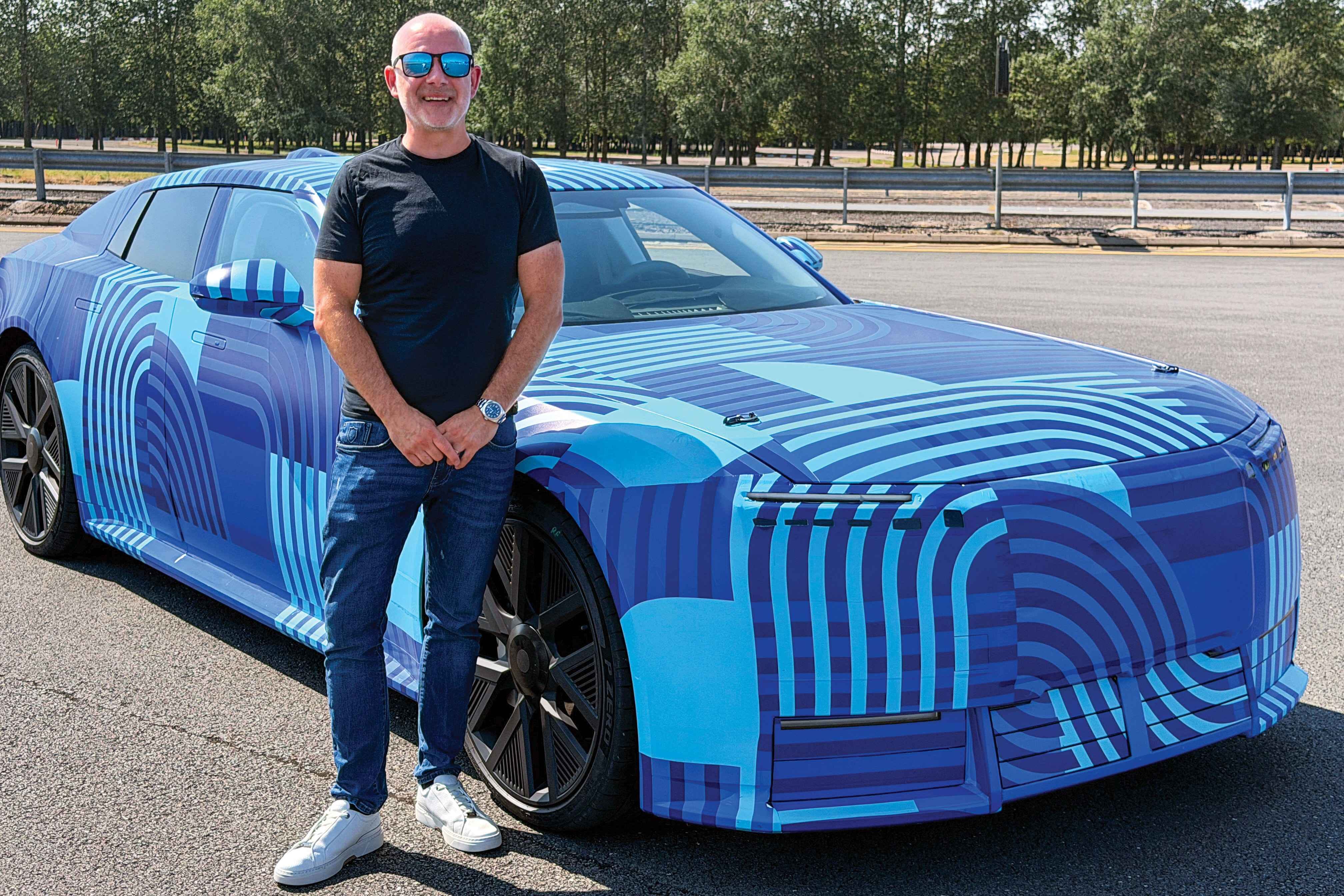
Rawdon Glover has worked with the JLR group for over thirteen years and took charge as Managing Director three years ago. From the sidelines of our first drive with the Jaguar Type 01, we speak to Glover, who tells us about Jaguar’s new direction, taking risky decisions, core markets and upcoming products.
Why the major shift in the positioning of Jaguar?
Putting Jaguar back on a firm footing for the next 90 years is the main job. And if you look at the task, it’s brand management where sometimes you need small incremental changes. But if you look at today’s technical changes, competitive context, how the brand was performing globally and a host of factors, what was called for was a big shift. That requires you to be bold and confident.
Why go for a radical and polarising design?
We’re ok with polarising. If you look at our history, it was bold evolutions, for example the XJS, the spiritual successor to the E-Type. It would have been easy to say let’s just make a modern example of the E-Type, but that’s not what we did, and if you look back at reviews, it was applauded for its dynamics and refinement, but the design was seen as polarising. Now it’s a design icon. So, I’d rather have four out of ten absolutely love the car, rather than have everyone go – yeah, it’s ok.
Isn’t going all-electric a massively risky move?
The EV landscape is evolving rapidly, many new brands are coming in, and I believe one will crack the EV glass ceiling, so why not Jaguar? So we ripped up the EV rulebook because, in the luxury space, it wasn’t working. So it’s not designed as an EV without an engine and a really cab-forward layout. But it’s about presence and performance, and to deliver the level of performance and refinement, electric is best.
Would the car sit above the XJ in terms of price? All of the vehicles coming off this platform would be between GBP 1,20,000 and GBP 1,50,000. We see a white space at the top end of the premium segment, but underneath established luxury players. That’s where we want to be, and with this vehicle what you get is the stature, the presence, the drama of those uber-luxury brands at the top end of the premium price point.
What are the core markets, and how does India figure in the plan?
We used to sell in 130 markets, but we’ll narrow this to just eight or nine, with 85 percent of the volume. North America will remain a large part, China will become important, and the UK, Germany and some Nordics, where they have really embraced EVs, will be the mainstay. Then in markets like the Middle East and India, which have been small, we think we can really break into them now. The retail would, of course, still be through the existing JLR network.
FTAs do not favour EVs, so is the 01 capable of being locally assembled?
Manufacturing this outside of the UK is not currently in the plan. All production will be built out of Solihull, so all exports to other markets will be CBUs, but that doesn’t rule out local production outside UK. As you know, the geopolitical situation is so fluid at the moment, but in time we could consider production elsewhere.
Is there a more chauffeur-driven offering from Jaguar coming?
The 01 is unashamedly driver-focussed, it has four comfortable seats, but it’s a four-door GT, not a four-door sedan designed as a luxury chauffeur-driven car. There will be other vehicles off this platform that will share the same design language, but will have a distinct personality and target different groups, and they would be accessible to a wider audience. So, yes absolutely, there will be a chauffeur-driven-focused model from Jaguar.
Would an SUV body style be part of the portfolio?
What you shouldn’t expect from us is a high-sided Jaguar that is a Range Rover competitor. We already have the best SUV on the planet, and part of the house of brand’s strategy is to differentiate the brands. All I can say, for now, is that you can expect a variety of vehicles from us, and there will be vehicles slightly higher positioned, but all will drive like a Jaguar.
How has it been working with Tata Motors?
Unwavering is the word. There is nobody more dedicated and passionate about our success than the shareholders, and that’s an incredibly privileged position to be in. It puts a little pressure, but having somebody like PB Balaji come onto our board is great. He’s been on the journey with us, he understands it inside and out, and for him, Jaguar is personal. It’s important to our chairman and even was to Ratan Tata. I was reading stories about Ratan Tata driving about in his father’s XK120, so it’s really important to Tata that Jaguar wins. In all my interactions with the board, there is never talk of tempering ambitions, it’s always, just go for it.
Rawdon Glover has worked with the JLR group for over 13 years and took charge as Managing Director 3 years ago. From the sidelines of our first drive with the Jaguar Type 01, we speak to Glover, who tells us about Jaguar’s new direction, taking risky decisions, core markets and upcoming products.
Why the major shift in the positioning of Jaguar?
Putting Jaguar back on a firm footing for the next 90 years is the main job. And if you look at the task, it’s brand management where sometimes you need small incremental changes. But if you look at today’s technical changes, competitive context, how the brand was performing globally and a host of factors, what was called for was a big shift. That requires you to be bold and confident.
Why go for a radical and polarising design?
We’re ok with polarising. If you look at our history, it was bold evolutions, for example the XJS, the spiritual successor to the E-Type. It would have been easy to say let’s just make a modern example of the E-Type, but that’s not what we did, and if you look back at reviews, it was applauded for its dynamics and refinement, but the design was seen as polarising. Now it’s a design icon. So, I’d rather have four out of ten absolutely love the car, rather than have everyone go – yeah, it’s ok.
Isn’t going all-electric a massively risky move?
The EV landscape is evolving rapidly, many new brands are coming in, and I believe one will crack the EV glass ceiling, so why not Jaguar? So we ripped up the EV rulebook because, in the luxury space, it wasn’t working. So it’s not designed as an EV without an engine and a really cab-forward layout. But it’s about presence and performance, and to deliver the level of performance and refinement, electric is best.
Would the car sit above the XJ in terms of price? All of the vehicles coming off this platform would be between GBP 1,20,000 and GBP 1,50,000. We see a white space at the top end of the premium segment, but underneath established luxury players. That’s where we want to be, and with this vehicle what you get is the stature, the presence, the drama of those uber-luxury brands at the top end of the premium price point.
What are the core markets, and how does India figure in the plan?
We used to sell in 130 markets, but we’ll narrow this to just eight or nine, with 85 percent of the volume. North America will remain a large part, China will become important, and the UK, Germany and some Nordics, where they have really embraced EVs, will be the mainstay. Then in markets like the Middle East and India, which have been small, we think we can really break into them now. The retail would, of course, still be through the existing JLR network.
FTAs do not favour EVs, so is the 01 capable of being locally assembled?
Manufacturing this outside of the UK is not currently in the plan. All production will be built out of Solihull, so all exports to other markets will be CBUs, but that doesn’t rule out local production outside UK. As you know, the geopolitical situation is so fluid at the moment, but in time we could consider production elsewhere.
Is there a more chauffeur-driven offering from Jaguar coming?
The 01 is unashamedly driver-focussed, it has four comfortable seats, but it’s a four-door GT, not a four-door sedan designed as a luxury chauffeur-driven car. There will be other vehicles off this platform that will share the same design language, but will have a distinct personality and target different groups, and they would be accessible to a wider audience. So, yes absolutely, there will be a chauffeur-driven-focused model from Jaguar.
Would an SUV body style be part of the portfolio?
What you shouldn’t expect from us is a high-sided Jaguar that is a Range Rover competitor. We already have the best SUV on the planet, and part of the house of brand’s strategy is to differentiate the brands. All I can say, for now, is that you can expect a variety of vehicles from us, and there will be vehicles slightly higher positioned, but all will drive like a Jaguar.
How has it been working with Tata Motors?
Unwavering is the word. There is nobody more dedicated and passionate about our success than the shareholders, and that’s an incredibly privileged position to be in. It puts a little pressure, but having somebody like PB Balaji come onto our board is great. He’s been on the journey with us, he understands it inside and out, and for him, Jaguar is personal. It’s important to our chairman and even was to Ratan Tata. I was reading stories about Ratan Tata driving about in his father’s XK120, so it’s really important to Tata that Jaguar wins. In all my interactions with the board, there is never talk of tempering ambitions, it’s always, just go for it.