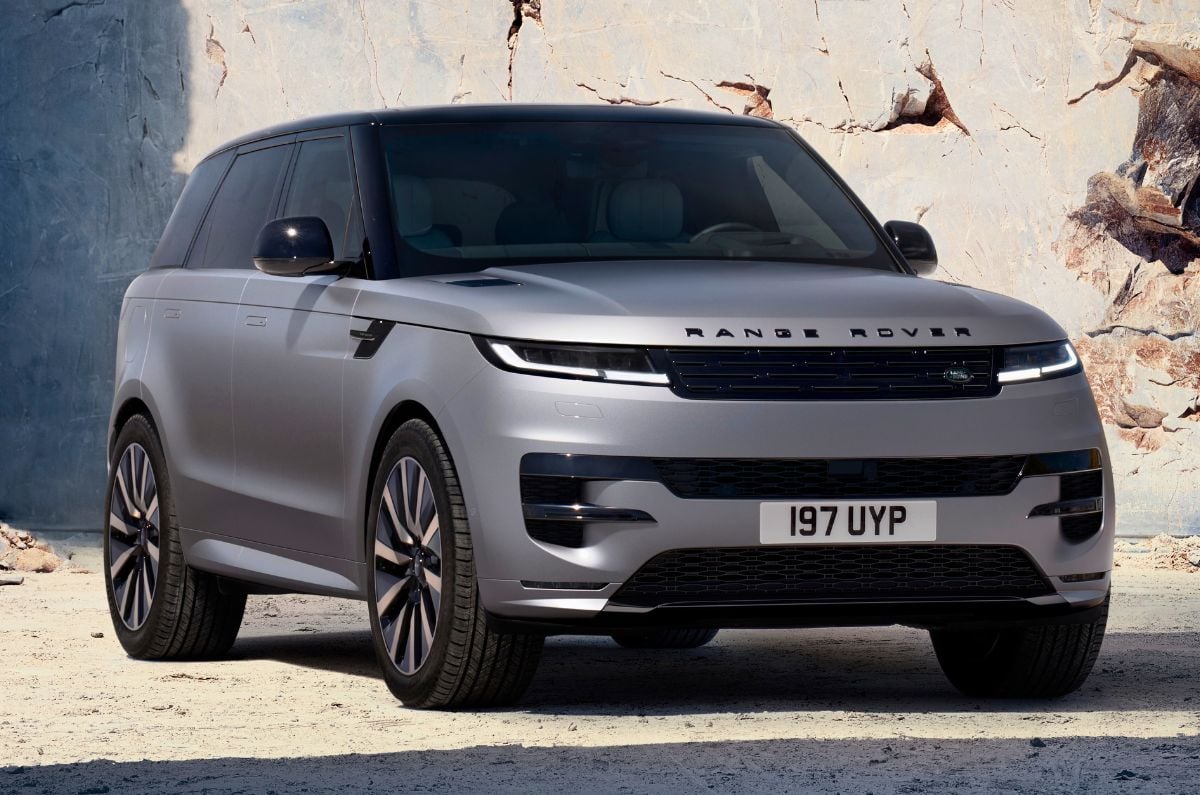
Range Rover Sport Electric revealed with up to 609km range

Range Rover Sport Electric revealed with up to 609km range

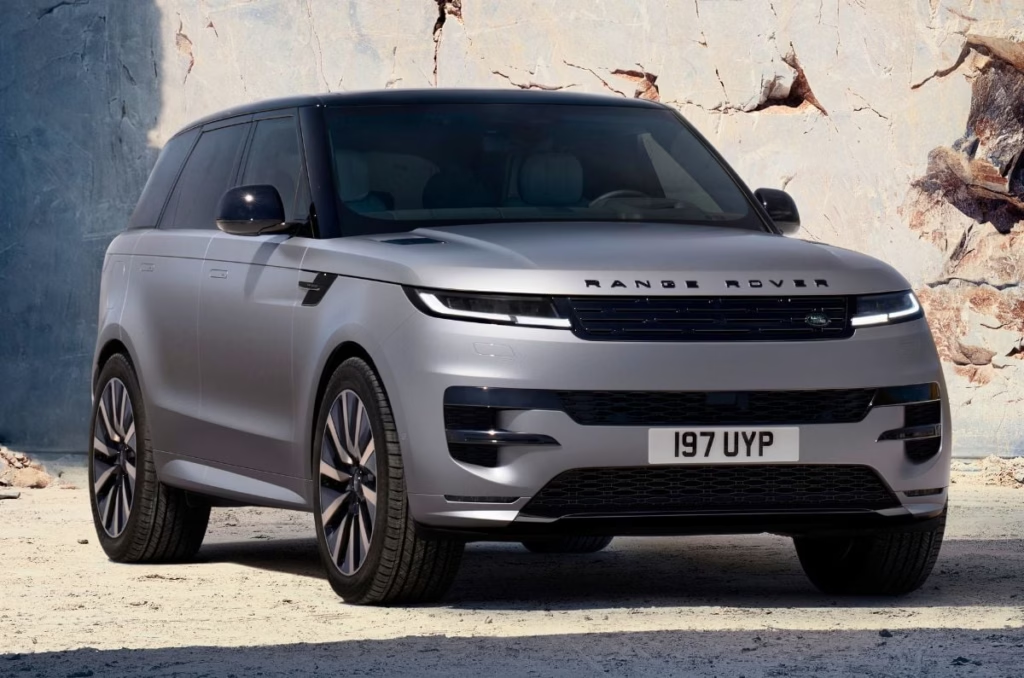
JLR has unveiled the Range Rover Sport Electric and opened order books for the SUV in India. It is the first all-electric model in the Range Rover Sport lineup and gets a 118.5kWh battery pack, the same unit used by the previously revealed Range Rover Electric, albeit with a higher 609km claimed WLTP range. It gets a dual-motor all-wheel-drive (AWD) setup, which delivers “performance to match the V8-powered Range Rover Sport”.

  1. The dual-motor setup produces up to 550hp and 850Nm
  2. 0-100kph acceleration is claimed at 4.5 seconds
  3. Exterior and interior designs are similar to the ICE model

Range Rover Sport Electric: Powertrain details

Gets a 118.5kWh battery, 609km claimed range and a 550hp dual-motor setup
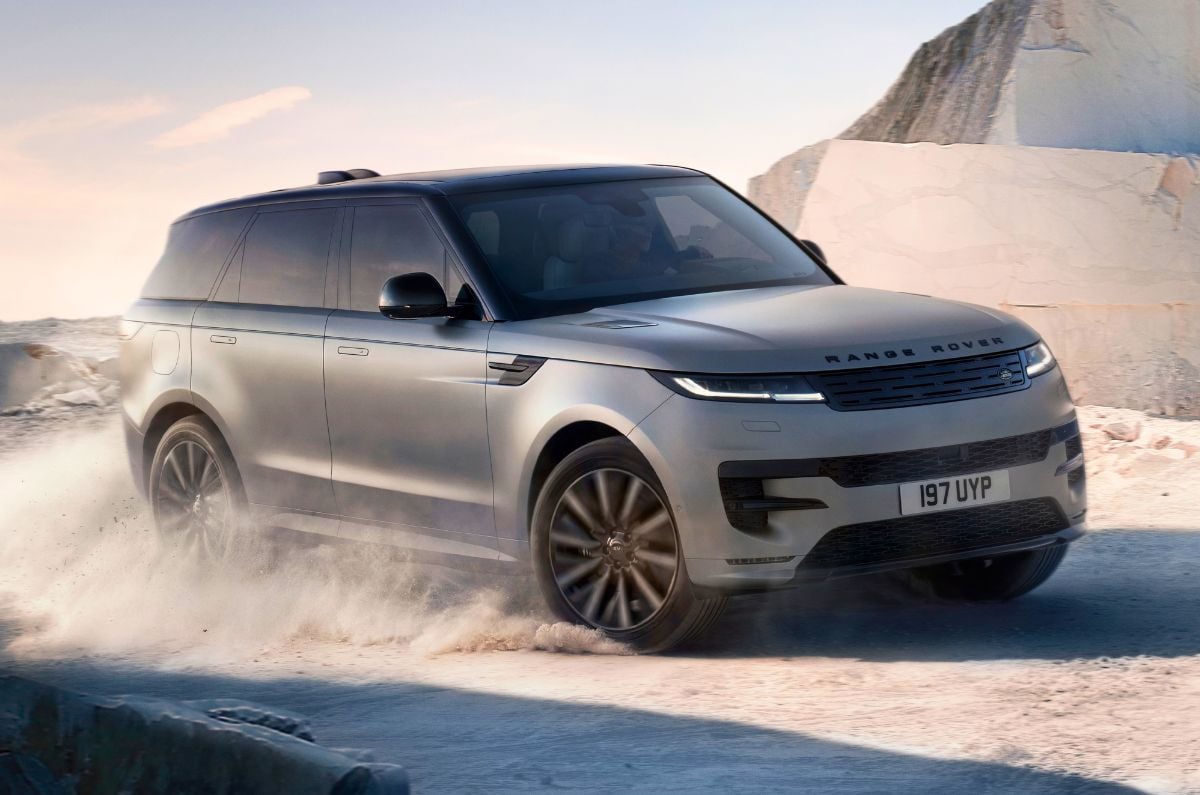
The Range Rover Sport Electric is built on JLR’s 800-volt Flexible Modular Longitudinal Architecture (MLA-Flex), which also underpins the flagship Range Rover Electric. It uses the same 118.5kWh battery pack as the Range Rover Electric, but offers a slightly higher claimed range of 609km, up by 9km. The battery is offered with an 8-year or 1.6 lakh km standard warranty (whichever comes first). 

The electric SUV gets a dual-motor all-wheel-drive (AWD) setup that produces up to 550hp and 850Nm. JLR claims the torque builds 50 percent faster than in the larger Range Rover Electric, while the 850Nm output is also the highest of any Range Rover Sport model yet. The Range Rover Sport Electric can sprint from 0-100kph in a claimed 4.5 seconds, matching the claimed acceleration time for the P540 V8-powered Range Rover Sport.
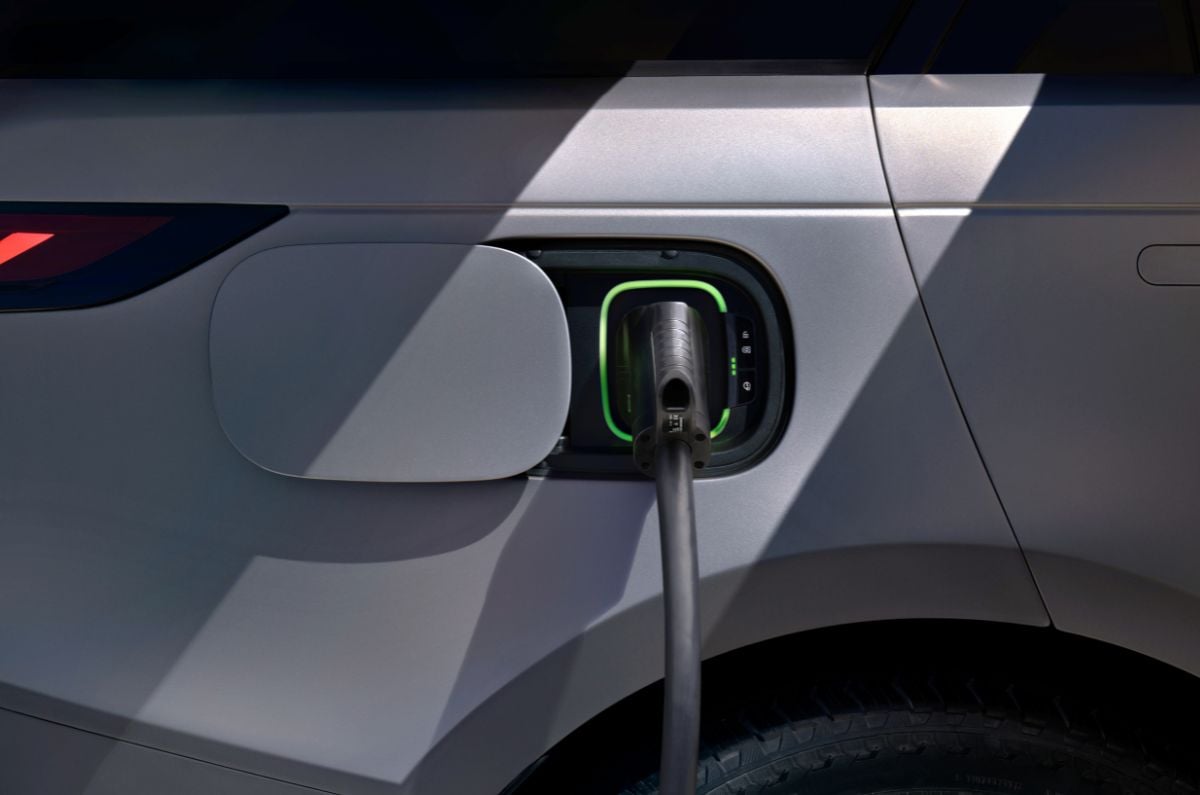
The Range Rover Sport Electric supports DC fast charging at up to 350kW, allowing its battery to replenish from 10 to 80 percent in a claimed 22 minutes. A 10-minute charge can add up to 220km of range to the eSUV. 

The Range Rover Sport Electric also features a 61 percent stiffer body structure and a centre of gravity that is 73mm lower than the ICE Range Rover Sport. Its suspension setup comprises double wishbones at the front and a five-link arrangement at the rear, along with air suspension, twin-valve dampers, active roll control and all-wheel steering. Braking hardware includes 380mm ventilated discs with four-piston callipers at the front and 355mm discs at the rear.

Range Rover Sport Electric: Exterior design

Exterior design is largely similar to the ICE model
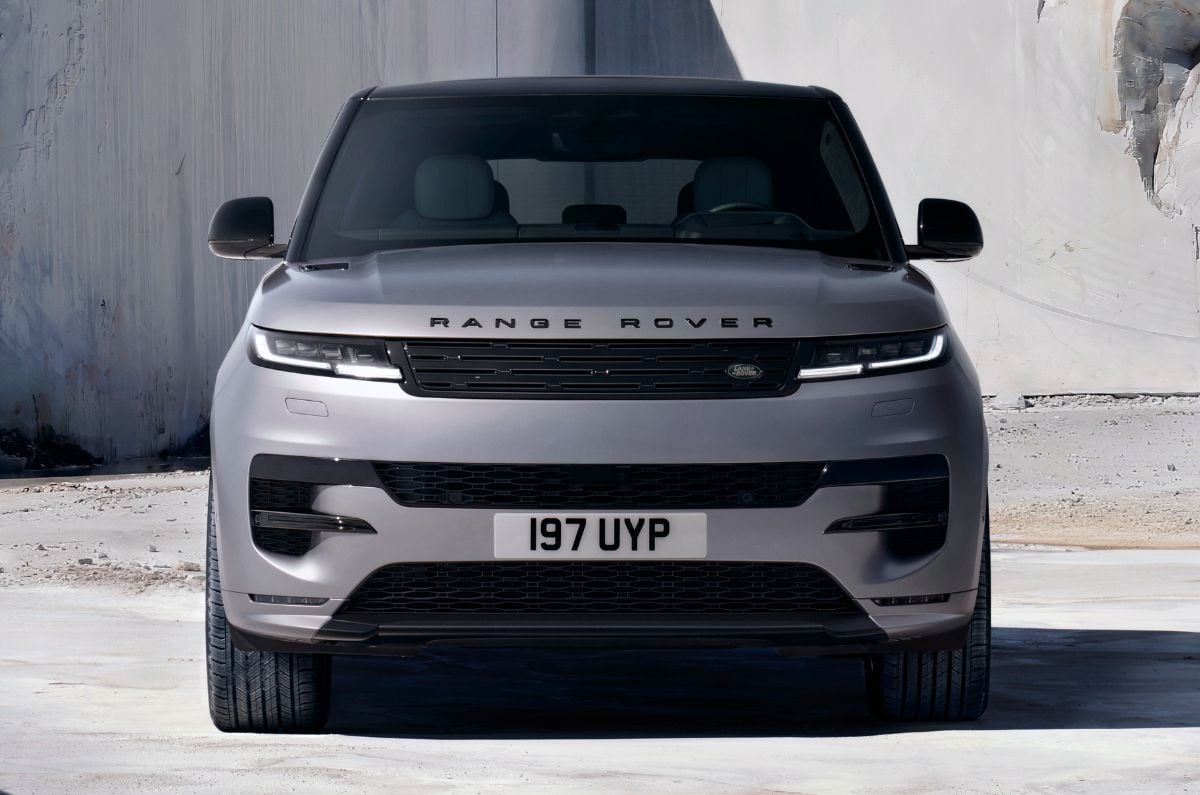
The Range Rover Sport Electric’s exterior design closely mirrors that of its ICE counterpart. Up front, it features the same sleek LED headlights, an aero-optimised black grille with horizontal elements and an offset Land Rover logo, Range Rover lettering on the bonnet, and functional air inlets in the bumper.

In profile, the SUV gets up to 22-inch alloy wheels with aerodynamic inserts and EV-badged wheel caps, along with flush-fitting door handles and blacked-out A-, B- and C-pillars. The ORVMs and roof are also finished in black.
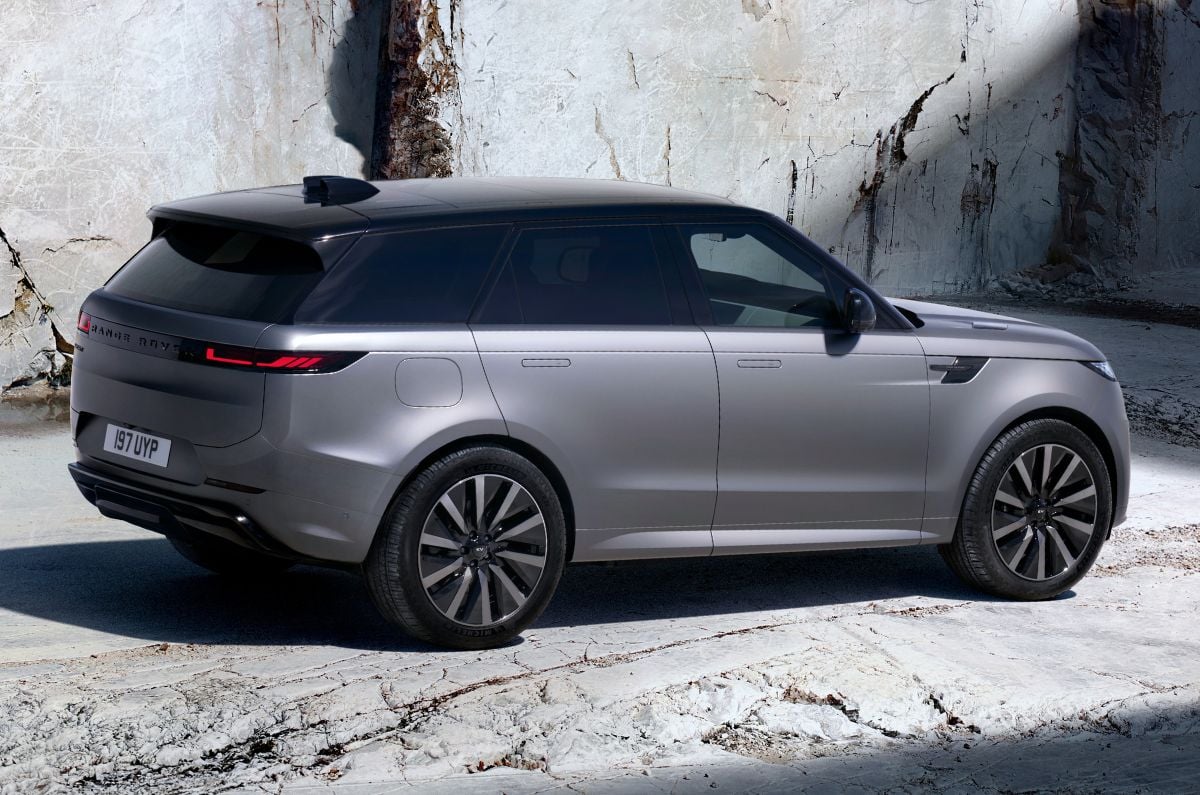
The rear design remains largely similar to the ICE model, with wraparound LED taillights positioned above a gloss-black trim panel that carries Range Rover lettering in the centre. The tailgate gets a black Sport badge, but has no EV badge. 

JLR is offering the Range Rover Sport Electric in four variants: Dynamic SE, Dynamic HSE, Autobiography and First Edition. Customers can also opt for a Black Pack and Satin Wrap for a more understated, stealthy look. The First Edition comes finished in Zadar Grey with a Satin Wrap, a black contrast roof and 22-inch alloy wheels. Meanwhile, Autobiography customers can further personalise their SUV through Range Rover Bespoke, JLR’s in-house commissioning service for bespoke models.

Range Rover Sport Electric: Interior design and features

Gets the same dashboard design as the combustion-powered model
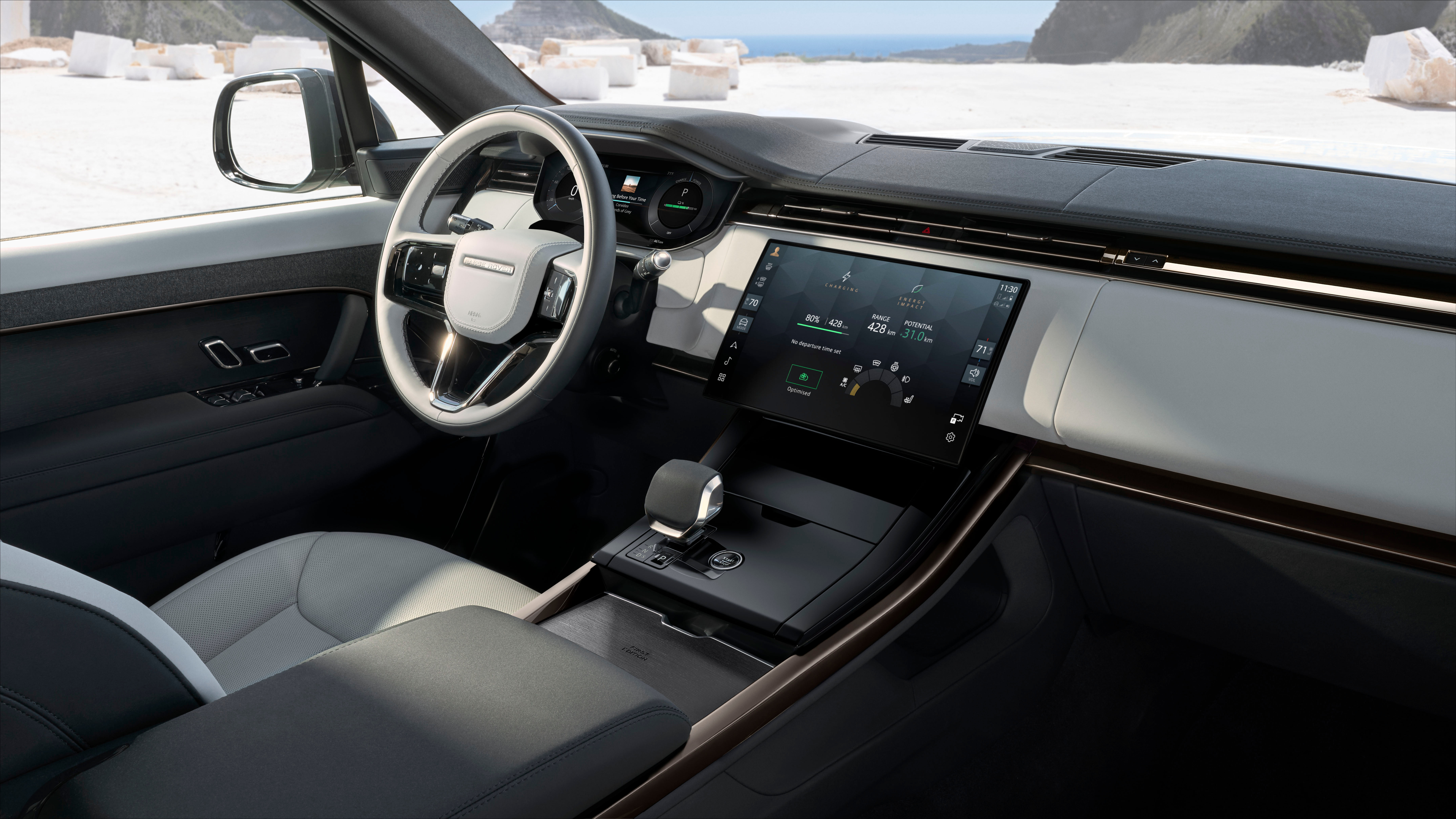
The Range Rover Sport Electric’s interior closely mirrors that of the ICE model. The dashboard features a three-spoke steering wheel with touch-sensitive controls, a 13.1-inch infotainment touchscreen and a 13.7-inch digital driver’s display. Both screens get EV-specific menus, while the centre console and drive mode selector stalk are carried over from the ICE model. Like its combustion-engined counterpart, the Sport Electric has a five-seat layout.

In terms of equipment, the SUV comes with a wireless phone charger, 4-zone climate control, rear sunblinds, and powered, heated and ventilated seats for both the front and rear passengers. 

Range Rover Sport Electric: India launch and prices

Expected to be priced at around Rs 2.50 crore

The Range Rover Sport Electric is expected to arrive in India by March 2027 as a fully imported model. As an EV, it will not be eligible for tariff concessions under the India-UK Free Trade Agreement (FTA). It is expected to be priced at around Rs 2.5 crore, placing it at a considerable premium over the ICE-powered, non-SV Range Rover Sport, which is currently priced between Rs 1.43 crore and Rs 1.60 crore.

Prices are ex-showroom, India.

Trump Tariff: ट्रंप भारत पर लगा सकते हैं 100% टैरिफ! अगर ये बिल पास हुआ तो हो जाएगी बड़ी मुश्किल

US Russia Sanctions Bill 2026: अमेरिका से एक बड़ा अपडेट सामने आया है। वहां के हाउस ऑफ रिप्रेजेंटेटिव्स में एक ऐसा विधेयक प्रक्रियात्मक वोट पास हो गया है जो भारत के लिए मुश्किलें खड़ी कर सकता है। इस बिल का नाम है ‘लिंडसे ओ. ग्राहम सेंक्शनिंग रूस एंड ईरान एक्ट ऑफ 2026’।

अगर यह विधेयक पूरी तरह पास होकर कानून बन जाता है, तो अमरीकी राष्ट्रपति डोनाल्ड ट्रंप को रूस से कच्चा तेल खरीदने वाले देशों (जैसे- भारत और चीन) से आने वाले सामान पर 100% तक का एक्स्ट्रा टैरिफ लगाने का अधिकार मिल जाएगा।

आइए आपको बताते हैं कि इस बिल में भारत के लिए क्या खतरे हैं, अमेरिकी संसद में इस पर क्या खींचतान चल रही है और भारत सरकार का इस पर क्या रुख है।

क्या है 100% टैरिफ वाला नियम? (Section 113)

इस बिल की सबसे अहम और विवादास्पद पहलू सेक्शन 113 है। इसके कानून बनने से पिछले 12 महीनों के दौरान रूस से सबसे ज्यादा कच्चा तेल या नेचुरल गैस खरीदने वाले शीर्ष 5 देशों पर यह नियम लागू होगा। सीनेट के मुताबिक, इन 5 बड़े खरीदारों में चीन, भारत, स्लोवाकिया, हंगरी और अजरबैजान शामिल हैं।

यह टैरिफ केवल तेल के सौदों पर नहीं, बल्कि उस देश (जैसे भारत) से अमरीका में इंपोर्ट होने वाले सभी सामानों पर 0% से लेकर 100% तक लगाया जा सकता है। वैसे बिल में राष्ट्रपति को यह अधिकार भी दिया गया है कि अगर अमेरिका के राष्ट्रीय हित में जरूरी हो, तो वे किसी देश को इस टैरिफ से छूट दे सकते हैं।

अमेरिकी संसद में क्या हुआ?

US प्रतिनिधि सभा में H. Res. 1530 नाम के एक रूल को 214-211 के बेहद मामूली अंतर से मंजूरी मिली। 211 रिपब्लिकन और 2 डेमोक्रेट्स ने बिल के पक्ष में वोट दिया, जबकि 209 डेमोक्रेट्स और 2 रिपब्लिकन इसके खिलाफ रहे।

वैसे यह प्रक्रियात्मक वोट था। बिल पर अंतिम वोट के बाद इसे राष्ट्रपति डोनाल्ड ट्रंप के पास दस्तखत के लिए भेजा जाएगा। ट्रम्प पहले ही कह चुके हैं कि वे इस बिल का समर्थन करते हैं।

बिल को लेकर अमेरिका के भीतर ही विरोध क्यों?

अमरीकी डेमोक्रेटिक पार्टी के कई बड़े नेताओं ने इस बिल का कड़ा विरोध किया है। हाउस फॉरेन अफेयर्स कमेटी के रैंकिंग सदस्य ग्रेगोरी मीक्स ने कहा कि यह बिल राष्ट्रपति ट्रम्प को बिना किसी रोक-टोक के टैरिफ लगाने का एकतरफा अधिकार दे देगा। उन्होंने सेक्शन 113 को हटाने की मांग की थी।

कई सांसदों का मानना है कि भारत और चीन जैसे व्यापारिक साझेदारों पर 100% टैरिफ लगाने से अमरीका में ही महंगाई और चीजों के दाम बढ़ जाएंगे।

भारत का क्या रुख है?

भारत सरकार ने इस पूरे मामले पर अपना रुख बिल्कुल साफ रखा है। भारतीय विदेश मंत्रालय (MEA) के प्रवक्ता रणधीर जायसवाल ने कहा है कि भारत के ऊर्जा खरीद के फैसले पूरी तरह से देश के राष्ट्रीय हित और 140 करोड़ नागरिकों की जरूरतों से तय होते हैं। विदेश मंत्रालय ने दोहराया कि भारत और रूस के बीच ऊर्जा सहयोग द्विपक्षीय साझेदारी का एक मजबूत और पुराना स्तंभ है।

India-EU FTA to allow import of 1 lakh cars at lower tariffs in first year

India-EU FTA to allow import of 1 lakh cars at lower tariffs in first year
FTA

The India-EU Free Trade Agreement (FTA), once signed and implemented, will allow European carmakers to import 1 lakh completely built-up (CBU) internal-combustion engine (ICE) and non-plug-in hybrid cars into India at concessional import duties in the first year, according to the tariff schedule under the deal. The quota will gradually rise to 1.6 lakh vehicles from the 10th year.

The negotiations concluded in January 2026. The agreement is yet to be signed and will require completion of the respective internal procedures before it can enter into force. It is expected to be signed by the end of this year and could come into effect from 2027.

  1. First-year quota covers 1 lakh CBU cars
  2. Import duty within quota starts at 30 percent
  3. Quota rises to 1.6 lakh cars from 10th year

Lower duties for imported cars

In the first year, ICE and non-plug-in hybrid cars priced between 15,000 euros and 35,000 euros will attract a 35 percent import duty within the quota. Cars priced between 35,000 euros and 50,000 euros, as well as those above 50,000 euros, will attract a 30 percent duty. Cars priced below 15,000 euros will not receive a tariff concession in the first year.

The 1 lakh-unit quota will be divided across three price bands, with 34,000 units allocated to cars priced between 15,000 euros and 35,000 euros, and 33,000 units each for the 35,000-50,000 euro and above-50,000 euro categories.

The quota will increase to 1.075 lakh vehicles in the second year, 1.3 lakh in the fifth year and 1.6 lakh from the 10th year. The preferential duty across all three price bands will be 10 percent from the 10th year.

EVs and plug-in hybrids get separate quota

Pure electric and plug-in hybrid cars will not receive concessional access under this initial quota. Their preferential access will begin from the fifth year for vehicles priced above 20,000 euros.

A separate quota for battery-electric and plug-in hybrid CBUs will start at 20,000 vehicles in the fifth year and increase to 90,000 vehicles by the 14th year. The preferential duty will be 30 percent in the fifth year and will fall to 10 percent from the 10th year.

Cars imported outside the quota will continue to attract higher duties, ranging from 66-110 percent initially. These rates are scheduled to fall to 30-35 percent by the 10th year.

European carmakers could expand CBU imports

The lower duties could make it more viable for European manufacturers such as Volkswagen, Mercedes-Benz and BMW to bring more CBUs from Europe. The deal could particularly help them introduce a wider range of niche, performance and high-end models that are currently less viable to import at higher duties.

The FTA also provides reciprocal concessions for cars exported from India to the EU.

‘अमेरिका बदल गया है…’, ट्रंप के टैरिफ से कनाडा नाराज, अब 8 सितंबर से अमेरिका पर लगाएगा जवाबी टैरिफ

US-Canada Trade War: अमेरिका और कनाडा के बीच ट्रेड वॉर यानी व्यापार विवाद और बढ़ गया है। दोनों देशों के बीच आखिरी समय में हुई बातचीत से कोई समझौता नहीं हो सका। इसके बाद अमेरिका ने कनाडा से आने वाले करीब 20 अरब डॉलर (लगभग 1.7 लाख करोड़ रुपये) के सामान पर 50% टैरिफ लगा दिया है। वहीं, जवाब में कनाडा ने भी 8 सितंबर से अमेरिका के खिलाफ इसी तरह के कदम उठाने की घोषणा की है।

बता दें कि अमेरिका के नए टैरिफ का असर कनाडा से अमेरिका को होने वाले सालाना निर्यात के लगभग 5% हिस्से पर पड़ेगा और इसमें हॉकी के सामान, डेयरी उत्पाद, इलेक्ट्रॉनिक्स और अन्य सामान सहित कई तरह के उत्पाद शामिल हैं।

कनाडा के प्रधानमंत्री मार्क कार्नी ने कहा कि ओटावा ने बातचीत के दौरान कई रियायतें दीं, लेकिन वॉशिंगटन की उन मांगों को ठुकरा दिया जिन्हें उन्होंने जरूरत से ज्यादा बताया।

उन्होंने X पर लिखा, “एक साल से ज्यादा समय से, कनाडा ने अमेरिका के साथ एक नई और व्यापक व्यापार डील पर बातचीत करने के लिए पूरी ईमानदारी और मेहनत से काम किया है। हमने व्यावहारिक, धैर्यवान और लगातार प्रयास करने वाला रवैया अपनाया है। हमारा मकसद हमेशा कनाडाई लोगों के लिए सबसे अच्छी डील हासिल करना रहा है, न कि किसी भी कीमत पर या किसी भी समय-सीमा में डील करना। कल देर शाम मैंने अपने वार्ताकारों को ओटावा लौटने का निर्देश दिया। हम अमेरिका के प्रस्ताव को स्वीकार नहीं कर सकते और न ही हम उनकी मांगी गई चीजें देंगे।”

कनाडा डॉलर-के-बदले-डॉलर के हिसाब से टैरिफ लगाकर जवाब देगा

कार्नी ने कहा कि अमेरिका के टैरिफ लागू होने के बाद कनाडा भी जवाबी टैरिफ लगाएगा। इन उपायों में स्टील, डेयरी, घरेलू उपकरण, कृषि उपकरण, पल्प और पेपर, और इलेक्ट्रॉनिक्स जैसे सेक्टर शामिल हो सकते हैं।

कार्नी ने कहा, “आने वाले दिनों में हम इन नए टैरिफ उपायों की जानकारी जारी करेंगे, जो लेबर डे के बाद आने वाले मंगलवार से लागू होंगे।”

कनाडा ने बातचीत के दौरान यह प्रस्ताव भी दिया था कि अगर वॉशिंगटन अपने टैरिफ में काफी कमी करता है, तो वह अमेरिकी स्टील, एल्युमीनियम और ऑटोमोबाइल पर लगे अपने बाकी जवाबी टैरिफ हटा लेगा। ओटावा ने यह भी संकेत दिया था कि प्रांत अमेरिकी शराब उत्पादों को अपने बाजार में वापस आने की इजाजत दे सकते हैं।

हालांकि, कार्नी ने कहा कि अमेरिका के अंतिम प्रस्ताव कनाडा की स्वीकार करने की क्षमता से कहीं अधिक थे।

अमेरिका का दावा- कनाडा ने बेहतर डील ठुकराई

अमेरिकी ट्रेड रिप्रेजेंटेटिव जेमिसन ग्रीर ने वॉशिंगटन के रुख का बचाव करते हुए कहा कि ट्रंप प्रशासन ने कनाडा के लिए अहम उत्पादों – जैसे स्टील, ऑटोमोबाइल और लकड़ी – पर रियायतें देने की पेशकश की थी।

ग्रीर ने कहा, “हम ऐसे कदम उठा रहे हैं जो कनाडा की जवाबी कार्रवाई का जवाब देंगे।”

उन्होंने तर्क दिया कि कनाडा को बेहतर शर्तें ऑफर की गई थीं, लेकिन उसने उन्हें स्वीकार नहीं किया।

आखिरी समय की मांगों की वजह से बातचीत टूट गई

कार्नी के मुताबिक, अमेरिका की आखिरी मांगों में ऐसी शर्तें शामिल थीं जिनसे कनाडा में बनी गाड़ियों पर टैरिफ में मिलने वाली छूट कम हो जाती, दूसरे देशों के साथ ट्रेड एग्रीमेंट करने की कनाडा की क्षमता सीमित हो जाती और भाषा, संस्कृति व संप्रभुता से जुड़ी सुरक्षा पर असर पड़ता।

कार्नी ने इन मांगों को “अस्वीकार्य” बताया और कहा कि कनाडा अब अमेरिका के साथ पहले जैसे रिश्तों की स्थिति में वापस नहीं जाएगा।

बातचीत टूटने की यह घटना ऐसे समय में हुई है, जब कुछ दिन पहले ही दोनों देशों के अधिकारियों ने उम्मीद जताई थी कि वे किसी समझौते पर पहुंचने के करीब हैं।

USMCA के भविष्य पर सवाल

बढ़ते विवाद ने यूनाइटेड स्टेट्स-मेक्सिको-कनाडा एग्रीमेंट (USMCA) के भविष्य पर भी चिंताएं बढ़ा दी हैं। यह नॉर्थ अमेरिकन ट्रेड पैक्ट इन तीनों देशों के बीच होने वाले व्यापार के एक बड़े हिस्से को नियंत्रित करता है।

अमेरिका पहले ही मैक्सिको के साथ इस समझौते में बदलाव को लेकर बातचीत शुरू कर चुका है, लेकिन कनाडा के साथ अभी तक औपचारिक बातचीत शुरू नहीं हुई है।

अमेरिका और कनाडा के बीच बढ़ता यह विवाद लंबे समय से सहयोगी रहे इन दोनों देशों के रिश्तों में एक बड़ा बदलाव दिखाता है। पिछले साल अमेरिका और कनाडा के बीच लगभग 880 अरब डॉलर का सामान और सेवाएं एक्सचेंज की गईं, जिससे वे व्यापार के लिए एक-दूसरे पर बहुत ज्यादा निर्भर हो गए हैं।

पुराने सहयोगी देशों के रिश्तों में बढ़ा तनाव

टैरिफ को लेकर यह ताजा विवाद वॉशिंगटन और ओटावा के बीच महीनों से बढ़ते तनाव के बाद शुरू हुआ है। ट्रंप ने अमेरिका में मैन्युफैक्चरिंग को बढ़ावा देने के लिए बार-बार टैरिफ लगाने पर जोर दिया है और कनाडा के अमेरिका का 51वां राज्य बनने के बारे में विवादित बातें भी कही हैं।

कार्नी ने दोनों देशों के रिश्तों में आ रहे बदलाव को स्वीकार करते हुए कहा कि कनाडा ने यह समझ लिया है कि “अमेरिका बदल गया है” और दोनों देश “अपने पुराने रिश्तों की स्थिति में वापस नहीं लौटेंगे।”

बता दें कि कनाडा अपने सामान का लगभग तीन-चौथाई हिस्सा अमेरिका को निर्यात करता है, इसलिए यह विवाद कनाडाई कारोबारियों और कर्मचारियों के लिए बहुत अहम है।

ओंटारियो के प्रीमियर डग फोर्ड ने कार्नी के जवाब का समर्थन किया है। उन्होंने “टैरिफ के बदले टैरिफ और डॉलर के बदले डॉलर” के आधार पर जवाबी कार्रवाई करने की बात कही और कहा कि “सभी विकल्पों पर विचार किया जाना चाहिए।”

ट्रंप ने नए टैरिफ के लिए 1930 के ट्रेड लॉ का इस्तेमाल किया

ये नए टैरिफ US टैरिफ एक्ट, 1930 की धारा 338 पर आधारित हैं। इस नियम के तहत US राष्ट्रपति उन देशों से होने वाले इंपोर्ट पर 50% तक टैरिफ लगा सकते हैं, जिन्होंने अमेरिकी कारोबारों के साथ भेदभाव किया हो।

यह नियम ‘महामंदी’ (Great Depression) के दौर का है और पहले कभी भी इस तरह से टैरिफ लगाने के लिए इसका इस्तेमाल नहीं किया गया है।

इन नए कदमों से वह ट्रेड विवाद और गहरा हो गया है, जिसने दुनिया के सबसे करीबी आर्थिक और राजनीतिक रिश्तों में से एक पर पहले ही तनाव पैदा कर दिया है। फिलहाल आगे कोई बातचीत तय नहीं है, इसलिए दोनों देश अब टैरिफ विवाद के अगले दौर की तैयारी कर रहे हैं।

यह भी पढ़ें: Trump Tariffs: अमेरिका और कनाडा के बीच नहीं हो सकी डील, अब कनाडाई सामान पर लगेगा 50% टैरिफ