Nifty Outlook: 21 अक्टूबर को निफ्टी की चाल कैसी रहेगी? क्रूड समेत ये बड़े फैक्टर करेंगे तय

Nifty Outlook: शेयर बाजार में जैसे ही रिकवरी की उम्मीद बनती है, कोई नई परेशानी सामने आ जाती है। सोमवार को भी ऐसा ही हुआ। AI से जुड़ी बिकवाली का दबाव कम हुआ था। बॉन्ड यील्ड में भी नरमी आई थी। IT कंपनियों के मिले-जुले नतीजों से बाजार को संभलने की उम्मीद थी। लेकिन कच्चे तेल की बढ़ती कीमतों ने फिर चिंता बढ़ा दी।

दशहरा की छुट्टी के बाद बुधवार, 21 अक्टूबर को बाजार खुलेगा। इस बार उसके सामने महंगे तेल की चुनौती होगी। ब्रेंट क्रूड करीब 112 डॉलर प्रति बैरल तक पहुंच गया है। इसके अलावा, बड़ी टेक कंपनियों के नतीजे भी आने शुरू होंगे। बाजार की नजर इन नतीजों पर रहेगी।

इसी दिन Jio Platforms का IPO भी सब्सक्रिप्शन के लिए खुलेगा। ₹30,213 करोड़ के इस इश्यू को एंकर निवेशकों से जबरदस्त रिस्पॉन्स मिला है। अब देखना होगा कि रिटेल और गैर-संस्थागत निवेशक इसमें कितनी दिलचस्पी दिखाते हैं।

तिमाही नतीजों पर भी रहेगी नजर

कंपनियों के तिमाही नतीजे भी बाजार की दिशा तय करेंगे। सोमवार को Urban Company और Himadri Specialty Chemicals के नतीजों में मामूली कमी को भी निवेशकों ने पसंद नहीं किया। इसका असर दोनों कंपनियों के शेयरों में भारी गिरावट के रूप में दिखा।

बुधवार को बाजार Bajaj Finance, L&T Technology Services, Hindustan Zinc, IREDA, Piramal Finance और Sobha समेत कई कंपनियों के तिमाही नतीजों पर अपनी प्रतिक्रिया देगा। इनके नतीजों सोमवार को बाजार बंद होने के बाद आए थे।

इसके अलावा Eternal, KEI Industries, M&M Finance, Mahindra Holidays, SRF और Vishal Mega Mart के नतीजे भी आने हैं। Indian Hotels और Aditya Birla Sun Life AMC के नतीजों पर भी बाजार की नजर रहेगी।

Nifty के लिए 22,800 का स्तर अहम

Religare Broking के अजीत मिश्रा के मुताबिक, सोमवार की गिरावट के बाद Nifty अपने 20-दिन के एक्सपोनेंशियल मूविंग एवरेज यानी EMA के करीब पहुंच गया है। यह स्तर 22,900 है। इसके नीचे 22,550 से 22,750 का दायरा अगला अहम सपोर्ट हो सकता है। वहीं, बाजार में तेजी लौटने पर 23,200 से 23,300 के स्तर पर रुकावट आ सकती है।

HDFC Securities के विनय रजानी का कहना है कि बाजार में गिरावट के बावजूद तेजी से जुड़े इंडिकेटर और ऑसिलेटर अभी कमजोर नहीं पड़े हैं। उनके मुताबिक, Nifty के लिए 22,800 का स्तर अहम है। यहां 20-दिन का सिंपल मूविंग एवरेज यानी SMA और पिछला स्विंग हाई, दोनों सपोर्ट दे रहे हैं।

विनय रजानी के मुताबिक, Nifty इस स्तर के आसपास संभलकर फिर तेजी पकड़ सकता है। हालांकि, अगर इंडेक्स 22,500 के नीचे चला जाता है, तो तेजी की उम्मीद कमजोर पड़ सकती है। ऐसे में निवेशकों को सतर्क रहना होगा।

Bank Nifty में 55,500 का सपोर्ट अहम

Bank Nifty भी 55,500 के करीब बंद हुआ है। यह इसका अहम सपोर्ट स्तर है। अगर यहां से लगातार बिकवाली होती है, तो इंडेक्स 55,000 और फिर 54,500 तक गिर सकता है। वहीं, बाजार में रिकवरी होने पर 56,000 का स्तर पहली बड़ी चुनौती होगा।

LKP Securities के वत्सल भुवा के मुताबिक, सोमवार की गिरावट के बावजूद Bank Nifty अपने 20-दिन के मूविंग एवरेज और 55,200 के अहम सपोर्ट के ऊपर बंद हुआ। उनके अनुसार, तेजी की वापसी की पुष्टि तभी होगी, जब इंडेक्स लगातार 56,000 के ऊपर बंद होने लगेगा।

जब तक ऐसा नहीं होता, तब तक इस तेजी को गिरावट के बाद की रिकवरी के तौर पर ही देखना चाहिए। वत्सल भुवा ने यह भी कहा कि अगर इंडेक्स 55,000 के नीचे जाता है, तो निवेशकों को अपनी लॉन्ग पोजीशन पर दोबारा नजर डालनी करनी चाहिए।

Stocks to Watch: 21 अक्टूबर को इन 10 शेयरों पर रहेगी नजर, हिंदुस्तान जिंक से IREDA तक शामिल

Disclaimer: यहां मुहैया जानकारी सिर्फ सूचना के लिए दी जा रही है। यहां बताना जरूरी है कि मार्केट में निवेश बाजार जोखिमों के अधीन है। निवेशक के तौर पर पैसा लगाने से पहले हमेशा एक्सपर्ट से सलाह लें। मनीकंट्रोल की तरफ से किसी को भी पैसा लगाने की यहां कभी भी सलाह नहीं दी जाती है।
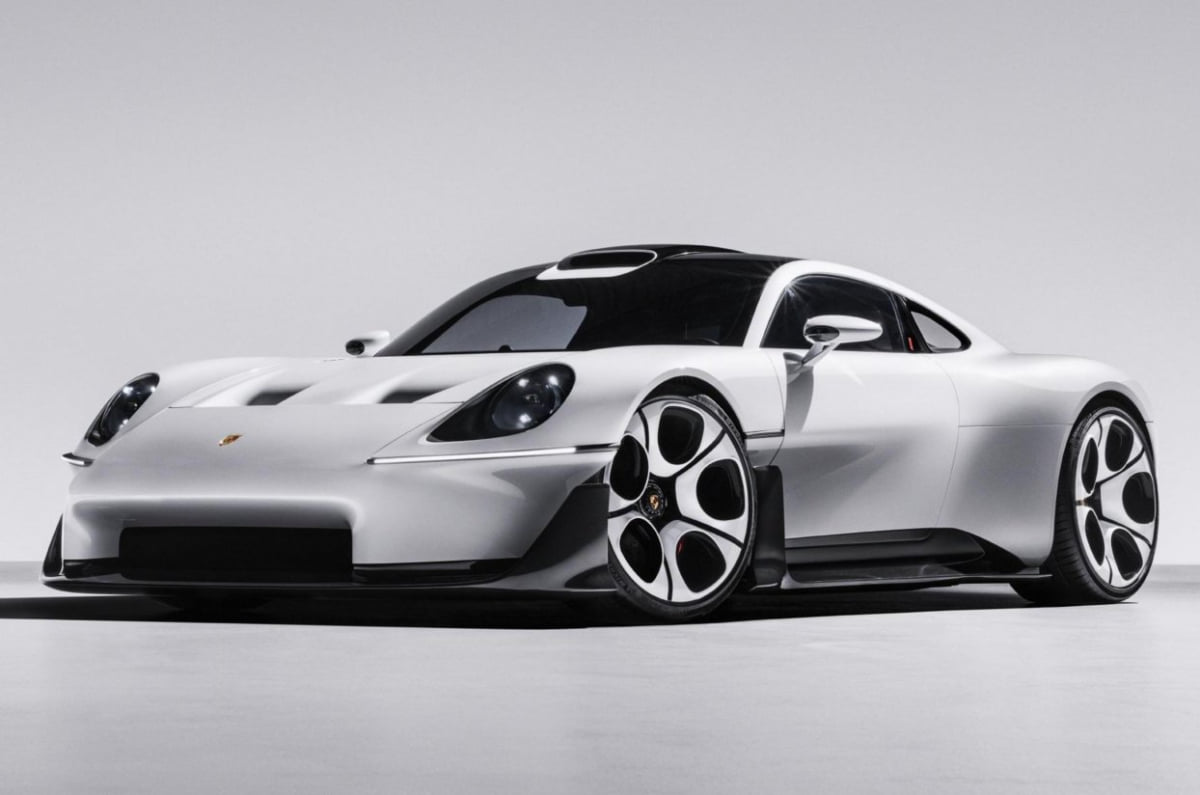
Porsche Mission S image gallery

Porsche Mission S image gallery
Porsche Mission S

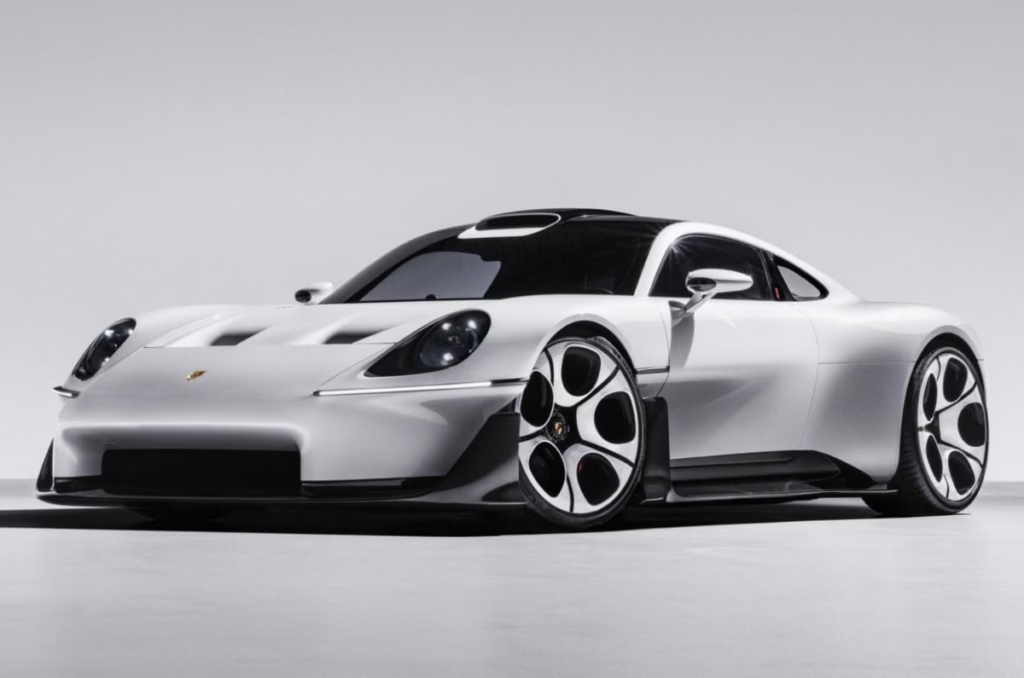
The Porsche Mission S concept previews a new mid-engined sports car positioned above the 911. It features a low front end with round headlights, raised front fenders, a sloping roofline and an integrated active rear wing. Its design draws on historic Porsche models, including the 959, 911 GT1 and 928. The cabin combines five round instruments, an analogue rev counter, digital displays and physical controls, without a fixed central touchscreen. Porsche is developing a new platform that can accommodate combustion, hybrid and plug-in hybrid powertrains. The Mission S remains a concept, with no production timeline or technical specifications announced.

Royal Enfield Classic 650 Hypershift Edition Image Gallery

Royal Enfield Classic 650 Hypershift Edition Image Gallery
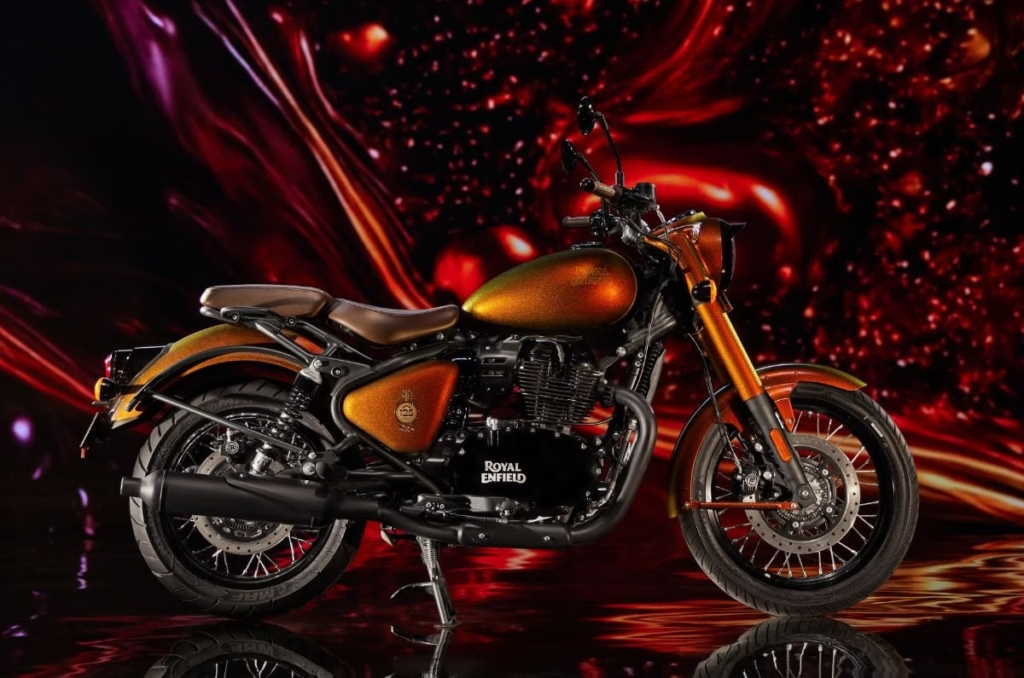
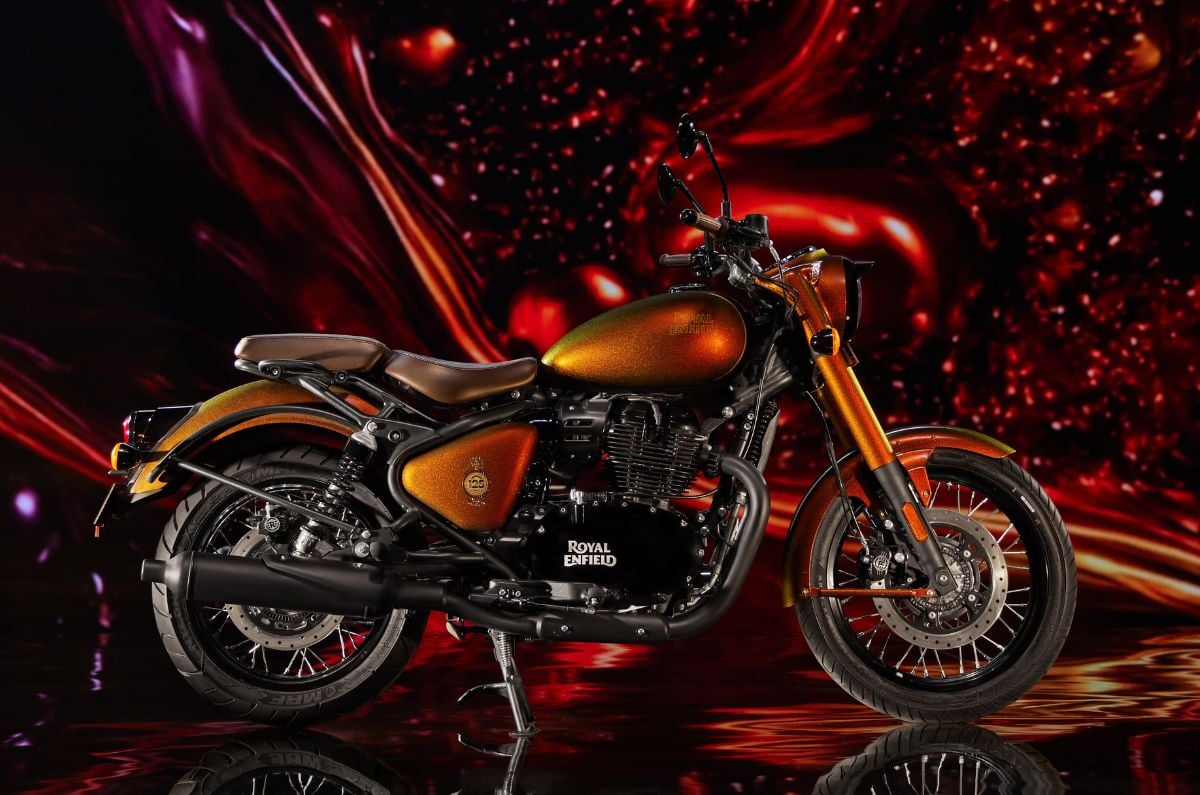
Royal Enfield Classic 650 Hypershift right profile.

Royal Enfield has launched a special edition of the Classic 650, called the Hypershift, to commemorate the Chennai based manufacturer’s 125th anniversary. It is priced at Rs 4.26 lakh, and the company has clarified that it’s limited to 125 units in each of its key markets, including India. Hence, interested customers will need to register to buy one; registrations will be open until October 28, when sales will happen.

The Classic 650 Hypershift is mechanically identical to the production-spec Classic 650. There are no changes to the underlying design either. It has been priced at Rs 4.26 lakh, which is a Rs 58,000 premium over the base Vallam Red colour (Rs 3.68 lakh) and a Rs 43,500 premium over the top Black Chrome colour (Rs 3.82 lakh). For customers who are able to place an order for one of the 125 units on October 28, deliveries will begin in November.

Tesla Model Y L vs rivals: Price, specifications compared

Tesla Model Y L vs rivals: Price, specifications compared
Tesla Model Y L vs rivals price specifications compared

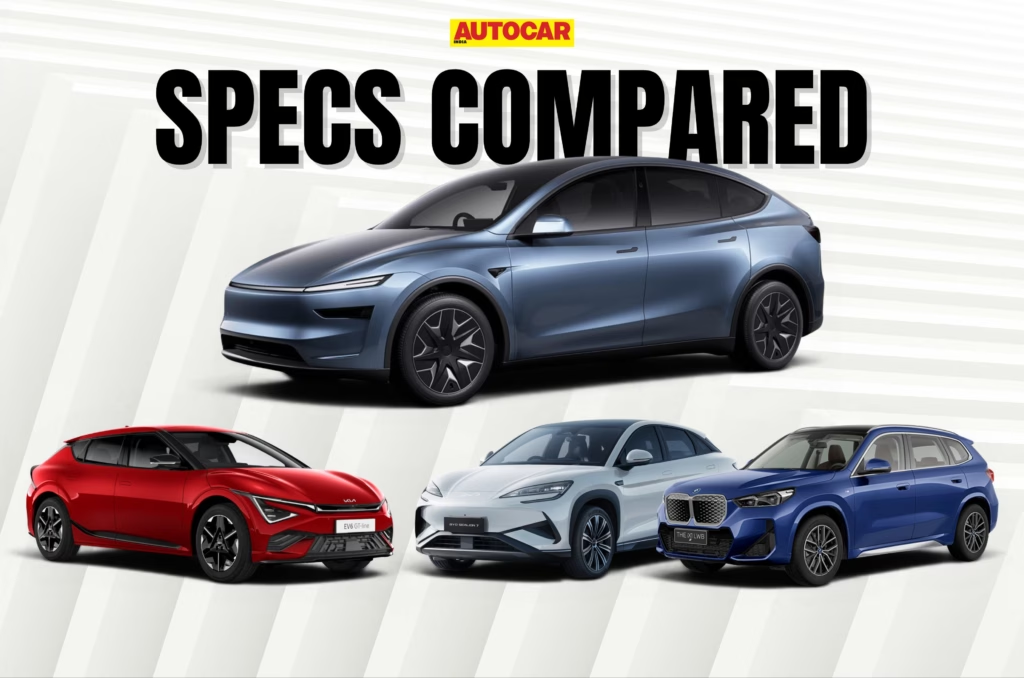
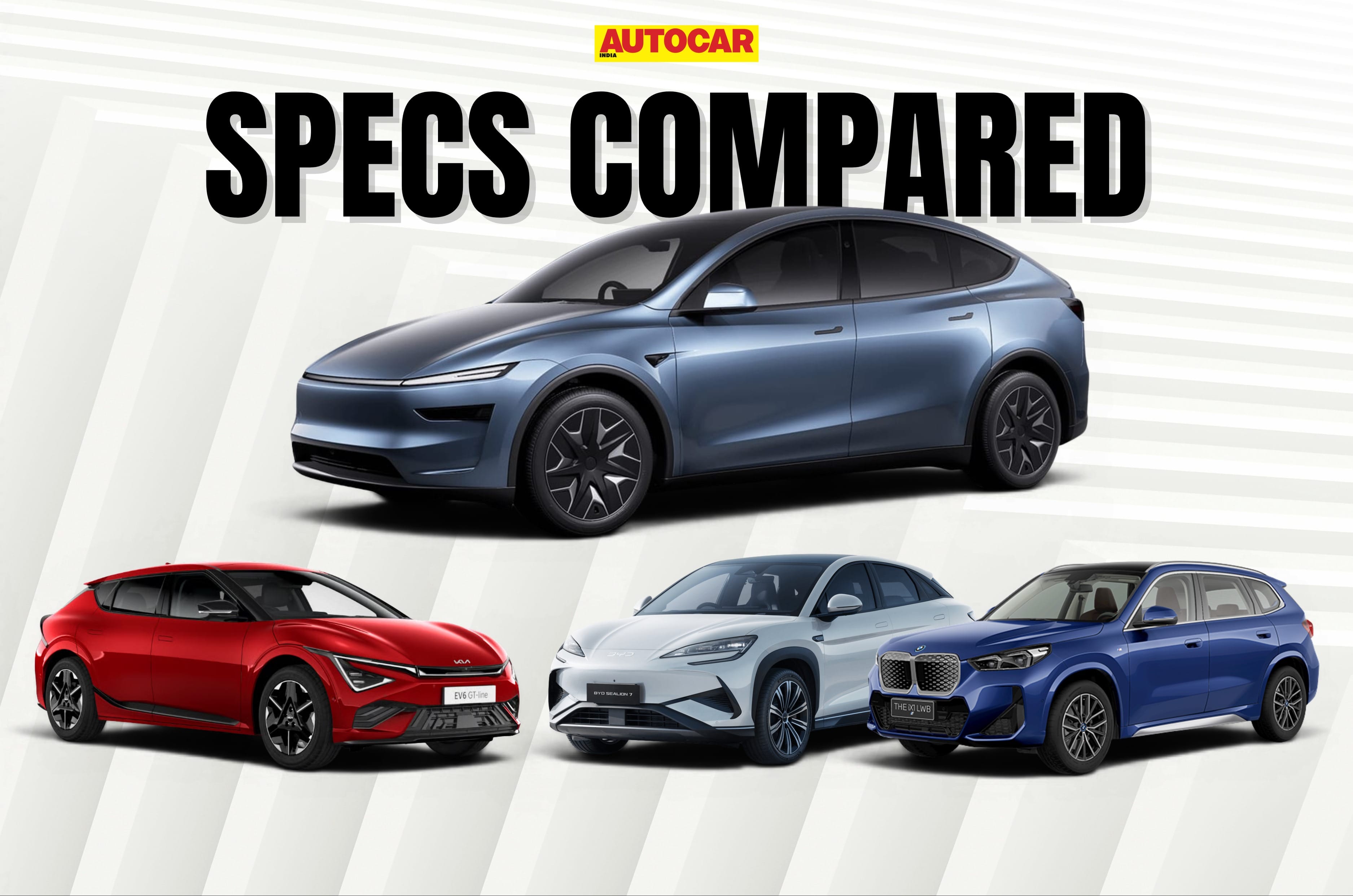
Tesla has launched a three-row long-wheelbase variant of the Model Y electric crossover in India. Christened the Model Y L, this new variant notably offers seating for up to six occupants, captain seats in the middle row and a stronger powertrain with a higher claimed range. Below, we lay out how the new Tesla Model Y L fares against its entry-level luxury EV rivals, namely the BYD Sealion 7, Kia EV6, BMW iX1 LWB, Volvo EC40 and Mini Countryman Electric on paper.

Tesla Model Y L vs rivals: Dimensions

Larger than rivals in every sense

Tesla Model Y L vs rivals: Dimensions compared

 L / W / H (mm)Wheelbase (mm)Ground clearance (mm)Frunk / Boot (litres)Wheel size (inches)
Model Y L4,976 / 1,982 / 1,6683,040169116 / 420 (all seats up)19
Sealion 74,830 / 1,925 / 1,6202,93017058 / 50019 / 20
iX1 LWB4,616 / 1,845 / 1,6272,800190 (estimated)– / 49018
Countryman Electric4,445 / 1,843 / 1,6352,692165– / 46019
EC404,440 / 1,873 / 1,5912,70217131 / 40419
EV64,695 / 1,890 / 1,5702,900–20 / 49019

The Model Y L beats its rivals in every dimension, and the Sealion 7 emerges as the second-biggest EV here overall. Tesla has slightly increased the Model Y L’s ground clearance vis-a-vis the standard wheelbase (SWB) version, though the iX1 LWB still rides the highest in this company. While the alloy wheel size remains unchanged for the Model Y L, it is mostly at par with rivals on this front.

Coming to boot space, Tesla claims a cavernous 2,539-litre cargo capacity for the Model Y L with the second and third rows folded. With all three rows of seating up, the Model Y L has an estimated boot space of 420 litres, which grows to around 1,076 litres with the third row folded, and there’s a 116-litre frunk too. All told, the Model Y L offers significantly higher total cargo capacity than the 5-seater EVs it rivals.

Tesla Model Y L vs rivals: Powertrain and performance

Sealion 7 AWD is the strongest and quickest to 100kph

Tesla Model Y L vs rivals: Battery, power, performance compared

ModelBattery capacity (kWh)Motor setupPower (hp)Drive layout0-100kph (seconds)
Model Y L88.2*Dual514*AWD4.5
Sealion 782.56Single / Dual313 / 530RWD / AWD6.7 / 4.5
iX1 LWB66.5Single204FWD8.6
Countryman Electric66.5Single204FWD8.6
EC4078Dual408AWD4.7
EV684Dual325AWD5.3

*Estimated figures

In addition to the longer body, Tesla has fitted the Model Y L with an 88.2kWh battery pack (85kWh net), which is larger than that of the standard model. It also gets a more powerful dual-motor powertrain, making the Model Y L the first Tesla car to offer AWD in India. While the Model Y L has the biggest battery pack among its rivals, its power output falls a bit short of that of the Sealion 7 AWD.

Regardless, the Model Y L is the second-most powerful EV here by a considerable margin. As for claimed 0-100kph times, the Model Y L matches the Sealion 7 AWD, ranking above the EC40, iX1 LWB, and Countryman Electric.

Tesla Model Y L vs rivals: Range and charging speeds

Model Y L features the highest WLTP-tested range

Tesla Model Y L vs rivals: Range and charging speeds compared

ModelBattery capacity (kWh)Claimed range (km)DC fast charging time^
Model Y L88.2*681 (WLTP)288km in 15 min
Sealion 782.56480 / 460 (WLTP)45 min
iX1 LWB66.5531 (MIDC)32 min
Countryman Electric66.5462 (WLTP)29 min
EC4078530 (WLTP)27 min
EV684581 (WLTP)18 min

^10-80 percent state of charge (SOC)

*Estimated

Thanks to its larger battery pack, the Model Y L widens the WLTP range lead that the standard model already holds over its rivals. The Model Y L’s range is 100km ahead of the EV6’s, which ranks second, and a whopping 221km more than that of the Sealion 7 AWD, which has the lowest WLTP range of 460km here.

Charging speeds are difficult to compare head-to-head, as Tesla has only confirmed that the Model Y L’s battery can be charged at up to 250kW DC and that it can add 288km of range in just 15 minutes. Keeping the Model Y L aside, the EV6 has the lowest 10-80 percent DC charging time, followed by the EC40, Countryman Electric, iX1 LWB and Sealion 7.

Tesla Model Y L vs rivals: Price

Model Y L is more affordable than the top-spec SWB version

Tesla Model Y L vs rivals: Prices compared

 Price range (Rs lakh)
Model Y L61.99
Sealion 749.40-54.90
iX1 LWB51.40
Countryman Electric55.65-60.70
EC4059.00
EV665.96

Even though the Model Y L is larger, can accommodate more occupants and offers a stronger powertrain with a higher claimed range, it’s impressively priced at around Rs 6 lakh less than the top-spec Model Y Long Range RWD. That makes the Model Y L more affordable than the EV6, the priciest EV here, but costlier than the Sealion 7, Countryman Electric, iX1 LWB and EC40.

All prices are ex-showroom, India.

Aprilia SXR GT 175 vs Rivals: Price and specifications compared

Aprilia SXR GT 175 vs Rivals: Price and specifications compared
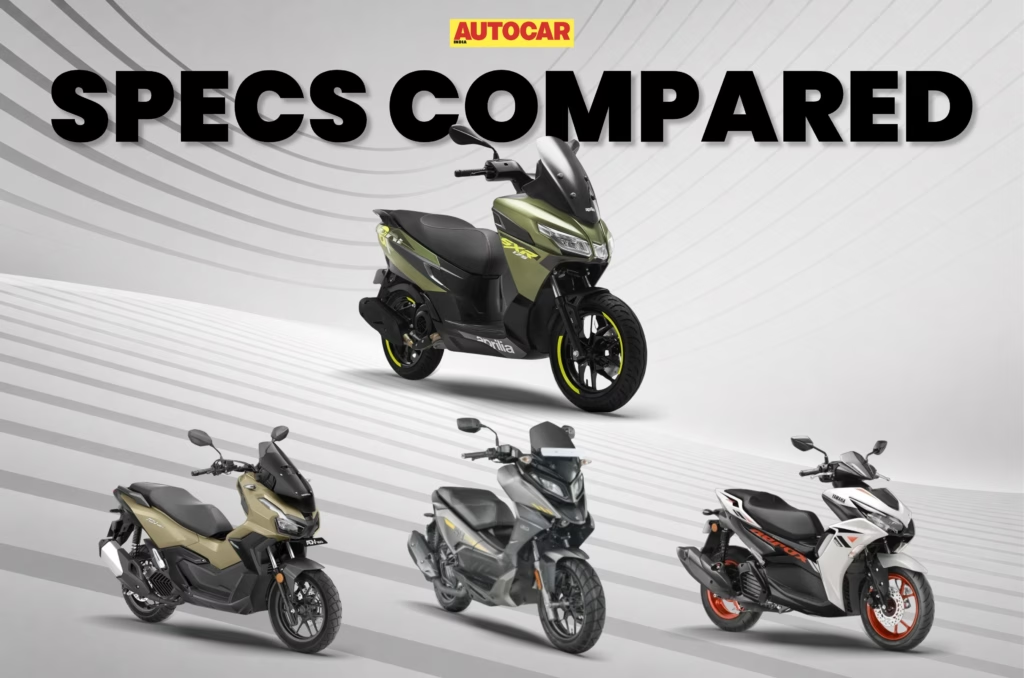
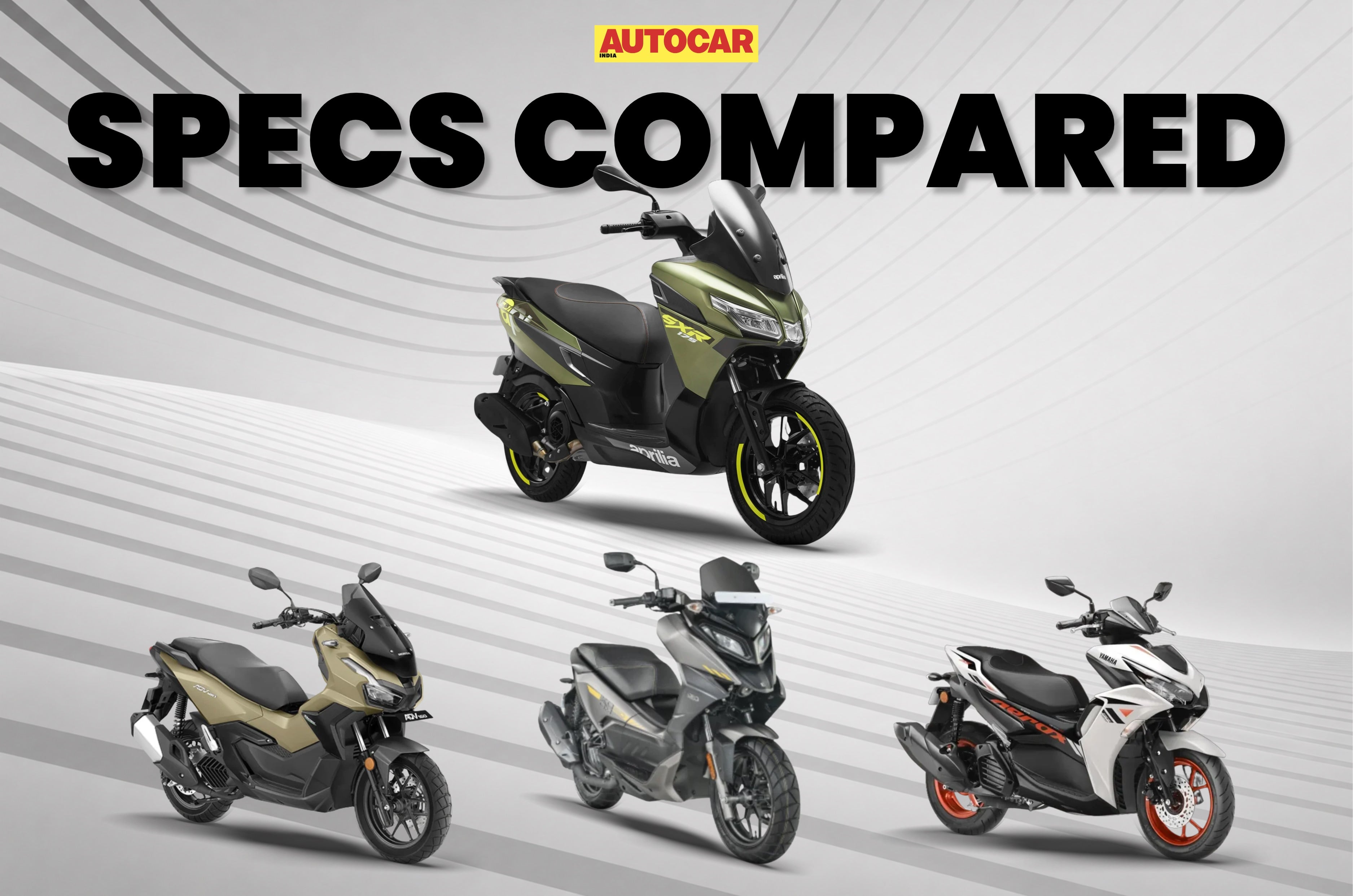
Aprilia SXR GT 175, Yamaha Aerox 155 S, Hero Xoom 160 and Honda ADV160 in clockwise direction.

Maxi scooters have technically been around in our market since 2006, thanks to the Kinetic Blaze but the idea was first popularised by the Suzuki Burgman and later the Yamaha Aerox added to it. “Popularised” being the operating word because Aprilia also had a player in there from 2020, which has just been updated. So, what’s the maxi scooter scene like today and which one should you go get a test ride of? Let’s see.

Aprilia SXR GT 175 hp-e vs Rivals: Engine and output

Smaller rivals all make more power


Aprilia SXR GT 175 hp-e

Honda ADV160

Hero Xoom 160

Yamaha Aerox 155

Engine

174.7cc, single-cylinder, air-cooled

156.9cc, single-cylinder, liquid-cooled

156cc, single-cylinder, liquid-cooled

155cc, single-cylinder, liquid-cooled

Power

13.3hp at 7,200rpm

16.3hp at 8,750rpm

14.8hp at 8,000rpm

15hp at 8,000rpm

Torque

14.14Nm at 6,000rpm

14.9Nm at 6,500rpm

14Nm at 6,250rpm

13.9Nm at 6,500rpm

Transmission

CVT

CVT

CVT

CVT

Power-to-weight ratio

100.76hp/tonne

118.98hp/tonne

104.23hp/tonne

119.05hp/tonne

Don’t let the bigger displacement number mislead you into thinking the Aprilia SXR GT 175 is the most powerful of these scooters, because that’s not the case. The SXR has the only air-cooled mill in this class, possibly contributing to its lower output figures. Combine that with the weight and the Aprilia’s case only becomes weaker. For what it’s worth the Italian scooter delivers its peak torque faster than the others so that should be an advantage while plying within the city.

The Yamaha has the lowest kerb weight on this list, which contributes  to  the highest power-to-weight ratio, very closely followed by the Honda.

Aprilia SXR GT 175 hp-e vs Rivals: Dimensions and weight

Hero is the heaviest, Yamaha is the lightest


Aprilia SXR GT 175 hp-e

Honda ADV160

Hero Xoom 160

Yamaha Aerox 155

Fuel tank capacity

7 litres

8.1 litres

7 litres

5.5 litres

Ground clearance

170mm

175mm

155mm

145mm

Seat height

800mm

NA

787mm

790mm

Kerb weight

132kg

137kg

142kg

126kg

Wheelbase

1362mm

1333mm

1348mm

1350mm

Aprilia gains some ground, or rather gets away from ground with its second highest ground clearance figures. However, it also has the tallest seat height of this bunch. While Yamaha’s ground clearance numbers seem the lowest, do note that the website specifies it to be minimum, which means that it’s measured under laden conditions. So, it’s actually the Hero that has the lowest ground clearance.

As for seat height, Honda doesn’t specify that for the ADV160, but it shouldn’t be too tall for it to be a concern for most Indians. On the other hand, the Xoom 160 is the heaviest of these four, which could prove to be tricky to some at low speed rides and reversing out of parking lots. Aprilia and Hero have neglected mentioning the under seat storage but none of these is likely to impress you in that specific aspect. For what it’s worth, the Honda ADV160 has the highest number of the lot, 27 litres followed by the Yamaha Aerox at 24.5 litres.

Aprilia SXR GT 175 hp-e vs Rivals: Tyres, brakes and suspension

Honda strikes the best balance in equipment


Aprilia SXR GT 175 hp-e

Honda ADV160

Hero Xoom 160

Yamaha Aerox 155

Tyres (F, R)

120/70-14, 120/70-14

110/80-14, 130/70-13

120/70R14, 140/60R14

110/80-14, 140/70-14

Brakes (F, R)

220mm disc, 140mm drum; single-channel ABS

Disc, disc; single-channel ABS

240mm disc, drum; single-channel ABS

230mm disc, 130mm drum; single-channel ABS

Suspension (F, R)

Telescopic fork, Monoshock

Telescopic fork, twin-shock

Telescopic fork, twin-shock

Telescopic fork, twin-shock

Aprilia has given the SXR GT 175 the widest front tyre, but the rear tyre too is the exact same size which makes it the narrowest rear tyre in this list. Honda appears to have struck the best balance, with respect to the equipment on offer. Though that could change depending on the odd 14-13 front-rear wheel size’s real world implications on the ADV160’s handling.

Aprilia SXR GT 175 hp-e vs Rivals: Features

Honda has an unbeatable ‘feature’

A keyless system is present on all scooters but the Aprilia although Yamaha requires you to pony up for the Aerox S variant to get it. Of the four, Hero and Yamaha’s cockpit views are going to feel the oldest, simply because of their LCD screens. Both companies have packed it with features (call and SMS alerts, metrics on the app and turn-by-turn navigation, to name a few) but apples to apples, the SXR and ADV160 have more modern-looking TFT displays and they also match the former two in features. This will make a difference only if you clearly prefer one over the other, for otherwise there isn’t anything to fault with the Hero and the Yamaha’s displays.

Elsewhere, all offer some type of USB port for charging your devices, front cubby storage and LED lighting. On the convenience front, Hero, Honda and Yamaha offer an integrated starter-motor-generator which gives their scooters features like auto stop/start and a silent start. Honda and Yamaha offer traction control as standard.

A big advantage that only the Honda ADV160 can boast at the moment though, is its E85 compatibility. While Hero and Yamaha do offer other vehicles in their line-up with flex fuel compatibility, the Xoom and the Aerox respectively, do not have that and in these uncertain times, that’s certainly an unmissable advantage of the Honda.

Aprilia SXR GT 175 hp-e vs Rivals: Price

Honda’s advantages have a price to pay


Aprilia SXR GT 175 hp-e

Honda ADV160

Hero Xoom 160

Yamaha Aerox 155

Price (ex-showroom)

Rs 1.30 lakh

Rs 1.70 lakh

Rs 1.45 lakh

Rs 1.46-1.50 lakh

The Aprilia’s an unbeatable bargain at this price with its nearest rival being the Xoom 160, closely followed by the Yamaha for its non-S version. Honda appears to offer the best balance of everything along with a currently significant E85 compatibility, but also costs Rs 40,000 over the Aprilia. While it’s easy to get confused over what is the right scooter for you, all of these – thankfully – make it unmistakably clear what they intend to offer. Hence, if you’re confused, figuring out your priorities and taking test rides (hopefully back-to-back) should help you pick the right one for you. If that happens to be the ADV160, you now know what you’re paying for.

Daily Voice : अमेरिकी मध्यावधि चुनाव बाजार के लिए कर सकते हैं ट्रिगर का काम, चुनिंदा आईटी शेयरों पर रहे नजर

Daily Voice : IT शेयरों में हालिया तेजी भले ही अभी किसी टिकाऊ रिकवरी का संकेत न हो,लेकिन हर उछाल पर आईटी शेयरों में बिकवाली की एकतरफा रणनीति अपनाना भी जल्दबाजी हो सकती है। अमेरिकी मध्यावधि चुनावों के नतीजे बाजारों के लिए एक ट्रिगर का काम कर सकते हैं,लेकिन इस बात की संभावना कम है कि केवल इसी वजह से बाजार में कोई बड़ी तेजी या कच्चे तेल में भारी गिरावट आएगी। ये बातें अल्फएक्यूरेट एडवाइजर्स के प्रबंध निदेशक और संस्थापक राजेश कोठारी ने मनीकंट्रोल से हुई एक बातचीत में कही हैं।

उन्होंने आगे कहा कि आईटी शेयरों में आई हालिया तेजी पॉजिटिव संकेत है लेकिन निवेशकों को अभी यह नहीं मान लेना चाहिए कि इस सेक्टर में टिकाऊ तेजी की शुरुआत हो गई है। पोर्टफोलियो में कोई बदलाव करने से पहले तेल सप्लाई की स्थिति,डॉलर,बॉन्ड यील्ड और कॉर्पोरेट अर्निंग पर नजर रखने की जरूरत है।

आईटी में तीन बातों पर नजर रखने की जरूरत

राजेश कोठारी के मुताबिक IT शेयरों में हालिया तेजी उत्साहजनक है,लेकिन इसे एक टिकाऊ तेजी मान लेने में सावधानी बरतने की जरूरत है। बड़ा सवाल यह है कि क्या यह तेजी इंडस्ट्री की अर्निंग आउटलुक से मेल खाती है या यह सिर्फ ‘ओवरसोल्ड’लेवल्स से आई खरीदारी है? हमें आईटी में तीन बातों पर नजर रखने की जरूरत है:

मांग की स्थिति: विशेष रूप से अमेरिका और यूरोप में टाले जा सकने वाला टेक्नोलॉजी खर्च (discretionary technology spending)अहम बना हुआ है। बेहतर सौदे हासिल करने का नतीजा रेवेन्यू ग्रोथ के रूप में दिखना चाहिए।

AI से बदलाव और अवसर: AI कमाई के नए स्रोत पैदा कर सकता है, लेकिन यह पारंपरिक बिलिंग मॉडल को भी बदल सकता है और कीमतों पर दबाव डाल सकता है।

वैल्यूएशन और अर्निंग आउटलुक: भारी तेजी के बाद, जिन शेयरों की कीमत उनकी कमाई की संभावनाओं से आगे निकल गई है, उनमें मुनाफावसूली (प्रॉफिट-टेकिंग) देखने को मिल सकती है।

राजेश कोठारी का मानना ​​है कि आईटी सेक्टर में तेजी आने पर हर शेयर बेच देने की रणनीति जल्दबाजी हो सकती है, लेकिन इस तेजी के पीछे भागना भी कोई समझदारी नहीं है। आईटी में उन कंपनियों को ही प्राथमिकता देनी चाहिए जिनकी ग्रोथ की संभावनाएं बेहतर हो रही हैं, जिनके ग्राहकों के साथ मजबूत संबंध हैं और जिनके पास AI से कमाई करने के ठोस मौके हैं। ऐसी कंपनियों से दूर रहने की जरूरत है जो अभी भी कमजोर मांग से जूझ रही हैं।

क्या आप कंजम्पशन सेक्टर को लेकर सतर्क हैं? कंजम्पशन डिमांड और इससे जुड़े शेयरों पर आपकी क्या राय है?

राजेश कोठारी ने कहा कि कंजम्पशन सेक्टर को लेकर पूरी तरह सतर्क रहने के बजाय,चुनिंदा रुख अपनाना पसंद करेंगे। जरूरी चीजों पर होने वाले खर्च और गैर-जरूरी (वैकल्पिक) चीजों पर होने वाले खर्च के बीच का अंतर समझना जरूरी है। कई ‘फास्ट फ्रीक्वेंसी’ डेटा इंडिकेटर कंजम्पशन ट्रेंड में सुधार दिखा रहे हैं (जैसे रिटेल क्रेडिट ग्रोथ, टू-व्हीलर की बिक्री में बढ़ोतरी, आदि)।

इस सेक्टर में ऐसी कंपनियों पर नजर रखनी चाहिए जिनके पास मजबूत ब्रांड, अच्छा डिस्ट्रीब्यूशन नेटवर्क, कीमतों को तय करने की ताकत, अच्छी बैलेंस शीट और सही वैल्यूएशन हों। वैकल्पिक उपभोग (discretionary consumption) के सेक्टर में केवल कीमतों में बढ़ोतरी पर निर्भर रहने के बजाय, बिक्री की मात्रा (volume) में बढ़त के संकेतों पर भी नजर रखने की जरूरत है।

क्या आप आने वाले समय में ‘अल नीनो’ (El Niño) को बड़ा जोखिम मानते हैं? इसका महंगाई, ग्रामीण मांग और भारत के विकास पर क्या असर पड़ सकता है?

इसके जवाब उन्होंने कहा कि ‘अल नीनो’ एक जोखिम तो है,लेकिन इसे देखकर यह मान लेना सही नहीं होगा कि भारत के विकास का पूरा आउटलुक ही खराब हो जाएगा। कोई निष्कर्ष निकालने से पहले फसल उत्पादन, जलाशयों के जल-स्तर, खाने-पीने की चीजों की कीमतों के रुझान और ग्रामीण मांग के इंडीकेटरों पर नजर रखने की जरूरत है।

Q2FY27 में बैंकों के नतीजे कैसे रह सकते है? क्या इनके मौजूदा वैल्यूएशन अच्छे लग रहे है या इन स्तरों से आगे बढ़ने की गुंजाइश सीमित है?

इसके जवाब में राजेश कोठारी ने कहा कि बैंक शेयरों का प्रदर्शन उत्साहजनक है। ज़्यादातर बैंकों ने लोन वितरण (डिस्बर्समेंट) में अच्छी बढ़ोतरी और मज़बूत एसेट क्वालिटी की जानकारी दी है। अच्छे बैंकों में मध्यम अवधि के नजरिए निवेश के अच्छे मौके दिख रहे हैं लेकिन वैल्यूएशन के नजरिए से चुनिंदा शेयरों पर ही दांव लगाने की सलाह होगी।

ऐसे बैंकों पर फोकस करने की सलाह होगी जिनकी अर्निंग ग्रोथ को टिकाऊ कोर इनकम,अच्छी एसेट क्वालिटी और मजबूत फंडिंग फ्रेंचाइजी का सपोर्ट हासिल हो। अगले दो से तीन तिमाहियों में मार्जिन में सुधार की स्थिति कैसी रहती है, इस पर भी नजर रहनी चाहिए।


दिग्गज निवेशक आशीष कचोलिया ने एक्सप्रो इंडिया में लगभग 1% हिस्सेदारी बेची, ऋषि कजारिया ने स्वराज सूटिंग में बढ़ाई हिस्सेदार

डिस्क्लेमर: मनीकंट्रोल.कॉम पर दिए गए विचार एक्सपर्ट के अपने निजी विचार होते हैं। वेबसाइट या मैनेजमेंट इसके लिए उत्तरदाई नहीं है। यूजर्स को मनी कंट्रोल की सलाह है कि कोई भी निवेश निर्णय लेने से पहले सर्टिफाइड एक्सपर्ट की सलाह लें।

Duster turbo petrol vs hybrid: Similarities and differences explained

Duster turbo petrol vs hybrid: Similarities and differences explained
Duster

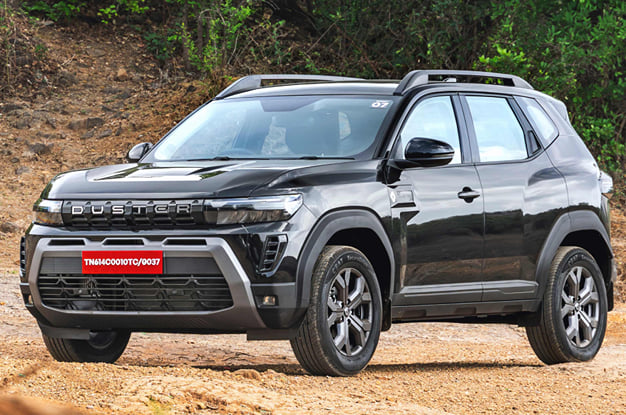
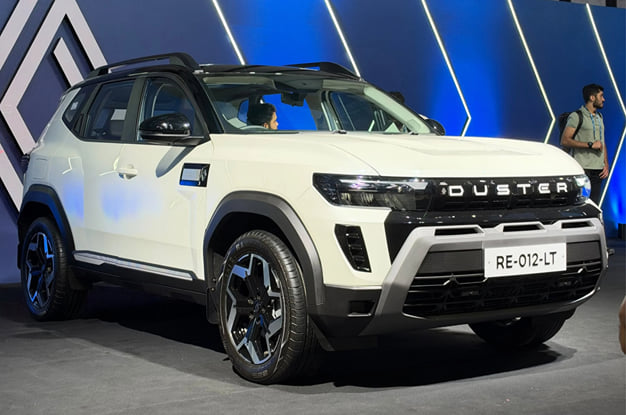
Renault has expanded the new Duster line-up with a strong-hybrid option, joining the existing 1.0-litre and 1.3-litre turbo-petrol engines. While the hybrid shares much of its design and cabin layout with the petrol versions, there are differences in styling, equipment and, most importantly, how the two powertrains deliver performance and efficiency. Here’s a closer look at what sets them apart.

Renault Duster turbo petrol vs hybrid: Exterior

The illuminated grille and badges are the main styling difference

Duster turbo petrol
Duster hybrid
 

Duster turbo petrol vs hybrid

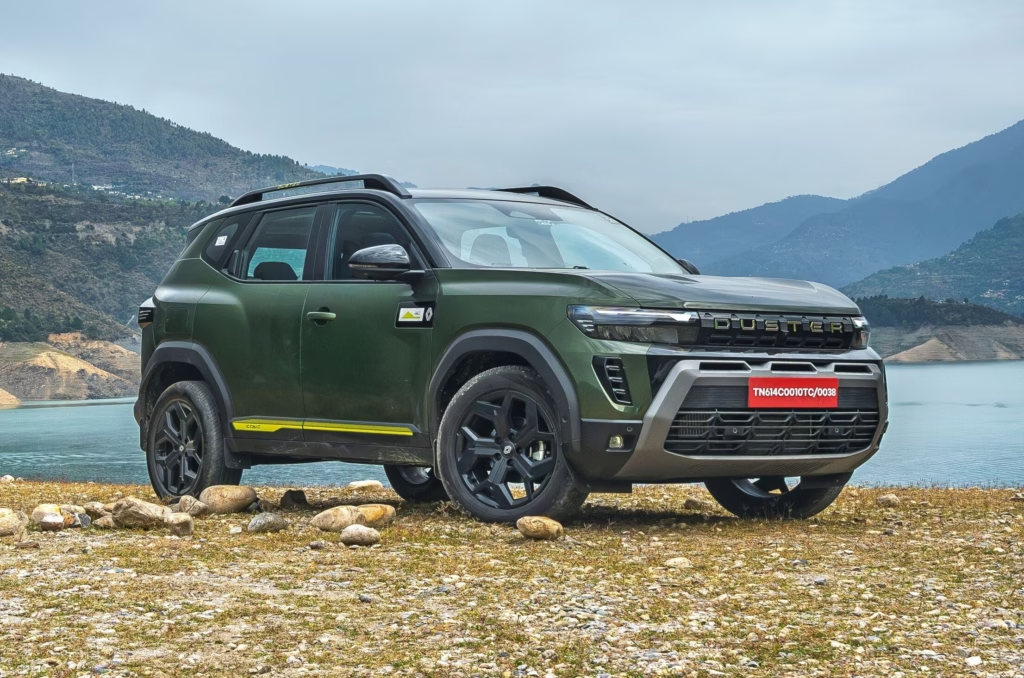
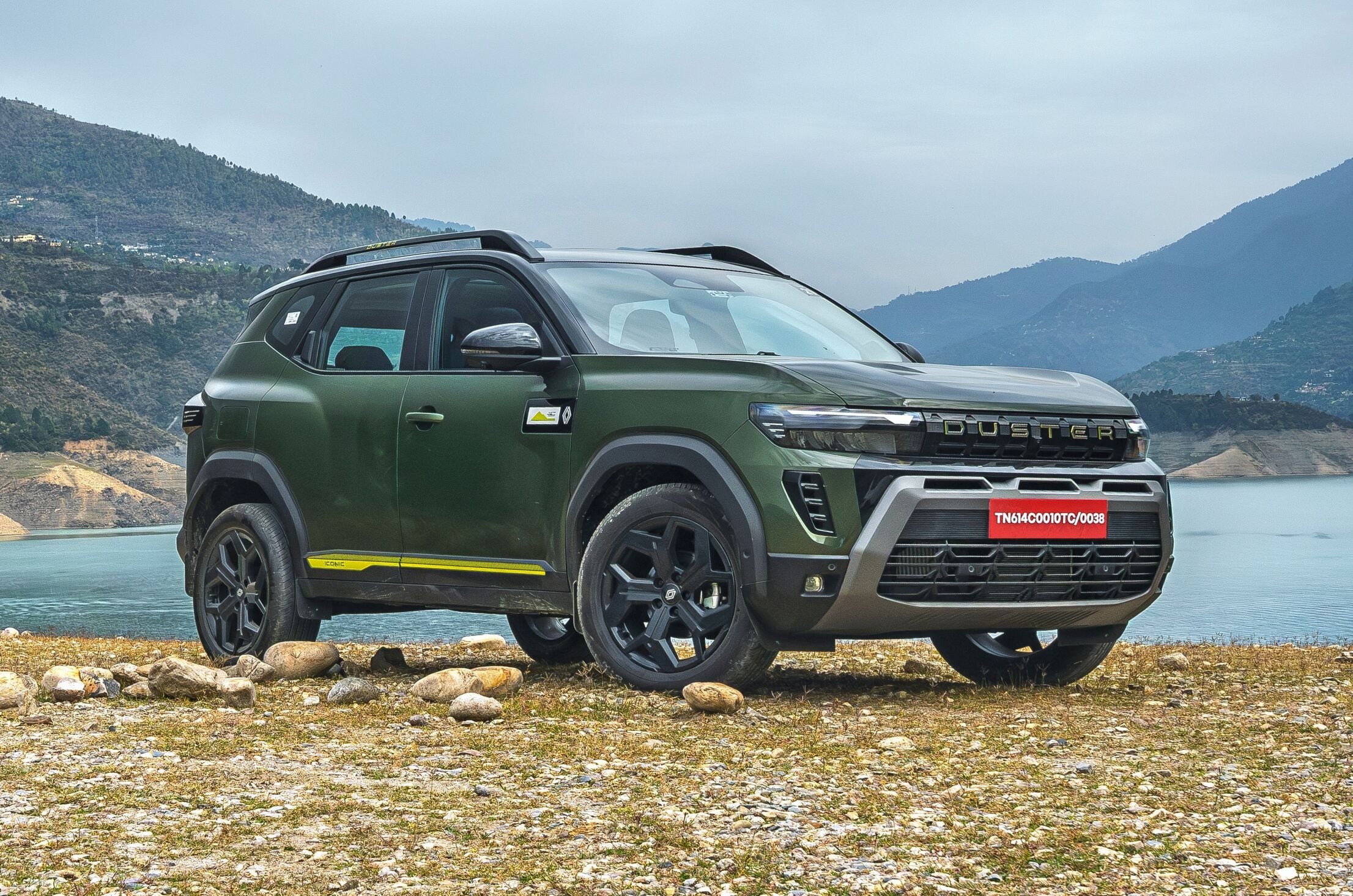
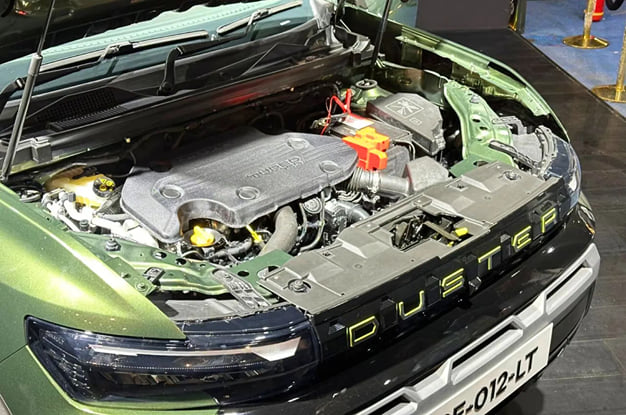
The Duster hybrid retains the turbo-petrol model’s overall design, including its eyebrow-shaped LED daytime running lamps, chunky body cladding, roof rails and C-pillar-mounted rear door handles.  It also has the same 212mm ground clearance.

The main styling changes are an illuminated ‘Duster’ grille emblem and ‘E-Tech Hybrid’ badges on the front doors and tailgate. The Hybrid version also gets frequency-dependent dampers. Boot capacity is lower than in the turbo-petrol versions, although the overall exterior design remains largely unchanged.

Renault Duster turbo petrol vs hybrid: Interior and features

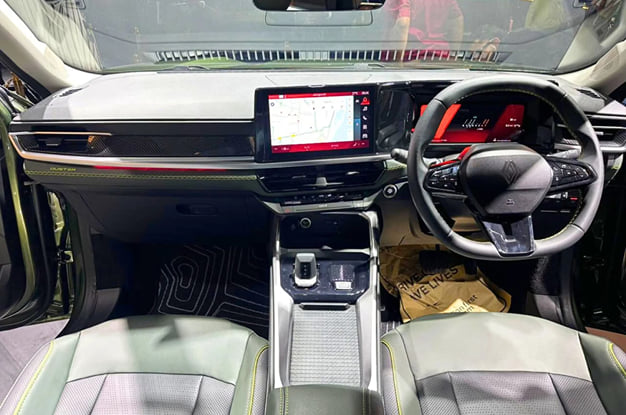
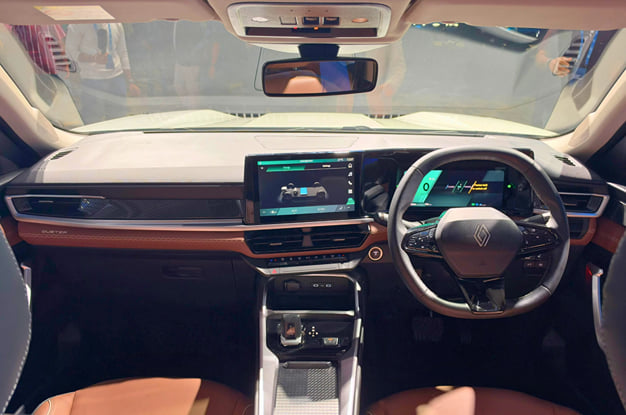
The cabin layout is similar, but the upholstery and equipment differ

Duster turbo petrol
Duster turbo hybrid
 

Duster turbo petrol vs hybrid

The hybrid follows the turbo-petrol Duster’s dashboard layout, with a dual-screen setup and an e-shifter on the centre console. The hybrid gets a different upholstery scheme from the turbo-petrol Duster, with black upholstery and grey stitching on the Evolution, Desert Beige semi-leatherette on the Techno and Dune Brown leatherette on the Emotion. The hybrid also gets a smaller headrest.

The Duster hybrid is offered in Evolution, Techno and Emotion trims, while the turbo-petrol range gets Evolution, Techno, Techno+, Iconic and Iconic Launch Edition variants. 

The hybrid and turbo-petrol Duster share some equipment across their respective trims, but there are differences. The hybrid Evolution gets a 7-inch digital driver’s display, a 10.1-inch touchscreen and dual-zone automatic climate control. The turbo-petrol Evolution has the same touchscreen and driver’s display, but gets single-zone manual air conditioning. Both the hybrid and turbo-petrol Techno trims get a panoramic sunroof.

At the top of the range, the hybrid Emotion gets a 10.25-inch digital driver’s display, ventilated and electrically adjustable front seats, and a powered tailgate. The turbo-petrol Iconic offers these features too, but additionally gets a 360-degree camera and Level 2 ADAS, which are not available on the hybrid.

Renault Duster turbo petrol vs hybrid: Engine and Performance

The 1.3-litre turbo-petrol makes more torque

Duster turbo petrol
Duster hybrid
 

Duster turbo petrol vs hybrid

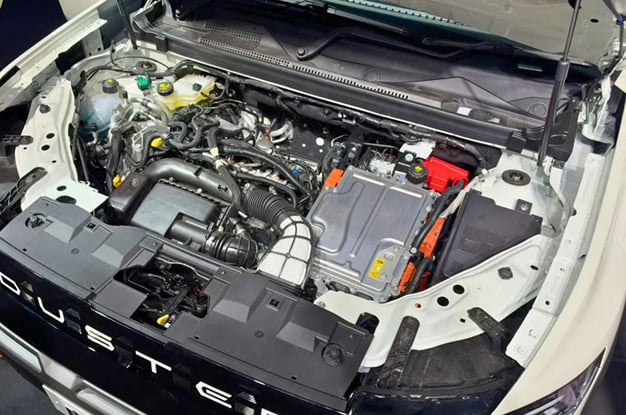
The Duster turbo-petrol is available with two engine options. The 1.0-litre, three-cylinder unit produces 100hp and 166Nm and is paired with a 6-speed manual gearbox. The larger 1.3-litre, four-cylinder engine develops 163hp and 280Nm, and is available with a 6-speed manual or a 6-speed dual-clutch automatic gearbox.

The hybrid uses a naturally aspirated 1.8-litre, four-cylinder petrol engine paired with two electric motors: a 20hp generator and a 49hp motor that drives the wheels. The system produces a combined 160hp and 172Nm, with a 1.4kWh battery supporting the setup. It uses a ‘multi-mode’ automatic gearbox with two electric gears and four petrol gears.

The hybrid system automatically switches between six operating modes, including all-electric, petrol-only and series and series-parallel hybrid modes. Renault claims the Duster hybrid can cover up to 80 percent of city driving in pure electric mode and accelerate from 0-100kph in a claimed 9.61 seconds.

While the hybrid’s combined output of 160hp is close to the 1.3-litre turbo-petrol’s 163hp, its claimed torque figure of 172Nm is lower than the turbo-petrol’s 280Nm.

Renault Duster turbo petrol vs hybrid: mileage 

Duster hybrid mileage is 10.55kpl higher than turbo-petrol DCT

PowertrainTransmissionARAI-claimed mileage
1.0-litre turbo-petrol6-speed manual19.41kpl
1.3-litre turbo-petrol6-speed manual17.75kpl
1.3-litre turbo-petrol6-speed DCT automatic18.45kpl
1.8-litre strong hybridMulti-mode automatic29kpl

The hybrid’s claimed mileage is significantly higher than that of either turbo-petrol engine. The difference is 9.59kpl over the 1.0-litre turbo-petrol manual, 11.25kpl over the 1.3-litre turbo-petrol manual and 10.55kpl over the 1.3-litre turbo-petrol DCT. At 29kpl, the hybrid’s claimed mileage is around 57 percent higher than that of the DCT version. 

The hybrid has a 50-litre fuel tank, the same capacity as the turbo-petrol versions. Renault claims a driving range of more than 1,400km on a full tank of the Hybrid variant.

Duster turbo petrol vs hybrid: Price

The hybrid costs more, even though it misses some features available on the top-spec turbo-petrol

TrimDuster hybridDuster turbo-petrol
Authentic–10.49 (1.0 MT)
Evolution16.9911.69 (1.0 MT); 12.99 (1.3 MT); 14.49 (1.3 DCT)
Techno18.9913.49 (1.0 MT); 14.49 (1.3 MT); 15.89 (1.3 DCT)
Techno+–15.29 (1.3 MT); 16.69 (1.3 DCT)
Emotion / Iconic19.49 (Emotion)16.99 (Iconic MT); 18.49 (Iconic DCT)

MT = manual; DCT = dual-clutch automatic

The hybrid’s introductory prices apply to deliveries until December 31, 2026. In Evolution trim, the hybrid costs Rs 2.50 lakh more than the 1.3-litre turbo-petrol DCT, while the top-spec Emotion hybrid is Rs 1 lakh more than the Iconic DCT. The hybrid offers higher claimed mileage but misses out on the 360-degree camera and Level 2 ADAS available on the turbo-petrol Iconic.

The hybrid version suits buyers who cover long distances and prioritize fuel efficiency, while the 1.3-litre turbo-petrol is worth considering for its higher torque and additional driver-assistance features.

All prices are ex-showroom, India.

EXCLUSIVE: Norton India launch timelines, Atlas to be first to go on sale

EXCLUSIVE: Norton India launch timelines, Atlas to be first to go on sale
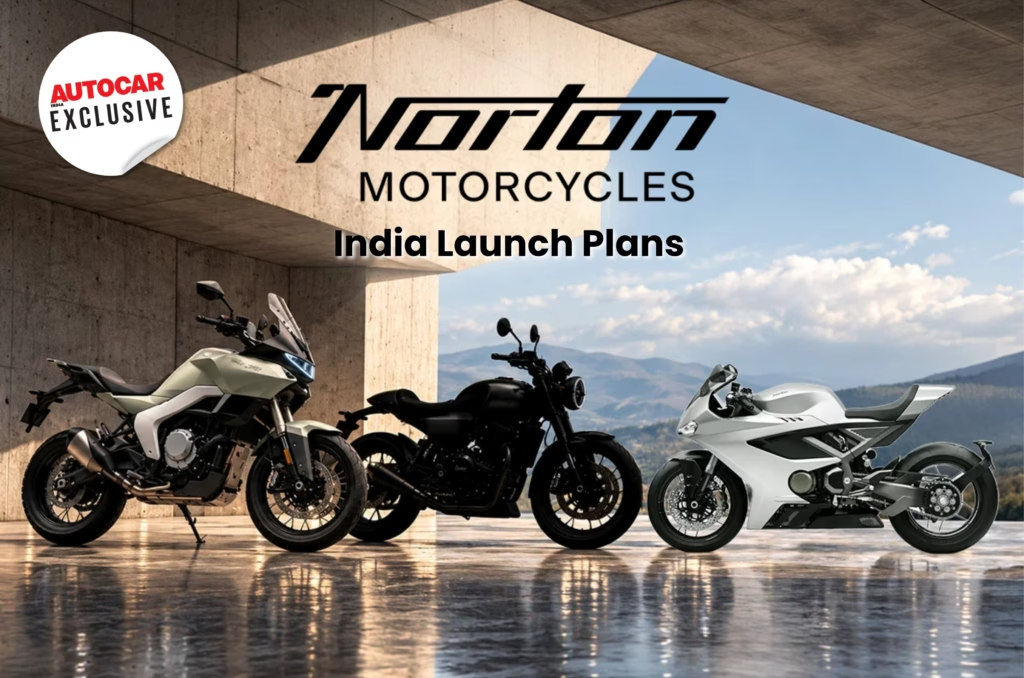
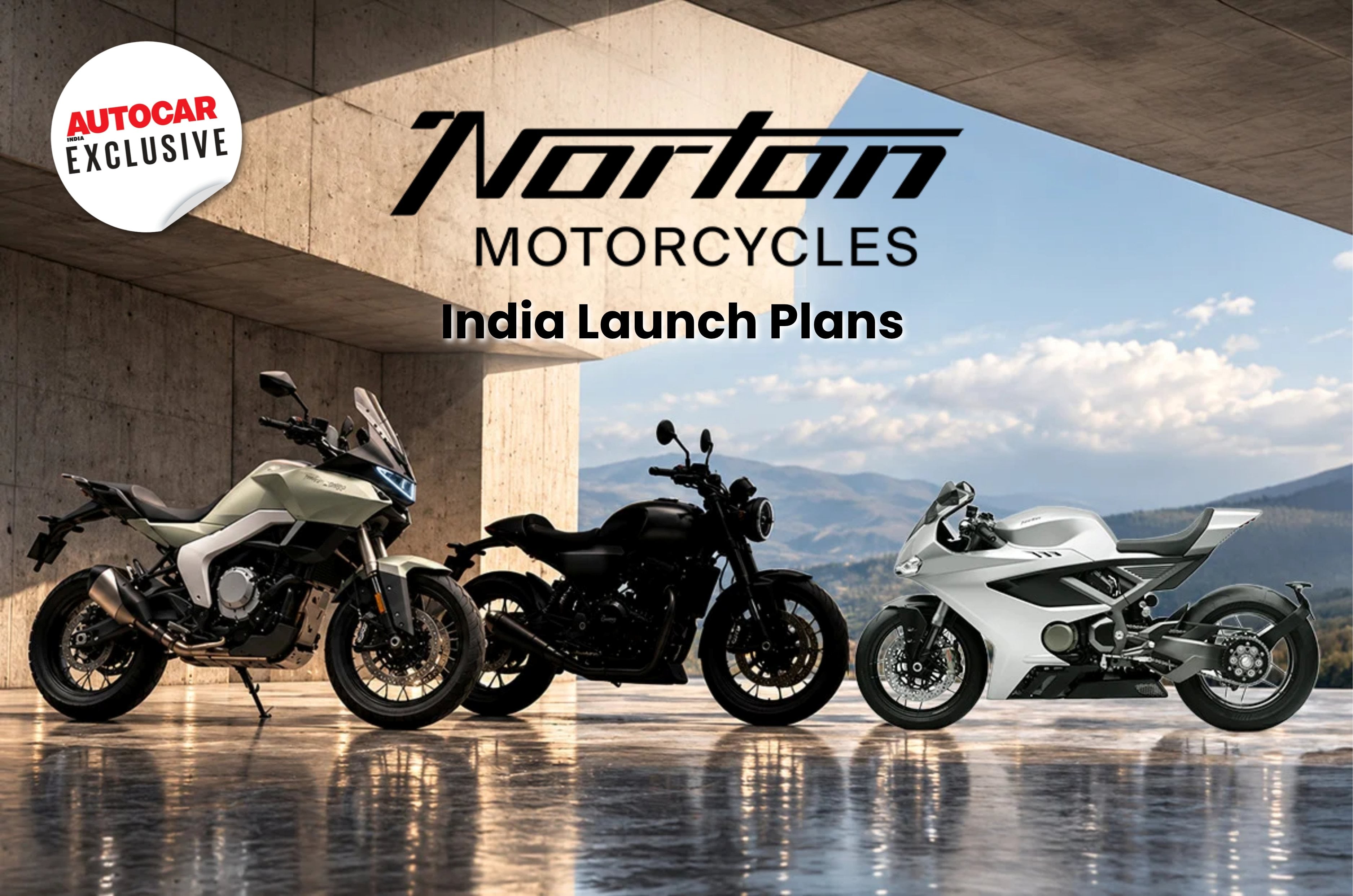
Left to right, Norton Atlas, Norton's upcoming single-cylinder motorcycle render and Norton Manx R.

We first rode the Norton Manx R superbike overseas in May and this was followed by the Atlas adventure bike in July. At the time in June, TVS had said that the Atlas would be introduced in India later in the year. It had also scheduled the launch of TVS Paddock, its premium retail channel, for the second quarter of FY27. Paddock will serve as the retail outlet for both Norton products as well as select TVS premium vehicles across the country.

  1. Norton motorcycles will be retailed out of a few exclusive Norton outlets as well as a new TVS Paddock dealer network
  2. Three paddock outlets will be set up by December 2026
  3. Norton line-up will be initiated with the Atlas, followed by Manx R and the new single-cylinder motorcycle

Norton’s reach in Europe, US and India

Indian dealer network still being established

We recently reported on the company’s new 450cc class liquid cooled single cylinder roadster making its debut at ECMA 2026. In its official response to our queries sent, a company spokesperson said, “Norton is set to launch in India soon following the brand’s presence at EICMA this year, when the next key stage of the resurgence will be revealed”.

However, the company did not provide an updated Paddock rollout schedule. Current preparations are understood to point to around three Paddock outlets by December, although a larger network is being sought. The number of outlets that will be operational when motorcycle sales begin has yet to be finalised.
Under the tentative India rollout plan, the Atlas could launch in January 2027, with the Manx following by March if that schedule holds. The sequence could see Norton introduce three to four products during 2027, although the final model mix and launch dates have not been announced. As for the new single cylinder roadster, that bike is likely to be launched in India alongside overseas markets in the second half of next year. 

While Norton’s India innings is yet to begin, the company spokesperson says that the Manx R and Atlas launched earlier this year are being delivered to customers across Europe. The naked Manx and road-biased Atlas GT have not yet been formally launched. The company said it now has more than 50 retailers across 10 markets, including the UK, Italy, France, Germany and Spain. Preparations for a United States launch are continuing, subject to the final stages of vehicle certification.

“As Norton continues to build the brand globally, it is important to ensure that Norton’s entry into India is equally meaningful and thoughtfully executed,” the spokesperson said. “The positive response to Norton’s products in Europe gives us confidence, and more on Norton’s India plans will be shared in due course.”

With inputs from Anurag Chaturvedi.

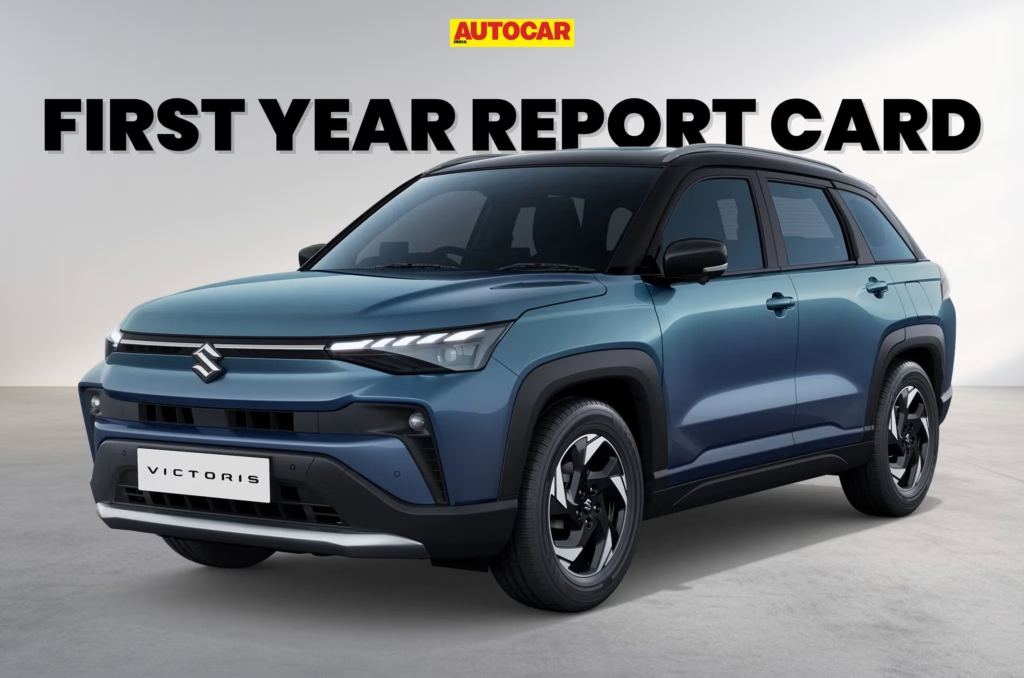
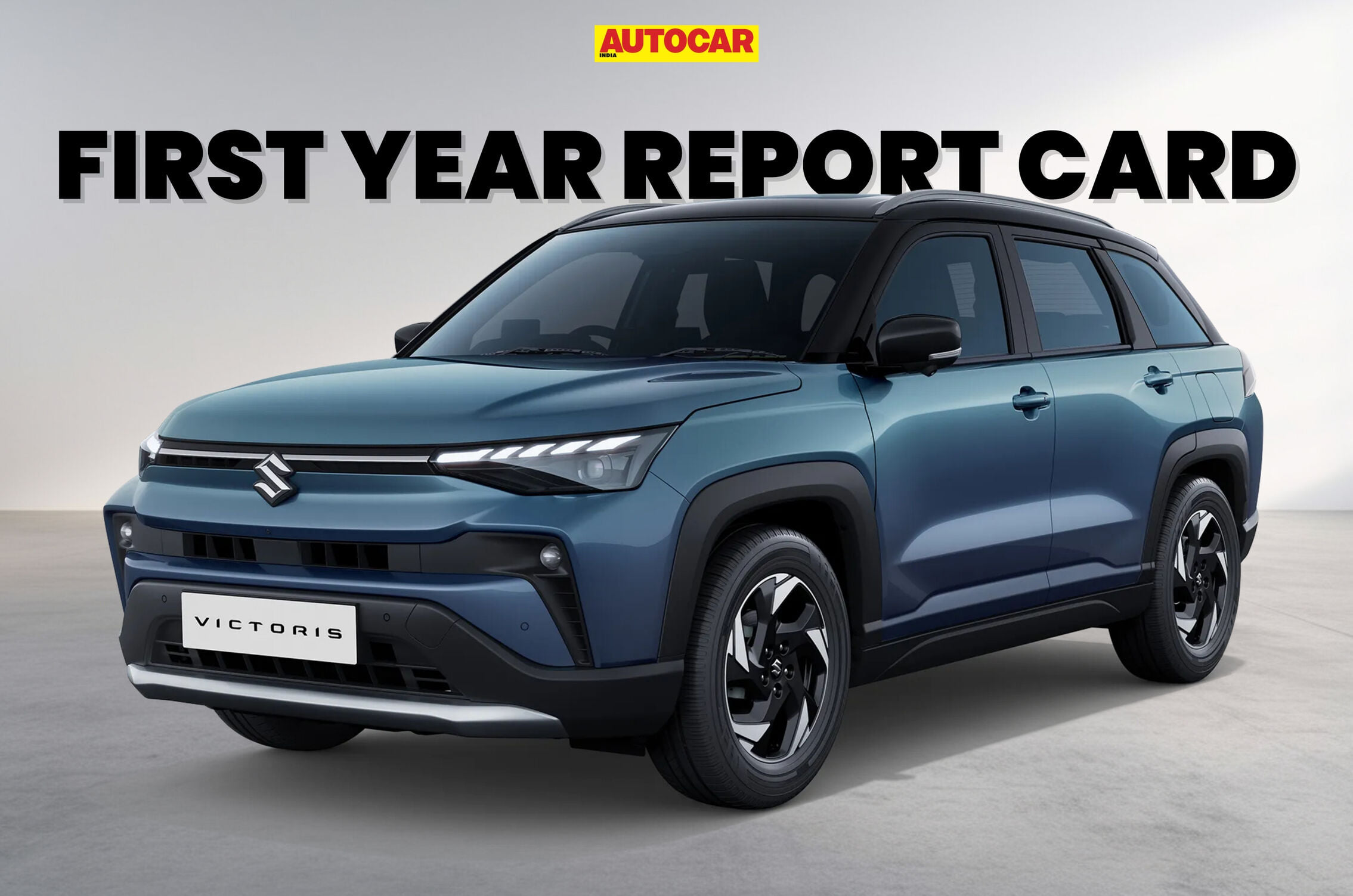
Report Card: Maruti Victoris’ 1-Year Innings

Report Card: Maruti Victoris’ 1-Year Innings
Maruti Victoris one year report card

Maruti Suzuki introduced the Victoris SUV on September 15, 2026, as its second mid-size SUV. With the Victoris, Maruti aimed to capture a larger share of the mid-size SUV segment by retailing it through its widespread Arena dealership network, in contrast to its Nexa-sold stablemate, the Grand Vitara. The Victoris shares its platform and engines with the Grand Vitara but sports a distinct exterior design. Additionally, it introduced features such as an underbody-mounted CNG tank and became the first Maruti model to feature a Level 2 ADAS suite.

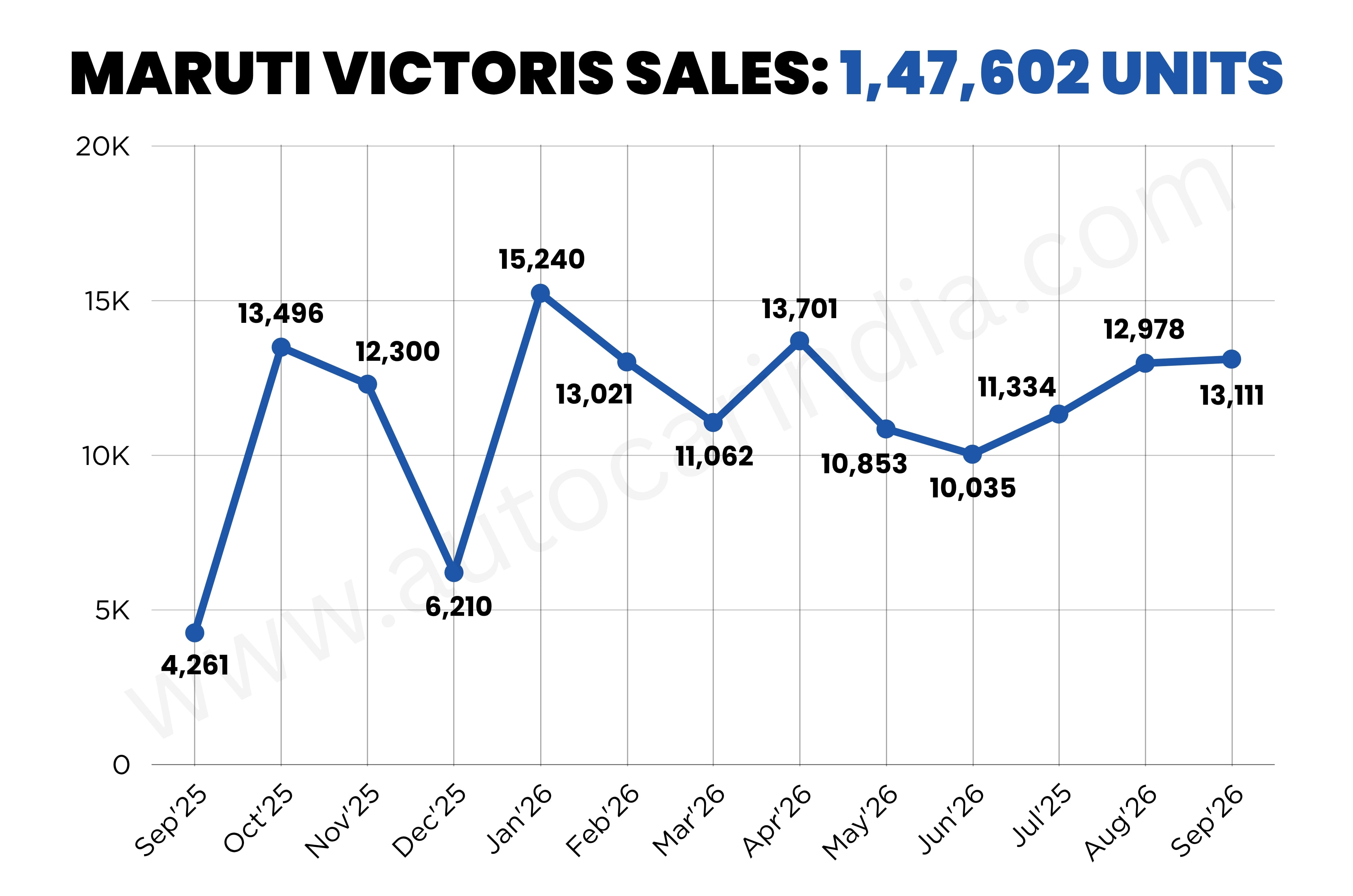
  1. Victoris records 1,47,602 units in total sales in its first year.
  2. Prices have increased/decreased for select variants; still range between Rs 10.5 lakh and Rs 19.99 lakh.
  3. No variant rejigs took place in its first year.

Maruti Victoris sales 

In its first year since launch, the Maruti Suzuki Victoris recorded sales of 1,47,602 units, averaging roughly 12,300 units per month. Monthly volumes began at 4,261 units in September 2025 and rose quickly to 13,496 units in October 2025. Following a minor dip to 12,300 units in November 2025, sales dropped by nearly half in December 2025. Peak sales were recorded in January 2026 at 15,240 units, after which the SUV maintained steady monthly volumes ranging between 10,000 and 13,000 units.

Despite launching after the Grand Vitara, the Victoris achieves higher monthly sales figures, largely supported by Maruti Suzuki’s wider Arena dealership network. Notably, the SUV crossed the 1-lakh sales milestone within eight months of launch—outpacing the Grand Vitara to reach this mark. 

Maruti Victoris variant -wise price 

Variant

Price now (Rs lakh)

Price at launch (Rs lakh)

1.5 LXi

10.50

10.50

1.5 LXi CNG

11.55

11.50

1.5 VXi

11.85

11.80

1.5 VXi AT

13.41

13.36

1.5 VXi CNG

12.90

12.80

1.5 VXi strong hybrid eCVT

16.43

16.38

1.5 ZXi  

13.62

13.57

1.5 ZXi AT

15.18

15.13

1.5 ZXi CNG

14.66

14.57

1.5 ZXi strong hybrid eCVT

18.00

17.80

1.5 ZXi(O)  

13.69

14.08

1.5 ZXi(O) AT 

15.25

15.64

1.5 ZXi(O) strong hybrid

18.43

18.39

1.5 ZXi+  

15.39

15.24

1.5 ZXi+ AT

17.34

17.19

1.5 ZXi+ AT AWD

18.69

18.64

1.5 ZXi+ strong hybrid eCVT

19.52

19.47

1.5 ZXi+(O) 

15.48

15.82

1.5 ZXi+(O)  AT

17.43

17.77

1.5 ZXi+(O) AT AWD

19.27

19.22

1.5 ZXi+(O) strong hybrid eCVT

19.99

19.99

The Victoris is priced between Rs 10.50 lakh and Rs 19.99 lakh, and is offered in several variants. Depending on the variant, prices have increased by up to Rs 20,000 because of hikes by the carmaker due to a rise in input costs. However, select variants of the Victoris saw a price cut of up to Rs 39,000 in July 2026.

Maruti Victoris milestones

Within its first year in the market, Maruti hasn’t introduced or discontinued any of its variants. Additionally, the SUV has not been subject to any recalls.

Maruti Victoris specifications

The Victoris is offered with petrol, CNG, and strong-hybrid powertrains. The petrol and CNG versions use a 1.5-litre naturally aspirated engine: the former produces 103hp and 139Nm, while the latter outputs 88hp and 122Nm. Petrol variants feature a 5-speed manual or a 6-speed automatic transmission, with the automatic also available in an all-wheel-drive (AWD) configuration. CNG versions come exclusively with a 5-speed manual.

The strong-hybrid variant is powered by a 1.5-litre naturally aspirated Atkinson-cycle petrol engine producing 92hp and 122Nm, paired with an e-CVT. The system incorporates a 0.76 kWh battery and an electric motor generating 80hp and 141Nm, delivering a combined peak power output of 116 hp.

In terms of fuel efficiency, the claimed figures for the petrol manual, petrol automatic, and petrol AWD variants are 21.18kpl, 21.06kpl, and 19.07kpl, respectively. The strong-hybrid model leads with a claimed efficiency of 28.65kpl, while the CNG version delivers 27.02km/kg.

All prices are ex-showroom, India