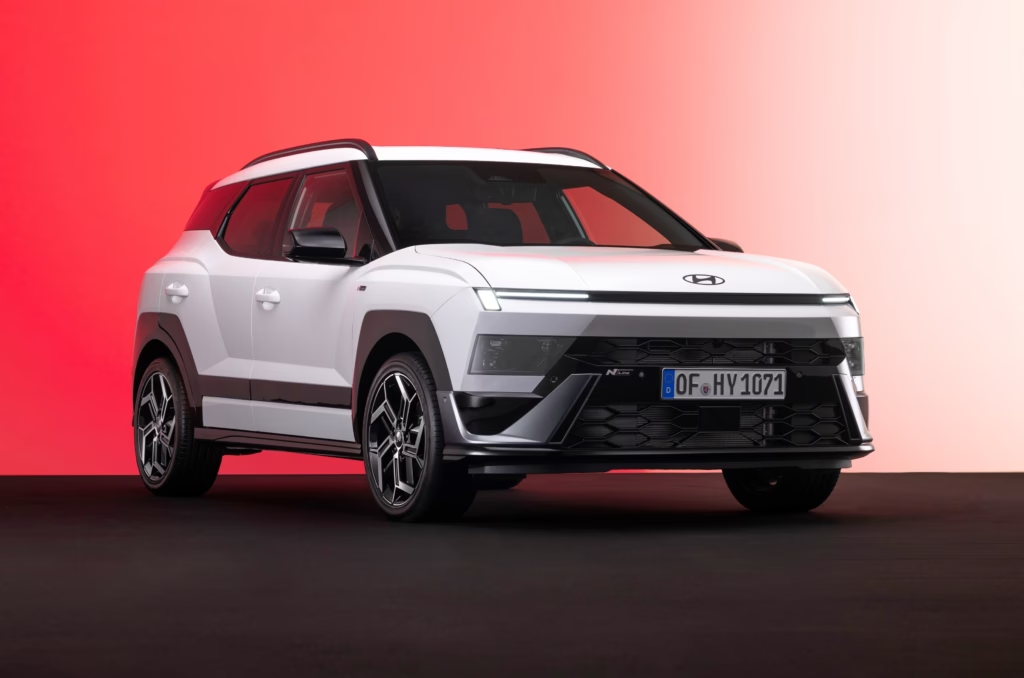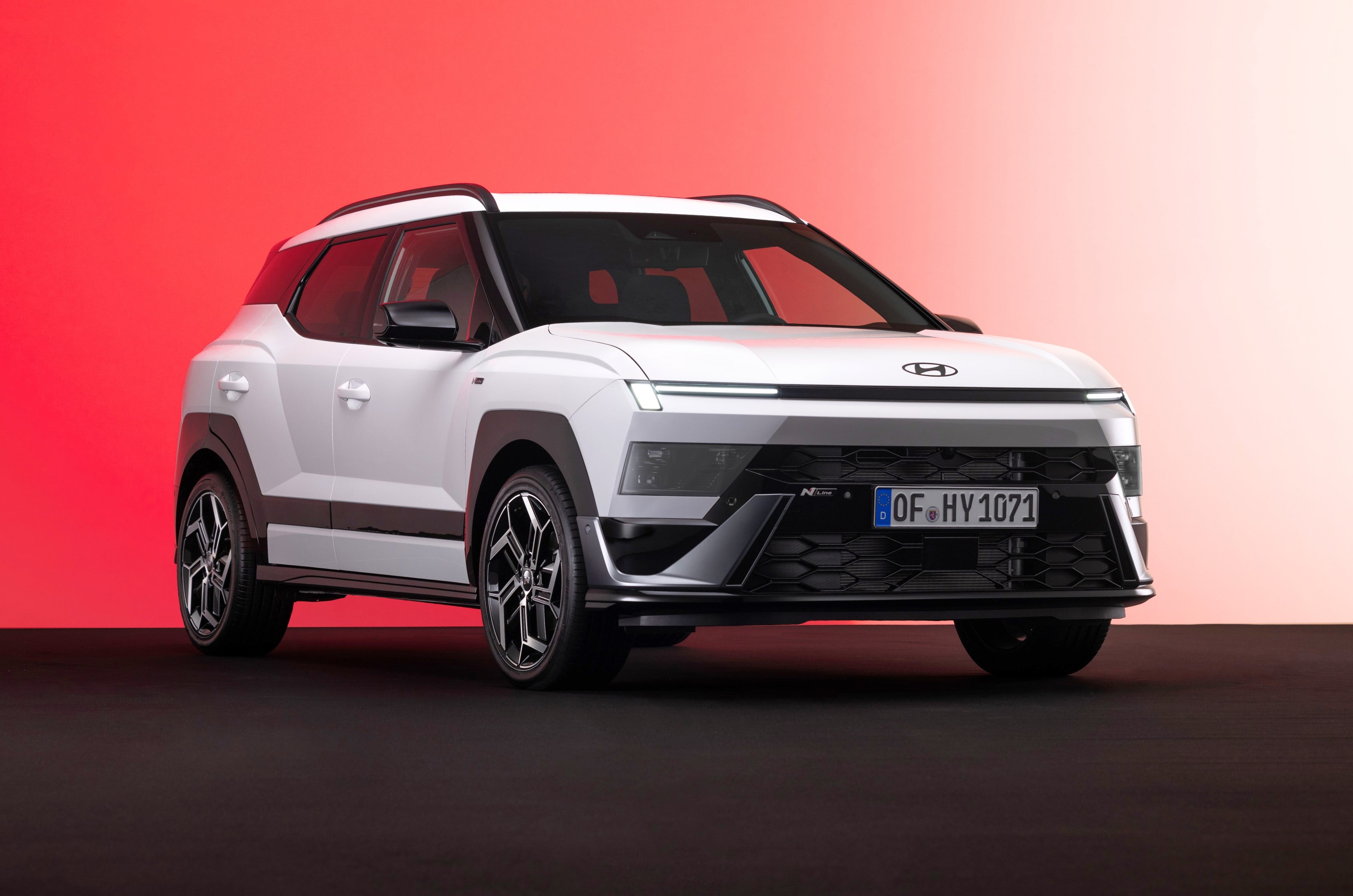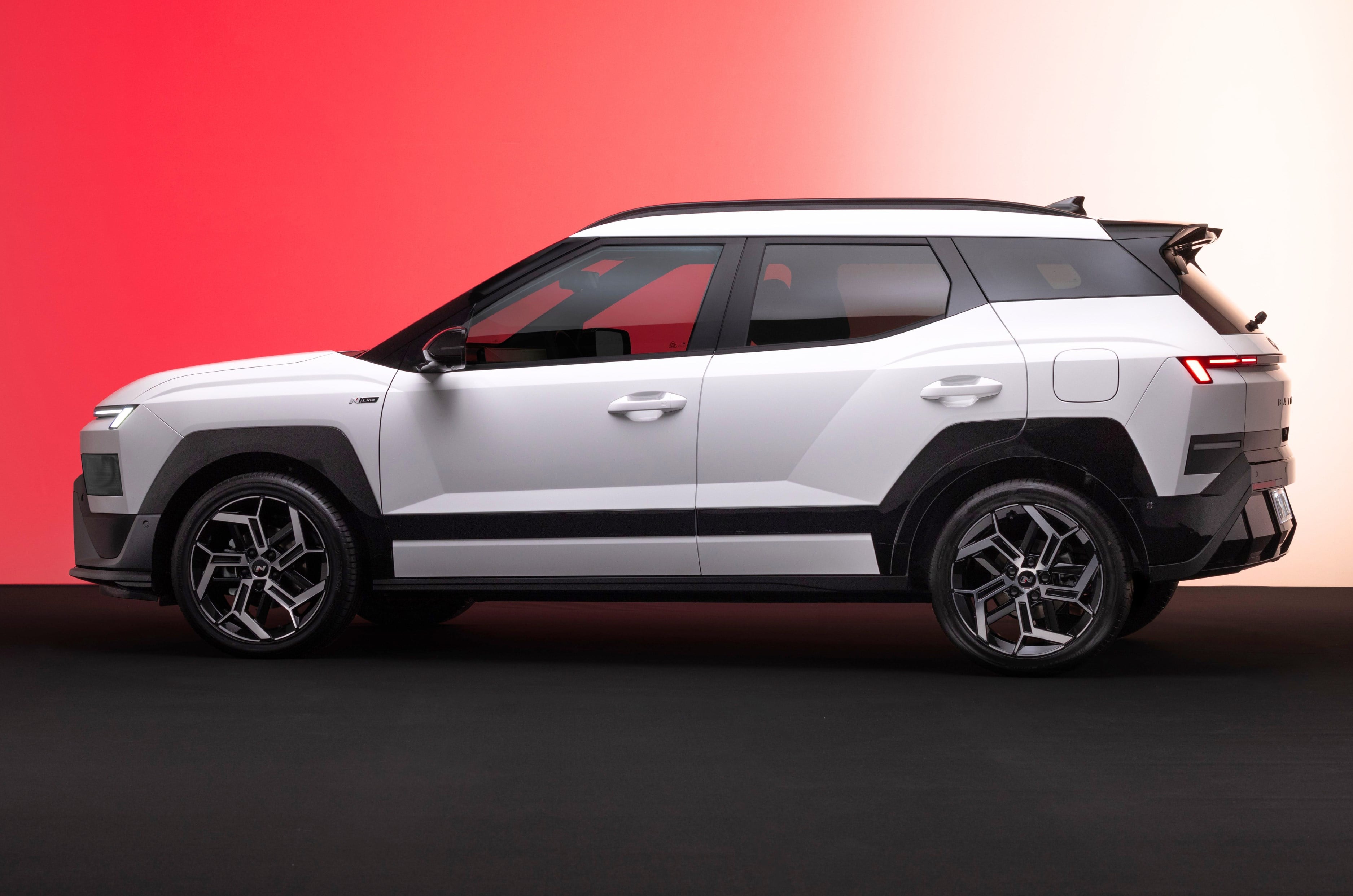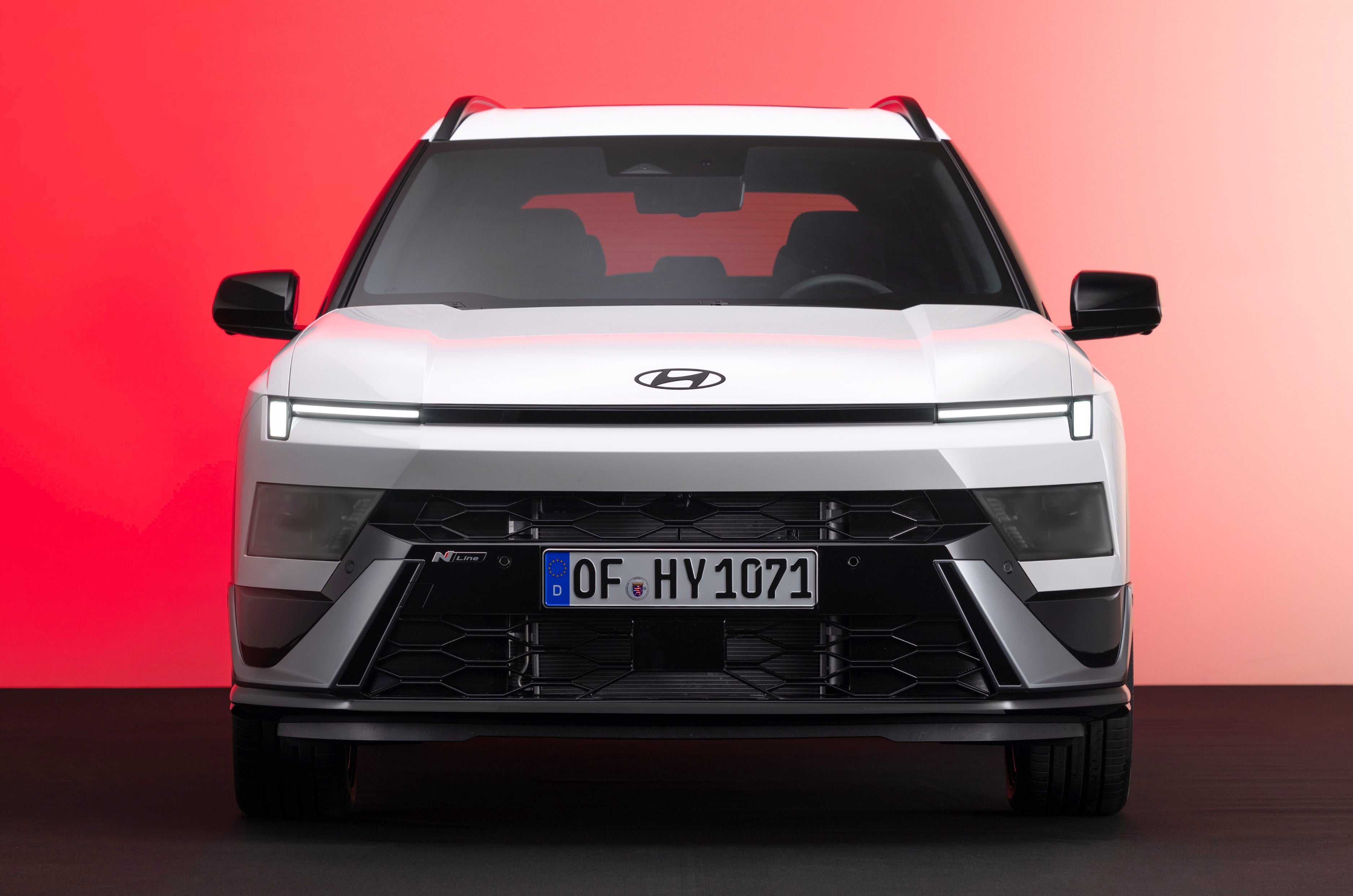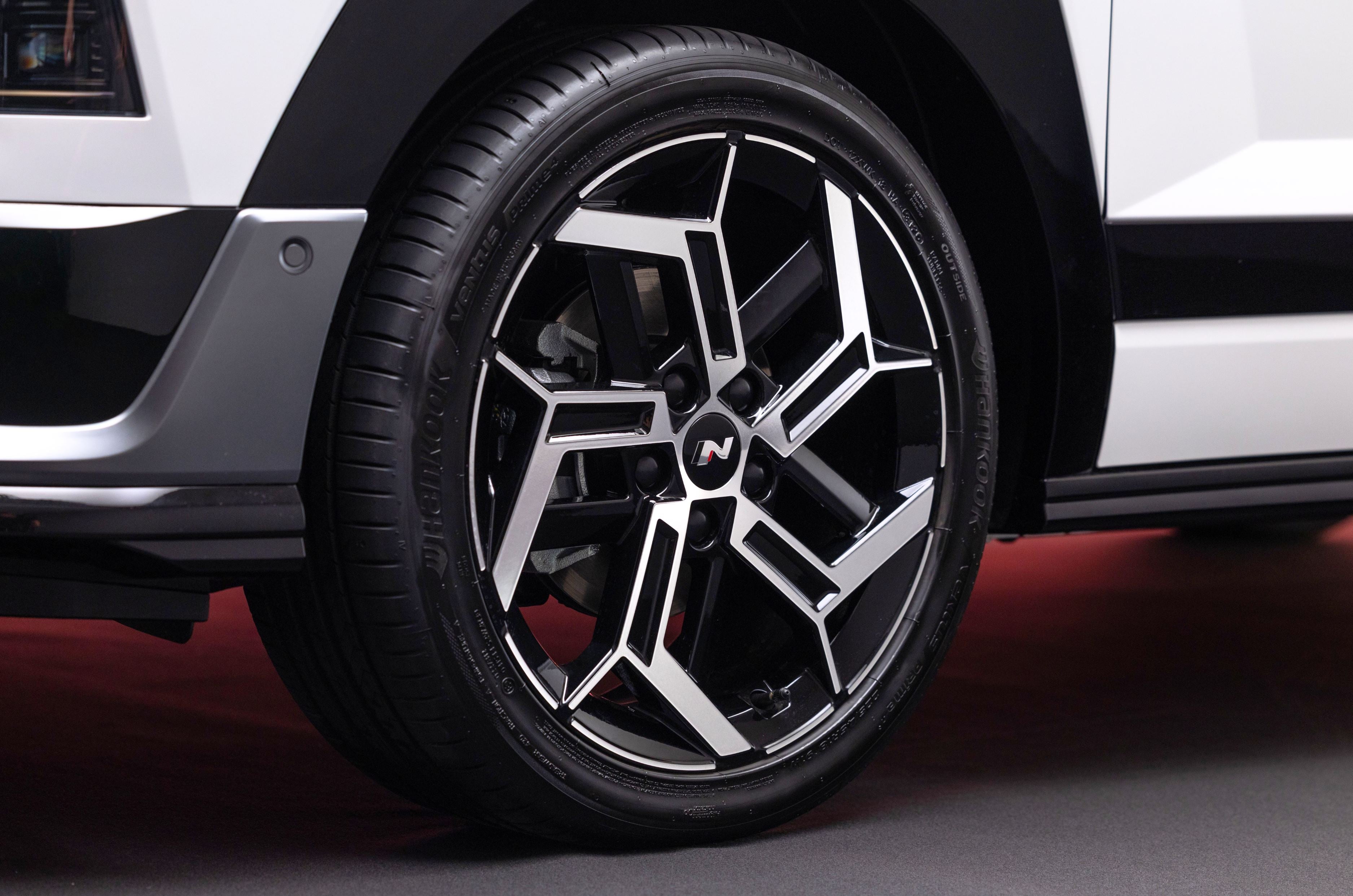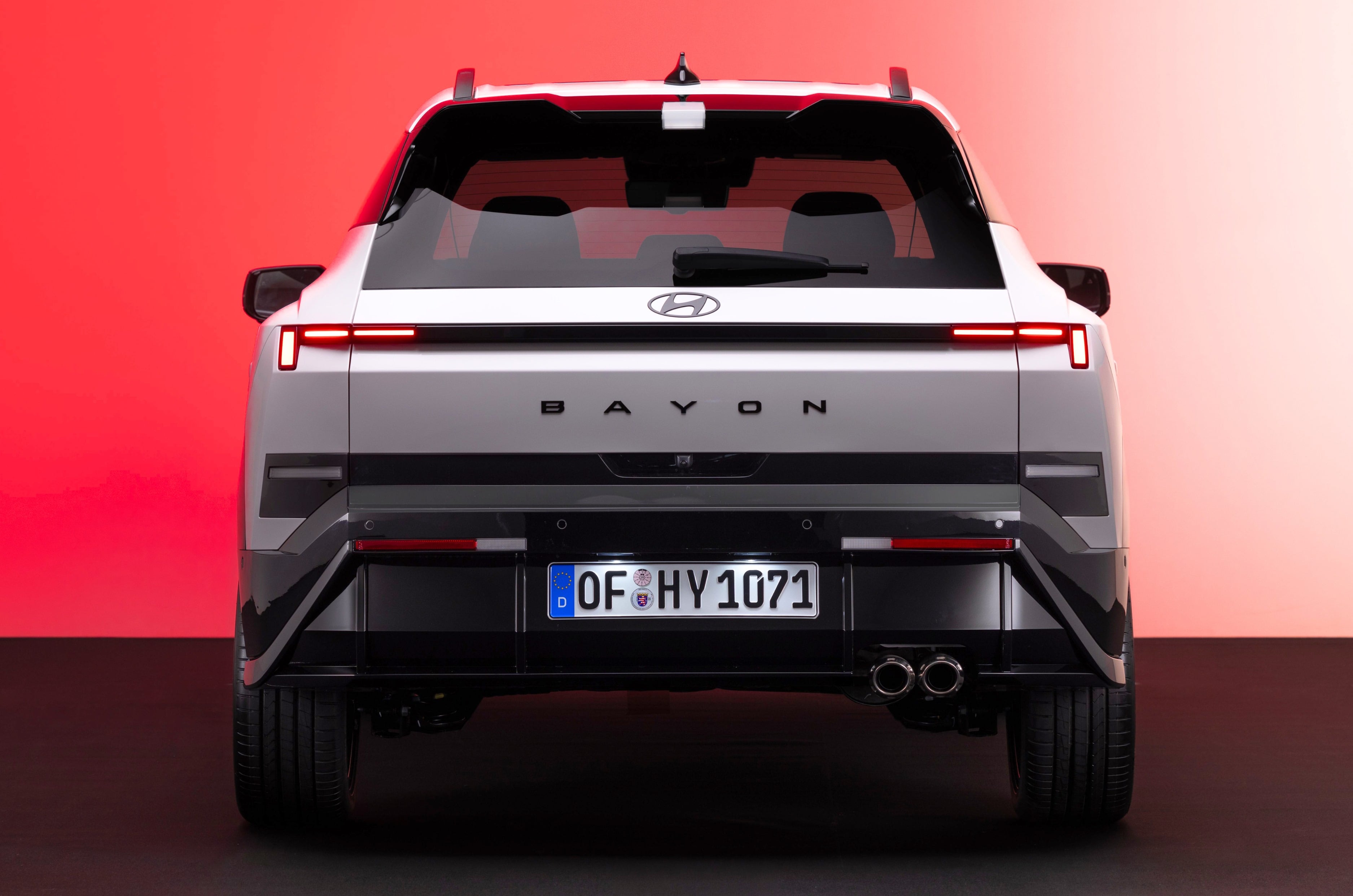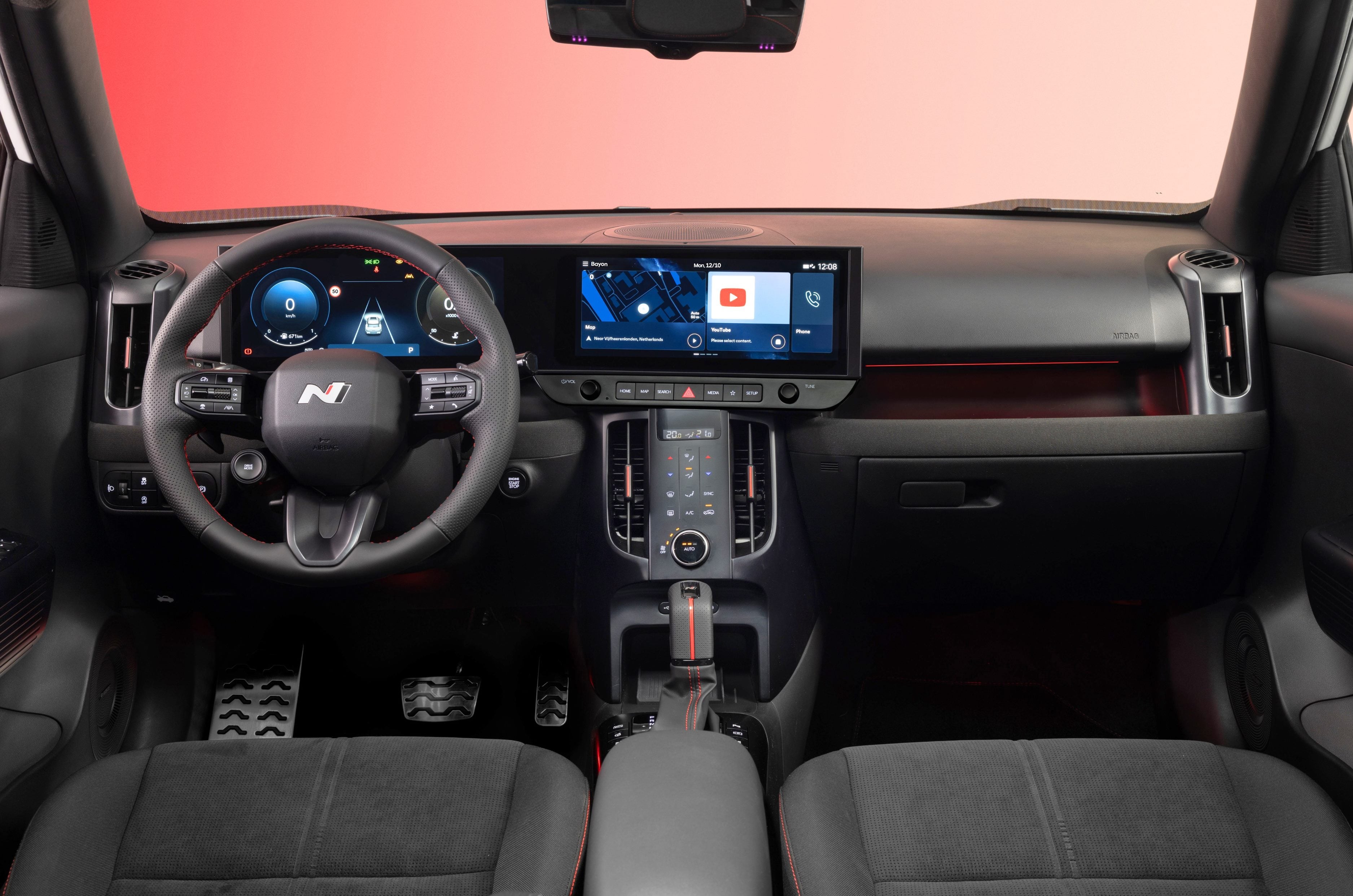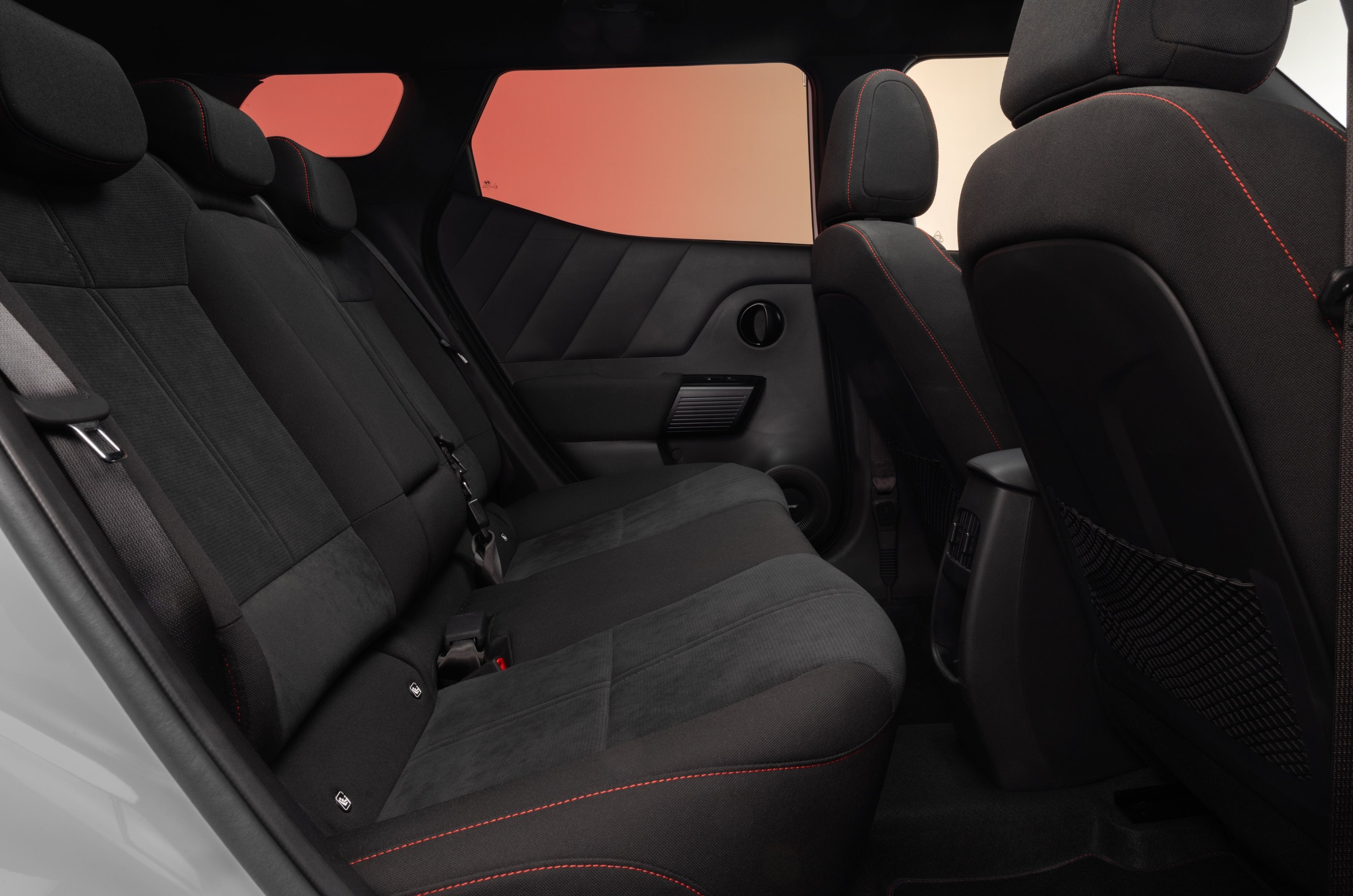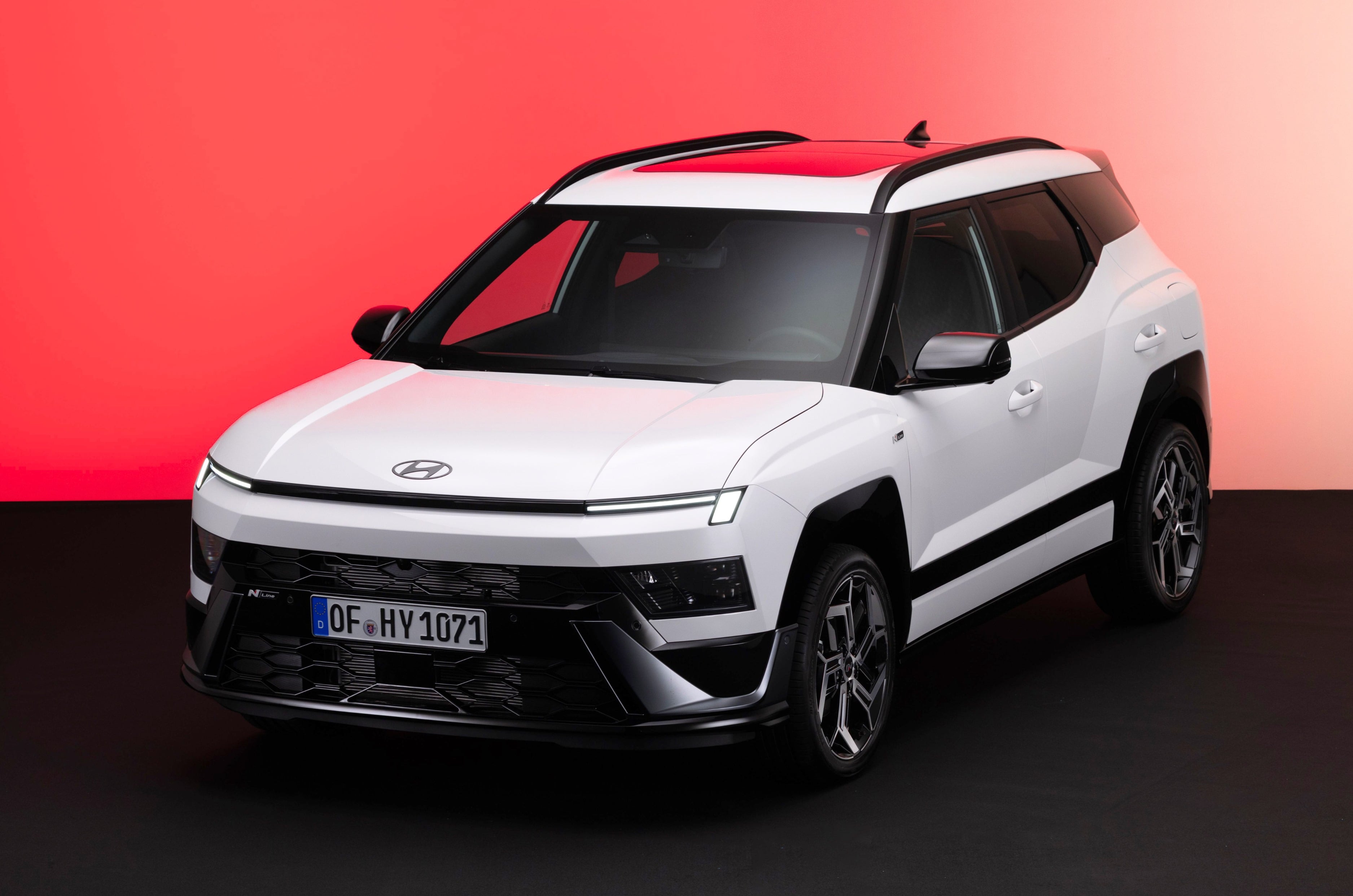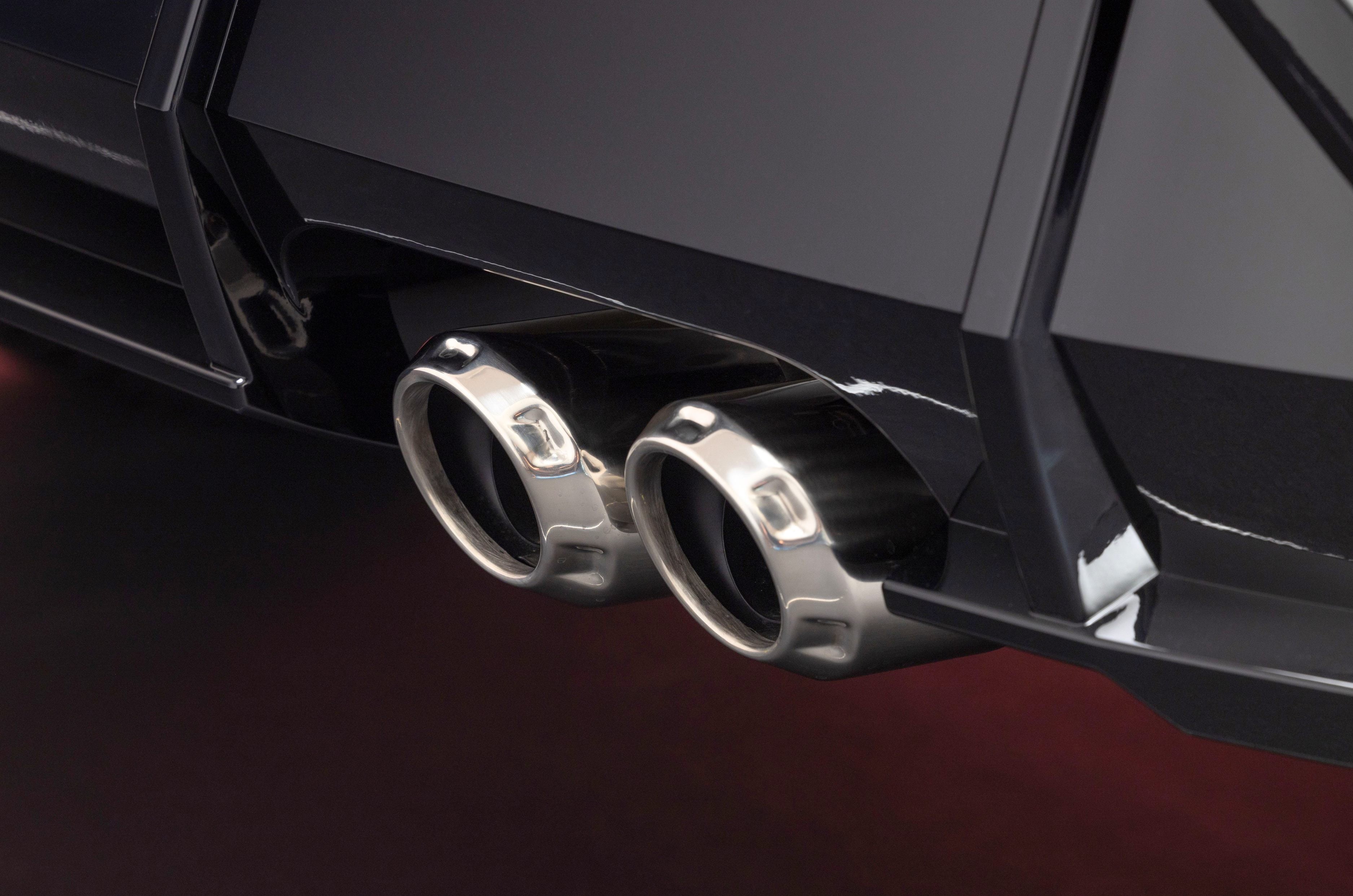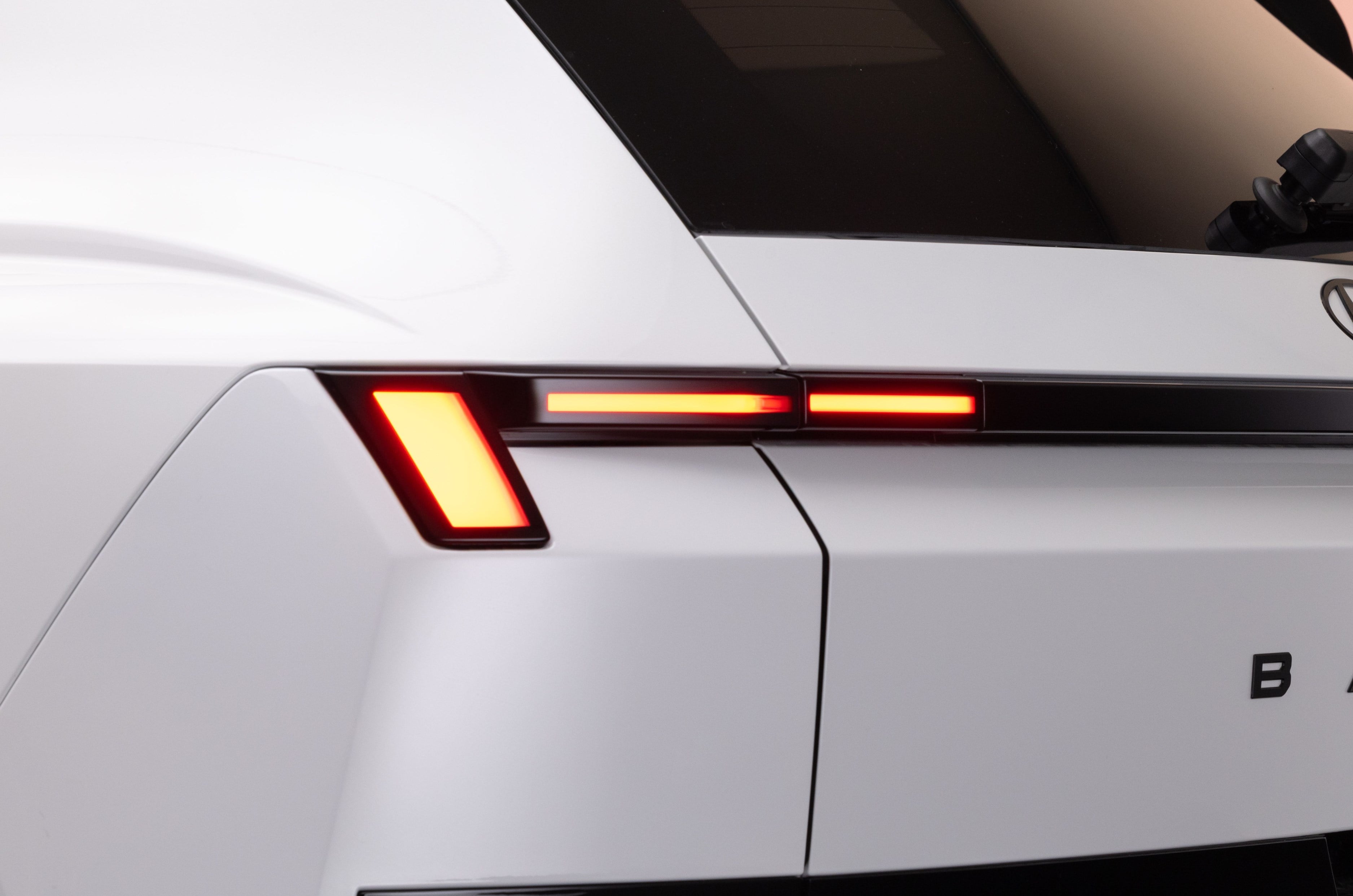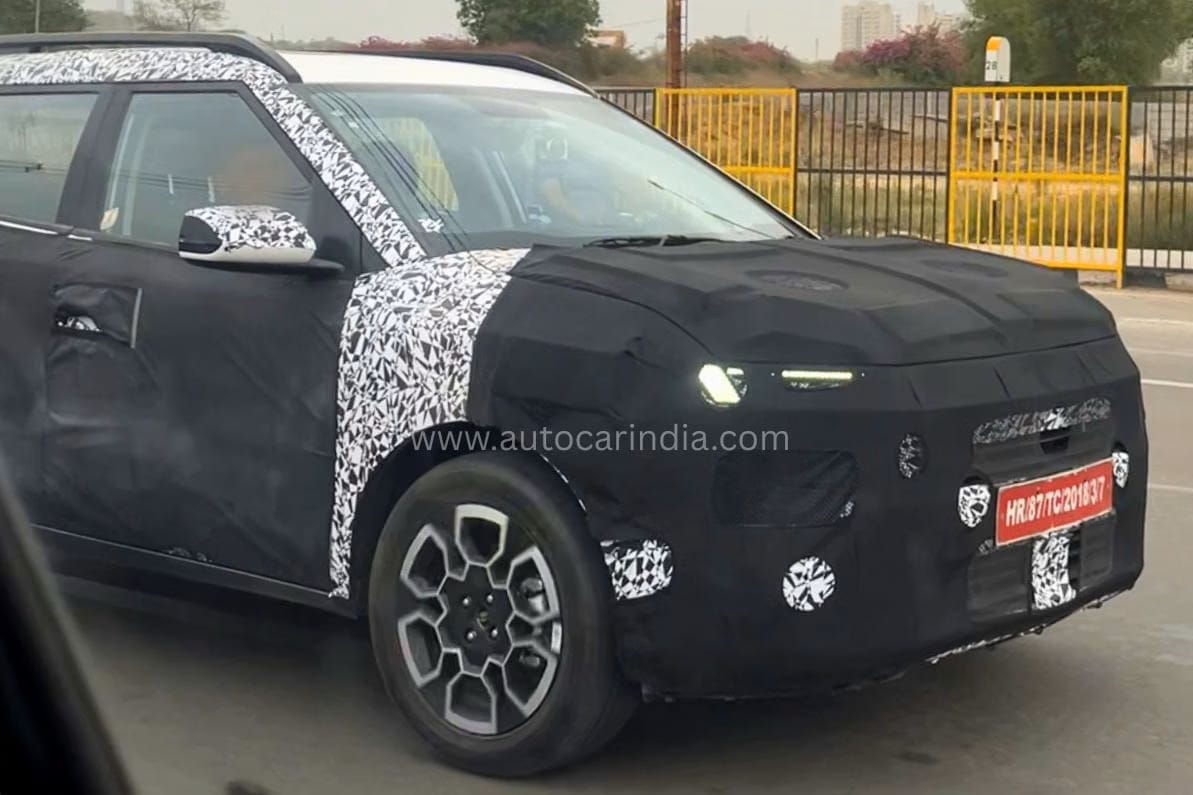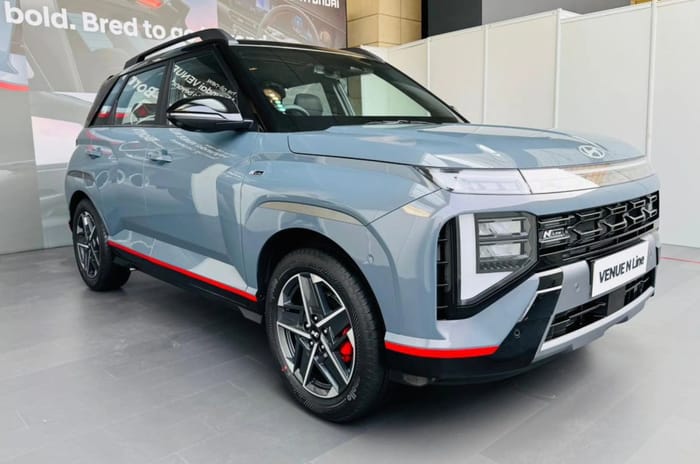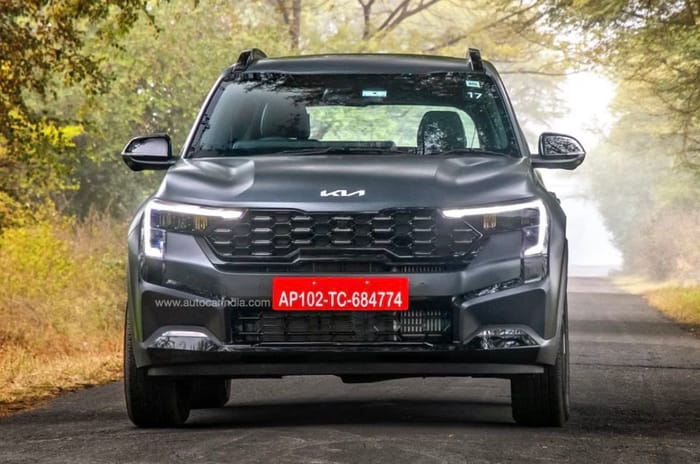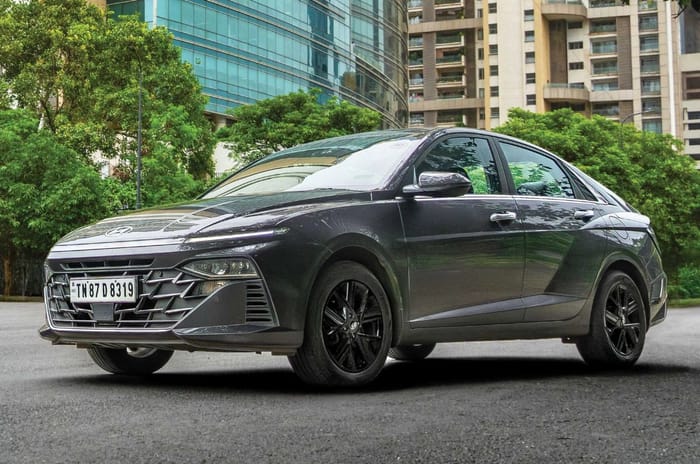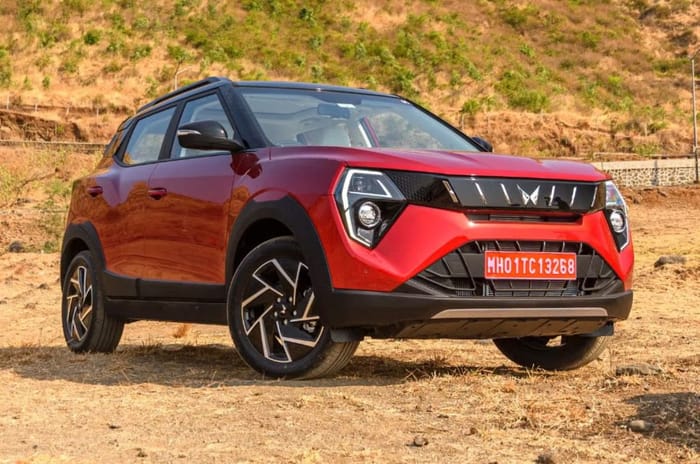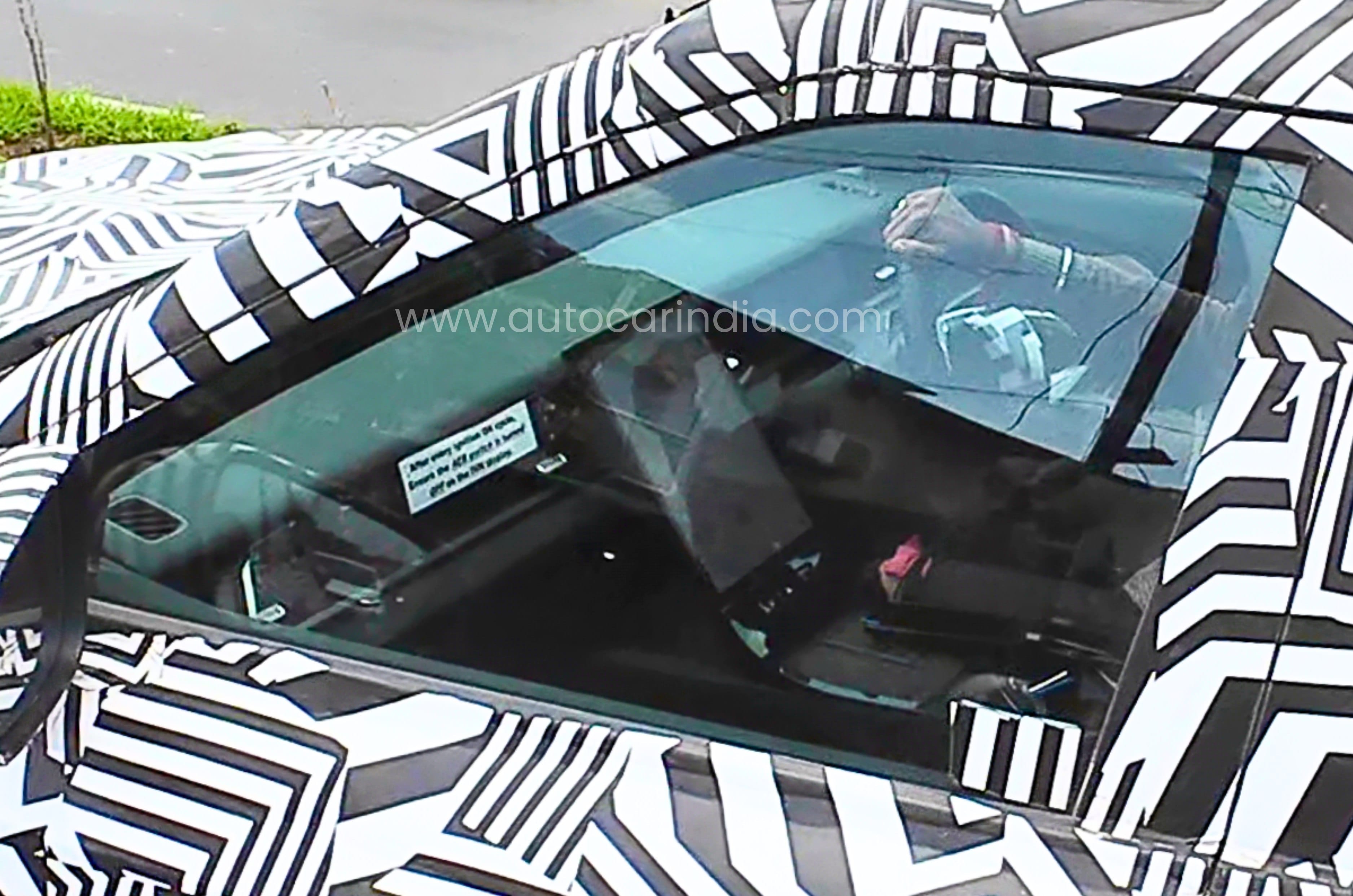
Some newly released spy shots of Hyundai’s upcoming Bayon-based midsize SUV offer the first glimpse of its interior. This SUV is expected to launch in the festive season as an alternative to Hyundai’s other midsize SUV, the highly popular Creta. However, the spy shots here indicate that the Bayon-based SUV will offer a more modern interior layout.
Hyundai Bayon-based SUV interior: What do the spy shots reveal?
Credit: Ankan Baruah via YouTube
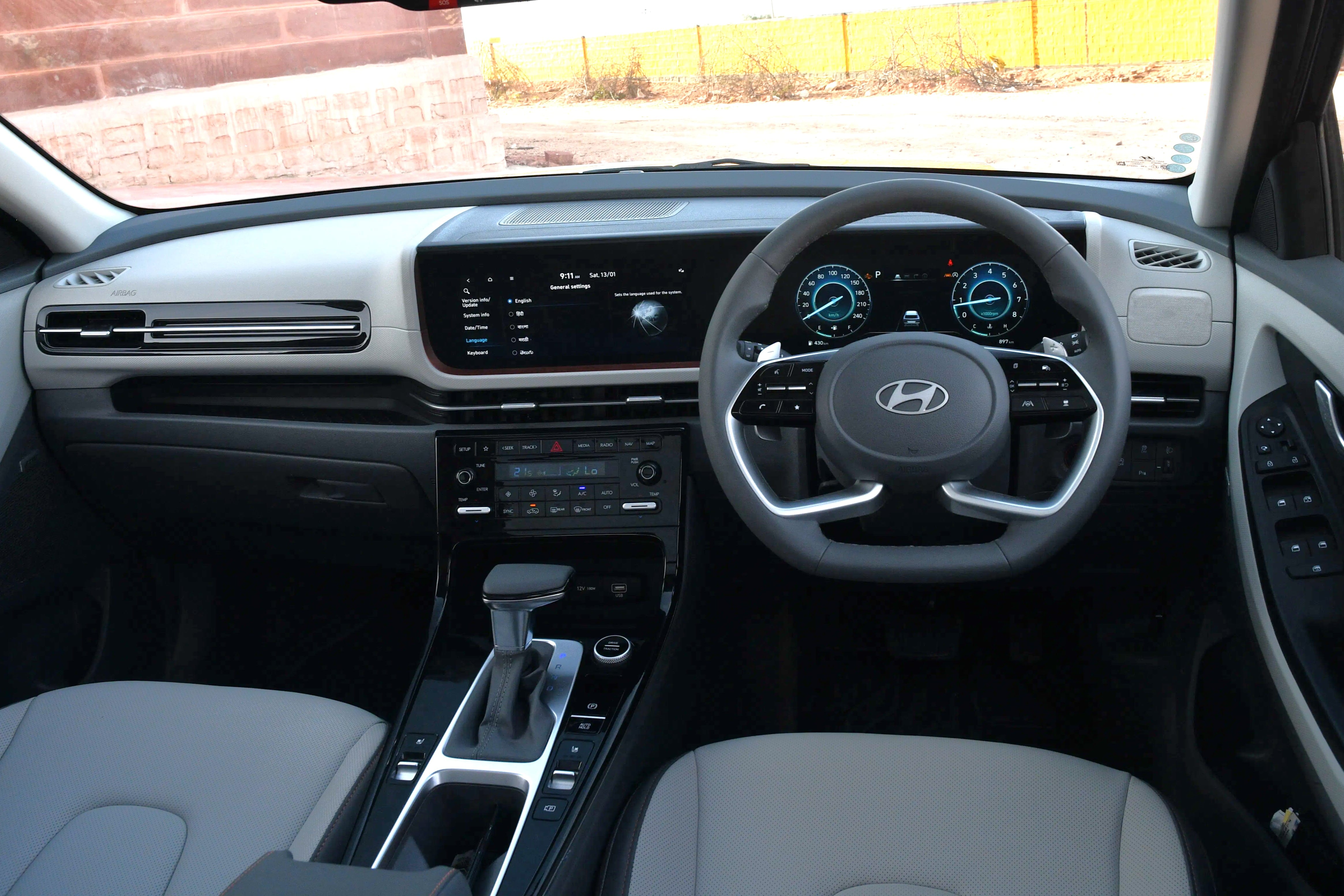
Among the most notable elements visible in the spy shots is a new curved set of displays, similar to the dual 12.3-inch screens found in top-spec variants of the smaller Venue. By contrast, the Creta comes with dual 10.25-inch displays at most, and its infotainment system doesn’t natively support wireless Apple CarPlay and Android Auto – a separate USB adapter is required for that. We expect the Bayon-based SUV to rectify this shortcoming with updated infotainment software.
A dual-tone steering wheel resembling that of the Venue can be observed too. Like many of Hyundai’s newer cars, the steering wheel is expected to bear the four-dot motif that signifies ‘H’ in Morse code. Its black-and-white finish likely informs the overall colour scheme of the cabin as well.
Credit: Ankan Baruah via YouTube
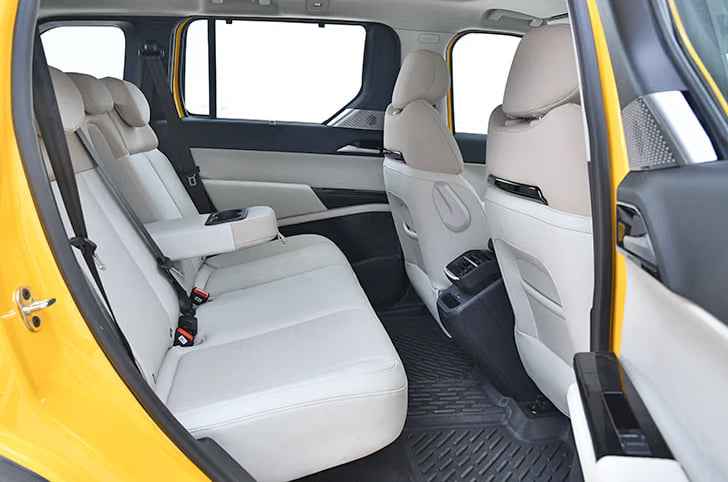
In the second spy shot, we can clearly see a black-and-white finish for the door liners. The Bayon-based SUV also looks to have circular interior door handles.
Hyundai Bayon-based SUV: What else do we know?
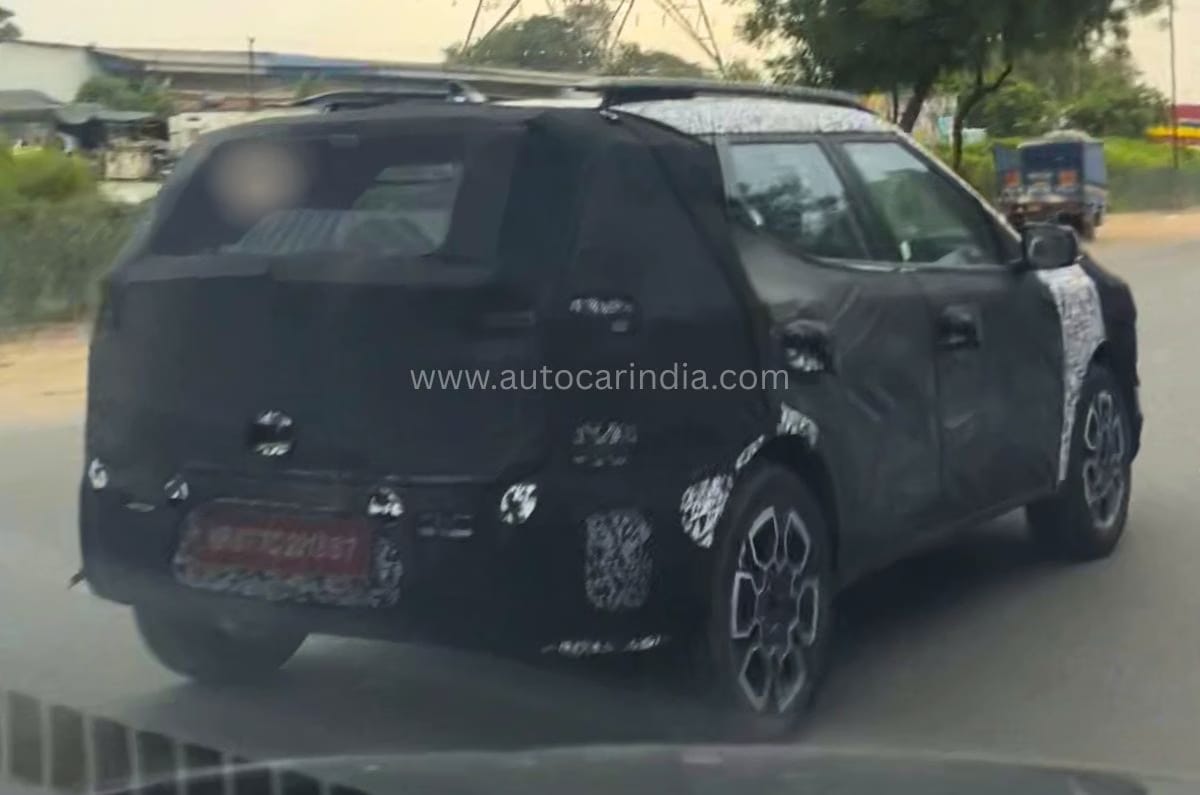
On the outside, the Bayon-based SUV is anticipated to adopt Hyundai’s latest ‘Art of Steel’ design language, which is seen in newer global models like the eighth-gen Elantra and fifth-gen Tucson. Expect the Bayon-based SUV to sport T-shaped light bars at the front and rear, squared-off wheel-arch cladding, new alloy wheels, edgy proportions, and lots of cuts and creases on the bodywork.
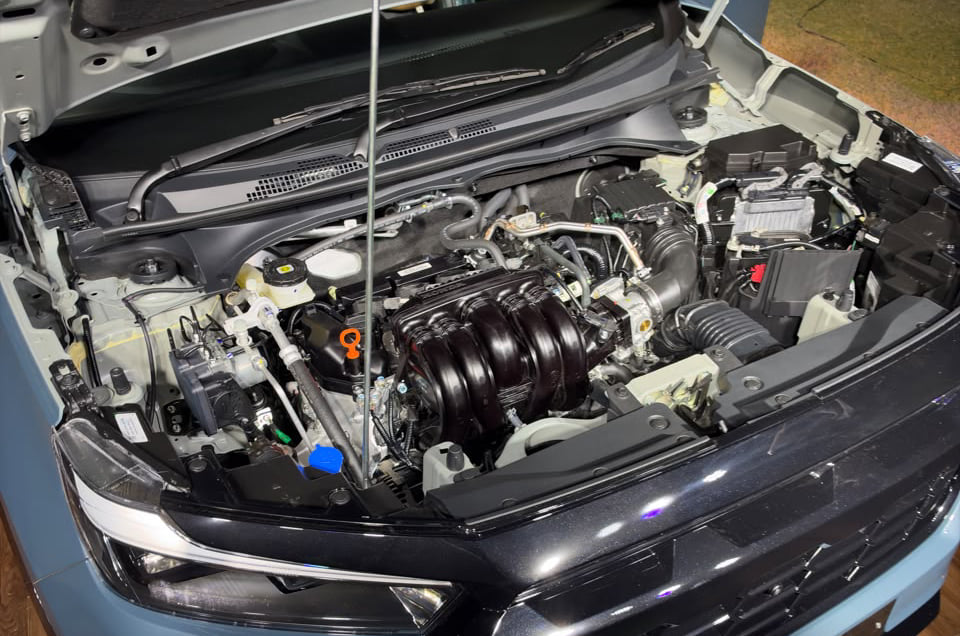
The Bayon-based SUV will differ majorly from the Creta in powertrain offerings. We exclusively reported in July that the upcoming Hyundai SUV is expected to get the Creta’s 115hp 1.5-litre 4-cylinder naturally aspirated petrol engine with its respective 6-speed manual and CVT options. However, this engine will also be offered in CNG form, which will make the Bayon-based SUV the first Hyundai car over four metres long to be powered by CNG.
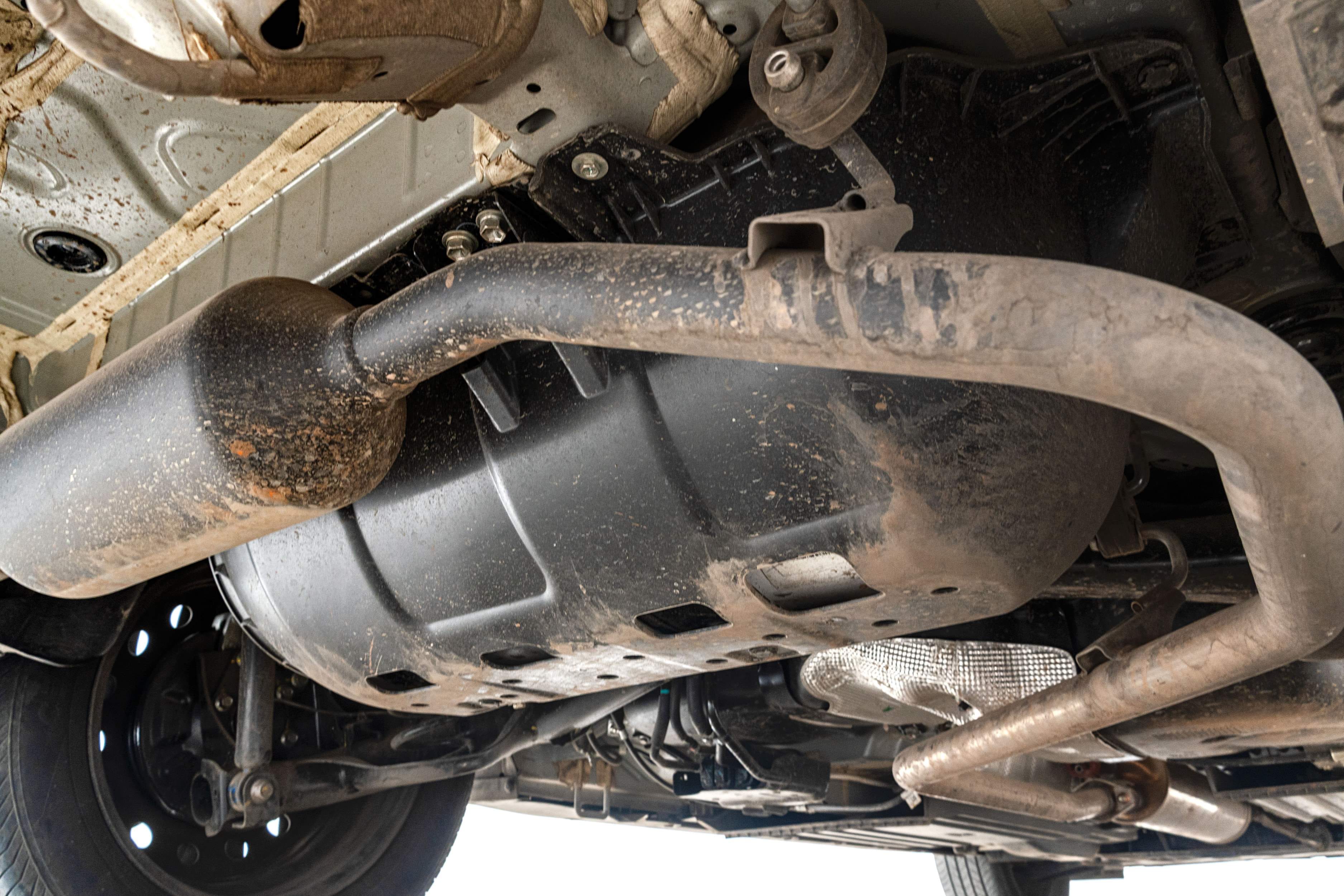
An underbody CNG tank is expected for the Bayon-based SUV as well, allowing it to directly rival the Maruti Suzuki Victoris, which is the only CNG-powered midsize SUV with an underbody tank at the moment.
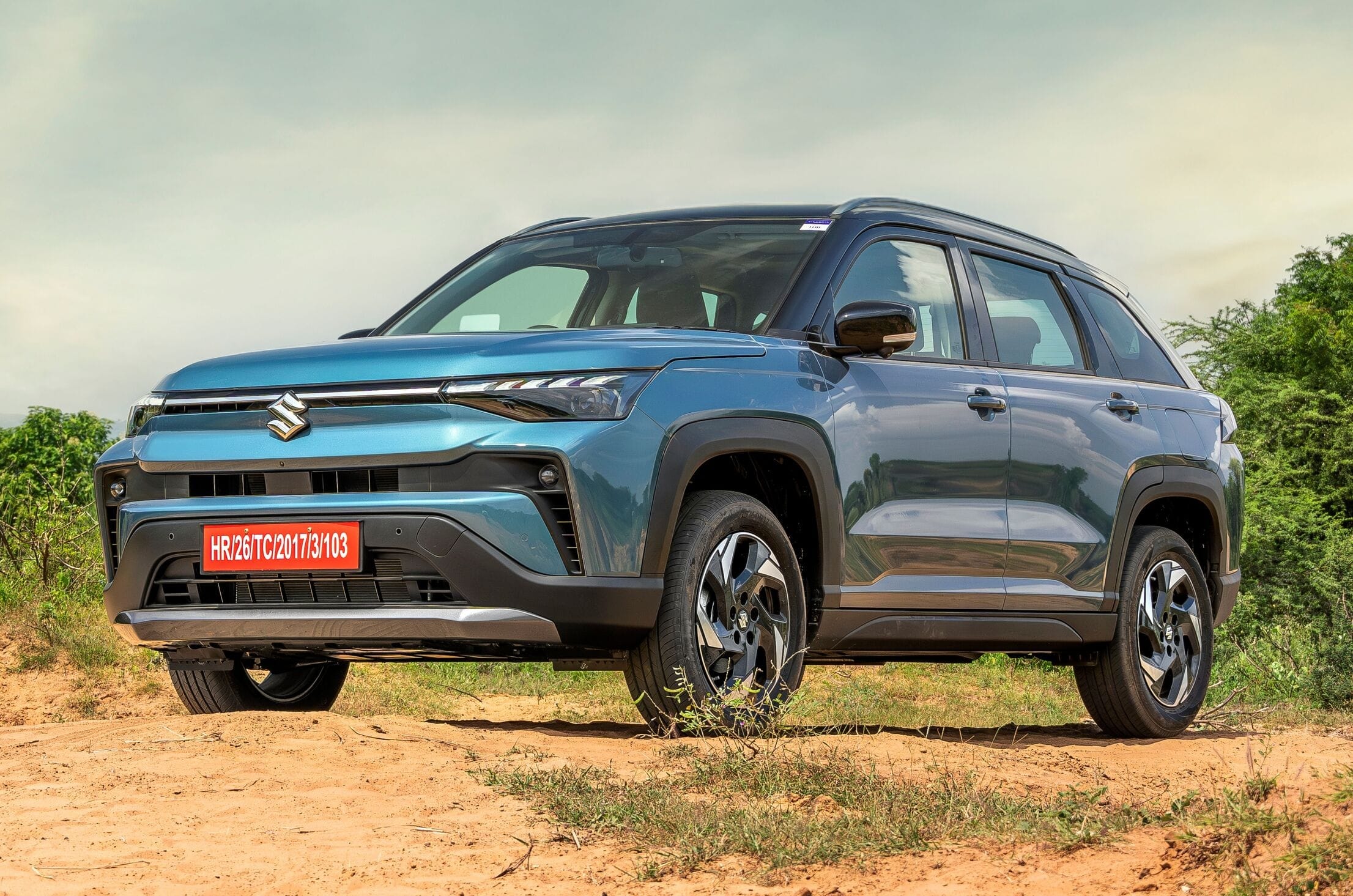
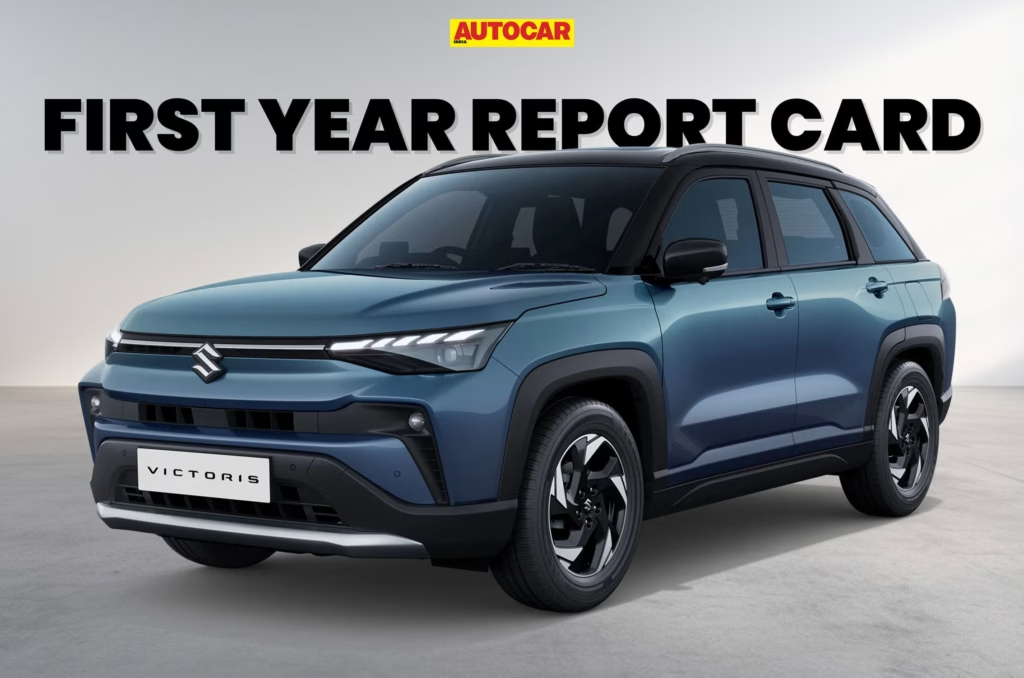
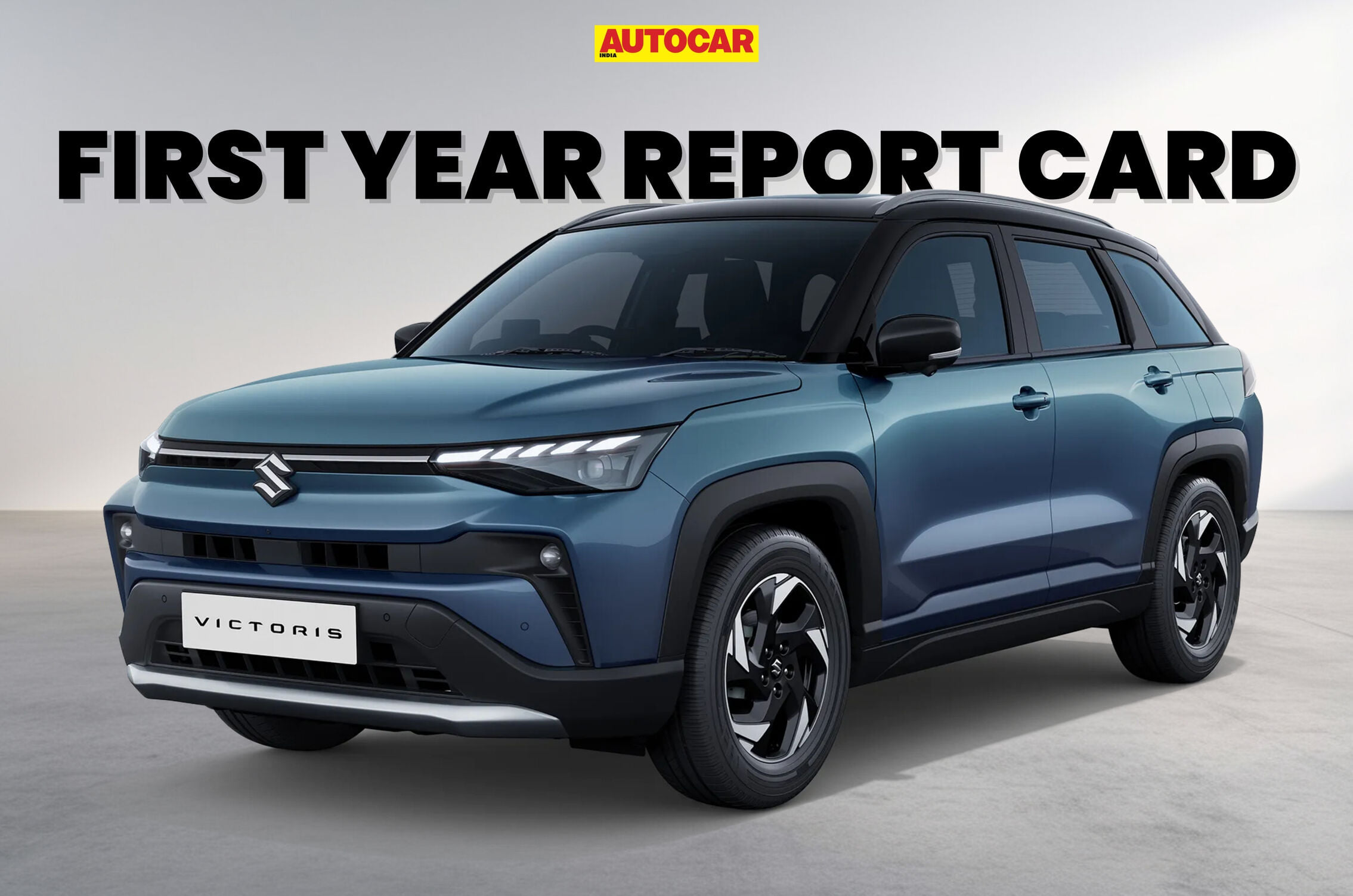
Maruti offers buyers a wide range of powertrain options with the Victoris – a 1.5-litre petrol engine paired with either a manual or automatic transmission, an all-wheel-drive automatic, a strong hybrid, and a CNG version. Interestingly, nearly one in every two Victoris buyers opts for the CNG variant. To understand the reason behind its popularity, we put it through our real-world tests.
City drivability is good; efficiency is impressive.
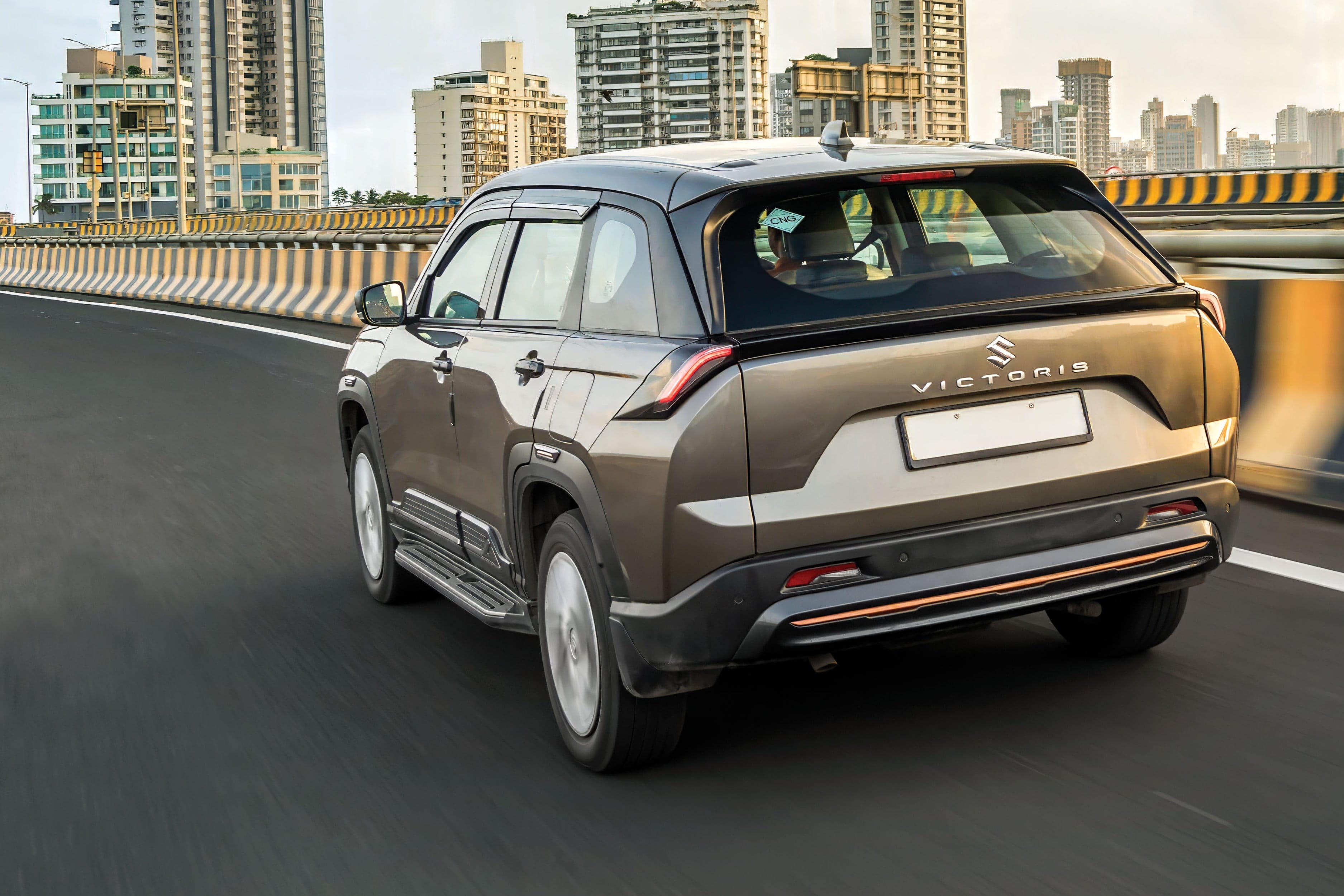
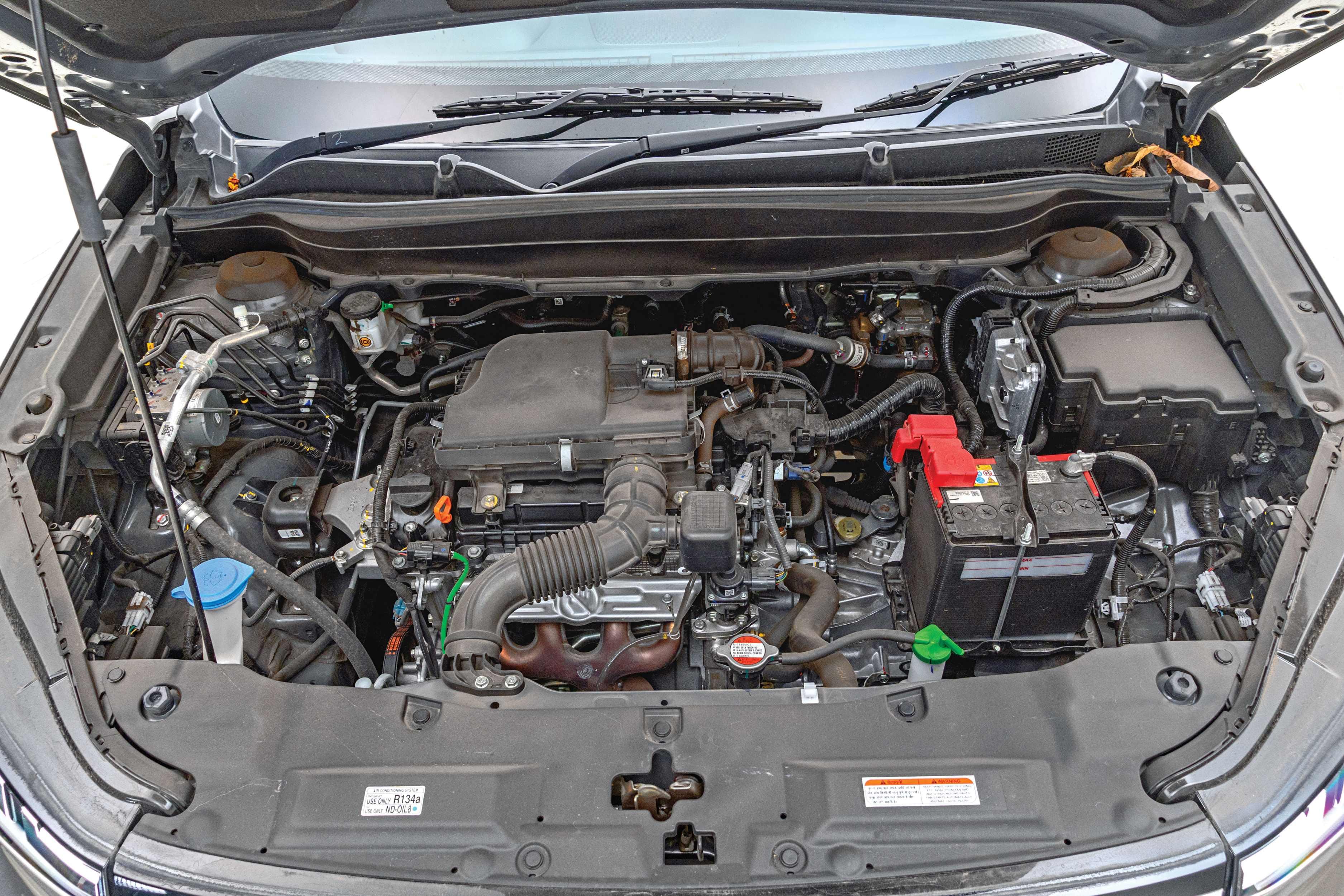
Powered by a 1.5-litre four cylinder engine, the Victoris produces 88hp and 122Nm when running on CNG. While those figures may appear modest on paper, the good news is that the engine feels responsive right from the outset, and overall driveability remains impressive. It is more than capable of keeping pace with city traffic, and up to about 80kph, with the engine spinning below 3,000rpm, there is enough performance on tap to satisfy most users. You do need to be mindful of being in the right gear, and occasionally, you may find yourself revving the engine harder for a quick overtake. On that note, Maruti’s 5-speed manual gearbox remains one of the best in the business, offering precise shifts and a light, effortless action. The clutch is also light, making the Victoris CNG particularly easy to drive.
Maruti Suzuki Victoris S-CNG acceleration times
CNG
Petrol
Speed (Kph)
Time (Sec)
Time (Sec)
20
1.33
1.32
40
3.28
3.22
60
6.31
5.79
80
9.88
8.87
100
15.14
13.43
120
23.44
19.56
That said, performance isn’t effortless, and when it comes to quick overtakes, you’ll need to work the engine harder. But it is only then that the difference between petrol and CNG modes becomes noticeable. In petrol mode, the engine feels freer and more eager to rev, whereas in the CNG mode, it feels slightly more restrained. To put things into perspective, the Victoris accelerates from 0-100kph in 15.14 seconds in CNG mode, making it 1.7 seconds slower than in petrol mode. Performance also tapers off noticeably beyond 100kph, regardless of which mode you are in.
Maruti Suzuki Victoris S-CNG rolling acceleration
Speed (Kph)
Time (Sec)
Time (Sec)
20-80kph (3rd gear)
16.14
15.98
40-100kph (4th gear)
22.45
18.92
Maruti Suzuki Victoris S-CNG mileage – 9/10
Under-floor CNG tank occupies spare tyre space.
Owners, however, will certainly appreciate this SUV’s efficiency. In our tests, the Victoris CNG delivered 18km/kg in the city and 26km/kg on the highway. The latter figure is particularly impressive, coming close to Maruti’s claimed fuel-efficiency figure of 27.02km/kg.
Its 55-litre CNG tank, mounted beneath the vehicle, can typically hold between 7.4kg and 8kg of gas, depending on ambient conditions and pump pressure. Based on our findings, owners can expect an average real-world driving range of around 180km on a full CNG fill.
Maruti Suzuki Victoris S-CNG ride comfort and handling – 8/10
You’ll need to work its engine harder on hilly terrain or to make quick highway overtakes.
Shifting focus to other aspects, the Victoris inspires confidence on almost every kind of road thanks to its well-sorted underpinnings and expertly judged suspension setup. It feels tough and robust in the way it smothers small undulations and absorbs even sharp road shocks with ease. Even when driven at higher speeds, this Maruti remains composed, riding flat without unnecessary body movements.
Maruti Suzuki Victoris S-CNG features and safety – 8/10
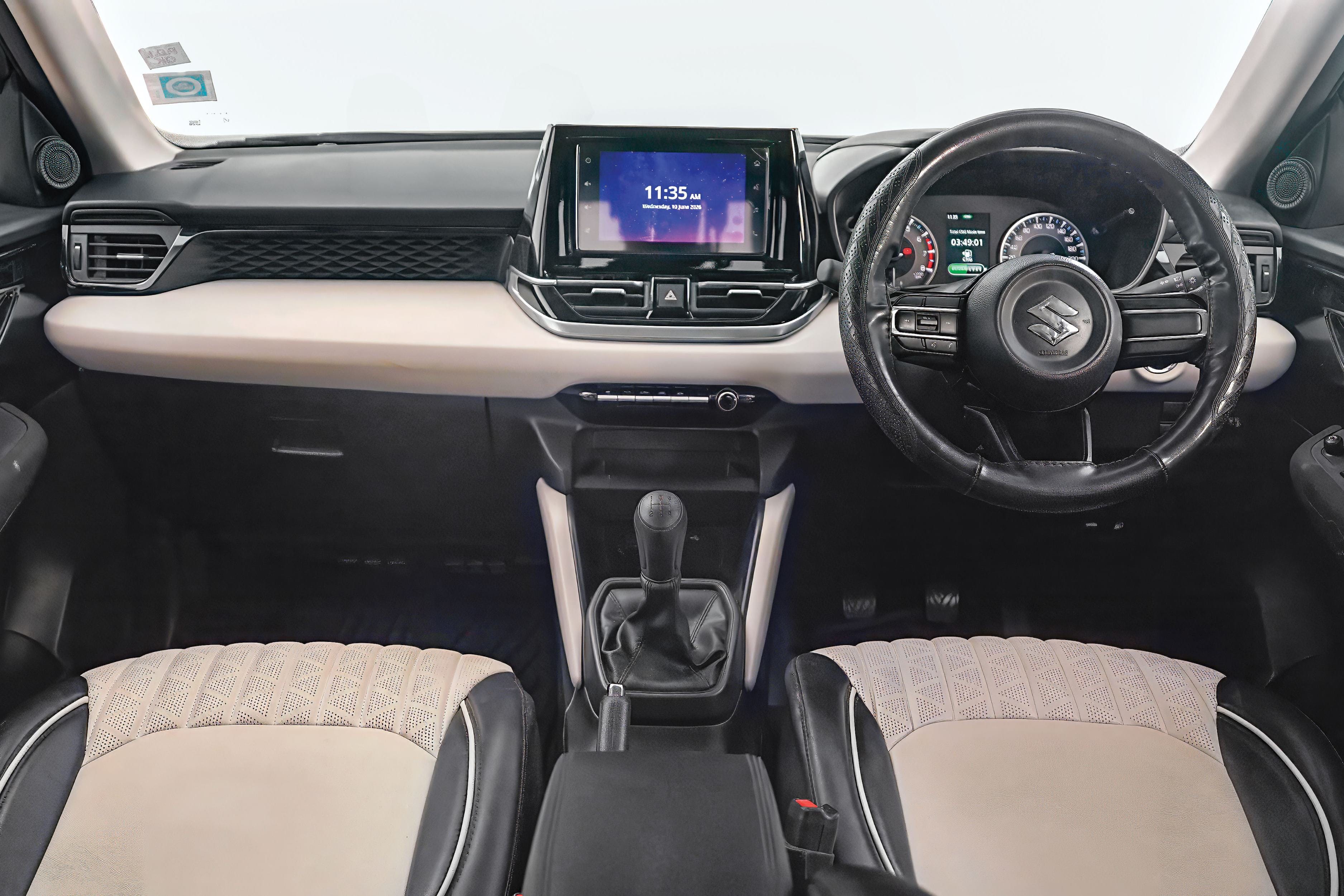
Pleasing dual-tone interiors with generous standard equipment.
As for safety, six airbags, ESP, ABS with EBD and all the essential modern safety features come as standard. Notably, the entry-level LXI variant represents excellent value for money. Priced at Rs 11.5 lakh, it comes equipped with keyless entry, push-button start, automatic climate control, a 7-inch touchscreen with wireless Android Auto and Apple CarPlay, and projector headlamps, among other notable features.
Maruti Suzuki Victoris S-CNG boot space – 8/10
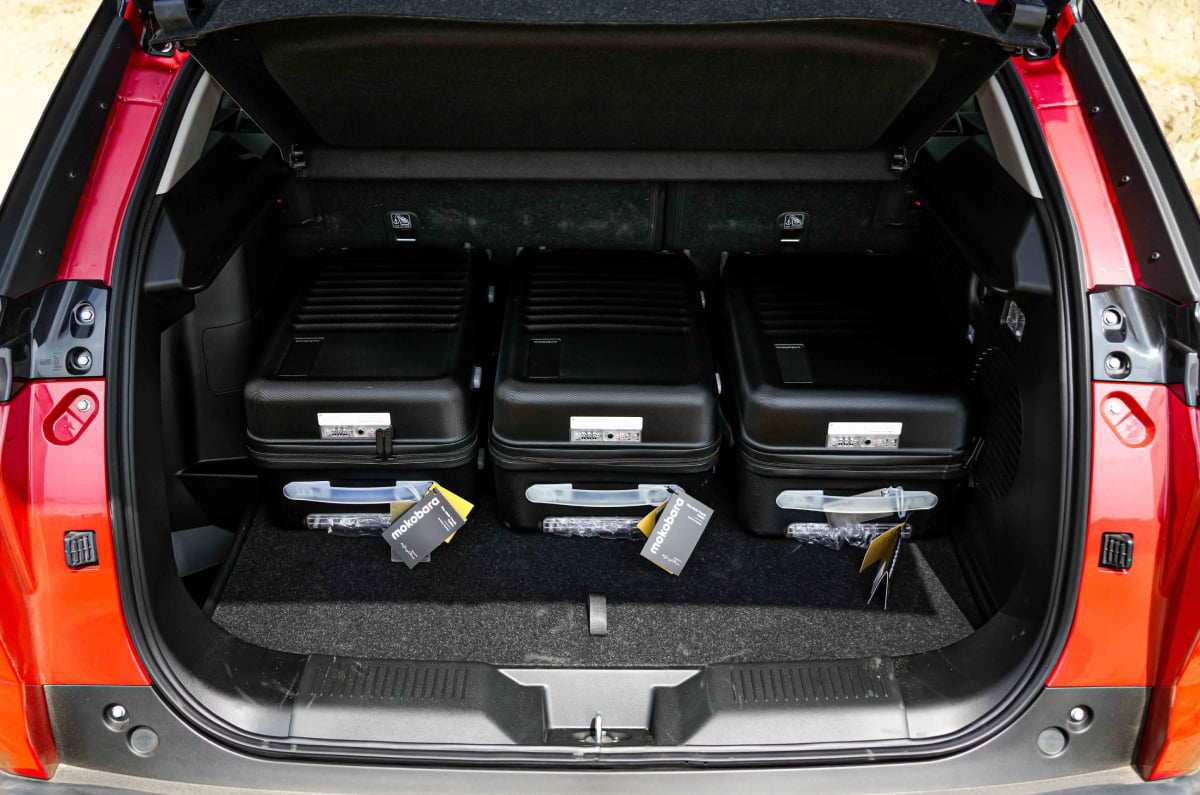
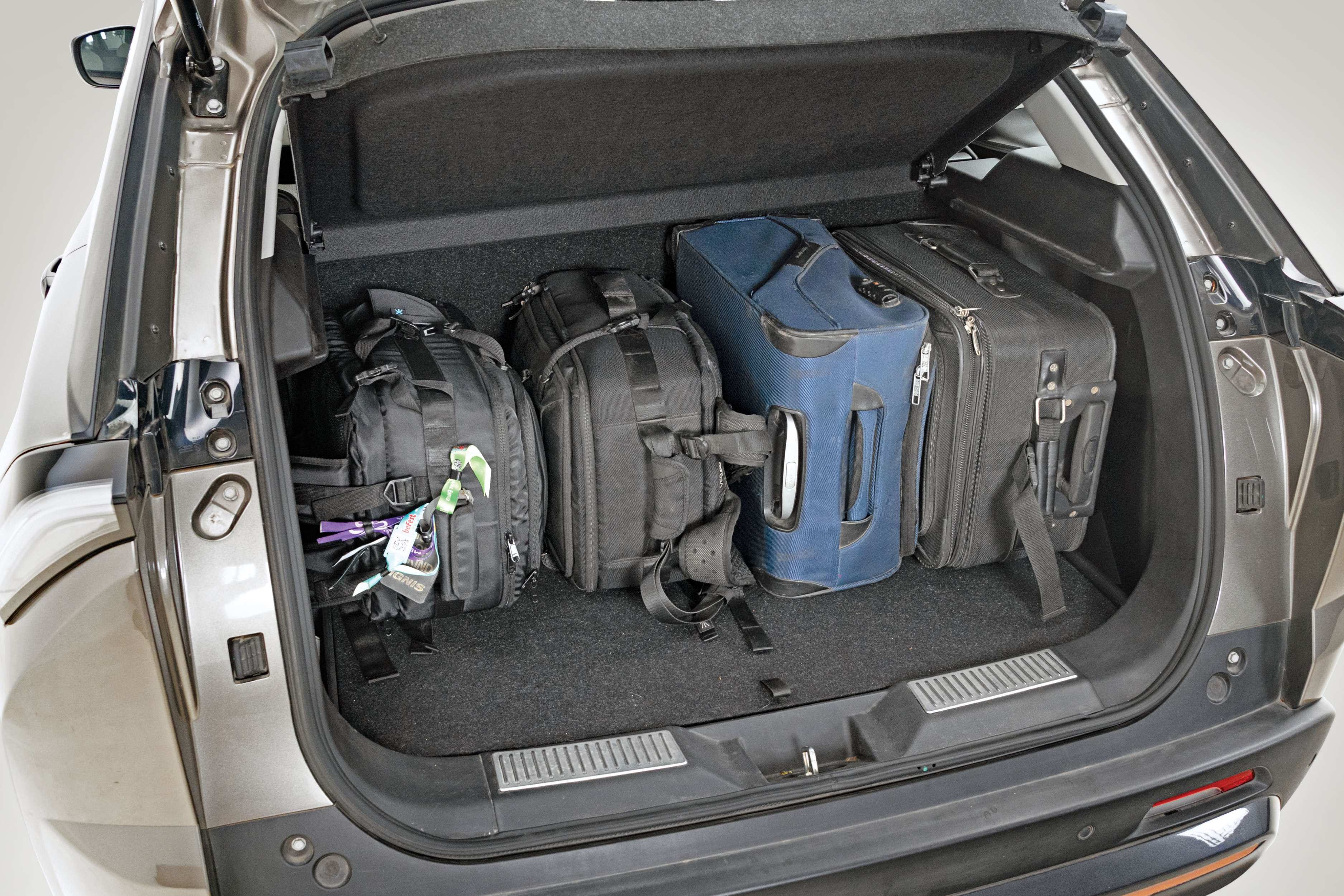
With the under-floor CNG tank, boot space is good.
Maruti has also cleverly packaged the Victoris’ CNG tank beneath the boot floor, which means luggage space remains identical to the petrol version, making it just as practical. The only compromise is the absence of a spare tyre, with CNG variants making do with a tyre inflator kit instead.
Maruti Suzuki Victoris S-CNG verdict- 8/10
It is an efficient, sensible, value-for-money SUV.
In summary, the Victoris is a sensible, efficient and genuinely value-for-money midsize SUV. For buyers with high running requirements who want to keep fuel costs in check, the CNG version is the obvious choice. The drivability is good, the efficiency is excellent, and although it costs around Rs 1 lakh more than an equivalent petrol version, the significantly lower running costs should allow owners to recover that premium over time.
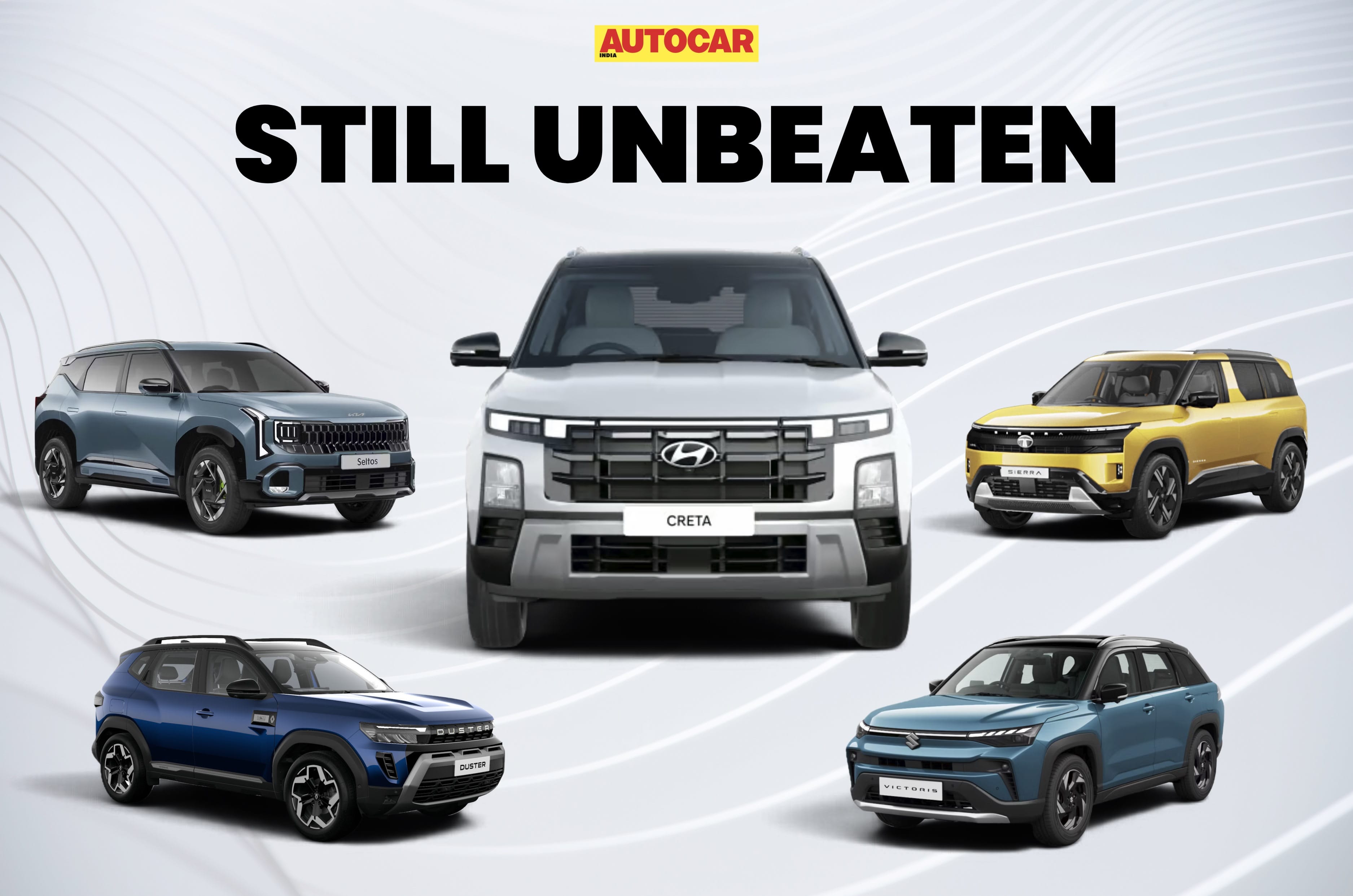
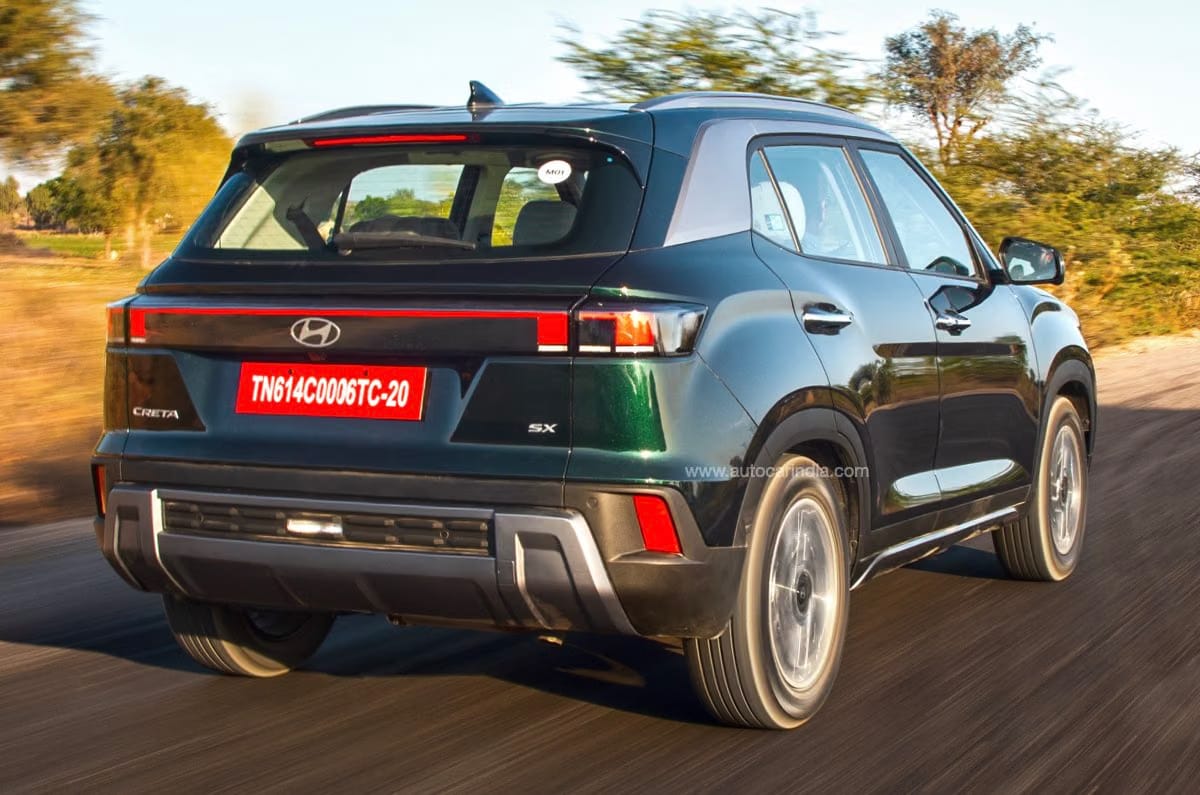
If things were to pan out that way, it would be bad news for Hyundai, since the Creta is the Korean carmaker’s bread-and-butter in India. Now that we have sales data for the first half of calendar 2026, and production, deliveries have stabilized for this fresh barrage of midsize SUVs, let’s take a look if any model has eaten into the Creta’s market, or if the Hyundai SUV continues to rule its segment.
Hyundai Creta vs latest midsize SUV sales in H1 2026
Model
January
February
March
April
May
June
Total
Hyundai Creta^
17,921
17,938
17,838
15,291
15,235
7,168
91,391
Maruti Victoris
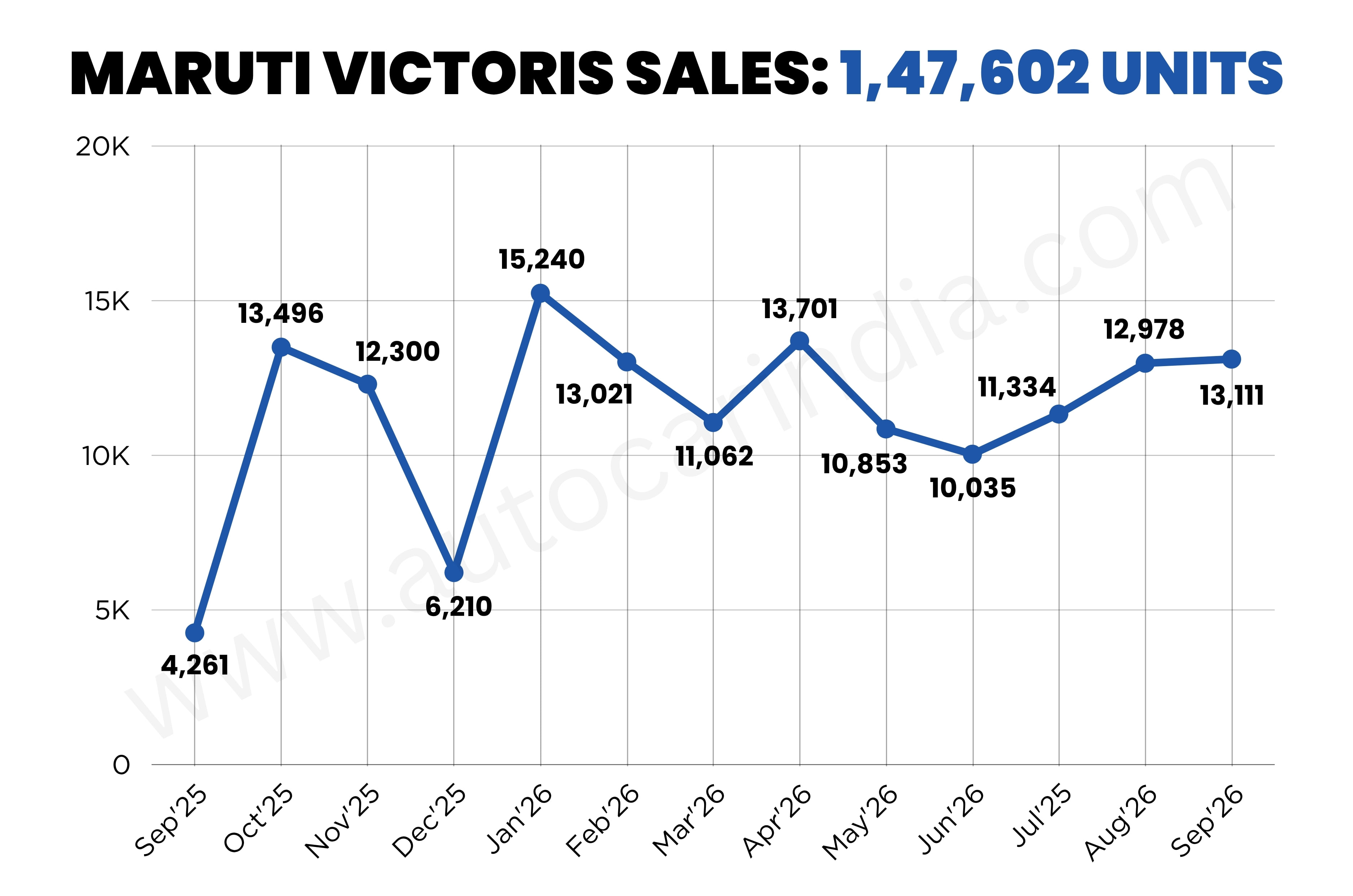
15,240
13,021
11,062
13,701
10,853
10,035
73,912
Kia Seltos*
10,639
10,308
11,041
10,566
10,597
9,654
62,805
Tata Sierra
7,003
7,100
9,003
7,316
6,606
6,392
43,420
Skoda Kushaq*^^
–
–
2,307
1,851
1,310
992
6,460
Renault Duster
–
–
1,402
2,359
1,267
1,011
6,039
Volkswagen Taigun*^^
–
–
–
1,543
1,281
1,182
4,006
^Includes Creta Electric sales
*May include carryover sales of outgoing models
^^Sales counted from the facelift’s month of launch
Six months into 2026, the Creta has managed to retain its moniker of midsize SUV sales champion, averaging over 15,000 sales a month. Compared to H1 2025 (1,00,560 units sold), the Creta’s sales are actually 9.12 percent down YoY, but the Hyundai SUV is still far ahead of its rivals on the chart. That said, though the newer midsize SUVs haven’t dethroned the Creta, they’ve done a lot to grow the segment.
The next bestselling midsize SUV during H1 2026 was the Victoris, which fell 17,479 units behind the Creta. For perspective, you could fit the sales of the Duster, Kushaq, and Taigun within that gap and still come up around 1,000 units short. Launched in September 2025, the Victoris had a few months to establish itself in the market, and differentiates itself from the Creta by offering CNG and strong hybrid powertrains, which appeal to buyers seeking practicality and fuel efficiency, as well as Maruti’s famed peace of mind.
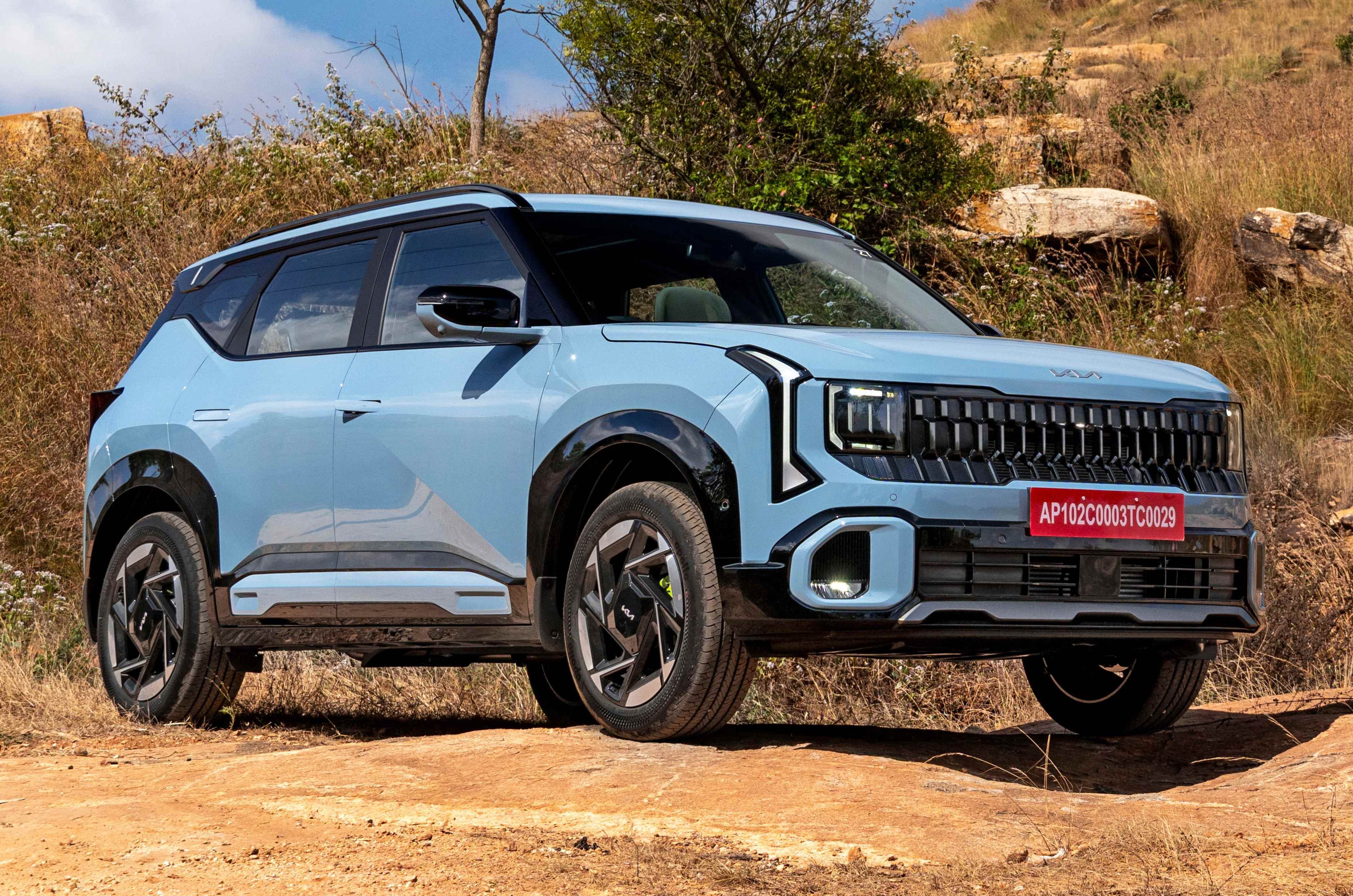
In third position comes the Seltos, which in theory should’ve been stiff competition for the Creta, with the Kia SUV offering a near-identical set of powertrains, a more modern platform (which will even underpin the next-gen Creta), similar pricing, and greater safety credentials by way of a 5-star Bharat NCAP rating. That said, the Seltos did record a whopping 70.28 percent YoY surge in sales, clearly reflecting the boosted popularity of the second-gen model.
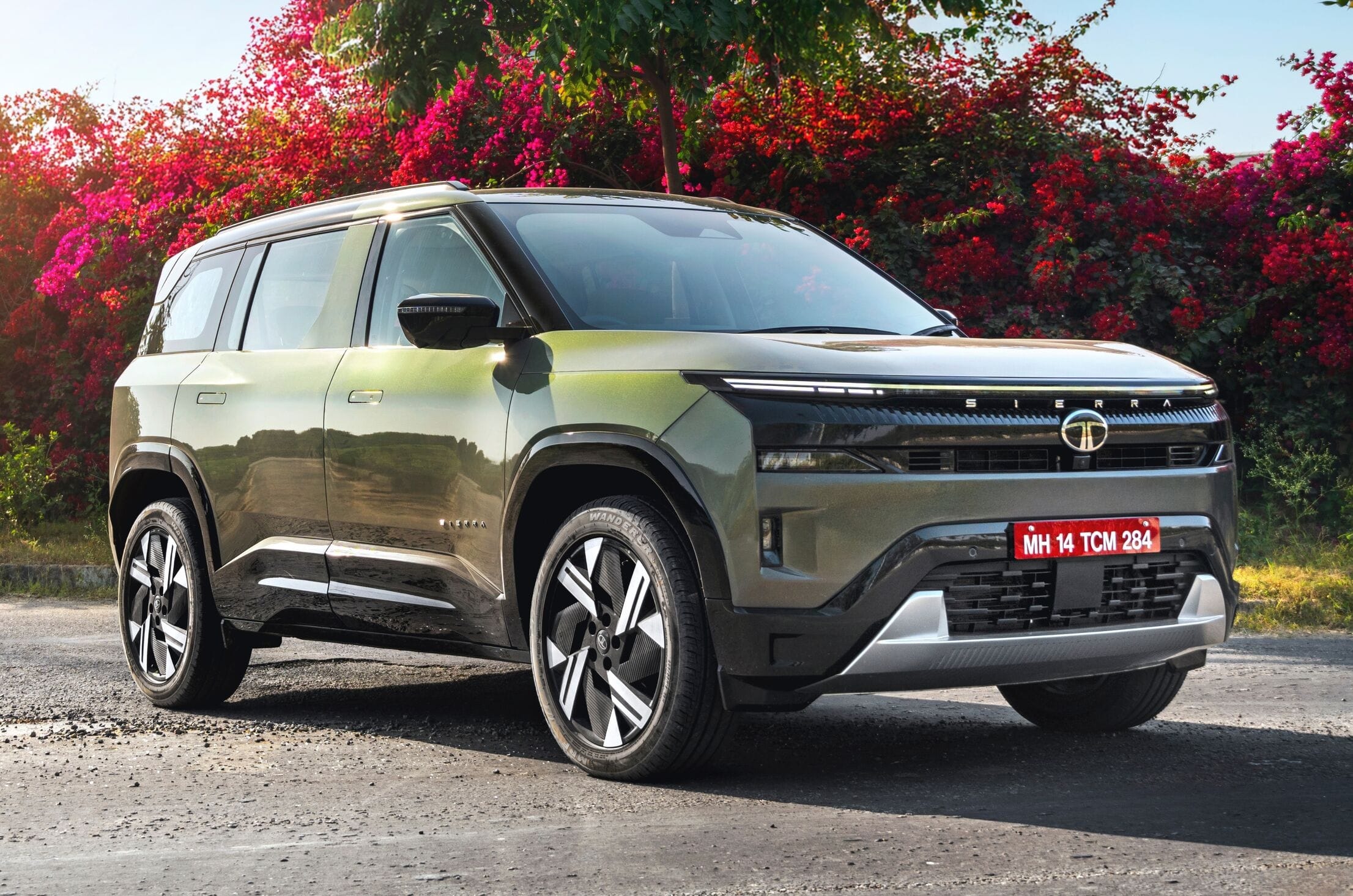
The Sierra is Tata’s most formidable contender against the Creta to date, but sold less than half of what the Hyundai SUV did in H1 2026. It should be noted that the Sierra’s sales were initially production-constrained, with Tata steadily increasing manufacturing capacity every month to meet demand. The Sierra is undoubtedly a more feature-packed offering than the Creta, but also costs more. Concerns around fit-and-finish and Tata’s aftersales experience also play a role here.
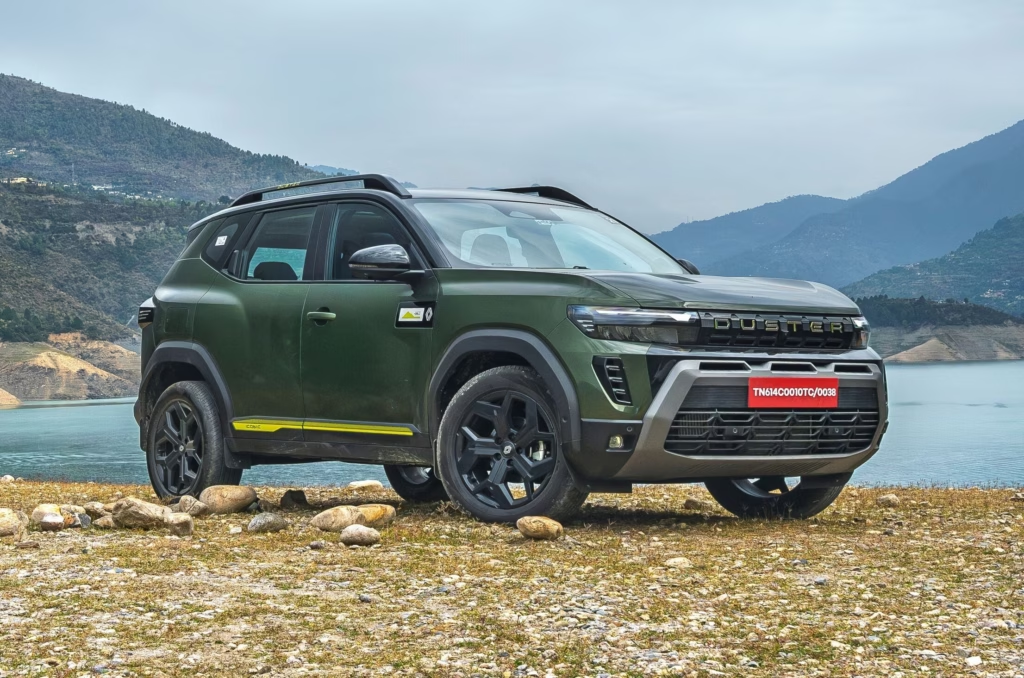
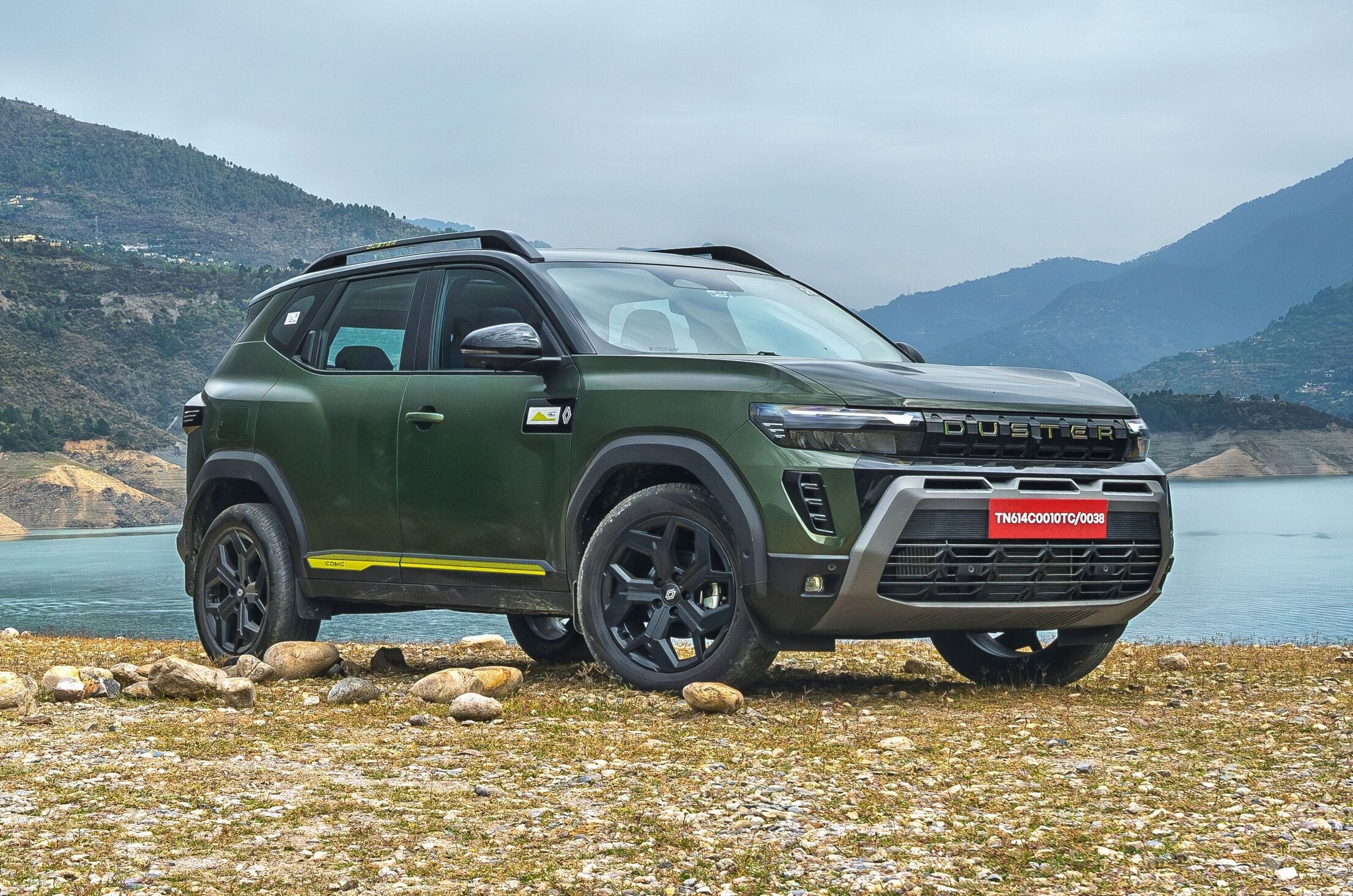
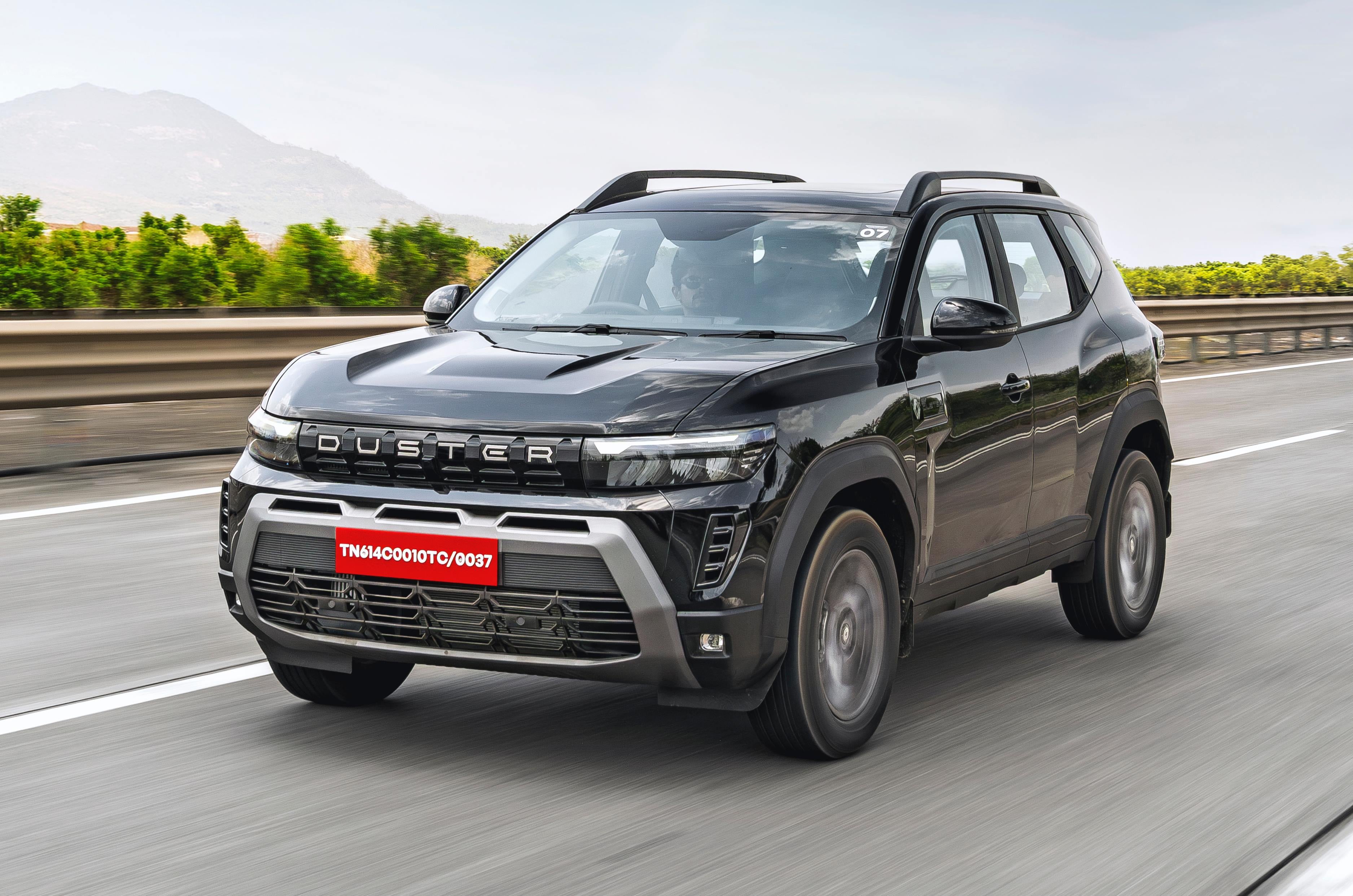
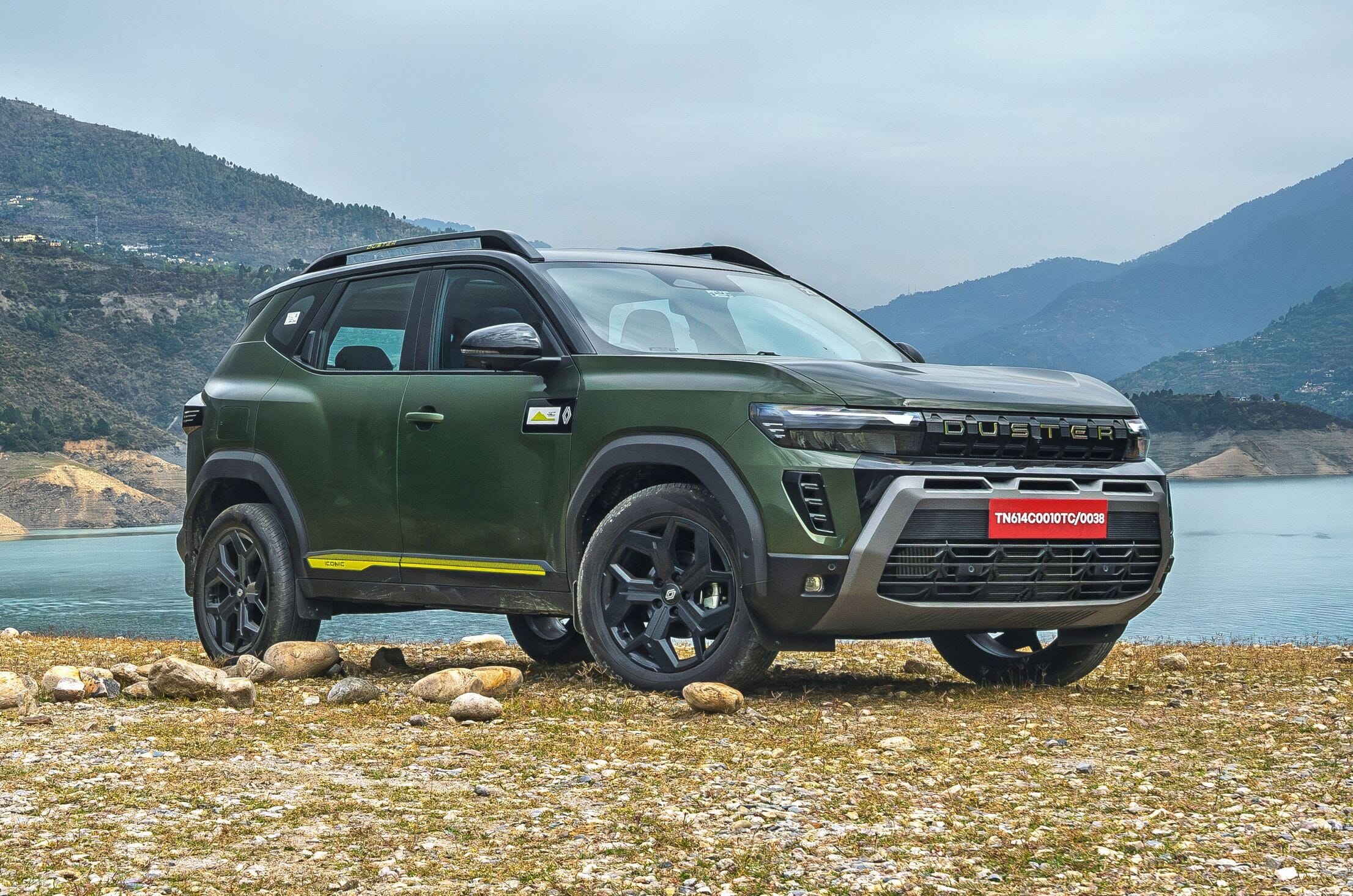
Renault made its long-awaited return to the midsize SUV space with the new Duster in March, with deliveries commenced in April, but it hasn’t quite set the H1 sales chart alight. Like the Sierra, the Duster’s production is being increased in a phased manner, which could explain the relatively low sales numbers. The Duster has a lot going for it, like aggressive pricing, muscular looks, and a competitive feature set, but the SUV’s exclusively turbo-petrol powertrain line-up limits its appeal for many buyers. A strong hybrid powertrain is set to join the Duster line-up by Diwali 2026, and could pique buyer interest further.
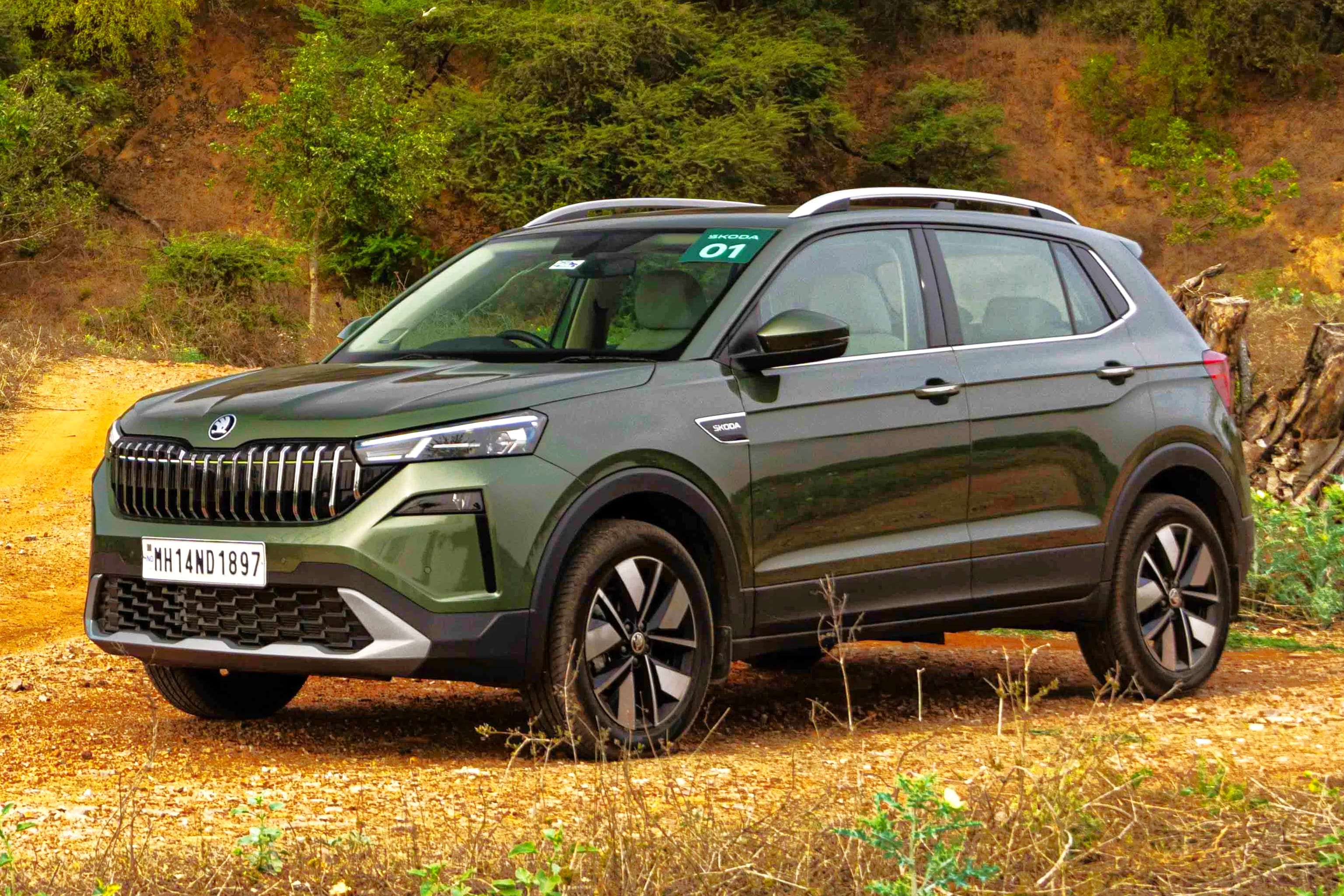
Facelifts of the Kushaq and Taigun were launched in March and April, respectively – nearly five years since the midsize SUVs originally went on sale in India. Both packed some long-requested feature additions and changes, which led to demand spikes in subsequent months. Much like the Duster, though, the Kushaq and Taigun are available with turbo-petrol engines only, and are also on the dimensionally smaller side of the segment, which means they’re best-suited for enthusiast buyers.
Why does the Creta keep selling?
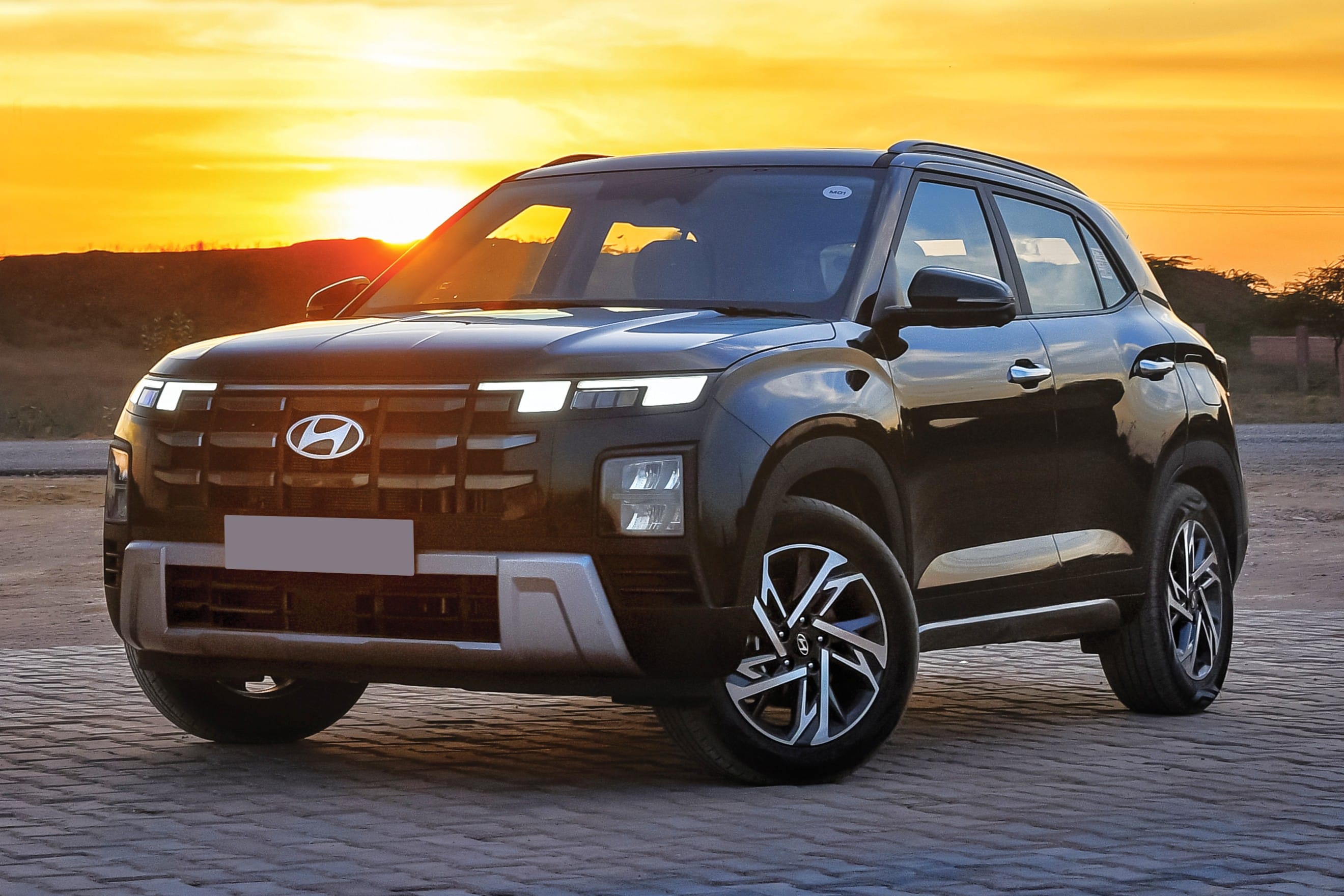
The biggest reason behind the Creta’s persistent reign on the midsize SUV sales charts is its deeply well-established brand name and perception. Many Indian car buyers are very conservative and safe in their purchasing decisions, and seeing a consistently high number of Cretas on the road every single day builds the image of it being the best option in the segment by virtue of sheer popularity. Not to mention, the more ubiquitous and established the car, the better its resale value, which is also very important to most Indian buyers.
Another key driver behind the Creta’s popularity is its proven reliability and no-nonsense ownership experience. Though many of the Creta’s rivals are just as, if not more durable, the Hyundai SUV’s reliability comes alongside a decently long list of features, a comfortable and well-built interior, great levels of refinement, a wide variety of powertrains, and an easy driving experience – making for an excellent overall package.
The Creta is even among the few in its segment to offer a diesel engine, which many midsize SUV buyers still prefer. For those who primarily commute in the city, there’s a smooth naturally aspirated petrol engine on offer, while enthusiast buyers can pick from the sporty Creta N Line range, which is powered by a direct-injection turbo-petrol motor. Basically, there’s something for everyone, and that’s exactly why the Creta is still unbeaten.
While pretty basic in their operation, parking sensors alleviate the strain involved when space is at a premium. Once the dominion of premium models, front parking sensors have now found their way into more affordable ones. We have listed the top 10 cars that get parking sensors at the front as well, and that too at an ex-showroom price of under Rs 20 lakh.
10. Kia Carens Clavis EV
Prices start at Rs 18.04 lakh
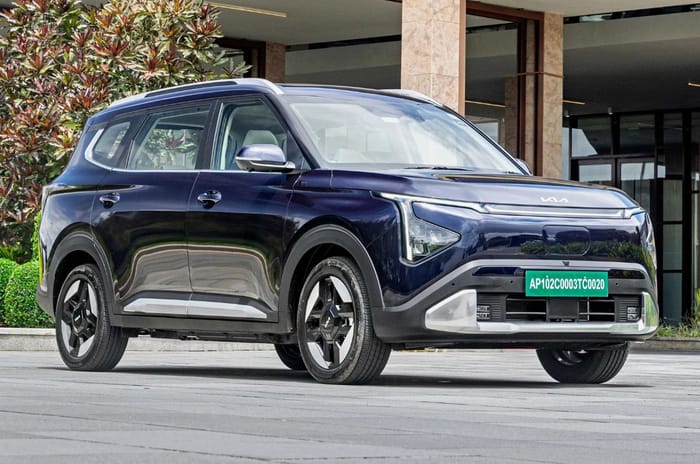
All variants of the 7-seat Kia Carens Clavis EV get front parking sensors. However, we are only considering the HTK+ and HTX E, since the rest are priced above Rs 20 lakh. These trims are offered with a 42kWh battery pack with an MIDC-claimed range of 404km. The single electric motor of the Clavis EV generates 133hp, while charging the battery from 10-80 percent takes 39 minutes when plugged into a 100kWh DC fast-charger.
Variants
Prices (Rs, lakh)
HTK+
18.04
HTX E
20.00
9. Maruti Suzuki Victoris
Prices start at Rs 15.39 lakh
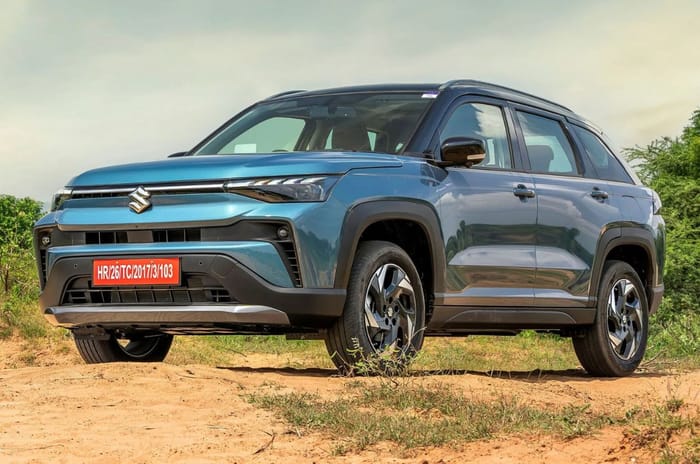
The Maruti Suzuki Victoris gets front parking sensors, but only on the ZXI Plus and the top-spec ZXI Plus (O), priced at Rs 19.99 lakh. These are available with manual and automatic transmissions, petrol and strong-hybrid options, and in front-wheel drive or all-wheel drive configurations. The naturally aspirated (NA) 1.5-litre engine of the Victoris manages 103hp, whereas the strong-hybrid’s powertrain achieves a combined output of 116hp.
Variant range
Price range (Rs, lakh)
ZXI Plus – ZXI Plus (O)
15.39 – 19.99
*Dual-tone options cost around Rs 14,500 more
8. Kia Carens Clavis
Prices start at Rs 15.28 lakh
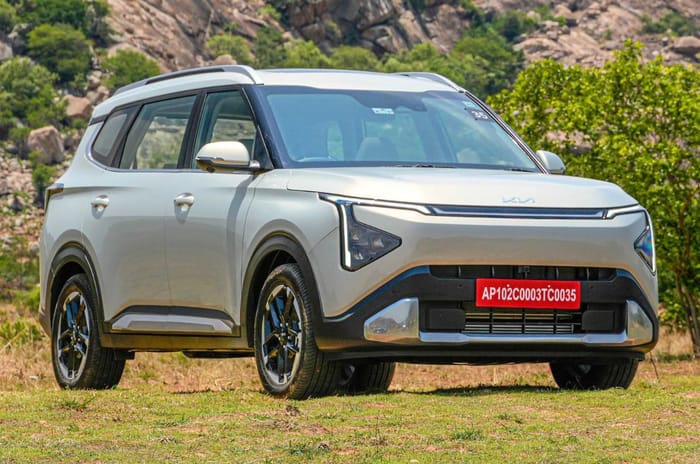
Front parking sensors are on the equipment list for the HTK+, HTK+ (O), HTX, GTX, and HTX (O) trims. The latter costs Rs 19.96 lakh, with higher trims breaching our stipulated Rs 20 lakh price cut-off. Like its EV sibling, the Carens Clavis is also a 7-seater. Kia is offering three 1.5-litre engines: a 115hp petrol, a 160hp turbo-petrol with direct injection, and a 116hp turbo-diesel. Transmissions include a 6-speed manual, a 6-speed torque converter automatic (AT) and a 7-speed dual-clutch automatic (DCT).
Variant range
Price range (Rs, lakh)
HTK+ – HTX (O)
15.28 – 19.96
7. Hyundai Venue
Prices start at Rs 14.65 lakh
The second-gen Hyundai Venue adds front parking sensors to its already lengthy list of features. However, it is only the range-topping Venue HX10 and Venue N Line N10 variants of Hyundai’s compact SUV that get this nifty addition. The top-spec trim has a 1.5-litre turbo-diesel engine with 116hp, and costs Rs 15.65 lakh.
The HX10 also gets a 1.0-litre direct injection turbo-petrol with 120hp, which is shared with the N Line’s N10 trim. The diesel mill’s gearbox options are a 6-speed manual and a 6-speed torque converter automatic, whilst the petrol engine gets the manual and 7-speed DCT options.
Variants
Prices (Rs, lakh)
HX10 Turbo-Petrol (DCT)
14.65
HX10 Diesel (AT)
15.65
N Line N10 (DCT)
15.49
*Dual-tone options cost an additional Rs 18,000
6. Kia Seltos
Prices start at Rs 14.52 lakh
The entry-level HTE, HTE (O) and HTK trims of the Kia Seltos come equipped only with rear parking sensors. To get them on the front as well, you’ll need to step up to the HTK (O) at the bare minimum. Keeping our sub-20-lakh budget, the most expensive Seltos trims with front parking sensors are the GTX (A) and X-Line. Depending on the trim level, the Seltos can be had with one of three 1.5-litre engines and one of five gearboxes. For an in-depth look at those, click here.
Variant range
Price range (Rs, lakh)
HTK (O) – X-Line
14.52 – 20.00
5. Kia Sonet
Prices start at Rs 13.76 lakh
Only the top-two trims of the Kia Sonetget front parking sensors, and these are the GTX+ and X-Line. These trims are only available with the 120hp, 1.0-litre direct injection turbo-petrol engine and 116hp, 1.5-litre turbo-diesel mill. Transmission choices with these trims are a 7-speed DCT and 6-speed AT, respectively. For more information on the Kia Sonet, check out our detailed review.
Variant range
Price range (Rs, lakh)
GTX+ – X-Line
13.76 – 14.37
4. Hyundai Verna
Prices start at Rs 13.20 lakh
Buyers of the HX6, HX6+, HX8 and HX10 trims of the Hyundai Verna will benefit from having front parking sensors. The midsize sedan’s range-topping HX10 trim is priced at Rs 18.26 lakh. There are two 1.5-litre petrol mills; the naturally aspirated unit produces 115hp, with the direct injection turbo-petrol motor making 160hp. While both engines get a 6-speed manual as standard, the NA can be had with an IVT (Intelligent Variable Transmission). However, only the turbo-petrol variants get the 7-speed DCT.
Variant range
Price range (Rs, lakh)
HX6 – HX10
13.20 – 18.26
3. Mahindra XUV 3XO
Prices start at Rs 12.20 lakh
Only the AX7 and AX7 Luxury variants of the Mahindra XUV 3XO get front parking sensors, with the latter costing Rs 15.04 lakh. The sub-4-metre SUV gets a 1.2-litre MPFI (multi-point fuel injection) and 1.2-litre direct injection turbo-petrol engines producing 111hp and 131hp. A 1.5-litre turbo-diesel engine with 117hp is also available, mated to a 6-speed manual or a 6-speed AMT (automated manual transmission). The petrol versions get a 6-speed manual and a 6-speed torque converter automatic.
Variants
Prices (Rs, lakh)
AX7
12.20
AX7 Luxury
15.04
2. Tata Nexon
Prices start at Rs 11.40 lakh
The most affordable Tata Nexon variant with front parking sensors is the Creative + PS. Meanwhile, the most expensive Fearless + A PS costs Rs 13.70 lakh. Tata’s popular compact SUV is available with petrol, diesel and CNG options.
The petrol and CNG versions use a 1.2-litre turbocharged engine with up to 120hp, while the 1.5-litre diesel mill produces 115hp. The transmission choices encompass a 6-speed manual, a 6-speed AMT and a 7-speed DCT.
Variant range
Price range (Rs, lakh)
Creative + PS – Fearless + A PS
11.40 – 13.70
*Dark Edition costs around Rs 18,300 on top of the Dual Tone option
1. Renault Triber
Prices start at Rs 8.05 lakh
The most affordable car with front parking sensors is the Renault Triber. Only the top-end Emotion trim of this three-row MPV gets this feature, and the range tops out at Rs 8.53 lakh. The Triber is powered by a 1.0-litre three-cylinder petrol engine that produces 72hp and 96Nm. While there is only one engine option, buyers can choose between a 5-speed manual or a 5-speed AMT.
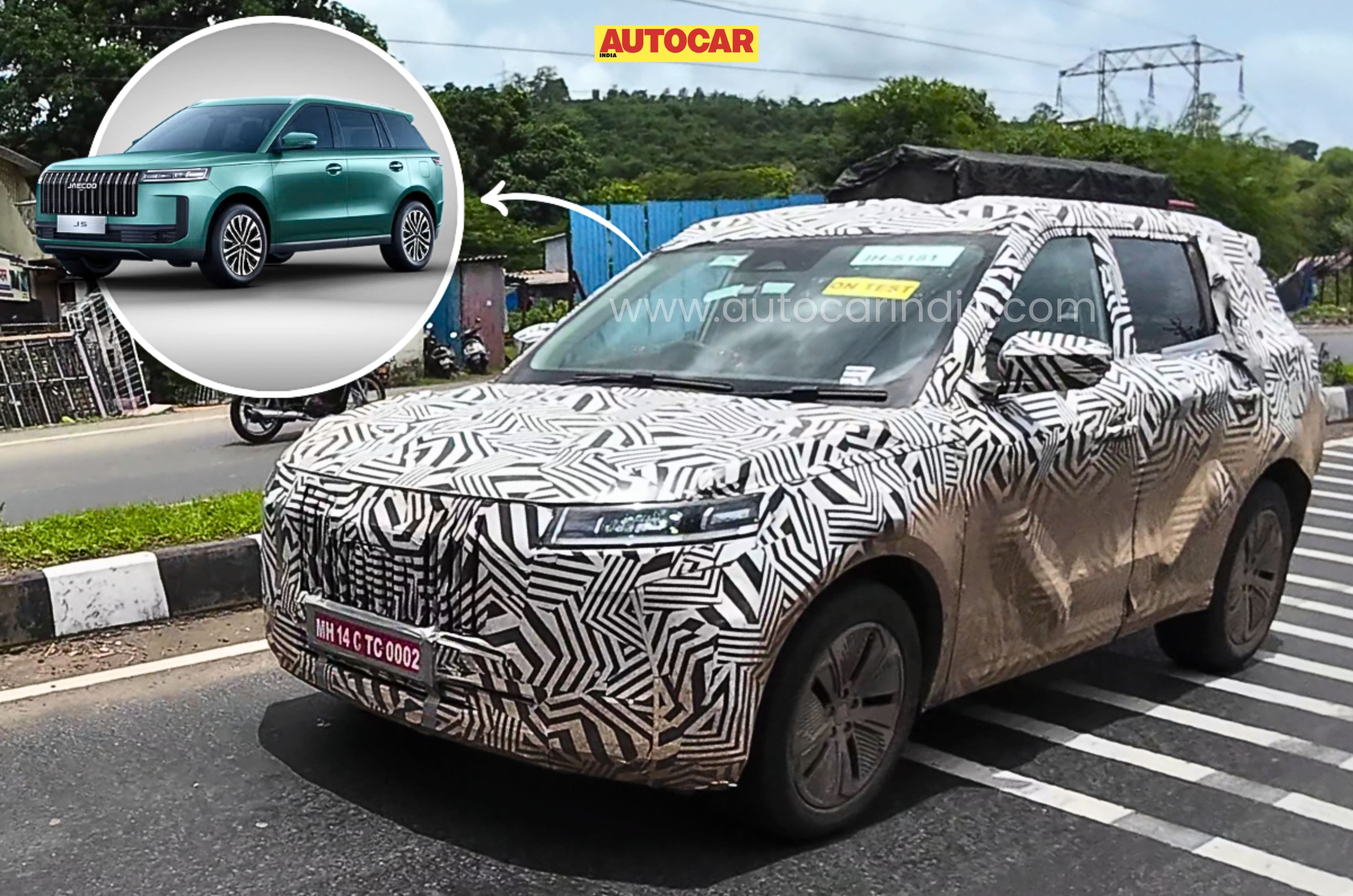
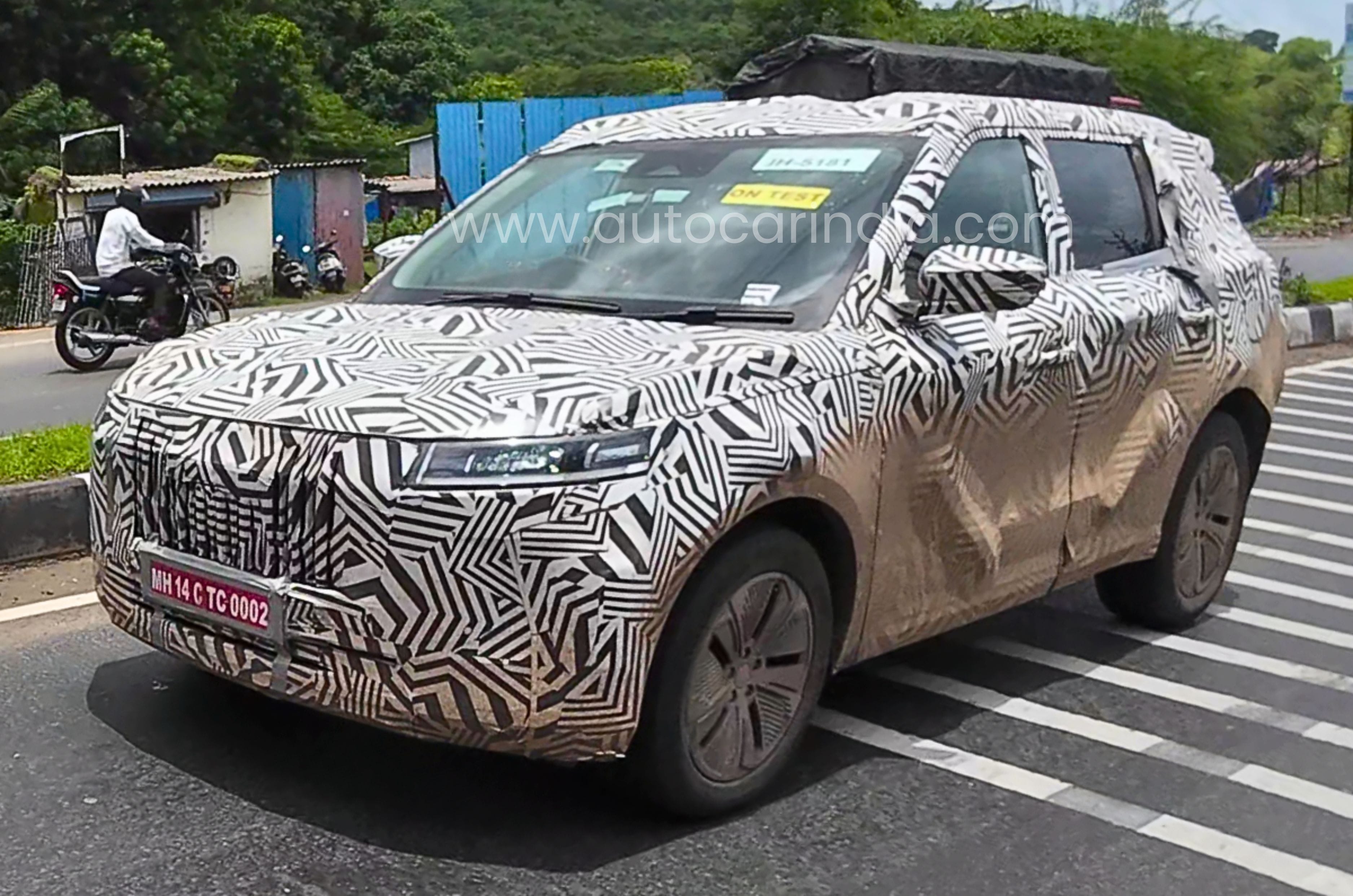
The Jaecoo J5 SUV has been spied testing in an ICE avatar for the first time in India. Interestingly, the latest spy shots suggest the Jaecoo J5 could launch in India with an ICE powertrain, whereas earlier sightings pointed to an all-electric (EV) version only. The new exterior and interior spy shots of the ICE-powered Jaecoo J5 reveal some visible differences from the EV version.
A functional grille, all-LED lighting and 18-inch alloy wheels can be seen
An all-black cabin with a vertically mounted infotainment system was spotted
Offered with a turbo-petrol and strong hybrid petrol internationally
In India, JSW Motors will launch its own standalone SUV based on the Jaecoo J5 under a technology and component licensing agreement with Chery, the Chinese automaker that owns the Jaecoo brand.
Jaecoo J5-based ICE SUV spied: What was spotted?
A functional grille with vertical slats confirms it is the ICE version of the Jaecoo J5
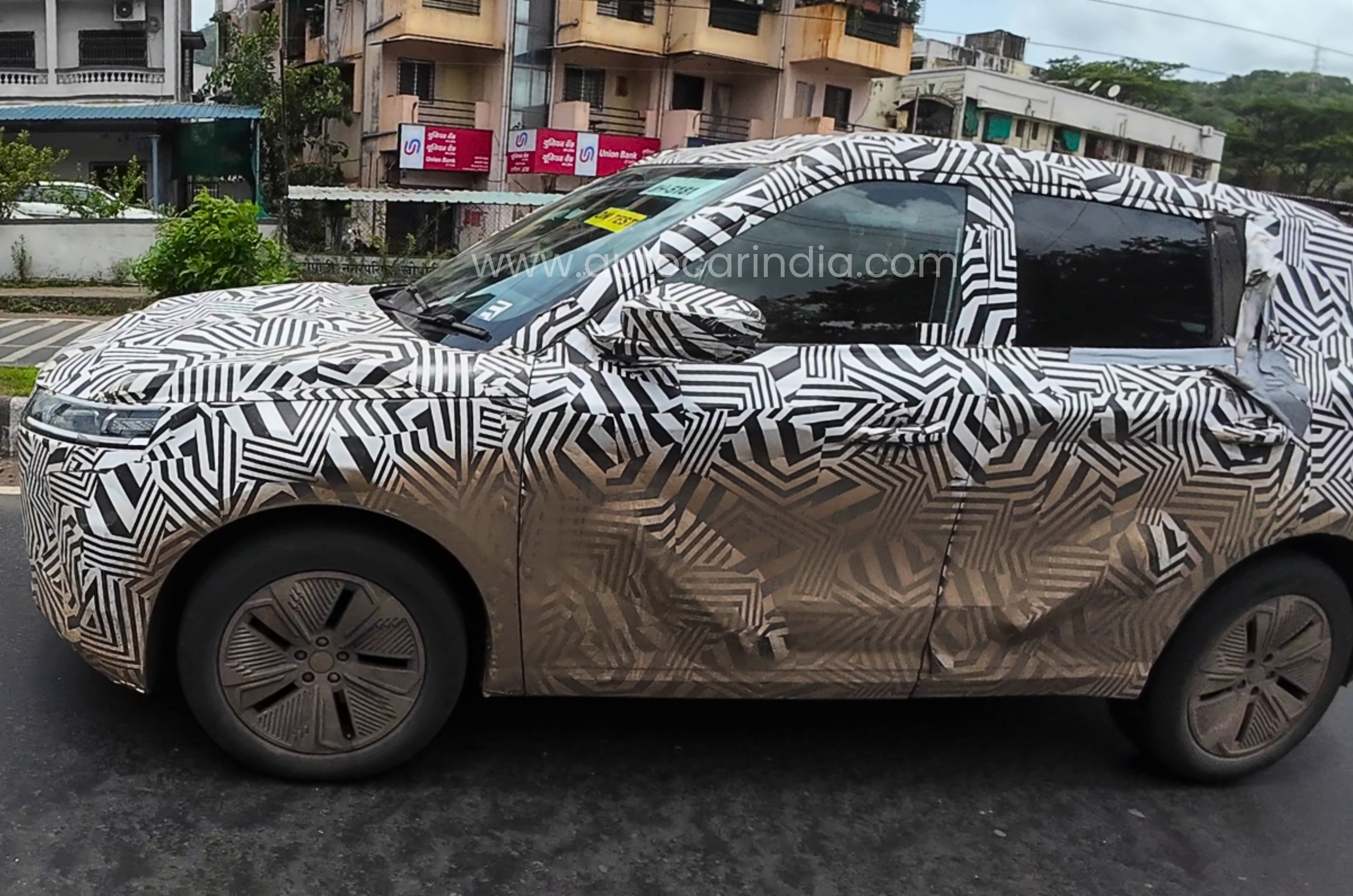
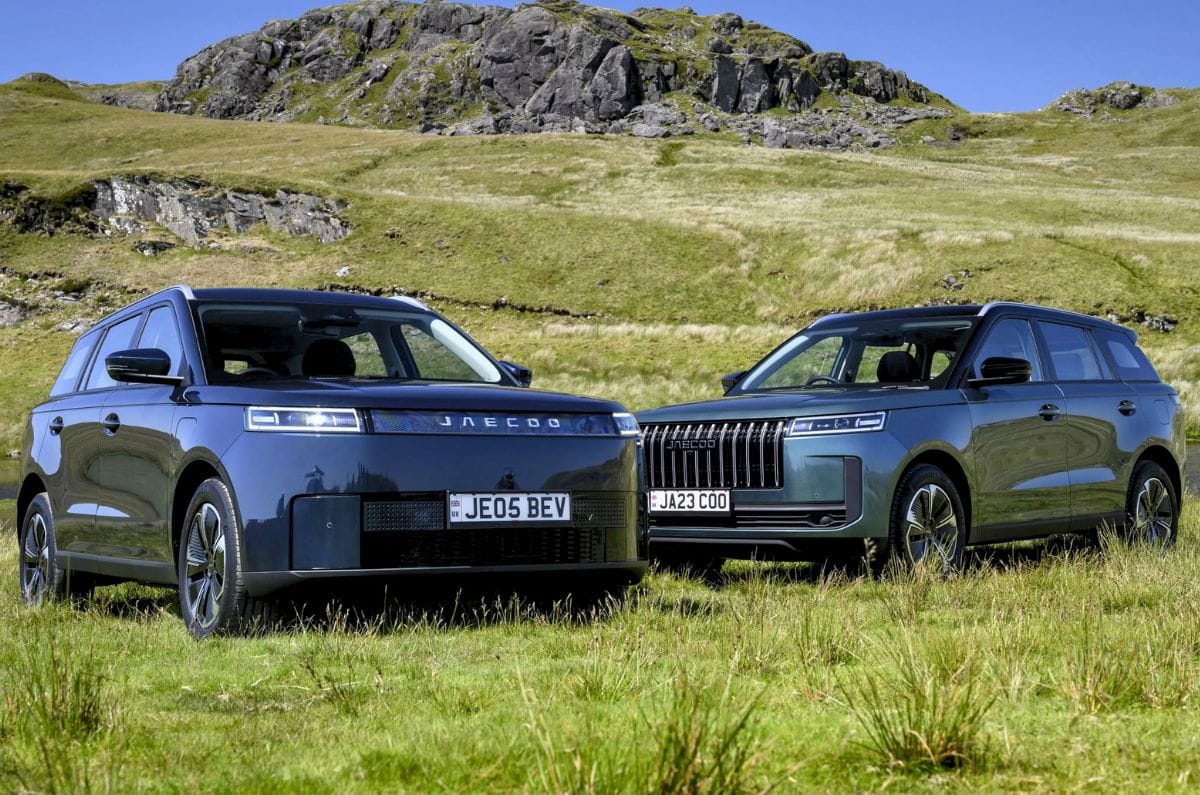
Although the Jaecoo J5-based SUV’s test mule is heavily camouflaged, a few design elements are visible. Among these is a functional grille with vertical slats, confirming it is the ICE version, as the EV features a blanked-off grille. The sleek LED headlights with LED DRL surrounds, however, are the same as those on the EV version. The bumper has a clean design, but it seems to miss out on the fog lamps offered with the international model.
In profile, the international-spec model gets 18-inch wheels. At the rear, slim wraparound LED taillights can be spotted. On the international model, these taillights are joined by a black trim with ‘Jaecoo’ badging in the centre.
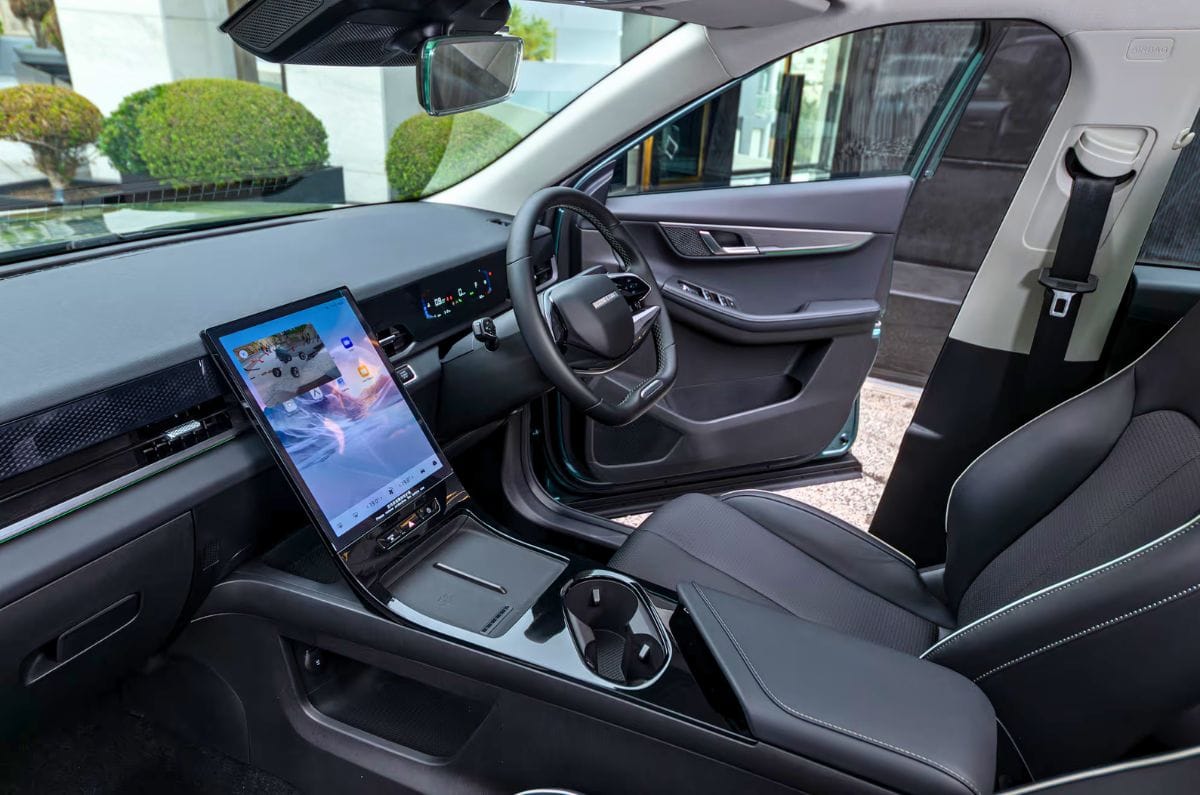
The interior design mimics that of the all-electric model
The spy shots also reveal a large vertically oriented infotainment system on the dashboard, likely the same as the international model’s 13.2-inch unit. The international model also gets an 8.8-inch driver’s display, a panoramic sunroof, an 8-speaker Sony sound system, dual-zone climate control, a powered tailgate and a wireless phone charger. It will be interesting to see what features are offered with the India-spec model sold by JSW Motors.
South Africa-spec Jaecoo J5 dashboard shown for representational purposes only.
In terms of safety, the international model gets 7 airbags, a 540-degree camera (surround-view camera with an under-bonnet view function), a tyre pressure monitoring system (TPMS) and an advanced driver assistance system (ADAS) suite.
Jaecoo J5-based ICE SUV: Expected powertrain
Offered with a turbo-petrol and a strong hybrid petrol engine internationally
Depending on the market, the ICE-powered Jaecoo J5 gets either a turbo-petrol or a strong-hybrid engine option. The 1.5-litre turbo-petrol produces up to 156hp and 275Nm, and is mated to either a 7-speed DCT or a CVT, depending on the market. It allows for a 0-100kph sprint time of 10.2 seconds
A strong-hybrid version has a 1.5-litre 4-cylinder turbo-petrol engine and an electric motor powered by a 1.83 kWh lithium-ion battery. Combined, this setup produces 224hp and 295Nm. It does a 0-100kph sprint in 7.9 seconds. Jaecoo claims a fuel efficiency of 18.9kpl, allowing a total range of around 1,000km. It will be interesting to see which powertrain option is offered with the India-spec model.
India launch timeline is yet to be revealed
UK-spec Jaecoo J5’s EV (left) and ICE (right) versions shown for representational purposes only.
JSW Motors is expected to start its India operations with the Diwali launch of the Jetour T2-derived hybrid SUV, followed by launches of the SUVs derived from the Jaecoo J5 and iCaur V23. Upon launch, JSW Motors’ Jaecoo J5-based ICE SUV will lock horns with midsize SUVs such as the Hyundai Creta, Tata Sierra, Maruti Suzuki Victoris, Renault Duster and Nissan Tekton. The EV version will rival the Hyundai Creta Electric, Mahindra BE 6, Tata Sierra EV, Vinfast VF6 and Maruti Suzuki eVitara.
Nissan 9 जुलाई को अपनी बिल्कुल नई SUV Tekton ग्लोबल लेवल पर पेश कर सकती है, जिससे इसकी वापसी भारत के तेजी से बढ़ते मिड-साइज SUV सेगमेंट में होगी। वहीं, ग्लोबल लॉन्च से पहले जापानी कार कंपनी ने Nissan Tekton के कुछ ऑफिशियल टीजर जारी किए हैं। इसके अलावा कई स्पाई शॉट्स भी सामने आए हैं, जिनसे SUV के डिजाइन और फीचर्स से जुड़ी कुछ जानकारियां सामने आई हैं।
उम्मीद है कि Nissan Tekton के प्लेटफॉर्म और मैकेनिकल पार्ट्स Renault Duster जैसे ही होंगे। इसके अलावा, यह SUV भारतीय बाजार में Hyundai Creta, Kia Seltos, Tata Sierra, Maruti Suzuki Grand Vitara, Toyota Urban Cruiser Hyryder और Maruti Suzuki Victoris से मुकाबला करेगी।
हालांकि भारत में निसान टेक्टॉन की लॉन्च की तारीख का अभी ऐलान नहीं हुआ है, लेकिन उम्मीद है कि ग्लोबल डेब्यू के कुछ महीनों के अंदर ही यह SUV देश में आ जाएगी।
Nissan Patrol से प्रेरित डिजाइन
Nissan Tekton का डिजाइन कंपनी की खास SUV, Nissan Patrol से काफी मिलता-जुलता है, इसलिए इसे अक्सर ‘Baby Patrol’ कहा जाता है। वहीं, SUV के ऑफिशियल टीजर से इसके बोल्ड फ्रंट लुक का पता चलता है, जिसमें Nissan की सिग्नेचर ग्रिल, C-शेप के LED हेडलैंप और ऊंचा व मजबूत स्टांस देखने को मिलता है।
हाल ही में आई स्पाई तस्वीरों से SUV के पिछले हिस्से के डिजाइन का भी पता चला है। नई तस्वीर में कनेक्टेड LED टेललैंप दिख रहे हैं, जो काफी हद तक Renault Duster जैसे हैं, हालांकि इनकी लाइटिंग स्टाइल में थोड़ा बदलाव किया गया है। अपनी Renault सिस्टर कार की तरह, इस SUV के टेलगेट पर बड़े अक्षरों में ‘TEKTON’ लिखा है, जबकि पिछले बंपर का डिजाइन ज्यादा साफ-सुथरा और सिंपल है।
कुल मिलाकर, Duster के साथ अपना प्लेटफॉर्म शेयर करने के बावजूद, इस SUV में Nissan का खास स्टाइल बरकरार रहने की उम्मीद है।
अनुमानित फीचर्स
Nissan ने अभी तक पूरी इक्विपमेंट लिस्ट का खुलासा नहीं किया है, लेकिन उम्मीद है कि टेक्टॉन में कई तरह के फीचर्स का पैकेज मिलेगा।
अनुमान के मुताबिक, Tekton में बड़ा टचस्क्रीन इंफोटेनमेंट सिस्टम, पूरी तरह डिजिटल इंस्ट्रूमेंट क्लस्टर, कनेक्टेड कार टेक्नोलॉजी, वायरलेस फोन चार्जिंग, वेंटिलेटेड फ्रंट सीट्स, ऑटोमैटिक क्लाइमेट कंट्रोल, कई ड्राइव मोड्स और पैनोरमिक सनरूफ जैसे फीचर्स मिल सकते हैं।
सेफ्टी के मामले में भी यह SUV काफी मजबूत हो सकती है। इसमें 6 एयरबैग, 360-डिग्री कैमरा और एडवांस्ड ड्राइवर असिस्टेंस सिस्टम (ADAS) जैसे फीचर्स मिलने की उम्मीद है।
इंजन विकल्प (अनुमानित)
उम्मीद है कि Nissan Tekton का पावरट्रेन लाइन-अप Renault Duster जैसा ही होगा।
इसके एंट्री-लेवल वेरिएंट में 1.0-लीटर टर्बो-पेट्रोल इंजन मिल सकता है, जो 100 PS की पावर और 160 Nm का टॉर्क देगा। इसे छह-स्पीड मैनुअल गियरबॉक्स के साथ जोड़ा जाएगा।
वहीं, इसके टॉप वेरिएंट्स में 1.3-लीटर टर्बो-पेट्रोल इंजन मिलने की उम्मीद है, जो 163 PS की पावर और 280 Nm का टॉर्क देगा। इस इंजन के साथ छह-स्पीड मैनुअल और छह-स्पीड डुअल-क्लच ऑटोमैटिक ट्रांसमिशन, दोनों विकल्प मिलने की संभावना है। दोनों पेट्रोल इंजन E20 फ्यूल के अनुकूल हैं।
इसके अलावा, इस SUV में Renault का Strong Hybrid E-Tech 160 पावरट्रेन भी मिलने की उम्मीद है। इसमें 1.8-लीटर पेट्रोल इंजन के साथ 1.4 kWh का बैटरी पैक दिया गया है, जो कुल मिलाकर 160 PS की पावर और 172 Nm का टॉर्क देता है। साथ ही, यह शहर में गाड़ी चलाते समय काफी हद तक सिर्फ इलेक्ट्रिक मोड पर चलने की सुविधा भी देता है।
प्रोडक्शन, अनुमानित कीमत और भारत में लॉन्च
Nissan Tekton को चेन्नई में Renault-Nissan Alliance प्लांट में बनाया जाएगा, जो घरेलू और एक्सपोर्ट दोनों मार्केट के लिए गाड़ियां बनाता है। हालांकि, कंपनी ने अभी तक इसकी आधिकारिक कीमत का ऐलान नहीं किया है, लेकिन भारत में Nissan Tekton की कीमत 10 लाख रुपये से 20 लाख रुपये (एक्स-शोरूम) के बीच होने की उम्मीद है। वहीं इसकी लॉन्च कीमत, या भारत में Tekton की कीमत, इसके मार्केट में आने के समय के आस-पास कन्फर्म की जाएगी।
9 जुलाई को होने वाली अनवीलिंग (पहली झलक) से इसके स्पेसिफिकेशन्स और इंटरनेशनल लॉन्च प्लान के बारे में और जानकारी मिलेगी। हालांकि Nissan ने अभी तक भारत में Nissan Tekton की लॉन्च डेट कन्फर्म नहीं की है, लेकिन उम्मीद है कि ग्लोबल डेब्यू के बाद यह SUV देश के मिड-साइज SUV सेगमेंट में Nissan की लंबे समय बाद वापसी को दर्शाएगी।
कॉम्पिटिटिव कीमत, कई पावरट्रेन ऑप्शन और बेहतरीन फीचर्स के साथ, Tekton के हाल के वर्षों में Nissan India के सबसे अहम नए लॉन्च में से एक बनने की उम्मीद है।
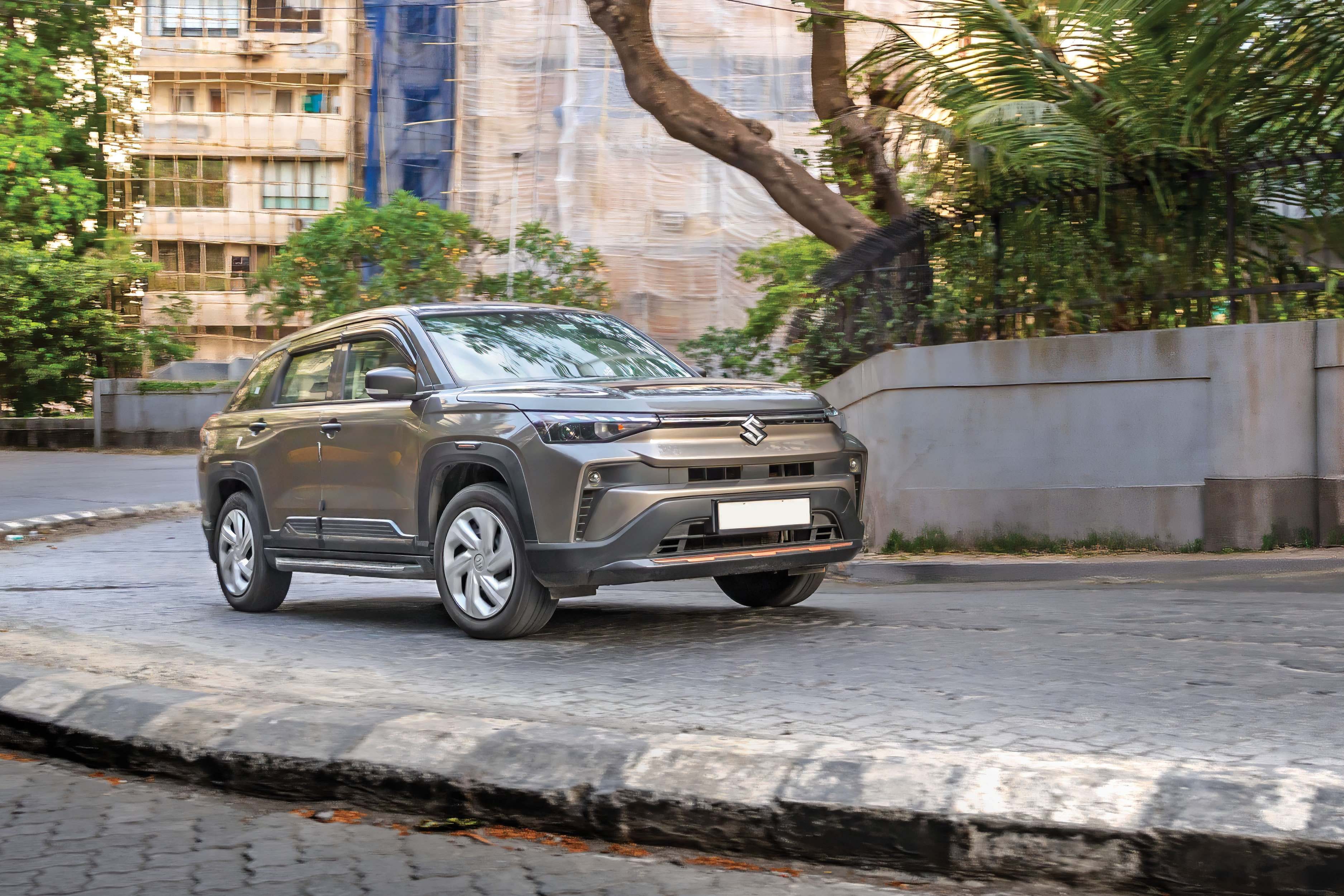
अगर आप नई मिड-साइज SUV खरीदने की योजना बना रहे हैं, तो आपके लिए अच्छी खबर है। मारुति सुजुकी विक्टोरिस पर इस महीने शानदार डिस्काउंट मिल रहा है। मारुति सुजुकी की विक्टोरिस ने लॉन्च के कुछ ही महीनों में भारतीय बाजार में अपनी मजबूत पहचान बना ली है। ये मिड-साइज SUV ग्राहकों के बीच तेजी से लोकप्रिय हुई है। इसी के साथ बिक्री के मामले में भी कई बड़ी गाड़ियों को कड़ी टक्कर दे रही है। अगर आप नई SUV खरीदने की सोच रहे हैं, तो ये मॉडल आपके लिए एक अच्छा ऑप्शन हो सकता है। आइए जानते हैं इस पर मिलने वाले ऑफर्स, कीमत और फीचर्स की पूरी जानकारी।
जुलाई महीने में मारुति सुजुकी विक्टोरिस पर ग्राहकों को शानदार ऑफर मिल रहे हैं। डीलर सूत्रों के अनुसार, इस SUV के कुछ वेरिएंट्स, खासकर CNG मॉडल पर, कुल 2 लाख रुपये तक का फायदा उठाया जा सकता है। इस ऑफर में एक्सचेंज बोनस भी शामिल है।
कितनी हुई होलसेल
1 जुलाई को आयोजित मारुति सुजुकी की मासिक सेल्स मीडिया ब्रीफिंग में कंपनी के मार्केटिंग और सेल्स के सीनियर एग्जीक्यूटिव ऑफिसर पार्थो बनर्जी ने बताया कि, जून महीने में विक्टोरिस की करीब 10,000 यूनिट्स की होलसेल हुई। वहीं, इसकी रिटेल बिक्री 13,000 यूनिट्स से अधिक रही। उन्होंने ये भी कहा कि विक्टोरिस की कुल बिक्री में CNG वेरिएंट की हिस्सेदारी 50 प्रतिशत से ज्यादा हो गई है, जबकि पूरे मारुति सुजुकी पोर्टफोलियो में CNG मॉडल की हिस्सेदारी करीब 42 प्रतिशत है। मारुति सुजुकी विक्टोरिस को ग्राहकों की जरूरत के हिसाब से कई इंजन और ट्रांसमिशन विकल्पों के साथ पेश करती है।
इसमें पेट्रोल, CNG और हाइब्रिड वेरिएंट उपलब्ध हैं। खास बात यह है कि CNG मॉडल में टैंक को गाड़ी के नीचे लगाया गया है, जिससे बूट में सामान रखने के लिए पहले की तरह पर्याप्त जगह मिलती है।
कार का खासियत
मारुति सुजुकी साल 2010 से भारत में CNG कारें बेच रही है। वहीं, विक्टोरिस कंपनी की पहली ऐसी कार है, जिसमें अंडरबॉडी CNG टैंक दिया गया है। इस मॉडल को साल 2025 में लॉन्च किया गया था। वहीं माइलेज की बात करें तो, मारुति सुजुकी विक्टोरिस का पेट्रोल मैनुअल वेरिएंट 21.18 kmpl, पेट्रोल ऑटोमैटिक वेरिएंट 21.06 kmpl, CNG मैनुअल वेरिएंट 27.02 km/kg और हाइब्रिड e-CVT वेरिएंट 28.65 kmpl तक का माइलेज देने का दावा करता है। वहीं, इस SUV की एक्स-शोरूम कीमत 10.50 लाख रुपये से 19.99 लाख रुपये (एक्स-शोरूम) के बीच है, जबकि इसके CNG वेरिएंट की कीमत 11.50 लाख रुपये से 14.72 लाख रुपये (एक्स-शोरूम) तक है।