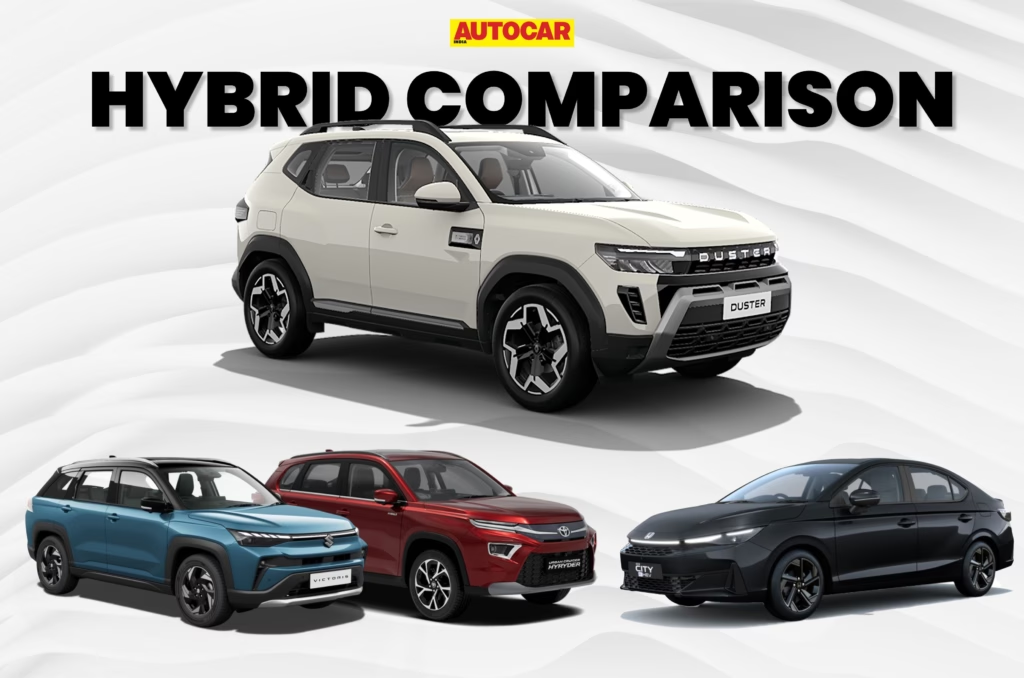
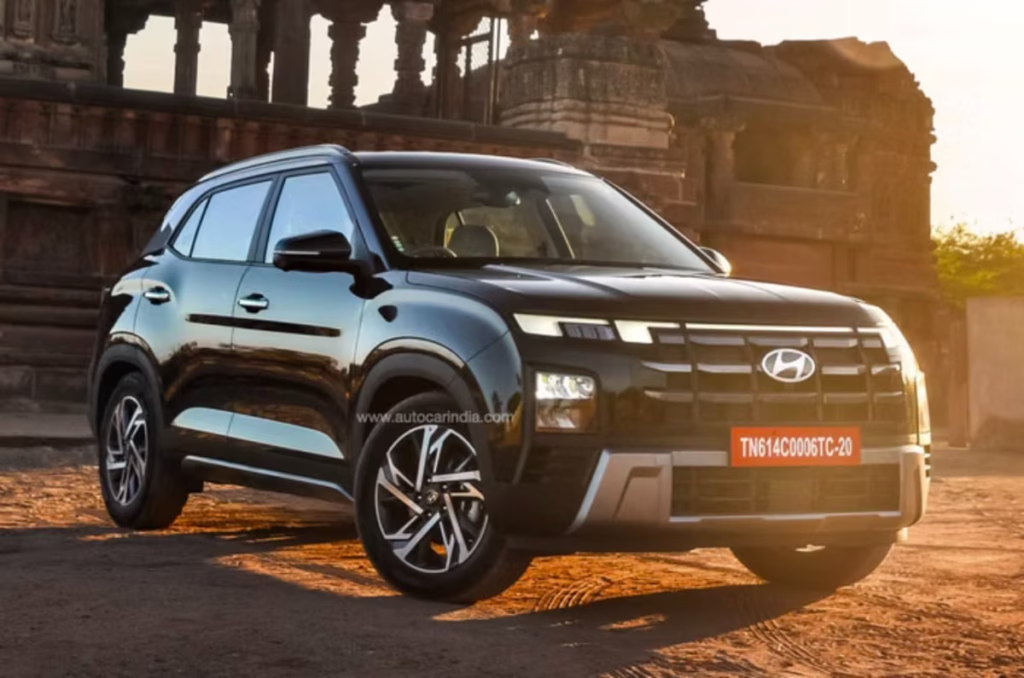
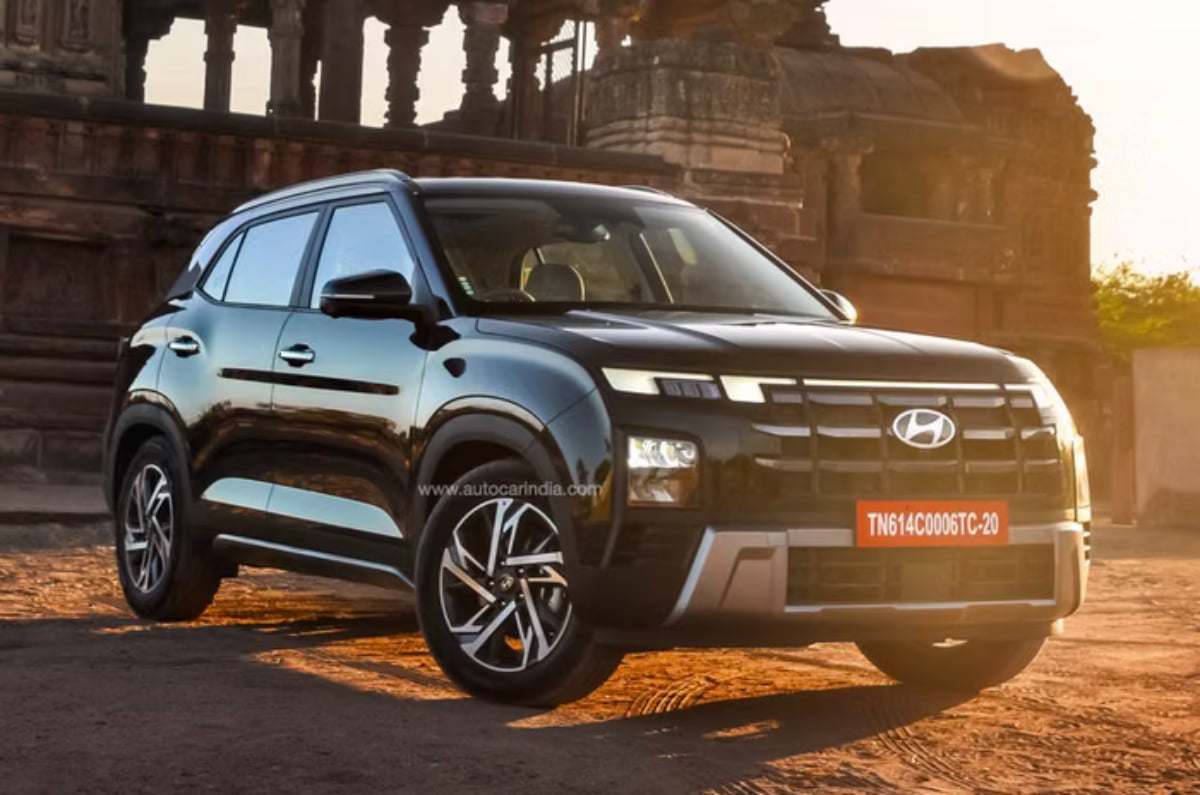
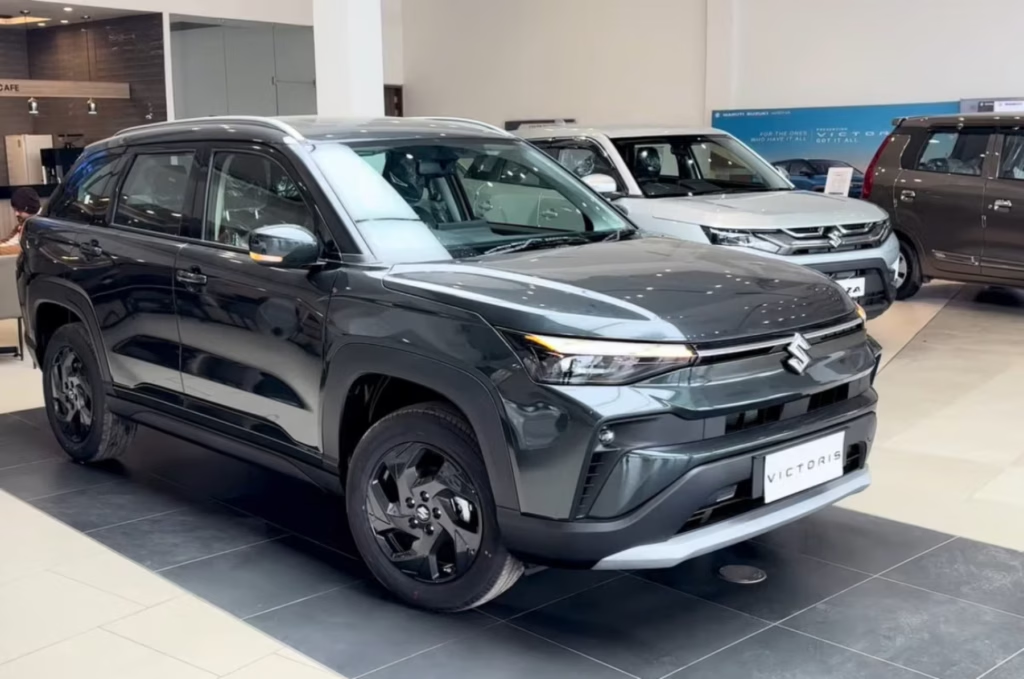
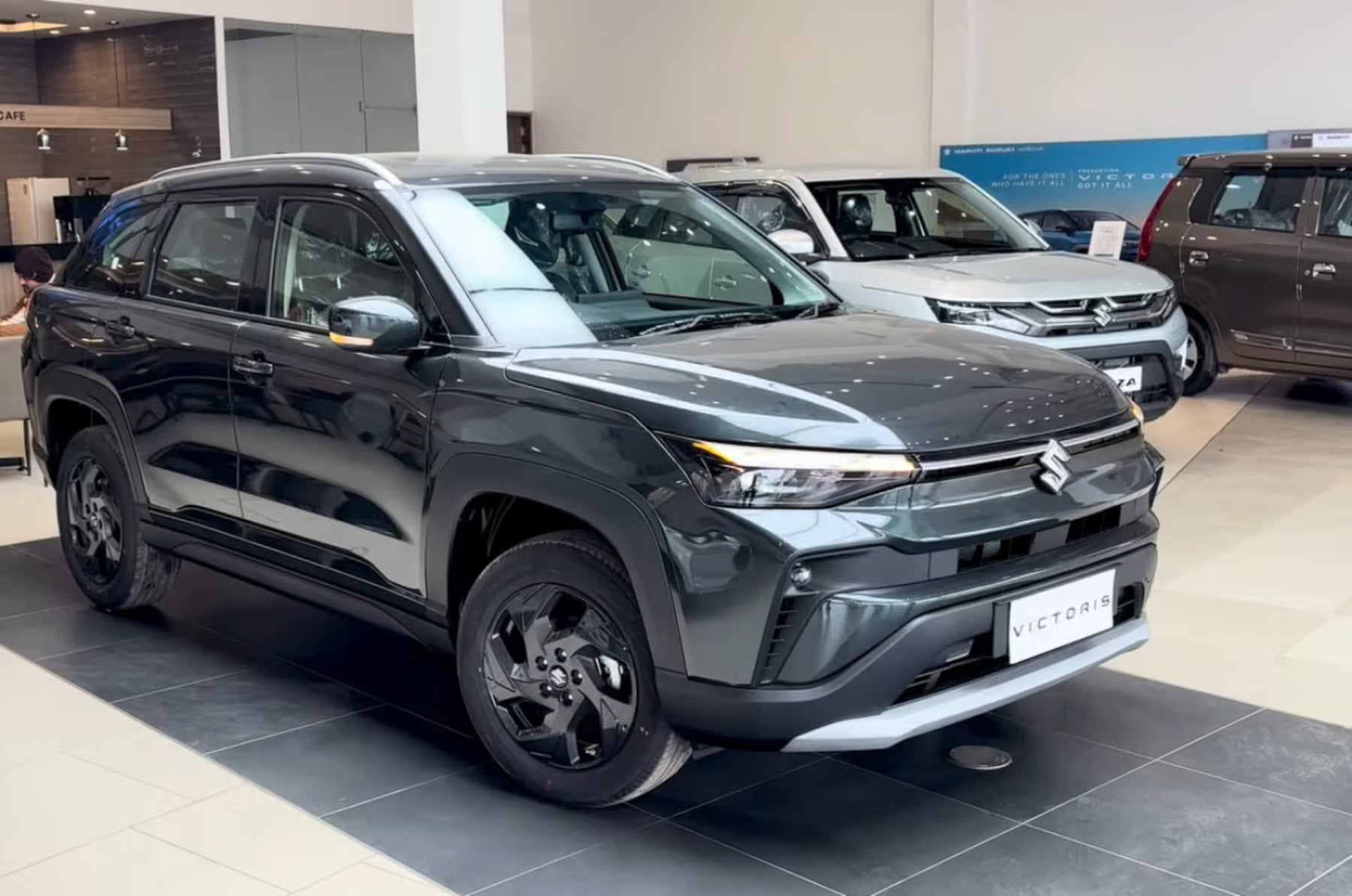
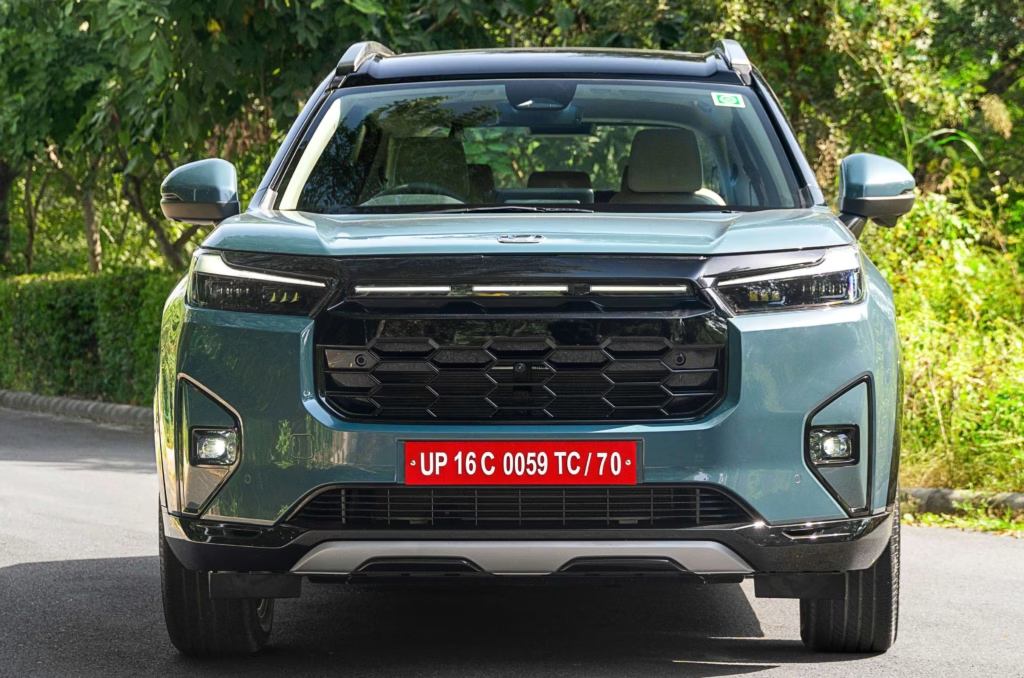
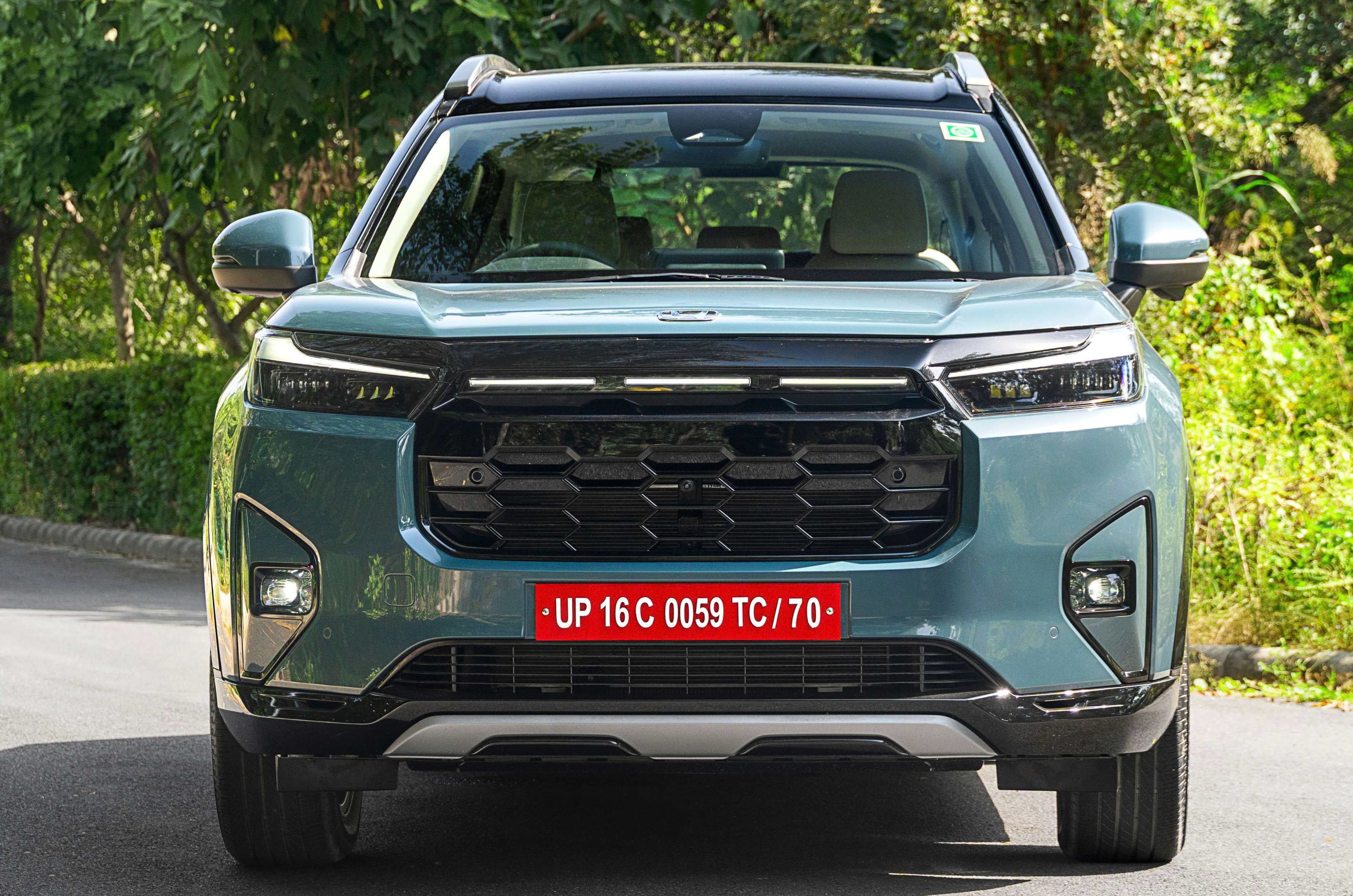
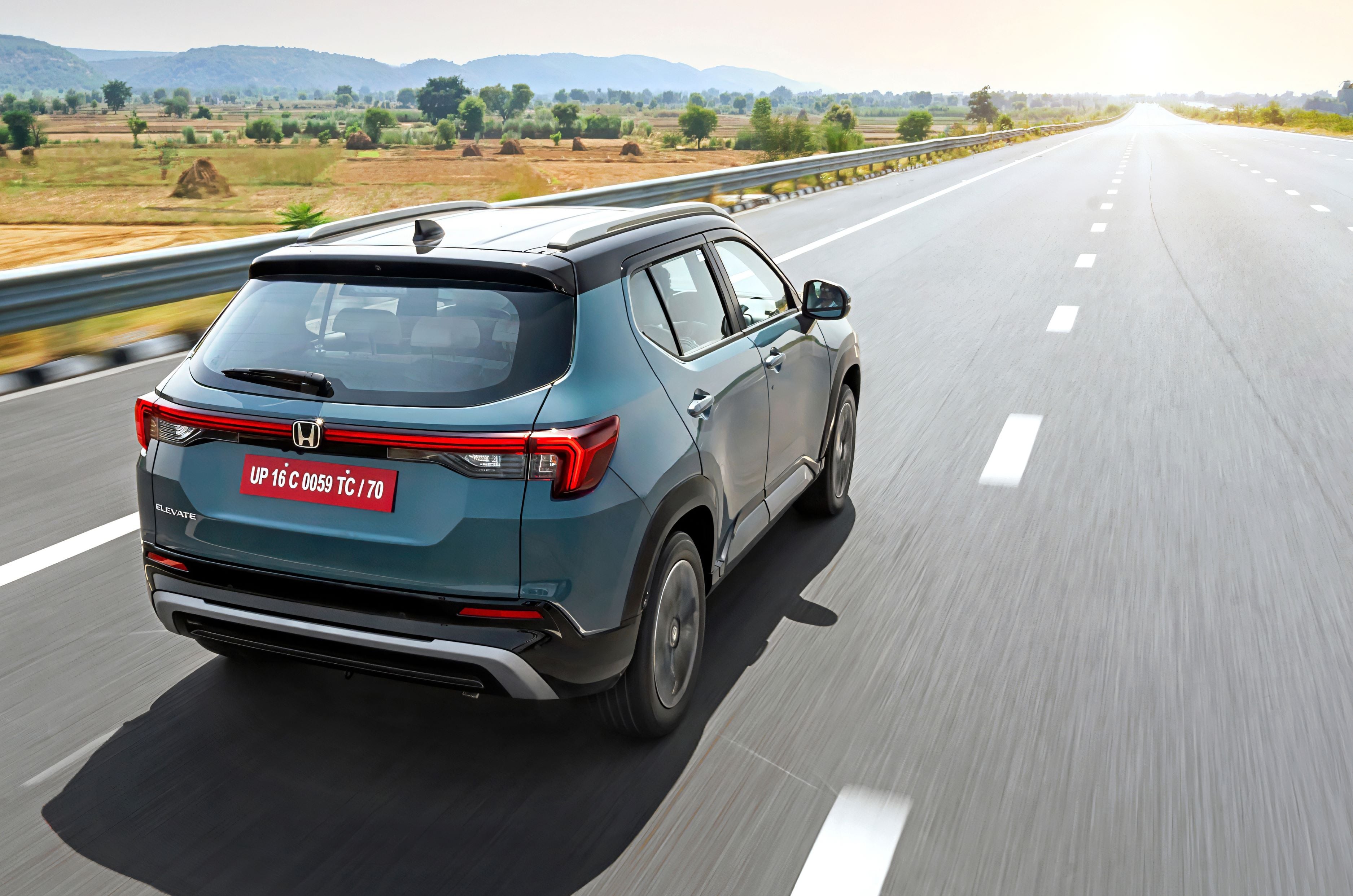
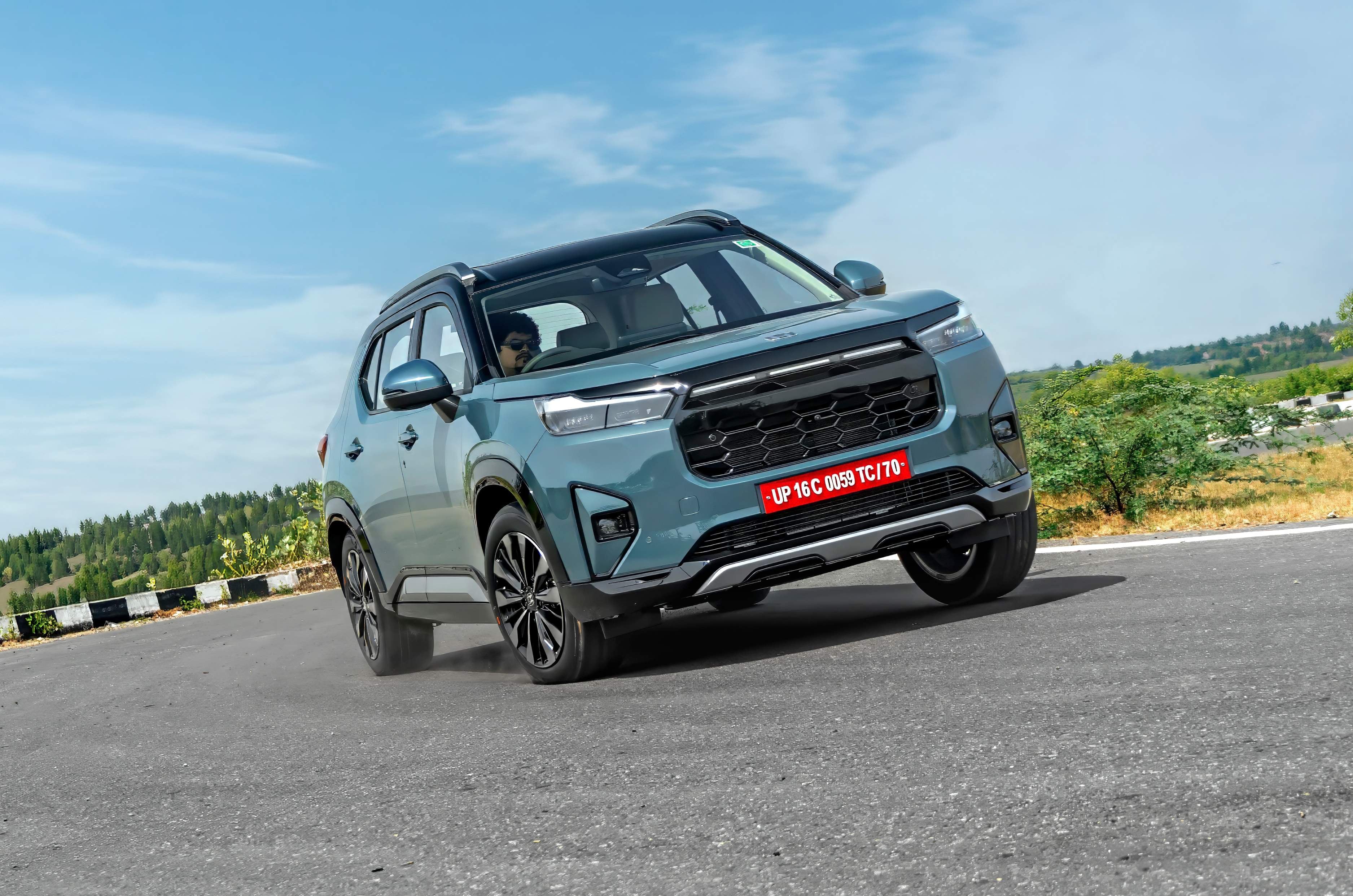
The new Renault Duster has been launched with a strong hybrid powertrain option, a first for the nameplate in India. The latest from Renault competes in the midsize SUV space, where only the Maruti Grand Vitara, Maruti Victoris and Toyota Hyryder currently offer a hybrid choice. Honda does not offer a hybrid setup with the Elevate at the moment, though the City midsize sedan has been equipped with one. But how do these vehicles stack up on paper when it comes to specifications? Let’s find out.
Renault Duster hybrid spec comparison
Duster has the highest power output
Renault Duster hybrid specs vs Grand Vitara, Victoris, Hyryder and City e:HEV
Hybrid system
Combined power
Combined torque
Transmission
Mileage
Battery size | Voltage
Duster
1.8L 4cyl + 2 e-motors
160hp
–
Multi-mode automatic
29kpl
1.4kWh | 247V
Grand Vitara
1.5L 3cyl + e-motor
116hp
141Nm
eCVT
27.97kpl
0.60kWh | 177.6V
Victoris
1.5L 3cyl + e-motor
116hp
141Nm
eCVT
28.65kpl
0.60kWh | 177.6V
Hyryder
1.5L 3cyl + e-motor
116hp
141Nm
eCVT
27.97kpl
0.60kWh | 177.6V
City e:HEV
1.5L 4cyl + e-motor
126hp
253Nm
eCVT
27.13kpl
Not available | 172.8V
While we are yet to sample the Duster hybrid in real-world conditions, the above specs table suggests it takes a more performance-led approach than the rest. Its four-cylinder naturally aspirated petrol engine is the largest by cubic capacity here, and paired with two electric motors, this hybrid setup delivers the highest peak power output. Renault claims a 0-100kph time of 9.61 seconds, which it says makes the Duster hybrid the quickest in the segment. The brand has not revealed a combined torque figure yet, though the Duster’s traction motor produces 208Nm on its own.
Renault SUV’s multi-mode gearbox stands out
The Duster’s multi-mode automatic gearbox has two gears for the motor and four gears for the engine. Renault claims that this setup creates an 8-speed combination in hybrid mode, and it stands out as the others use an eCVT unit, which is known for a smooth driving experience. Moreover, the Duster hybrid’s larger, higher-voltage battery further points to more electric assistance than the rest. The French brand claims that 80 percent of city drives are possible in EV mode alone, while the Duster hybrid’s ARAI-certified mileage of 29kpl is the highest of all the cars here.
Midsize SUVs offer most powertrains
Only PHEV is missing
Save for plug-in hybrid, midsize SUVs offer almost every major powertrain choice, including petrol, CNG, diesel and electric. Hyundai Creta is expected to adopt a hybrid powertrain in its next generation, due in 2027, and its Kia Seltos sibling is also set to follow suit. The new Tata Sierra’s ARGOS platform is hybrid-ready, giving the homegrown carmaker the flexibility to introduce a hybrid version in the future. Volkswagen and Skoda are also working on hybrid midsize SUVs for the Indian market.
Skoda has introduced several attractive benefits on select models across its line-up, including dealer discounts, exchange benefits, loyalty benefits and corporate offers. However, the Kodiaq is excluded from the offers this month. The deals listed below are valid until October 31, 2026.
Disclaimer: Discounts vary from city to city and are subject to stock availability. Check with your local dealership for exact figures.
Skoda Kylaq offers in October 2026
Benefits of up to Rs 90,000
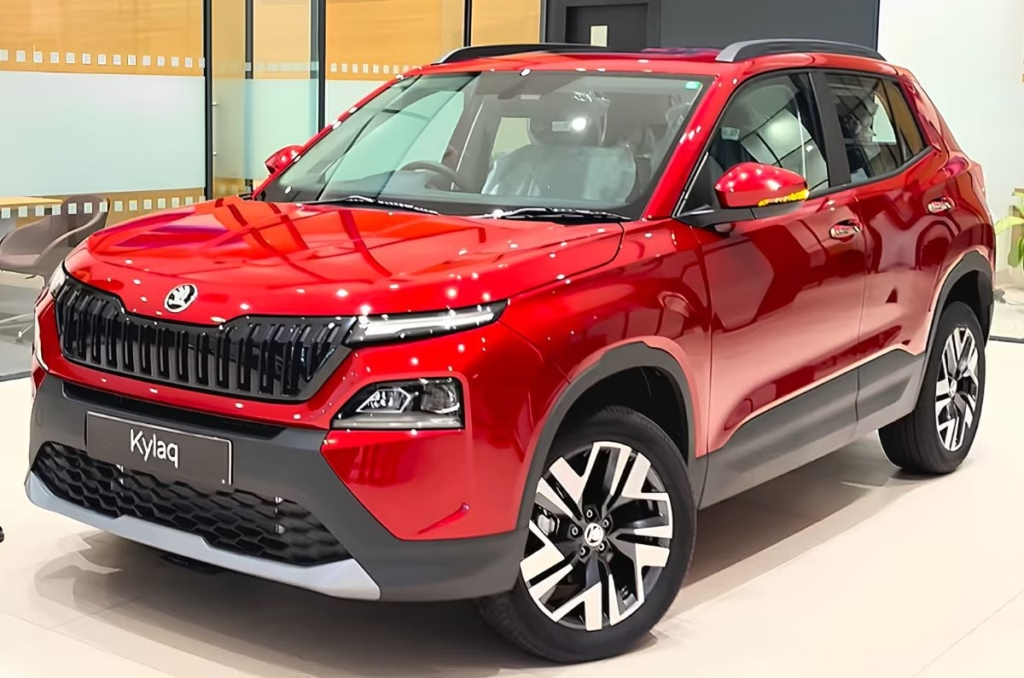
The brand’s most affordable model, the Kylaq, is available with benefits of up to Rs 90,000, including a dealer discount of up to Rs 40,000, an exchange bonus of up to Rs 30,000, and either a corporate or loyalty discount of up to Rs 20,000. The compact SUV is powered only by a 1.0-litre direct-injection turbo-petrol engine that also does duty in the Kushaq and Slavia. It ranges between Rs 7.59 lakh and Rs 13.09 lakh and locks horns with the Maruti Brezza, Hyundai Venue, Mahindra XUV 3XO, Tata Nexon and Kia Sonet.
Skoda Kushaq offers in October 2026
Benefits of up to Rs 80,000
Skoda’s midsize Kushaq SUV gets the biggest benefits this month, going up to Rs 80,000. These includes a dealer discount of up to Rs 30,000, an exchange bonus of up to Rs 30,000, and either a corporate or loyalty benefit of up to Rs 20,000. The Kushaq is powered by either a 1.5-litre or a 1.0-litre direct-injection turbo-petrol engine. Priced from Rs 10.69 lakh to Rs 19.19 lakh, the Kushaq takes on the likes of the Volkswagen Taigun, Hyundai Creta, Tata Sierra, Kia Seltos, Renault Duster and Maruti Victoris.
Skoda Slavia offers in October 2026
Benefits of up to Rs 30,000
The newly introduced Slavia facelift is already available with benefits of up to Rs 30,000. These include an exchange bonus of up to Rs 20,000 and either a corporate or loyalty benefit of up to Rs 10,000. The Slavia is powered by the same powertrain options as the Kushaq and is priced between Rs 10 lakh and Rs 18.84 lakh. It is Skoda’s answer to the Honda City, Hyundai Verna and Volkswagen Virtus.
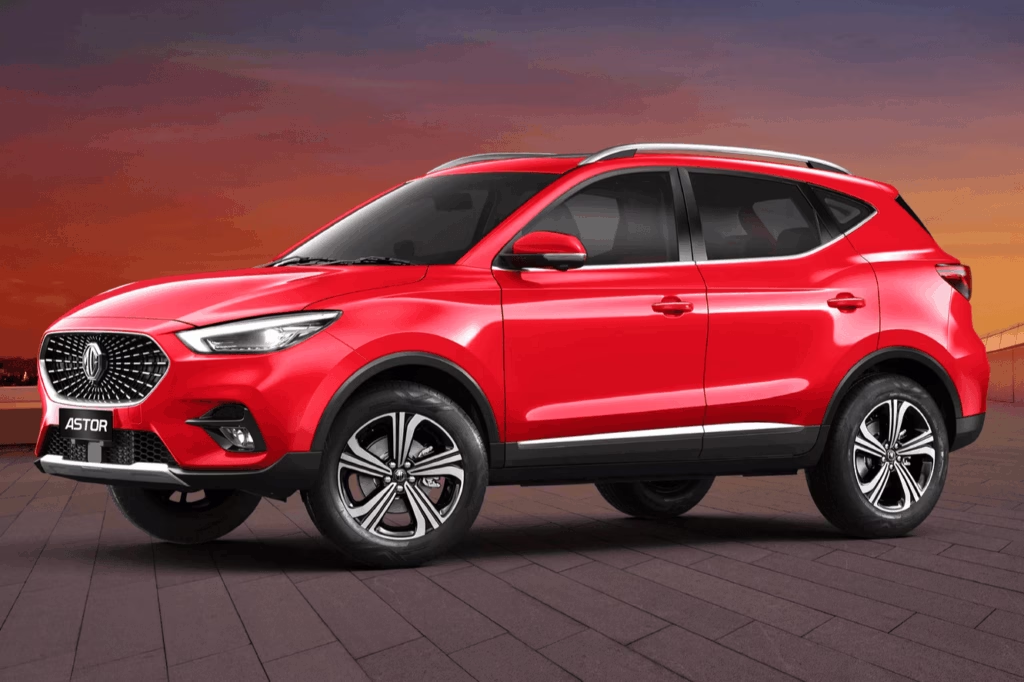
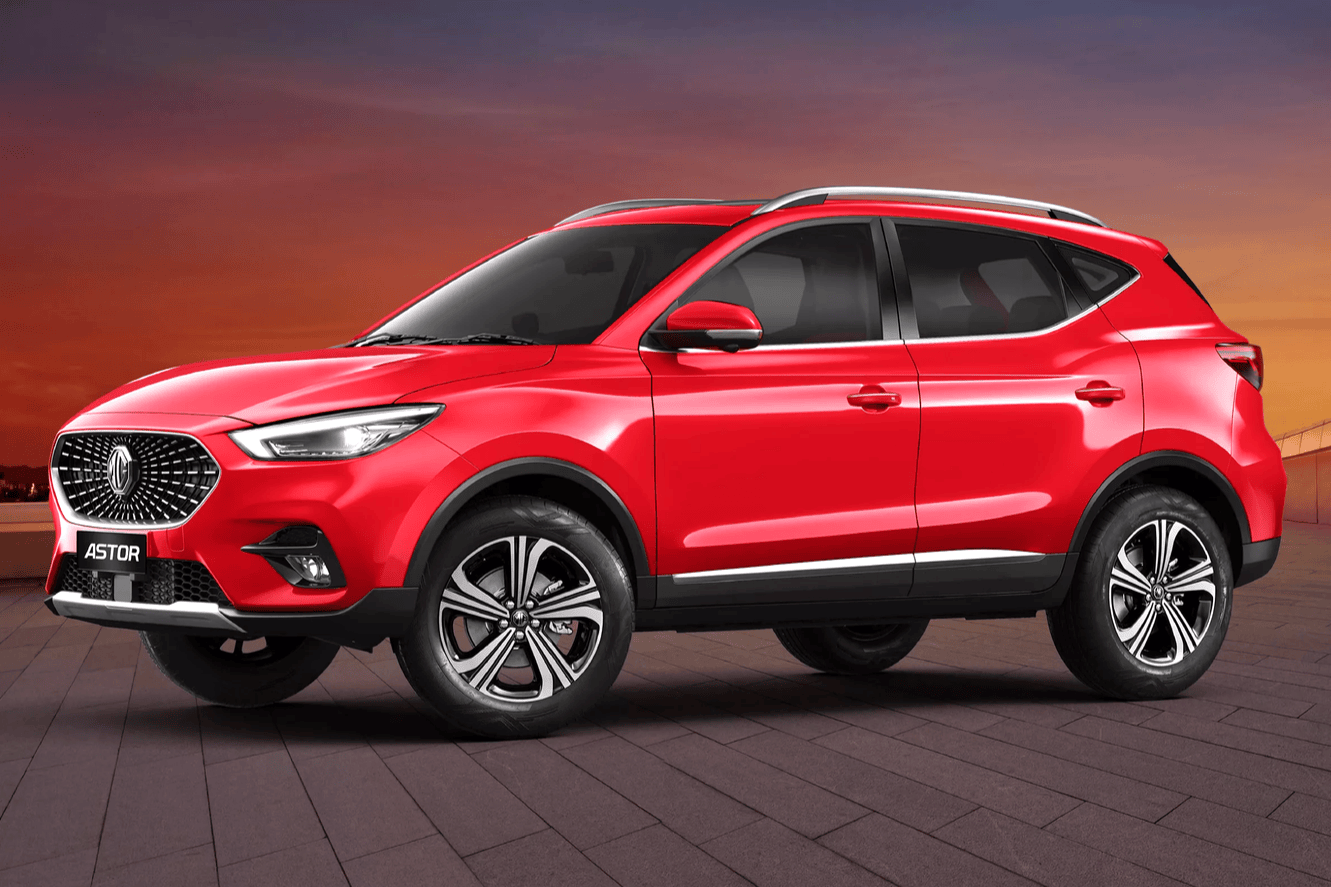
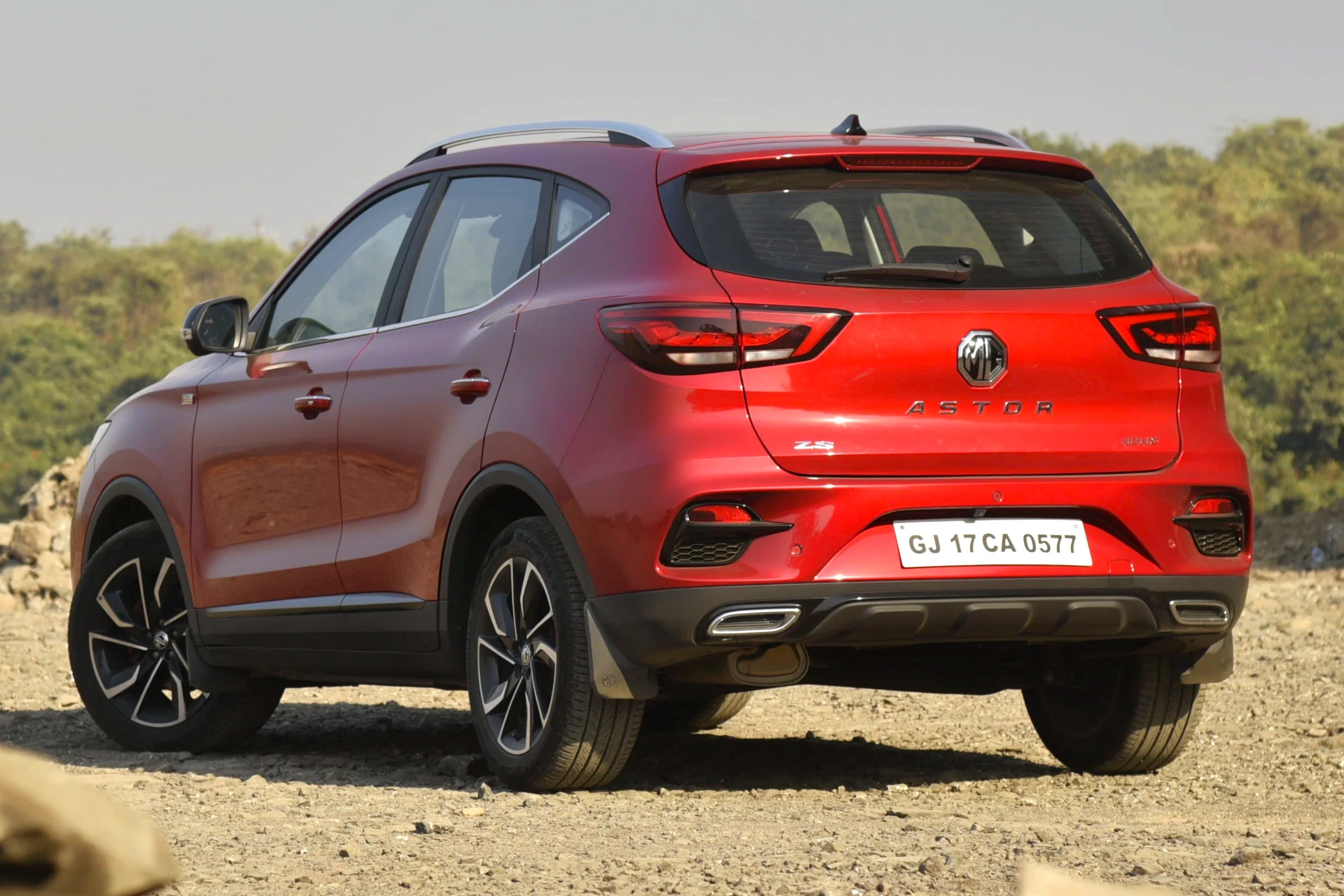
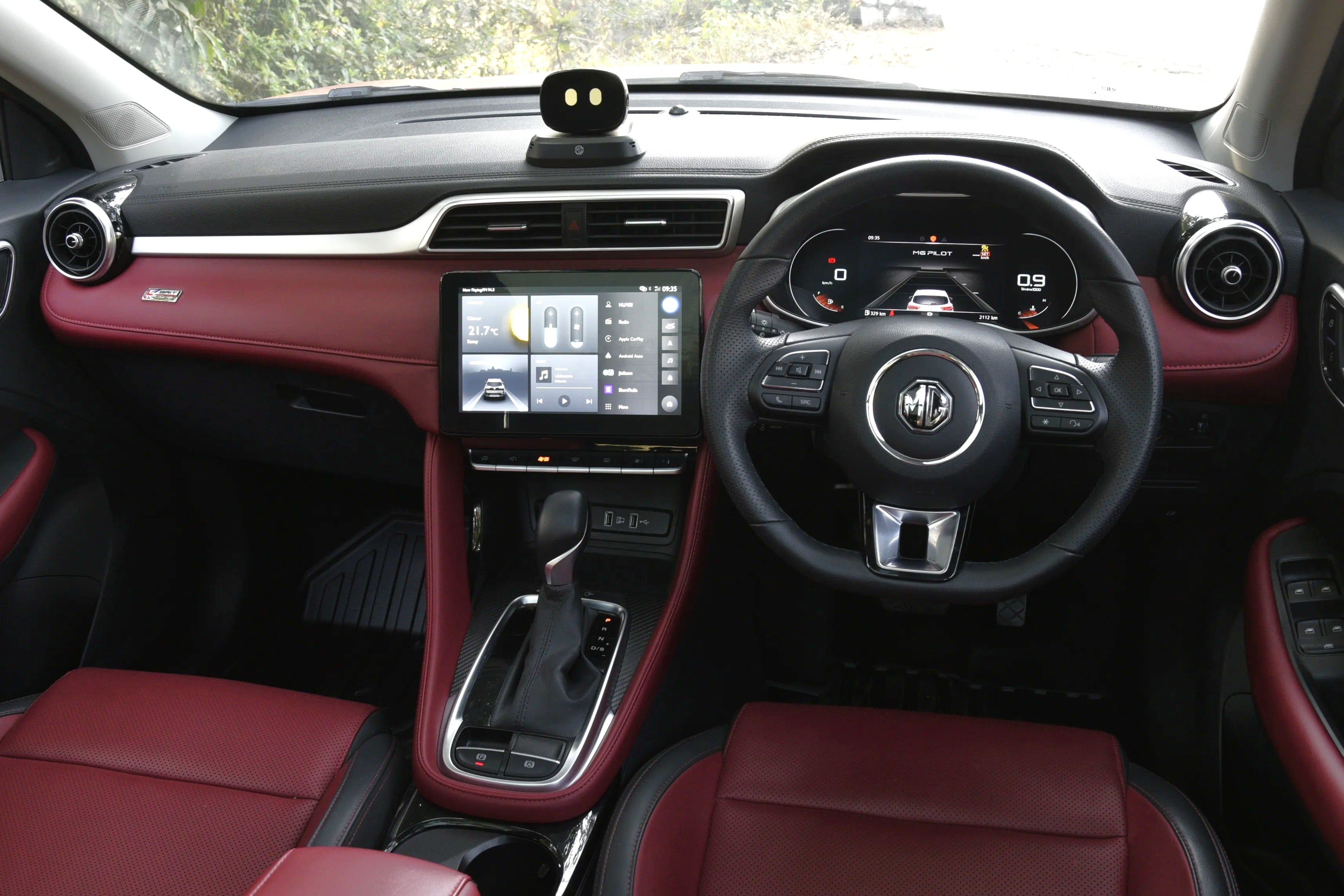
MG Motor India has discontinued the Astor midsize SUV, according to our dealer sources. The Astor first went on sale in India in 2021, rivalling the likes of the Hyundai Creta, Kia Seltos, Volkswagen Taigun, and Skoda Kushaq. However, the Astor didn’t find much of a footing with buyers, selling double or triple digits a month on average. For example, the Astor’s monthly average sales figure from September 2025 to September 2026 is 112 units.
Why did the MG Astor not succeed?
The MG Astor looked smart and came well-equipped, but it had little in the way of powertrain diversity. Where newer rivals offered petrol, diesel, CNG, and hybrid powertrains, the Astor was available with only two petrol engines: a 110hp 1.5-litre naturally aspirated four-cylinder, and a 140hp 1.3-litre direct-injection turbocharged three-cylinder. An electric counterpart of the Astor, dubbed the ZS EV, is available, but it costs significantly more.
Moreover, the 1.3-litre turbo engine was discontinued back in February 2025, leaving the Astor with only the rather-unexciting 1.5-litre NA engine, which could be paired with either a 5-speed manual or a CVT automatic. Another reason behind the Astor’s sluggish sales was likely its relatively low-slung crossover-esque design, which made it look smaller than its more upright-looking rivals.
Will there be a next-gen MG Astor?
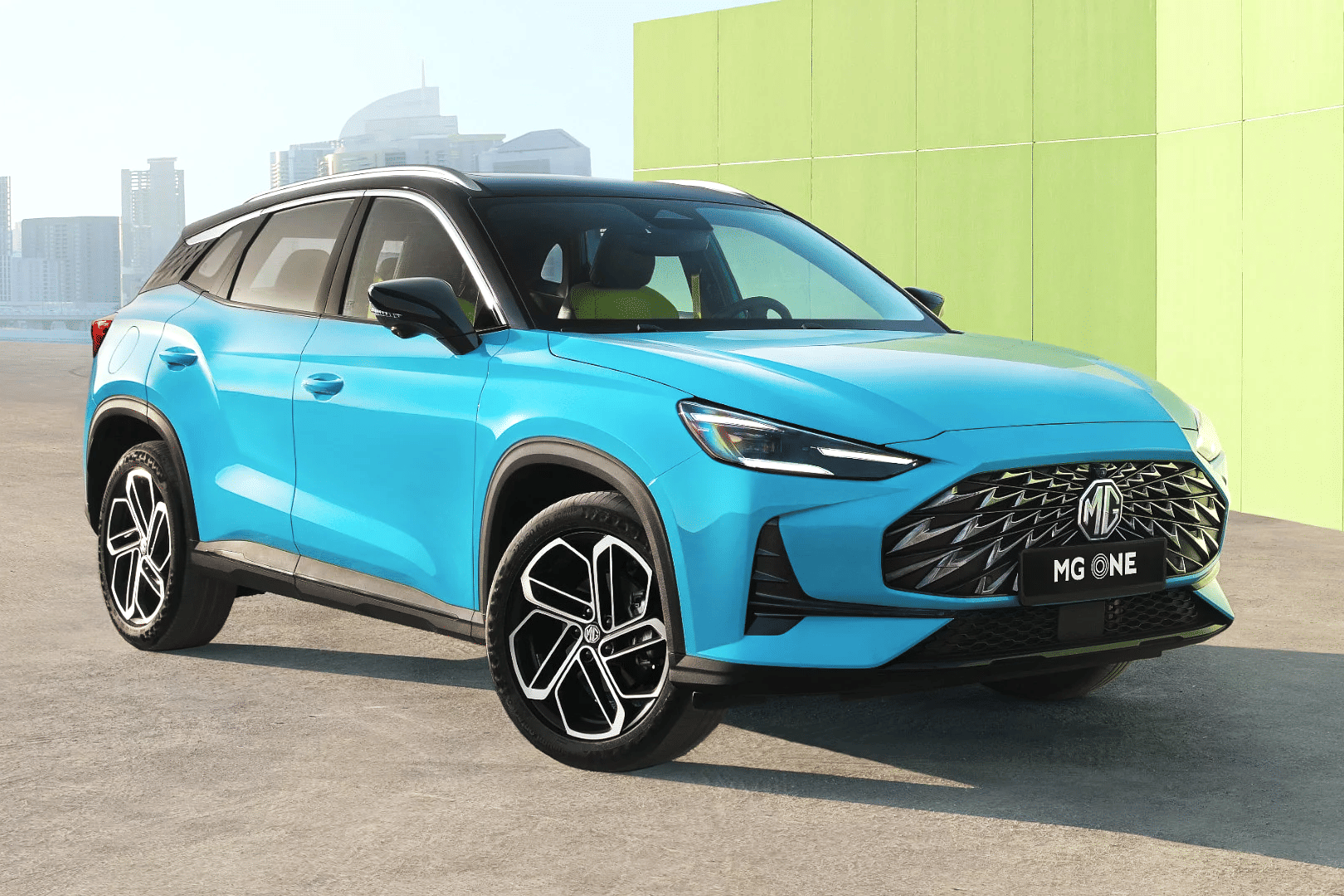
Global-spec MG One. Image used for representation only.
The midsize SUV space is too lucrative to ignore, and to that effect, MG is not giving up on it. As we reported exclusively back in March 2026, MG is readying an Astor replacement that’s likely to be based on the brand’s SIGMA (SAIC Intelligent Global Modular Architecture) platform.
SIGMA can accommodate pure-combustion, hybrid, and electric powertrains, which would overcome the powertrain variety hurdle faced by the Astor. We expect the next-gen Astor replacement to launch in 2027.
The Hyundai Creta crossed 15 lakh domestic wholesales by the end of September 2026, with cumulative dispatches reaching 15,12,036 units since its launch in July 2015. The SUV accounts for around 15 percent of Hyundai Motor India’s cumulative passenger vehicle sales since the company entered India, and 55 percent of its utility vehicle dispatches since the Creta’s launch. Creta exports reached 2,95,994 units through August 2026, putting the SUV close to the 3 lakh-unit mark.
Hyundai Creta domestic wholesales by fiscal year
Fiscal year
Units
YoY change
FY2016
63,836
–
FY2017
96,899
52%
FY2018
1,07,136
11%
FY2019
1,24,300
16%
FY2020
82,074
-34%
FY2021
1,20,035
46%
FY2022
1,18,092
-2%
FY2023
1,50,372
27%
FY2024
1,62,773
8%
FY2025
1,94,871
20%
FY2026
2,01,921
4%
FY2027*
89,727
-10%
Total
15,12,036
–
Hyundai Creta sales: FY2026 was its best year
The Creta recorded its highest annual wholesales in FY2026, at 2,01,921 units, up 4 percent year on year. Before that, wholesales stood at 1,94,871 units in FY2025, up 20 percent, and 1,62,773 units in FY2024, up 8 percent.
In the first half of FY2027, combined Creta and Creta electric wholesales stood at 89,727 units, down 10 percent from 99,345 units in the same period last year.
The updated Creta, launched in January 2024, and the Creta Electric, launched in January 2025, have together accounted for an estimated 5.3 lakh domestic units through September 2026.
Hyundai Creta exports near 3 lakh units
Creta exports totalled 2,95,994 units through August 2026. Annual exports peaked at 50,820 units in FY2018. They fell to 3,859 units in FY2024 before rising to 4,314 units in FY2025 and 6,496 units in FY2026. Exports in April-August 2026 stood at 2,338 units.
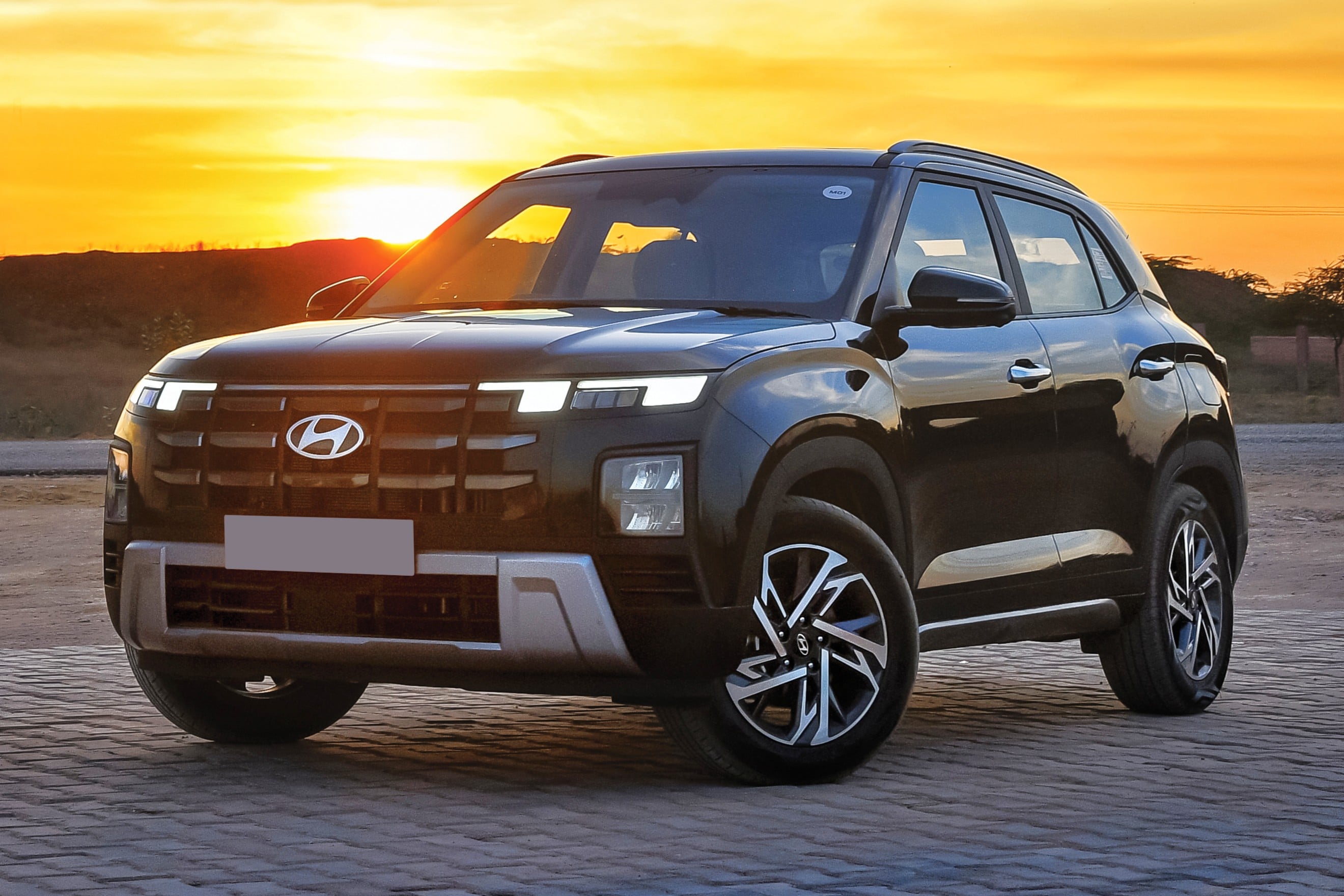
The internal-combustion Creta is available with three engine options: a 115hp 1.5-litre naturally aspirated petrol, a 160hp 1.5-litre direct injection turbo-petrol and a 116hp 1.5-litre diesel. It is offered with four gearbox options across 27 variants. All variants come with six airbags and ABS with electronic brakeforce distribution (EBD), according to the source report. The Creta has an ARAI-certified mileage of 17.4kpl to 21.8kpl across the range. Prices range from Rs 10.91 lakh to Rs 20.14 lakh, ex-showroom.
The next-generation Hyundai Creta is expected to launch in India sometime in 2027 and is likely to use the K3 platform that underpins the second-generation Kia Seltos.
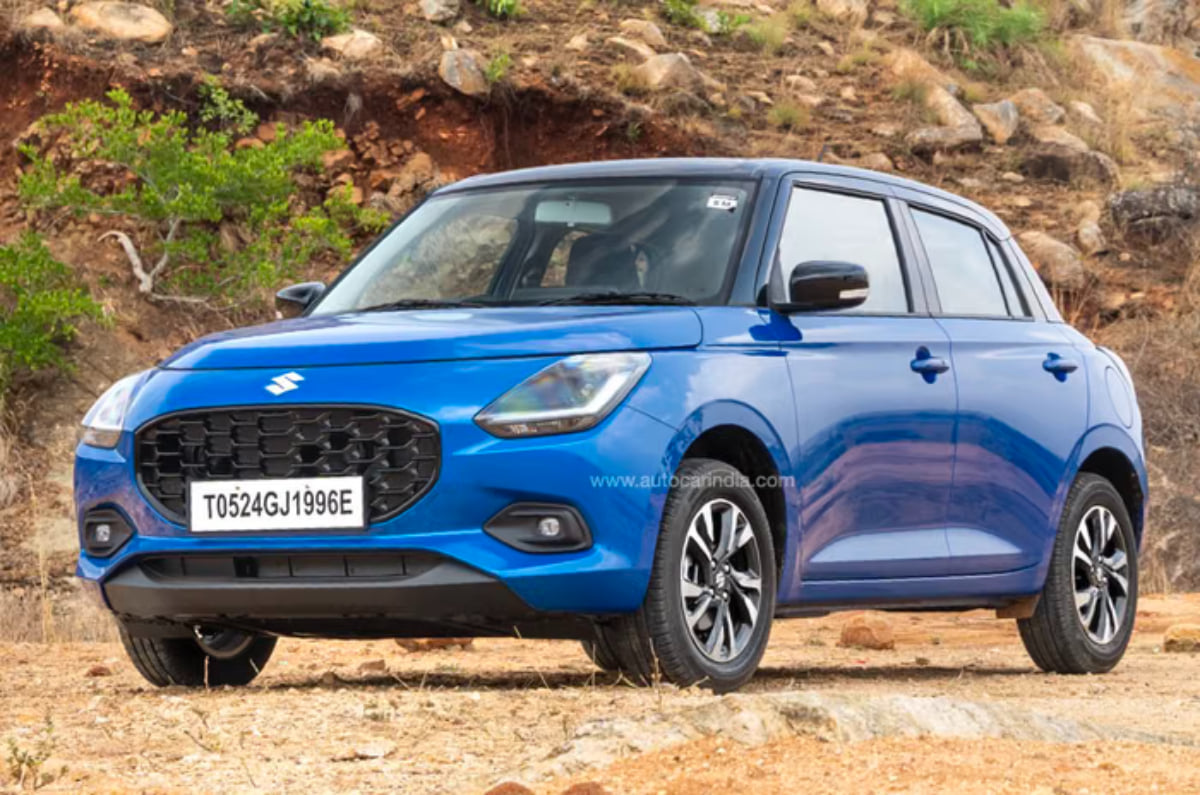
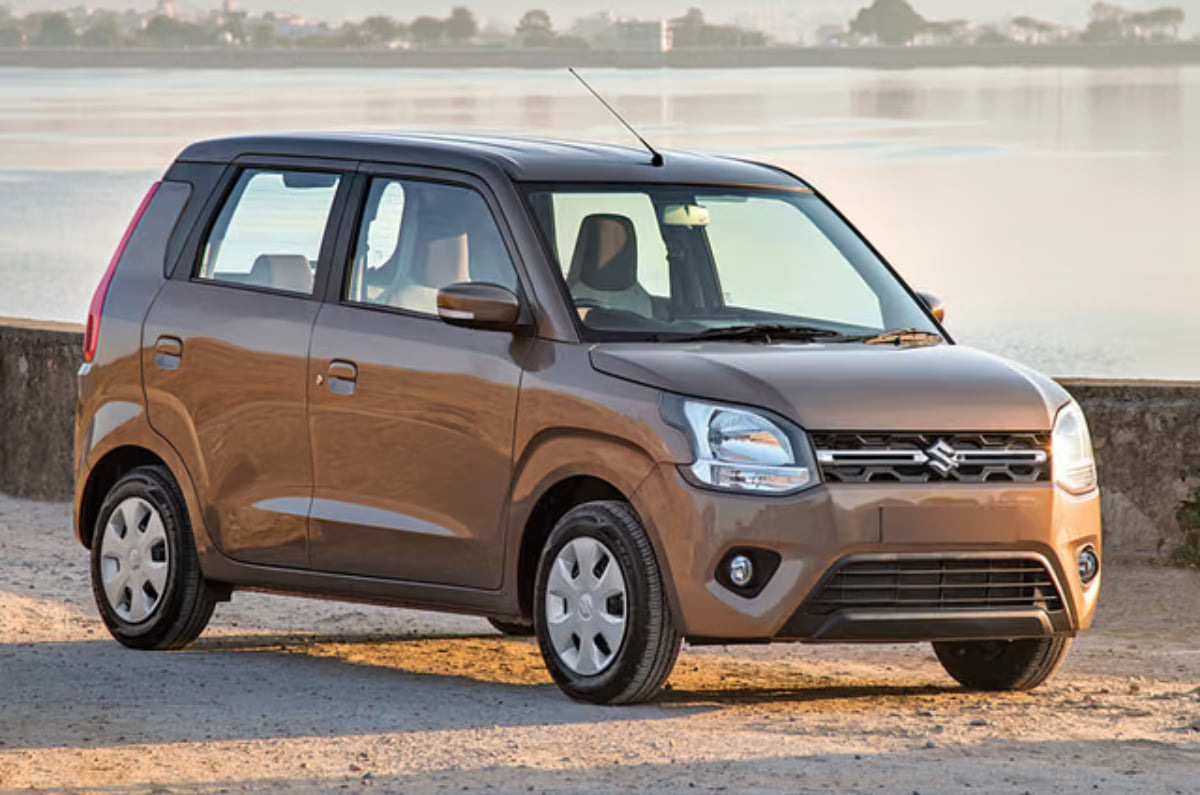
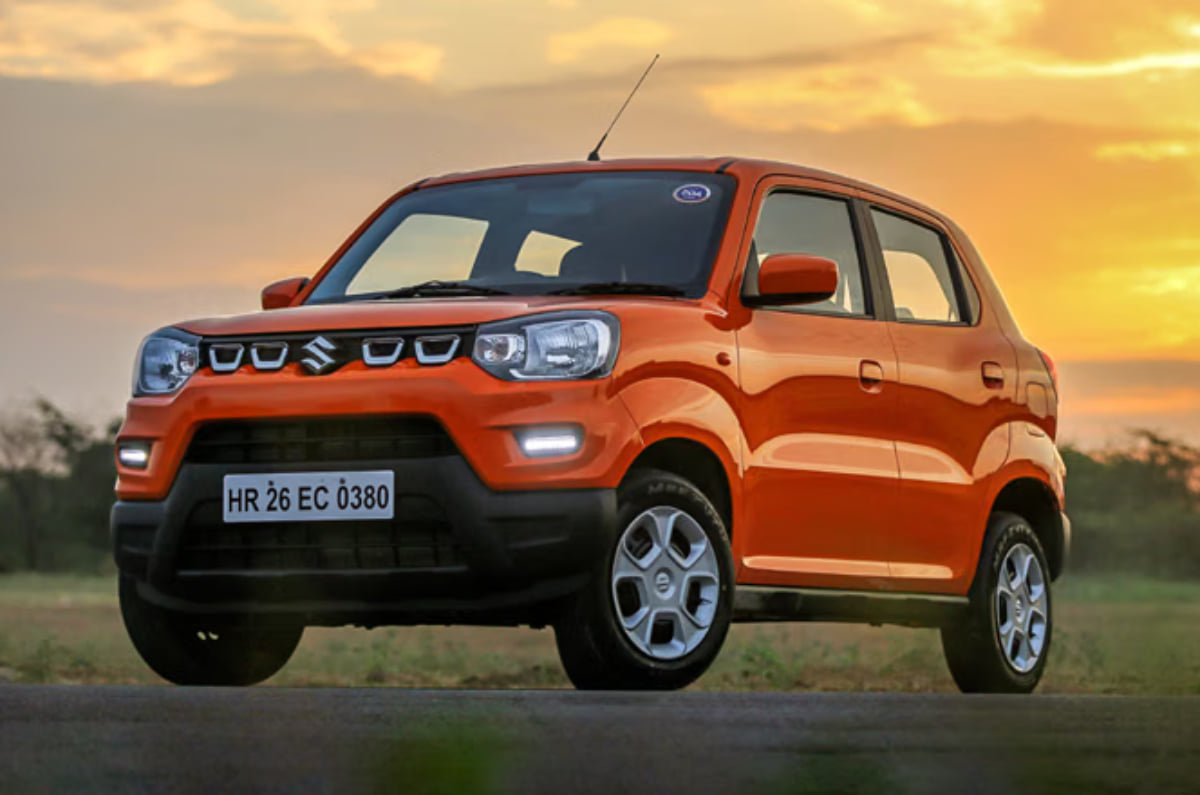
Maruti Suzuki is offering discounts on the Victoris, Swift, Wagon R, Alto K10, Celerio, S-Presso and Eeco in October 2026. The highest benefits are available on the Victoris strong hybrid, at up to Rs 1.65 lakh. These offers include cash discounts, exchange or scrappage bonuses, loyalty benefits and additional offers, depending on the model and variant.
Disclaimer: Offers may vary by city and are subject to stock availability. Check with your nearest dealer for exact details.
Maruti Victoris discounts in October 2026
Up to Rs 1.65 lakh off
The Maruti Victoris strong hybrid gets benefits of up to Rs 1.65 lakh, comprising a Rs 40,000 cash discount, a Rs 30,000 loyalty upgrade bonus and an exchange bonus of up to Rs 95,000. A scrappage bonus of up to Rs 45,000 is available as an alternative to the exchange bonus. The petrol variant gets benefits of up to Rs 1.10 lakh, while the CNG variant gets benefits of up to Rs 95,000. Both variants are available with exchange or scrappage benefits, alongside other applicable offers.
The Victoris is priced between Rs 10.50 lakh and Rs 19.99 lakh and rivals the Hyundai Creta, Kia Seltos, Tata Sierra and Honda Elevate.
Maruti Swift discounts in October 2026
Up to Rs 71,000 off
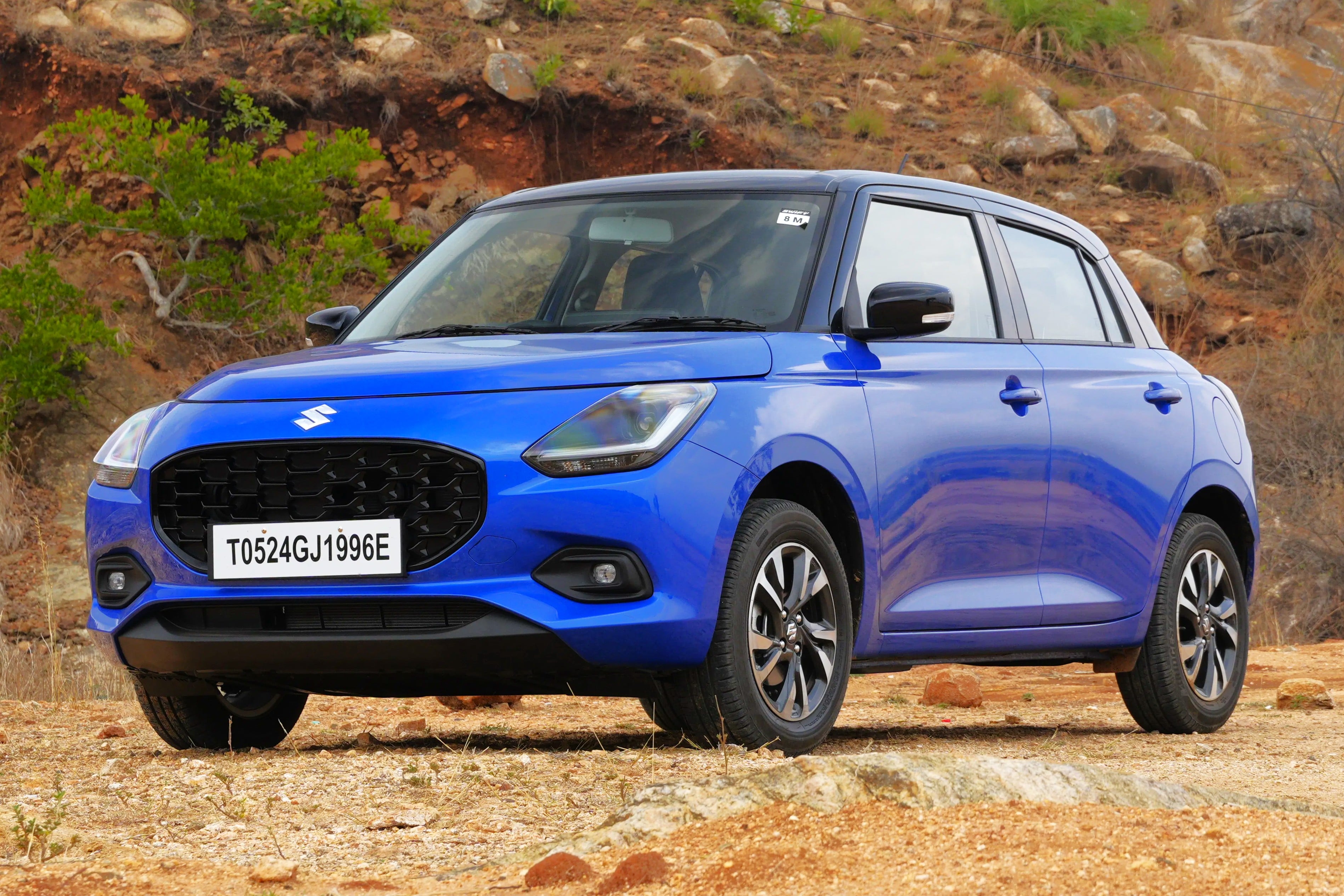
The Swift Blitz Edition petrol variants are available with benefits of up to Rs 71,000, including discounted accessory kits. Other petrol variants get benefits of up to Rs 40,000, comprising a Rs 10,000 cash discount, a Rs 25,000 exchange bonus and a Rs 5,000 additional discount. The CNG variants get benefits of up to Rs 30,000, including an exchange bonus of Rs 25,000 and an additional discount of Rs 5,000. The Swift is priced between Rs 5.84 lakh and Rs 8.74 lakh and rivals the Hyundai Grand i10 Nios and Tata Tiago.
Maruti Celerio discounts in October 2026
Up to Rs 67,500 off
The Maruti Celerio petrol variants get benefits of up to Rs 67,500, comprising a Rs 40,000 cash discount, a Rs 25,000 exchange bonus and a Rs 2,500 additional discount. The CNG variants get benefits of up to Rs 47,500, including a Rs 20,000 cash discount, a Rs 25,000 exchange bonus and a Rs 2,500 additional discount. The Celerio is priced between Rs 4.70 lakh and Rs 6.75 lakh and rivals the Tata Tiago and Renault Kwid.
Maruti Wagon R discounts in October 2026
Up to Rs 67,000 off
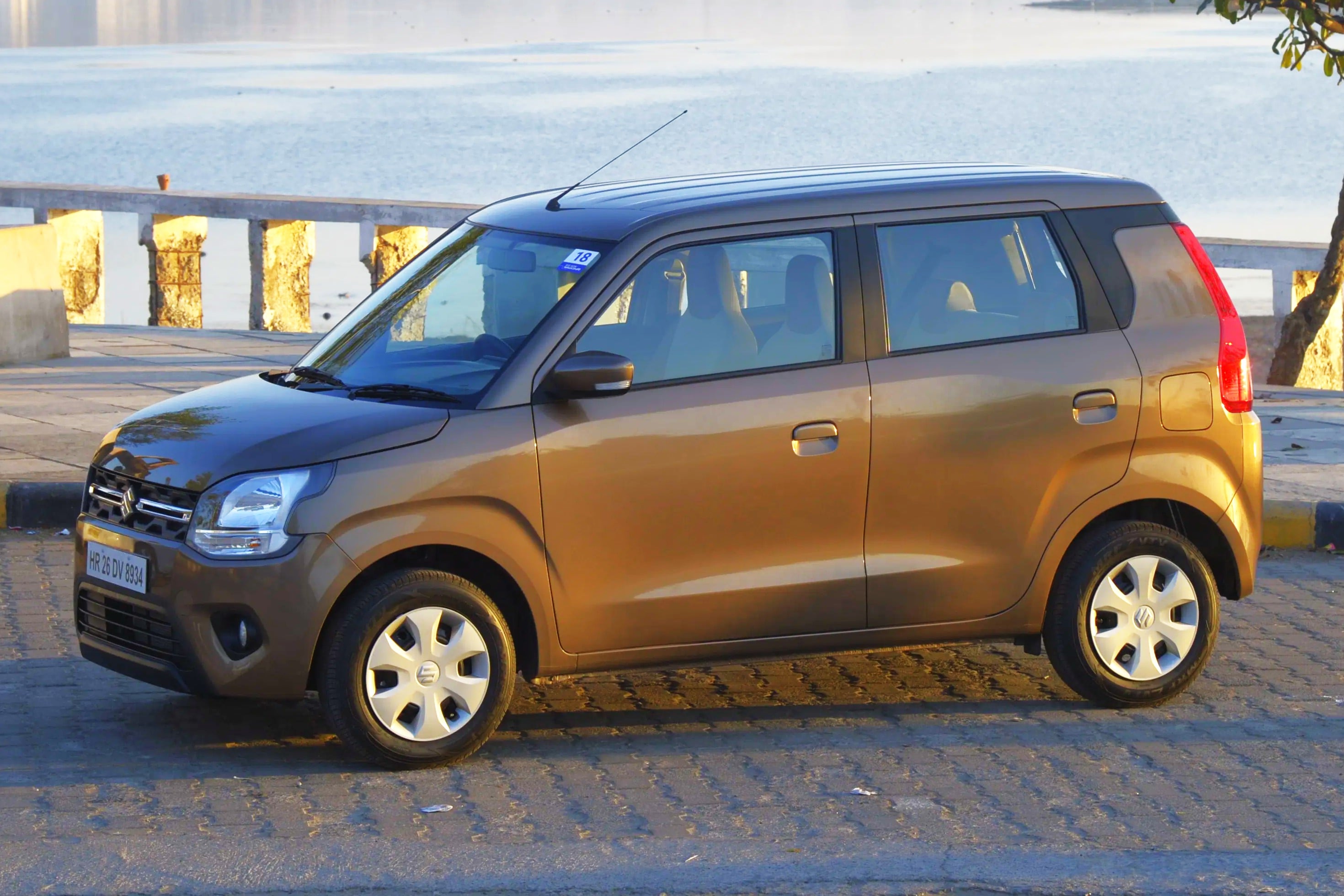
The Wagon R Waltz Edition petrol variants get benefits of up to Rs 67,000, including a free accessory kit worth Rs 38,000 and an additional offer of Rs 1,900. Other petrol variants get benefits of up to Rs 57,500, comprising a Rs 30,000 cash discount, a Rs 25,000 exchange bonus and a Rs 2,500 additional discount. The CNG variants get benefits of up to Rs 52,500, including a Rs 25,000 cash discount, a Rs 25,000 exchange bonus and a Rs 2,500 additional discount. The Wagon R is priced between Rs 4.99 lakh and Rs 7.24 lakh and rivals the Tata Tiago and Citroen C3.
Maruti Alto K10 discounts in October 2026
Up to Rs 57,500 off
The Alto K10 LXi petrol variant gets benefits of up to Rs 57,500, comprising a Rs 30,000 cash discount, a Rs 25,000 exchange bonus and a Rs 2,500 additional discount. Other petrol variants get benefits of up to Rs 47,500, while the CNG variants are available with benefits of up to Rs 37,500. A scrappage bonus of up to Rs 10,000 is available as an alternative to the exchange bonus. The Alto K10 is priced between Rs 3.70 lakh and Rs 5.45 lakh and rivals the Renault Kwid.
Maruti S-Presso discounts in October 2026
Up to Rs 37,500 off
The S-Presso petrol variants get benefits of up to Rs 37,500, comprising a Rs 10,000 cash discount, a Rs 25,000 exchange bonus and a Rs 2,500 additional discount. The CNG variants get benefits of up to Rs 27,500, including an exchange bonus of Rs 25,000 and an additional discount of Rs 2,500. The S-Presso is priced between Rs 3.50 lakh and Rs 5.27 lakh and rivals the Renault Kwid and Alto K10.
Maruti Eeco discounts in October 2026
Up to Rs 37,500 off
The Eeco petrol variants get benefits of up to Rs 37,500, comprising a Rs 10,000 cash discount, a Rs 25,000 exchange bonus and a Rs 2,500 additional discount. The CNG variants get benefits of up to Rs 32,500, with a lower cash discount of Rs 5,000, while the exchange bonus and additional discount remain unchanged. The Maruti Eeco is priced between Rs 5.28 lakh and Rs 6.46 lakh.
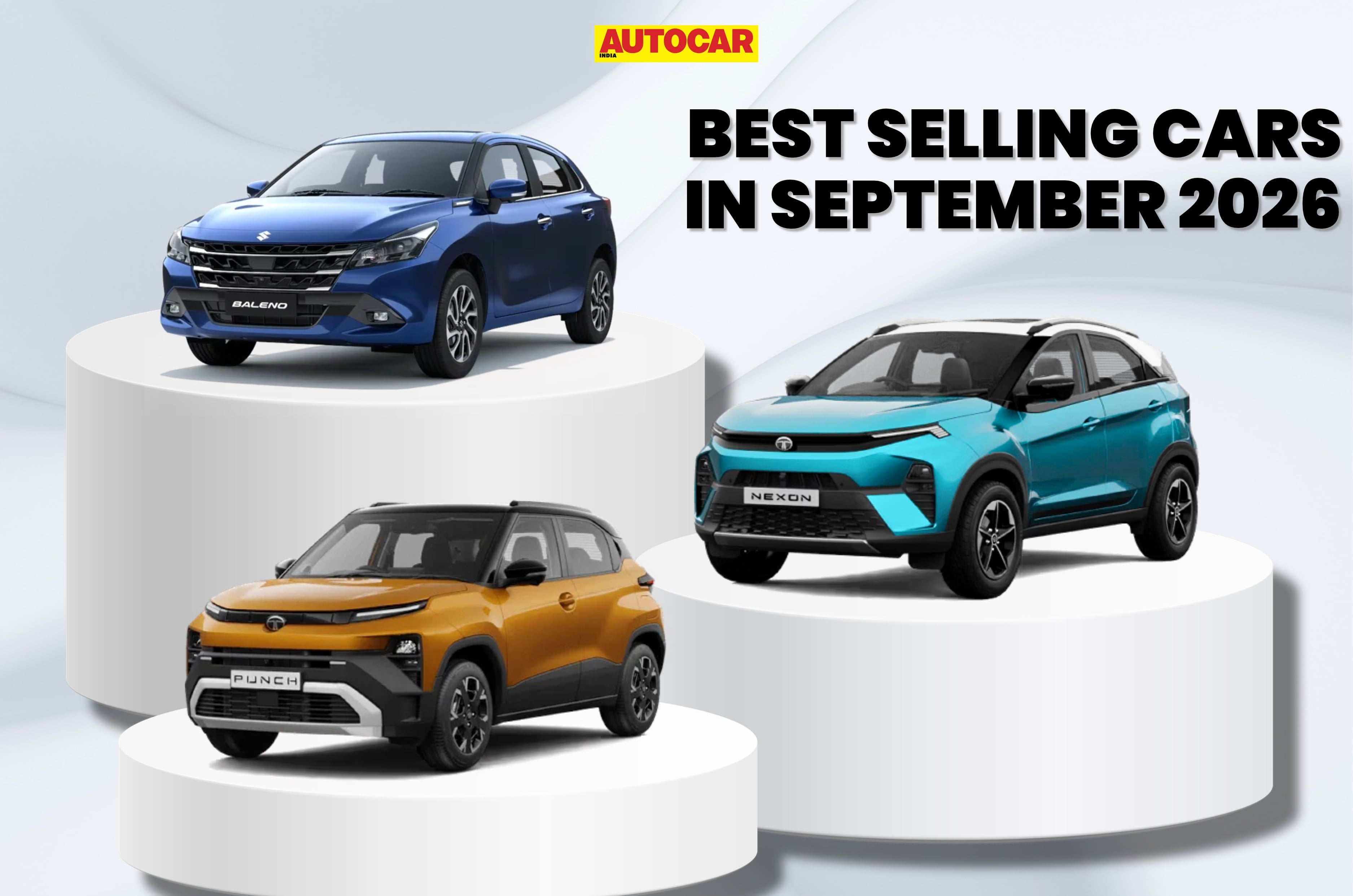
September 2026 saw the Maruti Suzuki Baleno top the best-selling cars list with 25,392 units dispatched, a 93 percent increase year on year. The Tata Nexon and Punch ranked second and third, respectively, with over 20,000 units each. Combined dispatches of the top 10 models rose 15.5 percent to 1,91,332 units. Maruti Suzuki had six models on the list, followed by Tata Motors with two, and Hyundai and Mahindra with one each.
Top 10 best-selling cars in September 2026
Rank
Model
Sep 2026 sales (units)
Aug 2026 sales (units)
Sep 2025 sales (units)
MoM change (%)
YoY change (%)
1
Maruti Baleno
25,392
15,376
13,173
+61
+93
2
Tata Nexon
20,456
18,431
22,573
+11
-9
3
Tata Punch
20,333
21,320
15,891
-5
+28
4
Maruti Fronx
19,282
18,730
13,767
+3
+40
5
Maruti Wagon R
18,835
20,180
15,388
-7
+22
6
Maruti Dzire
17,754
18,418
20,038
-4
-11
7
Hyundai Creta
17,657
16,288
18,861
+8
-6
8
Maruti Swift
17,399
19,832
15,547
-12
+12
9
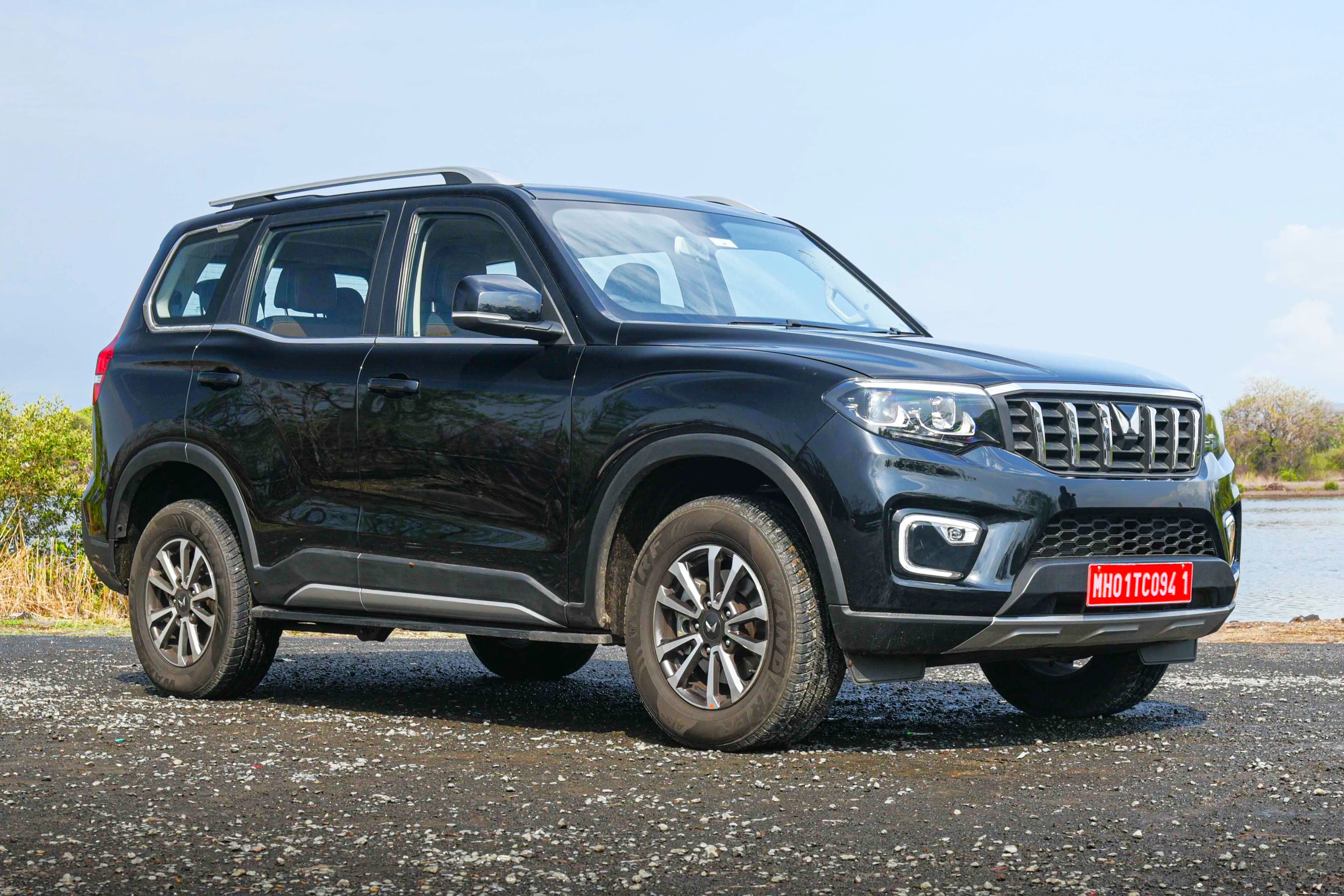
Mahindra Scorpio
17,313
15,576
18,372
+11
-6
10
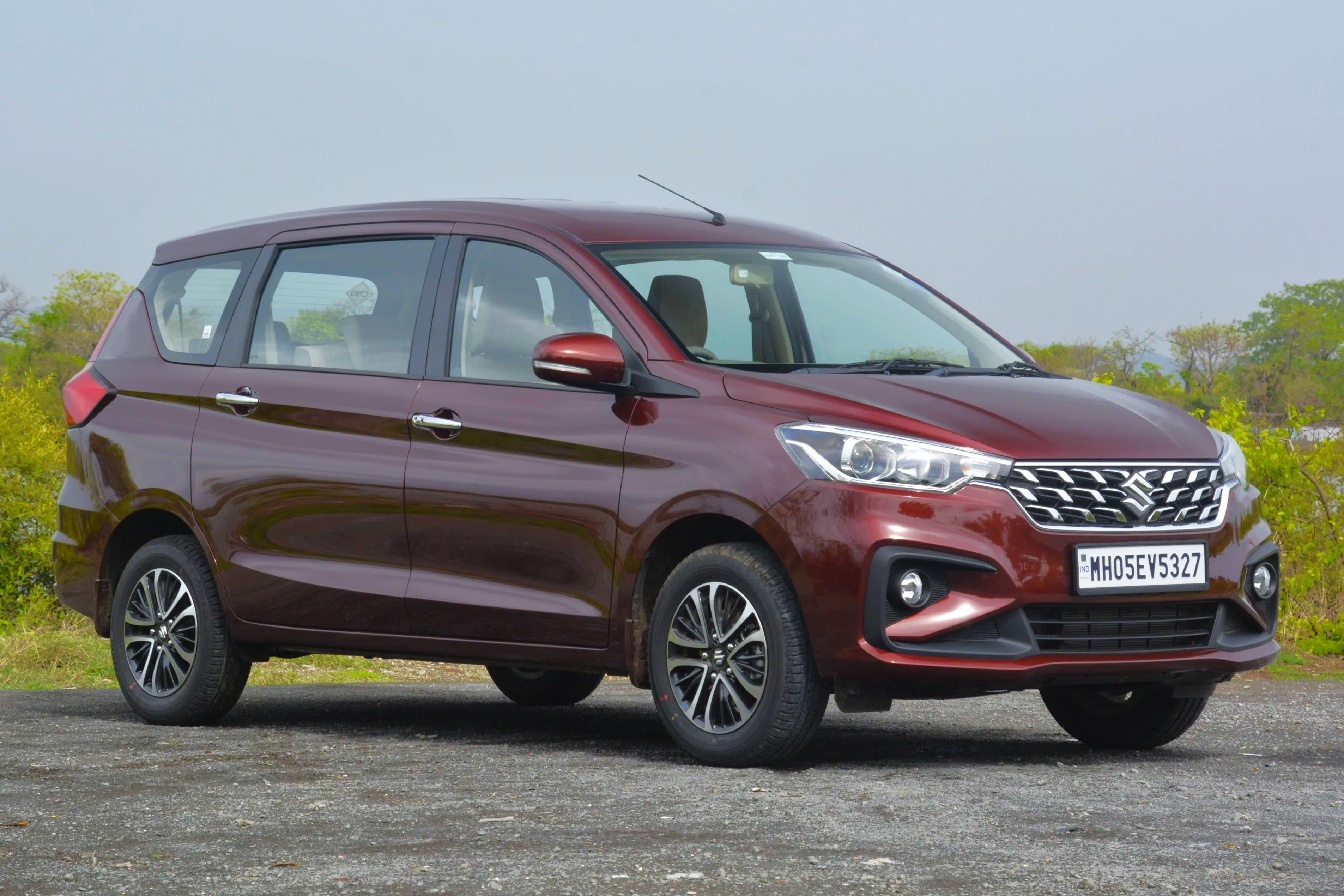
Maruti Ertiga
16,911
18,516
12,115
-9
+40
1. Maruti Suzuki Baleno
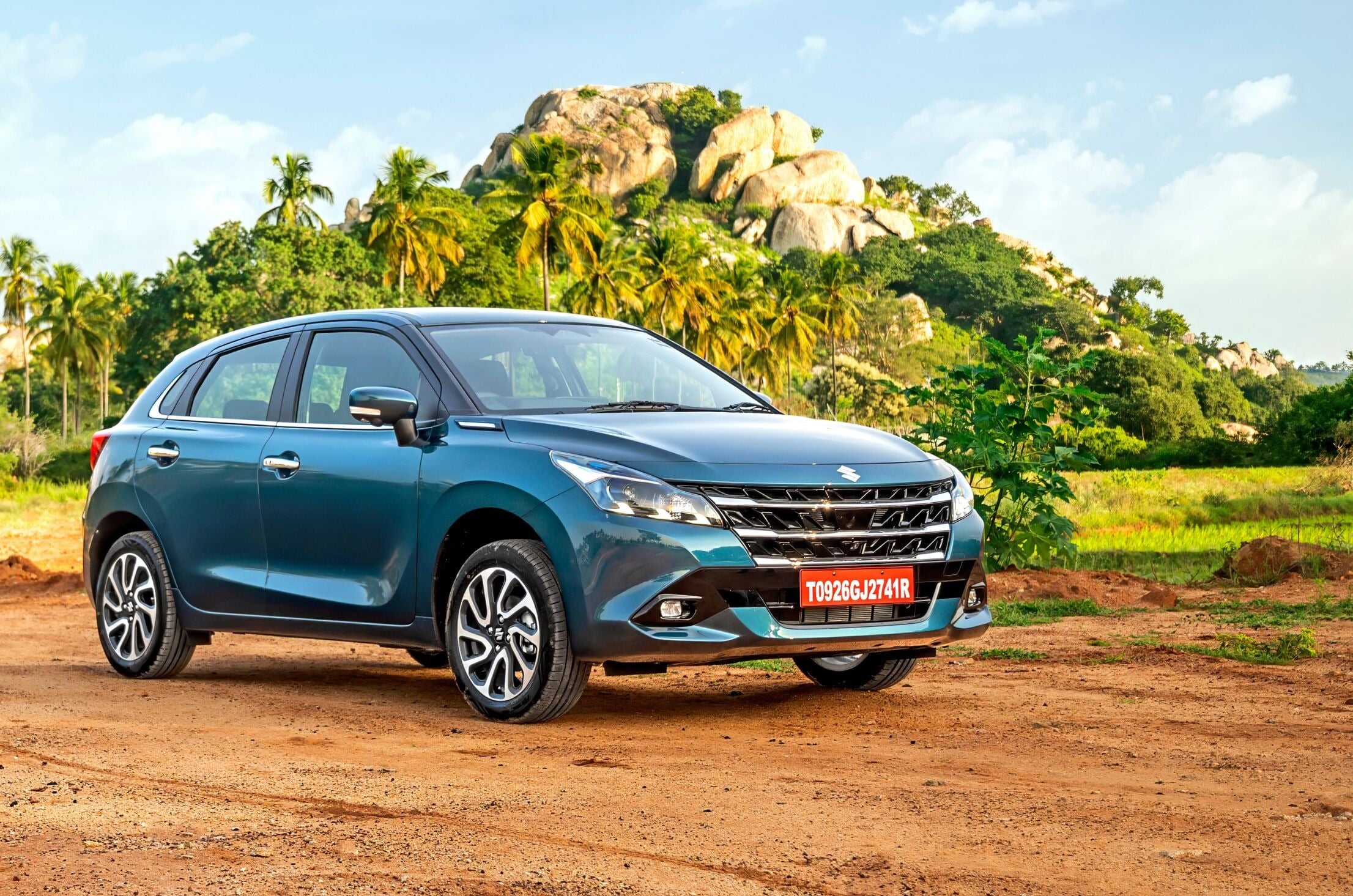
The Maruti Suzuki Baleno topped the September 2026 sales rankings with 25,392 units, compared with 13,173 units in September 2025. Its dispatches increased 93 percent year on year, the highest growth rate among the 10 models. The premium hatchback recently received a facelift and is sold through Maruti Suzuki’s Nexa dealership network. It rivals the Hyundai i20, Tata Altroz and Toyota Glanza. The Baleno is priced between Rs 5.99 lakh and Rs 9.99 lakh.
2. Tata Nexon
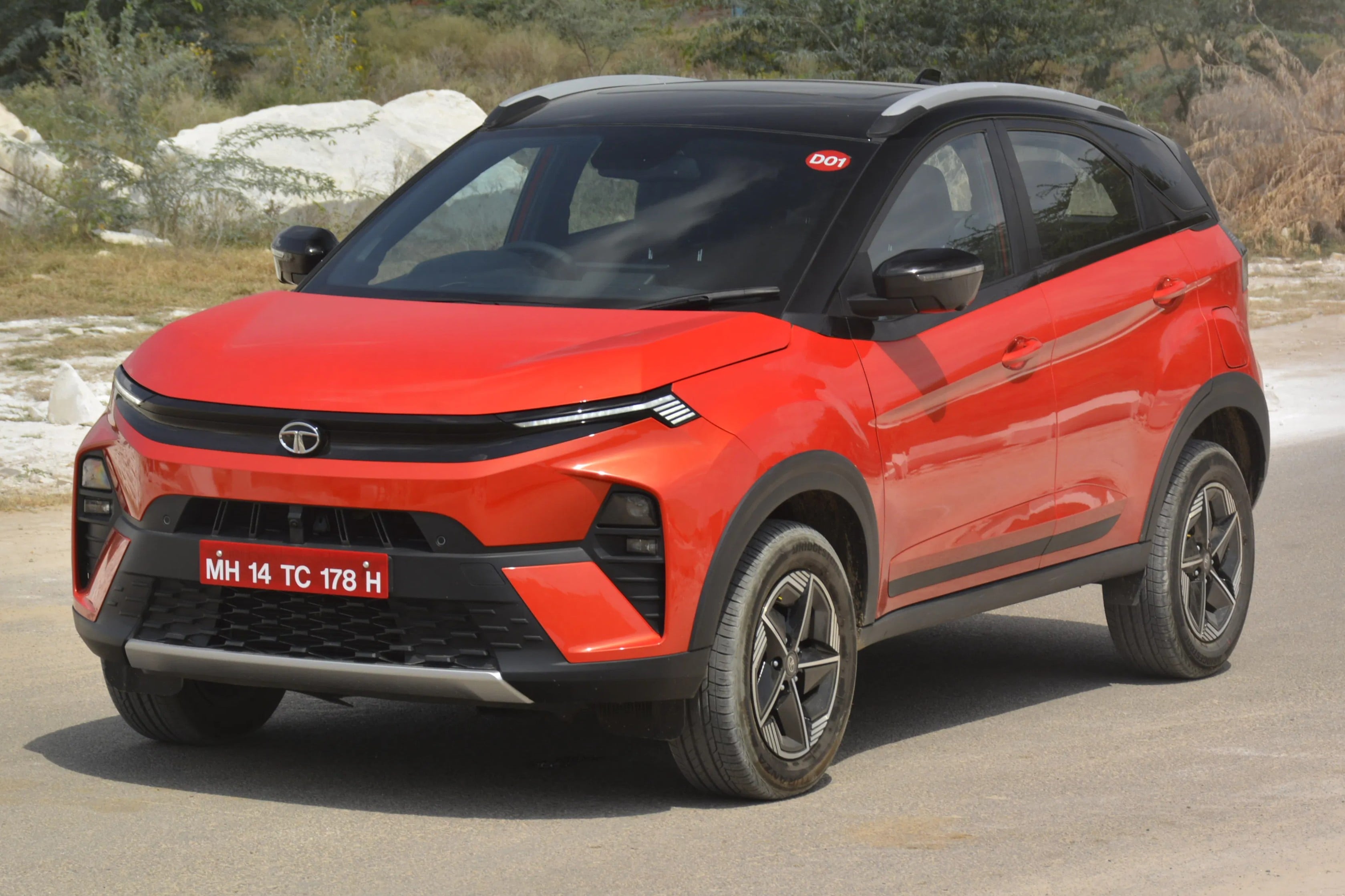
The Tata Nexon, including the Nexon EV, recorded 20,456 units in September 2026, down 9 percent from 22,573 units in the same month last year. It finished second, just 123 units ahead of the Punch. The Nexon is available with petrol, diesel, CNG and electric powertrains. It rivals the Maruti Suzuki Brezza, Hyundai Venue, Kia Sonet and Mahindra XUV 3XO and is priced from Rs 7.40 lakh to Rs 14.52 lakh for the ICE powered Nexon, while the Nexon EV starts at Rs 12.49 lakh and goes up to 17.89 lakh.
3. Tata Punch
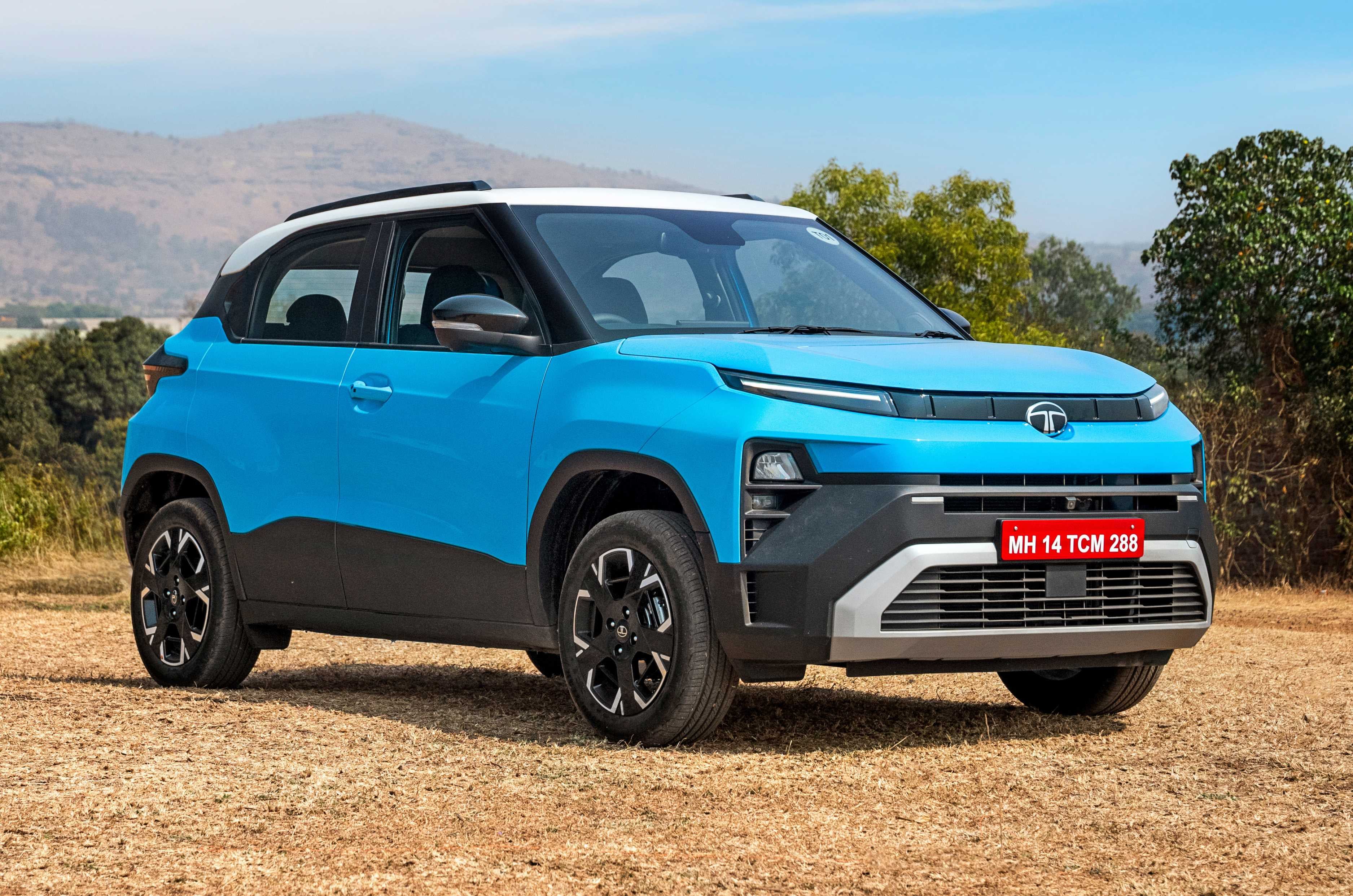
The Tata Punch, including the Punch EV, recorded 20,333 units in September 2026, up 28 percent from 15,891 units a year earlier. It ranked third in the overall list, with the Nexon finishing narrowly ahead. Tata’s smallest SUV is offered with multiple powertrain options, while its compact dimensions and ride-and-handling balance remain key strengths. The Punch rivals the Hyundai Exter and Citroen C3 and is priced from Rs 5.75 lakh to Rs 10.77 lakh. The Punch EV meanwhile is priced from Rs 9.79 lakh to Rs 12.99 lakh.
4. Maruti Suzuki Fronx
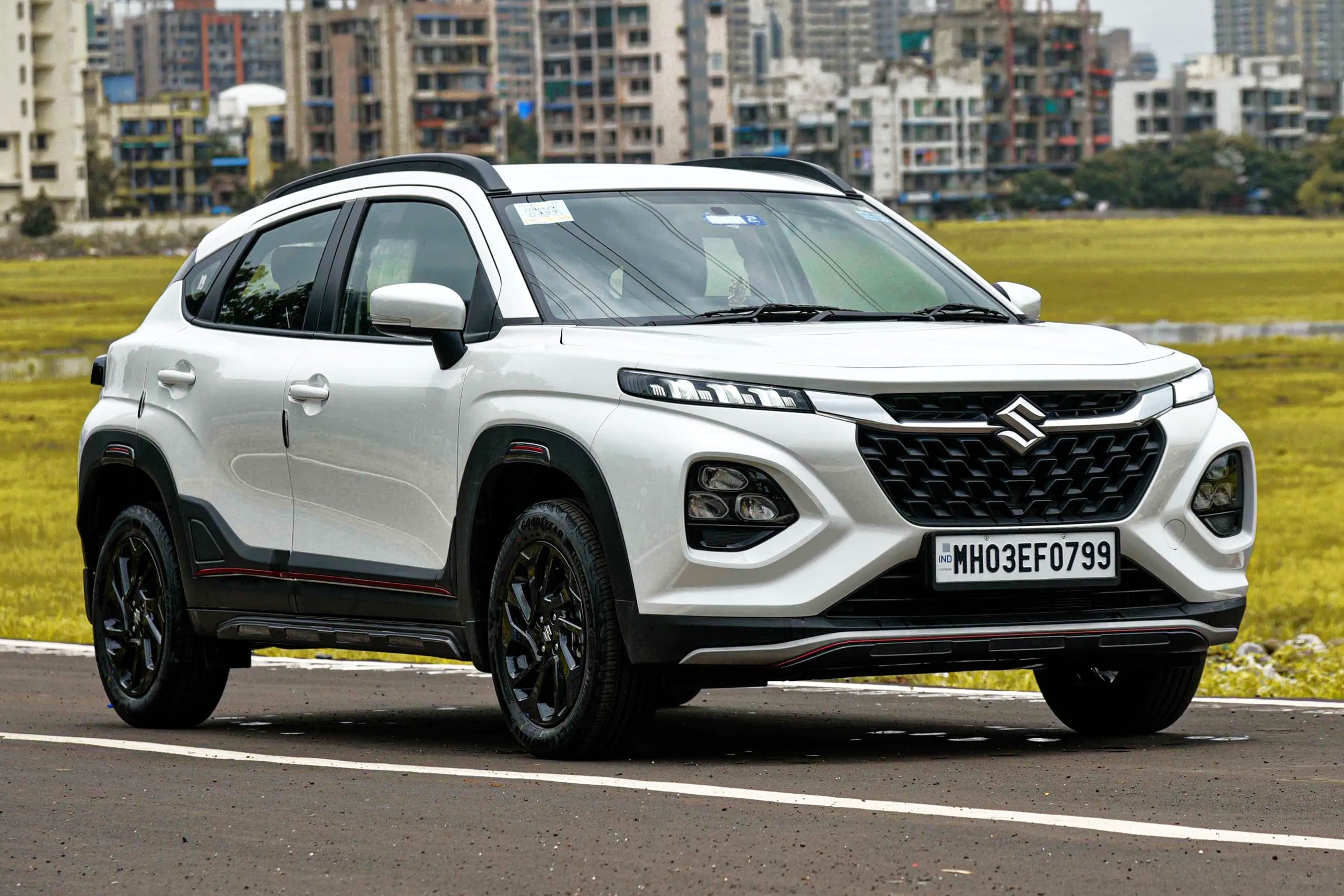
The Maruti Suzuki Fronx ranked fourth in September 2026 with 19,282 units, compared with 13,767 units in September 2025. Its dispatches increased 40 percent year on year. The Fronx’s crossover styling, comfortable cabin and fuel-efficient powertrains continue to support demand, although it lacks some popular features. It rivals the Nissan Magnite and Renault Kiger and is priced between Rs 6.85 lakh and Rs 11.84 lakh.
5. Maruti Suzuki Wagon R
The Maruti Suzuki Wagon R recorded 18,835 units in September 2026, up 22 percent from 15,388 units in the same month last year. It finished fifth in the rankings. Its spacious cabin, ease of driving and low running costs remain key strengths, although its light build and limited highway ability are drawbacks. The Wagon R rivals the Tata Tiago and Citroen C3 and is priced between Rs 4.99 lakh and Rs 7.24 lakh.
6. Maruti Suzuki Dzire
The Maruti Suzuki Dzire recorded 17,754 units in September 2026, down 11 percent from 20,038 units in September 2025. It ranked sixth and was the only sedan in the top 10. Strong fleet demand, fuel efficiency and a well-balanced ride and handling setup continue to support the compact sedan’s volumes. The Dzire rivals the Hyundai Aura, Honda Amaze and Tata Tigor and is priced between Rs 6.31 lakh and Rs 9.41 lakh.
7. Hyundai Creta
The Hyundai Creta, including the Creta Electric, recorded 17,657 units in September 2026, a 6 percent decline from 18,861 units in the year-ago month. It was the only Hyundai model in the top 10, finishing seventh. A roomy cabin, multiple powertrain options and a long feature list continue to attract buyers, although the top variants are expensive and some interior plastics could be better. The Creta rivals the Kia Seltos, Maruti Suzuki Grand Vitara, Toyota Urban Cruiser Hyryder, Honda Elevate and Tata Sierra. It is priced between Rs 10.91 lakh and Rs 20.14 lakh.
8. Maruti Suzuki Swift
The Maruti Suzuki Swift recorded 17,399 units in September 2026, up 12 percent from 15,547 units a year earlier. It finished eighth and was one of three Maruti Suzuki hatchbacks in the top 10. Its high fuel efficiency, light controls and easy-to-drive nature continue to support demand, although the top variants are priced close to the more premium Baleno. The Swift rivals the Hyundai Grand i10 Nios and Tata Tiago and is priced between Rs 5.84 lakh and Rs 8.74 lakh.
9. Mahindra Scorpio
The Mahindra Scorpio, combining the Scorpio N and Scorpio Classic, recorded 17,313 units in September 2026. This was down 6 percent from 18,372 units in September 2025, placing it ninth. The Scorpio nameplate remains popular for its strong engines, rugged character and off-road ability. However, the third-row seating is cramped and the luggage area is not particularly practical. The Scorpio N rivals the Tata Safari, Hyundai Alcazar and Mahindra XUV 7XO and is priced from Rs 13.69 lakh to Rs 25.49 lakh.
10. Maruti Suzuki Ertiga
The Maruti Suzuki Ertiga completed the top 10 with 16,911 units in September 2026, up 40 percent from 12,115 units in the same month last year. It was the sixth Maruti Suzuki model in the rankings. The Ertiga continues to hold the title of India’s highest-selling MPV. Its practical cabin, strong fuel efficiency and value-for-money positioning attract both private and fleet buyers, although it misses out on some features offered by rivals. It is priced from Rs 8.90 lakh to Rs 13.04 lakh and rivals the Kia Carens and Toyota Rumion.
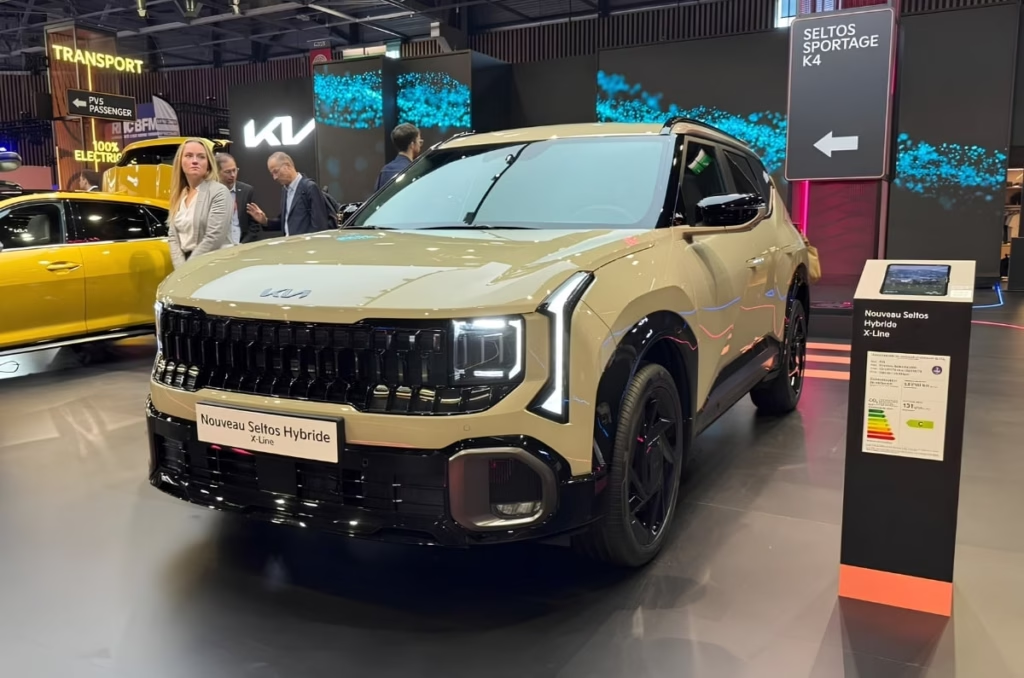
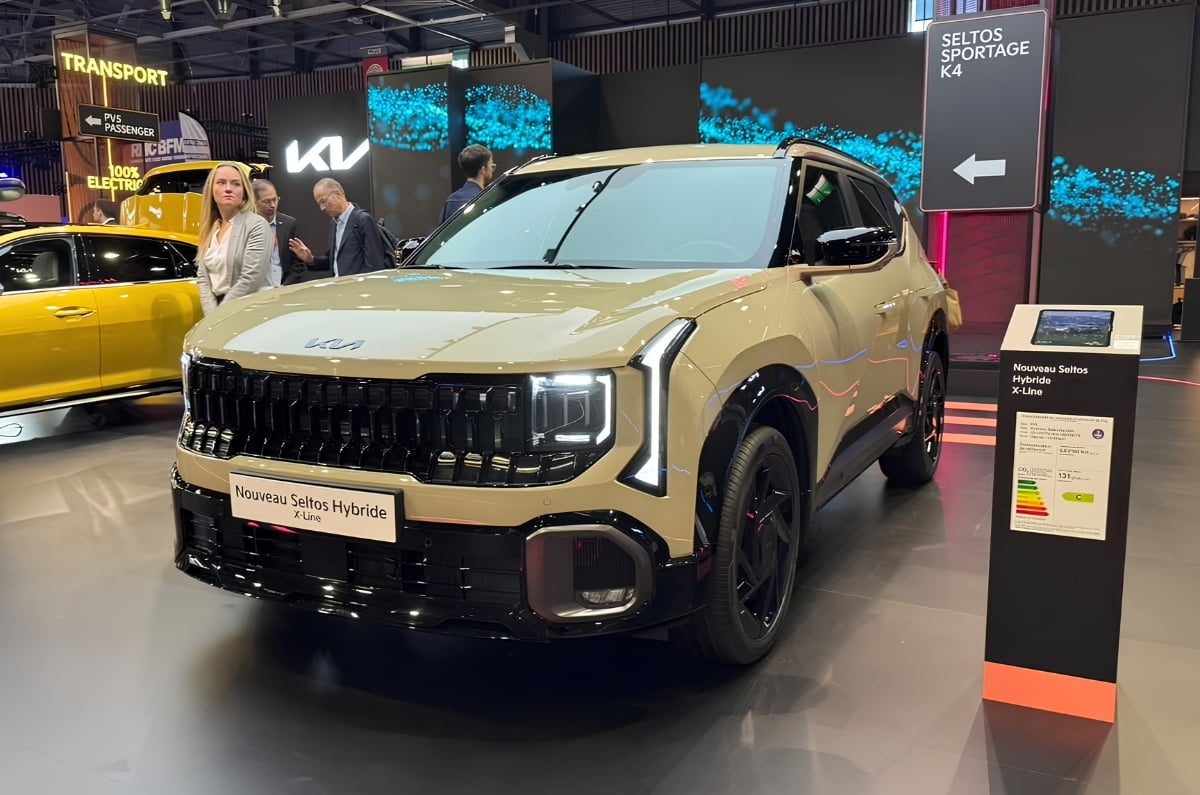
Kia has showcased the Seltos hybrid at the 2026 Paris Motor Show. In India, the Seltos hybrid is scheduled to arrive in 2027. During the unveiling of the second-gen Seltos in 2025, Atul Sood, senior vice president of Sales & Marketing at Kia India, told our sister publication, Autocar Professional, that “there is a clear direction that we will introduce a hybrid in the Seltos.”
Honda has priced the 2026 Elevate facelift from Rs 11.80 lakh to Rs 18.58 lakh (ex-showroom). Its list of midsize SUV rivals is pretty long, and includes the Hyundai Creta, Kia Seltos, Tata Sierra, Renault Duster, Nissan Tekton, Volkswagen Taigun and Skoda Kushaq. The Elevate is underpinned by the City’s platform, and comes with a single 1.5-litre petrol engine with a choice of manual and CVT gearboxes. Here’s what works in the updated Elevate’s favour, and what doesn’t.
Reasons to buy the 2026 Honda Elevate facelift
Eager engine and confident road manners
A lively engine, tidy handling and strong brakes are among the Elevate’s fortes
The Elevate’s i-VTEC engine provides strong performance, while high-speed stability is good too.
The 2026 Elevate continues with the same 1.5-litre four-cylinder i-VTEC petrol engine of its predecessor, but it’s now WLTP emissions norms compliant. The smooth and eager unit produces 121hp and 145Nm of torque, delivering this power cleanly and progressively all through its rev range. The throttle response is sharp, too. For those looking for a hassle-free urban commuter, the smooth CVT (continuously variable transmission) does the job well. It also gets paddle shifters so you can move through pre-set ratios, offering that extra sense of control.
The Elevate feels planted and offers a good balance between handling and ride quality.
The Elevate has always been an easy car to drive around town, courtesy of a light yet responsive steering that makes parking manoeuvres easy. The steering weighs up progressively as speeds rise, and the Elevate also feels planted out on the open highway, inspiring confidence. A good control on body roll means that, despite its tall SUV stance, the Honda Elevate corners neatly without much drama. The brakes are strong and feel progressive, further inspiring driver confidence. The ride feels firm but the Elevate manages to smooth out surface imperfections with relative ease.
Premium and comfy cabin
Interior retains the model’s practicality quotient while upping the premium experience
The 2026 update has made this interior feel more premium.
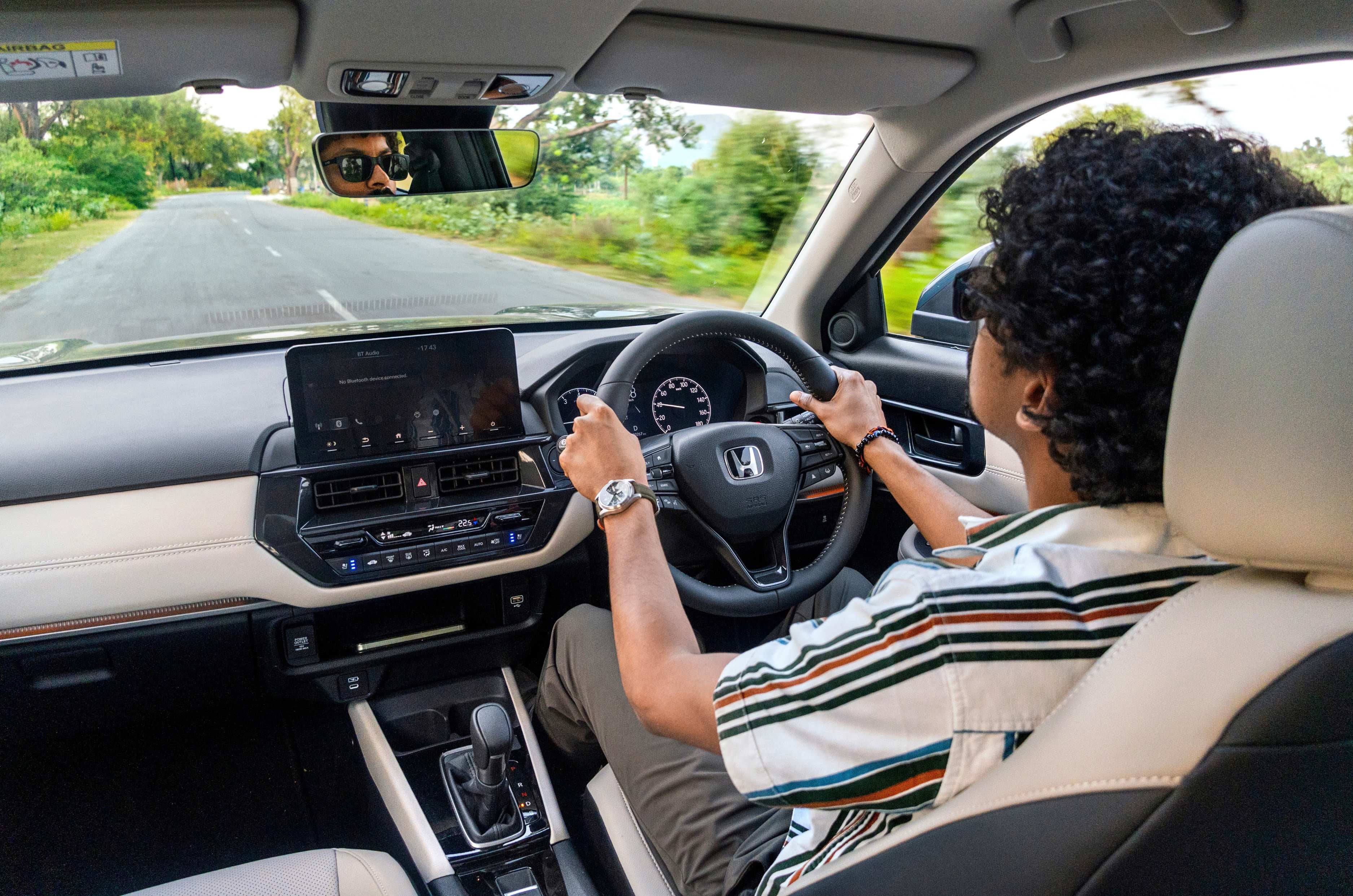
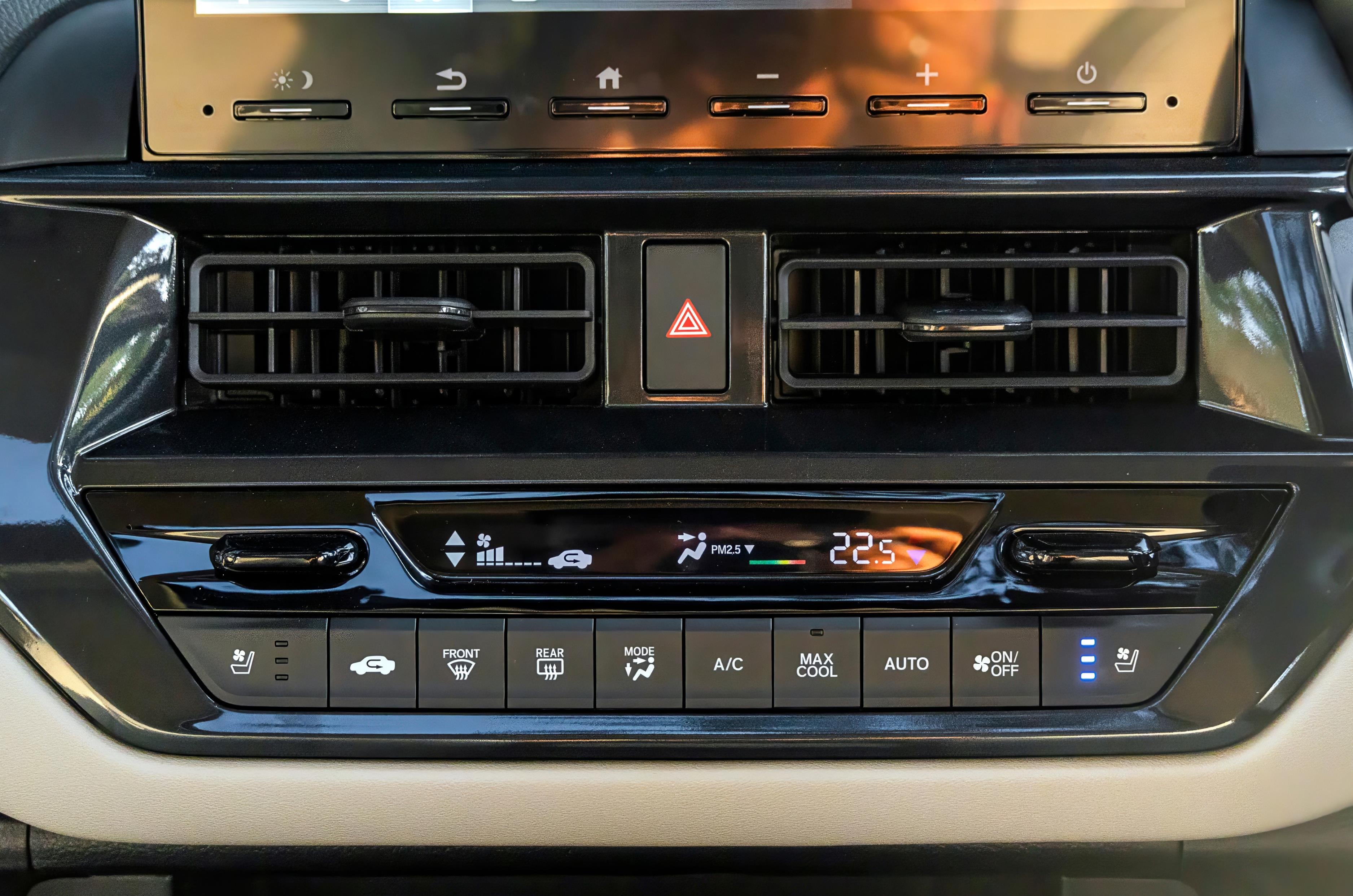
The Elevate has been known for providing an ergonomically sound cabin – this hasn’t changed with the 2026 update. The front seats remain nice and supportive, while finding a comfortable driving position is easy. There’s now lighter leatherette padding and stitching on the dashboard, a revised headliner that looks and feels more premium, and an updated HVAC panel with buttons for the front-seat ventilation feature.
Headroom and kneerom for back-seat passengers is good.
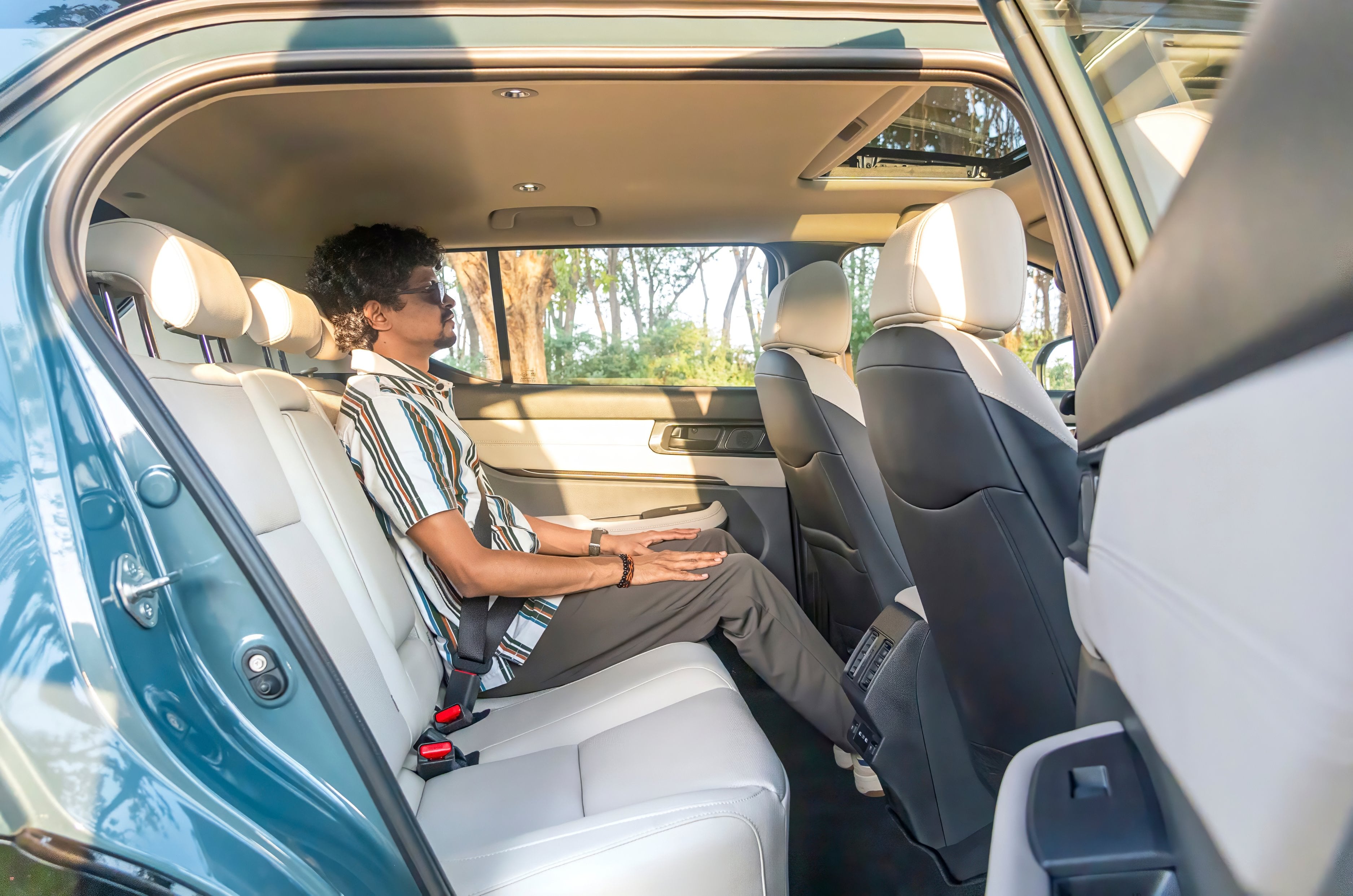
It is easy to get comfortable in the back of the Honda Elevate facelift. There’s plenty of headroom and kneeroom for two adults, while conveniences like a centre armrest with cupholders, dedicated AC vents and USB charging ports add to the overall experience. There’s also no shortage of cubbies to store your knick-knacks, plus a roomy 458-litre boot. You also get a spare tyre under the boot floor, further boosting the Elevate’s practicality.
Better equipped than before
Honda has added more features to the Elevate’s equipment list
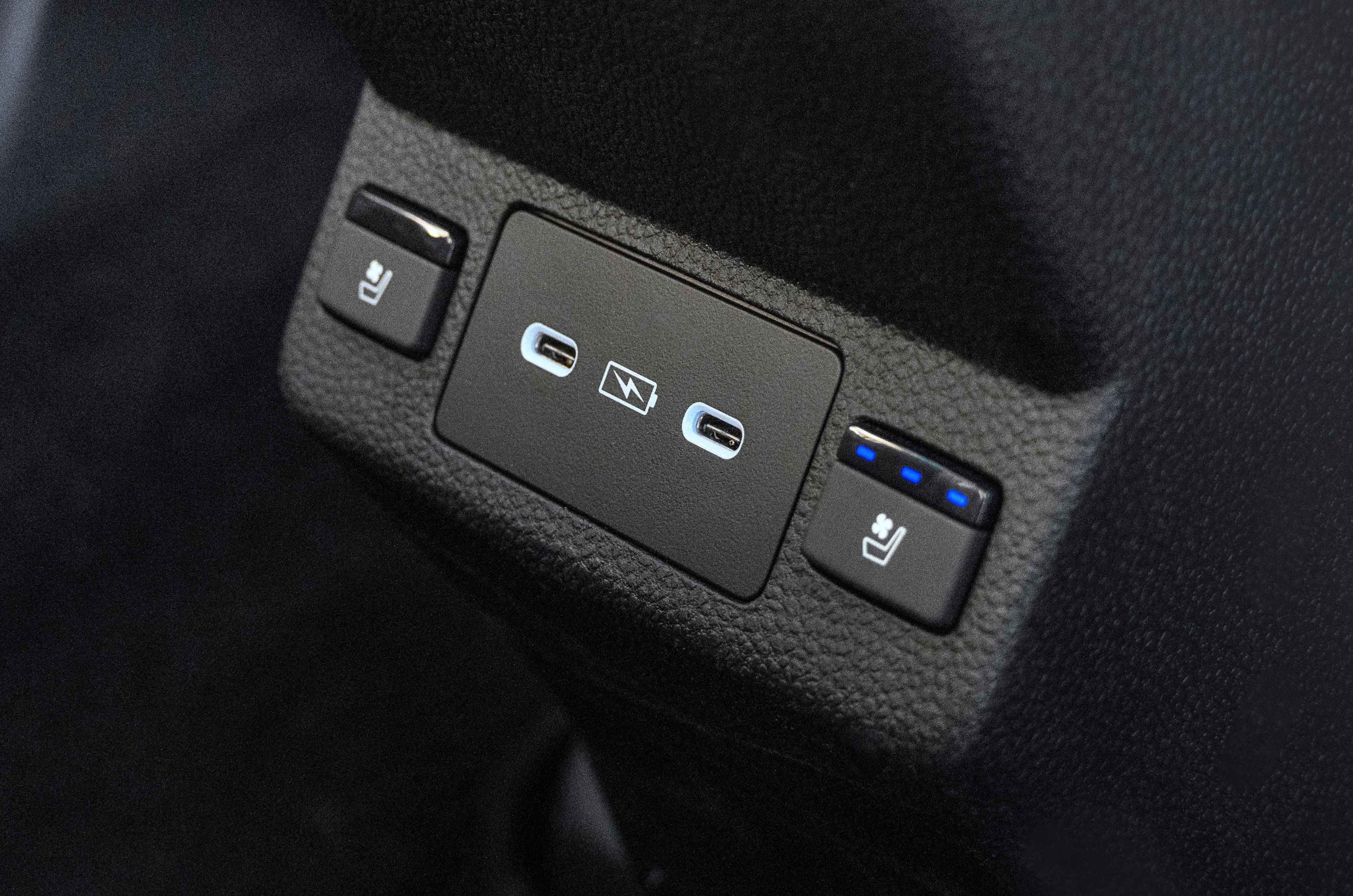
The Honda Elevate now gets segment-first rear-seat ventilation.
The back seats of the 2026 Elevate facelift are also where you will see the new touch-operated LED reading lamps. The Elevate now offers rear-seat ventilation, which is a first for the segment. Features such as orange ambient lighting, multi-way powered front seats, wireless charging, auto climate control with a built-in PM2.5 air purifier, wireless Apple CarPlay & Android Auto, an 8-speaker audio system, a 7-inch MID, and a 360-degree camera are available too.
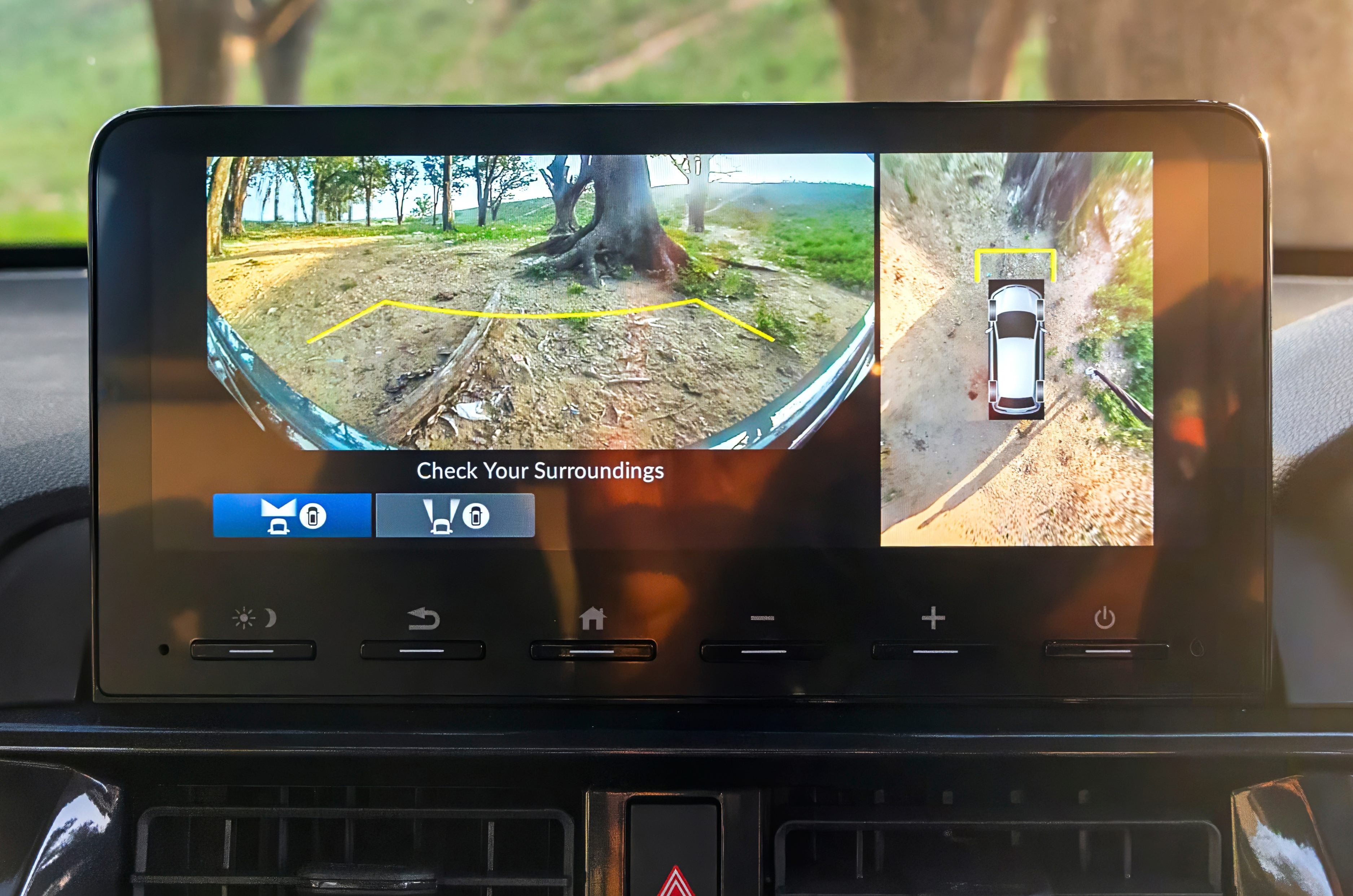
A 360-degree camera is now a factory-fit option on the top-spec trim.
There’s enough on the safety front, too. The 2026 Elevate facelift is available with front parking sensors, Honda’s LaneWatch camera, and a camera-based ADAS (advanced driver assistance systems) suite. This ropes in adaptive cruise control, auto-emergency braking, lane-keep assist and more. The CVT variants get a new low-speed follow function for the adaptive cruise control to tackle stop-and-go traffic conditions, along with rear disc brakes and an electronic parking brake with auto hold. Standard equipment includes 6 airbags, stability & traction control, rear parking sensors, adjustable headrests and three-point seatbelts for all occupants.
Reasons not to buy the 2026 Honda Elevate facelift
Cabin has its shortcomings
Lacklustre noise insulation aside, the Elevate’s cabin still has a few niggles
Some may find the front lumbar support to be excessive.
While the 2026 facelift has made the Honda Elevate more competitive, there’s still room for improvement. For starters, the lumbar support up front can feel intrusive for some, and taller occupants will find the under-thigh support underwhelming. Seating a third passenger in the back wouldn’t be easy, due to the narrower cabin width of the Elevate over some rivals. The raised centre seat doesn’t make this better, either.
Rear occupants will notice vertical movements at higher speeds over undulating roads.
The cabin is quieter than before, but engine and road noise can be heard quite easily at highway speeds. Those at the back will also notice a fair bit of vertical movement over undulating highways at triple-digit speeds.
Only one engine option
The Elevate still doesn’t get a diesel, turbo-petrol, hybrid or CNG option
Lack of engine choices even with the latest update is a definite con for the Honda Elevate.
In a segment where rivals offer multiple engine options (even across fuel types), the 2026 Honda Elevate facelift continues with just the one naturally aspirated petrol unit. This limits its appeal when compared to other offerings in the hotly contested midsize segment. While we are yet to test its mileage, the lack of an automatic engine stop-start system and ‘Eco’ drive mode won’t help boost fuel efficiency.
Latest features reserved for the top trim
Most of the headline features are offered only with the new range-topping ZX+
Only the range-topping ZX+ gets all of the newly introduced features.
If you want all the new bells & whistles that the 2026 Honda Elevate facelift has to offer, you’ll have to stretch your budget to accommodate the new top-spec ZX+ trim. This is where niceties like rear seat ventilation, powered front seats, a 360-degree camera and front parking sensors reside. However, this also means a price tag of between Rs 16.88 lakh and Rs 18.58 lakh (ex-showroom).
The ZX+ trim still misses features like two-zone climate control, a panoramic sunroof and rear sunblinds.
Despite the ZX+’s higher price, it still misses out on a panoramic sunroof, powered tailgate, a fully digital driver’s display, rear sunblinds and dual-zone climate control. Some similarly priced rivals offer a more comprehensive feature set, more cabin space and multiple powertrain options.
The midsize SUV space is now more competitive than ever. Just the last few months have seen new launches in the form of the Tata Sierra, Renault Duster, Nissan Tekton and the facelifts of the Volkswagen Taigun and Skoda Kushaq. Then there are the venerable Kia Seltos and the Hyundai Creta, the latter of which is set to receive a new-gen model next year, and an all-new entrant, the Hyundai Bayon, is about to join the ranks.Powertrain choices have been expanding too; diesel continues to be popular, turbo petrols add a dose of excitement, CNG is fast becoming the high-mileage option and there’s electrification in the form of hybrids and full EVs.So in a bid to keep it relevant, Honda has updated its midsize SUV contender, the Elevate, and here’s how it all comes together.
Design and engineering – 8/10
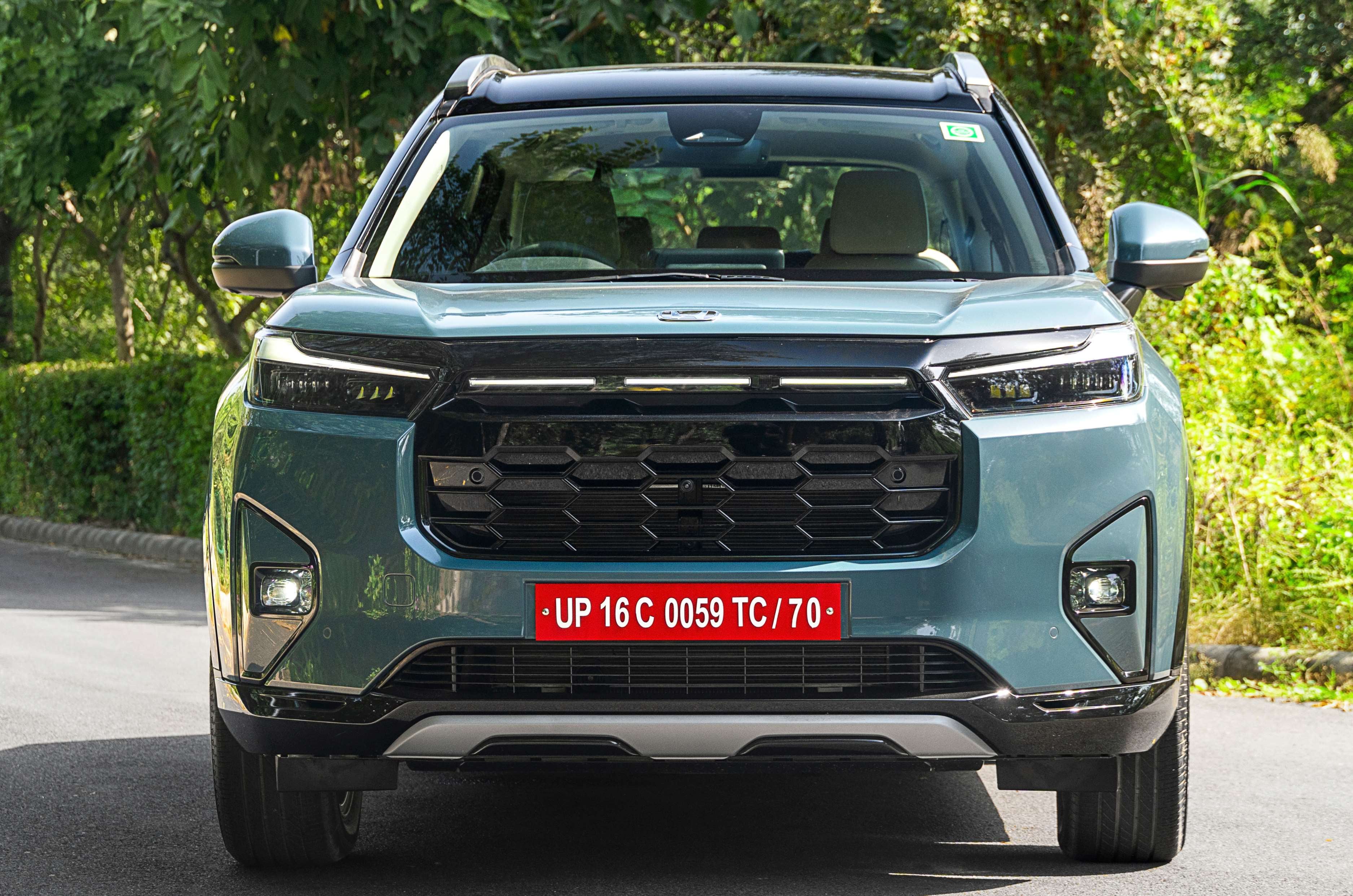
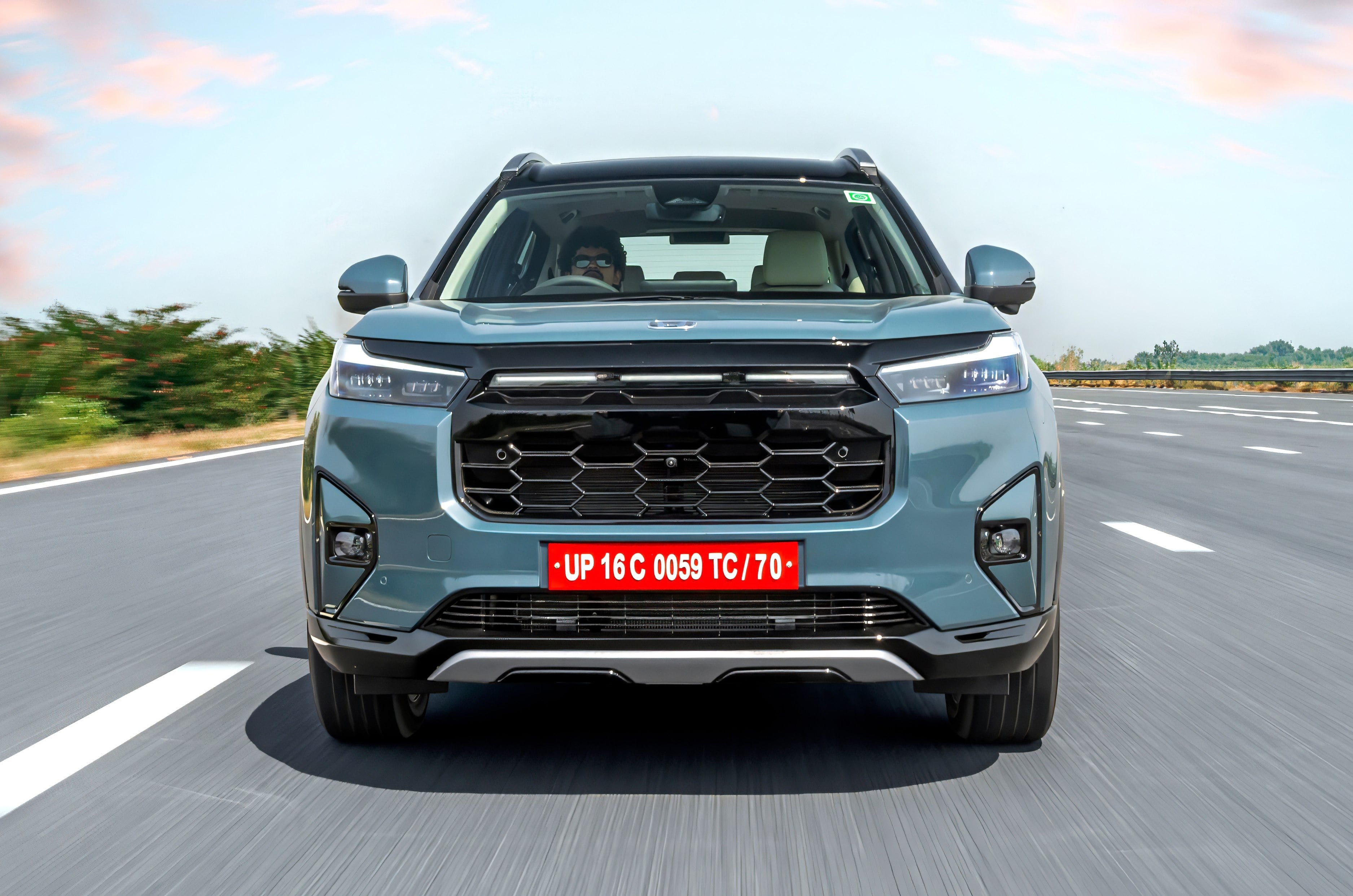
Features a new gloss black grille with a honeycomb pattern and a segmented LED light bar.
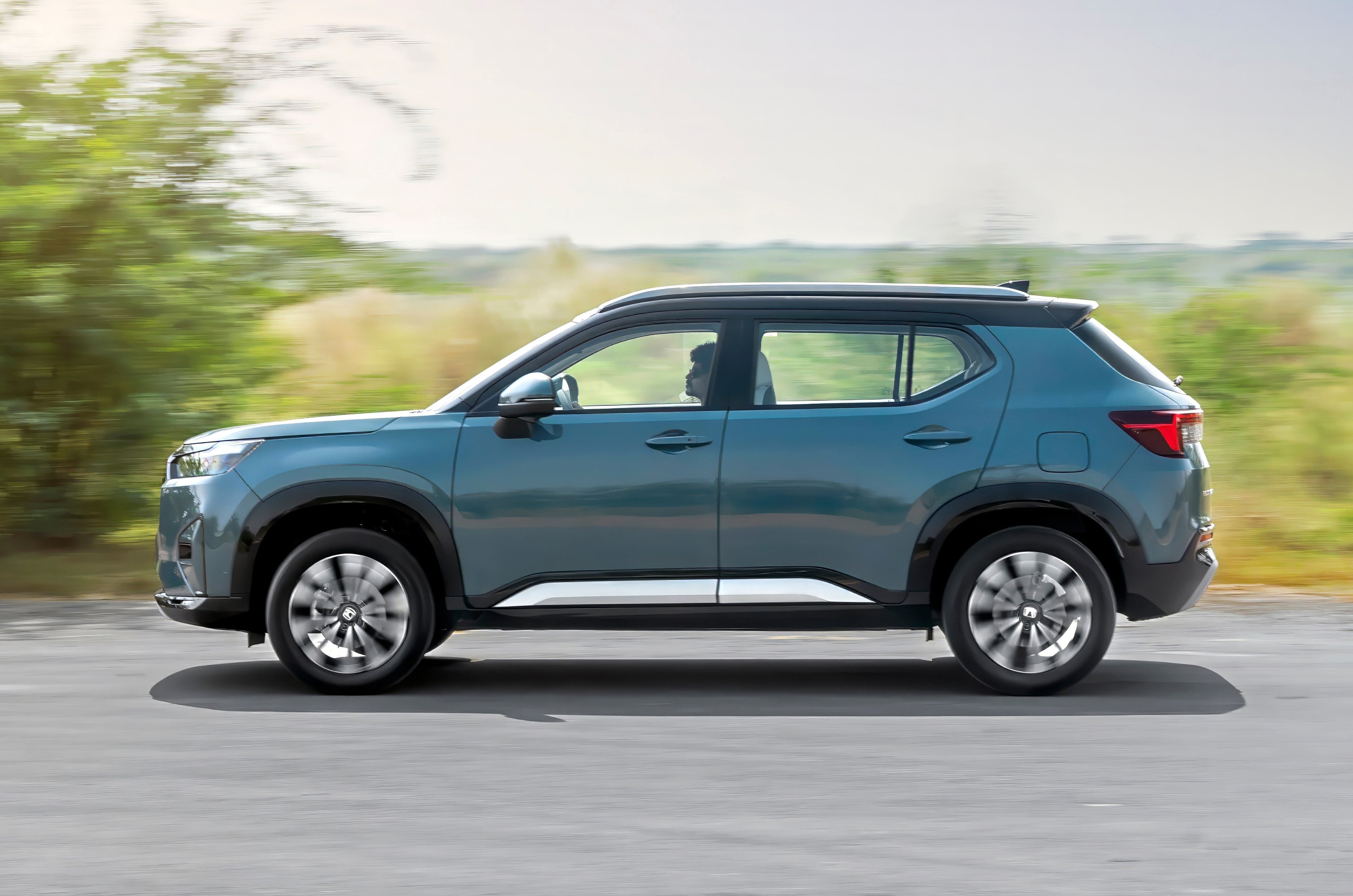
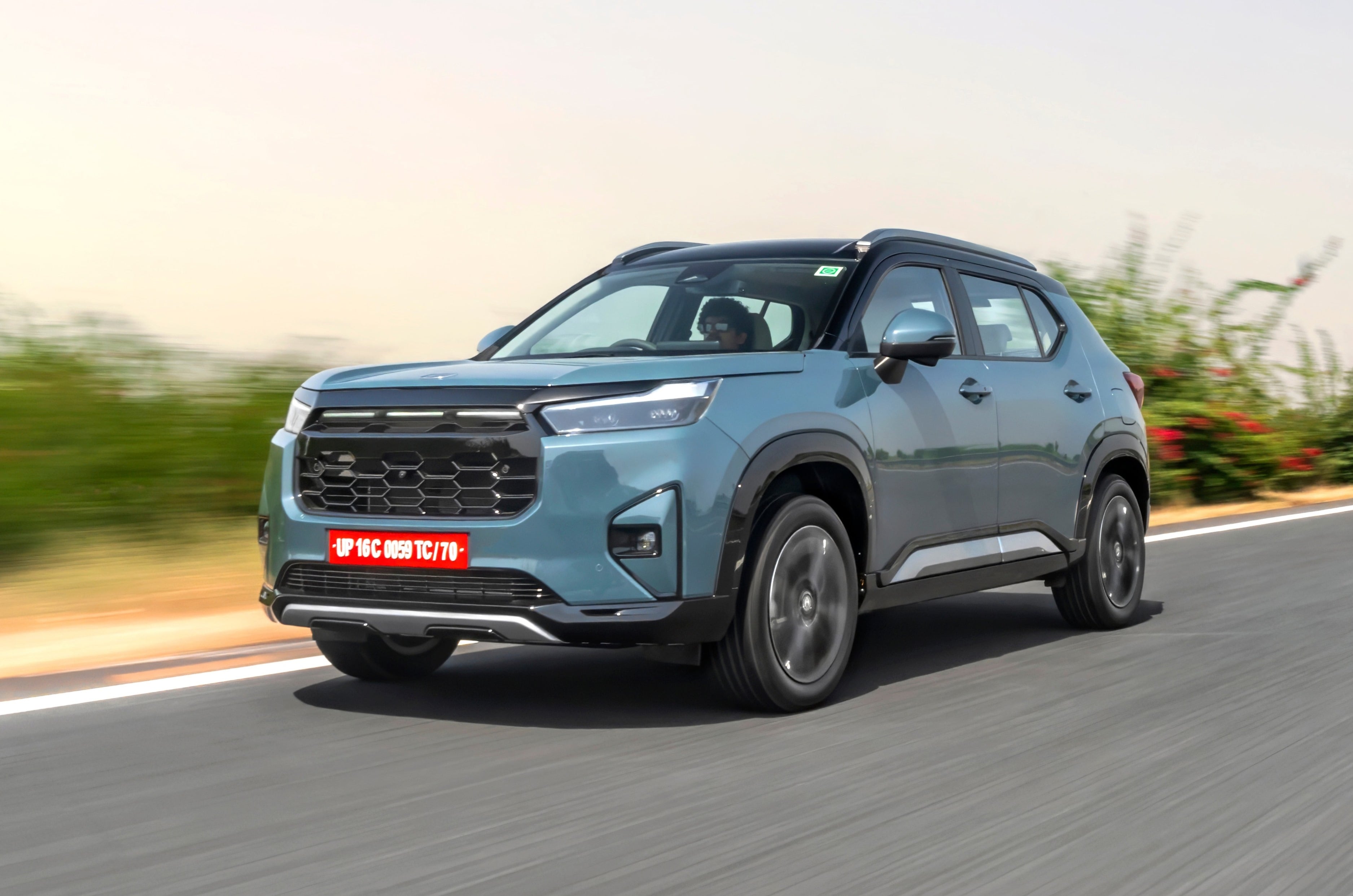
Honda has given the Elevate a subtle design update, but the changes are effective enough to give the SUV a fresher, more contemporary look without straying far from the original design. The biggest revisions are concentrated at the front end, where a new segmented LED light strip links the LED headlamps and the thick chrome band above them has been replaced with gloss black trim. The front grille gets a revised mesh pattern and a gloss-black finish, lending the front end a slightly sportier, more butch appearance. The Honda badge now sits on the bonnet rather than within the grille, while the fog-lamp housings are now finished in body colour instead of black for a cleaner look.
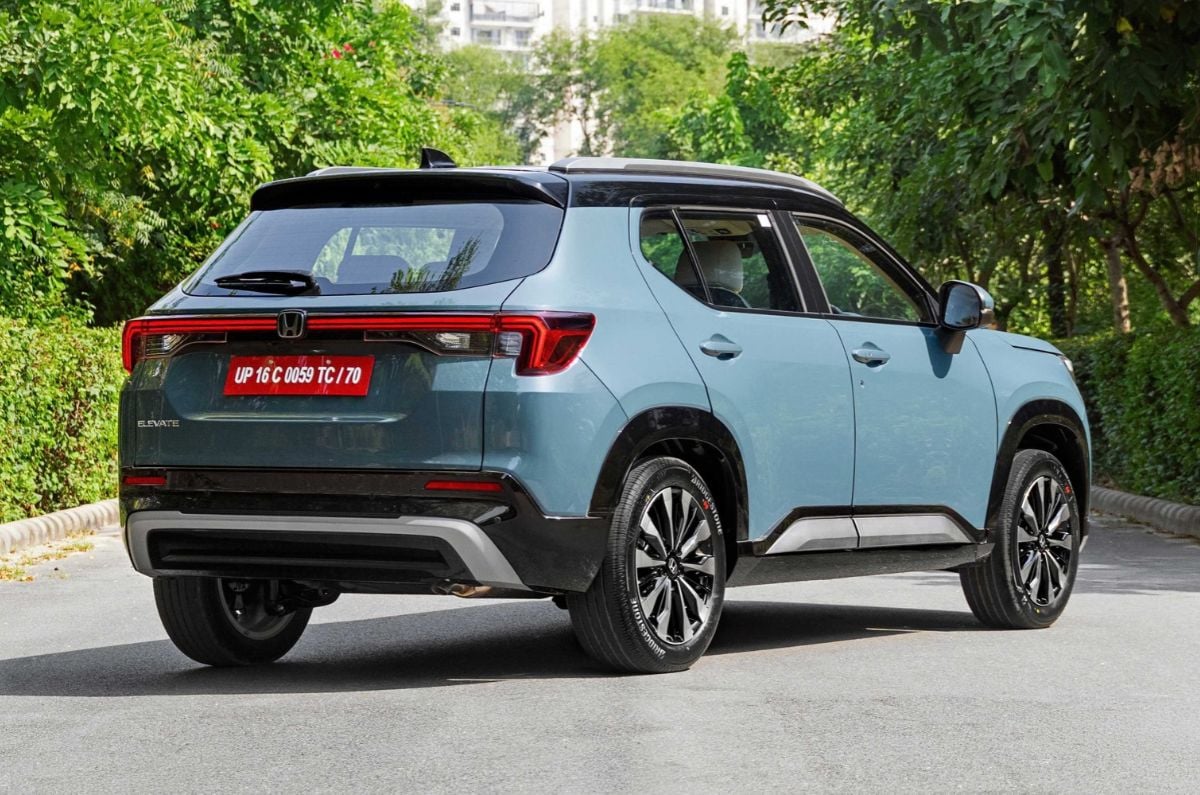
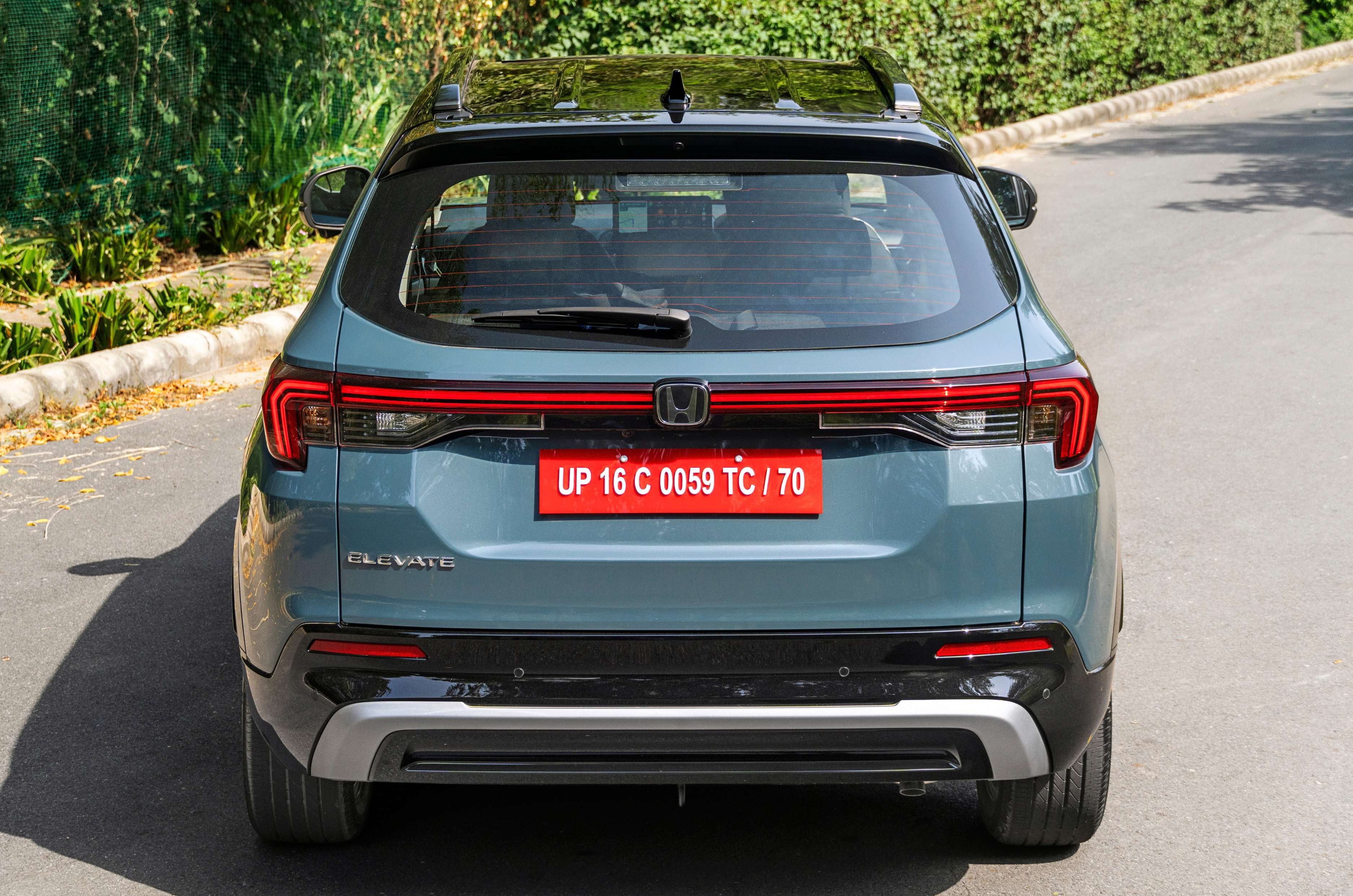
New LED light bar now connects the tail-lamps, giving it a more cohesive appearance.
It’ll take a keen eye to spot the changes along the sides as they’re limited to a new gloss black body cladding instead of a matte finish, silver coloured inserts in the cladding on the doors instead of body colour and a darker finish for the 17-inch alloy wheels which continue with the same design. At the rear, the facelift introduces a new LED light bar that connects the tail-lamps, giving the tailgate a wider, more cohesive appearance, particularly after dark. Rounding off the updates is a new Nordic Forest Pearl paint shade, as you can see in the pictures here.
As for dimensions, it continues to measure 4.3 metres in length, nearly 1.8 metres in width and just over 1.6 metres in height. It’s based on the City platform, but gets a stretched 2650mm wheelbase, wider tracks front and rear and a substantial 220mm of ground clearance.
Interior space and comfort – 8/10
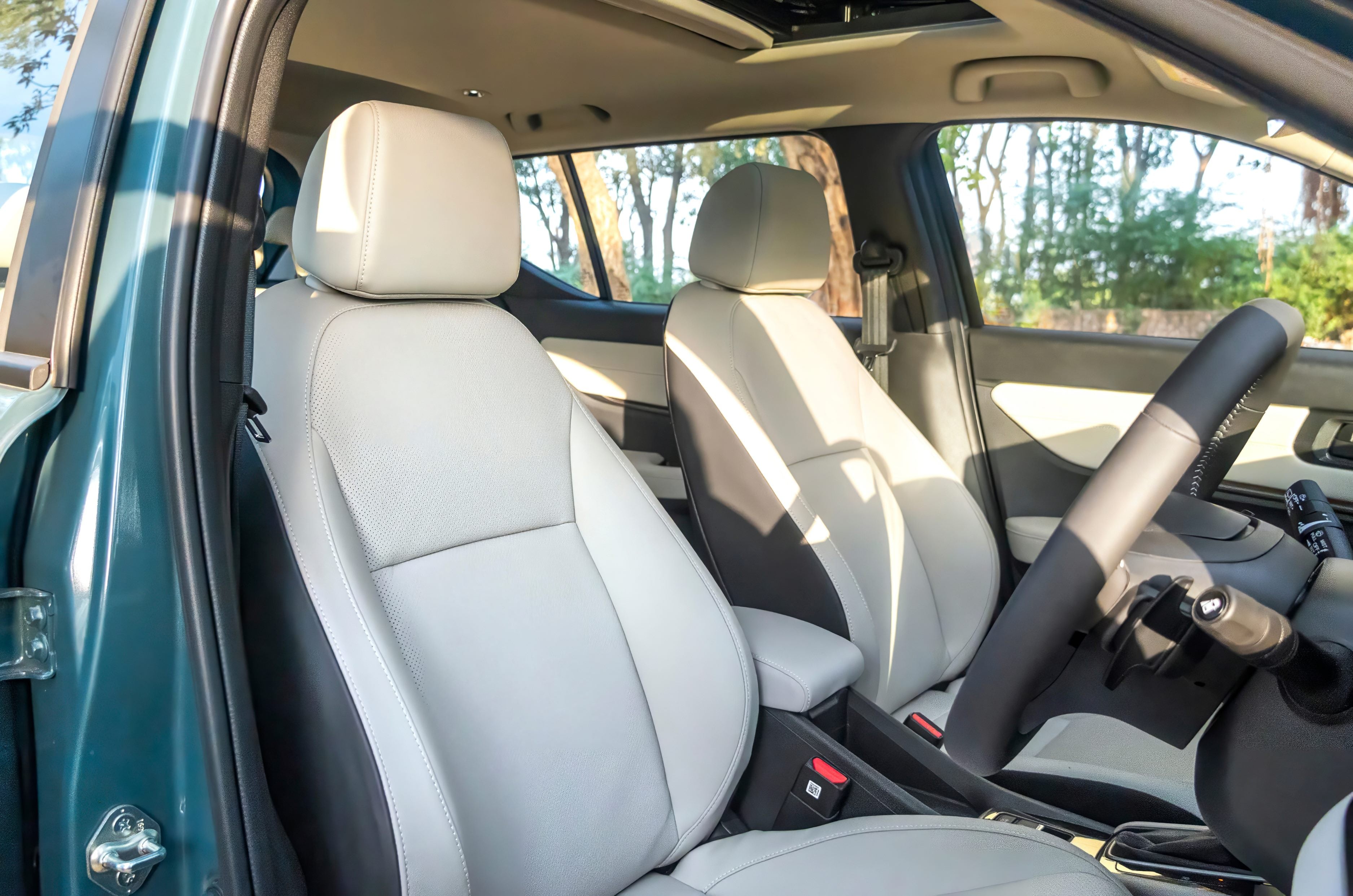
The cabin gets more substantial updates than the exterior, with the changes aimed at improving comfort and perceived quality. To start off, there’s a new ivory and black dual-tone upholstery theme that enhances the sense of space inside and is perhaps more neutral than the tan upholstery earlier. It will be tough to clean though, thankfully there is the option of all-black upholstery with the ‘Black’ edition Elevate.
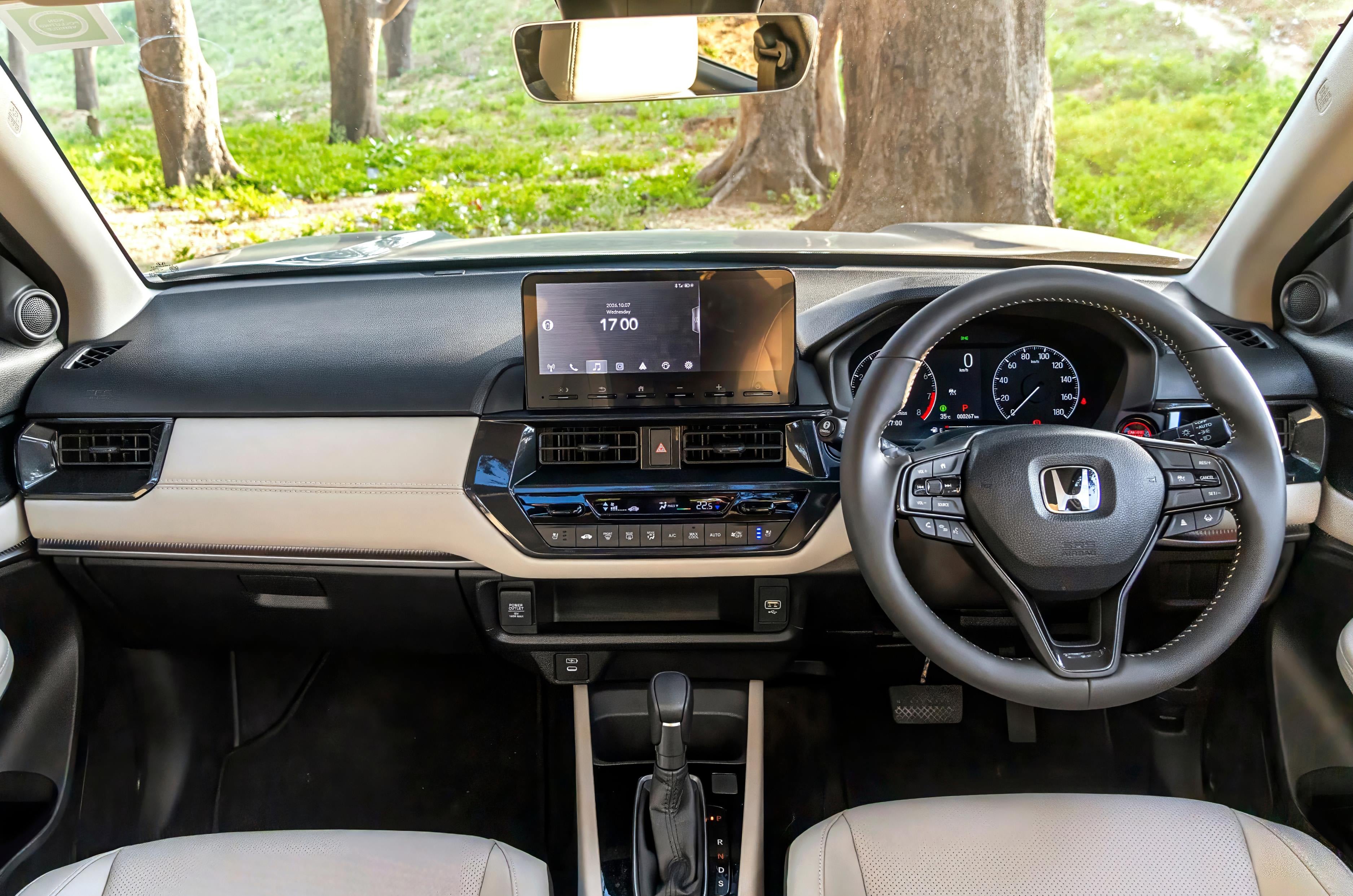
Upholstery is now ivory and black with a new leatherette panel on the dash; cabin remains practical and feels well-built.
The dashboard has been revised too, with more white leatherette padding and stitching replacing the outgoing model’s faux wood trim, and the AC controls have been revised, now housing the seat ventilation buttons. Honda has even updated the roofliner fabric which looks and feels much nicer than the older woven roofliner. All of this gives the cabin a fresher look, although the overall layout remains familiar.
Front seats remain comfortable and now feature ventilation and power adjustment.
Ergonomics remain a strong point, with the Elevate offering a commanding driving position and supportive front seats that make it easy to get comfortable behind the wheel. The lumbar support, however, might feel excessive for some and taller people may find underthigh support a bit lacking.
Ample headroom and kneeroom but best for two adults thanks to the narrow width and raised centre seat.
At the rear, space is generous, with plenty of kneeroom and headroom making it a very comfy place for two adults. However, fitting a third passenger will be tight thanks to the cabin’s limited width and raised centre seat. There are no sunblinds either, but Honda has added an adjustable headrest and a three-point seatbelt for the centre passenger, which was an omission earlier. Features back here include dedicated AC vents, USB charging ports, a fold down centre armrest with cupholders, new capacitive-touch LED reading lamps and the most prominent, seat ventilation.
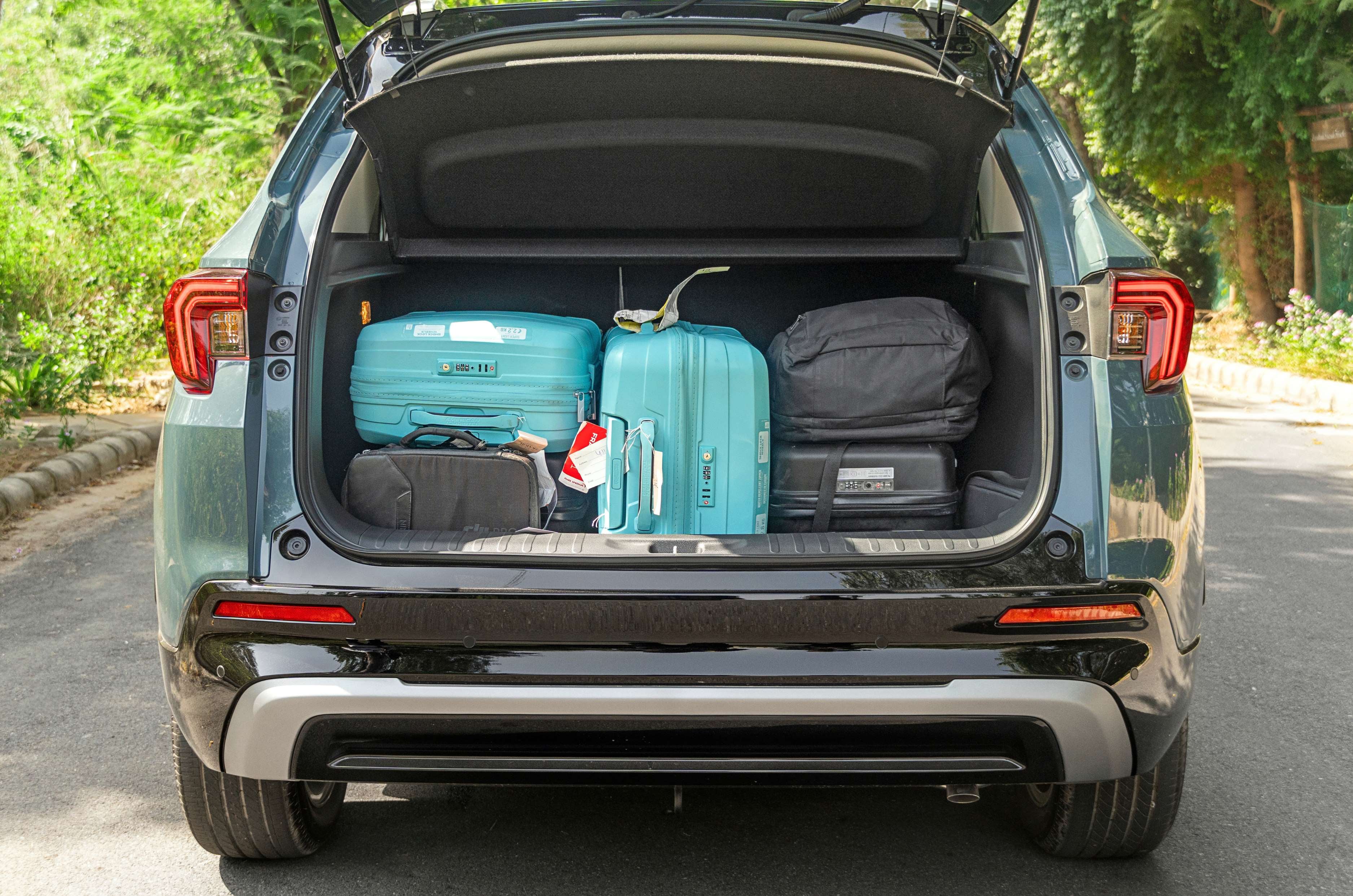
428-litre boot can fit in more than the number suggests; continues to feature a spare tyre under the boot floor.
Practicality, meanwhile, remains a strength, with the Elevate offering ample storage spaces throughout the cabin. The boot is also a substantial 458-litres and can pack in much more than the number would suggest. What’s also nice is that it continues to get a spare tyre under the boot floor.
Features and safety – 8/10
360-degree parking camera is a helpful addition but has limited angles of view and a small display on the screen.
The Elevate facelift addresses some of the key equipment gaps in the outgoing model, bringing a more comprehensive feature set to the table. In terms of safety features, there’s now a 360-degree camera (its display on the screen is quite small though, with limited angles of view), which works alongside the existing ‘LaneWatch’ camera, though curiously this feature is still only for the left hand side.
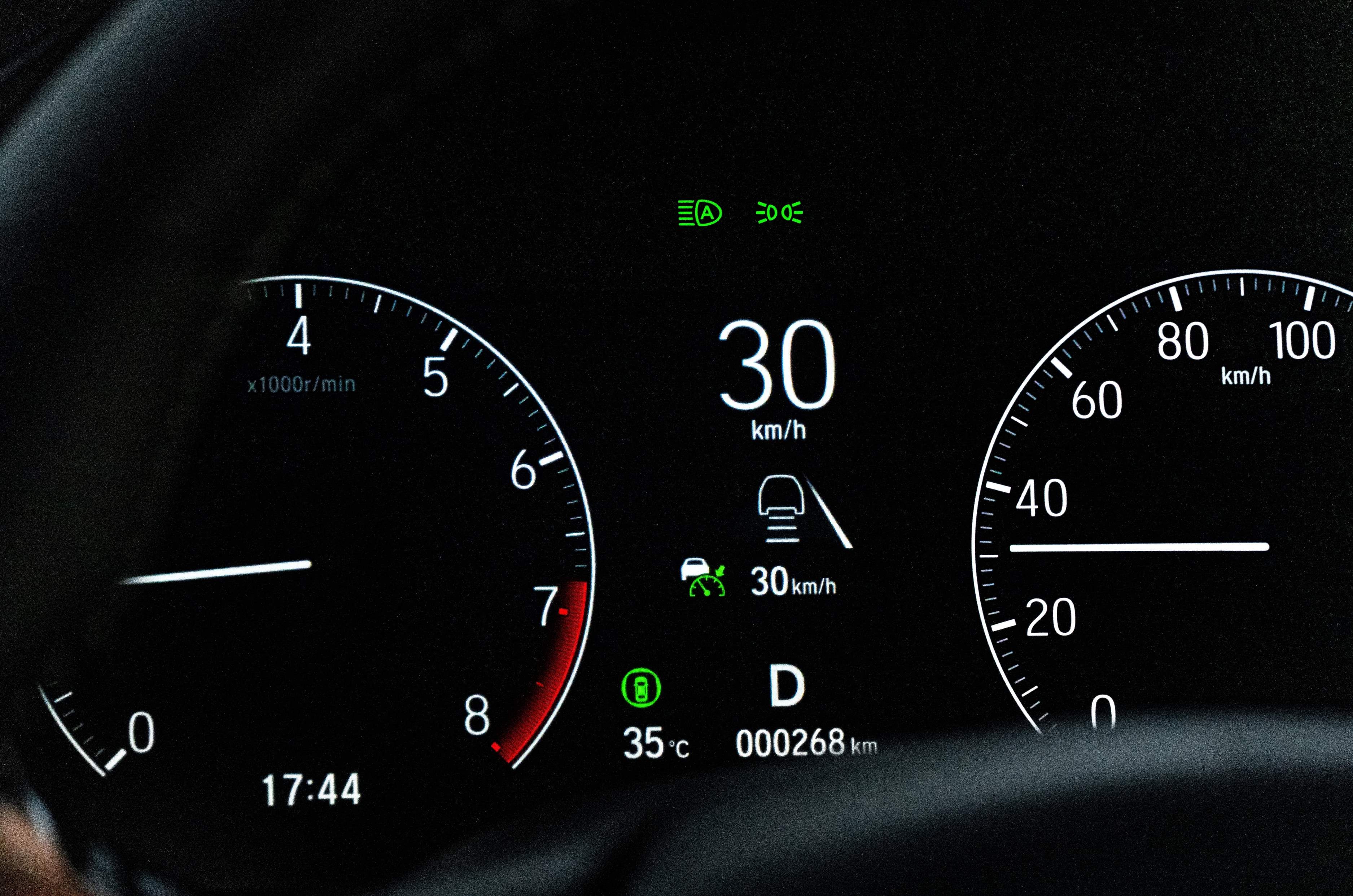
ADAS suite now packs in a useful low-speed follow function for the adaptive cruise control.
Front parking sensors have also been added to make parking and manoeuvring in tight gaps easier. However, the CVT variants get even more safety kit in the form of an electronic parking brake with auto hold function, rear disc brakes and the addition of a low-speed follow function for the adaptive cruise control, which is useful in stop-and-go traffic.
Rear-seat ventilation is a first-in-segment, but it’s only available in the top-spec ZX+ trim.
As for comfort and convenience features, the most important additions are the ventilated front and rear seats, the latter which is a segment-first. Though they take some time to cool effectively, it has enhanced the Elevate’s cabin comfort. Then there’s powered front seats – 8-way for the driver and 4-way for the passenger – ambient lighting and a PM2.5 air purifier. Other than that, much of the existing equipment has been carried over unchanged.
AC controls have been revised with new buttons for seat ventilation; now features an air purifier too.
There’s a 10.25-inch infotainment touchscreen with wireless smartphone integration (though its software and feature set still feel basic at best), semi-digital instrument cluster, a single-pane sunroof, wireless phone charger, six airbags, ESC, traction control, camera-based ADAS tech including auto emergency braking, lane keep assist and more. Still however, there are some features missing that rivals offer like a dual-zone for the auto climate control, panoramic sunroof and powered tailgate.
Powertrain and refinement – 8/10
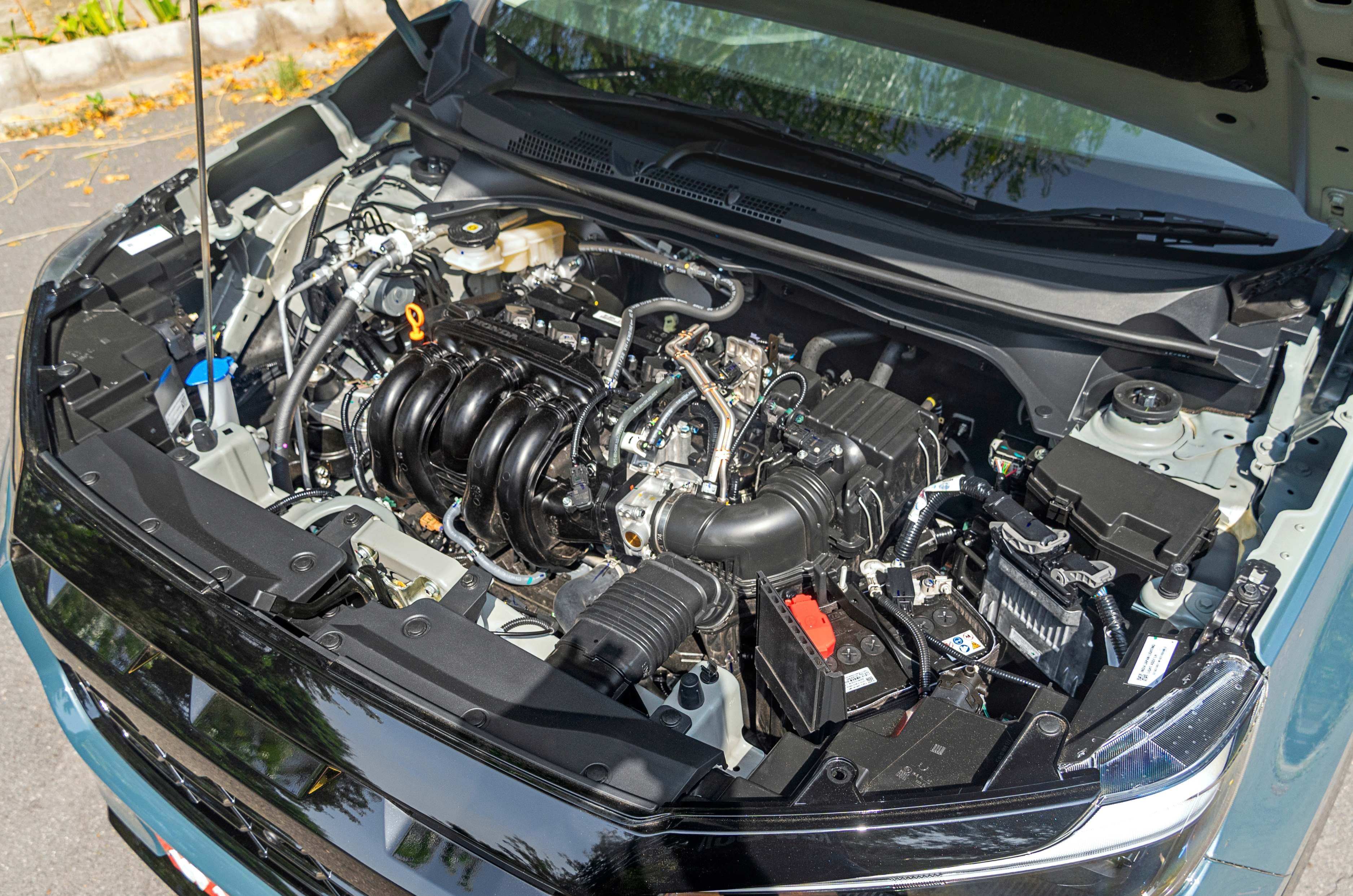
121hp, free-revving, naturally aspirated 1.5 petrol remains the only engine option with the Elevate.
There have been no changes under the hood of the Honda Elevate. It still continues to be powered by a 1.5-litre, four-cylinder, naturally aspirated petrol engine that produces 121hp and 145Nm. Gearbox options remain unchanged too, with a 6-speed manual and a 7-step CVT automatic, and we got to sample the latter. However, the engine has been future-proofed and is now WLTP emissions norms compliant while already being E20 fuel compatible.
This i-VTEC engine still impresses however. Throttle response is immediate, with no noticeable delay, making the engine feel sharp and eager. As before, the naturally aspirated motor pulls cleanly from idle all the way to the redline, in a smooth and progressive manner. However, it feels most energetic higher up the rev range, where it feels at its most potent too.
The 7-step CVT works well as an automatic, making light work of everyday commuting with its smooth operation. Paddle shifters with pre-set ratio points also give it some resemblance to a conventional automatic, allowing you to have greater control. However, push the throttle hard and the familiar ‘rubber band’ effect becomes apparent, with the engine holding on to high revs for extended periods, which doesn’t make for a relaxed driving experience. In this respect, Hyundai and Kia’s chain-driven CVT feels a bit smoother and more responsive than this belt-driven one.
As for performance, we managed a 0-100kph time of 11.89sec with the pre-facelift Elevate CVT and you can expect this facelifted model to be in the same ballpark. Expectedly, the manual does a quicker 10.82sec time to 100kph.
However, like before the lack of powertrain options is disappointing. In a time when rivals are offering diesels, turbo petrols, strong hybrids and CNGs, the Elevate has to soldier on with a solitary, naturally-aspirated petrol engine which restricts its appeal.
It feels quieter than before but there’s still prominent engine and road noise filtering into the cabin, especially on highways.
Honda has also worked on improving the Elevate’s noise insulation, an area where the existing model lacked. The company claims better isolation from both engine and road noise, but that has worked only to a small extent, in our experience. It feels quieter than before but there’s still prominent engine and road noise filtering into the cabin, especially at highway speeds, and there’s definitely more room for improvement here.
Fuel efficiency – 7/10
Given our short test drive, we didn’t subject the Elevate facelift to our real-world mileage tests. For reference though, the pre-facelift Elevate CVT did 8.60kpl in the city and 13.10kpl on the highway while the Elevate MT managed 8.7kpl in the city and 13.30kpl out on the highway. The Elevate CVT misses out on an Eco drive mode and auto start/stop, which certainly affects its fuel efficiency.
Ride comfort and handling – 8/10
Despite being a high-riding SUV, the Elevate feels remarkably composed on the move.
As before, the Honda Elevate continues to impress with its ride and handling balance. Despite being a tall riding SUV, it feels remarkably composed on the move. Suspension damping, though on the firmer side, is well judged and does a good job of ironing out road imperfections. It’s only when you’re travelling at triple digit speeds on an undulating highway is where you’ll notice quite a bit of vertical movement in the rear seat. But apart from that, the Elevate feels planted on the road.
Body roll is also well contained for a tall SUV, making it predictable around bends.
The steering is accurate and light at slow speeds, which helps with manoeuvrability, but it picks up weight progressively which is reassuring. Body roll is also well contained for a tall SUV and as such, it’s predictable around bends. As for the brakes, the CVT has gained rear discs but that hasn’t made a noticeable difference. Braking performance, like before, remains strong with a nice, progressive feel.
Value for money and verdict – 7/10
With this facelift, Honda has addressed some of the Elevate’s earlier shortcomings with some much-needed features and the updated look and feel inside the cabin. However, some drawbacks still remain like the lack of powertrain options and the below-par sound insulation.
It remains a sensible, practical midsize SUV that continues to prioritise the essentials over outright novelty.
What the Elevate continues to get right, though, are the fundamentals. It continues to offer a comfortable and practical cabin, a responsive engine and a well-sorted ride and handling package. Add to that the design refresh and the fairly expansive features list, and the Elevate facelift feels more rounded than before. Priced from Rs 11.80 lakh to Rs 18.40 lakh (ex-showroom), it’s still very competitively priced, though the new top ZX+ variant is up there with the heavy hitters.
Ultimately, the Elevate remains a sensible, practical midsize SUV that continues to prioritise the essentials over outright novelty. As a result, the Elevate facelift represents a great option for buyers who value comfort, everyday usability, reliability and the peace of mind associated with the Honda badge.
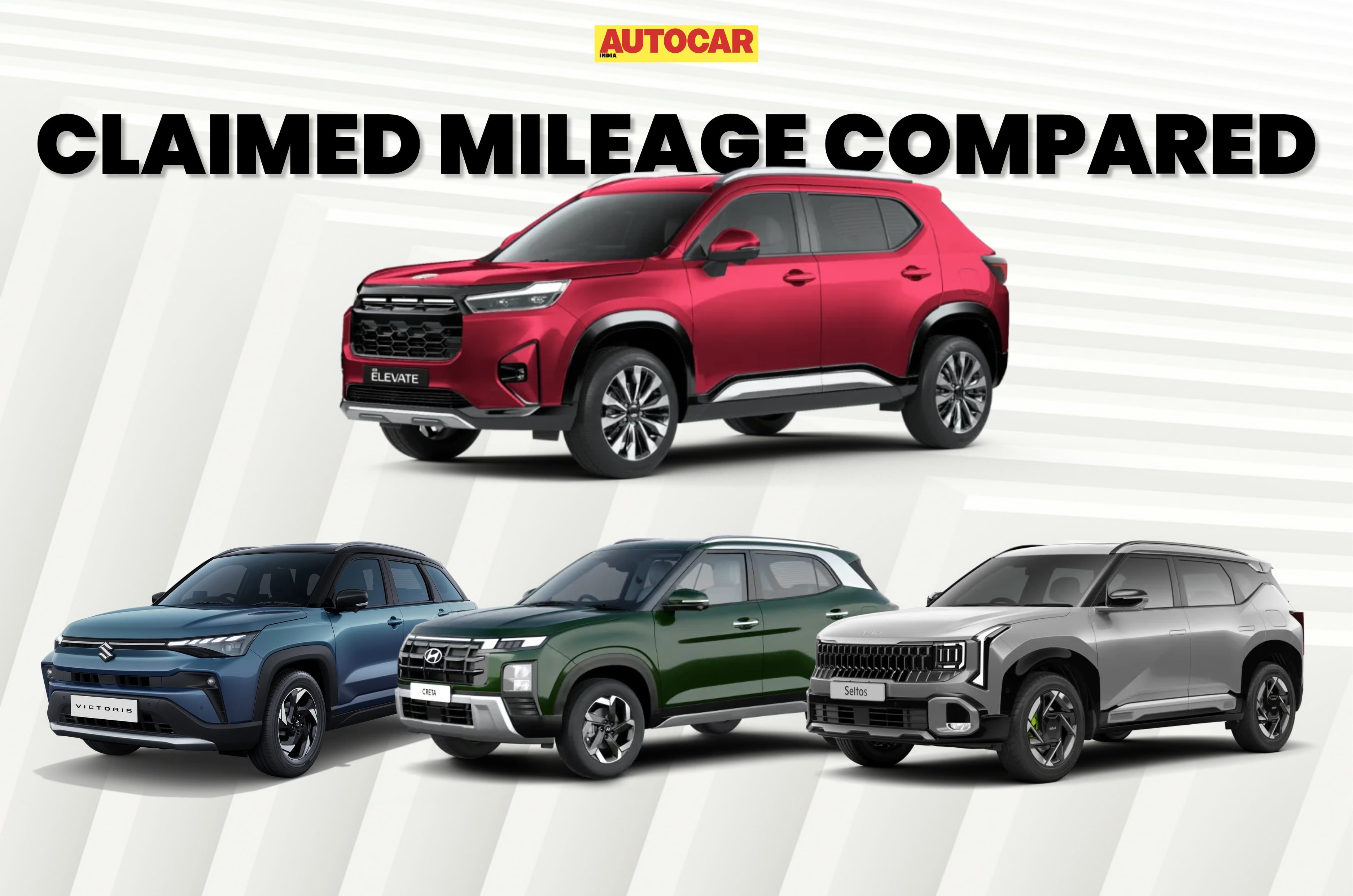
Honda has introduced the Elevate facelift, bringing it up to speed with the competition. It gets refreshed styling, mild interior changes, and several enhancements to its feature suite. However, it remains unchanged mechanically, retaining its 1.5-litre naturally aspirated petrol engine from its predecessor. The carmaker has also revealed the Elevate facelift’s claimed mileage figures, and we compare it against rivals to see how it fares.
Honda Elevate vs rivals: Claimed mileage
Elevate’s claimed figures are among the lowest in the segment
Honda Elevate vs rivals: Claimed mileage (kpl)
Manual
Automatic
Honda Elevate
15.31
16.61
Kia Seltos
16.50
16.50
Tata Sierra
17.40
16.90
Hyundai Creta
17.40
17.70
Maruti Grand Vitara
21.11
20.58 | 19.20 (AWD)
Toyota Hyryder
21.12
20.58 | 19.39 (AWD)
Maruti Victoris
21.18
21.96 | 19.07 (AWD)
The Honda Elevate’s 1.5-litre naturally aspirated engine delivers 121hp and 145Nm, and is mated to either a 6-speed manual or CVT gearbox. Rivals like the Hyundai Creta and Kia Seltos come with the same gearbox options as the Elevate, whereas the Toyota Hyryder, Maruti Victoris and Grand Vitara offer a 5-speed manual and 6-speed torque converter automatic. Meanwhile, the Sierra naturally aspirated petrol is offered with a 6-speed manual and 7-speed DCT gearbox options. Because the Elevate offers only a naturally aspirated petrol engine, we’ve compared it only with rivals that offer this mill.
Honda claims that the new Elevate delivers 15.3kpl and 16.62kpl for its manual and automatic versions, respectively. But compared to the pre-facelift version, the new Elevate automatic’s mileage is 0.31kpl lower. Compared to the segment, the Elevate’s claimed mileage figures are among the lowest. It delivers the least fuel efficiency in manual guise but outranks the Seltos in automatic guise, albeit by a narrow margin.
Rivals like the Tata Sierra and Hyundai Creta claim to deliver up to 18kpl. Meanwhile, the same-engine-powered Toyota Hyryder, Maruti Victoris and Grand Vitara breach the 20kpl mark, with the Victoris delivering the highest figures in manual guise. Interestingly, even in AWD automatic guise, the Toyota and Maruti SUVs claimed figures are higher than rivals equipped with a manual gearbox.