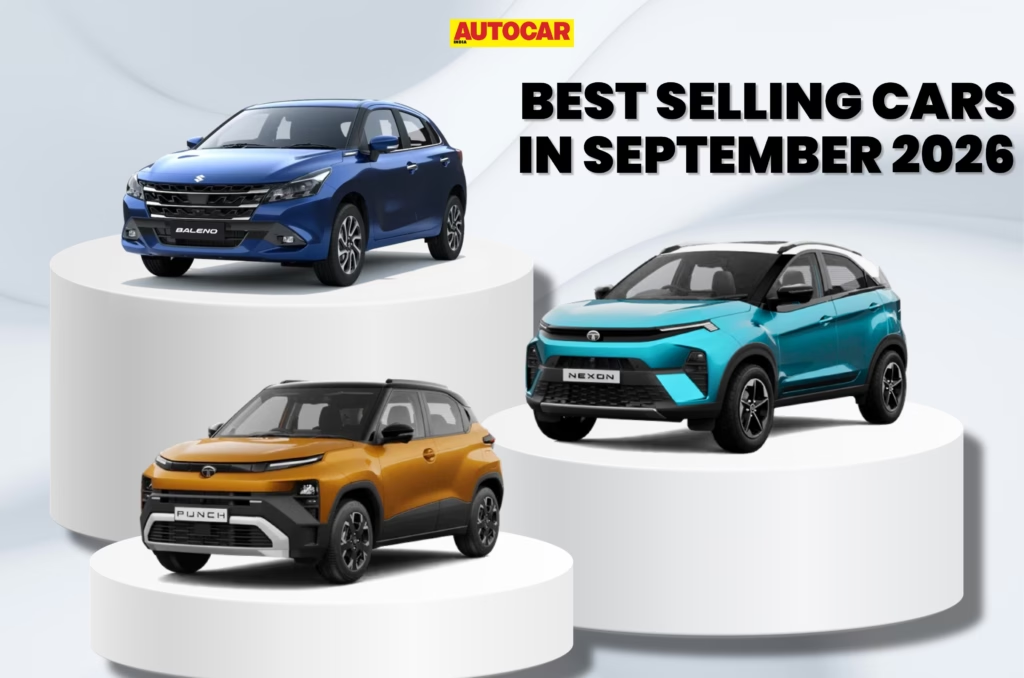
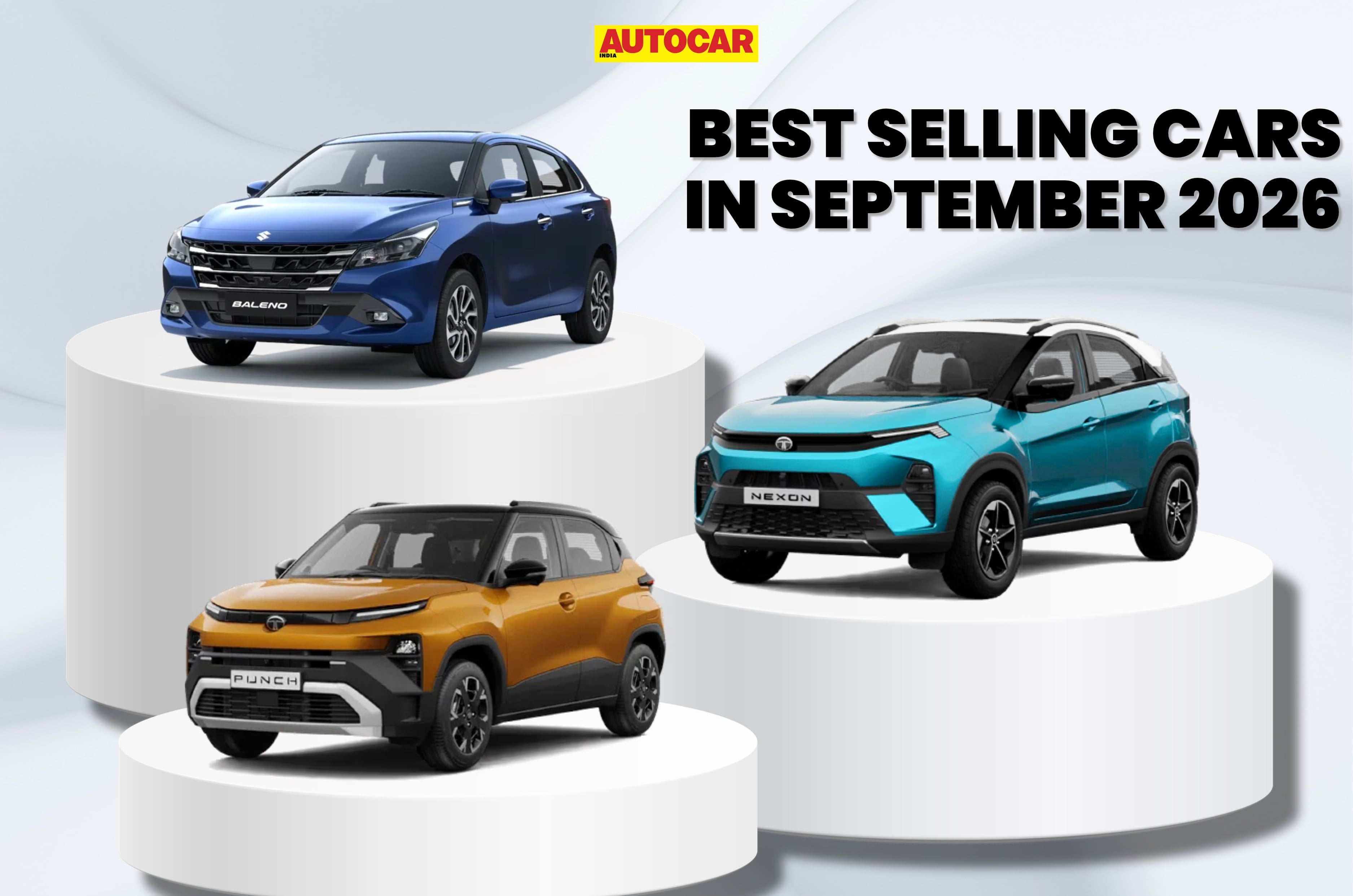
September 2026 saw the Maruti Suzuki Baleno top the best-selling cars list with 25,392 units dispatched, a 93 percent increase year on year. The Tata Nexon and Punch ranked second and third, respectively, with over 20,000 units each. Combined dispatches of the top 10 models rose 15.5 percent to 1,91,332 units. Maruti Suzuki had six models on the list, followed by Tata Motors with two, and Hyundai and Mahindra with one each.
Top 10 best-selling cars in September 2026
Rank
Model
Sep 2026 sales (units)
Aug 2026 sales (units)
Sep 2025 sales (units)
MoM change (%)
YoY change (%)
1
Maruti Baleno
25,392
15,376
13,173
+61
+93
2
Tata Nexon
20,456
18,431
22,573
+11
-9
3
Tata Punch
20,333
21,320
15,891
-5
+28
4
Maruti Fronx
19,282
18,730
13,767
+3
+40
5
Maruti Wagon R
18,835
20,180
15,388
-7
+22
6
Maruti Dzire
17,754
18,418
20,038
-4
-11
7
Hyundai Creta
17,657
16,288
18,861
+8
-6
8
Maruti Swift
17,399
19,832
15,547
-12
+12
9
Mahindra Scorpio
17,313
15,576
18,372
+11
-6
10
Maruti Ertiga
16,911
18,516
12,115
-9
+40
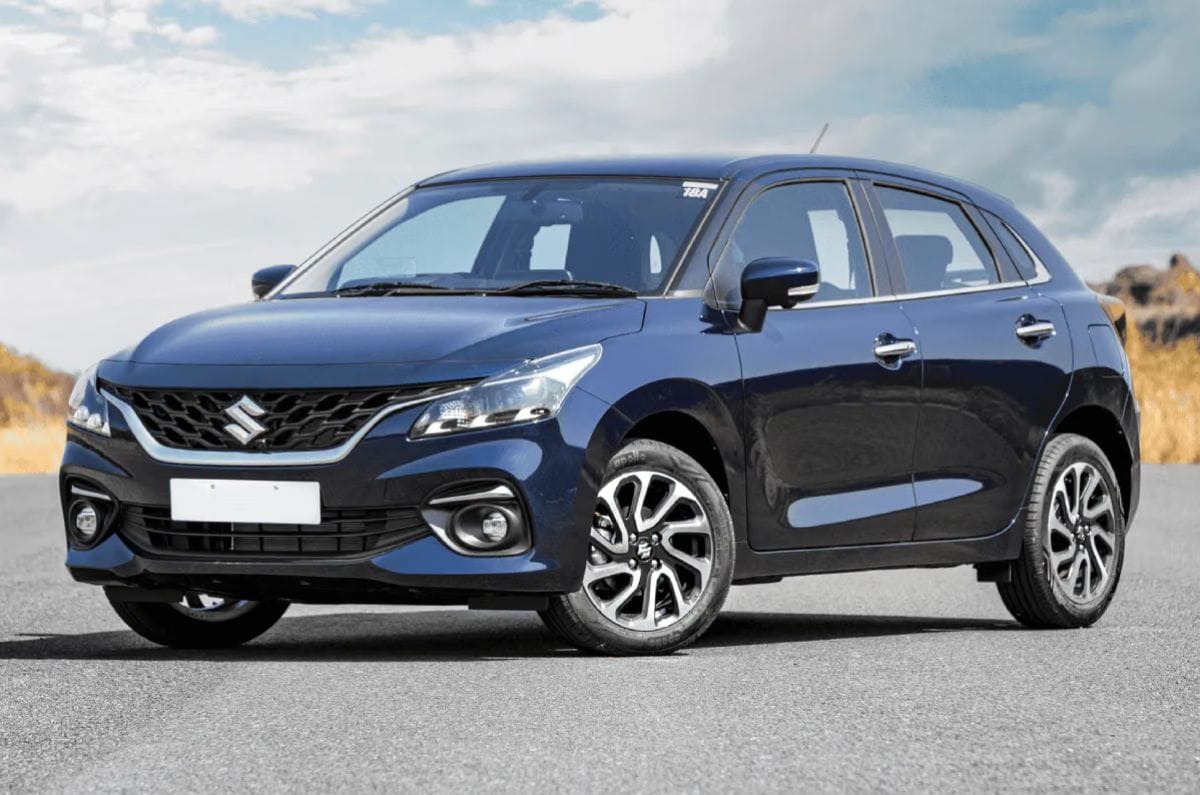
1. Maruti Suzuki Baleno
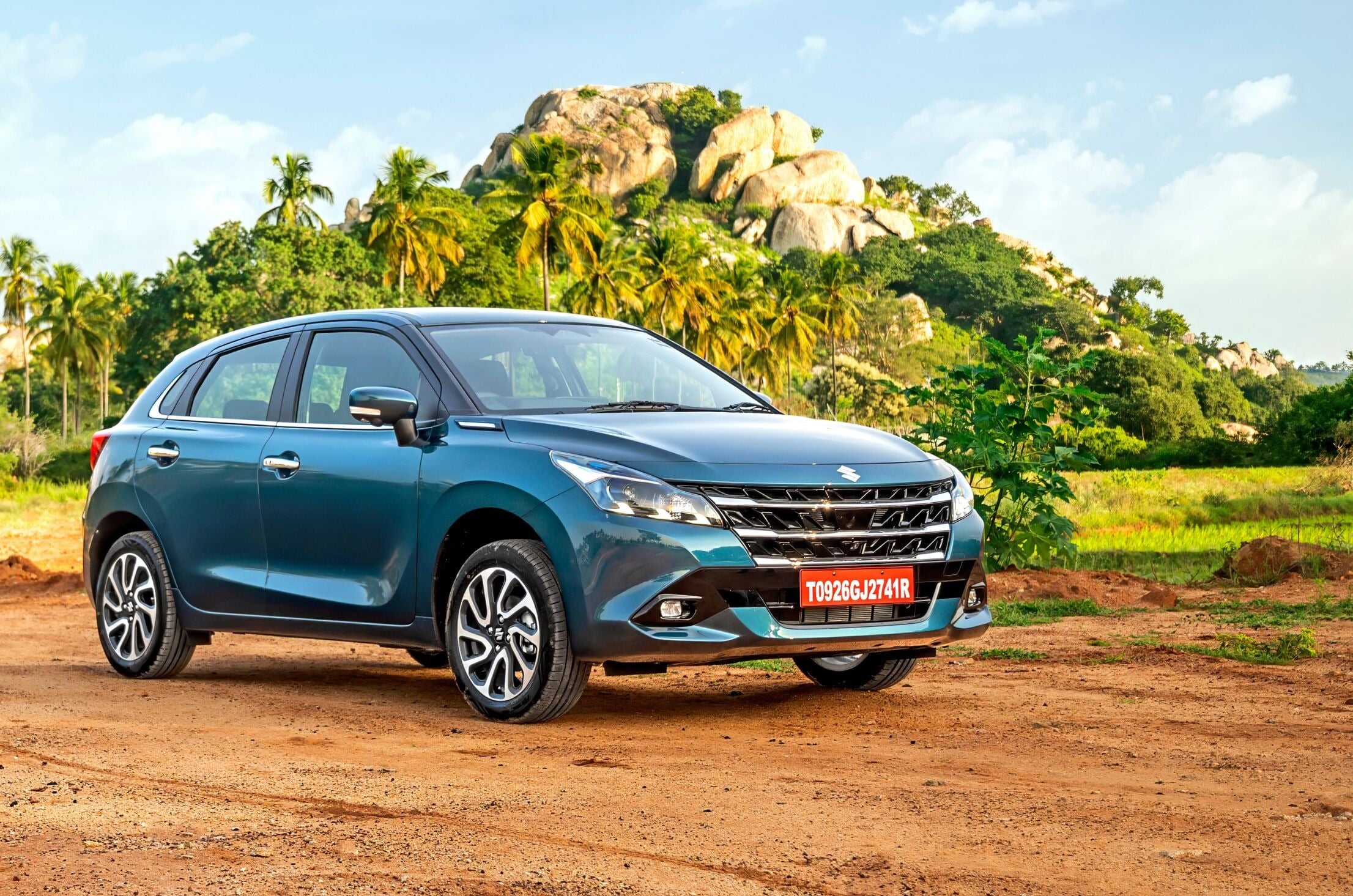
The Maruti Suzuki Baleno topped the September 2026 sales rankings with 25,392 units, compared with 13,173 units in September 2025. Its dispatches increased 93 percent year on year, the highest growth rate among the 10 models. The premium hatchback recently received a facelift and is sold through Maruti Suzuki’s Nexa dealership network. It rivals the Hyundai i20, Tata Altroz and Toyota Glanza. The Baleno is priced between Rs 5.99 lakh and Rs 9.99 lakh.
2. Tata Nexon
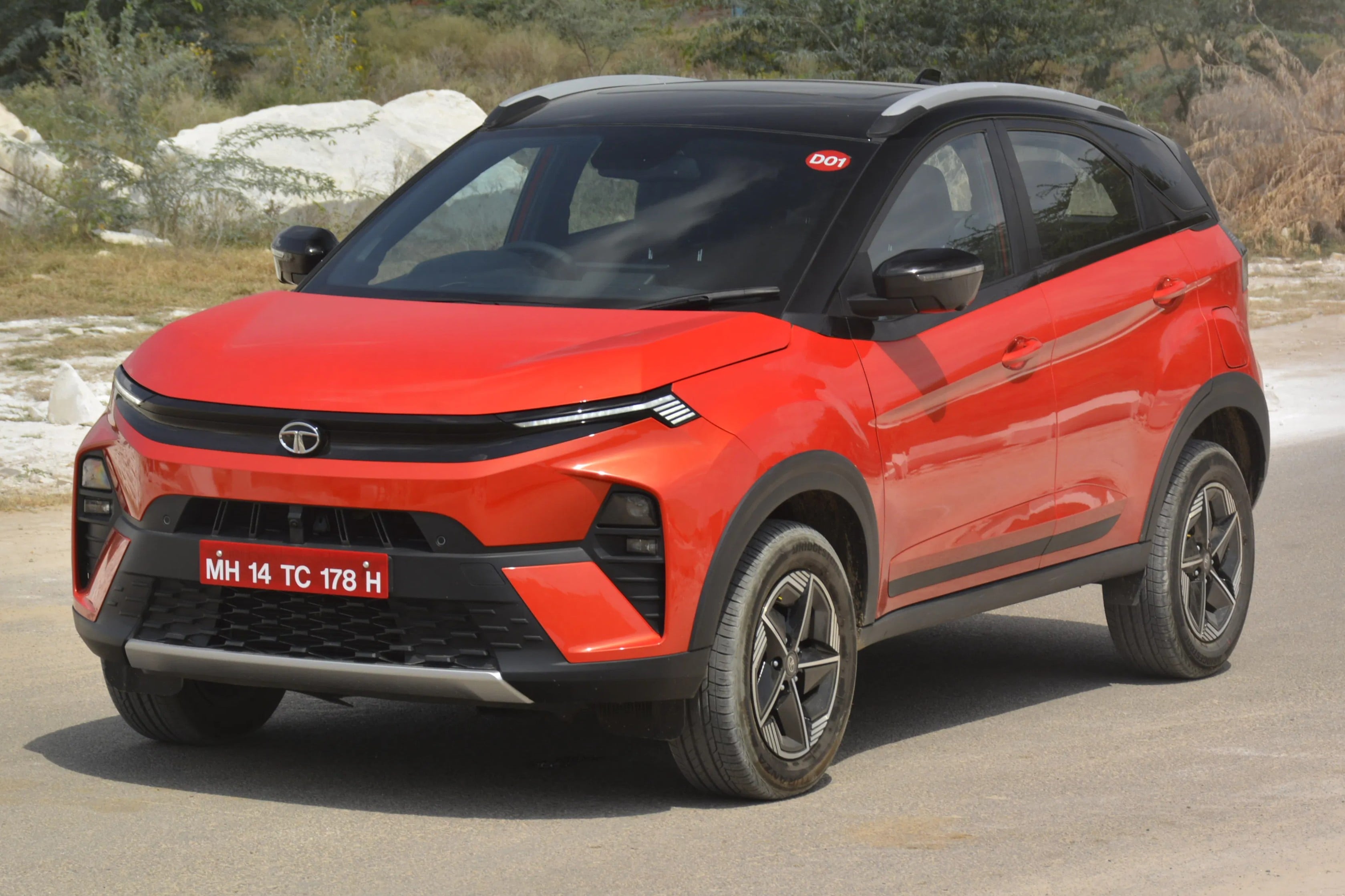
The Tata Nexon, including the Nexon EV, recorded 20,456 units in September 2026, down 9 percent from 22,573 units in the same month last year. It finished second, just 123 units ahead of the Punch. The Nexon is available with petrol, diesel, CNG and electric powertrains. It rivals the Maruti Suzuki Brezza, Hyundai Venue, Kia Sonet and Mahindra XUV 3XO and is priced from Rs 7.40 lakh to Rs 14.52 lakh for the ICE powered Nexon, while the Nexon EV starts at Rs 12.49 lakh and goes up to 17.89 lakh.
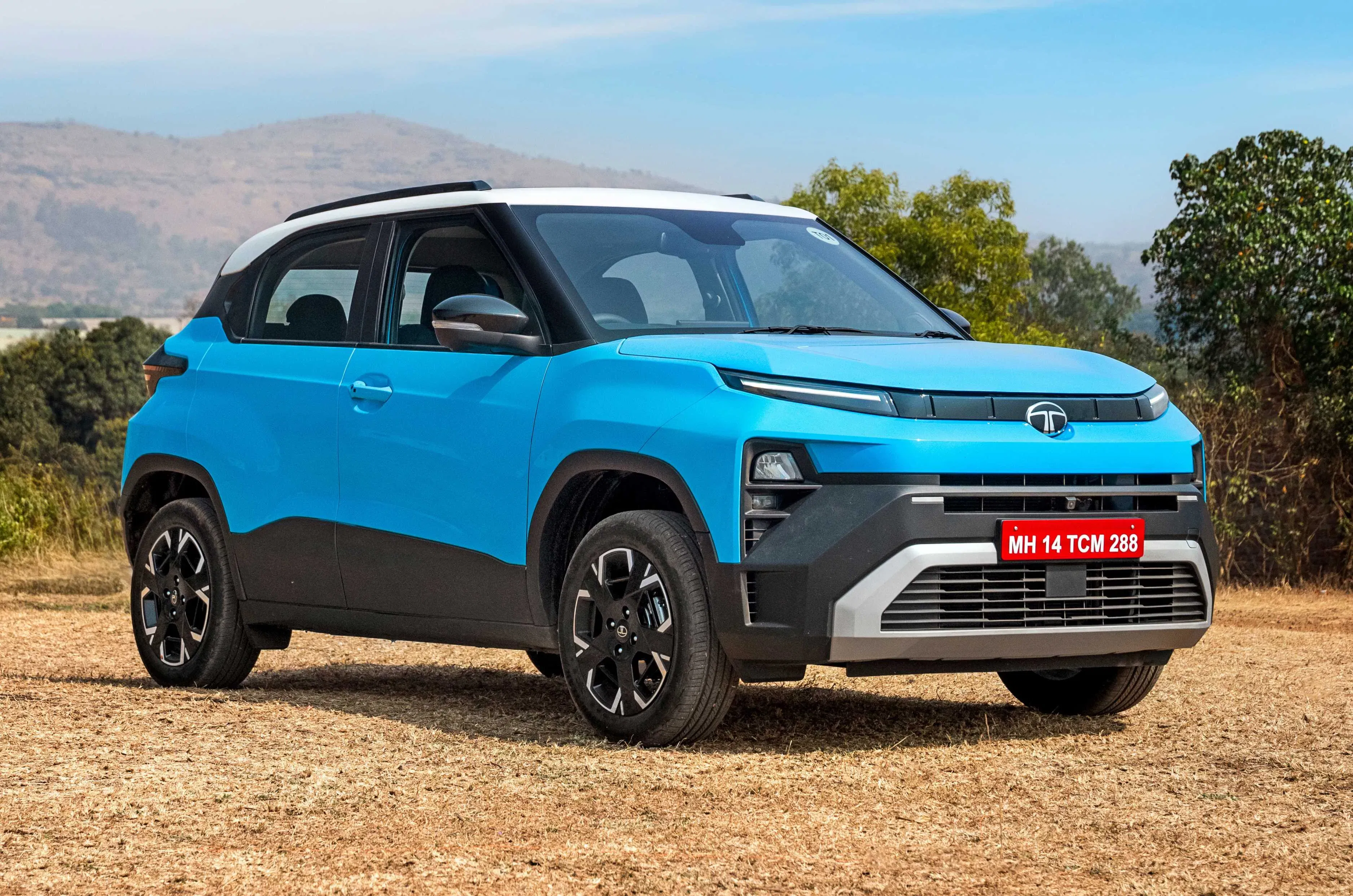
3. Tata Punch
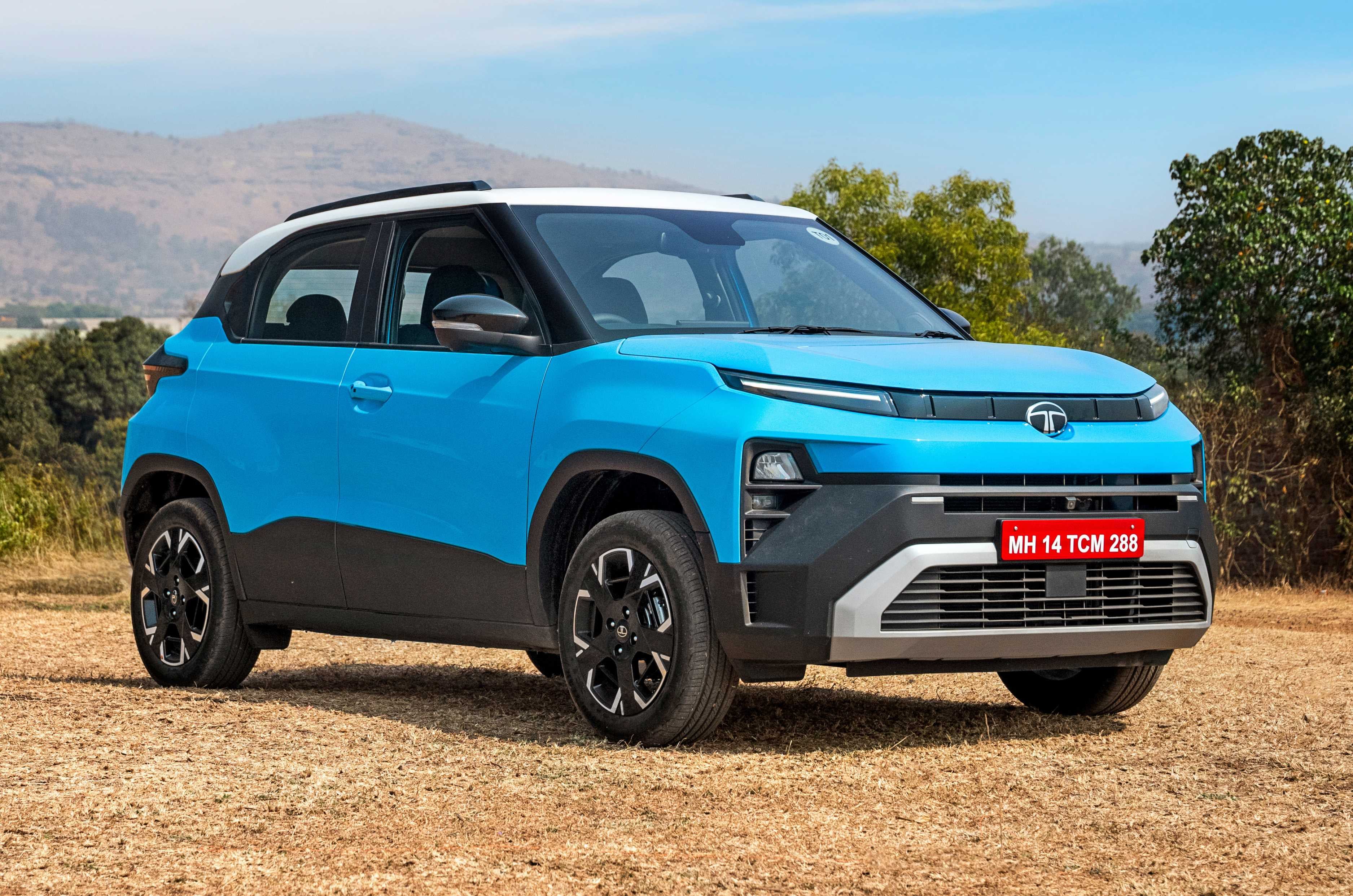
The Tata Punch, including the Punch EV, recorded 20,333 units in September 2026, up 28 percent from 15,891 units a year earlier. It ranked third in the overall list, with the Nexon finishing narrowly ahead. Tata’s smallest SUV is offered with multiple powertrain options, while its compact dimensions and ride-and-handling balance remain key strengths. The Punch rivals the Hyundai Exter and Citroen C3 and is priced from Rs 5.75 lakh to Rs 10.77 lakh. The Punch EV meanwhile is priced from Rs 9.79 lakh to Rs 12.99 lakh.
4. Maruti Suzuki Fronx
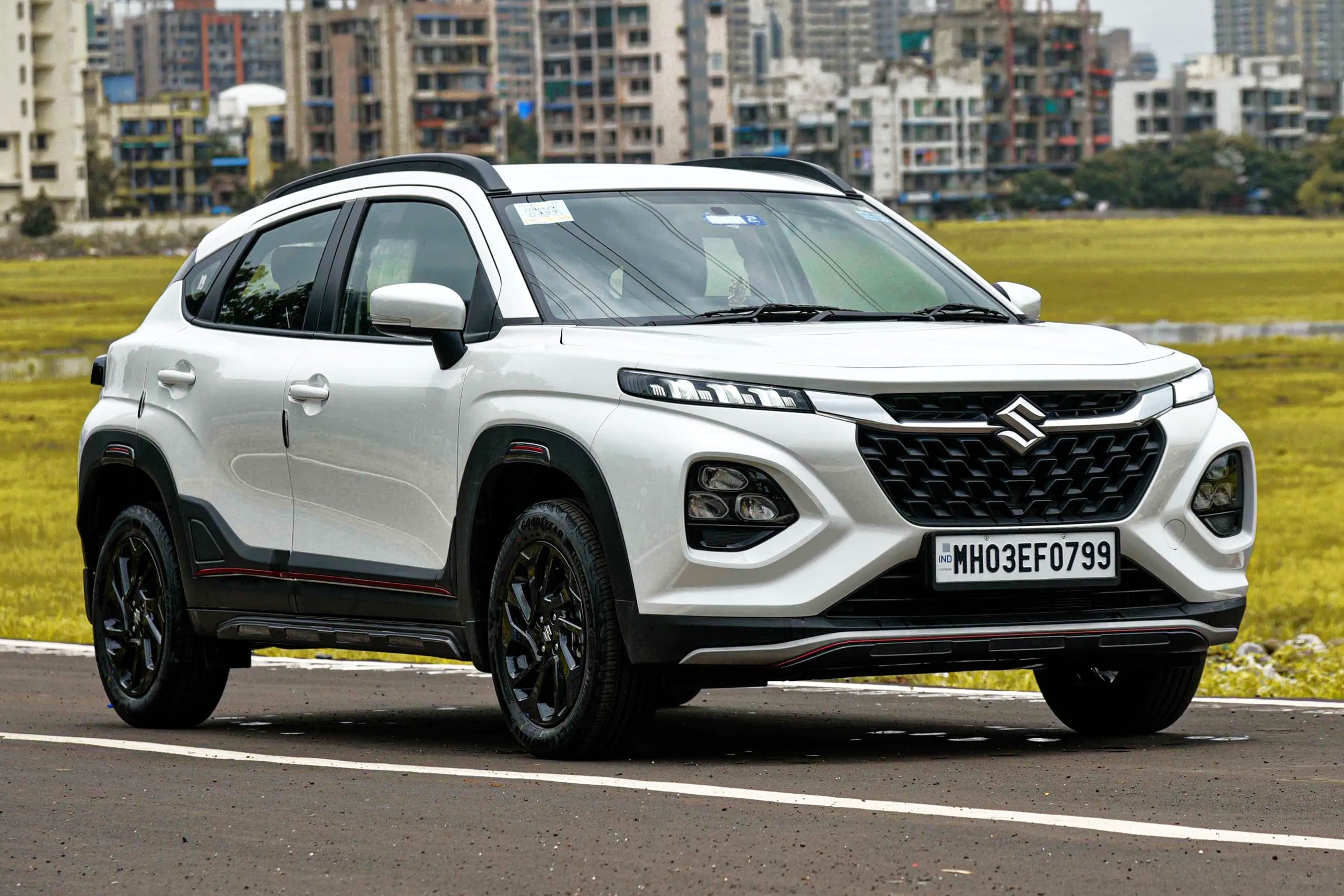
The Maruti Suzuki Fronx ranked fourth in September 2026 with 19,282 units, compared with 13,767 units in September 2025. Its dispatches increased 40 percent year on year. The Fronx’s crossover styling, comfortable cabin and fuel-efficient powertrains continue to support demand, although it lacks some popular features. It rivals the Nissan Magnite and Renault Kiger and is priced between Rs 6.85 lakh and Rs 11.84 lakh.
5. Maruti Suzuki Wagon R
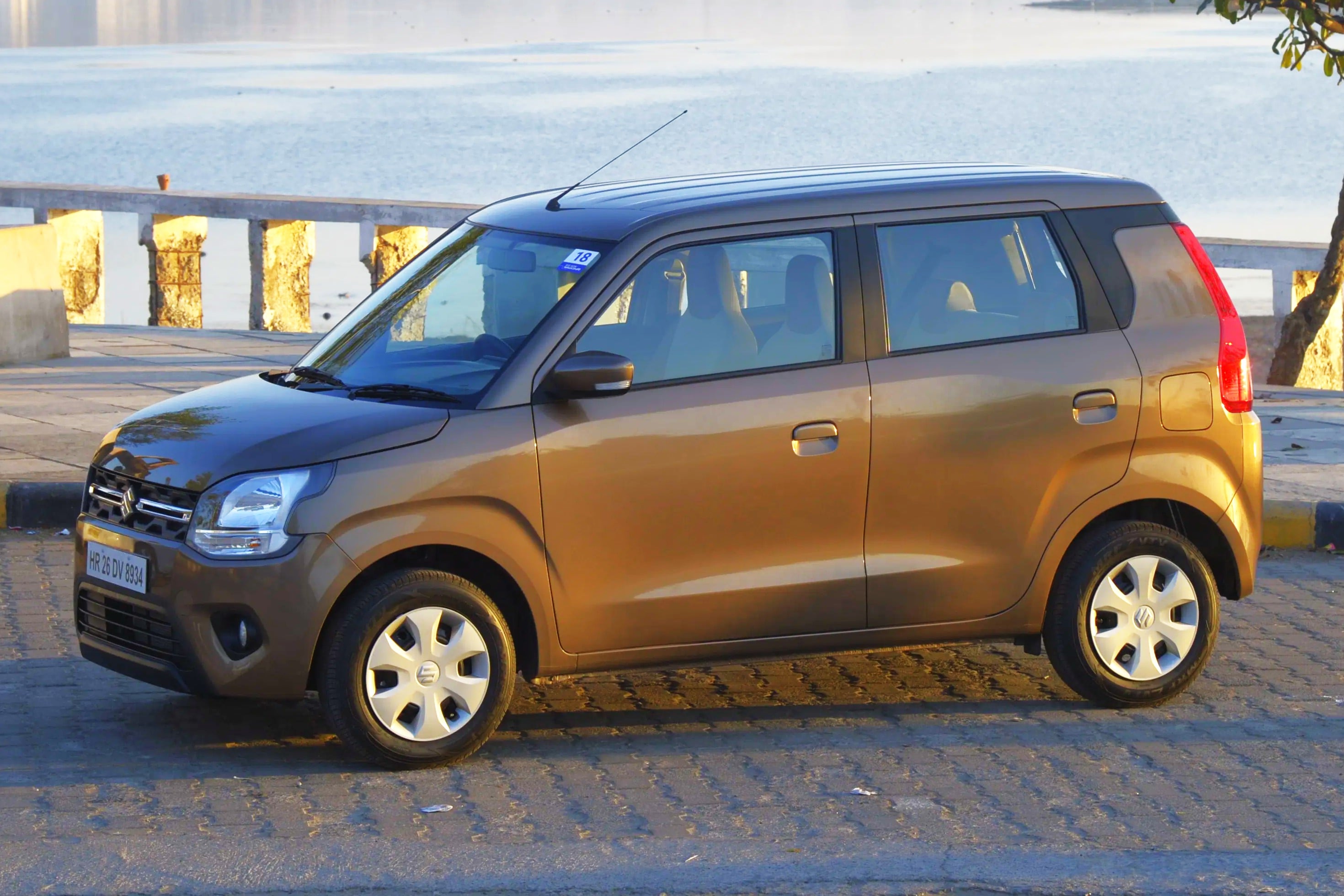
The Maruti Suzuki Wagon R recorded 18,835 units in September 2026, up 22 percent from 15,388 units in the same month last year. It finished fifth in the rankings. Its spacious cabin, ease of driving and low running costs remain key strengths, although its light build and limited highway ability are drawbacks. The Wagon R rivals the Tata Tiago and Citroen C3 and is priced between Rs 4.99 lakh and Rs 7.24 lakh.
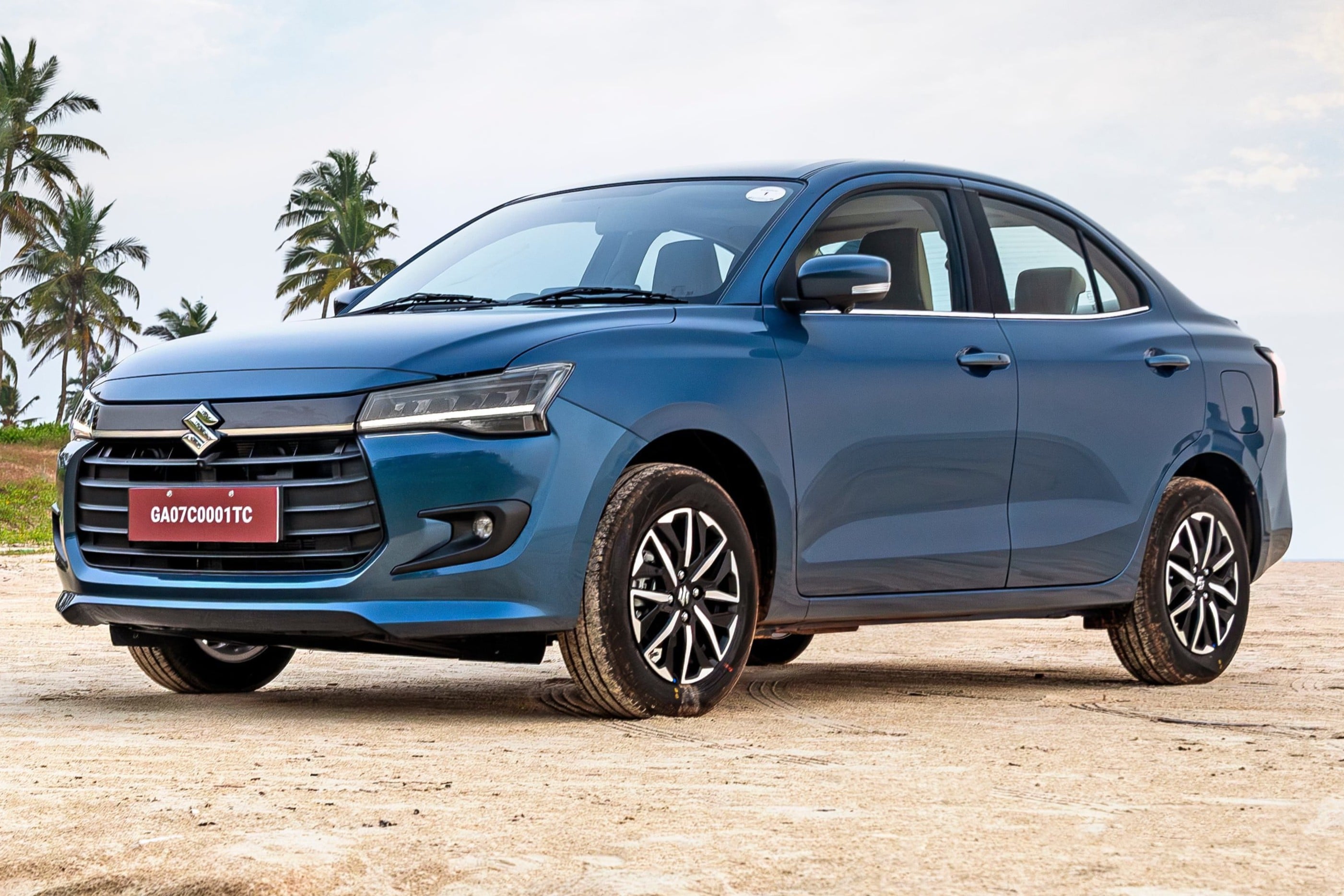
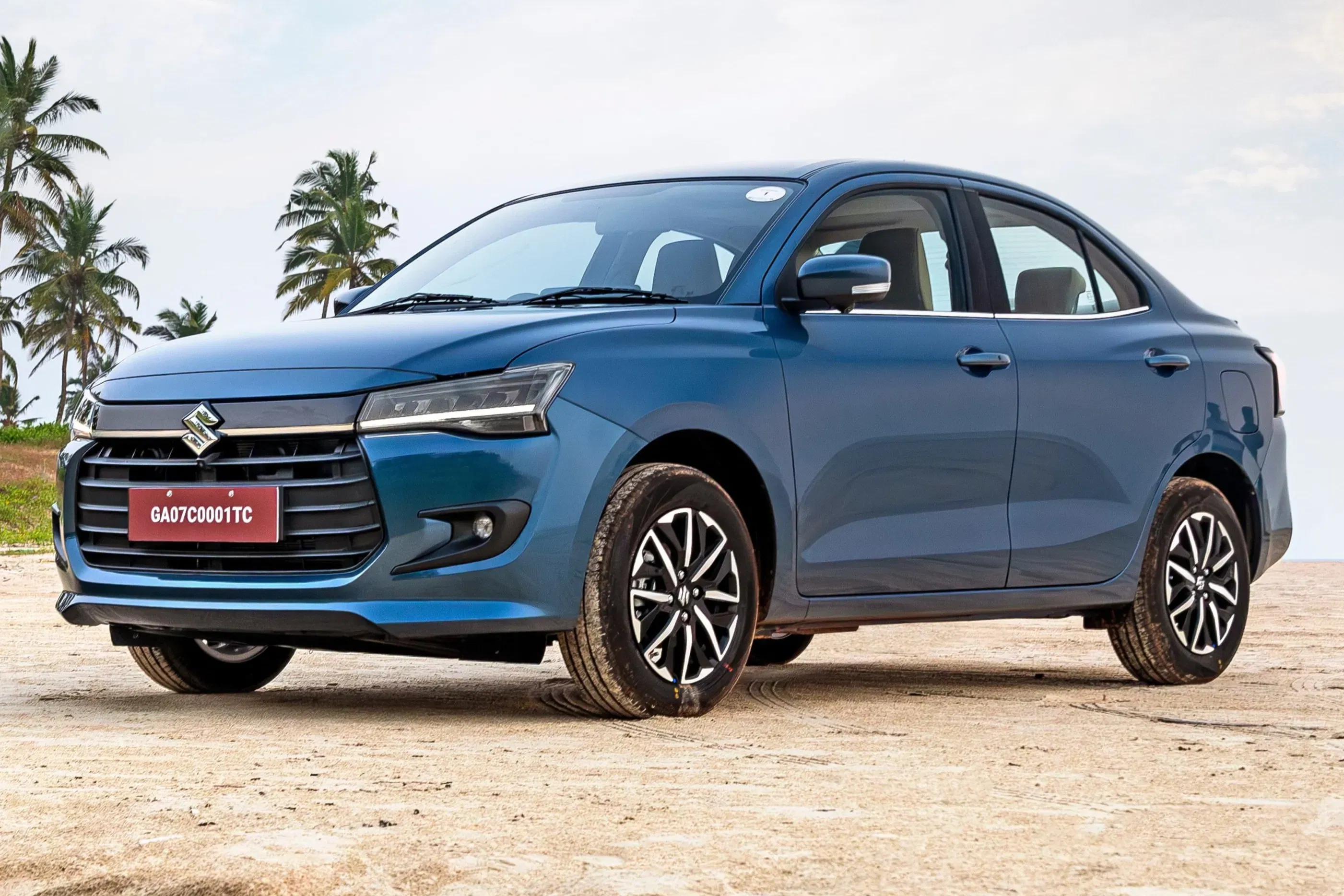
6. Maruti Suzuki Dzire
The Maruti Suzuki Dzire recorded 17,754 units in September 2026, down 11 percent from 20,038 units in September 2025. It ranked sixth and was the only sedan in the top 10. Strong fleet demand, fuel efficiency and a well-balanced ride and handling setup continue to support the compact sedan’s volumes. The Dzire rivals the Hyundai Aura, Honda Amaze and Tata Tigor and is priced between Rs 6.31 lakh and Rs 9.41 lakh.
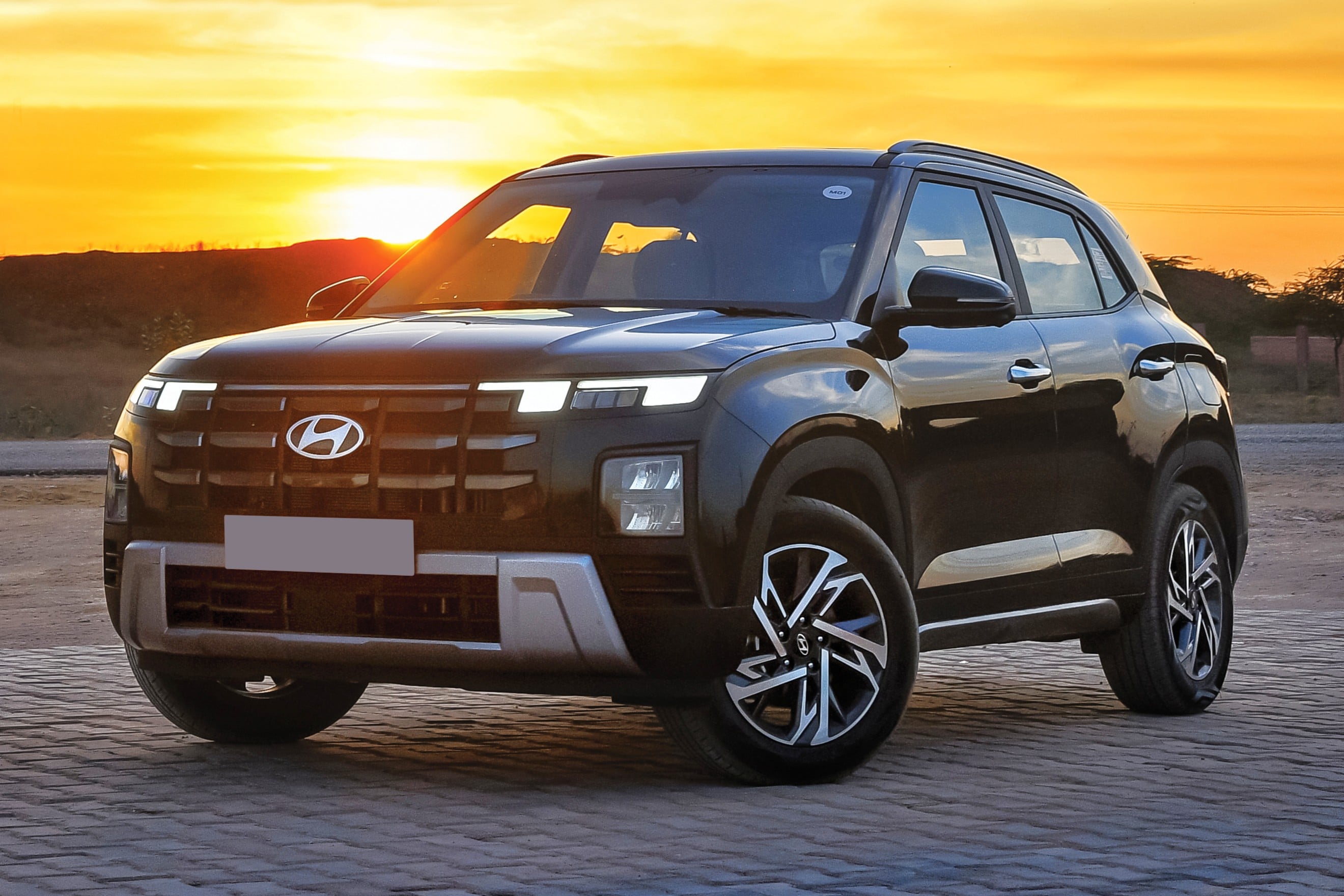
7. Hyundai Creta
The Hyundai Creta, including the Creta Electric, recorded 17,657 units in September 2026, a 6 percent decline from 18,861 units in the year-ago month. It was the only Hyundai model in the top 10, finishing seventh. A roomy cabin, multiple powertrain options and a long feature list continue to attract buyers, although the top variants are expensive and some interior plastics could be better. The Creta rivals the Kia Seltos, Maruti Suzuki Grand Vitara, Toyota Urban Cruiser Hyryder, Honda Elevate and Tata Sierra. It is priced between Rs 10.91 lakh and Rs 20.14 lakh.
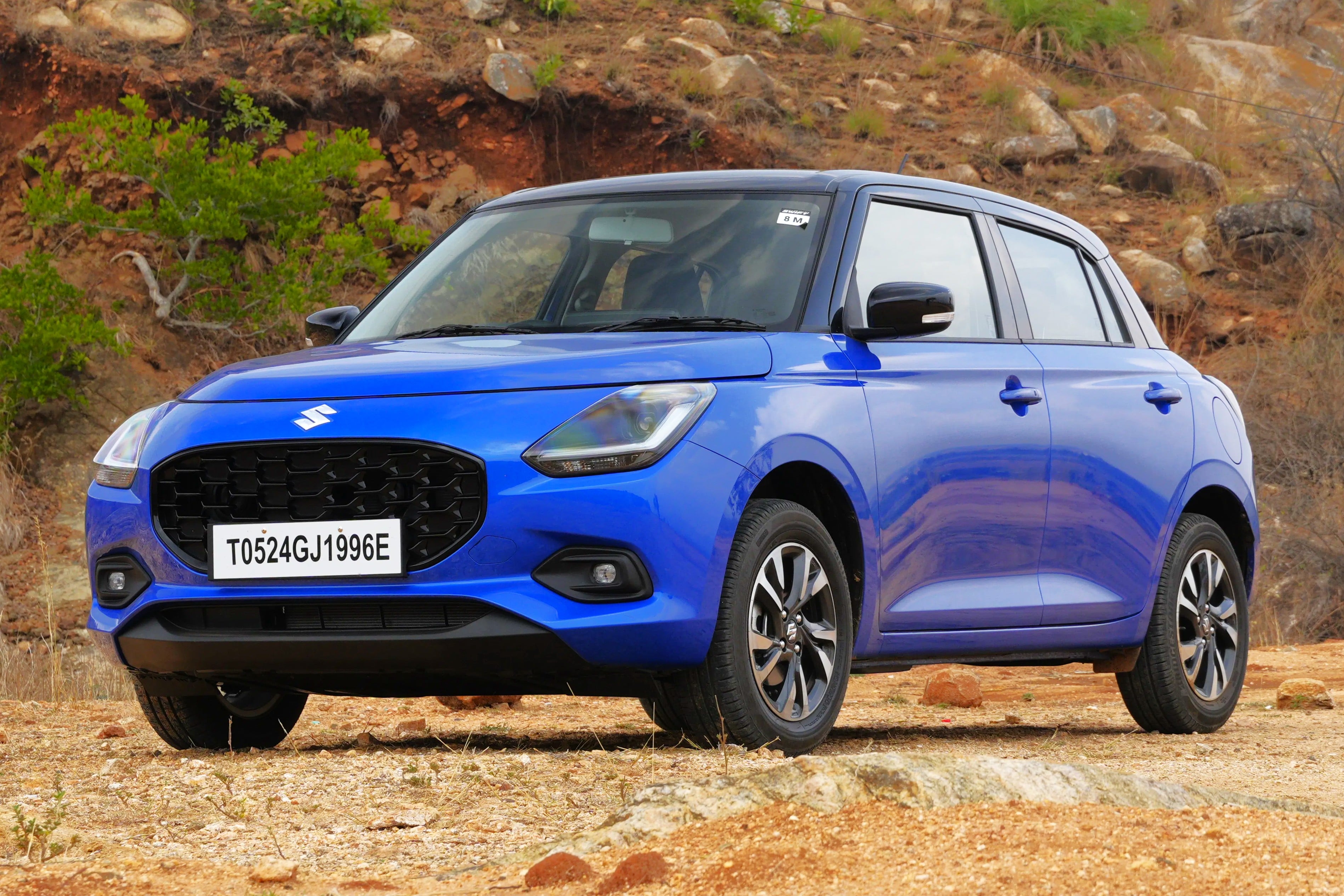
8. Maruti Suzuki Swift
The Maruti Suzuki Swift recorded 17,399 units in September 2026, up 12 percent from 15,547 units a year earlier. It finished eighth and was one of three Maruti Suzuki hatchbacks in the top 10. Its high fuel efficiency, light controls and easy-to-drive nature continue to support demand, although the top variants are priced close to the more premium Baleno. The Swift rivals the Hyundai Grand i10 Nios and Tata Tiago and is priced between Rs 5.84 lakh and Rs 8.74 lakh.
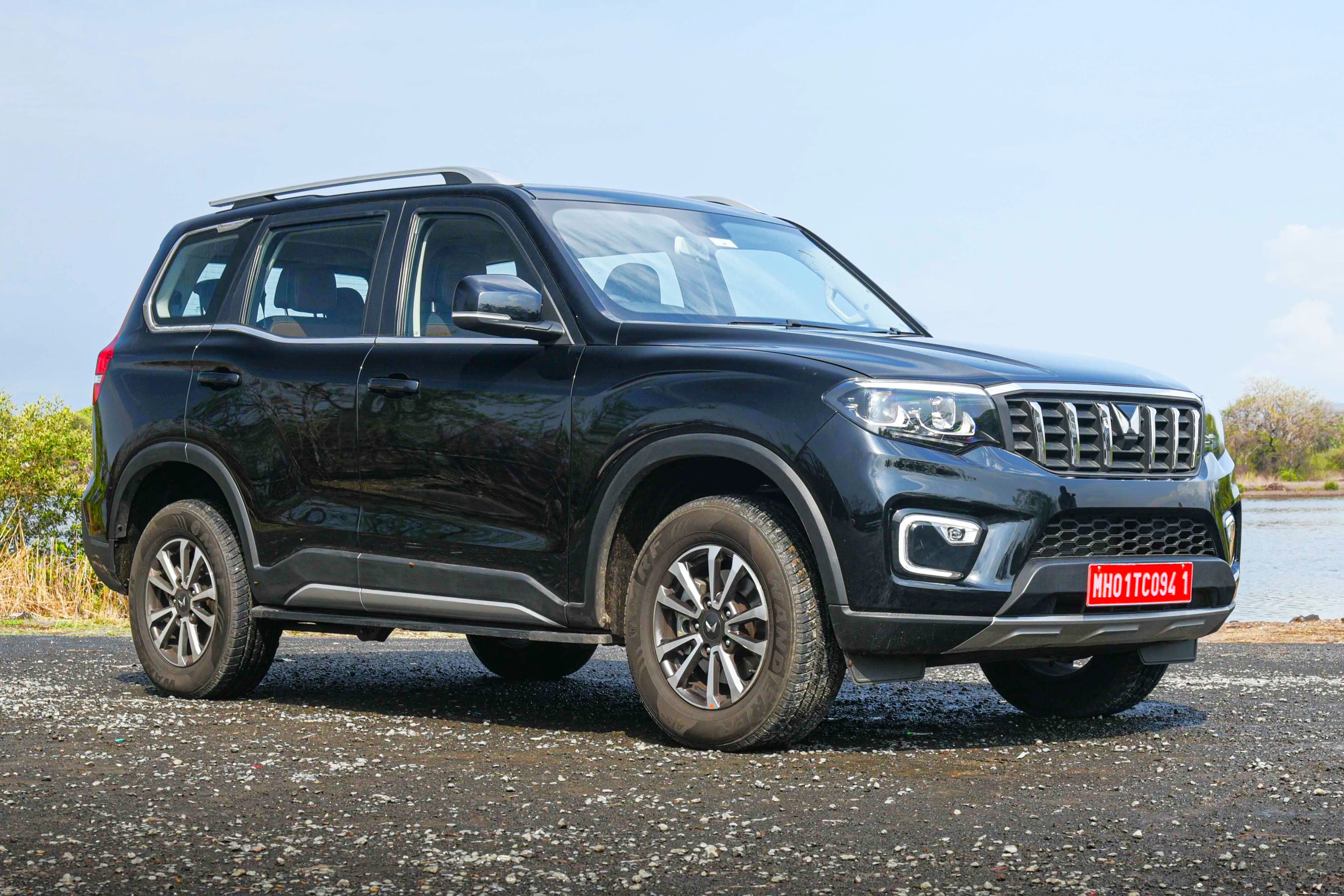
9. Mahindra Scorpio
The Mahindra Scorpio, combining the Scorpio N and Scorpio Classic, recorded 17,313 units in September 2026. This was down 6 percent from 18,372 units in September 2025, placing it ninth. The Scorpio nameplate remains popular for its strong engines, rugged character and off-road ability. However, the third-row seating is cramped and the luggage area is not particularly practical. The Scorpio N rivals the Tata Safari, Hyundai Alcazar and Mahindra XUV 7XO and is priced from Rs 13.69 lakh to Rs 25.49 lakh.
10. Maruti Suzuki Ertiga
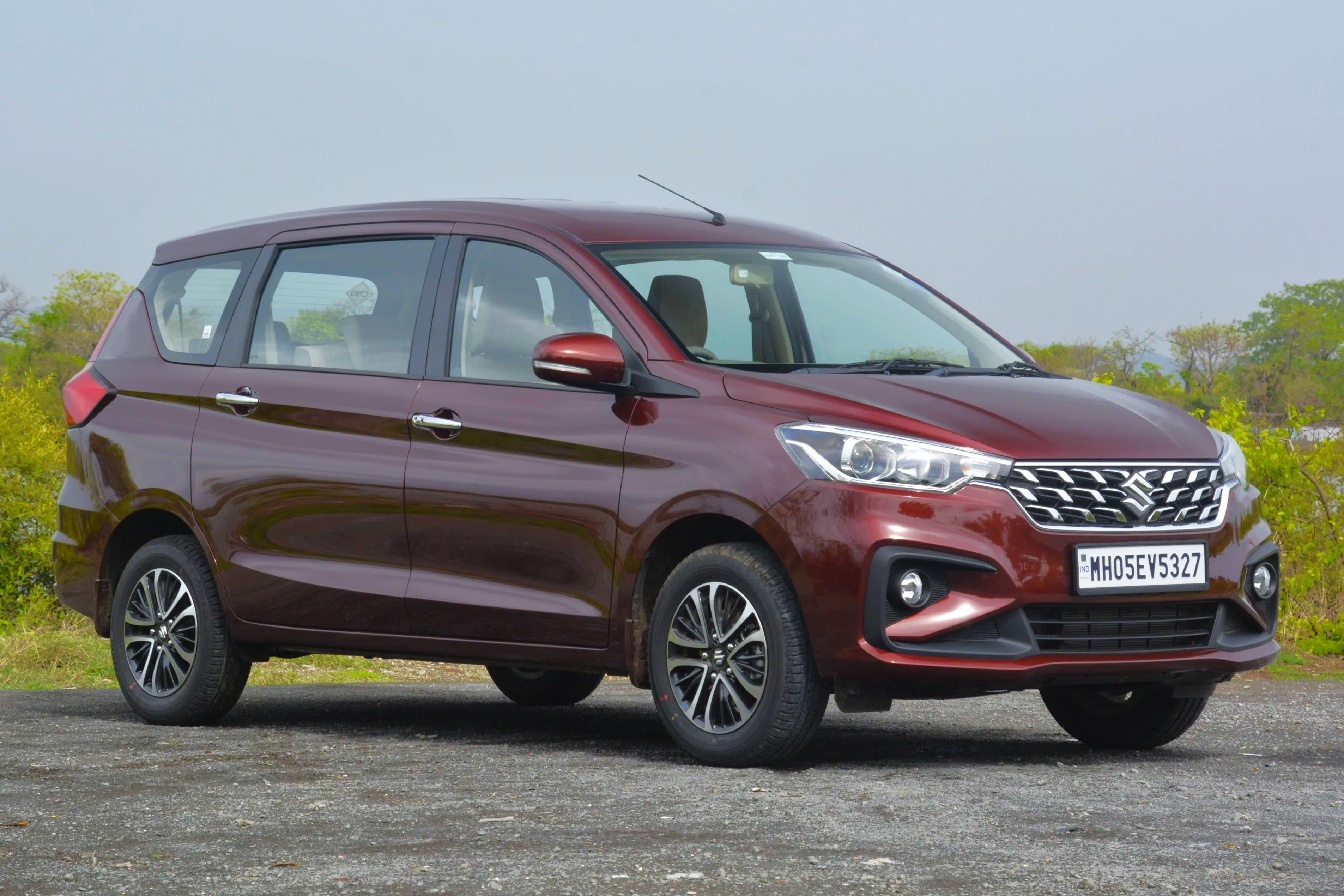
The Maruti Suzuki Ertiga completed the top 10 with 16,911 units in September 2026, up 40 percent from 12,115 units in the same month last year. It was the sixth Maruti Suzuki model in the rankings. The Ertiga continues to hold the title of India’s highest-selling MPV. Its practical cabin, strong fuel efficiency and value-for-money positioning attract both private and fleet buyers, although it misses out on some features offered by rivals. It is priced from Rs 8.90 lakh to Rs 13.04 lakh and rivals the Kia Carens and Toyota Rumion.
भारत में SUV का क्रेज लगातार बढ़ रहा है। FY27 के अप्रैल से अगस्त के बीच देश में बिकी करीब हर 5 पैसेंजर गाड़ियों में से 3 SUV थीं। वहीं, सेडान कारों की बिक्री 12 गाड़ियों में से एक से भी कम रही। इसके बावजूद, इस दौरान भारत में सबसे ज्यादा बिकने वाली कार का खिताब Maruti Suzuki Dzire ने अपने नाम किया।
रिपोर्ट के मुताबिक, FY27 के शुरुआती पांच महीनों में Dzire की 1.08 लाख यूनिट बिकीं। यह Tata Punch, Tata Nexon, Maruti Suzuki Fronx, Mahindra Scorpio और Hyundai Creta जैसी लोकप्रिय SUV से आगे रही। Punch 1.03 लाख यूनिट के साथ इसके सबसे करीब थी, लेकिन फिर भी Dzire से लगभग 5,000 यूनिट पीछे रही।
पूरे कार बाजार के आंकड़ों पर नजर डालें तो Dzire की बिक्री और भी खास नजर आती है। अप्रैल से अगस्त के बीच भारत में कुल 22.05 लाख पैसेंजर गाड़ियां बिकीं। इनमें से 12.63 लाख यूनिट SUV थीं, यानी कुल बिक्री में SUV की हिस्सेदारी 57.28 प्रतिशत रही।
वहीं, इस दौरान देश में सिर्फ 1.74 लाख सेडान कारें बिकीं। यानी कुल पैसेंजर व्हीकल मार्केट में सेडान की हिस्सेदारी सिर्फ 7.89 प्रतिशत रही।
हालांकि, यह बढ़त कुछ समय के लिए ही नहीं थी। Dzire ने FY26 में 2.29 लाख यूनिट की बिक्री के साथ भारत की मॉडल रैंकिंग में भी टॉप किया था।
सेडान मार्केट में एक ही मॉडल का दबदबा
इंडस्ट्री के डेटा के मुताबिक, अप्रैल-अगस्त के दौरान हुई कुल सेडान बिक्री में Dzire की हिस्सेदारी 62.2% थी। बाकी सभी सेडान की कुल बिक्री 65,716 यूनिट रही। अकेले Dzire की बिक्री बाकी सभी सेडान की कुल बिक्री से 42,568 यूनिट ज्यादा रही।
यही ट्रेंड FY26 में भी देखने को मिला था। सेडान की बिक्री लगभग 59,000 यूनिट बढ़कर 3.99 लाख हो गई, जो 17.35% की ग्रोथ है। हालांकि, अकेले Dzire की बिक्री में 64,109 यूनिट का उछाल आया है। Dzire को छोड़कर, बाकी सेडान की कुल बिक्री में साल-दर-साल लगभग 5,100 यूनिट की गिरावट आई।
वित्त वर्ष 2026 में भी कुछ ऐसा ही ट्रेंड देखने को मिला था। उस साल भारत में सेडान की बिक्री करीब 59,000 यूनिट बढ़कर 3.99 लाख हो गई थी। यानी सेडान बाजार में 17.35 प्रतिशत की ग्रोथ दर्ज की गई। लेकिन इस बढ़ोतरी में Dzire की भूमिका सबसे बड़ी रही। अकेली Dzire की बिक्री में 64,109 यूनिट का इजाफा हुआ।
अगर Dzire को सेडान बाजार से अलग कर दें, तो बाकी सेडान की कुल बिक्री में साल-दर-साल लगभग 5,100 यूनिट की गिरावट आई है।
Maruti Suzuki India के मार्केटिंग और सेल्स के सीनियर एग्जीक्यूटिव ऑफिसर पार्थो बनर्जी ने मनीकंट्रोल को बताया, “31 लाख से ज्यादा ग्राहकों का भरोसा जीतने वाली Dzire, 2008 में लॉन्च होने के बाद से ही अपने सेगमेंट में सबसे ज्यादा बिकने वाली सेडान रही है। SUV के दबदबे वाले बाजार में भी इसने अपने कॉम्पिटिटर्स को पीछे छोड़ते हुए FY26 और इस साल अगस्त तक भारत की नंबर 1 कार का दर्जा हासिल किया है।”
बनर्जी ने कहा कि अप्रैल-अगस्त के दौरान Dzire की बिक्री में सालाना आधार पर 23% की बढ़ोतरी हुई है और अब इसके कुल ग्राहकों में से 61% ऐसे लोग हैं जो पहली बार कार खरीद रहे हैं।
कीमत, चलाने का खर्च और सेफ्टी
मौजूदा Dzire की कीमत 6.31 लाख रुपये से 9.41 लाख रुपये (एक्स-शोरूम) के बीच है, यानी यह 10 लाख रुपये से कम कीमत वाली कैटेगरी में आती है। इसके 1.2-लीटर पेट्रोल इंजन के साथ मैनुअल और ऑटोमेटेड मैनुअल ट्रांसमिशन का ऑप्शन मिलता है, जबकि कम खर्च में गाड़ी चलाने के इच्छुक खरीदार CNG वर्जन चुन सकते हैं।
Maruti Suzuki का दावा है कि पेट्रोल मैनुअल का माइलेज 24.79 kmpl, पेट्रोल AMT का 25.71 kmpl और CNG वर्जन का 33.73 km/kg है। Dzire को Global NCAP और Bharat NCAP, दोनों से फाइव-स्टार सेफ्टी रेटिंग मिली है। सेफ्टी फीचर्स की बात करें, तो छह एयरबैग, इलेक्ट्रिक सनरूफ, 9-इंच टचस्क्रीन, वायरलेस फोन चार्जर और ऑटोमैटिक क्लाइमेट कंट्रोल जैसी खूबियां इसे प्राइवेट खरीदारों के बीच और भी आकर्षक बनाती हैं।
GlobalData Plc के ऑटोमोटिव – इंडिया के डायरेक्टर विवेक शर्मा ने कहा, “डिजायर एक खास गाड़ी है क्योंकि इसमें किफायती दाम, अच्छा माइलेज, CNG की सुविधा और कम मेंटेनेंस खर्च के साथ-साथ Maruti Suzuki का मजबूत सेल्स और सर्विस नेटवर्क भी मिलता है। इसकी रीसेल वैल्यू और भरोसेमंद होने की खूबी इसे और भी बेहतर बनाती है।”
Dzire को Maruti Suzuki के ‘अरीना’ नेटवर्क के जरिए बेचा जाता है, जिसके तहत लगभग 2,900 शहरों में 3,400 से ज्यादा आउटलेट हैं। कार बनाने वाली इस कंपनी के पूरे भारत में 6,000 से ज्यादा सर्विस सेंटर भी हैं।
Mobility Globalके इंडिया और ASEAN डायरेक्टर पुनीत गुप्ता ने कहा कि Swift और Baleno जैसी लोकप्रिय हैचबैक कारों के साथ पार्ट्स साझा करने और बड़े पैमाने पर उत्पादन (इकोनॉमीज ऑफ स्केल) से Maruti Suzuki को Dzire की कीमत को प्रतिस्पर्धी बनाए रखने में मदद मिलती है। उन्होंने कार के केबिन और बूट स्पेस, ईंधन के विकल्पों, ग्राहकों के भरोसे और कंपनी के बड़े नेटवर्क का भी जिक्र किया।
गुप्ता ने कहा, “इसी तरह के बड़े पैमाने पर उत्पादन (इकोनॉमीज ऑफ स्केल) वाली कोई सीधी टक्कर न होने की वजह से यह प्रोडक्ट मौजूदा बाजार में एक पसंदीदा विकल्प बना हुआ है।”
सिर्फ टैक्सी और फ्लीट ग्राहकों तक सीमित नहीं Dzire
Dzire की टैक्सी और फ्लीट मार्केट में भी मजबूत पकड़ है, जहां गाड़ी का कम रनिंग कॉस्ट और भरोसेमंद होना काफी मायने रखता है। हालांकि, Dzire को खरीदने वाले ग्राहकों में निजी खरीदारों की संख्या ज्यादा है।
नवंबर 2024 में मौजूदा जेनरेशन की Dzire लॉन्च होने के समय Maruti Suzuki के सीनियर एग्जीक्यूटिव ऑफिसर (मार्केटिंग एंड सेल्स) पार्थो बनर्जी ने बताया था कि कंपनी की कुल Dzire बिक्री में फ्लीट ग्राहकों की हिस्सेदारी करीब 30-35 प्रतिशत थी। वहीं, 65-70 प्रतिशत बिक्री निजी ग्राहकों से आती थी। Maruti Suzuki की हालिया जानकारी के मुताबिक, 61% ग्राहक पहली बार गाड़ी खरीदने वाले हैं, जो यह दिखाता है कि कमर्शियल इस्तेमाल करने वालों के अलावा भी इसकी कितनी लोकप्रियता है।
शर्मा ने कहा, “खास बात यह है कि इसका फ्लीट और टैक्सी कस्टमर बेस भी मजबूत है, जहां चलने का खर्च, मजबूती और प्रैक्टिकैलिटी बहुत अहम हैं। इसलिए इसकी सफलता सेडान की वापसी के बारे में कम और प्राइवेट और कमर्शियल, दोनों तरह के इस्तेमाल के लिए प्रोडक्ट और मार्केट के बीच बेहतर तालमेल के बारे में ज्यादा है।”
एक अपवाद, न कि सेडान की वापसी
चुनौती तब और मुश्किल हो जाएगी जब कार बनाने वाली कंपनियां Dzire की कीमत वाली रेंज में और SUV लाएंगी। ये मॉडल ऊंची सीटिंग पोजीशन और SUV जैसी स्टाइलिंग देते हैं, जिसे आजकल बहुत से खरीदार पसंद कर रहे हैं।
शर्मा ने कहा कि किफायती, कुशल और प्रैक्टिकल सेडान की अभी भी अच्छी-खासी मांग है। हालांकि, डिजायर की लीडरशिप बनाए रखना उसकी कीमत, CNG ऑप्शन, फ्यूल एफिशिएंसी और कुल ओनरशिप कॉस्ट पर निर्भर करेगा।
उन्होंने आगे कहा, “संक्षेप में कहें तो, Dzire SUV-प्रधान बाजार में एक मजबूत अपवाद की तरह दिखती है, न कि सेडान की संरचनात्मक वापसी के सबूत के तौर पर।”
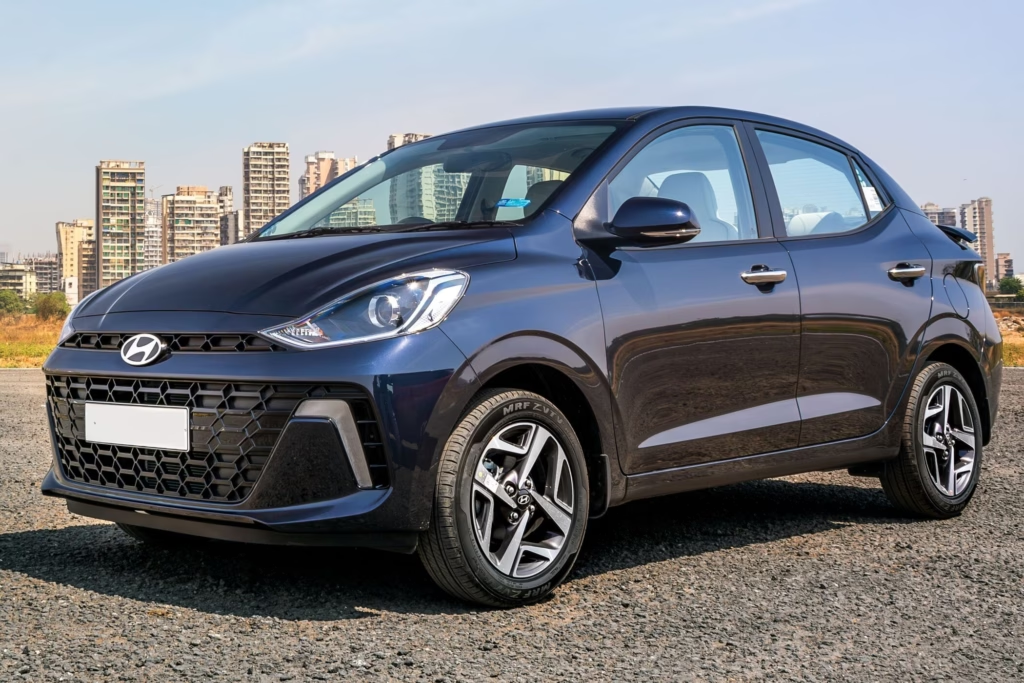
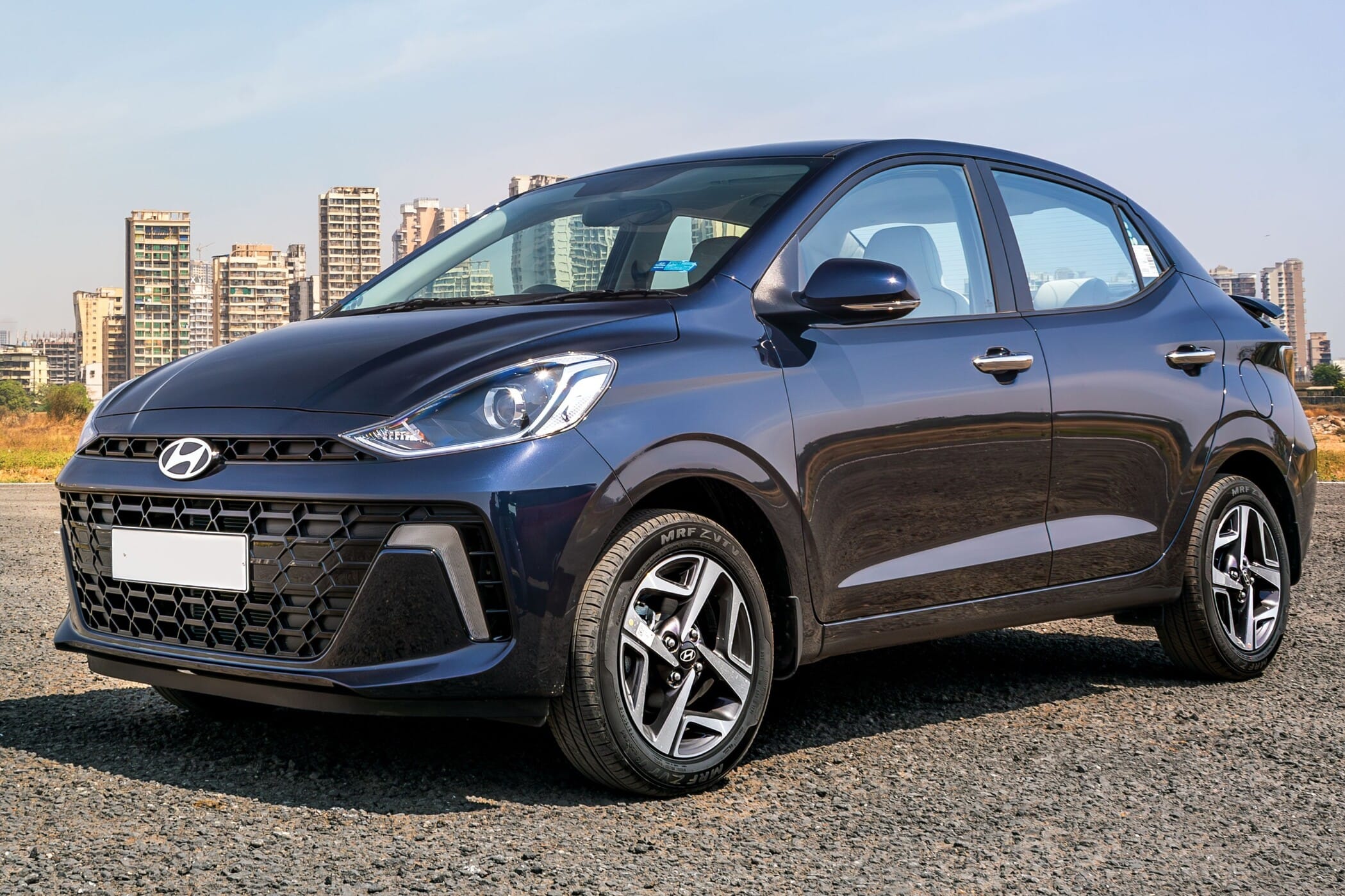
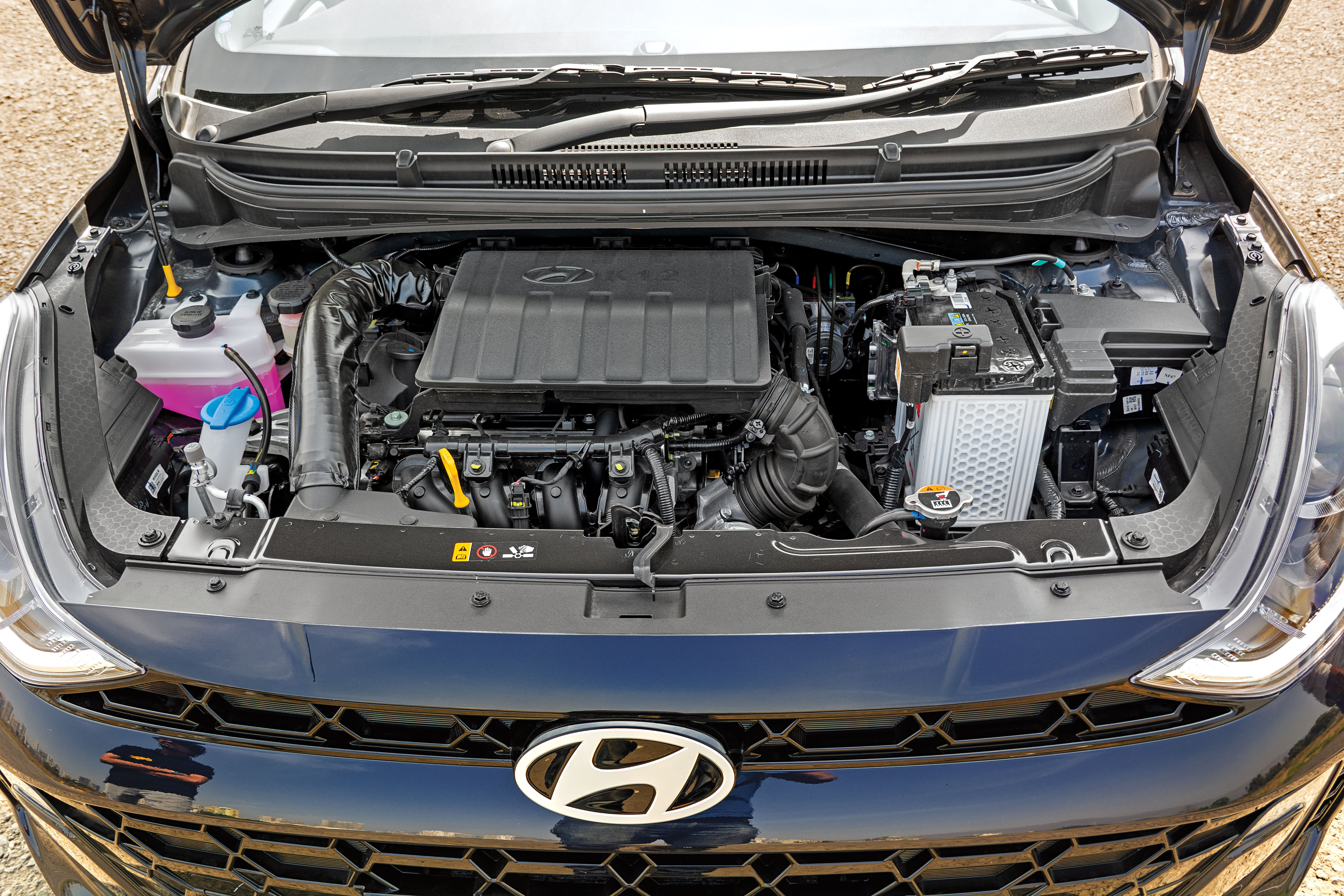
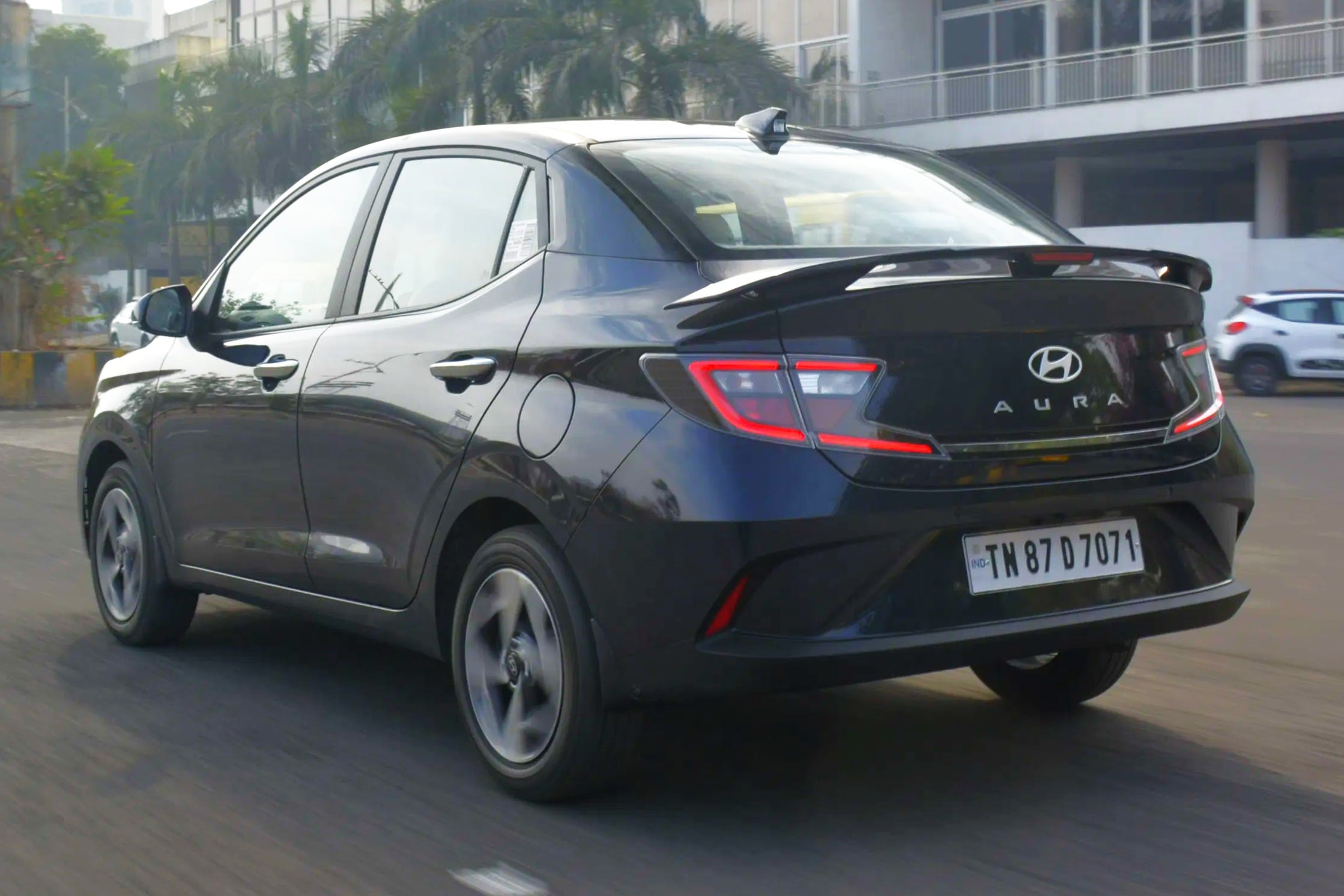
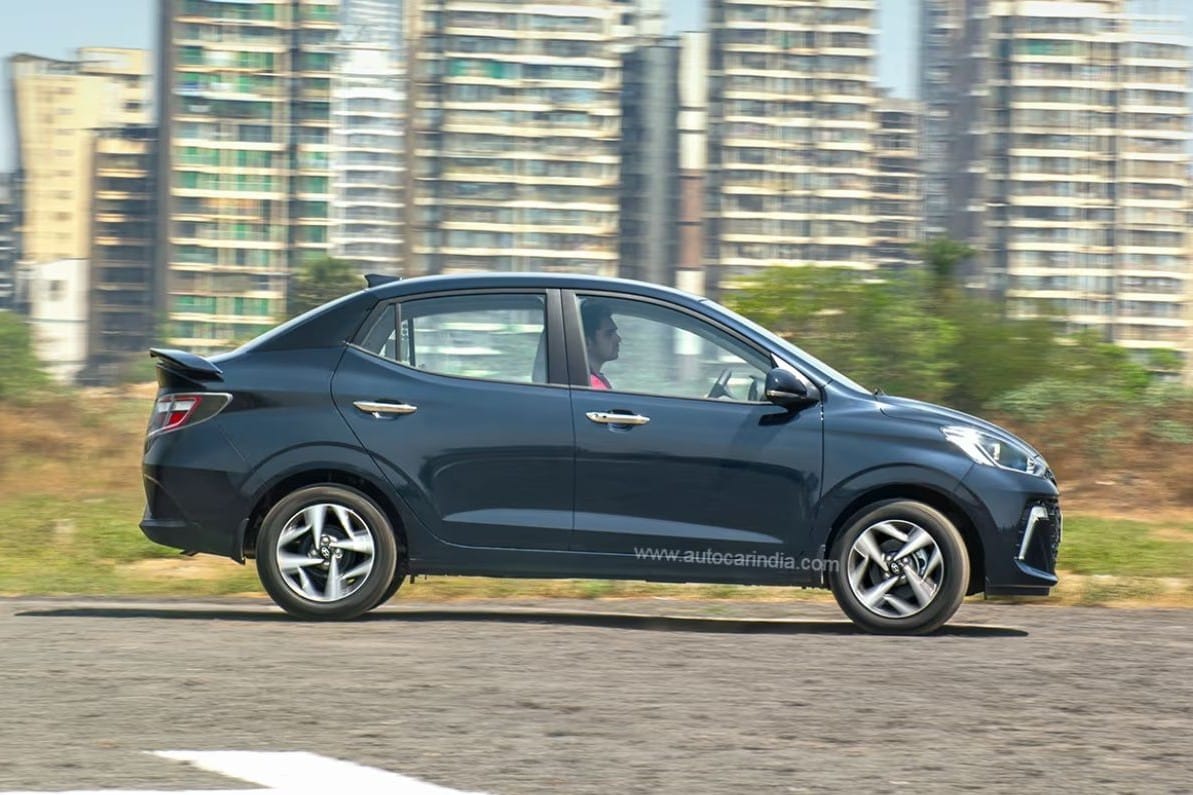
The Aura is Hyundai’s contender for the compact sedan segment, rivalling the likes of the Maruti Suzuki Dzire, Honda Amaze, and Tata Tigor. If you’re planning to bring home a Hyundai Aura, we’ve listed its most prominent strengths and weaknesses below.
Pros
Well-built interior
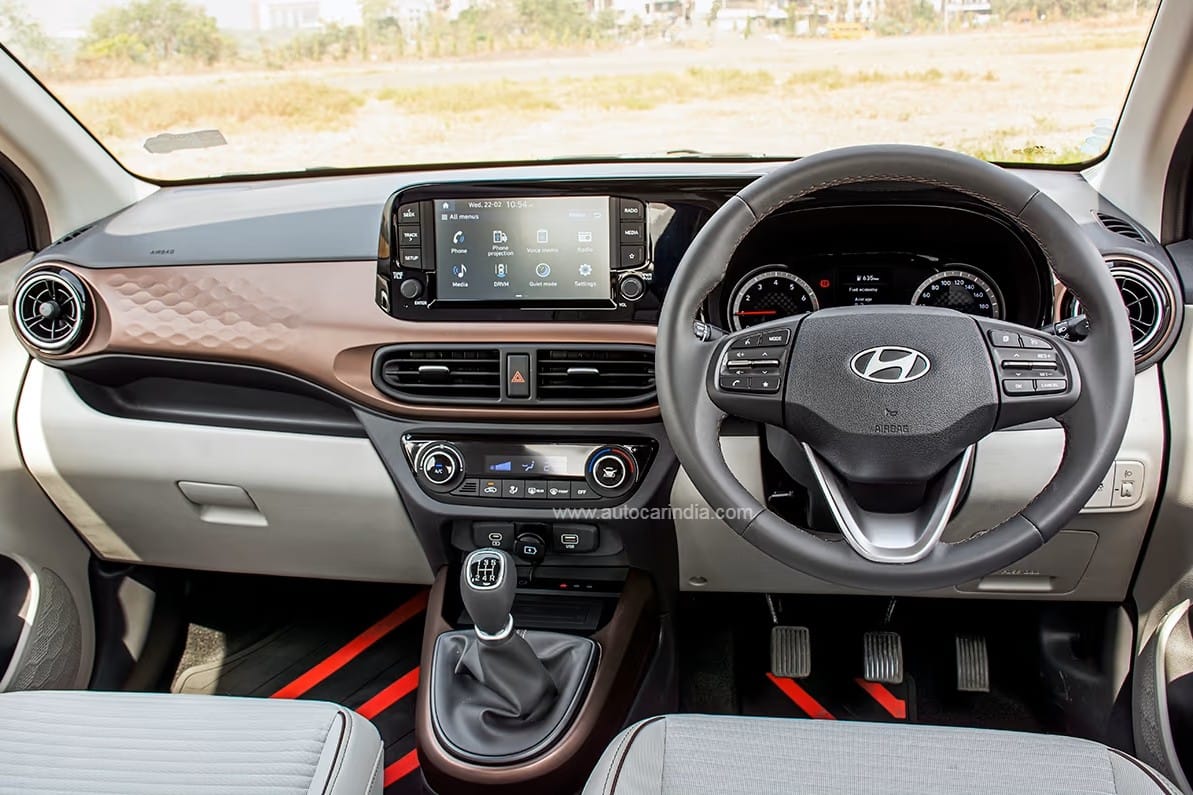
Step inside the Aura and you’ll be impressed with its bright colour scheme and excellent fit-and-finish. The central dashboard trim and centre console surround are decked out in a copper colour, which lends the front end of the cabin a unique look, and the leather-wrapped steering wheel and gear knob in higher trims do well to add a premium touch.
Smooth and refined engine
Under the bonnet, the Aura packs a sole 1.2-litre 4-cylinder naturally aspirated engine that can be had in either 83hp petrol or 69hp CNG guise. Gearbox options comprise a 5-speed manual and 5-speed AMT for the petrol, while the CNG gets only the former transmission.
As mentioned in our review of the Aura, the petrol-MT powertrain feels quite smooth and refined. It responds well to part-throttle inputs and effortlessly keeps up with traffic. That said, the Aura is best-suited to easygoing urban commuting, as performance is neither brisk nor exciting.
Easy to drive
In addition to its refined engine, the Aura has a very smooth and light steering feel, an absorbent ride, and a slick-shifting manual gearbox with a light clutch. Not to mention, the Aura’s relatively compact footprint makes it easy to manoeuvre in city traffic and on tight roads.
Cons
Falls short on cabin space
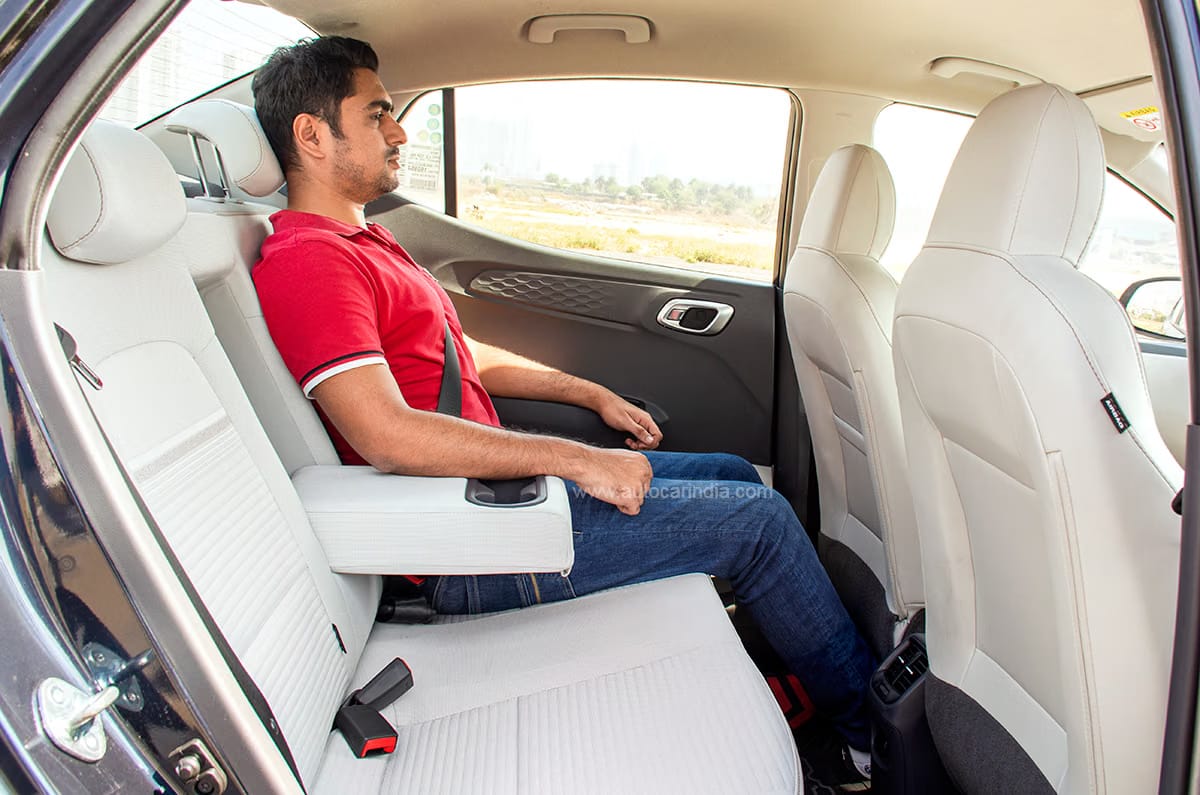
Though the Aura’s rear seat offers ample legroom, the narrow width of the car makes the bench best-suited for two adults only. The front seats aren’t the most comfortable either, as the cushioning is a tad too firm, the head restraints are not adjustable, and taller occupants with broader frames may find them too narrow.
Lacks some creature comforts
The Aura comes packed with much of the safety and convenience kit you need, but misses out on a lot of the nice-to-haves offered by rivals like the Dzire and Amaze. Specifically, the Aura doesn’t get a sunroof, a 360-degree camera, ADAS, built-in wireless Android Auto and Apple CarPlay, paddle shifters (for AMT), and connected car tech.
CNG cars are no longer considered budget options like before. Today, they are offered across multiple body styles and price points and even with automatic gearboxes. Moreover, with manufacturers now offering good features across the line-up, along with dual-tank or underbody CNG tank setups that free up boot space, these cars now don’t feel like a compromise made for lower running costs. Here, we have listed the best CNG cars under Rs 10 lakh that you can buy.
1. Maruti Suzuki Dzire CNG
Price: Rs 8.11 lakh-Rs 9.11 lakh
The Maruti Dzire is powered by a 1.2-litre 3-cylinder engine that produces 70hp and 102Nm of torque in the CNG spec. While performance is adequate for everyday driving, the Dzire really impresses with its great ride quality and tidy handling manners. The cabin is spacious, and with CNG available on the mid-spec VXi and ZXi trims, most features are covered, too. The Dzire gets a single large CNG tank in the boot but still offers some usable space.
2. Maruti Suzuki Baleno CNG
Price: Rs 7.77 lakh-Rs 8.67 lakh
The Maruti Baleno uses a 1.2-litre 4-cylinder engine that develops 78hp and 98Nm of torque in the CNG spec. It’s a smooth, refined and efficient CNG powertrain. Like on the Dzire, CNG is available on the mid-spec Delta and Zeta trims that come reasonably well equipped. This car, too, has a very spacious cabin, although its boot space is compromised by a single large CNG tank. One can also consider its Toyota twin, the Glanza, which, too, is available with CNG on the equivalent mid-spec S and G trims.
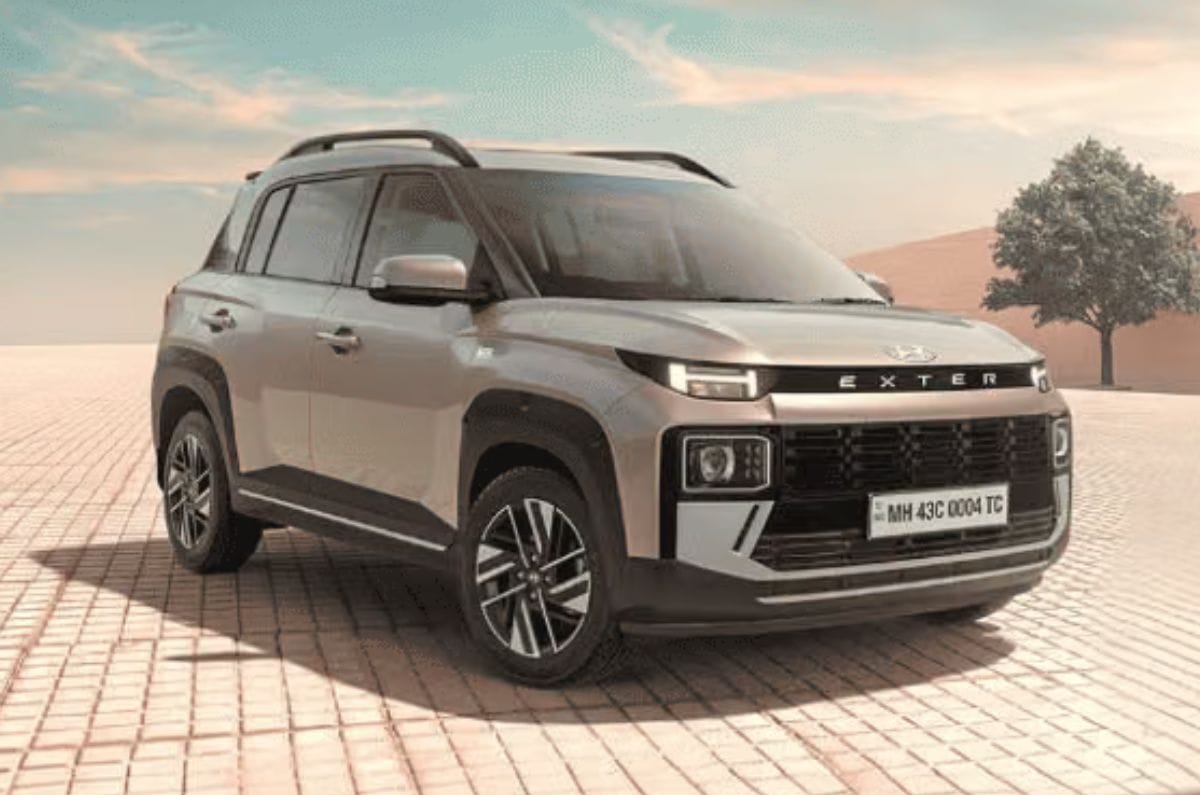
3. Hyundai Exter CNG
Price: Rs 6.99 lakh-Rs 9.42 lakh
The Hyundai Exter has a 1.2-litre 4-cylinder engine that produces 69hp and 95Nm of peak torque. It has a wide spread of CNG variants, with top trims being particularly well equipped. The Exter also gets twin CNG tanks that don’t take up too much boot space, and its smooth engine and compact dimensions make it very user-friendly. However, interior space isn’t as good as some other cars here.
4. Tata Punch CNG
Price: Rs 6.80 lakh-Rs 10.67 lakh
The Tata Punch uses a 1.2-litre 3-cylinder engine that produces 73hp and 103Nm of torque in CNG mode. The Punch CNG is the only one on this list to offer an AMT gearbox. It’s also the best-equipped CNG model here, with a wide spread of variants, but the top ones are quite expensive. Performance is just about adequate, but ride and handling are good, and twin CNG tanks leave usable boot space.
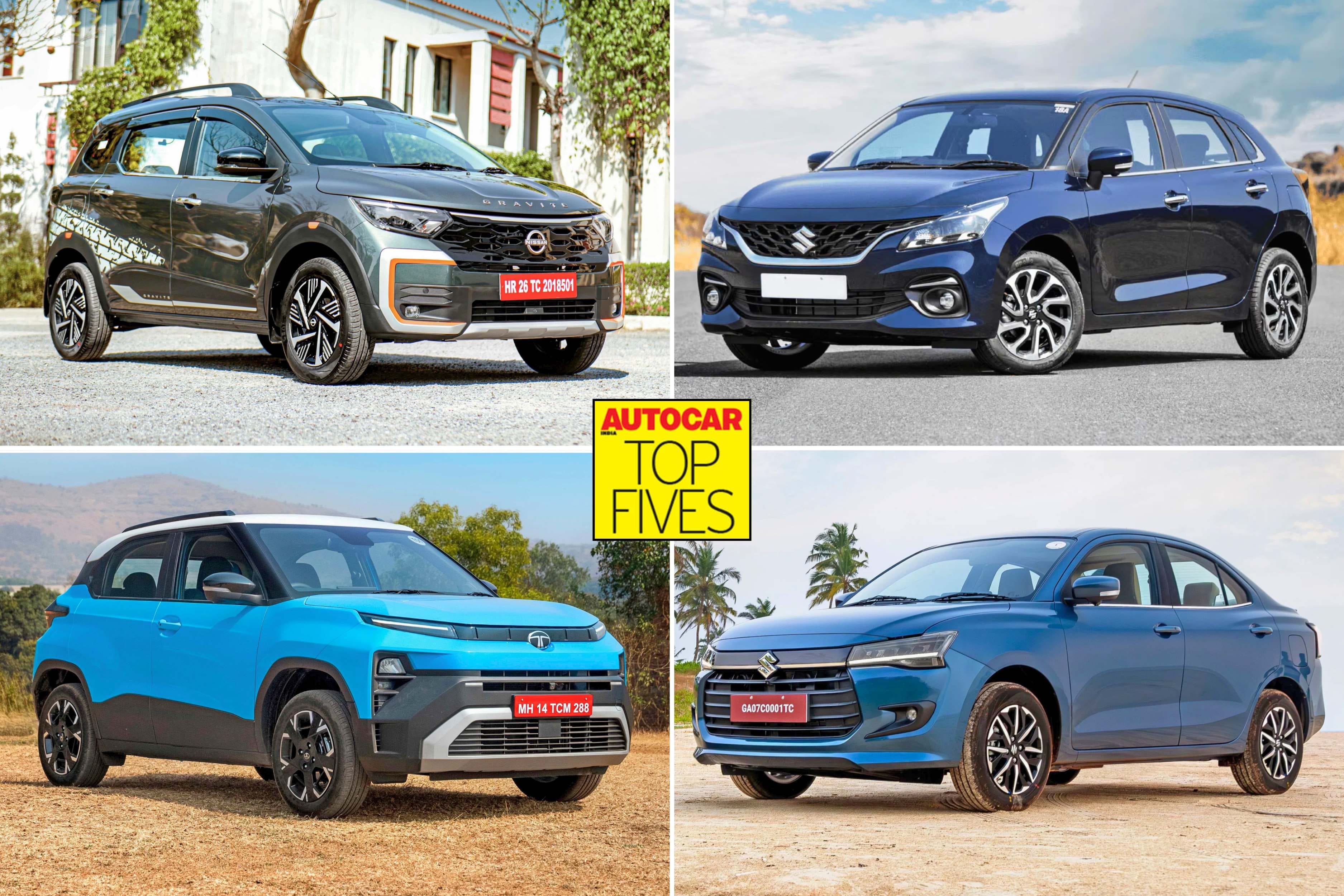
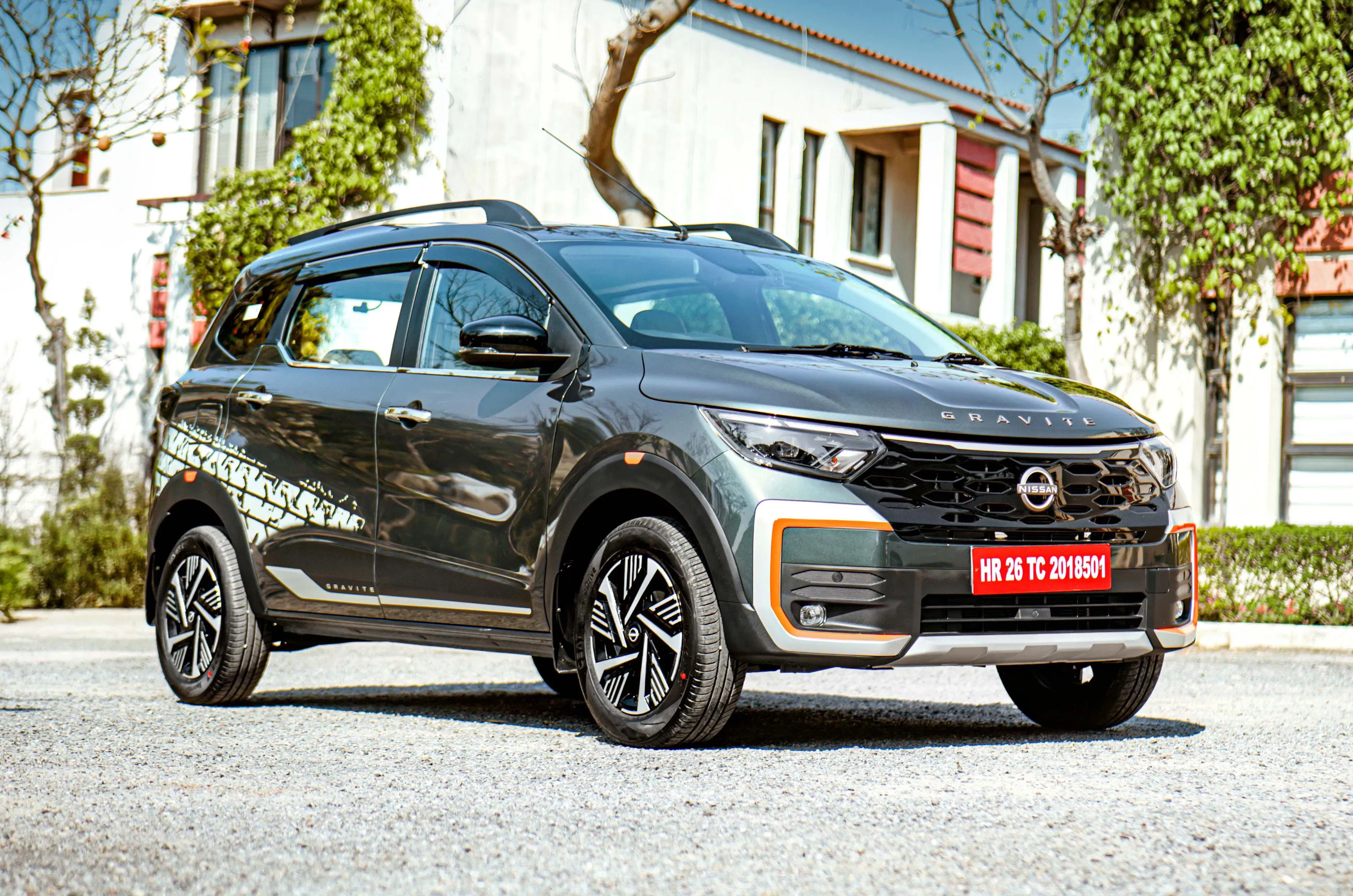
5. Nissan Gravite CNG
Price: Rs 6.59 lakh-Rs 8.94 lakh
The Nissan Gravite is powered by a 1.0-litre 3-cylinder engine. However, since the CNG kit on the Gravite is a dealer-level fitment and has not been homologated, specific power and torque figures aren’t available. The Gravite’s real USP is its excellent packaging and flexible 7-seat configuration. As the CNG kit comes as a dealer fitment, it can be had on all trims. The Gravite is, however, not as well equipped as some other models here; the performance is quite dull, and the twin CNG tanks in the boot leave no usable space.
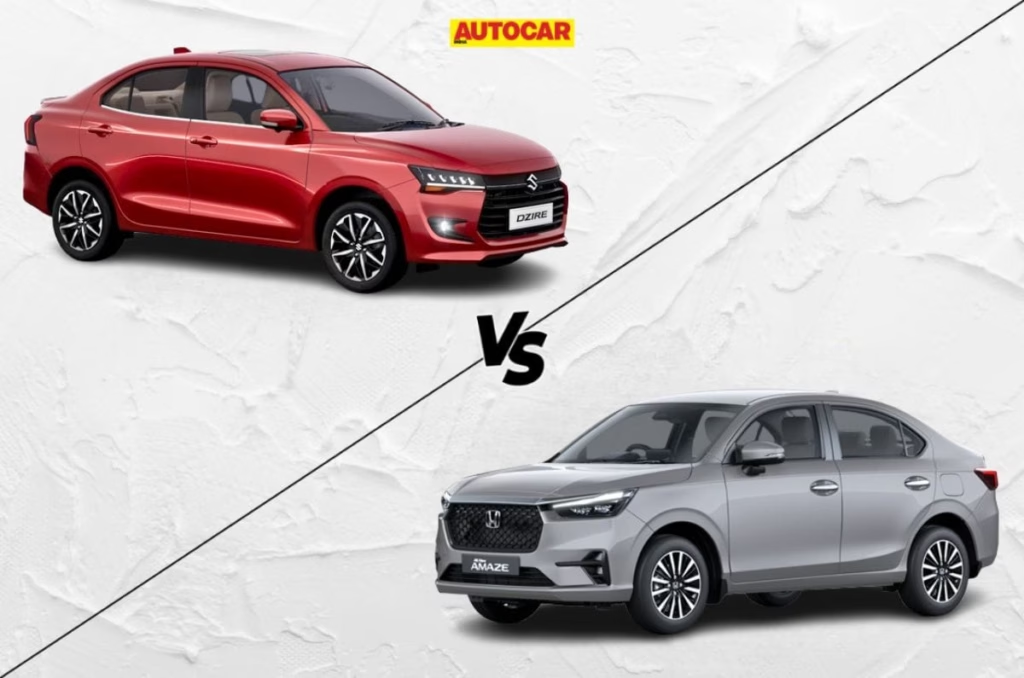
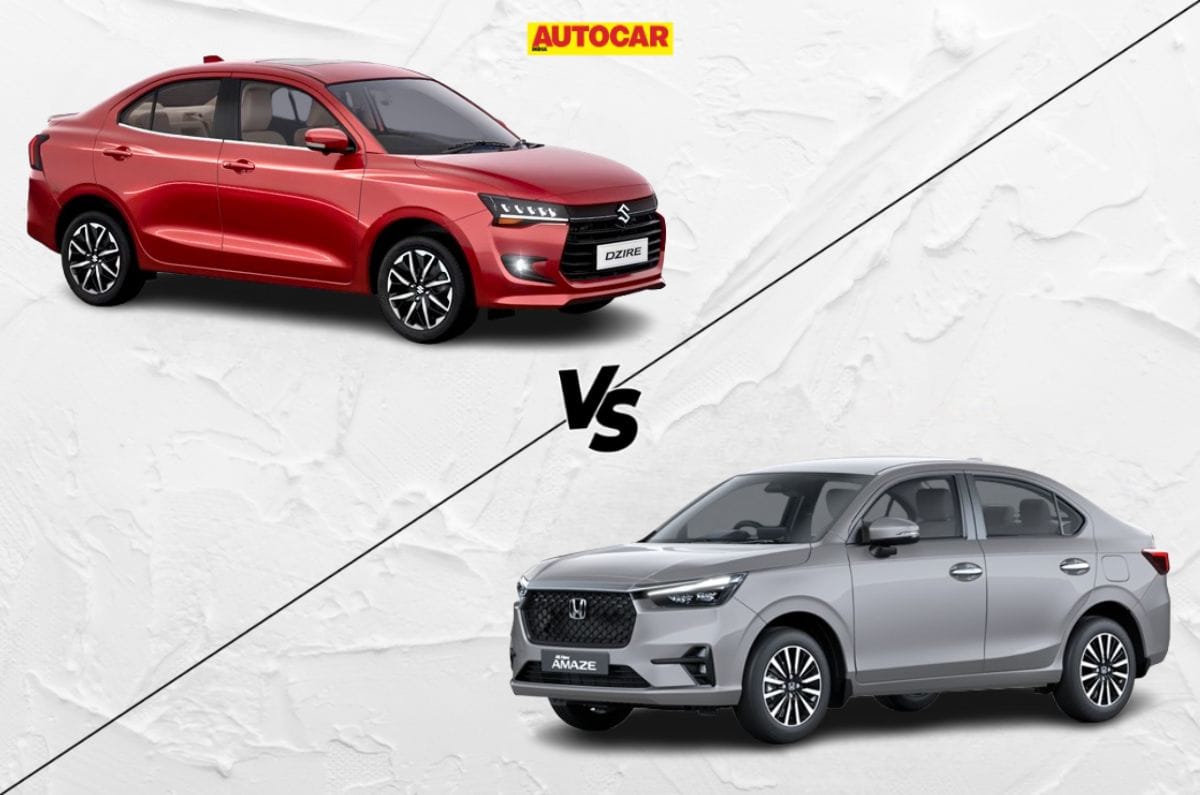
The Maruti Suzuki Dzire and Honda Amaze are two of the most affordable sedans in India, priced at around Rs 10 lakh (ex-showroom). Both the top-spec Dzire ZXi+ and Amaze ZX offer a 1.2-litre engine with similar specifications and a similar feature suite, albeit with a couple of segment-only amenities. But what should you choose? We find out.
Maruti Dzire vs Honda Amaze: Dimensions
Sizes are almost similar, but the Amaze offers a slightly larger boot
Maruti Dzire vs Honda Amaze: Dimensions and other specifications
Maruti Dzire
Honda Amaze
Difference
Length (mm)
3,995
3,995
–
Width (mm)
1,735
1,733
+2
Height (mm)
1,525
1,500
+25
Wheelbase (mm)
2,450
2,470
-20
Ground clearance (mm)
163
172
-9
Boot space (litres)
382
416
-34
The Maruti Suzuki Dzire and Honda Amaze have similar dimensions, but the Amaze has a 34-litre larger boot space, which enables it to carry a backpack more than the Dzire. Moreover, unlike the Dzire, which gets a fixed rear seatback, the Amaze’s rear seat can be folded to accommodate more luggage if needed.
Maruti Dzire vs Honda Amaze: Powertrain
Dzire’s 3-cylinder engine offers higher fuel economy than the Amaze’s 4-cylinder unit
Maruti Dzire ZXi+ vs Honda Amaze ZX: Powertrain options
Dzire ZXi+
Amaze ZX
Engine
1.2-litre 3-cyl petrol
1.2-litre 4-cyl petrol
Power (hp)
82
90
Torque (Nm)
112
110
Transmission
5MT | 5AMT
5MT | CVT
Claimed mileage (kpl)
24.79 | 25.71
18.65 | 19.46
The major difference in the powertrains of the two compact sedans is the number of cylinders: 3 in the Dzire’s naturally aspirated engine and 4 in the Amaze’s. The Honda Amaze produces 8hp more than the Dzire, but 2Nm less. In our real-world experience, we found that the Amaze’s engine loves to be revved. It has weak low-end performance, especially under 2,000rpm, but offers a strong mid-range. The Dzire’s engine, on the other hand, has a crisp throttle response and offers strong low-end torque.
Both sedans get a 5-speed manual transmission, but the Dzire offers a 5-speed AMT while the Amaze has a CVT. The Dzire’s AMT, in our real-world experience, has a prominent lag while shifting gears, which hampers the overall drive experience. The Amaze’s CVT is better in this regard and offers smoother shifts, but has a rubberband effect, something that is generally associated with CVTs.
It is the fuel efficiency where the Dzire really shines, offering an additional 6.14kpl and 6.25kpl claimed fuel efficiency over the Amaze’s manual and automatic transmission options, respectively.
Maruti Dzire vs Honda Amaze: Exterior
Both compact sedans get all-LED lighting, powered ORVMs, and 15-inch wheels
Maruti Dzire ZXi+ vs Honda Amaze ZX: Exterior
Dzire ZXi+
Amaze ZX
Headlights
LED
Projector LED
Taillights
LED
LED
DRLs
LED
LED
Front fog lamps
LED
Projector LED
Wheels
15-inch
15-inch
Powered ORVMs
Yes
Yes
Sharkfin antenna
Yes
Yes
Both the top-spec Maruti Dzire ZXi+ and Amaze ZX are offered with all-LED lighting, 15-inch dual-tone alloy wheels, and powered outside rearview mirrors (ORVMs).
Maruti Dzire vs Honda Amaze: Interior, features
Dzire has a sunroof and a larger infotainment system, but Amaze offers paddle shifters
Maruti Dzire ZXi+ vs Honda Amaze ZX: Interior and features
Dzire ZXi+
Amaze ZX
Instrument cluster
Analogue dials with MID
Part-digital with 7-inch MID
Infotainment screen
9-inch
8-inch
Android Auto, Apple CarPlay
Wireless
Wireless
Audio system
6-speaker
6-speaker
On-board navigation
Yes
No
Sunroof
Single-pane
No
Wireless phone charger
Yes
Yes
Climate control
Automatic with rear vents
Automatic with rear vents
Paddle shifters
No
CVT only
Cruise control
Yes
Yes
Seat upholstery
Fabric
Fabric
Steering wheel adjustment
Tilt, telescopic
Tilt
Driver seat adjustment
Manual
Manual
Co-driver’s seat adjustment
Manual
Manual
Rear window sunshade
No
No
The top-spec Maruti Dzire is offered with a single-pane sunroof, a segment-only feature, and a larger 9-inch touchscreen infotainment system compared to the 8-inch unit on the Honda Amaze. The Dzire’s steering column also allows for telescopic adjustments. However, the Amaze offers paddle shifters with the CVT, which is missing on the Dzire AMT, and gets a larger multi-information display (MID) on the instrument cluster than the Dzire.
Maruti Dzire vs Honda Amaze: Safety
Dzire offers a 360-degree camera, while Amaze offers Level-1 ADAS
Maruti Dzire ZXi+ vs Honda Amaze ZX: Safety features
Dzire ZXi+
Amaze ZX
BNCAP rating
5 stars
5 stars
Airbags
6
6
ADAS
No
Level-1
Camera setup
360-degree
Rear, LaneWatch
Parking sensors
Rear
Rear
Electronic parking brake
No
No
Disc brakes
Front wheels only
Front wheels only
TPMS
Yes
Yes
IRVM
Day/night adjustable
Day/night adjustable
Rear wiper, washer
No
No
Hill hold assist
Yes
Yes
ESC
Yes
Yes
While both the Maruti Dzire and Honda Amaze have a 5-star Bharat NCAP crash safety rating, there are a couple of changes in the safety suite of both sedans. The Amaze ZX offers Level-1 advanced driver assistance systems (ADAS), a segment-only feature, while the Dzire offers a 360-degree camera system. The Amaze gets a traditional rear camera and a LaneWatch camera mounted on the left ORVM. Other safety features are the same on both sedans.
Maruti Dzire vs Honda Amaze: Prices
The top-spec Dzire is more affordable than the Amaze
Maruti Dzire ZXi+ vs Honda Amaze ZX: Variant-wise ex-showroom price
Dzire ZXi+
Amaze ZX
Difference
Petrol MT
Rs 8.96 lakh
Rs 9.39 lakh
– Rs 43,000
Petrol AMT
Rs 9.41 lakh
Rs 10 lakh
– Rs 59,000
Both manual and automatic versions of the top-spec Maruti Dzire ZXi+ are more affordable than the fully-loaded Honda Amaze ZX. At a lower price point, the Dzire offers a fuel-efficient engine that also offers good low-end torque, it offers a customer-favourite sunroof and a 360-degree camera, making it feel more complete than the top-spec Amaze.
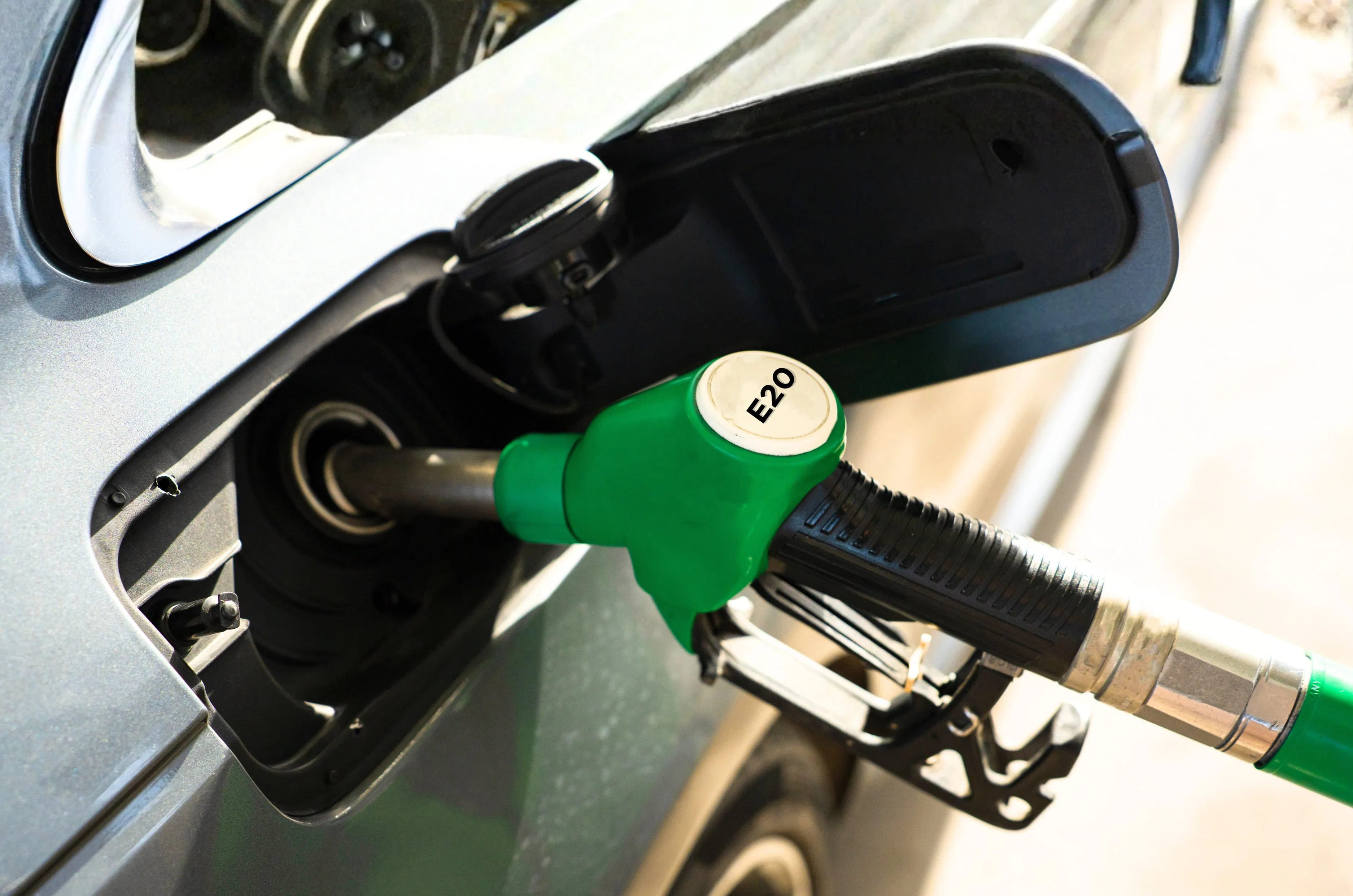
India completed the nationwide rollout of E20 petrol in April last year, making it the standard grade of petrol sold at fuel stations across the country. E20 contains 20 percent ethanol and 80 percent petrol, replacing the lower ethanol blends that were sold previously.
The transition has raised several questions among vehicle owners about compatibility, fuel efficiency, maintenance, warranties and long-term reliability. We separate the facts from the misconceptions and answer the key questions around E20.
1. What is E20 petrol and why has India switched to it?
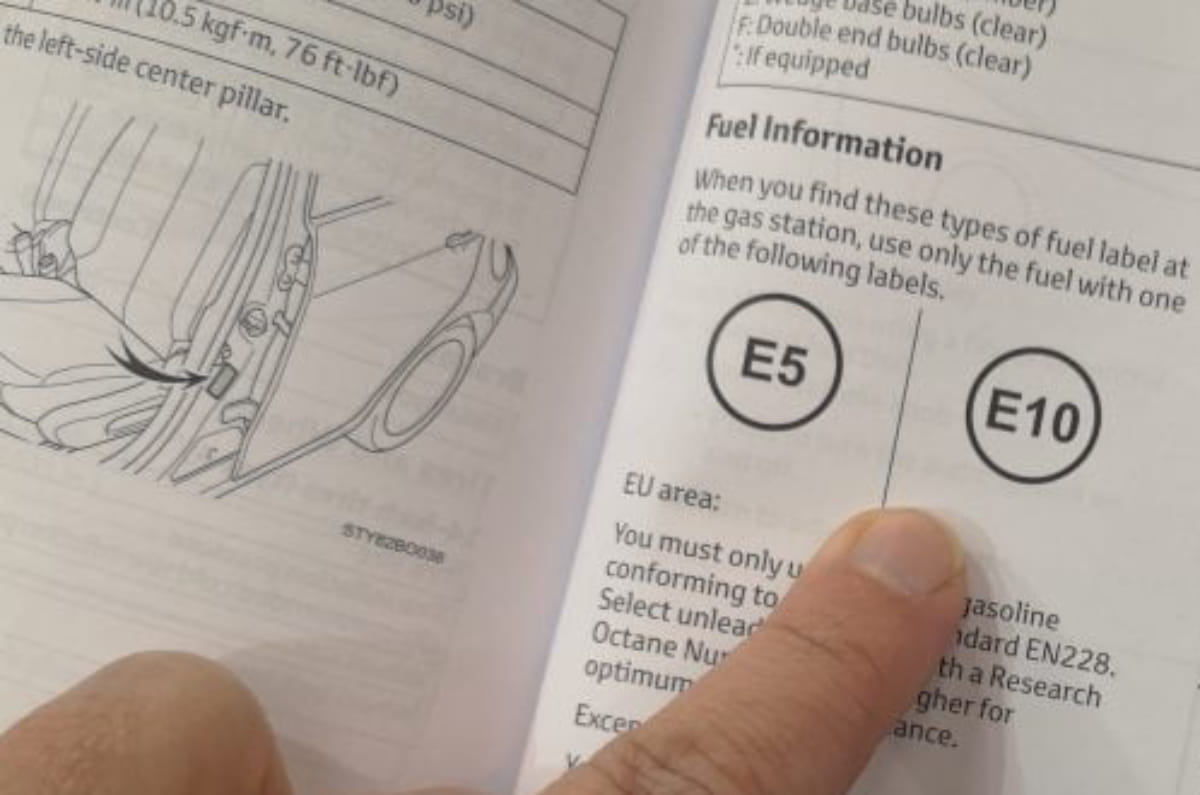
E20 is fuel blended with 20 percent ethanol and 80 percent petrol. Ethanol is a biofuel produced from agricultural feedstocks such as sugarcane, maize and surplus food grains. India introduced the Ethanol Blended Petrol (EBP) Programme in 2003 with E5 petrol, and while the blended percentage kept varying for a while, it was eventually increased to E10 before completing the nationwide rollout of E20 in 2025, five years ahead of the planned implementation. According to the government, the programme aims to reduce dependence on imported crude oil, improve energy security, lower emissions and create an additional market for agricultural produce.
2. Can I use E20 fuel in my car or bike?
New petrol cars and two-wheelers sold in India today are compatible with E20 petrol. Under the government’s roadmap, vehicle manufacturers were required to make new petrol models manufactured from April 2023 compatible with E20.
Vehicles manufactured before April 2023 were designed for lower ethanol blends, so compatibility may vary depending on the model and year of manufacturing. However, some brands state that they had E20 material compliance before 2023, for a list click here.
3. How do I know if my car is E20 compatible?
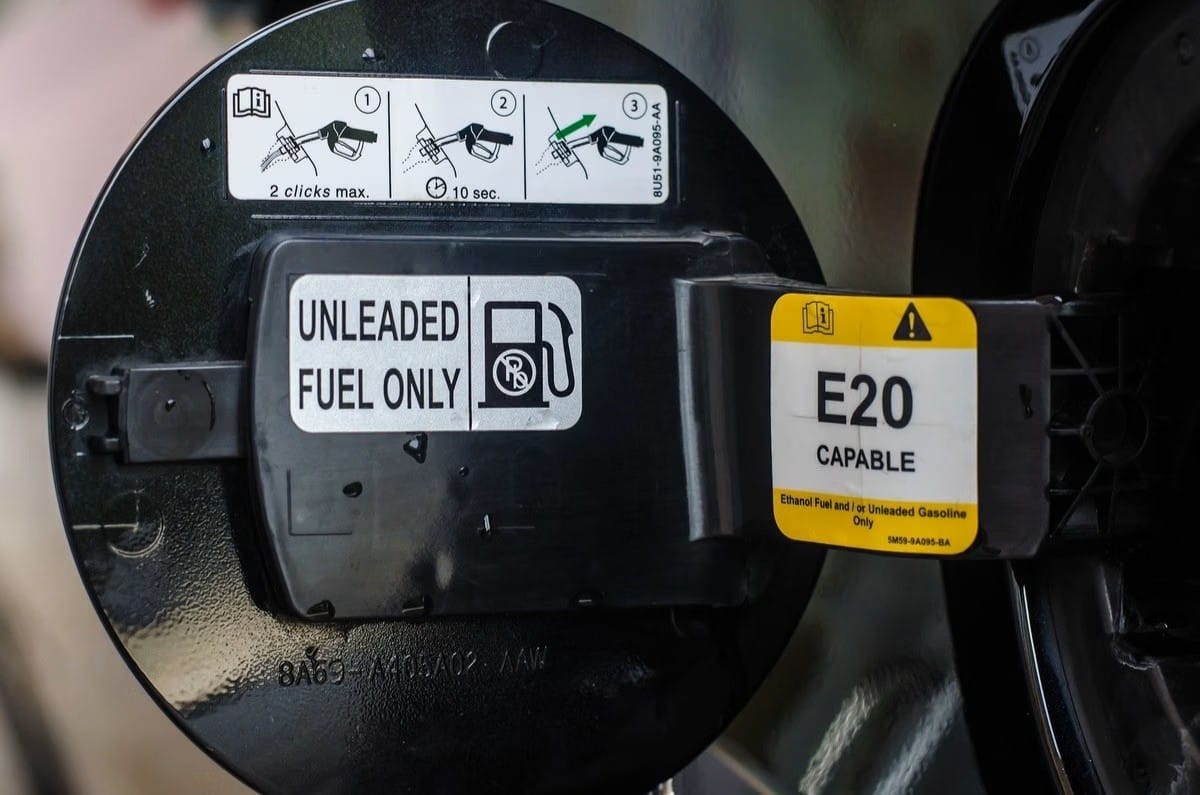
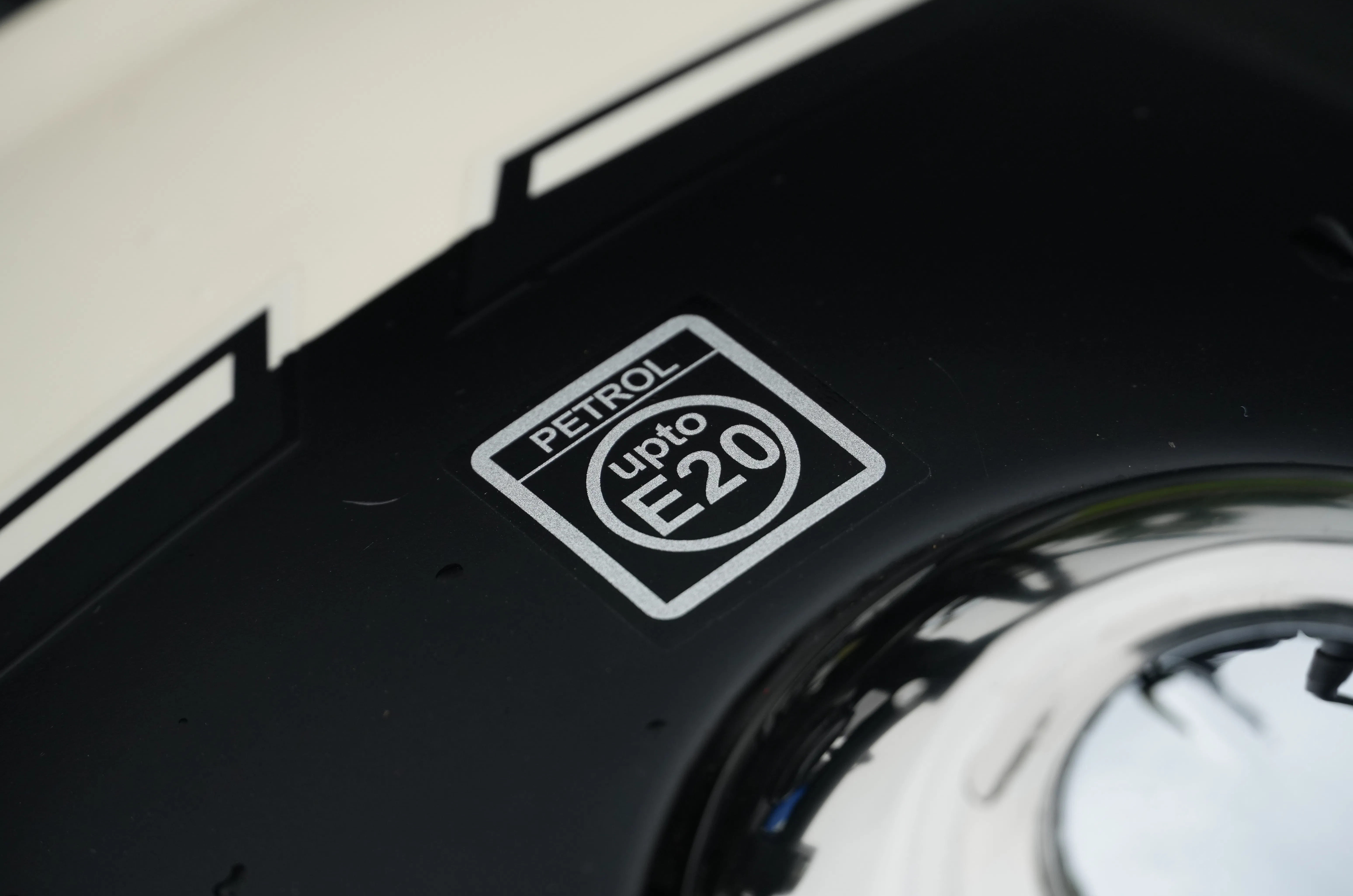
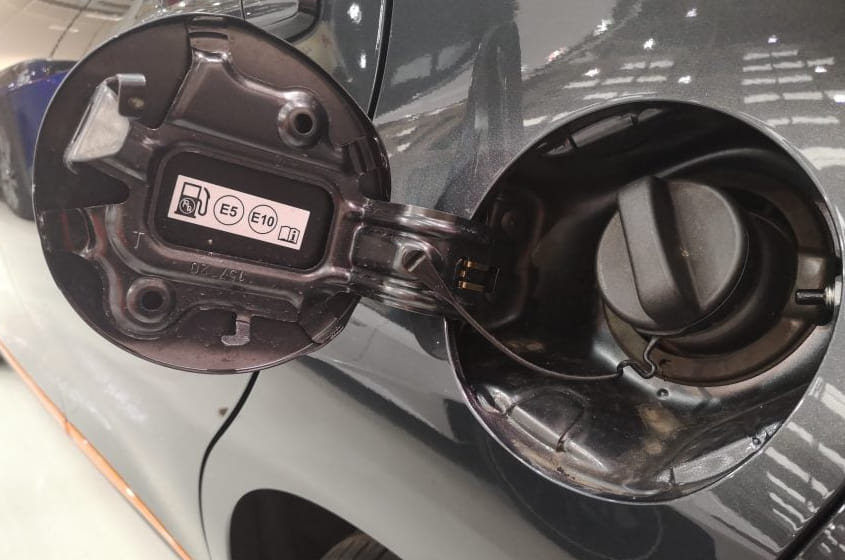
The easiest way is to check your vehicle’s fuel flap or the owner’s manual or contact the manufacturer’s authorised dealership. As part of the government’s E20 roadmap, manufacturers progressively introduced E20-compatible petrol vehicles from 2023 onwards. However, compatibility can vary depending on the model and year of manufacture, so owners should not assume that every petrol vehicle is fully E20-compatible.
4. Can E20 damage older engines or fuel-system components?
Concerns about E20 mainly relate to older vehicles that were not originally designed for higher ethanol blends. While ethanol has not been found to significantly directly affect metal fuel-system components, prolonged exposure to E20 can accelerate wear in some older rubber and plastic parts such as fuel hoses, seals, O-rings, gaskets and certain fuel pipes if they are made from materials that are not ethanol compatible.
Before approving E20, ARAI tested metals, elastomers and plastics commonly used in fuel systems. The study found no significant corrosion of metal components, but certain rubber compounds and plastics used in older vehicles showed greater deterioration than with E10 fuel. These findings prompted manufacturers to use ethanol-compatible materials in newer vehicles. Thus, owners of older vehicles should keep up with regular servicing and follow the manufacturer’s recommended maintenance schedule, increasing the inspection frequency if damage is suspected.
5. Does E20 reduce fuel efficiency?
Yes. E20 fuel generally returns lower fuel efficiency than petrol with a lower ethanol content because ethanol contains less energy than petrol. The exact reduction varies depending on the vehicle, engine and calibration.
E20 vs E10 mileage test results
Creta N Line
Dzire (BS 6)
Polo GT TSI
Dzire (BS 4)
Registration year
2024
2024
2017
2016
Average speed
17.8kph
20.25kph
18.0
19.3
Kpl on E20
10.59
14.24
9.13
9.8
Kpl on E10
12.12
14.81
9.63
11.19
Kpl variance
1.53
0.57
0.50
1.39
% variance
-12.62
-3.84
-5.19
-12.42
ARAI estimates a fuel efficiency drop of 1-6 percent with E20, while some manufacturers put it closer to 7-8 percent. In Autocar India’s real-world testing, both newer E20-compatible cars and older pre-E20 vehicles recorded a measurable drop in mileage when compared with an equivalent E10 blend. Among the newer cars, the Maruti Suzuki Dzire recorded a 3.8 percent drop, while the Hyundai Creta N Line saw a 12.6 percent decline.
Among older BS4-era cars, the Volkswagen Polo GT TSI posted a 5.2 percent drop, while the older Maruti Suzuki Dzire recorded a mileage drop of 12.4 percent.
The results also showed that there is no single figure applicable to every vehicle. Factors such as engine calibration and compression ratio all influence fuel efficiency, meaning some vehicles adapt better to E20 than others.
6. Does E20 improve performance or reduce emissions?
Octane rating test results
Fuel type
RON result
Regular E20 petrol
98.2 RON
XP95
98.8 RON
Yes, but not in a way that most motorists are likely to notice. E20 has a higher-octane rating than regular petrol, which improves resistance to engine knocking and can benefit engines designed to take advantage of higher-octane fuel.
The government says E20 aims to lower emissions by replacing a portion of petrol with domestically produced ethanol which is a renewable fuel. For most motorists, however, the most noticeable effect of switching to E20 is likely to be a small drop in mileage rather than a change in vehicle performance.
7. Is E20’s water contamination issue a real problem?
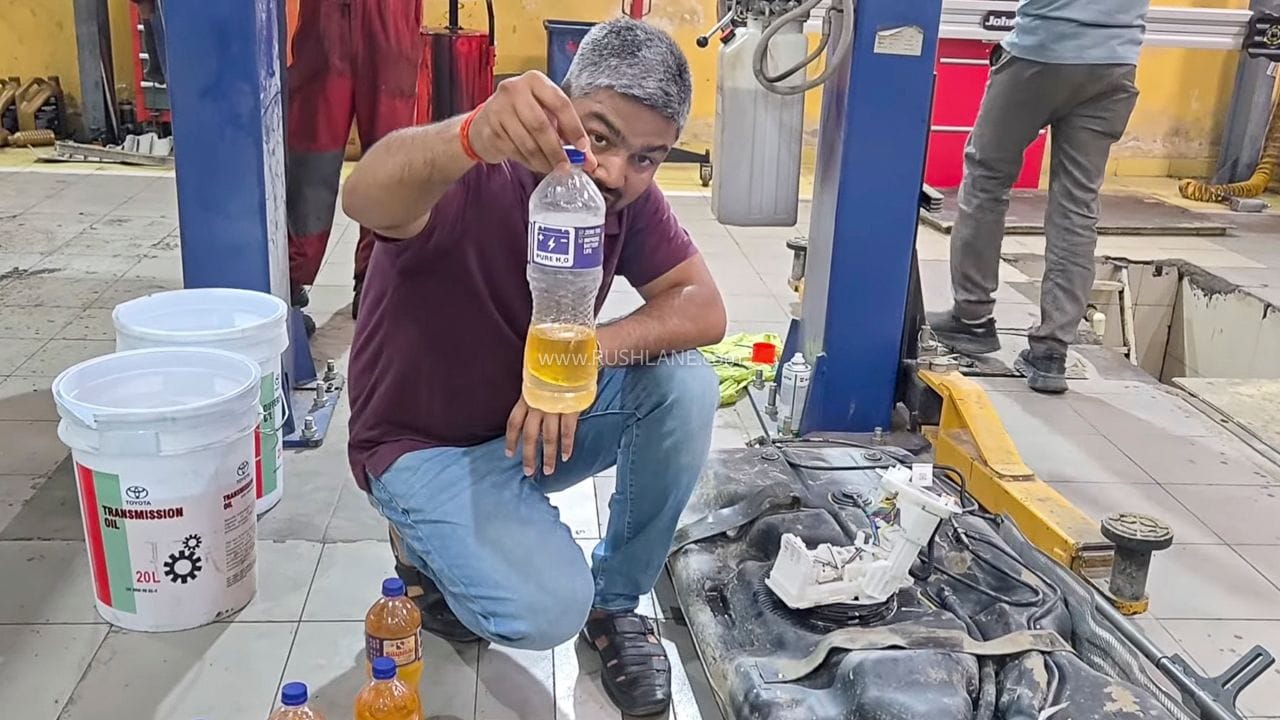
Image credit – Rushlane
Ethanol is hygroscopic, meaning it has the capability to absorb moisture. As a result, E20 is more susceptible to water contamination if excess moisture enters the fuel during storage or handling. In severe cases, this can lead to phase separation, where the ethanol and water separate from the petrol, affecting fuel quality.
Some petrol pump operators have raised concerns that existing underground storage tanks, particularly during the monsoon or in coastal areas, could be more prone to moisture ingress, increasing the risk of phase separation. However, the government and the Federation of Automobile Dealers Associations (FADA) says that there is no evidence linking E20 itself to widespread fuel contamination or vehicle failures.
8. Will using E20 affect my vehicle’s warranty?
For most owners, no. Vehicle manufacturers have said that using E20 petrol will not affect the warranty of their vehicles, and valid warranties will continue to be honoured. The government, SIAM and several manufacturers have stated that vehicles continue to be covered under their standard warranty terms when fuelled with E20, for a full list click here. SIAM has also said that OEMs will honour the warranty committed to customers for E20 usage, and that insurance claims will remain unaffected.
9. Why isn’t E20 petrol cheaper than regular petrol?
Although E20 contains 20 percent ethanol, it is not cheaper than regular petrol because ethanol currently costs more to procure and blend than petrol under prevailing market conditions. The cost of ethanol procurement, tax, transportation, blending and distribution offsets any potential saving from replacing a portion of petrol with domestically produced ethanol.
Any savings from lower crude oil imports are realised at the national level rather than by consumers through lower pump prices.
10. Why can’t I still buy E10 or pure petrol?
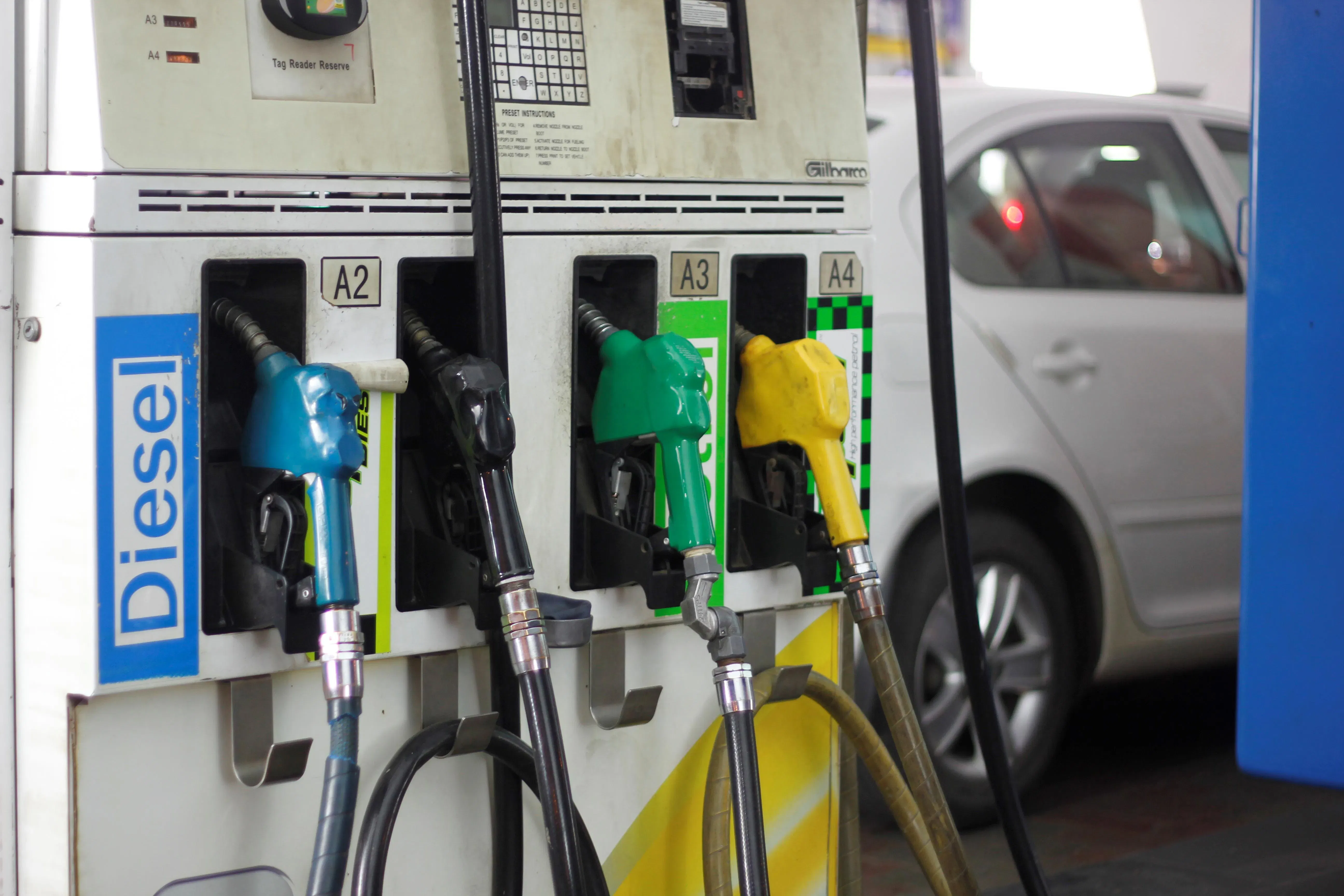
Because by policy E20 is now India’s standard petrol. Following the nationwide rollout of the Ethanol Blending Programme, oil companies have standardised regular petrol and premium 95-octane petrol to an E20 blend. Maintaining parallel supplies of E10 and E20 would require separate storage, transportation and dispensing infrastructure, making nationwide distribution significantly more complex.
As a result, motorists can no longer choose between E10 and E20 at regular fuel stations. The only exception is 100-octane petrol, such as IndianOil XP100 and HP Power100, which remains effectively ethanol-free because it is a niche fuel sold in limited volumes. For most vehicle owners, however, E20 is now the only petrol available.
11. Is the government planning to increase ethanol blending beyond E20?
Not yet, but the groundwork has begun. While the government has said no decision has been taken to mandate petrol with more than 20 percent ethanol, it has begun preparing the regulatory framework for higher blends.
In May 2026, the Bureau of Indian Standards (BIS) notified fuel quality standards for E22, E25, E27 and E30 petrol, indicating that the government is laying the groundwork for future adoption. It has also proposed recognising E85 and E100 fuels under the Central Motor Vehicles Rules.
Separately, the government has tasked the Automotive Research Association of India (ARAI) with studying the impact of E25 petrol on existing E10- and E20-compatible vehicles, including its effect on fuel efficiency, durability, emissions and engine performance under long-term use.
However, any move beyond E20 will require extensive testing and consultation with vehicle manufacturers, fuel companies and research agencies to assess engine durability, emissions and fuel-system compatibility before it is introduced.
12. What should owners of older cars do now?
If your vehicle is not certified as E20-compatible, it does not necessarily mean it will experience immediate problems. However, owners should follow the manufacturer’s guidance, keep up with regular servicing and replace worn fuel-system components as required. It would also be prudent to increase the frequency of inspection of your vehicles fuel system to ensure there is no corrosive damage and catch it before it gets acute.
If you own a classic car, an older imported vehicle or a high-performance model designed for lower ethanol blends, using ethanol-free 100-octane petrol may be worth considering.
13. Can I convert my vehicle to run on E20 fuel?
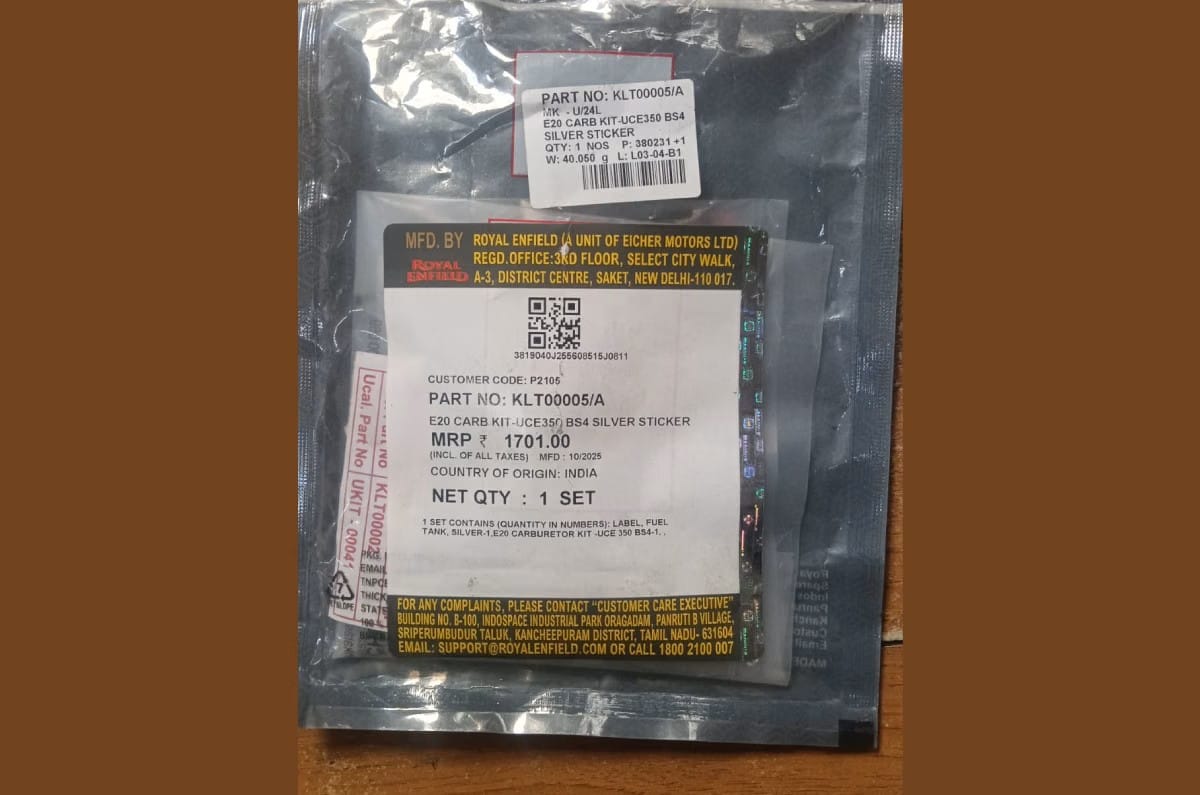
Yes, but official upgrade programmes are currently limited and while a few manufacturers, like Royal Enfield and Maruti Suzuki, had mentioned a plan for these earlier, they don’t have much to say for now. In a recent government press conference that aimed to quell the E20 backlash, Maruti stated that the kits are for R&D purpose only.
Theoretically, it’s possible to replace critical components susceptible to E20 damage with those designed to handle the fuel – especially if your vehicle is still in production – and if you feel the need to, you can go ahead and have parts like fuel lines, fuel pump and gaskets replaced but by your authorised workshops only.
So, should you be worried about E20 petrol?
Not worried, but alert. Modern petrol cars and bikes designed or updated for E20 are engineered to run on the fuel without major issues, and extensive testing by the government, research agencies and manufacturers found no evidence of widespread reliability concerns.That said, E20 is not without trade-offs. Most motorists should expect a small reduction in fuel efficiency.
For owners of older vehicles, it would be wise to pay closer attention to fuel-system maintenance.
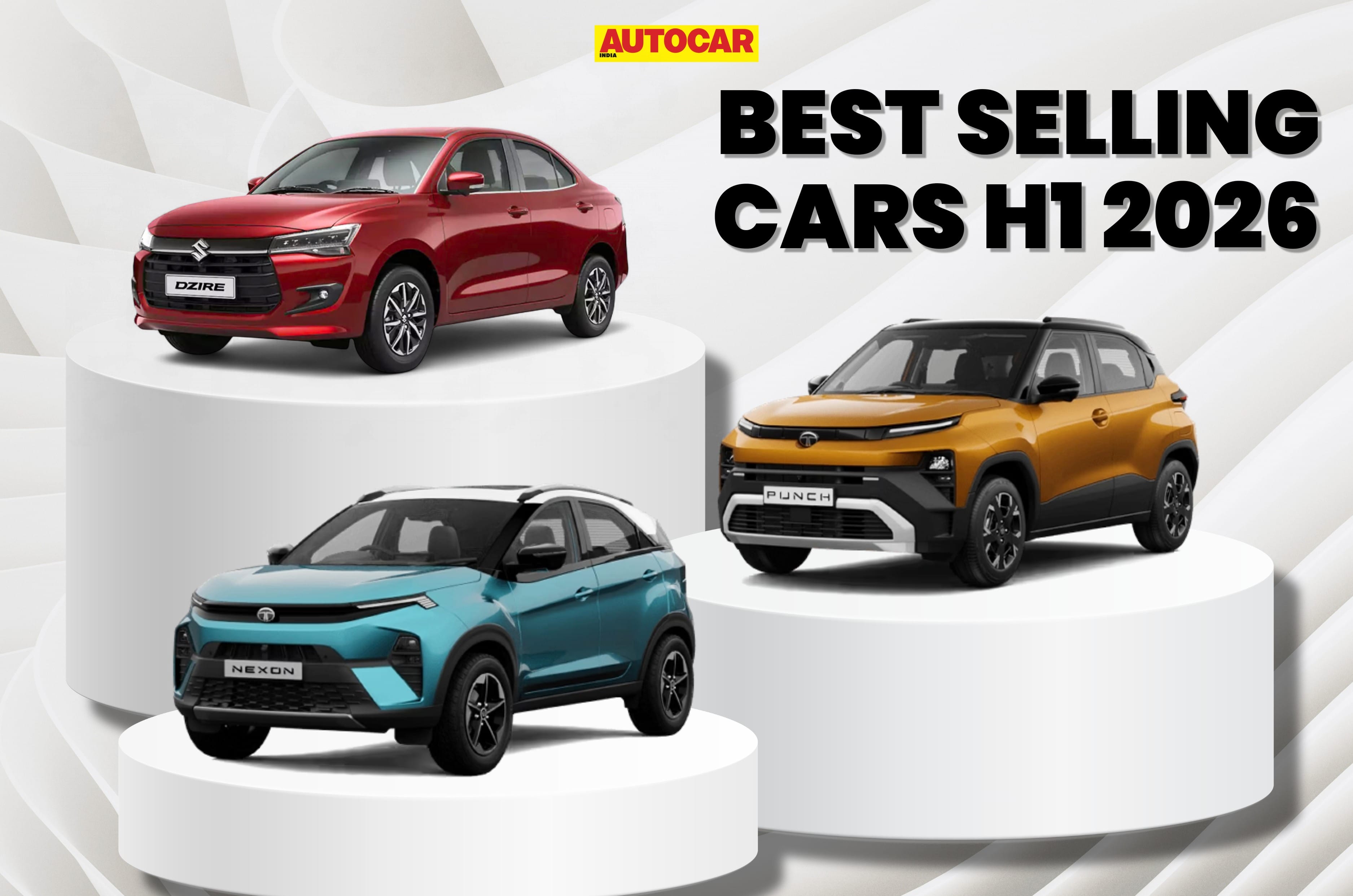
The Maruti Suzuki Dzire was India’s best-selling car in the first half of 2026, with 1,26,204 dispatches between January and June. Tata occupied the next two positions with the Punch and Nexon, while the Ertiga and WagonR completed the top five. Maruti Suzuki accounted for nine of the 15 highest-selling models, spanning sedans, hatchbacks, SUVs, MPVs and vans. Hyundai, Tata and Mahindra accounted for two each.
Rank
Model
H1 2026 sales
1
Maruti Dzire
1,26,204
2
Tata Punch
1,19,303
3
Tata Nexon
1,18,166
4
Maruti Ertiga
1,08,295
5
Maruti WagonR
1,00,704
6
Maruti Swift
97,747
7
Maruti Baleno
96,996
8
Maruti Fronx
95,441
9
Hyundai Creta
91,391
10
Mahindra Scorpio
89,375
11
Maruti Brezza
88,967
12
Maruti Victoris
73,912
13
Maruti Eeco
71,424
14
Hyundai Venue
68,964
15
Mahindra Thar
67,252
H1 2026 sales: Key takeaways
Beyond the Dzire’s lead, Maruti models occupied six consecutive positions from fourth to eighth, led by the Ertiga and WagonR. Both crossed the 1 lakh-unit mark in H1 2026, despite the two nameplates having been on sale in India for several years.
The Swift, Baleno and Fronx followed in sixth, seventh and eighth positions. The Brezza finished 11th with 88,967 units, despite a facelift being due this month. The newer Victoris ranked 12th with 73,912 units, while the Eeco’s 71,424-unit tally put the van in 13th place despite its niche positioning.
Dzire, Punch and Nexon separated by just over 8,000 units
Only 8,038 units separated the Dzire from the third-placed Nexon. The Punch finished 6,901 units behind the Dzire, while just 1,137 units separated Tata’s two models. The three models have also been regulars at the top of the monthly sales charts, and their H1 totals underline the close contest at the top of India’s passenger vehicle market.
Creta remains the best-selling midsize SUV
The Hyundai Creta recorded 91,391 dispatches to finish ninth overall and remained India’s best-selling midsize SUV despite increasing competition in the segment. Hyundai’s other model in the top 15 was the Venue, which ranked 14th with 68,964 units.
Scorpio, Thar make the top 15
Mahindra’s Scorpio finished 10th with 89,375 units, while the Thar ranked 15th with 67,252 units. The Scorpio’s numbers includes the Scorpio N and Scorpio Classic, while the Thar figure combines the three-door model and the Thar Roxx.
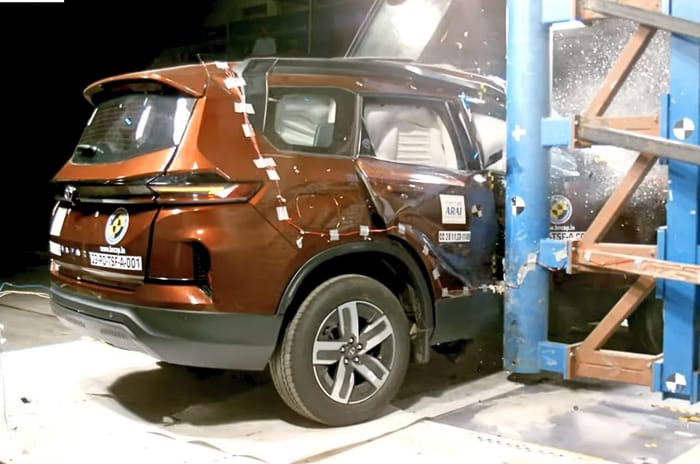
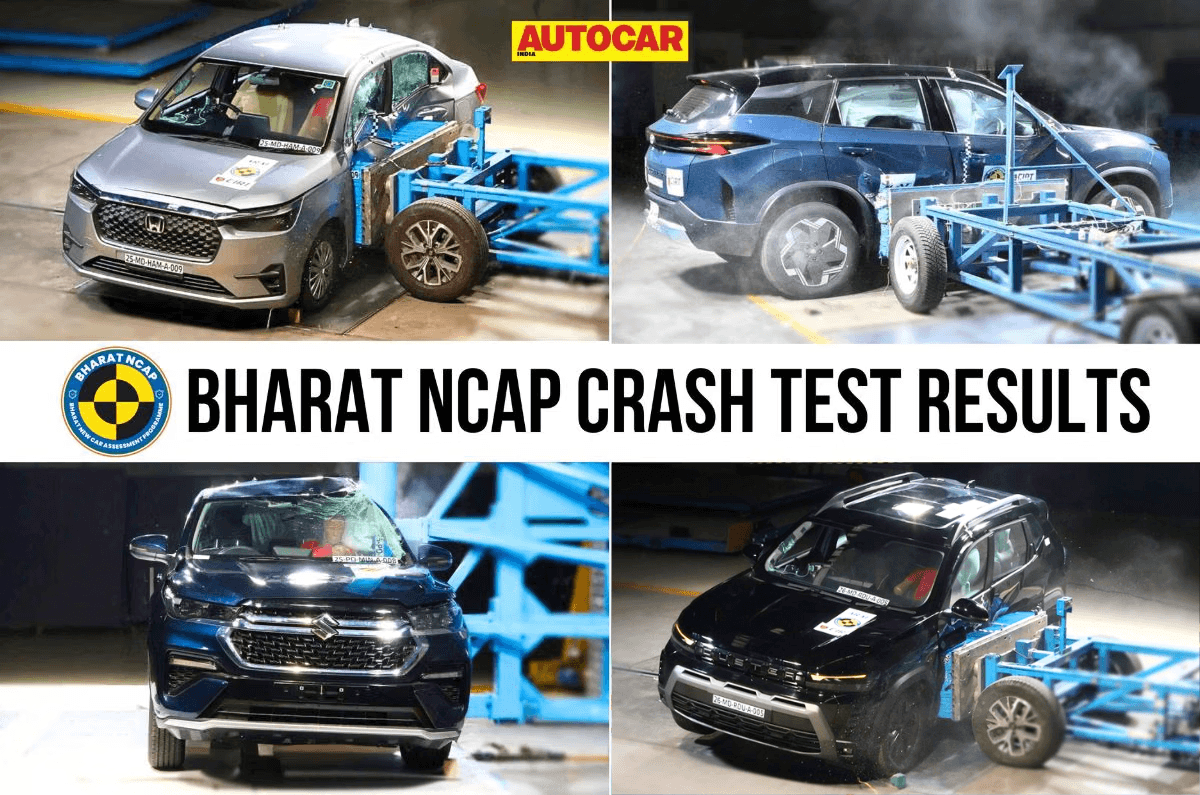
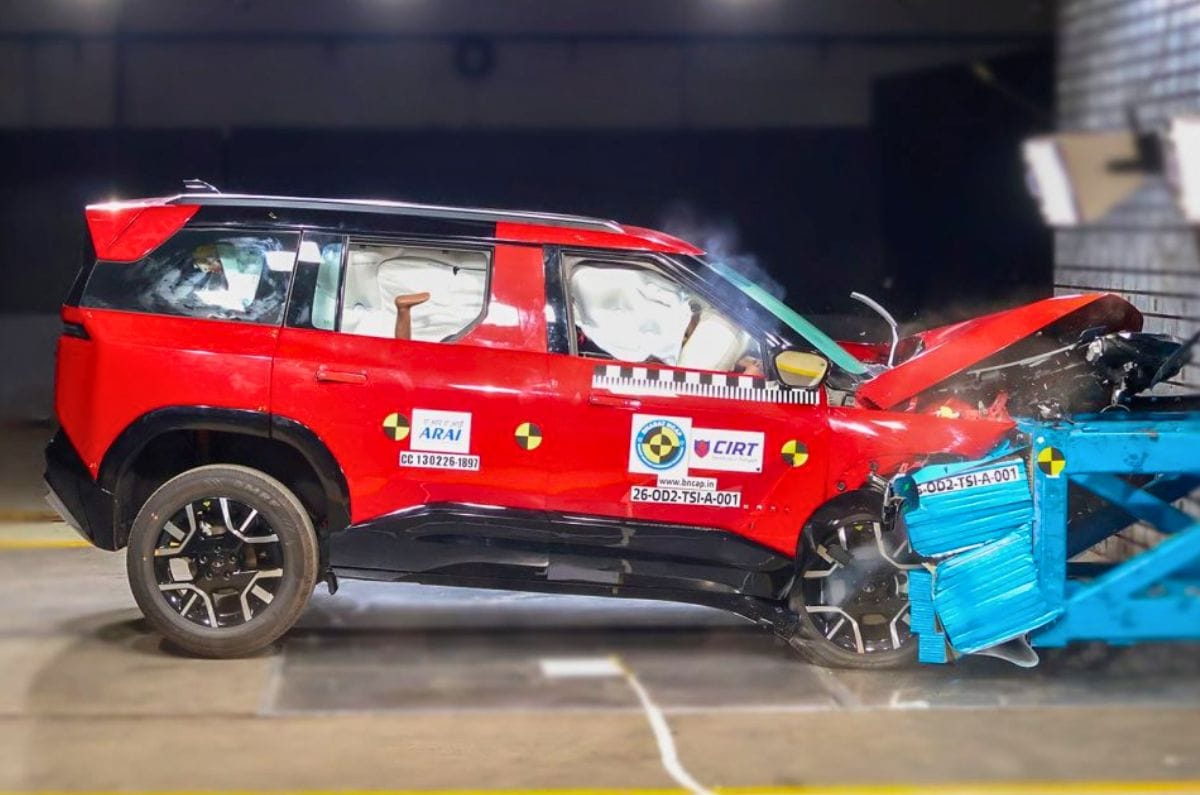
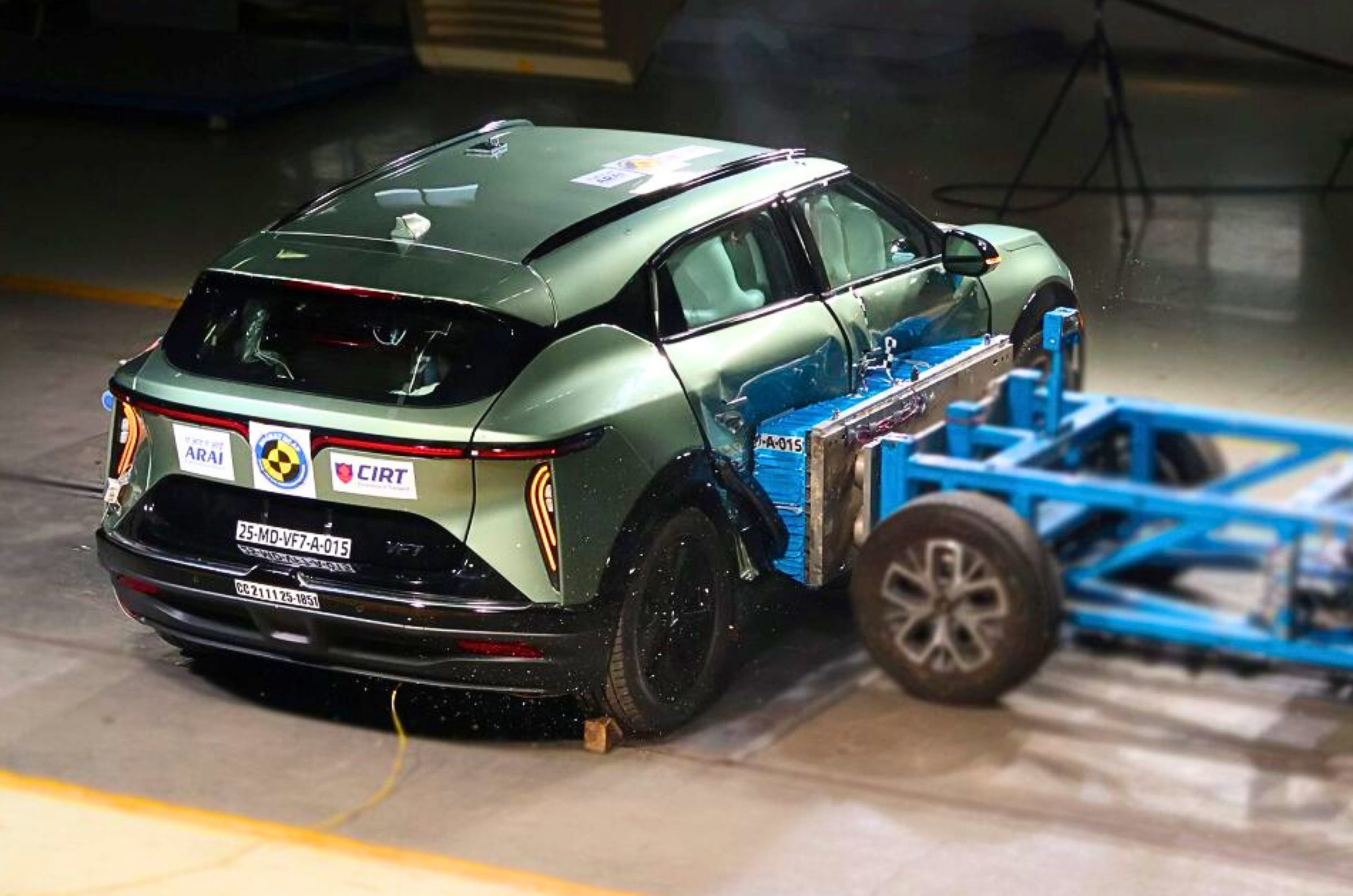
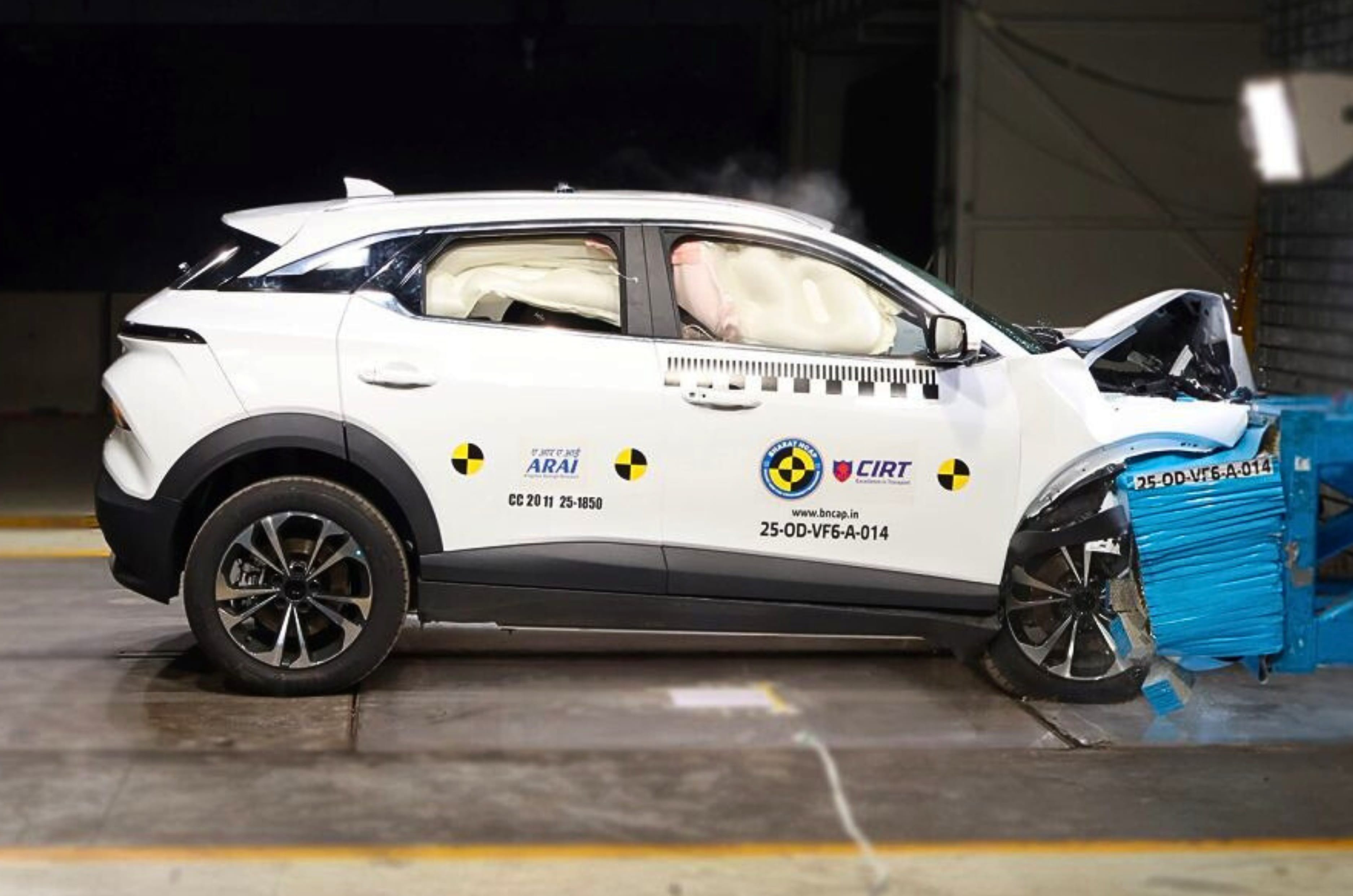
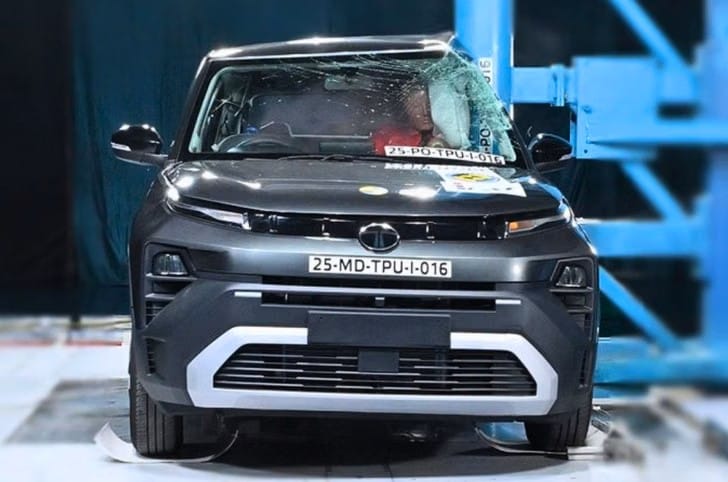
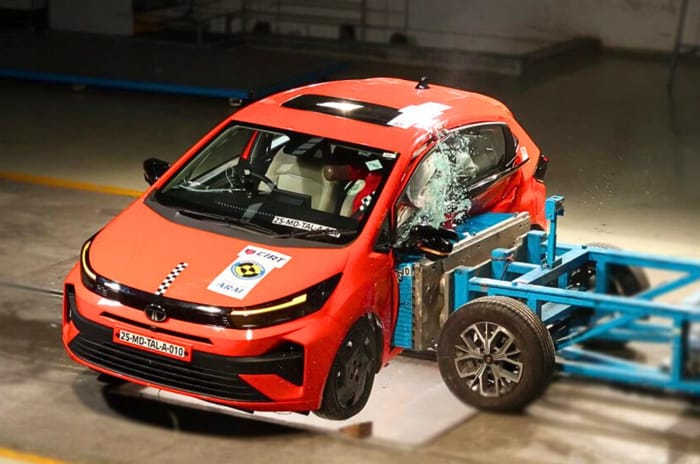
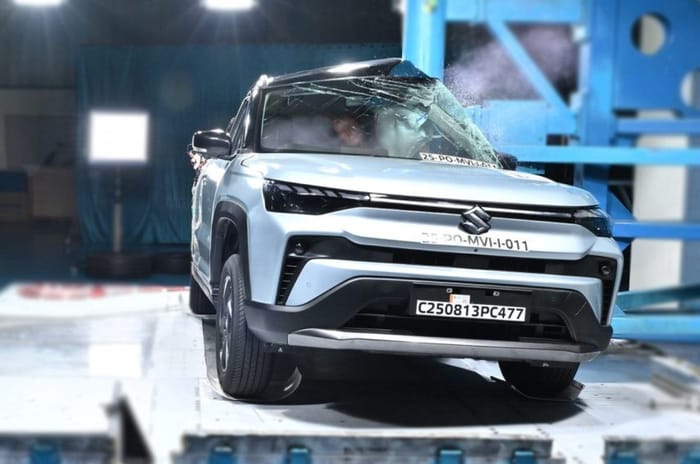
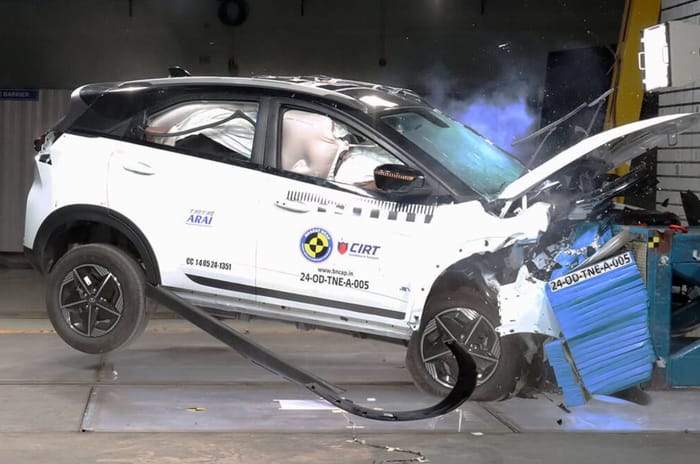
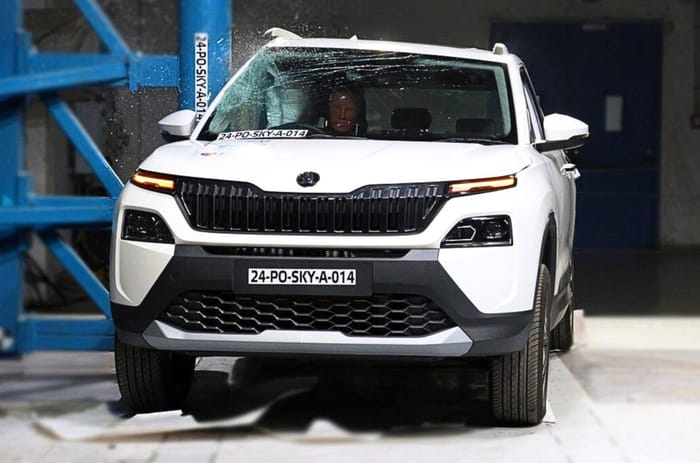
Introduced by the central government in 2023, the Bharat New Car Assessment Program (BNCAP) is responsible for conducting crash tests and awarding scores to cars sold in the country. The government hopes this will help buyers make more informed purchase decisions. Since its inception, Bharat NCAP has tested 31 vehicles, primarily SUVs. Below are the results detailing the crash safety performance of the models that are currently on sale.
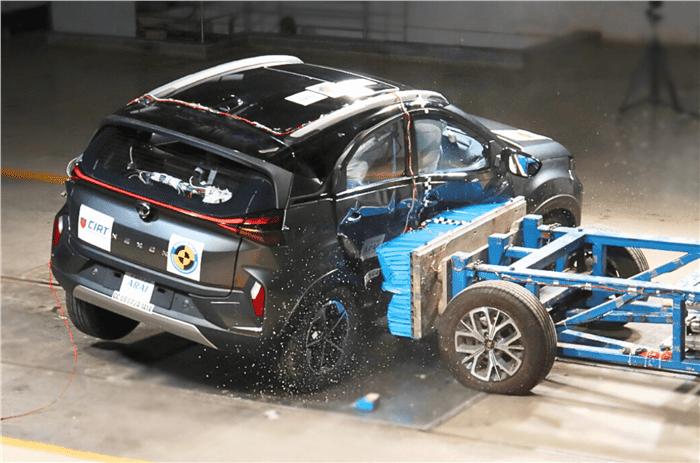
1. Nissan Tekton
BNCAP rating: 5 stars
Crash-tested in June 2026 (representational image).
The Nissan Tekton is the latest model to be crash tested by Bharat NCAP, earning a full 5-star safety rating. The SUV scored 30.49 out of 32 points for adult occupant protection (AOP) and 45 out of 49 points for child occupant protection (COP). This 5-star rating applies to all variants of the Tekton. Standard safety features include six airbags, electronic stability control, hill start assist, a tyre pressure monitoring system, and three-point seatbelts for all occupants.
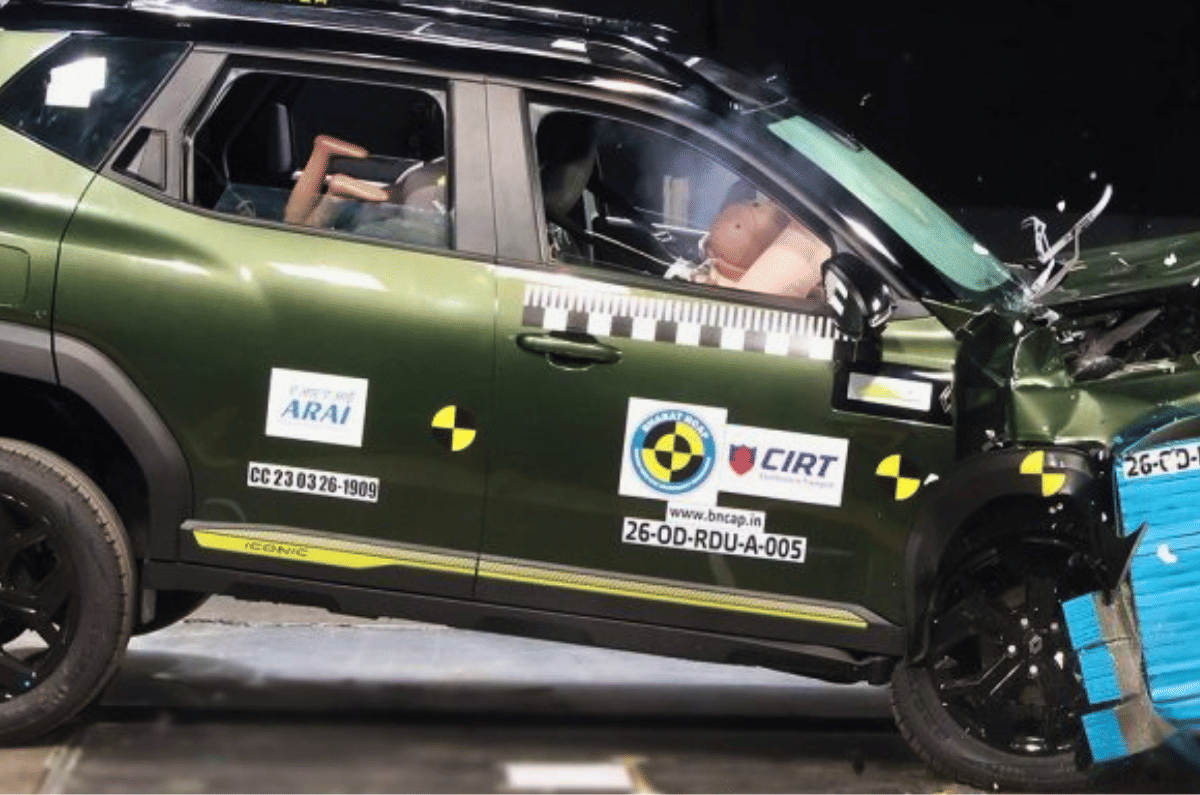
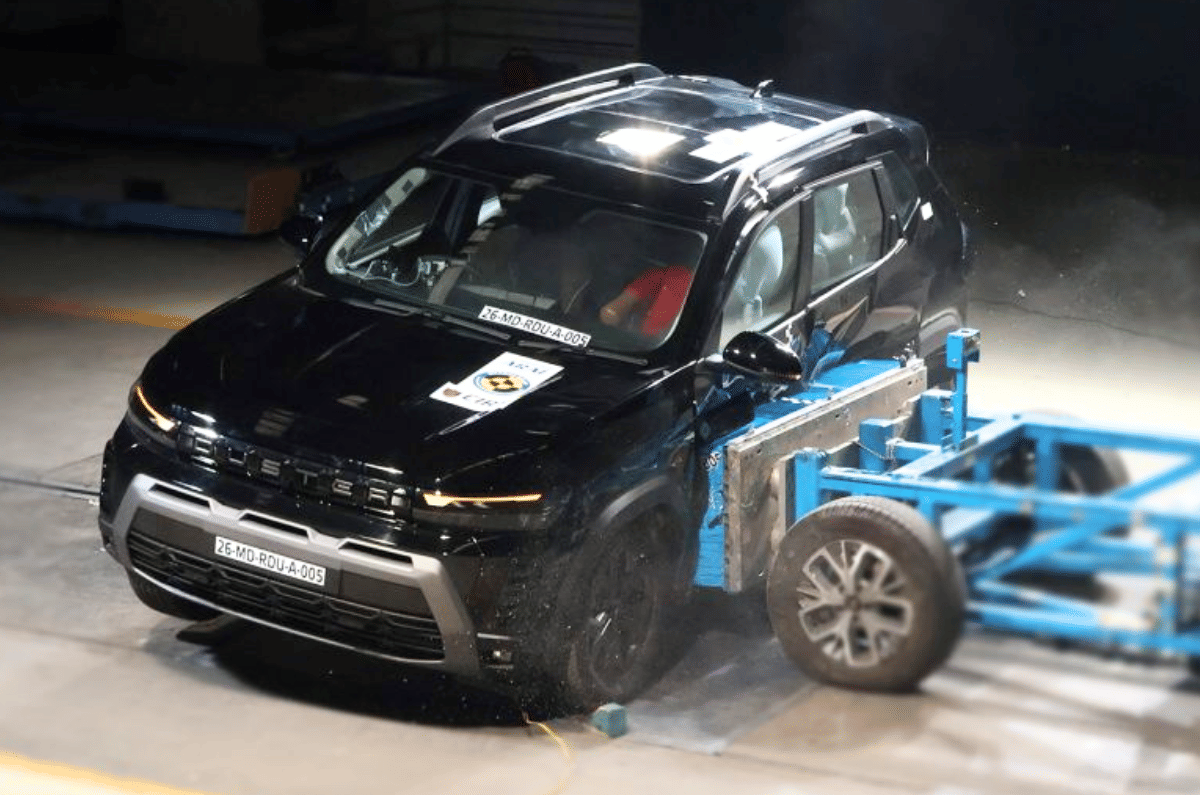
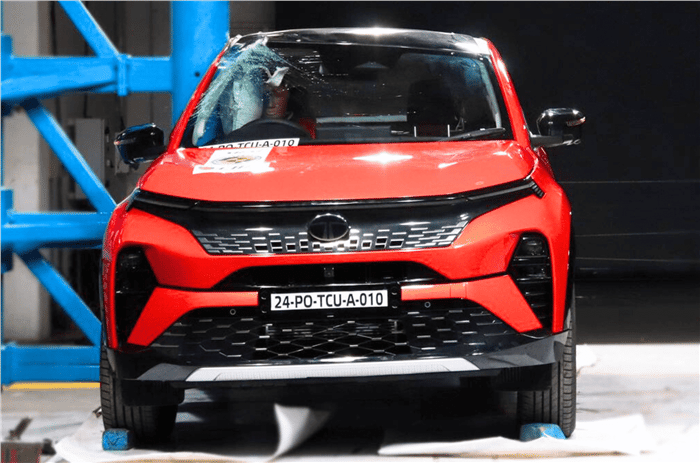
2. Renault Duster
BNCAP rating: 5 stars
Crash-tested in April 2026.
The Renault Duster was crash tested before its badge-engineered sibling, the Tekton, and both SUVs received identical BNCAP scores. All Duster variants feature 6 airbags, along with ABS, ESP, traction control and a tyre-pressure monitoring system.
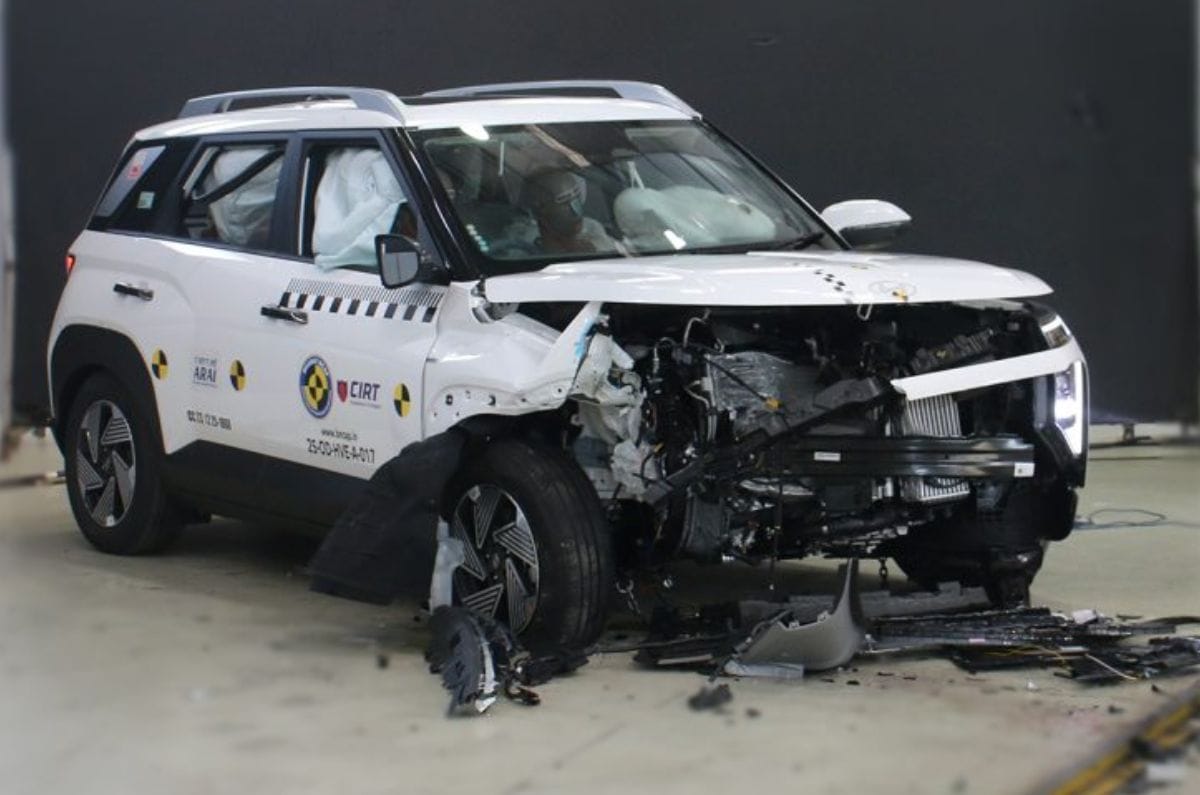
3. Hyundai Venue
BNCAP rating: 5 stars
Crash-tested in March 2026.
The Hyundai Venue has received a 5-star safety rating from Bharat NCAP, which tested its HX2 diesel-manual and HX10 diesel-automatic variants, but the ratings apply to the entire line-up, including the N Line version. The Venue scored 31.15 out of 32 points in AOP and 44.46 out of 49 in COP. The Hyundai Venue is equipped with 6 airbags, hill-start assist, a tyre-pressure monitoring system (TPMS), 3-point seatbelts with reminders for all seats, rear parking sensors and ISOFIX child-seat anchorages as standard.
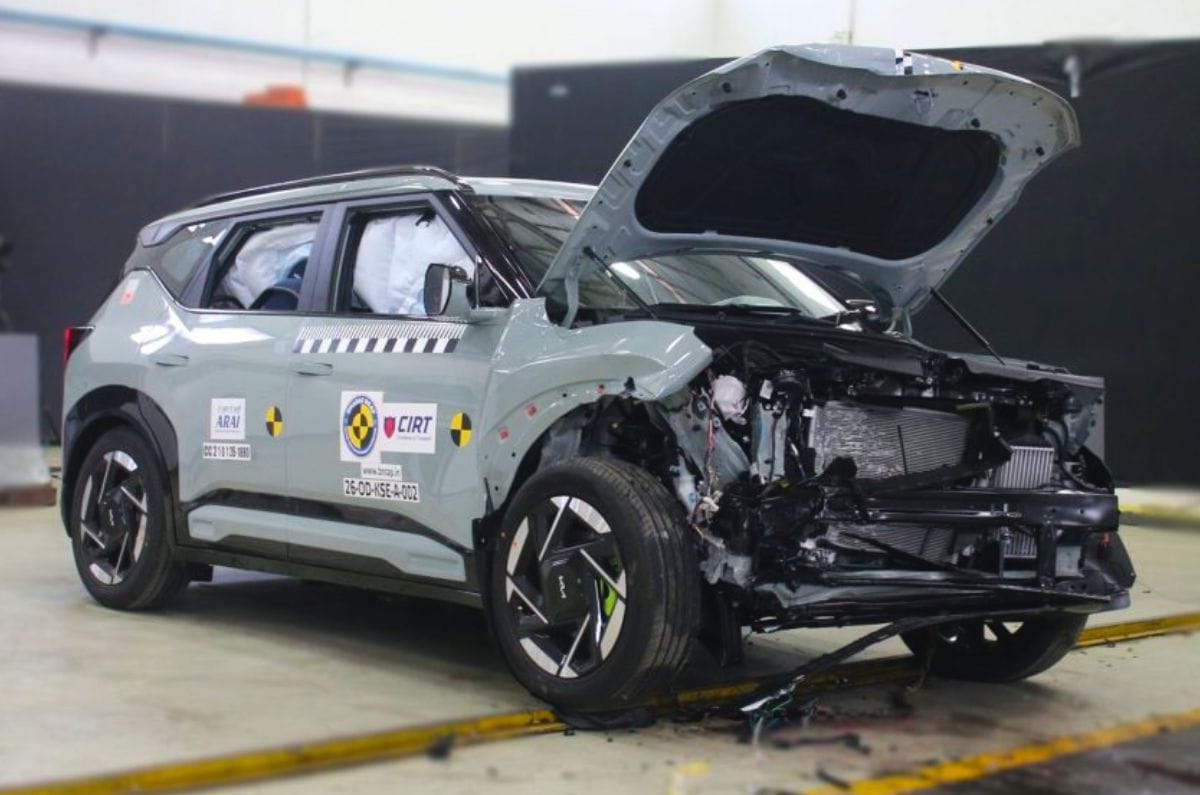
4. Kia Seltos
BNCAP rating: 5 stars
Crash-tested in March 2026.
The Kia Seltos is the second car from the brand after the Syros to receive a 5-star safety rating in the Bharat NCAP crash tests. It scored 31.70 points in AOP and 45 in COP. Only the diesel-powered HTE(O) and GTX variants were tested, but the results apply to all variants of the Seltos. The standard safety kit on the Kia Seltos includes 6 airbags, TPMS, a rear parking camera with sensors, disc brakes on all wheels, hill-start and hill-descent control and ISOFIX child-seat anchorages.
5. Tata Sierra
BNCAP rating: 5 stars
Crash-tested in March 2026.
The Sierra is one of the latest Tata model on this list to receive a 5-star safety rating in both AOP and COP, securing 31.14 and 44.43 points, respectively. While BNCAP tested only the midsize SUV’s Adventure+ and Accomplished+ diesel variants, the ratings apply to its entire line-up. As standard, the Sierra gets 6 airbags, rear parking sensors, all-wheel disc brakes, ABS, EBD, ESC, traction control and more.
6. Vinfast VF7
BNCAP rating: 5 stars
Crash-tested in January 2026.
The Vinfast VF7, too, has secured a 5-star safety rating in both adult and child occupant protection, with 28.54 and 45.25 points, respectively. Though Bharat NCAP tested only the VF7 Wind and Sky variants, the rating applies to the entire range. The VF7 offers 7 airbags, ISOFIX anchors, ESC, and more as standard.
7. Vinfast VF6
BNCAP rating: 5 stars
Crash-tested in January 2026.
Also receiving a 5-star rating in both adult and child occupant protection, the Vinfast VF6 scored 27.13/32 in AOP and 44.41/49 in COP. Bharat NCAP tested all trims of the VF6 – Earth, Wind and Sky. As standard, the VF6 comes equipped with 7 airbags, including a driver knee airbag, and 3-point seat belts with reminders for all passengers, ESC and ISOFIX anchors for rear outboard seats.
8. Tata Punch
BNCAP rating: 5 stars
Crash-tested in January 2026.
The Tata Punch, with 30.58 points in AOP and 45 points in COP, received a 5-star safety rating in both. The variants tested by Bharat NCAP were the Punch Pure+ CNG AMT and Accomplish CNG MT, but the rating applies to the entire line-up. The Punch’s safety suite features 6 airbags as standard, ESP, rear parking sensors, a tyre-pressure monitoring system, hill-hold and hill-descent control, ISOFIX child-seat anchorages, auto headlamps and rain-sensing wipers.
9. Maruti Suzuki e Vitara
BNCAP rating: 5 stars
Crash-tested in December 2025.
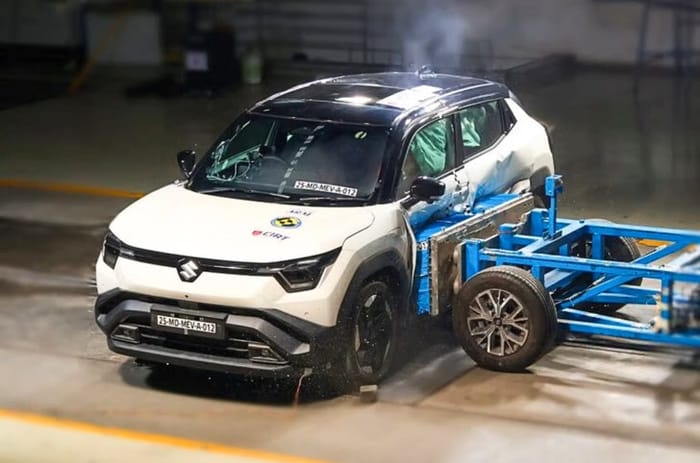
The Maruti Suzuki e Vitara has been awarded a 5-star rating in both AOP and COP, scoring 31.49/32 and 43/49, respectively. Bharat NCAP tested the top-spec Alpha variant with a 61kWh battery pack, and the rating applies to the entire range. Safety features of the e Vitara include 7 airbags, a tyre-pressure monitoring system (TPMS), a Level 2 ADAS suite with lane-keep assist, adaptive cruise control and AEB, rear disc brakes, ISOFIX mounts and a 360-degree camera.
10. Honda Amaze
BNCAP rating: 5 stars
Crash-tested in November 2025.
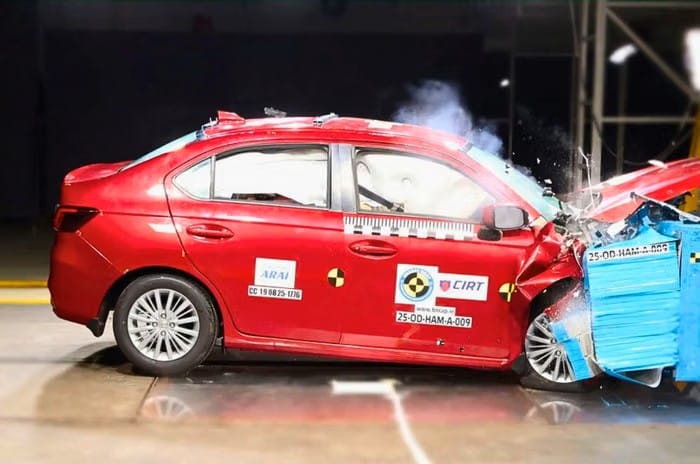
The third-gen Honda Amaze has been awarded a 5-star safety rating by Bharat NCAP, becoming the second sedan to be tested by the road safety organisation. The Amaze has secured 5 stars in AOP (28.33 out of 32 points) and 4 stars in COP (40.81/49 points). In terms of safety kit, all six variants are equipped with 6 airbags, ISOFIX child-seat anchors, ESC, ABS, rear parking sensors and seat belt reminders as standard.
11. Citroen Aircross
BNCAP rating: 5 stars
Crash-tested in September 2025.
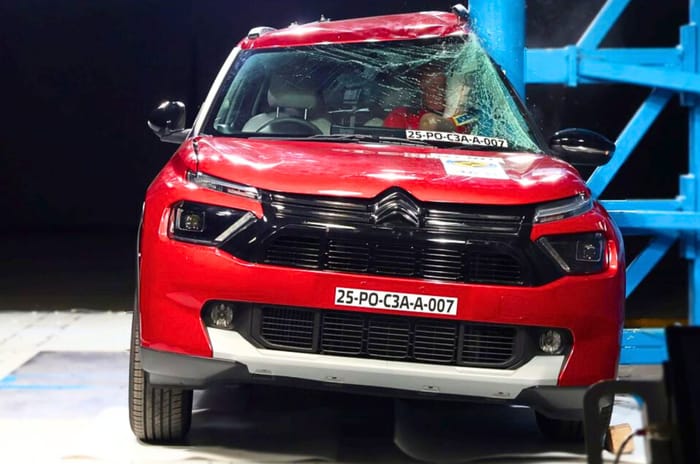
The Citroen Aircross, sold in 5- and 7-seat configurations, was awarded 5 stars in AOP and 4 stars in COP. Notably, the AOP and COP crash-safety test ratings are valid for the Aircross 5-seat version’s 1.2-litre petrol and turbo-petrol variants. The Aircross received an AOP score of 27.05/32 and a COP score of 40/49. As standard, the Aircross comes with safety features like 6 airbags, ISOFIX child-seat mounts, electronic stability control, TPMS and hill-hold assist.
12. Maruti Suzuki Invicto
BNCAP rating: 5 stars
Crash-tested in September 2025.
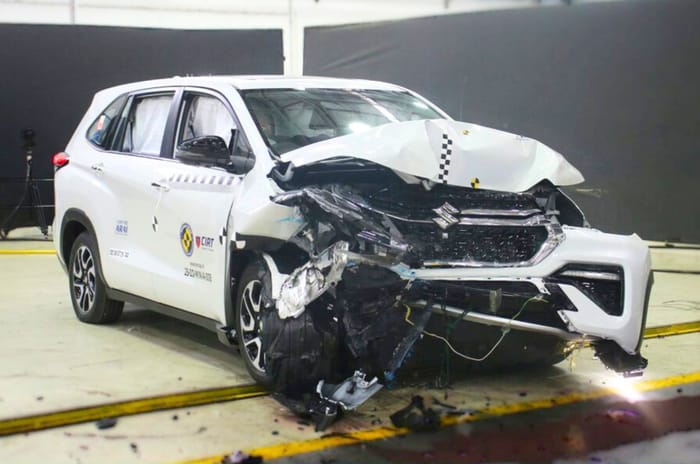
Like most cars on this list, the Maruti Invicto MPV scored a 5-star rating for both adult and child occupant protection. Maruti’s flagship MPV was awarded 30.43 out of 32 in AOP and 44.90 out of 49 in COP. These safety ratings are applicable to all variants, which have 6 airbags, ABS with EBD, rear disc brakes, and 3-point seatbelts for all passengers as standard. The top-spec Invicto Alpha+ variant adds a 360-degree camera, TPMS, rear defogger and an anti-theft security system.
13. Tata Altroz
BNCAP rating: 5 stars
Crash-tested in September 2025.
The Tata Altroz has scored a 5-star rating for both adult and child occupant protection. The premium Tata hatchback was awarded 29.65 points out of 32 in AOP and 44.90 out of 49 in COP. These safety ratings are applicable to all variants of the Altroz. Starting from the base model, the Altroz hatchback comes equipped with 6 airbags, ABS, ESC and 3-point seat belts for all passengers. Higher Altroz variants add a 360-degree camera, a blind-spot monitor and TPMS.
14. Maruti Suzuki Victoris
BNCAP rating: 5 stars
Crash-tested in September 2025.
The Maruti Victoris got a 5-star safety rating in both adult and child occupant protection. The Maruti SUV secured 31.66 points out of 32 in AOP and 43 points out of 49 in COP. While BNCAP tested hybrid and petrol-AT variants of Victoris, the safety rating is applicable to the entire line-up. As standard, the Victoris comes equipped with 6 airbags, 3-point seat belts with reminders for all passengers, ESC and ISOFIX anchors for rear outboard seats. Top-spec trims even get a Level 2 ADAS suite.
15. Toyota Innova Hycross
BNCAP rating: 5 stars
Crash-tested in June 2025.
The Toyota Innova Hycross has a 5-star safety rating for both adult and child occupant protection, with 30.47/32 and 45/49 points, respectively. Bharat NCAP tested both petrol and hybrid variants, and the rating applies to the entire Innova Hycross range. As standard, the Innova Hycross comes equipped with 6 airbags, 3-point seat belts with reminders for all passengers, ESC and ISOFIX anchors; top-spec trim also gets an ADAS suite.
16. Tata Harrier EV
BNCAP rating: 5 stars
Crash-tested in June 2025.
The Tata Harrier EV has been rated 5 stars in both adult and child occupant protection, scoring a full 32 points in AOP and 45 out of 49 points in COP. It is only the second vehicle tested by BNCAP to secure maximum points in AOP, the other being the Mahindra XEV 9e. The Harrier EV comes with 6 airbags (7 on Fearless and Empowered), 3-point seat belts with reminders for all passengers, ESC and ISOFIX anchors as standard. Notably, it has slightly better AOP and COP scores than the combustion-powered Harrier, which also has a 5-star BNCAP rating.
17. Maruti Suzuki Dzire
BNCAP rating: 5 stars
Crash-tested in June 2025.
As the first sedan to be tested by Bharat NCAP, the Maruti Suzuki Dzire took home an impressive 5-star safety rating. The compact sedan scored 29.46 out of 32 points for AOP and 41.57 out of 49 points for COP. BNCAP tested the Dzire’s base LXI trim, which comes with standard safety equipment like 6 airbags, ESC, reverse parking sensors, hill-hold assist, and overspeed alerts, among other features, thereby extending the 5-star rating to all variants.
18. Maruti Suzuki Baleno
BNCAP rating: 4 stars
Crash-tested in June 2025.
Maruti Baleno scored four stars in BNCAP’s crash tests; this rating applies to the respective MT and AMT models of Zeta and Alpha variants. Out of 32 points, the AOP score for the Zeta and Alpha variants scored 26.52 points. The COP score was 34.81 for all variants. Standard safety features for the Baleno include 6 airbags, ABS with EBD, brake assist, ESC, hill-hold assist and 3-point seat belts with reminders for all passengers.
19. Tata Nexon EV
BNCAP rating: 5 stars
Crash-tested in April 2025.
The 30kWh and now-discontinued 40.5kWh variants of the Tata Nexon EV achieved a 5-star Bharat NCAP rating for both adult and child protection in May 2024, scoring 29.86/32 and 44.95/49 points, respectively. In April 2025, BNCAP also tested the current range-topping 45kWh variants of the Nexon EV, which received identical AOP and COP scores and, therefore, a 5-star rating. The standard safety features for the Nexon EV include ABS with EBD, 6 airbags, ESP, hill-hold control, ISOFIX child-seat anchor points, rear parking sensors, a rear camera and TPMS.
20. Kia Syros
BNCAP rating: 5 stars
Crash-tested in April 2025.
The Kia Syros compact SUV, with 30.21 out of 32 points in AOP and 44.42 out of 49 points in COP, secured 5-star ratings in both parameters. These ratings are applicable to the entire Syros petrol range. It should be noted that the Syros is Kia’s first SUV to get a 5-star safety rating in a crash test done by BNCAP or GNCAP. Although it uses the K1 platform as the Hyundai Grand i10 (which got 2 stars in the 2020 GNCAP), Kia achieved the top rating by using a reinforced K1 base and adding many hot-stamped parts to the body shell. The Syros offers ABS with EBD, TPMS and 6 airbags (with a passenger-side airbag cut-off switch) as standard safety features.
21. Skoda Kylaq
BNCAP rating: 5 stars
Crash-tested in January 2025.
The Skoda Kylaq compact SUV also got a 5-star rating in both adult and child occupant protection in the BNCAP crash test. Skoda’s compact SUV scored 30.88 out of 32 in AOP and 45 out of 49 in COP. ESC, 6 airbags, 3-point seat belts with reminders for all passengers and ISOFIX anchors for rear outboard seats are some safety features available across its variants.
22. Mahindra XEV 9e
BNCAP rating: 5 stars
Crash-tested in January 2025.
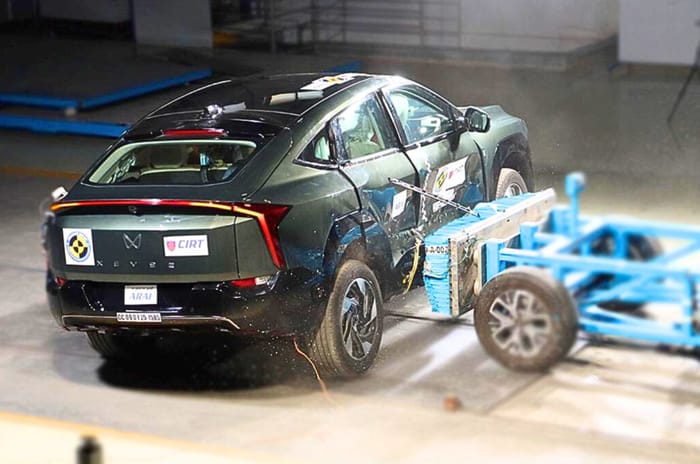
The Mahindra XEV 9e coupe-SUV was awarded a 5-star rating. The electric SUV scored a full 32 points in AOP and 45 out of 49 points in COP. The model tested by BNCAP was the top-spec XEV 9e Pack Three. Safety features like 6 airbags, ISOFIX anchors, rear disc brakes and tyre-pressure monitors are offered starting with the XEV 9e Pack One.
23. Mahindra BE 6
BNCAP rating: 5 stars
Crash-tested in January 2025.
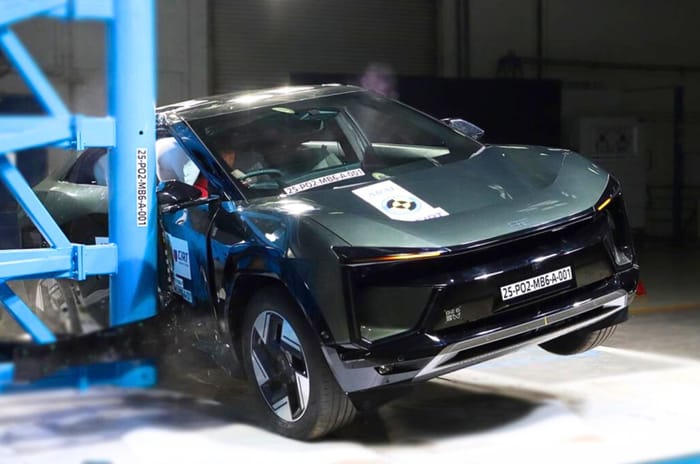
Another electric offering from the SUV specialist, the Mahindra BE 6, also scored a 5-star rating in both AOP and COP. In AOP, the EV received 31.97 points out of 32, and in COP, it got 45 points out of 49. Just like the XEV 9e, the BNCAP crash-tested the range-topping BE 6 Pack Three trim, but Mahindra claims that this rating applies to the base Pack One as well. In terms of standard safety equipment, the BE 6 comes with 6 airbags, a rear camera, parking sensors, TPMS and a driver drowsiness detection system.
24. Mahindra Thar Roxx
BNCAP rating: 5 stars
Crash-tested in November 2024.
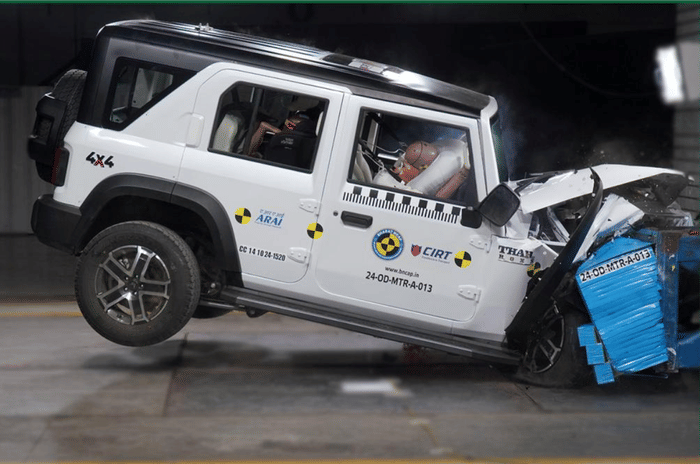
The 5-star rating for the Mahindra Thar Roxx consisted of AOP and COP scores of 31.09 and 45, respectively. This safety rating applies to all the variants of the 5-door SUV. The Thar Roxx complies with AIS-100 pedestrian protection norms for keeping the occupants as well as pedestrians safe when on the go. As standard, it features 6 airbags and a cut-off switch for the passenger-side airbag. Additionally, ISOFIX child-seat anchor points, all 3-point seatbelts with reminders and ESC are offered throughout the range. Like with the XUV 3XO, an ADAS suite is offered in the AX5L and AX7L variants.
25. Mahindra XUV 3XO
BNCAP rating: 5 stars
Crash-tested in November 2024.
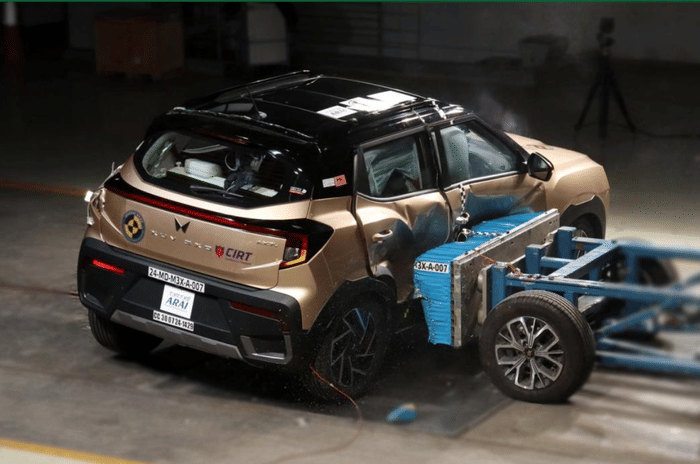
Next up, the Mahindra XUV 3XO continued the 5-star streak with scores of 29.36 in AOP and 43 in COP. BNCAP reported that the MX2 and AX7 L variants were sent by the homegrown brand for testing, but the results apply to the entire XUV 3XO line-up. Also, all trims of the subcompact SUV have 6 airbags, 3-point seatbelts with reminders, ESC, ISOFIX seats and a passenger-side airbag cut-off switch among the standard safety assist technologies. Level 2 ADAS suite, however, is reserved for the AX5 L and AX7 variants.
26. Tata Nexon
BNCAP rating: 5 stars
Crash-tested in October 2024.
The Tata Nexon secured a perfect 5-star rating for AOP and COP, scoring 29.41 and 43.83 points, respectively. Standard safety features include 6 airbags, ESC, ABS with EBD, ISOFIX child-seat anchor points, rear parking sensors and hill-hold control.
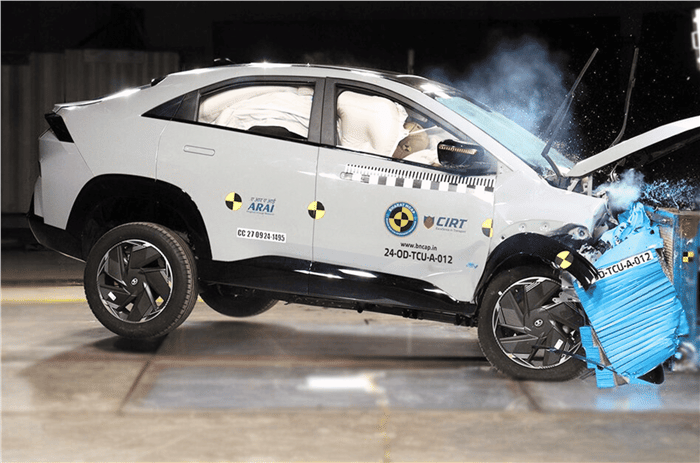
27. Tata Curvv
BNCAP rating: 5 stars
Crash-tested in October 2024.
The Tata Curvv’s crash-test result was revealed alongside the Nexon, and just like the compact SUV, the coupe-SUV scored 5 stars for both adult and child occupant protection. It secured 29.50 points for AOP and 43.66 points for COP. On the safety front, the Curvv gets ABS with EBD, ESC, 6 airbags, hill-hold control and ISOFIX child-seat anchor points as standard across the range.
28. Tata Curvv EV
BNCAP rating: 5 stars
Crash-tested in October 2024.
The Tata Curvv EV secured 5 stars for AOP and COP, scoring 30.81 and 44.83 points, respectively. It gets 6 airbags, ESP, all-wheel disc brakes, a rear camera and rear parking sensors as standard. Higher variants of the electric vehicle also get Level 2 ADAS, just like its ICE twin.
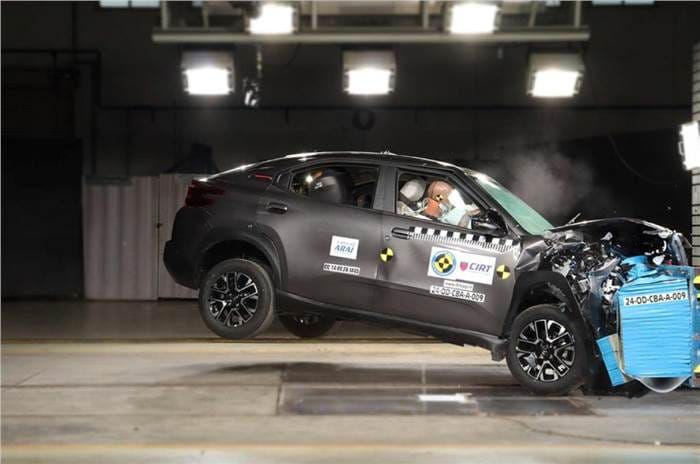
29. Citroen Basalt
BNCAP rating: 4 stars
Crash-tested in October 2024.
The Citroen Basalt was the first car from the brand to have been crash-tested by Bharat NCAP. The coupe-SUV managed to secure 4 stars for AOP (26.19/32) and 4 stars for COP (35.90/49). The Citroen offers the Basalt with 6 airbags, ESP, hill-hold, TPMS, a rearview camera, rear parking sensors and ISOFIX child-seat anchor points.
30. Tata Harrier
BNCAP rating: 5 stars
Crash-tested in December 2023 (representational image).
Tested in December 2023, the Tata Harrier SUV received a 5-star safety rating for both adult and child occupants’ safety, achieving an AOP score of 30.08 and a COP score of 44.54. Tata offers the Harrier with ABS and EBD, corner stability control, 6 airbags, ESP, hill-hold control, ISOFIX child-seat anchor points, traction control and rear parking sensors as standard.
31. Tata Safari
BNCAP rating: 5 stars
Crash-tested in December 2023.
The Tata Safari was also crash-tested in December 2023, securing a 5-star safety rating, matching the Harrier with an AOP score of 30.08 and a COP score of 44.54. As standard, the Tata Safari gets all-wheel disc brakes, 6 airbags, ABS with EBD, corner stability control, ESP, hill-hold control, ISOFIX child-seat anchor points, rear parking sensors, roll-over mitigation and traction control.
Top 10 Selling Cars in June: जून,2026 में भारत के कार मार्केट में टाटा मोटर्स पैसेंजर व्हीकल्स (TMPV) सबसे ज्यादा बढ़त हासिल करने वाली कंपनी रही। इस दौरान कंपनी की Punch SUV और Nexon SUV ने देश की टॉप 10 बिकने वाली कारों की सूची में पहला और दूसरा स्थान हासिल किया। वहीं, इस मजबूत प्रदर्शन के साथ कंपनी की घरेलू बिक्री में साल-दर-साल (y-o-y) 69% की बड़ी बढ़ोतरी दर्ज की गई।
इसके अलावा, Maruti Suzuki ने भी मार्केट में पकड़ बनाए रखते हुए लिस्ट में 6 मॉडल शामिल किए। जबकि Hyundai Motor India की Creta SUV प्रोडक्शन में कुछ समय की रुकावट के कारण लिस्ट से बाहर हो गई।
बता दें कि Tata Motors ने जून में घरेलू पैसेंजर व्हीकल (PV) की 63,083 यूनिट्स (इलेक्ट्रिक व्हीकल्स या EVs सहित) बेचीं, जो पिछले साल इसी महीने में 37,237 यूनिट्स थीं। कंपनी ने कहा कि Punch और Tiago के नए वर्जन्स को ‘बहुत जबरदस्त’ रिस्पॉन्स मिला है और सभी तरह के पावरट्रेन में बुकिंग तेजी से बढ़ी है, जबकि इलेक्ट्रिक कारों की बिक्री इस महीने रिकॉर्ड 14,800 यूनिट्स तक पहुंच गई।
पहले Punch SUV की बात करें तो, यह जून में भारत की सबसे ज्यादा बिकने वाली पैसेंजर व्हीकल बनी, जिसकी 21,006 यूनिट्स की बिक्री हुई। दूसरे नंबर पर Nexon रही, जिसकी 18,335 यूनिट्स बिकीं। तीसरे स्थान पर Maruti Suzuki की Dzire रही, जिसने 17,899 यूनिट्स की बिक्री के साथ देश की सबसे ज्यादा बिकने वाली सेडान का दर्जा बनाए रखा।
चौथे स्थान पर 16,952 यूनिट्स के साथ ‘Wagon R’ हैचबैक रही, जबकि ‘Ertiga’ MPV ने 16,111 यूनिट्स बेचकर टॉप पांच में जगह बनाई। Maruti Suzuki की ‘Swift’ हैचबैक 15,215 यूनिट्स के साथ छठे स्थान पर रही, और उसके बाद Mahindra ‘Scorpio’ SUV 14,097 यूनिट्स के साथ सातवें स्थान पर रही।
Maruti Suzuki की ‘Fronx’ SUV 13,135 यूनिट्स की बिक्री के साथ 8वें स्थान पर रही, जो ‘Baleno’ हैचबैक (12,488 यूनिट्स) से आगे रही। इसके अलावा, Hyundai की ‘Venue’ SUV 10,776 यूनिट्स की बिक्री के साथ टॉप 10 की लिस्ट में शामिल रही।
हालांकि टाटा मोटर्स ने टॉप 2 स्थान हासिल किए, लेकिन मारुति सुजुकी इस रैंकिंग में सबसे ज्यादा प्रतिनिधित्व करने वाली कंपनी रही, जिसके 6 मॉडल-Dzire, WagonR, Ertiga, Swift, Fronx और Baleno-टॉप 10 में शामिल रहे। इन मॉडल्स की कुल बिक्री 91,780 यूनिट रही, जो जून में टॉप 10 कारों की कुल बिक्री का 57% से ज्यादा है। इससे हैचबैक, सेडान, MPV और SUV सेगमेंट में कंपनी की मजबूत मौजूदगी का पता चलता है।
बता दें कि यह परफॉर्मेंस तब देखने को मिली जब जून में मारुति सुजुकी ने अपने मैन्युफैक्चरिंग प्लांट्स में एक हफ्ते के लिए मेंटेनेंस के कारण काम बंद रखा था, जिस दौरान कोई गाड़ी नहीं बनी थी।
रैंकिंग में Hyundai Creta का नाम नहीं
जून की रैंकिंग में एक खास नाम जो गायब था, वह है Hyundai Creta; यह कार देश की सबसे ज्यादा बिकने वाली कारों में हमेशा शामिल रही है। इसके रैंकिंग में शामिल न होने के पिछे एक सप्लायर प्लांट में आग लगने की वजह रही है, जिससे प्रोडक्शन में कुछ समय के लिए रुकावट आई और होलसेल बिक्री पर असर पड़ा। इसी कारण यह SUV टॉप 10 की लिस्ट से बाहर हो गई।
एक और खास नाम जो लिस्ट में नहीं था, वह है Maruti Suzuki Brezza SUV। इस महीने के आखिर में इसके अपडेटेड वर्जन के लॉन्च से पहले इसकी सप्लाई पर असर पड़ा था।
जून की रैंकिंग से भारतीय खरीदारों के बीच SUV की लगातार लोकप्रियता का भी पता चला। टॉप 10 में पांच SUV – पंच, नेक्सॉन, स्कॉर्पियो, फ्रॉन्क्स और वेन्यू – शामिल थीं। वहीं, डिजायर ने SUV के ट्रेंड से अलग अपनी जगह बनाए रखी और भारत की सबसे ज़्यादा बिकने वाली सेडान बनी रही।
जून की रैंकिंग से यह भी साफ हुआ कि भारतीय बाजार में SUV की लोकप्रियता लगातार बनी हुई है। टॉप 10 में कुल 5 SUV-Punch, Nexon, Scorpio, Fronx और Venue-शामिल रहीं। वहीं Dzire ने SUV ट्रेंड से अलग अपनी जगह बनाए रखी और देश की सबसे ज्यादा बिकने वाली सेडान बनी रही।





.jpg?w=700&c=0)
.jpg?w=700&c=0)
.jpg?w=700&c=0)
.jpg?w=700&c=0)
.jpg?w=700&c=0)
.png?w=700&c=0)