Worried about E20 fuel? We answer all your burning questions

Ethanol

India completed the nationwide rollout of E20 petrol in April last year, making it the standard grade of petrol sold at fuel stations across the country. E20 contains 20 percent ethanol and 80 percent petrol, replacing the lower ethanol blends that were sold previously.

The transition has raised several questions among vehicle owners about compatibility, fuel efficiency, maintenance, warranties and long-term reliability. We separate the facts from the misconceptions and answer the key questions around E20.

1. What is E20 petrol and why has India switched to it?
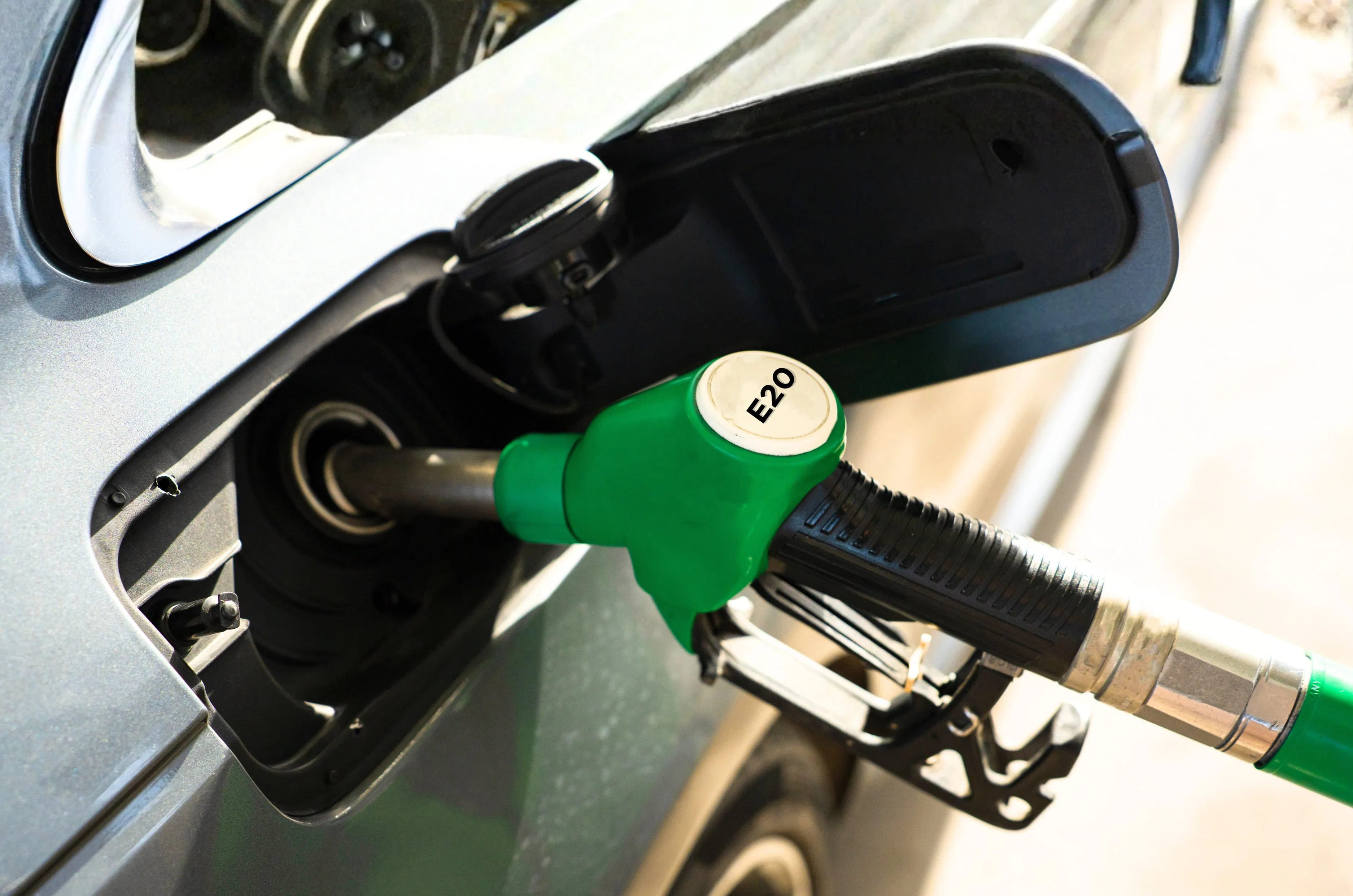
E20 is fuel blended with 20 percent ethanol and 80 percent petrol. Ethanol is a biofuel produced from agricultural feedstocks such as sugarcane, maize and surplus food grains. India introduced the Ethanol Blended Petrol (EBP) Programme in 2003 with E5 petrol, and while the blended percentage kept varying for a while, it was eventually increased to E10 before completing the nationwide rollout of E20 in 2025, five years ahead of the planned implementation. According to the government, the programme aims to reduce dependence on imported crude oil, improve energy security, lower emissions and create an additional market for agricultural produce.

2. Can I use E20 fuel in my car or bike?
New petrol cars and two-wheelers sold in India today are compatible with E20 petrol. Under the government’s roadmap, vehicle manufacturers were required to make new petrol models manufactured from April 2023 compatible with E20.

Vehicles manufactured before April 2023 were designed for lower ethanol blends, so compatibility may vary depending on the model and year of manufacturing. However, some brands state that they had E20 material compliance before 2023, for a list click here

3. How do I know if my car is E20 compatible?
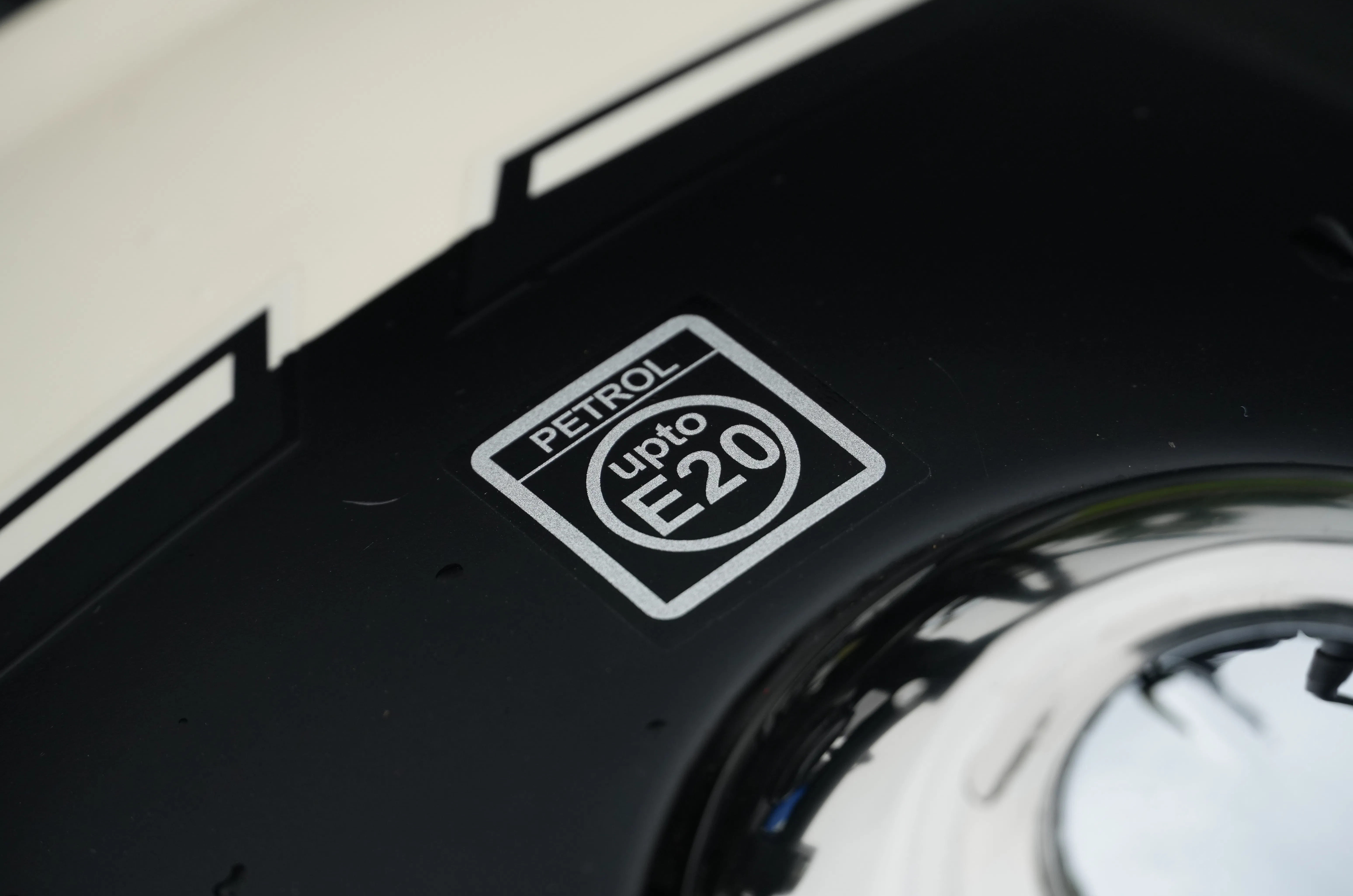
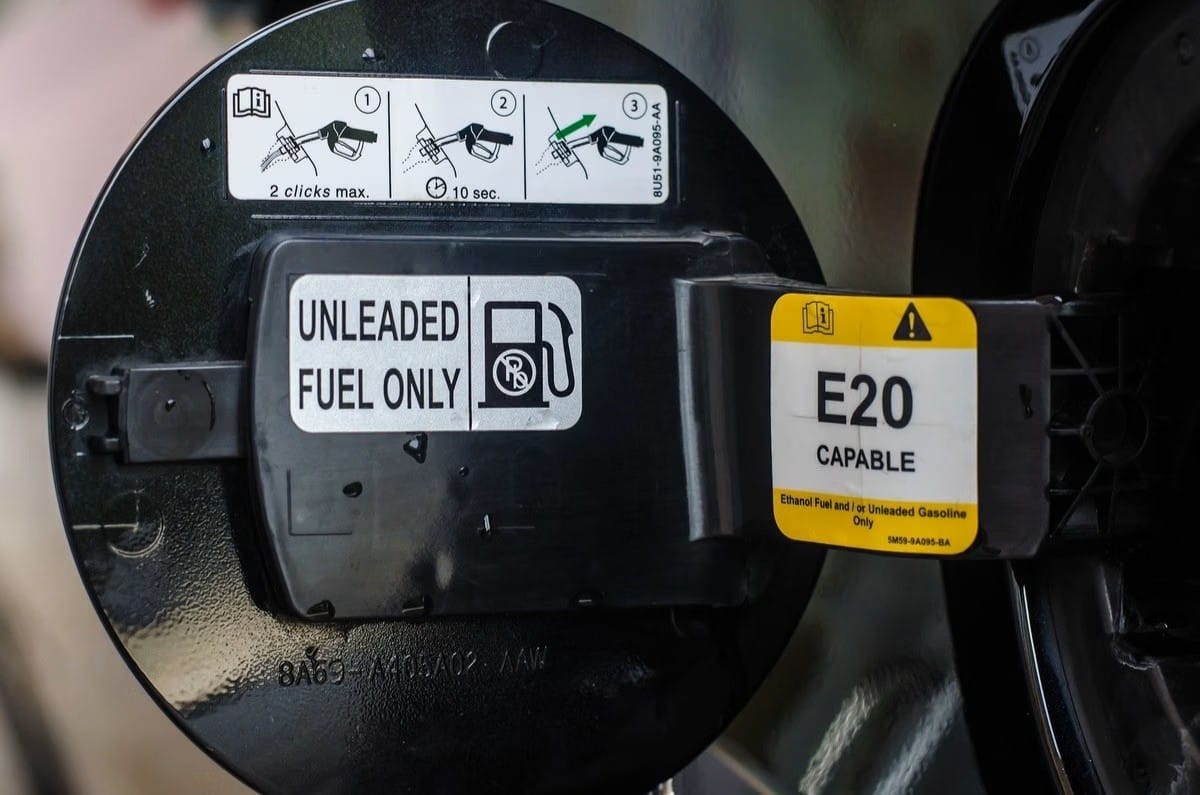
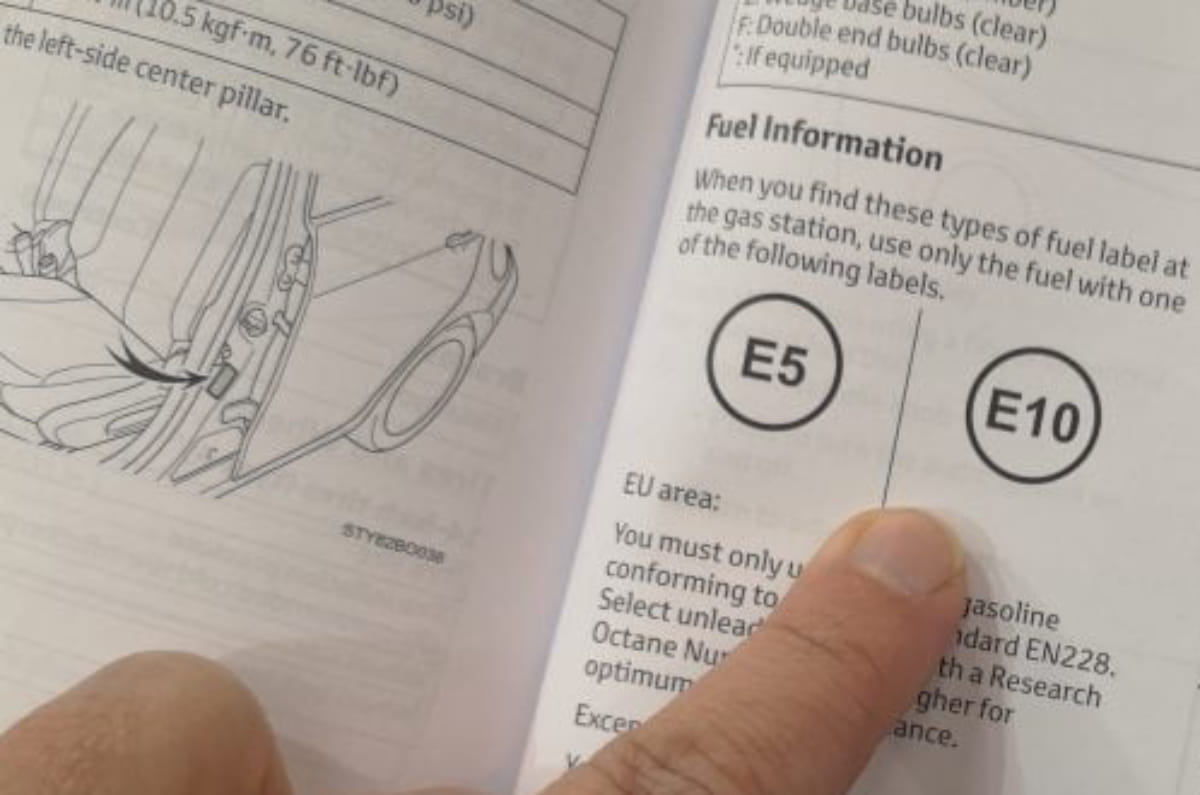
The easiest way is to check your vehicle’s fuel flap or the owner’s manual or contact the manufacturer’s authorised dealership. As part of the government’s E20 roadmap, manufacturers progressively introduced E20-compatible petrol vehicles from 2023 onwards. However, compatibility can vary depending on the model and year of manufacture, so owners should not assume that every petrol vehicle is fully E20-compatible. 

4. Can E20 damage older engines or fuel-system components?
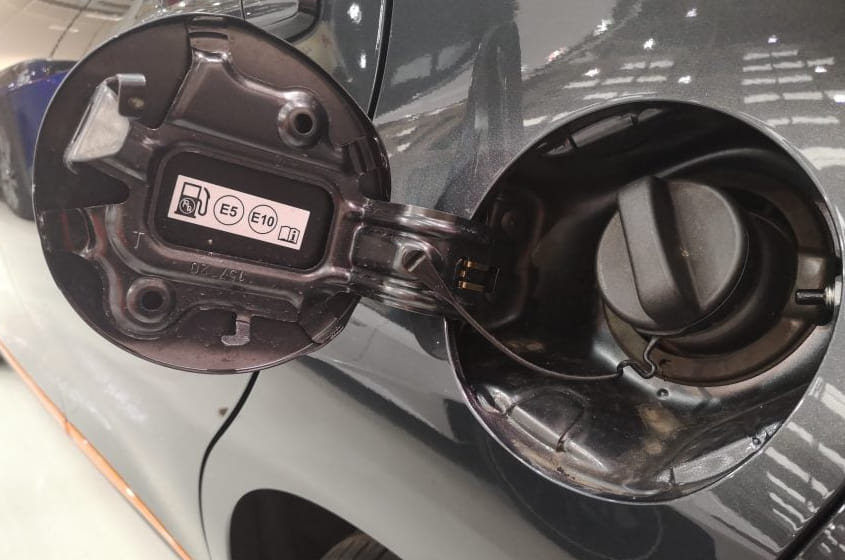
Concerns about E20 mainly relate to older vehicles that were not originally designed for higher ethanol blends. While ethanol has not been found to significantly directly affect metal fuel-system components, prolonged exposure to E20 can accelerate wear in some older rubber and plastic parts such as fuel hoses, seals, O-rings, gaskets and certain fuel pipes if they are made from materials that are not ethanol compatible.

Before approving E20, ARAI tested metals, elastomers and plastics commonly used in fuel systems. The study found no significant corrosion of metal components, but certain rubber compounds and plastics used in older vehicles showed greater deterioration than with E10 fuel. These findings prompted manufacturers to use ethanol-compatible materials in newer vehicles. Thus, owners of older vehicles should keep up with regular servicing and follow the manufacturer’s recommended maintenance schedule, increasing the inspection frequency if damage is suspected. 

5. Does E20 reduce fuel efficiency?

Yes. E20 fuel generally returns lower fuel efficiency than petrol with a lower ethanol content because ethanol contains less energy than petrol. The exact reduction varies depending on the vehicle, engine and calibration.

E20 vs E10 mileage test results
 Creta N LineDzire (BS 6)Polo GT TSIDzire (BS 4)
Registration year202420242017 2016 
Average speed17.8kph20.25kph18.019.3
Kpl on E2010.5914.249.139.8
Kpl on E1012.1214.819.6311.19
Kpl variance1.530.570.501.39
% variance-12.62-3.84-5.19-12.42

ARAI estimates a fuel efficiency drop of 1-6 percent with E20, while some manufacturers put it closer to 7-8 percent. In Autocar India’s real-world testing, both newer E20-compatible cars and older pre-E20 vehicles recorded a measurable drop in mileage when compared with an equivalent E10 blend. Among the newer cars, the Maruti Suzuki Dzire recorded a 3.8 percent drop, while the Hyundai Creta N Line saw a 12.6 percent decline. 

Among older BS4-era cars, the Volkswagen Polo GT TSI posted a 5.2 percent drop, while the older Maruti Suzuki Dzire recorded a mileage drop of 12.4 percent.

The results also showed that there is no single figure applicable to every vehicle. Factors such as engine calibration and compression ratio all influence fuel efficiency, meaning some vehicles adapt better to E20 than others. 

6. Does E20 improve performance or reduce emissions?

Octane rating test results
Fuel typeRON result
Regular E20 petrol98.2 RON
XP9598.8 RON

Yes, but not in a way that most motorists are likely to notice. E20 has a higher-octane rating than regular petrol, which improves resistance to engine knocking and can benefit engines designed to take advantage of higher-octane fuel. 

The government says E20 aims to lower emissions by replacing a portion of petrol with domestically produced ethanol which is a renewable fuel. For most motorists, however, the most noticeable effect of switching to E20 is likely to be a small drop in mileage rather than a change in vehicle performance.

7. Is E20’s water contamination issue a real problem?
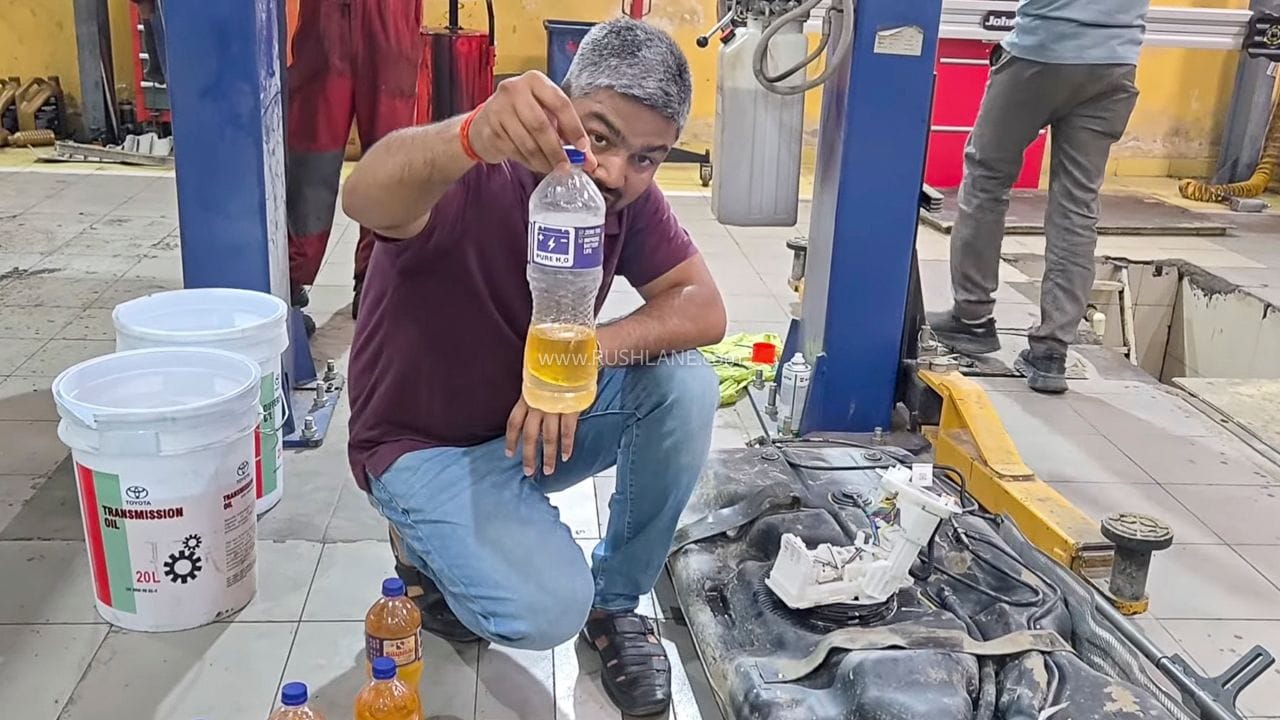
Image credit – Rushlane

Ethanol is hygroscopic, meaning it has the capability to absorb moisture. As a result, E20 is more susceptible to water contamination if excess moisture enters the fuel during storage or handling. In severe cases, this can lead to phase separation, where the ethanol and water separate from the petrol, affecting fuel quality.

Some petrol pump operators have raised concerns that existing underground storage tanks, particularly during the monsoon or in coastal areas, could be more prone to moisture ingress, increasing the risk of phase separation. However, the government and the Federation of Automobile Dealers Associations (FADA) says that there is no evidence linking E20 itself to widespread fuel contamination or vehicle failures.

8. Will using E20 affect my vehicle’s warranty?
For most owners, no. Vehicle manufacturers have said that using E20 petrol will not affect the warranty of their vehicles, and valid warranties will continue to be honoured. The government, SIAM and several manufacturers have stated that vehicles continue to be covered under their standard warranty terms when fuelled with E20, for a full list click here. SIAM has also said that OEMs will honour the warranty committed to customers for E20 usage, and that insurance claims will remain unaffected.

9. Why isn’t E20 petrol cheaper than regular petrol?
Although E20 contains 20 percent ethanol, it is not cheaper than regular petrol because ethanol currently costs more to procure and blend than petrol under prevailing market conditions. The cost of ethanol procurement, tax, transportation, blending and distribution offsets any potential saving from replacing a portion of petrol with domestically produced ethanol.

Any savings from lower crude oil imports are realised at the national level rather than by consumers through lower pump prices. 

10. Why can’t I still buy E10 or pure petrol?
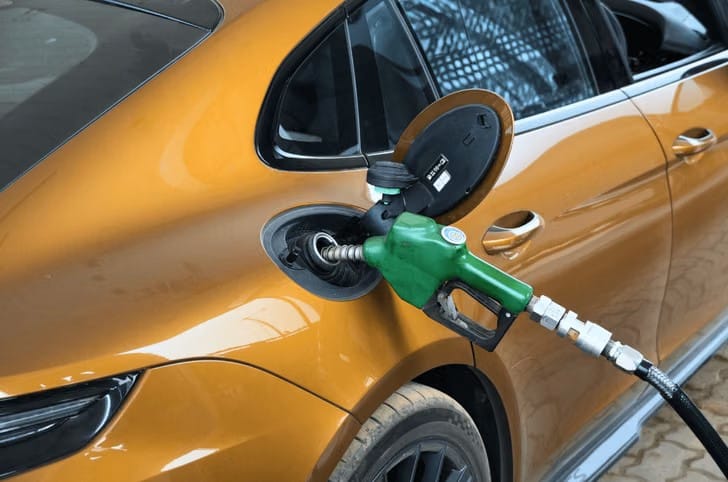
Because by policy E20 is now India’s standard petrol. Following the nationwide rollout of the Ethanol Blending Programme, oil companies have standardised regular petrol and premium 95-octane petrol to an E20 blend. Maintaining parallel supplies of E10 and E20 would require separate storage, transportation and dispensing infrastructure, making nationwide distribution significantly more complex.

As a result, motorists can no longer choose between E10 and E20 at regular fuel stations. The only exception is 100-octane petrol, such as IndianOil XP100 and HP Power100, which remains effectively ethanol-free because it is a niche fuel sold in limited volumes. For most vehicle owners, however, E20 is now the only petrol available.

11. Is the government planning to increase ethanol blending beyond E20?
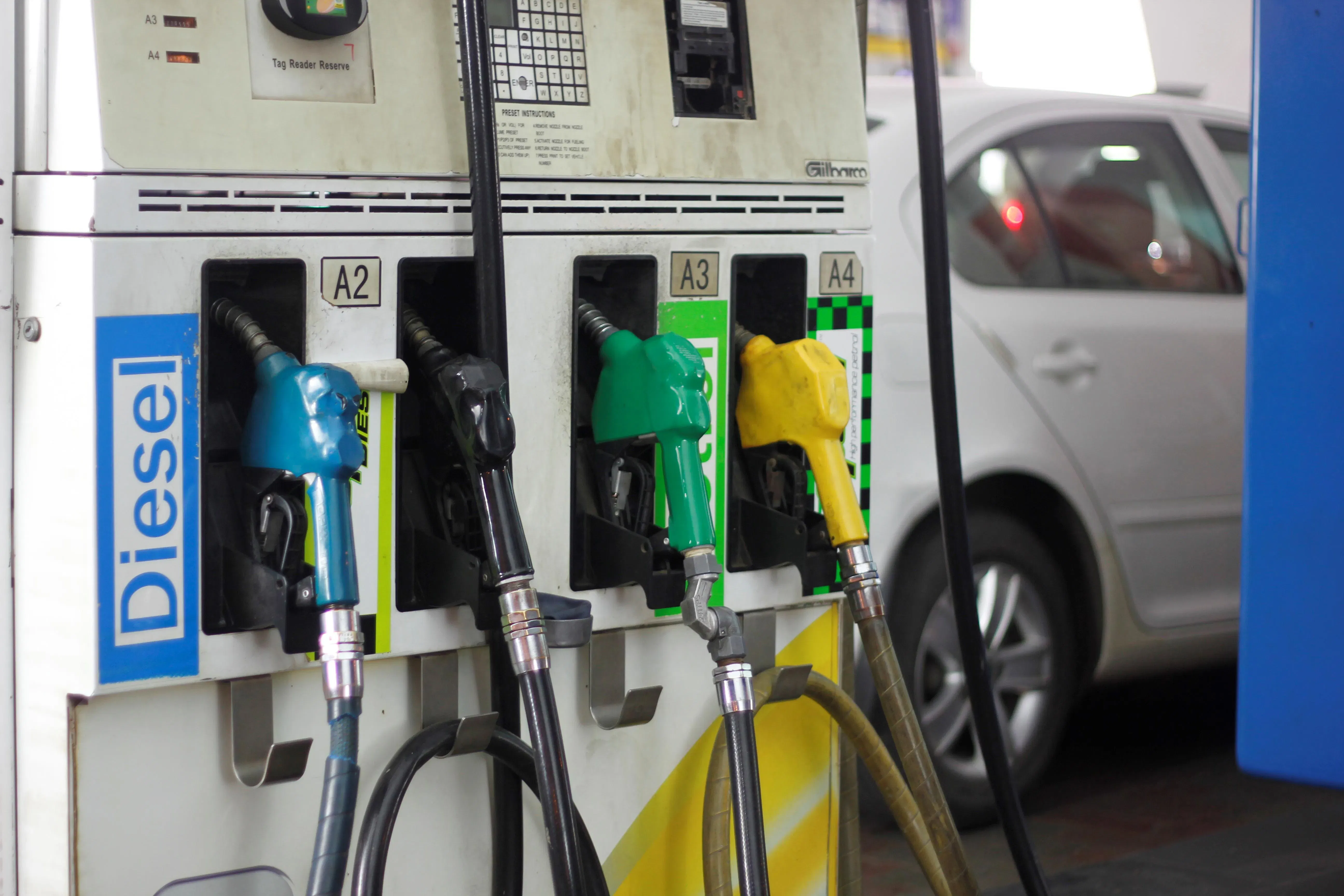
Not yet, but the groundwork has begun. While the government has said no decision has been taken to mandate petrol with more than 20 percent ethanol, it has begun preparing the regulatory framework for higher blends.

In May 2026, the Bureau of Indian Standards (BIS) notified fuel quality standards for E22, E25, E27 and E30 petrol, indicating that the government is laying the groundwork for future adoption. It has also proposed recognising E85 and E100 fuels under the Central Motor Vehicles Rules. 

Separately, the government has tasked the Automotive Research Association of India (ARAI) with studying the impact of E25 petrol on existing E10- and E20-compatible vehicles, including its effect on fuel efficiency, durability, emissions and engine performance under long-term use.

However, any move beyond E20 will require extensive testing and consultation with vehicle manufacturers, fuel companies and research agencies to assess engine durability, emissions and fuel-system compatibility before it is introduced.

12. What should owners of older cars do now?
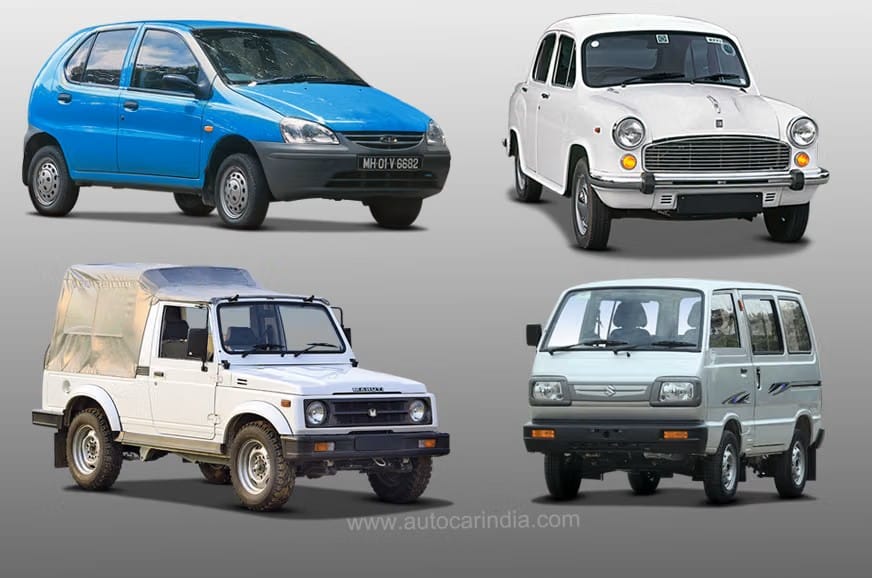
If your vehicle is not certified as E20-compatible, it does not necessarily mean it will experience immediate problems. However, owners should follow the manufacturer’s guidance, keep up with regular servicing and replace worn fuel-system components as required. It would also be prudent to increase the frequency of inspection of your vehicles fuel system to ensure there is no corrosive damage and catch it before it gets acute. 

If you own a classic car, an older imported vehicle or a high-performance model designed for lower ethanol blends, using ethanol-free 100-octane petrol may be worth considering.

13. Can I convert my vehicle to run on E20 fuel? 
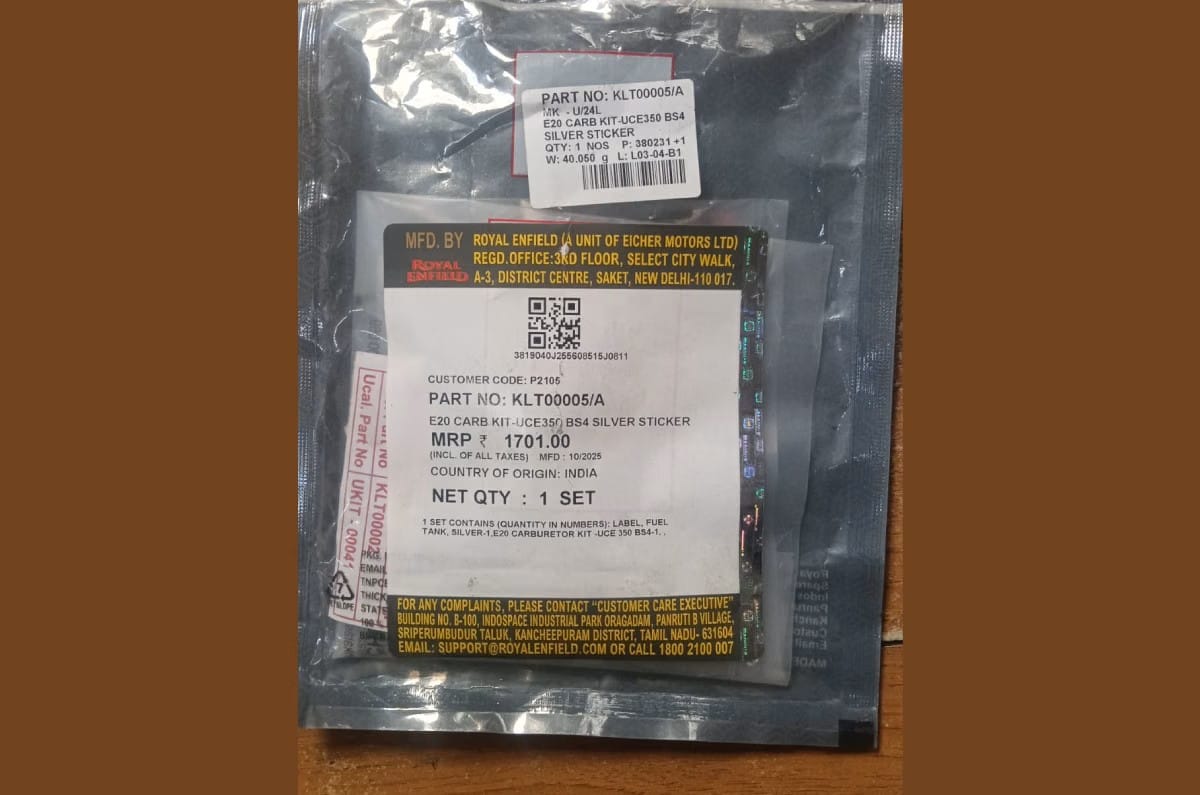
Yes, but official upgrade programmes are currently limited and while a few manufacturers, like Royal Enfield and Maruti Suzuki, had mentioned a plan for these earlier, they don’t have much to say for now. In a recent government press conference that aimed to quell the E20 backlash, Maruti stated that the kits are for R&D purpose only.

Theoretically, it’s possible to replace critical components susceptible to E20 damage with those designed to handle the fuel – especially if your vehicle is still in production – and if you feel the need to, you can go ahead and have parts like fuel lines, fuel pump and gaskets replaced but by your authorised workshops only. 

So, should you be worried about E20 petrol?

Not worried, but alert. Modern petrol cars and bikes designed or updated for E20 are engineered to run on the fuel without major issues, and extensive testing by the government, research agencies and manufacturers found no evidence of widespread reliability concerns.That said, E20 is not without trade-offs. Most motorists should expect a small reduction in fuel efficiency. 

For owners of older vehicles, it would be wise to pay closer attention to fuel-system maintenance. 

Centre says E25 petrol not ready to be rolled out yet

Fuel filling in car

India’s Union Minister for Petroleum and Natural Gas, Hardeep Singh Puri, during a recent media interaction, said that a public rollout of E25 petrol is still some time away. The minister stated that E25 (25 percent ethanol blended petrol) is still undergoing tests at the moment and “any suggestions that we are bringing E25 now is misrepresentation.”

Government on E25 and other ethanol blends

Speaking about E25 petrol, Puri said that the fuel is not ready for the market yet as Centre is still “conducting tests, which will take time.” The Union Minister went on to say that any progress on the matter will be based on the results from these tests, which will be followed by an evaluation phase. Once that is done, “we will then talk to the stakeholders and automobile manufacturers,” said Puri. However, the minister did not specify any timeline for this process.

Puri also spoke about the recently introduced E85 petrol. The minister stated that it will take a bit of time for E85 to be made publically available in more parts of the country, as new petrol pumps will have to be commissioned first. Touching upon the ongoing discussions surrounding E20 petrol, Puri said, “There is no controversy. There are 20 crore two-wheelers and 20 lakh four-wheelers on the road that are using E20. There are the automobile manufacturers and vehicle service centres, all have said that there are no difficulties.”

E25 Petrol: सरकार E25 पेट्रोल लॉन्च करने से पहले सतर्क, इंजन और माइलेज पर असर की हो रही जांच

E25 Petrol: E25 पेट्रोल यानी 75% पेट्रोल और 25% एथेनॉल के मिश्रण को लागू करने की दिशा में सरकार धीरे-धीरे आगे बढ़ रही है। हालांकि, अंतिम फैसला लेने से पहले सरकार ऑटो कंपनियों, ऑयल कंपनियों और दूसरे संबंधित पक्षों से सलाह ले रही है। सूत्रों के मुताबिक, सरकार जल्दबाजी में कोई फैसला नहीं लेना चाहती।

पहले E20 का असर समझना चाहती है सरकार

सरकार फिलहाल यह जांच रही है कि E20 पेट्रोल का गाड़ियों के इंजन, दूसरे पुर्जों और माइलेज पर क्या असर पड़ा है। इन सभी पहलुओं की समीक्षा के बाद ही E25 को मंजूरी देने पर फैसला लिया जाएगा।

एक सरकारी अधिकारी ने कहा कि सरकार इस दिशा में ‘सोच-समझकर’ आगे बढ़ना चाहती है। इंडस्ट्री से भी इसी तरह की राय मिली है।

ऑयल कंपनियां तैयार, मंजूरी का इंतजार

सरकारी ऑयल रिफाइनिंग कंपनियां E25 पेट्रोल की सप्लाई के लिए जरूरी इंफ्रास्ट्रक्चर तैयार कर चुकी हैं। अब उन्हें सिर्फ सरकार की मंजूरी का इंतजार है।

एक सरकारी रिफाइनरी के अधिकारी ने बताया कि मंजूरी मिलते ही E25 की सप्लाई शुरू की जा सकती है। हालांकि, सरकार की अनुमति के बिना इसे बाजार में नहीं उतारा जाएगा।

E20 का लक्ष्य समय से पहले पूरा

भारत ने एथेनॉल ब्लेंडेड पेट्रोल (EBP) प्रोग्राम के तहत पूरे देश में E20 पेट्रोल उपलब्ध कराने का लक्ष्य तय समय से 5 साल पहले हासिल कर लिया है। पहले यह लक्ष्य 2030 तक पूरा होना था।

सरकार ने पहले ही शुरू कर दी तैयारी

सरकार ने E20 से आगे बढ़ने की तैयारी भी शुरू कर दी है। मई में E22, E25, E27 और E30 पेट्रोल के लिए नए भारतीय मानक (Indian Standards) जारी किए गए थे।

इसके बाद जून में सरकार ने इन नए एथेनॉल ब्लेंडेड फ्यूल्स पर केंद्रीय उत्पाद शुल्क (Excise Duty) में छूट भी दे दी। माना जा रहा है कि ये कदम भविष्य में E25 लागू करने की तैयारी का हिस्सा हैं। हालांकि, सरकार ने अभी तक E25 की लॉन्चिंग की कोई तारीख घोषित नहीं की है।

E20 को लेकर क्यों उठे सवाल?

हाल के दिनों में E20 पेट्रोल को लेकर बहस तेज हुई है। पिछले हफ्ते एक अदालत की सुनवाई के दौरान अटॉर्नी जनरल आर. वेंकटरमणी ने कथित तौर पर E20 को ‘एक्सपेरिमेंट’ बताया था। उनका कहना था कि इसका पूरा असर अगले एक साल में साफ हो पाएगा।

वहीं, केंद्रीय पेट्रोलियम एवं प्राकृतिक गैस मंत्री हरदीप सिंह पुरी ने E20 को लेकर फैल रही अफवाहों को खारिज किया। उन्होंने कहा कि E20 से इंजन खराब होने या कीड़े लगने जैसी बातें वैज्ञानिक तथ्यों पर आधारित नहीं हैं। लोगों को अफवाहों के बजाय वैज्ञानिक प्रमाणों पर भरोसा करना चाहिए।

E25 के लिए गाड़ियों में बदलाव पड़ सकता है

इंडस्ट्री के जानकारों का कहना है कि E25 जैसे ज्यादा एथेनॉल वाले ईंधन के लिए ऑटो कंपनियों को इंजन की ट्यूनिंग, फ्यूल सिस्टम और दूसरे पुर्जों में बदलाव करने पड़ सकते हैं।

Grain Ethanol Manufacturers Association के अध्यक्ष सीके जैन के मुताबिक, E20 पेट्रोल से आमतौर पर 3% से 7% तक माइलेज कम हो सकता है। हालांकि, आधुनिक इंजन बेहतर दहन तकनीक और इंजन मैनेजमेंट सिस्टम की मदद से इस असर को काफी हद तक कम कर देते हैं।

उन्होंने कहा कि एथेनॉल का ऑक्टेन नंबर ज्यादा होता है। इससे ईंधन बेहतर तरीके से जलता है। कार्बन मोनोऑक्साइड और कुछ अन्य प्रदूषक गैसों का उत्सर्जन भी कम होता है।

NSE के आईपीओ के बारे में बड़ा अपडेट, अगले महीने मिल सकती है सेबी की मंजूरी

सड़क हादसों में बढ़ोतरी के बाद गोवा सरकार अलर्ट, किराए पर मिलने वाली महिंद्रा थार के लिए नियम करेगा सख्त

Mahindra Thar Goa Ban: गोवा सरकार ‘रेंट-ए-कार’ सेगमेंट में महिंद्रा थार गाड़ियों के लिए नए लाइसेंस जारी करने पर रोक लगाने पर विचार कर रही है, ऐसा इसलिए क्योंकि इन SUV से जुड़े सड़क हादसों की संख्या में बढ़ोतरी हुई है। राज्य के परिवहन मंत्री मॉविन गोडिन्हो ने कहा कि यह प्रस्ताव स्टेट ट्रांसपोर्ट अथॉरिटी (STA) के सामने रखा जाएगा, जो इस पर अंतिम निर्णय लेगा।

मंत्री ने कहा, “हम दुर्घटनाओं की बढ़ती संख्या को लेकर चिंतित हैं और हमने इसके कारणों और इन्हें रोकने के तरीकों पर चर्चा की है। जहां तक ​​थार गाड़ियों की बात है, हम किराए पर चलने वाली थार गाड़ियों के ऑपरेटरों को नए लाइसेंस जारी करने पर रोक लगाने जा रहे हैं… यह मामला अगली STA बैठक में उठाया जाएगा और वे तय करेंगे कि क्या कार्रवाई की जानी है।”

गोडिन्हो ने कहा कि अगर कानूनी रूप से संभव होता तो सरकार किराए पर चलने वाली गाड़ियों के बेड़े से थार गाड़ियों पर पूरी तरह से रोक लगा देती। उन्होंने कहा कि इस कदम का मकसद लोगों की सुरक्षा को बेहतर बनाना है। उन्होंने बताया कि यह फैसला सड़क दुर्घटनाओं में किराए की थार गाड़ियों के बढ़ते इस्तेमाल और खासकर पर्यटकों द्वारा चलाई जा रही गाड़ियों से जुड़ी कई दुर्घटनाओं के बाद उठाया गया है।

दो महीने में दो हादसे

बता दें कि मई में, उत्तरी गोवा में किराए की एक थार गाड़ी ने कथित तौर पर एक स्कूटर को टक्कर मार दी थी। इस हादसे में 32 वर्षीय एक व्यक्ति की मौत हो गई थी और एक नाबालिग गंभीर रूप से घायल हो गया था। वहीं जांच में पुलिस को पता चला कि गाड़ी चलाने वाला पर्यटक कथित तौर पर शराब के नशे में था।

दूसरी घटना फरवरी में नॉर्थ गोवा में हुई। यहां पर भी किराए की एक ‘थार’ गाड़ी के कथित तौर पर टक्कर मारने से मध्य प्रदेश के एक 65 वर्षीय पर्यटक की मौत हो गई थी।

ट्रांसपोर्ट डिपार्टमेंट रेंट पर कार देने वाली कंपनी की जांच करेगा

गोडिन्हो ने कहा कि ट्रांसपोर्ट डिपार्टमेंट ‘रेंट-ए-कार’ ऑपरेटरों का ऑडिट भी करेगा ताकि यह पक्का किया जा सके कि वे लाइसेंसिंग नियमों का पालन कर रहे हैं या नहीं। इसमें गाड़ियों की पार्किंग की सुविधा भी शामिल होगी। इसके अलावा, अधिकारी किराए की गाड़ियों में लगे व्हीकल लोकेशन ट्रैकिंग डिवाइस (VLTD) और स्पीड गवर्नर की जांच और तेज करेंगे।

मंत्री ने शराब पीकर गाड़ी चलाने वालों के खिलाफ सख्त कार्रवाई करने का भी ऐलान किया है। उन्होंने कहा कि शराब के नशे में गाड़ी चलाते हुए पाए जाने वाले और जानलेवा सड़क हादसों में शामिल ड्राइवरों को तुरंत गिरफ्तार किया जाएगा। साथ ही, जरूरत पड़ने पर वाहन देने वाली कंपनियों के खिलाफ भी कार्रवाई की जाएगी।

परिवहन विभाग ने यह भी पाया है कि किराए पर चलने वाली कई गाड़ियों में अनिवार्य स्पीड गवर्नर के साथ छेड़छाड़ की जा रही है। जून से अब तक 200 से ज्यादा मामले दर्ज किए गए हैं, जिनमें आरोप है कि ऑपरेटरों ने स्पीड लिमिट से बचने के लिए या तो डिवाइस को डिस्कनेक्ट कर दिया या फिर छिपे हुए स्विच लगा दिए।

लगेगा 10 हजार का जुर्माना

विभाग ने कहा कि, नियम तोड़ने वालों पर 10,000 रुपये का जुर्माना लगाया जाएगा। वहीं, बार-बार नियम तोड़ने वाले ऑपरेटरों के परमिट निलंबित कर दिए जाएंगे।

रोड सेफ्टी से जुड़ी एक और पहल में, गोडिन्हो ने कहा कि पूरे गोवा में 26 जगहों पर लगाए गए AI-पावर्ड ट्रैफिक कैमरे 15 जुलाई से ई-चालान जारी करना शुरू कर देंगे। तब तक, ट्रैफिक नियमों का उल्लंघन करने वाले वाहन चालकों को जुर्माने के बजाय जागरूकता संदेश भेजे जाएंगे, ताकि वे नए लागू सिस्टम से परिचित हो सकें।

यह भी पढ़ें: E25 Petrol: 20% एथेनॉल वाले पेट्रोल के बाद अब 25% ब्लेंडिंग पर आई ये जानकारी, कार और बाइक चलाने वालों के लिए बड़ी खबर!

E25 Petrol: 20% एथेनॉल वाले पेट्रोल के बाद अब 25% ब्लेंडिंग पर आई ये जानकारी, कार और बाइक चलाने वालों के लिए बड़ी खबर!

E25 Petrol News: देश में 20 फीसदी एथेनॉल ब्लेंडेड पेट्रोल को लेकर चल रही तीखी बहस के बीच अब 25 फीसदी एथेनॉल ब्लेंडिंग यानी E25 पेट्रोल को लेकर एक बड़ी खबर सामने आ रही है। द इंडियन एक्सप्रेस की एक हालिया रिपोर्ट के मुताबिक E20 फ्यूल के तेजी से हुए रोलआउट के बाद उपजी चिंताओं को देखते हुए सरकार अब 25 प्रतिशत एथेनॉल मिश्रित पेट्रोल की प्रस्तावित प्रक्रिया की रफ्तार को स्लो कर सकती है। रिपोर्ट के मुताबिक केंद्र सरकार E25 पेट्रोल (जिसमें 75 प्रतिशत पेट्रोल और 25 प्रतिशत एथेनॉल होगा) की शुरुआत को कैलिब्रेटेड और ग्रेडेड तरीके से करने के पक्ष में है। इसके मुताबिक सरकार अब चाहती है कि ऑटो मेकर्स और पूरे फ्यूल कोसिस्टम को तैयारी के लिए थोड़ा और अधिक समय दिया जाना चाहिए।

सरकार की दो हालिया फैसलों से बढ़ी थीं उम्मीदें

हालांकि, सरकार की तरफ से अभी तक E25 पेट्रोल के लिए किसी भी औपचारिक समयसीमा की घोषणा नहीं की गई है। लेकिन हाल ही में लिए गए दो नीतिगत फैसलों ने उम्मीदें बढ़ा दी थीं कि सरकार अब E20 से आगे बढ़ने की तैयारी कर रही है। केंद्र सरकार ने 22 से 30 प्रतिशत एथेनॉल वाले पेट्रोल पर एक्साइज ड्यूटी से छूट दी थी। इसके अलावा भारतीय मानक ब्यूरो (BIS) ने भी इस तरह के उच्च एथेनॉल मिश्रणों के लिए अपने स्पेसिफिकेशंस को लिस्टेड कर दिया था।

पिछले हफ्ते हुई उच्च स्तरीय बैठक, माइलेज और इंजन डैमेज पर हुई चर्चा

इंडियन एक्सप्रेस की रिपोर्ट में बताया गया है कि पिछले हफ्ते सरकार के वरिष्ठ स्तर पर एक महत्वपूर्ण बैठक आयोजित की गई थी। इस बैठक में वाहन मालिकों द्वारा माइलेज, परफॉर्मेंस और गाड़ी के पार्ट्स को होने वाले संभावित नुकसान को लेकर उठाई गई चिंताओं को वैज्ञानिक तरीके से हल करने की आवश्यकता पर चर्चा की गई। अधिकारियों का कहना है कि हालांकि कुछ शिकायतों को बढ़ा-चढ़ाकर बताया गया माना गया लेकिन उन्होंने इस बात को स्वीकार किया कि ओरिजिनल इक्विपमेंट मैन्युफैक्चरर्स को गाड़ी मालिकों की इन चिंताओं पर जवाब देने की जरूरत है।

एक वरिष्ठ सरकारी अधिकारी ने इंडियन एक्सप्रेस को बताया कि, ‘सरकार यह विचार कर है कि E20 से आगे बढ़ने के बदलाव को थोड़ा समय देना होगा। ऑटोमेकर्स से भी हमें यही संकेत मिले हैं। अब आइडिया ये है कि मौजूदा वाहनों के लिए कैलिब्रेटेड और ग्रेडेड तरीके से ही E25 की ओर बढ़ा जाए।’

5 साल पहले हासिल हुआ लक्ष्य तो पुरानी गाड़ियों के मालिकों ने जताई चिंता

सरकार ने मूल रूप से साल 2030 तक देश भर में E20 पेट्रोल उपलब्ध कराने की योजना बनाई थी लेकिन इस लक्ष्य को पांच साल पहले ही आगे बढ़ा दिया गया। वर्तमान में देश भर में बिकने वाला मानक पेट्रोल मिश्रण E20 ही है। ऐसे कई दावे किए जा रहे हैं कि इस तेजी से हुए बदलाव की वजह से उन पुराने कार और दोपहिया वाहनों (बाइक-स्कूटर) के मालिकों की शिकायतें बढ़ गई हैं जिन्हें विशेष रूप से E10 पेट्रोल के लिए डिजाइन किया गया था। वाहन चालकों ने माइलेज घटने की रिपोर्ट की है और फ्यूल-सिस्टम के पार्ट्स के टिकाऊपन पर भी चिंता जताई है।

कार और बाइक पर कैसे असर डालता है ज्यादा एथेनॉल?

द इंडियन एक्सप्रेस की रिपोर्ट के मुताबिक एथेनॉल और पेट्रोल के मिश्रण से कुछ असर जरूर पड़ता है। इसके मुताबिक पेट्रोल की तुलना में एथेनॉल का कैलोरीफिक मान कम होता है। इससे गाड़ी का माइलेज कम हो सकता है। इसका असर गाड़ी की लाइफ, इंजन की डिजाइन और उसके सर्टिफिकेशन के आधार पर अलग-अलग होता है। एथेनॉल हाइग्रोस्कोपिक होता है। इसका मतलब है कि यह नमी को सोखता है। ऐसे में जो पार्ट्स उच्च मिश्रण वाले पेट्रोल के लिए डिजाइन नहीं किए गए हैं, उनमें जंग लगने का खतरा काफी बढ़ सकता है।

ऑटोमेकर्स को करना होगा और काम, भविष्य के मॉडल्स पर चल रहा काम

अगर सरकार E25 की तरफ कदम बढ़ाती है तो वाहन निर्माताओं को इंजन कैलिब्रेशन, फ्यूल-सिस्टम ड्यूरेबिलिटी, मटेरियल कम्पैटिबिलिटी और जंग प्रतिरोधकता पर एक्सट्रा काम करना होगा। इसके अलावा सुरक्षा, एमिशन और रोडवर्थिनेस को कवर करने वाली नियामक प्रमाणन प्रक्रिया यानी होमोलोगेशन से भी वाहनों और उनके पार्ट्स को गुजरना होगा। कई ऑटोमेकर्स ने द इंडियन एक्सप्रेस को बताया कि उन्होंने उच्च एथेनॉल मिश्रण पर बेहतर प्रदर्शन के लिए हाई कम्प्रेशन रेशियो वाले इंजन विकसित करना शुरू कर दिया है। ये बदलाव काफी हद तक भविष्य में आने वाले नए मॉडल्स पर लागू होंगे, न कि पहले से सड़क पर चल रहे पुराने वाहनों पर।

आपको बता दें कि सरकार ने पेट्रोलियम आयात पर निर्भरता कम करने और परिवहन ईंधन के कार्बन कंटेंट को घटाने के लिए एथेनॉल ब्लेंडिंग को बढ़ावा दिया है। हालांकि सरकार ने यह भी स्पष्ट रखा है कि उच्च मिश्रण वाले ईंधन को पूरी टेस्टिंग और सभी स्टेकहोल्डर्स) के साथ परामर्श के बाद ही पेश किया जाएगा।

यह भी पढ़ें: E20 Petrol: एथेनॉल वाले पेट्रोल के विवाद के बीच मशहूर टीचर अभिनय मैथ की कीमती वोल्वो XC 90 चलते-चलते रुकी! फिर ये हुआ उनके साथ