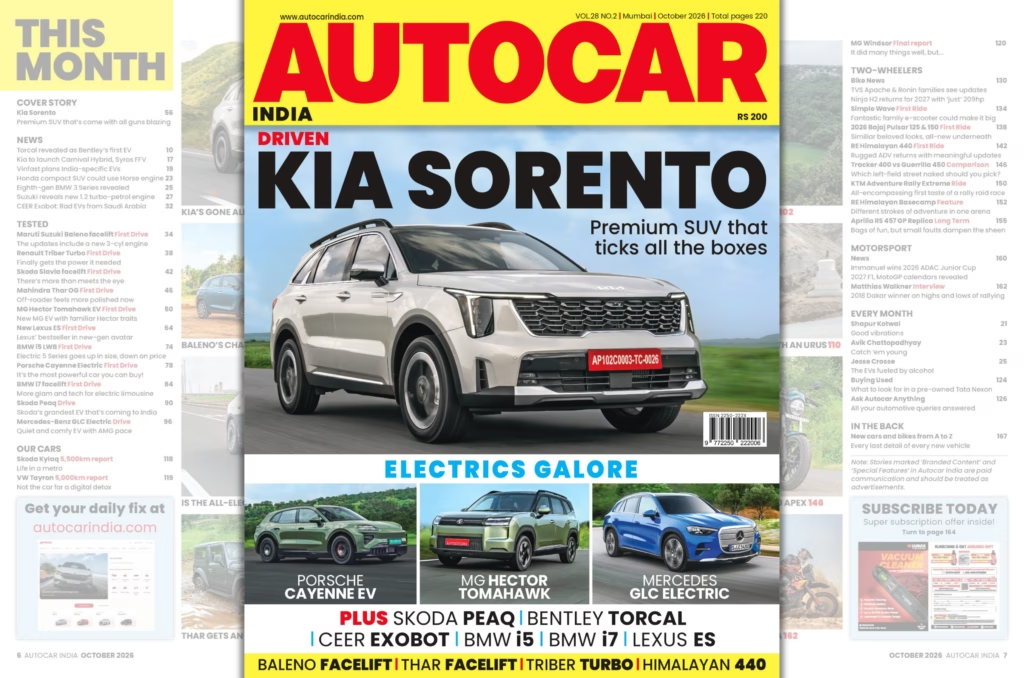
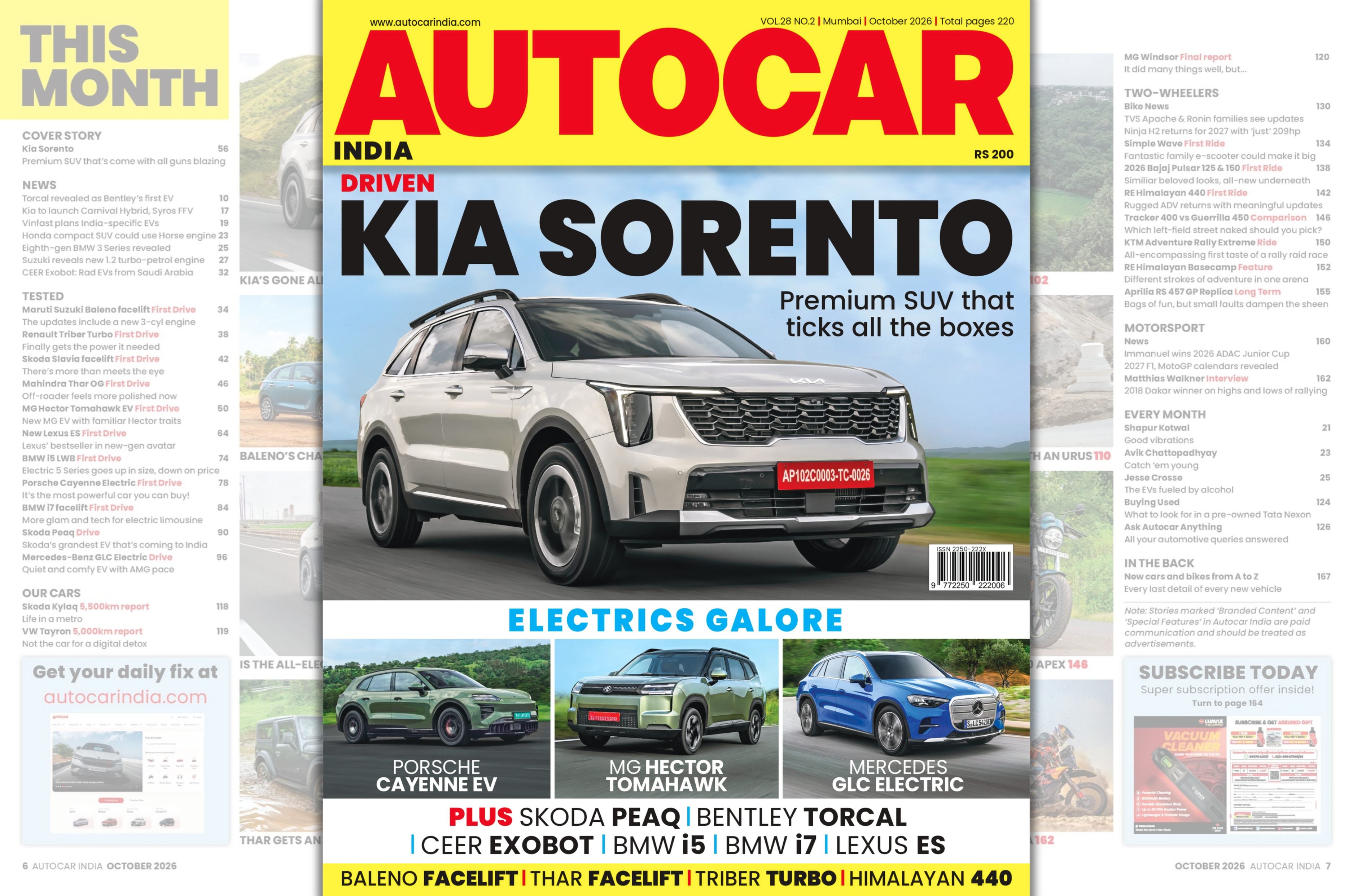
This month, we go big on power and even bigger on premium metal. The cover story is Kia’s biggest swing yet at the executive SUV segment, and then there’s a family SUV with more horsepower than a Lamborghini, and BMW’s electric onslaught continues with a new long-wheelbase sedan and a sharper flagship limousine.
Kia Sorento: Cover Story
Six trims, two powertrains, up to seven seats and 32 variants in all. Kia isn’t dipping a toe into the premium SUV pool; it’s diving straight in, locally assembling the Sorento from Rs 27.99 lakh to take on the Skoda Kodiaq and VW Tayron. Has Kia cracked the code, or has it bitten off more than it can chew?
Porsche Cayenne Electric: First Drive
Forget hypercars. The most powerful vehicle currently on sale in India is a family SUV, the Cayenne Electric, with more horsepower than your senses can fathom. We took it to an airstrip to see what that actually does to your stomach.
BMW i5 LWB & i7 Facelift: First Drives
BMW’s electric push continues, with a long-wheelbase i5 slotting in between the iX1 and flagship i7. Can BMW’s long-wheelbase playbook continue to work? And there’s also the i7 getting a sharper face and more tech to go with it, like it didn’t have enough already.
Mercedes-Benz GLC Electric: Drive
The first-gen electric GLC was far from ideal. The new one, however, is a completely new generation with an 800V architecture, 330kW charging and a claimed 715km range. We took all 489 of its horses to the Autobahn to see how much of an improvement it has been over its predecessor.
MG Hector Tomahawk EV: First Drive
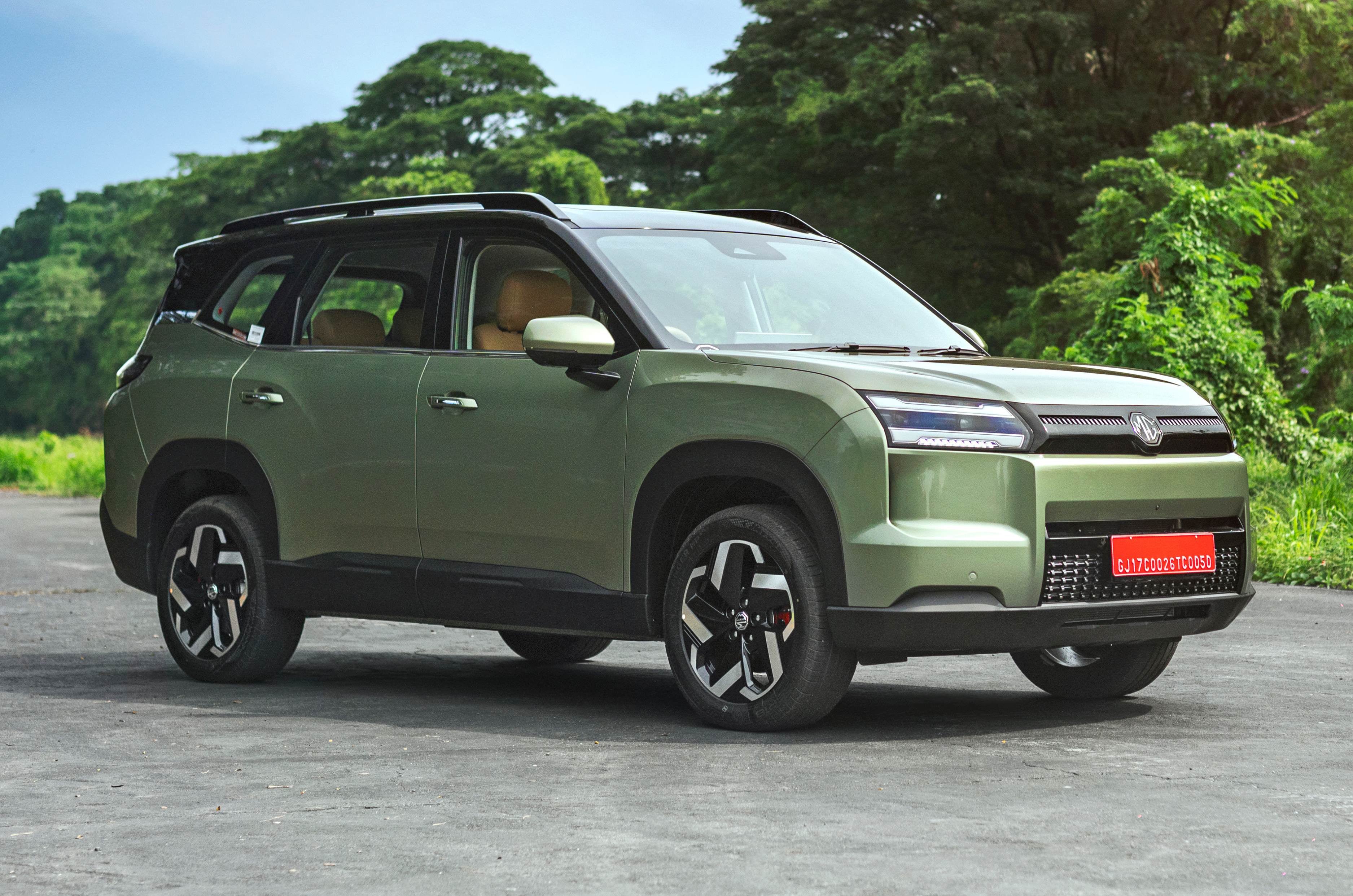
Don’t let the familiar name fool you. The Hector Tomahawk EV rides on MG’s all-new ADAPT platform, bigger than the Mahindra XEV 9S in every dimension, with a PHEV sibling already waiting in the wings.
Maruti Suzuki Baleno, Renault Triber Turbo and Skoda Slavia: First Drives
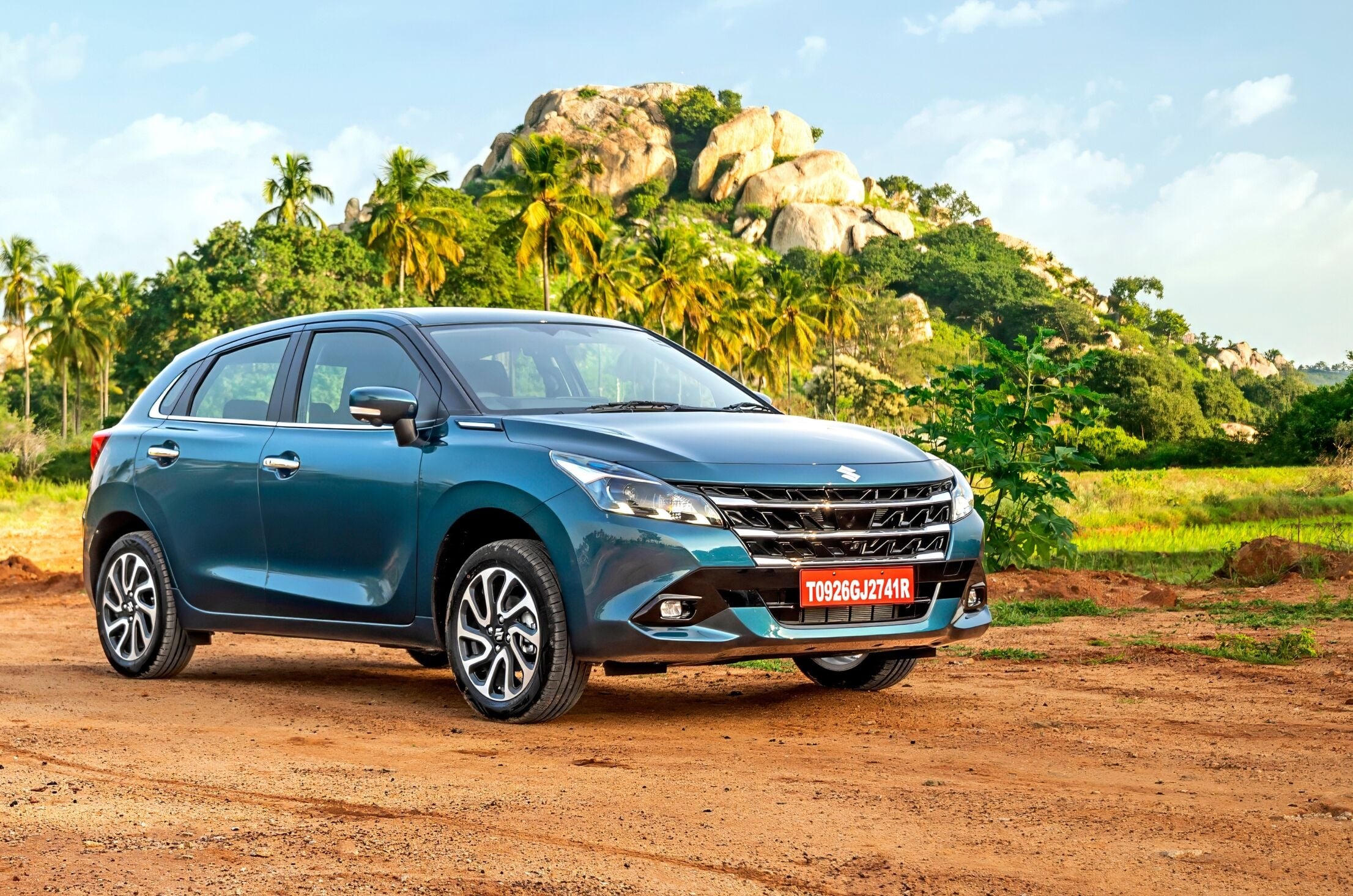
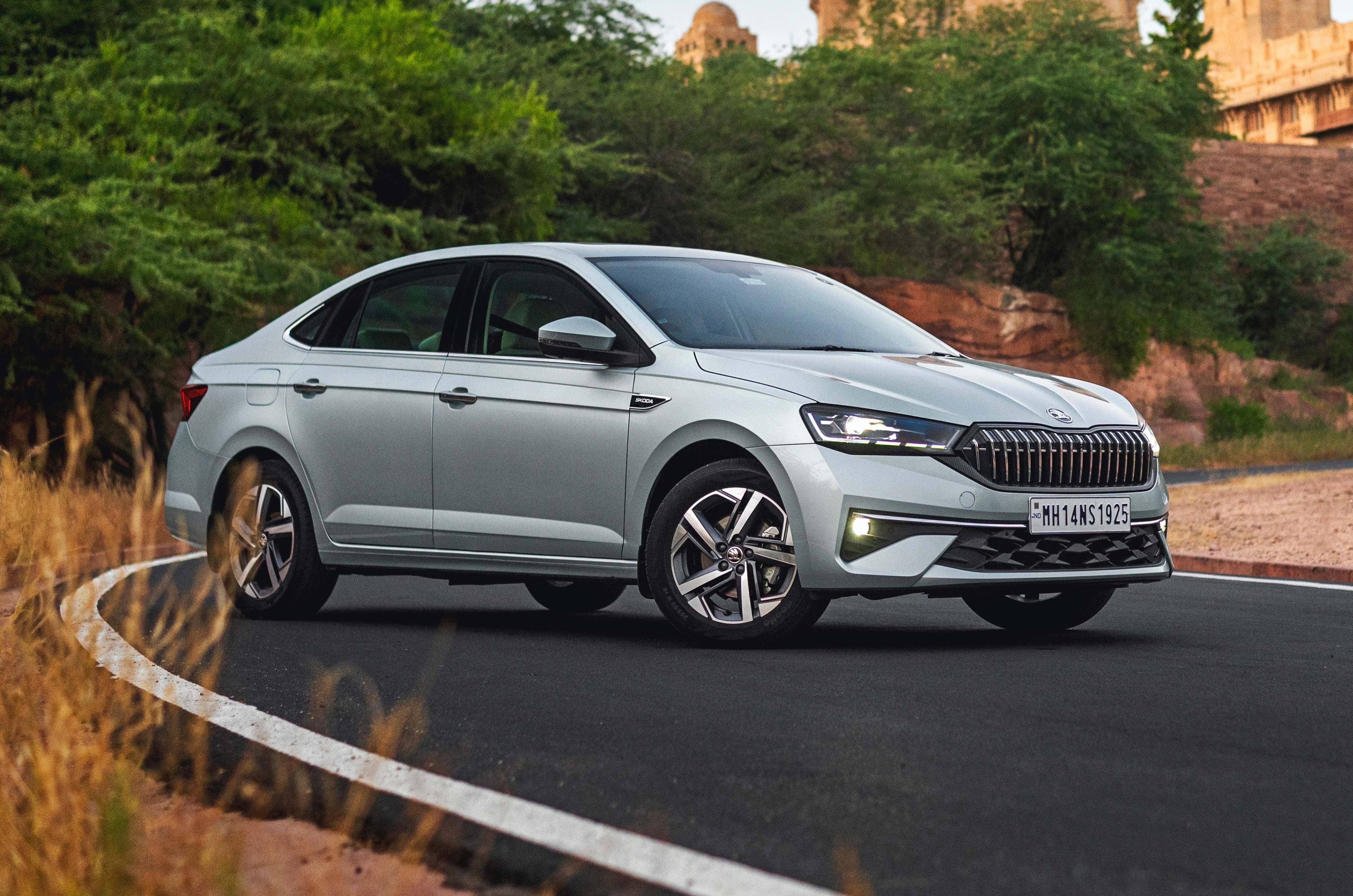
India’s favourite premium hatch, the Baleno, gets a new engine and ADAS, the budget-friendly Triber finally gets the power it’s been begging for, and the Slavia’s facelift turns out to be more than skin-deep.
Mahindra Thar OG: First Drive
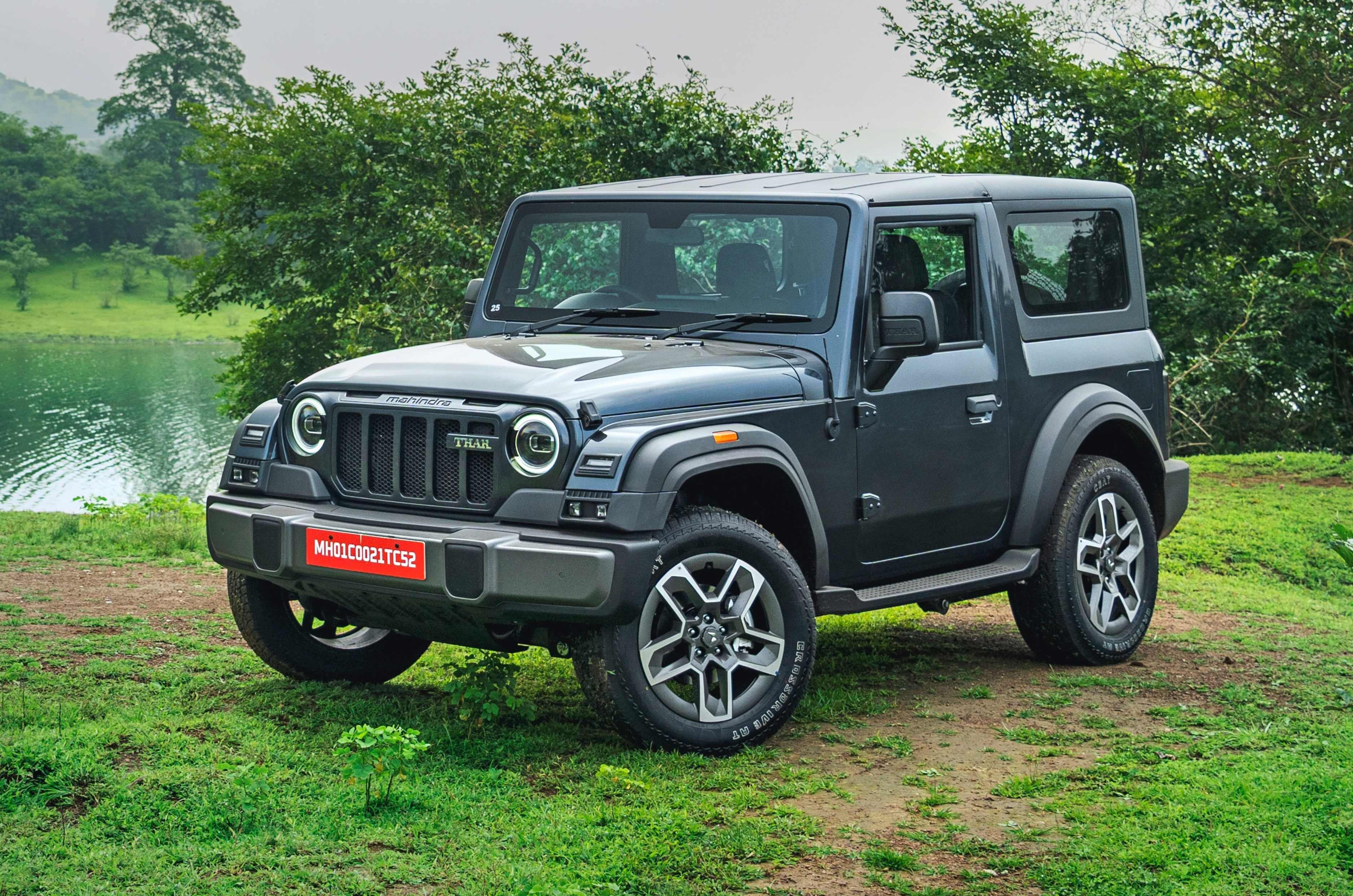
The original three-door Thar gets another round of updates, bringing changes to its engines, equipment and chassis. With the off-road icon continuing to evolve, we head out to discover what this latest iteration brings to the table.
Taking the High Road: Features
Goa’s new Porvorim Elevated Corridor opens on NH66, and we test it in two ways: solo against Google Maps’ ETA in an MG Cyberster, and then flanked by a dozen supercars, Ferraris, a McLaren 750S and a Lamborghini Huracan among them, for its proper initiation.
Rocket Ship to the Moon: Feature
A Lamborghini SUV is already an exercise in excess. Take it somewhere unexpected, add a little spectacle, and you have the ingredients for an automotive adventure that refuses to be ordinary.
Royal Enfield Himalayan 440
The original Himalayan is back with a bigger engine and a handful of meaningful changes. In a world where adventure bikes keep getting more complicated, there’s something rather appealing about going back to basics.
Tracker 400 vs Guerrilla 450: Comparison
Two left-field street nakeds, the Triumph Tracker 400 and Royal Enfield Guerrilla 450, go head-to-head. One takes its inspiration from flat-track racers, while the other fancies itself a sporty roadster. Both want your money, and neither is particularly interested in being sensible about it.
KTM Adventure Rally Extreme: Ride
Adventure riding is all well and good until the road disappears, the terrain turns hostile and you begin questioning your life choices. We get a taste of KTM’s rally raid experience, where the only shortcut is having the skill to take one.
This month, we go big on power and even bigger on premium metal. The cover story is Kia’s biggest swing yet at the executive SUV segment, and then there’s a family SUV with more horsepower than a Lamborghini, and BMW’s electric onslaught continues with a new long-wheelbase sedan and a sharper flagship limousine.
Kia Sorento: Cover Story
Six trims, two powertrains, up to seven seats and 32 variants in all. Kia isn’t dipping a toe into the premium SUV pool; it’s diving straight in, locally assembling the Sorento from Rs 27.99 lakh to take on the Skoda Kodiaq and VW Tayron. Has Kia cracked the code, or has it bitten off more than it can chew?
Porsche Cayenne Electric: First Drive
Forget hypercars. The most powerful vehicle currently on sale in India is a family SUV, the Cayenne Electric, with more horsepower than your senses can fathom. We took it to an airstrip to see what that actually does to your stomach.
BMW i5 LWB & i7 Facelift: First Drives
BMW’s electric push continues, with a long-wheelbase i5 slotting in between the iX1 and flagship i7. Can BMW’s long-wheelbase playbook continue to work? And there’s also the i7 getting a sharper face and more tech to go with it, like it didn’t have enough already.
Mercedes-Benz GLC Electric: Drive
The first-gen electric GLC was far from ideal. The new one, however, is a completely new generation with an 800V architecture, 330kW charging and a claimed 715km range. We took all 489 of its horses to the Autobahn to see how much of an improvement it has been over its predecessor.
MG Hector Tomahawk EV: First Drive
Don’t let the familiar name fool you. The Hector Tomahawk EV rides on MG’s all-new ADAPT platform, bigger than the Mahindra XEV 9S in every dimension, with a PHEV sibling already waiting in the wings.
Maruti Suzuki Baleno, Renault Triber Turbo and Skoda Slavia: First Drives
India’s favourite premium hatch, the Baleno, gets a new engine and ADAS, the budget-friendly Triber finally gets the power it’s been begging for, and the Slavia’s facelift turns out to be more than skin-deep.
Mahindra Thar OG: First Drive
The original three-door Thar gets another round of updates, bringing changes to its engines, equipment and chassis. With the off-road icon continuing to evolve, we head out to discover what this latest iteration brings to the table.
Taking the High Road: Features
Goa’s new Porvorim Elevated Corridor opens on NH66, and we test it in two ways: solo against Google Maps’ ETA in an MG Cyberster, and then flanked by a dozen supercars, Ferraris, a McLaren 750S and a Lamborghini Huracan among them, for its proper initiation.
Rocket Ship to the Moon: Feature
A Lamborghini SUV is already an exercise in excess. Take it somewhere unexpected, add a little spectacle, and you have the ingredients for an automotive adventure that refuses to be ordinary.
Royal Enfield Himalayan 440
The original Himalayan is back with a bigger engine and a handful of meaningful changes. In a world where adventure bikes keep getting more complicated, there’s something rather appealing about going back to basics.
Tracker 400 vs Guerrilla 450: Comparison
Two left-field street nakeds, the Triumph Tracker 400 and Royal Enfield Guerrilla 450, go head-to-head. One takes its inspiration from flat-track racers, while the other fancies itself a sporty roadster. Both want your money, and neither is particularly interested in being sensible about it.
KTM Adventure Rally Extreme: Ride
Adventure riding is all well and good until the road disappears, the terrain turns hostile and you begin questioning your life choices. We get a taste of KTM’s rally raid experience, where the only shortcut is having the skill to take one.
According to data released by the Federation of Automobile Dealers Association (FADA), the Indian passenger vehicle market experienced a strong year-on-year (YoY) sales growth of 32.1 percent in September 2026, with a total of 4,27,213 units sold. While the YoY uptick looks very impressive at face value, the reason behind it is a slowdown in demand during September 2025 due to anticipation of imminent price cuts as part of GST 2.0.
Note: Telangana RTO is not included in FADA sales data.
Top 10 best-selling carmakers in September 2026
Carmaker
Sep 2026 sales
MoM change (%)
YoY change (%)
Market share (%)
Maruti Suzuki
1,69,132
+2.38
+30.05
39.59
Mahindra
57,343
+14.13
+38.93
13.42
Tata
57,254
-1.02
+28.66
13.40
Hyundai
50,201
+6.84
+31.46
11.75
Toyota
28,050
+12.85
+21.56
6.57
Kia
26,663
+14.09
+45.91
6.24
Skoda Volkswagen Group
8,479
+13.52
+13.51
1.98
MG
6,475
+11.95
+13.74
1.52
Honda
5,283
+6.34
+42.51
1.24
Renault
3,410
+4.12
+33.10
0.80
1. Maruti Suzuki
1,69,132 units sold, up 30.05 percent YoY
Kicking off the top 10 is market leader Maruti Suzuki, which held on to first place and saw YoY growth in September 2026, although its market share dipped from 40.21 percent in September 2025 to 39.59 percent last month. Still, in terms of overall volume, Maruti Suzuki outsold the next three carmakers combined. The 2.38-percent MoM sales increase is also impressive given the scale of Maruti Suzuki’s volumes. No new Maruti launches are currently known for October 2026, but the carmaker is fresh off the Baleno facelift’s launch.
2. Mahindra
57,343 units sold, up 38.93 percent YoY
Compared to last month’s sales rankings, Mahindra was the only carmaker to experience a change of place on the September 2026 chart. Specifically, Mahindra beat Tata to second place by an ever-so-slight margin of 89 units. If that wasn’t impressive enough, Mahindra also recorded the highest MoM growth among the top 10, and the highest increase in market share – from 12.76 percent last September to 13.42 percent in September 2026. At the moment, Mahindra has not announced any new launches for October, but it did launch the Thar OG (3-door facelift) last month.
3. Tata
57,254 units sold, up 28.66 percent YoY
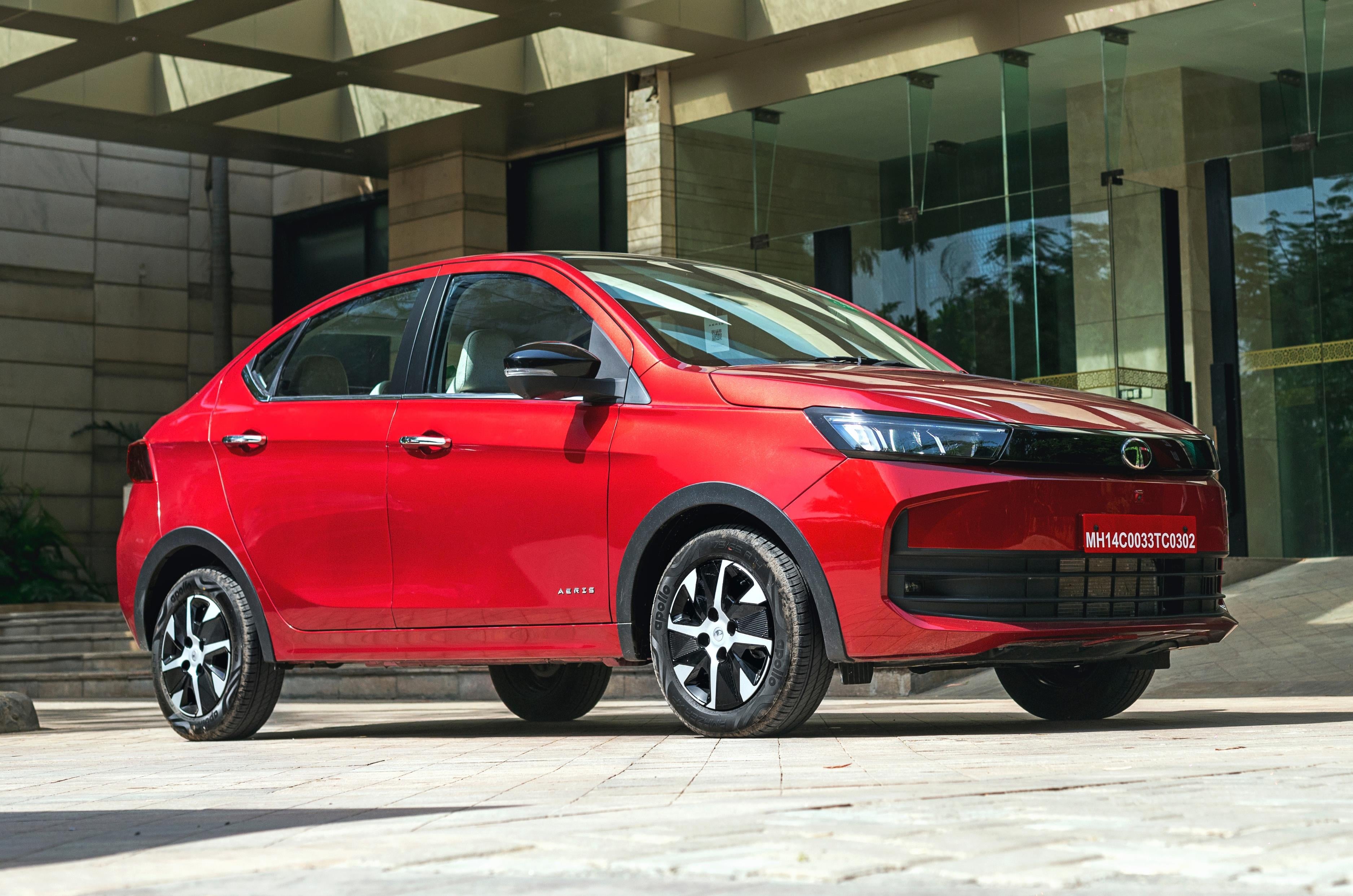
As mentioned above, Tata slipped from second place in August 2026 to third place in September, though its overall volumes were extremely close to Mahindra’s and YoY sales growth was healthy too. That said, Tata’s market share decreased by a little bit, specifically 13.76 percent in September 2025 to 13.40 percent last month, and it was the only carmaker to witness a MoM sales decline as well. Most recently, Tata launched the Aeris compact sedan, replacing the Tigor.
4. Hyundai
50,201 units sold, up 31.46 percent YoY
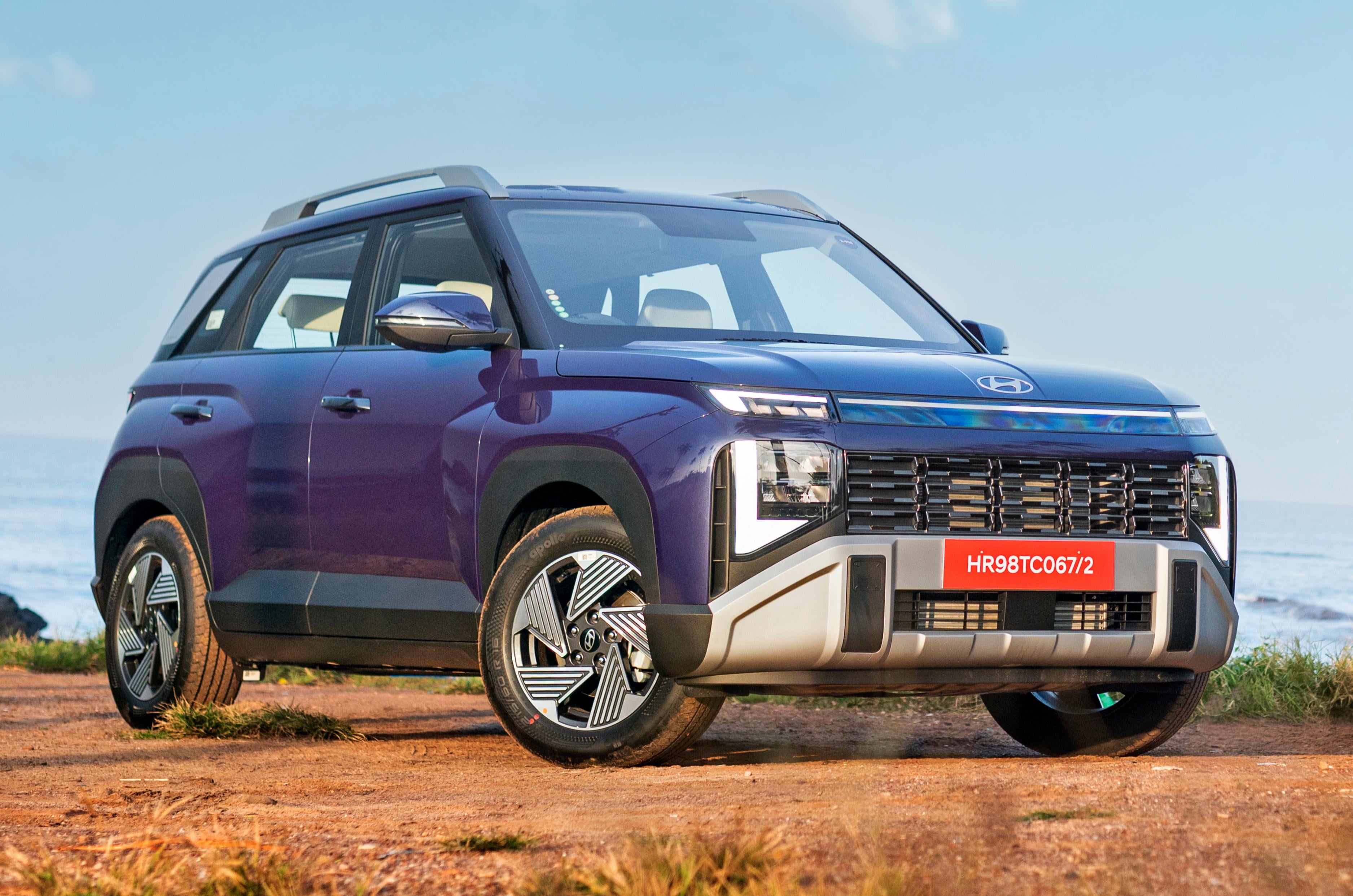
Hyundai remained in fourth place in the September 2026 sales rankings, experiencing healthy MoM and YoY upticks. Market share, however, did slide from 11.81 percent in September 2025 to 11.75 percent in September 2026. This month, Hyundai is likely to launch the Bayon midsize SUV, and its impact in the October 2026 sales charts should be interesting to see.
5. Toyota
28,050 units sold, up 21.56 percent YoY
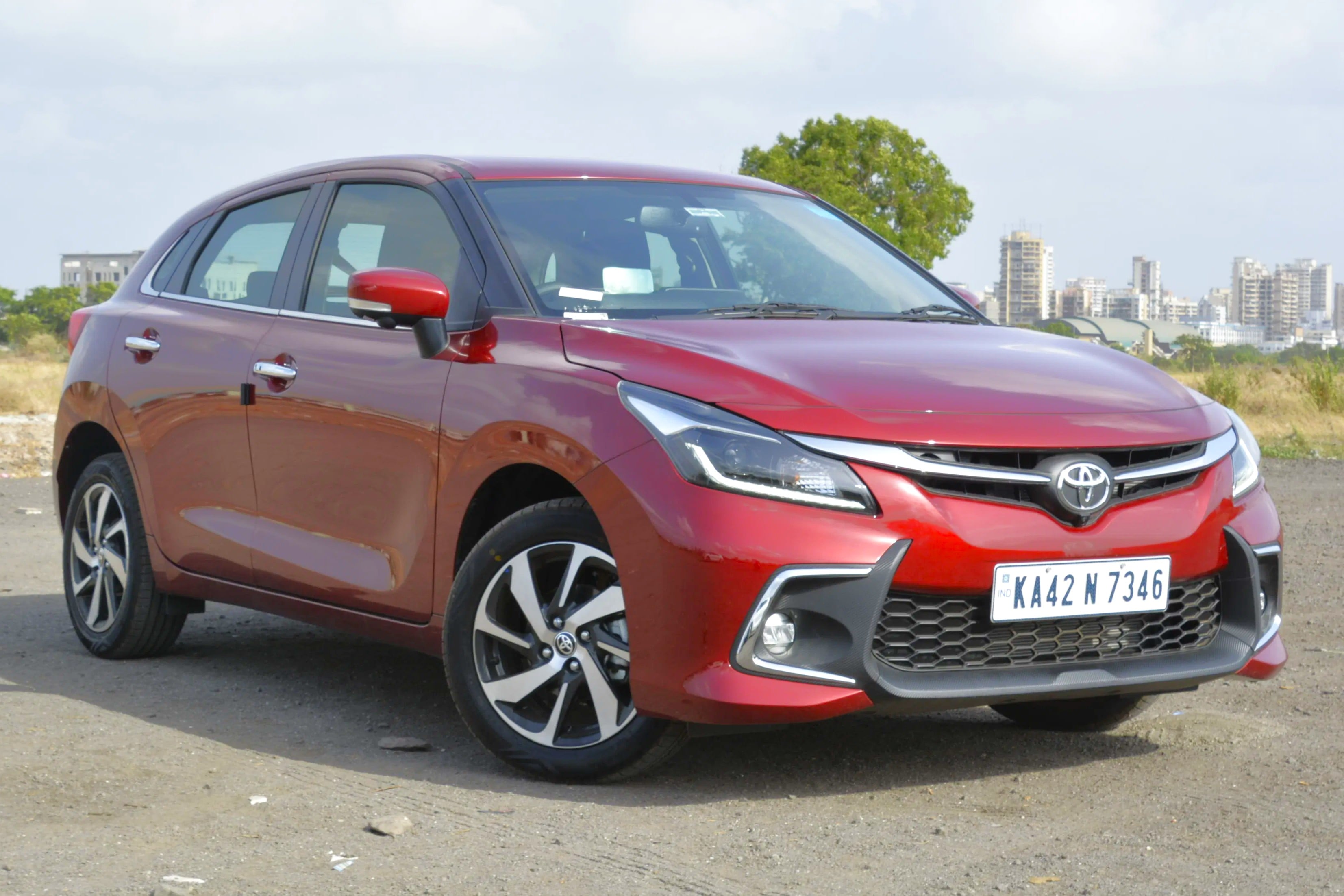
Like last month, Toyota was in fifth place on the September 2026 sales chart. Interestingly, Toyota experienced one of the highest MoM upticks among the carmakers listed here. At the same time, however, the Japanese carmaker’s market share dipped from 7.14 percent in September 2025 to 6.57 percent last month. In October, Toyota is expected to debut the facelifted Glanza, changes for which are likely to mirror those seen in the Maruti Baleno facelift.
6. Kia
26,663 units sold, up 45.91 percent YoY
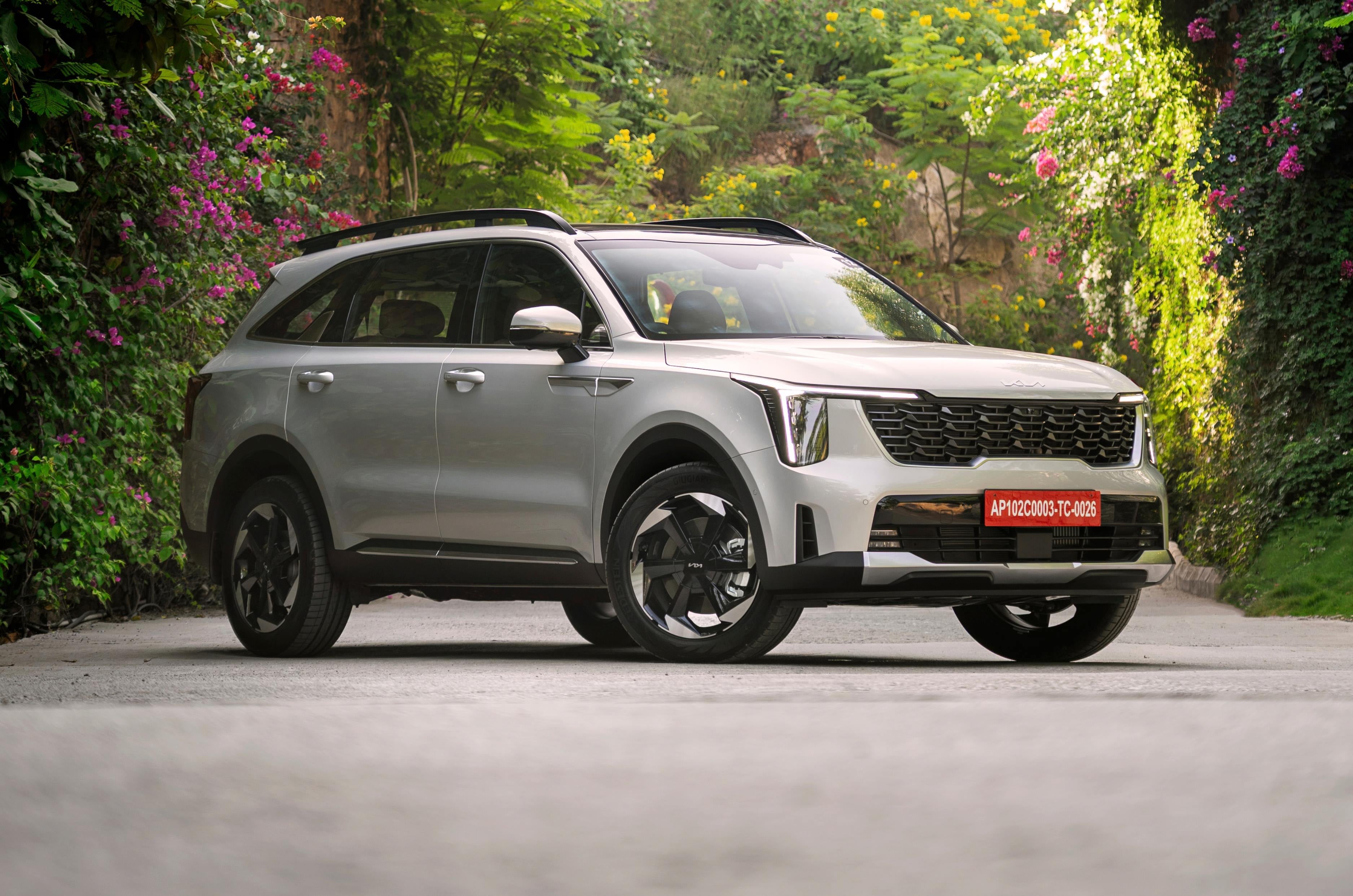
Thanks to the continued popularity of the second-gen Seltos, Kia recorded the highest YoY sales uptick among the top 10 carmakers in September 2026, while MoM growth was the second-highest – falling just shy of Mahindra. Kia’s market share also grew considerably, from 5.65 percent in September 2025 to 6.24 percent in September 2026. While Kia is fresh off a major launch – the Sorento – the Korean carmaker is likely to announce prices for the Carnival hybrid, though the luxury MPV is not expected to be a major volume driver.
7. Skoda Volkswagen Group
8,479 units sold, up 13.51 percent YoY
Skoda Auto Volkswagen India Private Limited (SAVWIPL) held on to seventh place in September 2026, and even saw a decent 13.52 percent MoM increase in sales. Notably, SAVWIPL’s YoY growth is nearly identical to the MoM one. In terms of market share, SAVWIPL declined from 2.29 percent last September to 1.98 percent in September 2026. As for launches in October, Skoda is fresh off the Slavia facelift’s price reveal, which could rejuvenate some interest in the midsize sedan space.
8. MG
6,475 units sold, up 13.74 percent YoY
Remaining in eighth place, MG experienced relatively moderate levels of MoM and YoY sales growth in September 2026. However, MG’s market share slid from 1.76 percent in September 2025 to 1.52 percent last month. MG launched the Hector Tomahawk EV and PHEV in August, and doesn’t have any new launches lined up for October. That said, deliveries of the Tomahawk PHEV are slated to start from November.
9. Honda
5,283 units sold, up 42.51 percent YoY
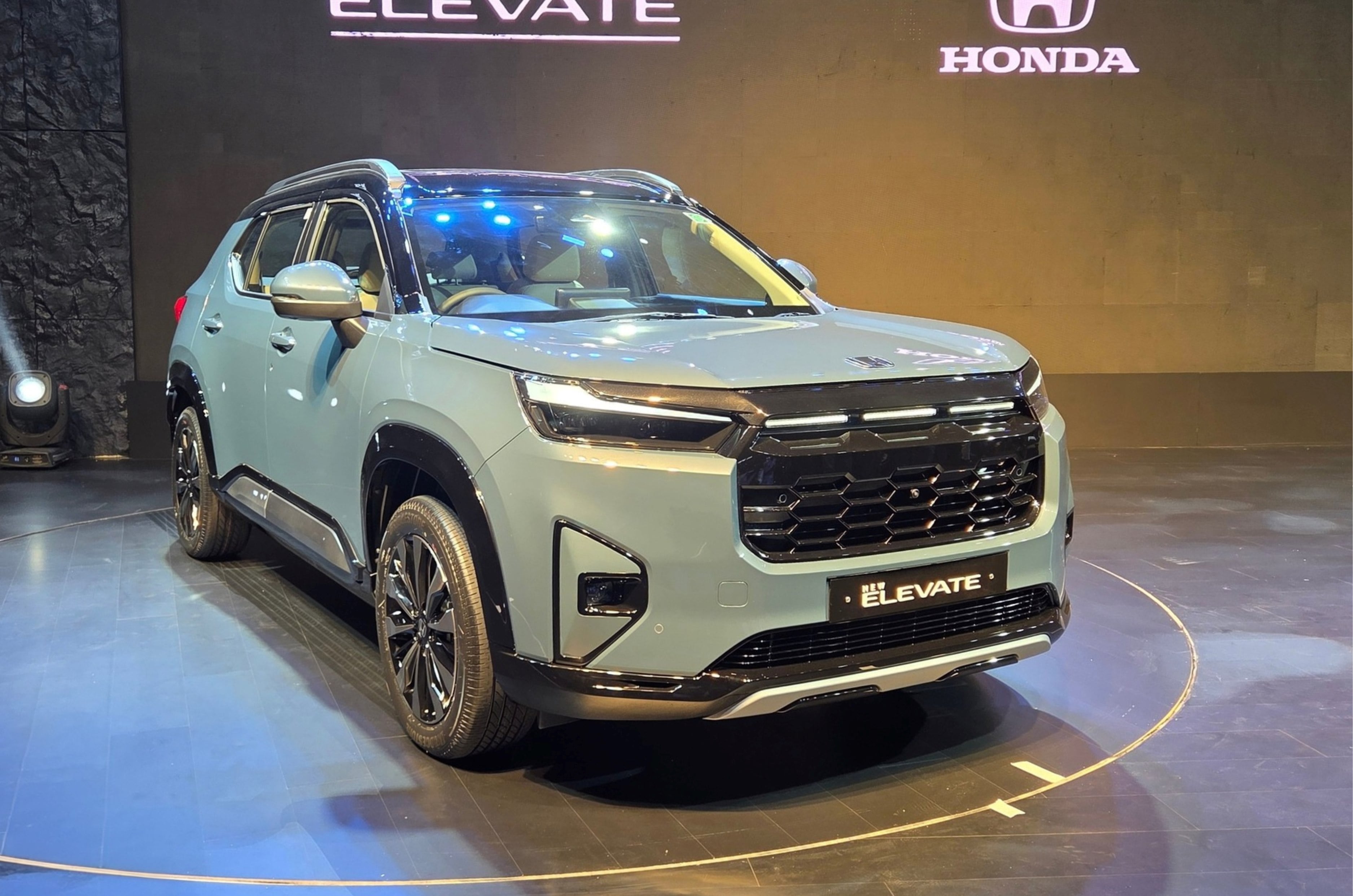
In the penultimate position comes Honda, which saw a mild 6.34 percent MoM increase in sales, but a whopping 42.51 YoY surge. The Japanese carmaker’s market share also grew from 1.15 percent in September 2025 to 1.24 percent in September 2026. Honda is fresh off the launch of the Elevate facelift, and is also expected to bring the Prelude coupe to India in the months to come.
10. Renault
3,410 units sold, up 33.10 percent YoY
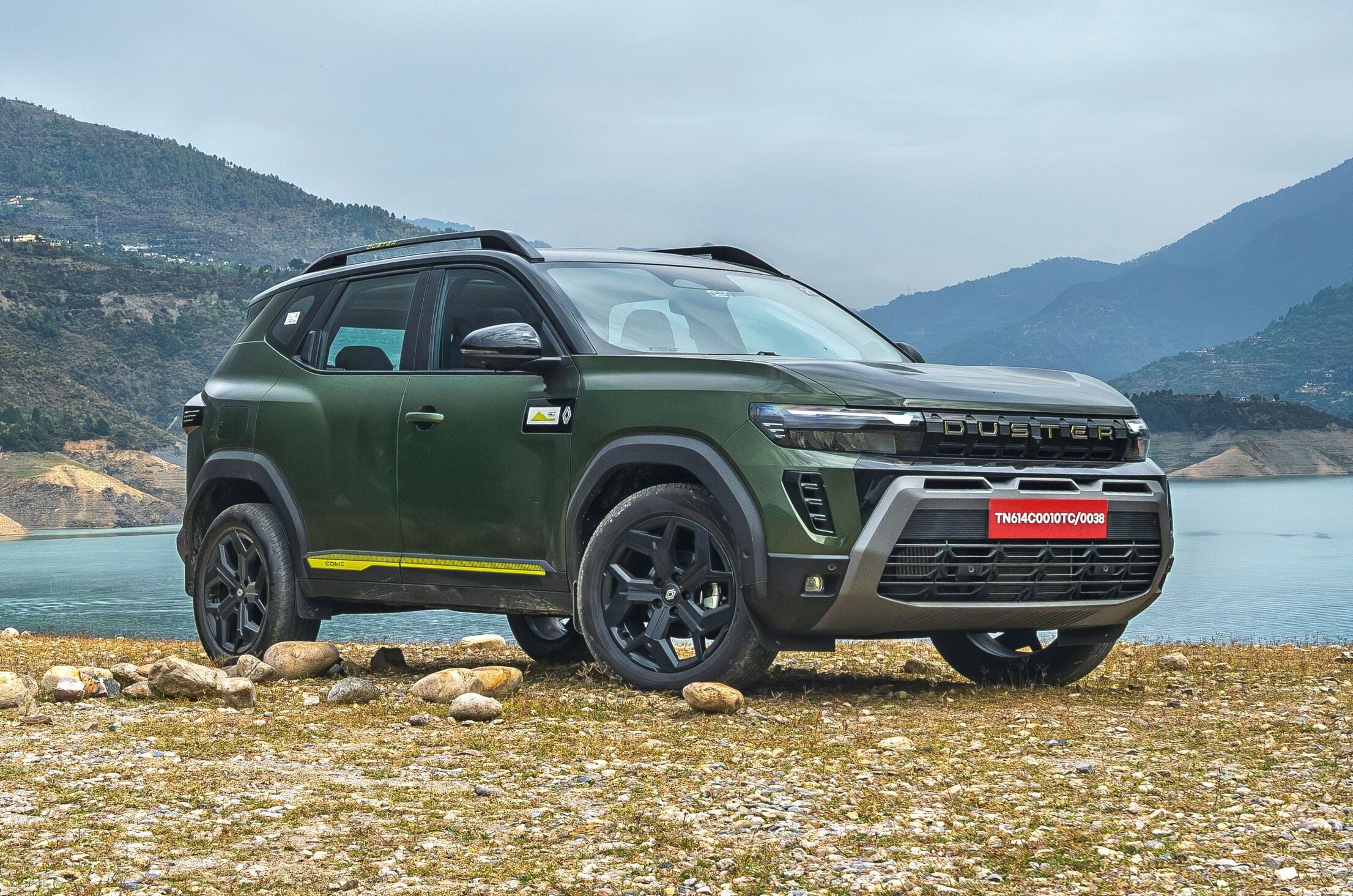
Rounding out the top 10 is Renault, which recorded the mildest MoM sales increase (4.12 percent) last month. However, its 33.1-percent YoY growth is quite impressive, and can largely be credited to the new Duster, which went on sale in March 2026. Renault’s market share also saw a very slight increase – from 0.79 percent in September 2025 to 0.8 percent in September 2026. Coming to new launches, Renault announced prices for the Triber turbo in late September, and will launch the Duster hybrid in October.
Petrol cars regain sales majority over alternative fuels, albeit slightly
Sep 2026 share (%)
Aug 2026 share (%)
Sep 2025 share (%)
Petrol/ethanol
41.27
40.85
47.18
Diesel
17.74
17.21
17.76
CNG/LPG
23.11
25.28
22.02
Hybrid
9.44
9.04
7.30
EV
8.45
7.63
5.74
A big talking point in FADA’s August 2026 sales data was alternative-fuel cars (CNG, hybrid, electric) collectively outselling petrol cars for the first time. However, the trend did not continue in September 2026, as the share of petrol cars climbed to 41.27 percent, while alternative-fuel cars stood at a combined 41 percent.
Shares for hybrids and EVs experienced MoM increases in September, but CNG cars saw a downturn on that front. Be that as it may, the difference between petrol and alternative-fuel cars is still very slight, and the buyer shares for the latter are still higher when compared to September 2025’s numbers.
October 2026 will tell the real story for Indian PV market, says FADA
Keeping in mind that September 2026’s YoY growth was driven by a favourable base effect, FADA president Sai Giridhar remarked, “One year on from GST 2.0, affordability remains the single engine of this cycle — and dealers now flag further price increases eroding that very affordability as their foremost risk for the quarter ahead. Protecting the GST gain is, to our mind, the key to converting the festive season into durable growth.”
Over 4,66,800 cars were sold in October 2025 thanks to GST 2.0 and festive demand, making it the best-ever October for the Indian PV market. With several price increases implemented by major carmakers since the introduction of GST 2.0, October 2026 is now shaping up to be the real test of the Indian PV market. It will also be the first month after the one-year anniversary of GST 2.0, thereby providing a clean slate to compare like-for-like YoY growth numbers.
According to FADA, 75.57 percent of dealers expect growth, 19.46 percent anticipate a flat market, and 4.98 percent are bracing for a downturn in sales during October 2026. The overall outlook among dealers is ‘Cautiously Optimistic’.
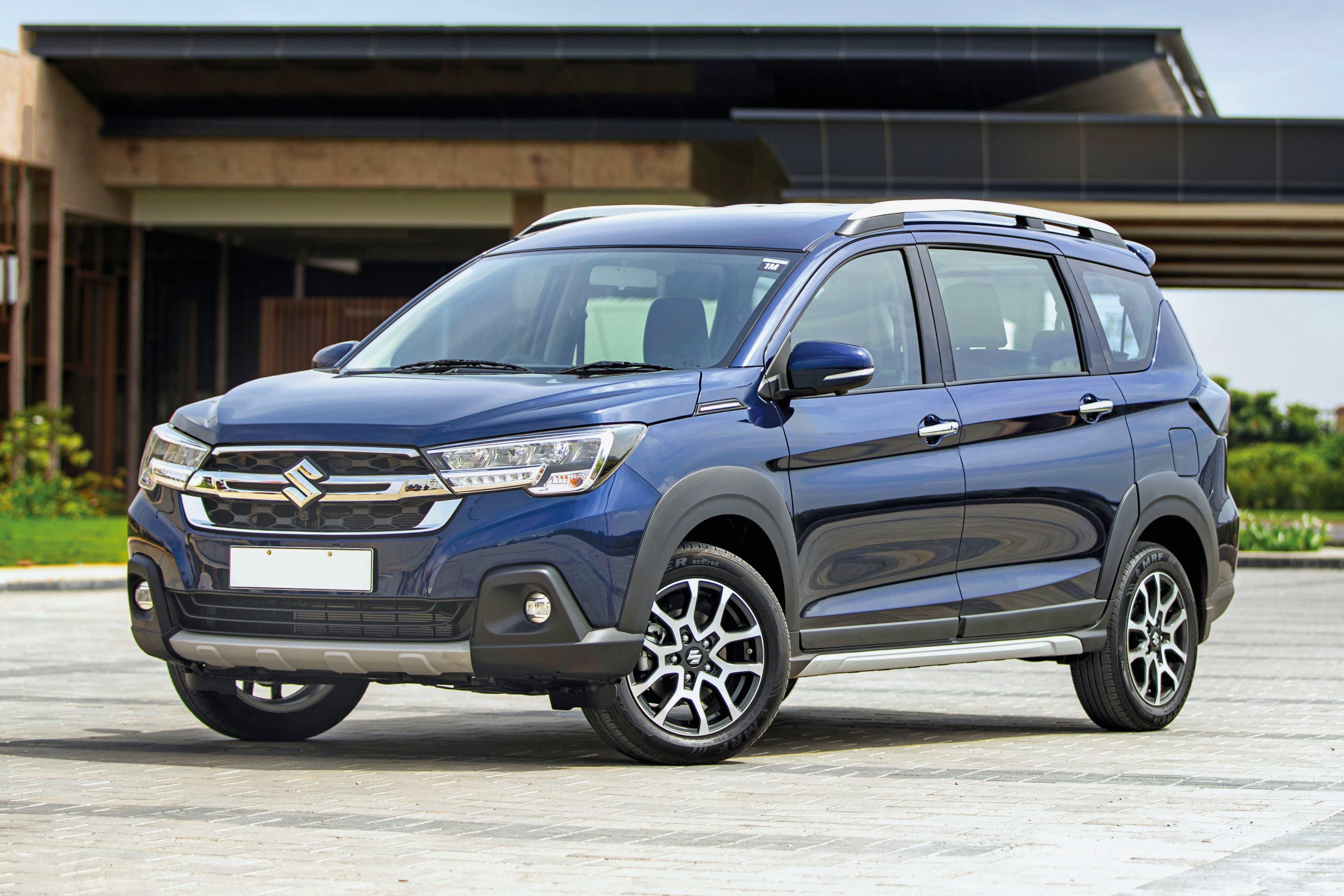
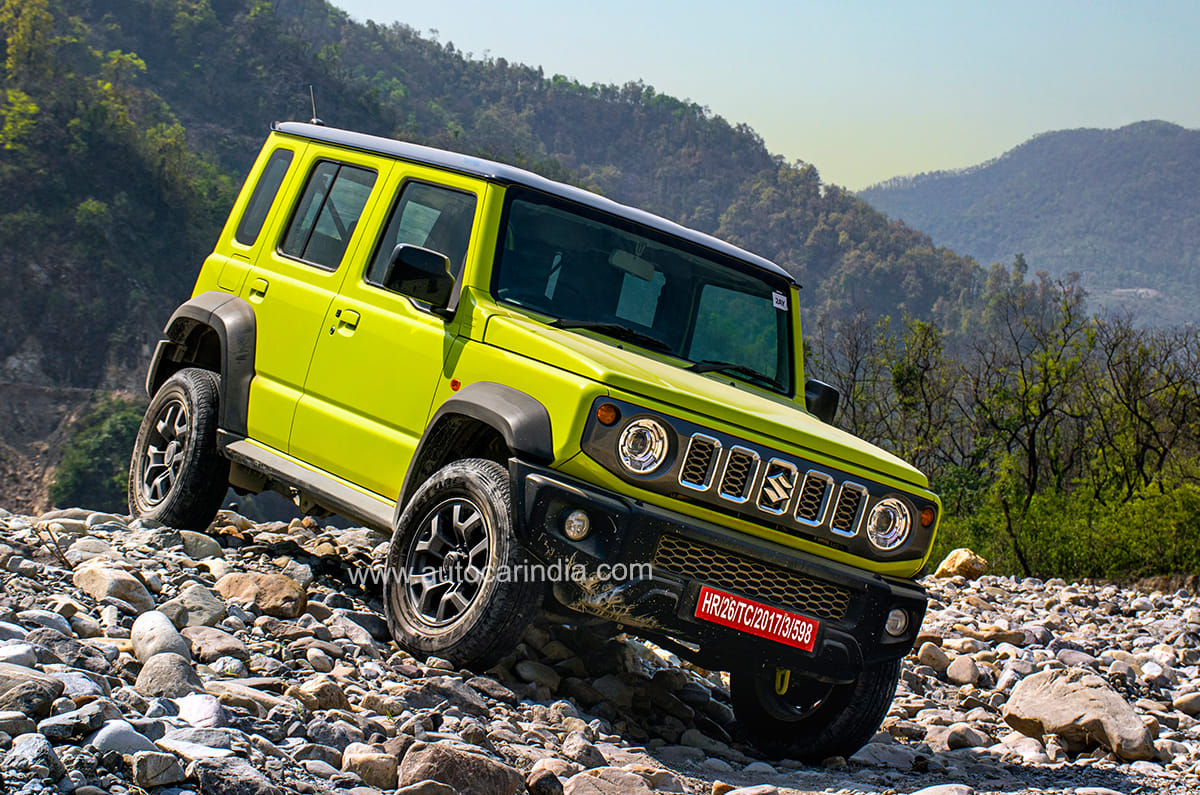
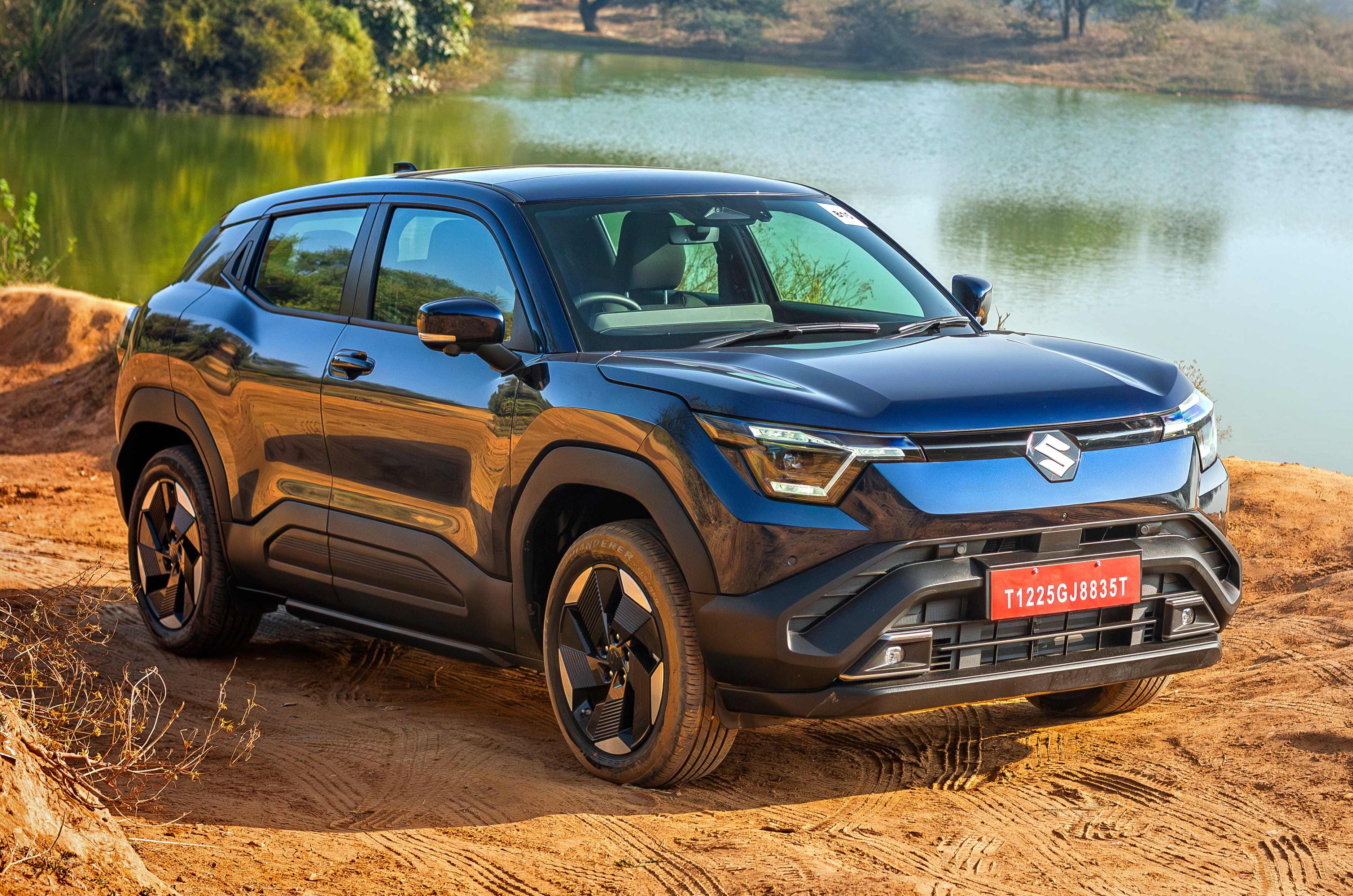
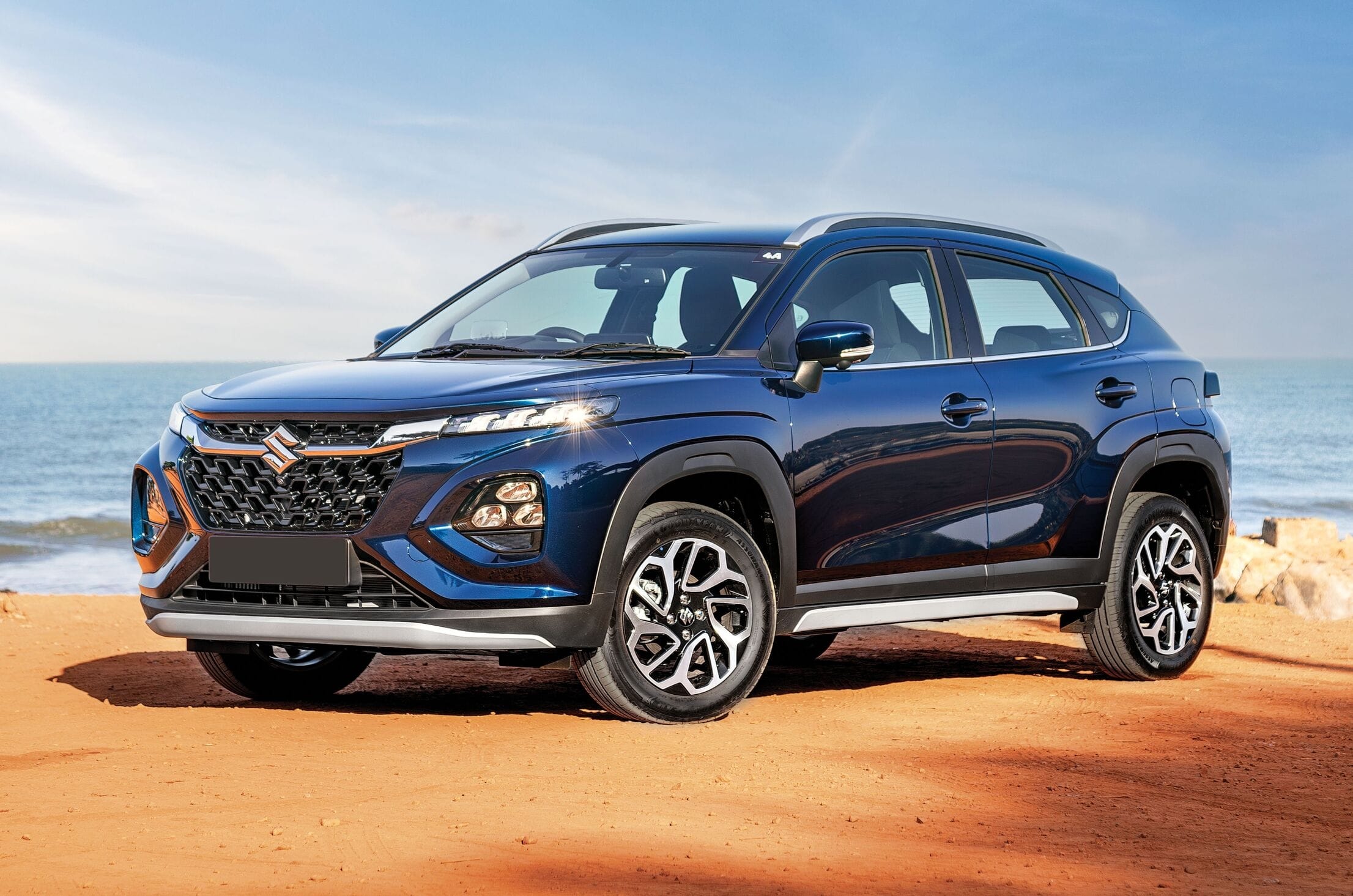
Maruti Suzuki has revealed the offers applicable to its Nexa cars in October. The Grand Vitara receives the highest benefits of up to Rs 1.36 lakh, followed by the Invicto, XL6, Jimny, e Vitara and Fronx. However, there are no benefits on the recently launched Baleno facelift. Let us now take a closer look at these offers.
Note: Offers may vary by city, dealership and stock availability. Please check with your nearest Maruti Nexa dealership for the exact figures. The pre-Navratri booking offer is applicable from October 1 to 10. The exchange offer considered here is for cars up to 10 years old, while the additional exchange offer applies to cars up to 6 years old.
Maruti Grand Vitara October 2026 offers
Up to Rs 1.36 lakh
Pre-2025 Maruti Grand Vitara.
The Maruti Grand Vitara gets offers of up to Rs 1.36 lakh this month. Its Sigma petrol MT variant gets the highest total benefit of up to Rs 1.36 lakh, including a cash discount of Rs 35,000, a pre-Navratri booking offer of Rs 11,000, exchange benefit of Rs 30,000, an additional exchange bonus of Rs 25,000, a loyalty bonus of Rs 20,000 and corporate offer of Rs 15,000.
The Delta petrol MT and AT variants get offers of up to Rs 1.26 lakh, while the Zeta and Alpha petrol variants, along with the AWD variants, get benefits of Rs 1.15 lakh plus a five-year extended warranty. All strong-hybrid variants get benefits worth up to Rs 1.20 lakh, along with zero road tax of up to Rs 1.85 lakh and a five-year extended warranty. Lastly, the Delta CNG gets benefits of up to Rs 1 lakh, while the Zeta CNG gets up to Rs 90,000.
Maruti has priced the Grand Vitara from Rs 10.77 lakh to Rs 19.62 lakh, and it rivals midsize SUVs like the Hyundai Creta, Tata Sierra, Kia Seltos, Renault Duster and more.
Maruti Invicto October 2026 offers
Up to Rs 95,000
Next in line is the Maruti Invicto, with offers of up to Rs 95,000. These are available across all variants of the MPV, and include an exchange benefit of Rs 50,000, a loyalty bonus of Rs 30,000 and a corporate offer of Rs 15,000. However, there are no consumer offer, pre-Navratri booking offer and additional exchange bonus available on the Invicto.
The Maruti Invicto, priced from Rs 25.02 lakh to Rs 28.71 lakh, locks horns with the Toyota Innova Hycross.
Maruti XL6 October 2026 offers
Up to Rs 61,000
The Maruti XL6 gets offers of up to Rs 61,000. Petrol MT and AT variants get a cash discount of Rs 20,000, a pre-Navratri booking offer of Rs 11,000, an exchange benefit of Rs 20,000 and an additional exchange bonus of Rs 10,000. CNG variants get a maximum benefit of Rs 50,000, comprising a cash discount of Rs 20,000, an exchange benefit of Rs 20,000 and an additional exchange bonus of Rs 10,000.
Prices for the Maruti XL6 range from Rs 11.62 lakh to Rs 14.52 lakh, and the MPV rivals the Kia Carens Clavis and Toyota Rumion.
Maruti Jimny October 2026 offers
Up to Rs 35,000
Unlike the models so far which get multiple offers, the Maruti Jimny is available with just a cash discount of Rs 35,000 across all variants. No exchange, pre-Navratri booking, additional exchange bonus, loyalty and corporate offers are on offer this month with the SUV.
The Jimny’s prices range between Rs 12.59 lakh and Rs 14.52 lakh, and it competes with the Mahindra Thar OG and Force Gurkha 3-door.
Maruti e Vitara October 2026 offers
Up to Rs 30,000
The Maruti e Vitara, the carmaker’s sole EV offering, gets offers of up to Rs 30,000 this month, along with a free charger and its home installation. Available across all variants, the offer includes an exchange benefit of Rs 30,000. There are no consumer, pre-Navratri booking, additional exchange bonus, loyalty, scrappage or corporate offers this month.
The e Vitara is priced between Rs 16.19 lakh and Rs 19.99 lakh, and it rivals the likes of the Hyundai Creta Electric, Vinfast VF6, Mahindra BE 6 and more.
Maruti Fronx October 2026 offers
Up to Rs 27,100
Rounding off this list is the Maruti Fronx, with offers of up to Rs 27,100 in October 2026. The 1.0-litre turbo-petrol variants get the highest benefit, including a consumer offer of Rs 5,000, a pre-Navratri booking offer of Rs 7,100, an exchange benefit of Rs 10,000 and an additional exchange bonus of Rs 5,000.
The 1.2-litre petrol variants get up to Rs 22,100, comprising the pre-Navratri booking, exchange and additional exchange bonus benefits. The 1.2-litre petrol-CNG variants get the lowest benefit of Rs 15,000, through exchange and additional exchange bonus offers.
Prices for the Maruti Fronx range from Rs 6.9 lakh to Rs 11.89 lakh, and it serves as an alternative to compact SUVs like the Tata Nexon, Hyundai Venue, Kia Sonet, Mahindra XUV 3XO and more.
Ex-showroom prices mentioned above are as on October 7, 2026.
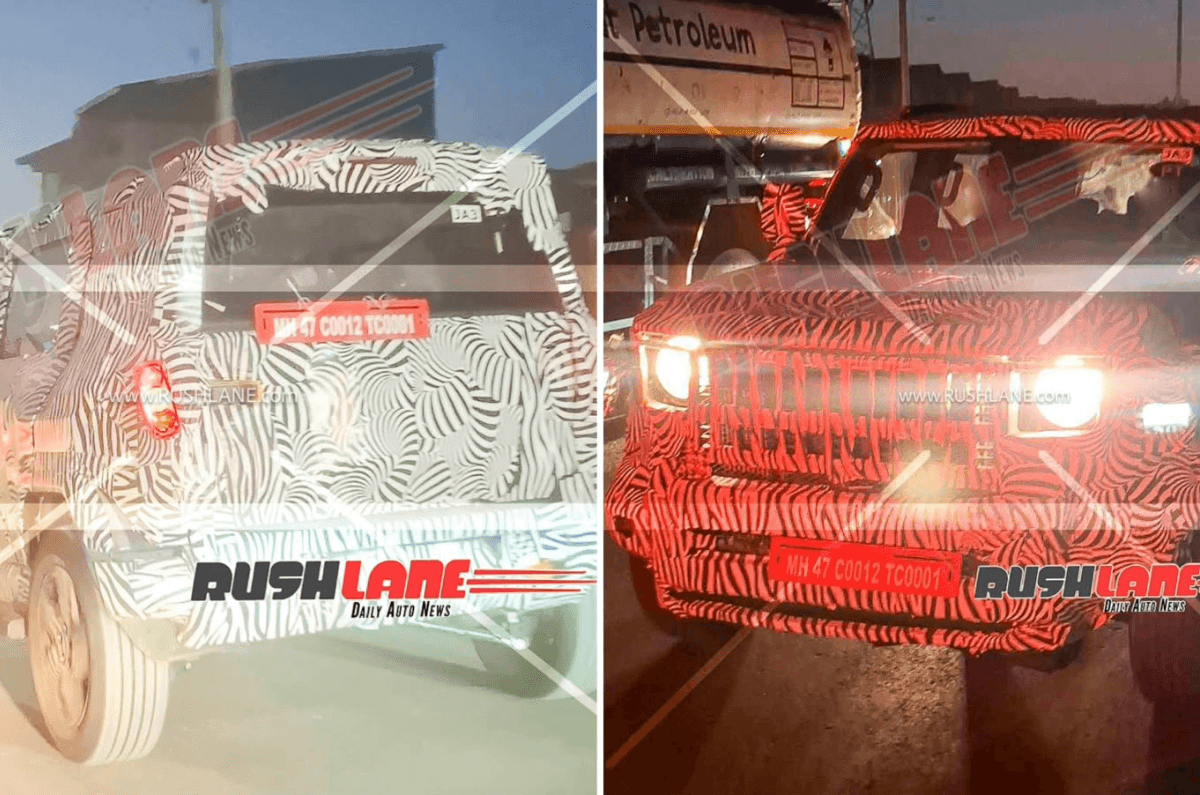
A Mahindra Vision T prototype was spied testing on our roads for the first time. Though the prototype was heavily camouflaged, the spy shots suggest that the production-spec SUV could carry over several design cues from the Vision T concept. The Vision T is an evolution of the Thar.e concept, which was showcased in August 2023.
India’s passenger vehicle wholesale volumes remained broadly flat at around 4 lakh units in September 2026. Maruti Suzuki retained the top spot, while Kia and Renault were the only two manufacturers to record month-on-month growth. Tata Motors and Mahindra were separated by just 227 units, with Tata taking second place.
September 2026 retail car sales
September 2026 carmaker-wise sales in India
Carmaker
Sep 2026 sales
Aug 2026 sales
Sep 2025 sales
MoM change
YoY change
Maruti Suzuki
1,68,744
1,76,971
1,32,820
-4.65%
+27.05%
Tata
56,972
65,253
59,667
-12.69%
-4.52%
Mahindra
56,745
59,257
56,233
-4.24%
+0.91%
Hyundai
49,998
54,396
51,547
-8.09%
-3.01%
Kia
32,017
29,042
22,700
+10.24%
+41.04%
Toyota
27,652
28,410
27,089
-2.67%
+2.08%
MG
5,226
7,508
6,728
-30.39%
-22.32%
Renault
3,399
2,842
4,265
+19.60%
-20.30%
Nissan
2,960
3,426
1,652
-13.60%
+79.18%
Maruti Suzuki
Sales: 1,68,744 units, Change: 27.05 YoY
Maruti Suzuki remained India’s largest carmaker in September, with 1,68,744 units, up 27.1 percent from 1,32,820 units in September 2025. Sales however declined 4.7 percent from August, when the company recorded 1,76,971 units. The company launched the Baleno facelift during the month, along with CNG AMT versions of the Swift and, Baleno and Dzire were also introduced.
SUV and MPV sales stood at 78,911 units, while the hatch and sedan segments segments together contributed 91,887 units. The Eeco added 11,040 units during the month.
Tata
Sales: 56,972 units, Change: -4.52 YoY
Tata Motors recorded domestic passenger vehicle sales of 56,972 units in September, down 4.5 percent from 59,667 units in the same month last year. Sales also declined 12.7 percent from August 2026. During the month, Tata launched the Aeris, deliveries of which will commence from October 11. It also launched the Sierra Dark and Sierra Legend Series, while extending its Battery-as-a-Service (BaaS) offering to the Nexon EV, Curvv EV, Sierra EV and Harrier EV.
Mahindra
Sales: 56,745 units, Change: 0.91 YoY
Mahindra recorded 56,745 units in September, down 4.2 percent from 59,257 units in August, while sales were up 0.9 percent from 56,233 units in September 2025. During the month, Mahindra launched the updated Thar OG, deliveries of which are set to begin from October 11. The SUV carmaker also expanded the XUV 3XO range with the RevX Edge variants. The XUV 7XO also received a five-star Bharat NCAP safety rating, scoring 30.76 out of 32 points for adult occupant protection and 44.97 out of 49 points for child occupant protection.
Hyundai
Sales: 49,998 units, Change: -3.01 YoY
Hyundai recorded 49,998 units in September, down 3.0 percent from 51,547 units in the same month last year and 8.1 percent from August. During the month, Hyundai teased the Bayon, which is slated to launch in October, while also introducing Lounge Editions of the Creta, Alcazar and Creta Electric.
Kia
Sales: 32,017 units, Change: 41.04 YoY
Kia was the only manufacturer to record both month-on-month and year-on-year growth in September. It recorded 32,017 units, up 10.2 percent from August and 41 percent from September 2025. During the month, Kia launched the Carens CNG and Carens Clavis CNG, extended automatic powertrain options to lower-spec Carens Clavis variants and launched the Sorento in India.
The Carens and Carens Clavis CNG versions now get a factory-fitted CNG kit, while the new lower-spec Clavis automatic variants get turbo-petrol DCT and diesel automatic powertrains.
Toyota
Sales: 27,652 units, Change: 2.08 YoY
Toyota recorded 27,652 units in September, up 2.1 percent from 27,089 units in the same month last year, while sales declined 2.7 percent from August. Toyota is also set to launch the updated Glanza on October 14. The company remains optimistic about demand during the upcoming festive season, with the Innova Hycross, Urban Cruiser Hyryder and Glanza continuing to drive sales.
MG
Sales: 5,226 units, Change: -22.32 YoY
JSW MG Motor recorded 5,226 units in September, down 22.3 percent from 6,728 units in the same month last year and 30.4 percent from August. During the month, MG introduced Battery-as-a-Service (BaaS) for the Cyberster and M9, reducing their upfront prices while adding a per-kilometre battery rental fee. In August, the company had launched the Hector Tomahawk in EV and PHEV versions, its first models based on the ADAPT platform.
Renault
Sales: 3,399 units, Change: -20.30 YoY
Renault was one of only two manufacturers to record month-on-month growth in September. It recorded 3,399 units, up 19.6 percent from August, but down 20.3 percent from September 2025. During the month, Renault launched the Triber Turbo at Rs 7.84 lakh, while its Duster hybrid is set to launch next month on October 17.
Nissan
Sales: 2,960 units, Change: 79.18 YoY
Nissan recorded 3,300 domestic wholesale units in September, up 99.8 percent from 1,652 units in September 2025, but down 3.7 percent from August. During the month, Nissan was also seen testing its upcoming seven-seater SUV based on the Tekton.
M&M Price Hike: महिंद्रा एंड महिंद्रा (M&M) की एसयूवी एक बार और महंगी हो सकती हैं। कमोडिटीज यानी कच्चे माल के बढ़ते भाव के चलते कंपनी इसकी योजना बना रही है और अगले कुछ हफ्तों में कंपनी इस पर फैसला ले सकती है। यह जानकारी कंपनी के ऑटोमोटिव प्रेसिडेंट और सीईओ Nalinikanth Gollagunta ने न्यूज एजेंसी पीटीआई को एक इंटरव्यू में दी। उन्होंने कहा कि कंपनी साल पहले ही तीन बार- जनवरी, अप्रैल और जुलाई में कीमतें बढ़ा चुकी हैं और अब एक बार फिर इसकी तैयारी है। जुलाई में तो कंपनी ने एसयूवी की कीमतें करीब 2.7% तक बढ़ाई थी। अब चौथी बार बढ़ोतरी को लेकर उन्होंने कहा कि इस पर अगले कुछ हफ्तों में फैसला हो सकता है कि कीमतें बढ़ाने की जरूरत है या नहीं।
दाम में बढ़ोतरी का बिक्री पर कितना असर?
नलिनकांत का दावा है कि पूरे ऑटो इंडस्ट्री में हाल ही में हुई प्राइस हाइक का ग्राहकों की इंक्वायरी और बुकिंग्स पर कोई खास असर नहीं पड़ा है। इसकी एक बड़ी वजह उन्होंने बताई कि महिंद्रा की गाड़ियां अभी भी जीएसटी में कटौती से पहले की कीमतों की तुलना में सस्ती हैं। अब आगे की बात करें तो उन्हें फेस्टिव सीजन से पॉजिटिव उम्मीदें हैं। उनका कहना है कि गाड़ियों की कीमतें अभी भी जीएसटी में कटौती से पहले की तुलना में सस्ती हैं तो महिंद्रा के नए और अपडेटेड मॉडल आ रहे हैं, जिनसे फेस्टिव सीजन में मांग अच्छी दिख सकती हैं
क्या है Mahindra & Mahindra की स्ट्रैटेजी
हाइब्रिड टेक्नोलॉजी को लेकर नलिनकांत ने कहा कि कंपनी का फोकस फिलहाल इलेक्ट्रिक गाड़ियों (EVs) पर बना हुआ है लेकिन नियमों में बदलाव पर उसके हिसाब से कंपनी खुद को ढाल लेगी। उन्होंने कहा कि CAFE (कॉरपोरेट एवरेज फ्यूल एफिसिएंसी) से जुड़े नियमों में ईवी और हाइब्रिड को मिलने वाले फायदों में साफ फर्क है जिसकी वजह से कंपनी का फोकस ईवी पर है।
कैपेसिटी को लेकर उन्होंने कहा कि कंपनी के पास अभी हर महीने तेल से चलने वाली 60 हजार और 8 हजार इलेक्ट्रिक गाड़ियां बनाने की क्षमता है और अगले साल मार्च के अंत या अप्रैल की शुरुआत तक तेल से चलने वाली गाड़ियों के प्रोडक्शन की क्षमता हर महीने 70 हजार और ईवी की 12 हजार करने का लक्ष्य है। इस प्रकार कंपनी का लक्ष्य अपनी प्रोडक्शन कैपेसिटी को करीब छह महीने में मौजूदा 68 हजार से बढ़ाकर 84 हजार करने की है। साथ ही कंपनी अगली दो तिमाहियों में तेल से चलने वाली एक और एक ईवी लॉन्च करने की तैयारी में है।
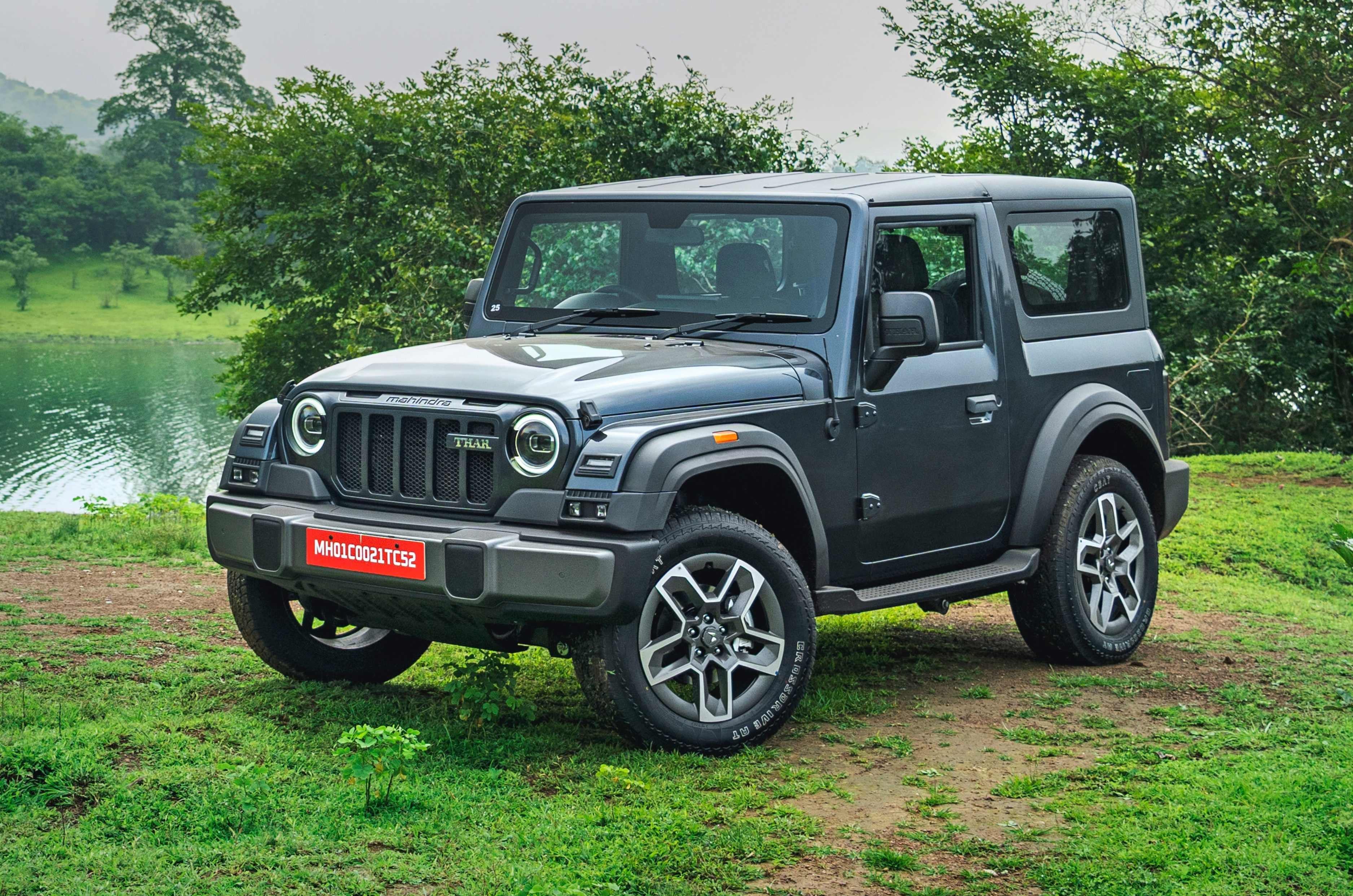
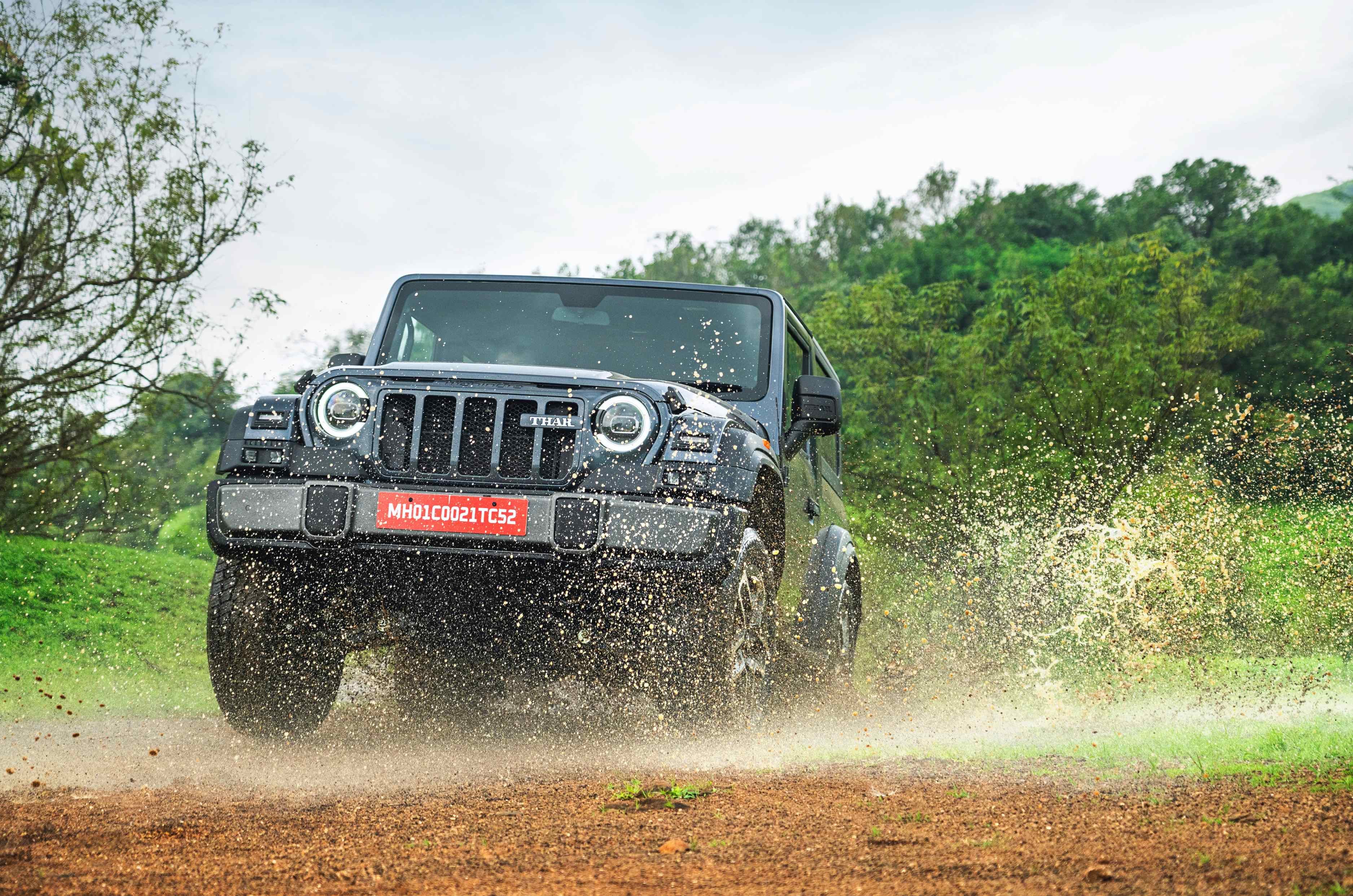
The Mahindra Thar OG was launched in September 2026 and marks the second update to the 3-door SUV in just over a year. Along with the new ‘OG’ suffix, it gets a host of changes to the design, interior and under the skin, along with several new features. If you are considering adding the Thar OG to your garage, here are three reasons to buy it and two reasons why it may not be for you.
Pros
Off-roading capability
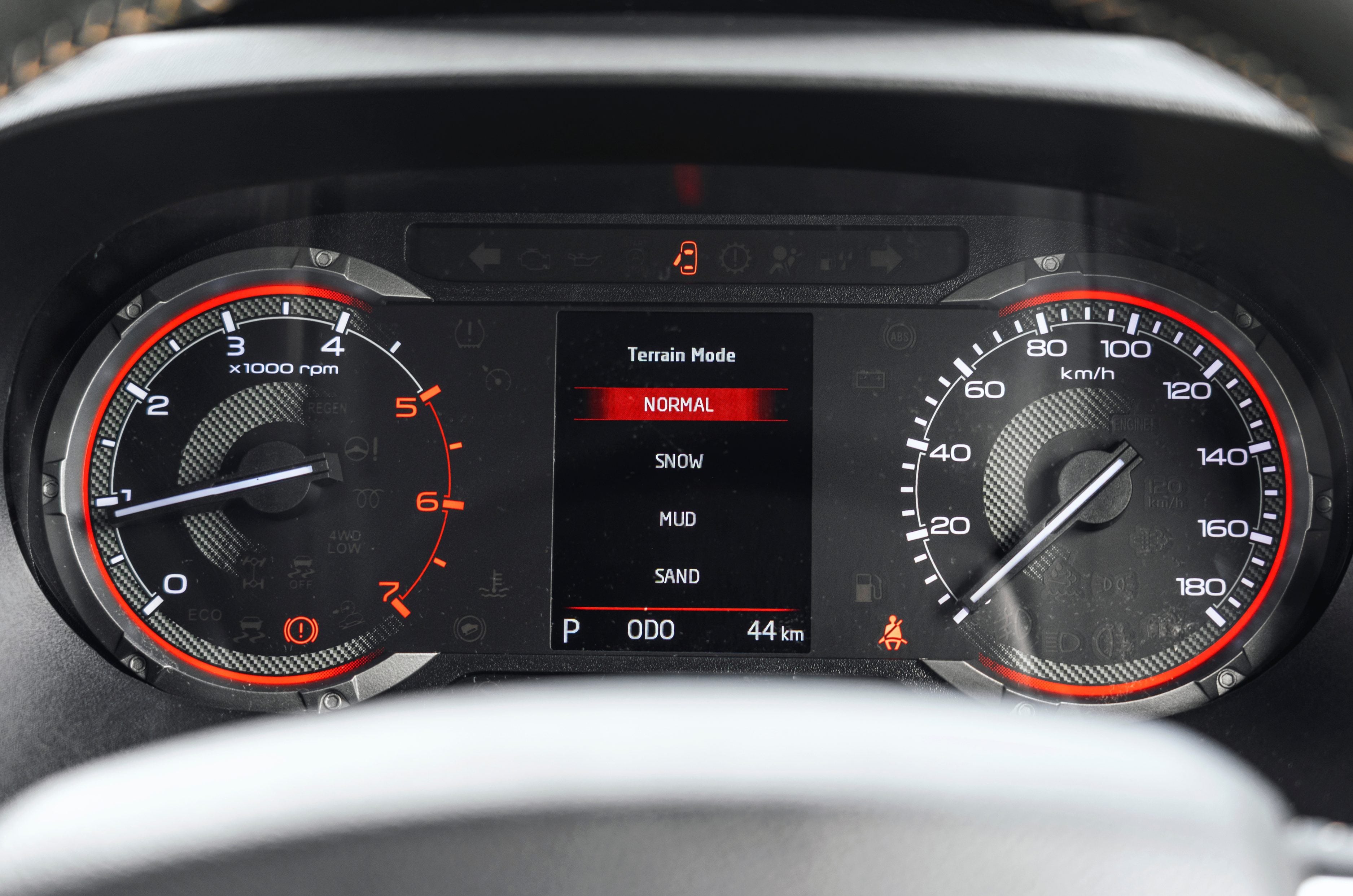
The Thar OG remains a hardcore body-on-frame SUV, and its off-roading ability has been further enhanced with new Snow, Sand and Mud terrain modes. These work with ESP, throttle control and steering input for maximum assistance while off-roading. The electronic locking differential is also more convenient to use. For someone who enjoys off-roading, there is nothing like the Thar OG under Rs 65 lakh.
Light steering
The Thar OG gets electric power steering (EPS) instead of the previously-on-offer hydraulically assisted unit, and as a result, much less effort is needed to steer and turn the Thar. Below 20kph, it’s light enough to turn with just one finger. As the speed increases, it gains heft so it does not feel uncomfortably light. As a result, you no longer need to wrangle with the steering to make a three-point turn.
Improved stability
The Watts linkage at the rear adds stability by keeping the axle centred as it moves up and down. This means there is less bouncing over uneven highways and bad patches. The track has also been widened, which further improves stability, even at highway speeds.
Then there is the DaVinci damping setup. Sharp, low-speed bumps no longer send harsh thuds into the cabin. To improve comfort with the larger 19-inch wheels, the ZXT trim also gets frequency-dependent dampers alongside the DaVinci setup.
Cons
Lack of space
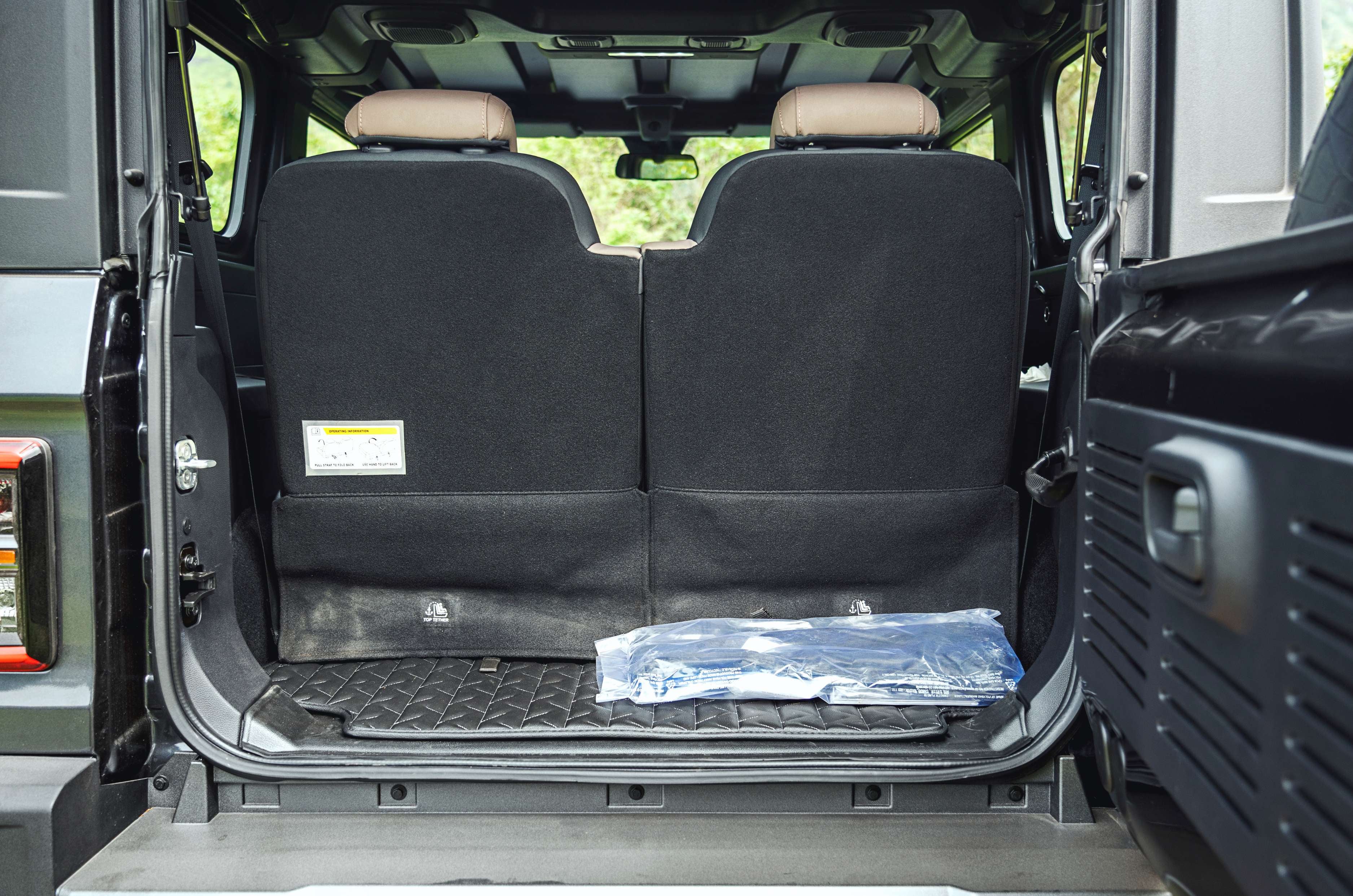
The Thar’s cabin remains short on space, especially at the rear. It continues to be a strict two-seater at the back. Accessing the rear seats could also be difficult for older adults. Boot space is a weak point as well, with barely enough room for an airport run. Carrying large suitcases will require folding down the rear seats.
Interior plastic quality
Unlike the soft-touch materials used in the Thar Roxx’s cabin which give it a more premium feel, the Thar OG’s hard plastics feel low rent. This becomes more noticeable when compared with rivals in the same price bracket. At the time of writing, the Thar OG is priced between Rs 10.32 lakh and Rs 17.75 lakh, ex-showroom.
Not too long after a significant update, Mahindra has given the Thar yet another shot in the arm. The Thar OG now gets a whole new set of upgrades to the design, interior and, mainly, under the skin. A new suspension, new steering and added features are all part of the aim to make it more liveable and urban-friendly while retaining the Thar’s butch and bullyish character. Have they succeeded?
Mahindra Thar OG exterior design and engineering – 9/10
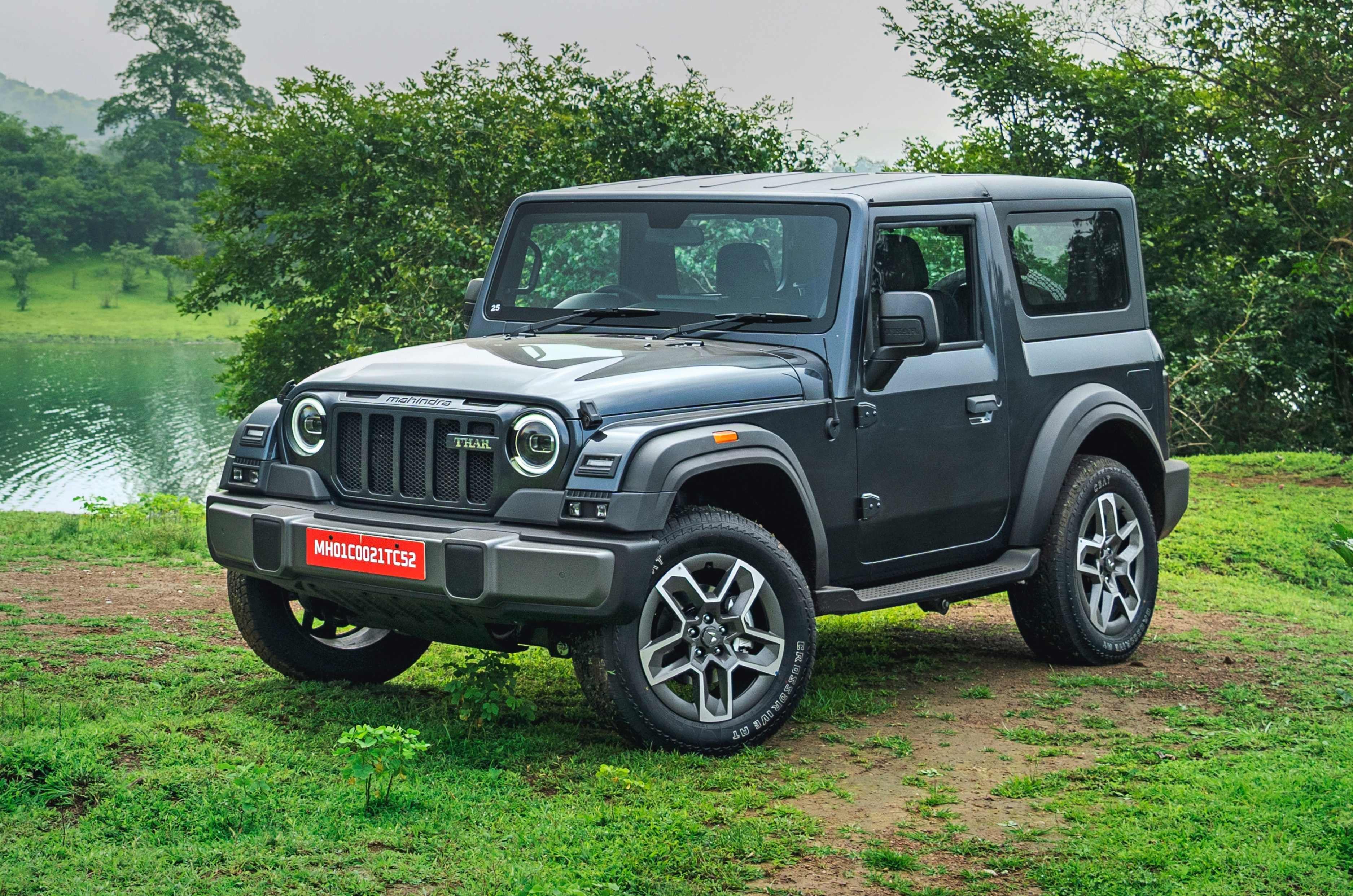
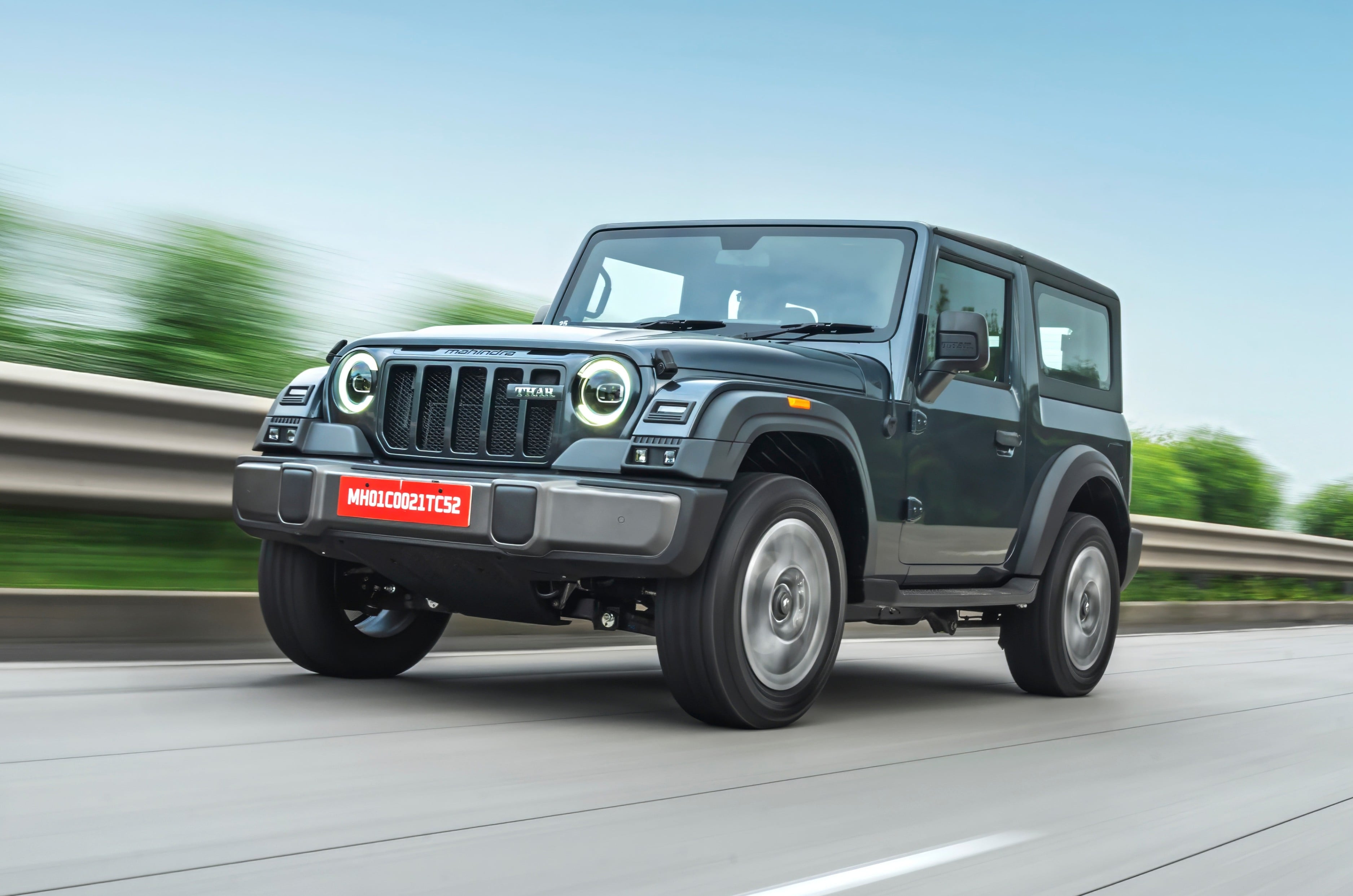
Design updates have retained the classic Thar look and road presence.
The design is why the Thar stands out, so Mahindra has not done much to change its character. However, it now gets some modern touches. At the front, the halogens are replaced with LED headlamps with C-shaped LED DRLs, along with LED fog lamps. The grille has been redesigned, with the Thar logo forged into it, and so has the front bumper. Look closer, and you will also see front parking sensors now, while the track has been widened for more stability.
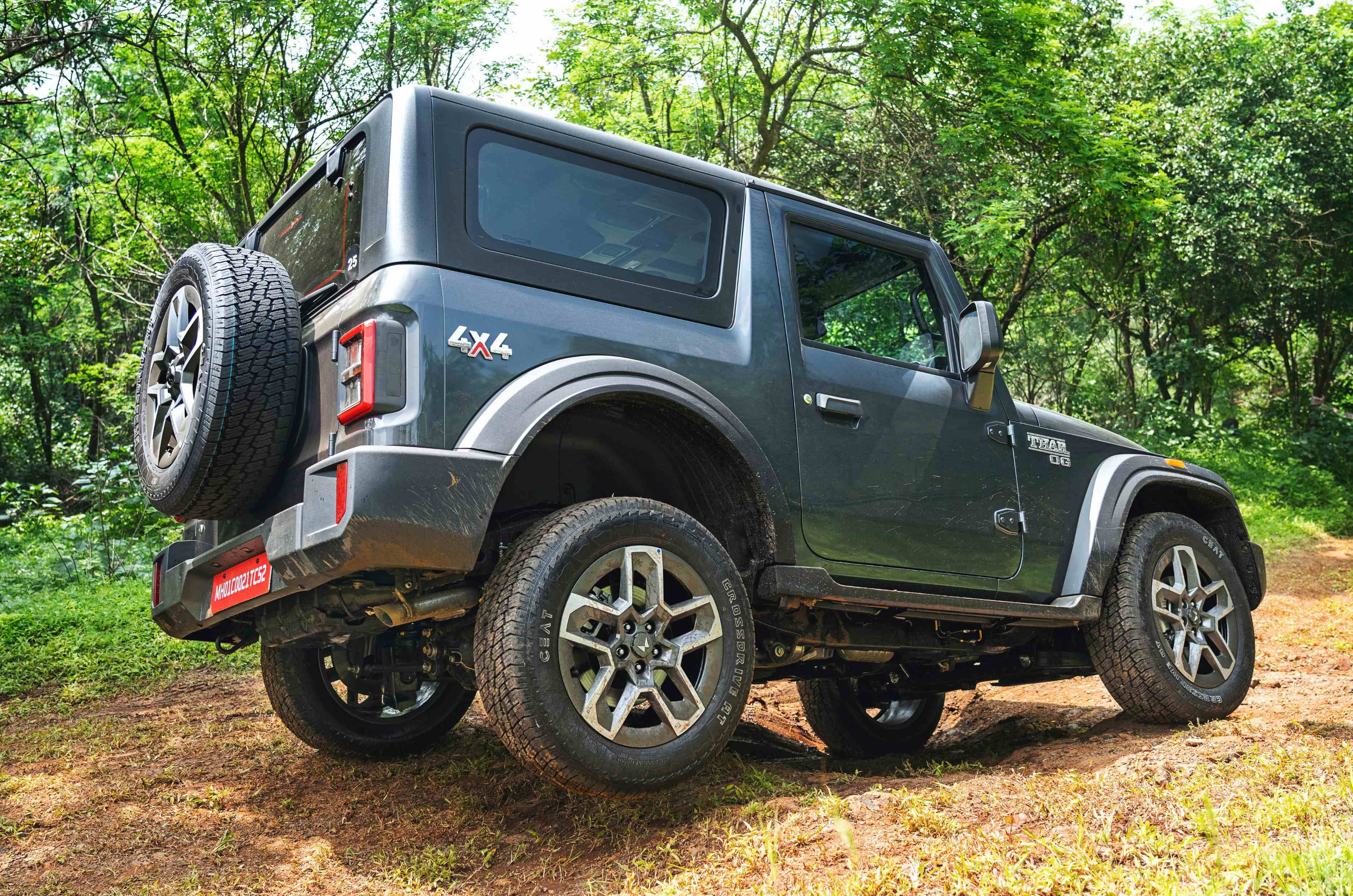
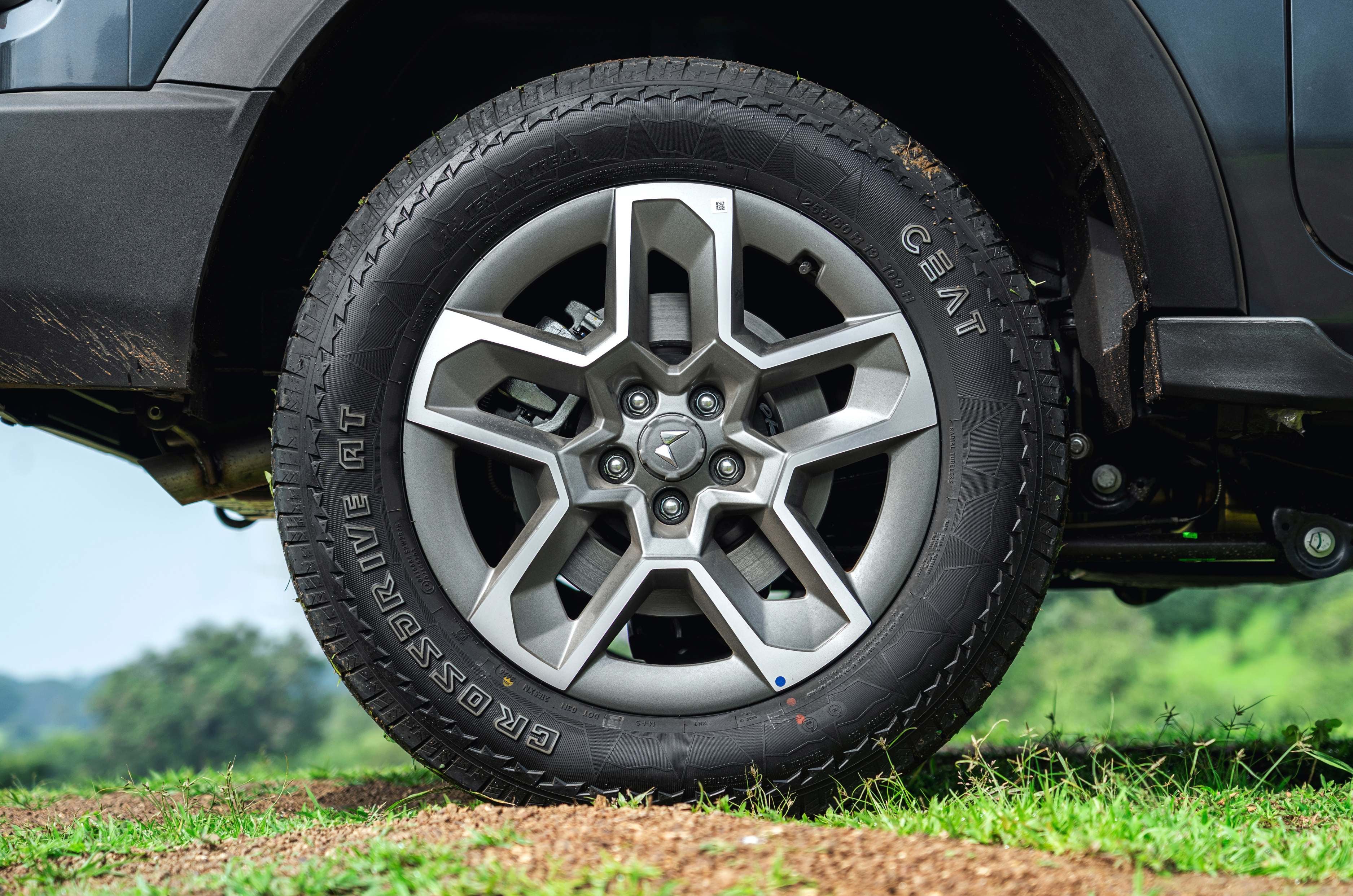
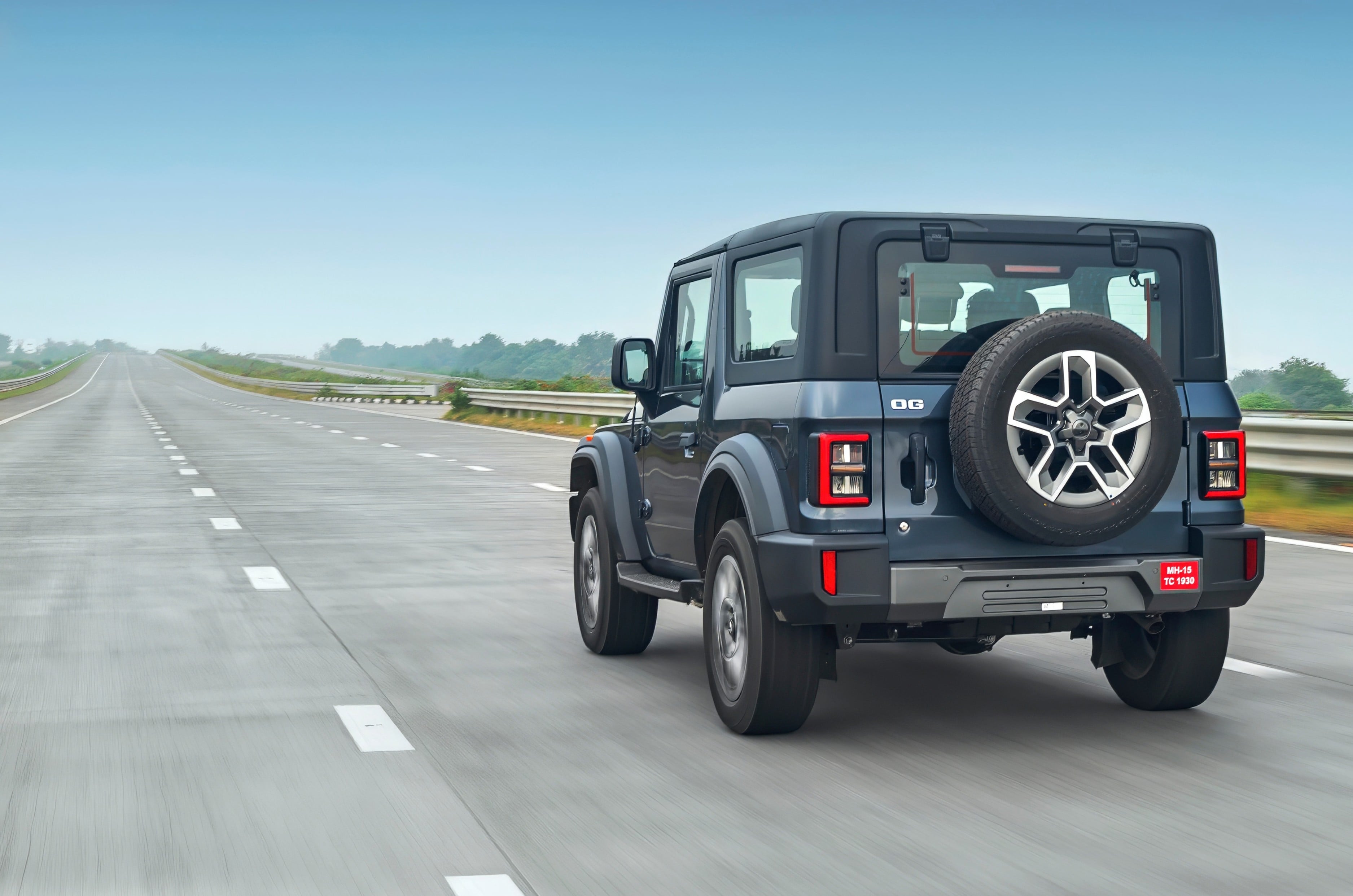
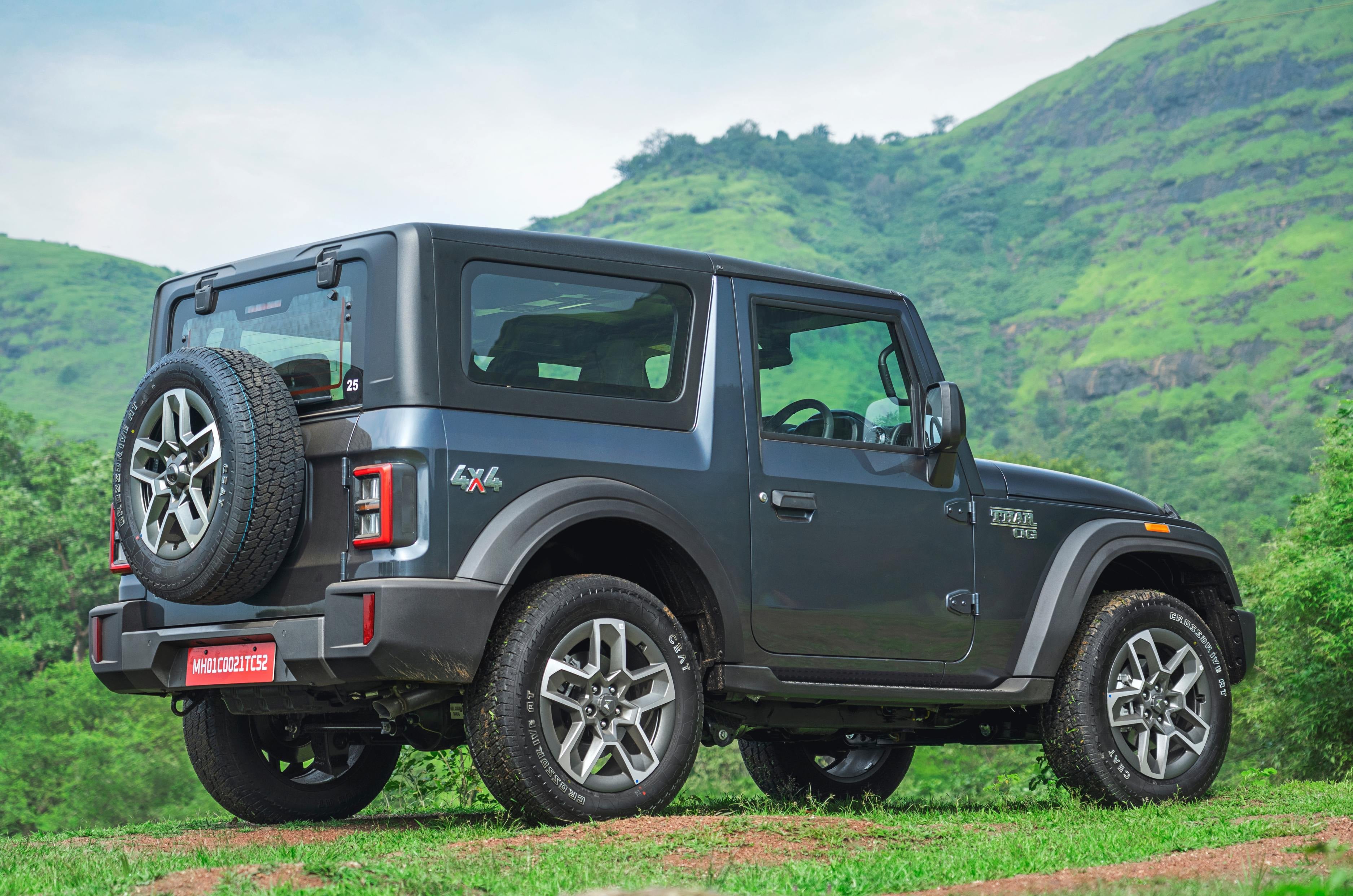
19-inch alloy wheels with AT tyres add to the toughness.
What you don’t see is the new platform the Thar sits on. The OG is now based on the Gen 4 chassis, dubbed M-Glyde, which also serves the Roxx. The side profile flaunts new 19-inch wheels with AT tyres, the Thar OG badge and a new design for the cladding.
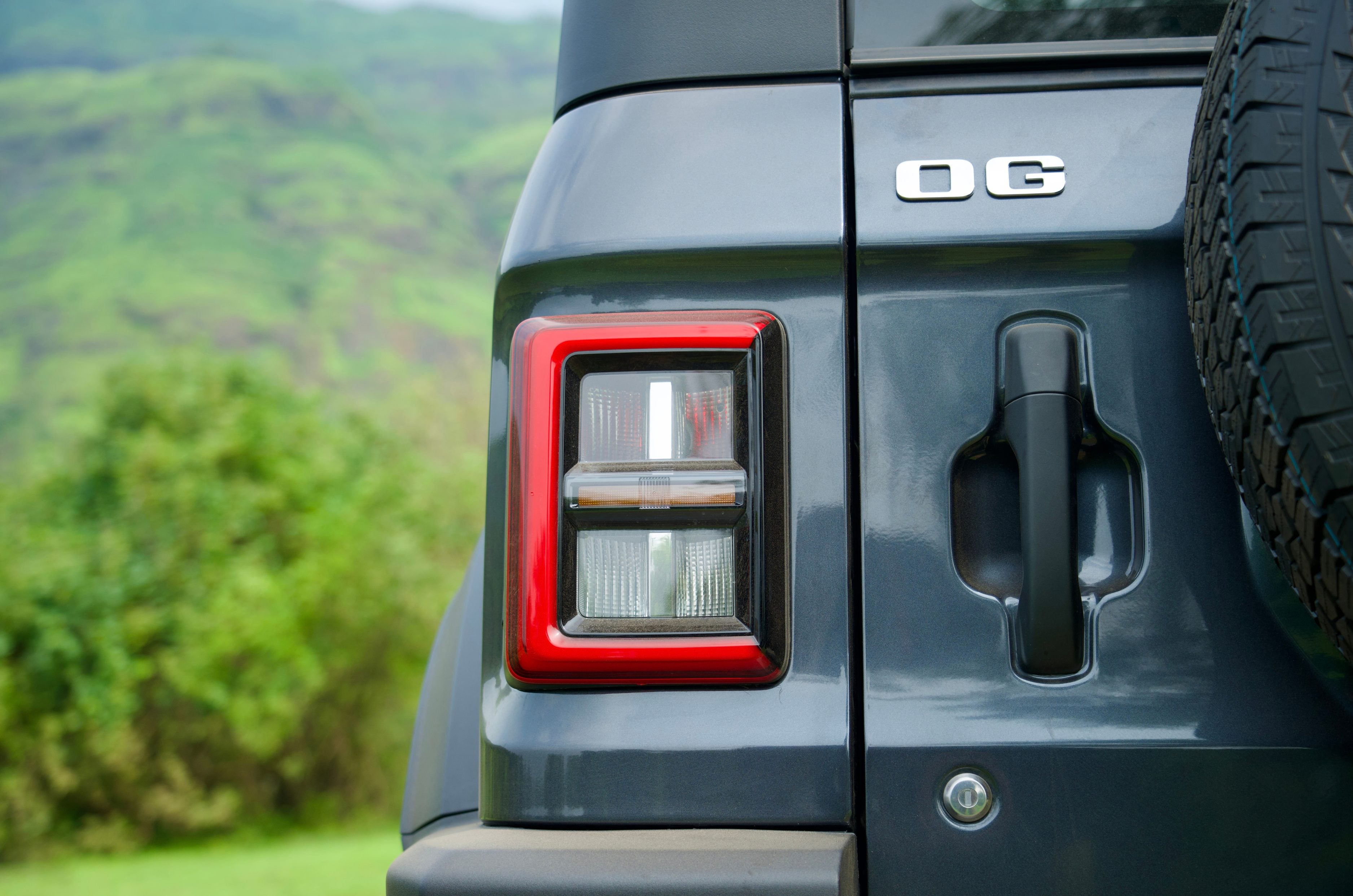
LED taillamps are similar to the Thar Roxx.
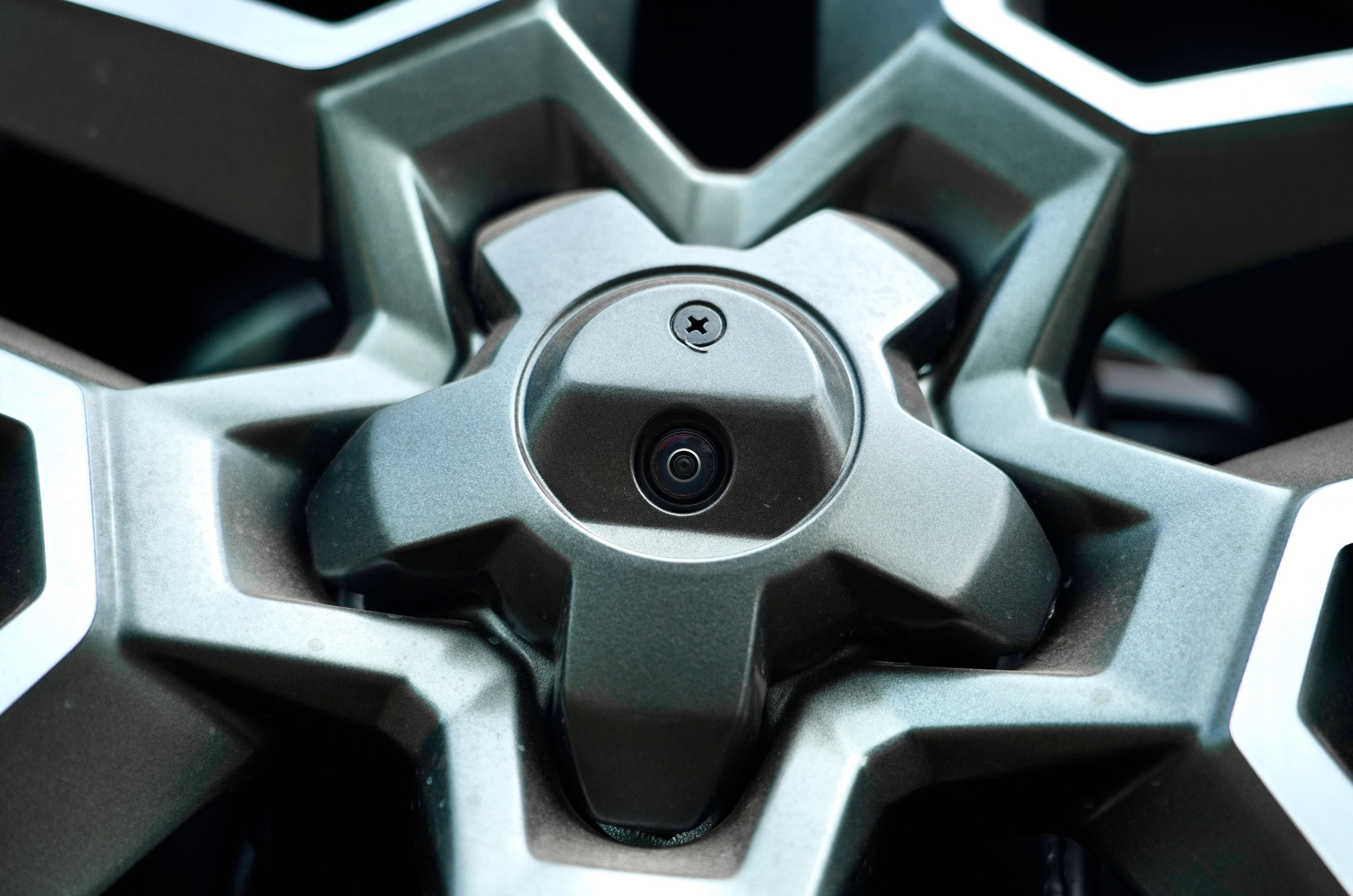
The rear continues with the LED treatment, with C-shaped taillamps, a new bumper and another OG logo. A closer look reveals a rear camera in the centre of the spare wheel.
The reversing camera is tucked in the centre of the spare wheel.
Overall, the imposing, butch design remains, with new modern touches.
Mahindra Thar OG interior space and comfort – 6/10
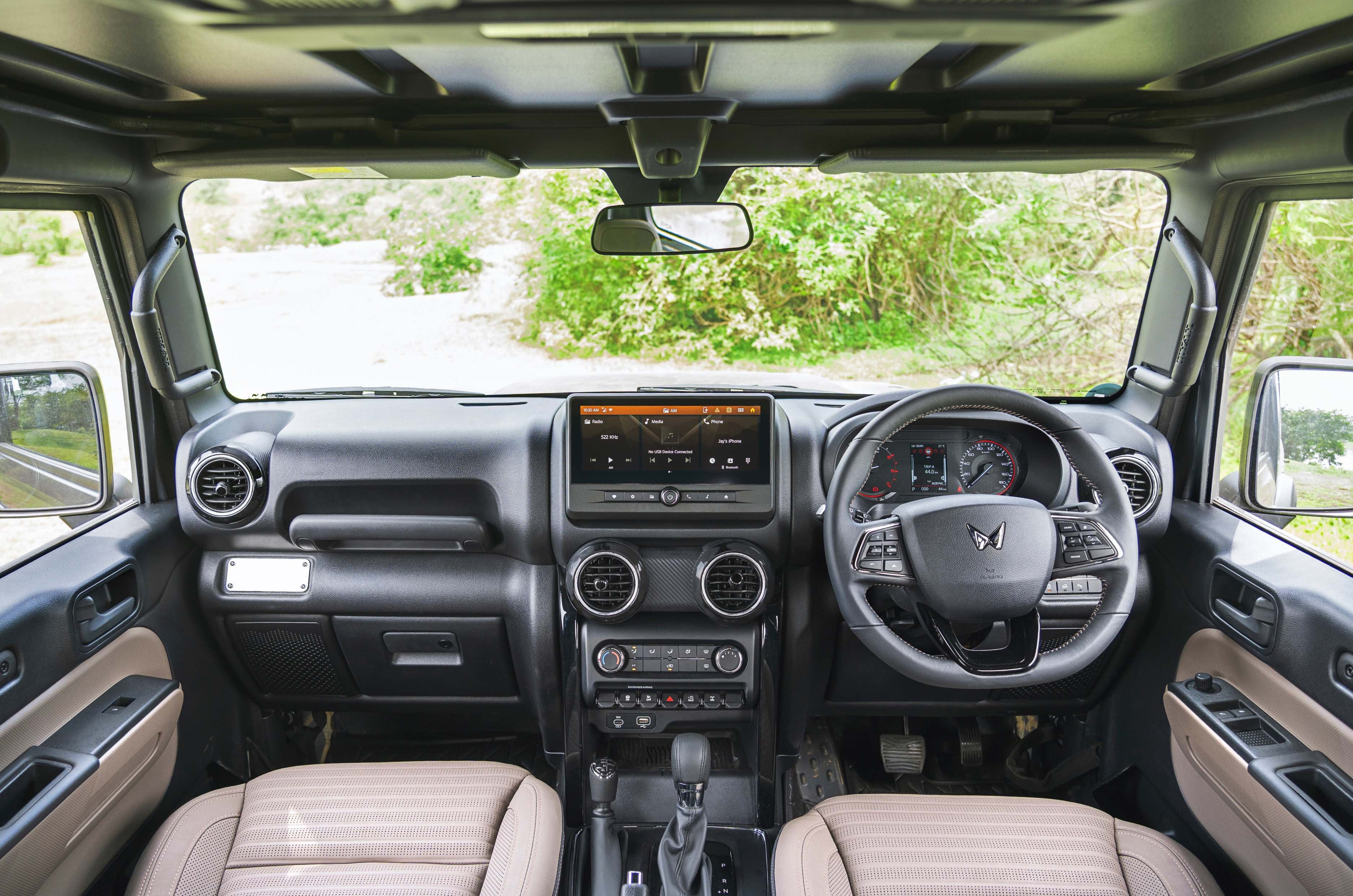
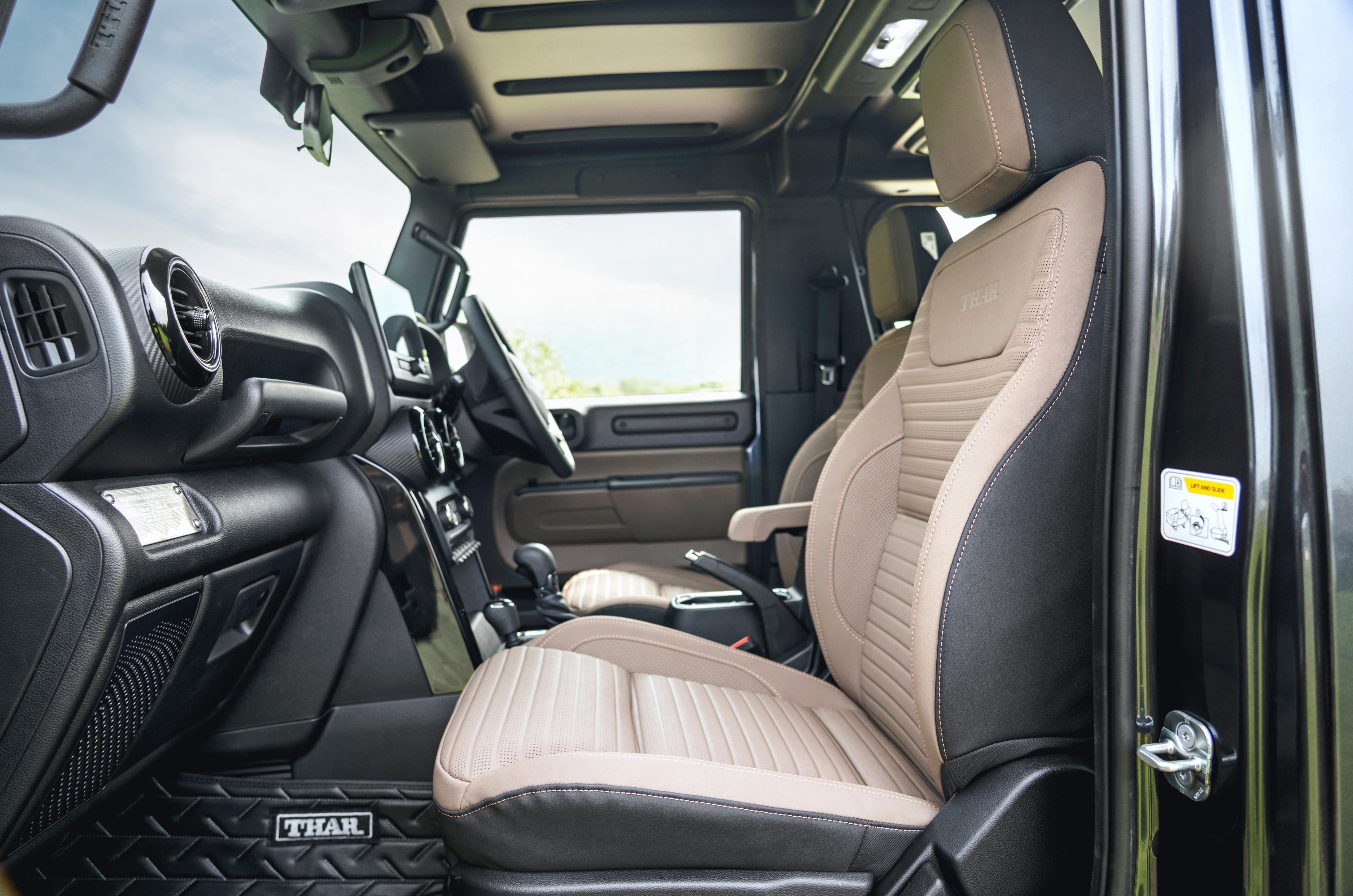
Top-spec ZXT trim gets leatherette upholstery in a new shade.
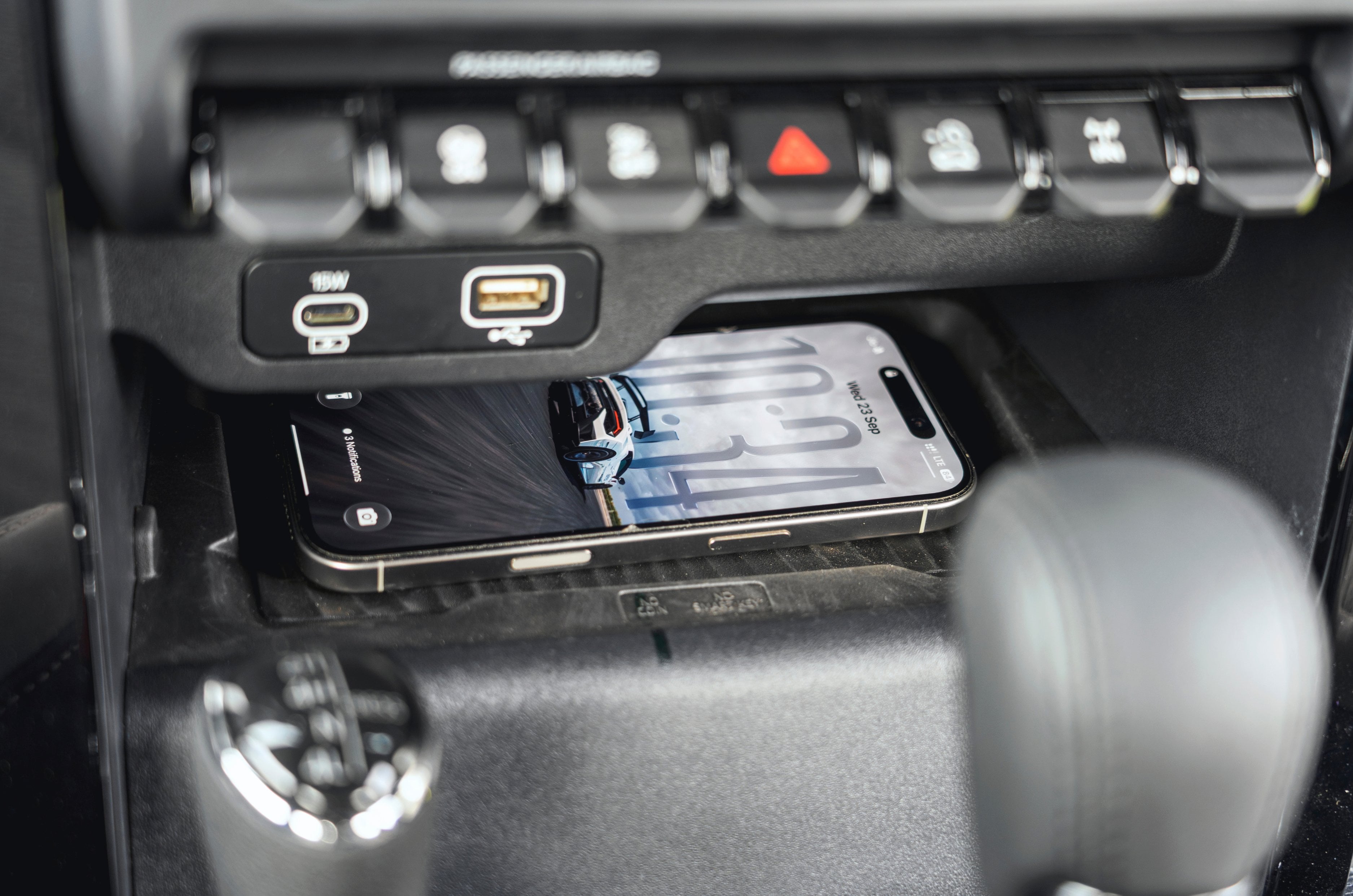
Compared to the exterior, the changes on the inside are a lot more subtle. The new top-spec ZXT trim gets leatherette upholstery finished in a shade of brown, which looks premium with the exposed stitching. There is a new wireless charger and two new switches on the centre console: one for the terrain modes and the other to engage the electronic locking differential.
Gets a new wireless phone charger and different switchgear.
The Thar received a facelift around a year ago, when the cabin was brought up to date with a new steering wheel, touchscreen and dashboard, and these features have been carried over to the OG. The seats are broad and comfy but miss out on ventilation. The two dummy buttons on the centre console will hopefully be used for this feature soon.
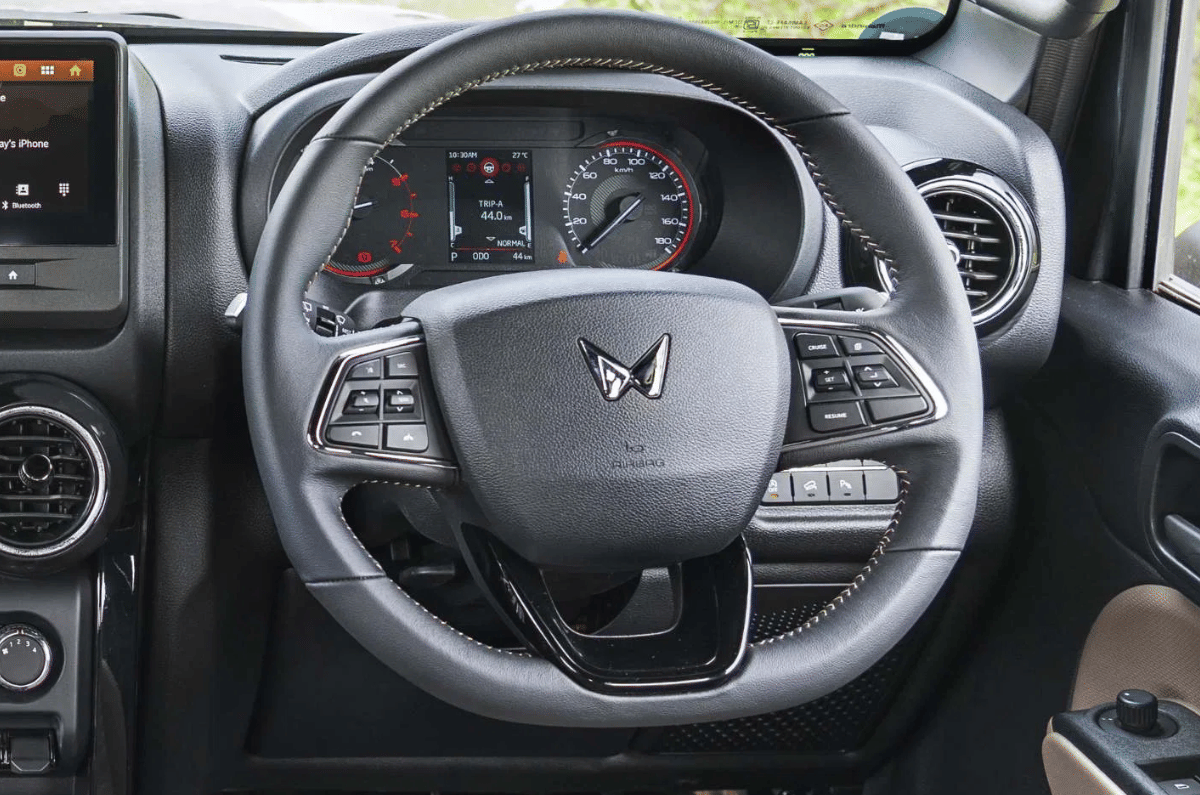
Dashboard design is unchanged from the 2025 facelift.
The steering wheel is also the same as before, as is the analogue instrument cluster with an MID in the centre. The plastics, however, feel low-rent, especially when you consider the rivals in the same price bracket.
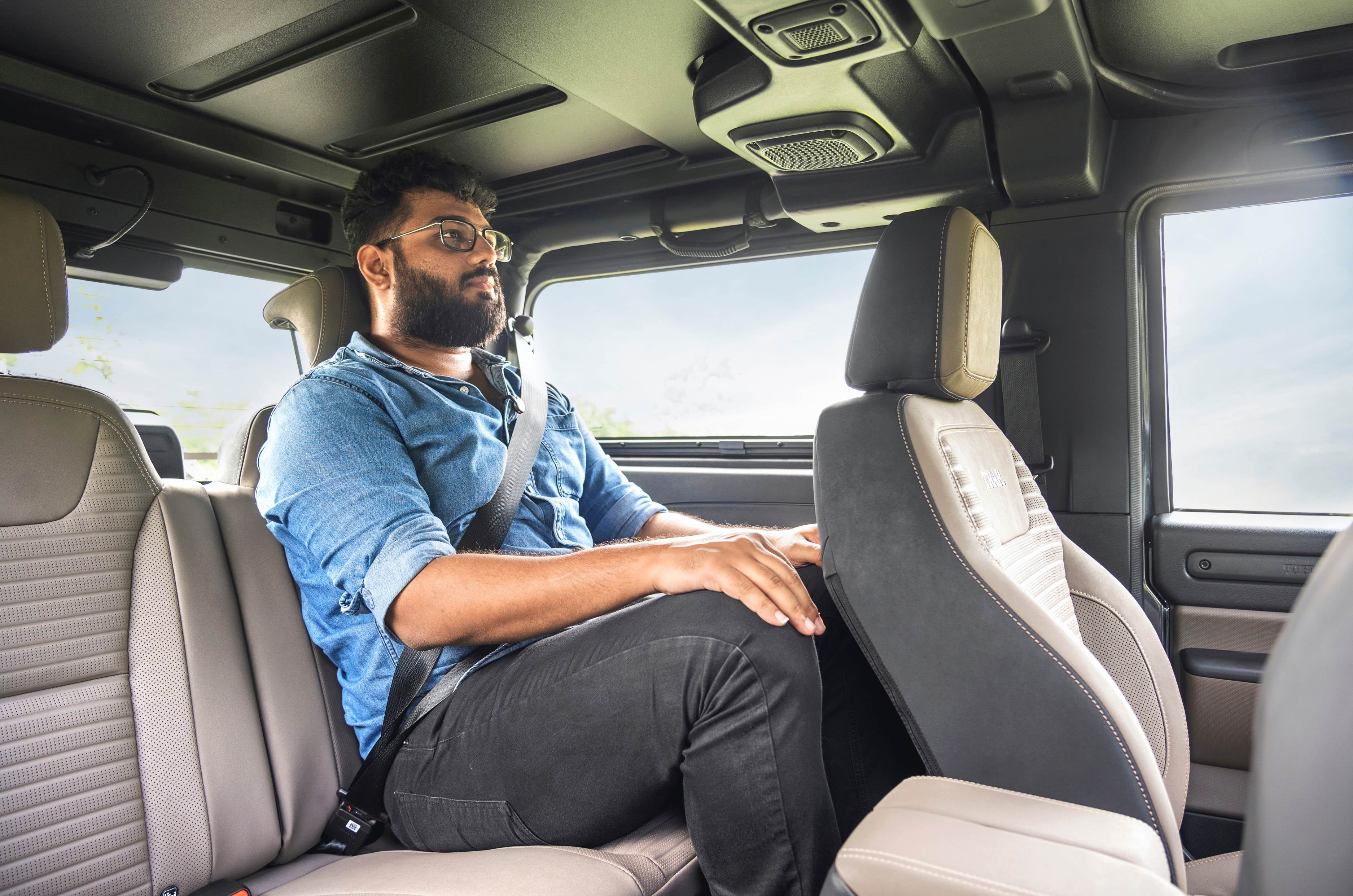
Just enough room in the rear seat; gets AC vents now.
At the rear, space remains as it was, and it is exclusively a two-seater. However, the addition of AC vents, a USB-C port and soft-plastic armrests with cupholders has enhanced comfort. The backrest can recline, and short drives should be easy once you settle in.
Boot space is still not adequate for long trips or airport runs without folding the second row.
The boot space remains a weak point too, with barely any room for an airport run. Large suitcases will require folding down the second row.
Mahindra Thar OG features and safety – 7/10
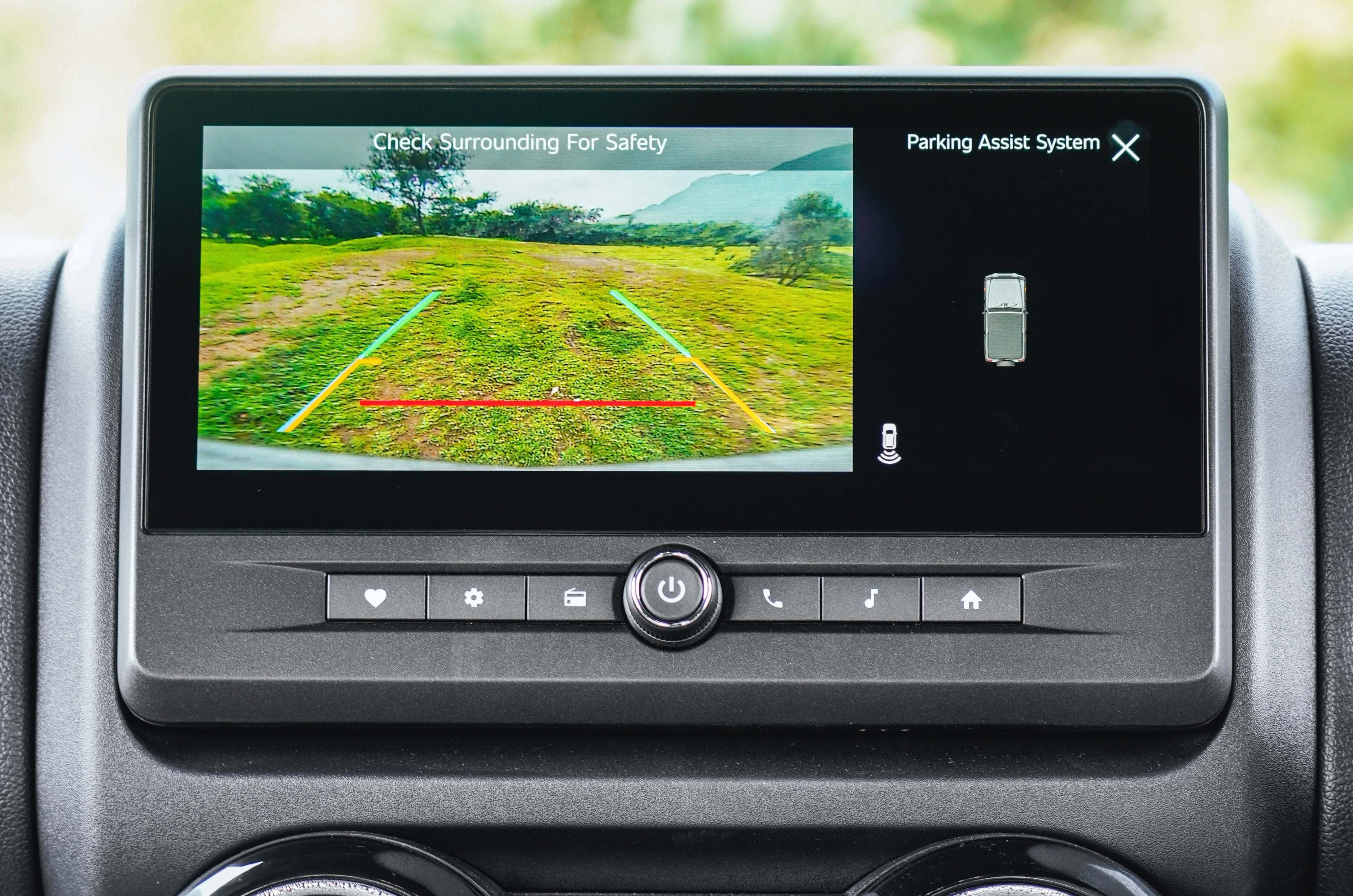
Not the best clarity and misses a 360-degree view, which is essential for off-roading.
The Thar OG isn’t on par with rival mid-size SUVs but does get the essentials this time around. There are grab handles, manual AC controls, a USB-A port for Apple CarPlay since it isn’t wireless, and a USB-C port for charging. Android Auto gets wireless connectivity.
Crucially, the ZXT trim gets six airbags now, with the launch of the new HPTS airbags, which stand for Head, Pelvis, Thorax and Shoulder. There are front parking sensors with a reversing camera now, although, given the Thar’s off-road bias, a 360-degree camera would have been a lot more useful. The ESP also gets a retune for better response, and then there are the big mechanical updates under the skin.
Mahindra Thar OG performance and refinement – 8/10
The bump in power and torque makes it better at highway cruising.
Powering the Thar OG is the same powertrain lineup as before, but with a bump in power and torque for the turbo-petrol engine and the bigger diesel. We had the 2.2-litre diesel engine on test with the six-speed automatic gearbox. The engine now produces 152hp and 330Nm, which is 18hp and 30Nm more than the outgoing unit.
To be honest, the jump in performance is not evident initially, as Mahindra engines have always had a good off-the-line response. Where the power comes in is in the second half of the rev band. Highway cruising at triple-digit speeds is a bit more effortless now, but you wouldn’t enjoy rushing the Thar. Sedate cruising is what it does best.
Highway stability is better now, but over an uneven stretch it still tosses you around.
What Mahindra has also improved is NVH, and the cabin is a bit more muted now. You still hear the diesel drone past 2,500rpm, but overall sound damping has been improved.
The gearbox, too, likes to pace itself, and quick overtakes come at the cost of engine noise. The shifts are smooth but relaxed, and even in manual mode, you don’t get much better response. Enthusiastic driving is not something the Thar enjoys, contrary to the infamous videos circulating online.
Mahindra Thar OG ride comfort and handling – 7/10
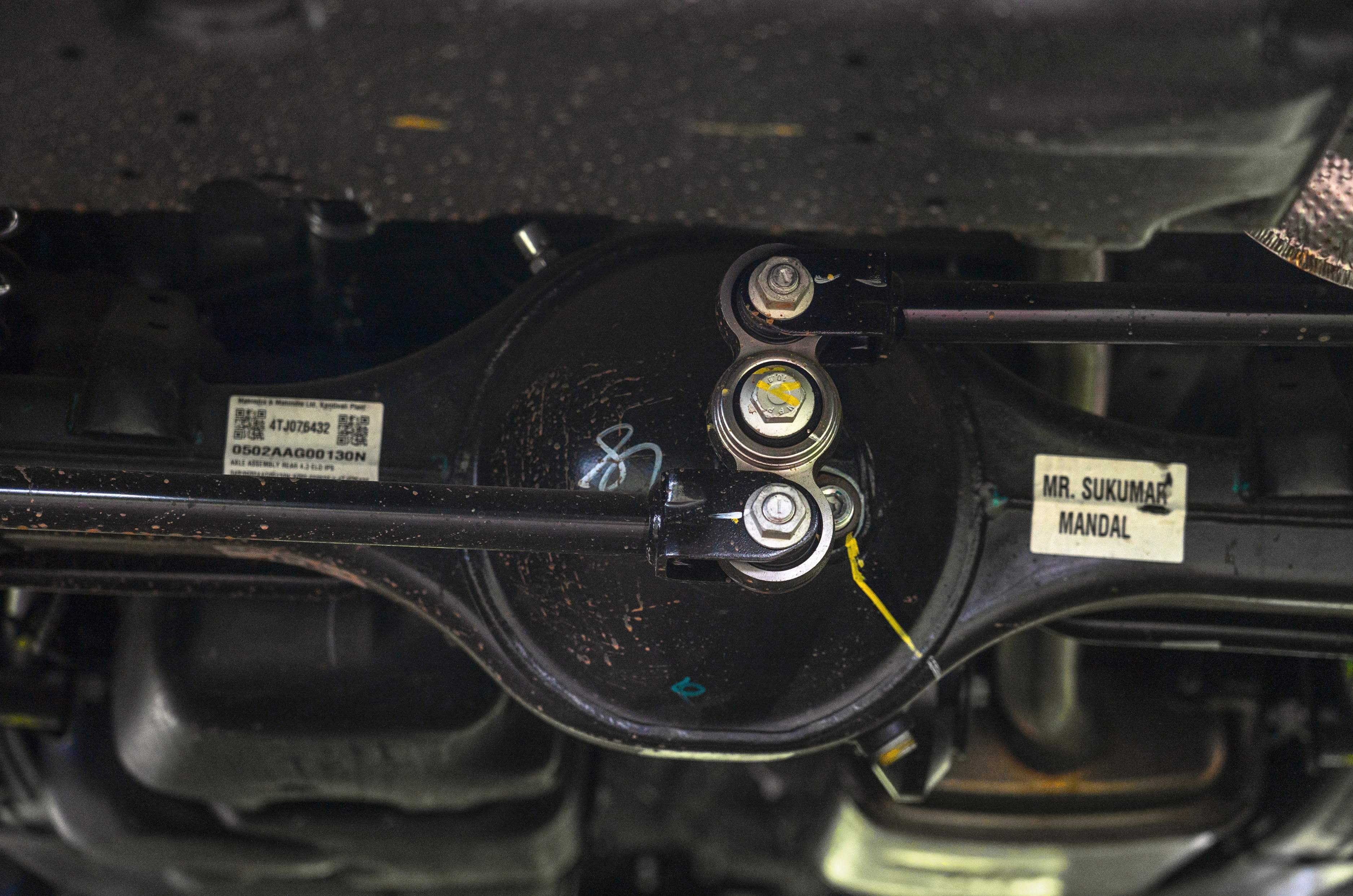
Rear pentalink suspension with Watts linkage for added stability and comfort.
The biggest advances to the Thar OG have taken place under the body. The stiffer Gen 4 chassis is paired with a new Pentalink suspension at the rear, with a Watts linkage and DAVINCI dampers. Frequency-dependent damping, however, is only available on the top-spec trim. But has that improved the Thar on the road? The simple answer is yes.
The Watts linkage is responsible for adding stability at the rear. Imagine you’re pushing a shopping trolley. If one wheel suddenly moves sideways while you hit a bump, the trolley gets wobbly. The Watts linkage basically tells the axle: “You can go up and down, but please stay in the middle.” The effect is less bouncing over uneven highways and bad patches.
The electronic locking differential is now convenient to use, making the Thar just as capable as before.
Then there is the DAVINCI damping that was seen on the XUV 7XO. The thuds coming from sharp, low-speed bumps are now not as harsh and, while it will still toss you around, if you hit a bad bump, it won’t unsettle the car. To add even more comfort with the bigger 19-inch wheels, the ZXT trim also gets frequency-dependent dampers along with the DAVINCI setup. Over a rough patch, you can tell they are working full-time to keep the cabin unfazed.
New gen 4 platform seen on the Roxx now underpins the 3-door Thar.
Now, as sophisticated as all of this is, the Thar OG is still a hardcore body-on-frame SUV at the end of the day. The new tech has certainly improved its on-road manners, but if you want a plush, supple ride, the Thar won’t cut it. A long drive will now be more comfortable, but you will still get knocked awake from your snooze.
Terrain modes work with ESP, throttle control and steering input for maximum assistance while off-roading.
The new EPS, however, has made a huge difference. The amount of effort needed to steer and turn the Thar is no longer a game of might. Under 20kph, the steering is light enough to twirl with just one finger, but as the speed rises, it gains heft so as not to feel uncomfortably light at speed. So, there is no need to wrangle with the steering to make a three-point turn anymore.
Also new and exclusive to the ZXT trim are rear disc brakes, which have added to the stopping power. The bite is stronger, and the Thar feels a lot more confident when slowing down now.
Mahindra Thar OG price and verdict – 8/10
The Thar OG is improved in all areas without sacrificing its character.
With a starting price of Rs 10.32 lakh, the Thar OG is rather tempting. However, for most of the new bells and whistles, you will have to opt for the top-spec ZXT trim, which starts at Rs 13.99 lakh for the 1.5-litre engine with RWD. The diesel-AT version we drove will set you back Rs 18.99 lakh, so you need to be sure of what you want. The Thar OG is mighty capable, has a lot of character and is a lot better in every area than before. But as an everyday car, you’d still want some more practicality, creature comforts and refinement. However, if you are someone who likes to off-road or even just take the long way home with little regard for plushness, there is nothing like the Thar OG under Rs 65 lakh.