Royal Enfield Guerrilla 450 vs Triumph Tracker 400 Comparison: Street Brawl

Royal Enfield Guerrilla 450 vs Triumph Tracker 400 Comparison: Street Brawl
Royal Enfield Guerrilla 450 vs Triumph Tracker 400 Comparison Lead Image

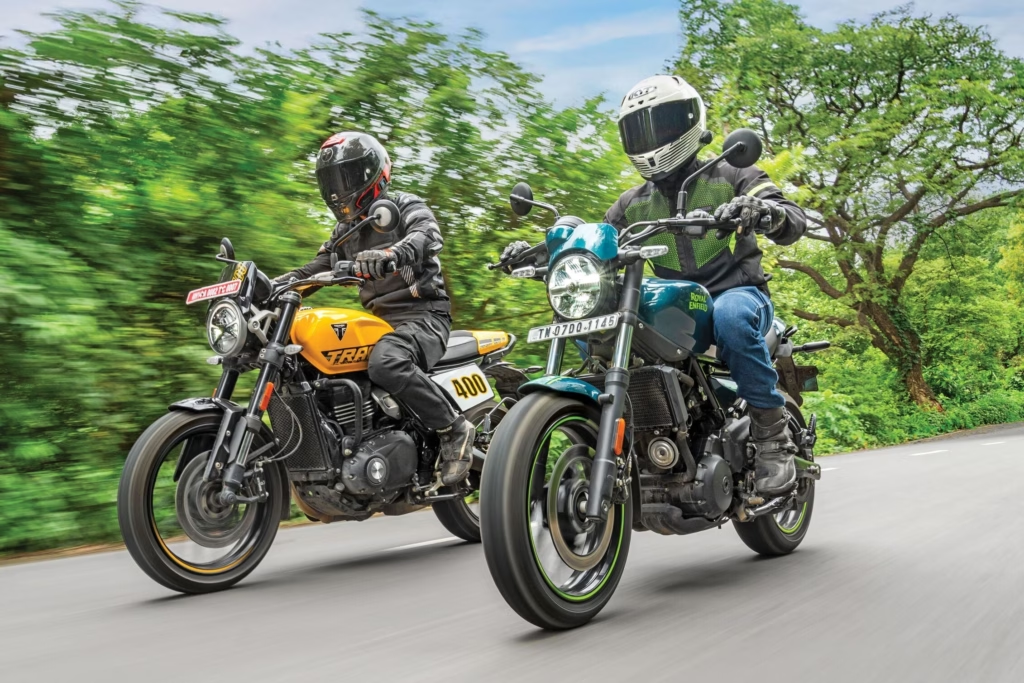
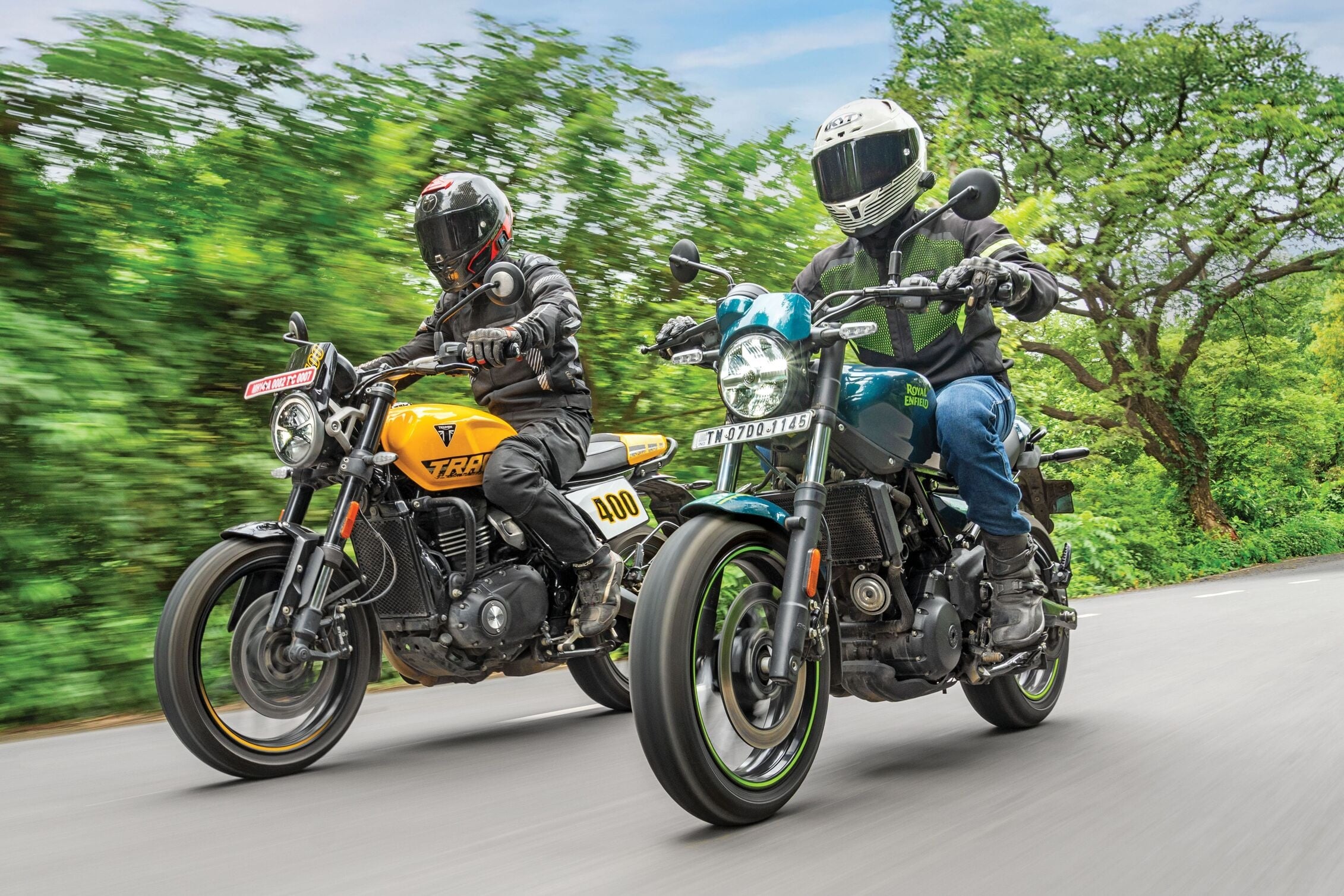
If you are considering either of these motorcycles, chances are you are also considering the other, especially since they both cost about the same. After the Triumph 400cc bikes were downsized, the Tracker 400 now uses a 349cc engine, while the Guerrilla 450 Apex is a sportier variant with more aggressive ergonomics and grippy, road-focused tyres, which I think suit the bike much better than those on the earlier variant.

On paper, the Tracker makes 40hp and 32Nm, while the Guerrilla produces 40.02hp and 40Nm. The Triumph is a lighter, more compact motorcycle, while the Royal Enfield has a larger engine with more torque and offers a stable, planted feel. So, which one makes more sense for someone looking for a sporty, entertaining roadster?

Design and Features

Both motorcycles have very different visual identities, and that is probably the first thing you’ll notice. The Tracker 400 is inspired by flat-track racers, with a flat seat, side number boards and a wide handlebar. But this isn’t really a dirt-track-focussed motorcycle underneath, as its ergonomics, chassis and suspension are properly road-oriented.

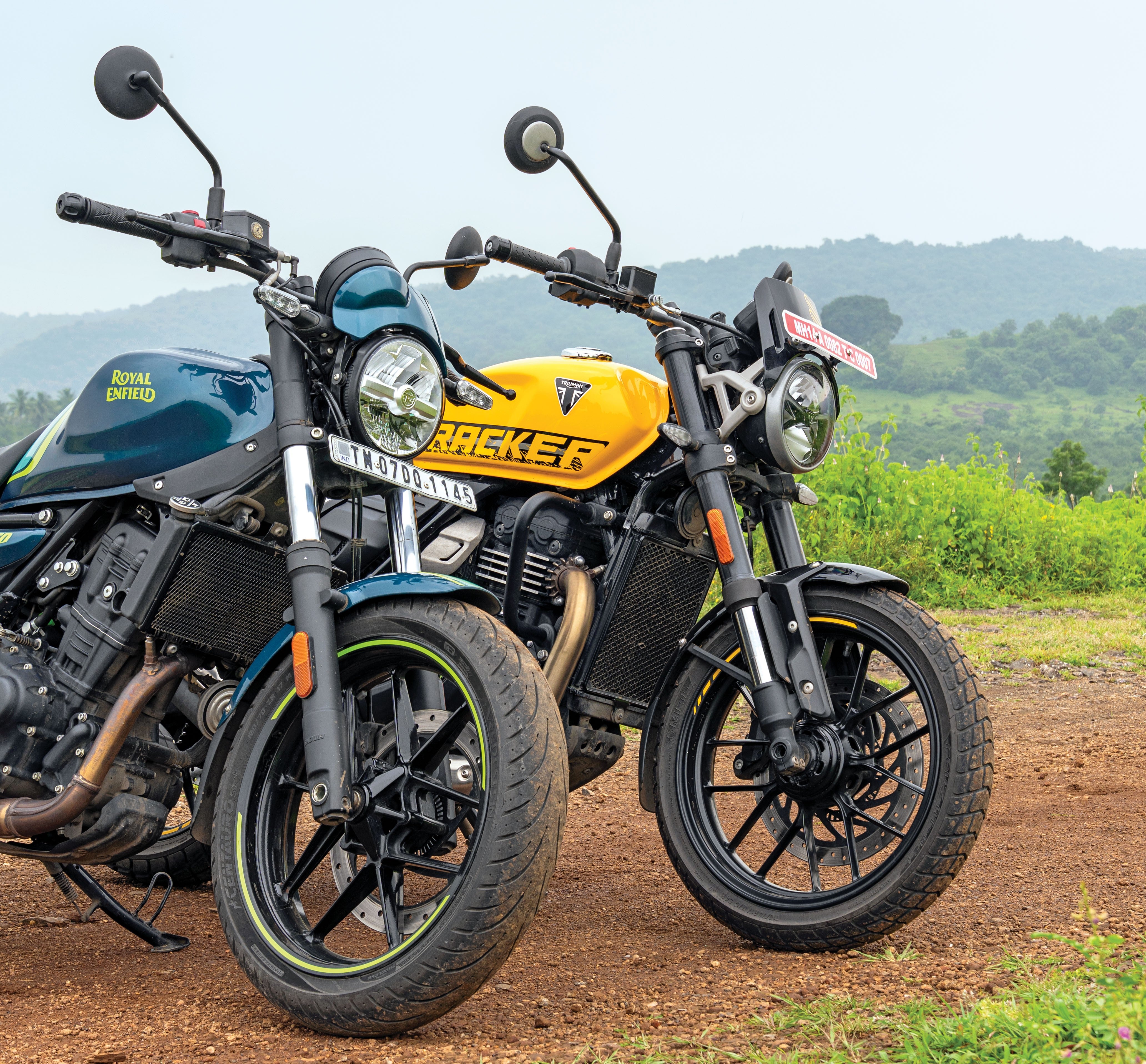
The Guerrilla 450 Apex, meanwhile, looks like a sporty and muscular roadster. Compared to the standard variant, it gets a small cowl over the headlight, a new aluminium handlebar, a removable rear-seat cowl and Vredestein Centauro ST+ tyres. The Apex also has a leaned-forward, more committed riding position compared with the standard Guerrilla.
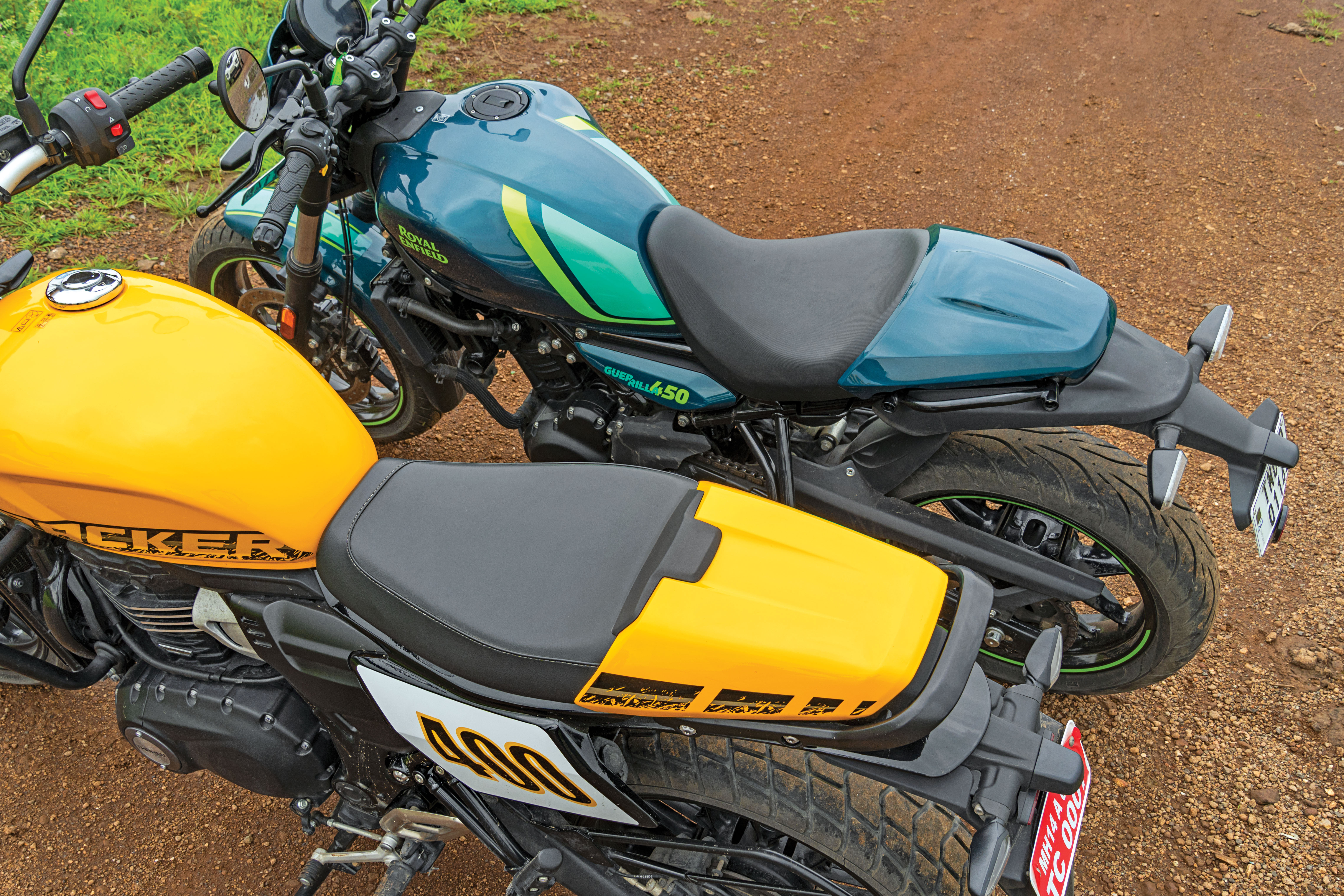
The Tracker is a relatively compact motorcycle, while the Guerrilla’s longer 1,440mm wheelbase and broad 160-section rear tyre give it a more substantial stance. The Triumph gets a larger 13-litre fuel tank compared with the Guerrilla’s 11-litre unit, which can be tedious when long-distance touring.

Both motorcycles are equally impressive when it comes to build quality and fit and finish. The Tracker features the same digi-analogue console we have seen on all the other Triumph 400 models, while the Guerrilla features the same TFT unit from the Himalayan. The Guerrilla gets two riding modes (Sport and Street), both of which feel quite similar. On the other hand, the Tracker gets a switchable traction control system that the Guerrilla misses out on. Neither has a quickshifter. In terms of convenience, the Guerrilla has a more accessible 780mm seat height and also gets a main stand, which aids in easier chain maintenance.
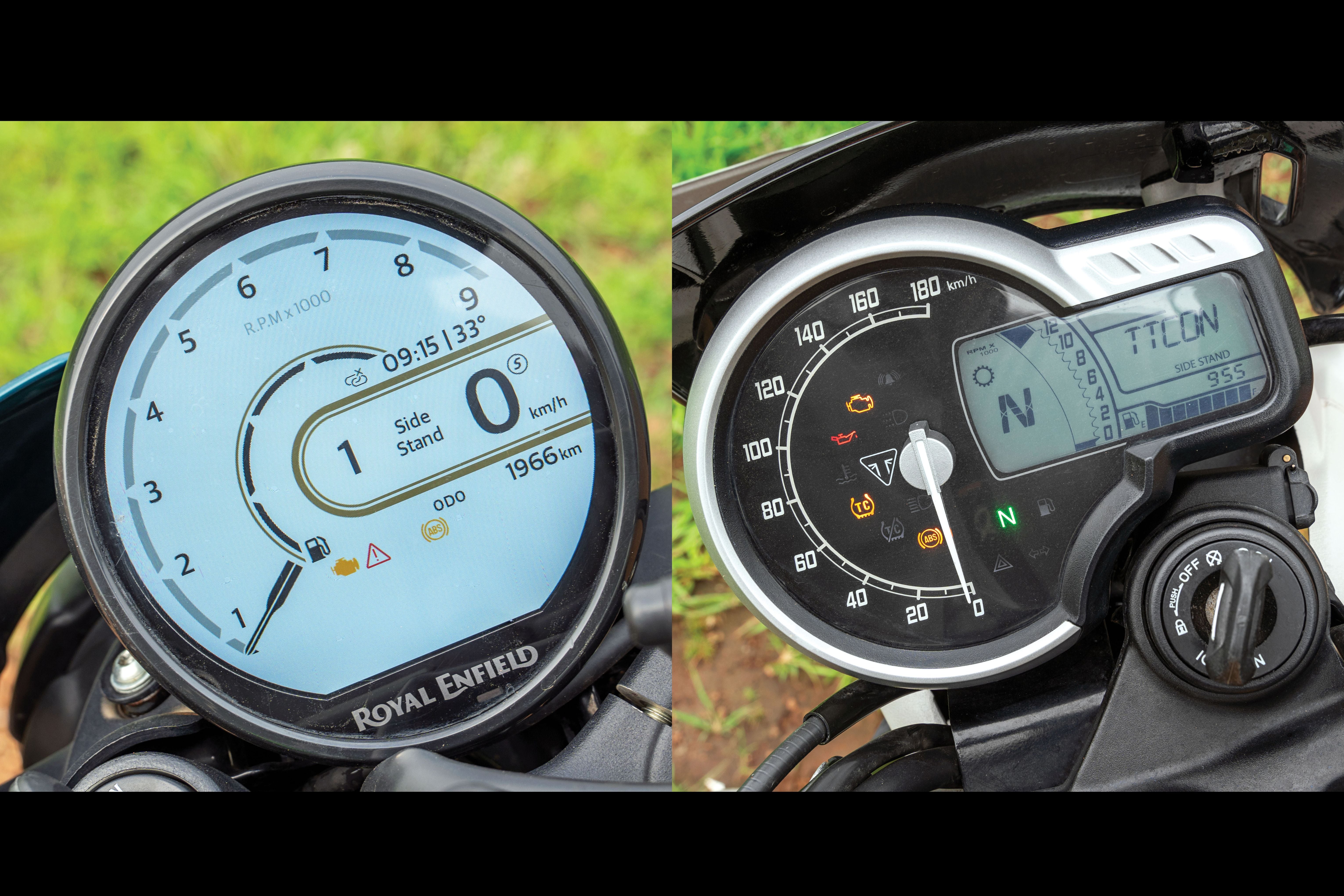
There is also a difference in ergonomics. The Tracker’s seat is flat and the riding position is relatively sporty, with rear-set footpegs that suit the character of the bike. The Guerrilla Apex has a lower and more accessible 780mm seat and roadster-like, neutral-set footpegs, along with a committed upper-body position. Between the two, you sit on top of the Tracker with its flat seat, while on the Guerrilla, you sit inside the curved seat, and it is also the more comfortable of the two.

Performance and Fuel Economy

This is where things get interesting because the Tracker 400’s 349cc engine is 103cc smaller than the Guerrilla’s 452cc unit, yet peak power is almost identical. The Triumph produces 40hp at 8,750rpm and 32Nm at 7,500rpm, while the Royal Enfield makes 40.02hp at 8,000rpm. Of course, the difference comes in torque, where the RE makes a much healthier 40Nm at 5,500rpm.

The difference in torque delivery is immediately noticeable. The Tracker’s engine likes to be revved out, but you still have to work it quite a bit. The Guerrilla’s Sherpa engine has a different personality. It doesn’t need to be worked as hard, and the additional 8Nm gives it much stronger roll-on performance. It feels more raw and powerful as soon as you open the throttle, and the surge in power after 6,000rpm makes it feel really exciting. After 7,000rpm, there are some vibrations, but nothing that really ruins the riding experience.
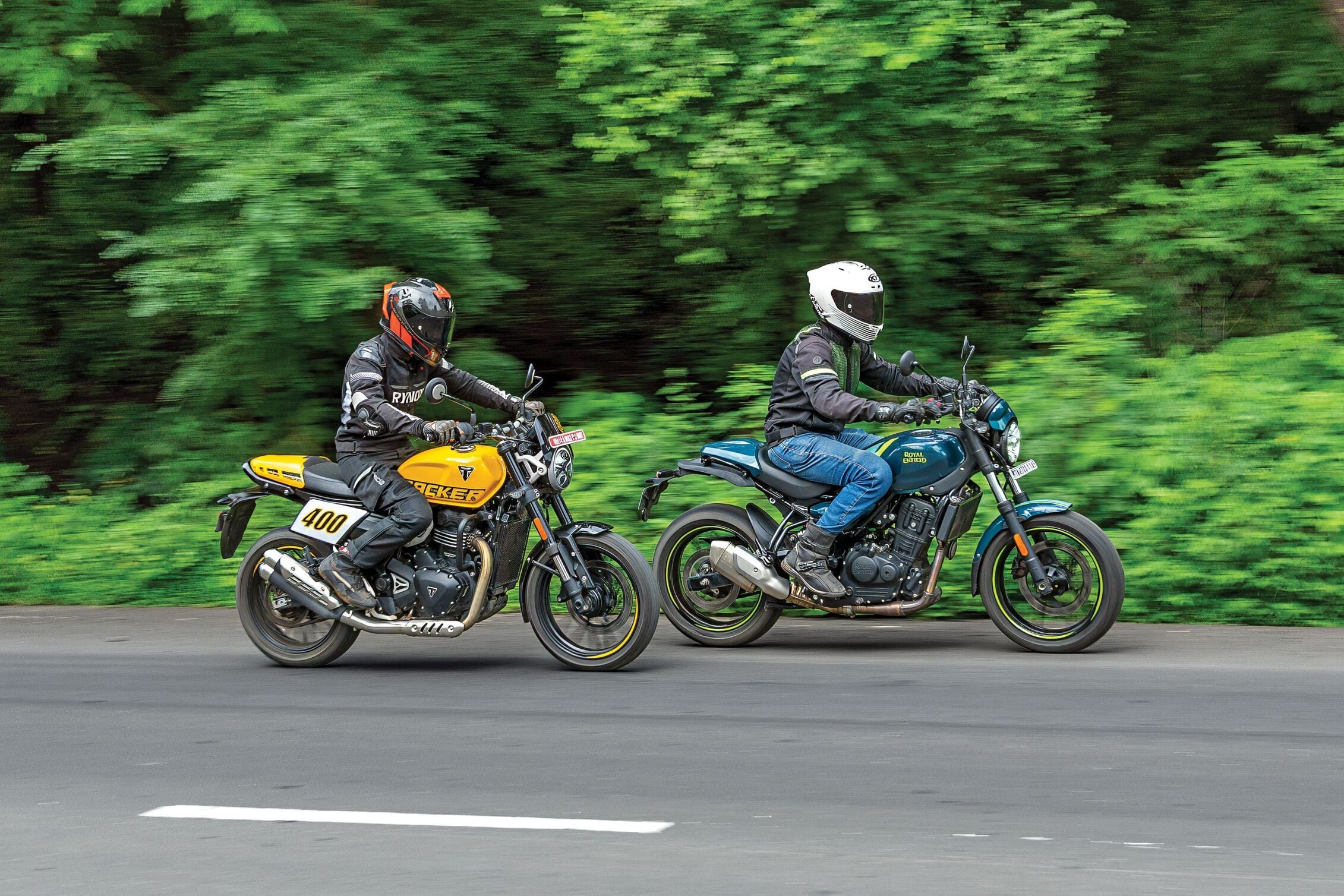
The Tracker’s shorter-stroke engine is very refined at moderate engine speeds, but once you start revving it harder, some buzz makes its way into the tank and footpegs at the top end of the rev range. It remains an entertaining engine, but considering I have ridden the older 398cc Thruxton 400, I feel like it misses out on that initial torque kick.

In our performance tests, the Guerrilla completed the 0-100kph sprint in 6.34 seconds, while the Tracker took 7.55 seconds for the same, marking a difference of 1.21 seconds. The real difference in performance was more visible in the roll-on acceleration tests where the Guerrilla 450 Apex was notably quicker.

Fuel efficiency was almost on par in our tests, where the Tracker delivered 24.1kpl in the city and 31.71kpl on the highway, while the Guerrilla gave us 25.23kpl in the city and 32.82kpl on the highway. The Triumph’s 13-litre tank will give it a better range despite the marginally lower highway efficiency. 

Ride and Handling

The biggest difference between these two motorcycles becomes apparent once the road starts to twist. The Guerrilla feels longer and heavier and needs a bit of muscling around, but once in a corner, it is extremely stable and planted. The grip offered by the Vredestein tyres is superb and inspires a lot of confidence. The Tracker, on the other hand, feels light, nimble and very easy to flick into corners, thanks to its shorter wheelbase and the leverage offered by the wide handlebars. Its blocky MRF tyres work well, but given how it rides more like a sporty roadster rather than a tracker, stickier tyres would have been a better choice.

While many might be disappointed about the Guerrilla 450 Apex not getting a USD fork, the suspension does work much better than the Tracker’s over bad roads and undulations. The setup feels plusher than the Tracker, which has a quicker rebound that can toss you up if you hit potholes at higher speeds. 

Despite the Triumph being the more compact motorcycle, I felt like it was easier to filter through traffic on the Guerrilla, and that is because the Triumph has slightly wider handlebars and mirrors that jut out slightly more. I do remember my time spent with the Guerrilla on a go-kart track, and it was genuinely a lot of fun. The tyres kept up with the performance that the engine offers, and it was a blast to exploit the full capabilities of the bike. The only limitation was the footpegs, which kept scraping when the bike was leaned over. That said, this was never a problem out on the road.

Braking hardware is strong on both. The Tracker gets a 300mm front disc with a four-piston radial ByBre caliper, while the Guerrilla uses a 310mm front disc and 270mm rear disc. The Guerrilla stopped marginally quicker in our braking test from 60-0kph, but I did notice that the ABS intervention can be strong when emergency braking from higher speeds.

Price and Verdict

These two motorcycles are closer than their engine capacities suggest. The Tracker proves that you don’t need a large engine to make for a fun roadster. Its 349cc motor makes almost as much peak power as the Guerrilla, and its compact dimensions, wide handlebar and sporty chassis make it an engaging motorcycle on a twisty road.

The Royal Enfield Guerrilla 450 Apex, however, takes a more muscular approach. Its 452cc engine has substantially more torque, the Vredestein tyres give it a level of grip that suits its performance, and the longer wheelbase also gives it a reassuring planted character, particularly when you’re riding quickly.
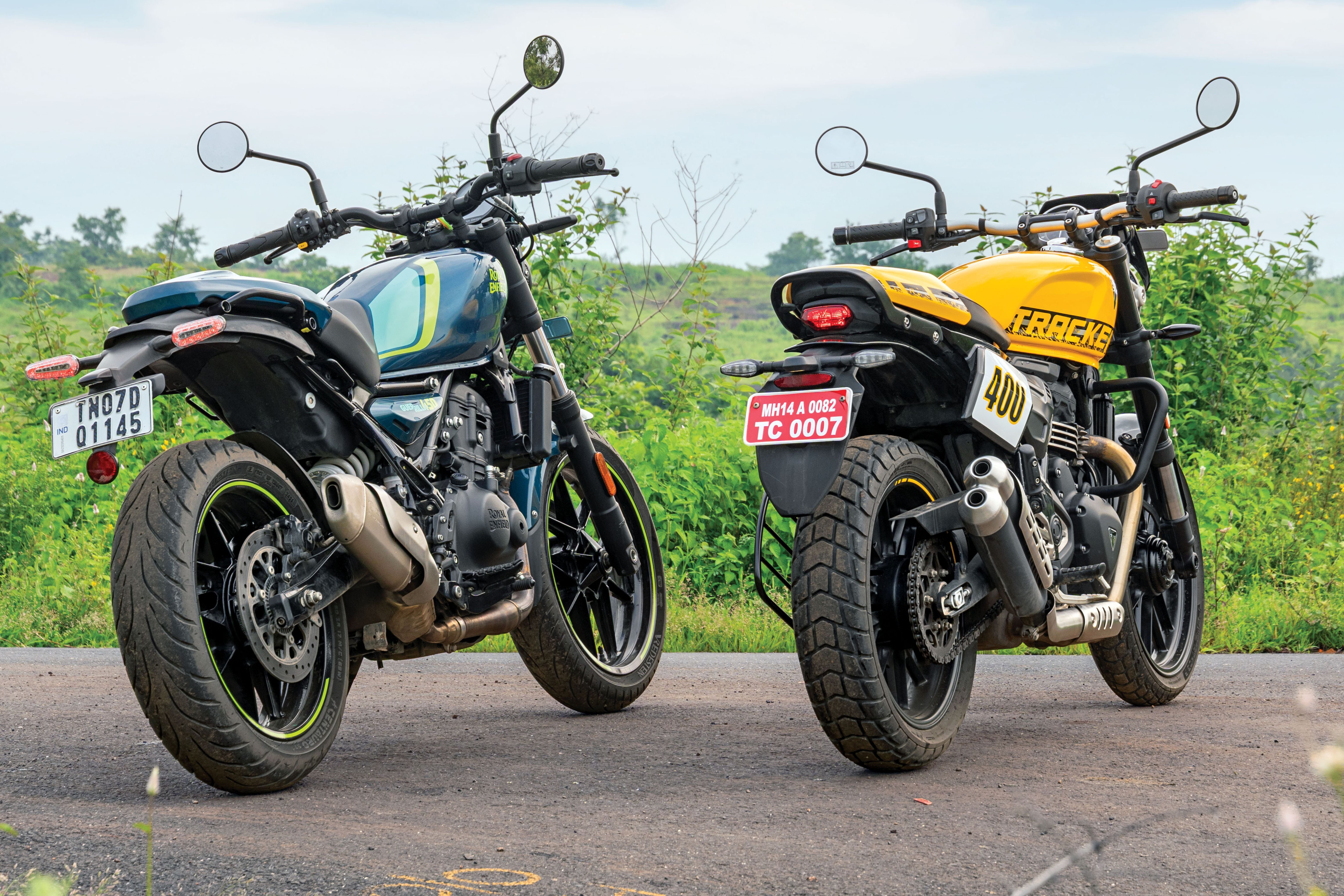
They offer two distinct interpretations of the sporty modern roadster. The Tracker’s biggest strength is its agility. It feels smaller, lighter and more eager to change direction quickly. The Guerrilla’s strength is the breadth of its performance. There’s more torque, more road presence and a greater sense of stability when you’re pushing it. And that is ultimately what separates them. The Triumph is the more playful motorcycle, thanks to its nimble nature, while the Guerrilla Apex feels like a more serious attempt at turning the standard roadster into a proper performance-oriented, corner-carving machine.

While it is difficult to pick between these two motorcycles, considering that they do things in different ways, you can’t look past the value that the Guerrilla offers. Despite falling into the 40 percent GST bracket, its starting price is just Rs 10,000 more than that of the Tracker. 
To put things into perspective, the KTM 390 Duke R, which used to be the benchmark for affordable and accessible performance when its Gen 1 model was launched in India, is now priced at Rs 3.45 lakh (ex-showroom), taking its on-road price upwards of Rs 4 lakh. So the way I see it, the Guerrilla 450 Apex is now the new benchmark when it comes to affordable performance in India. Who’d have ever thought that the crown would one day be worn by a Royal Enfield.
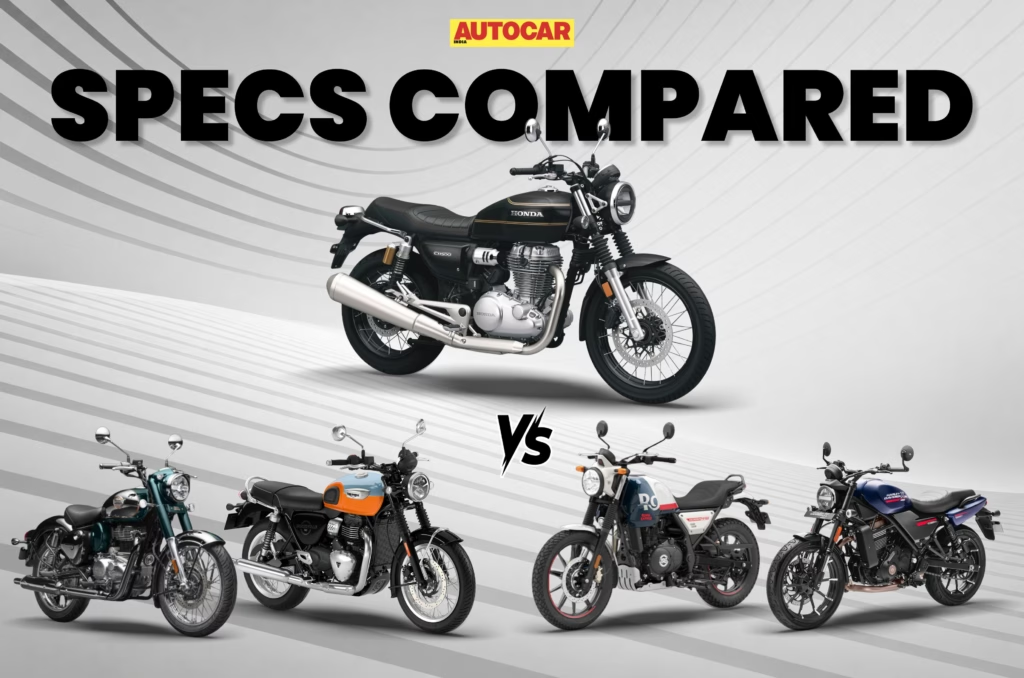
Honda CB500 vs Rivals: Price and specifications compared

Honda CB500 vs Rivals: Price and specifications compared
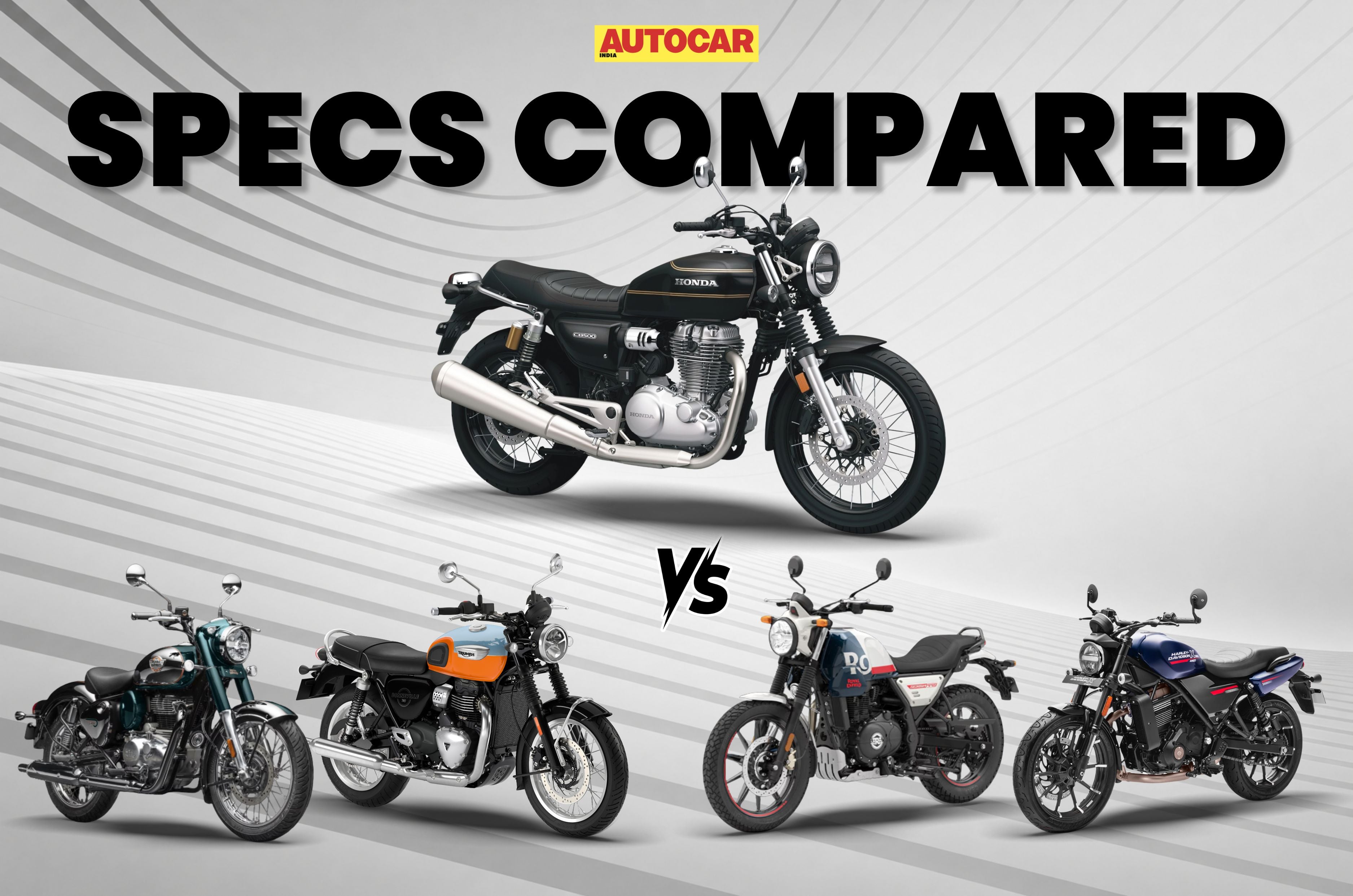
An render showing the spec comparison between the, Honda CB350, Harley-Davidson X440 T, Triumph Bonneville T40, Royal Enfield Scram 440 and Classic 350

Honda has revealed the specifications for the CB500, so it’s only natural that we see how it stacks up against its main rivals such as the Harley-Davidson X440 T and Triumph Bonneville T40. For good measure, we’ve even thrown in other lower-priced and lower-spec but far more popular alternatives like the Royal Enfield Scram 440 and the king of this class, the Classic 350. Here is how these stack up against each other on paper.

Honda CB500 vs Rivals: Engine and output  

The Honda CB500 shines with plenty of low-to-mid range torque


Honda CB500

Harley-Davidson X440 T

Triumph Bonneville T40


Royal Enfield Scram 440

Royal Enfield

Classic 350

Engine

501.7cc, single-cylinder, oil-cooled

440cc, single-cylinder, oil-cooled

350cc, single-cylinder, liquid-cooled

443cc, single-cylinder, oil-cooled

349cc, single-cylinder, liquid-cooled

Power

28.14hp at 5,250rpm

27hp at 6,000rpm

29hp at 9,000rpm

25.42hp at 6,250rpm

20.2hp at 6,100rpm

Torque

43.3Nm at 3,750rpm

38Nm at 4,000rpm

31.2Nm at 5,500rpm

34Nm at 4,000rpm

27Nm at 4,000rpm

Gearbox

5-speed

6-speed

6-speed

6-speed

5-speed

Power-to-weight ratio

148.88hp/tonne

140hp/tonne

148.71hp/tonne

129.69hp/tonne

103.59hp/tonne

With its large 501.7cc mill, the Honda offers more low-to-mid-range torque than the others, and it arrives the earliest too, at 3,750rpm. The torque outputs in this comparison are largely dictated by the engine’s displacement. In the modern retro segment where riders want an effortless riding experience, a healthy torque output delivered without too much effort is almost a necessity. The only anomaly here is the Bonneville T40, with its short stroke and liquid-cooled engine, making the most peak horsepower, although its torque output can’t match the larger bikes’ figures.  

Honda CB500 vs Rivals: Dimension and weight  

The CB 500 is the lightest in its segment


Honda CB500

Harley-Davidson X440 T

Triumph Bonneville T40

Royal Enfield Scram 440


Royal Enfield

Classic 350

Fuel tank capacity

15.2 litres

13.5 litres

14.5 litres

15 litres

13 litres

Ground Clearance

168mm

170mm

165mm

200mm

170mm

Kerb weight

189kg

192kg

195kg

196kg

195kg

Seat Height

NA

805mm

790mm

795

805mm

Wheelbase

1439mm

1418mm

1418mm

1460

1390mm

The Honda CB500 immediately stands out because of its kerb weight. It is the lightest motorcycle in this comparison, despite having the largest motor. Of all the bikes here, the T40 offers the most accessible saddle height, and you can further drop it down to 770mm with the accessory low seat.  No bike here is a corner carver and all of them prioritize a laidback and stable demeanour on the side of their tyres. Given that we are yet to ride 2 of the most recent entrants yet, any comment on a comparison of their ride and handling will have to wait until a later date.

If you want your neo retro machine to be able to tackle bad roads, all of them should be up for the job but it’s the Scram that is the most apt for it with its Himalayan-derived suspension and chassis.

Honda CB500 vs Rivals: Tyres, brakes and suspension  

The X440 T is the only motorcycle that features a USD fork


Honda CB500

Harley-Davidson X440 T

Triumph Bonneville T40

Royal Enfield Scram 440

Royal Enfield

Classic 350

Tyre (F, R)

100/90-19, 150/70-17

100/90-18, 140/70-17

100/90-18, 150/70 R17

100/90-19, 120/90-17

100/90-19, 120/80-18

Brakes (F/R)

Disc/ Disc; dual channel ABS

320mm disc/ 240mm disc; dual channel ABS

310mm disc/ 255mm disc; dual channel ABS

300mm disc/ 240mm disc; switchable dual channel ABS

300mm disc/ 270mm; dual channel ABS

Suspension (F/R)

Telescopic fork/ twin-shock

USD fork/ twin-shock

Telescopic fork/ twin-shock

Telescopic fork/ monoshock

Telescopic fork/ town-shock

While the Harley-Davidson features a USD front fork, the other motorcycles rely on right way up telescopic forks and twin rear shocks with the exception of the Scram, which uses a link-type monoshock. Again, in keeping with their more relaxed nature, the simple spec on offer here is more than sufficient for these bikes’ intended roles. Of them all, the H-D X440 T is likely to be the most agile owing to its more sophisticated front suspension and smaller wheel sizes, which are almost akin to a traditional roadster.

More pertinent here is that the Classic 350 (except for the alloy wheel ‘Dark’ variant) and Bonneville T40 come only with tubed tyres. The Honda comes with tubeless tyres on all variants and save for the base one, the other two come with neat-looking side-laced rims permitting the aforementioned feature.    

Honda CB500 vs Rivals: Features 

Triumph takes the lead in the features department

The Bonneville T40 offers more features than any bike in the neo-retro segment (even more than its much more expensive twin-cylinder brethren!).  Its electronic throttle body permits  five ride modes (Eco, Road, Rain and customizable Rider A and B) as well as cruise control. A handsome full colour, 4-in TFT dash further brings in turn-by-turn navigation and cornering ABS as well as traction control complete its electronic arsenal.  

The X440 T also has a TFT display, but it’s neither as sophisticated nor as pleasing to look at as the one on the ‘Bonnie’. It brings in 2 riding modes (Road and Rain) and has the safety net of switchable dual channel ABS and traction control. While the Honda has the same riding aids as the Harley, it displays information to the rider via a simple and easy-on-the-eyes digi-analogue display which has basic Bluetooth connectivity. 
The Scram and  Classic -in true RE fashion – are simple, but not spartan machines. The Classic offers you a slip-and-assist clutch, type-C charger and dual-channel ABS, whereas the Scram misses out the slip-and-assist clutch and further offers you the ability to disable ABS at the rear.

Honda CB500 vs Rivals: Price  

The CB500 is priced competitively 


Honda CB500

Harley-Davidson X440 T

Triumph Bonneville T40

Royal Enfield Scram 440

Royal Enfield

Classic 350

Price (ex-showroom)

Rs 2.75-3.02 lakh

Rs 2.86 lakh

Rs 2.80 lakh

Rs 2.25-2.32 lakh

Rs 1.89-2.26 lakh

Honda has priced the CB500 rather well considering its capacity, what it brings to the table and despite the higher 40 percent GST working against it. In fact, its starting price undercuts both the smaller Harley and Triumph, and not by an unsubstantial amount.

However, in comparison to the slower and smaller REs, the Honda’s price is a segment higher and rightly so, because the CB500 is, for all intents and purposes, a machine from a segment above.  Deliveries for the Alloy variants are expected later this year, and for the spoke and tubeless spoked variants in the first quarter of 2027.

Given what the latest offerings bring to the segment and their differing price strategies, the neo retro segment is now larger and more diverse than ever before with an option to suit just about every need. Choosing between these bikes is more than a simple comparison on paper and will need a more nuanced understanding of what they offer the rider.
3 reasons to buy the Mahindra XUV 3XO CNG and 3 reasons not to

3 reasons to buy the Mahindra XUV 3XO CNG and 3 reasons not to
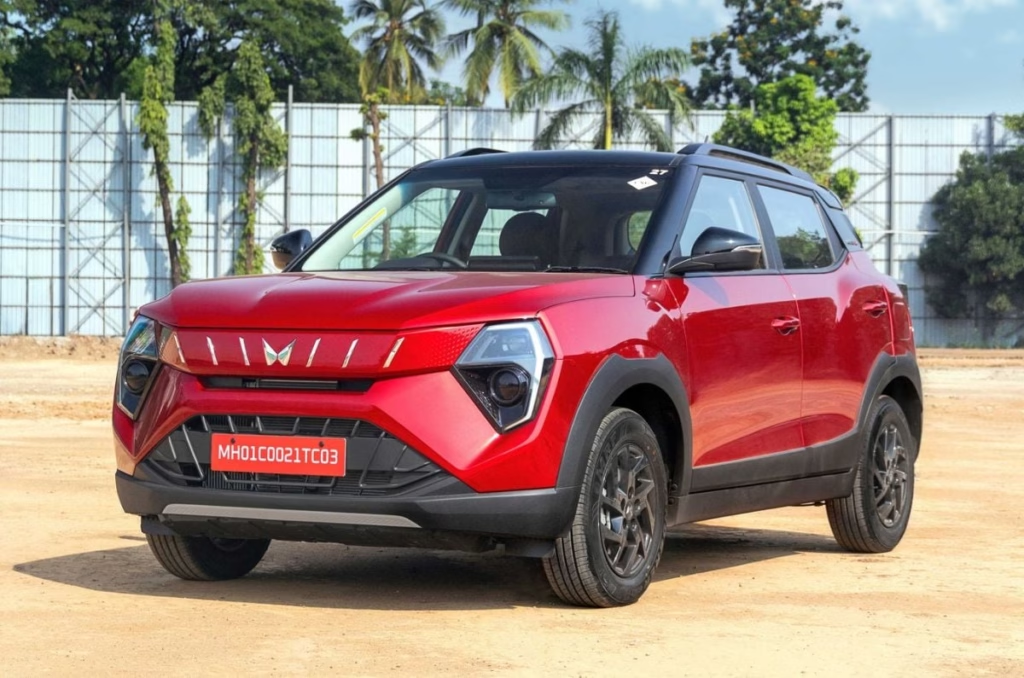
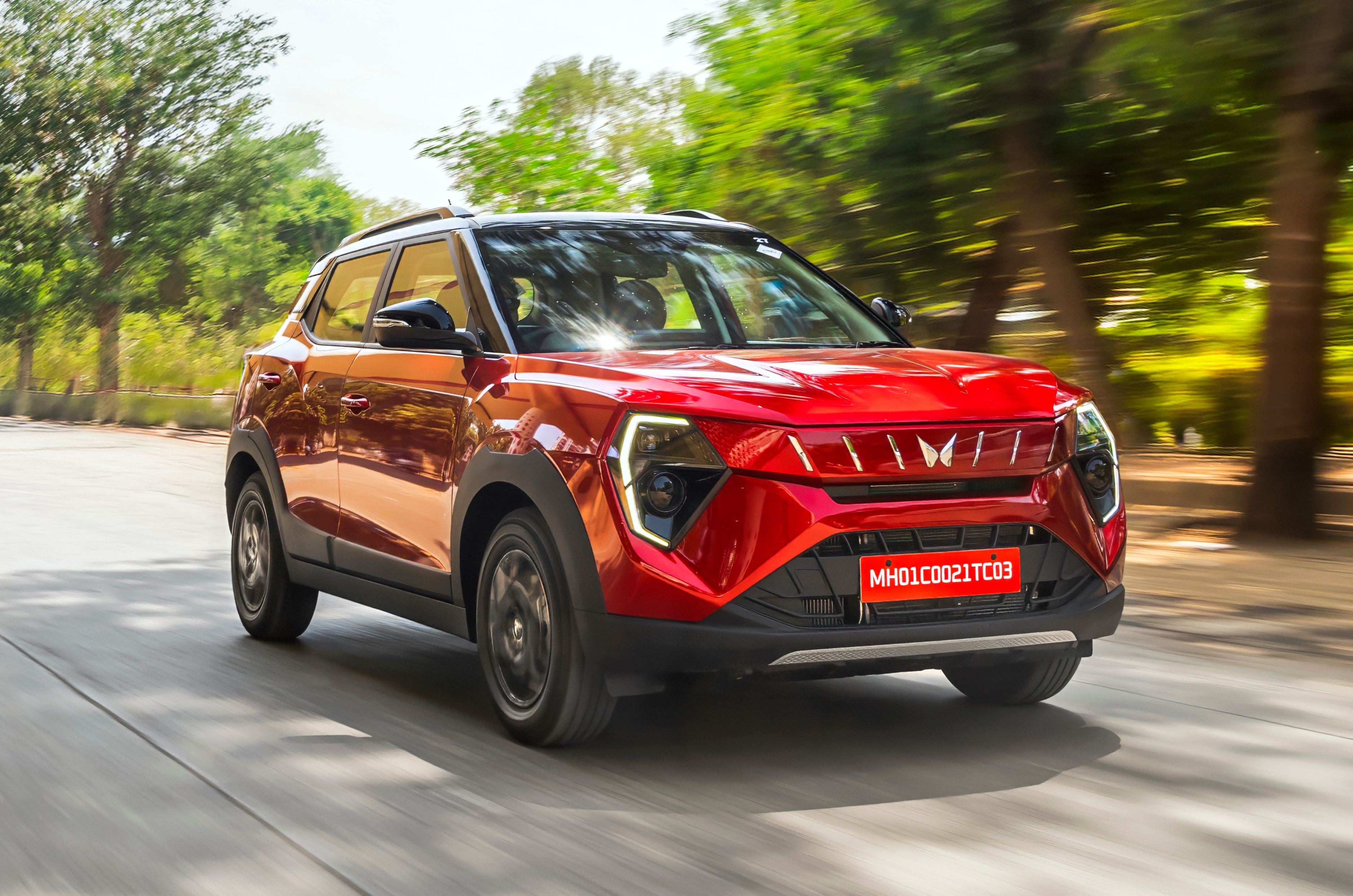
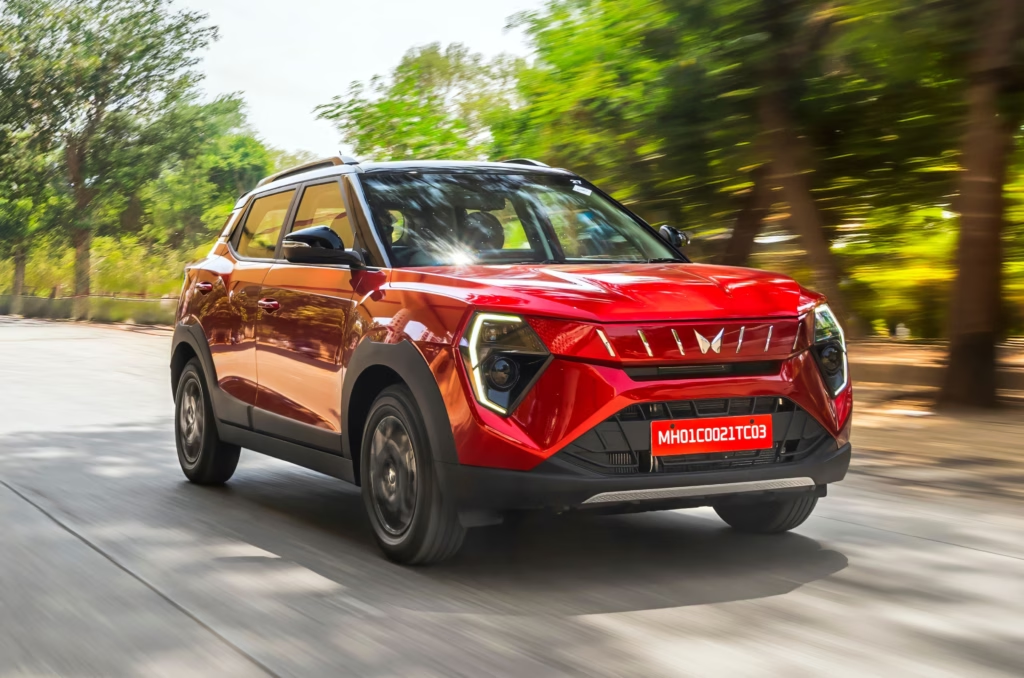
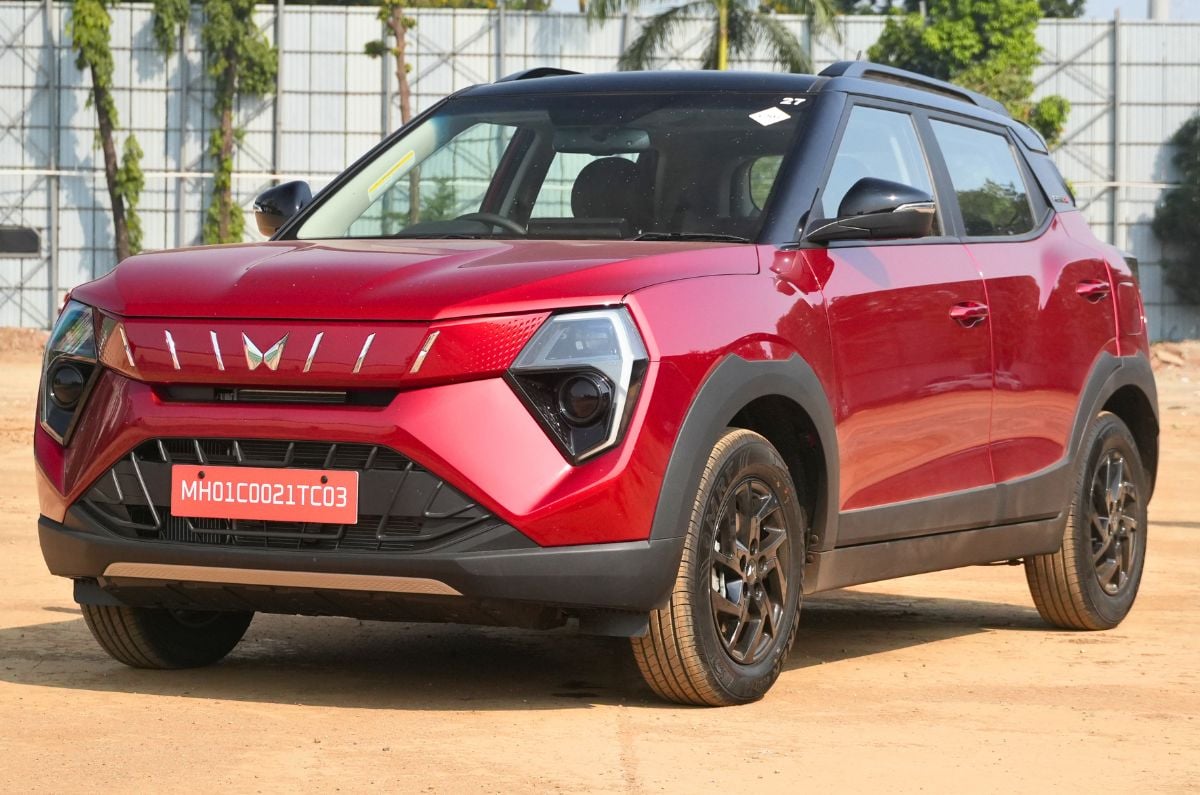
Mahindra XUV 3XO CNG front quarter

The Mahindra XUV 3XO ZNG takes on the Tata Nexon iCNG and the Maruti Brezza CNG in the CNG compact SUV space. Priced from Rs 9.99 lakh to Rs 12.27 lakh (ex-showroom), it carries a premium of Rs 1 lakh to Rs 1.2 lakh over the corresponding petrol versions. Before signing on the dotted line, here are the key strengths and weaknesses of this Mahindra SUV.

Reasons to buy the Mahindra XUV 3XO CNG

Strong performance on CNG

The XUV 3XO CNG loses none of its power when running on gas

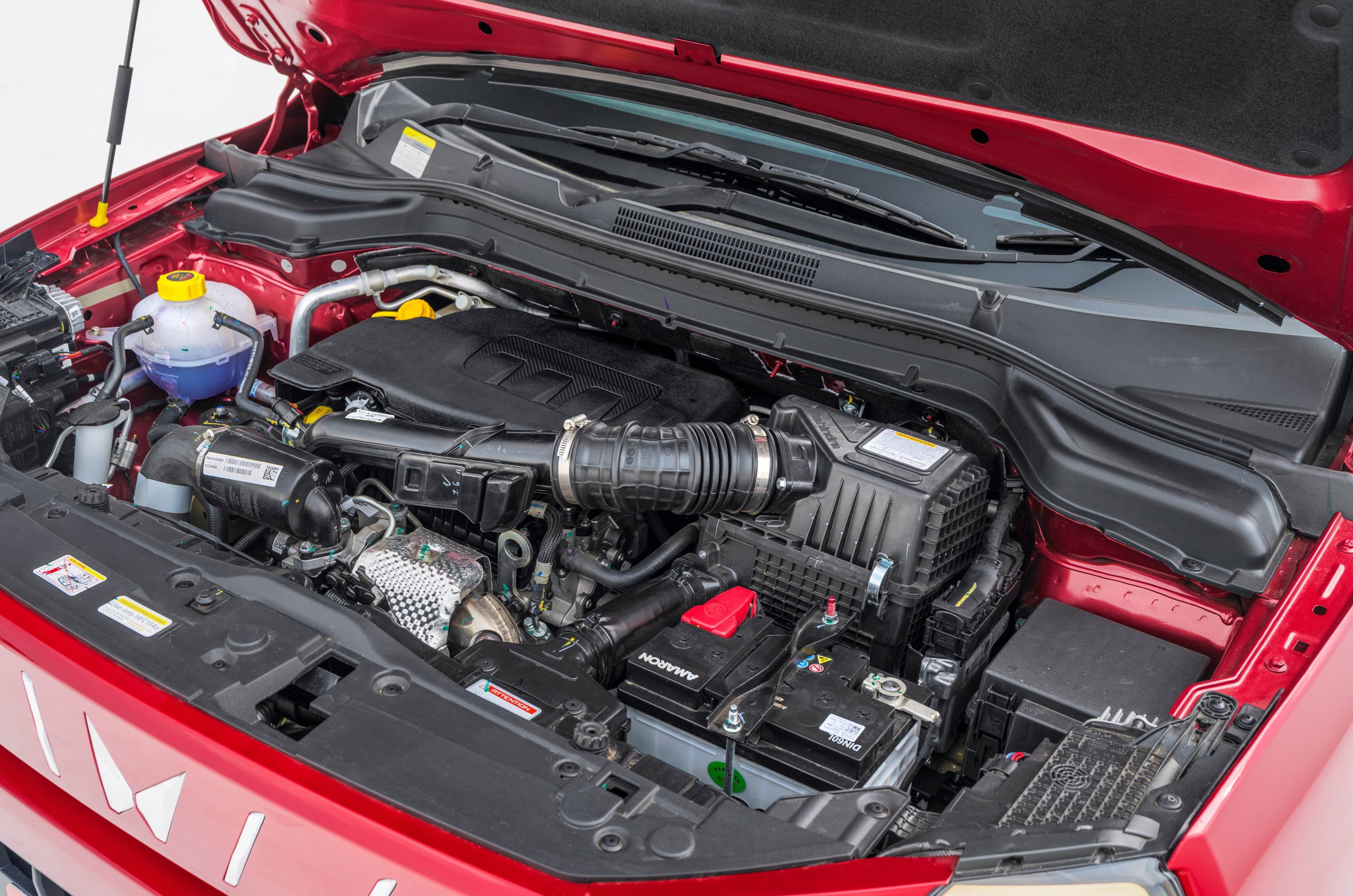
Mahindra XUV 3XO CNG engine

The 1.2-litre MPFI (multi-point fuel-injected) turbo-petrol engine of the XUV 3XO CNG is the same unit found in the lower and mid-spec petrol trims. Here it develops 111hp and 200Nm in both petrol and CNG modes. While there’s some turbo lag below 2,000rpm, the engine pulls eagerly once it crosses that mark. This unit is also notable for its refinement and tractability, rarely requiring one to drop down to first gear, for going over speed breakers, for example.

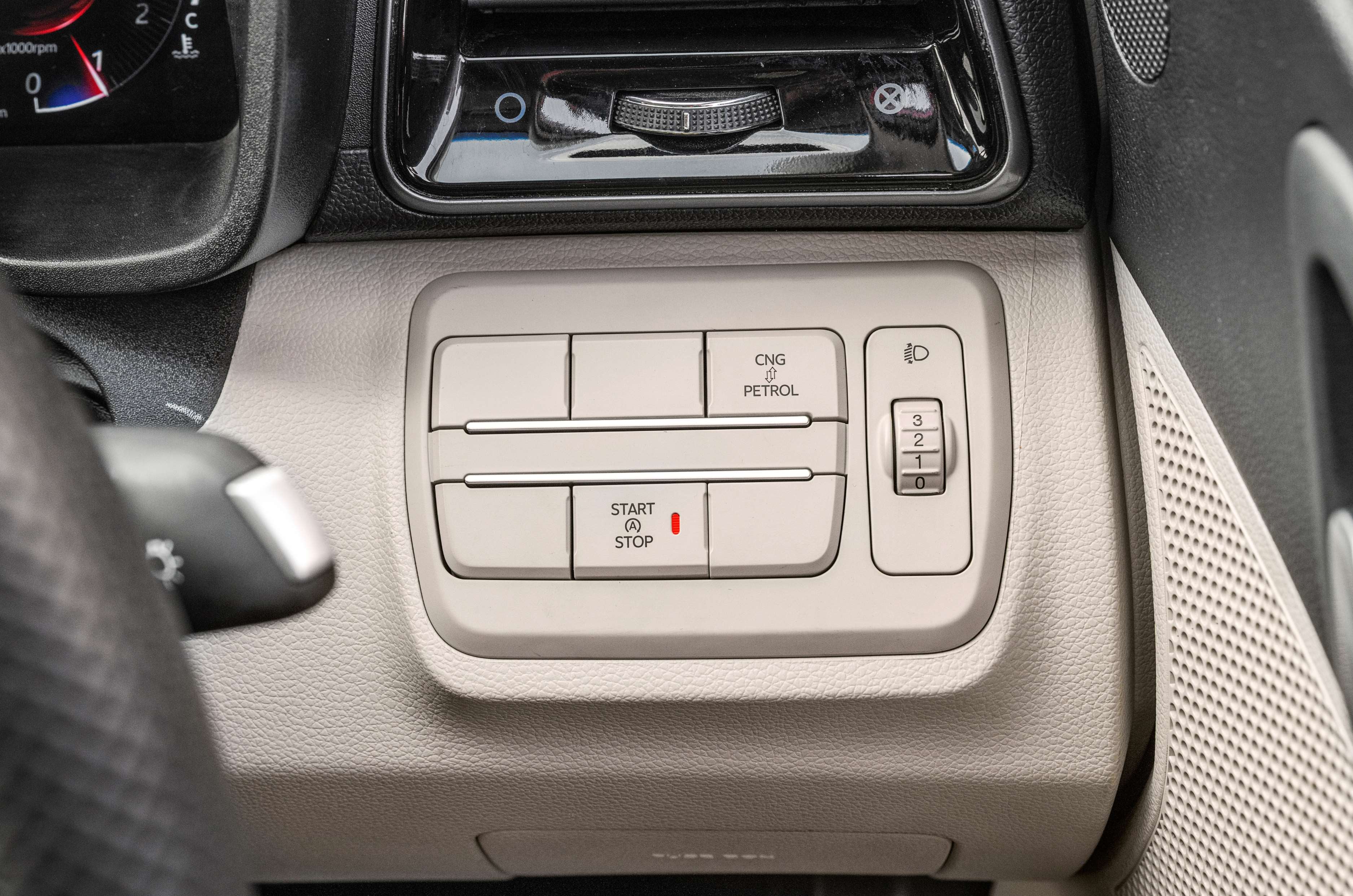
Mahindra XUV 3XO CNG mode switch

Switching between petrol and CNG is seamless as well, and few would be able to tell which fuel the XUV 3XO ZNG is running on. While we’re yet to test it, Mahindra claims a mileage of 24.7km/kg for this compact SUV, translating to a theoretical range of 247km on CNG.

Comfy ride and tidy handling

Mahindra has retuned the suspension to accommodate the extra heft of the CNG kit

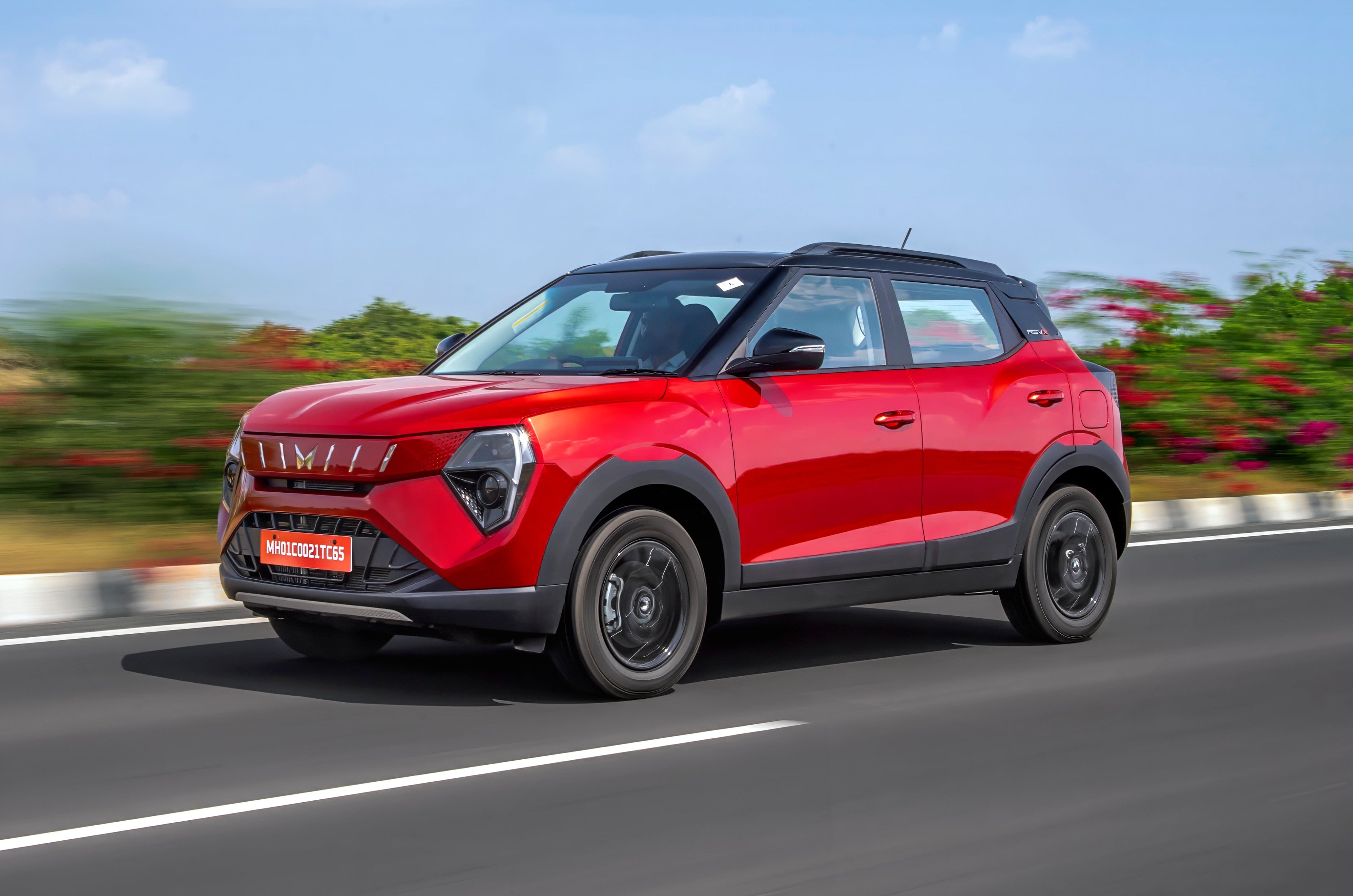
Mahindra XUV 3XO CNG front quarter tracking

The CNG hardware adds around 100kg to the XUV 3XO’s kerb weight, with the majority of it being over the rear axle. Mahindra has reworked the suspension to compensate for this heft. The result is a slightly firm ride but one that deals with bad roads quite well.

Mahindra XUV 3XO CNG steering modes

Adding to the overall comfort here are the 16-inch wheels wrapped with high-profile tyres. These manage to cushion the cabin from sharp bumps. The XUV 3XO CNG rides better than most cars in its segment. What’s good is that this ride comfort doesn’t come at the cost of sloppy handling. In fact, this Mahindra SUV feels tight and planted around corners. The steering is direct and doesn’t require much effort, with drivers being offered three steering modes for flexibility.

Upmarket cabin

This cabin is just as plush as that of the petrol and diesel versions

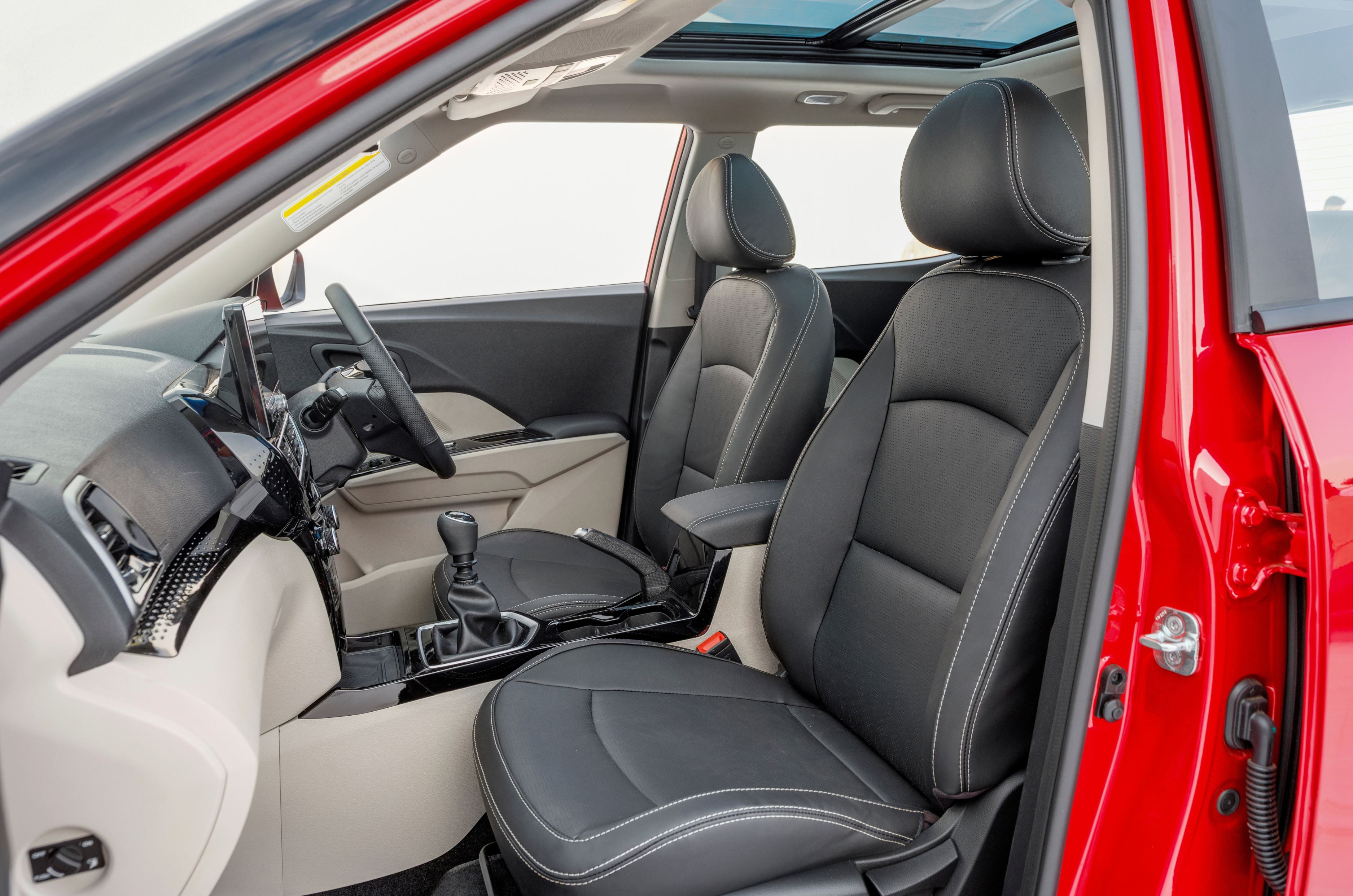
Mahindra XUV 3XO CNG seats

A CNG switch next to the steering wheel aside, the cabin of the XUV 3XO CNG is identical to that of non-CNG versions. While it can’t be had in equally top-end trim levels, the CNG version is available with a dual-tone dashboard, gloss black accents and leatherette upholstery. Overall, there’s a feeling of good build that’s backed by a sense of premiumness. Meanwhile, the rear seat is quite roomy for the class and can accommodate three adults without much fuss.

Mahindra XUV 3XO CNG digital instrument panel

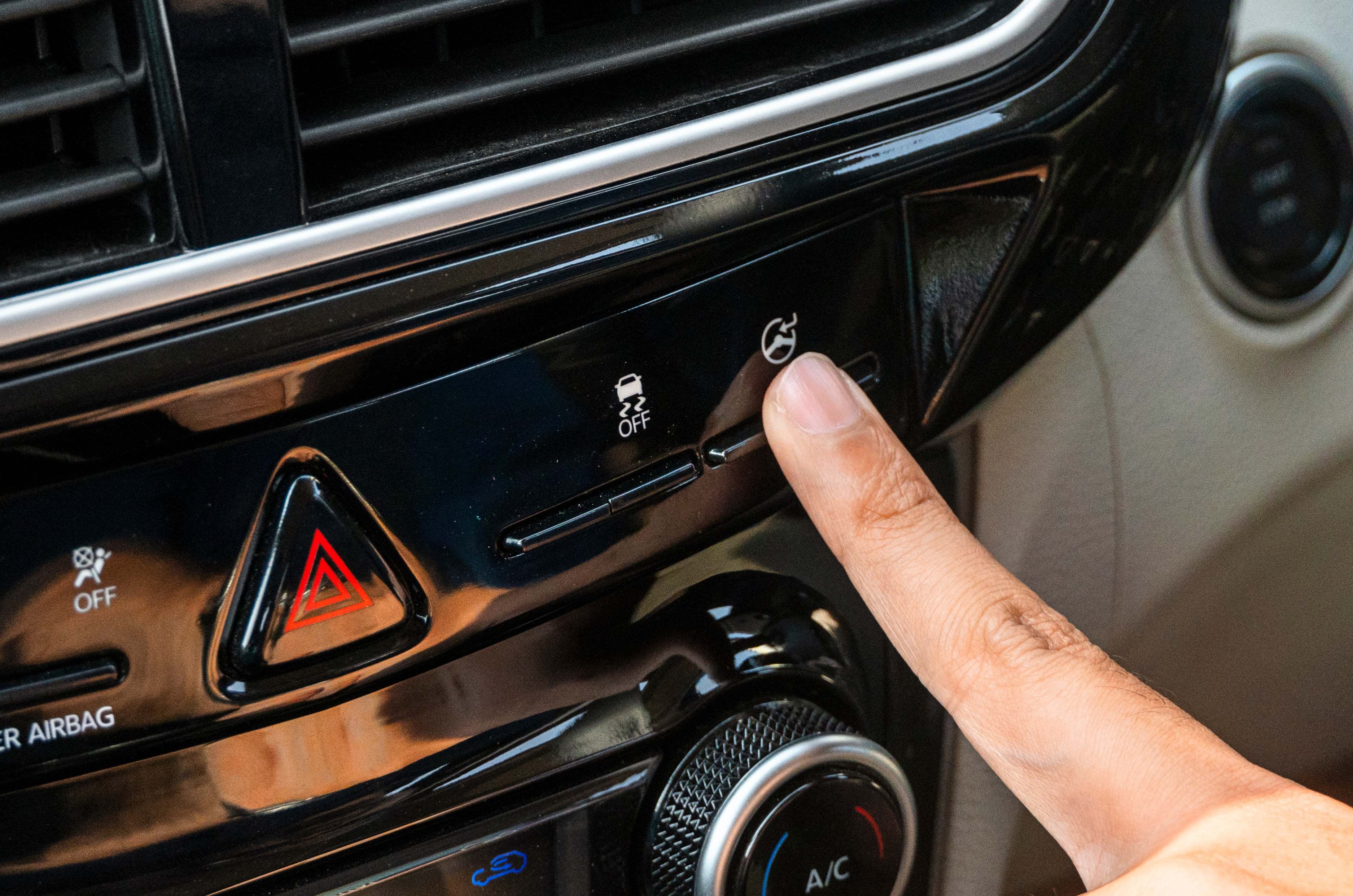
The top-spec RevX A trim gets twin 10.25-inch screens, a panoramic sunroof and a 6-speaker audio system with Dolby Atmos. Mahindra says the CNG version is engineered to match the five-star Bharat NCAP safety rating of other combustion-powered XUV 3XO versions. Standard safety features here include 6 airbags, stability control, ISOFIX anchors and a reversing camera.

Reasons not to buy the Mahindra XUV 3XO CNG

Small boot

The twin-tank setup eats into what was already a small boot

Mahindra XUV 3XO CNG tanks

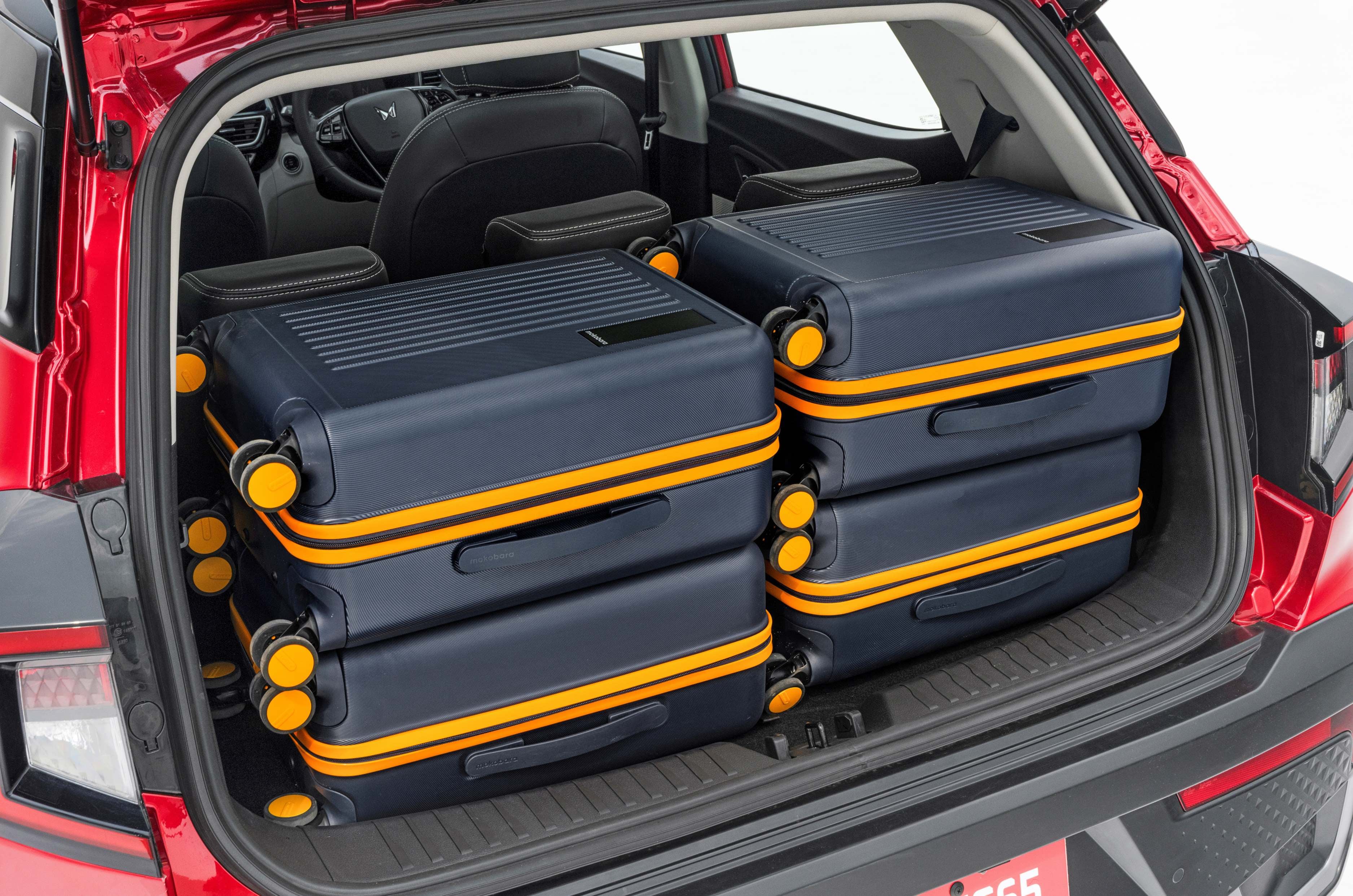
The 295-litre boot of the XUV 3XO was already the most compact in the segment. Despite moving the spare wheel under the car’s body and fitting the twin cylinders beneath the boot floor, the XUV 3XO CNG’s boot is even more compromised – offering just 270 litres of cargo space. It’s only its width that allows up to four cabin-sized bags to be stored.

Cabin niggles

The XUV 3XO CNG’s interior isn’t devoid of ergonomic flaws

Mahindra XUV 3XO CNG interior

While the black leatherette seats look sporty, they don’t get a ventilation function. This means that, on a bright sunny day, they will heat up quite quickly. If you’ve a larger build, the front seats of the XUV 3XO CNG will feel lacking in space. Adding to the ergonomic niggles is the steering wheel, which cannot be adjusted for reach, making it harder to find a comfortable driving position. Lastly, not only is the XUV 3XO CNG’s driver footwell cramped, there’s also no dead pedal.

Limited options

Customers get only mid-spec trim levels with the CNG version

Mahindra XUV 3XO CNG headlamps

The CNG version of the Mahindra XUV 3XO is sold in just four trim levels, all of which are mid-spec options within the broader line-up. This limitation becomes obvious given the lack of a 360-degree camera, ventilated front seats, or a wireless charging pad – these are available in the Nexon iCNG. There are no fog lamps, either. Another limitation is that the CNG version only comes with a 6-speed manual, which has long throws and a fair amount of clutch pedal travel.

Buying a used Tata Nexon: What to look out for

Buying a used Tata Nexon: What to look out for
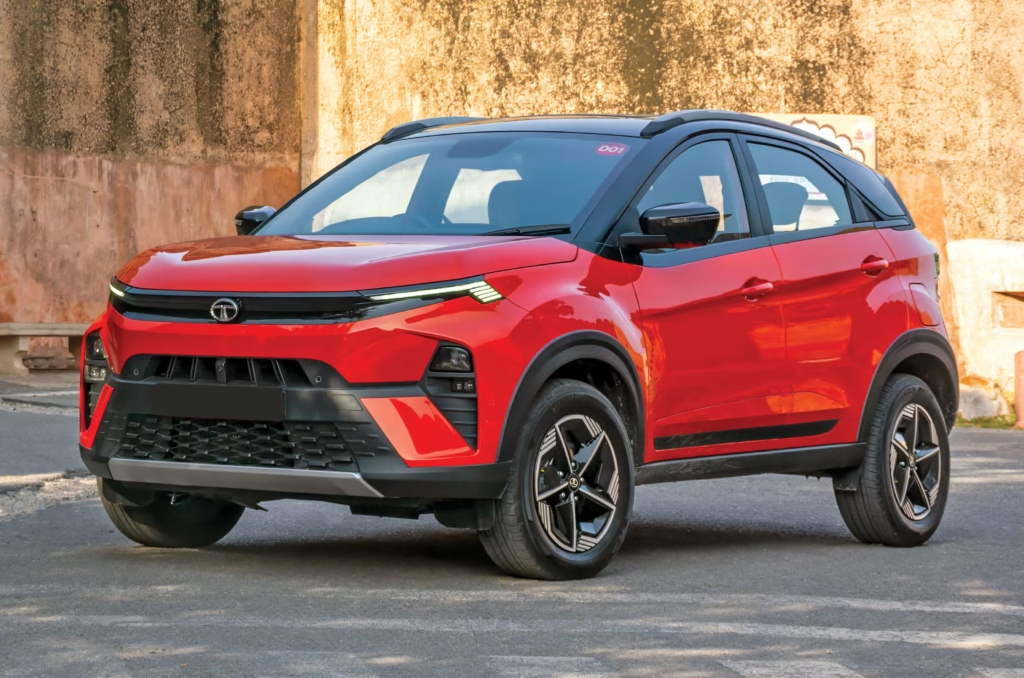
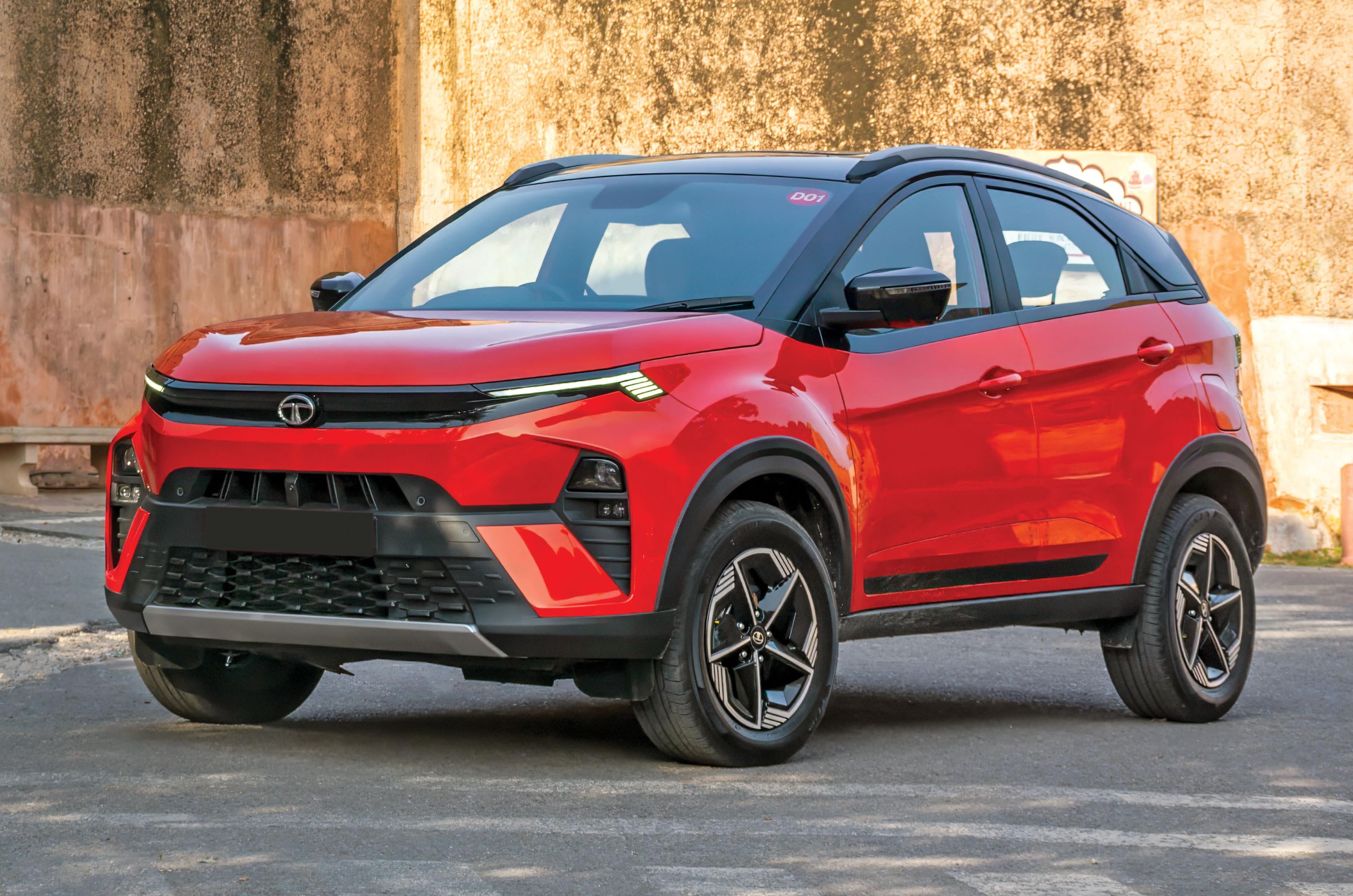
Tata Nexon Front Quarter

GOOD FOR: Spacious cabin, comfy ride

LOOK OUT FOR: Electronic glitches, AMT wear

The Tata Nexon received a comprehensive facelift in September 2023, bringing a sharper exterior, a redesigned interior and more technology. It retained its compact SUV dimensions while offering a wide powertrain choice, along with manual and automatic gearbox options for both petrol and diesel. With its generous equipment, practical cabin and SUV-like stance, the facelifted Nexon makes a compelling case as a used buy.

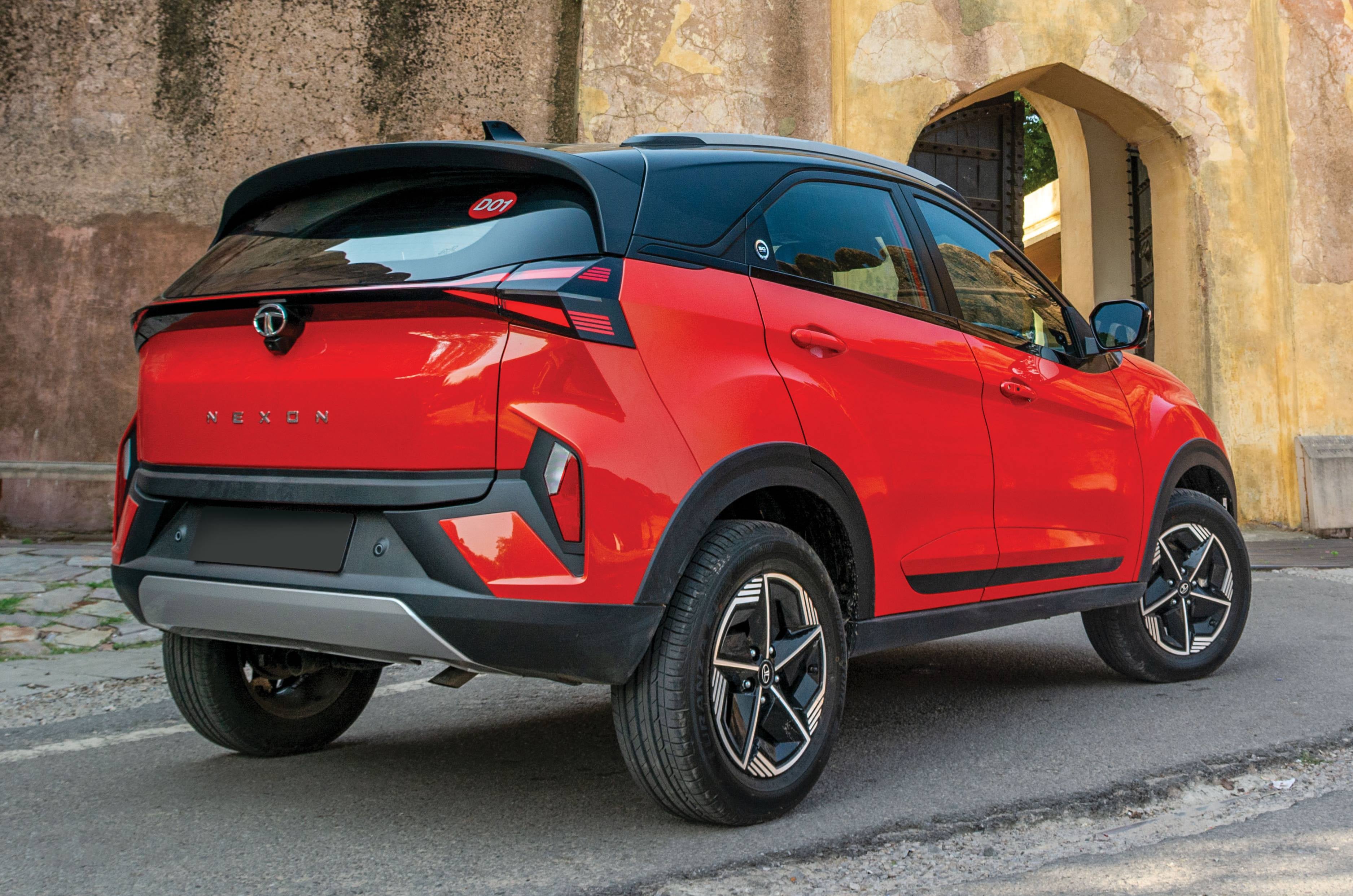
The 2023 Nexon was a significant styling departure from its predecessor, featuring slim sequential LED DRLs and headlamps positioned lower in the bumper. Revised bumpers, a new grille, connected LED tail-lights and redesigned alloy wheels gave it a more modern appearance. The cabin also received a thorough redesign, including a two-spoke steering wheel, a digital instrument cluster and a new touch panel for the HVAC controls. But, it retained its strengths of a spacious and practical cabin, a solid feature set and well-sorted ride and handling.

Check out used Tata Nexon models.

Tata Nexon powertrain details

Petrol, diesel and CNG options; MT, AMT and DCT gearboxes

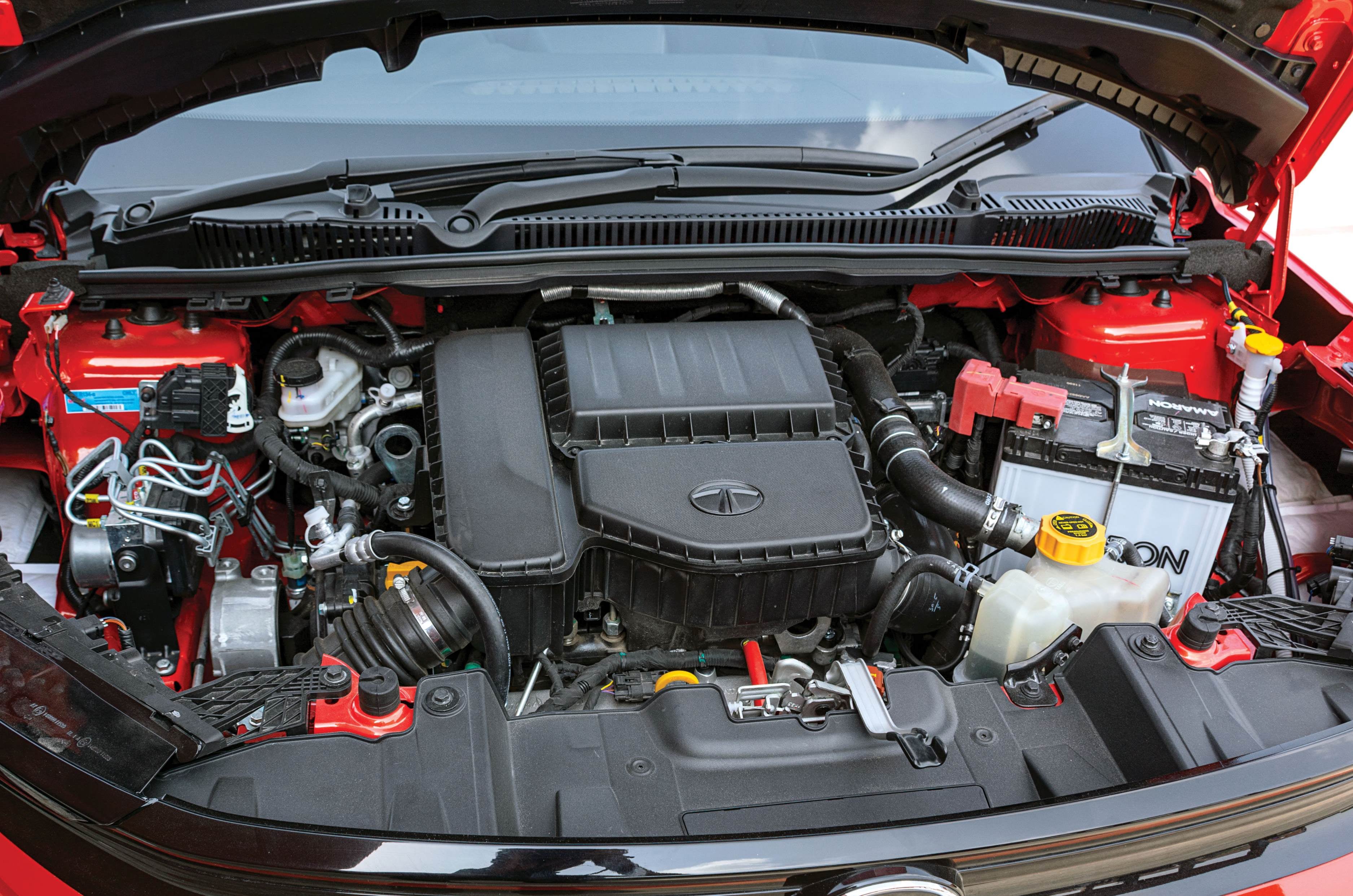
Tata Nexon Engine

Under the bonnet, the Nexon continued with its 1.2-litre turbo-petrol and 1.5-litre diesel engines. The petrol engine produces 120hp and 170Nm, while the diesel makes 115hp and 260Nm. Gearbox options included a 5-speed manual, 6-speed manual, 6-speed AMT and 7-speed dual-clutch automatic, depending on the engine and variant. A CNG version was added to the line-up later, which featured the same 1.2-litre petrol engine and came with a 6-speed manual only. The CNG came with Tata’s innovative twin tank setup under the boot floor, which meant a usable cargo space and spare tyre were retained.

Tata Nexon Rear Quarter

The petrol engine is suitable for everyday urban driving, while the diesel’s higher torque makes it better suited to buyers for highway use. The automatics, of course, are the choice for someone looking for an easier driving experience. The CNG makes sense for high running.

Tata Nexon variants and features

10.25-inch touchscreen, 360-degree camera, ventilated seats and more

The 2023 Nexon was offered in Smart, Pure, Creative and Fearless trim levels at launch, with equipment varying by variant. Top-spec versions featured a 10.25-inch touchscreen infotainment, a 10.25-inch digital cluster, wireless Android Auto and Apple CarPlay, connected-car tech, a 360-degree parking camera, ventilated front seats, cruise control, leatherette upholstery and a sunroof. Safety equipment included six airbags, electronic stability control and ISOFIX child-seat mounts. The Nexon has also received a five-star Global NCAP crash safety rating under the enhanced 2022 protocol.

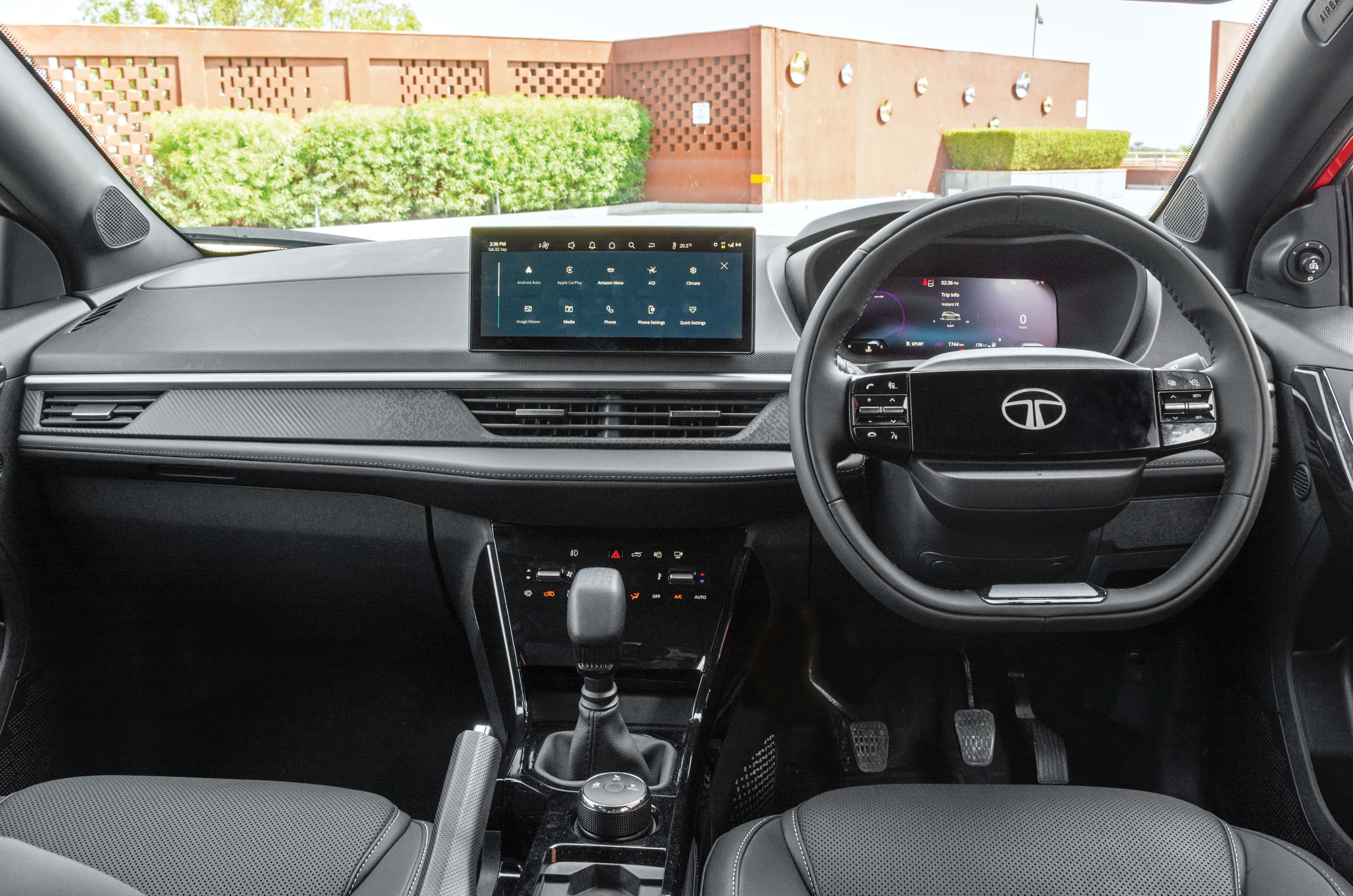
Tata Nexon Interior

As is always the case with Tata products, the Nexon line-up has been regularly updated with the addition/deletion of certain variants, special editions and new features like a panoramic sunroof and Level 2 ADAS tech. With such a widespread line-up, choosing the right one can be tricky. Pick based on your budget and the non-negotiable features you’d want. As it is, even the mid-spec trims come well equipped and have more than the basics covered.

Tata Nexon reliability and aftersales

Tatas are not known to be very reliable, but with the Nexon’s long run, bugs have been ironed out, and these Nexons have proven to be a generally reliable package. Spare parts are easily available, and you’re backed up by Tata’s wide service network throughout the country, though their service quality varies.

What to look out for in a used Tata Nexon

Electronic glitches

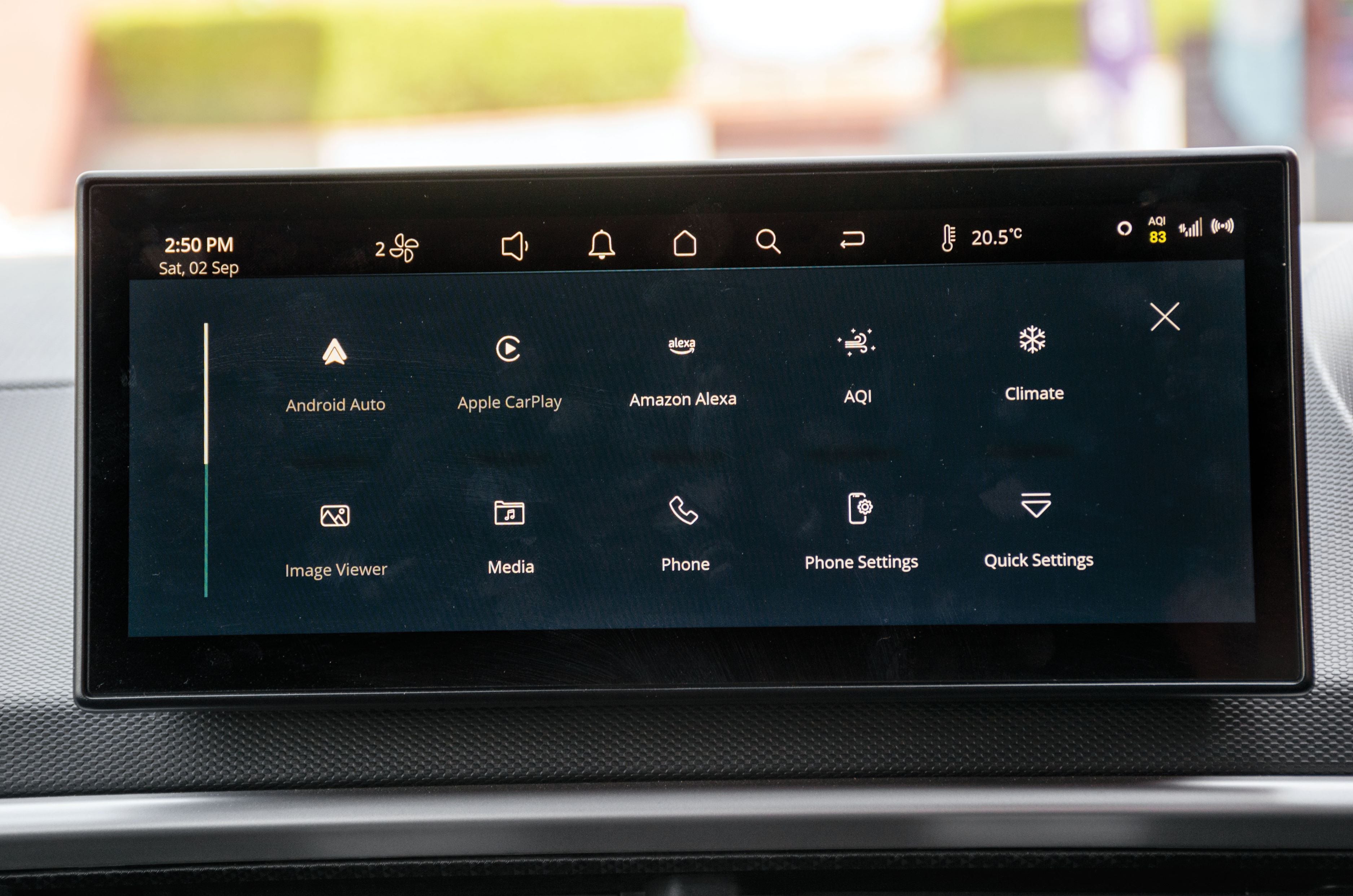
Tata Nexon Infotainment

The 2023 Nexon introduced a larger touchscreen, a digital cluster, a 360-degree camera and LED lights. Before buying, test the touchscreen thoroughly, connect your phone and check that the 360-degree camera works as intended. Make sure the cluster has no warning messages or glitches and that the LED lights work correctly. Some owners have faced issues with these.

Suspension wear

Nexons that have spent considerable time on poor roads can develop wear in suspension components. Drive it over speed breakers and uneven surfaces, listening for knocking sounds or excessive crashing, as these are signs of worn-out suspension components.

Auto gearbox health

During a test drive, check for excessive juddering, hesitation, delayed engagement or unusual noises, particularly in slow-moving traffic, as these could be signs of potential trouble with the auto gearboxes.

Used Tata Nexon service history and warranty check

Look for a Nexon that comes with a detailed service history or one that has an extended warranty package, as that will give you additional peace of mind since you are buying a pre-owned example.

Second-hand Tata Nexon price and resale value

Rs 7 lakh-11 lakh

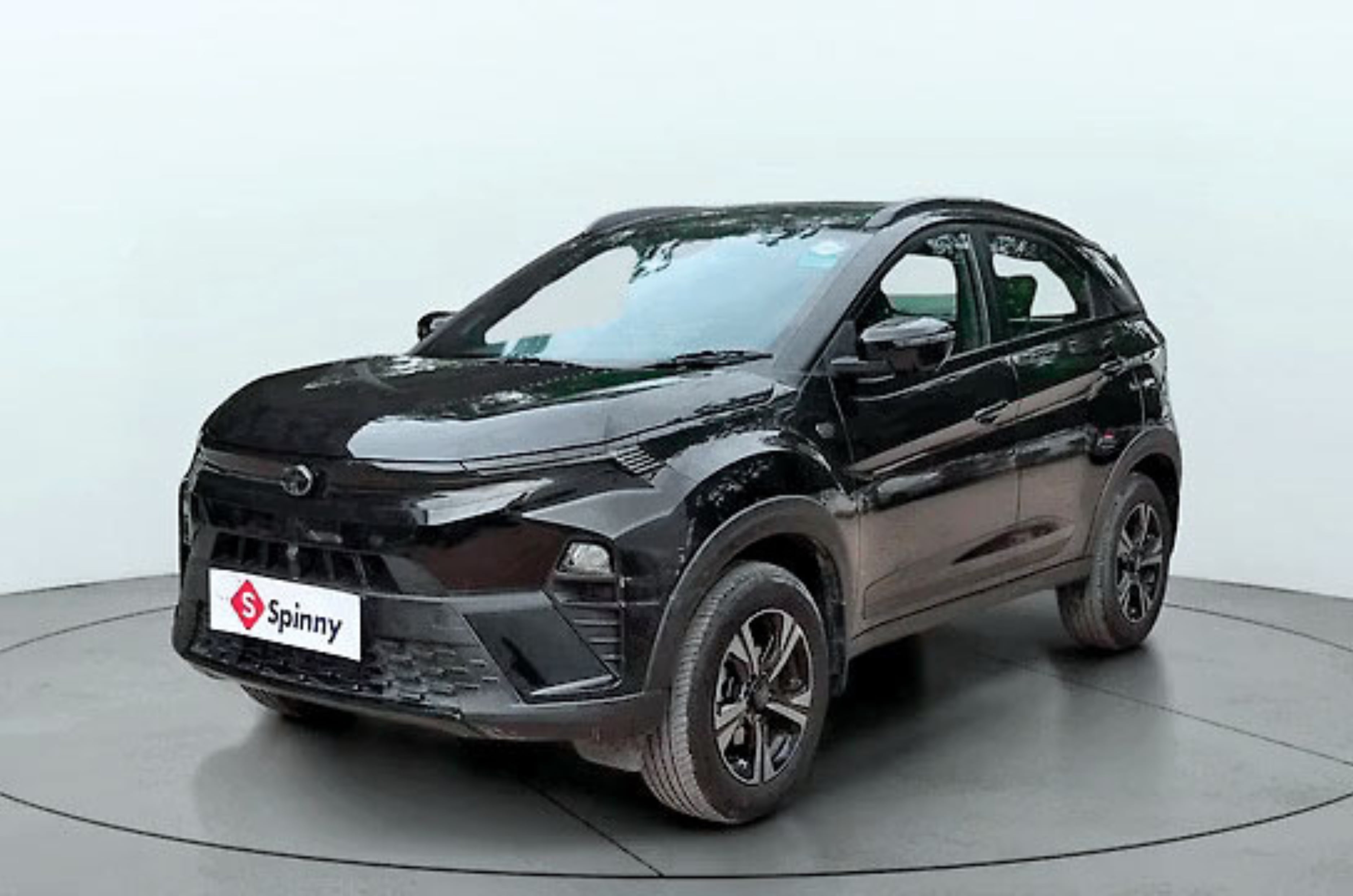
Used Tata Nexon

The price of a used 2023 Tata Nexon will depend on its engine, gearbox, variant, kilometres driven, ownership history and condition. Petrol manual examples will be the most affordable, while the diesel and CNG versions tend to be the more expensive ones. However, refrain from spending too much more than Rs 11 lakh, as you’d rather be better off buying a brand-new one.

Tata Nexon fact file

Years produced

2023-present

Price when new

Rs 8.10 lakh-15.50 lakh (ex-showroom, Delhi)

Engine

3 cyls, 1199cc, turbo-petrol/4 cyls, 1497cc, diesel/3 cyls, 1199cc, turbo-petrol + CNG

Power

120/115/100hp

Torque

170/260/170Nm

Ground clearance

208mm

Boot space

321 litres

Mercedes S-Class completes ‘140 Years, 140 Places’ global tour

Mercedes S-Class completes ‘140 Years, 140 Places’ global tour

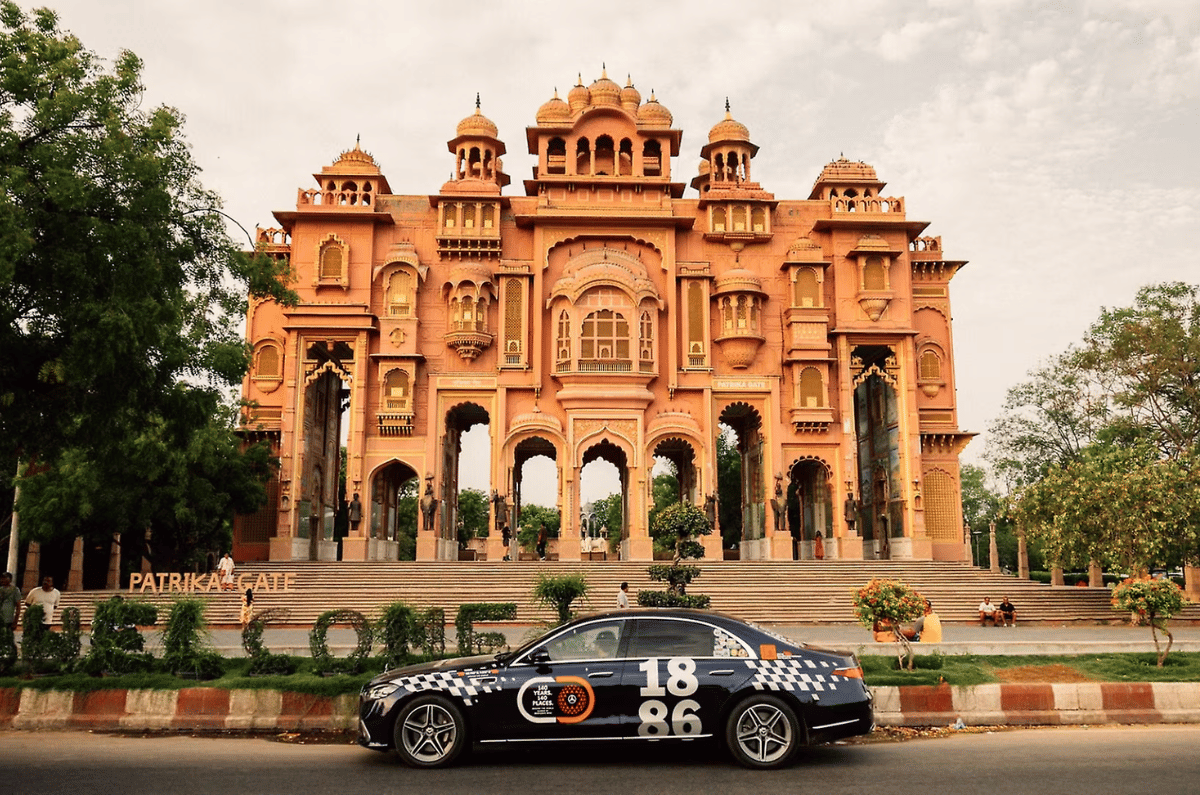
Mercedes-Benz has concluded its ‘140 Years. 140 Places.’ global tour, organised to commemorate 140 years since Carl Benz filed the patent for his Motorwagen in 1886. Three S-Class sedans returned to the Mercedes-Benz Museum in Stuttgart, Germany, on October 17, after covering more than 65,000km across 55 countries and six continents over nearly nine months. Approximately 20,000 guests attended the homecoming event, which also featured the global debut of the new Mercedes-AMG GT SUV.

Mercedes S-Class completes ‘140 Years, 140 Places’ global tour

Mercedes-Benz 140 Years, 140 Places: All you need to know

Tour marks 140 years since Carl Benz’s Patent-Motorwagen

The expedition began in Stuttgart on January 29, 2026, with three S-Class sedans named Bertha, Carl and Gottlieb. The tour visited more than 140 locations across six continents, crossing 67 national borders and 13 climate zones.

Mercedes S-Class completes ‘140 Years, 140 Places’ global tour

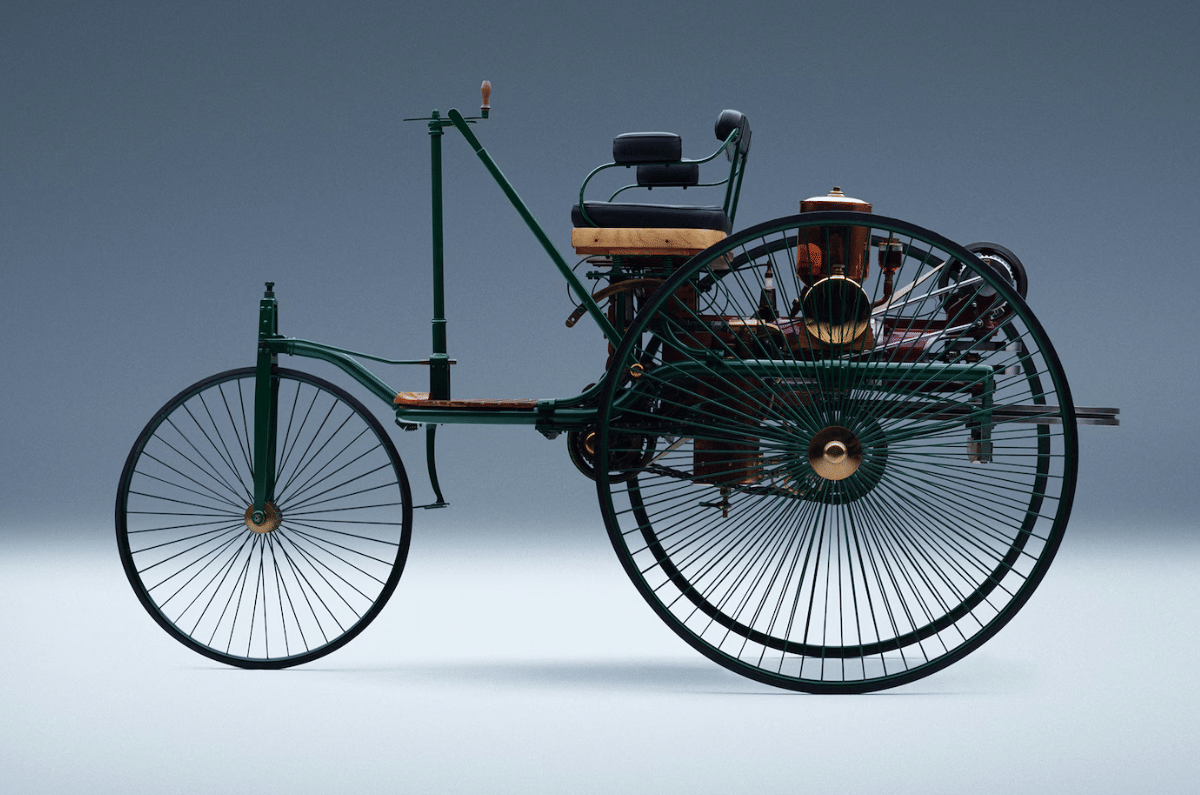
The route covered cities including New York, Tokyo, Mumbai, Nairobi and Sao Paulo. The cars returned to Stuttgart in a convoy of 140 historic and current vehicles, including a replica of the 1886 Benz Patent-Motorwagen, the Mercedes-Benz 300 SLR Uhlenhaut Coupé, a Ponton 220 S, the C 111 experimental vehicle, and the electric G-Class and C-Class.

Mercedes S-Class completes ‘140 Years, 140 Places’ global tour

Mercedes-Benz says tour tested S-Class under challenging conditions

Mercedes-Benz said the expedition provided insights into the S-Class under real-world conditions beyond those covered by its regular development testing in extreme temperatures and simulation chambers.

Mercedes S-Class completes ‘140 Years, 140 Places’ global tour

During the India leg, the cars travelled to Umling La, at approximately 5,800 metres above sea level, and encountered monsoon conditions and flooded roads. In Kenya, Tanzania and Zambia, the route included unpaved and uneven surfaces. Mercedes-Benz said the journey also exposed the cars to temperatures varying by more than 50deg C across desert and tropical climates.

Autocar India participated in the India Leg

Mercedes S-Class completes ‘140 Years, 140 Places’ global tour

We also participated in the India leg of the expedition, driving the pre-production S-Class sedans through Udaipur and Ahmedabad. The drive provided an opportunity to experience the updated luxury sedan’s performance, ride comfort and technology.

Anniversary activities continue through December

Mercedes-Benz will continue its ‘140 Years of Innovation’ anniversary programme through the end of 2026. Mercedes-Benz plans further studios in international cities following launches in Copenhagen, Los Angeles, Sydney and Delhi.

In December, the company will convert the approximately 145-metre-long glass facade of its dealership at Donnersbergerbrucke in Munich into an oversized Advent calendar. Mercedes-Benz is also planning a coffee-table book documenting the expedition, its stops, and its encounters along the route.

Aprilia SXR GT 175 review: The next step

Aprilia SXR GT 175 review: The next step
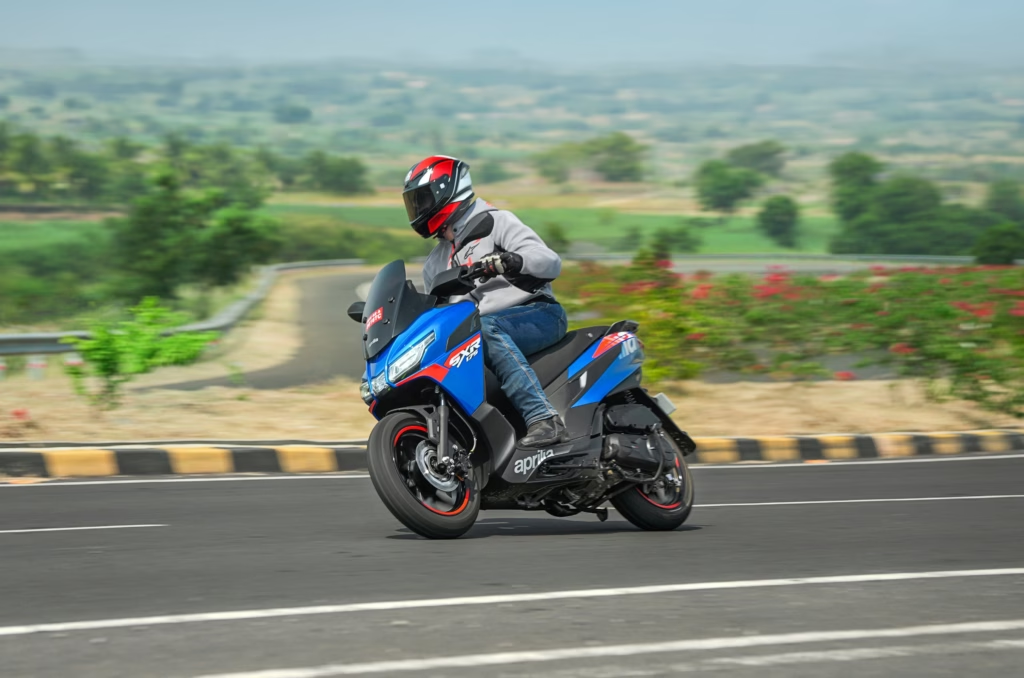
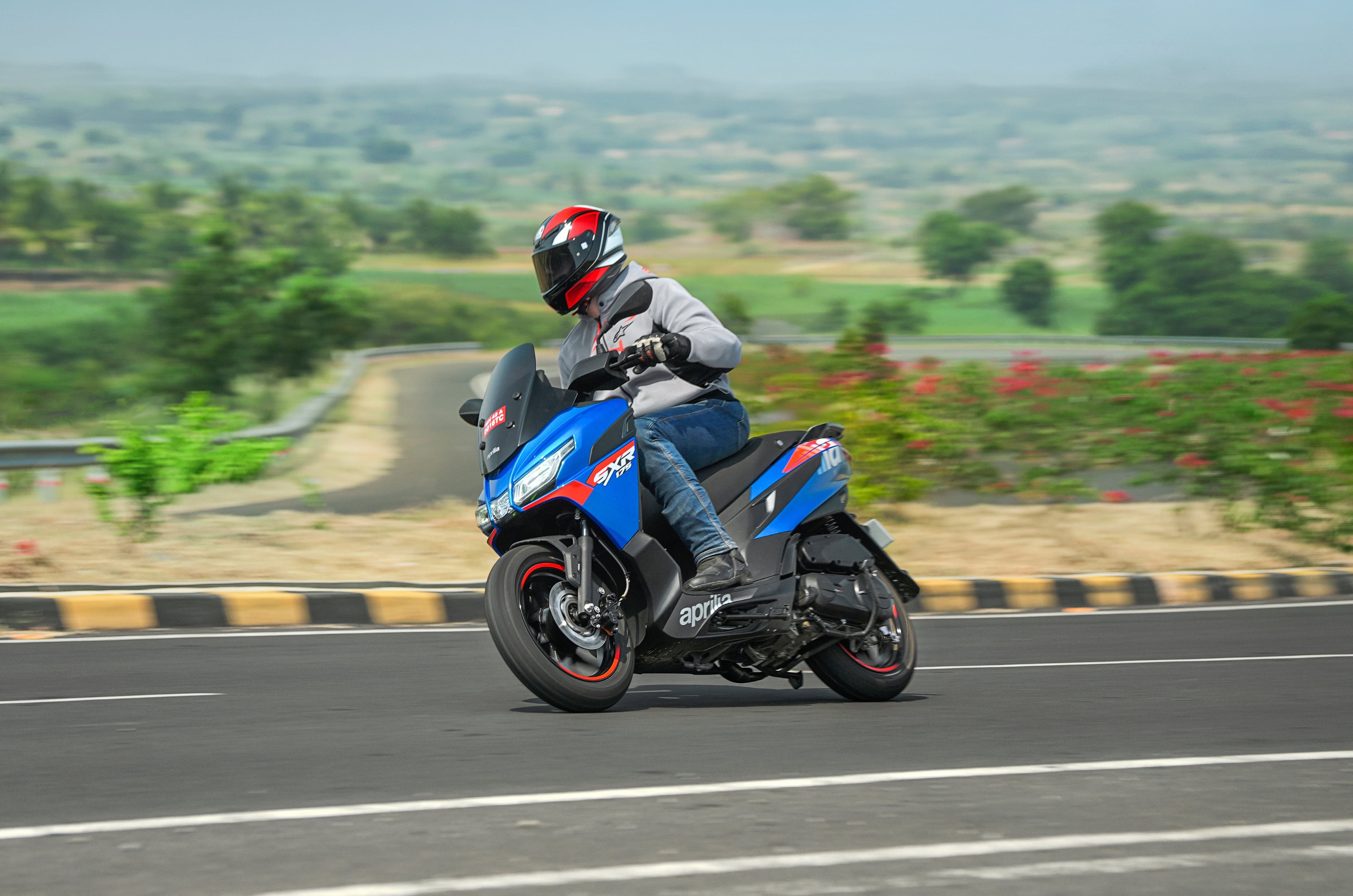
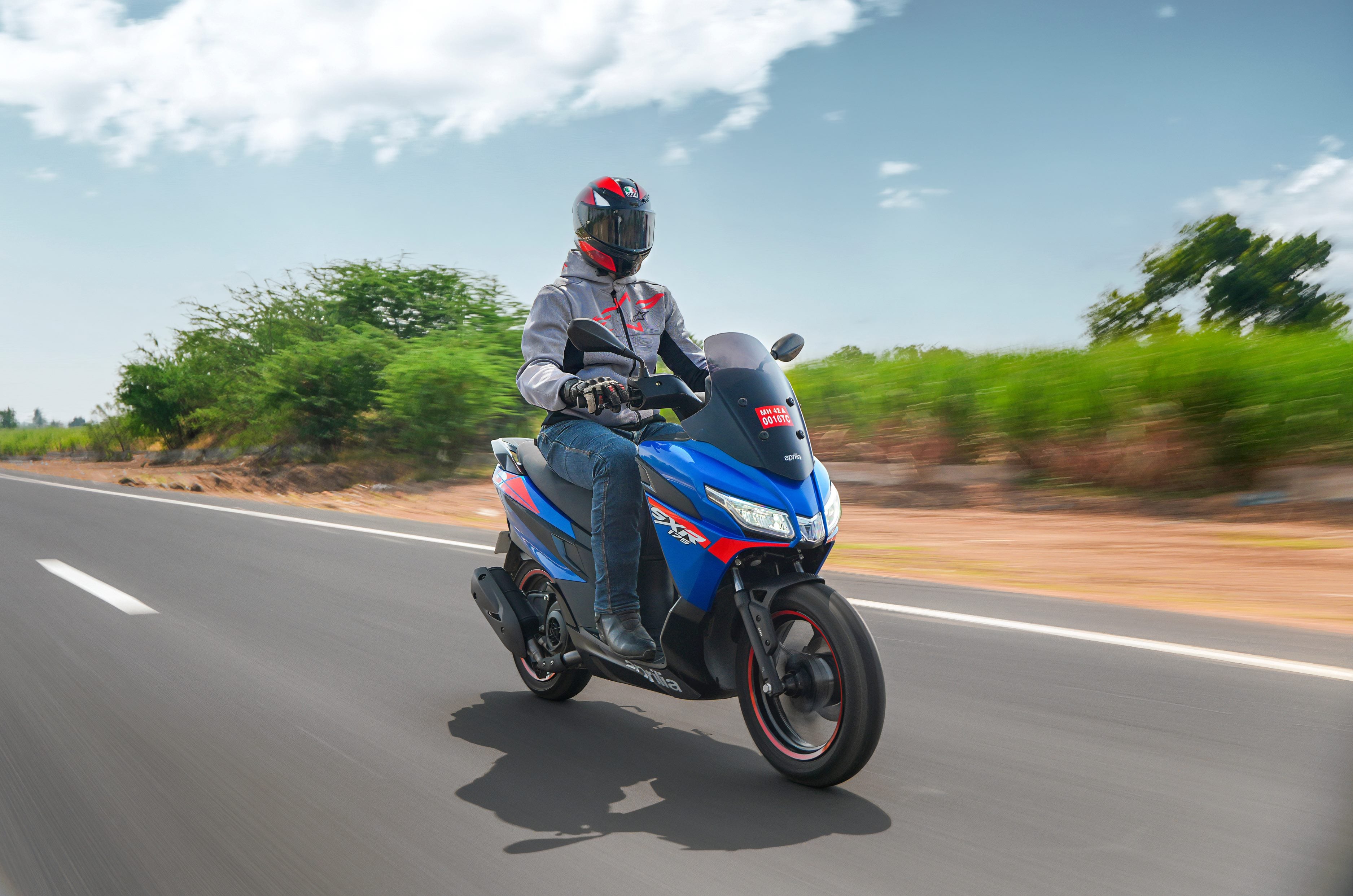
An outdoor shot of a rider cornering the new Aprilia SXR GT 175

Aprilia may not be the biggest player in the Indian scooter market but it is certainly one of the most radical. It was the first to give us a taste of a true-blue affordable performance scooter with the SR 150 in 2015 and in 2020 the company then upped the ante and introduced India to a premium, yet attainable maxi-style scooter with the SXR 160.

However, six years is a long time and in this interim, the niche that Aprilia was the sole occupant of has now been infringed upon by TVS, Hero, Yamaha and more recently, even Honda! To counter, Aprilia has now taken the next step in the SXR’s evolution and has introduced two models with new engines (125cc and 175cc), more features and a GT suffix. We were given a chance to sample the larger 175cc version and here are our initial impressions. 

Aprilia SXR GT 175 Design and features – 7/10

It’s an old design but still looks good; has received a good features upgrade

This design may be 6 years old, but it still manages to look good and turn heads

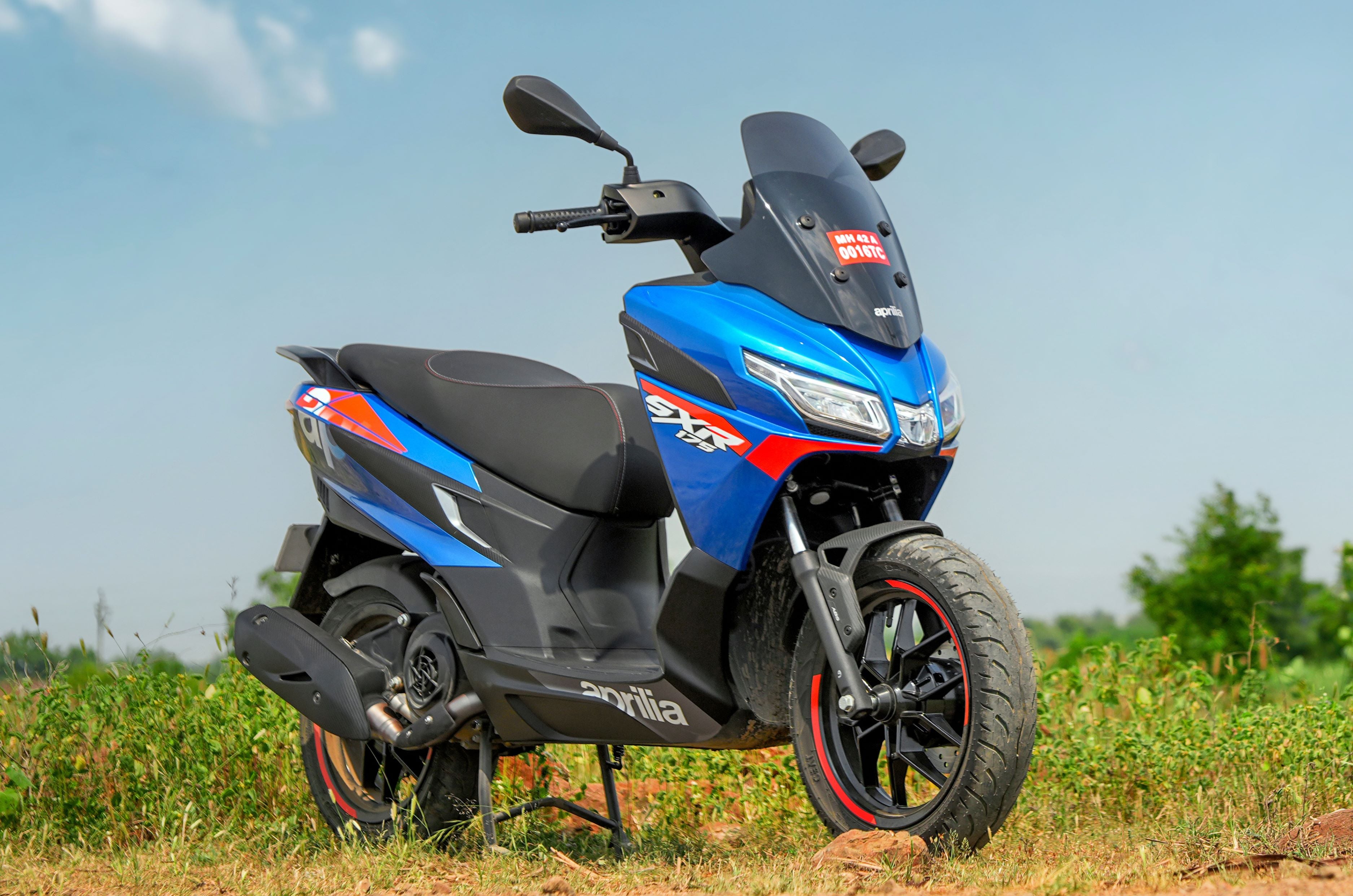
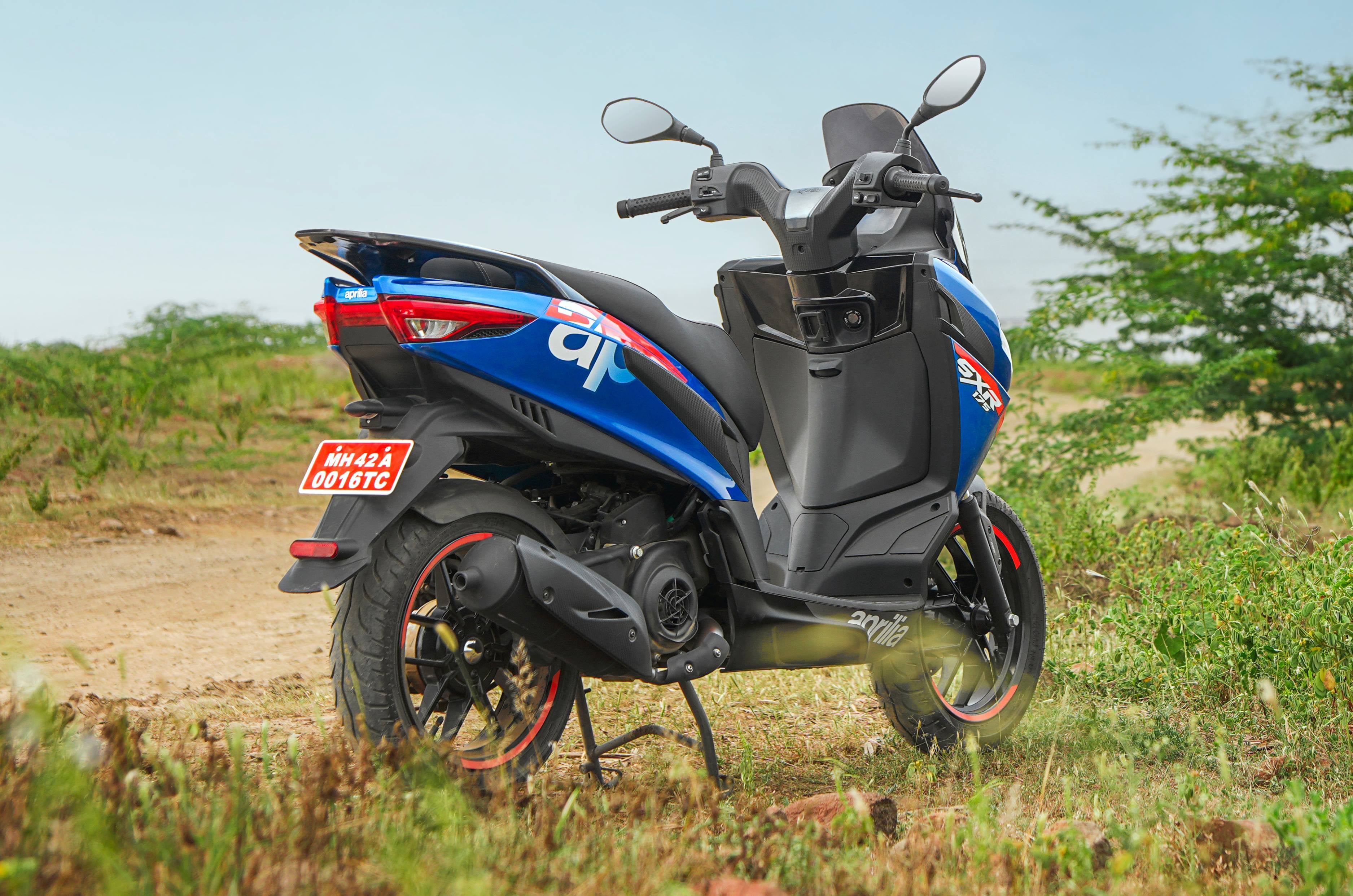
At this juncture, you’re probably wondering aside from the new colours and graphics, how different is the SXR GT 175 to the erstwhile SXR 160 it replaces? The answer to that question is, not very much. Aside from larger 14-in wheels, the SXR GTs look identical to the models they replace and you can certainly feel like it wouldn’t be unreasonable to expect more from the company. However, what you can’t deny is that the scooters still look handsome and striking without going over the top, despite looking nearly the same as they did 6 years ago – that’s Italian design brilliance for you! There are three new colours on offer – the vibrant blue you see here accompanied by a stealthy black and a camo army green scheme.

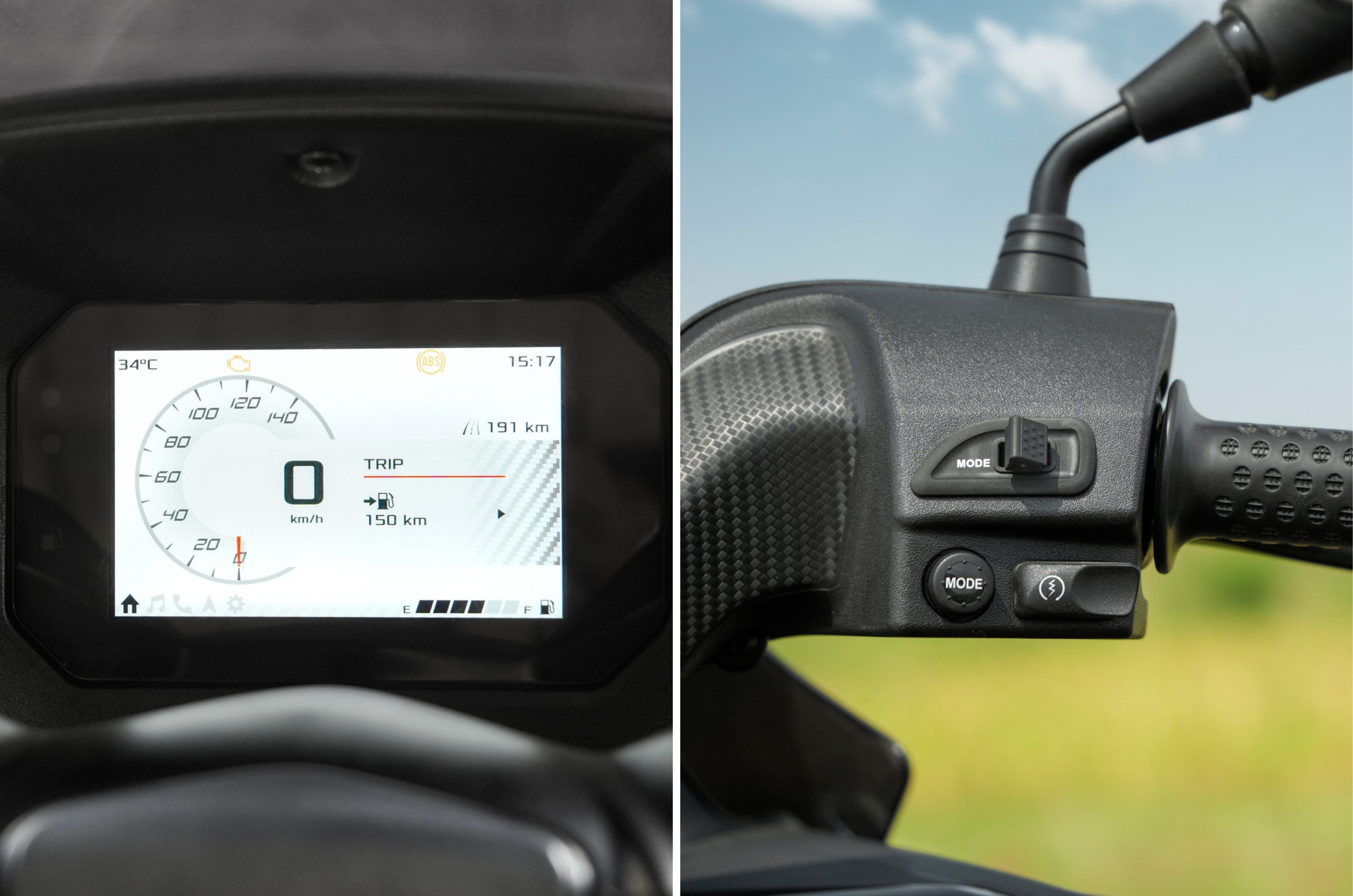
5-in TFT also shared with SR 175, is well laid out but UI isn’t entirely straightforward

However, once you get astride, you’ll realise that there are a fair few changes going on. For starters, the SXR GT 175 uses the same bright and well laid-out colour TFT display as the SR 175 and this dash is replete with Bluetooth functionality which brings in call/notification alerts & navigation prompts. Like that scooter, the overall user interface is a bit complicated and you will need to learn some of the secret handshakes necessary to fully utilise it. Another gripe I have with this dash is that while it has a lot of tech, you have to make do with a single trip meter, which seems like a small but unnecessary omission. 

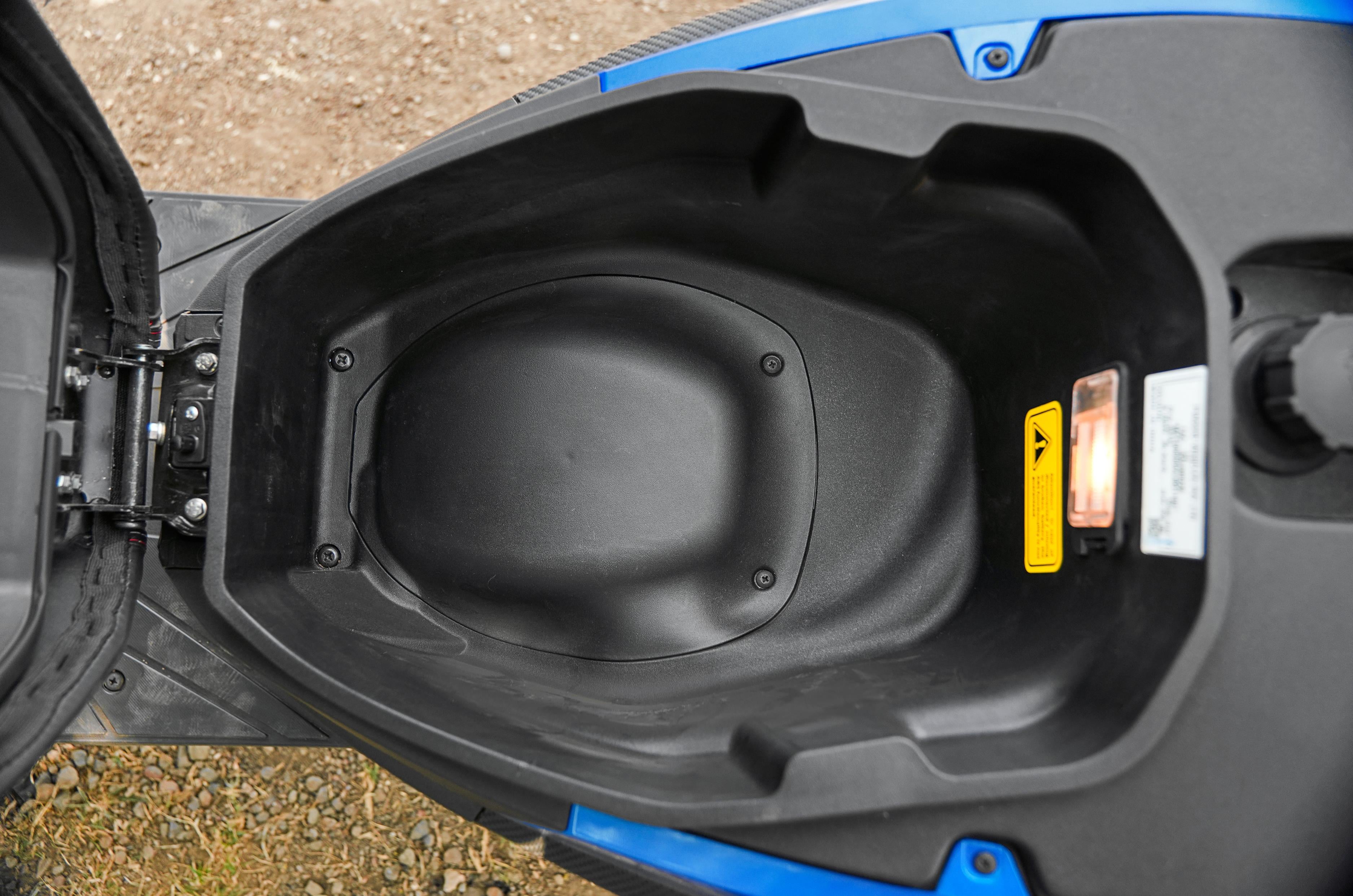
Bootspace is nothing to write home about

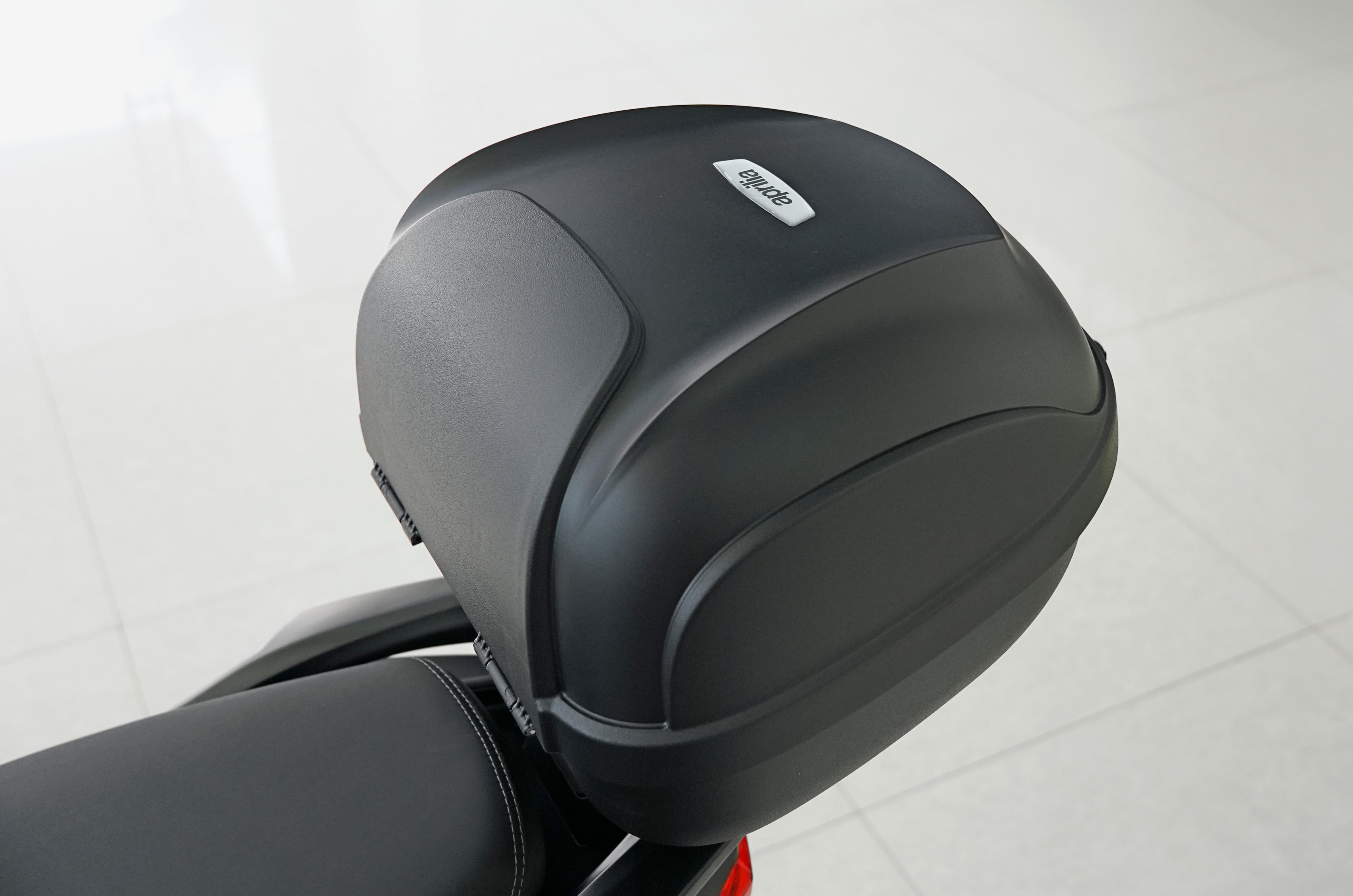
Another small omission is the absence of a multi-function ignition key slot, which means you need to remove the key and put it in its dedicated slot to open the seat and access the boot – something most smaller and cheaper scooters have long moved past. The underseat storage space here isn’t anything to write home about either. However, Aprilia will sell you a pretty spacious 32 litre accessory top box to alleviate that issue, although we don’t have a price for that yet.

 But Aprilia will sell you an accessory 32L top box to alleviate that issue

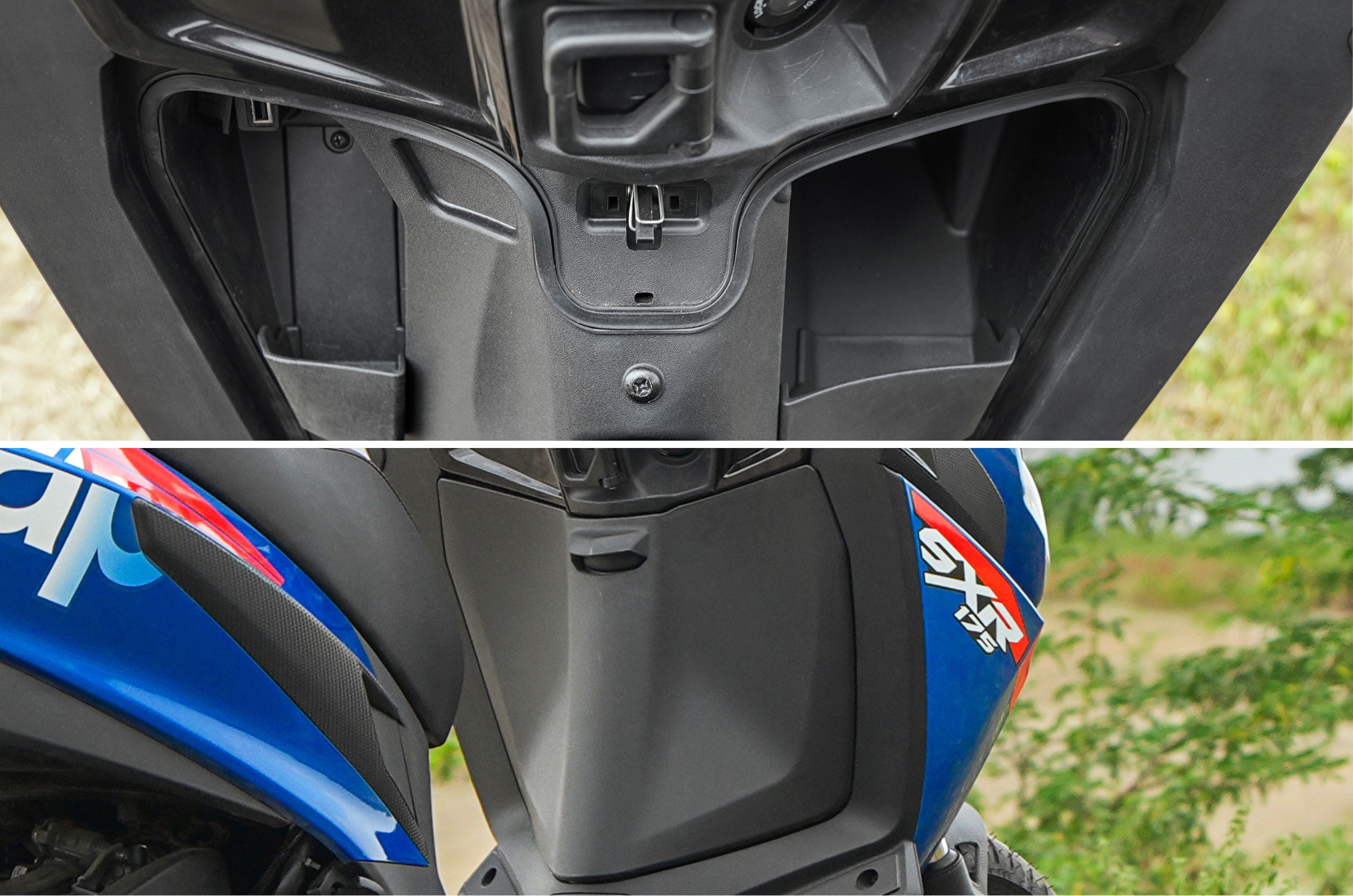
What is a nifty storage solution that comes as standard – carried over from the SXR 160 – are the fully enclosed cubbies on the front apron, and one of them even has a USB-A charging port. While this is surely a safe and practical storage area for your knick-knacks, it’s not the most convenient solution to access when on the move. That’s because you first need to come to a stop, then twist the key to its off position and press it inwards to unlock the cubby. 

Enclosed, lockable area opens up to reveal 2 small cubbies; one of them has a USB Type-A charger

Aprilia SXR GT 175 Ergonomic – 7/10

Has one of the tallest seat heights in the scooter space; rider’s triangle is neutral

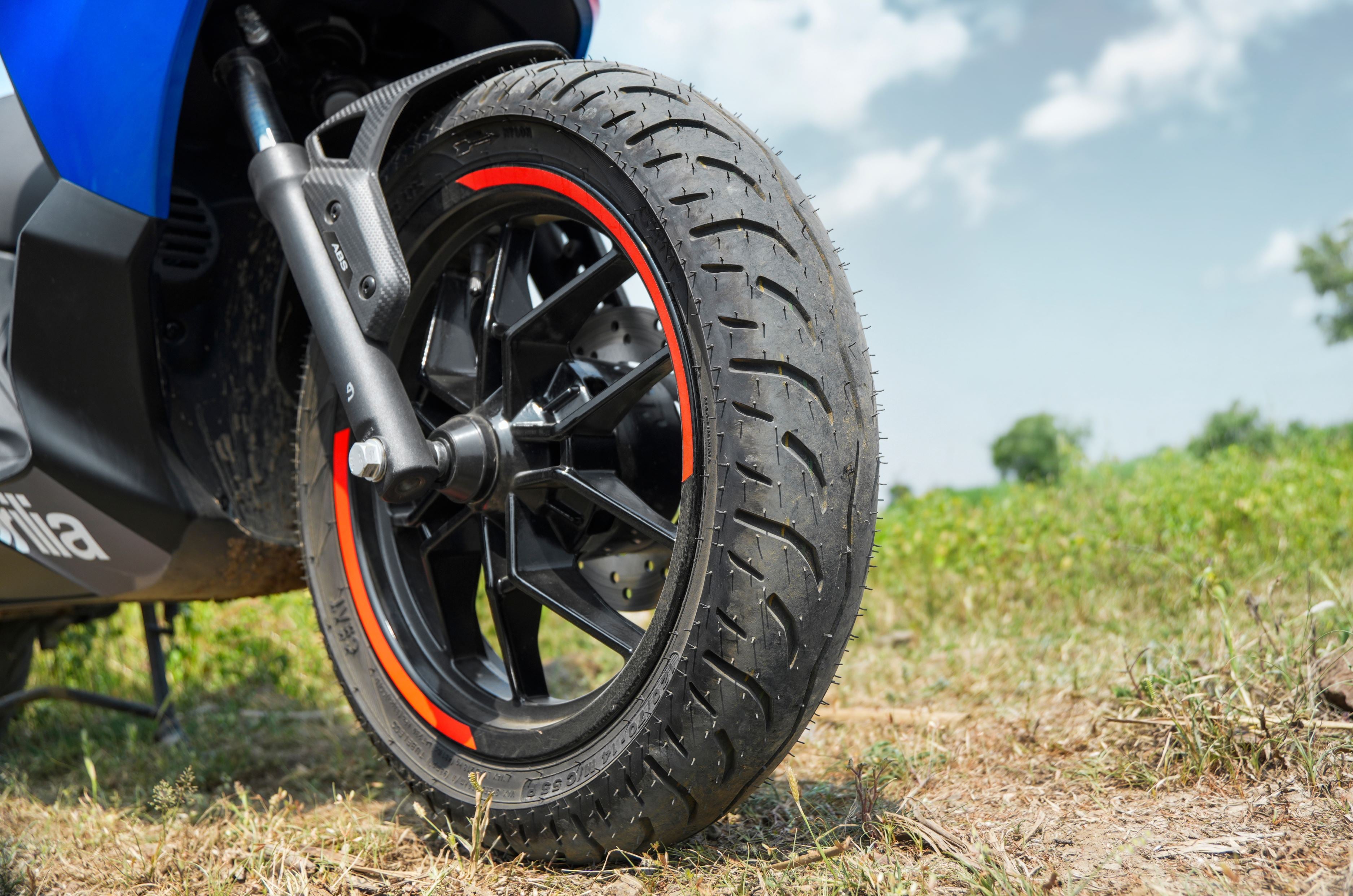
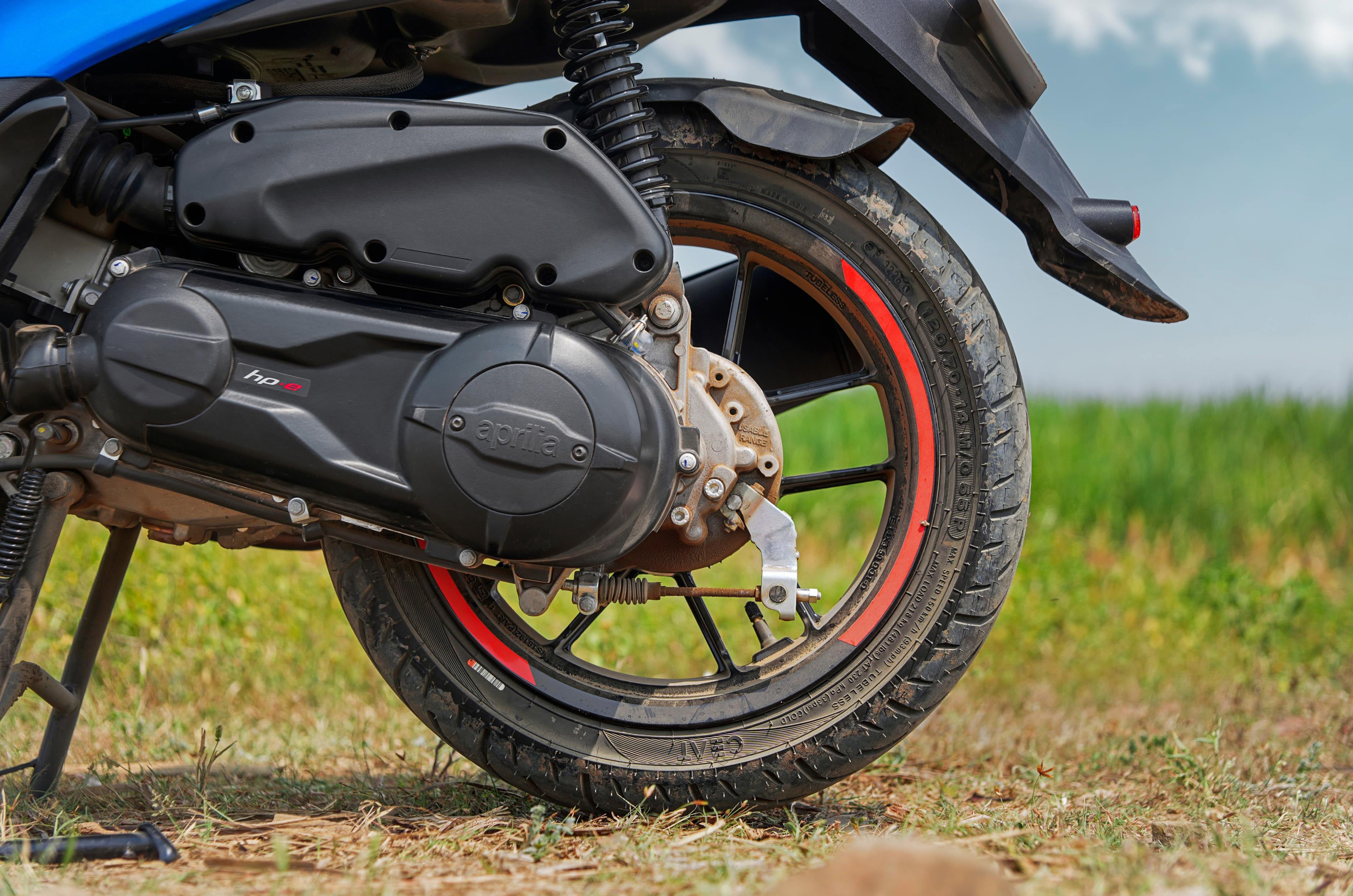
Of course, the new feature that is visible most prominently on the SXR GT is its new 14-inch wheel setup, which has its set of pros and cons. On the plus side, the proportions of the scooter are now better than ever before and its ground clearance has also now risen to 170mm – always a good thing on our unpredictable roads. However, because of the larger wheels, the SXR’s seat height has now risen to 800mm, which makes it the tallest seat height on any made-in-India petrol scooter.

14-inch wheels bring in surefooted handling and high-speed stability but the trade-off is heavier steering at slower speeds demanding more effort

Credit where it’s due, this number may seem big on paper but in the real world its not an unapproachable machine. Our photographer Omkar (who’s 5’2) could move the scooter around at our shoot location while seated without too much trouble. However, for someone that wants a friendly and approachable machine, the 132kg SXR is not where you should be looking.

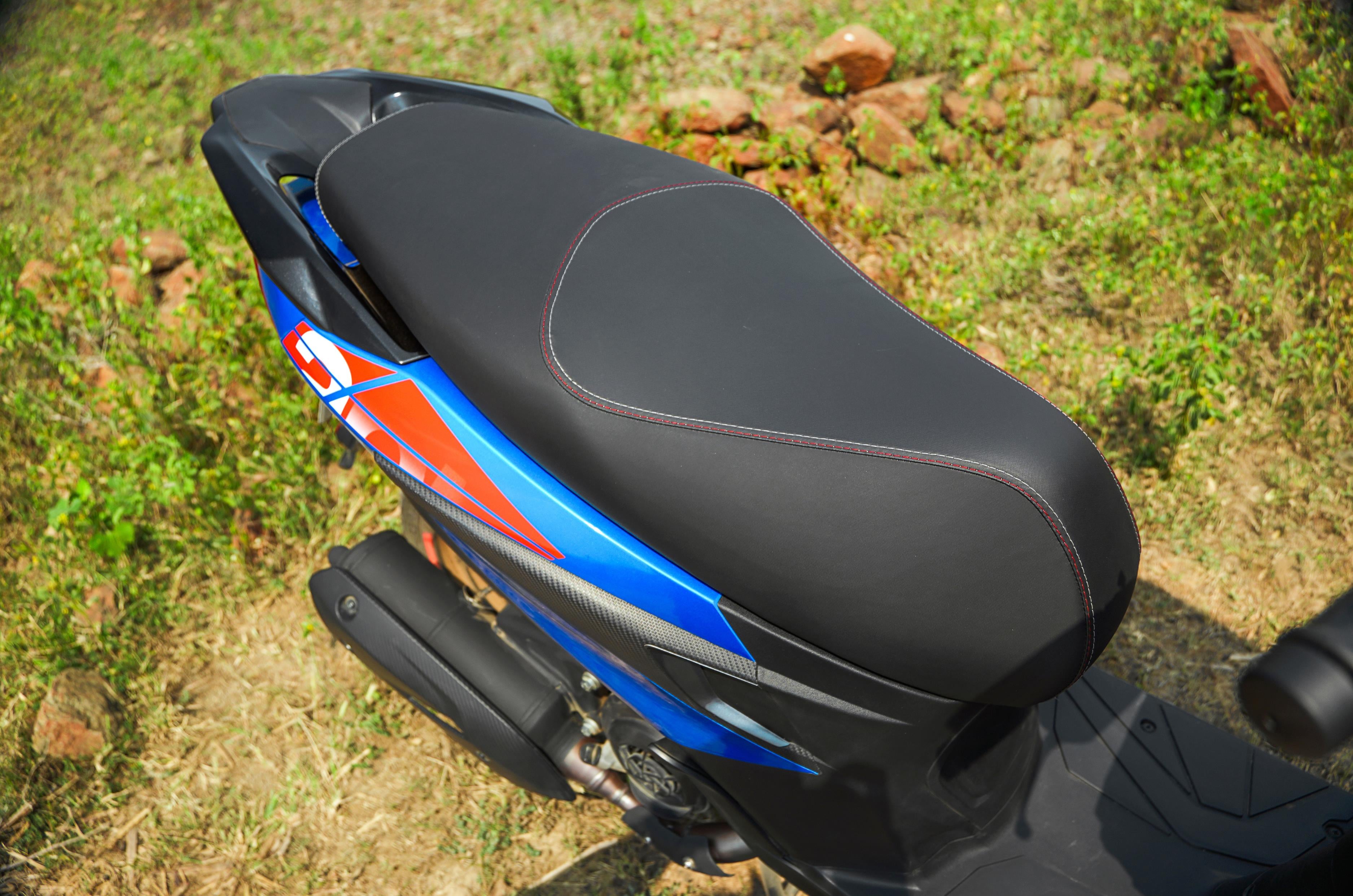
Aside from that, the SXR’s ergonomics haven’t changed and it retains the neutral and upright riding position from before. The seat’s padding is on the stiffer side, which will be especially noticeable on shorter trips but it works well for longer durations and for a person like myself that’s on the heavier side of the scale (80kg without gear). What, however, doesn’t work for a taller person like me (5’11) is that the handlebar is placed a tad low and fouls my knees when making lock-to-lock u-turns. 

Neutral and upright ergonomics are unchanged from before; spacious seat’s padding is on the stiffer side

Aprilia SXR GT 175 Performance – 8/10

Engine provides sprightly performance, is smooth at high speeds

While practicality and convenience are one half of the story when it comes to a scooter like this, what plays an equally important role is how the scooter rides and handles. It will probably not come as any surprise to you when I say that this is surely a fun scooter.

From the moment you thumb the starter and the motor settles into its gruff idle, the 174.4cc, 3-valve motor makes its intentions quite clear – it wants to be ridden quickly. While the vibrations do subside once you get going, the engine clearly rewards energetic riding because the faster you go, the smoother it seems to get! Not just 80kph, even at a speedo-indicated 100kph, it remains absolutely smooth at all the touch points with no signs of protest. For all you top speed nuts, we were able to see an indicated 110kph on the display before the rev limiter kicked in.

Sprightly 174.4cc engine shared with SR 175 has enough performance to placidly sustain 80-100kph

While the SXR is a quick scooter, from what I remember, it doesn’t feel as quick as the lighter and sportier SR. The 0-50kph dash is quite energetic but after that, acceleration becomes more measured. Nevertheless, this level of performance is more than acceptable for our environs and you’ll rarely wish for more power. 

Aprilia SXR GT 175 Ride and Handling – 7/10

Planted and surefooted handler, but not the easiest to manage at slower speeds

Equally as enticing as its performance is the SXR GT 175’s handling. The new and bigger 14 inch wheels lend it a newfound sense of stability around corners and at higher speeds. To ride, this feels like a proper maxi scooter experience rather than just a styling exercise. However, the tradeoff is noticeably heavier steering at slower speeds which demands quite a bit more effort. If you’re going to spend a lot of time in dense stop and go traffic that you constantly need to manoeuvre around, the SXR GT is not the ideal machine for that task.

To account for these larger wheels, Aprilia has also tuned the SXR’s suspension differently to before. The damping and shock absorption are really quite composed at the rear but the fork feels stiff and jarring over rough roads and does bottom out over larger, sharper-edged bumps. Since Mumbai’s roads are dominated by these conditions, we’re not sure how comfortable the SXR GT will be there, but hope to find out soon.  

It sticks to the Aprilia SXR formula of giving you a decently-priced,  good-looking scooter with both functional practicality and zippy performance

Aprilia SXR GT 175 Verdict (Overall Rating) – 7/10

Well-priced and stands out but its not for everyone

In the scooter segment, Aprilia operates in its own niche where people that really value style and performance continue to choose its offerings over mainstream options. We don’t see that changing with the SXR GT because even though it is more well-rounded than its sporty SR sibling, it still has some hurdles to overcome both on the product’s as well as the after-sales side and fresh styling would have helped increase the appeal after all these years. Nevertheless, the company assures us it is working on the after sales front and it aims to have 250 showrooms in India before the year ends, up from the current 230. Still, that’s vastly lower than the sales reach of Aprilia’s rivals.

To sum up, this latest iteration hasn’t really diverged from what has been the cornerstone of the Aprilia SXR formula – to give you a decently-priced, good-looking scooter with both functional practicality and zippy performance. Speaking of price, the SXR GT 175 is priced at Rs 1.30 lakh (introductory, ex-showroom, Maharashtra) which is a pretty decent price considering what it brings to the table. If you must have a stylish and fun scooter that stands out of the crowd without breaking the bank, the Aprilia SXR GT should be on your radar.

Mahindra XUV 3XO ZNG: CNG efficiency, petrol performance

Mahindra XUV 3XO ZNG: CNG efficiency, petrol performance
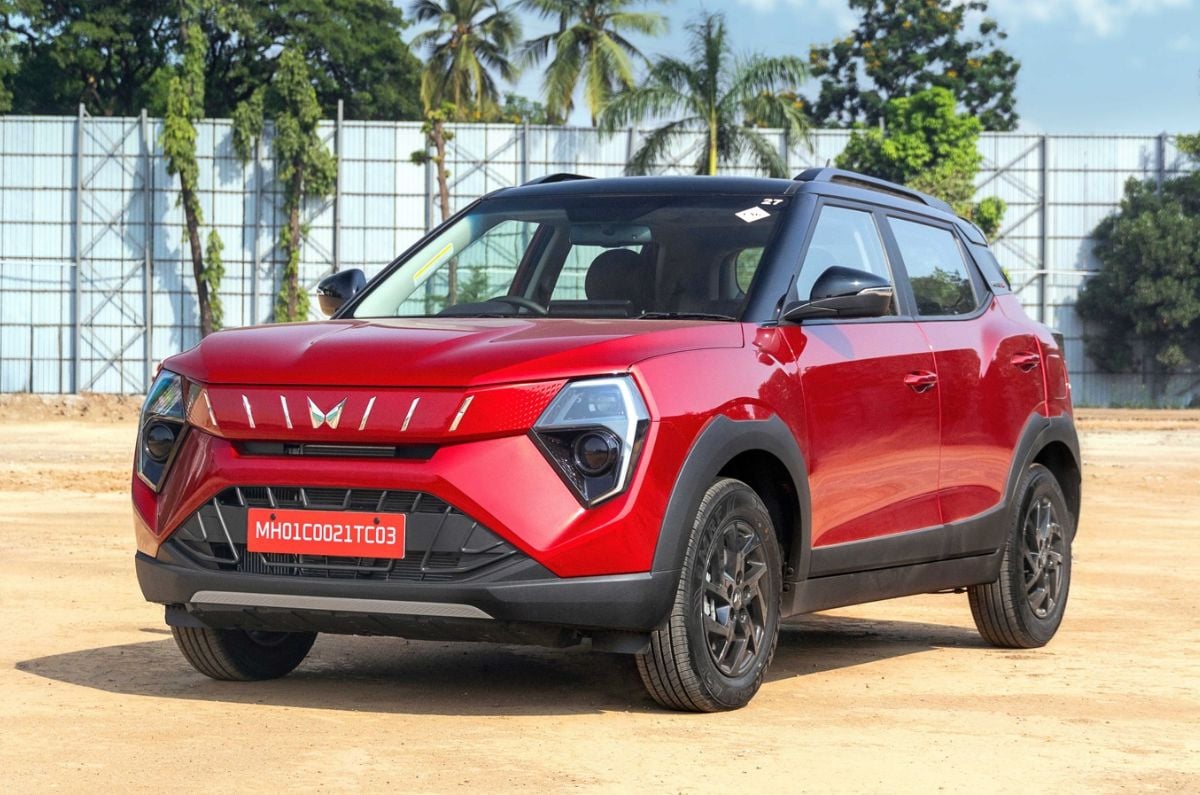
Mahindra XUV 3XO CNG review

CNG is shaping up to be the new diesel. For the second year running, CNG passenger vehicles outsold diesels, accounting for 21.98 percent of the market compared to 18.08 percent for oil burners in FY2026. That is a very big deal. Big enough for Mahindra – traditionally a diesel-first brand – to sit up, take notice and want a piece of the action. Its first attempt – if you don’t count the fleet-only KUV100 CNG – is the Mahindra XUV 3XO ZNG. Read as Zee-NG and pronounced Zing. The headline is that it makes the same amount of power as the pure-petrol 3XO TCMPFi. We experienced it in Mumbai to see if it really has zing.

Mahindra XUV 3XO ZNG Exterior Design and Engineering – 7/10

Mahindra XUV 3XO ZNG

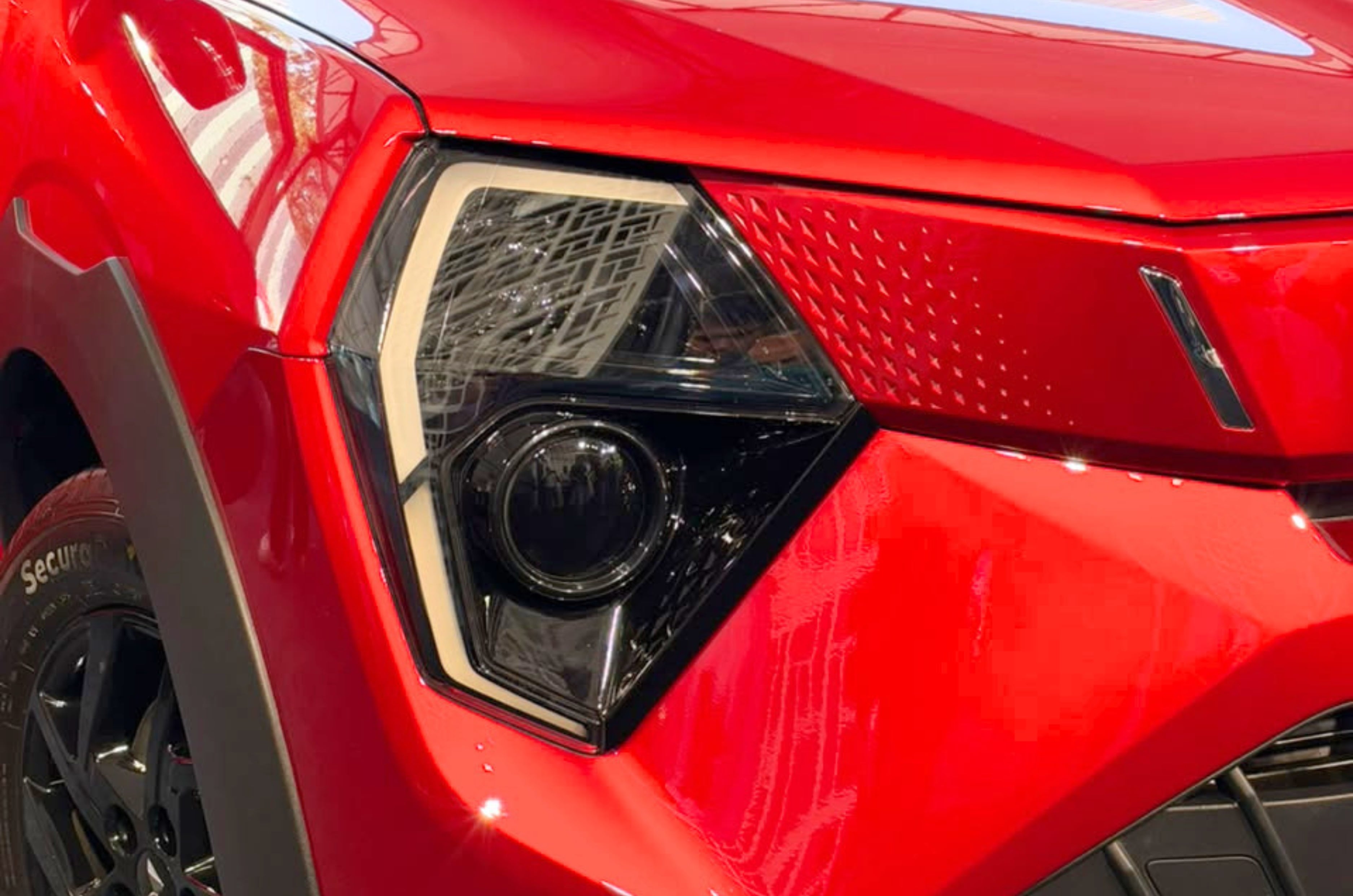
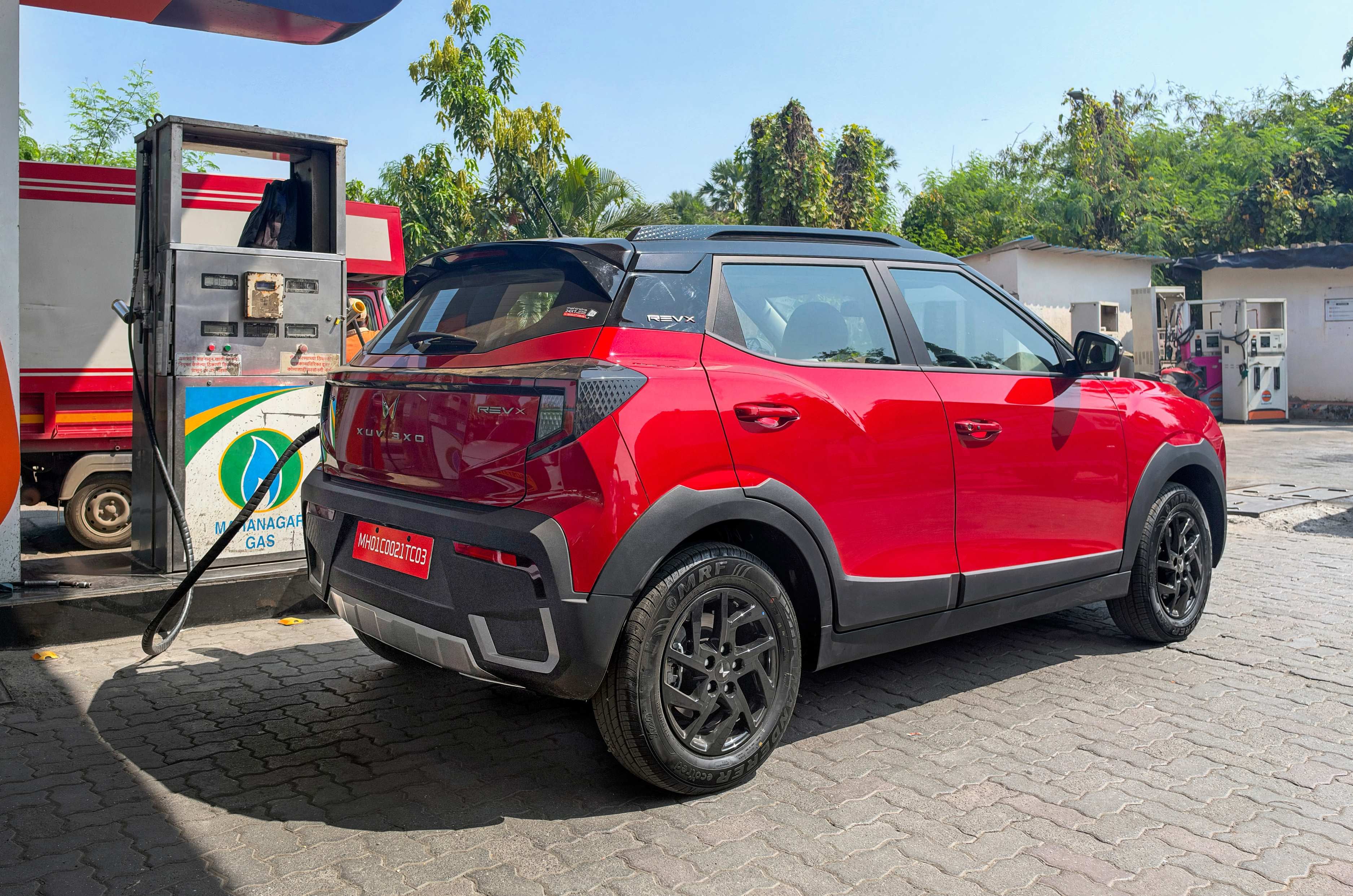
Outside, there isn’t much to tell the ZNG apart from the regular XUV 3XO. Our test car is based on the REVX trim and gets a body-coloured grille, while other trims gloss black. LED lighting is present, though fog lamps are missing even on the top REVX A CNG trim. 

Mahindra XUV 3XO ZNG
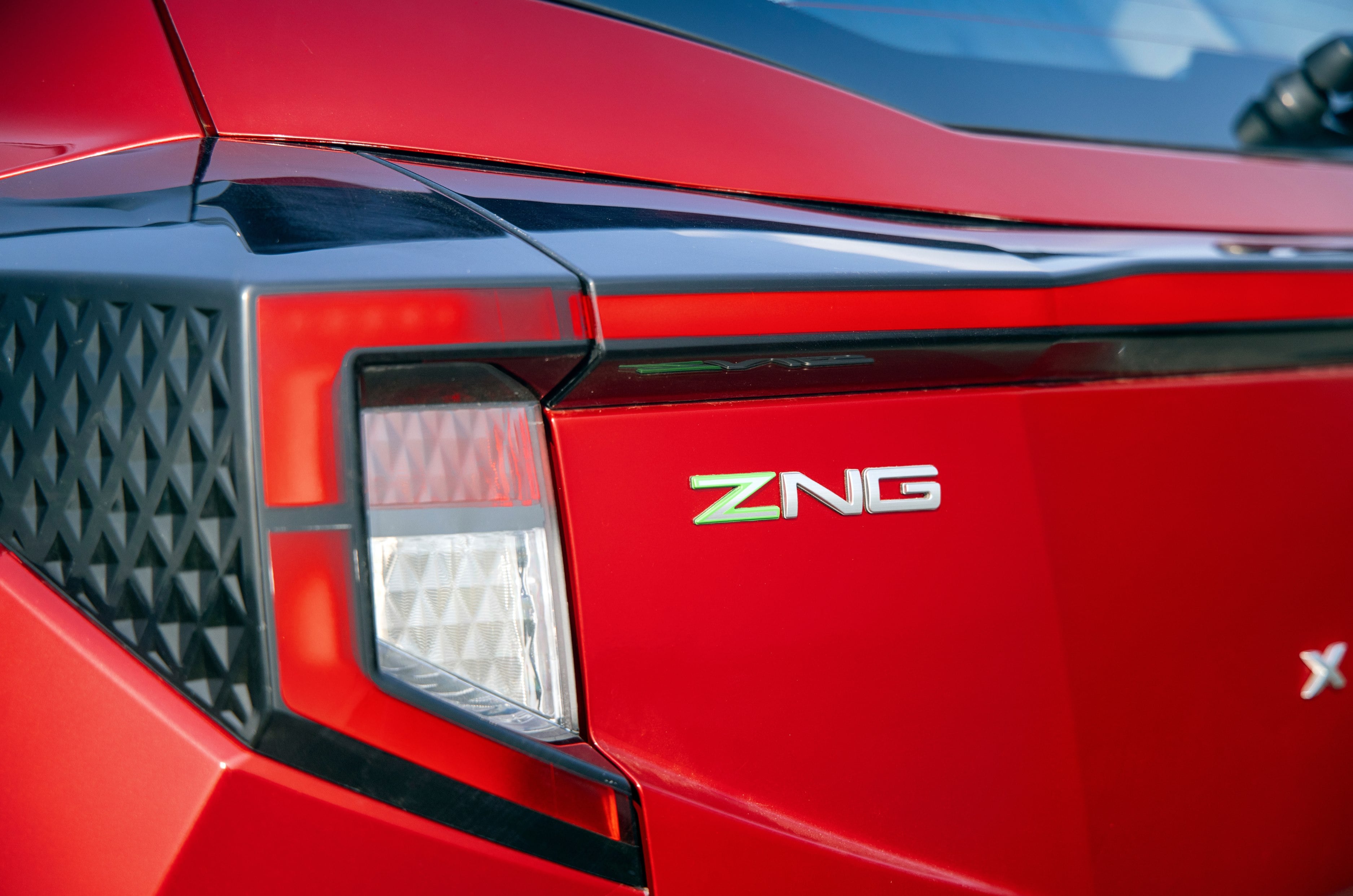
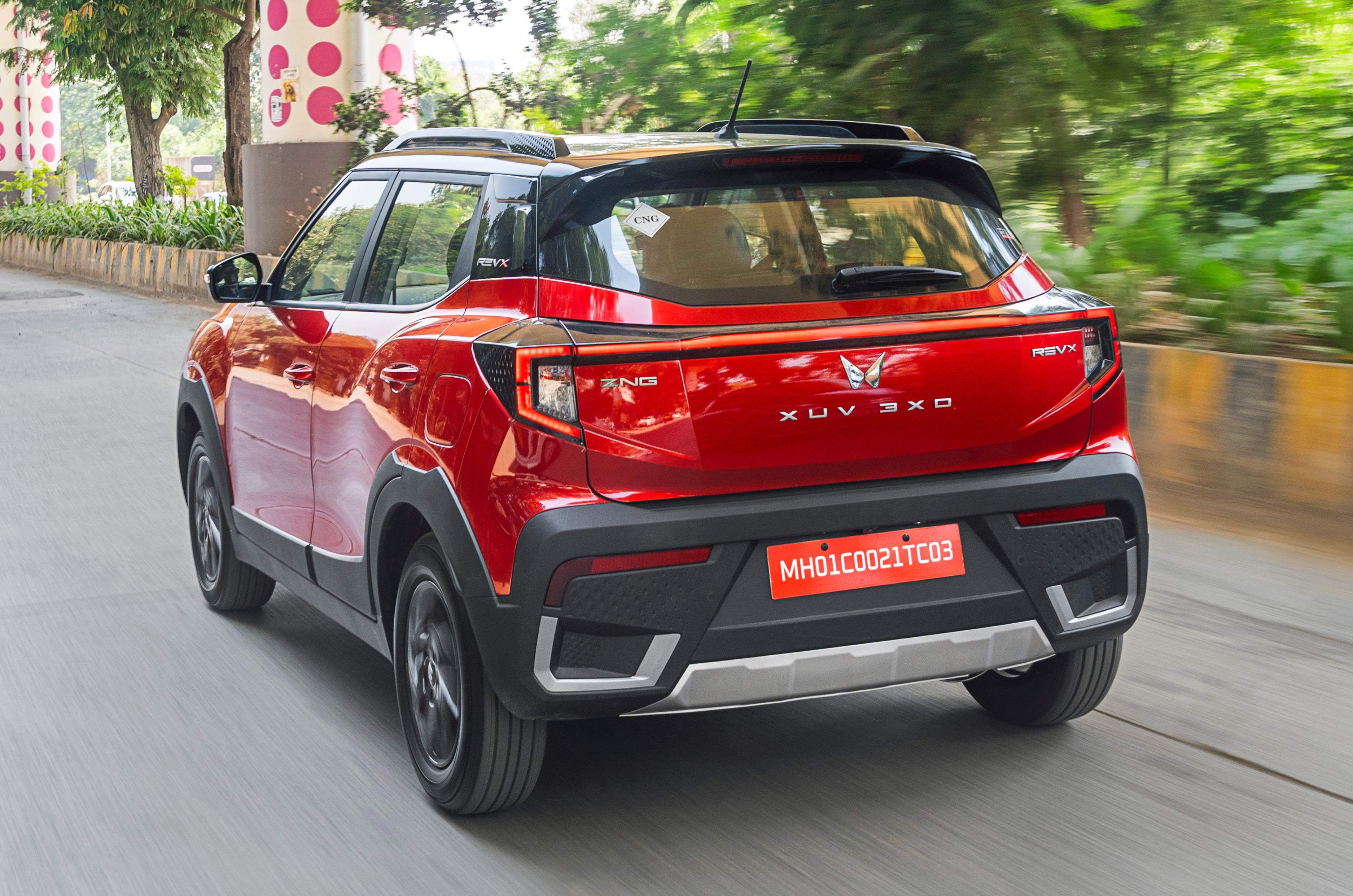
ZNG badge on the tailgate is the only exterior telltale of the CNG powertrain.

In profile, you’ll notice the gloss black 16-inch wheels – the largest size available on the ZNG, with 17s reserved for the pure-petrol TGDi. At the rear is the clearest giveaway of its CNG powertrain: a ZNG badge on the tailgate.

XUV 3XO ZNG Interior Space and Comfort – 8/10

Mahindra XUV 3XO ZNG

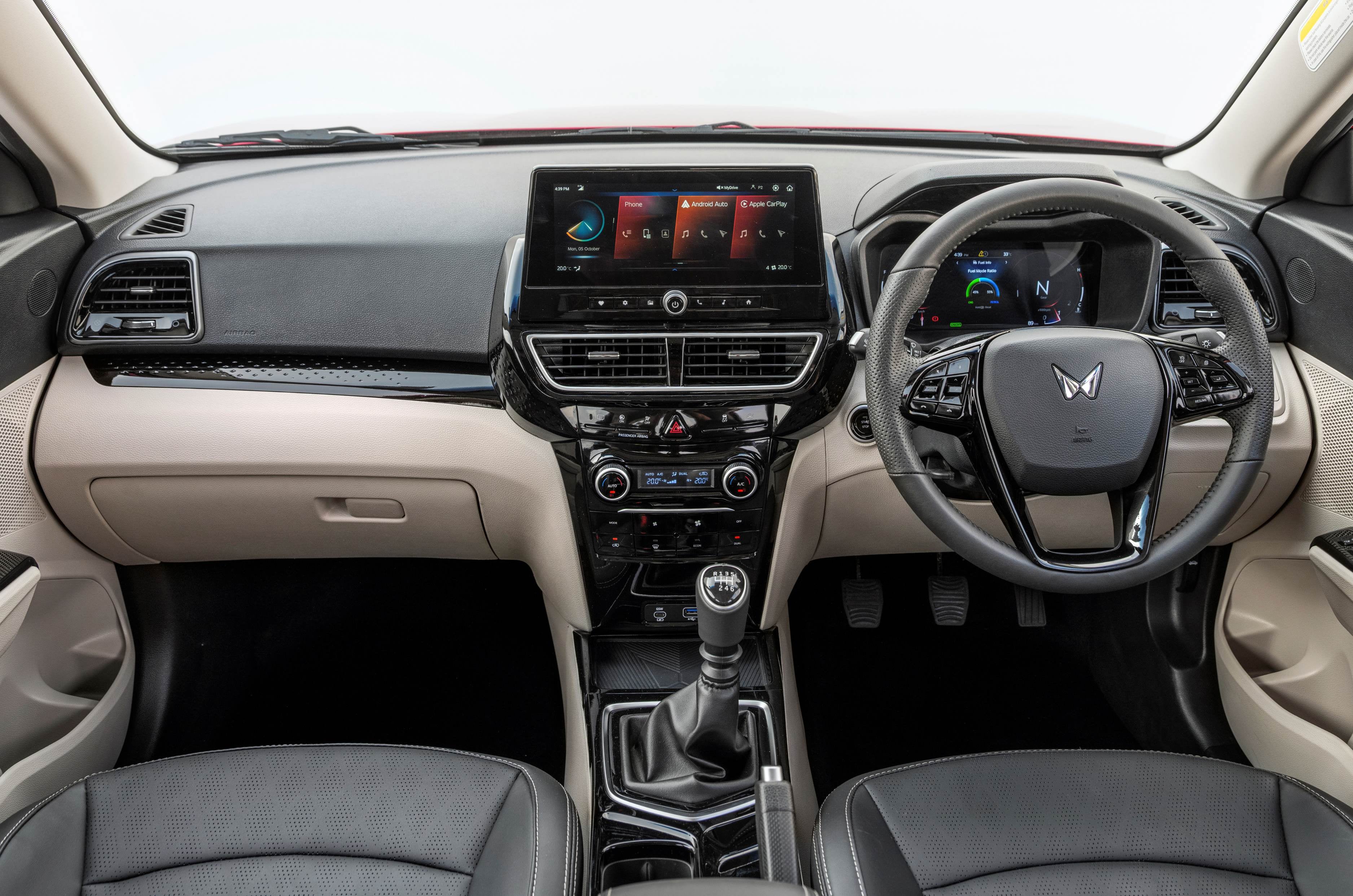
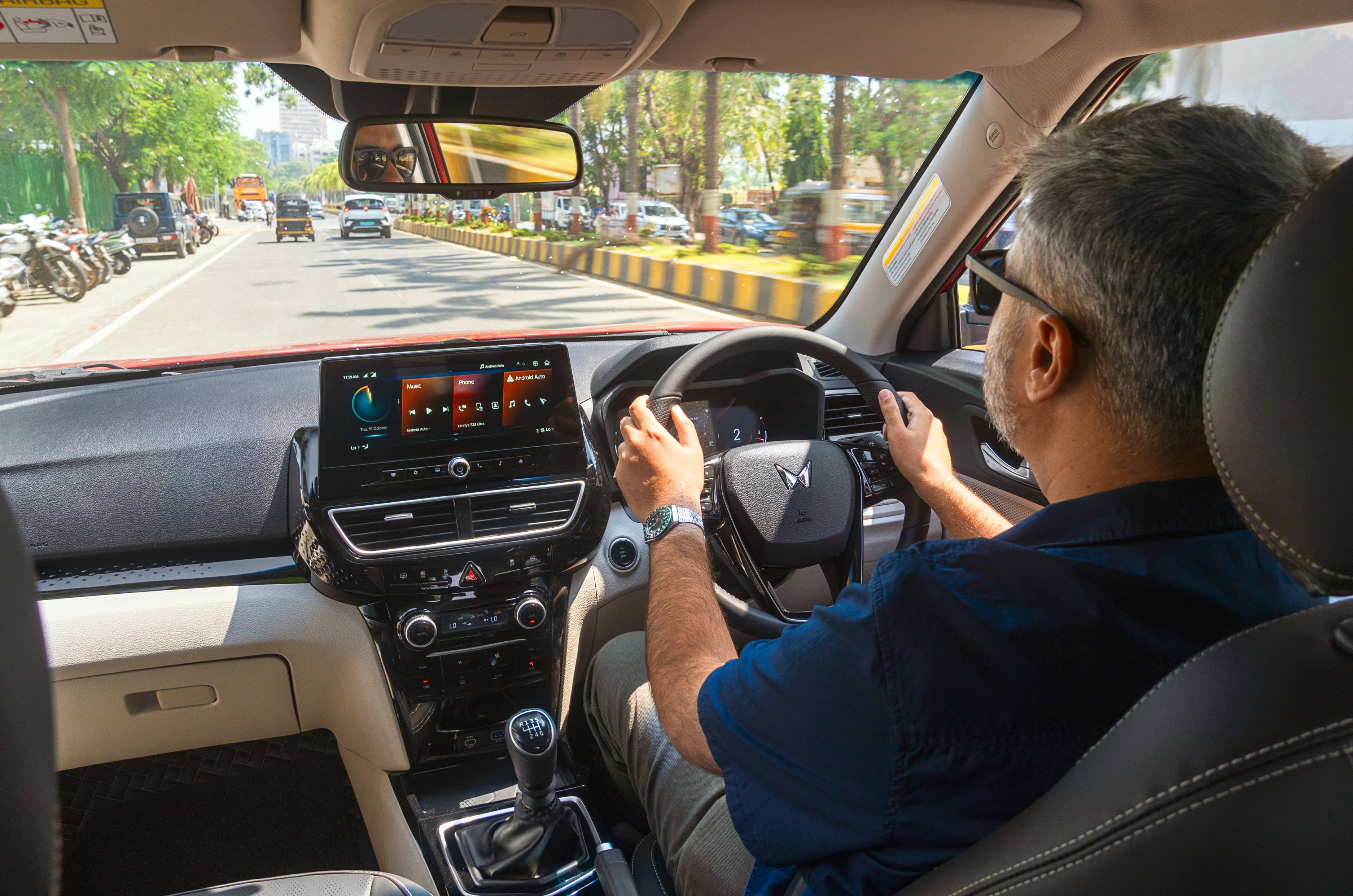
Inside, too, the ZNG is largely identical to its petrol and diesel counterparts, with a CNG switch to the right of the steering wheel being the only real giveaway. The dual-tone dashboard with lots of gloss black trim is otherwise carried over unchanged. Despite not being the top of the line variant, the cabin has an upmarket and well-trimmed air to it. 

Mahindra XUV 3XO ZNG

Our REVX A test car gets black leatherette seats, which can get quite hot, and they lack ventilation, just like the regular 3XO. The front seats are also a bit tight for larger frames, and the lack of a telescoping steering makes it hard to get comfy. Another ergonomic gripe is the tight driver’s footwell, with no dead pedal – pertinent as a six-speed manual is your only gearbox option.

Mahindra XUV 3XO ZNG

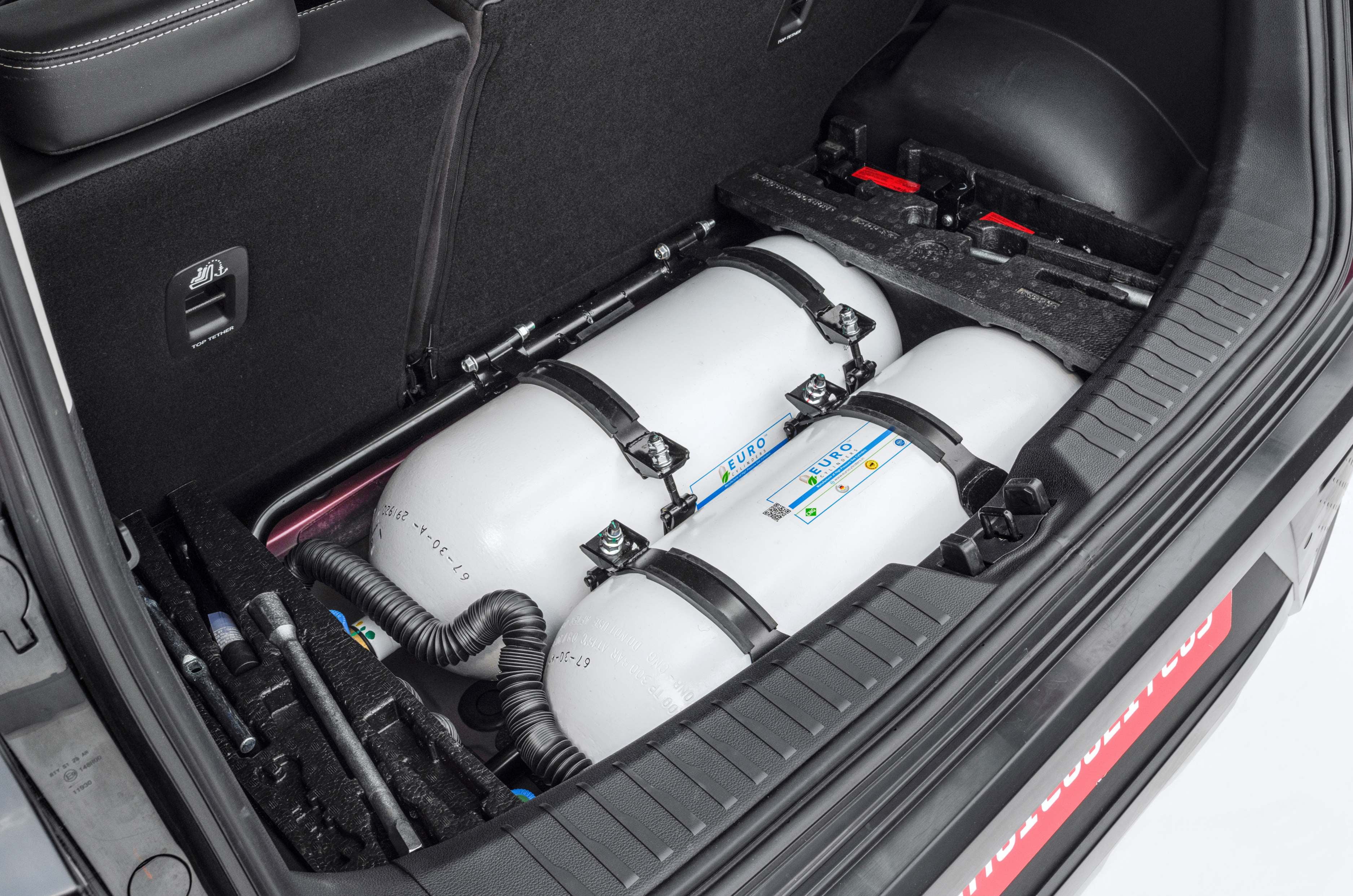
The rear seat remains spacious and comfortable for its segment, and accommodating three abreast is not an issue. One area where the 3XO fell short was boot space, measuring just 295 litres – the smallest in the segment. To keep as much of the boot intact as possible, Mahindra has moved the space-saver spare under the body and placed a dual-tank setup under the boot floor. The combined liquid capacity of the tanks is 60 litres, which translates to 10kg of CNG capacity. 

Mahindra XUV 3XO ZNG

Boot capacity has dropped to 270 litres, which is smallest amongst immediate rivals, however it remains fairly wide and can accommodate up to four cabin bags.

Mahindra XUV 3XO ZNG Features and Safety – 8/10

The 3XO ZNG is available in four trims, which offer the same features as their petrol and diesel counterparts. The highlights are a pair of sharp 10.25-inch screens for infotainment and instrumentation, a panoramic sunroof and a six-speaker audio system with Dolby Atmos. 

Mahindra XUV 3XO ZNG

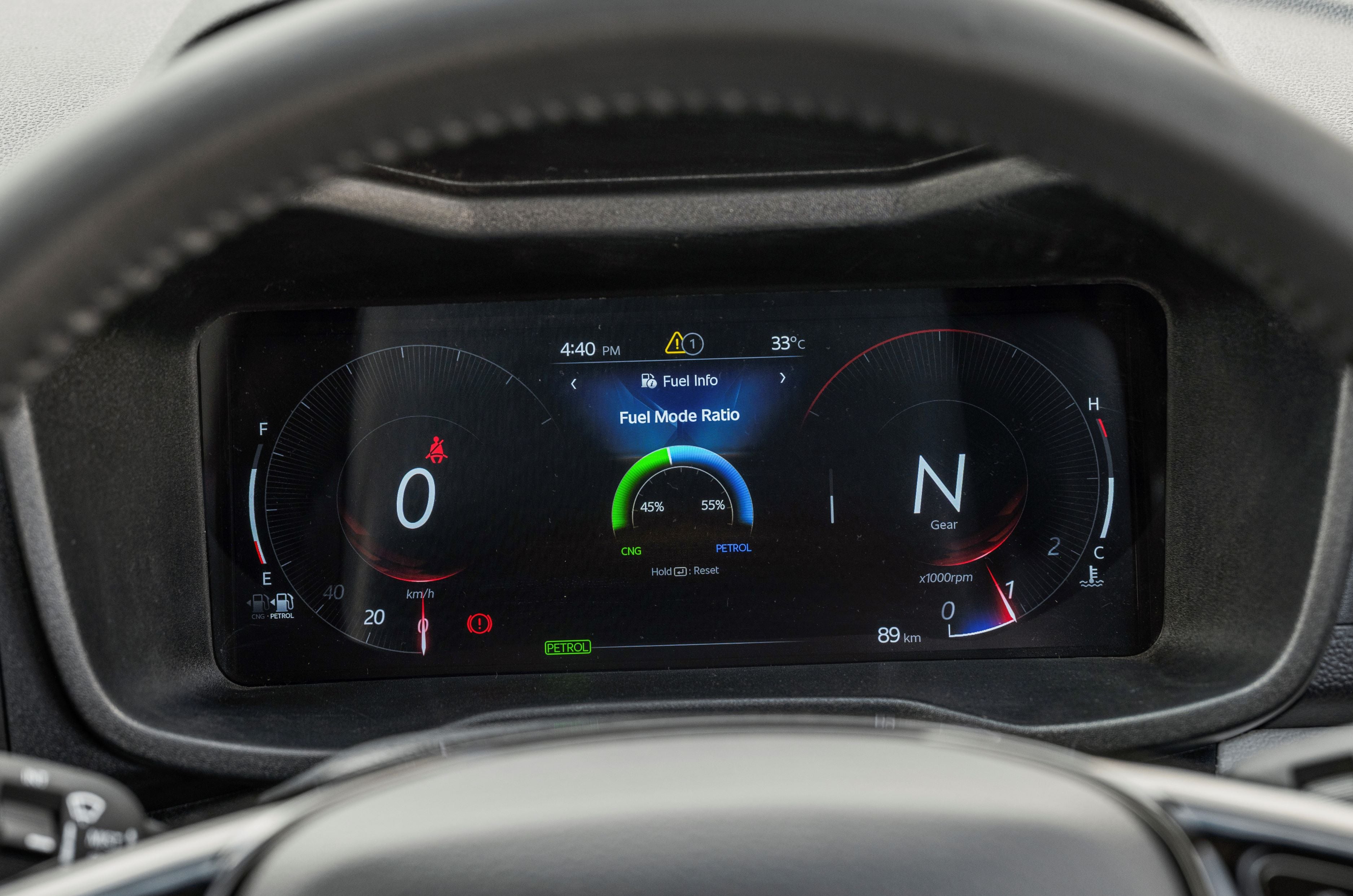
The digital instrument cluster has a few more CNG-related functions. Hit the CNG switch, and an indicator on the digital instrument cluster confirms the fuel you are using, while the fuel gauge changes to display the fuel level. The cluster can also show the ratio of time spent in each fuel mode and the corresponding fuel efficiency.

Mahindra XUV 3XO ZNG

As such, the 3XO ZNG is reasonably well equipped compared to equivalent variants of its main rival, the Tata Nexon iCNG. However, the Nexon offers a wider choice of CNG variants, with top-spec versions getting features such as a 360-degree camera, ventilated front seats and a wireless charger, all of which the Mahindra misses out on.

The safety kit is quite comprehensive, featuring six airbags, ESC, ISOFIX mounts, a tyre pressure monitoring system and a reversing camera. The regular XUV 3XO is also a five-star Bharat NCAP safety-rated car, and Mahindra says the ZNG has been engineered to meet the same standards.

Mahindra XUV 3XO ZNG Performance and Refinement – 8/10

Powering the ZNG is the same 1.2-litre multi-point fuel injection (MPFi) turbo-petrol engine that does duty on the lower and mid-level trims of the 3XO. The kicker is that Mahindra quotes the exact same power and torque figures for CNG as for the pure-petrol version – 111hp and 200Nm. That is highly unusual, as a 10 to 15 percent drop in power figures is the norm. For comparison, its direct rival, the Tata Nexon iCNG, loses 20hp when switching from petrol to CNG. Mahindra says it has managed this with the use of a 10-bar CNG injection system. It also says the turbocharger and ECU calibration have been optimised to run on CNG, and initial impressions seem to back this up.

Mahindra XUV 3XO ZNG
1.2-litre TCMPFI engine uses a 10-bar CNG injection system; Mahindra claims identical 111hp and 200Nm figures for petrol and CNG.

In everyday driving, the difference between CNG and petrol modes is barely noticeable. The engine feels smooth and refined in both, only becoming audible when extended. Performance, too, is very similar. Throttle response is good and the motor feels tractable, rarely requiring a shift into first when negotiating a speed breaker. There is a bit of turbo lag below 2,000rpm, but get past this and performance feels brisk.

The switch between modes is also quite seamless, with no apparent jerkiness or change in engine note. However, switch back and forth a few times, and you’ll notice the throttle response is ever so slightly duller in CNG mode, and there are times when it will hesitate on sudden throttle inputs. Overall, though, calibration in CNG mode is very good, and in everyday driving, there is very little to fault.

Mahindra XUV 3XO ZNG
Performance feels brisk once you get past 2000rpm.

While the pure-petrol version of this engine can be had with a six-speed torque-converter automatic, the ZNG is only available with the six-speed manual. While its immediate rivals don’t offer an automatic with CNG either, Mahindra would have done well to offer at least an AMT. As it is, the manual is a smooth and easy-to-use unit, but not quite at the level of its Japanese or Korean competition. Its throws are a bit too long, and the clutch, while light, has a long travel.

In terms of outright performance, Mahindra claims an 11.8sec 0-100kph time for the ZNG. We conducted a quick performance test (not to Autocar India standards), which resulted in a 0-100kph time of 12.98s on petrol and 12.64s on CNG – a difference we put down to the launch. In-gear acceleration figures paint a clearer picture, where the ZNG was quicker in petrol mode by about 0.7 seconds in both 20-80kph and 40-100kph runs. Nevertheless, performance in either CNG or petrol is so close that most drivers would be hard-pressed to tell the difference.

Mahindra XUV 3XO ZNG Mileage and Efficiency – 8/10

Mahindra XUV 3XO ZNG

Mahindra claims an efficiency figure of 24.7km/kg for the XUV 3XO ZNG, which translates to a theoretical range of 247km from its 10kg CNG capacity. 

Mahindra XUV 3XO ZNG
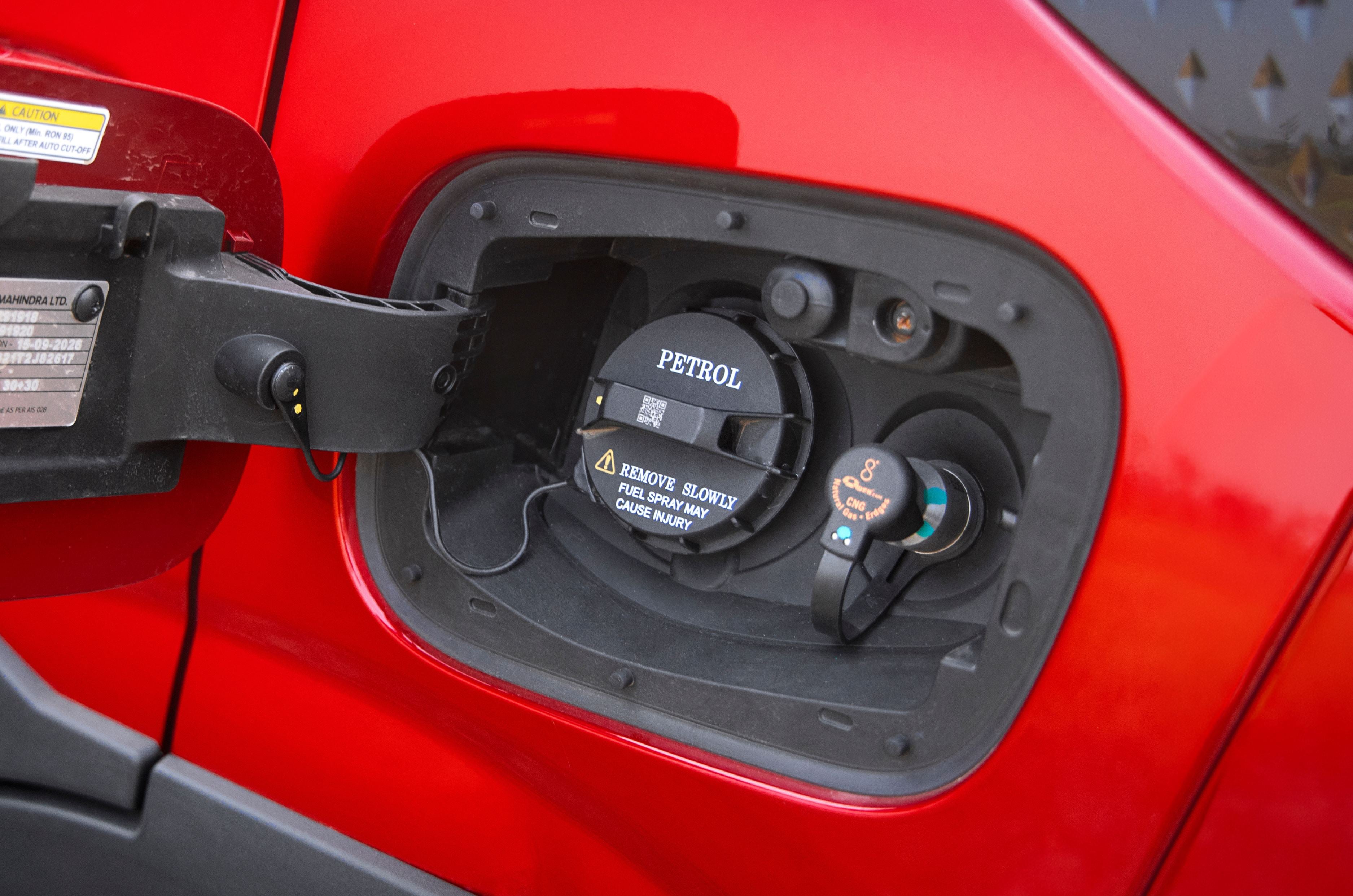
CNG filler neatly positioned beside the fuel filler; fuel filler door still has a manual release in the cabin.

It also gets an idle-stop/start function, which should help efficiency. We will verify these claims with a real-world test soon.

Mahindra XUV 3XO ZNG Ride Comfort and Handling – 9/10

Mahindra XUV 3XO ZNG
Light steering works well in town; steering modes dial up resistance but don’t offer better feel.

The switch to CNG adds around 100kg to the 3XO, most of it concentrated at the rear. To ensure this doesn’t affect ride or handling, Mahindra has tweaked the suspension to cope with the extra weight. The ZNG’s ride has a slightly firm edge, but overall it deals with bad roads very well.

Mahindra XUV 3XO ZNG
16-inch wheels and tall tyres are better at absorbing sharper bumps than the 17s on higher petrol trims.

The smaller 16-inch wheels also play an important part here, as their taller-sidewall tyres absorb sharp edges before they make their way to the cabin. Overall, the ride remains amongst the best in the class.

Mahindra XUV 3XO ZNG

Handling, too, remains tight and engaging, with a planted feel around the bends. The steering is light and direct, and while you can dial up the resistance using the three steering modes, this adds little in terms of feel or feedback.

Mahindra XUV 3XO ZNG Value for Money – 8/10

Overall, the Mahindra XUV 3XO offers good value for money and makes for a compelling entrant into the CNG compact SUV space. Prices for the Mahindra XUV 3XO ZNG start at Rs 9.99 lakh and go up to Rs 12.27 lakh, which is between Rs 1 lakh and Rs 1.2 lakh more than the equivalent petrol trims. Pricing is on par with comparable variants of the Tata Nexon iCNG. However, the Nexon has a wider range and also offers more features on the higher trims.

Mahindra has packaged the CNG tanks cleverly, minimising the impact on boot space. That said, the 3XO’s boot wasn’t particularly large to begin with, and that remains a drawback. What sets it apart is the driving experience. CNG calibration is very good, and performance in CNG mode is close enough to petrol for most people not to notice a real difference. For a first attempt, the XUV 3XO ZNG certainly ticks a lot of boxes.

TVS Raider 125 gets traction control

TVS Raider 125 gets traction control
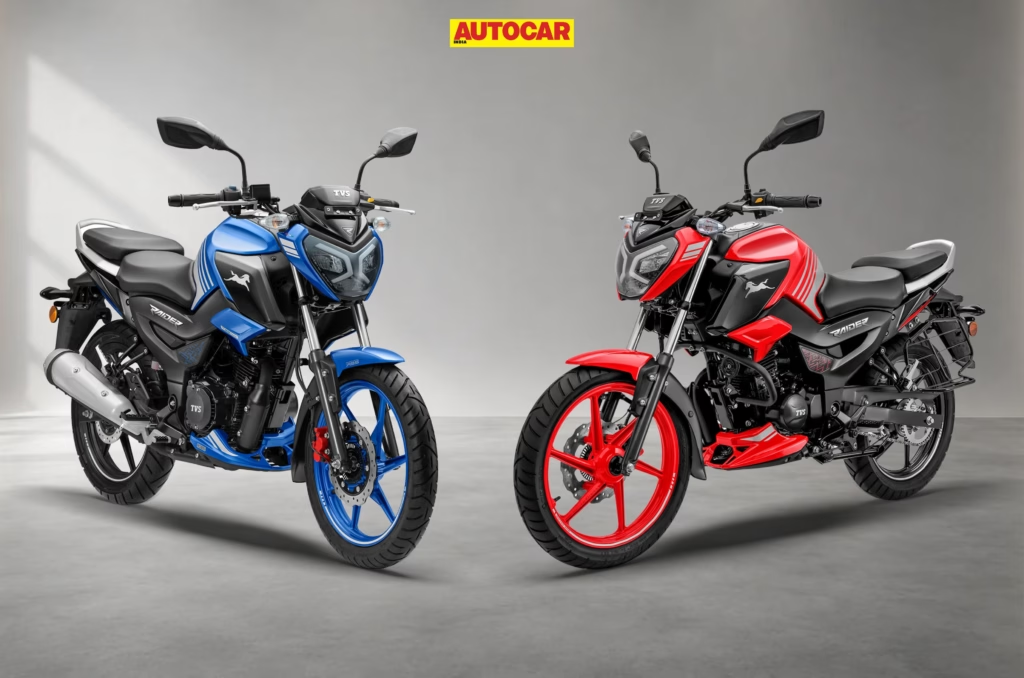
TVS Raider TFT DD in Blue and SXC DD in Red colour, front right quarter and front left quarter respectively.

It wouldn’t be an exaggeration to say the TVS Raider 125 played a part in rejuvenating the sporty 125 segment in 2021. It garnered such a positive reception and sales that manufacturers like Hero, Honda and Bajaj responded with options of their own. TVS evidently keeps a close eye on the Raider, as it has just given it a new set of features.

  1. Feature additions are limited to the top two variants: SXC DD and TFT DD
  2. Rear tyre is one section larger than before, at 120/70-17

TVS Raider 125 gets four new features

No changes to the design or engine

TVS hasn’t made any changes to the Raider’s design or its 124.8cc engine; neither are there any updates to the looks of the SXC DD and TFT DD variants. The new features added to these two variants are traction control, emergency brake warning and a 27W USB-C charger.  

The Raider is the first in the 125cc segment to get traction control. For the uninitiated, traction control reduces rear-wheel slip, so both wheels offer enough grip over loose surfaces; think gravel-ridden and/or uneven roads. The wider 120/70-17 rear tyre (previously 110/80-17) should also help with grip and stability. The emergency brake gives an earlier heads-up to those behind during sudden braking by triggering the hazard lights. As a convenience addition, TVS has now added a 27W USB-C charger (versus a 12W USB-A charger before), which should help charge your devices much faster.

Apart from these additions, the Raider remains where it was earlier, which means its engine still puts out 11.2hp and 11.75Nm, of which 0.55Nm is supplied by its integrated starter-motor-generator. The dual-disc brakes with single-channel ABS also remain exclusive to the top two variants. With these updates, the Raider TFT DD variant costs Rs 1,03,170, and the SXC DD variant costs Rs 1,00,330. TVS says the updated versions will be available at its dealerships across the country.

Production-spec Honda 0 Alpha India debut on December 2

Production-spec Honda 0 Alpha India debut on December 2
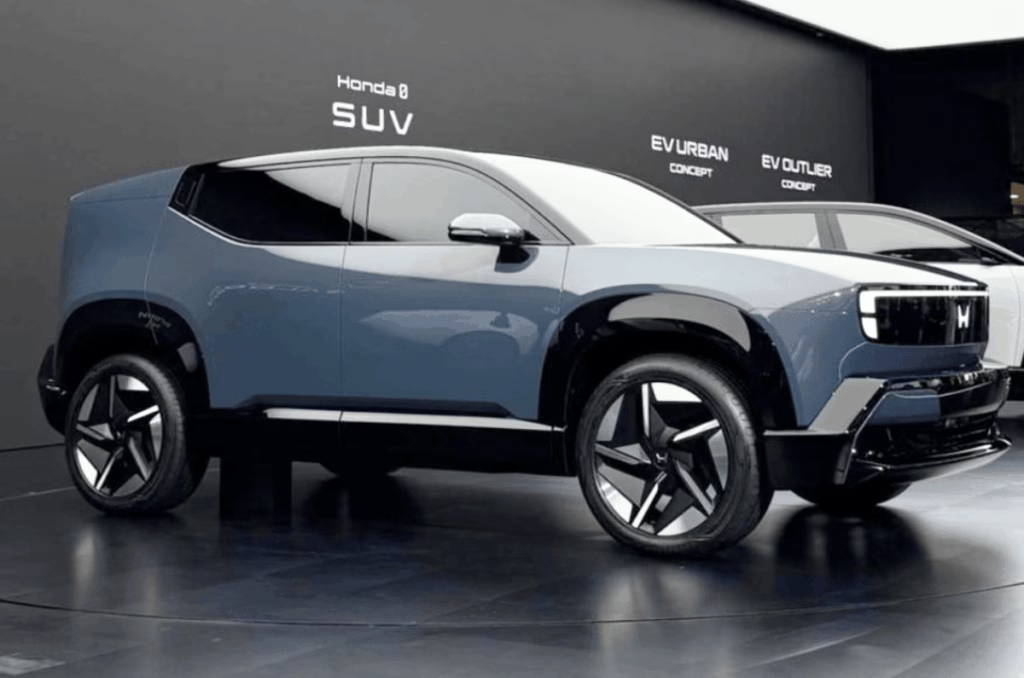
Honda 0 Alpha India debut on December 2

Honda India is going to debut the production-spec 0 Alpha EV on December 2. The 0 Alpha SUV concept was revealed in October 2025, and its production version will be the carmaker’s first all-electric vehicle for our market. Honda is expected to reveal the official name of the vehicle as well. A heavily camouflaged prototype of 0 Alpha SUV was recently spied testing on our roads.

Tesla Model Y L review: Going the extra mile

Tesla Model Y L review: Going the extra mile
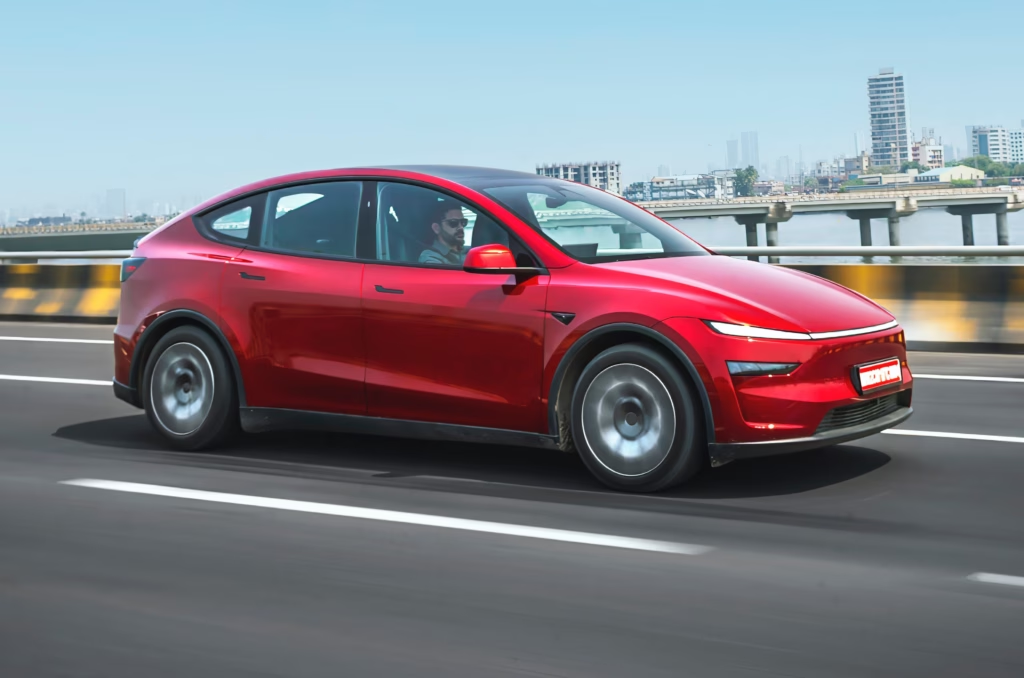
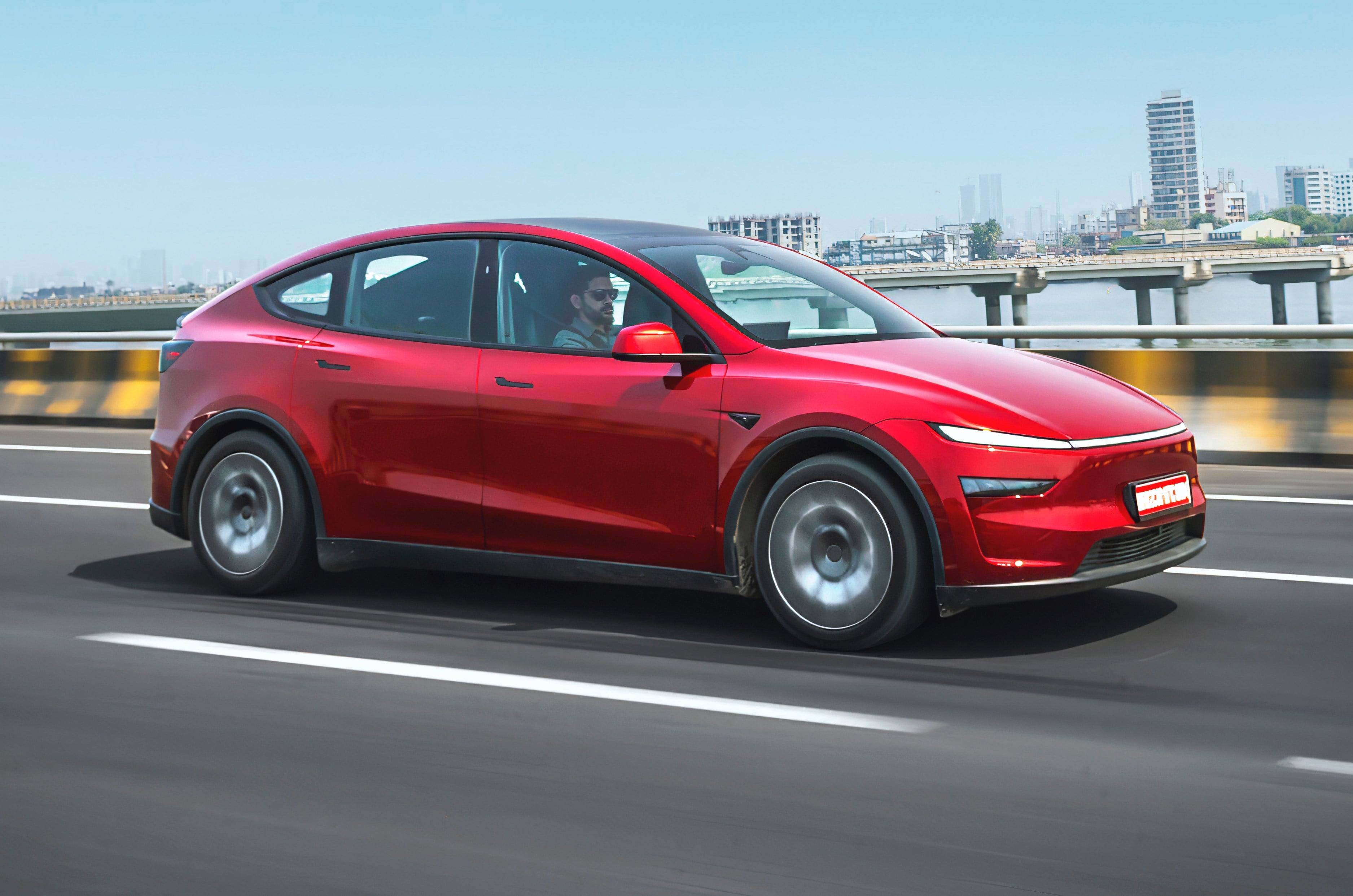
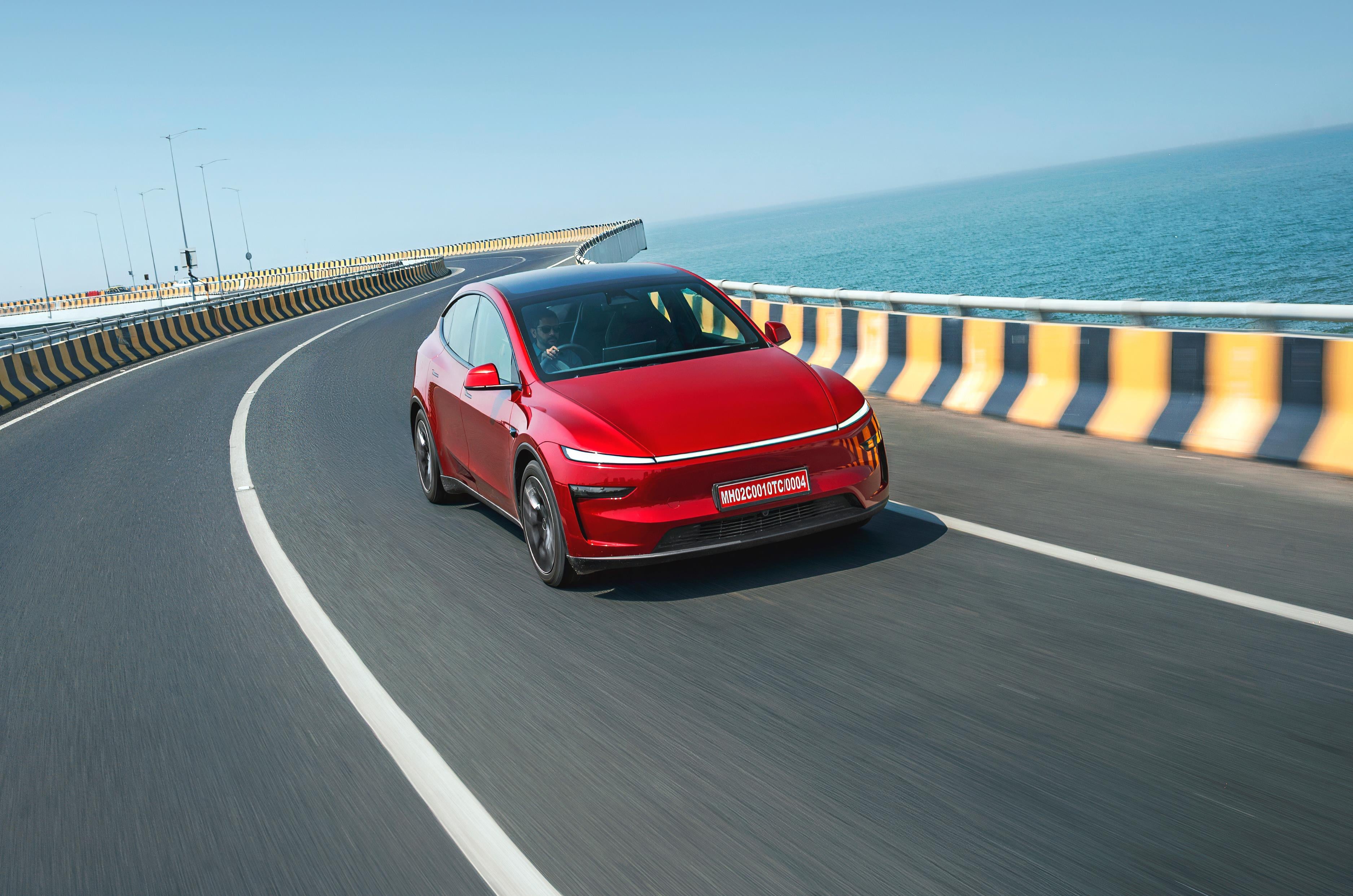
Tesla Model Y L front quarter tracking

The Tesla Model Y is a tech-loaded electric crossover that prioritises cabin space and performance over everything else. The new Model Y L takes that formula a step further, adding a third row of seats, a longer wheelbase, more power with an all-wheel drive setup, more range and more sophisticated suspension as well. Given the additions, naturally it costs more than the standard-wheelbase, real wheel drive versions, but is the Y L actually worth the extra outlay?

Model Y Exterior Design and Engineering – 6/10

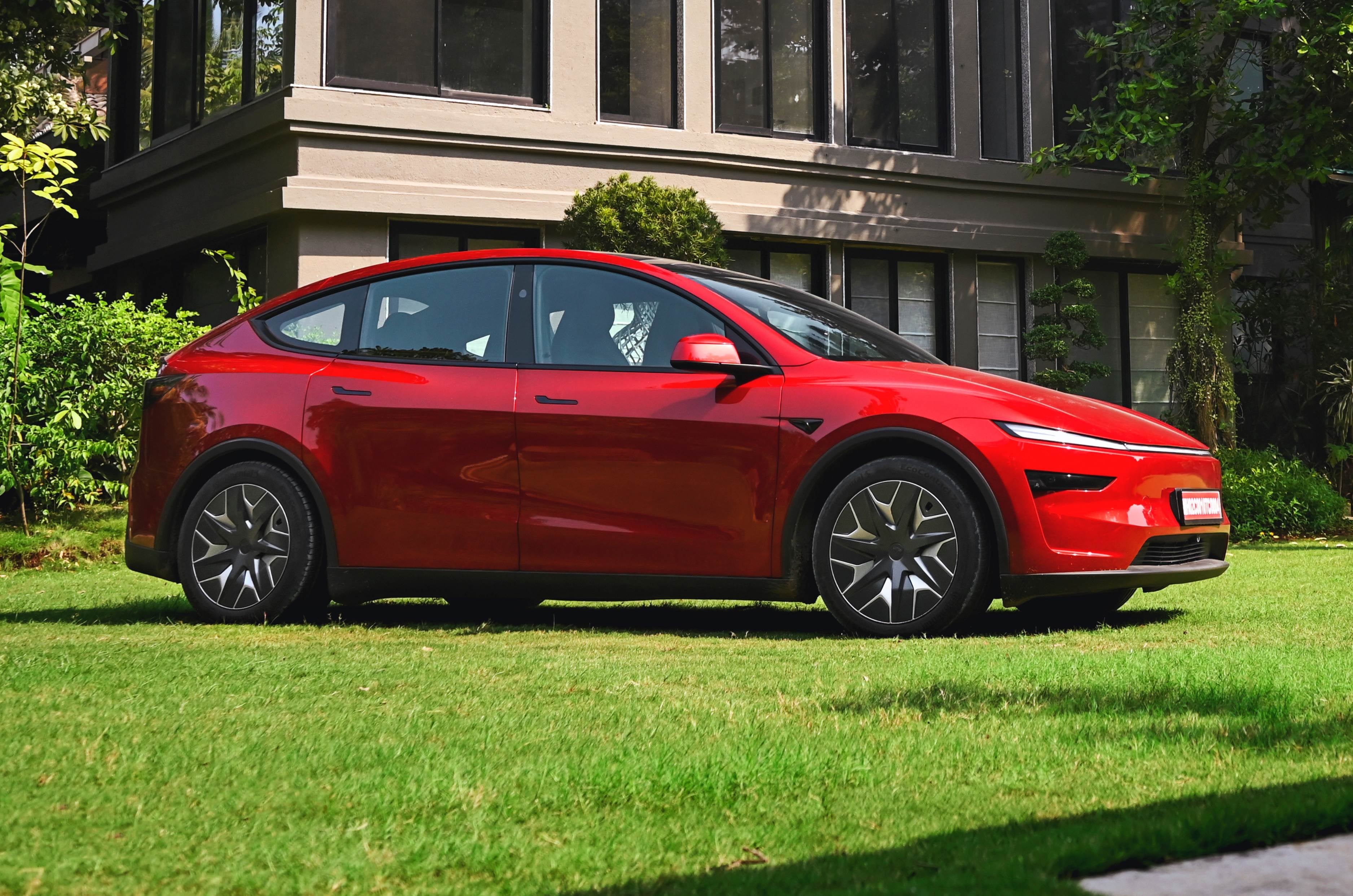
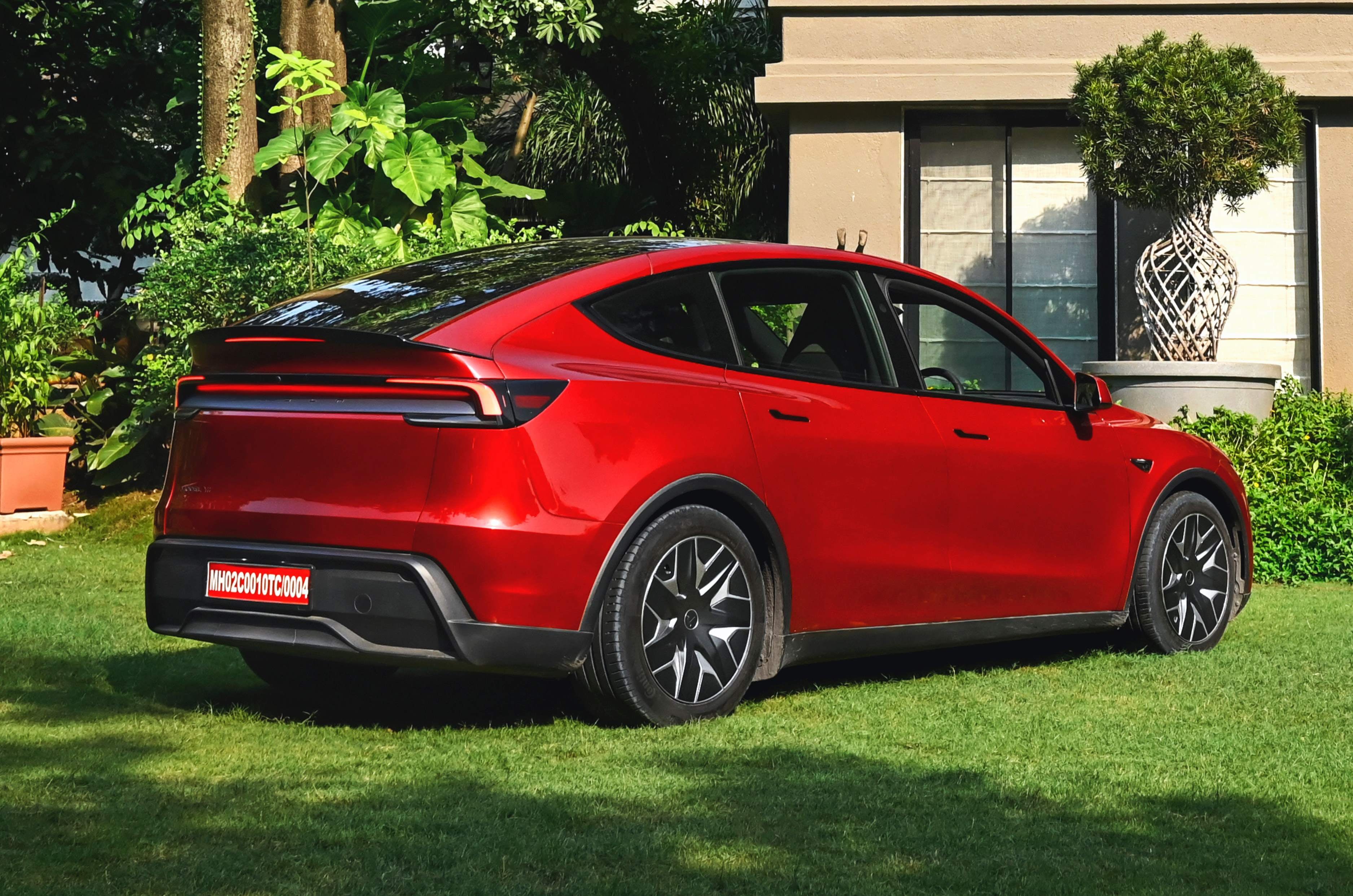
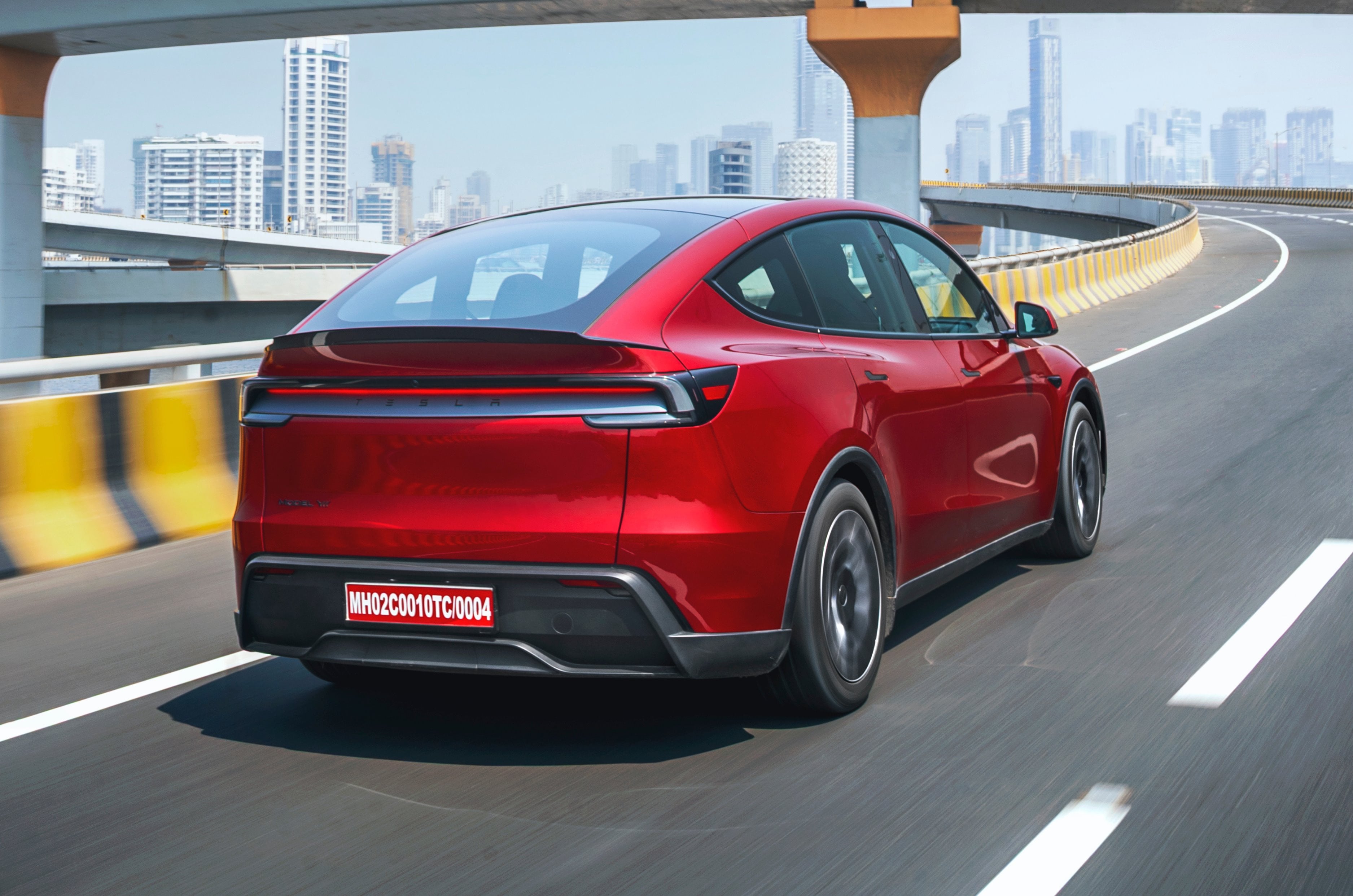
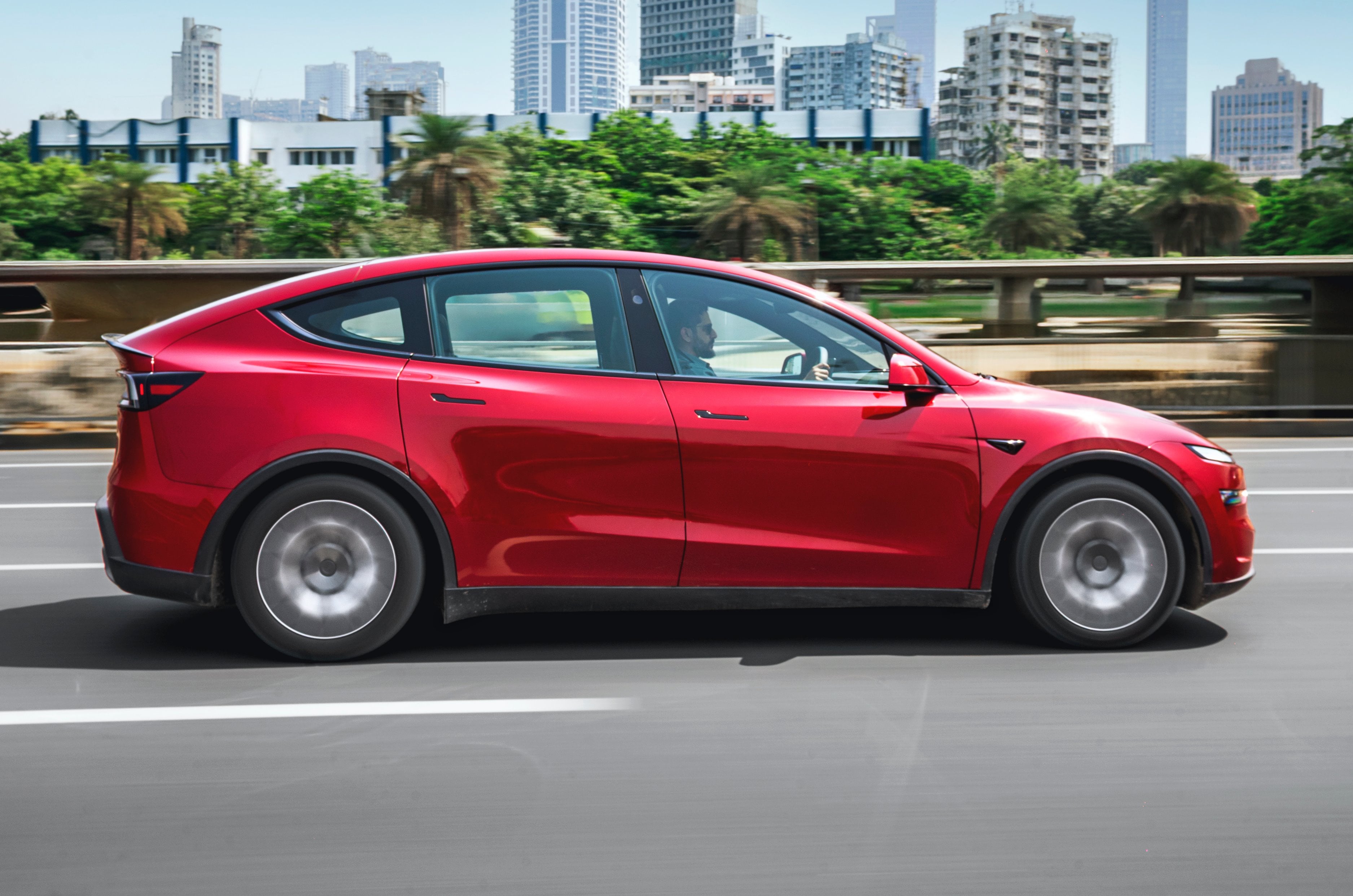
Appears near-identical to the Model Y, but the Y L is longer, taller and has a longer wheelbase.

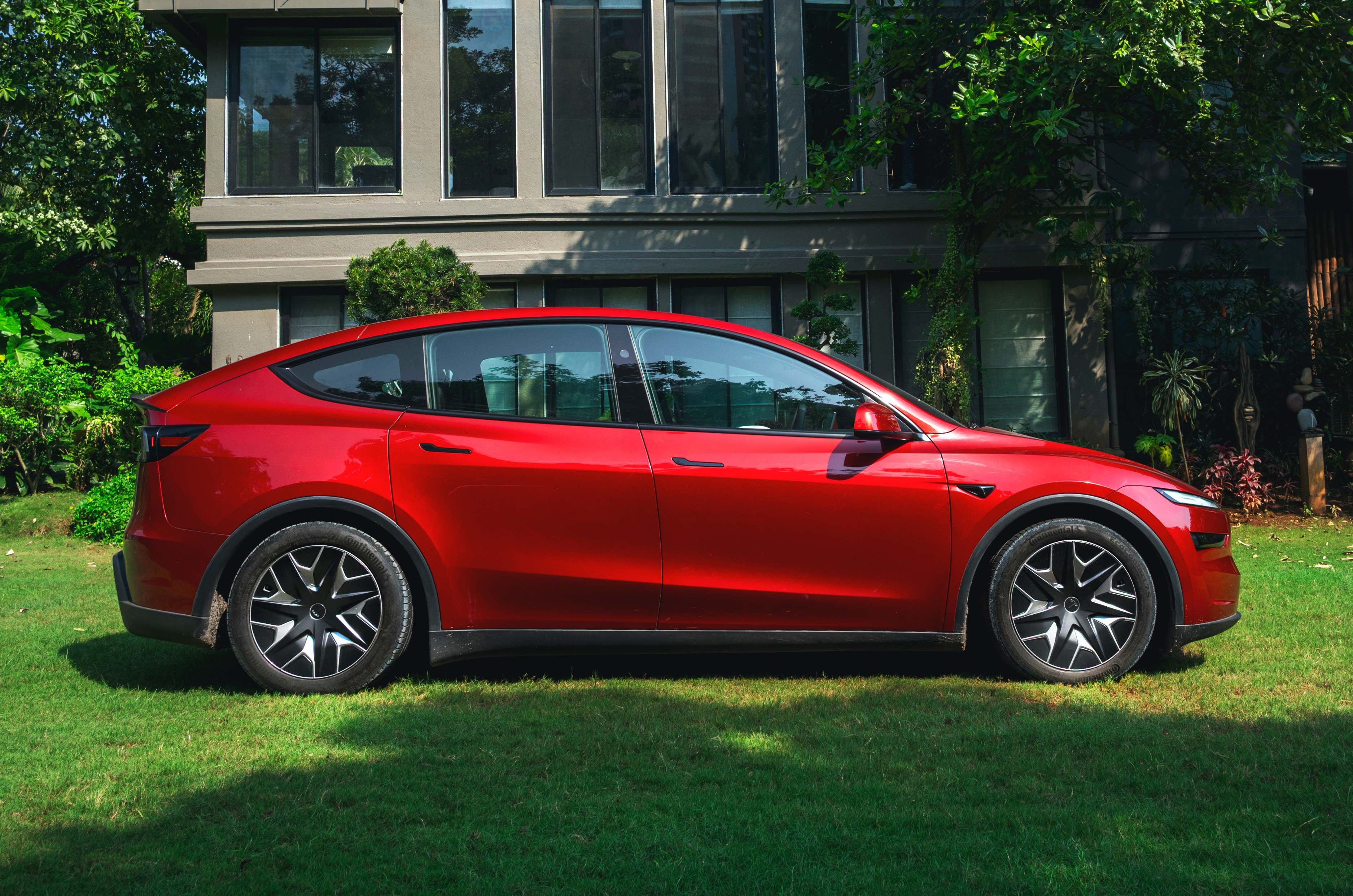
At first glance, the L looks very familiar to the Model Y,  but this version looks noticeably larger from the side and rear. The Model Y L measures 4,969mm in length and 1,664mm in height, 1,982mm in width with a 3,040mm wheelbase, which makes it 179mm longer overall and 40mm taller than the Model Y, and it also has a 150mm longer wheelbase. At 166mm (unladen), the Y L has decent ground clearance but considering the longer wheelbase, you have to be extra careful going over big speedbreakers otherwise you will end up scraping the belly.

The growth in dimensions is particularly apparent in the raised and extended roofline, plus the expanded rear glass and rear-quarter glass area. The other changes include a new bootlid spoiler and the 19-inch alloy wheels have a more enclosed design, both in the interest of further aero optimisation. 

Other than that, the smooth, aerodynamic silhouette with minimalist detailing and distinctive lighting elements remain. The overall design is unmistakably Tesla, although the extra length gives it slightly more road presence. That said, the Model Y L doesn’t suddenly become a traditional SUV just because it has grown. Its rounded, slightly anonymous shape with clean surfacing continues to favour aerodynamic efficiency over visual appeal. But it looks distinctive and as such, has carved out a niche for itself in terms of design.

Model Y Interior Space and Comfort – 8/10

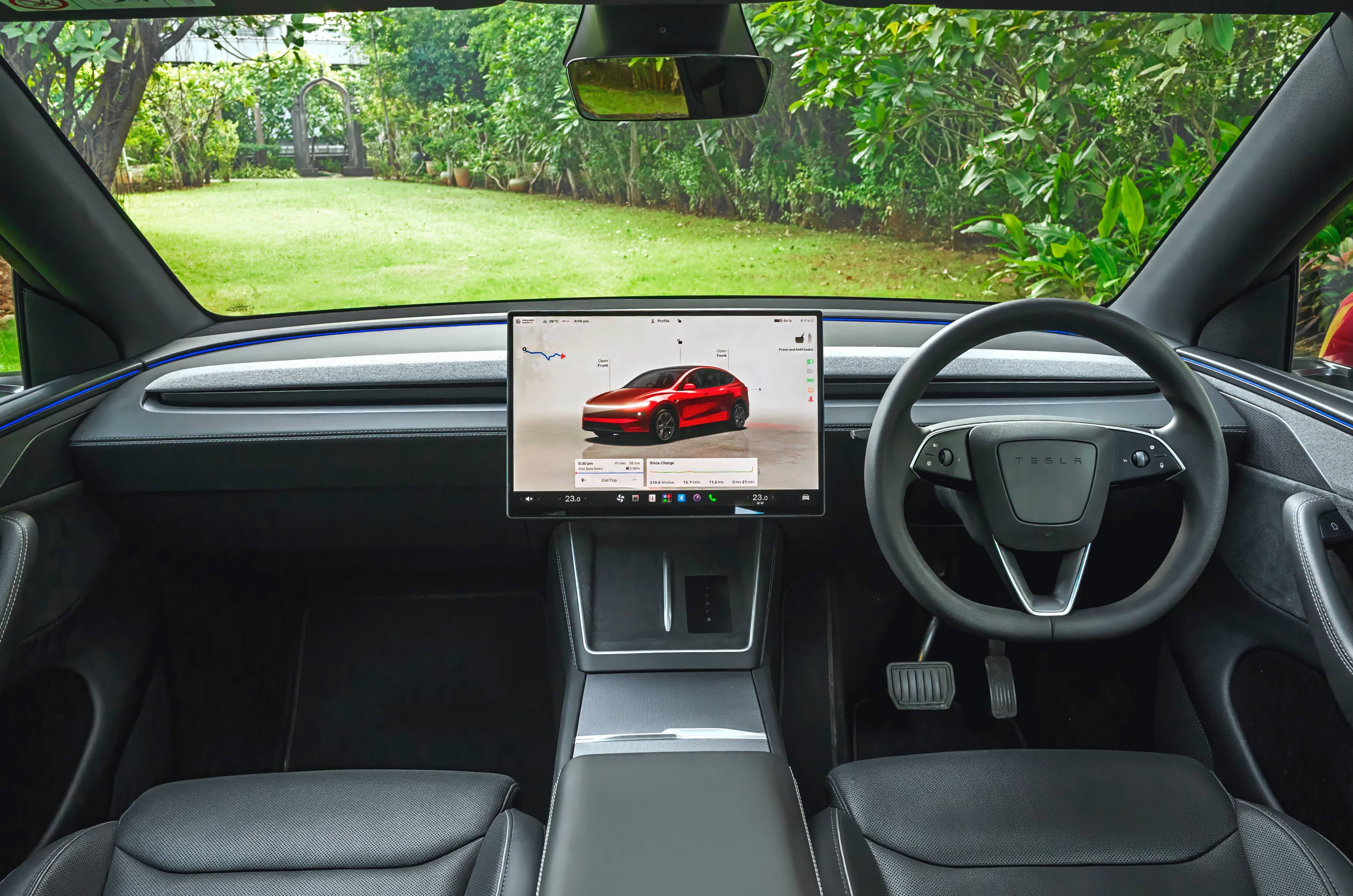
Minimalist design remains the same, save for a new textured finish on top of the dashboard.

This is where the Model Y L takes a larger step up. The standard Model Y already had a spacious cabin, but the Y L has even more room and brings further versatility, by adding a third row of seats. It is a six-seater rather than a seven-seater, with two individual captain’s chairs in the middle row instead of the standard car’s bench.

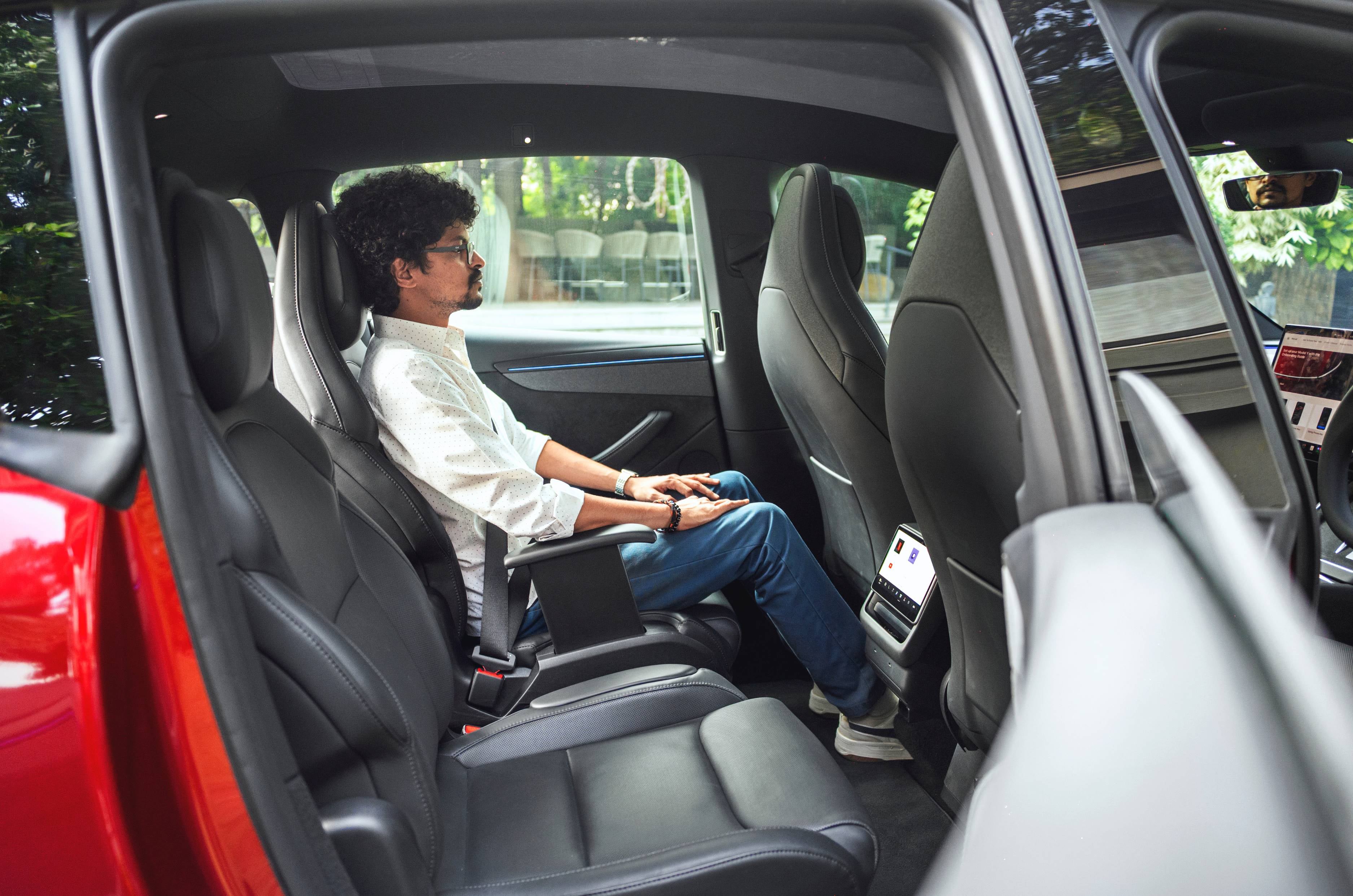
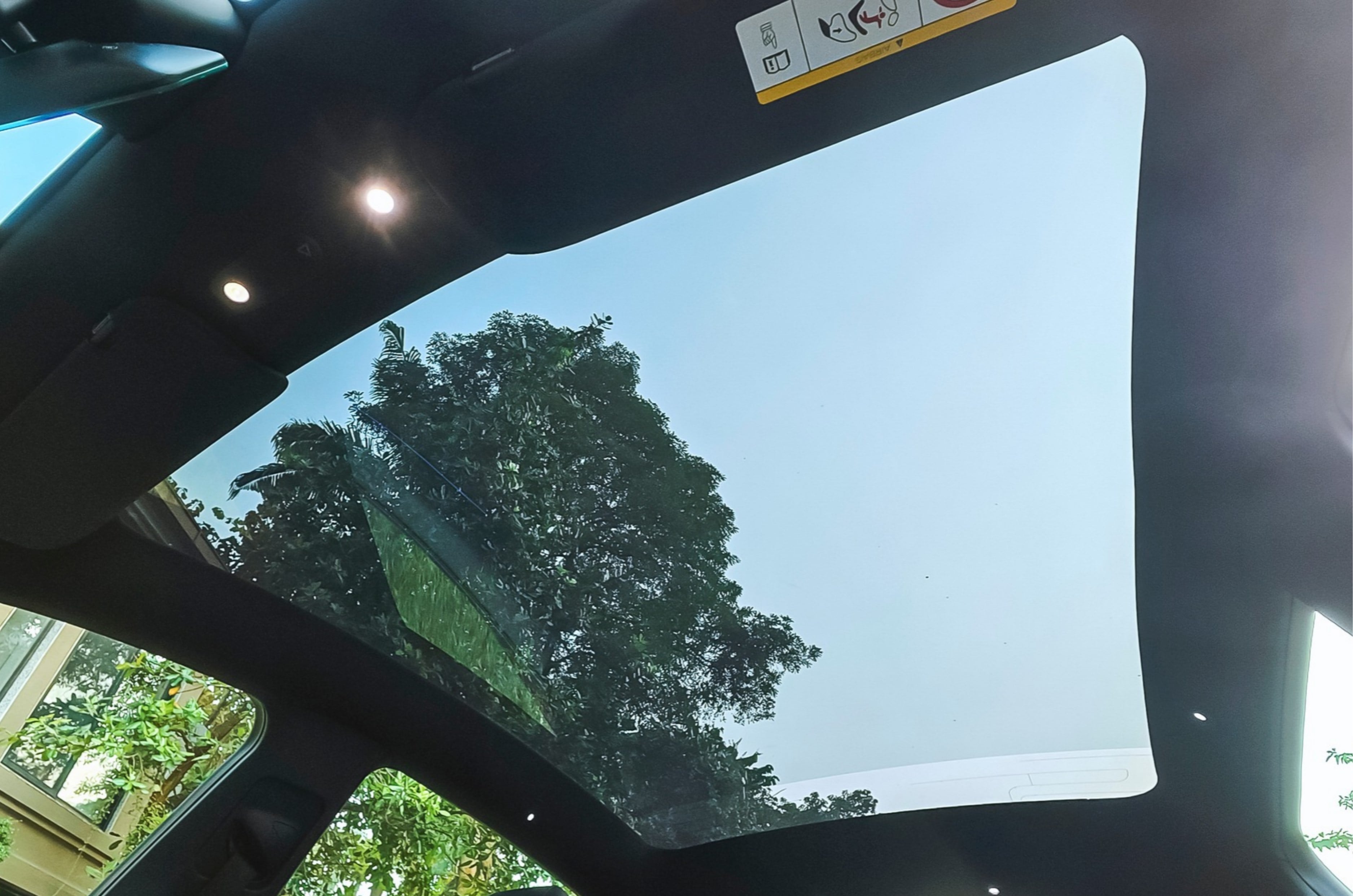
The front seats may be simple-looking but they are plush and comfy, and the extended underthigh support enhances comfort especially for taller people. These seats are also heated, cooled and feature electric adjustment. The second row is arguably the highlight, however. The individual captain’s seats are very comfy, and they feature integrated headrests, a heating and cooling function, along with power adjustment and powered armrests too. The extra wheelbase and taller roof of course gives passengers more room to stretch out and as such there’s no shortage of legroom or headroom here. The larger windows, coupled with the tinted panoramic glass roof further enhances the sense of space. However, since there are no window blinds or a sunshade for the roof, the large glasshouse area means the cabin heats up too easily especially on a hot, sunny day.

Captain seats are very comfy and there’s plenty of legroom and headroom here.

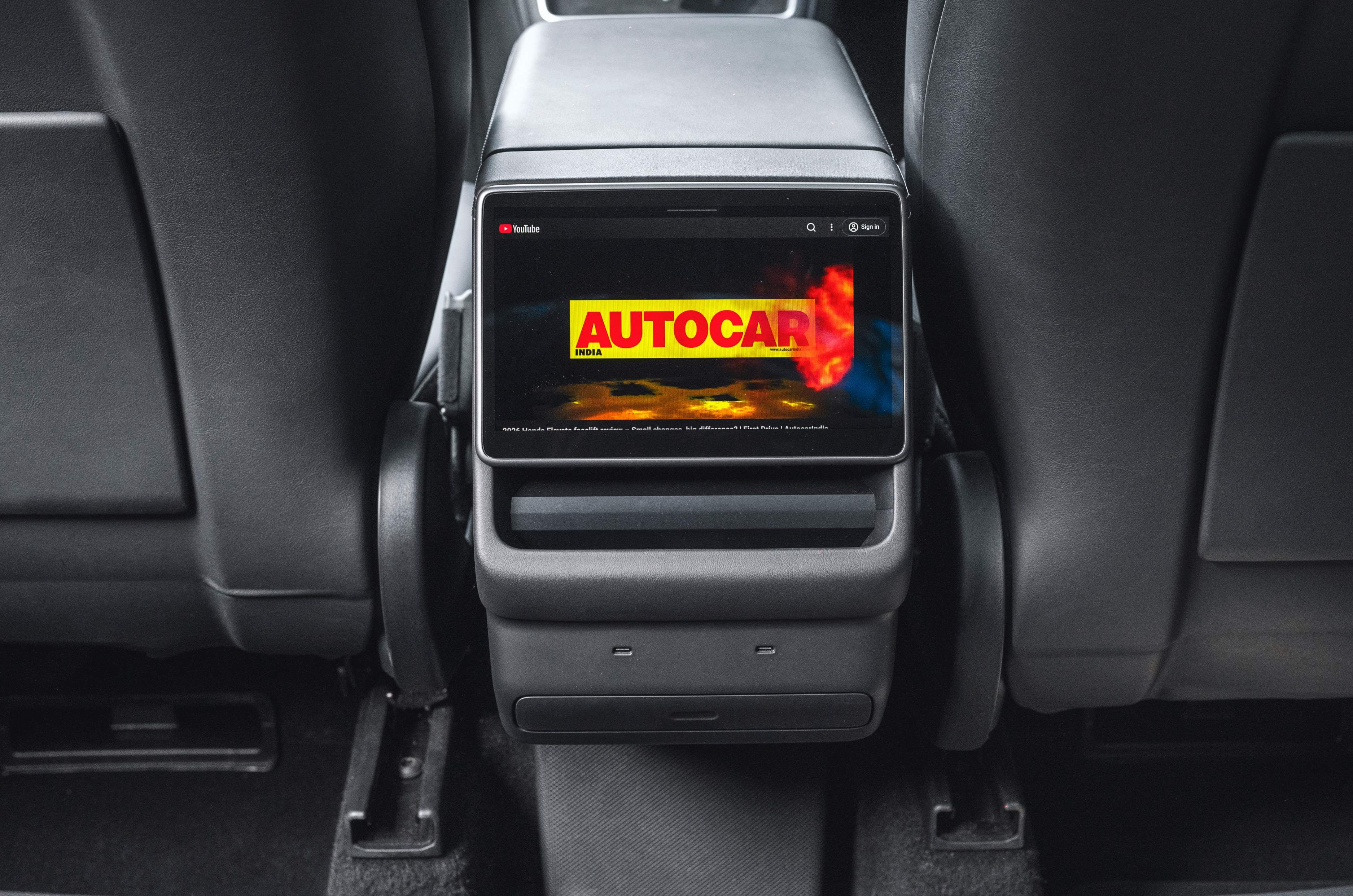
Middle row passengers are well-catered too, however. Apart from the aforementioned heated/cooled and powered seats, you also get cupholders, charging ports, cupholders and a 8-inch touchscreen. This centrally-mounted unit is just as slick to use as the one in the front and it controls several functions, along with the ability to play videos and games. 

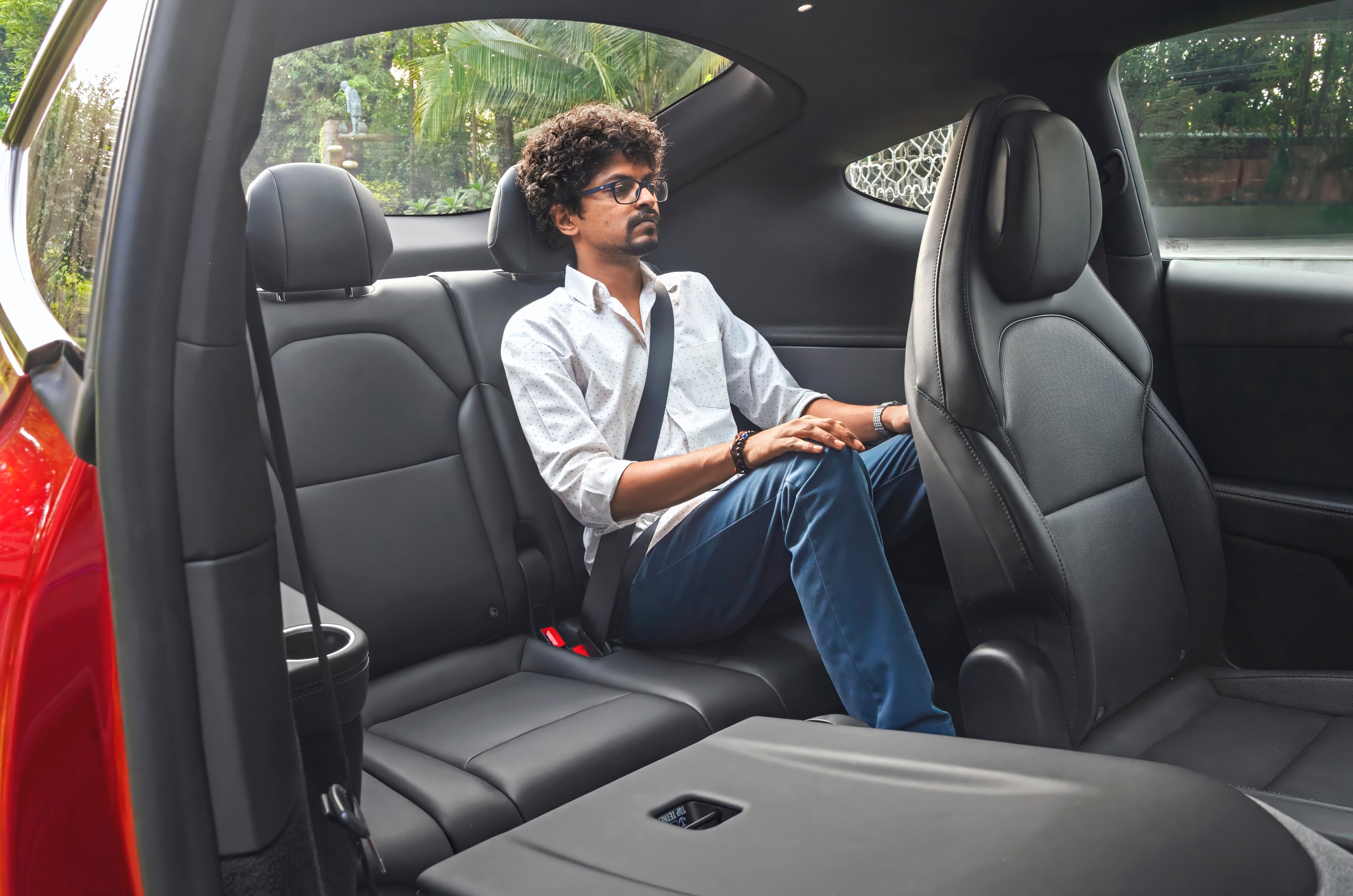
Seating is knees-up, but the third row is usable even for adults.

The third row, however, comes as a bit of a surprise. Considering the low seat, you’re sat in a knees-up position but space back here is genuinely usable for adults, with adequate headroom and kneeroom. Dedicated AC vents, cup holders and type C charging ports are useful inclusions and show that the rearmost seats aren’t simply an afterthought. Like in the middle, here too the large window and untinted rear windscreen lets in a considerable amount of heat. 

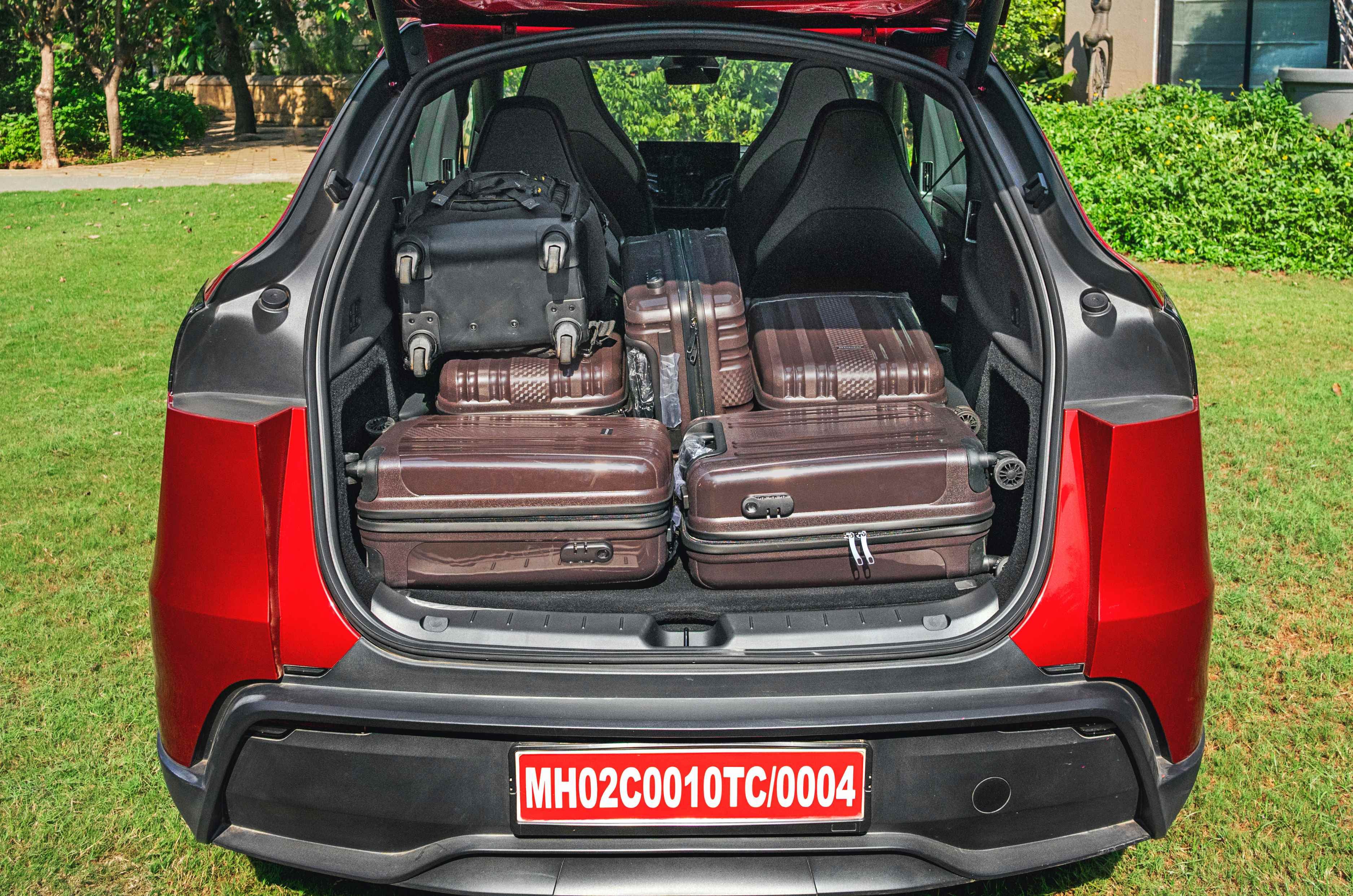
420-litre boot can be expanded to a massive 1,076 litres by folding the third row; more room under the boot floor too. 

Luggage space is another important consideration for a family focused car such as the Y L. With all three rows up, boot space is a respectable 420 litres which can be further expanded to a massive 1,076 litres by electronically folding the third row. Then there’s also a considerable amount of storage space under the boot floor and a properly usable 117-litre frunk. As such, the Y L remains practical despite the added seats. It’s worth noting though, there’s no spare wheel.

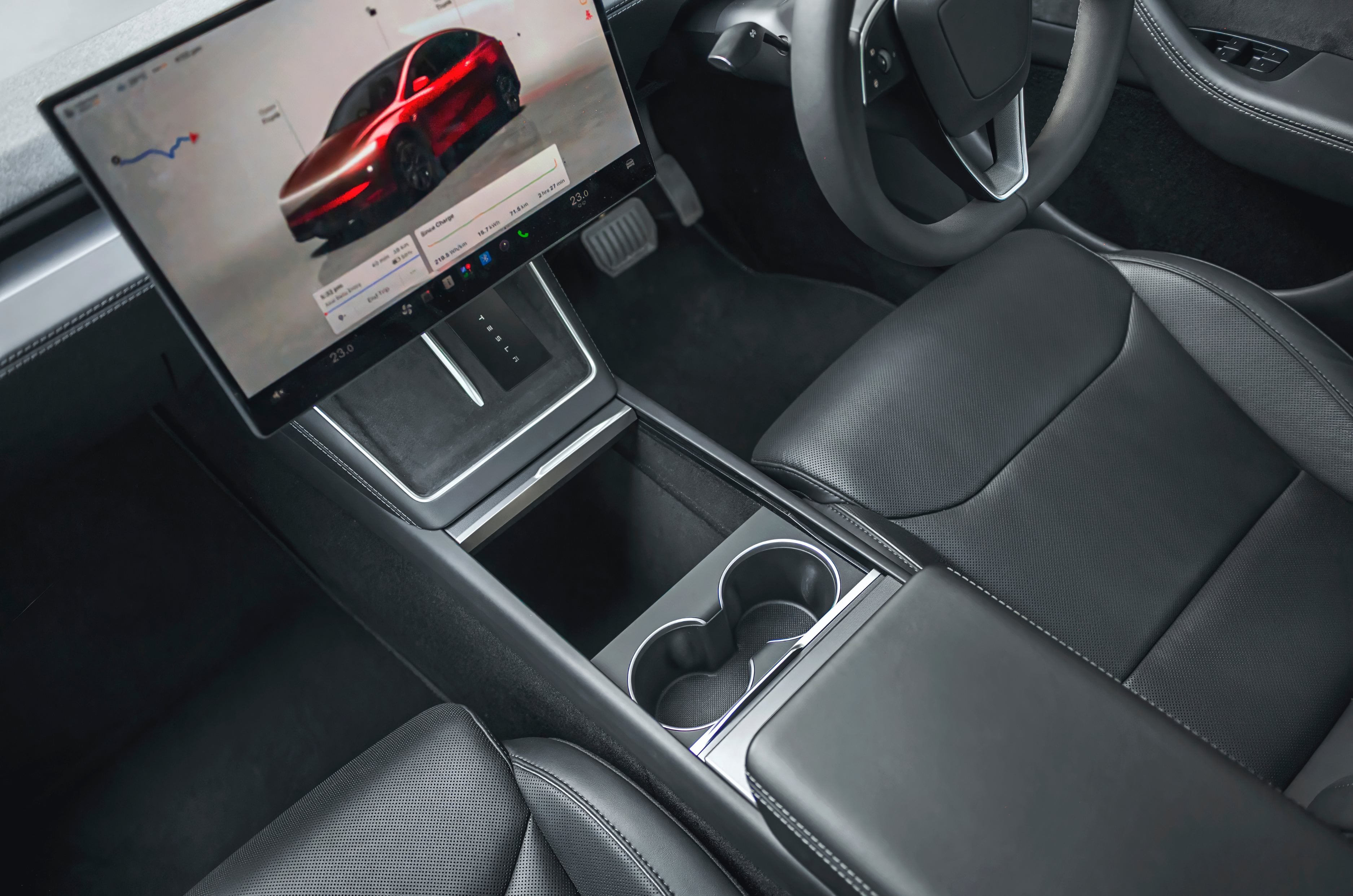
Practical cabin features a large storage box in the centre, cup holders, two wireless phone chargers, and space under the centre armrest. 

Up front, the cabin retains Tesla’s familiar minimalist layout. A large central touchscreen dominates the dashboard, with very few physical controls to interrupt the clean design. This  extended model gets a textured finish on top of the dashboard, but the overall layout remains largely unchanged. It also remains a practical place, with a large cubby space in the centre console, storage under the centre armrest, multiple cupholders and seat back pockets.  

Model Y Features and Safety – 7/10

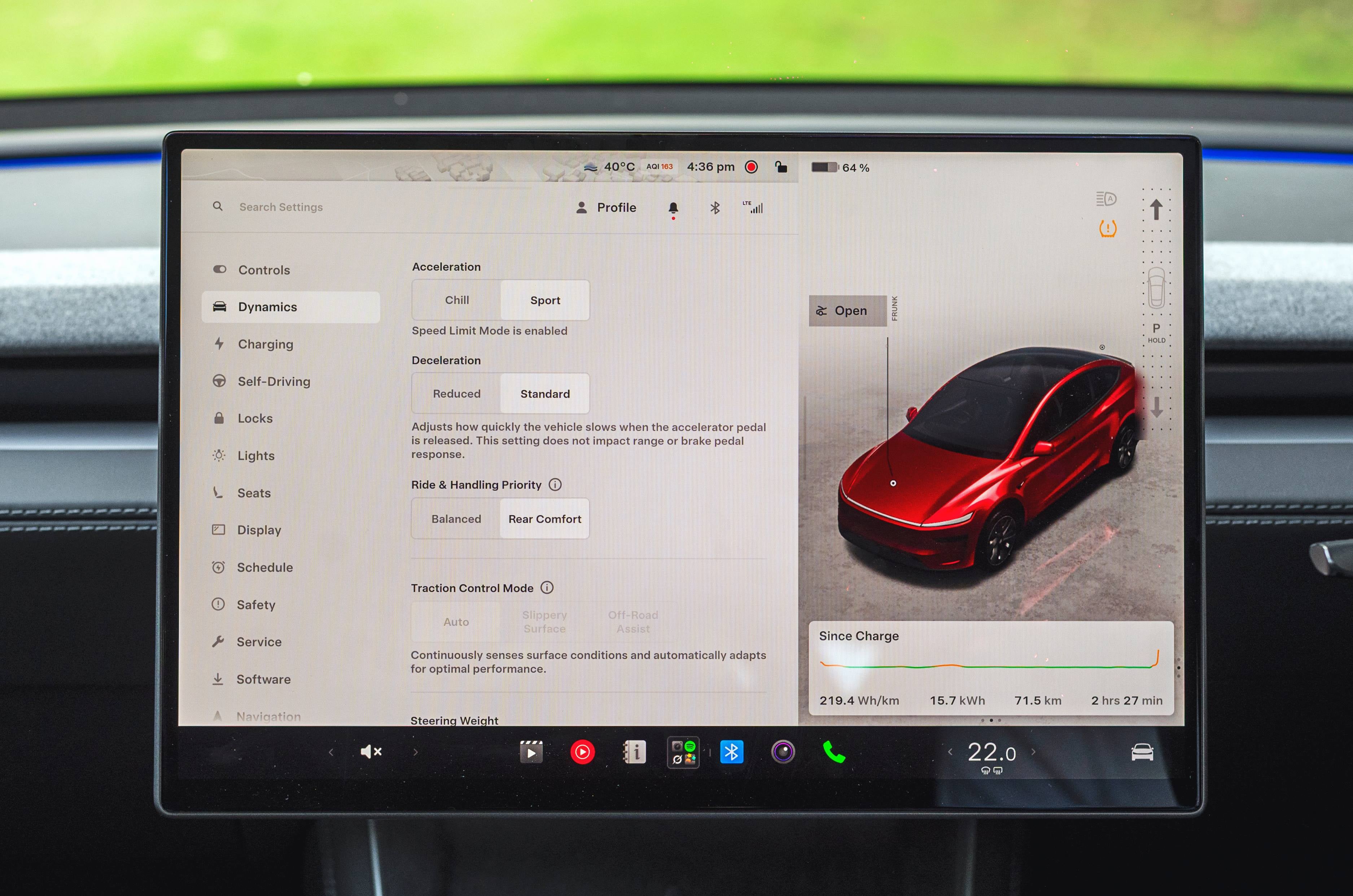
Y L gets a Sport drive mode and two settings for the new adaptive dampers.

Technology has always been central to Tesla’s appeal, and the Model Y L continues with that approach. Apart from the aforementioned 8-inch rear screen, the main party piece of this car is the central 16-inch touchscreen. This screen is easily one of the best in the business in terms of resolution and responsiveness. 

16-inch touchscreen is one of the sharpest around and packs in the typical Tesla quirks and features.

The screen is slick and feature-packed, but the reliance on it for everyday functions remains a usability compromise. Adjusting climate settings and accessing basic vehicle functions like adjusting the mirrors and opening the frunk require navigating menus, which isn’t as intuitive as using dedicated switches. It looks modern and gives the cabin a clean appearance, but a little more emphasis on straightforward ergonomics wouldn’t hurt.

8-inch rear screen is just as slick and can bes used to play videos and control other functions.

But thankfully, you do get the Grok AI assistant as a part of the package which can pretty much do everything for you right from setting the AC, to setting the navigation, finding a charger and much more. It can converse in multiple languages and also constantly learns more about you, so it’s said to get more intuitive as you spend more time with it.  

Other features include a panoramic glass roof, dual wireless phone chargers, multi-colour ambient lighting, a superb sounding audio system with 18 speakers and a subwoofer, heated/ventilated and powered front two rows of seats, heated third row seats, all LED lights and so much more. There’s also connected-car tech, and as with any Tesla it gets over-the-air updates, so the car is constantly improving without the need to visit a service centre.

Tinted glass roof helps the cabin feel airy but no sunshade means it heats up quickly as well.

Safety equipment includes nine airbags and a suite of driver-assistance features, including lane-departure warning, lane-keeping assist and blind-spot monitoring. The car also has high-resolution cameras all around it which provide a great view of the surroundings, although Tesla’s more advanced Autopilot capabilities remain absent in India.

The technology is impressive, but the screen-centric interface requires some acclimatisation. Some buyers may find the learning curve frustrating, especially while driving. But for the tech-savvy buyers the Y L is aimed at, they will find this approach very appealing.

Model Y Performance and Refinement – 9/10

Dual-motor, all-wheel-drive powertrain puts out over 500hp and does 0-100kph in a claimed 5 seconds.

The Model Y L is offered in India with a dual-motor all-wheel-drive setup, unlike the rear-wheel-drive only Model Y variants. Tesla does not officially list powertrain specifications, but it has an estimated combined system output of 514hp and 590Nm and the brand claims a 0-100kph time of 5 sec and a top speed of 201kph. We did a quick acceleration test and managed a 0-100kph time of 5.02sec, though we couldn’t test the top speed as our car was electronically limited to 120kph. For a family crossover which is estimated to weigh over two tonnes, the performance is properly brisk. Expectedly, acceleration feels very potent and as typical of any high-performance EV, the Model Y L pins you back into the seat. However, there is a certain progression to the power delivery and the added traction of the all wheel drive setup makes it feel manageable and not overwhelming. There’s also two drive modes, Chill and Sport, the latter of which is exclusive for the Y L. And they have a corresponding effect on the response of the powertrain, with Sport obviously feeling much more immediate.

The added performance also makes overtaking on highways and closing gaps in traffic particularly effortless, as is reflected in the rolling acceleration figures. 20-80kph takes 2.85sec while 40-100kph is dispatched in just 2.94sec.

As with the standard Model Y, the Model Y L also impresses with its refinement. The cabin is superbly insulated from the outside world, thanks in part to the double glazed windows, with barely any road, tyre and wind noise filtering through into the cabin.

Model Y Mileage / Range and Efficiency – 7/10

Tesla Supercharger is said to add up to 288km of range in 15 mins; has a WLTP-rated range of 681km.

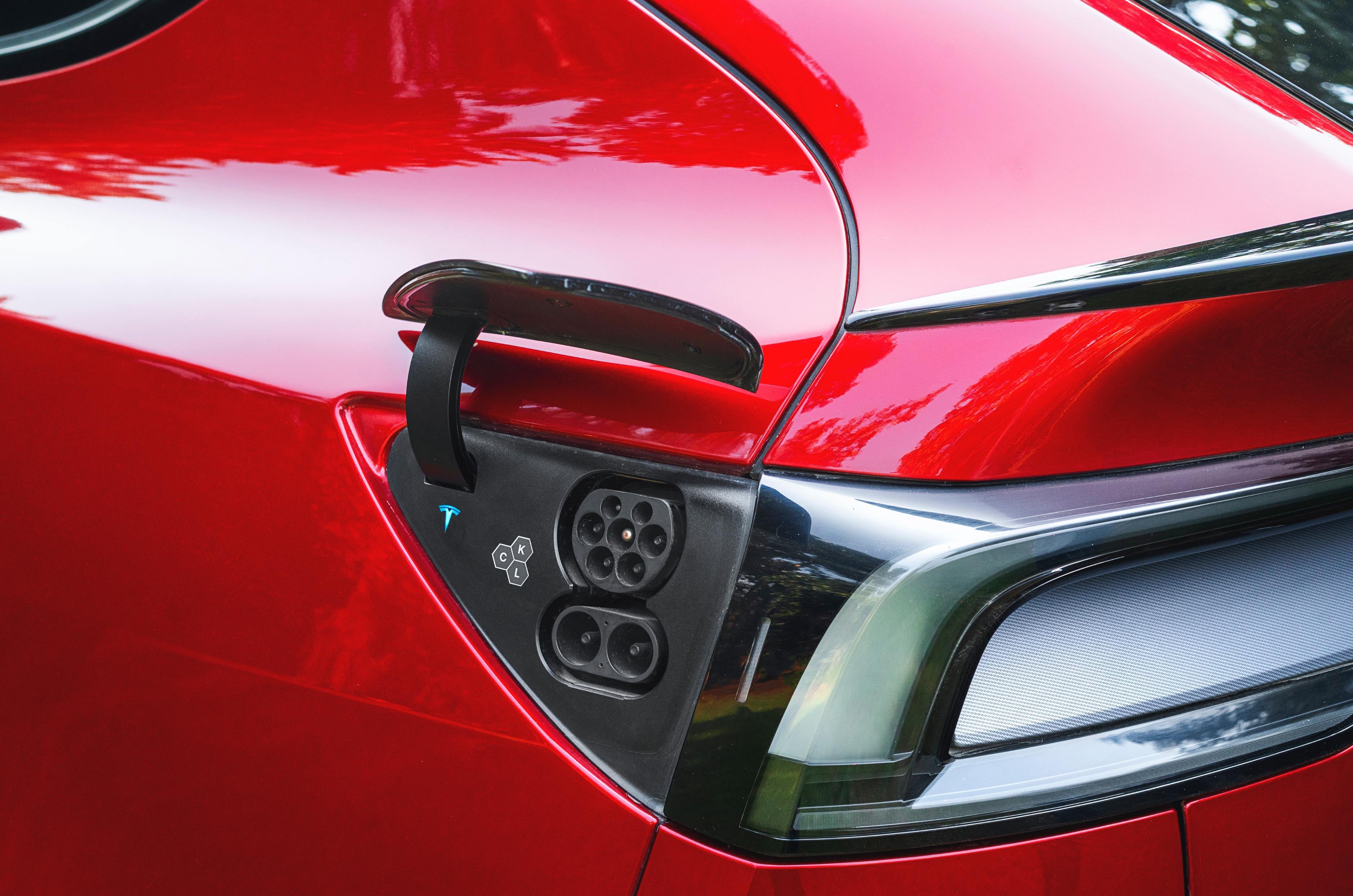
Tesla claims a WLTP range of 681km, from the Model Y L’s 88kWh (estimated) NMC battery pack. That’s more than the standard RWD Model Y, for reference. It can also add up to 288km of range in 15 minutes when connected to a Tesla Supercharger, according to the company. Speaking of which, the electric crossover is capable of accepting up to 250kW on DC fast charging and 11kW on AC charging. As always, real world range will depend on driving conditions, speed, weather and other factors.

Model Y Ride Comfort and Handling – 7/10

Adaptive dampers and longer wheelbase does make the Y L feel more settlled than the standard Model Y.

The standard Model Y’s ride and handling package is competent, although its low-speed ride is noticeably firm, especially on uneven surfaces. Tesla has made changes to the L’s suspension, equipping it with adaptive dampers in a bid to improve comfort and body control.

This is a particularly relevant upgrade for a longer, heavier vehicle designed to carry more passengers. As with everything else, this is also controlled via the touchscreen with two settings available – Balanced and Rear Comfort. The latter softens things down and gives it a slightly plusher feel, while the former represents a good middle ground between ride comfort and handling. Even though the difference in the modes isn’t that great, the Y L does feel more composed over broken roads and avoids transmitting as much movement into the cabin as the Standard Model Y.

The longer wheelbase also helps the car feel a bit more settled at speed, although manoeuvring in confined spaces is more cumbersome, and this is particularly amplified thanks to the rather poor turning circle. Like the standard Model Y’s, the Y L’s steering is light and easy to use, but it isn’t particularly feelsome. There’s also three modes for the steering, which progressively add more weight. The handling too is more competent and predictable rather than entertaining. It doesn’t feel as agile as the Model Y but body movements do seem better controlled thanks to the adaptive dampers.

There’s two levels of regenerative braking – Standard and Reduced. Standard is the stronger setting and best for use in the city as it almost functions like a one-pedal mode while Reduced is for highway use as it allows for some coasting.

Model Y Value for Money – 7/10

The Model Y L is for those who want a spacious, quick, refined, and cutting-edge premium EV for the family.

Priced at Rs 61.99 lakh (ex-showroom), the Tesla Model Y L makes for a more compelling case than the standard Model Y despite costing 10 lakh more. It still costs a fair bit more than its most direct rivals, the BMW iX1 LWB and the BYD Sealion 7, but the Y L is more spacious with more seats. The Model Y L does have its compromises though. It’s over reliant on the touchscreen for even basic functions and the large glasshouse means the cabin heats up easily. The larger dimensions, poor turning circle, low ground clearance and long wheelbase also means it is more challenging to maneuver in the city and while parking.

But it brings a lot more to the table too. There’s more cabin space, the added versatility of a third row, a more potent dual-motor powertrain with all-wheel-drive and a higher claimed range as well. And it retains its strengths of being featured-packed, with excellent refinement and massive cargo space. Tesla says that buyers are now preferring to opt for the Y L over the Model Y considering all the additional things it brings, and that really doesn’t come as a surprise. So for buyers who want a spacious, quick, refined and cutting-edge electric crossover for the family, the Tesla Model Y L fits the bill perfectly.