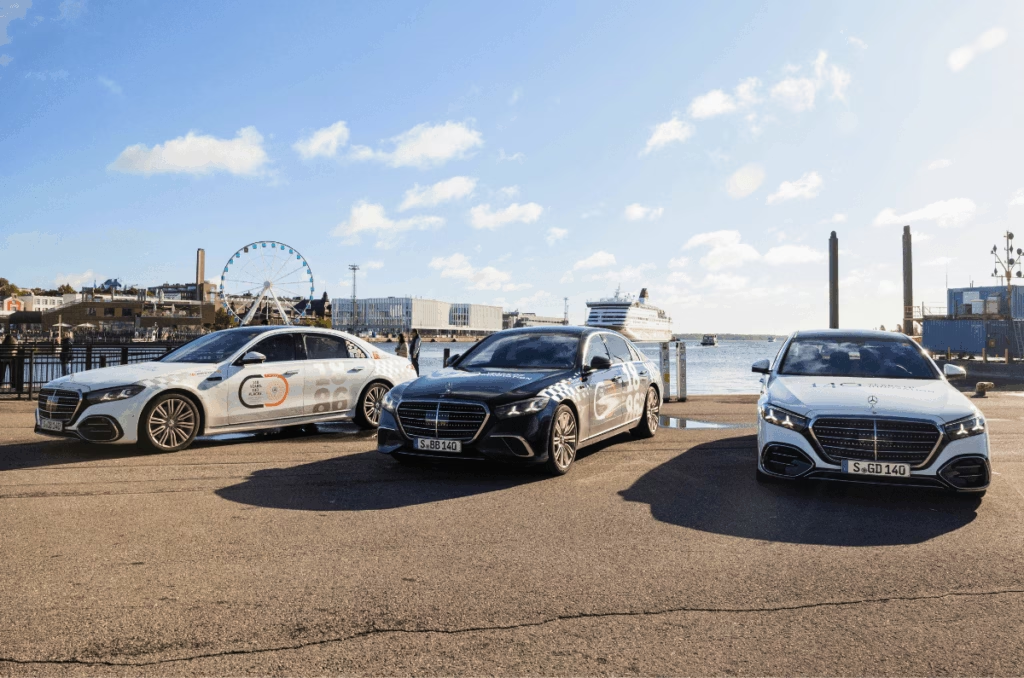
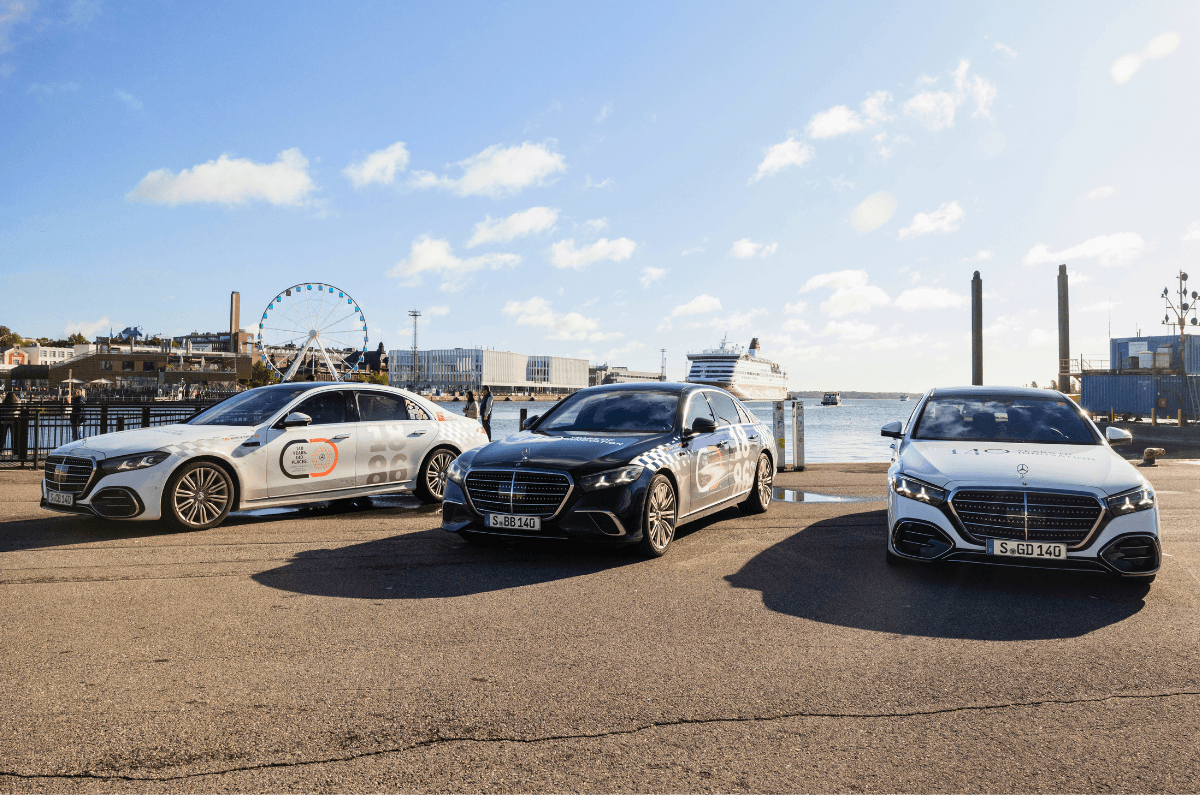
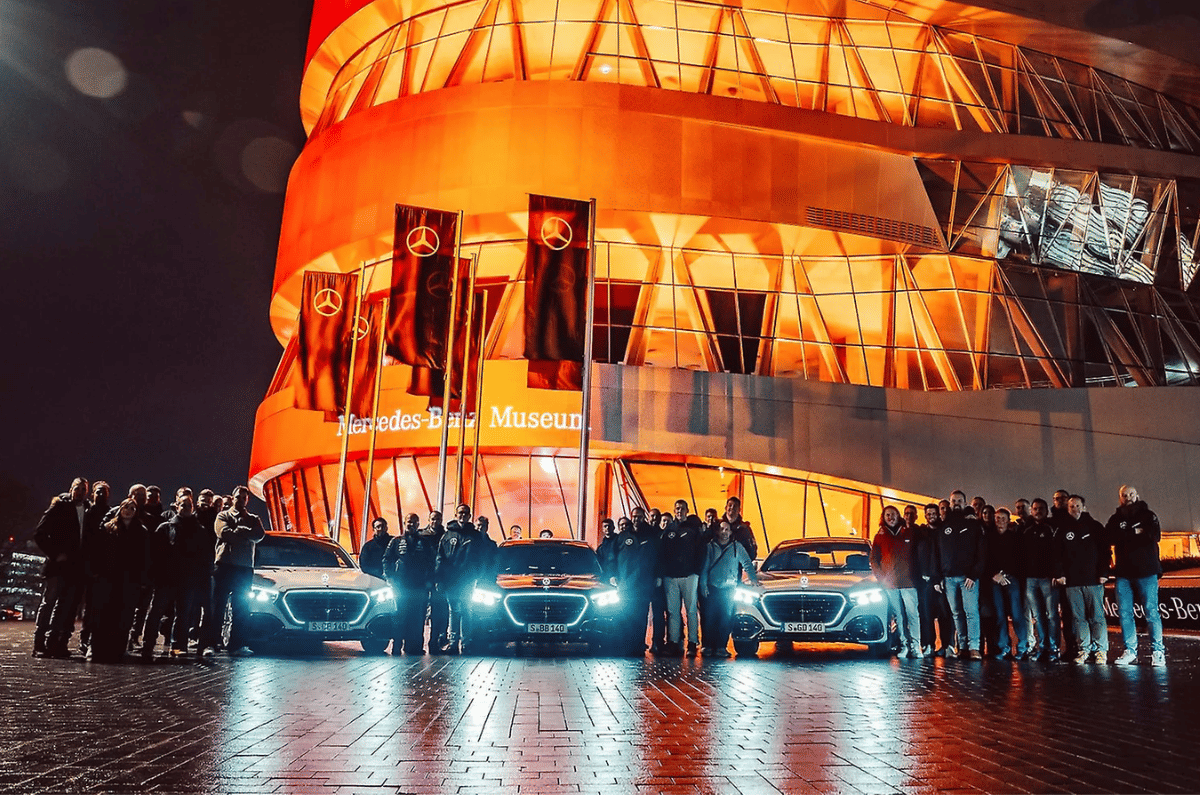
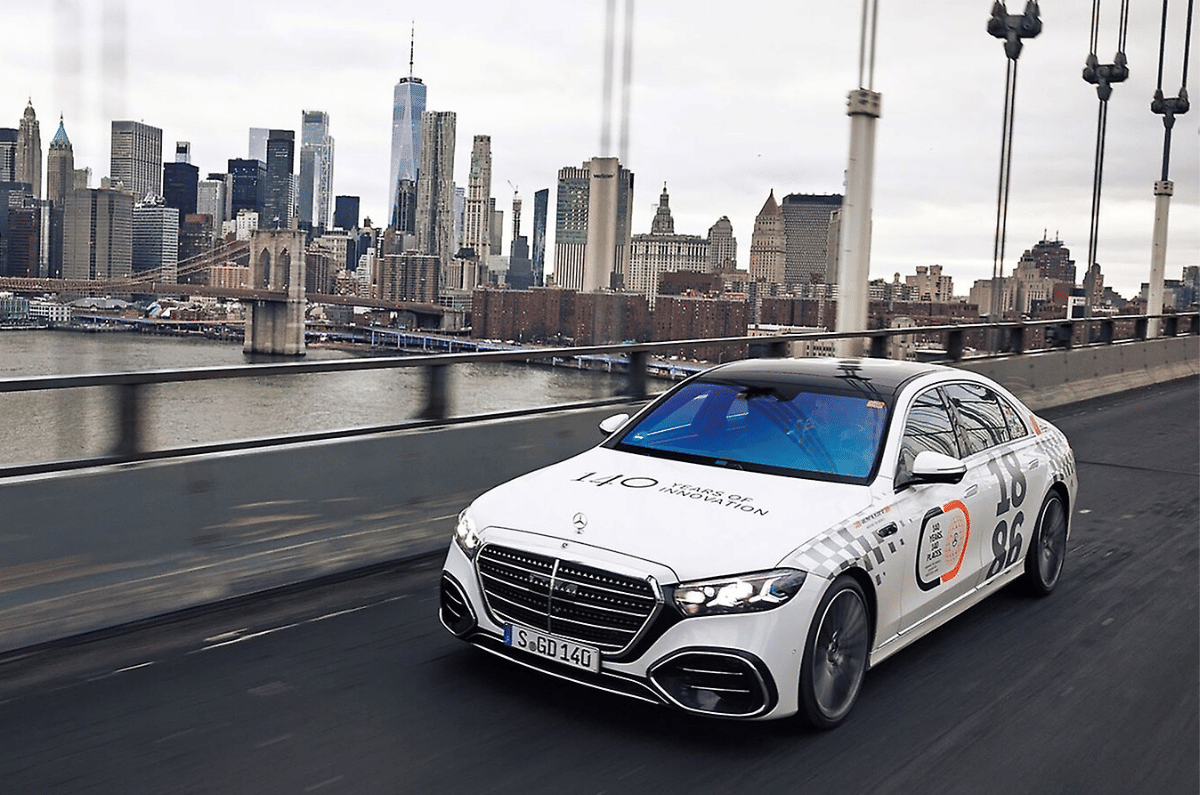
Mercedes-Benz has concluded its ‘140 Years. 140 Places.’ global tour, organised to commemorate 140 years since Carl Benz filed the patent for his Motorwagen in 1886. Three S-Class sedans returned to the Mercedes-Benz Museum in Stuttgart, Germany, on October 17, after covering more than 65,000km across 55 countries and six continents over nearly nine months. Approximately 20,000 guests attended the homecoming event, which also featured the global debut of the new Mercedes-AMG GT SUV.
Mercedes-Benz 140 Years, 140 Places: All you need to know
Tour marks 140 years since Carl Benz’s Patent-Motorwagen
The expedition began in Stuttgart on January 29, 2026, with three S-Class sedans named Bertha, Carl and Gottlieb. The tour visited more than 140 locations across six continents, crossing 67 national borders and 13 climate zones.
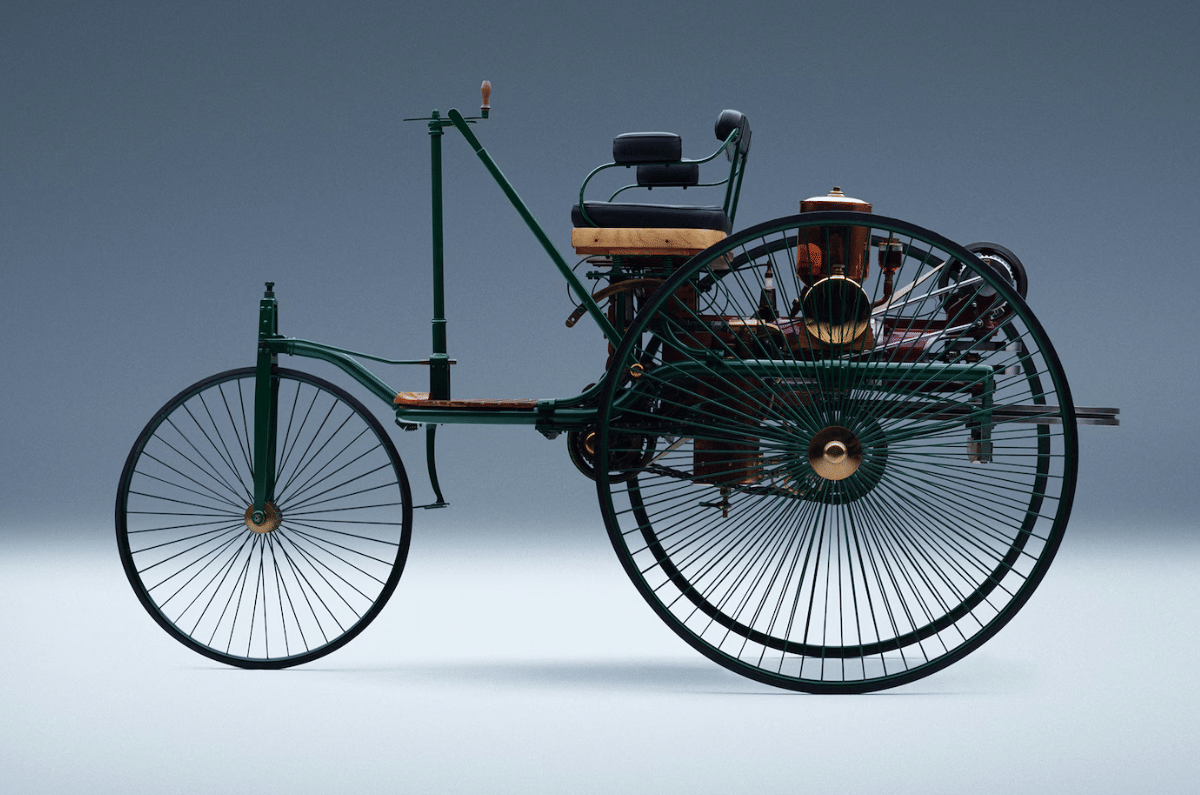
The route covered cities including New York, Tokyo, Mumbai, Nairobi and Sao Paulo. The cars returned to Stuttgart in a convoy of 140 historic and current vehicles, including a replica of the 1886 Benz Patent-Motorwagen, the Mercedes-Benz 300 SLR Uhlenhaut Coupé, a Ponton 220 S, the C 111 experimental vehicle, and the electric G-Class and C-Class.
Mercedes-Benz says tour tested S-Class under challenging conditions
Mercedes-Benz said the expedition provided insights into the S-Class under real-world conditions beyond those covered by its regular development testing in extreme temperatures and simulation chambers.
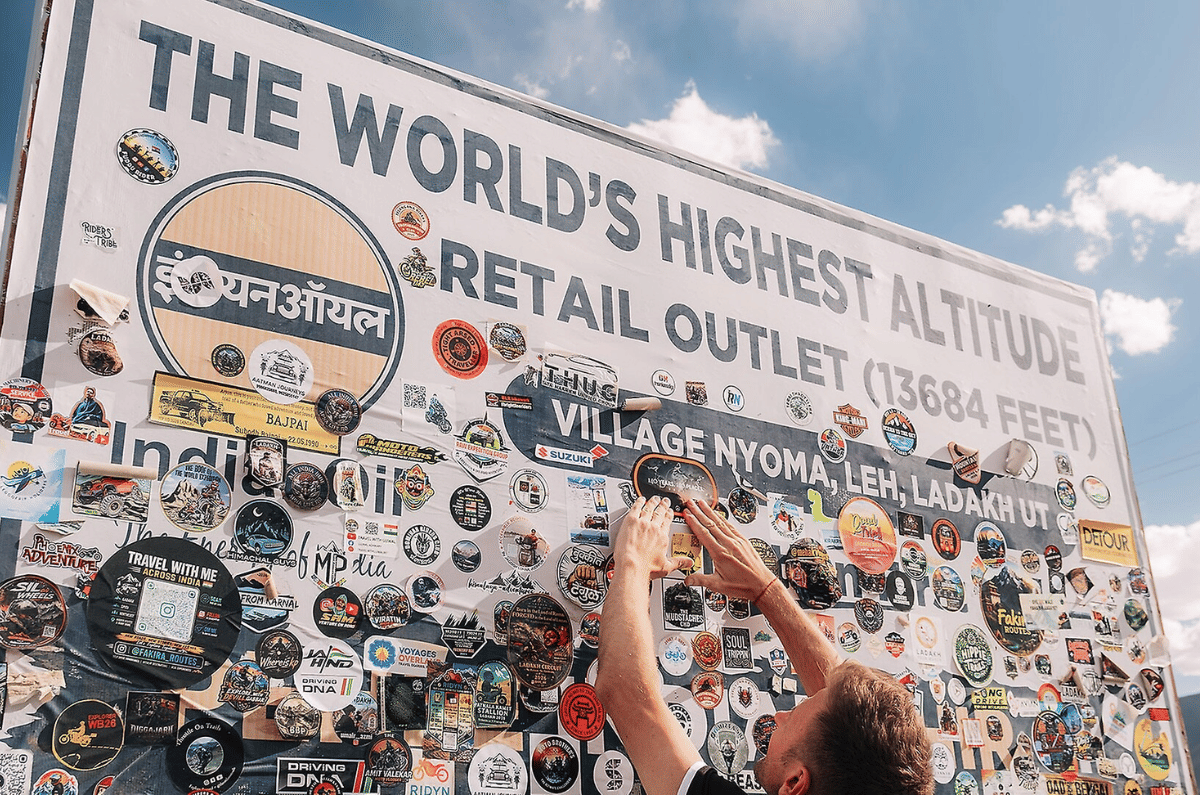
During the India leg, the cars travelled to Umling La, at approximately 5,800 metres above sea level, and encountered monsoon conditions and flooded roads. In Kenya, Tanzania and Zambia, the route included unpaved and uneven surfaces. Mercedes-Benz said the journey also exposed the cars to temperatures varying by more than 50deg C across desert and tropical climates.
Autocar India participated in the India Leg
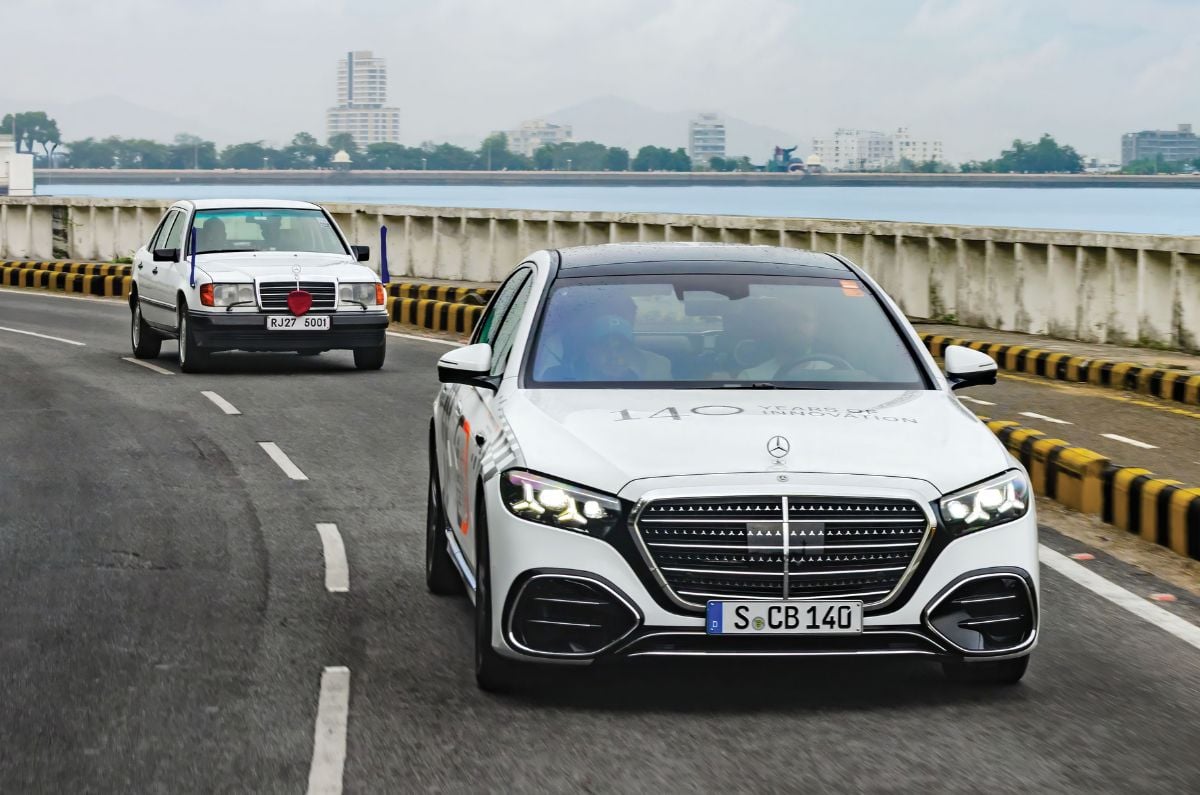
We also participated in the India leg of the expedition, driving the pre-production S-Class sedans through Udaipur and Ahmedabad. The drive provided an opportunity to experience the updated luxury sedan’s performance, ride comfort and technology.
Anniversary activities continue through December
Mercedes-Benz will continue its ‘140 Years of Innovation’ anniversary programme through the end of 2026. Mercedes-Benz plans further studios in international cities following launches in Copenhagen, Los Angeles, Sydney and Delhi.
In December, the company will convert the approximately 145-metre-long glass facade of its dealership at Donnersbergerbrucke in Munich into an oversized Advent calendar. Mercedes-Benz is also planning a coffee-table book documenting the expedition, its stops, and its encounters along the route.
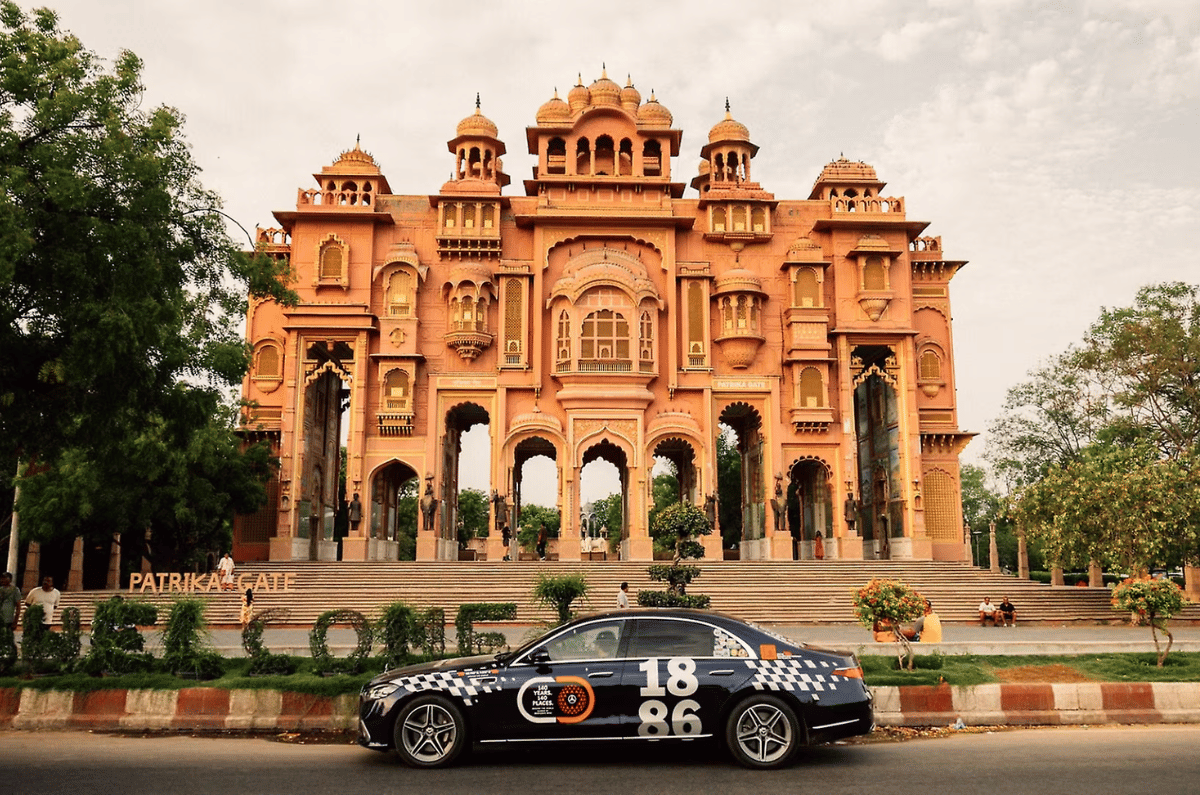
Mercedes-Benz’s 140 Years, 140 Places odyssey is a celebration of the carmaker’s origins in 1886. Spanning six continents, covering over 60,000 kilometres, it is as massive in significance as it is in scale. The tour kicked off at the Mercedes-Benz Museum in Stuttgart on the 29th of January, the same day Carl Benz received the patent for his first car 140 years ago! The cars then went to the Daimler house in Bad Cannstatt, they tracked the original route of Bertha Benz’s historic 1888 drive and drove the iconic Spa-Francorchamps racetrack in Belgium in wheel tracks of the W109 ‘Red Pig’ that made such a splash in 1971. The cars then went to the US, visiting the first plant in the US started by William Steinway (of Steinway & Sons, the famous German Piano makers), South America, Australia, Japan, Korea and Japan.
Legacy and history
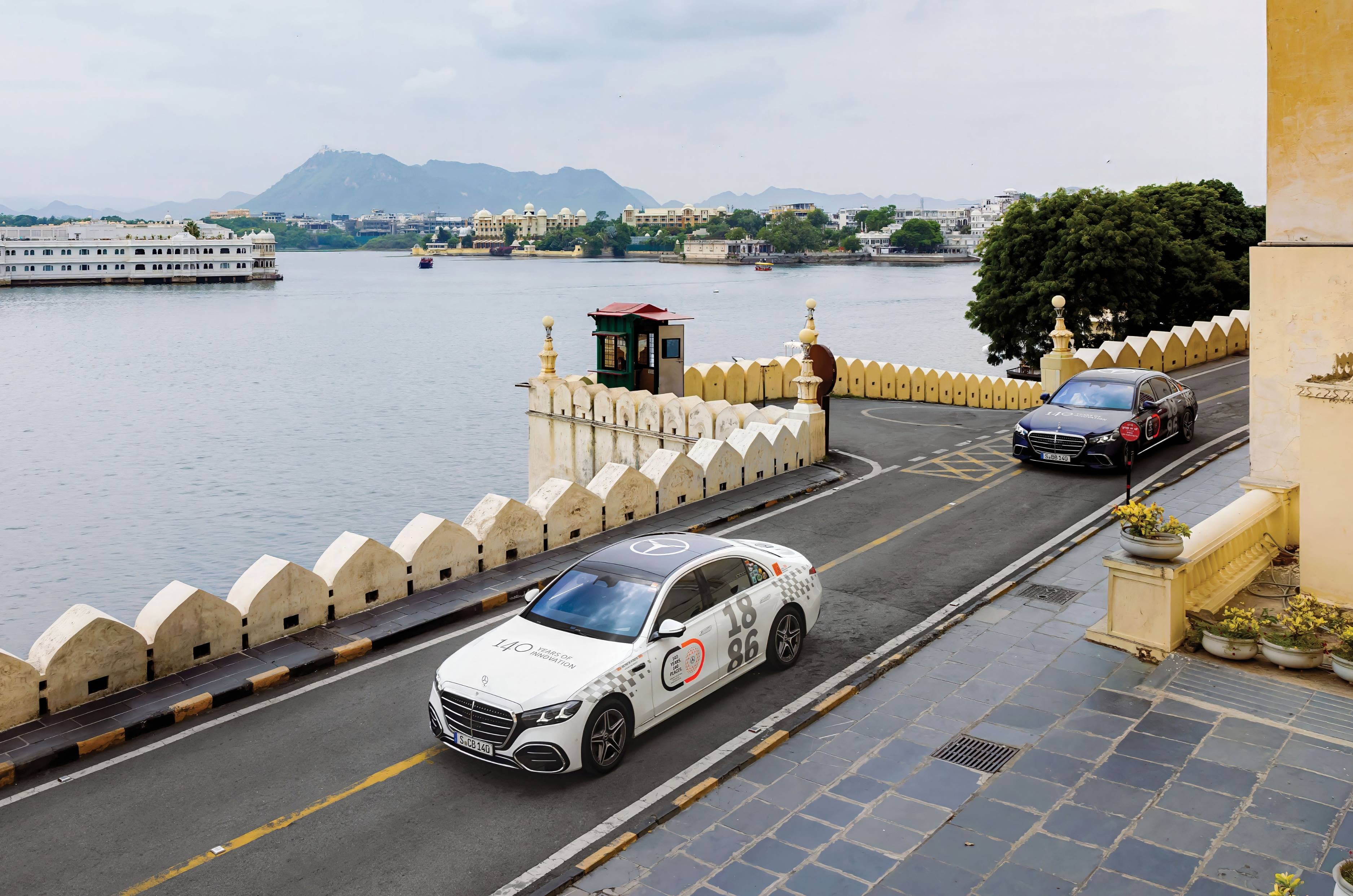
With their royal and regal air, the S-Classes feel right at home in Udaipur.
Part of the 140 Years, 140 Places expedition, Udaipur is one of the more stunning locations the Mercedes drive will visit on this India leg, and what’s incredible is that we have been chosen to be a part of it. What a privilege. The lake city of Udaipur also has tremendous historical significance. Home to one of the longest-serving dynasties, one that spans 1,500 years, this leg sees a coming together of the world’s oldest carmaker and one of the oldest dynasties. And while this trans-continental excursion is called 140 Years, 140 Places, it could also easily have been called 140 Years of Automotive Technology. With these S-Class pre-production cars dripping with both mechanical and electronic tech, what we are also celebrating is the journey of the car from a three-wheeler with a single-cylinder engine to this technological marvel. The company that invented the motorcar is still widely regarded as the one that makes ‘the best car in the world’.
Luxe Supreme
Everything is perfectly still. Not a gauge in the car is moving, and there’s no real sensation of speed. I must have dozed off. Blame it on the incredibly comfortable back seats and the sensory isolation. This car just shuts you off from the rest of the world. Then I discover we are cruising at 100kph, and not just 30 or 40. Up ahead is the lake city of Udaipur. Ahh.
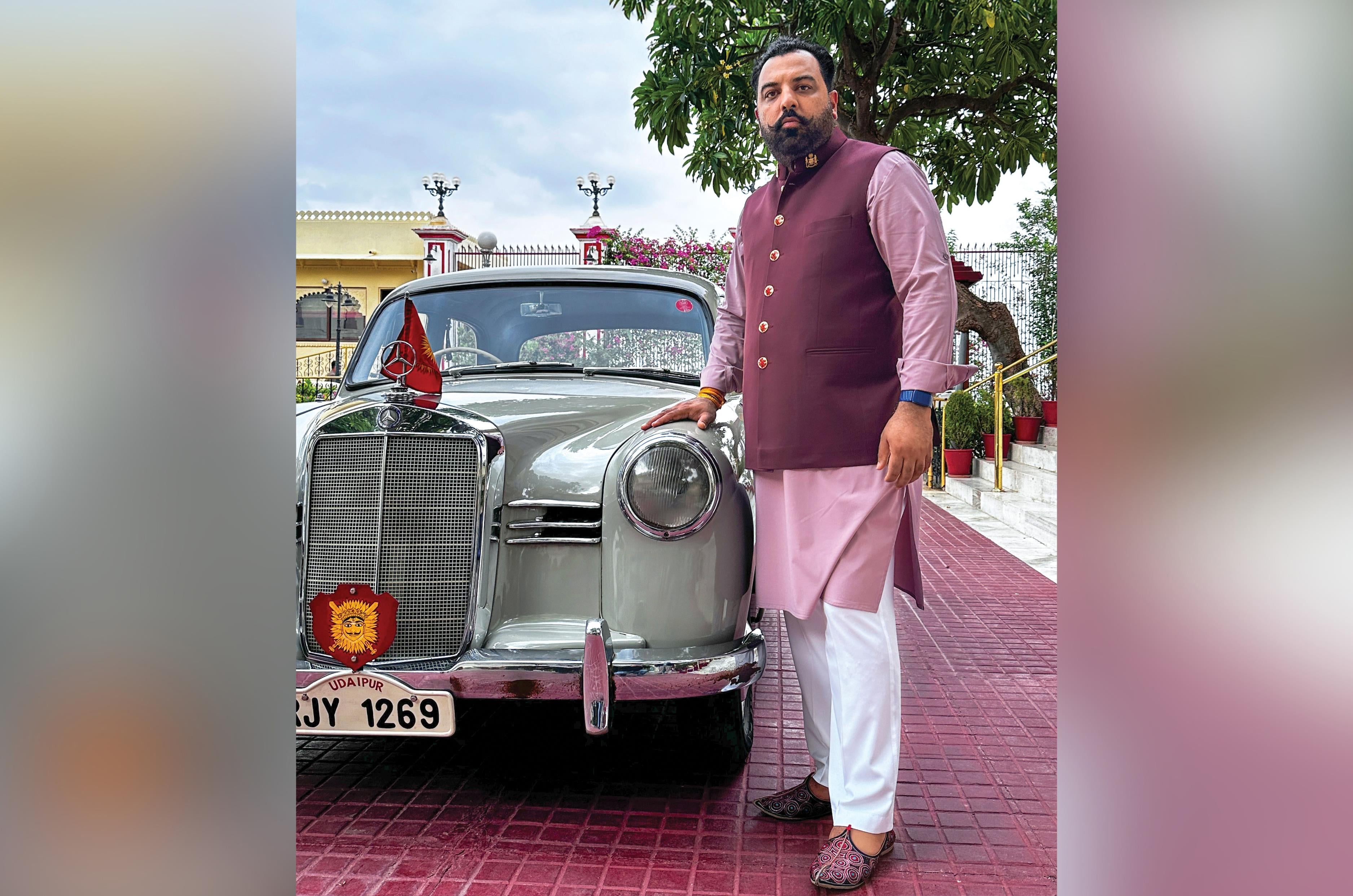
The Maharana of Udaipur with a car that has been in his family for three generations.
We start our journey on this leg from a very significant place, the palace situated on the lakeside at Udaipur. And not only does Lakhsyaraj, the 77th Custodian of the House of Mewar (formally Shriji Huzoor Dr Lakshyaraj Singh of Udaipur), play the perfect host, but he also parks an olive-green 180D in the foyer, a car that has been used by three generations of his family. The symbolism is rich; two legacies converging in a place that embodies the spirit of grandeur and continuity.
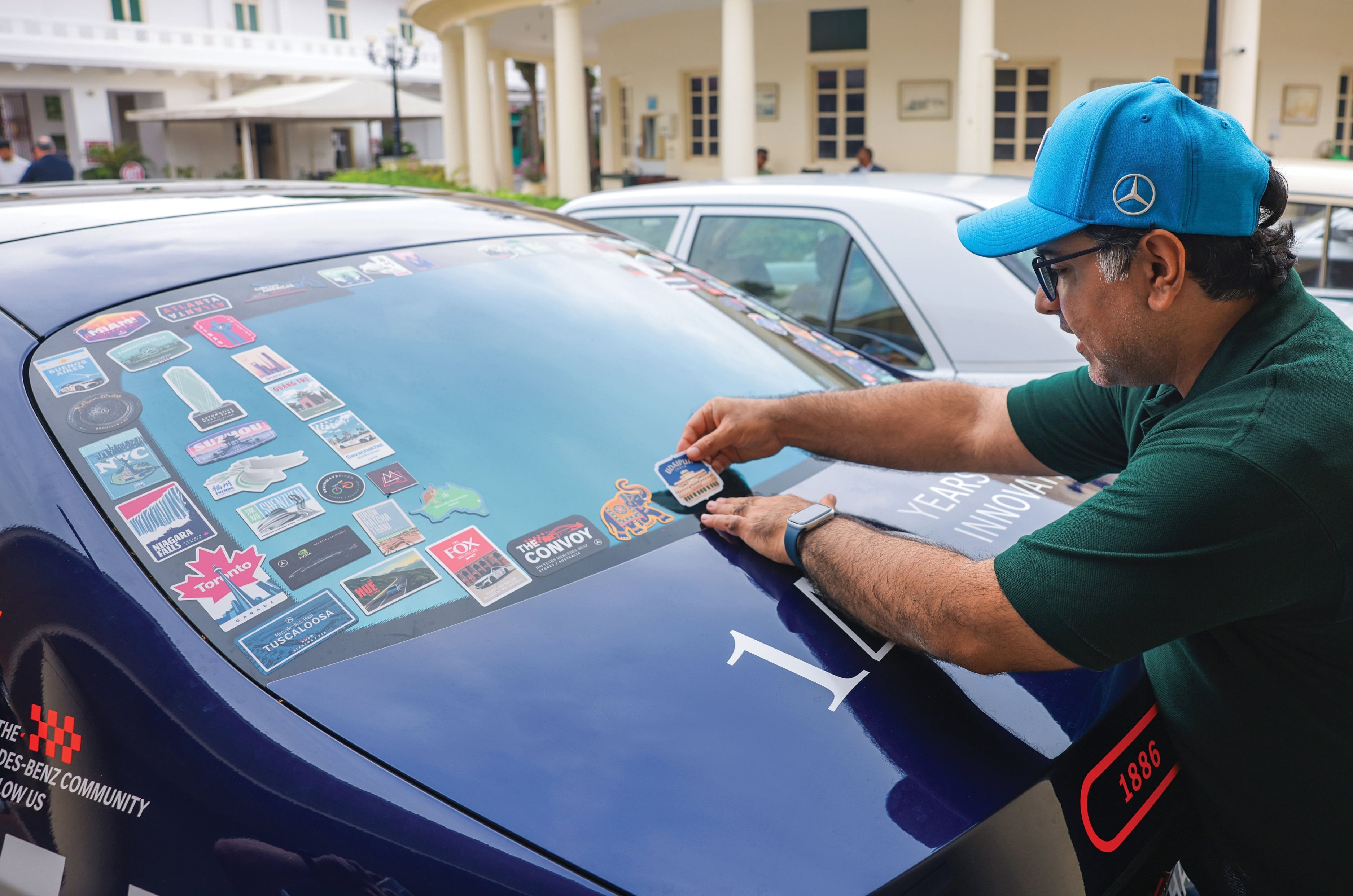
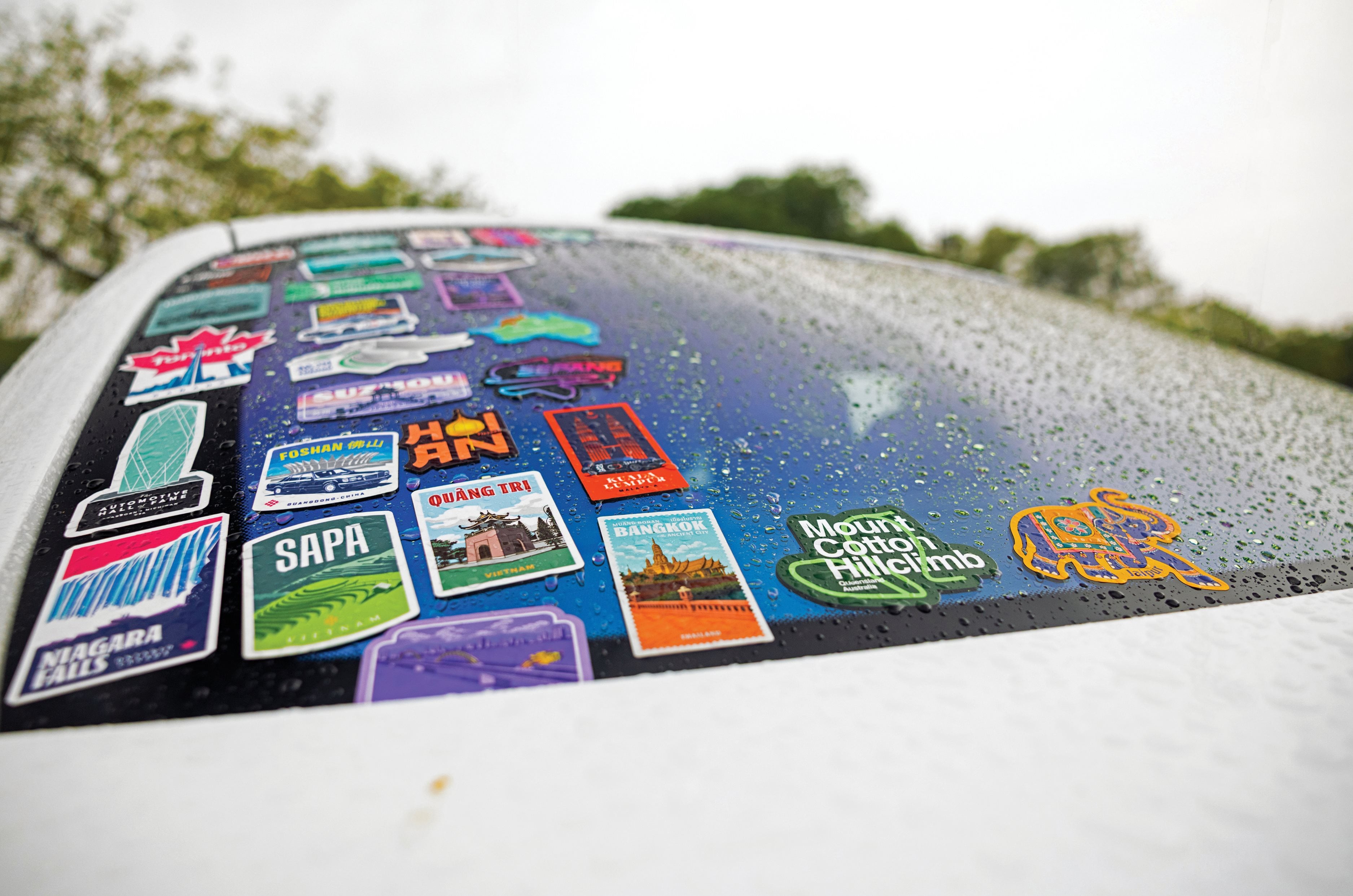
Perseus places the sticker on ‘Bertha’ in Udaipur.
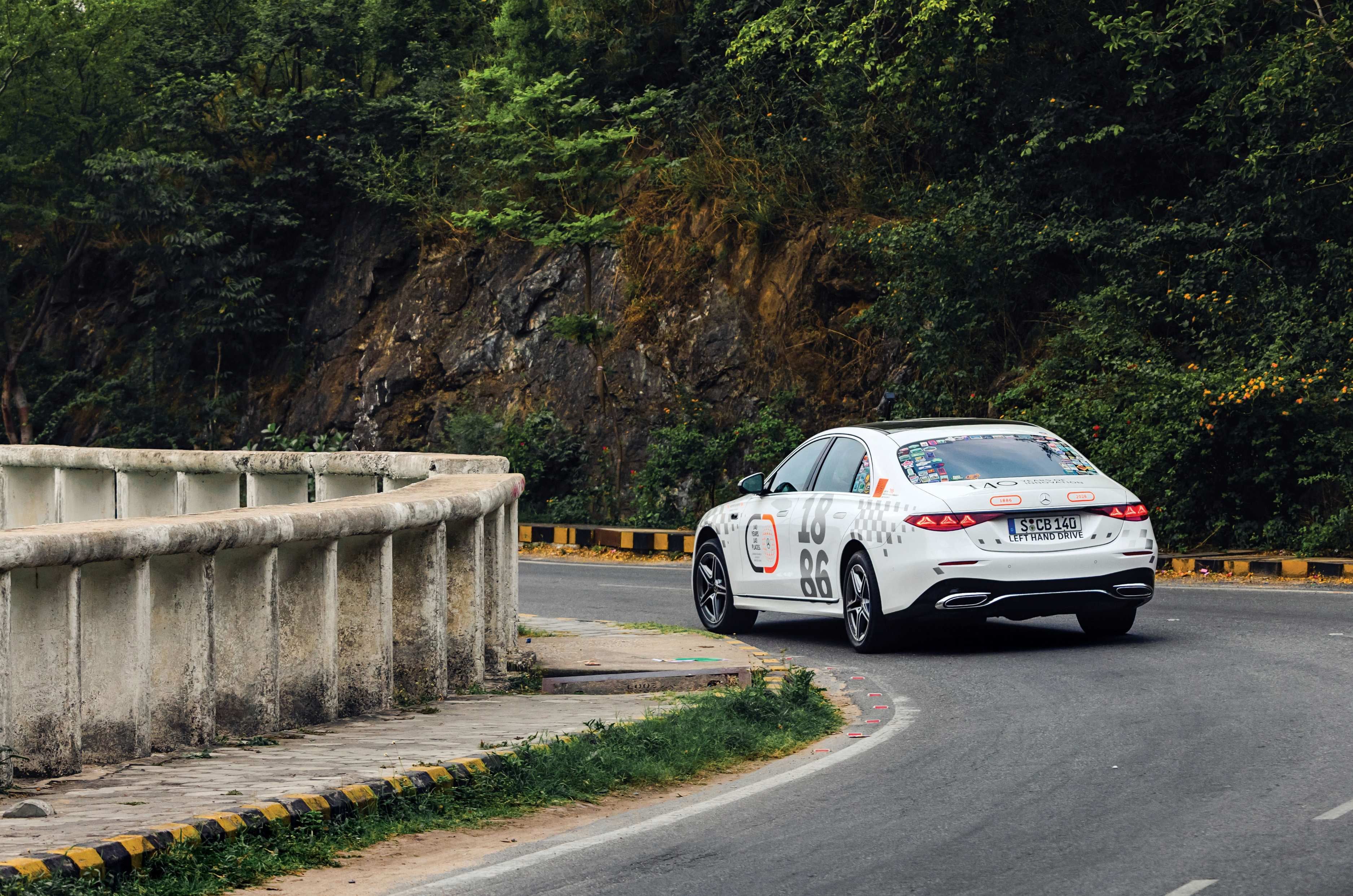
Since Udaipur is one of the 140 iconic destinations on the drive, Mercedes asks him to place an Udaipur sticker on the rear of the car; fitting. These cars, all three (the third is on another leg elsewhere in India), will eventually be housed in the Mercedes museum in Stuttgart, and what’s cool is that you can trace their journey via the stickers. Lakshyaraj then takes one of the cars for a brief drive. He wants to see just how much better this new version, with all its 2,700 new bits, is over his pre-facelifted car. And yes, he loves driving. I’d bumped into him earlier in the day at the airport, where his S-Class had come to pick him up, flags flying and uniformed driver and assistant in tow. But instead of climbing into the rear, he’d gotten straight behind the wheel. Tells you a lot.
Still at the top
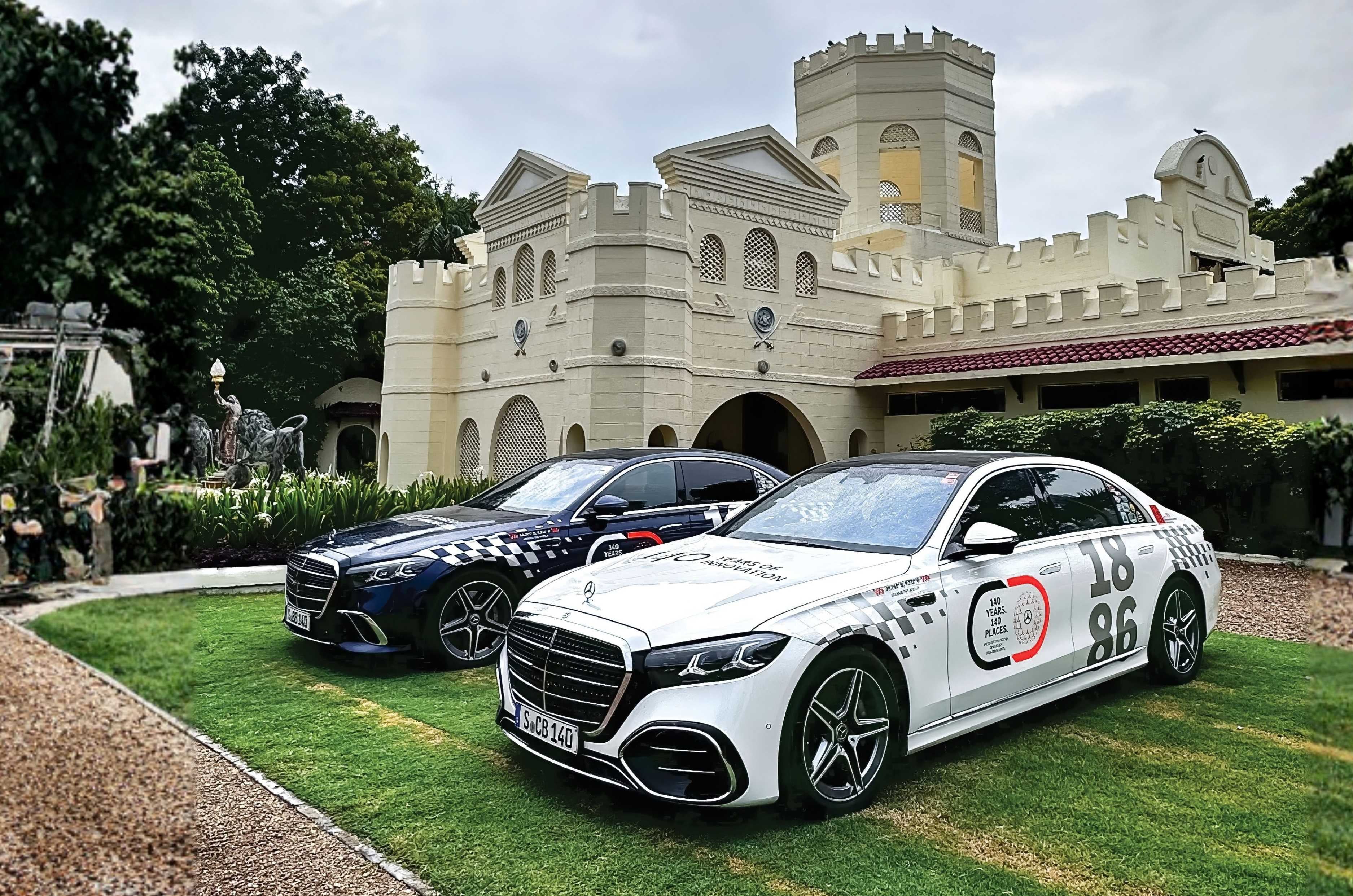
Late prototypes of the New S-Class made the journey.
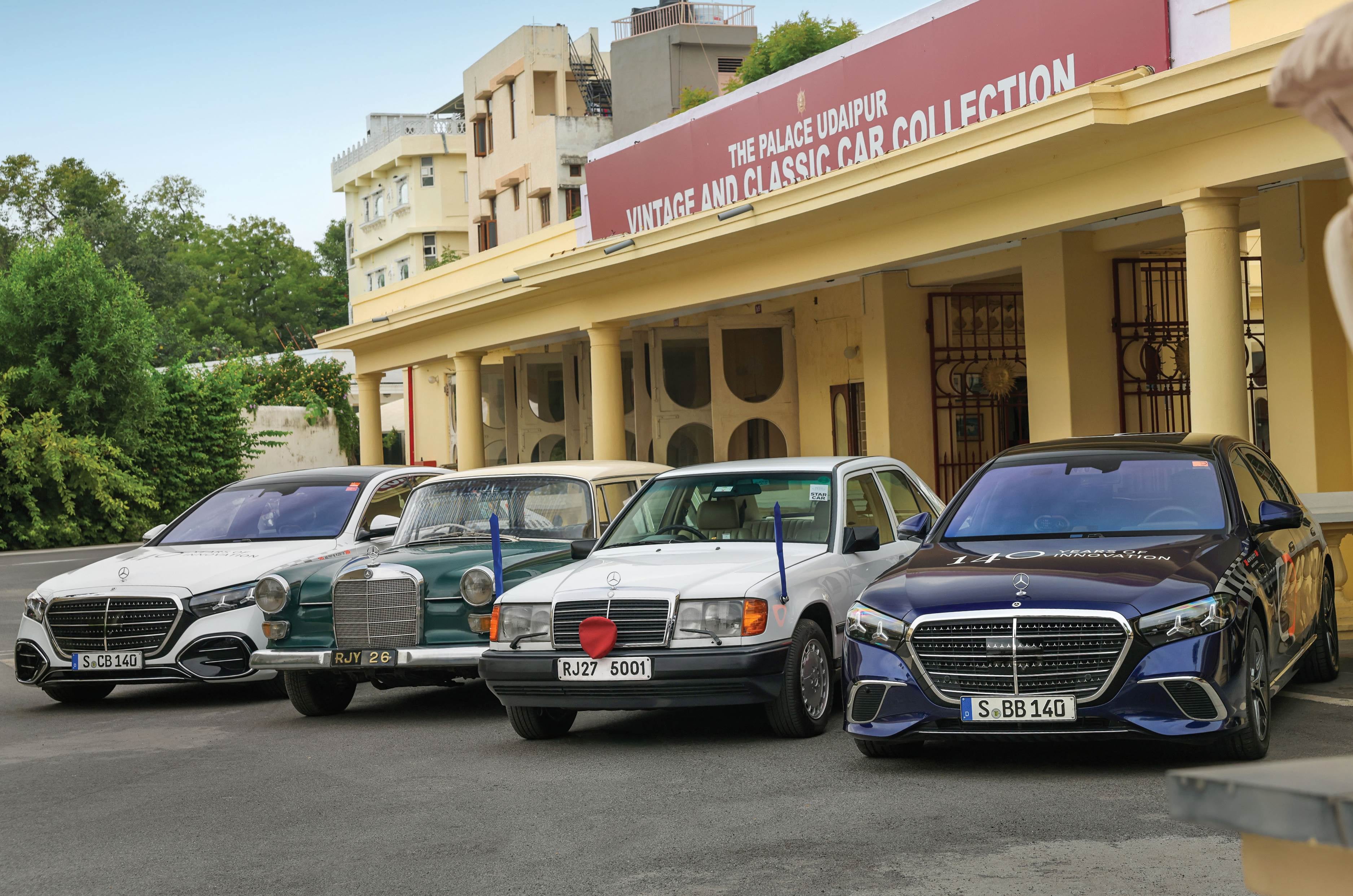
Later in the day, I get another demonstration of why the S-Class is so special. We decide to drive around the lake for the cameras, the orange glow of the setting sun adding to the drama of this once James Bond film set. Sitting in the back feels almost magical, as the S-Class slips forward effortlessly, the sun glistening off the lake. It skips over cratered roads, glides silently through noisy bazaars and intersections and then, as the road around the lake opens out, I barely hear it even though Mercedes’ test driver is pulling the torque-y straight-six hard. This car is named Bertha, after Carl Benz’s wife, the one who undertook the world’s first long-distance drive; quite a story that. And the other, the white one, is Carl; BB and CB, both on Stuttgart number plates.
Hello Grandpa
The S-Classes, along with the fin-tail and the 300D.
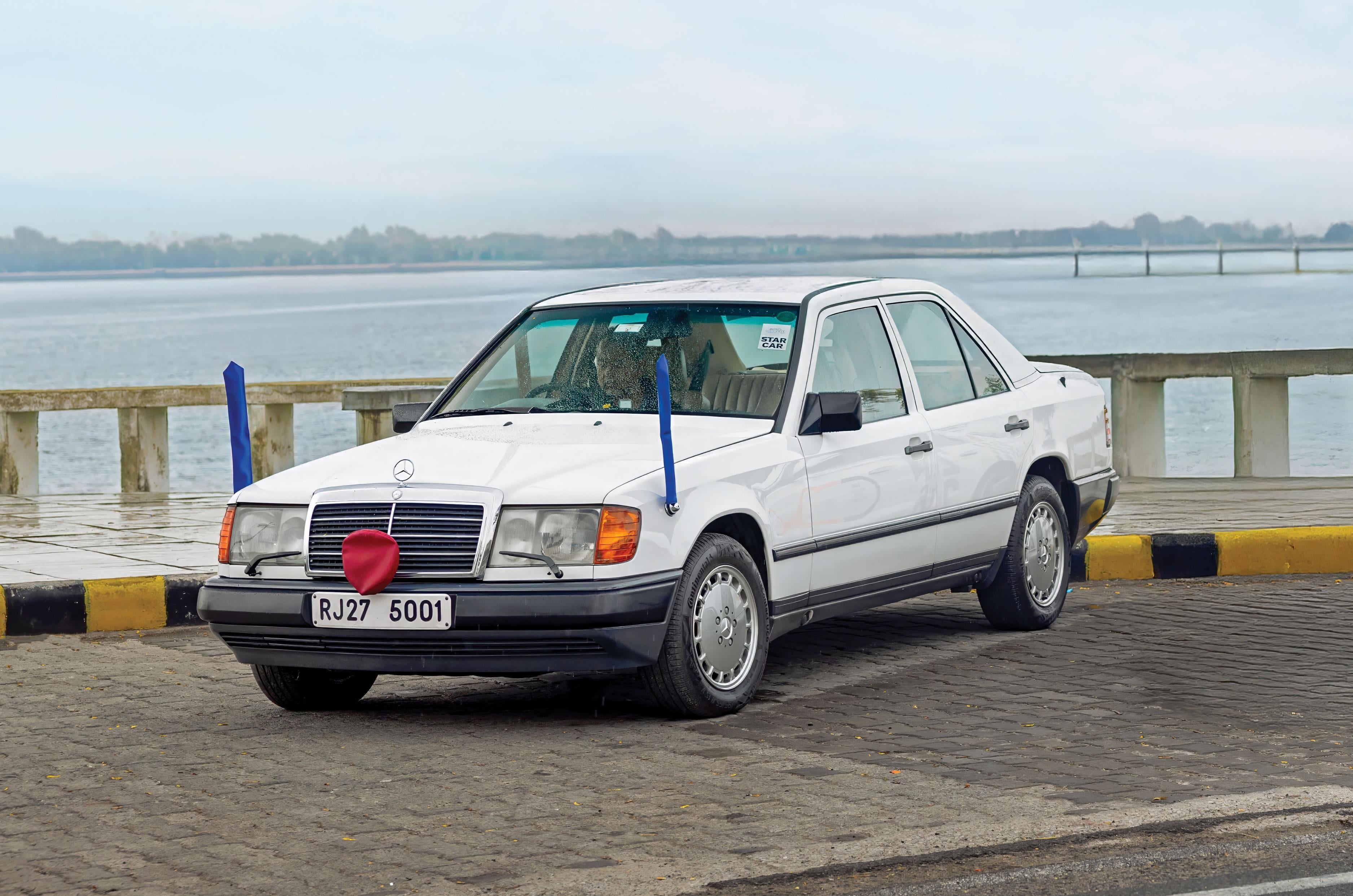
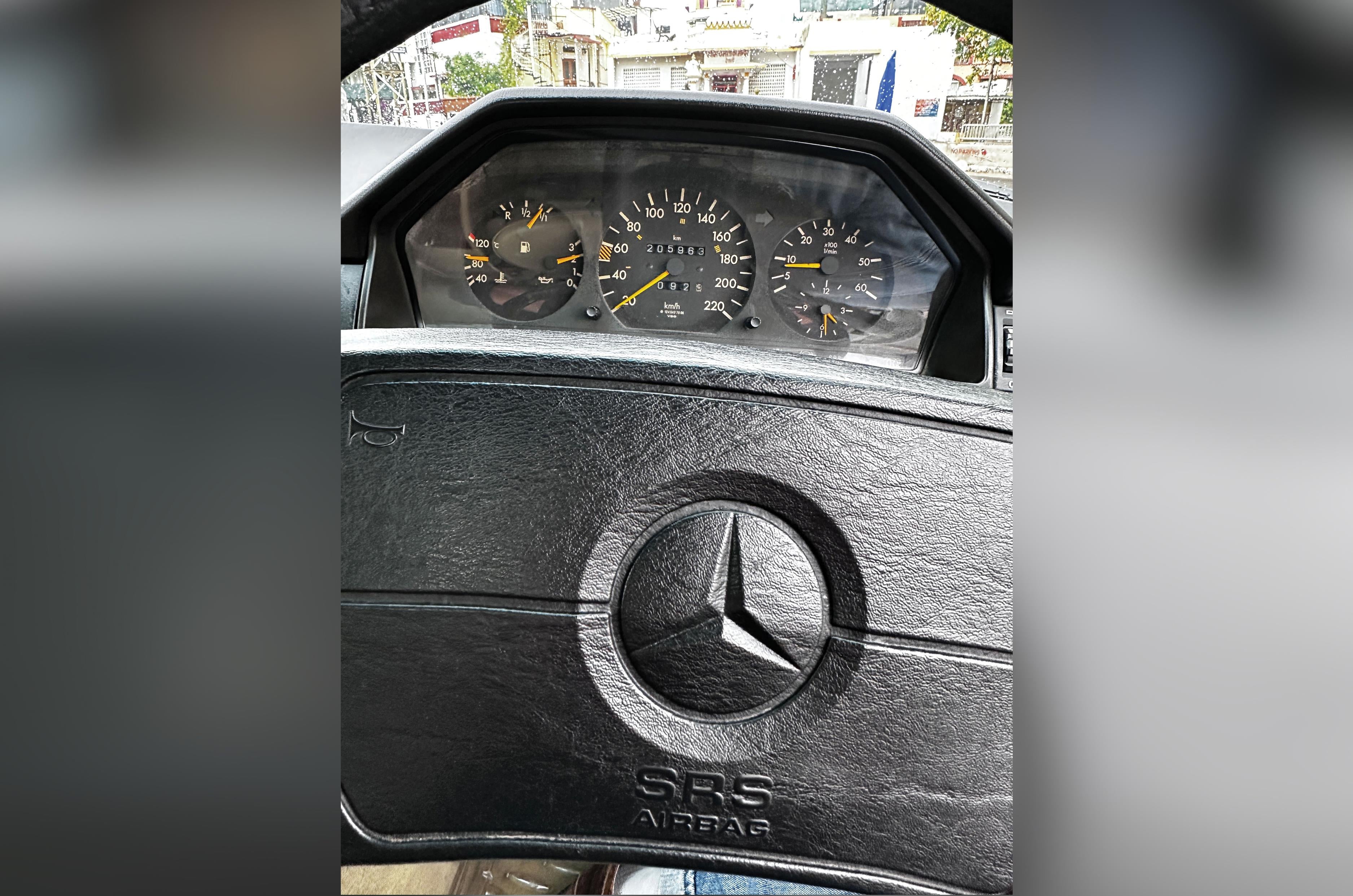
The next day, we set off to see the Udaipur Royal Garage, where we are met by other Mercedes cars. There’s a fin-tail that was used to pick up and drop off guests of the Royal family from neighbouring ‘states’ and a very special W124 300D. The latter, an import rather than a locally assembled W124, stands out from Indian-assembled cars with its black bumpers, headlamp wipers and amber indicators. This six-cylinder diesel with more than 2,00,000km on the clock was used by Shri Arvind Singh Mewar, the earlier Maharana, to cover long distances like Ahmedabad or Jodhpur. Recently restored, it was presented at the Mercedes-Benz Classic Car Rally in Mumbai. The 300D is in such fine nick, I can’t resist a quick spin around another of Udaipur’s stunning lakes, Fateh Sagar.
Why the 300D is such a legend
The W124 300D is an import.
On the outside, the 300D looks sort of underwhelming. Starting up the straight-six diesel is relatively straightforward, although I have to wait for the glow plug to heat up (remember those?). While the roughly 110hp engine doesn’t feel responsive, it feels smooth and refined for a diesel, especially after 2,500rpm. And though it is slow by today’s standards, it doesn’t feel like you’re dragging anchor either. The chunky 300D also feels as tough as a Godrej safe.
It has 2,00,000km on the odo, but hardly feels like it.
Then I catch a glimpse of the odometer; it reads in excess of 2,00,000 kilometres! Surely my eyes are playing tricks on me. Yes, this car has been recently refurbished, and the suspension has been tightened up, but this thing feels like it has just rolled out of the showroom only recently. It tracks straight, the steering is well weighted and, when I plonk my foot down, it even generates a reasonable amount of torque. This ‘OM603’ straight-six uses indirect injection and a pre-chamber, and has a simple two-valve-per-cylinder setup. Legend has it, it can do a million miles with only basic care. And what of turbo lag, you ask? It doesn’t have one.
Performance tech
The next morning, I get straight behind the wheel of CB or Carl Benz. I’m particularly excited because Carl has a V8 under the hood. What makes this V8 different is that it has some unique tech. This new S-Class is fitted with the ‘M177 Evo’ V8 engine that uses a flat-plane crankshaft! Made popular by Ferrari, a flat-plane crank is used on sportscars to help bunch up the firing order of the cylinders, so you get more of a kick from overlapping strokes. These engines, however, are not as smooth. So why has Mercedes used it in the S-Class, an out-and-out luxury car? Simple: it delivers better efficiency and lower emissions, as the crankshaft is lighter and there’s less reciprocating mass. And what of the vibrations? Mercedes says it has thrown tech at the problem.
V8-equipped S-Class feels effortlessly quick.
Initially, the going is slow as we exit the city. But once we get onto the wide highway, a small tap on the throttle releases a swell of torque just off 2,000rpm. And with 537hp propelling the limousine forward, it just shrinks the long straights on the highway. What’s cool is that the engine never feels brutish or AMG-like; the V8 soundtrack and rumble are superbly muted. The tech works. The new engine, in fact, is so well behaved that I have to check if it is indeed the one with the flat plane crank. At the next stop, I turn around and ask Mario Schneider, head of development for all Mercedes-Benz sedans, who just happens to be in the rear seat.
Also along for the drive is Perseus Bandrawalla, Autocar India’s curator of classic and modern classic events. Five minutes behind the wheel and he is waxing lyrical about the Mercedes V8 engines of days gone past – the M100, the M119 that powered the SL and others. It brings into perspective just how many great V8s Mercedes has had over the years, the 6.3 AMG V8, of course, included.
Cruise control
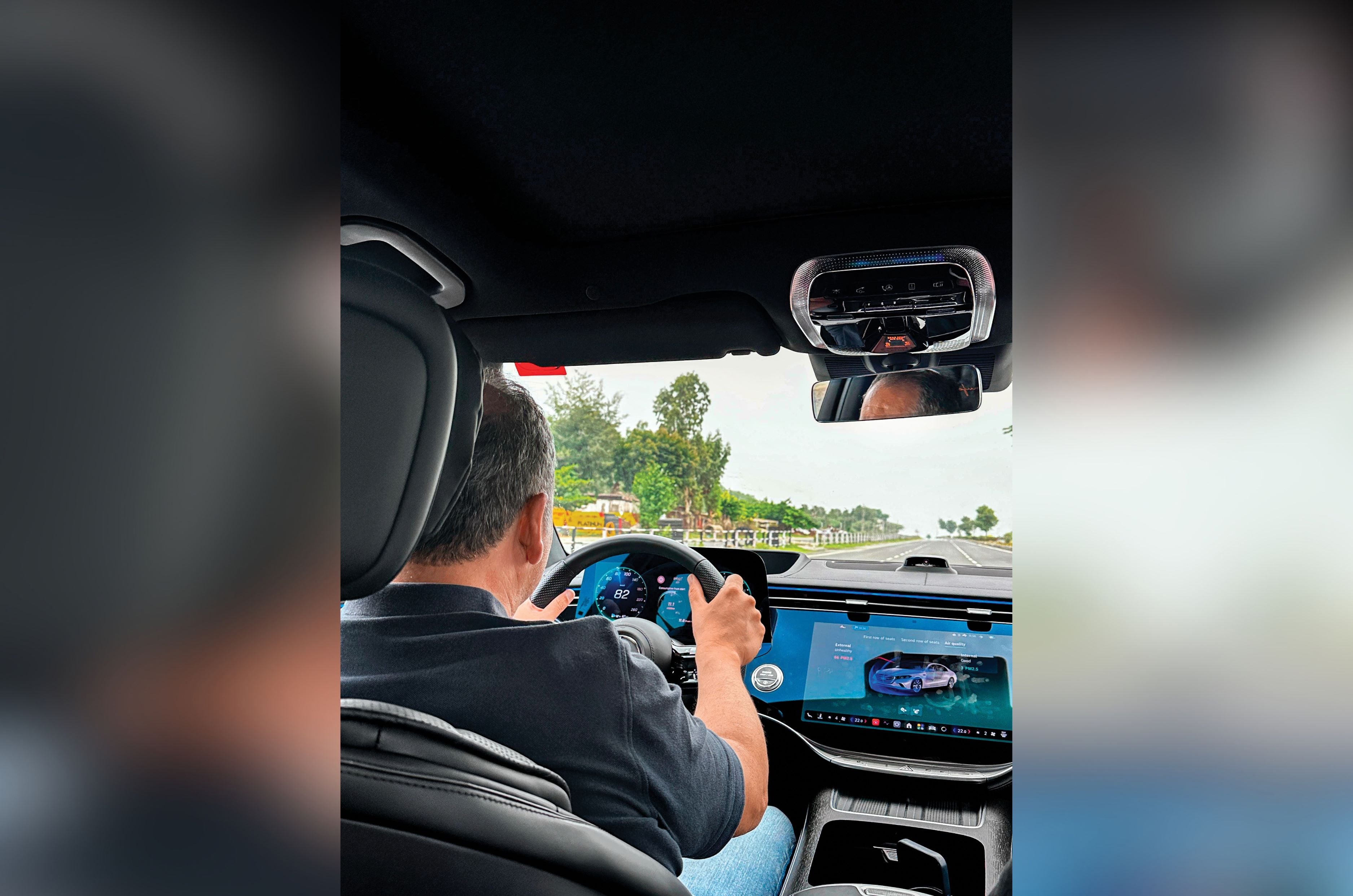
The three screens and updated cabin created a futuristic setup in a traditional environment.
Further up, we get to a ghat section. Not only does the ride on this updated air suspension and adaptive dampers feel a bit more supple, it also feels at home on the winding road, the rear-wheel steering helps it into corners neatly. Even cooler, despite all the tech, it retains a natural fluidity and a sense of mechanical harmony, which make long drives feel just effortless. Are city-bound S-Class owners missing what’s best about this car? Absolutely! Talking about tech, this car also gets Level 3 autonomous driving (in places where it’s allowed), where the driver can be hands off, and even eyes off, with Mercedes Drive Pilot taking responsibility for safety. It is only one of two cars to get this globally.
As we get into traffic, what I notice is that the updated cabin, with its three screens and ambient lighting, creates an environment that is both futuristic and traditional. The seats, with massage and cooling functions, are thrones in their own right. And it’s not just the size, specifications and features it has; it’s how well everything is executed, from the solid build of the cabin to the new phone-like remote controls in the rear.
Collector’s edition
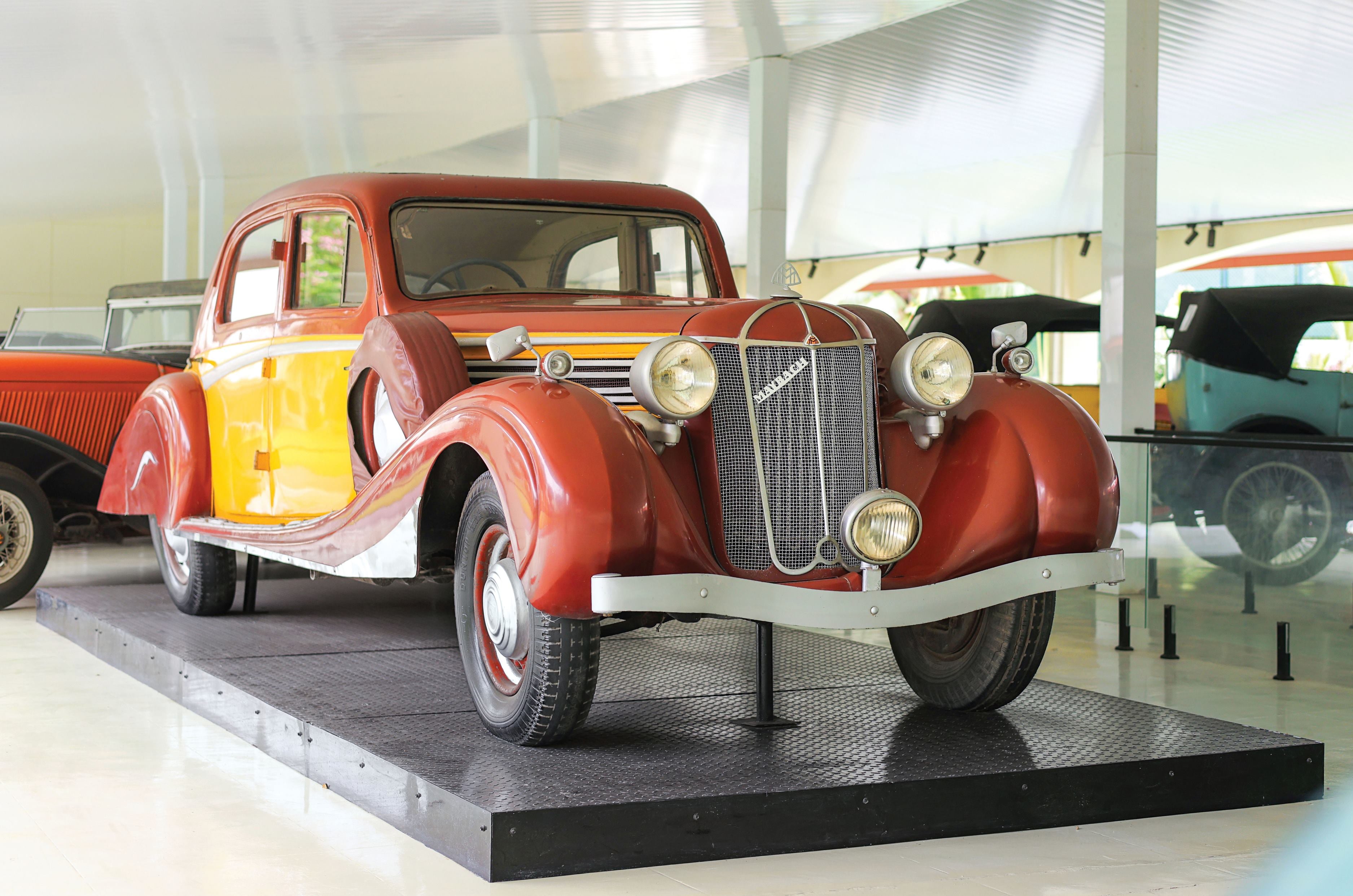
Streamlined Maybach SW38 four door could do 160kph
As we get to Ahmedabad, we turn into another historical location, Dastan Auto World – collector extraordinaire Pranlal Bhogilal’s collection, where the modern S-Classes met some more of their ancestors. A Maybach SW38, ordered by Maharaja Umaid Singh of Kota, draws admiring stares from the German members of the Mercedes crew, especially its aerodynamic profile. Capable of nearly 160kph, it was one of the fastest four-doors of its time. Equally captivating are Mercedes’ post-war comeback cars – the 300S ‘Adenauers’. Named after Germany’s first Chancellor, who famously rode in one with his hat on, this limousine is what eventually evolved into the S-Class.
Heritage and high tech
You can trace the journey via the stickers on the cars.
The 140 Years, 140 Places drive captured the duality of Mercedes perfectly; the brand embodies both heritage and innovation in equal measure, both streams converging seamlessly. As the convoy continues its odyssey, what’s clear is that this is a celebration not only of Mercedes’ past, but also the brand’s ability to connect eras, cultures and people through the universal language of the automobile.
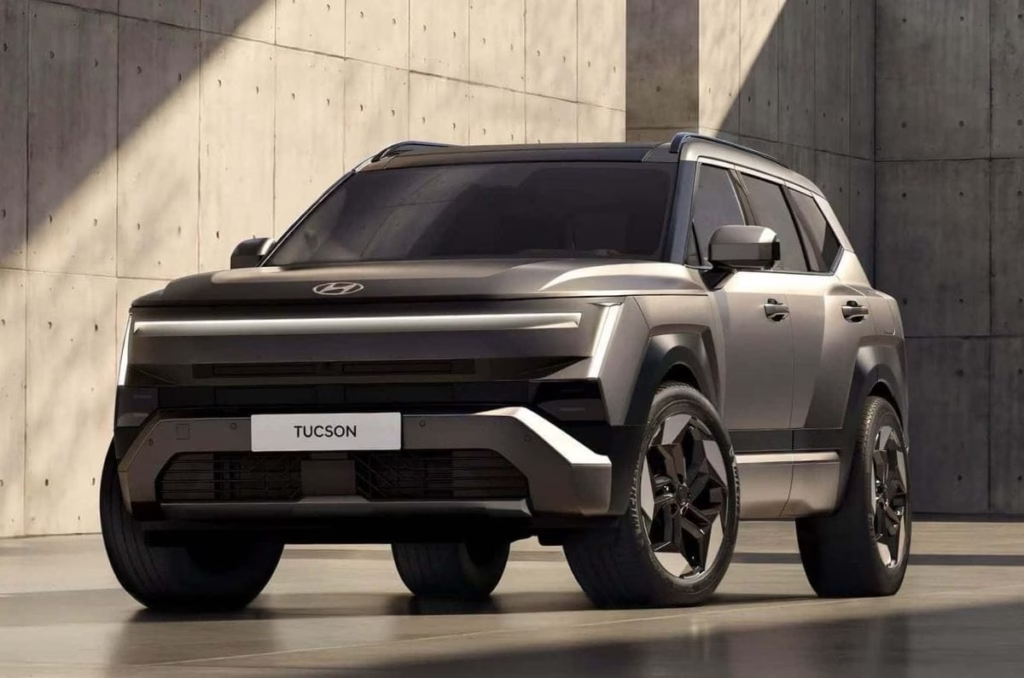
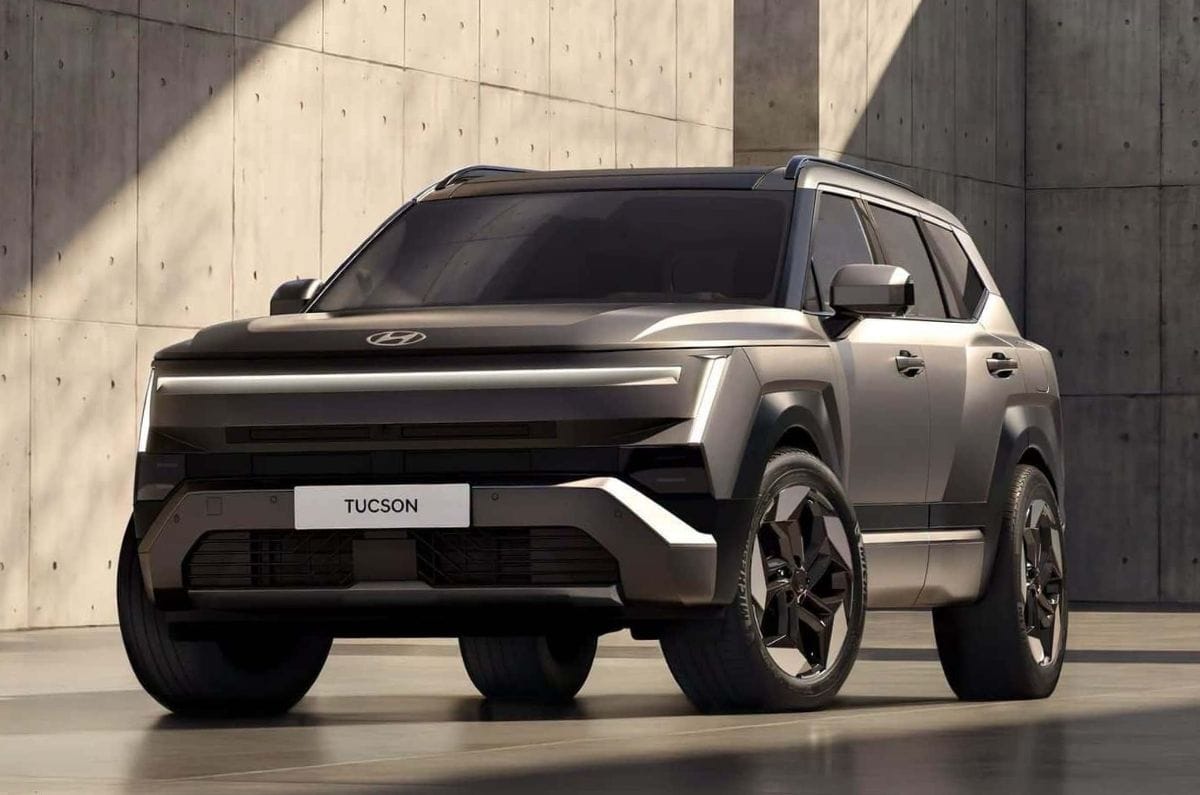
Hyundai has just previewed the next-gen Tucson, with details for the time being focused on its new design. The SUV largely appears to be in a pre-production phase for now, but the production-spec car is expected to carry forward several design features seen here. While most of its technical details are under wraps, we know that the 2027 Hyundai Tucson will be bigger than the outgoing model, which was discontinued in India in late 2025.
Squared-off and boxy exterior gets full-width LED lighting
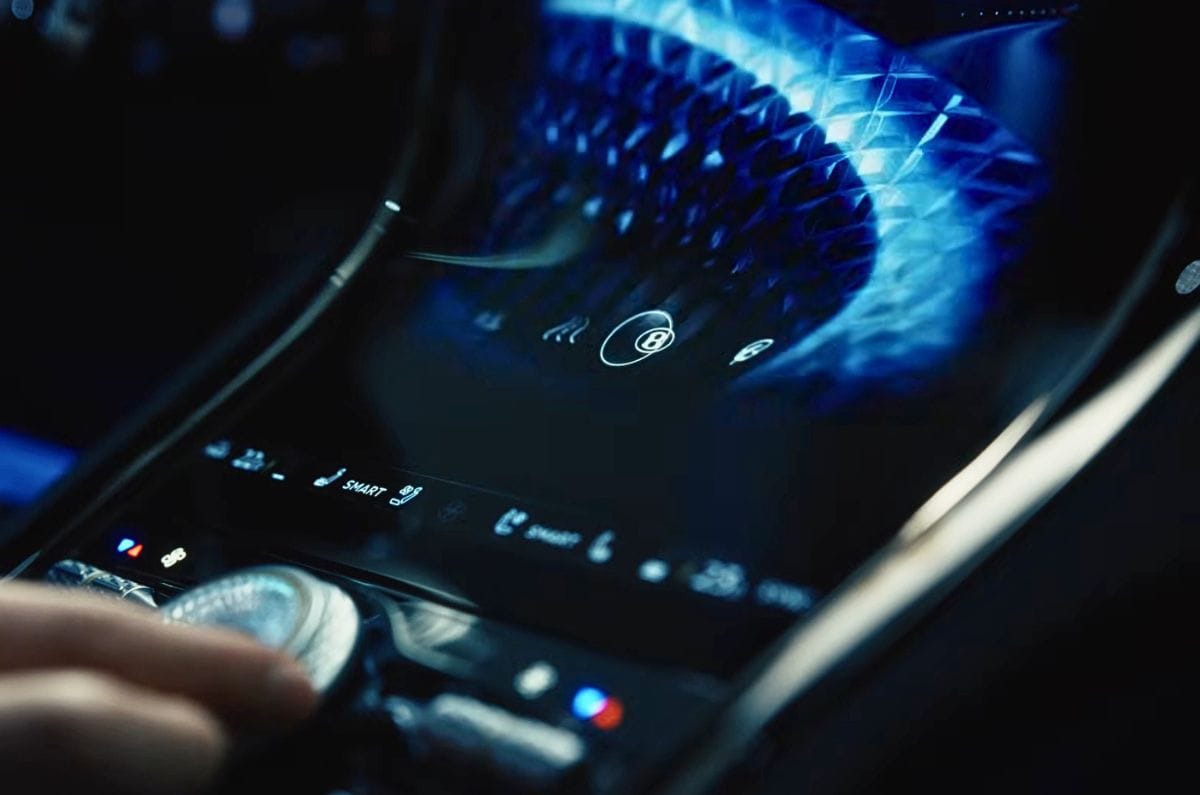
The upcoming Bentley Torcal’s interior design has been teased ahead of its global debut on September 23. The Torcal is Bentley’s first take on an all-electric car, whose pre-production began in November 2025 at the manufacturer’s Crewe facility in England.
The teaser shows physical buttons for dual-zone AC and volume controls
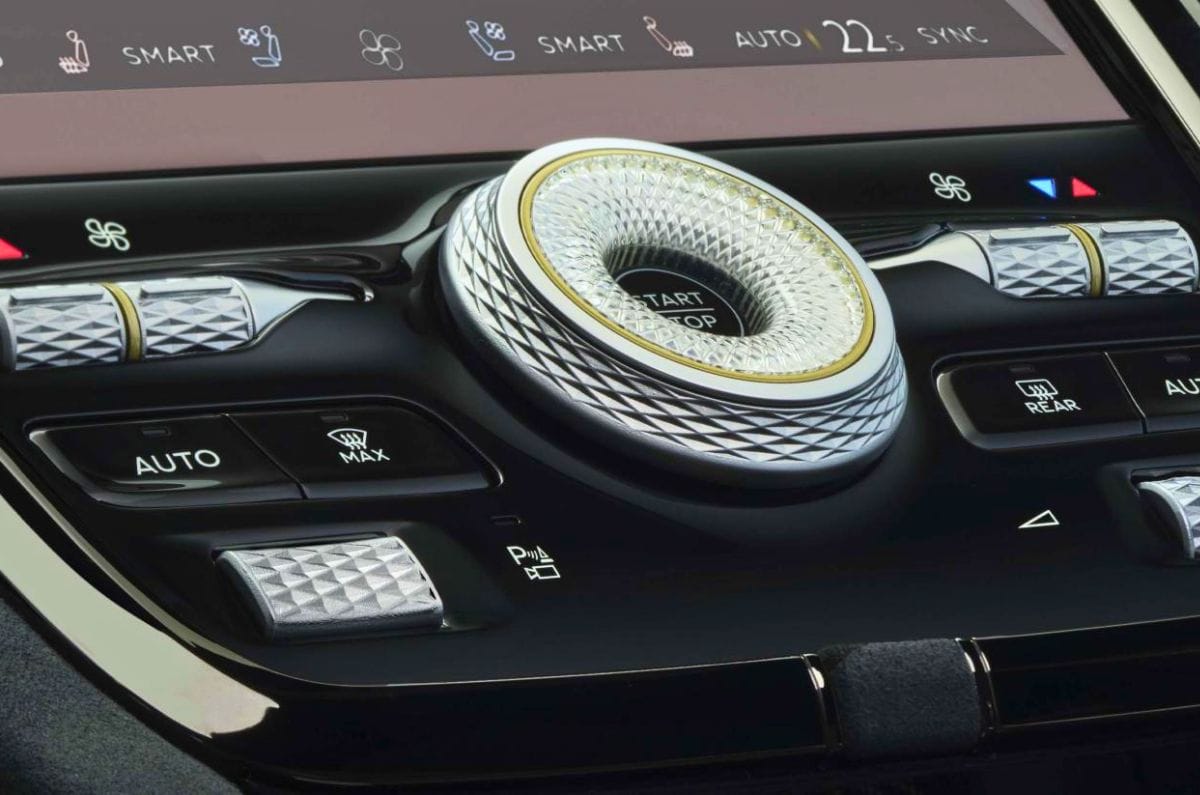
A rotary dial on the centre console is used to select between 4 drive modes
Drive modes alter mechanical settings and the in-cabin environment
Originally slated to debut in 2025, the Torcal has been delayed as Bentley revised its electric plans in response to weakening global demand for luxury EVs.
Bentley Torcal EV interior teased: What was spotted?
Bentley will offer a lot of physical buttons with the Torcal EV
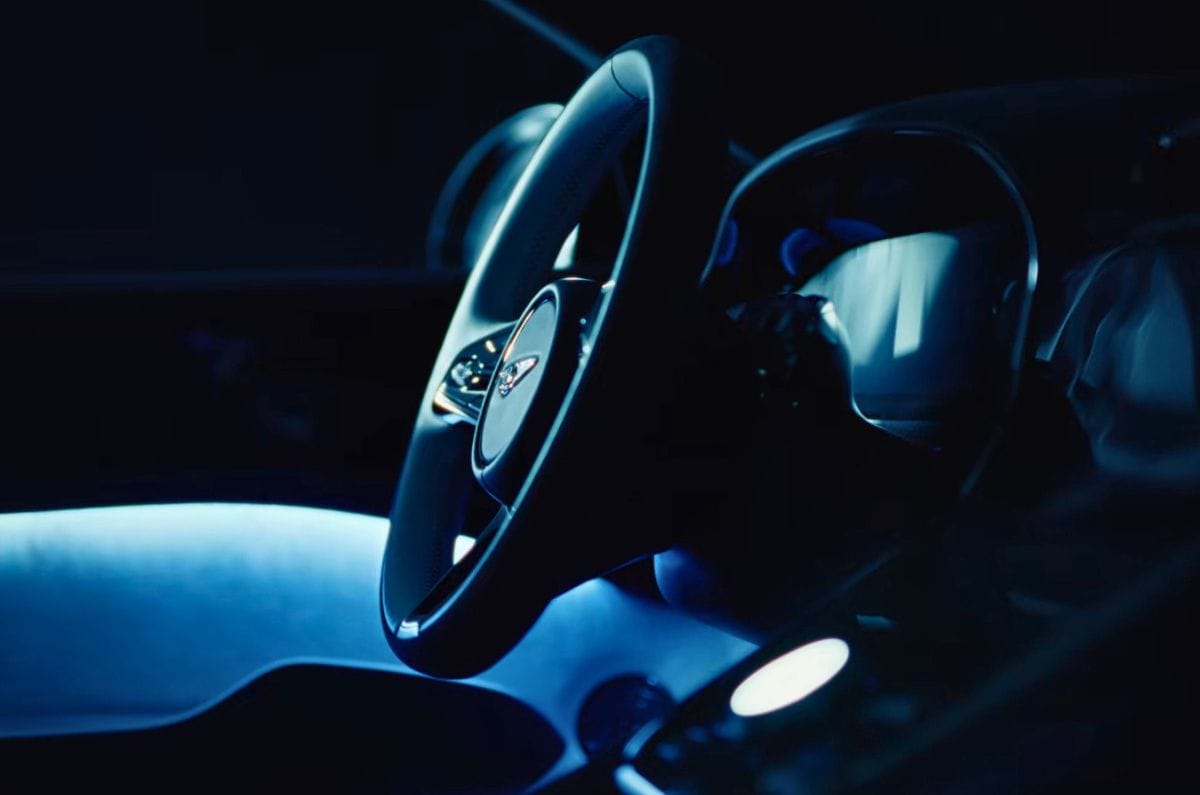
While the full interior will be seen on September 23, the teaser reveals that Bentley, always known for its tactile interior controls, is not doing away with physical buttons on the Torcal. The Torcal will get these physical controls on the steering wheel and the centre console.
The teaser video also reveals a curved climate control panel on the centre console, which could be integrated with the infotainment system, like on the Porsche Cayenne Electric. Beneath the screen are a slew of physical controls for AC, volume and starting/stopping the EV. In fact, the temperature, blower control buttons and volume scroller are not only finished in silver for added contrast but also textured.
Another standout feature is the illuminated rotary dial surrounding the push-button start/stop. This control operates the ‘Curation Engine’, tailoring the EV’s character through four drive modes: Bentley, Comfort, Sport, and Refresh. Each mode goes beyond adjusting the vehicle’s driving dynamics, also transforming the cabin atmosphere by altering the lighting, soundscape, and even air quality for a distinct sensory experience for the user.
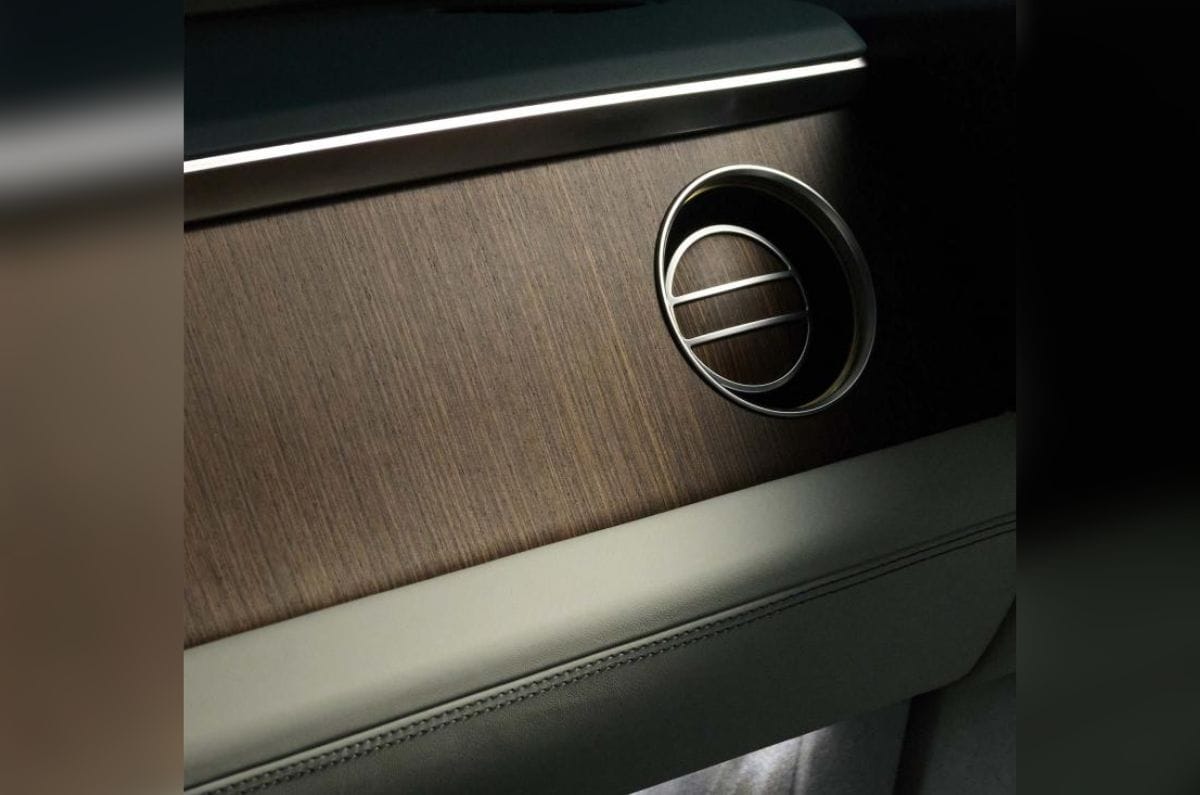
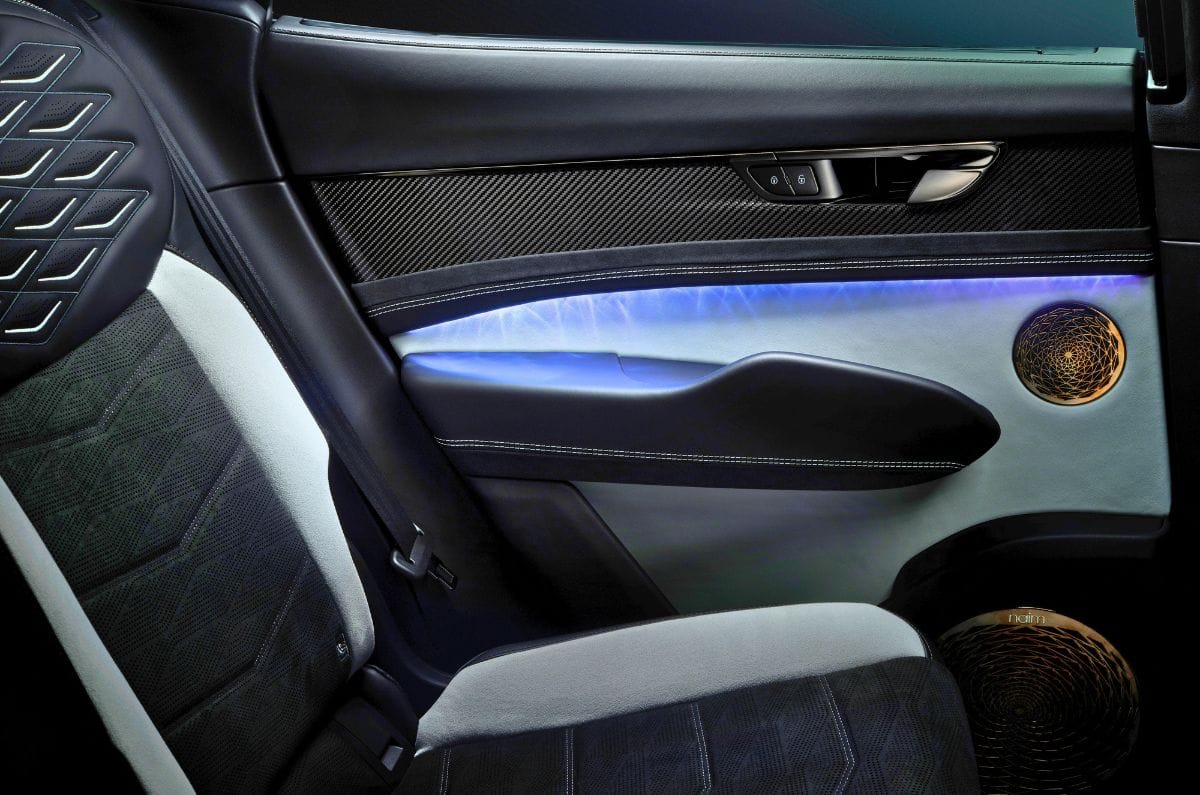
Other bits seen on the teaser include winged seat headrests, light-coloured seat upholstery with embroidered Bentley logos, a mix of fabric, carbon-fibre and leather materials on the door pads with ambient lighting, and carbon-fibre and wooden trims on the dashboard. Physical buttons for locking and unlocking the doors, circular speakers and circular AC vents can also be spotted.
Bentley Torcal EV: Other details
Built on the PPE platform; will get a 113kWh battery pack with around 500km range
The Bentley Torcal EV shares its underpinnings with the Volkswagen Group’s PPE platform. The Bentley EV will not only share the platform with the Porsche Cayenne Electric, but will also use its 113kWh battery supporting up to 390kW DC fast-charging speeds. Commenting on the Torcal’s range, Bentley’s director of design, Robin Page, previously told our sister publication Autocar UK that “customers are basically telling us that 300-350 miles (483-563km) is that sweet spot”.
The Bentley Torcal is expected to be offered with a dual-motor all-wheel-drive setup as standard. However, it will be interesting to see whether it matches the Cayenne Electric Turbo’s total output of 1,156hp and 1,500Nm.
Yami Gautam: ‘कहानी’ फ़िल्म के बारे में सोचते ही सबसे पहले विद्या बालन की तस्वीर दिमाग में आती है, जिसमें वह अपने लापता पति की तलाश में कोलकाता की सड़कों पर घूमती नज़र आती हैं। कुछ किरदार इतने यादगार बन जाते हैं कि उन्हें किसी और के निभाए जाने की कल्पना करना भी मुश्किल होता है। हालांकि, अगर एक नई रिपोर्ट की मानें, तो इस फ़्रैंचाइज़ी में विद्या की जगह कोई नई लीड एक्ट्रेस हो सकती है।
पिंकविला की एक रिपोर्ट के मुताबिक, ‘कहानी 3’ के मेकर्स विद्या बालन की जगह यामी गौतम को लेने पर विचार कर रहे हैं। एक सोर्स ने एंटरटेनमेंट न्यूज़ पोर्टल को बताया, “कहानी 3 पूरी तरह से एक नई कहानी है। मकसद इस फ़्रैंचाइज़ी को आगे बढ़ाना है, साथ ही उस दुनिया की खासियत को भी बनाए रखना है जिसे दर्शकों ने बहुत पसंद किया है। यामी गौतम इसमें लीड रोल में होंगी और उनके किरदार का सफ़र बहुत मज़बूत होगा। फ़िल्म अभी प्री-प्रोडक्शन स्टेज में है और टीम शूटिंग की टाइमलाइन पर काम कर रही है।”
सोर्स ने आगे कहा कि सुजॉय घोष का फ़िल्म को लेकर एक साफ़ विज़न है और वह अपनी टीम के साथ मिलकर काम कर रहे हैं ताकि यह पक्का किया जा सके कि ‘कहानी 3’ फ़्रैंचाइज़ी की असलियत को बनाए रखते हुए कुछ नया लेकर आए।
2012 में रिलीज़ हुई फ़िल्म ‘कहानी’ को सुजॉय घोष ने को-राइट और को-प्रोड्यूस किया था और इसे डायरेक्ट भी उन्होंने ही किया था। इस फ़िल्म में विद्या बालन मुख्य भूमिका में थीं। यह फ़िल्म बॉक्स ऑफ़िस पर सुपरहिट रही। फ़िल्म में विद्या बालन ने विद्या बागची का किरदार निभाया था, जो एक गर्भवती महिला है और दुर्गा पूजा के दौरान कोलकाता में अपने लापता पति की तलाश कर रही है। इस काम में असिस्टेंट सब-इंस्पेक्टर सत्योकी “राणा” सिन्हा (परमब्रत चटर्जी) और इंस्पेक्टर जनरल ए. खान (नवाज़ुद्दीन सिद्दीकी) उनकी मदद करते हैं।
बाद में, मेकर्स ने 2016 में ‘कहानी 2’ नाम से फिल्म का सीक्वल रिलीज़ किया। हालांकि, यह फिल्म फ्लॉप रही। अब, सुजॉय ‘कहानी 3’ को डायरेक्ट करने के लिए भी वापसी करेंगे। पिंकविला के सोर्स ने बताया, “यामी के साथ काम करने को लेकर काफी उत्साह है और मेकर्स अभी शूटिंग शेड्यूल तय कर रहे हैं।”