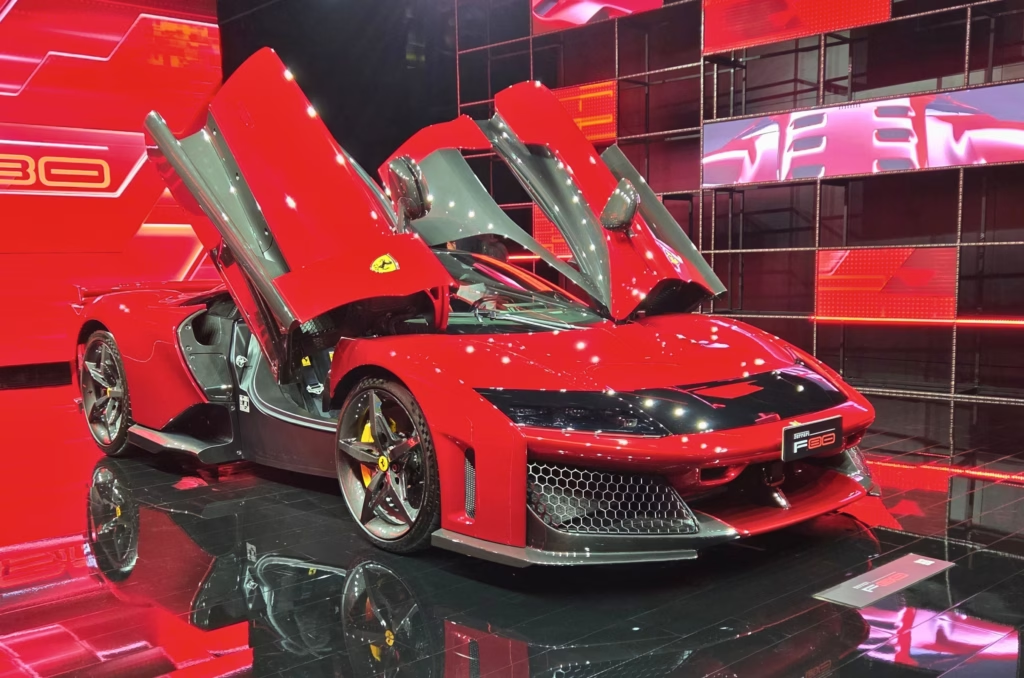
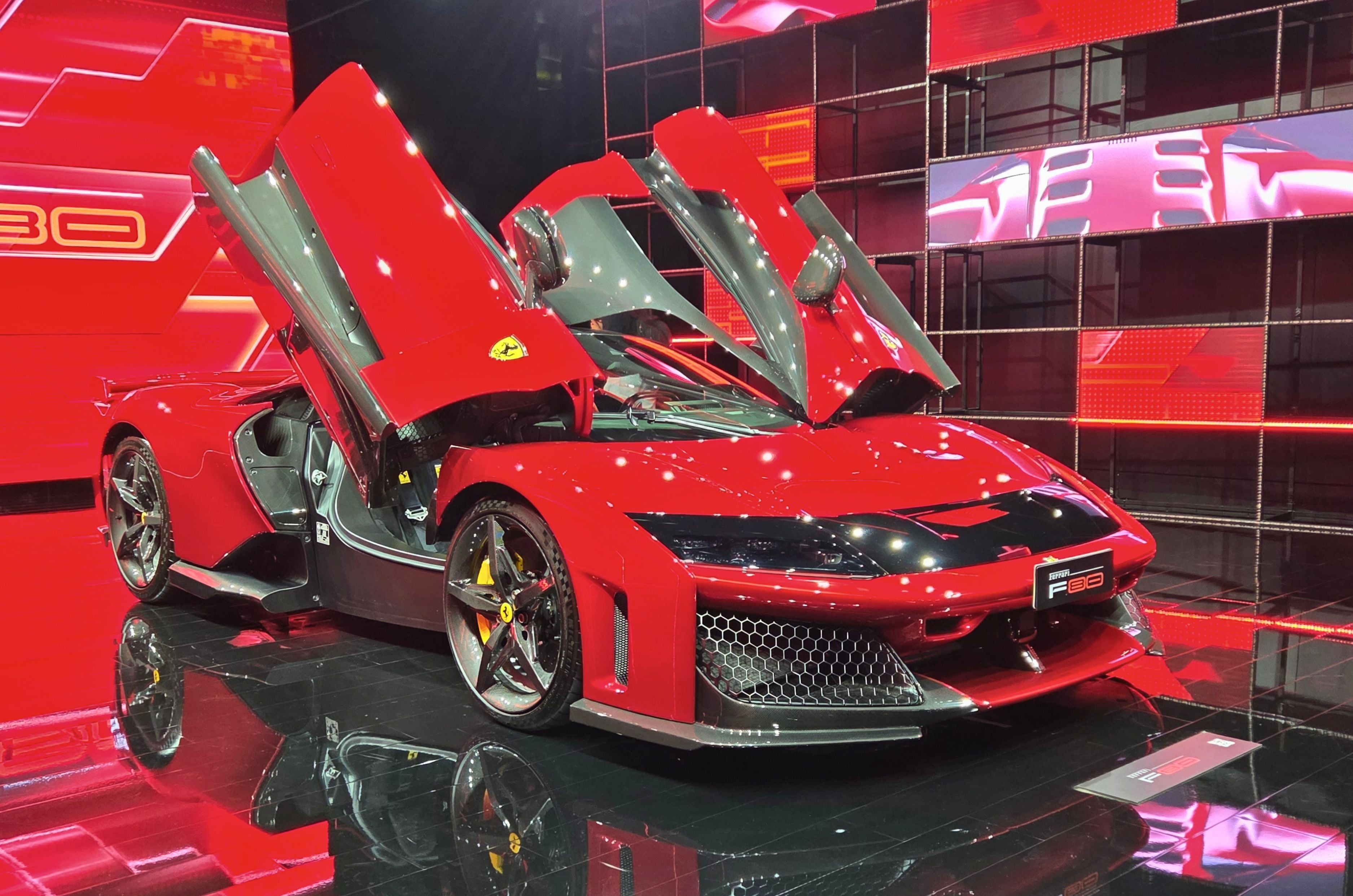
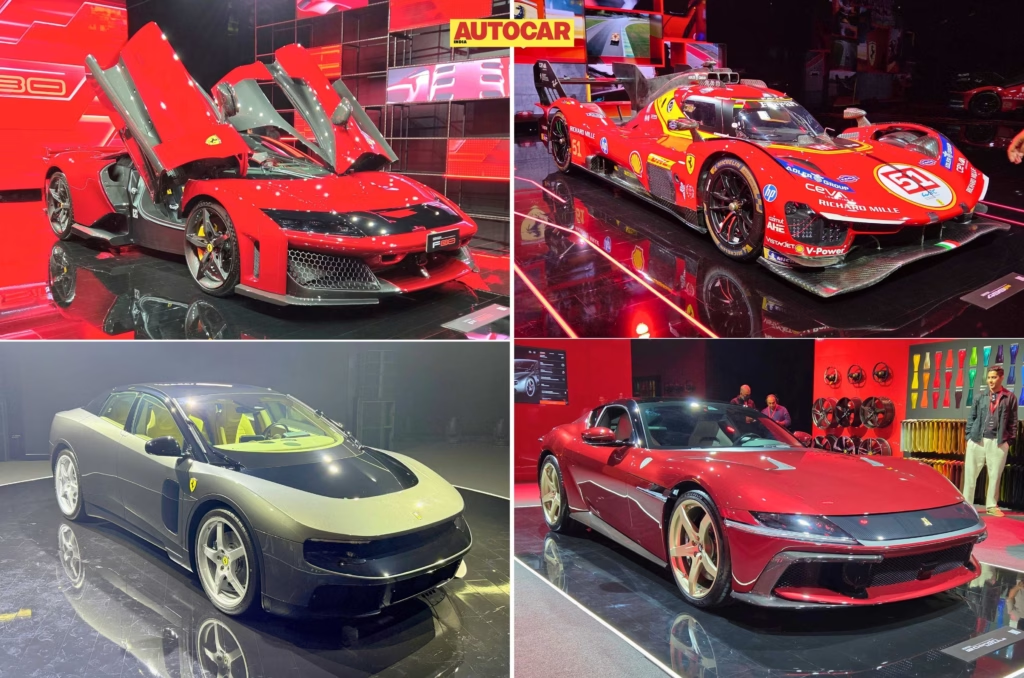
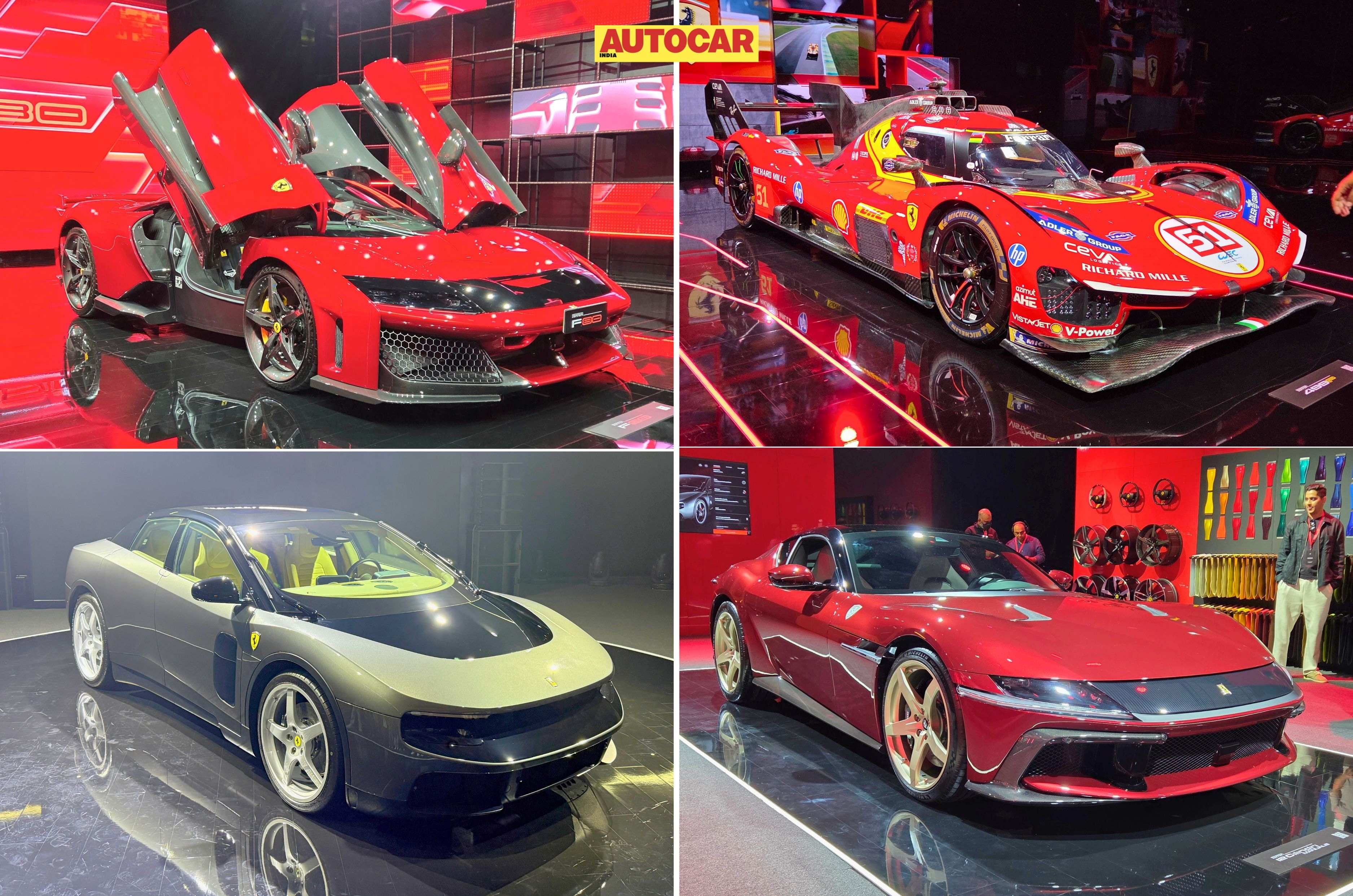
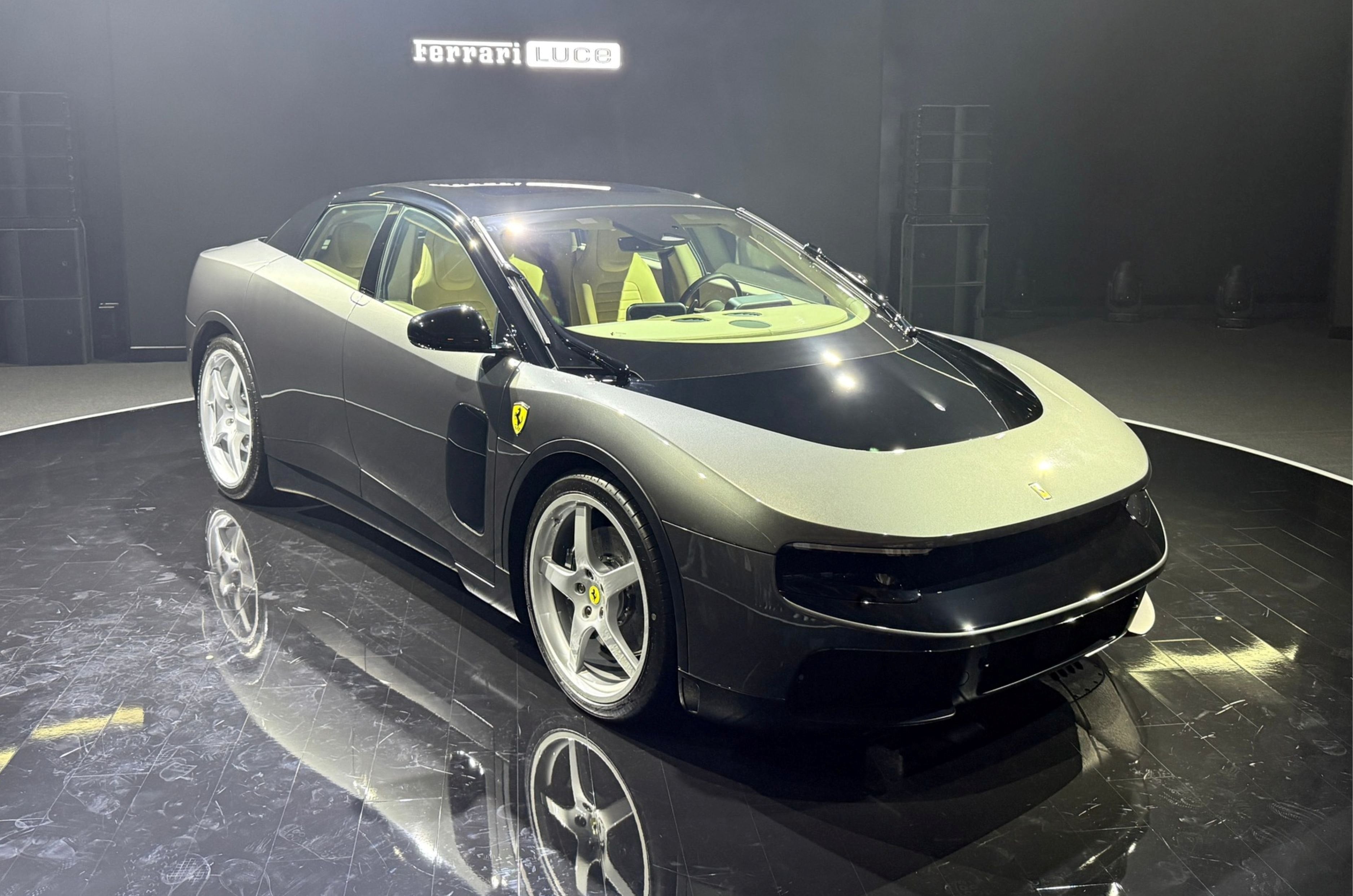
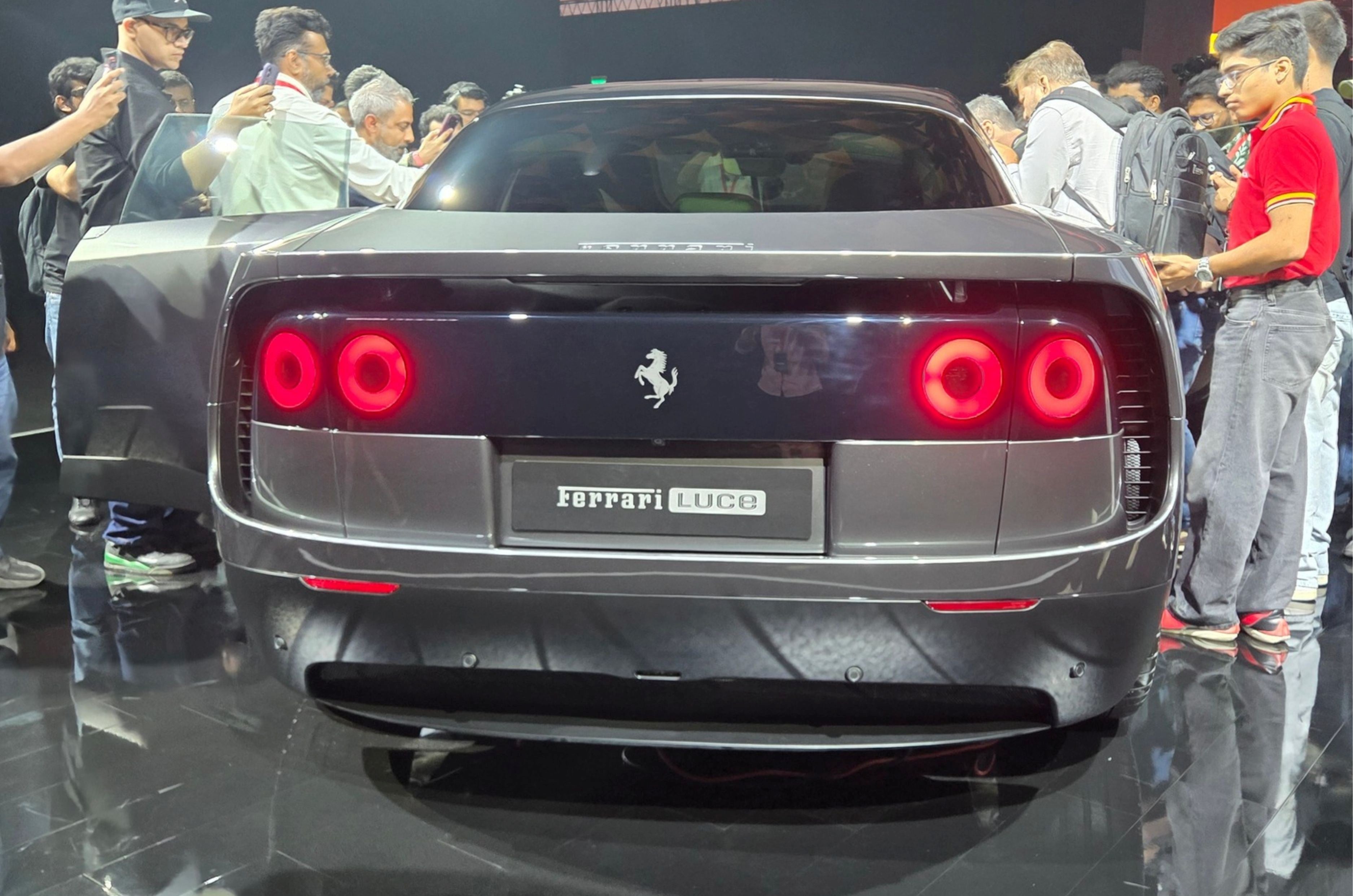
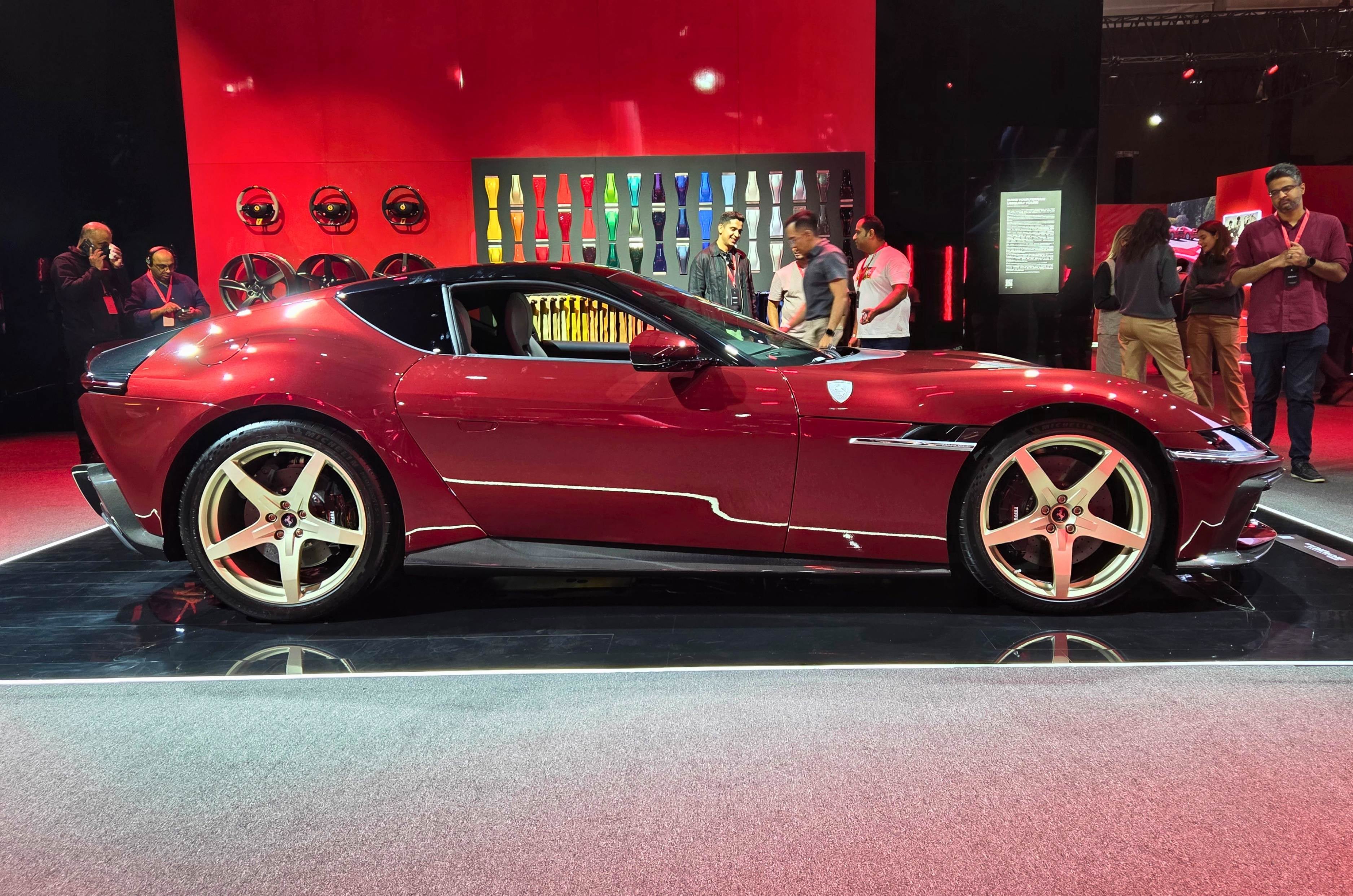
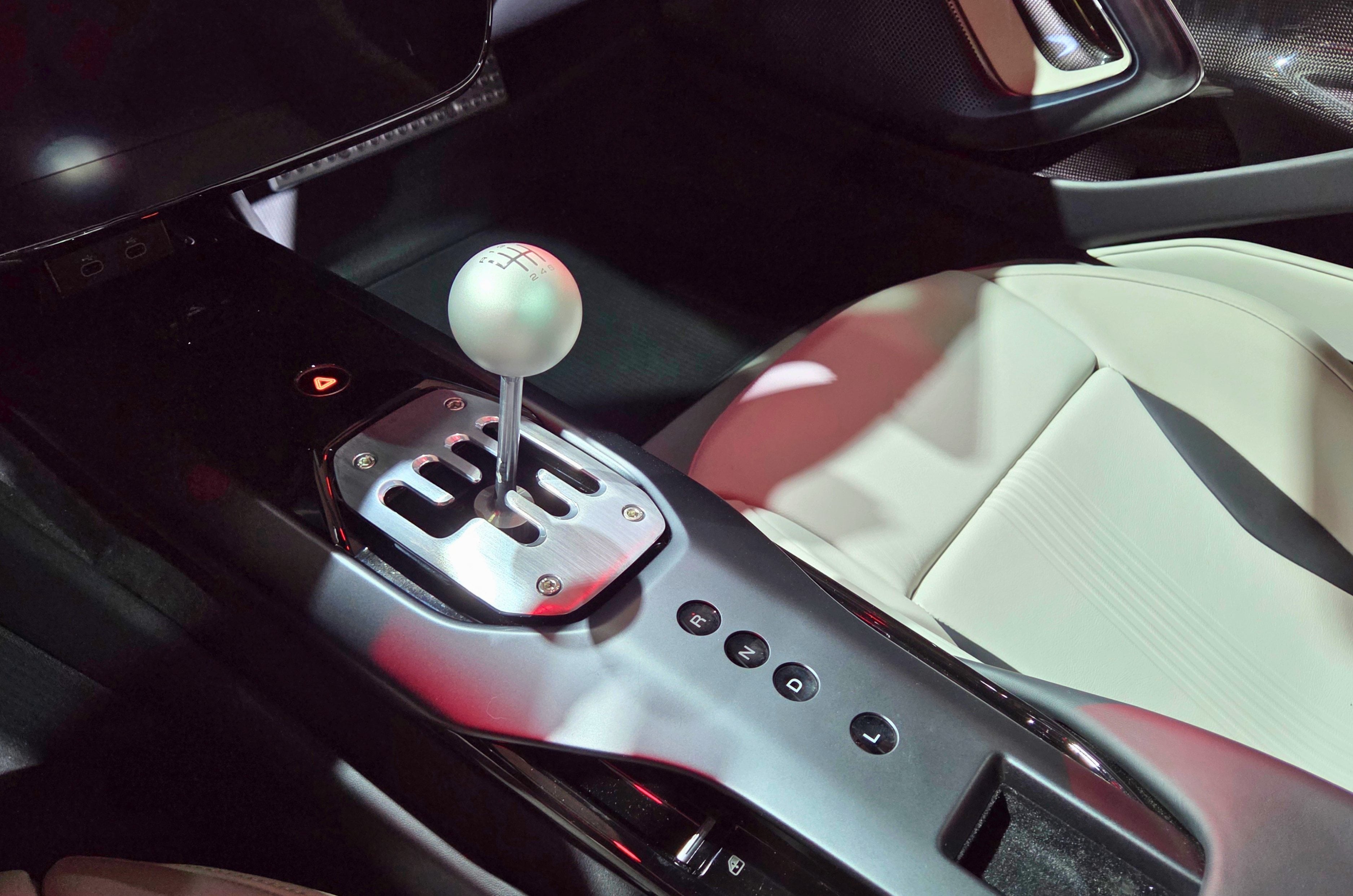
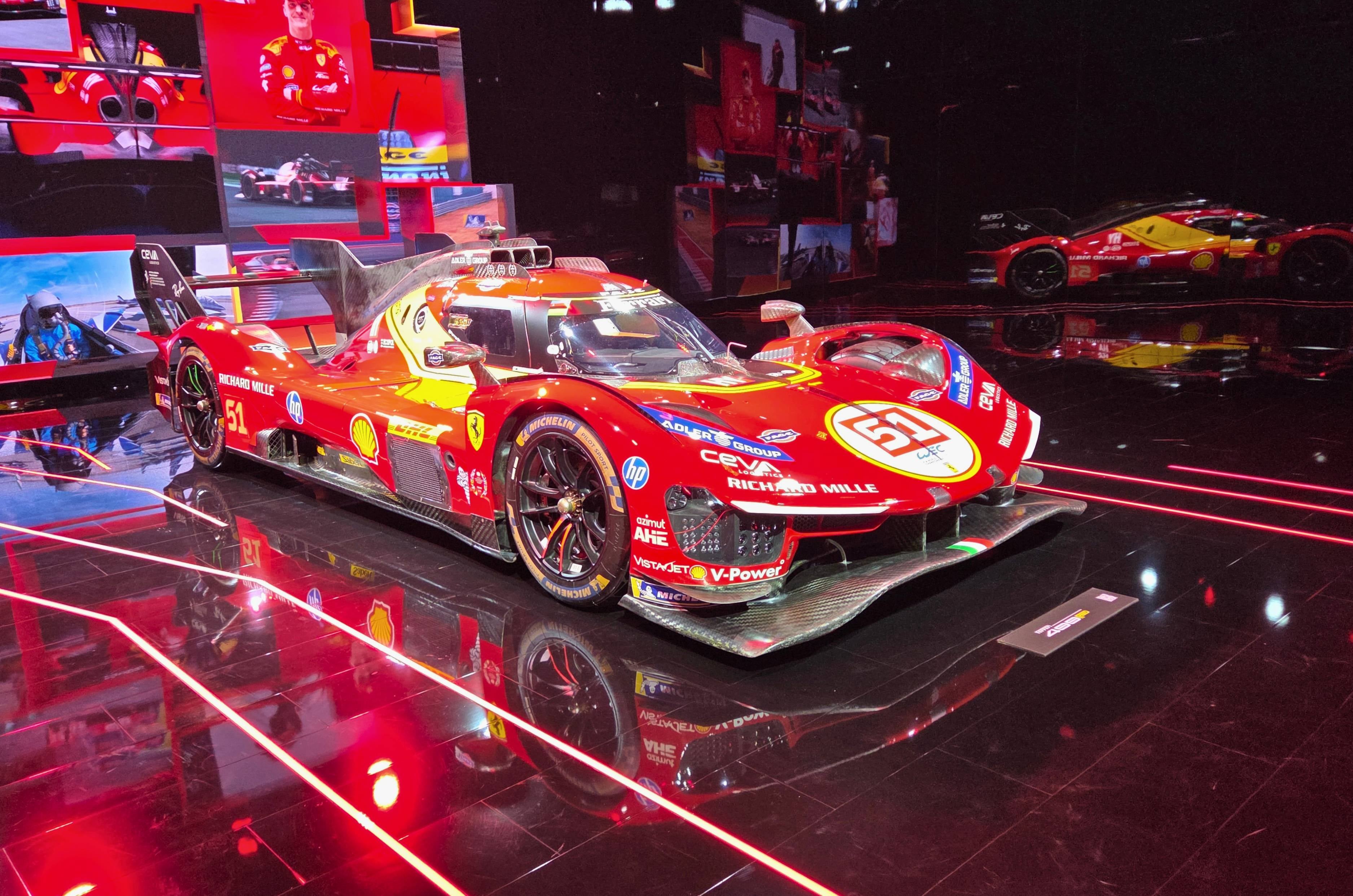
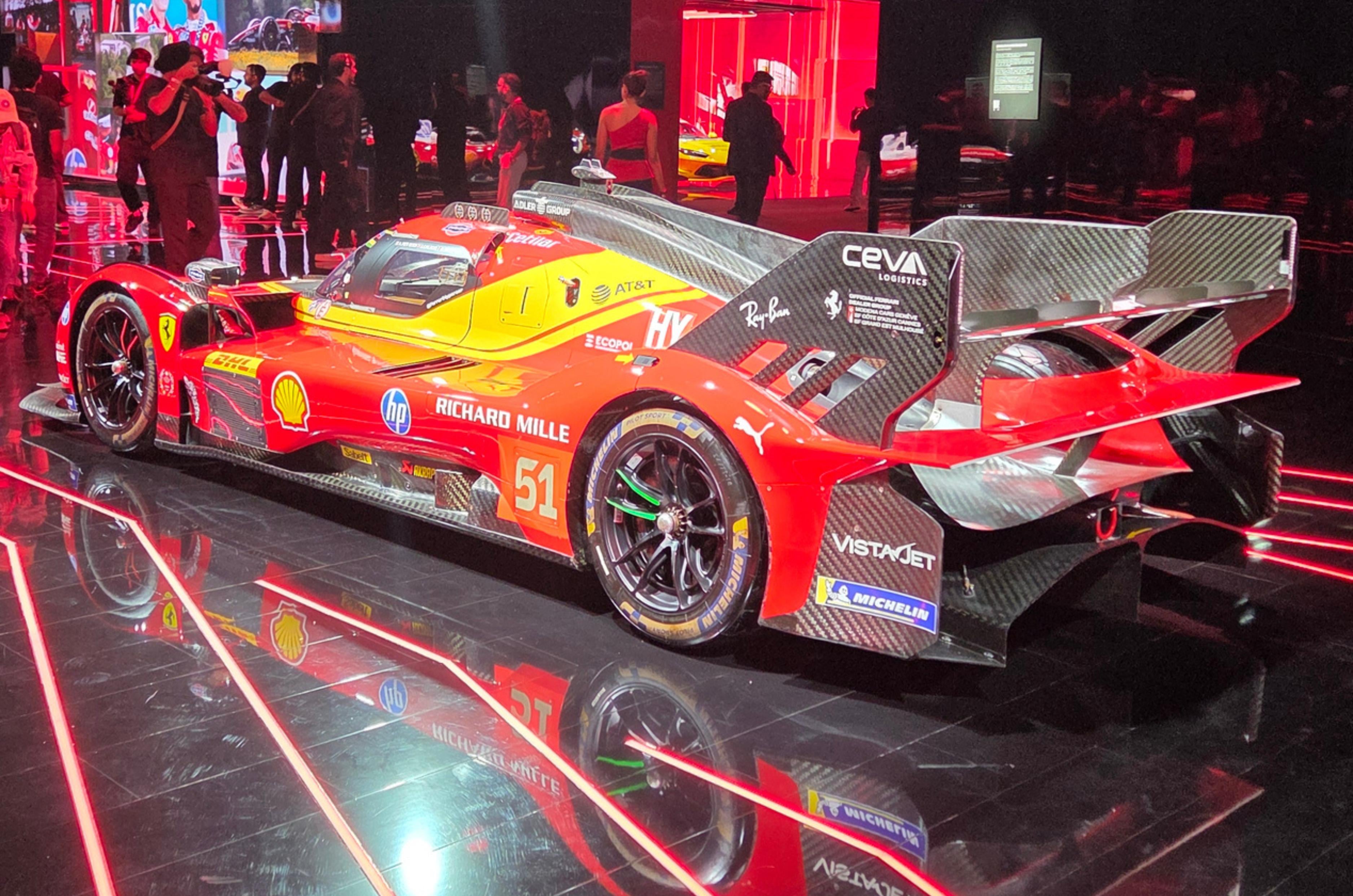
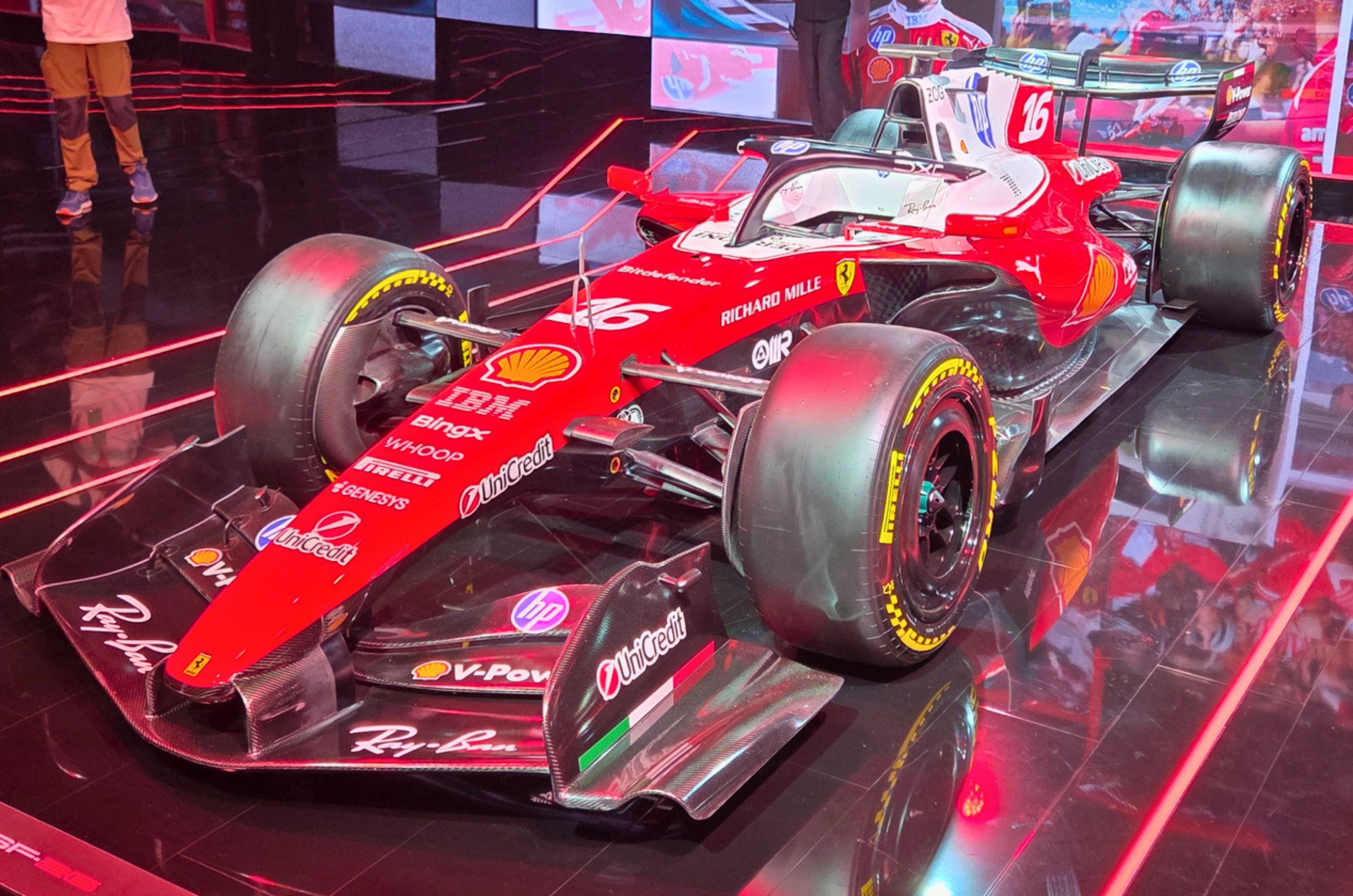
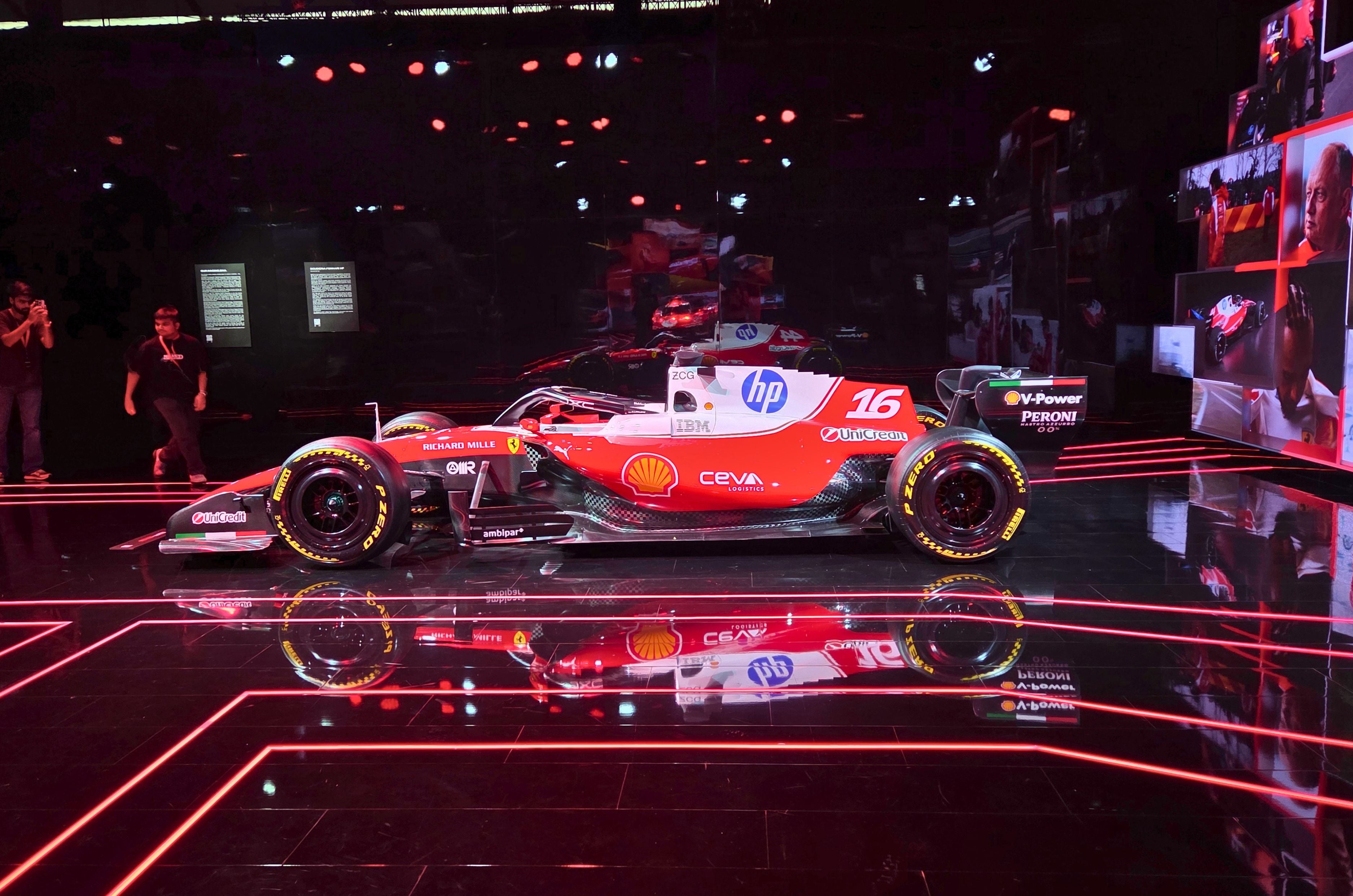
The Universo Ferrari exhibition 2026 in New Delhi has brought together the Italian brand’s road cars and race cars on the same stage. The event, which is being held at Yashobhoomi in Dwarka, will conclude on November 1. This is the Prancing Horse’s first Universo exhibition in India. Leading the line-up is the F80, the brand’s 80th anniversary hypercar. Beside it are the Luce and the 12Cilindri Manuale, which pairs a V12 with a simulated manual gearbox. Representing the racing side are the 499P Le Mans Hypercar and the SF-26, Ferrari’s 2026 Formula 1 car.
Pretty much the entire world is all agog, watching the new Tesla Roadster take flight.
To be clear, these stunts were performed by a specially prepped Roadster and without a driver. Tesla chief Elon Musk even went on to say that he was not sure that this would be legal.
But flight booster-aided model (Rocket) aside, Tesla is promising a regular ‘Performance’ Roadster with a ground effects fan, a la McMurtry, as well as a ‘Thrust’ version with air thrusters for acceleration and a claimed spine-crushing 0 to 100kph acceleration time of under 1 second.
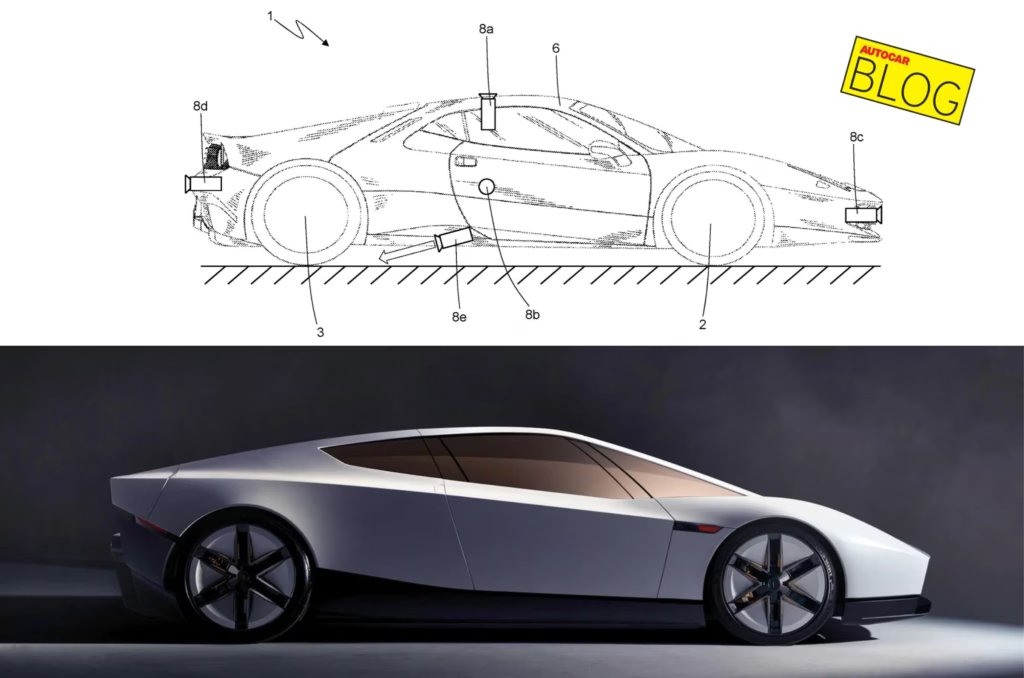
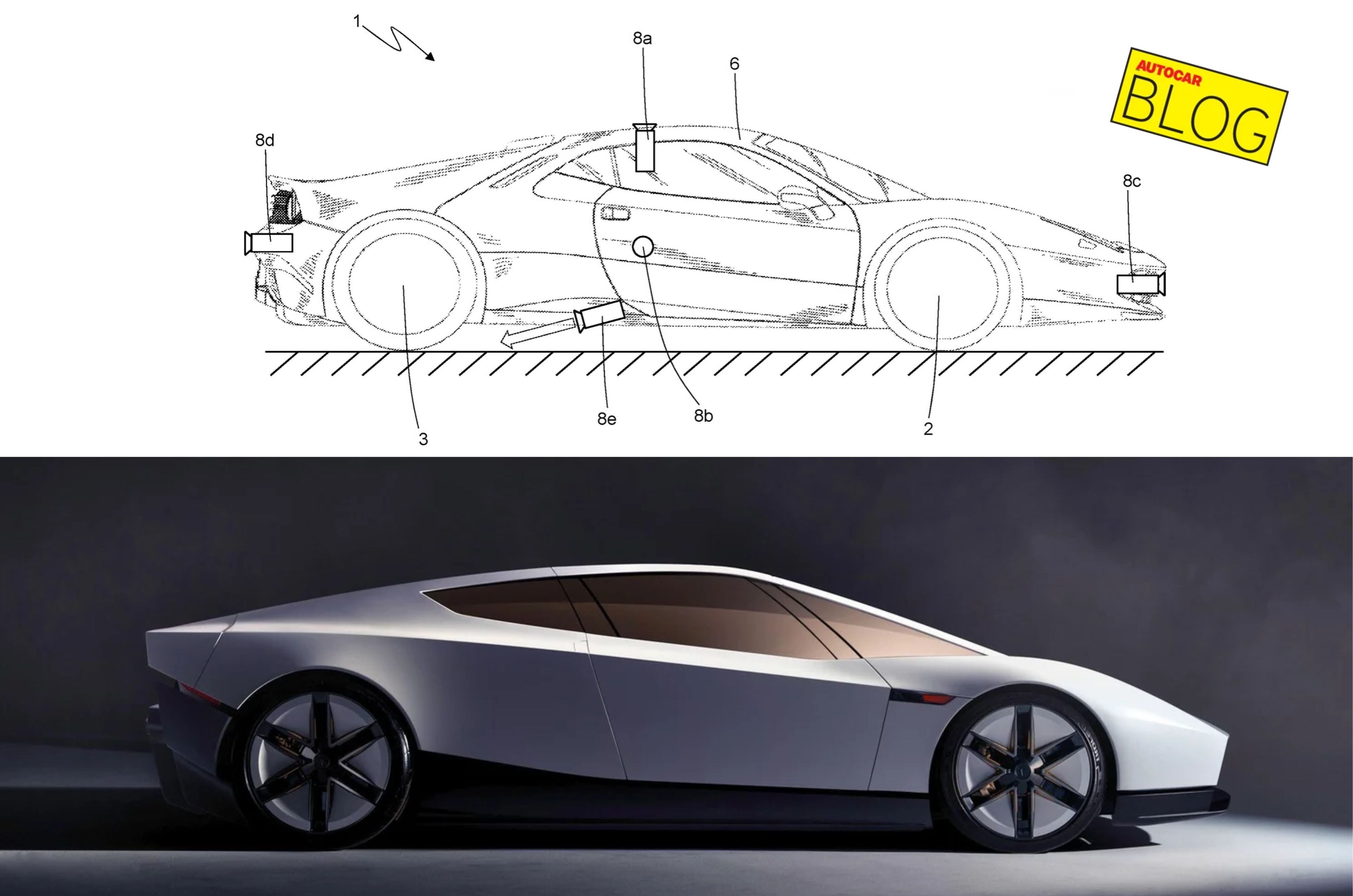
Interestingly, this isn’t the first time this idea has been thought of. Hollywood’s Knight Rider had his Turbo Boost jump and Super Pursuit mode, but closer to the real world, carmaker Ferrari toyed with the idea of gas thrust boosters and even had a patent issued back in 2018.
While the Tesla Roadster is all-electric, the Italian carmaker’s patent describes an internal combustion-powered car with an additional system comprising a compressed air tank and multiple horizontally as well as vertically oriented nozzles.
The patent says these can generate air jets for massively quick acceleration thrust, beyond what the engine and the limits of the tyres’ grip would provide.
The vertically oriented pushers can also generate a downward force to enhance road grip and downforce, while the horizontal pushers can be deployed to increase steering turn-in ability. Interestingly, the patent says its system would also generate correctional forces; for example, if the car is losing grip, an opposing thrust can be generated to correct the car’s line or even slow it down in extreme risk situations.
The patent also describes the use of the system on a motorcycle, Street Hawk style. Ferrari has clearly not put the system into production, and it’s not known if the Italian car maker is pursuing its development. So it would be interesting to see if Ferrari would hold rights or a claim over the Tesla Roadster system and how the two car makers would respond.
Ferrari has officially opened the doors to its first-ever Universo Ferrari exhibition in India. Held at Yashobhoomi, Dwarka in New Delhi from 17 October to 1 November, Universo Ferrari offers a comprehensive look at the Italian marque’s heritage, motorsport pedigree, technology, and craftsmanship. More pertinently, several exciting Ferraris are also on display at Universo Ferrari, some of them for the first time in India. Let’s have a look at the Ferrari cars that have debuted in India as part of Universo Ferrari.
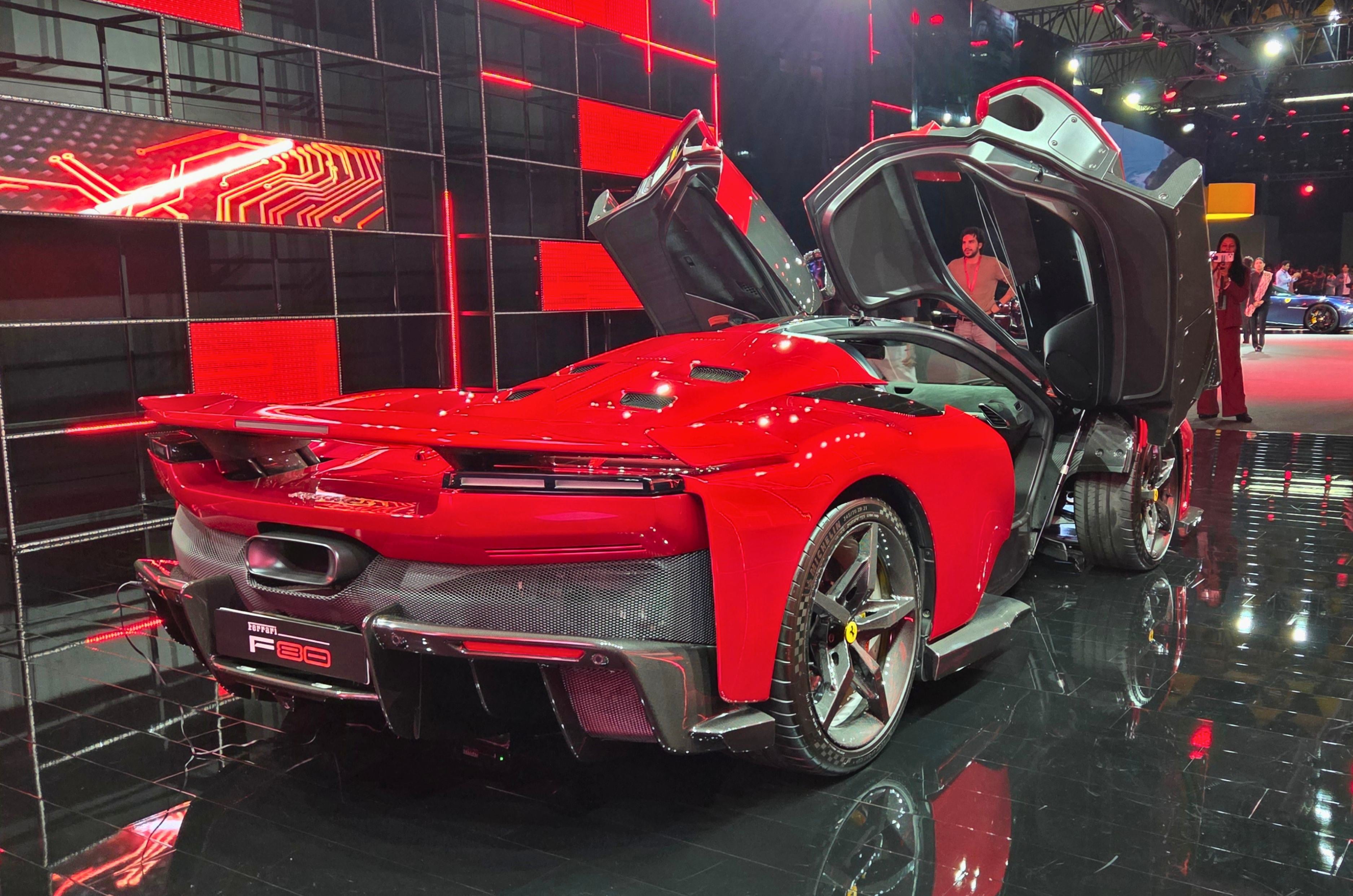
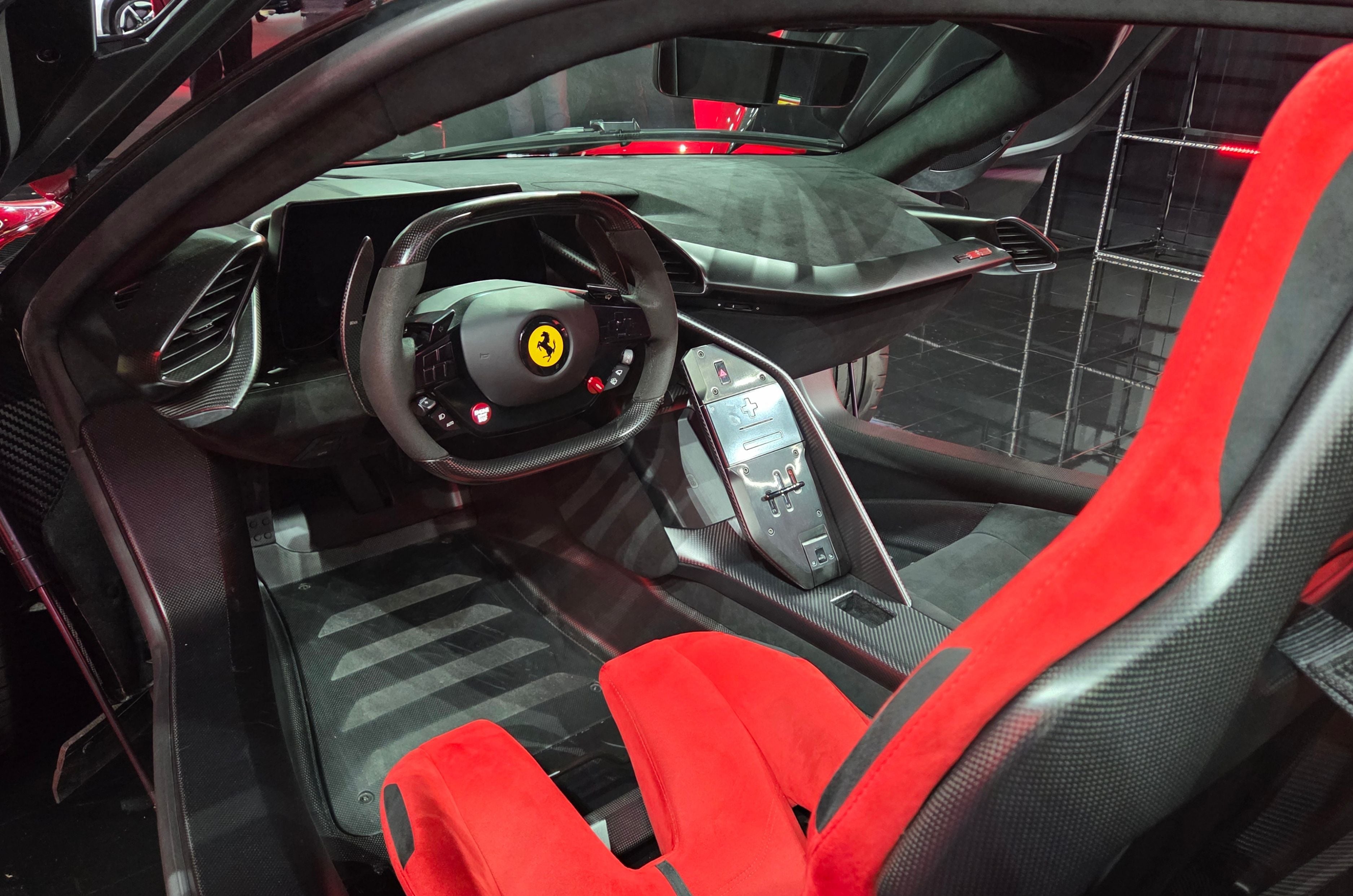
Ferrari F80
Revealed in 2024 as a successor to the LaFerrari, and to commemorate Ferrari’s 80th anniversary, the F80 is the brand’s most powerful road-going offering yet. Producing a combined 1,200hp from its 3.0-litre twin-turbo V6 hybrid powertrain, the F80 claims a ridiculous 0-100kph time of 2.15 seconds and a 0-200kph time of 5.75 seconds. All-wheel drive is fitted as standard, along with a slew of motorsport-derived tech like an MGU-K energy recovery system and electric turbos.
On the outside, the F80 matches the wildness of its powertrain with design elements like a slew of air ducts across the body, a black strip between the headlamps, an active rear wing, a central exhaust, and a massive rear diffuser. Inside, things are quite minimalistic and driver-focused – highlights include a motorsport-style ovoid steering wheel, a large digital driver’s display, an angled centre console, and bucket seats. Ferrari has sold through all 799 units of the F80, each retailing for €3 million (Rs 32 crore), before options.
Ferrari Luce
The Luce is Ferrari’s first EV, and perhaps its most controversial offering. Based on an all-new 800-volt architecture, the Luce features a 122kWh battery and four electric motors producing a combined 1,050hp and 990Nm. Ferrari claims a 0-100kph time of 2.5 seconds, a top speed of 310kph, and a range of up to 530km. Unlike other EVs, the Luce doesn’t pump artificial engine noises into the cabin via speakers – instead, the electric motors are tuned to emit a distinct, high-pitched sound.
Styled by LoveFrom, a firm co-founded by former Apple designer Jony Ive, the Luce features a distinctive two-piece body structure, with a gloss-black passenger cell enclosed within a coloured aluminium shell. It gets recessed LED headlamps, quad LED tail-lamps, suicide doors, and staggered 23-inch front and 24-inch rear wheels. At 5,026mm long, the Luce is the largest Ferrari yet, and its 0.254 drag coefficient is the lowest among road-legal Ferraris. The interior sports a retro-inspired design, with a 10-inch touchscreen, a 12.5-inch OLED driver’s display, and seating for five – a first for a Ferrari. Order books are open for the Luce in overseas markets, with prices starting at 550,000 euros (approximately Rs 6.1 crore) before options.
Ferrari 12Cilindri Manuale
Unveiled a few months ago, the 12Cilindri Manuale is a limited-run special and the first Ferrari in 14 years to offer a manual gearbox. Only, this gearbox isn’t a true manual, but a simulated ‘Manuale By-Wire’ system based on the 12Cilindri’s 8-speed dual-clutch automatic. The experience is intact, however, with a clutch pedal, 6 speeds, a gated shifter, and the ability to stall and clutch-dump the car. If needed, you can even switch to automatic mode and let the DCT take over. Elsewhere, the Manuale retains the 12Cilindri’s 830hp 6.5-litre naturally aspirated V12, claiming a 0-100kph time of 2.9 seconds and a top speed of 340kph.
The exterior largely mirrors that of the standard 12Cilindri but gets exclusive Manuale badges, silver-finished Ferrari side logos, pinstripes on the front splitter and rear winglets, and bespoke five-spoke forged alloy wheels available in four finishes. Inside, the centre console has been redesigned to accommodate a rounded aluminium gear lever inspired by classic Ferrari gated shifters, available in silver or black. Buyers can also choose comfort or racing seats with six vertical grooves. Limited to 1,499 units, the 12Cilindri Manuale is priced from €590,000 (approximately Rs 6.42 crore), before options.
Ferrari 499P
The 499P Le Mans Hypercar was revealed in 2022 as Ferrari’s return to the top class of endurance racing after 50 years. It’s powered by a twin-turbo V6 based on the architecture of the engine used in the 296 GT3, itself derived from the road-going 296 GTB. Developed specifically for racing, the 499P’s V6 works with a bespoke 900-volt, 200kW energy recovery system (ERS) connected to the front axle, forming a hybrid all-wheel drive layout. A brake-by-wire system recovers kinetic energy, while power is delivered through a 7-speed sequential gearbox. Balance of Performance regulations limit the 499P’s total output to 680hp.
The 499P’s design pays tribute to Ferrari’s endurance racing heritage, particularly the 312P prototype from 1973 – Ferrari’s last factory entry in the top class. Its name refers to the 499cc displacement of each cylinder, while ‘P’ stands for Prototype. A yellow stripe runs through the livery – another nod to the 312P – while carbonfibre construction allows for a 1,030kg baseline weight. The 499P brought home several accolades for Ferrari, such as three consecutive Le Mans victories (2023, 2024, and 2025), a complete sweep at the 2025 FIA World Endurance Championship, and more.
Ferrari SF-26
Ferrari pulled the wraps off the SF-26 racer back in January 2026. Built for F1’s 2026 technical regulations overhaul, the SF-26 is powering by Ferrari’s 067/6 power unit – a 1.6-litre turbocharged V6 that can run on sustainable fuel blends and is paired with a heavily bolstered 350kW MGU-K system, creating a near 50-50 performance split between combustion and electric power. Driven by Charles Leclerc and Lewis Hamilton, the SF-26 has compiled 11 Grand Prix podiums and 2 victories, with dramatic wins at the Spanish Grand Prix with Hamilton and the British Grand Prix with Leclerc.
The SF-26’s bodywork shifts away from the previous ground-effect era toward a lighter, more agile 770kg carbon-composite structure. It features advanced active aerodynamics with movable front and rear wings to minimise drag on straights while maximising cornering downforce. Visually, the SF-26 incorporates push-rod suspension on both axles and debuts a gloss Rosso Scuderia livery accented with white.
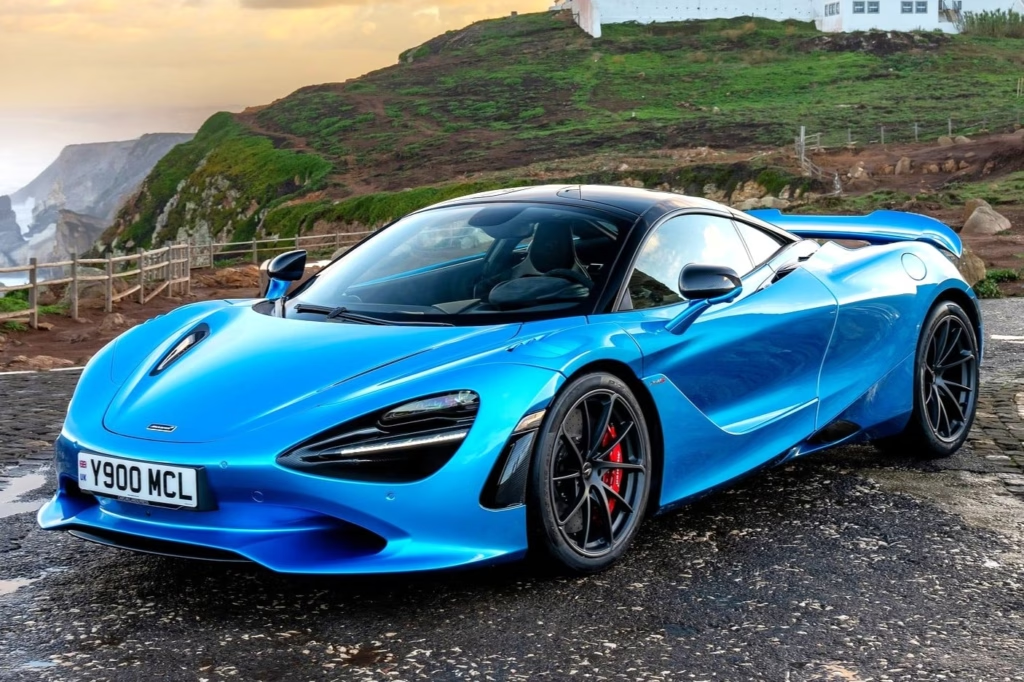
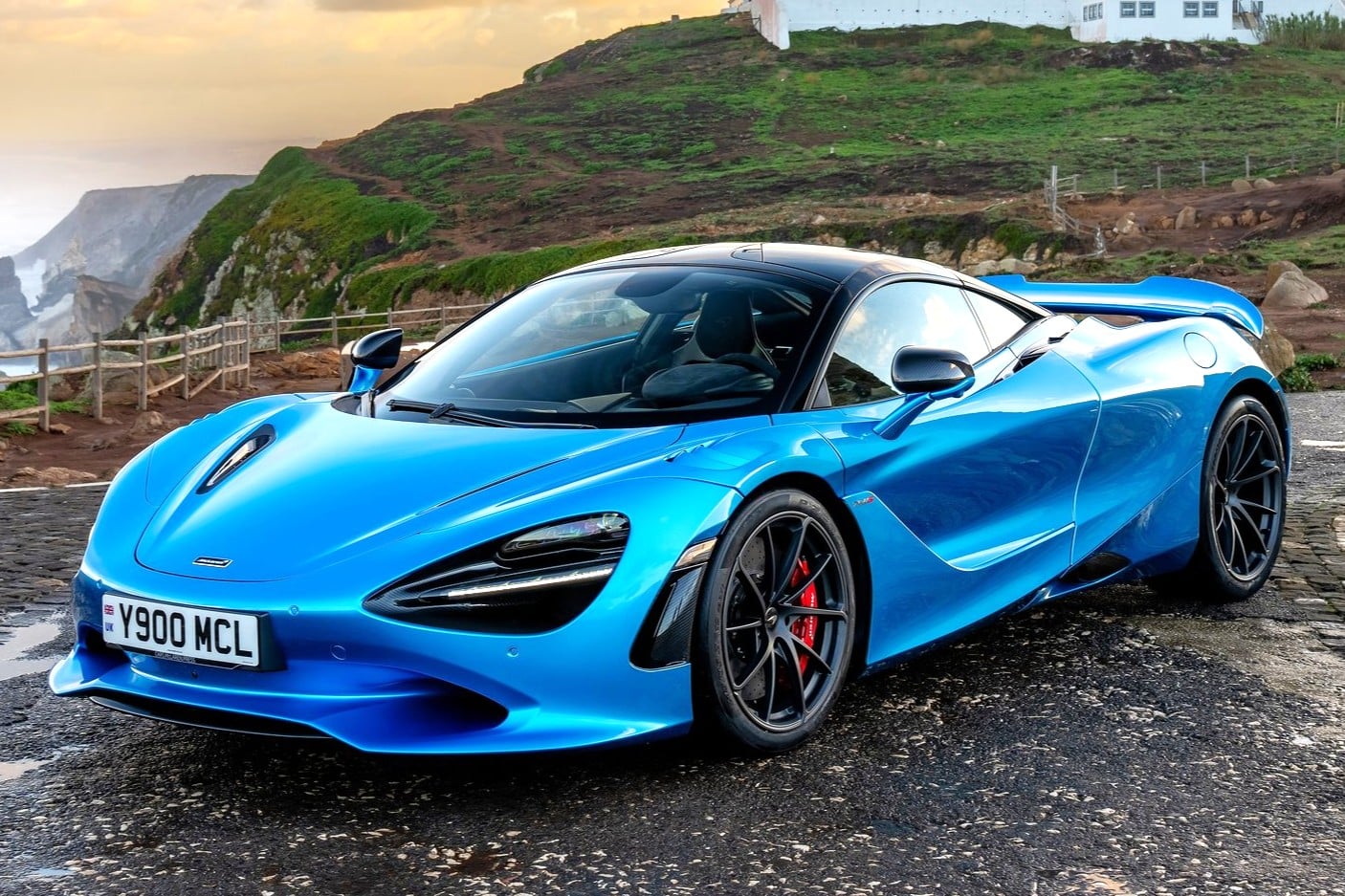
The sun will soon set on the McLaren 750S, as the British marque has confirmed that it will end production of the mid-engined V8 supercar in 2027. Final orders are therefore being accepted for the 750S, with McLaren gearing up to overhaul its model range and expand into new segments from next year. The 750S is available in India in both Coupe and Spider body styles, priced at Rs 4.94 crore and Rs 5.46 crore (before options), respectively.
Launched in 2023 as a heavily updated version of the 720S, the 750S is McLaren’s flagship series-production offering. It is powered by a 4.0-litre twin-turbo V8 that belts out 750hp and 800Nm, paired with a 7-speed dual-clutch automatic sending power to the rear wheels. The 750S Coupe also has a relatively light kerb weight of 1,389kg (Spider is 49kg heavier), which means its power-to-weight ratio is an impressive 540hp/tonne. 0-100kph comes up in a brisk 2.8 seconds (claimed), and the top speed is 332kph.
McLaren prepares for a fresh model line-up
The 750S’s retirement is part of a wider shake-up for McLaren. Recently, McLaren revealed a new logo (pictured) and confirmed the development of its first SUV, which is expected to rival the likes of the Lamborghini Urus SE, Aston Martin DBX and Ferrari Purosangue. The SUV will use a hybrid powertrain and arrive as the first front-engined McLaren road car. McLaren will also build new engines and gearboxes in-house for the first time, and to support these development efforts, the carmaker is setting up a new factory in the UK.
Additionally, McLaren is planning to discontinue the Artura and GTS by 2028. Since the 750S, Artura and GTS are the only series-produced McLaren models currently on offer, the carmaker will likely have a completely new line-up by the end of this decade.
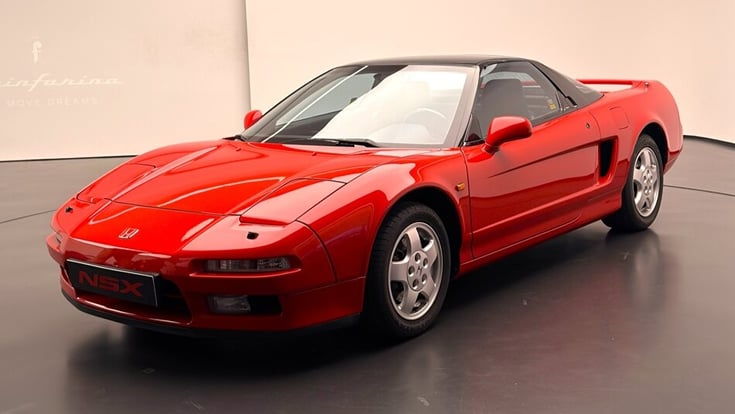
Four decades ago, Honda embarked on a quest to prove that a mid-engined, rear-wheel-drive sports car can be just as, or more performant than a V8-powered Ferrari (specifically, the 348), while being comfortable, reliable, relatively easy to drive, and more affordable. From this ambitious mission, the first-generation Honda NSX (shorthand for New Sportscar eXperimental) was born, making its global debut at the Chicago Auto Show in 1989. Production of the NSX commenced in 1990 and lasted till 2005.
The NSX made history as the first production car to use an all-aluminium spaceframe chassis. It also received inputs from F1 champions Ayrton Senna and Satoru Nakajima during its development, enabling a driving experience that was almost universally acclaimed. Such was the glory of the first-gen NSX, that it was officially inducted into the Toyota Automotive Museum in 2021 – even one of Honda’s biggest rivals couldn’t ignore how great the masterpiece that the NSX was.
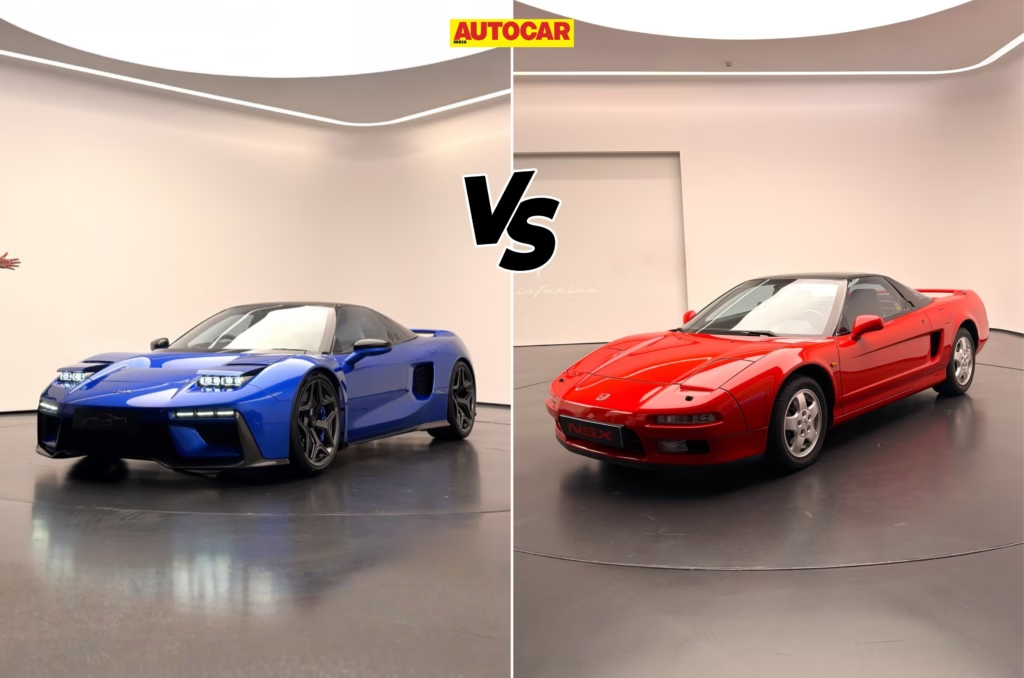
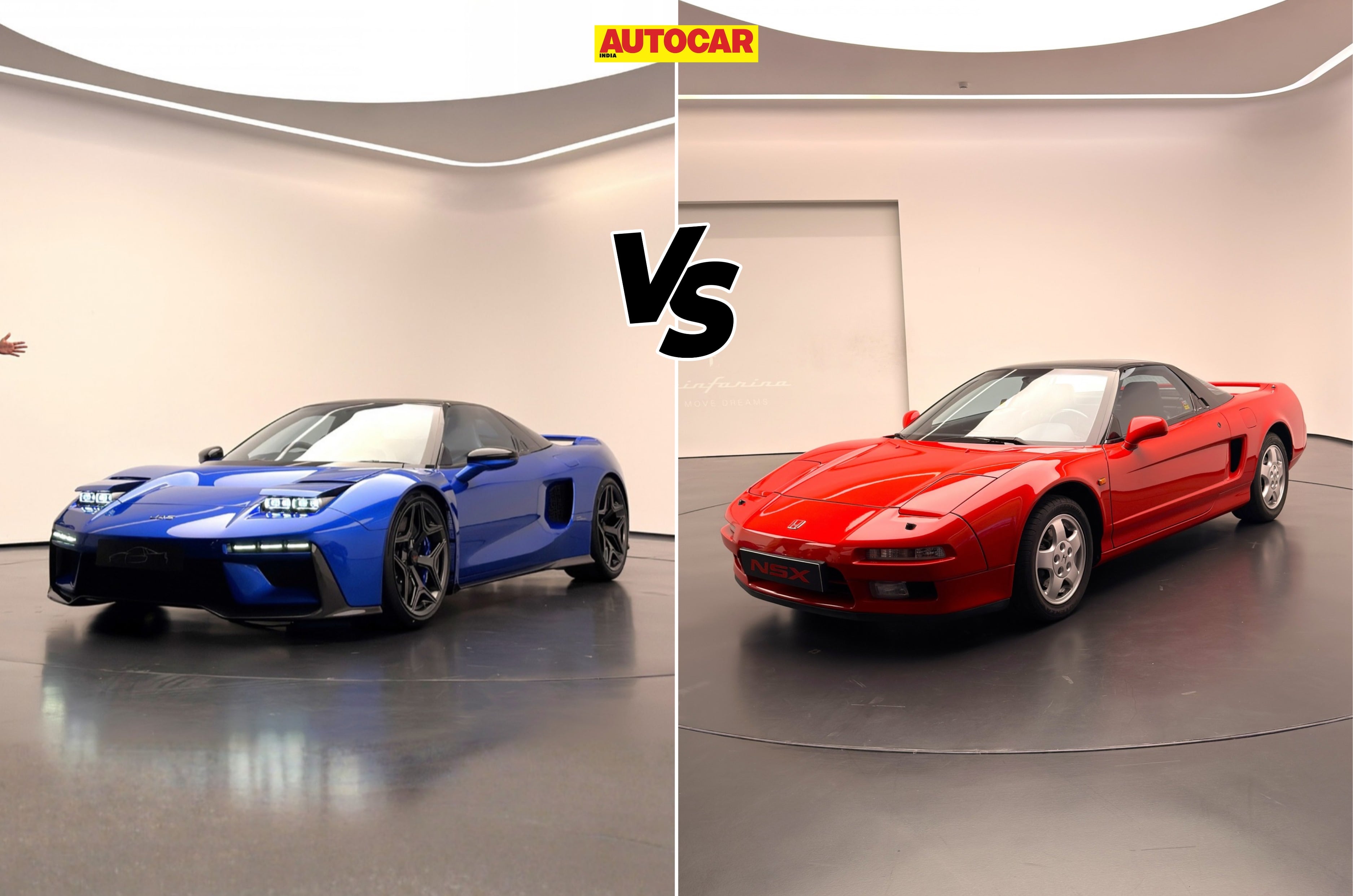
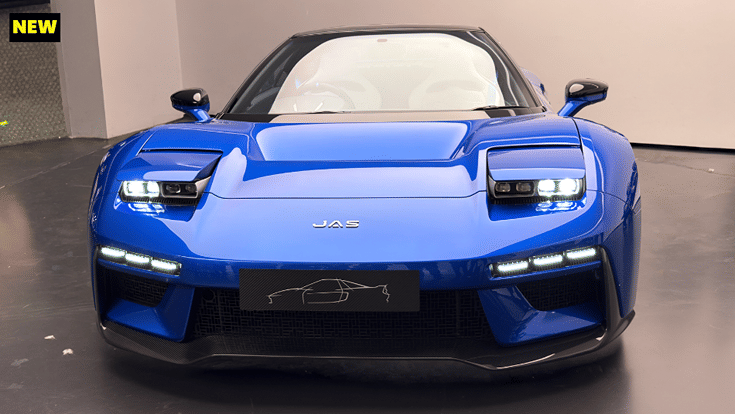
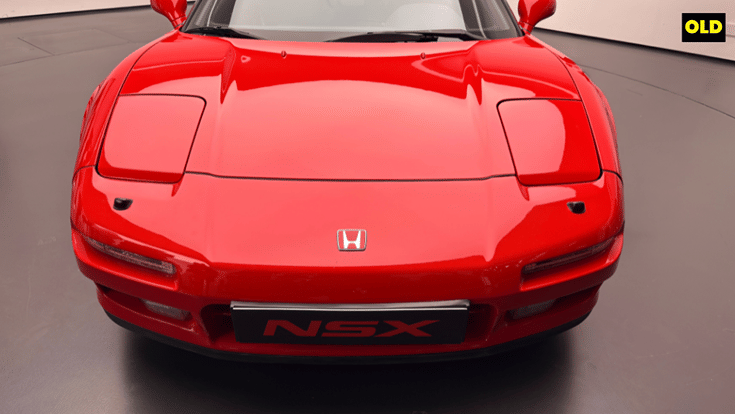
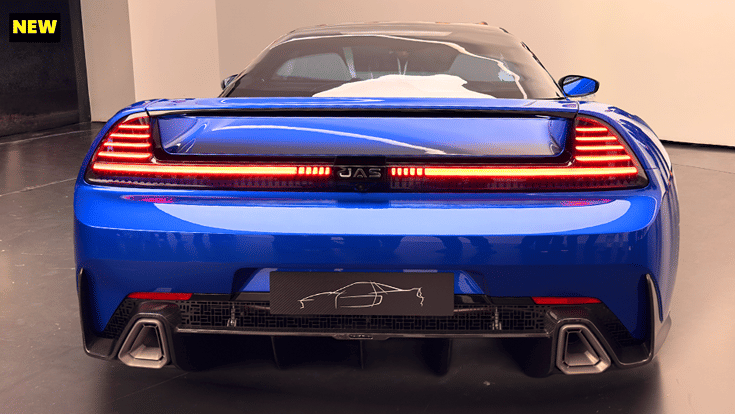
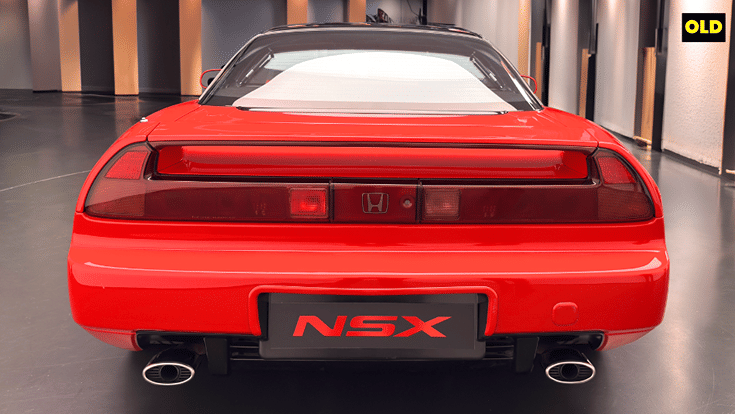
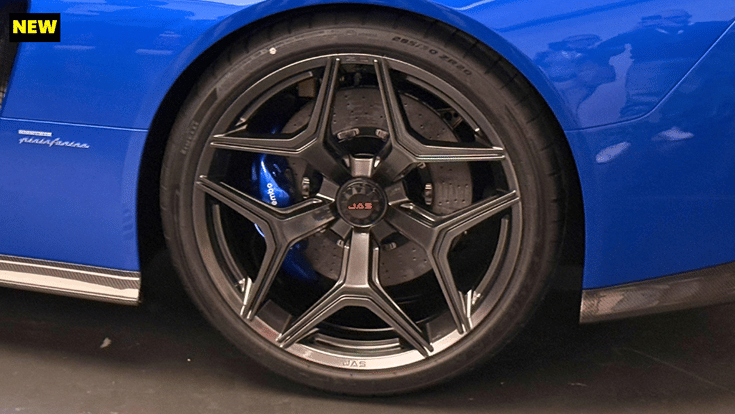
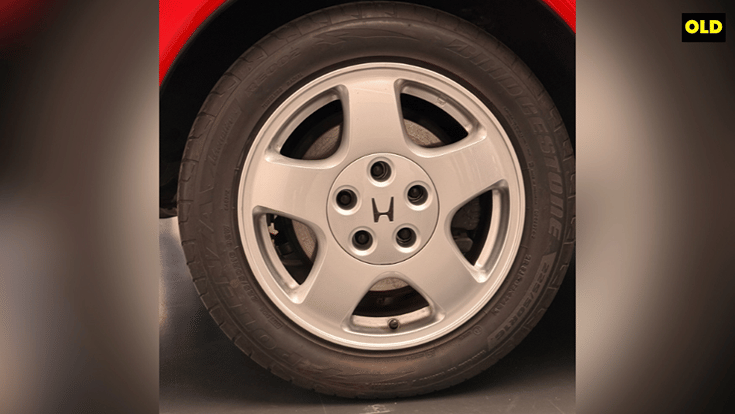
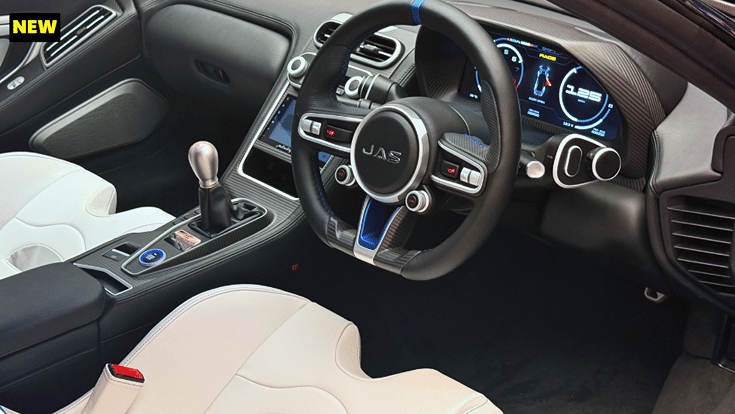
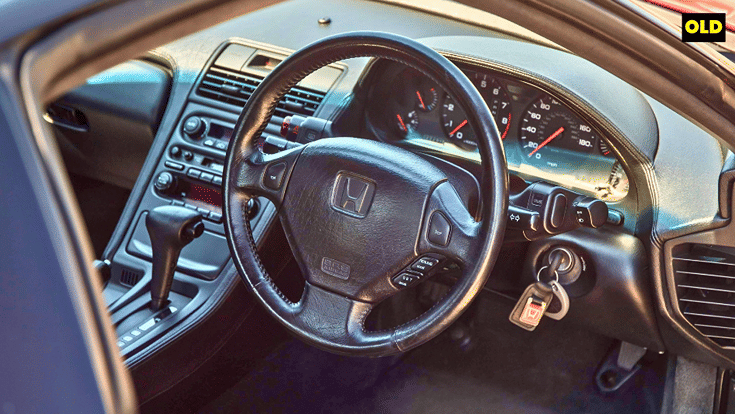
L: JAS Tensei | R: Honda NSX Gen 1
Throughout its 15-year production run, several revisions and editions (Type S, NSX-R, NSX-T, and more) of the first-gen NSX were launched. It sold over 18,000 units in total and cemented itself as one of the most iconic performance cars to come out of the Land of the Rising Sun. A second-gen NSX was launched in the mid-2010s as a bleeding-edge supercar with a mid-engined, hybrid all-wheel-drive powertrain. However, the new NSX was not received as well as its predecessor was, selling under 3,000 units globally until its discontinuation in 2022.
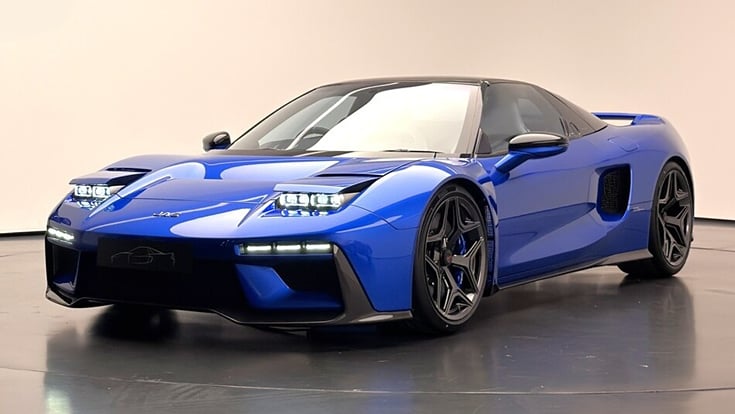
Roughly four decades after the first-gen NSX’s birth, JAS Motorsport (Honda’s racing partner since 1998) has paid tribute to the original sports car with the Tensei. The name roughly translates to “rebirth” in Japanese, which is apt given that the Tensei uses the first-gen NSX as its base and re-imagines it with modern materials, design philosophies, and technologies – along with a new carbonfibre body styled by Pininfarina. With that in mind, let’s take a look at how the JAS Tensei compares to the Honda NSX.
JAS Tensei vs Honda NSX engine and gearbox
The Tensei forgoes the turbocharging and electrical assistance seen on modern performance cars in favour of a refreshingly old-school 3.5-litre naturally aspirated V6, which is a fair bit larger than the 3.0-litre naturally aspirated V6 (codename: C30A) that powered the first-gen NSX – a 3.2-litre V6 (codename: C32A) was used in later model revisions. JAS Motorsport teamed up with British motorsport engineering specialist Judd Power to thoroughly re-engineer the Tensei’s V6, with upgrades like a billet crankshaft, forged lightweight pistons and connecting rods, individual throttle bodies, better cooling, revised ignition and engine management systems, new headers, and a more visceral-sounding exhaust system.
Thanks to those mechanical changes, the Tensei develops 420hp and 350Nm, which is up 146hp and 65Nm over the first-gen NSX’s 274hp and 285Nm output. Even when compared to the later-lifecycle C32A-powered NSXs powered by the 3.2-litre V6, the Tensei is more powerful by 126hp and 45Nm. The Tensei’s engine also has a higher 8,500rpm redline, while the NSX’s V6s could spin to a maximum of 8,000rpm. A 6-speed manual is the only gearbox available for the Tensei, while the C30A-powered NSX models came with a 5-speed unit only. However, a 6-speed manual was introduced alongside the NSX’s C32A engine from 1997 onward.
JAS Tensei vs Honda NSX exterior design
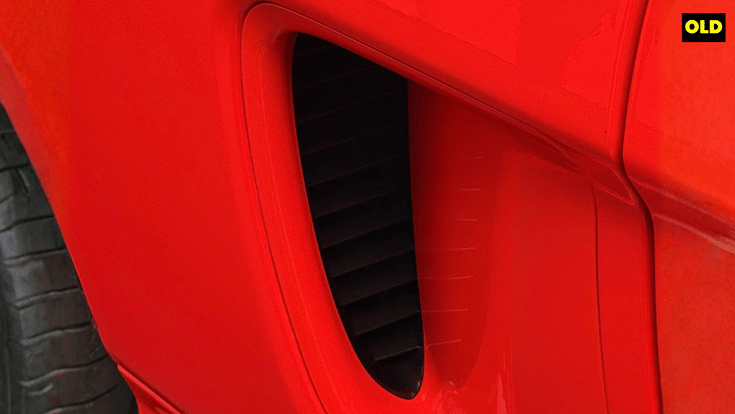
As mentioned earlier, the Tensei has a completely new Pininfarina-designed carbonfibre body with a slightly longer wheelbase and wider tracks. The Tensei retains many of the NSX’s core styling elements, such as the long and low stance, pop-up headlamps (which look very cool), side intakes, B-pillar door handles, integrated rear spoiler, wide L-shaped tail-lamps, and dual-exhaust tips.
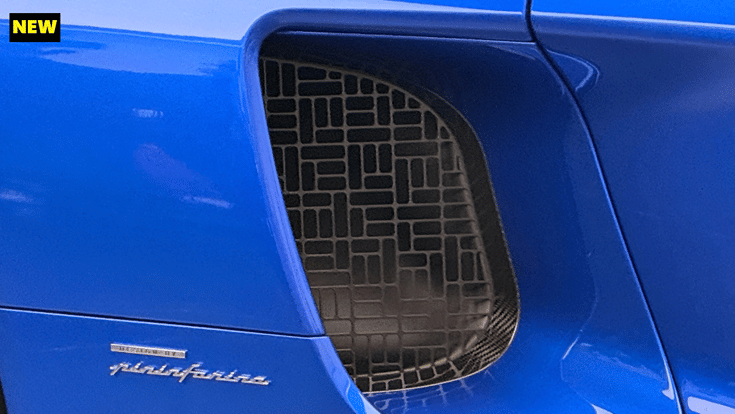
However, the Tensei sets itself apart with modern touches like LED lighting up front, with segmented DRLs on either side, larger front air intakes accentuated by a full-width carbonfibre splitter, larger wheels (19 inches front, 20 inches rear), bigger side intakes, a slatted 3D LED treatment for the tail-lamps, longer and more svelte ORVMs, hexagonal exhaust tips, a rear diffuser, and a sportier design for the rear bumper.
JAS Tensei vs Honda NSX interior
Inside, the Tensei features the same F16-inspired layout as that of the NSX, but a lot else has changed here. For one, the steering wheel looks much more modern, with a redesigned three-spoke design, a flat bottom, a 12 o’clock marker, and a circular hub. The instrument cluster is fully digital instead of analogue like in the NSX, but JAS Motorsport has retained the large stalk that incorporates cruise control and lighting functions.
The Tensei’s centre console has been thoroughly revised too, with an oval housing for the central air vents, a raised hub for the AC controls, a modestly-sized touchscreen and an open storage space. Lower down, the central tunnel sports a chunky gear lever with a titanium knob, a row of buttons on the passenger side, the engine start/stop button, and an electronic parking brake button – no pull-type handbrake here, like you get in the NSX.
Only 35 examples of the JAS Tensei will be built, priced at €880,000 (Rs 9.55 crore) a pop, before options.
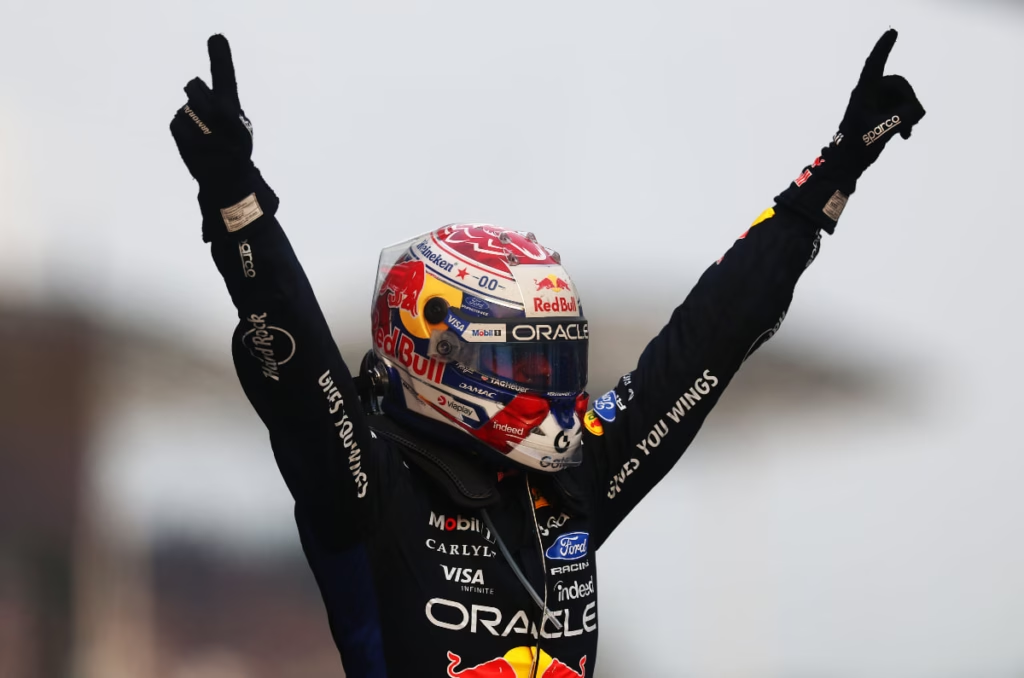
Max Verstappen converted pole position into victory at the Bahrain GP in Malaysia. F1’s first race at Sepang in nine years got off to a chaotic start when it started raining an hour before the start. This, followed by an aborted start procedure after multiple cars stopped on track due to a software issue, resulted in the race staring an hour and a half late.
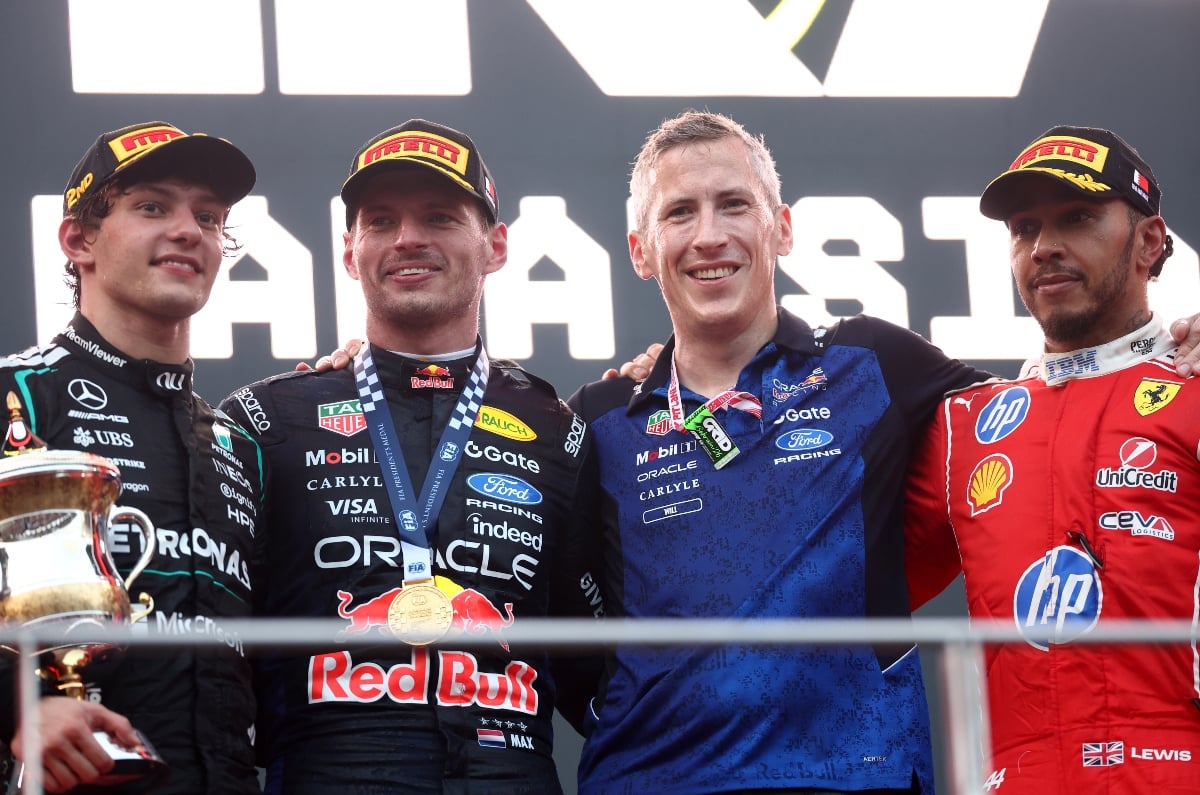
Behind Verstappen, Kimi Antonelli held on to second place to further extend his title lead as his Mercedes teammate George Russell retired with just a handful of laps to go. Despite dropping down the order in the early stages, Lewis Hamilton pulled off an incredible recovery to make it to the podium.
Verstappen wins, 2.307 sec ahead of Antonelli
Antonelli extends title lead by 84 points after Russell’s retirement
Verstappen wins in Malaysia; Russell retires
Verstappen initially dropped behind Antonelli and Russell when the race finally got underway. But the four-time world champion eventually reclaimed the lead and controlled the pace out at front from there on. He defended that lead through a Virtual Safety Car and even a full Safety Car period to secure his and Red Bull Racing’s first win of the season.
“What an incredible result! The race was not made easy for us with all the decisions we had to make and then the Safety Car at the end on top of everything. But we made all the right calls with the tyres, kept our cool, and it all paid off,” said Verstappen.
Antonelli finished 2.307 seconds behind in second place. His teammate Russell was on course to finish third, but with just a few laps to go, he was forced to stop due to a PU issue. This comes as a major hit to Russell’s championship chances, with the gap to leader Antonelli now standing at 84 points – that’s more than three race wins.
Ferrari recovers from early setback
Ferrari fumbled strategy, with Hamilton and Leclerc starting the race on soft tyres. With the track still wet, both drivers dropped down the order. While Leclerc pitted early to switch to intermediate tyres, Hamilton – who was now down in P17 – stayed on the softs. He eventually made the tyres work, though, as the track started drying.
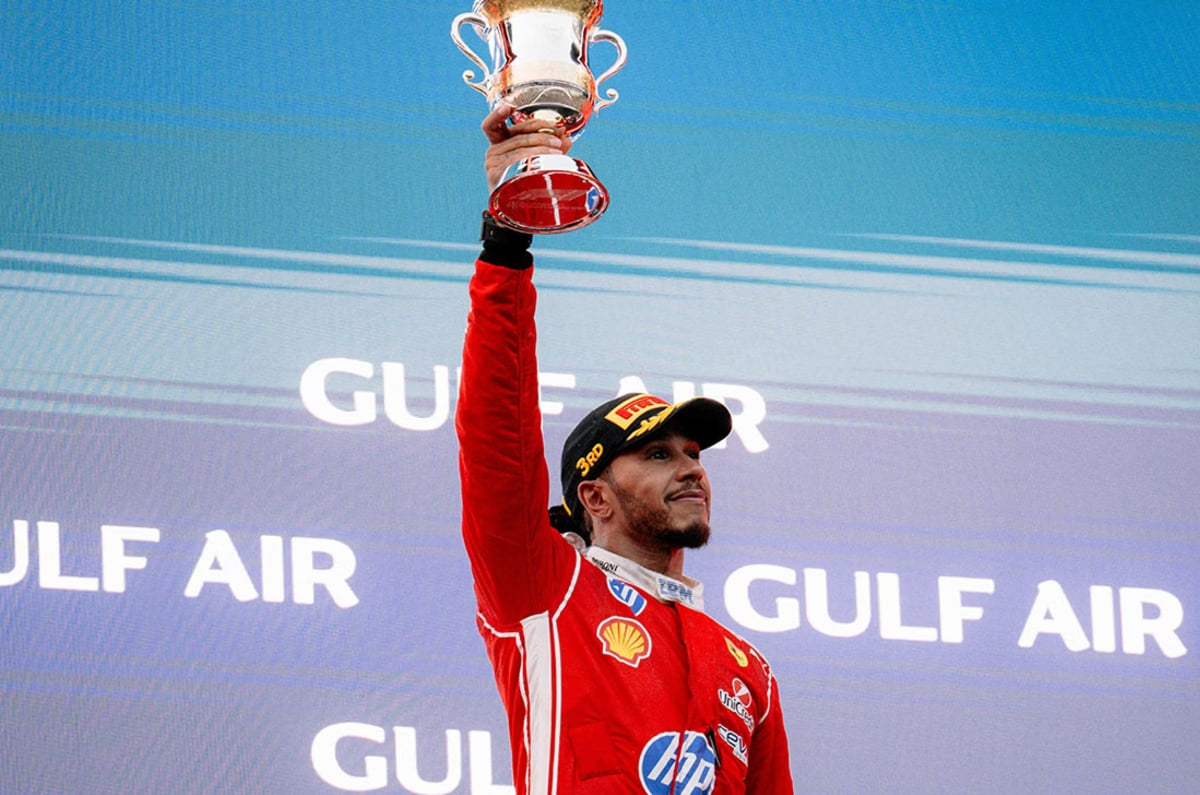
Russell’s retirement helped the Brit finish P3. “Sepang is always a great track to race on, but today is definitely one of the most memorable. It was a really demanding race and not an easy one to manage from the start, but the team did a fantastic job staying calm and executing well after a difficult opening phase,” said Hamilton.
“We found ourselves on the back foot very early on with the tyre choice, yet everyone stayed focused and kept pushing. We didn’t give up despite a big gap building straight away, and step by step we managed to fight our way back into contention and keep the pressure on until the flag. To finish on the podium after the way the race began feels really satisfying and is a great reward for the hard work, determination and resilience everyone showed today.”
Leclerc finished behind in him fourth place, handing Ferrari a strong points haul. McLaren’s Oscar Piastri crossed the line P6, followed by Racing Bulls’ Liam Lawson and Aston Martin’s Fernando Alonso. Lando Norris, in the second McLaren car, ended up P9 after losing control behind the Safety Car. Racing Bulls’ Arvid Linblad completed the top 10.
Next up on the F1 calendar is the Singapore GP on October 9-11.
Following a rules overhaul, the 2026 F1 pecking order has been shaped significantly by the development race playing out behind the scenes.
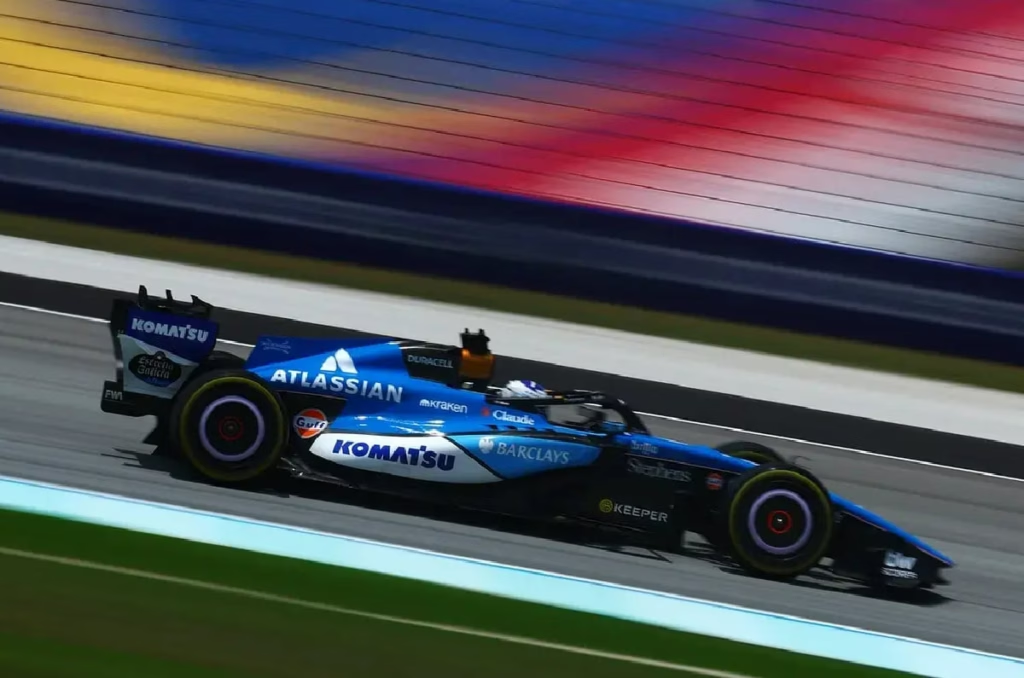
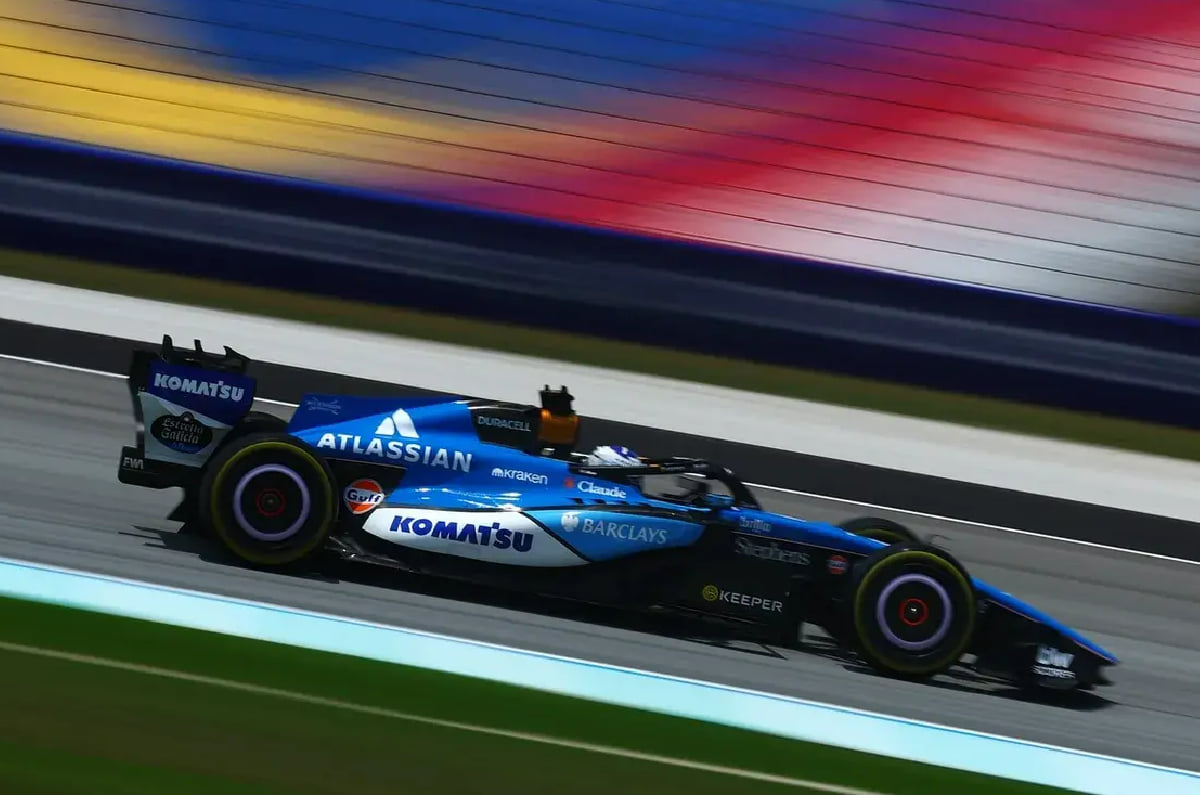
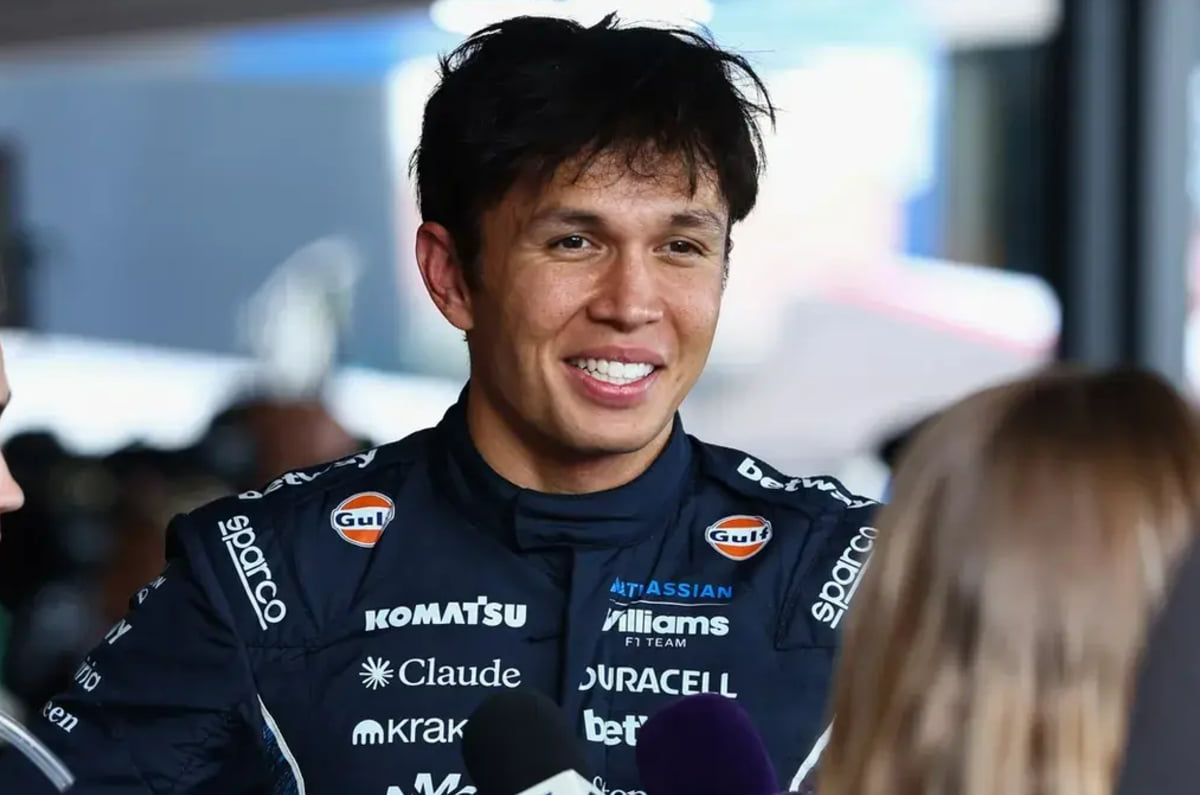
Speaking to media, including Autocar India, ahead of the Bahrain GP in Malaysia, Atlassian Williams F1 Team driver Alex Albon says the rate of development is faster than he’s ever seen before in his career. But rather than keeping pace, the team has decided to stop bringing upgrades this year and put its resources into building a stronger car for 2027.
Alex Albon on F1 2026 development war
In previous years, upgrade packages typically delivered a few hundredths of a second. But with teams still trying to understand the 2026 rules, McLaren boss Andrea Stella reckoned upgrades this year can deliver gains of two to three tenths of a second.
“We’re seeing a huge difference. Even when I think about when the regulations changed in 2022, teams are just getting better at becoming more efficient with bringing upgrades to the car,” Albon said, adding that he believes the rate at which teams are progressing is “at least 3x of last year”.
The $215 million cost cap means teams have adopted varying strategies for how to roll out these upgrades. Ferrari has been quite aggressive with rolling out chassis upgrades. Atlassian Williams, on the other hand, focused most of its resources on bringing one major upgrade package to Round 15 at Azerbaijan. The team has struggled with an overweight car and other performance issues in the first half of the 2026 season. The Azerbaijan upgrade package looked to address these issues and it appears to be a step in the right direction, delivering the team’s very first Q3 appearance of the season back at Baku.
Albon points out that the biggest is in the mid-field. “Last year and previous years that I remember my experience in Formula 1, it was always only the top three or four teams that were capable of achieving four or five big upgrades a season. And now you’re actually getting midfield teams very close to achieving the same amount of development rate,” he shared.
“So, yes, it’s been partly also why as a team we’ve been struggling a little bit, because we are now maybe at a similar pace to last year, which obviously is not enough.”
Atlassian Williams F1 Team switches focus to 2027
Atlassian Williams currently stands ninth overall in the teams’ championship, ahead of Aston Martin and Cadillac. When asked about the team’s targets for the rest of the season, Albon said, “Truthfully, this year, we have calculations of our own development rate versus the top teams and the midfield teams. We know which rate we need to be at to be able to overtake them.”
But the team has decided to sacrifice its 2026 development to deliver a stronger car next year. “We know where we need to be starting next year at Race 1, which is the most important. The best way we can arrive to Race 1 next year competitive is to focus on next year. And that means not bringing upgrades for the rest of the year. That means all the simulator work that we’re doing behind the scenes is now focused on next year’s car.” Albon stated,
“We need to be very ambitious and very aggressive with the rate at which we’re going to develop the car next year because the speed at which teams are able to progress is higher than ever.
Albon: Antonelli, Hamilton’s driving style better suited to new cars
Albon also shared that this year’s cars, with a near 50:50 split between combustion and electric power, have forced him to rethink his own driving style. “I’ve had to change quite a lot,” he said. “I think it’s been the single biggest change for me personally to adapt to a different set of regulations.”
He points to two main factors – the cars are now smaller and the tyres have changed significantly. “I think a lot of the drivers who push [at corner] entries – so if you think famously, someone like Lewis [Hamilton], I think Kimi [Antonelli] does a very similar thing – they’re being rewarded. I think it’s complicated, but basically, it’s because the rear tyres are not as strong this year as they were in previous years, relative to the front tyres,” Albon explained.
“The other thing is obviously the deployment, which a lot of the deployment is down to the drivers – the way the driver downshifts and upshifts. Also, the way the driver brakes and the biggest factor is the way the driver goes on throttle.”
As for adapting his own driving style to suit the new cars, Albon said, “I wouldn’t say it was conscious. In the very beginning, it was very difficult to understand. It was very against my personal driving style. We’re in October now, I only just feel like I’m starting to feel natural in driving a car, which is a lot longer than it takes.”
Only recently, I made the sweeping and somewhat heavy-handed statement that EVs have taken the excitement out of speed. That once you’ve done one ballistic acceleration run in an EV, you’ve done them all, and without a roaring engine, vibrations pulsating through the wheel and gearshifts jolting you in the small of your back, it all feels a bit sanitised. Well, as it turns out, all an EV needs to solve this conundrum is… even more power.
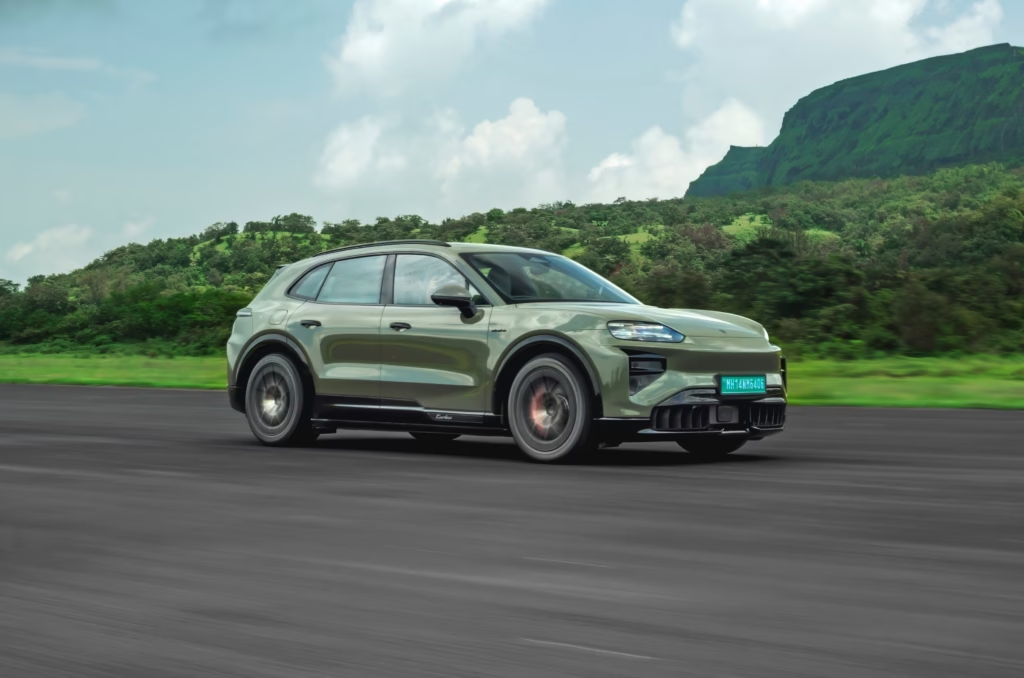
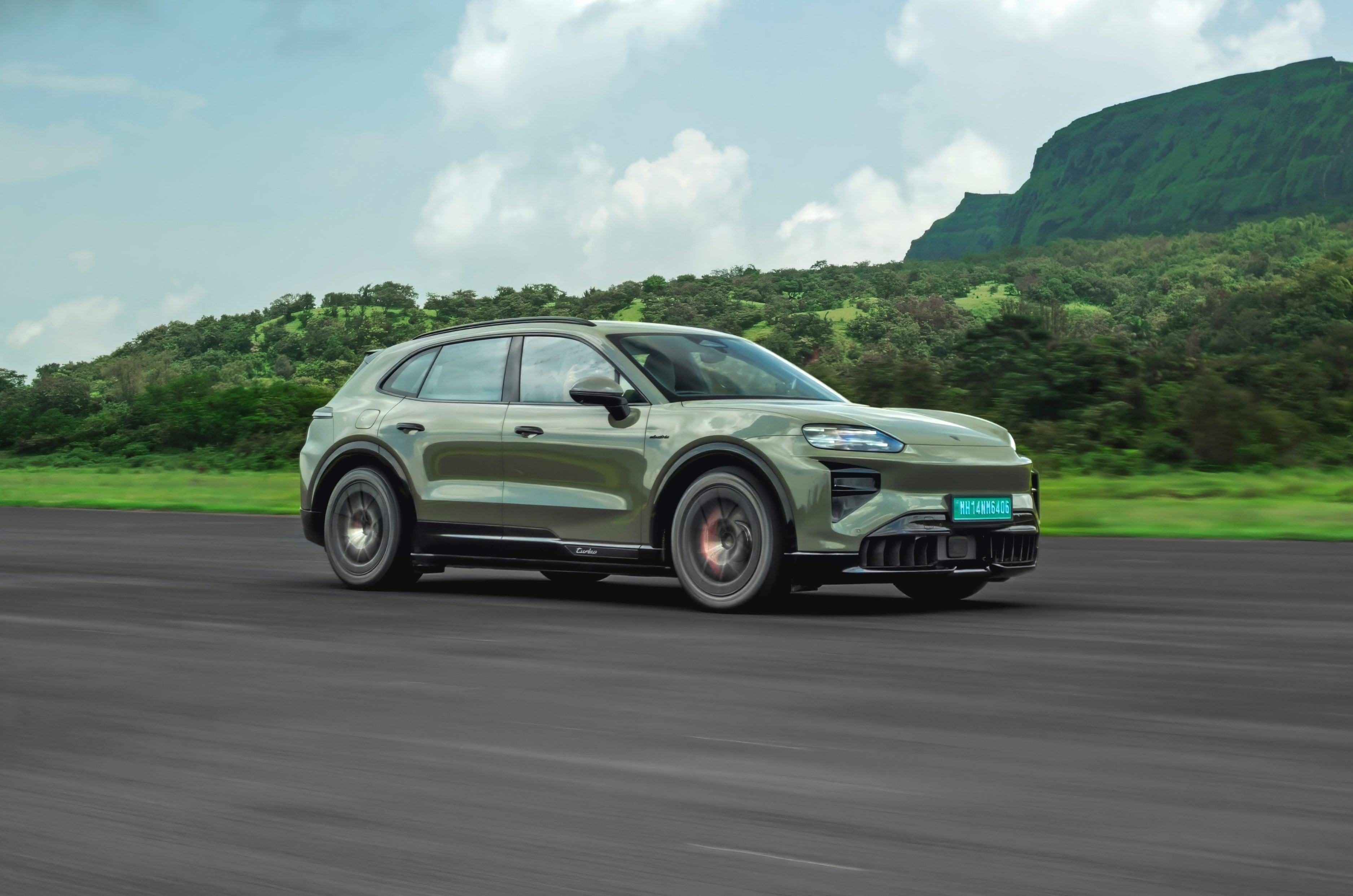
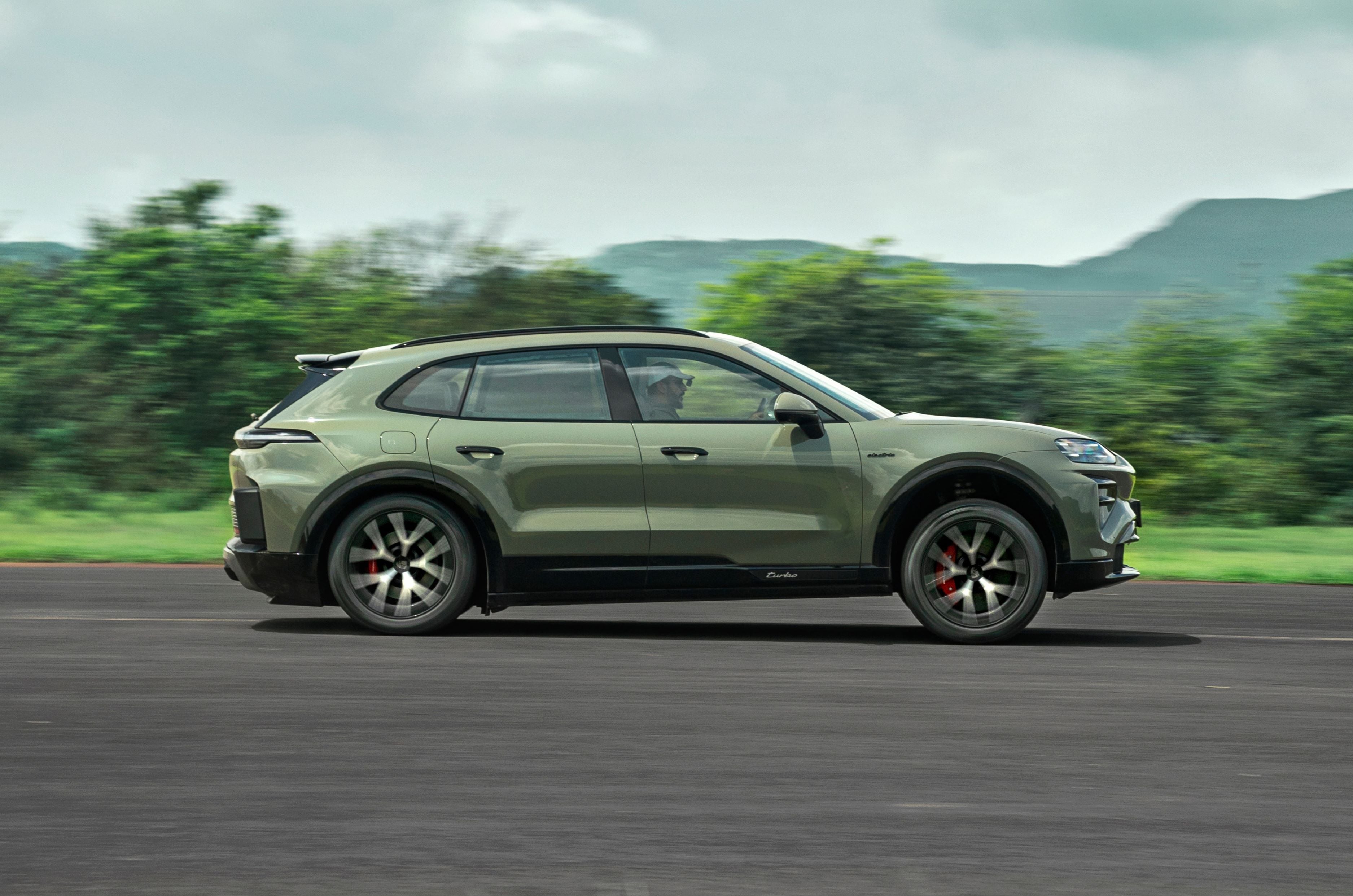
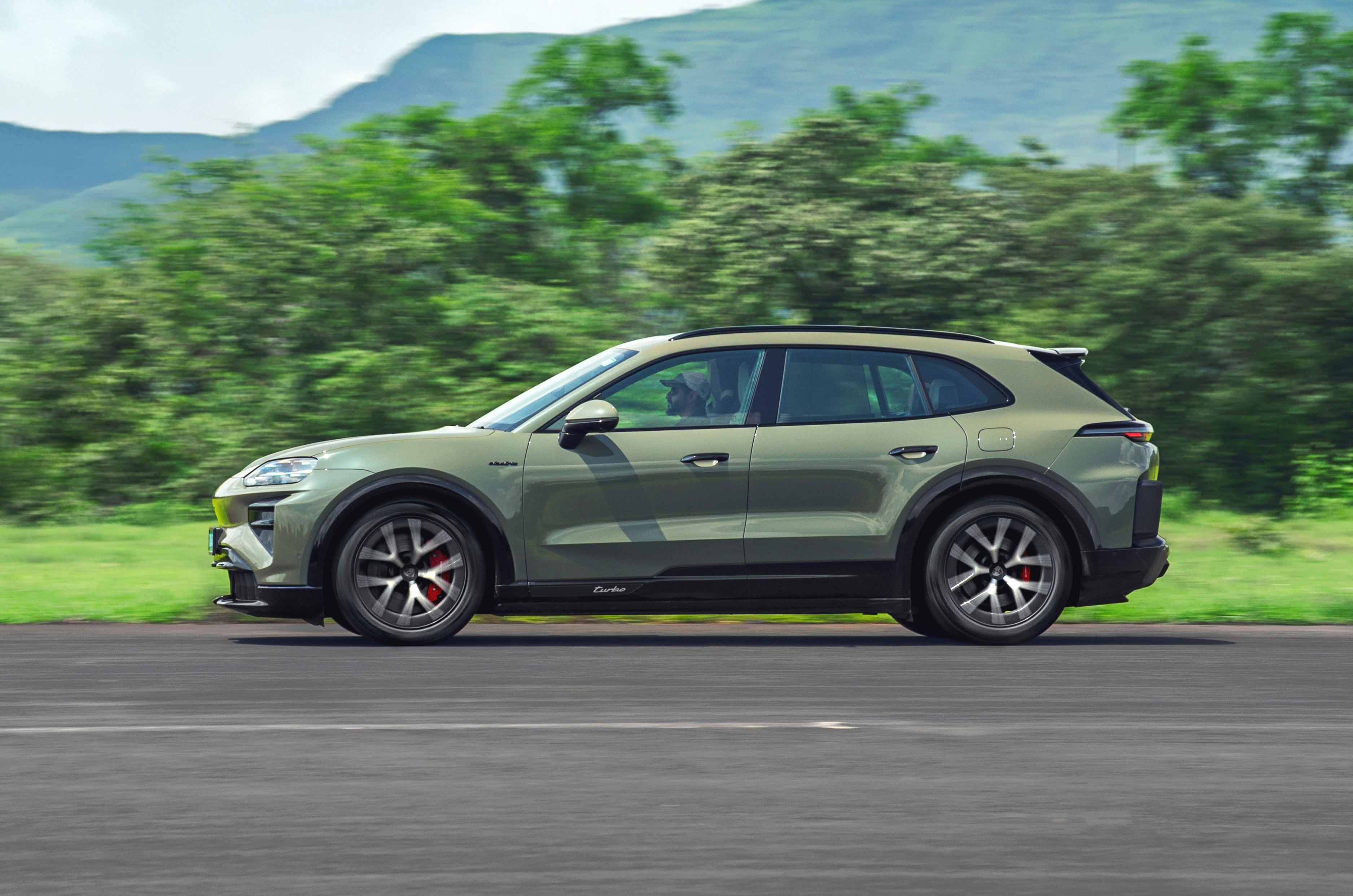
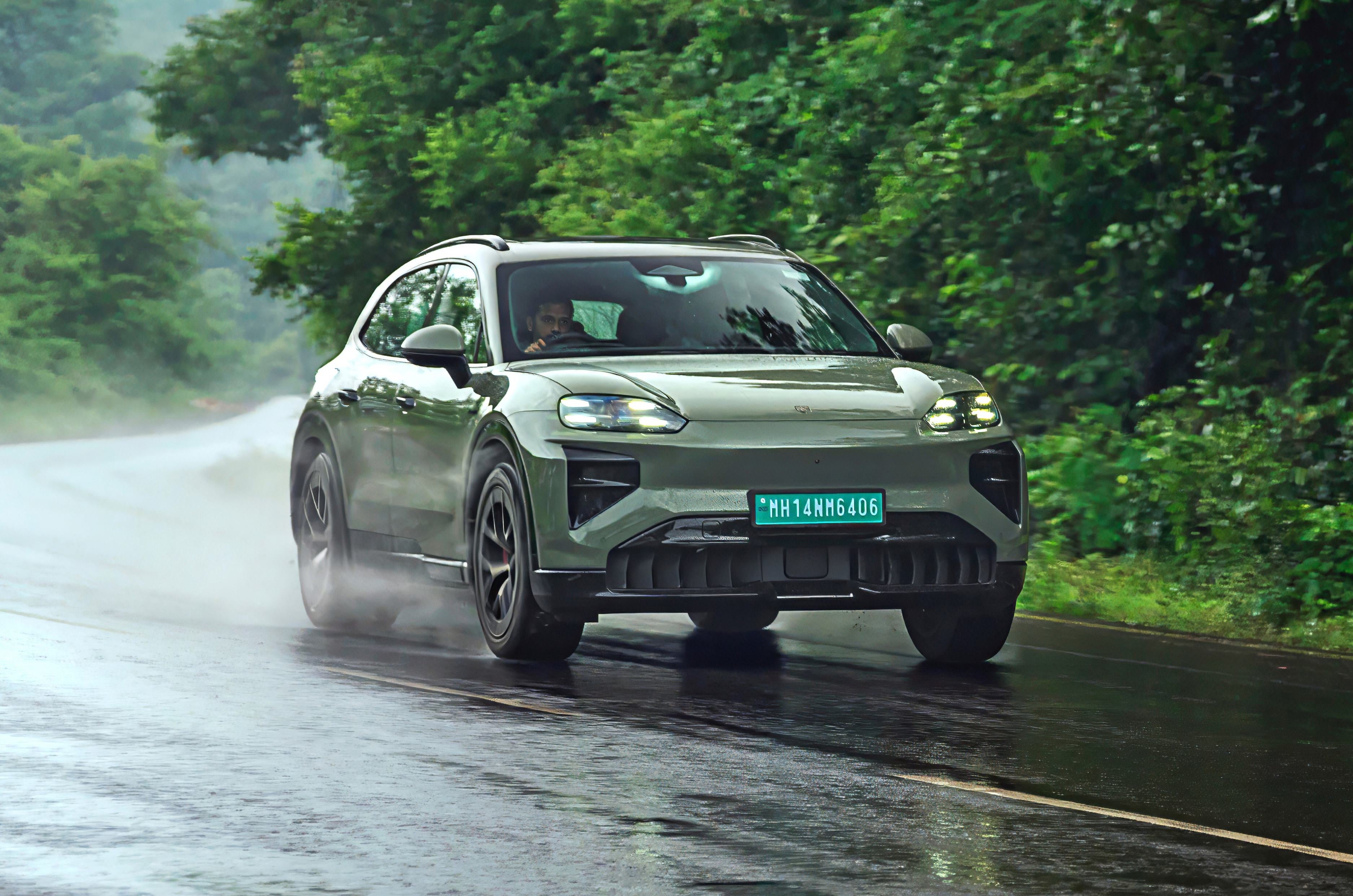
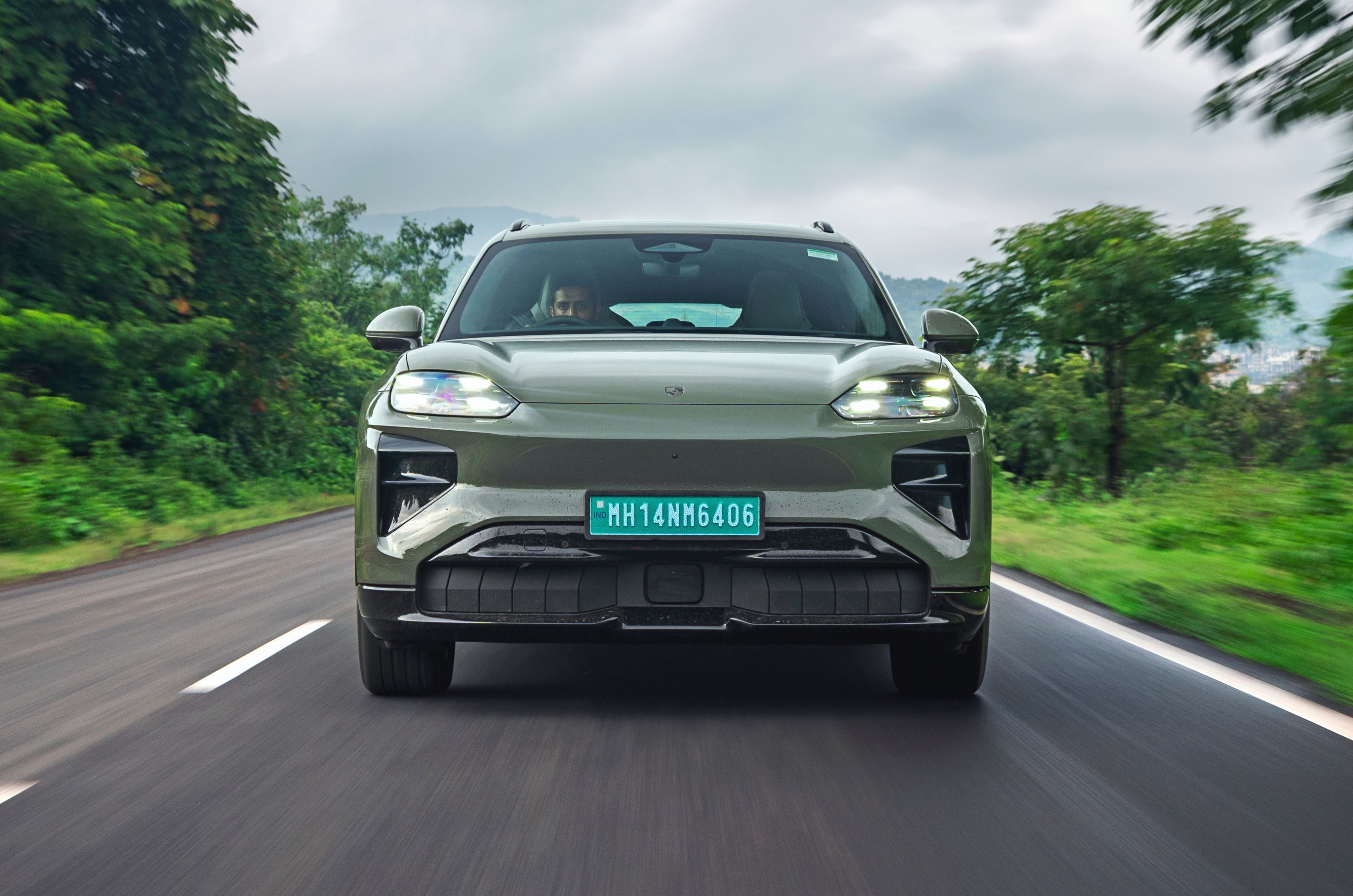
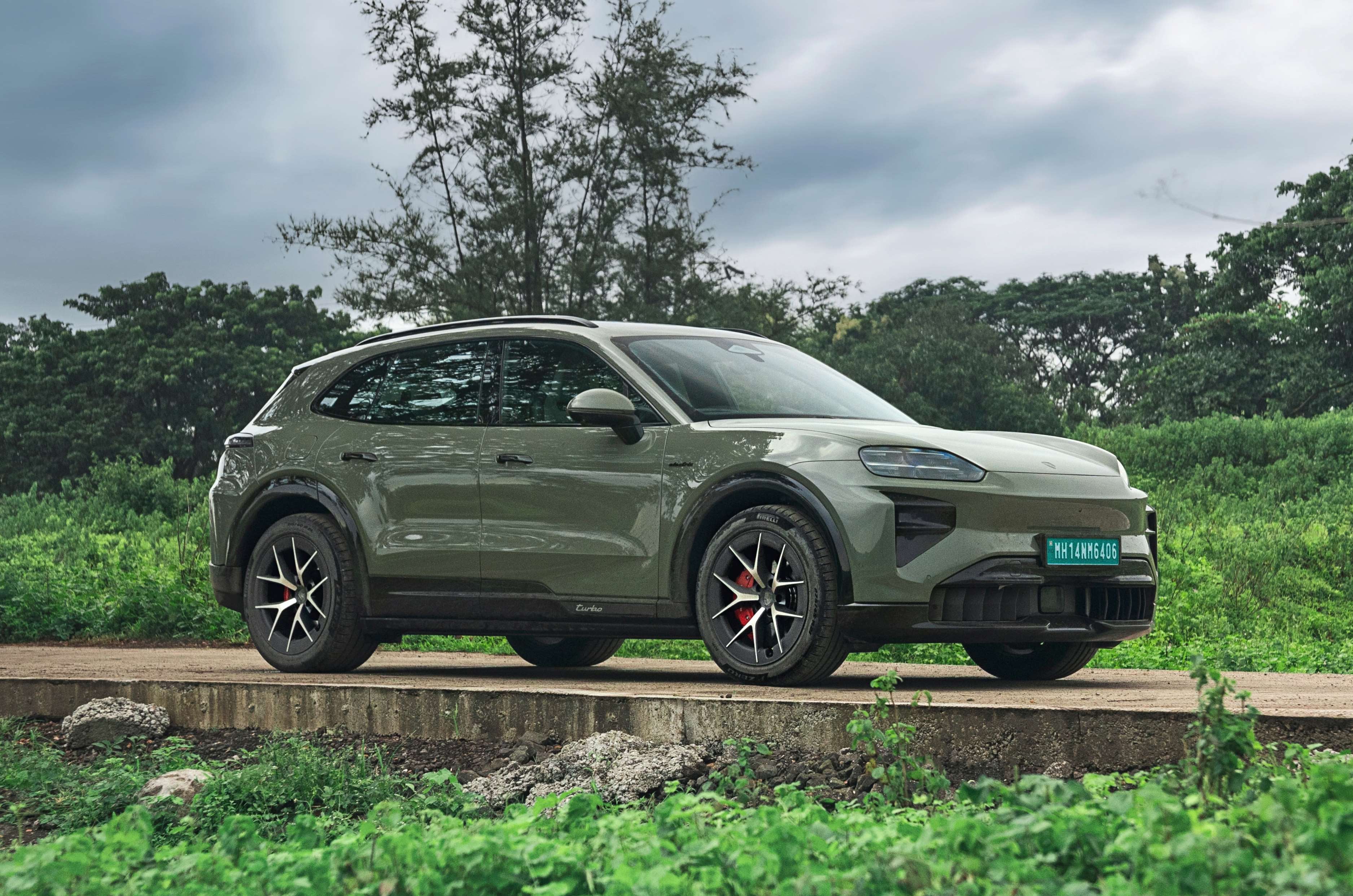
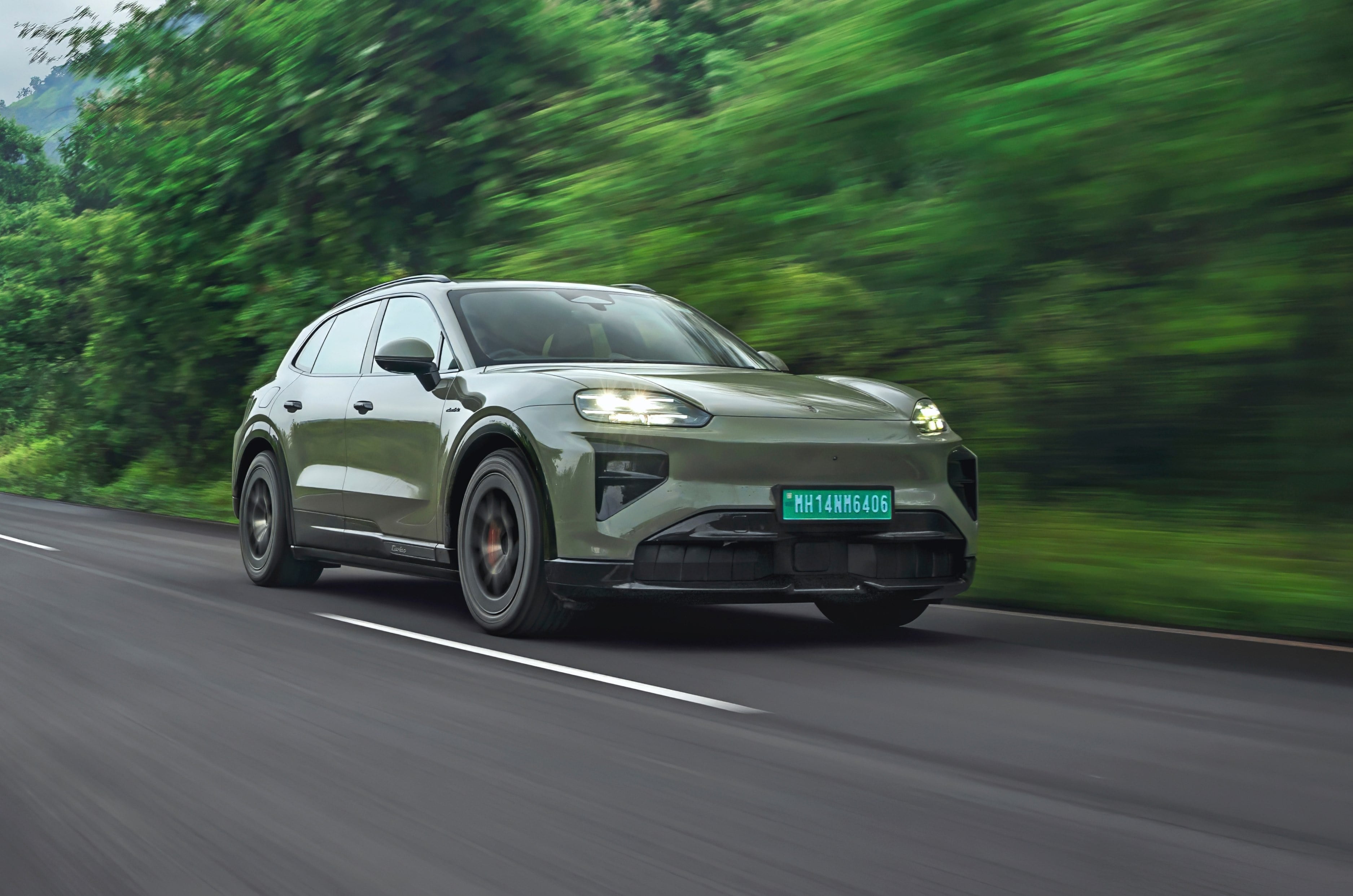
Remember when 1,000 horsepower was the sort of million-dollar pipe dream that we thought we’d only ever see on bedroom posters or YouTube videos? Well, it’s not that insane a proposition anymore, and in fact, three cars on sale in India have crossed the fabled 1,000hp mark. Two are ultra-exotic supercars that cost north of Rs 10 crore – the 1,015hp Lamborghini Revuelto and 1,050hp Ferrari Testarossa. And the third is this, the 1,156hp Porsche Cayenne Turbo Electric – a full Maruti Brezza more powerful than those Italian supercars – and yours for a fraction of the price, at Rs 2.28 crore.
That’s not a lot of money for what is the most powerful car ever to go on sale in India, and that raises a somewhat existential question. Have they gone too far?
2026 Porsche Cayenne Turbo Performance – 10/10
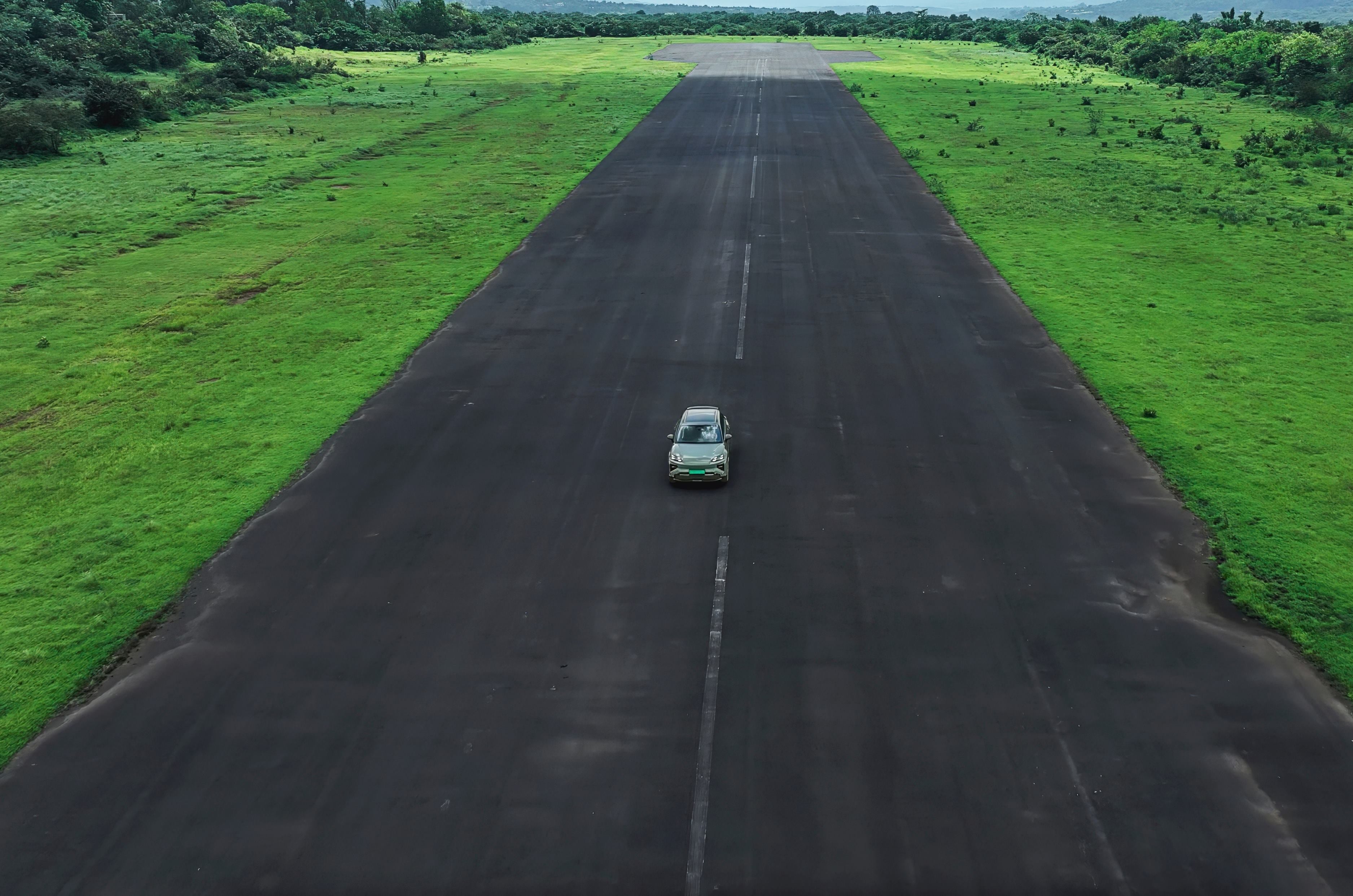
I have the Aamby Valley airstrip rolled out like a red carpet in front of me, perhaps the only place other than a race track where unlocking this hyper-SUV’s full accelerative potential is possible, and I’m about to let it rip. The process is familiar and simple enough. Twist the mode dial to Sport Plus, hold the brake with your left foot and mash the accelerator until it says ‘Launch Control Activated’. Up until this point, it’s nowhere near as dramatic as something with a four-digit power output has any right to be. The electronic sound it makes to signify all the power swelling up is gentle, and it doesn’t even give you any feedback through the pedals. Things are disconcertingly calm for what’s about to happen. I let go of the brake.
The nose lurches upwards and points to the sky like a fighter jet leaving an aircraft carrier, as the huge SUV squats onto its rear axle. It’s in this gut-twisting moment that I realise Porsche India hasn’t specified the Active Ride Control option on this car, which I’m told suppresses this issue by force-tilting the car forward, Power deployment is brutally efficient initially, with barely a chirp from the tyres and not a single of those 1,500 newton metres wasted off the line. But then I notice the nose start to go light and weave from left to right. I steady the wheel as the speed continues to build. With no engine weighing down the front axle and so much rearward lean, there is a frightening lack of traction from the front wheels at speed.
Never before has launching a car attacked so many sections of my body. It’s usually just the abdomen; a really fast car will wind you. Right now, my neck is straining as the head restraint is too far back, my cheeks are starting to ache like I’ve been pretending to find someone’s jokes funny for an hour, there’s a weird pressure coursing through my arms and legs, and my eyes are starting to water as they dart around in their sockets, not knowing what to focus on. Oh, and I’ve been winded well and good.
I’ve launched dozens of really, really fast cars down this very runway, but I don’t recall the scenery ever passing by so quickly. I can’t get a frame of reference so I glance down at the speedo. Two hundred and a blurry something; that’s way more than I expected to see and it’s climbing too fast. This doesn’t compute; it’s usually at this speed that I think about braking. But we aren’t even at the halfway mark yet; how? Brave face on, I keep my foot in. 230, 250, 27- wait, the brochure said it maxes out at 260. It lied. Then suddenly the braking point flashes by and I jump onto the wide pedal. All those forces reverse their polarity as the big Cayenne squirms down to a halt, still well clear of the end of the runway. Let’s do it again!
2026 Porsche Cayenne Turbo: Real-world acceleration test
Speed
Time (in seconds)
20kph
0.45
40kph
0.94
60kph
1.45
80kph
1.96
100kph
2.52
120kph
3.18
140kph
4.01
160kph
4.96
180kph
6.12
200kph
7.47
220kph
9.06
240kph
10.92
260kph
13.20
And it will do it again, and again, and again. Because if there’s one thing we’ve learnt about Porsches over the years, it’s that they’re engineered to perform repeatedly and consistently. The dual-motor Turbo has been certified to deliver a 2.5sec 0-100kph time; our VBOX confirmed the same several times over. But eventually, as the battery SOC dipped below 75 percent, the times started to go up, a tenth of a second at a time.
The biggest victim of the repeated runs, however, were the brakes – even for mammoth 420mm discs, arresting 2.7 tonnes is no joke, and soon their squeal was louder than their bite. I don’t usually advocate for carbon ceramic brakes on SUVs, but perhaps this is the one time Porsche India should have shelled out for the Rs 13.5 lakh option.
2026 Porsche Cayenne Turbo: Real-world braking test
80-0kph distance
23.47 metres
80-0kph time
2.08 seconds
2026 Porsche Cayenne Turbo ride comfort and handling – 8/10
However, by the twenty-seventh-or-so sprint down the runway, the car seldom missing a beat and the excitement never waning, my body decided it had taken enough of a beating. From longitudinal g-forces, at least; the lateral attack was yet to come. So we waved goodbye to the gentleman in the tower, who’s probably used to seeing much slower-moving traffic on the runway, and made our way back to reality via the twisting roads leading down to Lonavala.
It’s been a few years since I’ve come to our old stomping ground of Tiger Point and its surrounding twisties, and I can’t think of a nicer car to reacquaint myself with my favourite corners in. Muscle memory kicks in as I enter the first, fast right-hander. I lean in instinctively, but then the car starts to lean too; unexpected. It does the same on the next left, and right, and once again I start to wish they specified that Active Ride Control option. Porsche engineers are usually among the best at taming big mass, but perhaps they’ve finally met their match.
On its standard air springs and adaptive dampers, the Cayenne Turbo displays a disappointing amount of body roll, exacerbated only by the enthusiasm from the motors that begging you to push it harder. The steering too is encouraging, what with the small-diameter wheel and the fact it’s as sharp and direct as you expect. Here, too, I will say that rear-axle steering would have added a welcome extra degree of agility, but once again, Porsche India hasn’t ticked the option. It can still link together a series of corners with greater alacrity than most other big SUVs, but for the first time in recent memory, I’m not feeling that distinct Porsche magic at my fingertips.
Through the narrow and bustling streets of Lonavala, I’m starting to explore the other end of this SUV’s capability spectrum. And that’s just the beauty of EVs, isn’t it? One minute you’re clocking 0-200kph in 7.4 seconds, the next you’re ambling silently through a school zone. Like the best of them, it’s refined, smooth and incredibly easy to modulate, and you could be forgiven for forgetting there’s 857hp at your behest (the full 1,156 only comes with launch control). One spec deficiency I’m glad for right now, however, is the choice of more sensible 21-inch wheels rather than the optional 22s. They don’t look as nice, but they’re soaking up the harsh hits from the rutted road beneath me.
2026 Porsche Cayenne Turbo range, battery and charging – 7/10
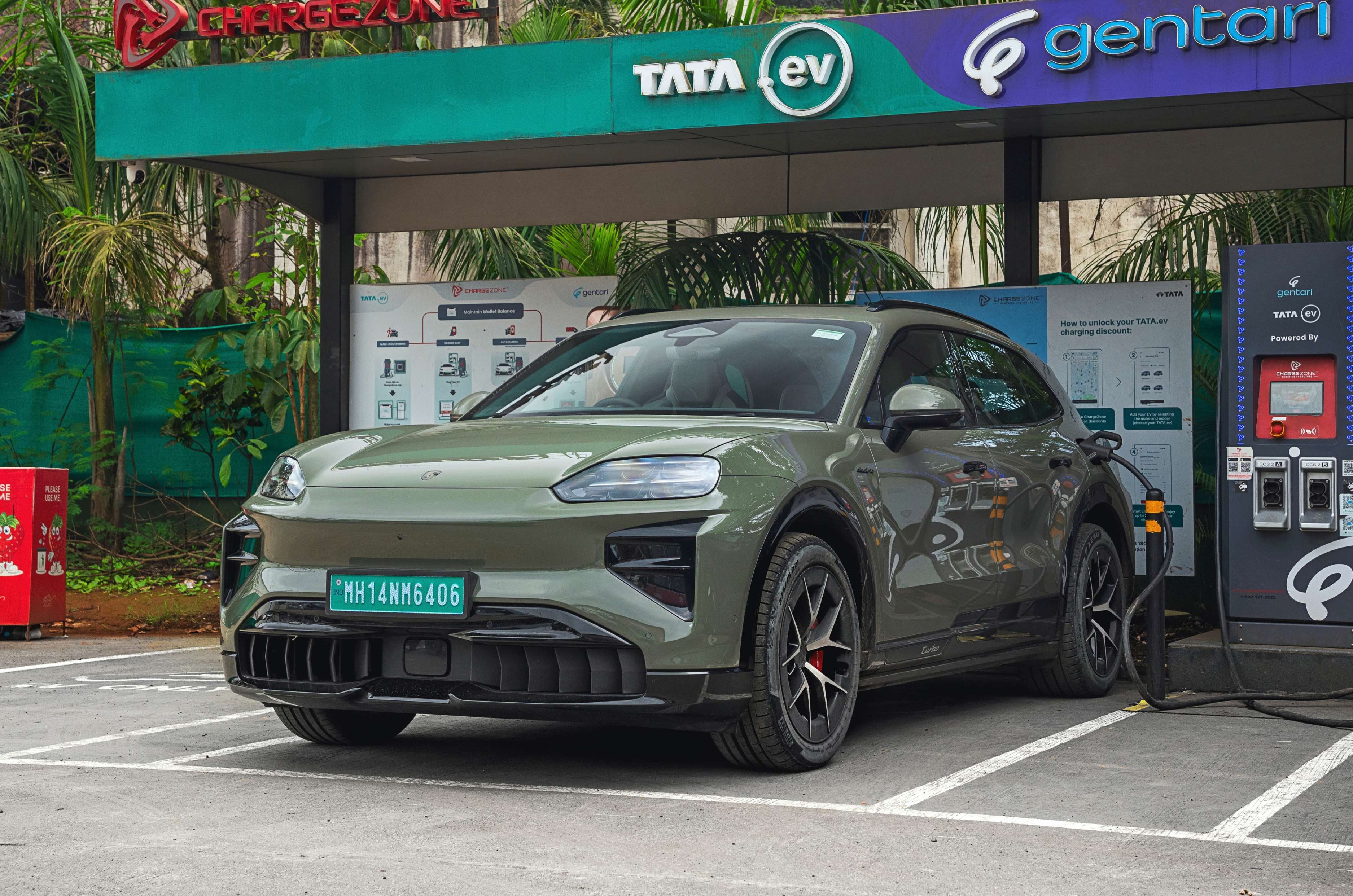
Between racing repeatedly down the runway and then trying to extract that Porsche spice in my favourite corners, I’ve reached Lonavala city with around 20 percent left in the 113kWh tank- er, pack? The Cayenne Turbo is rated at 623 kilometres on the WLTP cycle, so the ‘real’ real-world range should be far more palatable than this; to obliterate such a large chunk in such a short time requires the prolonged buffoonery I just subjected it to. Probably best to find a place to plug in soon, and grab some lunch while I’m at it. On a mythical 400kW plug, the Cayenne can be charged from 10-80 percent in just 16 minutes, but on a rainy Wednesday at a hill station, the best we can do is 60kW, so it’ll take much longer.
Today is a study in why India is far from ready for full EV adoption. Apart from ICE cars parked in charging spaces, malfunctioning plugs, unfathomable apps and an absent mobile network, we were also waylaid by two power cuts.
2026 Porsche Cayenne Turbo features and safety – 9/10
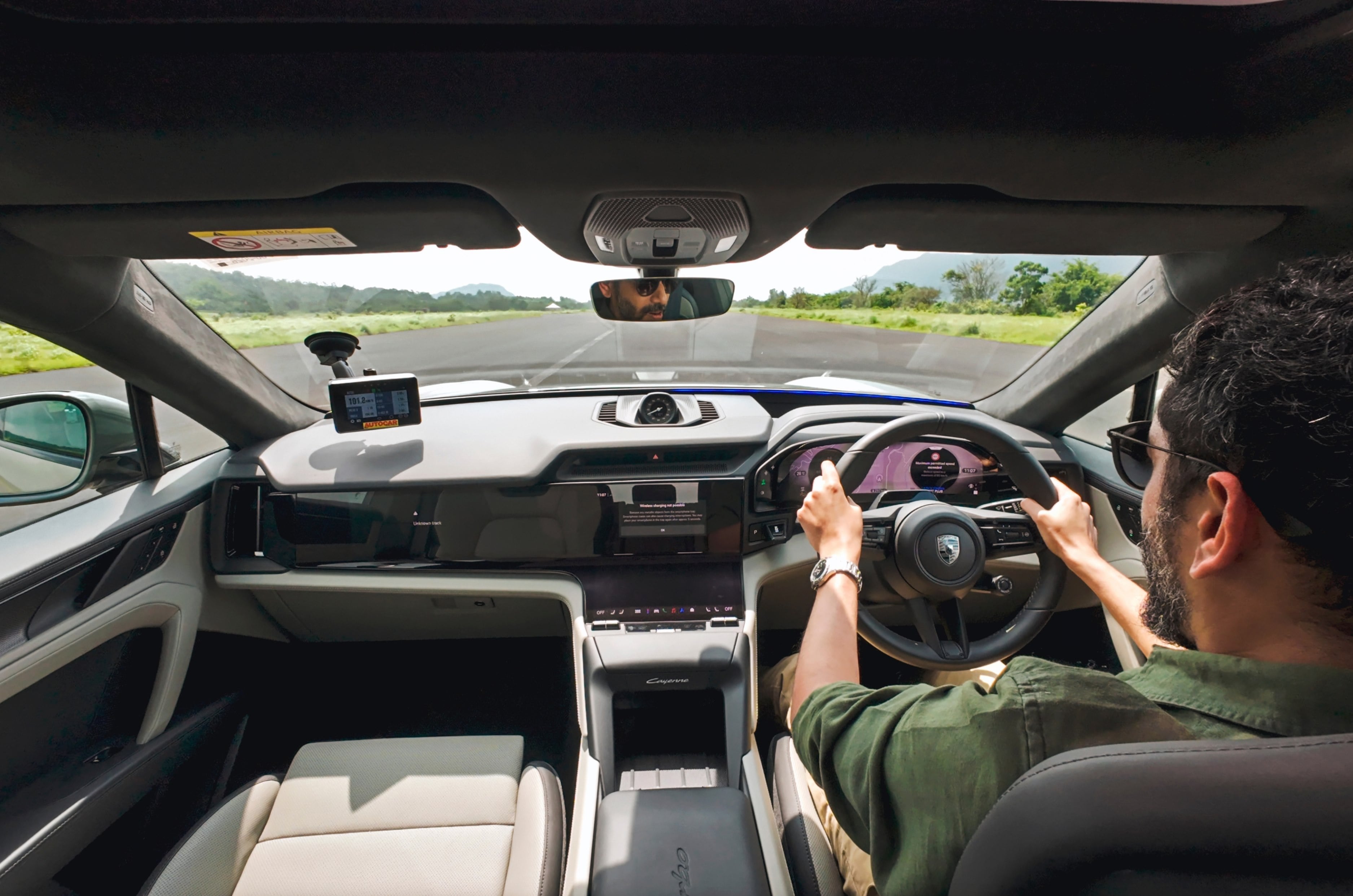
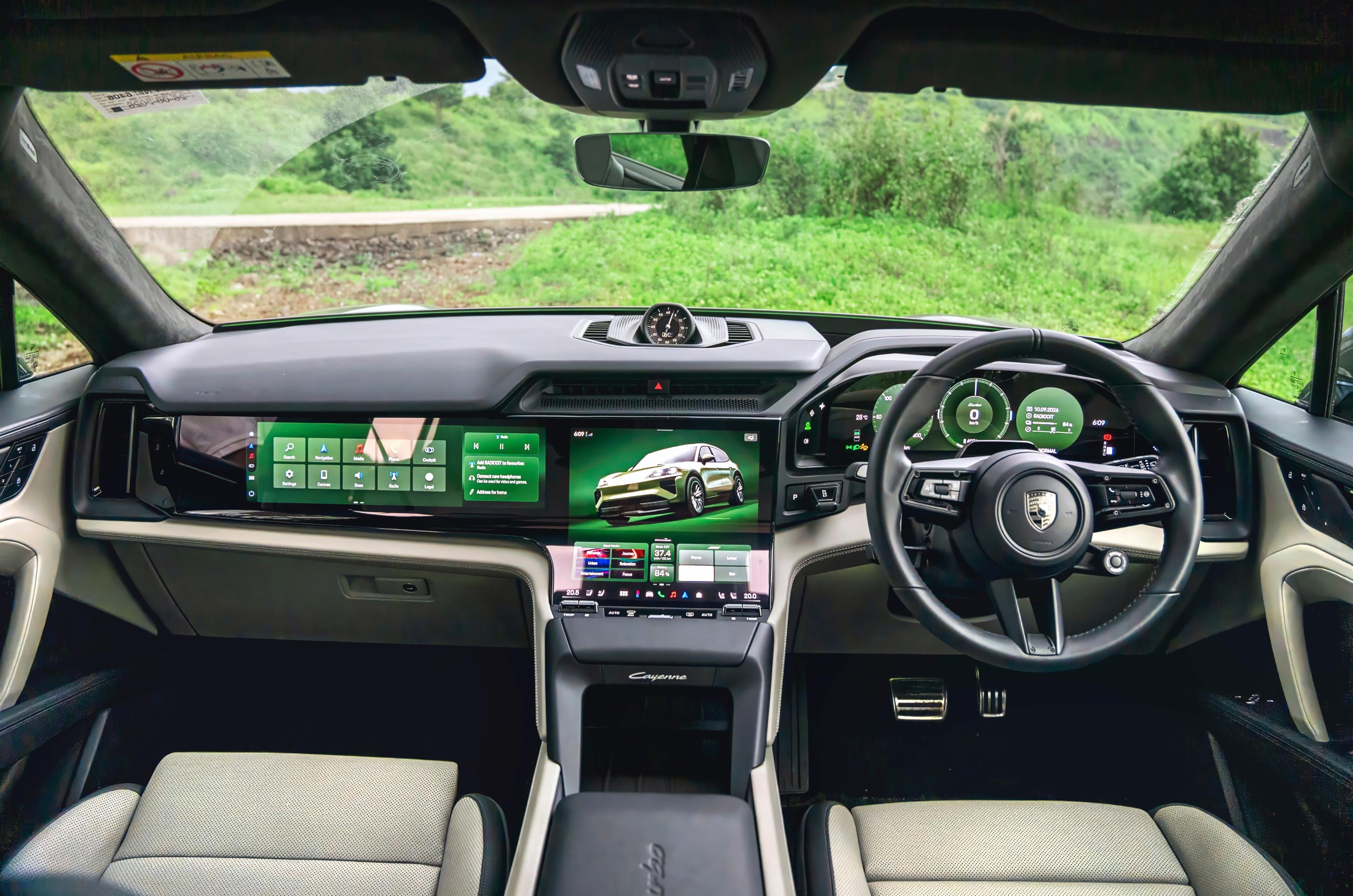
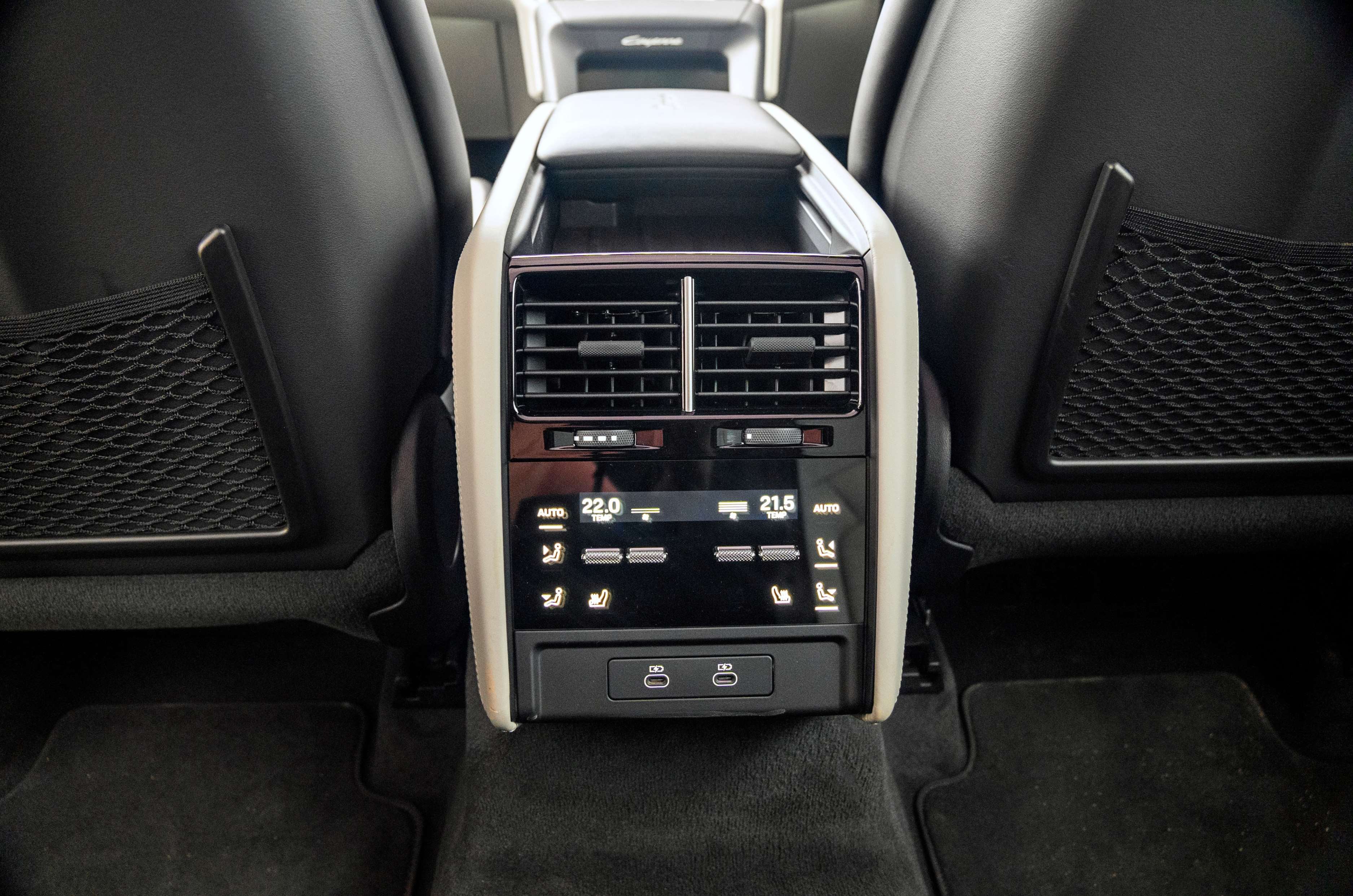
On the upside, all this gave me a chance to have a play around with the Cayenne’s new and tech-heavy interior. The passenger screen is a Rs 2 lakh option I would not tick, but the centrepiece is the cascading curved touchscreen. It looks gimmicky but actually functions really well, the bottom half of the ‘bend’ housing the major functions, while the more upright top functioning as the display. The AC vents are adjusted from the touchscreen sadly, but otherwise there are plenty of physical controls.
There’s no shortage of features here and you can add even more from the options list. For instance, the panoramic sunroof is standard, but there’s no sunshade. Instead, you can option an electrochromic function that masks out the glass in sections.
2026 Porsche Cayenne Turbo interior space and comfort – 8/10
Functionality comes first in a Porsche, and you can see that in the compact but tactile steering wheel, the clear dial-style driver’s display and the sporty ergonomics. In fact, despite all the tech, this feels instantly like a Porsche from behind the wheel.
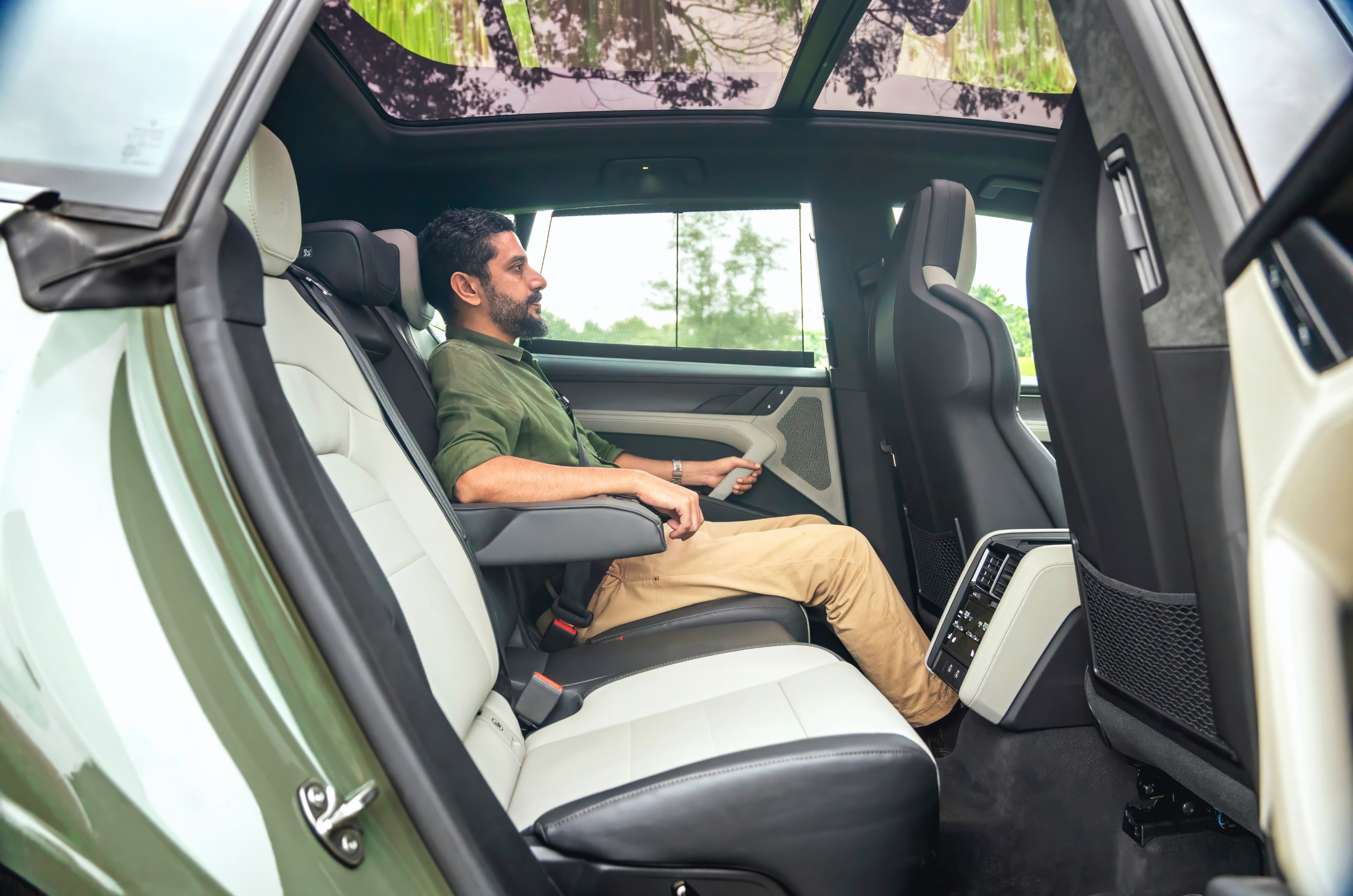
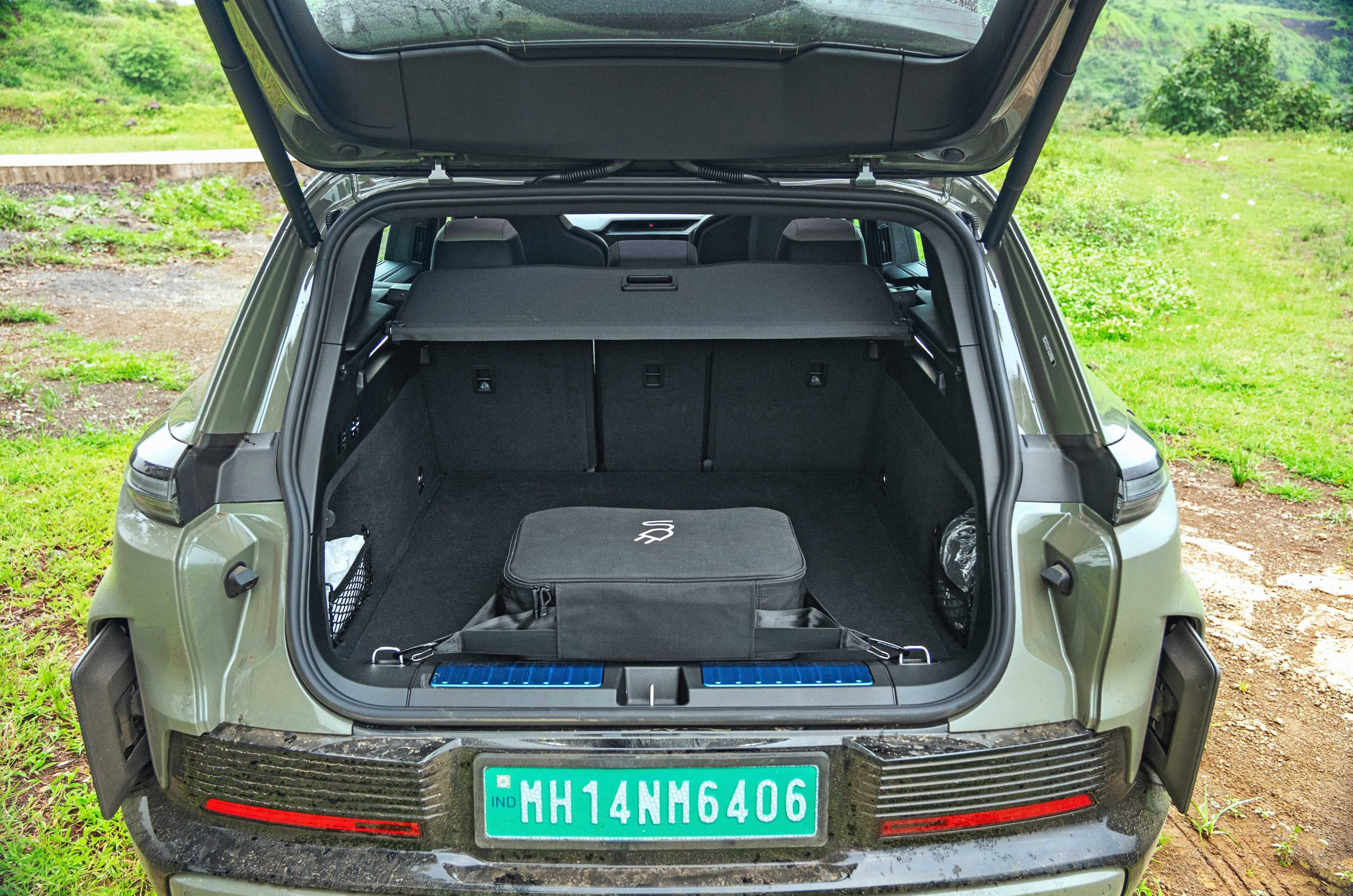
This is easily the most spacious Porsche yet, though, with the huge 3,023mm wheelbase liberating massive seating room, as well as a huge 747-litre boot and 90-litre frunk. It’s well equipped, it’s luxurious, it’s sporty; it’s almost hard to fault here.
2026 Porsche Cayenne Turbo exterior design and engineering – 7/10
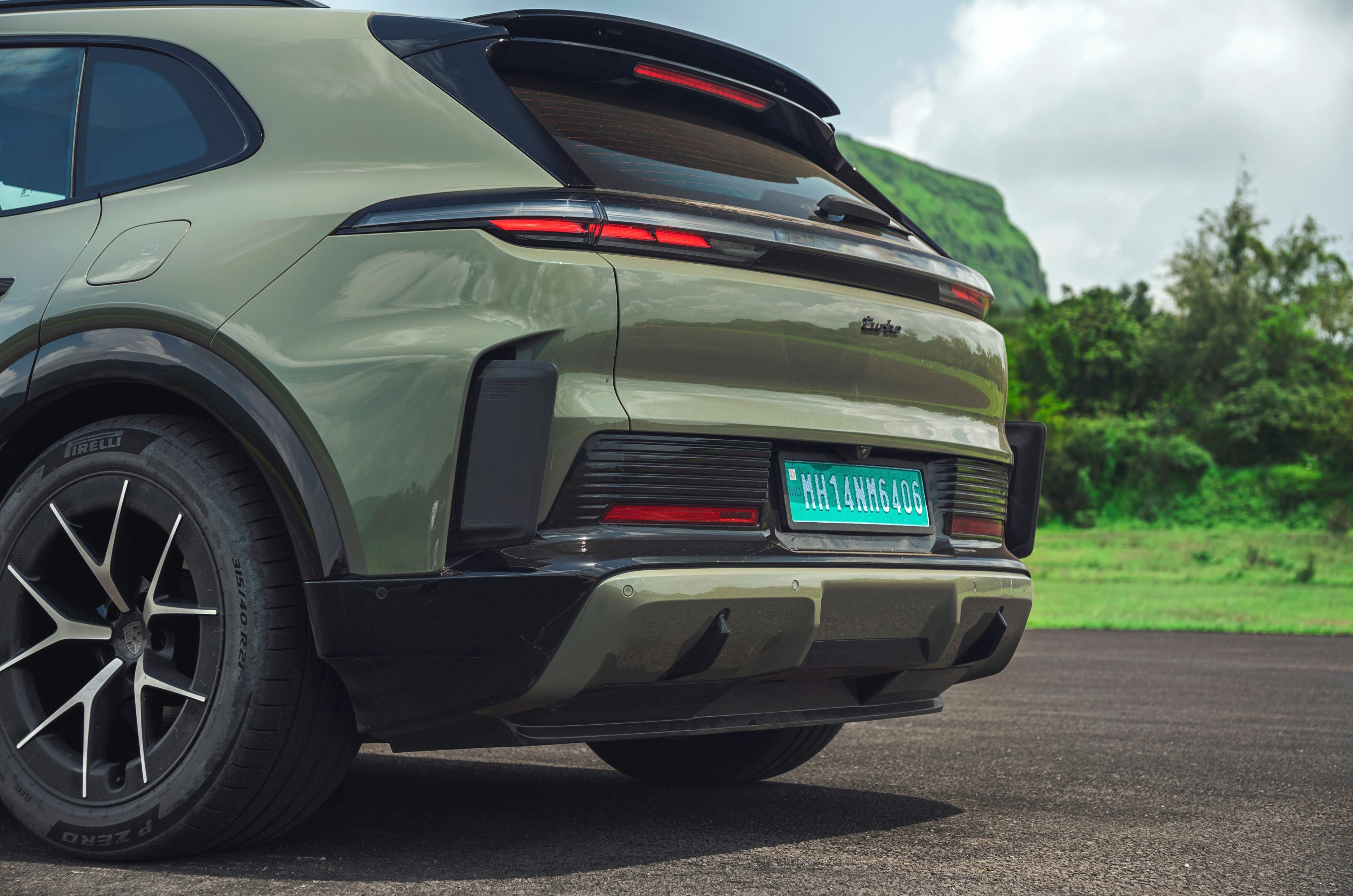
I’m less convinced by the exterior, though. It certainly has size on its side; this is the largest Porsche ever, a fact exaggerated by its slim headlamps and tail-lamps. Even the gigantic 21-inch wheels look a size down against the mass of bodywork. They’ve worked around it with plenty of contrast black details, and there are lots of cool details, like the active aero vanes up front and the flaps that extend from the rear bumper to reduce drag at speed. They’ve even got the GPS co-ordinates of Porsche’s wind tunnel embossed into them.
However, it’s also this size that works against it, as the proportions make it look bulky and a bit ungainly. This might be fine most big luxury SUVs, but in a Porsche, there’s a certain visual agility that’s missing.
2026 Porsche Cayenne Turbo price and verdict – 9/10
Is it wrong that for a car with such eye-watering headline figures, it’s the slow cruise back home that I appreciate the most? Having been pulverised by the acceleration in the morning, I’m happy to let the ventilated 18-way seats soothe my back, as my favourite tunes stream through 14 Bose speakers and adaptive cruise control keeps an Expressway pace.
Because it’s an EV, you can switch quite easily between its two personalities, and because it’s a Porsche, it does both reliably as many times as you need it to. Some of that special sauce has been lost along the way, and the smaller Macan Electric does a much better job in this regard, but I’d argue the Cayenne has an even greater breadth of ability. It’s easy to launch India’s most powerful car to stratospheric speeds, but it’s even easier to forget that you can, and perhaps that’s its biggest triumph
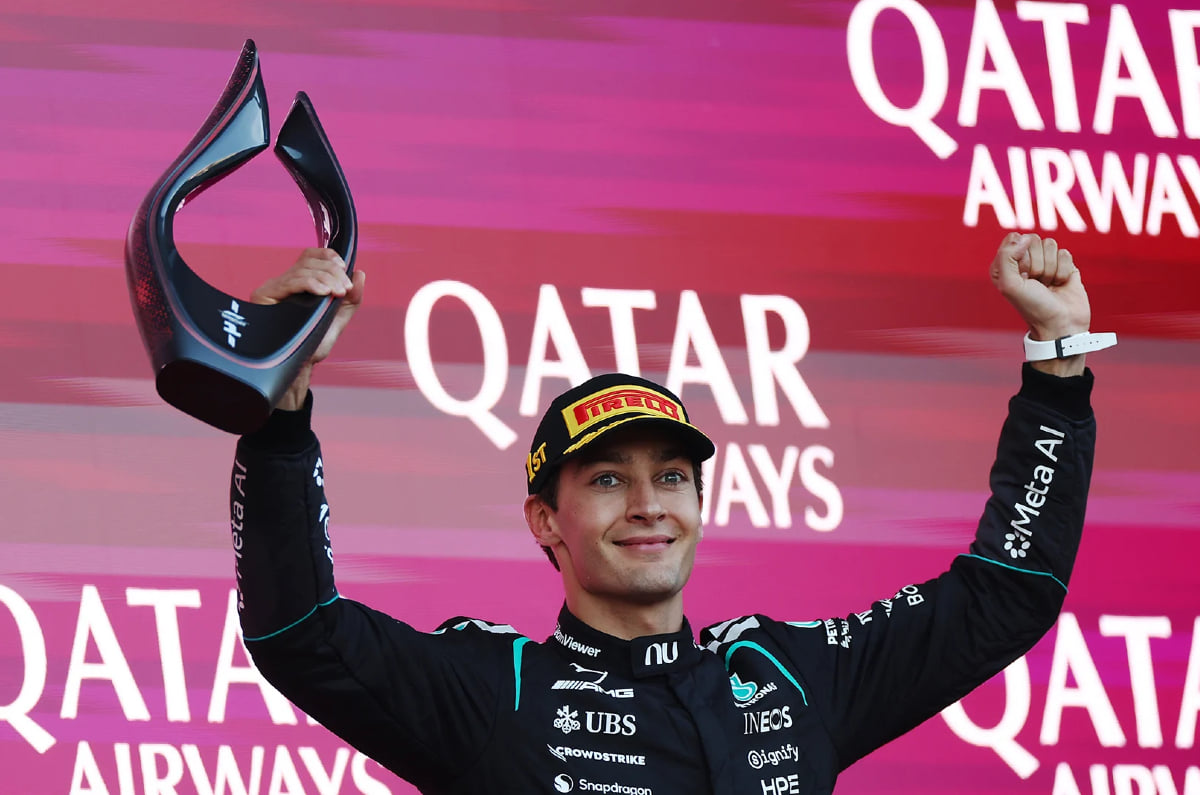
George Russell secured his third win of the 2026 F1 season after fending off a late charge from Max Verstappen. The Mercedes driver survived two Safety Car re-starts to secure his first win since the Austrian GP in June.
After spending six weeks out of action due to a fractured wrist, Isack Hadjar made a strong comeback at Baku with a P3 finish.
Russell wins at Baku, 0.196 sec ahead of Verstappen
Antonelli goes from P16 to P5
Colapinto handed five-place grid penalty for Malaysia
Russell wins Azerbaijan GP
Starting from pole position, Russell enjoyed a great launch at the start and extended his lead in the early stages. He had a buffer of over 10 seconds when the Safety Car was brought out on Lap 31 after Alex Albon’s crash.
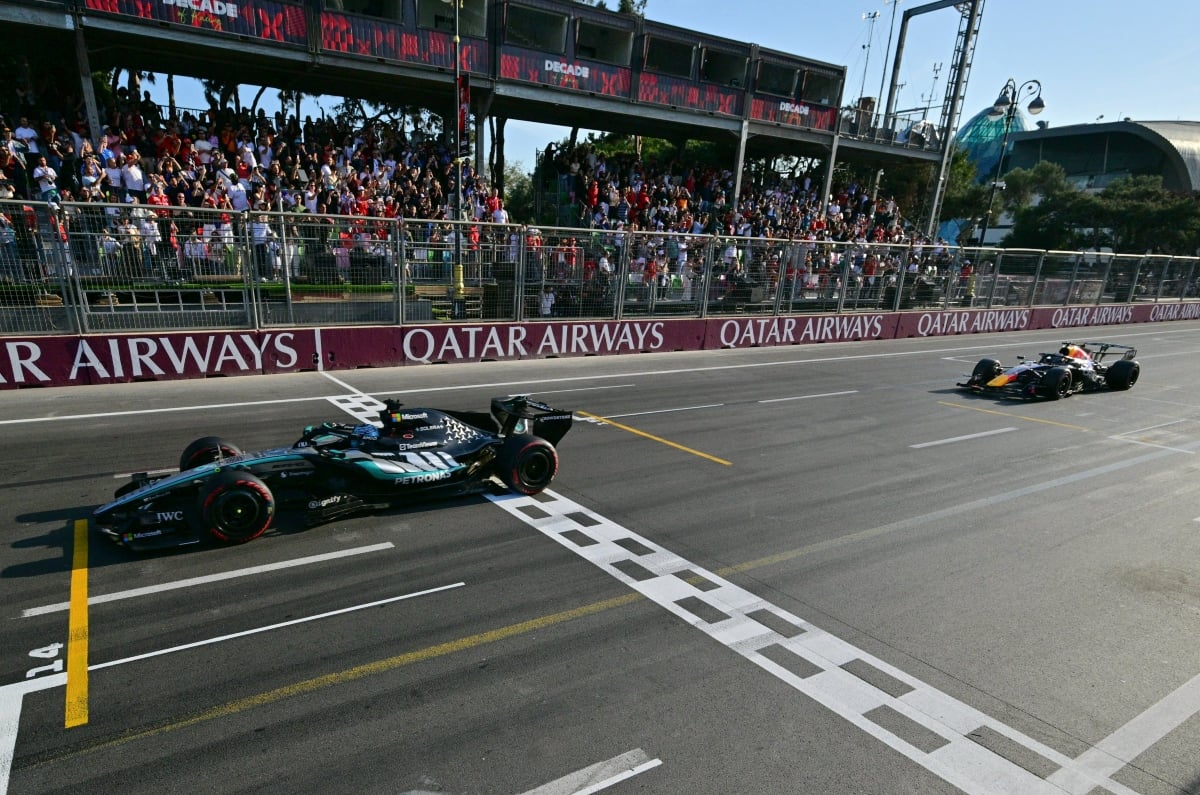
Russell aced the re-start as behind him, Verstappen used the slipstream to pass Oscar Piastri to move up to second place. But the race was neutralised once again as Franco Colapinto locked up into the Turn 1 braking zone, taking out his Alpine teammate Pierre Gasly and McLaren’s Lando Norris. This set the stage for a thrilling duel as Verstappen piled the pressure on Russell.
The Mercedes driver ended up crossing the chequered flag just 0.196 sec clear of Verstappen. “It’s been an incredible weekend and probably one of the strongest of my career so far. I really enjoyed that race and that final stint was some of the most fun I’ve had in a Formula 1 race. We had strong pace throughout and were able to build a good gap, so when the Safety Car came out it was a little frustrating, but around a circuit like Baku that’s always a possibility,” said Russell.
“The restart was probably the most stressful moment of the afternoon with Max right behind me, but I managed it well and from there it was all about staying focused and not making any mistakes. In the final stint we were both pushing hard, and whilst it was intense in the car, those are the moments you enjoy as a driver. I’ve felt comfortable all weekend, and at the moment things seem to be coming naturally behind the wheel. We’re in a good place, but Formula 1 changes very quickly so you have to keep pushing. The aim is to keep working hard, keep building this momentum and hopefully continue fighting at the front over the races ahead.”
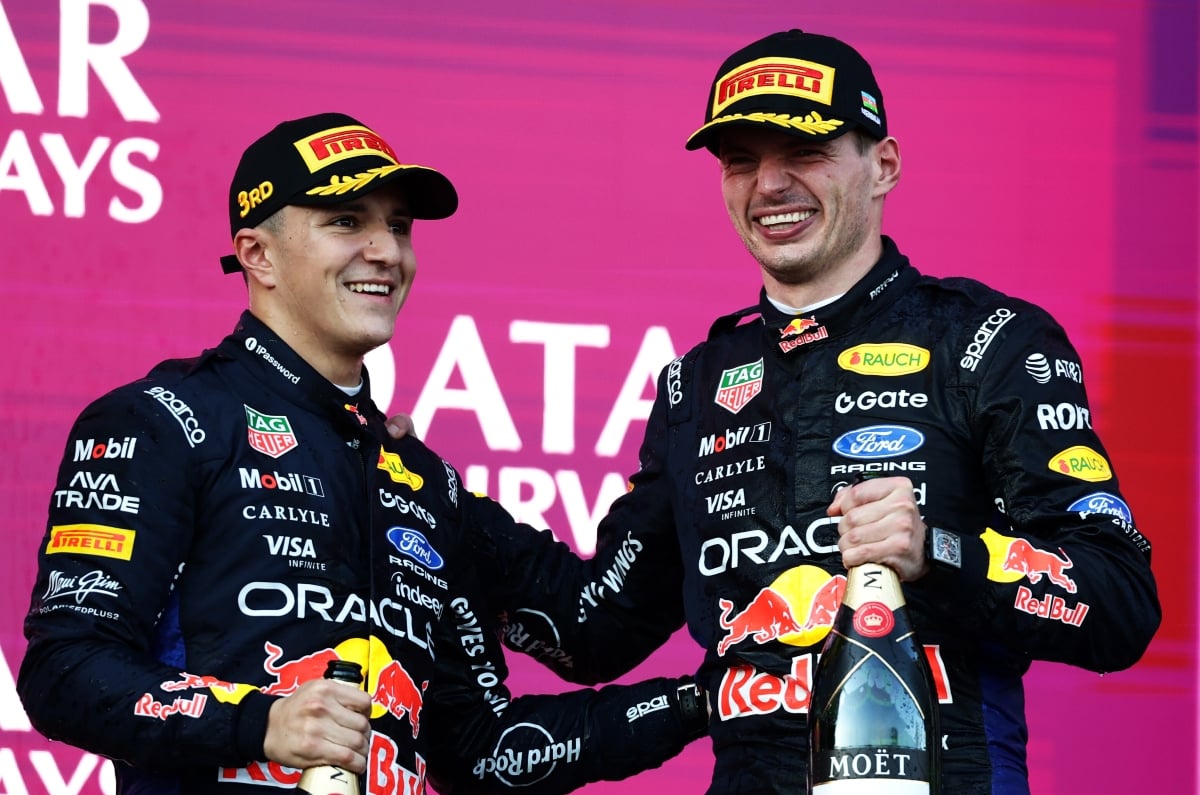
Red Bull earns double podium
Red Bull celebrated its first double podium this season as Hadjar finished third. It topped off an impressive comeback round for the Frenchman, who missed the last three races as he recovered from a wrist injury sustained while training.
“You can’t really ask for a better comeback than that. The car has been competitive throughout the week and all over the track, so we had the pace to really challenge and be exactly where we wanted to be. Our approach was key to a strong week; taking it step-by-step allowed me to build confidence and then the lap time comes with that. Ending it with P3 is a really pleasing result,” Hadjar shared.
Ferrari’s Charles Leclerc and Lewis Hamilton finished P4 and P6 respectively. Championship leader Kimi Antonelli split the two Ferrari drivers in fifth place, battling his way up the order after starting P16 on the grid.
Racing Bulls’ Arvid Lindblad defeated Haas’ Esteban Ocon and Oliver Bearman to finish P7. Williams’ Carlos Sainz rounded out the top 10.
No points for McLaren
The Baku race ended up being a chaotic affair with seven drivers retiring. It was an especially disappointing weekend for McLaren, as the team walked away from the race with zero points.
Colapinto’s error forced Norris to retire, prompting the reigning world champion to later comment that “some drivers shouldn’t be in F1”. Colapinto has been handed a five-place grid penalty for next weekend’s race in Malayasia for the incident. Despite the Baku circuit not playing to McLaren’s strengths, Piastri spent a good portion of the race firmly in the top three. But a lock up at Turn 1 dropped him all the way down to P15. While he did gain a position after Valtteri Bottas’ late crash, he still ended up P13.
2026 F1 championship standings
Heading into the Azerbaijan GP, Antonelli held an advantage of 81 points on top of the standings. Russell has cut that gap to 66 points after his victory. Hamilton holds on to third place overall, 37 points behind Russell and 13 points ahead of Norris.
F1 will next return to Malaysia for the first time since 2017. Interestingly, the event (scheduled for October 2-4) will be held as the Bahrain GP, with the Middle Eastern kingdom funding the race.
Mercedes-Benz’s 140 Years, 140 Places odyssey is a celebration of the carmaker’s origins in 1886. Spanning six continents, covering over 60,000 kilometres, it is as massive in significance as it is in scale. The tour kicked off at the Mercedes-Benz Museum in Stuttgart on the 29th of January, the same day Carl Benz received the patent for his first car 140 years ago! The cars then went to the Daimler house in Bad Cannstatt, they tracked the original route of Bertha Benz’s historic 1888 drive and drove the iconic Spa-Francorchamps racetrack in Belgium in wheel tracks of the W109 ‘Red Pig’ that made such a splash in 1971. The cars then went to the US, visiting the first plant in the US started by William Steinway (of Steinway & Sons, the famous German Piano makers), South America, Australia, Japan, Korea and Japan.
Legacy and history
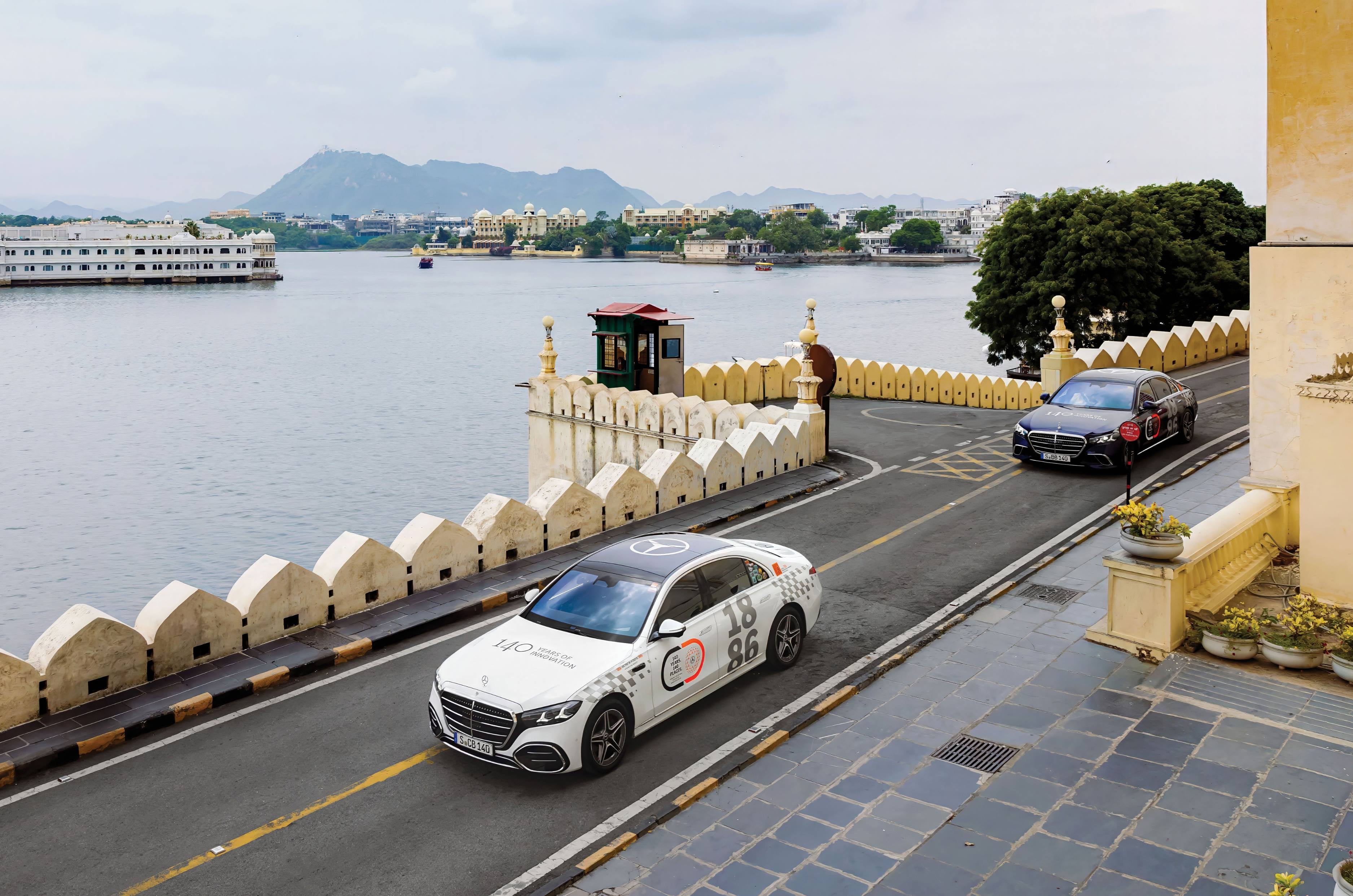
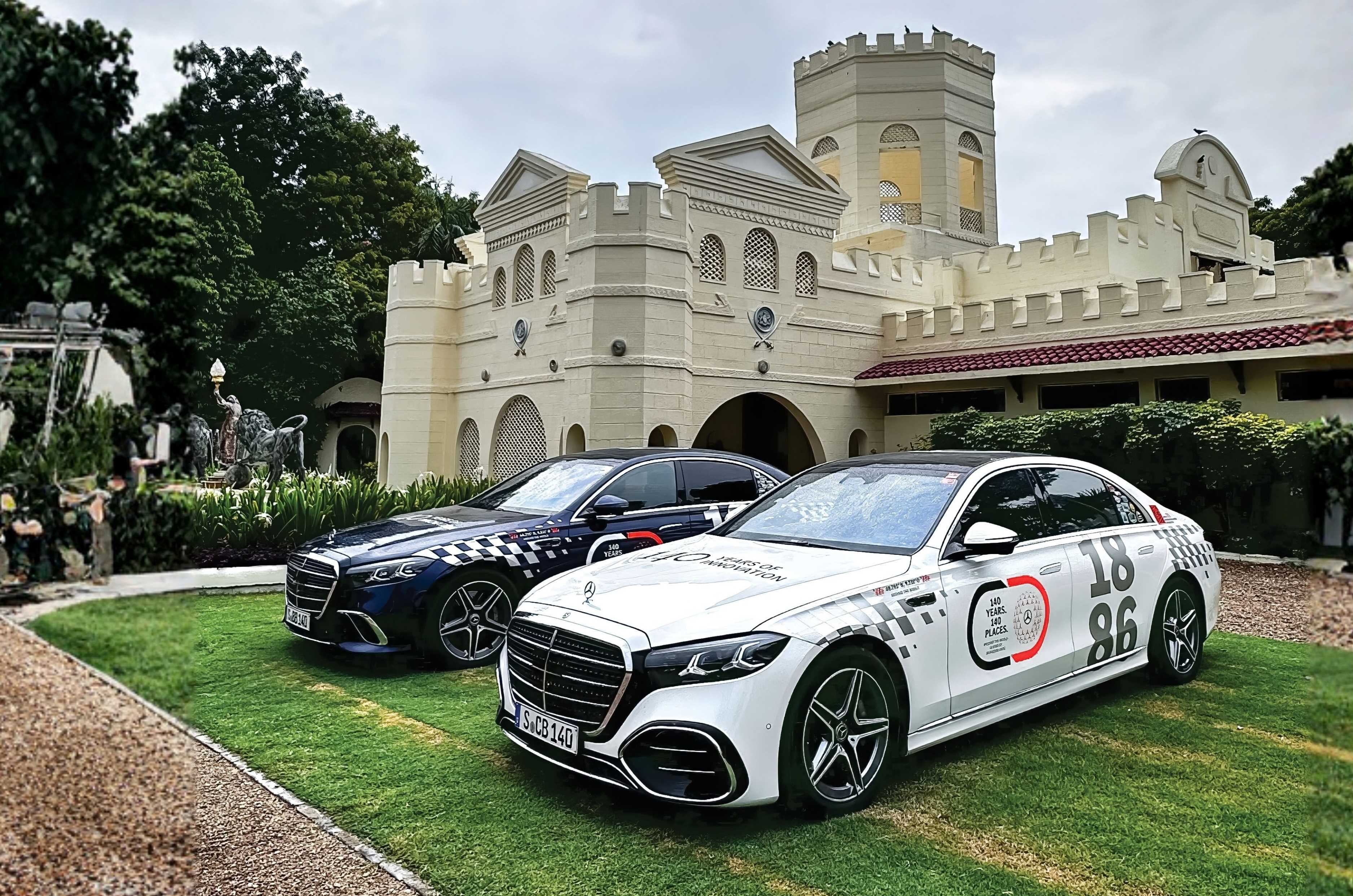
With their royal and regal air, the S-Classes feel right at home in Udaipur.
Part of the 140 Years, 140 Places expedition, Udaipur is one of the more stunning locations the Mercedes drive will visit on this India leg, and what’s incredible is that we have been chosen to be a part of it. What a privilege. The lake city of Udaipur also has tremendous historical significance. Home to one of the longest-serving dynasties, one that spans 1,500 years, this leg sees a coming together of the world’s oldest carmaker and one of the oldest dynasties. And while this trans-continental excursion is called 140 Years, 140 Places, it could also easily have been called 140 Years of Automotive Technology. With these S-Class pre-production cars dripping with both mechanical and electronic tech, what we are also celebrating is the journey of the car from a three-wheeler with a single-cylinder engine to this technological marvel. The company that invented the motorcar is still widely regarded as the one that makes ‘the best car in the world’.
Luxe Supreme
Everything is perfectly still. Not a gauge in the car is moving, and there’s no real sensation of speed. I must have dozed off. Blame it on the incredibly comfortable back seats and the sensory isolation. This car just shuts you off from the rest of the world. Then I discover we are cruising at 100kph, and not just 30 or 40. Up ahead is the lake city of Udaipur. Ahh.
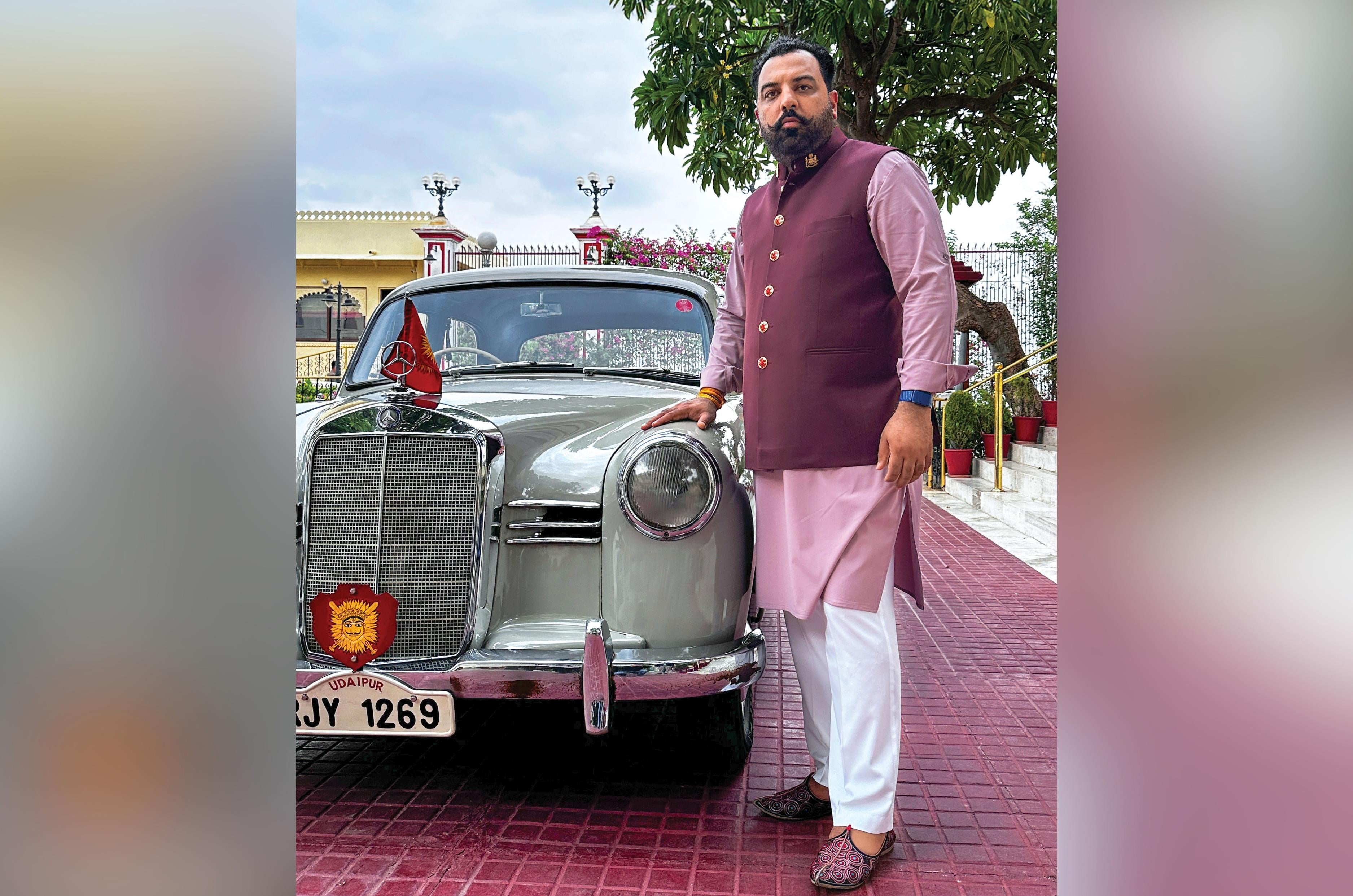
The Maharana of Udaipur with a car that has been in his family for three generations.
We start our journey on this leg from a very significant place, the palace situated on the lakeside at Udaipur. And not only does Lakhsyaraj, the 77th Custodian of the House of Mewar (formally Shriji Huzoor Dr Lakshyaraj Singh of Udaipur), play the perfect host, but he also parks an olive-green 180D in the foyer, a car that has been used by three generations of his family. The symbolism is rich; two legacies converging in a place that embodies the spirit of grandeur and continuity.
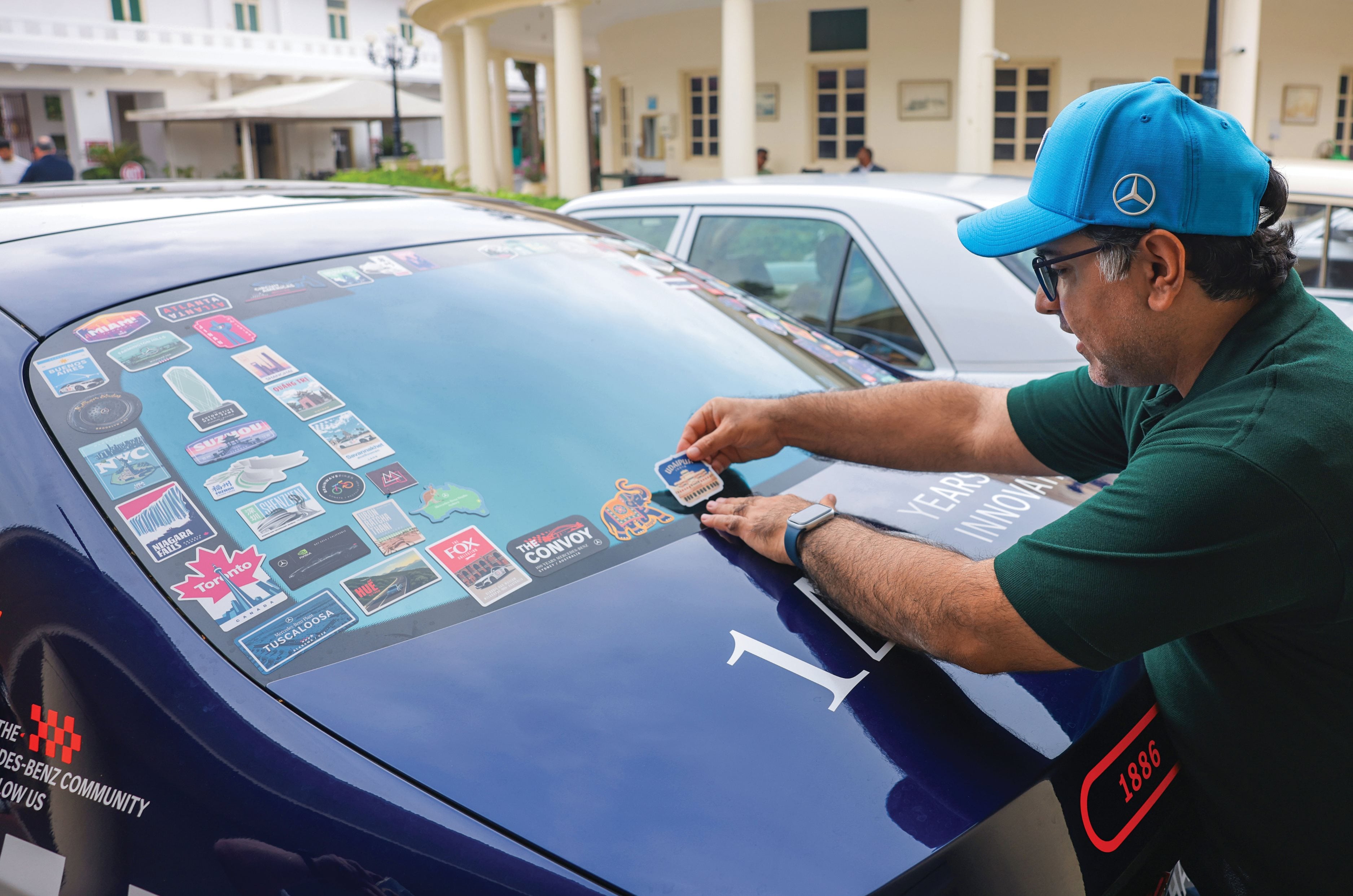
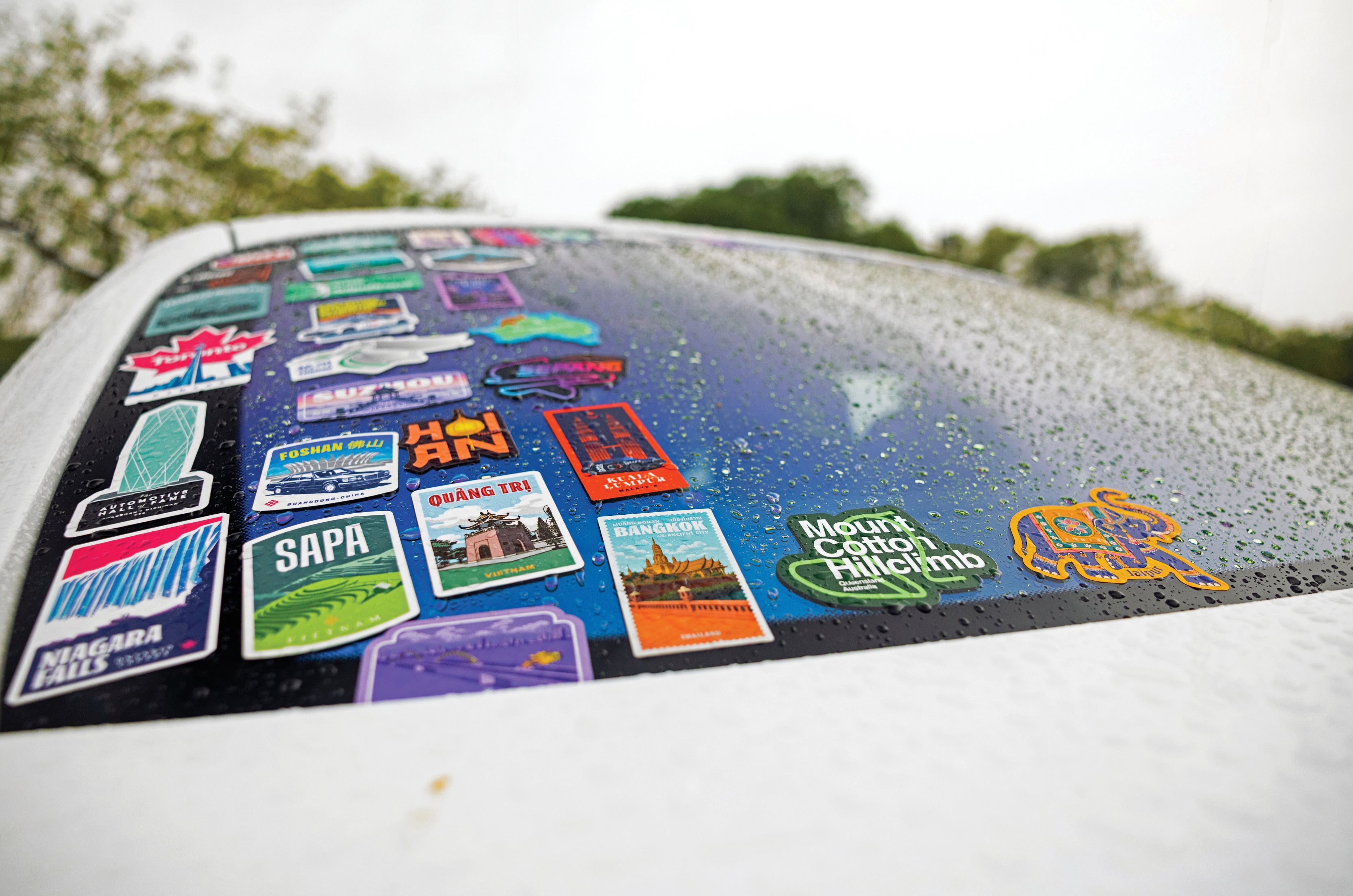
Perseus places the sticker on ‘Bertha’ in Udaipur.
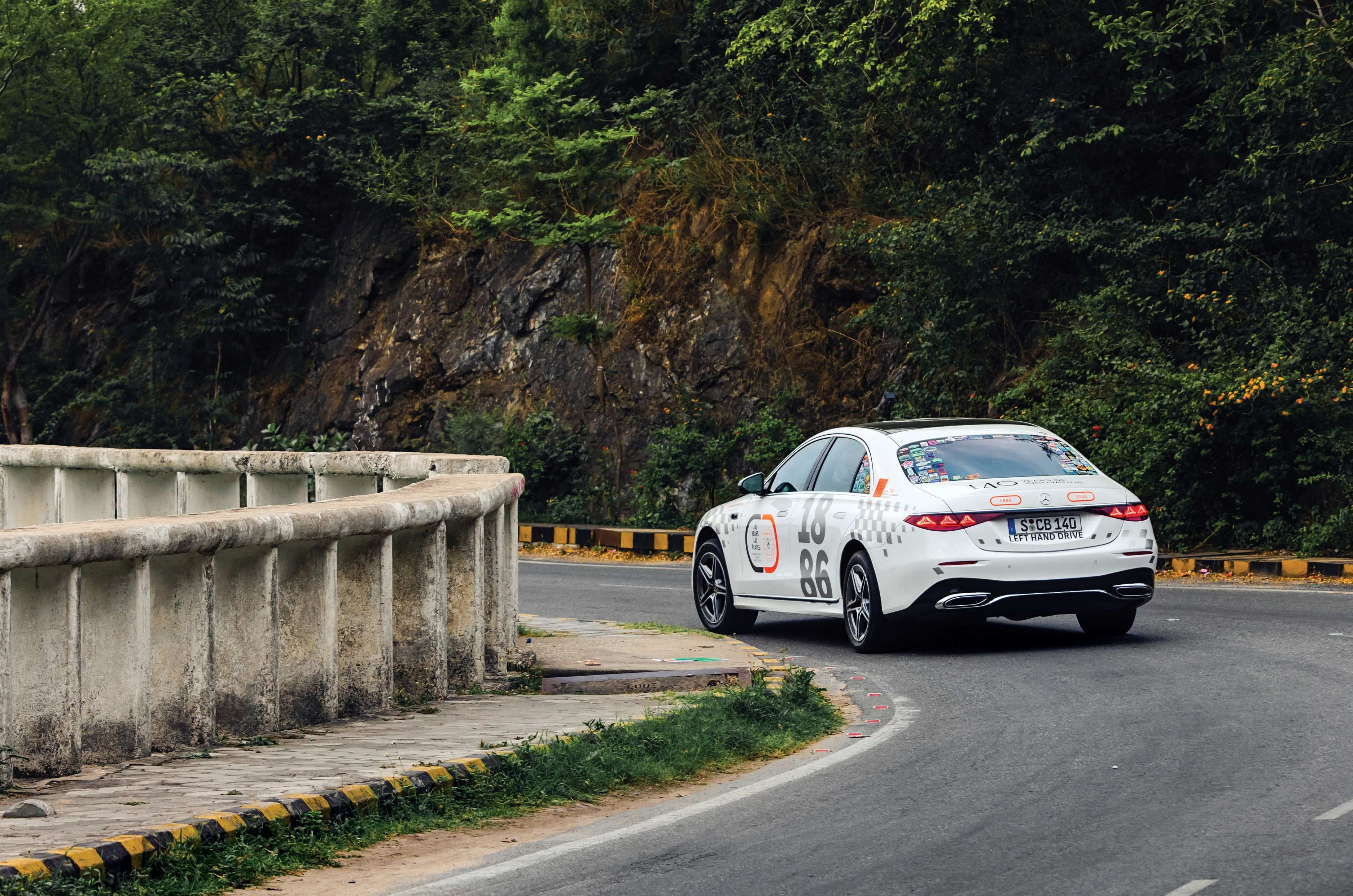
Since Udaipur is one of the 140 iconic destinations on the drive, Mercedes asks him to place an Udaipur sticker on the rear of the car; fitting. These cars, all three (the third is on another leg elsewhere in India), will eventually be housed in the Mercedes museum in Stuttgart, and what’s cool is that you can trace their journey via the stickers. Lakshyaraj then takes one of the cars for a brief drive. He wants to see just how much better this new version, with all its 2,700 new bits, is over his pre-facelifted car. And yes, he loves driving. I’d bumped into him earlier in the day at the airport, where his S-Class had come to pick him up, flags flying and uniformed driver and assistant in tow. But instead of climbing into the rear, he’d gotten straight behind the wheel. Tells you a lot.
Still at the top
Late prototypes of the New S-Class made the journey.
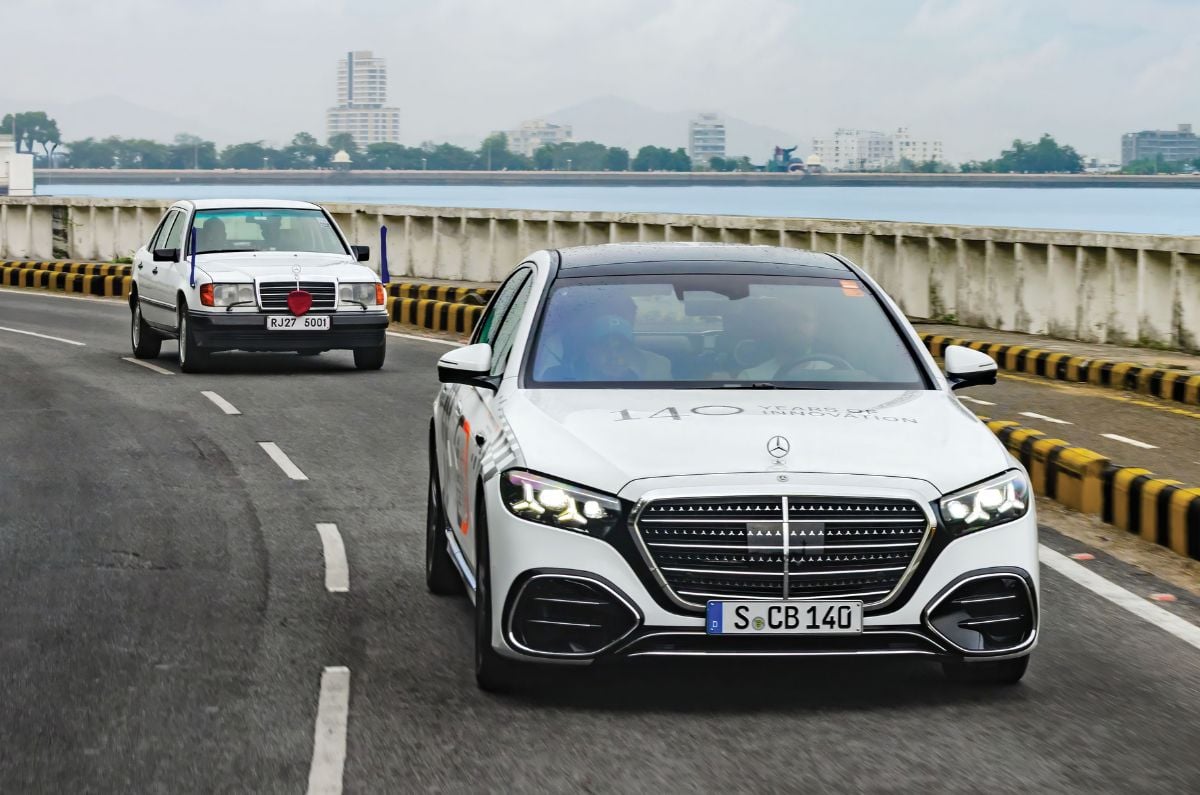
Later in the day, I get another demonstration of why the S-Class is so special. We decide to drive around the lake for the cameras, the orange glow of the setting sun adding to the drama of this once James Bond film set. Sitting in the back feels almost magical, as the S-Class slips forward effortlessly, the sun glistening off the lake. It skips over cratered roads, glides silently through noisy bazaars and intersections and then, as the road around the lake opens out, I barely hear it even though Mercedes’ test driver is pulling the torque-y straight-six hard. This car is named Bertha, after Carl Benz’s wife, the one who undertook the world’s first long-distance drive; quite a story that. And the other, the white one, is Carl; BB and CB, both on Stuttgart number plates.
Hello Grandpa
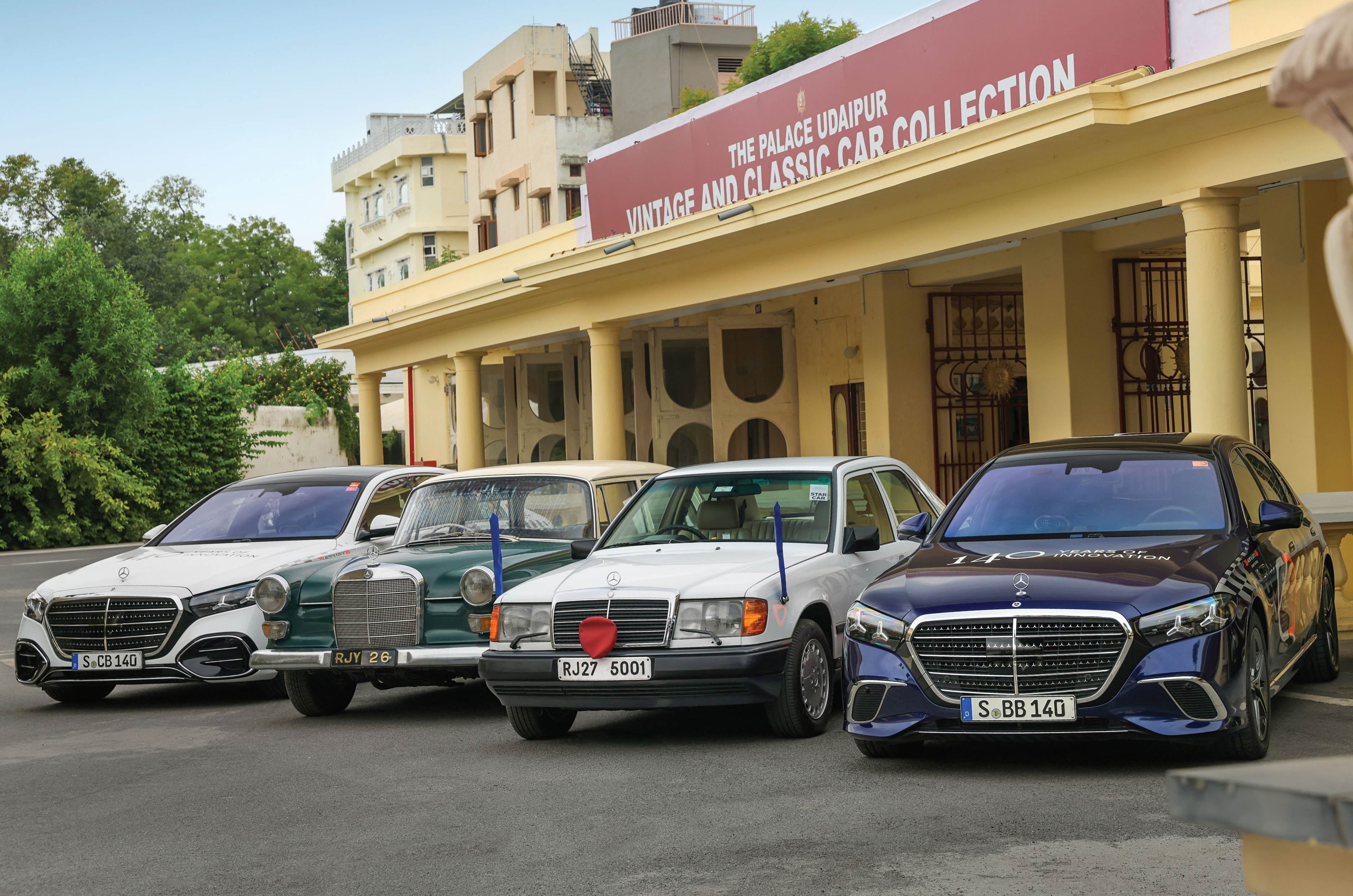
The S-Classes, along with the fin-tail and the 300D.
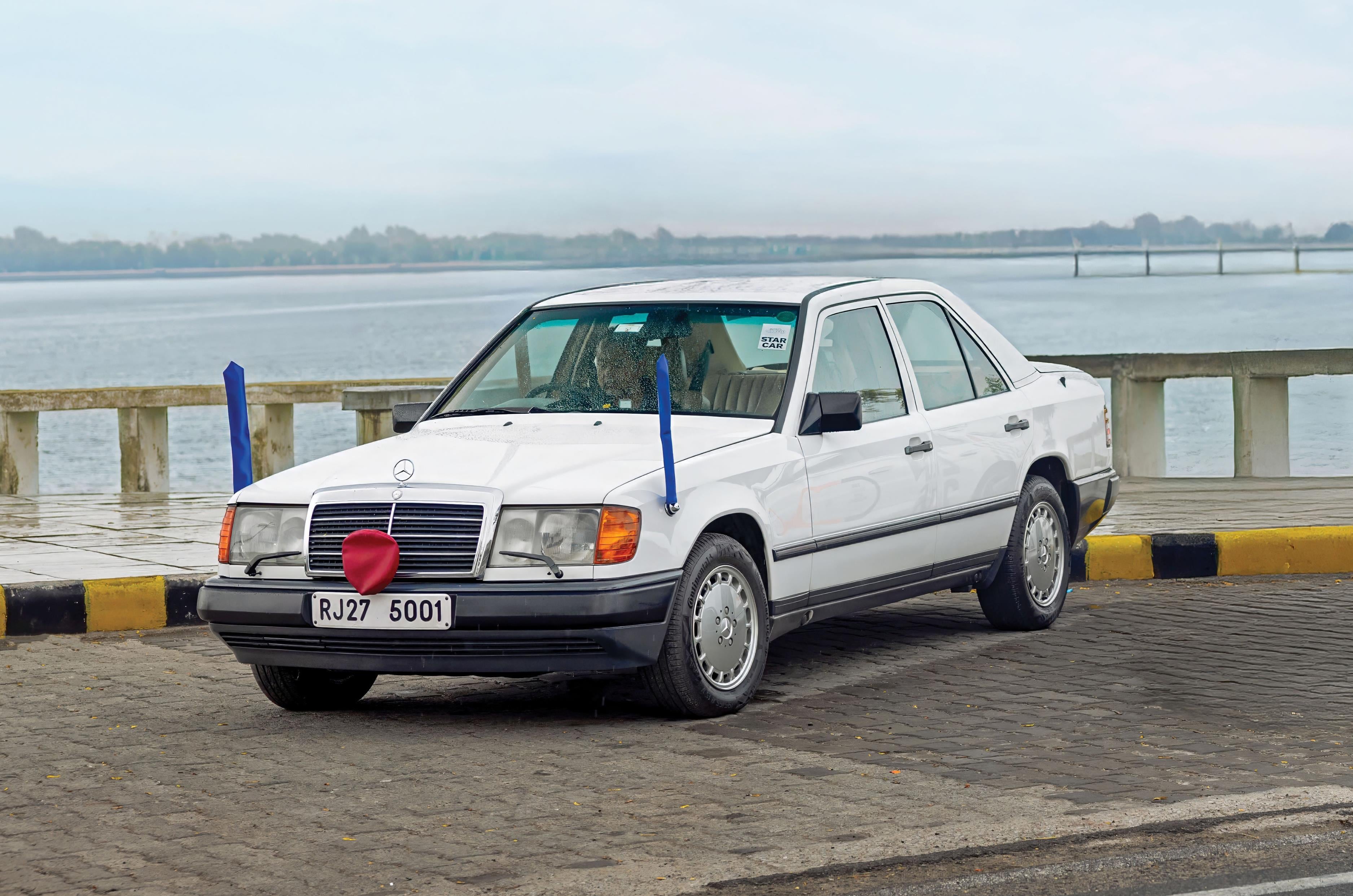
The next day, we set off to see the Udaipur Royal Garage, where we are met by other Mercedes cars. There’s a fin-tail that was used to pick up and drop off guests of the Royal family from neighbouring ‘states’ and a very special W124 300D. The latter, an import rather than a locally assembled W124, stands out from Indian-assembled cars with its black bumpers, headlamp wipers and amber indicators. This six-cylinder diesel with more than 2,00,000km on the clock was used by Shri Arvind Singh Mewar, the earlier Maharana, to cover long distances like Ahmedabad or Jodhpur. Recently restored, it was presented at the Mercedes-Benz Classic Car Rally in Mumbai. The 300D is in such fine nick, I can’t resist a quick spin around another of Udaipur’s stunning lakes, Fateh Sagar.
Why the 300D is such a legend
The W124 300D is an import.
On the outside, the 300D looks sort of underwhelming. Starting up the straight-six diesel is relatively straightforward, although I have to wait for the glow plug to heat up (remember those?). While the roughly 110hp engine doesn’t feel responsive, it feels smooth and refined for a diesel, especially after 2,500rpm. And though it is slow by today’s standards, it doesn’t feel like you’re dragging anchor either. The chunky 300D also feels as tough as a Godrej safe.
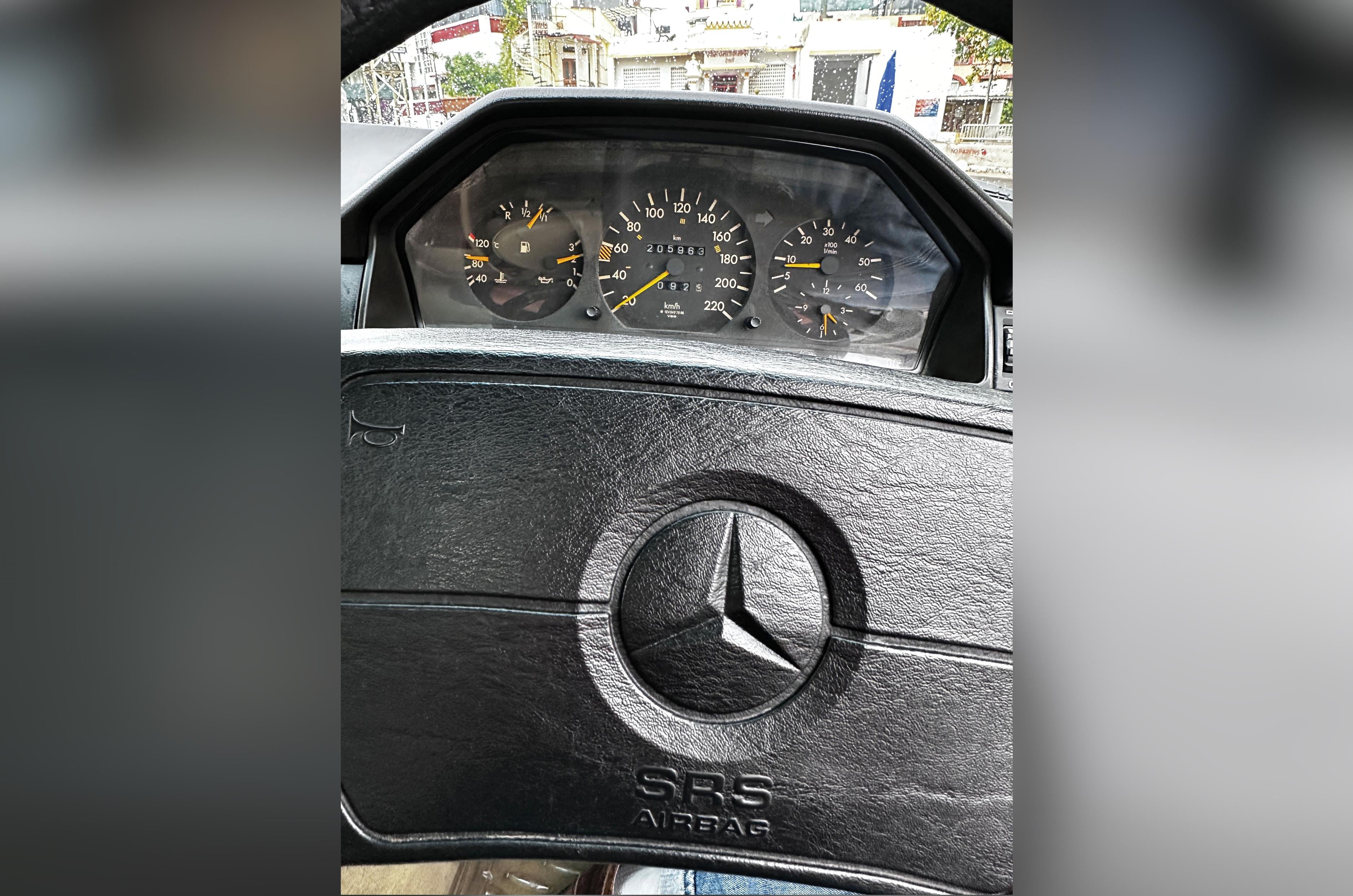
It has 2,00,000km on the odo, but hardly feels like it.
Then I catch a glimpse of the odometer; it reads in excess of 2,00,000 kilometres! Surely my eyes are playing tricks on me. Yes, this car has been recently refurbished, and the suspension has been tightened up, but this thing feels like it has just rolled out of the showroom only recently. It tracks straight, the steering is well weighted and, when I plonk my foot down, it even generates a reasonable amount of torque. This ‘OM603’ straight-six uses indirect injection and a pre-chamber, and has a simple two-valve-per-cylinder setup. Legend has it, it can do a million miles with only basic care. And what of turbo lag, you ask? It doesn’t have one.
Performance tech
The next morning, I get straight behind the wheel of CB or Carl Benz. I’m particularly excited because Carl has a V8 under the hood. What makes this V8 different is that it has some unique tech. This new S-Class is fitted with the ‘M177 Evo’ V8 engine that uses a flat-plane crankshaft! Made popular by Ferrari, a flat-plane crank is used on sportscars to help bunch up the firing order of the cylinders, so you get more of a kick from overlapping strokes. These engines, however, are not as smooth. So why has Mercedes used it in the S-Class, an out-and-out luxury car? Simple: it delivers better efficiency and lower emissions, as the crankshaft is lighter and there’s less reciprocating mass. And what of the vibrations? Mercedes says it has thrown tech at the problem.
V8-equipped S-Class feels effortlessly quick.
Initially, the going is slow as we exit the city. But once we get onto the wide highway, a small tap on the throttle releases a swell of torque just off 2,000rpm. And with 537hp propelling the limousine forward, it just shrinks the long straights on the highway. What’s cool is that the engine never feels brutish or AMG-like; the V8 soundtrack and rumble are superbly muted. The tech works. The new engine, in fact, is so well behaved that I have to check if it is indeed the one with the flat plane crank. At the next stop, I turn around and ask Mario Schneider, head of development for all Mercedes-Benz sedans, who just happens to be in the rear seat.
Also along for the drive is Perseus Bandrawalla, Autocar India’s curator of classic and modern classic events. Five minutes behind the wheel and he is waxing lyrical about the Mercedes V8 engines of days gone past – the M100, the M119 that powered the SL and others. It brings into perspective just how many great V8s Mercedes has had over the years, the 6.3 AMG V8, of course, included.
Cruise control
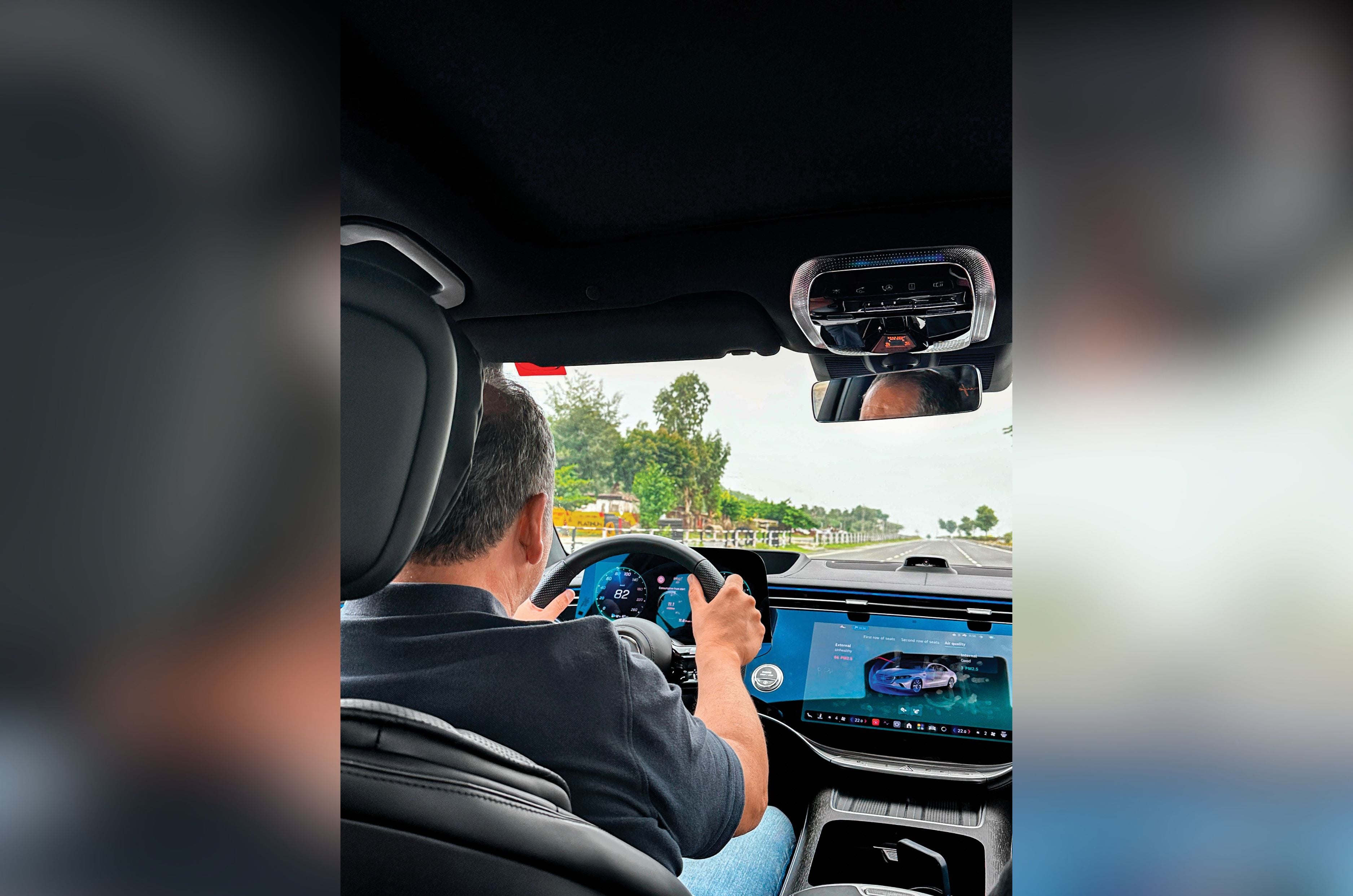
The three screens and updated cabin created a futuristic setup in a traditional environment.
Further up, we get to a ghat section. Not only does the ride on this updated air suspension and adaptive dampers feel a bit more supple, it also feels at home on the winding road, the rear-wheel steering helps it into corners neatly. Even cooler, despite all the tech, it retains a natural fluidity and a sense of mechanical harmony, which make long drives feel just effortless. Are city-bound S-Class owners missing what’s best about this car? Absolutely! Talking about tech, this car also gets Level 3 autonomous driving (in places where it’s allowed), where the driver can be hands off, and even eyes off, with Mercedes Drive Pilot taking responsibility for safety. It is only one of two cars to get this globally.
As we get into traffic, what I notice is that the updated cabin, with its three screens and ambient lighting, creates an environment that is both futuristic and traditional. The seats, with massage and cooling functions, are thrones in their own right. And it’s not just the size, specifications and features it has; it’s how well everything is executed, from the solid build of the cabin to the new phone-like remote controls in the rear.
Collector’s edition
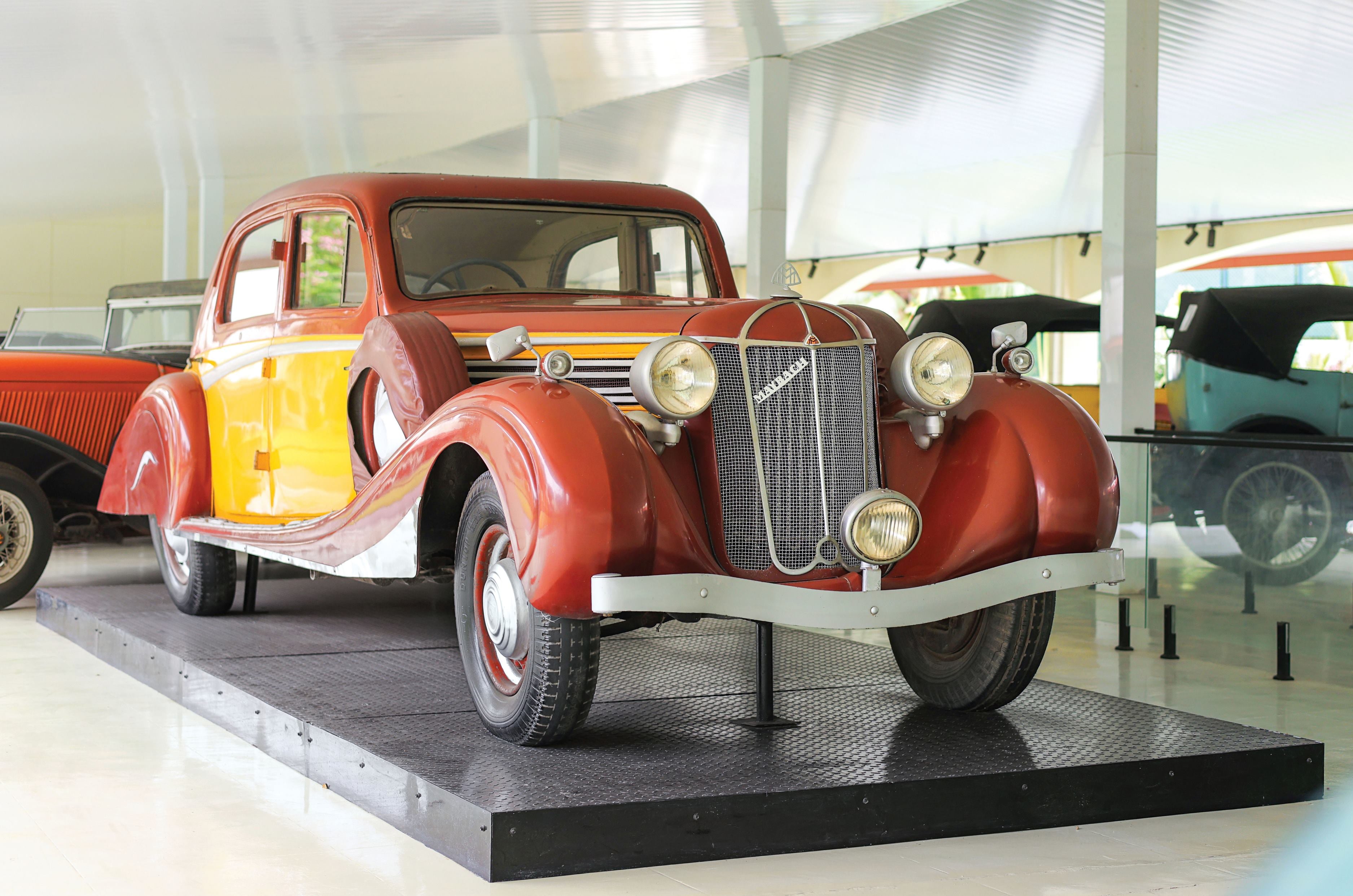
Streamlined Maybach SW38 four door could do 160kph
As we get to Ahmedabad, we turn into another historical location, Dastan Auto World – collector extraordinaire Pranlal Bhogilal’s collection, where the modern S-Classes met some more of their ancestors. A Maybach SW38, ordered by Maharaja Umaid Singh of Kota, draws admiring stares from the German members of the Mercedes crew, especially its aerodynamic profile. Capable of nearly 160kph, it was one of the fastest four-doors of its time. Equally captivating are Mercedes’ post-war comeback cars – the 300S ‘Adenauers’. Named after Germany’s first Chancellor, who famously rode in one with his hat on, this limousine is what eventually evolved into the S-Class.
Heritage and high tech
You can trace the journey via the stickers on the cars.
The 140 Years, 140 Places drive captured the duality of Mercedes perfectly; the brand embodies both heritage and innovation in equal measure, both streams converging seamlessly. As the convoy continues its odyssey, what’s clear is that this is a celebration not only of Mercedes’ past, but also the brand’s ability to connect eras, cultures and people through the universal language of the automobile.