
Porsche introduces Assured Buyback Programme in India

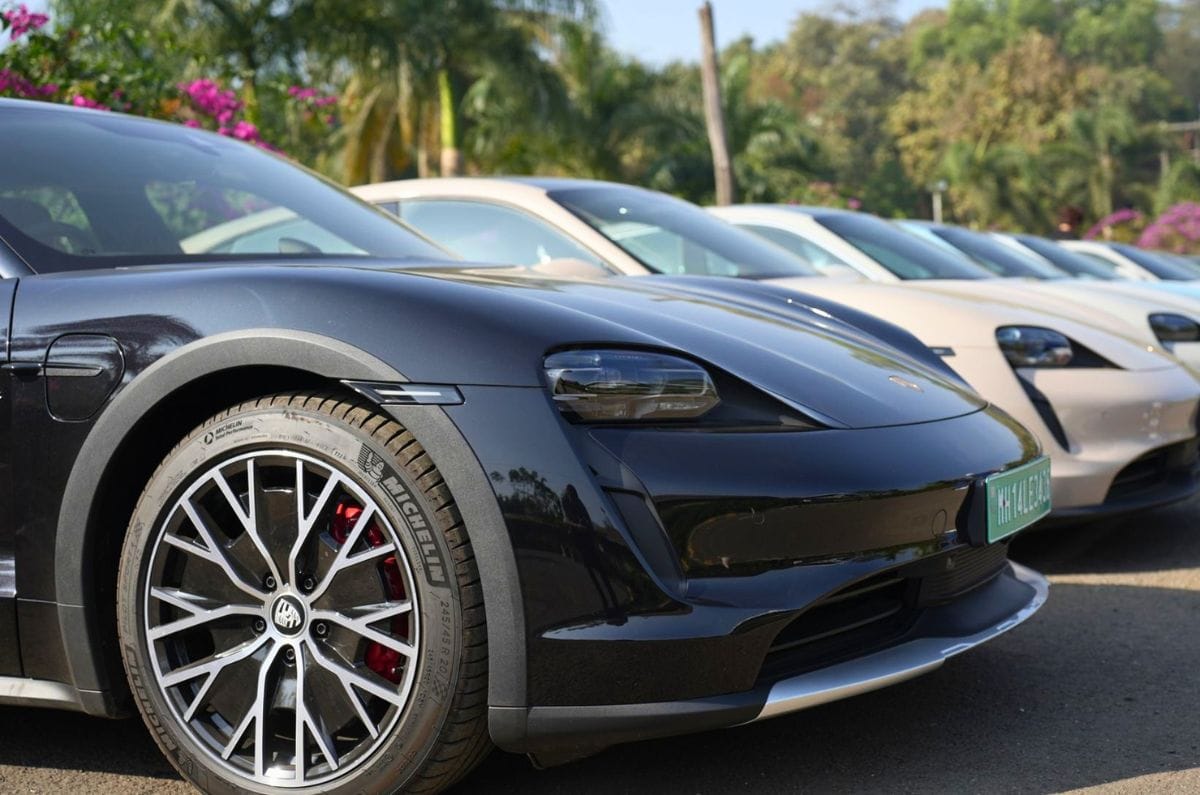
Porsche Taycan India line-up

Porsche India has introduced a new assured buyback programme. Customers can opt for the programme at the time of purchase, with the buyback service being offered through what Porsche describes as “a strategic association with a preferred company.” The maximum coverage for this programme is 36 months from the date of sale of the car.

  • Pre-determined future value fixed at the time of purchase
  • Up to 70 percent buyback value after 3 years

Porsche ‘Assured Buyback Value Product’ programme

According to Porsche India, its new ‘Assured Buyback Value Product’ programme is based on a pre-determined future value of the vehicle at the time of purchase. The scheme will cover the difference between this pre-determined value of the car and its actual resale value at the time of sale.
Porsche Macan Electric rear quarter
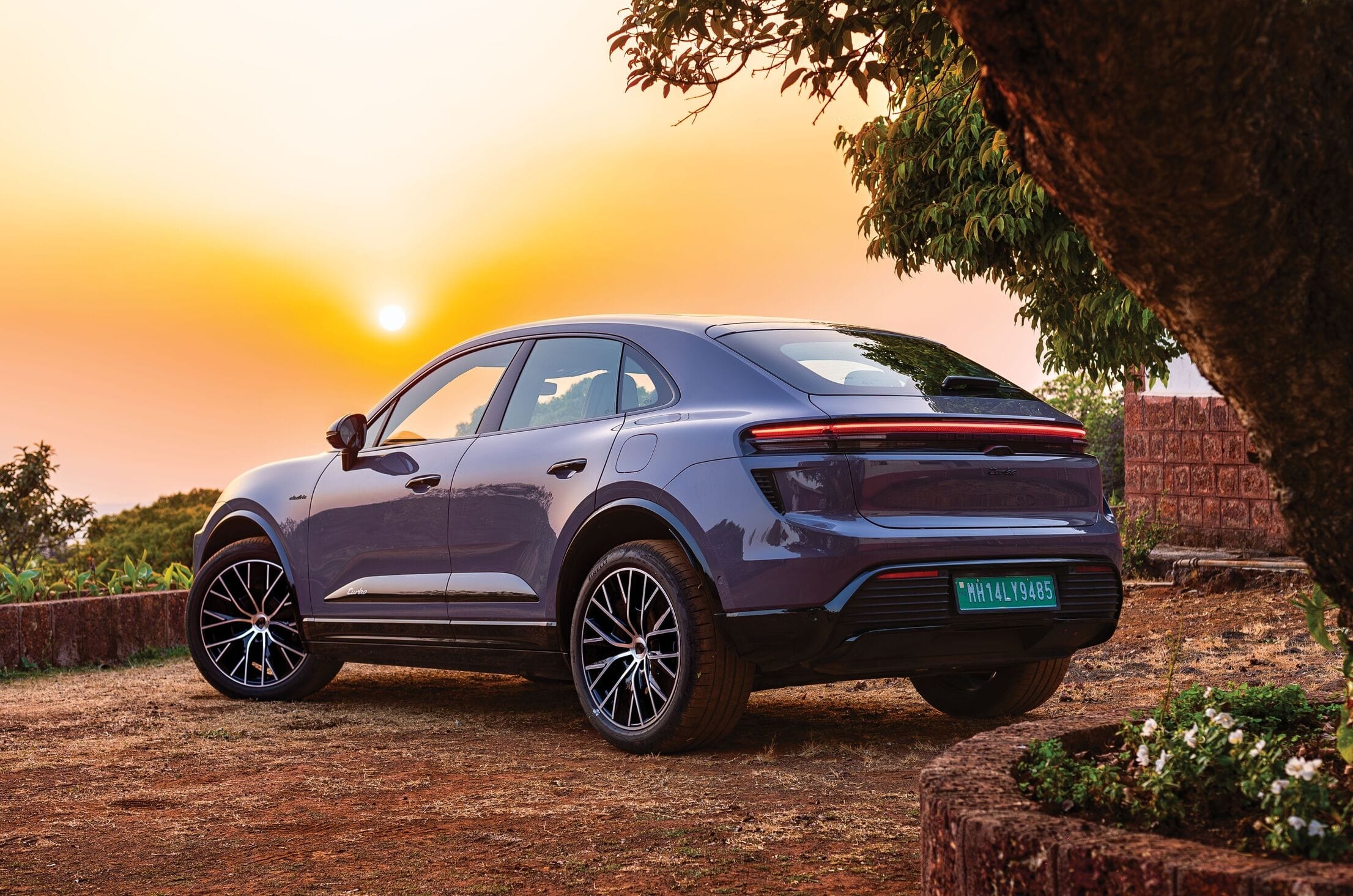
Porsche Macan Electric.

Models that are eligible for this scheme include the Cayenne, Macan Electric and Taycan. Under this guaranteed buyback programme, Porsche says that customers can get back up to 70 percent of the vehicle’s original purchase value at the end of 36 months (or 3 years) of ownership from the date of purchase.

Assured buyback programmes in India

Other automakers that offer similar buyback schemes include Jeep and Volkswagen. Under its ‘Confidence 7’ ownership programme, Jeep claims that it will return up to 60 percent of the original ex-showroom price.

The recently launched Volkswagen Taigun facelift also arrived with an assured buyback option for customers who placed a booking on or before May 31, 2026. Volkswagen’s programme guaranteed up to 75 percent of the car’s ex-showroom price, with the validity lasting up to 3 years or 30,000km.

Also read

Kia opens official Sorento bookings ahead of launch

MG announces prices for Cyberster, M9 Couture Editions

H1 2026 luxury car sales: Mercedes-Benz remains in pole position

H1 2026 luxury car sales

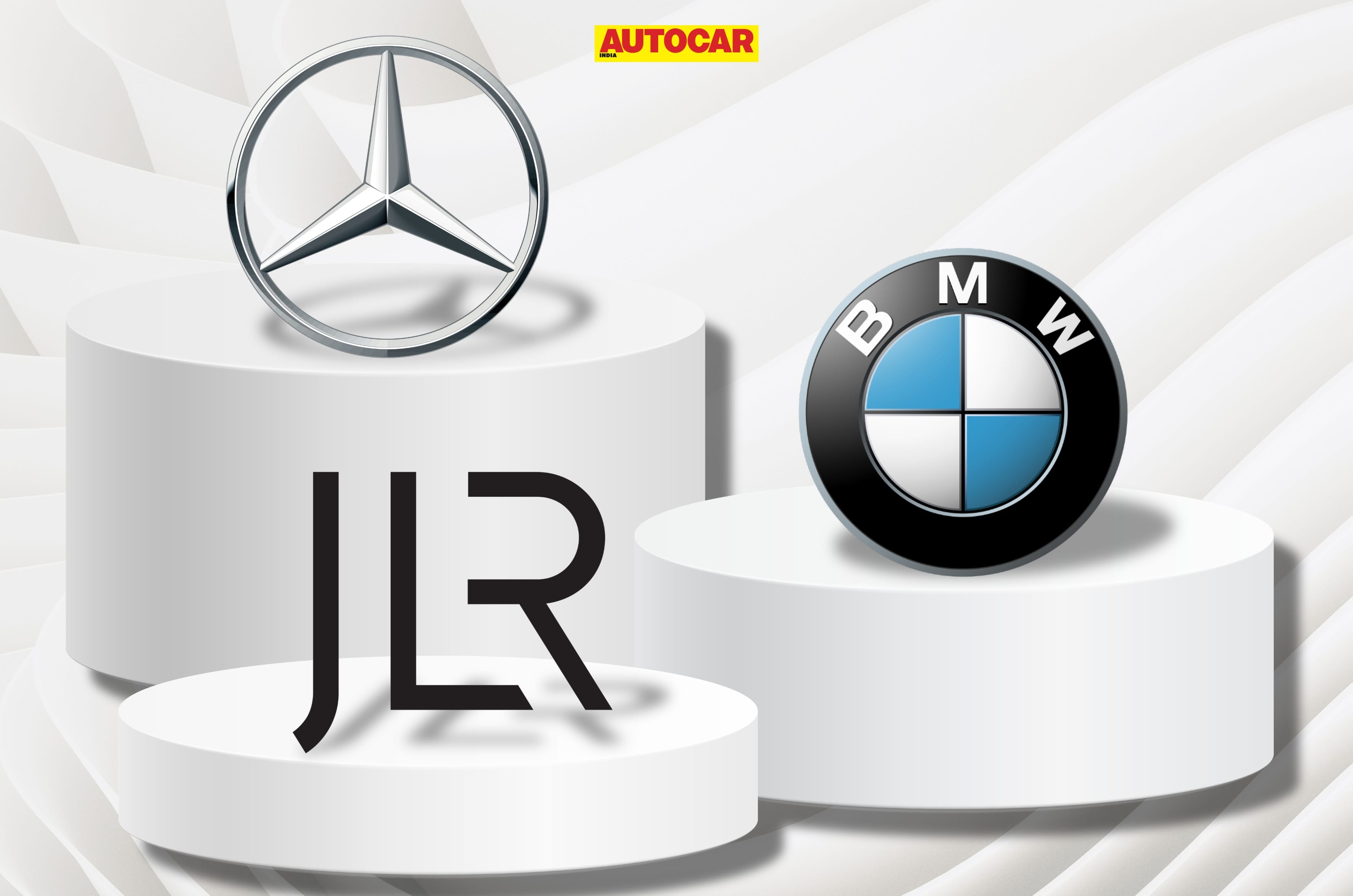
During the first six months of 2026, the luxury segment of the Indian passenger vehicle market recorded a healthy 4 percent growth in sales volumes. Mercedes-Benz retained its long-running lead on the sales chart, followed by BMW and Jaguar Land Rover (JLR) to round off the podium.

H1 2026 luxury car sales chart

RankBrandH1 2026 salesH1 2025 salesDifference
1Mercedes-Benz India9,7689,013+9 percent
2BMW Group India9,0757,756+17 percent
3JLR India*3,0393,199-5 percent
4Audi India*2,1822,118+3 percent
5Volvo India*874840+4 percent
6Lexus India*759737+3 percent
7Porsche India*319409-22 percent

*Data obtained from VAHAN.

1. Mercedes-Benz: 9,768 units, up 9 percent YoY

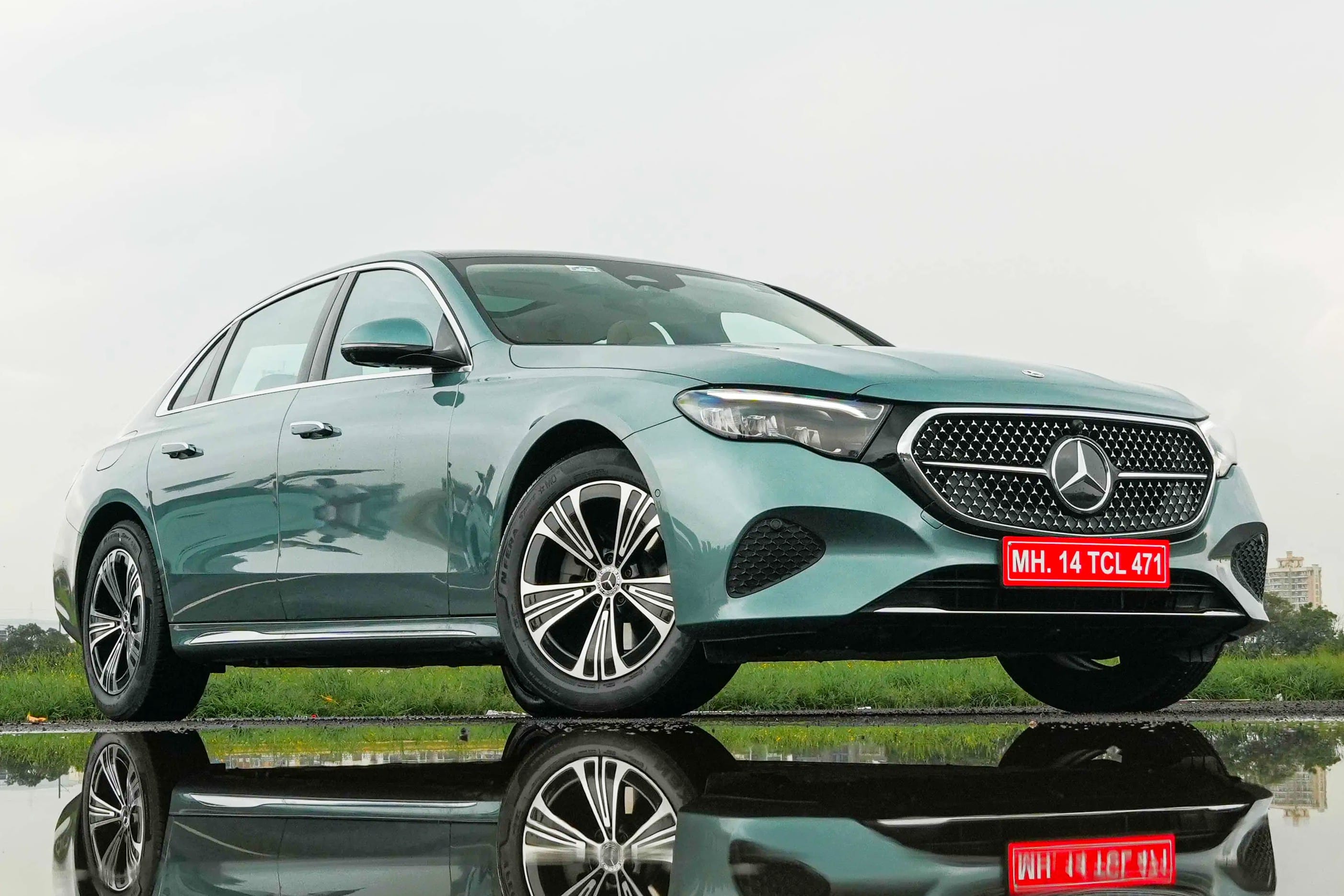
Mercedes India achieved its best-ever H1 sales numbers in 2026, with 4,637 units coming just from Q2 of this year – also a record. The entry-level CLA Electric, which was launched earlier this year in India, experienced strong demand and helped increase Mercedes’ EV share to 14 percent. The E-Class LWB held onto its position as Mercedes India’s bestseller, while the carmaker’s Top-End segment saw a 20 percent sales bump thanks to prevailing demand for the S-Class, V-Class, Maybach, and AMG models.

2. BMW: 9,075 units, up 17 percent YoY

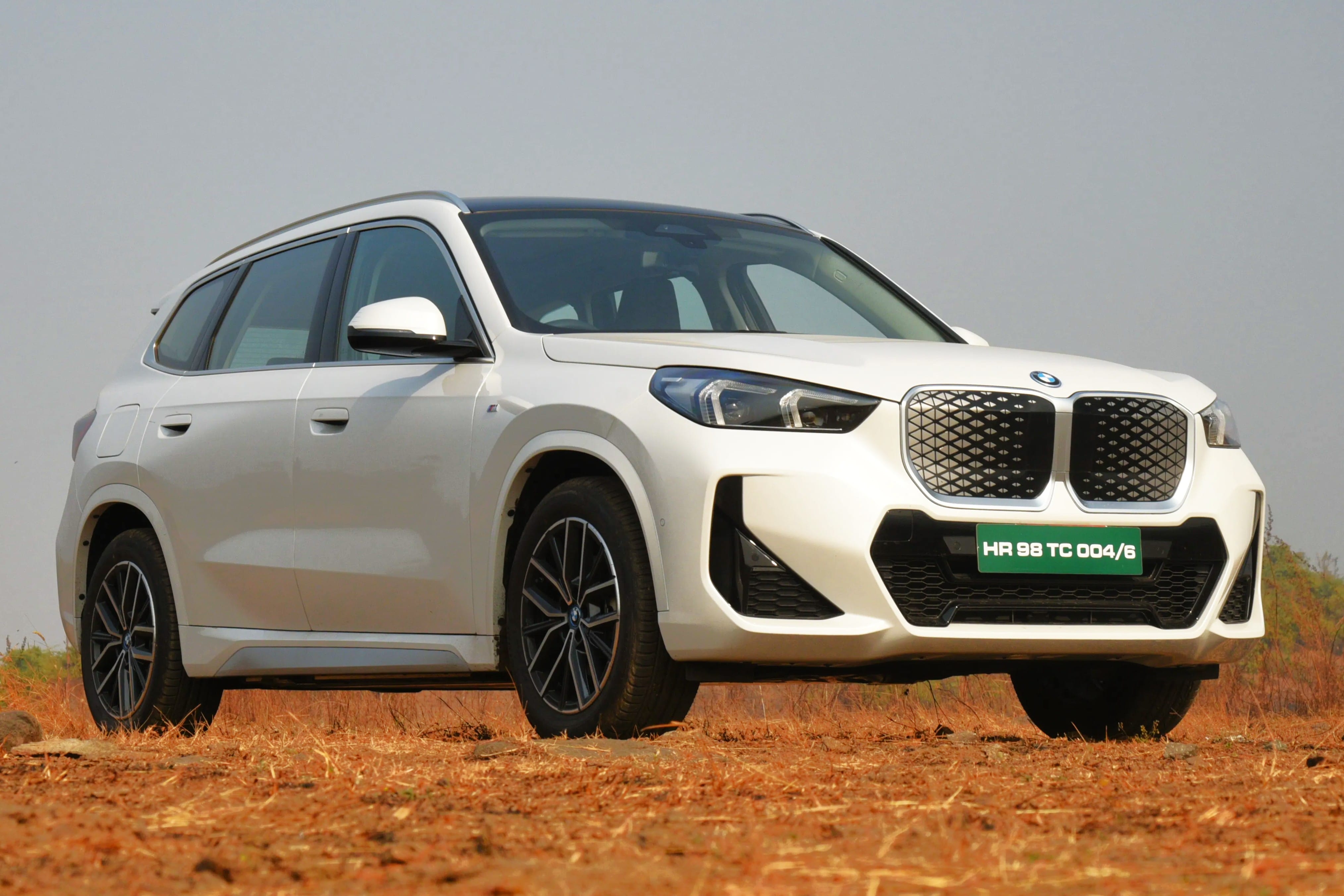
While BMW didn’t shift the most units overall in H1 2026, it clocked the highest YoY growth in sales at 17 percent, which is a record performance for the carmaker. With 2,359 EVs sold in H1 2026 – a staggering 78 percent YoY uptick – BMW is the bestselling luxury EV brand in India. LWB models continued to rake in the numbers for BMW too – one in every two BMWs sold during H1 2026 was an LWB. BMW’s SUV sales also jumped 35 percent YoY during this time, and comprised 65 percent of its overall volumes.

3. JLR: 3,039 units, down 5 percent YoY

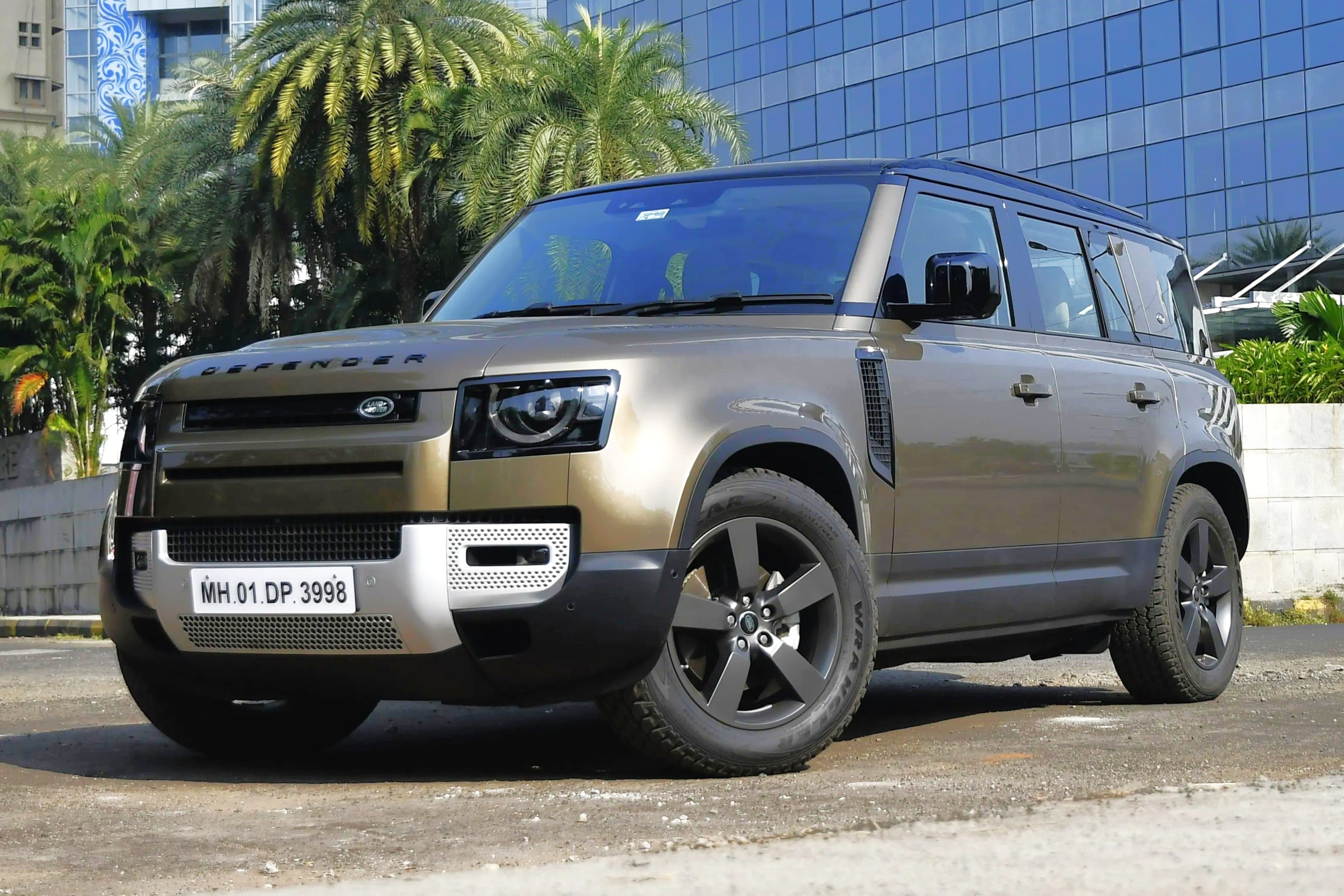
JLR is one of only two luxury carmakers to have recorded a downturn in sales during H1 2026. Land Rover’s luxury SUV and off-roader line-up is currently carrying the brand in India, with Jaguar unlikely to launch its upcoming Type 01 electric GT here before the second half of 2027. The soon-to-be-finalised India-UK FTA will also drop prices for CBU models like the Range Rover SV and the Range Rover Sport SV.

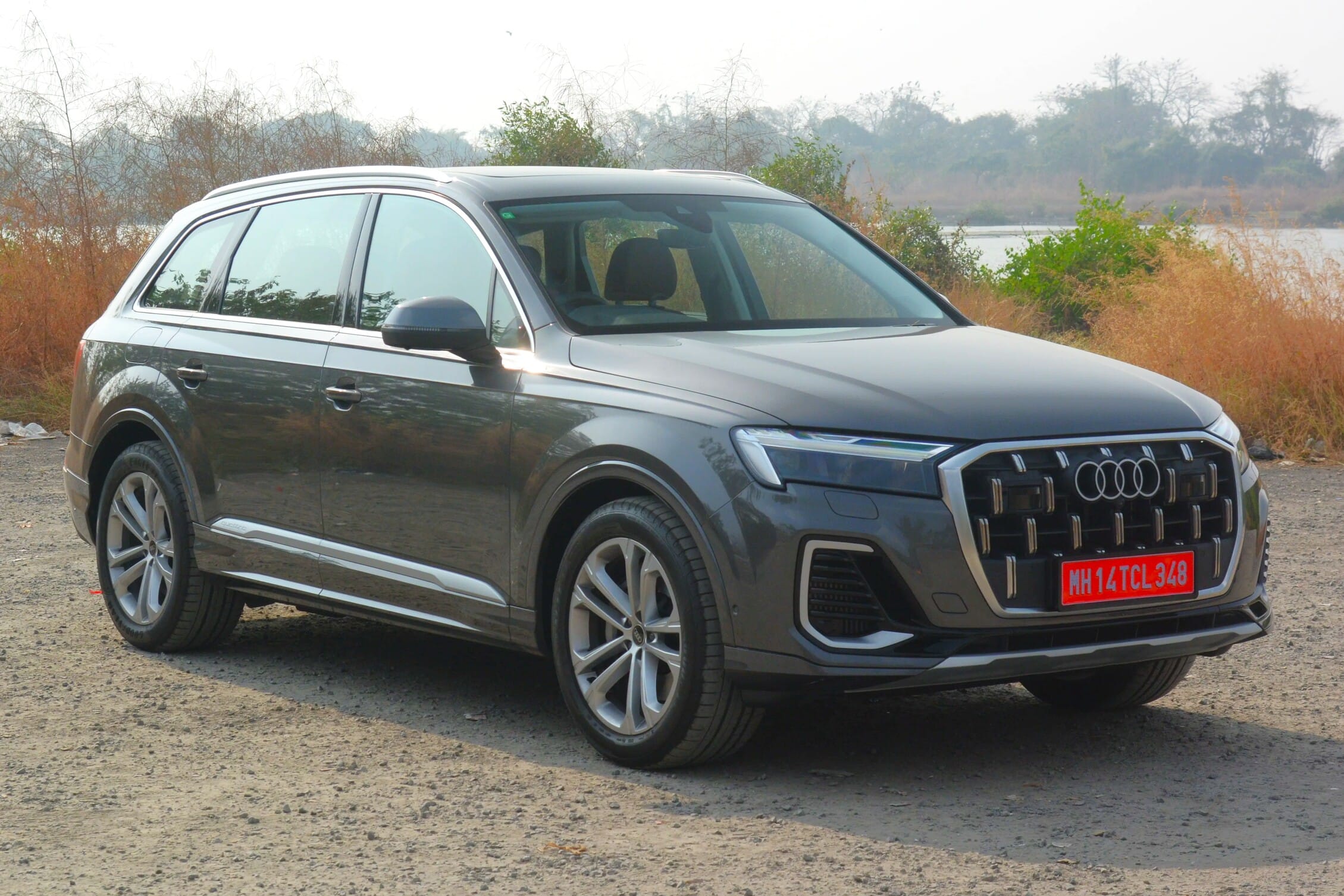
4. Audi: 2,182 units, up 3 percent YoY

Audi has been light on new launches lately, with it having launched just the SQ8 in India during H1 2026. Despite that, the German carmaker managed to clock a 3 percent YoY increase in sales. Audi is expected to launch the new-gen Q3 in India this year, along with all-electric models like the A6 e-tron, Q6 e-tron, and facelifted e-tron GT.

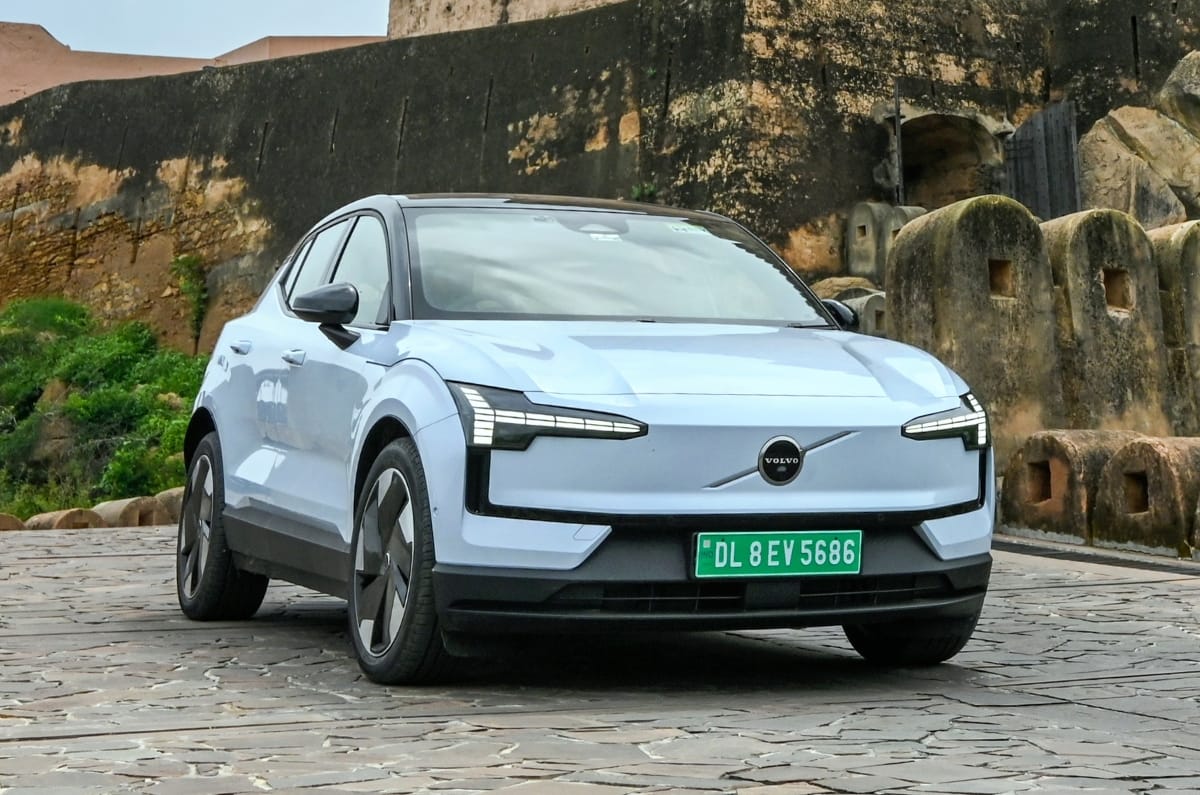
5. Volvo: 874 units, up 4 percent YoY

Volvo India launched updated versions of the XC60 and XC90 SUVs, as well as the EX30 EV, in 2025, which helped bump the Swedish carmaker’s sales by 4 percent YoY in H1 2026. Before 2026 draws to a close, Volvo is anticipated to launch two more EVs: the ES90 sedan and the EX90 SUV.

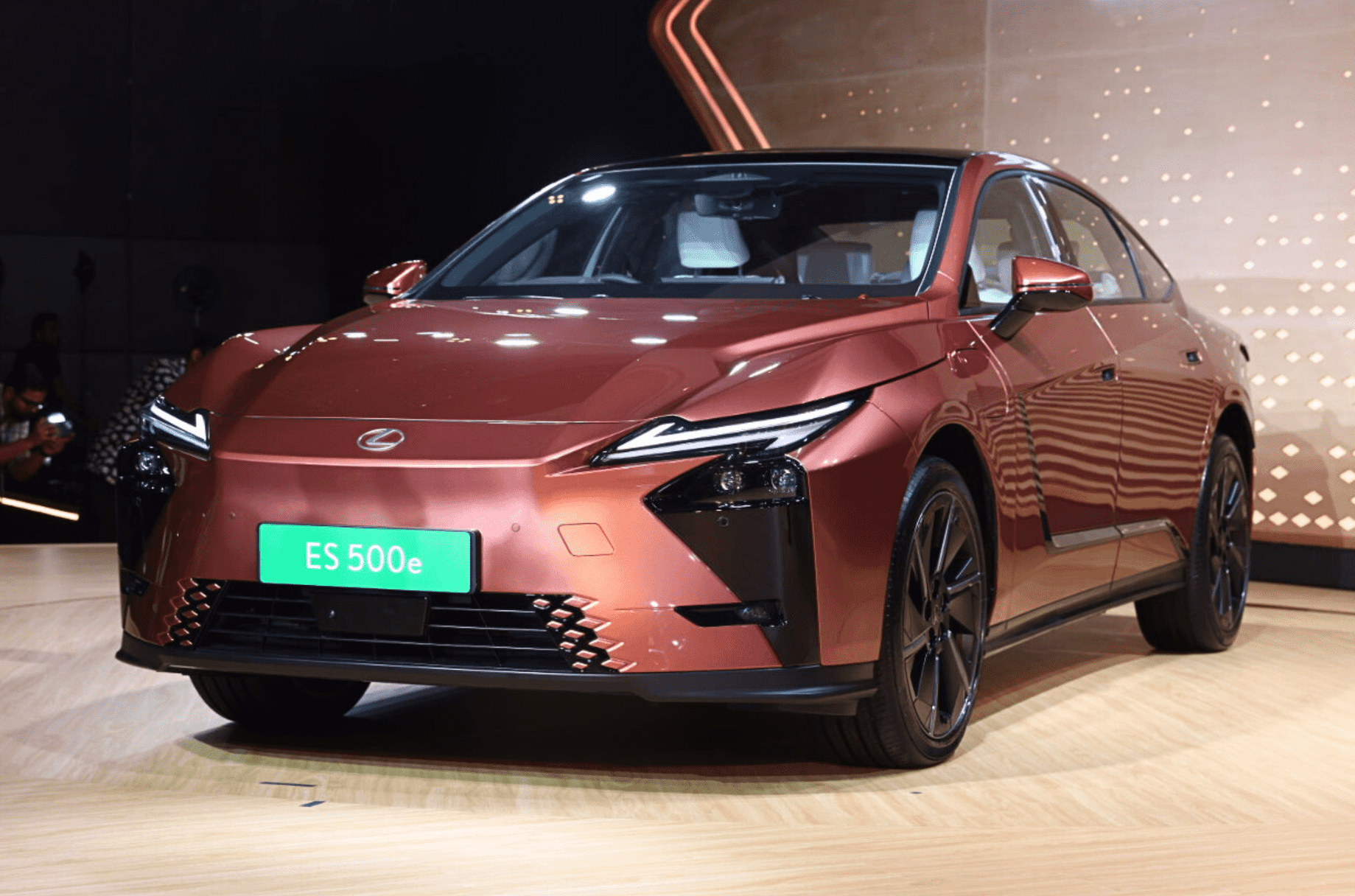
6. Lexus: 759 units, up 3 percent YoY

Lexus India clocked upward sales movement of 3 percent in H1 2026. The Japanese carmaker launched the new-gen ES in all-electric ‘500e’ guise during this timeframe, and is expected to make the luxury sedan’s hybrid version available in India in the coming months too.

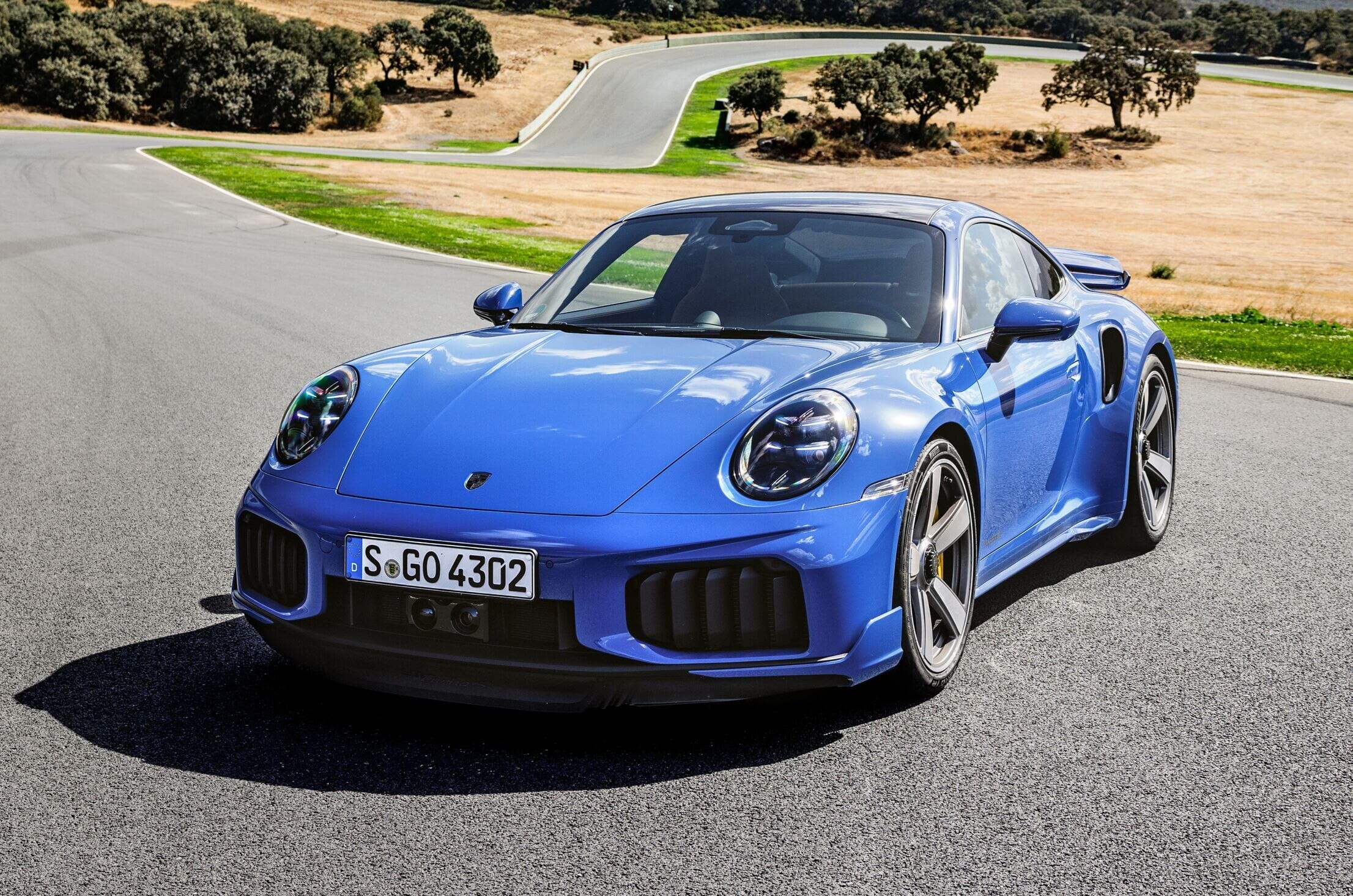
7. Porsche: 319 units, down 22 percent YoY

At 22 percent, the highest YoY decline in H1 2026 luxury car sales was recorded by Porsche India. This is likely a result of prospective Porsche buyers holding off on their purchases due to the India-EU FTA, which was signed earlier this year. Once implemented, the FTA would reduce prices for Porsche models in India, as they’re manufactured in Europe and fully imported here.