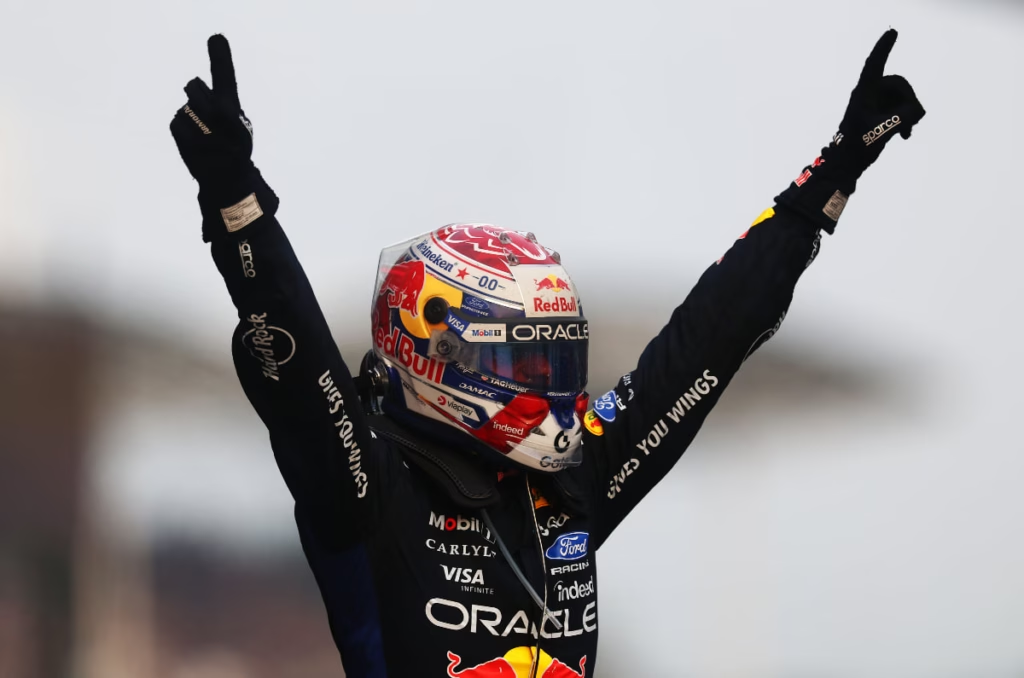
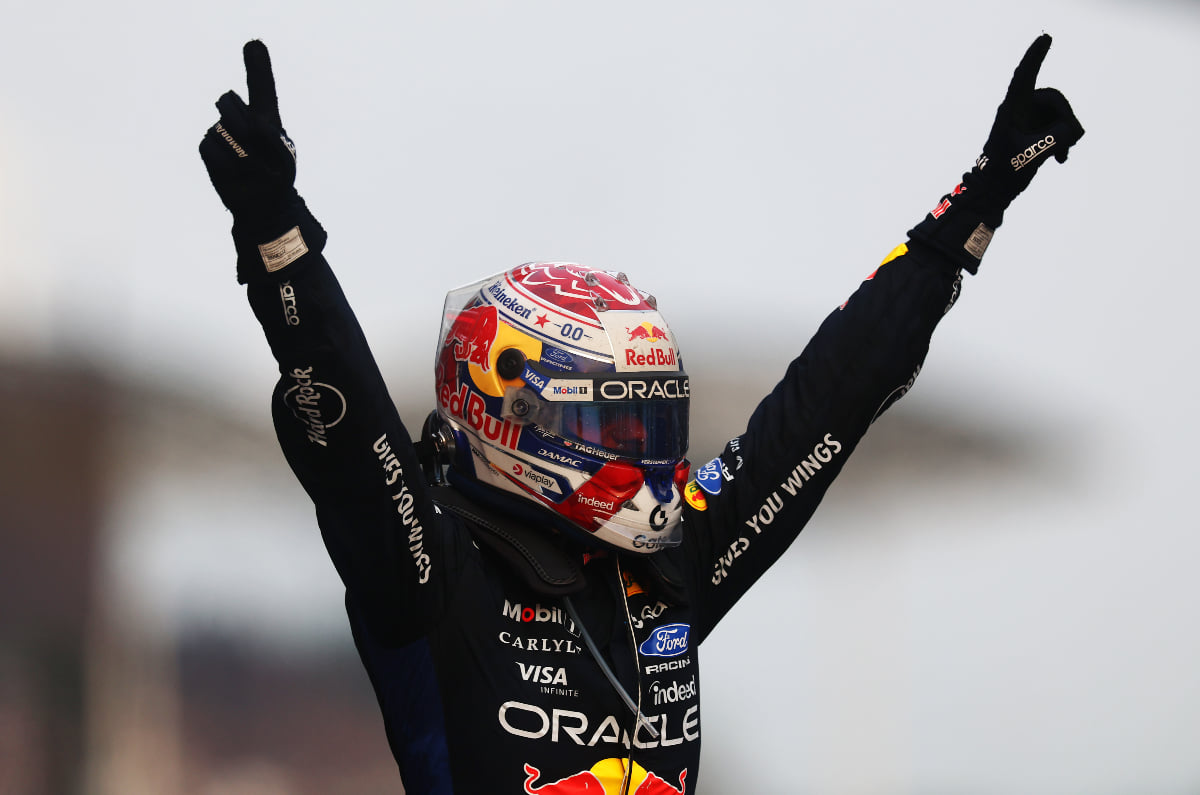
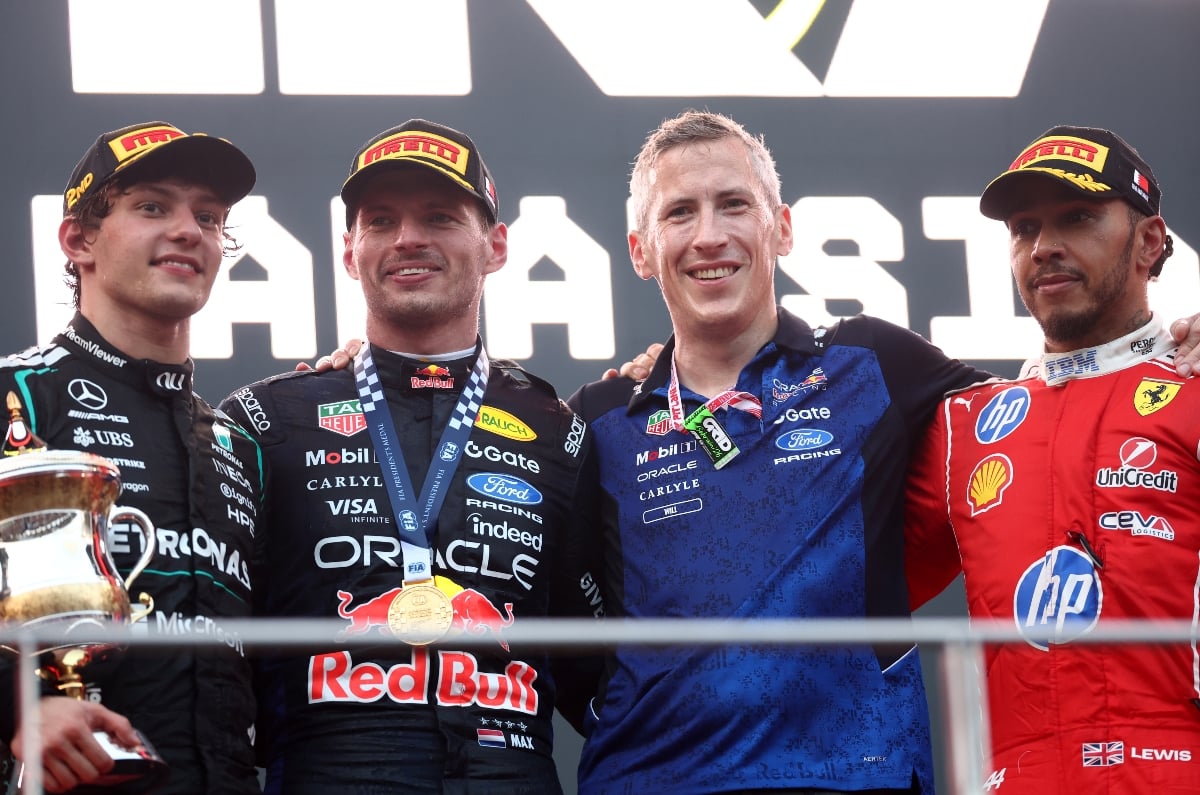
Max Verstappen converted pole position into victory at the Bahrain GP in Malaysia. F1’s first race at Sepang in nine years got off to a chaotic start when it started raining an hour before the start. This, followed by an aborted start procedure after multiple cars stopped on track due to a software issue, resulted in the race staring an hour and a half late.
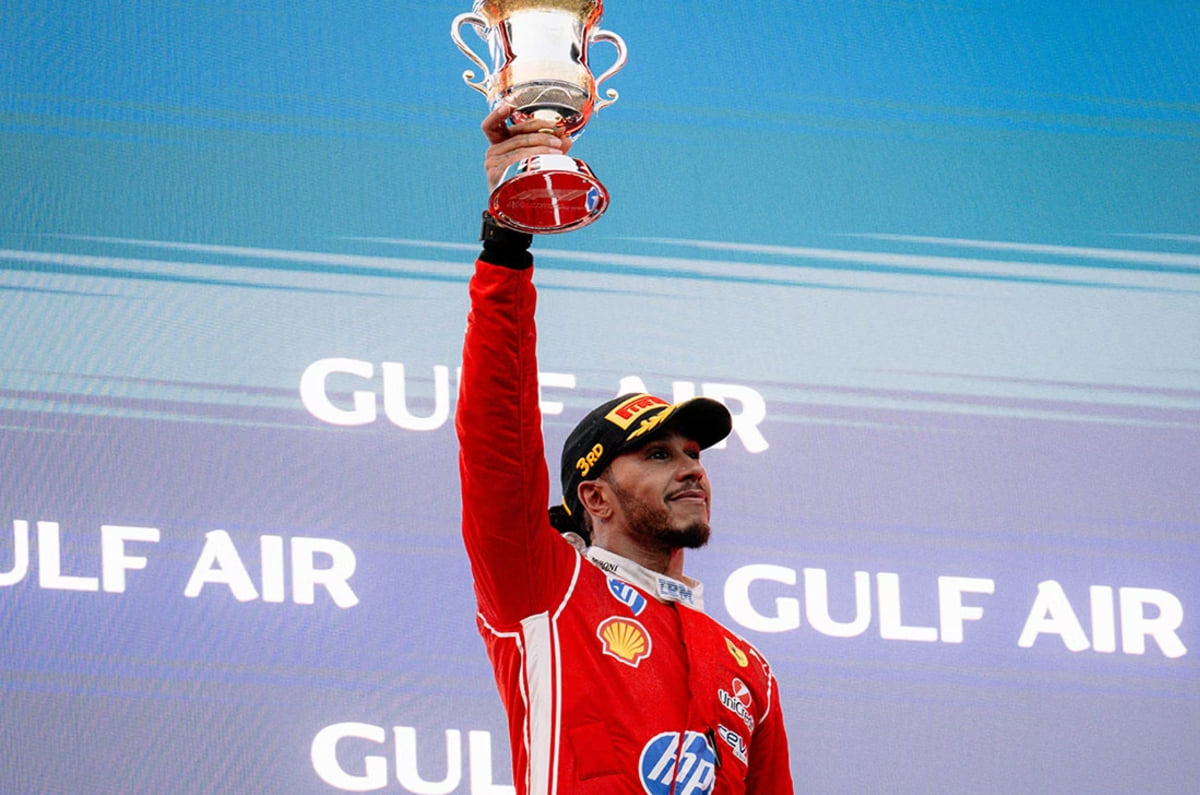
Behind Verstappen, Kimi Antonelli held on to second place to further extend his title lead as his Mercedes teammate George Russell retired with just a handful of laps to go. Despite dropping down the order in the early stages, Lewis Hamilton pulled off an incredible recovery to make it to the podium.
Verstappen wins, 2.307 sec ahead of Antonelli
Antonelli extends title lead by 84 points after Russell’s retirement
Verstappen wins in Malaysia; Russell retires
Verstappen initially dropped behind Antonelli and Russell when the race finally got underway. But the four-time world champion eventually reclaimed the lead and controlled the pace out at front from there on. He defended that lead through a Virtual Safety Car and even a full Safety Car period to secure his and Red Bull Racing’s first win of the season.
“What an incredible result! The race was not made easy for us with all the decisions we had to make and then the Safety Car at the end on top of everything. But we made all the right calls with the tyres, kept our cool, and it all paid off,” said Verstappen.
Antonelli finished 2.307 seconds behind in second place. His teammate Russell was on course to finish third, but with just a few laps to go, he was forced to stop due to a PU issue. This comes as a major hit to Russell’s championship chances, with the gap to leader Antonelli now standing at 84 points – that’s more than three race wins.
Ferrari recovers from early setback
Ferrari fumbled strategy, with Hamilton and Leclerc starting the race on soft tyres. With the track still wet, both drivers dropped down the order. While Leclerc pitted early to switch to intermediate tyres, Hamilton – who was now down in P17 – stayed on the softs. He eventually made the tyres work, though, as the track started drying.
Russell’s retirement helped the Brit finish P3. “Sepang is always a great track to race on, but today is definitely one of the most memorable. It was a really demanding race and not an easy one to manage from the start, but the team did a fantastic job staying calm and executing well after a difficult opening phase,” said Hamilton.
“We found ourselves on the back foot very early on with the tyre choice, yet everyone stayed focused and kept pushing. We didn’t give up despite a big gap building straight away, and step by step we managed to fight our way back into contention and keep the pressure on until the flag. To finish on the podium after the way the race began feels really satisfying and is a great reward for the hard work, determination and resilience everyone showed today.”
Leclerc finished behind in him fourth place, handing Ferrari a strong points haul. McLaren’s Oscar Piastri crossed the line P6, followed by Racing Bulls’ Liam Lawson and Aston Martin’s Fernando Alonso. Lando Norris, in the second McLaren car, ended up P9 after losing control behind the Safety Car. Racing Bulls’ Arvid Linblad completed the top 10.
Next up on the F1 calendar is the Singapore GP on October 9-11.
The World Car Awards has agreed to acquire the Women’s World Car of the Year (WWCOTY) program. Going forward, the same non-profit association that operates World Car Awards will also oversee WWCOTY.
Dedicated steering committee to manage WWCOTY.
World Car Awards to work with former and current WWCOTY jurors for 2027 awards.
Under the agreement, WWCOTY will be managed by a dedicated steering committee as an adjunct to the World Car Awards. Meanwhile, World Car Awards will work with current and former WWCOTY jurors to build the 2027 edition of the awards by utilising systems and processes already used by the World Car Awards.
Beth Rhind, Co-founder and Executive Vice-President, World Car Awards said, “We value the hard work that has been done by the WWCOTY team, and the World Car Awards looks forward to building a strong brand and awards program focused on the goal of giving visibility to women in the automotive world and making women’s voices heard worldwide”.
Details of the upcoming 2027 edition of the World Car Awards, including jurors, award categories, and a complete timeline, will be announced separately, said the organization.
The World Car Awards were introduced in 2004 and comprise 98 automotive journalists, including Autocar India Editor-in-Chief, Hormazd Sorabjee. The BMW iX3 was named the 2026 World Car of the Year.
The WWCOTY was founded in 2009 and currently consists of 86 women jurors, including Autocar India’s very own Renuka Kirpalani (consulting editor – videos) and Mugdha Mishra (editor – auto media strategy). For its 2026 edition, the Nissan Leaf was declared the overall winner of the Women’s Worldwide Car of the Year.
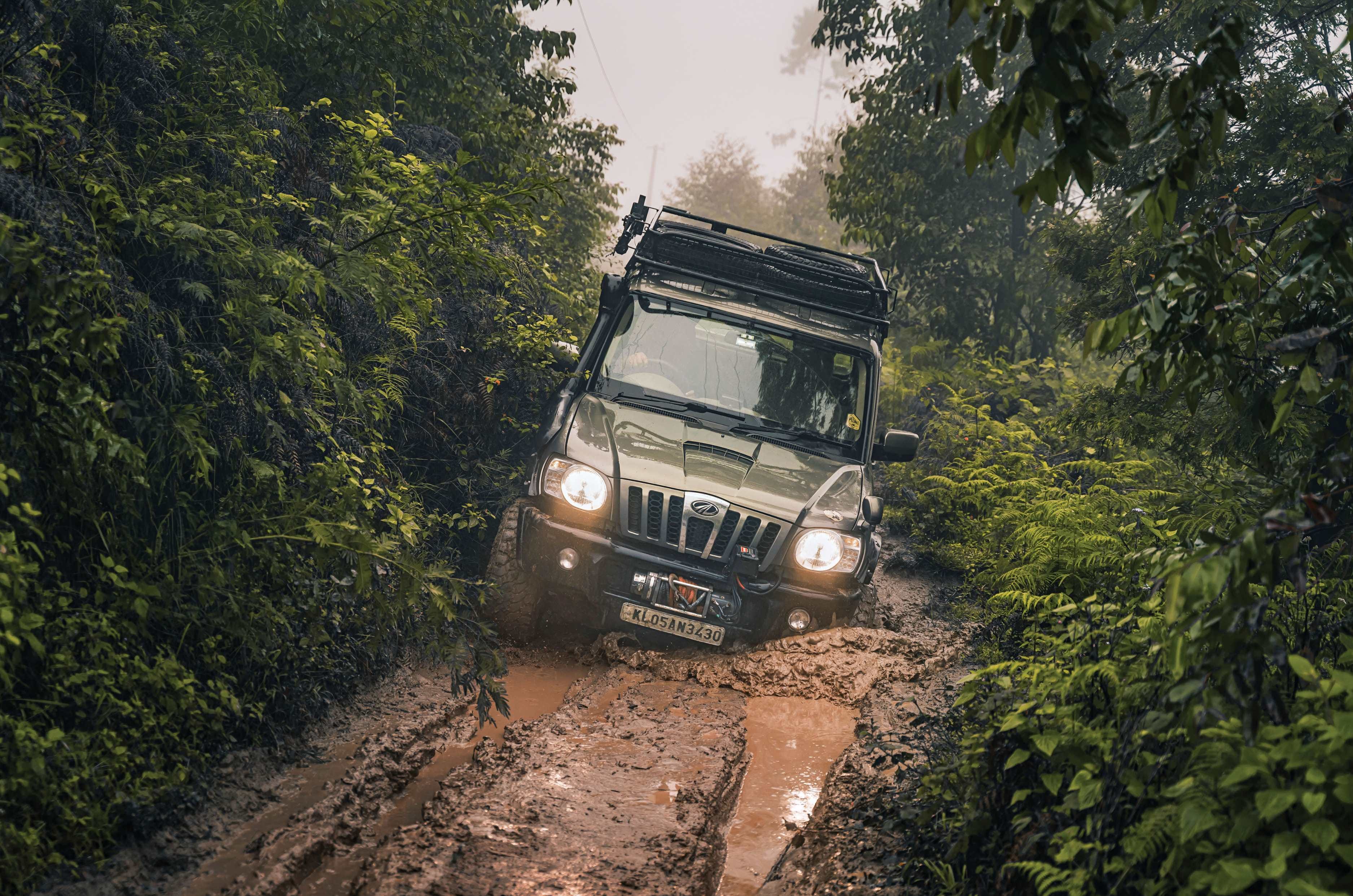
This is the story of a 1,50,000km-old Mahindra Scorpio Getaway that has lived the life it was designed for.
My name is Ouseph Chacko, and I am part-owner of this Getaway because it is my company car. As a partner of an off-road motorcycle school and adventure touring company, I can tell you that if we didn’t have the Getaway from when we started out, it would have taken us a lot longer to get here. We would have been a fair bit lighter of wallet too.
To tell this story properly, I need to rewind a bit – pickup trucks by their very nature are designed to be versatile, and that’s the story of this Getaway. Back in 2016, my business partner Rish was big into long-distance cycling, kayaking and camping tours and needed a vehicle that could accommodate his expensive cycles, carry a couple of kayaks and have the ability to lug around enough gear to make camping, glamping.
The Getaway offered power steering, power windows, power mirrors, air conditioning, front seat armrests and a rear defogger! It also had the electronic shift-on-the-fly four-wheel-drive system and was the most powerful pickup truck on offer.
First things first
While the Getaway looked as lifestyle as could be for pickup trucks back then, it still looked more BRO than Special Forces (no disrespect to the BRO but you get the picture), it needed upgrades.
Who needs drones when you have a roof carrier?
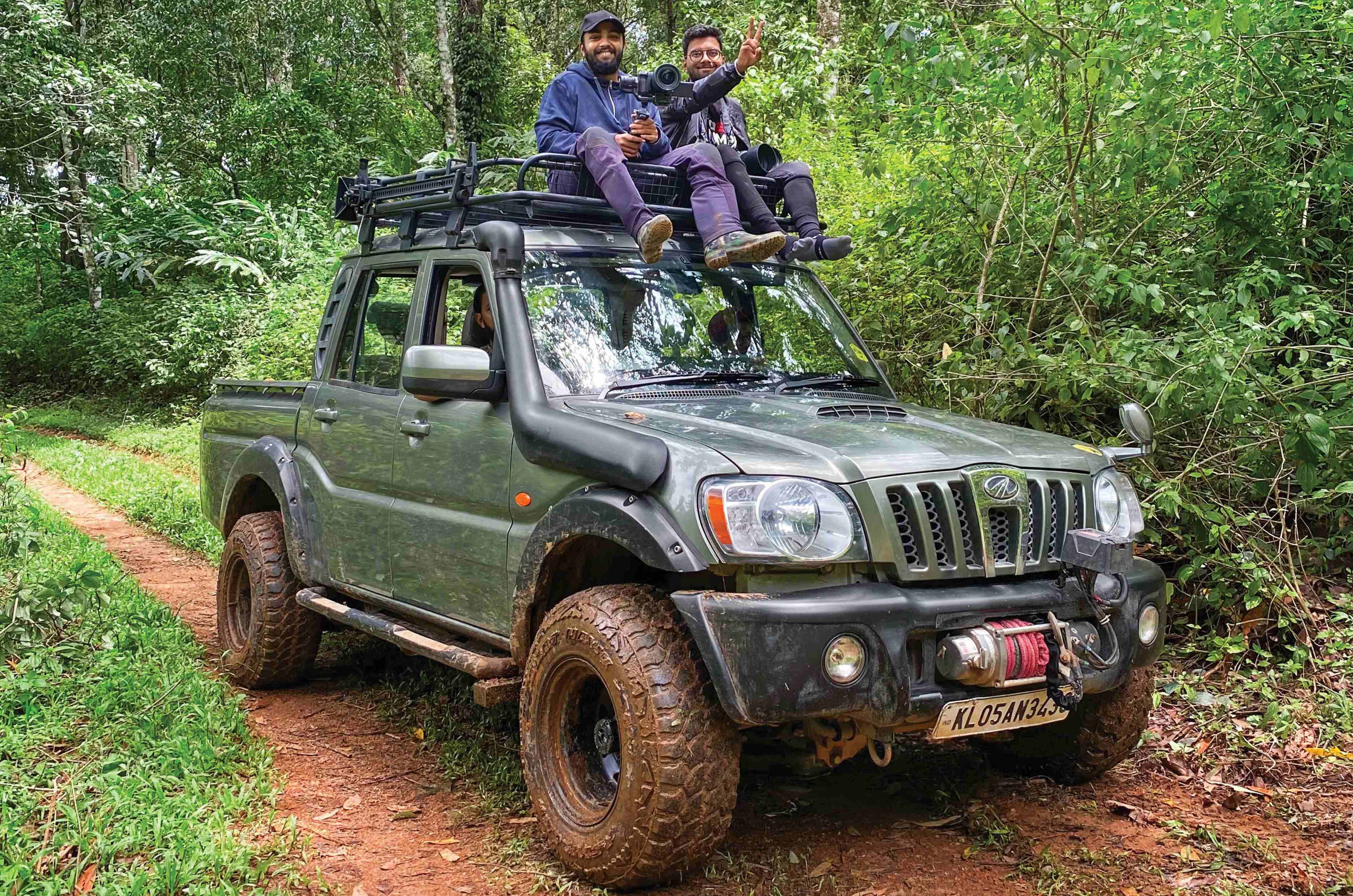
To ensure Rish got stuck further down the trail, a Lamda cable-operated locking differential found its way into the rear axle, while the front axle got manual locking hubs (the factory-fitted auto-locking hubs were prone to breaking under heavy load). The engine was left untouched, but to allow adequate wheel arch clearance for the planned high-profile fat tyres, a two-inch body-lift kit was installed. When you lift it, you need to stance it, and so, the vanilla factory wheels made way for off-road -30 off-set steel wheels and faux wheel arch extensions that muscled up the looks but also let us squeeze in fatter tyres without alerting the RTO.
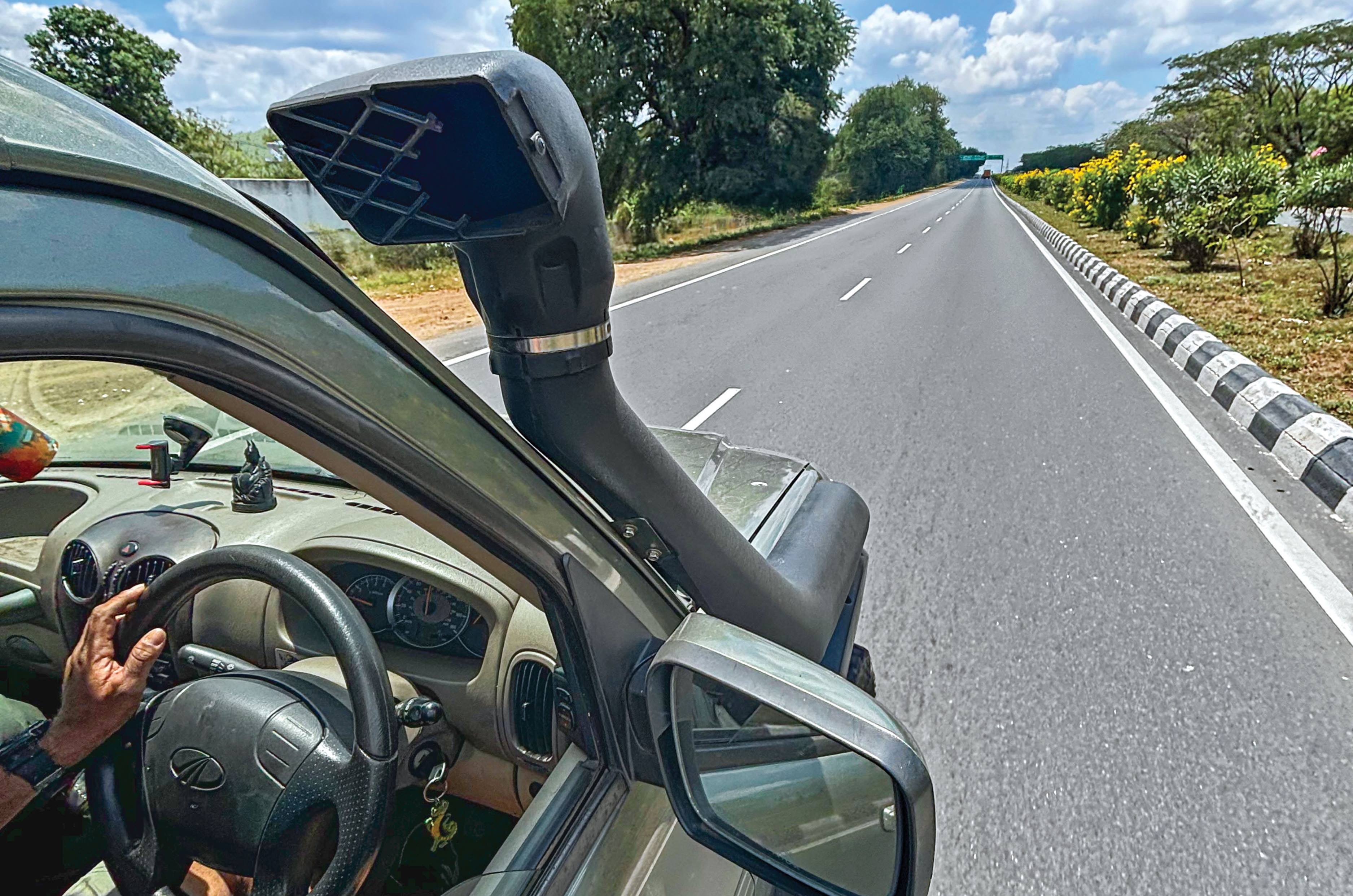
A canopy was added to cover the pickup bed, custom bicycle mounts were welded onto the floor of the bed, a roof-mounted tent, a side awning, solar panels on the roof, an AC-to-DC converter to run devices off the solar panels, a roof carrier, a snorkel, the legendary Warn M8000 winch, metal off-road bumpers, nine auxiliary lamps. Kitchen sink? Pah! There was no space left!
Life has other plans
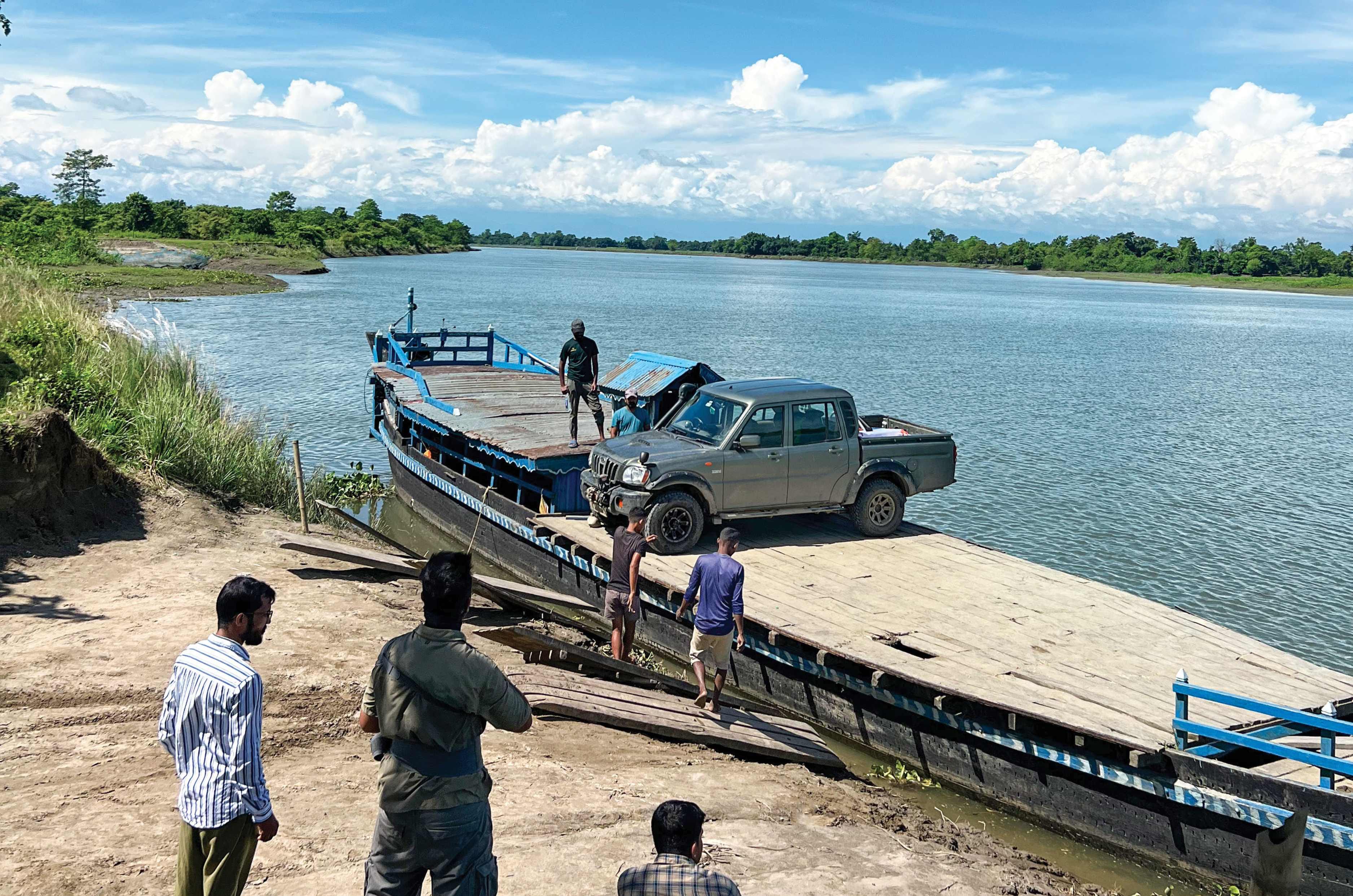
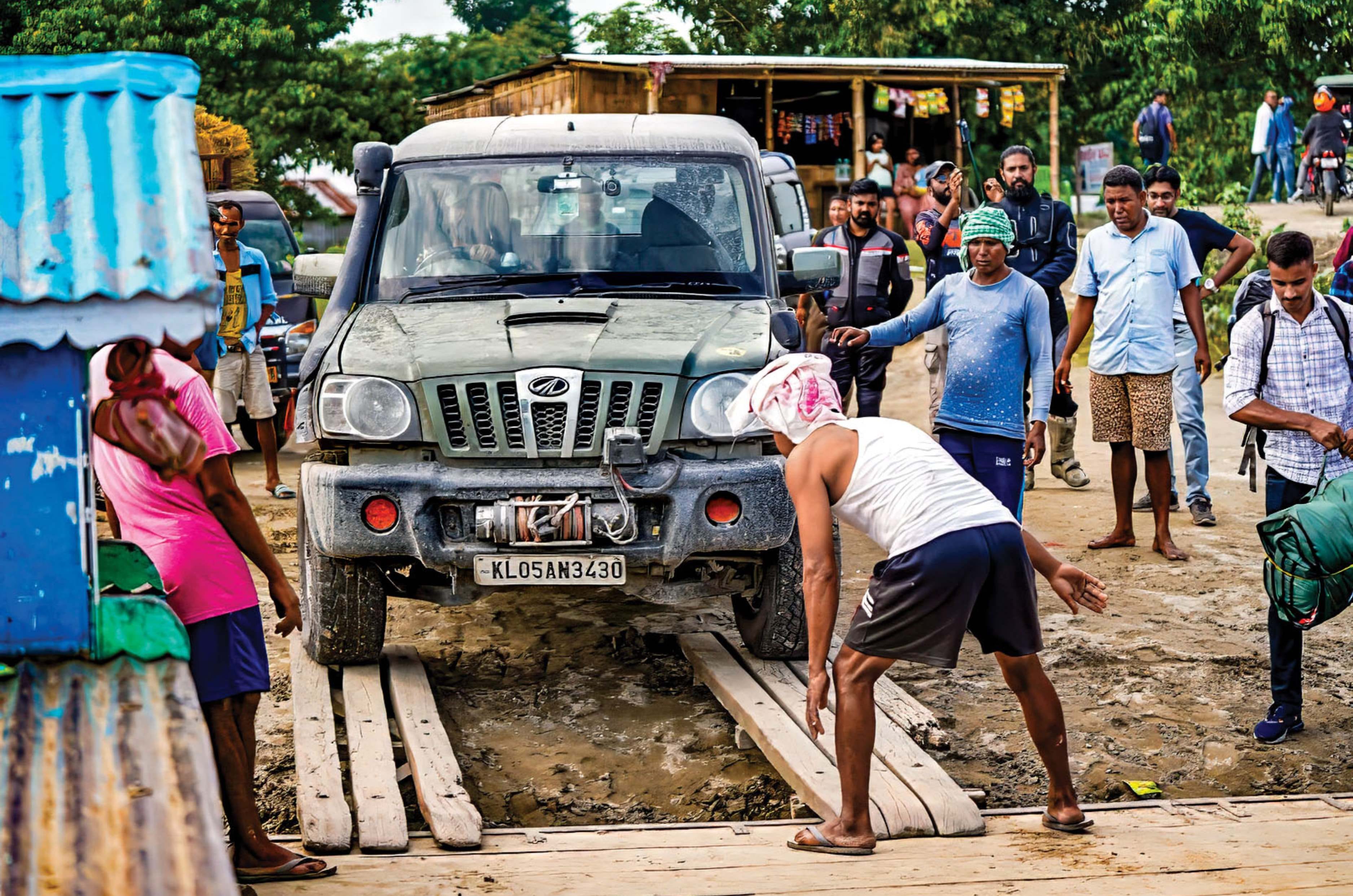
The snorkel allows some river crossing, but the Brahmaputra had to be crossed on this raft.
For reasons beyond the scope of this story, the Getaway spent most of its first two years parked up with no place to go. It preened, posed, went for the occasional camping trip and lent itself to all the mall crawler memes you can think of.
Then came August 2018. The skies over Kerala opened up. Rivers breached banks, houses were flooded up to the first floor in some places, and parts of middle Kerala were unreachable unless you had a boat or a vehicle with a snorkel. The official rescue teams quickly found themselves overwhelmed, so the Getaway, along with all of Kerala’s 4×4 community, stepped in to assist. The need of the hour was clean bedsheets, towels, underwear, drinking water, easy-to-reheat food and a way to get these supplies to people stranded in homes surrounded by flood waters or cut off by landslides. We loaded the Getaway’s pickup bed to the sky and drove through bonnet-deep water for about three days, handing out generously donated essentials. We stopped only when the rains subsided and when one of the people we thought needed help asked if we were carrying blue underwear. His favourite colour apparently!
Extremely useful as a backup car for our business because it can carry a mechanic, medic, tools, medical kit and motorcycles, with room to spare.
Soon after the rains subsided, the Motor Vehicles Department in Kerala started a serious clampdown run on modified vehicles, and we figured it was time to strip the Getaway of everything but the essentials. The School Of Dirt – our off-road motorcycling school – was in full swing by then, and the Getaway was the backup car because it could carry a mechanic, medic and two broken motorcycles at a go. We kept the winch, the snorkel and the mud-terrain tyres. We added new features like the comprehensive tool kit for off-road trail fixes and an exhaustive medical kit for when things go wrong far from a hospital. This thing can carry a lot!
We’ve had a few heart-in-mouth moments, but the Getaway always got us home safe.
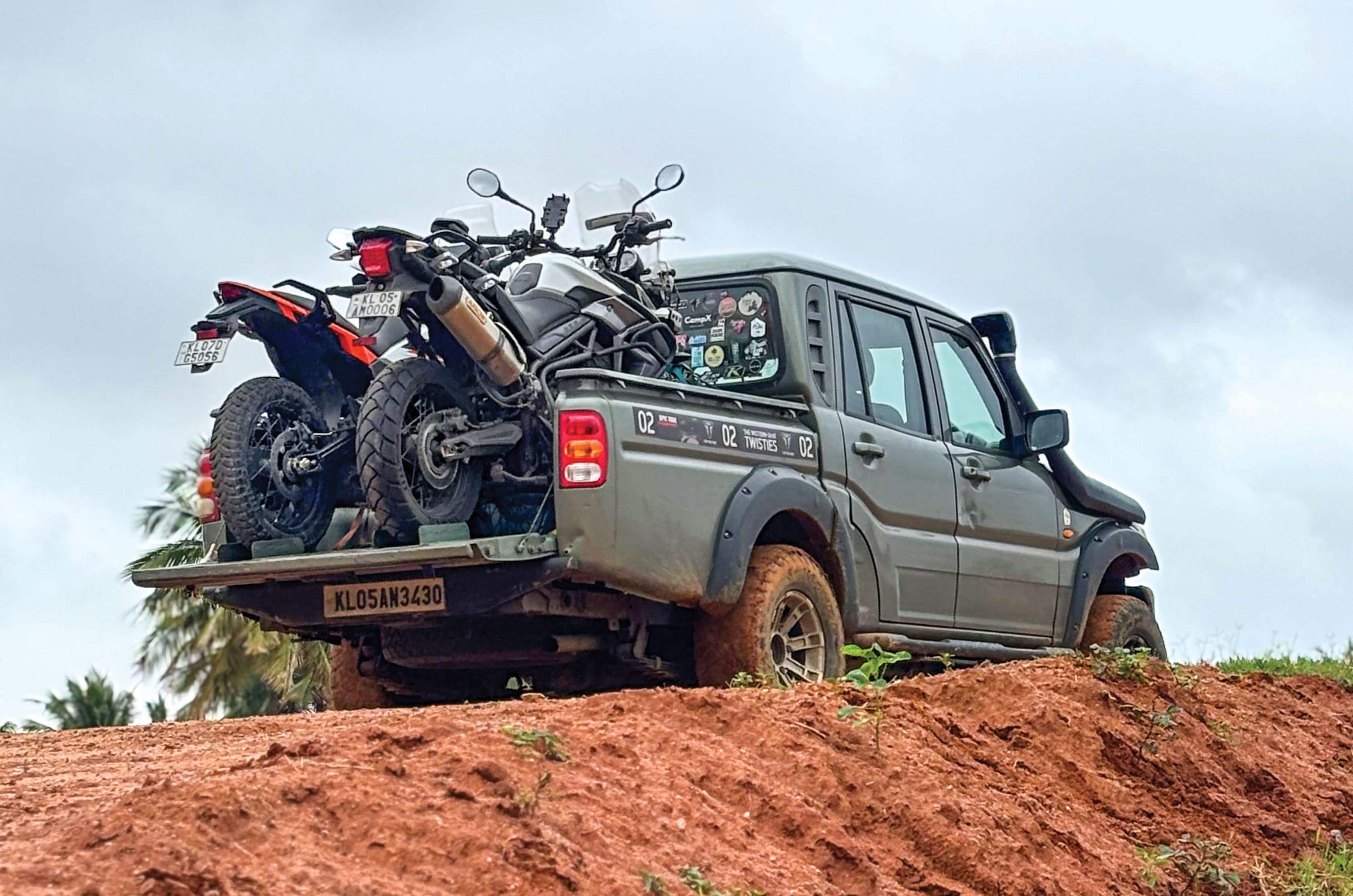
The next eight years were when the Getaway really pulled its own weight in gold. Most notably, the two 8,000km Kottayam-to-Kohima round trips, mostly with a 250kg Tiger 1200 strapped to its back, and about 1,10,000km criss-crossing South India with us and paraphernalia in it. It has been our hotel room and our home away from home when the adventure motorcycle thrill started booming. More than anything, it has been as reliable as a hammer and didn’t need much more than a full tank of diesel and some duct tape to get to the next destination.
Wear and tear on big bikes is expensive. Getaway helps mitigate that expense.
We figured a long time ago that using its ‘certified’ 600kg payload capacity to carry a motorcycle is a huge cost saving for a startup business. Ever since all nice and fast things became sin goods in the eyes of the government, carrying the bike to the start of the trip and using it only at the event became a much more economical proposition than riding it all the way. An example? A proper load- and speed-rated rear tyre on the Tiger 1200 costs Rs 25,000, and with the way I ride the bike, I obliterate that poor tyre in just 3,500km. That and the expensive mechanical wear and tear on these big bikes ultimately meant it was cheaper to load the bike on the back of the Getaway and transport it to the event.
Spare a thought
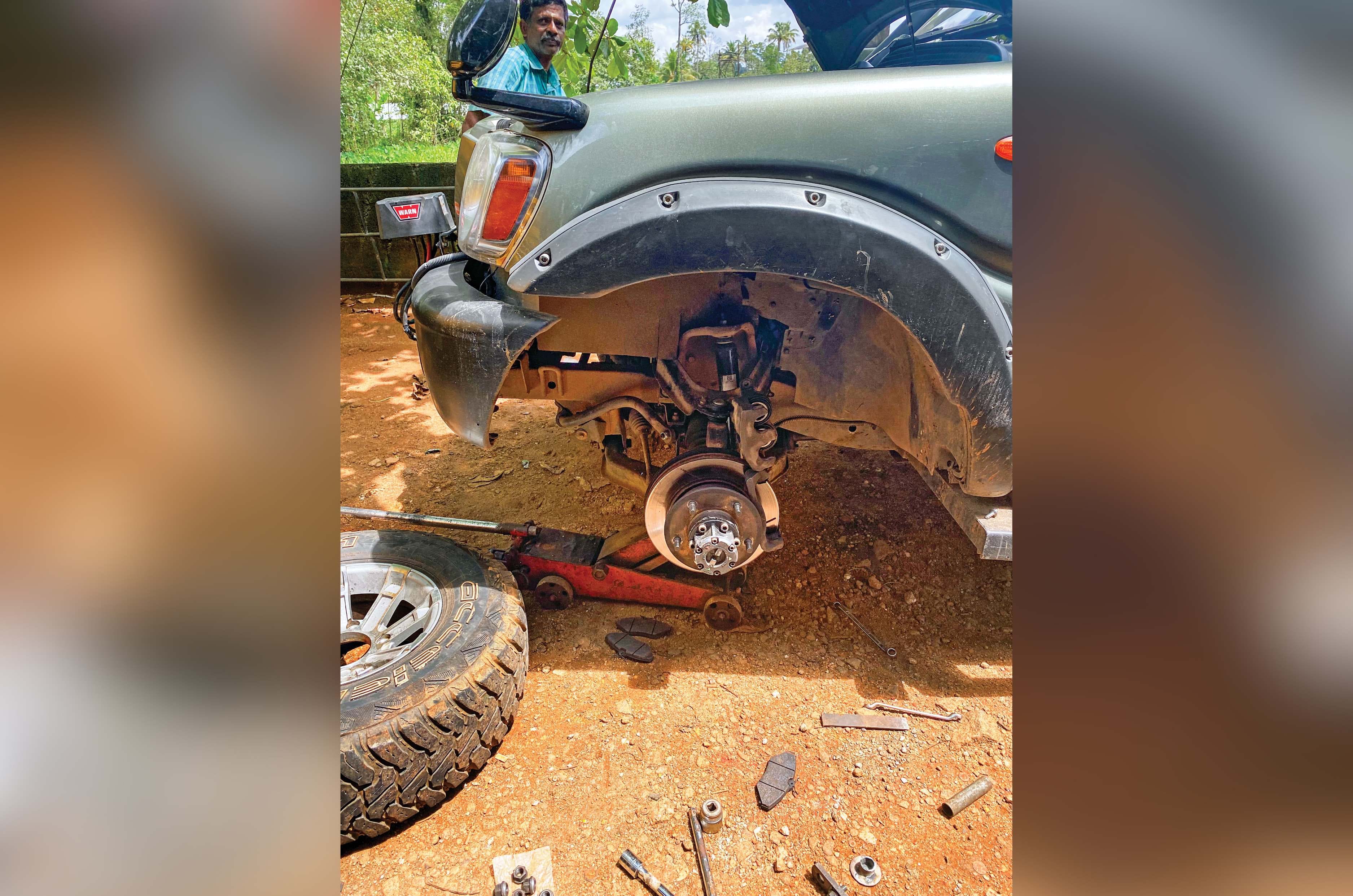
This being a Mahindra and based largely on the Scorpio, parts are available everywhere in India, and mechanics know their way around the Getaway’s Scorpio bloodline despite the pickup’s rarity. We run the car on a preventive maintenance schedule because we really work it hard, and no matter what, it gets fresh air, oil and diesel filters every 5,000km. The engine and transmission oil get changed at the same time, the leaf springs at the back are realigned and reshaped every 15,000km and the torsion bar front suspension gets re-adjusted every time we notice it starting to sag. We don’t have a bed liner for the pickup bed, so once a year, we check it in to a paint spa for a fresh coat to prevent rusting from all the scratches. That’s it.
Easily repaired because it shares a lot of parts with the Scorpio.
The engine has never needed an overhaul, and it is helpful that the bomb-proof 2.6 CRDe engine will run on anything that resembles diesel. The weak link in the mechanical package is the clutch – if you’re not reasonably careful every time you start off on a slope, it’ll vaporise fast. Still, the clutch pack along with the clutch release bearing works out to something like Rs 6,000, so apart from the inconvenience of being stranded, it really doesn’t hurt the wallet.
Also, because of our carelessness, we’ve chewed through three rear differentials in the course of the last decade (sometimes the cable-operated Lamda differential doesn’t fully disengage thanks to a corroded cable, and if you are not careful, you end up driving with a partially locked differential on the road). The rear differential turned out to be one of the most expensive spares on the Getaway, working out to around Rs 40,000 a pop, and even that is not too bad considering a broken tail-lamp on a Hilux will set you back Rs 30,000. We’ve since discarded the locking differential and keep fingers crossed that the winch will yank us out when the time comes. Also, don’t break the rear windshield – it is harder to source than a Ferrari 250 GTO!
With a full load, the Getaway still runs around 10 kilometres for every litre of diesel consumed, and that, along with its 60-litre fuel tank, gives it a useful range of 600km.
1,50,000km of highways and trails, and it is still going strong!
The Getaway doesn’t seem to lose much on resale value either. Back in 2016, Rish bought it for Rs 11 lakh and some spare change (on road!). Because every other new lifestyle pickup truck in the market is considerably more expensive, I think people are coming around to the sweet spot of utility, value and comfort that the Getaway hits. It is a reasonably simple vehicle with zero electronics (no ABS even!) and so lends itself to hard work and easy fixes happily. Still, well-maintained Getaways are few and far between and their owners (like us) are loathe to let them go. The ones you find on used-car portals are bad. Trust me, I’ve looked.
What next?
No one is more excited about the launch of the Getaway’s replacement than I am. The new Lifestyler (weird name) looks very cool, and the more powerful engines will definitely make fully loaded cross-country trips effortless. The expected base price is positively tasty, and I hope it will come with maintenance costs to match.
It does seem a bit too fancy, though, and I worry about the interiors that are no longer the hose-down kind. I hope Mahindra will offer a more pared-down version that will allow people like me to use it with dirty boots and greasy gloves guilt-free. In the mountaineering world, when someone successfully summits a peak, you ask, “Who’s your sherpa” The Getaway has been The School Of Dirt’s unfailing sherpa. The Lifestyler has its work cut out.
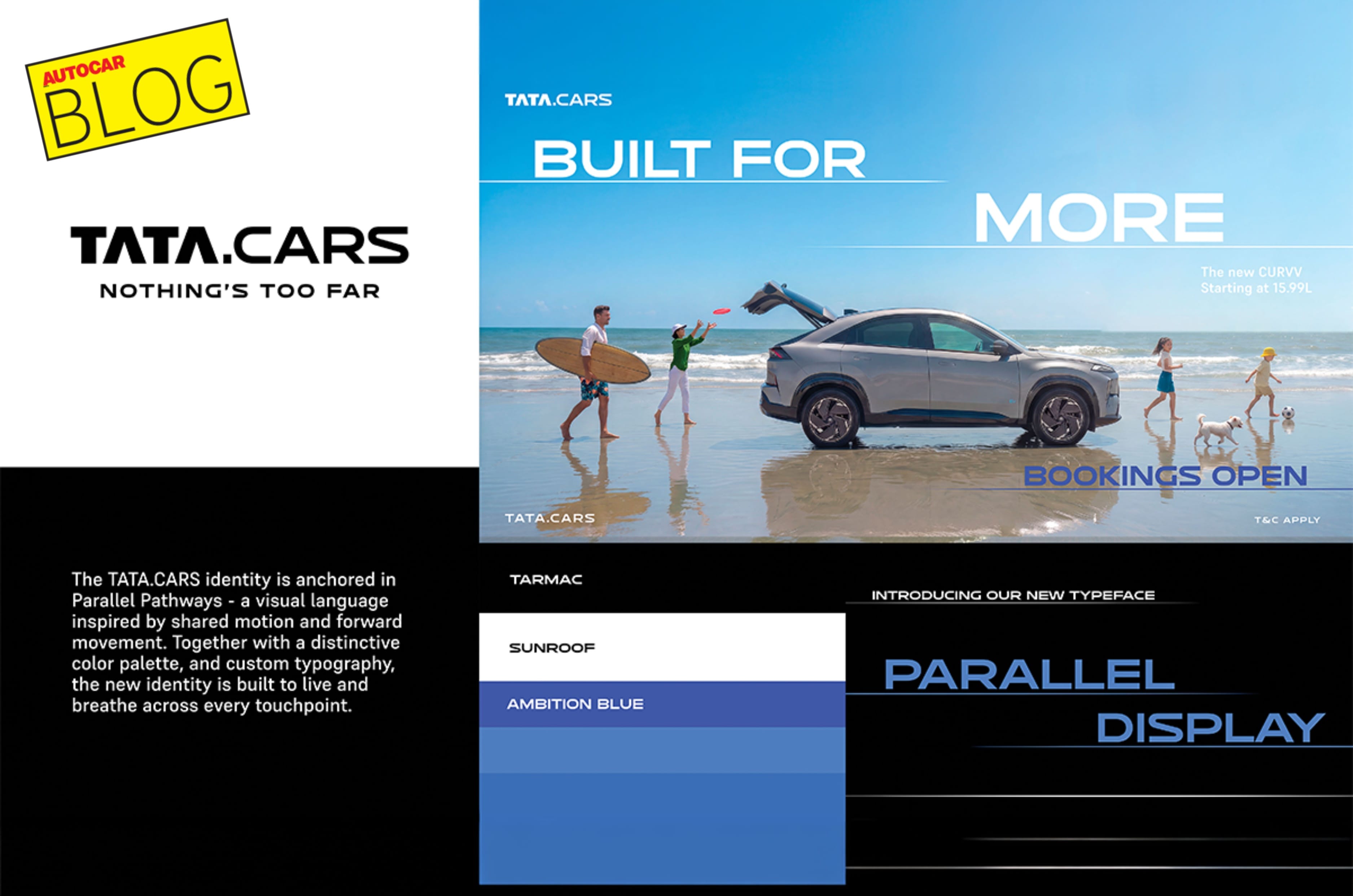
So, the consumer shall now experience Tata.Cars. New font. New colours. Definitely new flooring, furniture and fixtures too. Very interesting exercise. There must have been solid logic behind the same, with some heart too added for flavour.
Do I like it? Too early to comment. Do I dislike it? Too early, once again. Branding, and rebranding, is a funny creature. There’s fur and then there’s flesh. Initially, we get caught up with the fur – the very name, the font, the colour palette, the digital renditions, the landing page of the website, the look of the social media handles and so on. Over time, we get to get down to the flesh. The behaviour. The response time. The availability of spares. The RSA. The cleanliness of the service bay. The timely reminders. The smiles and scowls.
My brand strategy guru, Wally Olins, taught me that the brand is beyond all the fur. It lives in the flesh. “The brand, Avik, is the promise of an experience delivered consistently, over time.” This is what he had told JRD and RNT when he helped with the entire rebranding of the conglomerate in the early 1990s. This is what he told every brand and person he interacted with.
Any rebranding has to be judged after a good 8-10 months of its ‘launch’, though I am personally not in favour of all the hype and hoopla around it. It has to come alive at every customer touchpoint. To deliver its promise. Which is not an advertising tagline or a logo sign-off. Those are words crafted to explain what the promise is. So, “Nothing’s too far” is the expression that has to manifest itself in multiple ways for the promise to be delivered. In technology. In network reach. In customer response time. In accessibility. In affordability. This is the flesh. The hard work. The routine that can tire someone. The rigour that can break many.
“The brand is a wasting asset,” said the remarkable Shunu Sen, one of the country’s best-ever marketers. The moment a brand is launched, it starts depreciating, just like the moment you drive a new car out of a showroom. Every moment of customer interaction is also a moment of both delight and devaluation. Hence brands need to keep refreshing themselves, through a new look, new products, new promotions and even inducting new people. Everything revives consumer interest in the brand that otherwise might end up being a blind spot. Not an easy job for both the brand custodian and the product planner.
So, let us not get into whether the [.] in Tata.Cars is sheer inspiration or mere gimmick. Let us see if the brand delivers its promised experience, consistently, at every touchpoint, over time. Then, it would have literally crossed the t’s and dotted the i’s.
13 साल की लक्ष्मी अपनी हिम्मत और मेहनत से लोगों को इंस्पायर कर रही हैं। शरीर से विकलांग होने के बावजूद उन्होंने पढ़ाई को रुकने नहीं दिया और अपने स्कूल का काम पूरा करने का रास्ता खुद खोज लिया। वह पैरों से लिखकर अपनी पढ़ाई जारी रख रही हैं और हर दिन यह साबित कर रही हैं कि मुश्किल हालात भी किसी के हौसले को रोक नहीं सकते।
सरकारी स्कूल की चौथी कक्षा में पढ़ने वाली स्टूडेंट का जज्बा उन बच्चों के लिए भी इंस्पिरेशन है, जो किसी न किसी चुनौती का सामना कर रहे हैं। उनके लिए पढ़ाई सिर्फ स्कूल का काम नहीं, बल्कि अपने सपनों की ओर बढ़ने का एक जरिया है। उनकी मेहनत और आत्मविश्वास हमें सिखाता है कि हालात चाहे जैसे हों, कोशिश जारी रखी जाए तो रास्ता जरूर निकाला जा सकता है।
1. लक्ष्मी का डेली रूटीन
लक्ष्मी का स्कूल का रोज काम करने का तरीका काफी अलग है। वह अपने स्कूल बैग के पास बैठकर सबसे पहले उसे खोलती हैं और अपने पैरों की मदद से बैग के अंदर रखा सामान बाहर निकालती हैं। वह नोटबुक और पेन को सावधानी से निकालती हैं, फिर कॉपी को अपने सामने सही जगह पर रखती हैं। इसके बाद वह पन्ने पलटकर अपना काम शुरू कर देती हैं। आम बच्चों के लिए ये छोटे-छोटे काम बहुत आसान होते हैं, लेकिन लक्ष्मी को इन्हें करने के लिए ज्यादा मेहनत और ध्यान लगाना पड़ता है। इसके बावजूद वह किसी पर निर्भर रहने के बजाय अपने काम खुद करने की कोशिश करती हैं। उन्होंने धीरे-धीरे इस तरीके को अपना डेली रूटीन बना लिया है।
2. पढ़ाई के प्रति लगन
लक्ष्मी की पढ़ाई के प्रति लगन उनकी सबसे खास बात है। वह अपने पैरों से पेन पकड़कर कॉपी में लिखती हैं और इसी तरह अपना स्कूल का काम पूरा करती हैं। वीडियो में वह बिना किसी जल्दबाजी के पूरे ध्यान से लिखती हुई दिखाई देती हैं। उनके लिए लिखना और कॉपी संभालना आसान नहीं है, लेकिन उन्होंने अपनी परिस्थितियों के हिसाब से खुद को ढाल लिया है। जिस काम के लिए दूसरे बच्चों को हाथों का सहारा मिलता है, उसके लिए लक्ष्मी अपने पैरों का इस्तेमाल करती हैं। इसके लिए उन्हें रोज अभ्यास और मेहनत करनी पड़ती होगी, लेकिन उन्होंने इसे अपनी पढ़ाई के बीच रुकावट नहीं बनने दिया। उनका शांत तरीके से अपने काम पर ध्यान देना दिखाता है कि वह अपनी पढ़ाई को लेकर कितनी गंभीर हैं।
3. बनी आम जनता की प्रेरणा
लक्ष्मी की लोगों ने उनकी मेहनत और हिम्मत की जमकर तारीफ की। कई लोगों को उनकी एकाग्रता और पढ़ाई के प्रति लगन काफी पसंद आई। लोगों ने उनके लिए अच्छे भविष्य, खुशी और सफलता की कामना करते हुए रियेक्ट किया। किसी ने उनकी तारीफ करते हुए उन्हें बहुत हिम्मती बताया, तो किसी ने उनके जज्बे को देखकर इंस्पिरेशन मिलने की बात कही। यही कारण है कि उनकी छोटी सी कोशिश कई लोगों के लिए इंस्पिरेशन बन गयी।
4. आगे बढ़ने का तरीका
लक्ष्मी की कहानी सिर्फ उनके स्कूल का काम करने या पैरों से लिखने तक सीमित नहीं है, बल्कि यह बच्चों को आगे बढ़ने का मौका देने की जरूरत भी दिखाती है। दिव्यांग बच्चों के लिए ऐसा माहौल होना जरूरी है, जहां वे अपनी क्षमता के अनुसार पढ़ाई कर सकें और बिना किसी झिझक के अपनी बात रख सकें। उनकी कहानी हमें यह समझाती है कि हर बच्चे के सीखने और आगे बढ़ने का तरीका अलग हो सकता है।
13 साल की लक्ष्मी की यह कहानी पढ़ाई के प्रति लगन को दिखाती है। पैरों से लिखकर स्कूल का काम पूरा करना उनके लिए आसान नहीं है, फिर भी उन्होंने अपनी शारीरिक चुनौती को पढ़ाई के रास्ते में रुकावट नहीं बनने दिया। जो हमें सिखाती है कि सही मौका, सहयोग और मजबूत इरादे मिलें तो मुश्किल रास्ते भी आसान किए जा सकते हैं।
हर्ष सिंह और अस्मिता डे ने कॉमनवेल्थ गेम्स 2026 में भारत को पहली बार जूडो कराटे में मेडल दिलवाया वह भी गोल्ड। अस्मिता कॉमनवेल्थ गेम्स में जूडो में गोल्ड जीतने वाली पहली महिला जूडोका बनी वहीं इसके बाद हर्ष सिंह भी पहले पुरष जूडोका बने जिन्होंने कॉमनवेल्थ गेम्स में गोल्ड जीता। इसके अलावा यामिनी ने भी 48.किग्रा वर्ग में सिल्वर मेडल जीता।
भारत ने जूडो में दो स्वर्ण और एक रजत पदक जीता जो 1990 के ऑकलैंड राष्ट्रमंडल खेलों में जूडो के पदक खेल बनने के बाद भारत का अब तक का सर्वश्रेष्ठ प्रदर्शन है।
A historic golden moment for India!
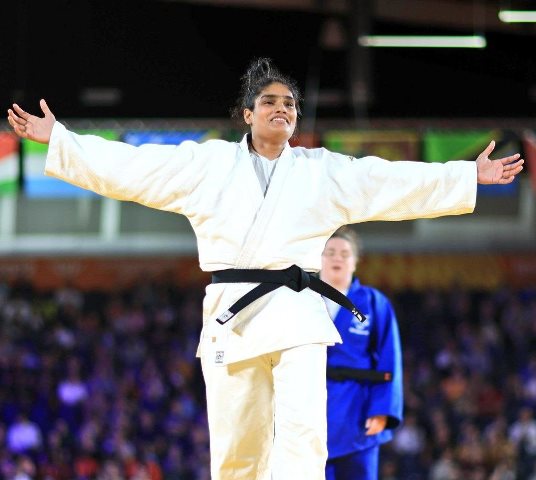
Asmita Dey created history by winning the Women’s 48kg Judo Gold at the Glasgow Commonwealth Games, becoming the first Indian woman to win a Commonwealth Games gold in this category.
त्रिपुरा की 23 वर्षीय अस्मिता डे जूडो स्पर्धा में स्वर्ण पदक जीतने वाली पहली भारतीय बन गई जिन्होंने 48 किग्रा से कम भार वर्ग में कनाडा की हेडी क्वाच को नाटकीय ‘गोल्डन स्कोर’ मुकाबले में हराकर खिताब जीता।
हर्ष सिंह राष्ट्रमंडल खेलों में स्वर्ण पदक जीतने वाले भारत के पहले पुरूष खिलाड़ी बन गए जिन्होंने आस्ट्रेलिया के अनुभवी जोशुआ कैट्ज को हराकर पुरूषों के 60 किलो फाइनल में स्वर्ण पदक जीता ।
Determination turned into a golden moment for Bharat!
Congratulations Harsh Singh on winning Gold Medal in the Men's 60 kg Judo event at #Glasgow2026.
पहली बार इन खेलों में उतरे 23 वर्ष के हर्ष ने खिताब के प्रबल दावेदार माने जा रहे जूडोका के खिलाफ संयम खोये बिना जबर्दस्त खेल दिखाया । यामिनी काफी करीब से स्वर्ण पदक जीतने से चूक गईं और उन्हें महिलाओं के 57 किग्रा से कम भार वर्ग के ‘गोल्डन स्कोर’ तक पहुंचे फाइनल में इंग्लैंड की अनुभवी एसिल्या टॉपराक से हारकर रजत पदक से संतोष करना पड़ा।
ग्लासगो में खेले जा रहे 2026 में यह साबित हो गया कि भारत भारोत्तोलन में सिर्फ मीराबाई चानू पर निर्भर नहीं है। भारत ने सोमवार को ही भारोत्तोलन में 3 मेडल जीते। भारोत्तोलन के महिला 53 किग्रा वर्ग में एशियाई चैंपियनशिप कांस्य पदक विजेता ज्ञानेश्वरी ने लगातार बनते-बिगड़ते रिकॉर्ड के बीच सोमवार को रजत पदक जीता।
छत्तीसगढ़ के भोंडिया गांव की 23 साल की ज्ञानेश्वरी ने स्नैच में 88 किलो और क्लीन एंड जर्क में 111 किलो समेत कुल 199 किलो वजन उठाया। नाइजीरिया की ओनोमे ओमोलोला ने राष्ट्रमंडल खेलों का रिकॉर्ड तोड़कर 206 किलो वजन उठाते हुए स्वर्ण पदक जीता। उन्होंने स्नैच में 93 किलो और क्लीन एंड जर्क में 113 किलो वजन उठाया।
वल्लुरी अजय बाबू ने पुरुषों के 79 किग्रा वर्ग में सिल्वर मेडल जीता
वल्लुरी अजय बाबू ने पुरुषों के 79 किग्रा वर्ग के फ़ाइनल में कुल 330 किग्रा (149 किग्रा स्नैच 181 किग्रा क्लीन एंड जर्क) वज़न उठाकर सिल्वर मेडल जीता। उनका 149 किग्रा का स्नैच कॉमनवेल्थ गेम्स का रिकॉर्ड था। वल्लुरी अजय बाबू ने 145 किग्रा से शुरुआत की, भारतीय अपने दूसरे प्रयास में 149 किग्रा वजन उठाने में असफल रहे, लेकिन अपने अंतिम प्रयास में उन्होंने सफलतापूर्वक उतना ही वजन उठा लिया।
अजय बाबू ने अपने पिता वल्लुरी श्रीनिवास राव के नक्शेकदम पर चलते हुए यह उपलब्धि हासिल की; उनके पिता ने भी 2010 में नई दिल्ली में हुए कॉमनवेल्थ गेम्स में ब्रॉन्ज़ मेडल जीता था। अजय बाबू स्वर्ण पदक जीतने से मामूली अंतर से चूक गए। वह मलेशिया के एरी हिदायत मुहम्मद से एक किग्रा पीछे रहे। एरी हिदायत मुहम्मद ने 331 किग्रा (147 184) वजन उठाकर नया गेम्स रिकॉर्ड बनाते हुए स्वर्ण पदक जीता जबकि इंग्लैंड के क्रिस मरे ने 325 किग्रा (148 177) वजन उठाकर कांस्य पदक अपने नाम किया।
Congratulations to Gyaneshwari Yadav on winning the Silver Medal in Weightlifting at the Commonwealth Games Glasgow 2026. This success is even more noteworthy because she has achieved a personal best in this competition. May her success motivate the youth of India. Wishing her… pic.twitter.com/tKF5Ub4LHQ
Many congratulations to Khelo India athlete Valluri Ajaya Babu on winning the Silver Medal in the Men's 79kg Weightlifting.
With a total lift of 330kg, he also set a Commonwealth Games record in the Snatch. A memorable performance and another proud… pic.twitter.com/GMCQPQtIvm
— Dr Mansukh Mandaviya (@mansukhmandviya) July 28, 2026
Yet another medal for India in Weightlifting! Proud of Bindyarani Devi Sorokhaibam for winning a Bronze in the Women's 58kg event at the Glasgow Commonwealth Games. Her success is due to her hard work and determination. Wishing her the very best for the endeavours ahead.… pic.twitter.com/Ly2MMEKjCL
भारत की बिंद्यारानी देवी ने महिलाओं के 58 किग्रा वर्ग में कुल 199 किग्रा वज़न उठाकर तीसरा स्थान हासिल किया और कॉमनवेल्थ गेम्स में अपना दूसरा मेडल जीता।बर्मिंघम 2022 में सिल्वर मेडल जीतने वाली बिंद्यारानी ने स्नैच में 87 किग्रा और क्लीन एंड जर्क में 112 किग्रा वज़न उठाकर ब्रॉन्ज़ मेडल पक्का किया। यह भारत का भारोत्तोलन में पांचवां पदक है।
कॉमनवेल्थ गेम्स मेडलिस्ट बिंद्यारानी देवी ने स्नैच राउंड में 87 किग्रा के बेस्ट लिफ़्ट के साथ चौथे स्थान पर थीं। उन्होंने 83किग्रा से शुरुआत की, फिर इसे बेहतर करते हुए 85किग्रा और अपने तीसरे प्रयास में 87किग्रा वज़न उठाया। उन्होंने क्लीन एंड जर्क में 112 किग्रा वज़न उठाकर कांस्य पदक अपने नाम किया।नाइजीरिया की राफियातु फोलाशाडे लावल ने 229 किग्रा (103 126) वजन उठाकर राष्ट्रमंडल खेल रिकॉर्ड बनाते हुए स्वर्ण पदक जीता जबकि कनाडा की एन सोफी टैस्चेरो ने 215 किग्रा (94 121) वजन उठाकर रजत जीता।
बोर्ड परीक्षा के नतीजे अक्सर छात्रों के आत्मविश्वास को प्रभावित करते हैं। कई बार कम अंक आने पर विद्यार्थी यह मान लेते हैं कि उनका भविष्य अब बेहतर नहीं हो सकता। लेकिन सच यह है कि किसी एक परीक्षा का परिणाम पूरी जिंदगी तय नहीं करता। सही दिशा, लगातार मेहनत और खुद पर भरोसा किसी भी असफलता को सफलता में बदल सकता है। ऐसे ही एक छात्र की कहानी आज हजारों युवाओं के लिए प्रेरणा बन गई है। 10वीं में उम्मीद से काफी कम अंक मिलने के बाद भी उसने हार नहीं मानी। उसने अपनी कमियों को पहचाना, पढ़ाई का तरीका बदला और अनुशासन के साथ अपने लक्ष्य की ओर बढ़ता रहा।
समय के साथ उसकी मेहनत रंग लाई और उसने देश की सबसे कठिन इंजीनियरिंग परीक्षाओं में शानदार प्रदर्शन कर IIT बॉम्बे तक का सफर तय किया। उसकी यह कहानी साबित करती है कि सफलता अंकों से नहीं, बल्कि दृढ़ संकल्प और निरंतर प्रयास से मिलती है।
10वीं के नतीजे ने दिया बड़ा झटका
जैनेंद्रजीत ने 10वीं बोर्ड परीक्षा में अच्छे अंकों की उम्मीद की थी, लेकिन रिजल्ट उम्मीद से बिल्कुल अलग रहा। उसे कुल 54% अंक मिले। गणित में 41 और विज्ञान में 48 अंक आने से वह काफी निराश हुआ। रिजल्ट देखने के बाद उसे कुछ देर तक यकीन ही नहीं हुआ कि ये उसके ही नंबर हैं।
बीमारी बनी पढ़ाई में सबसे बड़ी रुकावट
बोर्ड परीक्षा से पहले जैनेंद्रजीत करीब 40 से 50 दिनों तक बेड रेस्ट पर रहा। लंबी बीमारी के कारण उसकी तैयारी प्रभावित हुई। वहीं उसके कई दोस्तों ने 90% से अधिक अंक हासिल किए, जिससे उसे अपनी कमियों का एहसास हुआ।
हार नहीं मानी, खुद को बदलने का लिया फैसला
निराश होने के बजाय उसने खुद से कहा, “यह मेरी असली पहचान नहीं है, मैं इससे बेहतर कर सकता हूं।” इसी सोच ने उसे आगे बढ़ने की ताकत दी। उसने तय किया कि अब बहाने नहीं, सिर्फ मेहनत ही उसकी पहचान बनेगी।
बदली पढ़ाई की पूरी रणनीति
11वीं में पहुंचने के बाद जैनेंद्रजीत ने पढ़ाई का तरीका पूरी तरह बदल दिया। उसने तय समय पर पढ़ाई शुरू की, सोशल मीडिया से दूरी बनाई और रोजाना करीब 10 घंटे पढ़ाई करने लगा। उसका मानना था कि सिर्फ लंबे समय तक पढ़ना काफी नहीं, बल्कि सही तरीके से पढ़ना ज्यादा जरूरी है।
क्लास से पहले ही समझ लेता था पूरा टॉपिक
उसने एक नई आदत अपनाई। क्लास में पढ़ाए जाने वाले विषय को पहले ही YouTube के जरिए समझ लेता था। इससे लेक्चर के दौरान कॉन्सेप्ट आसानी से समझ आते थे और पढ़ाई ज्यादा प्रभावी हो गई।
रोजाना बनाता था छोटे-छोटे लक्ष्य
बिना योजना के पढ़ाई करने के बजाय उसने हर दिन के छोटे-छोटे लक्ष्य तय किए। हर चैप्टर पूरा होने के बाद Previous Year Questions (PYQs) हल करता था। इससे परीक्षा का पैटर्न समझने और सवाल हल करने की क्षमता मजबूत हुई।
मेहनत ने बदली किस्मत
लगातार मेहनत और अनुशासन का नतीजा यह रहा कि जैनेंद्रजीत ने JEE Main 2023 में 99.98 पर्सेंटाइल हासिल किया। इसके बाद JEE Advanced में AIR 349 रैंक के साथ IIT बॉम्बे के प्रतिष्ठित कंप्यूटर साइंस प्रोग्राम में दाखिला मिला।
‘मेहनत हर चीज पर भारी पड़ती है’
अपनी सफलता पर जैनेंद्रजीत ने कहा, “अगर जिंदगी में कुछ बड़ा हासिल करना है तो बहाने नहीं, मेहनत करनी होगी। मेहनत हर चीज पर भारी पड़ती है।”
सोशल मीडिया पर मिली जमकर तारीफ
यूट्यूब पर अपनी कहानी साझा करने के बाद हजारों लोगों ने उसकी सराहना की। किसी ने लिखा, “Hard work pays off,” तो किसी ने उसकी हिम्मत और समर्पण को सलाम किया। कई छात्रों ने कहा कि उसकी कहानी उन्हें मुश्किल हालात में भी अपने लक्ष्य के लिए मेहनत करते रहने की प्रेरणा देती है।
डिस्क्लेमर: यह रिपोर्ट सोशल मीडिया पर साझा की गई यूजर-जनरेटेड सामग्री पर आधारित है। Moneycontrol ने इन दावों की स्वतंत्र रूप से पुष्टि नहीं की है और न ही इनका समर्थन करता है।
सोशल मीडिया पर एक स्ट्रीट फूड बेचने वाले का वीडियो तेजी से वायरल हो रहा है। इस वीडियो में स्ट्रीट फूड बेचने के महीने की कमाई जानकर हर कोई हैरान है। एक कंटेंट क्रिएटर ने जब वेंडर से उसकी महीने की इनकम के बारे में पूछा, तो जवाब सुनकर वह खुद भी हैरान रह गई। सड़क किनारे मैगी और छोले-कुलचे बेचने वाले इस शख्स ने दावा किया कि वह हर महीने करीब 1.5 लाख रुपये कमाता है। इसके बाद यह वीडियो सोशल मीडिया पर तेजी से वायरल हो गया और छोटे कारोबार से होने वाली कमाई को लेकर नई चर्चा शुरू हो गई।
इंस्टाग्राम पर ये वीडियो कंटेंट क्रिएटर कोमल नेगी ने शेयर किया है। वीडियो के कैप्शन में उन्होंने लिखा, “रेहड़ी लगाने से क्या हो जाएगा? अगर आप भी ऐसा सोचते हैं, तो यह वीडियो देखने के बाद अपनी सोच जरूर बदलें।”
महीने में लाखों कमाता है ये वेंडर
वीडियो में कंटेंट क्रिएटर कोमल नेगी एक सड़क किनारे लगे फूड स्टॉल पर पहुंचती हैं, जहां एक व्यक्ति मैगी और छोले-कुलचे बेचता है। बातचीत के दौरान जब वह उससे उसकी महीने की इनकम के बारे में पूछती हैं, तो दुकानदार बताता है कि वह हर महीने करीब 1.5 लाख रुपये की कमाई कर लेता है। उसका जवाब सुनकर कंटेंट क्रिएटर भी हैरान रह जाती हैं। वेंडर की कमाई सुनकर कोमल नेगी जोर से हंस पड़ती हैं और कहती हैं, “अब मेरी सैलरी बताने लायक ही नहीं है।” दोनों के बीच हुई ये छोटी-सी बातचीत सोशल मीडिया पर तेजी से वायरल हो गई।
वीडियो पर लोगों ने अलग-अलग तरह के रिएक्शन दे रहे हैं। एक यूजर ने मजाक में लिखा, “क्या वह मुझे नौकरी पर रखेगा?” वहीं दूसरे ने कहा, “न इनकम टैक्स, न किराया।”एक कमेंट में लिखा गया, “कोई भी काम छोटा नहीं होता। शुरुआत में मेहनत ज्यादा करनी पड़ती है, लेकिन बाद में सब ठीक हो जाता है। ठेला लगाने में शर्म की कोई बात नहीं है। आज के समय में सबसे जरूरी चीज कमाई है।” एक अन्य यूजर ने वेंडर की सोने जैसी दिखने वाली चेन की ओर इशारा करते हुए लिखा, “चेन दिख रही है, ब्रो।” एक अन्य व्यक्ति ने लिखा, “यह सच है कि सड़क किनारे ठेला लगाने वाले जितने गरीब दिखते हैं, उतने होते नहीं हैं।” लोग इस वीडियो को काफी शेयर भी कर रहे हैं।