Duster turbo petrol vs hybrid: Similarities and differences explained

Duster turbo petrol vs hybrid: Similarities and differences explained
Duster

Renault has expanded the new Duster line-up with a strong-hybrid option, joining the existing 1.0-litre and 1.3-litre turbo-petrol engines. While the hybrid shares much of its design and cabin layout with the petrol versions, there are differences in styling, equipment and, most importantly, how the two powertrains deliver performance and efficiency. Here’s a closer look at what sets them apart.

Renault Duster turbo petrol vs hybrid: Exterior

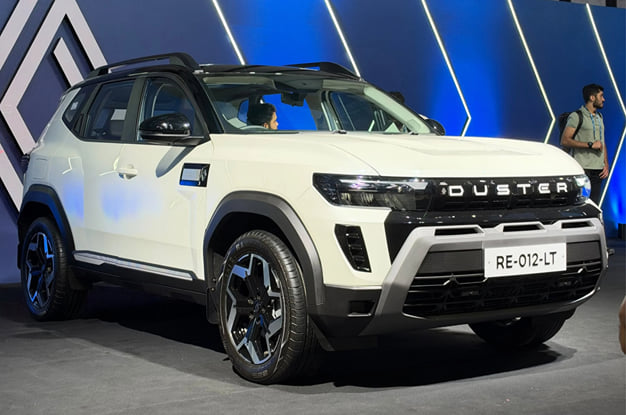
The illuminated grille and badges are the main styling difference
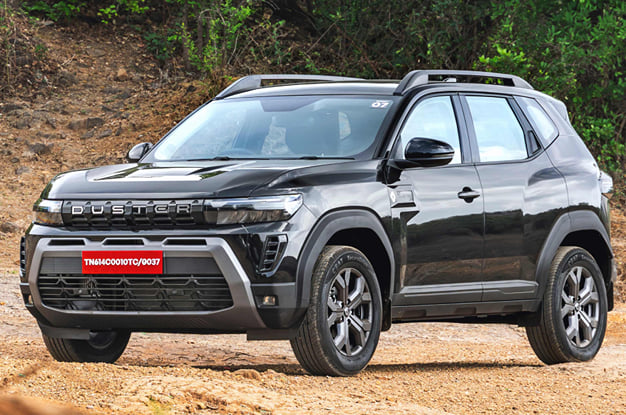
Duster turbo petrol
Duster hybrid
 

Duster turbo petrol vs hybrid

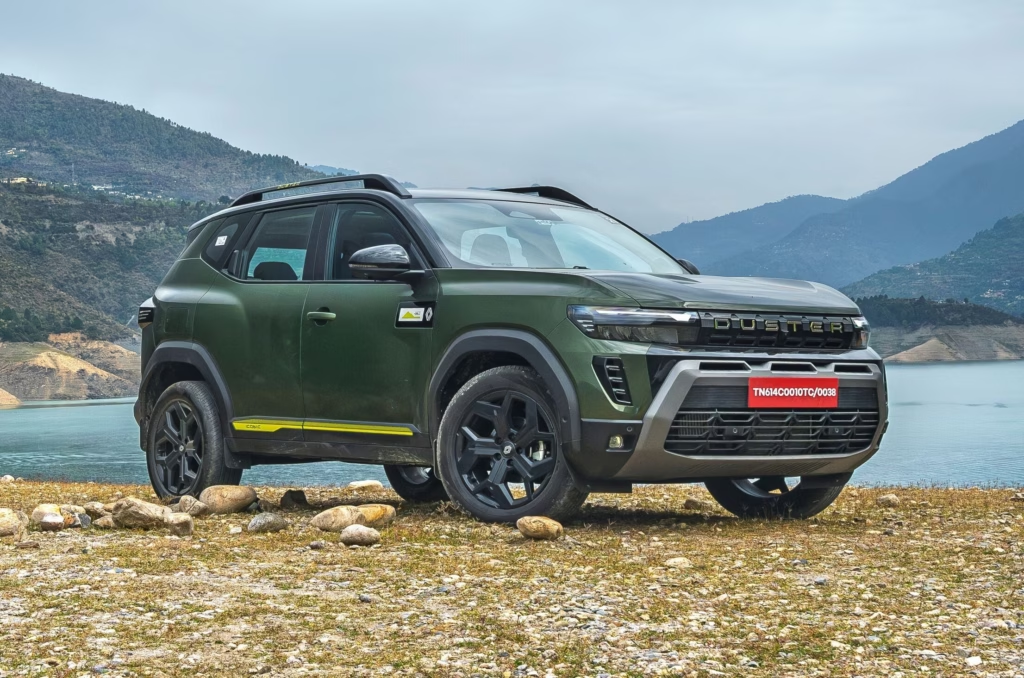
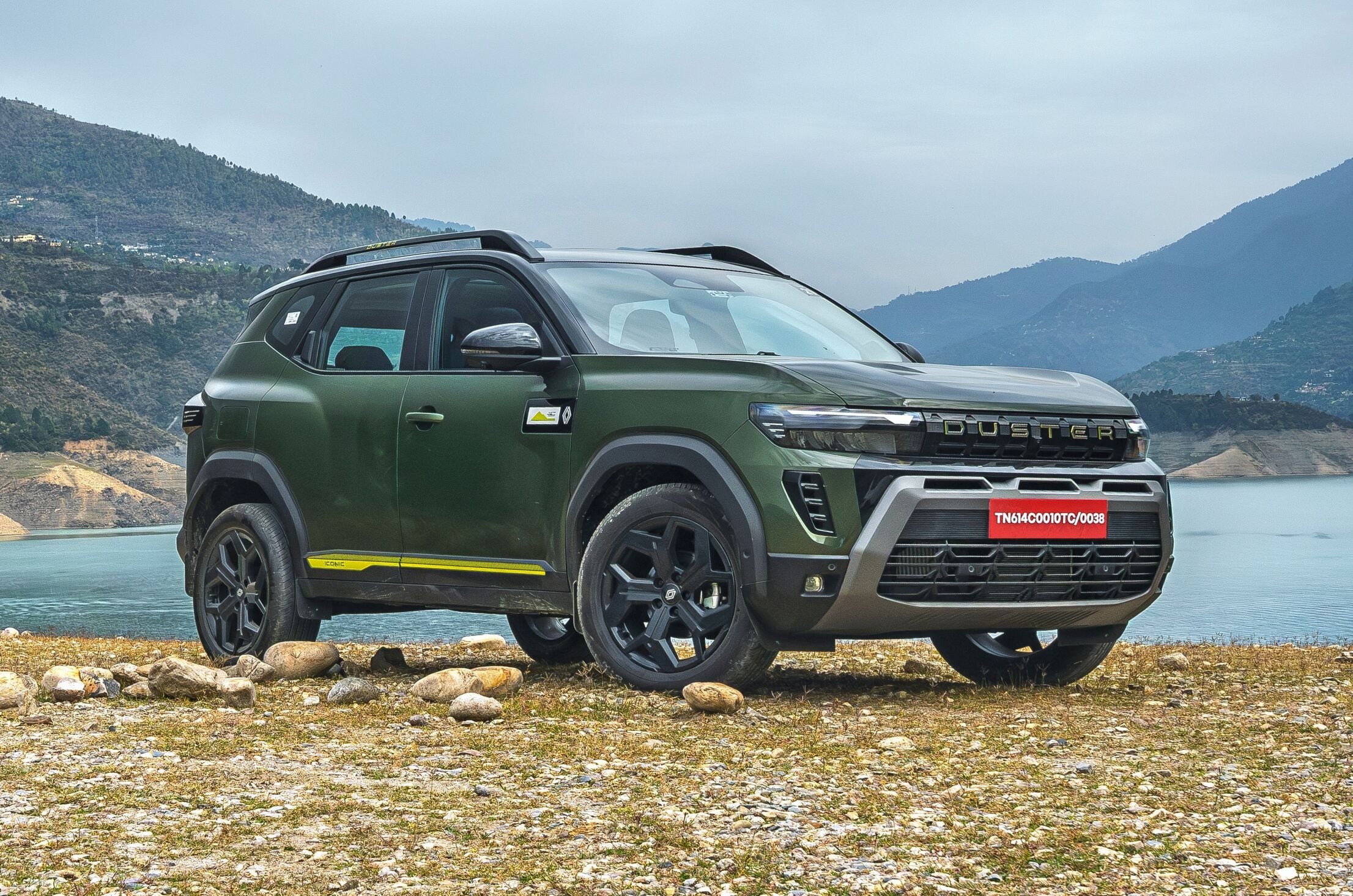
The Duster hybrid retains the turbo-petrol model’s overall design, including its eyebrow-shaped LED daytime running lamps, chunky body cladding, roof rails and C-pillar-mounted rear door handles.  It also has the same 212mm ground clearance.

The main styling changes are an illuminated ‘Duster’ grille emblem and ‘E-Tech Hybrid’ badges on the front doors and tailgate. The Hybrid version also gets frequency-dependent dampers. Boot capacity is lower than in the turbo-petrol versions, although the overall exterior design remains largely unchanged.

Renault Duster turbo petrol vs hybrid: Interior and features

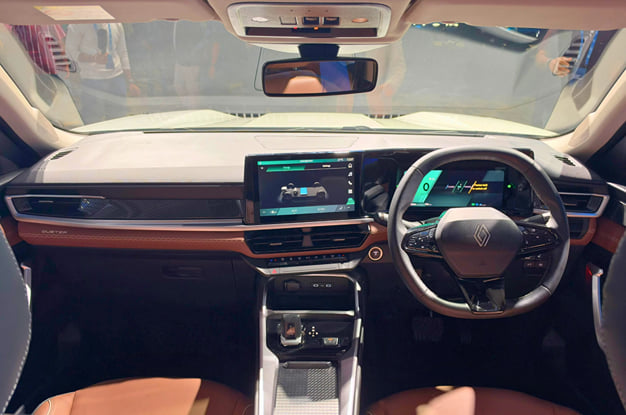
The cabin layout is similar, but the upholstery and equipment differ
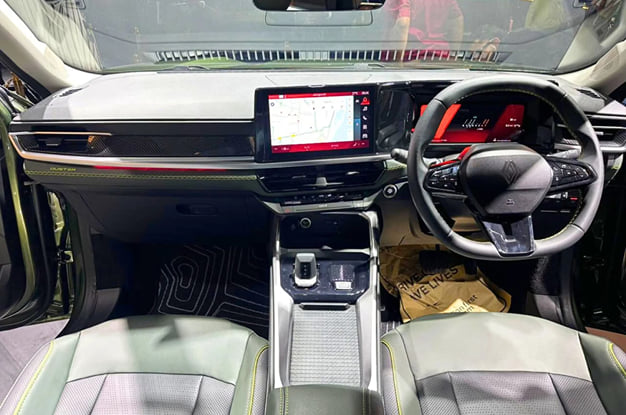
Duster turbo petrol
Duster turbo hybrid
 

Duster turbo petrol vs hybrid

The hybrid follows the turbo-petrol Duster’s dashboard layout, with a dual-screen setup and an e-shifter on the centre console. The hybrid gets a different upholstery scheme from the turbo-petrol Duster, with black upholstery and grey stitching on the Evolution, Desert Beige semi-leatherette on the Techno and Dune Brown leatherette on the Emotion. The hybrid also gets a smaller headrest.

The Duster hybrid is offered in Evolution, Techno and Emotion trims, while the turbo-petrol range gets Evolution, Techno, Techno+, Iconic and Iconic Launch Edition variants. 

The hybrid and turbo-petrol Duster share some equipment across their respective trims, but there are differences. The hybrid Evolution gets a 7-inch digital driver’s display, a 10.1-inch touchscreen and dual-zone automatic climate control. The turbo-petrol Evolution has the same touchscreen and driver’s display, but gets single-zone manual air conditioning. Both the hybrid and turbo-petrol Techno trims get a panoramic sunroof.

At the top of the range, the hybrid Emotion gets a 10.25-inch digital driver’s display, ventilated and electrically adjustable front seats, and a powered tailgate. The turbo-petrol Iconic offers these features too, but additionally gets a 360-degree camera and Level 2 ADAS, which are not available on the hybrid.

Renault Duster turbo petrol vs hybrid: Engine and Performance

The 1.3-litre turbo-petrol makes more torque
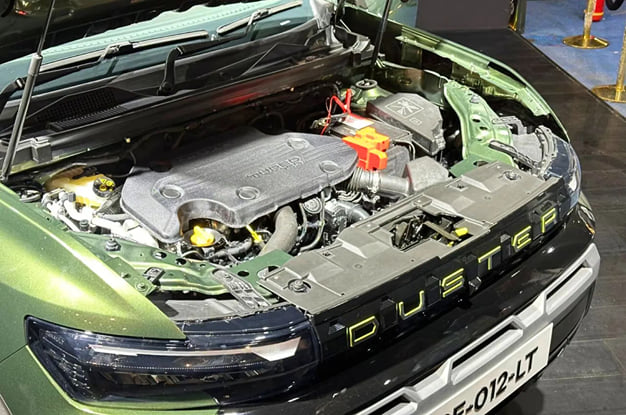
Duster turbo petrol
Duster hybrid
 

Duster turbo petrol vs hybrid

The Duster turbo-petrol is available with two engine options. The 1.0-litre, three-cylinder unit produces 100hp and 166Nm and is paired with a 6-speed manual gearbox. The larger 1.3-litre, four-cylinder engine develops 163hp and 280Nm, and is available with a 6-speed manual or a 6-speed dual-clutch automatic gearbox.

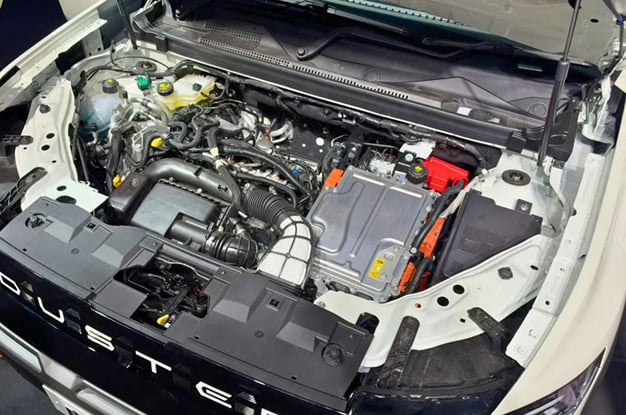
The hybrid uses a naturally aspirated 1.8-litre, four-cylinder petrol engine paired with two electric motors: a 20hp generator and a 49hp motor that drives the wheels. The system produces a combined 160hp and 172Nm, with a 1.4kWh battery supporting the setup. It uses a ‘multi-mode’ automatic gearbox with two electric gears and four petrol gears.

The hybrid system automatically switches between six operating modes, including all-electric, petrol-only and series and series-parallel hybrid modes. Renault claims the Duster hybrid can cover up to 80 percent of city driving in pure electric mode and accelerate from 0-100kph in a claimed 9.61 seconds.

While the hybrid’s combined output of 160hp is close to the 1.3-litre turbo-petrol’s 163hp, its claimed torque figure of 172Nm is lower than the turbo-petrol’s 280Nm.

Renault Duster turbo petrol vs hybrid: mileage 

Duster hybrid mileage is 10.55kpl higher than turbo-petrol DCT

PowertrainTransmissionARAI-claimed mileage
1.0-litre turbo-petrol6-speed manual19.41kpl
1.3-litre turbo-petrol6-speed manual17.75kpl
1.3-litre turbo-petrol6-speed DCT automatic18.45kpl
1.8-litre strong hybridMulti-mode automatic29kpl

The hybrid’s claimed mileage is significantly higher than that of either turbo-petrol engine. The difference is 9.59kpl over the 1.0-litre turbo-petrol manual, 11.25kpl over the 1.3-litre turbo-petrol manual and 10.55kpl over the 1.3-litre turbo-petrol DCT. At 29kpl, the hybrid’s claimed mileage is around 57 percent higher than that of the DCT version. 

The hybrid has a 50-litre fuel tank, the same capacity as the turbo-petrol versions. Renault claims a driving range of more than 1,400km on a full tank of the Hybrid variant.

Duster turbo petrol vs hybrid: Price

The hybrid costs more, even though it misses some features available on the top-spec turbo-petrol

TrimDuster hybridDuster turbo-petrol
Authentic–10.49 (1.0 MT)
Evolution16.9911.69 (1.0 MT); 12.99 (1.3 MT); 14.49 (1.3 DCT)
Techno18.9913.49 (1.0 MT); 14.49 (1.3 MT); 15.89 (1.3 DCT)
Techno+–15.29 (1.3 MT); 16.69 (1.3 DCT)
Emotion / Iconic19.49 (Emotion)16.99 (Iconic MT); 18.49 (Iconic DCT)

MT = manual; DCT = dual-clutch automatic

The hybrid’s introductory prices apply to deliveries until December 31, 2026. In Evolution trim, the hybrid costs Rs 2.50 lakh more than the 1.3-litre turbo-petrol DCT, while the top-spec Emotion hybrid is Rs 1 lakh more than the Iconic DCT. The hybrid offers higher claimed mileage but misses out on the 360-degree camera and Level 2 ADAS available on the turbo-petrol Iconic.

The hybrid version suits buyers who cover long distances and prioritize fuel efficiency, while the 1.3-litre turbo-petrol is worth considering for its higher torque and additional driver-assistance features.

All prices are ex-showroom, India.
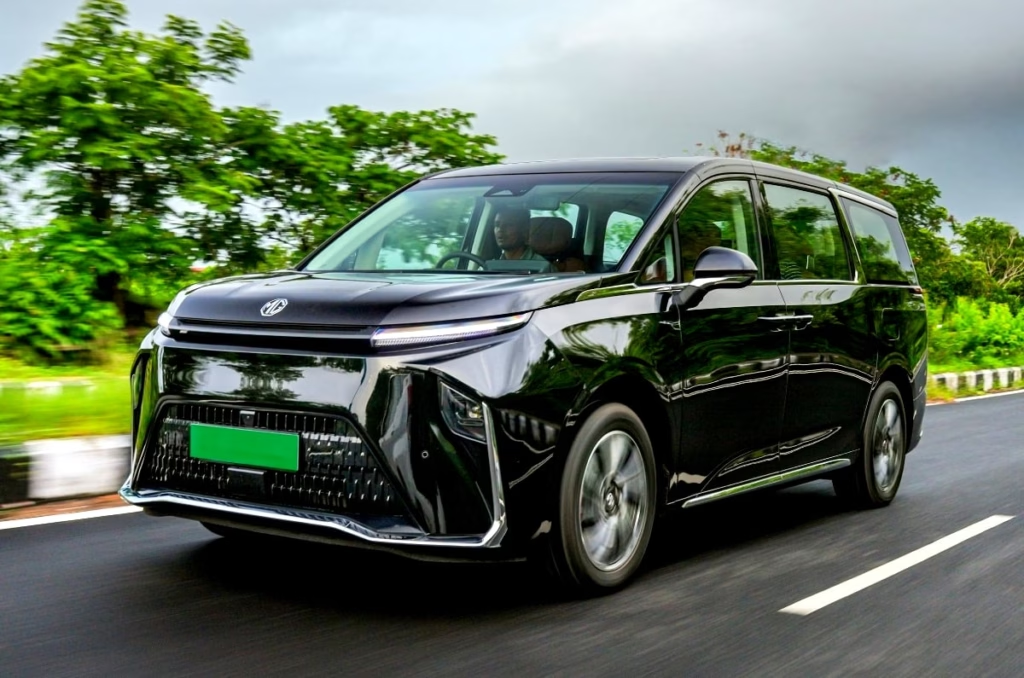
On Cloud M9

On Cloud M9
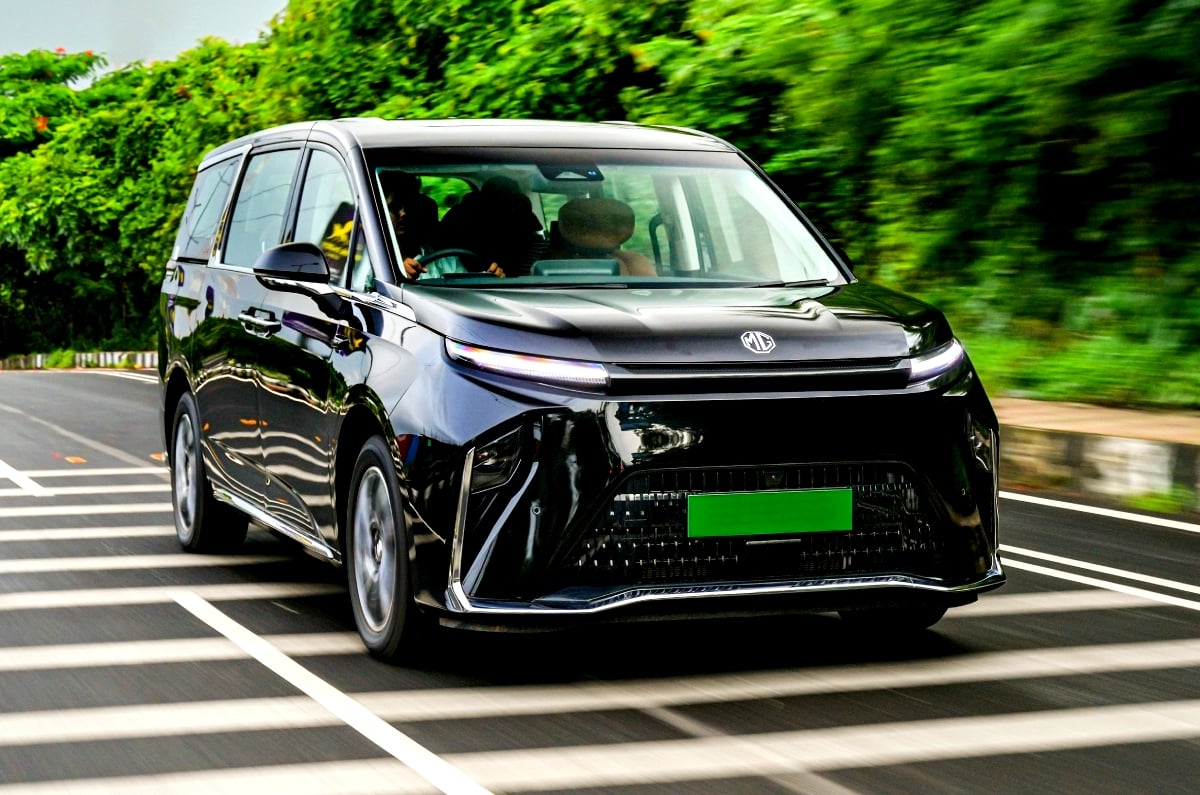
MG M9 front left tracking

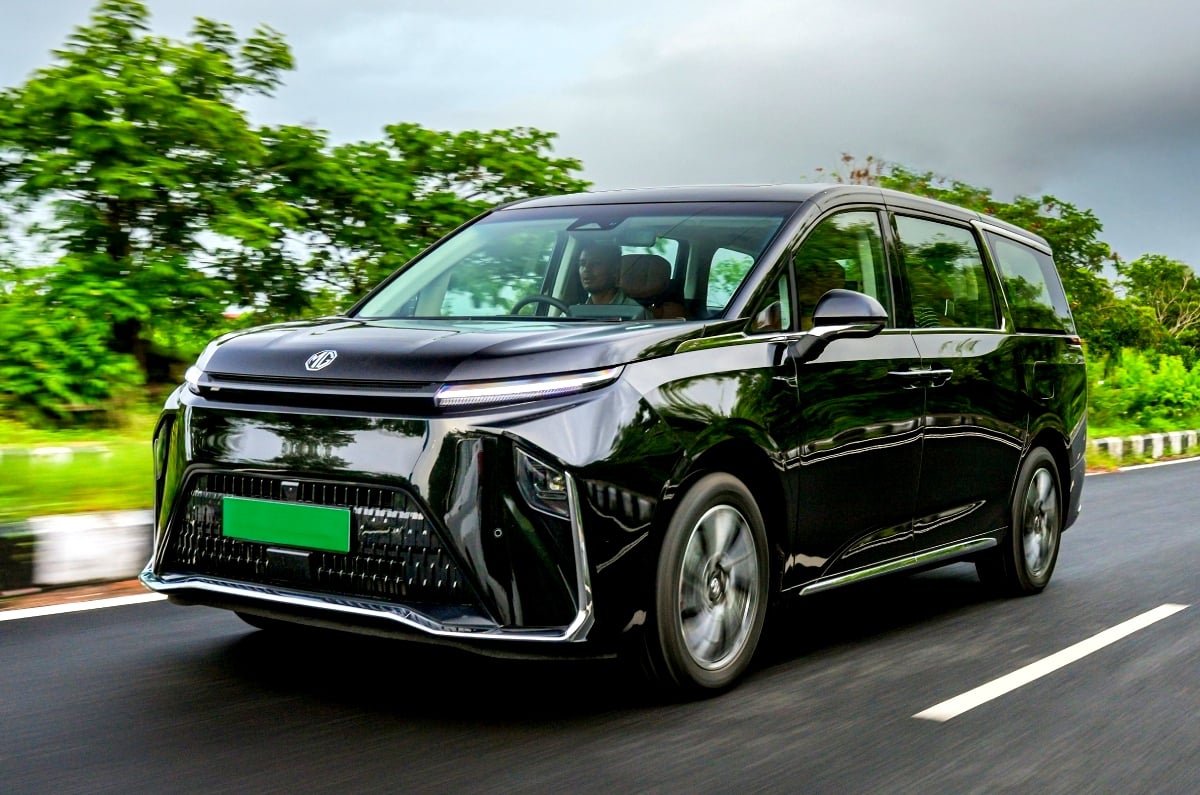
Luxury in an MPV is about more than having room for seven. It is about how that space is used, how effortlessly the occupants can settle in, and how much the car does to make every journey comfortable. The MG M9 brings together the practicality of a three-row MPV and the refinement of an electric powertrain, with a host of features that make time spent on the move feel a little more indulgent. Here are six highlights that make it stand out.
Lounge On Wheels

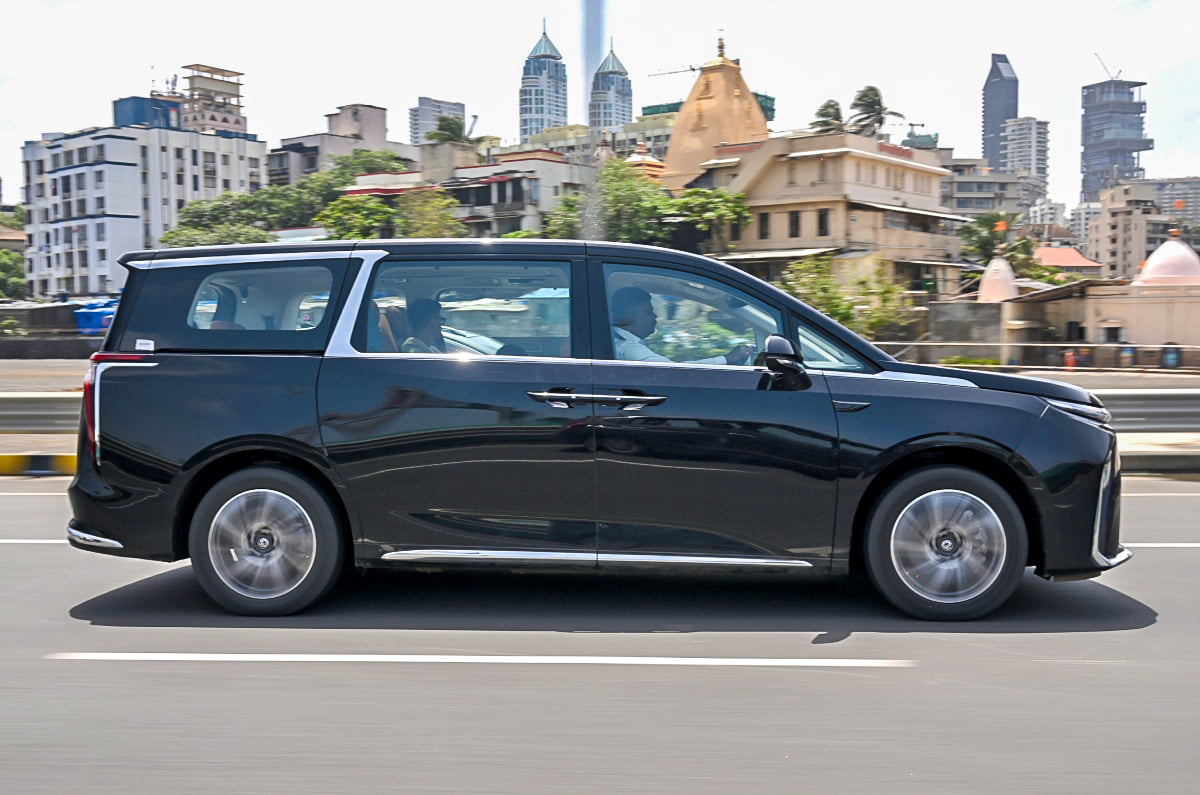
MG M9 side tracking
Massive wheelbase gives the M9 an imposing presence and liberates room in the cabin.

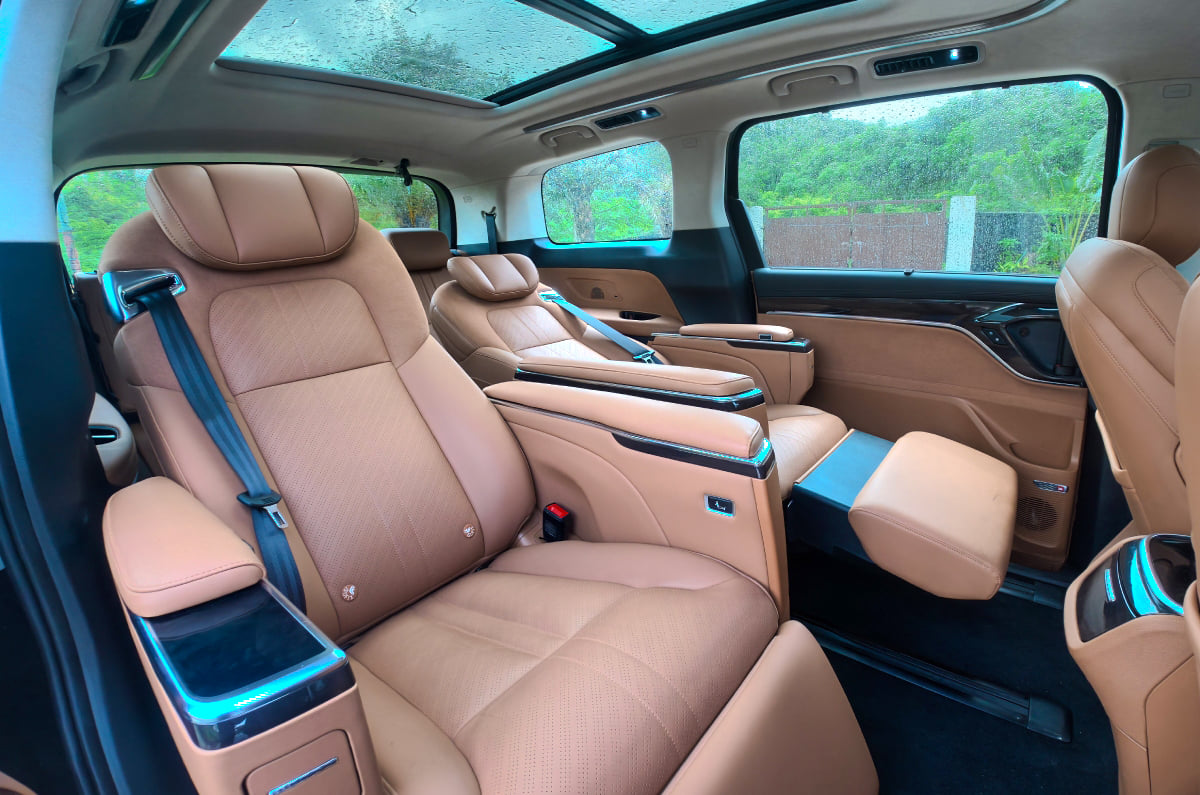
The M9’s 5.2-metre length, 2-metre width and 3.2-metre wheelbase give it the proportions to create a spacious, airy cabin. But it is the second row that makes the biggest impression. Two individual Presidential captain’s chairs offer 16-way electric adjustment, heating, ventilation, massage functions and extendable leg rests. The Boss Mode function moves the front passenger seat forward to create additional legroom, letting rear occupants stretch out and recline. It is a space designed for unwinding, not just getting from one place to another.

Space For Everyone

MG M9 second row seats
The aptly called Presidential captain’s chairs are even fit for a king.

While the second row gets the headline features, the M9 is designed to make all three rows usable. Its long wheelbase allows generous room for occupants, while second-row climate control, rear window sunshades and a panoramic dual sunroof enhance the feeling of comfort. The third row gets dedicated AC vents and USB connectivity, too. A premium Cognac Brown interior and 64-colour ambient lighting add to the cabin’s upmarket appeal, with the latter allowing occupants to tailor the atmosphere to their mood.

Electric Serenity

MG M9 right tracking
No matter the road surface, the M9 insulates its passengers from the outside world. 

The M9’s 90kWh battery powers a front-mounted electric motor, producing 245hp and 350Nm, with an ARAI-claimed range of 548km. Beyond the performance and range figures, the electric powertrain brings a quality that matters particularly in a luxury MPV: refinement. With no engine noise and smooth, linear power delivery, the M9 makes for a more relaxed experience on the move. An acoustic windshield further helps keep the outside world at bay.

Quality Entertainment

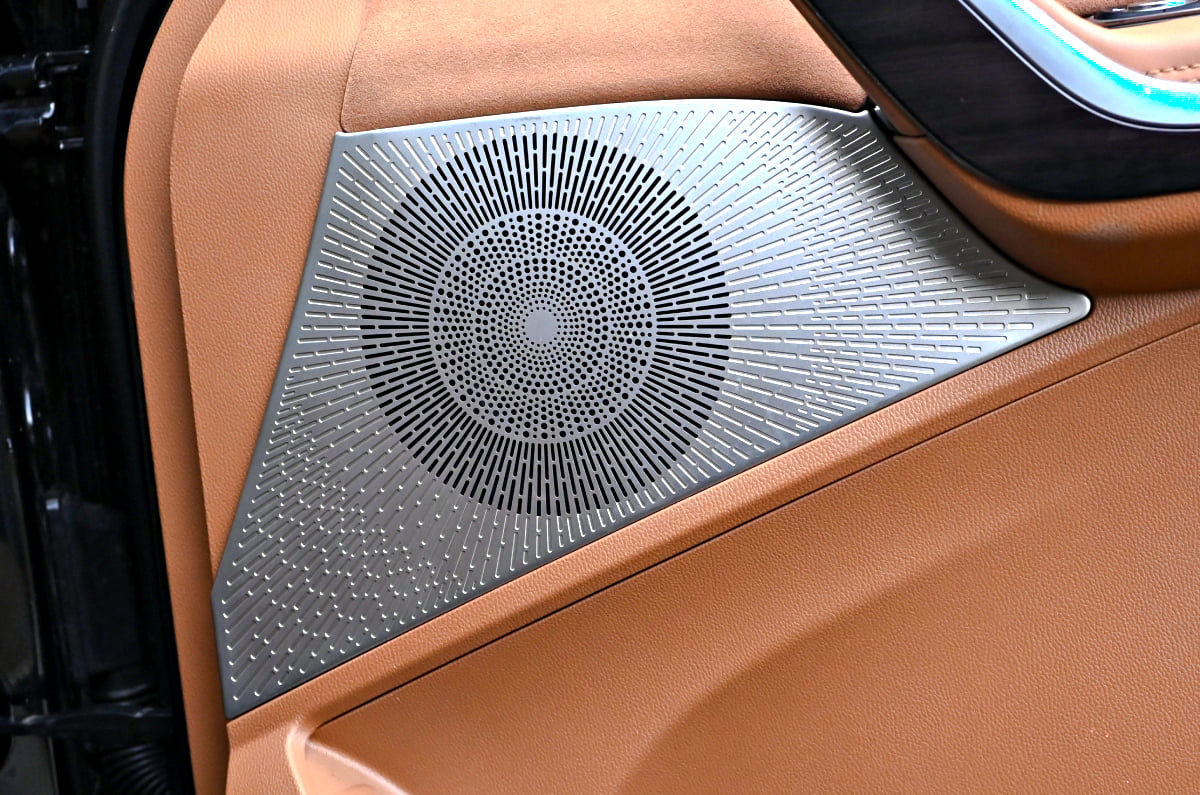
MG M9 speaker
Superb 13-speaker JBL system enhances the cabin’s ambience.

A quiet cabin makes for a better listening environment, and the M9 builds on this with a 13-speaker JBL sound system, complete with an amplifier and subwoofer. Whether it is music on a long drive or a podcast during the daily commute, the system makes entertainment an integral part of the experience. The panoramic sunroof and ambient lighting add to the sense of being in a space designed around the occupants.

Tech-Suave

MG M9 infotainment touchscreen
12.3-inch central touchscreen has all the controls you’ll need within easy access.

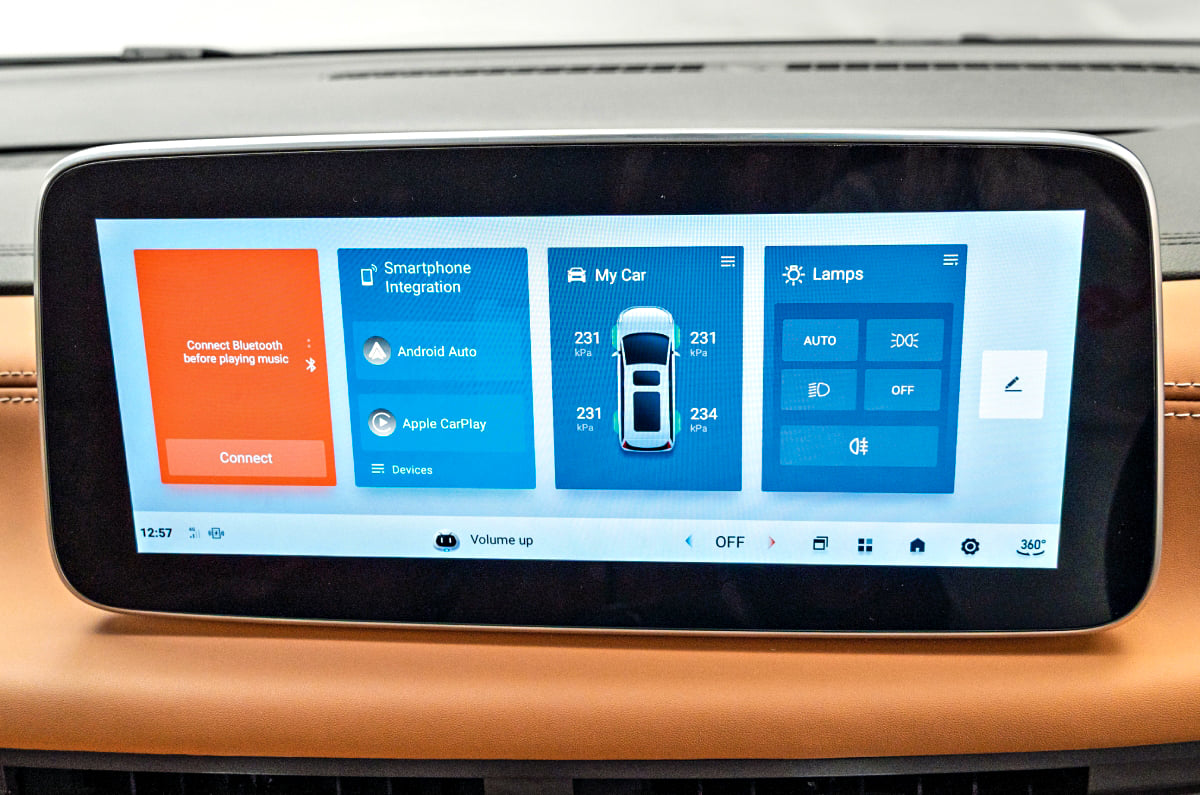
A 12.3-inch central touchscreen, digital instrument cluster, wireless smartphone connectivity and wireless charging bring everyday convenience within easy reach. The 360-degree camera is particularly useful when manoeuvring a vehicle of the M9’s size, helping the driver negotiate tight spaces with greater confidence. These features complement the M9’s focus on passenger comfort with technology that makes the car easier to live with.

Safety Assured

MG M9 front splash
The M9 has received a 5-star Euro NCAP rating.

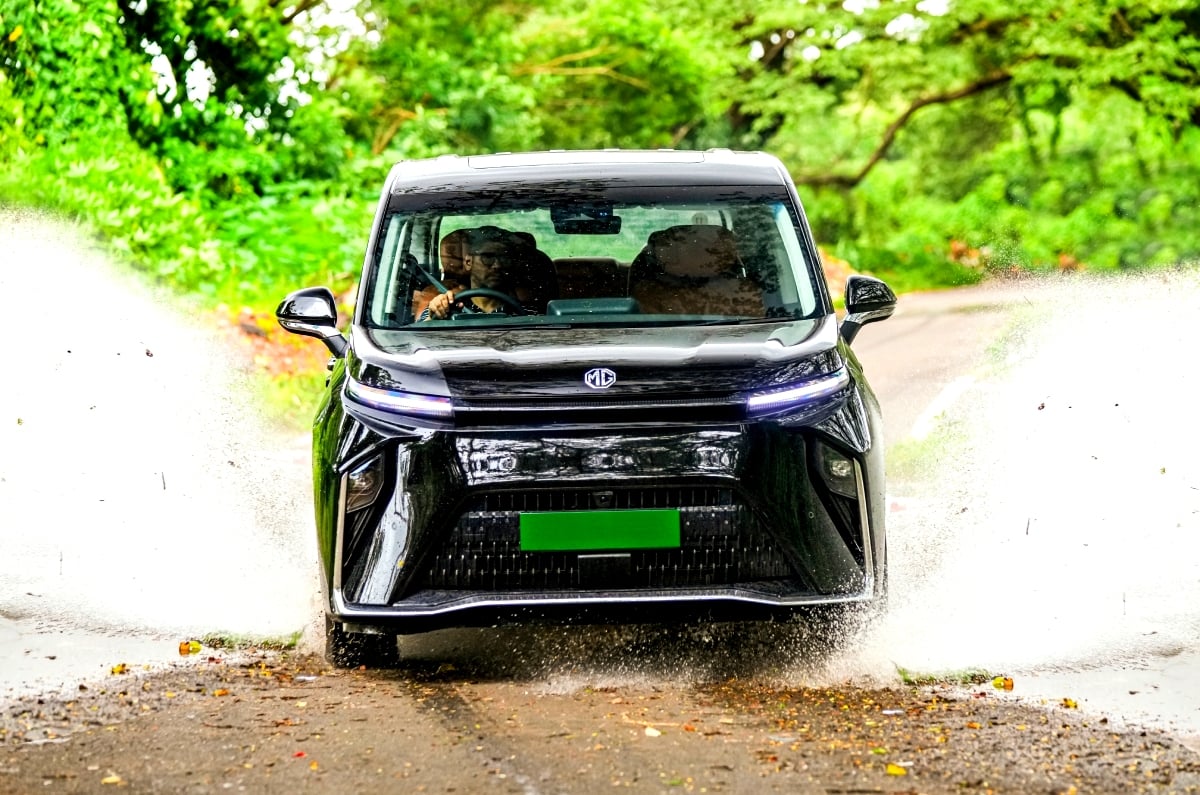
Luxury also means being able to travel with peace of mind. The M9 gets seven airbags and Level 2 advanced driver assistance systems, adding an extra layer of protection and driver support. Its five-star Euro NCAP safety rating provides further reassurance.

The MG M9’s appeal lies in how these elements come together. Generous space, thoughtful comfort features, electric refinement and modern safety technology give it a distinct identity in the luxury MPV segment. It’s no wonder that the M9 is the best-selling MPV in its class, with over 3,000 units sold since its launch last year. This is a vehicle that makes the journey itself something to look forward to, and that is what being on Cloud M9 is all about.

Renault Duster vs Maruti Victoris: Top-spec strong-hybrid SUVs compared

Renault Duster vs Maruti Victoris: Top-spec strong-hybrid SUVs compared
Renault Duster vs Maruti Victoris

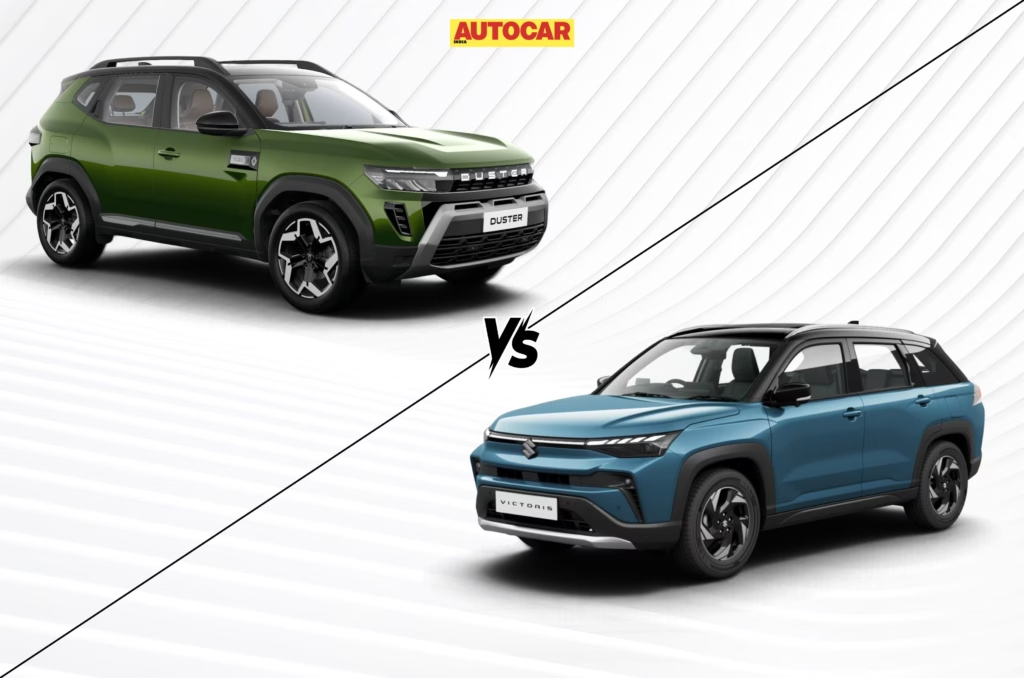
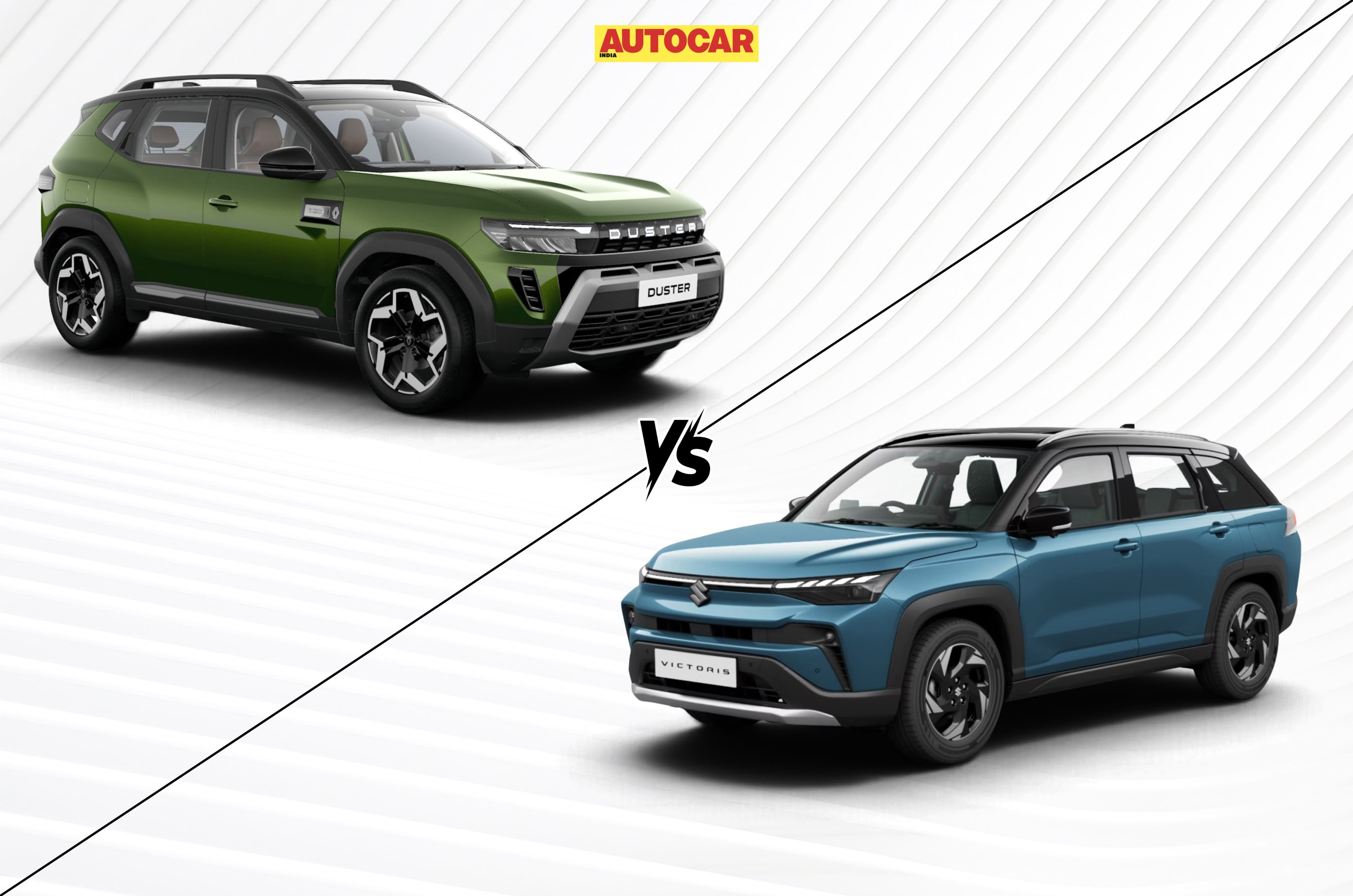
With the Duster strong-hybrid E-Tech 160, Renault is the latest brand to jump on the strong-hybrid bandwagon. The Duster strong-hybrid is positioned as an economical alternative powertrain and adds to its existing turbo-petrol options. On the other hand, the Maruti Victoris has been in the market for a year, offering a strong-hybrid powertrain since launch. But which strong-hybrid mid–size SUV in top-spec guise offers more bang for buck? We compare their respective on-paper specifications to find out. For this comparison, we’ve chosen the top-spec Emotion and ZXi+ (O) versions of the strong-hybrid Renault Duster and Maruti Victoris, respectively.

Renault Duster vs Maruti Victoris: Dimensions

Renault Duster vs Maruti Victoris: Dimensions


Renault Duster

Maruti Victoris

Difference

Length (mm)

4,346

4,360

-14

Width (mm)

1,815

1,795

+20

Height (mm)

1,694

1,655

+39

Wheelbase (mm)

2,657

2,600

+57

Ground clearance (mm)

212

210

+2

Boot space (litres)

372

Under 300 (est.)

–

Est. – Estimated

Apart from length, the Duster outranks the Victoris in every other dimension. It is 20mm wider, 39mm taller, has a 57mm longer wheelbase, and rides 2mm higher off the ground. 

Renault Duster vs Maruti Victoris: Powertrain specifications

Renault Duster vs Maruti Victoris: Powertrain specifications


Renault Duster

Maruti Victoris

Engine 

Naturally aspirated petrol, Atkinson cycle

Naturally aspirated petrol, Atkinson cycle

Displacement (cc)

1,789

1,490

Power (hp)

110

92

Torque (Nm)

175

122

Transmission

multi-mode automatic gearbox with 2 electric gears & 4 petrol gears

e-CVT

Battery capacity (kWh)

1.4

0.76

E-motor power (hp)

50

80

E-motor torque (Nm)

208

141

Maximum power output (hp)

160

116

Maximum torque output (Nm)

NA

NA

Claimed efficiency (kpl)

29

28.65

In strong-hybrid guise, both SUVs utilise a naturally aspirated petrol engine running on the more efficient Atkinson cycle. However, the Duster’s larger unit delivers more power and torque figures. The Duster also uses a larger battery pack.  Both SUVs also use e-motors, wherein the one on the Maruti produces more power, but the Duster’s e-motor outputs more torque. With a combined power output of 160hp, the Duster strong-hybrid is much more powerful than the Victoris strong-hybrid. 

Both SUVs also differ in the gearboxes utilised here. The Duster uses a multi-mode automatic gearbox with 2 electric and 4 petrol gears, whereas the Victoris uses an e-CVT. Renault says that the Duster drives 80 percent on EV power in the city, which likely contributes to its higher claimed mileage. But real-world tests are awaited for the Renault.

Renault Duster vs Maruti Victoris: Exterior features

Renault Duster vs Maruti Victoris: Exterior features


Renault Duster

Maruti Victoris

Headlamps

LED

LED projector

LED DRLs

Yes

Connected

Puddle lamps

Yes

No

Tail lamps

Connected LED

Connected LED

Fog lamps

Optional

Yes

Welcome/goodbye animation

Yes

No

Wheel sizes

18-inch

17-inch

Rear spoiler

Yes

Yes

Electric adjust/fold ORVMs

Yes

Yes

Sharkfin antenna

Yes

Yes

Roof rails

Yes

Yes

Powered tailgate

Yes

Yes

Colour

Monotone and dual-tone

Monotone and dual-tone 

On the outside, LED light setups, DRLs, roof rails, a shark fin antenna, and a powered tailgate are found on both SUVs.  However, larger 18-inch alloy wheels, puddle lamps, and welcome/goodbye animations for the light setups are unique to the Duster.

Renault Duster vs Maruti Victoris: Interior features

Renault Duster vs Maruti Victoris: Interior features


Renault Duster

Maruti Victoris

Ventilated seats

Yes

Yes

Sunroof

Panoramic

Panoramic

Infotainment screen size

10.1-inch

10.1-inch

Digital driver’s display

10.25-inch

10.25-inch

Head-up display

Optional

Yes

Wireless Apple CarPlay, Android Auto

Yes

Yes

On-board navigation

No

Yes

Powered driver seat

6-way

8-way

Powered co-driver seat

6-way

No

Reclining rear seats

No

No

Air Purifier

Optional

Yes

Auto AC

Dual-zone

Single zone

Rear AC vents

Yes

Yes

Seat upholstery

Leatherette

Leatherette

Wireless phone charger

Yes

Yes

Audio system

6-speaker Arkamys

8-speaker Infinity

60:40 split rear seat folding

Yes

Yes

USB Type-C ports 

2x front, 2x rear

2x front, 2x rear

Rear armrest

No

Yes

Connected car tech

Yes

Yes

Rear window sunshade

No

No

Ambient lighting

Optional

Yes

Leatherette inserts on the dashboard

Yes

Yes

Push-button start

Yes

Yes

Keyless entry

Yes

Yes

Steering adjust

Tilt and Telescopic

Tilt and Telescopic

The Renault offers features such as a powered co-driver seat and dual-zone automatic climate control that the Maruti lacks. In contrast, the latter gets further adjustment for the driver seat, two additional speakers, and on-board navigation, while features like a head-up display and ambient lighting are factory-fitted on the former.

Renault Duster vs Maruti Victoris: Driving features 

Renault Duster vs Maruti Victoris: Driving features 


Renault Duster

Maruti Victoris

Drive modes

No

Eco, Normal, Sport

Cruise control

Regular

Regular

As far as driving features are concerned, both models come with regular cruise control, but drive modes are found only on the Victoris.

Renault Duster vs Maruti Victoris: Safety features 

Renault Duster vs Maruti Victoris: Safety features 

Safety features

Renault Duster

Maruti Victoris

Airbags

Six

Sx

Parking sensors

Rear

Front and rear 

Camera setup

Rear view

360-degree

Dash cam

Optional

Optional

Electronic parking brake with auto hold

Yes

Yes

ADAS

No

No

TPMS

Yes

Yes

Hill start assist

Yes

Yes

Disc brakes (Front/Rear)

Yes

Yes

ESC

Yes

Yes

Auto-dimming IRVM

Yes

Yes

On the safety front, both SUVs are well-equipped with features such as 6 airbags, rear parking sensors, auto-dimming IRVM, electronic parking brake with auto-hold, all-wheel disc brakes, and TPMS. However, the Victoris pips the Duster here by offering a 360-degree camera and front parking sensors. Notably, both miss out on a Level 2 ADAS suite.

Renault Duster vs Maruti Victoris: Prices and verdict 

Renault Duster vs Maruti Victoris: Prices (Rs lakh)


Renault Duster

Maruti Victoris

Price 

19.49

19.98

Comparing top-spec versions side by side, the Duster strong-hybrid is more affordable by Rs 41,000. Between the two, it’s the Duster we’d recommend. Apart from being the more affordable option, it offers slightly more kit and delivers more power without sacrificing much in terms of efficiency.

Stock Market Fall: महानवमी पर बाजार में गिरावट, सेंसेक्स 538 अंक तक फिसला; निवेशकों ने गंवाए ₹3.23 लाख करोड़

लगातार 2 कारोबारी सत्रों में बढ़त देखने के बाद भारतीय शेयर बाजारों में 19 अक्टूबर को महानवमी के मौके पर गिरावट है। सेंसेक्स बढ़त में खुला लेकिन फिर चंद पलों में पिछली क्लोजिंग से 538 अंक टूटकर 74,191.21 के लो तक गया। इस बीच BSE पर लिस्टेड कंपनियों का मार्केट कैप 3.23 लाख करोड़ रुपये घट गया। इसी तरह निफ्टी भी बढ़त में खुलने के बाद पिछली क्लोजिंग से 175 अंक से ज्यादा टूटकर 22,970.50 के लो तक गया।

शुक्रवार को शेयर मार्केट बंद होने पर BSE पर लिस्टेड कंपनियों का मार्केट कैप 4,73,46,932.132 करोड़ रुपये रहा था। सोमवार को मार्केट खुलने के कुछ ही देर में यह 4,70,22,982.02 करोड़ रुपये हो गया। यानि कि 3,23,950.112 करोड़ रुपये की कमी।

शुक्रवार को कैसी रही थी चाल

आईटी कंपनियों के शेयरों में तगड़ी खरीदारी और वैश्विक बाजारों से मिले सकारात्मक संकेतों से शुक्रवार, 16 अक्टूबर को शेयर बाजारों में लगातार दूसरे कारोबारी सत्र में बढ़त देखी गई थी। सेंसेक्स 413.66 अंक या 0.56 प्रतिशत बढ़कर 74,729.27 पर बंद हुआ था। निफ्टी 148.80 अंक या 0.65 प्रतिशत बढ़कर 23,146.15 पर बंद हुआ था। बीते सप्ताह सेंसेक्स में 2,256.94 अंक या 3.11 प्रतिशत और निफ्टी में 625.7 अंक या 2.77 प्रतिशत की बढ़त दर्ज की गई।

Stocks to Watch: 19 अक्टूबर को Axis Bank, Yes Bank, HDFC Bank, RailTel, Zen Tech समेत इन शेयरों पर नजर, दिख सकती है बड़ी उठापटक

Disclaimer: यहां मुहैया जानकारी सिर्फ सूचना के लिए दी जा रही है। यहां बताना जरूरी है कि मार्केट में निवेश बाजार जोखिमों के अधीन है। निवेशक के तौर पर पैसा लगाने से पहले हमेशा एक्सपर्ट से सलाह लें। मनीकंट्रोल की तरफ से किसी को भी पैसा लगाने की यहां कभी भी सलाह नहीं दी जाती है।

4 reasons to buy the Tesla Model Y L and 3 reasons not to

4 reasons to buy the Tesla Model Y L and 3 reasons not to
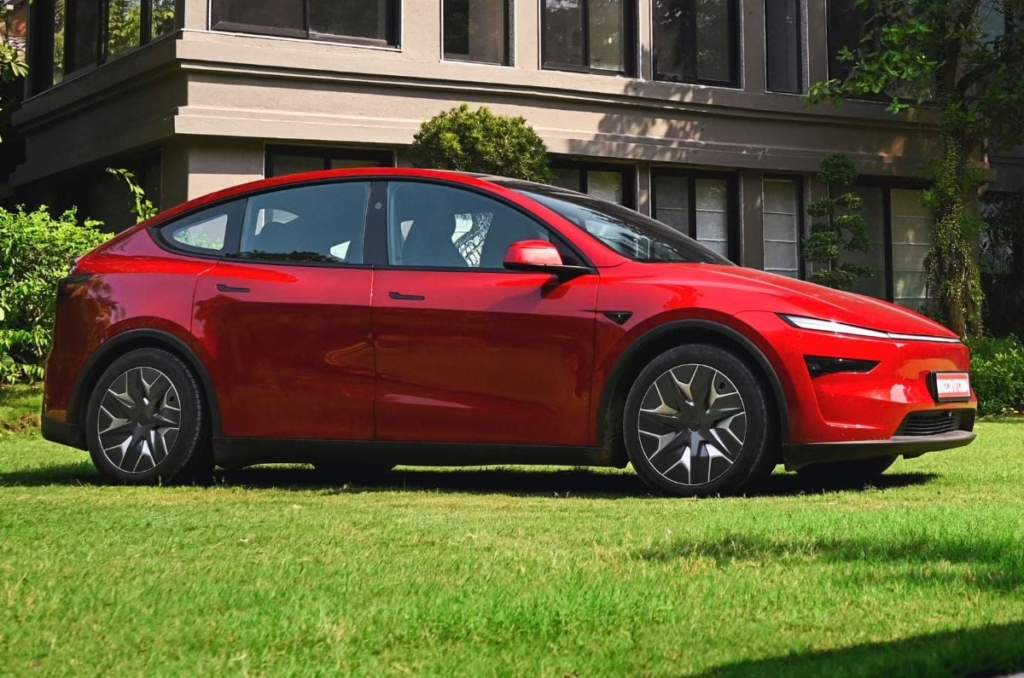
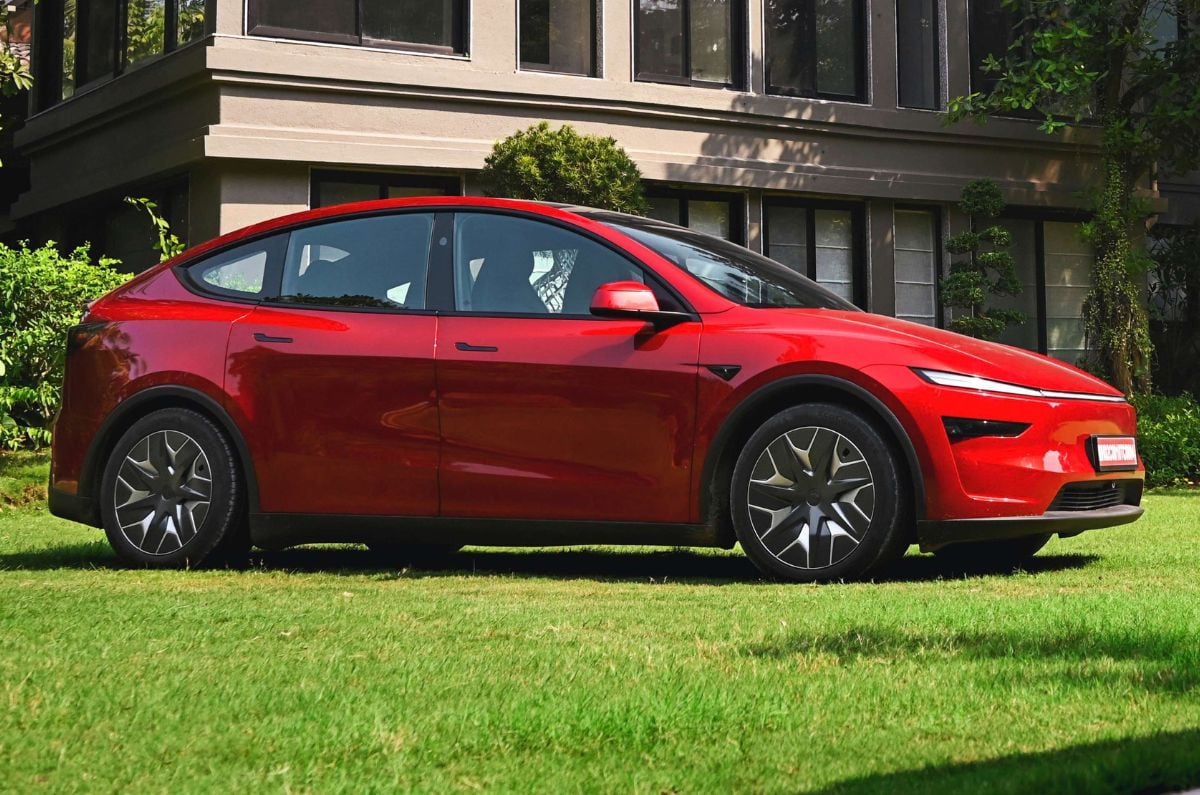
Tesla Model Y L front quarter

The Model Y L is the long-wheelbase, 6-seat version of Tesla‘s Model Y SUV. Priced at Rs 61.99 lakh (ex-showroom), it costs Rs 11.10 lakh more than the rear-wheel-drive Model Y. It is also pricier than rivals such as the BMW iX1 LWB and BYD Sealion 7. But does the Y L justify that premium? Here’s how it stacks up.

Reasons to buy the Tesla Model Y L

Spacious and quiet

Extra length frees up more room, while its cabin is remarkably hushed

Tesla Model Y L second row

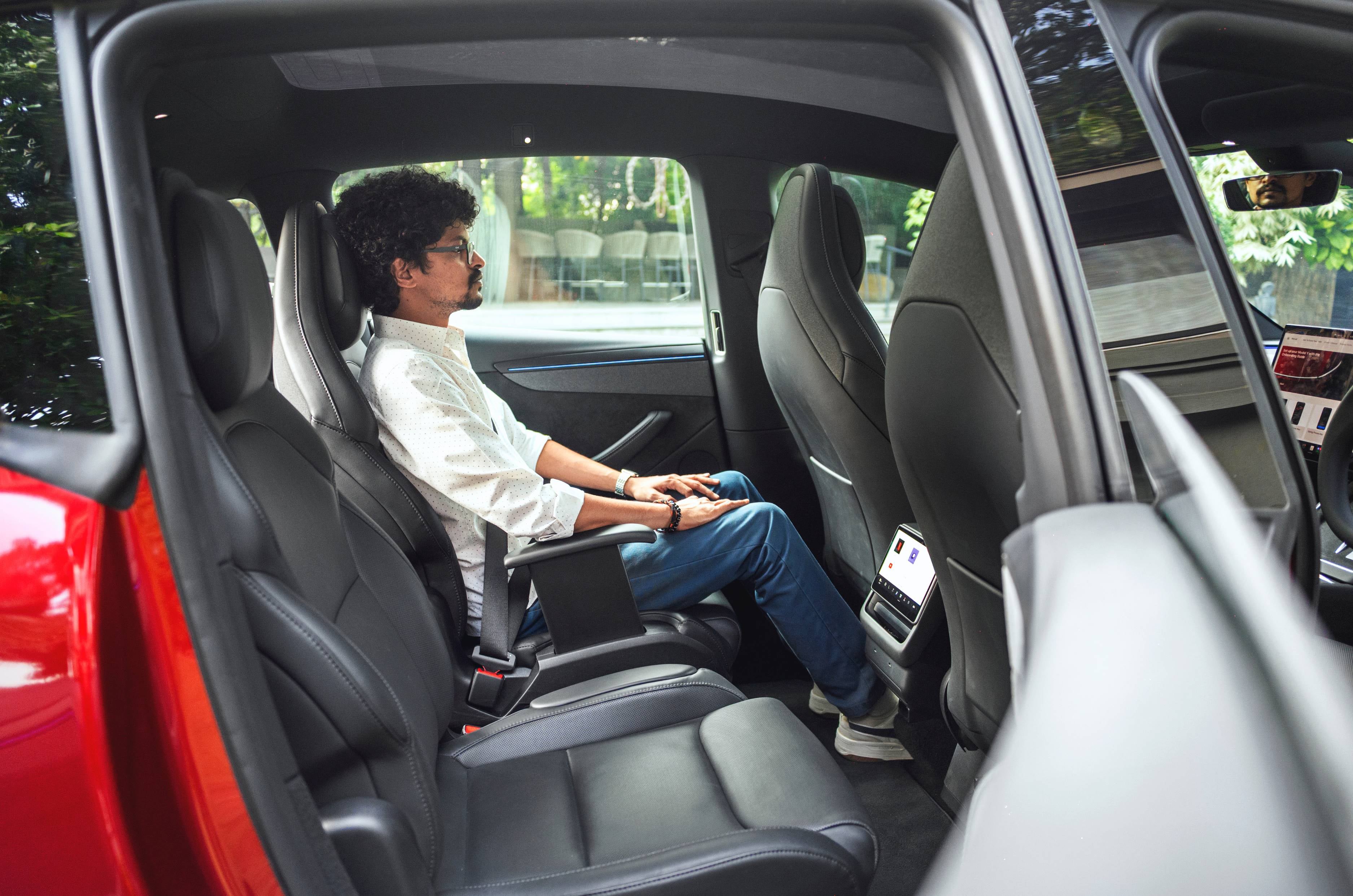
With a 3,040mm wheelbase, the Model Y L is 150mm longer between the axles than the standard Model Y. It’s also 40mm taller, freeing up noticeably more space on the inside. The Y L is a 6-seater with front seats that are comfy and get extended under-thigh support. The individual captain’s chairs in the middle row are very comfortable and feature powered armrests, plus heating and cooling functions. Passengers seated here won’t complain about legroom or headroom.

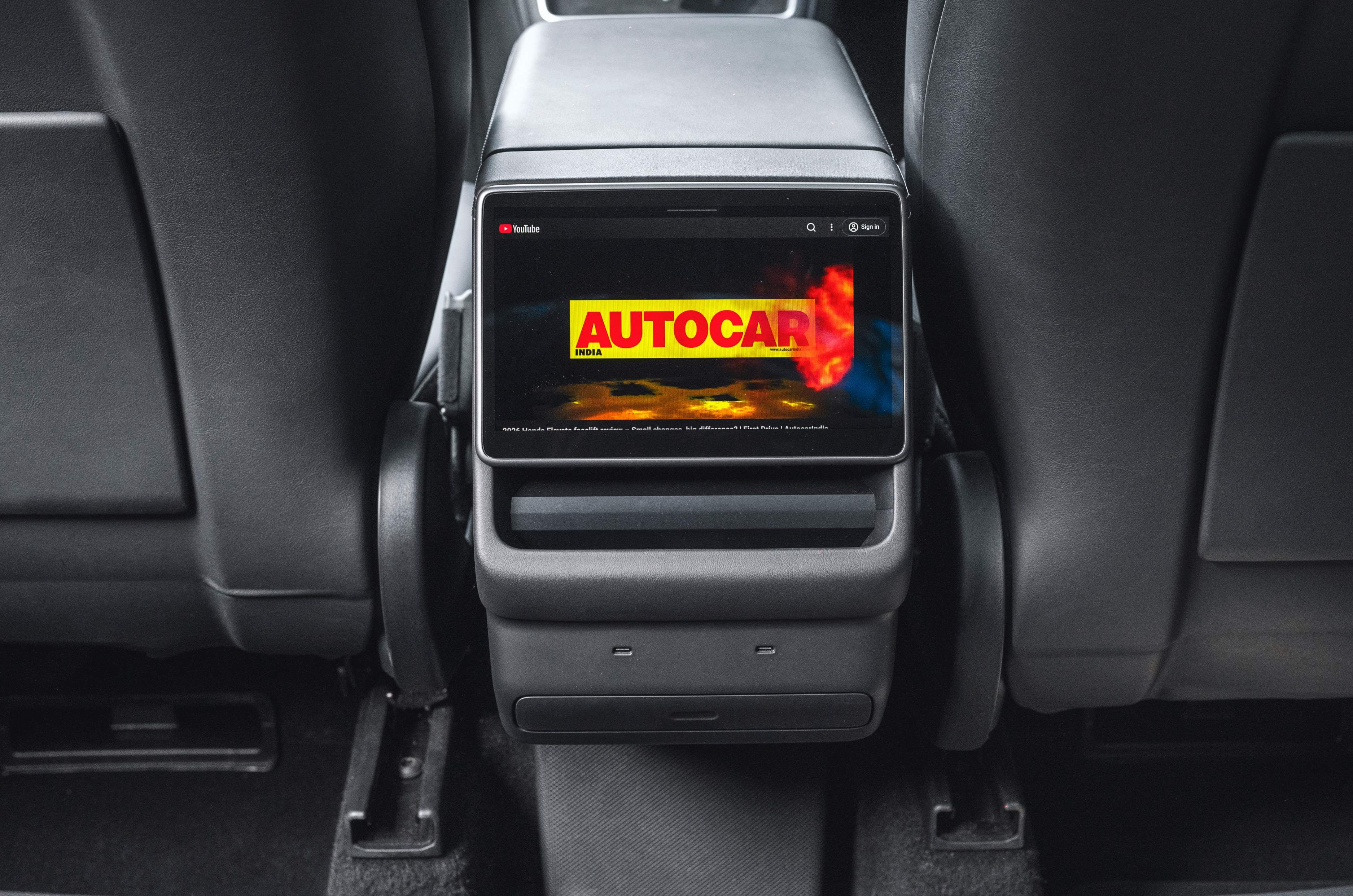
Tesla Model Y L rear screen

Adding to their convenience is an 8-inch touchscreen capable of playing videos, plus cupholders and charging ports. Unlike many three-row offerings, the third row of the Model Y L has enough space for adults to sit in reasonable comfort. The inclusion of dedicated AC vents, cupholders and Type-C ports comes in handy as well.

Tesla Model Y L boot

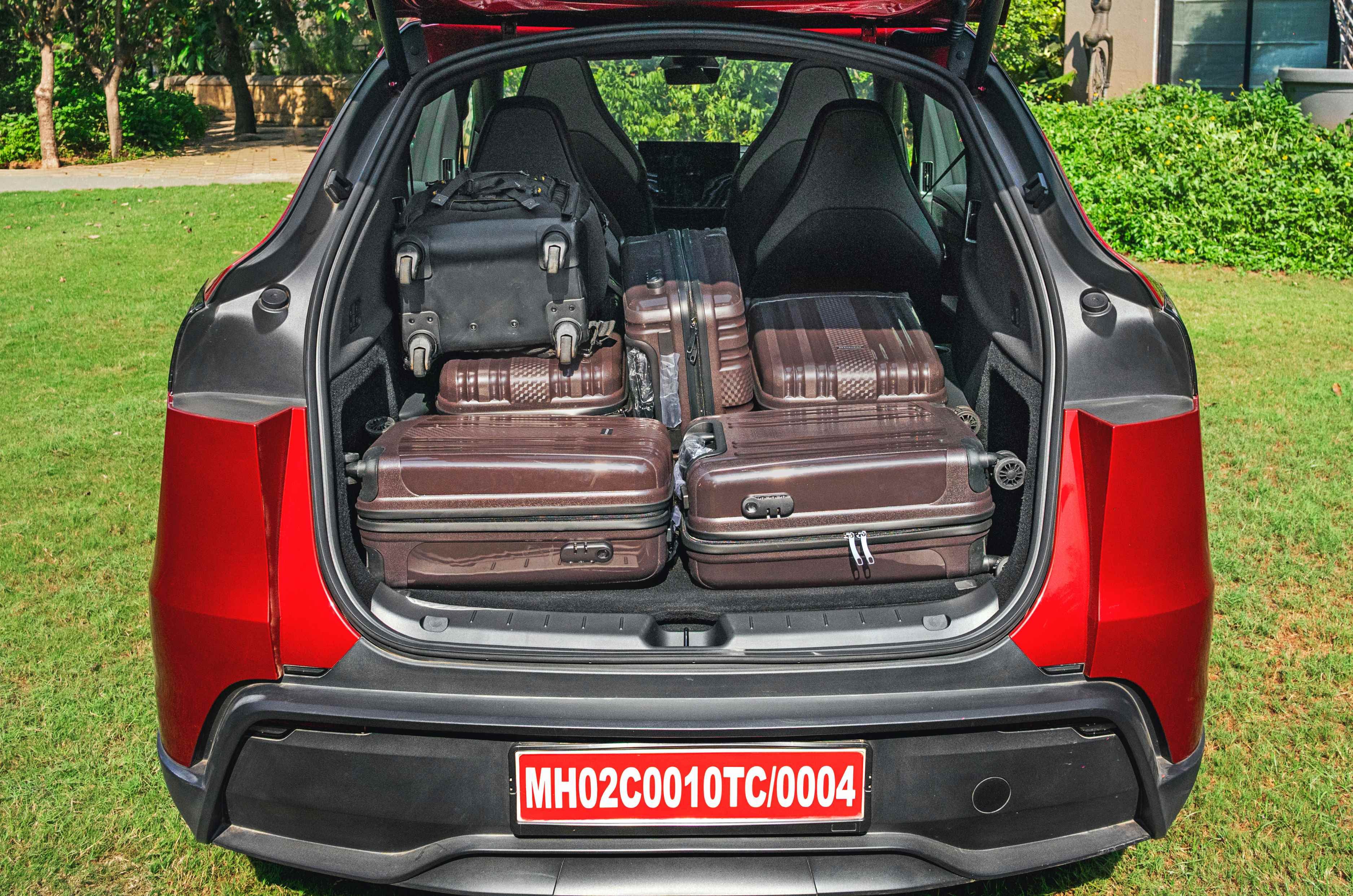
Another pro here is the Model Y L’s boot, which is rated at 420 litres with all seats up – this grows to a capacious 1,076 litres with the third row folded. Then there’s some more space under the boot floor, and a 117-litre frunk, should you need even more luggage space. Refinement is another strong point of this cabin. It’s remarkably quiet, thanks to the double-glazed windows that shut out most of the wind, tyre and road noise.

Loaded with tech

Long list of features will keep tech-savvy folks entertained

Tesla Model Y L touchscreen

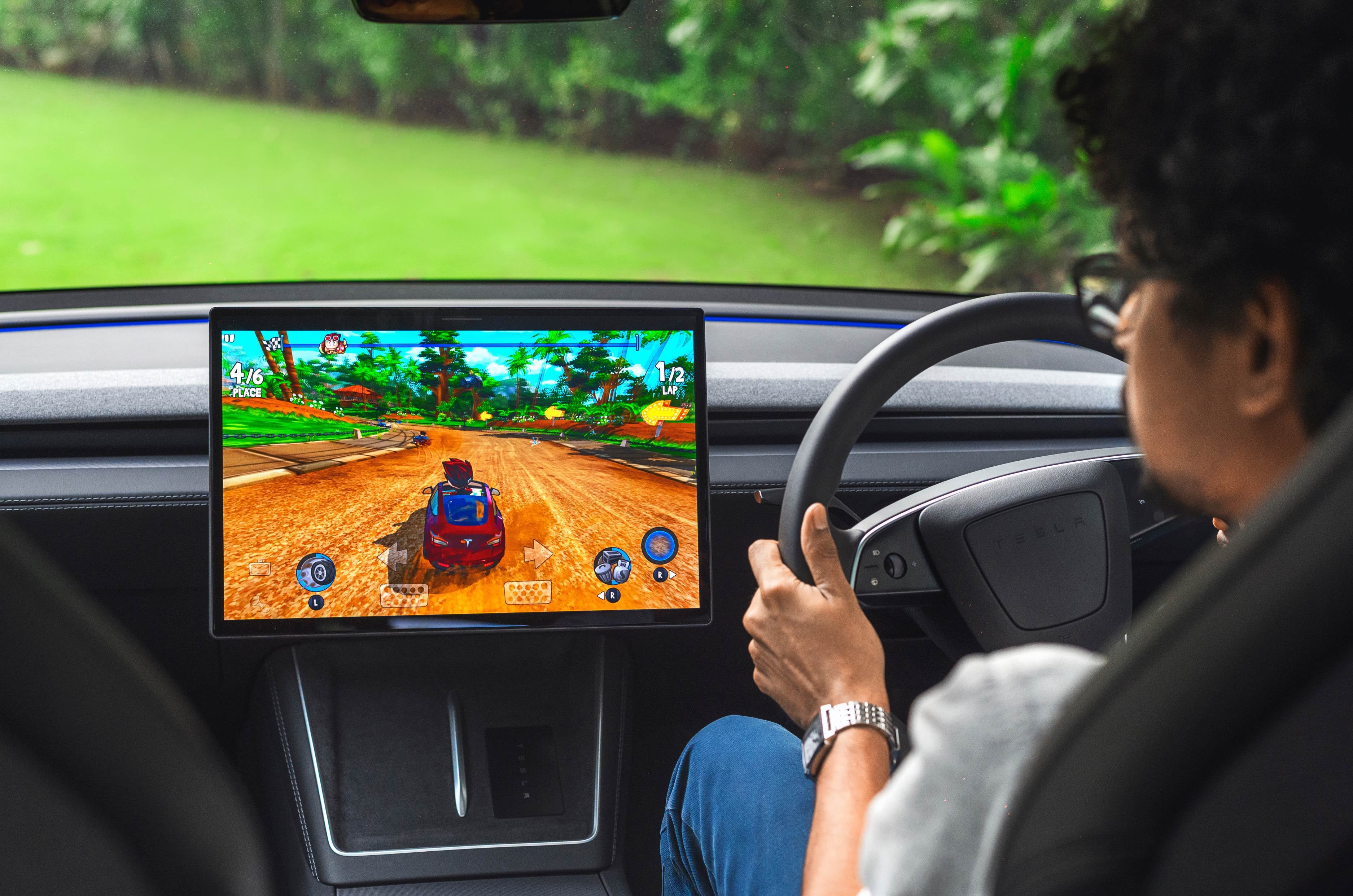
Taking centre stage on the otherwise minimalistic dashboard is the massive 16-inch touchscreen, which is easily among the sharpest and most responsive units around. Its integrated Grok AI assistant is capable of handling tasks such as setting the climate control, along with plotting routes on the navigation system and of course, finding suitable chargers. The assistant understands multiple languages and also learns the user’s preferences over time.

Tesla Model Y L centre console

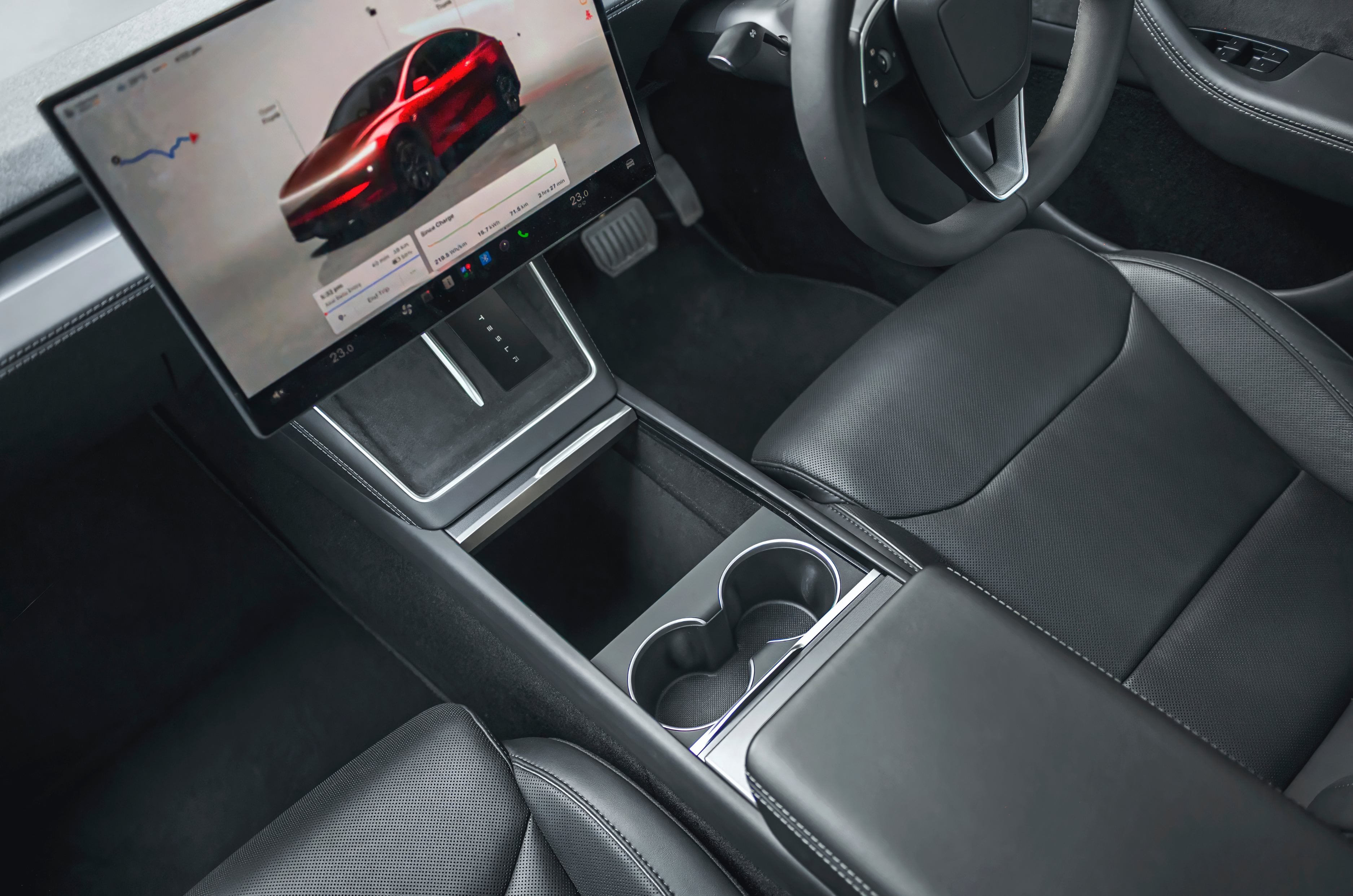
The Tesla Model Y L’s feature highlights include an 18-speaker audio system with a subwoofer, dual wireless chargers, multi-colour ambient lighting and a panoramic glass roof. The front and middle-row seats are heated, ventilated and powered, while the third-row seats get a heated function too. Safety kit includes 9 airbags, lane-keeping assist, blind-spot monitoring, and high-definition surround-view cameras. As with every Tesla, the Model Y L can also receive over-the-air (OTA) updates.

Brisk performance, composed ride

Dual-motor Model Y L is seriously quick for a family car

Tesla Model Y L rear quarter tracking

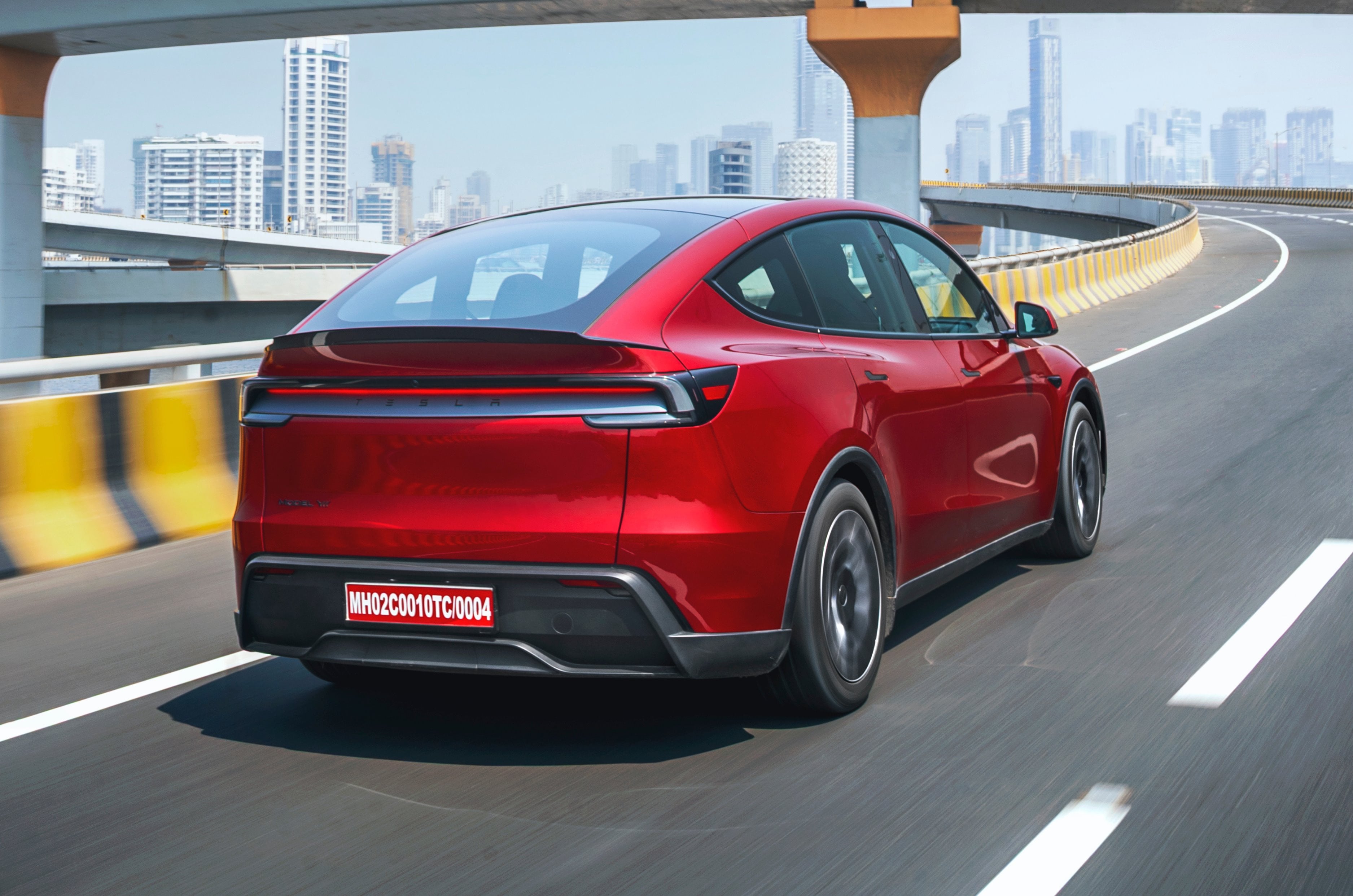
Where the standard Model Y is rear-wheel drive only, the Y L uses two motors and all-wheel drive (AWD). While Tesla hasn’t released official power figures, it’s estimated to output 514hp and 590Nm of torque. Tesla also claims a 0-100kph time of 4.5 seconds, which is quick for a two-tonne SUV. The Model Y L doesn’t feel intimidating to drive, with power building smoothly and the AWD system providing plenty of grip. In addition to the ‘Chill’ drive mode, the Y L also gets a ‘Sport’ mode.

Tesla Model Y L handling

There are no issues overtaking slower-moving traffic, as the Model Y L gets past them effortlessly. The regenerative braking is smooth as well. When you’re ambling around town, the ‘Standard’ regen setting is more than adequate and progressive, so you can drive without stepping on the brake pedal most of the time. The revised suspension of the Model Y L also gets adaptive dampers for better control over body movements and a more composed ride over the standard model.

Long range

Y L has the legs over the standard Model Y

Tesla Model Y L charging

The Model Y L uses an NMC battery pack estimated to be rated at 88kWh, as Tesla doesn’t usually publish the official battery capacity. The American brand does claim a WLTP range of 681km for the Model Y L, which is more than that of the rear-wheel-drive Model Y. DC fast charging of up to 250kW is supported, while AC charging is rated at 11kW. Plug it into a Tesla Supercharger, and the Model Y L can gain up to 288km of range in 15 minutes.

Reasons not to buy the Tesla Model Y L

Big footprint, low clearance

Large dimensions and low ground clearance call for extra care in town

Tesla Model Y L side

The Model Y L’s large dimensions make driving it in tight spaces a bit of a chore. Despite the light steering, its large turning circle makes parking this Tesla quite a tricky affair. Another issue is the ground clearance, or lack thereof. At just 166mm (unladen), large speed breakers need to be tackled carefully to avoid scraping the underbody.

Over-reliance on the touchscreen

Even basic functions are buried in menus

Tesla Model Y L touchscreen menus

Unless you’re tech-savvy, the lack of physical buttons or shortcuts will get on your nerves. Almost every function on the Model Y L is controlled through the touchscreen. Simple tasks like changing the climate settings, adjusting the mirrors or opening the frunk all require you to dig through menus. Getting used to this setup will take time, and it can easily become distracting while driving.

Hot cabin, awkward third-row access

Large glass area and third-row access come with their own cons

Tesla Model Y L glass roof

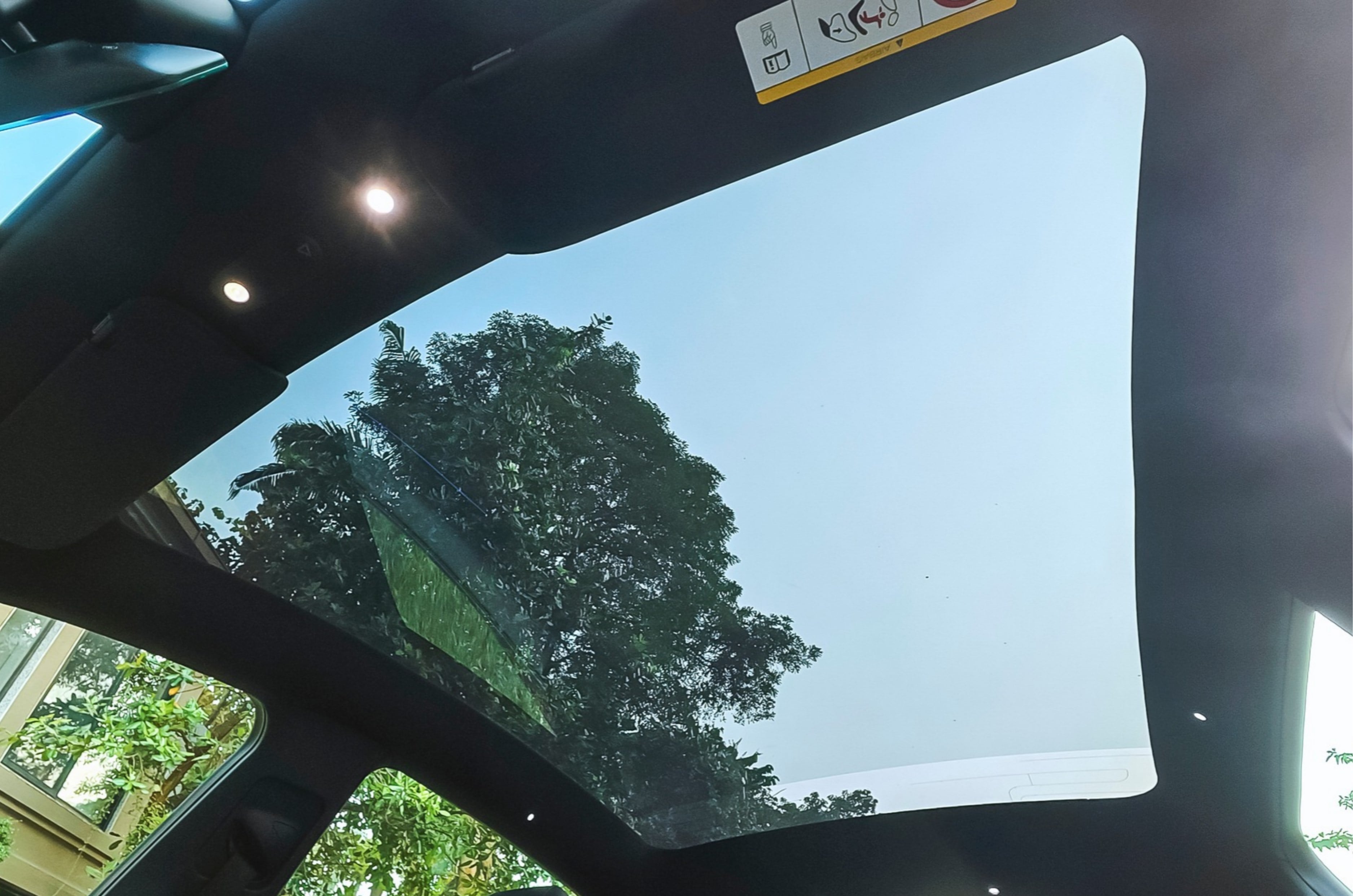
The Tesla Model Y L doesn’t get any blinds for its windows or a cover for its massive glass roof – instead making do with a tint. Considering the expansive glass area, this cabin heats up quickly on sunny days. The rear windscreen does without any tints, which only adds to the problem for third-row passengers.

Tesla Model Y L third row

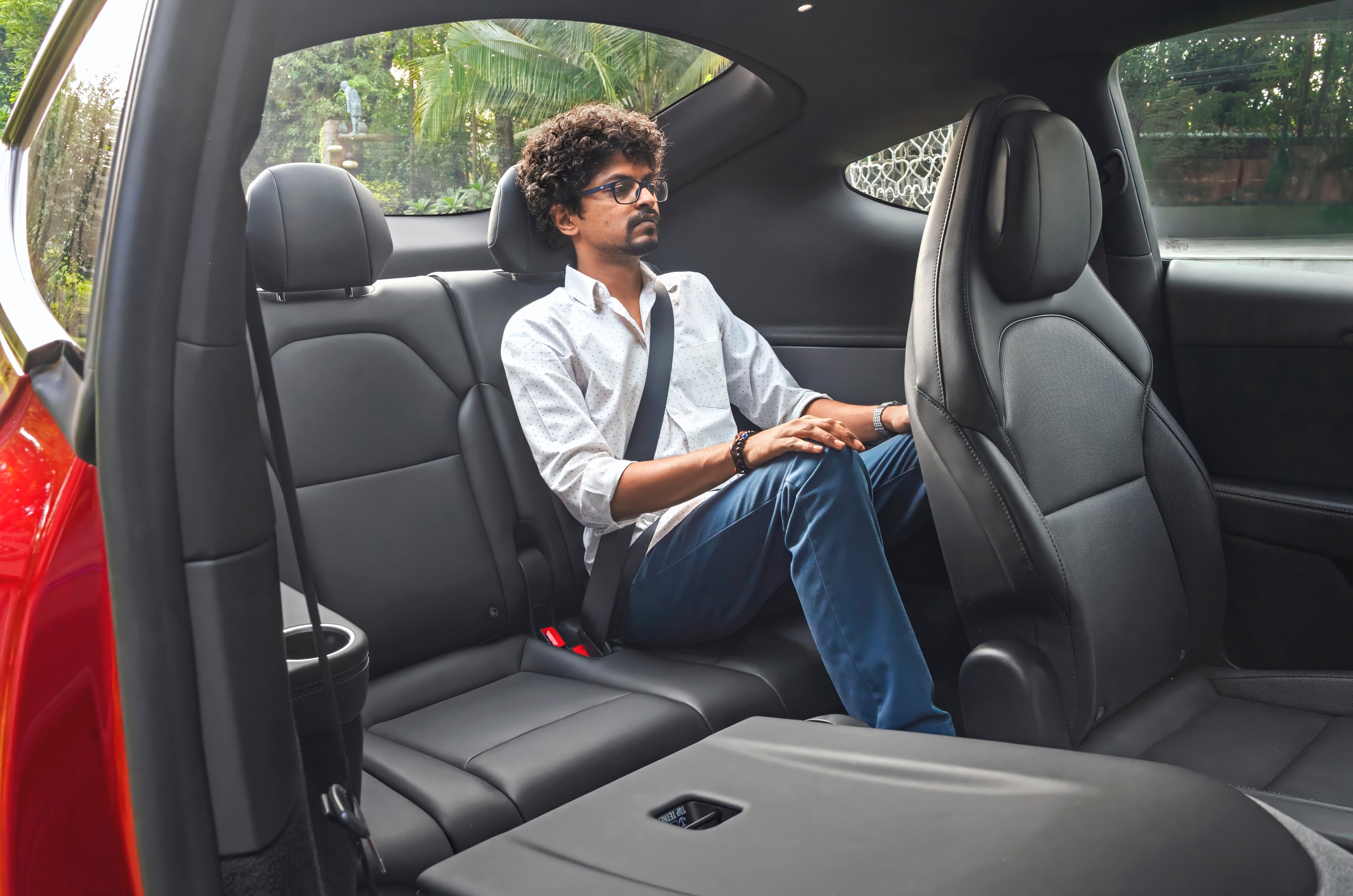
Getting to this last row is a cumbersome task, requiring you to squeeze in between the narrow gap of the middle-row seats. The seats are also slow to fold out of the way. Once you’re sat in the third row, you’ll have to assume a knees-up position.

Stocks to Watch: 19 अक्टूबर को Axis Bank, Yes Bank, HDFC Bank, RailTel, Zen Tech समेत इन शेयरों पर नजर, दिख सकती है बड़ी उठापटक

सोमवार, 19 अक्टूबर को कई शेयर फोकस में रहने वाले हैं। लिस्ट में एक्सिस बैंक, HDFC Bank, यस बैंक, IDBI Bank, रेलटेल, जेन टेक्नोलोजिज, वेदांता जैसे कई नाम शामिल हैं। इन शेयरों में बड़ी उठापटक दिख सकती है। वजह हैं- तिमाही नतीजे, कारोबार से जुड़े डेवलपमेंट्स, नई डील या कॉन्ट्रैक्ट, आदि। इसके अलावा सोमवार को एक शेयर एक्स-स्टॉक स्प्लिट ट्रेड करने वाला है। आइए डिटेल में जानते हैं किन प्रमुख शेयरों पर रहेगी नजर…

आज इन कंपनियों के तिमाही नतीजे

बजाज फाइनेंस, अल्ट्राटेक सीमेंट, यूनियन बैंक ऑफ इंडिया, एलएंडटी टेक्नोलॉजी सर्विसेज, भंसाली इंजीनियरिंग पॉलीमर्स, HFCL, हिंदुस्तान जिंक, जस्ट डायल, डेल्टा कॉर्प, एलीवेट कैंपस, पिरामल फाइनेंस, SML महिंद्रा, वरमोरा ग्रैनिटो, शोभा, तत्व चिंतन फार्मा केम और वारी रिन्यूएबल टेक्नोलॉजीस

इन शेयरों पर रहेगी खास नजर

ICICI Bank: Q2 (जुलाई-सितंबर 2026 तिमाही) में स्टैंडअलोन बेसिस पर मुनाफा सालाना आधार पर 20.1% बढ़कर 14,843 करोड़ रुपये हो गया। नेट इंटरेस्ट इनकम 17.7% बढ़कर 25,338.7 करोड़ रुपये हो गई। ग्रॉस NPA घटकर 1.20% हो गया, नेट NPA घटकर 0.30% हो गया।

Axis Bank: Q2 में स्टैंडअलोन बेसिस पर शुद्ध मुनाफा 7,003.28 करोड़ रुपये रहा। यह एक साल पहले के मुनाफे से 37.59 प्रतिशत ज्यादा है। शुद्ध ब्याज आय सालाना आधार पर 11.8 प्रतिशत की बढ़ोतरी के साथ 15,371.4 करोड़ रुपये हो गई। शुद्ध ब्याज मार्जिन 3.36 प्रतिशत दर्ज किया गया। ग्रॉस NPA रेशियो घटकर 1.16 प्रतिशत रहा। नेट NPA रेशियो भी कम होकर 0.35 प्रतिशत हो गया।

Yes Bank: Q2 में सालाना आधार पर स्टैंडअलोन मुनाफा 65% बढ़कर 1,080 करोड़ रुपये हो गया। नेट इंटरेस्ट इनकम 22.7% बढ़कर 2,822 करोड़ रुपये हो गई। ग्रॉस NPA 1.2% और नेट NPA 0.2% दर्ज किया गया।

HDFC Bank: Q2 में सालाना आधार पर स्टैंडअलोन मुनाफा 4.7% बढ़कर 19,510 करोड़ रुपये हो गया। नेट इंटरेस्ट इनकम 9.7% बढ़कर 34,619.2 करोड़ रुपये हो गई। ग्रॉस NPA घटकर 1.11% और नेट NPA घटकर 0.37% हो गया।

IDBI Bank: Q2 में स्टैंडअलोन मुनाफा सालाना आधार पर 39 प्रतिशत घटकर 2205.45 करोड़ रुपये रहा। शुद्ध ब्याज आय सालाना आधार पर 28.7 प्रतिशत बढ़कर 4,228 करोड़ रुपये हो गई। ग्रॉस NPA रेशियो घटकर 2.12 प्रतिशत और नेट NPA रेशियो घटकर 0.17 प्रतिशत पर आ गया।

सेंट्रल बैंक ऑफ इंडिया: Q2 में सालाना आधार पर स्टैंडअलोन मुनाफे में 21.1% का उछाल आया और यह 1,468.9 करोड़ रुपये हो गया। नेट इंटरेस्ट इनकम 26.3% बढ़कर 4,145.2 करोड़ रुपये हो गई। ग्रॉस NPA रेशियो 2.39% और नेट NPA रेशियो 0.31% रहा।

पंजाब नेशनल बैंक: Q2 में सालाना आधार पर स्टैंडअलोन मुनाफा 12.8% बढ़कर 5,532.2 करोड़ रुपये हो गया। नेट इंटरेस्ट इनकम 10.8% बढ़कर 11,601.3 करोड़ रुपये रही। ग्रॉस NPA रेशियो 2.55% और नेट NPA रेशियो 0.25% दर्ज किया गया।

अर्बन कंपनी: Q2 में सालाना आधार पर कंसोलिडेटेड घाटा बढ़कर 182.5 करोड़ रुपये हो गया। रेवेन्यू 41.4% बढ़कर 537.3 करोड़ रुपये हो गया। कंपनी के बोर्ड ने इक्विटी और कनव​र्टिबल सिक्योरिटीज के जरिए 2,500 करोड़ रुपये तक जुटाने को मंजूरी दी है।

LTM: Q2 में सालाना आधार पर कंसोलिडेटेड मुनाफा 0.2% घटकर 1,397.9 करोड़ रुपये रह गया। रेवेन्यू 13.6% बढ़कर 11,807.6 करोड़ रुपये हो गया। LTM ने प्रति शेयर 25 रुपये का अंतरिम डिविडेंड घोषित किया है।

ले ट्रैवेन्यूज टेक्नोलॉजी (Ixigo): Q2 में सालाना आधार पर कंसोलिडेटेड मुनाफा 61.3 करोड़ रुपये रहा, जबकि एक साल पहले कंपनी 3.2 करोड़ रुपये के घाटे में थी। रेवेन्यू 12.9% बढ़कर 320.96 करोड़ रुपये हो गया।

RailTel: कंपनी को रेलवे रिक्रूटमेंट बोर्ड (RRB), सिकंदराबाद से 167.52 करोड़ रुपये का ‘लेटर ऑफ एक्सेप्टेंस’ (LoA) मिला है। यह RRB भर्ती प्रक्रिया के परीक्षा-पूर्व और परीक्षा-बाद के चरणों के लिए AM-RMS सेवाएं प्रदान करने से संबंधित है। इसके अलावा RailTel को ‘हेल्थ इंश्योरेंस TPA ऑफ इंडिया’ से 18.99 करोड़ रुपये का परचेज ऑर्डर मिला है। इसके तहत कंपनी 3 साल की अवधि के लिए IT इंफ्रास्ट्रक्चर और साइबर सुरक्षा समाधान उपलब्ध कराएगी।

Zen Technologies: यह कॉग्निट सिमेंटिक्स प्राइवेट लिमिटेड (CSPL) में 51.98 प्रतिशत हिस्सेदारी खरीद रही है। कंपनी के बोर्ड ने 17 अक्टूबर की मीटिंग में इस प्रस्ताव को मंजूरी दी। उसी दिन कंपनी ने शेयर परचेज एग्रीमेंट, शेयर सब्सक्रिप्शन एग्रीमेंट और शेयरहोल्डर्स एग्रीमेंट कर लिया। डील पूरी होने के बाद कॉग्निट सिमेंटिक्स, जेन टेक की सब्सिडियरी बन जाएगी। यह खरीद फुली डाइल्यूटेड बेसिस पर 135.15 करोड़ रुपये में होगी।

GPT इंफ्राप्रोजेक्ट्स: कंपनी को वेस्टर्न रेलवे के भावनगर डिवीजन के ‘चीफ सिग्नल एंड टेलीकम्युनिकेशन इंजीनियर’ (CSTE) से 149.5 करोड़ रुपये का ऑर्डर मिला है। साथ ही, वेस्टर्न रेलवे के ही रतलाम डिवीजन से सिग्नलिंग कार्यों के लिए 134.11 करोड़ रुपये का एक और वर्क ऑर्डर मिला है।

ACME Solar Holdings: कंपनी की सब्सिडियरी, ‘एक्मे ग्रीनटेक ट्वेंटी’ ने ‘सोलर एनर्जी कॉर्पोरेशन ऑफ इंडिया’ (SECI) के साथ एक ‘पावर परचेज एग्रीमेंट’ किया है। यह समझौता FDRE ट्रेंच IX के तहत 300 MW के ‘अश्योर्ड पीक पावर प्रोजेक्ट’ के लिए है, जिसमें टैरिफ 6 रुपये प्रति यूनिट तय किया गया है।

LCC Projects: कंपनी को गुजरात सरकार से एक इंजीनियरिंग, प्रोक्योरमेंट और कंस्ट्रक्शन (EPC) कॉन्ट्रैक्ट के लिए ‘एक्सेप्टेंस ऑफ टेंडर’ मिला है। इस कॉन्ट्रैक्ट में मच्छु-I बांध से त्रिवेणी थंगा जलाशय और वांकानेर व चोटिला तालुका के विभिन्न गांवों तक पानी की आपूर्ति करना शामिल है। इस कॉन्ट्रैक्ट में 10 वर्षों तक प्रोजेक्ट के संचालन और रखरखाव का काम भी शामिल है। कॉन्ट्रैक्ट की कुल अनुमानित वैल्यू 151.57 करोड़ रुपये है।

Vedanta: कंपनी ने ‘वेदांता जिंक इंटरनेशनल’ (VZI) के तहत ‘गाम्सबर्ग प्रोजेक्ट’ के दूसरे चरण में लगभग 60 करोड़ डॉलर का निवेश करने की घोषणा की है। इसके जरिए दक्षिण अफ्रीका में कंपनी की सालाना जिंक उत्पादन क्षमता दोगुनी होकर 5 लाख टन हो जाएगी।

ग्लोबल सेटअप क्या बिगाड़ेगा खेल या बाजार दिखाएगा अपनी चाल, जानें गिफ्ट निफ्टी से कैसे मिल रहे संकेत

RBL Bank: बैंक को भारतीय रिजर्व बैंक (RBI) से ‘एमिरेट्स NBD बैंक PJSC’ की सभी भारतीय शाखाओं को RBL बैंक में विलय करने की मंजूरी मिल गई है। यह विलय 1 दिसंबर, 2026 से प्रभावी होगा।

पावर ग्रिड कॉर्पोरेशन ऑफ इंडिया: कंपनी को ‘बिल्ड, ओन, ऑपरेट एंड ट्रांसफर’ (BOOT) मॉडल पर 765 kV GIS पुणे वेस्ट ट्रांसमिशन प्रोजेक्ट लगाने के लिए सफल बोलीदाता घोषित किया गया है। इसके लिए वार्षिक ट्रांसमिशन शुल्क 199.55 करोड़ रुपये तय किया गया है। इस प्रोजेक्ट में महाराष्ट्र के पुणे वेस्ट में एक नया 765/400 kV गैस-इंसुलेटेड स्विचगियर (GIS) सबस्टेशन लगाना शामिल है। इसके अलावा, इसमें पूरे महाराष्ट्र में 765 kV और 400 kV ट्रांसमिशन लाइनों का निर्माण और उनसे जुड़े बे (bays) का काम भी शामिल है।

स्टॉक स्प्लिट के लिए यह शेयर करेगा एक्स-ट्रेड

जटाशंकर इंडस्ट्रीज

Disclaimer: यहां मुहैया जानकारी सिर्फ सूचना के लिए दी जा रही है। यहां बताना जरूरी है कि मार्केट में निवेश बाजार जोखिमों के अधीन है। निवेशक के तौर पर पैसा लगाने से पहले हमेशा एक्सपर्ट से सलाह लें। मनीकंट्रोल की तरफ से किसी को भी पैसा लगाने की यहां कभी भी सलाह नहीं दी जाती है।

5 things to know about the Hero Xtreme 250R Carbon

5 things to know about the Hero Xtreme 250R Carbon
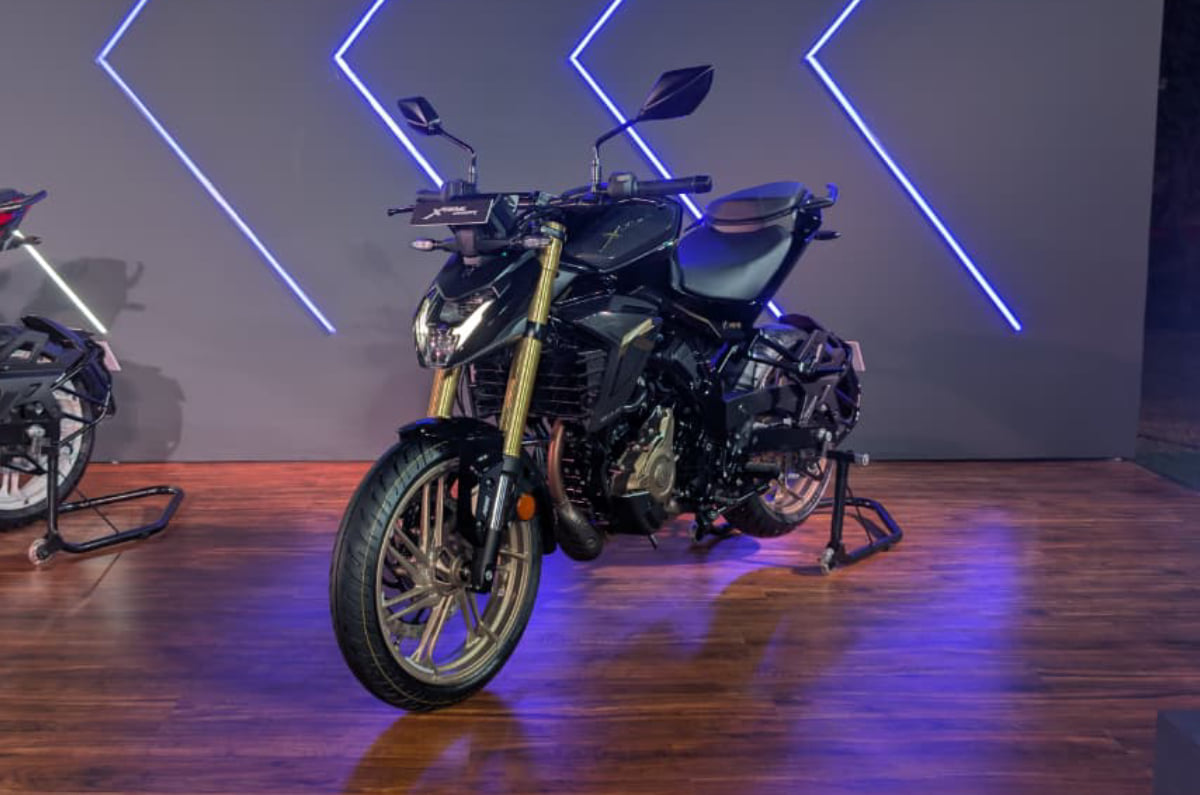
Xtreme 250R Carbon in black colour parked at the launch event

Hero MotoCorp has introduced a new Xtreme 250R Carbon variant with a substantial feature overhaul, adding multiple hardware and tech updates. Here are the five things you need to know about the bike.

1. What’s new on the updated Hero Xtreme 250R?

The Xtreme 250R Carbon features ride-by-wire, which unlocks four riding modes – Rain, Road, Sport and Track – along with traction control calibrated individually for each mode. A bi-directional quickshifter, cruise control and TPMS have also been added. In terms of tech, the LCD instrument cluster has been replaced by a 4.2-inch TFT screen borrowed from the Xpulse 210.

The rear suspension gets Frequency Selective Damping (FSD), a system that uses a secondary valve to automatically vary damping across two distinct profiles based on the speed and frequency of road inputs. It stiffens up to absorb high-frequency impacts, such as road chatter, and softens for longer, slower compressions, such as when going over a speed breaker.

2. What does the Hero Xtreme 250R engine have to offer?

The 249cc liquid-cooled, single-cylinder engine is carried over largely unchanged, producing 30hp at 9,250rpm and 25.3Nm at 7,500rpm. The latter represents a minor 0.3Nm increase over the outgoing bike, delivered 250rpm higher in the rev range.

3. Which is faster, the KTM 250 Duke or the Hero Xtreme 250R?

We found the Hero Xtreme 250R to be the quicker of the two during our tests. The KTM 250 Duke completed the 0-60kph run in 3.44 seconds and the 0-100kph run in 8.50 seconds. The Xtreme 250R, tested on the same day, completed the same runs in 3.15 seconds and 8.22 seconds, respectively.

It’s worth noting that these figures are for the standard Xtreme 250R. However, the engine remains largely unchanged, and Hero’s claimed 0-60kph time for the Carbon is identical to that of the standard model, so we expect the updated bike’s performance to be largely similar.

4. What is the price of the updated Hero Xtreme 250R Carbon?

The Hero Xtreme 250R Carbon is priced at Rs 1.98 lakh (ex-showroom, Delhi), a Rs 14,000 premium over the standard Xtreme 250R following an Rs 11,000 price hike for the standard model alongside the introduction of the Carbon variant. Despite the premium, the Carbon remains notably more affordable than the KTM 250 Duke, which costs Rs 2.28 lakh.

5. What colours is the new Xtreme 250R available in?

The Hero Xtreme 250R Carbon is offered in three colours: Carbon Red, Carbon Black and Carbon White. Along with the new colours, the Carbon variant also gets coloured wheels and exclusive graphics.

ZEN Tech खरीद रही Cogknit Semantics में 52% हिस्सा, ₹135 करोड़ की डील; सोमवार को चढ़ सकता है शेयर

एयरोस्पेस और डिफेंस सेक्टर की कंपनी जेन टेक्नोलोजिज, डिफेंस टेक्नोलॉजी कंपनी कॉगनिट सिमेंटिक्स प्राइवेट लिमिटेड (CSPL) में 51.98 प्रतिशत हिस्सेदारी खरीद रही है। कंपनी के बोर्ड ने 17 अक्टूबर की मीटिंग में इस प्रस्ताव को मंजूरी दी। उसी दिन कंपनी ने शेयर परचेज एग्रीमेंट, शेयर सब्सक्रिप्शन एग्रीमेंट और शेयरहोल्डर्स एग्रीमेंट कर लिया। डील पूरी होने के बाद कॉगनिट सिमेंटिक्स, जेन टेक की सब्सिडियरी बन जाएगी। यह खरीद फुली डाइल्यूटेड बेसिस पर 135.15 करोड़ रुपये में होगी।

इसके तहत CSPL में एक मौजूदा शेयरहोल्डर से शेयर खरीदे जाएंगे, साथ ही सीरीज ए कंपलसरिली कनवर्टिबल क्यूमुलेटिव प्रेफरेंस शेयरों (CCCPS) को सब्सक्राइब किया जाएगा। CSPL 10 रुपये फेस वैल्यू वाले सीरीज ए CCCPS जेन टेक और दूसरे इनवेस्टर को 27,015.71 रुपये प्रति CCCPS के भाव पर जारी करेगी। CSPL का वित्त वर्ष 2025-26 में टर्नओवर 48 लाख रुपये रहा। यह रिलेटेड पार्टी ट्रांजेक्शन नहीं है। निवेशक आशीष कचोलिया और उनके सहयोगी भी प्राइमरी राउंड में निवेश करेंगे।

क्या बनाती है CSPL

जेन टेक ने शेयर बाजारों को बताया है कि CSPL सशस्त्र बलों के लिए आर्टिफीशियल इंटेलीजेंस पर बेस्ड बैटलफील्ड मैनेजमेंट सिस्टम्स और सिचुएशनल अवेयरनेस सिस्टम्स विकसित करती है। कॉगनिट का बैटलफील्ड मैनेजमेंट सिस्टम्स टैंकों, वाहनों और सैनिकों को डिजिटल रूप से जोड़ता है, जिससे हर कमांडर युद्धक्षेत्र की एक ही रियल-टाइम तस्वीर के आधार पर काम कर सके। इसने इंडियन आर्मी के साथ फील्ड ट्रायल पूरे कर लिए हैं। इसे भारत में ही डिजाइन और विकसित किया गया है।

Tech Mahindra देगी ₹15 का अंतरिम डिविडेंड, रिकॉर्ड डेट 23 अक्टूबर; 11 साल बाद बांटने जा रही बोनस शेयर

ZEN Tech का शेयर 3 साल में 130 प्रतिशत चढ़ा

ZEN Tech के शेयर की कीमत वर्तमान में BSE पर 1655.70 रुपये है। कंपनी का मार्केट कैप 14900 करोड़ रुपये से ज्यादा है। शेयर की फेस वैल्यू 1 रुपये है। शेयर BSE 500 इंडेक्स का हिस्सा है। यह एक साल में 20 प्रतिशत से ज्यादा चढ़ा है। 3 साल में कीमत लगभग 130 प्रतिशत, 5 साल में 630 प्रतिशत और 10 साल में 2000 प्रतिशत से ज्यादा मजबूत हुई है। कंपनी में सितंबर 2026 के आखिर तक प्रमोटर्स के पास 48.51 प्रतिशत हिस्सेदारी थी।

Disclaimer: यहां मुहैया जानकारी सिर्फ सूचना के लिए दी जा रही है। यहां बताना जरूरी है कि मार्केट में निवेश बाजार जोखिमों के अधीन है। निवेशक के तौर पर पैसा लगाने से पहले हमेशा एक्सपर्ट से सलाह लें। मनीकंट्रोल की तरफ से किसी को भी पैसा लगाने की यहां कभी भी सलाह नहीं दी जाती है।

Buying a used Tata Nexon: What to look out for

Buying a used Tata Nexon: What to look out for
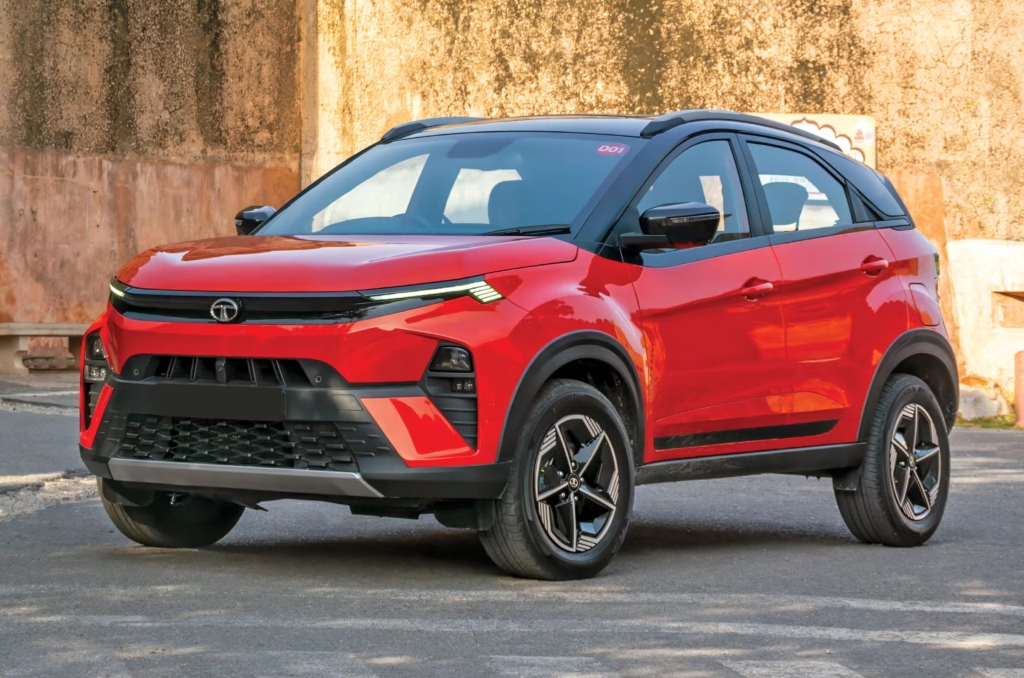
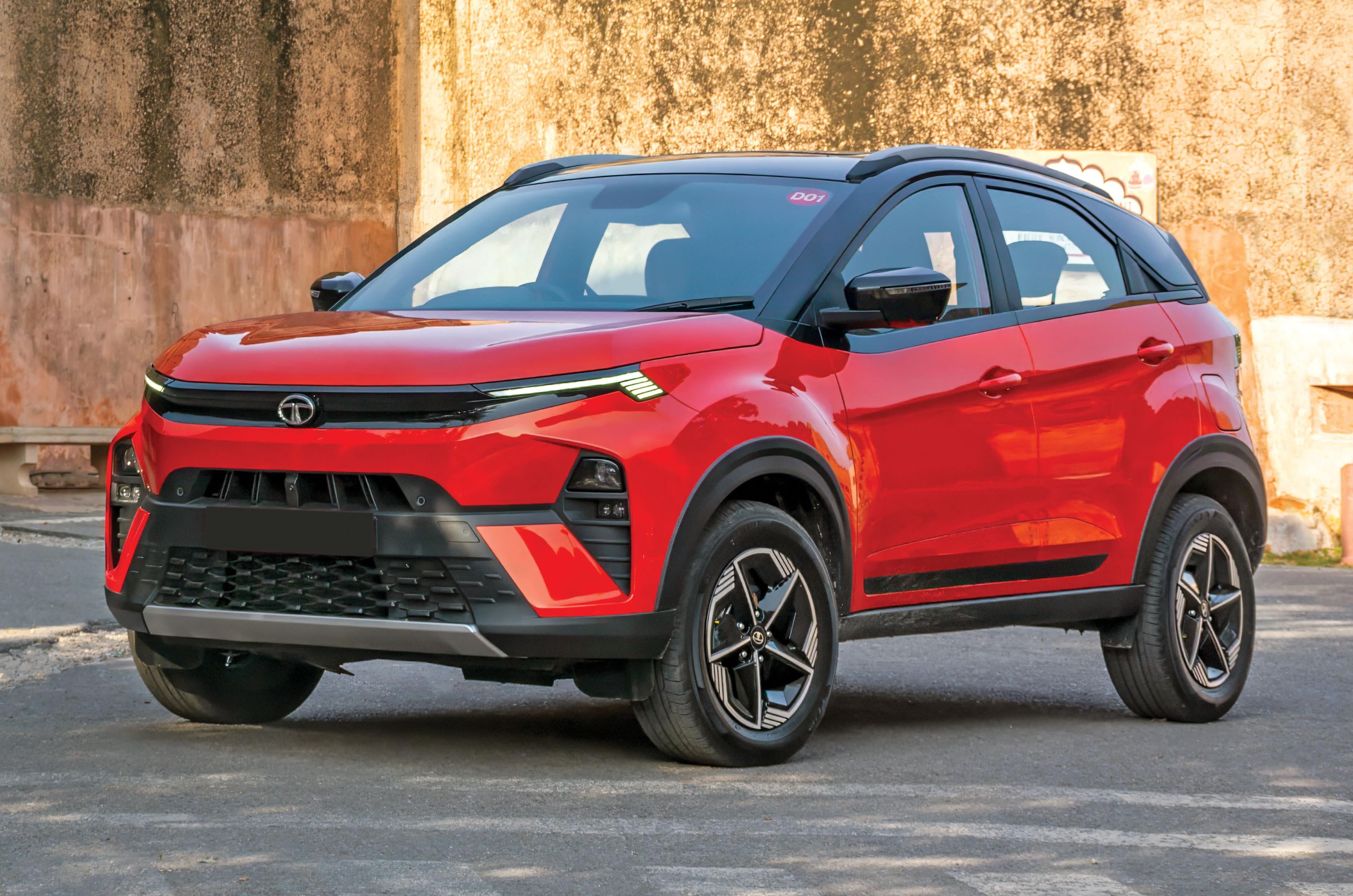
Tata Nexon Front Quarter

GOOD FOR: Spacious cabin, comfy ride

LOOK OUT FOR: Electronic glitches, AMT wear

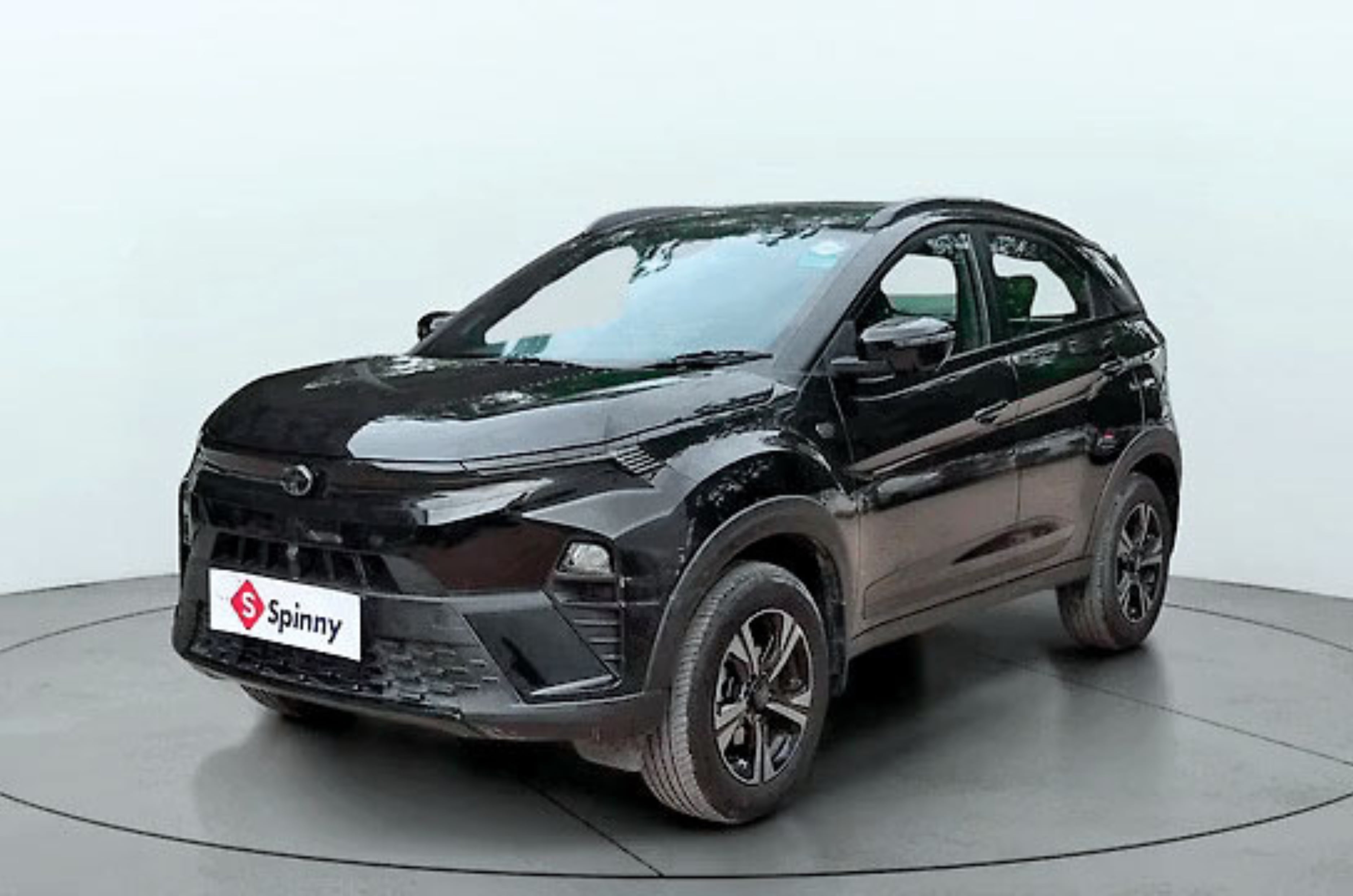
The Tata Nexon received a comprehensive facelift in September 2023, bringing a sharper exterior, a redesigned interior and more technology. It retained its compact SUV dimensions while offering a wide powertrain choice, along with manual and automatic gearbox options for both petrol and diesel. With its generous equipment, practical cabin and SUV-like stance, the facelifted Nexon makes a compelling case as a used buy.

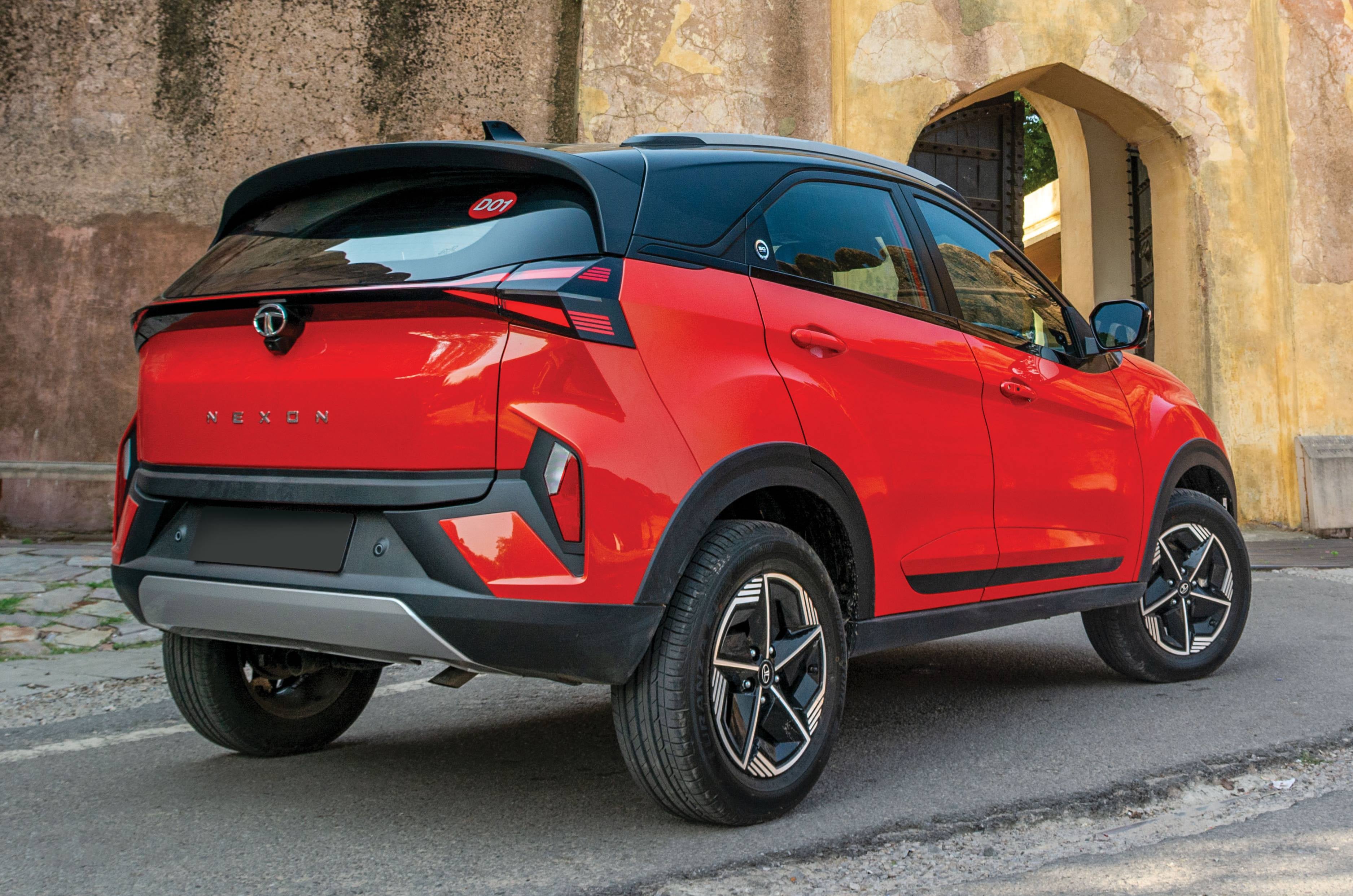
The 2023 Nexon was a significant styling departure from its predecessor, featuring slim sequential LED DRLs and headlamps positioned lower in the bumper. Revised bumpers, a new grille, connected LED tail-lights and redesigned alloy wheels gave it a more modern appearance. The cabin also received a thorough redesign, including a two-spoke steering wheel, a digital instrument cluster and a new touch panel for the HVAC controls. But, it retained its strengths of a spacious and practical cabin, a solid feature set and well-sorted ride and handling.

Check out used Tata Nexon models.

Tata Nexon powertrain details

Petrol, diesel and CNG options; MT, AMT and DCT gearboxes

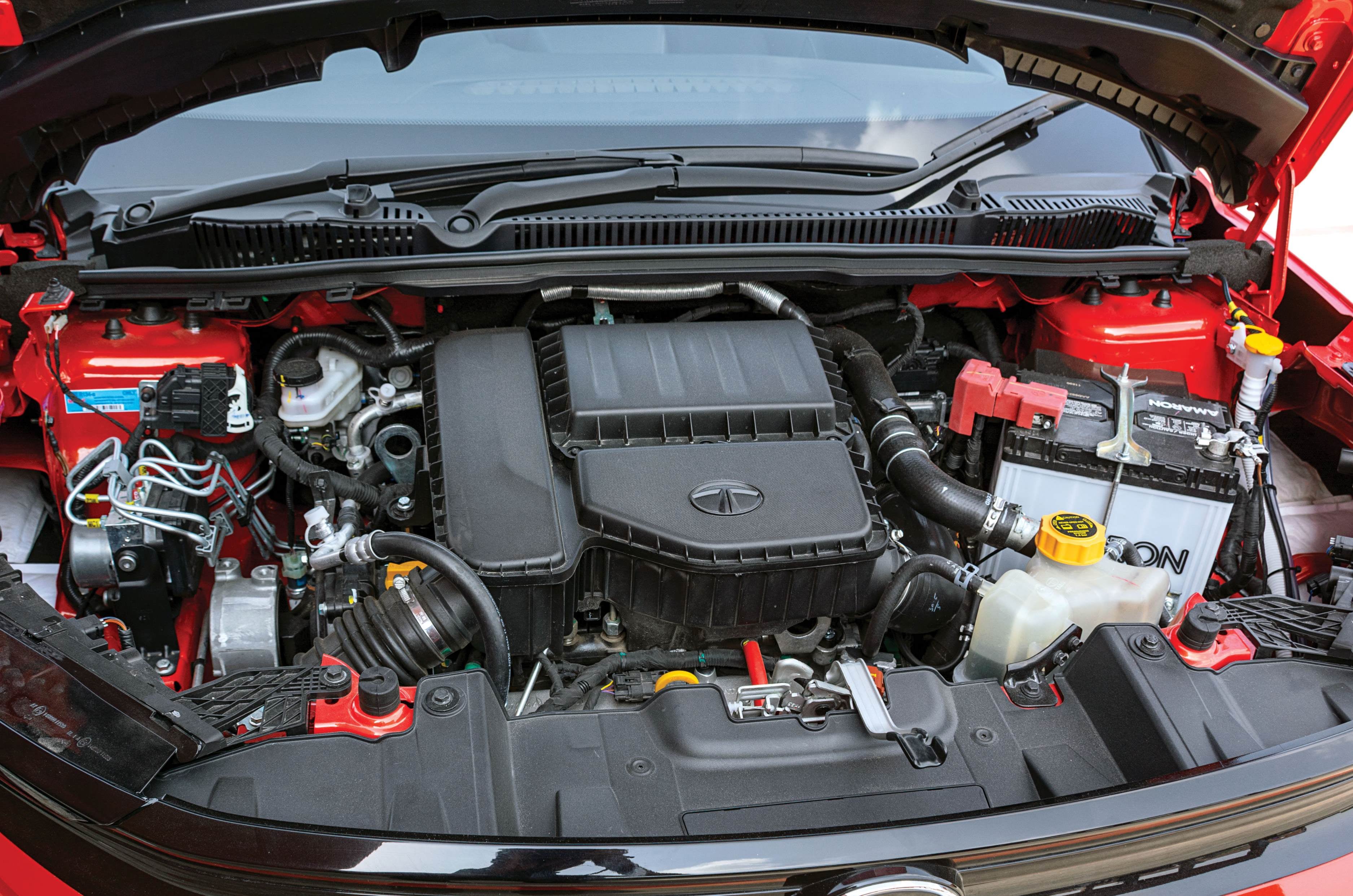
Tata Nexon Engine

Under the bonnet, the Nexon continued with its 1.2-litre turbo-petrol and 1.5-litre diesel engines. The petrol engine produces 120hp and 170Nm, while the diesel makes 115hp and 260Nm. Gearbox options included a 5-speed manual, 6-speed manual, 6-speed AMT and 7-speed dual-clutch automatic, depending on the engine and variant. A CNG version was added to the line-up later, which featured the same 1.2-litre petrol engine and came with a 6-speed manual only. The CNG came with Tata’s innovative twin tank setup under the boot floor, which meant a usable cargo space and spare tyre were retained.

Tata Nexon Rear Quarter

The petrol engine is suitable for everyday urban driving, while the diesel’s higher torque makes it better suited to buyers for highway use. The automatics, of course, are the choice for someone looking for an easier driving experience. The CNG makes sense for high running.

Tata Nexon variants and features

10.25-inch touchscreen, 360-degree camera, ventilated seats and more

The 2023 Nexon was offered in Smart, Pure, Creative and Fearless trim levels at launch, with equipment varying by variant. Top-spec versions featured a 10.25-inch touchscreen infotainment, a 10.25-inch digital cluster, wireless Android Auto and Apple CarPlay, connected-car tech, a 360-degree parking camera, ventilated front seats, cruise control, leatherette upholstery and a sunroof. Safety equipment included six airbags, electronic stability control and ISOFIX child-seat mounts. The Nexon has also received a five-star Global NCAP crash safety rating under the enhanced 2022 protocol.

Tata Nexon Interior

As is always the case with Tata products, the Nexon line-up has been regularly updated with the addition/deletion of certain variants, special editions and new features like a panoramic sunroof and Level 2 ADAS tech. With such a widespread line-up, choosing the right one can be tricky. Pick based on your budget and the non-negotiable features you’d want. As it is, even the mid-spec trims come well equipped and have more than the basics covered.

Tata Nexon reliability and aftersales

Tatas are not known to be very reliable, but with the Nexon’s long run, bugs have been ironed out, and these Nexons have proven to be a generally reliable package. Spare parts are easily available, and you’re backed up by Tata’s wide service network throughout the country, though their service quality varies.

What to look out for in a used Tata Nexon

Electronic glitches

Tata Nexon Infotainment

The 2023 Nexon introduced a larger touchscreen, a digital cluster, a 360-degree camera and LED lights. Before buying, test the touchscreen thoroughly, connect your phone and check that the 360-degree camera works as intended. Make sure the cluster has no warning messages or glitches and that the LED lights work correctly. Some owners have faced issues with these.

Suspension wear

Nexons that have spent considerable time on poor roads can develop wear in suspension components. Drive it over speed breakers and uneven surfaces, listening for knocking sounds or excessive crashing, as these are signs of worn-out suspension components.

Auto gearbox health

During a test drive, check for excessive juddering, hesitation, delayed engagement or unusual noises, particularly in slow-moving traffic, as these could be signs of potential trouble with the auto gearboxes.

Used Tata Nexon service history and warranty check

Look for a Nexon that comes with a detailed service history or one that has an extended warranty package, as that will give you additional peace of mind since you are buying a pre-owned example.

Second-hand Tata Nexon price and resale value

Rs 7 lakh-11 lakh

Used Tata Nexon

The price of a used 2023 Tata Nexon will depend on its engine, gearbox, variant, kilometres driven, ownership history and condition. Petrol manual examples will be the most affordable, while the diesel and CNG versions tend to be the more expensive ones. However, refrain from spending too much more than Rs 11 lakh, as you’d rather be better off buying a brand-new one.

Tata Nexon fact file

Years produced

2023-present

Price when new

Rs 8.10 lakh-15.50 lakh (ex-showroom, Delhi)

Engine

3 cyls, 1199cc, turbo-petrol/4 cyls, 1497cc, diesel/3 cyls, 1199cc, turbo-petrol + CNG

Power

120/115/100hp

Torque

170/260/170Nm

Ground clearance

208mm

Boot space

321 litres

Mercedes-AMG GT SUV revealed, makes up to 1,169hp

Mercedes-AMG GT SUV revealed, makes up to 1,169hp
Mercedes-AMG GT SUV revealed

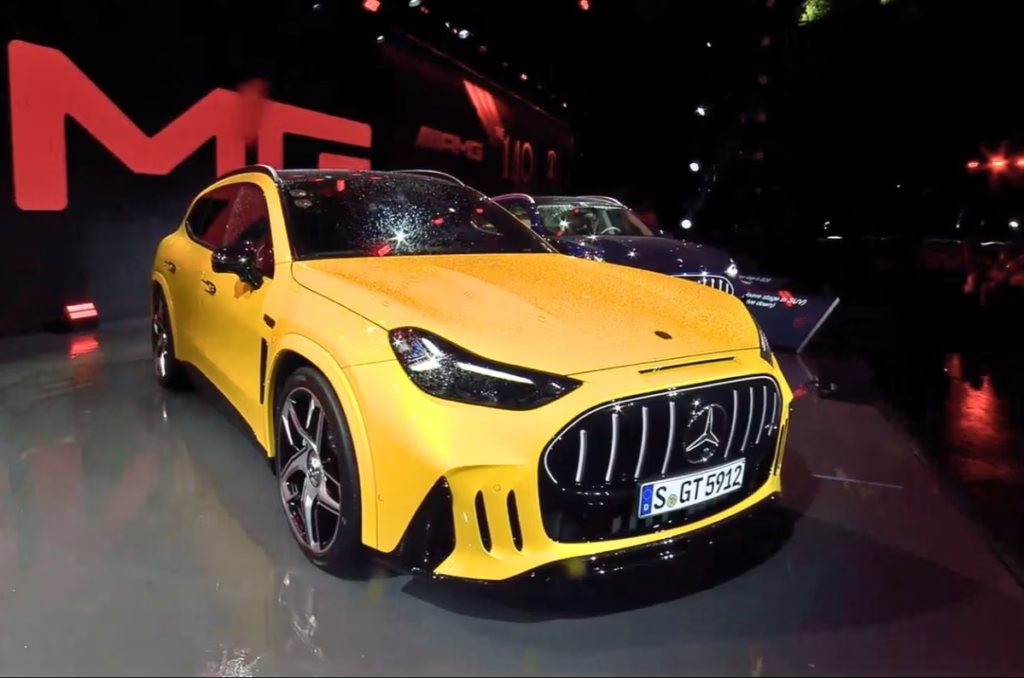
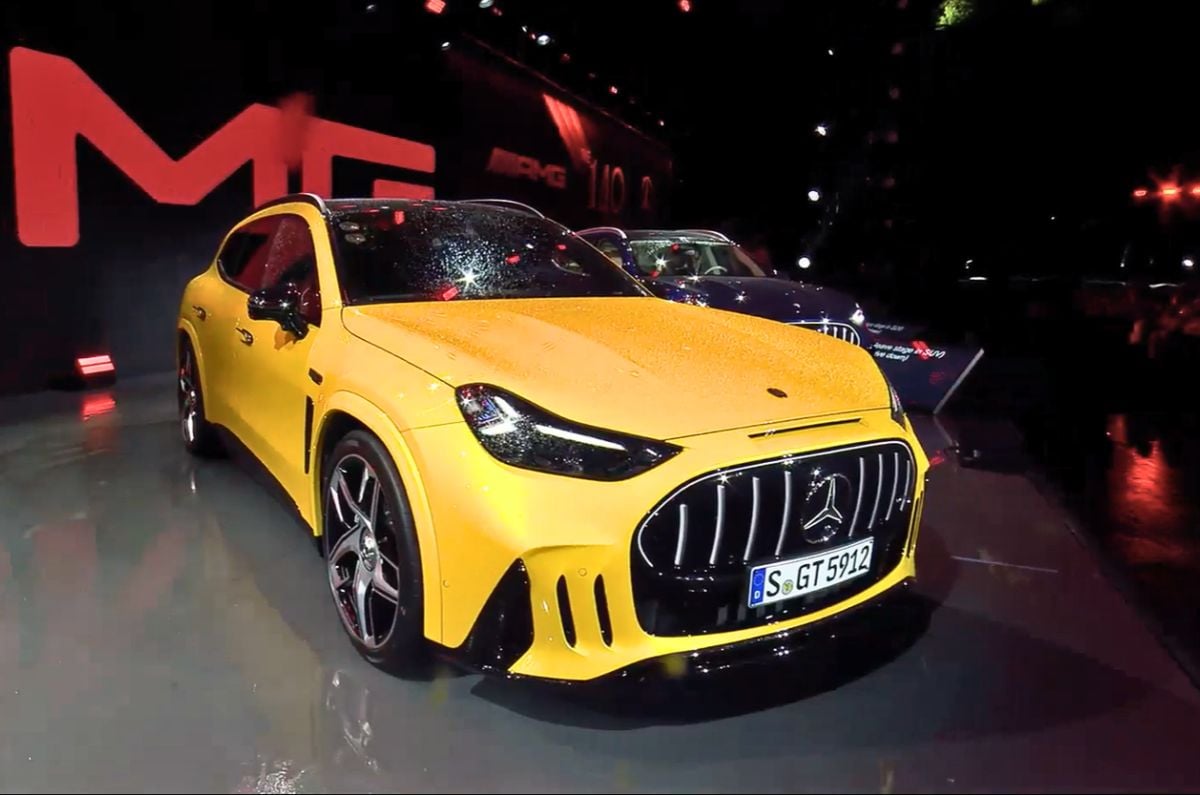
Mercedes has taken the wraps off the AMG GT SUV which, according to the German marque, is the first full-size SUV it has developed completely in-house. The five-seat performance EV shares its underpinnings with the fully electric GT 4-Door Coupe, and will be available in GT 53, GT 55 and GT 63 guises, the last of which makes up to 1,169hp. The GT 53 will be the first to go on sale, with the more powerful variants joining the line-up in spring 2027.

  1. Star-shaped DRLs, illuminated badging, active aero and more.
  2. Personalisation options from the Manufaktur programme.
  3. Three digital displays, built-in AI assistants, AMG-specific apps and more.
  4. Claimed WLTP range of up to 700km, with DC fast charging of up to 710kW.

Mercedes-AMG GT SUV exterior

Illuminated badging, sloping roofline, active aerodynamics, Manufaktur paint options and more

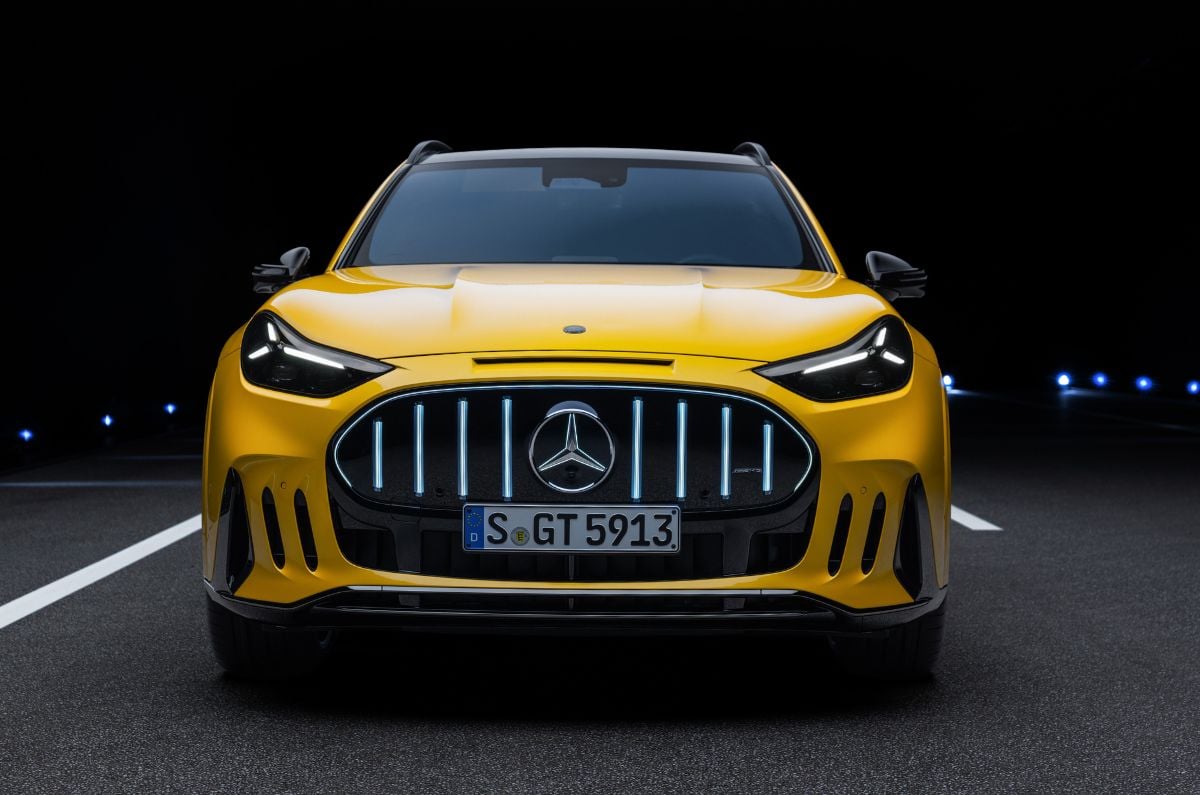
Mercedes-AMG GT SUV front

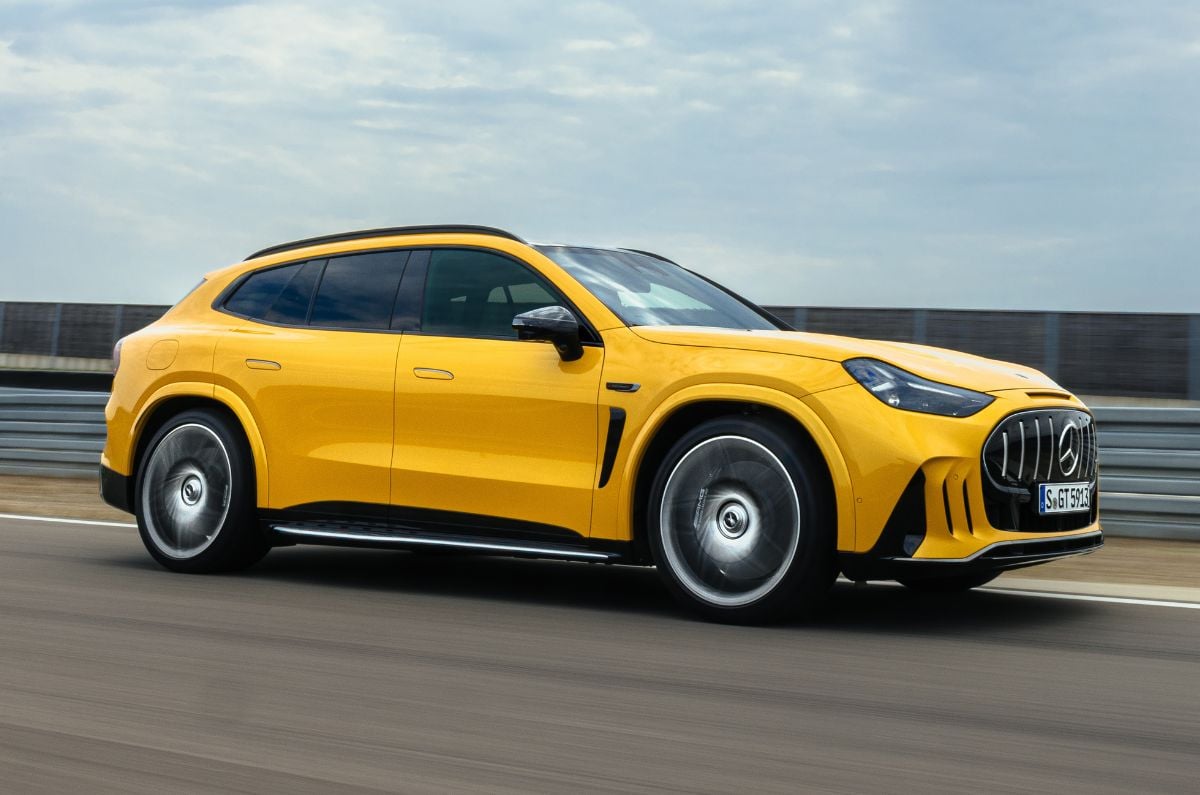
The Mercedes-AMG GT SUV comes in at 5,084mm long, 2,001mm wide and 1,656mm tall, and it has a wheelbase of 3,040mm. The front fascia sports AMG’s vertical-slat grille and Mercedes star, both of which can be optionally illuminated, flanking which are LED headlamps with star-shaped DRLs (daytime running lights). The front bumper features active slats, which only open when components need extra cooling.

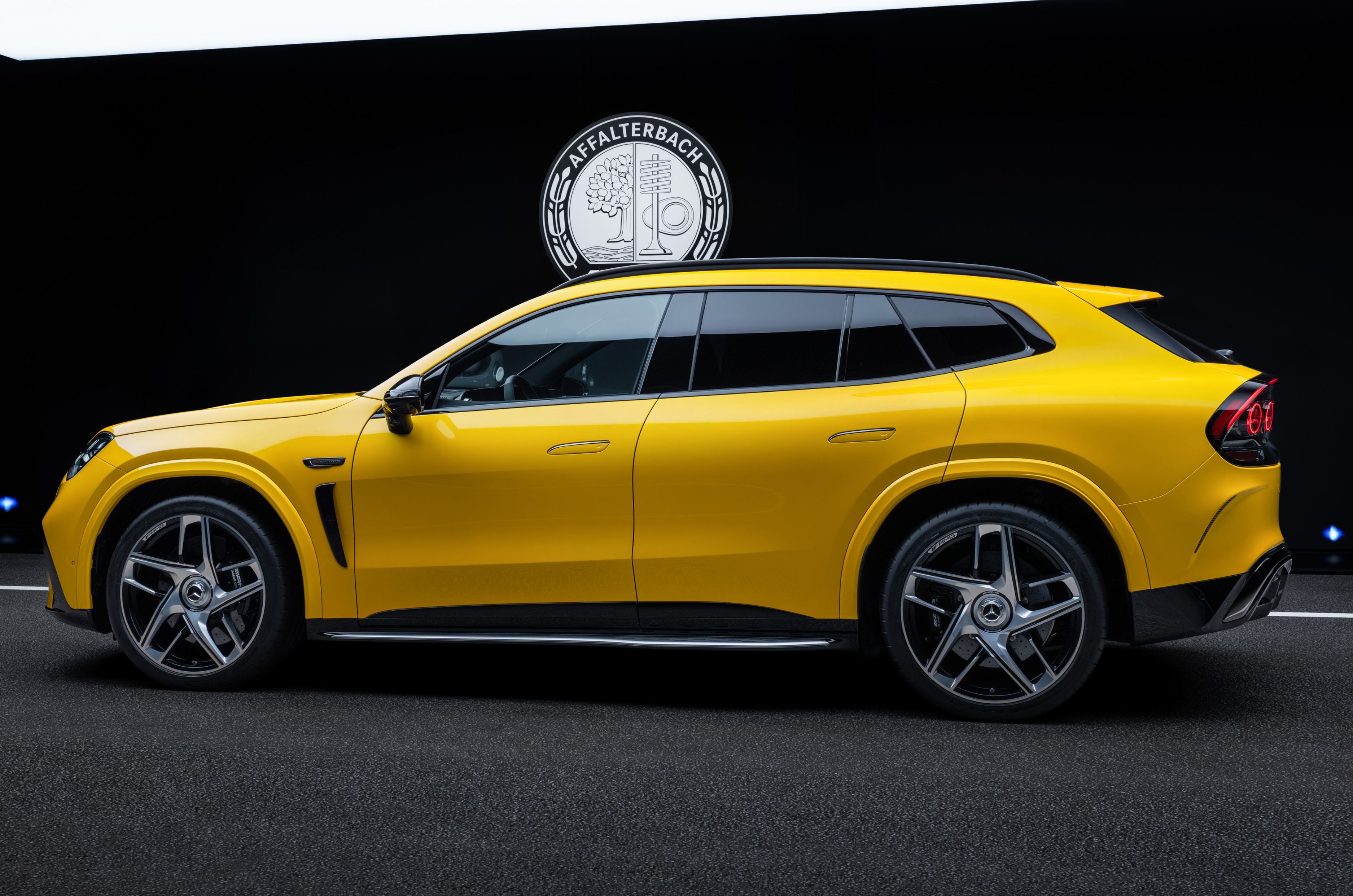
Mercedes-AMG GT SUV side

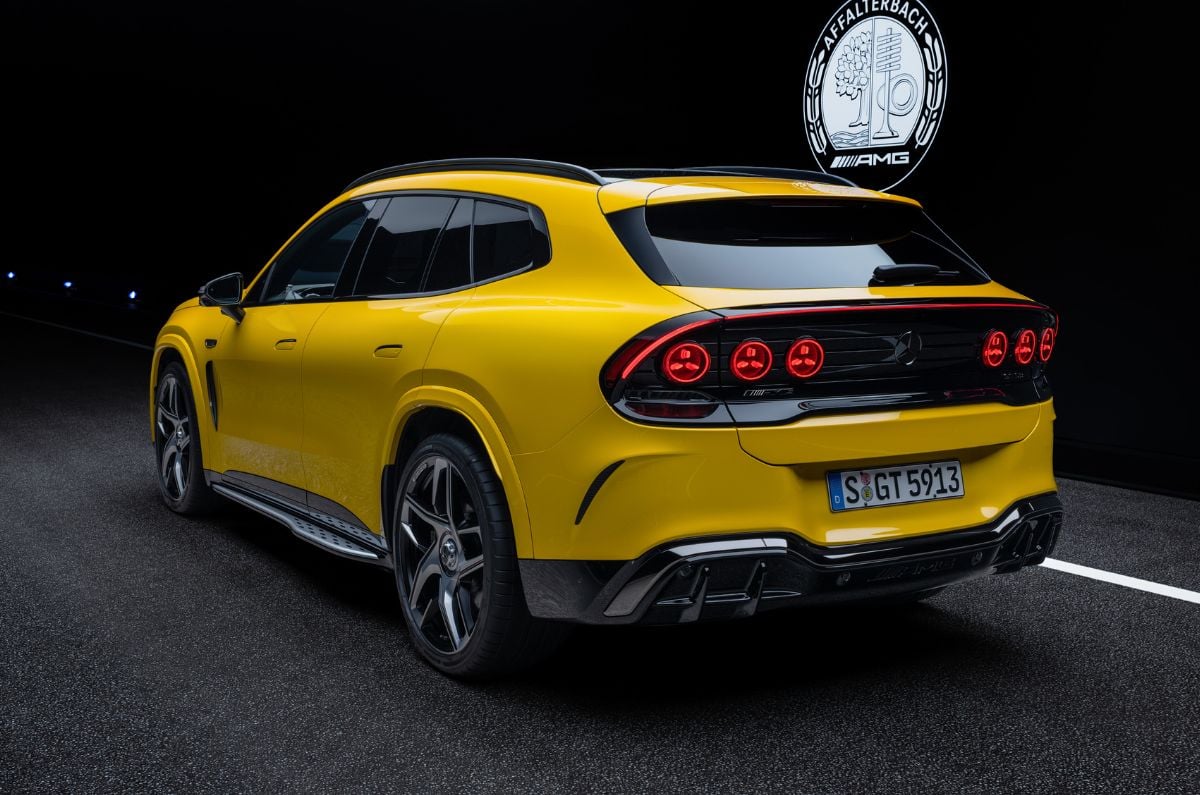
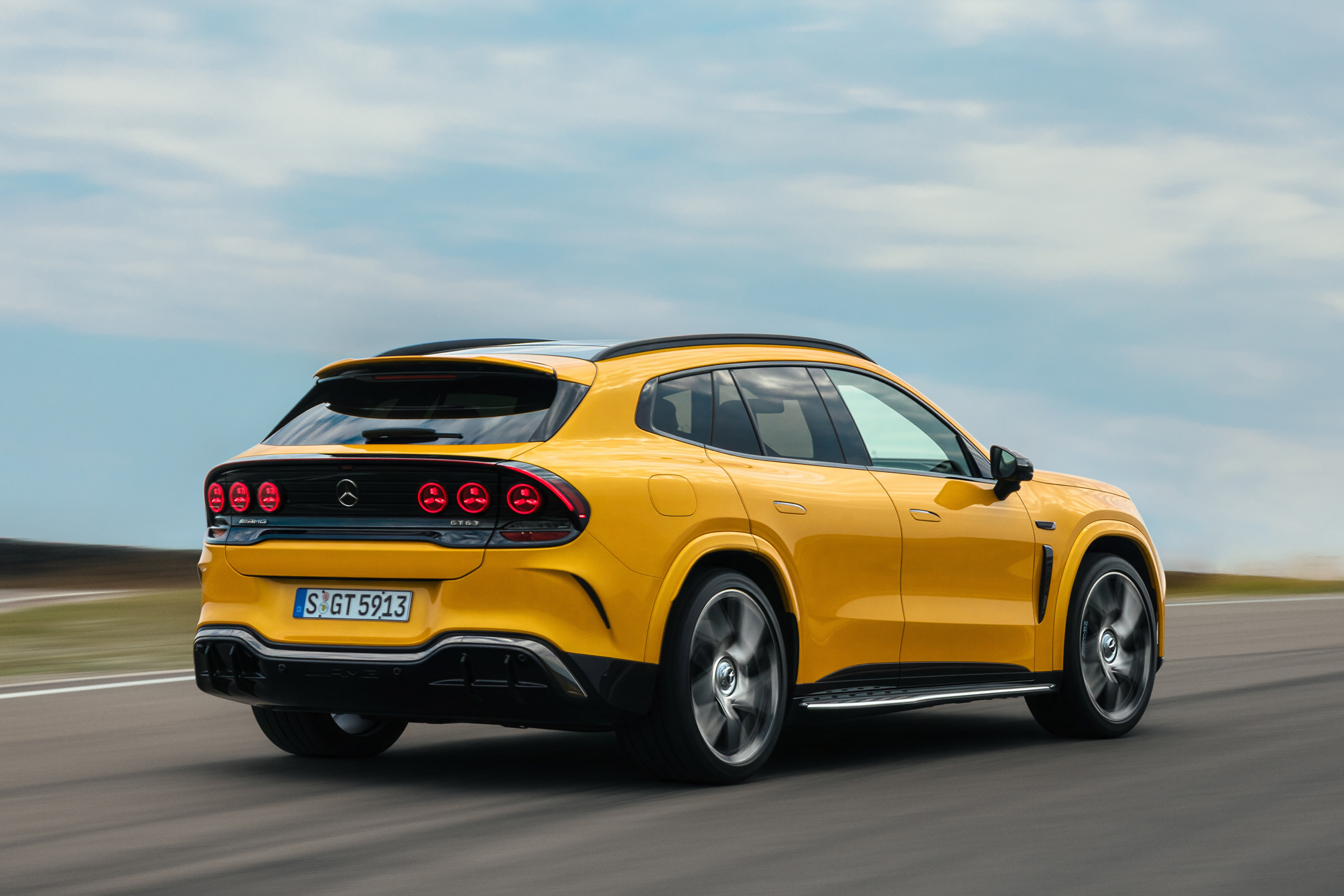
The profile showcases a low-slung roofline that slopes towards the rear along with pronounced wheel arches. Other details here include frameless side windows and compact wing mirrors. Moving to the rear of the AMG GT SUV reveals six circular tail-lamps as seen on the GT 4-Door Coupe, and customers can also opt for a full-width light strip.

Mercedes-AMG GT SUV rear quarter

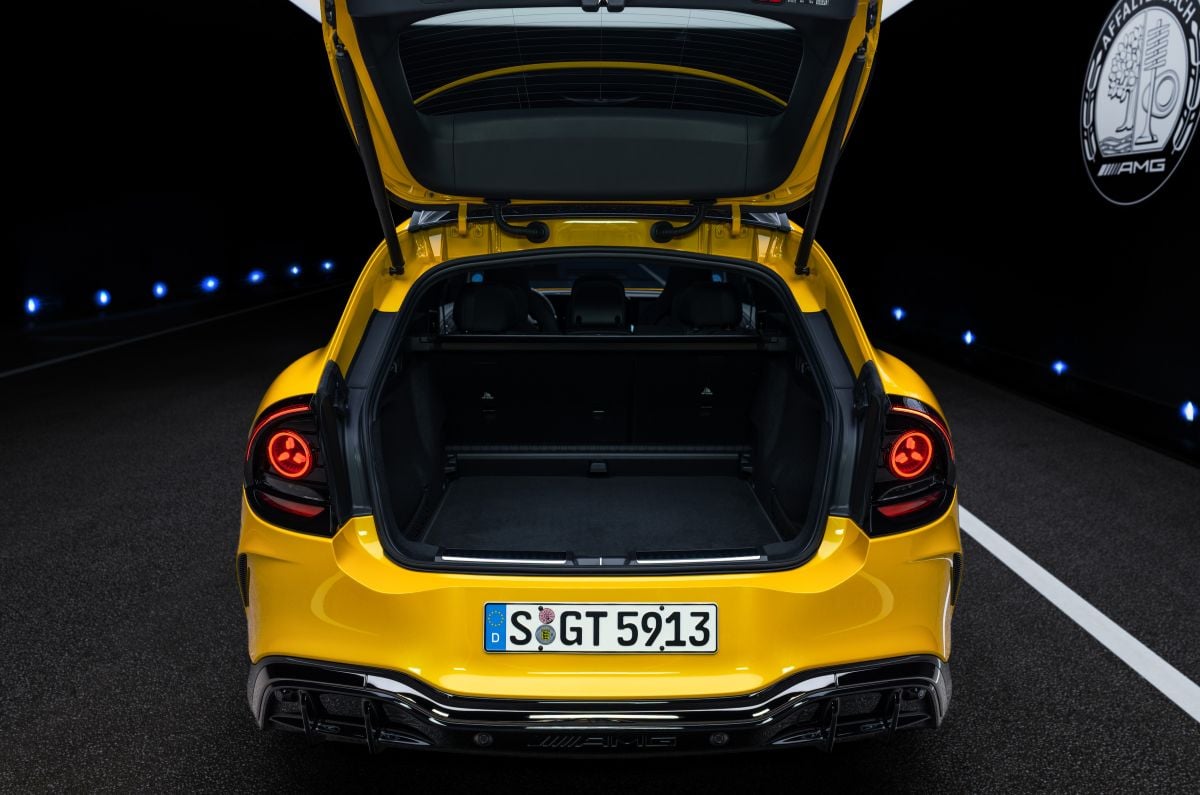
Stepping up to the GT 55 and GT 63 means an active rear spoiler that remains flush with the roof until 150kph, changing its angle depending on the driving scenario. Mercedes-AMG also claims a drag coefficient of 0.28 for the GT 53, while the other two are rated at 0.27. The main boot has a claimed capacity of 607 litres, with the frunk capable of accommodating 78 litres worth of luggage.

Mercedes-AMG GT SUV boot

Buyers can personalise the GT SUV through the brand’s Manufaktur programme, which presents over 60 paint options. Customers can also opt for AMG’s forged wheels in colour accents, which includes Matt Vanadium Silver and Matt Copper, Matt Black with a rim flange in Angel Blue, Sunny Lime, or Orange Flame.

Mercedes-AMG GT SUV interior and features

Stand-out tech includes dual 14-inch screens, AI assistants and AMG-specific apps

Mercedes-AMG GT SUV front seats

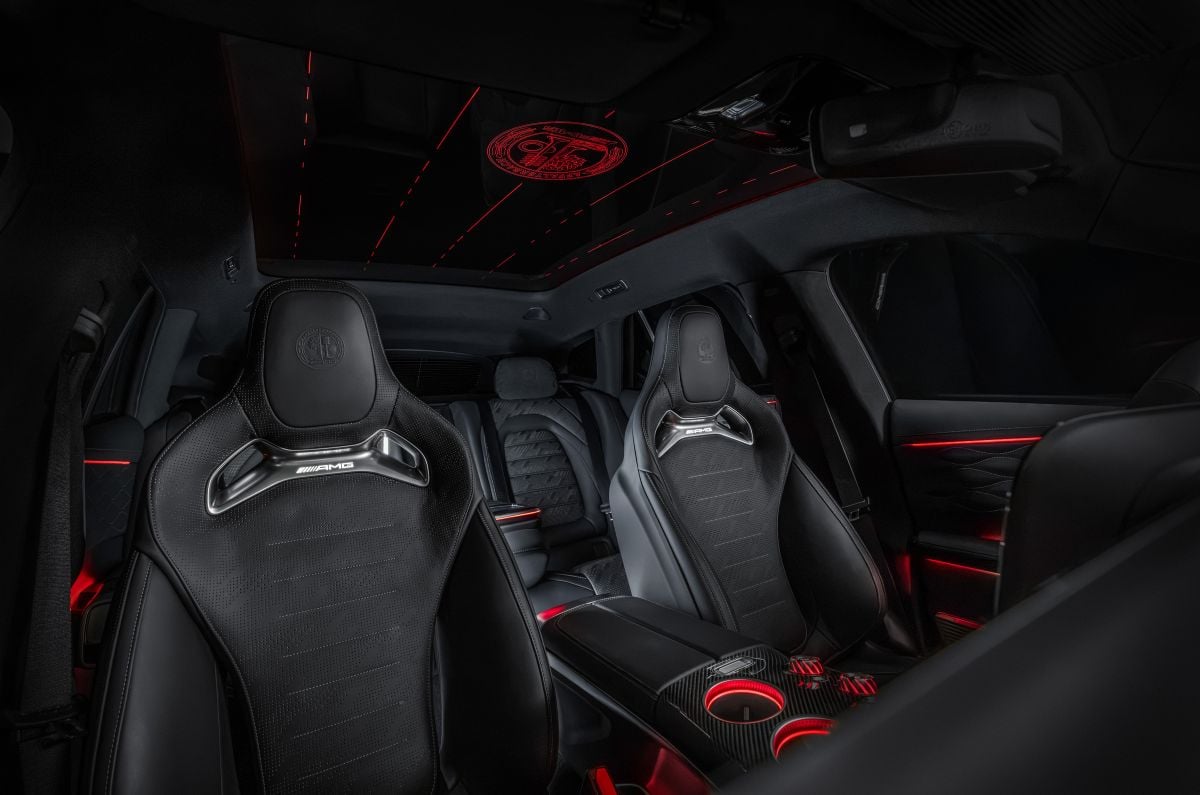
Just like the exterior, the interior of the Mercedes-AMG GT SUV can be personalised using the Manufaktur catalogue. Some of the options that will be offered to customers include accent colours and seatbelts trimmed in Fjord Blue, Green Hell or Orange Flame. The automaker claims that the seating position here is akin to that of a sports car rather than an SUV. Providing comfort up front are multi-way power-adjustable seats, while the three-seat rear bench gets power-folding headrests.

Mercedes-AMG GT SUV interior

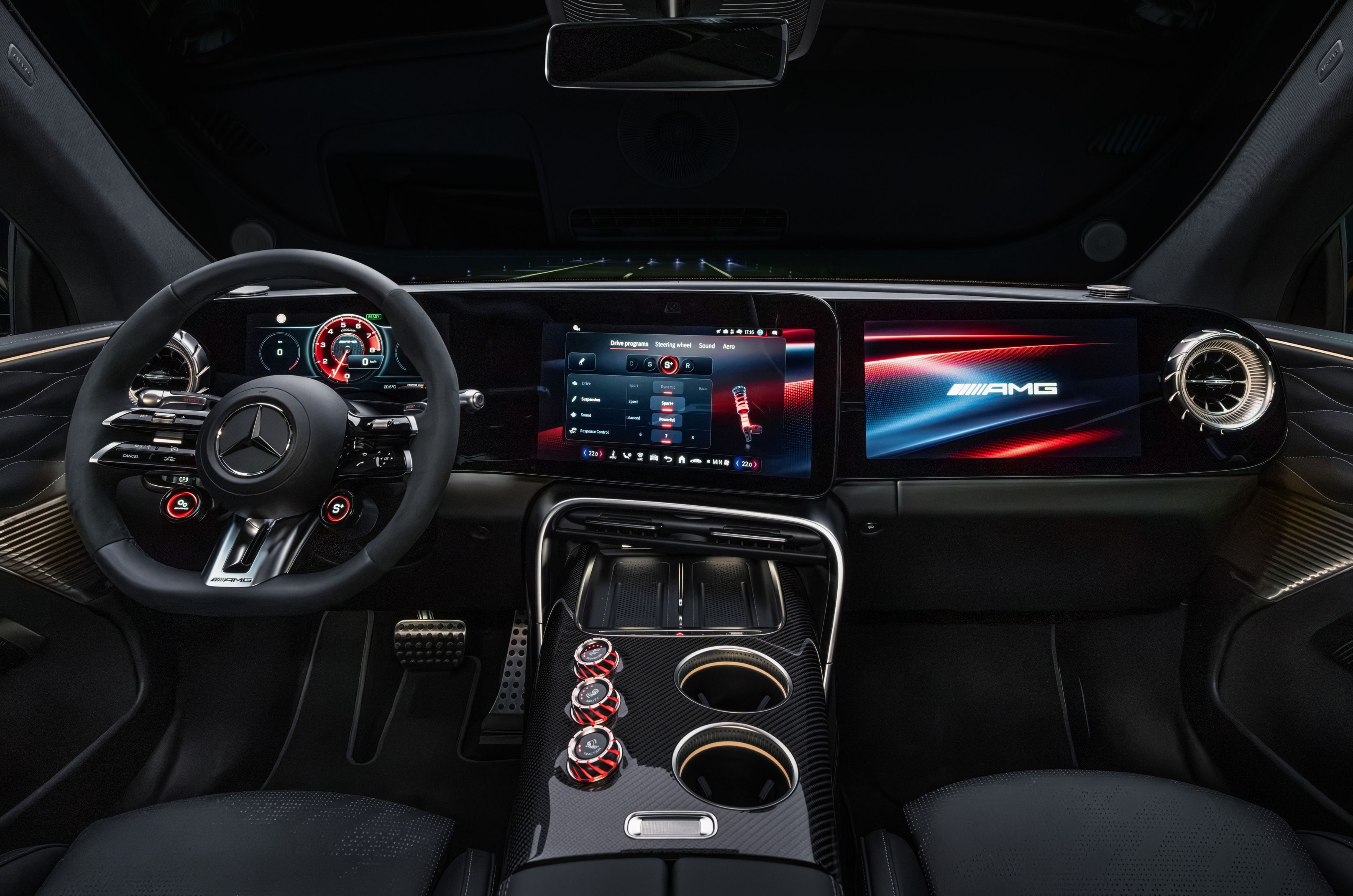
The dashboard pairs a 10.2-inch digital instrument cluster with a 14-inch touchscreen that’s angled towards the driver, while a 14-inch screen is optional for the front occupant. The AMG Performance steering wheel is equipped with paddles to adjust brake-regen levels, while adding to the design are door panels with floating armrests and diamond-pattern stitching. There’s also multi-colour ambient lighting whose colours can be matched to the bevy of displays and controls.

The infotainment system features the German brand’s latest MBUX software, which is based on the MB.OS (Mercedes-Benz Operating System). It integrates AI agents such as ChatGPT, Microsoft Bing and Google Gemini. This luxury SUV also comes with three AMG-specific apps. Firstly, there’s ‘AMG Performance Menu’, which displays real-time data on power, tyre temperatures and active aero status.

Mercedes-AMG GT SUV Burmester audio system

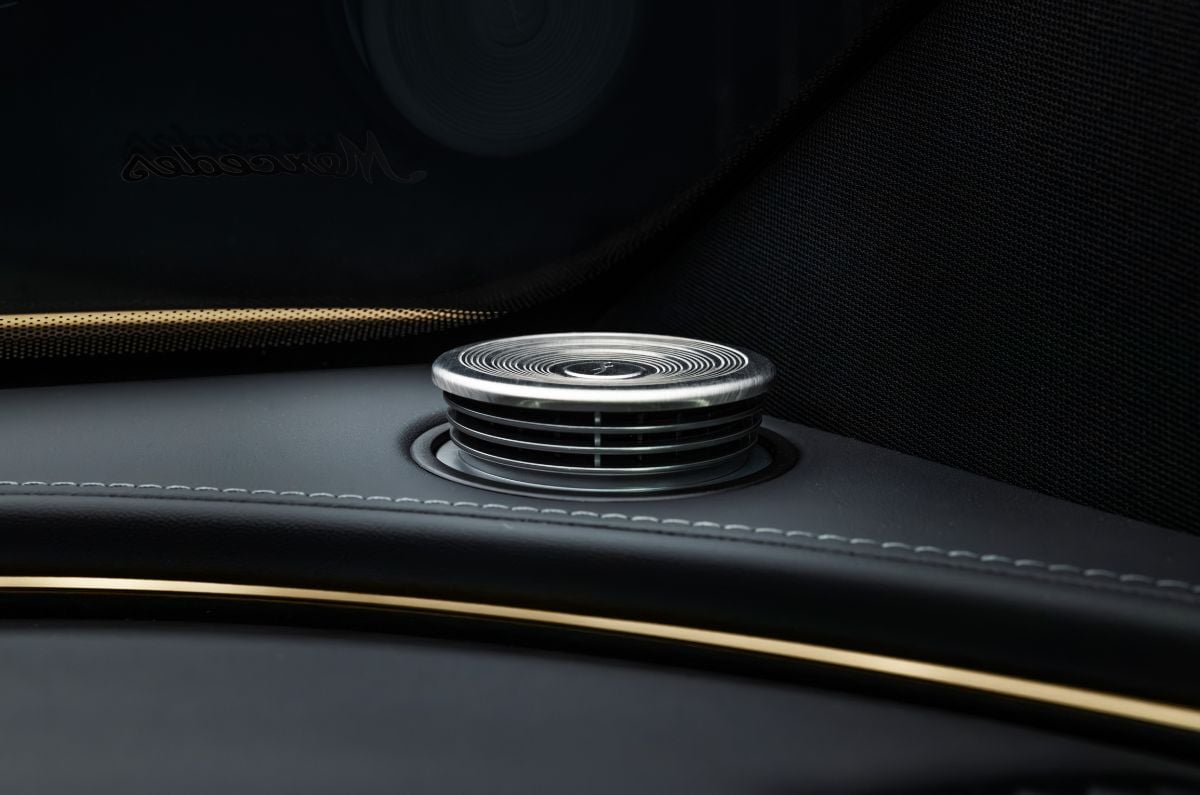
Second is ‘AMG Set-up’ – this lets the driver customise the buttons on the steering wheel as well as aero settings. Finally, there’s ‘AMG Track Pace’, which records lap times and telemetry. Drivers can also use it to show optimal braking points and the ideal racing line in the head-up display. Meanwhile, the optional dashcam allows laps to be recorded with data overlays. The AMG GT SUV is also available with an electrically dimming panoramic glass roof, AMG lighting effects, AMG Performance seats and a Burmester 4D audio system, among many optional features.

Mercedes-AMG GT SUV powertrain and performance

The EV gets up to three electric motors and a WLTP range of up to 700km

The entry-level GT 53 variant of the Mercedes-AMG GT SUV uses two synchronous motors – one on each axle – with a two-speed gearbox located at the rear. Its output is rated at 544hp and 800Nm, with Mercedes-AMG claiming a 0-100kph time of 4.2 seconds and a top speed of 250kph. Then there are the mid-spec GT 55 and the top-spec GT 63. These come with two axial flux motors at the rear and one at the front, the latter disengaging when not needed to save energy.

Mercedes-AMG GT SUV side tracking

The tri-motor setup of the GT 55 outputs 816hp and 1,860Nm, allowing for a claimed 0-100kph time of 3.1 seconds. Sitting at the top of the Mercedes-AMG GT SUV line-up is the GT 63, which is rated at 1,169hp and 2,000Nm and does 0-100kph in 2.7 seconds. Regardless, the all-wheel-drive GT 55 and GT 63 have a claimed top speed of 270kph with the optional Driver’s Package.

The GT 53’s 106kWh battery pack offers a claimed WLTP range of up to 668km, while the 128kWh battery of the GT 55 and GT 63 is rated at up to 700km. These 800V packs offer DC fast charging of 600kW and 710kW, respectively. Mercedes-AMG claims that charging these batteries from 10-80 percent takes 11-12 minutes, though it also says that these figures are preliminary.

Mercedes-AMG GT SUV rear quarter tracking

The GT SUV gets rear-wheel steering as standard while also debuting AMG’s new ‘Active Ride Control+’ suspension. The latter, which is standard on the top-spec GT 63, replaces traditional anti-roll bars with hydraulic units that, according to the automaker, curb body roll and pitch. The top-spec variant also gets carbon-ceramic brakes as standard.

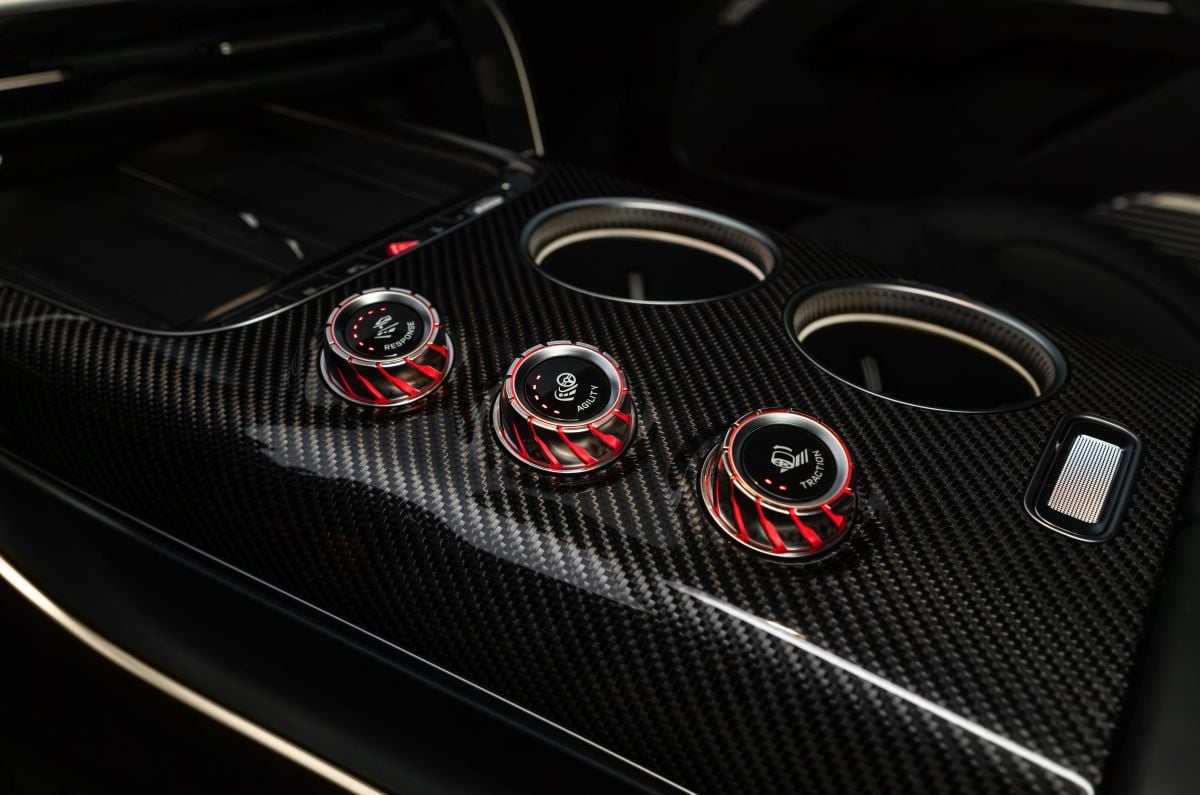
Mercedes-AMG GT SUV centre console

In the tri-motor variants, drivers can adjust the throttle response, cornering behaviour and traction control using dials on the centre console. Mercedes-AMG also said that the ‘AMGForce Sport+’ mode recreates the sound of an AMG V8 (or a six-cylinder in the GT 53) along with simulated gearshifts. As for India, the German marque is yet to reveal its plans for the AMG GT SUV.