Duster turbo petrol vs hybrid: Similarities and differences explained

Duster turbo petrol vs hybrid: Similarities and differences explained
Duster

Renault has expanded the new Duster line-up with a strong-hybrid option, joining the existing 1.0-litre and 1.3-litre turbo-petrol engines. While the hybrid shares much of its design and cabin layout with the petrol versions, there are differences in styling, equipment and, most importantly, how the two powertrains deliver performance and efficiency. Here’s a closer look at what sets them apart.

Renault Duster turbo petrol vs hybrid: Exterior

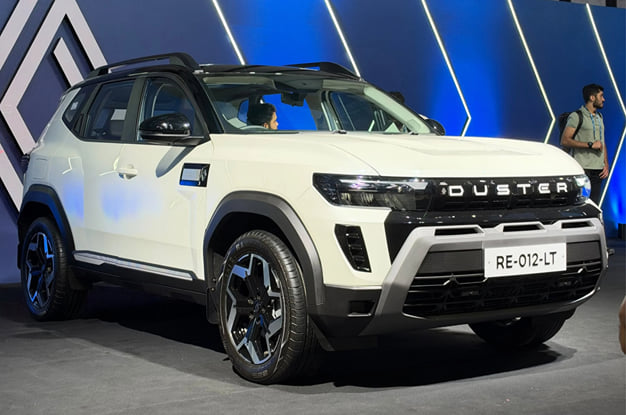
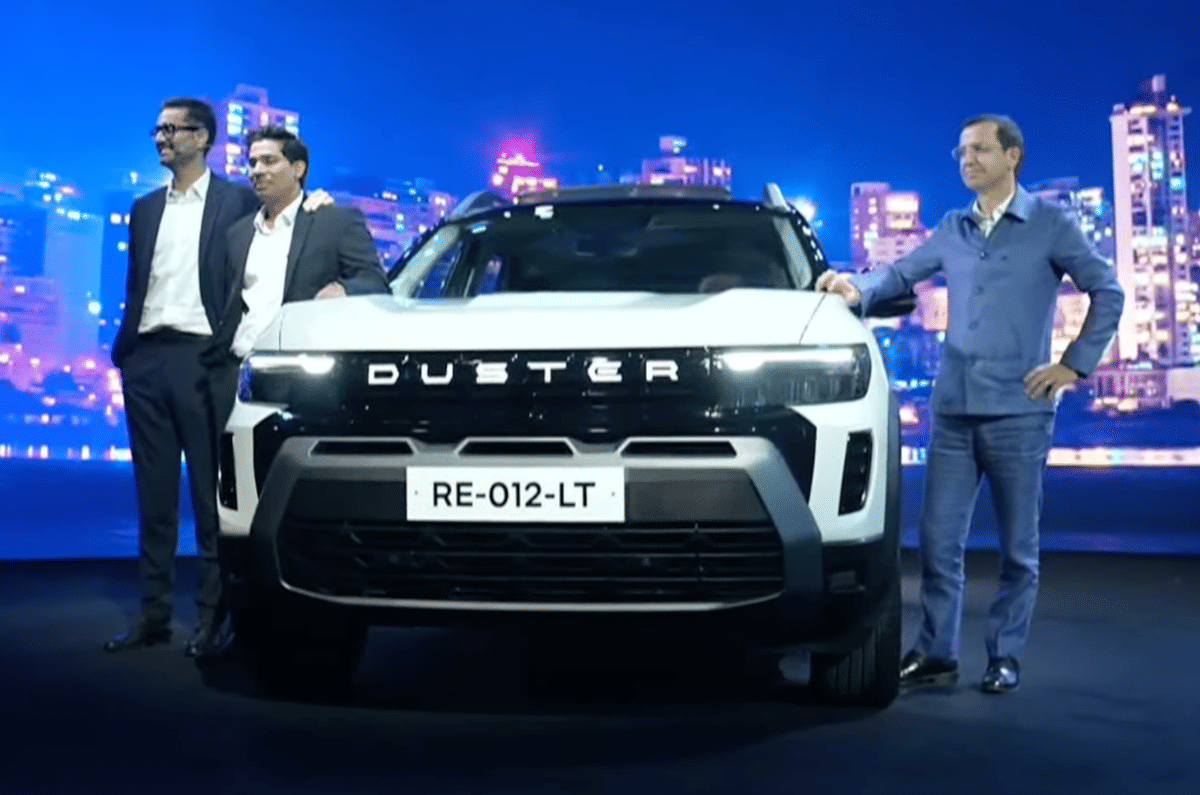
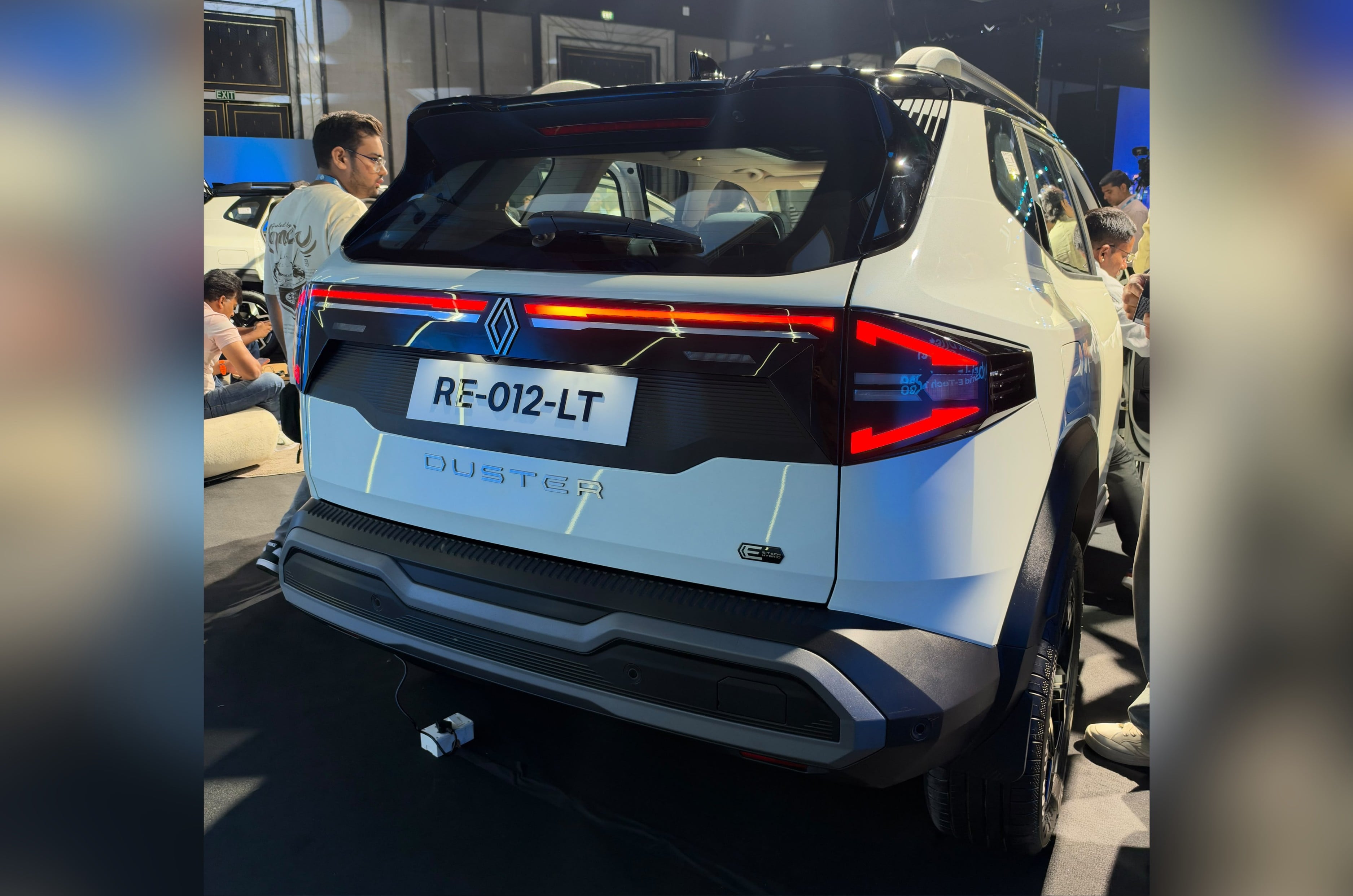
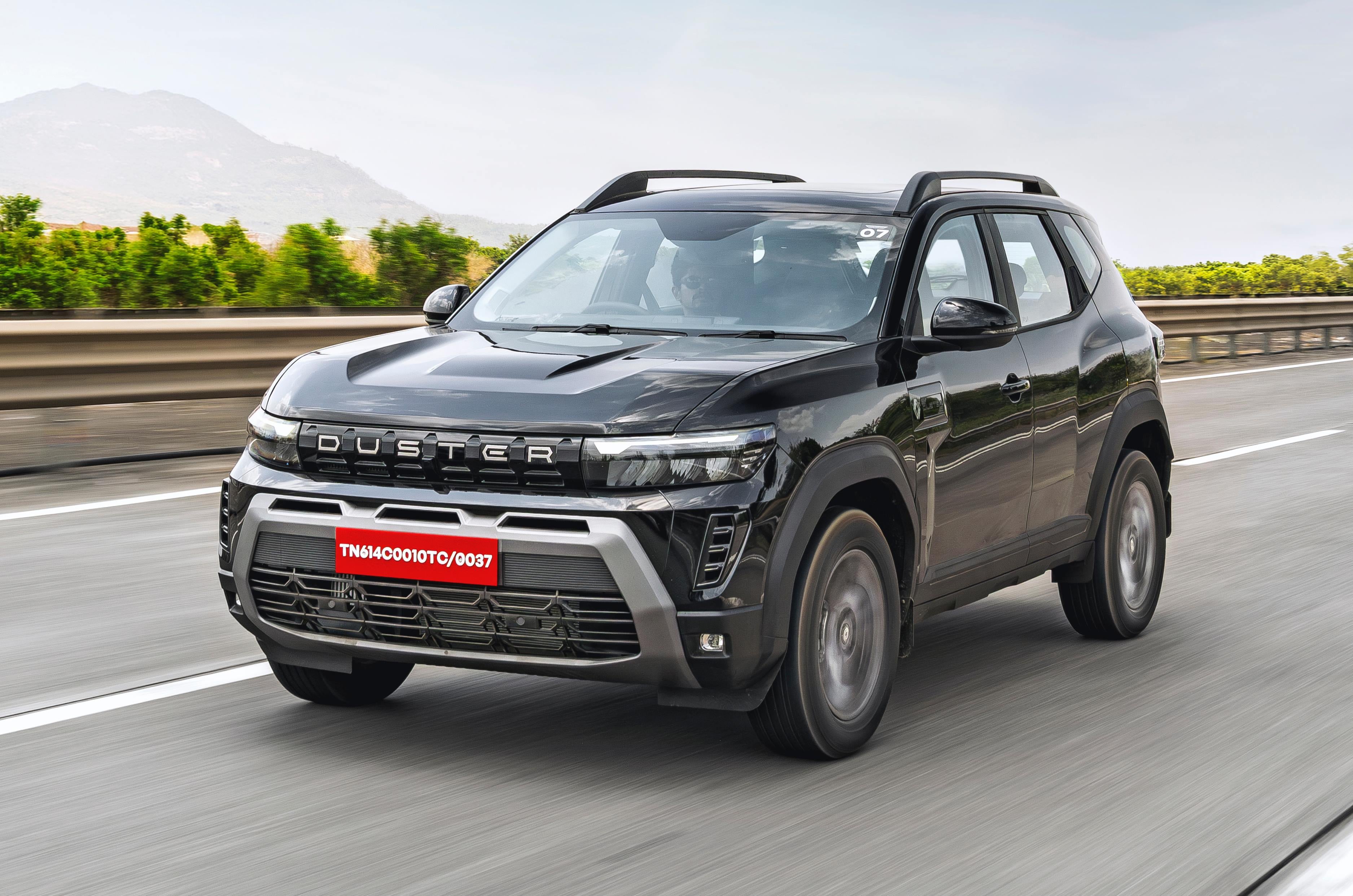
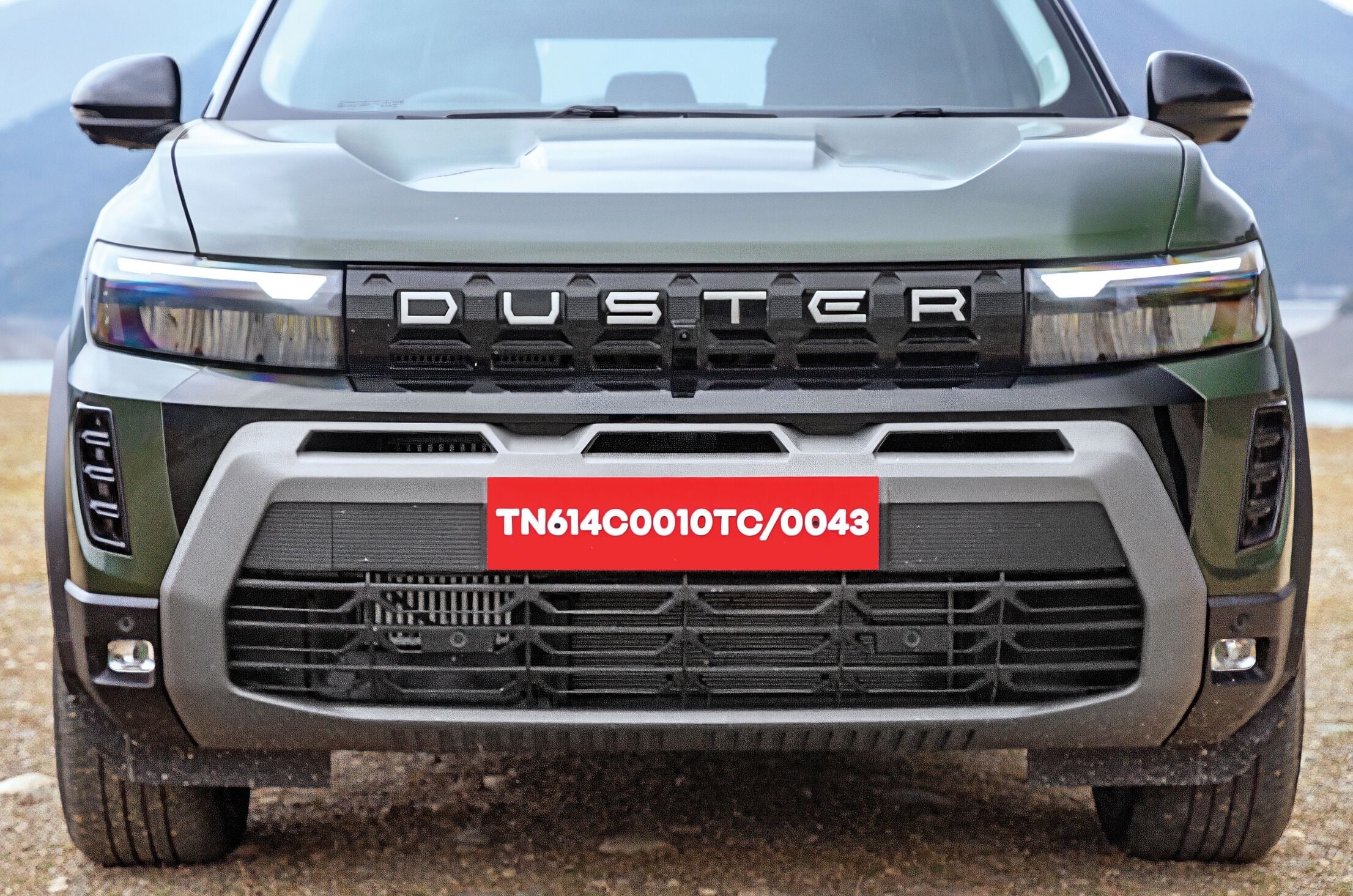
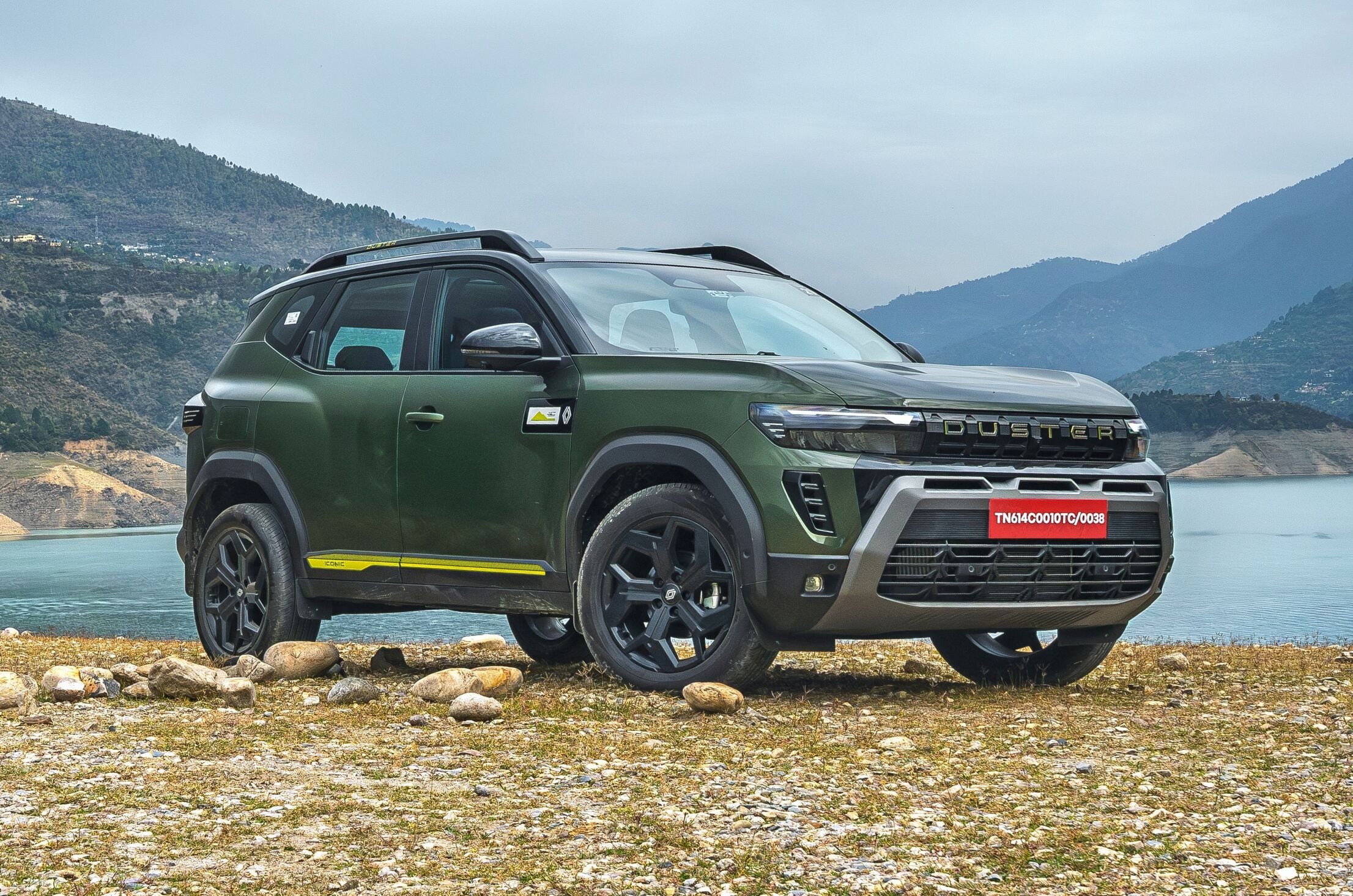
The illuminated grille and badges are the main styling difference
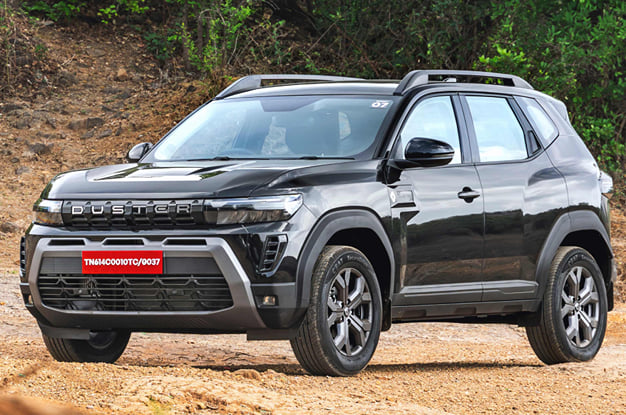
Duster turbo petrol
Duster hybrid
 

Duster turbo petrol vs hybrid

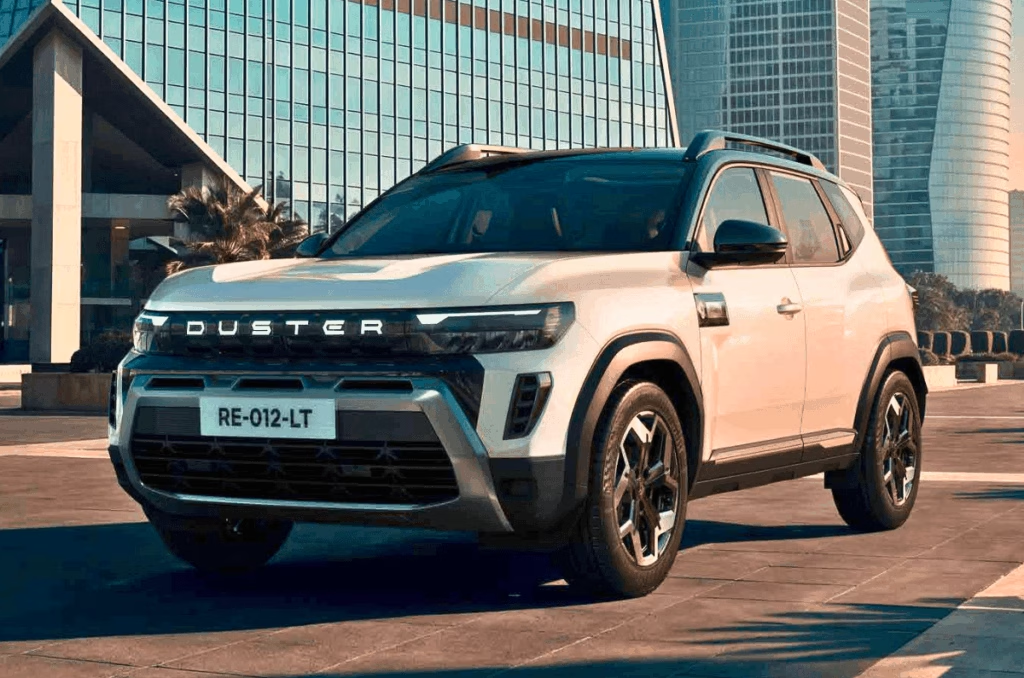
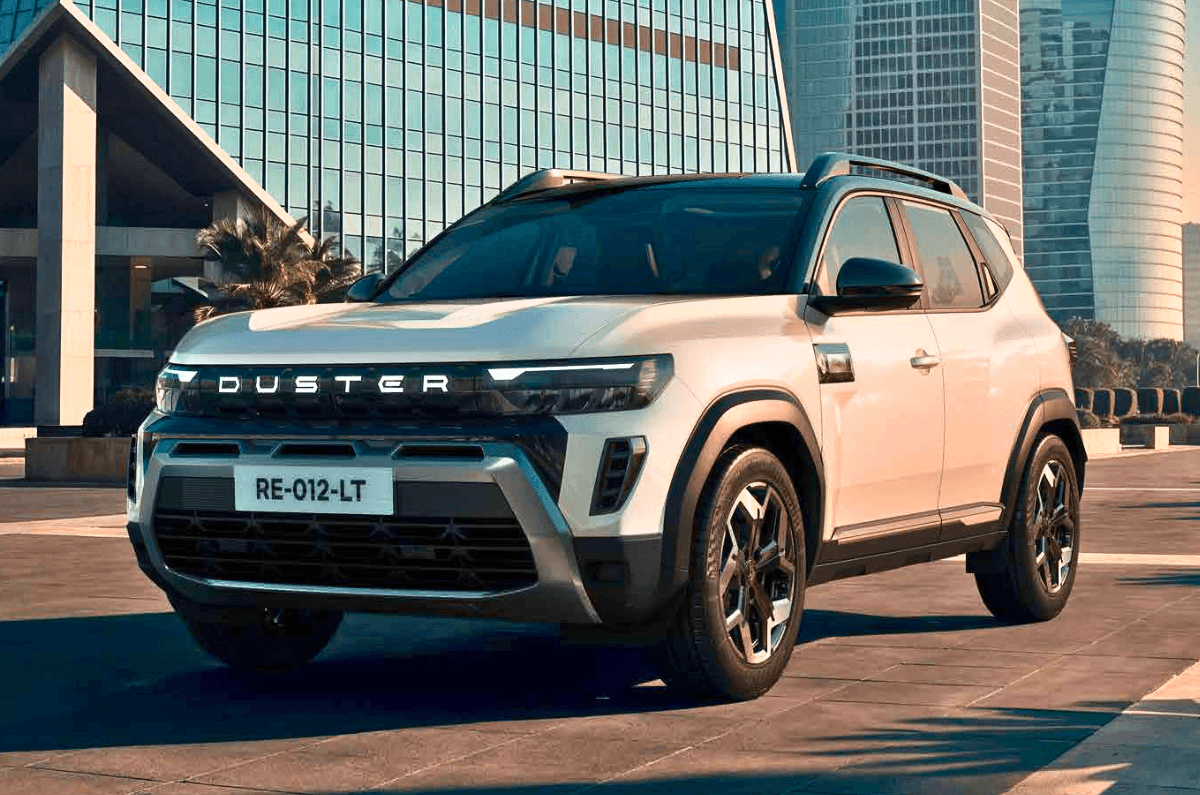
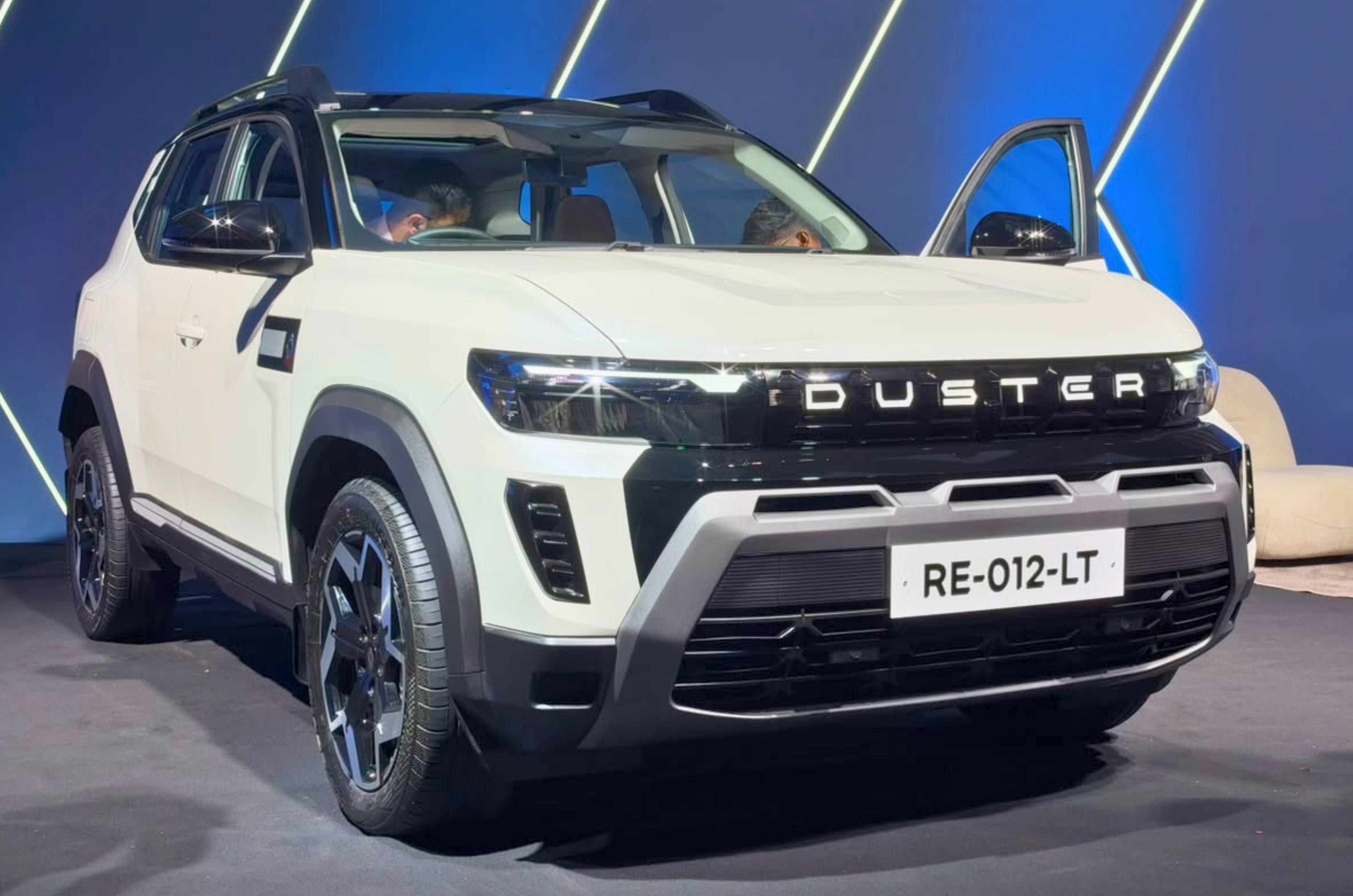
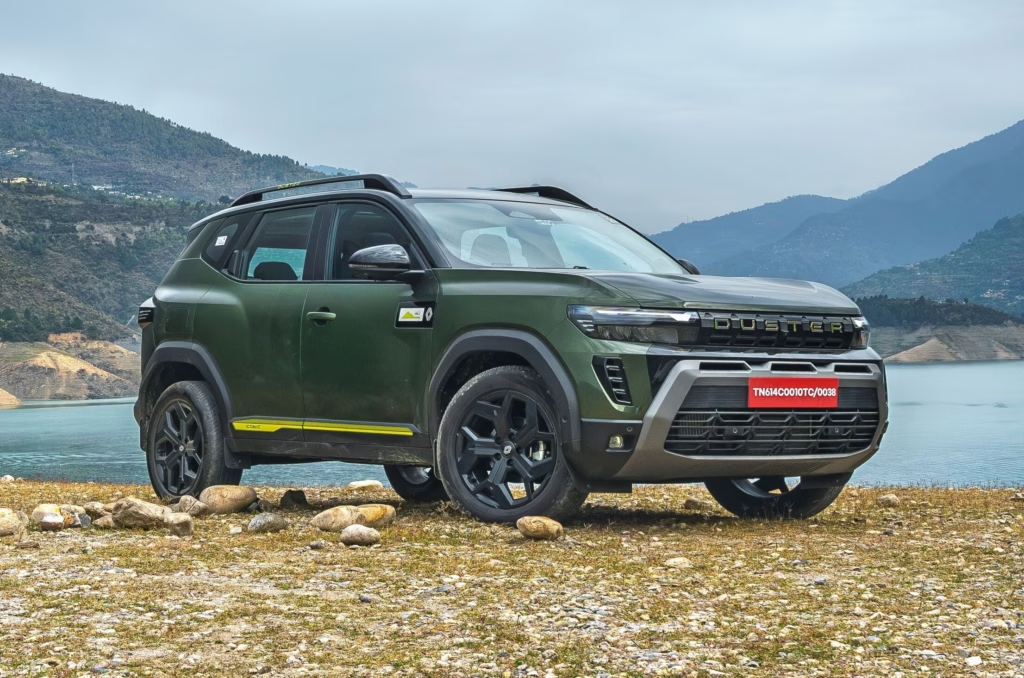
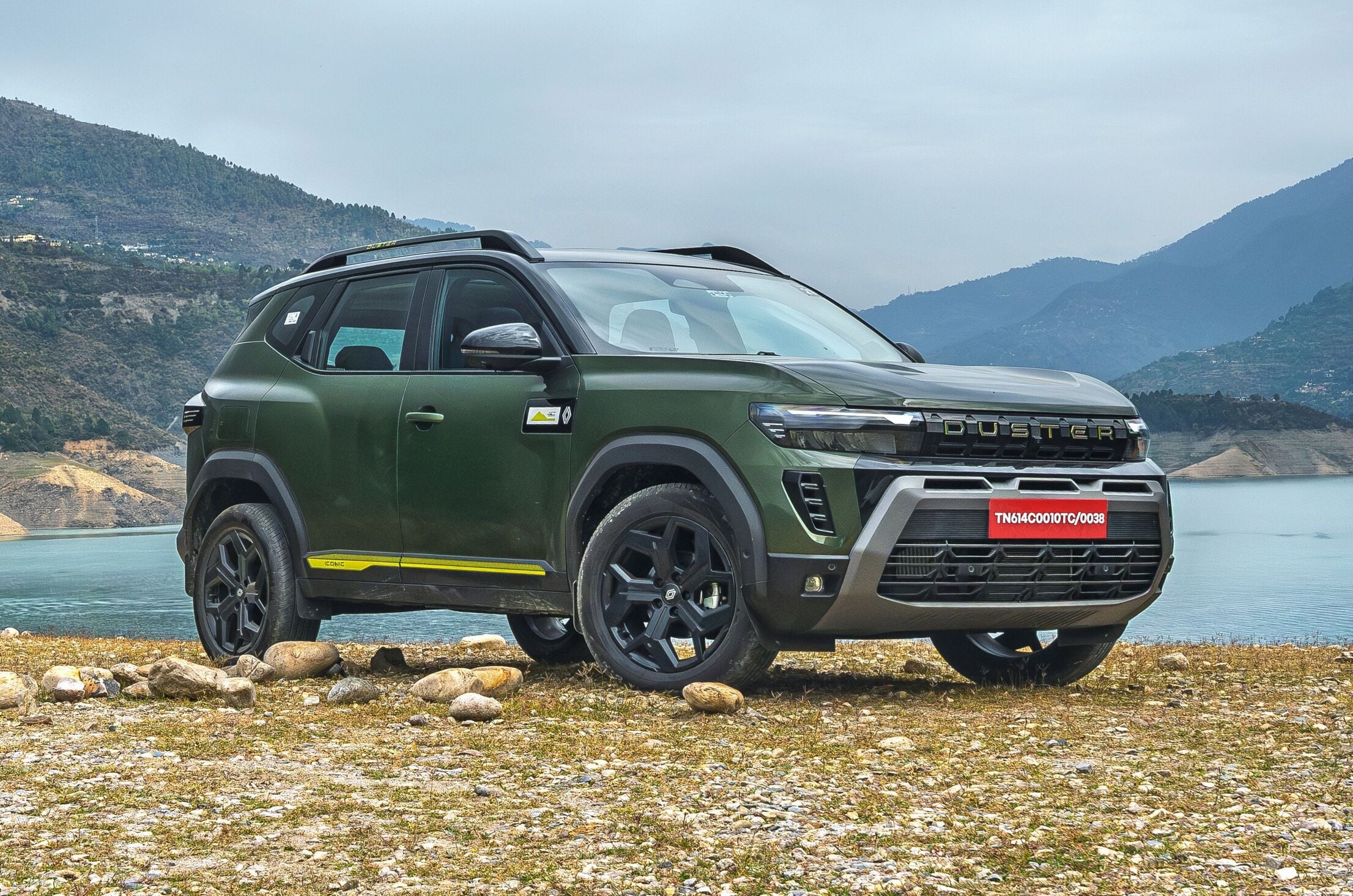
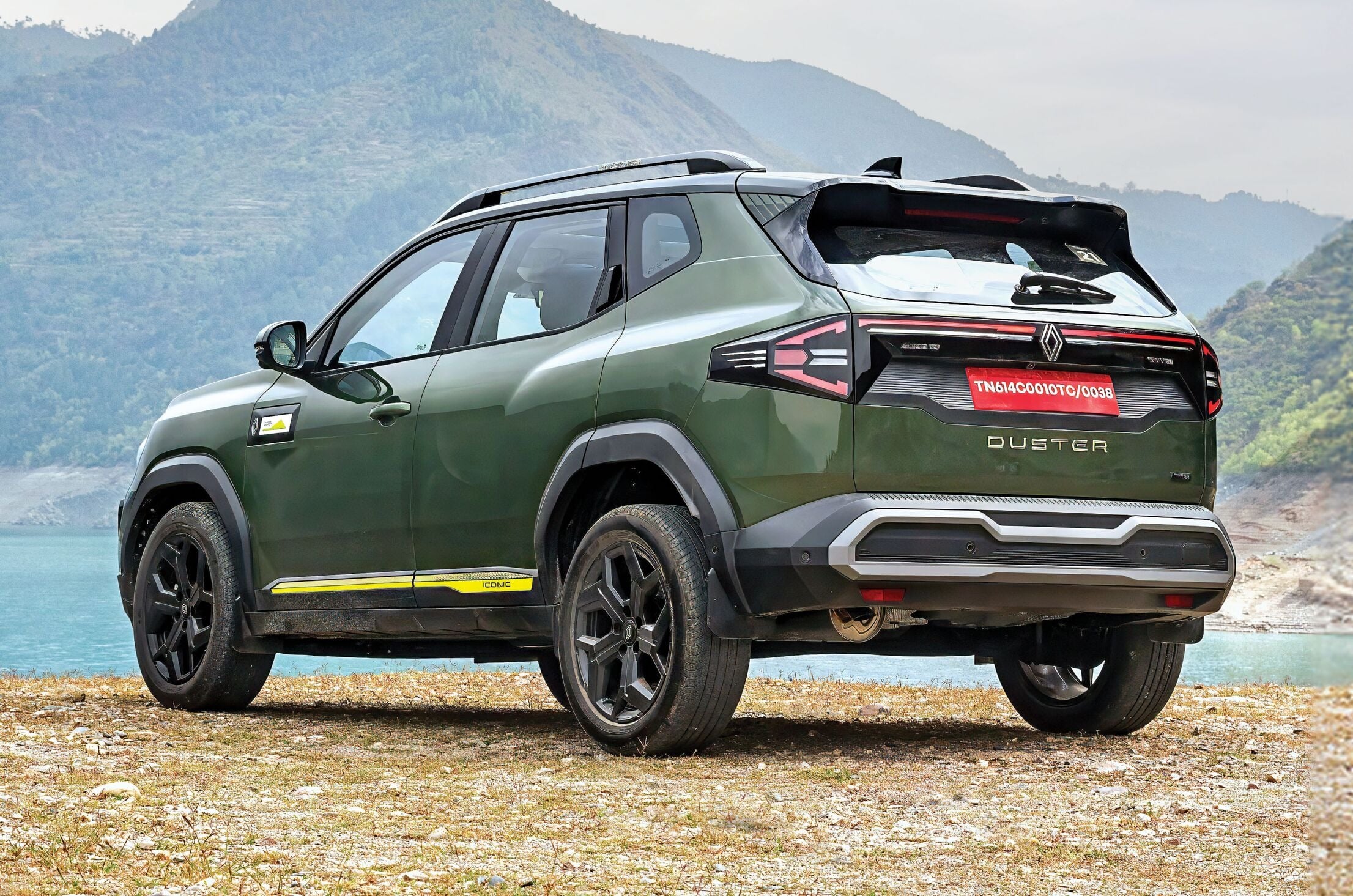
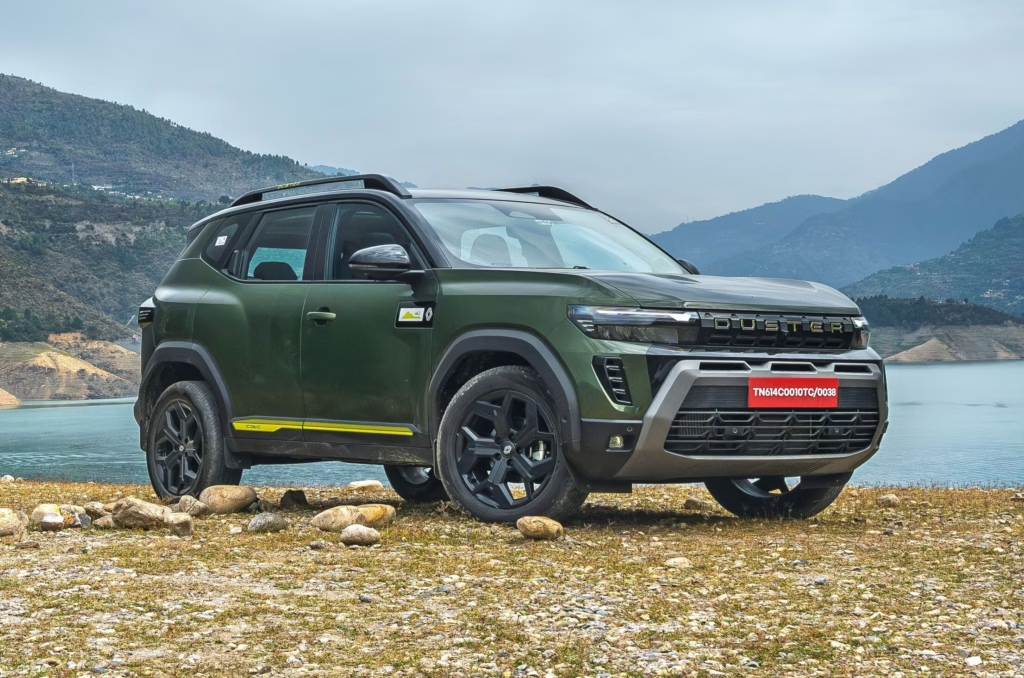
The Duster hybrid retains the turbo-petrol model’s overall design, including its eyebrow-shaped LED daytime running lamps, chunky body cladding, roof rails and C-pillar-mounted rear door handles.  It also has the same 212mm ground clearance.

The main styling changes are an illuminated ‘Duster’ grille emblem and ‘E-Tech Hybrid’ badges on the front doors and tailgate. The Hybrid version also gets frequency-dependent dampers. Boot capacity is lower than in the turbo-petrol versions, although the overall exterior design remains largely unchanged.

Renault Duster turbo petrol vs hybrid: Interior and features

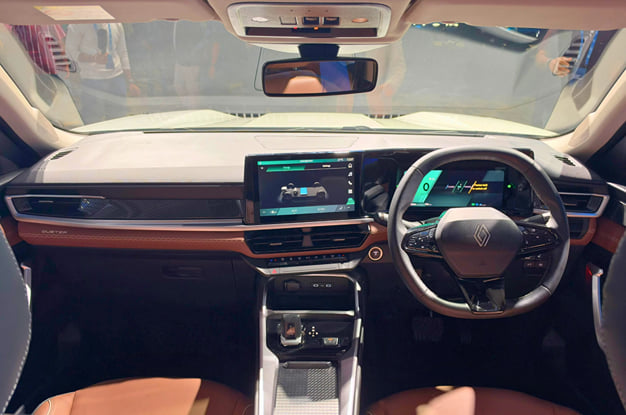
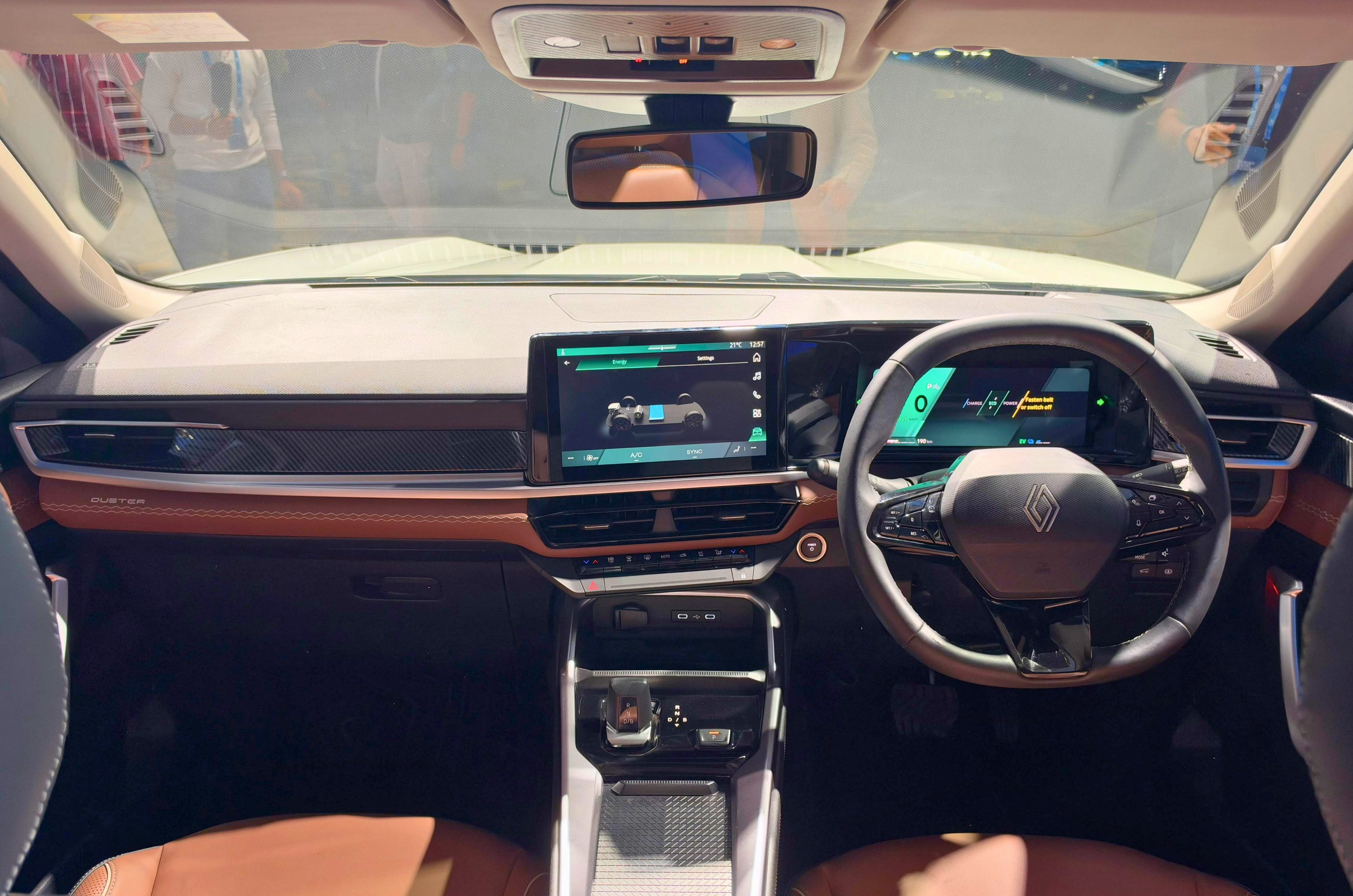
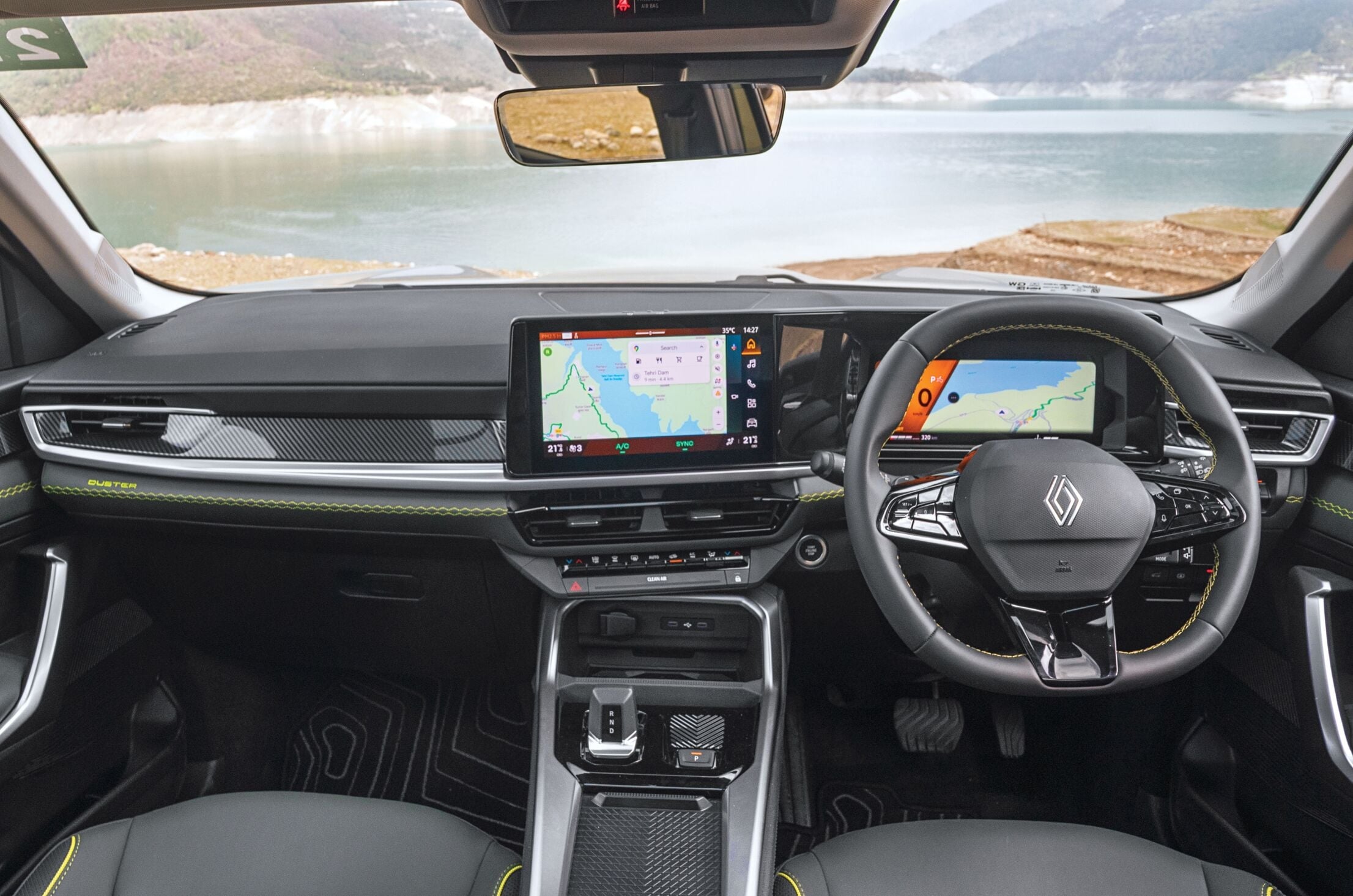
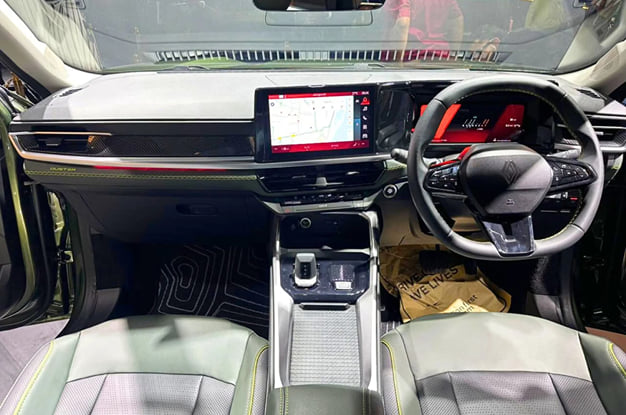
The cabin layout is similar, but the upholstery and equipment differ
Duster turbo petrol
Duster turbo hybrid
 

Duster turbo petrol vs hybrid

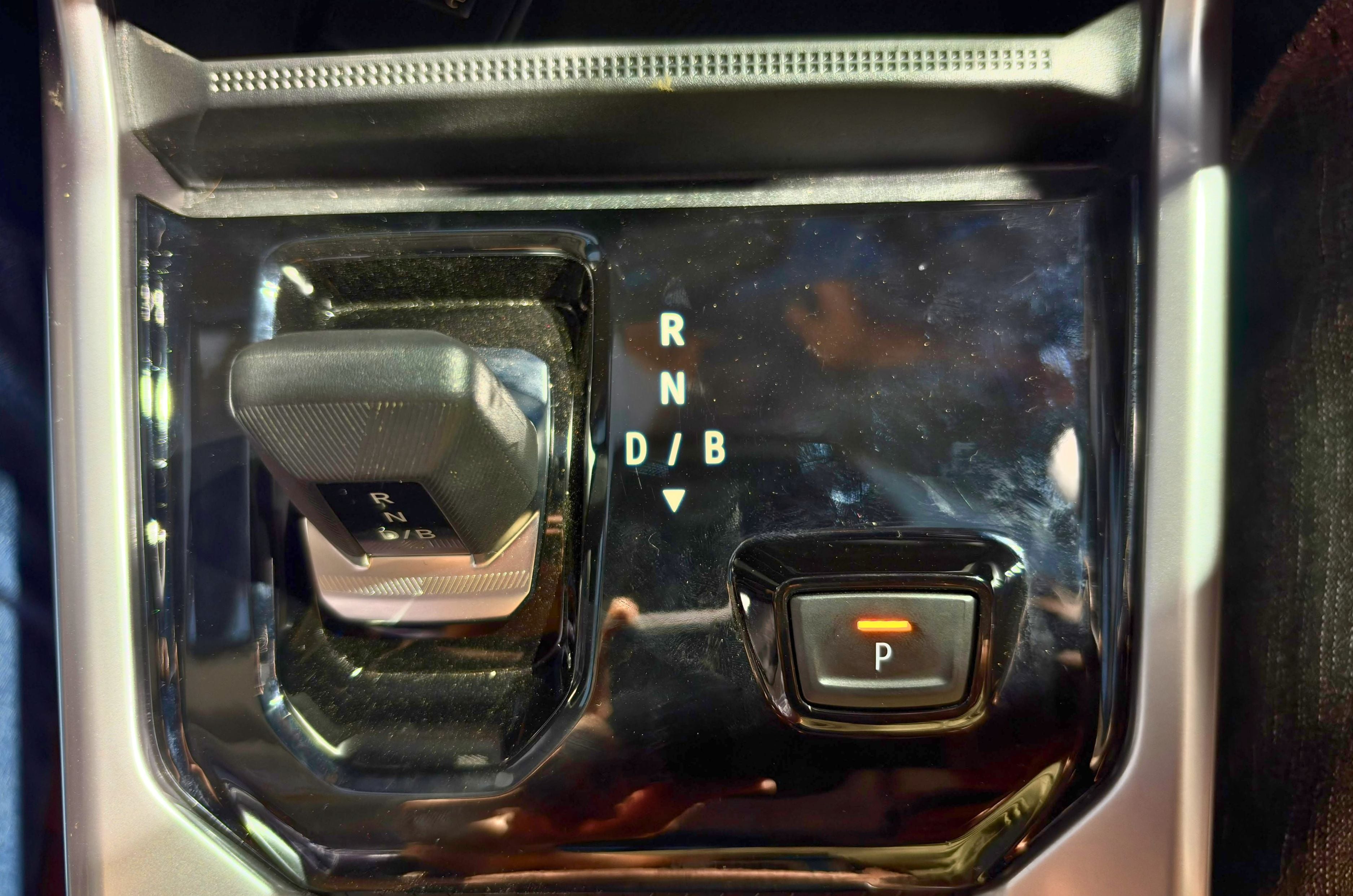
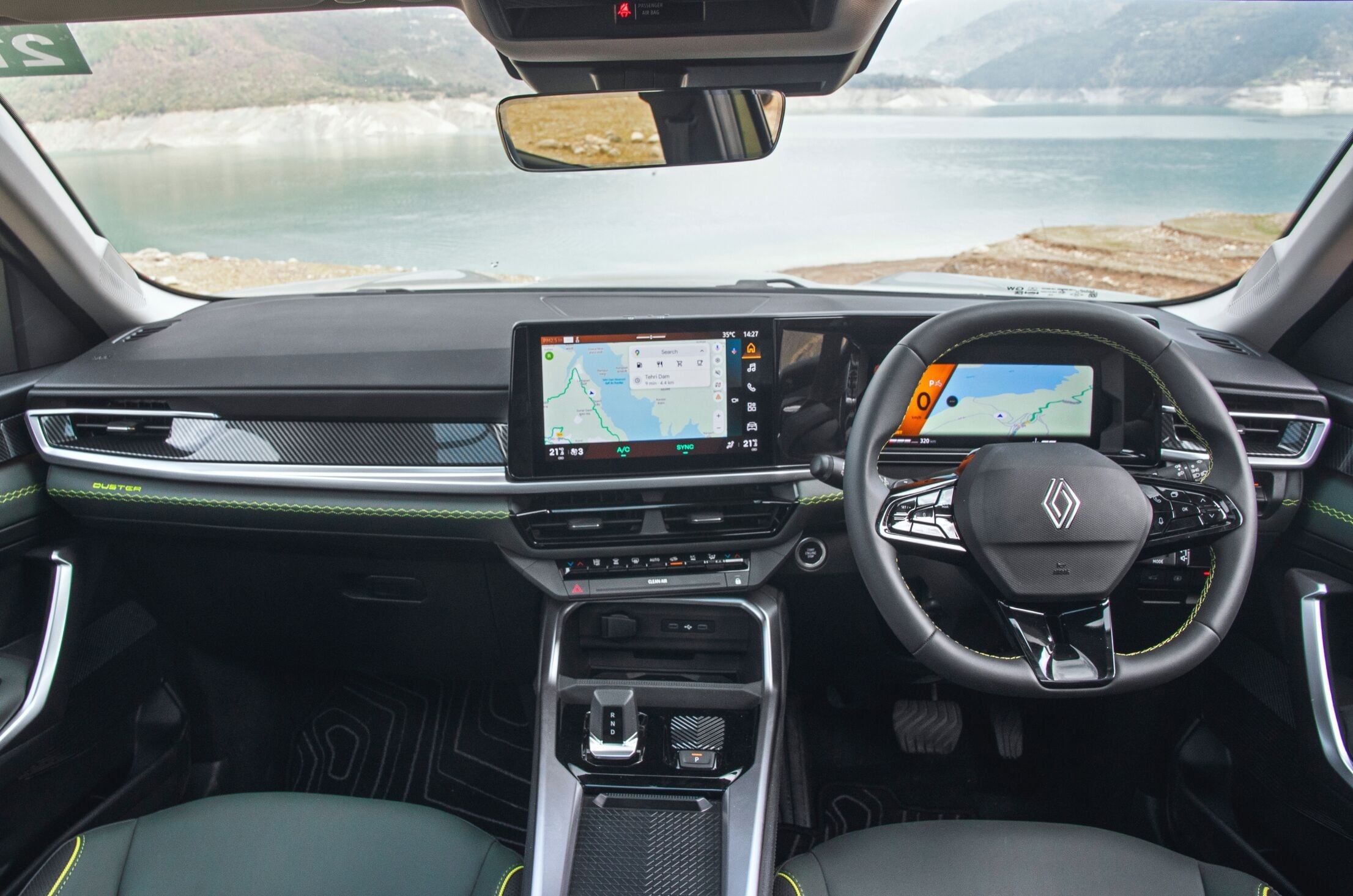
The hybrid follows the turbo-petrol Duster’s dashboard layout, with a dual-screen setup and an e-shifter on the centre console. The hybrid gets a different upholstery scheme from the turbo-petrol Duster, with black upholstery and grey stitching on the Evolution, Desert Beige semi-leatherette on the Techno and Dune Brown leatherette on the Emotion. The hybrid also gets a smaller headrest.

The Duster hybrid is offered in Evolution, Techno and Emotion trims, while the turbo-petrol range gets Evolution, Techno, Techno+, Iconic and Iconic Launch Edition variants. 

The hybrid and turbo-petrol Duster share some equipment across their respective trims, but there are differences. The hybrid Evolution gets a 7-inch digital driver’s display, a 10.1-inch touchscreen and dual-zone automatic climate control. The turbo-petrol Evolution has the same touchscreen and driver’s display, but gets single-zone manual air conditioning. Both the hybrid and turbo-petrol Techno trims get a panoramic sunroof.

At the top of the range, the hybrid Emotion gets a 10.25-inch digital driver’s display, ventilated and electrically adjustable front seats, and a powered tailgate. The turbo-petrol Iconic offers these features too, but additionally gets a 360-degree camera and Level 2 ADAS, which are not available on the hybrid.

Renault Duster turbo petrol vs hybrid: Engine and Performance

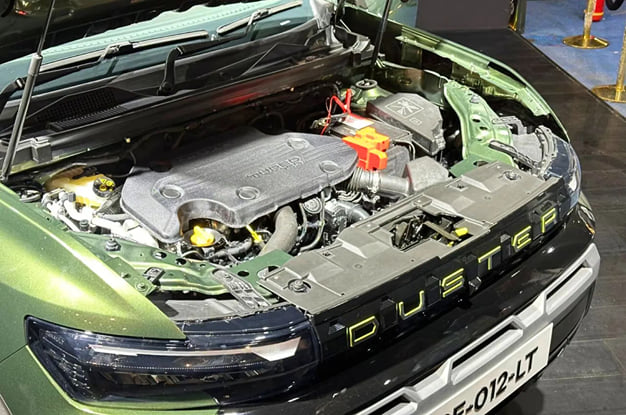
The 1.3-litre turbo-petrol makes more torque
Duster turbo petrol
Duster hybrid
 

Duster turbo petrol vs hybrid

The Duster turbo-petrol is available with two engine options. The 1.0-litre, three-cylinder unit produces 100hp and 166Nm and is paired with a 6-speed manual gearbox. The larger 1.3-litre, four-cylinder engine develops 163hp and 280Nm, and is available with a 6-speed manual or a 6-speed dual-clutch automatic gearbox.

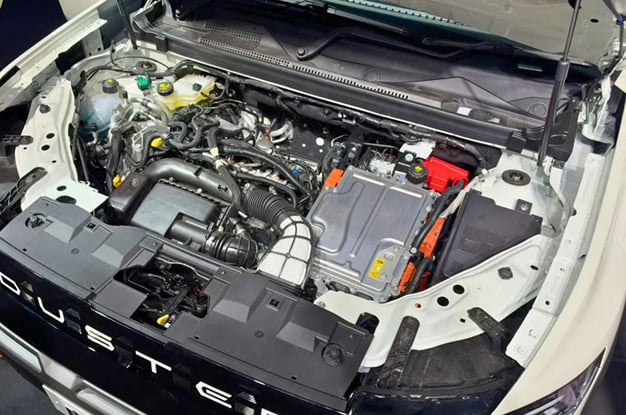
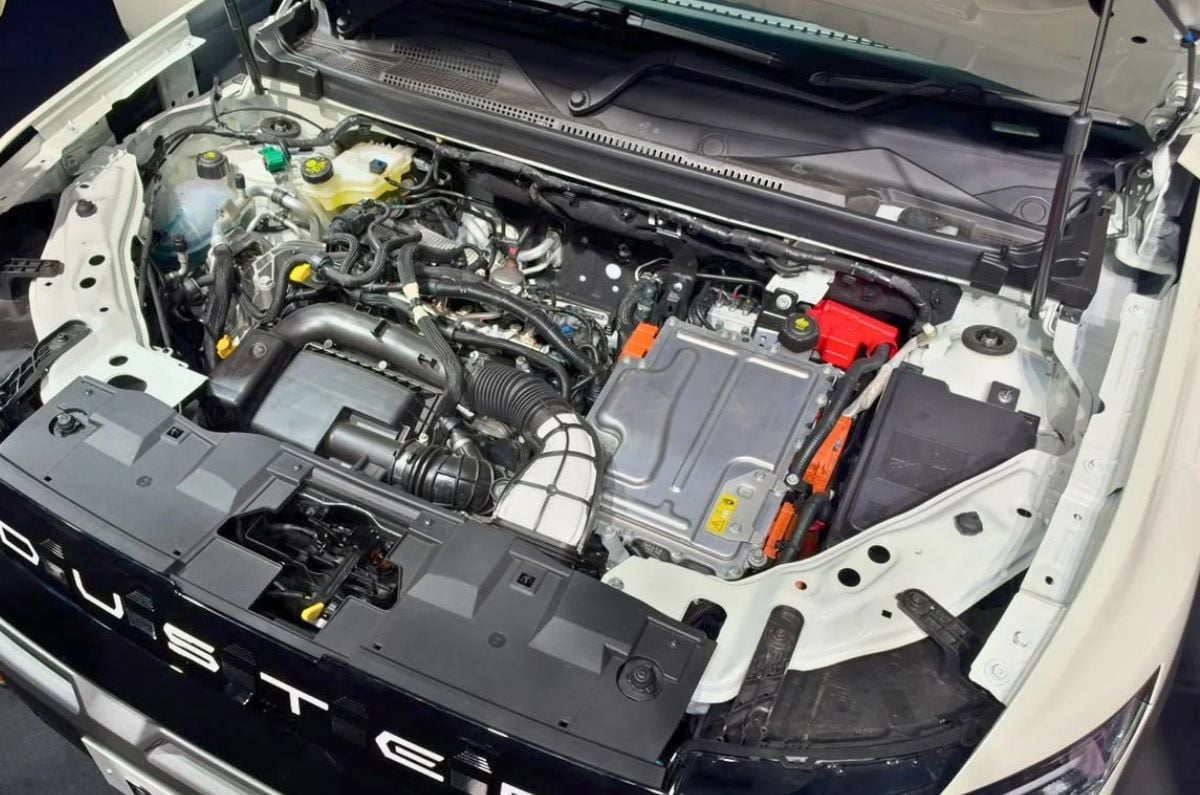
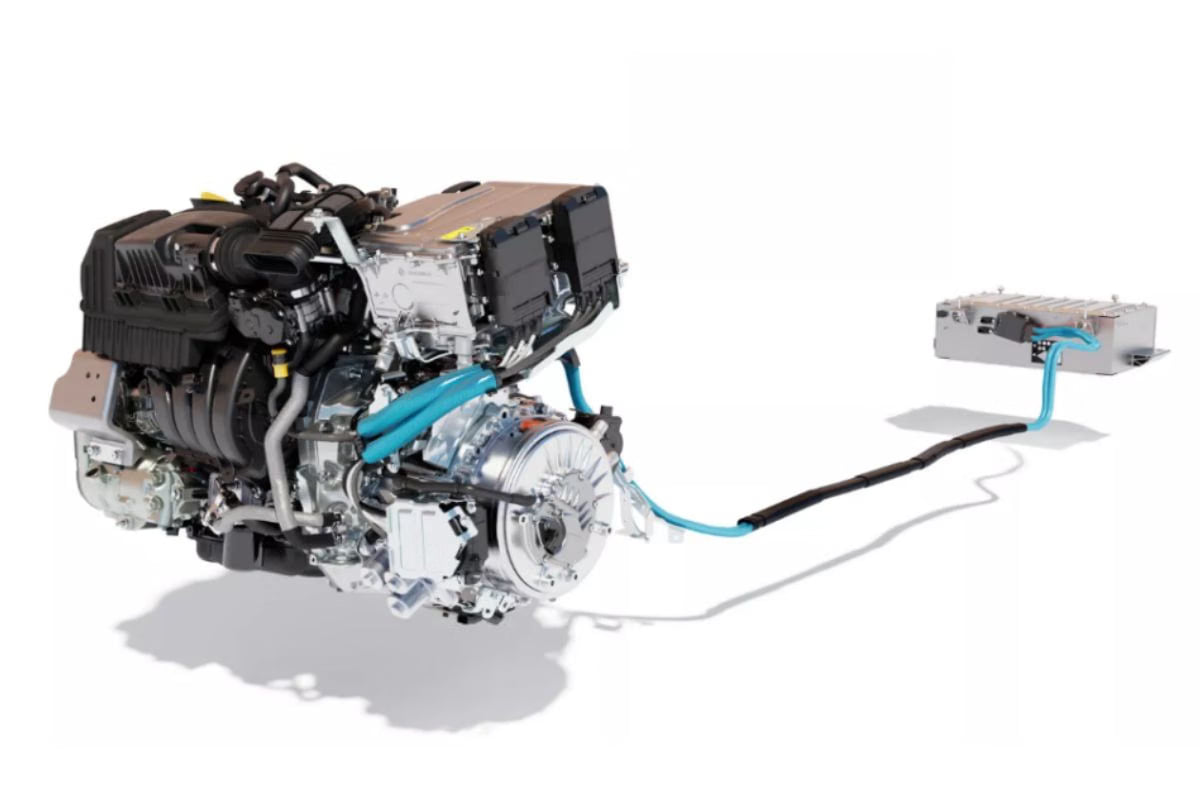
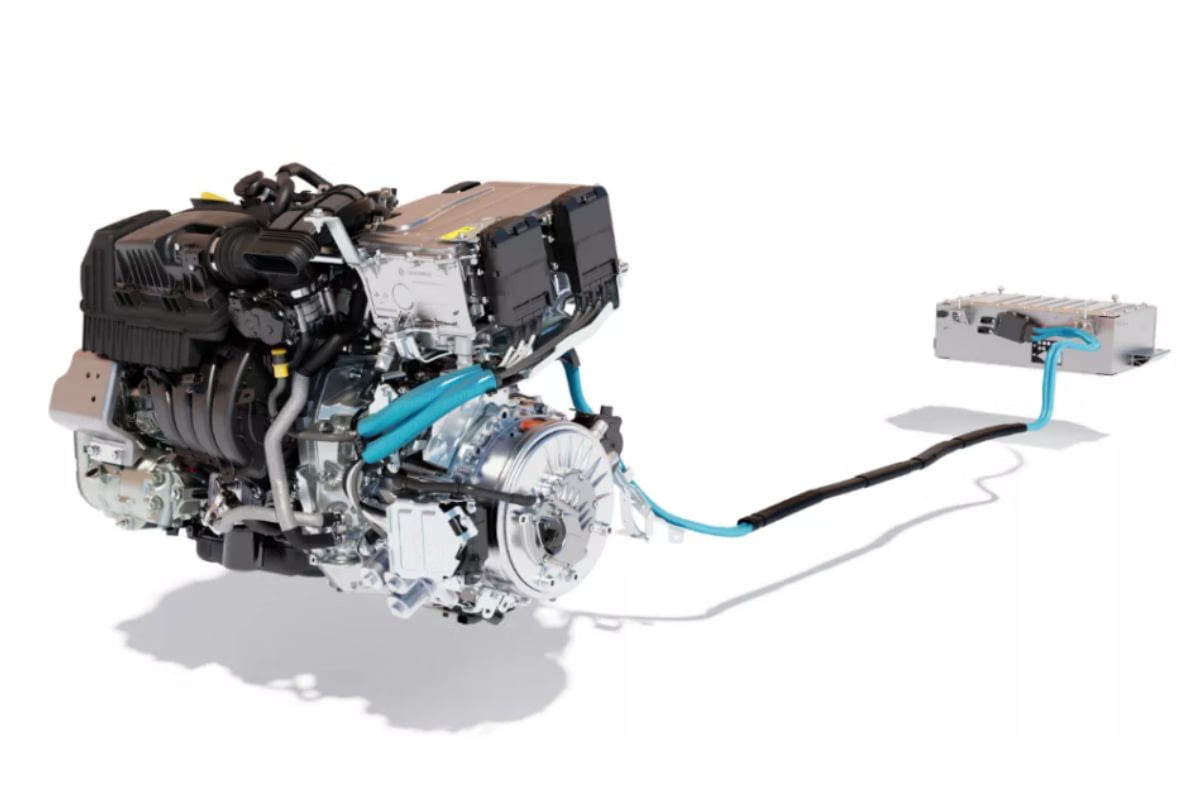
The hybrid uses a naturally aspirated 1.8-litre, four-cylinder petrol engine paired with two electric motors: a 20hp generator and a 49hp motor that drives the wheels. The system produces a combined 160hp and 172Nm, with a 1.4kWh battery supporting the setup. It uses a ‘multi-mode’ automatic gearbox with two electric gears and four petrol gears.

The hybrid system automatically switches between six operating modes, including all-electric, petrol-only and series and series-parallel hybrid modes. Renault claims the Duster hybrid can cover up to 80 percent of city driving in pure electric mode and accelerate from 0-100kph in a claimed 9.61 seconds.

While the hybrid’s combined output of 160hp is close to the 1.3-litre turbo-petrol’s 163hp, its claimed torque figure of 172Nm is lower than the turbo-petrol’s 280Nm.

Renault Duster turbo petrol vs hybrid: mileage 

Duster hybrid mileage is 10.55kpl higher than turbo-petrol DCT

PowertrainTransmissionARAI-claimed mileage
1.0-litre turbo-petrol6-speed manual19.41kpl
1.3-litre turbo-petrol6-speed manual17.75kpl
1.3-litre turbo-petrol6-speed DCT automatic18.45kpl
1.8-litre strong hybridMulti-mode automatic29kpl

The hybrid’s claimed mileage is significantly higher than that of either turbo-petrol engine. The difference is 9.59kpl over the 1.0-litre turbo-petrol manual, 11.25kpl over the 1.3-litre turbo-petrol manual and 10.55kpl over the 1.3-litre turbo-petrol DCT. At 29kpl, the hybrid’s claimed mileage is around 57 percent higher than that of the DCT version. 

The hybrid has a 50-litre fuel tank, the same capacity as the turbo-petrol versions. Renault claims a driving range of more than 1,400km on a full tank of the Hybrid variant.

Duster turbo petrol vs hybrid: Price

The hybrid costs more, even though it misses some features available on the top-spec turbo-petrol

TrimDuster hybridDuster turbo-petrol
Authentic–10.49 (1.0 MT)
Evolution16.9911.69 (1.0 MT); 12.99 (1.3 MT); 14.49 (1.3 DCT)
Techno18.9913.49 (1.0 MT); 14.49 (1.3 MT); 15.89 (1.3 DCT)
Techno+–15.29 (1.3 MT); 16.69 (1.3 DCT)
Emotion / Iconic19.49 (Emotion)16.99 (Iconic MT); 18.49 (Iconic DCT)

MT = manual; DCT = dual-clutch automatic

The hybrid’s introductory prices apply to deliveries until December 31, 2026. In Evolution trim, the hybrid costs Rs 2.50 lakh more than the 1.3-litre turbo-petrol DCT, while the top-spec Emotion hybrid is Rs 1 lakh more than the Iconic DCT. The hybrid offers higher claimed mileage but misses out on the 360-degree camera and Level 2 ADAS available on the turbo-petrol Iconic.

The hybrid version suits buyers who cover long distances and prioritize fuel efficiency, while the 1.3-litre turbo-petrol is worth considering for its higher torque and additional driver-assistance features.

All prices are ex-showroom, India.
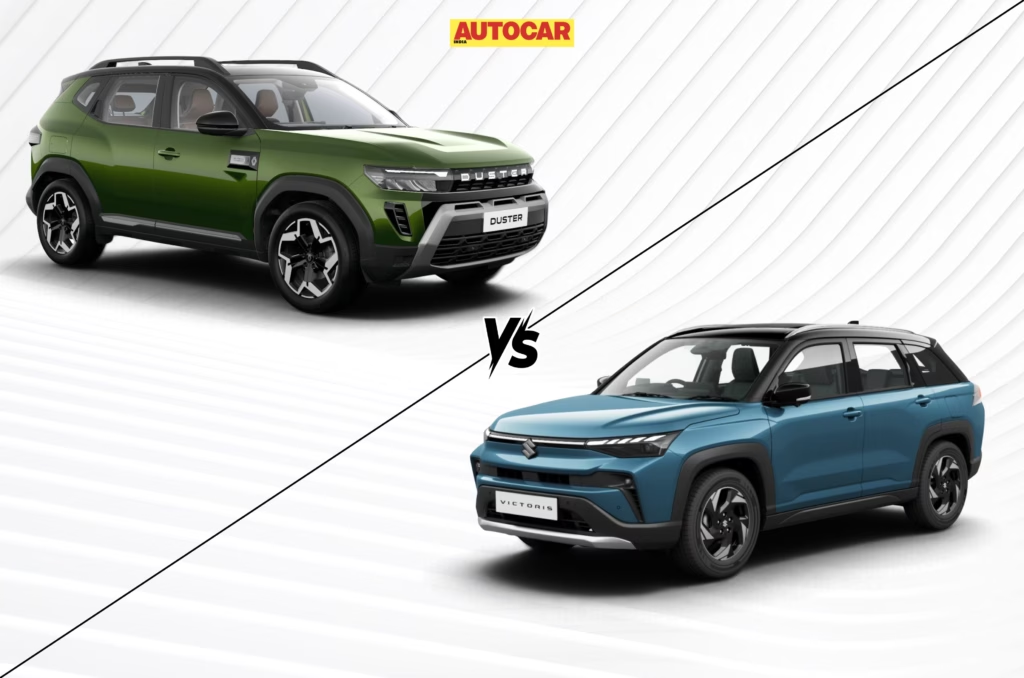
Renault Duster vs Maruti Victoris: Top-spec strong-hybrid SUVs compared

Renault Duster vs Maruti Victoris: Top-spec strong-hybrid SUVs compared
Renault Duster vs Maruti Victoris

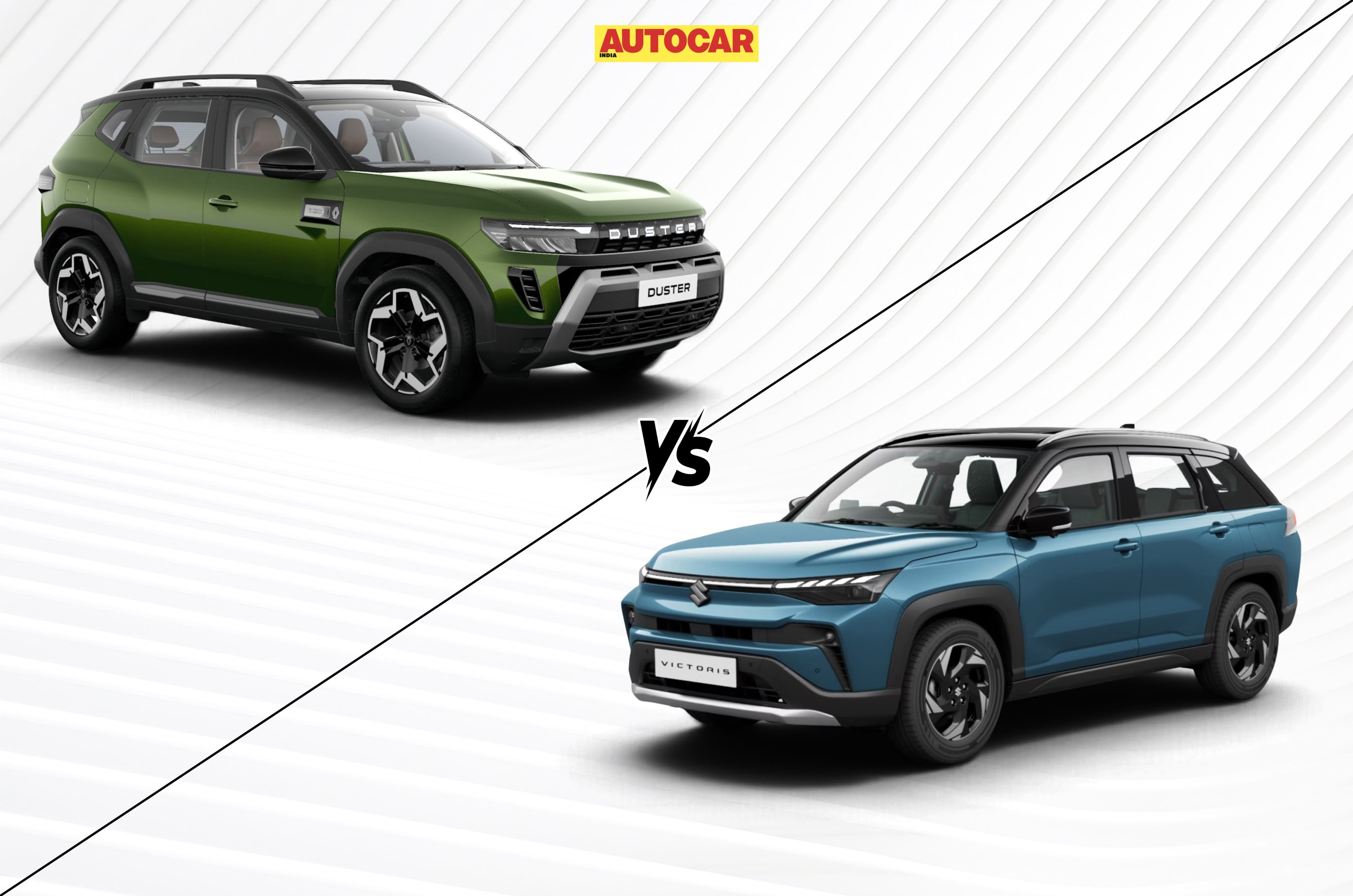
With the Duster strong-hybrid E-Tech 160, Renault is the latest brand to jump on the strong-hybrid bandwagon. The Duster strong-hybrid is positioned as an economical alternative powertrain and adds to its existing turbo-petrol options. On the other hand, the Maruti Victoris has been in the market for a year, offering a strong-hybrid powertrain since launch. But which strong-hybrid mid–size SUV in top-spec guise offers more bang for buck? We compare their respective on-paper specifications to find out. For this comparison, we’ve chosen the top-spec Emotion and ZXi+ (O) versions of the strong-hybrid Renault Duster and Maruti Victoris, respectively.

Renault Duster vs Maruti Victoris: Dimensions

Renault Duster vs Maruti Victoris: Dimensions


Renault Duster

Maruti Victoris

Difference

Length (mm)

4,346

4,360

-14

Width (mm)

1,815

1,795

+20

Height (mm)

1,694

1,655

+39

Wheelbase (mm)

2,657

2,600

+57

Ground clearance (mm)

212

210

+2

Boot space (litres)

372

Under 300 (est.)

–

Est. – Estimated

Apart from length, the Duster outranks the Victoris in every other dimension. It is 20mm wider, 39mm taller, has a 57mm longer wheelbase, and rides 2mm higher off the ground. 

Renault Duster vs Maruti Victoris: Powertrain specifications

Renault Duster vs Maruti Victoris: Powertrain specifications


Renault Duster

Maruti Victoris

Engine 

Naturally aspirated petrol, Atkinson cycle

Naturally aspirated petrol, Atkinson cycle

Displacement (cc)

1,789

1,490

Power (hp)

110

92

Torque (Nm)

175

122

Transmission

multi-mode automatic gearbox with 2 electric gears & 4 petrol gears

e-CVT

Battery capacity (kWh)

1.4

0.76

E-motor power (hp)

50

80

E-motor torque (Nm)

208

141

Maximum power output (hp)

160

116

Maximum torque output (Nm)

NA

NA

Claimed efficiency (kpl)

29

28.65

In strong-hybrid guise, both SUVs utilise a naturally aspirated petrol engine running on the more efficient Atkinson cycle. However, the Duster’s larger unit delivers more power and torque figures. The Duster also uses a larger battery pack.  Both SUVs also use e-motors, wherein the one on the Maruti produces more power, but the Duster’s e-motor outputs more torque. With a combined power output of 160hp, the Duster strong-hybrid is much more powerful than the Victoris strong-hybrid. 

Both SUVs also differ in the gearboxes utilised here. The Duster uses a multi-mode automatic gearbox with 2 electric and 4 petrol gears, whereas the Victoris uses an e-CVT. Renault says that the Duster drives 80 percent on EV power in the city, which likely contributes to its higher claimed mileage. But real-world tests are awaited for the Renault.

Renault Duster vs Maruti Victoris: Exterior features

Renault Duster vs Maruti Victoris: Exterior features


Renault Duster

Maruti Victoris

Headlamps

LED

LED projector

LED DRLs

Yes

Connected

Puddle lamps

Yes

No

Tail lamps

Connected LED

Connected LED

Fog lamps

Optional

Yes

Welcome/goodbye animation

Yes

No

Wheel sizes

18-inch

17-inch

Rear spoiler

Yes

Yes

Electric adjust/fold ORVMs

Yes

Yes

Sharkfin antenna

Yes

Yes

Roof rails

Yes

Yes

Powered tailgate

Yes

Yes

Colour

Monotone and dual-tone

Monotone and dual-tone 

On the outside, LED light setups, DRLs, roof rails, a shark fin antenna, and a powered tailgate are found on both SUVs.  However, larger 18-inch alloy wheels, puddle lamps, and welcome/goodbye animations for the light setups are unique to the Duster.

Renault Duster vs Maruti Victoris: Interior features

Renault Duster vs Maruti Victoris: Interior features


Renault Duster

Maruti Victoris

Ventilated seats

Yes

Yes

Sunroof

Panoramic

Panoramic

Infotainment screen size

10.1-inch

10.1-inch

Digital driver’s display

10.25-inch

10.25-inch

Head-up display

Optional

Yes

Wireless Apple CarPlay, Android Auto

Yes

Yes

On-board navigation

No

Yes

Powered driver seat

6-way

8-way

Powered co-driver seat

6-way

No

Reclining rear seats

No

No

Air Purifier

Optional

Yes

Auto AC

Dual-zone

Single zone

Rear AC vents

Yes

Yes

Seat upholstery

Leatherette

Leatherette

Wireless phone charger

Yes

Yes

Audio system

6-speaker Arkamys

8-speaker Infinity

60:40 split rear seat folding

Yes

Yes

USB Type-C ports 

2x front, 2x rear

2x front, 2x rear

Rear armrest

No

Yes

Connected car tech

Yes

Yes

Rear window sunshade

No

No

Ambient lighting

Optional

Yes

Leatherette inserts on the dashboard

Yes

Yes

Push-button start

Yes

Yes

Keyless entry

Yes

Yes

Steering adjust

Tilt and Telescopic

Tilt and Telescopic

The Renault offers features such as a powered co-driver seat and dual-zone automatic climate control that the Maruti lacks. In contrast, the latter gets further adjustment for the driver seat, two additional speakers, and on-board navigation, while features like a head-up display and ambient lighting are factory-fitted on the former.

Renault Duster vs Maruti Victoris: Driving features 

Renault Duster vs Maruti Victoris: Driving features 


Renault Duster

Maruti Victoris

Drive modes

No

Eco, Normal, Sport

Cruise control

Regular

Regular

As far as driving features are concerned, both models come with regular cruise control, but drive modes are found only on the Victoris.

Renault Duster vs Maruti Victoris: Safety features 

Renault Duster vs Maruti Victoris: Safety features 

Safety features

Renault Duster

Maruti Victoris

Airbags

Six

Sx

Parking sensors

Rear

Front and rear 

Camera setup

Rear view

360-degree

Dash cam

Optional

Optional

Electronic parking brake with auto hold

Yes

Yes

ADAS

No

No

TPMS

Yes

Yes

Hill start assist

Yes

Yes

Disc brakes (Front/Rear)

Yes

Yes

ESC

Yes

Yes

Auto-dimming IRVM

Yes

Yes

On the safety front, both SUVs are well-equipped with features such as 6 airbags, rear parking sensors, auto-dimming IRVM, electronic parking brake with auto-hold, all-wheel disc brakes, and TPMS. However, the Victoris pips the Duster here by offering a 360-degree camera and front parking sensors. Notably, both miss out on a Level 2 ADAS suite.

Renault Duster vs Maruti Victoris: Prices and verdict 

Renault Duster vs Maruti Victoris: Prices (Rs lakh)


Renault Duster

Maruti Victoris

Price 

19.49

19.98

Comparing top-spec versions side by side, the Duster strong-hybrid is more affordable by Rs 41,000. Between the two, it’s the Duster we’d recommend. Apart from being the more affordable option, it offers slightly more kit and delivers more power without sacrificing much in terms of efficiency.

Renault Duster on-road prices listed in major Indian cities

Renault Duster on-road prices listed in major Indian cities
New Renault Duster on-road prices listed in major Indian cities

The Renault Duster is priced from Rs 10.49 lakh to Rs 19.49 lakh, ex-showroom. It recently added a hybrid powertrain, which is sold alongside the existing turbo-petrol engine options. The Duster is now available in seven trims: Authentic, Evolution, Adventure, Techno, Techno+, Iconic and Emotion.

If you want to know how much you need to pay to for the Renault Duster, here are its on-road prices across major Indian cities.

New Renault Duster turbo-petrol on-road prices in major Indian cities (in Rs lakh)

Trim

Mumbai

Delhi

Kolkata

Bengaluru

Chandigarh

Authentic 1.0 MT12.3812.1712.1712.9111.75
Evolution 1.0 MT13.8013.5713.5714.3813.10
Evolution 1.3 MT15.3315.0715.0715.9814.55
Evolution 1.3 DCT17.1016.8116.8117.8316.23
Adventure 1.0 MT15.3315.0715.0715.9814.55
Adventure 1.3 MT16.5116.2316.2317.2115.67
Adventure 1.3 DCT18.1717.8617.8618.9417.24
Techno+ 1.3 MT18.0517.7417.7418.8117.13
Techno+ 1.3 DCT19.7019.3719.3720.5318.70
Iconic 1.3 MT20.0519.7119.7120.9019.03
Iconic 1.3 DCT21.8221.4521.4522.7520.71

New Renault Duster hybrid on-road prices in major Indian cities (in Rs lakh)

Trim

Mumbai

Delhi

Kolkata

Bengaluru

Chandigarh

Evolution 1.8 AT20.0519.7119.7120.9019.03
Techno 1.8 AT22.4122.0322.0323.3621.27
Emotion 1.8 AT20.0522.6122.6123.9821.83

Note: On-road prices may vary based on city-specific registration charges and other cost components, including insurance, FASTag and RTO fees. Please check with your nearest Honda dealership for exact figures.

Among the major cities listed, the new Renault Duster’s on-road prices are the highest in Bengaluru and the lowest in Chandigarh. The entry-level Authentic 1.0 MT costs Rs 12.91 lakh in Bengaluru and Rs 11.75 lakh in Chandigarh, a difference of Rs 1.16 lakh. For the top-spec Iconic 1.3 DCT, the prices are Rs 22.75 lakh and Rs 20.71 lakh, respectively, a gap of Rs 2.04 lakh.

Speaking of the Duster hybrid’s on-road prices, they are also the highest in Bengaluru and lowest in Chandigarh. The most accessible variant, Evolution 1.8 AT, costs Rs 19.03 lakh in Chandigarh, while the top-spec Emotion 1.8 AT costs Rs 23.98 lakh in Bengaluru, a difference of Rs 4.95 lakh.

Prices mentioned above are as on October 18, 2026.

29 kmpl माइलेज वाली Renault Duster Hybrid लॉन्च, Maruti Victoris और Toyota Hyryder को देगी टक्कर, जानें कीमत

Renault Duster Hybrid: Renault India ने Duster Hybrid E-Tech 160 को भारत में लॉन्च कर दिया है। इसकी एक्स-शोरूम कीमत ₹16.99 लाख से ₹19.49 लाख के बीच रखी गई है। कंपनी के मुताबिक, यह SUV ARAI सर्टिफिकेशन के अनुसार 29 kmpl का माइलेज देती है। खास बात यह है कि माइलेज के मामले में नई Duster Hybrid ने Maruti Suzuki Victoris, Grand Vitara और Toyota Hyryder को पीछे छोड़ दिया है। Victoris का माइलेज 28.65 kmpl, जबकि Grand Vitara और Hyryder का माइलेज 27.97 kmpl है। चूंकि Duster में डीजल का विकल्प नहीं है, इसलिए यह बेहतर माइलेज चाहने वालों के लिए एक अच्छा विकल्प है।

इस हाइब्रिड SUV की बुकिंग ₹21,000 देकर की जा सकती है। इसकी शुरुआती कीमत Duster के सामान्य मॉडल की शुरुआती एक्स-शोरूम कीमत ₹10.49 लाख से ₹6.50 लाख ज्यादा है। आइए जानते हैं कि Duster Hybrid में क्या खास है, यह दूसरी SUVs के मुकाबले कैसी है और बुकिंग से पहले किन बातों का ध्यान रखना चाहिए।

Renault Duster Hybrid: कीमत और वेरिएंट

Renault Duster Hybrid का शुरुआती वेरिएंट Evolution है, जिसकी एक्स-शोरूम कीमत ₹16.99 लाख रखी गई है। वहीं, इसका टॉप वेरिएंट Emotion है, जिसकी कीमत ₹19.49 लाख है। दोनों वेरिएंट की कीमत में ₹2.50 लाख का अंतर है।

हालांकि, कंपनी ने अभी यह नहीं बताया है कि किस वेरिएंट में कौन-कौन से फीचर्स मिलेंगे। ऐसे में कार खरीदने का फैसला लेने से पहले डीलर से दोनों वेरिएंट के फीचर्स की पूरी लिस्ट जरूर मांग लें। इससे आपको समझने में आसानी होगी कि ज्यादा कीमत देकर टॉप वेरिएंट खरीदना आपके लिए कितना फायदेमंद है।

हाइब्रिड सिस्टम कैसे काम करता है

इसमें 1.8-लीटर का पेट्रोल इंजन दो इलेक्ट्रिक मोटरों और 1.4 kWh की सेल्फ-चार्जिंग बैटरी के साथ मिलकर काम करता है, जिससे कुल 160 hp की पावर मिलती है। गाड़ी को चलाने का काम एक मल्टी-मोड ऑटोमैटिक गियरबॉक्स संभालता है। बैटरी, रीजेनरेटिव ब्रेकिंग और पेट्रोल इंजन की मदद से खुद ही चार्ज हो जाती है, इसलिए इसे कभी भी प्लग-इन करने की जरूरत नहीं पड़ती। रेनॉल्ट का दावा है कि सही परिस्थितियों में शहर के अंदर 80% तक ड्राइविंग इलेक्ट्रिक मोड में की जा सकती है। हालांकि, यह दावा ट्रैफिक, गाड़ी की रफ्तार और आपके ड्राइविंग के तरीके पर निर्भर करता है।

Renault Duster के दूसरे वेरिएंट से कितनी अलग है Hybrid?

Renault Duster Hybrid के साथ कंपनी इस SUV में पहले से मिलने वाले 1.0-लीटर और 1.3-लीटर टर्बो-पेट्रोल इंजन का विकल्प भी दे रही है। इस जनरेशन की Duster में डीजल इंजन का विकल्प नहीं मिलता।

हाइब्रिड मॉडल की शुरुआती कीमत और सामान्य Duster की शुरुआती कीमत में ₹6.50 लाख का अंतर है। हालांकि, दोनों की सीधी तुलना करना सही नहीं होगा, क्योंकि एक तरफ सामान्य मॉडल का बेस वेरिएंट है, जबकि दूसरी तरफ हाइब्रिड मॉडल है।

अगर आप हाइब्रिड खरीदने की सोच रहे हैं, तो इसकी तुलना समान फीचर्स वाले 1.3-लीटर टर्बो-पेट्रोल वेरिएंट से करें। इसके बाद हिसाब लगाएं कि बेहतर माइलेज से हर साल कितने रुपये की बचत होगी। इससे आपको अंदाजा लग सकेगा कि हाइब्रिड मॉडल के लिए ज्यादा खर्च की गई रकम की भरपाई करने में कितने साल लग सकते हैं।

बुकिंग कराने से पहले डीलर से कुछ जरूरी बातें जरूर पूछ लें। पता करें कि ₹21,000 की बुकिंग राशि वापस मिलेगी या नहीं, इससे कार की कीमत लॉक हो जाएगी या नहीं और आपके चुने हुए वेरिएंट की डिलीवरी कब तक मिलेगी। इसके अलावा, बैटरी की वारंटी और आपके शहर में सर्विस की सुविधा के बारे में भी जानकारी लें।

Renault Duster Hybrid में दिया गया गियरबॉक्स Toyota की हाइब्रिड कारों में मिलने वाले e-CVT गियरबॉक्स से अलग है। इसलिए दोनों तरह की कारों को टेस्ट ड्राइव करके ही तय करें कि आपके लिए कौन-सा विकल्प बेहतर रहेगा

यह भी पढ़ें: Mahindra XUV 3XO CNG लॉन्च, मिलेंगे 6 एयरबैग और 360-डिग्री कैमरा, जानें कीमत और माइलेज

New Renault Duster hybrid vs midsize cars spec comparison

New Renault Duster hybrid vs midsize cars spec comparison
Renault Duster hybrid compared

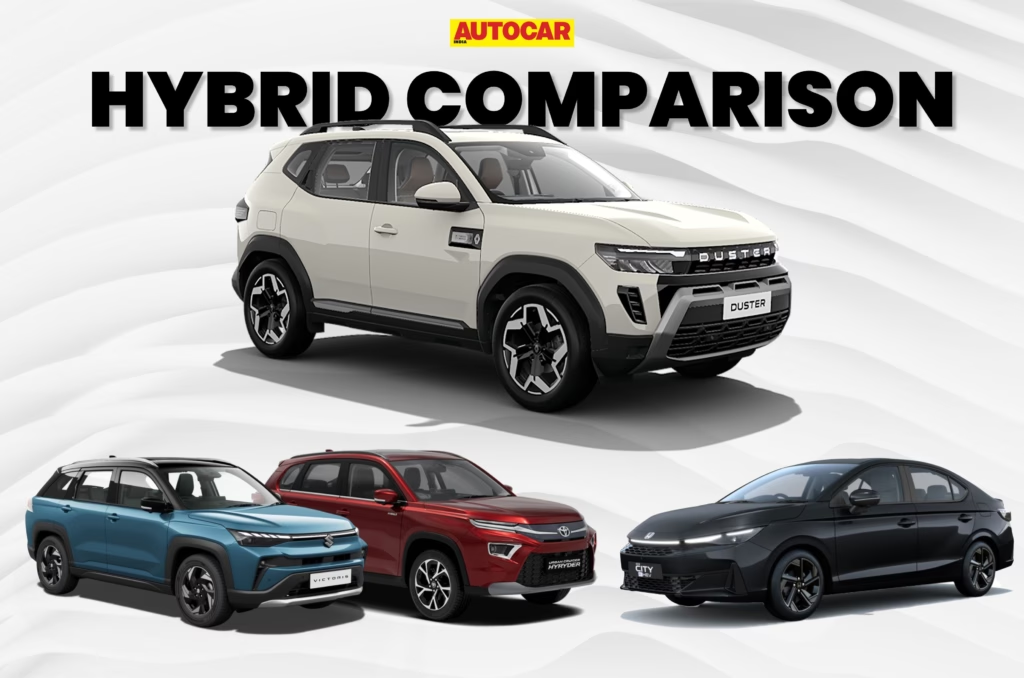
The new Renault Duster has been launched with a strong hybrid powertrain option, a first for the nameplate in India. The latest from Renault competes in the midsize SUV space, where only the Maruti Grand Vitara, Maruti Victoris and Toyota Hyryder currently offer a hybrid choice. Honda does not offer a hybrid setup with the Elevate at the moment, though the City midsize sedan has been equipped with one. But how do these vehicles stack up on paper when it comes to specifications? Let’s find out.
Renault Duster hybrid spec comparison

Duster has the highest power output

Renault Duster hybrid specs vs Grand Vitara, Victoris, Hyryder and City e:HEV 

 Hybrid systemCombined powerCombined torqueTransmissionMileageBattery size | Voltage
Duster1.8L 4cyl + 2 e-motors160hp–Multi-mode automatic29kpl1.4kWh | 247V
Grand Vitara1.5L 3cyl + e-motor116hp141NmeCVT27.97kpl0.60kWh | 177.6V
Victoris1.5L 3cyl + e-motor116hp141NmeCVT28.65kpl0.60kWh | 177.6V
Hyryder1.5L 3cyl + e-motor116hp141NmeCVT27.97kpl0.60kWh | 177.6V
City e:HEV1.5L 4cyl + e-motor126hp253NmeCVT 27.13kplNot available | 172.8V

While we are yet to sample the Duster hybrid in real-world conditions, the above specs table suggests it takes a more performance-led approach than the rest. Its four-cylinder naturally aspirated petrol engine is the largest by cubic capacity here, and paired with two electric motors, this hybrid setup delivers the highest peak power output. Renault claims a 0-100kph time of 9.61 seconds, which it says makes the Duster hybrid the quickest in the segment. The brand has not revealed a combined torque figure yet, though the Duster’s traction motor produces 208Nm on its own.

Renault SUV’s multi-mode gearbox stands out

The Duster’s multi-mode automatic gearbox has two gears for the motor and four gears for the engine. Renault claims that this setup creates an 8-speed combination in hybrid mode, and it stands out as the others use an eCVT unit, which is known for a smooth driving experience. Moreover, the Duster hybrid’s larger, higher-voltage battery further points to more electric assistance than the rest. The French brand claims that 80 percent of city drives are possible in EV mode alone, while the Duster hybrid’s ARAI-certified mileage of 29kpl is the highest of all the cars here.

Midsize SUVs offer most powertrains

Only PHEV is missing

Save for plug-in hybrid, midsize SUVs offer almost every major powertrain choice, including petrol, CNG, diesel and electric. Hyundai Creta is expected to adopt a hybrid powertrain in its next generation, due in 2027, and its Kia Seltos sibling is also set to follow suit. The new Tata Sierra’s ARGOS platform is hybrid-ready, giving the homegrown carmaker the flexibility to introduce a hybrid version in the future. Volkswagen and Skoda are also working on hybrid midsize SUVs for the Indian market.

Skoda Kylaq gets benefits up to Rs 90,000 in October 2026

Skoda Kylaq gets benefits up to Rs 90,000 in October 2026
Skoda Kylaq front quarter static

Skoda has introduced several attractive benefits on select models across its line-up, including dealer discounts, exchange benefits, loyalty benefits and corporate offers. However, the Kodiaq is excluded from the offers this month. The deals listed below are valid until October 31, 2026.

Disclaimer: Discounts vary from city to city and are subject to stock availability. Check with your local dealership for exact figures.

Skoda Kylaq offers in October 2026

Benefits of up to Rs 90,000

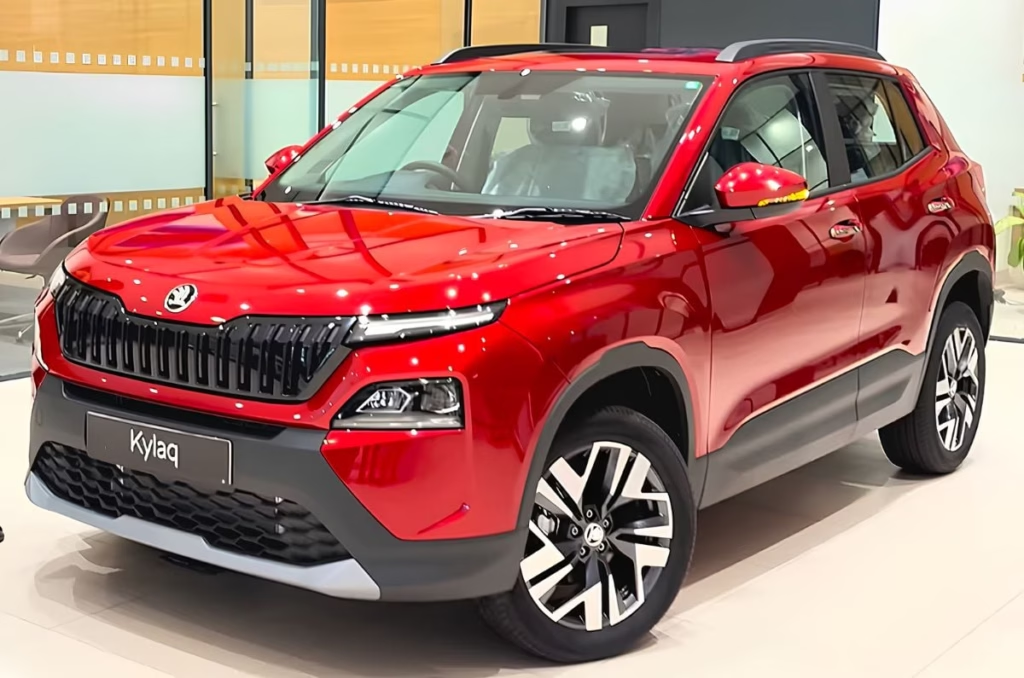
The brand’s most affordable model, the Kylaq, is available with benefits of up to Rs 90,000, including a dealer discount of up to Rs 40,000, an exchange bonus of up to Rs 30,000, and either a corporate or loyalty discount of up to Rs 20,000. The compact SUV is powered only by a 1.0-litre direct-injection turbo-petrol engine that also does duty in the Kushaq and Slavia. It ranges between Rs 7.59 lakh and Rs 13.09 lakh and locks horns with the Maruti Brezza, Hyundai Venue, Mahindra XUV 3XO, Tata Nexon and Kia Sonet. 

Skoda Kushaq offers in October 2026

Benefits of up to Rs 80,000 

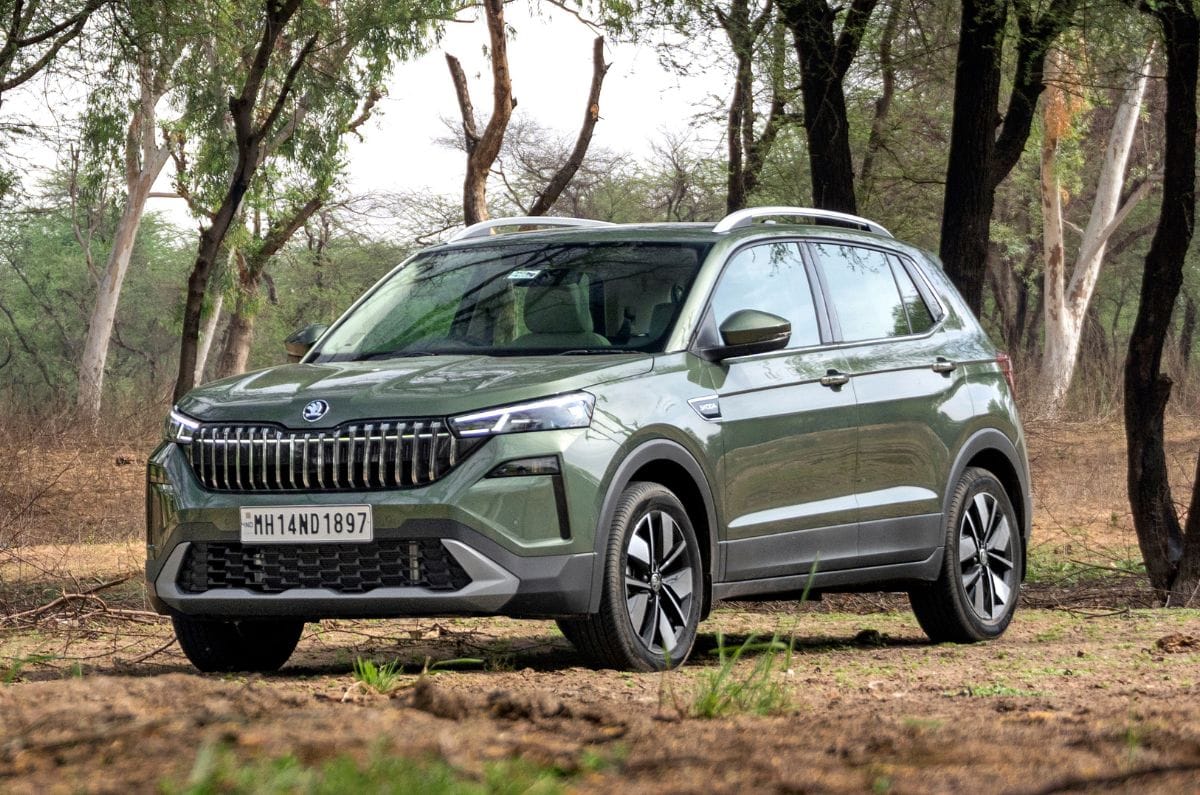
Skoda’s midsize Kushaq SUV gets the biggest benefits this month, going up to Rs 80,000. These includes a dealer discount of up to Rs 30,000, an exchange bonus of up to Rs 30,000, and either a corporate or loyalty benefit of up to Rs 20,000. The Kushaq is powered by either a 1.5-litre or a 1.0-litre direct-injection turbo-petrol engine. Priced from Rs 10.69 lakh to Rs 19.19 lakh, the Kushaq takes on the likes of the Volkswagen Taigun, Hyundai Creta, Tata Sierra, Kia Seltos, Renault Duster and Maruti Victoris.

Skoda Slavia offers in October 2026

Benefits of up to Rs 30,000

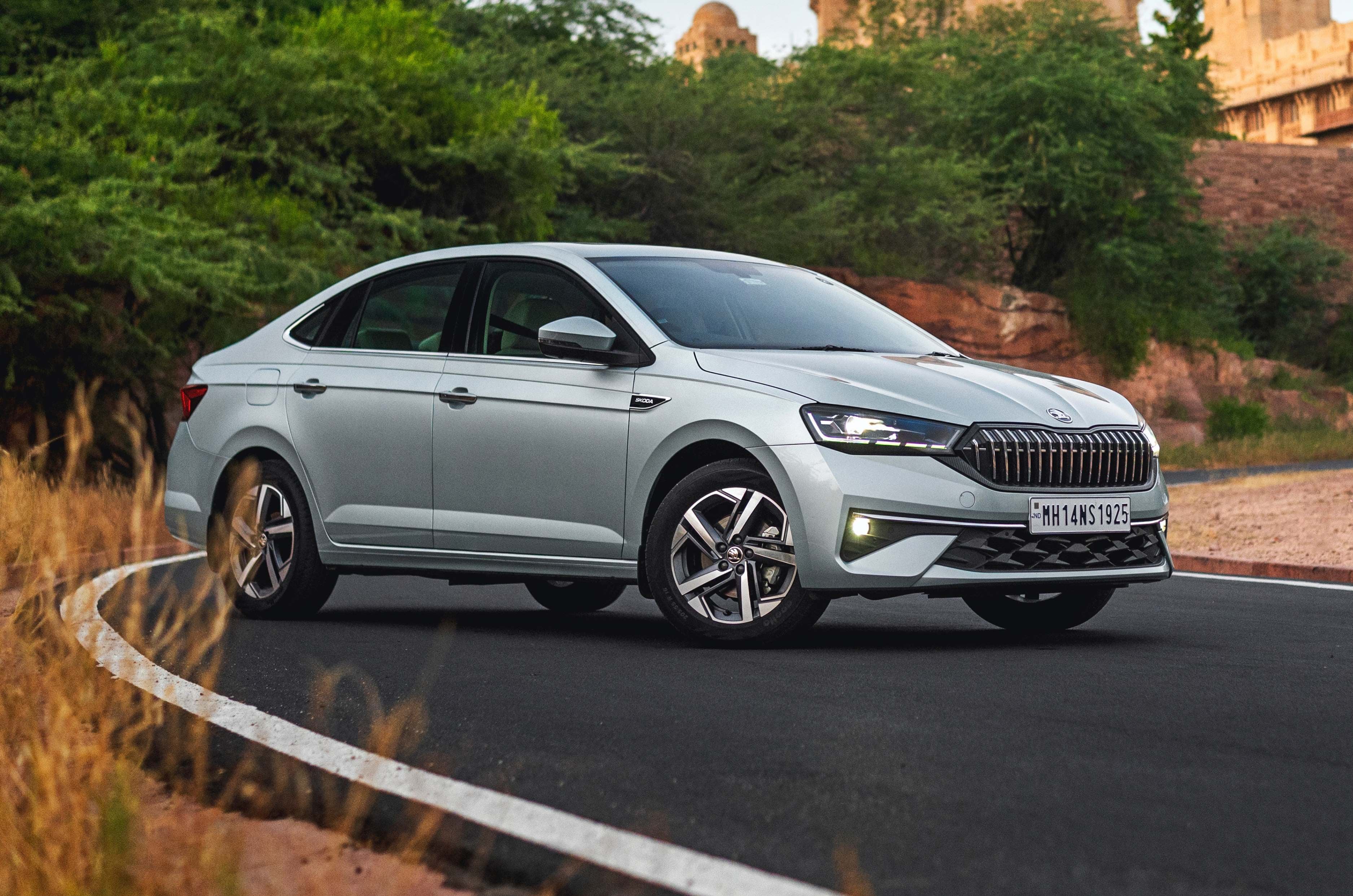
The newly introduced Slavia facelift is already available with benefits of up to Rs 30,000. These include an exchange bonus of up to Rs 20,000 and either a corporate or loyalty benefit of up to Rs 10,000. The Slavia is powered by the same powertrain options as the Kushaq and is priced between Rs 10 lakh and Rs 18.84 lakh. It is Skoda’s answer to the Honda City, Hyundai Verna and Volkswagen Virtus.

Renault Duster hybrid launched at Rs 16.99 lakh

Renault Duster hybrid launched at Rs 16.99 lakh
Renault Duster hybrid launched

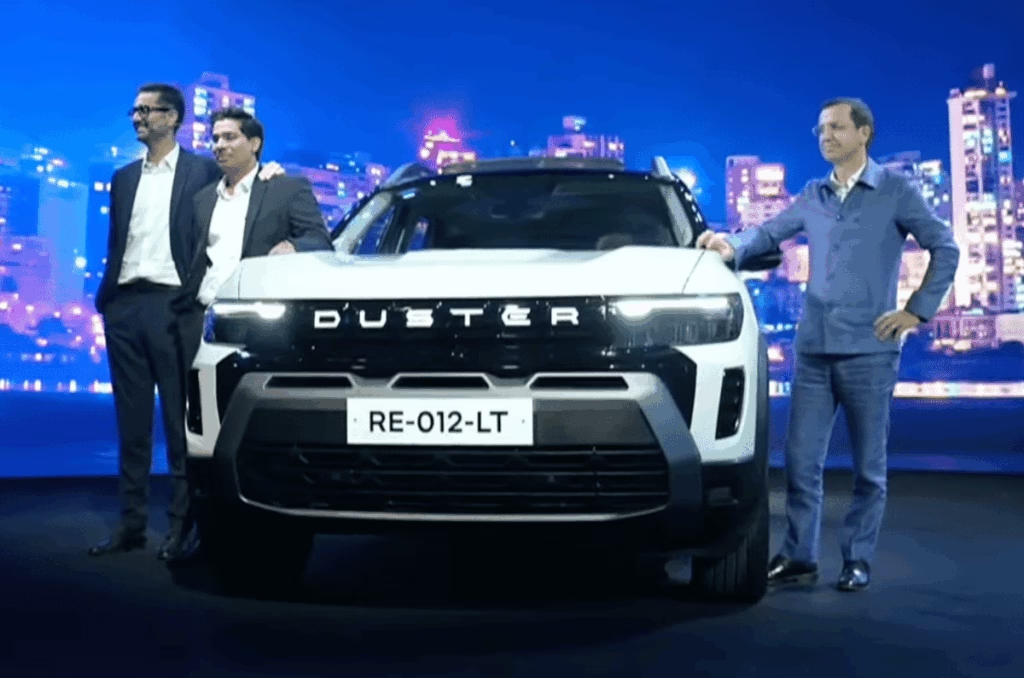
Renault has launched the Duster hybrid in India at an introductory price of Rs 16.99 lakh for the entry-level Evolution trim, with prices going up to Rs 19.49 lakh for the top-end Emotion trim. Customer bookings are underway at Rs 21,000, with deliveries scheduled to begin in November. The Duster hybrid takes on the strong-hybrid versions of the Maruti Grand Vitara, Maruti Victoris and Toyota Urban Cruiser Hyryder.

  1. 1.8-litre petrol and two electric motors make a combined 160hp, with 0-100kph in a claimed 9.61sec.
  2. 1.4kWh battery pack, multi-mode automatic gearbox and a claimed 29kpl.
  3. Features include ventilated seats, panoramic sunroof, dual-zone climate control and more.

Renault Duster hybrid prices

The Duster hybrid range is available in three trim levels

Renault Duster hybrid price list (Rs, lakh)

Trims

Prices (ex-showroom)

Evolution

16.99

Techno

18.99

Emotion

19.49

Renault is offering the Duster hybrid in three trims: Evolution, Techno and Emotion. These introductory prices apply to all deliveries until December 31, 2026, and R-Pass owners will get priority deliveries. Buyers can also opt for the Renault Protect 360 ownership package, priced from Rs 89,900, which bundles three years of comprehensive insurance, three years of scheduled maintenance and a three-year assured resale value.

Renault Duster hybrid powertrain and mileage

The E-Tech hybrid features a 1.4kWh battery pack and a multi-mode automatic transmission

Renault Duster hybrid engine

The Duster is based on Renault’s RGMP platform, which the brand says can accommodate petrol, hybrid and CNG powertrains. The hybrid is equipped with the brand’s ‘E-Tech 160’ system, which pairs a 1.8-litre four-cylinder petrol engine with two electric motors. The Atkinson-cycle engine makes 110hp and 175Nm, and Renault claims it is the biggest engine in the segment, with a thermal efficiency of up to 41 percent. A high-voltage starter-generator mounted on the engine handles engine starts, smooths out gearshifts and charges the battery, including through regenerative braking. A separate 50hp traction motor, connected directly to the driveline, drives the front wheels and produces 208Nm. The combined system output stands at 160hp, which Renault says is the highest in the segment.

Renault Duster Hybrid Drive Selector

The hybrid system runs on a 1.4kWh, 247V NMC battery pack with direct refrigerant cooling. Transmission duties are handled by what Renault calls a “multi-mode automatic” gearbox, with two electric gears and four petrol gears. The system switches automatically between six operating modes, including all-electric, petrol-only, and series and series-parallel hybrid. The French automaker claims the hybrid can manage up to 80 percent of city driving in pure electric mode, and a 0-100kph time of 9.61sec, which it says is the quickest in the segment. The Duster hybrid also gets frequency-dependent dampers.

The ARAI-certified mileage of the Renault Duster hybrid is 29kpl, which the brand says makes it the most fuel-efficient hybrid in India, ahead of rivals such as the Maruti Victoris hybrid, Maruti Grand Vitara hybrid and Toyota Urban Cruiser Hyryder hybrid. Combined with a 50-litre fuel tank, Renault claims a total driving range of over 1,400km.

Renault Duster hybrid exterior design

Overall styling is largely similar to the turbo-petrol Duster

Renault Duster Hybrid Front Quarter

The Duster hybrid looks largely the same as the turbo-petrol versions, with chunky body cladding, C-pillar-mounted rear door handles, roof rails and eyebrow-style DRLs (daytime running lights). Up front, the signature grille gets an illuminated ‘Duster’ emblem, and full-LED headlamps are offered from the Techno trim onwards.

Renault Duster Hybrid Rear Quarter

The base Evolution trim rides on 18-inch flex wheels, while the top-spec Emotion gets 18-inch diamond-cut alloys. At the rear is an LED horizontal light bar, while there are ‘E-Tech’ badges on the front doors and the tailgate. The Duster hybrid’s ground clearance stands at 212mm.

Renault Duster hybrid interior and features

Feature highlights include a pano sunroof, ventilated seats and a 10.25-inch digital cluster

Renault Duster Hybrid Interior

The Duster hybrid’s cabin follows the general design of the turbo-petrol versions, with a dual-screen layout. The mid-spec Techno gets Desert Beige semi-leatherette upholstery, while the top-spec Emotion gets Dune Brown leatherette upholstery.

Standard features on the base Evolution trim include a 10.1-inch touchscreen, a 7-inch digital driver’s display and dual-zone automatic climate control. The Techno adds an electric panoramic sunroof, keyless entry with push-button start and connected car tech via the ‘MyRenault’ (MYR) app. The range-topping Emotion trim gets a larger 10.25-inch digital driver’s display, 6-way electrically adjustable and ventilated front seats, and a powered tailgate.

Renault Duster hybrid safety features

A wide array of safety tech is on offer

Renault claims that the Duster hybrid’s entry-level Evolution trim gets 38 safety features as standard. These come in the form of 6 airbags, hill-start assist, cruise control, rear parking sensors and a rearview camera.

What to expect from Renault Duster hybrid ahead of launch tomorrow

What to expect from Renault Duster hybrid ahead of launch tomorrow
Renault Duster

The Renault Duster will get a strong-hybrid powertrain in India on October 17, joining the existing 1.0-litre and 1.3-litre turbo-petrol options. Bookings are open for Rs 21,000. Here’s what to expect from the new hybrid variant, including its powertrain, features and rivals.

1. What is the claimed mileage of the Renault Duster hybrid?

Current Renault Duster image, used for representation only.

The Renault Duster hybrid has an ARAI-rated fuel efficiency of 29kpl, compared with 19.41kpl for the 1.0-litre turbo-petrol manual, 17.75kpl for the 1.3-litre turbo-petrol manual and 18.45kpl for the 1.3-litre turbo-petrol DCT. The hybrid is Renault’s answer for the absence of a diesel option on the new Duster and is expected to give buyers seeking better fuel efficiency an alternative to the turbo-petrol versions.

Its claimed efficiency is also higher than that of the Maruti Suzuki Grand Vitara and Toyota Urban Cruiser Hyryder strong hybrids, both rated at 27.97kpl, and the Maruti Suzuki Victoris strong hybrid, rated at 28.65kpl.

2. How does the Duster’s hybrid system work?

Renault’s 160hp E-Tech hybrid powertrain. 

The E-Tech system combines a 1.8-litre four-cylinder naturally aspirated petrol engine with two electric motors: a 20hp unit that acts as a generator and a 49hp motor that drives the wheels. The system produces a combined 160hp and 172Nm, supported by a 1.4kWh battery.

A multi-mode automatic gearbox with fixed gear ratios sends power to the wheels. Unlike the e-CVT used by the Maruti Suzuki Grand Vitara, Victoris and Toyota Urban Cruiser Hyryder, Renault’s transmission can shift between ratios. Engine revs may therefore rise and fall more noticeably as the system changes between electric drive, engine drive and combined operation. The battery charges while driving and does not need to be plugged in.

Renault says the hybrid system can cover up to 80 percent of city driving in electric mode, using the battery and electric motor at low speeds and switching on the petrol engine when required. Regenerative braking helps recharge the battery while driving.

3. Which SUVs will rival the Renault Duster hybrid?

Current Renault Duster image, used for representation only.

The Duster hybrid will compete with the strong-hybrid versions of the Maruti Suzuki Grand Vitara, Maruti Suzuki Victoris and Toyota Urban Cruiser Hyryder. The Toyota and Suzuki siblings use Toyota’s strong-hybrid system, which pairs a 1.5-litre, three-cylinder petrol engine with electric motors and a 0.60kWh battery, producing a combined 116hp and 141Nm. 

4. Will the Renault Duster hybrid look different from the regular Duster?

Current Renault Duster interior image, used for representation only.

The hybrid is expected to retain the regular Duster’s exterior design and cabin layout, along with a broadly similar feature list. A hybrid badge could help distinguish it from the turbo-petrol variants, with the powertrain being the main difference.

5. What is the expected price of the Renault Duster hybrid?

Current Renault Duster image, used for representation only.

The Renault Duster hybrid is expected to be priced between Rs 20 lakh and Rs 22 lakh (ex-showroom), commanding a premium over the turbo-petrol variants due to its more complex hybrid powertrain and the added fuel-efficiency benefits it offers.

India-bound Dacia Bigster hybrid showcased at Paris Motor Show

India-bound Dacia Bigster hybrid showcased at Paris Motor Show
Renault Bigster

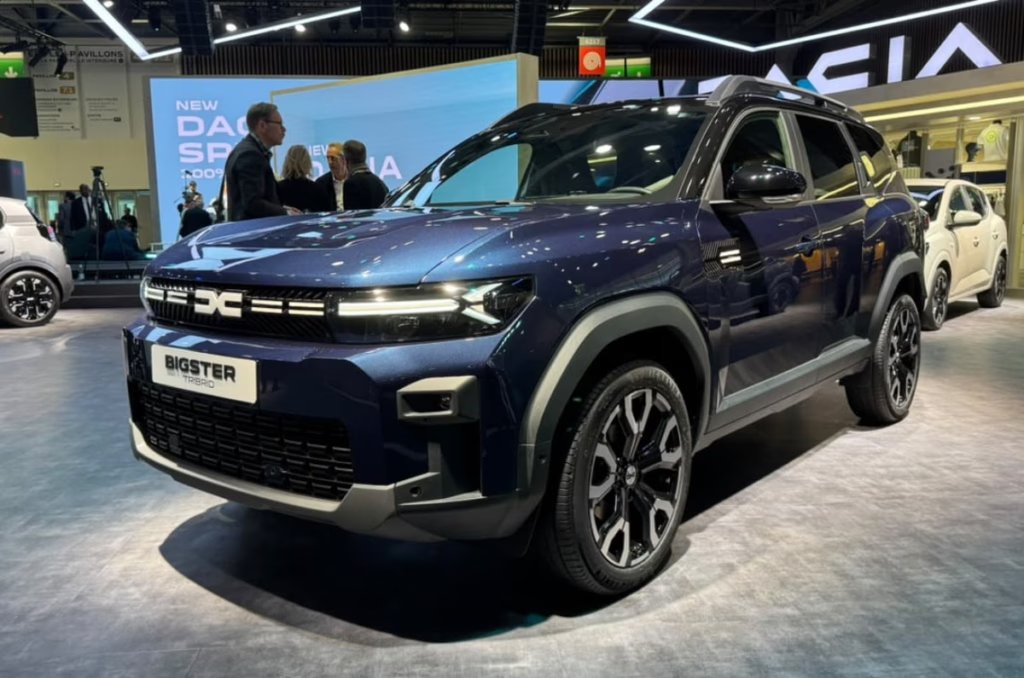
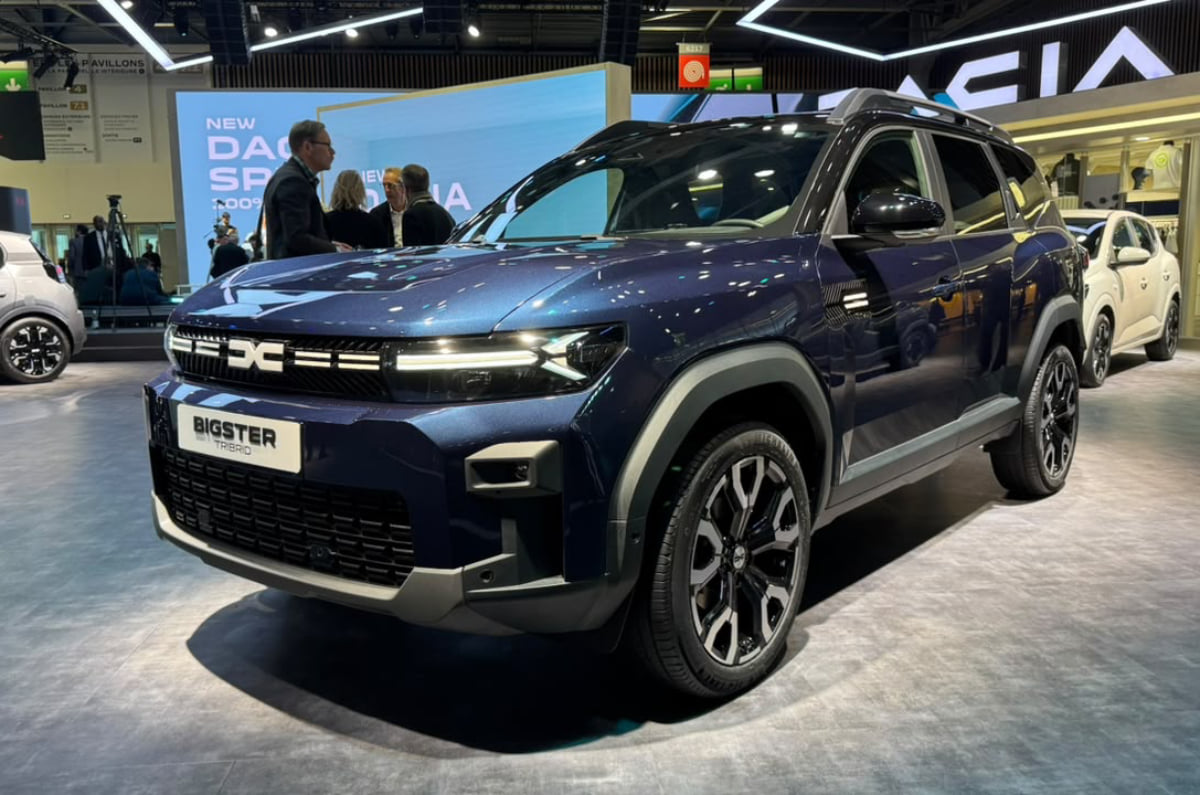
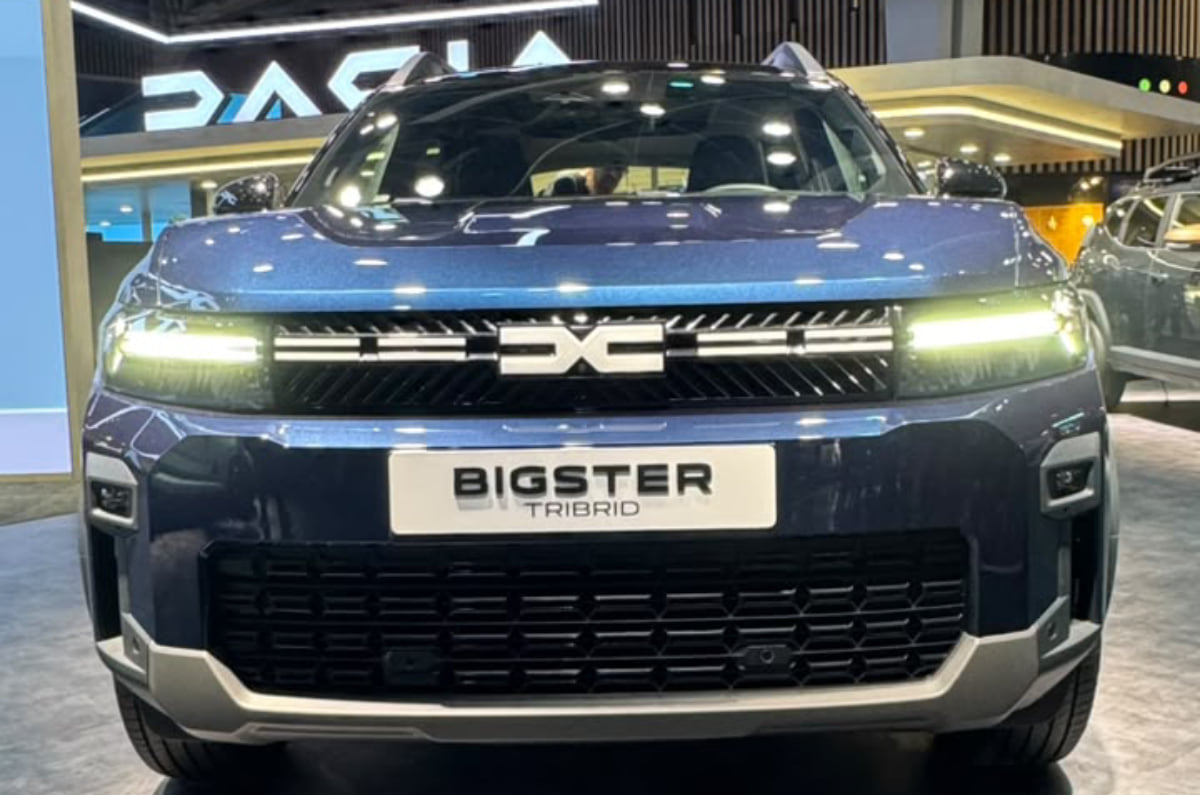
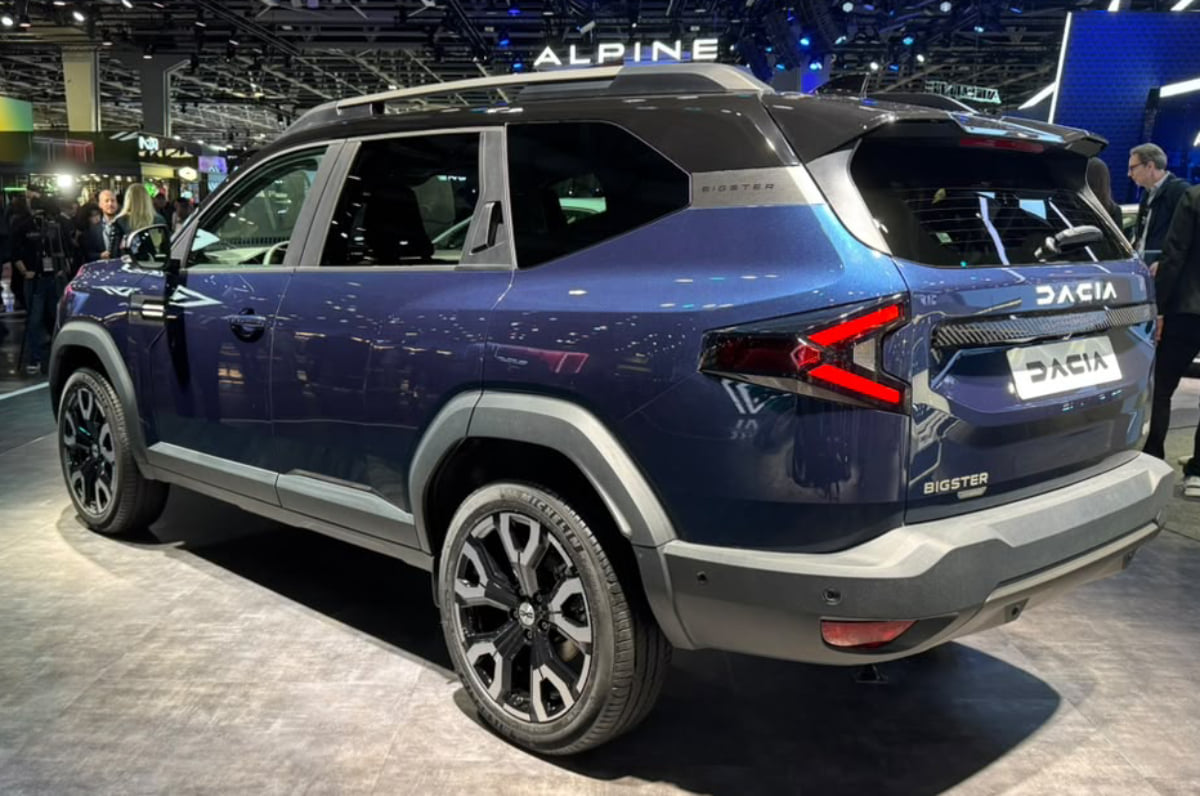
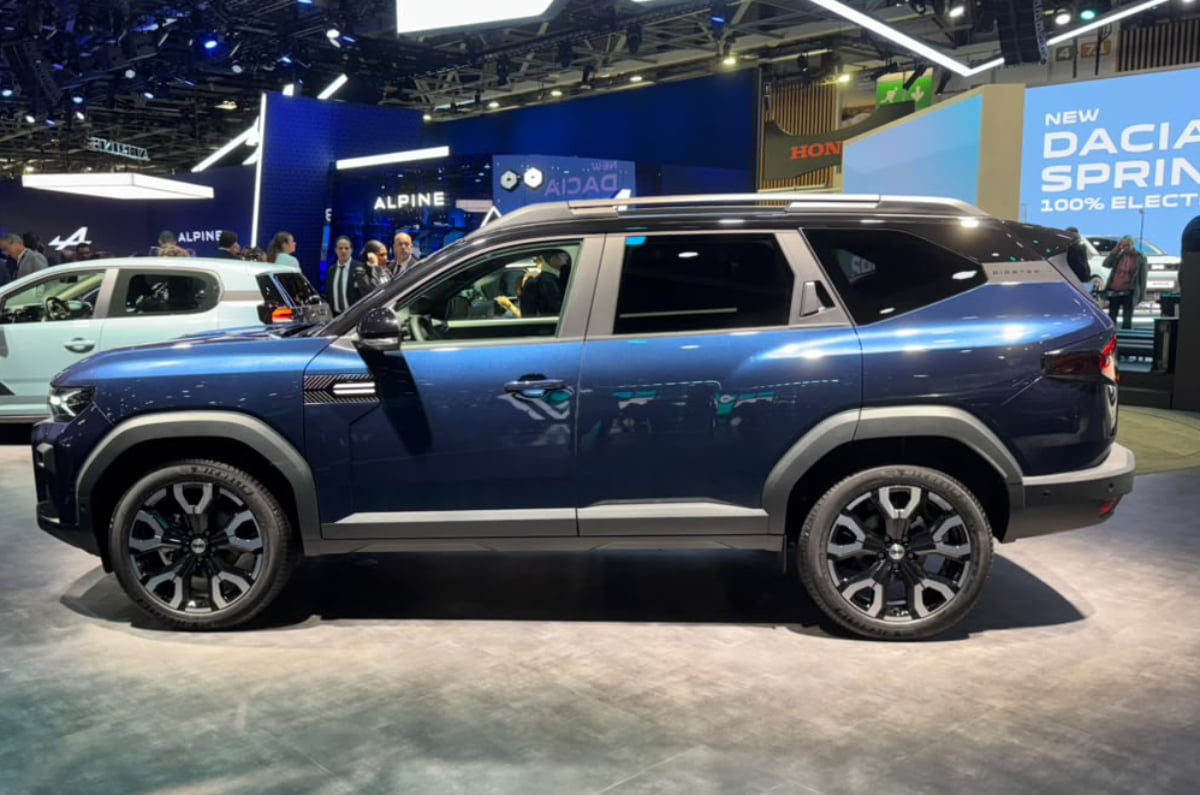
The Dacia Bigster, which is expected to come to India as a Renault in 2027, was showcased at the 2026 Paris Motor Show. The three-row SUV is expected to be positioned as a larger alternative to the Renault Duster, with turbo-petrol and strong-hybrid powertrain options. The hybrid system is set to debut in India in the Duster on October 17, 2026.

Dacia Bigster: Powertrain

Renault strong hybrid E-Tech 160hp powertrain. 

The India-bound Bigster is expected to get 1.3-litre turbo-petrol and 1.8-litre strong-hybrid powertrain options. The latter will make its India debut in the Renault Duster later this week.

In the Duster hybrid, the 1.8-litre naturally aspirated petrol engine works with two electric motors and a 1.4kWh battery to produce a combined 160hp and 172Nm. The system uses a multi-mode automatic gearbox with fixed gear ratios. Since this is a strong-hybrid setup, the battery does not require charging via an external source, and it charges while the vehicle is being driven. Renault claims the Duster hybrid can cover up to 80 percent of city driving in electric mode.

The Bigster is expected to use the same hybrid setup, though its power and torque figures could differ due to its larger size.

Dacia Bigster: Exterior

The Bigster is 230mm longer overall than the India-spec Duster, with a 45mm longer wheelbase and much of the added length at the rear overhang. The European Dacia Bigster features a chunky front skid plate, rugged-looking front and rear bumpers, and LED daytime running lights.

Like the India-spec Duster, the India-bound Bigster is expected to get revised styling compared to its Dacia counterpart, including changes to the grille and bumpers. The India-spec Duster gets connected tail-lamps, unlike the European Dacia Duster, which has separate units.

Dacia Bigster: Interior and layout

Renault Duster interior image used for representation only. 

The India-bound Bigster is expected to be a seven-seater with three rows. Its cabin layout is expected to be similar to that of the new Renault Duster, with additional features likely for the larger SUV. The Duster gets a 10.1-inch touchscreen infotainment system, a 10.25-inch digital instrument cluster, dual-zone climate control and a wireless phone charger.

Dacia Bigster: India launch and rivals

The Renault-badged Bigster is expected to arrive in India in 2027. It will sit above the Duster in Renault’s SUV line-up and is expected to compete with three-row SUVs such as the Hyundai Alcazar, Mahindra XUV 7XO and MG Hector Tomahawk range.

A Nissan version of the three-row SUV has also been spotted testing in India.