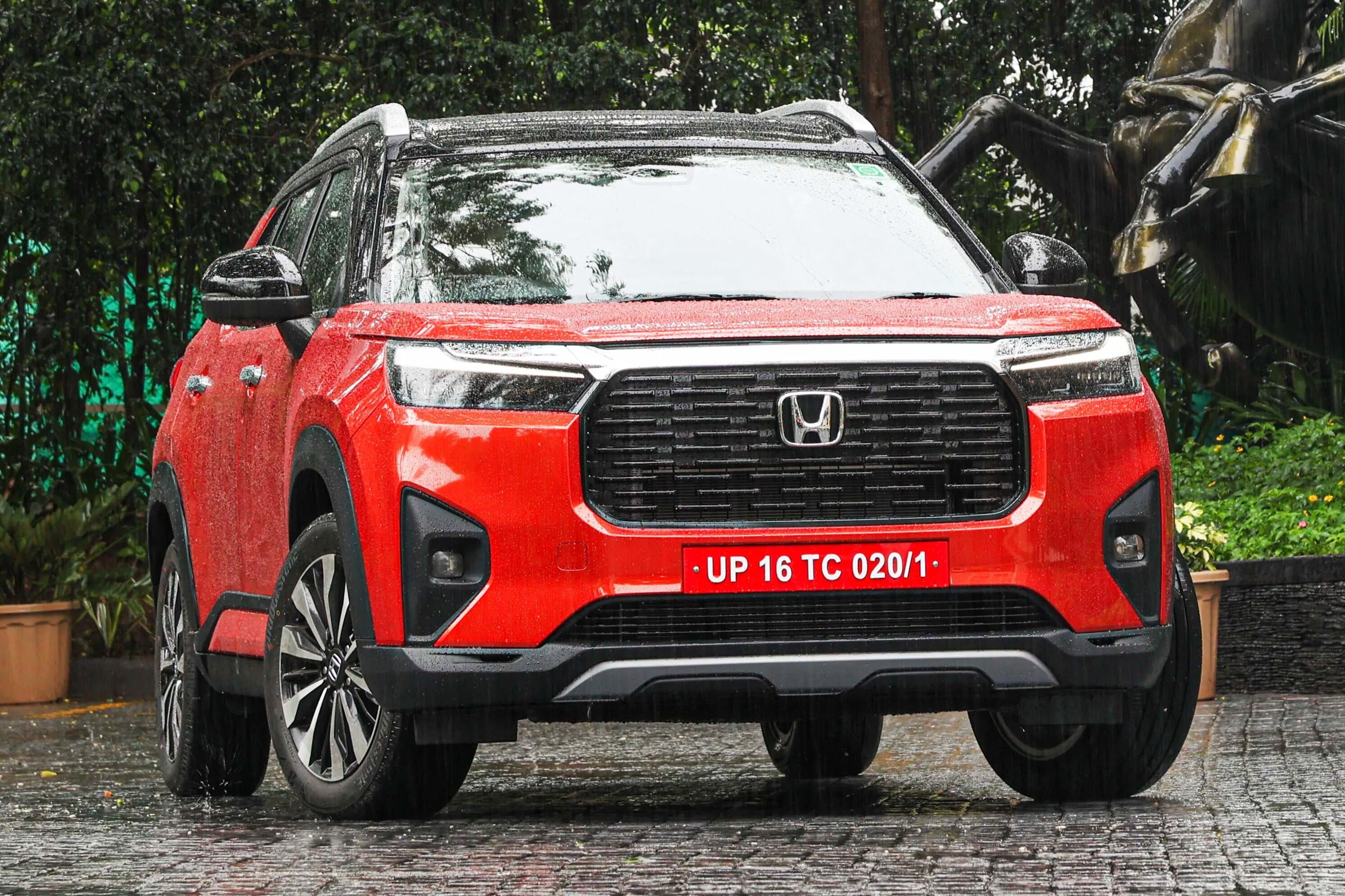
Honda has priced the 2026 Elevate facelift from Rs 11.80 lakh to Rs 18.58 lakh (ex-showroom). Its list of midsize SUV rivals is pretty long, and includes the Hyundai Creta, Kia Seltos, Tata Sierra, Renault Duster, Nissan Tekton, Volkswagen Taigun and Skoda Kushaq. The Elevate is underpinned by the City’s platform, and comes with a single 1.5-litre petrol engine with a choice of manual and CVT gearboxes. Here’s what works in the updated Elevate’s favour, and what doesn’t.
Reasons to buy the 2026 Honda Elevate facelift
Eager engine and confident road manners
A lively engine, tidy handling and strong brakes are among the Elevate’s fortes
The Elevate’s i-VTEC engine provides strong performance, while high-speed stability is good too.
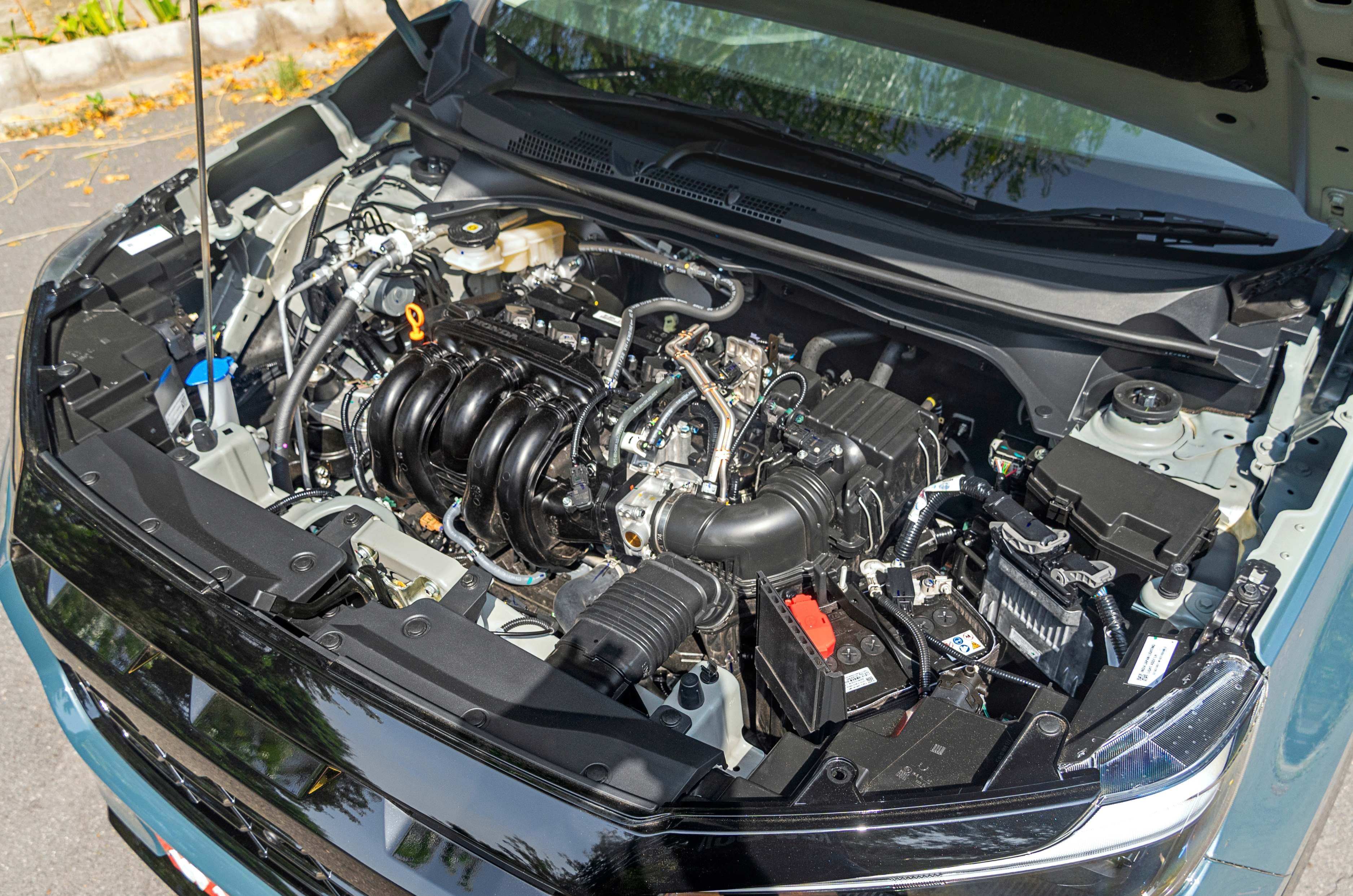
The 2026 Elevate continues with the same 1.5-litre four-cylinder i-VTEC petrol engine of its predecessor, but it’s now WLTP emissions norms compliant. The smooth and eager unit produces 121hp and 145Nm of torque, delivering this power cleanly and progressively all through its rev range. The throttle response is sharp, too. For those looking for a hassle-free urban commuter, the smooth CVT (continuously variable transmission) does the job well. It also gets paddle shifters so you can move through pre-set ratios, offering that extra sense of control.
The Elevate feels planted and offers a good balance between handling and ride quality.
The Elevate has always been an easy car to drive around town, courtesy of a light yet responsive steering that makes parking manoeuvres easy. The steering weighs up progressively as speeds rise, and the Elevate also feels planted out on the open highway, inspiring confidence. A good control on body roll means that, despite its tall SUV stance, the Honda Elevate corners neatly without much drama. The brakes are strong and feel progressive, further inspiring driver confidence. The ride feels firm but the Elevate manages to smooth out surface imperfections with relative ease.
Premium and comfy cabin
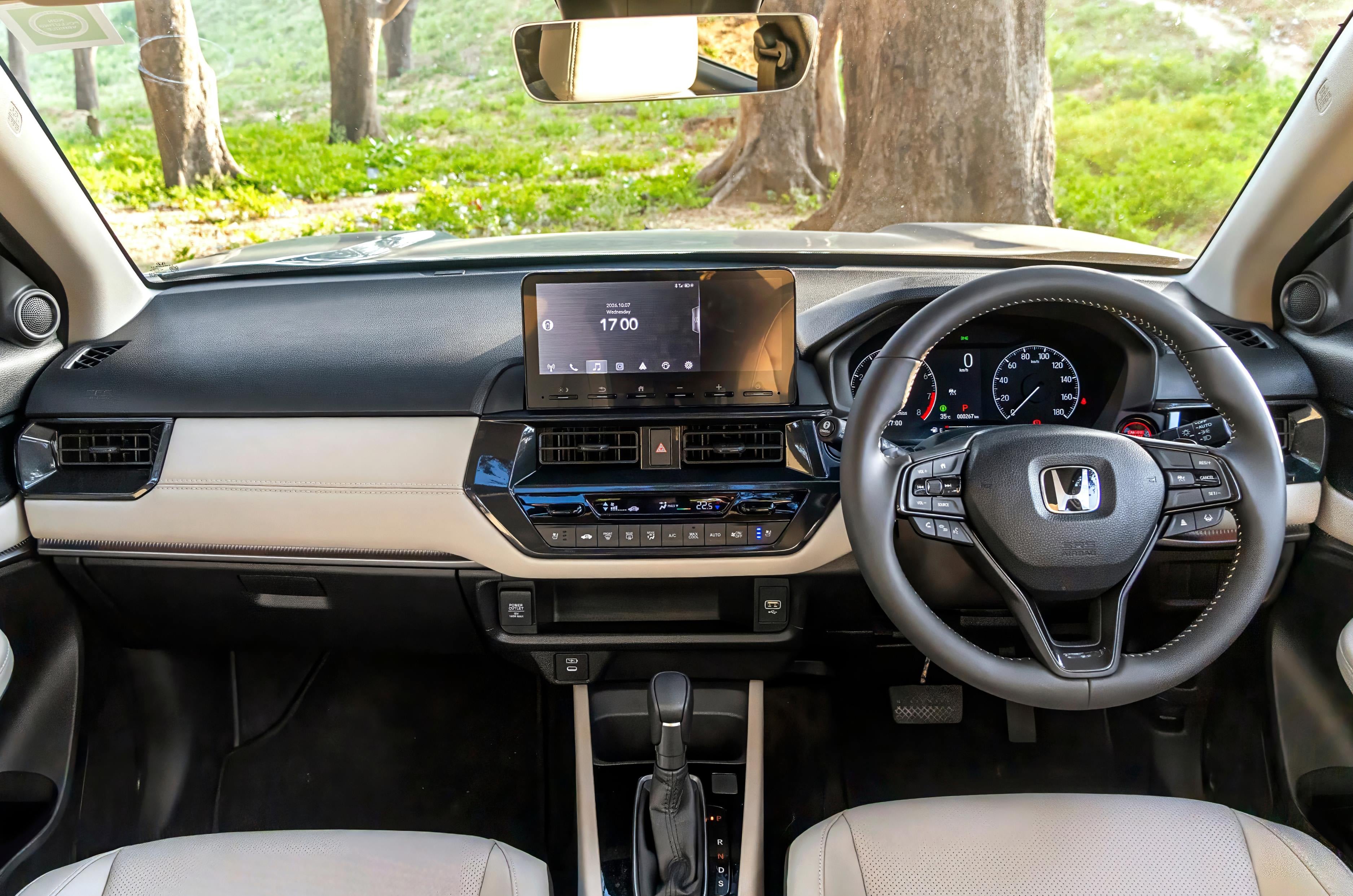
Interior retains the model’s practicality quotient while upping the premium experience
The 2026 update has made this interior feel more premium.
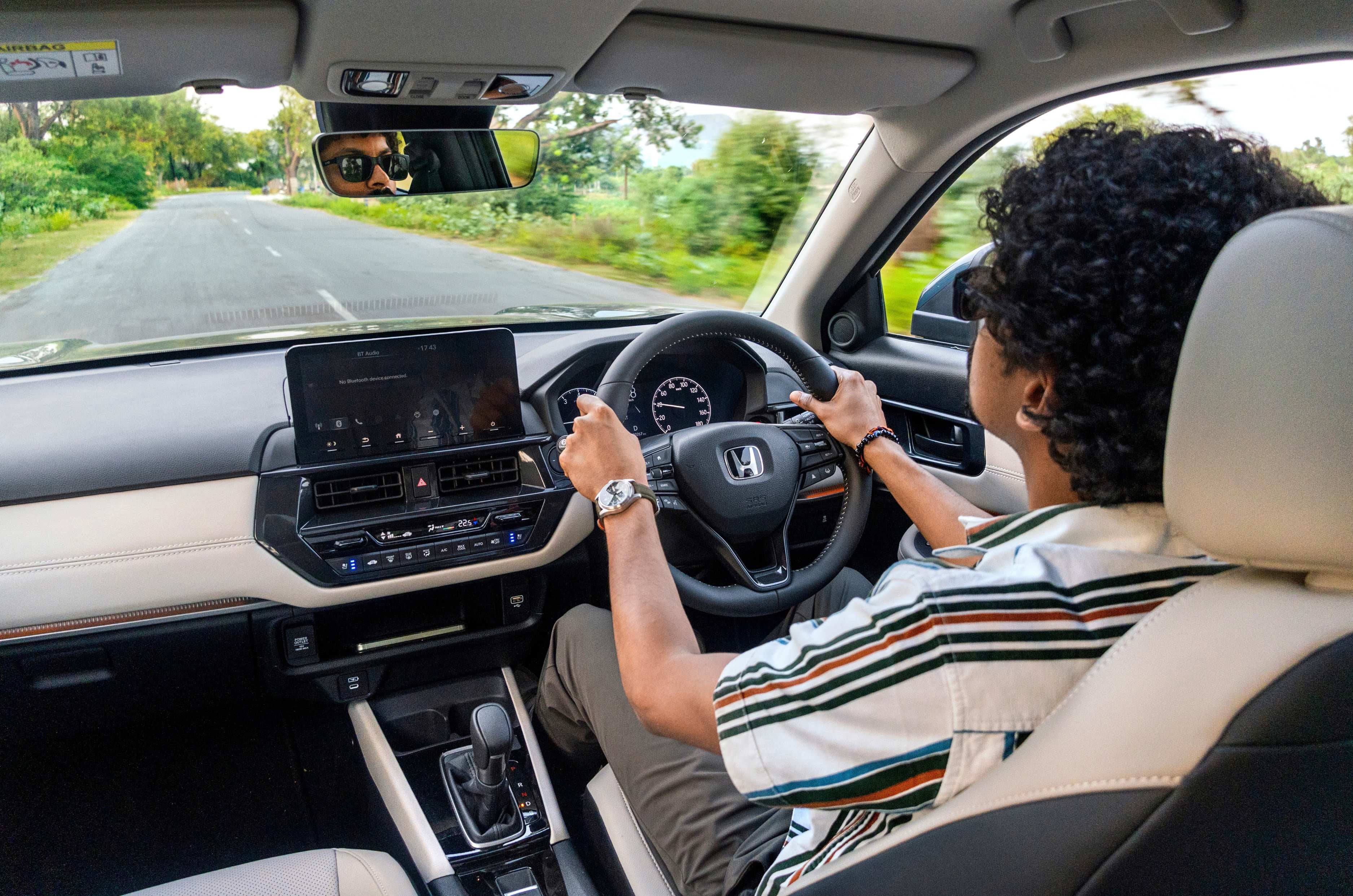
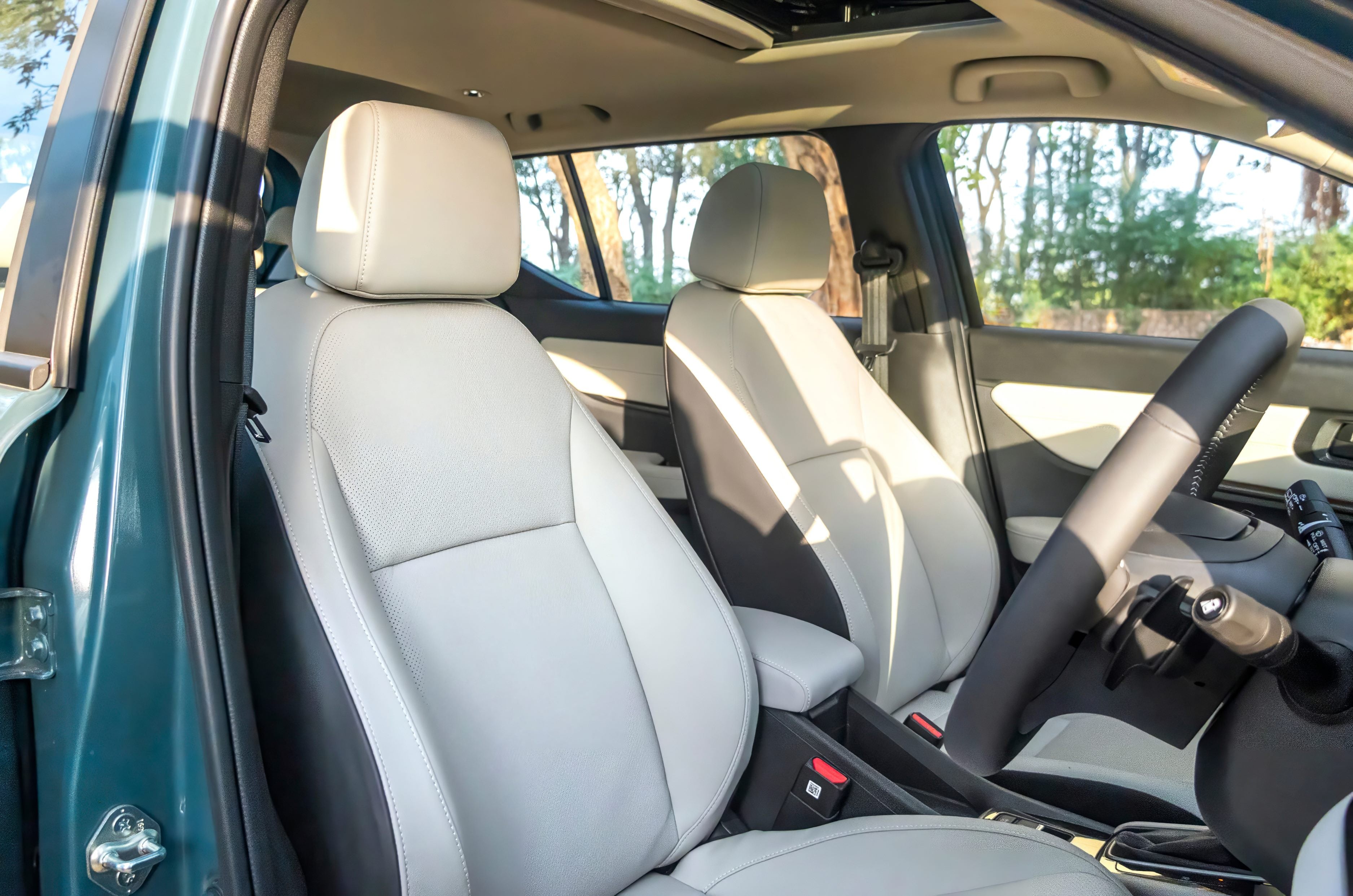
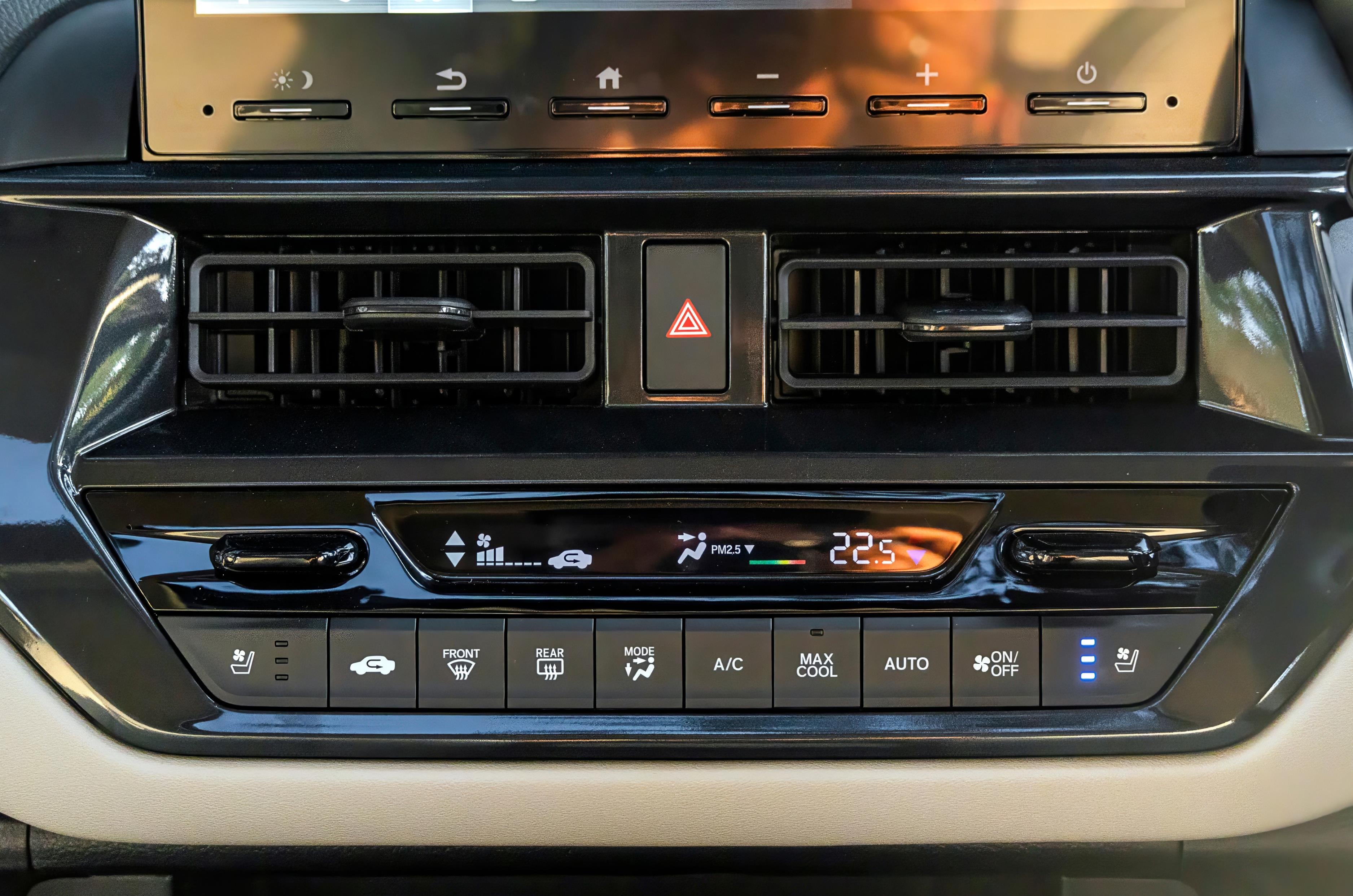
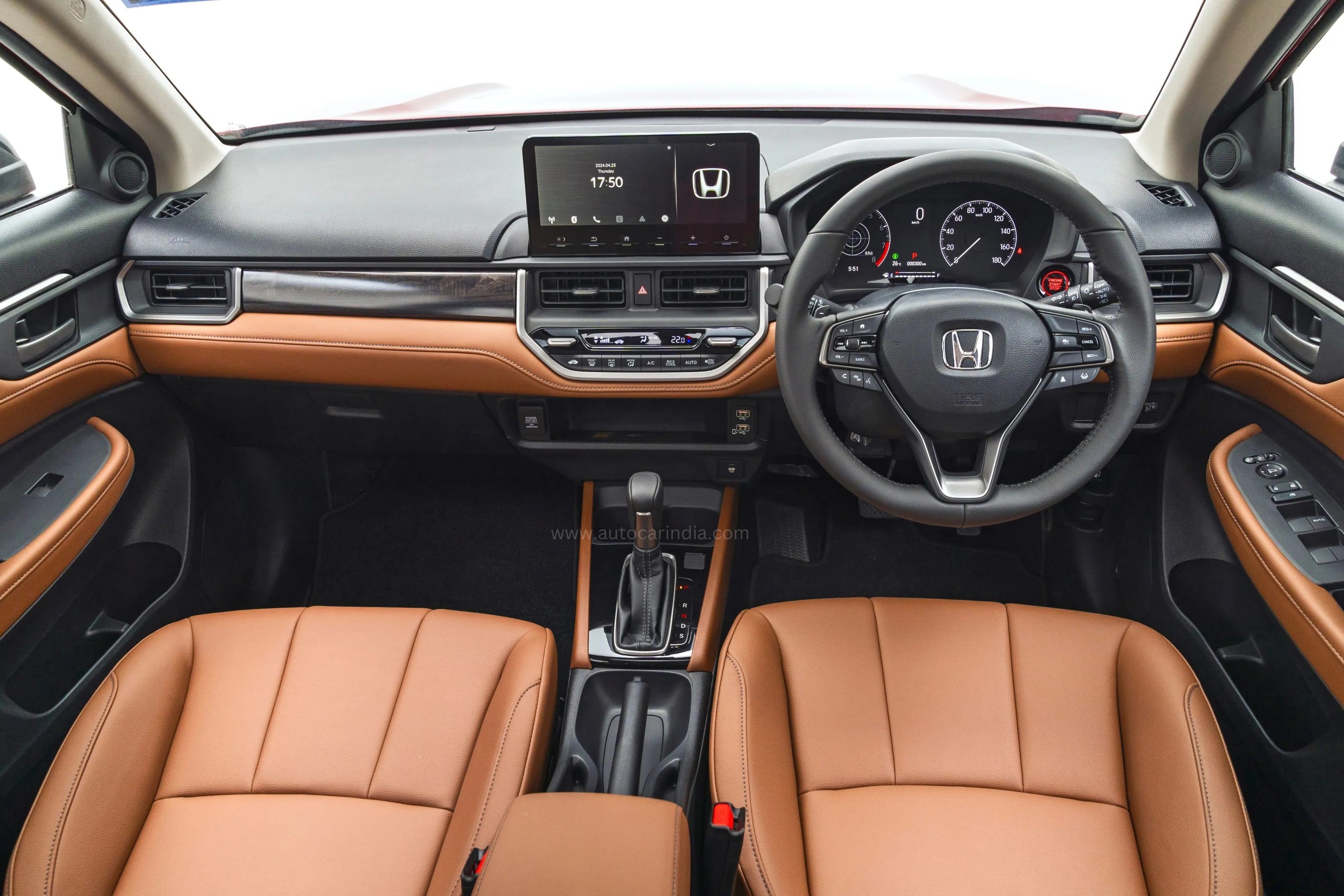
The Elevate has been known for providing an ergonomically sound cabin – this hasn’t changed with the 2026 update. The front seats remain nice and supportive, while finding a comfortable driving position is easy. There’s now lighter leatherette padding and stitching on the dashboard, a revised headliner that looks and feels more premium, and an updated HVAC panel with buttons for the front-seat ventilation feature.
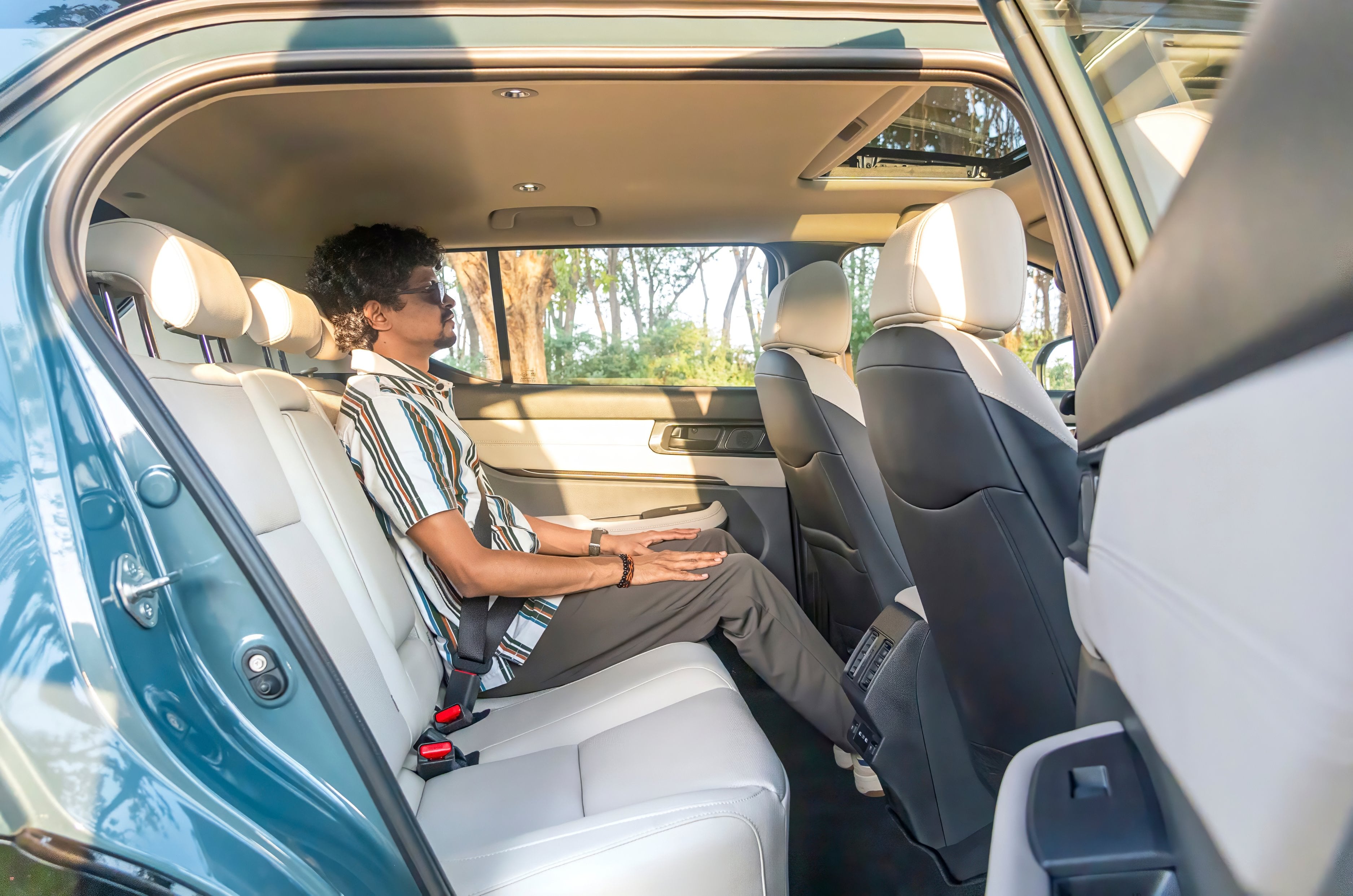
Headroom and kneerom for back-seat passengers is good.
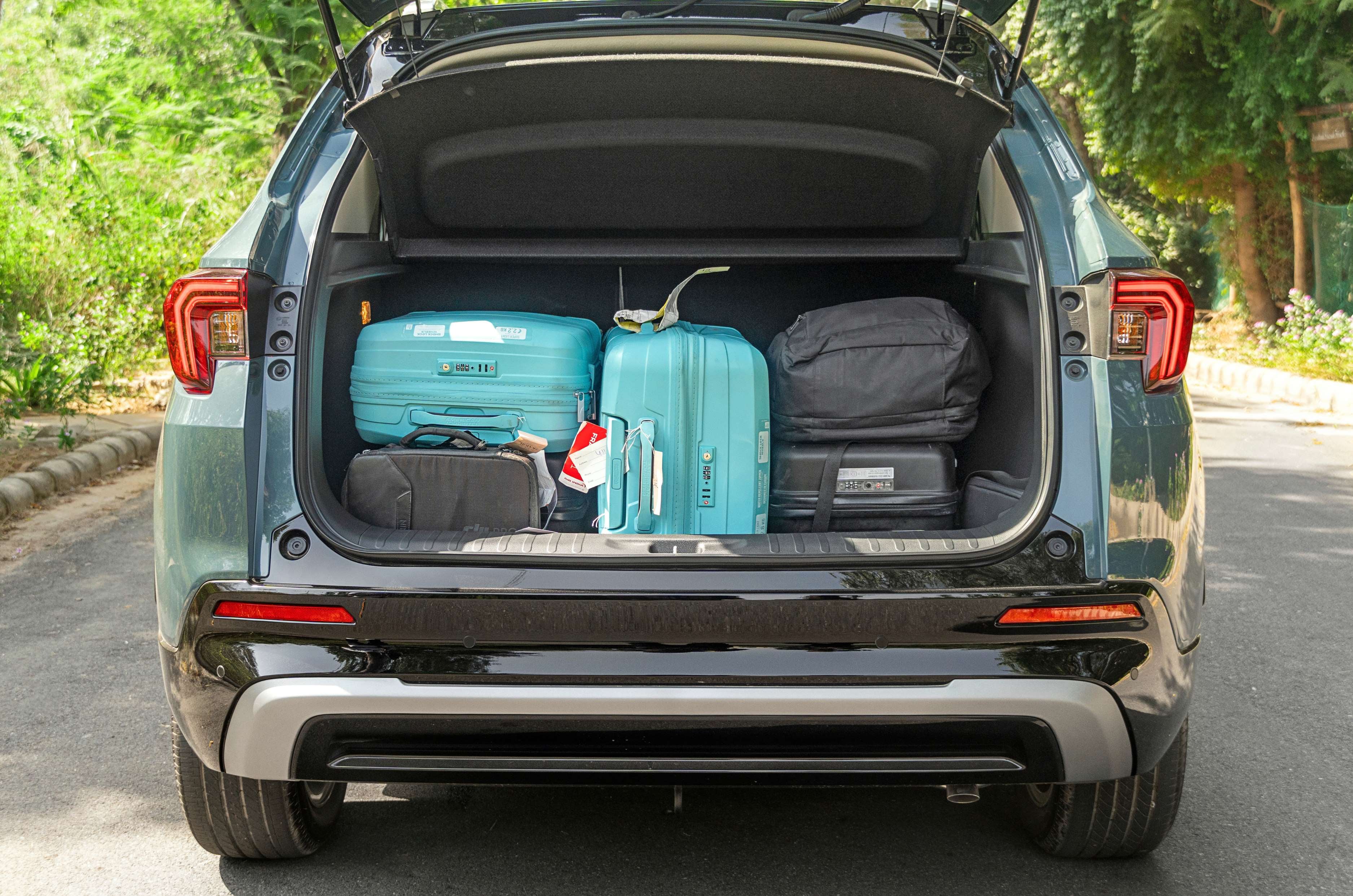
It is easy to get comfortable in the back of the Honda Elevate facelift. There’s plenty of headroom and kneeroom for two adults, while conveniences like a centre armrest with cupholders, dedicated AC vents and USB charging ports add to the overall experience. There’s also no shortage of cubbies to store your knick-knacks, plus a roomy 458-litre boot. You also get a spare tyre under the boot floor, further boosting the Elevate’s practicality.
Better equipped than before
Honda has added more features to the Elevate’s equipment list
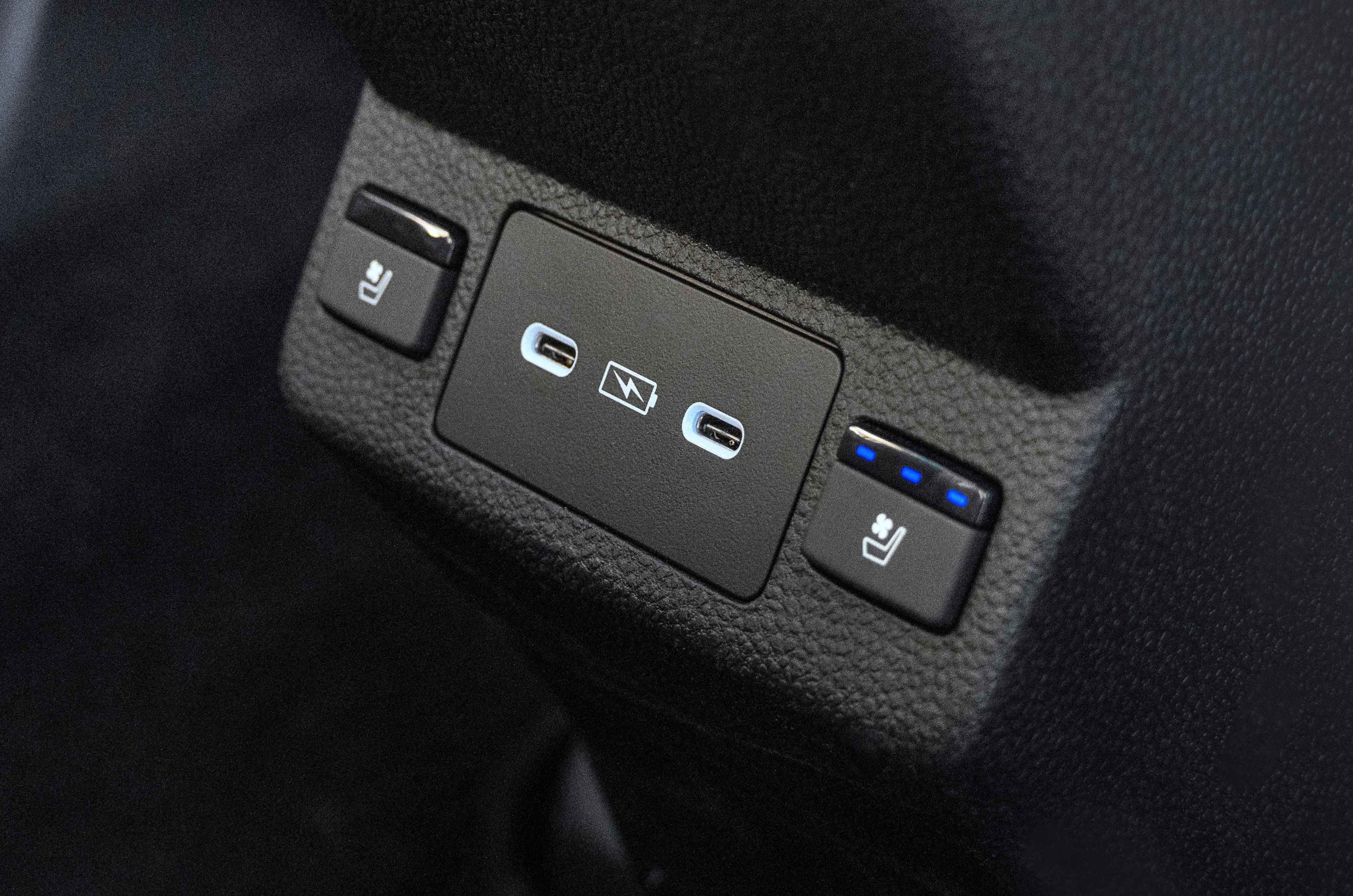
The Honda Elevate now gets segment-first rear-seat ventilation.
The back seats of the 2026 Elevate facelift are also where you will see the new touch-operated LED reading lamps. The Elevate now offers rear-seat ventilation, which is a first for the segment. Features such as orange ambient lighting, multi-way powered front seats, wireless charging, auto climate control with a built-in PM2.5 air purifier, wireless Apple CarPlay & Android Auto, an 8-speaker audio system, a 7-inch MID, and a 360-degree camera are available too.
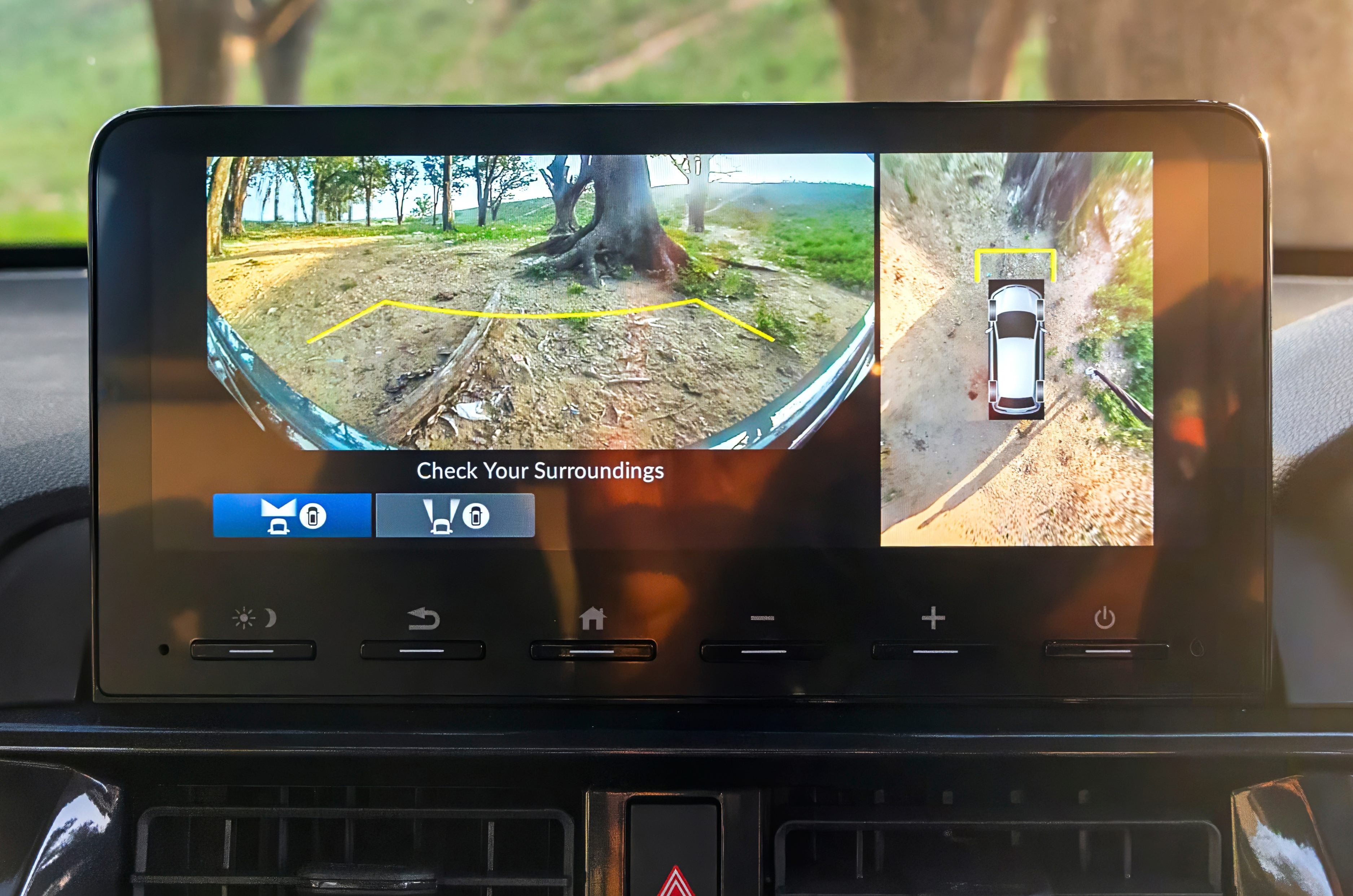
A 360-degree camera is now a factory-fit option on the top-spec trim.
There’s enough on the safety front, too. The 2026 Elevate facelift is available with front parking sensors, Honda’s LaneWatch camera, and a camera-based ADAS (advanced driver assistance systems) suite. This ropes in adaptive cruise control, auto-emergency braking, lane-keep assist and more. The CVT variants get a new low-speed follow function for the adaptive cruise control to tackle stop-and-go traffic conditions, along with rear disc brakes and an electronic parking brake with auto hold. Standard equipment includes 6 airbags, stability & traction control, rear parking sensors, adjustable headrests and three-point seatbelts for all occupants.
Reasons not to buy the 2026 Honda Elevate facelift
Cabin has its shortcomings
Lacklustre noise insulation aside, the Elevate’s cabin still has a few niggles
Some may find the front lumbar support to be excessive.
While the 2026 facelift has made the Honda Elevate more competitive, there’s still room for improvement. For starters, the lumbar support up front can feel intrusive for some, and taller occupants will find the under-thigh support underwhelming. Seating a third passenger in the back wouldn’t be easy, due to the narrower cabin width of the Elevate over some rivals. The raised centre seat doesn’t make this better, either.
Rear occupants will notice vertical movements at higher speeds over undulating roads.
The cabin is quieter than before, but engine and road noise can be heard quite easily at highway speeds. Those at the back will also notice a fair bit of vertical movement over undulating highways at triple-digit speeds.
Only one engine option
The Elevate still doesn’t get a diesel, turbo-petrol, hybrid or CNG option
Lack of engine choices even with the latest update is a definite con for the Honda Elevate.
In a segment where rivals offer multiple engine options (even across fuel types), the 2026 Honda Elevate facelift continues with just the one naturally aspirated petrol unit. This limits its appeal when compared to other offerings in the hotly contested midsize segment. While we are yet to test its mileage, the lack of an automatic engine stop-start system and ‘Eco’ drive mode won’t help boost fuel efficiency.
Latest features reserved for the top trim
Most of the headline features are offered only with the new range-topping ZX+
Only the range-topping ZX+ gets all of the newly introduced features.
If you want all the new bells & whistles that the 2026 Honda Elevate facelift has to offer, you’ll have to stretch your budget to accommodate the new top-spec ZX+ trim. This is where niceties like rear seat ventilation, powered front seats, a 360-degree camera and front parking sensors reside. However, this also means a price tag of between Rs 16.88 lakh and Rs 18.58 lakh (ex-showroom).
The ZX+ trim still misses features like two-zone climate control, a panoramic sunroof and rear sunblinds.
Despite the ZX+’s higher price, it still misses out on a panoramic sunroof, powered tailgate, a fully digital driver’s display, rear sunblinds and dual-zone climate control. Some similarly priced rivals offer a more comprehensive feature set, more cabin space and multiple powertrain options.
The midsize SUV space is now more competitive than ever. Just the last few months have seen new launches in the form of the Tata Sierra, Renault Duster, Nissan Tekton and the facelifts of the Volkswagen Taigun and Skoda Kushaq. Then there are the venerable Kia Seltos and the Hyundai Creta, the latter of which is set to receive a new-gen model next year, and an all-new entrant, the Hyundai Bayon, is about to join the ranks.Powertrain choices have been expanding too; diesel continues to be popular, turbo petrols add a dose of excitement, CNG is fast becoming the high-mileage option and there’s electrification in the form of hybrids and full EVs.So in a bid to keep it relevant, Honda has updated its midsize SUV contender, the Elevate, and here’s how it all comes together.
Design and engineering – 8/10
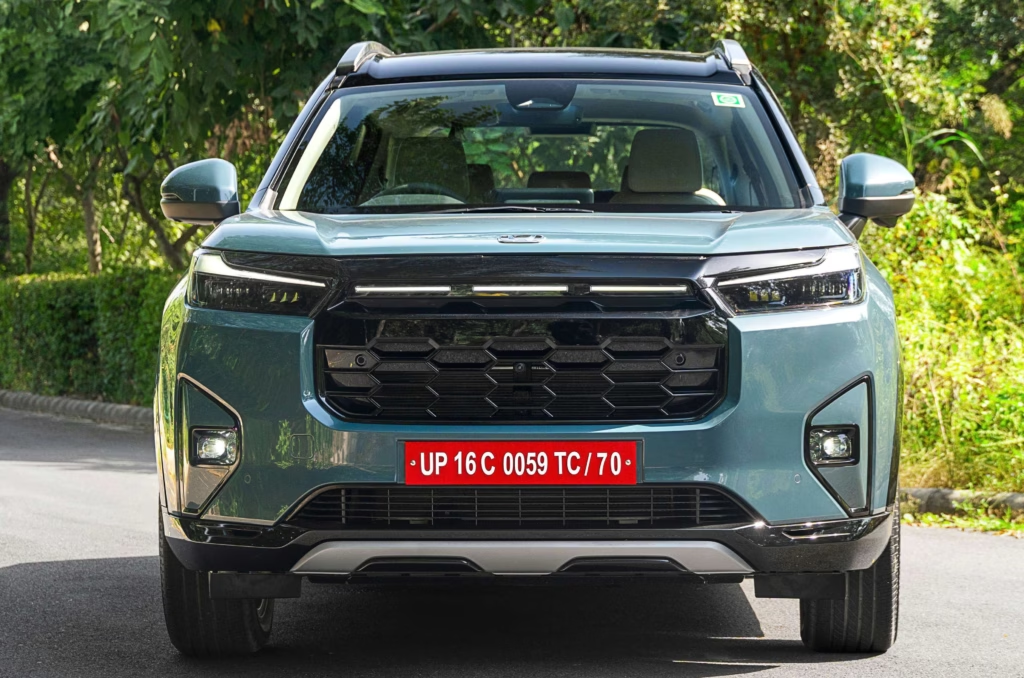
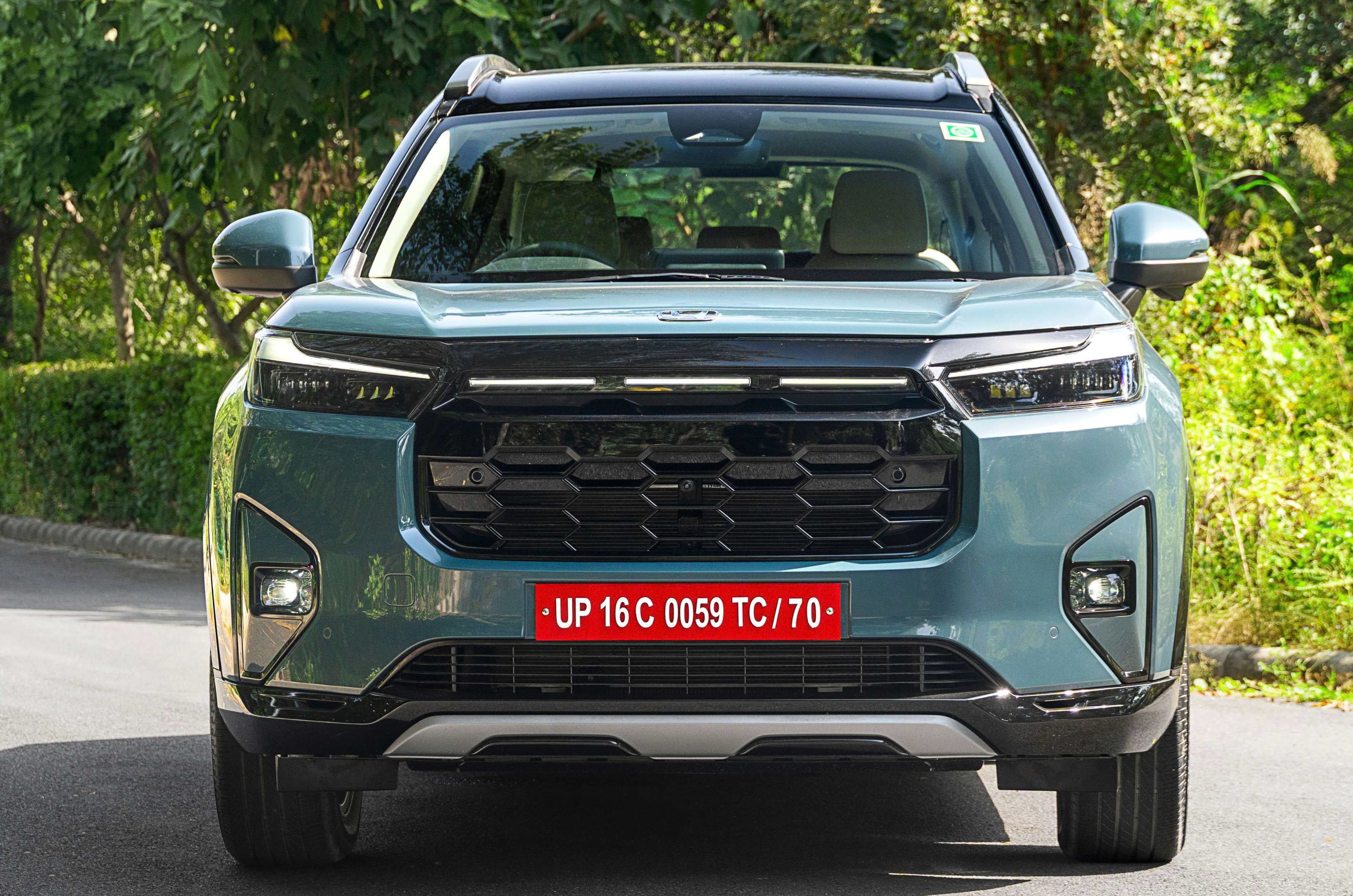
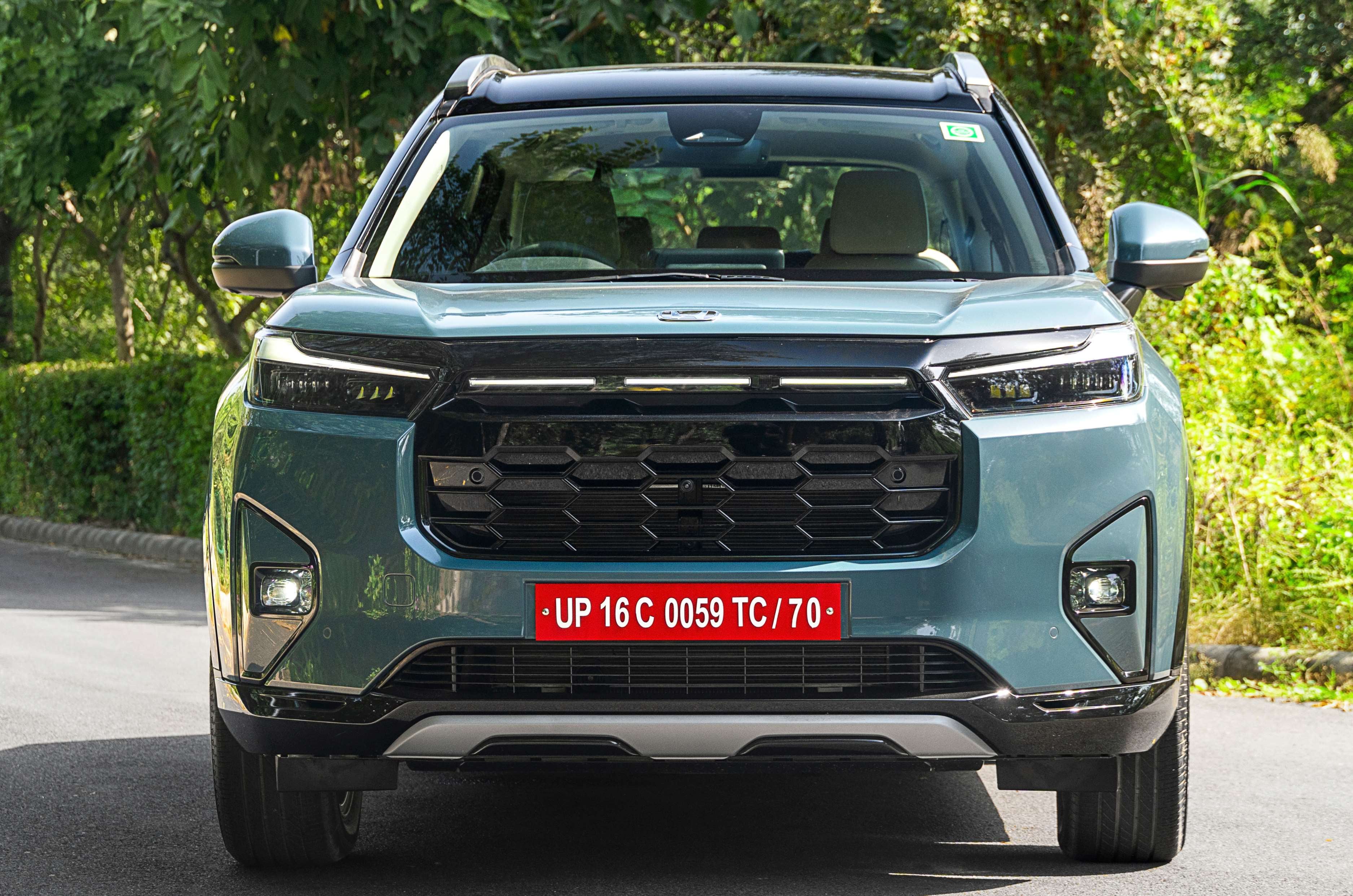
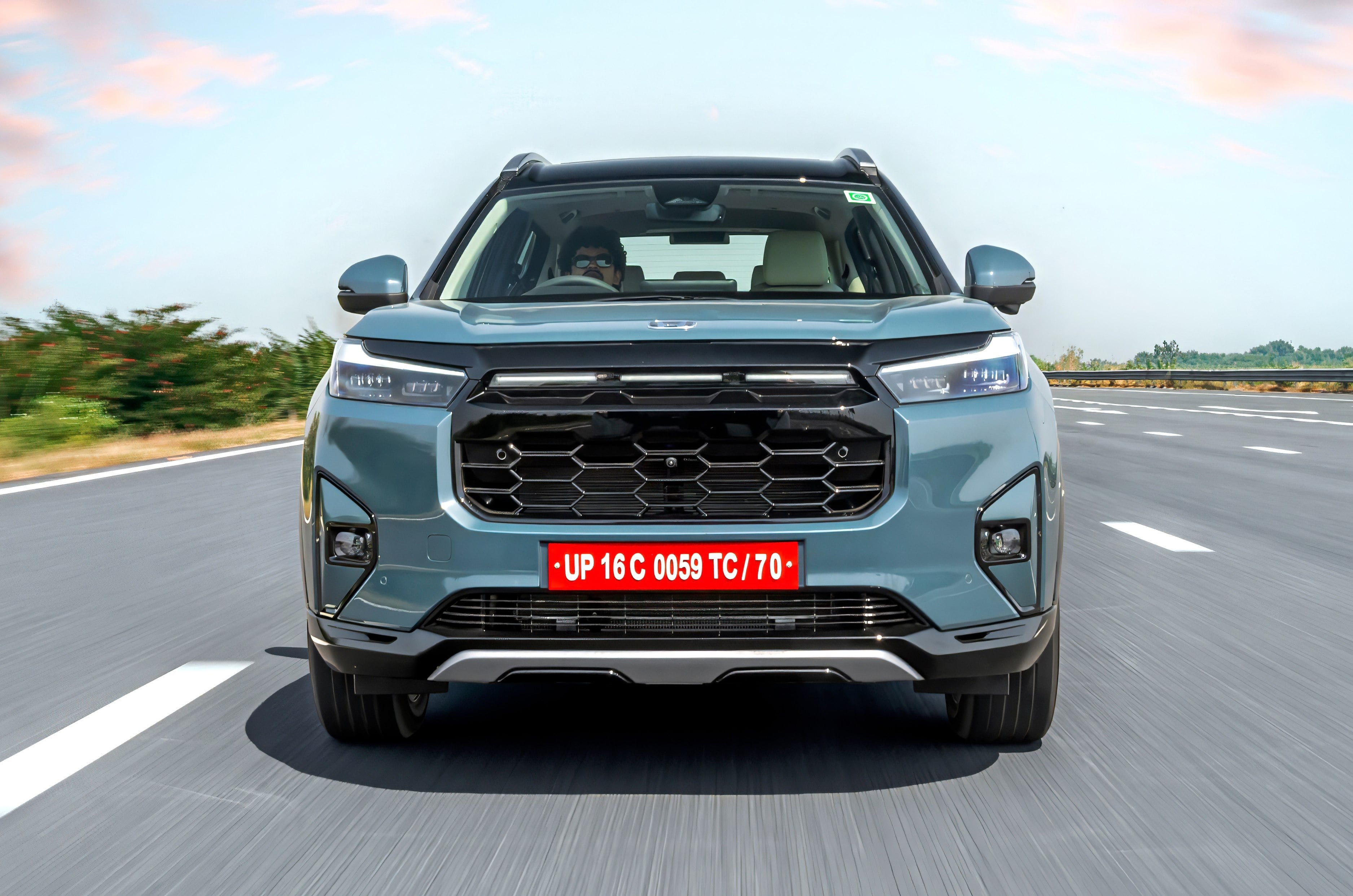
Features a new gloss black grille with a honeycomb pattern and a segmented LED light bar.
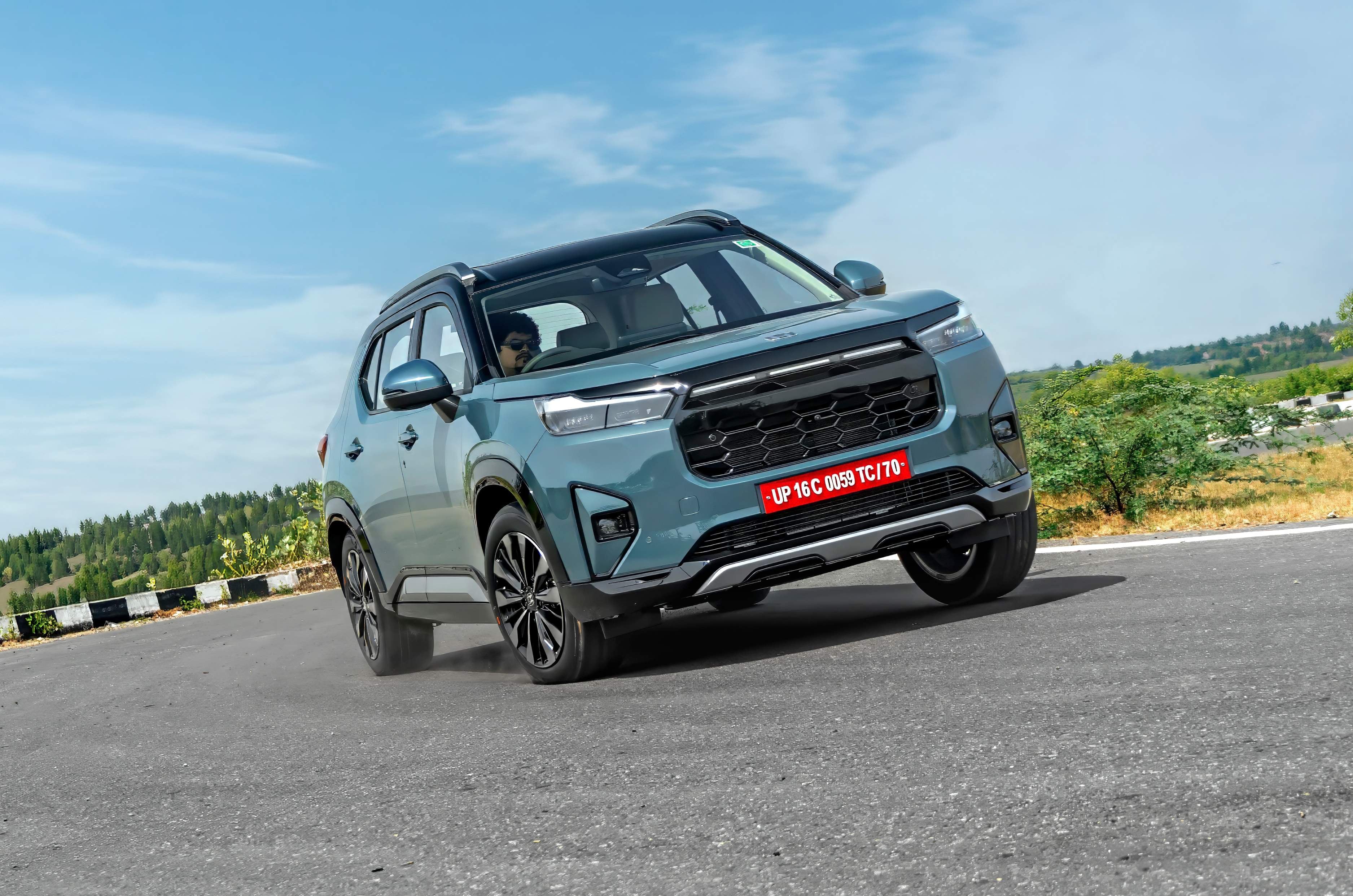
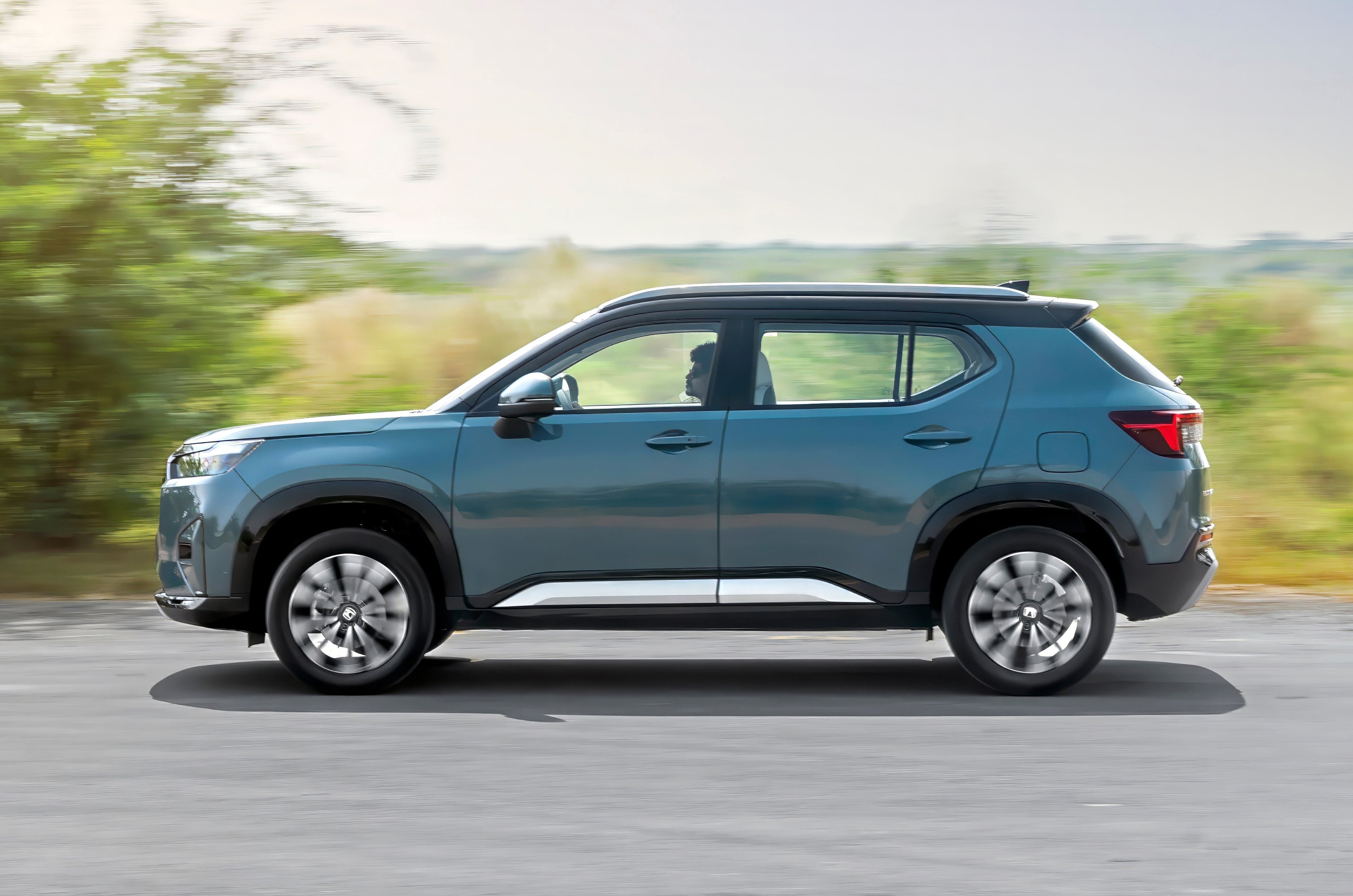
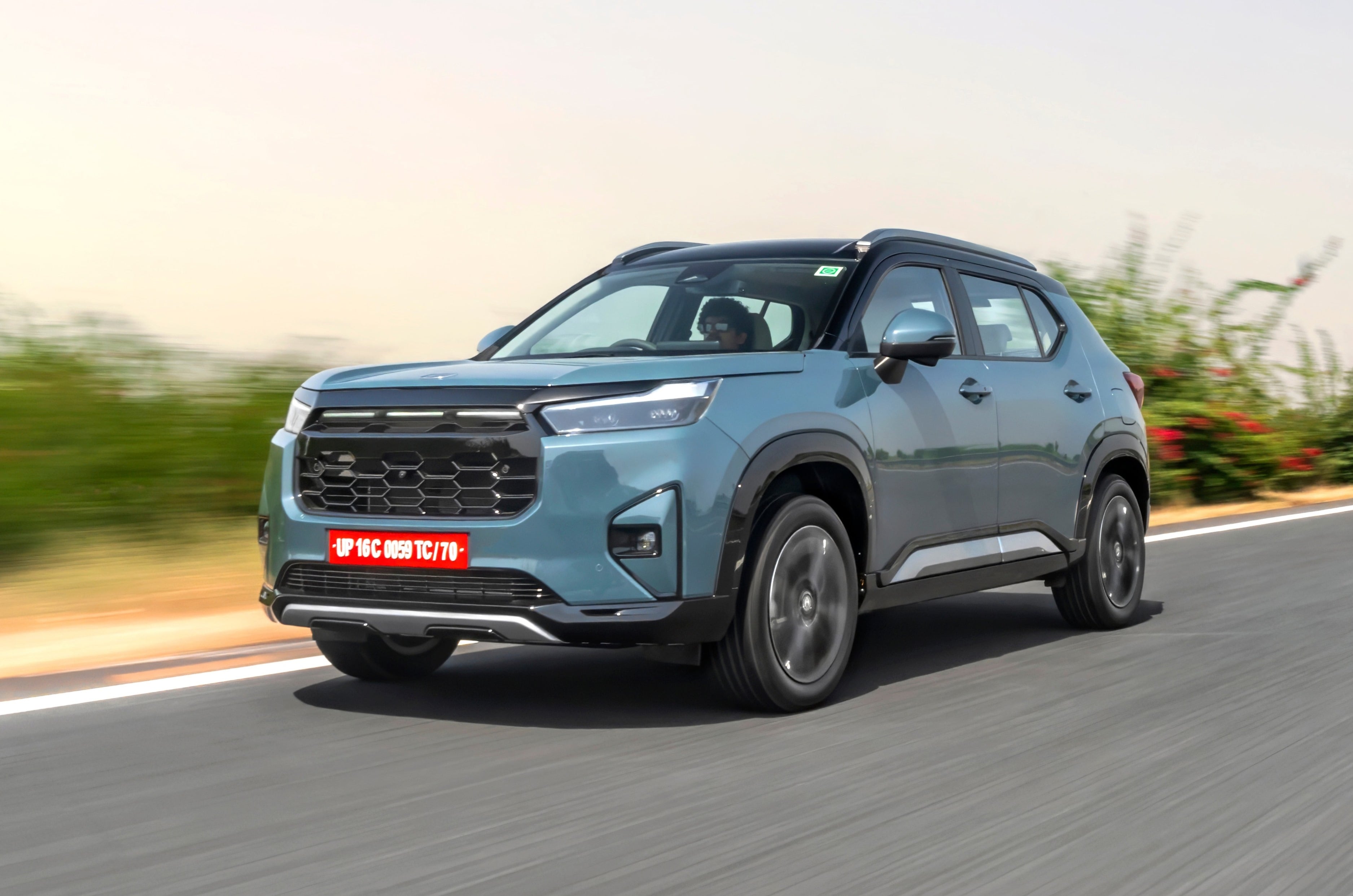
Honda has given the Elevate a subtle design update, but the changes are effective enough to give the SUV a fresher, more contemporary look without straying far from the original design. The biggest revisions are concentrated at the front end, where a new segmented LED light strip links the LED headlamps and the thick chrome band above them has been replaced with gloss black trim. The front grille gets a revised mesh pattern and a gloss-black finish, lending the front end a slightly sportier, more butch appearance. The Honda badge now sits on the bonnet rather than within the grille, while the fog-lamp housings are now finished in body colour instead of black for a cleaner look.
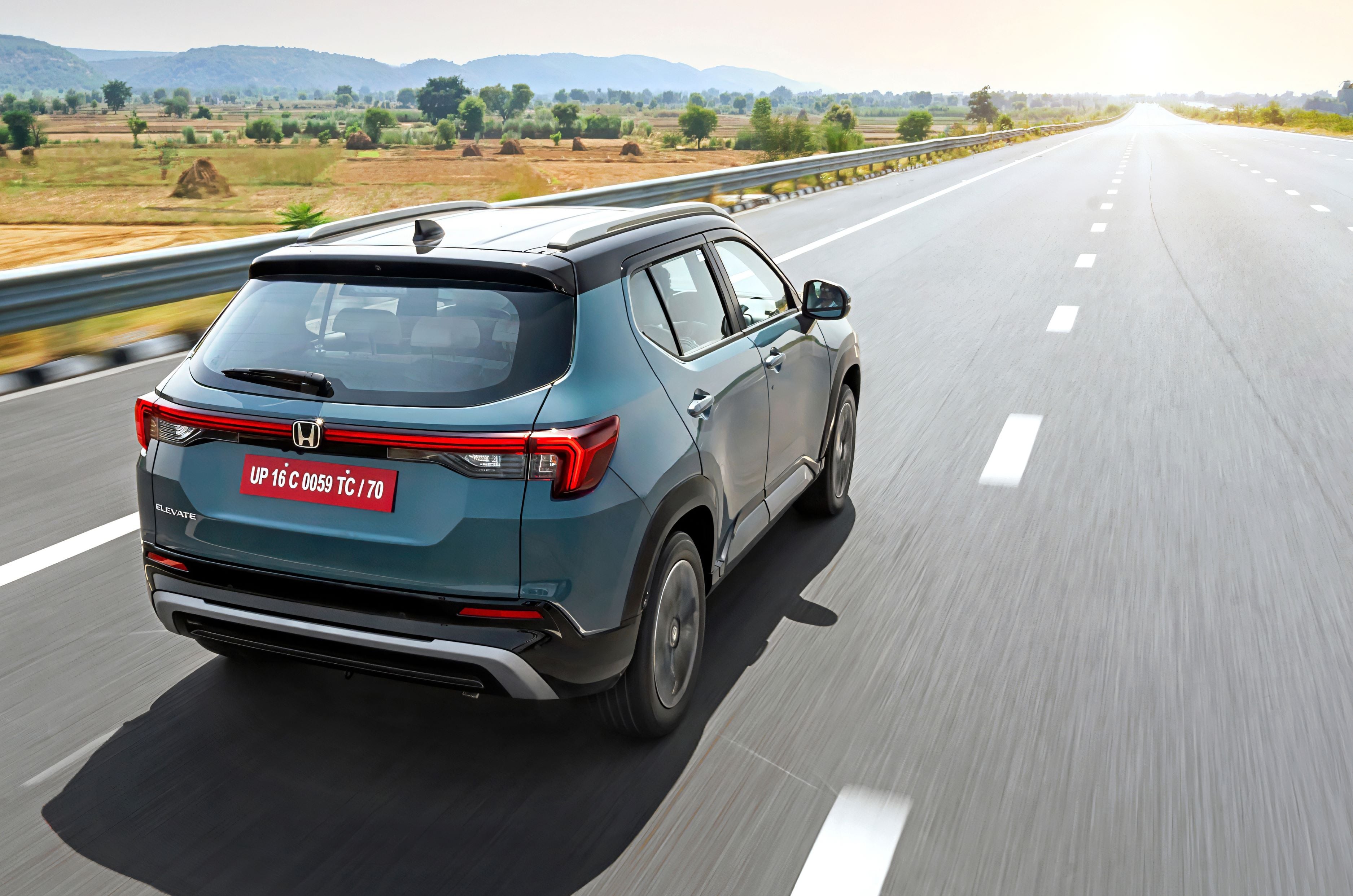
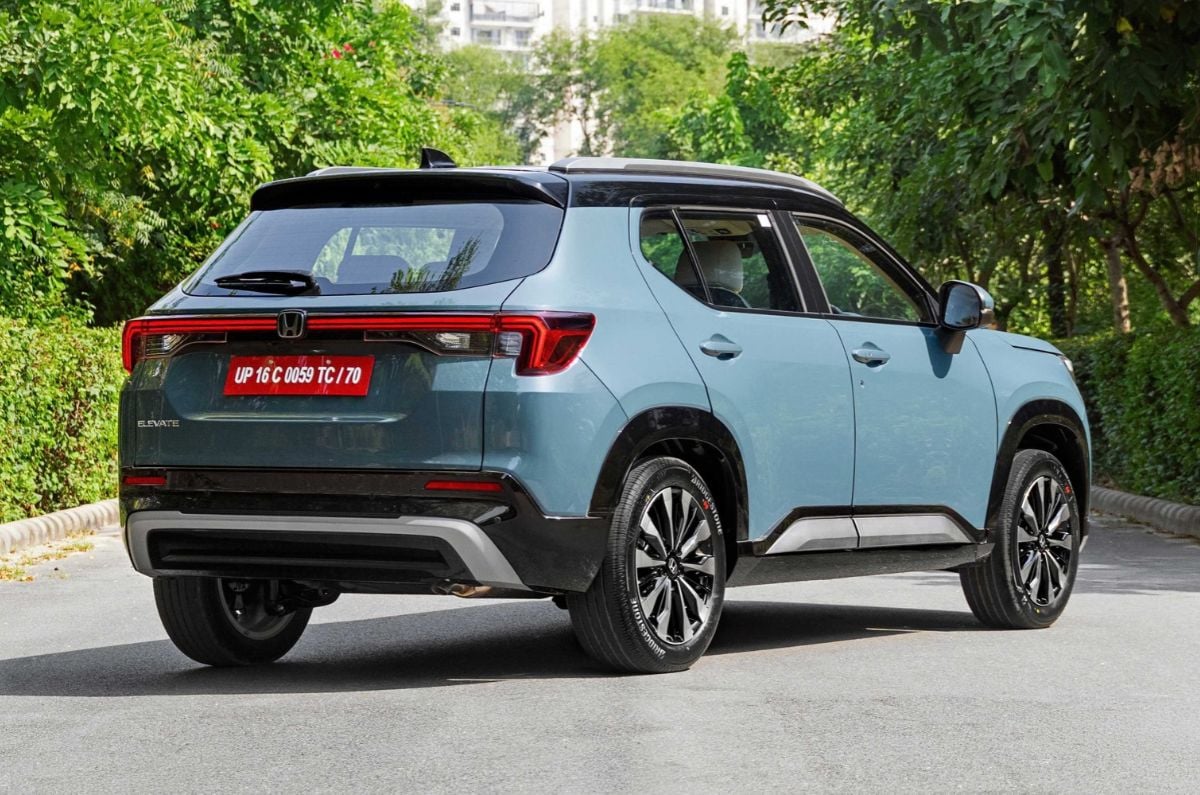
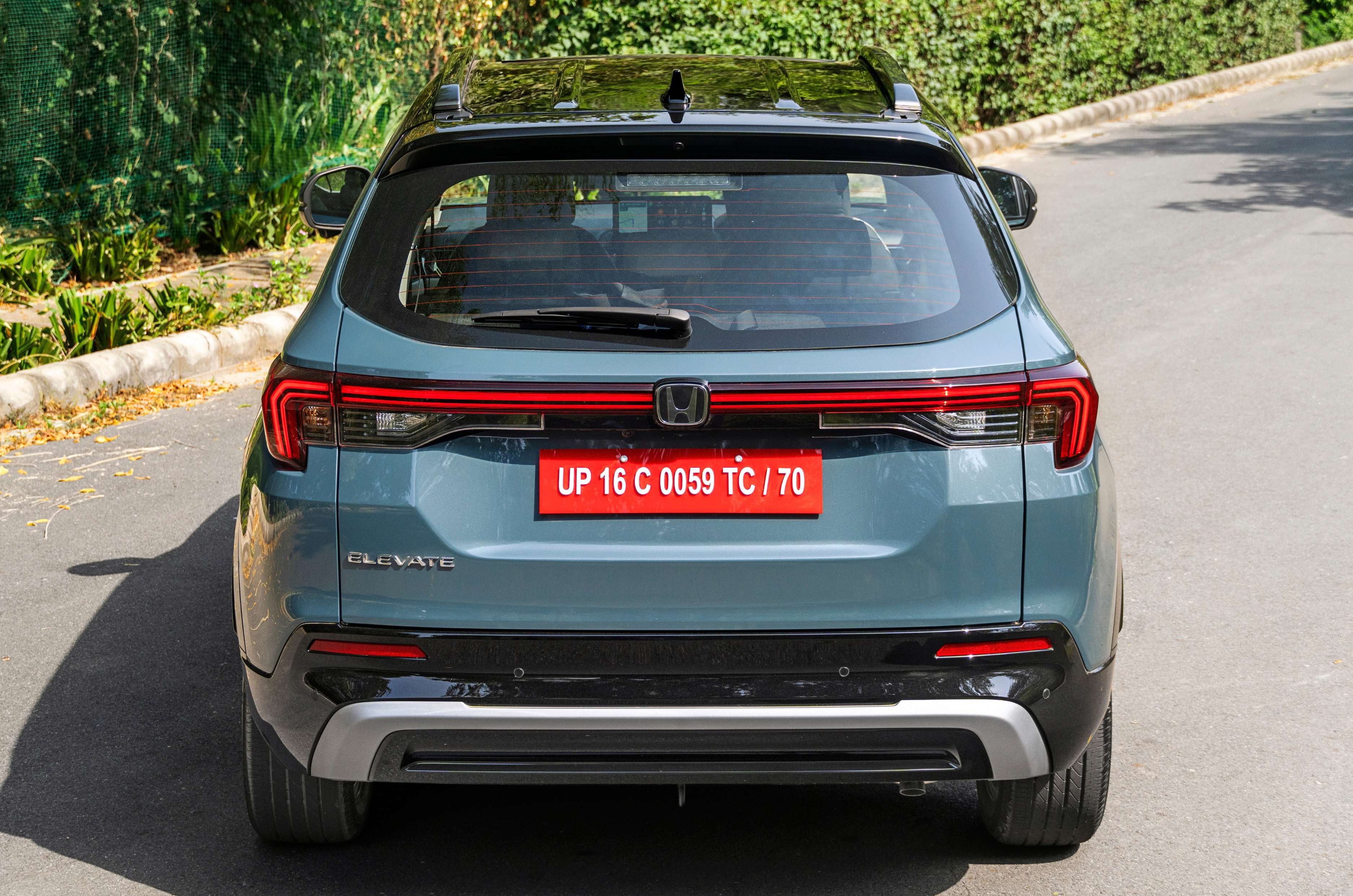
New LED light bar now connects the tail-lamps, giving it a more cohesive appearance.
It’ll take a keen eye to spot the changes along the sides as they’re limited to a new gloss black body cladding instead of a matte finish, silver coloured inserts in the cladding on the doors instead of body colour and a darker finish for the 17-inch alloy wheels which continue with the same design. At the rear, the facelift introduces a new LED light bar that connects the tail-lamps, giving the tailgate a wider, more cohesive appearance, particularly after dark. Rounding off the updates is a new Nordic Forest Pearl paint shade, as you can see in the pictures here.
As for dimensions, it continues to measure 4.3 metres in length, nearly 1.8 metres in width and just over 1.6 metres in height. It’s based on the City platform, but gets a stretched 2650mm wheelbase, wider tracks front and rear and a substantial 220mm of ground clearance.
Interior space and comfort – 8/10
The cabin gets more substantial updates than the exterior, with the changes aimed at improving comfort and perceived quality. To start off, there’s a new ivory and black dual-tone upholstery theme that enhances the sense of space inside and is perhaps more neutral than the tan upholstery earlier. It will be tough to clean though, thankfully there is the option of all-black upholstery with the ‘Black’ edition Elevate.
Upholstery is now ivory and black with a new leatherette panel on the dash; cabin remains practical and feels well-built.
The dashboard has been revised too, with more white leatherette padding and stitching replacing the outgoing model’s faux wood trim, and the AC controls have been revised, now housing the seat ventilation buttons. Honda has even updated the roofliner fabric which looks and feels much nicer than the older woven roofliner. All of this gives the cabin a fresher look, although the overall layout remains familiar.
Front seats remain comfortable and now feature ventilation and power adjustment.
Ergonomics remain a strong point, with the Elevate offering a commanding driving position and supportive front seats that make it easy to get comfortable behind the wheel. The lumbar support, however, might feel excessive for some and taller people may find underthigh support a bit lacking.
Ample headroom and kneeroom but best for two adults thanks to the narrow width and raised centre seat.
At the rear, space is generous, with plenty of kneeroom and headroom making it a very comfy place for two adults. However, fitting a third passenger will be tight thanks to the cabin’s limited width and raised centre seat. There are no sunblinds either, but Honda has added an adjustable headrest and a three-point seatbelt for the centre passenger, which was an omission earlier. Features back here include dedicated AC vents, USB charging ports, a fold down centre armrest with cupholders, new capacitive-touch LED reading lamps and the most prominent, seat ventilation.
428-litre boot can fit in more than the number suggests; continues to feature a spare tyre under the boot floor.
Practicality, meanwhile, remains a strength, with the Elevate offering ample storage spaces throughout the cabin. The boot is also a substantial 458-litres and can pack in much more than the number would suggest. What’s also nice is that it continues to get a spare tyre under the boot floor.
Features and safety – 8/10
360-degree parking camera is a helpful addition but has limited angles of view and a small display on the screen.
The Elevate facelift addresses some of the key equipment gaps in the outgoing model, bringing a more comprehensive feature set to the table. In terms of safety features, there’s now a 360-degree camera (its display on the screen is quite small though, with limited angles of view), which works alongside the existing ‘LaneWatch’ camera, though curiously this feature is still only for the left hand side.
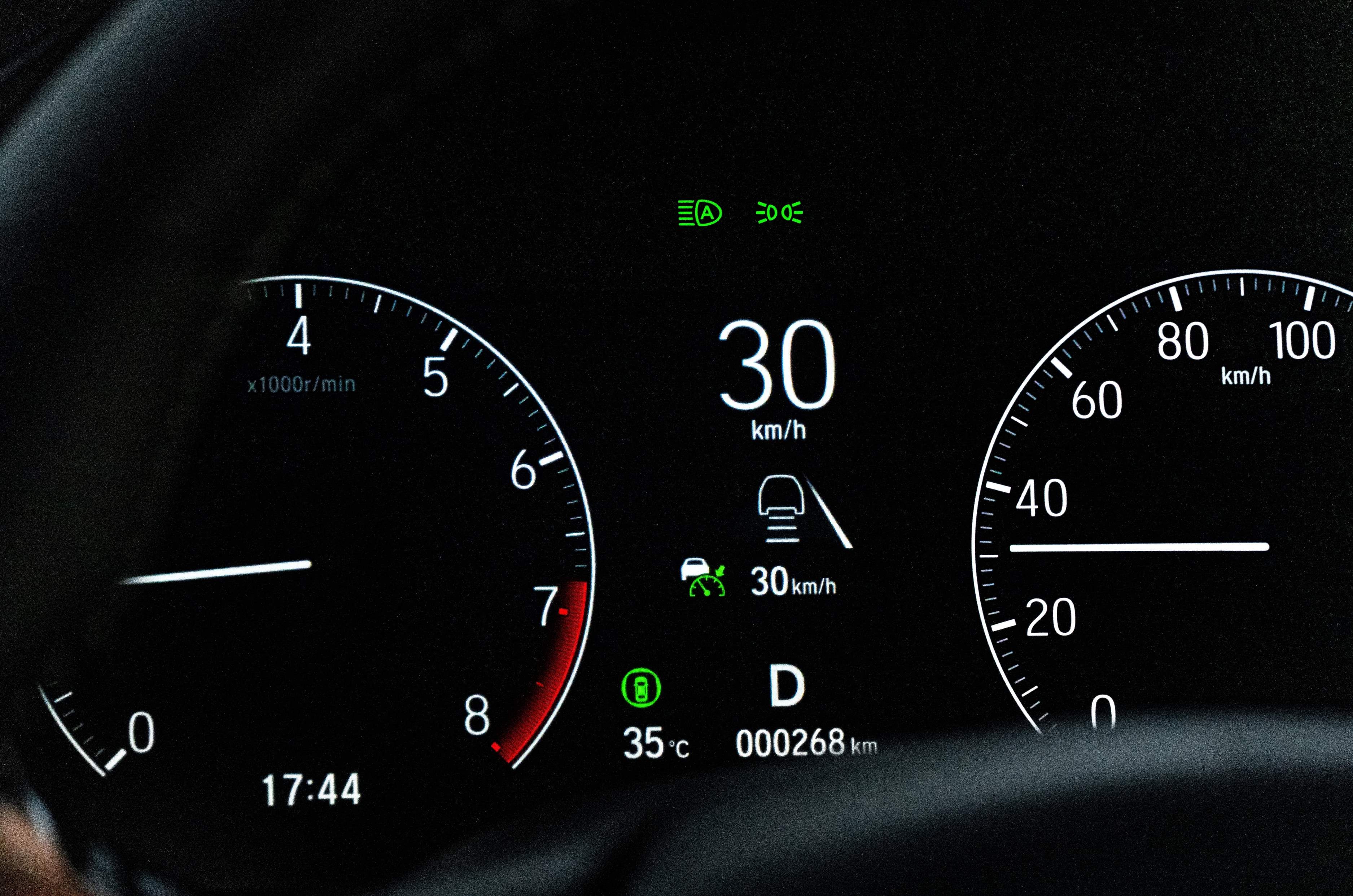
ADAS suite now packs in a useful low-speed follow function for the adaptive cruise control.
Front parking sensors have also been added to make parking and manoeuvring in tight gaps easier. However, the CVT variants get even more safety kit in the form of an electronic parking brake with auto hold function, rear disc brakes and the addition of a low-speed follow function for the adaptive cruise control, which is useful in stop-and-go traffic.
Rear-seat ventilation is a first-in-segment, but it’s only available in the top-spec ZX+ trim.
As for comfort and convenience features, the most important additions are the ventilated front and rear seats, the latter which is a segment-first. Though they take some time to cool effectively, it has enhanced the Elevate’s cabin comfort. Then there’s powered front seats – 8-way for the driver and 4-way for the passenger – ambient lighting and a PM2.5 air purifier. Other than that, much of the existing equipment has been carried over unchanged.
AC controls have been revised with new buttons for seat ventilation; now features an air purifier too.
There’s a 10.25-inch infotainment touchscreen with wireless smartphone integration (though its software and feature set still feel basic at best), semi-digital instrument cluster, a single-pane sunroof, wireless phone charger, six airbags, ESC, traction control, camera-based ADAS tech including auto emergency braking, lane keep assist and more. Still however, there are some features missing that rivals offer like a dual-zone for the auto climate control, panoramic sunroof and powered tailgate.
Powertrain and refinement – 8/10
121hp, free-revving, naturally aspirated 1.5 petrol remains the only engine option with the Elevate.
There have been no changes under the hood of the Honda Elevate. It still continues to be powered by a 1.5-litre, four-cylinder, naturally aspirated petrol engine that produces 121hp and 145Nm. Gearbox options remain unchanged too, with a 6-speed manual and a 7-step CVT automatic, and we got to sample the latter. However, the engine has been future-proofed and is now WLTP emissions norms compliant while already being E20 fuel compatible.
This i-VTEC engine still impresses however. Throttle response is immediate, with no noticeable delay, making the engine feel sharp and eager. As before, the naturally aspirated motor pulls cleanly from idle all the way to the redline, in a smooth and progressive manner. However, it feels most energetic higher up the rev range, where it feels at its most potent too.
The 7-step CVT works well as an automatic, making light work of everyday commuting with its smooth operation. Paddle shifters with pre-set ratio points also give it some resemblance to a conventional automatic, allowing you to have greater control. However, push the throttle hard and the familiar ‘rubber band’ effect becomes apparent, with the engine holding on to high revs for extended periods, which doesn’t make for a relaxed driving experience. In this respect, Hyundai and Kia’s chain-driven CVT feels a bit smoother and more responsive than this belt-driven one.
As for performance, we managed a 0-100kph time of 11.89sec with the pre-facelift Elevate CVT and you can expect this facelifted model to be in the same ballpark. Expectedly, the manual does a quicker 10.82sec time to 100kph.
However, like before the lack of powertrain options is disappointing. In a time when rivals are offering diesels, turbo petrols, strong hybrids and CNGs, the Elevate has to soldier on with a solitary, naturally-aspirated petrol engine which restricts its appeal.
It feels quieter than before but there’s still prominent engine and road noise filtering into the cabin, especially on highways.
Honda has also worked on improving the Elevate’s noise insulation, an area where the existing model lacked. The company claims better isolation from both engine and road noise, but that has worked only to a small extent, in our experience. It feels quieter than before but there’s still prominent engine and road noise filtering into the cabin, especially at highway speeds, and there’s definitely more room for improvement here.
Fuel efficiency – 7/10
Given our short test drive, we didn’t subject the Elevate facelift to our real-world mileage tests. For reference though, the pre-facelift Elevate CVT did 8.60kpl in the city and 13.10kpl on the highway while the Elevate MT managed 8.7kpl in the city and 13.30kpl out on the highway. The Elevate CVT misses out on an Eco drive mode and auto start/stop, which certainly affects its fuel efficiency.
Ride comfort and handling – 8/10
Despite being a high-riding SUV, the Elevate feels remarkably composed on the move.
As before, the Honda Elevate continues to impress with its ride and handling balance. Despite being a tall riding SUV, it feels remarkably composed on the move. Suspension damping, though on the firmer side, is well judged and does a good job of ironing out road imperfections. It’s only when you’re travelling at triple digit speeds on an undulating highway is where you’ll notice quite a bit of vertical movement in the rear seat. But apart from that, the Elevate feels planted on the road.
Body roll is also well contained for a tall SUV, making it predictable around bends.
The steering is accurate and light at slow speeds, which helps with manoeuvrability, but it picks up weight progressively which is reassuring. Body roll is also well contained for a tall SUV and as such, it’s predictable around bends. As for the brakes, the CVT has gained rear discs but that hasn’t made a noticeable difference. Braking performance, like before, remains strong with a nice, progressive feel.
Value for money and verdict – 7/10
With this facelift, Honda has addressed some of the Elevate’s earlier shortcomings with some much-needed features and the updated look and feel inside the cabin. However, some drawbacks still remain like the lack of powertrain options and the below-par sound insulation.
It remains a sensible, practical midsize SUV that continues to prioritise the essentials over outright novelty.
What the Elevate continues to get right, though, are the fundamentals. It continues to offer a comfortable and practical cabin, a responsive engine and a well-sorted ride and handling package. Add to that the design refresh and the fairly expansive features list, and the Elevate facelift feels more rounded than before. Priced from Rs 11.80 lakh to Rs 18.40 lakh (ex-showroom), it’s still very competitively priced, though the new top ZX+ variant is up there with the heavy hitters.
Ultimately, the Elevate remains a sensible, practical midsize SUV that continues to prioritise the essentials over outright novelty. As a result, the Elevate facelift represents a great option for buyers who value comfort, everyday usability, reliability and the peace of mind associated with the Honda badge.
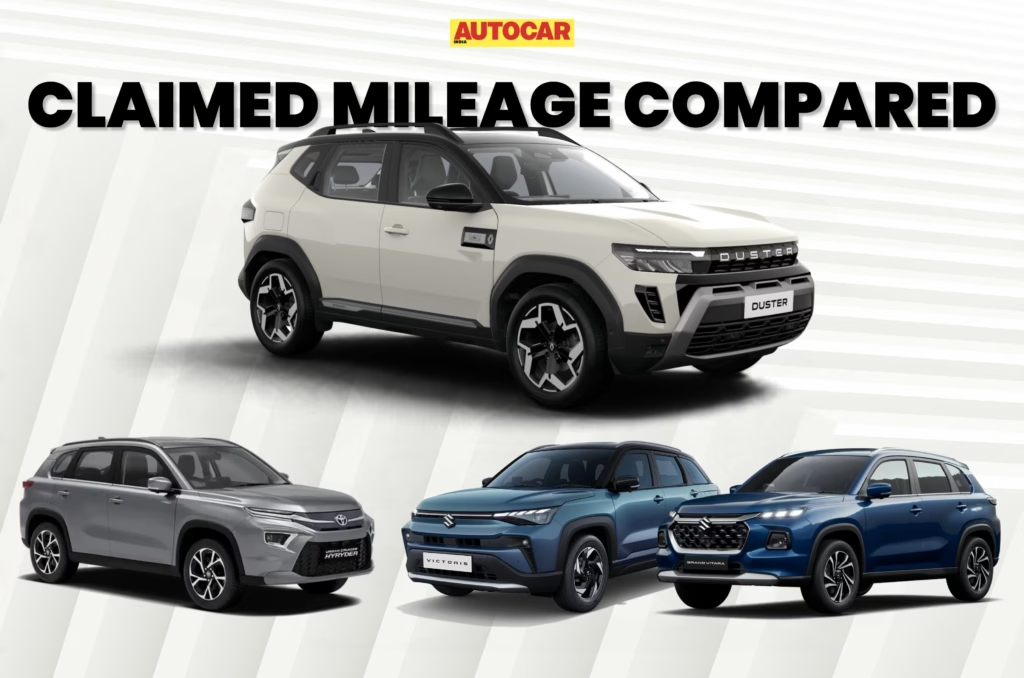
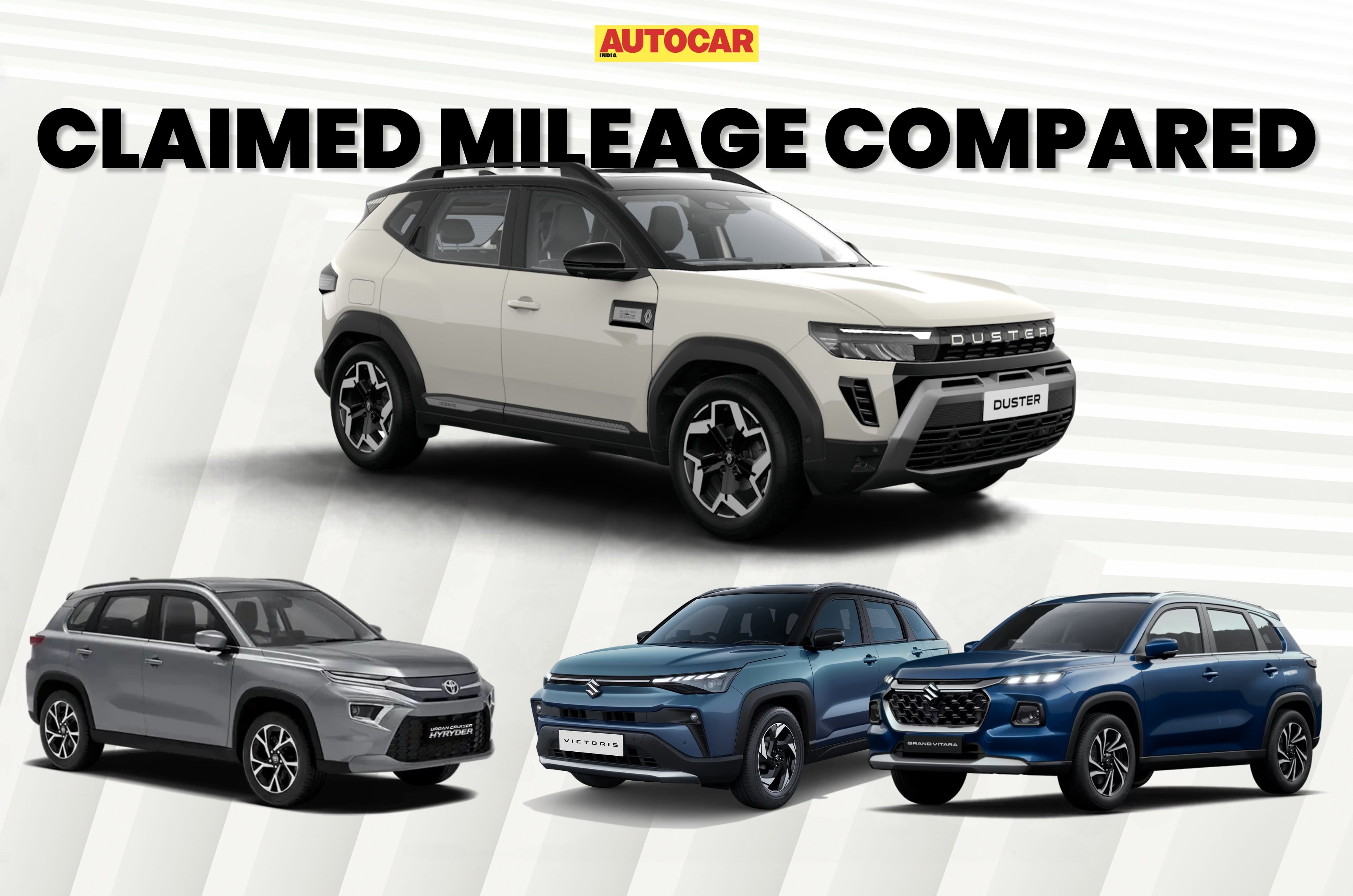
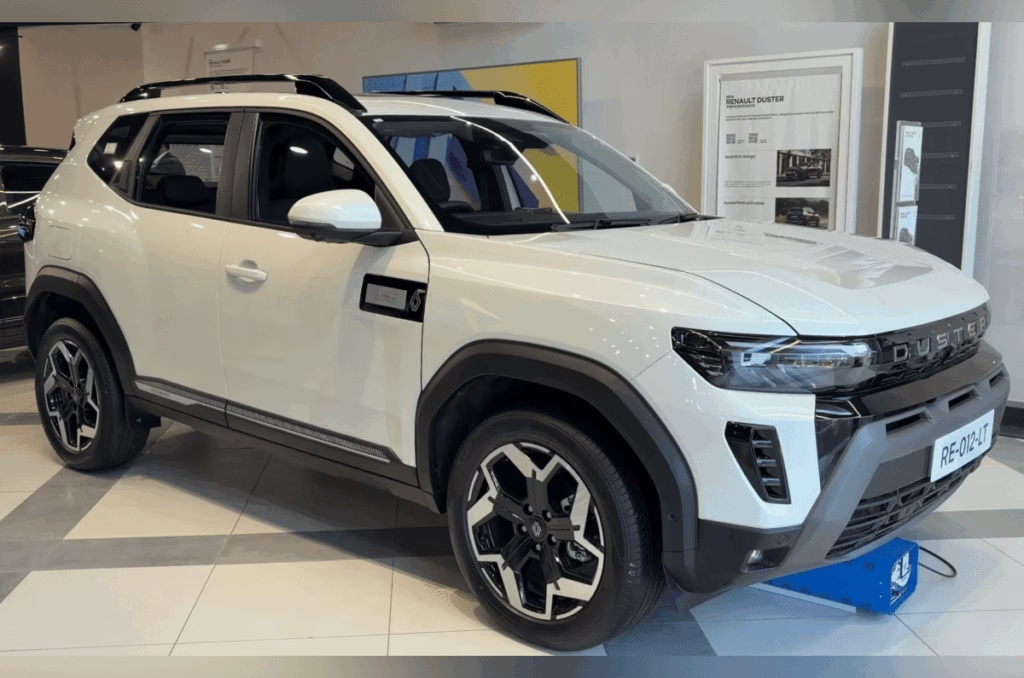
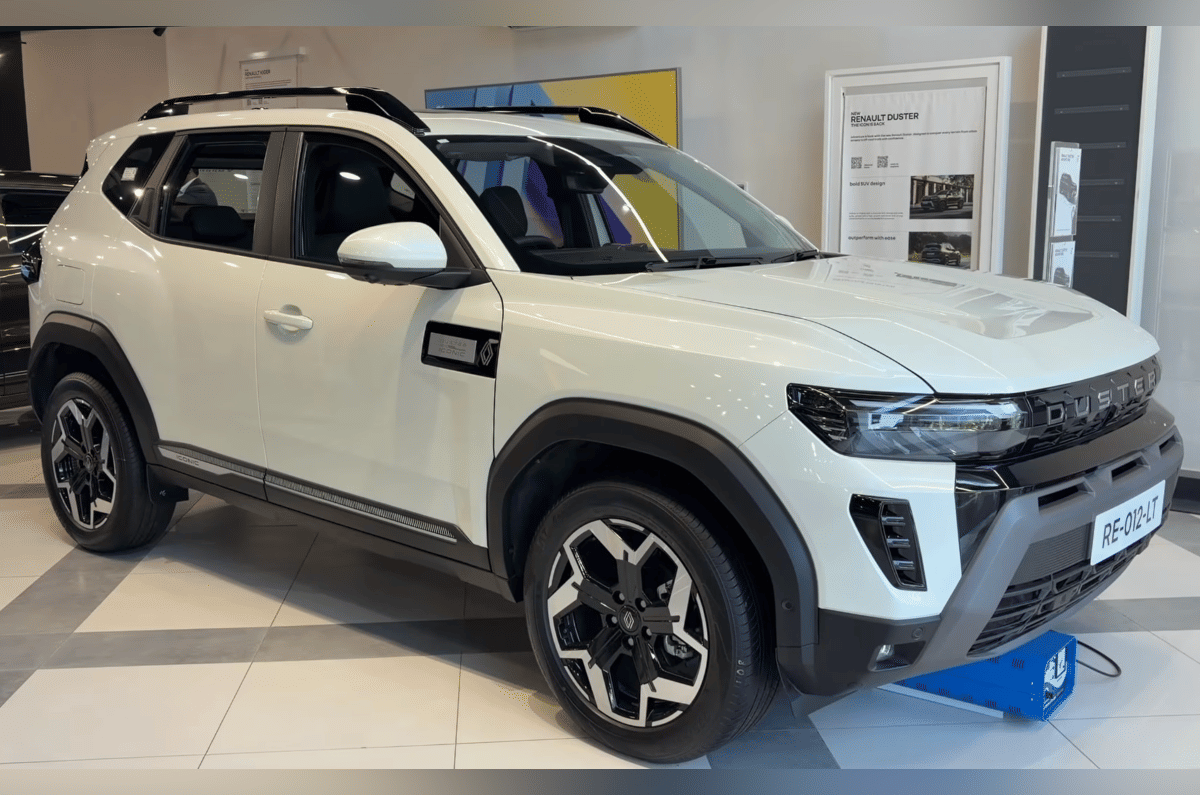
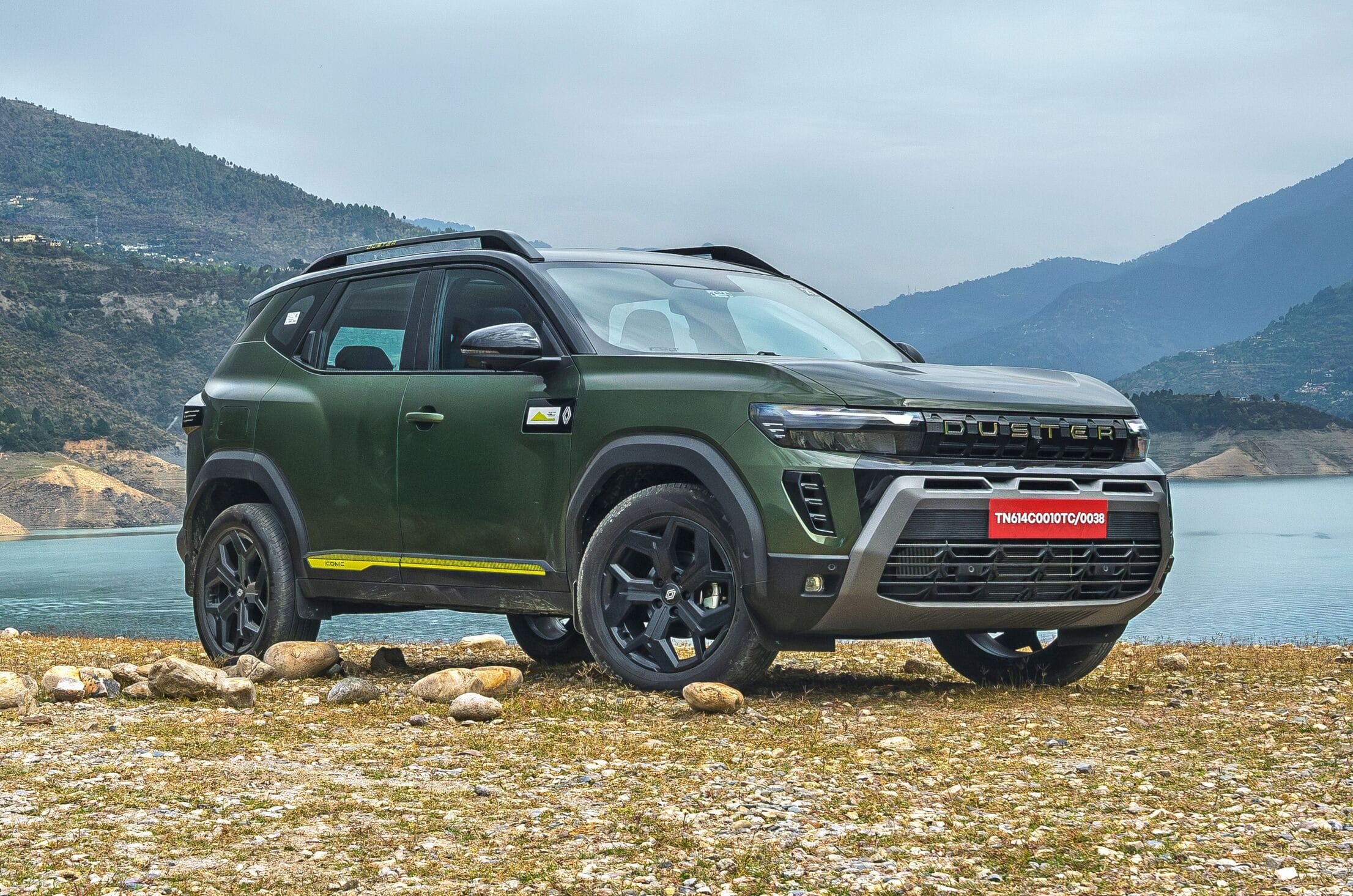
Around seven months after launching the new-gen Duster in India, Renault is now getting ready to bring the hybrid version of its midsize SUV. Featuring what the French brand calls “strong hybrid E-Tech 160” powertrain, this version of the Duster is aimed at buyers who want good mileage without sacrificing performance. Having said that, let’s see how the Renault Duster hybrid compares in terms of claimed fuel efficiency when compared to segment rivals.
Renault Duster hybrid vs rivals: Claimed mileage
The Duster hybrid’s ARAI mileage of 29kpl gives it an upper hand among its strong-hybrid rivals
Renault Duster hybrid vs rivals: ARAI claimed mileage (kpl)
Renault Duster hybrid
29
Maruti Suzuki Grand Vitara strong hybrid
27.97
Maruti Suzuki Victoris strong hybrid
28.65
Toyota Urban Cruise Hyryder strong hybrid
27.97
The Renault Duster hybrid’s ARAI-claimed mileage of 29kpl, which is 1.03kpl higher than what its Maruti Grand Vitara strong hybrid and Toyota Urban Cruise Hyryder strong hybrid rivals claim. It is only the Maruti Victoris with its strong-hybrid powertrain that comes close to matching the claimed figure of the Renault SUV, with a margin of just 0.35kpl between the two cars.
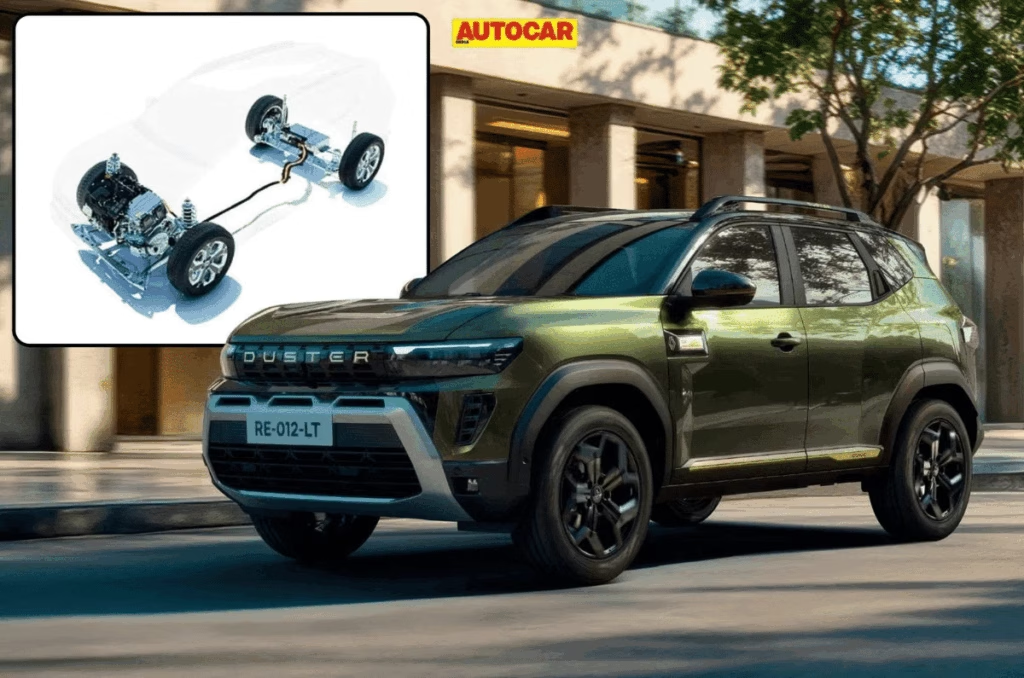
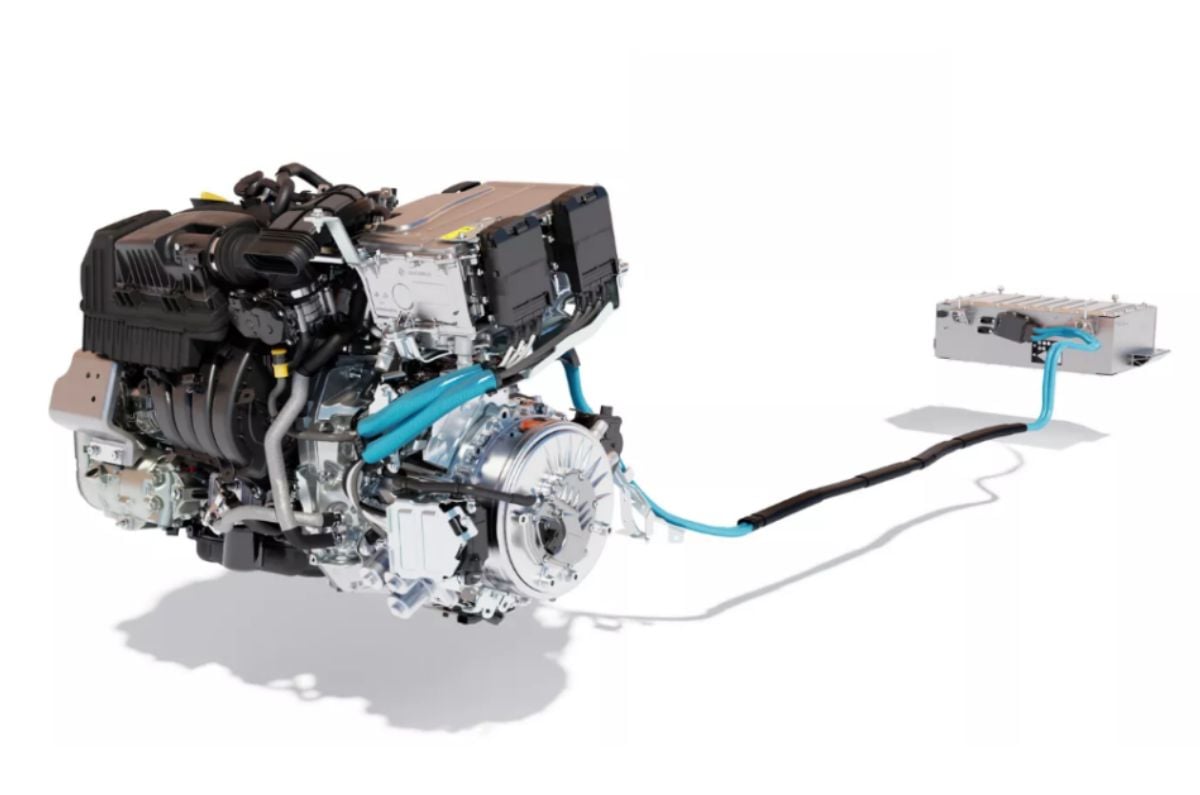
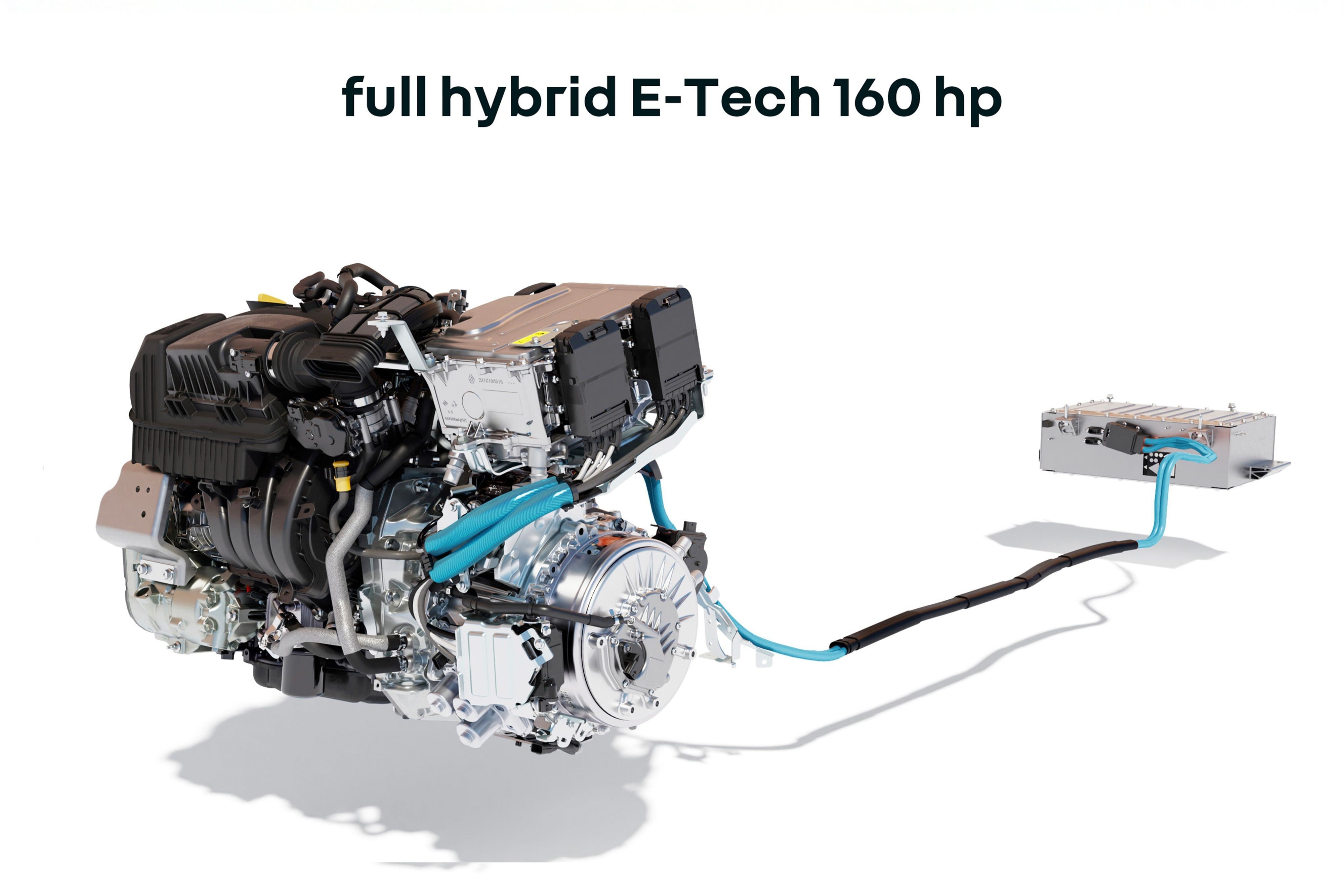
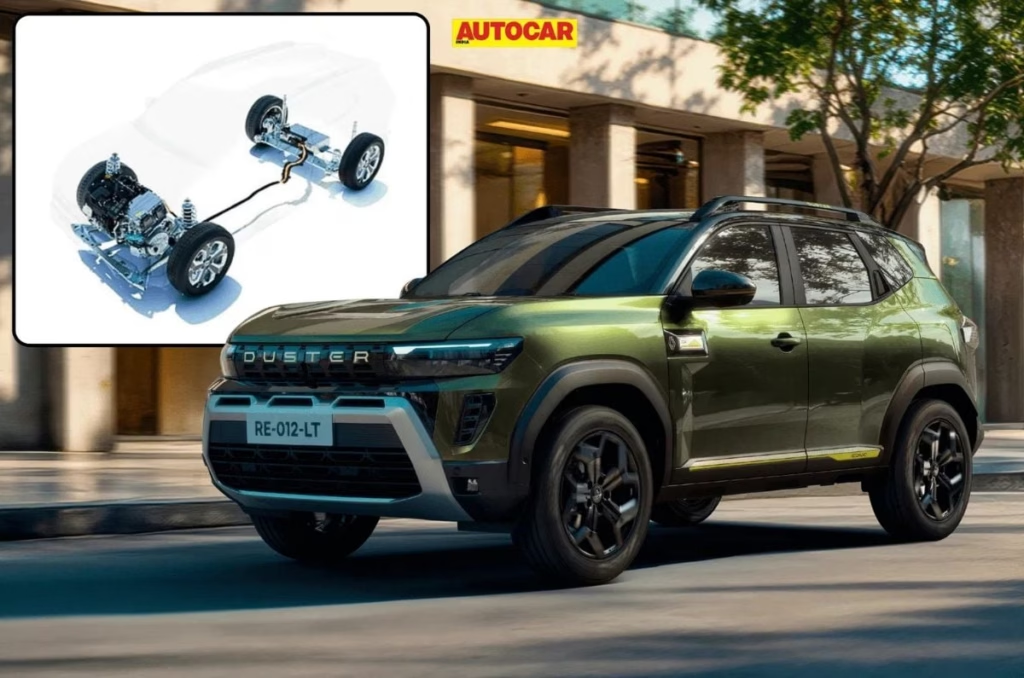
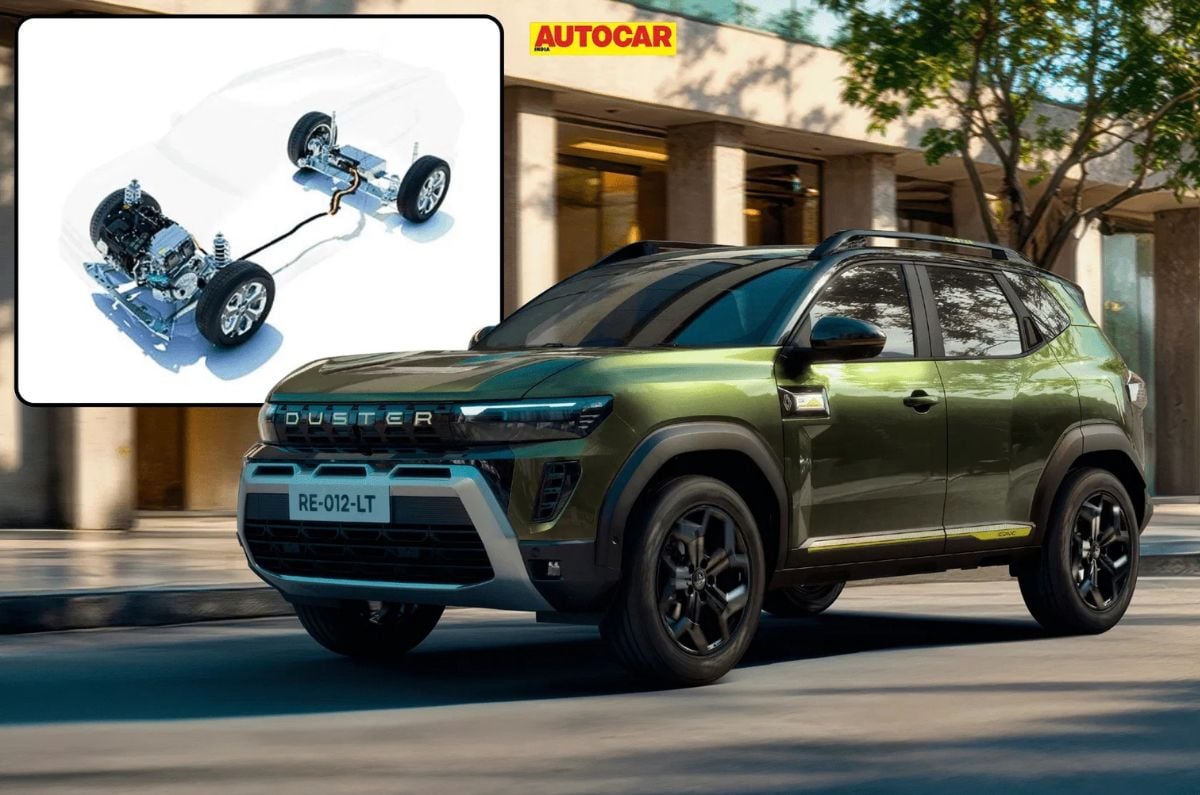
The Renault Duster’s strong hybrid powertrain comprises a 1.8-litre four-cylinder petrol engine that’s assisted by two electric motors and a 1.4kWh battery pack, resulting in a combined output of 160hp and 172Nm. According to Renault, the electric motors of the Duster hybrid include a 20hp unit that acts as a generator and a 49hp motor that drives the front wheels. While all models here offer an automatic transmission, the Duster hybrid features what Renault calls an “intelligent multi-mode transmission”. The rest come equipped with an e-CVT (electronically controlled continuous variable transmission).
The battery pack of the Renault Duster hybrid is larger than what the Urban Cruiser Hyryder strong hybrid offers. Considering the latter shares its underpinnings with the Grand Vitara strong hybrid, their battery packs would be the same too. For reference, the Toyota Urban Cruiser Hyryder’s strong-hybrid version is equipped with a 0.60kWh lithium-ion battery, which makes it less than half the size of the battery pack fitted to the Duster hybrid. This capacity advantage also likely explains the Renault SUV’s higher claimed range.
Renault India has opened the Duster hybrid’s bookings for Rs 21,000, ahead of its launch on October 17. This will be the third powertrain option for the Renault Duster, adding to the existing 1.0-litre and 1.3-litre turbo-petrol engines. Called the E-Tech system, it draws from the carmaker’s experience and expertise in Formula 1. Renault has also revealed that the Duster hybrid has an ARAI-rated fuel efficiency figure of 29kpl.
Renault Duster hybrid powertrain details
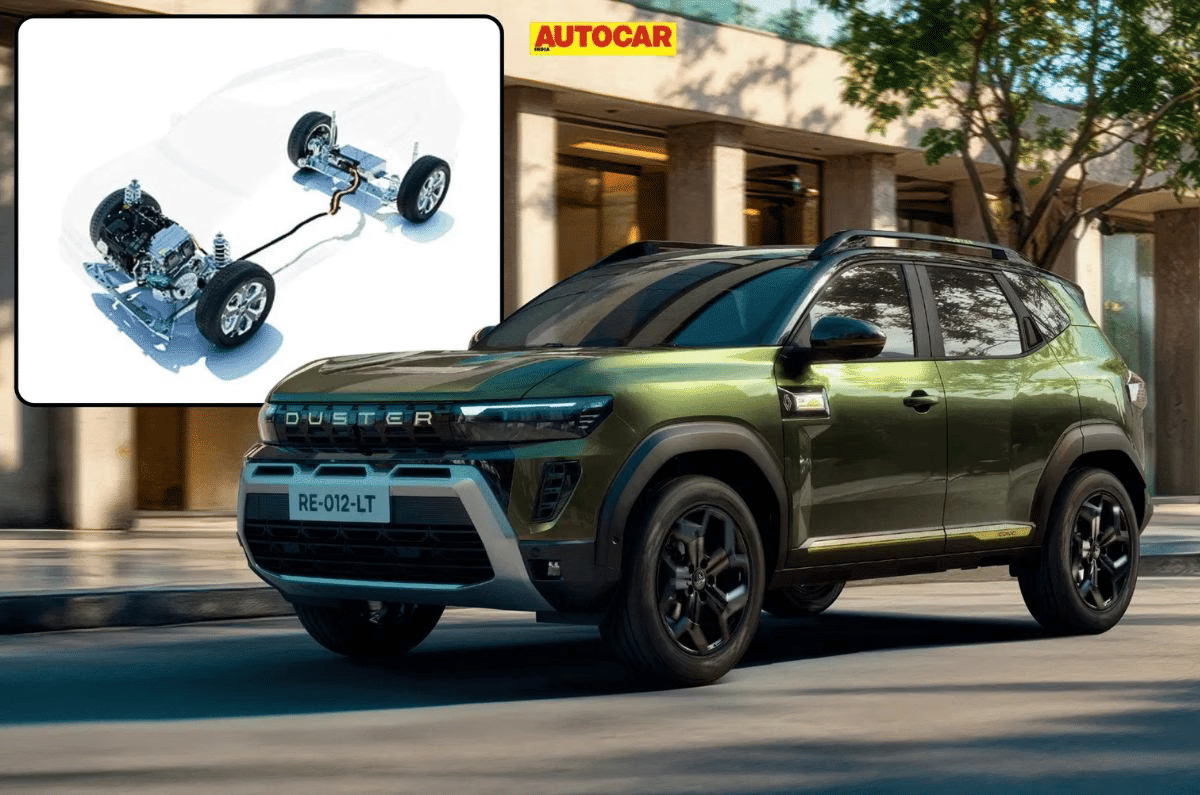
The Duster hybrid combines a naturally aspirated 1,789cc four-cylinder petrol engine with two electric motors, a 20hp unit acting as a generator and a 49hp motor powering the wheels. Combined, the system produces 160hp and 172Nm, and it is supported by a 1.4kWh battery pack. The Duster’s hybrid combines a petrol engine with electric drive and a battery, and it sends power to the wheels through a multi-mode automatic gearbox. The transmission uses fixed gear ratios and can shift between them. This means engine rpm is expected to rise and fall more like a conventional automatic, and you may notice gear engagements as it switches between electric drive, engine drive and a combination of both.
Renault’s 160hp E-Tech hybrid powertrain.
As with any full hybrid, the efficiency gains come from low-speed electric running, regenerative braking and the ability to keep the petrol engine off when it is not needed. However, real-world fuel economy will still depend on traffic conditions, speed, ambient temperature and driving style. That said, Renault claims the engine will enable 80 percent of city drives to be done in EV mode.
The choice of a hybrid powertrain is expected to help make up for the absence of a diesel option on the new Duster. This will also directly compete with the Maruti Grand Vitara, Victoris and Toyota Hyryder, all of which currently offer a hybrid powertrain option.
Renault India has announced offers applicable on its cars in October. The Renault Duster is available with the highest benefits this time, followed by the Kiger and Triber. These include cash discounts, exchange and loyalty benefits, as well as corporate offers. Let us now take a closer look at them.
Disclaimer: Offers/benefits may vary by city and are subject to stock availability. Buyers are advised to check with their local dealer for exact figures. Customers can also check out Renault India’s official website for further details.
Renault Duster offers in October 2026
Benefits of up to Rs 2.1 lakh
The Renault Duster gets benefits of up to Rs 2.1 lakh this month. Its Techno+ and Iconic trims get a cash offer of up to Rs 50,000. Exchange benefits of up to Rs 1.1 lakh are available on these variants as well, while the Evolution and Adventure trims get up to Rs 50,000. For a Duster-to-Duster exchange, the benefit rises to Rs 1.5 lakh on the Techno+ and Iconic trims and Rs 1 lakh on the Evolution and Adventure. Customers can also avail loyalty benefits of up to Rs 10,000 and AMC on all trims of the Duster upon submission of required loyalty proofs.
The Duster is priced between Rs 10.49 lakh and Rs 18.49 lakh, and rivals the Hyundai Creta, Kia Seltos and Tata Sierra, among others.
Renault Kiger offers in October 2026
Benefits of up to Rs 65,000
For the Renault Kiger VIN 2026 models, customers can avail benefits of up to Rs 65,000. Cash and exchange offers of up to Rs 25,000 each are available on the Evolution+, Techno and Emotion trims. Like the Duster, customers can even claim loyalty benefits of up to Rs 10,000 and an AMC on all Kiger trims, subject to submission of the required loyalty proofs. A corporate discount of up to Rs 5,000 is also on offer.
Prices for the Kiger start at Rs 5.81 lakh and go up to Rs 10.40 lakh. Rivals include Nissan Magnite, Hyundai Venue, Maruti Brezza, Tata Nexon and more.
Renault Triber offers in October 2026
Benefits of up to Rs 55,000
Benefits of up to Rs 55,000 are on offer with the Renault Triber. Select variants get a cash benefit of up to Rs 25,000 and an exchange benefit of up to Rs 25,000. An additional corporate discount of up to Rs 5,000 is also available with the compact MPV.
The Triber is priced between Rs 5.80 lakh and Rs 9 lakh, ex-showroom, and competes with its badge-engineered sibling, the Nissan Gravite.
Ex-showroom prices mentioned above are as on October 8, 2026.
Maruti Suzuki has revealed the offers applicable to its Nexa cars in October. The Grand Vitara receives the highest benefits of up to Rs 1.36 lakh, followed by the Invicto, XL6, Jimny, e Vitara and Fronx. However, there are no benefits on the recently launched Baleno facelift. Let us now take a closer look at these offers.
Note: Offers may vary by city, dealership and stock availability. Please check with your nearest Maruti Nexa dealership for the exact figures. The pre-Navratri booking offer is applicable from October 1 to 10. The exchange offer considered here is for cars up to 10 years old, while the additional exchange offer applies to cars up to 6 years old.
Maruti Grand Vitara October 2026 offers
Up to Rs 1.36 lakh
Pre-2025 Maruti Grand Vitara.
The Maruti Grand Vitara gets offers of up to Rs 1.36 lakh this month. Its Sigma petrol MT variant gets the highest total benefit of up to Rs 1.36 lakh, including a cash discount of Rs 35,000, a pre-Navratri booking offer of Rs 11,000, exchange benefit of Rs 30,000, an additional exchange bonus of Rs 25,000, a loyalty bonus of Rs 20,000 and corporate offer of Rs 15,000.
The Delta petrol MT and AT variants get offers of up to Rs 1.26 lakh, while the Zeta and Alpha petrol variants, along with the AWD variants, get benefits of Rs 1.15 lakh plus a five-year extended warranty. All strong-hybrid variants get benefits worth up to Rs 1.20 lakh, along with zero road tax of up to Rs 1.85 lakh and a five-year extended warranty. Lastly, the Delta CNG gets benefits of up to Rs 1 lakh, while the Zeta CNG gets up to Rs 90,000.
Maruti has priced the Grand Vitara from Rs 10.77 lakh to Rs 19.62 lakh, and it rivals midsize SUVs like the Hyundai Creta, Tata Sierra, Kia Seltos, Renault Duster and more.
Maruti Invicto October 2026 offers
Up to Rs 95,000
Next in line is the Maruti Invicto, with offers of up to Rs 95,000. These are available across all variants of the MPV, and include an exchange benefit of Rs 50,000, a loyalty bonus of Rs 30,000 and a corporate offer of Rs 15,000. However, there are no consumer offer, pre-Navratri booking offer and additional exchange bonus available on the Invicto.
The Maruti Invicto, priced from Rs 25.02 lakh to Rs 28.71 lakh, locks horns with the Toyota Innova Hycross.
Maruti XL6 October 2026 offers
Up to Rs 61,000
The Maruti XL6 gets offers of up to Rs 61,000. Petrol MT and AT variants get a cash discount of Rs 20,000, a pre-Navratri booking offer of Rs 11,000, an exchange benefit of Rs 20,000 and an additional exchange bonus of Rs 10,000. CNG variants get a maximum benefit of Rs 50,000, comprising a cash discount of Rs 20,000, an exchange benefit of Rs 20,000 and an additional exchange bonus of Rs 10,000.
Prices for the Maruti XL6 range from Rs 11.62 lakh to Rs 14.52 lakh, and the MPV rivals the Kia Carens Clavis and Toyota Rumion.
Maruti Jimny October 2026 offers
Up to Rs 35,000
Unlike the models so far which get multiple offers, the Maruti Jimny is available with just a cash discount of Rs 35,000 across all variants. No exchange, pre-Navratri booking, additional exchange bonus, loyalty and corporate offers are on offer this month with the SUV.
The Jimny’s prices range between Rs 12.59 lakh and Rs 14.52 lakh, and it competes with the Mahindra Thar OG and Force Gurkha 3-door.
Maruti e Vitara October 2026 offers
Up to Rs 30,000
The Maruti e Vitara, the carmaker’s sole EV offering, gets offers of up to Rs 30,000 this month, along with a free charger and its home installation. Available across all variants, the offer includes an exchange benefit of Rs 30,000. There are no consumer, pre-Navratri booking, additional exchange bonus, loyalty, scrappage or corporate offers this month.
The e Vitara is priced between Rs 16.19 lakh and Rs 19.99 lakh, and it rivals the likes of the Hyundai Creta Electric, Vinfast VF6, Mahindra BE 6 and more.
Maruti Fronx October 2026 offers
Up to Rs 27,100
Rounding off this list is the Maruti Fronx, with offers of up to Rs 27,100 in October 2026. The 1.0-litre turbo-petrol variants get the highest benefit, including a consumer offer of Rs 5,000, a pre-Navratri booking offer of Rs 7,100, an exchange benefit of Rs 10,000 and an additional exchange bonus of Rs 5,000.
The 1.2-litre petrol variants get up to Rs 22,100, comprising the pre-Navratri booking, exchange and additional exchange bonus benefits. The 1.2-litre petrol-CNG variants get the lowest benefit of Rs 15,000, through exchange and additional exchange bonus offers.
Prices for the Maruti Fronx range from Rs 6.9 lakh to Rs 11.89 lakh, and it serves as an alternative to compact SUVs like the Tata Nexon, Hyundai Venue, Kia Sonet, Mahindra XUV 3XO and more.
Ex-showroom prices mentioned above are as on October 7, 2026.
Kia has rolled out a range of benefits across its India line-up for October 2026, including cash discounts, exchange and scrappage offers, loyalty benefits and corporate discounts. The offers vary by model, variant and powertrain, with select cars also getting additional benefits such as an extended warranty. Here is a model-wise breakdown of Kia’s October offers.
Disclaimer: Offers/benefits may vary by city and are subject to stock availability. Buyers are advised to check with their local dealer for exact figures.
Kia Carnival discounts in October 2026
Up to Rs 1.70 lakh off
The Kia Carnival gets the highest benefits in Kia’s October 2026 offer programme, with savings of up to Rs 1.70 lakh. The package comprises a Rs 1 lakh exchange offer, Rs 20,000 scrappage benefit and corporate benefits of up to Rs 50,000.
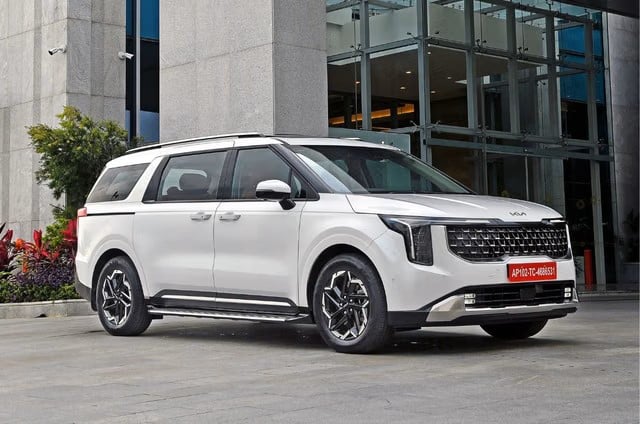
Kia’s flagship MPV focuses on rear-seat comfort and space, making it a compelling choice among chauffeur-driven buyers. Priced from Rs 59.65 lakh, the Carnival does not have a direct rival, although the MG M9 is positioned in a similar price bracket.
Kia Carens Clavis discounts in October 2026
Up to Rs 95,000 off
The Kia Carens Clavis gets benefits of up to Rs 95,000 on its ICE variants, excluding the CNG version. The offer comprises a Rs 10,000 cash discount, Rs 30,000 exchange benefit, Rs 20,000 loyalty benefit, Rs 20,000 scrappage benefit and corporate benefits of up to Rs 15,000.
The Clavis is available in six- and seven-seat configurations, with naturally aspirated petrol, turbo-petrol, CNG and diesel engine options. Prices range from Rs 11.39 lakh to Rs 21.79 lakh, ex-showroom. It is sold alongside the older Carens, which remains the lower-priced option in Kia’s MPV line-up. The Clavis rivals MPVs such as the Maruti Suzuki XL6 and Toyota Rumion, while its price also overlaps with larger three-row SUVs such as the Hyundai Alcazar and Tata Safari.
Kia Carens Clavis EV discounts in October 2026
Up to Rs 75,000 off
The Carens Clavis EV gets benefits of up to Rs 75,000 across its range. The offer includes a Rs 20,000 exchange benefit, Rs 20,000 loyalty benefit, Rs 20,000 scrappage benefit and corporate benefits of up to Rs 15,000. No cash is available for the Clavis EV this month.
The electric MPV offers a practical, well-finished cabin and strong performance even under load. However, it is significantly more expensive than the ICE-powered Clavis. The Clavis EV is priced between Rs 18.04 lakh and Rs 25 lakh, ex-showroom. It rivals the BYD eMax 7 and VinFast VF MPV 7.
Kia Sonet discounts in October 2026
Up to Rs 65,000 off
Benefits on the Kia Sonet vary by powertrain and variant. The naturally-aspirated petrol 1.2-litre HTK (O) gets the highest benefits of up to Rs 65,000, comprising a Rs 15,000 cash discount, Rs 20,000 exchange benefit, Rs 15,000 scrappage benefit and corporate benefits of up to Rs 15,000. The Sonet diesel , turbo-petrol and naturally-aspirated variants get benefits of up to Rs 50,000.
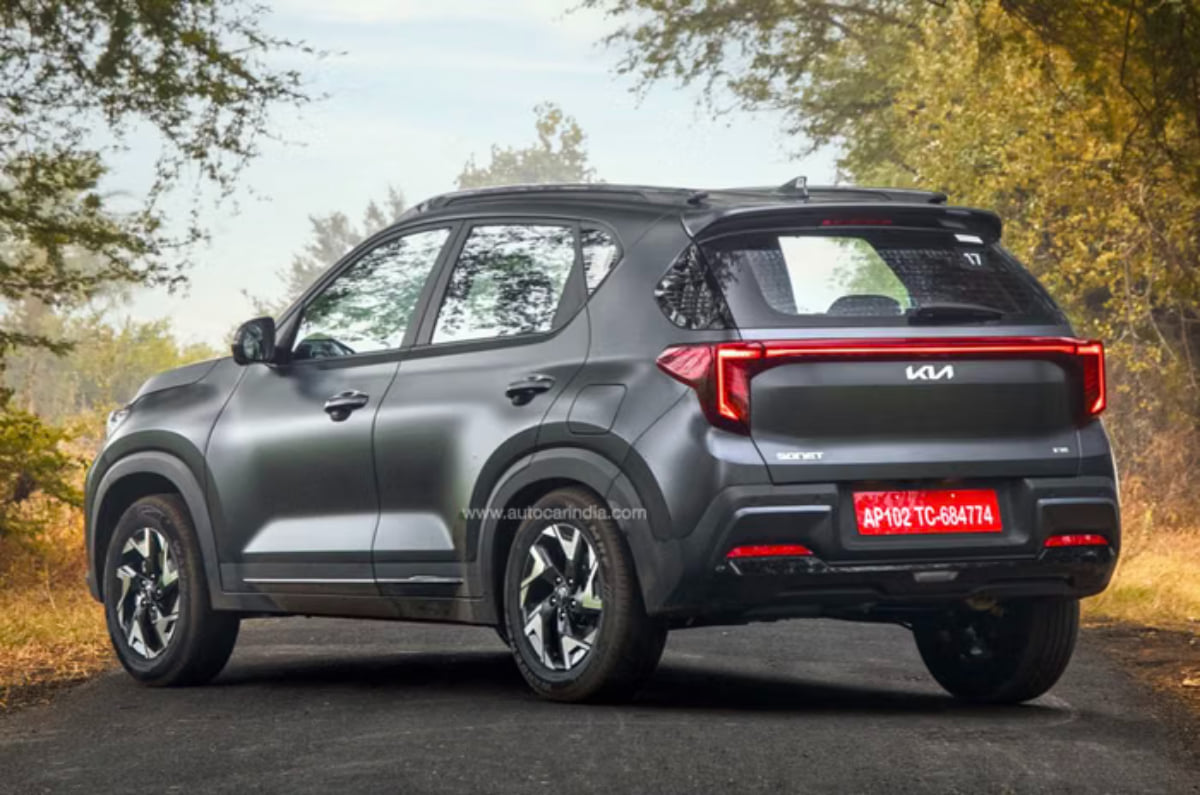
The compact SUV offers a long equipment list and multiple engine options. However, rear-seat space is limited and higher variants can get expensive. A rival to the Maruti Suzuki Brezza, Tata Nexon, Skoda Kylaq, Hyundai Venue and Mahindra XUV 3XO, the Sonet is priced between Rs 7.41 lakh and Rs 14.27 lakh.
Kia Syros discounts in October 2026
Up to Rs 55,000 off
The Kia Syros gets benefits of up to Rs 55,000 on its ICE variants. The offer includes a Rs 20,000 exchange benefit, Rs 20,000 scrappage benefit and corporate benefits of up to Rs 15,000. Kia is also offering a free extended warranty with the Syros.
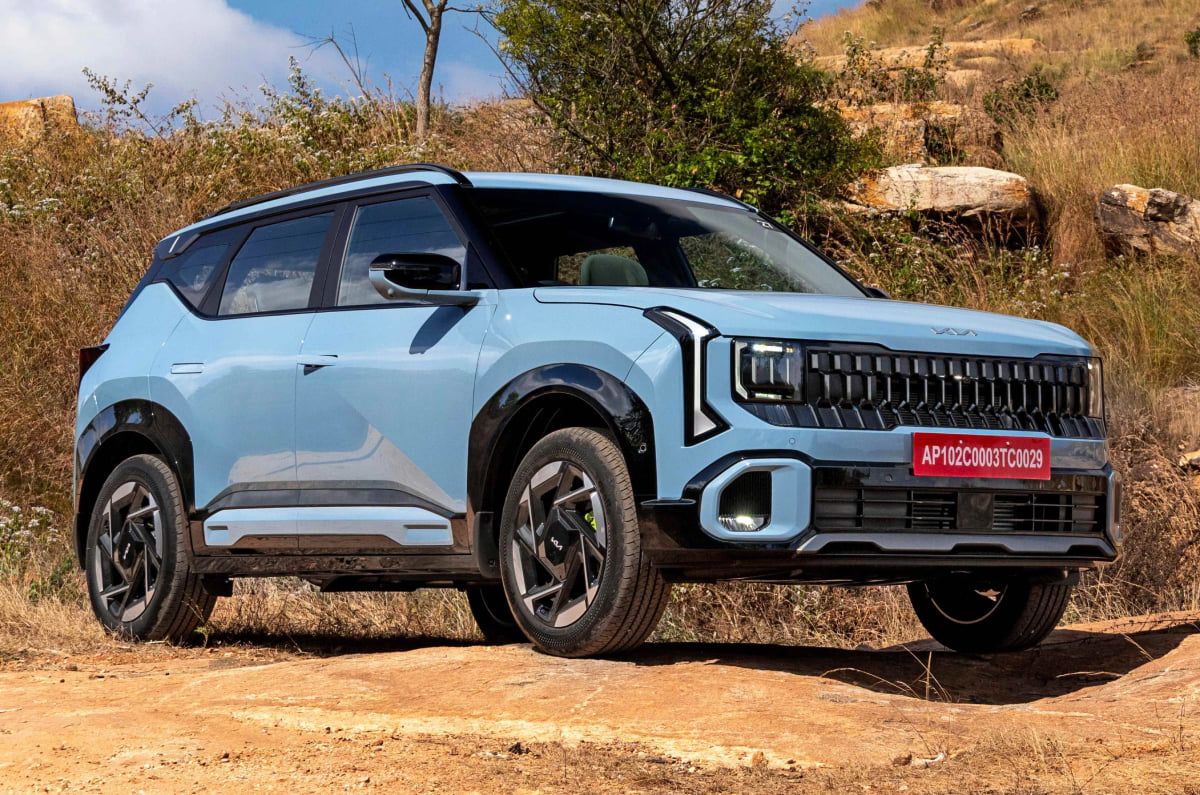
The Syros stands out for its stylish cabin and spacious rear seats, although NVH levels in both petrol and diesel variants remain high. The Kia Syros’ rivals include the Tata Nexon, Mahindra XUV 3XO, Maruti Suzuki Brezza, Skoda Kylaq and Hyundai Venue. It is priced from Rs 8.42 lakh to Rs 15.82 lakh.
Kia Carens discounts in October 2026
Up to Rs 45,000 off
The Kia Carens, excluding CNG variants, gets benefits of up to Rs 45,000. These comprise a Rs 10,000 exchange benefit, Rs 20,000 scrappage benefit and corporate benefits of up to Rs 15,000. The Carens CNG gets a Rs 20,000 scrappage benefit.
The Carens offers a spacious cabin, good practicality and a generous feature list. However, diesel performance under full load is not particularly strong, and the petrol engine is not very fuel-efficient. The Carens is priced between Rs 11.02 lakh and Rs 12.88 lakh, ex-showroom, it rivals the Toyota Rumion and Maruti Suzuki Ertiga.
Kia Seltos discounts in October 2026
Up to Rs 40,000 off
The Kia Seltos gets benefits of up to Rs 40,000 across its range. These comprise a Rs 20,000 loyalty benefit and Rs 20,000 scrappage benefit. There is no cash discount or exchange benefit for the Seltos this month.
The midsize SUV combines a comfortable ride with good handling and a strong turbo-petrol engine option. However, some rivals offer a more comprehensive feature list, and the diesel engine lacks punch. The Seltos rivals the Hyundai Creta, Tata Sierra, Maruti Grand Vitara, Toyota Urban Cruiser Hyryder, Volkswagen Taigun, Skoda Kushaq, Renault Duster and MG Astor. Its prices range from Rs 11 lakh to Rs 21.82 lakh.
Kia Sorento discounts in October 2026
Up to Rs 40,000 off
The recently launched Kia Sorento gets benefits of up to Rs 40,000 across its range. The offer comprises a Rs 20,000 loyalty benefit and Rs 20,000 scrappage benefit.
The Sorento is Kia’s flagship three-row SUV in India and is offered with a 2.2-litre diesel engine or a 1.6-litre turbo-petrol strong-hybrid powertrain. Prices range from Rs 27.99 lakh to Rs 40.39 lakh. It competes with SUVs including the Jeep Meridian, Skoda Kodiaq and Volkswagen Tayron.
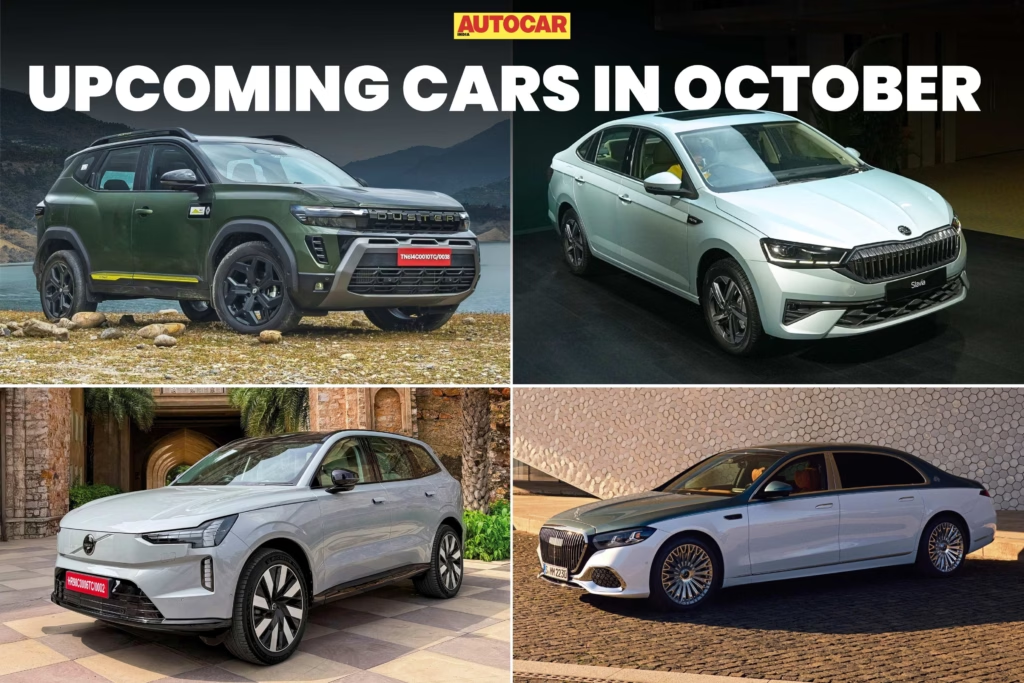
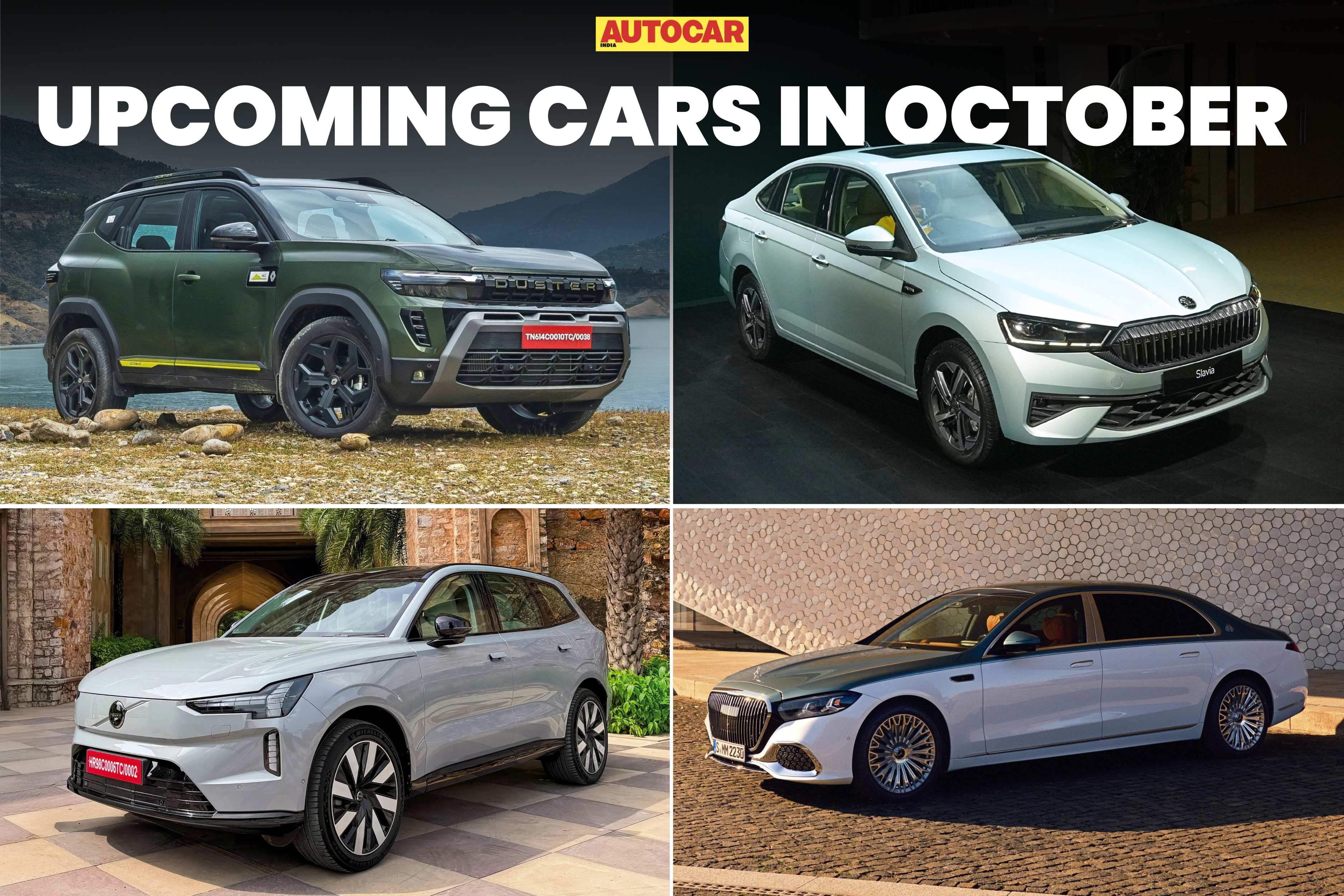
October marks the onset of the festive season in India, which means manufacturers line up a barrage of new car launches and debuts for prospective buyers to consider. It’s no different this year, with October 2026 looking quite stacked with fresh launches and debuts, especially during the first half of the month. Let’s delve into every new car that will either go on sale or debut in India next month.
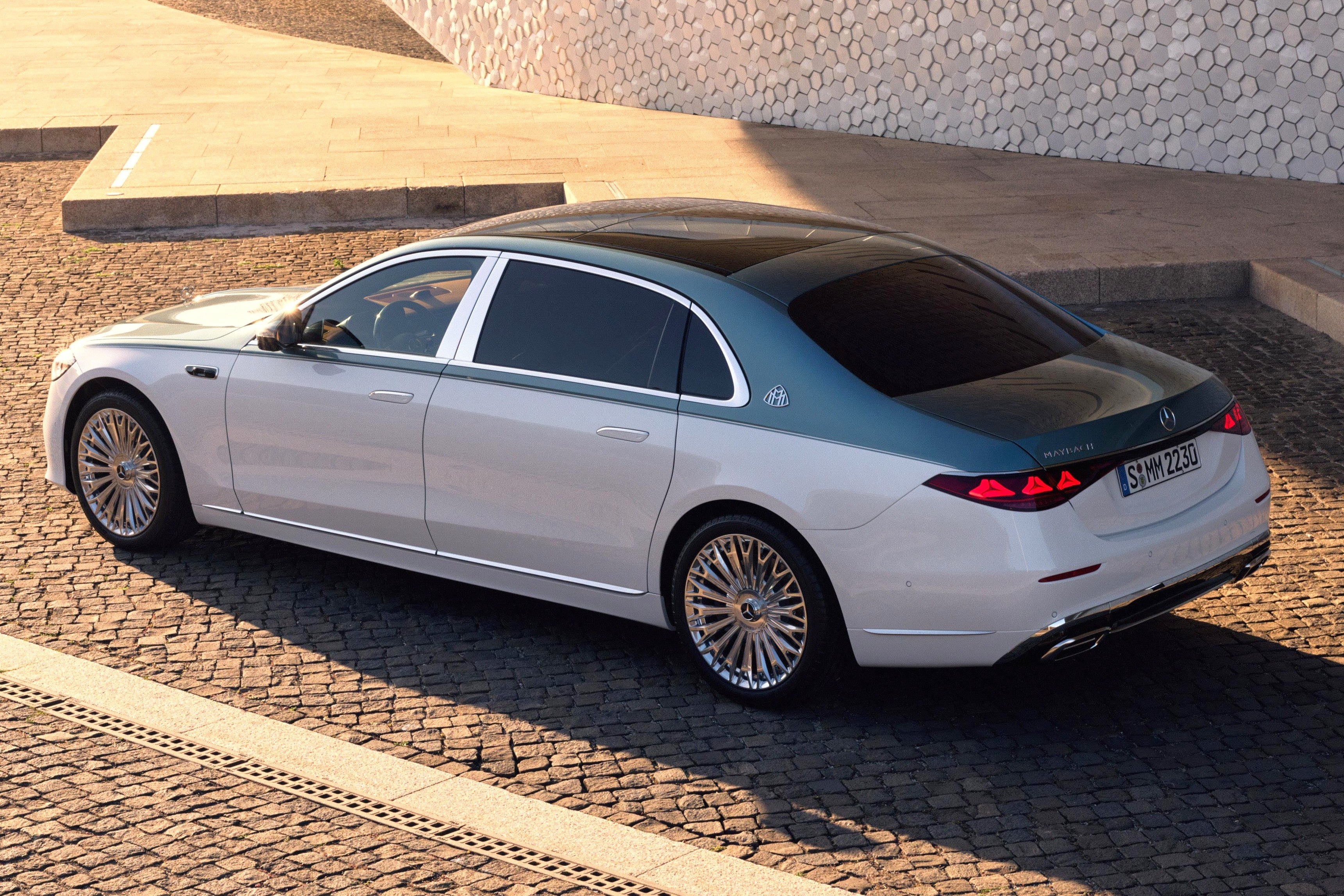
Mercedes-Benz Maybach S-Class facelift
Launch: 5 October
Following the launch of the 2026 S-Class facelift back in June, Mercedes-Benz India will bring the sedan’s longer and more luxurious Maybach derivative in October. Compared to its standard version, the Maybach S-Class facelift continues to be 180mm longer, but carries styling differentiators like a vertically-slatted grille adorned with a ‘Maybach’ wordmark, mildly revised bumpers, bespoke wheel designs, lots of Maybach logos peppered across the bodywork, and the signature dual-tone exterior finish.
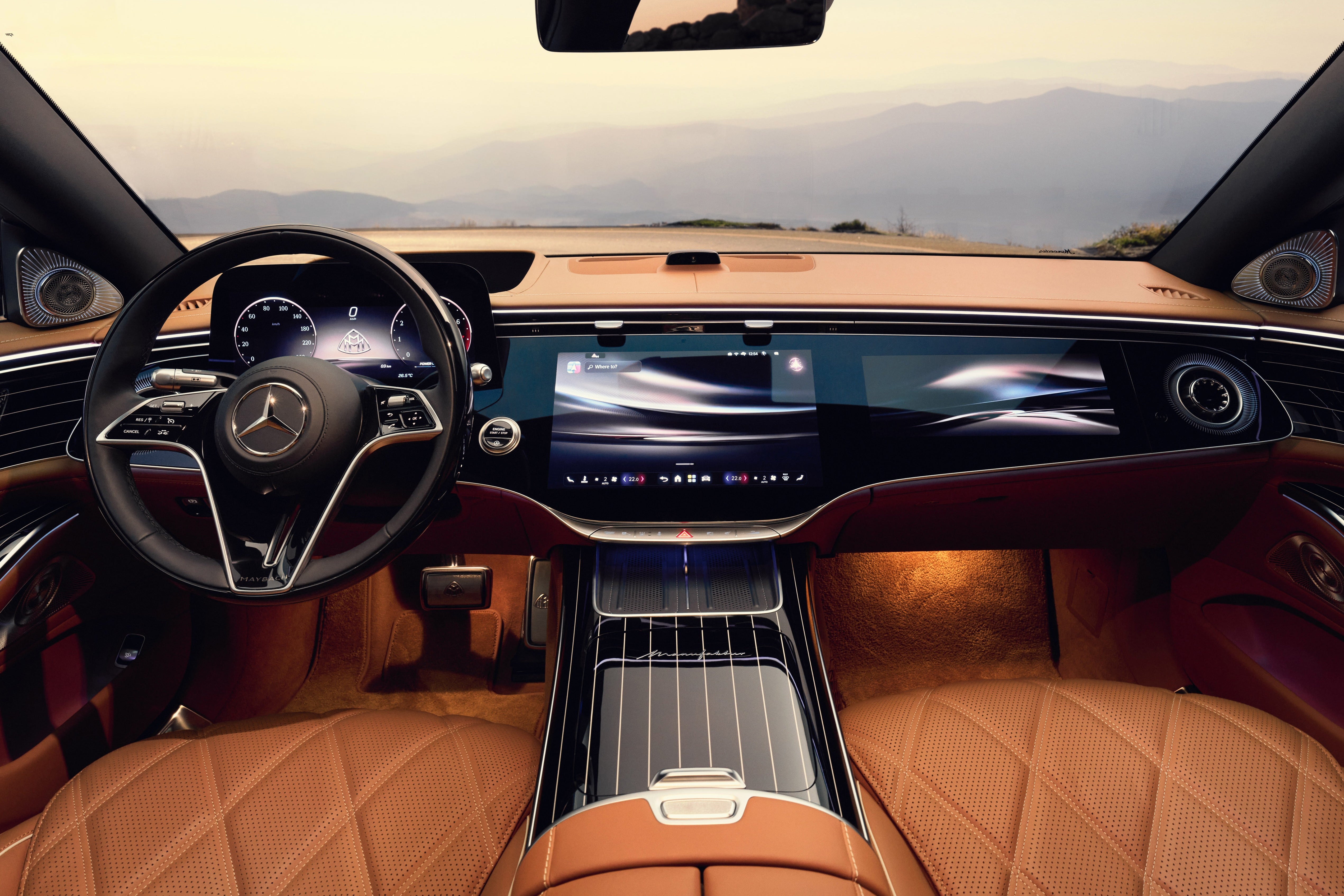
Inside, the Maybach prominently retains the standard S-Class’s Superscreen setup, comprising a 12.3-inch digital driver’s display, a 14.4-inch central touchscreen, and a 12.3-inch passenger display. New upholstery choices include extended leather and a leather-free vegan option. The rear seats remain largely unchanged, offering up to 43 degrees of recline, along with heating, ventilation, and massage functions. Globally, the Maybach S-Class can be had with either a 4.0-litre twin-turbo mild-hybrid V8 (S 580), a 4.0-litre twin-turbo V8 plug-in hybrid (S 580e), or a 612hp 6.0-litre twin-turbo V12 (S 680). Mercedes-Benz India is likely to offer the updated Maybach S-Class in S 580 or S 580e spec.
Honda Elevate facelift
Launch: 6 October
Current Honda Elevate. Image used for representation only.
Following in the footsteps of the 2026 City facelift, Honda will launch an updated version of the Elevate SUV in October. Expect the Elevate facelift to sport revised styling cues, including the headlamps, tail-lamps, bumpers, grille, and wheels. The interior is anticipated to see changes like a larger infotainment touchscreen and revised colour schemes, along with feature upgrades like ventilated front seats, a 360-degree camera, ambient lighting, and more.
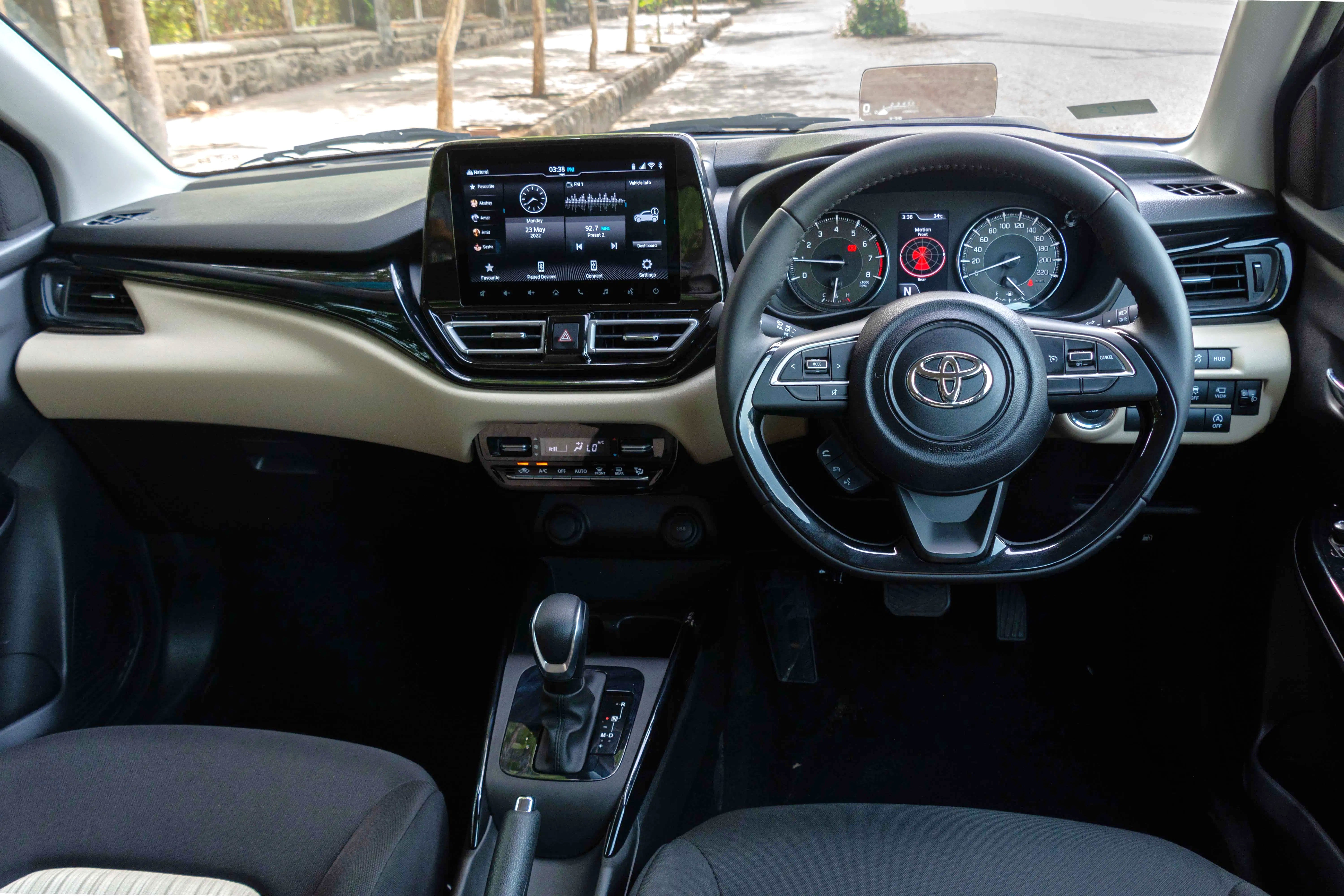
Current Honda Elevate interior. Image used for representation only.
The facelifted Elevate is likely to retain the current model’s 121hp 1.5-litre four-cylinder naturally aspirated petrol engine, and its 6-speed manual and CVT automatic gearbox options. It remains to be seen if Honda will additionally offer the Elevate facelift with the City e:HEV’s 126hp 1.5-litre four-cylinder petrol-hybrid powertrain, which is solely mated to an e-CVT automatic. A strong hybrid version of the Elevate would allow it to compete directly with established hybrid midsize SUVs like the Maruti Grand Vitara, Victoris, and Toyota Hyryder, as well as the upcoming Renault Duster hybrid – also slated for launch next month.
Skoda Slavia facelift
Launch: 6 October
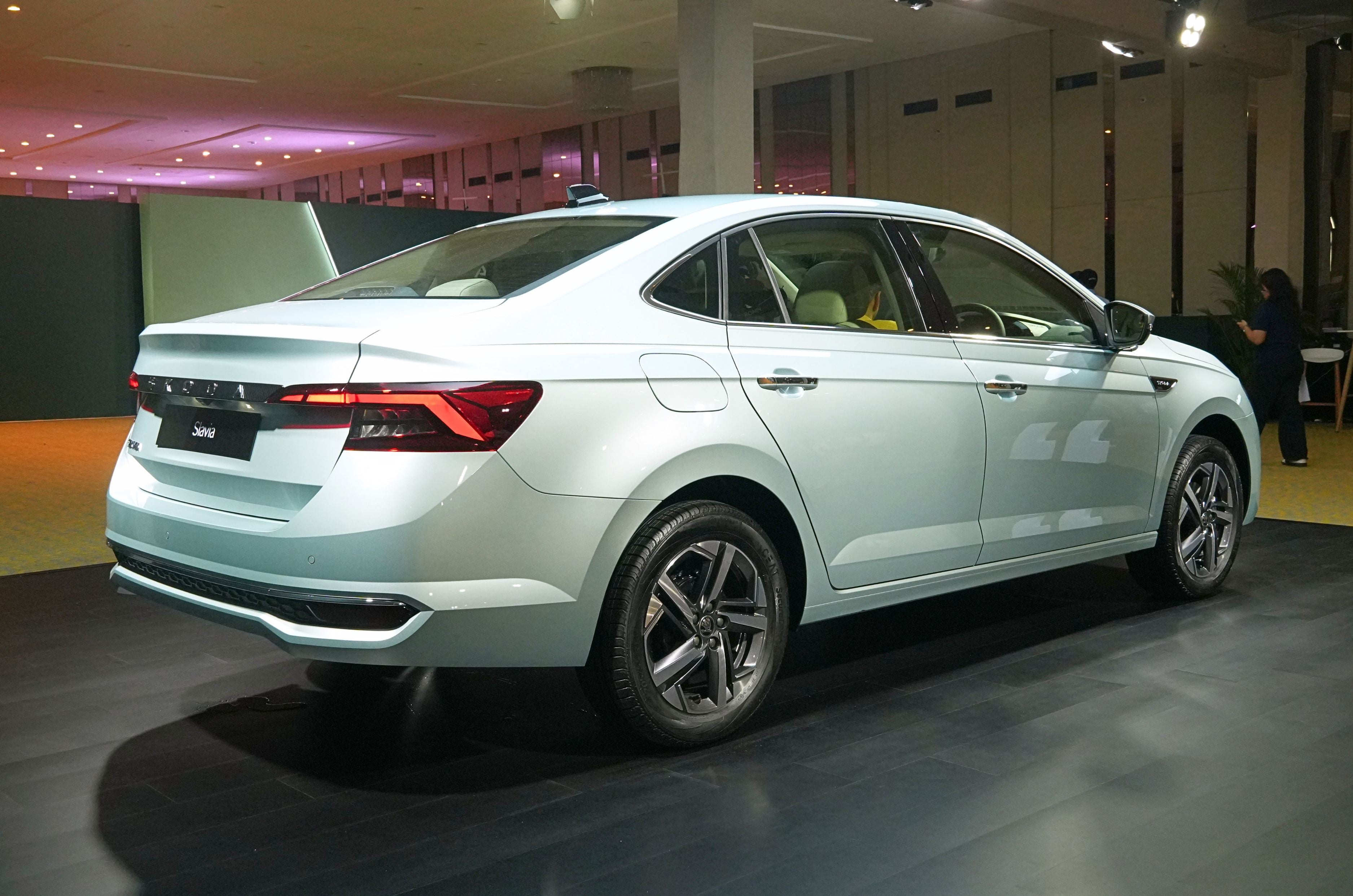
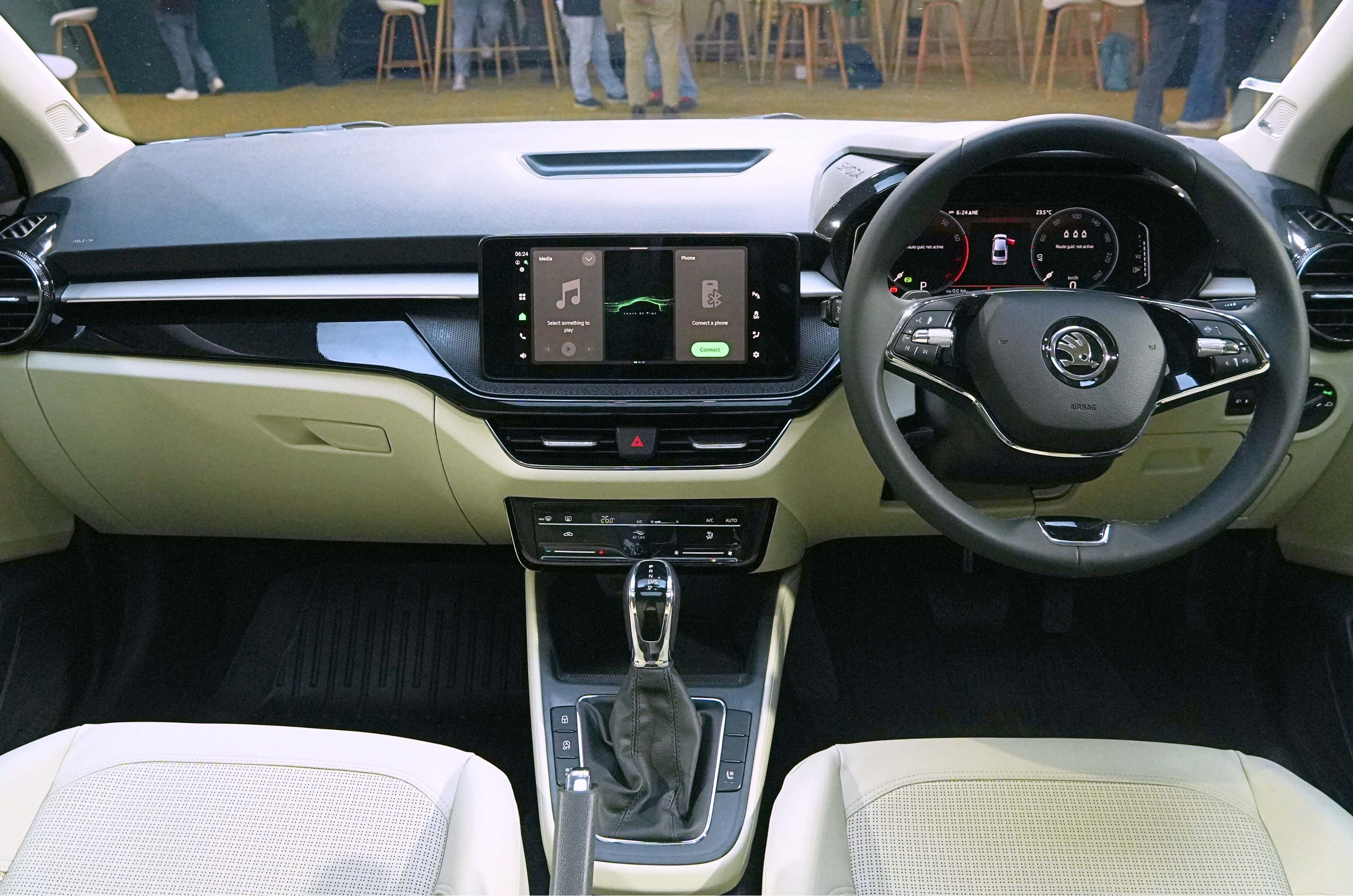
Having debuted back in August, the facelifted Skoda Slavia’s prices will be announced next month. The Slavia facelift brings a host of exterior tweaks, like new DRL signatures for the headlamps, an updated grille, redesigned bumpers, and fresh alloy wheels. Not much has changed on the inside, but there are new colour schemes on offer. Skoda has also added features like a 360-degree camera, a massage function for the outboard rear seats, a larger 10.25-inch digital driver’s display, a Google-based AI assistant, an upgraded variable-geometry AC compressor, and front parking sensors.
Under the bonnet, the Slavia facelift retains its 115hp 1.0-litre three-cylinder direct-injection turbo-petrol and 150hp 1.5-litre four-cylinder direct-injection turbo-petrol engines. The big change here is that the 6-speed torque converter automatic that was previously available for the 1.0 TSI has been swapped with an 8-speed unit, which should deliver better fuel efficiency on the highway. A 6-speed manual gearbox is also available for the 1.0 TSI, whereas the 1.5 TSI continues to be paired exclusively with a 7-speed dual-clutch automatic. The 1.5 TSI will be offered with rear disc brakes too – a much-requested upgrade.
Volvo ES90
Launch: 12 October
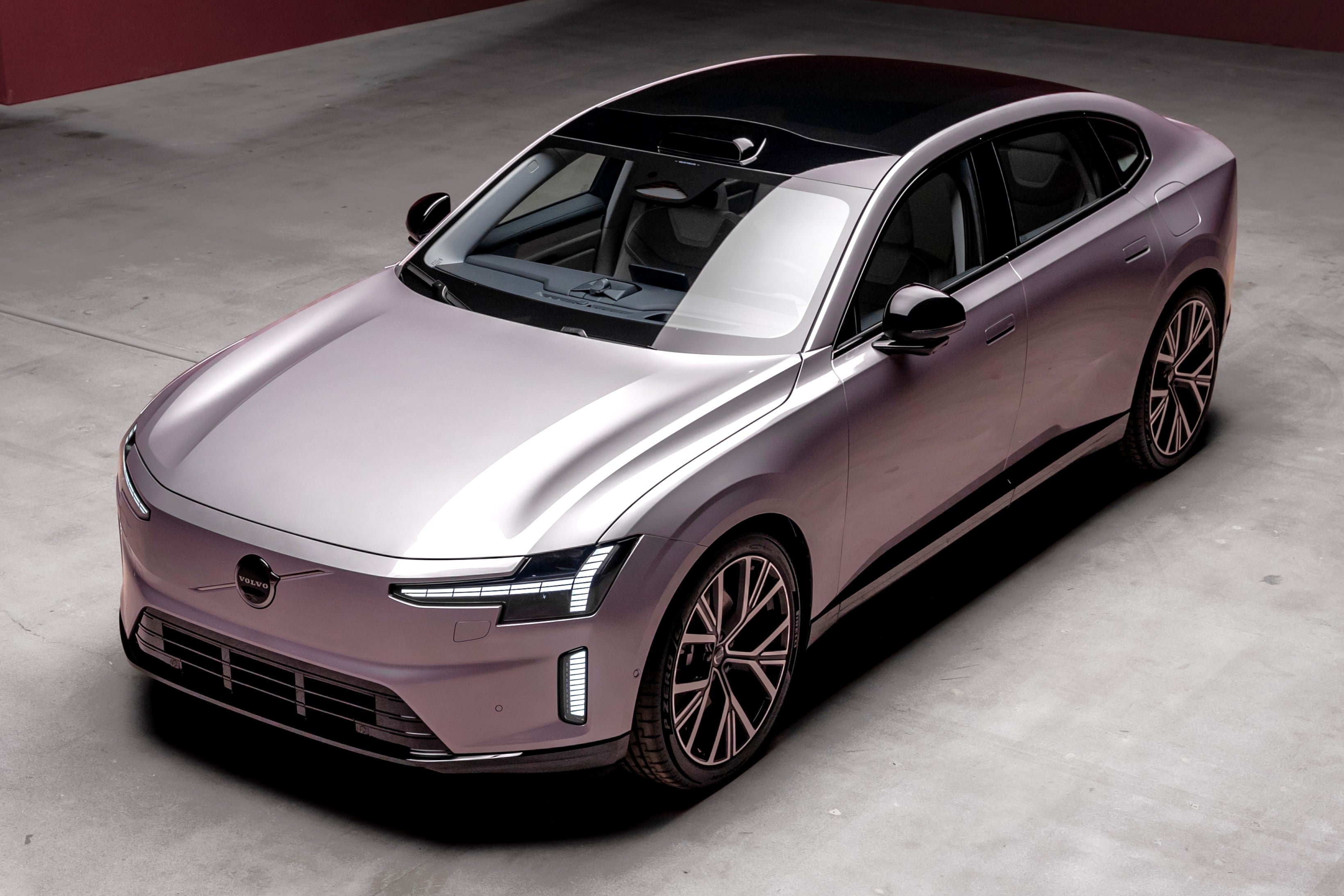
Volvo will return to the luxury sedan space next month with the launch of the all-electric ES90. It’s based on Volvo’s 800V SPA2 platform, and is likely to be offered with a 106kWh battery, dual-motor AWD setup in India. Combined output is pegged at 456hp and 670Nm, which is good for a claimed 0-100kph time of 5.3 seconds. As for WLTP range, the ES90 is rated at 696km, and the sedan can charge at up to 350kW DC, taking 22 minutes for a 10-80 percent top-up.
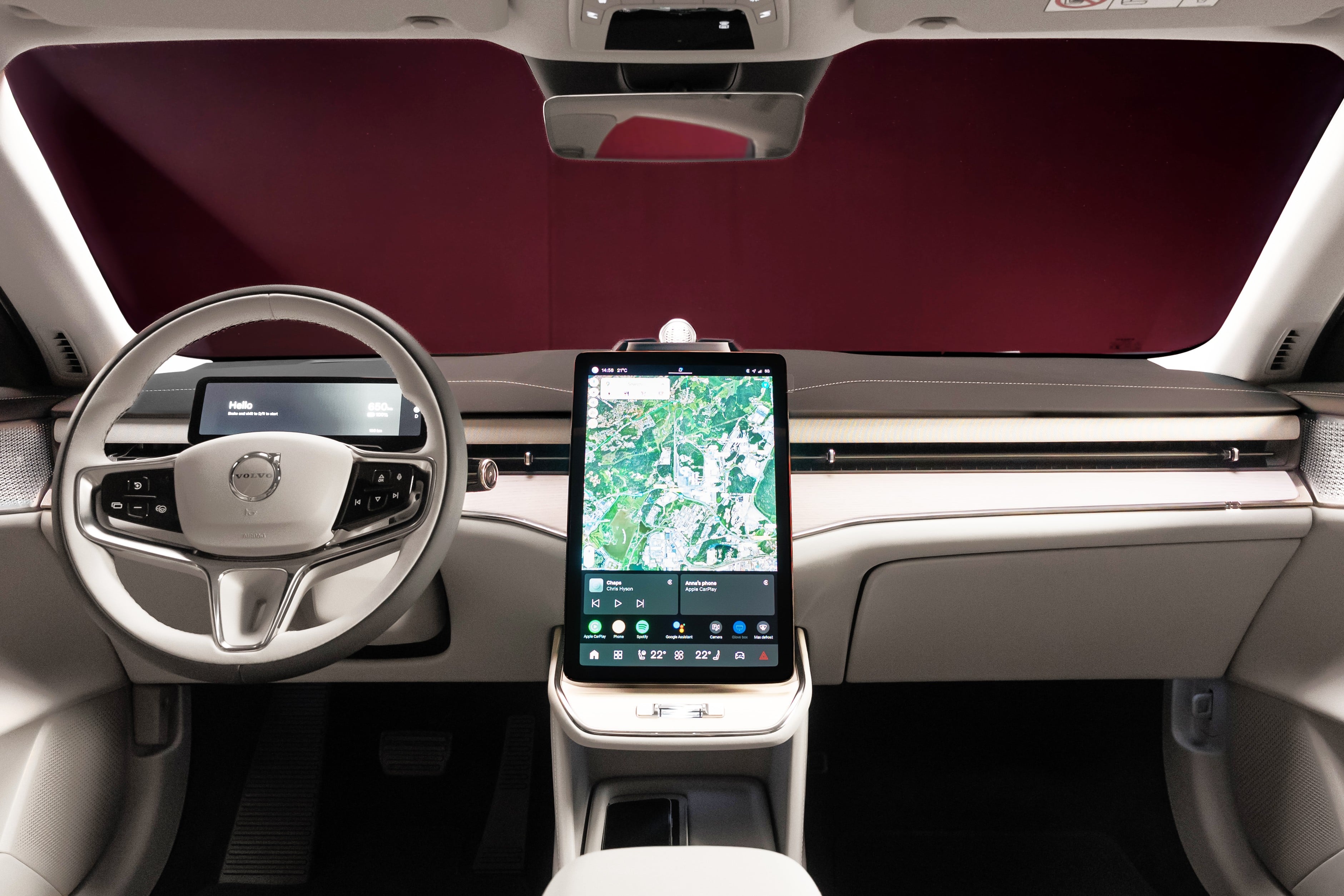
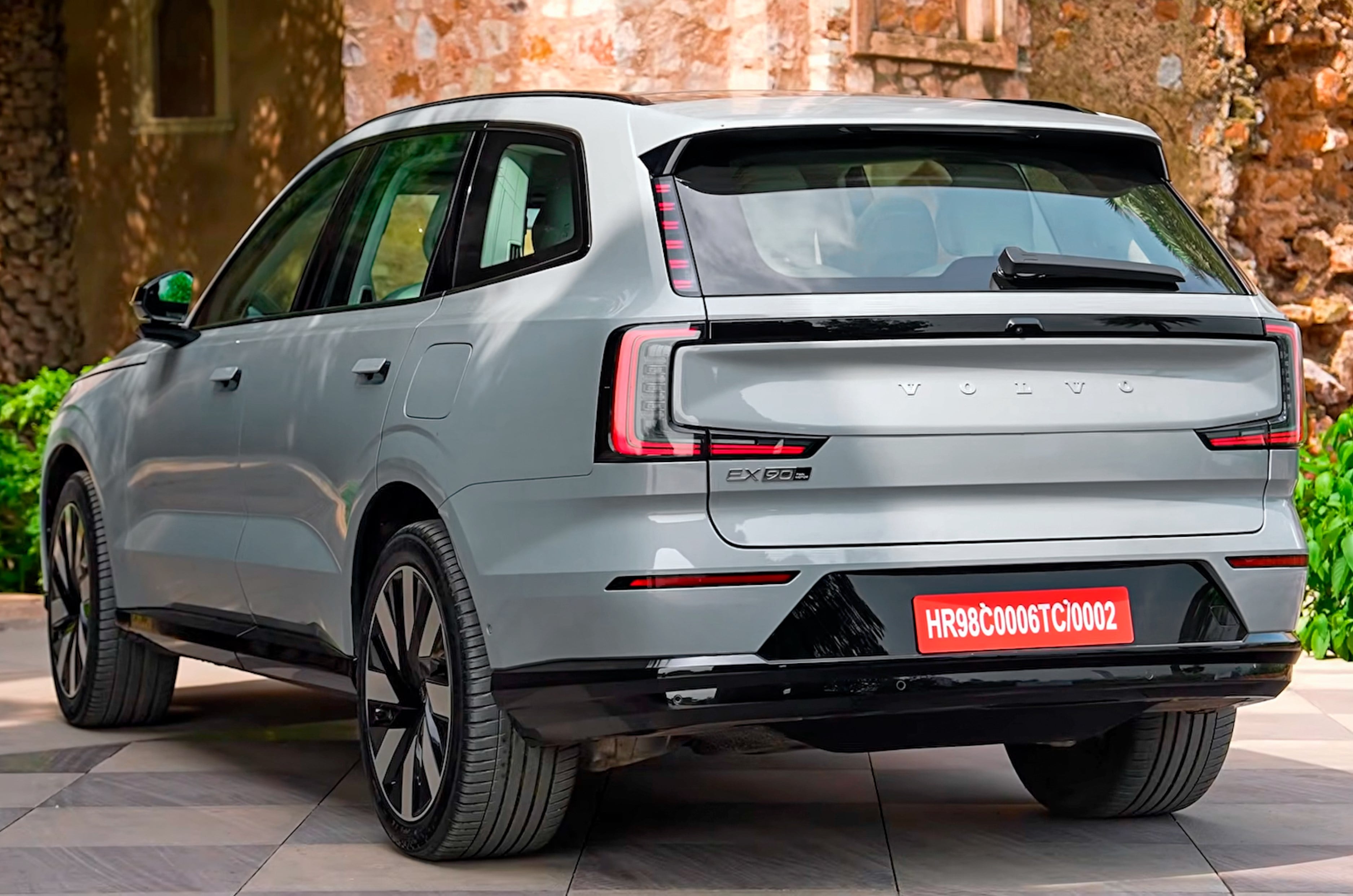
On the outside, the ES90 looks sleek and quietly aggressive, with T-shaped LED headlamps, vertically oriented front fog lamps, clean panelling, and C-shaped tail-lamps. Moreover, it has a drag coefficient of 0.25, making it the most aerodynamic Volvo car yet. Inside, the ES90 packs a 14.5-inch Google-based portrait touchscreen, a floating centre console, a three-spoke steering wheel, a slim 9-inch digital driver’s display, a 13.2-inch head-up display, a panoramic glass roof, four-zone climate control, powered front seats, Level 3 ADAS, and a Bose sound system.
Volvo EX90
Launch: 12 October
Alongside the ES90, Volvo will launch its SUV counterpart, the EX90. The electric SUV is also based on the SPA2 platform and is expected to offer the same 106kWh dual-motor AWD powertrain. Owing to its higher-riding stance, the EX90’s WLTP range is slightly lower at 625km, but the SUV impressively claims the same 5.3sec 0-100kph time.
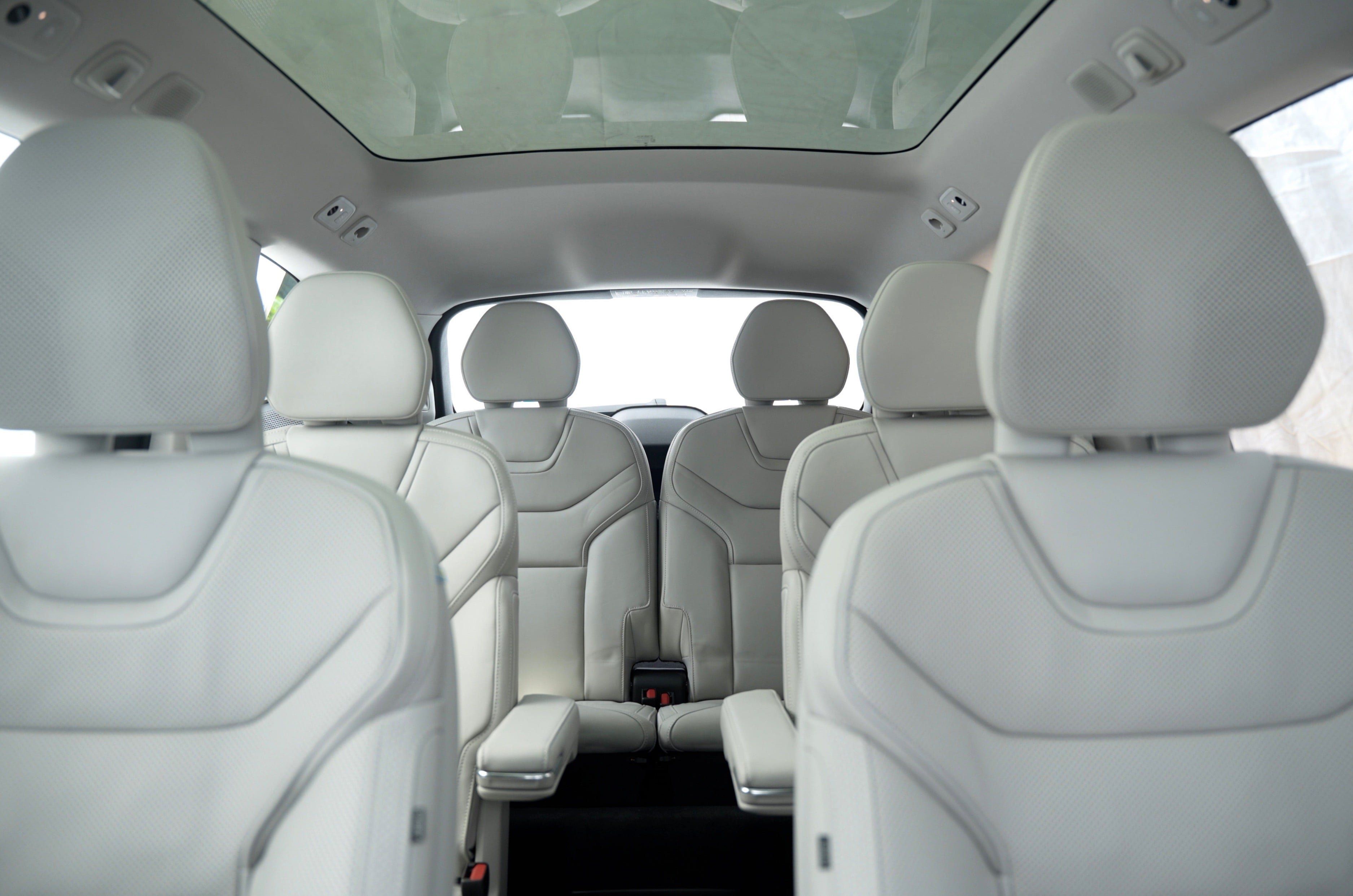
Even in terms of exterior design, the core elements are quite similar between the EX90 and ES90. The same holds true for the interior and equipment list as well, with the only major difference being that the EX90 can seat up to six occupants and gets second-row captain’s chairs.
Toyota Glanza facelift
Debut: 14 October
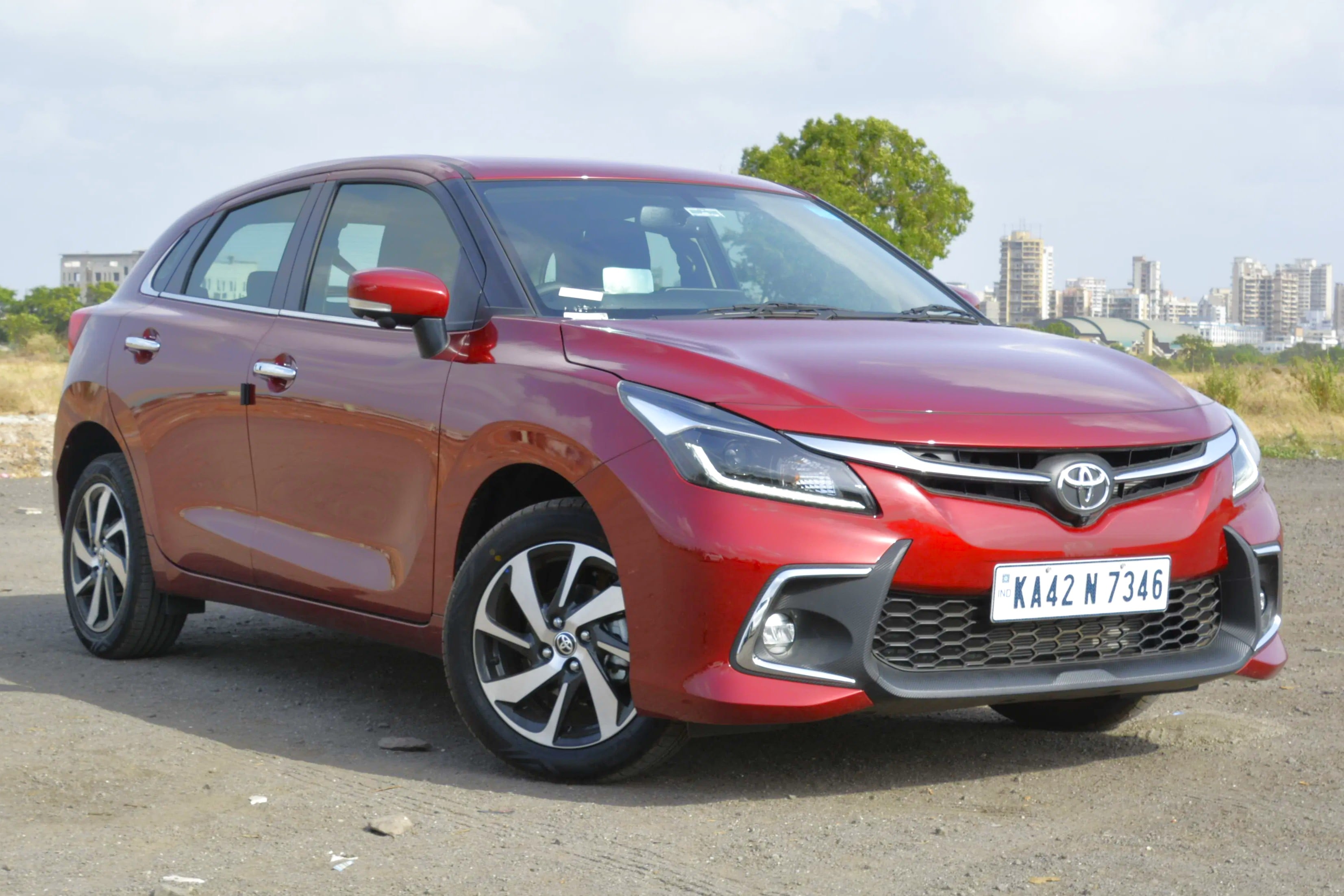
Current Toyota Glanza. Image used for representation only.
Just a month after the launch of the Baleno facelift, the updated form of its Toyota-badged counterpart, the Glanza, will be revealed. The Glanza facelift is likely to feature styling revisions similar to those of the updated Baleno, like a larger grille, redesigned bumpers, and new alloy wheel designs. Inside, the Toyota hatchback’s dashboard layout is expected to be largely unchanged, save for fresh seat upholstery. New creature comforts are likely to include Level 2 ADAS, a wireless charging pad, and ventilated front seats.
Current Toyota Glanza interior. Image used for representation only.
Under the bonnet, the Glanza facelift is anticipated to mirror the Baleno in dropping its current 90hp 1.2-litre four-cylinder K12N petrol engine in favour of the 83hp 1.2-litre three-cylinder Z12E mill. Like in the Baleno facelift, this engine is expected to be offered with either a 5-speed manual or 5-speed AMT in the updated Glanza, along with a 70hp CNG option.
Third-gen Audi Q3
Launch: 16 October
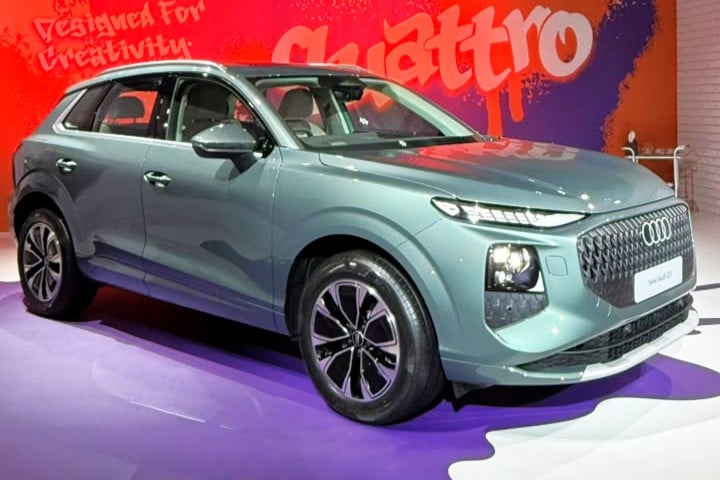
Audi India will launch the latest generation of its entry-level SUV, the Q3, next month. The India-spec third-gen Q3 was unveiled back in August, and will continue to rival the BMW X1 and Mercedes-Benz GLA. On the outside, the new Q3 is larger than its predecessor in every dimension and bears a sharper design language, which includes split LED headlamps, a wide grille, 18-inch alloy wheels, and a rear light bar with an illuminated Audi emblem.
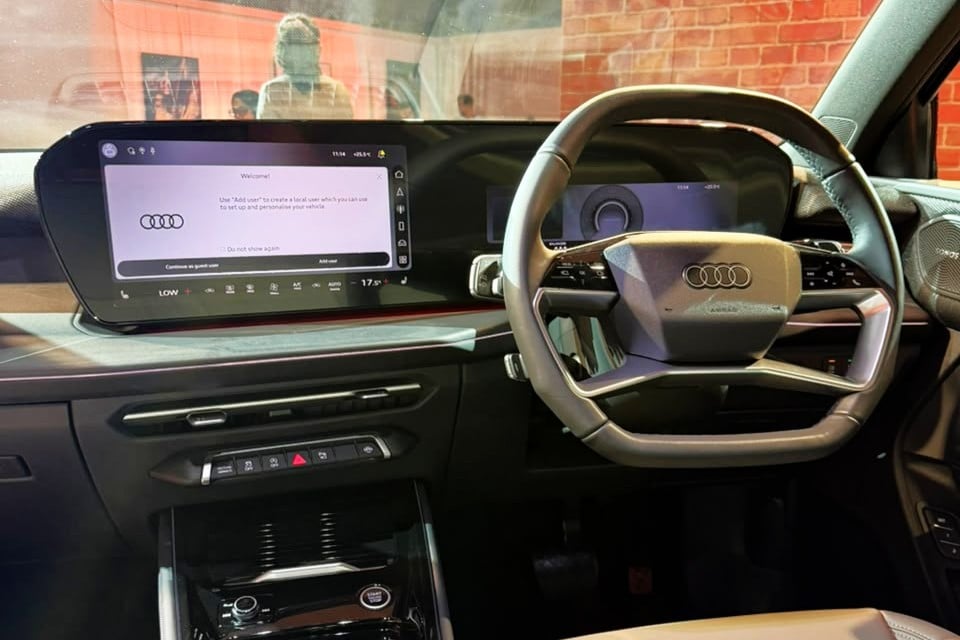
The interior of the third-gen Q3 is more modern and feature-loaded too, offering a 12.8-inch touchscreen, an 11.9-inch digital driver’s display, a new squircle-shaped four-spoke steering wheel, ambient lighting, a Sonos sound system, a panoramic sunroof, ambient lighting, a 360-degree camera, dual-zone climate control, among others. Under the bonnet, the Q3 continues to get a 204hp 2.0-litre four-cylinder direct-injection turbo-petrol engine, mated to a 7-speed dual-clutch automatic and Audi’s Quattro AWD system. 0-100kph comes up in a claimed 7.1 seconds, and the top speed is rated at 229kph.
Renault Duster hybrid
Launch: 17 October
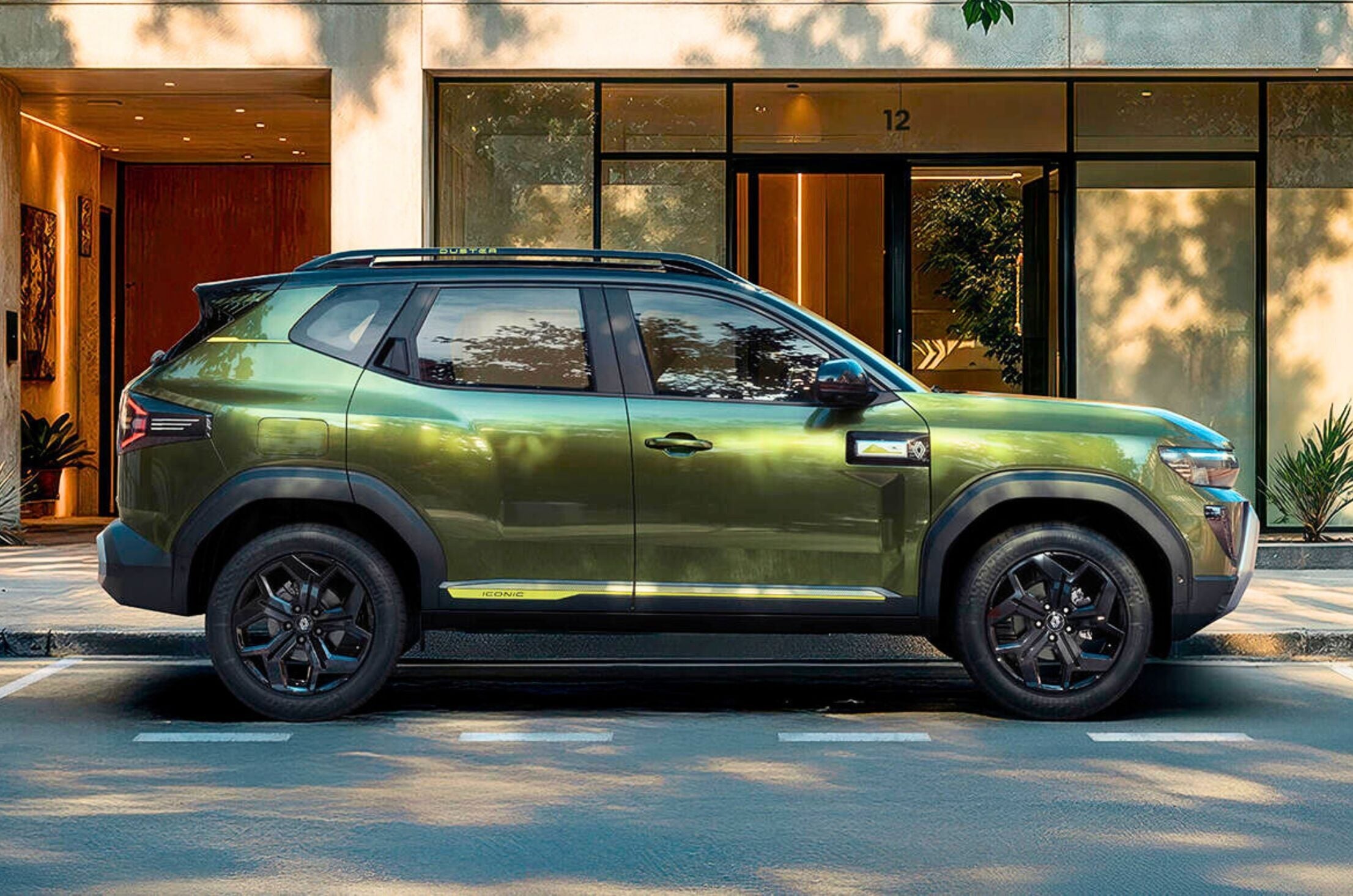
Since its launch earlier this year, the Renault Duster has been available with a couple of turbo-petrol engines only, but that will change come October 17. Renault will bolster the Duster’s line-up with a strong hybrid powertrain dubbed the E-Tech 160. It pairs a 1.8-litre four-cylinder naturally aspirated petrol engine with two electric motors and a 1.4kWh battery pack, developing a combined 160hp and 172Nm.
This setup will be paired with a segment-first 8-speed dedicated hybrid transmission (DHT) that uses fixed gear ratios, unlike the e-CVTs seen in hybrid SUV rivals like the Grand Vitara, Victoris, and Hyryder. The DHT should therefore enable a more natural driving feel to the Duster hybrid. Thanks to its 1.4kWh battery, the E-Tech 160 is also claimed to deliver 80 percent of urban driving in all-electric mode, which should help the Duster hybrid achieve great fuel efficiency.
Hyundai Bayon
Launch: Mid to late October
Hyundai’s second midsize SUV for India, the Bayon, is expected to be fully revealed and launched next month – bookings commenced on 23 September. The Bayon will slot between the Venue and Creta, offering the latter’s 1.5-litre naturally aspirated engine in petrol and CNG guises. Gearbox options are likely to include a 6-speed manual and CVT automatic. On the outside, the Bayon will feature Hyundai’s ‘Art of Steel’ design language, with styling cues like L-shaped front and rear LEDs, rakish proportions, an upward-sloping window line, and more. It’s also expected to be the first Hyundai car to come with an underbody CNG tank.
The interior of the Bayon is likely to offer a curved dual-screen setup, a three-spoke steering wheel bearing Hyundai’s four-dot motif, and a vertically oriented centre console – the dashboard layout will resemble that of the fourth-gen i20, which was revealed for the Brazilian market a few months ago.
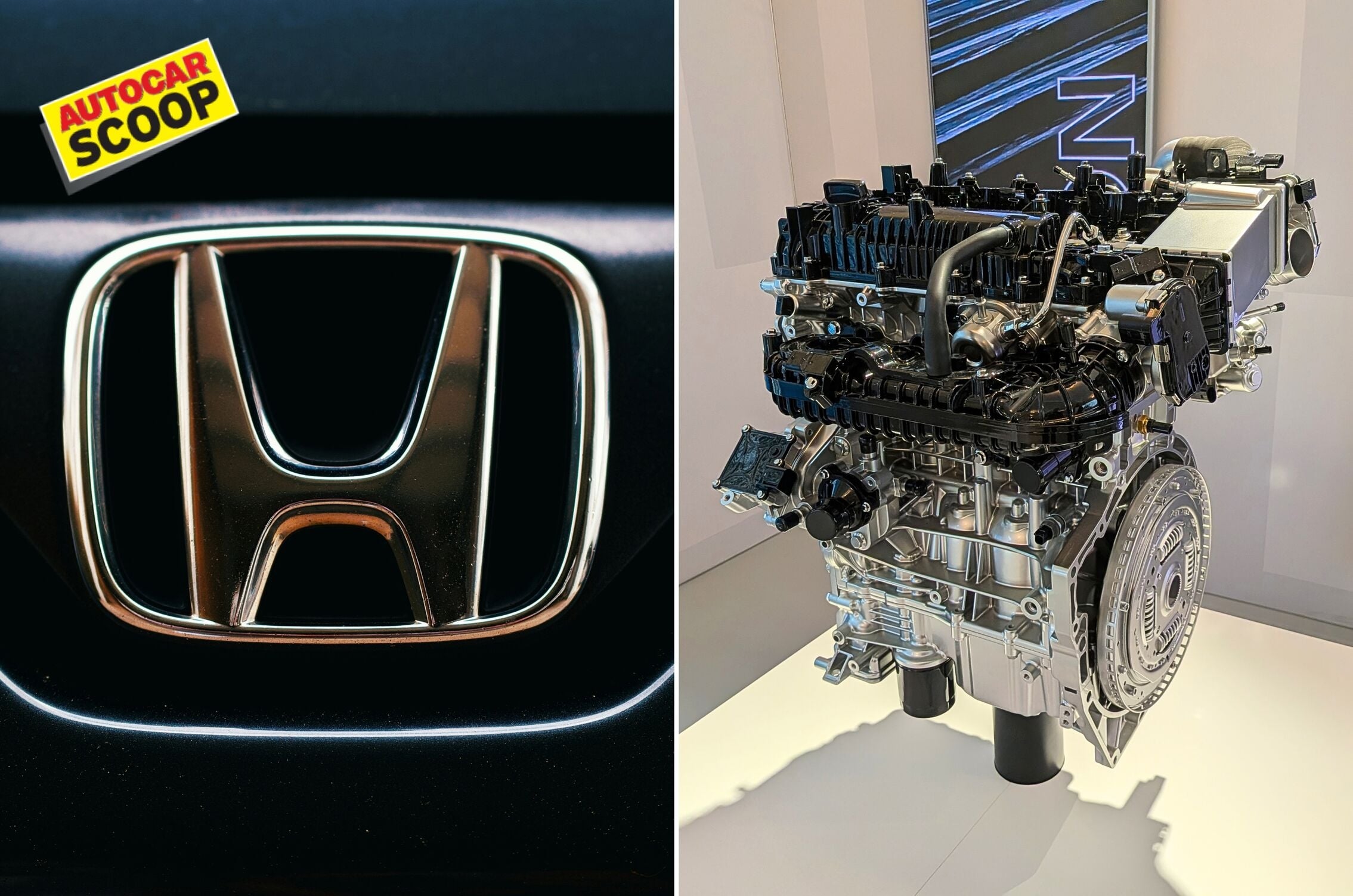
Honda Cars India is in talks with Horse Powertrain to outsource a 1.2-litre engine with petrol, hybrid and CNG options for an upcoming compact SUV, Autocar Professional, our sister publication, has learnt.
Horse Powertrain is a joint venture between Renault Group and Geely, with Saudi Aramco as a shareholder, and it specialises in combustion and hybrid powertrains. It already has a foothold in India: the new Renault Duster, due to launch on October 17, will use a Horse 1.8-litre hybrid. The company is keen to grow its customer base among Indian carmakers and is understood to be planning a local engine plant. Fully localised engines would give buyers like Honda a significant cost advantage.
For Honda, the move would be a major departure. Engines have long been the heart of its cars, and its reputation for performance, efficiency and reliability is built on them. Handing over this core component would once have been unthinkable.
However, Honda faces pressure on two fronts with its current 1.2- and 1.5-litre petrol line-up. It must meet tightening emission and fuel-efficiency norms, and it must offer the multiple fuel options Indian buyers increasingly want, especially CNG.
Developing all of that in-house for a price-sensitive segment is costly, and sourcing a ready multi-fuel engine family would solve both problems at once.
The upcoming compact SUV is understood to be under evaluation with an existing Honda platform used in Indonesia. A price range of Rs 9 lakh to Rs 12 lakh and an October 2028 start of production have been discussed as project targets. Honda has not confirmed the vehicle or its specifications.
A new way of working
The engine discussions are part of a radical change in Honda’s strategy to develop cars for India, with specialist partners taking on a larger share of the work from the outset.
Tata Technologies is being engaged for vehicle design and engineering execution, while TCS is expected to work on the infotainment system. Honda wants design, testing and supplier development to proceed in parallel, helping it bring new vehicles to market faster.
The company is targeting a reduction in the development cycle for a full model change from around 49 months to about 30 months. This is a target for its proposed development process, not a confirmed timeline for the compact SUV.
Honda’s new approach starts with the specifications and price required for India, rather than adapting a global product late in its development. The company would retain responsibility for overall vehicle performance targets and final validation, while engineering partners take a greater role in design, verification and supplier management.
Asked about the reported arrangements, Honda Cars India declined to confirm specific partners or programmes. “We work with a wide ecosystem of technology, engineering and supplier partners. However, we do not comment on specific partners, sourcing discussions or future powertrain programmes,” a company spokesperson told Autocar Professional.
“Honda is continuously strengthening its product development capabilities in India, with the objective of developing products that are increasingly relevant to Indian customers while also leveraging India’s growing engineering capabilities,” the spokesperson added.
Cost competitiveness is central to the plan. Honda intends to make greater use of Indian engineering and suppliers while retaining its vehicle performance and durability targets. It also sees an opportunity to attract customers moving from two-wheelers to their first car. Many of them currently choose rival car brands despite owning a Honda two-wheeler.
PF2 platform plan dropped
Separately, Autocar Professional understands that Honda has dropped the PF2 platform project, which had been expected to form the basis of the next-generation City sedan and Elevate SUV. The decision raises questions about which platform Honda will use for the successors to two of its key India models.
Honda Cars India declined to confirm the change. “We do not comment on speculation regarding specific future platforms or product-development programmes,” the spokesperson said.
The company stressed that the decision should not be read as a plan to discontinue either model. “City and Elevate are important models for Honda in India, and both will continue to play an important role in our business,” the spokesperson said. Details of their future generations, platforms and technologies will be announced at the appropriate time, the spokesperson added.
Honda declined to identify the architecture for future India-bound EVs. It said India would play an increasingly important role as a manufacturing and development base, with future products drawing on Honda’s global electrified technologies and local engineering capabilities.
Renault is finally gearing up launch the Duster hybrid in India on October 17. This will be the third powertrain option on the Duster, adding to the existing 1.0-litre and 1.3-litre turbo-petrol engines. Called the E Tech system, Renault says it draws from its experience and expertise in Formula 1.
New strong hybrid unit will be third powertrain for the Duster
It combines a 1.8-litre petrol engine with two electric motors
To rival hybrid variants of Grand Vitara, Victoris and Hyryder
Renault Duster strong-hybrid details
The strong-hybrid Duster combines a naturally aspirated 1,789cc four-cylinder petrol engine with two electric motors, a 20hp unit acting as a generator and a 49hp motor powering the wheels. Combined, the system produces 160hp and 172Nm, and it is supported by a 1.4kWh battery pack.
Unlike the Toyota hybrid system seen on the Hyryder, Grand Vitara and Victoris, Renault’s E Tech setup works differently. The Duster’s hybrid combines a petrol engine with electric drive and a battery, and it sends power to the wheels through a multi-mode automatic gearbox. While Toyota’s full hybrid uses an e-CVT and a power split device for a largely step-free driving feel, Renault’s hybrid transmission uses fixed gear ratios and can shift between them. This means engine rpm is expected to rise and fall more like a conventional automatic, and you may notice gear engagements as it switches between electric drive, engine drive, and a combination of both. It also uses a larger 1.4kWh battery pack compared to Toyota’s 0.76kWh unit.
Renault strong-hybrid E-Tech 160 hp powertrain
As with any full hybrid, the efficiency gains come from low-speed electric running, regenerative braking and the ability to keep the petrol engine off when it is not needed. However, real-world fuel economy will still depend on traffic conditions, speed, ambient temperature and driving style. That said, Renault claims the engine will enable 80 percent of city drives to be done in EV mode.
The strong hybrid is expected to help make up for the absence of a diesel engine option on the new Duster. This will also directly compete with the likes of the Maruti Grand Vitara, Victoris and Toyota Hyryder strong-hybrids in the midsize SUV segment.