Honda to source Horse 1.2-litre engine for new compact SUV

Honda to source Horse 1.2-litre engine for new compact SUV
Exclusive: Honda to source Horse 1.2-litre engine for new compact SUV

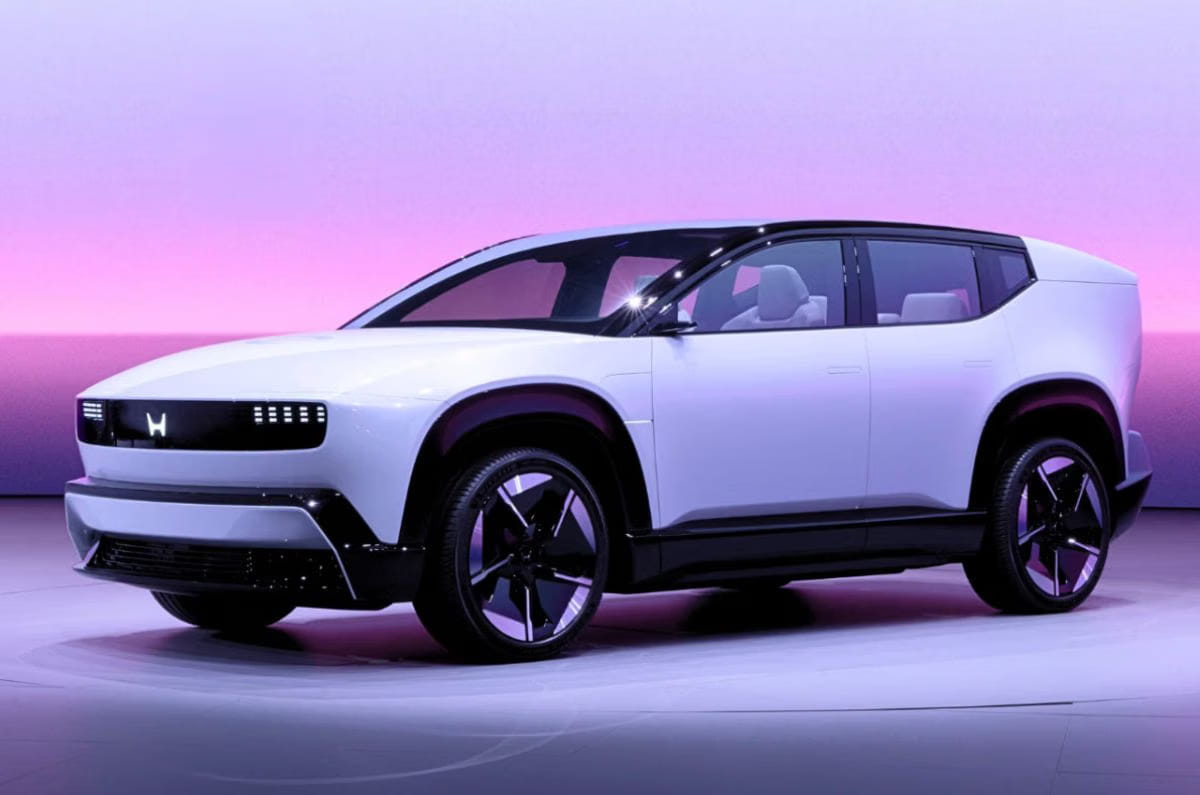
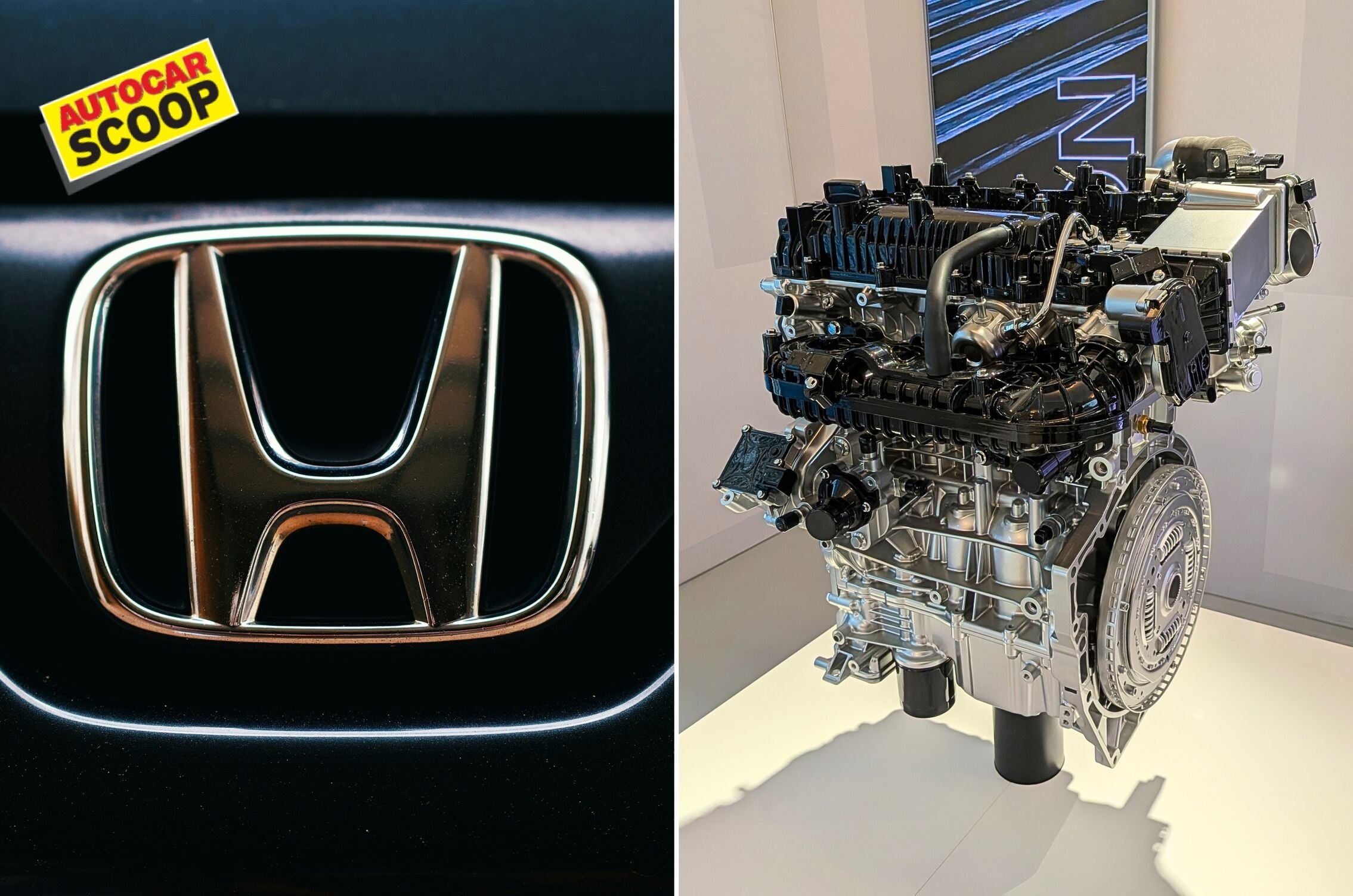
Honda Cars India is in talks with Horse Powertrain to outsource a 1.2-litre engine with petrol, hybrid and CNG options for an upcoming compact SUV, Autocar Professional, our sister publication, has learnt.

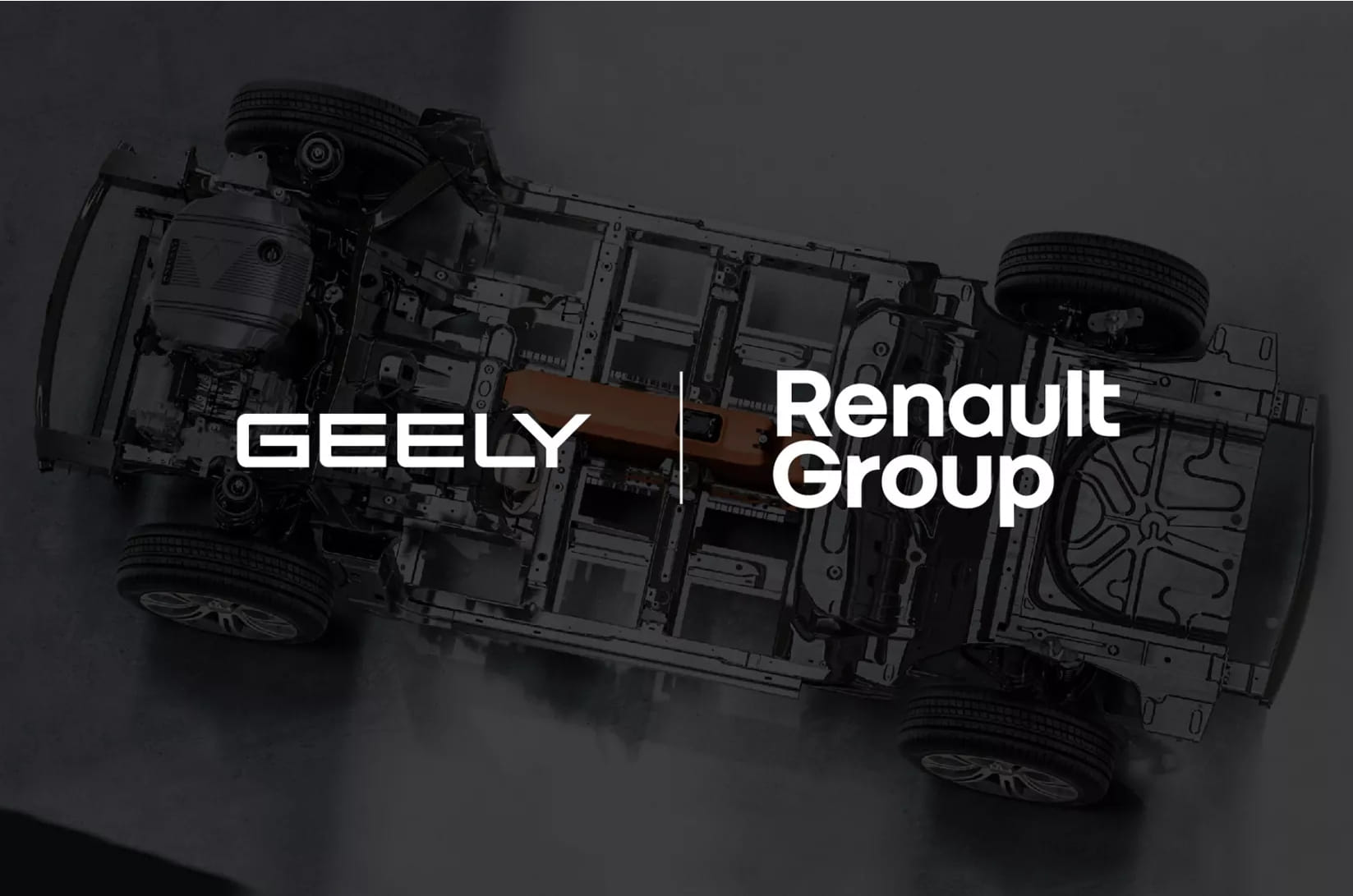
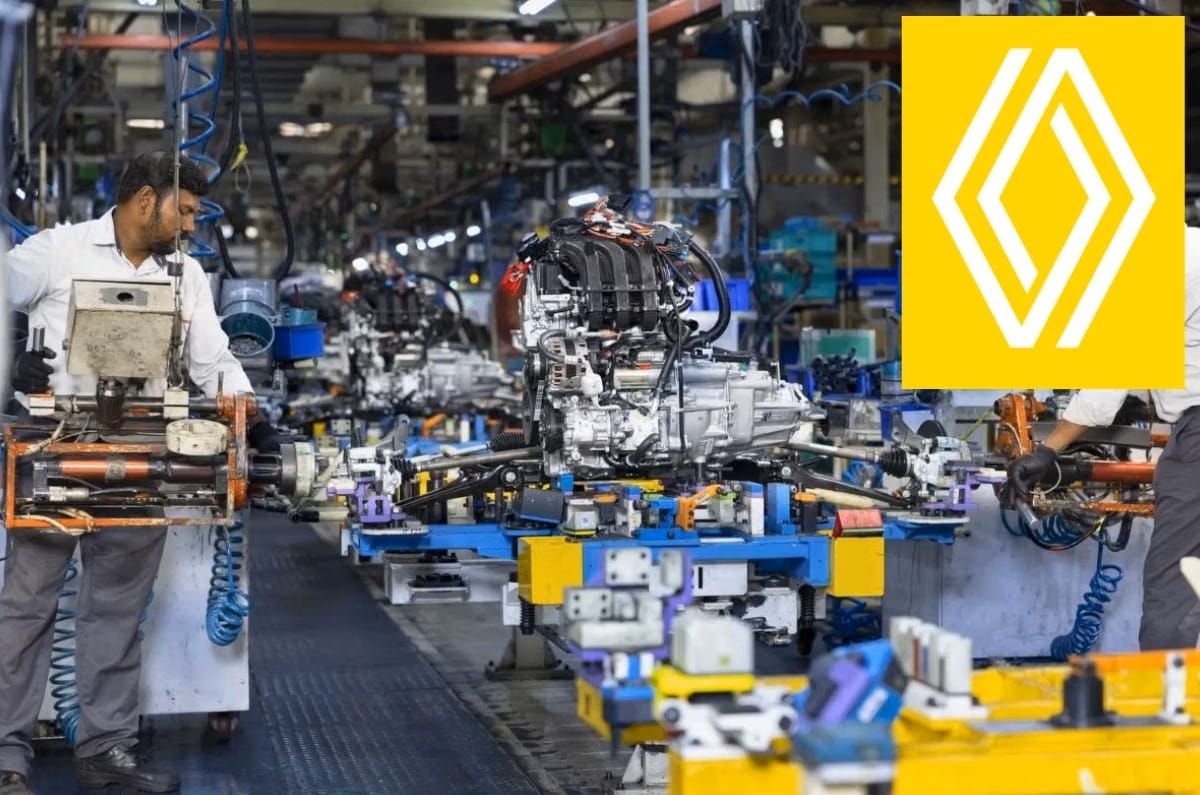
Horse Powertrain is a joint venture between Renault Group and Geely, with Saudi Aramco as a shareholder, and it specialises in combustion and hybrid powertrains. It already has a foothold in India: the new Renault Duster, due to launch on October 17, will use a Horse 1.8-litre hybrid. The company is keen to grow its customer base among Indian carmakers and is understood to be planning a local engine plant. Fully localised engines would give buyers like Honda a significant cost advantage.

For Honda, the move would be a major departure. Engines have long been the heart of its cars, and its reputation for performance, efficiency and reliability is built on them. Handing over this core component would once have been unthinkable.

However, Honda faces pressure on two fronts with its current 1.2- and 1.5-litre petrol line-up. It must meet tightening emission and fuel-efficiency norms, and it must offer the multiple fuel options Indian buyers increasingly want, especially CNG.

Developing all of that in-house for a price-sensitive segment is costly, and sourcing a ready multi-fuel engine family would solve both problems at once.

The upcoming compact SUV is understood to be under evaluation with an existing Honda platform used in Indonesia. A price range of Rs 9 lakh to Rs 12 lakh and an October 2028 start of production have been discussed as project targets. Honda has not confirmed the vehicle or its specifications.

A new way of working

The engine discussions are part of a radical change in Honda’s strategy to develop cars for India, with specialist partners taking on a larger share of the work from the outset.

Tata Technologies is being engaged for vehicle design and engineering execution, while TCS is expected to work on the infotainment system. Honda wants design, testing and supplier development to proceed in parallel, helping it bring new vehicles to market faster.

The company is targeting a reduction in the development cycle for a full model change from around 49 months to about 30 months. This is a target for its proposed development process, not a confirmed timeline for the compact SUV.

Honda’s new approach starts with the specifications and price required for India, rather than adapting a global product late in its development. The company would retain responsibility for overall vehicle performance targets and final validation, while engineering partners take a greater role in design, verification and supplier management.

Asked about the reported arrangements, Honda Cars India declined to confirm specific partners or programmes. “We work with a wide ecosystem of technology, engineering and supplier partners. However, we do not comment on specific partners, sourcing discussions or future powertrain programmes,” a company spokesperson told Autocar Professional.

“Honda is continuously strengthening its product development capabilities in India, with the objective of developing products that are increasingly relevant to Indian customers while also leveraging India’s growing engineering capabilities,” the spokesperson added.

Cost competitiveness is central to the plan. Honda intends to make greater use of Indian engineering and suppliers while retaining its vehicle performance and durability targets. It also sees an opportunity to attract customers moving from two-wheelers to their first car. Many of them currently choose rival car brands despite owning a Honda two-wheeler.

PF2 platform plan dropped

Separately, Autocar Professional understands that Honda has dropped the PF2 platform project, which had been expected to form the basis of the next-generation City sedan and Elevate SUV. The decision raises questions about which platform Honda will use for the successors to two of its key India models.

Honda Cars India declined to confirm the change. “We do not comment on speculation regarding specific future platforms or product-development programmes,” the spokesperson said.

The company stressed that the decision should not be read as a plan to discontinue either model. “City and Elevate are important models for Honda in India, and both will continue to play an important role in our business,” the spokesperson said. Details of their future generations, platforms and technologies will be announced at the appropriate time, the spokesperson added.

Honda declined to identify the architecture for future India-bound EVs. It said India would play an increasingly important role as a manufacturing and development base, with future products drawing on Honda’s global electrified technologies and local engineering capabilities.

With inputs from Ketan Thakkar.

ICE Age 2.0: Converting EVs to ICE

Horse powertrain C15

Conceived with no concessions to internal combustion propulsion, ‘born electrics’ were heralded as the future. Manufacturers poured millions into their development, and it is estimated that globally $1.2 trillion was committed to the entire EV ecosystem, $500 billion of which was from automakers.

But with global EV sales well below projections, manufacturers are left with hard decisions. The Stellantis group, for instance, confirmed a $26 billion write-off over its EV projects, while Honda said its annual operating loss would be between 270-570 billion yen, due to losses associated with the reassessment of its electrification strategy. Earlier this year, the Japanese carmaker scrapped its much-hyped ‘0 Series’ EV project, though the made-in-India 0 Alpha SUV, which is said to use components from the Elevate, is still on track.

Honda has cancelled its 0 Series EV Project altogether

The write-offs and cancellations are understandable in the context of born-electrics, as while there have been many ICE-to-EV conversions, it’s a lot harder the other way around. Conceived with no engine and gearbox in mind, space to accommodate this bulky hardware is the first hurdle they need to clear. There’s also space needed for subsystems like driveshafts, fuel and exhaust systems which leads to the other complication of thermal management. Beyond the exhaust system, internal combustion engines have higher cooling requirements than EVs, and thus airflow management needs to be addressed.

Another challenge is crashworthiness. Again, having never had to hold an engine and gearbox, the crash structure of these cars was never designed with this massive mass in mind. These changes thus require time and expensive re-engineering.

However, tough as it is, some brands are looking at re-engineering born-EVs to use some form of internal combustion. The VW Group is one such example, as is homegrown automaker Mahindra. While it sold about 16,000 EVs in FY2026 – the bulk of them coming from its born-electric line-up – it needs higher volumes given the investments in their development. The Chinese, too, who were very quick with born-electrics, are looking at the ICE switch.

Ice Age 2.0

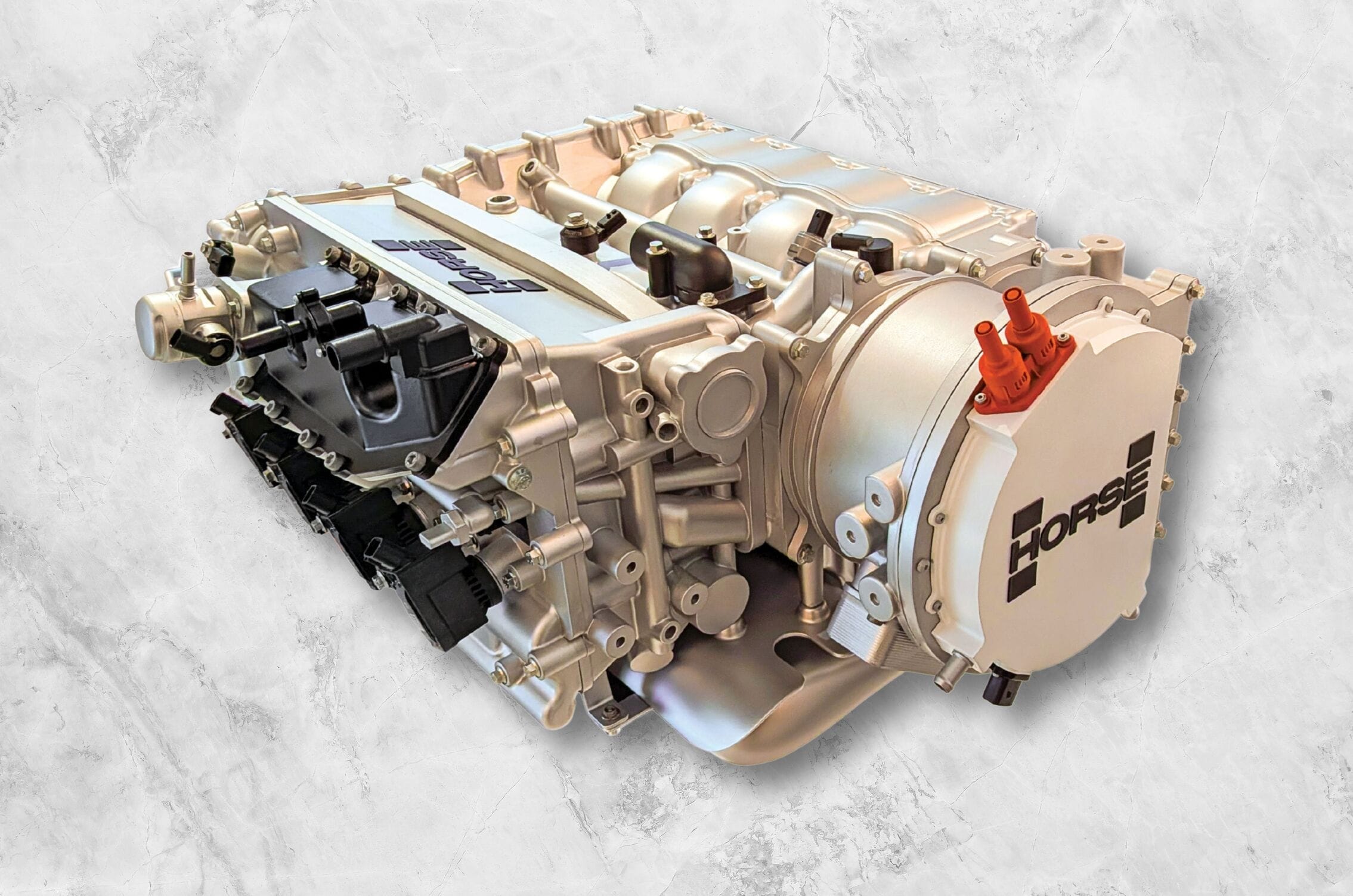
In this scenario, Horse Powertrain might hold the panacea – the C15 powertrain. Showcased at the Vienna Motor Symposium in April this year, the C15 unit is a compact, all-in-one powertrain designed to replace the electric drive unit of a born-electric and transform it into a range-extender hybrid. The integrated unit consists of a 1.5-litre, 4-cylinder engine, hybrid transmission, electric motor and the full suite of power electronics.

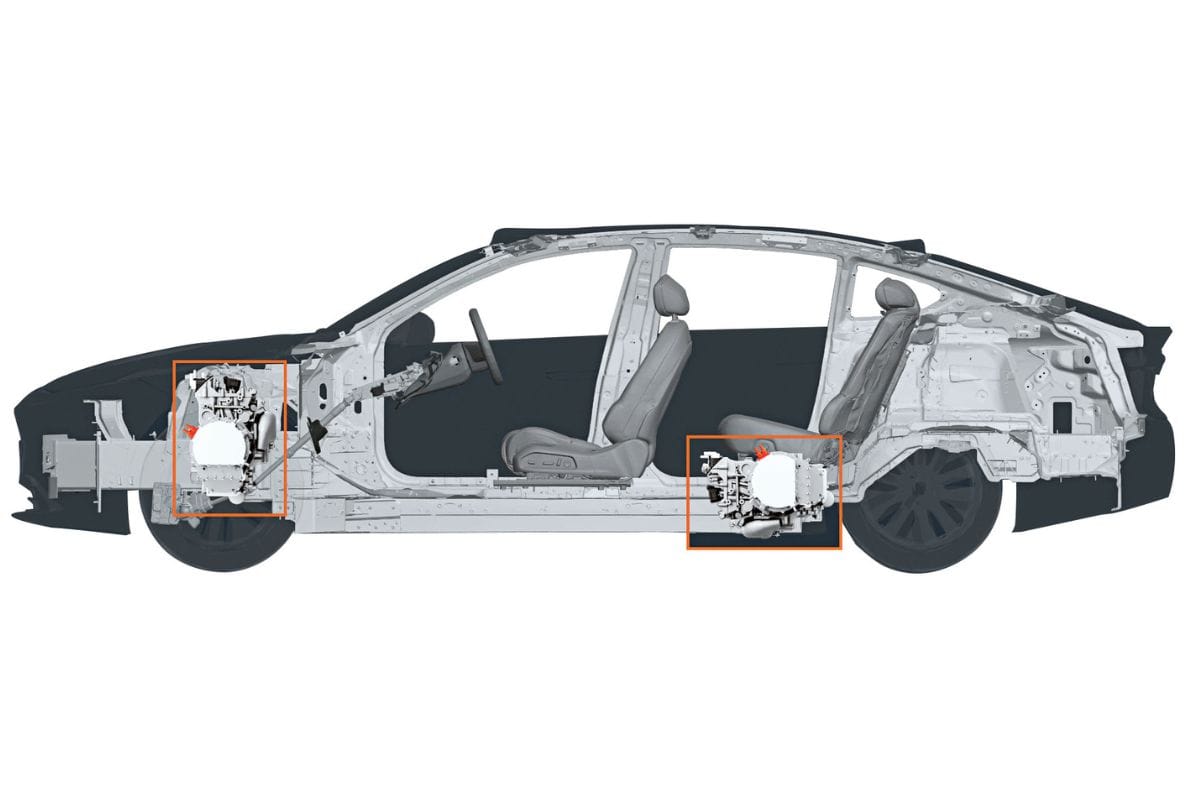
C15 powertrain can be installed at the front or rear and in either a vertical or horizontal orientation.

Furthermore, Horse says the unit is modular and can have further systems bolted on, depending on manufacturer requirements, like turbocharging or even a traditional gearbox, should direct-to-wheel drive be required. Adding to its flexibility, the engine can be packaged vertically or even horizontally, and the company says systems like lubrication are capable for either installation type. It can also be located at the front or rear of the vehicle, so as to warrant fewer modifications and re-engineering for a brand. 64 percent of its components are parts from existing powertrains, and this, Horse says, brings down the unit’s cost. So far, there’s no word on when it would come to market, but the brand says work is already underway, and the first model with the C15 unit should see the light of day by 2028.  

On the face of it, converting a born-electric to ICE might seem like a retrograde step in the journey towards electrification. However, it’s clear this journey is far longer than previously thought, and a born-electric-to-ICE conversion will certainly help a manufacturer’s business viability in the immediate term. Furthermore, in this scenario of internal combustion living longer, hybridisation helps lowering fuel consumption and emissions. Thus, a retrograde step this might be, but one that can help build the future.

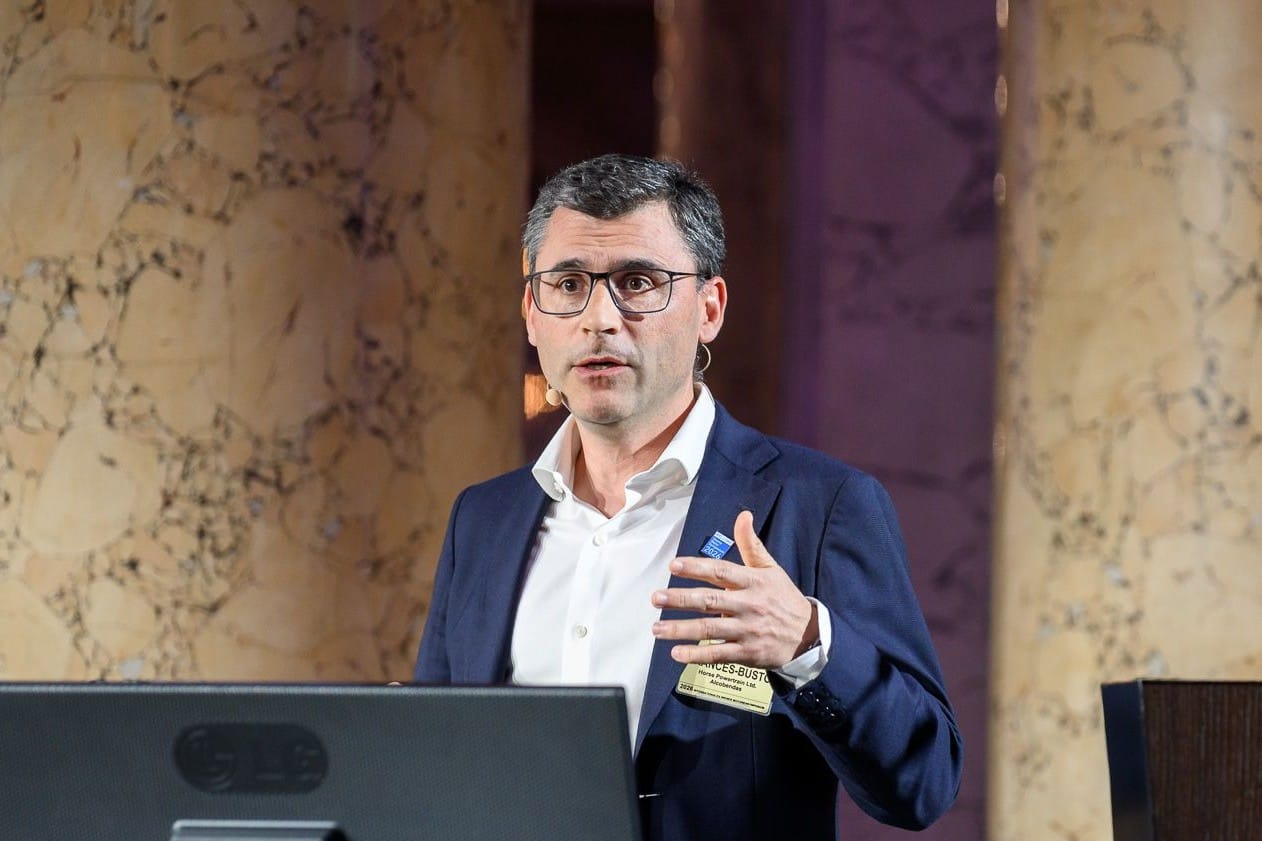
Q&A Jesus Frances Busto –  Strategy & RAE Director, Horse Technologies

On the company structure

Horse Powertrain is a joint venture between Renault, Geely and Saudi Aramco, but we are an independent global powertrain supplier. So we can supply, work with, and integrate this (C15) with any manufacturer that is interested in it. It’s part of our new story at Horse Powertrain.

On the C15’s requirement

Brands have invested a lot into born-electric platforms, and many have even got the products ready and out into the market. But yes, they now would need to have an option to cope with this adoption towards EVs, and a hybrid with a range-extender setup is a good possibility for this.

On the C15’s specialities 

The C15 solves the problem of space, and we have solved it not by miniaturisation, but with innovative redesign and repackaging. We can install this vertically or even horizontally, and when we do this, one of the points we have to solve is lubrication, so we have a scavenge function circulating oil through and through correctly.

On a market launch

As you would understand, we cannot disclose our clients at the moment or specific launch dates, but we are working with brands, and we should see this in the market by early 2028.

सऊदी अरब ने सस्ता किया तेल, 26 साल में सबसे बड़ी कटौती; जानिए क्या है वजह

सऊदी अरब ने एशियाई ग्राहकों के लिए बड़ा दांव खेला है। सरकारी तेल कंपनी Saudi Aramco ने अगस्त के लिए अपने सबसे ज्यादा बिकने वाले Arab Light Crude की कीमत में 11 डॉलर प्रति बैरल की कटौती कर दी है। यह कम से कम 26 साल में सबसे बड़ी कटौती मानी जा रही है।

अब कंपनी एशिया के ग्राहकों को Arab Light क्षेत्रीय बेंचमार्क के मुकाबले 1.50 डॉलर प्रति बैरल की छूट पर बेचेगी। दिलचस्प बात यह है कि Bloomberg के सर्वे में एनालिस्टों ने औसतन 8 डॉलर प्रति बैरल की कटौती का अनुमान लगाया था। लेकिन Saudi Aramco ने उससे भी बड़ी कटौती कर दी।

आखिर कीमत घटाने की जरूरत क्यों पड़ी?

इसकी सबसे बड़ी वजह है कच्चे तेल की बढ़ती सप्लाई। जून के बीच से ही तेल की कीमतों में लगातार गिरावट आ रही है। इस दौरान अमेरिका और ईरान के बीच संघर्षविराम हुआ। इसके बाद Strait of Hormuz से जहाजों की आवाजाही फिर सामान्य होने लगी।

जब तेल की सप्लाई आसान हुई, तो बाजार में कीमतों पर दबाव बढ़ गया। इसी का असर Brent Crude पर भी दिखा। इसकी कीमत गिरकर करीब 72 डॉलर प्रति बैरल पर आ गई। यानी लगभग वहीं, जहां यह फरवरी के आखिर में थी।

मिडिल ईस्ट से तेजी से बढ़ रही है सप्लाई

मध्य पूर्व से अब पहले के मुकाबले ज्यादा तेल बाजार में आ रहा है। युद्ध के दौरान Saudi Aramco ने फारस की खाड़ी के Ras Tanura बंदरगाह से निर्यात कम कर दिया था। उस समय कंपनी ने ज्यादातर तेल Yanbu बंदरगाह के जरिए भेजा था, क्योंकि Strait of Hormuz में आवाजाही बुरी तरह प्रभावित थी।

अब हालात बदल चुके हैं। समुद्री यातायात फिर सामान्य हो रहा है। ऐसे में Aramco ने Ras Tanura से भी निर्यात बढ़ा दिया है। एक समय यह युद्ध शुरू होने से पहले के स्तर के करीब 90% तक पहुंच गया।

OPEC+ ने भी बढ़ाया उत्पादन

तेल बाजार पर दबाव बढ़ने की एक और वजह OPEC+ का फैसला है। इस समूह की अगुवाई सऊदी अरब और रूस कर रहे हैं। OPEC+ ने अगस्त के लिए एक बार फिर उत्पादन बढ़ाने का फैसला किया है।

युद्ध के दौरान कई खाड़ी देशों के लिए उत्पादन बढ़ाना आसान नहीं था, क्योंकि Hormuz के रास्ते तेल भेजने में दिक्कत थी। अब समुद्री रास्ता सामान्य हो रहा है। ऐसे में सऊदी अरब, इराक और कुवैत जैसे देश अपने बढ़े हुए उत्पादन कोटे का पूरा फायदा उठा सकेंगे।

एनालिस्टों का मानना है कि OPEC+ के इस फैसले से साफ संकेत मिलता है कि फिलहाल संगठन अपने सदस्य देशों को ज्यादा तेल निकालने से नहीं रोकना चाहता। अगर सप्लाई इसी तरह बढ़ती रही, तो आने वाले महीनों में कच्चे तेल की कीमतों पर दबाव बना रह सकता है।

Crude Oil Price: 60 डॉलर से नीचे जा सकता है कच्चा तेल! एक्सपर्ट बोले- चीन बदलेगा पूरा खेल

Disclaimer: मनीकंट्रोल.कॉम पर दिए गए सलाह या विचार एक्सपर्ट/ब्रोकरेज फर्म के अपने निजी विचार होते हैं। वेबसाइट या मैनेजमेंट इसके लिए उत्तरदायी नहीं है। यूजर्स को मनीकंट्रोल की सलाह है कि कोई भी निवेश निर्णय लेने से पहले हमेशा सर्टिफाइड एक्सपर्ट की सलाह लें।

Renault-Geely joint venture expected to manufacture hybrid powertrains in India

Renault Geely

India is expected to approve an investment of around USD 370 million (approximately Rs 3,500 crore) by Horse Powertrain, a joint venture between Renault and Geely, according to a Bloomberg report. If approved, the investment would rank among the largest manufacturing investments by a Chinese-linked company in India in years and allow Horse to invest in Renault’s manufacturing operations in Chennai.

  1. Hybrid powertrains could be manufactured at Renault’s Chennai plant
  2. Renault Duster Hybrid to use Horse-developed powertrain
  3. Horse also in talks to supply technology to other carmakers

Horse Powertrain was established in 2024 as a joint venture between Renault and Geely. Saudi Aramco later acquired a 10 percent stake, leaving Renault and Geely with 45 percent each. The proposed investment also comes weeks after Renault announced plans to separate its powertrain manufacturing business into a dedicated entity in India as part of a broader restructuring of its local operations. 

Horse Powertrain’s manufacturing investment in India

According to Bloomberg, the investment will be implemented in phases, beginning with Renault’s Chennai plant. Horse plans to manufacture strong-hybrid powertrains and engines locally for future Renault and Nissan models sold in India, increasing localization and reducing reliance on imported components.

The upcoming Renault Duster Hybrid will use a 1.8-litre strong hybrid powertrain that’s developed by Horse powertrain. The Bridger compact SUV, expected to follow the Duster, is likely to receive a Horse powertrain too.

In a statement to Bloomberg News, Horse Powertrain said: “India is an important market for Horse Powertrain. We can confirm that we have submitted an application to the Indian authorities to have the right to invest in India and are following the official process. We are expecting a formal decision soon.”

The investment also comes as hybrid vehicles gain traction in India, with several manufacturers expanding their electrified SUV line-ups.

Approval would mark a policy shift

The approval would be among the first major Chinese-linked manufacturing investments since India eased foreign investment rules for neighboring countries earlier this year to encourage more local manufacturing. A Chinese automaker has not made a major investment in India since 2017, when state-owned SAIC Motor Corp. acquired a General Motors Co. plant to launch the MG Motor brand. That venture has since been restructured and is now majority-owned by Indian shareholders, led by JSW Group.

Speaking to Autocar India earlier this year, Carolina Mechai, Chief Sales and Business Development Officer at Horse Powertrain said the company was evaluating multiple routes to expand its presence in India beyond Renault. “We are discussing with our key partner and customer here (Renault), but also with other partners. It could be through development or co-development,” she said, adding that local manufacturing could eventually support exports from India.

Stocks to Watch: 23 जून को इन 10 स्टॉक्स पर रखें नजर, मिल सकता है तगड़ी कमाई का मौका

Stocks to Watch: 23 जून के कारोबार में कई शेयर खबरों के दम पर चर्चा में रह सकते हैं। कुछ कंपनियों ने बड़े ऑर्डर हासिल किए हैं, जबकि कुछ ने फंड जुटाने, हिस्सेदारी बिक्री और रणनीतिक साझेदारी से जुड़े अहम ऐलान किए हैं। ऐसे में इन 10 शेयरों में हलचल देखने को मिल सकती है।

TCS

देश की सबसे बड़ी आईटी कंपनी TCS ने बताया है कि उसके बोर्ड की बैठक 9 जुलाई 2026 को होगी। इस बैठक में 30 जून 2026 को खत्म तिमाही के नतीजों पर चर्चा होगी और उन्हें मंजूरी दी जाएगी। टाटा ग्रुप की यह कंपनी निवेशकों के लिए डिविडेंड का ऐलान भी कर सकती है।

Hindustan Zinc

वेदांता ग्रुप की कंपनी Hindustan Zinc ने Advantek Associates LLP और Aero Eagle Automobiles Pvt Ltd के साथ एक समझौता किया है। इस साझेदारी का मकसद कंपनी के अलग-अलग ऑपरेशंस में ग्रीन हाइड्रोजन और दूसरी स्वच्छ ऊर्जा तकनीकों के इस्तेमाल की संभावनाएं तलाशना है।

JSW Infrastructure

सज्जन जिंदल की JSW Infrastructure ने 22 जून से अपना QIP खोलने को मंजूरी दे दी है। कंपनी ने ₹290.35 प्रति शेयर का फ्लोर प्राइस तय किया है। इश्यू में अधिकतम 230 करोड़ नए शेयर जारी किए जाएंगे। वहीं, Sajjan Jindal Family Trust अधिकतम 33.25 करोड़ शेयरों की OFS लाएगी।

Craftsman Automation

Craftsman Automation के प्रमोटर शेयरहोल्डर श्रीनिवासन रवि ने ब्लॉक डील के जरिए कंपनी में 2.01% तक हिस्सेदारी बेचने की प्रक्रिया शुरू की है। टर्म शीट के मुताबिक इस सौदे का आकार करीब ₹484 करोड़ है। शेयरों के लिए ₹925 प्रति शेयर का फ्लोर प्राइस तय किया गया है।

Info Edge

Naukri.com की पैरेंट कंपनी Info Edge ने कहा है कि उसके AI स्टार्टअप पोर्टफोलियो की वैल्यू बढ़कर ₹1,268 करोड़ पहुंच गई है। कंपनी ने अब तक 28 AI स्टार्टअप्स में कुल ₹614 करोड़ का निवेश किया है। इस निवेश पर उसे 2.1 गुना रिटर्न मिला है, जबकि अनुमानित ग्रॉस IRR करीब 31% रही है।

Bharat Electronics

सरकारी डिफेंस कंपनी Bharat Electronics (BEL) को 25 मई 2026 के बाद ₹1,081 करोड़ के नए ऑर्डर मिले हैं। कंपनी के मुताबिक इन ऑर्डर्स में कम्युनिकेशन इक्विपमेंट, रडार, CBRN सुरक्षा सिस्टम, सीकर्स, एवियोनिक्स, अपग्रेडेशन, स्पेयर्स और सर्विसेज शामिल हैं। नए ऑर्डर्स से कंपनी की ऑर्डर बुक और मजबूत होगी और आने वाले समय में रेवेन्यू को सहारा मिल सकता है।

GHV Infra Projects

GHV Infra Projects को GHV (India) Private Ltd से करीब ₹213 करोड़ का वर्क ऑर्डर मिला है। इस ऑर्डर में GST भी शामिल है। कंपनी को सिविल, इलेक्ट्रिकल, मैकेनिकल और सिग्नल एवं टेलीकॉम से जुड़े कई काम करने होंगे। यह ऑर्डर कंपनी की ऑर्डर बुक को और मजबूत करेगा।

APAR Industries

APAR Industries ने बताया कि उसकी सहायक कंपनी APAR Industries Middle East Ltd, KSA ने Saudi Aramco Base Oil Company के साथ एक समझौता किया है। यह करार कंपनी के अंतरराष्ट्रीय कारोबार को मजबूत करने की दिशा में अहम कदम माना जा रहा है। हालांकि दोनों कंपनियों ने समझौते की वित्तीय शर्तों का खुलासा नहीं किया है।

Birla Corporation

Birla Corporation ने कहा है कि मध्य प्रदेश के शहडोल जिले में स्थित उसकी बिक्रम कोयला खदान में 22 जून 2026 से व्यावसायिक उत्पादन शुरू हो गया है। कंपनी के लिए यह महत्वपूर्ण उपलब्धि है क्योंकि अब उसे अपने सीमेंट कारोबार के लिए कोयले की उपलब्धता बढ़ाने और लागत को नियंत्रित करने में मदद मिल सकती है।

MSP Steel & Power

MSP Steel & Power के प्रमोटर ग्रुप ने 16 से 18 जून 2026 के बीच खुले बाजार से कुल 64.50 लाख शेयर खरीदे हैं। कंपनी के मुताबिक, प्रमोटर ग्रुप की पांच संस्थाओं ने यह खरीदारी की है। आमतौर पर प्रमोटरों की बड़ी खरीदारी को कंपनी के भविष्य और कारोबार को लेकर उनके भरोसे के संकेत के रूप में देखा जाता है।

Railway Stocks: बंगाल में ₹1 लाख करोड़ से बनेगा रेलवे इंफ्रास्ट्रक्चर, इन 4 स्टॉक्स पर रखें नजर

Disclaimer: मनीकंट्रोल.कॉम पर दिए गए सलाह या विचार एक्सपर्ट/ब्रोकरेज फर्म के अपने निजी विचार होते हैं। वेबसाइट या मैनेजमेंट इसके लिए उत्तरदायी नहीं है। यूजर्स को मनीकंट्रोल की सलाह है कि कोई भी निवेश निर्णय लेने से पहले हमेशा सर्टिफाइड एक्सपर्ट की सलाह लें।

LPG Price Today: सऊदी अरामको ने बढ़ाई कॉन्ट्रैक्ट प्राइस, क्या भारत में महंगा होगा गैस सिलेंडर?

LPG Price Today: LPG सिलेंडर के रेट आज सोमवार को ना तो बढ़े हैं और ना ही घटे हैं। आखिरी बार 7 जून को कंपनियों ने 29 रुपये की बढ़ोतरी घरेलू LPG सिलेंडर के दाम में की थी। वहीं, कॉमर्शियल सिलेंडर के रेट में तब 42 रुपये से 53.50 रुपये का इजाफा हुआ था। अच्छी बात यह है कि अमेरिका-ईरान समझौते बाद स्ट्रेट ऑफ होर्मुज फिर से खुल हो गया है। ऐसे में भारत जो कि LPG के लिए पूरी तरह से आयात पर निर्भर है वो अब आसानी से इंपोर्ट कर पाएगा।

ईरान-अमेरिका युद्ध शुरू होने के बाद घरेलू LPG सिलेंडर की कीमतों में दो बार इजाफा हुआ था। वहीं, कॉमर्शियल सिलेंडर के दाम तब से अबतक 79% बढ़ चुके हैं।

शहरवार देखें कीमतें

शहर घरेलू सिलेंडर की कीमतकमर्शियल सिलेंडर की कीमत
दिल्ली 942.0 रुपये3113.5 रुपये
मुंबई941.5 रुपये 3067.5 रुपये
कोलकाता968.0 रुपये3256.0 रुपये
चेन्नई 957.5 रुपये 3283.0 रुपये
बेंगलुरु944.5 रुपये 3198.0 रुपये
आईजॉल1094.0 रुपये3598.5 रुपये
लखनऊ979.5 रुपये3236.0 रुपये
गाजियाबाद939.50 रुपये3113.50 रुपये
पटना1031.5 रुपये3400.5 रुपये

भारत में LPG की कीमत पड़ोसी देशों से भी कम

सरकारी आंकड़ों के अनुसार भारत में घरेलू LPG सिलेंडर की कीमत पड़ोसी और कई विकसित देशों के मुकाबले बहुत कम है। नई दिल्ली में 14.2 किलों का एक सिलेंडर 942 रुपये में उपलब्ध है, जबकि पाकिस्तान में इसकी कीमत 1046 रुपये, नेपाल में 1207 रुपये, बांग्लादेश में 1225 रुपये और श्रीलंका में 1241 रुपये, अमेरिका में 1755 रुपये, आस्ट्रेलिया में 1765 रुपये और कनाडा में 2411 रुपये हैं। उज्जवला योजना के तहत लाभार्थियों को यही सिलेंडर 642 रुपये में मिलता है, जो इन देशों के मुकाबले बेहत कम है।

सऊदी अरामको ने बढ़ाया कॉन्ट्रैक्ट प्राइस

रॉयटर्स की रिपोर्ट के अनुसार, दुनिया की सबसे बड़ी तेल कंपनी सऊदी अरामको ने जून महीने के लिए LPG के आधिकारिक विक्रय मूल्य (OSP) में 1% से 3% तक की बढ़ोतरी की है। कंपनी ने प्रोपेन की कीमत में 10 डॉलर प्रति मीट्रिक टन और ब्यूटेन की कीमत में 20 डॉलर प्रति मीट्रिक टन का इजाफा किया है। इसके बाद प्रोपेन का नया भाव 760 डॉलर प्रति मीट्रिक टन और ब्यूटेन का 820 डॉलर प्रति मीट्रिक टन हो गया है।

दरअसल, अमेरिका और ईरान के बीच संभावित समझौते को लेकर बनी अनिश्चितता और होर्मुज जलडमरूमध्य (Strait of Hormuz) के दोबारा बंद होने की आशंकाओं ने बाजार की चिंता बढ़ा दी है। यही वजह है कि वैश्विक बाजार में गैस की कीमतों को बढ़ावा मिल रहा है।

क्या होगा असर?

सऊदी कॉन्ट्रैक्ट प्राइस में हुई इस बढ़ोतरी का असर सरकारी खाजने के साथ-साथ आम आदमी की जेब पर भी पड़ेगा। अगर अंतर्राष्ट्रीय मार्केट में इसी तरह गैस के दाम ऊंचे स्तर पर बने रहे, तो हो सकता है कि 1 जुलाई को सरकारी तेल कंपनियों की अगली समीक्षा बैठक में घरेलू LPG सिलेंडर की कीमत में एक बार फिर से बढ़ोतरी कर दी जाए।

बता दें कि सऊदी कॉन्ट्रैक्ट प्राइस एक अंतर्राष्ट्रीय बेंचमार्क रेट है, जिस पर सऊदी अरामको हर महीने दुनिया भर के देशों को एलपीजी बेचती है। चूंकि सऊदी अरब दुनिया में LPG का सबसे बड़ा एक्सपोर्टर है इसलिए इसके द्वारा तय की गई कीमत को दुनिया का एलपीजी का आधिकारिक रेट मान लिया जाता है।

यह भी पढ़ें: Petrol Diesel Price Today: पेट्रोल-डीजल की ताजा कीमतें आईं सामने, जानें आपके शहर का हाल