Jeep is mulling a revival of its iconic Willys military off-roader for an affordable electric SUV after 2030. The proposed model is part of Jeep’s plans to develop compact EVs and strengthen its position against growing competition from Chinese carmakers, particularly in Europe.
Speaking to Autocar UK, Xavier Peugeot, the head of Jeep Europe, said that the Willys is the brand’s “key attention” for the future, and that its electric revival is one of several “new ideas” that could be realised in the coming years. He described Jeep’s heritage as a key advantage in countering new rivals, especially from China, stating: “One of our main assets to counter this offensive is our DNA.”
Jeep Willys revival: All we know so far
A recent teaser image released by Stellantis shows the original Willys MB military Jeep parked in front of the silhouette of a larger, closed-roof SUV with a bootlid-mounted spare wheel. The boxy design of this SUV looks to draw heavily from the original Willy’s utilitarian trappings, and the “Not Fragile” lettering on the crate implies ruggedness, and perhaps a focus on off-road prowess.
Specifics about the proposed Willys revival are yet to be finalised, but Peugeot noted “BEV affordability” as an important attribute, suggesting the EV could be aimed at the more attainable end of the price spectrum. To that end, the electric Willys may use a new low-cost EV architecture being developed by Stellantis for models that comply with the European Union’s proposed ‘E-car’ regulations – the production version of the recently-revealed Citroen 2CV concept is also expected to use this platform.
Peugeot additionally said that “each model in [Jeep’s] future range will be 4×4-compatible,” which could help set the electric Willys revival apart from the rest of Stellantis’s upcoming EVs. The project is expected to move forward after Jeep completes its current ‘Road to 2030’ strategy.
That said, Peugeot did remark that Jeep is “not confirming any concrete launch for this year or that year,” and that “ideas around Willys [will be] confirmed” by the end of this decade.
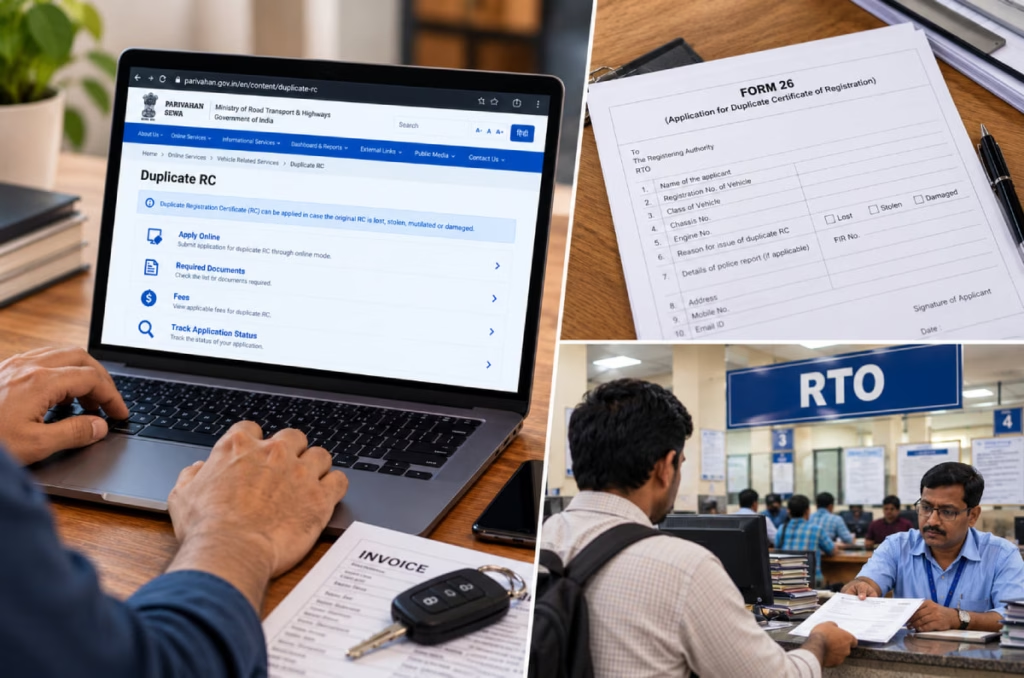
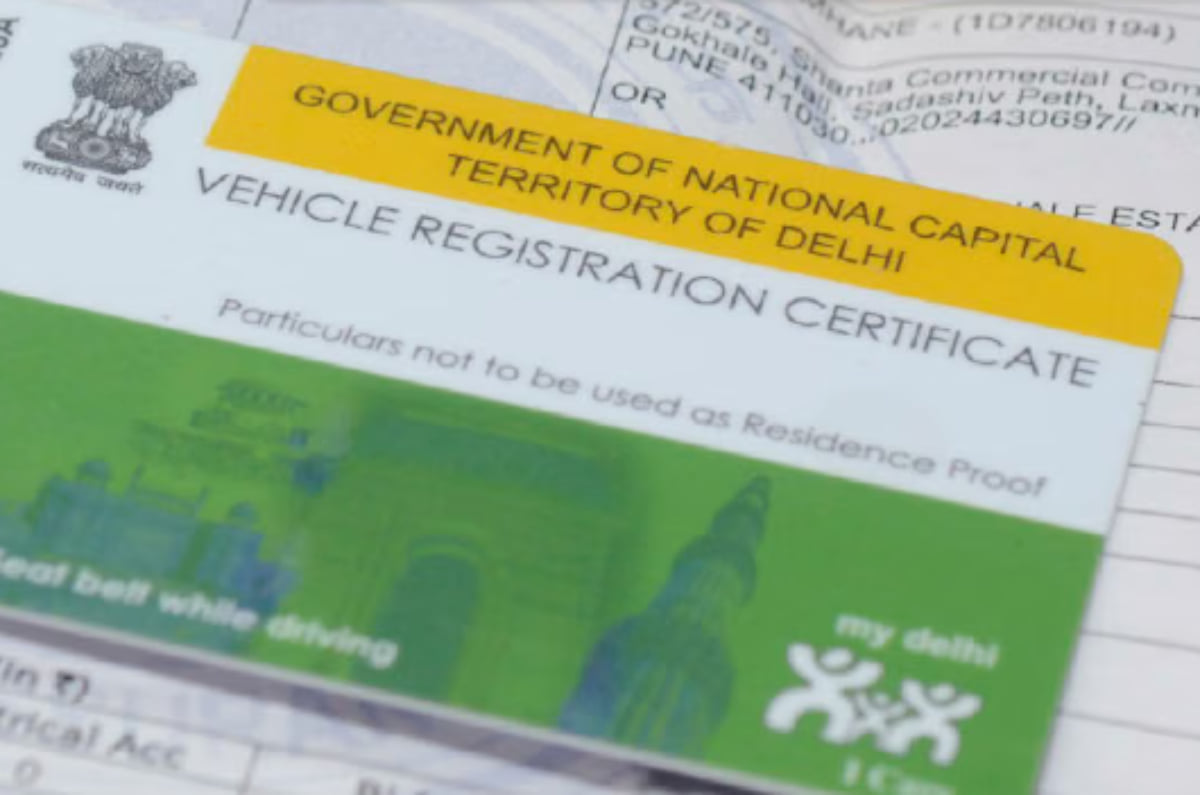
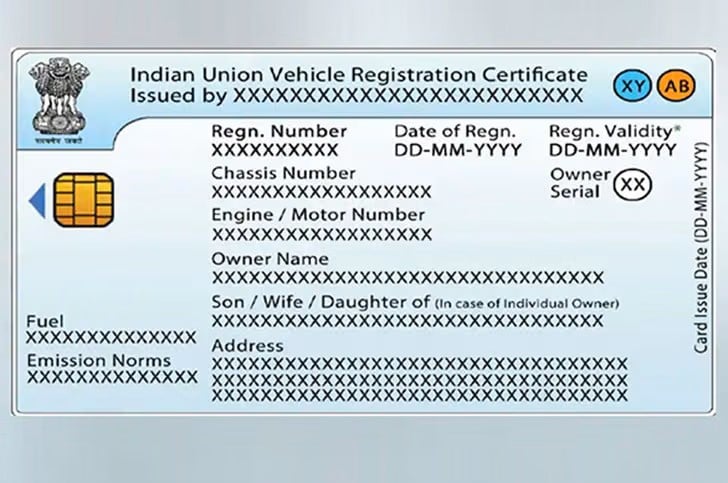
A vehicle’s Registration Certificate (RC) is an official document that records its registration with the Regional Transport Office (RTO). If the original RC is lost, stolen or damaged, owners can apply for a duplicate instead of registering the vehicle again.
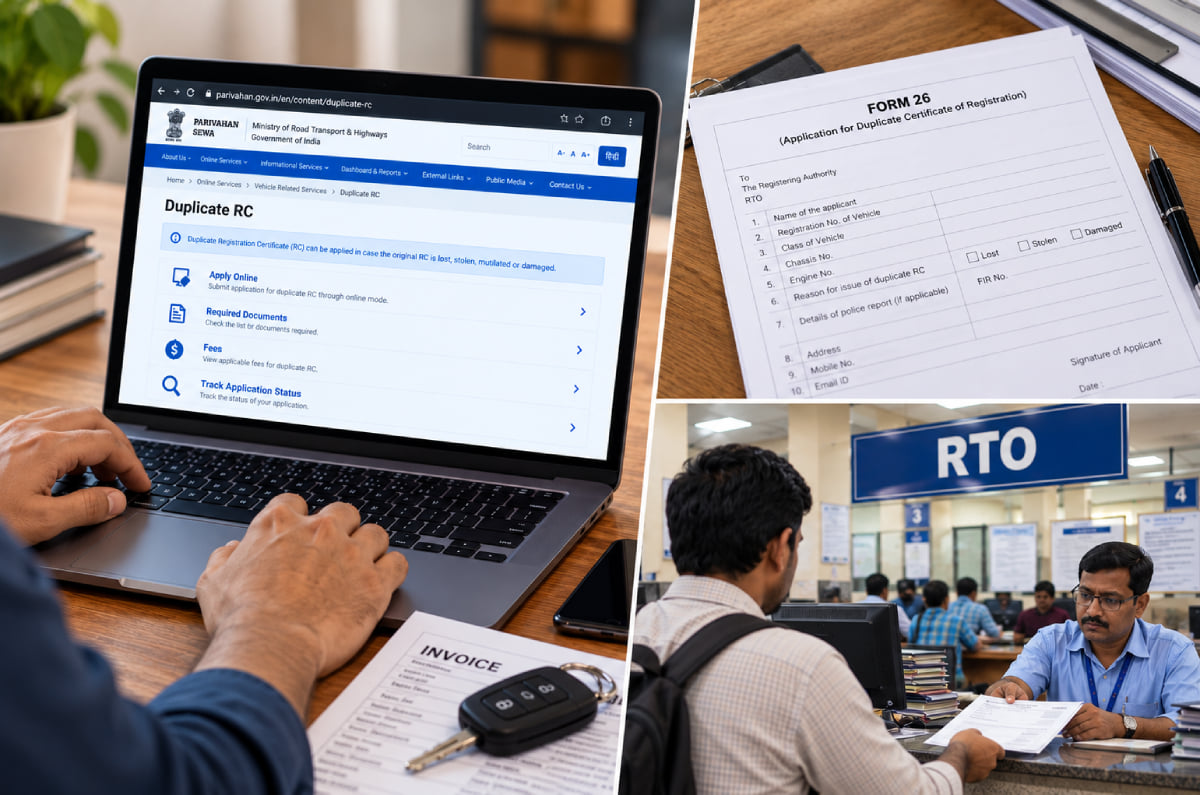
The application can be started online through the government’s Parivahan Sewa portal. Depending on the state and RTO, applicants may also need to submit physical documents or visit the RTO for verification. Here’s how to apply for a duplicate RC and what to keep ready.
When do you need a duplicate RC?
You can apply for a duplicate RC if the original certificate has been lost, stolen or damaged to the point that its details are no longer legible. The duplicate replaces the existing certificate; it does not change the vehicle’s registration number.
If the original is damaged, keep it ready to surrender if the RTO requires it. If it is lost or stolen, report the incident to the police and retain the relevant report for the application.
A duplicate RC is different from an RC renewal, which is required when the registration expires.
What documents are required for a duplicate RC?
The main application form is Form 26, which is used to request a duplicate Registration Certificate. Depending on the circumstances and the requirements of the relevant RTO, applicants may need the following documents:
Form 26: The application for a duplicate RC.
Police report or FIR: For a lost or stolen RC, as applicable.
Valid motor insurance: Proof of current vehicle insurance.
Valid PUC certificate: The vehicle’s Pollution Under Control certificate.
Identity and address proof: Such as an Aadhaar card, PAN card or another accepted document.
Affidavit or declaration: If required by the registering authority.
Chassis number imprint: A pencil impression may be required.
Financier’s NOC: If the vehicle is under an active loan or has a hypothecation entry on its RC.
Disclamer: Requirements can vary by state, RTO and vehicle category. Check the applicable document list before submitting the application.
How to apply for a duplicate RC online
Owners can start the application through the Parivahan Sewa portal. The steps may differ slightly depending on the state and the services available for the vehicle.
Step 1: Visit the Parivahan Sewa portal
Go to parivahan.gov.in and open the vehicle-related services section. Select the state in which the vehicle is registered.
Step 2: Enter the vehicle details
Open the relevant vehicle services page and enter the vehicle’s registration number. The portal may ask for the last five digits of the chassis number and OTP verification.
Step 3: Select the duplicate RC service
Choose ‘Duplicate RC’ or the corresponding duplicate Registration Certificate service from the available options.
Step 4: Fill in the application
Enter the requested details and check that the vehicle and owner information is correct. Provide the reason for requesting a duplicate, where prompted.
Step 5: Submit the documents
Upload the required documents if the portal provides that option. Keep the police report or FIR ready for a lost or stolen RC, along with the insurance and PUC certificates and any other documents requested by the RTO.
Step 6: Pay the applicable fee
Review the fee displayed on the portal and complete the payment. Save the receipt and application number for future reference.
Step 7: Complete verification, if required
Depending on the state’s process, the RTO may require physical document submission or an appointment for verification. Follow the instructions shown after submitting the application.
Step 8: Track the application
Use the application number or the relevant status service on Parivahan to check the progress of the request. Once approved, the duplicate RC is processed according to the applicable procedure.
Can you apply for a duplicate RC offline?
Yes. You can apply for a duplicate RC through the RTO where the vehicle is registered. Submit Form 26 along with the required documents, pay the applicable fee and retain the acknowledgement receipt. The RTO may ask for additional documents or verification, depending on the vehicle and the reason for the application.
How much does a duplicate RC cost?
The fee depends on the vehicle category and the applicable charges. Additional amounts may apply for smart card issuance and other services.
The Parivahan portal displays the payable amount during the application process. Check the amount shown for your vehicle and confirm any additional charges with the relevant RTO before making the payment.
How long does it take to get a duplicate RC?
The processing time depends on the RTO, document verification and whether a physical visit is required. Applicants can track the request online using the application number and follow up with the registering authority if there is a delay.
Can you drive if your physical RC is lost?
If your physical RC is lost, a virtual RC available through DigiLocker or the mParivahan app is recognised as a valid document under government rules. You should still apply for a duplicate if the original has been lost, stolen or damaged beyond use.
A police report or application acknowledgement alone does not replace the RC.
What happens if you find the original RC after getting a duplicate?
Once a duplicate RC has been issued, the original should no longer be used. If you find it later, surrender it to the registering authority. The duplicate replaces the original certificate, but the vehicle’s registration number remains unchanged.
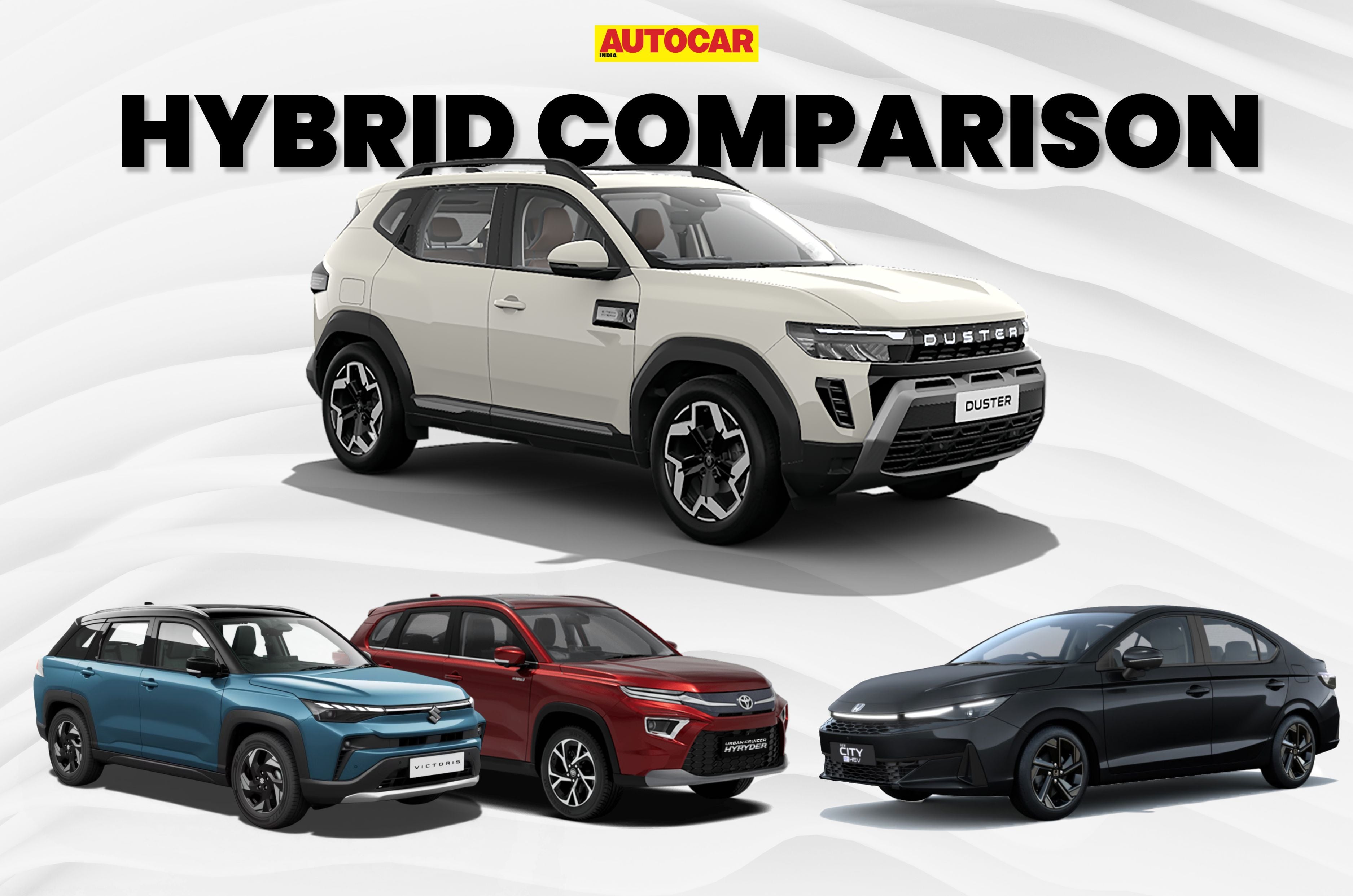
The new Renault Duster has been launched with a strong hybrid powertrain option, a first for the nameplate in India. The latest from Renault competes in the midsize SUV space, where only the Maruti Grand Vitara, Maruti Victoris and Toyota Hyryder currently offer a hybrid choice. Honda does not offer a hybrid setup with the Elevate at the moment, though the City midsize sedan has been equipped with one. But how do these vehicles stack up on paper when it comes to specifications? Let’s find out.
Renault Duster hybrid spec comparison
Duster has the highest power output
Renault Duster hybrid specs vs Grand Vitara, Victoris, Hyryder and City e:HEV
Hybrid system
Combined power
Combined torque
Transmission
Mileage
Battery size | Voltage
Duster
1.8L 4cyl + 2 e-motors
160hp
–
Multi-mode automatic
29kpl
1.4kWh | 247V
Grand Vitara
1.5L 3cyl + e-motor
116hp
141Nm
eCVT
27.97kpl
0.60kWh | 177.6V
Victoris
1.5L 3cyl + e-motor
116hp
141Nm
eCVT
28.65kpl
0.60kWh | 177.6V
Hyryder
1.5L 3cyl + e-motor
116hp
141Nm
eCVT
27.97kpl
0.60kWh | 177.6V
City e:HEV
1.5L 4cyl + e-motor
126hp
253Nm
eCVT
27.13kpl
Not available | 172.8V
While we are yet to sample the Duster hybrid in real-world conditions, the above specs table suggests it takes a more performance-led approach than the rest. Its four-cylinder naturally aspirated petrol engine is the largest by cubic capacity here, and paired with two electric motors, this hybrid setup delivers the highest peak power output. Renault claims a 0-100kph time of 9.61 seconds, which it says makes the Duster hybrid the quickest in the segment. The brand has not revealed a combined torque figure yet, though the Duster’s traction motor produces 208Nm on its own.
Renault SUV’s multi-mode gearbox stands out
The Duster’s multi-mode automatic gearbox has two gears for the motor and four gears for the engine. Renault claims that this setup creates an 8-speed combination in hybrid mode, and it stands out as the others use an eCVT unit, which is known for a smooth driving experience. Moreover, the Duster hybrid’s larger, higher-voltage battery further points to more electric assistance than the rest. The French brand claims that 80 percent of city drives are possible in EV mode alone, while the Duster hybrid’s ARAI-certified mileage of 29kpl is the highest of all the cars here.
Midsize SUVs offer most powertrains
Only PHEV is missing
Save for plug-in hybrid, midsize SUVs offer almost every major powertrain choice, including petrol, CNG, diesel and electric. Hyundai Creta is expected to adopt a hybrid powertrain in its next generation, due in 2027, and its Kia Seltos sibling is also set to follow suit. The new Tata Sierra’s ARGOS platform is hybrid-ready, giving the homegrown carmaker the flexibility to introduce a hybrid version in the future. Volkswagen and Skoda are also working on hybrid midsize SUVs for the Indian market.
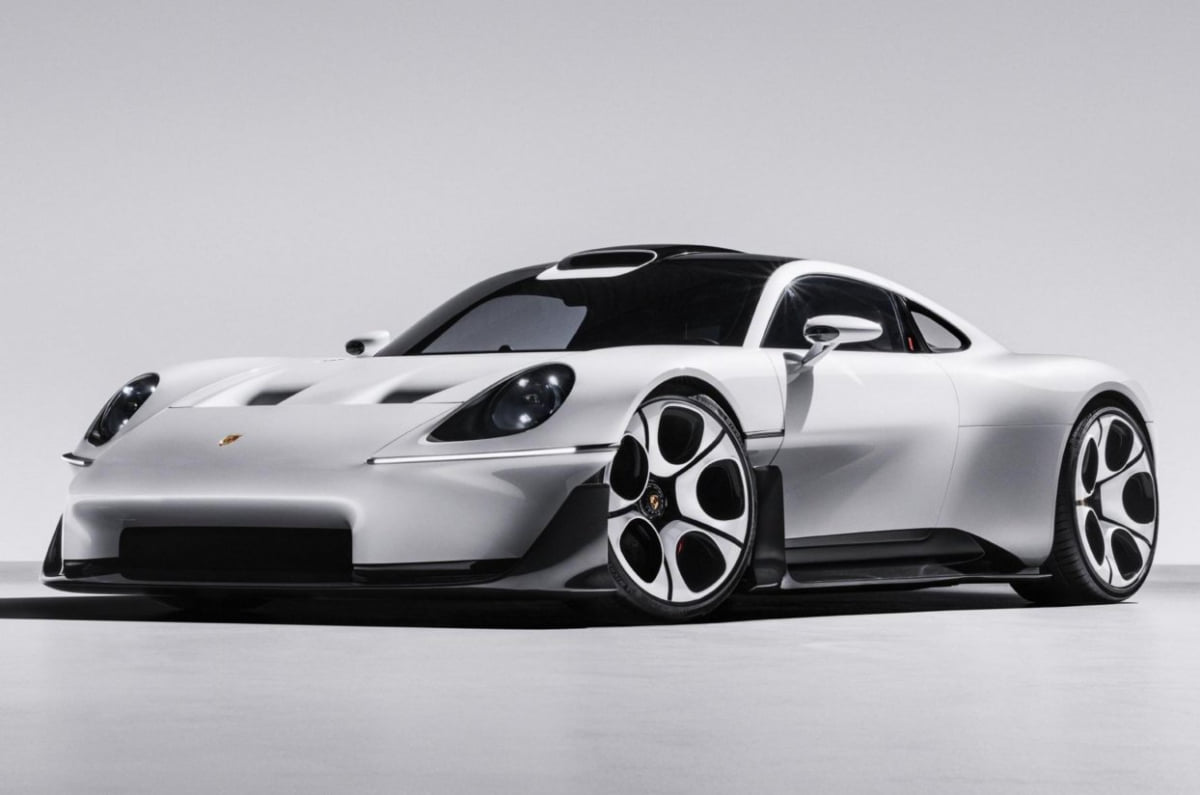
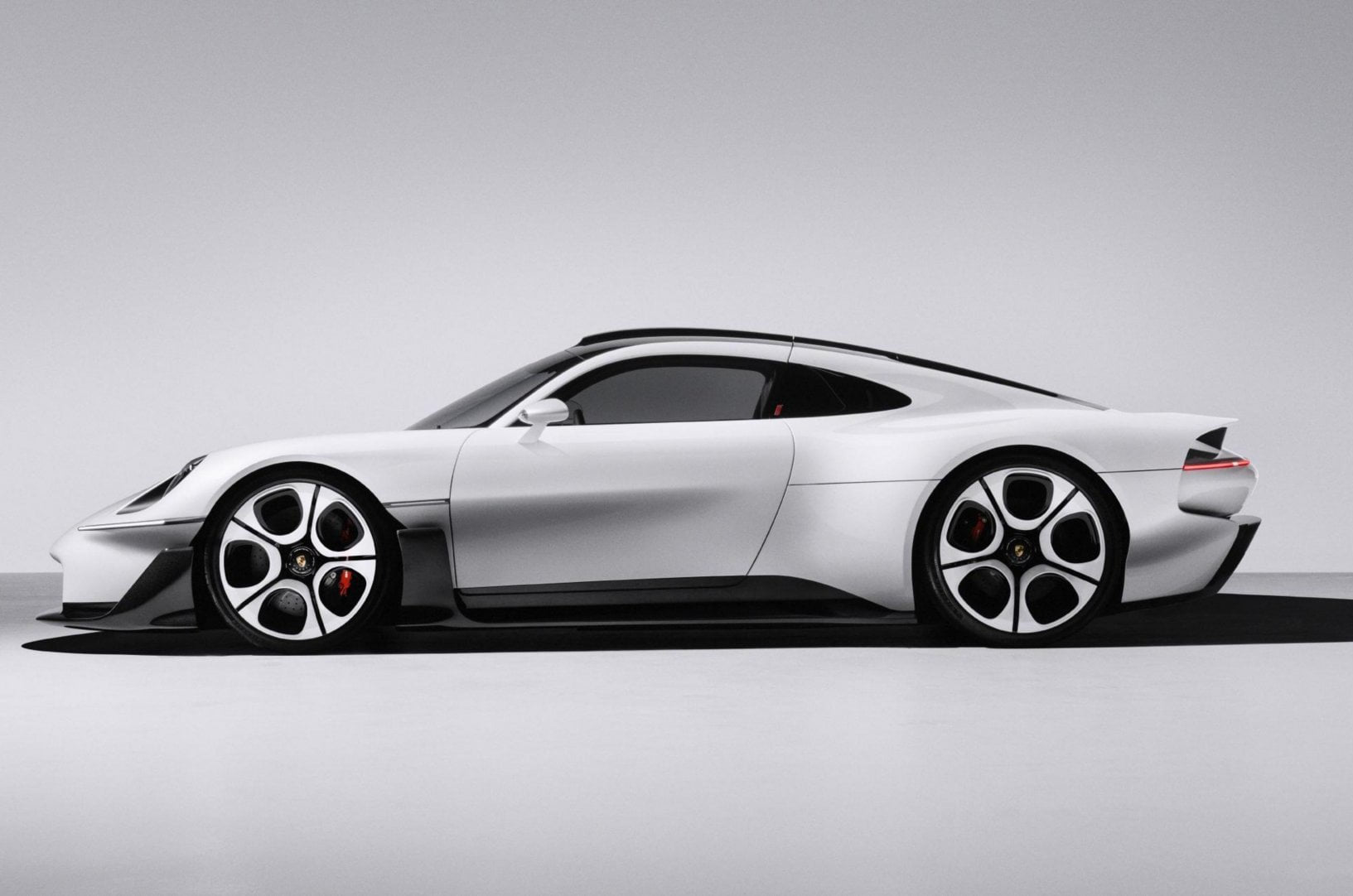
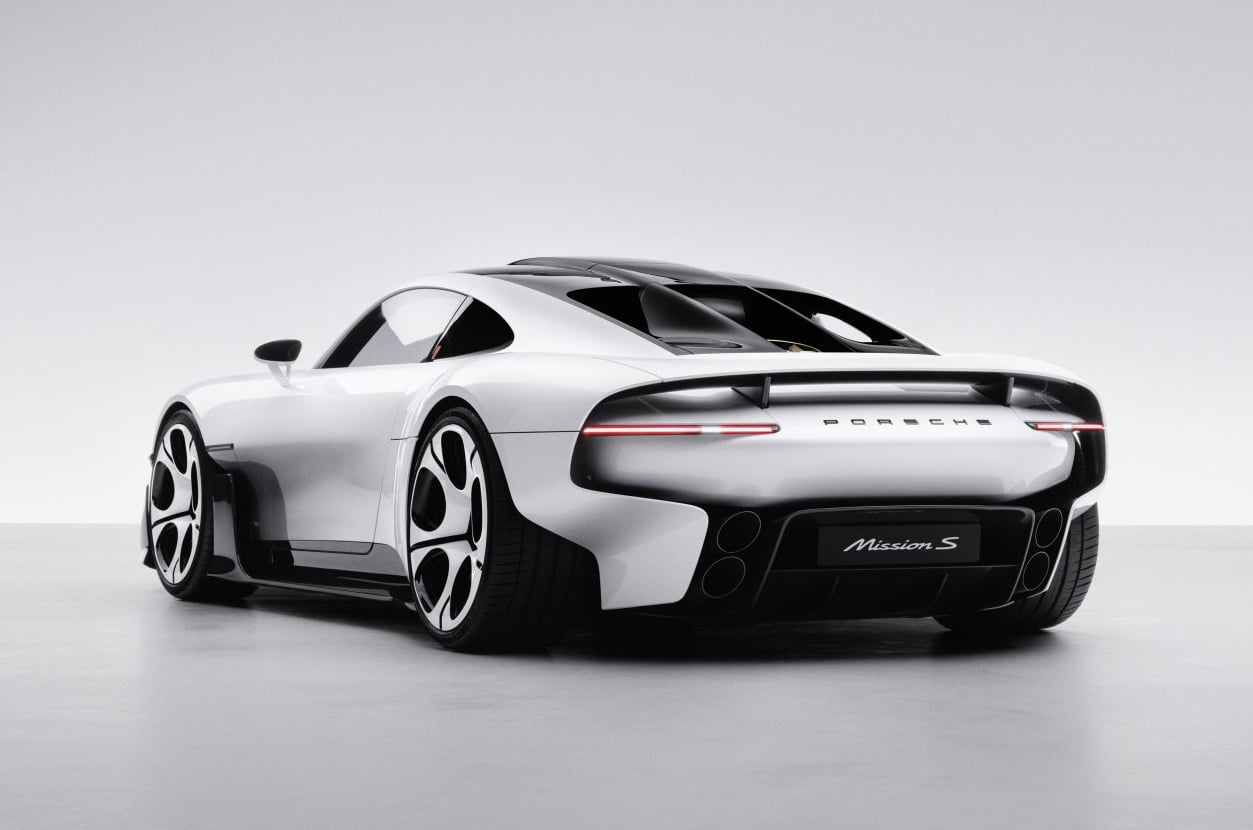
Porsche has unveiled the Mission S concept as part of its ‘Sportwagenschmiede ’35’ strategy. It previews a new mid-engined platform for a model positioned above the 911, which Porsche says is intended to become a permanent part of its line-up rather than a one-off hypercar. The concept also signals the brand’s future design direction, with styling inspired by historic Porsche models.
Porsche Mission S: Exterior
The Porsche Mission S features a low front end with rounded headlights, raised ‘torpedo’ fenders and slim LED daytime running lights. It also has a large air intake at the front of the roof, a sloping roofline and sculpted side panels. The rear features narrow split taillights, an integrated active wing, a large diffuser and a cooling fan above the engine bay.
The design draws inspiration from several historic Porsche models. The roofline takes cues from the 959, while the rear bodywork is influenced by the 911 GT1. The wheels feature a telephone-dial design inspired by the 928.
Explaining the raised front fenders, Tobias Sühlmann, head of Style Porsche said, “The Bauhaus rule is that form and function work together and that’s vital in the exterior and interior of our cars.” He added that the fenders sit higher than the bonnet to help drivers judge the position of the front wheels and the edges of the car.
The concept also features an active rear wing that retracts when not required, while its rear cooling arrangement takes inspiration from the Porsche 917.
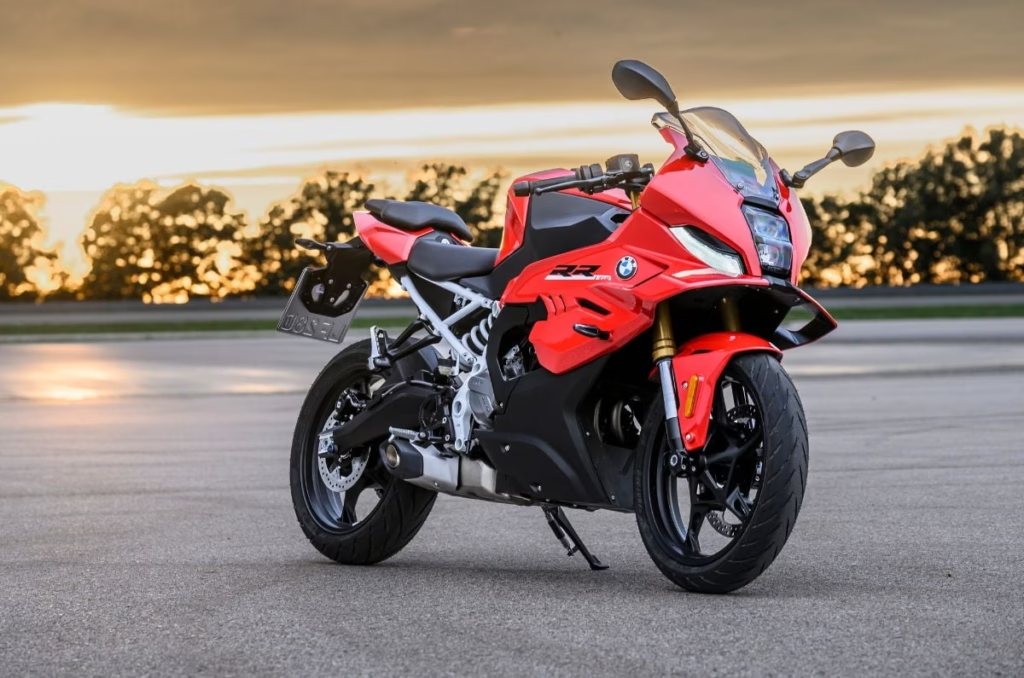
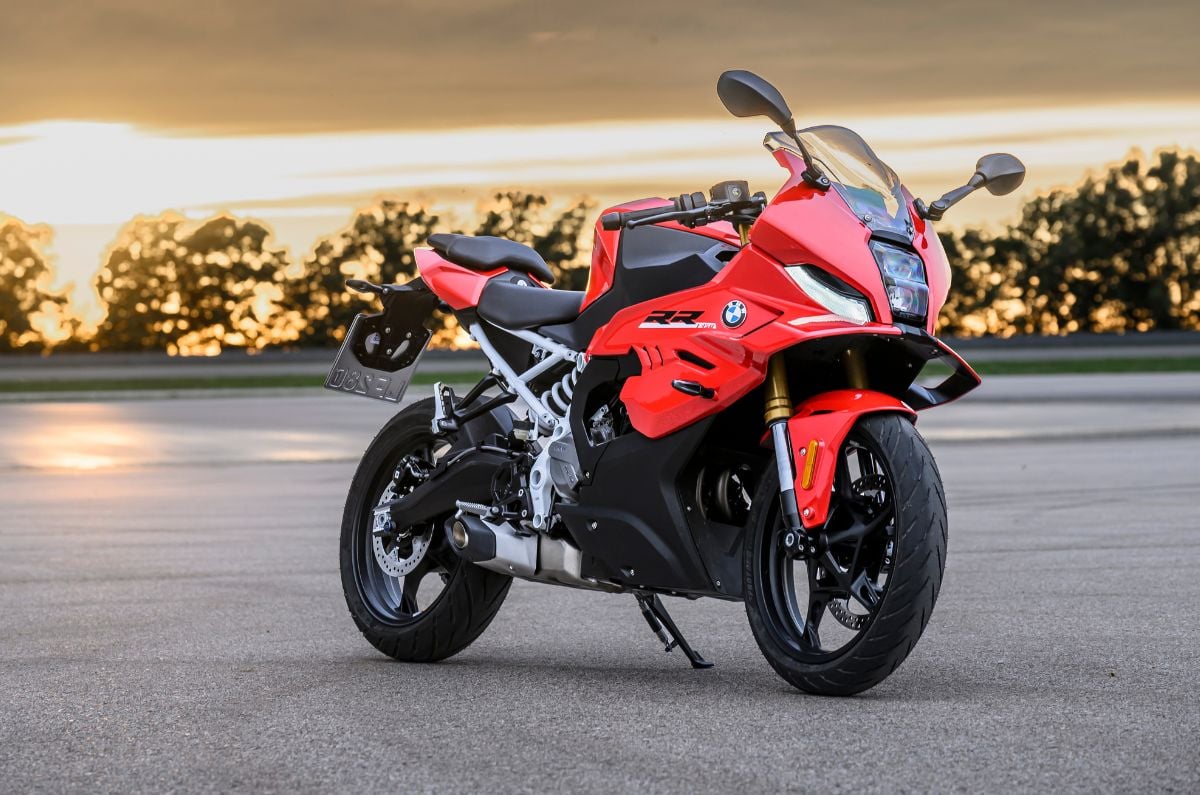
BMW has revealed the third motorcycle based on its 420cc engine platform, the F 450 RR. This follows the F 450 GS which was revealed last November and the F 450 R, which debuted as recently as two weeks ago. These trio of motorcycles are manufactured by TVS in Hosur.
F 450 RR shares the same 420cc engine and chassis with the other two BMW 450s
Total of three colour options available across four variants
No prices or an Indian launch timeline, just like the F 450 R
BMW F 450 RR: What you should know
A familiar engine and chassis, fine-tuned for track use
BMW’s newest entry to its entry-level motorcycle segment shares its engine and steel tubular chassis that carries said engine as a stressed member, similar to its other two 450s. Its 420cc, twin-cylinder, liquid-cooled mill continues to mete out 48hp at 8,750rpm and 43Nm at 6,750 rpm. Other technical aspects such as the suspension, brakes and kerb weight are closer to its sport-naked sibling, the F 450 R, with sportbike-like design details like winglets and a full fairing, of course.
The F 450 RR has 17-inch tyres at both ends, KYB-supplied 43mm USD fork and monoshock suspension units – the latter offers rebound and preload adjustability as standard. The standard seat height is 790mm and BMW offers two seat options, to either increase it to 810mm, or drop it down to 775mm. Brakes are the same as the R, a 310mm front disc with a Brembo four-piston monobloc caliper and a ByBre 240mm rear disc. The base variant of the F 450 RR has a kerb weight of 177kg.
The F 450 RR has four variants, Base, Exclusive, M Sport and M Sport with Innovation Package. As standard, all four get the exact same rider aids as the R, some of which are, dual-channel and lean-sensitive ABS, a 6.5-inch TFT display with smartphone connectivity, and three ride modes (Rain, Road and Race). The Base gets a single Cosmic Black colour. Stepping up to the Exclusive variant gets you the Racing Red colour, a bi-directional quickshifter and Sport suspension that adds rebound and compression adjustability to the USD fork. The third M Sport variant gives you an additional user-customisable Race Pro ride mode and an Snaefell white/M Motorsport color scheme. The top variant, M Sport with Innovation Package, cinches down the package with ERC (Easy Ride Clutch) – BMW’s take on clutchless riding that we first saw on the F 450 GS.
BMW hasn’t revealed prices for the F 450 RR, or a timeline for an Indian launch, like the F 450 R. For context, the F 450 GS reached our shores six months after its international reveal, which means that the R and the RR could be expected in the first quarter of 2027. Once they get here, we anticipate the F 450 R to be the most affordable option with the F 450 RR sitting between it and the F 450 GS. Currently, the F 450 GS Base starts at Rs 4.95 lakh. BMW has another built-by-TVS sportbike in its line-up, the G 310 RR listed on the BMW Motorrad India website. The G 310 R and G 310 GS were discontinued last year, leaving the future of the G 310 RR uncertain.
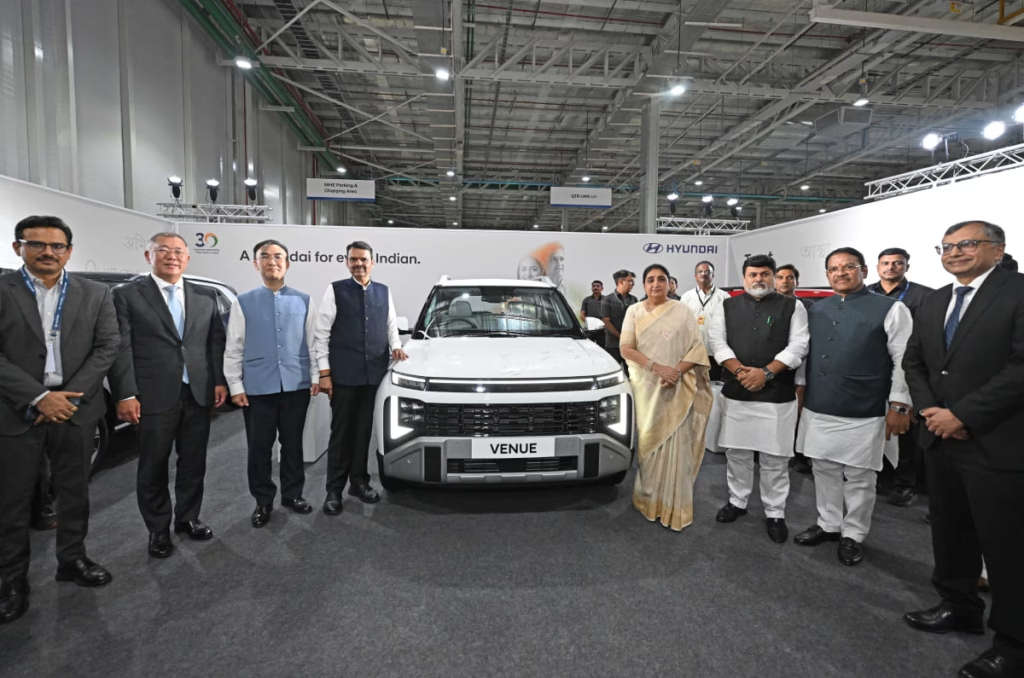
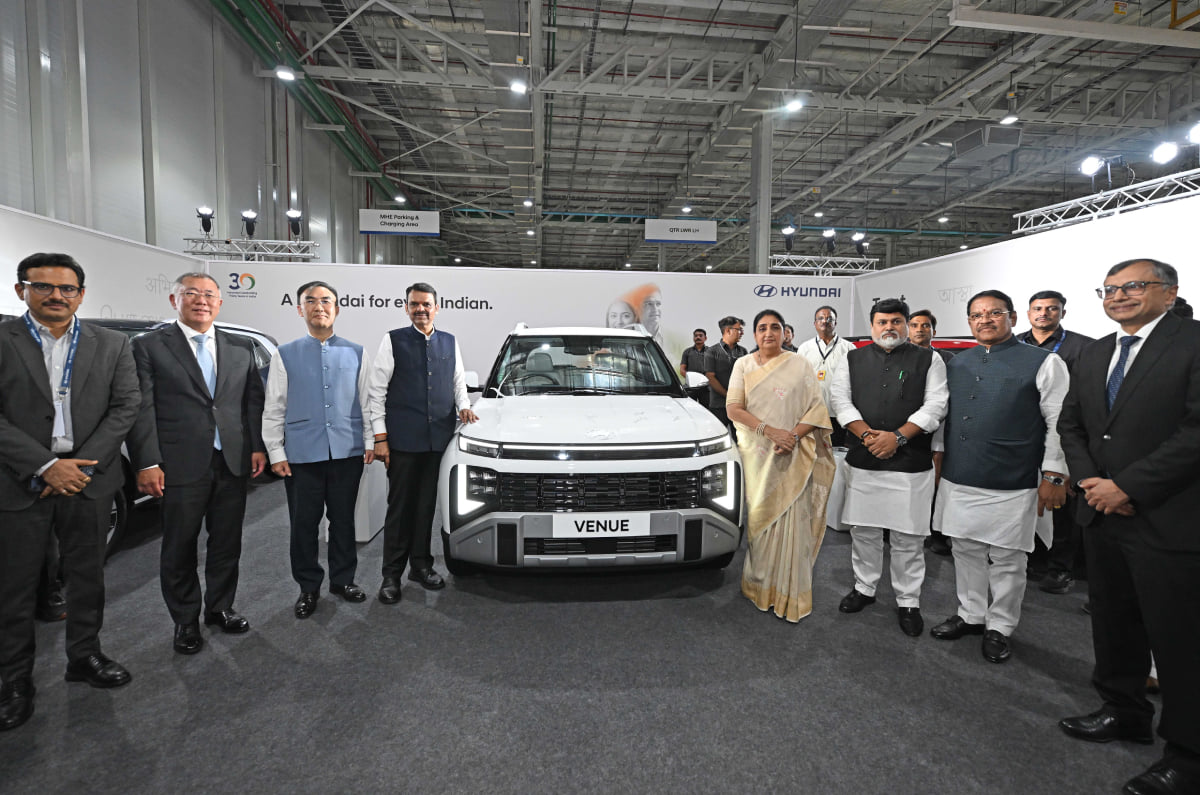
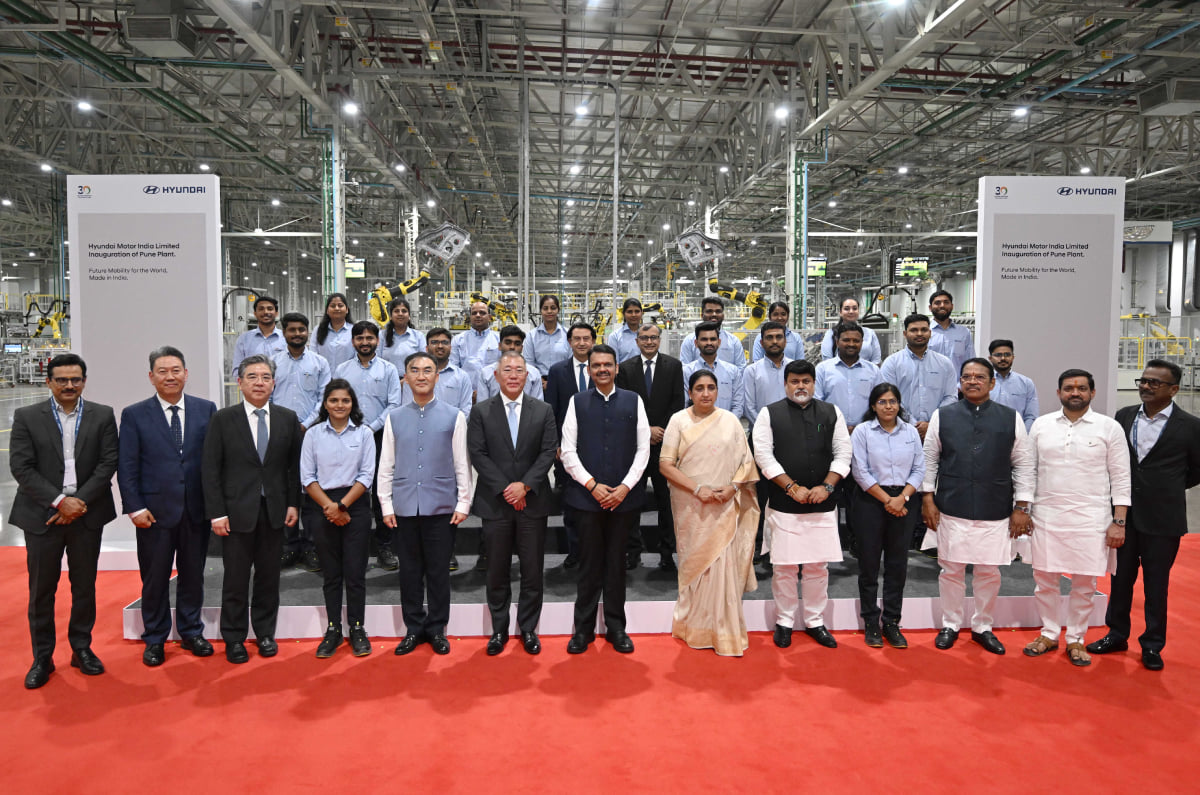
Hyundai Motor India has inaugurated its manufacturing plant in Talegaon, Pune, marking its first major manufacturing expansion outside Tamil Nadu. The facility currently has an installed annual production capacity of 1.7 lakh units, which is planned to increase to 3.2 lakh units by 2030. Managing director and CEO Tarun Garg announced that the company will invest Rs 11,000 crore in phases at the plant.
Hyundai Pune plant: Capacity and investment
Maharashtra Chief Minister Devendra Fadnavis inaugurated the plant on October 14, 2026. Hyundai Motor Group executive chair Euisun Chung and Hyundai Motor Company president and CEO Jose Munoz were also present.
Garg said, “We will invest INR 11,000 crore in phases at this facility. Beyond expanding manufacturing capacity, the facility will drive industrial development, innovation and employment generation in the region.”
The expansion will take Hyundai Motor India’s combined annual production capacity at its Pune and Chennai plants to nearly 11.4 lakh units by 2030, according to the company. The Pune facility also has an engine shop with an annual capacity of 1.5 lakh units.
The plant uses Hyundai’s E-FOREST digital factory platform, with AI-based quality checks, predictive maintenance, digital simulations and augmented reality-based worker training. Its production lines can support multiple internal combustion engine and hybrid models.
Hyundai Venue to be made at Pune plant
The Hyundai Venue will be manufactured exclusively at the Pune plant and exported to global markets. Hyundai plans to expand exports of the model to more than 35 countries.
The inauguration coincided with Hyundai Motor India marking cumulative exports of 40 lakh passenger vehicles since 1999 and domestic sales of nearly 1 crore passenger vehicles over its 30 years in India.
Chung said, “India remains one of Hyundai’s most important and strategic markets globally.” He added that the Pune plant reflected the group’s long-term commitment to India and that the export milestone highlighted the role of Indian manufacturing in its global operations.
Hyundai said 55 Tier-1 suppliers have invested nearly Rs 4,600 crore in Maharashtra. Nearly half of its supplier network is located within 50km of the plant. The combined Tier-1 and Tier-2 supplier network has generated more than 18,000 employment opportunities in the state, according to the company.
Hyundai also cited nearly 40 ongoing research projects with seven Indian academic institutions, covering battery technology, electrification and future mobility.
Mary Millben attacks CJP: अमेरिकी सिंगर मैरी मिलबेन ने अभिजीत दीपके की कॉकरोच जनता पार्टी (CJP) को लेकर एक सनसनीखेज दावा किया है। उन्होंने आरोप लगाया कि CJP के संस्थापक अभिजीत दीपके और उनके संगठन को अमेरिका में ऐसे डोनर से फंडिंग मिल रही है, जो प्रधानमंत्री नरेंद्र मोदी और उनके नेतृत्व में भारत के भविष्य के खिलाफ हैं। मैरी मिलबेन ने भारत के युवाओं से अपील की है कि वे कथित तौर पर देश में अशांति फैलाने वाली ताकतों के खिलाफ आवाज उठाएं और शांतिपूर्ण तरीके से विरोध दर्ज कराएं।
मिलबेन का यह बयान ऐसे समय आया है, जब नई दिल्ली में विपक्षी दलों और CJP के समर्थकों की ओर से मुख्य चुनाव आयुक्त (CEC) ज्ञानेश कुमार के इस्तीफे की मांग को लेकर विरोध प्रदर्शन किए जा रहे हैं। प्रदर्शनकारी वोटर लिस्ट के स्पेशल इंटेंसिव रिवीजन (SIR) में कथित अनियमितताओं को लेकर सवाल उठा रहे हैं।
PM मोदी के समर्थन में क्या बोलीं मैरी मिलबेन?
41 वर्षीय सिंगर मैरी मिलबेन ने सोशल मीडिया पर लिखे अपने मैसेज में कहा कि प्रधानमंत्री नरेंद्र मोदी ने 25 साल तक भारत की सेवा की है, जिनमें 12 साल PM के रूप में शामिल हैं। उन्होंने कहा कि PM मोदी लगातार तीन कार्यकाल के लिए चुने गए हैं। उनके अनुसार, वह अमेरिका से आने वाली कथित विघटनकारी ताकतों के सामने नहीं झुकेंगे। मिलबेन ने दावा किया कि कुछ अमेरिकी डोनर दुनियाभर में रूढ़िवादी विचारधारा वाले नेताओं को निशाना बनाने का एक पैटर्न अपनाते हैं।
उनके मुताबिक, पहले संबंधित देश के किसी अमेरिकी शिक्षित व्यक्ति को तलाशा जाता है। फिर उसे कट्टर विचारों की ओर प्रेरित कर वापस भेजा जाता है और उसके बाद कथित तौर पर अशांति फैलाने के लिए फंडिंग की जाती है। उन्होंने आरोप लगाया कि इस तरह की गतिविधियों का असर संबंधित देशों के विकास और शासन व्यवस्था पर पड़ता है। हालांकि, अमेरिकी डोनर से CJP को फंडिंग मिलने के अपने दावे के समर्थन में मिलबेन ने इस बयान में कोई सार्वजनिक सबूत पेश नहीं किया।
युवाओं से की शांतिपूर्ण आंदोलन की अपील
मैरी मिलबेन ने भारत के युवाओं से अपील करते हुए कहा कि उन्हें डरने की जरूरत नहीं है। उन्होंने लोकतंत्र और स्वतंत्रता की रक्षा के लिए ऐसे आंदोलनों के मुकाबले एक शांतिपूर्ण जनआंदोलन खड़ा करने की जरूरत पर जोर दिया। उन्होंने कहा कि भारत में ऐसी नई आवाज उठनी चाहिए, जो देश की मिट्टी में पैदा हुई हो, यहीं पली-बढ़ी हो और यहीं शिक्षित हुई हो। उनके मुताबिक, युवाओं को संगठित होकर शांतिपूर्ण तरीके से अपनी बात रखनी चाहिए।
भारत में क्यों लोकप्रिय हैं मैरी मिलबेन?
मैरी मिलबेन अफ्रीकी-अमेरिकी हॉलीवुड अभिनेत्री और मशहूर सिंगर हैं। भारत में वह खास तौर पर भारतीय राष्ट्रगान ‘जन गण मन’ और भक्ति गीत ‘ओम जय जगदीश हरे’ की अपनी प्रस्तुतियों के लिए लोकप्रिय हैं। वर्ष 2023 में अमेरिका में प्रधानमंत्री मोदी की यात्रा के दौरान आयोजित एक कार्यक्रम में भी उन्होंने भारत का राष्ट्रगान गाया था। इस वजह से भारतीय दर्शकों के बीच उनकी पहचान बनी है। इस बीच, दिल्ली के जंतर-मंतर में जबरन घुसने के आरोप में CJP के दो नेताओं को पांच दिन की न्यायिक हिरासत में भेजे जाने के बाद पार्टी के संस्थापक अभिजीत दीपके ने बुधवार को आरोप लगाया कि प्रधानमंत्री देश में अघोषित आपातकाल लागू कर रहे हैं।
To all the beautiful young patriots in India:
This is not the time to be silent. @abhijeet_dipke and the @Cockroachisback are being funded by donors in the U.S. who are against Prime Minister @NarendraModi and your future under his leadership. Do not fear, my young patriots. Your Prime Minister, who has served India for 25 years, 12 years as Prime Minister, elected three consecutive terms, is not going to bow to disruptive forces from my country.
And these select donors have a pattern globally – target conservative global leaders, find an U.S. educated person from the country, radicalize them, send them back to the country, and fund them to start chaos and destruction. None of them have been successful but have impacted the development and governance of the country.
It is time for a new voice in #India, born, raised, educated on the soil of India, to RISE UP, organize, and peacefully protest the disruptive spirit of the Cockroach Party. There should always be a counter movement to uphold democracy and freedom.
दीपके ने नागपुर में पत्रकारों से कहा कि CJP नेता सौरव दास और आशुतोष रांका ने जंतर-मंतर पर तिरंगा फहराकर कौन सा अपराध कर दिया है। पुलिस सूत्रों के अनुसार, शांति बनाए रखने के मुचलके के उल्लंघन और प्रदर्शन के लिए गैर-अधिसूचित क्षेत्र घोषित किए जा चुके जंतर-मंतर पर जबरन घुसने के आरोप में दास और रांका को बुधवार को पांच दिन की न्यायिक हिरासत में दिल्ली की तिहाड़ जेल भेज दिया गया।
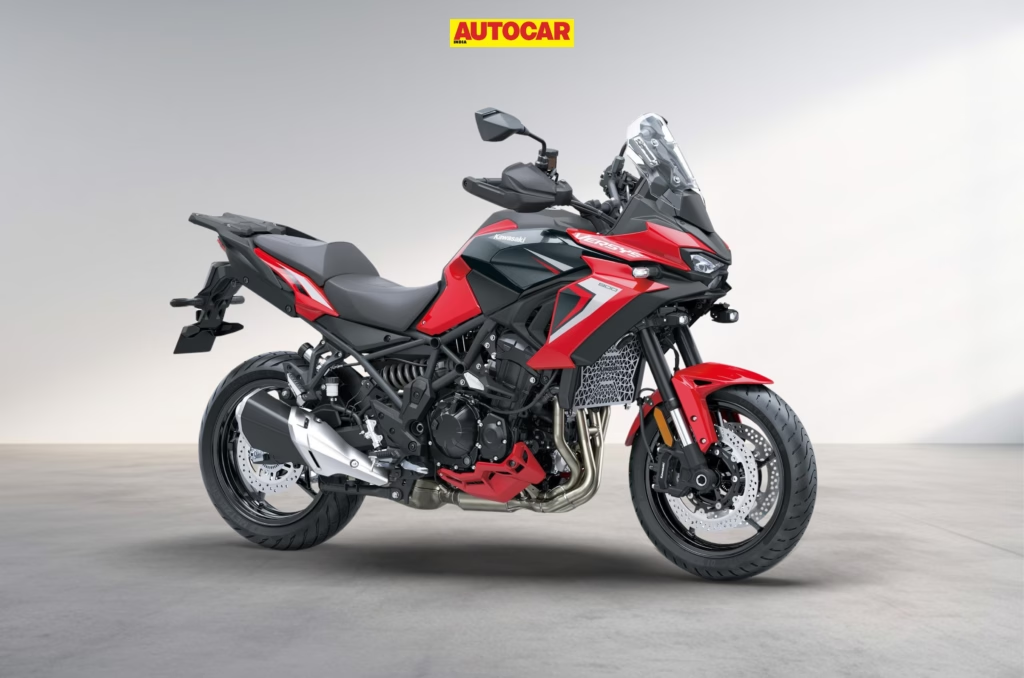
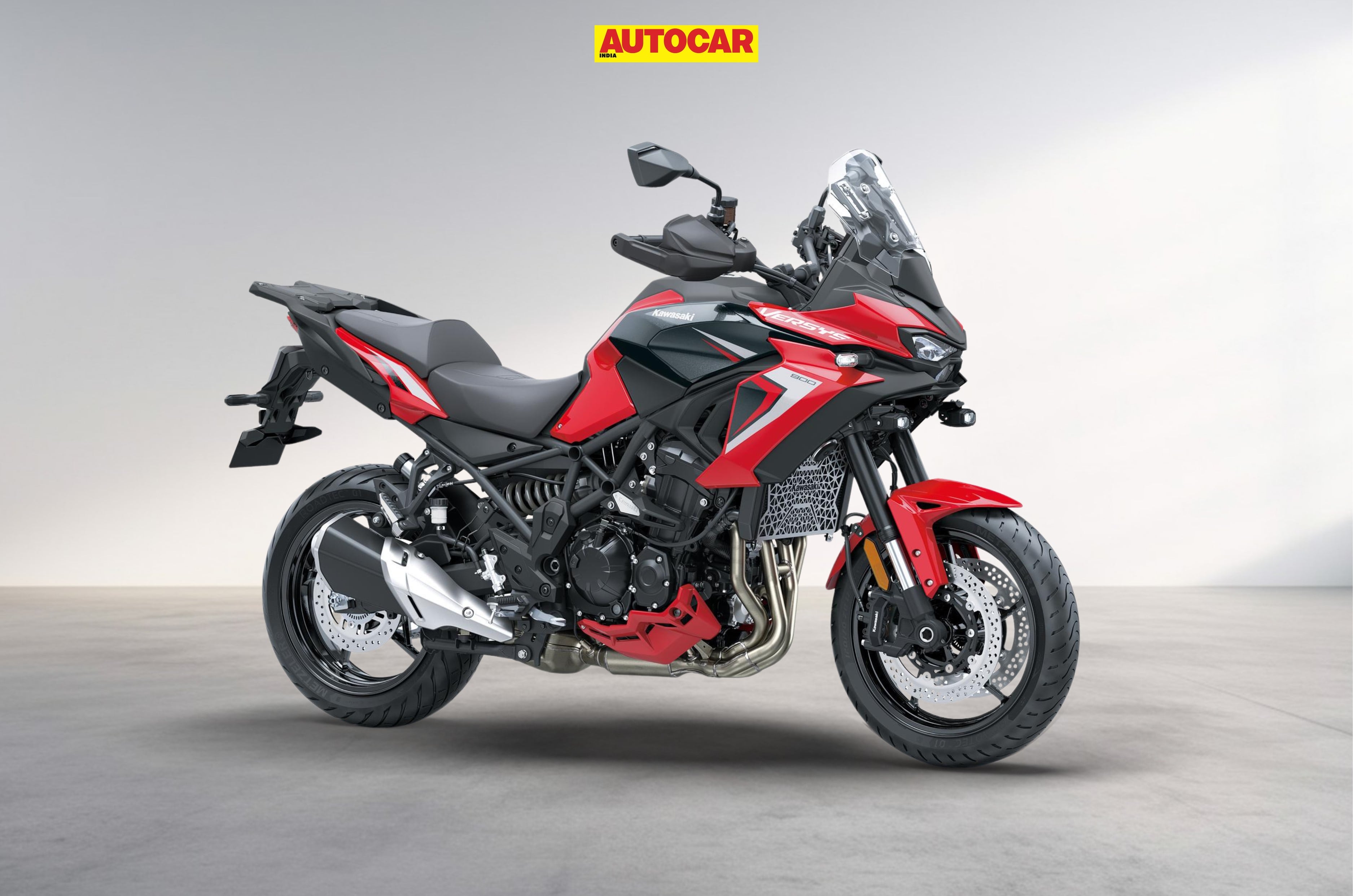
Last week, we reported that Kawasaki UK (and later USA) had teased the arrival of a new Versys, the brand’s adventure tourer series. We had also postulated that it’s likely to be based on the sport-naked, the Z900. Kawasaki has just revealed the Versys 900 and 900 SE and it is based on the Z900, with a few touring-centric additions.
Shares the Z900’s 948cc in-line four, but with slightly lower 123hp and 97.3Nm
Major distinguishing feature is the ADAS – termed ARAS – functionality
Versys 900 SE gets accessories like heated grips and radiator guard as standard
Kawasaki Versys 900: What you need to know
The most feature-loaded Versys yet
The Kawsaki Versys 900 currently has two variants in the UK, Standard and the SE. They share their 948cc, in-line four, liquid-cooled engine with the Z900, but with slightly lower output figures, 122hp and 97.3Nm compared to 124hp and 97.4Nm. The engine is housed within an all-new trellis frame which is said to enable a high-level of front end feel and achieve a near 50:50 weight distribution to the front and back. Suspension comprises a USD fork and a linkage monoshock, and standard seat height is 825mm, with the option to increase it to 845mm.
What sets the Versys 900 apart is the addition of Kawasaki’s Advanced Rider Assistance Systems (ARAS) – the front and rear radar system that enables adaptive cruise control, blind spot detection, forward collision warning, and emergency stop signal as standard. While Kawasaki hasn’t revealed full specifications, we do know the Versys 900 will run on 17-inch wheels at both ends, like the Z900. It also borrows the latter’s electronics suite with ride-by-wire, power modes, traction control, a slip-and-assist clutch, a bi-directional quickshifter. The 6-axis IMU and 5-inch TFT display with smartphone connectivity are also shared.
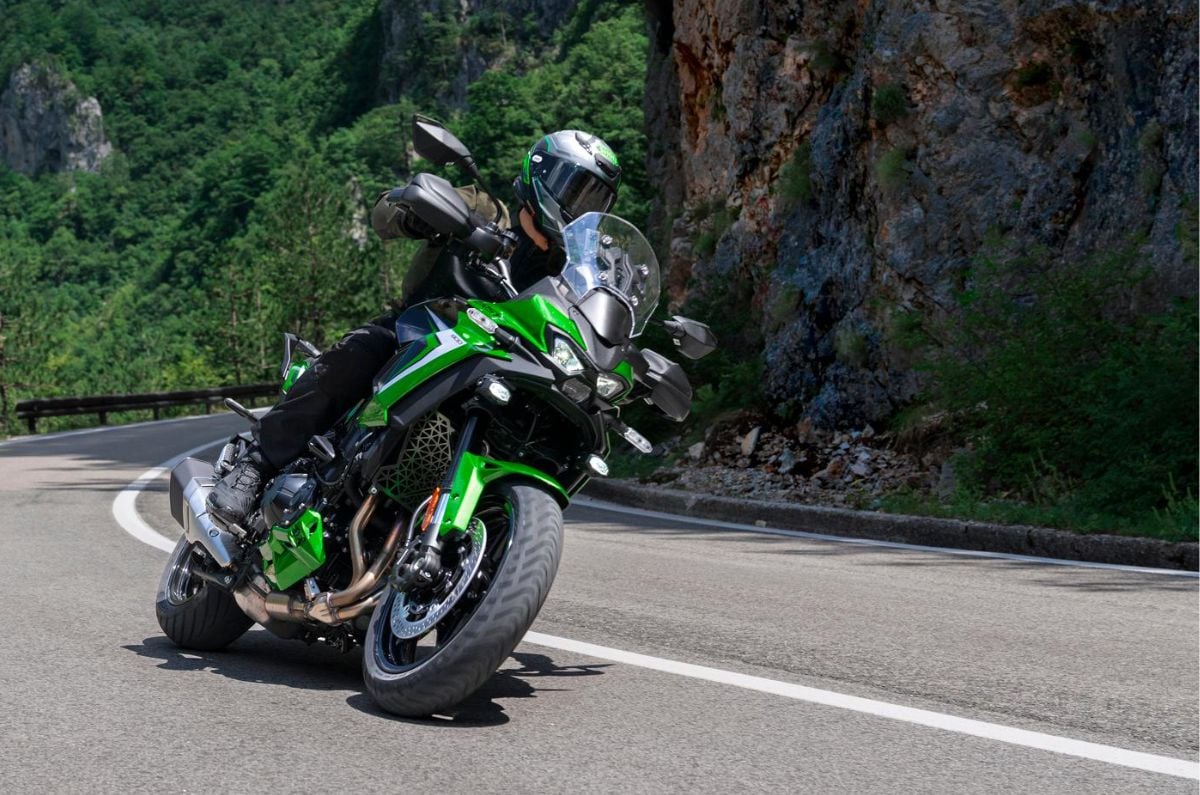
The Versys 900 SE variant adds LED fog lamps, hand guards, heated grips, a radiator guard, frame protection sliders, a lower cowl and centre stand as standard fitment. Kawasaki also teases edition models like Tourer and Grand Tourer in the future. The Standard Versys 900 gets two colours, Black and White for GBP 10,899 (Rs 13.74 lakh). The Versys 900 SE gets two entirely different colour options, Lime Green/Black – a Kawasaki special – and Red/Grey for GBP 11,799 (Rs 14.87 lakh). Both will be available from April 2027.
India currently gets the other three Versys motorcycles, X 300, 650, and the 1100 so it’s reasonable to expect the 900 to also get here, likely in the first half of 2027. For context, the Versys 650 costs Rs 8.63 lakh and the 1100 takes that up to Rs 13.89 lakh, so we’d expect the 900 to slot between the two; just like the other Kawasaki SE models, the Versys 900 SE will likely be skipped for India.
All prices mentioned are ex-showroom. GBP-to-INR conversions are based on exchange rates at the time of writing.
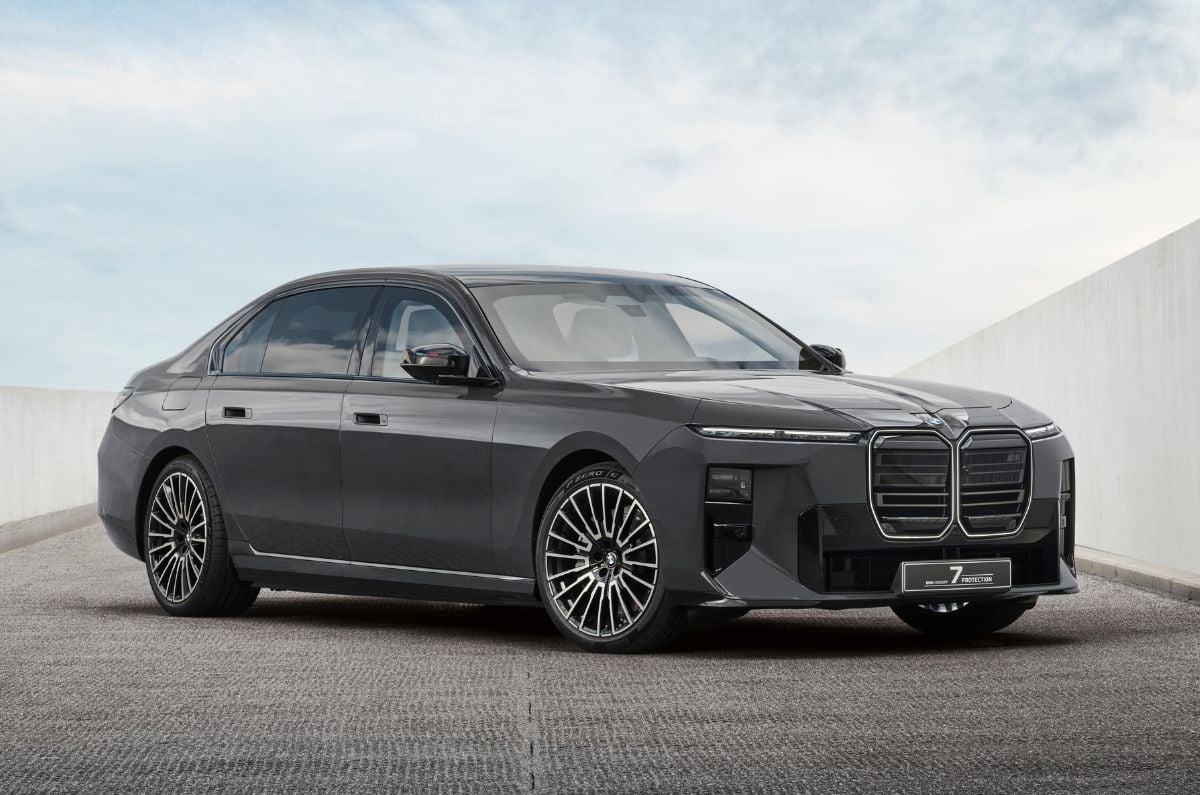
BMW has revealed the Concept 7 Protection as an armoured version of its flagship 7 Series sedan. The automaker says that it’s aimed at individuals, companies and organisations that need protection without compromising on comfort, driving experience and discretion. The Concept 7 could pave the way for additional ‘Protection’ models in the future, according to BMW.
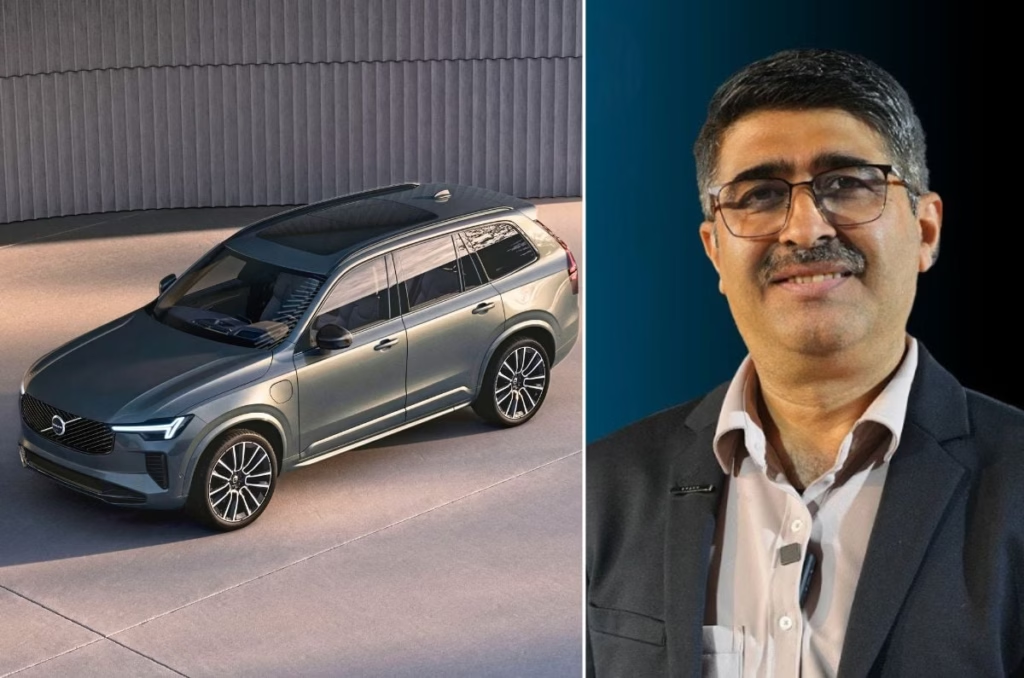
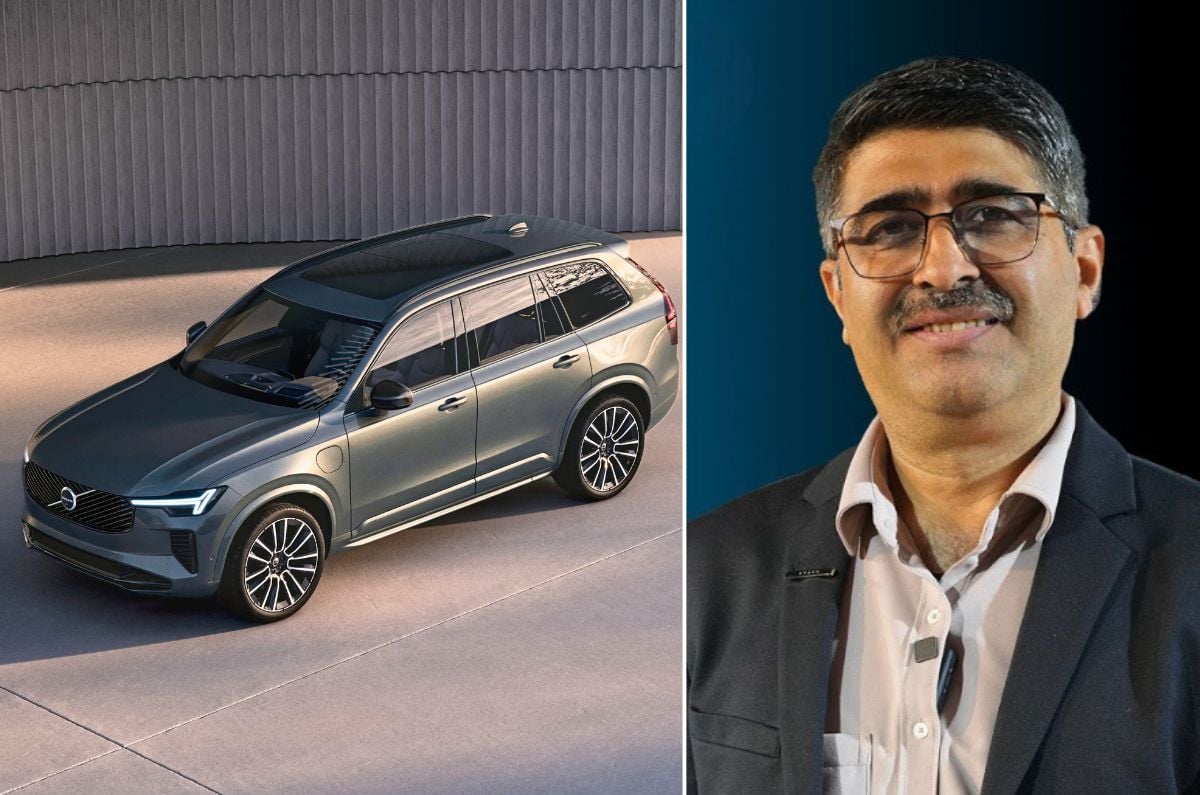
Volvo is currently not considering plug-in-hybrid vehicles (PHEVs) in its India portfolio anytime soon, as it sees the current tax structure and uncertain customer interest as hurdles to their introduction. “The regulations are not conducive to plug-in hybrids,” Jyoti Malhotra, MD of Volvo Car India, told our sister publication Autocar Professional on the sidelines of the recent EX90 launch. He also added that Volvo’s India plans remain focused on mild hybrids and EVs for now.
GST on PHEVs is 40 percent, making them less competitive than BEVs with 5 percent GST
Volvo’s India strategy focuses on mild hybrids and BEVs for the foreseeable future
PHEVs could be introduced if customer demand, economics support their future viability
India’s tax structure makes PHEVs less competitive
In India, PHEVs attract a 40 percent GST rate (plus applicable cesses bringing total taxes even higher, up to 43 percent). In contrast, pure battery EVs (BEVs) face a 5 percent GST rate and no compensation cess.
Malhotra said current tax treatment favours BEVs and makes PHEVs less competitive. PHEVs combine an internal combustion engine (ICE) with an electric drivetrain comprising an electric motor and a rechargeable battery that can be charged externally. This dual-powertrain setup adds to the vehicle’s cost. The higher tax burden further affects the final price, making PHEVs less competitive against conventional ICE models and battery electric vehicles (BEVs).
Higher costs, customer willingness to pay remain key hurdles
Beyond taxation, customer willingness to pay remains a key factor in Volvo’s assessment. Malhotra said PHEVs would be more expensive than conventional ICE vehicles because they combine two powertrains and face a higher tax burden. “Are our customers ready to pay that cost is something we are watching very closely,” he added.
He also believes incentives under the third phase of Corporate Average Fuel Economy (CAFE) norms, slated to go into effect from April 2027, would not by themselves change the commercial case or the final purchase price. “I don’t think CAFE will bring much change to that. It is basically the tax structure,” he said.
Volvo’s India strategy remains focused on EVs, mild hybrids
Malhotra maintained that Volvo’s broader direction remained towards battery electric vehicles, even as the company adjusted the pace of its transition to reflect conditions in individual markets. “Our end goal is still the same, globally as well as in India, that we want to become an electric car company,” he said.
In India, Volvo offers mild-hybrid SUVs alongside BEVs, with electric cars accounting for nearly one in four vehicles it sells. The BEV portfolio includes EX30, EC40 and EX90 models, while the ICE models include the XC60 and XC90 SUVs, which come in a mild-hybrid avatar. Internationally, though, Volvo offers the XC60 and XC90 as PHEVs as well.
Malhotra said that mix also left the company well placed on CAFE compliance, allowing its powertrain decisions to be guided by market demand. Plug-in hybrids remain an option if customer demand and the economics support their introduction. “It’s not that we will bring it, but we can bring it if all things fall in place,” he added.