Following the reveal of the Wrangler Whitecap Mojito Limited Edition last month, Jeep has announced that the special-edition off-roader will cost Rs 73.55 lakh – a Rs 1.25 lakh premium over the Wrangler Rubicon on which the Whitecap Mojito is based. Only 25 units of the Wrangler Whitecap Mojito were offered in India, and Jeep has sold all of them. Globally, a total of 250 units of the Wrangler Whitecap Edition were made available.
Jeep Wrangler Whitecap Mojito Limited Edition: Exterior and interior changes
On the outside, this special-edition Wrangler Rubicon comes finished in an exclusive bright-green ‘Mojito’ shade, along with a white finish for the roof. The grille features a white surround, while the side profile gets ‘1941’ decals (a reference to the original Willys MB Jeep’s debut year) and body-coloured fenders. There’s also a white ‘4 Wheel Drive’ sticker on the boot lid.
The interior of the Wrangler Whitecap Mojito gets only two additions: a built-in dashcam and reinforced grab handles. Elsewhere, the special edition retains the feature set of the standard Wrangler Rubicon, such as a 12.3-inch infotainment touchscreen, 12-way powered front seats, an ADAS suite, 6 airbags, dual-zone climate control, a 9-speaker Alpine sound system with a subwoofer, a 7-inch driver’s display, and more.
Jeep Wrangler Whitecap Mojito Limited Edition: Engine and gearbox
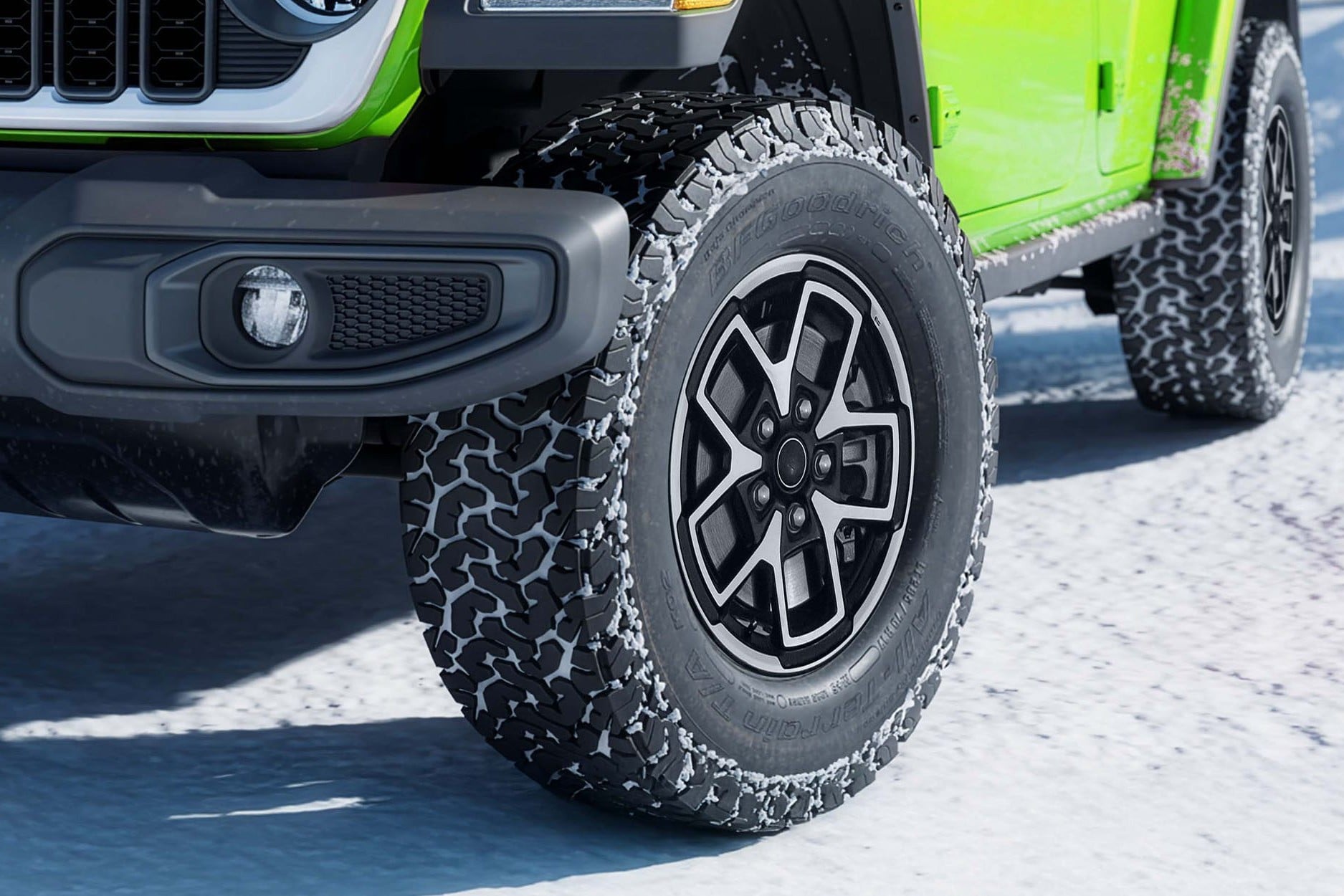
Under the skin, the Wrangler Whitecap Mojito is identical to the Rubicon. It’s powered by a 2.0-litre four-cylinder direct-injection turbo-petrol engine developing 272hp and 400Nm, paired with an 8-speed automatic transmission that channels the grunt to all four wheels via a standard 4×4 system. Since it’s based on the more off-road-capable Rubicon variant, the Wrangler Whitecap Mojito also packs hardware like heavy-duty Dana axles, an integrated off-road camera, reinforced suspension, rock rails, 255-section off-road tyres with 17-inch wheels, high-clearance front fender flares, and more.
While the Wrangler Whitecap is currently sold out in India, Jeep hinted at the possibility of bringing the special edition back in light of healthy demand. “The first 25 vehicles will remain a highly exclusive chapter in the Whitecap story, while the strength of customer interest is encouraging us to explore how we could bring this distinctive expression of Wrangler back to India in the future,” said Kumar Priyesh, business head and director – Automotive Brands, Stellantis India.
Stocks to Watch: मंगलवार, 13 अक्टूबर को शेयर बाजार में कई शेयरों में हलचल देखने को मिल सकती है। इनसे तिमाही नतीजे, नए ऑर्डर और बड़े कारोबारी समझौतों तक कई अहम अपडेट सामने आए हैं। ऐसे में निवेशकों की नजर इन 11 शेयरों पर रहने वाली है।
RBL Bank
प्राइवेट सेक्टर के बैंक RBL Bank का सितंबर तिमाही में मुनाफा बढ़कर 481.7 करोड़ रुपये हो गया। पिछले साल इसी तिमाही में कंपनी ने 179 करोड़ रुपये का मुनाफा कमाया था। नेट इंटरेस्ट इनकम 37.4% बढ़कर 2,131 करोड़ रुपये हो गई। वहीं, ग्रॉस NPA पिछली तिमाही के 1.30% से घटकर 1.02% पर आ गया।
HCL Tech
आईटी कंपनी HCL Tech ने वित्त वर्ष 2026-27 के लिए रेवेन्यू ग्रोथ का अनुमान 2.5% से 4% रखा है। सितंबर तिमाही में कंपनी का मुनाफा पिछली तिमाही के 4,624 करोड़ रुपये से बढ़कर 5,132 करोड़ रुपये हो गया। रेवेन्यू 3% बढ़कर 35,620 करोड़ रुपये रहा। वहीं, EBIT मार्जिन 18.2% दर्ज किया गया।
Karur Vysya Bank
प्राइवेट बैंक Karur Vysya Bank ने Zurich Kotak General Insurance के साथ समझौता किया है। इसके तहत बैंक अपने ग्राहकों को जनरल इंश्योरेंस प्रोडक्ट उपलब्ध कराएगा। इस साझेदारी का मकसद ग्राहकों की जरूरत के हिसाब से बीमा सेवाएं देना है।
ICICI Prudential AMC
म्यूचुअल फंड कंपनी ICICI Prudential AMC का सितंबर तिमाही में मुनाफा पिछली तिमाही के मुकाबले 7.8% घटकर 888.9 करोड़ रुपये रह गया। हालांकि, इस दौरान रेवेन्यू 7% बढ़कर 1,676.7 करोड़ रुपये हो गया। कंपनी के बोर्ड ने हर शेयर पर 30 रुपये के अंतरिम डिविडेंड को मंजूरी दी है।
Can Fin Homes
हाउसिंग फाइनेंस कंपनी Can Fin Homes का सितंबर तिमाही में मुनाफा सालाना आधार पर 9.2% बढ़कर 274.61 करोड़ रुपये हो गया। कंपनी की ऑपरेशंस से नेट इनकम 7.8% बढ़कर 1,131.18 करोड़ रुपये रही। वहीं, प्रति शेयर कमाई (EPS) पिछले साल के 18.88 रुपये से बढ़कर 20.62 रुपये हो गई।
Azad Engineering
प्रिसिजन इंजीनियरिंग कंपनी Azad Engineering को सरकारी कंपनी BHEL से 52.68 करोड़ रुपये का कॉन्ट्रैक्ट मिला है। इसके तहत कंपनी भारी गैस टर्बाइन के लिए जरूरी ब्लेड की सप्लाई करेगी। यह कॉन्ट्रैक्ट 9 अक्टूबर 2028 तक चलेगा।
IRCON International
सरकारी रेल कंपनी IRCON International को ईस्ट सेंट्रल रेलवे से 862.46 करोड़ रुपये का EPC कॉन्ट्रैक्ट मिला है। इसके तहत सोन नगर-आंडाल प्रोजेक्ट की तीसरी और चौथी रेल लाइन के लिए ट्रैक बिछाने और जोड़ने का काम करना है। कंपनी रेलवे ट्रैक की गिट्टी और दूसरी जरूरी सामग्री की सप्लाई भी करेगी।
Indian Hotels Company
होटल कंपनी Indian Hotels Company Ltd (IHCL) ने वित्त वर्ष 2026-27 की पहली छमाही में 47 नए होटल साइन किए और 20 होटल शुरू किए। इसके साथ ही कंपनी के पोर्टफोलियो में कुल 670 होटल हो गए हैं।
Vikran Engineering
इंफ्रास्ट्रक्चर कंपनी Vikran Engineering की सब्सिडियरी NOPL Solar Projects ने IREDA के साथ 2,941.19 करोड़ रुपये का लोन एग्रीमेंट किया है। इस रकम का इस्तेमाल महाराष्ट्र में सोलर पावर प्रोजेक्ट के लिए किया जाएगा। इस प्रोजेक्ट के तहत 152 जगहों पर 969 MWac क्षमता का सोलर प्लांट लगाया जाएगा। इसकी कुल अनुमानित लागत 4,201.70 करोड़ रुपये है।
Bank of India
सरकारी बैंक Bank of India ने Future Enterprises के 575.40 करोड़ रुपये के बकाया खाते को फ्रॉड घोषित कर दिया है। बैंक ने इस मामले की जानकारी भारतीय रिजर्व बैंक (RBI) को दे दी है। बैंक के मुताबिक, यह खाता पहले से ही NPA था। बैंक ने बकाया रकम के बराबर 575.40 करोड़ रुपये का प्रोविजन भी किया है।
Nazara Technologies
गेमिंग कंपनी Nazara Technologies ने मिथुन पदम सचेटी को नॉन-एग्जीक्यूटिव डायरेक्टर से एग्जीक्यूटिव डायरेक्टर और होल-टाइम डायरेक्टर बनाया है। यह नियुक्ति 12 अक्टूबर 2026 से प्रभावी है, लेकिन इसके लिए शेयरधारकों की मंजूरी जरूरी है। कंपनी के CFO राकेश शाह ने भी इस्तीफा दे दिया है, जो 15 अक्टूबर से प्रभावी होगा।
Q2 नतीजे घोषित करने वाली कंपनियां
कई कंपनियां 13 अक्टूबर को दूसरी तिमाही के नतीजे जारी करेंगी। इनमें Anand Rathi Share and Stock Brokers, Hero Motors, ICICI Prudential Life Insurance Company और Tata Elxsi शामिल हैं। इसके अलावा, GTPL Hathway भी अपने नतीजे घोषित करेगी।
Disclaimer: यहां मुहैया जानकारी सिर्फ सूचना के लिए दी जा रही है। यहां बताना जरूरी है कि मार्केट में निवेश बाजार जोखिमों के अधीन है। निवेशक के तौर पर पैसा लगाने से पहले हमेशा एक्सपर्ट से सलाह लें। मनीकंट्रोल की तरफ से किसी को भी पैसा लगाने की यहां कभी भी सलाह नहीं दी जाती है।
Honda Motorcycle and Scooter India (HMSI) is significantly scaling up its manufacturing capacity in India, with company President and CEO Tsutsumu Otani confirming plans to increase output across its four Indian plants from the current 62.5 lakh units per year to 80 lakh units by 2028.
HMSI to expand production capacity from 62.5 lakh to 80 lakh units annually by 2028
CB350 already being exported to Europe; CB500 being evaluated as the next export model
Africa, Central America and South America identified as key future export markets
HMSI production and export plans
The expansion is expected to create over 2,000 jobs
Otani said the expansion over the next 18-24 months is aimed at serving both domestic demand and a growing export business. “With the eight-million-unit capacity planned in 2028, we will be well equipped to handle customer demand for ICE or EV products,” he said. The company’s current production is already running at full capacity.
On the export front, HMSI has begun shipping India-made models to Europe, starting with the CB350, for which Otani said the “sales situation is also very good”. The CB500 is being evaluated as the next potential export model, although he described these plans as being at an early stage.
Beyond Europe, Otani highlighted Africa, Central America and South America as important future markets, with Africa singled out as particularly significant. “India’s geographical proximity can provide an advantage in serving the African market, especially if one were to factor in transportation costs,” he said.
To support its export ambitions, HMSI is also looking to deepen localisation. Otani acknowledged that several components currently undergo final assembly in India but rely on parts imported from Thailand, Japan and Europe. “We intend to accelerate localisation and manufacture more in India as our next step,” he said, adding that resource circulation and the recycling of steel and aluminium remain areas the company is working through, given India’s limited domestic supplies of these materials.
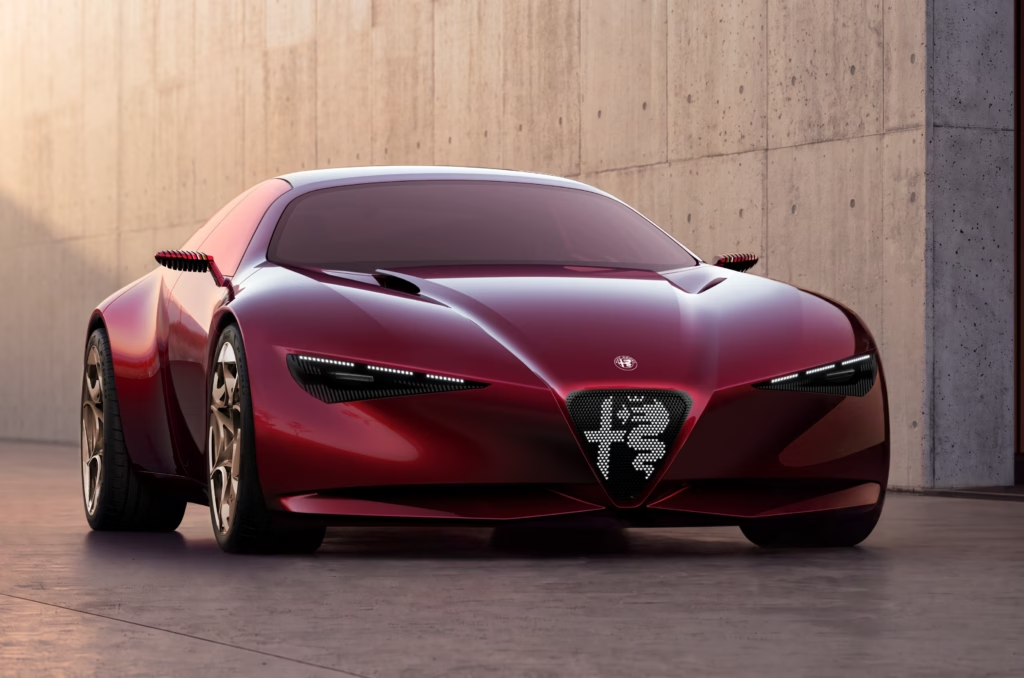
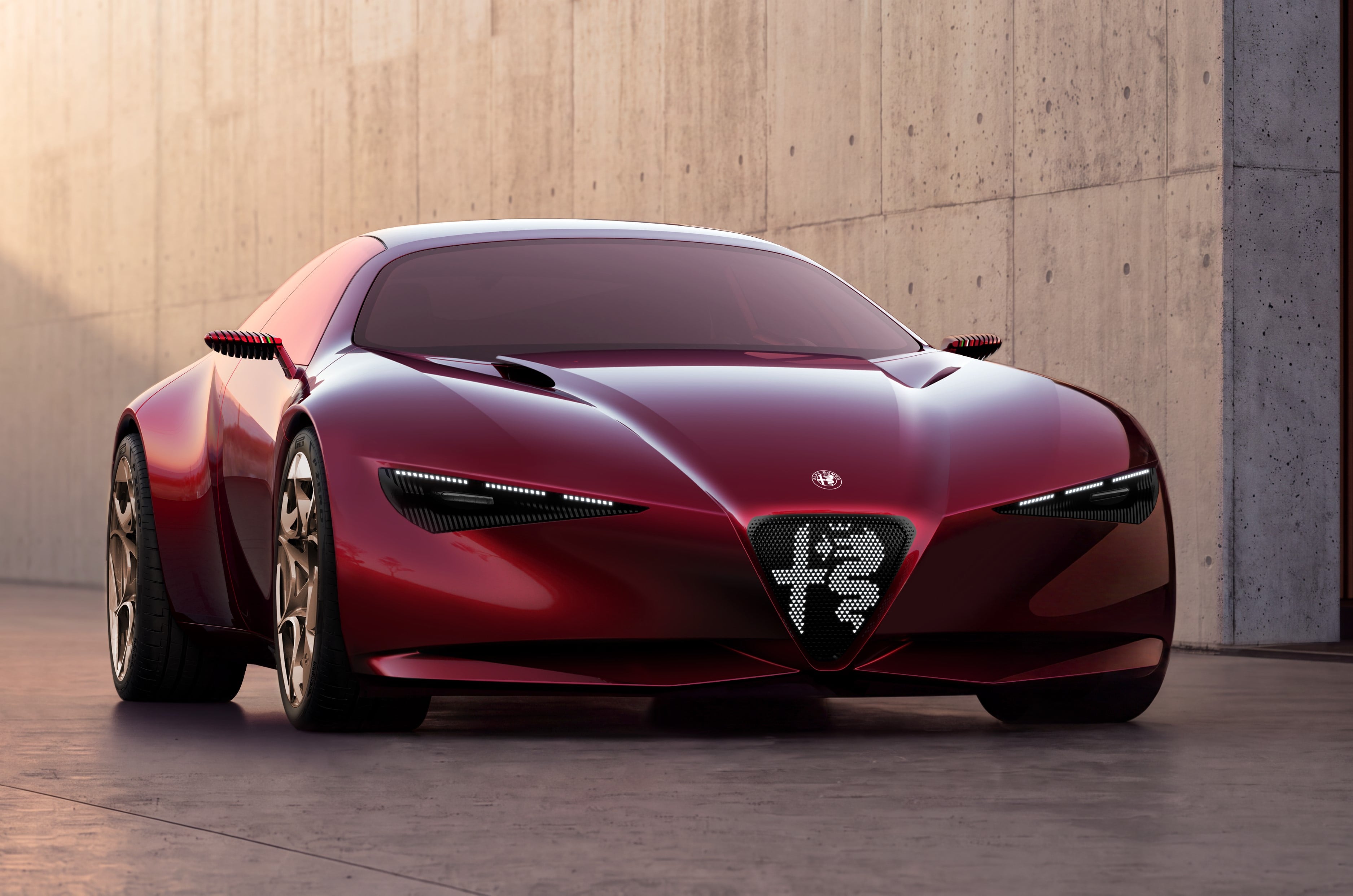
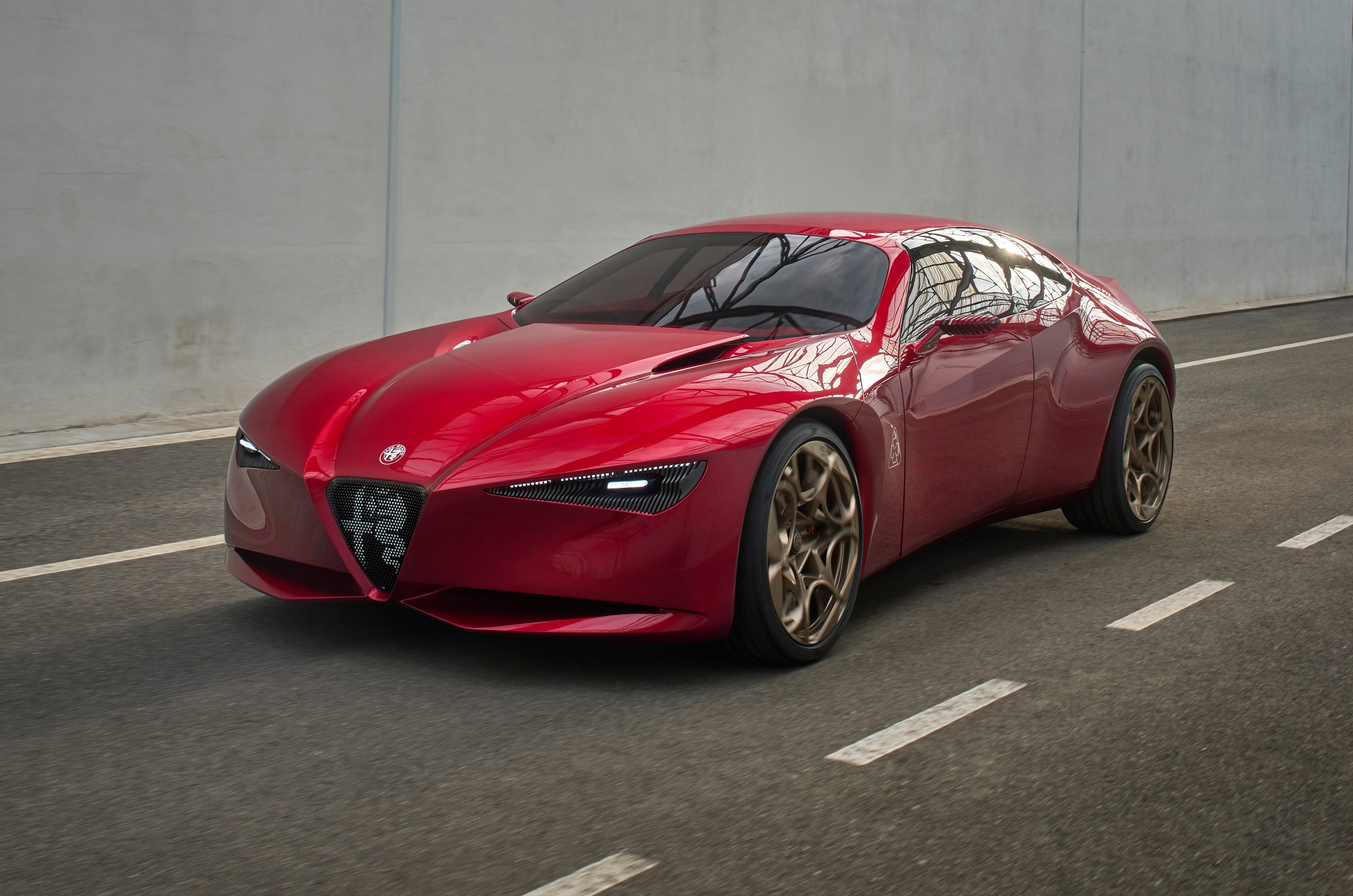
Alfa Romeo’s major reveal at the 2026 Paris Motor Show is the Cuorerosso, a four-door concept that previews a new design language dubbed ‘Necessary Beauty’. In addition, the Cuorerosso debuts a strong hybrid version of Alfa Romeo’s 2.9-litre twin-turbo V6, which is used in the Giulia, Stelvio, and 33 Stradale.
Alfa Romeo Cuorerosso powertrain
Alfa Romeo says that the Cuorerosso serves as a precursor to a “multi-energy approach” that the carmaker’s future models will follow, specifically mild hybrid, strong hybrid, plug-in hybrid, and full-electric powertrains. To put it succinctly, Alfa Romeo wants to put “technology and innovation at the service of driving pleasure and sportiness.”
The Cuorerosso’s 2.9-litre V6 hybrid powertrain is mated to a torque converter automatic gearbox, an all-wheel drive system, and a carbonfibre driveshaft – the concept weighs 1,750kg. It’s also equipped with steer-by-wire tech, which eliminates physical linkages between the steering rack and wheels in favour of full electronic control.
Alfa Romeo Cuorerosso exterior design
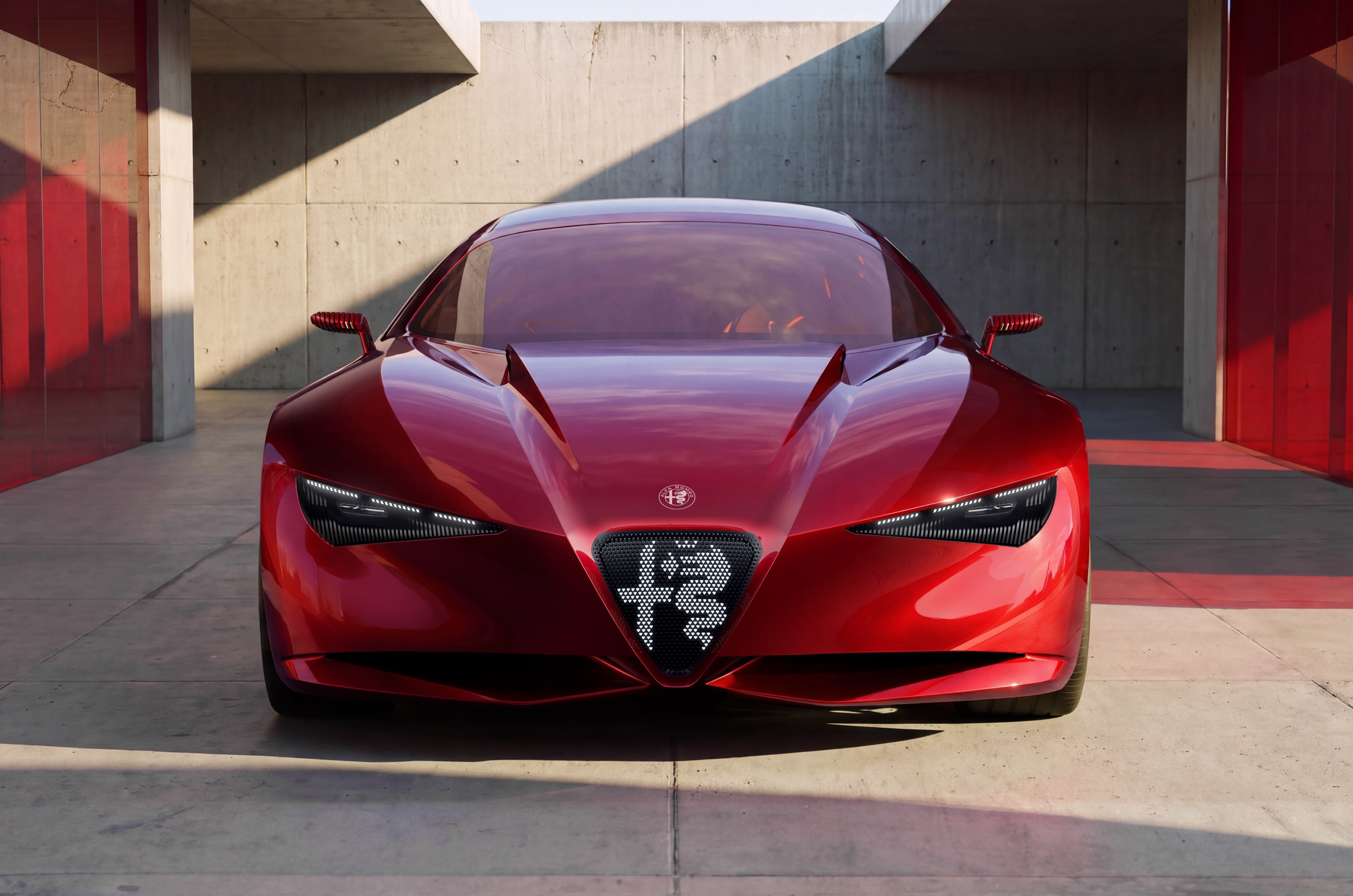
Stretching the tape at 4,700mm long, 1,980mm wide, and 1,331mm tall, with a wheelbase of 2,930mm, the Cuorerosso doesn’t stray all that far from the Alfa Romeo Giulia in terms of dimensions. The styling, though, is a different story. Up front, the Cuorerosso looks quite menacing thanks to its swept-back triangular headlamps and segmented eyebrow-like DRLs, which flank a backlit grille that displays the Alfa Romeo motif in a pixel pattern – the brand’s emblem sits right above the grille too.
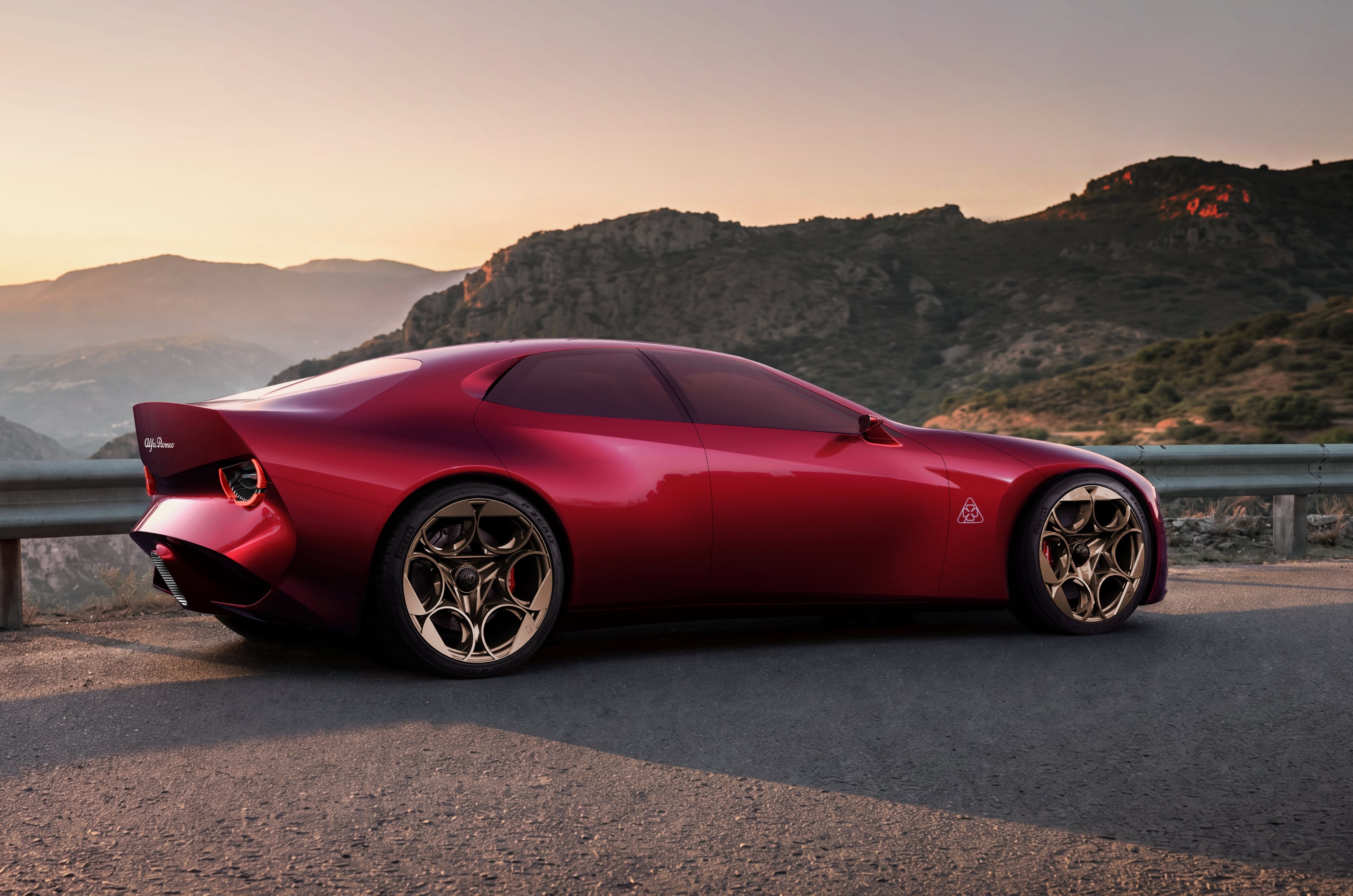
Sleek air intakes can be seen on the front bumper, while the bonnet looks very sculpted and muscular, with air exits opening up just ahead of the windscreen. Over to the side, the 22-inch bronze-coloured forged alloy wheels immediately stand out, and so do the slatted ORVMs and heavily flared rear wheel arches. Rear-hinged back doors are another flamboyant styling touch on the Cuorerosso.
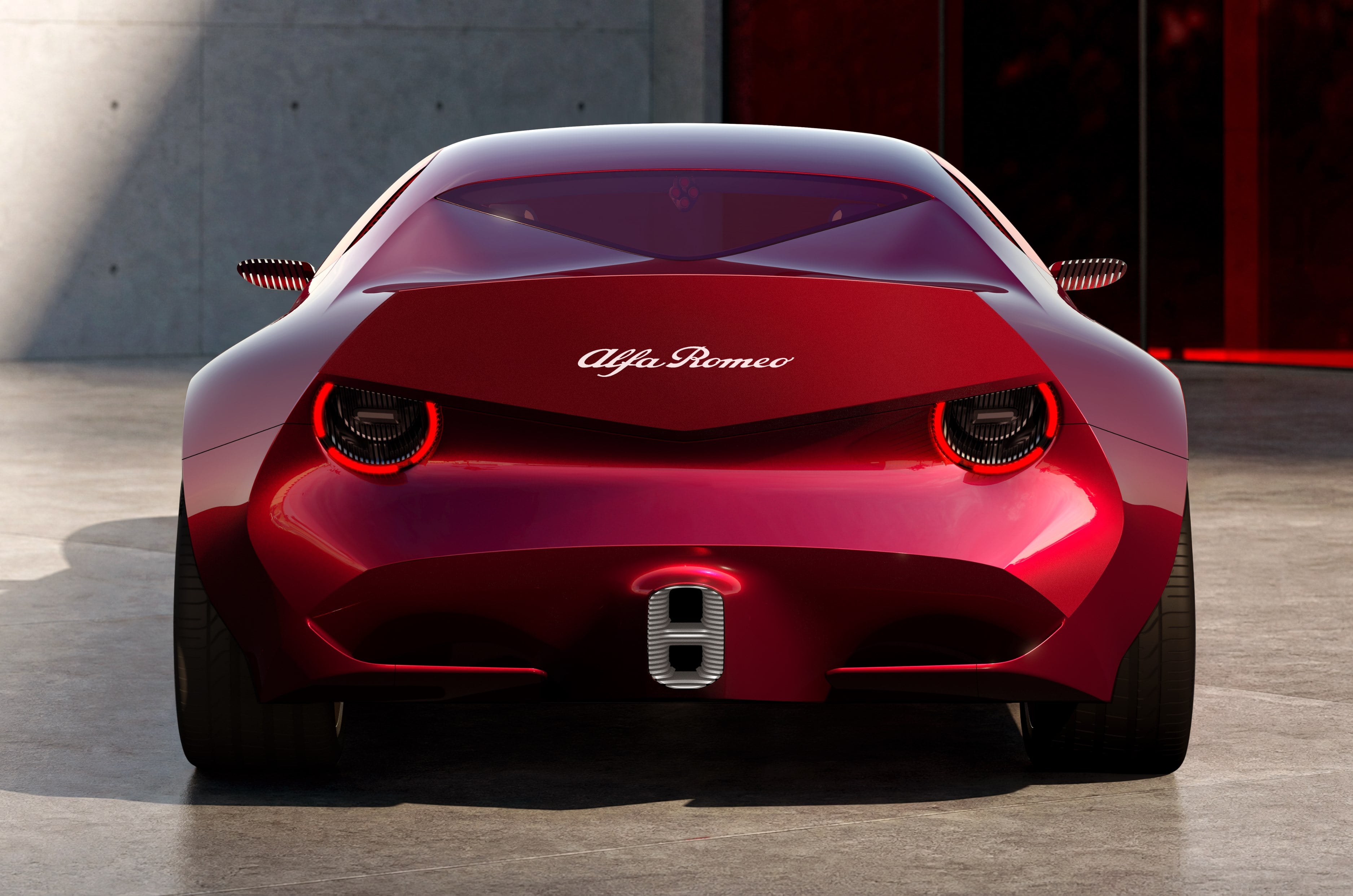
The rear end of the Cuorerosso is characterised by a large integrated ducktail spoiler, below which sits a pair of crescent-shaped tail-lamps and an Alfa Romeo wordmark. The sharply-protruding bumper lends a cool wedge-like shape to the rear, especially when viewed from the side, and includes a centrally positioned dual-exhaust setup flanked by air exits. Alfa Romeo claims a 0.28Cd drag coefficient for the Cuorerosso.
Alfa Romeo Cuorerosso interior
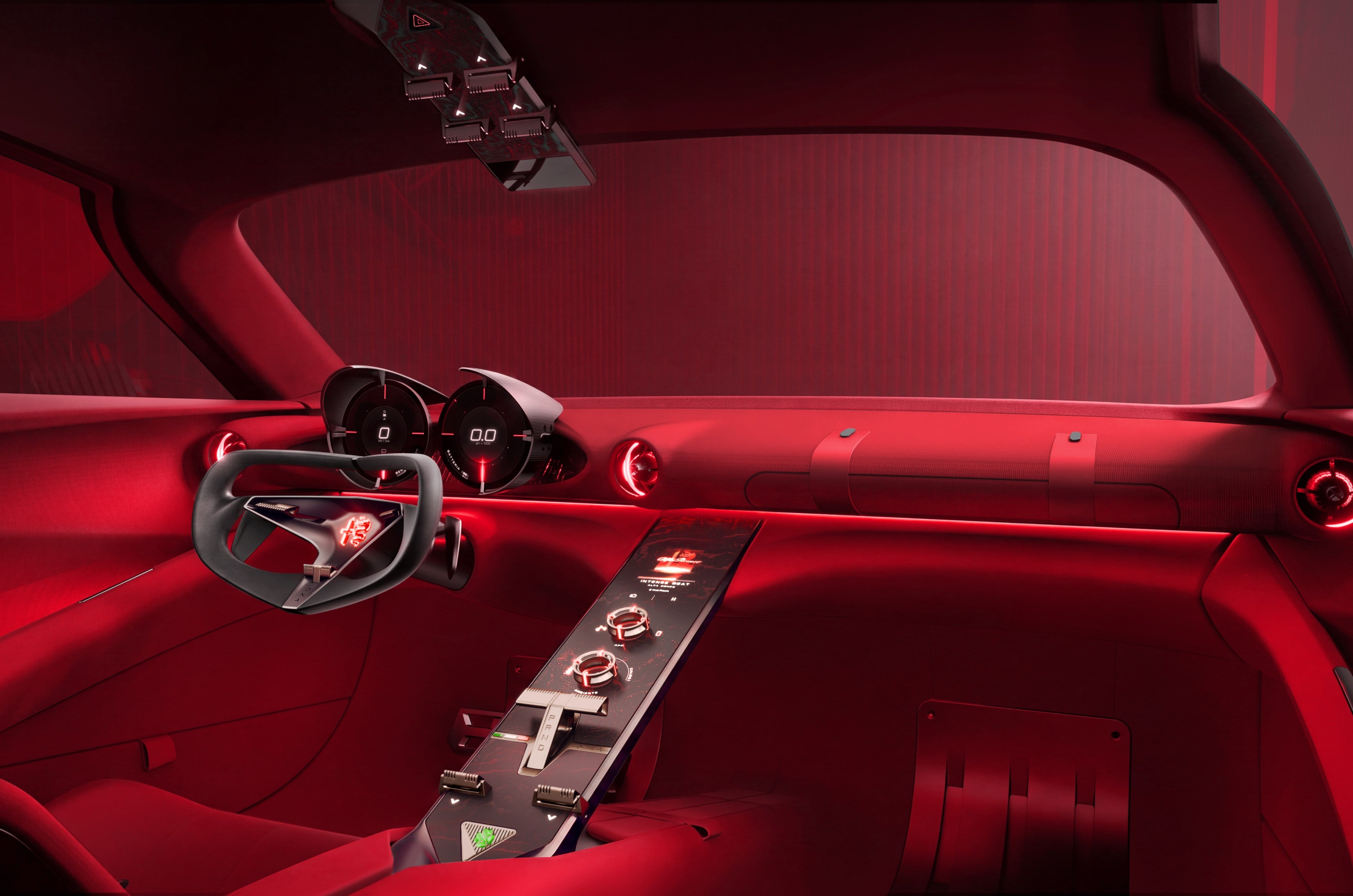
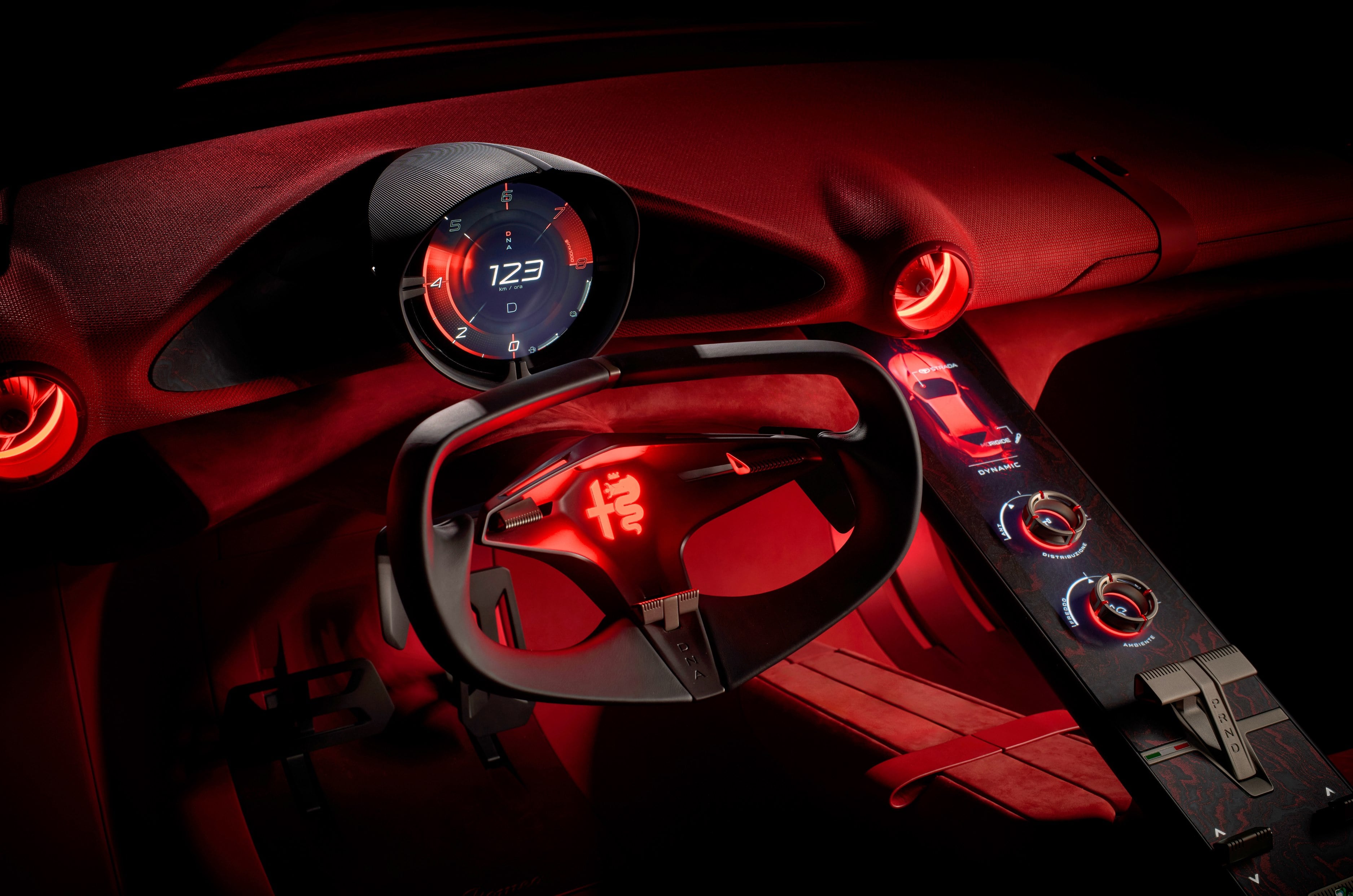
Inside, the Cuorerosso has a 2+2 seating layout and is just as radical as its exterior. For one, the colour scheme is predominantly red to convey the Cuorerosso’s sporty intentions, and there’s red ambient lighting in various spots too. The centre console has a pass-through design, and integrates a ‘Magma Display’ that combines physical controls with a digital interface. An aircraft-style gear selector can also be seen in the lower half of the centre console, along with a clover leaf emblem that glows green.
Ahead of the driver sits an unconventional-looking three-spoke steering wheel that has a flat top and a pointed bottom, while the central hub is dished inward and sports an Alfa Romeo emblem that glows red. Behind the steering wheel sits a pair of digital dials, which remain separate during normal driving and merge into one large dial if you start picking up the pace.
The Cuorerosso itself is unlikely to make it to production, but if it’s any indication of Alfa Romeo’s future, things look to be quite exciting for the Italian marque.
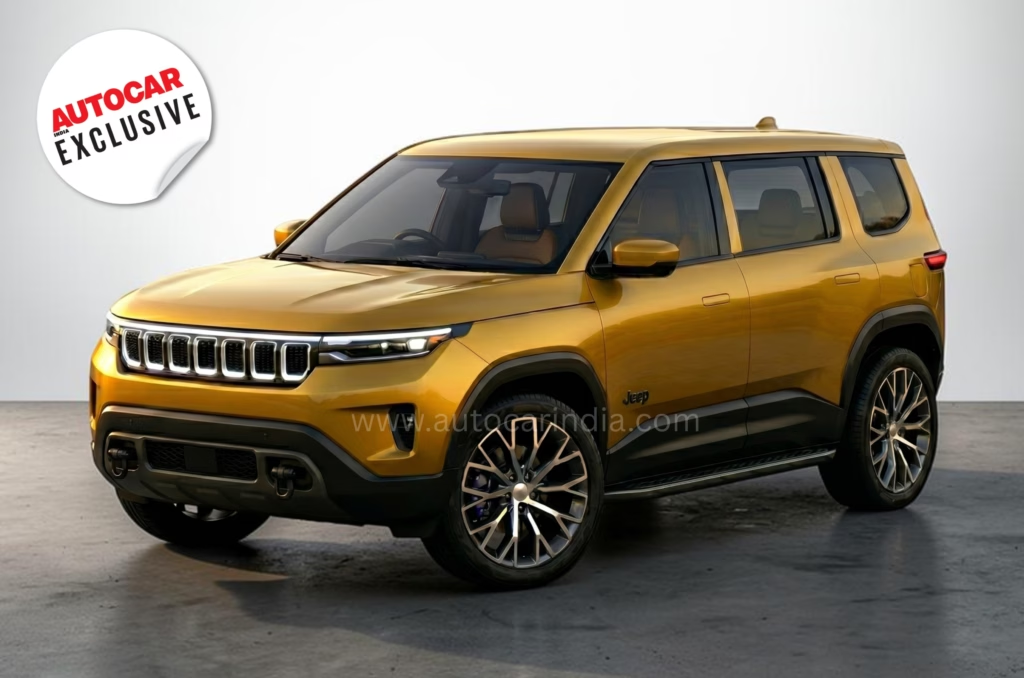
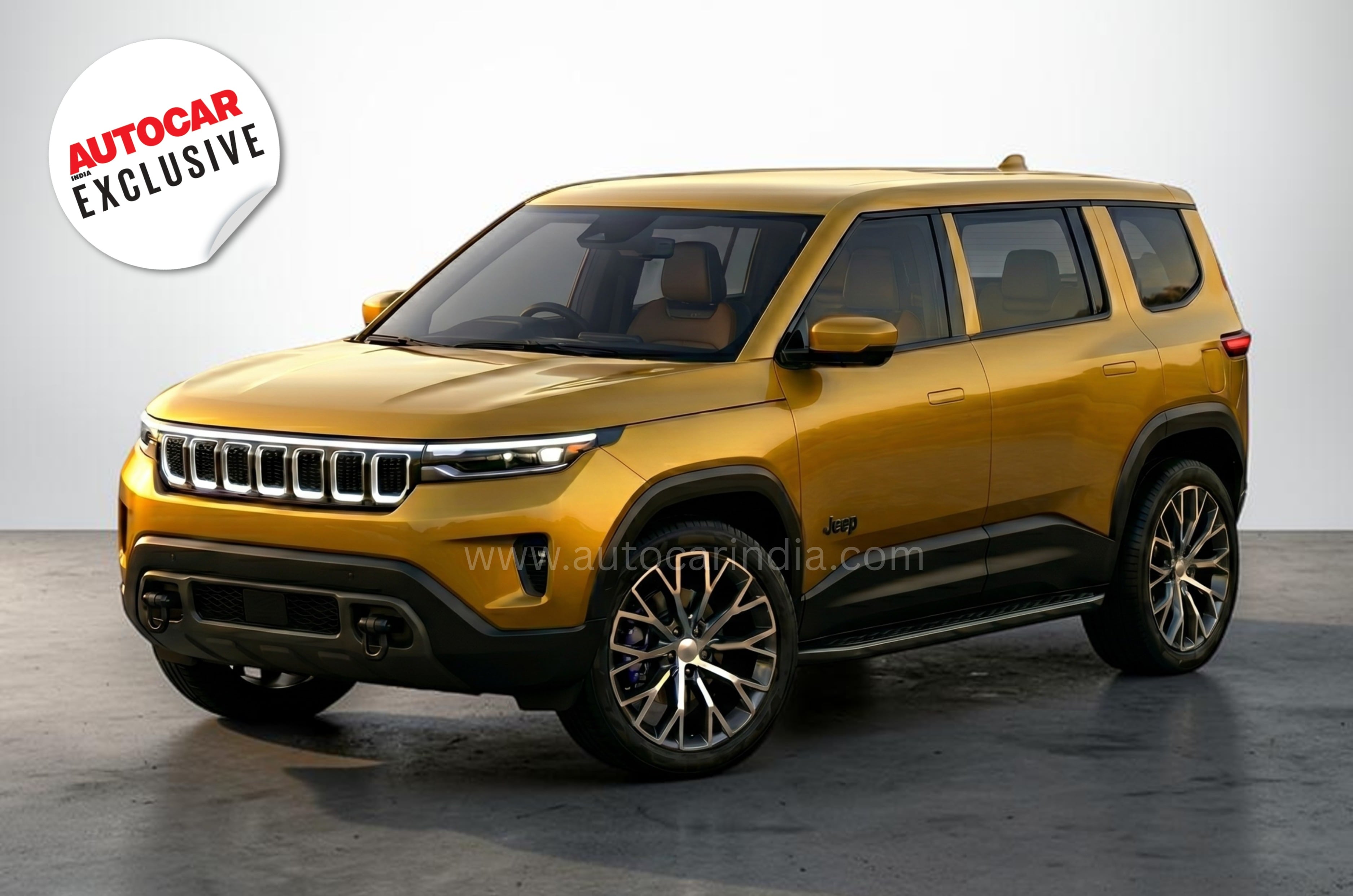
Tata Motors Passenger Vehicles (TMPV) and Stellantis have signed a formal agreement to expand their partnership into product technology, platforms and vehicle architecture, formalising plans for a new Jeep SUV based on the Tata Sierra’s ARGOS platform, according to people in the know. Internally codenamed J1J, the Jeep SUV will get both internal combustion engine and electric versions and it is likely to use the same powertrains as the Sierra, say people in the know.
Sierra-based Jeep SUV: platform and production plans
ARGOS stands for All-Terrain Ready, Omni-Energy and Geometry Scalable. It is TMPV’s modular, multi-energy vehicle architecture, designed to accommodate different vehicle dimensions and powertrain applications, which can open up more opportunities for Stellantis in the future.
While Tata Motors is producing the Sierra at its Sanand factory in Gujarat, production of the Jeep model is likely to take place at the Fiat India Automobiles Ltd (FIAL) joint venture facility in Ranjangaon, Maharashtra. The manufacturing operations are expected to be adapted for the programme over the next 18 months, added a person in the know.
The programme forms part of Stellantis’ wider ambition to sell 100,000 locally produced vehicles globally in 2028 across its Tata and Dongfeng partnership programmes combined, as outlined at its May 2026 Investor Day. The target covers several products. The company is likely to launch the first vehicle in the first half of 2028, say sources.
A dedicated team for the project is currently based out of Pune and will look at adapting the vehicle architecture, including a left-hand-drive version for overseas markets. A range-extender electric vehicle application is also being explored on the platform, although no production decision for the REEV has been finalised, according to people familiar with the engineering work.
An email sent to Tata Motors and Stellantis seeking comment remained unanswered at the time of publication.
The formal agreement builds on a relationship spanning more than two decades. Having collaborated on manufacturing, powertrains and the supply chain, the partners are now extending their cooperation into vehicle development.
Sierra-based Jeep SUV: Different body and cabin
Stellantis is benchmarking its own Jeep Renegade and Compass products for the J1J model development, according to company sources. Its eventual name and final production design are being firmed up.
This clearly indicates that the Jeep will have a different upper body, or top hat, exterior styling and cabin. Changes will extend to the seating package, interior features and equipment. These will distinguish it from the Sierra, while allowing the companies to share the underlying architecture and components.
Much of the platform is expected to be retained, with structural modifications and reinforcements, where required, to accommodate the Jeep body and meet crash and overseas regulatory requirements. Details of Jeep-specific suspension tuning and off-road hardware could not immediately be established. A 4×4 variant is also likely as Jeep’s brand guidelines insist on giving its customers a 4×4 option for all its models. Whilst the electric version of the Sierra already comes with 4×4, the ARGOS platform has been packaged and developed to accommodate a 4×4 ICE drive train as well. In fact, the Jeep partnership could accelerate the launch of a Sierra 4×4 to coincide with launch of the next-gen Jeep SUV.
Tata Motors sister company Tata Technologies is understood to be involved in engineering execution at Stellantis. The work includes the Jeep-specific body and interior package, left-hand-drive adaptation and changes needed to meet overseas regulations.
According to people familiar with the programme, TMPV will retain ownership of the architecture and license it to Stellantis. Existing Sierra suppliers are expected to support Jeep where components can be shared, with separate sourcing and tooling for model-specific parts.
India development, global markets
Stellantis had disclosed its intention to develop a Tata-based Jeep at its May 21, 2026 Investor Day. Grégoire Olivier, its Asia Pacific chief operating officer, said Tata Motors would provide a competitive platform for a new Jeep vehicle to be developed and assembled in India through the existing joint venture for global markets.
Olivier had also outlined exports to more than 50 countries across the wider portfolio, including the Dongfeng programmes, the Tata-based Jeep and the existing Citroën Smart Car programme in India. The markets allocated specifically to J1J have not been established.
For Stellantis, Tata’s architecture and supplier base offer a way to reduce development expenditure while adding a new Jeep product. For TMPV, the arrangement could generate licensing revenue and spread platform costs across additional vehicles. Common components could also bring suppliers higher volumes.
The alliance is a much-needed segue for the Jeep brand which has been in India for close to a decade but has been relegated to the fringes of the Indian market with a lack of product action. A licensed modular architecture with the potential for multiple powertrains, 4×4 capability and different wheelbases will open opportunities for more products in a quicker time interval.
The programme would extend the Ranjangaon venture from manufacturing cooperation to producing a Jeep on Tata’s vehicle architecture. The left-hand-drive version would widen its overseas reach, giving the plant access to demand beyond India and other right-hand-drive markets.
The midsize SUV space is now more competitive than ever. Just the last few months have seen new launches in the form of the Tata Sierra, Renault Duster, Nissan Tekton and the facelifts of the Volkswagen Taigun and Skoda Kushaq. Then there are the venerable Kia Seltos and the Hyundai Creta, the latter of which is set to receive a new-gen model next year, and an all-new entrant, the Hyundai Bayon, is about to join the ranks.Powertrain choices have been expanding too; diesel continues to be popular, turbo petrols add a dose of excitement, CNG is fast becoming the high-mileage option and there’s electrification in the form of hybrids and full EVs.So in a bid to keep it relevant, Honda has updated its midsize SUV contender, the Elevate, and here’s how it all comes together.
Design and engineering – 8/10
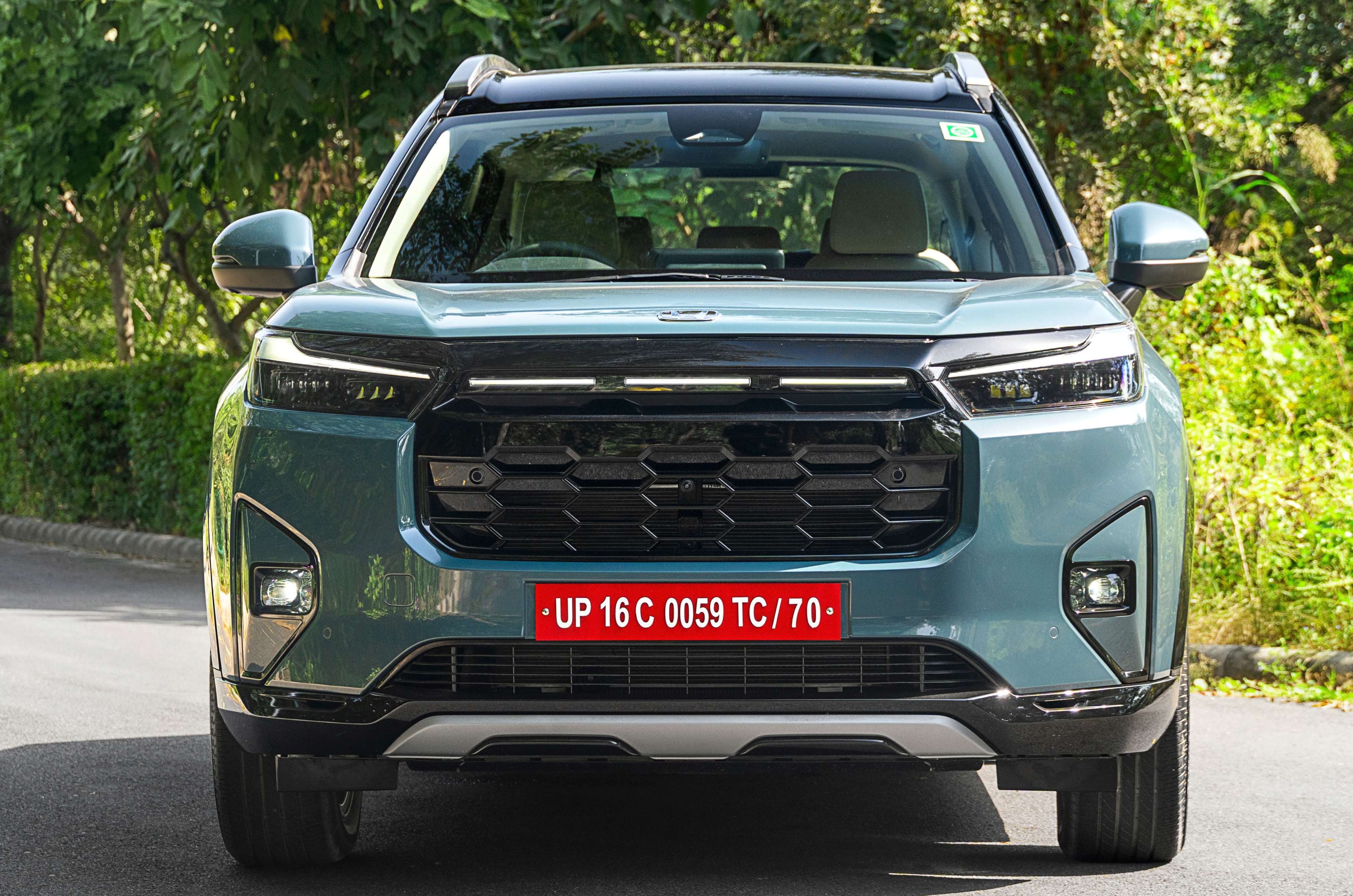
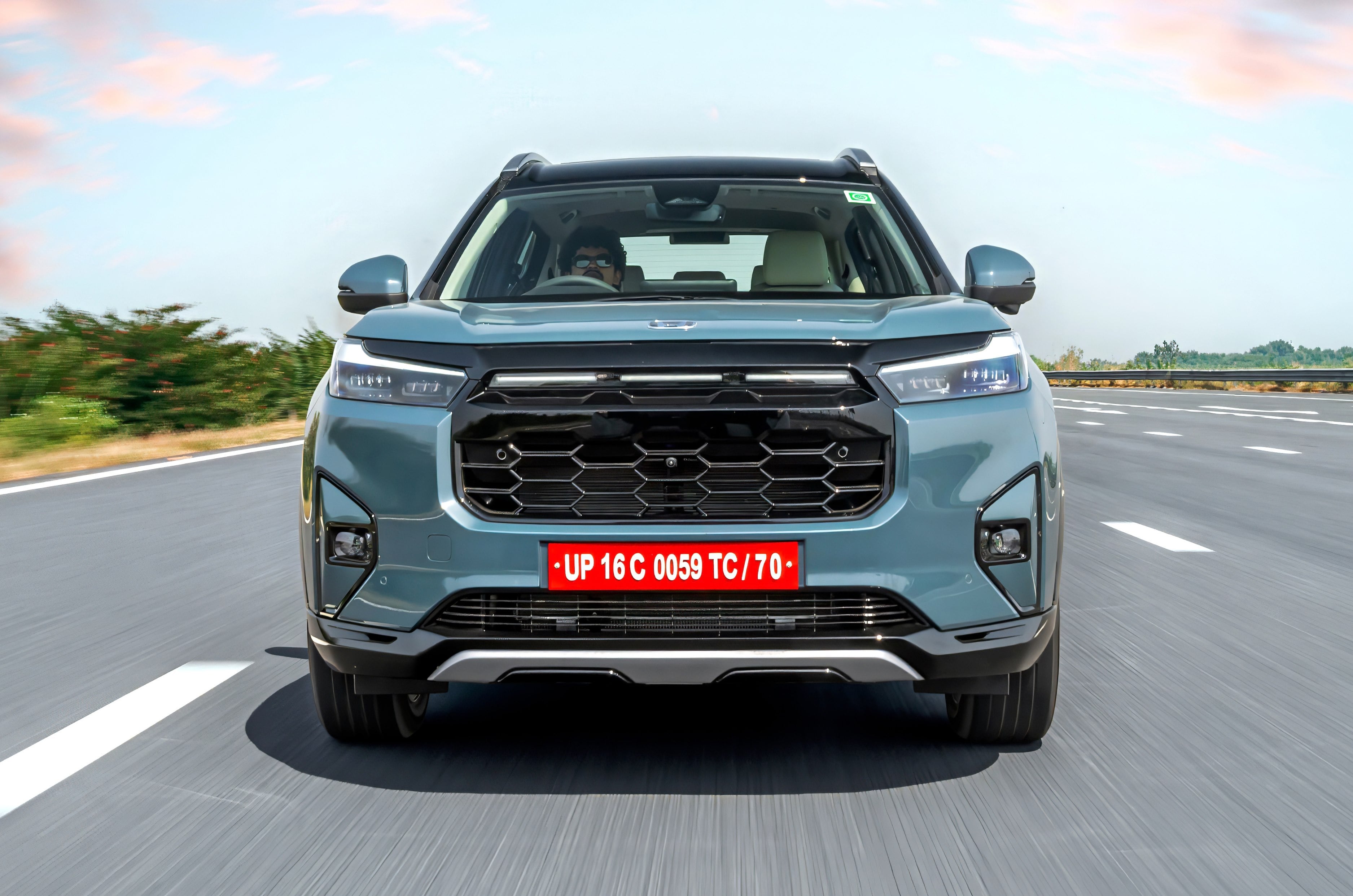
Features a new gloss black grille with a honeycomb pattern and a segmented LED light bar.
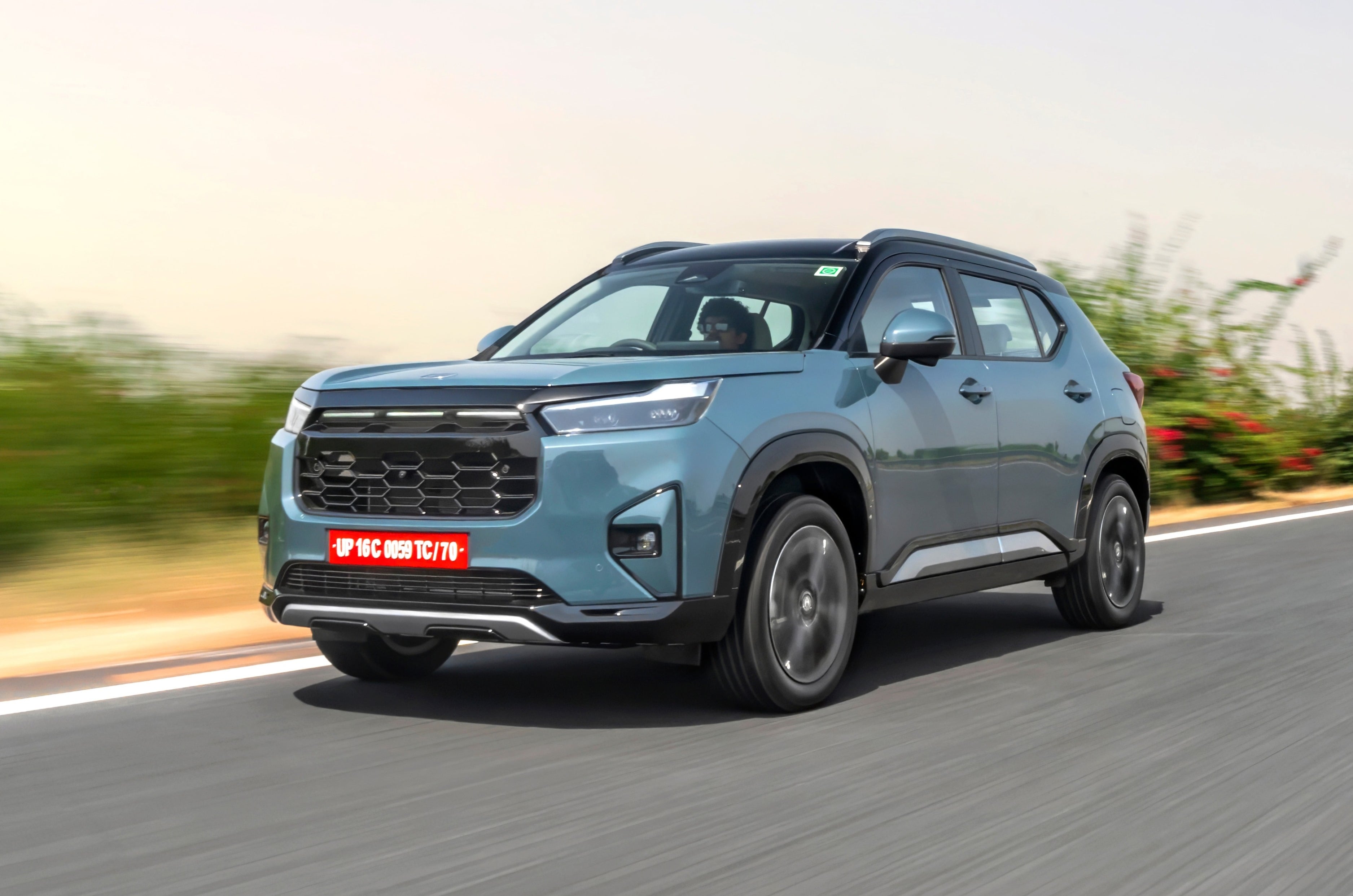
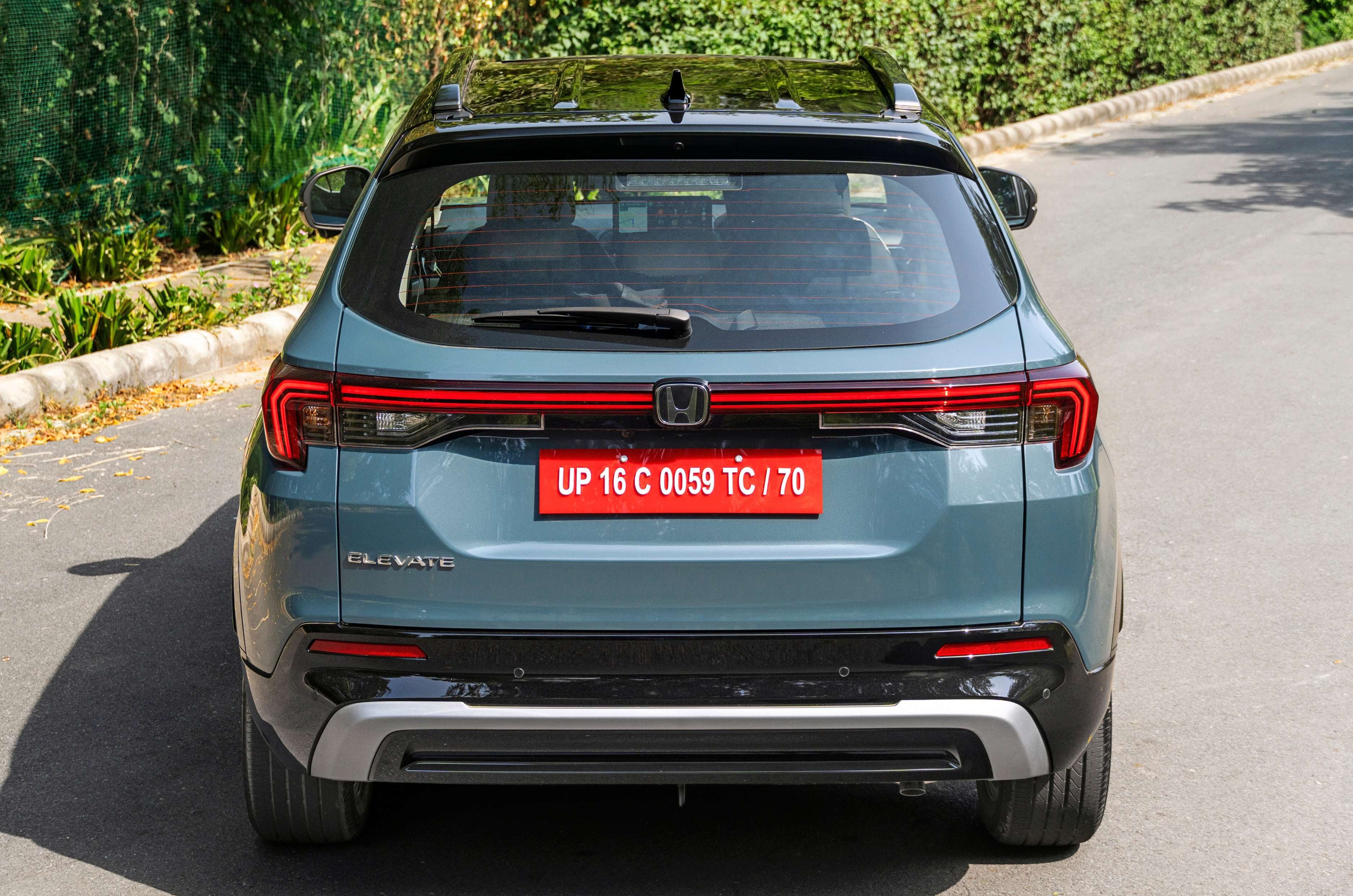
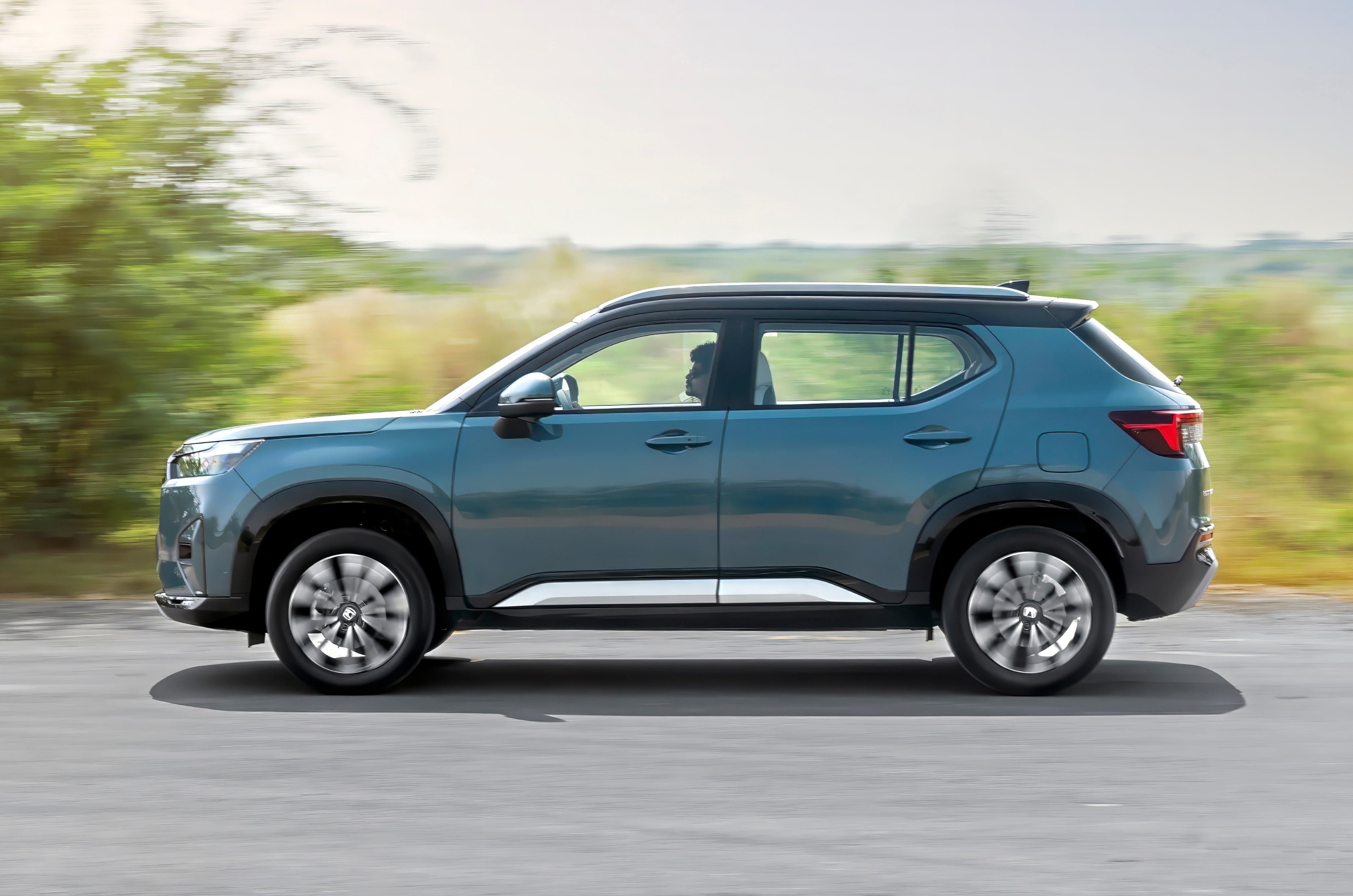
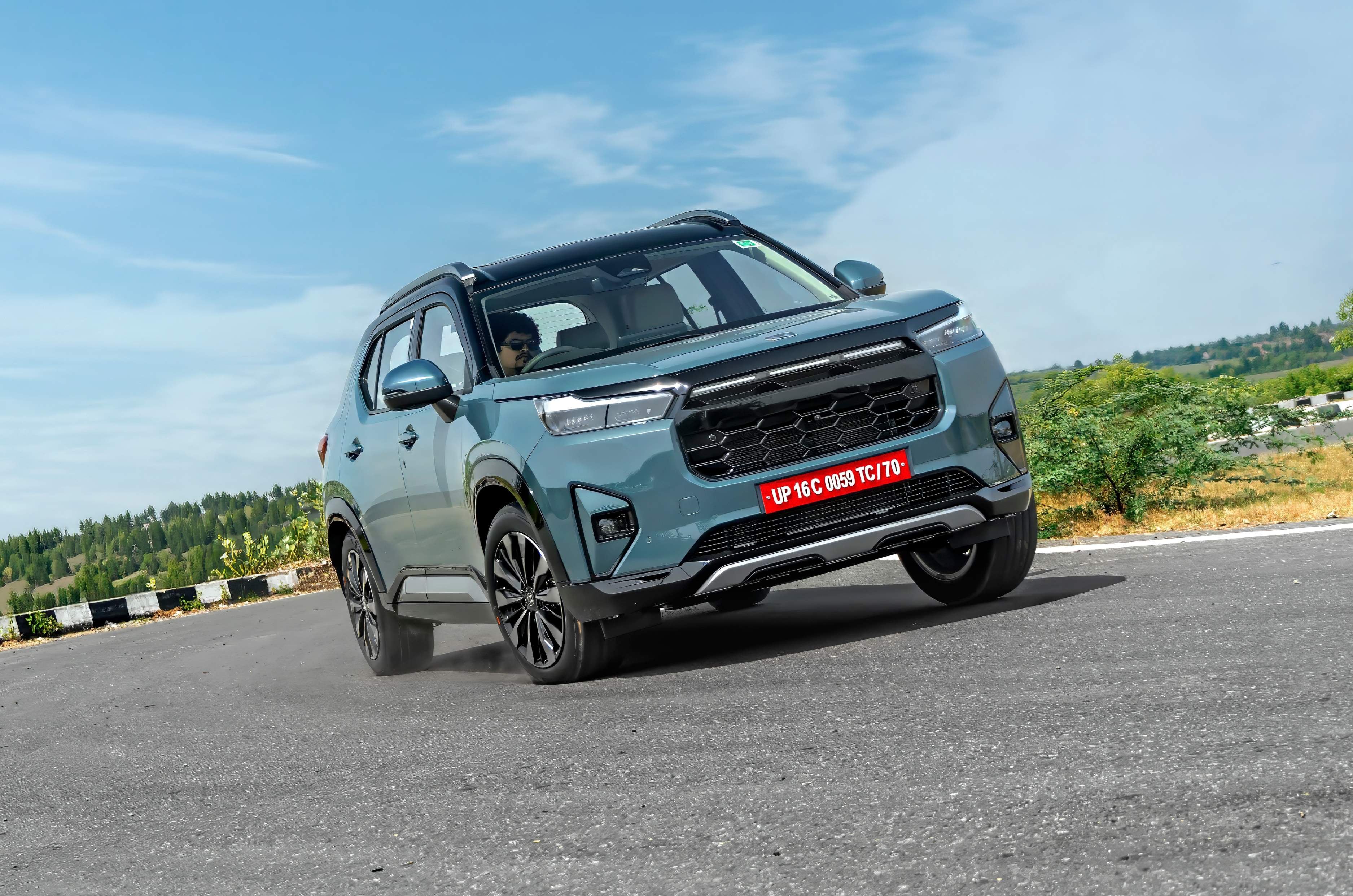
Honda has given the Elevate a subtle design update, but the changes are effective enough to give the SUV a fresher, more contemporary look without straying far from the original design. The biggest revisions are concentrated at the front end, where a new segmented LED light strip links the LED headlamps and the thick chrome band above them has been replaced with gloss black trim. The front grille gets a revised mesh pattern and a gloss-black finish, lending the front end a slightly sportier, more butch appearance. The Honda badge now sits on the bonnet rather than within the grille, while the fog-lamp housings are now finished in body colour instead of black for a cleaner look.
New LED light bar now connects the tail-lamps, giving it a more cohesive appearance.
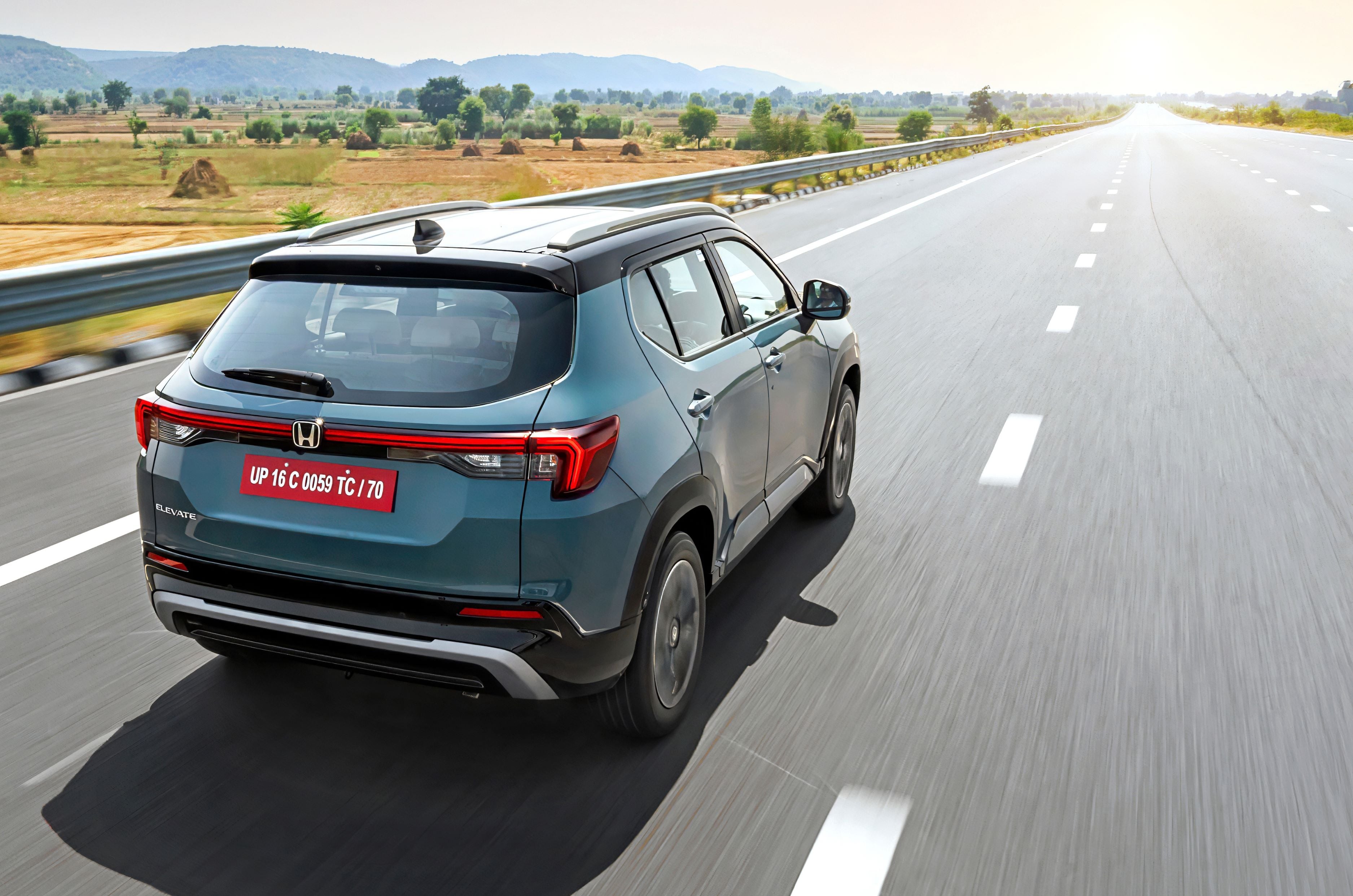
It’ll take a keen eye to spot the changes along the sides as they’re limited to a new gloss black body cladding instead of a matte finish, silver coloured inserts in the cladding on the doors instead of body colour and a darker finish for the 17-inch alloy wheels which continue with the same design. At the rear, the facelift introduces a new LED light bar that connects the tail-lamps, giving the tailgate a wider, more cohesive appearance, particularly after dark. Rounding off the updates is a new Nordic Forest Pearl paint shade, as you can see in the pictures here.
As for dimensions, it continues to measure 4.3 metres in length, nearly 1.8 metres in width and just over 1.6 metres in height. It’s based on the City platform, but gets a stretched 2650mm wheelbase, wider tracks front and rear and a substantial 220mm of ground clearance.
Interior space and comfort – 8/10
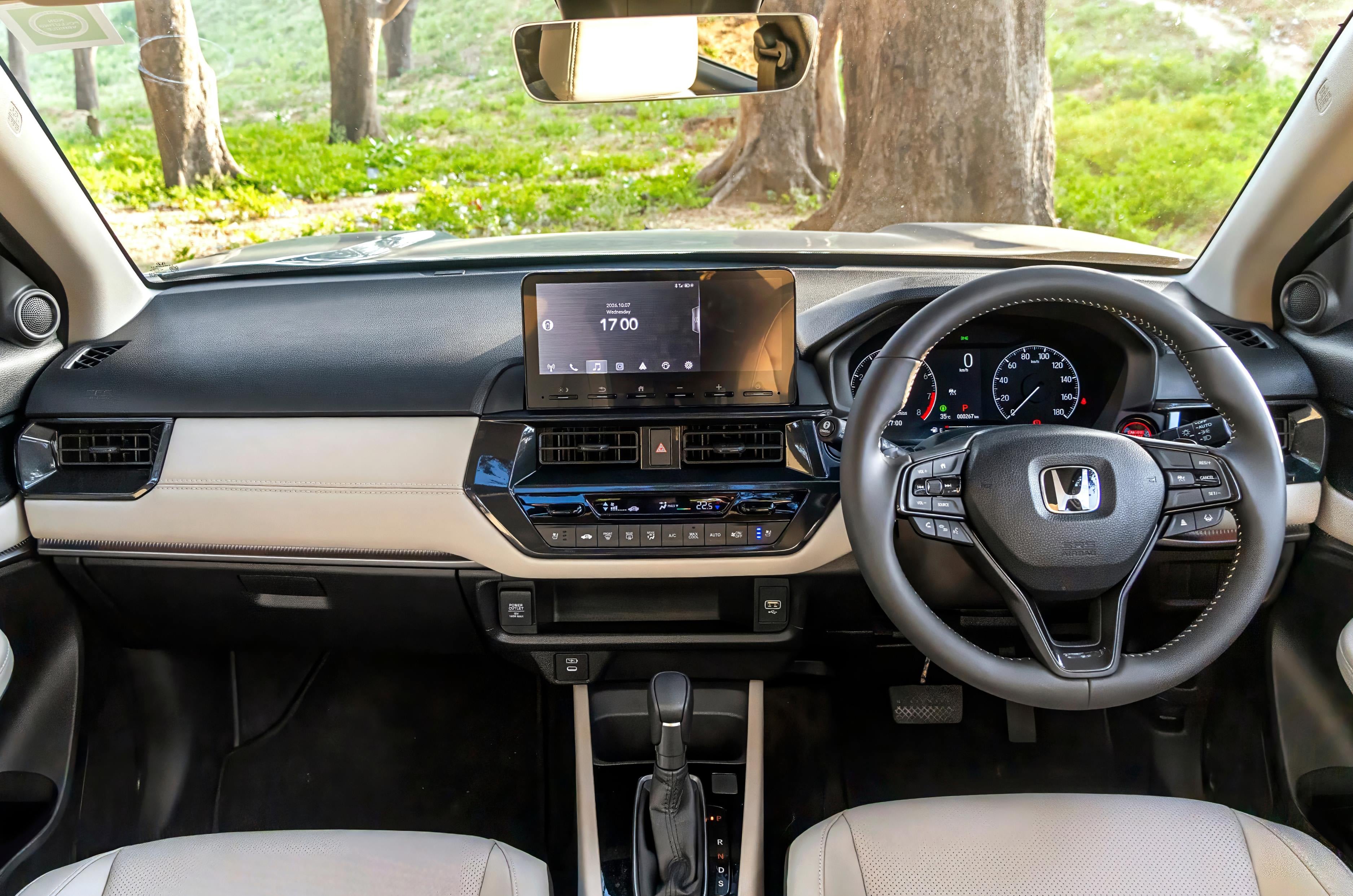
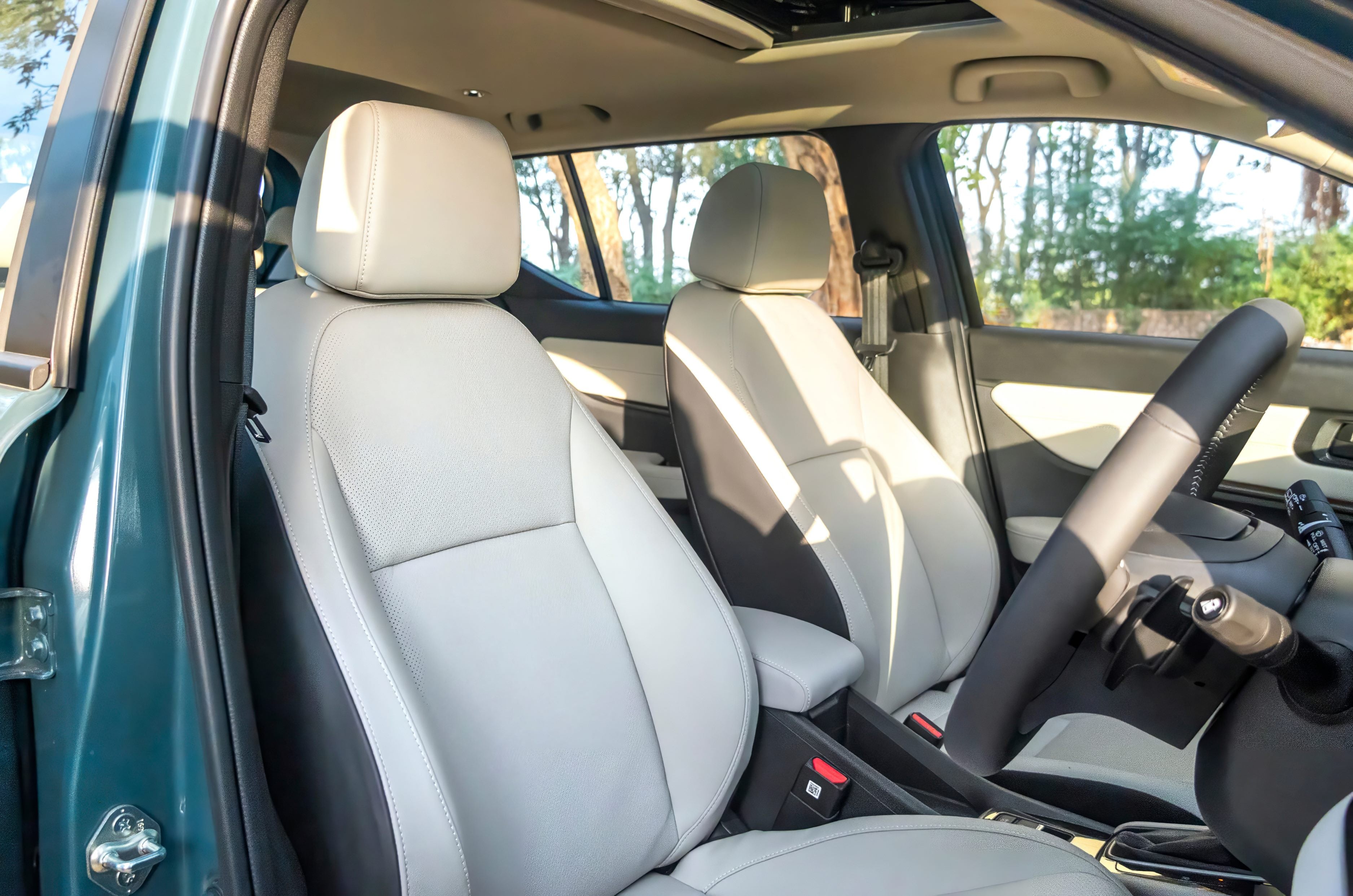
The cabin gets more substantial updates than the exterior, with the changes aimed at improving comfort and perceived quality. To start off, there’s a new ivory and black dual-tone upholstery theme that enhances the sense of space inside and is perhaps more neutral than the tan upholstery earlier. It will be tough to clean though, thankfully there is the option of all-black upholstery with the ‘Black’ edition Elevate.
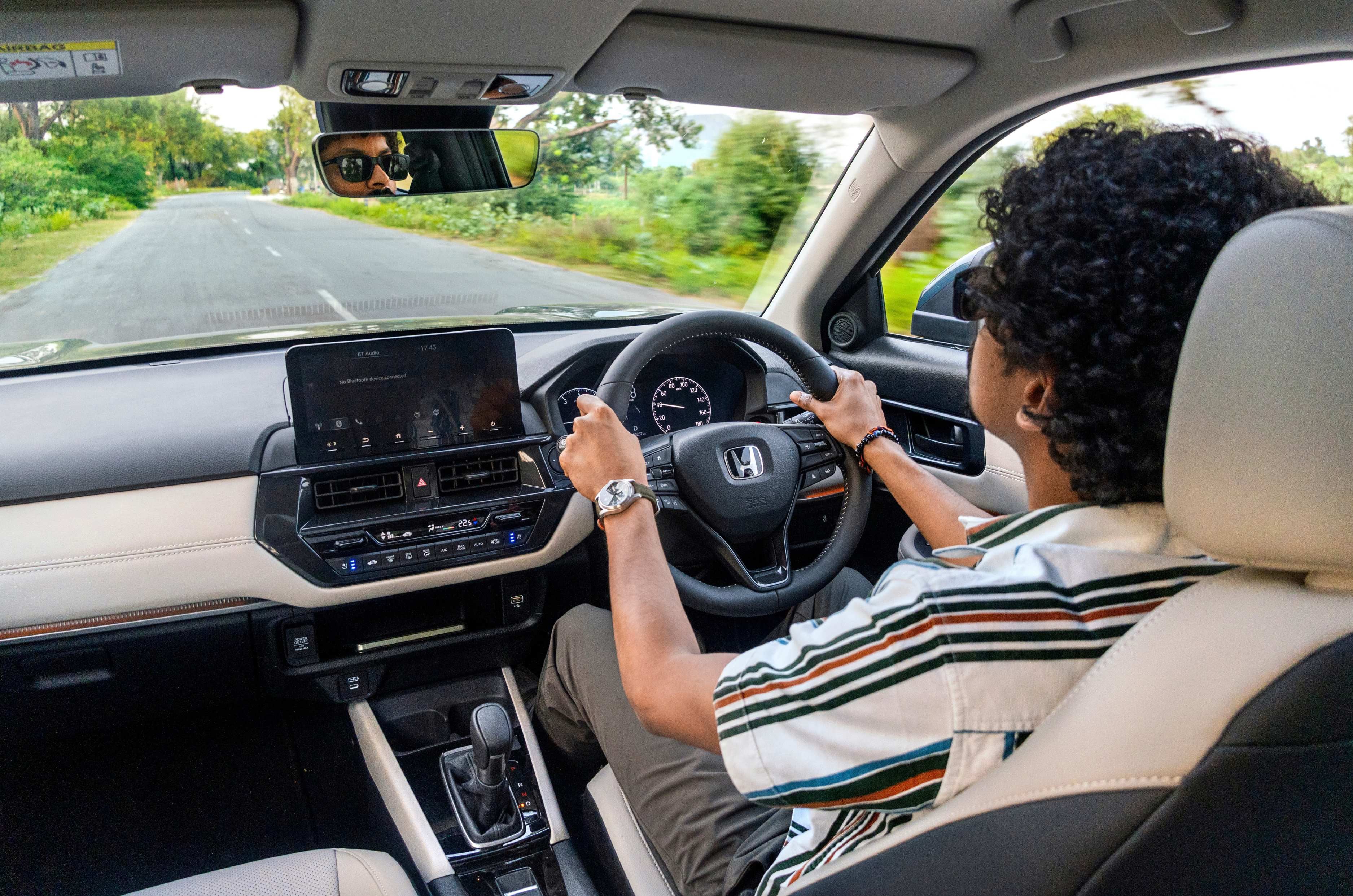
Upholstery is now ivory and black with a new leatherette panel on the dash; cabin remains practical and feels well-built.
The dashboard has been revised too, with more white leatherette padding and stitching replacing the outgoing model’s faux wood trim, and the AC controls have been revised, now housing the seat ventilation buttons. Honda has even updated the roofliner fabric which looks and feels much nicer than the older woven roofliner. All of this gives the cabin a fresher look, although the overall layout remains familiar.
Front seats remain comfortable and now feature ventilation and power adjustment.
Ergonomics remain a strong point, with the Elevate offering a commanding driving position and supportive front seats that make it easy to get comfortable behind the wheel. The lumbar support, however, might feel excessive for some and taller people may find underthigh support a bit lacking.
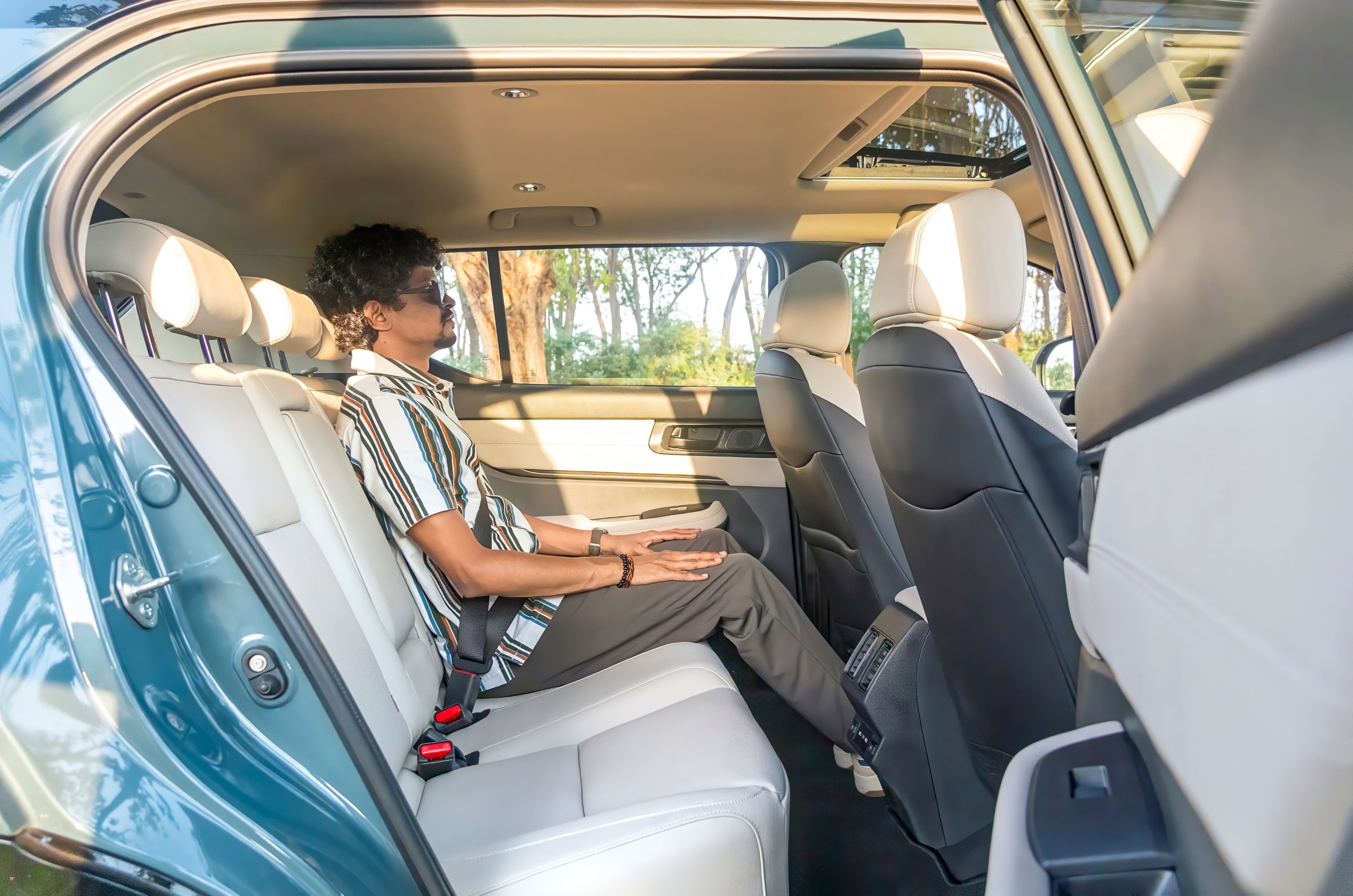
Ample headroom and kneeroom but best for two adults thanks to the narrow width and raised centre seat.
At the rear, space is generous, with plenty of kneeroom and headroom making it a very comfy place for two adults. However, fitting a third passenger will be tight thanks to the cabin’s limited width and raised centre seat. There are no sunblinds either, but Honda has added an adjustable headrest and a three-point seatbelt for the centre passenger, which was an omission earlier. Features back here include dedicated AC vents, USB charging ports, a fold down centre armrest with cupholders, new capacitive-touch LED reading lamps and the most prominent, seat ventilation.
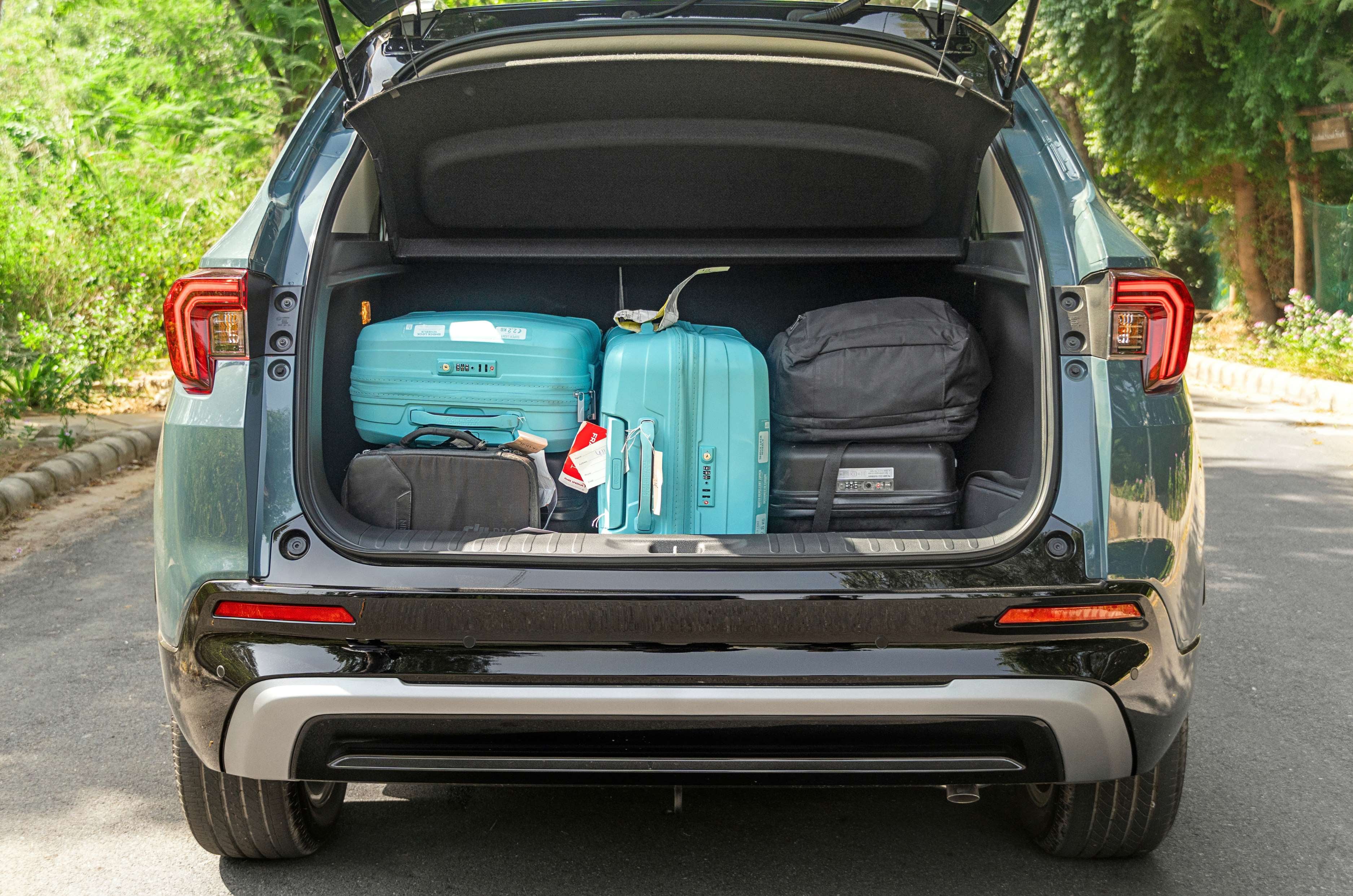
428-litre boot can fit in more than the number suggests; continues to feature a spare tyre under the boot floor.
Practicality, meanwhile, remains a strength, with the Elevate offering ample storage spaces throughout the cabin. The boot is also a substantial 458-litres and can pack in much more than the number would suggest. What’s also nice is that it continues to get a spare tyre under the boot floor.
Features and safety – 8/10
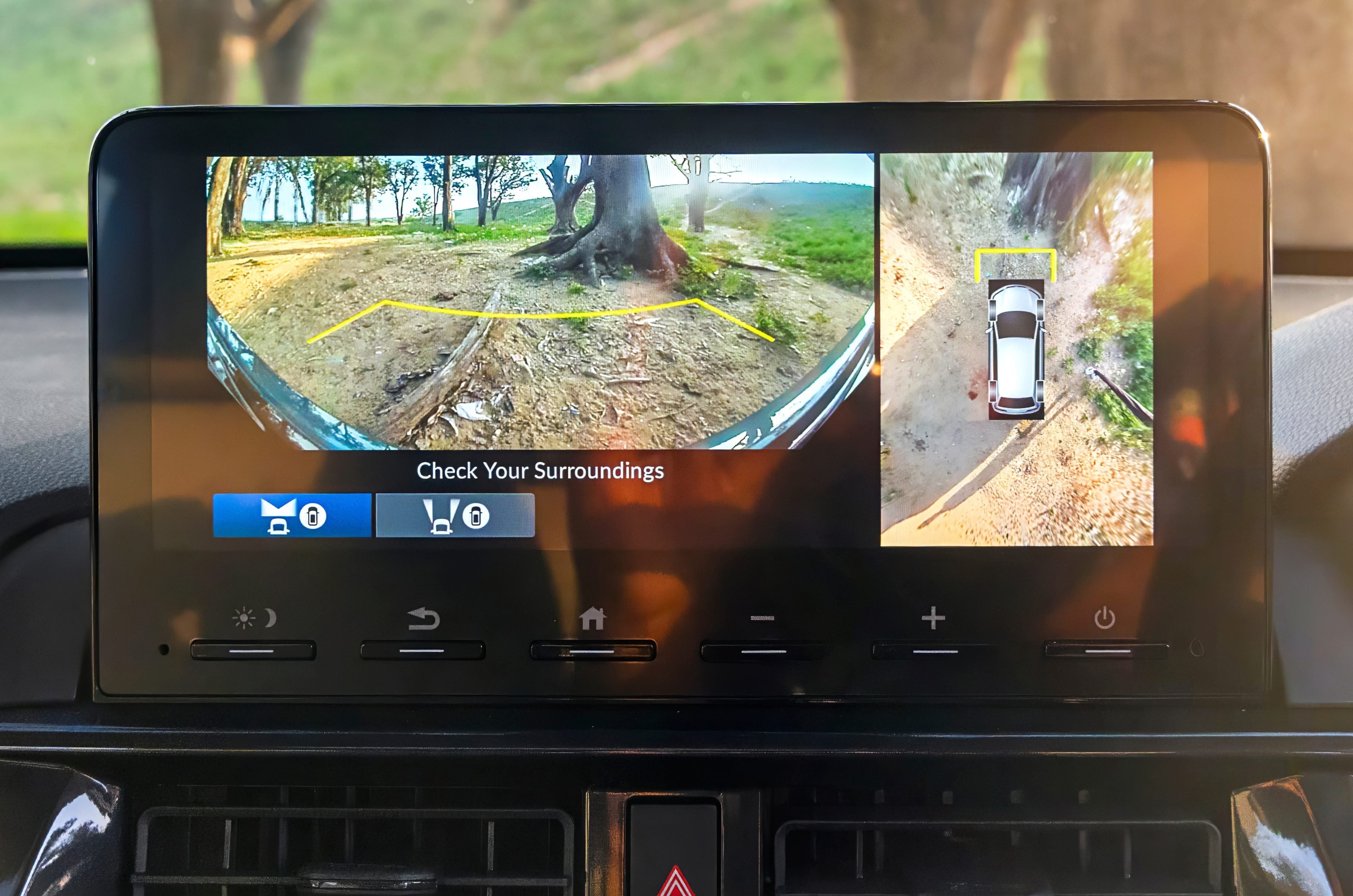
360-degree parking camera is a helpful addition but has limited angles of view and a small display on the screen.
The Elevate facelift addresses some of the key equipment gaps in the outgoing model, bringing a more comprehensive feature set to the table. In terms of safety features, there’s now a 360-degree camera (its display on the screen is quite small though, with limited angles of view), which works alongside the existing ‘LaneWatch’ camera, though curiously this feature is still only for the left hand side.
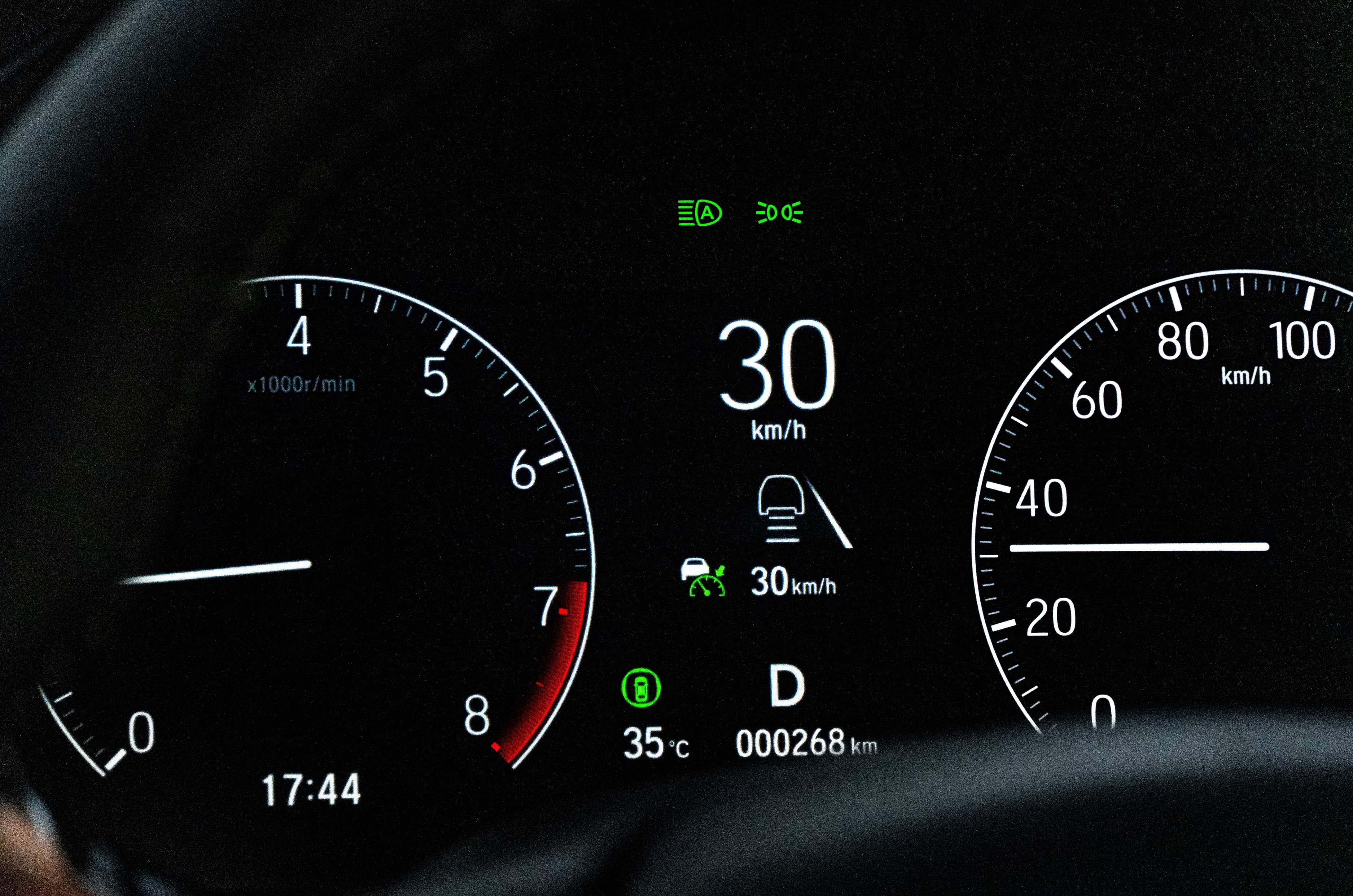
ADAS suite now packs in a useful low-speed follow function for the adaptive cruise control.
Front parking sensors have also been added to make parking and manoeuvring in tight gaps easier. However, the CVT variants get even more safety kit in the form of an electronic parking brake with auto hold function, rear disc brakes and the addition of a low-speed follow function for the adaptive cruise control, which is useful in stop-and-go traffic.
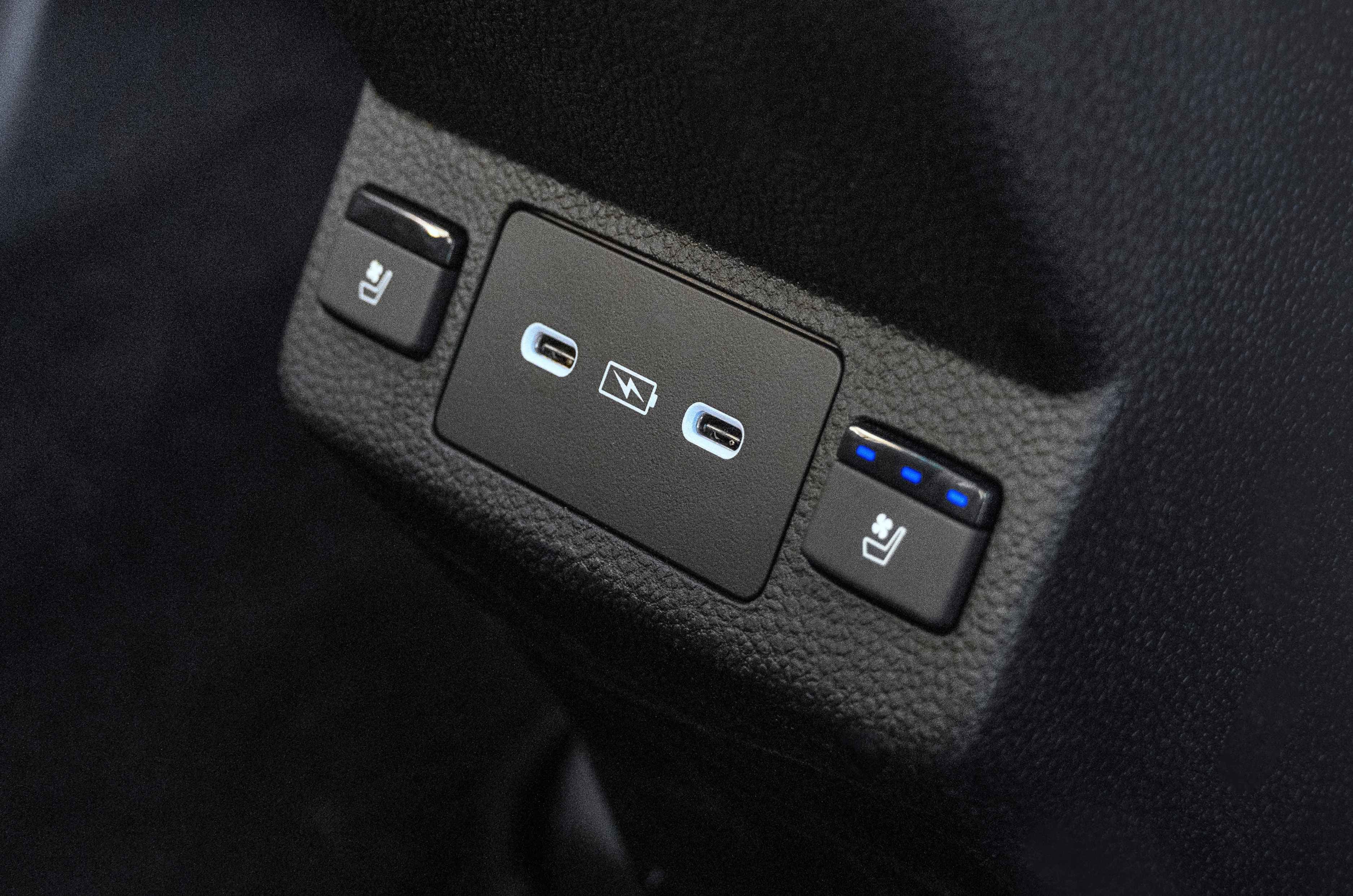
Rear-seat ventilation is a first-in-segment, but it’s only available in the top-spec ZX+ trim.
As for comfort and convenience features, the most important additions are the ventilated front and rear seats, the latter which is a segment-first. Though they take some time to cool effectively, it has enhanced the Elevate’s cabin comfort. Then there’s powered front seats – 8-way for the driver and 4-way for the passenger – ambient lighting and a PM2.5 air purifier. Other than that, much of the existing equipment has been carried over unchanged.
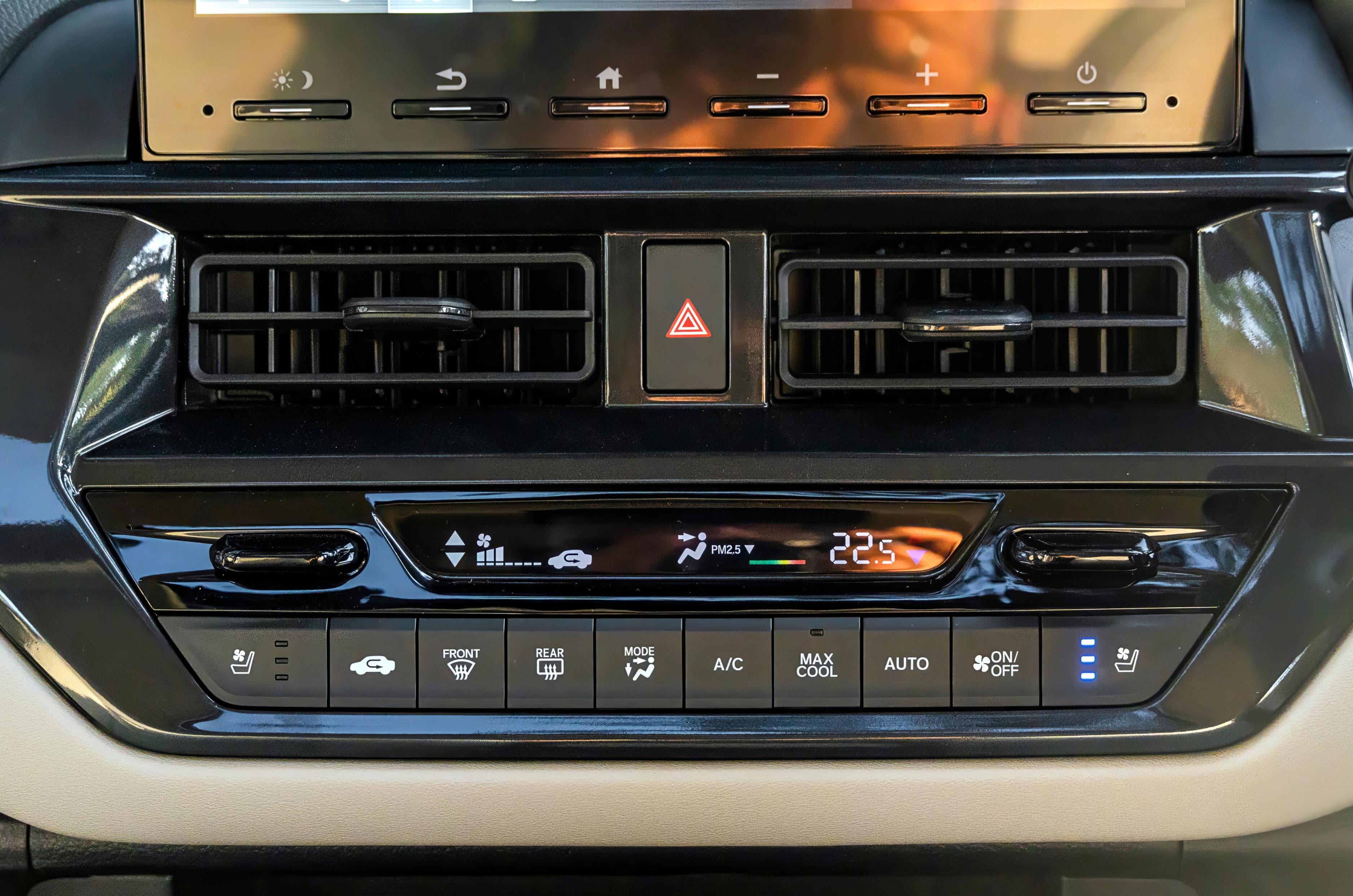
AC controls have been revised with new buttons for seat ventilation; now features an air purifier too.
There’s a 10.25-inch infotainment touchscreen with wireless smartphone integration (though its software and feature set still feel basic at best), semi-digital instrument cluster, a single-pane sunroof, wireless phone charger, six airbags, ESC, traction control, camera-based ADAS tech including auto emergency braking, lane keep assist and more. Still however, there are some features missing that rivals offer like a dual-zone for the auto climate control, panoramic sunroof and powered tailgate.
Powertrain and refinement – 8/10
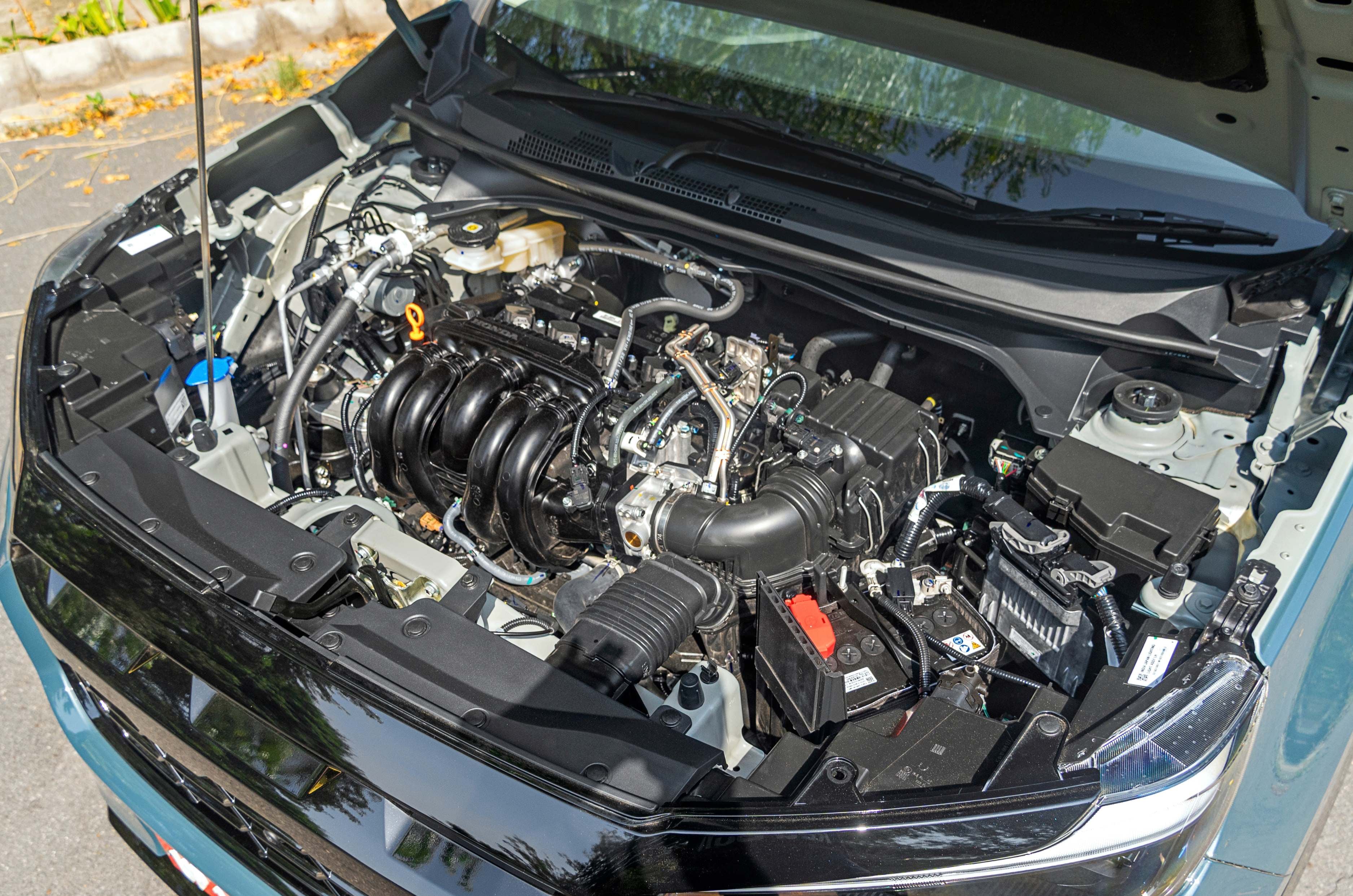
121hp, free-revving, naturally aspirated 1.5 petrol remains the only engine option with the Elevate.
There have been no changes under the hood of the Honda Elevate. It still continues to be powered by a 1.5-litre, four-cylinder, naturally aspirated petrol engine that produces 121hp and 145Nm. Gearbox options remain unchanged too, with a 6-speed manual and a 7-step CVT automatic, and we got to sample the latter. However, the engine has been future-proofed and is now WLTP emissions norms compliant while already being E20 fuel compatible.
This i-VTEC engine still impresses however. Throttle response is immediate, with no noticeable delay, making the engine feel sharp and eager. As before, the naturally aspirated motor pulls cleanly from idle all the way to the redline, in a smooth and progressive manner. However, it feels most energetic higher up the rev range, where it feels at its most potent too.
The 7-step CVT works well as an automatic, making light work of everyday commuting with its smooth operation. Paddle shifters with pre-set ratio points also give it some resemblance to a conventional automatic, allowing you to have greater control. However, push the throttle hard and the familiar ‘rubber band’ effect becomes apparent, with the engine holding on to high revs for extended periods, which doesn’t make for a relaxed driving experience. In this respect, Hyundai and Kia’s chain-driven CVT feels a bit smoother and more responsive than this belt-driven one.
As for performance, we managed a 0-100kph time of 11.89sec with the pre-facelift Elevate CVT and you can expect this facelifted model to be in the same ballpark. Expectedly, the manual does a quicker 10.82sec time to 100kph.
However, like before the lack of powertrain options is disappointing. In a time when rivals are offering diesels, turbo petrols, strong hybrids and CNGs, the Elevate has to soldier on with a solitary, naturally-aspirated petrol engine which restricts its appeal.
It feels quieter than before but there’s still prominent engine and road noise filtering into the cabin, especially on highways.
Honda has also worked on improving the Elevate’s noise insulation, an area where the existing model lacked. The company claims better isolation from both engine and road noise, but that has worked only to a small extent, in our experience. It feels quieter than before but there’s still prominent engine and road noise filtering into the cabin, especially at highway speeds, and there’s definitely more room for improvement here.
Fuel efficiency – 7/10
Given our short test drive, we didn’t subject the Elevate facelift to our real-world mileage tests. For reference though, the pre-facelift Elevate CVT did 8.60kpl in the city and 13.10kpl on the highway while the Elevate MT managed 8.7kpl in the city and 13.30kpl out on the highway. The Elevate CVT misses out on an Eco drive mode and auto start/stop, which certainly affects its fuel efficiency.
Ride comfort and handling – 8/10
Despite being a high-riding SUV, the Elevate feels remarkably composed on the move.
As before, the Honda Elevate continues to impress with its ride and handling balance. Despite being a tall riding SUV, it feels remarkably composed on the move. Suspension damping, though on the firmer side, is well judged and does a good job of ironing out road imperfections. It’s only when you’re travelling at triple digit speeds on an undulating highway is where you’ll notice quite a bit of vertical movement in the rear seat. But apart from that, the Elevate feels planted on the road.
Body roll is also well contained for a tall SUV, making it predictable around bends.
The steering is accurate and light at slow speeds, which helps with manoeuvrability, but it picks up weight progressively which is reassuring. Body roll is also well contained for a tall SUV and as such, it’s predictable around bends. As for the brakes, the CVT has gained rear discs but that hasn’t made a noticeable difference. Braking performance, like before, remains strong with a nice, progressive feel.
Value for money and verdict – 7/10
With this facelift, Honda has addressed some of the Elevate’s earlier shortcomings with some much-needed features and the updated look and feel inside the cabin. However, some drawbacks still remain like the lack of powertrain options and the below-par sound insulation.
It remains a sensible, practical midsize SUV that continues to prioritise the essentials over outright novelty.
What the Elevate continues to get right, though, are the fundamentals. It continues to offer a comfortable and practical cabin, a responsive engine and a well-sorted ride and handling package. Add to that the design refresh and the fairly expansive features list, and the Elevate facelift feels more rounded than before. Priced from Rs 11.80 lakh to Rs 18.40 lakh (ex-showroom), it’s still very competitively priced, though the new top ZX+ variant is up there with the heavy hitters.
Ultimately, the Elevate remains a sensible, practical midsize SUV that continues to prioritise the essentials over outright novelty. As a result, the Elevate facelift represents a great option for buyers who value comfort, everyday usability, reliability and the peace of mind associated with the Honda badge.
Starlink Row In India: कमल हासन के बाद बॉलीवुड एक्टर कुणाल कपूर ने SpaceX के फाउंडर और CEO एलन मस्क के उस दावे पर प्रतिक्रिया दी है, जिसमें उन्होंने कहा था कि भारत में कुछ ताकतवर लोगों (ओलिगार्क्स) ने मार्केट पर अपना कब्जा बनाए रखने के लिए उनकी सैटेलाइट इंटरनेट सर्विस, स्टारलिंक (Starlink) को “ब्लॉक” कर दिया है। कुणाल ने एलन की सोच को “औपनिवेशिक मानसिकता” (colonial mindset) बताया और टेक अरबपतियों की “मसीहा बनने की भावना” (saviour complex) की ओर इशारा किया।
कुणाल ने एलन मस्क की ‘औपनिवेशिक मानसिकता’ पर सवाल उठाए
कुणाल ने लिखा- “इस वीक एलन मस्क की बातों को सुनकर लगा कि वह पश्चिमी टेक अरबपतियों का मसीहा बनने की कोशिश में लगे हैं। वे आपके देश में आकर आपको भविष्य बेचते हैं। अगर आप उनका स्वागत करते हैं तो आप एक ऐसे देश माने जाते हैं जो तरक्की चाहता है। अगर आप उन्हें इंतजार करवाते हैं तो अचानक आपके लोग पीड़ित बन जाते हैं, जिन्हें किसी ‘चुने हुए व्यक्ति’ द्वारा उनके अपने ही संस्थानों से बचाने की जरूरत होती है।”
कुणाल ने अतीत की उन घटनाओं का जिक्र किया जब देशों ने एलन की मदद लेने से इनकार किया था। उन्होंने नकारात्मक प्रतिक्रिया दी थी। एक्टर ने 2018 में थाईलैंड में हुए बचाव अभियान का जिक्र किया, जब वाइल्ड बोअर्स सॉकर टीम के 11 से 16 साल की उम्र के 12 सदस्यों और उनके 25 साल के असिस्टेंट कोच को थाम लुआंग गुफा परिसर से बचाया गया था। बचाव दल ने उस मिनी-सबमरीन का इस्तेमाल नहीं किया जो एलन ने ऑपरेशन के लिए दी थी, जिससे वे नाराज हो गए थे।
उन्होंने अगस्त 2024 में ब्राजील के सुप्रीम कोर्ट द्वारा X (पहले ट्विटर) को देश भर में सस्पेंड करने का भी जिक्र किया, क्योंकि यह प्लेटफॉर्म कोर्ट के आदेशों का पालन करने में विफल रहा था। कुणाल ने लिखा, “यह एक पैटर्न है। जब थाई बचाव दल ने फंसे हुए लड़कों के लिए मस्क द्वारा भेजी गई मिनी-सबमरीन का इस्तेमाल नहीं किया और गोताखोर वर्नोन अनस्वर्थ ने इस विचार को अव्यावहारिक बताया, तो मस्क ने उन पर ‘पेडो गाइ’ (बच्चों का शोषण करने वाला व्यक्ति) होने का आरोप लगाया।
जब ब्राजील के सुप्रीम कोर्ट ने X को अपने फैसलों का पालन करने का आदेश दिया, तो मस्क ने जज को ‘तानाशाह’ कहा। स्क्रिप्ट शायद ही कभी बदलती है। बस देश बदलता है। औपनिवेशिक मानसिकता का मतलब हमेशा किसी देश पर राज करना नहीं होता। कभी-कभी यह सोच होती है कि आप वहां एक मसीहा बनकर आए हैं और अगर देश तुरंत आपको ऐसा नहीं मानता, तो जरूर देश में ही कुछ गड़बड़ है।”
Watching Elon Musk this week has been a fascinating character study in the saviour complex of Western tech billionaires.
They arrive in your country selling you the future. Welcome them, and you’re a country that wants progress. Make them wait, and suddenly your people are victims who need rescuing from their own institutions by the chosen one.
It’s a pattern. When Thai rescuers didn’t use the mini-submarine Musk sent for the trapped boys, and diver Vernon Unsworth called the idea impractical, Musk attacked him as the “pedo guy.”
When Brazil’s Supreme Court ordered X to comply with its rulings, Musk called the judge a “dictator.”
The script rarely changes. Only the country does.
The colonial mindset isn’t always about wanting to rule a country. Sometimes it’s the assumption that you arrive as its saviour, and if the country doesn’t immediately recognise you as one, something must be wrong with the country.
एलन ने भारत में स्टारलिंक की संभावनाओं के बारे में कई ट्वीट किए हैं, जिनमें अंबानी परिवार का भी जिक्र किया गया है। उन्होंने लिखा, “स्टारलिंक के पास 165 से ज्यादा देशों में लाइसेंस है और इसने भारत सरकार के हर नियम और जरूरत को पूरा करने में पांच साल बिताए हैं, तो फिर अभी तक लाइसेंस क्यों नहीं मिला? क्या अंबानी ही भारत के असली बॉस हैं?”
क्या बोले कमल हासन
टेक अरबपति की चौंकाने वाली बातों के तुरंत बाद एक्टर और नेता कमल हासन ने उन पर सवाल उठाते हुए कहा, “किसी भी अरबपति को देश की पॉलिसी तय नहीं करनी चाहिए – चाहे वह भारत हो या अमेरिका।” शुक्रवार को हासन ने मस्क की पहली पोस्ट को री-शेयर किया और स्टारलिंक-भारत विवाद पर अपनी राय रखी। एक्टर ने कहा कि, “भारत जानता है कि हमारे नेटवर्क और स्पेक्ट्रम रणनीतिक इंफ्रास्ट्रक्चर हैं न कि सिर्फ कमर्शियल एसेट्स। भारत की राष्ट्रीय सुरक्षा से जुड़ी सुरक्षा व्यवस्थाओं पर कोई समझौता नहीं किया जा सकता।”
एक कड़े बयान में हासन ने कहा कि भारत को भारतीय और ग्लोबल, दोनों तरह के प्रोवाइडर्स का स्वागत करना चाहिए, जो भी दूर-दराज के इलाकों के लिए सबसे प्रैक्टिकल और किफायती ‘लास्ट-माइल सॉल्यूशन’ दे सके।
Mr. Musk, yes, no billionaire should dictate a nation’s policy – Indian or American.
India must welcome competition in satellite internet, from Indian and global providers, whoever offers the most practical and affordable last-mile solution for those in remote regions. In countries with lower per-capita incomes, satellite internet must be affordable too. High subscription fees and equipment costs risk putting it beyond the reach of ordinary households. Connectivity must bridge the digital divide, not create a new one.
India knows our networks and spectrum are strategic infrastructure, not merely commercial assets. India’s national security safeguards are non-negotiable.
Every country makes choices based on its own interests. Those in the West cannot preach free markets while practicing protectionism at home. USA imposed 100% tariffs on Chinese EVs to protect its domestic industry, just as India takes measures to protect its own domestic manufacturers. Both India and the US have restricted Huawei over security concerns. One cannot demand a level playing field from others only when it suits its own agenda.
Indians will internally debate, question and address our strengths and shortcomings as a democratic country.
Take BharatNet, India’s programme to bring broadband to village-level local bodies. We will question why, as the CAG’s 2026 audit report found, the programme is struggling to meet its original objectives. Why were only 33.2% of service-ready Gram Panchayats operational, despite ₹39,888 crore being spent? At the same time, we know to appreciate our telecom sector and regulations, which has made internet data among the world’s most affordable, bringing millions online.
India is a democracy, not a colony. We welcome the world, but we, the Indian people, will decide our own future – not Western vested interests, their double standards or any billionaire – Indian or American.
भारत के संचार मंत्रालय ने इस सुझाव को खारिज कर दिया कि देश का रेगुलेटरी फ्रेमवर्क भेदभावपूर्ण है। गुरुवार को जारी एक बयान में मंत्रालय ने कहा, “सोशल मीडिया पर सैटेलाइट कम्युनिकेशन सेवाओं के लिए भारत के रेगुलेटरी फ्रेमवर्क की निष्पक्षता के बारे में एक पोस्ट शेयर किया जा रहा है, जिसमें यह सुझाव दिया गया है कि इसे भेदभावपूर्ण तरीके से लागू किया जा रहा है। सरकार ने सैटेलाइट कम्युनिकेशन सेवाओं सहित सभी टेलीकम्युनिकेशन सेवाओं के लिए एक निष्पक्ष और भेदभाव-रहित ऑथराइजेशन फ्रेमवर्क लागू किया है।”
अजीत आगरकर का कार्यकाल समाप्त हो चुका है और न्यूजीलैंड दौरे की टी-20 सीरीज के लिए भारतीय टीम की घोषणा हो चुकी है। ऐसे में मुख्य कोच गौतम गंभीर ने एक ट्वीट लिखकर अजीत आगरकर और उनकी उपलब्धियों को गिनाते हुए एक ट्वीट किया है।
गंभीर ने पोस्ट किया, ‘‘प्रिय अजीत भाई, आपके साथ काम करना मेरे लिए बेहद सम्मान की बात रही। तीन आईसीसी ट्रॉफियां आपके भरोसे की गवाही देती हैं जिसमें हमेशा टीम को सर्वोपरि रखा गया। मुझे कहना होगा कि इतिहास आपके योगदान को याद रखेगा। हर चीज के लिए धन्यवाद। आपके भविष्य के प्रयासों के लिए मेरी हार्दिक शुभकामनाएं। ’’
Dear Ajit Bhai, an absolute honour to work with you. Those 3 ICC trophies are testimony of your conviction: Team first & Team ahead, always.. I must say, History will be kinder to you. Thank you for everything. My heartfelt wishes for your future endeavours !! https://t.co/gYQN0fea8X
अजीत आगरकर के कार्यकाल ने भारत ने साल 2024 और 2026 का टी-20 विश्वकप और साल 2025 की चैंपियन्स ट्रॉफी जीती। बोर्ड ने उनको कड़े फैसले लेने के लिए भेजा था। अजीत आगरकर ने टी-20 विश्वकप 2024 में रोहित और विराट को शामिल कर पहले ही संदेश दे दिया था कि यह विश्वकप उनका आखिरी है। दोनों ने यह बात मान भी ली थी।
वहीं टेस्ट क्रिकेट में दोनों का फॉर्म खराब हो गया और दोनों को संन्यास लेना पड़ा। अजीत आगरकर की यहां भी जीत हुई। लेकिन जब उन्होंने कहा कि एकदिवसीय विश्वकप के लिए रोहित शर्मा और विराट कोहली अनिर्णित है तब से चयनकर्ताओं और खिलाड़ियों में रस्साकशी शुरु हो गई और अंत में अजीत आगरकर की हार हुई। उन्होंने टी-20 विश्वकप विजेता सूर्यकुमार यादव को भी टूर्नामेंट जीतने के तुरंत बाद बाहर का रास्ता दिखा दिया था।
भारत की ओर से 26 टेस्ट और 191 एकदिवसीय मैच खेलने वाले आगरकर ने लाल गेंद की क्रिकेट में 58 और सीमित ओवर की क्रिकेट में 288 विकेट लिए। उन्होंने टीम के लिए दो विश्वकप भी खेले। उनके नाम लॉर्ड्स के मैदान पर एक टेस्ट शतक और लंबे समय तक सबसे सीमित ओवर की क्रिकेट में तेज पजास रन और पचास विकेट का रिकॉर्ड भी उनके नाम रहा।
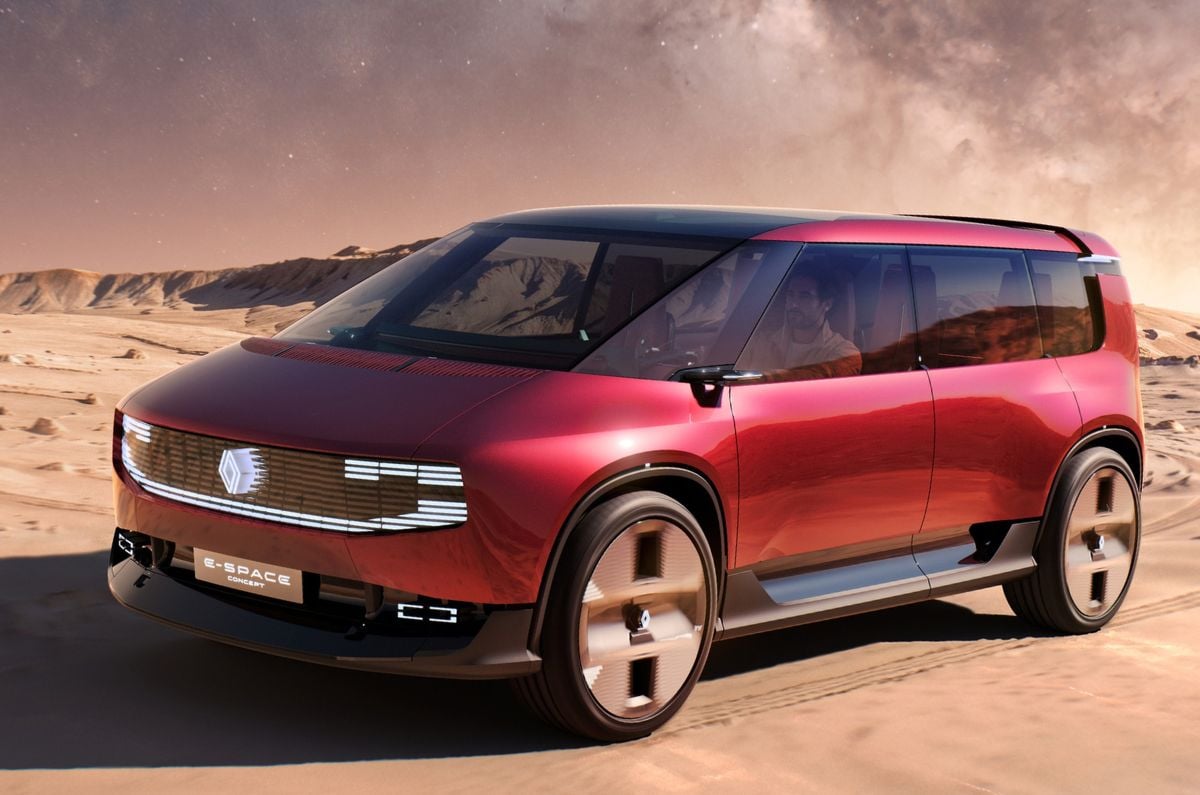
Renault has previewed the E-Space Concept ahead of its global debut at the 2026 Paris Motor Show on October 12. According to the French automaker, this upcoming concept is meant to be “a future-focused vision of the original Espace”, an MPV which first broke cover in 1984.
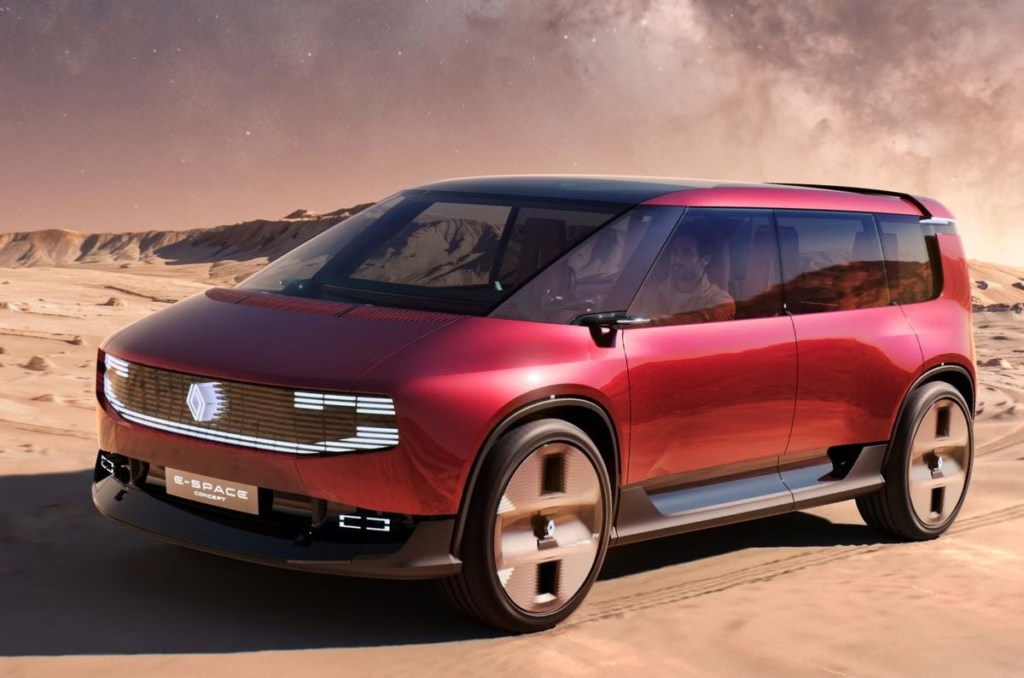
The E-Space Concept is 4.70 metres long.
Black rube exterior shade and Espace-inspired styling.
Gets U-shaped LEDs and an illuminated Renault logo.
What is the Renault E-Space Concept?
With only one official image of the E-Space Concept released by Renault, most design details of this car remain unknown. While understanding ‘Space’ in ‘E-Space’ is pretty straightforward, Renault says that the ‘E’ is a reference to E-Tech (or Electrified Technology) – a term the brand uses for the tech used in its electrified model range.
The E-Space Concept measures 4.70 metres long, and appears to sport a one-box silhouette like the original Espace MPV. There’s a sharply raked front with a short bonnet and a squared-off rear, characteristic of the ‘Espace’ nameplate. The front and rear feature U-shaped LED lighting, along with an illuminated Renault logo on the front grille and rectangular LED elements in the front bumper. The concept also showcases a sharp beltline, a ‘floating’ roof design, and large wheels that have been pushed out to the corners. Renault says that the exterior of the E-Space Concept is finished in what it calls “black rube”.
While nothing concrete is known about the interior, the brand claims that it has been designed keeping the “in-car experience” and “user needs” in mind. Like with the Espace, this electric MPV concept will also offer a roomy cabin that’s expected to be both “welcoming” and “high-tech”. The overall design and proportions of the E-space Concept is expected to lay the foundation for the automaker’s future family cars.
There are no details available regarding the powertrain, battery or range of the Renault E-Space Concept. At the upcoming 2026 Paris motor show, the E-Space Concept will be displayed alongside two other Renault concepts – the 8 Gordini Concept and the 4 JP4x4 Concept. Renault will also be showcasing the new Megane E-Tech electric, a customised version of the 5 Turbo 3 E, new Trafic E-Tech electric, a limited-edition of the flagship Rafale hypnotic SUV-coupe, and a new range of lithium-iron-phosphate (LFP) batteries at this event.
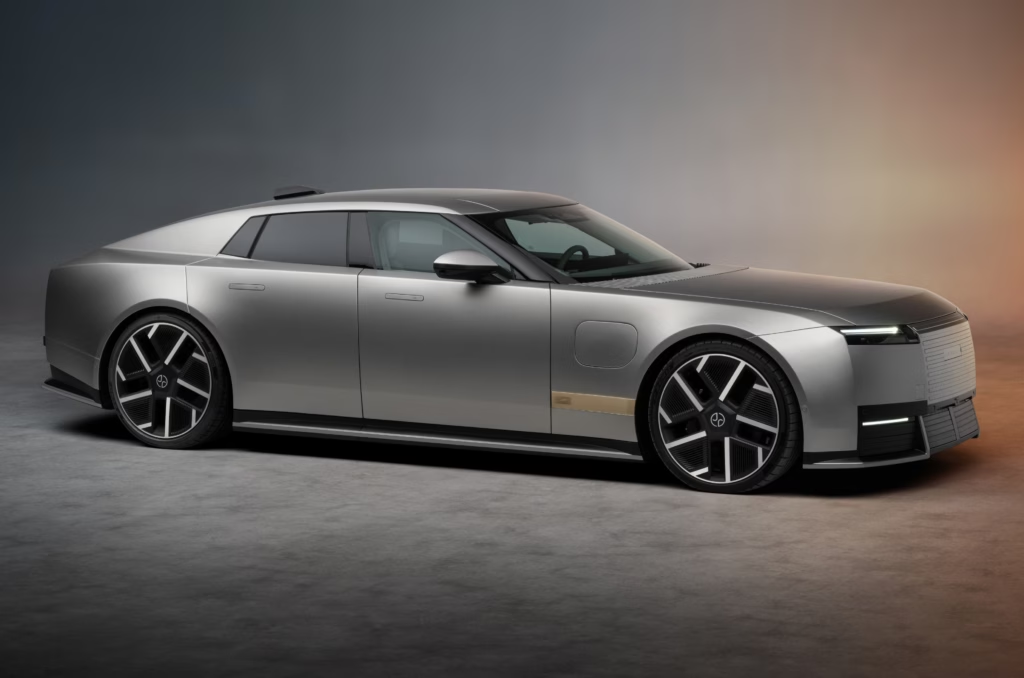
Grace, Space, Pace. That’s been a long-held Jaguar maxim, clearly no more the case, though, at least not that first part. Jaguar’s new Type 01 ditches grace for a design that’s very much in your face, or, styled with exuberant modernism, as the brand more eloquently puts it.
Yes, exuberant it most certainly is; the sheer size and presence of the car are unapologetically bold, and we knew this would be the case when we saw the Type 00 concept. At the time, Jaguar said it would greatly influence the actual production car. Love it or hate it, you have to applaud Jaguar for keeping a majority of the concept’s far-out ideas to the point where a lot of time was spent engineering the new Jaguar Electric Architecture (JEA) to make the design possible.
Strike a chord
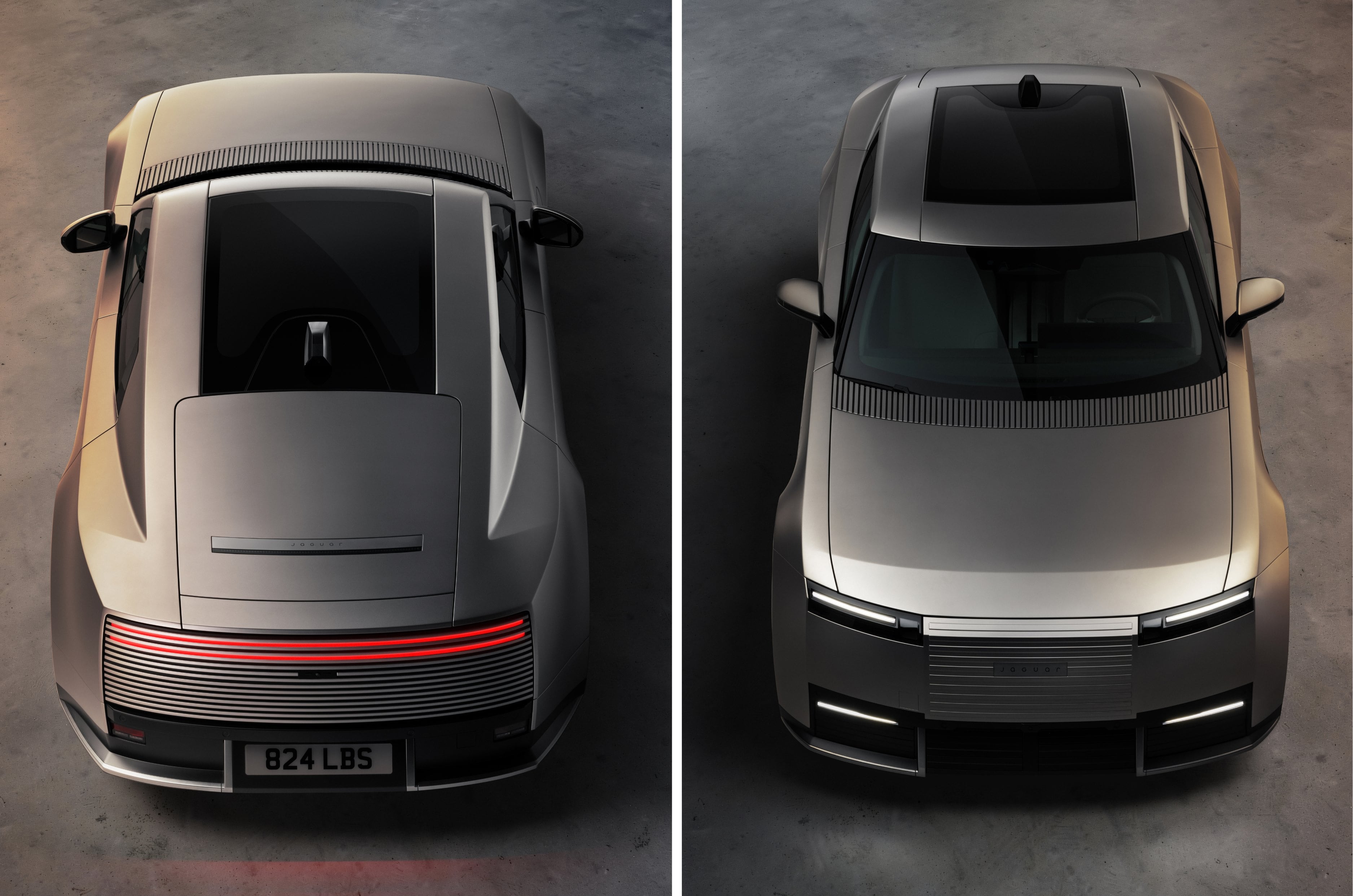
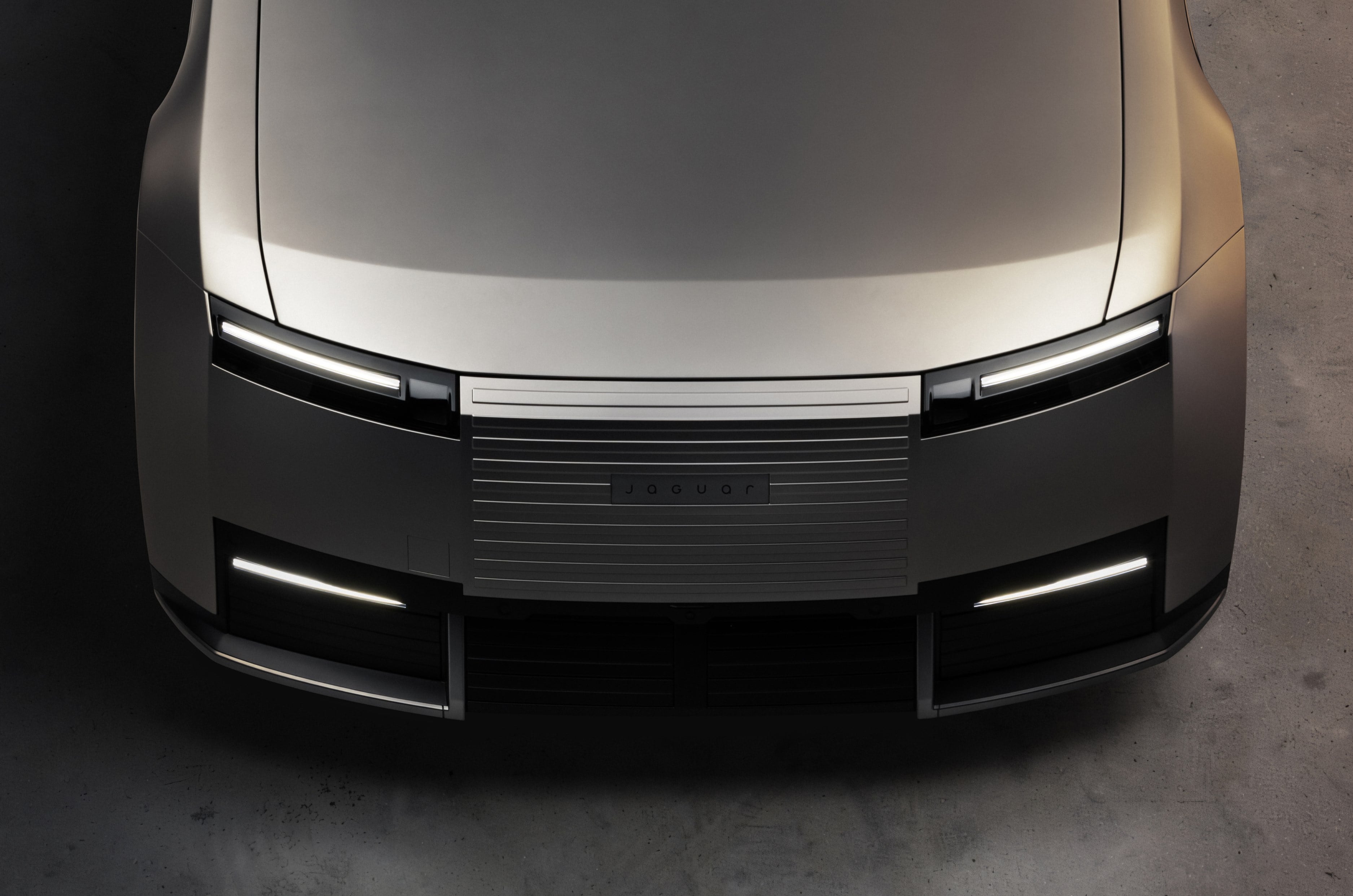
The front is dominated by Jaguar’s new ‘strikethrough’ design element, which gives the bluff nose some character. Unlike most EVs that have a blanked-off front, the strikethrough simulates a grille, retaining some of the visual character of a conventional car. There is, of course, cooling required, and this is handled by active shutters lower down, which open and close depending on cooling requirements.
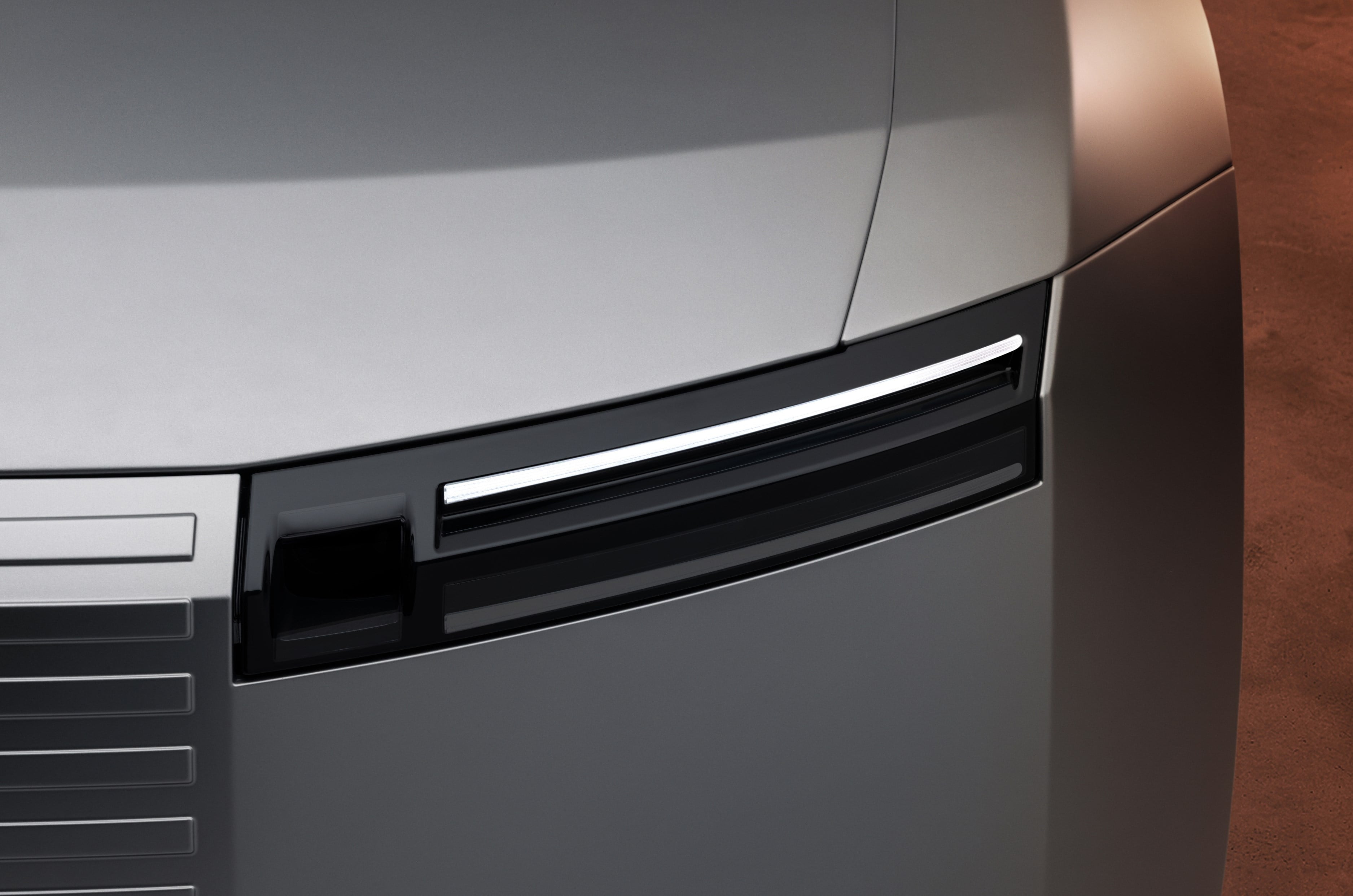
The four ‘line’ daytime running lights are another distinctive element and could become a signature for future Jaguars. The headlights, meanwhile, are the slimmest ever fitted to a Jaguar.
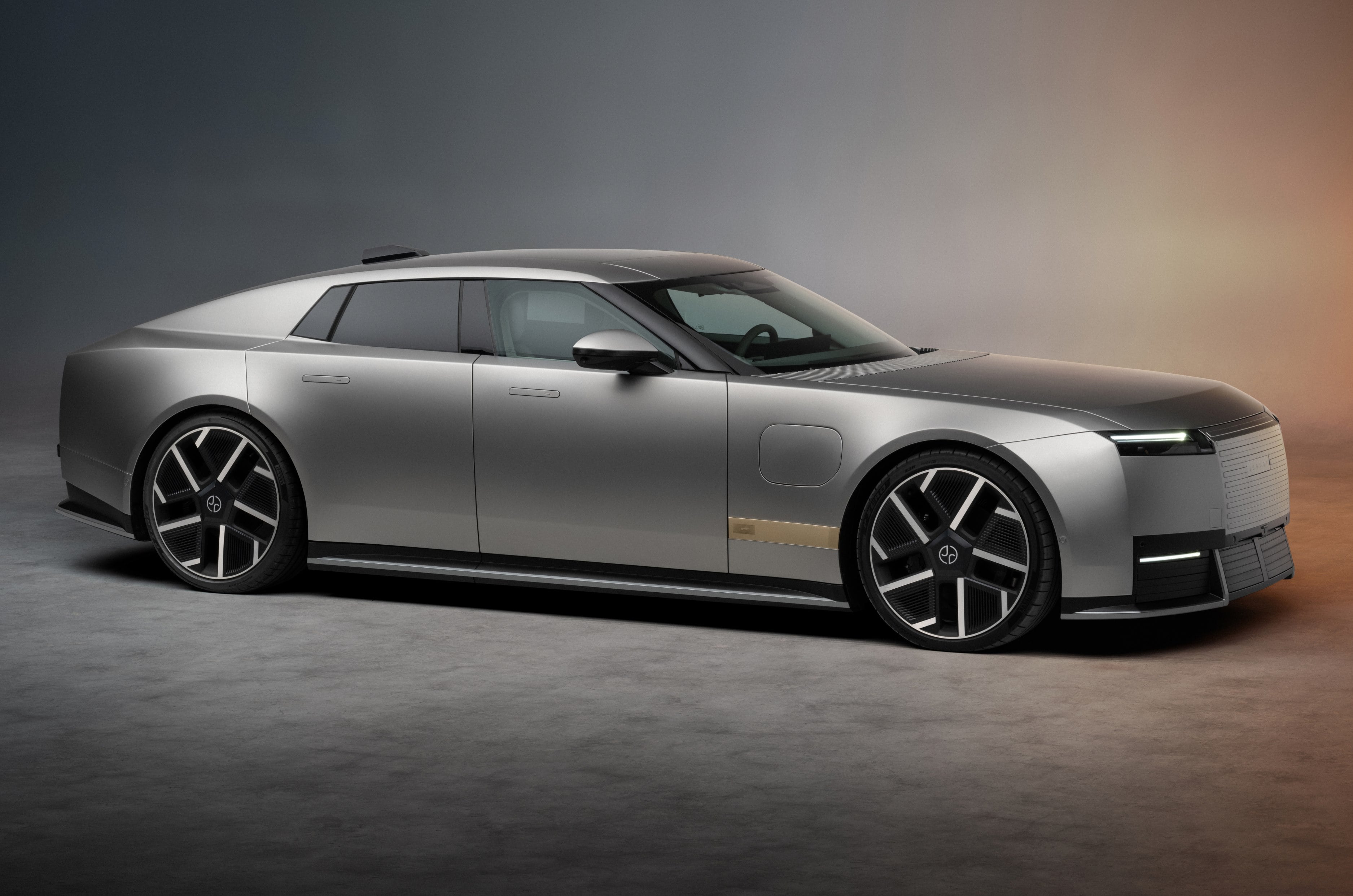
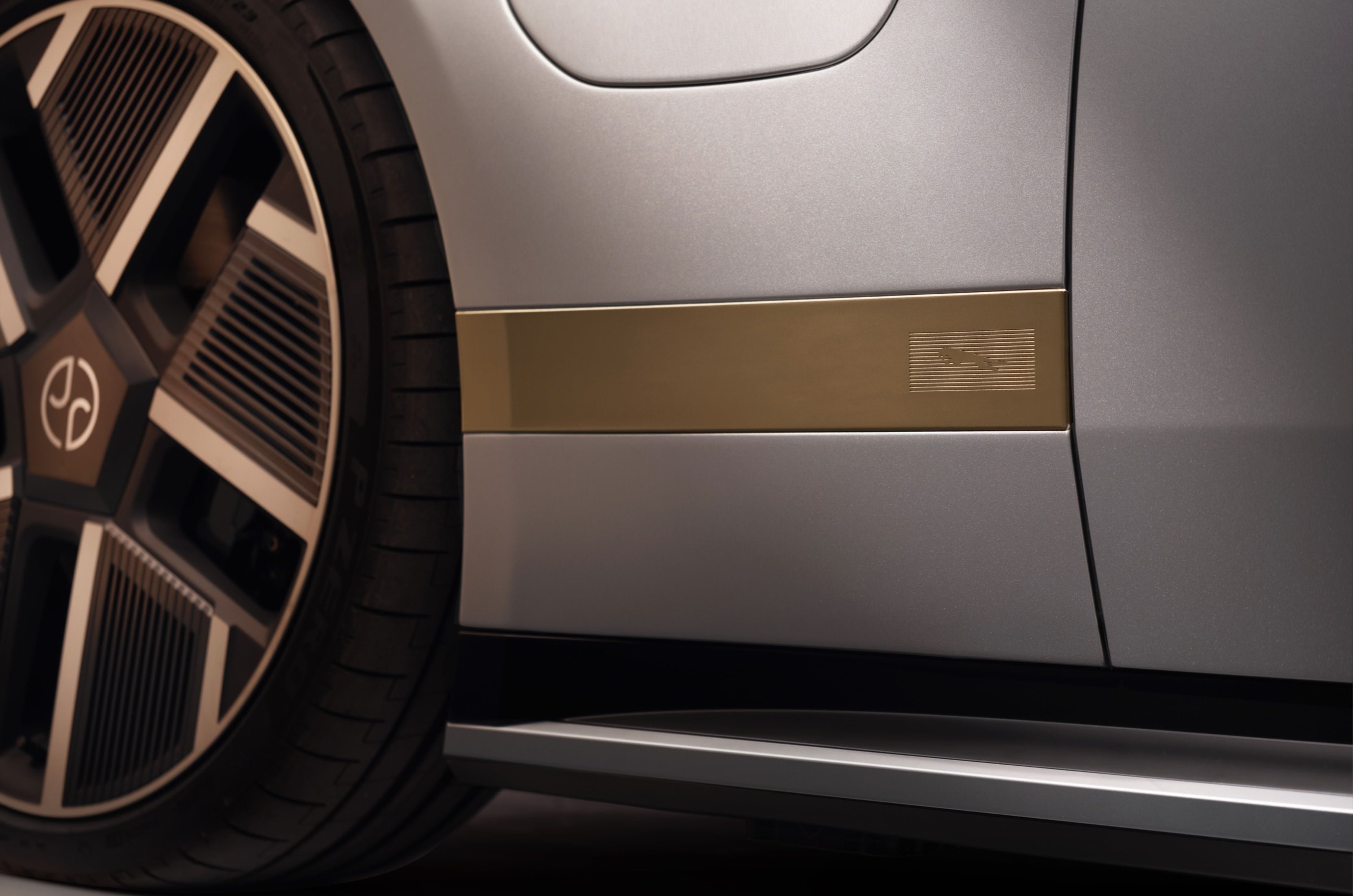
Despite its almost upright front end, the Type 01 is the most aerodynamic Jaguar yet, with a drag coefficient of just 0.23. This has been achieved through extensive aerodynamic work, including active aero elements and clean, uninterrupted body surfaces. The traditional leaping Jaguar mascot is absent from the bonnet, but fear not, it’s not entirely gone, surfacing on a brass-like panel on the front fenders, which also highlights what Jaguar calls the ‘luxury gap’ — the distance between the front axle and the A-pillar. This massive length gives the car its distinctive bonnet-forward proportions and a very regal stance; there is also a functional purpose.
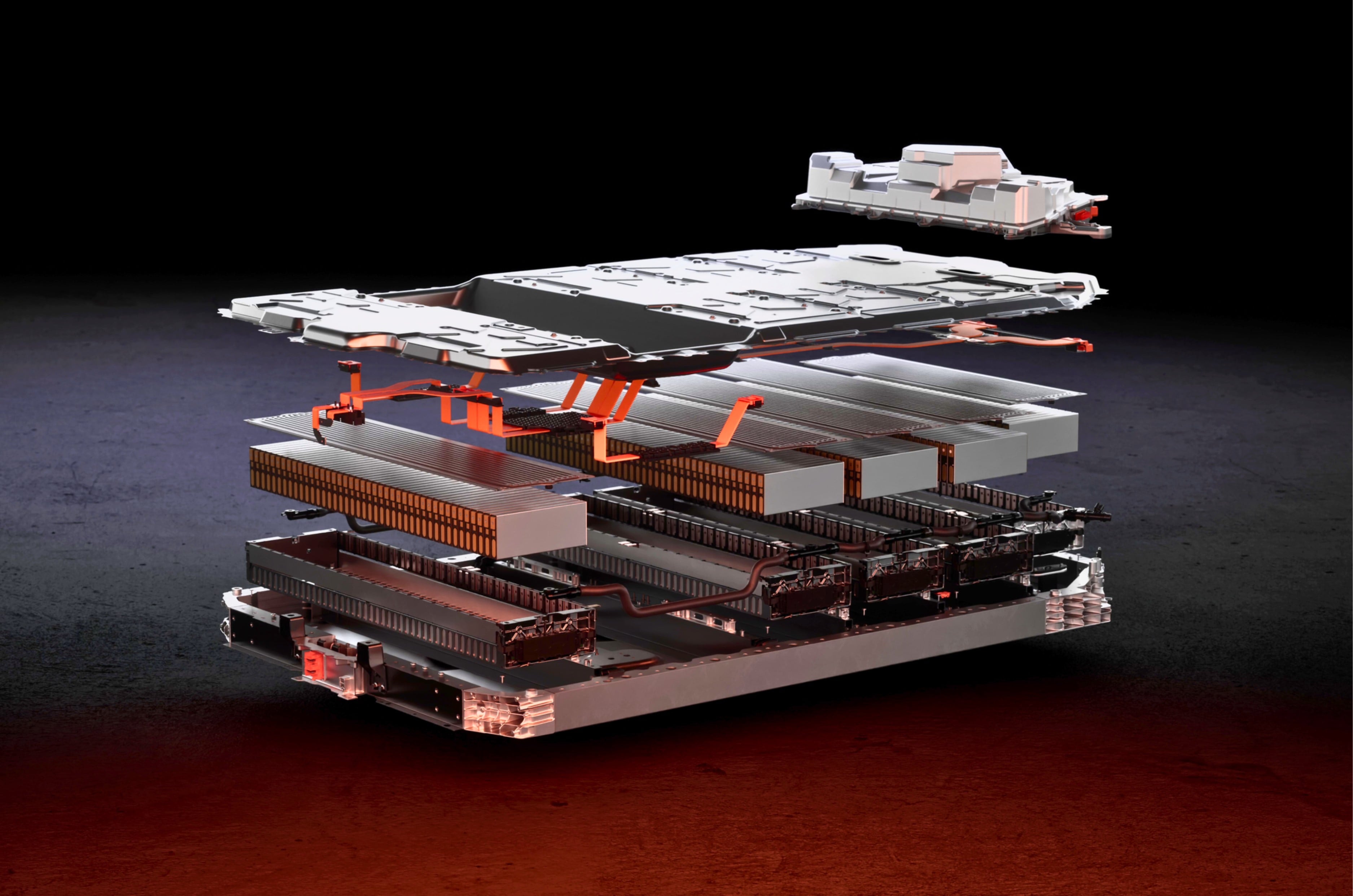
The Type 01 has a split battery pack, comprising five separate modules: one positioned ahead of the A-pillar – in this gap – necessitating a re-engineered front crash structure; then there are three modules behind the A-pillar, a gap around the B-pillar area and then the final module near the C-pillar. Typically, EVs use a single battery pack contained between the A and C pillar line; however, the low roof meant Jaguar needed that gap to create a footwell for rear passengers.
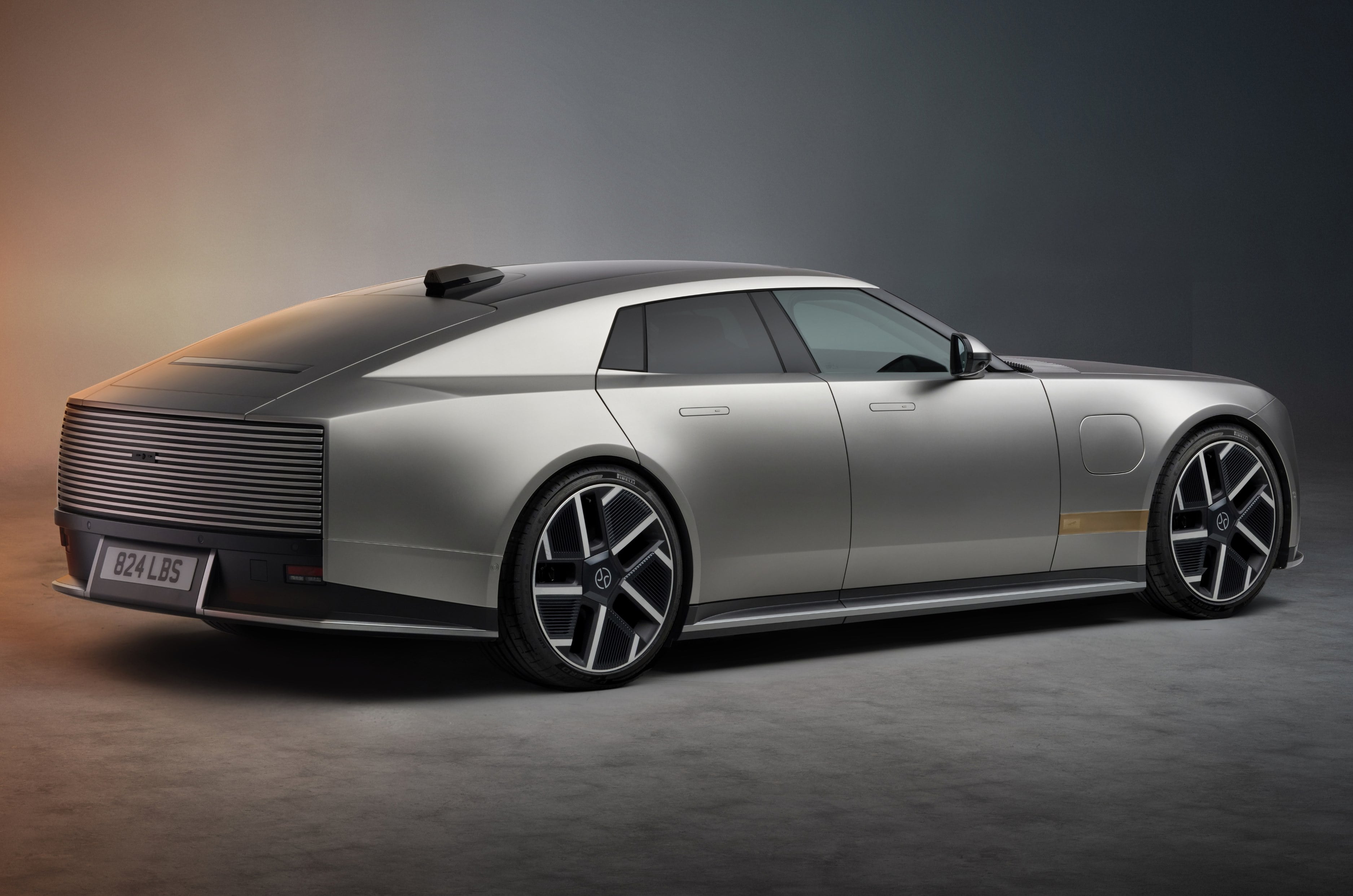
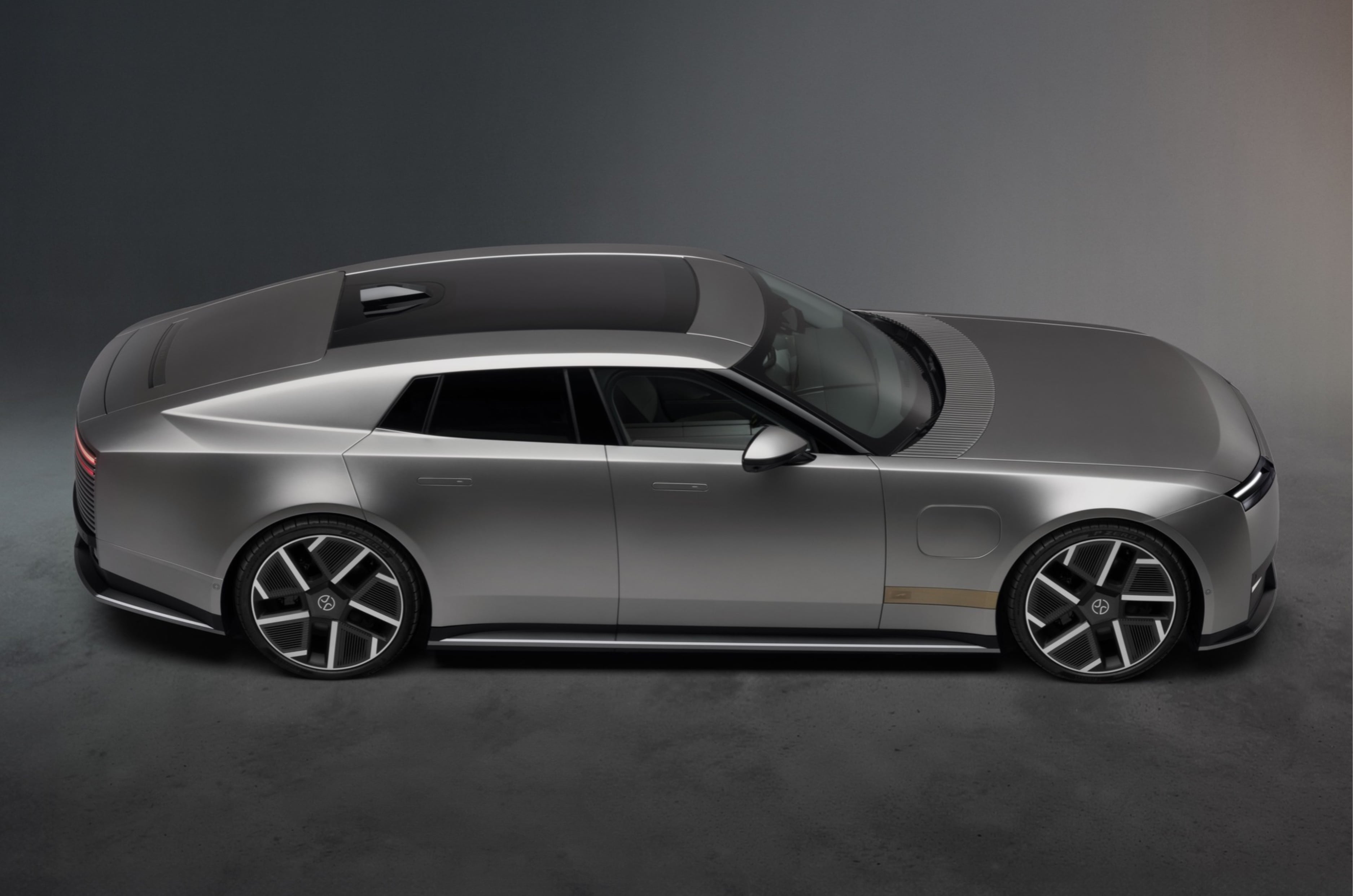
The long 3.2-metre wheelbase and low 1,400mm overall height give the Type 01 its dramatic slammed-down stance, a hallmark of the concept. In fact, the massive 23-inch wheels make up more than half the height of the entire car. Charging ports are provided on both sides, making it convenient to plug in regardless of which side the charging station is on.
One of the most interesting elements of the Type 01’s is what Jaguar calls the ‘impossible panel’. This is essentially the rear fender panel that extends all the way to the A-pillar at the top and has an extremely deep draw forming massive shoulders over the rear wheels. Jaguar says computer simulations initially suggested that the required depth could not be created with a single piece of aluminium, but it worked with the tooling and made it a reality. The resulting panel features a sharp crease that rises from the window line and creates a striking visual effect, which stands out nicely in the silver finish of the car we see here.
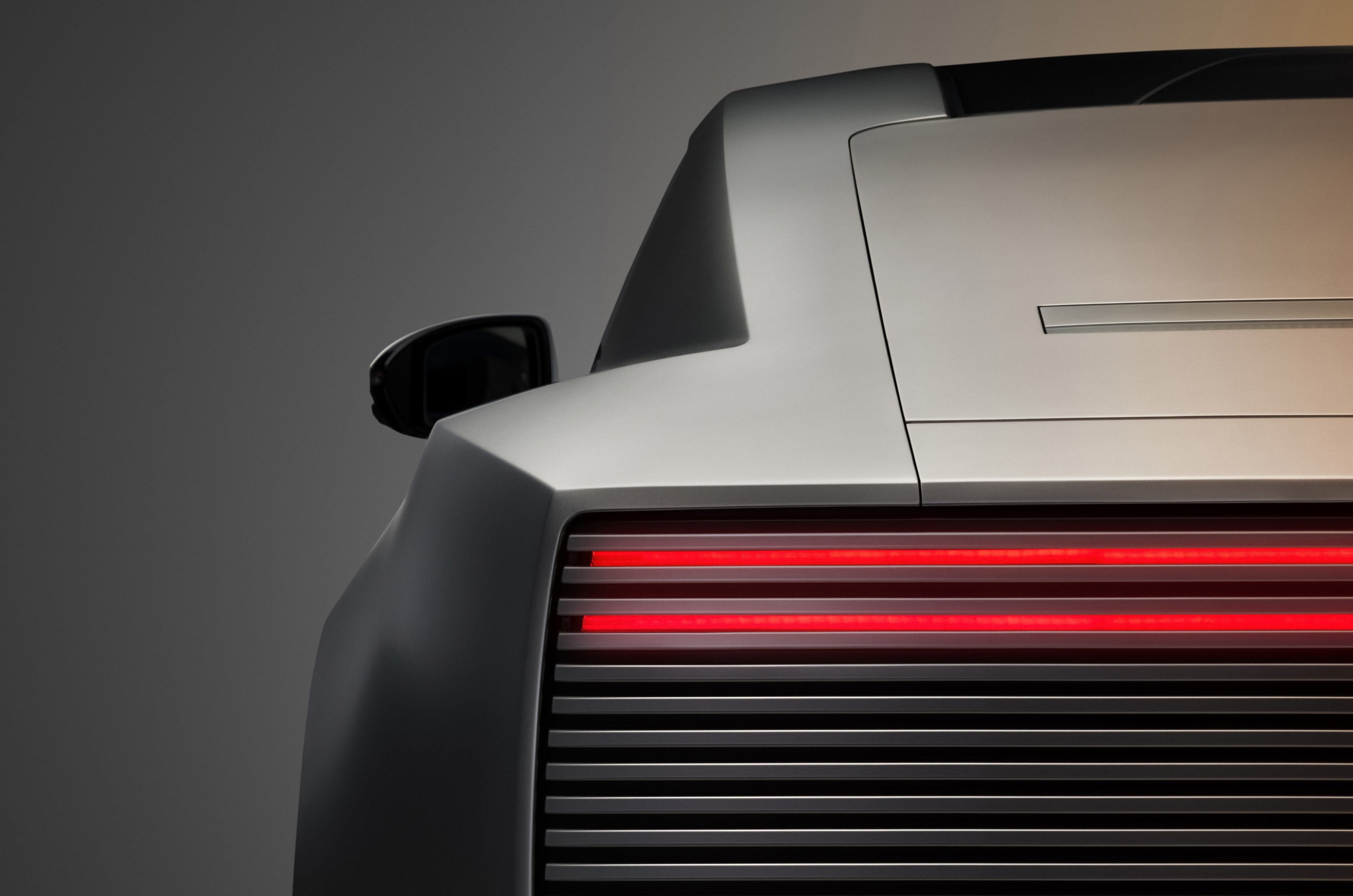
The rear is another striking area and will be the one with the most polarised views. The strikethrough design continues, but it pretty much dominates the entire width of the car; even the taillights are hidden within. When the car is switched off, the lights are invisible, leaving just the grille-like surface, and it does look excessively lined, though unique.
Then there’s the complete absence of a rear windscreen. Jaguar says a conventional rear windscreen would offer very limited visibility with a short vertical height, given the car’s long sloping roofline, so it opted for a clean monolithic panel while a camera feeds a digital rear-view mirror. There’s also a rear spoiler that can be deployed; there are three positions in all, adjusting according to speed to aid aerodynamic efficiency and stability. Beneath the tailgate is 450 litres of boot space in a relatively shallow bay, with some additional storage beneath a panel.
Give and take
The Type 01’s concept car design and proportions do come with some compromises, and that’s immediately apparent stepping into the rear. You have to move around a protruding rear panel and sink into the seats. Once there, the space is cosy or claustrophobic depending on how you see small spaces. The trouble is the low roof is very close to your head, and the window panes are extremely small; there’s a glass roof, but it only does so much to alleviate the lack of cabin volume. Furthermore, you sit behind the pillar, so you get some privacy, but not an open view outside.
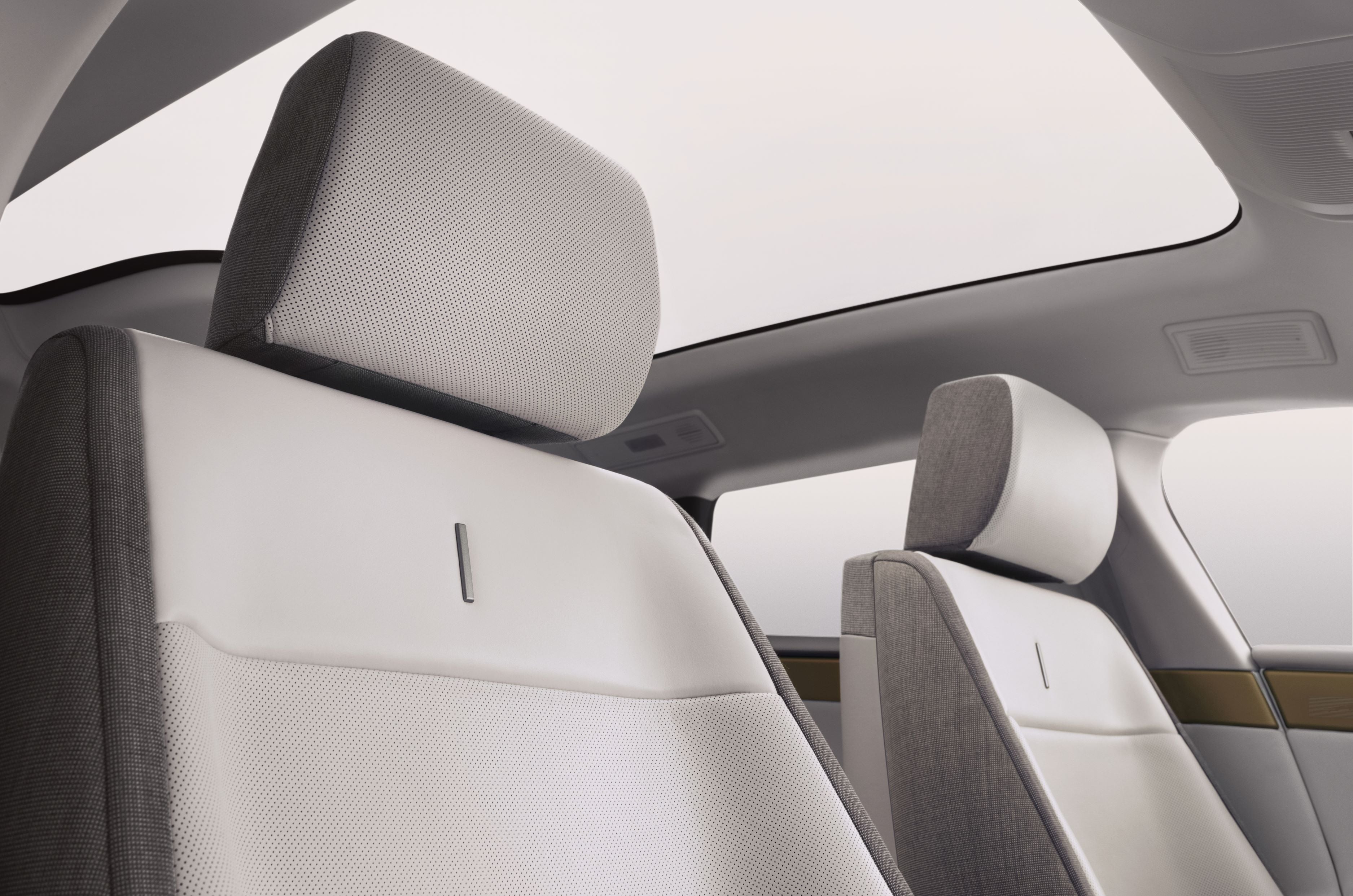
The seats are comfy enough, and at the rear the split battery arrangement reduces the knees-up seating position; while it isn’t comfortable like a conventional car, the arrangement makes a meaningful difference.
At the front too, the low roof means a low-set driving position; the windscreen is shallow in height, and headroom is just about sufficient for taller occupants. Also, the rear-view mirror – or display, more accurately – is positioned at the base of the windscreen rather than atop. The front seats feature heating, cooling and massage functions.
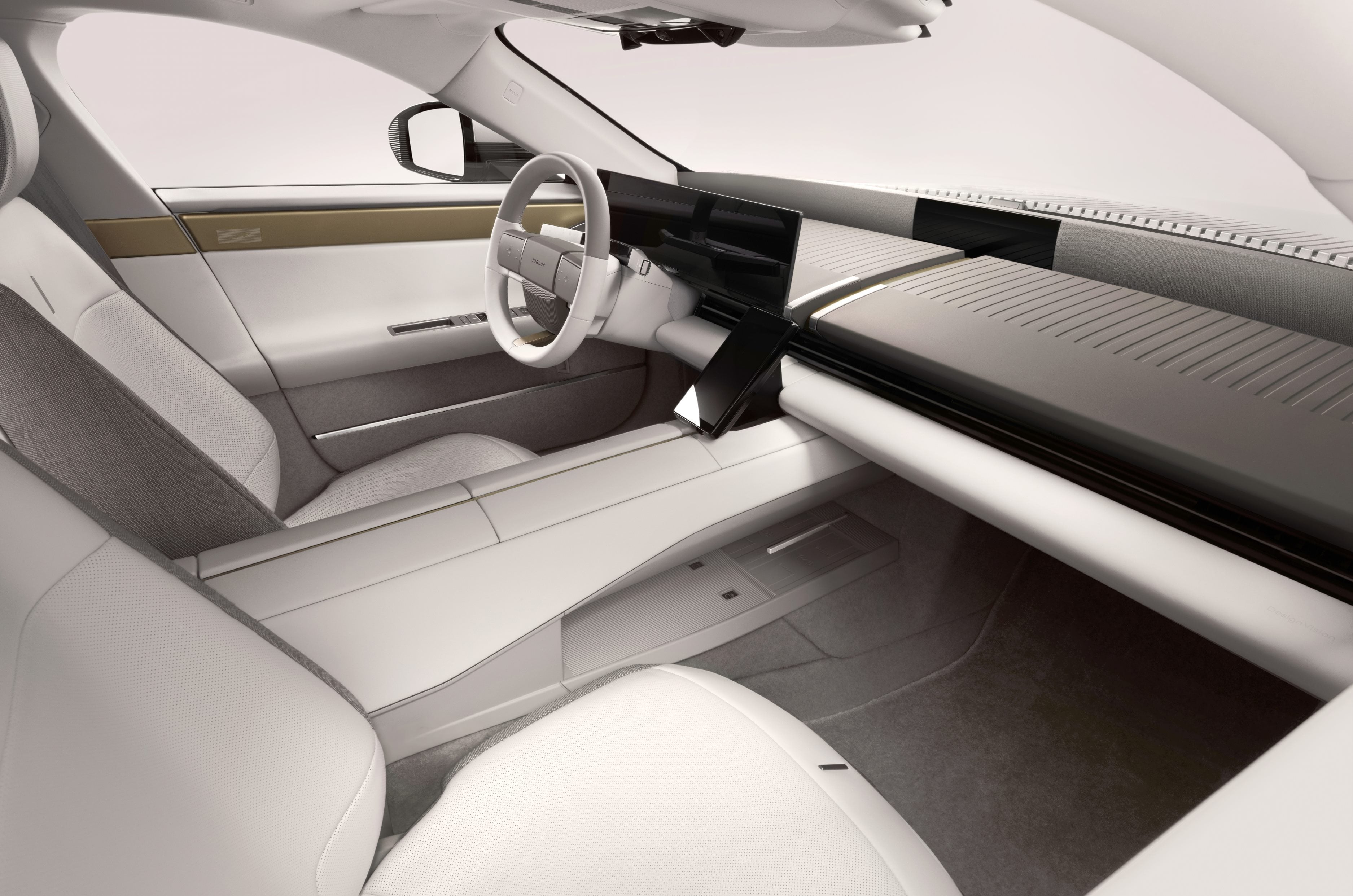
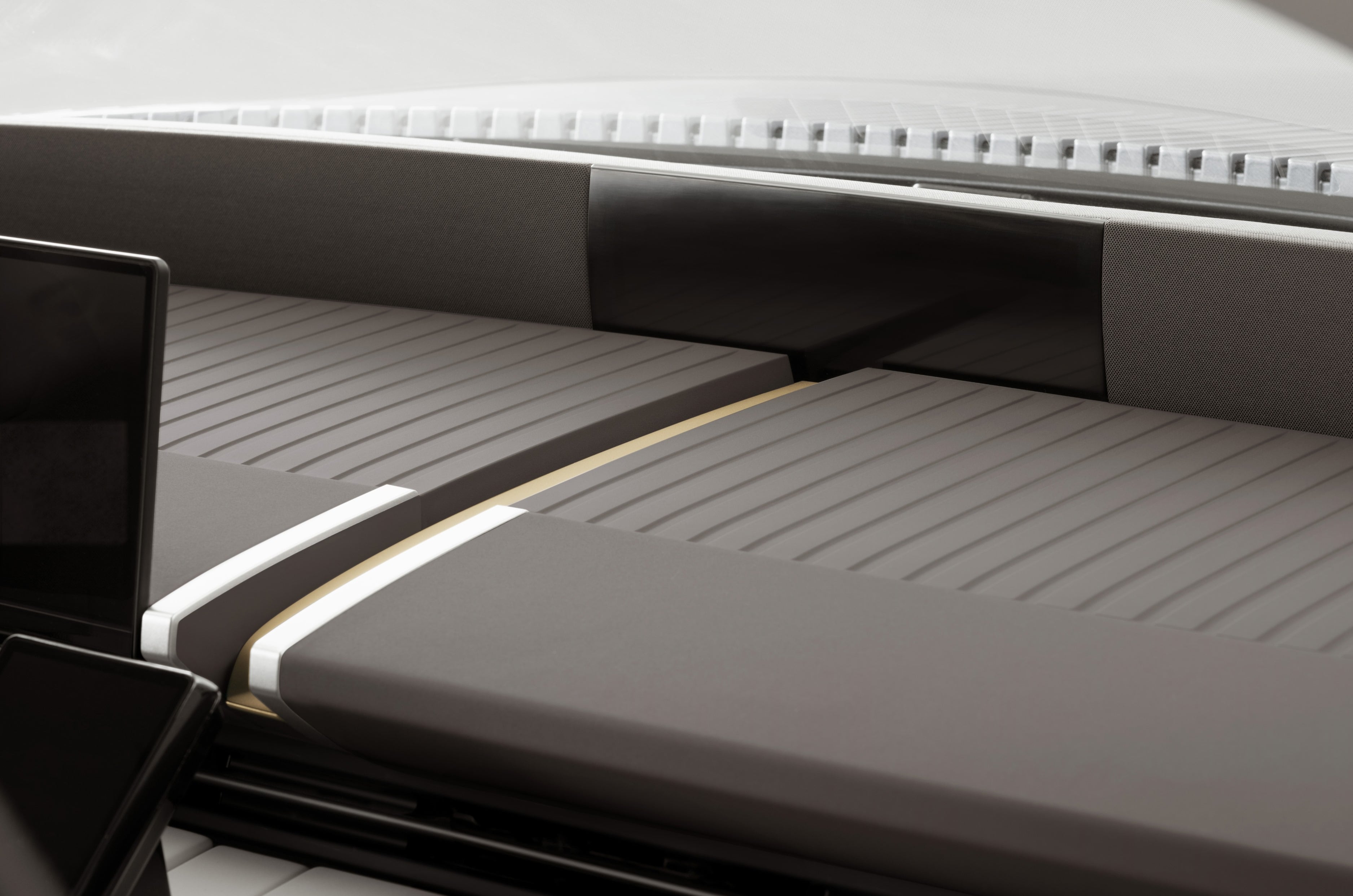
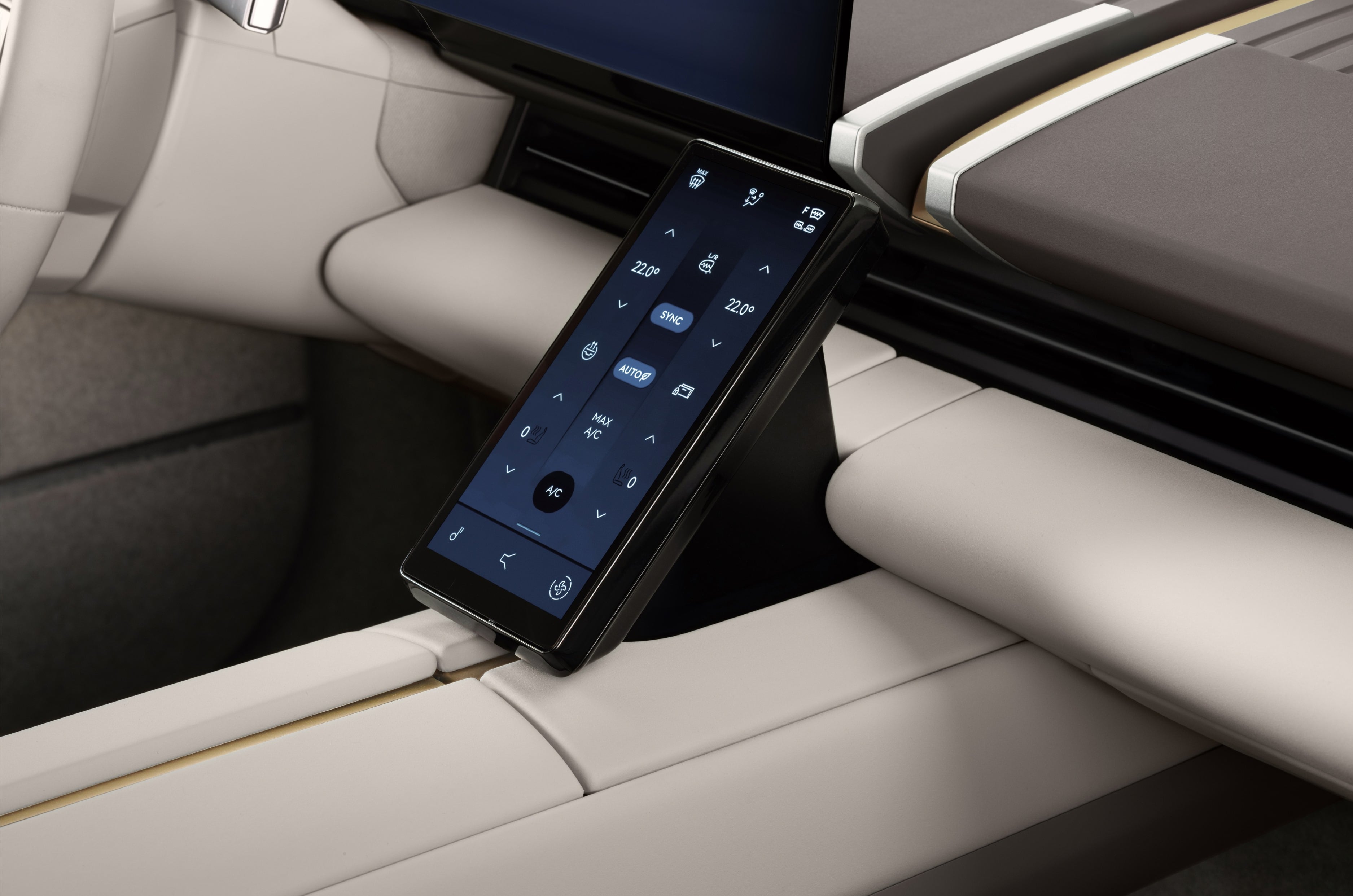
The cabin is divided into four distinct zones by a prominent central spine that houses storage spaces and a rear touchscreen controller. The dashboard carries the strikethrough pattern from the bonnet outside, and the doors carry prominent brass-finished panels. The absence of physical buttons is disappointing; thankfully, the central touchscreen, which handles climate control, is positioned in a manner that allows the driver to rest a hand on the central spine to make operations a bit easier.
There’s a single large 24-inch display combining the instrument cluster and central infotainment screen; driver-focused information is to the right, and functions accessible to the front passenger are on the left.
Number crunching
Underneath its dramatic styling, the Type 01 packs in some serious performance hardware and is the latest to join the 1,000hp+ club. Power comes from a three-motor setup, two at the rear and one at the front. Combined, these produce a massive 1,030hp and 1,365Nm of torque, and despite it weighing in at about 2.7 tonnes, the Type 01 does the 0 to 100kph sprint in 3.2 seconds. This isn’t the 2-second territory that others of this high horsepower club claim, but it’s still extremely quick for what is essentially a four-door GT. Jaguar has often talked of ‘power in reserve’ and highlights its strong 100kph to 180kph of 4.0 seconds as evidence.
Feeding this power is the split module battery; it utilises NMC chemistry and has a 120kWh capacity (118kWh usable) and promises a WLTP range of up to 720km. Jaguar says thanks to the 850-volt architecture, on a 350kW DC charger you can add 321km of range in 13 minutes and 10-80 per cent in around 22 minutes with the split pack set-up to maximise 400-volt chargers. The Type 01 also features twin AC charging ports, one on each side, so it’s easy to charge no matter how you park.
The powertrain has drive modes, torque vectoring and ride is courtesy of switchable air springs and twin-valve active dampers. Rear-wheel steering keeps a tight 11.5m wall-to-wall turning circle diameter.
Shock! And awe?
The Type 01 is unlike Jaguars of the past, which were the target. Jaguar sales were drying up, and it needs to bring in new customers, and that’s where this entirely new design direction comes in. It has traces of its heritage but, on the whole, is unique, and there’s no denying it’s striking to look at with its wild concept car looks. This, however, means interior space is at a premium, and there are ingress and egress challenges. Making amends in some way is the minimal and classy interior styling and, of course, a powertrain with all the right numbers and ingredients that promises a thrilling drive experience.
Asking prices for all this will be going up, not to the levels of a Rolls or Bentley but above what the brand’s previous flagships like the XJ were at. Expect prices to start at £120,000 in international markets where deliveries are scheduled to begin by mid-2027. India will follow a few months on with prices around the Rs 2 crore mark, give or take.
Sitting between Mercedes and BMWs at the lower end and Rolls and Bentleys above, the Type 01 has found a gap and a differentiation in its style and appeal too. But can Jaguar transform from elegance and heritage to exuberant modernism? It’s a big leap for sure, and one that the company needs the big cat to make.