किसान अगर कुछ नया करने की ठान ले, तो खेती से भी करोड़ों रुपये कमाए जा सकते हैं। महाराष्ट्र के सोलापुर के रहने वाले महेश असाबे ने इसे सच कर दिखाया है। उनके परिवार ने कुछ साल पहले सिर्फ 3 एकड़ जमीन पर ड्रैगन फ्रूट उगाना शुरू किया था। आज उनका फार्म 60 एकड़ तक फैल चुका है और सालाना कारोबार करीब 2 करोड़ रुपये पहुंच गया है। खास बात यह है कि महेश ने खेती को बेहतर बनाने के लिए नई तकनीक अपनाई और दूसरे देशों से भी सीख ली। उनकी यह कहानी उन किसानों के लिए खास है, जो खेती से अपनी आमदनी बढ़ाना चाहते हैं।
पिता ने शुरू की थी खेती
महेश असाबे महाराष्ट्र के सोलापुर जिले के अकोला गांव के रहने वाले हैं। उनका परिवार पहले मक्का जैसी पारंपरिक फसलों की खेती करता था। महेश ने एग्रीकल्चरल इंजीनियरिंग में बीटेक किया और इसके बाद एग्रीकल्चरल इंजीनियरिंग एंड फूड प्रोसेसिंग में एमटेक की पढ़ाई पूरी की।
साल 2013-14 में उनके पिता ने ड्रैगन फ्रूट की खेती करने का फैसला लिया। उन्होंने इस फल के बारे में पढ़ा था और जाना था कि इसकी खेती में अपेक्षाकृत कम पानी की जरूरत होती है। सूखे इलाकों में भी इसकी खेती की जा सकती है। यही बात उन्हें इस फसल की ओर खींच लाई।
बांग्लादेश से मंगाए 9,000 पौधे
ड्रैगन फ्रूट की खेती शुरू करना परिवार के लिए एक नया प्रयोग था। इसके लिए उन्होंने बांग्लादेश से करीब 9,000 पौधे मंगवाए। Startup Pedia के मुताबिक, पौधों पर शुरुआती निवेश करीब ₹9.9 लाख था। परिवार ने तीन एकड़ जमीन पर खेती शुरू की। साल 2015-16 में पहली फसल तैयार हुई और प्रति एकड़ करीब पांच टन उत्पादन मिला। उपज बेचकर परिवार को लगभग ₹5 लाख की कमाई हुई।
धीरे-धीरे ड्रैगन फ्रूट की मांग और कीमत बढ़ने लगी। साल 2017 तक परिवार इसे ₹150 से ₹250 प्रति किलो के भाव पर बेचने लगा। इससे खेती को बड़े स्तर पर ले जाने का हौसला मिला।
इजरायल और वियतनाम से सीखी खेती की नई तकनीक
महेश ने खेती को सिर्फ पारंपरिक तरीके तक सीमित नहीं रखा। पढ़ाई के दौरान वह 45 दिनों के प्रशिक्षण कार्यक्रम के लिए इजरायल गए। वहां उन्होंने पानी का बेहतर इस्तेमाल, आधुनिक कृषि तकनीक और उत्पादन बढ़ाने के तरीके सीखे। साल 2018 में उन्होंने वियतनाम का दौरा भी किया, जहां ड्रैगन फ्रूट की खेती के तरीकों को समझा। लौटकर उन्होंने अपने खेत में एक-एक एकड़ के अलग-अलग प्रदर्शन प्लॉट तैयार किए, ताकि खेती की विभिन्न तकनीकों को आजमाया जा सके।
3 एकड़ से 60 एकड़ तक पहुंचा फार्म
आज महेश असाबे Rukmini Farms and Nursery का संचालन करते हैं। उनके फार्म में ड्रैगन फ्रूट के अलावा अनार, सीताफल और अमरूद भी उगाए जाते हैं।
खेती में पानी बचाने के लिए ड्रिप इरिगेशन और तालाब जैसी सुविधाएं विकसित की गईं। निराई जैसे नियमित कामों में मशीनों का इस्तेमाल भी शुरू किया गया, जिससे खेती को संभालना आसान हुआ।
Startup Pedia के मुताबिक, महेश ड्रैगन फ्रूट की खेती से हर साल करीब ₹1.25 करोड़ कमाते हैं। उनके फार्म में सालाना लगभग 200 टन ड्रैगन फ्रूट का उत्पादन होता है। दूसरे फलों से होने वाली कमाई को जोड़ दें, तो उनके कारोबार का सालाना टर्नओवर करीब ₹2 करोड़ पहुंच जाता है।
महेश की कहानी बताती है कि खेती में नई तकनीक अपनाना, बाजार की मांग समझना और लगातार सीखते रहना कितना महत्वपूर्ण है। तीन एकड़ से शुरू हुआ उनका सफर आज दूसरे किसानों के लिए भी प्रेरणा बन सकता है।
Salman Khan: रविवार शाम मुंबई में अभिनेता टाइगर श्रॉफ की कार पर हुई गोलीबारी की घटना के बाद बांद्रा स्थित गैलेक्सी अपार्टमेंट के बाहर सुरक्षा बढ़ा दी गई है। IANS द्वारा शेयर किए गए एक वीडियो में सलमान खान के घर के बाहर बुलेटप्रूफ जैकेट पहने पुलिसकर्मी और अतिरिक्त पुलिस गाड़ियां देखी गईं। यह घटना तब हुई जब 18 अक्टूबर को शाम करीब 7 बजे, जुहू इलाके में एक फुटबॉल ग्राउंड से निकलते समय कुछ अज्ञात हमलावरों ने टाइगर श्रॉफ की गाड़ी पर गोलियां चला दीं।
बांद्रा में सलमान खान के घर के बाहर सुरक्षा बढ़ाई गई
NDTV के अनुसार, मुंबई पुलिस ने बांद्रा स्थित सलमान खान के गैलेक्सी अपार्टमेंट वाले घर के बाहर सुरक्षा कड़ी कर दी है। एहतियात के तौर पर, वे इस इलाके से गुजरने वाली हर गाड़ी की जांच कर रहे हैं। रिपोर्ट्स के मुताबिक टाइगर श्रॉफ को सीधे गोली नहीं लगी, लेकिन उनके ड्राइवर और वहां मौजूद एक राहगीर को गोली लग गई। बताया जा रहा है कि घायल हुए दोनों लोग अब खतरे से बाहर हैं।
Mumbai, Maharashtra: Security visuals from outside Galaxy Apartments, the residence of actor Salman Khan. https://t.co/cSeKl8wkE9
टाइगर श्रॉफ पर गोलीबारी का मामला- तीनों आरोपी गिरफ्तार
इस बीच एंटी-गैंगस्टर टास्क फोर्स (ATF) और राजस्थान पुलिस ने सोमवार को तीनों आरोपियों को गिरफ्तार कर लिया। 17, 18 और 22 साल के ये आरोपी मुंबई के जुहू इलाके में टाइगर श्रॉफ की कार पर हुई गोलीबारी की घटना के बाद से फरार थे। इन आरोपियों को राजस्थान के कोटा रेलवे स्टेशन पर एक ट्रेन से पकड़ा गया, जब वे मुंबई से दिल्ली की ओर जा रहे थे।
ATF राजस्थान से मिली जानकारी के अनुसार जब ट्रेन कोटा रेलवे स्टेशन पहुंची तो तीनों आरोपियों को पकड़ लिया गया। बताया जा रहा है कि फायरिंग की घटना के बाद भागने की कोशिश में ये हमलावर वसई से ट्रेन में सवार हुए थे, लेकिन कोटा पुलिस ने उन्हें दबोच लिया।
बिश्नोई गैंग से जुड़े एक गैंगस्टर ने टाइगर श्रॉफ के मामले में हुई फायरिंग की जिम्मेदारी ली
इस घटना ने मुंबई की जानी-मानी फिल्मी हस्तियों की सुरक्षा को लेकर चिंता बढ़ा दी है। सोशल मीडिया पर एक पोस्ट भी सामने आई है, जिसमें लॉरेंस बिश्नोई गैंग के नाम पर इस हमले की जिम्मेदारी लेने का दावा किया गया है। हालांकि PTI की रिपोर्ट के अनुसार, पुलिस ने अभी तक इस पोस्ट की सच्चाई की पुष्टि नहीं की है।
हमले के कुछ घंटों बाद अनिल पंडित नाम के एक गैंगस्टर की सोशल मीडिया पोस्ट सामने आई। जिम्मेदारी लेते हुए रिकॉर्डिंग में बोलने वाले व्यक्ति ने कहा- “मैं अनिल पंडित हूं, लॉरेंस बिश्नोई का छोटा भाई।” उसने आगे दावा किया- “आज मुंबई में टाइगर श्रॉफ के साथ जो हुआ, उसकी जिम्मेदारी मैं, अनिल पंडित और मेरा बड़ा भाई हरमन संधू लेते हैं।”
बोलने वाले व्यक्ति ने यह भी दावा किया कि टाइगर श्रॉफ को पहले ही चेतावनी दी गई थी। उसने कहा- “हमने उसे समझाया था, लेकिन वह नहीं समझा।”उस व्यक्ति ने कहा, “फिल्म इंडस्ट्री में जो कोई भी हमसे अलग होकर काम करेगा या सलमान खान के साथ मिलकर काम करेगा, हम उसे मार डालेंगे। यह पहली और आखिरी चेतावनी है।”
इस ऑडियो की सच्चाई और इसमें सुनाई दे रही आवाज़ किसकी है, इसकी अभी तक स्वतंत्र रूप से पुष्टि नहीं हुई है। इससे पहले 14 अप्रैल 2024 को गैलेक्सी अपार्टमेंट के बाहर हुई एक और फायरिंग की घटना के बाद सलमान खान की सुरक्षा को लेकर चिंताएं सामने आई थीं। उस घटना में मोटरसाइकिल पर आए दो हमलावरों ने उनके घर के बाहर कई राउंड फायरिंग की थी। इसके बाद पुलिस ने लॉरेंस बिश्नोई गैंग से जुड़े होने के शक में जांच की थी। उस हमले के बाद सलमान खान के घर पर सुरक्षा के इंतजाम और कड़े कर दिए गए थे।
Sugar-based ethanol has been left out of India’s ethanol tender for the 2026-27 supply year, according to a Reuters report. Citing the tender issued on October 16, the report states that the government has instructed state-run oil marketing companies (OMCs) to ensure no sugar is diverted towards ethanol production for this period. No bids have therefore been invited for ethanol produced using sugarcane juice, sugar or sugar syrup, or B-heavy molasses, the report adds.
Oil firms invited bids for 11 billion litres of ethanol for 2026-27
Tender allows bids for ethanol made from corn, broken rice and surplus FCI rice
Incentive for corn-based ethanol cut from Rs 5.79/litre to Rs 2.79/litre
Tender details
It seeks 11 billion litres for the supply year starting in November 2026
The tender comes from Indian Oil, Bharat Petroleum and Hindustan Petroleum. “The Government of India has issued directions that sugar diversion for ethanol be reduced to zero for ethanol supply year 2026-27,” the tender document said, according to the report.
The companies are looking to procure 11 billion litres of ethanol for the supply year, which kicks off in November 2026. Distillers can submit bids for ethanol produced from corn, broken rice and surplus FCI (Food Corporation of India) rice. Corn-based ethanol will also fetch less this time. Its incentive has dropped by Rs 3 per litre to Rs 2.79 per litre, taking the procurement price from Rs 71.86 per litre to Rs 68.86 per litre, as per the report.
Ethanol blending and sugar supply
India is trying to rein in high sugar prices
Surplus sugar has been a key contributor to India’s ethanol-blending programme for several years. India also consumes more sugar than any other country, and has been trying to increase local production while easing prices.
Reuters had reported in August 2026 that limits on the use of sugarcane for ethanol were being considered for the season starting October 2026. Weaker rains in Maharashtra and Karnataka had already cast doubt on this year’s sugar production at the time.
Ethanol blending is aims to reduce India’s oil imports. E20 petrol, which became compulsory nationwide earlier this year, was introduced to cut emissions as well as the country’s dependence on imported crude. However, diverting sugarcane juice, sugar syrup and B-heavy molasses towards ethanol can lead to a reduction in the amount of sugar produced.
Aprilia may not be the biggest player in the Indian scooter market but it is certainly one of the most radical. It was the first to give us a taste of a true-blue affordable performance scooter with the SR 150 in 2015 and in 2020 the company then upped the ante and introduced India to a premium, yet attainable maxi-style scooter with the SXR 160.
However, six years is a long time and in this interim, the niche that Aprilia was the sole occupant of has now been infringed upon by TVS, Hero, Yamaha and more recently, even Honda! To counter, Aprilia has now taken the next step in the SXR’s evolution and has introduced two models with new engines (125cc and 175cc), more features and a GT suffix. We were given a chance to sample the larger 175cc version and here are our initial impressions.
Aprilia SXR GT 175 Design and features – 7/10
It’s an old design but still looks good; has received a good features upgrade
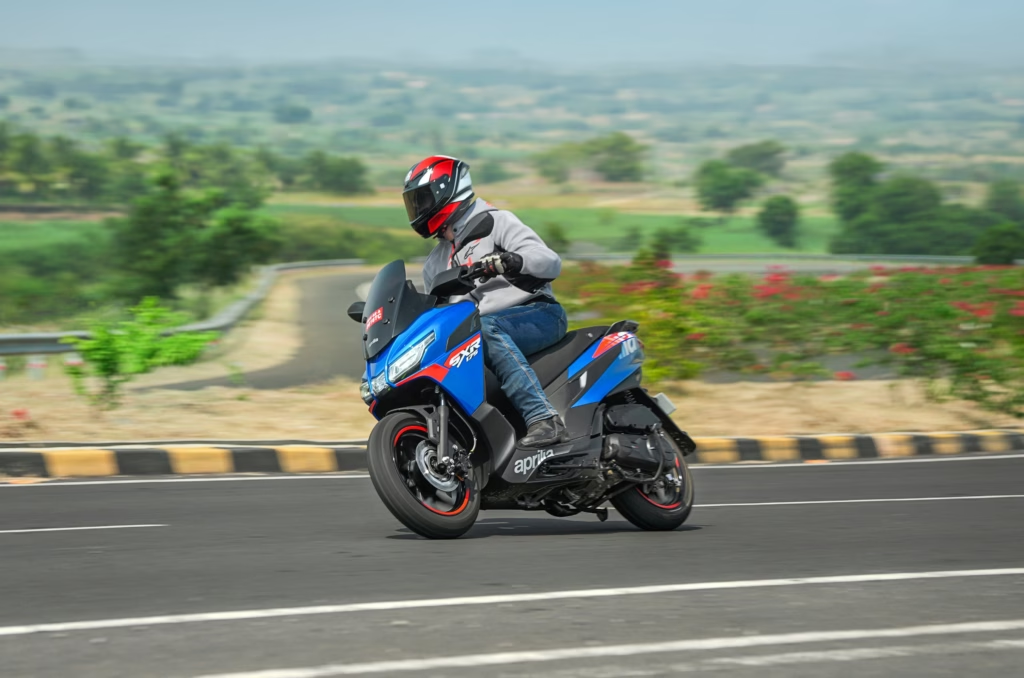
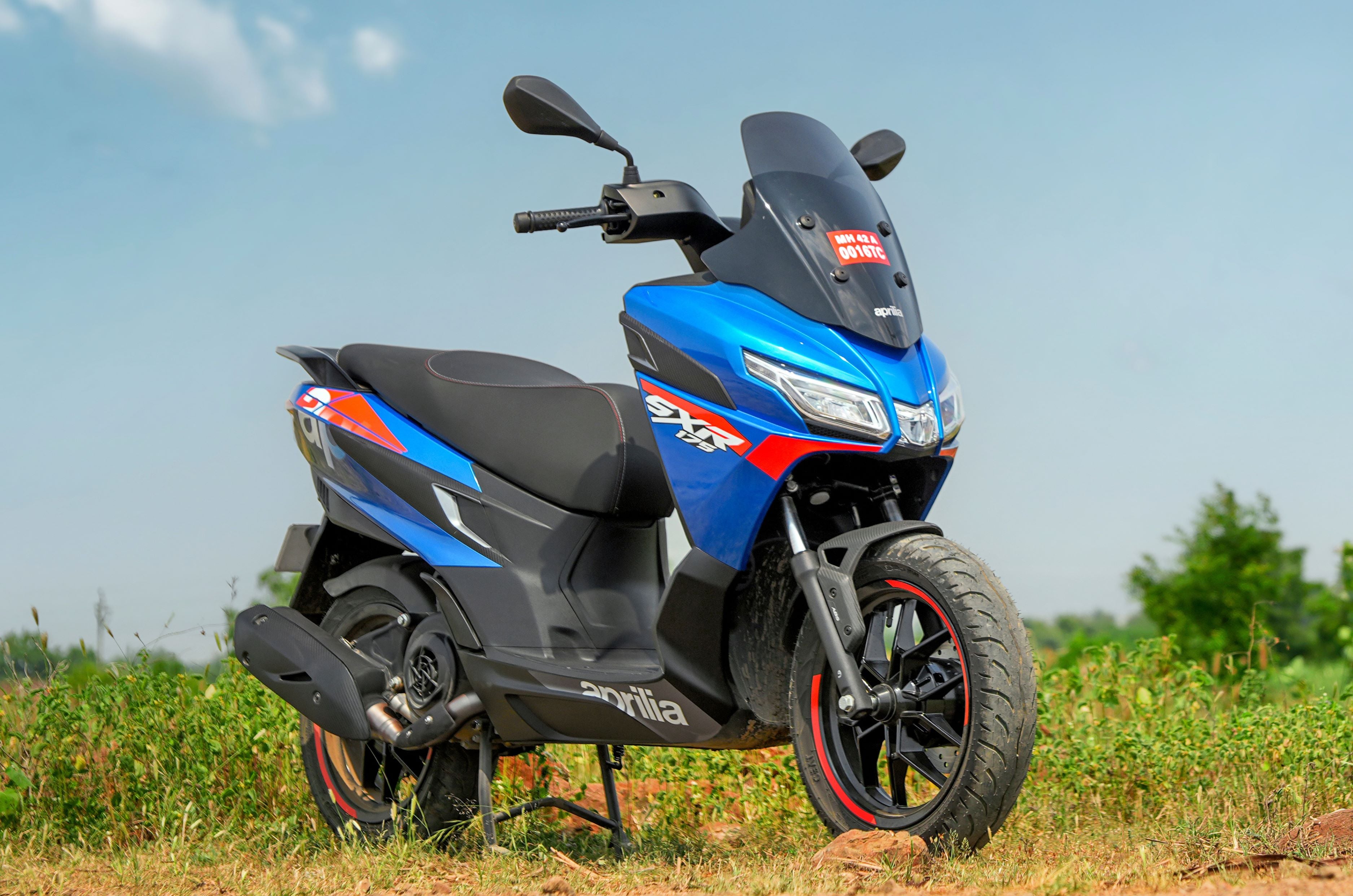
This design may be 6 years old, but it still manages to look good and turn heads
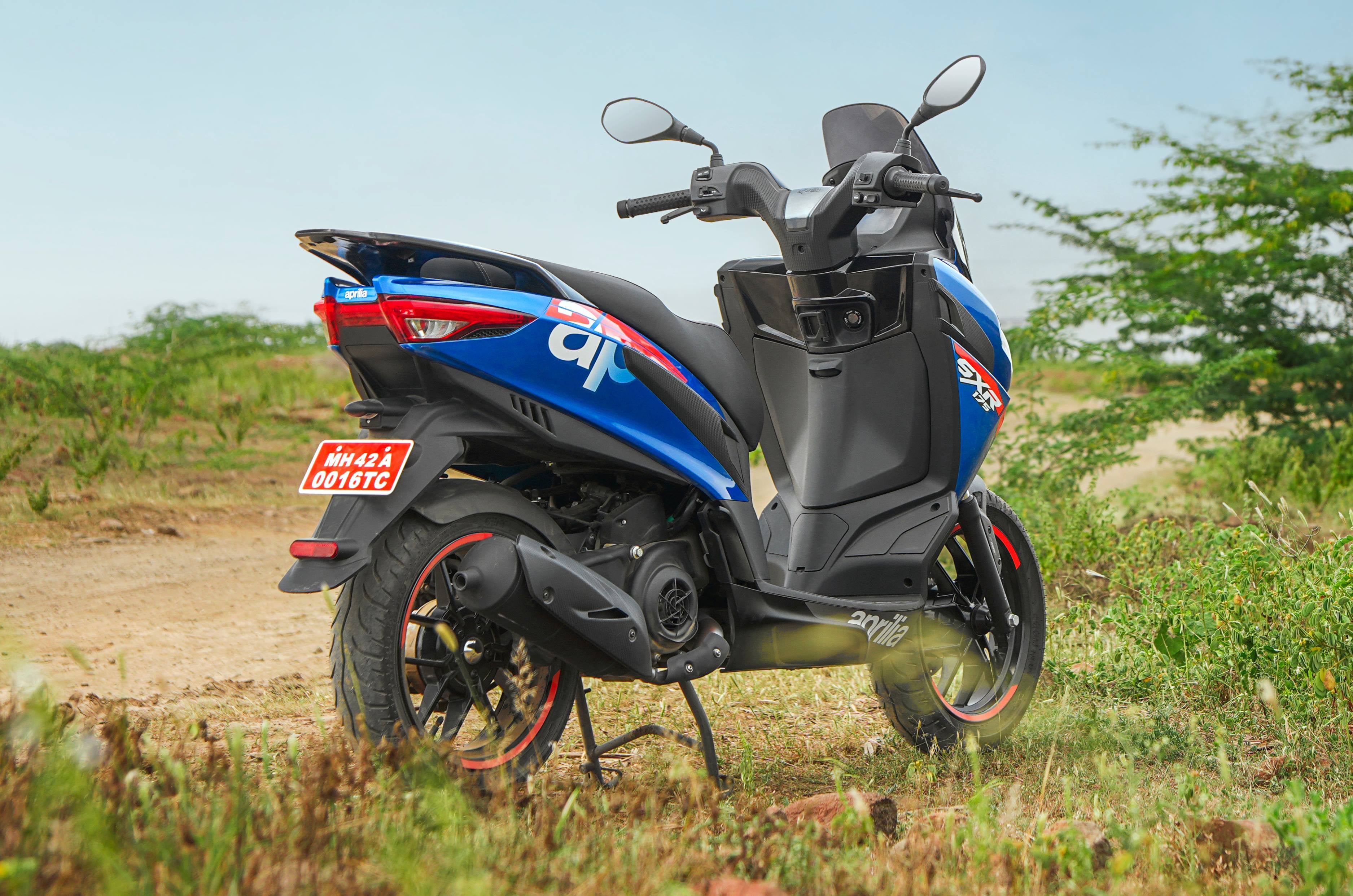
At this juncture, you’re probably wondering aside from the new colours and graphics, how different is the SXR GT 175 to the erstwhile SXR 160 it replaces? The answer to that question is, not very much. Aside from larger 14-in wheels, the SXR GTs look identical to the models they replace and you can certainly feel like it wouldn’t be unreasonable to expect more from the company. However, what you can’t deny is that the scooters still look handsome and striking without going over the top, despite looking nearly the same as they did 6 years ago – that’s Italian design brilliance for you! There are three new colours on offer – the vibrant blue you see here accompanied by a stealthy black and a camo army green scheme.
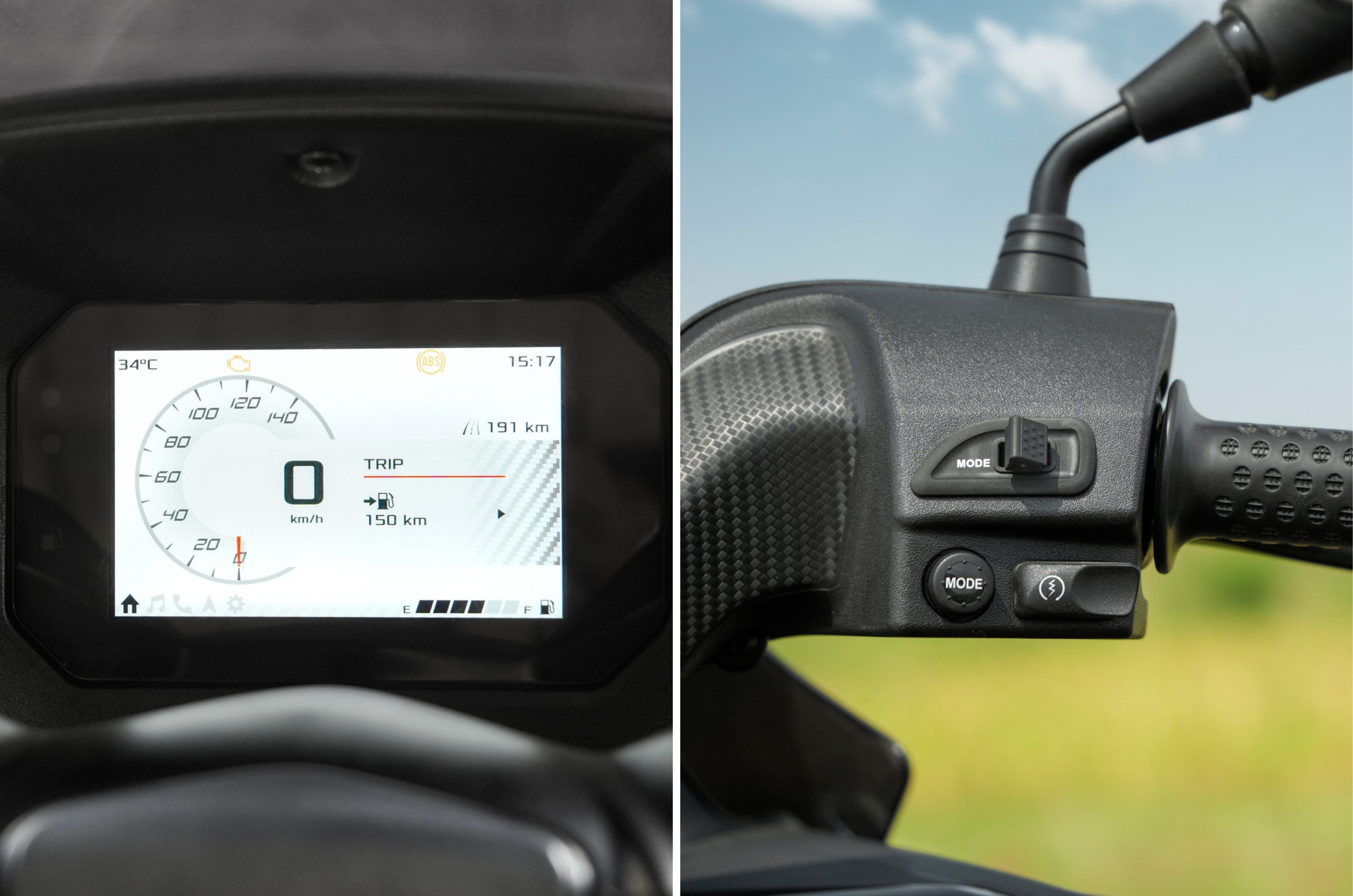
5-in TFT also shared with SR 175, is well laid out but UI isn’t entirely straightforward
However, once you get astride, you’ll realise that there are a fair few changes going on. For starters, the SXR GT 175 uses the same bright and well laid-out colour TFT display as the SR 175 and this dash is replete with Bluetooth functionality which brings in call/notification alerts & navigation prompts. Like that scooter, the overall user interface is a bit complicated and you will need to learn some of the secret handshakes necessary to fully utilise it. Another gripe I have with this dash is that while it has a lot of tech, you have to make do with a single trip meter, which seems like a small but unnecessary omission.
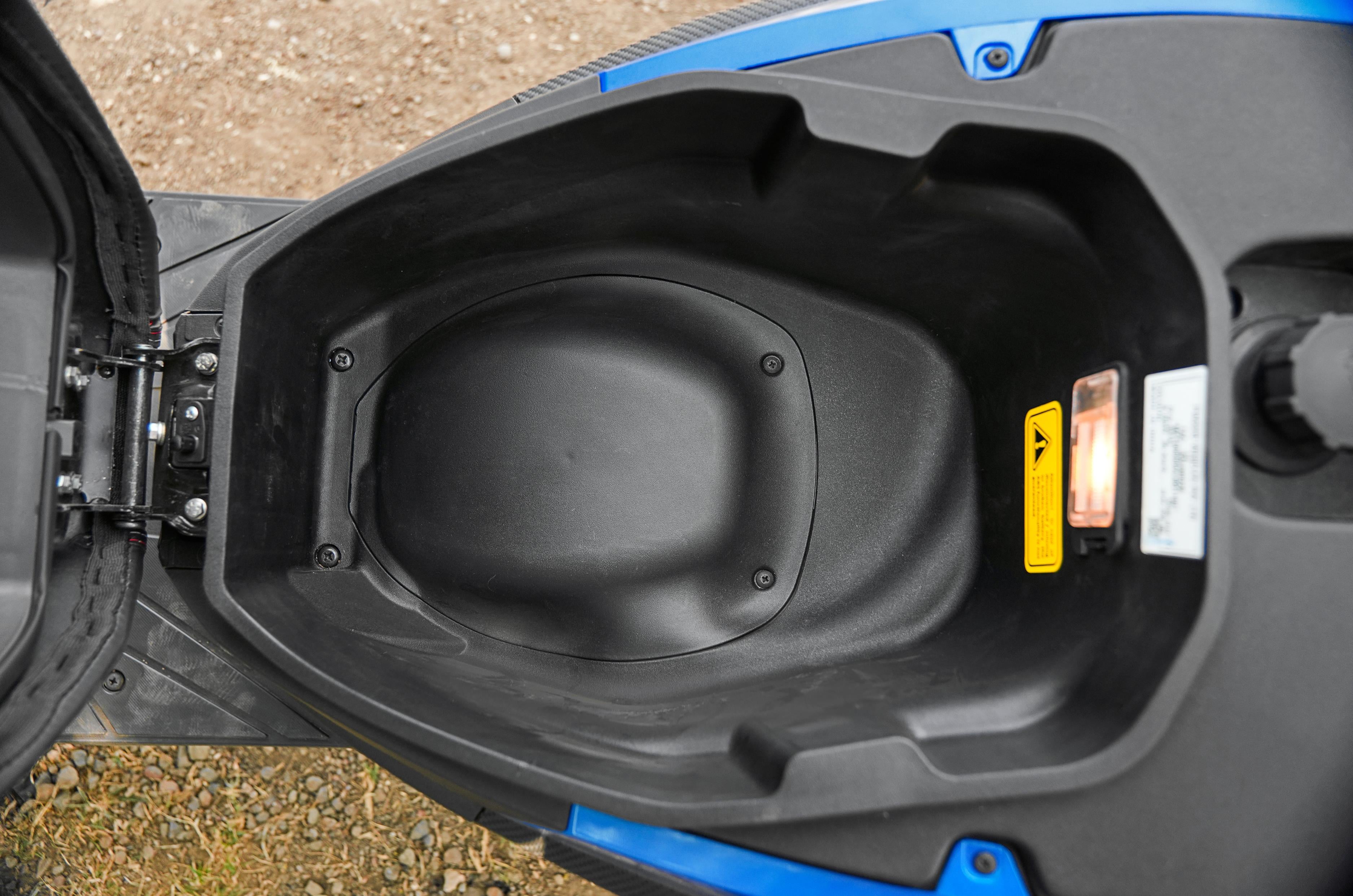
Bootspace is nothing to write home about
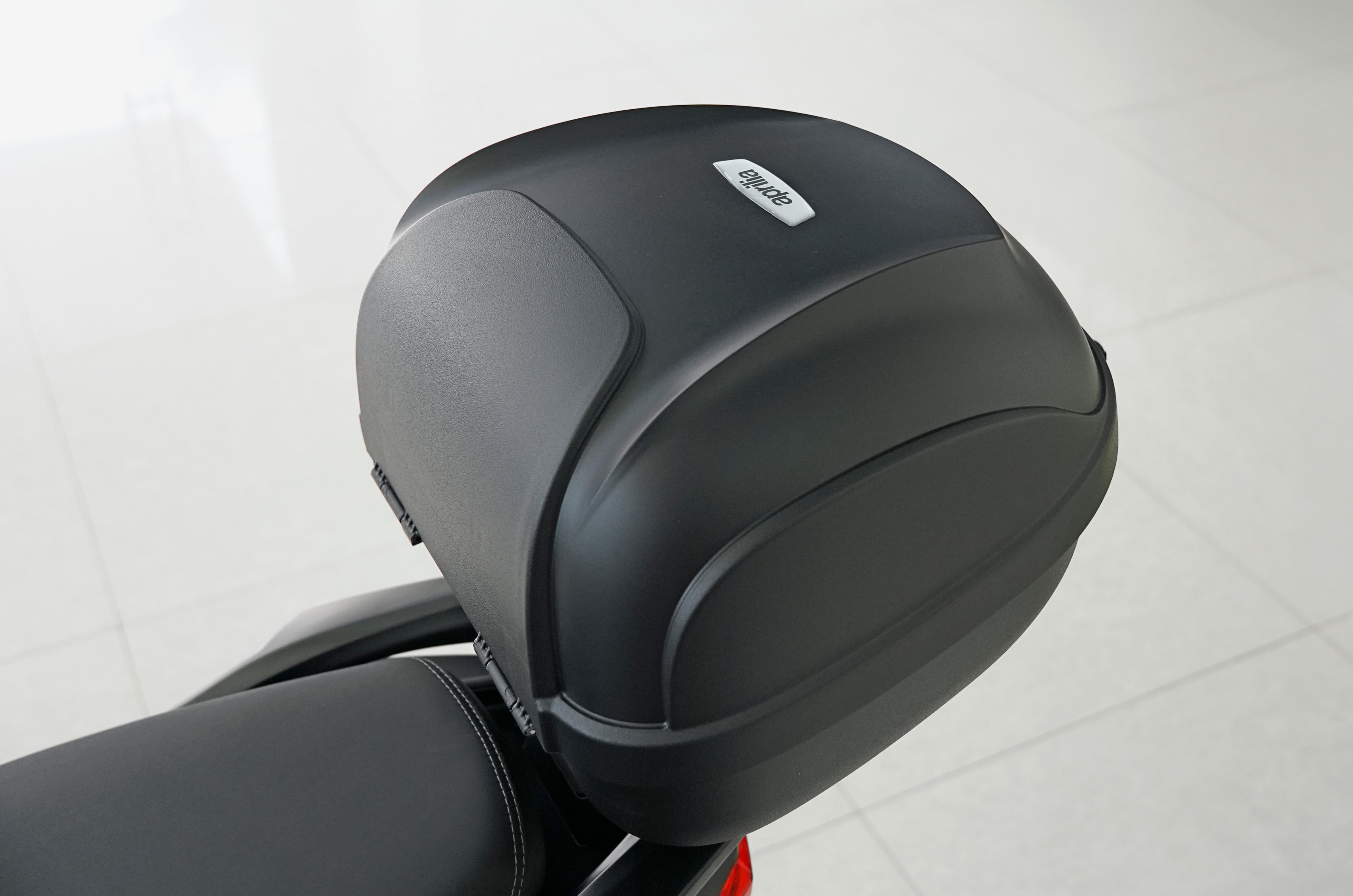
Another small omission is the absence of a multi-function ignition key slot, which means you need to remove the key and put it in its dedicated slot to open the seat and access the boot – something most smaller and cheaper scooters have long moved past. The underseat storage space here isn’t anything to write home about either. However, Aprilia will sell you a pretty spacious 32 litre accessory top box to alleviate that issue, although we don’t have a price for that yet.
But Aprilia will sell you an accessory 32L top box to alleviate that issue
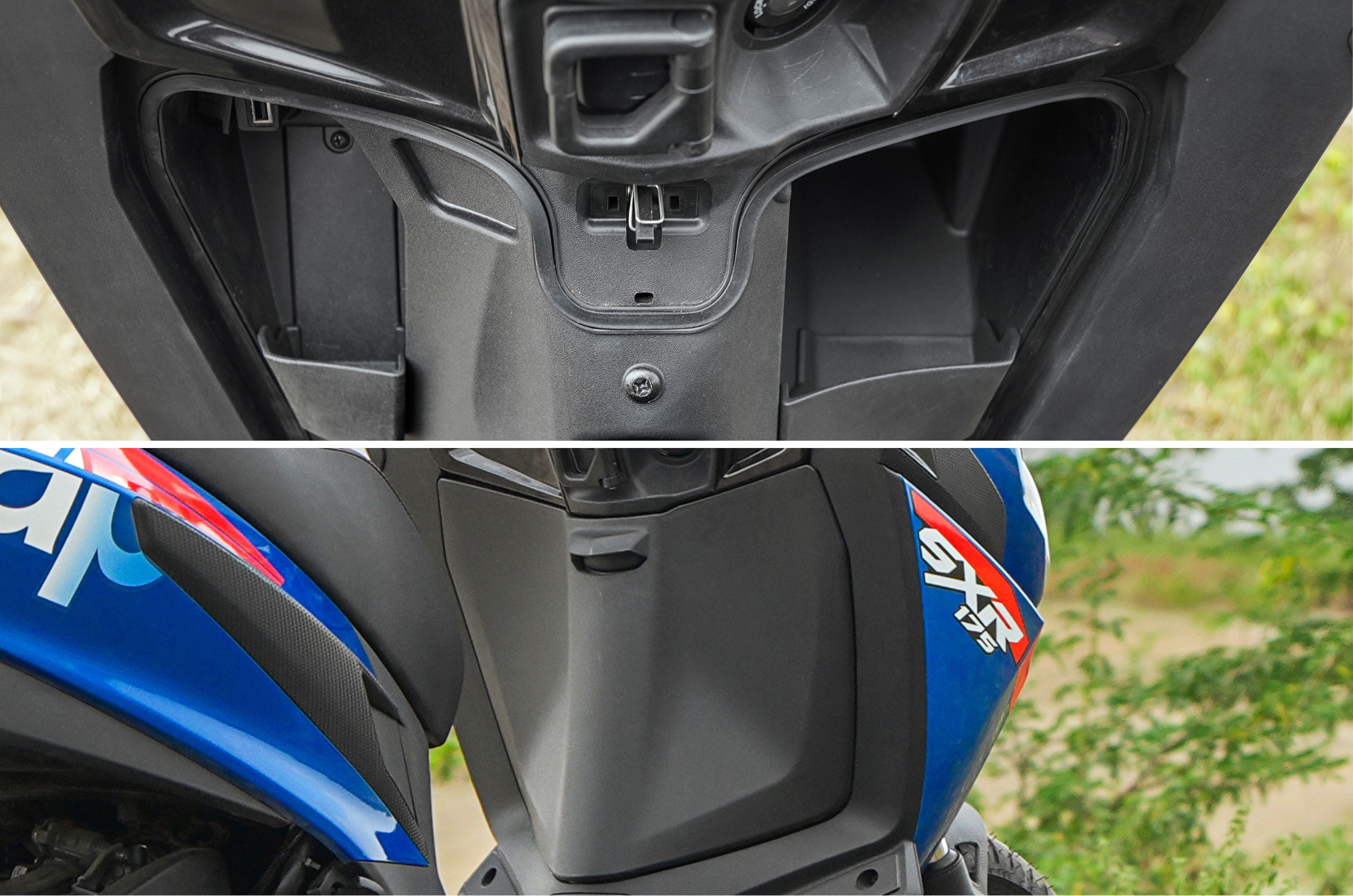
What is a nifty storage solution that comes as standard – carried over from the SXR 160 – are the fully enclosed cubbies on the front apron, and one of them even has a USB-A charging port. While this is surely a safe and practical storage area for your knick-knacks, it’s not the most convenient solution to access when on the move. That’s because you first need to come to a stop, then twist the key to its off position and press it inwards to unlock the cubby.
Enclosed, lockable area opens up to reveal 2 small cubbies; one of them has a USB Type-A charger
Aprilia SXR GT 175 Ergonomic – 7/10
Has one of the tallest seat heights in the scooter space; rider’s triangle is neutral
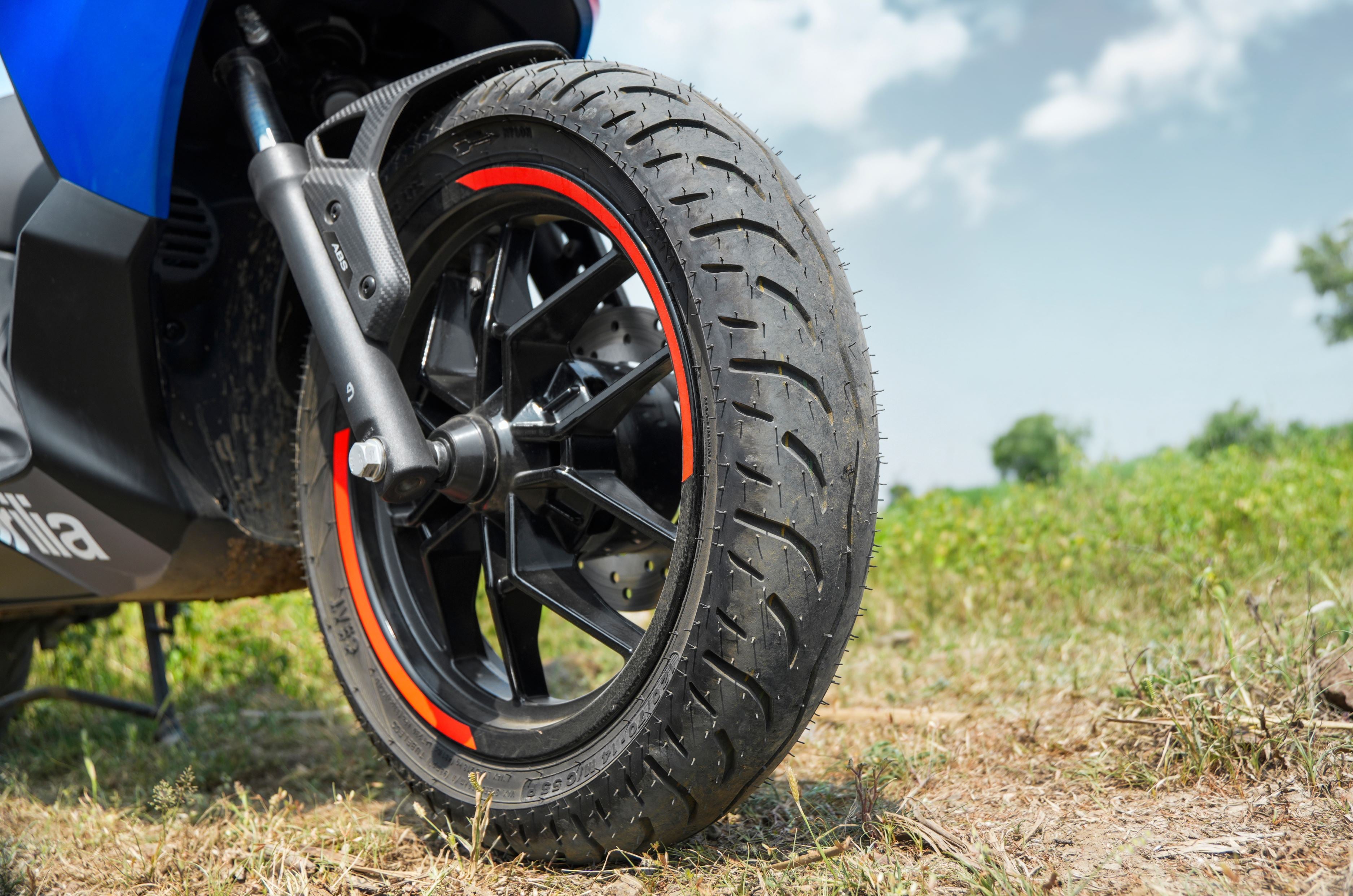
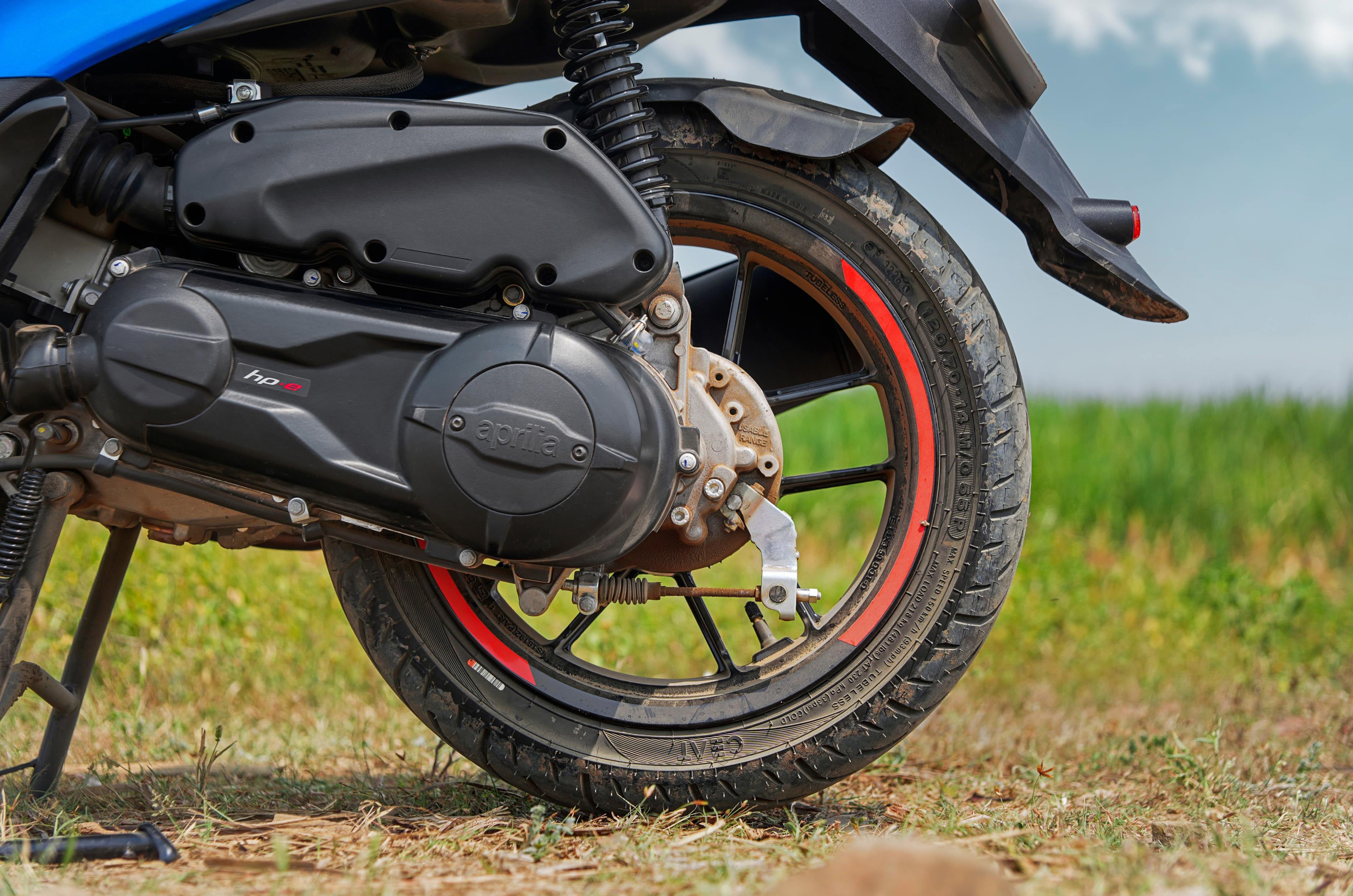
Of course, the new feature that is visible most prominently on the SXR GT is its new 14-inch wheel setup, which has its set of pros and cons. On the plus side, the proportions of the scooter are now better than ever before and its ground clearance has also now risen to 170mm – always a good thing on our unpredictable roads. However, because of the larger wheels, the SXR’s seat height has now risen to 800mm, which makes it the tallest seat height on any made-in-India petrol scooter.
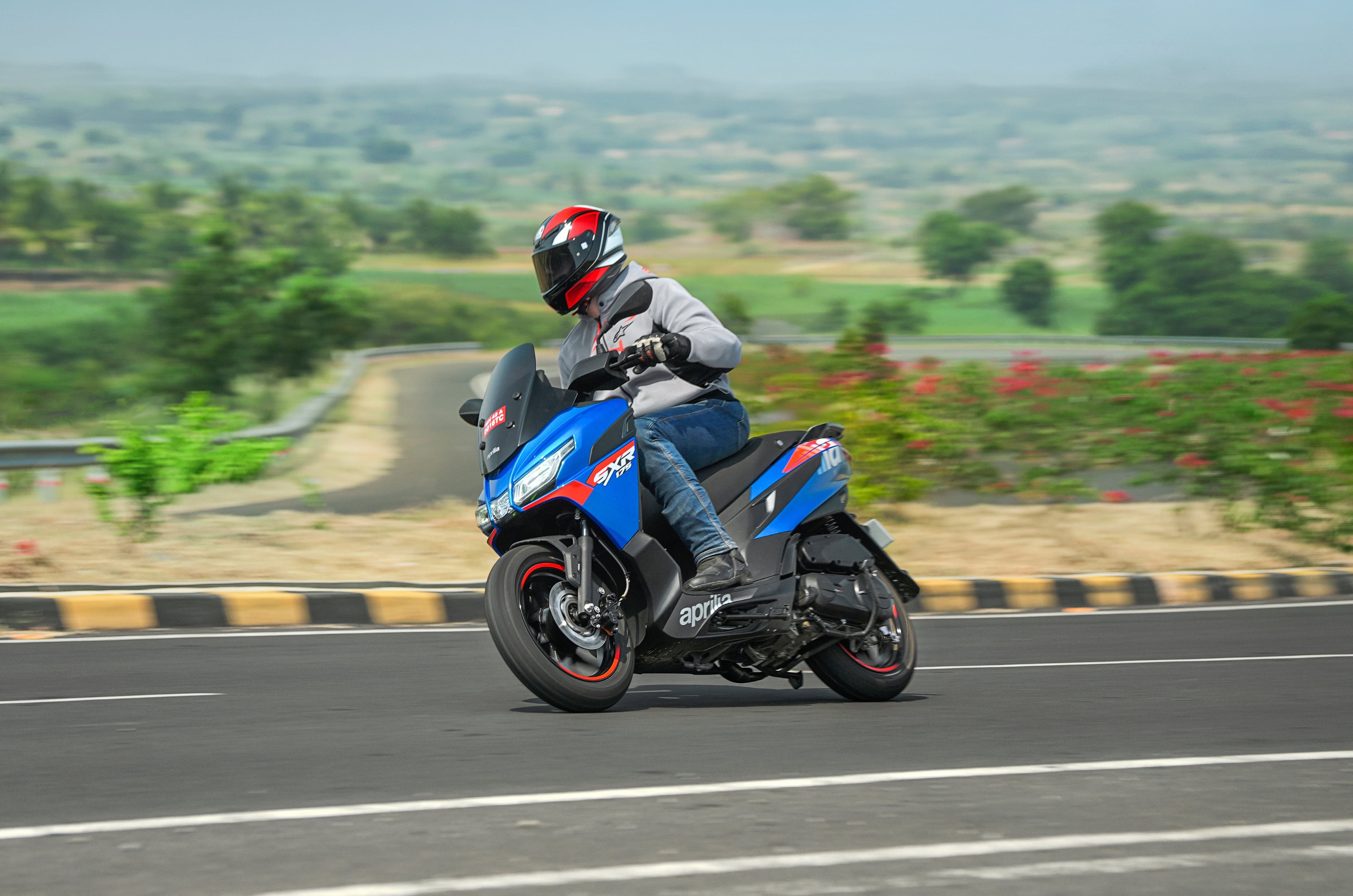
14-inch wheels bring in surefooted handling and high-speed stability but the trade-off is heavier steering at slower speeds demanding more effort
Credit where it’s due, this number may seem big on paper but in the real world its not an unapproachable machine. Our photographer Omkar (who’s 5’2) could move the scooter around at our shoot location while seated without too much trouble. However, for someone that wants a friendly and approachable machine, the 132kg SXR is not where you should be looking.
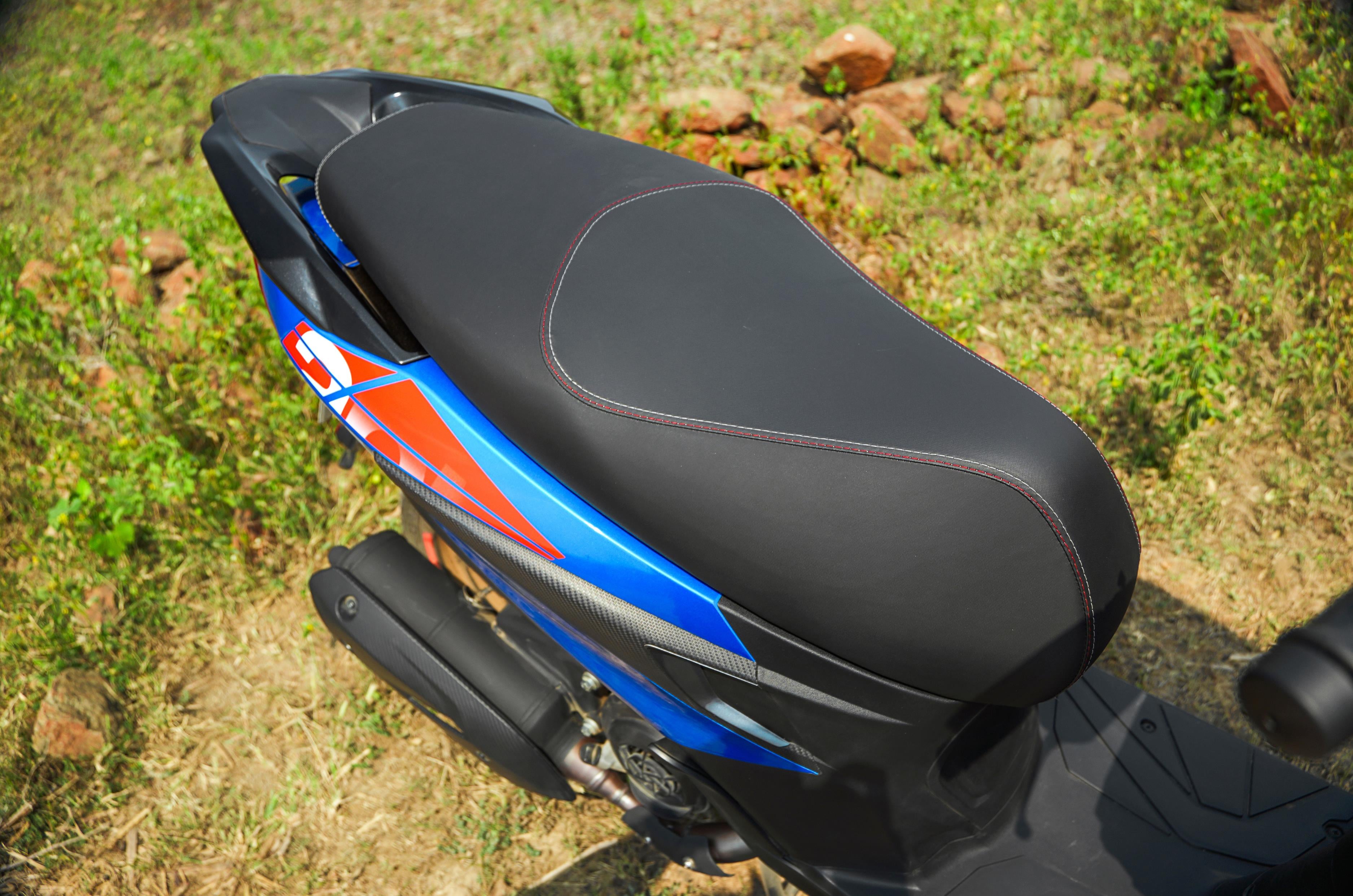
Aside from that, the SXR’s ergonomics haven’t changed and it retains the neutral and upright riding position from before. The seat’s padding is on the stiffer side, which will be especially noticeable on shorter trips but it works well for longer durations and for a person like myself that’s on the heavier side of the scale (80kg without gear). What, however, doesn’t work for a taller person like me (5’11) is that the handlebar is placed a tad low and fouls my knees when making lock-to-lock u-turns.
Neutral and upright ergonomics are unchanged from before; spacious seat’s padding is on the stiffer side
Aprilia SXR GT 175 Performance – 8/10
Engine provides sprightly performance, is smooth at high speeds
While practicality and convenience are one half of the story when it comes to a scooter like this, what plays an equally important role is how the scooter rides and handles. It will probably not come as any surprise to you when I say that this is surely a fun scooter.
From the moment you thumb the starter and the motor settles into its gruff idle, the 174.4cc, 3-valve motor makes its intentions quite clear – it wants to be ridden quickly. While the vibrations do subside once you get going, the engine clearly rewards energetic riding because the faster you go, the smoother it seems to get! Not just 80kph, even at a speedo-indicated 100kph, it remains absolutely smooth at all the touch points with no signs of protest. For all you top speed nuts, we were able to see an indicated 110kph on the display before the rev limiter kicked in.
Sprightly 174.4cc engine shared with SR 175 has enough performance to placidly sustain 80-100kph
While the SXR is a quick scooter, from what I remember, it doesn’t feel as quick as the lighter and sportier SR. The 0-50kph dash is quite energetic but after that, acceleration becomes more measured. Nevertheless, this level of performance is more than acceptable for our environs and you’ll rarely wish for more power.
Aprilia SXR GT 175 Ride and Handling – 7/10
Planted and surefooted handler, but not the easiest to manage at slower speeds
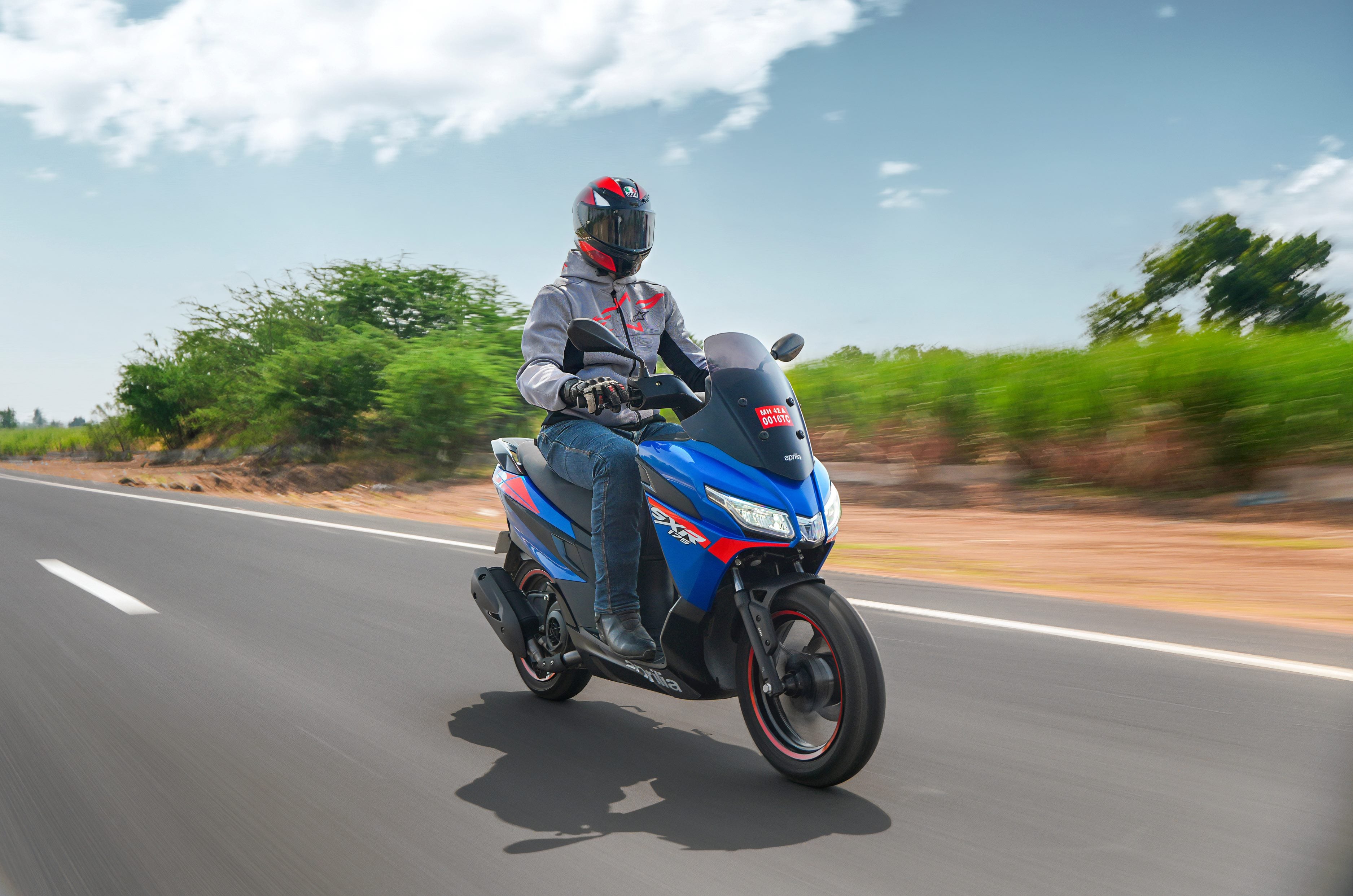
Equally as enticing as its performance is the SXR GT 175’s handling. The new and bigger 14 inch wheels lend it a newfound sense of stability around corners and at higher speeds. To ride, this feels like a proper maxi scooter experience rather than just a styling exercise. However, the tradeoff is noticeably heavier steering at slower speeds which demands quite a bit more effort. If you’re going to spend a lot of time in dense stop and go traffic that you constantly need to manoeuvre around, the SXR GT is not the ideal machine for that task.
To account for these larger wheels, Aprilia has also tuned the SXR’s suspension differently to before. The damping and shock absorption are really quite composed at the rear but the fork feels stiff and jarring over rough roads and does bottom out over larger, sharper-edged bumps. Since Mumbai’s roads are dominated by these conditions, we’re not sure how comfortable the SXR GT will be there, but hope to find out soon.
It sticks to the Aprilia SXR formula of giving you a decently-priced, good-looking scooter with both functional practicality and zippy performance
Well-priced and stands out but its not for everyone
In the scooter segment, Aprilia operates in its own niche where people that really value style and performance continue to choose its offerings over mainstream options. We don’t see that changing with the SXR GT because even though it is more well-rounded than its sporty SR sibling, it still has some hurdles to overcome both on the product’s as well as the after-sales side and fresh styling would have helped increase the appeal after all these years. Nevertheless, the company assures us it is working on the after sales front and it aims to have 250 showrooms in India before the year ends, up from the current 230. Still, that’s vastly lower than the sales reach of Aprilia’s rivals.
To sum up, this latest iteration hasn’t really diverged from what has been the cornerstone of the Aprilia SXR formula – to give you a decently-priced, good-looking scooter with both functional practicality and zippy performance. Speaking of price, the SXR GT 175 is priced at Rs 1.30 lakh (introductory, ex-showroom, Maharashtra) which is a pretty decent price considering what it brings to the table. If you must have a stylish and fun scooter that stands out of the crowd without breaking the bank, the Aprilia SXR GT should be on your radar.
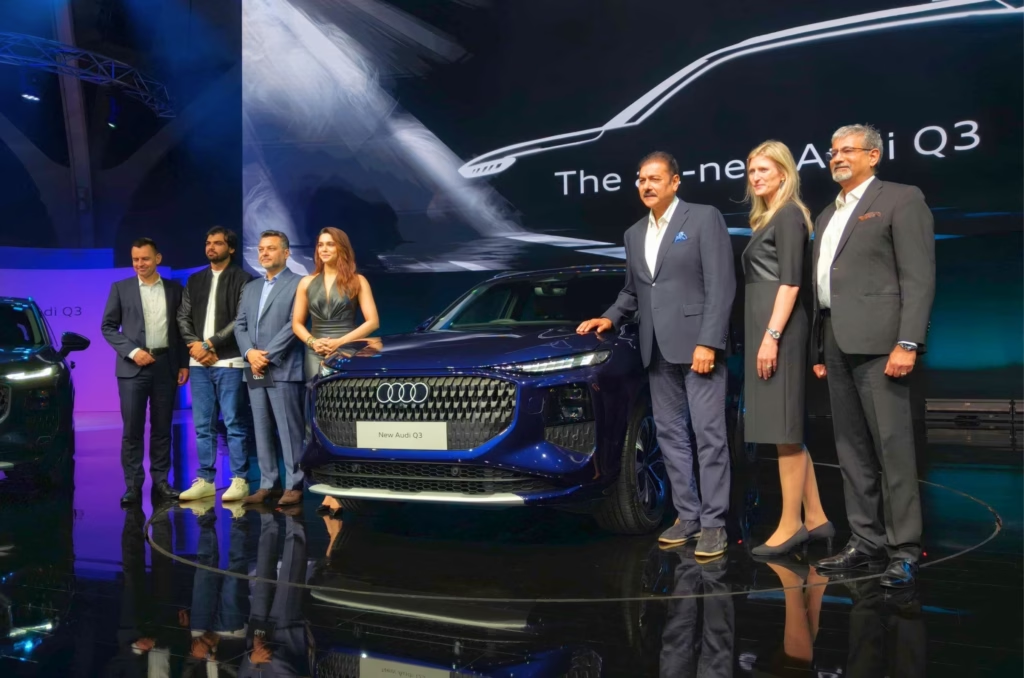
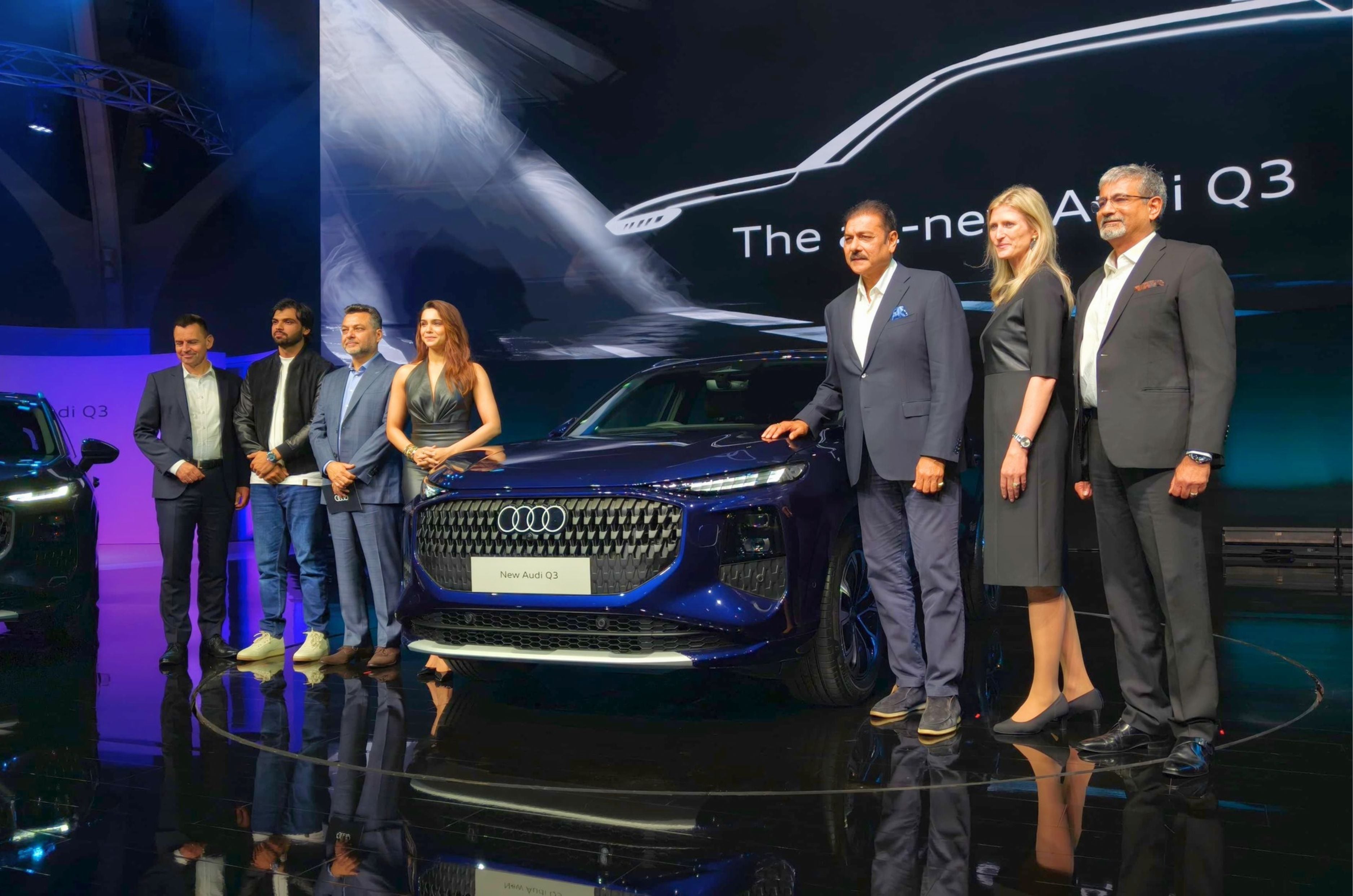
Audi has launched the 2026 Q3 in India at Rs 51.99 lakh (ex-showroom). This is the third-generation entry-level luxury SUV in India, which is being offered in two trims: Nova and Zenith, and the latter’s price is yet to be revealed. It sports extensive design changes inside and outside, additional features and a turbo-petrol engine option only. The 2026 Audi Q3 is being assembled at the manufacturer’s Chhatrapati Sambhajinagar plant in Maharashtra, and its deliveries are also underway.
Only luxury car in its segment with an AWD setup
Features split-style headlights and 18-inch alloy wheels
Gets dual digital screens, panoramic sunroof, 3-zone AC
2026 Audi Q3 exterior design
Gets split-style headlights, taillights and 18-inch alloy wheels
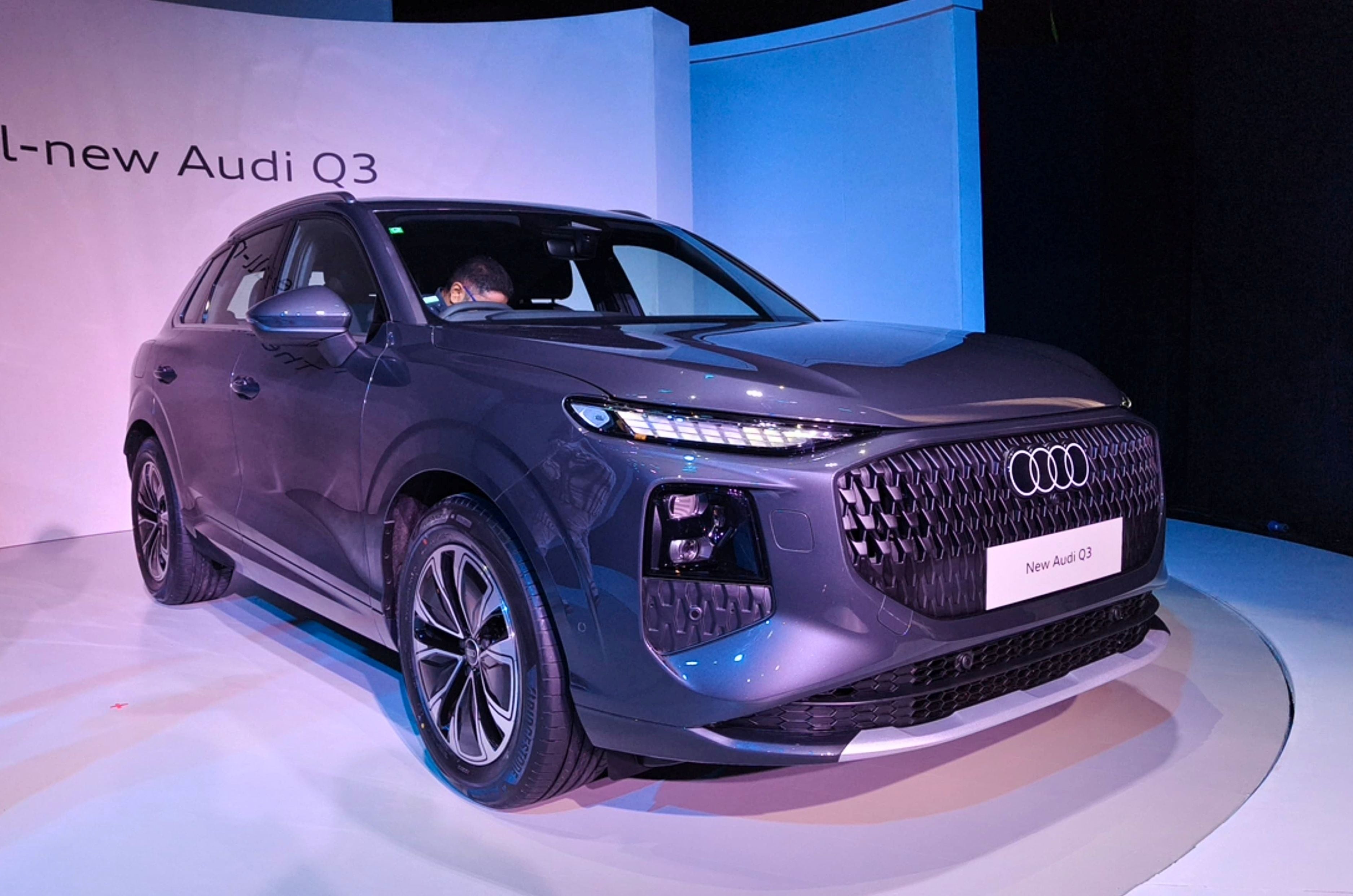
Being a generation update, the 2026 Audi Q3 comes with a thoroughly redesigned exterior. It gets split-style headlights, with LED DRLs at the top and the main digital Matrix LED headlights on the bumper with dedicated washers. The LED DRLs and headlights feature lighting signatures, and in fact the latter can even project important ADAS information on the road in the driver’s direct field of vision for improved safety. It also gets a large grille with honeycomb mesh elements and similar air intakes on the lower section of the bumper.
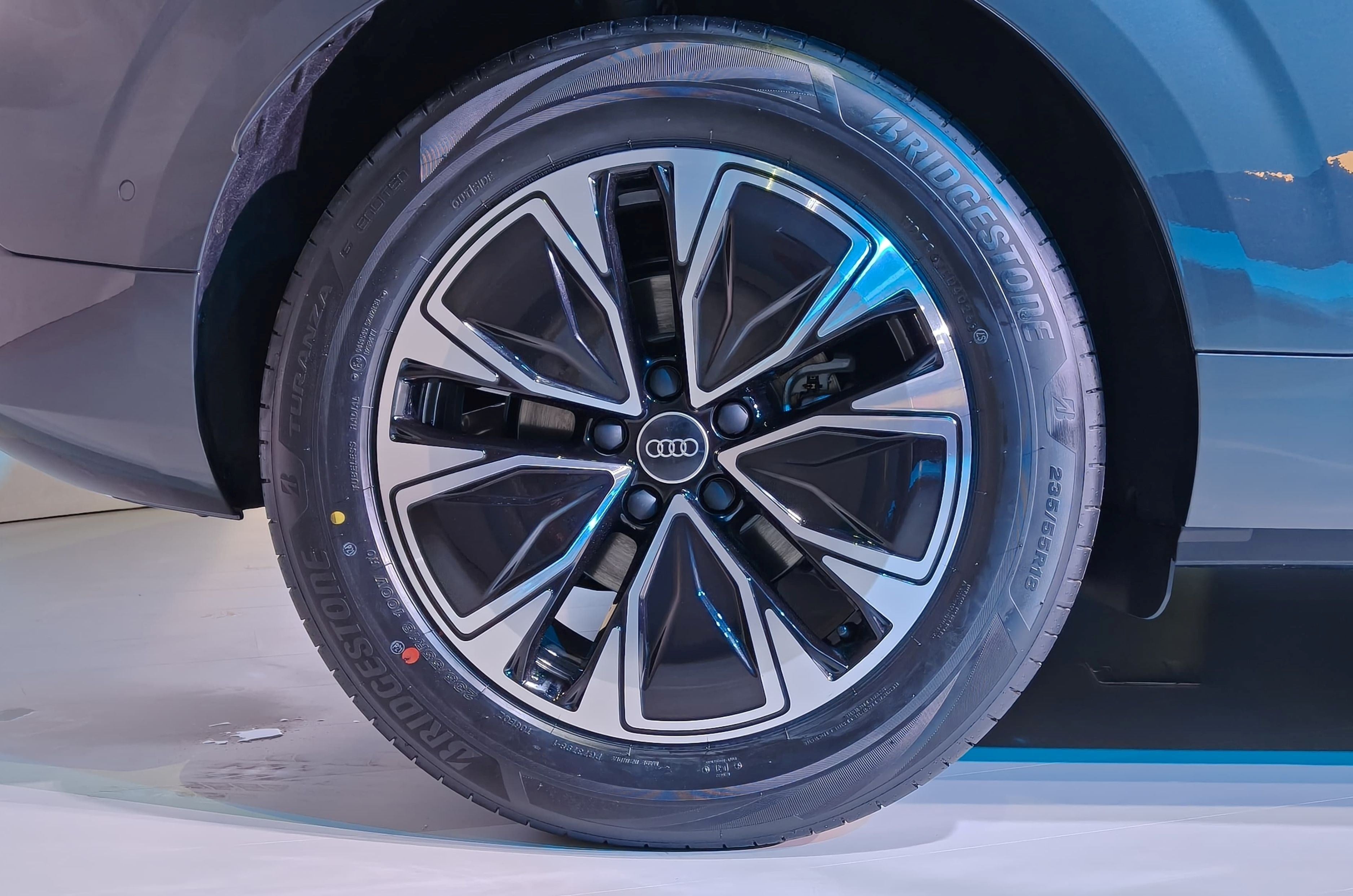
In profile, the Q3 features 18-inch alloy wheels as standard with self-centring hubcaps. It also gets a chrome windowline, slim roof rails and slightly flared wheel arches.
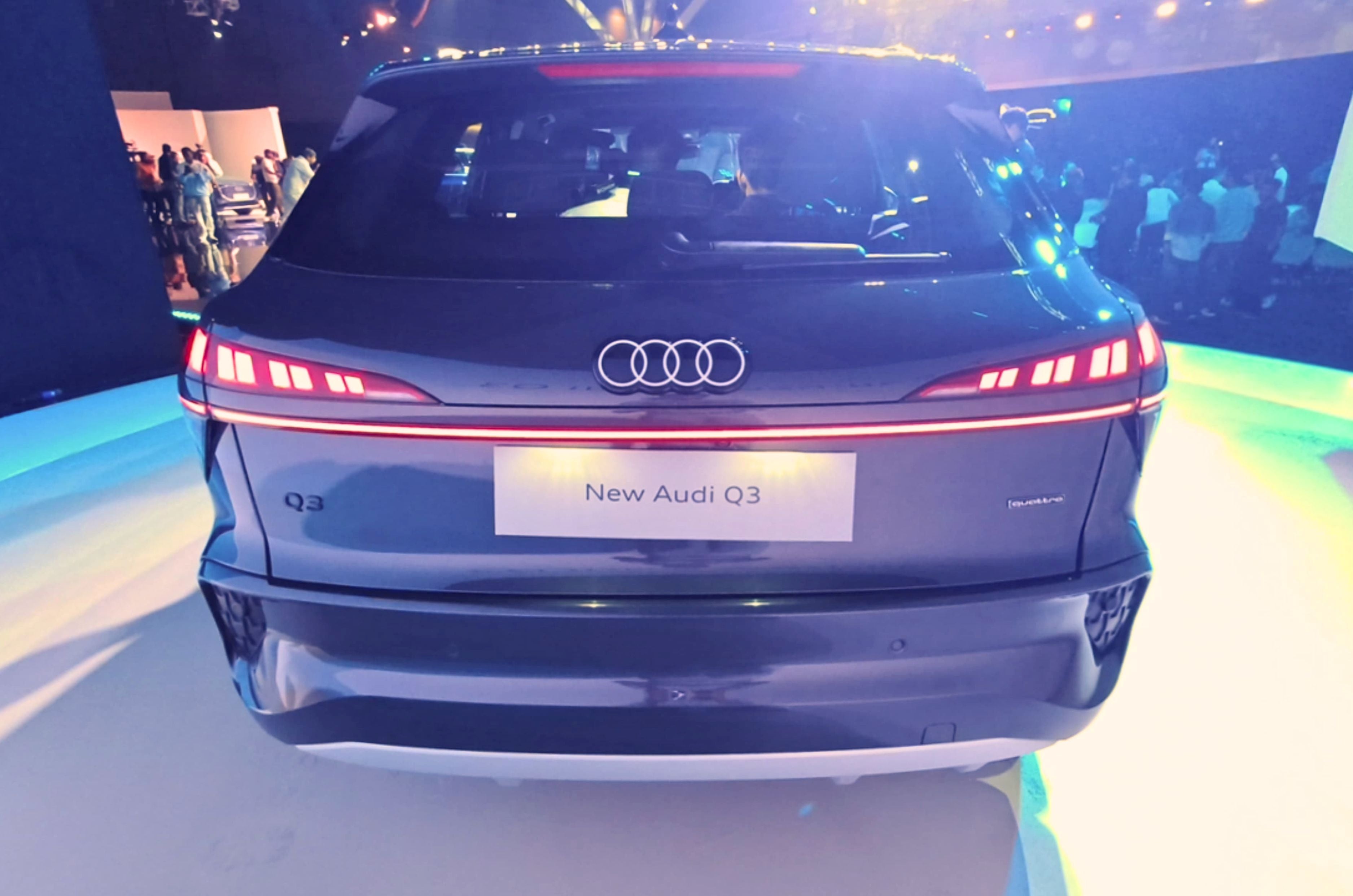
At the rear, it features split LED taillights; the lower unit is connected by a thin strip of light bar. The Audi logo at the rear is illuminated. Audi is also offering a roof-mounted spoiler and a rear wiper and washer.
Here are the dimensions and other specifications of the 2026 Audi Q3:
2026 Audi Q3 dimensions and other specifications
Length
4,531mm
Width
1,859mm
Height
1,601mm
Wheelbase
2,681mm
Boot space
488 litres
2026 Audi Q3 interior design and features
Gets a hexagonal steering wheel, curved displays and a decently equipped cabin
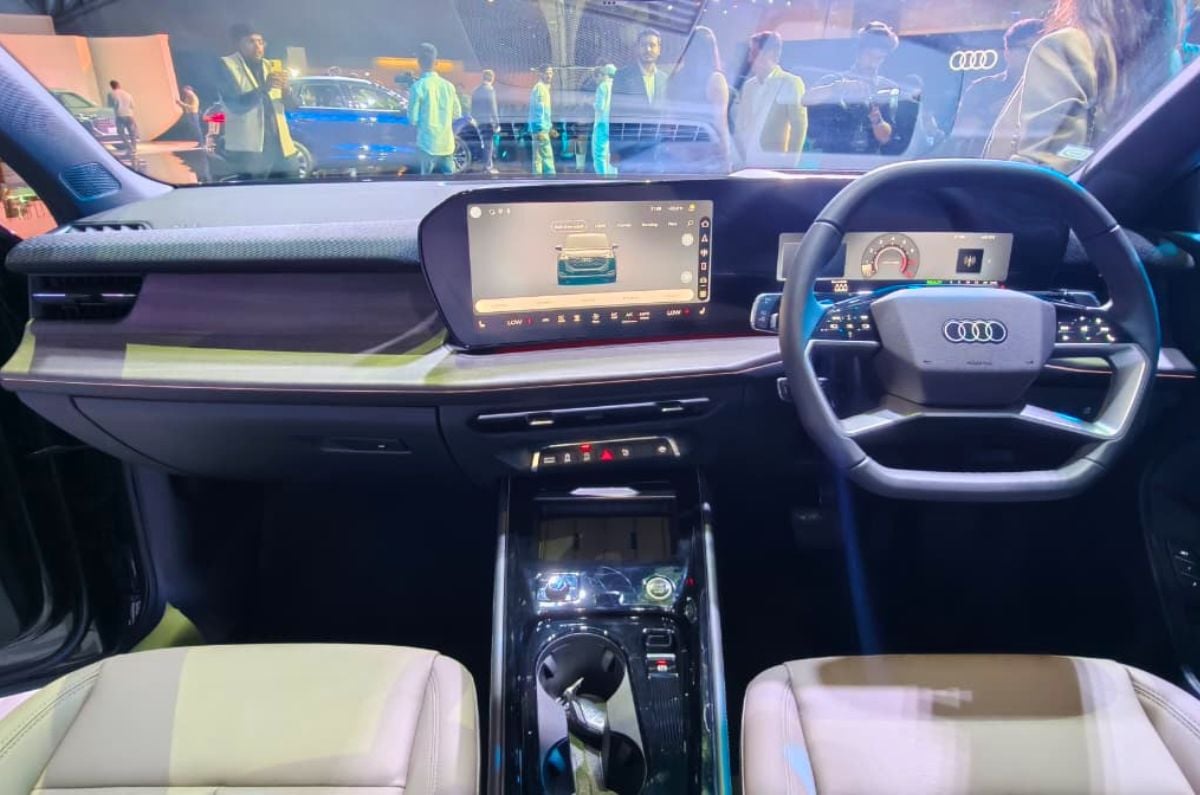
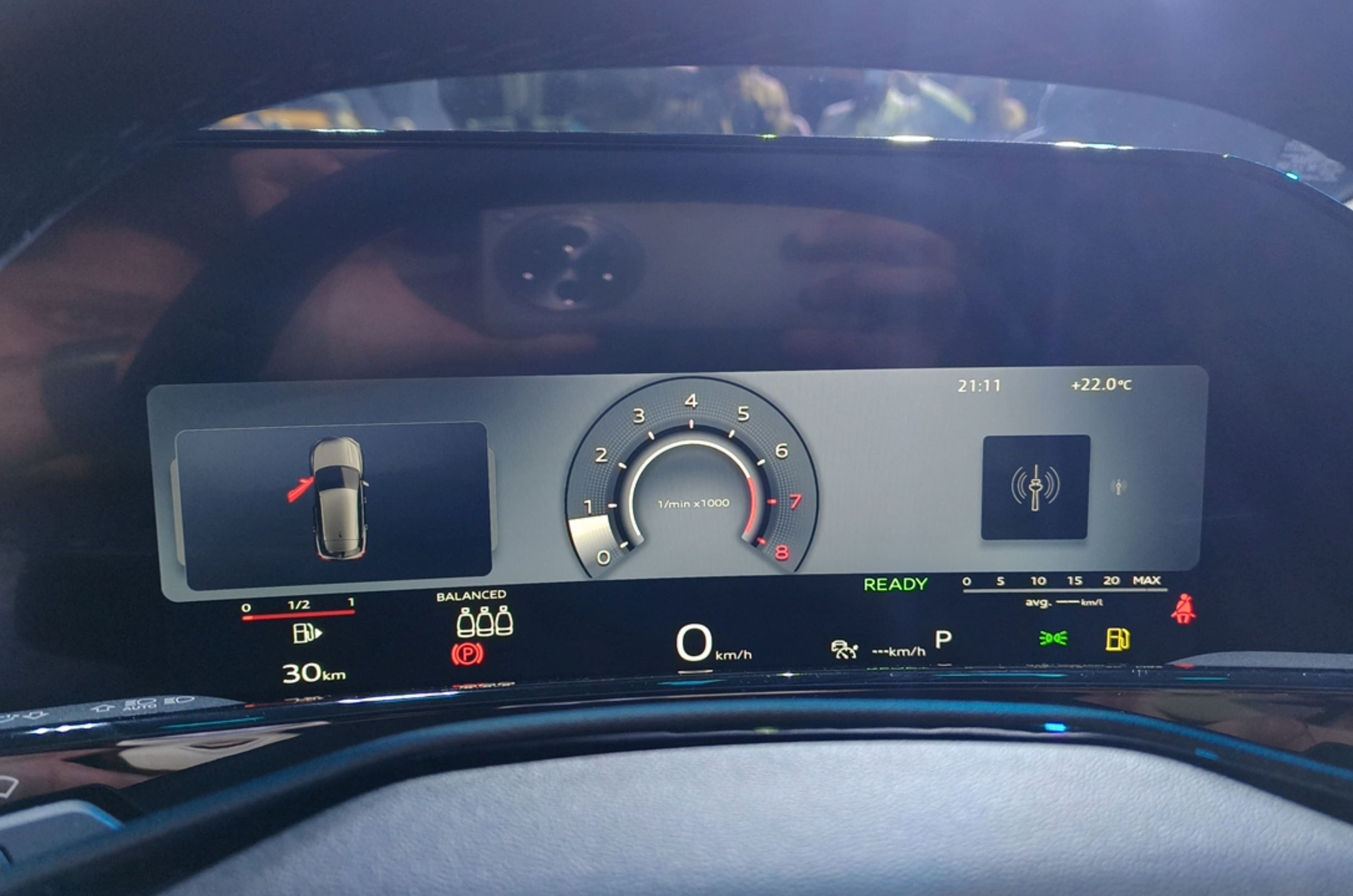
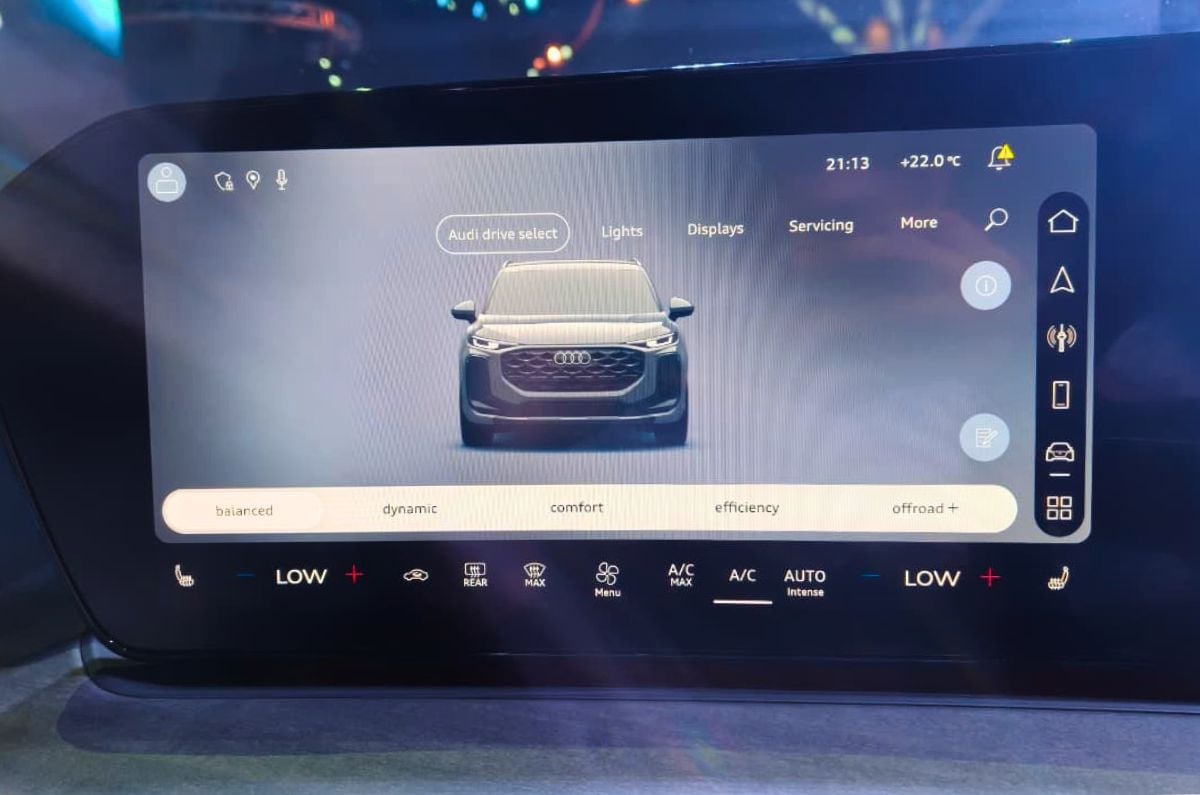
Inside, the Audi Q3 has a minimalistic dashboard and features dual digital screens (a 12.8-inch infotainment touchscreen and an 11.9-inch digital driver’s display) arranged in a curved setup. It also gets a 4-spoke hexagonal steering wheel with touch-enabled controls. Notably, the right-side stalk on the steering wheel works as a drive selector, while the left one can be used to control the headlights and turn indicators.
The drive selector on the steering column has enabled a cleaner centre console, featuring a wireless phone charger, two cupholders, and an electronic parking brake. The centre console extends to a centre armrest for front passengers. The seats get leatherette upholstery, and the front seats are powered and heated. The driver’s seat has a memory function that is also tied to the powered outside rearview mirrors (ORVMs).
On the feature front, it is equipped with a 3-zone climate control, a panoramic sunroof, a 12-speaker Sonos sound system, a coloured head-up display (HUD), and a powered tailgate. Safety-wise, it gets 9 airbags, a rear parking camera (not a 360-degree surround-view system), hill hold and hill climb assists, and an advanced driver assistance systems (ADAS) suite.
2026 Audi Q3 powertrain
Gets a 2.0-litre turbo-petrol engine and an AWD setup
The 2026 Audi Q3 is powered by a 2.0-litre direct-injection turbo-petrol engine that produces 204hp and 320Nm. It is mated to a 7-speed dual-clutch automatic transmission (AT) which sends power to all wheels (AWD). This powertrain enables a claimed 0-100kph sprint of 7.1 seconds and a top speed of 229kph.
The Audi Q3 is the only rival in the segment to offer AWD. Rivals like the BMW X1 and Mercedes-Benz GLA are front-wheel-drive (FWD) only.
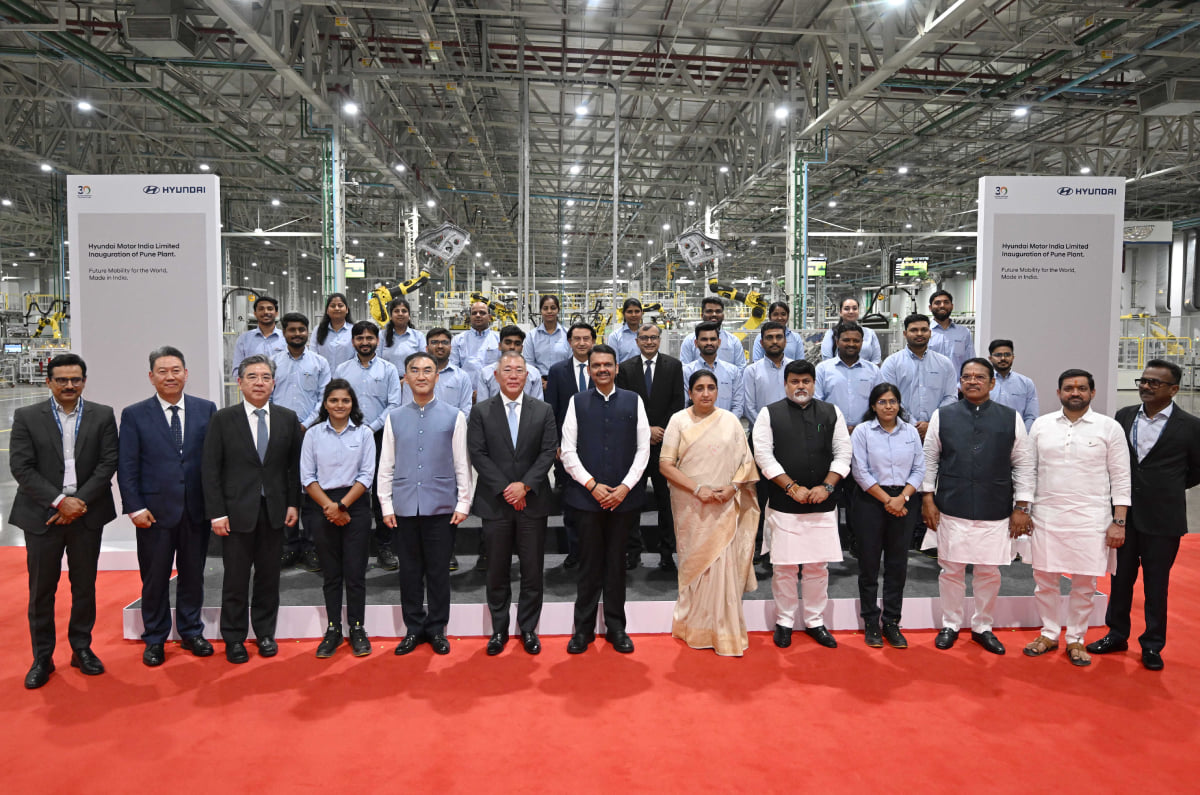
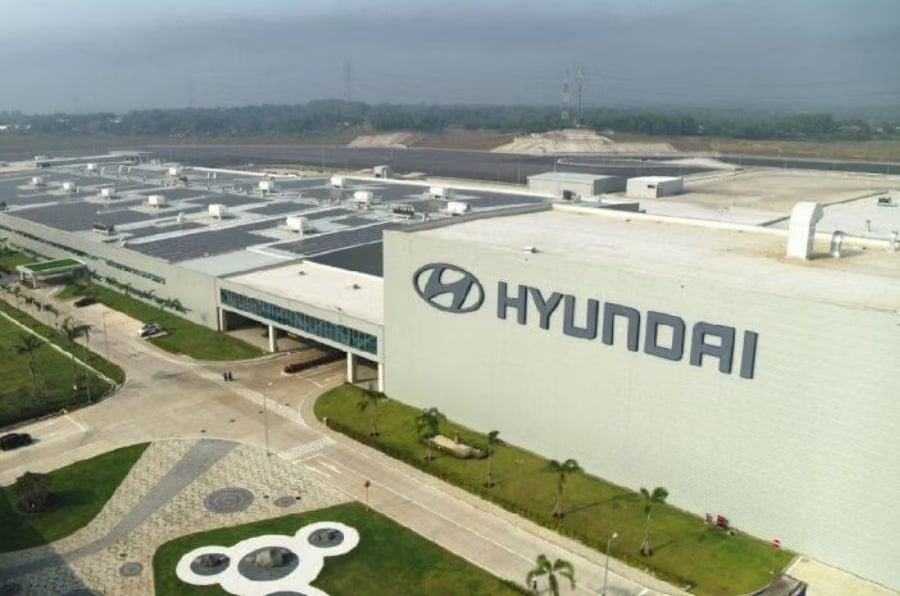
Hyundai Motor India has inaugurated its manufacturing plant in Talegaon, Pune, marking its first major manufacturing expansion outside Tamil Nadu. The facility currently has an installed annual production capacity of 1.7 lakh units, which is planned to increase to 3.2 lakh units by 2030. Managing director and CEO Tarun Garg announced that the company will invest Rs 11,000 crore in phases at the plant.
Hyundai Pune plant: Capacity and investment
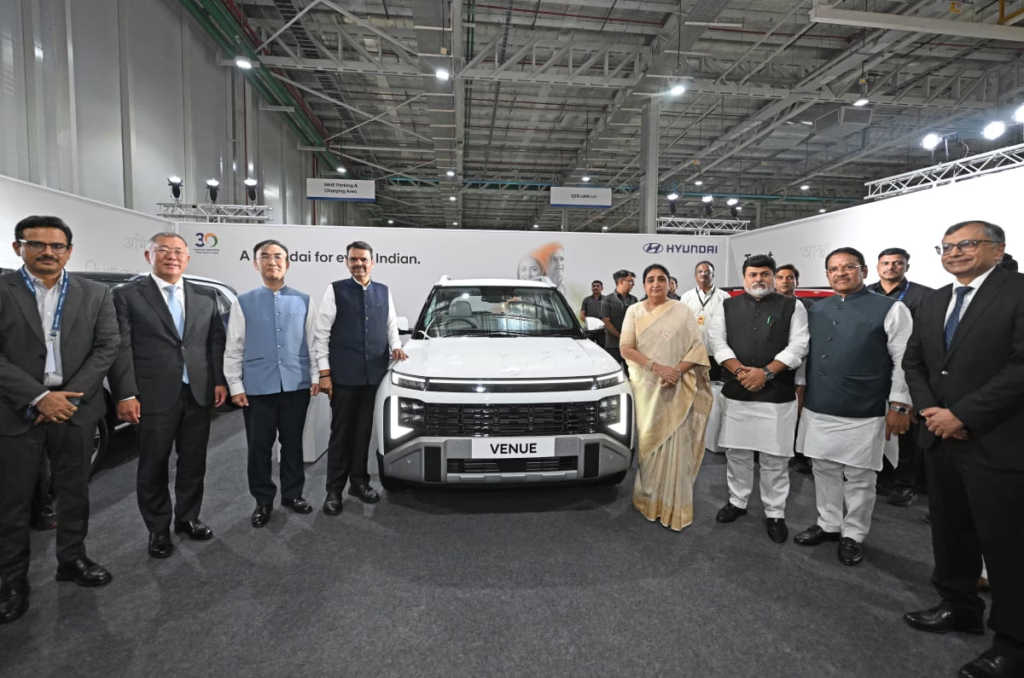
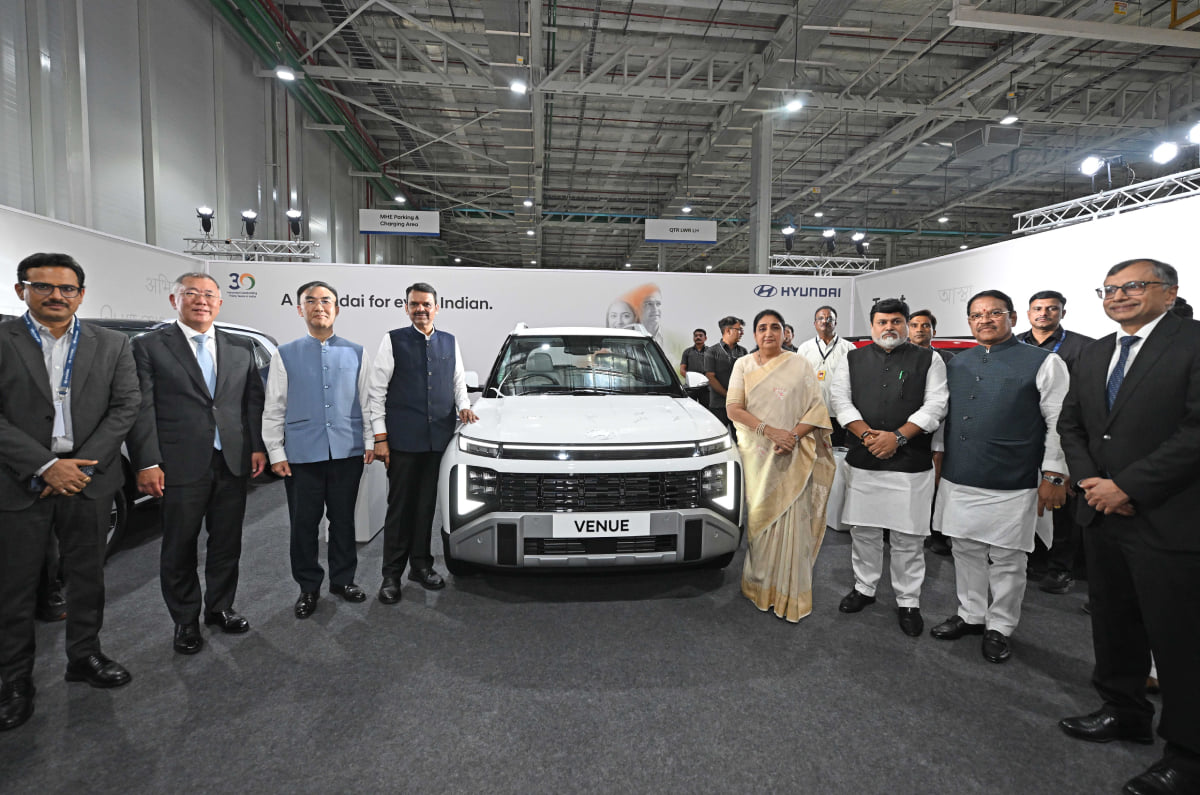
Maharashtra Chief Minister Devendra Fadnavis inaugurated the plant on October 14, 2026. Hyundai Motor Group executive chair Euisun Chung and Hyundai Motor Company president and CEO Jose Munoz were also present.
Garg said, “We will invest INR 11,000 crore in phases at this facility. Beyond expanding manufacturing capacity, the facility will drive industrial development, innovation and employment generation in the region.”
The expansion will take Hyundai Motor India’s combined annual production capacity at its Pune and Chennai plants to nearly 11.4 lakh units by 2030, according to the company. The Pune facility also has an engine shop with an annual capacity of 1.5 lakh units.
The plant uses Hyundai’s E-FOREST digital factory platform, with AI-based quality checks, predictive maintenance, digital simulations and augmented reality-based worker training. Its production lines can support multiple internal combustion engine and hybrid models.
Hyundai Venue to be made at Pune plant
The Hyundai Venue will be manufactured exclusively at the Pune plant and exported to global markets. Hyundai plans to expand exports of the model to more than 35 countries.
The inauguration coincided with Hyundai Motor India marking cumulative exports of 40 lakh passenger vehicles since 1999 and domestic sales of nearly 1 crore passenger vehicles over its 30 years in India.
Chung said, “India remains one of Hyundai’s most important and strategic markets globally.” He added that the Pune plant reflected the group’s long-term commitment to India and that the export milestone highlighted the role of Indian manufacturing in its global operations.
Hyundai said 55 Tier-1 suppliers have invested nearly Rs 4,600 crore in Maharashtra. Nearly half of its supplier network is located within 50km of the plant. The combined Tier-1 and Tier-2 supplier network has generated more than 18,000 employment opportunities in the state, according to the company.
Hyundai also cited nearly 40 ongoing research projects with seven Indian academic institutions, covering battery technology, electrification and future mobility.
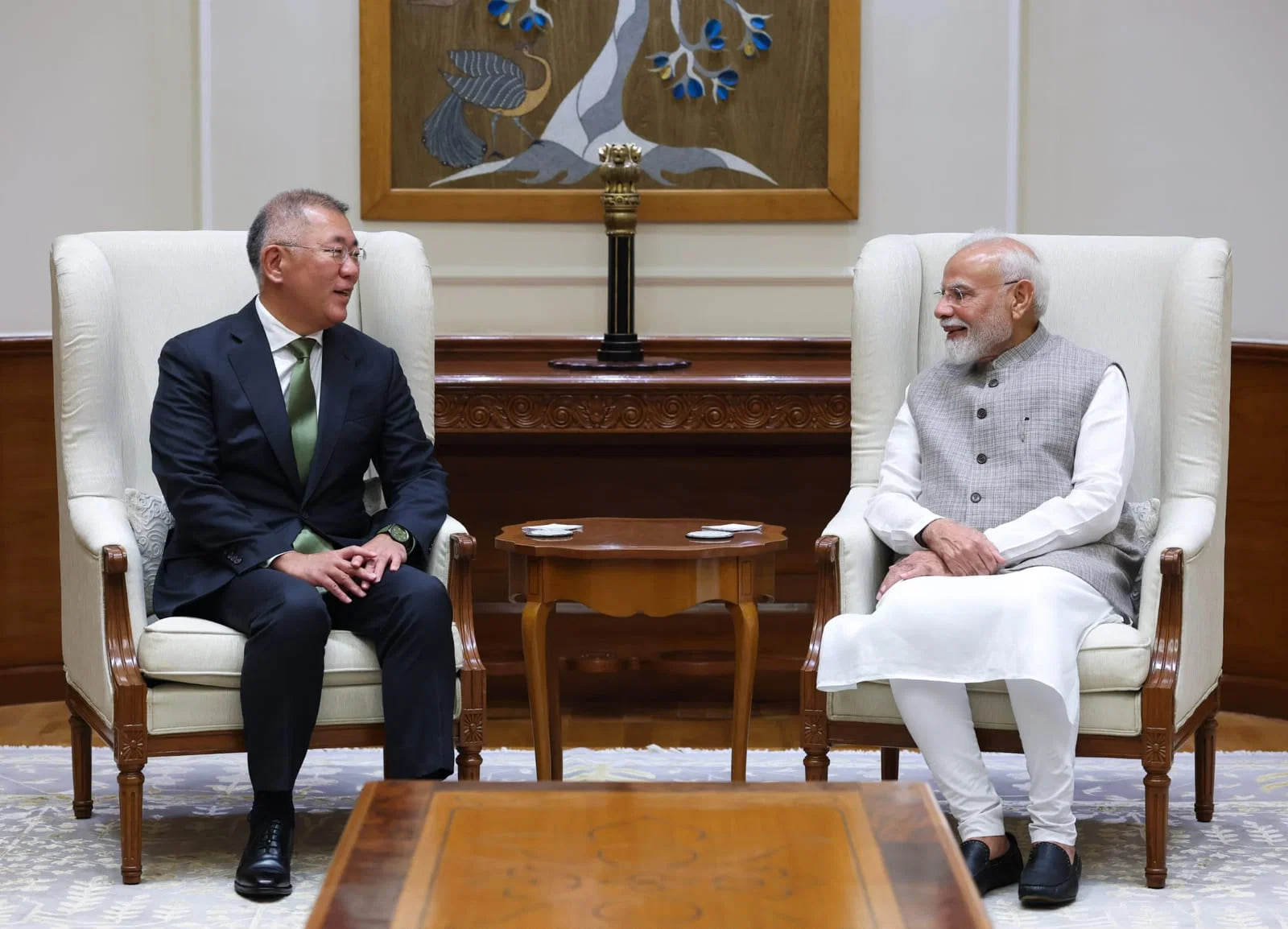
Hyundai has announced plans to invest USD 15.5 billion in India between 2026 and 2032. The investment will cover research and development, manufacturing capacity, local supplier development and businesses such as electric vehicle charging and automotive financing. The announcement follows a meeting between prime minister Narendra Modi and Hyundai Motor Group executive chair Euisun Chung in New Delhi on October 13.
“India remains one of Hyundai Motor Group’s most important and strategic markets globally. The past 30 years have been defined by our commitment to India. This investment reaffirms our commitment to India for the next 30 years and beyond,” Chung said.
Hyundai investment: R&D and manufacturing plans
The company plans to invest around USD 700 million in its Indian R&D centre, including a vehicle testing track. The investment is intended to expand engineering facilities and support the development of automotive technologies and local talent.
The group also plans to increase manufacturing capacity across Hyundai and Kia. Their combined annual production capacity in India currently exceeds 1.4 million vehicles, across Hyundai’s facilities in Chennai and Pune, and Kia’s plant in Anantapur.
Capacity at Hyundai’s Pune facility is scheduled to increase in phases. The group is also assessing a third manufacturing location to meet its longer-term requirements.
Our sister publication, Autocar Professional reported on September 29 that Chhatrapati Sambhaji Nagar in Maharashtra and Sanand in Gujarat were among the locations under consideration. According to people familiar with the plans, the proposed facility could eventually add around 500,000 units of annual capacity, with investment potentially exceeding USD 2 billion over time. The plant could come up around 2030, with capacity added in phases over five to seven years. The October 13 announcement did not confirm the location, investment schedule or additional capacity.
The company will also invest in local suppliers and regional partners to increase parts localisation and strengthen its supply chain. It plans to establish a dedicated investment entity in India to oversee the programme and identify suppliers, technology partners and investment opportunities.
Hyundai to explore new mobility businesses
Beyond vehicle manufacturing, Hyundai Motor Group plans to explore automotive financing, EV charging infrastructure and end-of-life vehicle recycling. It also intends to support promising start-ups and expand into mobility services linked to its vehicle business.
Hyundai is developing electric three-wheelers with TVS Motor Company under a joint development agreement. The partnership is aimed at commercialising electric three-wheelers for India and other markets.
The group said the investment programme is expected to create employment in manufacturing, R&D, engineering and supply chains, including through suppliers and new mobility businesses. It currently employs more than 24,000 people across India.
Hyundai Motor Group has not disclosed how the USD 15.5 billion investment will be divided between Hyundai and Kia, or how much will be allocated to individual projects.
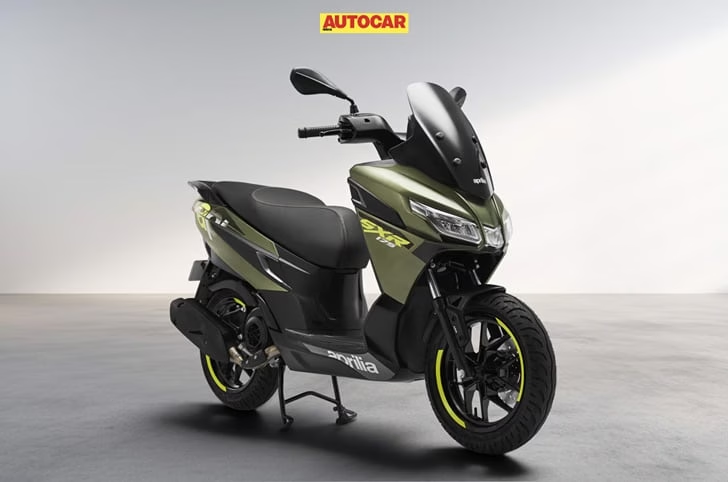
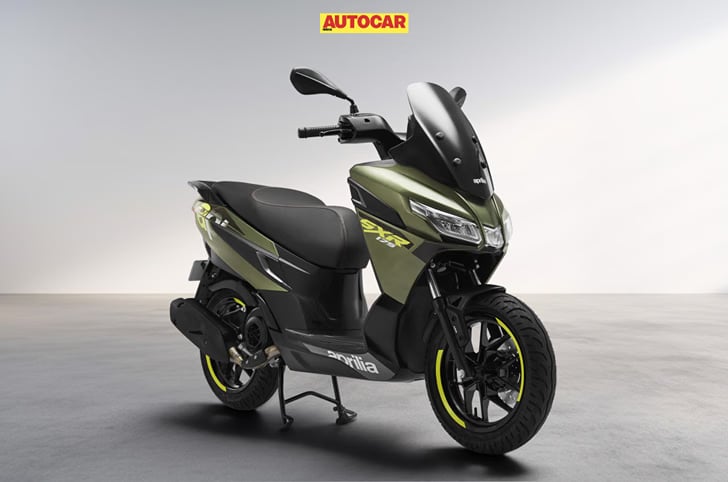
The Aprilia SXR GT 125 is the successor to the SXR 125, which was quietly discontinued in May this year. It shares its platform with the SR 125 hp-e and brings larger wheels and some additional features. Here are answers to some of the most commonly asked questions about it.
What is the difference between the SXR GT 125 and the SXR 125?
The SXR GT 125 replaces the now-discontinued SXR 125 as the brand’s entry-level maxi-scooter in our market. The most notable change is the move to 14-inch wheels, up from the 12-inch wheels on the older model. The SXR GT 125 also uses an updated 124.5cc engine and shares its platform with the current SR 125 hp-e.
What does the SXR GT 125 engine offer?
The SXR GT 125 is powered by a 124.5cc single-cylinder engine producing 10.6hp at 7,400rpm and 10.4Nm of torque at 6,200rpm. It meets BS6 OBD-II Stage B norms and is compatible with E20-blended fuel.
What features does the SXR GT 125 have?
The SXR GT 125 gets a 5-inch LCD instrument cluster and a combined braking system (CBS). In comparison, the SXR GT 175, which was launched alongside it, gets a TFT display with Bluetooth connectivity, turn-by-turn navigation and single-channel ABS.
What are the SXR GT 125 colour options?
The Aprilia SXR GT 125 is available in three colour options – Matte Black, Glossy Azzurro and Glossy White.
What is the SXR GT 125 price?
The Aprilia SXR GT 125 is priced at Rs 1.10 lakh and should be available at Aprilia dealerships nationwide. At this price point, the new SXR is about Rs 5,000 more expensive than the similarly styled Suzuki Burgman Street, which is priced at Rs 1.06 lakh.
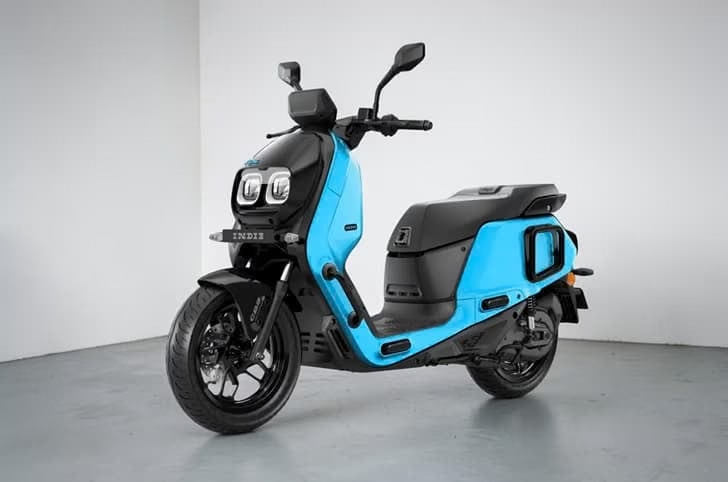
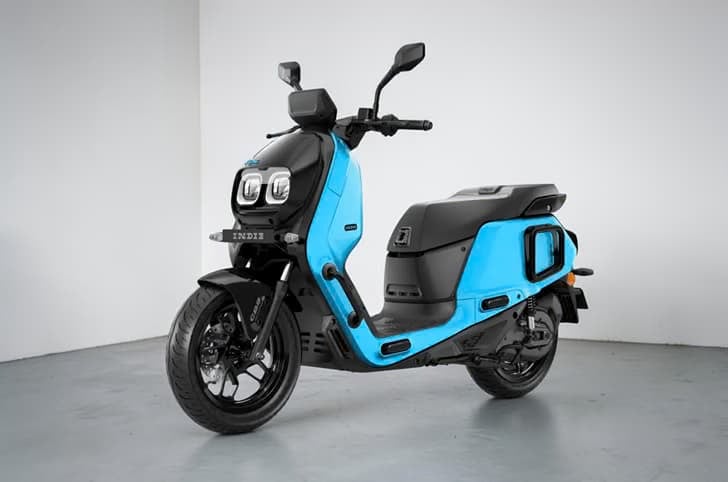
River Mobility has entered Nepal in partnership with Vishal Group opening its first international retail and service outlet in Kathmandu. Its flagship electric scooter, the Indie, is priced at NPR 3.7 lakh (ex-showroom, Kathmandu).
Partnered with Vishal Group to open first international store
Will retail flagship Indie electric scooter
Nepal is the first market River enters outside India
River Mobility International Expansion
Plans to expand its network across Nepal
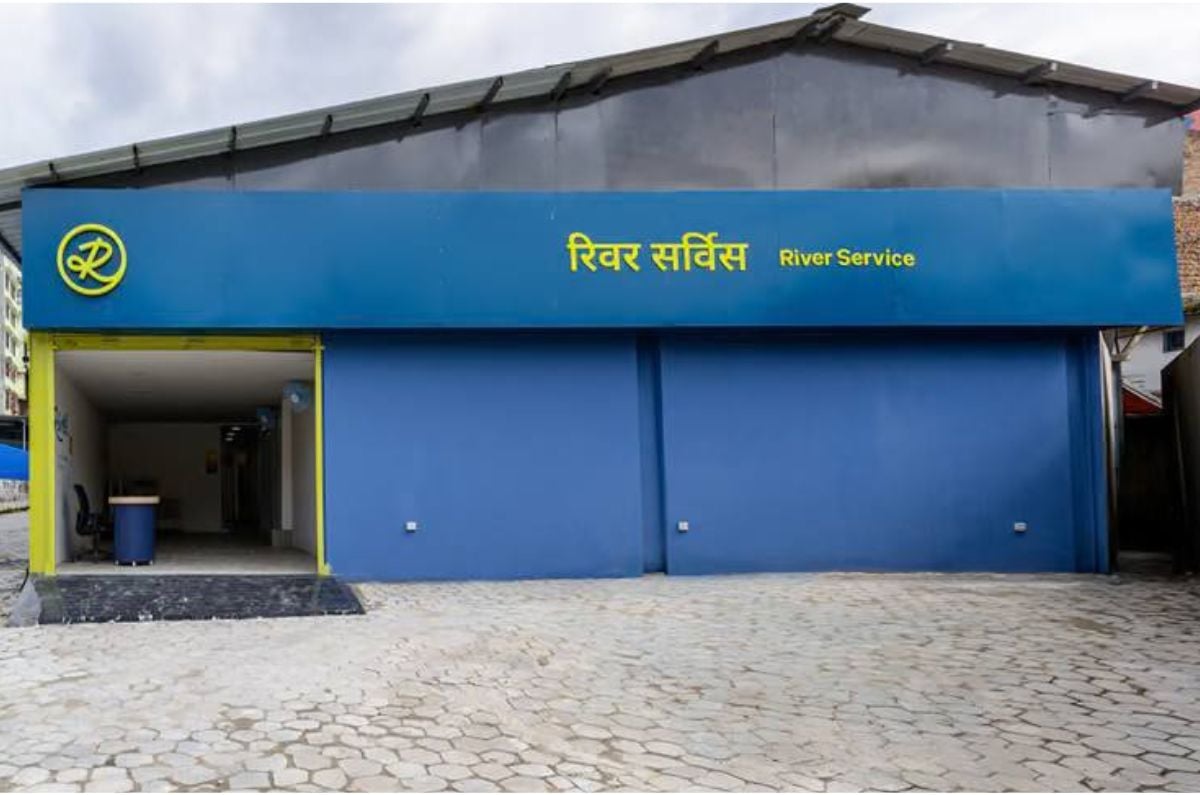
Bengaluru-based electric two-wheeler manufacturer River Mobility has opened its first international store in Nepal. The retail and service outlet in Naxal, Kathmandu, was made possible through a partnership with regional conglomerate Vishal Group. Through this outlet, the brand will retail its flagship electric scooter the Indie, along with accessories and merchandise. To provide after-sales services and customer support, a dedicated service centre has also been established.
Beyond Kathmandu, River plans to expand its footprint to key cities across Nepal to broaden customer access and after-sales reach. The River Indie is priced at NPR 3.7 lakh (ex-showroom, Kathmandu), equivalent to approximately Rs 2.30 lakh, making it roughly Rs 73,000 more expensive than its Indian price tag (Rs 1.57 lakh ex-showroom, Bengaluru). Test rides and bookings are available at the new outlet.
River currently operates over 90 stores across India, including Karnataka, Kerala, Tamil Nadu, Maharashtra, Telangana, Andhra Pradesh and Delhi-NCR, with plans to increase its domestic retail network to more than 400 stores by March 2028, covering existing and new markets.
With inputs from Eshisha Java and Suraj Sreekumar. NPR-to-INR conversions are based on exchange rates at the time of writing.
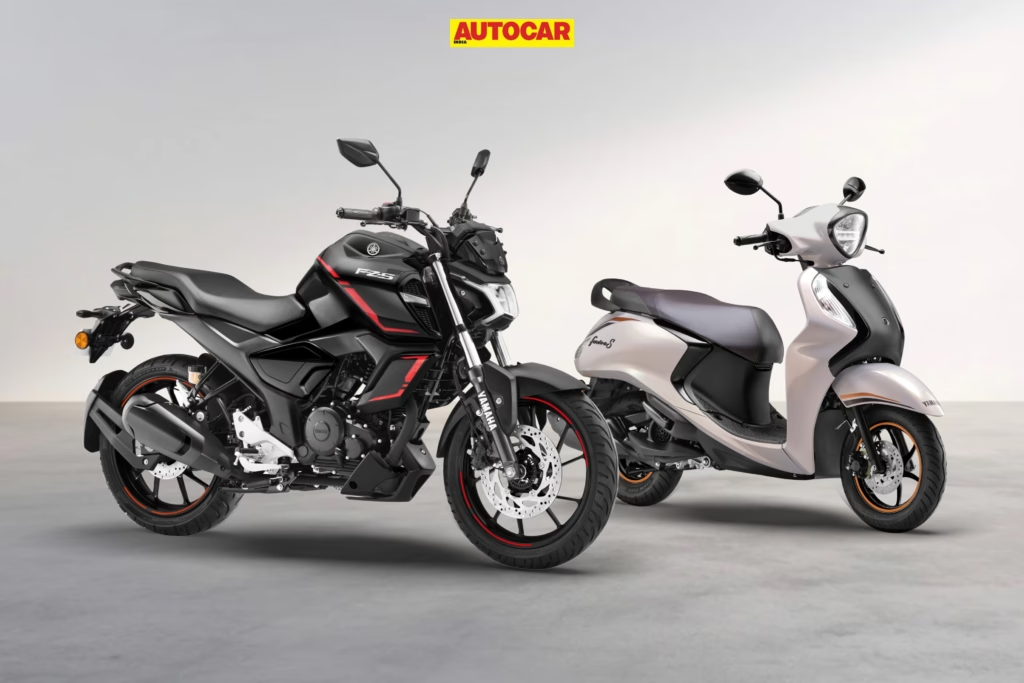
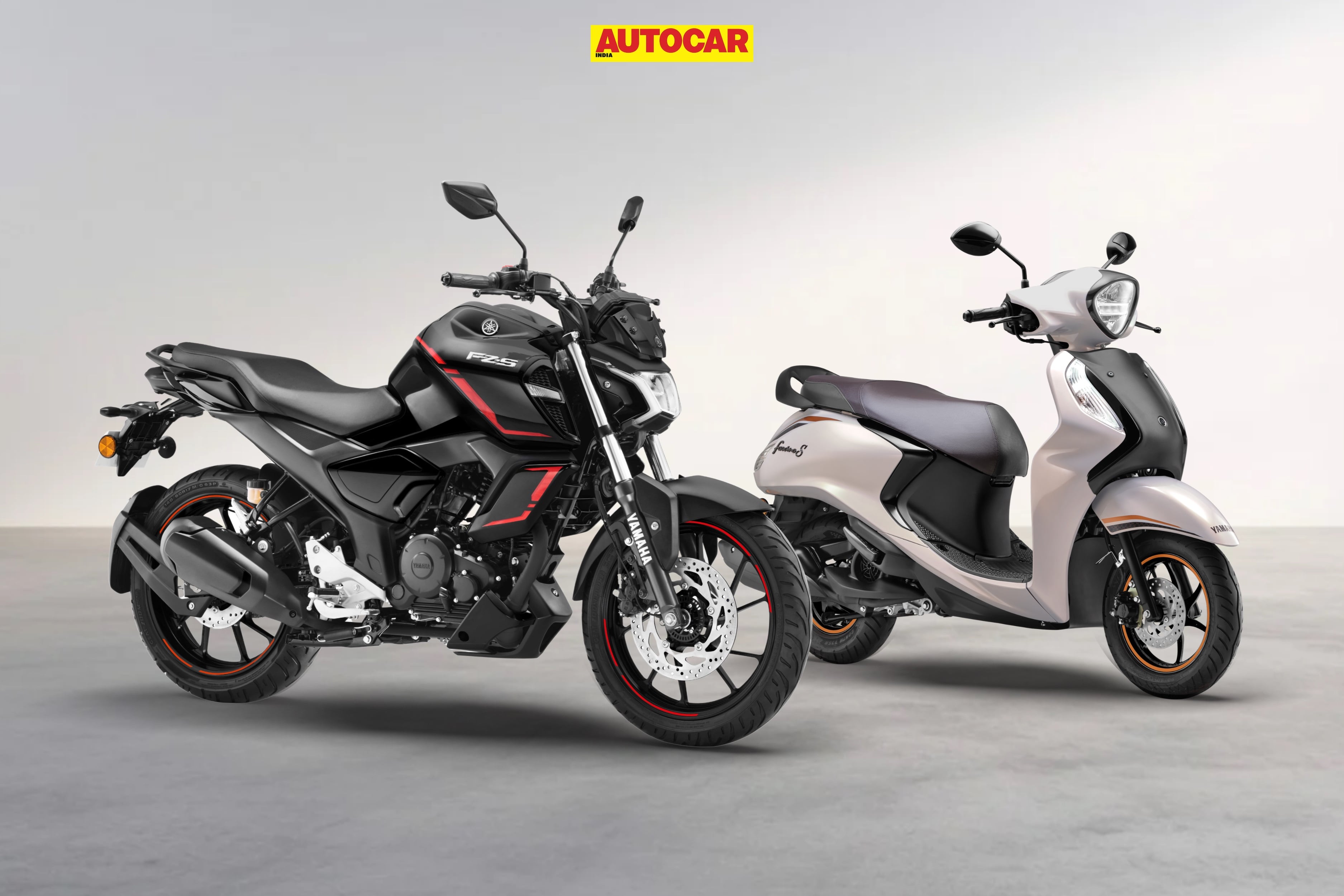
Yamaha Motor India has announced the beginning of its festive season offers, covering most of its popular motorcycles and scooters. The offers come in the form of insurance premium benefits, low down payment with flexible finance schemes, or both. Yamaha has told us that the insurance benefits mentioned here is the minimum amount customers can expect to get on their premiums.
Yamaha R15 and MT-15 don’t get any discount benefits
FZ series get the highest offer of the bunch
Yamaha festive offers: The breakdown
Aerox, R15S and EC-06 are completely exempted
The Fascino and RayZR 125, both recently updated, get the least amount of offers. The 125cc scooter duo, besides sharing the same platform, also share the same Rs 3,399 benefit for the insurance and a lowered down payment of Rs 2,499. The FZ series, now consisting of seven different variants, get Rs 5,999 as insurance benefit and Rs 3,900 as the down payment. The R15 and the MT-15 do not get any insurance benefits, just a lowered down payment of Rs 4,999. The XSR155, on the other hand, gets Rs 5,555 worth of insurance benefit and the same lowered down payment amount.
Type
Product/Variant
Insurance Benefit*
Low down payment*
Yamaha Hybrid scooter range
Fascino 125, RayZR 125
Rs 3,399
Rs 2,499
Yamaha FZ series
FZ-S (FZ-S Fi Hybrid, FZ-S Fi, FZ-S Fi V4 DLX and FZ-S Fi V4)
FZ (FZ Rave, FZ-Fi and FZ Blue Flex)
Rs 5,999
Rs 3,900
Yamaha 155cc motorcycles
XSR155
Rs 5,555
Rs 4,999
Yamaha 155cc motorcycles
R15 and MT-15
NA
Rs 4,999
The recently launched Yamaha R2 does not get any offers at this time, nor do the Aerox, R15S and Yamaha’s first electric scooter, the EC-06. The Japanese manufacturer has specified that the offers are currently not applicable in the states of Keralam and Tamil Nadu. Elsewhere in the country, the insurance benefits have been effective from October 1 (October 10 in Maharashtra) to November 15. The lowered down payment and finance schemes have been effective since October 1 and will remain so until the end of November.
*Terms and conditions apply. Insurance benefits based on the applicable insurance cost, excluding add-ons.