Sugar-based ethanol has been left out of India’s ethanol tender for the 2026-27 supply year, according to a Reuters report. Citing the tender issued on October 16, the report states that the government has instructed state-run oil marketing companies (OMCs) to ensure no sugar is diverted towards ethanol production for this period. No bids have therefore been invited for ethanol produced using sugarcane juice, sugar or sugar syrup, or B-heavy molasses, the report adds.
Oil firms invited bids for 11 billion litres of ethanol for 2026-27
Tender allows bids for ethanol made from corn, broken rice and surplus FCI rice
Incentive for corn-based ethanol cut from Rs 5.79/litre to Rs 2.79/litre
Tender details
It seeks 11 billion litres for the supply year starting in November 2026
The tender comes from Indian Oil, Bharat Petroleum and Hindustan Petroleum. “The Government of India has issued directions that sugar diversion for ethanol be reduced to zero for ethanol supply year 2026-27,” the tender document said, according to the report.
The companies are looking to procure 11 billion litres of ethanol for the supply year, which kicks off in November 2026. Distillers can submit bids for ethanol produced from corn, broken rice and surplus FCI (Food Corporation of India) rice. Corn-based ethanol will also fetch less this time. Its incentive has dropped by Rs 3 per litre to Rs 2.79 per litre, taking the procurement price from Rs 71.86 per litre to Rs 68.86 per litre, as per the report.
Ethanol blending and sugar supply
India is trying to rein in high sugar prices
Surplus sugar has been a key contributor to India’s ethanol-blending programme for several years. India also consumes more sugar than any other country, and has been trying to increase local production while easing prices.
Reuters had reported in August 2026 that limits on the use of sugarcane for ethanol were being considered for the season starting October 2026. Weaker rains in Maharashtra and Karnataka had already cast doubt on this year’s sugar production at the time.
Ethanol blending is aims to reduce India’s oil imports. E20 petrol, which became compulsory nationwide earlier this year, was introduced to cut emissions as well as the country’s dependence on imported crude. However, diverting sugarcane juice, sugar syrup and B-heavy molasses towards ethanol can lead to a reduction in the amount of sugar produced.
While scooters are more practical than motorcycles, the choice comes down to how and where you use them. I have preferred motorcycles for daily commuting, mainly because their larger wheels and better suspension tend to offer a more composed ride, while the extra performance makes quick progress through traffic easier.
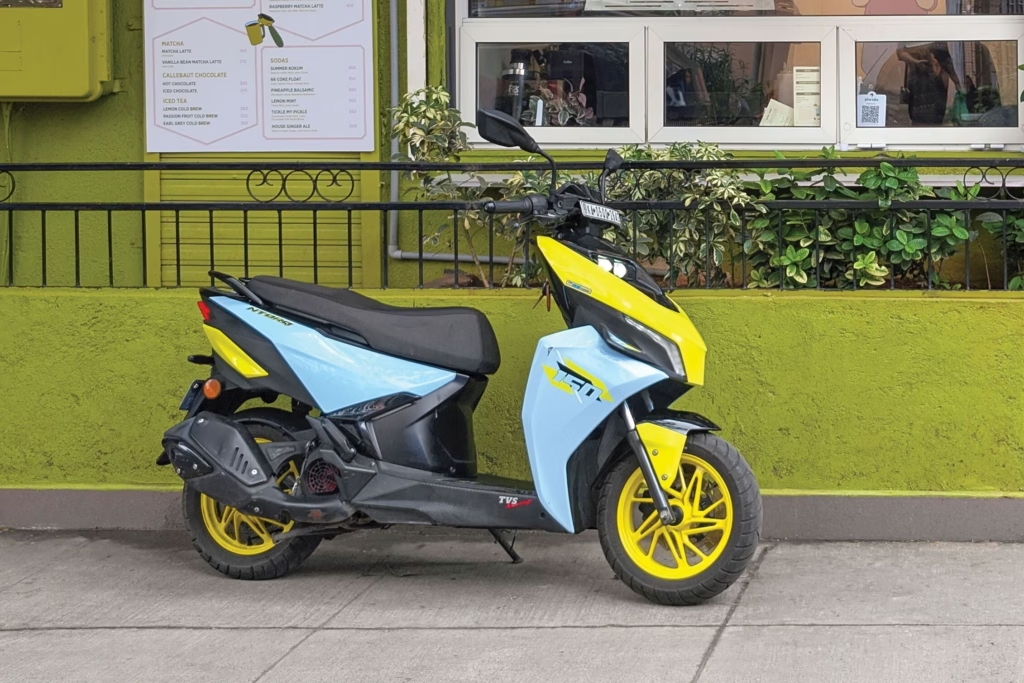
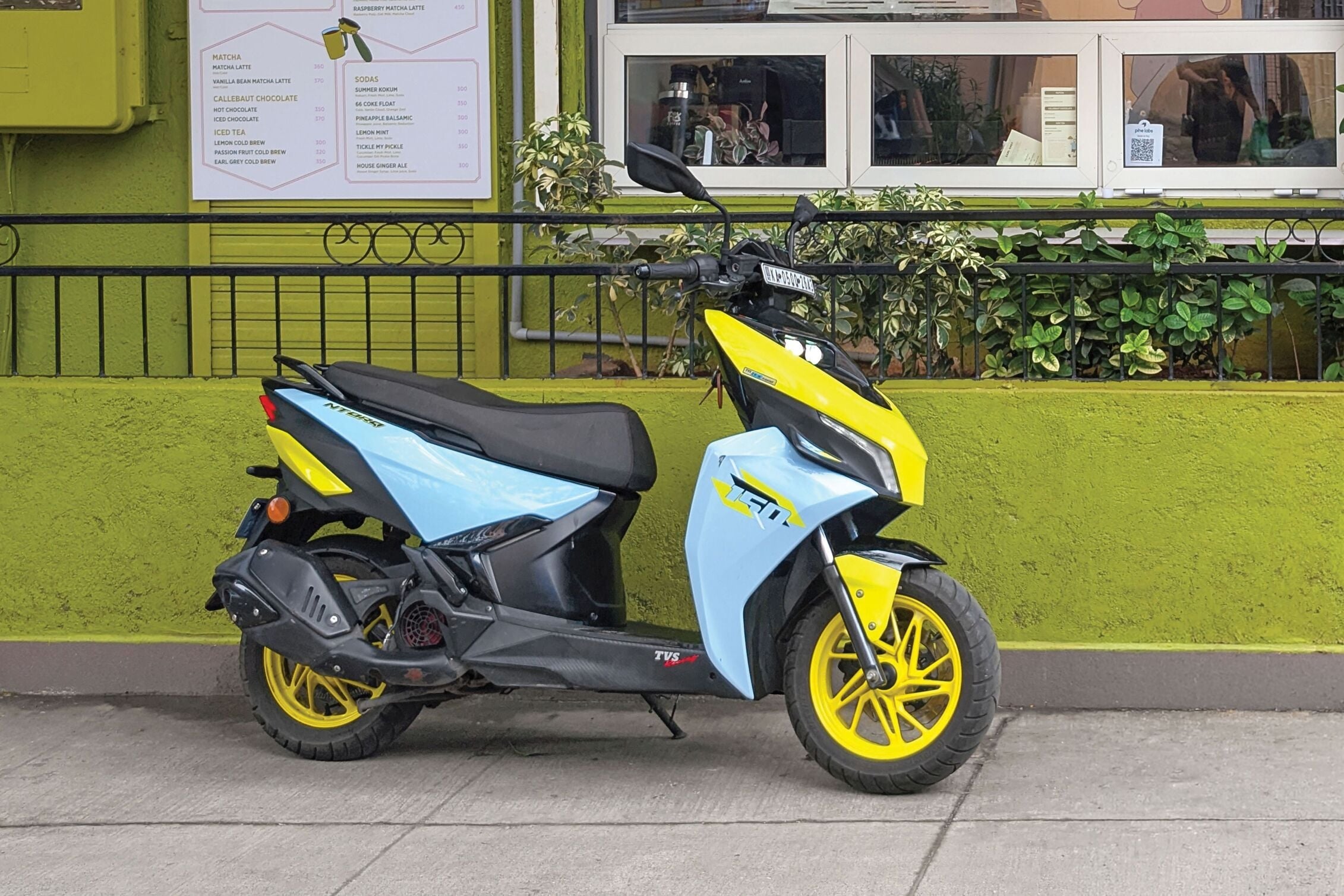
With our long-term motorcycles already being used by other colleagues, I found myself spending more time with the TVS Ntorq 150. Since our last report, it has covered another 1,000km.
The first thing any enthusiast is likely to appreciate about the Ntorq is its performance. Overtakes are easy, and you rarely need to twist the throttle all the way to make a quick move through traffic. Adding to the character of this scooter is an engaging exhaust note. The riding modes also add a useful layer of versatility. During torrential rains, with poor visibility and slippery roads, I found Street mode quite useful. It slightly reduces power delivery, making it easier to manage when conditions aren’t ideal.
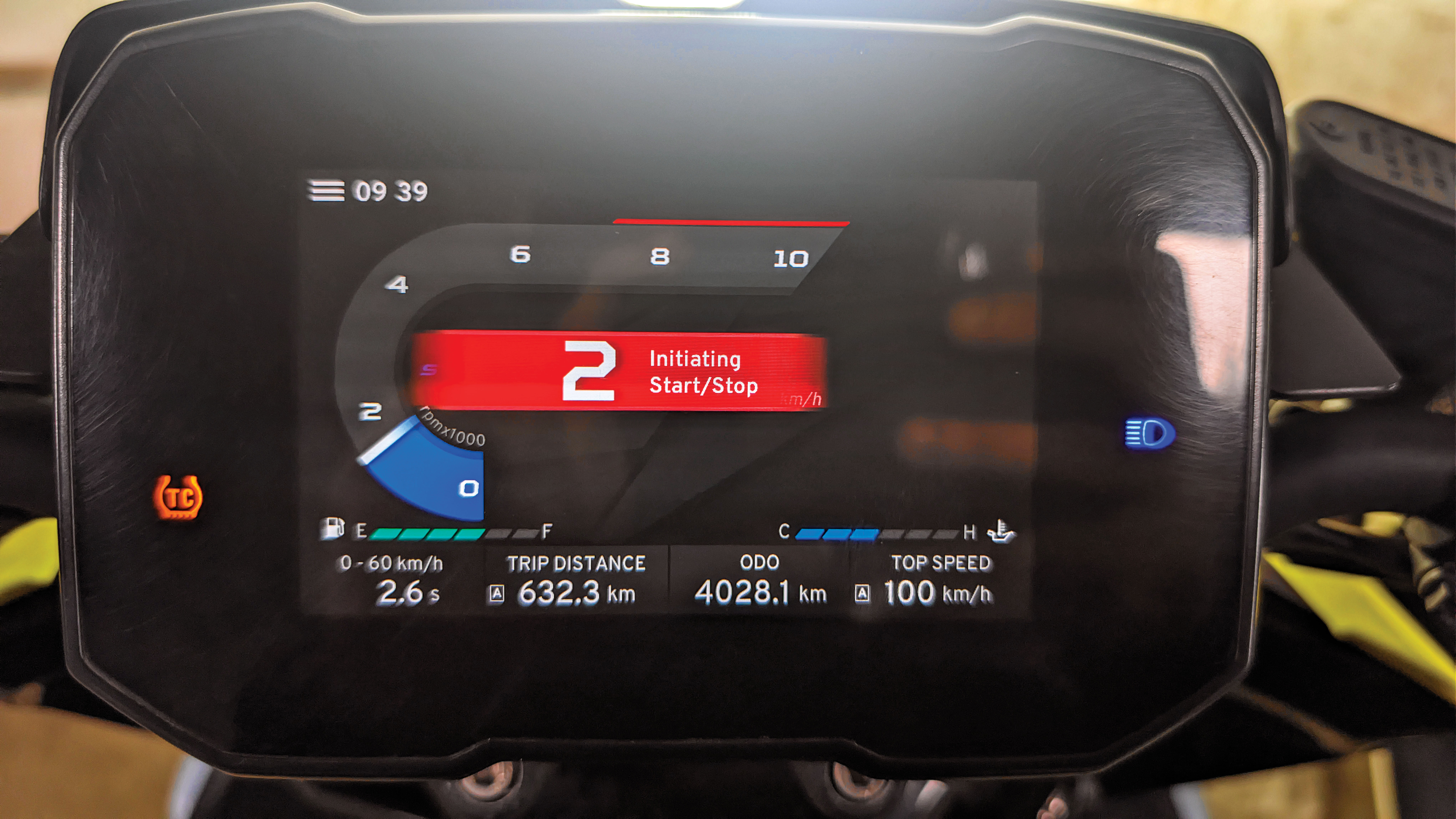
However, I don’t particularly like the start-stop system that is activated in Street mode. It takes a second longer than I would like to restart when the throttle is opened, which can be irritating when launching away from a traffic light. I prefer switching it off and letting the engine idle instead.
Start/stop feature takes a little longer than expected to restart the scooter.
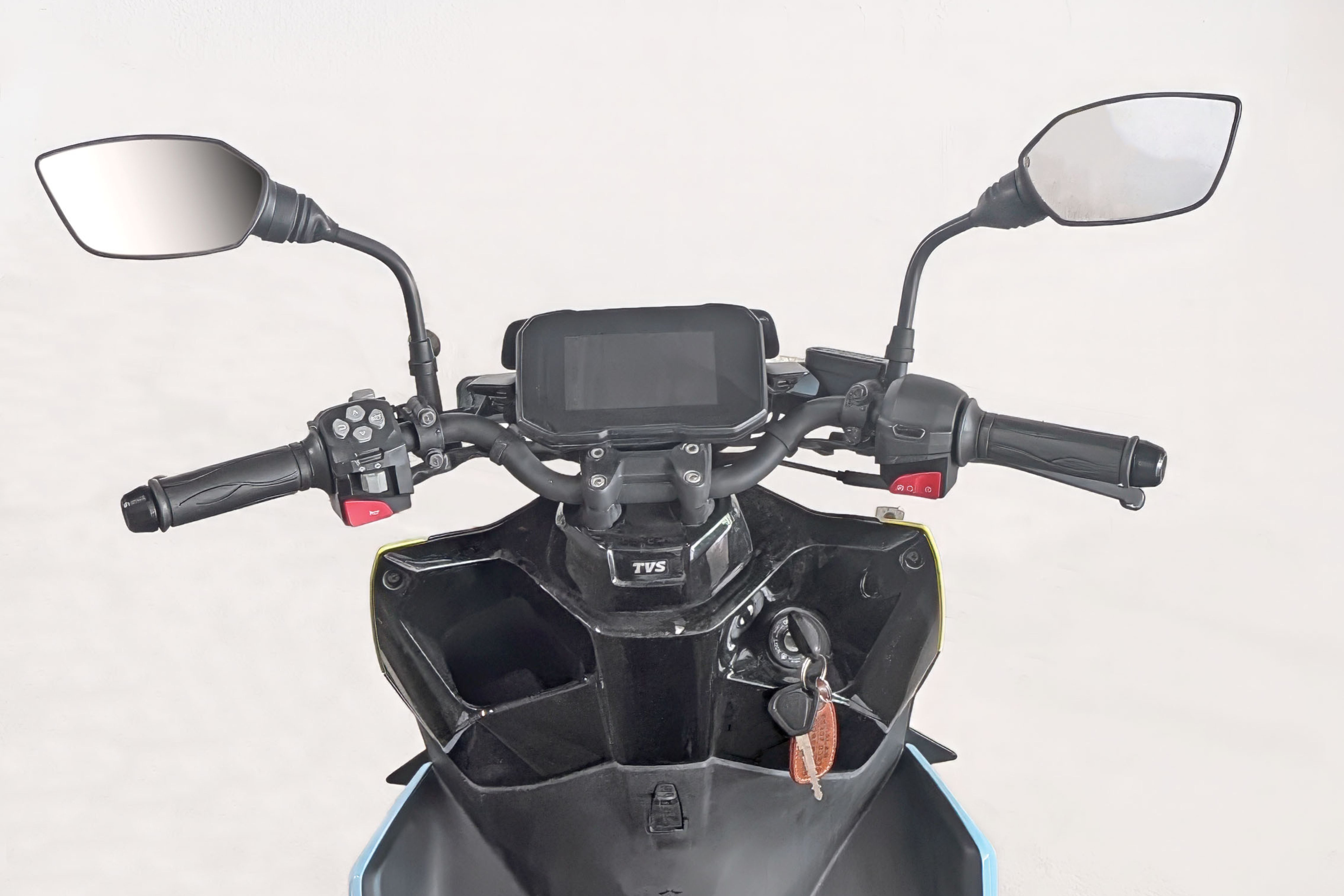
The mirrors are another small annoyance. They provide a good field of view, but they stick out quite a bit and can make squeezing through tight traffic gaps a bit more difficult.
Mirrors jut out too much and come in the way of filtering through tight traffic.
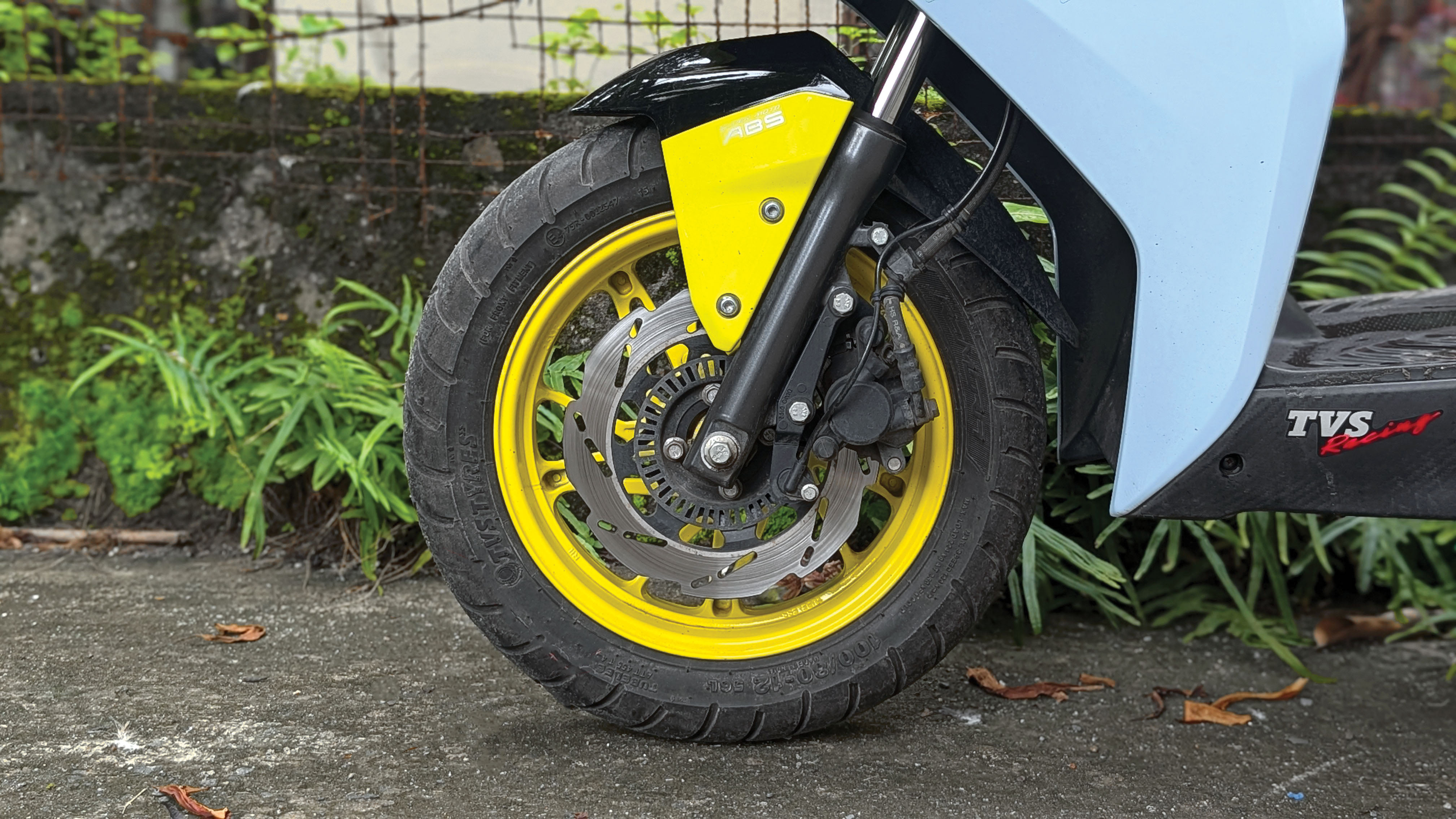
The front disc brake, on the other hand, has been impressive, offering strong stopping power, while the ABS isn’t intrusive. I have noticed that the rear drum brake needs adjustment roughly every 300km, though.
The front disc brake offers strong performance, and the ABS is not intrusive.
Despite being a sport-oriented scooter, its suspension does a really good job of dealing with potholes and broken roads. In fact, I would say it handles rough roads better than several family-oriented scooters I have used in the past.
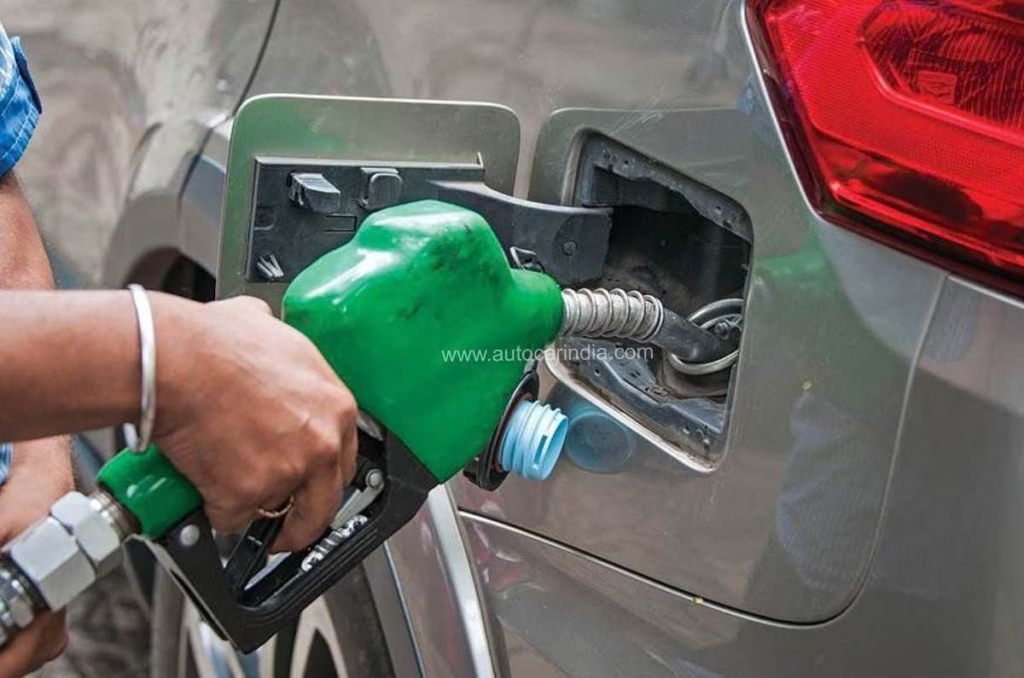
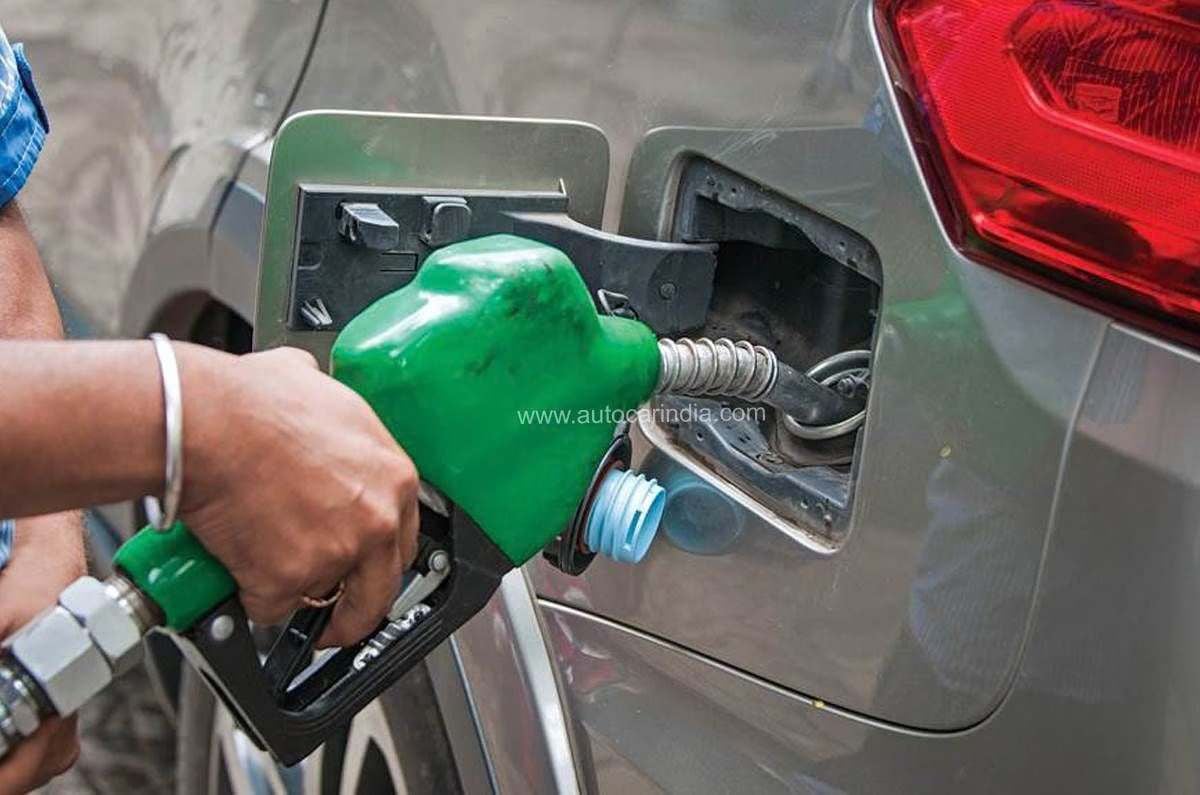
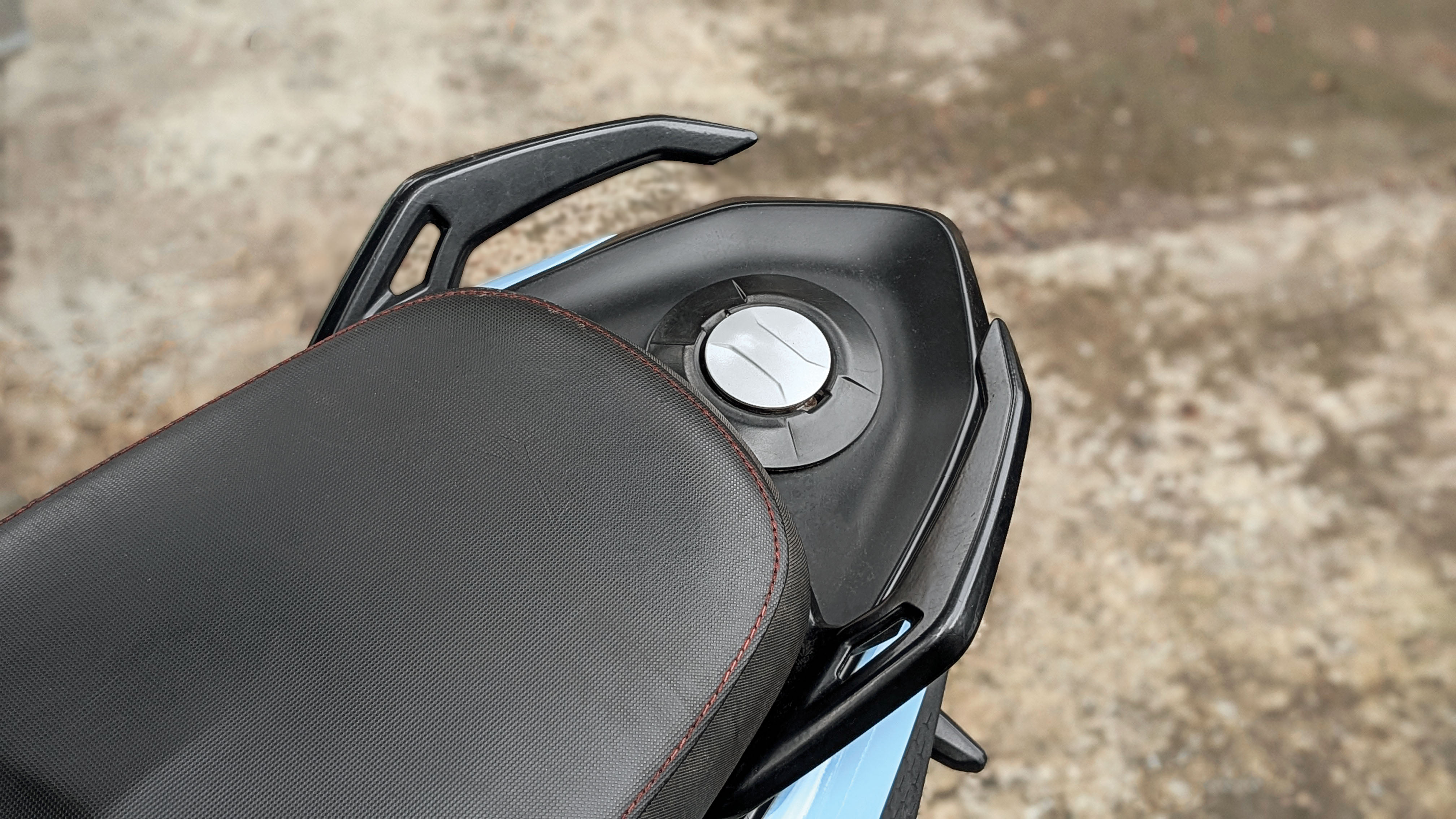
In terms of convenience, the under-seat storage is adequate for my requirements, while the left-hand switchgear makes navigating the menus on the TFT display fairly straightforward. The external fuel filler is another small but useful touch.
The convenience of an external filler makes fuel stops very efficient.
After another 1,000km, the Ntorq 150 has made a convincing case for itself as a daily commuter. It has the performance to keep an enthusiast entertained, the ride quality to tackle our battered roads and enough everyday convenience to make commuting easy. It isn’t without a few niggles, but the longer I spend with it, the more I understand why this sporty scooter makes a strong argument for leaving the motorcycle at home for the daily grind.
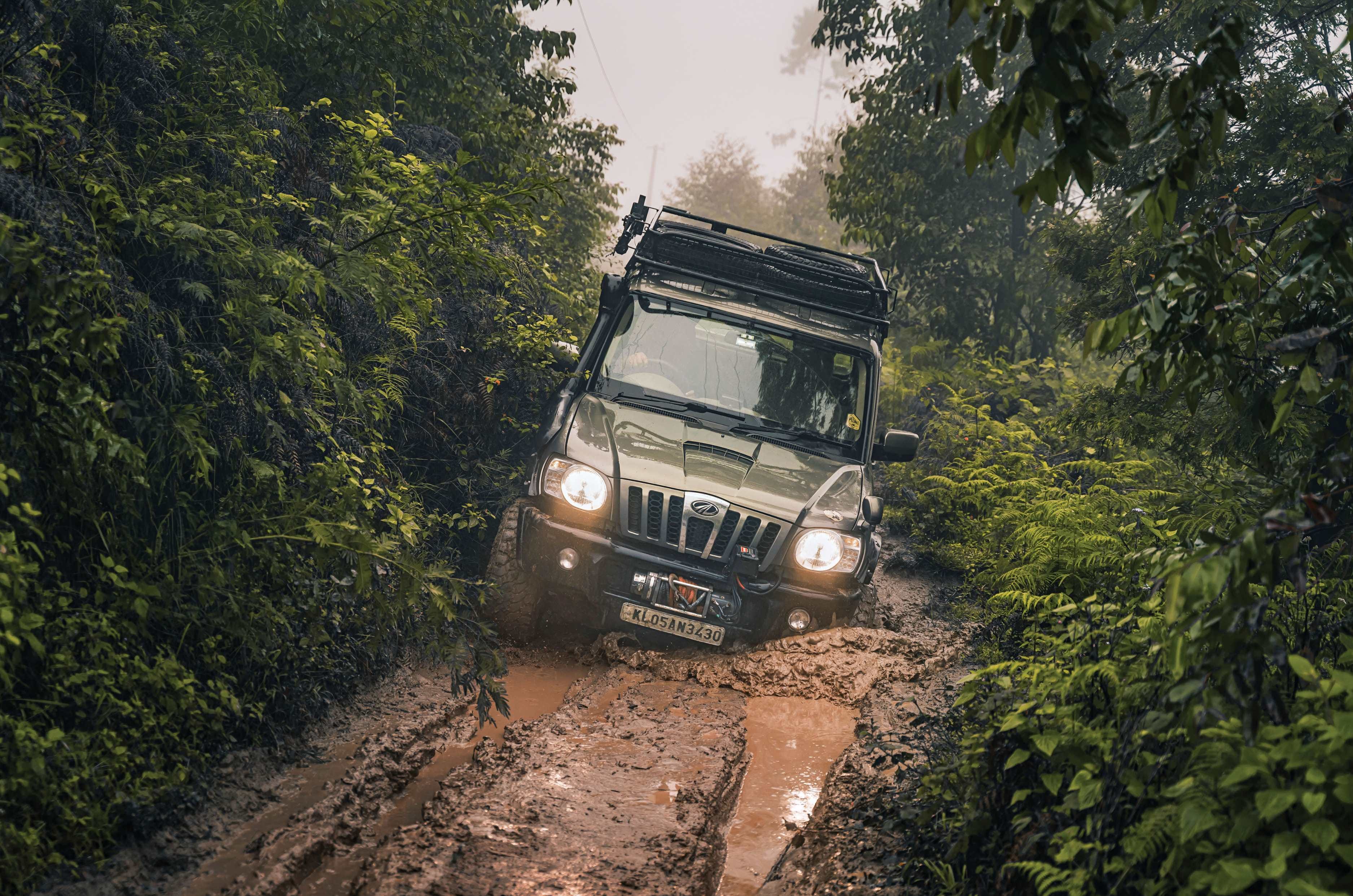
This is the story of a 1,50,000km-old Mahindra Scorpio Getaway that has lived the life it was designed for.
My name is Ouseph Chacko, and I am part-owner of this Getaway because it is my company car. As a partner of an off-road motorcycle school and adventure touring company, I can tell you that if we didn’t have the Getaway from when we started out, it would have taken us a lot longer to get here. We would have been a fair bit lighter of wallet too.
To tell this story properly, I need to rewind a bit – pickup trucks by their very nature are designed to be versatile, and that’s the story of this Getaway. Back in 2016, my business partner Rish was big into long-distance cycling, kayaking and camping tours and needed a vehicle that could accommodate his expensive cycles, carry a couple of kayaks and have the ability to lug around enough gear to make camping, glamping.
The Getaway offered power steering, power windows, power mirrors, air conditioning, front seat armrests and a rear defogger! It also had the electronic shift-on-the-fly four-wheel-drive system and was the most powerful pickup truck on offer.
First things first
While the Getaway looked as lifestyle as could be for pickup trucks back then, it still looked more BRO than Special Forces (no disrespect to the BRO but you get the picture), it needed upgrades.
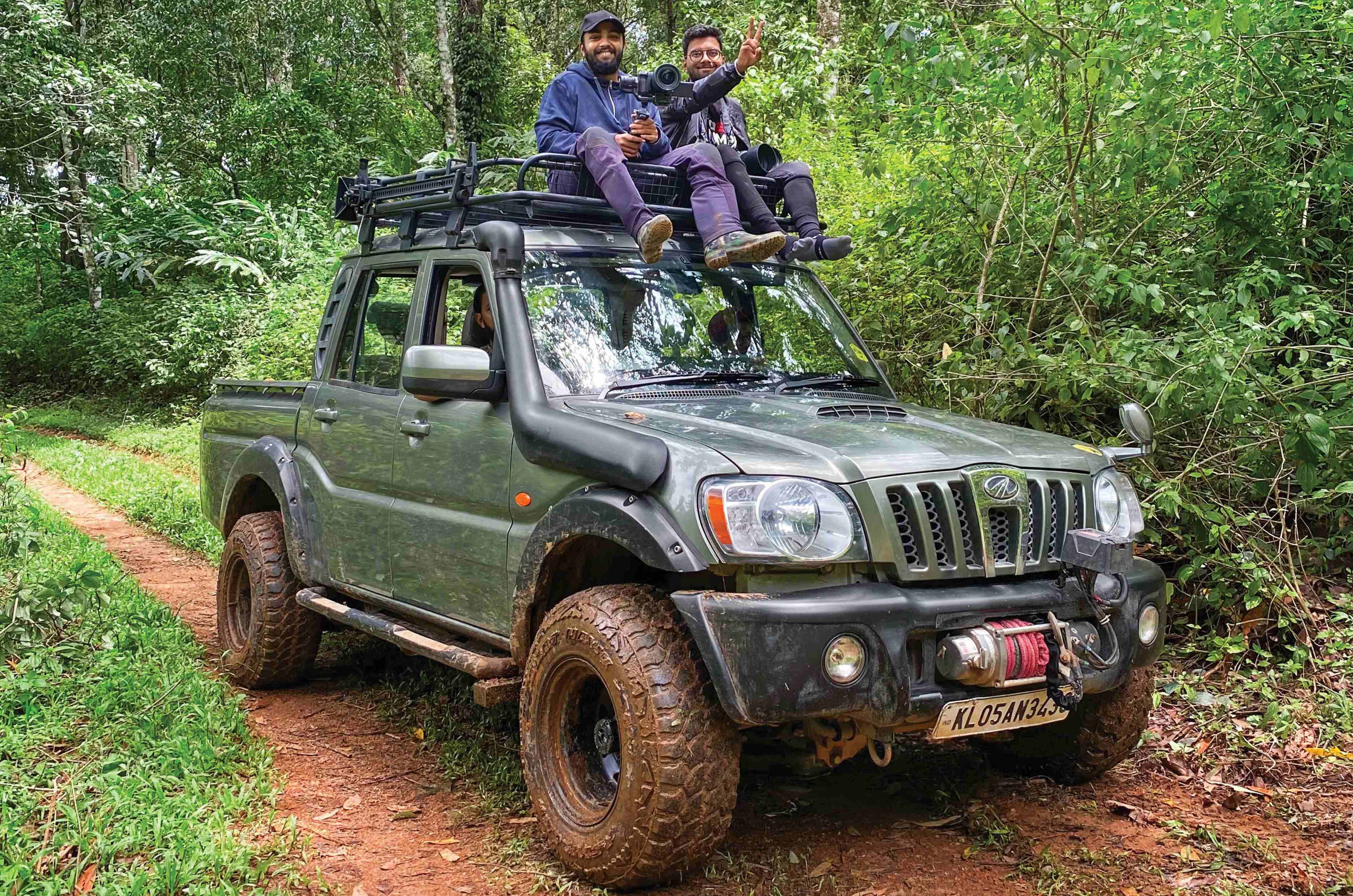
Who needs drones when you have a roof carrier?
To ensure Rish got stuck further down the trail, a Lamda cable-operated locking differential found its way into the rear axle, while the front axle got manual locking hubs (the factory-fitted auto-locking hubs were prone to breaking under heavy load). The engine was left untouched, but to allow adequate wheel arch clearance for the planned high-profile fat tyres, a two-inch body-lift kit was installed. When you lift it, you need to stance it, and so, the vanilla factory wheels made way for off-road -30 off-set steel wheels and faux wheel arch extensions that muscled up the looks but also let us squeeze in fatter tyres without alerting the RTO.
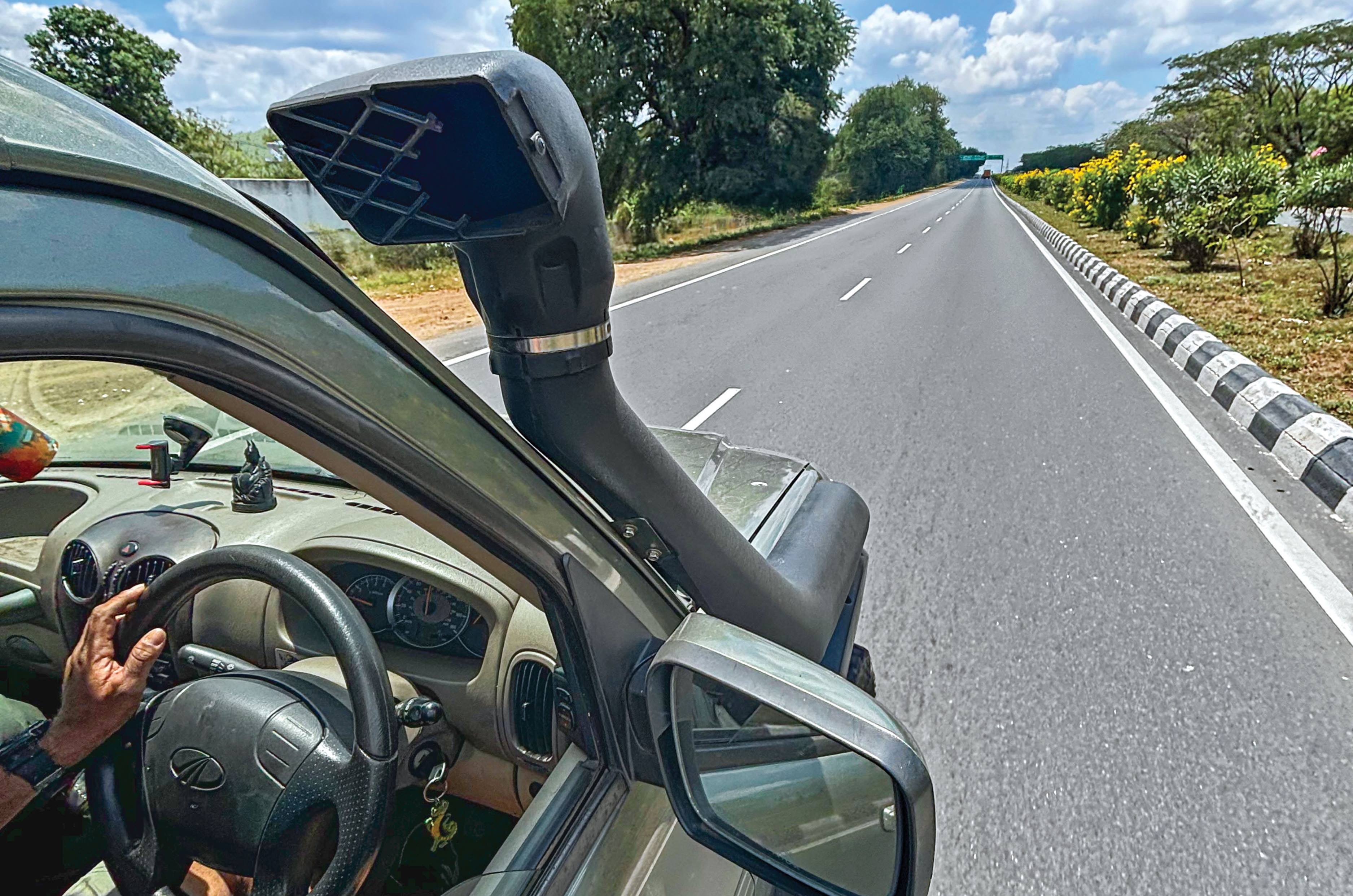
A canopy was added to cover the pickup bed, custom bicycle mounts were welded onto the floor of the bed, a roof-mounted tent, a side awning, solar panels on the roof, an AC-to-DC converter to run devices off the solar panels, a roof carrier, a snorkel, the legendary Warn M8000 winch, metal off-road bumpers, nine auxiliary lamps. Kitchen sink? Pah! There was no space left!
Life has other plans
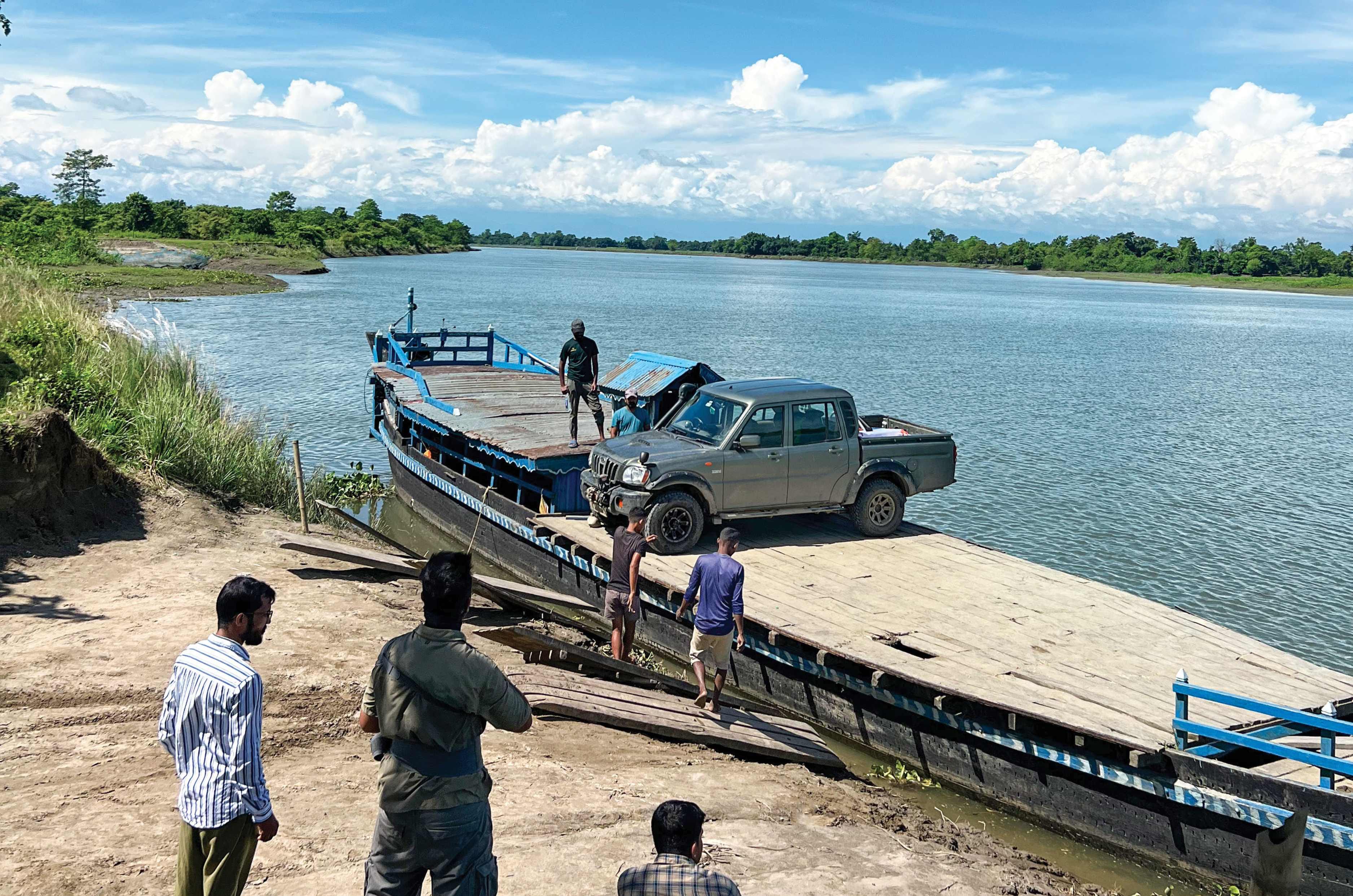
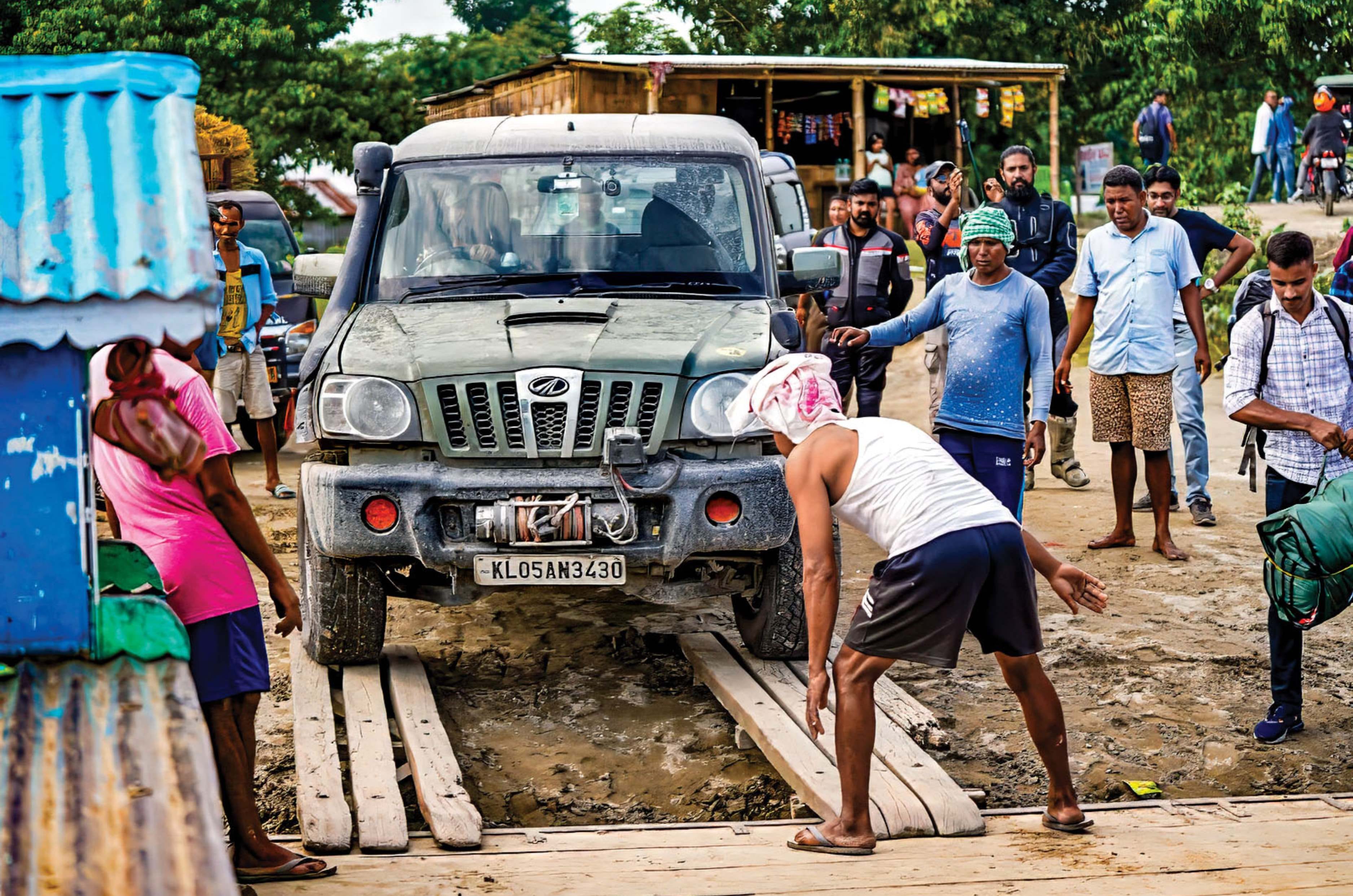
The snorkel allows some river crossing, but the Brahmaputra had to be crossed on this raft.
For reasons beyond the scope of this story, the Getaway spent most of its first two years parked up with no place to go. It preened, posed, went for the occasional camping trip and lent itself to all the mall crawler memes you can think of.
Then came August 2018. The skies over Kerala opened up. Rivers breached banks, houses were flooded up to the first floor in some places, and parts of middle Kerala were unreachable unless you had a boat or a vehicle with a snorkel. The official rescue teams quickly found themselves overwhelmed, so the Getaway, along with all of Kerala’s 4×4 community, stepped in to assist. The need of the hour was clean bedsheets, towels, underwear, drinking water, easy-to-reheat food and a way to get these supplies to people stranded in homes surrounded by flood waters or cut off by landslides. We loaded the Getaway’s pickup bed to the sky and drove through bonnet-deep water for about three days, handing out generously donated essentials. We stopped only when the rains subsided and when one of the people we thought needed help asked if we were carrying blue underwear. His favourite colour apparently!
Extremely useful as a backup car for our business because it can carry a mechanic, medic, tools, medical kit and motorcycles, with room to spare.
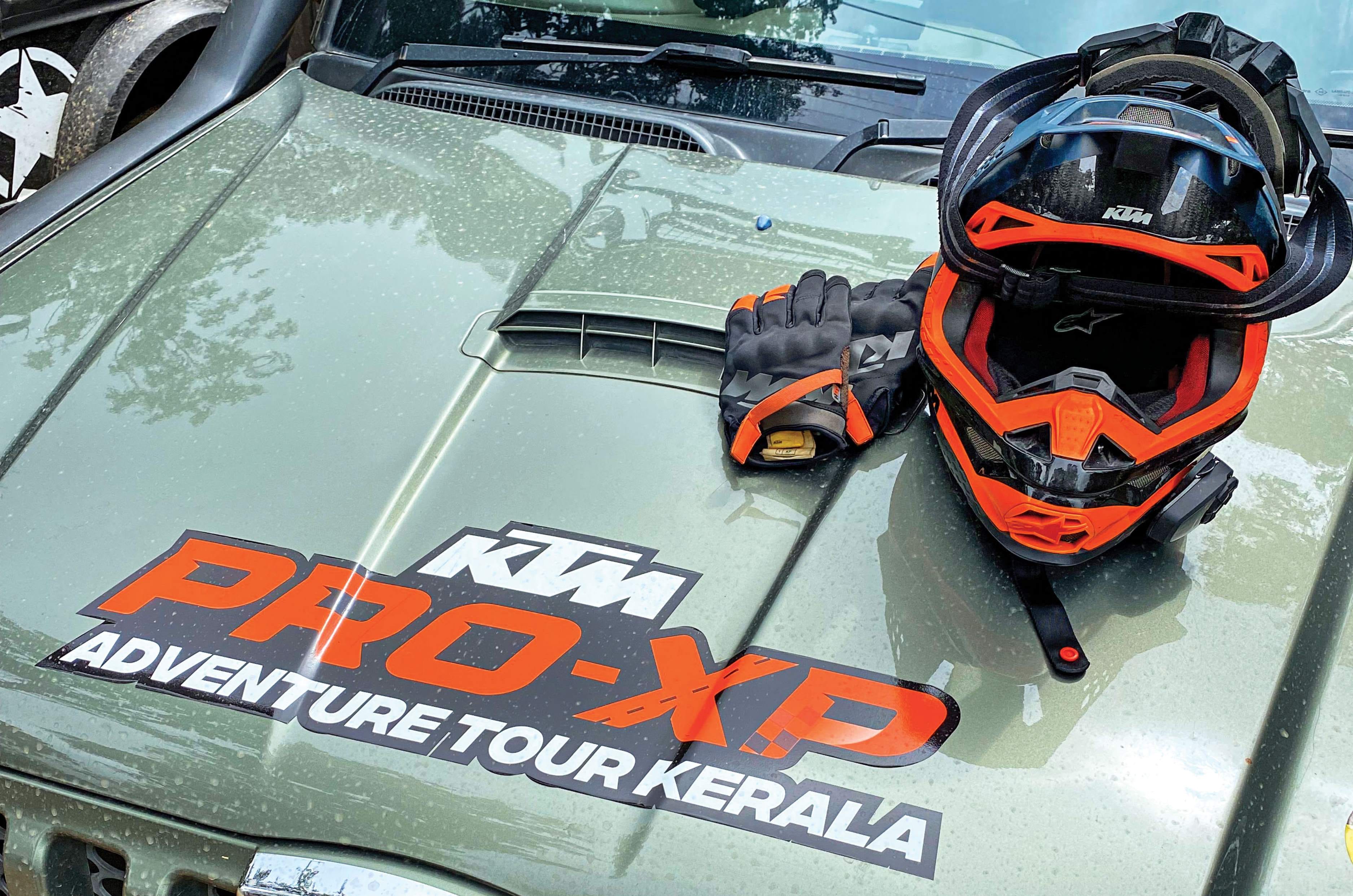
Soon after the rains subsided, the Motor Vehicles Department in Kerala started a serious clampdown run on modified vehicles, and we figured it was time to strip the Getaway of everything but the essentials. The School Of Dirt – our off-road motorcycling school – was in full swing by then, and the Getaway was the backup car because it could carry a mechanic, medic and two broken motorcycles at a go. We kept the winch, the snorkel and the mud-terrain tyres. We added new features like the comprehensive tool kit for off-road trail fixes and an exhaustive medical kit for when things go wrong far from a hospital. This thing can carry a lot!
We’ve had a few heart-in-mouth moments, but the Getaway always got us home safe.
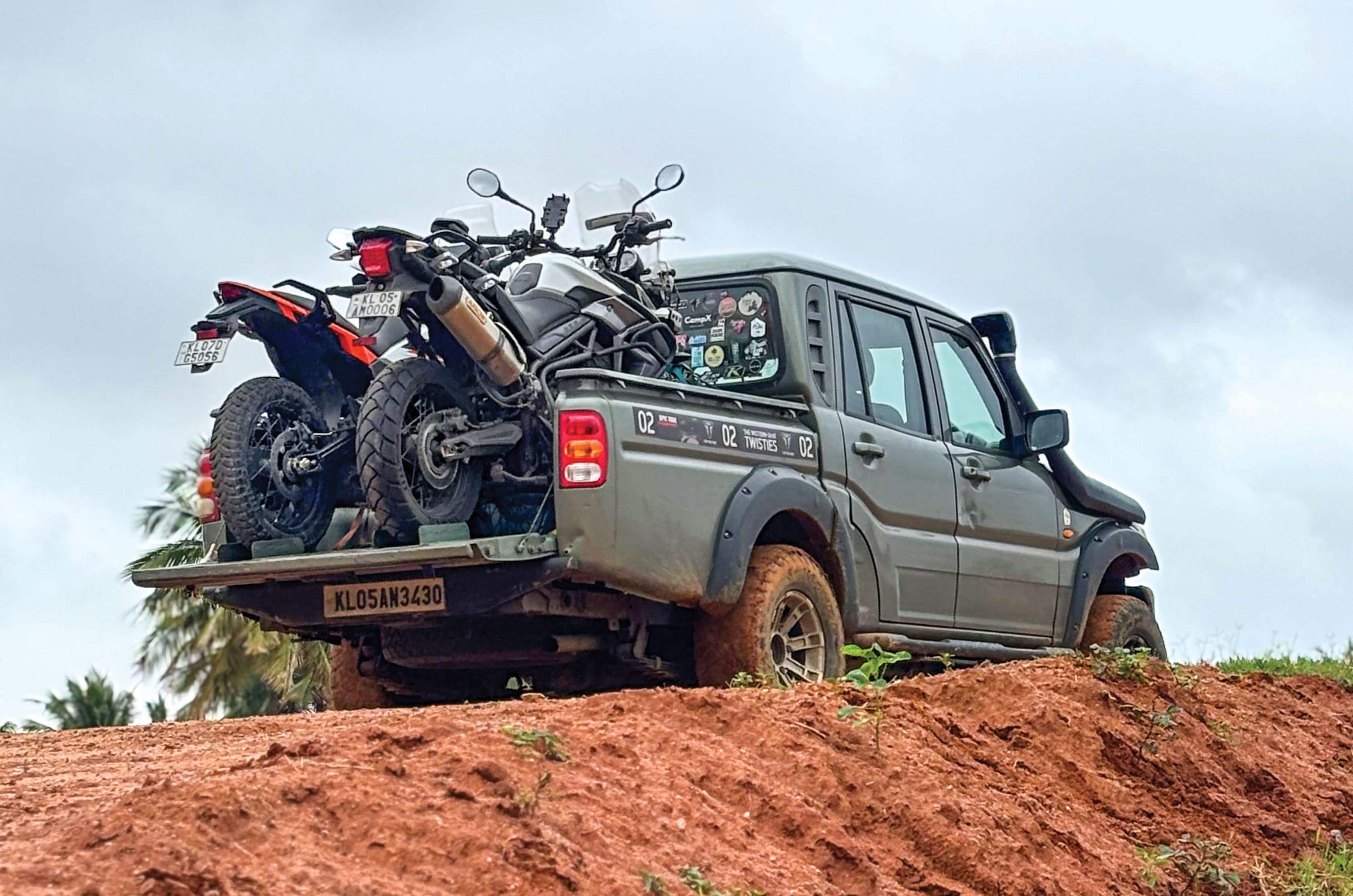
The next eight years were when the Getaway really pulled its own weight in gold. Most notably, the two 8,000km Kottayam-to-Kohima round trips, mostly with a 250kg Tiger 1200 strapped to its back, and about 1,10,000km criss-crossing South India with us and paraphernalia in it. It has been our hotel room and our home away from home when the adventure motorcycle thrill started booming. More than anything, it has been as reliable as a hammer and didn’t need much more than a full tank of diesel and some duct tape to get to the next destination.
Wear and tear on big bikes is expensive. Getaway helps mitigate that expense.
We figured a long time ago that using its ‘certified’ 600kg payload capacity to carry a motorcycle is a huge cost saving for a startup business. Ever since all nice and fast things became sin goods in the eyes of the government, carrying the bike to the start of the trip and using it only at the event became a much more economical proposition than riding it all the way. An example? A proper load- and speed-rated rear tyre on the Tiger 1200 costs Rs 25,000, and with the way I ride the bike, I obliterate that poor tyre in just 3,500km. That and the expensive mechanical wear and tear on these big bikes ultimately meant it was cheaper to load the bike on the back of the Getaway and transport it to the event.
Spare a thought
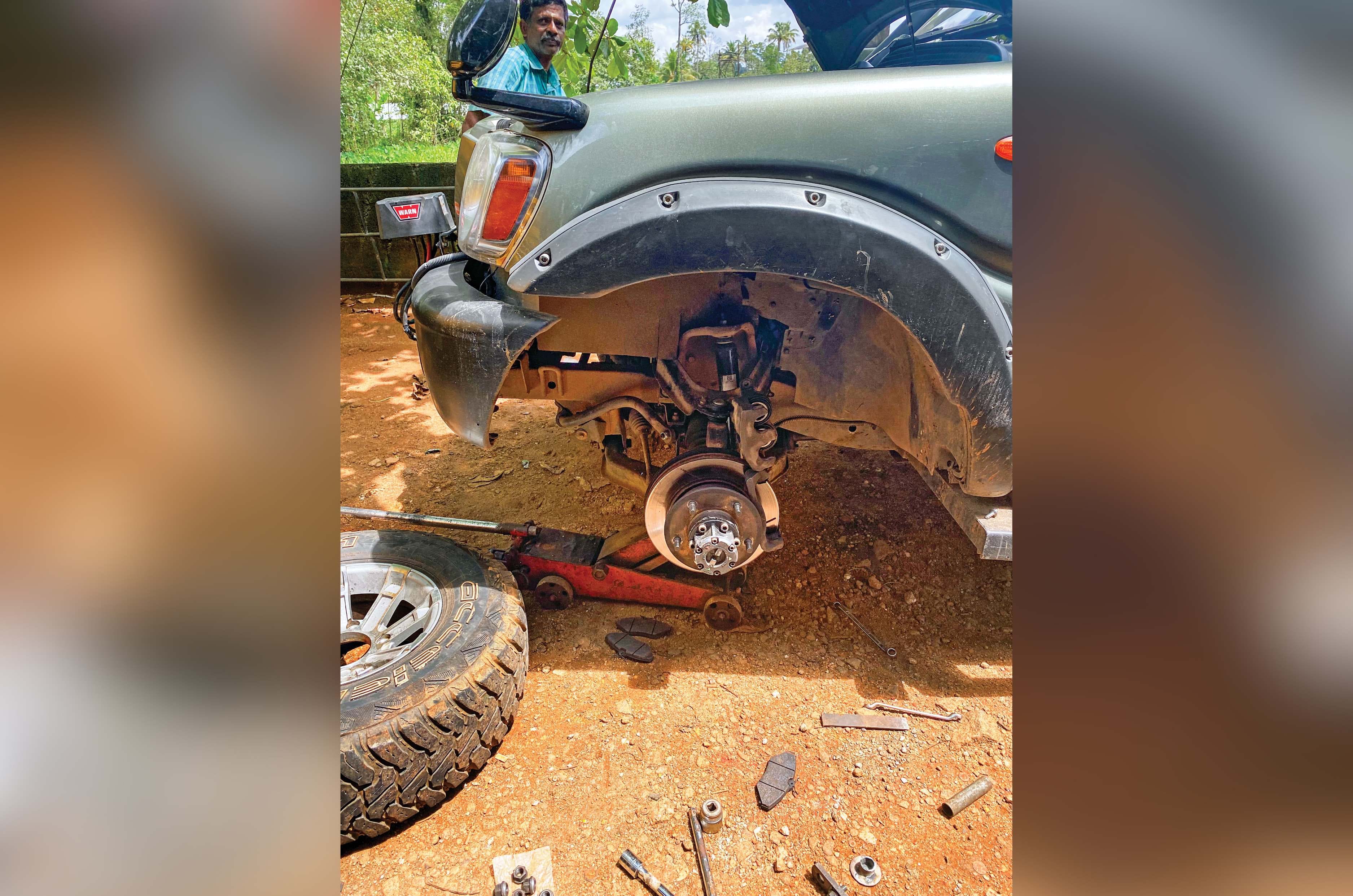
This being a Mahindra and based largely on the Scorpio, parts are available everywhere in India, and mechanics know their way around the Getaway’s Scorpio bloodline despite the pickup’s rarity. We run the car on a preventive maintenance schedule because we really work it hard, and no matter what, it gets fresh air, oil and diesel filters every 5,000km. The engine and transmission oil get changed at the same time, the leaf springs at the back are realigned and reshaped every 15,000km and the torsion bar front suspension gets re-adjusted every time we notice it starting to sag. We don’t have a bed liner for the pickup bed, so once a year, we check it in to a paint spa for a fresh coat to prevent rusting from all the scratches. That’s it.
Easily repaired because it shares a lot of parts with the Scorpio.
The engine has never needed an overhaul, and it is helpful that the bomb-proof 2.6 CRDe engine will run on anything that resembles diesel. The weak link in the mechanical package is the clutch – if you’re not reasonably careful every time you start off on a slope, it’ll vaporise fast. Still, the clutch pack along with the clutch release bearing works out to something like Rs 6,000, so apart from the inconvenience of being stranded, it really doesn’t hurt the wallet.
Also, because of our carelessness, we’ve chewed through three rear differentials in the course of the last decade (sometimes the cable-operated Lamda differential doesn’t fully disengage thanks to a corroded cable, and if you are not careful, you end up driving with a partially locked differential on the road). The rear differential turned out to be one of the most expensive spares on the Getaway, working out to around Rs 40,000 a pop, and even that is not too bad considering a broken tail-lamp on a Hilux will set you back Rs 30,000. We’ve since discarded the locking differential and keep fingers crossed that the winch will yank us out when the time comes. Also, don’t break the rear windshield – it is harder to source than a Ferrari 250 GTO!
With a full load, the Getaway still runs around 10 kilometres for every litre of diesel consumed, and that, along with its 60-litre fuel tank, gives it a useful range of 600km.
1,50,000km of highways and trails, and it is still going strong!
The Getaway doesn’t seem to lose much on resale value either. Back in 2016, Rish bought it for Rs 11 lakh and some spare change (on road!). Because every other new lifestyle pickup truck in the market is considerably more expensive, I think people are coming around to the sweet spot of utility, value and comfort that the Getaway hits. It is a reasonably simple vehicle with zero electronics (no ABS even!) and so lends itself to hard work and easy fixes happily. Still, well-maintained Getaways are few and far between and their owners (like us) are loathe to let them go. The ones you find on used-car portals are bad. Trust me, I’ve looked.
What next?
No one is more excited about the launch of the Getaway’s replacement than I am. The new Lifestyler (weird name) looks very cool, and the more powerful engines will definitely make fully loaded cross-country trips effortless. The expected base price is positively tasty, and I hope it will come with maintenance costs to match.
It does seem a bit too fancy, though, and I worry about the interiors that are no longer the hose-down kind. I hope Mahindra will offer a more pared-down version that will allow people like me to use it with dirty boots and greasy gloves guilt-free. In the mountaineering world, when someone successfully summits a peak, you ask, “Who’s your sherpa” The Getaway has been The School Of Dirt’s unfailing sherpa. The Lifestyler has its work cut out.
As we know, Ather’s first scooter based on the EL platform, Konarc, is gearing up to launch on August 29, at their annual community day. We had learned earlier that the Konarc will get metal body panels and few other details about the platform. Now, Ather has detailed the durability tests they’ve conducted on the Konarc to ensure that it’s built robustly.
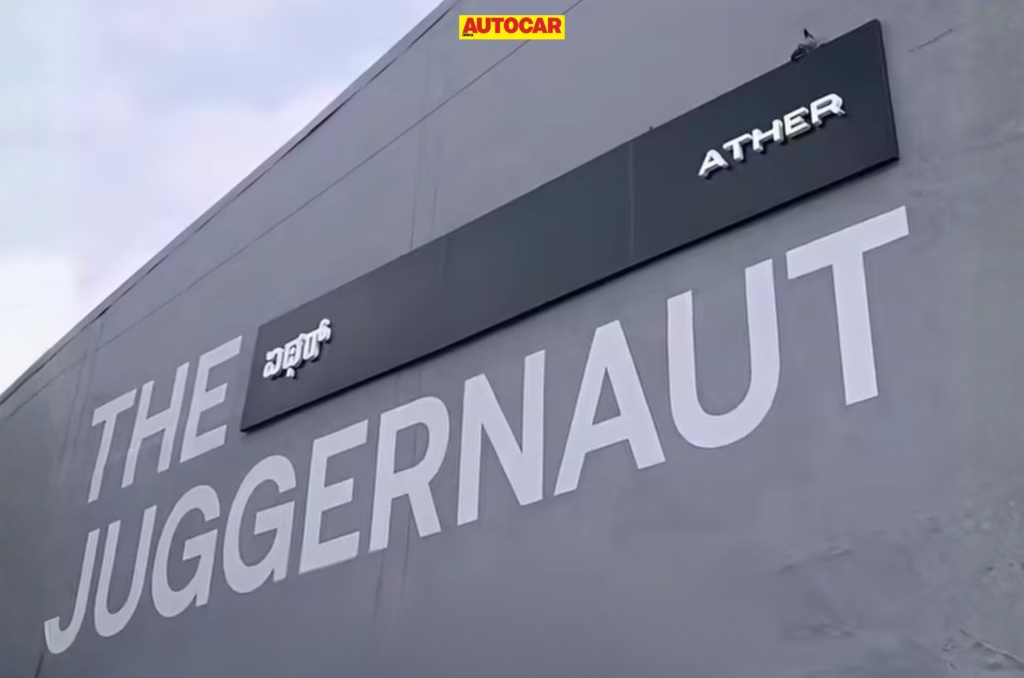
Tested at The Juggernaut, Ather’s in-house testing ground
Some of the tests include drop tests, flood simulations, and vibration testing
Robust testing in tough conditions
With a 1 lakh km condensed riding cycle
We’re now aware that Ather is looking to position the Konarc as their first mass market EV and as such, they claim to have tested it far beyond what a normal ride would demand at The Juggernaut, the brand’s in-house testing ground. Posted on the brand’s Instagram page, some of the different tests include drop tests, load testing, shaking, vibrating, compressing one lakh kilometres of riding into an accelerated cycle. To take things up a notch, scenarios like heavy rains, deep water wades, floods were also simulated.
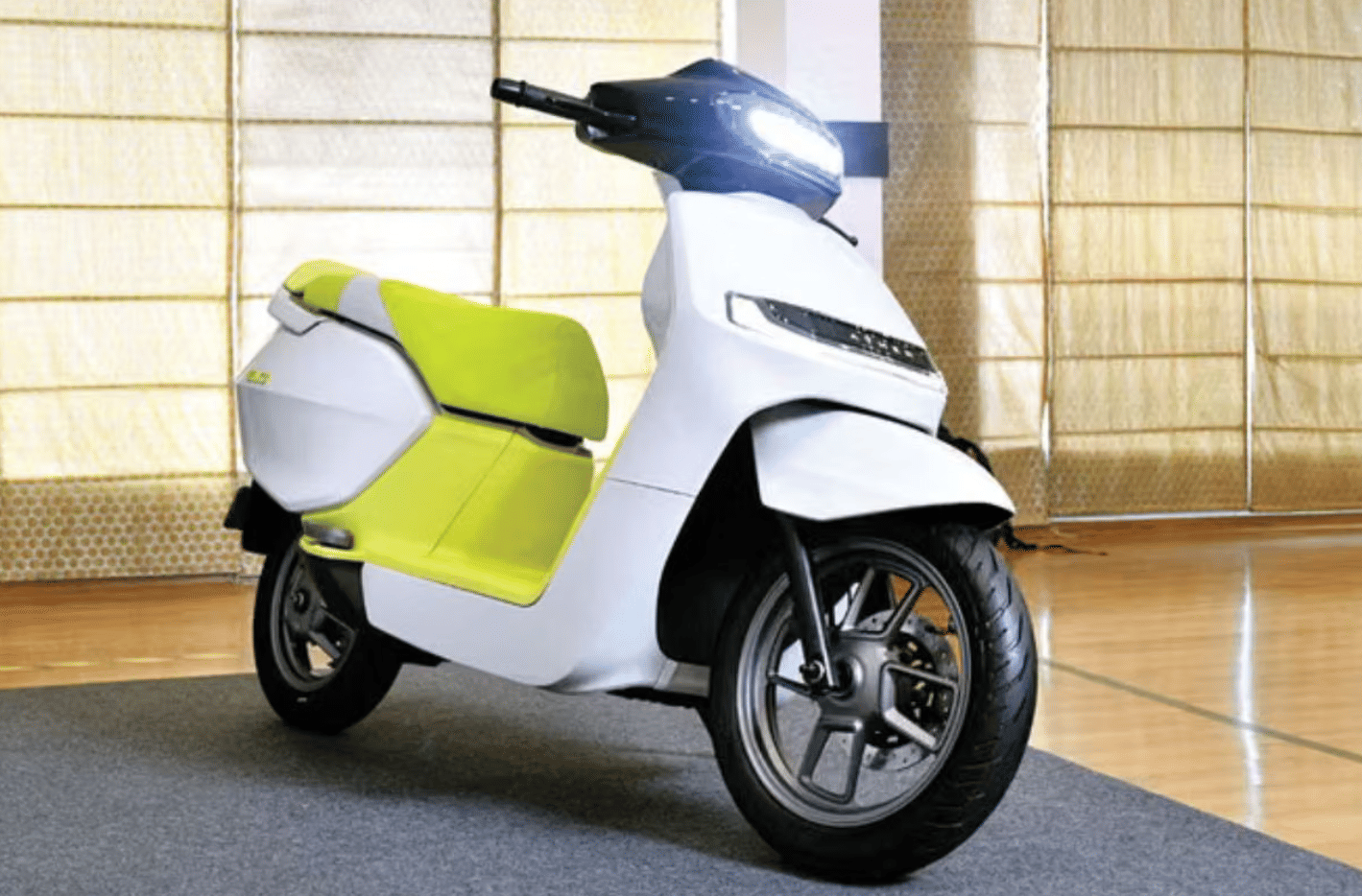
EL01 concept used for representative purpose
Beyond these admittedly robust testing scenarios, the video also shows the Konarc undergoing typical durability tests for parts like the brakes, suspension, stands, and switches. The video also further substantiates previously known information like the steel chassis, metal body panels, a swingarm mounted motor, a 14-inch front wheel and a 12-inch rear wheel. We should get to know exactly what the Konarc can do on August 29 with more insights and information into the scooter.
UP News: उत्तर प्रदेश सरकार ने राज्य में बड़े इंफ्रास्ट्रक्चर प्रोजेक्ट्स की क्वालिटी सुधारने के लिए बड़ा फैसला लिया है। अब 100 करोड़ रुपये से अधिक लागत वाली सड़क, पुल, सीवरेज और जलापूर्ति परियोजनाओं की क्वालिटीकी जांच देश के प्रतिष्ठित इंडियन इंस्टीट्यूट ऑफ टेक्नोलॉजी (IIT) संस्थानों के एक्सपर्ट्स करेंगे। सरकार ने इसके लिए थर्ड पार्टी क्वालिटी ऑडिट (TPQA) की व्यवस्था लागू करने का फैसला किया है। इस नई व्यवस्था में IIT कानपुर, IIT-BHU वाराणसी और IIT रुड़की जैसे प्रमुख संस्थान बड़ी परियोजनाओं की टेक्निकल क्वालिटी की निगरानी करेंगे।
इसका मकसद यह है कि निर्माण में किसी भी तरह की तकनीकी कमी, घटिया सामग्री या सुरक्षा से जुड़ी समस्या का पता परियोजना पूरी होने के बाद नहीं। बल्कि निर्माण के दौरान ही चल जाए। थर्ड-पार्टी क्वालिटी ऑडिट (TPQA) में सड़कें, पुल, सीवरेज सिस्टम और पानी की सप्लाई वाले प्रोजेक्ट्स शामिल होंगे।
प्रोजेक्ट की शुरुआत से लेकर आखिर तक होगी जांच
एक्सपर्ट्स हर प्रोजेक्ट की शुरुआत से लेकर आखिर तक जांच करेंगे। इसमें उसका डिजाइन, बनाने का तरीका, इस्तेमाल होने वाली सामग्री और जरूरी मानकों का पालन हो रहा है या नहीं, जैसे सभी कारण शामिल होगा। IIT की टीमें निर्माण के अलग-अलग चरणों की भी निगरानी करेंगी ताकि काम पूरा होने के बाद के बजाय शुरुआती दौर में ही किसी भी समस्या का पता लगाया जा सके।
शुरुआत से अंत तक होगी जांच
IIT के विशेषज्ञ केवल तैयार सड़क या पुल की जांच नहीं करेंगे, बल्कि परियोजना के अलग-अलग चरणों की निगरानी करेंगे। इसका उद्देश्य निर्माण पूरा होने के बाद खामियां मिलने के बजाय उन्हें समय रहते पहचानकर ठीक करना है। इसमें मुख्य रूप से-
प्रोजेक्ट के डिजाइन की जांच
निर्माण में अपनाई जा रही तकनीक
इस्तेमाल होने वाली निर्माण सामग्री की गुणवत्ता
निर्धारित तकनीकी मानकों का पालन
निर्माण की सुरक्षा
काम की अलग-अलग स्टेज पर गुणवत्ता की जांच शामिल होगी।
IIT कानपुर को 8 डिवीजन की जिम्मेदारी
‘हिंदुस्तान टाइम्स’ की एक रिपोर्ट के मुताबिक, सरकारी व्यवस्था के तहत IIT कानपुर को उत्तर प्रदेश के 8 डिवीजन में प्रोजेक्ट की क्वालिटी जांच की जिम्मेदारी दी गई है। इनमें कानपुर, लखनऊ, बांदा, प्रयागराज, अयोध्या, आगरा, झांसी और देवीपाटन शामिल हैं। इन क्षेत्रों में ₹100 करोड़ से अधिक लागत वाले संबंधित इंफ्रास्ट्रक्चर प्रोजेक्ट्स की तकनीकी जांच IIT कानपुर की टीम करेगी।
IIT-BHU के जिम्मे ये इलाके
IIT-BHU वाराणसी को भी कई महत्वपूर्ण डिवीजन की जिम्मेदारी दी गई है। इसके तहत बस्ती, गोरखपुर, आजमगढ़, वाराणसी और मिर्जापुर में बड़े इंफ्रास्ट्रक्चर प्रोजेक्ट्स की गुणवत्ता की निगरानी की जाएगी। वहीं IIT रुड़की को सहारनपुर, मुरादाबाद, बरेली, मेरठ और अलीगढ़ समेत पांच डिवीजन की जिम्मेदारी दी गई है।
₹100 करोड़ से ज्यादा के प्रोजेक्ट पर खास नजर
नई व्यवस्था के तहत ₹100 करोड़ से अधिक लागत वाले प्रमुख प्रोजेक्ट जांच के दायरे में आएंगे। टेक्निकल एक्सपर्ट निर्माण की क्वालिटी के साथ-साथ इस्तेमाल की जा रही सामग्री और परियोजना की सुरक्षा का भी परीक्षण करेंगे। सरकार का मानना है कि बाहरी और एक्सपर्ट्स संस्थानों से ऑडिट कराने से निर्माण एजेंसियों पर गुणवत्ता बनाए रखने का दबाव बढ़ेगा। साथ ही सरकारी पैसे से तैयार होने वाली बड़ी परियोजनाओं की विश्वसनीयता बेहतर होगी।
‘उन्नाव एक्सप्रेसवे’ हादसे के बाद बड़ा फैसला
उत्तर प्रदेश सरकार का यह कदम ऐसे समय आया है जब उन्नाव में ग्रीनफील्ड नेशनल एलिवेटेड एक्सप्रेसवे के एक हिस्से के उद्घाटन के कुछ ही दिनों बाद ढहने की खबर सामने आई थी। रिपोर्ट के मुताबिक, करीब ₹4,200 करोड़ की लागत से तैयार इस एक्सप्रेसवे का उद्घाटन 13 जुलाई को हुआ था।
इस कार्यक्रम में मुख्यमंत्री योगी आदित्यनाथ, रक्षा मंत्री राजनाथ सिंह और केंद्रीय सड़क परिवहन एवं राजमार्ग मंत्री नितिन गडकरी मौजूद थे। इसके करीब 12 दिन बाद एक्सप्रेसवे के एक हिस्से के ढहने की खबर ने निर्माण की गुणवत्ता और निगरानी व्यवस्था को लेकर गंभीर सवाल खड़े कर दिए।
Unnao, Uttar Pradesh: Just 12 days after its inauguration, a large section of the main route of the Lucknow-Kanpur Greenfield National Elevated Expressway, built at a cost of 4200 crore rupees, has sunk due to rains. Following the emergence of a video of the road collapse on… pic.twitter.com/xfpN8UbD2z
नई TPQA व्यवस्था का सबसे बड़ा फायदा यह हो सकता है कि किसी परियोजना के पूरा होने के बाद सामने आने वाली तकनीकी खामियों को निर्माण के दौरान ही पकड़ा जा सकेगा। सरकार की कोशिश है कि बड़े इंफ्रास्ट्रक्चर प्रोजेक्ट केवल समय और बजट के भीतर पूरे न हों। बल्कि उनकी गुणवत्ता, मजबूती और सुरक्षा भी सुनिश्चित हो। यानी अब यूपी में ₹100 करोड़ से बड़े प्रोजेक्ट पर सिर्फ सरकारी विभागों की नजर नहीं होगी। बल्कि IIT के टेक्निकल एक्सपर्ट भी निर्माण की क्वालिटी का हिसाब रखेंगे।
उत्तर प्रदेश के मुख्यमंत्री योगी आदित्यनाथ की दिनचर्या कितनी भी व्यस्त क्यों न हो, जनता से सीधे संवाद का सिलसिला जारी रहता है। सोमवार को लखनऊ में अपने सरकारी आवास पर सीएम योगी ने जनता दर्शन कार्यक्रम के दौरान बड़ी संख्या में लोगों से मुलाकात की। उन्होंने लोगों की समस्याएं और शिकायतें सुनीं और मौके पर मौजूद संबंधित अधिकारियों को इनके जल्द और प्रभावी समाधान के निर्देश दिए।
इस दौरान सीतापुर के हरगांव की रहने वाली पूनम देवी भी सीएम योगी आदित्यनाथ के जनता दरबार में पहुंचीं। उन्होंने मुख्यमंत्री से मिलकर गाय पालन के जरिए अपने परिवार को आत्मनिर्भर बनाने की इच्छा जाहिर की। पूनम के पास पहले से ही पांच गायें हैं और उन्होंने और गायें उपलब्ध कराने की मांग की। पूनम ने बताया की उनके पास अन्य गोवंश रखने के लिए पर्याप्त जगह भी हैं।
इस पर मुख्यमंत्री ने अतिरिक्त मुख्य सचिव (पशुपालन) को निर्देश दिया कि उन्हें बेसहारा गायें उपलब्ध कराई जाएं और यह सुनिश्चित किया जाए कि उन्हें ‘मुख्यमंत्री सहभागिता योजना’ का लाभ मिले, ताकि वह गोसेवा के साथ दूथ की बिक्री से परिवार की आय बढ़ा सकें।
श्रावण मास में मुख्यमंत्री से आश्वासन मिलने पर जताया आभार
अपने जनता दर्शन कार्यक्रम में सीएम योगी आदित्यनाथ ने गोसेवा के महत्व का भी उल्लेख किया। उन्होंने कहा, गोमाता में 33 कोटि देवताओं का वास माना गया है। सीएम योगी ने पूनम से कहा कि मन से गोसेवा करें, क्योंकि श्रद्धा और मन से की गई गोसेवा से जीवन की बाधाएं और कष्ट दूर होते हैं। पूनम देवी ने भी अपनी इच्छा पूरी करने की दिशा में मुख्यमंत्री की ओर से मिले भरोसे के लिए आभार जताया। उन्होंने कहा कि श्रावण मास में मुख्यमंत्री के सामने अपनी बात रखने और मदद का आश्वासन मिलने से उन्हें खुशी हुई है।
दिव्यांग की जमीन पर कब्जे की शिकायत
बता दें कि जनता दर्शन के दौरान अलग-अलग जिलों से पहुंचे लोगों ने मुख्यमंत्री योगी आदित्यनाथ के सामने अपनी समस्याएं रखीं। इसी दौरान एक दिव्यांग व्यक्ति ने अपनी जमीन पर अवैध कब्जे की शिकायत मुख्यमंत्री से की। योगी आदित्यनाथ ने उसकी बात गंभीरता से सुनी और संबंधित अधिकारियों को मामले की जांच कराकर नियमानुसार कार्रवाई करने के निर्देश दिए। उन्होंने पीड़ित को हर संभव मदद दिलाने और उसकी समस्या का उचित समाधान सुनिश्चित करने को कहा।
Delhi Rains: दिल्ली-NCR में सोमवार (24 अगस्त) को हुई मूसलाधार बारिश का असर सड़क ट्रैफिक के साथ-साथ हवाई सेवाओं पर भी पड़ा। दिल्ली के इंदिरा गांधी इंटरनेशनल एयरपोर्ट (IGIA) पर 250 से ज्यादा उड़ानें देरी से चल रही हैं। जबकि मौसम खराब होने के कारण 15 उड़ानों को दूसरे शहरों की ओर डायवर्ट करना पड़ा। डायवर्ट की गई उड़ानों में तीन इंटरनेशनल फ्लाइट भी शामिल हैं। इनमें से 12 उड़ानों को जयपुर, 2 को चंडीगढ़ और 1 उड़ान को लखनऊ भेजा गया। हालांकि, मौसम में सुधार के साथ दिन आगे बढ़ने पर उड़ान संचालन के सामान्य होने की उम्मीद जताई गई है।
भारी बारिश से दिल्ली में जलभराव और ट्रैफिक जाम
दिल्ली में सोमवार को हुई तेज बारिश के कारण कई इलाकों में जलभराव की स्थिति पैदा हो गई। सड़कों पर पानी भरने से कई जगहों पर यातायात की रफ्तार धीमी रही और लंबे ट्रैफिक जाम की स्थिति देखने को मिली। इसी बीच भारत मौसम विज्ञान विभाग (IMD) ने दिल्ली के कई जिलों में भारी बारिश को लेकर रेड अलर्ट जारी किया है। जबकि कुछ अन्य इलाकों के लिए मध्यम बारिश का येलो अलर्ट जारी किया गया।
एयरलाइंस ने यात्रियों को किया अलर्ट
मौसम की स्थिति को देखते हुए कई एयरलाइंस ने यात्रियों को अपनी उड़ान का स्टेटस चेक करने की सलाह दी है। एयरलाइंस ने यह भी चेतावनी दी कि खराब मौसम का असर कनेक्टिंग फ्लाइट्स पर भी पड़ सकता है। एयर इंडिया (Air India) ने यात्रियों को बताया कि दिल्ली से आने-जाने वाली उड़ानों का संचालन प्रतिकूल मौसम से प्रभावित हो सकता है। इंडिगो (IndiGo) ने कहा कि दिल्ली के ऊपर खराब मौसम के कारण उड़ानों के शेड्यूल पर असर पड़ा है। एयरलाइन ने यात्रियों से धैर्य रखने और उड़ान की स्थिति पर नजर बनाए रखने की अपील की।
स्पाइसजेट (SpiceJet) ने भी यात्रियों को आगाह करते हुए कहा कि दिल्ली में खराब मौसम के कारण सभी आने-जाने वाली उड़ानें और उनसे जुड़ी कनेक्टिंग उड़ानें प्रभावित हो सकती हैं। यात्रियों से एयरपोर्ट जाने से पहले अपनी फ्लाइट का स्टेटस जांचने को कहा गया। वहीं, अकासा एयर (Akasa Air) ने कहा कि दिल्ली में गंभीर मौसम की स्थिति के कारण उसके नेटवर्क की कुछ उड़ानें प्रभावित हुई हैं और यात्रियों को हुई असुविधा के लिए उसने खेद जताया।
यात्रियों के लिए जरूरी सलाह
मौसम खराब होने की स्थिति में यात्रियों को एयरपोर्ट निकलने से पहले अपनी फ्लाइट का ताजा स्टेटस जरूर चेक करने, अतिरिक्त यात्रा समय लेकर चलने और कनेक्टिंग फ्लाइट वाले यात्रियों को एयरलाइन के अपडेट पर नजर रखने की सलाह दी गई है।
दक्षिण-पूर्वी दिल्ली, पूर्वी दिल्ली, शाहदरा, मध्य दिल्ली, उत्तर-पूर्वी दिल्ली, दक्षिणी दिल्ली, नई दिल्ली, दक्षिण-पश्चिमी दिल्ली, पश्चिमी दिल्ली, उत्तर-पश्चिमी दिल्ली और उत्तरी दिल्ली के कुछ स्थानों पर बादलों की गरज और बिजली की चमक के साथ भारी बारिश हुई। यात्रियों ने सोशल मीडिया पर शहर के कुछ हिस्सों में ट्रैफिक जाम और जलभराव की शिकायत की।
‘रेड’ और ‘ऑरेंज’ अलर्ट जारी
दिल्ली में भारी बारिश के बाद मौसम विभाग ने रेड और ऑरेंज अलर्ट जारी करते हुए अगले कुछ घंटों में बादलों की गरज और बिजली की चमक के साथ तेज से मध्यम बारिश और 40 किलोमीटर प्रति घंटे तक की रफ्तार से हवाएं चलने का पूर्वानुमान जताया है। भारत मौसम विज्ञान विभाग (आईएमडी) के अनुसार, सुबह 8:30 बजे से 11:30 बजे के बीच दिल्ली में सबसे अधिक 28 मिलीमीटर (मिमी) बारिश छतरपुर में दर्ज की गई। इसके बाद लोधी रोड में 24.6 मिमी और पीतमपुरा में 18.5 मिमी बारिश हुई।
इस दौरान रिज में पांच मिमी, मयूर विहार में 1.5 मिमी, सफदरजंग में एक मिमी और आयानगर में 0.1 मिमी बारिश दर्ज की गई। कई इलाकों में बारिश के साथ तेज हवाएं भी चलीं। न्यू अशोक नगर मेट्रो स्टेशन, बुराड़ी, सीआर पार्क और अलकनंदा के आसपास जलभराव की सूचना मिली। यात्रियों ने भी सोशल मीडिया पर ट्रैफिक जाम और जलभराव वाले मार्गों की जानकारी शेयर की।
दिल्ली में सोमवार को शहर के प्रमुख मौसम केंद्र सफदरजंग में न्यूनतम तापमान 27.8 डिग्री सेल्सियस दर्ज किया गया, जो इस मौसम के सामान्य तापमान से 1.4 डिग्री अधिक है। रिज में सबसे कम न्यूनतम तापमान 24 डिग्री सेल्सियस दर्ज किया गया। आईएमडी के अनुसार, अधिकतम तापमान 34 डिग्री सेल्सियस के आसपास रहने की संभावना है।
Going by the amount of social media chatter around any NCAP test, you’d think India is one safety-obsessed nation. Awareness is rising, but safety is far from ingrained in our ethos like it is in, say, Japan. We all know the current state of road safety is appalling, but I’m not talking about driving manners or vehicle collisions or crash ratings. Of late, there’s another aspect of road safety that’s really been bothering me; the road itself and everything around it.
During the rains in Mumbai last month, two girls were electrocuted in a water-logged street. Luckily, timely intervention from a passer-by and medical treatment at a hospital saved them. Last year, an auto-rickshaw driver had his head
pierced by a falling iron rod from metro construction; thankfully emergency neurosurgery saved him too. Not everyone is so lucky though, if you can even call these accidents lucky. A concrete slab from an under-construction girder bridge fell onto a moving auto-rickshaw and car and resulted in one death and multiple injuries.
You would have read the horrific news of a 25-year-old biker in Delhi who died after his motorcycle plunged into an unbarricaded, 14-foot-deep construction pit dug up and left open. And it’s not just bikes; people have fallen into open manholes, flooded over with water, and lost their lives, and recently a 20-year-old student died after his car plunged into an open drain. Two years ago, a massive illegal billboard blew over and killed 17 people and injured over 75 others during heavy winds in Mumbai. This monsoon season, a tree collapsed onto a school bus and took the life of an 11-year-old child.
This is the aspect of road safety that has been bothering me recently, not because car crashes and other accidents do not, but because these are all too often termed ‘freak accidents’ or ‘random happenings’. Nonsense! These are not freak incidents, but accidents caused by negligence and unaccountability. So many folks say, ‘oh, his/her time had come’. Again, nonsense. Would you say all those poor kids who died in Africa due to starvation died because their time had come? No. They died because of human action, or inaction.
So, really, I write this column only to highlight this fact; to remind us all that it isn’t random. As the saying goes, ‘everything happens for a reason’. Here it’s callousness, from those in charge and from us. So, the next time you express outrage over a non-5-star NCAP-rated car, spare some words of outrage for these incidents too.
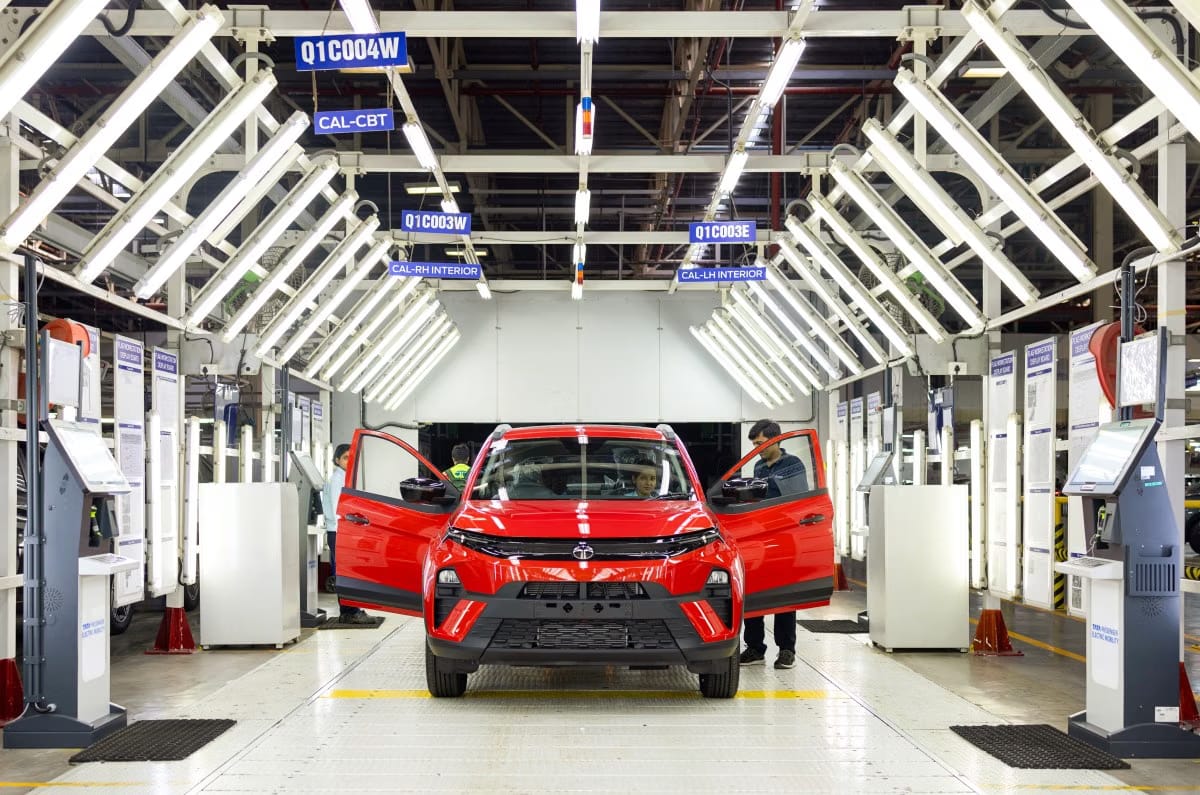
In a new regulatory filing to stock exchanges, Tata Motors has reported a temporary disruption to operations at its manufacturing plants in Sanand, Gujarat, after heavy monsoon rains and flooding affected the region. Specifically, some areas in Gujarat received between 300mm and 500mm of rain within 24 hours, which led to flooding, widespread road and rail disruptions, and the evacuation of more than 40,000 people across the state.
Production of Tata Nexon, Sierra, Tiago, Tigor briefly paused
In the regulatory filing, Tata Motors revealed that severe flooding disrupted supplier facilities in and around Gujarat as well, further impacting the carmaker’s supply chain. Efforts to restore operations at Tata’s assembly plants and vendor facilities are underway, and the carmaker is working closely with flood-affected suppliers to help them resume production as quickly as possible. If all goes to plan, production at Tata’s Sanand plants is expected to bounce back over the next few days.
Established in 2010 and located 25-30 km from Ahmedabad, the Sanand manufacturing complex houses two Tata Motors passenger vehicle plants. Both Sanand facilities manufacture the Tata Sierra, Nexon, Tiago, and Tigor, so the production pause could prolong waiting periods for these models.
Tata Motors also stated the overall financial impact and extent of damage are still being assessed. However, the carmaker assured that it has adequate insurance coverage for losses arising from natural calamities such as floods.
लखनऊ-कानपुर एक्सप्रेसवे के उद्घाटन के महज 13 दिन बाद ही इसकी सड़क दो जगहों पर धंस गई है। 13 जुलाई को शुरू हुए इस एक्सप्रेसवे पर करीब 9 मीटर हिस्से में सड़क बैठ गई, जिससे निर्माण की गुणवत्ता पर सवाल उठने लगे हैं। उन्नाव से लखनऊ जाने वाली लेन में कोरारी के पास सड़क धंसने से गहरे गड्ढे बन गए हैं। लगातार बारिश के कारण इन गड्ढों में पानी भर गया है, जिससे वाहन चालकों के लिए खतरा बढ़ गया है। इसके अलावा इसी लेन में टोल प्लाजा से करीब एक किलोमीटर पहले भी सड़क का लगभग 8 फीट हिस्सा धंस गया है।
शुरू हुआ मरम्मत का काम
एक्सप्रेसवे का निर्माण करने वाली कंपनी पटेल इंफ्रास्ट्रक्चर ने क्षतिग्रस्त हिस्सों की मरम्मत का काम शुरू कर दिया है। साथ ही, हादसों से बचाव के लिए प्रभावित जगहों पर बैरिकेड्स लगाकर वाहनों को सावधानी से गुजरने की सलाह दी जा रही है।
4200 करोड़ की लागत से बना था एक्सप्रेसवे
नेशनल हाईवे अथॉरिटी ऑफ इंडिया (एनएचएआई) ने करीब 4,200 करोड़ रुपये की लागत से इस एक्सप्रेसवे का निर्माण कराया है। इसे ऑटोमेटेड इंटेलिजेंस मशीन गाइडेड कंस्ट्रक्शन (AIMGC) तकनीक से तैयार किया गया था। दावा किया गया था कि अमेरिका और जर्मनी के बाद भारत में इस तकनीक से बनने वाला यह पहला एक्सप्रेसवे है। हालांकि, पहली ही मानसूनी बारिश में सड़क पर आई खराबी ने इसकी गुणवत्ता पर सवाल खड़े कर दिए हैं। 45 किलोमीटर लंबे ग्रीनफील्ड सेक्शन में किलोमीटर संख्या 64.200 के पास कई मीटर तक सड़क की डामर परत उखड़ गई है। इस क्षतिग्रस्त हिस्से के वीडियो भी सोशल मीडिया पर तेजी से वायरल हो रहे हैं। लगातार हो रही भारी बारिश के कारण ग्रीनफील्ड सेक्शन के कई हिस्सों में डामर उखड़ने की शिकायत सामने आई है, जिससे निर्माण कार्य की गुणवत्ता को लेकर चिंता बढ़ गई है।
Unnao, Uttar Pradesh: Just 12 days after its inauguration, a large section of the main route of the Lucknow-Kanpur Greenfield National Elevated Expressway, built at a cost of 4200 crore rupees, has sunk due to rains. Following the emergence of a video of the road collapse on… pic.twitter.com/xfpN8UbD2z
इससे पहले भी एक्सप्रेसवे के किनारों पर कई जगह मिट्टी का कटाव देखने को मिला था। वहीं, अचलगंज के पास अप्रोच रोड का एक हिस्सा भी धंस गया था। कई स्थानों पर मरम्मत के लिए किए गए पैचवर्क की वजह से सड़क पहले जैसी समतल नहीं रह गई है। वाहन चालकों का कहना है कि पुलों और पुलियाओं पर बने एक्सपेंशन जॉइंट्स से गुजरते समय तेज झटके महसूस हो रहे हैं। एक्सप्रेसवे के प्रोजेक्ट मैनेजर वी. कुंडू ने बताया कि लगातार हो रही भारी बारिश के कारण कुछ जगहों पर सड़क को नुकसान पहुंचा है। उन्होंने कहा कि मरम्मत का काम तेजी से किया जा रहा है। उनके मुताबिक, नया एक्सप्रेसवे होने के कारण शुरुआती दौर में इस तरह की छोटी-मोटी दिक्कतें असामान्य नहीं हैं और फिलहाल यातायात सामान्य रूप से जारी है।